One Straw Revolution
241 episodes — Page 5 of 5
「コンビニ人間」、村田沙耶香 - テキストと英語の訳語・文法分析:ページ 47
原文ページ 47そんなことを考えないがら、私は菅原さんの喋り方で頷いた。「はい、大丈夫です!早く新しい人入ってくれるといいですね!」「うーん、募集かけたり、夕勤の子に友達でバイト探してる子いないか声かけたりしてるんだけどねー!昼勤は古倉さんが週5で入れるから助かるわー」人手不足のコンビニでは、「何もなく不可もなく、とにかく店員としてみせに存在する」と言うことがとでも喜ばれることがある。私は泉さんや菅原さんに比べると優秀な店員ではないが、無遅刻無欠勤でとにかく毎日くると言うことだけは誰にも負けないため、良い部品として扱われていた。その時ドアの向こうから、「あのう。。。。」とか細い声がした。「あ、白羽さん?入って!俺、30分前に出勤するように言わなかった?遅刻だよー!」店員の声に静かにドアが開き、180cmはゆうに超えるだろう、ひょろりと背の高い、針金のハンガーみたいな男性が俯きながら入ってきた。自分自身が針金みたいなのに銀色の針金が顔に絡み付いたような眼鏡をかけている。白いシャツに黒いズボンと言う店のルールを守った服装だが、痩せすぎてい(48)てシャツのサイズが合っておらず、手首が見えているのに腹のあたりには不自然に皺が寄っていた。* そんなことを考えながら、私は菅原さんの喋り方で頷いた。* While not thinking about such things, I nodded in response to Mr. Sugawara's way of speaking.* 「はい、大丈夫です!早く新しい人入ってくれるといいですね!」* "Yes, I'm fine! It would be great if a new person could join us soon!"* 「うーん、募集かけたり、夕勤の子に友達でバイト探してる子いないか声かけたりしてるんだけどねー!* "Hmm, I've been recruiting, and I've also been asking the evening shift employees if they have any friends looking for a part-time job."* 昼勤は古倉さんが週5で入れるから助かるわー」* "As for the day shift, it's great that Mr. Furukura can work five days a week."* 人手不足のコンビニでは、「何もなく不可もなく、とにかく店員としてみせに存在する」と言うことがとでも喜ばれることがある。* In understaffed convenience stores, simply "being there as an employee, without causing any problems or inconveniences," can sometimes be appreciated.* 私は泉さんや菅原さんに比べると優秀な店員ではないが、無遅刻無欠勤でとにかく毎日くると言うことだけは誰にも負けないため、良い部品として扱われていた。* Compared to Ms. Izumi and Mr. Sugawara, I'm not an outstanding store employee, but because I never come late, never miss a day, and come every day without fail, I'm treated as a reliable component.* その時ドアの向こうから、「あのう。。。。」とか細い声がした。* At that moment, from beyond the door, there was a thin voice saying, "Um..."* 「あ、白羽さん?入って!俺、30分前に出勤するように言わなかった?遅刻だよー!」* "Oh, Mr. Shiraha? Come in! Didn't I tell you to come in 30 minutes early? You're late!"* 店員の声に静かにドアが開き、180cmはゆうに超えるだろう、ひょろりと背の高い、針金のハンガーみたいな男性が俯きながら入ってきた。* In response to the store employee's voice, the door opened quietly, and a man who would easily exceed 180 cm, with a tall and slender figure like a wire hanger, entered while bowing.* 自分自身が針金みたいなのに銀色の針金が顔に絡み付いたような眼鏡をかけている。* Despite being wire-like himself, he wore silver wire-like glasses that seemed to entwine around his face.* 白いシャツに黒いズボンと言う店のルールを守った服装だが、痩せすぎていてシャツのサイズが合っておらず、手首が見えているのに腹のあたりには不自然に皺が寄っていた。* He adhered to the store's dress code with a white shirt and black trousers, but he was so thin that the shirt didn't fit properly, revealing his wrists, and there were unnatural wrinkles around his abdomen.Some interesting vocabulary words from the paragraph:* 募集 (ぼしゅう) - recruitment, hiring.* 週5 (しゅうご) - five days a week.* 人手不足 (ひとでぶそく) - labor shortage, lack of staff.* 無遅刻無欠勤 (むちこくむけっきん) - never being late or absent.* 部品 (ぶひん) - component, part.* 針金 (はりがね) - wire, wire-like.* 不自然 (ふしぜん) - unnatural, strange, unusual.* 皺 (しわ) - wrinkle. This is a public episode. If you would like to discuss this with other subscribers or get access to bonus episodes, visit onestraw.substack.com
「コンビニ人間」、村田沙耶香 - テキストと英語の訳語・文法分析:ページ 46
原文ページ 467人目の店長は気弱すぎて夜勤になかな注意ができ図に店がボロボロになってしまったので、少し口が悪くてもこれくらいの方が働きやすいと、8人目の店長を見ると思う。18年間、「店長」は姿を変えながらずっと店にいた。一人一人違うのに、全員合わせて一匹の生き物であるような気持ちになることがある。8人目の店長は声が大きく、バックルームではいつも彼の声が反響している。「あ、今日、新人の白羽ちんとだから!夕方に研修して昼勤は初めてだよね。よろしくしてあげてね!」「はい!」元気よく返事をすると、店長は数字を打ち込む手を休めずに何度も頷いた。「いやあ、古倉さんがいると安心だわー。岩木君が本格的に抜けちゃうから、しばらく、古倉さんと泉さんと菅原さん、それと新戦力の白羽さんの4人で昼まわすことになるけど、よろしく!俺はちょっと、しばらくの間は夜勤に入るしかなさそうだわー」声のトーンは全く違うものの、店長も泉さんと同じように語尾を伸ばして乗る癖がある。泉さんの後に8人目の店長が来たから、泉さんのが店長に移ったのかもしれないし(47)、店長の喋り方を吸収して泉さんがますます語尾を伸ばすようになったのかもしれない。7人目の店長は気弱すぎて夜勤になかな注意ができ図に店がボロボロになってしまったので、少し口が悪くてもこれくらいの方が働きやすいと、8人目の店長を見ると思う。* The seventh store manager was too timid to manage the night shift properly, and as a result, the store became quite run-down. Looking at the eighth store manager, who may be a bit rude but can handle things better, I think this is easier to work with.18年間、「店長」は姿を変えながらずっと店にいた。一人一人違うのに、全員合わせて一匹の生き物であるような気持ちになることがある。* For 18 years, the "store manager" has remained at the store, changing faces but always there. Even though they are all different individuals, sometimes it feels like they collectively form a single entity.8人目の店長は声が大きく、バックルームではいつも彼の声が反響している。* The eighth store manager has a loud voice, and in the backroom, his voice always echoes.「あ、今日、新人の白羽ちんとだから!夕方に研修して昼勤は初めてだよね。よろしくしてあげてね!」* "Oh, today we have a new recruit, Shiraha-chan! She had training in the evening, and this is her first day shift. Please take care of her!"「はい!」* "Yes!"元気よく返事をすると、店長は数字を打ち込む手を休めずに何度も頷いた。* When she energetically replied, the store manager continued to nod without stopping his hands from entering numbers.「いやあ、古倉さんがいると安心だわー。岩木君が本格的に抜けちゃうから、しばらく、古倉さんと泉さんと菅原さん、それと新戦力の白羽さんの4人で昼まわすことになるけど、よろしく!俺はちょっと、しばらくの間は夜勤に入るしかなさそうだわー」* "Oh, having Furukura-san here makes me feel relieved. Iwaki-kun is leaving for real, so for a while, it'll be Furukura-san, Izumi-san, Sugawara-san, and the new talent, Shiraha-san, handling the day shifts together. I'll have to work the night shifts for a bit!"声のトーンは全く違うものの、店長も泉さんと同じように語尾を伸ばして乗る癖がある。泉さんの後に8人目の店長が来たから、泉さんのが店長に移ったのかもしれないし、店長の喋り方を吸収して泉さんがますます語尾を伸ばすようになったのかもしれない。* Despite their completely different tones, the store manager also has a habit of extending the end of their sentences, just like Izumi-san. Perhaps, when the eighth store manager came after Izumi-san, Izumi-san's way of speaking transferred to the store manager, or maybe Izumi-san absorbed the store manager's way of speaking and further elongated their sentences.Vocab of Interest :* 気弱 (きよわ) - timid, weak-willed* ボロボロ - tattered, worn-out* 口が悪い - foul-mouthed, having a sharp tongue* 反響 (はんきょう) - echo, reverberation* 抜ける (ぬける) - to leave, to resign* 新戦力 (しんせんりょく) - new force, new talent* 語尾 (ごび) - sentence ending, end of speech* 吸収 (きゅうしゅう) - absorption, assimilation This is a public episode. If you would like to discuss this with other subscribers or get access to bonus episodes, visit onestraw.substack.com
「コンビニ人間」、村田沙耶香 - テキストと英語の訳語・文法分析:ページ 45
原文ページ 45店がオープンして4年目、近くにあるライバル店が潰れた時は大変だった。その分の客が殺到して、昼ピークが終わらずに残業をした。弁当の数が足りなくて、店長が本社の人にリサーチ不足だと叱られていた。そんなことが起きないように、私はこの街を、店員として、しっかりと見つめながら歩くことにしている。今日は特に大きな変化はなかったが、近くに新しいビルができるようなので、完成したらまた客が増えるかもしれない。そんなことをころに刻みながら店まで辿りつき、サンドイッチとお茶を勝手バックルームに入ると、今日も夜勤に入っていた店長が、汗ばんだ身体を丸めて、お客のストアコンピューターに数字を入力しているところだった。「おはようございます」「あ、おはよう古倉さん、今日も早いねー!」店長は30歳の男性で、常にキビキビとしている。口は悪いが働き者の、この店で、8人めの店長だ。二人目の店長はサポり癖があり、4人目の店長は真面目で掃除好きで、6人目の店長は癖のある人で嫌われ、夕勤が全員一気には辞めると言うトラブルになった。8人目の店長は比較的アルバイトからも好かれ、自分が体を体を動かして働くタイプな(46)のでみていて気持ちがいい。店がオープンして4年目、近くにあるライバル店が潰れた時は大変だった。* "In the fourth year since the store opened, it was tough when a nearby rival store went out of business."その分の客が殺到して、昼ピークが終わらずに残業をした。* "The customers from that store rushed in, and we ended up working overtime, extending beyond the usual lunch rush."弁当の数が足りなくて、店長が本社の人にリサーチ不足だと叱られていた。* "We didn't have enough bento (boxed lunches), and the store manager was scolded by the corporate office for inadequate research."そんなことが起きないように、私はこの街を、店員として、しっかりと見つめながら歩くことにしている。* "To prevent such things from happening again, I make it a point to walk through this town as an employee, observing it closely."今日は特に大きな変化はなかったが、近くに新しいビルができるようなので、売成したらまた客が増えるかもしれない。* "There weren't any significant changes today, but there's news that a new building is going to be constructed nearby, so if it's successful, we might get more customers again."そんなことをころに刻みながら店まで辿りつき、サンドイッチとお茶を勝手バックルームに入ると、今日も夜勤に入っていた店長が、汗ばんだ身体を丸めて、お客のスイアコンピューターに数字を入力しているところだった。* "While keeping such thoughts in mind, I arrived at the store. When I entered the back room with sandwiches and tea, the store manager, who was on the night shift today, was hunched over, inputting numbers into the customer's computer, his body glistening with sweat."「おはようございます」* "Good morning."「あ、おはよう古倉さん、今日も早いねー!」* "Oh, good morning, Furukura-san. You're early again today!"店長は30歳の男性で、常にキビキビとしている。口は悪いが働き者の、この店で、8人めの店長だ。* "The store manager is a 30-year-old man, always sharp and quick. He may have a sharp tongue, but he's a hard worker, and he's the eighth store manager at this store."二人目の店長はサポり癖があり、4人目の店長は真面目で掃除好きで、6人目の店長は癖のある人で嫌われ、夕勤が全員一気には辞めると言うトラブルになった。* "The second store manager had a habit of supporting, the fourth store manager was serious and liked cleaning, the sixth store manager had quirks and was disliked, and it led to a problem where the evening shift employees all quit at once."8人目の店長は比較的アルバイトからも好かれ、自分が体を体を動かして働くタイプな(46)ので見ていて気持ちがいい。* "The eighth store manager is relatively well-liked even by part-time employees, as he is the type who actively moves around and works, making it pleasant to watch."Vocab of Interest* 殺到して (さっとうして) - "rushed in"* リサーチ不足 (りさーちぶそく) - "inadequate research"* 夜勤 (やきん) - "night shift"* 勝手 (かって) - "on one's own" or "freely"* アルバイト (あるばいと) - "part-time job"* サポり癖 (さぽりくせ) - "habit of supporting"* 真面目 (まじめ) - "serious" or "earnest"* 癖のある人 (くせのあるひと) - "quirky person" or "person with idiosyncrasies"* 辞める (やめる) - "to quit" or "to resign"* 比較的 (ひかくてき) - "relatively" or "comparatively" This is a public episode. If you would like to discuss this with other subscribers or get access to bonus episodes, visit onestraw.substack.com
「コンビニ人間」、村田沙耶香 - テキストと英語の訳語・文法分析:ページ 44
原文ページ 44朝、早く目が覚えてしまった時は、一駅前で降りで店まで歩くことにしている。マンションや飲食店が立ち呑んでいる場所から、店の方へ歩いていくにしたがって、おフェスビルしかななくなっていく。その、ゆっくりと世界が死んでいくような感覚が、心他いい。初めてこの店に迷い込んだ時と変わらない光景だ。早朝、たまにスーツ姿のサラリーマンが早足で通り過ぎていくだけで、ほとんど生き物が見当とらない。こんなにオフィスしかないのに、コンビニで働いていると住民風の客も訪ねるので、一体どこに住んでいるのだろうというつも思う。このセミの抜け殻の中を歩いているような世界のどこかで、私の「お客様」が眠っているのだとぼんやり思う。夜になると、オフェスの光が幾何学的に並ぶ光景に変わる。自分が住んでいる安いアパートが並ぶ光景と違って、光も無機質で、均一な色をしている。店の周りを歩くのは、コンビニ店員にとって大切な情報収集でも洗う。食店が弁当を始めたら売上に影響するし、新しく工事がはみまればそこで働く客が増える。朝、早く目が覚えてしまった時は、一駅前で降りで店まで歩くことにしている。* In the morning, when I wake up early, I make it a habit to get off one station earlier and walk to the store.マンションや飲食店が立ち呑んでいる場所から、店の方へ歩いていくにしたがって、おフェスビルしかななくなっていく。* As I walk from the area where there are apartments and restaurants standing, towards the store, it gradually becomes nothing but office buildings.その、ゆっくりと世界が死んでいくような感覚が、心他いい。* That slow sensation of the world dying away feels oddly calming.初めてこの店に迷い込んだ時と変わらない光景だ。* It's the same scenery as when I first stumbled upon this store.早朝、たまにスーツ姿のサラリーマンが早足で通り過ぎていくだけで、ほとんど生き物が見当とらない。* In the early morning, occasionally a salaryman in a suit walks briskly past, but there are hardly any signs of life.こんなにオフィスしかないのに、コンビニで働いていると住民風の客も訪ねるので、一体どこに住んでいるのだろうというつもり思う。* Even though there are mostly offices around, working at the convenience store, I often wonder where the customers who look like residents actually live.このセミの抜け殻の中を歩いているような世界のどこかで、私の「お客様」が眠っているのだとぼんやり思う。* Somewhere in this world that feels like walking through a cicada's discarded shell, I vaguely imagine my "customers" are sleeping.夜になると、おフェスの光が幾何学的に並ぶ光景に変わる。* At night, the lights of the office buildings transform into a geometrical arrangement.自分が住んでいる安いアパートが並ぶ光景と違って、光も無機質で、均一な色をしている。* Unlike the view of the inexpensive apartments where I live, the lights here are also inorganic and have a uniform color.店の周りを歩くのは、コンビニ店員にとって大切な情報収集でも洗う。* Walking around the store is important for convenience store employees; it's a way to gather valuable information.食店が弁当を始めたら売上に影響するし、新しく工事がはみまればそこで働く客が増える。* If a restaurant starts selling bento, it can affect sales, and if there's new construction, it means more customers might be working there.Vocab of note:* 降りる (おりる) - To get off (a train or bus).* 立ち呑み (たちのみ) - Standing bar, a place where you can drink while standing.* 世界が死んでいく (せかいがしんでいく) - The world dying away, a metaphorical expression.* 住民風 (じゅうみんふう) - Resembling residents, having the appearance of local residents.* セミの抜け殻 (せみのぬけがら) - Cicada's discarded shell, a symbolic description.* 幾何学的 (きかがくてき) - Geometrical, relating to geometry.* 無機質 (むきしつ) - Inorganic, lacking vitality or life.* 均一な色 (きんいつないろ) - Uniform color, a consistent or even color.* 情報収集 (じょうほうしゅうしゅう) - Information gathering, collecting valuable information.* 売上 (うりあげ) - Sales, revenue generated from sales.* 工事 (こうじ) - Construction, building work or construction projects.* はみ出る (はみでる) - To protrude, extend beyond, or jut out. This is a public episode. If you would like to discuss this with other subscribers or get access to bonus episodes, visit onestraw.substack.com
「コンビニ人間」、村田沙耶香 - テキストと英語の訳語・文法分析:ページ 43
原文ページ 43子供の頃スコップで男子生徒を殴った時も、「きっと家に問題があるんだ」と根拠のない憶測で家族を責める大人ばかりだった。私が被虐待児だとしたら理由が理解できて安心するから、そうに違いない、さっさとそれを認めろ、と言わんばかりだった。迷惑だなあ、何でそんなに安心したいんだろう遠見ながら、「うーん、とにかくね、私は身体が弱いから!」と妹が、困ったときはとりあえずこう言えと言っていた言い訳をリピートした。「そっか、うんうん、そうそう、持病とかあるとね、いろいろ難しいよね」「結構ずっと前からだようね、大丈夫ー?」早くコンビニに行きたいな、と思った。コンビニでは、働くメンバーの一員であることが何よりも大切にされていて、こんなに複雑ではない。性割も年齢も国籍も関係なく、同じ制服を身に対すければ全員が「店員」と言う均等な存在だ。時計を見ると午後の3時だった。そろそろ、レジの積算が終わって銀行の両替も売了し、トラックに乗ったパンとお弁当が届いて並べ始めているころだ。離れていても、コンビニと私は繋がっている。遠く離れた、光に満ちたスマイルマート(44)日色町駅前店の光景と、そこを満たしているざわめきを鮮明に思い浮かべながら、私はレジを打つために爪が切りそろえられた手を、膝の上で静かに撫でた。子供の頃スコップで男子生徒を殴った時も、”That time when I was a child and hit the school boy with the shovel ... "「きっと家に問題があるんだ」と根拠のない憶測で家族を責める大人ばかりだった。 "Surely there must be a problem at home," the adults blamed their families with groundless speculation.私が被虐待児だとしたら理由が理解できて安心するから、そうに違いない、さっさとそれを認めろ、と言わんばかりだった。 They seemed to say, "If I were an abused child, I could understand the reason and feel relieved. Just admit it already."迷惑だなあ、何でそんなに安心したいんだろう遠見ながら、「うーん、とにかくね、私は身体が弱いから!」と妹が、困ったときはとりあえずこう言えと言っていた言い訳をリピートした。 Annoyed, I wondered why they wanted to feel so reassured. While thinking, I repeated the excuse my younger sister had advised me to use when in a tight spot, "Uh, well, you know, I have a weak body!"「そっか、うんうん、そうそう、持病とかあるとね、いろいろ難しいよね」 "I see, yeah, that's right. It must be tough when you have chronic health issues."早くコンビニに行きたいな、と思った。 I thought, "I want to go to the convenience store soon."コンビニでは、働くメンバーの一員であることが何よりも大切にされていて、こんなに複雑ではない。 In the convenience store, being a member of the working team was valued above all else, and it wasn't as complicated.性割も年齢も国籍も関係なく、同じ制服を身に対すければ全員が「店員」と言う均等な存在だ。 Regardless of gender, age, or nationality, once you put on the same uniform, everyone is an equal presence called "store staff."時計を見ると午後の3時だった。 When I checked the time, it was 3:00 in the afternoon.そろそろ、レジの積算が終わって銀行の両替も売了し、トラックに乗ったパンとお弁当が届いて並べ始めているころだ。 It was about time for the register reconciliation to be completed, the bank exchange to be finished, and the bread and bento delivered on the truck to be arranged.離れていても、コンビニと私は繋がっている。 Even when apart, the convenience store and I were connected.遠く離れた、光に満ちたスマイルマート(44)日色町駅前店の光景と、そこを満たしているざわめきを鮮明に思い浮かべながら、私はレジを打つために爪が切りそろえられた手を、膝の上で静かに撫でた。 As I vividly imagined the scene of the brightly lit Smile Mart (44) Hirocho Station Front Store, far away, and the bustling activity filling it, I gently ran my neatly trimmed nails over my knee while preparing to operate the cash register. This is a public episode. If you would like to discuss this with other subscribers or get access to bonus episodes, visit onestraw.substack.com
「コンビニ人間」、村田沙耶香 - テキストと英語の訳語・文法分析:ページ 42
原文ページ 42「プライベートな質問は、ほやかして答えれば、向こうが勝手に解釈してくれるから」と言われていたのに、失敗したな、と思う。「あのさ、私っこう同性愛の友達とかもいるしさあ、理解ある方だから、今は、アセックシャル?とかいうのもあるんだよねー」場をとりなすようにミホが言う。「そうそう、増えてるっていうよね。若い人とか、そういうのに興味がないんだよね」「カミングアウトするのも難しいってテレビで見た、それ」性経験はないもの、自分のサクシャリティを時に意識したこともない私は、性に無頓着なだけで、時に悩んだことはなかったが、皆、私が若しんでいるということを前提に話をどんどん進めている。例え本当にそうだとしても、皆が言うようた分かりやすい形の苦悩とは限らないのに、誰もそこまで考えようとはしない。「プライベートな質問は、ほやかして答えれば、向こうが勝手に解釈してくれるから」と言われていたのに、失敗したな、と思う。* Even though I had been told, "With personal questions, just brush them off and let the other person interpret as they like," I think I messed up.「あのさ、私っこう同性愛の友達とかもいるしさあ、理解ある方だから、今は、アセックシャル?とかいうのもあるんだよねー」* "Hey, you know, I have some friends who are into same-sex relationships, and they're pretty understanding. So, nowadays, there's also something called asexuality, right?"場をとりなすようにミホが言う。* Miho says this, trying to lighten the mood.「そうそう、増えてるっていうよね。若い人とか、そういうのに興味がないんだよね」* "Yeah, yeah, it's said to be on the rise. Like, young people and stuff, they're not interested in that."「カミングアウトするのも難しいってテレビで見た、それ」* "I saw on TV that coming out is also difficult."性経験はないもの、自分のサクシャリティを時に意識したこともない私は、性に無頓着なだけで、時に悩んだことはなかったが、皆、私が若しんでいるということを前提に話をどんどん進めている。* I, who have no sexual experience and have never consciously considered my own sexuality, have always been indifferent to matters of sex. However, everyone assumes that I'm simply inexperienced and continues with the conversation.例え本当にそうだとしても、皆が言うようた分かりやすい形の苦悩とは限らないのに、誰もそこまで考えようとはしない。* Even if it were true, nobody thinks deeply about the possibility that my struggles might not be as straightforward as everyone assumes.Vocab of Interest* プライベートな (Puraibeeto na) - Private* 解釈 (Kaishaku) - Interpretation* アセックシャル (Asekkusharu) - Asexual* 場をとりなす (Ba o torinasu) - To lighten the mood or steer the conversation* 興味がない (Kyoumi ga nai) - Not interested* カミングアウト (Kamingu Auto) - Coming out* 難しい (Muzukashii) - Difficult* 性経験 (Seiken) - Sexual experience* サクシャリティ (Sakushariti) - Sexuality* 無頓着 (Mutonchaku) - Indifference This is a public episode. If you would like to discuss this with other subscribers or get access to bonus episodes, visit onestraw.substack.com
「コンビニ人間」、村田沙耶香 - テキストと英語の訳語・文法分析:ページ 41
原文ページ 41私は地元の友達と会う時には、少し持病があって身体が弱いからアルバイトをしていることになっている。アルバイト先ずは、親が病気がちで介護があるからだということにしていた。二種類の言い訳は妹が考えてくれた。二十代前半のころは、フリーターなど珍しいとものではなかったので特に言い訳は必要がなかったが、就職か結婚という形でほとんどが、社会と接続していき、今では両方ともしていないのは私しかいない。身体が弱いなどと言いながら、毎日立仕事を長時間やっているのだから、おかしいと皆、必の中では思っているようなだ。「愛なこと聞いていい?あのさあ、恵子って恋愛ってしたことある?」冗談目かしながらサツキが言う。「恋愛?」「付き合ったこととか。。。恵子からそういう話、そういえば聞いたことないなって」「ああ、ないよ」反射的に正直に答えてしまい、皆が黙り込んだ。困惑した表情を浮かべながら、目配せしている、ああそうだ、こういうときは、「うーん、いい感じになったこと(42)はあるけど、私って見る目がないんだよー」と曖昧に答えて、付き合った経験はないものの、不倫かなにかの事情がある恋愛経験はあって、肉体関係を持ったこともちゃんとありそうな雰囲気で返事をした方がいいと、以前妹が教えてくれていたのだった。Vocab. of Interest* 持病 (じびょう) - "chronic illness" or "long-term illness"* 介護 (かいご) - "care" or "nursing"* 言い訳 (いいわけ) - "excuse" or "explanation"* 反射的 (はんしゃてき) - "reflexive" or "instinctive"* 曖昧 (あいまい) - "ambiguous" or "vague"* 不倫 (ふりん) - "adultery" or "affair"* 肉体関係 (にくたいかんけい) - "physical relationship" or "sexual relationship"私は地元の友達と会う時には、少し持病があって身体が弱いからアルバイトをしていることになっている。* When I meet up with local friends, I'm supposed to be working part-time because I have a minor chronic illness, and I'm physically weak.アルバイト先ずは、親が病気がちで介護があるからだということにしていた。* I used to explain that I work part-time because my parents are often ill and require care.二種類の言い訳は妹が考えてくれた。* My younger sister came up with these two excuses.二十代前半のころは、フリーターなど珍しいとものではなかったので特に言い訳は必要がなかったが、就職か結婚という形でほとんどが、社会と接続していき、今では両方ともしていないのは私しかいない。* In my early twenties, being a part-timer or "freeter" was not uncommon, so I didn't need any special excuses. However, now that most people have connected to society through employment or marriage, I'm the only one who hasn't done either.身体が弱いなどと言いながら、毎日立仕事を長時間やっているのだから、おかしいと皆、必の中では思っているようなだ。* While I claim to be physically weak, I work long hours standing every day, so everyone secretly thinks it's strange.「愛なこと聞いていい?あのさあ、恵子って恋愛ってしたことある?」* "Can I ask you something personal? Hey, Keiko, have you ever been in a romantic relationship?"冗談目かしながらサツキが言う。Satsuki says this with a joking expression.「恋愛?」* "Romantic relationship?"「付き合ったこととか。。。恵子からそういう話、そういえば聞いたことないなって」* "Like, dating someone... I realize I've never heard Keiko talk about that."「ああ、ないよ」* "Oh, no, I haven't."反射的に正直に答えてしまい、皆が黙り込んだ。* I answered reflexively and honestly, causing everyone to fall silent.困惑した表情を浮かべながら、目配せしている、ああそうだ、こういうときは、「うーん、いい感じになったこと(42)はあるけど、私って見る目がないんだよー」と曖昧に答えて、付き合った経験はないものの、不倫かなにかの事情がある恋愛経験はあって、肉体関係を持ったこともちゃんとありそうな雰囲気で返事をした方がいいと、以前妹が教えてくれていたのだった。* With a bewildered expression and making eye contact, I remembered, "Ah, in situations like this, it's better to answer vaguely like, 'Well, there have been good vibes (42), but I guess I just lack a discerning eye.' Although I haven't had a dating experience, it seems like there may have been romantic involvements due to affairs or something like that, as my sister had previously advised." This is a public episode. If you would like to discuss this with other subscribers or get access to bonus episodes, visit onestraw.substack.com
「コンビニ人間」、村田沙耶香 - テキストと英語の訳語・文法分析:ページ 40
原文ページ 40「サツキのとこは、子供作る予定とかないの?」「うーん、懐かしいんだけどねー。自然に任せてるけど、そろそろ妊活しようかなって。ね」「うん、うん、いいタイミングだよー絶対」ミホが頷く。ぐっすりと眠るみほの子供と見つめるサツキを見ていると、二人の子宮も共鳴しあっているような気持ちになる。頷いていたユカリが、ふと私のの方に視線を寄越した。「恵子は、まだ結婚とかしてないの?」「うん、してないよ」「え、じゃあまさか、今もバイト?」私は少し考えた。この年齢の人間がきんとした就職も結婚もしていないのはおかしなことだというとは、私も妹に説明されて知っている。それでも事実を知っているもほたちの前で護摩化すのも憚られて、私は頷いた。「うん、実はそうなんだ」私の返答に、ユカリは戸惑った表情を浮かべた。急いで、言葉を受け加える。「あんまり身体が強くないから、今もバイトなんだー!」「サツキのとこは、子供作る予定とかないの?」 - "What about Satsuki? Any plans to have kids?" 「うーん、懐かしいんだけどねー。自然に任せてるけど、そろそろ妊活しようかなって。ね」* 「うーん、懐かしいんだけどねー。」 - "Well, it's nostalgic, you know."* 「自然に任せてるけど、そろそろ妊活しようかなって。ね」 - "I'm leaving it to nature, but I'm thinking of trying for a baby soon. Right?" * 「うん、うん、いいタイミングだよー絶対」 - "Yeah, yeah, it's the perfect timing, definitely."ミホが頷く。ぐっすりと眠るみほの子供と見つめるサツキを見ていると、二人の子宮も共鳴しあっているような気持ちになる。* ミホが頷く。 - "Miho nods."* ぐっすりと眠るみほの子供と見つめるサツキを見ていると - "When looking at Satsuki, who is gazing at Miho's sleeping child,"* 二人の子宮も共鳴しあっているような気持ちになる - "I feel like their uteri are resonating with each other."頷いていたユカリが、ふと私の方に視線を寄越した。* 頷いていたユカリが - "Yukari, who was nodding,"* ふと私の方に視線を寄越した - "suddenly turned her gaze towards me."「恵子は、まだ結婚とかしてないの?」* 「恵子は、まだ結婚とかしてないの?」 - "Keiko, are you still not married or anything?" 「うん、してないよ」* 「うん、してないよ」 - "Yeah, I'm not married." 「え、じゃあまさか、今もバイト?」* 「え、じゃあまさか、今もバイト?」 - "Huh, so you're still working part-time?"私は少し考えた。この年齢の人間が希望とした就職も結婚もしていないのはおかしなことだということは、私も妹に説明されて知っている。それでも事実を知っているものの、私の前で正直に言うのはためらわれて、私は頷いた。* 私は少し考えた。 - "I thought for a moment."* この年齢の人間が希望とした就職も結婚もしていないのはおかしなことだということは、私も妹に説明されて知っている。 - "I know that it's strange for someone of my age to not have a desired job or be married, as my younger sister has explained to me."* それでも事実を知っているものの、私の前で正直に言うのはためらわれて、私は頷いた。 - "However, even though I know the truth, I hesitated to say it openly in front of them, so I nodded."「うん、実はそうなんだ」* 「うん、実はそうなんだ」 - "Yeah, actually, that's how it is."私の返答に、ユカリは戸惑った表情を浮かべた。急いで、言葉を受け加える。* 私の返答に、ユカリは戸惑った表情を浮かべた - "In response to my reply, Yukari had a bewildered expression."* 急いで、言葉を受け加える - "In a hurry, I added," 「あんまり身体が強くないから、今もバイトなんだー!」* 「あんまり身体が強くないから、今もバイトなんだー!」 - "Because my health isn't that great, I'm still working part-time!"単語:* 妊活 (にんかつ) - "trying to conceive" or "fertility activities"* 子宮 (しきゅう) - "uterus"* 護摩化す (ごまけす) - "to embellish" or "to gloss over"* 戸惑った (とまどった) - "bewildered" or "confused" This is a public episode. If you would like to discuss this with other subscribers or get access to bonus episodes, visit onestraw.substack.com
「コンビニ人間」、村田沙耶香 - テキストと英語の訳語・文法分析:ページ 39
原文ページ 39身に付けている洋服も、発する言葉のリズムも変わってしまった私が笑っている。友達は、誰も話しているのだろう。それでも「懐かしい」と言葉を連発しながら、ユカリは私に笑いかけ続ける。ミホとサツキは地元で頻繁に会っているせいか、そっくりな表生と喋り方をしている。特にお菓子の食べ方が似ていて、二人ともネイルを施した手でクッキーを小さく割りながら口に運んでいる。前からそうだったろうか、と思いだそうとするが、記憶が曖昧だ。前に会ったときの二人の小さいな癖や仕草は、もうどこかへ流れ出て行ってまったのかもしれないとも思う。「今度、もっと大人数で集まろうか。せっかくユカリも地元に帰ってきたんだし、シホとかにも声かけてさー」「うんうん、いいね、やろうよ」ミホの提案に皆が身を乗り出す。「それぞれの旦那と子供も連れてさー、バーベキューやろうよ、また」「わあ、やりたい!友達の子供同士が仲良くなるのっていいよね」「ああ、いいよねえ、そういうの」うらやましそうな声を上げたサツキにユカリが訪ねる。身に付けている洋服も、発する言葉のリズムも変わってしまった私が笑っている。* 身に付けている洋服も - "Even the clothes I'm wearing,"* 発する言葉のリズムも変わってしまった私が笑っている - "I, whose rhythm of speaking has also changed, am smiling."友達は、誰も話しているのだろう。* 友達は、誰も話しているのだろう - "I wonder what each friend is talking about."それでも「懐かしい」と言葉を連発しながら、ユカリは私に笑いかけ続ける。* それでも「懐かしい」と言葉を連発しながら - "Still, while repeating the words 'nostalgic',"* ユカリは私に笑いかけ続ける - "Yukari keeps smiling at me."ミホとサツキは地元で頻繁に会っているせいか、そっくりな表生と喋り方をしている。* ミホとサツキは地元で頻繁に会っているせいか - "Miho and Satsuki often meet in the hometown,"* そっくりな表生と喋り方をしている - "they have similar expressions and ways of speaking."特にお菓子の食べ方が似ていて、二人ともネイルを施した手でクッキーを小さく割りながら口に運んでいる。* 特にお菓子の食べ方が似ていて - "Especially their way of eating sweets is similar,"* 二人ともネイルを施した手でクッキーを小さく割りながら口に運んでいる - "Both of them, with manicured nails, are breaking the cookie into small pieces and putting it in their mouths."前からそうだったろうか、と思い出そうとするが、記憶が曖昧だ。* 前からそうだったろうか、と思い出そうとするが - "I try to remember if it has been like this before,"* 記憶が曖昧だ - "but my memory is vague."前に会ったときの二人の小さいな癖や仕草は、もうどこかへ流れ出て行ってまったのかもしれないとも思う。* 前に会ったときの二人の小さいな癖や仕草は - "The little habits and gestures of the two when we met before,"* もうどこかへ流れ出て行ってまったのかもしれないとも思う - "I also think they might have flowed somewhere else."「今度、もっと大人数で集まろうか。せっかくユカリも地元に帰ってきたんだし、シホとかにも声かけてさー」* 「今度、もっと大人数で集まろうか。」 - "How about getting more people together next time?"* せっかくユカリも地元に帰ってきたんだし、シホとかにも声かけてさー - "Since Yukari has come back to the hometown, let's invite Shiho and others."「うんうん、いいね、やろうよ」* 「うんうん、いいね、やろうよ」 - "Yeah, that sounds good, let's do it."ミホの提案に皆が身を乗り出す。* ミホの提案に皆が身を乗り出す - "Everyone leans forward in response to Miho's suggestion."「それぞれの旦那と子供も連れてさー、バーベキューやろうよ、また」* 「それぞれの旦那と子供も連れてさー」 - "Let's bring our husbands and kids too,"* バーベキューやろうよ、また - "and have a barbecue again."「わあ、やりたい!友達の子供同士が仲良くなるのっていいよね」* 「わあ、やりたい!」 - "Wow, I want to do it! "* 友達の子供同士が仲良くなるのっていいよね - "It's nice when friends' kids get along, right?"「ああ、いいよねえ、そういうの」* 「ああ、いいよねえ、そういうの」 - "Yeah, it's great, that kind of thing."うらやましそうな声を上げたサツキにユカリが訪ねる。* うらやましそうな声を上げたサツキにユカリが訪ねる - "Yukari asks Satsuki, who exclaimed with envy." This is a public episode. If you would like to discuss this with other subscribers or get access to bonus episodes, visit onestraw.substack.com
「コンビニ人間」、村田沙耶香 - テキストと英語の訳語・文法分析:ページ 38
原文ページ 38「前はもっと、天然っぱい喋り方しゃなかった?髪形のせいかな、雰囲気違って見える」「えー、そう?よく会ってるからかな、全然変わんない気がするけど」ミホは首をかしけたが、それはそうだと私は思った。だって、私の摂取する「世界」は入れ替わっているのだから。前に友達と会ったと身体の中に会った水が、今はもうほどんどなくなっていて、違う水に入れ替わっているように、私わ形成するものが変化している。数年前に会った時は、アルバイトはのんびりした大学生が多くて、私の喋り方は今とは全然違ったと思う。「そうかな!替わってるかなー」説明はせずに、私は笑って見せた。「そういえば、服の感じはちょっと変わったかもねー?前はもっとナチュラルっぽかった気がする」「あー、それはそうかもね。それ、表参道のお店のスカートじゃない?私も色違い、試着したよー、可愛いよね」「うん、最近、ここの服ばっかり着てる」前はもっと、天然っぱい喋り方しゃなかった?髪形のせいかな、雰囲気違って見える」* 「前はもっと、天然っぱい喋り方しゃなかった?」 - "Didn't you use to speak in a more natural way before?"* 髪形のせいかな、雰囲気違って見える - "Maybe it's the hairstyle, you seem to have a different atmosphere."「えー、そう?よく会ってるからかな、全然変わんない気がするけど」* 「えー、そう?」 - "Really? Is that so?"* よく会ってるからかな、全然変わんない気がするけど - "Maybe because we meet often, I don't really feel like I've changed at all."ミホは首をかしげたが、それはそうだと私は思った。* ミホは首をかしげた - "Miho tilted her head"* それはそうだと私は思った - "I thought that was true."だって、私の摂取する「世界」は入れ替わっているのだから。* だって、私の摂取する「世界」は入れ替わっているのだから - "Because the 'world' I take in is changing."前に友達と会ったと身体の中に会った水が、今はもうほどんどなくなっていて、違う水に入れ替わっているように、私わ形成するものが変化している。* 前に友達と会ったと身体の中に会った水が - "The water that I met inside me when I met friends before"* 今はもうほどんどなくなっていて - "has mostly disappeared now,"* 違う水に入れ替わっているように - "as if it has been replaced by different water,"* 私わ形成するものが変化している - "what constitutes me is changing."数年前に会った時は、アルバイトはのんびりした大学生が多くて、私の喋り方は今とは全然違ったと思う。* 数年前に会った時は - "When I met them a few years ago,"* アルバイトはのんびりした大学生が多くて - "many of the part-time workers were laid-back college students,"* 私の喋り方は今とは全然違ったと思う - "I think my way of speaking was completely different from now."「そうかな!替わってるかなー」* 「そうかな!替わってるかなー」 - "Is that so? Maybe it has changed."説明はせずに、私は笑って見せた。* 説明はせずに - "Without explaining,"* 私は笑って見せた - "I smiled and showed."「そういえば、服の感じはちょっと変わったかもねー?前はもっとナチュラルっぽかった気がする」* 「そういえば、服の感じはちょっと変わったかもねー?」 - "Speaking of which, the feeling of your clothes has changed a bit, hasn't it?"* 前はもっとナチュラルっぽかった気がする - "I feel like it was more natural-looking before."「あー、それはそうかもね。それ、表参道のお店のスカートじゃない?私も色違い、試着したよー、可愛いよね」* 「あー、それはそうかもね。」 - "Ah, that might be true."* それ、表参道のお店のスカートじゃない? - "That skirt, isn't it from a shop in Omotesando?"* 私も色違い、試着したよー、可愛いよね - "I also tried on a different color, it's cute, right?"「うん、最近、ここの服ばっかり着てる」* 「うん、最近、ここの服ばっかり着てる」 - "Yeah, lately, I've been wearing clothes from here a lot." This is a public episode. If you would like to discuss this with other subscribers or get access to bonus episodes, visit onestraw.substack.com
「コンビニ人間」、村田沙耶香 - テキストと英語の訳語・文法分析:ページ 37
原文ページ 37ミホは、今で結婚して地元に中古の一戸建てを買っていて、そこに友達がよく集まっている。明日もアルバイトなので億劫に思う時もあるが、コンビニ以外の世界との誰一の接点であり、同じ年の「普通の三十代女性」と交流する貴重な議会なので、ミホの誘いにはなるべく応じるようにしている。今日も、ミホと、まだ小さい子供を連れたユカリ、結婚しているが子供はまだのサツキと私、というメンバーで、ミホの家にケーキを持ち寄ってお茶をしていた。子連れのユカリは旦那の仕事の関係でしばらく地元を離れでいたので、会うのは久しぶりだった。駅前のショップングモールで買ったケーキを食べながら、皆の顔を見て懐かしい懐かしいと連呼するユカリに皆が笑った。「やっばり地元はいいなあ。恵子と前にあったのって、私が結婚したばかりの頃だったよね」「うん、そうそう。あの時は、皆でお祝いして、もっと大人数でバーベキューしたんだようね。懐かしいなあ!」私は泉さんと古倉さんの喋り方を混ぜながら喋っていた。「なんか、恵子、愛わったね」感情豊かに喋るをたしをユカリが見つめる。ミホは、今で結婚して地元に中古の一戸建てを買っていて、そこに友達がよく集まっている。* ミホは、今で結婚して地元に中古の一戸建てを買っていて - "Miho is now married and has bought a second-hand detached house in her hometown"* そこに友達がよく集まっている - "where friends often gather."明日もアルバイトなので億劫に思う時もあるが、コンビニ以外の世界との唯一の接点であり、同じ年の「普通の三十代女性」と交流する貴重な機会なので、ミホの誘いにはなるべく応じるようにしている。* 明日もアルバイトなので億劫に思う時もあるが - "Though I sometimes feel reluctant since I have work tomorrow,"* コンビニ以外の世界との唯一の接点であり - "it's the only connection to a world beyond the convenience store,"* 同じ年の「普通の三十代女性」と交流する貴重な機会なので - "a valuable opportunity to interact with 'ordinary women in their thirties' of the same age,"* ミホの誘いにはなるべく応じるようにしている - "I try to accept Miho's invitations as much as possible."今日も、ミホと、まだ小さい子供を連れたユカリ、結婚しているが子供はまだのサツキと私、というメンバーで、ミホの家にケーキを持ち寄ってお茶をしていた。* 今日も、ミホと - "Today, Miho and"* まだ小さい子供を連れたユカリ - "Yukari with her small child,"* 結婚しているが子供はまだのサツキと私 - "Satsuki, who is married but doesn't have children yet, and I,"* ミホの家にケーキを持ち寄ってお茶をしていた - "gathered at Miho's house, bringing cakes and having tea."子連れのユカリは旦那の仕事の関係でしばらく地元を離れていたので、会うのは久しぶりだった。* 子連れのユカリは旦那の仕事の関係で - "Yukari with her child, due to her husband's work circumstances,"* しばらく地元を離れていたので - "had been away from the hometown for a while,"* 会うのは久しぶりだった - "so meeting was after a long time."駅前のショッピングモールで買ったケーキを食べながら、皆の顔を見て懐かしい懐かしいと連呼するユカリに皆が笑った。* 駅前のショッピングモールで買ったケーキを食べながら - "While eating cakes bought at the shopping mall in front of the station,"* 皆の顔を見て懐かしい懐かしいと連呼するユカリ - "Yukari repeatedly exclaimed 'nostalgic' as she looked at everyone's faces,"* に皆が笑った - "everyone laughed."「やっぱり地元はいいなあ。恵子と前に会ったのって、私が結婚したばかりの頃だったよね」「うん、そうそう。あの時は、皆でお祝いして、もっと大人数でバーベキューしたんだよね。懐かしいなあ!。* 「やっぱり地元はいいなあ。 - "Hometown is really nice, isn't it?"* 恵子と前に会ったのって、私が結婚したばかりの頃だったよね - "Meeting with Keiko, that was around the time I just got married, right?"* 「うん、そうそう。あの時は、皆でお祝いして、もっと大人数でバーベキューしたんだよね。懐かしいなあ! - "Yeah, that's right. At that time, we all celebrated and had a barbecue with more people. It's so nostalgic!"私は泉さんと古倉さんの喋り方を混ぜながら喋っていた。* 私は泉さんと古倉さんの喋り方を混ぜながら喋っていた - "I was speaking, mixing the way both Izumi-san and Furukura-san speak."「なんか、恵子、愛わったね」感情豊かに喋る私をユカリが見つめる。* 「なんか、恵子、愛わったね」 - "You seem really emotional, Keiko."* 感情豊かに喋る私をユカリが見つめる - "Yukari gazes at me, who speaks emotionally." This is a public episode. If you would like to discuss this with other subscribers or get access to bonus episodes, visit onestraw.substack.com
「コンビニ人間」、村田沙耶香 - テキストと英語の訳語・文法分析:ページ 36
原文ページ 36「いらっしゃいませ、おはようございます。」この瞬間がとても好きだ。自分の中に、「朝」という時間がはこれてくる感じがする。外から人が入ってくるチャイム音が、教室の鐘の音に聞こえる。ドアを開ければ、光の箱が私を持っている。いつも回転し続ける。ゆるぎない正常な世界。私は、この光に満ちた箱の中の世界を信じている。私は金曜日と日曜日が休みなので、平日の金曜日、結婚して地元で暮らしている友達に会いにいくことがある。学生時代は「 黙る」ことに専念していたのでほとんど友達はいなかったが、アルバイトを始めてから行われた同窓会で旧友と再会してからは地元に友達ができた。「えー、久しぶり、古倉さん!、イメージ全然違う!ー」明るく声をかけてきたミホと、持っているバッグが色違いだという話で盛り上げ理、今度一緒に買い物に行こうと、メールアドレスを交換した。それから、たまに集まってご飯を食べたり、買い物をしたりしていた。「いらっしゃいませ、おはようございます。」* 「いらっしゃいませ、おはようございます。」 - "Welcome, good morning."この瞬間がとても好きだ。自分の中に、「朝」という時間がはこれてくる感じがする。* この瞬間がとても好きだ。 - "I really like this moment."* 自分の中に - "Within myself"* 「朝」という時間がはこれてくる感じがする。 - "I feel the arrival of the time called 'morning.'"外から人が入ってくるチャイム音が、教室の鐘の音に聞こえる。* 外から人が入ってくるチャイム音が - "The chime sound of people entering from outside"* 教室の鐘の音に聞こえる - "sounds like the classroom bell."ドアを開ければ、光の箱が私を持っている。いつも回転し続ける。ゆるぎない正常な世界。私は、この光に満ちた箱の中の世界を信じている。* ドアを開ければ - "When I open the door,"* 光の箱が私を持っている - "a box of light holds me."* いつも回転し続ける - "It always keeps spinning."* ゆるぎない正常な世界 - "an unchanging normal world"* 私は、この光に満ちた箱の中の世界を信じている - "I believe in the world inside this box filled with light."私は金曜日と日曜日が休みなので、平日の金曜日、結婚して地元で暮らしている友達に会いにいくことがある。* 私は金曜日と日曜日が休みなので - "I have Fridays and Sundays off,"* 平日の金曜日 - "On weekday Fridays,"* 結婚して地元で暮らしている友達に会いにいくことがある - "I sometimes visit friends who are married and living in the hometown."学生時代は「黙る」ことに専念していたのでほとんど友達はいなかったが、アルバイトを始めてから行われた同窓会で旧友と再会してからは地元に友達ができた。* 学生時代は「黙る」ことに専念していた - "During my student days, I focused on being 'quiet.'"* ほとんど友達はいなかったが - "I didn't have many friends, but"* アルバイトを始めてから行われた同窓会で旧友と再会してからは - "after meeting old friends at a reunion held since I started working part-time,"* 地元に友達ができた - "I made friends in my hometown."「えー、久しぶり、古倉さん!、イメージ全然違う!ー」* 「えー、久しぶり、古倉さん! - "Oh, it's been a while, Furukura!"* イメージ全然違う! - "Your image is completely different!"明るく声をかけてきたミホと、持っているバッグが色違いだという話で盛り上げ理、今度一緒に買い物に行こうと、メールアドレスを交換した。* 明るく声をかけてきたミホと - "Miho, who greeted me brightly,"* 持っているバッグが色違いだという話で盛り上げて - "we got excited talking about our differently colored bags,"* 今度一緒に買い物に行こうと - "we decided to go shopping together next time,"* メールアドレスを交換した - "and exchanged email addresses."それから、たまに集まってご飯を食べたり、買い物をしたりしていた。* それから - "After that,"* たまに集まってご飯を食べたり - "we occasionally gathered to have meals,"* 買い物をしたりしていた - "or went shopping." This is a public episode. If you would like to discuss this with other subscribers or get access to bonus episodes, visit onestraw.substack.com
「コンビニ人間」、村田沙耶香 - テキストと英語の訳語・文法分析:ページ 35
原文ページ 35泉さんが時計を見て、私たちに声をかけた。「じゃ、朝礼しようか」「はーい」三人で並んで整列し、朝礼が始まる。連絡ノートを泉さんが開き、今日の目標と注意事項を伝えた。「今日は新商品のマンゴーチョコレートパンがおすすめ商品です。皆で声かけしていきましょうー。それと、クレンリネス強化期間です。昼の時間は忙しいですが、それでも床、窓、ドア付近はこまめに掃除するようにしましょう。時間がないから誓いの言葉はいいや、それでは接客用語を唱和します。「いらっしゃいませ!」「いらっしゃいませ!」「かしこまりました!」「かしこまりました!」「ありがとうございます!」「ありがとうございます!」接客用語を唱和し、身だしなみのチェックをして、「いらっしゃいませ!」と言いながら、一人ずつドアの外へ出ていく。二人に続いて、私も事務所のドアから飛び出した。泉さんが時計を見て、私たちに声をかけた。* 泉さんが時計を見て - "Looking at the clock, Izumi"* 私たちに声をかけた - "spoke to us."「じゃ、朝礼しようか」* 「じゃ、朝礼しようか」 - "Well, let's have the morning meeting."「はーい」- "Yes."三人で並んで整列し、朝礼が始まる。* 三人で並んで整列し - "The three of us lined up,"* 朝礼が始まる - "and the morning meeting started."連絡ノートを泉さんが開き、今日の目標と注意事項を伝えた。* 連絡ノートを泉さんが開き - "Izumi opened the communication notebook,"* 今日の目標と注意事項を伝えた - "and conveyed today's goals and points to note."「今日は新商品のマンゴーチョコレートパンがおすすめ商品です。皆で声かけしていきましょうー。それと、クレンリネス強化期間です。昼の時間は忙しいですが、それでも床、窓、ドア付近はこまめに掃除するようにしましょう。時間がないから誓いの言葉はいいや、それでは接客用語を唱和します。「いらっしゃいませ!」"* 「今日は新商品のマンゴーチョコレートパンがおすすめ商品です。」 - "Today, the recommended product is the new Mango Chocolate Bread."* 皆で声かけしていきましょうー。 - "Let's call out together."* それと、クレンリネス強化期間です。 - "Also, it's the cleanliness reinforcement period."* 昼の時間は忙しいですが、それでも床、窓、ドア付近はこまめに掃除するようにしましょう。 - "Although it's busy during the day, let's make sure to clean the floor, windows, and areas near the doors frequently."* 時間がないから誓いの言葉はいいや、それでは接客用語を唱和します。「いらっしゃいませ!」 - "We don't have much time for a pledge, so let's practice customer service phrases. 'Welcome!'"「いらっしゃいませ!」* 「いらっしゃいませ!」 - "Welcome!"「かしこまりました!」* 「かしこまりました!」 - "Understood!"「ありがとうございます!」* 「ありがとうございます!」 - "Thank you!"接客用語を唱和し、身だしなみのチェックをして、「いらっしゃいませ!」と言いながら、一人ずつドアの外へ出ていく。* 接客用語を唱和し - "Reciting customer service phrases,"* 身だしなみのチェックをして - "checking our appearance,"* 「いらっしゃいませ!」と言いながら - "saying 'Welcome!' as we do so,"* 一人ずつドアの外へ出ていく - "each of us goes out the door."二人に続いて、私も事務所のドアから飛び出した。* 二人に続いて - "Following the two,"* 私も事務所のドアから飛び出した - "I also dashed out from the office door."Interesting vocabulary:* 朝礼 (ちょうれい) - morning meeting* 整列 (せいれつ) - alignment, standing in line* 連絡ノート (れんらくノート) - communication notebook* おすすめ商品 (おすすめしょうひん) - recommended product* 唱和する (しょうわする) - to recite, to chant* 身だしなみ (みだしなみ) - appearance, grooming This is a public episode. If you would like to discuss this with other subscribers or get access to bonus episodes, visit onestraw.substack.com
「コンビニ人間」、村田沙耶香 - テキストと英語の訳語・文法分析:ページ 34
原文ページ 34「前もっていってくれないと、結局しわ寄せが他のバイトにくるだけじゃないですか!」二人が感情豊かに会話をしているを聞いてると、少し焦りが生まれる。私の身体の中に、怒りという感情はほとんどない。人が感じって困ったなあと思うだけだ。私は菅原さんの表情を盗み見て、トレーニング時にそうしたように、顔の同じ場所の筋肉を動かして喋ってみた。「えーまたバックレですかあ。今人手不足なのに、信じられないです!」菅原さんの言葉を操り返す私に、泉さんが時計と指輪を外しながら笑った。「はは、古倉さんめっちゃ怒ってる!そうだよねーほんとありとくないよー」同じことで怒ると、店員の皆がうれしそうな顔をするときが付いたのは、アルバイを始めてすぐのことだった。店長がムカつくとか、夜勤の誰それがサポってるとか、怒りが特ち上がった時に協調すると、不思議な連帯感が生まれて、皆が私の怒りを喜んでくれる。泉さんと菅原さんの表情を見て、ああ、私は今、上手に「人間」ができてるんだと安堵する。この安堵を、コンビニエンスストアという場所で、何度操り返しただろうか。「前もっていってくれないと、結局しわ寄せが他のバイトにくるだけじゃないですか!」 "If you don't let us know in advance, it's not just the ripple effect that affects other part-timers!"* 前もって (まえもって) - in advance, beforehand* 結局 (けっきょく) - after all, in the end* しわ寄せ (しわよせ) - ripple effect, repercussions二人が感情豊かに会話をしているを聞いてると、少し焦りが生まれる。 Listening to the emotionally charged conversation between the two, a bit of unease arises.私の身体の中に、怒りという感情はほとんどない。人が感じって困ったなあと思うだけだ。 Within my body, the emotion of anger is almost non-existent. I only think about how people feel and get into trouble.私は菅原さんの表情を盗み見て、トレーニング時にそうしたように、顔の同じ場所の筋肉を動かして喋ってみた。 I sneak a glance at Sugawara-san's expression and, just like during training, I move the muscles in the same places on my face to try speaking.「えーまたバックレですかあ。今人手不足なのに、信じられないです!」 "Oh, skipping work again? And now when we're short-staffed, I can't believe it!"* また - again* バックレ - skipping work* 人手不足 (ひとでぶそく) - short-staffed* 信じられない (しんじられない) - can't believe it菅原さんの言葉を操り返す私に、泉さんが時計と指輪を外しながら笑った。 As I manipulate Sugawara-san's words and speak them back, Izumi-san removes her watch and ring while smiling.「はは、古倉さんめっちゃ怒ってる!そうだよねーほんとあり得ないよー」 "Haha, Furukura-san is really angry! That's right, it's totally unbelievable!"* 操り返す (あやつりかえす) - to manipulate and speak back* 指輪 (ゆびわ) - ring* 外す (はずす) - to remove* あり得ない (ありえない) - unbelievable, impossible同じことで怒ると、店員の皆がうれしそうな顔をするときが付いたのは、アルバイを始めてすぐのことだった。 The time when all the staff would appear happy when getting angry about the same thing was fixed soon after I started part-time work.* 同じこと (おなじこと) - the same thing* 付く (つく) - to be attached, to be added店長がムカつくとか、夜勤の誰それがサポってるとか、怒りが特に上がった時に協調すると、不思議な連帯感が生まれて、皆が私の怒りを喜んでくれる。 When the manager gets on our nerves or someone from the night shift is supporting them, if we cooperate when our anger flares up, a strange sense of solidarity is born, and everyone is happy about my anger.泉さんと菅原さんの表情を見て、ああ、私は今、上手に「人間」ができてるんだと安堵する。 Looking at the expressions of Izumi-san and Sugawara-san, I feel relieved, thinking, "Ah, I'm good at being a 'human' now."この安堵を、コンビニエンスストアという場所で、何度操り返しただろうか。 How many times have I repeated this relief at a convenience store, in this place? This is a public episode. If you would like to discuss this with other subscribers or get access to bonus episodes, visit onestraw.substack.com
「コンビニ人間」、村田沙耶香 - テキストと英語の訳語・文法分析:ページ 33
原文ページ 33泉さんが微笑む。泉さんを見本にしているのだから趣味が合うのは当然でもある。周りからは私が年相応のバッグを持ち、失礼で他人行儀でもないちょうどいい距離感の喋り方をする「人間」に見えているのだろう?「泉さん、今日店にいましたー?ラーメンの在庫、ぐっちゃくちゃなんですけどっ!」ロッカーの方で着替えていた菅原さんが大声を出した。泉さんがそちらを振り向いて声をかける。「いたよー。昼間は大丈夫だったんだけど、夜勤の子が、また無断欠勤だったの。だから新人のダット君が入ってるでしょ」制服のチャックを上げながらこちらへ来た菅原さんが顔をしかめる。「えー、またバックレですかあ。今手不足なのに、信じられない!だらか店、ガタガタなんですねっ。バック飲料全然出てないじゃないですか、朝ピークなのに!」「そうそう。最悪だよね!店長、やっぱり今週から夜勤にまわるって。今、新人さんしかいないもんね」「昼勤だって就活で岩木君抜けるのに!ほんと、困りますよね!辞めるなら、辞めるで。。。」"泉さんが微笑む。泉さんを見本にしているのだから趣味が合うのは当然でもある。周りからは私が年相応のバッグを持ち、失礼で他人行儀でもないちょうどいい距離感の喋り方をする「人間」に見えているのだろう? Izumi-san smiles. Since I am using Izumi-san as a model, it's only natural that our tastes align. From the perspective of those around me, I might appear as a "human" who carries age-appropriate bags, speaks in a manner that is neither impolite nor overly formal, and maintains just the right sense of distance.* 微笑む (ほほえむ) - to smile* 見本 (みもと) - example, model* 趣味 (しゅみ) - hobby, taste* 当然 (とうぜん) - natural, obvious* 周り (まわり) - surroundings, those around* 年相応 (ねんそうおう) - age-appropriate* 失礼 (しつれい) - impolite, rude* 他人行儀 (たにんぎょうぎ) - overly formal behavior* 距離感 (きょりかん) - sense of distance* 喋り方 (しゃべりかた) - way of speaking* 人間 (にんげん) - human* だろう - I wonder, probably「泉さん、今日店にいましたー?ラーメンの在庫、ぐっちゃくちゃなんですけどっ!」 "Izumi-san, were you at the store today? The ramen inventory is a mess!"* ぐっちゃくちゃ - messyロッカーの方で着替えていた菅原さんが大声を出した。泉さんがそちらを振り向いて声をかける。 Sugawara-san, who was changing by the lockers, shouted loudly. Izumi-san turned towards that direction and responded.「いたよー。昼間は大丈夫だったんだけど、夜勤の子が、また無断欠勤だったの。だから新人のダット君が入ってるでしょ」 "I was there. It was fine during the day, but the night shift person was absent without notice again. So, the new guy, Datto-kun, is filling in."制服のチャックを上げながらこちらへ来た菅原さんが顔をしかめる。 Sugawara-san, who came this way while zipping up the uniform, frowned.* 顔をしかめる- to frown「えー、またバックレですかあ。今手不足なのに、信じられない!だらか店、ガタガタなんですねっ。バック飲料全然出てないじゃないですか、朝ピークなのに!」 "Again, skipping work? And at a time when we're already short-staffed, it's unbelievable! The shop's so disorderly, it's falling apart. The back stock of drinks is totally empty, even though it's the morning peak!"「そうそう。最悪だよね!店長、やっぱり今週から夜勤にまわるって。今、新人さんしかいないもんね」 "Exactly. It's the worst, right? The manager's actually going to do the night shift starting this week. Right now, we only have the new guy."「昼勤だって就活で岩木君抜けるのに!ほんと、困りますよね!辞めるなら、辞めるで。。。」 "Even Iwaki-kun, who's on the day shift, is leaving for job hunting! Seriously, it's troublesome, right? If you're quitting, then quit..." This is a public episode. If you would like to discuss this with other subscribers or get access to bonus episodes, visit onestraw.substack.com
「コンビニ人間」、村田沙耶香 - テキストと英語の訳語・文法分析:ページ 32
原文ページ 32泉さんの服装や持っている小物、髪形などを見ているとそれが正しい三十代女性の見本のように思えてくる。泉さんが、ふと、私の履いているバレエシューズに目を止める。「あ、それ、表参道のお店の靴だよね。私もそこの靴、好きなのー。ブーツ持ってるよ!」泉さんはバックルームでは少し話尾を伸ばしてだるそうに喋る。ここの靴は泉さんがトイレに入っている隙に靴底のブランド名をメモして、お店に出向いて買ったものだ。「えーつ、ほんとですか!四つとして紺色のやつですよね。前にお店に履いてきてまたよね、あれ可愛かったです!」菅原さんの喋り方をトレースし、少し話尾を大人向きに変えた口調で泉さんに答える。菅原さんはスタッカートのついたような、少し弾んだ喋り方をする。泉さんとは対照的な喋り方だが、二つを織り交ぜながら喋ると不思議とちょうどいい。「小倉さんって私と趣味が合う気がするー。そのバッグもわかいいようね」。泉さんの服装や持っている小物、髪形などを見ているとそれが正しい三十代女性の見本のように思えてくる。 When I look at Izumi-san's clothing, accessories she carries, and her hairstyle, it seems like she's a perfect example of a woman in her thirties."* 小物 (こもの) - accessories* 髪形 (かみがた) - hairstyle泉さんが、ふと、私の履いているバレエシューズに目を止める。 Suddenly, Izumi-san's gaze falls upon the ballet flats I'm wearing."* ふと - suddenly, unexpectedly* 目を止める (めをとめる) - to fix one's eyes on, to focus on「あ、それ、表参道のお店の靴だよね。私もそこの靴、好きなのー。ブーツ持ってるよ!」 "Oh, those are the shoes from the store in Omotesando, right? I also like their shoes! I have a pair of boots!"* 表参道 (おもてさんどう) - Omotesando (a shopping district in Tokyo)* ブーツ - boots* 持ってる (もってる) - casual form of 持っている, to have泉さんはバックルームでは少し話尾を伸ばしてだるそうに喋る。 In the backroom, Izumi-san speaks with slightly elongated sentence endings, in a somewhat lazy manner."* 話尾 (はなしお) - sentence endings* 伸ばす (のばす) - to elongate, extend* だるそうに - seemingly lazily, in a languid manner“ここの靴は泉さんがトイレに入っている隙に靴底のブランド名をメモして、お店に出向いて買ったものだ。 These shoes here are ones that Izumi-san noted down the brand name from the sole while she was in the restroom, then went to the store and bought."* 隙に (すきに) - in a moment when, opportunity* 靴底 (くつぞこ) - sole of a shoe* ブランド名 - brand name* 出向く (でむく) - to go to (a place), visit「えーつ、ほんとですか!ひょっとして紺色のやつですよね。前にお店に履いてきてまたよね、あれ可愛かったです!」 "Oh, really? Could it be the navy blue ones? You wore them to the store before, right? Those were so cute!"* ひょっとして - perhaps, maybe* 履いてきて (はいてきて) - wore (came wearing)* 可愛かった (かわいかった) - was cute"菅原さんの喋り方をトレースし、少し話尾を大人向きに変えた口調で泉さんに答える。菅原さんはスタッカートのついたような、少し弾んだ喋り方をする。泉さんとは対照的な喋り方だが、二つを織り交ぜながら喋ると不思議とちょうどいい。 I mimic Sugawara-san's way of speaking and reply to Izumi-san with a tone that slightly adjusts sentence endings to sound more mature. Sugawara-san has a sprightly way of speaking with a staccato-like rhythm. Although it contrasts with Izumi-san's style, it feels oddly fitting when the two are interwoven."* 喋り方 (しゃべりかた) - way of speaking* トレースする - to trace, imitate* 大人向き (おとなむき) - more suitable for adults, mature* 変えた (かえた) - adjusted, changed* 口調 (くちょう) - tone, manner of speaking* スタッカート - staccato* 弾んだ (はずんだ) - lively, sprightly* 対照的 (たいしょうてき) - contrasting* 織り交ぜる (おりまぜる) - to interweave, mix「小倉さんって私と趣味が合う気がするー。そのバッグもわかいいようね」。 "I feel like our tastes match, Kogura-san. Even that bag you have is really nice, you know."* 趣味 (しゅみ) - hobby, taste* 合う (あう) - to match, to suit* バッグ - bag* わかいい - slangy way of saying わかい, meaning "really good" or "nice" This is a public episode. If you would like to discuss this with other subscribers or get access to bonus episodes, visit onestraw.substack.com
「コンビニ人間」、村田沙耶香 - テキストと英語の訳語・文法分析:ページ 31
原文ページ 31三割は泉さん、三割は菅原さん、二割は店長、残り半年前に辞めた、佐々木さんや一年前までリーダーだった岡崎くんのような、過去の他の人たちから吸収したもので構成されている特に喋り方に関しては身近な人のものが伝染していて、今は泉さんと菅原さんをミックスさせたものが私の喋り方になっている。大抵の人はそうなのではないかと、私は思っている。前に菅原さんのパンド仲間がお店に顔を出した時は、女の子たちは菅原さんと同じような服装と喋り方だったし、佐々木さんは泉さんが入ってきてから、「お疲れさまです!」の言い方が泉さんとそっくりになっていた。泉さんと前の店で仲が良かったという主婦の女性がへルプにきた時は、服装があまりに泉さんと似ているので満違えそうになったくらいだ。私の喋り方も、誰かに伝染せているのかもしれない。こうして伝染し合いながら、私たちは人間であることを保ち続けているのだともう。働く前の泉さんは少し派手が30代女性らしい服装をしているので、履いている靴の有名やロッカーの中のコートのタグを見て参考にしている。一度だけ、バックルームに置きっぱなしになっていたポーチの中を覗き、化粧品の名前とブランドもメモした。、それをそのまま真似してはすぐにパレてしまうのでブランド名で検索し、(32)そこの服を着ているひごがブログで紹介したり、どちらのストールを買おうかな、と名前を挙げている他のブランドを着ることにしている。三割は泉さん、三割は菅原さん、二割は店長、残り半年前に辞めた、佐々木さんや一年前までリーダーだった岡崎くんのような、過去の他の人たちから吸収したもので構成されている。* 30% are Izumi-san, 30% are Sugawara-san, 20% is the manager, and the remaining percentage is composed of things absorbed from other people like Sasaki-san who left six months ago and Okazaki-kun who was a leader until a year ago.* 三割 (さんわり) - 30%* 二割 (にわり) - 20%* 岡崎くん (おかざきくん) - Okazaki-kun* 吸収する (きゅうしゅうする) - to absorb* 構成する (こうせいする) - to constitute特に喋り方に関しては身近な人のものが伝染していて、今は泉さんと菅原さんをミックスさせたものが私の喋り方になっている。* Especially concerning the way of speaking, characteristics of people close to me have spread, and now, my way of speaking has become a blend of Izumi-san and Sugawara-san.* 身近な (みぢかな) - familiar, close* 伝染する (でんせんする) - to spread, to be contagious* ミックスさせる - to blend, mix大抵の人はそうなのではないかと、私は思っている。前に菅原さんのパンド仲間がお店に顔を出した時は、女の子たちは菅原さんと同じような服装と喋り方だったし、佐々木さんは泉さんが入ってきてから、「お疲れさまです!」の言い方が泉さんとそっくりになっていた。* I believe that generally, most people might be the same. When Sugawara-san's pachinko friends visited the store before, the girls had clothing and speech patterns similar to Sugawara-san. Also, since Izumi-san came in, Sasaki-san's way of saying "Thank you for your hard work!" has become almost identical to Izumi-san's.* 大抵の人 (たいていのひと) - most people* そうなのではないかと - might be like that* 顔を出す (かおをだす) - to visit, to drop in* 女の子たち (おんなのこたち) - girls* 同じような (おなじような) - similar* 服装 (ふくそう) - clothing* 言い方 (いいかた) - way of speaking泉さんと前の店で仲が良かったという主婦の女性がヘルプにきた時は、服装があまりに泉さんと似ているので満ち違えそうになったくらいだ。* When the housewife, who had a good relationship with Izumi-san and the previous store, came for assistance, she was almost overwhelmed because her attire was so similar to Izumi-san's.私の喋り方も、誰かに伝染せているのかもしれない。こうして伝染し合いながら、私たちは人間であることを保ち続けているのだともう。* Perhaps my way of speaking is also contagious to someone. In this manner, as we spread and share traits, we continue to maintain our humanity.* 佐々木さん (ささきさん) - Sasaki-san* 前の店 (まえのみせ) - previous store* 仲が良かった (なかがよかった) - were on good terms* 主婦の女性 (しゅふのじょせい) - housewife* ヘルプに来る (へるぷにくる) - to come to help* 満ち足りる (みちたりる) - to feel satisfied* 伝染する (でんせんする) - to spread, to be contagious* 保ち続ける (たもちつづける) - to continue to maintain働く前の泉さんは少し派手が30代女性らしい服装をしているので、履いている靴の有名やロッカーの中のコートのタグを見て参考にしている。一度だけ、バックルームに置きっぱなしになっていたポーチの中を覗き、化粧品の名前とブランドもメモした。それをそのまま真似してはすぐにパレてしまうのでブランド名で検索し、(32)そこの服を着ているひとがブログで紹介したり、どちらのストールを買おうかな、と名前を挙げている他のブランドを着ることにしている。* Izumi-san before working used to wear somewhat flashy attire that seemed typical of a woman in her 30s, so I looked at famous shoes she's wearing and tags on coats inside lockers for reference. Once, I peeked into a pouch left untouched in the back room and made notes of the names and brands of cosmetics. She often imitates them as they are, and quickly searches by brand name because she's prone to being influenced, and she chooses to wear other brands that someone wearing those clothes introduced in blogs or mentioned which scarf to buy, using brand names for the search.* 派手 (はで) - flashy, showy* 30代女性らしい (さんじゅうだいじょせいらしい) - typical of a woman in her 30s* ロッカー - locker* 中 (なか) - inside* コート - coat* タグ - tag* 参考にする (さんこうにする) - to use as reference* 置きっぱなしにする (おきっぱなしにする) - to leave as it is* ポーチ - pouch* 化粧品 (けしょうひん) - cosmetics* メモする - to note, jot down* 真似する (まねする) - to imitate* パレる - to copy* 検索する (けんさくする) - to search* 挙げる (あげる) - to mention This is a public episode. If you would like to discuss this with other subscribers or get access to bonus episodes, visit onestraw.substack.com
「コンビニ人間」、村田沙耶香 - テキストと英語の訳語・文法分析:ページ 30
原文ページ 30泉さんは茶髪を纏め、紺色のカットソーの上から白いシャツを着て、水色のネクタイを締めた。日色町駅前店がオープンした時にはこんなルールはなかったが、今のオーナーになってからは、必ず制服の下はシャツとネクタイと決まっている。泉さんが鏡の前で服装を整えていると、「おはようございます!」と菅原さんが、飛び込んできた。菅原さんは24歳のアルバイトで、声が大きい明るい子だ。パンドのポーカルをやっているらしく、ペリーショートのかみを本当は赤くしたいのだとばやいていた。少しぽっちゃyりとしていて愛嬌があるが、泉さんがきる前は遅刻も多かったし、ピアスをつくたまま働いて店長によく叱られていた。泉さんがサバサバとした調子で上手に叱って教育したおかげで、今では菅原さんも、すっかり真面目で仕事に熱い店員だ。昼勤は他に、ひょろりと背が高い大学生の岩木くんと、就職先が決まってもうすぐ辞めてしまうフリーターの雪下くんがいる。岩木くんも就活で着られない日が増えるというので、店長が夜勤か戻ってくるか、新しい人を昼勤でとるかしないと、店が回らなくなってしまう。今の「私」を形成しているのはほとんど私のそばにいる人たちだ。泉さんは茶髪を纏め、紺色のカットソーの上から白いシャツを着て、水色のネクタイを締めた。* English Translation: "Izumi tied up her brown hair, wore a white shirt over a navy blue T-shirt, and fastened a light blue tie."* Vocabulary:* 茶髪を纏め: "Tied up her brown hair."* 紺色のカットソーの上から: "Over a navy blue T-shirt."* 白いシャツを着て: "Wore a white shirt."* 水色のネクタイを締めた: "Fastened a light blue tie."日色町駅前店がオープンした時にはこんなルールはなかったが、今のオーナーになってからは、必ず制服の下はシャツとネクタイと決まっている。* English Translation: "When Hiiro Station Store opened, there wasn't such a rule, but under the current owner, it's become mandatory to wear a shirt and tie underneath the uniform."* Vocabulary:* オープンした時にはこんなルールはなかった: "There wasn't such a rule when the store opened."* 今のオーナーになってからは: "Under the current owner..."* 必ず制服の下はシャツとネクタイと決まっている: "It's become mandatory to wear a shirt and tie underneath the uniform."泉さんが鏡の前で服装を整えていると、「おはようございます!」と菅原さんが、飛び込んできた。* English Translation: "As Izumi was adjusting her outfit in front of the mirror, Sugawara entered with a cheerful 'Good morning!'"* Vocabulary:* 鏡の前で服装を整えていると: "As Izumi was adjusting her outfit in front of the mirror..."* 飛び込んできた: "Entered energetically" or "burst in."* 菅原さんが、飛び込んできた: "Sugawara entered...* 菅原さんは24歳のアルバイトで、声が大きい明るい子だ。 Sugawara-san is a 24-year-old part-timer with a loud and cheerful voice.パンドのポーカルをやっているらしく、ペリーショートのかみを本当は赤くしたいのだとばやいていた。It seems that Sugawara-san plays pachinko and poker, and was talking about wanting to dye their pixie-cut hair red.少しぽっちゃyりとしていて愛嬌があるが、泉さんがきる前は遅刻も多かったし、ピアスをつくたまま働いて店長によく叱られていた。 They are slightly chubby and have a charming personality, but before Izumi-san took charge, they used to be late often and would work with earrings, which the manager scolded them for.泉さんがサバサバとした調子で上手に叱って教育したおかげで、今では菅原さんも、すっかり真面目で仕事に熱い店員だ。 Thanks to Izumi-san's straightforward scolding and education, Sugawara-san has become quite a diligent and enthusiastic employee now.昼勤は他に、ひょろりと背が高い大学生の岩木くんと、就職先が決まってもうすぐ辞めてしまうフリーターの雪下くんがいる。 For the day shift, there's also Iwaki-kun, a tall university student, and Yukishita-kun, a freeter who will soon quit as they have a job offer.岩木くんも就活で着られない日が増えるというので、店長が夜勤か戻ってくるか、新しい人を昼勤でとるかしないと、店が回らなくなってしまう。 Iwaki-kun is also having more days he can't work due to job hunting, so unless the manager does night shifts or comes back, or they hire new day-shift staff, the store won't be able to function.今の「私」を形成しているのはほとんど私のそばにいる人たちだ。The people around me are largely shaping the current "me."Vocabulary of Note:* 明るい (あかるい) - cheerful, bright* パンド - pachinko parlor* ポーカル - poker (card game)* ペリーショート - pixie cut (hairstyle)* 愛嬌 (あいきょう) - charm, personality* 遅刻 (ちこく) - lateness, being late* ピアス - earrings* サバサバとした - straightforward* 上手に (じょうずに) - skillfully* 叱る (しかる) - scold* 教育 (きょういく) - education* 真面目 (まじめ) - diligent, serious* 昼勤 (ひるぎん) - day shift* ひょろりと - lanky, thin* 大学生 (だいがくせい) - university student* 就職先 (しゅうしょくさき) - place of employment* 辞める (やめる) - to quit, to resign* 回る (まわる) - to function, to work (in the context of a store)Grammar of Note:* 茶髪を纏め (ちゃかみをまとめ) - Tied up her brown hair* 紺色のカットソーの上から (こんいろのカットソーのうえから) - Over a navy blue T-shirt* シャツを着て (シャツをきて) - Wearing a shirt* 水色のネクタイを締めた (みずいろのネクタイをしめた) - Fastened a light blue necktie* こんなルールはなかった (こんなルールはなかった) - There was no such rule like this* 制服の下はシャツとネクタイと決まっている (せいふくのしたはシャツとネクタイときまっている) - It has been decided that a shirt and a necktie must be worn under the uniform* 声が大きい明るい子だ (こえがおおきいあかるいこだ) - They are a cheerful person with a loud voice* パンドのポーカルをやっている (パンドのポーカルをやっている) - They seem to play pachinko and poker* ペリーショートのかみを本当は赤くしたいのだとばやいていた (ペリーショートのかみをほんとうはあかくしたいのだとばやいていた) - They were talking about wanting to dye their pixie-cut hair red* 少しぽっちゃyりとしていて愛嬌がある (すこしぽっちゃyりとしていてあいきょうがある) - They are slightly chubby and have a charming personality* 泉さんがきる前は遅刻も多かった (いずみさんがきるまえはちこくもおおかった) - Before Izumi-san took charge, they used to be late often* ピアスをつくたまま働いて店長によく叱られていた (ピアスをつくたままはたらいててんちょうによくしかられていた) - They used to work with earrings and would often be scolded by the manager* 泉さんがサバサバとした調子で上手に叱って教育したおかげで (いずみさんがさばさばとしたちょうしじょうずにしかってきょういくしたおかげで) - Thanks to Izumi-san's straightforward scolding and education* 今では菅原さんも、すっかり真面目で仕事に熱い店員だ (いまではすがわらさんも、すっかりまじめでしごとにあついてんいんだ) - Now, Sugawara-san has become a diligent and enthusiastic employee* 昼勤は他に、ひょろりと背が高い大学生の岩木くんと、就職先が決まってもうすぐ辞めてしまうフリーターの雪下くんがいる (ひるぎんはほかに、ひょろりとせがたかいだいがくせいのいわきくんと、しゅうしょくさきがきまってもうすぐやめてしまうフリーターのゆきしたくんがいる) - For the day shift, there's also Iwaki-kun, a tall university student, and Yukishita-kun, a freeter who will soon
「コンビニ人間」、村田沙耶香 - テキストと英語の訳語・文法分析:ページ 29
原文ページ29そんなことをしている間に時間は過ぎ、店には少しずつ、私と同じ9時間からアルバイトをする昼勤の人たちが集まってくる。8時半を過ぎたころ「おはようございます!」というハスキーな声がして、ドアが開いた。バイトリーダーとして信頼がおかれている泉さんだ。私より一つ年上の37歳の主婦で、少し性格はきついが、キビキビとよく働く女性だ。少し派手な服装で現れ、ロッカーの前でヒールの靴をスニーカーは履き替えてる。「古倉さん、今日も早いねー。あ、新商品のパンだ。それどう?」私がてにしているマンゴーチョクレトのパンを目にした泉さんが言う。「少しクリームに癖があって、匂いが強くて食べにくいです。あんまり美味しくないですね!」「え、ほんと?店長100個発注しちゃってるよ、やばいなー。とりあえず今日来た分だけでも売れないとねー」「はい!」「アルバイは圧倒的に学生かフリーターが多いので、自分と同世代の女性と働くことは珍しい。そんなことをしている間に時間は過ぎ、店には少しずつ、私と同じ9時間からアルバイトをする昼勤の人たちが集まってくる。* English Translation: "While doing such things, time passes, and gradually, the day shift workers who start their part-time jobs at the same time as me, from 9 o'clock, gather at the store."* Vocabulary:* そんなことをしている間に: "While doing such things..."* 時間は過ぎ: "Time passes..."* 店には少しずつ: "Gradually at the store..."8時半を過ぎたころ「おはようございます!」というハスキーな声がして、ドアが開いた。バイトリーダーとして信頼がおかれている泉さんだ。私より一つ年上の37歳の主婦で、少し性格はきついが、キビキビとよく働く女性だ。少し派手な服装で現れ、ロッカーの前でヒールの靴をスニーカーは履き替えてる。* English Translation: "Around 8:30, a husky voice says 'Good morning!' and the door opens. It's Izu, who is trusted as the shift leader. She's a 37-year-old housewife, one year older than me. Her personality is a bit tough, but she works energetically. She appears in slightly flashy clothing and changes her heels for sneakers in front of the locker."* Vocabulary:* 8時半を過ぎたころ: "Around 8:30..."* おはようございます!: "Good morning!"* ハスキーな声がして: "A husky voice says..."* ドアが開いた: "The door opens."* バイトリーダーとして信頼がおかれている泉さんだ: "It's Izu, who is trusted as the shift leader."* 私より一つ年上の37歳の主婦で: "She's a 37-year-old housewife, one year older than me."* 少し性格はきついが、キビキビとよく働く女性だ: "Her personality is a bit tough, but she works energetically."* 少し派手な服装で現れ: "She appears in slightly flashy clothing..."* ロッカーの前でヒールの靴をスニーカーは履き替えてる: "She changes her heels for sneakers in front of the locker."「古倉さん、今日も早いねー。あ、新商品のパンだ。それどう?」* English Translation: "Kogura-san, you're early again today. Oh, the new bread product. How is it?"私がてにしているマンゴーチョクレトのパンを目にした泉さんが言う。* English Translation: "Seeing the Mango Chocolate Bread that I'm holding, Izumi says."* Vocabulary:* 私がてにしている: "Seeing that I'm holding..."* マンゴーチョクレトのパンを目にした泉さんが言う: "Izumi says after seeing the Mango Chocolate Bread."「少しクリームに癖があって、匂いが強くて食べにくいです。あんまり美味しくないですね!」* English Translation: "It has a bit of an unusual taste in the cream, and the smell is strong, making it hard to eat. It's not that delicious!"* Vocabulary:* 少しクリームに癖があって: "It has a bit of an unusual taste in the cream..."* 匂いが強くて食べにくいです: "The smell is strong, making it hard to eat."* あんまり美味しくないですね!: "It's not that delicious!"「え、ほんと?店長100個発注しちゃってるよ、やばいなー。とりあえず今日来た分だけでも売れないとねー」* English Translation: "Really? The manager ordered a hundred of them, that's bad. Well, we need to sell at least the ones that came today."* Vocabulary:* 店長100個発注しちゃってるよ: "The manager ordered a hundred of them."* やばいなー: "That's bad."* とりあえず今日来た分だけでも売れないとねー: "Well, we need to sell at least the ones that came today."「はい!」* English Translation: "Yes!"「アルバイは圧倒的に学生かフリーターが多いので、自分と同世代の女性と働くことは珍しい。」* English Translation: "Since most of the part-timers are students or freelancers, it's rare to work with women of the same generation."* Vocabulary:* アルバイト: "Part-timers" or "part-time workers."* 圧倒的に: "Overwhelmingly" or "vastly."* 学生かフリーターが多いので: "Since most of them are students or freelancers..."* 自分と同世代の女性と働くことは珍しい: "It's rare to work with women of the same generation." This is a public episode. If you would like to discuss this with other subscribers or get access to bonus episodes, visit onestraw.substack.com
「コンビニ人間」、村田沙耶香 - テキストと英語の訳語・文法分析:ページ 28
「コンビニ人間」、村田沙耶香 - テキストと英語の訳語・文法分析:ページ 28Parallel Japanese / English Translations、Notes and Shadowing Practice for Convenience Store Woman by Sayaka Murata Page 28原文ページ28朝、こうしてコンビニのパンを食べて、昼ご飯は休憩中にコンビニのおにぎりとファイーストフードを食べ、夜も、疲れているときはそのまま店のものを買って帰ることが多い。2リットルのペットの水は、働いている間に半分ほど飲み終え、そのままエコバッグに入れてもち帰り、夜までそれを飲んで過ごす。私の身体のほとんどが、このコンビニの食料でできているのだと思うと、自分が雑貨の棚やコーヒーマシーンと同じ、この店の一部であるかのように感じられる。食事を終えると、天気予報を確認したり、店のデータを見たりする。天気予報は、コンビニにとってとても大切な制服源だ。昨日の気温との差も重要だ、今日は最高気温21度、最低気温14度、曇りのち、夕方からは雨の予定だ。気温よりも寒く感じられるだろう。暑い日はサンドイッチが売れ、寒い日はおにぎりや中華まん、パンがよく売れる。カウンターフーズも気温によって売れるものが違う。日色町駅前店では寒い日はコロッケがよく売れる。ちょっどセールでもあるので今日はコロッケをたくさん作ろうと、頭に叩き込む。朝、こうしてコンビニのパンを食べて、昼ご飯は休憩中にコンビニのおにぎりとファイーストフードをたべ、夜も、疲れているときはそのまま店のものを買って帰ることが多い。* English Translation: "In the morning, I eat convenience store bread like this. For lunch, during breaks, I have convenience store onigiri and fast food. Even in the evening, if I'm tired, I often just buy something from the store and take it home."* Vocabulary:* 休憩中に: "during breaks"* ルのペットの水は、働いている間に半分ほど飲み終え、そのままエコバッグに入れてもち帰り、夜までそれを飲んで過ごす。私の身体のほとんどが、このコンビニの食料でできているのだと思うと、自分が雑貨の棚やコーヒーマシーンと同じ、この店の一部であるかのように感じられる。* English Translation: "I drink about half of the 2-liter PET bottle of water while working, then put it in my eco-bag to take it home, and I drink from it until night. Thinking that most of my body is made up of this convenience store food, I feel like I'm a part of this store, just like the shelves of goods and coffee machines."* Vocabulary:* 2リットルのペットの水は: "the 2-liter PET bottle of water"* 働いている間に: "while working"* 半分ほど飲み終え: "drink about half"* そのままエコバッグに入れてもち帰り: "put it in my eco-bag to take it home"食事を終えると、天気予報を確認したり、店のデータを見たりする。天気予報は、コンビニにとってとても大切な制服源だ。昨日の気温との差も重要だ、今日は最高気温21度、最低気温14度、曇りのち、夕方からは雨の予定だ。気温よりも寒く感じられるだろう。* English Translation: "After finishing my meal, I check the weather forecast and look at the store's data. The weather forecast is very important for the convenience store. The difference from yesterday's temperature is also important. Today, the high is 21 degrees, the low is 14 degrees, cloudy with rain later in the evening. It might feel colder than the temperature indicates."* Vocabulary:* 天気予報 : weather forecast暑い日はサンドイッチが売れ、寒い日はおにぎりや中華まん、パンがよく売れる。カウンターフーズも気温によって売れるものが違う。日色町駅前店では寒い日はコロッケがよく売れる。ちょっどセールでもあるので今日はコロッケをたくさん作ろうと、頭に叩き込む。* English Translation: "On hot days, sandwiches sell well, while on cold days, onigiri, Chinese buns, and bread sell well. Even the counter foods have different popular items depending on the temperature. At the Hiirocho Ekimae store, croquettes sell well on cold days. Since there's also a special promotion today, I remind myself to make plenty of croquettes."* Vocabulary:* 日色町駅前店では寒い日はコロッケがよく売れる: "At the Hiirocho Ekimae store, croquettes sell well on cold days."* ちょっどセールでもあるので今日はコロッケをたくさん作ろうと、頭に叩き込む: "Since there's also a special promotion today, I remind myself to make plenty of croquettes." This is a public episode. If you would like to discuss this with other subscribers or get access to bonus episodes, visit onestraw.substack.com
「コンビニ人間」、村田沙耶香 - テキストと英語の訳語・文法分析:ページ 27
原文ページ27毎日働いているせいか、夢の中でもコンビニのレジを打っていることがよくある。ああ、ポテトチップスの新商品の値札がついていないとか、ホットのお茶が沢山売れたので補充くなくては、などと思いながらはっと目が覚める。「いらっしゃいませ!」と言いう自分の声で夜中に起きたこともある。眠れない夜は、今も蠢いているあの透き通ったガラスの箱のことを思う。清潔な水槽の中で、機械仕掛けのように、今もお店は動いている。その光景を思い浮かべていると、店内の音が鼓膜の内側に蘇ってきて、安心して眠りにつくことができる。朝になれば、また私は店員になり、世界の奥車になれる。そのことだけが、私を正常な人間にしているのだった。朝の8時、私はスマイルマート日色町駅前店のドアを開ける。仕事は9時からだが、早く来てバックルームで朝食を食べることにしている。店につくと、2リットルのペットボトルのミネラルウオーターを一本と、廃棄になってしまいそうなパンやサンドイッチを選んで買い、バックルームで食事をする。バックルームには大きな画面があり、そこに防犯かめらの映像が映し出されている。夜勤に入ったばかりの、新人のベトナム人のおダットくんが必死にレジを打っている(28)様子や、触れない彼をフォローしながら店長が走り回っている様子を眺めながら、何かあったら制服を着てバックルームの外へ走っていきレジを手伝おうと構えつつ、パンを飲み込む。毎日働いているせいか、夢の中でもコンビニのレジを打っていることがよくある。ああ、ポテトチップスの新商品の値札がついていないとか、ホットのお茶が沢山売れたので補充くなくては、などと思いながらはっと目が覚める。* English Translation: "Perhaps due to working every day, I often find myself working at the convenience store's cash register in my dreams. Oh, there's no price tag on the new potato chips, or I need to restock the hot tea that sold a lot. With thoughts like these, I wake up startled."* Vocabulary:* 毎日働いているせいか: "Perhaps due to working every day"* 夢の中でもコンビニのレジを打っていることがよくある: "I often find myself working at the convenience store's cash register in my dreams"* ポテトチップスの新商品の値札がついていないとか: "Oh, there's no price tag on the new potato chips"* ホットのお茶が沢山売れたので補充くなくては: "I need to restock the hot tea that sold a lot"* などと思いながらはっと目が覚める: "With thoughts like these, I wake up startled."「いらっしゃいませ!」と言いう自分の声で夜中に起きたこともある。* English Translation: "I've even woken up in the middle of the night saying 'Welcome!' in my own voice."* Vocabulary:* 夜中に起きたこともある: "I've even woken up in the middle of the night"* 「いらっしゃいませ!」と言いう自分の声で: "saying 'Welcome!' in my own voice"眠れない夜は、今も蠢いているあの透き通ったガラスの箱のことを思う。清潔な水槽の中で、機械仕掛けのように、今もお店は動いている。その光景を思い浮かべていると、店内の音が鼓膜の内側に蘇ってきて、安心して眠りにつくことができる。* English Translation: "On sleepless nights, I think about that transparent glass box that still stirs within me. In the clean water tank, like a mechanical device, the store is still operational. As I imagine that scene, the sounds from the store resurface within my eardrums, allowing me to fall asleep in peace."* Vocabulary:* 眠れない夜は: "On sleepless nights"* 今も蠢いているあの透き通ったガラスの箱のことを思う: "I think about that transparent glass box that still stirs within me"* 清潔な水槽の中で、機械仕掛けのように、今もお店は動いている: "In the clean water tank, like a mechanical device, the store is still operational"* その光景を思い浮かべていると: "As I imagine that scene"* 店内の音が鼓膜の内側に蘇ってきて、安心して眠りにつくことができる: "the sounds from the store resurface within my eardrums, allowing me to fall asleep in peace."朝になれば、また私は店員になり、世界の奥車になれる。そのことだけが、私を正常な人間にしているのだった。* English Translation: "When morning comes, I become a store clerk again and delve into the depths of the world. Only this can make me feel like a normal human being."* Vocabulary:* 朝になれば: "When morning comes"* また私は店員になり、世界の奥車になれる: "I become a store clerk again and delve into the depths of the world"* そのことだけが、私を正常な人間にしているのだった: "Only this can make me feel like a normal human being."朝の8時、私はスマイルマート日色町駅前店のドアを開ける。仕事は9時からだが、早く来てバックルームで朝食を食べることにしている。店につくと、2リットルのペットボトルのミネラルウオーターを一本と、廃棄になってしまいそうなパンやサンドイッチを選んで買い、バックルームで食事をする。バックルームには大きな画面があり、そこに防犯かめらの映像が映し出されている。夜勤に入ったばかりの、新人のベトナム人のおダットくんが必死にレジを打っている(28)様子や、触れない彼をフォローしながら店長が走り回っている様子を眺めながら、何かあったら制服を着てバックルームの外へ走っていきレジを手伝おうと構えつつ、パンを飲み込む。* English Translation: "At 8 in the morning, I open the door of the Smile Mart Hiirocho Station Front Store. While work starts at 9, I arrive early and have breakfast in the backroom. Upon reaching the store, I choose and buy a 2-liter bottle of mineral water and bread or sandwiches that seem close to being discarded. I have my meal in the backroom. There's a large screen in the backroom displaying security camera footage. As I watch the scene of a newly joined Vietnamese worker, Odattu-kun, who's just started the night shift, desperately ringing up at the register (28), and the store manager bustling around, supporting him without direct contact, I prepare to wear my uniform and rush out of the backroom to help at the register if needed, all while gulping down bread."* Vocabulary:* 朝の8時: "At 8 in the morning"* スマイルマート日色町駅前店: "Smile Mart Hiirocho Station Front Store"* ドアを開ける: "open the door"* 仕事は9時からだが: "While work starts at 9"* バックルームで朝食を食べることにしている: "I have breakfast in the backroom"* 2リットルのペットボトルのミネラルウオーターを一本と、廃棄になってしまいそうなパンやサンドイッチを選んで買い: "I choose and buy a 2-liter bottle of mineral water and bread or sandwiches that seem close to being discarded"* バックルームで食事をする: "I have my meal in the backroom"* バックルームには大きな画面があり、そこに防犯かめらの映像が映し出されている: "There's a large screen in the backroom displaying security camera footage"* 夜勤に入ったばかりの、新人のベトナム人のおダットくんが必死にレジを打っている(28)様子や、触れない彼をフォローしながら店長が走り回っている様子を眺めながら、何かあったら制服を着てバックルームの外へ走っていきレジを手伝おうと構えつつ、パンを飲み込む: "As I watch the scene of a newly joined Vietnamese worker, Odattu-kun, who's just started the night shift, desperately ringing up at the register (28), and the store manager bustling around, supporting him without direct contact, I prepare to wear my uniform and rush out of the backroom to hel
「コンビニ人間」、村田沙耶香 - テキストと英語の訳語・文法分析:ページ 26
原文ページ26大学一年生のときは土日含め週4日だったアルバイトに、今日は週に5日通っている。いつも家に帰るとすぐに、狭い六畳半の敷きっぱなしの布団の上に身体を横たえる大学に入った時、私は実家を出てや賃貸の安い部屋を探して住み始めた。いつまでも就職をしないで、執拗と言っていいほど同じ店でアルバイトをし続ける私に、家族はだんだんと不安になったようだが、その頃にはもう手遅れになったいた。なぜコンビニエンスストアでないといけないのか、普通の就職先ではだめなのか、私にもわからなかった。ただ、完璧なマニュアルがあって、「店員」になることは、できても、マニュアルの外ではどうすれば普通の人間になれるのか、やはりさっぽ理わからないままなのだった。両親は甘く、いつまでもアルバイトをしている私を見守ってくれている。申し訳なく思い、二十代のころ、一応就職活動を通るみたこともあるが、コンビニのバイトしかしていない私は、書類選考を通ることさえめったになく、面接にこぎつけても何故何年アルバイトをしていたのかうまく説明できなかった。大学一年生のときは土日含め週4日だったアルバイトに、今日は週に5日通っている。いつも家に帰るとすぐに、狭い六畳半の敷きっぱなしの布団の上に身体を横たえる。* English Translation: "When I was a first-year university student, I worked part-time four days a week, including weekends. Today, I work five days a week. As soon as I return home, I lie down on the laid-out futon in my cramped six-mat room."* Vocabulary:* 大学一年生: "first-year university student"* 週4日だったアルバイト: "part-time job that was four days a week"* 週に5日通っている: "I work five days a week"* 狭い六畳半の敷きっぱなしの布団の上に身体を横たえる: "I lie down on the laid-out futon in my cramped six-mat room."大学に入った時、私は実家を出てや賃貸の安い部屋を探して住み始めた。いつまでも就職をしないで、執拗と言っていいほど同じ店でアルバイトをし続ける私に、家族はだんだんと不安になったようだが、その頃にはもう手遅れになったいた。* English Translation: "When I entered university, I left my parents' home and started living in a cheap rented room. Without finding full-time employment for a long time and persistently continuing the same part-time job, my family seemed to gradually become worried about me, but by that time, it was already too late."* Vocabulary:* 賃貸の安い部屋を探して住み始めた: "started living in a cheap rented room"* いつまでも就職をしないで: "Without finding full-time employment for a long time"* 執拗と言っていいほど: "To the extent that I can even call it obsessive"* だんだんと不安になったようだが: "Seemed to gradually become worried"* もう手遅れになったいた: "It had already become too late"なぜコンビニエンスストアでないといけないのか、普通の就職先ではだめなのか、私にもわからなかった。ただ、完璧なマニュアルがあって、「店員」になることは、できても、マニュアルの外ではどうすれば普通の人間になれるのか、やはりさっぽ理わからないままなのだった。* English Translation: "Why does it have to be a convenience store? Why isn't a regular job option? I didn't understand either. There's just a perfect “manual”, and becoming a 'store clerk' is possible, but even though I can follow the manual, I still don't know how to become a normal person outside of it."* Vocabulary:* コンビニエンスストアでないといけないのか: "Why does it have to be a convenience store?"* 普通の就職先ではだめなのか: "Why isn't a regular job option?"* 完璧なマニュアルがあって: "There's just a perfect manual"* 店員になることは、できても: "Becoming a 'store clerk' is possible"* マニュアルの外ではどうすれば普通の人間になれるのか: "How can I become a normal person outside of the manual?"* やはりさっぽ理わからないままなのだった: "But I still didn't understand"両親は甘く、いつまでもアルバイトをしている私を見守ってくれている。申し訳なく思い、二十代のころ、一応就職活動を通るみたこともあるが、コンビニのバイトしかしていない私は、書類選考を通ることさえめったになく、面接にこぎつけても何故何年アルバイトをしていたのかうまく説明できなかった。* English Translation: "My parents are kind, and they are watching over me, still working part-time. Feeling sorry, in my twenties, I tried going through job hunting to some extent, but since I only did convenience store part-time work, I rarely passed the document screening, and even if I managed to get to interviews, I couldn't explain well why I had been working part-time for years."* Vocabulary:* 両親は甘く: "My parents are kind"* いつまでもアルバイトをしている私を見守ってくれている: "They are watching over me, still working part-time"* 申し訳なく思い: "Feeling sorry"* 二十代のころ: "In my twenties"* 一応就職活動を通るみたこともあるが: "I tried going through job hunting to some extent"* コンビニのバイトしかしていない私は: "Since I only did convenience store part-time work"* 書類選考を通ることさえめったになく: "I rarely passed the document screening"* 面接にこぎつけても何故何年アルバイトをしていたのかうまく説明できなかった: "Even if I managed to get to interviews, I couldn't explain well why I had been working part-time for years." This is a public episode. If you would like to discuss this with other subscribers or get access to bonus episodes, visit onestraw.substack.com
「コンビニ人間」、村田沙耶香 - テキストと英語の訳語・文法分析:ページ 25
原文ページ25社員の声に前を向くと、かごにセールのおにぎりをたくさん入れた客が近づいてくる所だった。「いらっしゃいませ!」私はさっきと同じトーンで声を張りあげて会釈をし、かごを受け取った。その時、私は、初めて、世界の部品になることができたのんだった。私は、今、自分が生まれたと思った。世界の正常な部品としての私が、この日、確かに誕生したのだった。私はたまに、電卓で、そのひから過ぎた時間を数えてみることがある。スマイルマート日色町駅前店は一日も休むことなく、灯りを灯したまま回転し続けている。先日、お店で19回目の5月一日を迎え、あれから15万7800時間が経過した。私は36歳になり、お店も、店員としての私も、18歳になった。あの日研修で一緒に学んだ定員は、もう一人も残っていない。けれど私は変わらず店員のままだ。私がアルバイトを始めたとき、家族はとても喜んでくれた。大学を出て、そのままアルバイトを続けると行った時も、ほとんど世界と接点(p26)がなかた少し前の私に比べば大変な成長だと、応援してくれた。社員の声に前を向くと、かごにセールのおにぎりをたくさん入れた客が近づいてくる所だった。* Translation: "As I turned to the sound of the staff's voice, a customer with a basket full of on-sale rice balls approached."「いらっしゃいませ!」* Translation: "Welcome!"私はさっきと同じトーンで声を張りあげて会釈をし、かごを受け取った。* Translation: "With the same tone as before, I raised my voice, nodded, and accepted the basket."* 会釈 (えしゃく, eshaku) - Nod of greetingその時、私は、初めて、世界の部品になることができたのんだった。* Translation: "At that moment, for the first time, I felt that I could become a part of the world."* Notes:* 世界の部品になることができたのんだった: "I felt that I could become a part of the world."私は、今、自分が生まれたと思った。世界の正常な部品としての私が、この日、確かに誕生したのだった。* Translation: "I felt like I was born anew. On this day, I truly felt that the normal part of me as a part of the world was born."* Notes:* 生まれたと思った: "Felt like I was born."* 世界の正常な部品と"The normal part of me as a component of the world”私はたまに、電卓で、そのひから過ぎた時間を数えてみることがある。* Translation: "Occasionally, I count the time that has passed since that day using a calculator."* Notes:* 電卓で: "Using a calculator."スマイルマート日色町駅前店は一日も休むことなく、灯りを灯したまま回転し続けている。* Translation: "Smile Mart Hiirocho Station Front Store continues to rotate without a day off, keeping its lights on."* Notes:* 一日も休むことなく: "Without a day off."* 灯り: light* 灯したまま: "lights on."先日、お店で19回目の5月一日を迎え、あれから15万7800時間が経過した。* Translation: "The other day, the store celebrated its 19th May 1st, and since then, 157,800 hours have passed."* Notes:* お店で19回目の5月一日を迎え: "Celebrated the 19th May 1st at the store."私は36歳になり、お店も、店員としての私も、18歳になった。* Translation: "I turned 36 years old, and the store, as well as me as a staff member turned 18 years old."あの日研修で一緒に学んだ定員は、もう一人も残っていない。けれど私は変わらず店員のままだ。* Translation: "The fellow trainee from that day is no longer here. But I remain an unchanged store clerk."* Notes:* あの日研修で一緒に学んだ定員は、もう一人も残っていない: "The fellow trainee from that day is no longer here."* 私は変わらず店員のままだ: "I remain an unchanged store clerk."私がアルバイトを始めたとき、家族はとても喜んでくれた。* Translation: "When I started working part-time, my family was very happy."* Notes:* 私がアルバイトを始めたとき: "When I started working part-time."大学を出て、そのままアルバイトを続けると行った時も、ほとんど世界と接点がなかた少し前の私に比べば大変な成長だと、応援してくれた。* Translation: "Even when I continued working part-time after graduating from college, they supported me, saying that it's quite an achievement compared to me who had little connection with the world not long ago."* Notes:* 大学を出て、そのままアルバイトを続けると行った時も: "Even when I continued working part-time after graduating from college."* ほとんど世界と接点がなかった少し前の私に比べば大変な成長だと: "It's quite an achievement compared to me who had little connection with the world not long ago."* 接点:(せってん, setten) - Connection, contact* 応援してくれた: "They supported me." This is a public episode. If you would like to discuss this with other subscribers or get access to bonus episodes, visit onestraw.substack.com
「コンビニ人間」、村田沙耶香 - テキストと英語の訳語・文法分析:ページ 24
原文24「日本より、24時間営業でオープンしております。年中無休です。どうぞいつでも利用ください!」「あら、夜中もやってるの?朝も?」「はい」私が頷くと、女性は「便利ねえ。私ははら、腰が曲がって歩くのが大変だから。スーパーが違くて困って他のよ」と私に微笑みかけた。「はい、これからは、24時間営業でオープンしております。どうそいつでもご利用ください!」横にいた社員の言葉をそのまま、私は操り返した。「すごいわねえ。店員さんも大変だわねえ」「ありがとうございます!」社員の真似をして、勢いよくお辞儀をした私に、女性は笑って「ありがとうね、またきます」と言い、レジから走って行った。横で、立って袋詰めをしていた社員が満足そうに頷いた。「古倉さん、すごいね、完璧!初めてのレジなのに落ち着いてたね!その調子、その調子!ほら、次のお客様!」「日本より、24時間営業でオープンしております。年中無休です。どうぞいつでも利用ください!」:* Translation: "We are open 24 hours a day, 365 days a year, even more than in Japan. Please feel free to use our services anytime!"* Notes:* 24時間営業で: "Open 24 hours a day."* オープンしております: This is the humble form of the verb "オープンする" (to open) in the present tense.* 年中無休: "Open all year round."* いつでも: "Anytime," "whenever."「あら、夜中もやってるの?朝も?」:* Translation: "Oh, you're open at night too? And in the morning?"* Notes:* 夜中も: "At night too," "during the night."* やってる: This is the colloquial contraction of the verb "やっている" (to do, to be open) in the present tense.3.「はい」:* Translation: "Yes."私が頷くと、女性は「便利ねえ。私ははら、腰が曲がって歩くのが大変だから。スーパーが違くて困って他のよ」と私に微笑みかけた。:* Translation: "As I nodded, the woman smiled at me and said, 'It's convenient. I have a hard time walking with a hunched back and hips. The supermarkets are different, and it's troubling.'"* Notes:* 私が頷くと: "As I nodded."* 女性は: "The woman" (subject marker).* 便利ねえ: "Convenient, right?" The "ねえ" adds a casual and conversational tone.* 私ははら、腰が曲がって歩くのが大変だから: "Because I have a hard time walking with a hunched back and hips."* スーパーが違くて困って他のよ: "It's different at the supermarket, so it's troubling."「はい、これからは、24時間営業でオープンしております。どうそいつでもご利用ください!」:* Translation: "Yes, from now on, we are open 24 hours a day. Please feel free to use our services anytime!"* Notes:* これからは: "From now on."* ご利用ください: "Please use (our services)."横にいた社員の言葉をそのまま、私は操り返した。:* Translation: "I echoed the words of the employee next to me."* Notes:* 横にいた社員の言葉をそのまま: "The words of the employee next to me, as they were."* 私は操り返した: "I echoed (the words)."「すごいわねえ。店員さんも大変だわねえ」:* Translation: "Impressive, isn't it? The store clerks have it tough."* Notes:* すごいわねえ: "Impressive, isn't it?" The "わねえ" adds a casual and conversational tone.* 店員さんも大変だわねえ: "Store clerks have it tough too."「ありがとうございます!」:* Translation: "Thank you!"社員の真似をして、勢いよくお辞儀をした私に、女性は笑って「ありがとうね、またきます」と言い、レジから走って行った。:* Translation: "As I imitated the staff and bowed deeply, the woman laughed, said 'Thank you, I'll come again,' and hurried away from the register."横で、立って袋詰めをしていた社員が満足そうに頷いた。:* Translation: "The employee who was standing and bagging groceries beside me nodded in satisfaction."* Notes:* 横で、立って袋詰めをしていた社員が: "The employee who was standing and bagging groceries beside."* 満足そうに頷いた: "Nodded in satisfaction."「古倉さん、すごいね、完璧!初めてのレジなのに落ち着いてたね!その調子、その調子!ほら、次のお客様!」:* Translation: "Furukura-san, amazing! It's your first time at the register, but you remained calm! Keep it up, keep it up! Look, the next customer!"* Notes:* 古倉さん、すごいね、完璧!: "Furukura-san, amazing! Perfect!"* 初めてのレジなのに落ち着いてたね!: "Even though it's your first time at the register, you remained calm!" This is a public episode. If you would like to discuss this with other subscribers or get access to bonus episodes, visit onestraw.substack.com
「コンビニ人間」、村田沙耶香 - テキストと英語の訳語・文法分析:ページ 23
原文23最初にレジに来たのは、店に最初に足を踏み入れたのは同じ、上品そうな年配の女性だった。私はマニュアルを反芻しながらrじに立っていた。女性はシュークリームとサンドイッチと、おにぎりがいくつか入ったかごをレジに置いた。一人目の客がレジに来たことで、カウンターの中にいる店員の背筋がさらに伸びる。社員の注目を集めながら、私は研修で習った通りに、女性客に向かって一礼した。「いらっしゃいませ!」研修で見せられたビデオの女性と全く同じトーンで、私は声を出した。かごを受け取り、研修で習った通りにバーコードをスキャンし始めた。新人の私の横についている社員が、素早く商品を袋に入れていく。「ここは朝、何時からやってるの?」女性が尋ねた。「ええと、今日は10時からです!あの、これからはずっとやっています!」研修で習っていない質問にまだうまく答えられない私を、社員が素早くフォローした。* 最初にレジに来たのは、店に最初に足を踏み入れたのは同じ、上品そうな年配の女性だった。* Translation: The first to come to the counter was the same elegant elderly woman who had entered the store first.* Vocabulary of Note: * 上品 (じょうひん) - elegant* 私はマニュアルを反芻しながらレジに立っていた。女性はシュークリームとサンドイッチと、おにぎりがいくつか入ったかごをレジに置いた。* Translation: I stood at the counter while reviewing the manual. The woman placed a basket with cream puffs, sandwiches, and several rice balls on the counter.* Vocabulary of Note: * マニュアル - manual, * 反芻する (はんしゅうする) - to review, * シュークリーム - cream puff* 一人目の客がレジに来たことで、カウンターの中にいる店員の背筋がさらに伸びる。* Translation: As the first customer came to the counter, the spines of the store staff behind the counter straightened further.* 社員の注目を集めながら、私は研修で習った通りに、女性客に向かって一礼した。* Translation: While drawing the attention of the staff, I bowed to the female customer as I had learned in training.* Vocabulary of Note: * 注目 (ちゅうもく) - attention, * 一礼 (いちれい) - bow.* 「いらっしゃいませ!」* Translation: "Welcome!"* 研修で見せられたビデオの女性と全く同じトーンで、私は声を出した。* Translation: In the same tone as the woman from the training video, I spoke out.* かごを受け取り、研修で習った通りにバーコードをスキャンし始めた。* Translation: Taking the basket, I began scanning the barcodes as I had learned in training.* Vocabulary of Note: * かご - basket, * 受け取る (うけとる) - to receive, * 通りに (とおりに) - as instructed* 新人の私の横についている社員が、素早く商品を袋に入れていく。* Translation: The staff member standing next to me, a newcomer, swiftly placed the items into a bag.* Vocabulary of Note: * 新人 (しんじん) - newcomer, * 商品 (しょうひん) - items* 「ここは朝、何時からやってるの?」女性が尋ねた。* Translation: "What time do you open here in the morning?" the woman asked.* Vocabulary of Note: * ここは - here, 朝 (あさ) - morning, * 何時から (なんじから) - from what time, * やってる (やってる) - open (colloquial form of 開いている), 女性 (じょせい) - woman, * 尋ねる (たずねる) - to ask.* 「ええと、今日は10時からです!あの、これからはずっとやっています!」* Translation: "Um, we open at 10 AM today! Uh, we'll be open all day!"* Vocabulary of Note: * はずっと - all day, やっています - (we) are open.* 研修で習っていない質問にまだうまく答えられない私を、社員が素早くフォローした。* Translation: The staff member quickly covered for me, as I still couldn't answer questions that I hadn't learned in training.* Vocabulary of Note: * 習っていない (ならっていない) - haven't learned, * うまく - skillfully, * 答えられない (こたえられない) - couldn't answer, * フォローした - covered (for me). This is a public episode. If you would like to discuss this with other subscribers or get access to bonus episodes, visit onestraw.substack.com
「コンビニ人間」、村田沙耶香 - テキストと英語の訳語・文法分析:ページ 22
原文ページ22最初の客は、年配の女性だった。つえをついた女性が一番に入り、おにぎりやお弁当の割引のクーポンを持った客が大勢、それに売れて店に流れ込んでくる光景を、私は呆然と眺めていた。「古倉さん、ほら声出して!」社員に言われ、私は我に返った。「いらっしゃいませ!本日、オープニングセール中です!いかがでしょうか!」店の中で行こ「声掛け」も、実際に「お客様」がいる店内では、全く違う響きで反響した。「お客様」がこんなに音を立てる生き物だとは、私は知らなかった。反響する促音に、声、お菓子のパッケージをかごに放り込む音、冷えた飲み物が入っている扉をあける音。私は客の出す音に圧倒されながらも、負けじと、「いらっしゃいませ!」と繰り返し叫んだ。まるで作り物ではないかと思うほど綺麗に並んでいた食べ物やお菓子の山が、「お客様」の手であっという間に崩されていく。どこか偽物じめていた店が、その手でどんどん生々しく姿を変えていくようだった。* 最初の客は、年配の女性だった。つえをついた女性が一番に入り、おにぎりやお弁当の割引のクーポンを持った客が大勢、それに売れて店に流れ込んでくる光景を、私は呆然と眺めていた。* Translation: The first customer was an elderly woman. A woman with a cane entered first, followed by many customers holding coupons for discounted rice balls and bento, and a scene of them flowing into the store, along with items being sold, left me in astonishment.* Vocabulary of Note: * 年配 (ねんぱい) - elderly, * つえをつく (つえをつく) - to have a cane, * 割引 (わりびき) - discount, クーポン - coupon, * 流れ込む (ながれこむ) - to flow in, * 光景 (こうけい) - scene, * 呆然 (ぼうぜん) - in astonishment, * 眺める (ながめる) - to gaze at.* 「古倉さん、ほら声出して!」* Translation: "Furukura-san, come on, raise your voice!"* Vocabulary of Note: 古倉さん (ふるくらさん) - Furukura-san (a name), * 社員に言われ、私は我に返った。* Translation: Being told by a staff member, I came to my senses.* Vocabulary of Note:我に返る (われにかえる) - to come to one's senses.* 「いらっしゃいませ!本日、オープニングセール中です!いかがでしょうか!」* Translation: "Welcome! Today, we're having an opening sale! How can I assist you?"* 店の中で行う「声掛け」も、実際に「お客様」がいる店内では、全く違う響きで反響した。* Translation: Even the "greeting" done inside the store, when there were actual "customers" present, resonated with a completely different sound.* Vocabulary of Note: * 声掛け (こえかけ) - greeting, * 響き (ひびき) - sound, * 反響する (はんきょうする) - to resonate/to echo.* 「お客様」がこんなに音を立てる生き物だとは、私は知らなかった。* Translation: I didn't know that "customers" were creatures that could make so much noise.* Vocabulary of Note: こんなに - this much, 音を立てる (おとをたてる) - to make noise, 生き物 (いきもの) - living beings, 知らなかった (しらなかった) - didn't know.* 反響する促音に、声、お菓子のパッケージをかごに放り込む音、冷えた飲み物が入っている扉をあける音。* Translation: The echoing glottal stop, voices, the sound of tossing candy wrappers into baskets, the sound of opening doors containing chilled drinks.* Vocabulary of Note: 反響する (はんきょうする) - to echo, * 促音 (そくおん) - glottal stop (a linguistic term),* 扉(とびら) - door, * 私は客の出す音に圧倒されながらも、負けじと、「いらっしゃいませ!」と繰り返し叫んだ。* Translation: While overwhelmed by the sounds the customers were making, I shouted back, "Welcome!" without backing down.* Vocabulary of Note: 圧倒される (あっとうされる) - to be overwhelmed, * 負けじと (まけじと) - without backing down, * 繰り返し (くりかえし) - repeatedly, * 叫ぶ (さけぶ) - to shout.* まるで作り物ではないかと思うほど綺麗に並んでいた食べ物やお菓子の山が、「お客様」の手であっという間に崩されていく。* Translation: The pile of neatly arranged food and sweets looked so perfect that I thought they were almost like props, but they were quickly disassembled by the hands of the "customers."* Vocabulary of Note: * まるで - almost like, * 作り物 (つくりもの) - props, ではないかと思うほど (ではないかとおもうほど) - to the extent that one might think, * 綺麗 (きれい) - neat, * 並ぶ (ならぶ) - to line up, * 崩される (くずされる) - to be disassembled.* どこか偽物じめていた店が、その手でどんどん生々しく姿を変えていくようだった。* Translation: The store that had somehow felt like a forgery that was transforming more and more vividly under those hands.* Vocabulary of Note: * どこか - somehow, * 偽物 (にせもの) - counterfeit/artificial, * じめていた - to have felt, * 生々しく (なまなましく) - vividly, * 姿 (すがた) - appearance, This is a public episode. If you would like to discuss this with other subscribers or get access to bonus episodes, visit onestraw.substack.com
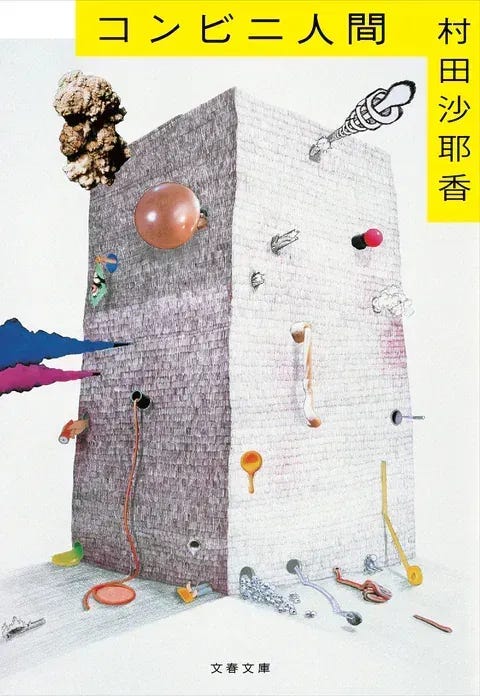
「コンビニ人間」、村田沙耶香 - テキストと英語の訳語・文法分析:ページ 21
「コンビニ人間」、村田沙耶香 - テキストと英語の訳語・文法分析:ページ 21Parallel Japanese / English Translations、Notes and Shadowing Practice for Convenience Store Woman by Sayaka Murata Page 21原文ページ21お金に慣れるためにとレジの中には本物のお客が入っていたが、レシートには「トレーニング」と大きく印字されていたし、相手は同じ制服を着たアルバイト仲間だし、なんとなくお買いものごっこをしているようだった。大学生、パンドをやっている男の子、フリーター、主婦、夜学の高校生、いろいろな人が、同じ制服を着て、均一な「店員」と言う生き物に作り直されていくのが、面白かった。その日の研修が終わると、皆、制服を脱いで元の状態に戻った。他の生き物に着替えているようにも感じられた。二週間の研修の後、ついた店がオープンする日になった。その日、私は朝から店にいた。白くて何もなかった棚には、所狭しと商品が並べられていた。社員の手によって隙間なく並べられたそれらは、どこが作り物めいて感じられた。オープンの時間が来て、社員がドアを上げた瞬間、私は「本物だ」と思った。研修で想定していたが架空の客ではなく、「本物」だ。いろいろな人がいる。オフィス街だからスーツや制服し姿の客ばかり頭に浮かべていたが、最初に入ってきたのは、(P22)皆で配った割引のチラシを持った、住民風の集団だった。* お金に慣れるためにとレジの中には本物のお客が入っていたが、レシートには「トレーニング」と大きく印字されていたし、相手は同じ制服を着たアルバイト仲間だし、なんとなくお買い物ごっこをしているようだった。* Translation: To get used to handling money, there were real customers at the register. However, the receipts had "Training" printed prominently, and the customers were fellow part-time workers in the same uniform. It felt like we were playing at shopping in a way.* Vocabulary of Note:* 慣れる (なれる) - to get used to,* 本物 (ほんもの) - real,* 印字される (いんじされる) - to be printed,* 相手 (あいて) - opponent,* お買い物ごっこ (おかいものごっこ) - playing at shopping.* 大学生、パンドをやっている男の子、フリーター、主婦、夜学の高校生、いろいろな人が、同じ制服を着て、均一な「店員」と言う生き物に作り直されていくのが、面白かった。* Translation: College students, boys doing pantomime, part-timers, housewives, night school high school students – various people – all wearing the same uniform, being remade into uniform "store clerks," it was interesting.* Vocabulary of Note:* パンド - pantomime (possibly referring to street performance),* 均一な (きんいつな) - uniformity* 生き物 (いきもの) - living beings,* 作り直す (つくりなおす) - to remake,* その日の研修が終わると、皆、制服を脱いで元の状態に戻った。他の生き物に着替えているようにも感じられた。* Translation: When that day's training ended, everyone took off their uniforms and returned to their original state. It felt as if we were changing into different creatures.* Vocabulary of Note:* 状態 (じょうたい) - state* 二週間の研修の後、ついた店がオープンする日になった。その日、私は朝から店にいた。* Translation: After the two weeks of training, the day arrived when the store I had joined was opening. On that day, I was at the store from the morning.* 白くて何もなかった棚には、所狭しと商品が並べられていた。* Translation: On the white and empty shelves, products were densely arranged.* Vocabulary of Note:* 何もなかった (なにもなかった) - empty,* 所狭しと (ところせましと) - densely arranged,* 商品 (しょうひん) - products,* 社員の手によって隙間なく並べられたそれらは、どこが作り物めいて感じられた。* Translation: The products, arranged without any gaps by the staff's hands, felt like everything was artificial.* Vocabulary of Note:* 隙間 (すきま) - gap,* 作り物めいて (つくりものめいて) - feeling artificial.* オープンの時間が来て、社員がドアを上げた瞬間、私は「本物だ」と思った。* Translation: When the time for the opening came, the moment the staff raised the door, I thought, "It's the real thing."* Vocabulary of Note:* 瞬間 (しゅんかん) - moment,* 研修で想定していたが架空の客ではなく、「本物」だ。いろいろな人がいる。オフィス街だからスーツや制服姿の客ばかり頭に浮かべていたが、最初に入ってきたのは、住民風の集団だった。* Translation: It wasn't imaginary customers as I had assumed during training, but "real" ones. There were various people. Although I had imagined customers in suits or uniforms because it was in an office district, the first ones to come in were a group of local residents.* Vocabulary of Note:* 研修 (けんしゅう) - training,* 想定する (そうていする) - to assume,* 架空 (かくう) - imaginary, 客 (きゃく) - customer,* 住民風 (じゅうみんふう) - local residents,* 集団 (しゅうだん) - group. This is a public episode. If you would like to discuss this with other subscribers or get access to bonus episodes, visit onestraw.substack.com
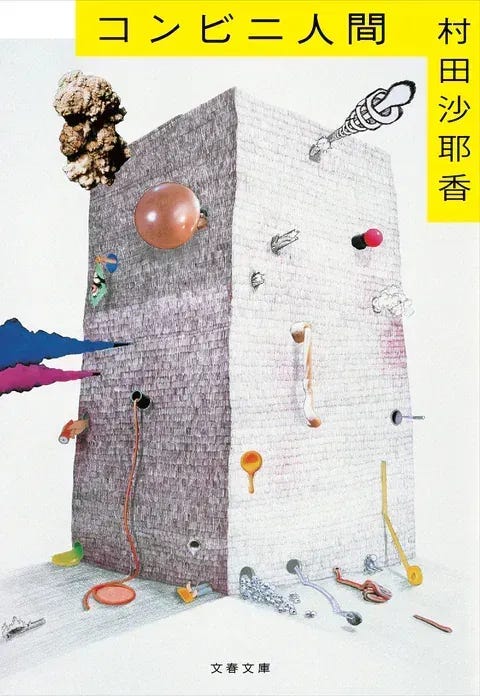
「コンビニ人間」、村田沙耶香 - テキストと英語の訳語・文法分析:ページ 20
「コンビニ人間」、村田沙耶香 - テキストと英語の訳語・文法分析:ページ 20Parallel Japanese / English Translations , Notes, Shadowing Recording for Convenience Store Woman by Sayaka Murata Page 20原文ページ20やがてトレーナーの社員が現れ、全員に制服が配られた。制服に袖を通し、服装チェックのポスターに従って身なりを整えた。髪が長い女性は縛り、時計やアクセサリー外して例えると、さっきまでバラバラだった私たちが、急に「店員」らしくなった。一番最初に練習したのは表情と挨拶だった。我顔のポスターを見ながら、その通りに口角をあげ、背筋を伸ばし、横に並んで一人ずつ「いらっしゃいませ!」と言わされた。トレーナーの男性社員が、一人でずつチェックしていき、声が小さかったり表情がぎこちない場所は「はい、もう一度!」と指定が飛ぶ。「岡本さん、恥ずかしがらないでもっとにっこり!相崎くん、もっと声出して!はいもう一度!早倉さん、いいねいいね!そうそう、その元気!」私はバックルームで見せられた見本のビデオや、トレーナーの見せてくれるお手本の真似をするのが得意だった。今まで、誰も私に、「これが普通の表情で、声の出し方だよ」と教えてくれたことはなかった。オープンまでの二週間、二人組になったり、社員を相手にしながら、架空の客(P21)に向かって、ひたすら練習が憂いた「お客様」の目を見て微笑んで一礼すること、生理用品は紙袋に入れること、温かいものは冷たいものと分けて入れること、ファーストフードを頼まれたらてをアルコールで消毒すること。 This is a public episode. If you would like to discuss this with other subscribers or get access to bonus episodes, visit onestraw.substack.com
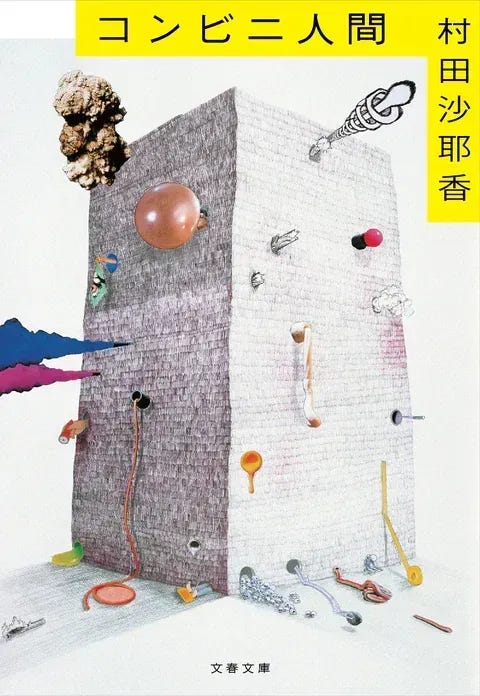
「コンビニ人間」、村田沙耶香 - テキストと英語の訳語・文法分析:ページ 19
原文ページ19異世界に紛れ込んでしまったような域覚に襲われ、私は早足で地下鉄の駅を探して歩いた。やっと地下鉄の標識を見つけてほっと走り寄った先で、真っ白なオフィスビルの一階が透明の水槽のようになっているのを発見した。「スマイルマート日色町駅前店OPEN!オープニングスタッフ募集!」というポスターが透明のガラスに貼られている他は、看板も何もなかった。ガラスの中をそっと覗くと、人も誰もおらず、工事の途中なのか、壁、のアラこちにはビニールが貼りつけられていて、何も載っていない白い棚だけが並んでいた。そのがらんどうの場所がコンビニエンスストアになるとは私には到底言じられなかった。家からの仕送りは十分にあったが、アルバイトには興味があった。私はポスターの電話番号をメモして帰り、翌日に電話をかけた。簡単な面接が行きわれ、すぐに探用となった。来週から研修だと言われ、皆底された時間に店へ向かうと、そこは前に見た時よりも少しコンビニらしくなっていた。雑貨の棚だけが出来上がっており、文房具屋ハンカチな度が整然と並んでいた。店の中には、私と同じように採用されたアルバイト立ちが集まっていた。自分と同じ大学生くらいの女の子や、フリーター風の男の子に少し年上の主婦と思われる女性、年齢も服装もバラバラの15人ほどのアルバイトが、ぎこちなく店内をうろついていた。* 異世界に紛れ込んでしまったような域覚に襲われ、私は早足で地下鉄の駅を探して歩いた。* Translation: Overwhelmed by a sense as if I had slipped into another world, I walked briskly while searching for the subway station.* Vocabulary of Note: * 異世界 (いせかい) - different world, * 紛れ込む (まぎれこむ) - to slip into, * 域覚 (いきさつ) - a sense, * 襲われる (おそわれる) - to be attacked, * 早足 (はやあし) - brisk walk* やっと地下鉄の標識を見つけてほっと走り寄った先で、真っ白なオフィスビルの一階が透明の水槽のようになっているのを発見した。* Translation: Finally, I found the subway sign and, relieved, hurried over. At the place where I had stopped, I discovered that the first floor of the pure white office building had turned into what looked like a transparent aquarium.* Vocabulary of Note: * 標識 (ひょうしき) - sign, * ほっと - relieved, * 走り寄る (はしりよる) - to hurry over, * 透明 (とうめい) - transparent, * 水槽 (すいそう) - aquarium, * 「スマイルマート日色町駅前店OPEN!オープニングスタッフ募集!」というポスターが透明のガラスに貼られている他は、看板も何もなかった。* Translation: Other than the poster that says "Smile Mart Hiirocho Station Front Store OPEN! Hiring Opening Staff!" affixed to the transparent glass, there were no signs or anything else.* Vocabulary of Note: * スマイルマート - Smile Mart (store name), * 日色町駅前店 (ひいろちょうえきまえてん) - Hiirocho Station Front Store, * オープニングスタッフ - opening staff, * 募集 (ぼしゅう) - hiring, * 貼られる (はられる) - to be affixed, * ガラスの中をそっと覗くと、人も誰もおらず、工事の途中なのか、壁、のアラこちにはビニールが貼りつけられていて、何も載っていない白い棚だけが並んでいた。* Translation: When I peered gently through the glass, there was neither a person nor anyone else. It seemed like construction was in progress, with vinyl sheets stuck here and there on the walls, and only empty white shelves were lined up.* Vocabulary of Note: * 覗く (のぞく) - to peek, * アラこち - here and there, * 貼りつけられる (はりつけられる) - to be stuck, * 載っていない (のっていない) - not bearing,* そのがらんどうの場所がコンビニエンスストアになるとは私には到底言い表せなかった。* Translation: It was beyond me to express that empty place turning into a convenience store.* Vocabulary of Note: * がらんどう - empty, * 場所 (ばしょ) - place* 到底 (とうてい) - by no means, * 家からの仕送りは十分にあったが、アルバイトには興味があった。私はポスターの電話番号をメモして帰り、翌日に電話をかけた。* Translation: Although I received sufficient allowance from home, I was interested in part-time work. I jotted down the phone number from the poster and called the next day.* Vocabulary of Note: * 仕送り (しおくり) - allowance* 簡単な面接が行われ、すぐに採用となった。* Translation: A simple interview was conducted, and I was immediately hired.* Vocabulary of Note: * 面接 (めんせつ) - interview, * 行われる (おこなわれる) - to be conducted, * 採用 (さいよう) - hiring (appointed).* 来週から研修だと言われ、皆底された時間に店へ向かうと、そこは前に見た時よりも少しコンビニらしくなっていた。* Translation: I was told that training would start next week, so I headed to the store at the scheduled time. When I arrived, it had become a bit more like a convenience store compared to when I saw it before.* Vocabulary of Note: * 研修 (けんしゅう) - training, * 皆底された (みなぞこされた) - scheduled* 雑貨の棚だけが出来上がっており、文房具屋ハンカチなどが整然と並んでいた。* Translation: Only the shelves of miscellaneous goods were set up, and stationery and handkerchiefs, among other things, were neatly arranged.* Vocabulary of Note: * 雑貨 (ざっか) - miscellaneous goods, * 出来上がる (できあがる) - to be set up, * 文房具 (ぶんぼうぐ) - stationery , * ハンカチ - handkerchief* 店の中には、私と同じように採用されたアルバイト立ちが集まっていた。自分と同じ大学生くらいの女の子や、フリーター風の男の子に少し年上の主婦と思われる女性、年齢も服装もバラバラの15人ほどのアルバイトが、ぎこちなく店内をうろついていた。* Translation: Inside the store, part-time workers who had been hired similar to me had gathered. There were around 15 part-timers of various ages and attire, including girls around my age, guys who looked like freelancers, and a slightly older woman who seemed like a housewife. They were all awkwardly wandering around the store.* Vocabulary of Note: * フリーター風 (フリーターふう) - freelancer-like, * 主婦 (しゅふ) - housewife, * バラバラ - various, * ぎこちなく - awkwardly* うろつく (うろつく) - to wander. This is a public episode. If you would like to discuss this with other subscribers or get access to bonus episodes, visit onestraw.substack.com
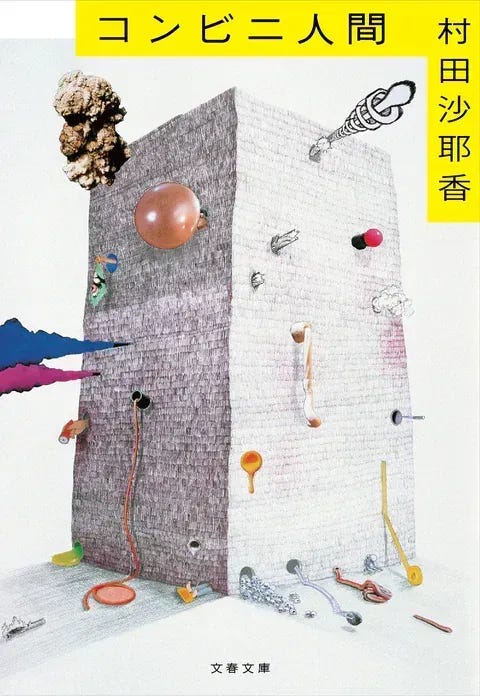
「コンビニ人間」、村田沙耶香 - テキストと英語の訳語・文法分析:ページ 18
「コンビニ人間」、村田沙耶香 - テキストと英語の訳語・文法分析:ページ 18Parallel Japanese / English Translations and Notes for Convenience Store Woman by Sayaka Murata Page 18原文ページ18高校を卒業して大学生になっても、私は変わらなかった。基本的に休み時間は一人で過ごし、プライペートな会話はほとんどしなかった。小学校の頃のようなトラプルは起きなかったがら、そのままでは社会に出られないと、母と父も心配した。私は「治らなくては」と思いながら、どんどん大人になっていった。スマイルマート日色町駅店がオープンしたのは、1998年5月1日、私が大学一年生のときだった。オープンする前、自分がこの店を見つけた時のことは、よく覚えている。大学に入ったバカリの頃、学校の行書で能を観を行き、友達がいなかった私は一人で帰るうちに道を間違えたらしく、いつの間にか見覚えのないオフェス街に迷い込んだのだった。ふと気が付くと、人の気配はどこにもなかった。白くて綺麗なビルだちけど街は、画用紙で作った模型のような偽物じみた光景だった。まるでゴーストタウンのような、ビルだけの世界。日曜の昼間、街には私以外誰の気配もなかった。高校を卒業して大学生になっても、私は変わらなかった。Even after graduating from high school and becoming a college student, I didn't change.Vocabulary of Note: * 大学生 (だいがくせい) - college student, * 変わらなかった (かわらなかった) - didn't change基本的に休み時間は一人で過ごし、プライペートな会話はほとんどしなかった。During breaks, I spent my time alone, and I hardly engaged in private conversations.Vocabulary of Note: * 基本的 - basically小学校の頃のようなトラプルは起きなかったがら、そのままでは社会に出られないと、母と父も心配した。Although incidents like the troubles in elementary school didn't happen, my mother and father were worried that I wouldn't be able to enter society as I was.私は「治らなくては」と思いながら、どんどん大人になっていった。While thinking "I need to get better," I continued to grow up into an adult.スマイルマート日色町駅店がオープンしたのは、1998年5月1日、私が大学一年生のときだった。The Smile Mart Hiirocho Station Store opened on May 1, 1998, when I was a freshman in college.オープンする前、自分がこの店を見つけた時のことは、よく覚えている。Before it opened, I remember well the time I found this store.大学に入ったバカリの頃、学校の行書で能を観を行き、友達がいなかった私は一人で帰るうちに道を間違えたらしく、いつの間にか見覚えのないオフェス街に迷い込んだのだった。During my foolish days when I entered college, after watching a Noh performance with schoolmates and not having friends, I seemed to have taken a wrong turn on my way home alone, and before I knew it, I had wandered into an unfamiliar office street.Vocabulary of Note: * バカリ - foolish days (colloquial), * 行書 (ぎょうしょ) - performance, * 能 (のう) - Noh, 観を行き (みをいき) - watched, * 道を間違えた (みちをまちがえた) - took a wrong turn, * 見覚えのない (みおぼえのない) - unfamiliar,ふと気が付くと、人の気配はどこにもなかった。白くて綺麗なビルだちけど街は、画用紙で作った模型のような偽物じみた光景だった。Suddenly, I realized there was no sign of people anywhere. Although there were clean white buildings, the town looked like a fake scene resembling a model made with drawing paper.Vocabulary of Note: * 気が付く (きがつく) - to realize, * 気配 (きはい) - sign, * 白くて綺麗な (しろくてきれいな) - clean and white, * 偽物じみた (にせものじみた) - resembling a fake, * 光景 (こうけい) - scene, * 画用紙 (がようし) - drawing paper, * 模型 (もけい) - modelまるでゴーストタウンのような、ビルだけの世界。日曜の昼間、街には私以外誰の気配もなかった。It was like a ghost town, a world with only buildings. On a Sunday afternoon, there was no sign of anyone else in the town except for me.Vocabulary of Note: * ゴーストタウン - ghost town, This is a public episode. If you would like to discuss this with other subscribers or get access to bonus episodes, visit onestraw.substack.com
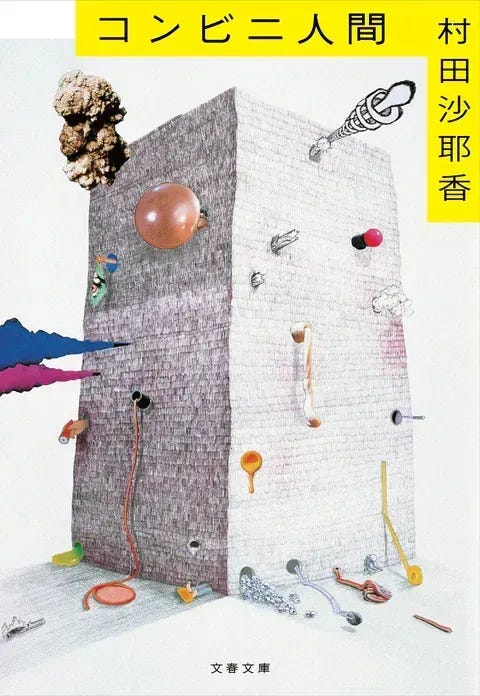
「コンビニ人間」、村田沙耶香 - テキストと英語の訳語・文法分析:ページ 17
「コンビニ人間」、村田沙耶香 - テキストと英語の訳語・文法分析:ページ 17Parallel Japanese / English Translations and Notes for Convenience Store Woman by Sayaka Murata Page 17原文ページ17二つ年下の妹は、私と違って、「普通」の子どもだった。かといって私を敬遠するわけでもなく、むしろ慕ってくれていた。妹が私と異なり普通のことで母に叱られているとき、母に私は近づいて「どうして怒っているの?」と理由を尋ねた。私が母に質問したせいで説教が終わると、庇われたと思うのか、妹はいつも私に「ありがとう」と言った。お恵子や玩具にあまり興味がなった私は、それらを妹にあげることも多かった。そのため、妹はいつも私についてまわっていた。家族は私を大切に、愛してくれていて、だからこそ、いつも私のことを心配していた。「どうすれば、「治る」のかしらね」母と父が相談しているのを聞き、自分は何かを修正しなければならないのだなあ、と思ったのを覚えている。父の車で遠くの街までカウンサリングに連れて行かれたこともある。真っ先に家に問題があるのではないかと疑われたが、銀行員の父は穏やかで真面目な人で、母は少し気弱だが優しく、妹も姉である私によく懐いていた。「とにかく、愛情を注いで、ゆっくり見守りましょう」と毒にも薬にもならないことを言われ、両親はそれでも懸命に私を大切に愛して育てた。学校で友達はできなかったが、時にいじめられるわけでもなく、私はなんとか、余計なことを口にしないことに成功したまま、中学校と成長して行った。二つ年下の妹は、私と違って、「普通」の子どもだった。My younger sister, two years younger than me, was a "normal" child unlike me.かといって私を敬遠するわけでもなく、むしろ慕ってくれていた。However, she didn't avoid me, and in fact, she cherished me.妹が私と異なり普通のことで母に叱られているとき、母に私は近づいて「どうして怒っているの?」と理由を尋ねた。When my sister got scolded by our mother for something normal unlike me, I would approach my mother and ask, "Why are you angry?" to inquire about the reason.私が母に質問したせいで説教が終わると、庇われたと思うのか、妹はいつも私に「ありがとう」と言った。When my questioning led to the lecture ending, my sister would seemingly perceive it as my intervention, and she would always say "Thank you" to me.お恵子や玩具にあまり興味がなかった私は、それらを妹にあげることも多かった。そのため、妹はいつも私についてまわっていた。Since I didn't have much interest in dolls or toys, I often gave them to my sister. As a result, my sister would always be around me.家族は私を大切に、愛してくれていて、だからこそ、いつも私のことを心配していた。My family treated me with care and love, and precisely because of that, they were always worried about me.「どうすれば、「治る」のかしらね」"I wonder what we should do to 'cure' her," they would say.母と父が相談しているのを聞き、自分は何かを修正しなければならないのだなあ、と思ったのを覚えている。Hearing my mother and father discussing, I remember thinking that I needed to correct something about myself.父の車で遠くの街までカウンセリングに連れて行かれたこともある。There were times when I was taken to counseling in a distant town by my father's car.真っ先に家に問題があるのではないかと疑われたが、銀行員の父は穏やかで真面目な人で、母は少し気弱だが優しく、妹も姉である私によく懐いていた。Initially, there were suspicions that the problem might be within our family, but my father, a banker, was calm and serious, my mother was somewhat timid but kind, and my sister also had a fondness for me as her older sister.「とにかく、愛情を注いで、ゆっくり見守りましょう」と毒にも薬にもならないことを言われ、両親はそれでも懸命に私を大切に愛して育てた。They would say, "In any case, let's shower her with love and watch over her slowly." Though it might not have been a cure-all, my parents earnestly raised me with love and care.学校で友達はできなかったが、時にいじめられるわけでもなく、私はなんとか、余計なことを口にしないことに成功したまま、中学校と成長して行った。I couldn't make friends at school, but I wasn't exactly bullied either. Somehow, I managed to avoid speaking unnecessary words and continued to grow throughout middle school.Vocabulary :* 普通 (ふつう) - normal* 敬遠する (けいえんする) - to avoid, to keep at a distance* 慕う (したう) - to adore, to cherish* 理由 (りゆう) - reason* 質問する (しつもんする) - to question* 庇う (かばう) - to protect, to shield* 修正する (しゅうせいする) - to correct, to amend* 穏やか (おだやか) - calm, gentle* 真面目 (まじめ) - serious, diligent* 気弱 (きよわ) - timid, easily frightened* 懸命 (けんめい) - earnest, eager* 育てる (そだてる) - to raise, to nurture* いじめる (いじめる) - to bully* 成長する (せいちょうする) - to grow, to develop This is a public episode. If you would like to discuss this with other subscribers or get access to bonus episodes, visit onestraw.substack.com
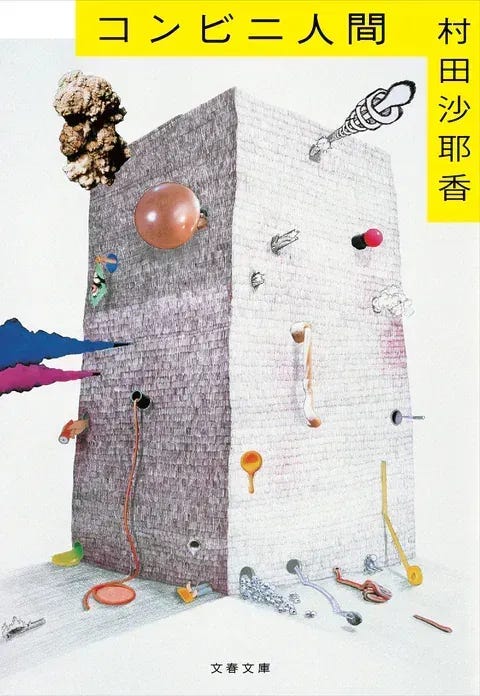
「コンビニ人間」、村田沙耶香 - テキストと英語の訳語・文法分析:ページ 16
原文ページ16隣のクラスの先生が走ってきて、事情を聞かれ、大人の女の人が服を脱がされて静かになっているのをテレビの映画で見たことがある、と説明すると、やっぱり職員会議になった。 「なんで、恵子にはわからないんだろうね。。。」学校に呼び出された母が、帰り道、心細そうに呟いて、私を抱きしめた。自分はまた何か悪いことをしてしまったらしいが、どうしてなのかは、わからなかった。父も母も、困惑して吐いたものの、私は何愛がってくれた。父と母が悲しんだり、いろんな人に謝ったりしなくてはいけない子は本意ではないので、私は家の外では極力口を利かないことにした。皆の真似をするか、誰かの指示に従えろか、どちらか、にして、自ら動くのは一切やめた。必要なこと以外の言葉は喋らず、自分から行動しないようになった私を見て、大人はほっとしたようだった。高学生になるにしたがて、あまりに静かなので、それはそれで問題になるようになった。でも、私にとっては黙ることが最善の方法で生きていくための一番合理的な処世術だった。通和表に「もっとお友達を作って元気に外であそばう!」と書かれても私は徹底して、必要事項以外のことを口にすることはなかった。隣のクラスの先生が走ってきて、事情を聞かれ、大人の女の人が服を脱がされて静かになっているのをテレビの映画で見たことがある、と説明すると、やっぱり職員会議になった。The teacher from the next class came running, inquired about the situation, and upon explaining that they had seen a situation on TV or in a movie where an adult woman's clothes were taken off, and she became quiet, a staff meeting was convened.「なんで、恵子にはわからないんだろうね。。。」"Why doesn't Eiko understand?" the speaker wondered.学校に呼び出された母が、帰り道、心細そうに呟いて、私を抱きしめた。自分はまた何か悪いことをしてしまったらしいが、どうしてなのかは、わからなかった。The mother, who had been called to the school, whispered in a delicate manner on the way home and hugged me. It seemed that I had done something wrong again, but I didn't understand why.父も母も、困惑して吐いたものの、私は何愛がってくれた。父と母が悲しんだり、いろんな人に謝ったりしなくてはいけない子は本意ではないので、私は家の外では極力口を利かないことにした。皆の真似をするか、誰かの指示に従えろか、どちらか、にして、自ら動くのは一切やめた。Both my father and mother, perplexed and sighing, loved me. Children who have to make their parents sad and apologize to various people are not doing what they really want to do. Therefore, outside the home, I decided not to speak as much as possible. Whether to imitate everyone or follow someone's instructions, I chose not to move on my own.必要なこと以外の言葉は喋らず、自分から行動しないようになった私を見て、大人はほっとしたようだった。I didn't speak words other than what was necessary and refrained from taking actions on my own. Looking at me, the adults seemed relieved.高学生になるにしたがて、あまりに静かなので、それはそれで問題になるようになった。でも、私にとっては黙ることが最善の方法で生きていくための一番合理的な処世術だった。通和表に「もっとお友達を作って元気に外であそばう!」と書かれても私は徹底して、必要事項以外のことを口にすることはなかった。As I became a high school student, my extreme quietness led to it becoming an issue. However, for me, staying silent was the most rational way to navigate life. Even if the communication card said "Make more friends and play outside with energy!" I remained steadfast and never spoke about anything other than necessary matters.Vocabulary:* 走ってきて: came running* 事情を聞かれ: asked about the situation* 大人の女の人: adult woman* 服を脱がされて: clothes were taken off* 静かになっている: became quiet* テレビの映画で: on TV or in a movie* 説明すると: upon explaining* 職員会議: staff meeting* 心細そうに: in a delicate manner* 抱きしめた: hugged* どうしてなのか: why it is* 困惑して吐いた: perplexed and sighed* 皆の真似をするか、誰かの指示に従えろか: whether to imitate everyone or follow someone's instructions* 自ら動くのは一切やめた: chose not to move on my own* 必要なこと以外の言葉: words other than what was necessary* 喋らず: didn't speak* 行動しないようになった: refrained from taking actions on my own* 最善の方法で: the best way* 一番合理的な: most rational* 処世術: way to navigate life* 通和表: communication card* もっとお友達を作って元気に外であそばう!: "Make more friends and play outside with energy!"* 徹底して: steadfastly* 必要事項以外のこと: anything other than necessary matters* 口にすることはなかった: never spoke aboutNotes / Analysis:The entire section provides insight into the speaker's experiences, emotions, and the responses of the people around them to their introverted behavior and inability to understand certain situations. It reflects their internal struggles and the challenges they face in navigating social expectations. This is a public episode. If you would like to discuss this with other subscribers or get access to bonus episodes, visit onestraw.substack.com
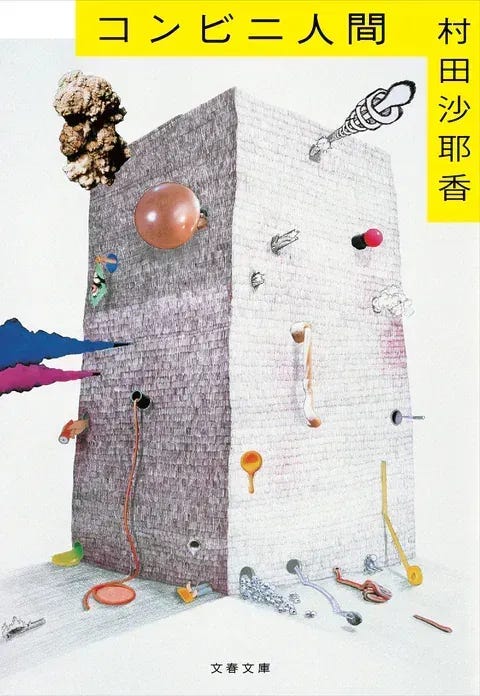
「コンビニ人間」、村田沙耶香 - テキストと英語の訳語・文法分析:ページ 15
現場ページ15「止めろと言われたから、一番早そうな方法で止めしました。」先生は戸惑った様子で、暴力は駄目だとし泥もどろになった。「でも、止めろって皆が行ってたんです。私はあすれば山域くんと青木くんの動きが止まると思っただけです」先生が何を怒っているのかわからなかった私はそう丁寧に説明し、職員会議になって母が呼ばれた。なぜだか深刻な表情で、「すいません、すみません。。。」と先生に頭を下げている母を見て、自分のしたことはどうやらいけないことだったらしいと思ったが、それが何度なのかは、理解できなかった。教室で女の先生がヘステリーを起こして教卓を出席簿で激しく叩きながらわめき散らし、皆が泣き始めたときもそうだった。「先生、ごめんなさい!」「やめて、先生!」皆が悲壮な様子で止めて行っても収まらないので、黙ってもらおうと思って先生に走り寄ってスカートとパンツを勢いよく下ろした。若い女の先生は仰天して泣き出して、静かになった。Sentence 1: 「止めろと言われたから、一番早そうな方法で止めしました。」"Because I was told to stop, I used the quickest method to stop (them).”Vocabulary:* 止めろと言われたから: Because I was told to stop* 一番早そうな方法で止めしました: Used the quickest method to stopSentence 2: 先生は戸惑った様子で、暴力は駄目だとし泥もどろになった。The teacher looked bewildered and said violence is wrong, becoming muddy and indecisive.Vocabulary:* 先生は戸惑った様子で: The teacher looked bewildered* 暴力は駄目だとし: Said violence is wrong* 泥もどろになった: Became muddy and indecisiveSentence 3: でも、止めろって皆が行ってたんです。私はあすれば山域くんと青木くんの動きが止まると思っただけです。But everyone was saying "stop." I just thought that if I did that, the movements of Yamaguchi-kun and Aoki-kun would stop.Sentence 4: 先生が何を怒っているのかわからなかった私はそう丁寧に説明し、職員会議になって母が呼ばれた。Since I didn't understand what the teacher was angry about, I explained politely like that, and it became a staff meeting where my mother was called.Sentence 5: なぜだか深刻な表情で、「すいません、すみません。。。」と先生に頭を下げている母を見て、自分のしたことはどうやらいけないことだったらしいと思ったが、それが何度なのかは、理解できなかった。For some reason, my mother was bowing her head to the teacher with a serious expression and saying "I'm sorry, I'm sorry..." Seeing my mother with such a serious expression, I thought that what I had done seemed to be wrong, but I couldn't understand what was wrong exactly.Sentence 6: 教室で女の先生がヘステリーを起こして教卓を出席簿で激しく叩きながらわめき散らし、皆が泣き始めたときもそうだった。In the classroom, the female teacher raised a fuss, hitting the desk violently with the attendance book while yelling, and it was the same when everyone started crying.Sentence 7:「先生、ごめんなさい!」"I'm sorry, teacher!"Sentence 8:「やめて、先生!」"Stop it, teacher!"Sentence 9: 皆が悲壮な様子で止めて行っても収まらないので、黙ってもらおうと思って先生に走り寄ってスカートとパンツを勢いよく下ろした。若い女の先生は仰天して泣き出して、静かになった。Since stopping them didn't work even when everyone tried desperately, I ran up to the teacher with the intention of making her quiet. I forcefully pulled down her skirt and pants. The young female teacher was taken aback, burst into tears, and fell silent.Vocabulary:* 悲壮な様子で: with a desperate appearance* 止めて行っても収まらないので: since stopping them didn't work even when everyone tried desperately* 黙ってもらおうと思って: with the intention of making her quiet* 先生に走り寄って: ran up to the teacher* スカートとパンツを勢いよく下ろした: forcefully pulled down her skirt and pants* 若い女の先生: young female teacher* 仰天して: taken aback* 泣き出して: burst into tears* 静かになった: fell silent This is a public episode. If you would like to discuss this with other subscribers or get access to bonus episodes, visit onestraw.substack.com
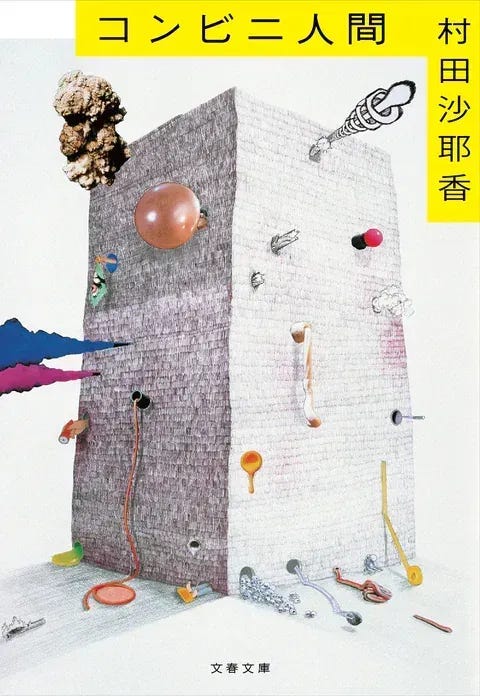
「コンビニ人間」、村田沙耶香 - テキストと英語の訳語・文法分析:ページ 14
原文ページ14:箱から捨てきたアイスの棒が土の上に刺されて、花の死体が大量に供えられた。「ほら、ね、恵子、悲しいね、かわいそうだね」と母は何度も私にいい聴かせるように囁いたが、私は少しもそうんは思わなかった。こういうことが、何度もあった。小学校に入ったバカリの時、体育の時間、男子が取っ組み合いのけんがをして騒ぎになったことがあった。「誰か先生呼んできて!」「誰か止めて!」「悲鳴があがり、そうか、止めるのか、思った私は、そばにあった用具入れをあけ、中江にあったスコップを取り出して暴れる男子のところに走って行き、その頭を殴った。周囲は絶叫に包まれ、男子は頭を押さえてその場にすっ転んだ。 頭を押さえたまま動きが止まったのを見て、もう一人の男子の活動も止めようと思い、そちらにもスコップを振り上げると、「恵子ちゃん、やめて!やめて!」と女の子たちが泣きながら叫んだ。走ってきて、惨状を見た先生たちは仰天し、私に説明を求めた。Sentence 1: 箱から捨てきたアイスの棒が土の上に刺されて、花の死体が大量に供えられた。Ice cream sticks discarded from the box were stuck into the ground, and a large number of flowers were offered around the lifeless body.Vocabulary:* 箱から捨てきたアイスの棒: Ice cream sticks discarded from the box* 土の上に刺されて: Stuck into the ground* 花の死体が大量に供えられた: A large number of flowers were offered around the lifeless bodySentence 2: 「ほら、ね、恵子、悲しいね、かわいそうだね」と母は何度も私にいい聴かせるように囁いたが、私は少しもそうんは思わなかった。"Look, Keiko, it's sad, isn't it? Poor thing," my mother whispered to me repeatedly as if trying to comfort me, but I didn't think that way at all.Vocabulary:* ほら、ね、恵子、悲しいね、かわいそうだね: Look, Eiko, it's sad, isn't it? Poor thing* 母は何度も: My mother repeatedly* 私にいい聴かせるように: As if trying to comfort me* 囁いたが: Whispered* 少しも: Not at all* そうんは思わなかった: I didn't think that waySentence 3: こういうことが、何度もあった。小学校に入ったバカリの時、体育の時間、男子が取っ組み合いのけんがをして騒ぎになったことがあった。Such things happened repeatedly. When I entered elementary school, during physical education class, there was an incident where the boys got into a scuffle and caused a commotion.Vocabulary:* こういうことが: Such things* 何度も: Repeatedly* 小学校に入ったバカリの時: When I entered elementary school* 体育の時間: During physical education class* 男子が取っ組み合いのけんがをして騒ぎになったことがあった: There was an incident where the boys got into a scuffle and caused a commotionGrammar:こういうことが、何度もあった: This part describes the recurring nature of such incidents. こういうことが (such things) is the subject, 何度も (repeatedly) describes the frequency, あった (happened) is the action.小学校に入ったバカリの時、体育の時間、男子が取っ組み合いのけんがをして騒ぎになったことがあった: This part describes a specific incident. 小学校に入ったバカリの時 (when I entered elementary school) is the time reference, 体育の時間 (during physical education class) specifies the context, 男子が取っ組み合いのけんがをして騒ぎになったことがあった (there was an incident where the boys got into a scuffle and caused a commotion) describes the event.Sentence 4: 「誰か先生呼んできて!」"Someone, call a teacher!"Grammar:「誰か先生呼んできて!」: This is a direct quotation. 誰か先生呼んできて (Someone, call a teacher) is the request for someone to call a teacher.Sentence 5: 「誰か止めて!」"Someone, stop them!"「誰か止めて!」: This is a direct quotation. 誰か止めて (Someone, stop them) is the plea for someone to stop the situation.Sentence 6: 「悲鳴があがり、そうか、止めるのか、思った私は、そばにあった用具入れをあけ、中江にあったスコップを取り出して暴れる男子のところに走って行き、その頭を殴った。As screams rose, and realizing that they needed to stop it, I thought, I opened the nearby equipment storage, grabbed a shovel from inside, ran over to the struggling boy, and hit his head.Vocabulary:* 悲鳴があがり: As screams rose* そうか、止めるのか: Realizing that they were stopping it* 思った私は: I thought* そばにあった用具入れをあけ: I opened the nearby equipment storage* 中江にあったスコップを取り出して: Grabbed a shovel from inside* 暴れる男子のところに走って行き: Ran over to the struggling boy* その頭を殴った: Hit his headSentence 7: 周囲は絶叫に包まれ、男子は頭を押さえてその場にすっ転んだ。The surroundings were enveloped in screams, and the boy held his head and collapsed on the spot.Vocabulary:* 周囲は絶叫に包まれ: The surroundings were enveloped in screams* 男子は頭を押さえて: The boy held his head* その場にすっ転んだ: Collapsed on the spotSentence 8: 頭を押さえたまま動きが止まったのを見て、もう一人の男子の活動も止めようと思い、そちらにもスコップを振り上げると、Seeing him hold his head and his movements stop, I decided to stop the activity of another boy as well. When I raised the shovel there too...Vocabulary:* 頭を押さえたまま動きが止まったのを見て: Seeing him hold his head and his movements stop* もう一人の男子の活動も止めようと思い: I decided to stop the activity of another boy as well* そちらにもスコップを振り上げると: When I raised the shovel there tooSentence 9: 「恵子ちゃん、やめて!やめて!」と女の子たちが泣きながら叫んだ。"Keiko-chan, stop it! Stop it!" the girls cried out while sobbing.Vocabulary:女の子たちが泣きながら叫んだ: The girls cried out while sobbingSentence 10: 走ってきて、惨状を見た先生たちは仰天し、私に説明を求めた。Running over, the teachers who saw the situation were astonished and asked me for an explanation.Vocabulary:* 走ってきて: Running over* 惨状を見た先生たちは: The teachers who saw the situation* 仰天し: Were astonished* 私に説明を求めた: Asked me for an explanation* 惨状を見た先生たちは: This part describes the teachers' response to the situation. 惨状を見た先生たちは (the teachers who saw the situation) is the subject.* 仰天し: This part describes the teachers' reaction. 仰天し (were astonished) is the action.* 私に説明を求めた: This part describes the teachers' request. 私に説明を求めた (asked me for an explanation) is the action. This is a public episode. If you would like to discuss this with other subscribers or get access to bonus episodes, visit onestraw.substack.com
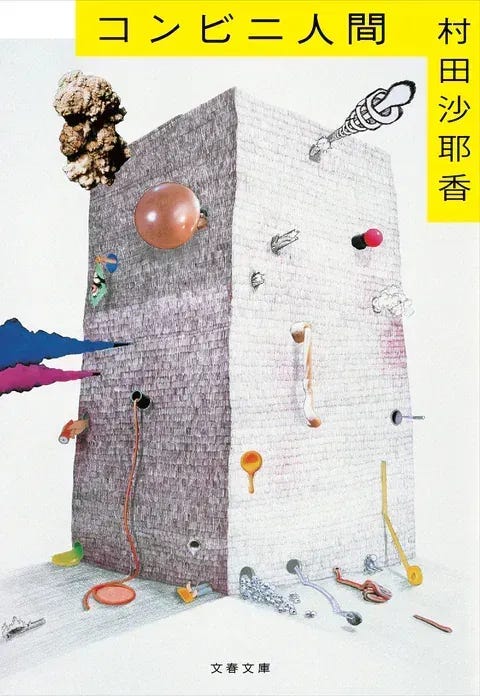
「コンビニ人間」、村田沙耶香 - テキストと英語の訳語・文法分析:ページ 13
「コンビニ人間」、村田沙耶香 - テキストと英語の訳語・文法分析:ページ 13Parallel Japanese / English Translations and Notes for Convenience Store Woman by Sayaka Murata Page 13原文ページ13:近くで二、三羽並んで歩いている雀にちらりと視線をやると、やっと我に返った母が、「恵子!」とと咎めるような声で、必死に叫んだ。「小鳥さんはね、お墓を作って埋めてあげよう。ほら、皆も泣いている。お友達が死んじゃって寂しいいね。ね、かわいそうでしょう?」「なんで?せっかく死んでるのに」私の疑問に母は絶句した。私は、母と父とまだ小さい妹が、喜んで小鳥を食べているところしか想像できなかった。父は焼き鳥が好きだし、私と妹は唐揚げが大好きだ。公園にはいっぱいいるからたくさんとって帰ればいいのに、何で食べないで埋めてしまうのんか、私にはわからなかった。母は懸命に、「いい小鳥さんは小さくて、可愛いでしょう?あっちでお墓を作って、皆でお花をお供えしてあげようね」と言い、結局その通りになったが、私には理解で着なかった。皆口を揃えて小鳥がかわいそうだと言いながら、泣きじゃくってその辺りの花を墓を引きちぎって殺している。「綺麗なお花。きっと小鳥さんも喜んぶよ」などと言っている光景が頭がおかしいように見えた。小鳥は「立ち入り禁止」と書かれた柵の中に穴を掘って埋められゴミ。。。Sentence 1: 近くで二、三羽並んで歩いている雀にちらりと視線をやると、やっと我に返った母が、「恵子!」とと咎めるような声で、必死に叫んだ。As I cast a brief glance at the sparrows walking in pairs or threes nearby, my mother, who had finally come to her senses, desperately called out to me with a reprimanding voice, "Keiko!"Vocabulary:* 近くで: Nearby* 二、三羽: Two or three birds* 並んで歩いている: Walking in pairs or threes* 雀: Sparrows* ちらりと: Briefly* 視線をやる: Cast a glance* やっと我に返った母が: My mother, who had finally come to her senses* 恵子: Keiko* と咎めるような声で: With a reprimanding voice* 必死に: Desperately* 叫んだ: Called out* Grammar:近くで二、三羽並んで歩いている雀にちらりと視線をやると: This part describes the speaker's action. 近くで (nearby) specifies the location, 二、三羽 (two or three birds) is the subject, 並んで歩いている (walking in pairs or threes) is the action of the birds, 雀に (sparrows) is the object, ちらりと (briefly) describes the manner of the action, 視線をやると (cast a glance) is the main action.やっと我に返った母が: This part describes the mother's state. やっと我に返った母が (my mother, who had finally come to her senses) is the subject.「恵子!」とと咎めるような声で、必死に叫んだ: This part describes the mother's reaction. 「恵子!」と (Keiko!) is the reprimanding call, 咎めるような声で (with a reprimanding voice) describes the tone, 必死に (desperately) describes the manner, 叫んだ (called out) is the main action.Sentence 2: 「小鳥さんはね、お墓を作って埋めてあげよう。ほら、皆も泣いている。お友達が死んじゃって寂しいいね。ね、かわいそうでしょう?」"You see, let's make a grave for the little bird and bury it. Look, everyone's crying too. It's sad when your friend dies, right? Isn't it pitiful?"Vocabulary:* 小鳥さん: Little bird* お墓を作って埋めてあげよう: Let's make a grave for it and bury it* ほら: Look* 皆も: Everyone too* 泣いている: Crying* お友達が死んじゃって寂しいいね: It's sad when your friend dies, right?* かわいそうでしょう: Isn't it pitifulGrammar:「小鳥さんはね、お墓を作って埋めてあげよう: This part represents the mother's suggestion. 「小鳥さんはね、お墓を作って埋めてあげよう」 (You see, let's make a grave for the little bird and bury it) is the main statement.ほら、皆も泣いている: This part points out a situation. ほら (look) is an interjection, 皆も (everyone too) is the subject, 泣いている (crying) is the action.お友達が死んじゃって寂しいいね: This part expresses empathy. お友達が死んじゃって (when your friend dies) is the subject, 寂しい (sad) describes the emotional state, いね (right?) seeks agreement.ね、かわいそうでしょう: This part seeks agreement and expresses empathy. ね (isn't it) seeks agreement, かわいそうでしょう (isn't it pitiful) expresses empathy.Sentence 3: 「なんで?せっかく死んでるのに」Why? It's already dead after all."Sentence 4: 私の疑問に母は絶句した。My question left her speechless.Vocabulary:* 私の疑問に: To my question* 母は絶句した: Was speechlessSentence 5: 私は、母と父とまだ小さい妹が、喜んで小鳥を食べているところしか想像できなかった。I could only imagine my mother, father, and little sister joyfully eating the little bird.Vocabulary:* 母と父とまだ小さい妹が: My mother, father, and little sister* 喜んで: Joyfully* 小鳥を食べているところ: Eating the little bird* しか想像できなかった: Could only imagineGrammar:私は、母と父とまだ小さい妹が、喜んで小鳥を食べているところしか想像できなかった: This part reflects the speaker's limited perspective. 私は (I) is the subject, 母と父とまだ小さい妹が (my mother, father, and little sister) specifies the people involved, 喜んで小鳥を食べているところしか (joyfully eating the little bird) is the main action, 想像できなかった (could only imagine) expresses the limitation.Sentence 6: 父は焼き鳥が好きだし、私と妹は唐揚げが大好きだ。公園にはいっぱいいるからたくさんとって帰ればいいのに、何で食べないで埋めてしまうのんか、私にはわからなかった。Dad likes yakitori, and my sister and I love fried chicken. There are so many of them in the park, so why not just catch a lot and take them home? I couldn't understand why they wouldn't eat them and instead buried them.Grammar:公園にはいっぱいいるからたくさんとって帰ればいいのに: This part suggests an alternative action. 公園にはいっぱいいる (there are so many of them in the park) describes the situation, たくさんとって帰ればいいのに (why not just catch a lot and take them home?) suggests an alternative course of action.何で食べないで埋めてしまうのんか、私にはわからなかった: This part expresses the speaker's confusion. 何で食べないで埋めてしまうのんか (why not just eat them and instead bury them?) is the question, 私にはわからなかった (I couldn't understand) expresses the speaker's lack of comprehension.Sentence 7: 母は懸命に、「いい小鳥さんは小さくて、可愛いでしょう?あっちでお墓を作って、皆でお花をお供えしてあげようね」と言い、結局その通りになったが、私には理解できなかった。My mother desperately said, "Good little birds are small and cute, right? Let's make a grave over there and all offer flowers," and in the end, it happened as she said. But I couldn't understand.Vocabulary:* 母は懸命に: My mother desperately* いい小鳥さんは小さくて、可愛いでしょう: Good little birds are small and cute, right?* あっちでお墓を作って: Let's make a grave over there* 皆でお花
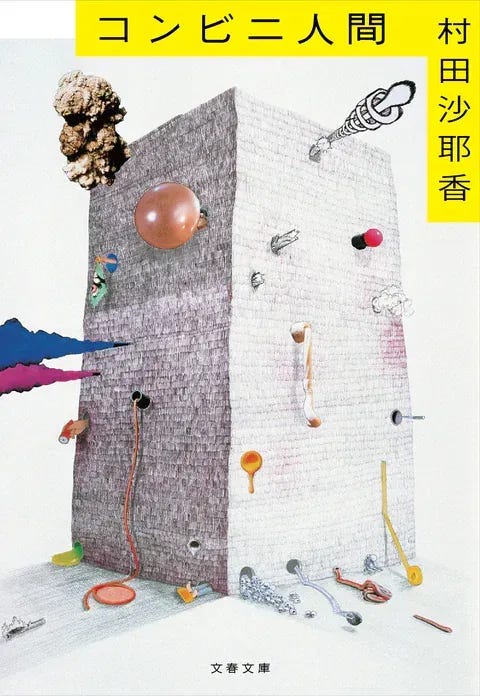
「コンビニ人間」、村田沙耶香 - テキストと英語の訳語・文法分析:ページ 12
原文ページ12:例えば幼稚園の頃、公園で小島が死んでいたことがある。どこがで飼われていたと思われる、青い綺麗な小島だった。ぐにゃりと音を曲げて目を閉じている小島を囲んで、他の子供達は泣いていた。「どうしようか。。。?」人の女の子が言うのと同時に、私は素早く小島をの掌に上に乗せて、ベンチで雑談している母の所へ待って行った。「どうしたなの、恵子?ああ、小鳥さん。。。どこから飛んできたんだろう。。。かわいそうだね。お墓作ってあげようか」私の頭を撫でて優しく言った母に、私は、「これ、食べよう」と言った。「え?」「お父さん、焼き鳥好きだから、今日、これを焼いて食べよう」よく聞こえなかったのだろうかと、はっきりとした発音で繰り返すと、母はぎょっとし、隣にいた他のこのお母さんも驚いたのか、目と鼻の穴と口が一斉にがばりと開いた。変な顔だったので笑いそうになったが、その人が私の手売を凝視しているのを見て、そうか、一羽じゃ足りないなと思った。「もっと通ってきた方がいい?」Sentence 1: 例えば幼稚園の頃、公園で小島が死んでいたことがある。For example, when I was in kindergarten, there was a time when a small bird had died in the park.Vocabulary:* 幼稚園: Kindergarten* 頃: Time, period* 公園: Park* 小島: Small bird (colloquial term, could be a specific bird species)* 死んでいたことがある: There was a time when it was deadGrammar:例えば幼稚園の頃、公園で: This phrase introduces the time and location of the event. 例えば (for example) sets the context, 幼稚園の頃 (when I was in kindergarten) is the time, 公園で (in the park) specifies the location.小島が死んでいたことがある: This part describes the situation. 小島が死んでいた (a small bird was dead) is the main statement, and ことがある (there was a time when) adds the sense of occurrence.Sentence 2: どこがで飼われていたと思われる、青い綺麗な小島だった。It seemed like it had been raised somewhere, it was a beautiful small bird with blue feathers.Vocabulary:* どこがで: Somewhere, somewhere else (contextual meaning)* 飼われていた: Had been raised* と思われる: It seemed like, it was thought that* 青い: Blue* 綺麗な: Beautiful* 小島: Small bird (colloquial term, could be a specific bird species)Grammar:どこがで飼われていたと思われる: This phrase describes the assumption about the bird's upbringing. どこがで (somewhere, somewhere else) indicates that the bird was raised in some other place. 飼われていた (had been raised) is the action. と思われる (it was thought) adds the sense of perception or assumption.Sentence 3: ぐにゃりと音を曲げて目を閉じている小島を囲んで、他の子供達は泣いていた。The other kids were crying, surrounding the small bird that had its eyes closed and was making a crumpled sound.Vocabulary:* ぐにゃり: Crumpled sound* 曲げて: Bent, making* 目を閉じている: Eyes closed* 小島: Small bird (colloquial term, could be a specific bird species)* 囲んで: Surrounding* 他の: Other* 子供達: Kids* 泣いていた: Were cryingGrammar:ぐにゃりと音を曲げて目を閉じている小島を囲んで: This part describes the scene of the other kids around the bird. ぐにゃりと音を曲げて (making a crumpled sound) describes the bird's state. 目を閉じている (eyes closed) adds to the description. 小島を囲んで (surrounding the small bird) is the action, and 他の子供達 (the other kids) is the subject.他の子供達は泣いていた: This part explains the reaction of the other kids. 他の子供達は (the other kids) is the subject, 泣いていた (were crying) is the action.Sentence 4: 「どうしようか。。。?」人の女の子が言うのと同時に、私は素早く小島をの掌に上に乗せて、ベンチで雑談している母の所へ待って行った。"What should we do...?" Just as another girl said this, I quickly placed the small bird on my palm and went over to where my mother was chatting on the bench.Vocabulary:* どうしようか: What should we do* 人の女の子: Another girl* 言うのと同時に: Just as someone said* 素早く: Quickly* の掌に上に乗せて: Placed on the palm* ベンチ: Bench* 雑談している: Chatting* 母: Mother* 所へ: To where* 待って行った: Went overGrammar:「どうしようか。。。?」人の女の子が言うのと同時に: This part sets the context for the speaker's action. 「どうしようか。。。?」 (What should we do...?) is a phrase spoken by another girl. 人の女の子が (another girl) is the subject, 言うのと同時に (just as someone said) indicates the timing of the action.私は素早く小島をの掌に上に乗せて: This phrase describes the speaker's quick action. 私は (I) is the subject, 素早く (quickly) describes the manner of the action, 小島を (the small bird) is the object, の掌に上に乗せて (placed on the palm) is the action.ベンチで雑談している母の所へ待って行った: This part explains where the speaker went. ベンチで雑談している母の所へ (to where my mother was chatting on the bench) specifies the destination of the action, 待って行った (went over) is the action.Sentence 5: 「どうしたなの、恵子?ああ、小鳥さん。。。どこから飛んできたんだろう。。。かわいそうだね。お墓作ってあげようか」"What's wrong, Keiko? Oh, a little bird... I wonder where it flew in from... How unfortunate. Should we make a grave for it?"Vocabulary:* どうしたなの: What's wrong* 恵子: Keiko (a name)* 小鳥さん: Little bird* どこから: Where from* 飛んできたんだろう: Flew in from* かわいそう: How unfortunate* お墓作ってあげようか: Should we make a grave for itGrammar:「どうしたなの、恵子?ああ、小鳥さん。。。どこから飛んできたんだろう。。。かわいそうだね。お墓作ってあげようか: This part represents a conversation between the speaker and their mother. 「どうしたなの、恵子?」 (What's wrong, Eiko?) is what the mother asks. ああ (oh) is an interjection. 小鳥さん (little bird) is mentioned by the mother. どこから飛んできたんだろう (I wonder where it flew in from) is the mother's speculation. かわいそう (how unfortunate) expresses sympathy. お墓作ってあげようか (Should we make a grave for it?) is the mother's suggestion.Sentence 6: 私の頭を撫でて優しく言った母に、私は、「これ、食べよう」と言った。As my mother gently patted my head and spoke kindly, I said, "Let's eat this.”Vocabulary:* 私の頭を撫でて: Gently patted my head* 優しく言った: Spoke kindly* 母: Mother* これ: This* 食べよう: Let's eat* と言った: SaidGrammar:私の頭を撫でて優しく言った母に: This part describes the mother's actions. 私の頭を撫でて (gently patted my head) is the first action, 優しく言った (spoke kindly) is the second action, and 母に (to my mother) is the recipient of these actions.Sentence
「コンビニ人間」、村田沙耶香 - テキストと英語の訳語・文法分析:ページ 11
原文 pg11:「あ、2枚しかないです」「えーやばいな、なんだか今日、万券多いね。裏の金庫にもあんまりないし、朝ビークと納品客ち着いたら、午後中に銀行行ってことようかな。」「ありがとうございます!」夜勤が足りないせいでこのところ店長は夜勤に回っており、昼の間は私と同世代のパートの女性の泉さんが社員のようになって、店を回している。「じゃあ、10時ごろちょっと両替行くねー。あ、それと今日、子的のいなりずしがあるから、お客様が来たら対応ようろしくね」「はい!」時計を見ると9時半をまわっている。そろそろ朝ピーク収まり、納品を手早く済ませて昼ぴーくの準備をしなければならない時間だ。私は背筋を伸ばし、再び売り場に戻っておにぎりを並べ始めた。コンビニ定員として生まれる前のことは、どこかおぼろげで、鮮明には思いだせない。郊外の住宅地で育った私は、普通の家に生まれ、普通に愛されて育った。けれど、私は小さな奇妙かられる子供だった。Sentence 1: 「あ、2枚しかないです」"Ah, there are only two (bills)."Grammar:あ: An interjection used to express surprise, realization, or acknowledgment.2枚しかないです: This sentence is about the number of something (2枚, 2 sheets/tickets) and the lack thereof (しかない). です is added for politeness.Sentence 2: 「えーやばいな、なんだか今日、万券多いね。裏の金庫にもあんまりないし、朝ビークと納品客ち着いたら、午後中に銀行行ってことようかな。」"Oh no, somehow there are a lot of high-priced tickets today. There aren't many even in the safe in the back, and if the morning rush and deliveries settle down, I wonder if I should go to the bank in the afternoon."Vocabulary:* やばい: Slang term meaning "bad," "terrible," "in trouble."* 万券: High-value bill (10,000yen)* 多い: Many, a lot* 裏の金庫: Safe in the back (referring to the back of the store)* あんまりない: Not many* 朝ビーク: Morning peak (referring to a busy period in the morning)* 納品客: Deliveries and customers* ちょっと: A bit* 午後中に: In the afternoon* 銀行行ってこと: Go to the bank (literally, "go to the bank and do something")* ようかな: I wonder ifGrammar:えーやばいな: This expresses a sense of concern or distress in a casual manner. やばい is colloquial slang.裏の金庫にもあんまりないし: This part discusses the lack of high-priced tickets in the safe. 裏の金庫にも (even in the safe in the back) sets the location, and あんまりない (not many) indicates scarcity.朝ビークと納品客ち着いたら: This part refers to when the morning rush and deliveries settle down. 朝ビーク (morning peak) and 納品客 (deliveries and customers) are subjects of the verbs ち着いたら (settle down).午後中に銀行行ってことようかな: This expresses the speaker's contemplation of going to the bank in the afternoon. 午後中に (in the afternoon) is the timeframe, and 行ってことようかな (wonder if I should go) expresses the speaker's thought.Sentence 3: 「ありがとうございます!」"Thank you very much!"Grammar:ありがとうございます: Polite expression of gratitude, meaning "Thank you very much.”Sentence 4: 夜勤が足りないせいでこのところ店長は夜勤に回っており、昼の間は私と同世代のパートの女性の泉さんが社員のようになって、店を回している。Due to the shortage of night shifts lately, the store manager has been doing night shifts. During the day, Ms. Izumi, a part-time woman of my generation, works as if she were a full-time employee, running the store.Vocabulary:* 夜勤: Night shift (night duty)* 足りない: Insufficient, not enough* せいで: Because of, due to* このところ: Lately, recently* 店長: Store manager* 回っており: Has been doing (referring to night shifts)* 昼の間: During the day* 同世代: Same generation* パート: Part-time job* 女性: Woman* 社員: Employee* ようになって: Becomes, turns into* 店を回している: Running the storeGrammar:夜勤が足りないせいで: This phrase explains the reason behind the store manager doing night shifts. 夜勤が足りない (shortage of night shifts) is the cause (せいで).このところ店長は夜勤に回っており: This part explains that the store manager has been doing night shifts lately (このところ) using the verb 回っており (has been doing).昼の間は私と同世代のパートの女性の泉さんが社員のようになって、店を回している: This part discusses what happens during the day. 昼の間は (during the day) sets the timeframe, and 私と同世代のパートの女性の泉さん (Ms. Izumi, a part-time woman of my generation) is the subject of the verb なって (becomes) and the phrase 社員のように (as if she were a full-time employee) describes her role in the store. 店を回している (running the store) explains her actions.Sentence 5: 「じゃあ、10時ごろちょっと両替行くねー。あ、それと今日、子的のいなりずしがあるから、お客様が来たら対応ようろしくね」"Well then, I'll go exchange some money around 10 o'clock. Oh, and by the way, today we have 'Inari-zushi' for the kids, so make sure to handle it appropriately when customers come."Vocabulary:* じゃあ: Well then, so* 10時ごろ: Around 10 o'clock* ちょっと: A bit* 両替行く: To go exchange money* ねー: Casual sentence-ending particle (adds familiarity)* それと: And by the way* 子的のいなりずし: "Inari-zushi" for the kids (a type of sushi)* 来たら: When they come* 対応ようろしく: Handle appropriately* ね: Sentence-ending particle (adds emphasis, seeking agreement)Grammar:10時ごろちょっと両替行くねー: This phrase indicates the speaker's plan to go exchange money around 10 o'clock. 10時ごろ (around 10 o'clock) specifies the time, ちょっと (a bit) indicates a short activity, and 両替行く (go exchange money) expresses the action.あ、それと今日、子的のいなりずしがあるから: This part introduces two pieces of information. あ (oh) is an interjection, それと (and by the way) introduces the next piece of information, and 今日 (today) is the topic of the information. 子的のいなりずし (Inari-zushi for the kids) is a specific menu item.お客様が来たら対応ようろしくね: This part provides instructions for handling the menu item when customers come. お客様が来たら (when customers come) sets the condition, and 対応ようろしくね (handle appropriately) gives the instruction.Sentence 6: 「はい!」「はい!」"Yes!"Sentence 7: 時計を見ると9時半をまわっている。そろそろ朝ピーク収まり、納品を手早く済ませて昼ぴーくの準備をしなければならない時間だ。Looking at the clock, it's already past 9:30. It's about time fo
「コンビニ人間」、村田沙耶香 - テキストと英語の訳語・文法分析:ページ 10
原文1:「かしこまりました。そちらにスイカのタッチをお願い増します」客の細かい仕草や視線を自動的に読み取って、身体は反射的に動く。耳と目は客の小さいな動きや意思をキャッチする大切なセンサーになる。必要以上に観察して不快にさせてしまわないよう細心の注意を払いながら、キャッチした情報に従って素早くてを動かす。原文 2:「こちらレジートです。ありがとうございました!」レシートを渡すと、「どうも」と小さく礼を言って男性が去って行った。「お待たせいたしました。いらっしゃいませ、おはようございます」私は次に並んでいた女性客に会釈をする。朝という時間が、この小さな光の節の中で、正常に動いているのを感じる。指紋がないように磨かれたガラスの外では、忙しく歩く人たちの姿が見える。一日の始まり。世界が目を覚まし、世の中の歯車が回転し始める時間。その歯車の一つになって廻り続けている自分。私は世界の部品になって、この「朝」という時間の中で回転し続けている。再びおにぎりを並べに走ろうとした私に、バイトリーダーの泉さんが声をかける。「古倉さん、そっちのレジ、五千円札何枚残ってるー?」ーSentence 1: 「かしこまりました。そちらにスイカのタッチをお願い増します」"Understood. Please touch for Suica card over there.”Grammar:かしこまりました: As previously explained, this is a polite expression indicating understanding or compliance.そちらにスイカのタッチをお願い増します: This sentence has a few elements. そちらに means "over there." スイカのタッチ refers to the touch functionality of a Suica card (a type of electronic money card used in Japan). お願い増します is a polite expression requesting an increase or addition.Sentence 2: 客の細かい仕草や視線を自動的に読み取って、身体は反射的に動く。耳と目は客の小さいな動きや意思をキャッチする大切なセンサーになる。Automatically reading the subtle gestures and gazes of customers, the body moves reflexively. The ears and eyes become important sensors that catch the customers' small movements and intentions.Vocabulary:* 細かい: Subtle, detailed* 仕草: Gesture, movement* 視線: Gaze* 自動的に: Automatically* 読み取る: To read, to interpret* 身体: Body* 反射的に: Reflexively* 意思: Intention* キャッチする: To catch* センサー: SensorSentence 3: 必要以上に観察して不快にさせてしまわないよう細心の注意を払いながら、キャッチした情報に従って素早くてを動かす。"While being careful not to observe excessively and make (customers) uncomfortable, she moves swiftly based on the information.Vocabulary:* 必要以上に: More than necessary, excessively* 観察する: To observe* 不快にさせる: To make uncomfortable* 細心の注意: Careful attention* キャッチする: To catch* 情報: Information* 従って: According to* 素早くて: Swiftly, quicklyGrammar:必要以上に観察して不快にさせてしまわないよう: This phrase uses the negative form of the potential verb させる (to make) to express the intention not to make someone 不快 (uncomfortable) by 観察する (observing) 必要以上に (more than necessary). しまわないよう (so as not to) indicates the purpose or intention.細心の注意を払いながら: While paying careful attention.キャッチした情報に従って: According to the caught information.素早くてを動かす: To move swiftly. The を marks the direct object of the verb 動かす.原文 2:Sentence 1: 「こちらレジートです。ありがとうございました!」“Here is the cashier. Thank you very much!"Sentence 2: レシートを渡すと、「どうも」と小さく礼を言って男性が去って行った。After handing over the receipt, the man said "thank you" quietly and left.Vocabulary:* レシート: Receipt* 渡す: To hand over* どうも: Thank you (casual expression)* 小さく: Quietly, softly* 礼を言う: To say thanks* 去って行った: Left (to leave)Grammar:レシートを渡すと: This phrase uses the verb 渡す (to hand over) followed by the particle と to indicate the result of the action, meaning "after handing over the receipt.”「どうも」と小さく礼を言って: This part indicates that the man said "thank you" quietly (小さく) using the phrase どうも, which is a casual way to say thanks.男性が去って行った: This phrase uses the verb 去る (to leave) followed by the verb 行く (to go) to indicate that the man left.Sentence 3: 「お待たせいたしました。いらっしゃいませ、おはようございます」"I apologize for the wait. Welcome! Good morning."Grammar:お待たせいたしました: This is a polite expression apologizing for making someone wait. It comes from 待たせる (to make wait) and いたす, a more formal way of saying する (to do).Sentence 4: 私は次に並んでいた女性客に会釈をする。朝という時間が、この小さな光の節の中で、正常に動いているのを感じる。I nod to the woman who was next in line. I feel that the morning time is moving normally within this small segment of light.Vocabulary:* 並ぶ: To line up, to stand in line* 女性客: Female customer* 会釈をする: To nod* 光の節: Segment of light* Grammar:私は次に並んでいた女性客に会釈をする: This phrase uses the subject marker は to indicate that the speaker (私) is the one nodding (会釈をする) to the woman who was next in line (次に並んでいた女性客).朝という時間が、この小さな光の節の中で、正常に動いているのを感じる: This sentence describes the speaker's feeling about the morning time. 朝という時間が (the morning time) is the subject of the verb 感じる (to feel). This feeling is described as 正常に動いている (moving normally) within this small segment of light (この小さな光の節の中で). The の in 正常に動いているのを感じる serves as a nominalizer, turning the preceding phrase into a noun clause.Sentence 5: 指紋がないように磨かれたガラスの外では、忙しく歩く人たちの姿が見える。Outside the glass that has been polished to be free of fingerprints, the figures of people walking busily are visible.Vocabulary:* 指紋: Fingerprint* 磨かれた: Polished* ガラス: Glass* 忙しく: Busily* 歩く: To walk* 人たち: People* 姿: Figure, appearanceGrammar:Sentence 6: 一日の始まり。世界が目を覚まし、世の中の歯車が回転し始める時間。その歯車の一つになって廻り続けている自分。私は世界の部品になって、この「朝」という時間の中で回転し続けている。The beginning of a day. The time when the world awakens and the gears of the world start to turn. Myself, continuously revolving as one of those gears. I have become a part of the world, continuing to rotate within this time called "morning."Vocabulary:* 一日: A day* 始まり: Beginning* 世界: World* 目を覚ます: To wake up* 世の中: The world, society* 歯車: Gear* 回転する: To rotate, to turn* 時間: Time* 自分: Myself* 廻り続ける: To continue rotating* 世界の部品: Part of the world* 朝: MorningGrammar:一日の始まり: This phrase m
「コンビニ人間」、村田沙耶香 - テキストと英語の訳語・文法分析:ページ 9
原文1:「かしこまりました」すばやくマルボロライとメントールを抜き取り、レジでスキャンする。「年齢確認のタッチをお願いします」画面をタッチしながら、男性の目線がファーストフードが並んだショーケースにすっと移ったのを見て、指の働きを止める。「なんかお取りしますか?と声をかけてもいいが、客が買うかどうか悩んでいるように見える時は、一歩引いて待つことにしている。原文2::「それと、アメリカンドッグ」「かしこまりました。ありがとうございます。」手をアルコールで消毒し、ケースをあげてアメリカンドッグを包む。「冷たい飲物と、温かいものわけて袋にお入れしますか?」「ああ、いい、いい。一緒に入れて」缶コーヒーと煙草とアメリカンドッグを手早くSサイズの袋に入れる。その間、ポケットの中の小銭のを鳴らしていた男性が、ふと思いついたように胸ポケットに手を入る。その仕草から、電子マネーで支払うをするのだなと咄嗟に判断する。「支払う、スイカで」原文1:Sentence 1: 「かしこまりました」"Understood."Grammar:かしこまりました: This is a polite expression used to acknowledge understanding or comply with a request. It's often used in response to an order or instruction. The phrase is in the past tense and shows politeness. It comes from the verb かしこまる (to be respectful, to listen carefully).Sentence 2: すばやくマルボロライとメントールを抜き取り、レジでスキャンする。Swiftly, (he/she) takes out Marlboro Lights and Menthol, and scans them at the cash register.Vocabulary:すばやく: Swiftly, quicklyマルボロライとメントール: Marlboro Lights and Menthol (cigarette types)抜き取る: To take outSentence 3: 「年齢確認のタッチをお願いします」"Please touch for age verification."Vocabulary:年齢確認: Age verificationタッチ: TouchSentence 4: 画面をタッチしながら、男性の目線がファーストフードが並んだショーケースにすっと移ったのを見て、指の働きを止める。While touching the screen, he stops his finger movements as she sees the man's gaze smoothly shift to the showcase displaying fast food.Vocabulary:画面: Screenタッチする: To touch男性の目線: Man's gaze並んだ: Lined upショーケース: Showcase移る: To shiftすっと: Smoothly, without hesitation指: Finger働きを止める: To stop finger movementsGrammar:画面をタッチしながら: This phrase describes an action (touching the screen) being performed simultaneously with another action.男性の目線がファーストフードが並んだショーケースにすっと移ったのを見て: This part uses the past tense verb 移った (shifted) to describe the action of the gaze moving. のを見て attaches the action to the main clause, indicating the cause-and-effect relationship.指の働きを止める: This part uses the noun 指 (finger) followed by の働きを止める (to stop finger movements). The の marks the nominalization of the preceding phrase.原文2:Sentence 1: 「それと、アメリカンドッグ」"Also, an American dog."Sentence 2: 「かしこまりました。ありがとうございます。」"Understood. Thank you."Sentence 3: 手をアルコールで消毒し、ケースをあげてアメリカンドッグを包む。Sanitizing her hands with alcohol, she lifts the case and wraps the American dog.Vocabulary:包む: To wrapGrammar:手をアルコールで消毒し: The verb 消毒する (to sanitize) is performed on 手 (hands) marked by を. アルコールで indicates the means (using alcohol) for the action.ケースをあげて: The verb あげる (to lift) is used, indicating the action of lifting ケース (case).アメリカンドッグを包む: The verb 包む (to wrap) is used to describe the action of wrapping アメリカンドッグ (corn dog).Sentence 4: 冷たい飲物と、温かいものわけて袋にお入れしますか?」Would you like me to separate cold drinks and hot items and put them in a bag?Vocabulary:冷たい: Cold飲物: Drinks温かい: Hot, warmわけて: To separate袋: Bagお入れしますか: Polite form of 入れる (to put in)Grammar:Sentence 5: 「ああ、いい、いい。一緒に入れて」"Ah, it's fine, it's fine. Put them together."Sentence 6: 缶コーヒーと煙草とアメリカンドッグを手早くSサイズの袋に入れる。Swiftly, she puts the canned coffee, cigarettes, and American dog into a small bag.Sentence 7: その間、ポケットの中の小銭のを鳴らしていた男性が、ふと思いついたように胸ポケットに手を入る。その仕草から、電子マネーで支払うをするのだなと咄嗟に判断する。Meanwhile, the man who had been making the coins in his pocket jingle, suddenly puts his hand into his chest pocket as if he had an idea. Judging from that し, (I) immediately deduce that he intends to make a payment with electronic money.Vocabulary:電子マネー: Electronic money (e.g., digital payment methods like Suica or IC cards)支払う: To pay This is a public episode. If you would like to discuss this with other subscribers or get access to bonus episodes, visit onestraw.substack.com
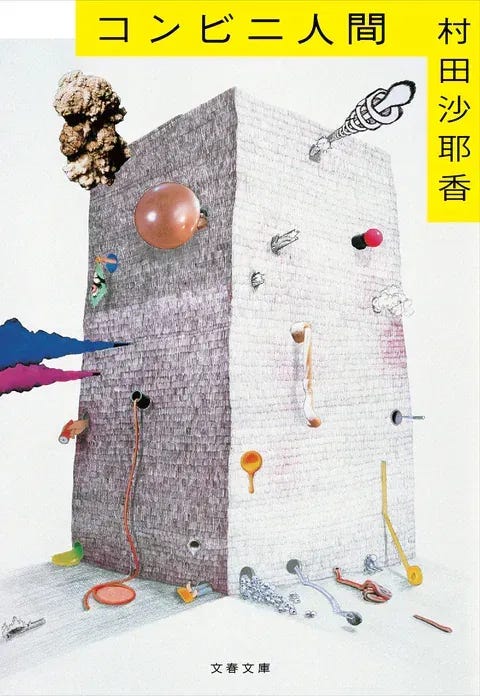
「コンビニ人間」、村田沙耶香 - テキストと英語の訳語・文法分析:ページ 8
Parallel Japanese / English Translations, Notes and of Convenience Store Woman by Sayaka Murata From page 8 of Bunshun Edition 1 原文1: 店内に散らばっている無数の音たちから情報を拾いながら、私の身体は納品されたばかりのおにぎりを並べている。朝のこの時間、売れるのはおにぎり、サンドイッチ、サラダだ。向こうではアルバイトの菅原(すがわら)さんが小さなスキャナーで検品している。私は機械が作った情報な食べ物を整然と並べていく。新商品の明太子チーズは真ん中に二例に、そこの横にはお店で一番売れているツナマヨネーズを二例に、あまり生まれないおかかのおにぎりは端っこだ。スピードが勝負なので、額はほとんど使わず、私の中に染み込んでいるルールが肉体に指示を出している。原文2:チャリ、という微かな小銭の音反応して振り向き、レジのほうへと視線をやる。掌やポケットの中で小銭を鳴らしている人は、煙草か新聞をさっと買うって帰ろうとしている人が多いので、お金の音には微感だ。案の定、缶コーヒーを片手を持ち、もう片方のてをポケットに突っ込んだままレジに近付いている男性がいた。素早く店内を移動してレジカウンターの中に身体を滑りこませ、客を待たせないように中に立って待機する。原文3:「いらっしゃいませ、おはようございます!」軽い会釈をして、男性客が差し出した缶コーヒーを受け取る。「あー、煙草の5番を一つ」。ーーー原文1の分析:店内に散らばっている無数の音たちから情報を拾いながら、私の身体は納品されたばかりのおにぎりを並べている。Translation: "While picking up information from the countless scattered sounds inside the store, my body is arranging freshly delivered rice balls."Interesting Vocabulary: 散らばる means "to be scattered" or "to be dispersed.”Sentence Structure: The て-form verb (拾いながら) is used to indicate simultaneous actions or states.朝のこの時間、売れるのはおにぎり、サンドイッチ、サラダだ。Translation: "At this morning time, the ones that sell are rice balls, sandwich 1, and salad."向こうではアルバイトの菅原(すがわら)さんが小さなスキャナーで検品している。Translation: "Over there, the part-time worker Mr. Sugawara is inspecting with a small scanner."Interesting Vocabulary: アルバイト means "part-time job," and 検品する means "to inspect."Sentence Structure: The sentence uses では (de wa) to indicate a contrast or shift in focus to another location.私は機械が作った情報な食べ物を整然と並べていく。Translation: "I neatly arrange the food made by machines, based on the information."Interesting Vocabulary: 整然と means "neatly" or "orderly."Sentence Structure: The sentence includes the particle な (na) to connect the noun 情報 (jōhō) with 食べ物 , indicating that the food is based on the information.新商品の明太子チーズは真ん中に二例に、そこの横にはお店で一番売れているツナマヨネーズを二例に、あまり生まれないおかかのおにぎりは端っこだ。Translation: "The new product Mentaiko Cheese goes in the middle, two examples, next to it, two examples of the best-selling Tuna Mayo, and the rarely made Okaka rice ball is on the edge."Interesting Vocabulary: 明太子チーズ (mentaiko chīzu) refers to Mentaiko Cheese, ツナマヨネーズ (tsuna mayo nēzu) means "tuna mayonnaise," and おかか (okaka) refers to bonito flakes.スピードが勝負なので、額はほとんど使わず、私の中に染み込んでいるルールが肉体に指示を出している。Translation: "Since speed is crucial, I hardly use my mind and the rules ingrained in me direct my body."Interesting Vocabulary: スピード (supīdo) means "speed," 染み込む (shimi komu) means "to be ingrained" or "to seep in."—原文2の分析:Sentence 1: チャリ、という微かな小銭の音反応して振り向き、Hearing the faint sound of coins, (he/she) turned around,Vocabulary:チャリ: Faint小銭: Coins音: Sound反応する: To reactGrammar Notes:という: Expresses the quoted sound, in this case, the "チャリ" sound.微かな: Faint, slight反応して: The te-form of 反応する (to react), showing the continuation of the action.Sentence 2 レジのほうへと視線をやる。(He/she) turned their gaze towards the cash register.Vocabulary:レジ: Cash register, checkout counter視線: GazeGrammar:ほうへと: Toward視線をやる: To direct one's gazeSentence 3掌やポケットの中で小銭を鳴らしている人は、煙草か新聞をさっと買うって帰ろうとしている人が多いので、お金の音には微感だ。People who are making coins jingle in their palms or pockets are often those who are quickly buying cigarettes or newspapers and trying to head home, so the sound of money is a faint sensation.Vocabulary:掌: Palm (of hand)ポケット: Pocket小銭を鳴らす: To make coins jingle煙草: Cigarettes新聞: Newspaperさっと: Quickly, swiftly帰ろうとしている: Trying to head home微感: Faint sensationGrammar:掌やポケットの中で: In the palms or pocketsって: Informal contraction of という, indicating the content of what someone is saying.か: Orって帰ろうとしている: Trying to head home after quickly buying cigarettes or newspapers.ので: Because, soには: Emphasizes the following phrase ("微感だ" in this case)Sentence 4: 案の定、缶コーヒーを片手を持ち、もう片方のてをポケットに突っ込んだままレジに近付いている男性がいた。案の定、缶コーヒーを片手を持ち、もう片方のてをポケットに突っ込んだままレジに近付いている男性がいた。As expected, there was a man holding a can of coffee in one hand and keeping the other hand in his pocket, approaching the cash register.Vocabulary:案の定: As expected缶コーヒー: Canned coffee片手: One handもう片方の手: The other handポケットに突っ込む: To put into the pocket近付く: To approach男性: ManGrammar:片手を持ち: Holding in one handもう片方の手をポケットに突っ込んだまま: While keeping the other hand in the pocketに近付いている: Approachingがいた: There wasSentence 5: 素早く店内を移動してレジカウンターの中に身体を滑りこませ、客を待たせないように中に立って待機する。Swiftly moving within the store, (he) slid his body into the counter at the cash register, standing inside to wait without making the customers wait.Vocabulary:素早く: Swiftly, quickly店内: Inside the store移動する: To moveレジカウンター: Cash register counter身体: Body滑り込む: To slide into客: Customer待たせる: To make someone wait中に立つ: To stand inside待機する: To waitGrammar:店内を移動して: Moving within the storeレジカウンターの中に身体を滑りこませ: Slid his body into the counter at the cash register客を待たせないように: In a way that doesn't make the customers wait原文3の分析:Sentence 1: 「いらっしゃいませ、おはようございます!」"Welcome! Good morning!"Vocabulary:いらっしゃいませ: A polite way of welcoming customers.おはようございます: Good morningGrammar:いらっしゃいませ: Polite imperative form of いらっしゃる (to come, to go),
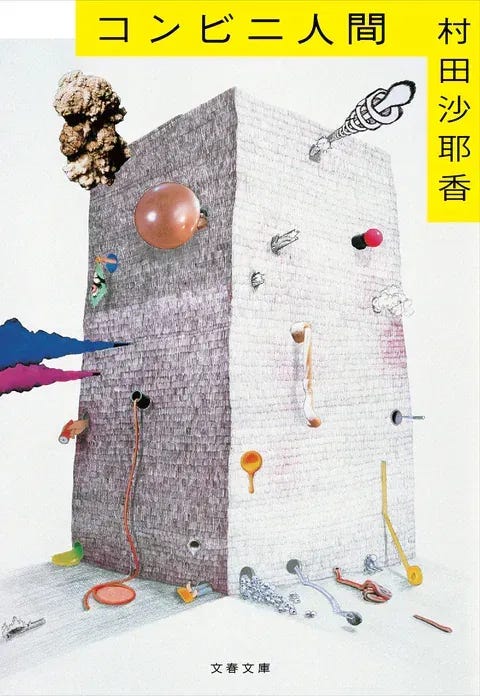
「コンビニ人間」、村田沙耶香 - テキストと英語の訳語・文法分析:ページ7
「コンビニ人間」、村田沙耶香 - テキストと英語の訳語・文法分析:ページ7Using Bunshun Edition 1 原文1:コンビニエンスストアは、音で満ちている。客が入ってくるチャイムの音に、店内を流れる有線放送で新商品を宣伝するアイドルの声。店員の掛け声に、バーコードをスキャンする音。かごにものを入れる音、パンの袋が握られる音に、店内を歩き回るヒールの音。全てが混ざり合い、「コンビニの音」になって、私の鼓膜にずっと触れている。原文2:売り場のペットボトルが一つ売れ、代わりに奥にあるペットボトルがローラーで流れてくるカラララ、という小さい音に顔をあげる。冷えた飲み物を最後にとってレジに向かうお客が多いため、そのおとに反応して身体が勝手に動くのだ。ミネラルウォーターをてに持った女性客がまだレジに行かずにデザートを物色しているのを確認すると、手元に視線を戻す。分析コンビニエンスストアは、音で満ちている。* Translation: "Convenience stores are filled with sounds."* Interesting Grammar Point: The sentence uses the verb 満ちる (to be filled) in the passive form, indicating that the stores are filled by sounds.客が入ってくるチャイムの音に、店内を流れる有線放送で新商品を宣伝するアイドルの声。* Translation: "The sound of the chime when customers enter, the voice of an idol advertising new products on the in-store broadcast."* Interesting Vocabulary: 有線放送 refers to a wired broadcast system, and アイドル means idol or celebrity.店員の掛け声に、バーコードをスキャンする音。* Translation: "The store clerks' calls and the sound of scanning barcodes."* Interesting Vocabulary: 掛け声 refers to a call or shout, and スキャンする means "to scan."かごにものを入れる音、パンの袋が握られる音に、店内を歩き回るヒールの音。* Translation: "The sound of placing items in a basket, the sound of gripping a bag of bread, the sound of heels walking around the store."* Interesting Grammar Point: The particle に is used to indicate the direction or target of an action (かごにものを入れる音 - the sound of putting things into a basket).全てが混ざり合い、「コンビニの音」になって、私の鼓膜にずっと触れている。* Translation: "Everything mixes together and becomes the 'sound of the convenience store,' constantly touching my eardrums."* Interesting Grammar Point: The verb ずっと is used to express"constantly" or "all the time," indicating the continuous nature of the sound touching the speaker's eardrums.売り場のペットボトルが一つ売れ、代わりに奥にあるペットボトルがローラーで流れてくるカラララ、という小さい音に顔をあげる。* Translation: "One of the PET bottles on the shelves is sold, and a PET bottle from the back starts flowing on the rollers."* Interesting Vocabulary: ローラー refers to rollers, the small wheels on which the bottles move.カラララ、という小さい音に顔をあげる。* Translation: "They lift their face in response to the small sound of 'kararara.'"* Interesting Vocabulary: カラララ represents the onomatopoeic sound of the bottles moving on the rollers.冷えた飲み物を最後にとってレジに向かうお客が多いため、そのおとに反応して身体が勝手に動くのだ。* Translation: "Because many customers take chilled drinks last and head towards the register, their bodies naturally react to that sound and move."* Interesting Grammar Point: ため is used to indicate the reason or cause behind the action, and のだ is used for explanatory purposes, emphasizing the cause-effect relationship.ミネラルウォーターをてに持った女性客がまだレジに行かずにデザートを物色しているのを確認すると、手元に視線を戻す。* Translation: "When they confirm a female customer holding a bottle of mineral water who is still not going to the register but instead looking for desserts, they shift their gaze back to their own hands."* Interesting Vocabulary: 物色するmeans "to browse" or "to look for," and 視線 means "gaze" or "line of sight.”* Interesting Grammar Point: The use of と (to) after a verb to indicate a cause or condition (e.g., 物色しているのを確認すると - when confirming that she is browsing). Additionally, the structure てに持った shows the act of "holding in hand."単語:* 有線放送 - wired broadcast* アイドル - idol, celebrity* バーコード - barcode* 鼓膜 (こまく)- eardrums* 物色する - to browse, to look for* 視線 - gaze, line of sight質問1。今の所の音は何ですか?オノマトペを使用している音を説明して書いてます。2。コンビニエンスストアでの買い物について、あなたの国や文化との違いはありますか? This is a public episode. If you would like to discuss this with other subscribers or get access to bonus episodes, visit onestraw.substack.com