
बालमोदिनी
663 episodes — Page 11 of 14
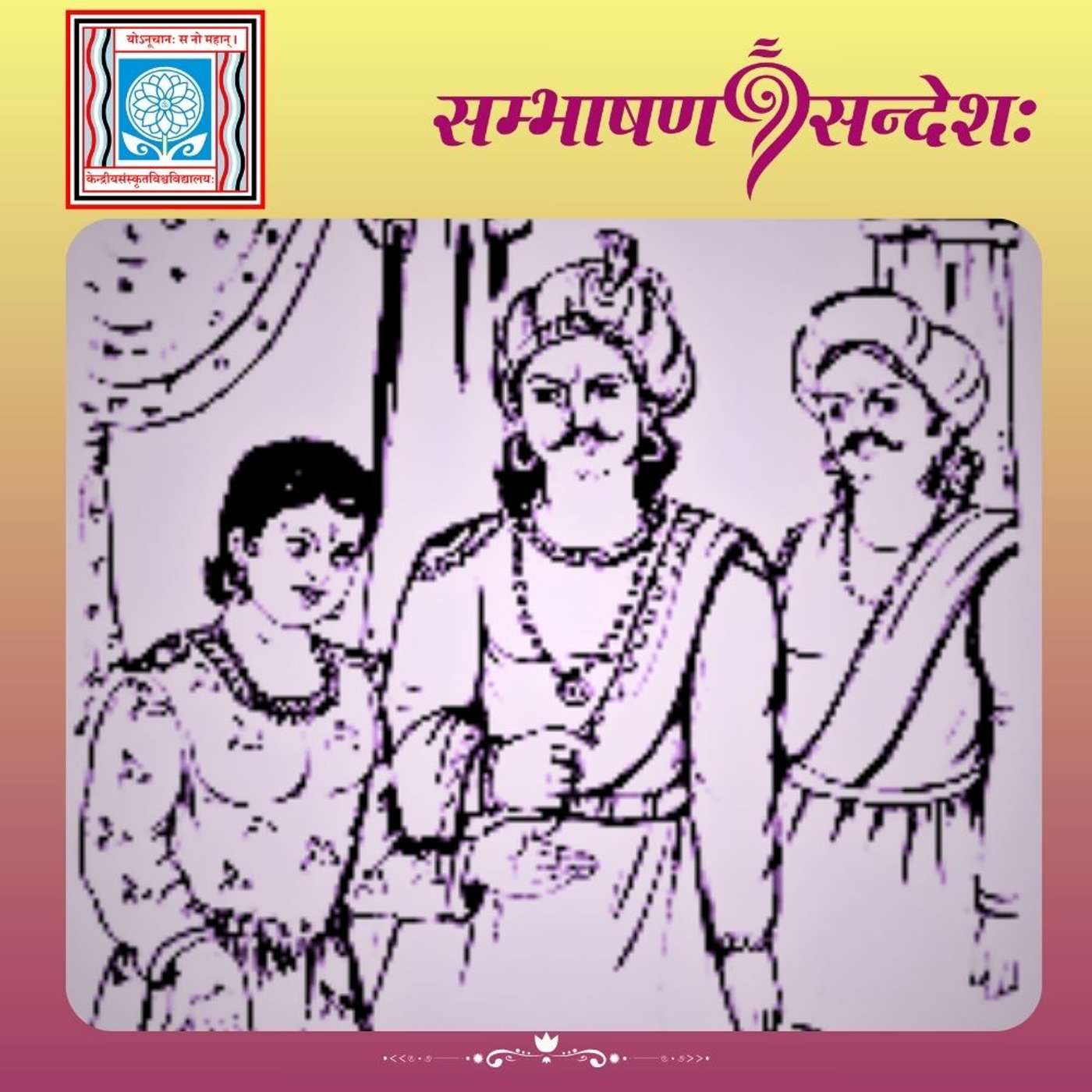
Ep 163योग्यः उत्तराधिकारी
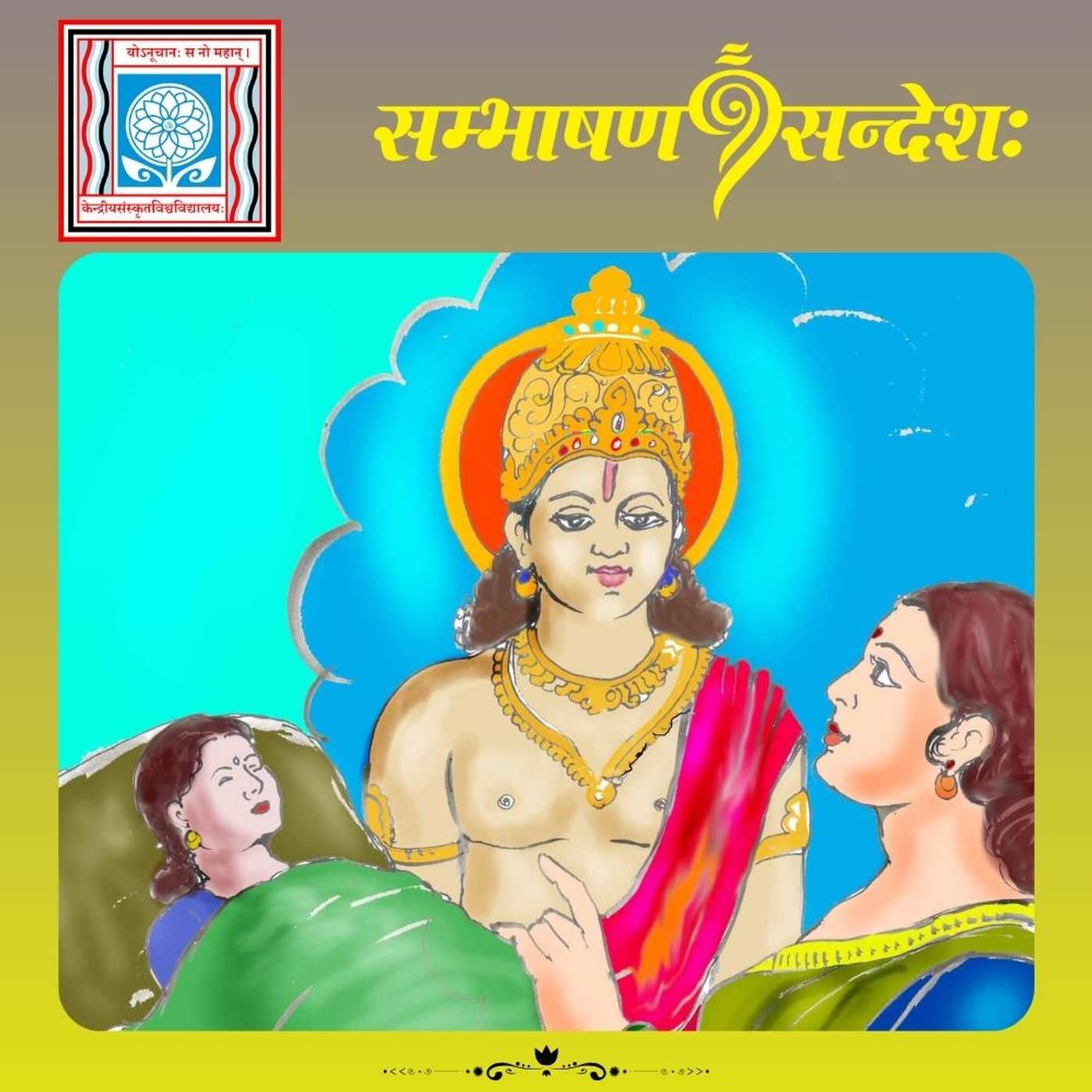
कस्यचित् राज्यस्य महाराजस्य त्रयः पुत्राः आसन् । तेषु कस्मै देयम् इति प्रश्ने मन्त्रिणा सूचितं यत् अपत्यानि परीक्षितव्यानि इति । अपरस्मिन् दिने पुत्रान् आहूय शतं रूप्यकाणि दत्त्वा सायङ्कालाभ्यन्तरे स्वप्रासादः पूरणीयः इति अवदत् राजा । प्रथमः पुत्रः, तैः रूप्यकैः इष्टानि वस्तूनि क्रीतवान् । द्वितीयः पुत्रः पितुः आज्ञा पालनीया एव इति धिया धूल्या प्रासादम् अपूरयत् । तृतीयः पुत्रः चतुरः आसीत् । सः केन प्रासादं पूरितवान् यत् दृष्ट्वा राजा सः एव राज्यस्य उत्तराधिकारी भवितुम् अर्हति इति निश्चिनोति ? इति सर्वं कथां श्रुत्वा जानन्तु ।(“केन्द्रीयसंस्कृतविश्वविद्यालयस्य अष्टादशीयोजनान्तर्गततया एतासां कथानां ध्वनिप्रक्षेपणं क्रियते”)A king of a certain kingdom had three sons. When the question of who should inherit the kingdom arose, the minister suggested that the sons should be tested. The next day, the king summoned his sons and gave each of them a hundred silver coins, instructing them to fill the royal palace by the evening. The first son bought various desirable items with the coins. The second son, thinking that the father's command must be obeyed, filled the palace with dust. The third son was clever. What did he fill the palace with that made the king decide that he was the one worthy of being the successor to the kingdom? Listen to the entire story to find out".
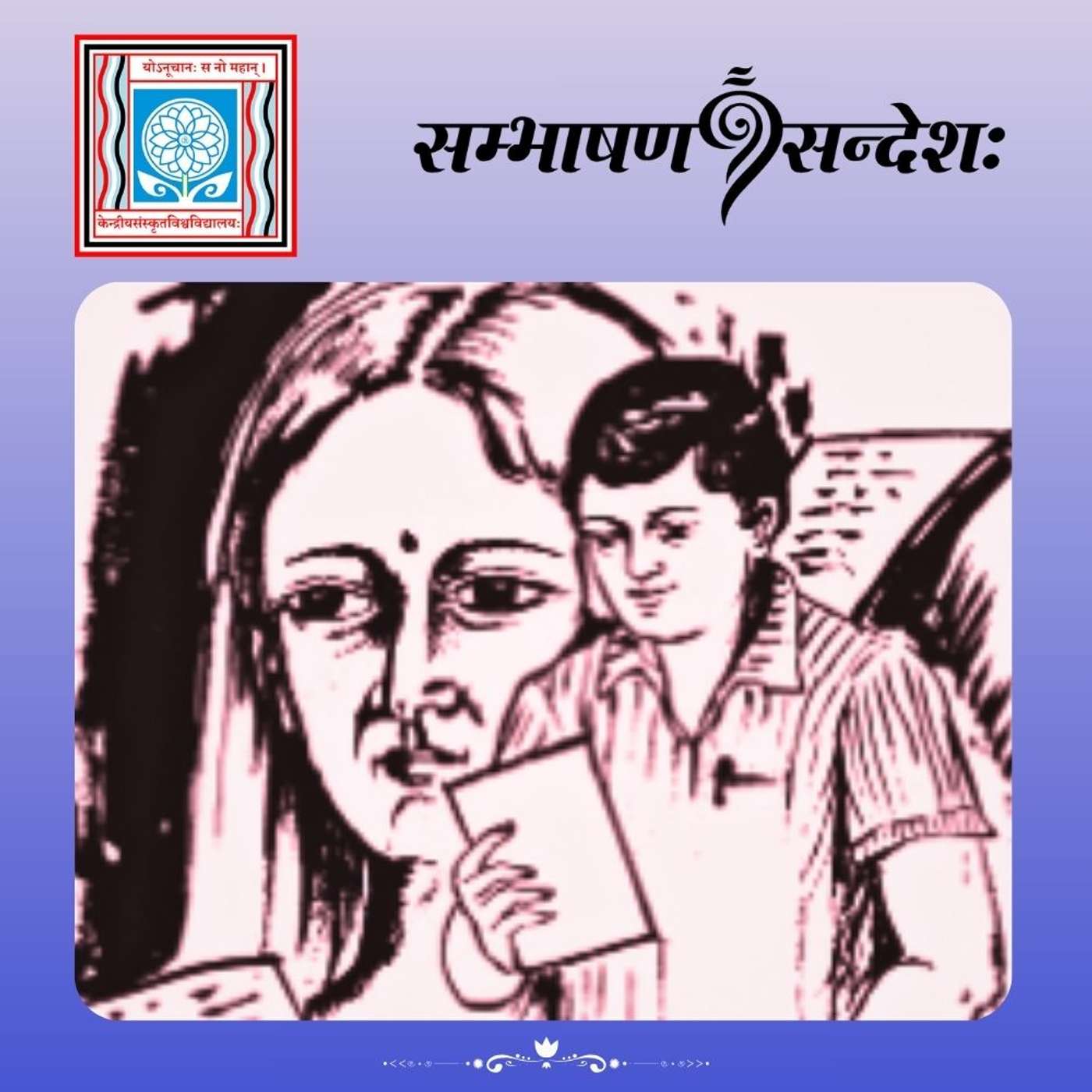
Ep 162सुहृदयः महाशयः
कश्चित् आजीविकाम् अन्विष्यन् ग्रामतः मुम्बापुरीम् आगत्य श्रमिकैः सम्मिल्य कस्याञ्चित् निर्माणशालायां कार्यं करोति स्म। स्वकीयधारणाय अपेक्षितं धनं स्वसमीपे संरक्ष्य शेषं ग्रामे निवसन्त्यै मात्रे प्रेषयति स्म । कदाचित् सः शतरूप्यकाणि मात्रे प्रेषयितुम् इच्छन् एकं संक्षिप्तं लखं विलिख्य रूप्यकैः सह पत्रम् एकस्मिन् पुटके निधाय गृहगमनाय लोकयानम् आरूढवान् । लेखेन आर्जितद्रव्येण च सहितं पुटकं केनापि चातुर्येण चोरितम् आसीत् । किन्तु यः तं धनं चोरितवान् सः पत्रं पठित्वा द्रुतहृदयः जातः । सप्तानां दिनानाम् अनन्तरं शतरूप्यकैः सह मातुः चिकित्सायै सहस्ररूप्यकाणि अपि प्रेषितवान् ।(“केन्द्रीयसंस्कृतविश्वविद्यालयस्य अष्टादशीयोजनान्तर्गततया एतासां कथानां ध्वनिप्रक्षेपणं क्रियते”)A man searching for a livelihood came to Mumbai from a village and started working in a construction site among laborers. He saved the money he needed for his expenses and sent the rest to his mother residing in the village. Once, wishing to send a hundred rupees to his mother, he wrote a brief letter and placed it with the money in a small pouch, then boarded a bus to go home. The pouch containing the letter and the earned money was cleverly stolen by someone. However, the thief's heart melted after reading the letter. Seven days later, in addition to sending a hundred rupees, the thief also sent a thousand rupees for the mother's treatment."

Ep 161सो Sपि अहमेव
गोस्वामी तुलसीदासः यदा जगन्नाथस्य दर्शनं कर्तुं गतवान् तदा तस्य हस्तपादविहीनां काष्ठमयीं मूर्तिं दृष्ट्वा निराशतां प्राप्तवान् । नीलाम्बुदश्यामरूपस्य देवस्य दर्शनम् इच्छन् भगवतः प्रार्थनायां निरतः जातः । दिनद्वयम् अन्नं जलं च विना तेन एवमेव विलपनं कृतम् । तावता कश्चित् बालकः जगन्नाथस्य प्रसादं तुलसीदासाय दत्त्वा - 'अहमेव रामः । जगन्नथरूपमपि ममैव' इति वदति । भक्त्या प्रसादं सेवित्वा अनन्तरदिने यदा पुनरपि मदिरं गतवान् तदा तेन जगन्नाथ-बलभद्र-सुभद्राणां स्थाने राम-लक्ष्मण-जानक्यः दृष्टाः ।(“केन्द्रीयसंस्कृतविश्वविद्यालयस्य अष्टादशीयोजनान्तर्गततया एतासां कथानां ध्वनिप्रक्षेपणं क्रियते”)When Goswami Tulsidas went to see Lord Jagannath, he felt disheartened upon seeing the wooden idol without hands and feet. Desiring a vision of the dark-blue colored deity, he immersed himself in prayer. For two days, he remained in lamentation without food or water. Then, a boy gave him Jagannath's prasad and said, 'I am indeed Rama. The form of Jagannath is also mine.' Having partaken of the prasad with devotion, when Tulsidas went to the temple again the next day, he saw Rama, Lakshmana, and Sita in place of Jagannath, Balabhadra, and Subhadra."
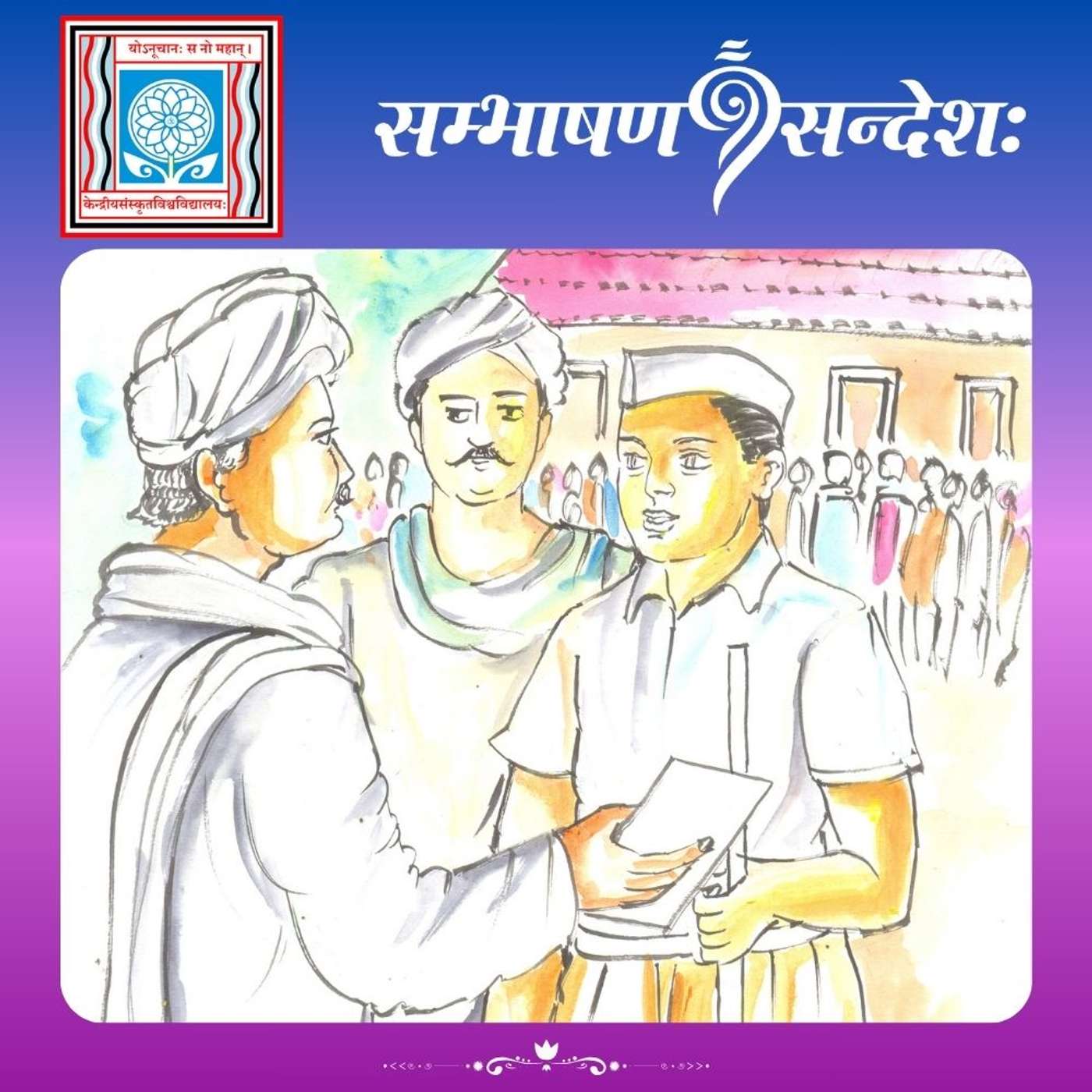
Ep 160कर्तव्यपरायणता
कदाचित् पूणास्थेन केनचित् विद्यालयेन महादेवगोविन्दरानडेवर्यः मुख्यातिथित्वेन निमन्त्रितः आसीत् । जनसम्मर्दस्य निवारणाय कार्यक्रमे निमन्त्रणपत्रेण सह आगतवतामेव प्रवेशः इति निश्चितम् आसीत् । तस्याः व्यवस्थायाः निर्वहणाय नियुक्तः कश्चन स्वयंसेवकः रानडेवर्यम् अपि विना आमन्त्रणपत्रम् अन्तः प्रवेष्टुम् न अनुमतवान् । तावता कश्चन व्यवस्थापकः कुतश्चित् पत्रमेकं रानडेवर्यस्य हस्ते स्थापितवान् । तस्य स्वयंसेवकस्य कर्तव्यनिष्ठाम् अभिनन्दन् तस्य स्कन्धे हस्तं स्थापितवान् रानडेवर्यः।(“केन्द्रीयसंस्कृतविश्वविद्यालयस्य अष्टादशीयोजनान्तर्गततया एतासां कथानां ध्वनिप्रक्षेपणं क्रियते”)This story beautifully illustrates the principles of duty and respect. Once, Mahadev Govind Ranade was invited as the chief guest by a school in Pune. To avoid overcrowding, it was decided that only those who had an invitation card would be allowed to enter the event. A volunteer appointed to manage this arrangement did not allow Ranade to enter without an invitation card. Meanwhile, an organizer placed an invitation card in Ranade's hand from somewhere. Appreciating the volunteer's sense of duty, Ranade placed his hand on the volunteer's shoulder in commendation."
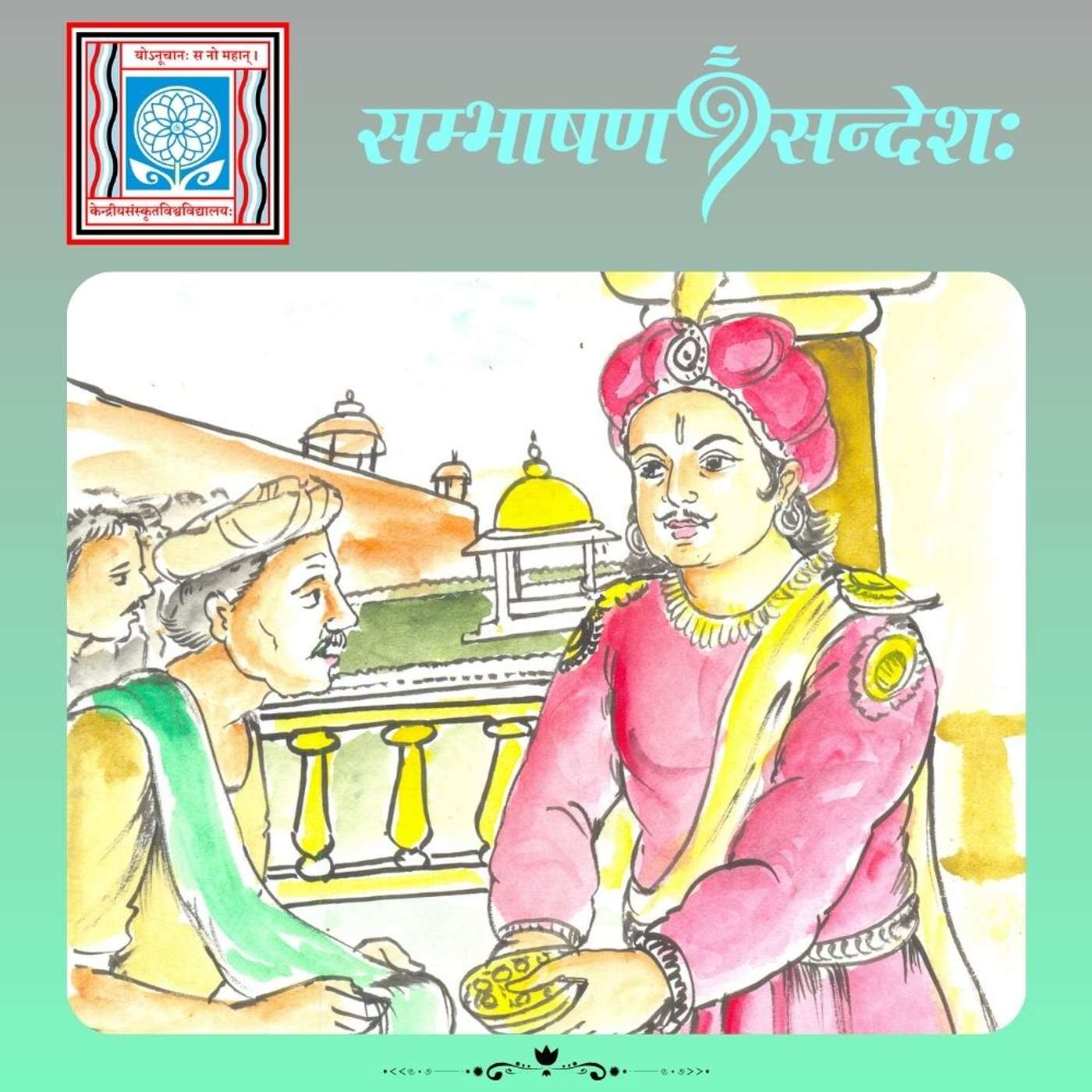
Ep 159अपूर्वं भिक्षापात्रम्
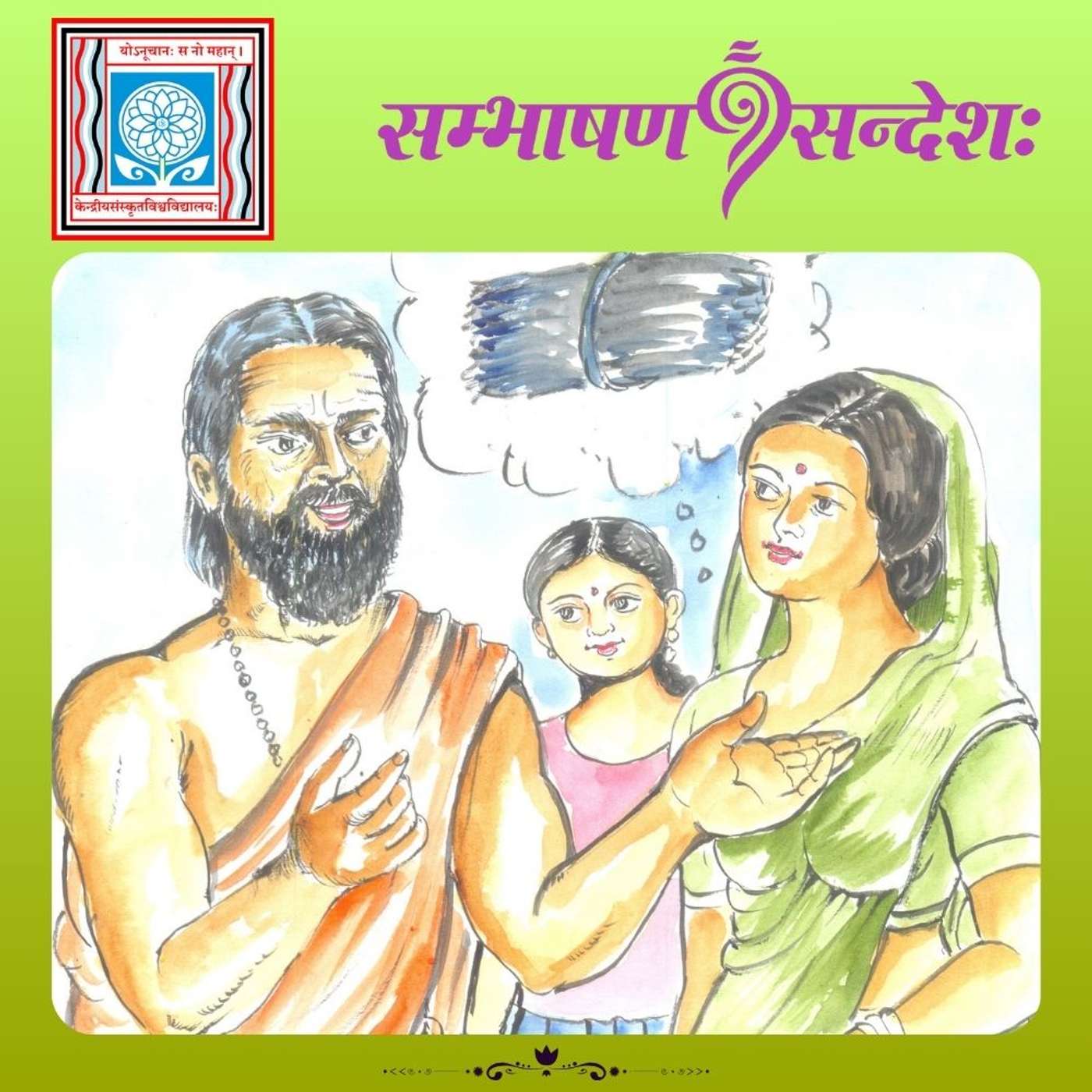
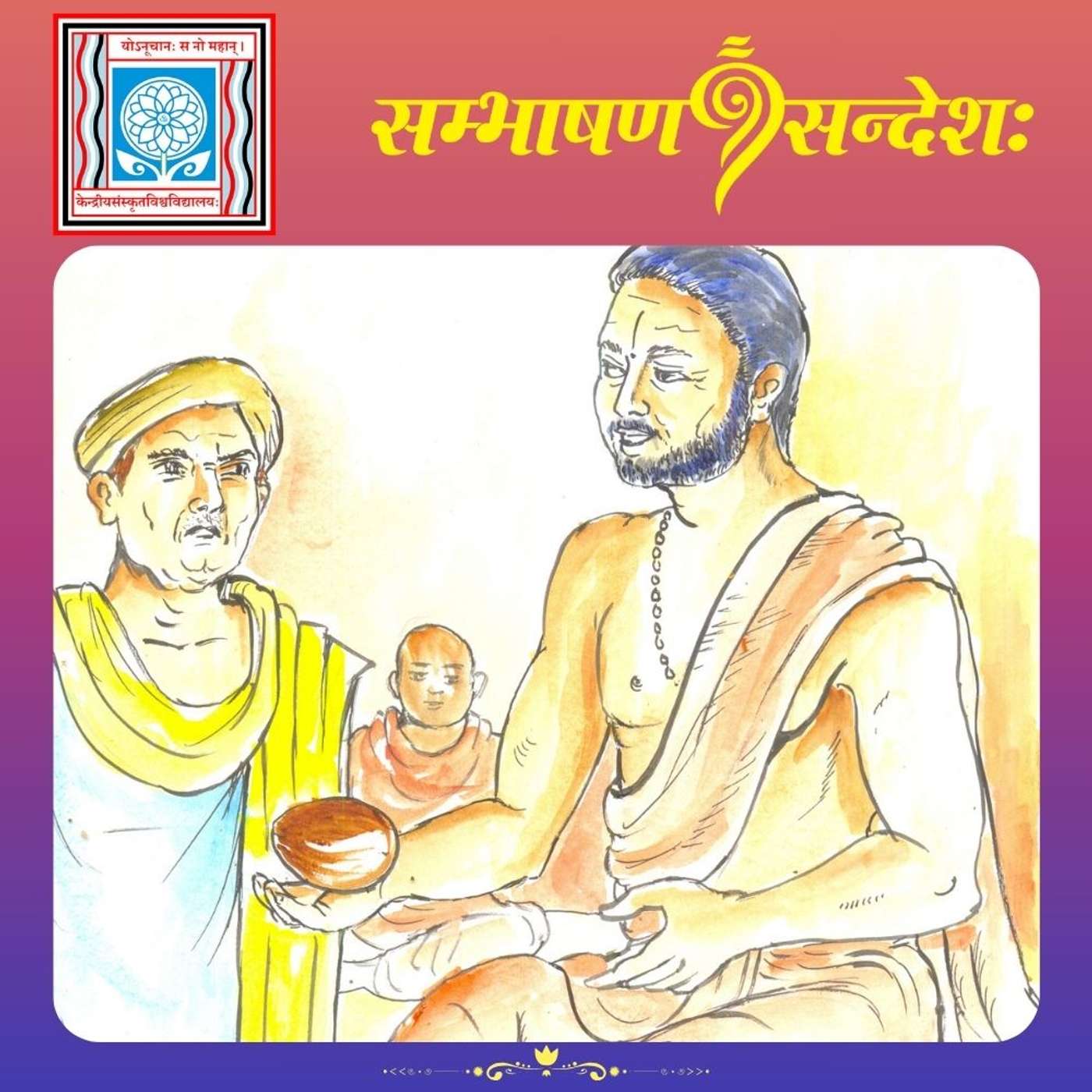
प्रातः प्रथमं राजगृहं प्रविष्टवते भिक्षुकाय सुवर्णमुद्राः, तदनन्तरं आगतेभ्यः भिक्षुकेभ्यः रजतमुद्राः दीयन्ते स्म भोजमहाराजस्य शासनकाले । एकस्मिन् दिने अगवते भिक्षुकाय राज्ञा दत्ताभिः सुवर्णमुद्राभिः लघु भिक्षापात्रं पूर्णं न अभवत् । एतेन राज्ञा ज्ञातं यत् आगतः भिक्षुकः सामान्यः न, अपि च परीक्षार्थमेव आगतः इति । अतः तं पादस्पर्शपूर्वकं नमस्कृत्य तत् पात्रं केन निर्मितमिति पृष्टवान् । तदा हसन् सः भिक्षुकः कानिचन हितवचनानि उक्तवान् । तत् श्रुत्वा राजा वदति - 'जीवने भवान् प्रथमः जनः यः मां सन्तोषस्य अर्थं बोधितवान् । भवान् मम ज्ञानचक्षुषी उन्मीलितवान् । धन्योऽस्मि' इति ।(“केन्द्रीयसंस्कृतविश्वविद्यालयस्य अष्टादशीयोजनान्तर्गततया एतासां कथानां ध्वनिप्रक्षेपणं क्रियते”)"In the reign of King Bhoja, the first beggar to enter the royal palace in the morning would receive gold coins, and subsequent beggars would be given silver coins. One day, the small begging bowl of a beggar who arrived first did not fill up despite the king's gift of gold coins. From this, the king realized that the beggar was not an ordinary person but had come to test him. Therefore, the king bowed down and respectfully touched the feet of the beggar, asking who had made the bowl. Smiling, the beggar spoke some kind words. Hearing this, the king said, 'In my life, you are the first person who has taught me the meaning of contentment. You have opened my eyes of wisdom. I am grateful.'
Ep 158श्रमात् ऋते प्राप्तं न एष्टव्यम्
'श्रमं विना निश्शुल्कं यत् प्राप्येत तत् न स्वीकरणीयम् । भगवान् हस्तपादं यत् दत्तवान् तस्य उपयोगेन जीवनं चिन्तनीयं, न तु निश्शुल्कं प्राप्यमाणस्य स्वीकरणे प्रवृत्तिः दर्शनीया' इति मातुः वचनानुसारं काचित् बालिका गुजरातप्रदेशे रविशङ्करमहाराजेन वितीर्यमाणं गुडं न स्वीकृतवती । बालिकायाः वचनम् आश्चर्येण शृण्वन् रविशङ्करः बालिकया सह गृहं गत्वा स्वाभिमानपाठं बोधितवतीं मातरं दृष्ट्वा नमस्कृतवान् ।(“केन्द्रीयसंस्कृतविश्वविद्यालयस्य अष्टादशीयोजनान्तर्गततया एतासां कथानां ध्वनिप्रक्षेपणं क्रियते”)"Anything that is obtained without effort and free of cost should not be accepted. The life gifted to us by God, along with our hands and feet, should be used wisely, and not in accepting something for free," said a mother to her daughter. Following these words, a girl from Gujarat refused the jaggery being distributed by the great Ravishankar Maharaj. Astonished by the girl's words, Ravishankar went to her home, where he saw the mother who had imparted this lesson of self-respect to her daughter, and he bowed in respect.
Ep 157अदृष्टदेवता
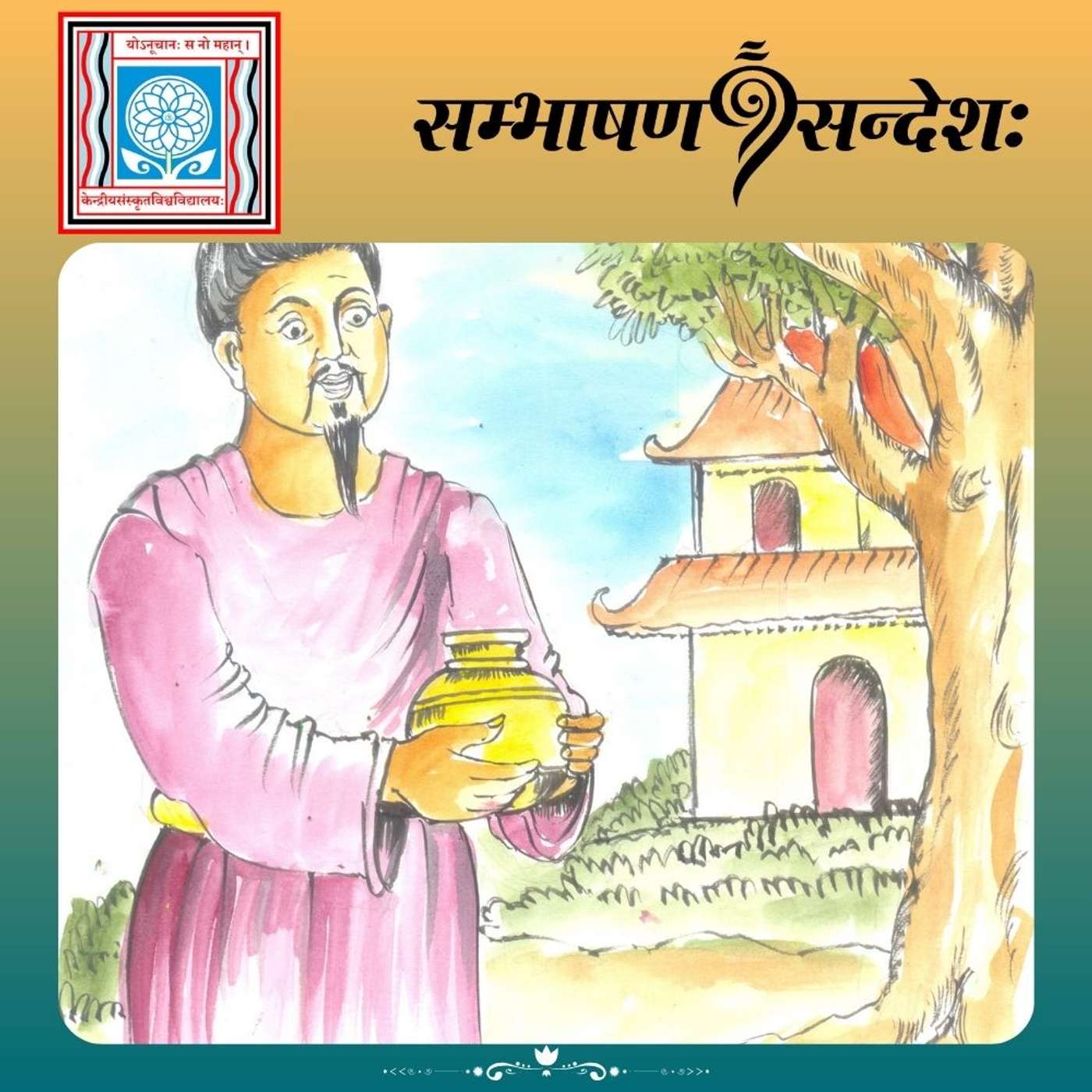
चीनादेशे शिष्योकिनामकस्य कस्यचित् युवकस्य स्वप्ने काचित् देवी आगत्य - ‘'हवाङ्गो' नद्याः तीरे कस्माच्चित् प्रभूतं सुवर्णं लप्स्यते' इति अवदत् । अपरदिने आदिनं प्रतीक्षायां कृतायामपि शिष्योकिना किमपि न प्राप्तम् । पुनः देव्या उक्ते सति सः गत्वा आदिनं प्रतीक्षां कृतवान् किन्तु किमपि न लब्धम् । यदा ततः निर्गन्तुम् उद्यतः तत्रैव विद्यमानः शाकविक्रेता तस्य आगमनस्य कारणं पृच्छति । स्वप्नवृतान्तं यदा अश्रावयत् शिष्योकिः तदा सः हसन् 'एतादृशेषु विषयेषु मा विश्वसितु। मम स्वप्ने अपि देवी आगत्य शिष्योकिनामकस्य गृहस्य पुरतः स्थितस्य वृक्षस्य अधः प्रभूतं सुवर्णम् अस्ति' इति अवदत् । अग्रे किं जातमिति भवन्तः एव ऊहां कर्तुं शक्नुवन्ति खलु ?(“केन्द्रीयसंस्कृतविश्वविद्यालयस्य अष्टादशीयोजनान्तर्गततया एतासां कथानां ध्वनिप्रक्षेपणं क्रियते”)In China, a young man named Shisyokin had a dream in which a goddess appeared and told him that he would find a large amount of gold on the banks of the "Hwang Ho" river. The next day, despite waiting all day, Shisyokin found nothing. When the goddess appeared again in his dream, he went and waited again, but still found nothing. When he was about to leave, a vegetable seller there asked him why he had come. When Shisyokin narrated his dream, the seller laughed and said, "Do not believe in such things. In my dream, too, the goddess came and said that there is a large amount of gold under the tree in front of a house belonging to a man named Shisyokin." Can you guess what happened next?
Ep 156शिष्टाचारः न त्याज्यः
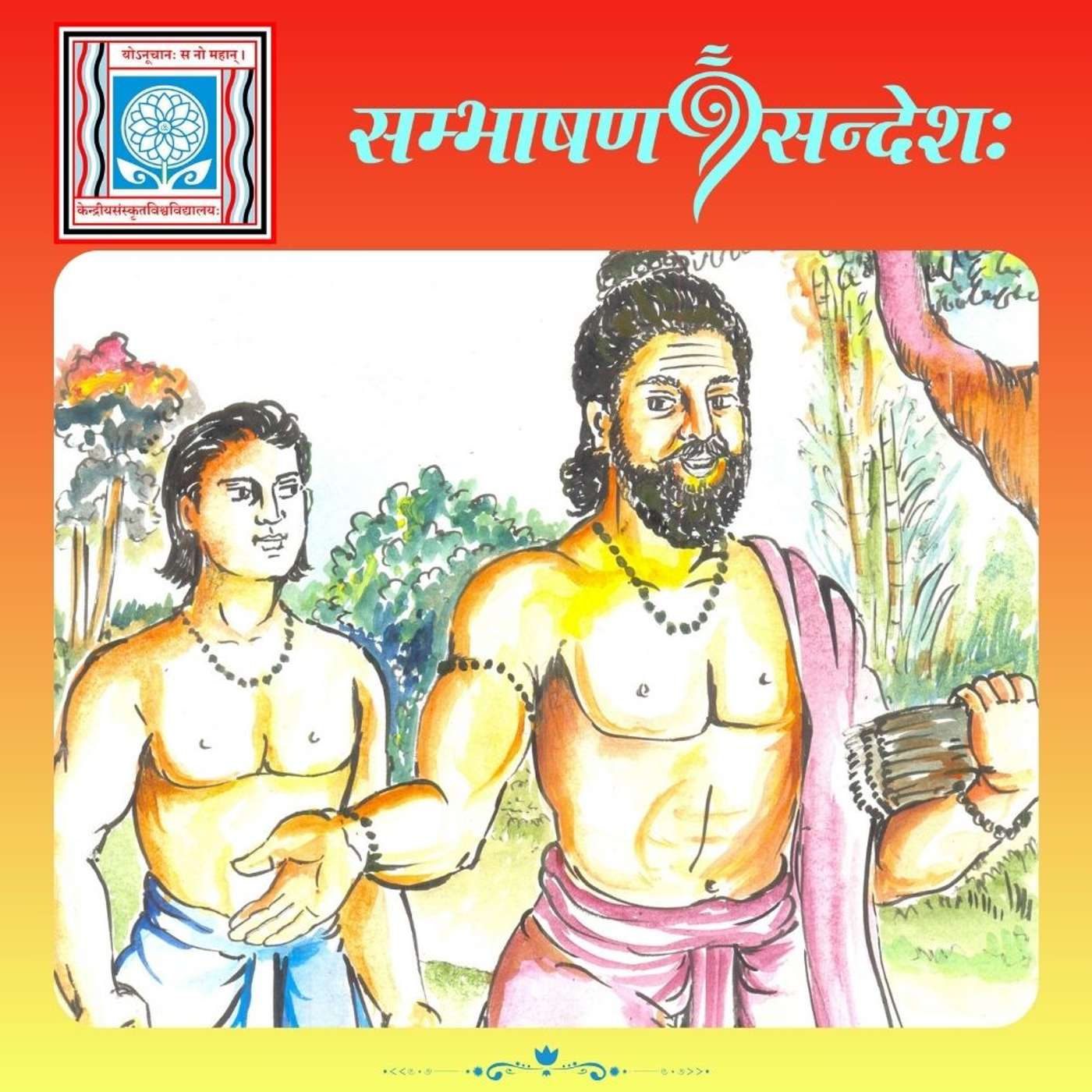
कदाचित् चरकाचार्यः शिष्यैः सह ग्रामप्रदेशे सञ्चरन् कस्यचित् कृषिक्षेत्रे एकम् अपूर्वं सस्यम् अपश्यत् । कश्चित् शिष्यः उत्साहेन पर्णकाण्डमूलानां सङ्ग्रहणाय यदा उद्यतः तदा चरकाचार्यः तं निवार्य सस्यादीनां सङ्ग्रहाय क्षेत्रस्वामिनः अनुज्ञा प्राप्तव्या इति अवदत् । लोकोपकराय सस्यसङ्ग्रहणाय कस्यापि अनुज्ञा प्राप्तव्या नास्ति इति राजाज्ञा अस्ति खलु इति शिष्येण उक्ते अचार्यः वदति - ‘राजाज्ञा अन्या, शिष्टाचारः अन्यः । अनुज्ञां विना अन्याधीनस्य वस्तुनः स्वीकारः अनुचितः इति तु शिष्टाचारः' इत्यादिभिः वचनैः अस्माकं शिष्टाचारः व्यवहारः च कथं भवेदिति बोधयति ।(“केन्द्रीयसंस्कृतविश्वविद्यालयस्य अष्टादशीयोजनान्तर्गततया एतासां कथानां ध्वनिप्रक्षेपणं क्रियते”)Once, Charaka, the great sage, was traveling with his disciples in a rural area when they saw an extraordinary plant in a farmer's field. One of the disciples, eager to collect the leaves, stems, and roots, was stopped by Charaka, who said that permission must be obtained from the owner of the field before collecting the plants. When the disciple mentioned that there was a royal order that no permission was needed for collecting plants for the benefit of the people, the teacher explained, "Royal orders are one thing, but proper conduct is another. Accepting something belonging to someone else without permission is improper conduct." With these words, he taught how our conduct and behavior should be governed by ethical principles.
Ep 155पुण्यस्य फलम्
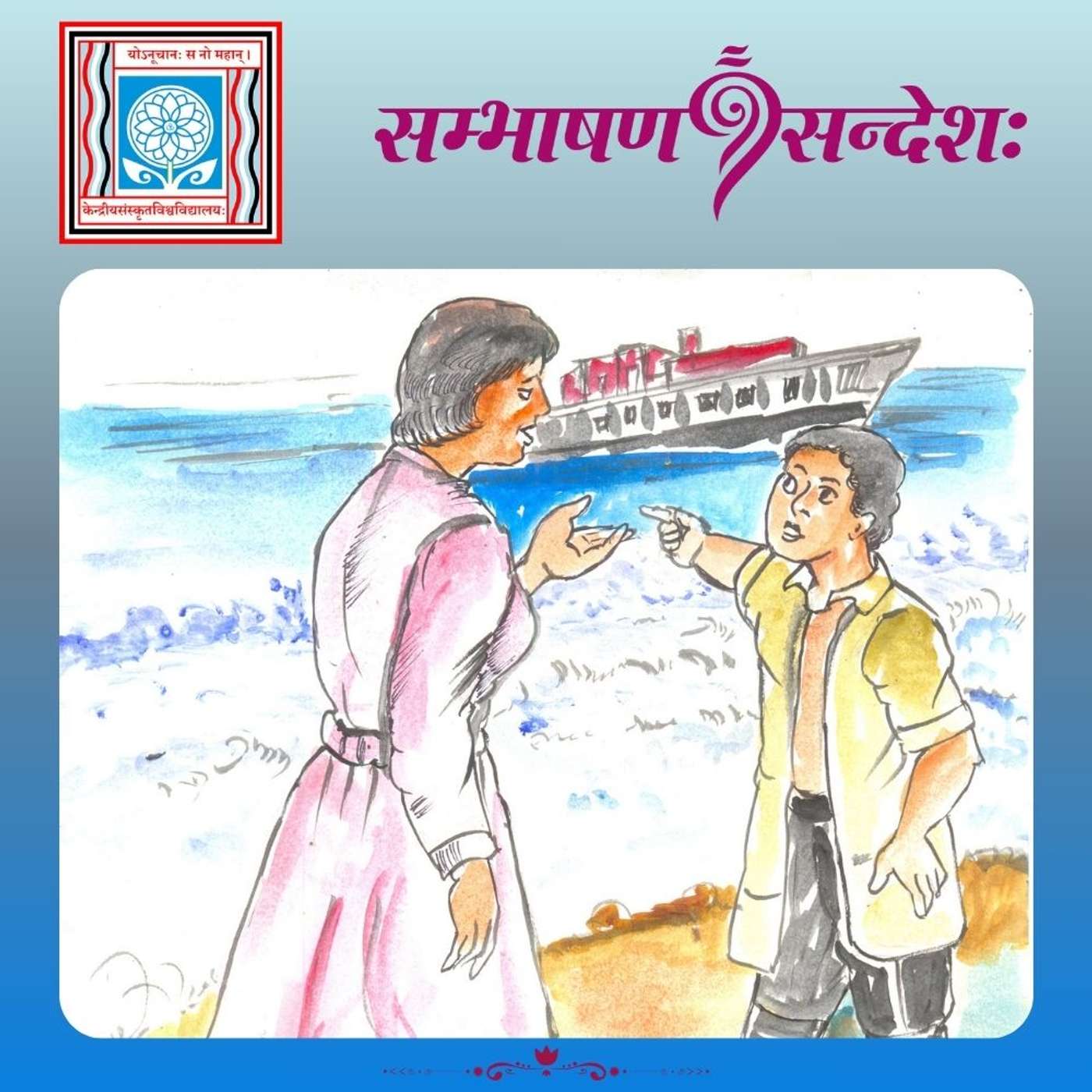
कदाचित् समुद्रे झञ्झावातप्रहारं प्राप्तायाः महानौकायाः जनान् रक्षितुम् कश्चित् युवकः मातरम् अनुज्ञा याचते । षड्भ्यः वर्षेभ्यः पूर्वं समुद्रप्रयाणाय निर्गतः तस्य पतिः न प्रत्यागतः इति कारणतः पुत्रं कथं प्रेषयामि इति चिन्तयति माता । किन्तु सः कथञ्चित् मातरं समाधाय अनुज्ञां प्राप्य च चातुर्येण नौकां चालयन् महानौकासमीपं गत्वा तत्रत्यान् सर्वान् तीरं प्रापयत् सः । तीरं प्रापितेषु जनेषु तस्य पिता अपि अन्यतमः । पित्रा सह आगतः पुत्रः मातरम् अवदत् - ‘भवत्या पुण्यकार्याय अनुज्ञा दत्ता अतः पिता प्रतिप्राप्तः' इति । सः एव बालः अब्राहमलिङ्कननामा भाविनि काले जगद्विख्यातः जातः ।(“केन्द्रीयसंस्कृतविश्वविद्यालयस्य अष्टादशीयोजनान्तर्गततया एतासां कथानां ध्वनिप्रक्षेपणं क्रियते”)Once, a young man sought his mother's permission to save the people of a large boat that was struck by a storm at sea. Six years earlier, his father had gone on a sea voyage and had not returned. The mother, worried, thought about how she could send her son. However, the young man somehow consoled his mother, obtained her permission, and skillfully navigated the boat, reaching the large boat and bringing all the people to shore. Among those brought to shore was his father. The son, who came back with his father, told his mother, "Because you gave permission for a noble deed, father has returned." That boy, named Abraham Lincoln, later became world-renowned.
Ep 154भवता कति प्रहाराः प्राप्येरन् ?
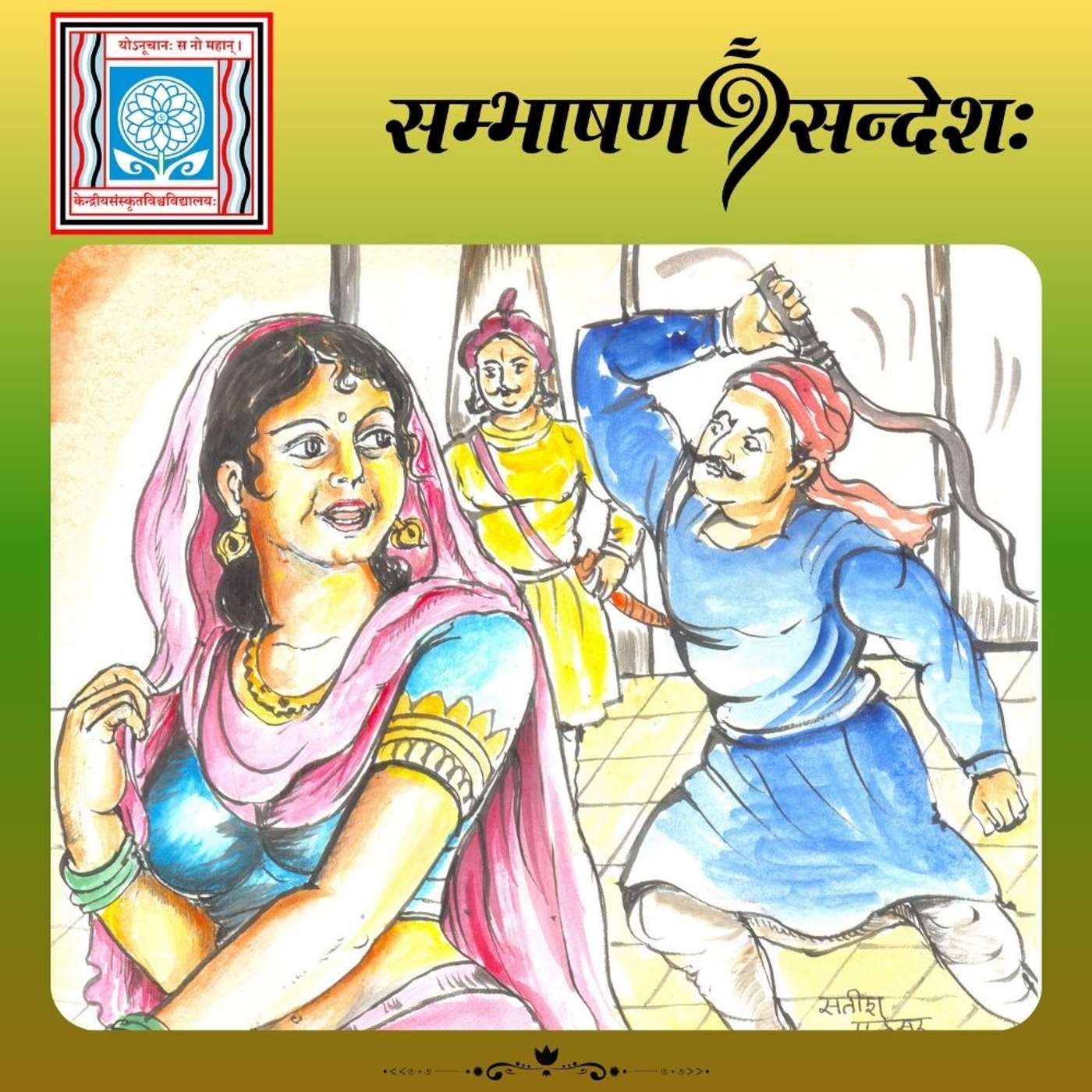
कस्मिंन्श्चित् प्रासादे काचित् सेविका राज्ञः शय्यागृहस्य स्वच्छतासमये राज्ञः मृदुलां स्थूलां शय्यां दृष्ट्वा शयनसुखानुभवेच्छया शय्याम् आरूढवती । महान्तं हितानुभवे प्राप्ते अचिरात् एव तया निद्रा प्राप्ता । अल्पे एव काले राजा राज्ञी च तत्र आगतौ । शयानां सेविकां दृष्ट्वा राज्ञः कोपः नितरां प्रवृद्धः । राजा कशाम् आनाय्य प्राहारम् आरब्धवान् । सेविका हसितुम् आरब्धवती । किमर्थम् अयं व्यवहारः इति पृष्टे सेविकया दत्तेन उत्तरेण राज्ञः कर्तव्यताबुद्धिः जागृता भवति । किं तत् उत्तरम् इति कथां श्रुत्वा ज्ञास्यामः । (“केन्द्रीयसंस्कृतविश्वविद्यालयस्य अष्टादशीयोजनान्तर्गततया एतासां कथानां ध्वनिप्रक्षेपणं क्रियते”)In a certain palace, a maid, while cleaning the king's bedroom, saw the soft and luxurious bed and desired to experience its comfort. She climbed onto the bed and soon fell asleep, enjoying its great comfort. Shortly after, the king and queen arrived there. Seeing the maid sleeping, the king's anger greatly increased. The king fetched a whip and began to strike. The maid began to laugh. When asked why she was laughing, the answer given by the maid awakened the king's sense of duty. What was that answer? Let us listen to the story to know.
Ep 153रक्षणीयः कार्योत्साहः
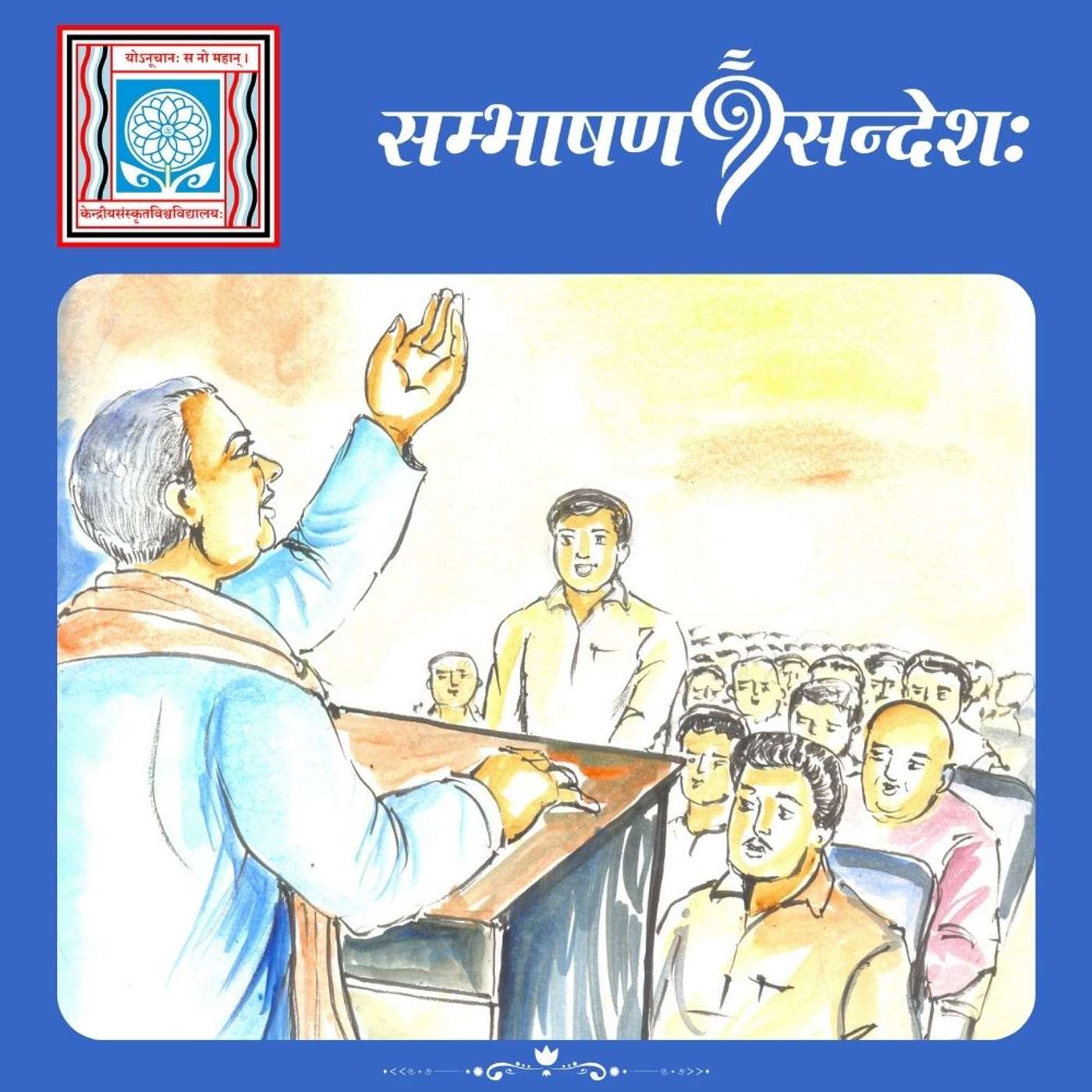
साधारणतया ज्येष्ठैः चिन्त्यते यत् अपूर्वा सिद्धि केवलं तरुणैः एव प्राप्तुं शक्या, वयोज्येष्ठाः किं वा कुर्युः इति । तरुणाः चिन्तयन्ति यत् ज्येष्ठानां जीवनानुभवः विवेचनशक्तिः च अपारा । अतः तैः एव विशिष्टा सिद्धिः सम्पादयितुं शक्या इति । कथायाम् अस्यां कश्चन प्रवचनकारः वदति यत् - ‘वस्तुतः दैहिकवयसः, सिद्धेः च न विशेषसम्बन्धः । केचन तारुण्ये एव अनासक्तिनाशं प्राप्य निरुत्साहाः भवन्ति । अन्ये केचन वार्धक्ये अपि उत्साहं परिरक्षन्ति । अतः कार्योत्साहः एव सिद्धेः कारणं, न तु वयः' ।(“केन्द्रीयसंस्कृतविश्वविद्यालयस्य अष्टादशीयोजनान्तर्गततया एतासां कथानां ध्वनिप्रक्षेपणं क्रियते”)Generally, elders think that unprecedented achievements can only be attained by the young, and wonder what the elderly can do. The young think that the life experience and discerning power of the elders are immense, and thus, only they can accomplish unique achievements. In this story, a preacher says, "In truth, there is no special connection between physical age and achievement. Some people, even in their youth, become dispassionate and lose enthusiasm. Others, even in old age, maintain their enthusiasm. Therefore, enthusiasm for work is the cause of achievement, not age."
Ep 152उत्तङ्कमेघाः
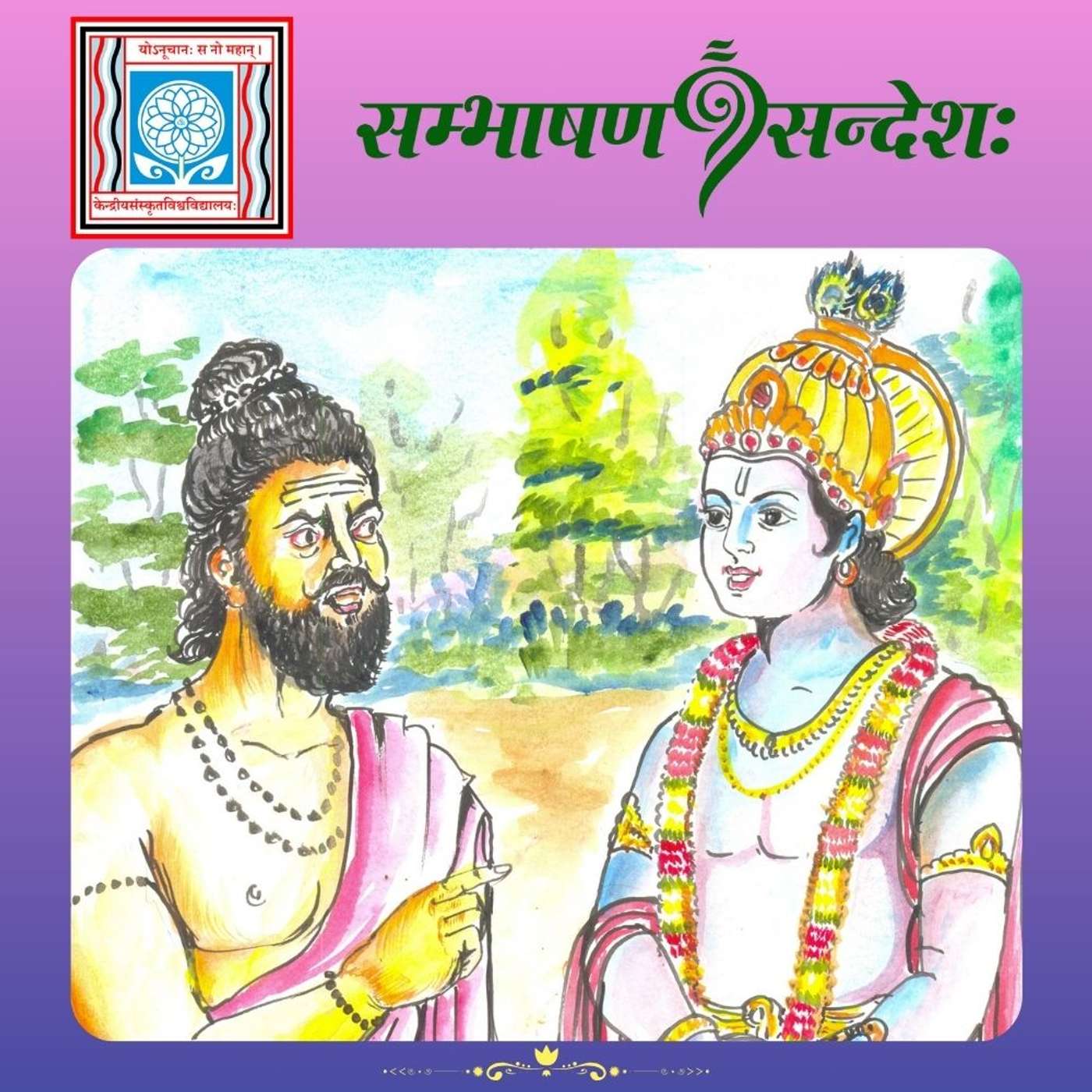
कुरुक्षेत्रयुद्धानन्तरं द्वारकां प्रति प्रस्थितेन श्रीकृष्णेन मार्गे महर्षिः उत्तङ्कः मिलितः । वादविवादयोः अनन्तरं मुनिः भगवतः यथार्थं स्वरूपं ज्ञात्वा विश्वरूपं दर्शयितुं प्रार्थयते । विश्वरूपं दृष्टवान् हृष्टः च मुनिः कृष्णं स्तोत्रैः तोषयति । कृष्णः 'वरं याच' इति यदा वदति तदा मुनिः 'अस्यां मरुभूमौ यदा अहम् अपेक्षां कुर्यां तदा जलं प्रत्यक्षीभवतु' इति वदति । कृष्णस्य वाक्यानुसारम् इदानीमपि उत्तङ्कमुनिः तृषार्तान् जनान् मरुभूमौ तर्पयितुं मेघान् प्रार्थयते । ते एव मेघाः 'उत्तङ्कमेघाः' इति ख्यातिं गताः । ते मेघाः जलप्रदानेन जनान् हर्षयन्ति ।(“केन्द्रीयसंस्कृतविश्वविद्यालयस्य अष्टादशीयोजनान्तर्गततया एतासां कथानां ध्वनिप्रक्षेपणं क्रियते”)After the Kurukshetra War, when Sri Krishna was on his way to Dwarka, he met the sage Uttanka on the way. After a debate, the sage, realizing the true form of the Lord, requested to see his universal form. Delighted upon seeing the universal form, the sage praised Krishna with hymns. When Krishna asked him to request a boon, the sage said, "In this desert, whenever I am in need, may water appear." As per Krishna's words, even now, Sage Uttanka prays to the clouds to quench the thirst of the people in the desert. Those very clouds became known as 'Uttanka clouds.' These clouds bring joy to the people by providing water.
Ep 151भगवति विश्वासः
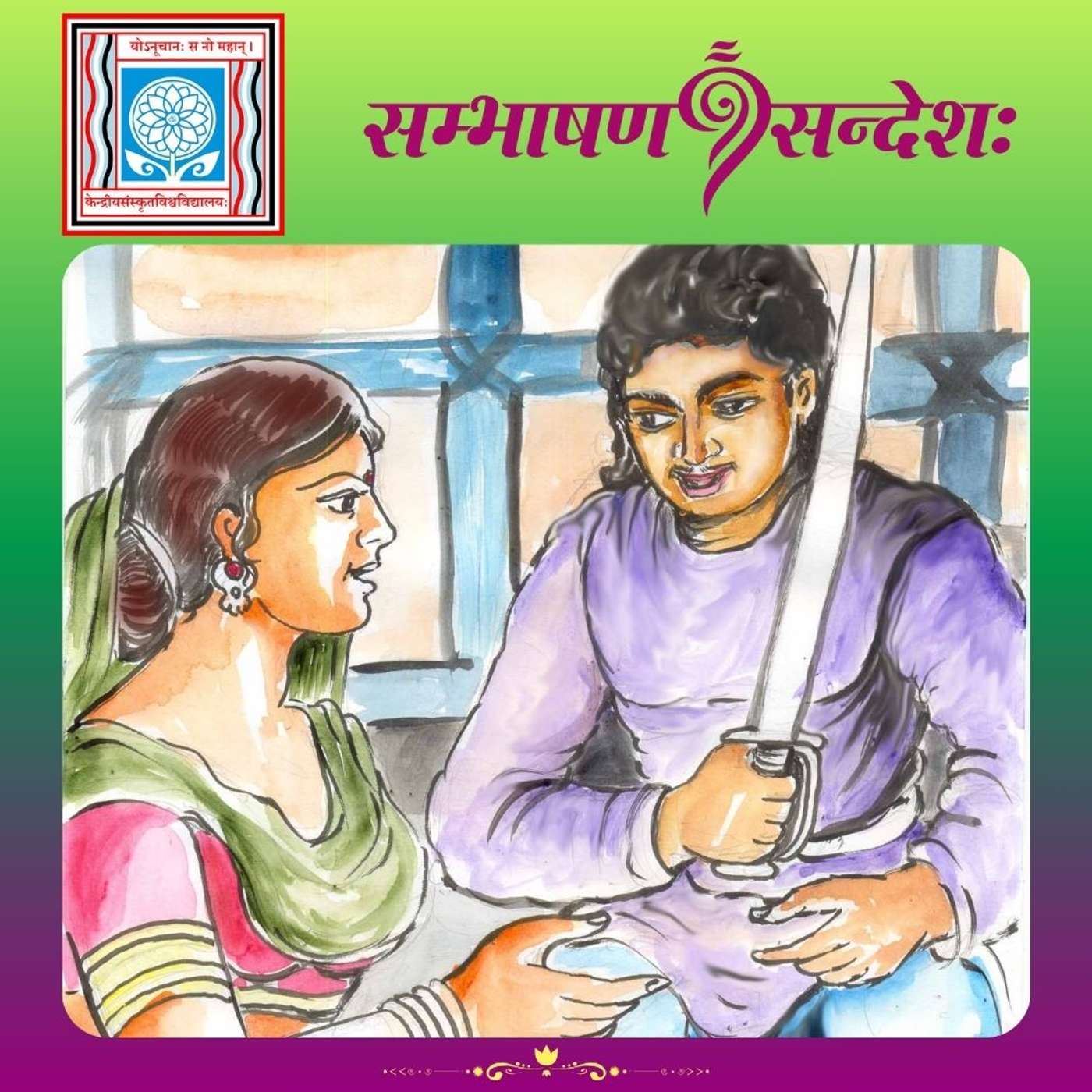
सद्योविवाहितः युवकः पत्न्या सह यदा समुद्रयात्रां कुर्वन्नासीत् तदा हठात् झञ्झावातः समुत्पन्नः । सर्वे प्रयाणिकाः भीतवन्तः देवं रक्षणार्थं प्रार्थितवन्तः च । किन्तु सः युवकः निश्चिन्ततया उपविष्टः आसीत् । तं दृष्ट्वा पत्नी 'कथं निश्चिन्ततया तिष्ठति?’ इति पृच्छति । झटिति सः उत्थाय कोषात् खड्गम् आकृष्य पत्न्याः शिरसः उपरि गृहीत्वा पृच्छति भवती भीता वा इति । 'किमर्थं भीतिः ? भवान् आत्मीयः। कदापि मम प्राणहरणं कर्तुं न अर्हति' इति पत्नी वदति । तदा युवकः वदति -'भगवान् मम आत्मीयः । अस्मान् सर्वान् रक्षिष्यति इति विश्वासः अस्ति । अतः निश्चिन्तः अस्मि' इति ।(“केन्द्रीयसंस्कृतविश्वविद्यालयस्य अष्टादशीयोजनान्तर्गततया एतासां कथानां ध्वनिप्रक्षेपणं क्रियते”)A newly married young man was on a sea voyage with his wife when a sudden storm arose. All the passengers were frightened and prayed to God for protection. However, the young man sat calmly. Seeing this, his wife asked, "How can you remain so calm?" Quickly, the man stood up, drew a sword from his sheath, and held it above his wife's head, asking if she was afraid. She replied, "Why should I be afraid? You are my beloved. You would never harm me." Then the young man said, "God is my beloved. I have faith that He will protect us all. Therefore, I am calm."
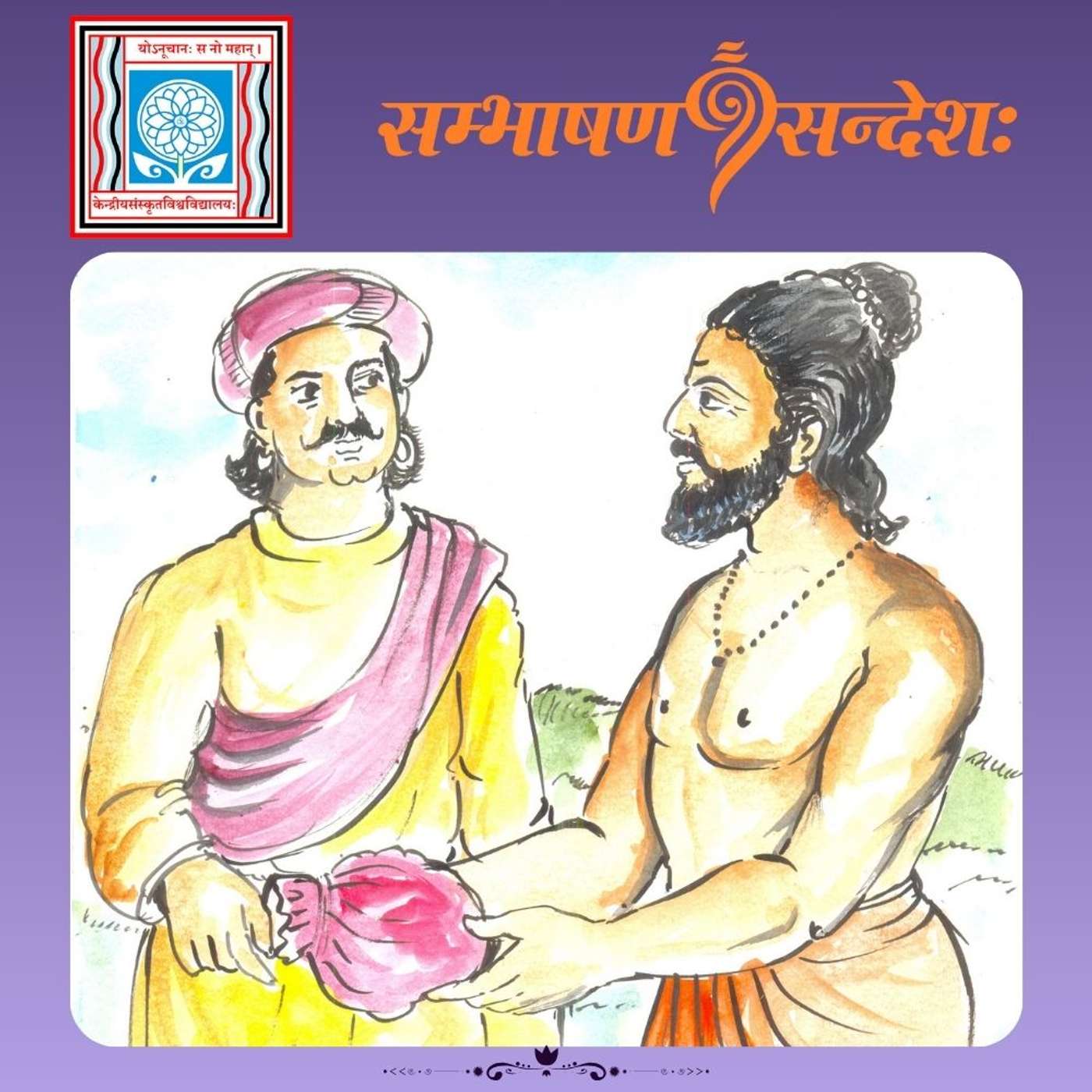
Ep 150सन्तोषस्य प्राप्तिः
सर्वविधानि आनुकूल्यानि भोगसाधनानि च सन्ति चेदपि कस्यचित् धनिकस्य जीवने सन्तोषस्य अभावः आसीत् । कदाचित् स्वनगरं प्रति आगतवते संन्यासिने स्वस्य दुःखं निवेदयति । तदा संन्यासी दर्शयति यत् केवलं धनसङ्ग्रहणमात्रेण सन्तोषः न प्राप्यते । धनस्य वितरणं करणीयम् । दीनानां सेवा करणीया । परोपकारः चिन्तनीयः । तस्मात् अपारः सन्तोषः प्राप्स्यते इति । तस्मात् दिनात् सः धनिकः सम्पत्तेः वितरणम् आरब्धवान् । ततः तस्य सन्तोषः दिने दिने अवर्धत ।(“केन्द्रीयसंस्कृतविश्वविद्यालयस्य अष्टादशीयोजनान्तर्गततया एतासां कथानां ध्वनिप्रक्षेपणं क्रियते”)Even though a wealthy man had all kinds of conveniences and means of enjoyment, his life lacked satisfaction. Once, he expressed his sorrow to a sage who visited his town. The sage then showed him that satisfaction cannot be achieved merely through the accumulation of wealth. Wealth should be distributed. The poor should be served. From this, immense satisfaction will be attained. From that day on, the wealthy man started distributing his wealth. Then his satisfaction increased day by day.
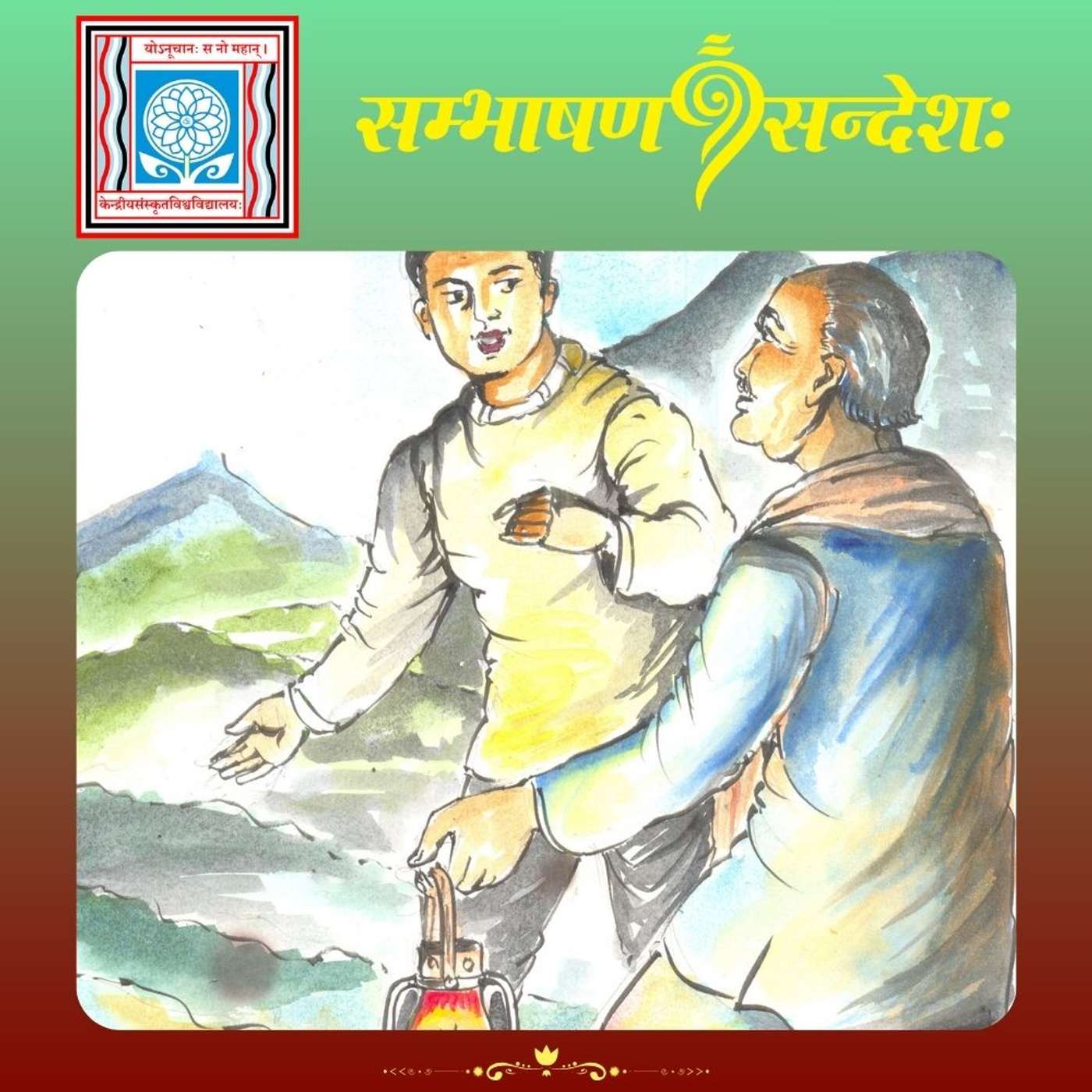
Ep 149हस्ते प्रकाशः
कश्चन युवकः पर्वते स्थितं संन्यासिनं द्रष्टुं पर्वतारोहणं कर्तुमारब्धवान् । यदा सूर्यास्तः जातः अन्धकारकारणेन अग्रे गन्तुं बिभ्यन् तत्रैव स्थितवान् । हस्तेन दीपं गृहीत्वा उपरि गच्छन्तं कञ्चन वृद्धम् अनुसृत्य उपरि आगत्य पृच्छति 'लघुदीपं स्वीकृत्य अन्धकारे कथं गच्छति?’ इति । तदा सः वृद्धः वदति -’अग्रे गमनाय हस्ते दीपः, पादयोः प्रकाशः भवति चेत् अन्यत् किमपि न आवश्यकम् । यत् दूरम् अतिक्रान्तम्, अग्रे यत् गन्तव्यं च इति चिन्ता नास्ति । इदानीं यानि कानिचन पदानि स्थापनीयानि तदर्थम् एषः प्रकाशः पर्याप्तः' इति ।(“केन्द्रीयसंस्कृतविश्वविद्यालयस्य अष्टादशीयोजनान्तर्गततया एतासां कथानां ध्वनिप्रक्षेपणं क्रियते”)A young man started climbing a mountain to see a sage who resided there. When the sun set and it became dark, he was afraid to proceed further and stayed where he was. He then followed an old man who was climbing up with a lamp in his hand and asked him, "How do you proceed in the dark with a small lamp?" The old man replied, "To move forward, if the lamp in hand illuminates the feet, nothing else is needed. There's no need to worry about how far you've come or where you need to go next. This light is enough for taking the steps that need to be taken now."

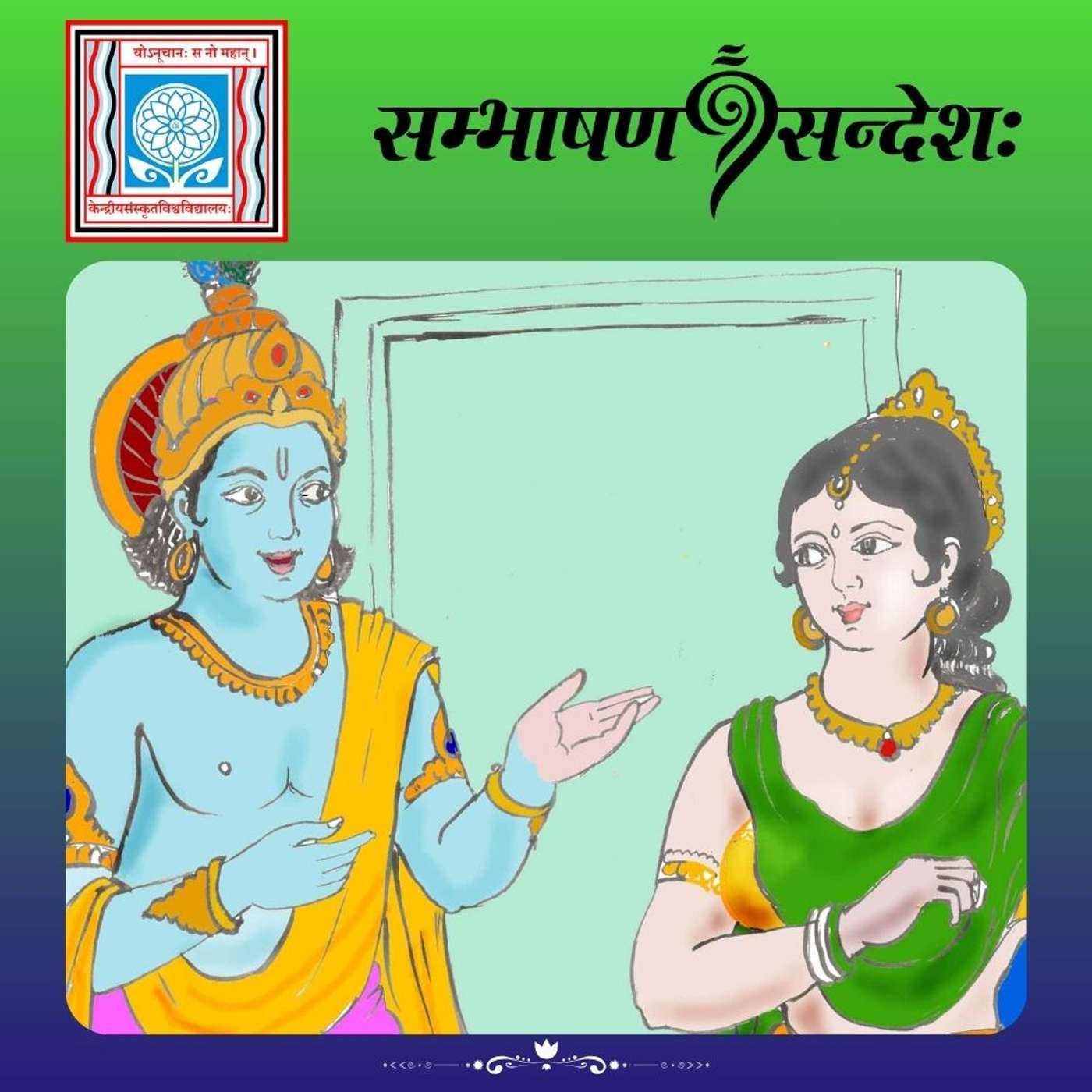
Ep 148सञ्जीविनी नाम.......
पूर्वम् अनुशिर्वः नाम्नः पर्शियादेशस्य राज्ञः आस्थानवैद्यः 'बुर्जोयः' भारतपर्वतप्रदेशात् 'सञ्जीविनी' नामकम् ओषधिसस्यम् आनेतुं प्रस्थितवान् । भारते पर्वतप्रदेशेषु सर्वत्र तेन अन्विष्टेSपि कुत्रापि तत् सस्यं न लब्धम् इति कारणतः यदा सः प्रतिगन्तुम् उद्यतः तावता कश्चन पण्डितः तेन मिलितः । पण्डितः उक्तवान् - ‘सञ्जीविनिसस्यं पर्वते प्राप्येत इत्येतत् किञ्चन आलङ्कारिकं वचनम् । पर्वाताः नाम ज्ञानिनः । मृताः नाम अज्ञानिनः । तान् उज्जिवयति ग्रन्थः । 'पञ्चतन्त्र' नामकः ग्रन्थः सञ्जीविनी तुल्यः' इति। एतत् अभ्युपगत्य बुर्जोयः पञ्चतन्त्रं ग्रन्थं स्वदेशं नीत्वा तहलवीभाषया अनूदितवान् ।(“केन्द्रीयसंस्कृतविश्वविद्यालयस्य अष्टादशीयोजनान्तर्गततया एतासां कथानां ध्वनिप्रक्षेपणं क्रियते”)Previously, the court physician named 'Buzurjmihr' of the Persian king Anushirvan set out to bring a medicinal plant called 'Sanjivini' from the mountains of India. Although he searched everywhere in the mountainous regions of India, he could not find the plant. As he was about to return, he met a scholar who said, 'The saying that the Sanjivini plant is found in the mountains is metaphorical. The mountains signify the wise, and the dead signify the ignorant. A book that revives them is equivalent to Sanjivini.' Accepting this, Buzurjmihr took the book 'Panchatantra' back to his country and translated it into the Pahlavi language.
Ep 147अनन्यशरणता
कदाचित् केचन दुष्टाः एकतन्त्रीं वादयन्तं कृष्णस्य परमभक्तं पाषाणैः प्रहरन्तः आसन् । प्रहारजन्यां वेदनाम् असहमानः सः भक्तः कृष्णस्य रक्षणं प्रार्थितवान् । भक्तस्य आर्तरवं सोढुम् अशक्नुवन् कृष्णः भोजनस्य मध्ये एव उत्थाय भक्तस्य रक्षणाय प्रस्थितवान् । किन्तु यावत् तत्समीपं गतवान् तावता सः भक्तः पाषाणान् स्वीकृत्य तान् दुष्टान् प्रहर्तुम् उद्यतः । सः स्वस्य रक्षणं स्वयमेव विचिन्त्य योग्यम् उपायं चिन्तितवान् इति कारणतः मम किमपि कार्यं नास्ति इति विचिन्त्य कृष्णः प्रत्यागतवान् । यश्च अनन्यशरणः सन् भगवन्तं प्रार्थयेत तं तु भगवान् रक्षति ।(“केन्द्रीयसंस्कृतविश्वविद्यालयस्य अष्टादशीयोजनान्तर्गततया एतासां कथानां ध्वनिप्रक्षेपणं क्रियते”)Once, some wicked people were attacking a devout follower of Krishna, who was playing a one-stringed instrument, with stones. Unable to bear the pain caused by the attacks, the devotee prayed to Krishna for protection. Unable to bear the devotee's cry of distress, Krishna, even in the middle of his meal, set out to protect the devotee. However, by the time he reached, the devotee had picked up the stones and was ready to strike back at the wicked people. Realizing that the devotee had thought of a suitable way to protect himself, Krishna decided there was nothing for him to do and returned. Whoever seeks refuge in the Lord alone, and prays to Him, is indeed protected by the Lord.
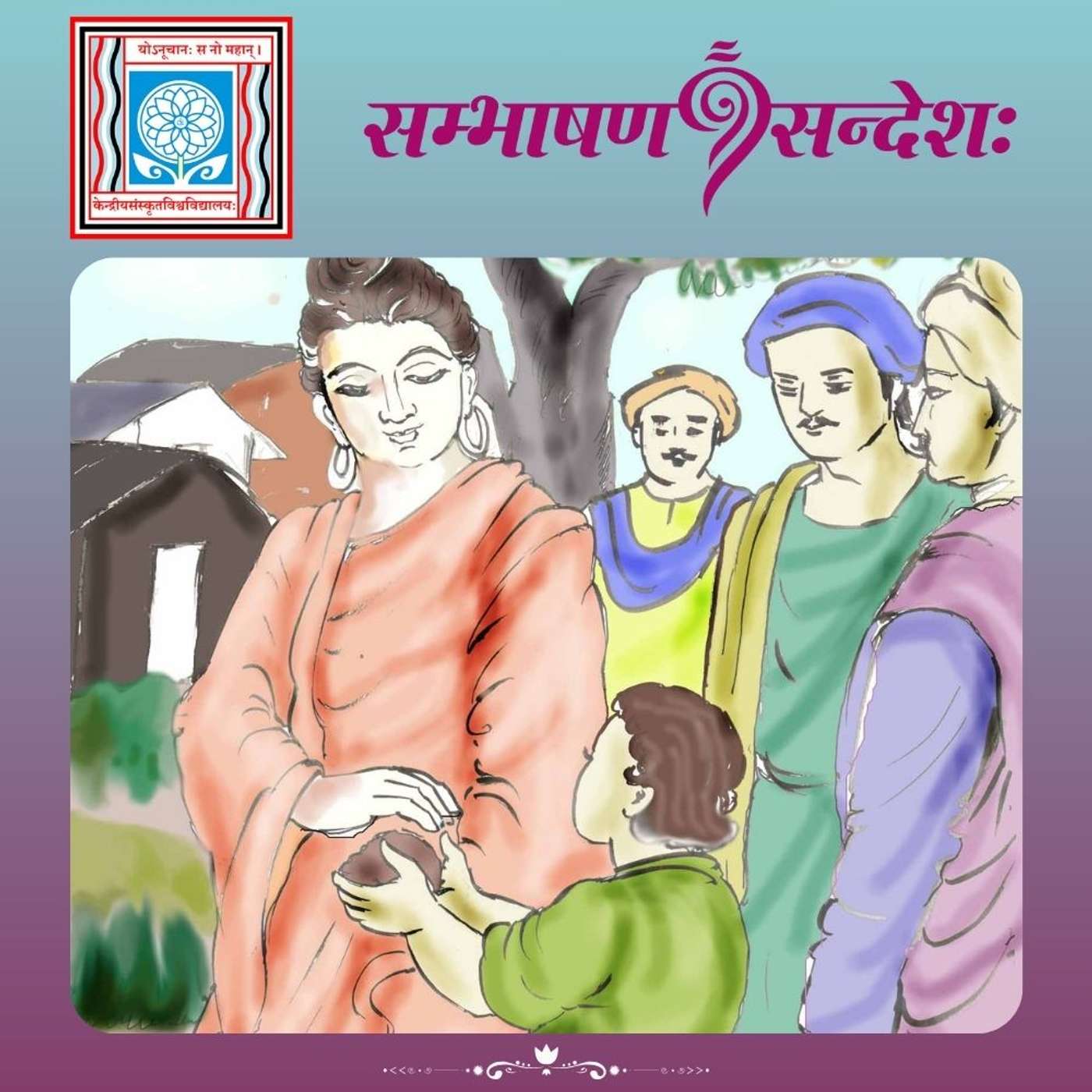
Ep 146मन्दहासपूर्णं तत् मुखम्
कञ्चित् ग्रामम् आगतवते भगवते बुद्धाय तत्रत्याः जनाः सर्वविधां व्यवस्थां कल्पितवन्तः । तत्र कश्चित् जयः नाम बालः सर्वं महता कुतूहलेन अपश्यत् । बुद्धस्य मदहासपूर्णं मुखं बालस्य मनः अहरत् । बुद्धस्य उपदेशः निरन्तरं प्रवृतः । प्रस्थानोद्यताय बुद्धाय जनाः किमपि उपायनं यथाशक्ति समर्पयन्तः आसन् । सः बालः किमपि दातुम् अशक्नुवन् अञ्जलिमितां मृत्तिकां गृहीत्वा बुद्धम् अर्पितवान् । बालेन उपायनीकृतां मृत्तिकां स्पृष्ट्वा तं बालम् आशिषा अनुगृहीतवान् । सः एव बालः जयः अग्रिम जन्मनि 'अशोक' नाम्ना ख्यातः । कलिङ्गयुद्धानन्तरं युद्धात् जुगुप्सितः सन् बुद्धस्य तत्त्वानां प्रसाराय आत्मानं समर्पितवान् सः ।(“केन्द्रीयसंस्कृतविश्वविद्यालयस्य अष्टादशीयोजनान्तर्गततया एतासां कथानां ध्वनिप्रक्षेपणं क्रियते”)When Lord Buddha visited a certain village, the villagers made all kinds of arrangements for him. Among them, a boy named Jaya observed everything with great curiosity. The serene and joyful face of Buddha captivated the boy's mind. Buddha's teachings continued uninterrupted. When Buddha was about to depart, the villagers offered him gifts as per their abilities. The boy, unable to offer anything else, took a handful of soil and presented it to Buddha. Touching the soil offered by the boy, Buddha blessed him. That same boy, Jaya, in his next birth became known as Ashoka. After the Kalinga War, disgusted with war, he dedicated himself to spreading Buddha's teachings.
Ep 145सर्वं प्राप्तुं शक्यम्
कयाचित् महिलया स्वप्ने आपणिकत्वेन स्थितः भगवान् दृष्टः । कीदृशानां वस्तूनां विक्रयणं भवति इति महिलया पृष्टे भगवान् वदति यत् सर्वमपि लभ्यते बीजरूपेण । तत् उप्त्वा पोषणं कृतं चेत् गच्छता कालेन फलानि प्राप्यन्ते इति । स्वप्नतः जागरिता महिला चिन्तयति - ‘स्वप्ने भगवान् येषां बीजानां विषये अवदत् तानि बीजानि जीवने मया अन्यैः च प्राप्तुं शक्यनि एव । एतत् तथ्यम् अजानत्या मया एतावन्ति वर्षाणि व्यर्थतया यापितानि' इति ।(“केन्द्रीयसंस्कृतविश्वविद्यालयस्य अष्टादशीयोजनान्तर्गततया एतासां कथानां ध्वनिप्रक्षेपणं क्रियते”)A woman once saw God in her dream, standing as a shopkeeper. When she asked what kind of things were sold, God replied that everything is available in seed form. By planting and nurturing it, one can obtain fruits over time. Upon waking from the dream, the woman thought, "In the dream, God spoke about seeds. These seeds can indeed be obtained by myself and others in life. Not knowing this truth, I have wasted so many years."
Ep 144मोक्षस्य कः मार्गः ?
कदाचित् मुक्तिप्राप्तीच्छवे ज्येष्ठाय कश्चन गुरुः - 'आशाव्यामोहादयः यावत् अस्मदन्तः स्युः तावत् प्रापञ्चिकबन्धनं स्यात् एव । अतः अन्तर्मुखतां प्राप्य अशादित्यागाय निरन्तरं श्रमः करणीयः । अशादिबन्धमोक्षतः जीवनं बाह्यसम्पर्कहीनं भविष्यति । एतदेव मोक्षं प्रातुं प्रथमं सोपानम् । आशाबाहुल्यं क्रमशः न्यूनीकृतं चेत् क्षणिकलाभचिन्ता अपगच्छेत् । तदा जीवने विकासः स्यात्' इत्यादिभिः वचनैः बोधयति । (“केन्द्रीयसंस्कृतविश्वविद्यालयस्य अष्टादशीयोजनान्तर्गततया एतासां कथानां ध्वनिप्रक्षेपणं क्रियते”)A certain teacher, addressing an elder who desired liberation, says, "As long as desires, attachments, and delusions remain within us, worldly bondage will persist. Therefore, one must continuously strive to become inward-focused and renounce desires. When freed from the bondage of desires and the like, life will become devoid of external associations. This is the first step to attaining liberation. If the abundance of desires is gradually reduced, the worries of momentary gains will disappear. Then, life will flourish".
Ep 143परिश्रमेण साध्यं सर्वम्
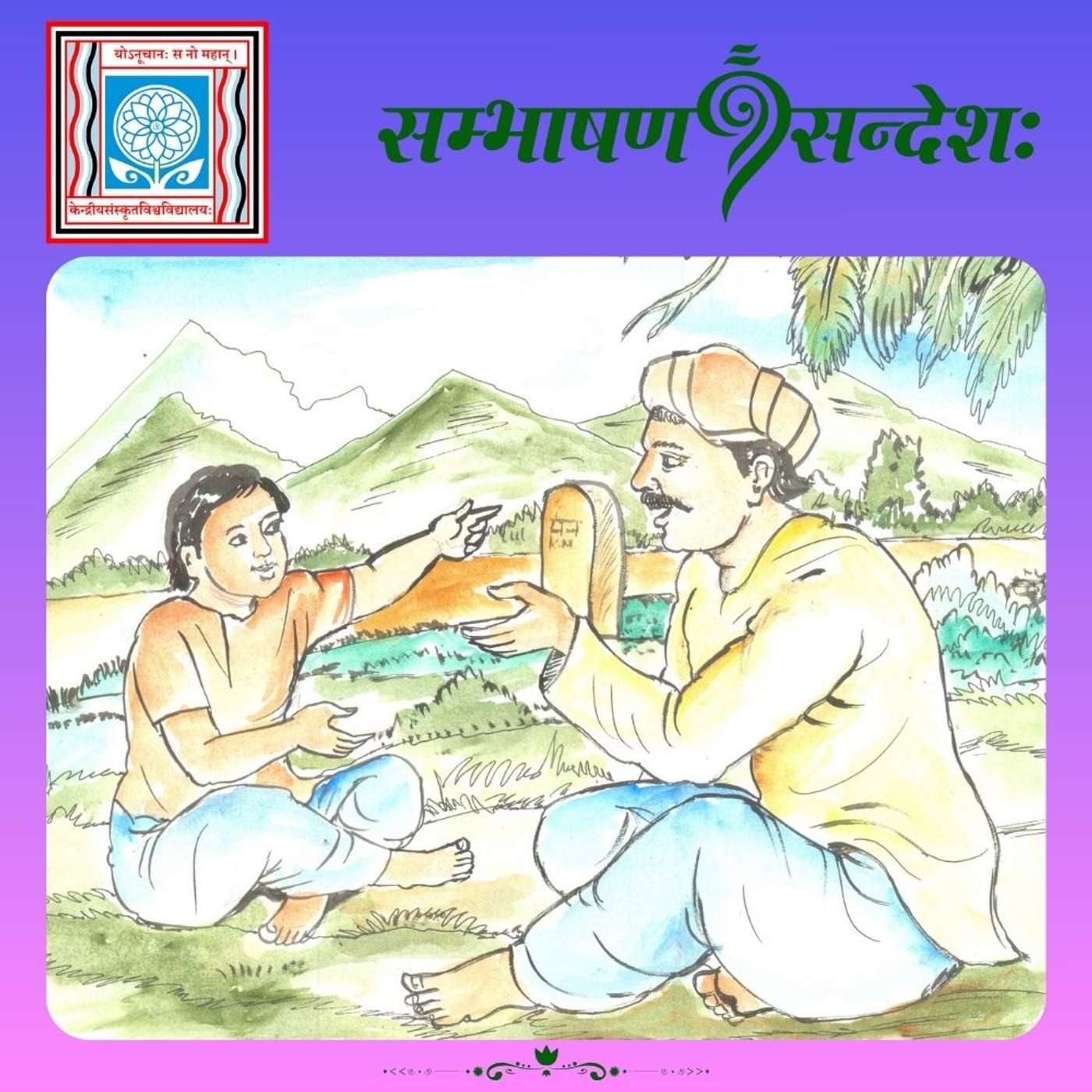
वयं सर्वे ईश्वरचन्द्रविद्यासागरं जानीमः एव । बाल्ये दरिद्रतायाः कारणेन सः शालां गन्तुम् अशक्नुवन् अन्येभ्यः बालेभ्यः अक्षराणि विज्ञाय अक्षराभ्यासं कृत्वा उपयुक्तपूर्वाणि पुस्तकानि पठन् शब्दज्ञानादिकं प्राप्तवान् । पिता उपवासादिकम् आचरन् पुत्रं विद्यालयं प्रति प्रेषितवान् । ग्रामविद्यालयस्य अध्ययनानन्तरं सः नगरीयविद्यालये सर्वेषां साहाय्येन विद्यार्थिवेतनादिप्राप्त्या च अध्ययनम् अनुवर्तितवान् । कलकत्तासंस्कृतविद्यालये पठन् सः व्याकरणे, साहित्ये, वेदान्ते च प्रावीण्यं प्राप्तवान् । तस्य वैदुष्यं दृष्ट्वा कलकत्ताविद्वन्मण्डली तस्मै 'विद्यासागरः' इति उपाधिं प्रादात् ।(“केन्द्रीयसंस्कृतविश्वविद्यालयस्य अष्टादशीयोजनान्तर्गततया एतासां कथानां ध्वनिप्रक्षेपणं क्रियते”)We all know Ishwar Chandra Vidyasagar. Due to poverty in his childhood, he could not attend school. He learned the alphabet from other children, practiced writing letters, and read used books to gain knowledge. His father fasted to send him to school. After studying at the village school, he continued his education in the city school with everyone's help and by receiving student scholarships. Studying at the Calcutta Sanskrit College, he excelled in grammar, literature, and Vedanta. Seeing his scholarship, the learned community of Calcutta awarded him the title "Vidyasagar" (Ocean of Knowledge).23
Ep 142मनोधर्मः तु भिद्यते
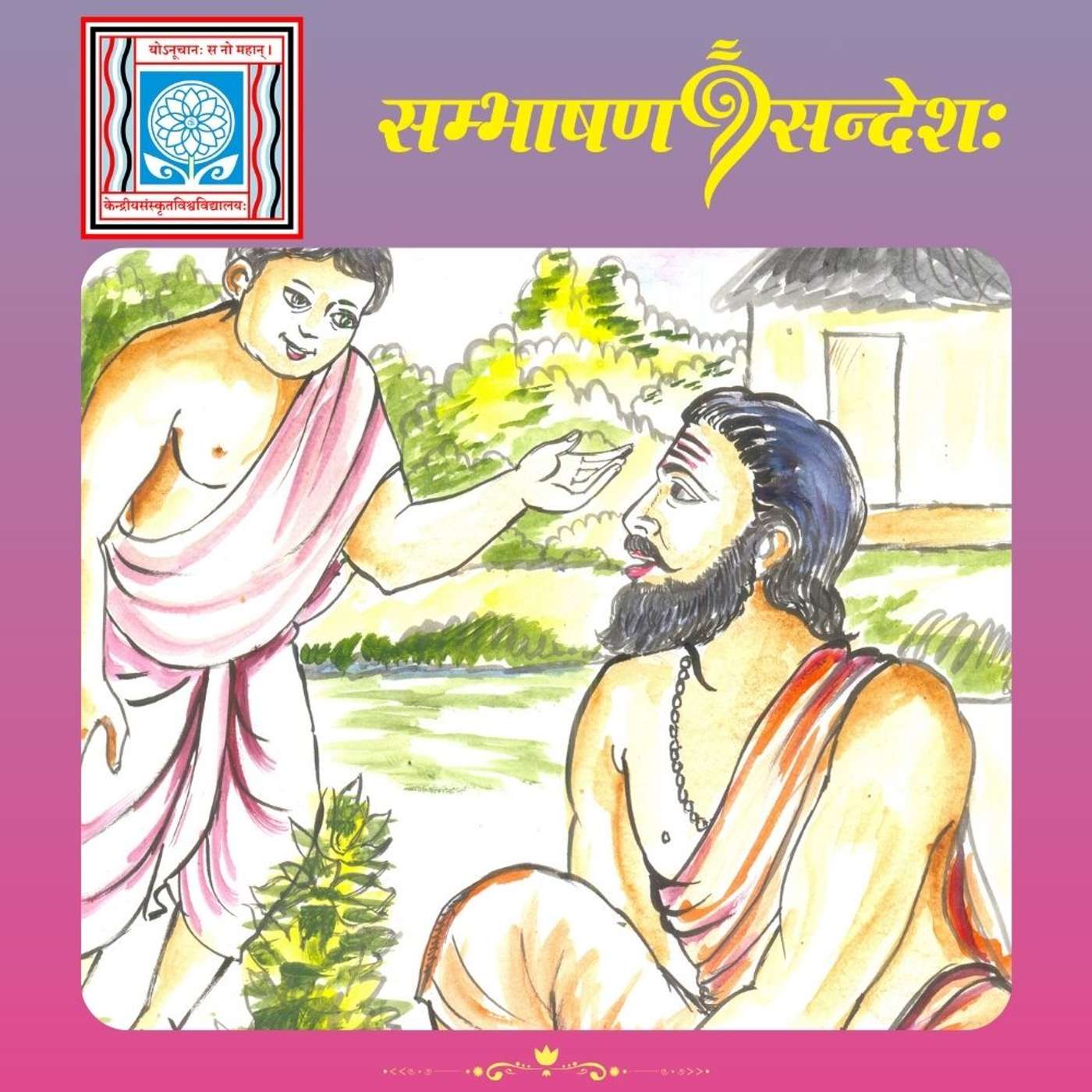
कश्चन गुरुः यानि कार्याणि पूर्वं करोति स्म तान्येव कार्याणि ज्ञानोदयप्राप्तेः अनन्तरमपपि करोति स्म । एतत् दृष्ट्वा कश्चन तरुणः पृच्छति - ‘भवतः ज्ञानोदयः अभवत् इत्येतत् कथं सत्यम्?’ इति । तदा गुरुः उपदिशति - ‘ज्ञानोदयात् पूर्वं कर्तव्यबुद्ध्या कार्यं क्रियते स्म । इदानीं तु आत्मतृप्त्यर्थं कार्यं करोमि । आत्मतृप्त्यै यत्र कार्यं क्रियते तत्र महान् आनदः । खेदादयः अपगच्छन्ति । एवं, क्रियमाणे कार्ये उभयत्रापि समानता स्यात् चेदपि मनोधर्मः तु भिद्यते एव' ।(“केन्द्रीयसंस्कृतविश्वविद्यालयस्य अष्टादशीयोजनान्तर्गततया एतासां कथानां ध्वनिप्रक्षेपणं क्रियते”)A certain teacher used to perform the same tasks both before and after attaining enlightenment. Observing this, a young man asks, "How can it be true that you have attained enlightenment?" To this, the teacher explains, "Before enlightenment, tasks were done with a sense of duty. Now, I perform tasks for self-satisfaction. When work is done for self-satisfaction, there is great joy. Sorrows and other negative feelings disappear. Thus, even if the tasks being performed are the same, the mental attitude differs."22
Ep 141अहो परिशुद्धिः
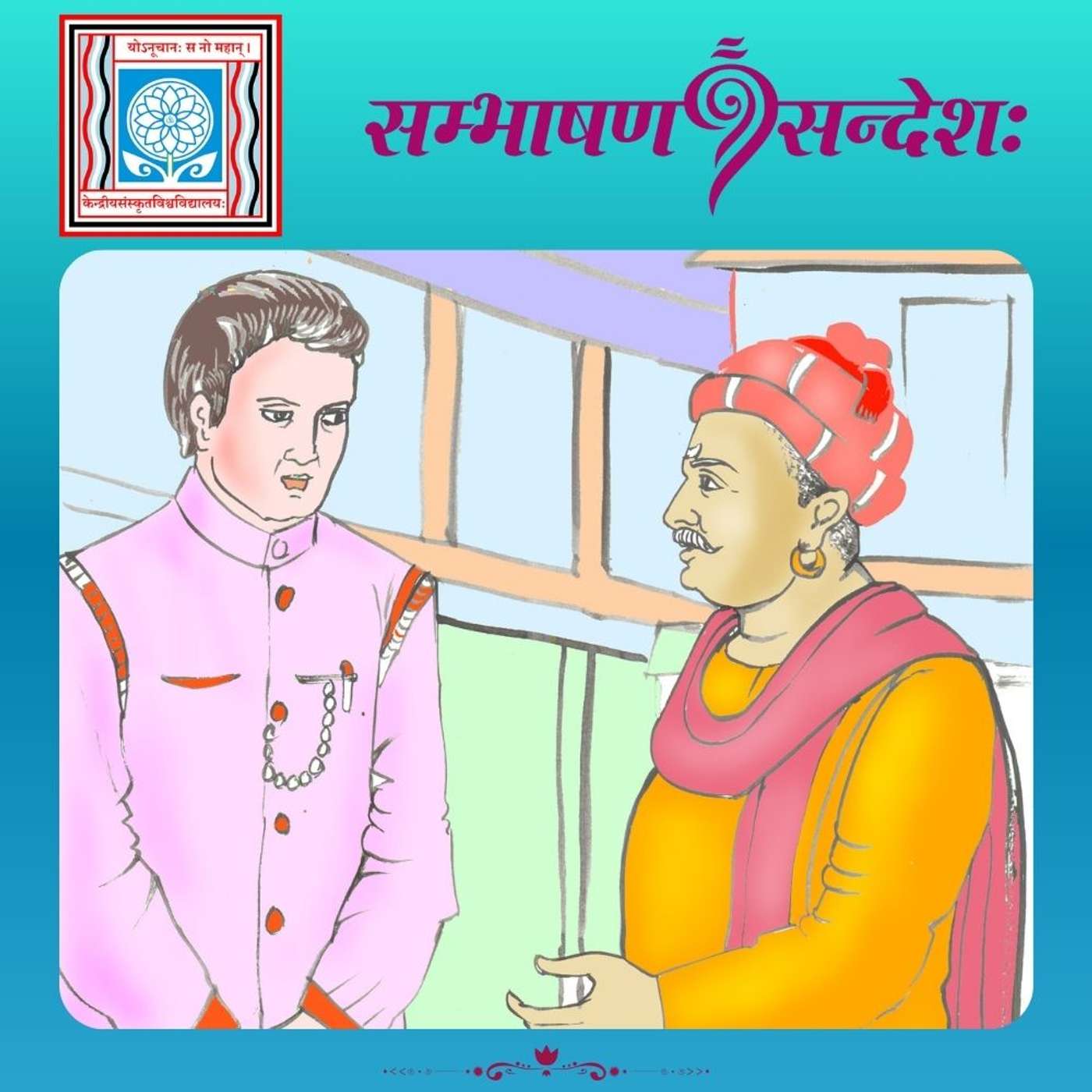
कदाचित् राज्ञा सयाजिरावेण विदेशयात्रासमये स्वस्य आप्तसहायकत्वेन परिशुद्धः न्यायाधीशः शिन्देवर्यः नीतः । राजा पेरिस्नगरे सुवर्णापणे बहूनि आभरणानि क्रीतवान् इति कारणतः तस्य आपणस्य प्रतिनिधिः आगत्य शिन्देवर्याय उपायनं दातुं प्रयतते, किन्तु शिन्देवर्यः तन्निराकरोति । तर्हि भवतः परिशुद्धं व्यवहारं महाराजं वदामि इति यदा वदति प्रतिनिधिः, तदपि निराकरोति शिन्देवर्यः । तदा साश्चर्येण 'महता धनस्य स्वीकारे अनिच्छा, तस्य प्रकाशने अनास्था च प्रायः भारते एव द्रष्टुं शक्या' इति स्वगतं वदन् ततः निर्गतवान् सः आपणप्रतिनिधिः ।(“केन्द्रीयसंस्कृतविश्वविद्यालयस्य अष्टादशीयोजनान्तर्गततया एतासां कथानां ध्वनिप्रक्षेपणं क्रियते”)Once, during a foreign trip, King Sayajirav brought along his trusted assistant, the highly respected judge, Shinde. The king bought many ornaments from a gold shop in Paris. Because of this, the shop representative came to offer a gift to Shinde. However, Shinde rejected it. When the representative said, 'I will inform the king about your honest conduct,' Shinde again rejected it. Surprised, the representative thought to himself, 'Reluctance to accept great wealth and indifference to displaying it is something one can often witness only in India’.
Ep 140ज्ञानी नाम
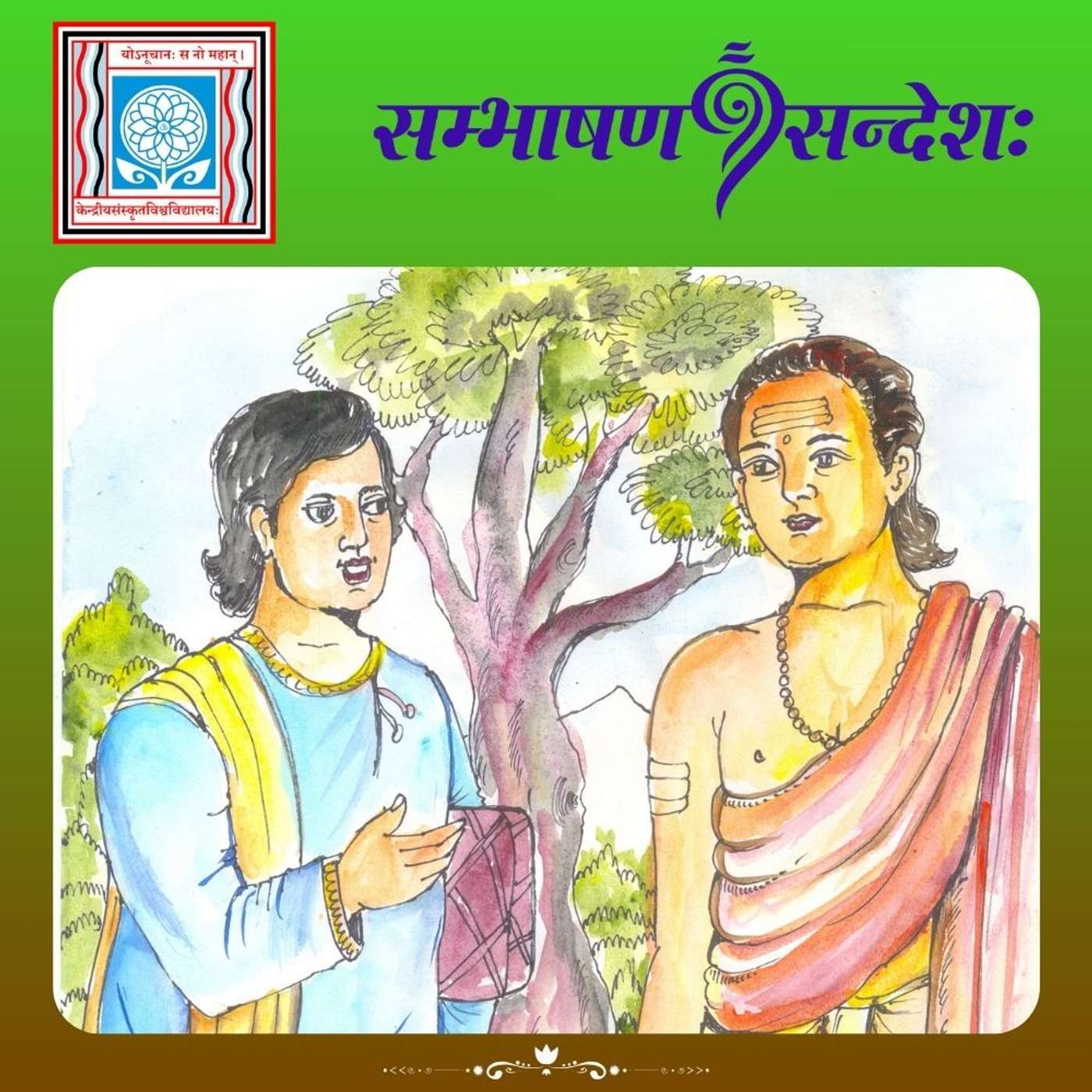
कश्चन तरुणः विद्याभ्यासं समाप्य आत्मानं महाज्ञानिनम् मत्वा यत्र यत्र गच्छति सर्वत्रापि गर्वेण पृच्छति 'मत्समः विद्वान् भवता कोऽपि किं दृष्टः?’ इति । तत् ज्ञात्वा बुद्धः पण्डितवेषं धृत्वा युवकस्य समीपम् आगतवान् । सम्भाषणावसरे बुद्धेन उक्तं -’विद्वान् वादं करोति, ज्ञानी आत्मनः शासनं करोति।' तत् कथनं तरुणे परिणामम् अजनयत् । ज्ञानी कथं आत्मशासनं करोति इति पृष्टे बूद्धः विस्तरेण विवृणोति येन सः युवकः स्वस्वरूपज्ञानं प्राप्य गर्वमुक्तः भवति ।(“केन्द्रीयसंस्कृतविश्वविद्यालयस्य अष्टादशीयोजनान्तर्गततया एतासां कथानां ध्वनिप्रक्षेपणं क्रियते”)A young man, after completing his studies, began to consider himself a great scholar. Wherever he went, he arrogantly asked, 'Has anyone seen a scholar like me?' Upon hearing this, the Buddha, disguised as a learned man, approached the young man. During their conversation, the Buddha said, 'A scholar engages in debates, but a wise person governs himself.' This statement made a deep impact on the young man. When asked how a wise person governs himself, the Buddha explained in detail, helping the young man gain self-awareness and humility, thus freeing him from his arrogance. 20
Ep 139यशस्वितायाः रहस्यम्
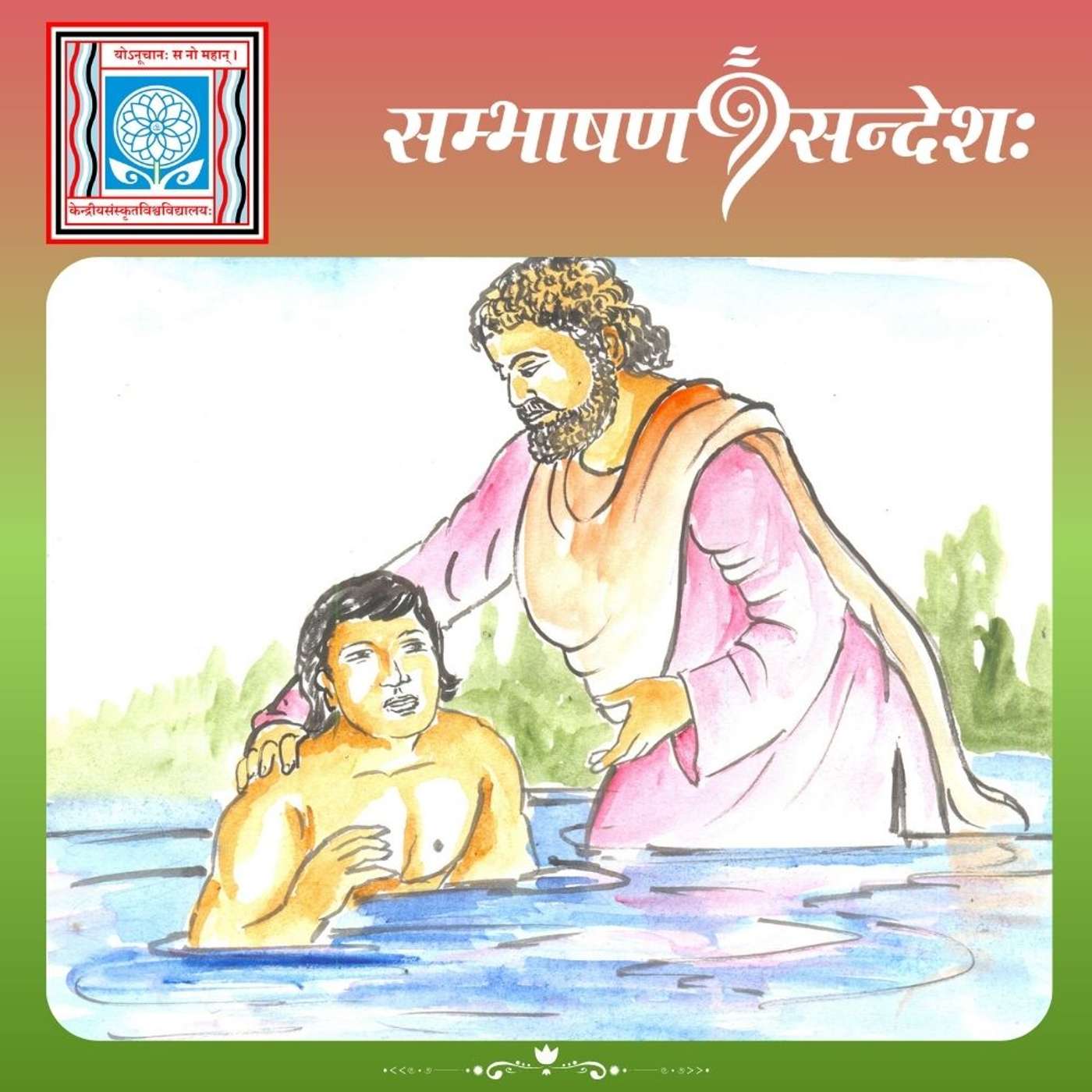
कदाचित् कश्चन युवकः साक्रेटीसम् उपसर्प्य यशस्वितायाः रहस्यं पृच्छति । अनन्तरदिने साक्रेटीस् दर्शयति यत् - 'यशस्विता परिश्रमम् अपेक्षते, सङ्घर्षप्रवृत्तिम् अपेक्षते । श्रद्धा, प्रयत्नः, परिश्रमः, सङ्घर्षप्रवृत्तिः इत्येते एव यशस्विताप्राप्तेः उपायाः । एतेषु यदि एकः अंशः न स्यात् तर्हि यशस्विता न प्राप्येत' इति ।(“केन्द्रीयसंस्कृतविश्वविद्यालयस्य अष्टादशीयोजनान्तर्गततया एतासां कथानां ध्वनिप्रक्षेपणं क्रियते”)Once, a young man approached Socrates and asked him about the secret to success. The next day, Socrates shows through an illustration that, 'Success requires hard work, effort, and a spirit of struggle. Faith, effort, hard work, and a drive for progress are the means to achieve success. If even one of these elements is missing, success cannot be attained’. This story highlights the importance of dedication and effort in achieving success.
Ep 138भारतं नाम ......
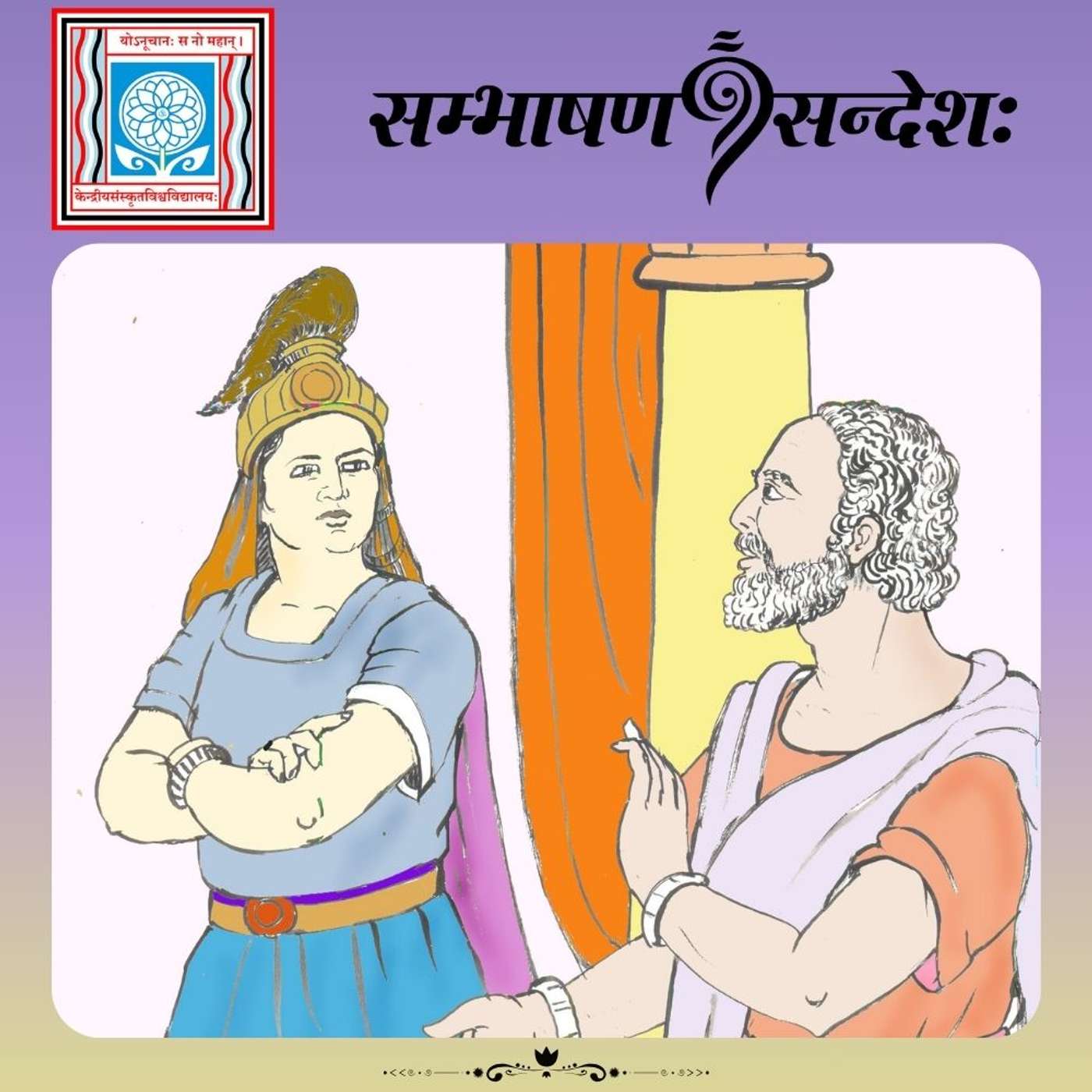
अलेक्साण्डरः गुरुं नमस्कृत्य 'भारतं जेतुं कृपया आशिषा अनुग्रहीतव्यः अहम्' इति यदा अवदत् तदा गुरुः अरिष्टाटलः क्षणकालं मुखं निर्निमेषं दृष्ट्वा वदति यत् 'भारतं जेतुं सर्वथा न शक्यम् । वस्तुतः भारतत्वं भवति तत्रात्यायाम् आध्यात्मिकतायाम् । सा च तत्रत्यान् निःस्पृहान् संन्यासिनः अवलम्बते । अजय्याः ते । भारतस्थान् देशान् जयन् एव भारतीयं वैशिष्ट्यम् अवगन्तुं प्रयासं कुरु' इति अवदत् गुरुः । तस्य मुखमेव आश्चर्येण पश्यन् अतिष्ठत् अलेक्साण्डरः ।(“केन्द्रीयसंस्कृतविश्वविद्यालयस्य अष्टादशीयोजनान्तर्गततया एतासां कथानां ध्वनिप्रक्षेपणं क्रियते”)This story is about conversation between Alexander and his teacher, with the teacher emphasizing the spiritual strength of India over any physical conquest. When Alexander said his teacher, Aristotle that he wants to conquer India, Arostotle replies - 'It is impossible to conquer India. In truth, the essence of India lies in its deep spirituality. It is supported by sages who are detached and free from desires. They are invincible. If you wish to understand the unique qualities of India, conquer its land and try to comprehend the spirit of India. Seeing this response, Alexander stood in awe, astonished by his teacher's words.18
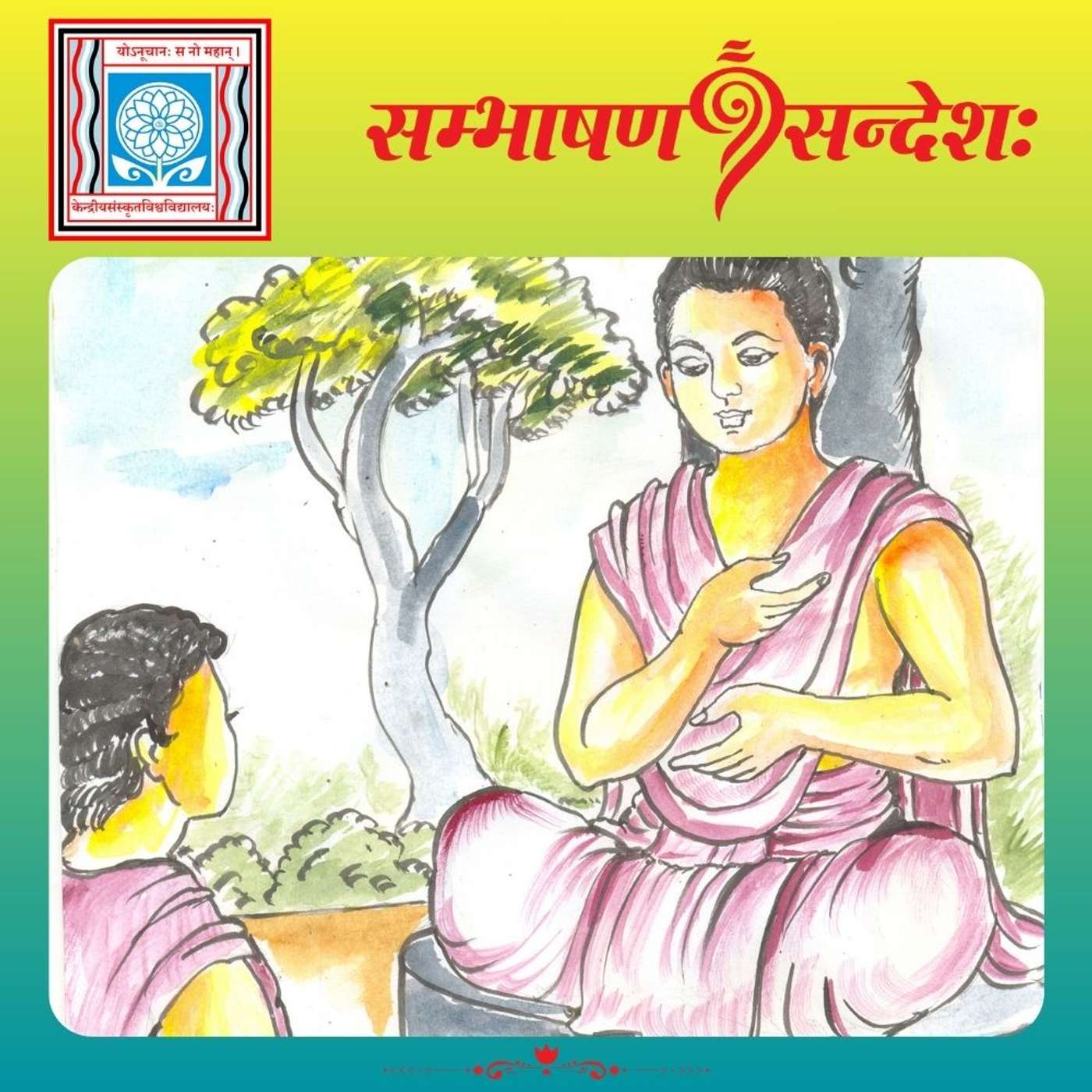
Ep 137प्रशस्तः मार्गः
कदाचित् कस्यचित् भिक्षोः मनसि आगतानां सन्देहानाम् उत्तरम् अदत्त्वा बुद्धः केवलं मन्दाहासं प्रकटयति । तदा भिक्षुः वदति यत् अत्रापि उत्तरं न लभ्यते, लौकिकजीवनं प्रत्येव गमिष्यामि अहम् इति । तदा बुद्धः - 'जीवस्य सत्ता वादं न अवलम्बते । भवन्मनसि आगतानां प्रश्नानामुत्तरं गच्छता कालेन गुरुमुखात् ग्रन्थाध्ययनात् वा प्राप्येत । तर्कमार्गः अन्यः, निर्वाणमार्गः अन्यः । निर्वाणमार्गस्य उपदेशमात्रं मम कर्तव्यम्' इति अबोधयत् बुद्धः ।(“केन्द्रीयसंस्कृतविश्वविद्यालयस्य अष्टादशीयोजनान्तर्गततया एतासां कथानां ध्वनिप्रक्षेपणं क्रियते”)This story reflects the Buddha's emphasis on spiritual guidance and the distinction between worldly logic and the path to enlightenment. Once, a monk asked the Buddha about his doubts but did not receive an answer. Instead, the Buddha simply smiled gently. The monk then said, 'If I cannot find an answer here, I will return to my worldly life.' Buddha replied, 'The existence of life is not based on debate. The answers to the questions arising in your mind will come over time, either through studying scriptures or with the guidance of a teacher. The path of reasoning is different, and the path to nirvana is different. It is my duty to teach the path to nirvana.
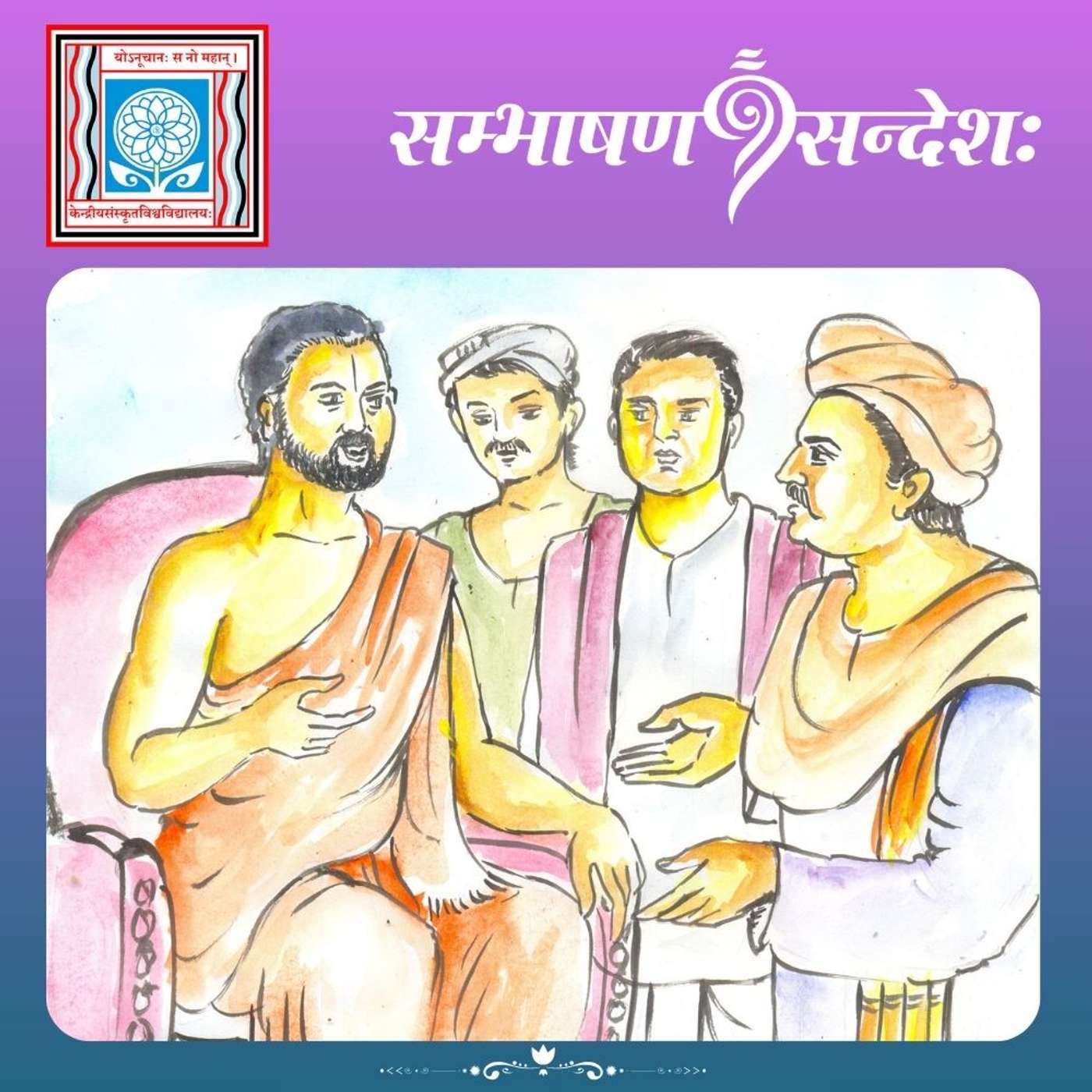
Ep 136दत्ते वस्तुनि न स्यात् ममता
कश्चन धनिकः भक्तः बहुमूल्यकं राङ्कवं यत् श्रीकृष्णबोधानन्दनाम्ने संन्यासिने उपायनीकृतवान् आसीत् तत् राङ्कवं स्वामी पार्श्वे स्थिताय विदुषे दत्तवान् । एतत् धनिकाय न अरोचत इति ज्ञात्वा स्वामी राङ्कवं धनिकाय प्रत्यर्पयितुं विद्वांसम् असूचयत् । राङ्कवस्य प्रतिस्वीकरणम् अनिच्छन्तं धनिकं प्रति स्वामी वदति - ॑'इदं न मम' इति बुद्ध्या यत् दीयेत तस्य उपयोगः कथं करणीयः इति दात्रा चिन्तनीयं नास्ति । अतः एव तत् प्रतिदातुं मया उक्तम्' इति । एतस्मात् विवेकं प्राप्य धनिकः राङ्कवं स्वीकरणीयम् इति प्रार्थयते ।(“केन्द्रीयसंस्कृतविश्वविद्यालयस्य अष्टादशीयोजनान्तर्गततया एतासां कथानां ध्वनिप्रक्षेपणं क्रियते”)A wealthy devotee once gave a precious gift to a sanyasi named Shrikrishnabodhananda. The sanyasi then gave the gift to a scholar standing next to him. When the wealthy man learned that the sanyasi was giving it away, he became displeased. In response, the sanyasi told the scholar to return the gift to the wealthy man. The sanyasi said to the wealthy man, 'The person who gives the gift should not worry about how it is used. Therefore, I told the scholar to return it.' After hearing this, the wealthy man realized his mistake and pleaded with the sanyasi to accept the gift.
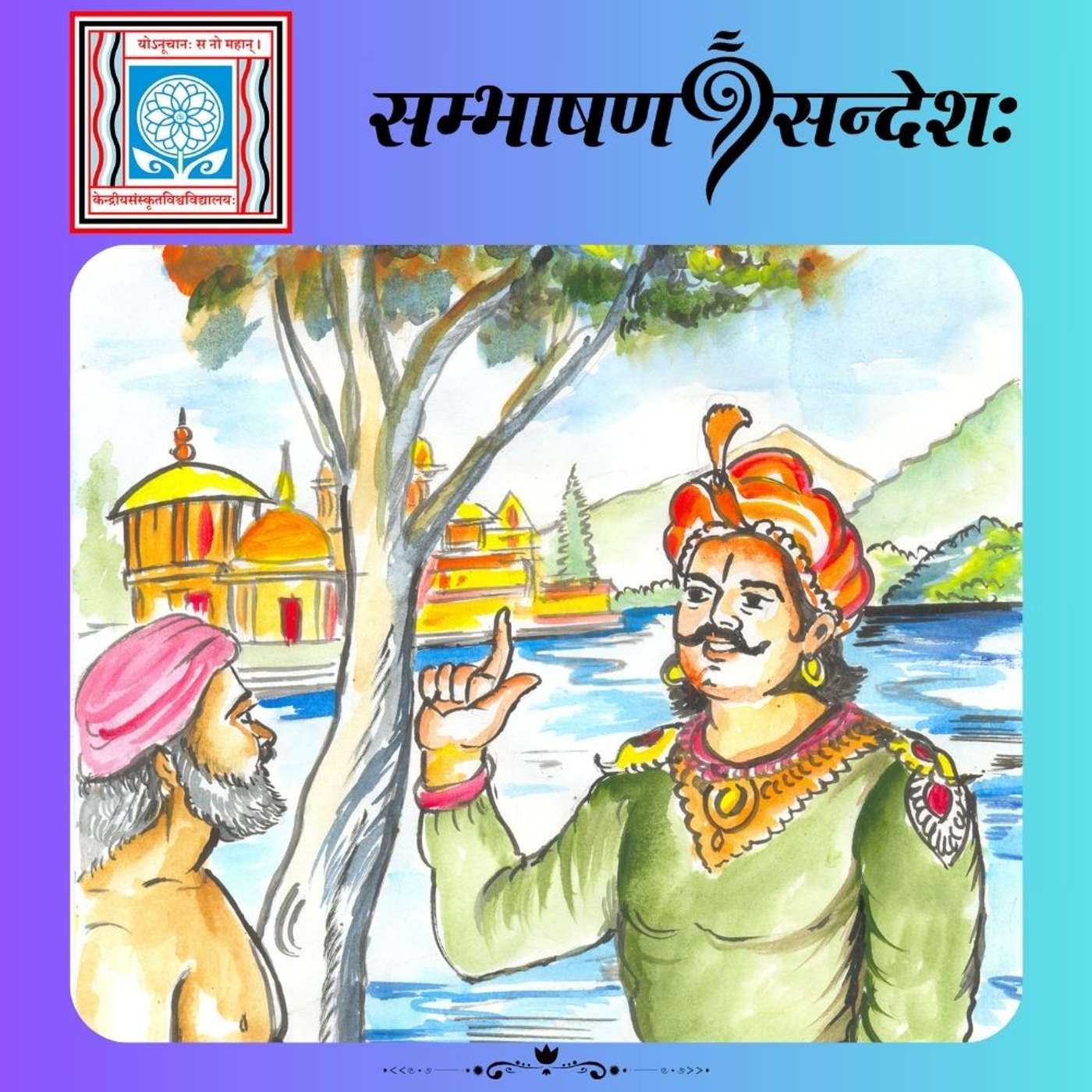
Ep 135पूर्वयॊजना
कालपुरनाम्नि राज्ये विशेषनियमः आसीत् यत् यः राजा भवेत् सः षडेव वर्षाणि राजत्वसुखम् अनुभवेत् । तदनन्तरं सरोवरस्य अपरस्मिन् तीरे स्थिते घोरारण्ये सः परित्यज्यते स्म । राज्यात् निर्गमनावसरे केचन राजानः बहुधा आक्रन्दन्ति स्म, विलपन्ति स्म । एवं राज्यात् च्युतः कालेश्वरनामा कश्चन राजा अरण्यं प्रति गमनसमये हसनमुखः सन् उत्साहेन अरण्यदिशि पदानि अस्थापयत् । नाविकः साश्चर्यं तम् अनुसृत्य पश्यति यत् तत्र भव्यः प्रासादः, रमणीयम् उद्यानं, गृहाणि, जनाः च आसन् । कुतूहलेन नाविकेन कथमेतत् इति पृष्टे वदति राजा - ‘सिंहासनारोहणस्य दिने एव अस्य अरण्यप्रदेशस्य अभिवृद्ध्यर्थम् अवधानं दत्तम् मया । यः भाविजीवनविषये समुचितां पूर्वयोजनां कुर्यात् सः कदापि सन्तप्तः न भवेत् इति ।(“केन्द्रीयसंस्कृतविश्वविद्यालयस्य अष्टादशीयोजनान्तर्गततया एतासां कथानां ध्वनिप्रक्षेपणं क्रियते”)In the kingdom of Kalapur, there was a special rule that the king would enjoy the happiness of ruling for six years. After that, he would be abandoned in a dense forest on the other side of a river. When leaving the kingdom, some kings would cry and lament. However, when King Kaleshwaran, who was exiled from his kingdom, was going toward the forest, he was smiling and full of enthusiasm, placing his footsteps towards the forest direction. A boatman, following him in surprise, saw that there was a grand palace, a beautiful garden, houses, and people in that direction. Curious, the boatman asked the king how this was possible. The king replied, “On the day I ascended the throne, I gave special attention to the development of this forest region. One who plans wisely for future prosperity will never suffer”.
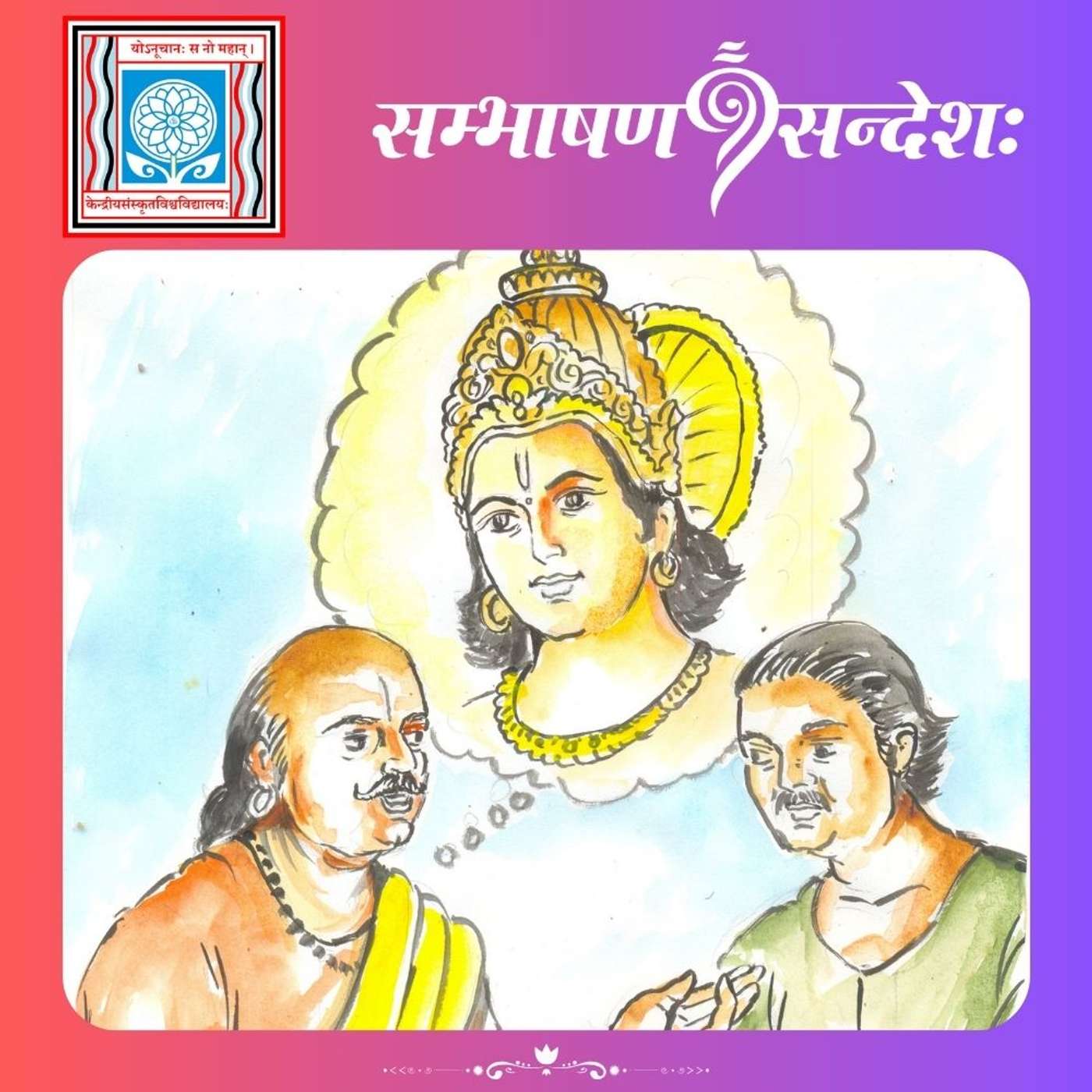
Ep 134भक्तिरेव गरियसी, न तु क्रमः
भगवन्तं साकारत्वेन निर्दिश्य प्रार्थनां कुर्वन्तं कञ्चन ग्रामीणकृषिकं कश्चन पण्डितः शास्त्रीयं प्रार्थनाक्रमं बोधयति । अनन्तरदिने पण्डितेन उपदिष्टं प्रार्थनाक्रमं स्मर्तुम् अशक्नुवन् सः कृषिकः नितरां परितप्तः भवति । रात्रौ पण्डितस्य स्वप्ने देवः प्रत्यक्षीभूय वदति - 'कृषिकः स्वीयक्रमम् अनुचितम् इति मन्यते । त्वया बोधितः क्रमः तेन न स्मर्यते । नितरां परिताप्यति । अहमपि परितपामि' इति । प्राप्तविवेकः पण्डितः उषसि एव कृषिकस्य गृहं गत्वा - 'भक्तिः एव गरीयसी । अतः स्वीयेन क्रमेण एव प्राथनां कुरु' इति वदति ।(“केन्द्रीयसंस्कृतविश्वविद्यालयस्य अष्टादशीयोजनान्तर्गततया एतासां कथानां ध्वनिप्रक्षेपणं क्रियते”)This story shows that personal devotion is more important than following a strict sequence. A scholar, teaches a farmer, proper way to pray. The next day, the farmer, unable to remember the prayer sequence as the scholar taught him, becomes very sad. That night, the deity appears to the scholar in a dream and says, "The farmer thinks his prayer method is wrong and also does not remember the sequence you taught him. He is suffering greatly, and I too am suffering because of this." The next morning, the scholar, understanding the situation, goes to the farmer's house and says, "Devotion is the most important. So, pray in your own way, as you usually do."
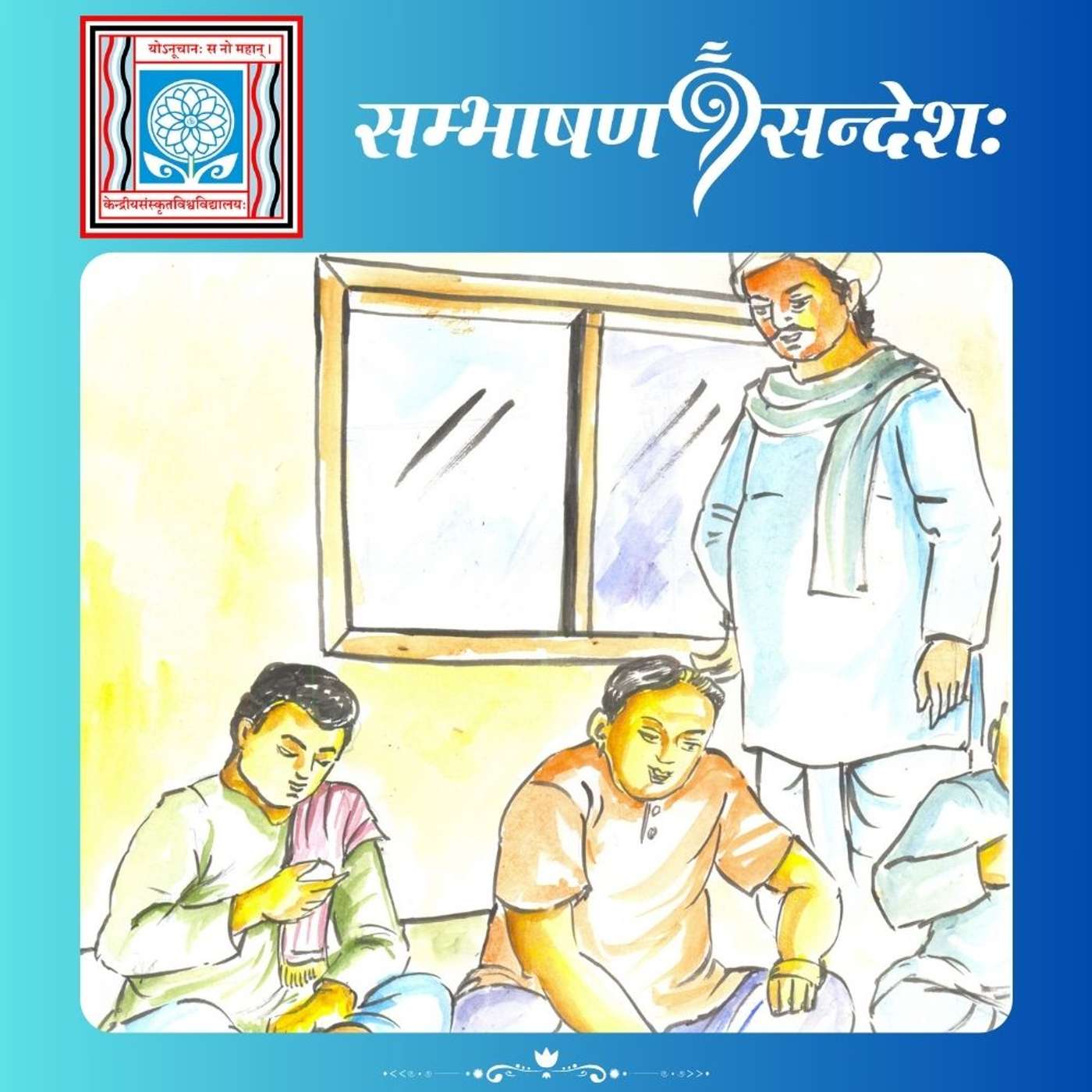
Ep 133स्वानुकुलतया अर्थकथनम्
लोके जनाः स्वानुभवानुरूपानेव शास्त्रोपदेशान् गृह्णन्ति इत्यस्य उदाहरणं भवितुमर्हति इयं कथा । कदाचित् तीर्थयात्रां कुर्वन्तौ सुहृदौ मार्गभ्रष्टौ भूत्वा क्षुद्बाधया इतस्ततः अटित्वा अन्ते कस्मिंश्चित् ग्रामे देवपूजानिमित्तं परिकल्पितार्थं भोजनार्थम् उपविष्टवन्तौ । भोजनसमये जनैः उक्तं श्लोकं श्रुत्वा तयोर्मध्ये एकः चिन्तयति यत् भोजने विरलतया लब्धे न अधिकं खादेयम् यतः मम तीर्थयात्रायां विघ्नः भवेत् इति । स्वल्पकालानन्तरं 'अहं वैश्वानरो भूत्वा..’ श्लोकं श्रुत्वा अपरः चिन्तयति यत् अद्य भूरिभोजनं करिष्यामि यतः अन्तः स्थितः वैश्वानररूपः देवः भुक्तम् अन्नं पाचयति इति ।(“केन्द्रीयसंस्कृतविश्वविद्यालयस्य अष्टादशीयोजनान्तर्गततया एतासां कथानां ध्वनिप्रक्षेपणं क्रियते”)This story tells how individuals interpret spiritual teachings based on their personal experiences. Once, two friends, while on a pilgrimage, became lost on their way and, suffering from hunger, wandered here and there. Finally, they reached a village and while they were eating, they heard a verse spoken by the people around them. Upon hearing this, one of them thought to himself, “Since food is scarce, I should not eat too much, for it may hinder my pilgrimage.”. Shortly after, hearing another verse, one of them thought, “Today I shall eat a hearty meal, for the deity in the form of the inner fire will digest the food that I eat”.
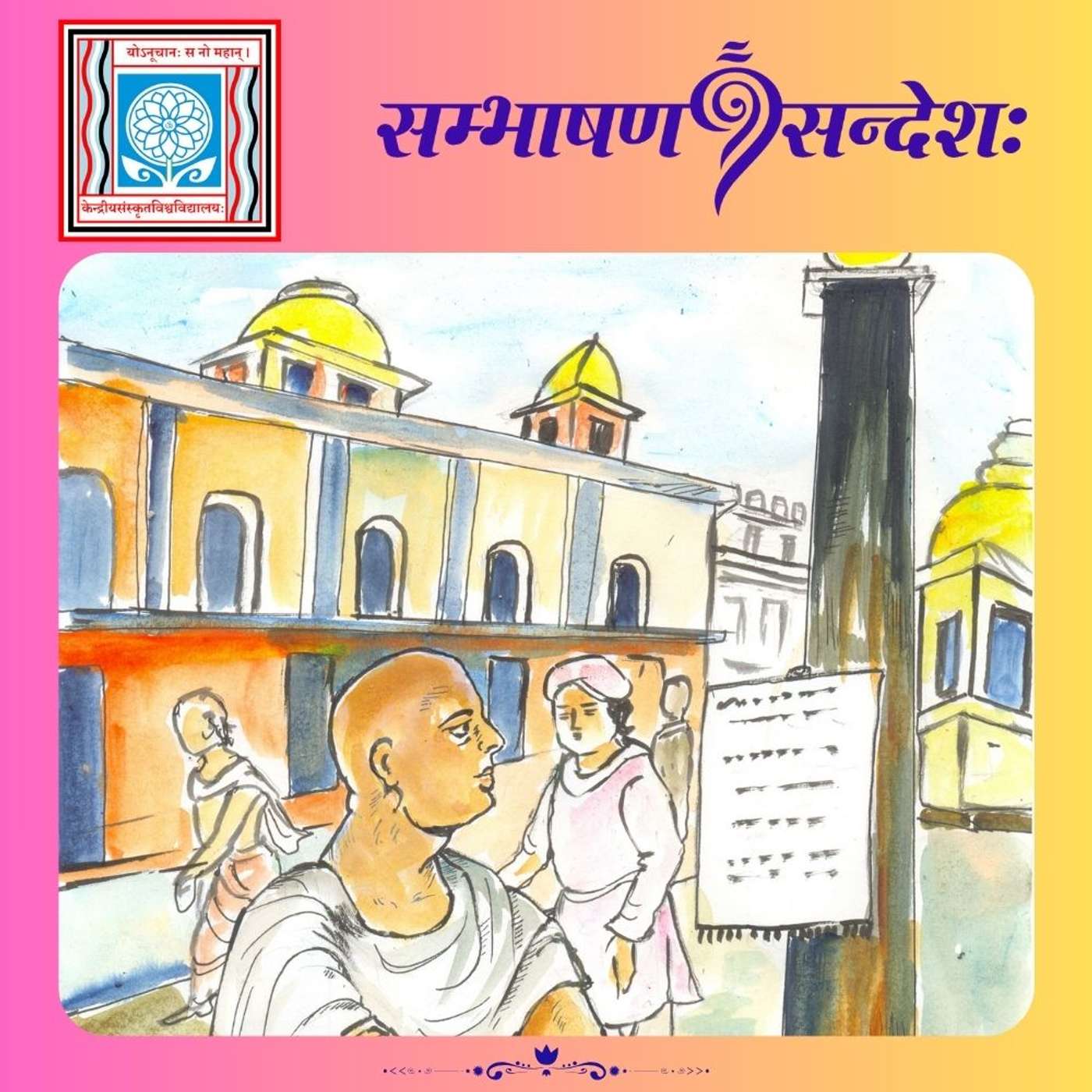
Ep 132त्यज मन्त्रशक्तिम्
कदाचित् राजगृहनगरे भिक्षाप्राप्त्यर्थं सञ्चरत्सु केषुचित् बुद्धशिष्येषु कश्यपः इति कश्चन अन्यतमः शिष्यः मन्त्रविद्याबलात् स्तम्भस्य उपरि स्थापितं स्वर्णपूर्णं चन्दनकरण्डकं प्राप्तवान् । वृत्तं ज्ञात्वा बुद्धः असन्तुष्टः सन् कश्यपं वदति यत् तत् त्वदीयं न, तस्य प्राप्त्यर्थं कृतः प्रयासः अधोगतिं निरूपयति इति । सामर्थ्यातिशये प्रदर्शिते कथम् अधोगतिं निरूपयति इति कश्यपेन पृष्टे बुद्धः अवगमयति यत् यः वासनाभिः व्यमोहैः च विमुक्तेन भिक्षुना आशया करण्डकप्राप्त्यर्थं प्रयासः कृतः । पौनःपुन्येन प्राप्तम् एतत् दौर्बल्यं निश्चयेन अधोगतिं प्रापयति इति ।(“केन्द्रीयसंस्कृतविश्वविद्यालयस्य अष्टादशीयोजनान्तर्गततया एतासां कथानां ध्वनिप्रक्षेपणं क्रियते”)Once, Buddha’s disciple named Kashyapa used his knowledge of mantras to lift a golden sandalwood pot from a pillar while seeking alms. When Buddha heard this, he told Kashyapa that the pot was not his and that his effort has led him downward. Kashyapa, surprised, asked how such a display of skill could be wrong. The Buddha explained that the monk, though free from desires, was driven by past attachments and delusions, and such actions would lead him downward.
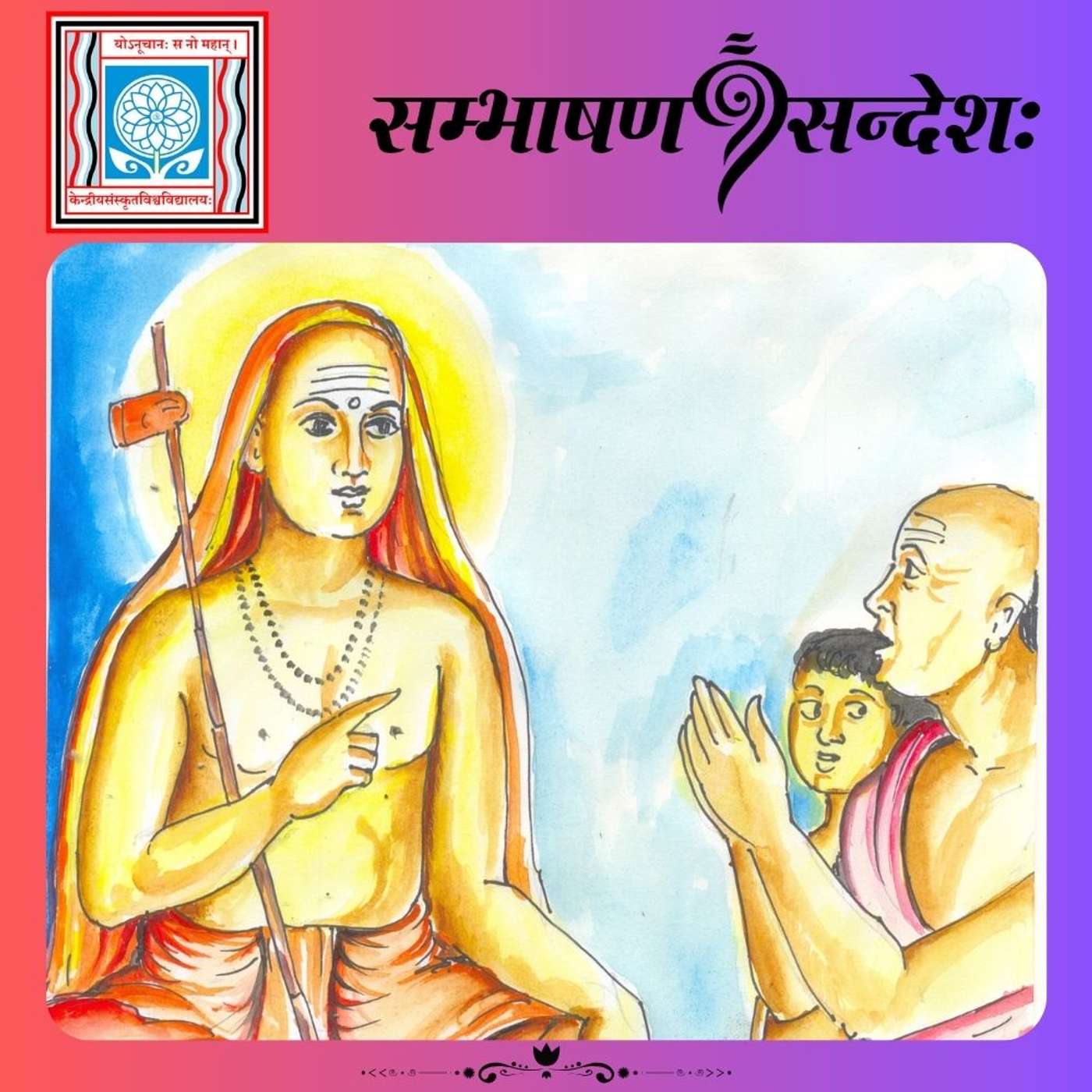
Ep 131जन्मना वेदान्ती
कदाचित् प्रभाकरः नामा कश्चन गृहस्थः शङ्काराचार्यं दृष्ट्वा प्रार्थयते यत् तस्य द्वादशवर्षीयं जडबुद्धिपुत्रं आशीर्वादेन अनुगृह्य अस्य जडबुद्धितां निवारयतु इति । शङ्काराचार्यः बालकेन सह सम्भाषणं कृत्वा ज्ञातवान् यत् एषः महात्मा अस्ति इति, अपि च पुत्रं मया सह प्रेषयतु इति वदति । पितुः अनुज्ञां प्राप्य शङ्कराचार्येण सह निगर्तः सः बालकः गच्छता कालेन महावेदान्ती जातः । आत्मस्वरूपादिकं हस्तस्थम् आमलकम् इव तस्य स्पष्टम् आसीत् इत्यतः शङ्काराचार्यः तस्य नाम कृतवान् - ‘हस्तामलकः' इति ।(“केन्द्रीयसंस्कृतविश्वविद्यालयस्य अष्टादशीयोजनान्तर्गततया एतासां कथानां ध्वनिप्रक्षेपणं क्रियते”)One day, a man named Prabhakara met Shankaracharya and asked him to bless his twelve-year-old son, who was slow-witted. After speaking with the boy, Shankaracharya realized that the child was very special. He told Prabhakara to send the boy with him. With his father's permission, the boy left with Shankaracharya. Over time, the boy became a great scholar of Vedanta. He understood the true nature of the self, just like someone clearly seeing a fruit in their hand. Because of this, Shankaracharya gave him the name "Hastamalaka" (meaning "the one with the fruit in his hand").
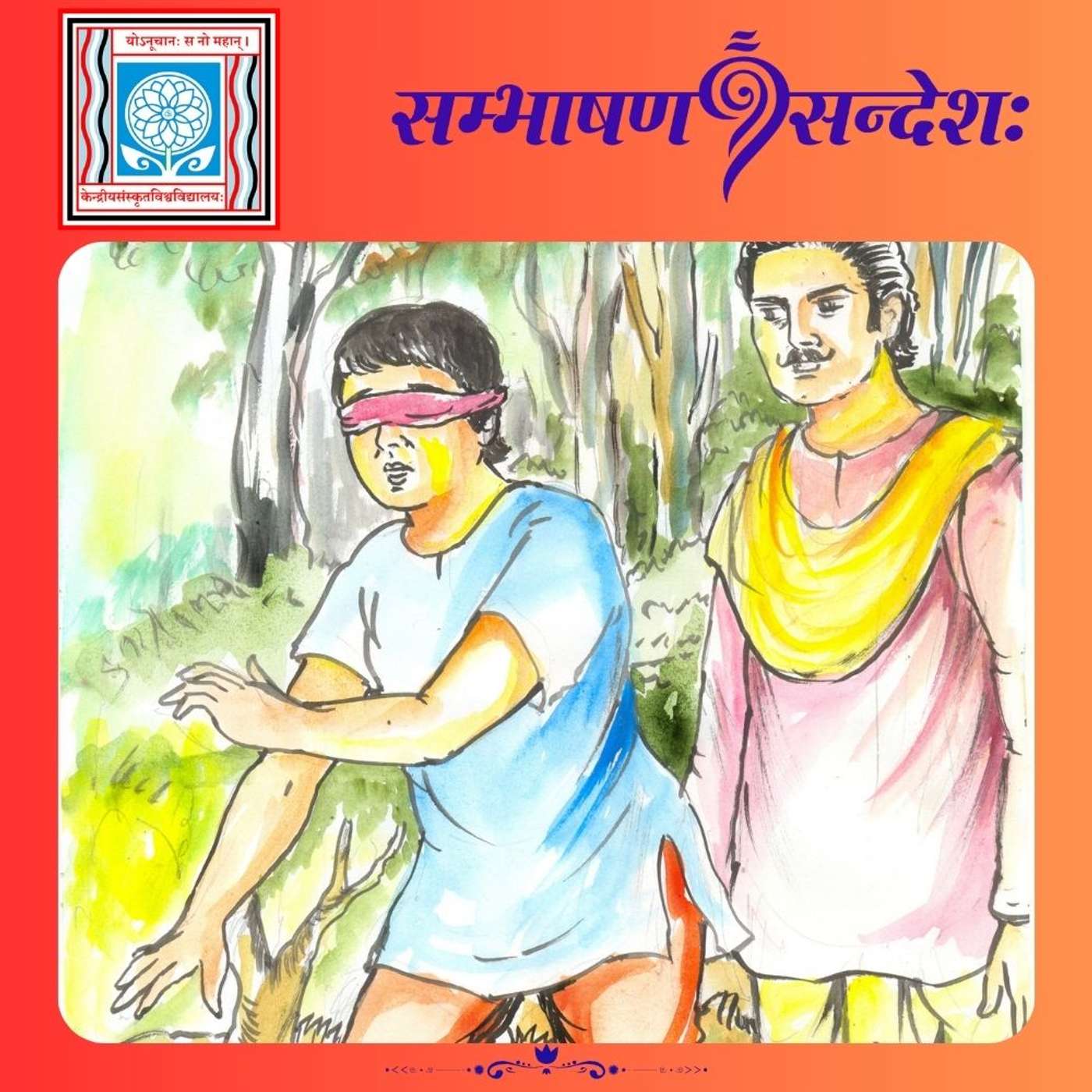
Ep 130रक्षिष्यति सः
कदाचित् वयं चिन्तयामः यत् 'अहम् एकाकी अस्मि' इति । अस्यां कथायाम् अपि पुत्रः तथैव चिन्तयति । किन्तु पिता निदर्शनेन दर्शयति यत् जीवने कोऽपि कदापि न एकाकी । भगवान् सदा अस्माभिः सह स्थित्वा अस्मान् रक्षति । सः एव अस्मान् कष्टकाले तारयिष्यति इति ।(“केन्द्रीयसंस्कृतविश्वविद्यालयस्य अष्टादशीयोजनान्तर्गततया एतासां कथानां ध्वनिप्रक्षेपणं क्रियते”)Sometimes, we think to ourselves, "I am all alone." In this story, the son thinks the same way. However, the father shows through an example that no one is ever truly alone in life. God is always with us, protecting us. It is He who will save us in times of difficulty.
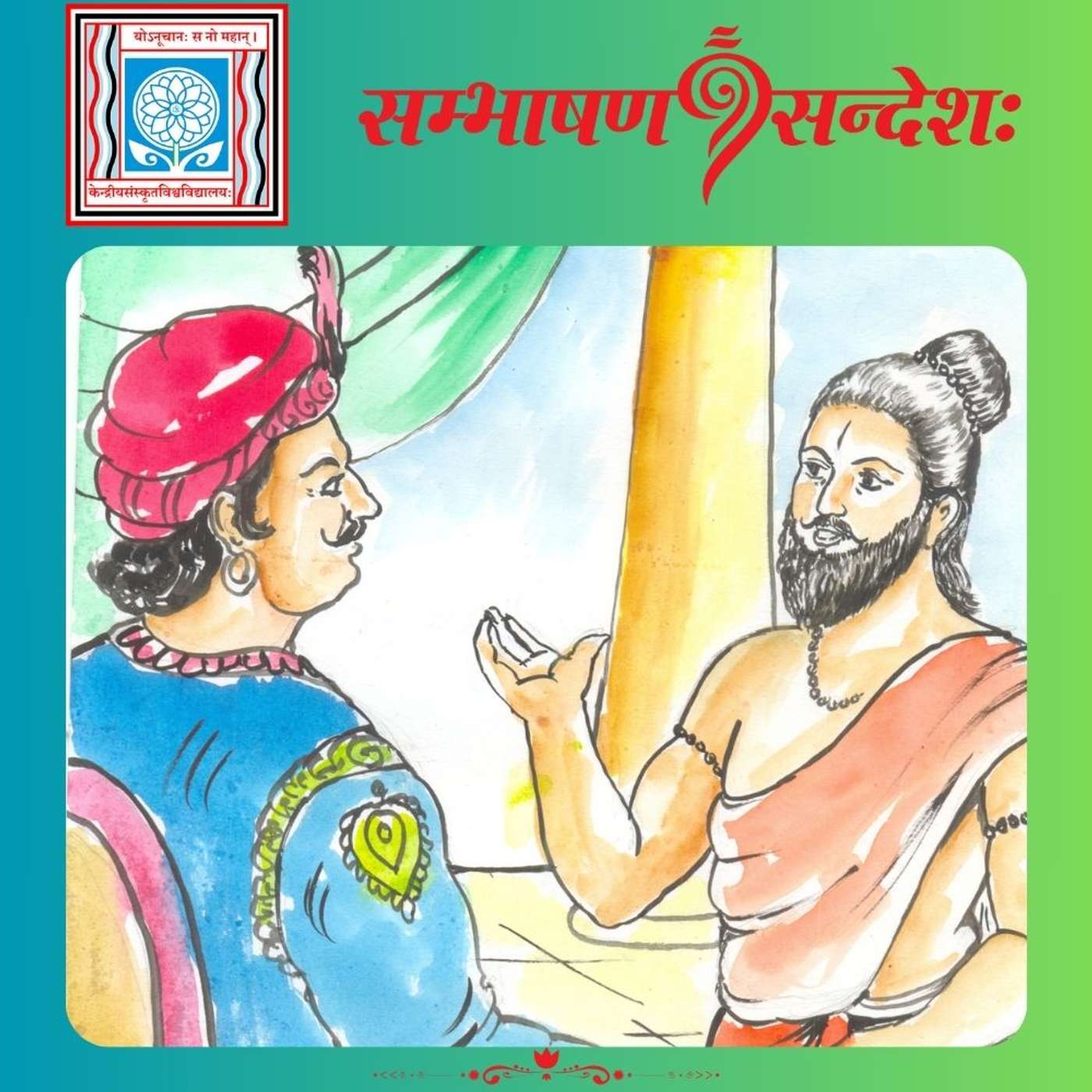
Ep 129न भुज्यते मही सम्पत्तिः वा...
जगद्देवः इति कश्चन राजा प्रभूतां सम्पत्तिं सम्पादयितुं सर्वदा युद्धे रतः भवति । जगत् एव जेतव्यम् इति तस्य इच्छा । कदाचित् कश्चन संन्यासी आगत्य सुन्दरैः उदाहरणैः राजानं दर्शयति यत् कथं समग्रा भूमिः सम्पत्तिः वा भोक्तुं न शक्यते । अपि च जगदेव जेतव्यमिति मूर्खता अस्ति । राज्ञः आद्य कर्तव्यं भवति यत् जनानां शन्तिं, समृद्धिं, सुखं च चिन्तयेत् । तदनन्तरं राजा युद्धादिप्रयासं स्थगयित्वा शासनकार्येषु अवधानवान् जातः ।(“केन्द्रीयसंस्कृतविश्वविद्यालयस्य अष्टादशीयोजनान्तर्गततया एतासां कथानां ध्वनिप्रक्षेपणं क्रियते”)There was a king named Jagaddeva who was always focused on fighting wars to gain wealth and power. His goal was to conquer the whole world. One day, a wise sage visited him and used simple examples to show the king that it's impossible to enjoy all the land or wealth. The sage also told him that wanting to conquer the world was foolishness. He reminded the king that his main responsibility was to ensure the peace, prosperity, and happiness of his people. After this, the king stopped his wars and started focusing on ruling wisely.
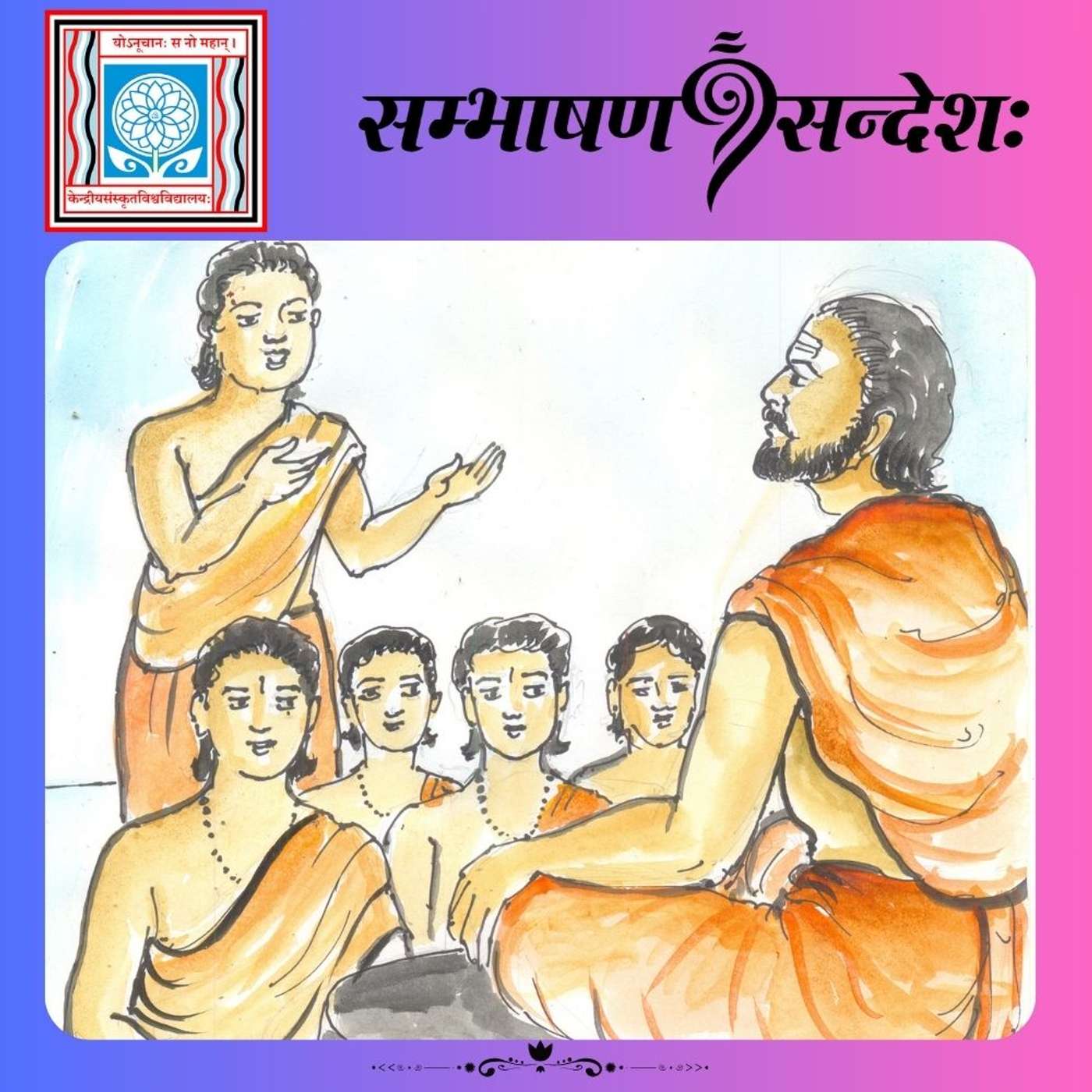
Ep 128देवः किं दृष्टः ?
कदाचित् गुरोः प्रवचनानन्तरं शिष्येण आनन्देन मया देवः दृष्टः इति कथिते अन्ये शिष्याः हसन्ति । एवमेव बहुवारं प्रवृत्ते, एकस्मिन् दिने गुरुः वदति यत् - 'पुनः देवः दृश्यते चेत् गुरुत्वप्राप्तितः पूर्वं किं किं पापकार्यं कृतं मया इति त्वया प्रष्टव्यम् । तदा एव भवता देवः दृष्टः इत्येतत् प्रमाणितं भवेत्‘ इति । अनन्तरदिने तेन देवः दृष्टः इति निरूपितं भवति । तत् कथमिति जिज्ञासायां कथां शृण्वन्तु ।(“केन्द्रीयसंस्कृतविश्वविद्यालयस्य अष्टादशीयोजनान्तर्गततया एतासां कथानां ध्वनिप्रक्षेपणं क्रियते”)Once, after the Guru’s lecture, when disciple Ananada said, 'I have seen God,' the other disciples laughed. This happened many times. One day, the Guru said, 'If you see God again, you must first ask me what sinful actions I have committed before attaining the state of a guru. Only then will it be confirmed that you have indeed seen God.' A few days later, it was confirmed that God had been seen. Now, listen to the story to understand how this happened.
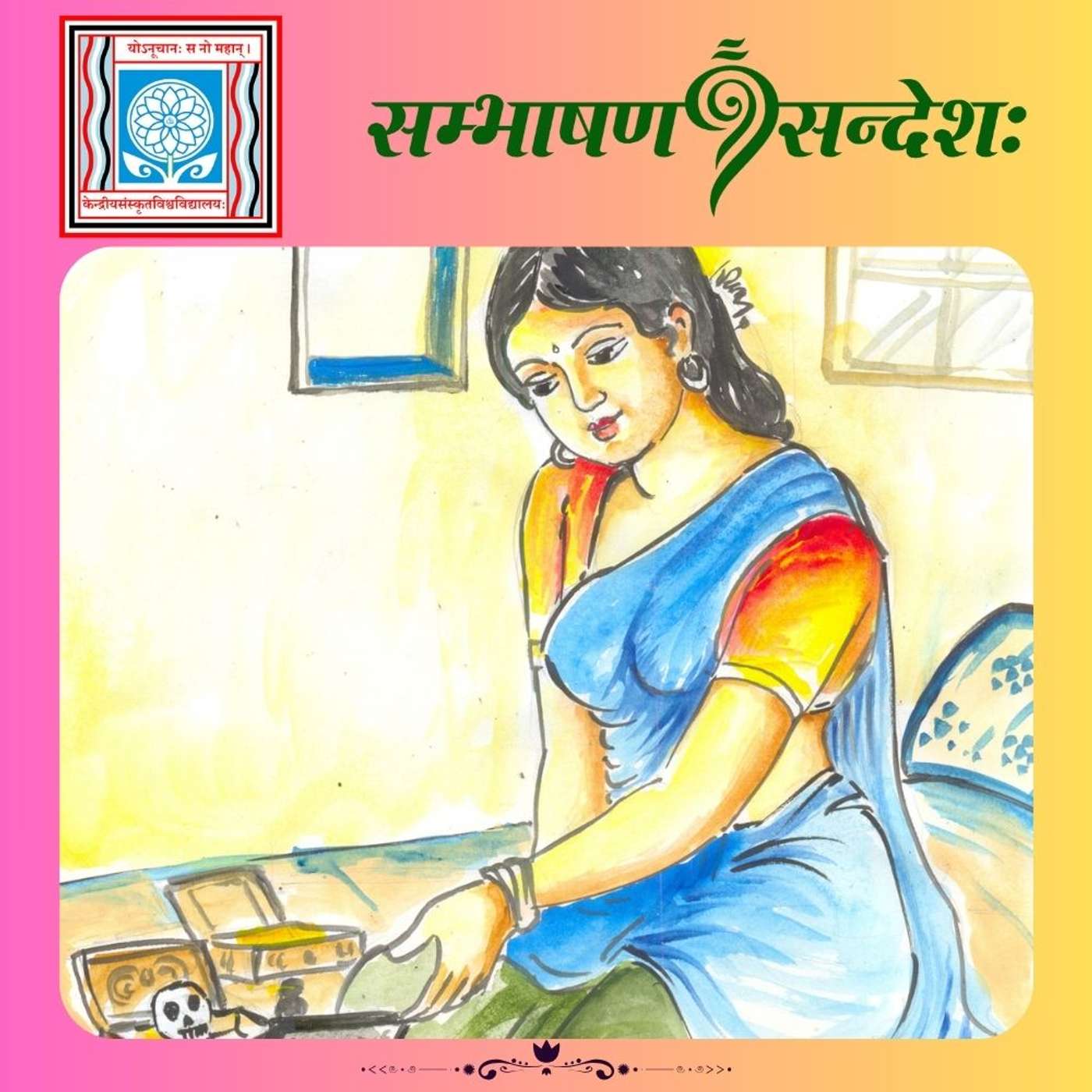
Ep 127जीवनदर्शनम्
सर्वे अपि अपत्यस्य जन्मदिनं निमित्तीकृत्य किमपि उपायनं यच्छन्ति । तत् सर्वं लौकिकम् उपयानं भवति प्रायशः । अस्यां कथायां पुत्र्याः जन्मदिननिमित्तं पिता तिस्रः पेटिकाः ददाति । किं भवितुम् अर्हति तासु पेटिकासु ? कीदृशानि उपायनानि ? लौकिकानि वा तत्त्वबोधकानि वा ? आगच्छन्तु कथां शृण्मः । वयम् अपि तादृशानि उपायनानि एव बालेभ्यः दातुं प्रयत्नं कुर्मः (“केन्द्रीयसंस्कृतविश्वविद्यालयस्य अष्टादशीयोजनान्तर्गततया एतासां कथानां ध्वनिप्रक्षेपणं क्रियते”)Everyone gives certain gifts on a child’s birthday. The gifts are usually worldly. In this story, the father gives three boxes on the occasion of his daughter's birthday. What might be in those boxes? What kind of gifts are these? Are they worldly or spiritual in nature? Come, let us listen to the story. Let us also try to give such gifts to our children.
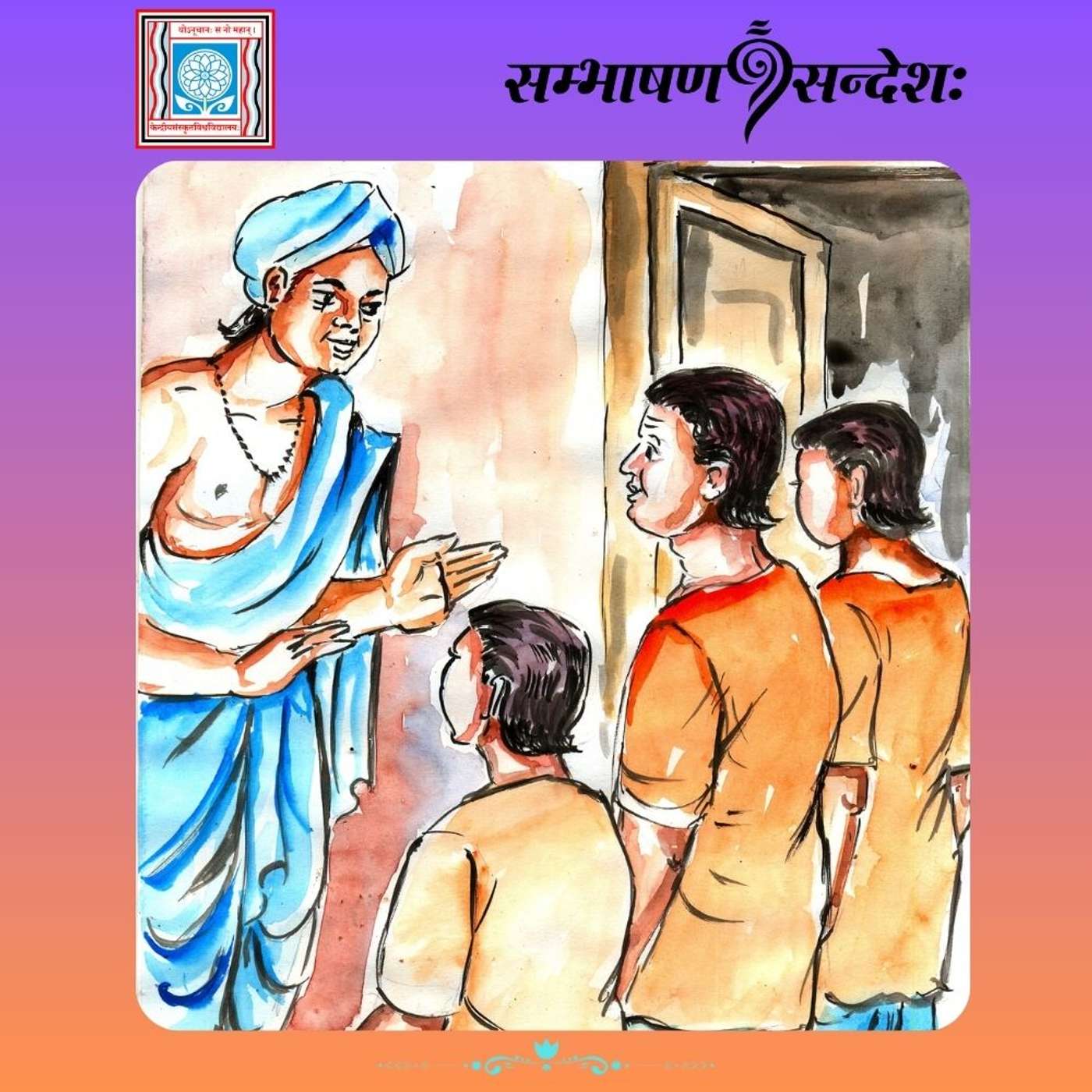
Ep 125मनोबलं सर्वबलातिशयि
अस्यां कथायां कश्चन आचार्यः मनोबलस्य महत्त्वं छात्रेभ्यः बोधयति । सिंहः गजवत् न महाशक्तिमान्, उष्ट्रवत् न अत्युन्नतः, शृगालवत् न महाबुद्धिमान्, चित्रकवत् अधिकवेगेन न धावितुं शक्तोति, गरुडवत् अत्युन्नते स्थले डयने असमर्थः, तथापि सः मनोबलेन वनस्य राजा अस्ति । मनोबलं सर्वबलातिशायि । शरीरस्य सर्वाणि अङ्गानि अपि यत्र असफलानि तत्र मनोबलम् एकम् एव अस्माकम् आधारः ।(“केन्द्रीयसंस्कृतविश्वविद्यालयस्य अष्टादशीयोजनान्तर्गततया एतासां कथानां ध्वनिप्रक्षेपणं क्रियते”)In this story, a teacher teaches the importance of mental strength to his students. The lion is not as strong as the elephant, not as tall as the camel, not as intelligent as the fox, not as fast as the cheetah, and not able to fly like the eagle. Yet, it is the king of the jungle because of its mental strength. Mental strength surpasses all other powers. Even when all the body’s parts fail, mental strength remains the only support we have.
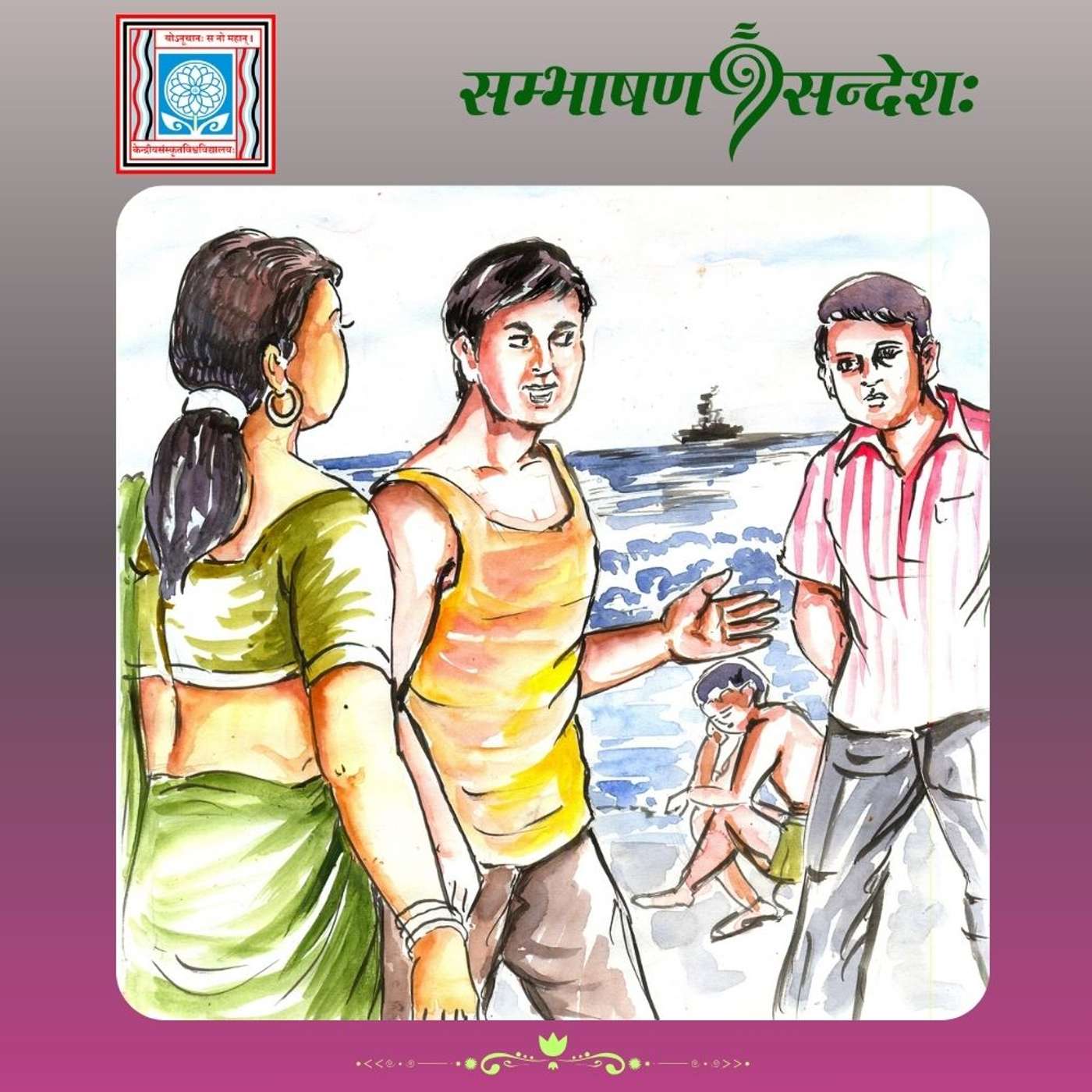
Ep 124दुर्भावः अनुचितः
समुद्रतीरे पार्श्वे स्थितं पेयं स्तोकं स्तोकं पिबन्तं कञ्चन युवकम्, अपि च तस्य मूर्ध्नि हस्तं प्रसारयन्तीं काञ्चन महिलां दृष्ट्वा भद्रपुरुषः अचिन्तयत् यत् सः युवकः मद्यपः, सा च महिला प्रेयसी गणिका स्त्री इति । तावता समुद्रतः 'रक्षत रक्षत' इति चीत्कारं श्रुत्वा सः युवकः झटिति समुद्रं प्रविश्य परित्राणकार्यम् आरभ्य भद्रपुरुषेण सह सर्वान् रक्षितवान् । तदनन्तरं भद्रपुरुषः ज्ञातवान् यत् सः बालकः रोगस्य कारणेन औषधं पिबन्नासीत्, अपि च तस्य पार्श्वे उपविष्टवती सा महिला तस्य माता इति । स्वस्य चिन्तनविषये लज्जाम् अनुभवन् अन्यस्य विषये दुर्भावः न वहनीयः अपि च पूर्वाग्रहः त्यक्तव्यः इति भद्रपुरुषः निश्चितवान् ।(“केन्द्रीयसंस्कृतविश्वविद्यालयस्य अष्टादशीयोजनान्तर्गततया एतासां कथानां ध्वनिप्रक्षेपणं क्रियते”)At the seashore, a coast guard saw young man drinking something and a woman sitting next to him, placing her hand on his head. The guard thought the young man was a drunkard and the woman was his lover or a prostitute. Then, hearing cries of "Help! Help!" from the sea, the young man quickly jumped in and, with the guard’s help, saved everyone. Later, the guard learned that the young man had been taking medicine because he was sick, and the woman was his mother. Feeling ashamed of his earlier judgment, the man realized that one should not judge others based on assumptions and should avoid prejudice.
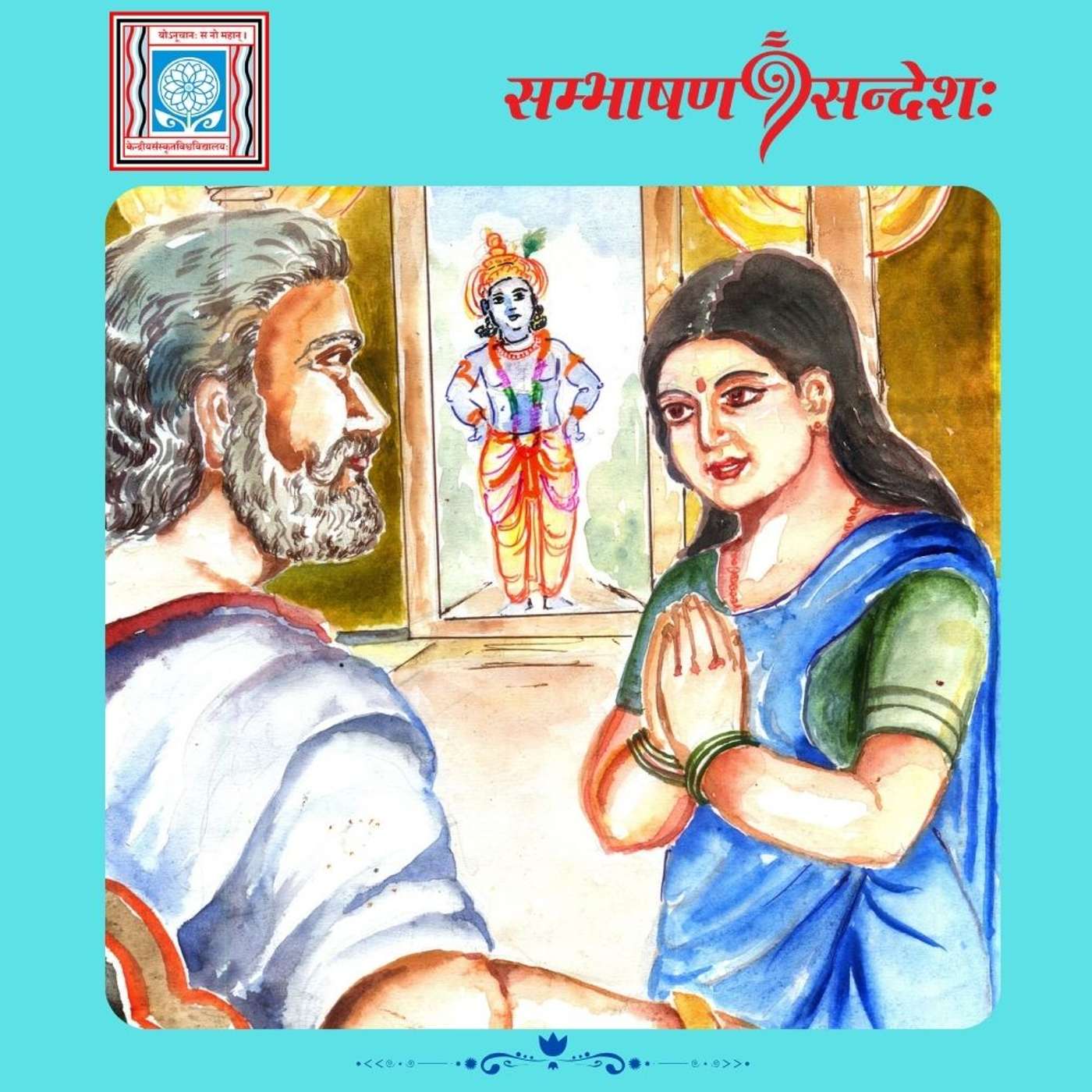
Ep 123सौभाग्यवती भव
'ज्येष्ठाः नन्तव्याः' इति आचारः लोके अस्ति । स्नेहं, विश्वासं, आत्मीयतां च वर्धयित्वा सुरक्षाकवचं निर्माति नमस्कारः । इयं कथा तस्य उदाहरणं भवितुम् अर्हति । कुरुक्षेत्रयुद्धे यदा भीष्मः युद्धे पाण्डवान् हनिष्यामि इति घोषणम् अकरोत् तदा कृष्णस्य वचनानुसारं मध्यरात्रे एव द्रौपदी भीष्मावासं प्राप्य नमस्कृतवती । नमस्कुर्वतीं पौत्रवधूं दृष्ट्वा भीष्मः सहजतया 'अखण्डसौभाग्यवती भव' इति आशीर्वादं कृतवान् । द्रौपद्याः एकेन नमस्कारेण पाण्डवानां जीवदानं लब्धम् ।(“केन्द्रीयसंस्कृतविश्वविद्यालयस्य अष्टादशीयोजनान्तर्गततया एतासां कथानां ध्वनिप्रक्षेपणं क्रियते”)There is a custom in the world that the elders should be respected. By nurturing love, trust, and closeness, one builds a protective shield through the act of salutation. This story serves as an example of that. During the Kurukshetra war, when Bhishma declared that he would kill the Pandavas, Krishna instructed Draupadi to visit Bhishma’s camp and get his blessings. Following Krishna’s advice, Draupadi went to Bhishma’s tent at midnight and respectfully bowed to him. Seeing his granddaughter-in-law bowing, Bhishma naturally blessed her, saying, "May you be eternal Sowbhagyavati". Through this single act of respect, Draupadi ensured the Pandavas' survival.

Ep 122अधिकमूल्यकं चित्रम्
कदाचित् कश्चन राजा स्वस्य चित्रं लेखयितुम् ऐच्छन् अत्युत्तमं चित्रकारम् अन्वेष्टुम् आदिशति लभते च । यदा राजा चित्रकाराय स्वस्य इच्छां कथयति, तदा सः 'कियन्मूल्यकं चित्रं लेखनीयम्' इति पृच्छति । कुतूहली सः राजा अल्पमूल्यके चित्रे किं भवति, अधिकमूल्यके चित्रे किं भवति इति पृच्छति । तदा तस्य उत्तरं किं ददाति इत्यादि सर्वं कथां श्रुत्वा जानीयाम ।(“केन्द्रीयसंस्कृतविश्वविद्यालयस्य अष्टादशीयोजनान्तर्गततया एतासां कथानां ध्वनिप्रक्षेपणं क्रियते”)Once, a king, wishing to have his portrait painted, ordered the search for the finest painter, and he was found. When the king told the painter about his wish, the painter asked, "What value should the painting have?" Curious, the king asked, "What happens in a painting of low value, and what happens in one of high value?" Let us hear what the painter replies.
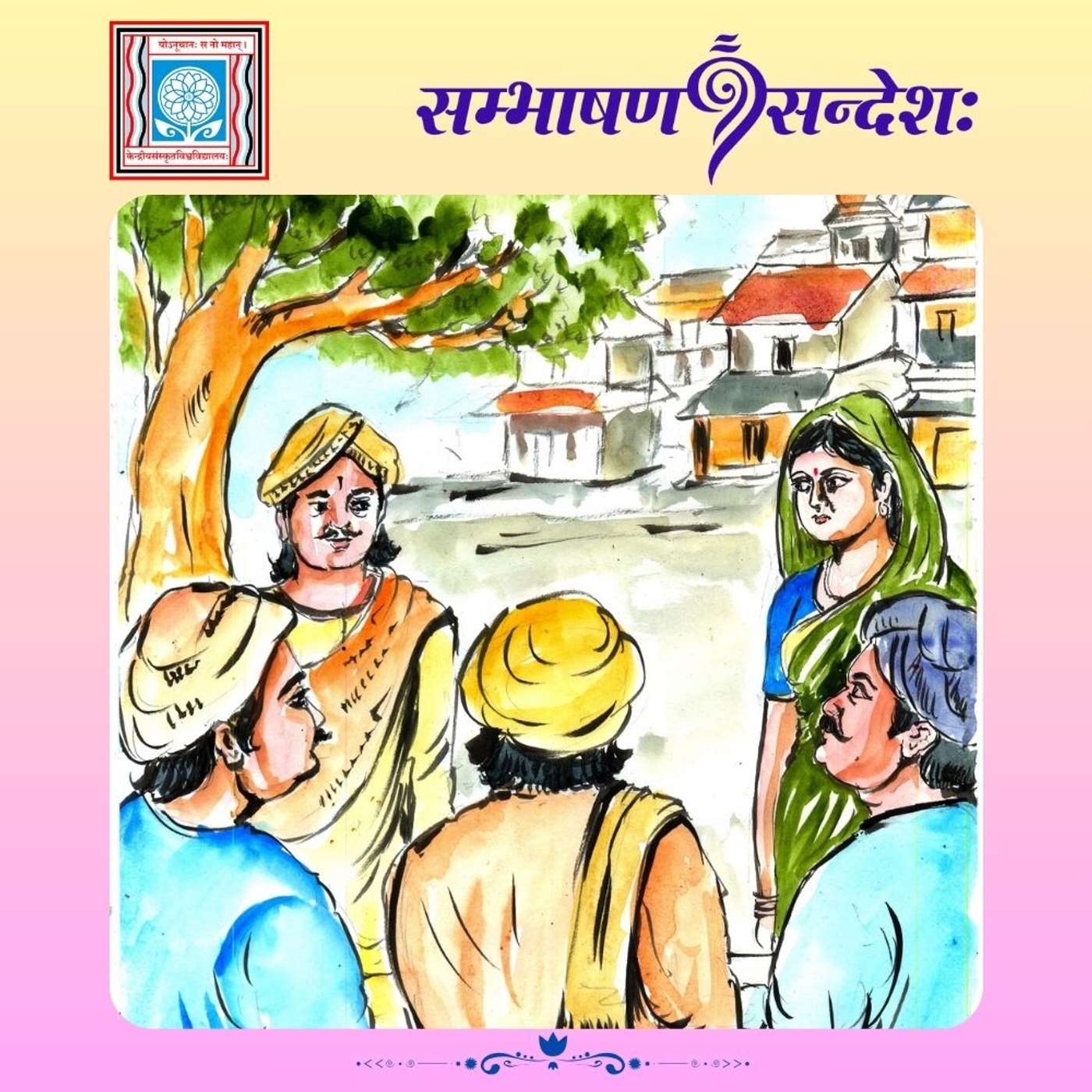
Ep 121श्रेष्ठानि तत्त्वानिः
कदाचित् कश्चन पण्डितः नद्यां स्नानं कुर्वन् कञ्चन श्रेष्ठतत्त्वयुतश्लोकम् यदा उच्चारितवान् तदा वस्त्रप्रक्षालानाय आगतवती काचित् महिला हसितवती । ग्राममुख्यः यदा महिलाम् आनाय्य किमर्थं पण्डितं अपमानितवती इति पृष्टे, 'अपमानं न कृतवती । लोके अन्यानि अपि श्रेष्ठानि तत्त्वानि सन्ति' इत्युक्त्वा तानि कानि इति विवृणोति । कथां श्रुत्वा ज्ञास्यामः यत् एकैकः कथं भिन्नरीत्या चिन्तयति इति ।(“केन्द्रीयसंस्कृतविश्वविद्यालयस्य अष्टादशीयोजनान्तर्गततया एतासां कथानां ध्वनिप्रक्षेपणं क्रियते”)Once, a scholar was bathing in a river reciting a verse containing great truths. At that moment, a woman who had come to wash clothes laughed. When the village chief brought the woman to the scholar and asked why she had insulted him, she replied, "I did not insult him. There are other greater truths also in the world," and then explained what those truths were. Let us hear the story to know how each person thinks in a different way.
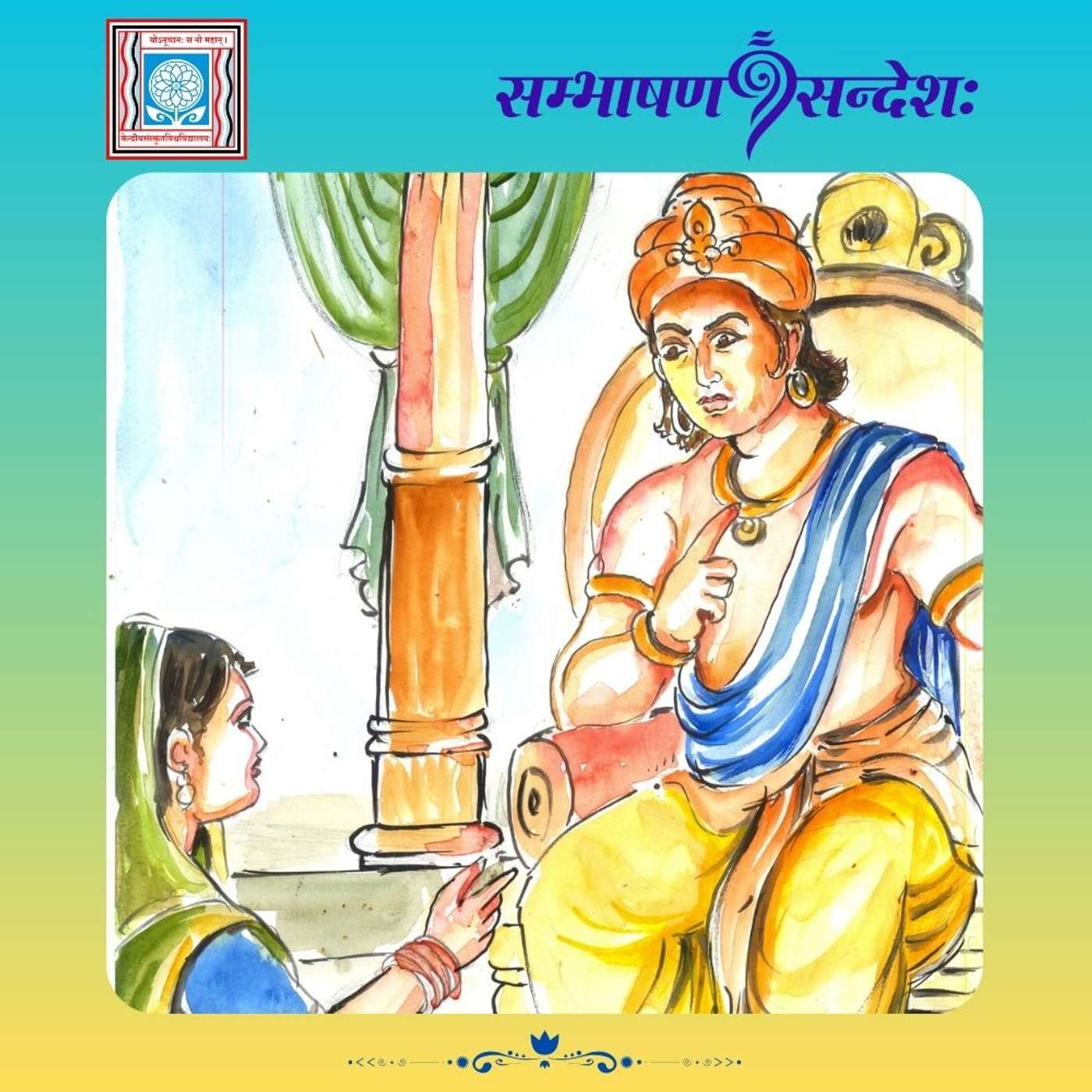
Ep 120धैर्यवती महिला
कदाचित् महापराक्रमी सम्राट् अशोकः साम्राज्यविस्तरणाय दण्डयात्रां कुर्वन् विजयपुरीम् आक्रम्य तस्य शान्तिप्रियराजं वीरसेनं पराजित्य कारागारे स्थापितवान् । कदाचित् अवगुण्ठनधारिणी काचित् महिला आगत्य स्वीयभूमिं सम्पत्तिं च वशीकृत्य, पतिं कारागारे निक्षिप्तवन्तं विरुद्धं न्यायं याचितवती । कः सः? इति अशोकेन पृष्टे, सा अवगुण्ठनम् अपनीय वदति - सः भवान् एव इति । तस्याः सात्विकं कोपं, धैर्यं च दृष्ट्वा अशोकः स्वदोषम् अवगत्य राज्ञीं च क्षमां याचित्वा वीरसेनं विमोचितवान् ।(“केन्द्रीयसंस्कृतविश्वविद्यालयस्य अष्टादशीयोजनान्तर्गततया एतासां कथानां ध्वनिप्रक्षेपणं क्रियते”)Once, Emperor Ashoka, attacked Vijayapura and defeated the King Virasena, imprisoning him. Later, a woman wearing a veil approached the king and, having secured her land and wealth, asked him to release her husband, who had been unjustly imprisoned. When Ashoka asked, "Who is he?" the woman removed her veil and said, "It is none other than you."Seeing her calm but firm anger, Ashoka realized his mistake. He sought forgiveness from the queen and freed King Virasena.
Ep 119प्रसन्नतायाः कारणम्
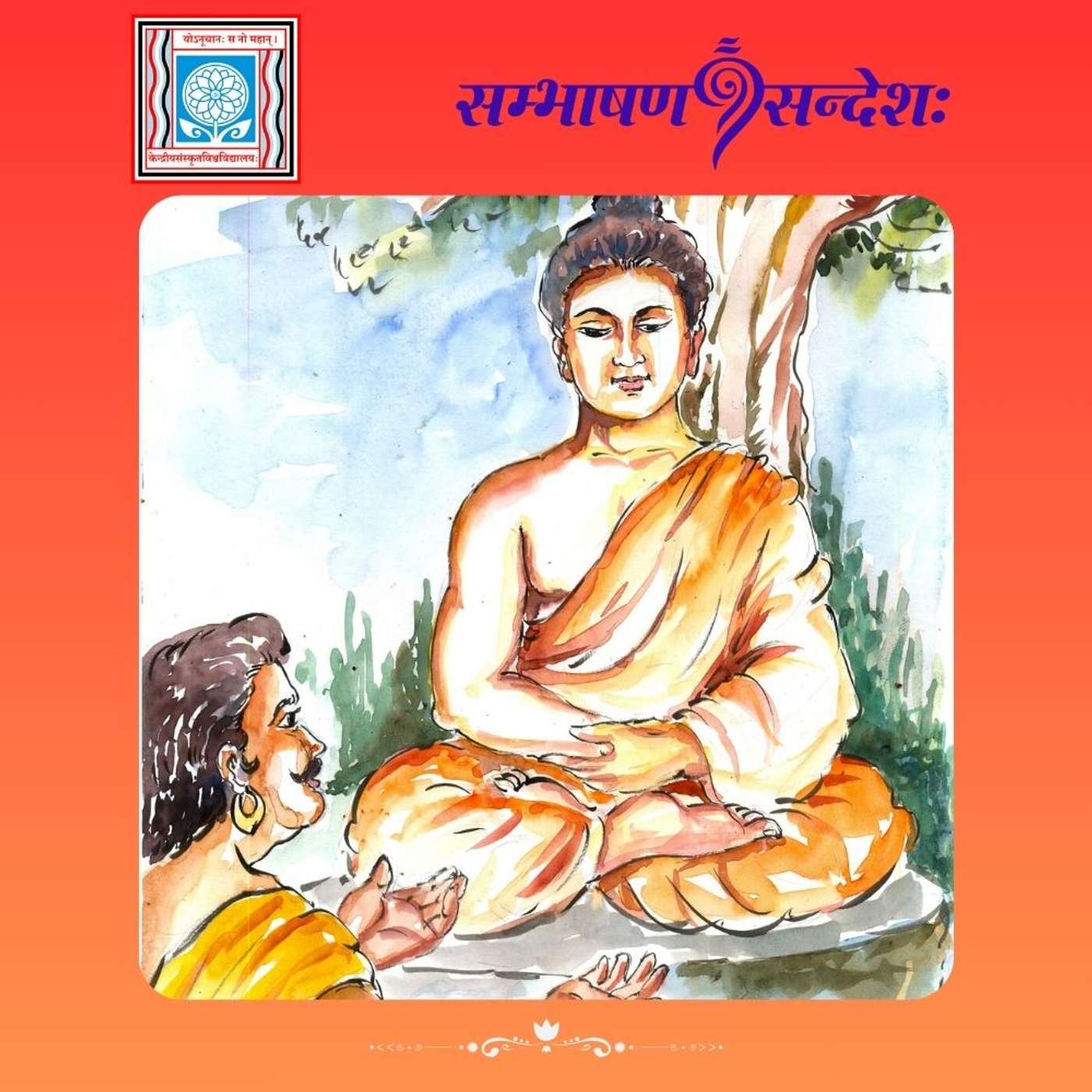
कदाचित् सम्राट् श्रोणिकः भगवन्तं बुद्धं दृष्ट्वा पृच्छति - ‘सर्वविधानि सुखानि चेदपि कथं मनः प्रसन्नं न भवति इति । तदा बुद्धः वदति - ‘चापल्यत्यागः, विलासिजीवने अल्पप्रवृत्तिः, भोगसाधनानाम् उपयोगे न्यूनतासम्पादनम्, दयास्नेहादीनाम् अवलम्बनं, यावत् प्राप्येत तावता सन्तुष्टिः, दानशीलता इत्यादयाः अंशाः अवलम्बिताः चेत् प्रासादे अपि सन्तोषः प्रातुं शक्यः' इति ।(“केन्द्रीयसंस्कृतविश्वविद्यालयस्य अष्टादशीयोजनान्तर्गततया एतासां कथानां ध्वनिप्रक्षेपणं क्रियते”)Once, King Shronika asked the Buddha: "Why does the mind not remain happy, even when all kinds of pleasures are available?" Buddha replied: "If one abandons impatience, leads a simple life, indulges little in luxuries, uses material possessions with moderation, relies on compassion and affection, remains content with whatever one has, practices generosity and similar virtues—only then can one attain true happiness, even within a palace".
Ep 118कर्मसु कौशलम्
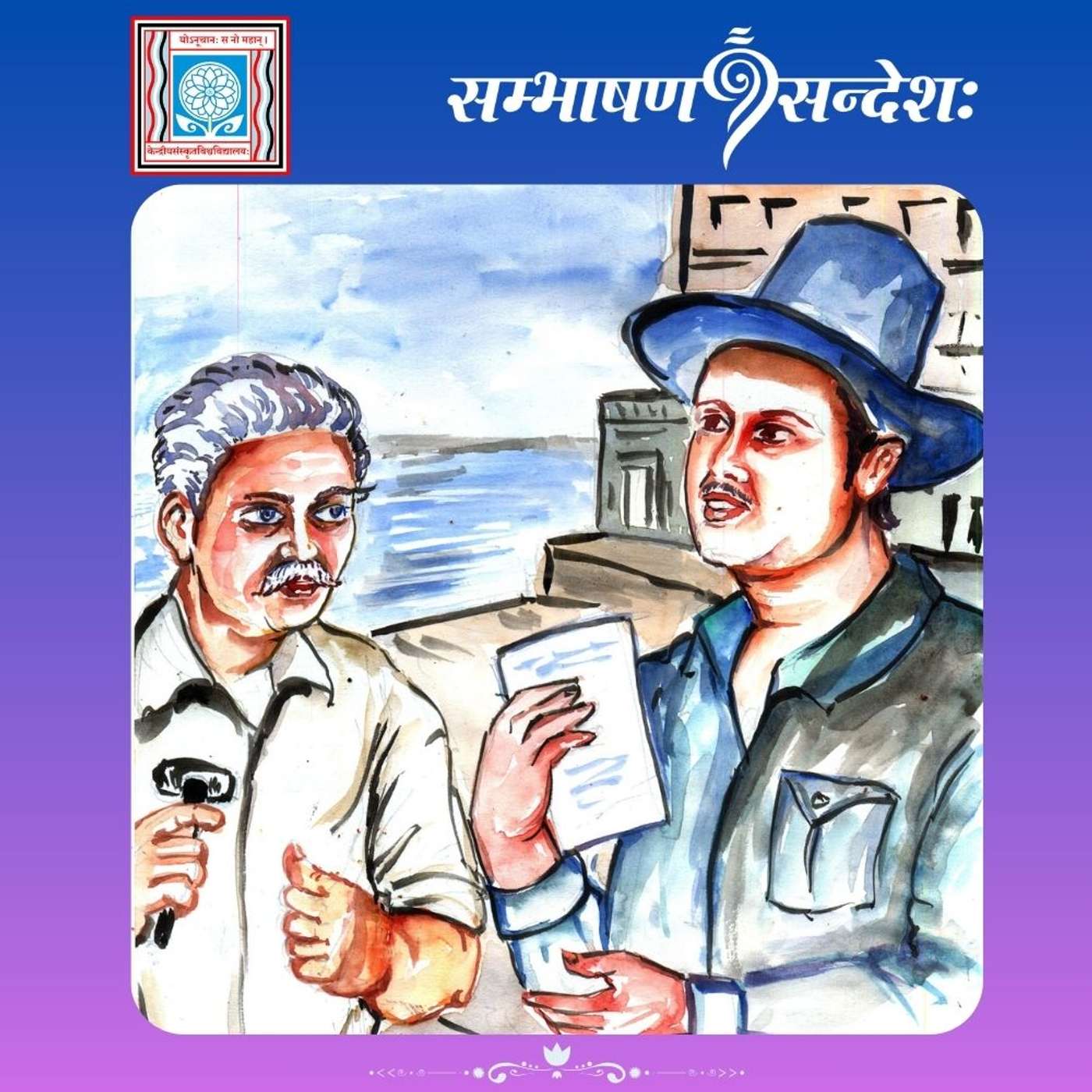
कदाचित् महानौकायाम् उत्पन्नायाः समस्यायाः परिहारम् अनवगच्छन्तः तन्त्रज्ञाः असहायकतां दर्शितवन्तः । तावता व्यवस्थापकेन आनीतः कश्चन विशेषतन्त्रज्ञः अनुभवी वृद्धः, अल्पेन कालेन दोषं परिहृतवान् । तेन सर्वैः यन्त्रैः कार्यम् आरब्धम् । कौशलस्य मूल्यमपि अधिकम् इति ज्ञात्वा सः व्यवस्थापकः दशसहस्ररूप्यकाणि विशेषज्ञाय दत्त्वा प्रेषितवान् ।(“केन्द्रीयसंस्कृतविश्वविद्यालयस्य अष्टादशीयोजनान्तर्गततया एतासां कथानां ध्वनिप्रक्षेपणं क्रियते”)The engineers could not figure out the solution to the problem that arose in the ship. In the meantime, the manager brought in an experienced, senior technician. Within a short time, he fixed the problem, and soon the machines started working. Realizing the value of his skill, he was rewarded with ten thousand rupees.
Ep 117निर्मीयतां चिकित्सालयप्रकोष्ठः
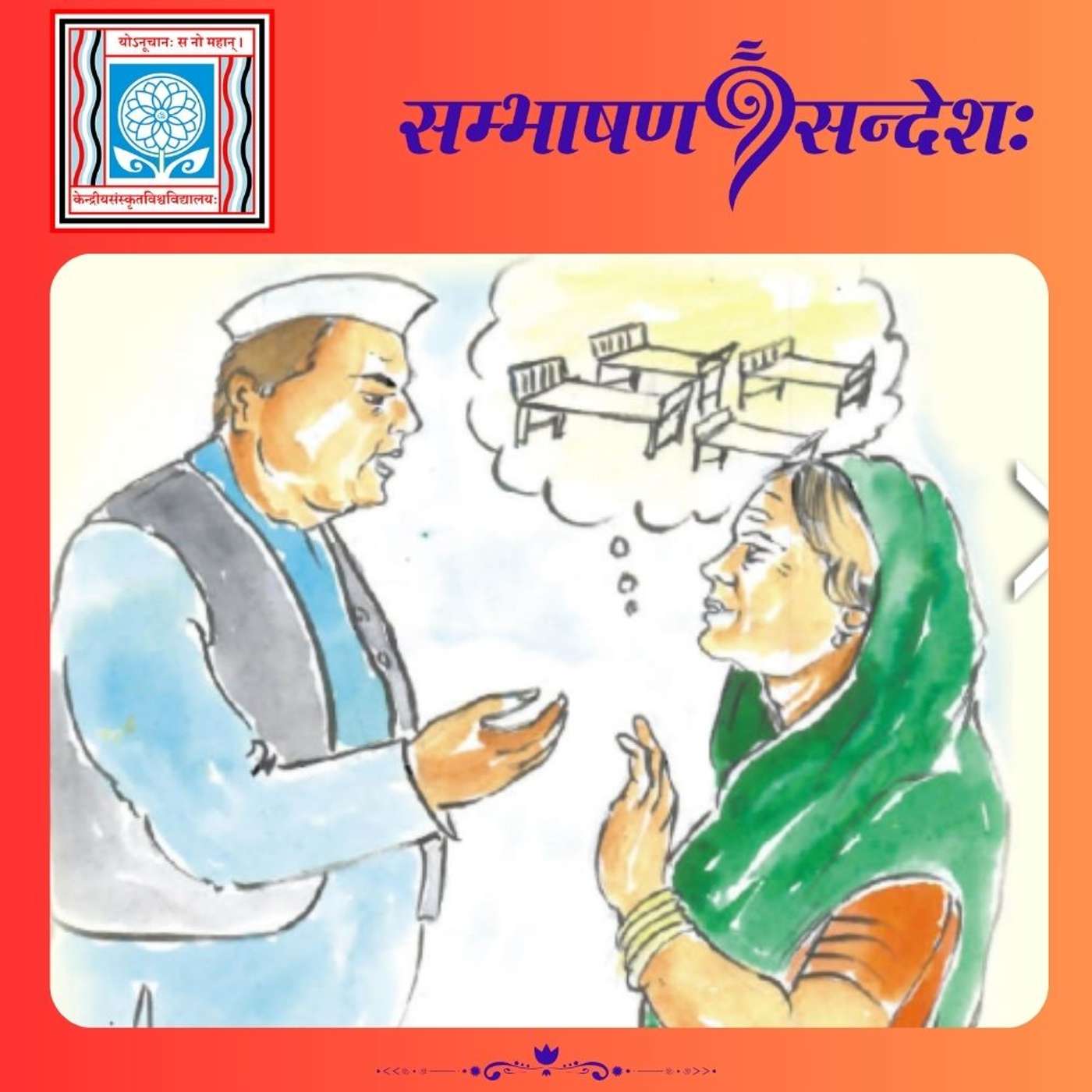
जनपदचिकित्सालयस्य पुरतः उपविश्य शाकविक्रयणं करोति काचित् वृद्धा बिन्नीबाई इति । चिकित्सालये स्थलाभावात् सञ्चारभूमौ शयनं कुर्वतः रोगिणः दृष्ट्वा सन्तापम् अनुभवन्ती सा मुख्यवैद्याधिकारिणं रोगिणां व्यवस्थां कल्पयितुं शक्यते वा इति पृच्छति । धनाभावात् सर्वकारः प्रकोष्ठनिर्माणे अनासक्तः इति ज्ञात्वा सा स्वस्य ग्रामभूमिं विक्रीय, सञ्चितं धनमपि संयोज्य दशलक्षं रूप्यकाणि वैद्याय ददाति । ततः महता वेगेन प्रकोष्ठनिर्माणं जातं, 'बिन्नीबाई वार्ड्' इति नाम्ना निर्दिष्टं च ।(“केन्द्रीयसंस्कृतविश्वविद्यालयस्य अष्टादशीयोजनान्तर्गततया एतासां कथानां ध्वनिप्रक्षेपणं क्रियते”)An old woman named Binnibai sitting in front of a hospital selling vegetables, sees patients lying on the ground because there is not enough space and feels sorry for them. She asks the chief doctor if it’s possible to provide better accommodation for them. The doctor tells her that the government can’t build new rooms because of a lack of money. So, Binnibai decides to sell her land and donates ten lakh rupees to help. With her donation, a new ward was built and named 'Binnibai Ward' in her honour.
Ep 116तीक्ष्णतमम् उत्तरम्
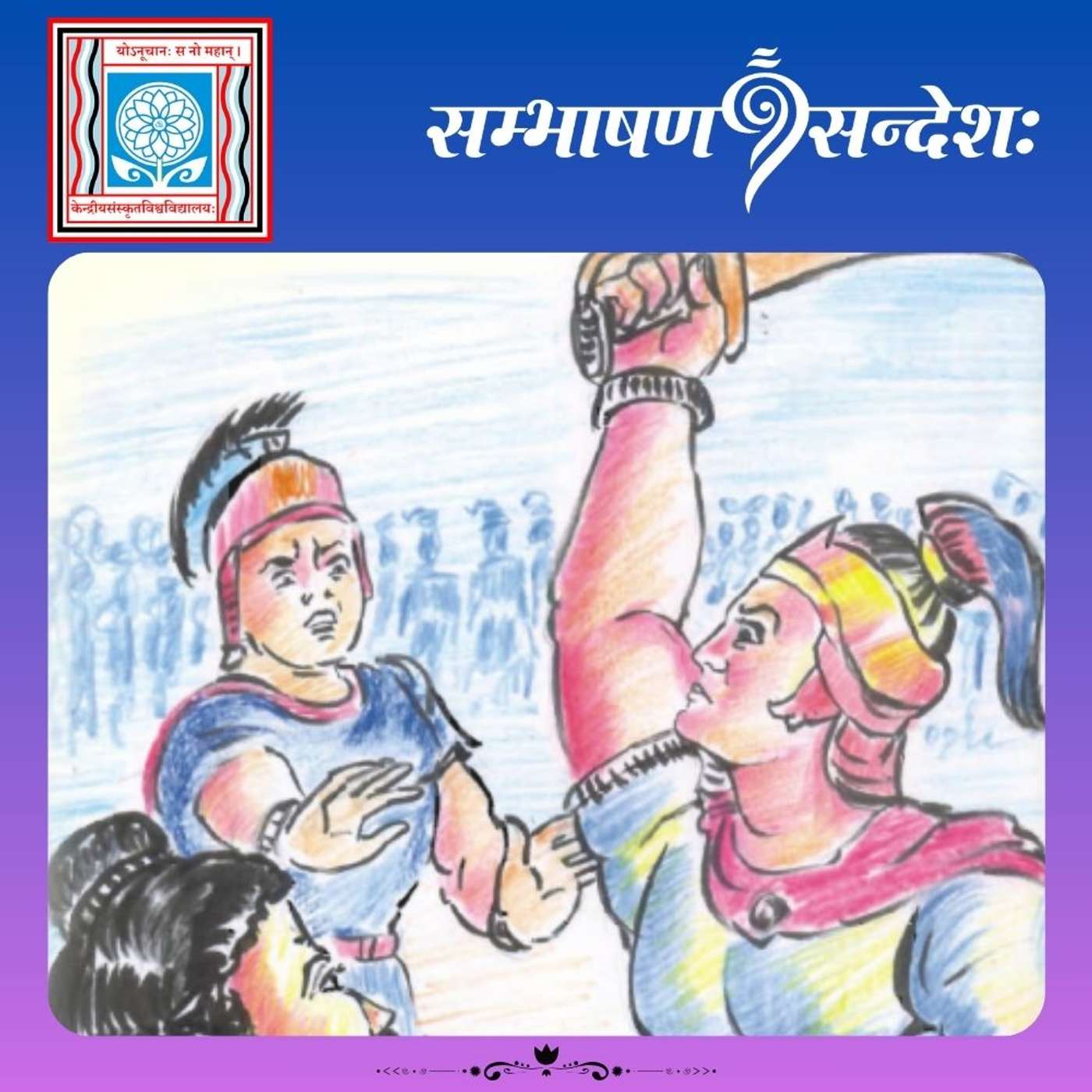
सिकन्दरः यदा भारते क्रमणाय उद्यतः तदा तदीयः गुरुः अरिष्टाटलः उक्तवान् यत् भारतीयानां संन्यासिनाम् आशीर्वादं प्राप्य प्रत्यागच्छेत् इति । कदाचित् दण्डयात्रावसरे दश संन्यासिनः सिकन्दरेण प्राप्ताः । तान् दृष्ट्वा सिकन्दरः - ‘अहं प्रश्नान् पृच्छामि । यस्य उत्तरं तीक्ष्णतमम् अस्ति तं हनिष्यामि' इति । ततः किं भवति, कः संन्यासी तीक्ष्णम् उत्तरं ददाति, सिकन्दरः हनिष्यति वा इति सर्वं कथां श्रुत्वा जानन्तु ।(“केन्द्रीयसंस्कृतविश्वविद्यालयस्य अष्टादशीयोजनान्तर्गततया एतासां कथानां ध्वनिप्रक्षेपणं क्रियते”)As Alexander was getting ready to go to India, his teacher, Aristotle, advised him to take blessings of the Indian sages before returning back. Once, during his journey, Alexander met ten sages. Seeing them, he said, 'I will ask questions and whoever gives the sharpest answer, I will kill'. Then, what happened? Which sage gave the sharpest answer and did Alexander carry out his threat? Listen to the whole story to find out.
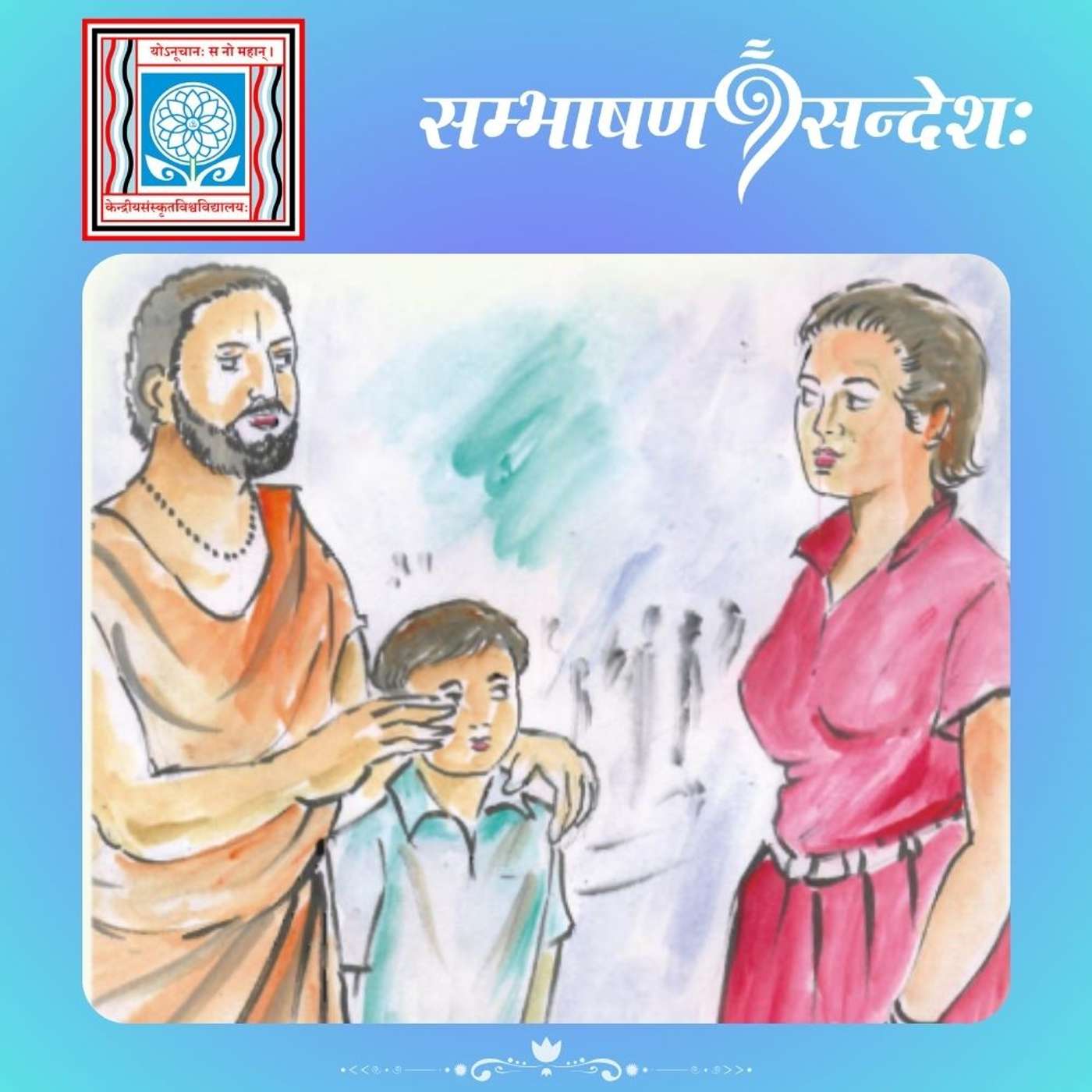
Ep 115वास्तविकः आनन्दः
कदाचित् अमेरिकादेशे वेदान्तविचारप्राचारसमये काचित् पुत्रशोकम् अनुभवन्ती माता स्वामिनं रामतीर्थं दृष्ट्वा विलुप्तस्य आनन्दस्य पुनःप्राप्तेः मार्गं यदा अपृच्छत् तदा स्वामी समीपस्थम् अनाथबालकं दर्शयन् तं स्वपुत्रं मत्वा पालयेत् इति उक्तवान् । तद्विषये सुदीर्घायाः चर्चायाः अनन्तरं सा महिला अङ्गीकृतवती आनन्दमपि प्राप्तवती । निर्धनानाम् अनाथानां च सेवातः एव वास्तविकः आनन्दः प्राप्येत इति अवगतवती च ।(“केन्द्रीयसंस्कृतविश्वविद्यालयस्य अष्टादशीयोजनान्तर्गततया एतासां कथानां ध्वनिप्रक्षेपणं क्रियते”)During the period of teaching Vedanta in America, a mother, who was grieving the loss of her son, asked Swami Ramateertha for advice on how to find joy again. Swami showed her an orphaned child nearby and advised her to adopt and care for him, saying, 'Take him as your son and raise him’. After a long discussion, the woman adopted the orphan and found joy. She also understood that true happiness comes from serving the poor and the orphaned.
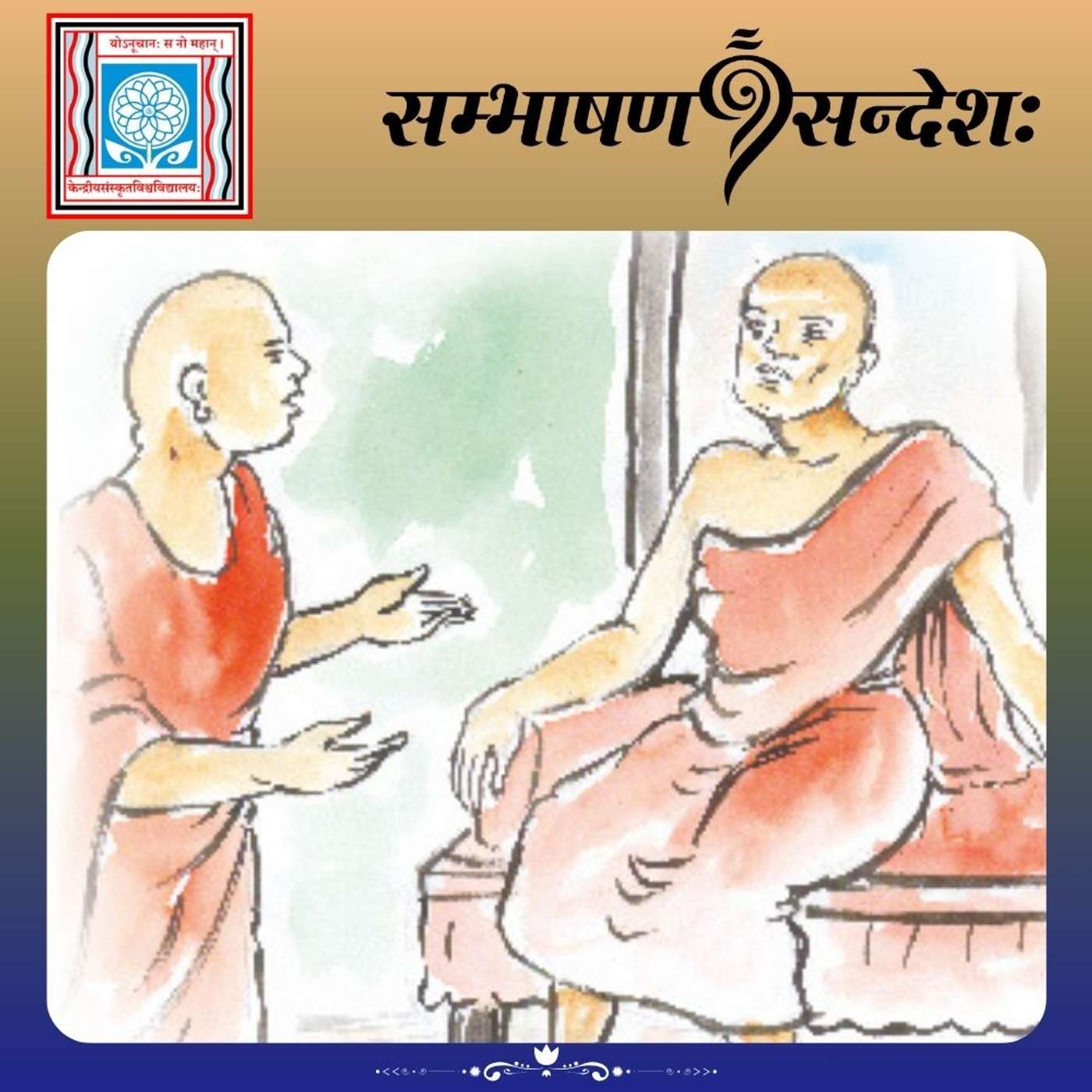
Ep 114गुरौ प्राप्ते
कदाचित् केनचित् तरुणेन शिष्यत्वेन स्वीकर्तुं गुरुः प्रार्थितः । शताधिकाः शिष्याः आश्रमे सन्ति इत्यतः तन्निराकरोति गुरुः । यत्किमपि कार्यं करोमि इति यदा वदाति तदा पाकशालायां पेषणादिकार्यं कुरु इति गुरुः वदति । बहूनां वर्षाणाम् अनन्तरं यदा गुरोः अन्तिमकालः सन्निहितः, शिष्यान् अहूय प्राप्तस्य शिक्षणस्य सारं लिखन्तु इति गुरुः वदति । आगच्छन्तु शृण्मः यत् शिष्याः किं किं अलिखन् ? अपि च सः पेषणकार्यनिरतः शिष्यः किं अलिखत् येन गुरुः सन्तुष्टः भूत्वा तमेव आश्रमस्य उत्तराधिकारिणम् अकरोत् इति ।(“केन्द्रीयसंस्कृतविश्वविद्यालयस्य अष्टादशीयोजनान्तर्गततया एतासां कथानां ध्वनिप्रक्षेपणं क्रियते”)A young man requested to become a disciple, but the teacher, already having many disciples, refused. The young man insisted and was assigned kitchen work. Years later, as the teacher's end neared, he asked the disciples to write the essence of his teachings. One disciple, who had worked in the kitchen, wrote something that pleased the teacher, who then made him the heir to the ashram.
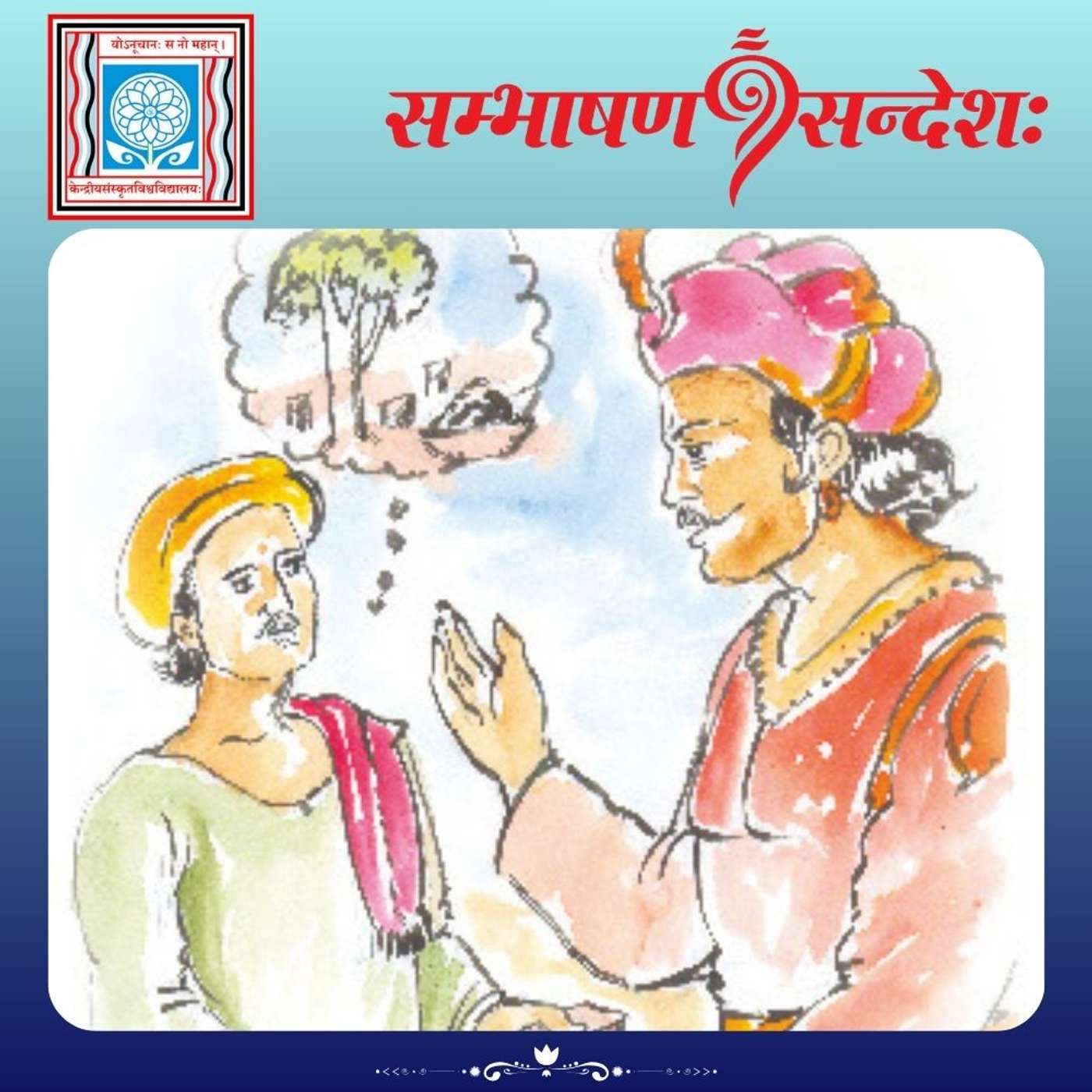
Ep 113अज्ञानं दुःखकारकम्
कस्मिंश्चित् वने कश्चित् तक्षकः वृक्षान् कर्तयित्वा, तान् ज्वालयित्वा, कृष्णाङ्गारान् निर्माय विक्रयणं करोति स्म । गच्छता कालेन वनं समाप्तं गतम् । तक्षकः नृपेण मिलित्वा स्वसमस्यां यदा निवेदितवान् तदा राजा महानगरात् बहिः रक्षितं स्वचन्दनवनं तक्षकाय दत्तवान् । चन्दवृक्षस्य मूल्यम् अजानन् सः तक्षकः पूर्ववत् तान् दग्ध्वा कृष्णाङ्गाराणां निर्माणं कृत्वा विक्रयणम् अकरोत् । राजा तस्य अज्ञानं ज्ञात्वा चन्दनखण्डमेकं विक्रेतुम् उक्तवान् । दशसहस्रपरिमितं मूल्यं यदा लब्धं तदा एव तस्य मूल्यं कियत् इति तक्षकः अवागमत् ।(“केन्द्रीयसंस्कृतविश्वविद्यालयस्य अष्टादशीयोजनान्तर्गततया एतासां कथानां ध्वनिप्रक्षेपणं क्रियते”)In a forest, a carpenter chopped down trees, set them on fire, made charcoal, and sold them. Over time, the forest was completely depleted. When the carpenter told the king about his problem, the king gave him a sandalwood forest outside the city to use. The carpenter, unaware of the value of sandalwood, again burned the trees to make charcoal. The king, realizing the carpenter's ignorance, asked him to sell a single piece of sandalwood. When the carpenter received ten thousand coins for it, he understood the true value of the wood.