
बालमोदिनी
663 episodes — Page 9 of 14

Ep 263नीलमाधवः
भारतस्य पूर्वतटे 'जगन्नाथपुरी' नाम महत् पवित्रं क्षेत्रमस्ति इति तु वयं जानीमः एव । राजा इन्द्रद्युम्नः एव तस्य मन्दिरस्य निर्माणं कृतवान् । जगन्नाथस्य मूर्तिः नेत्रमात्रयुक्ता अस्ति । किमर्थं हस्तपादविरहिता मस्तकयुक्ता मूर्तिः तत्र दृश्यते इति जानन्ति वा ? सा मूर्तिः अधुना अपि भक्तान् 'यः प्रभुकार्यं कर्तुम् इच्छति, सः अहङ्कारं त्यजेत् एव' इति उपदिशति । एवं किमर्थम् इति सर्वम् इमां स्वारस्यकारीं कथां श्रुत्वा जानन्तु ।(“केन्द्रीयसंस्कृतविश्वविद्यालयस्य अष्टादशीयोजनान्तर्गततया एतासां कथानां ध्वनिप्रक्षेपणं क्रियते”)On the eastern coast of India lies the sacred site known as 'Jagannath Puri', a place well known to many. It was King Indradyumna who constructed the temple there. The idol of Lord Jagannath is unique, as it has only eyes. Do you know why the idol lacks hands and feet but has a head? Even today, this idol conveys a profound message to devotees: "One who wishes to serve the Lord must first relinquish pride". To understand why this is so, one must listen to the intriguing story behind it.
Ep 262जनप्रीतिः
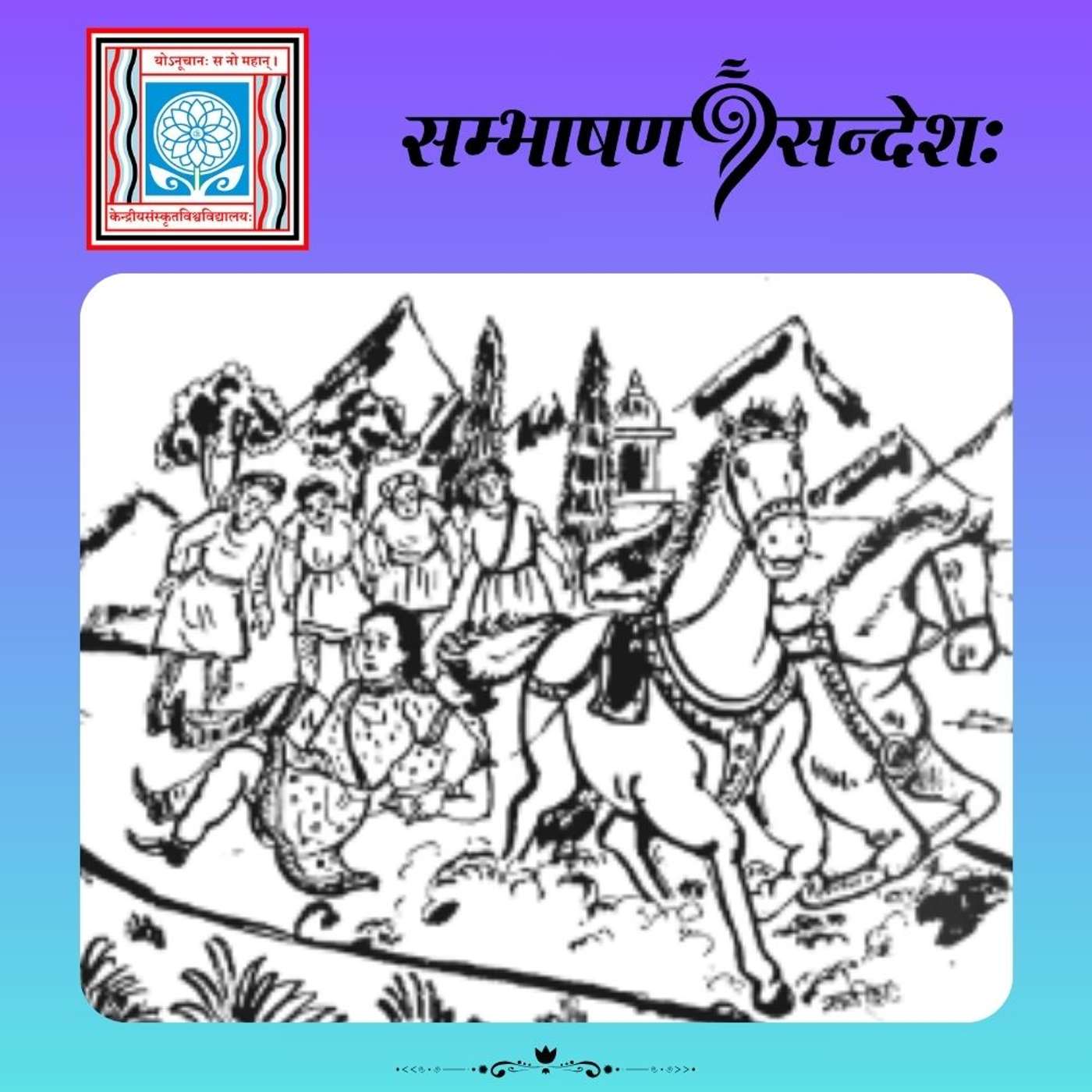
कश्चन अविवेकी, उद्धतः, कोपशीलः, विलासी च राजा प्रजाभ्यः अधिकं करं स्वीकरोति स्म । अथ कदाचित् सञ्चरन्तौ राजपुत्रौ अश्वाभ्याम् पतितवन्तौ । राजपुत्रौ इति ज्ञात्वा जनाः तयोः साहाय्यं न कृतवन्तः । 'भवतोः पिता अस्मान् पीडयन् अस्ति । निर्गच्छताम् इतः' इति अवदन् । अग्रे गच्छन्तौ तौ वृषभेन तुम्फनं प्राप्य व्रणितं निर्धनं बालकमेकं शुश्रूषया सत्कृत्य गृहं प्रापितवतः जनान् दृष्टवन्तौ । प्रासादम् आगतौ पुत्रौ राजानं प्रवृत्तं सर्वं विदितवन्तौ । एतत् श्रुत्वा राजा जनानां प्रीतेः सम्पादनार्थं प्रयत्नम् आरब्धवान् । विवेकेन शासनपरिष्कारं कृत्वा सः श्रेष्ठः राजा इति ख्यातः जातः । स एव चालुक्यचक्रवर्ती षष्ठः विक्रमादित्यः ।(“केन्द्रीयसंस्कृतविश्वविद्यालयस्य अष्टादशीयोजनान्तर्गततया एतासां कथानां ध्वनिप्रक्षेपणं क्रियते”)A foolish, arrogant, short-tempered, and indulgent king imposed heavy taxes on his subjects. One day, his two sons, while riding, fell off their horses. Seeing them, people refused to help them, saying, ‘Your father oppresses us. Leave this place!’. As the two continued on their journey, they came across a wounded, impoverished boy struck by a bull. The people compassionately treated his injuries and brought him home. Upon returning to the palace, they informed the king of what had transpired. Hearing this, the king realized his mistakes and began efforts to earn his people's goodwill. Reforming his governance with wisdom, he became a revered ruler, known as Chalukya Emperor Vikramaditya VI.
Ep 261अत्याज्या जन्मभूमिः
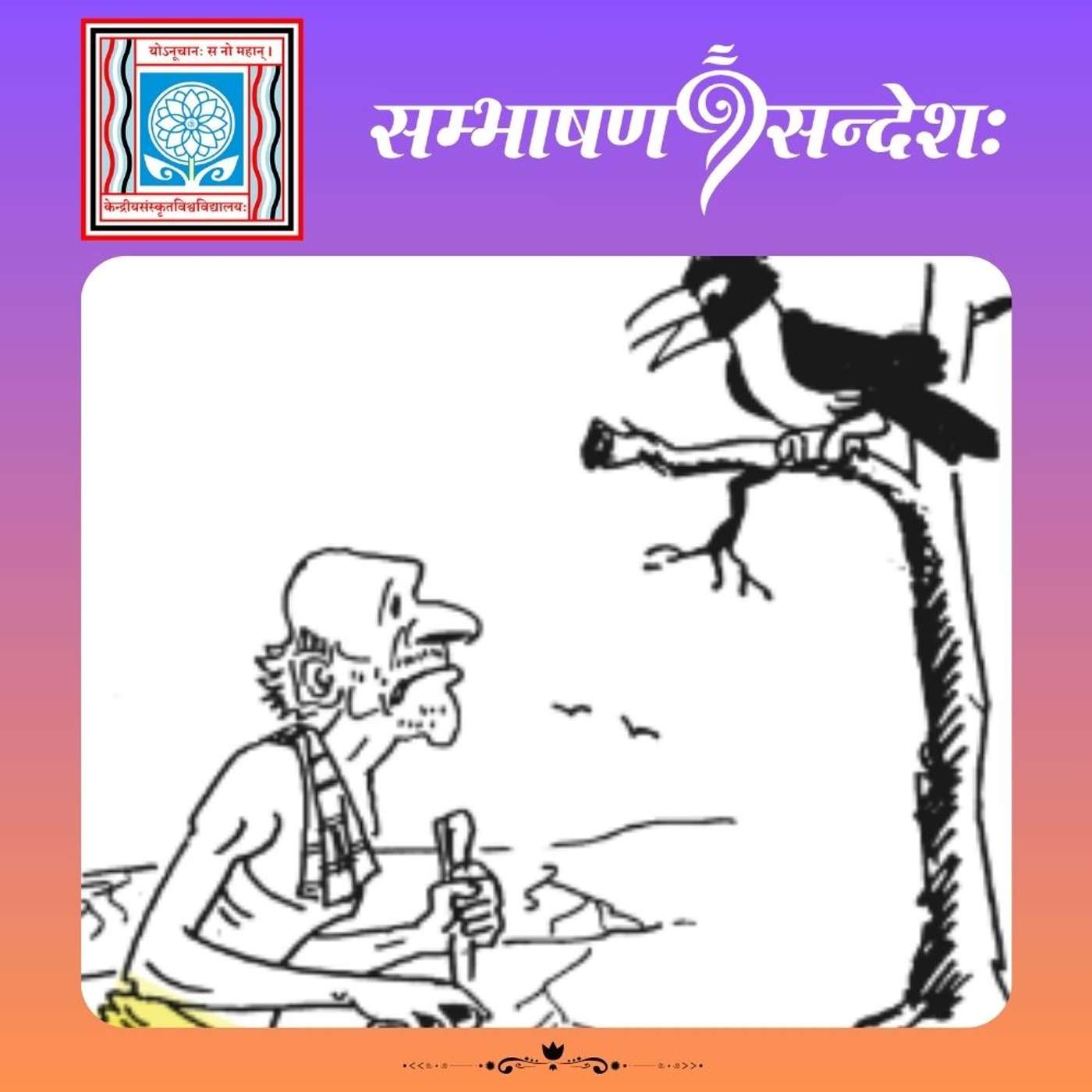
पुरा कौशिकीनद्याः जलौघकारणात् बहवः ग्रामाः जनशून्याः जाताः । कस्यचन वृद्धकृषकस्य कुटुम्बजनाः अपि कष्टम् अनुभूतवन्तः । ग्रामम् अपि त्यक्तुम् इच्छन्ति स्म । कदाचित् शौचार्थं गतेन वृद्धेन पत्रविहीने शुष्के आम्रवृक्षे एकः काकः दृष्टः । तत् दृष्ट्वा वृद्धः अचिन्तयत् यत् शुष्केऽपि वृक्षे अयं काकः वृक्षमेतं परित्यज्य अन्यत्र न गतः । किं वयं काकादपि अधमाः जाताः?’ इति । एतत् सर्वं ज्ञात्वा गृहजनाः ग्रामत्यागस्य विचारं त्यक्तवन्तः । अनन्तरं तस्मिन् ग्रामे एव कृषिकार्यं सम्यक् सम्पाद्य सः वृद्धकृषकः पुनः धनाढ्यः सन् महत् सुखम् अनुभूतवान् ।(“केन्द्रीयसंस्कृतविश्वविद्यालयस्य अष्टादशीयोजनान्तर्गततया एतासां कथानां ध्वनिप्रक्षेपणं क्रियते”)Long ago, due to the overflowing waters of the Kaushiki River, many villages became deserted. A poor farmer and his family also suffered hardships and considered leaving their village. One day, while going out for his morning routine, the farmer spotted a crow perched on a barren mango tree. He wondered, ‘Even this crow refuses to abandon the dry tree. Are we, as humans, weaker than a mere bird?’. Realizing this, his family abandoned their plan to leave. They stayed back, worked diligently on their land, and over time, their efforts bore fruit. The farmer regained prosperity and lived a life of contentment in the same village.
Ep 260अमृतं प्राप्तुम् अर्हति सः एव
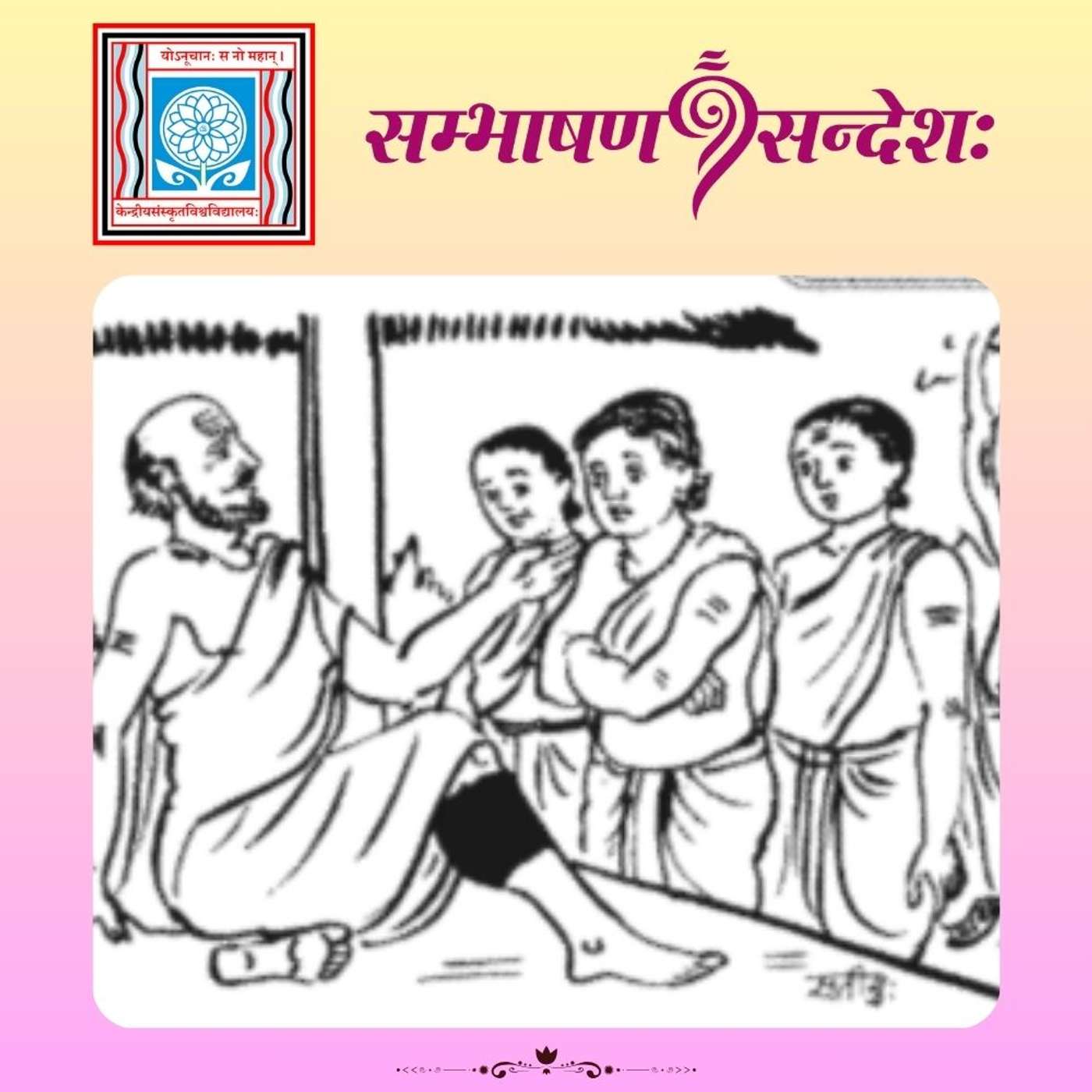
आसीत् रामदासः नाम कश्चित् गुरुः यः शिष्याणां परीक्षां कर्तुम् ऐच्छत् । तदर्थं सः एकं फलं पादे संस्थाप्य, तं वस्त्रपट्टिकया बद्धवान् च । वेदनायाः शान्त्यर्थं तस्मात् पिटकात् स्वमुखेन पूयं चूषणीयम् इति यदा गुरुः शिष्येभ्यः वदति तदा शिष्याः स्तब्धाः अभवन् । 'गुरुः प्राणरक्षणार्थं किं भवत्सु कोऽपि नास्ति किम्?’ इति गुरुः यदा पृच्छति तदा सहसा एव कश्चन शिष्यः पिटकात् मुखेन पूयस्य चूषणम् आरब्धवान् । आश्चर्यम्! पिटकात् न पूयं निर्गतम्, अपि तु अतिमधुरः आम्ररसः । आनन्दितः गुरुः वदति 'विषं पातुं महत् धैर्यम् आवश्यकम् । एषः न सामान्यः । भाविनि काले जगत्प्रसिद्धः नृपः भवति' इति । एषः एव बालकः भाविनि काले 'छत्रपतिः शिवाजिः’ इति ख्यातिं गतः ।(“केन्द्रीयसंस्कृतविश्वविद्यालयस्य अष्टादशीयोजनान्तर्गततया एतासां कथानां ध्वनिप्रक्षेपणं क्रियते”)There was a guru named Ramdas who wished to test his disciples. To do so, he placed a fruit on his foot and tied it with a cloth strip. He then told his disciples that to relieve his pain, someone must suck out the pus from the wound. Shocked, the disciples remained silent. The guru asked, ‘Is there no one among you who can save me?’. Suddenly, one disciple stepped forward and began sucking from the wound. To everyone's surprise, instead of pus, sweet mango juice emerged. Delighted, the guru declared, ‘Drinking poison requires great courage. This boy is no ordinary person—one day, he will become a renowned ruler’. That very boy later became the legendary ‘Chhatrapati Shivaji’.
Ep 259यथा सूचितं तथैव कृतम्
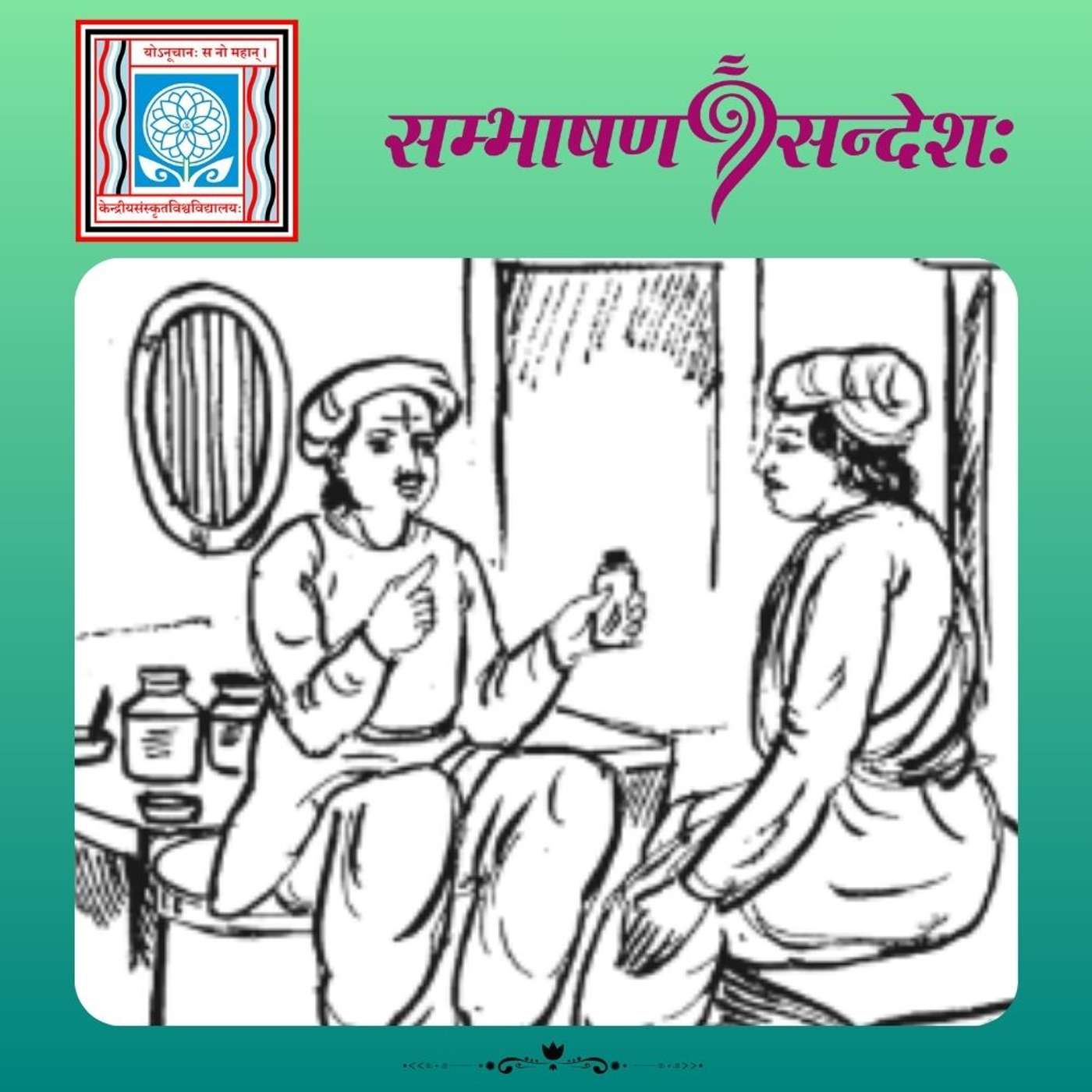
कदाचित् ज्वरेण ग्रस्तः कश्चन मूर्खः पण्डितः वैद्यसमीपम् अगच्छत् । 'भवता लङ्घनं करणीयम्' इति वैद्यः उक्तवान् । मूर्खः पण्डितः गृहस्य पुरतः स्थितायाः कुल्यायाः उल्लङ्घनम् अकरोत् । ज्वरः अधिकः जातः । पुनः सैन्धवलवणं सेवनीयम् इति वैद्यः अवदत् । कोषे तस्य अर्थः आसीत् अश्वमलम् इति । सः तम् असेवत । पुनः वैद्यः अवदत् कण्टकारिकषायः सेवनीयः इति । कोषे तस्य अर्थः पादरक्षा इति आसीत् । जीर्णया पादरक्षया कषायं सज्जीकृत्य अपिबत् । यदा वैद्यः सर्वं ज्ञातवान् तदा अवदत् 'अहो मूर्खता भवता! लङ्घनं नाम उपवासः, सैन्धवलवणं नाम लवणविशेषः, कण्टकारिः कश्चन मूलविशेषः' इति ।(“केन्द्रीयसंस्कृतविश्वविद्यालयस्य अष्टादशीयोजनान्तर्गततया एतासां कथानां ध्वनिप्रक्षेपणं क्रियते”)Once, a foolish scholar suffering from fever visited a physician. The doctor advised him to undergo langhana. Misunderstanding the term, the scholar jumped over a nearby canal, worsening his condition. Later, the doctor recommended Saindhava lavana, but the scholar interpreted it as horse dung and consumed it. The physician then prescribed Kantakari kashaya, which the scholar misunderstood as worn-out footwear. He prepared a decoction using an old shoe and drank it. When the doctor learned of this, he exclaimed, ‘What foolishness! Langhana means fasting, Saindhava lavana is a special salt, and Kantakari is a medicinal root!’. This story highlights the dangers of ignorance and misinterpretation.
Ep 258करुणाशाली
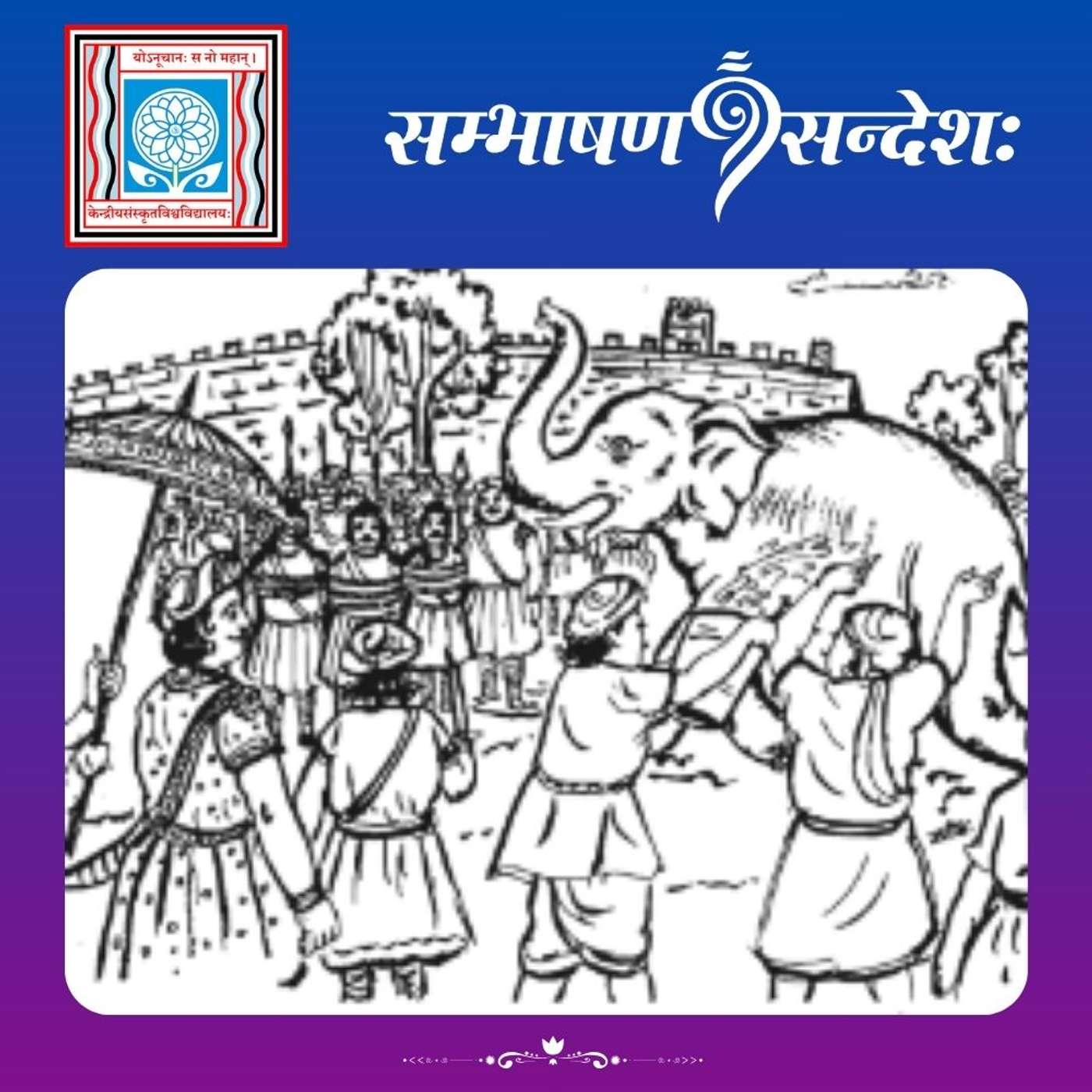
पूर्वं तमिळुराज्यं द्विधा विभक्तम् आसीत् । तयोः राज्ययोः राज्ञोः किल्लबलवन-मलयमानयोः मध्ये कदाचित् वैमनस्यम् उत्पन्नं, युद्धं च प्रवृत्तम् । युद्धे मलयमानः पराजयं प्राप्य अरण्यं प्रति अधावत् । तस्य त्रीन् पुत्रान् भटाः धृतवन्तः । किल्लबलवनः निर्दोषबालान् गजस्य पादतले पातयित्वा मारणीयमिति निश्चितवान् । बालानां दयनीयावस्थां दृष्ट्वा जनाः मौनेन स्थितवन्तः । किन्तु महाकविः कोवूरकिलारः न केवलं विरोधं अकरोत्, अपि च किल्लबलवनः शिबेः वंशोत्पन्नः इति तम् अस्मारयत् । तस्य वचनं श्रुत्वा राजा लज्जितः अभवत् । बालेभ्यः अभयं दत्त्वा योग्यम् आश्रयम् उपकल्पितवान् ।(“केन्द्रीयसंस्कृतविश्वविद्यालयस्य अष्टादशीयोजनान्तर्गततया एतासां कथानां ध्वनिप्रक्षेपणं क्रियते”)Earlier, the Tamil kingdom was divided into two parts. A conflict arose between its two rulers, Killi Valavan and Malayaman, leading to war. In battle, Malayaman was defeated and fled to the forest, while his three sons were captured by soldiers. Killi Valavan decided to execute the innocent children by placing them under an elephant’s feet. Seeing their pitiful state, the people remained silent. However, the great poet Kovur Kilar not only protested but also reminded Killi Valavan of his lineage from the noble Shibi dynasty. Hearing this, the king felt ashamed and, instead of killing the children, granted them protection and proper shelter.
Ep 257दैवचित्तस्य गतिः अनूह्या
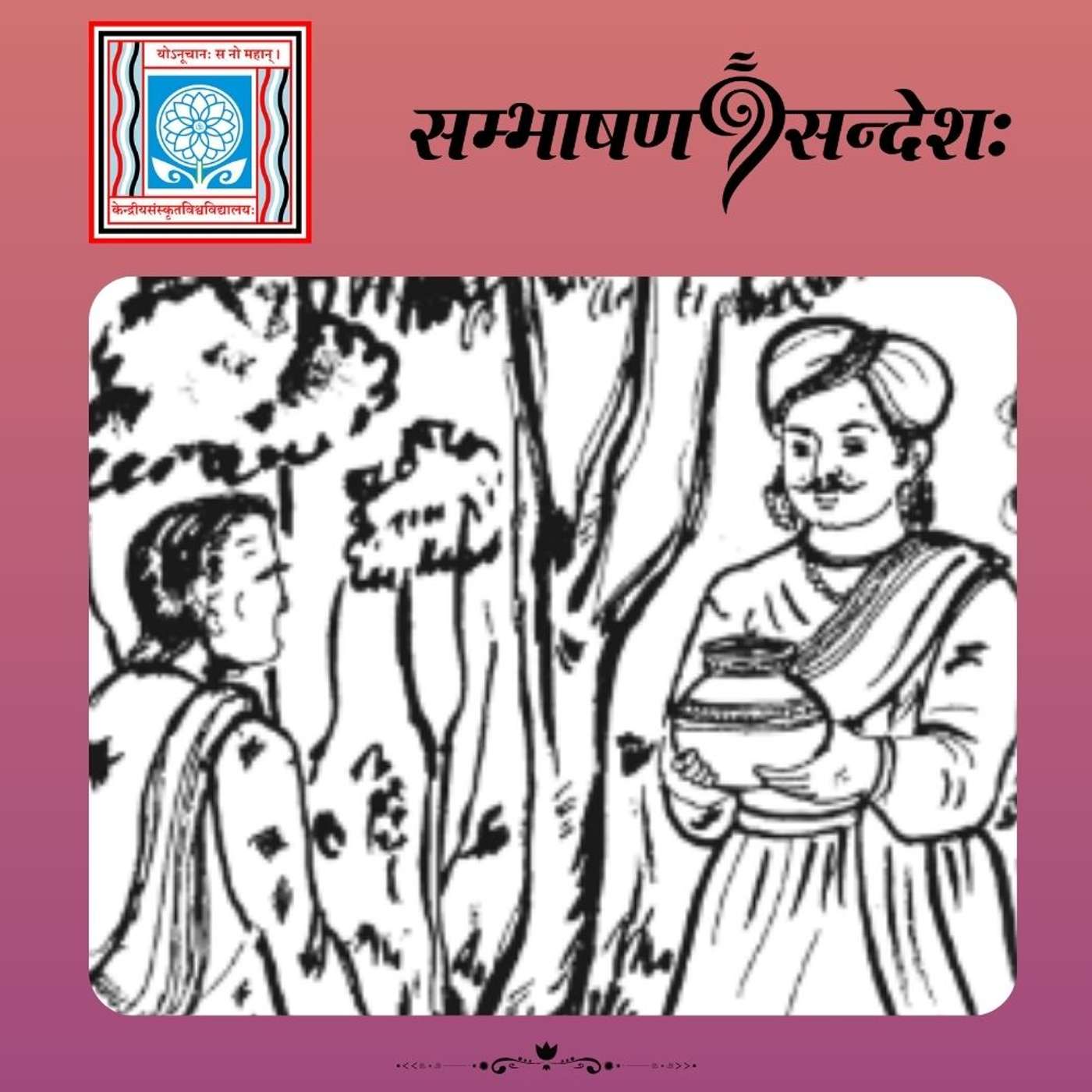
कृष्णचन्द्रनामकस्य कस्यचन महाधनिकस्य सर्वविधानि आनुकूल्यानि सन्ति चेदपि सः अनित्यस्य जीवनस्य चिन्तया व्याकुलः आसीत् । कदाचित् प्रवचनकारेण उक्तम् - ‘देवाः अमृतसेवनात् चिरञ्जीविनः नित्यसुखिनः......’। एतत् श्रुत्वा अमृतलाभाय कृष्णचन्द्रः इन्द्रदर्शनार्थं तपः आचरितवान् । सन्तुष्टः इन्द्रः अमृतपूर्णं घटमेकम् तस्मै दत्त्वा उक्तवान् यत् घटः अधः न स्थापनीयः इति । किन्तु सः शौचशङ्कां प्राप्य तडागस्य समीपे स्थिताय दरिद्राय 'घटः विषपूर्णः अस्ति, अधः मा स्थापय' इति उक्त्वा घटं दत्त्वान् । जीवने विरक्तिं प्राप्तवान् सः दरिद्रः झटिति विषं पीतवान् । तेन कीदृशं फलं प्राप्तम् इति पुनः वक्तव्यं नास्ति खलु ?(“केन्द्रीयसंस्कृतविश्वविद्यालयस्य अष्टादशीयोजनान्तर्गततया एतासां कथानां ध्वनिप्रक्षेपणं क्रियते”)Krishnachandra, despite his wealth, was troubled by life's impermanence. Hearing of the gods’ eternal bliss through Amrita, he undertook penance and received a pot of nectar from Indra, with strict instructions not to place it down. However, when Krishnachandra felt the urge to relieve himself, he handed the pot to a poor man nearby, falsely claiming, ‘This pot contains poison, do not set it down’. Having renounced life’s hardships, the poor man instantly drank from the pot, believing it to be poison.
Ep 256गुरूणां पूजा
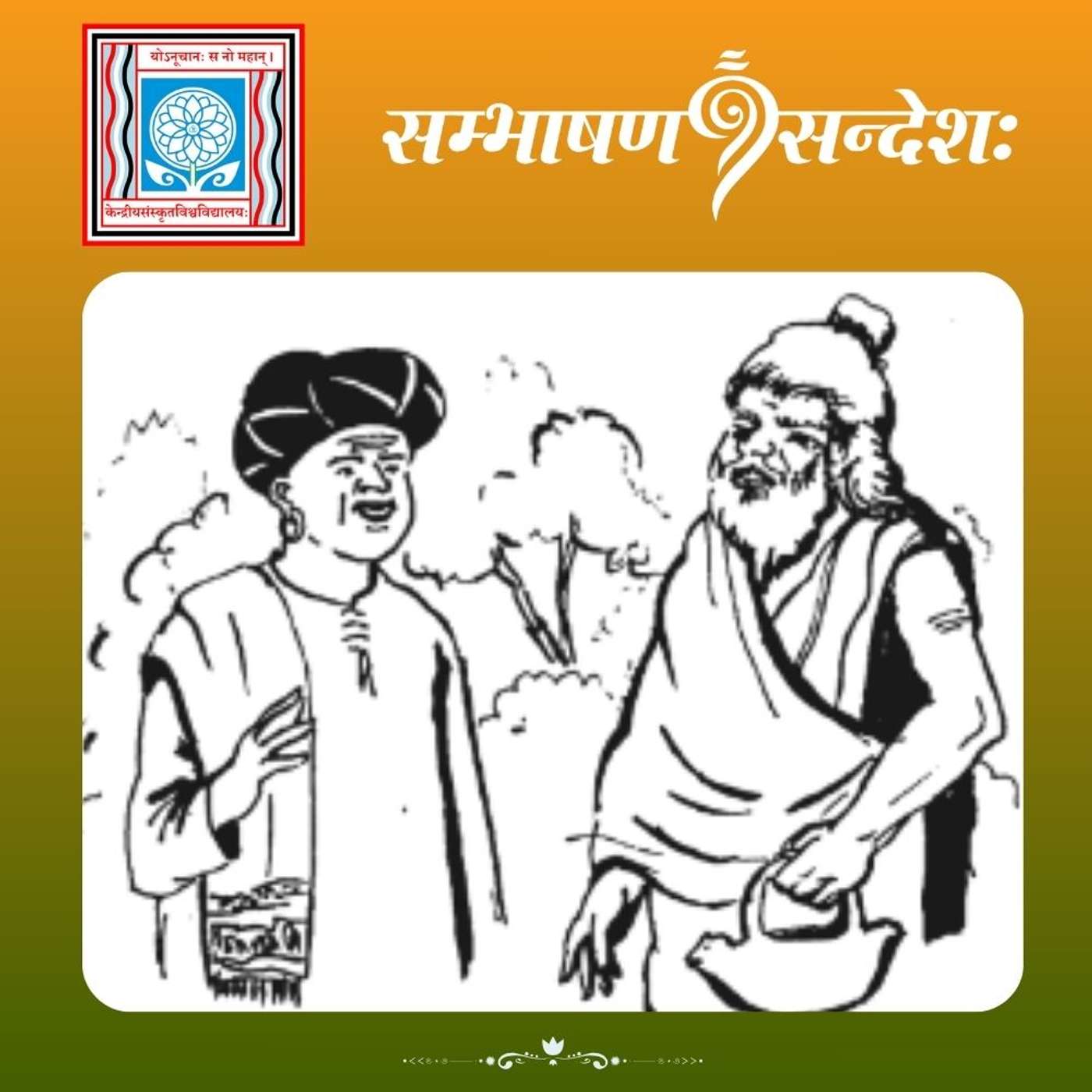
कदाचित् वेदनिधिः महर्षिं व्यासं पृष्टवान् "भगवन्, मानवाः भवता भृशम् उपकृताः । अतः मानवा: भवद्विषये केन प्रकारेण श्रद्धां समर्पयेयुः?" इति । महर्षिः व्यासः अवदत् "केवलं मम पूजनं वा स्तुतिं वा कृत्वा मम प्रीतिः न भवति । सर्वत्र धर्मेषु, सम्प्रदायेषु, गुरुषु च मम अंशः विद्यते । अतः स्वस्य स्वस्य गुरुणां पूजा एव मम पूजा । एषा पूजा आषाढपूर्णिमायाम् आचर्येत" । तस्मात् दिनात् आषाढपूर्णिमा 'व्यासपूर्णिमात्वेन' 'गुरुपूर्णिमात्वेन' वा आचर्यते ।(“केन्द्रीयसंस्कृतविश्वविद्यालयस्य अष्टादशीयोजनान्तर्गततया एतासां कथानां ध्वनिप्रक्षेपणं क्रियते”)Once, Vedinidhi asked Sage Vyasa, "Revered one, you have greatly benefited humanity. How should people express their devotion to you?" Sage Vyasa replied, "Merely worshiping or praising me does not bring me joy. I exist in all religions, traditions, and gurus. Therefore, honoring one's own guru is equivalent to honoring me. This worship should be performed on Ashadha Purnima". From that day onward, Ashadha Purnima has been celebrated as Vyas Purnima or Guru Purnima in reverence of gurus.
Ep 255यथा भावः तथा फलम्
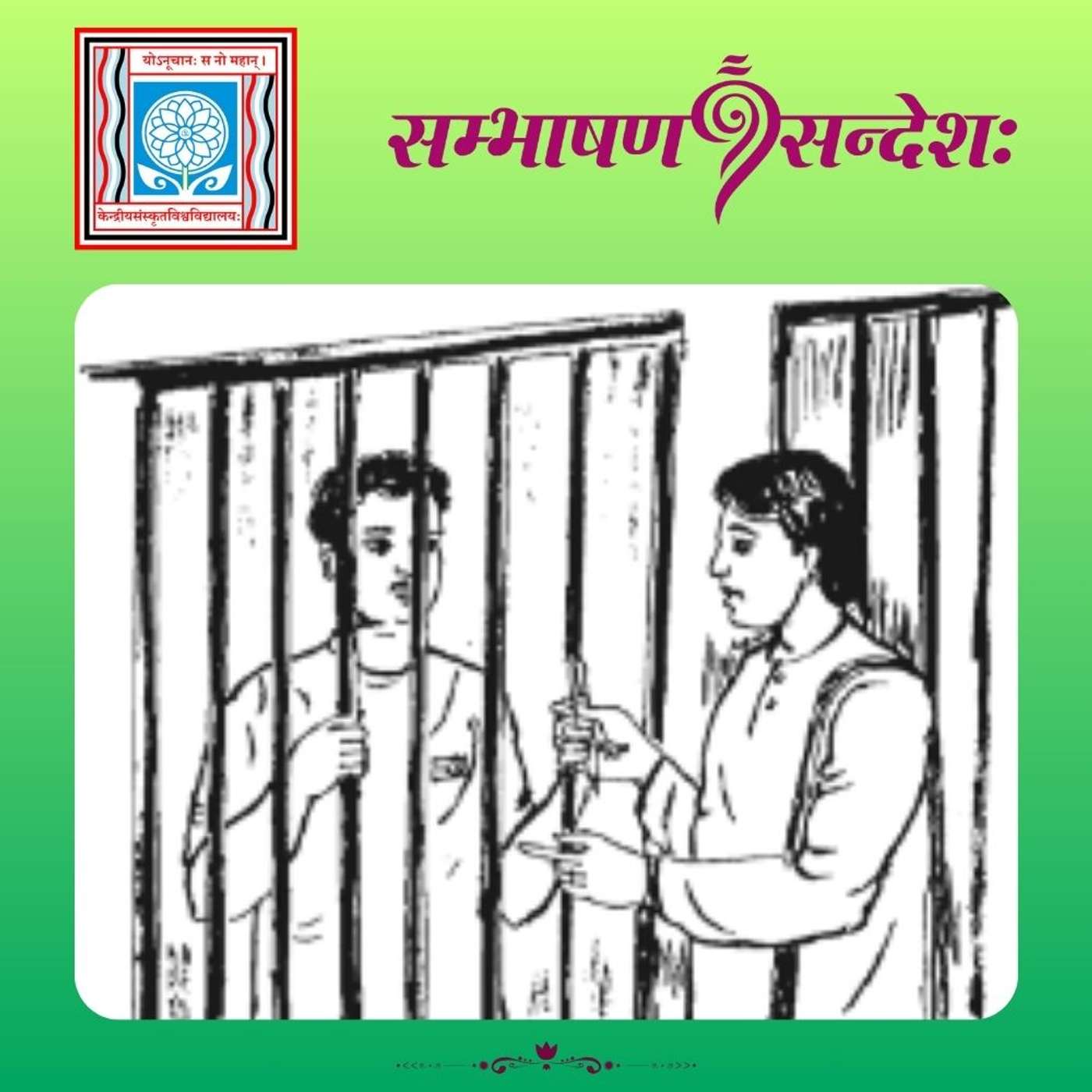
कस्मिंश्चित् कुटुम्बे उभौ भ्रातरौ आस्ताम् । तयोः पिता मध्यपानं कृत्वा गृहे सर्वदा कोलाहलं करोति स्म । एतत् दृष्ट्वा तयोः अन्यतरः अचिन्तयत् यत् मया स्वीये जीवने एवं न भवितव्यमिति । अतः सः सर्वाः बाधाः अविगणय्य अध्ययने निरतः अभवत् । उच्चपदवीं च प्राप्तवान् । किन्तु अन्यः भ्राता गृहस्य कलहपूर्णेन वातावरणेन अध्ययने अनासक्तः जातः । अनुचितेषु कार्येषु प्रवृत्तः चौर्यस्य कारणेन कारागारे प्रविष्टः । एकम् एव वातावरणं किन्तु फलं भिन्नम् ।(“केन्द्रीयसंस्कृतविश्वविद्यालयस्य अष्टादशीयोजनान्तर्गततया एतासां कथानां ध्वनिप्रक्षेपणं क्रियते”)In a certain family, there were two brothers. Their father, being an alcoholic, constantly created chaos at home. Observing this, one brother resolved that he would not let his life take a similar path. Despite all difficulties, he dedicated himself to his studies and eventually attained a high position. However, the other brother, influenced by the turmoil in the household, lost interest in education and engaged in wrongful activities. His involvement in theft led to imprisonment. Though both grew up in the same environment, their outcomes were entirely different.
Ep 254सर्वे भवन्तु सुखिनः
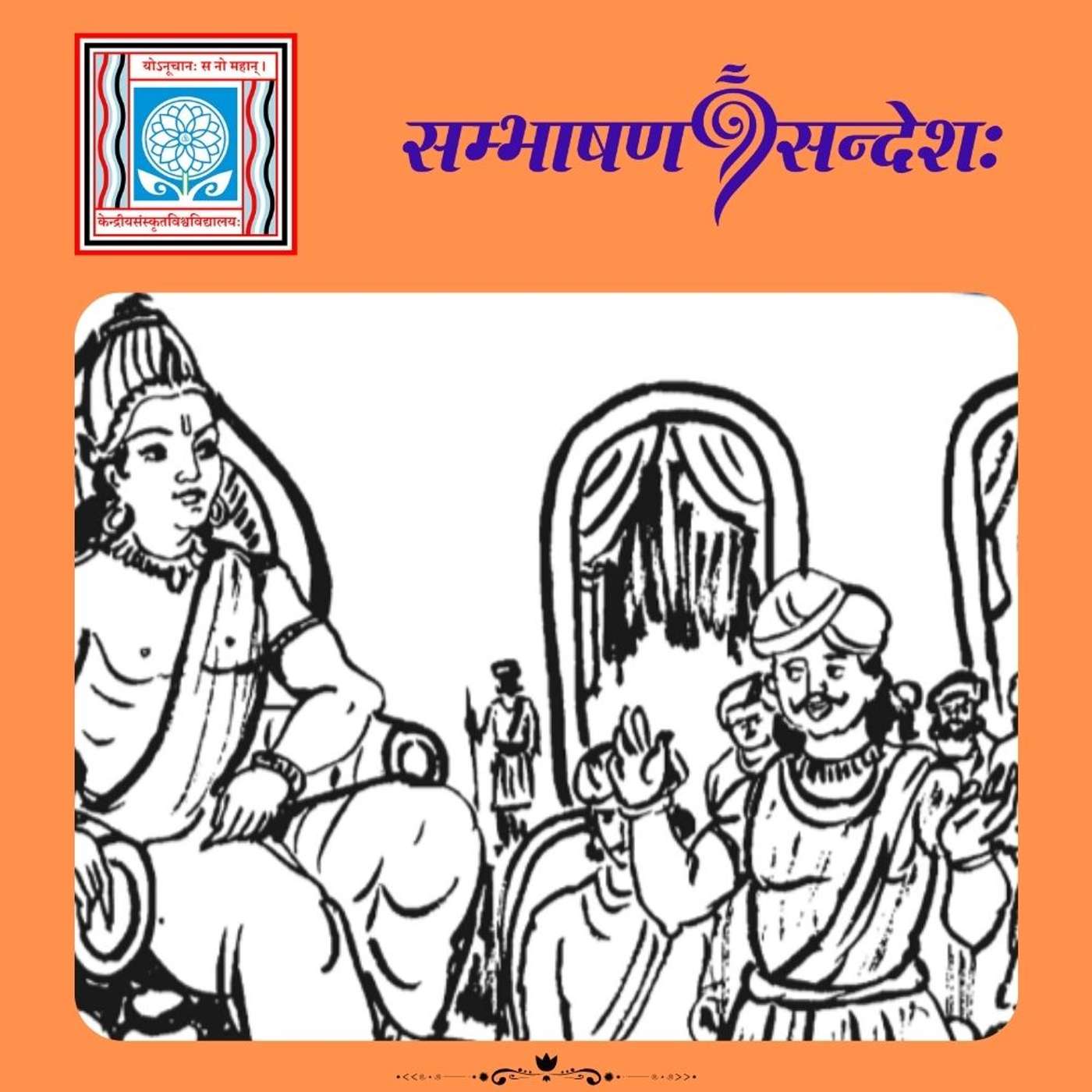
सम्राजः अशोकस्य जन्मदिनम् आचर्यमाणम् आसीत् । तस्मिन् महोत्सवे बहवः अधीनराजाः स्वस्वराज्यस्य प्रगतिं गर्वेण निवेदितवन्तः। केचन करशुल्कवृद्ध्या, केचन शत्रुविजयेन, केचन कर्मकराणां वेतनकर्षणेन अधिकं धनं सञ्चितवन्तः इति गर्वेन अवदन् । केवलं मगधराजः विनयेन अशोकं प्रति अवदत् – "मम कोषे गतवर्षस्य अपेक्षया अर्धम् अपि धनं नास्ति । मया कर्मकराणां सुखाय, प्रजानां हिताय, चिकित्सालयानां, कूपानां, वसतिशालानां, पाठशालानां च निर्माणं कृतम् । प्रजाः पुत्राः इव । तेषां सुखमेव प्रमुखम्"। एतत् श्रुत्वा सम्राट् अशोकः हृष्टः सन् तम् आलिङ्ग्य तस्मै लक्षं सुवर्णनाणकानि दत्त्वा सम्मानितवान् ।(“केन्द्रीयसंस्कृतविश्वविद्यालयस्य अष्टादशीयोजनान्तर्गततया एतासां कथानां ध्वनिप्रक्षेपणं क्रियते”)During Emperor Ashoka’s birthday celebration, subordinate kings proudly presented their kingdom’s progress. Many subordinate kings proudly reported the progress of their kingdoms—some boasting of increased tax revenues, others of military victories, and some of wealth gained by reducing workers' wages. However, the King of Magadha humbly revealed his treasury had diminished as he prioritized the well-being of his people. Impressed, Ashoka embraced him and honored him with a lavish reward.

Ep 253शङ्करः करुणाकरः
भगीरथप्रयत्नं गङ्गावतरणकथां च वयं जानीमः । दक्षिणे भारते शङ्करभक्तः सुकेशी नामा राजा तपसा शङ्करं तोषयामास । तेन गङ्गायाः दक्षिणदेशे तीर्थरूपेण आगमनं प्रार्थितम् । शङ्करः एकं फलं दत्त्वा गुप्तरूपेण गङ्गायाः आगमनं कथितवान् । तस्य आराधनाय विशेषविधिं च दर्शितवान् । तस्मात् दिव्यं फलं नारिकेलरूपेण, गङ्गाजलेन पूर्णं, पावनतायाः प्रतीकम् अभवत्।(“केन्द्रीयसंस्कृतविश्वविद्यालयस्य अष्टादशीयोजनान्तर्गततया एतासां कथानां ध्वनिप्रक्षेपणं क्रियते”)We are familiar with Bhagiratha's efforts and the tale of the Ganga's descent to Earth. In southern India, there was a devout king named Sukeshi, who, through intense penance, pleased Lord Shankara. The king prayed for the sacred arrival of the Ganga in the southern region as a holy pilgrimage site. Lord Shankara, granting his request, secretly revealed the arrival of the Ganga and provided a divine fruit as a symbol. He also showed a special method of worship for its consecration. This sacred fruit, a coconut, was filled with Ganga water and became a symbol of purity.
Ep 252त्रयः प्रश्नाः
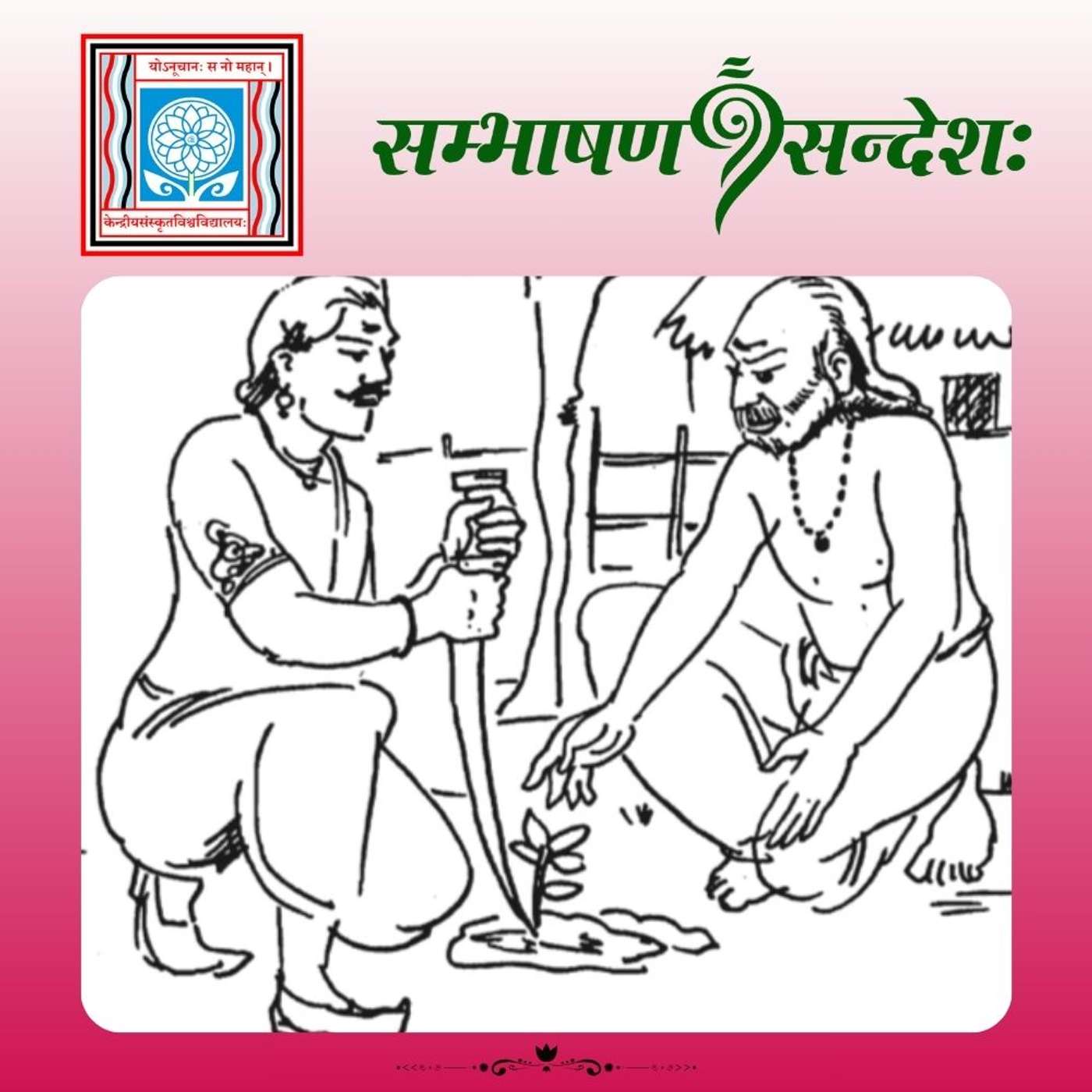
कश्चित् राजा प्रश्नत्रयात् चिन्ताक्रान्तः आसीत् । तत् च 'सत्कार्यं कर्तुं कः कालः उचितः? महत् कार्यं किम्? सर्वस्मात् उत्कृष्टः क:?’ इति । सः कञ्चन आश्रमं गत्वा तत्रत्यं साधुं पृष्टवान् । सः साधुः किमपि उनुक्त्वा सस्यानाम् आलवालनिर्माणकार्ये मग्नः आसीत् । तदनन्तरं यत् प्रचलितं तेन प्रश्नानाम् उत्तराणि प्राप्तानि राज्ञा । किं प्राचलत् तत्र? तदनन्तरं साधुः राजानम् किं बोधयति ? इति सर्वं सावधानतया कथां श्रुत्वा जानन्तु ।(“केन्द्रीयसंस्कृतविश्वविद्यालयस्य अष्टादशीयोजनान्तर्गततया एतासां कथानां ध्वनिप्रक्षेपणं क्रियते”)A king was troubled by three questions: What is the right time to do good deeds? What is the most important task? Who is the greatest person? To find answers, he visited a sage in an ashram and asked him. The sage, however, did not respond and continued his work of cultivating plants. Later, an unexpected event took place, through which the king received answers to his questions. What happened next? What lesson did the sage impart to the king? Listen carefully to the story to understand.

Ep 251सर्वं सुष्ठु
कदाचित् निद्रामग्नस्य पान्थस्य पार्श्वे स्थितात् पात्रात् कश्चन शुनकः अन्नम् अखादत् । जागरितः पान्थः पात्रे किमपि नास्ति इति ज्ञात्वा परमेश्वरं साहाय्यं याचित्वा रोदनम् आरब्धवान् । कैलासे स्थिता पार्वती पान्थस्य साहाय्यं कर्तुं परमेश्वरं वदति । तदा शिवः वदति यत् 'सः पान्थः तत् अन्नं निद्रामग्नायाः वृद्धायाः शिरोमूलतः अपहृतवान् अस्ति । अनुचितं कार्यं कृतम् अनेन इदानीम् अनुभवन् अस्ति' इति । तथापि पार्वत्याः चिन्तापूर्वकं मुखं दृष्ट्वा 'सर्वं सुष्ठु भवति' इति शिवः अवदत् । अत्रान्तरे कश्चन यतिः आगत्य वृद्धायाः बुभुक्षां निवारयति । भोजनस्य अन्वेषणावसरे शिवस्य मन्दिरे प्रसादं प्राप्य सन्तुष्टः पान्थः अग्रे गच्छति ।(“केन्द्रीयसंस्कृतविश्वविद्यालयस्य अष्टादशीयोजनान्तर्गततया एतासां कथानां ध्वनिप्रक्षेपणं क्रियते”)As a traveler slept, a stray dog ate his food. Awakening to an empty pot, he pleaded to God. Parvati urged Shiva to help, but Shiva revealed the traveler had unjustly taken food from a sleeping elder before. Parvati remained concerned, so Shiva reassured her. Meanwhile, a wandering ascetic arrived and fed the hungry elderly woman. Later, while searching for food, the traveler received sacred offerings at Shiva’s temple. Relieved and content, he continued his journey, understanding the divine balance of karma.
Ep 250वणिजः बुद्धिमत्ता
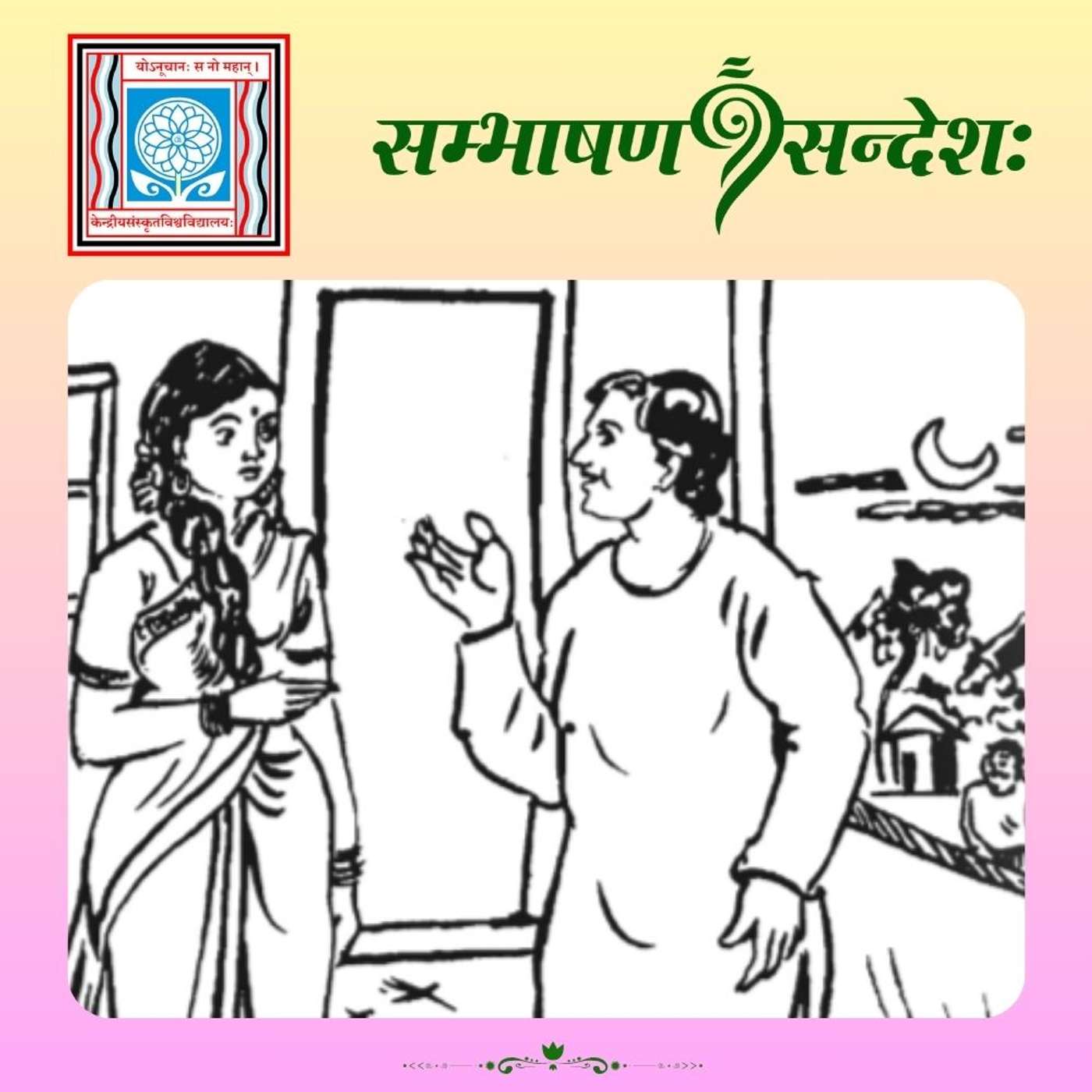
कदाचित् गृहे उपविश्य नाणकानि गणयन्तं वणिजं दृष्ट्वा अद्य एतस्मात् गृहात् चोरणीयम् इति चोरः अचिन्तियत् । तम् चोरम् अकस्मात् वणिक् दृष्ट्वा 'एषः चोरः स्यात्, अद्य मम गृहमागत्य चोरयेत्' इति विचिन्त्य कमपि उपायं कृत्वा पत्नीम् अपि सूचितवान् । रात्रौ यदा चोरः आत्मानं गोपयित्वा गृहात् बहिः स्थितवान् आसीत् तदा पतिपत्न्योः मध्ये प्रचलितं सम्भाषणं श्रुत्वा चोरेण ज्ञातं यत् धनयुक्तः घटः निम्बवृक्षशाखायाम् अस्ति इति । यदा घटस्य आवरणस्य अन्तः हस्तम् प्रसारितवान् तदा तत्रत्याः वृश्चिकाः तम् अदशन् । सः उच्चैः विलपन् अधः पतित्वा ततः पलायनम् अकरोत् ।(“केन्द्रीयसंस्कृतविश्वविद्यालयस्य अष्टादशीयोजनान्तर्गततया एतासां कथानां ध्वनिप्रक्षेपणं क्रियते”)One day, a thief saw a merchant sitting at home, counting his coins, and decided to rob him that very night. The merchant, noticing the thief, suspected his intentions and devised a plan, informing his wife as well. That night, as the thief hid outside the house, he overheard a conversation between the husband and wife, learning that a pot filled with wealth was hidden on a neem tree branch. Thinking he had uncovered the secret, the thief reached for the pot and inserted his hand inside. However, the pot was infested with scorpions, which stung him. Screaming in pain, he fell and fled, learning a painful lesson in deception.
Ep 249किं न साध्यम् अभ्यासेन ?
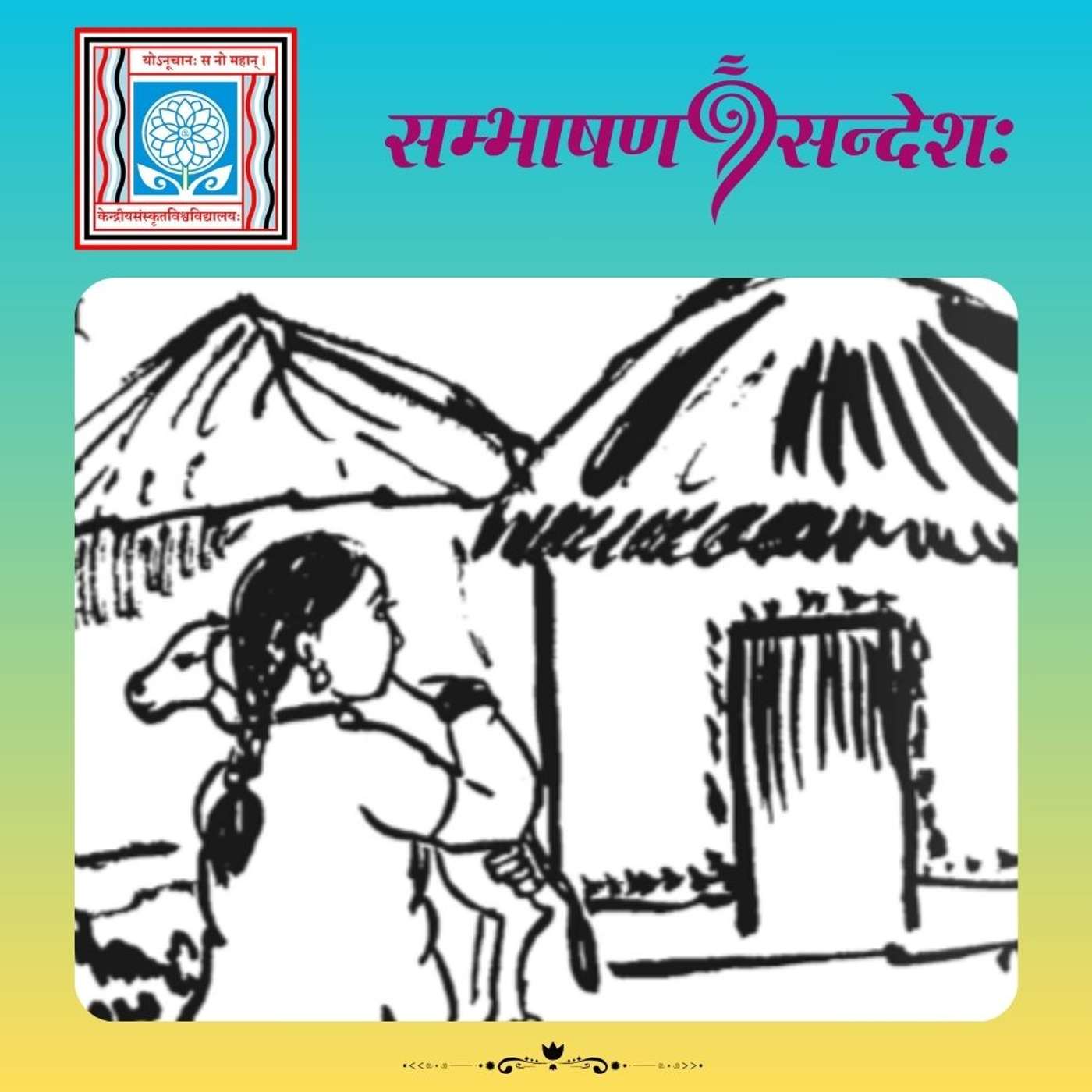
मिथिलानगरे महाराजेन हरसिंहदेवेन आयोजिते वीरप्रदर्शनकार्यक्रमे कश्चन पालनामकः ब्राह्मणः तस्य चतसृभिः पुत्रीभिः सह आसीत् । किशोरचौधरीनामकस्य मल्लस्य वीरप्रदर्शनं दृष्ट्वा महाराजः तम् अभिनन्द्य, तस्मै उपायनानि च अयच्छत् । पालस्य कनिष्ठा पुत्री उत्थाय 'अनेन महत् कार्यं किं कृतम् ? अभ्यासेन मानवः किमपि साधयितुं शक्नोति' इति अवदत् । क्रुद्धः राजा सा राज्यात् निष्कासनीया इति अवद्त् । सा बालिका प्रतिज्ञां करोति यत् कदाचित् स्वकीयेन बलेन अस्मिन् एव क्षेत्रे बलप्रदर्शनं करोमि इति । गच्छता कालेन तथैव कृत्वा महाराजम् आश्चर्यान्वितम् अकरोत् ।(“केन्द्रीयसंस्कृतविश्वविद्यालयस्य अष्टादशीयोजनान्तर्गततया एतासां कथानां ध्वनिप्रक्षेपणं क्रियते”)In the city of Mithila, King Harasimhadeva organized a grand martial display event. Among the spectators was a Brahmin named Pala, accompanied by his four daughters. Witnessing the impressive display of strength by the wrestler Kishor Chaudhary, the king praised him and bestowed gifts upon him. Pala’s youngest daughter questioned his achievement, angering the king, who ordered her banishment. The young girl vowed that one day she would prove her own strength in the very same arena. Over time, she amazed the king with her own remarkable feat.

Ep 248दृढा मातृभक्तिः
आशुतोषमुखर्जी कोलकाताविश्वविद्यालयस्य कुलपतिः कोलकातायाः उच्चन्यायालयस्य न्यायाधीशश्च आसीत् । एतम् इङ्गलेण्डं प्रति प्रेषयितुम् ऐच्छत् तत्कालीनः सर्वकारः । किन्तु धार्मिकैः कारणैः मात्रा न अनुमन्यते । मातुः आज्ञां शिरसा वहन् आशुतोषमुखर्जी सर्वकारं सूचयति । एतत् ज्ञात्वा कठोरमनस्कः लार्ड् कर्झनः कोपाविष्टः जातः । तस्य आदेशस्य तिरस्कारं कोऽपि कर्तुं न अर्हति स्म । तथापि आशुतोषः अल्पाम् अपि भीतिम् अप्राप्नुवन् गाम्भीर्येण अवदत् 'मातुः आज्ञां तिरस्कर्तुं न अर्हामि । मातृदेवो भव इति बोधयति अस्माकं संस्कृतिः' इति । आशुतोषस्य दृढां मातृभक्तिं दृष्टवतः कर्झनस्य आक्रोशः उपशान्तः । स्वस्य विचारं सः परिवर्तितवान् ।(“केन्द्रीयसंस्कृतविश्वविद्यालयस्य अष्टादशीयोजनान्तर्गततया एतासां कथानां ध्वनिप्रक्षेपणं क्रियते”)Ashutosh Mukherjee was the Vice-Chancellor of Calcutta University and a judge of the Calcutta High Court. The then government wished to send him to England, but his mother disapproved due to religious reasons. Honoring his mother's wishes, Ashutosh conveyed his decision to the authorities. Upon learning this, the rigid-minded Lord Curzon became enraged, believing that none could defy his orders. However, Ashutosh, without the slightest fear, firmly stated, ‘I cannot disregard my mother's command. Our culture teaches us to revere the mother as divine’. Witnessing Ashutosh's unwavering devotion, Curzon's anger dissipated, and he ultimately changed his stance.
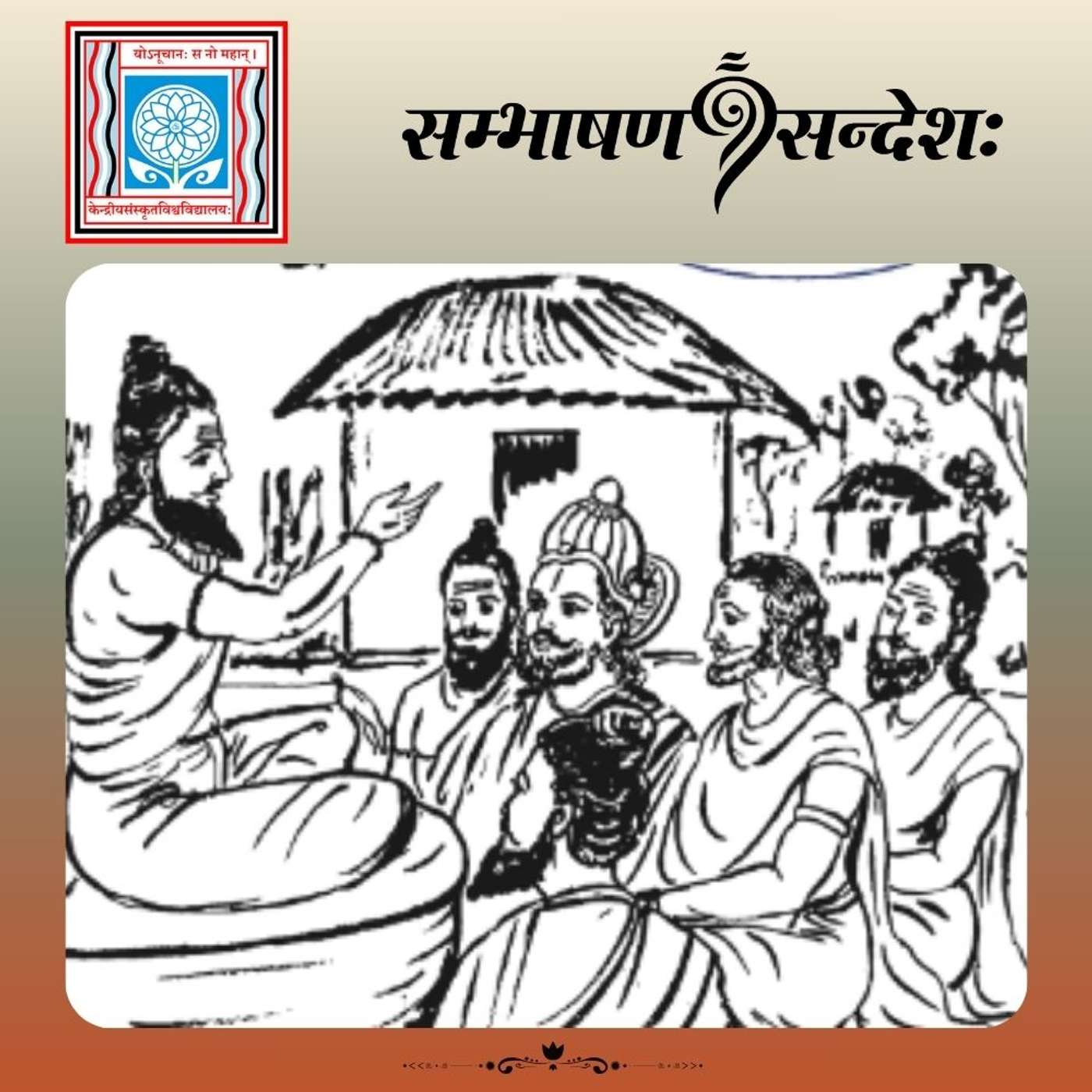
Ep 247सा योग्यता
यद्यपि बहवः ऋषयः जनकमहाराजस्य आगमानात् पूर्वमेव आगच्छन्ति स्म तथापि महर्षिः याज्ञवल्क्यः जनकमहाराजस्य अगमानानन्तरमेव उपदेशस्य आरम्भं करोति स्म । 'जनकमहाराजे अस्मासु अविद्यमाना का योग्यता अस्ति?’ इति ऋषीणां परस्परं वार्तालापः याज्ञवल्क्येन ज्ञातः । सः तेषां बोधनाय एकम् उपायं चिन्तितवान् । कदाचित् धर्मोपदेशसमये कश्चन वटुः आगत्य 'कुटीराणि अग्निना ज्वलन्ति अस्ति' इति यदा वदति तदा सर्वे ऋषयः धावित्वा स्वीयानि वस्तूनि आनीतवन्तः । किञ्चित्कालानन्तरम् यदा अन्यः कश्चन वटुः आगत्य 'मिथिलानगरे अग्निस्पर्शः जातः' इति अवदत् तदा महाराजः किञ्चिदपि विचलितः न अभवत् । अनेन उपायेन ऋषीणां राज्ञः च भेदः महर्षिणा दर्शितः ।(“केन्द्रीयसंस्कृतविश्वविद्यालयस्य अष्टादशीयोजनान्तर्गततया एतासां कथानां ध्वनिप्रक्षेपणं क्रियते”)Despite many sages arriving before King Janaka, Sage Yajnavalkya started his discourse only after the king's arrival. Hearing the sages question Janaka's superiority, he devised a plan. During a discourse, a student ran in, claiming the huts were on fire, prompting the sages to rush for their belongings. Later, another student declared Mithila was ablaze, yet Janaka remained calm. Through this, Sage Yajnavalkya demonstrated the difference between the sages and the king - true detachment and unwavering equanimity in the face of adversity.
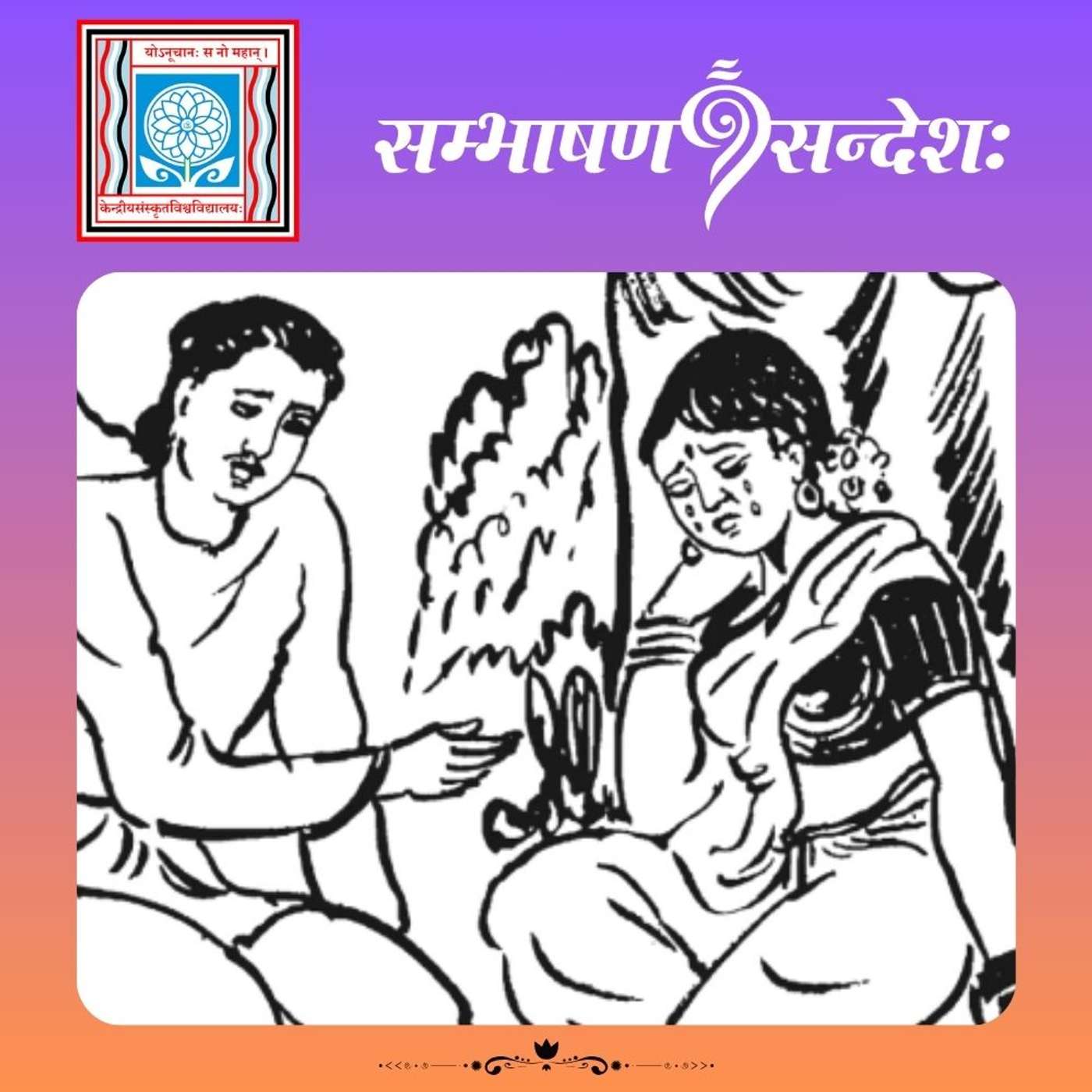
Ep 246सद्यः प्रक्षालकवृत्तिः
कश्चन दैवभक्तः महाराजः तस्य परमसुन्दरीं भक्तिमतीं च पुत्रीं भगवति यस्य सम्पूर्णः विश्वासः भवति तस्मै दातुम् इच्छति । कदाचित् सुप्रसन्नं, कौपीनधारिणं, भगवतः पुरतः स्थित्वा ध्यायन्तं च तरुणं दृष्ट्वा कांश्चन प्रश्नान् राजा अपृच्छत् । तस्य उत्तराणि श्रुत्वा सानन्दं तेन सह पुत्र्याः विवाहं कारितवान् । गृहगमनसमये कस्यचित् वृक्षस्य कोटरे स्थापितं जलं रोटिकाखण्डं च तरुणः पत्न्यै अयच्छत् । पतिः भगवति विश्वासम् अकृत्वा श्वः खादनार्थम् इति रोटिकां सञ्चितवान् इति ज्ञात्वा पत्नी रोदनम् आरब्धवती । लज्जितः तरुणः रोटिकां अक्षिपत् ।(“केन्द्रीयसंस्कृतविश्वविद्यालयस्य अष्टादशीयोजनान्तर्गततया एतासां कथानां ध्वनिप्रक्षेपणं क्रियते”)A devout king wished to marry his beautiful and pious daughter to someone who had complete faith in God. One day, he saw a young man, serene and wearing simple attire, meditating before the deity. The king asked him some questions, and upon hearing his answers, he joyfully arranged his daughter's marriage with him. On their way home, the young man offered his wife some water and a piece of bread he had stored in the hollow of a tree. Realizing that her husband had kept the bread for the next day's meal rather than trusting God to provide, the wife began to weep. Ashamed, the young man discarded the bread, understanding the depth of true faith.
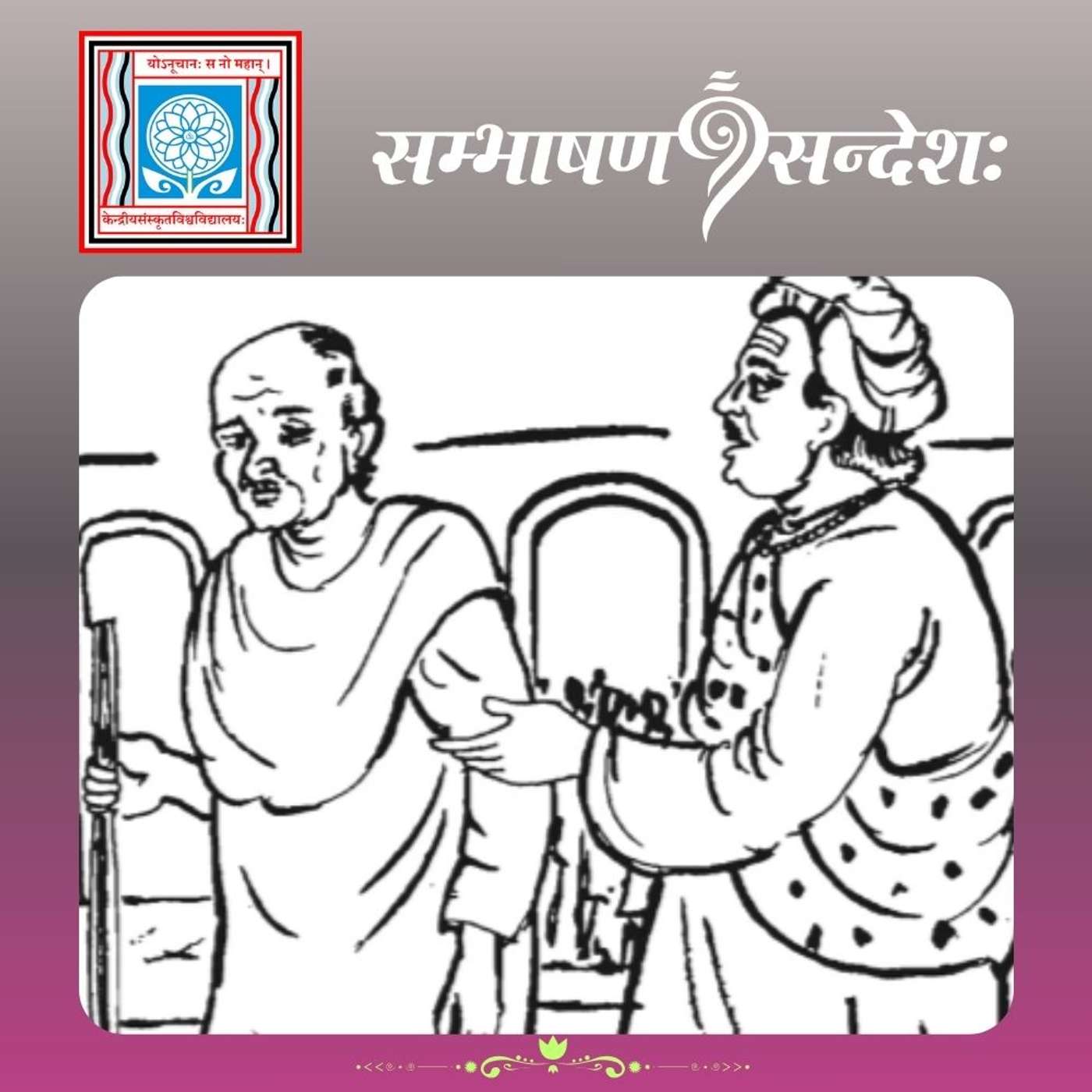
Ep 245यद्यदाचरति श्रेष्ठः.....
कश्चन वृद्धः प्रतिदिनं प्रवचनं श्रोतुं गृहस्य समीपस्थम् आश्रमं गच्छति स्म । गच्छता कालेन तस्य श्रवणशक्तिः न्यूना जाता चेदपि सः प्रवचनं श्रोतुं गच्छति स्म । एकदा प्रवचनकारेण कारणे पृष्टे वृद्धः वदति 'अहं परिवारस्य प्रमुखः अस्मि । अहम् अत्र आगच्छामि इति ज्ञात्वा मम परिवारजनाः अपि आगच्छन्ति । तेन तेषां हृदये भगवतः विषये श्रद्धा जीविता तिष्ठति । अतः श्रोतुम् अशक्तः अपि अहम् अत्र आगच्छामि' इति । प्रवचनकारः 'यद्यदाचरति श्रेष्ठः तत्तदेवेतरो जनः' इति गीतायाः वाक्यं स्मृतवान् ।(“केन्द्रीयसंस्कृतविश्वविद्यालयस्य अष्टादशीयोजनान्तर्गततया एतासां कथानां ध्वनिप्रक्षेपणं क्रियते”)An elderly man would go to a nearby ashram every day to listen to discourses. Over time, his hearing ability declined, yet he continued attending the discourses. One day, the speaker asked him the reason for his persistence. The old man replied, "I am the head of my family. Seeing me come here, my family members also follow. This keeps their faith in God alive in their hearts. Hence, even though I am unable to hear, I still come." The speaker was reminded of the verse from the Bhagavad Gita: "Whatever a great person does, others follow in their footsteps."

Ep 244कुटीरपरिवर्तनम्
कस्यचन वणिजः गृहम् उभयतः द्वौ लोहकारौ कुटीरं निर्माय प्रतिदिनं प्रातः आरभ्य रात्रिपर्यन्तं कार्यं कुरुतः । आदिनं कर्कशं लोहकुट्टनशब्दं सोढुम् अशक्नुवन् वणिक् एकम् उपायं करोति । परेद्यवि ताभ्यां लोहकाराभ्याम् अन्यकुटीरगमनार्थं सहस्रं रूप्यकाणि अयच्छत् । उभौ अपि अङ्गीकृतवन्तौ । किन्तु अग्रिमदिवसे पुनः कुट्टनशब्दं श्रुत्वा यदा वणीक् तौ पृच्छति तदा तौ वदतः 'आवां कुटीरपरिवर्तनं कृतवन्तौ । वामभागे कुटीरे स्थितः अहम् इदानीं दक्षिणभागे निवसामि । सः इदानीं वामभागे निवसति' इति । एतत् उत्तरं श्रुत्वा वणिक् मूकः एव अभवत् ।(“केन्द्रीयसंस्कृतविश्वविद्यालयस्य अष्टादशीयोजनान्तर्गततया एतासां कथानां ध्वनिप्रक्षेपणं क्रियते”)The story humorously narrates the struggle of a merchant who had two blacksmiths working in huts on either side of his house, creating a constant racket from dawn till night. Unable to tolerate the noise, he offered each blacksmith a thousand rupees to move to a different hut. Both agreed, but the next day, the merchant heard the same clanging noise. When he questioned them, they explained, "We have moved to a different hut. I now live in the hut on the right, and he lives in the hut on the left". Hearing this, the merchant was left speechless.
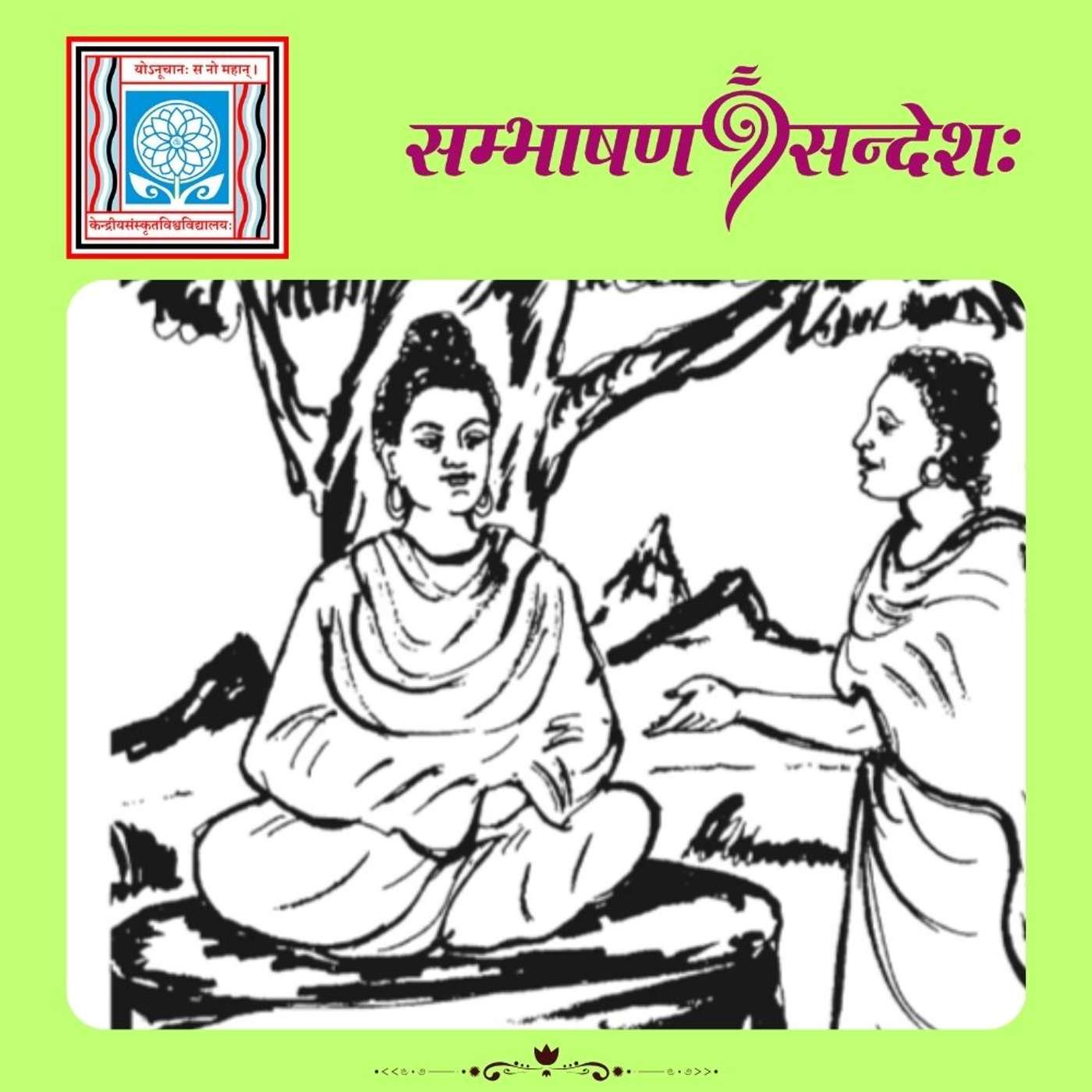
Ep 243सः एव साधुः
कदाचित् कश्चन शिष्यः बौद्धधर्मप्रसारणार्थं सूनप्रातपरिषदं गन्तुम् इच्छामि इति बुद्धं वदति । बुद्धः सर्वदा गमनसमये शिष्याणां मनोबलं सम्यक् परिशील्य एव तान् अन्यत्र प्रेषयति । अतः बुद्धः एतं शिष्यं परीक्षते । बुद्धः बहून् प्रश्नान् पृच्छति, भाययति च । किन्तु शिष्यः किञ्चिदपि विचलितः न अभवत् । शिष्यस्य मुखात् निर्गतानि वचनानि श्रुत्वा तस्य ज्ञानं धैर्यं च ज्ञात्वा बुद्धः अत्यन्तं सन्तोषम् अनुभूतवान् । सः एव साधुः यः कस्याञ्चिदपि स्थितौ परिच्छिद्रान् न पश्यति ।(“केन्द्रीयसंस्कृतविश्वविद्यालयस्य अष्टादशीयोजनान्तर्गततया एतासां कथानां ध्वनिप्रक्षेपणं क्रियते”)A disciple wanted to go to Sunaprat Parishad to spread Buddhism. Before sending him, Buddha tested the disciple's mental strength by asking many questions and provoking him. However, the disciple remained calm and composed. Buddha was pleased with the disciple's wisdom and patience, realizing he was ready for the task. The story highlights the importance of calmness in the face of challenges.
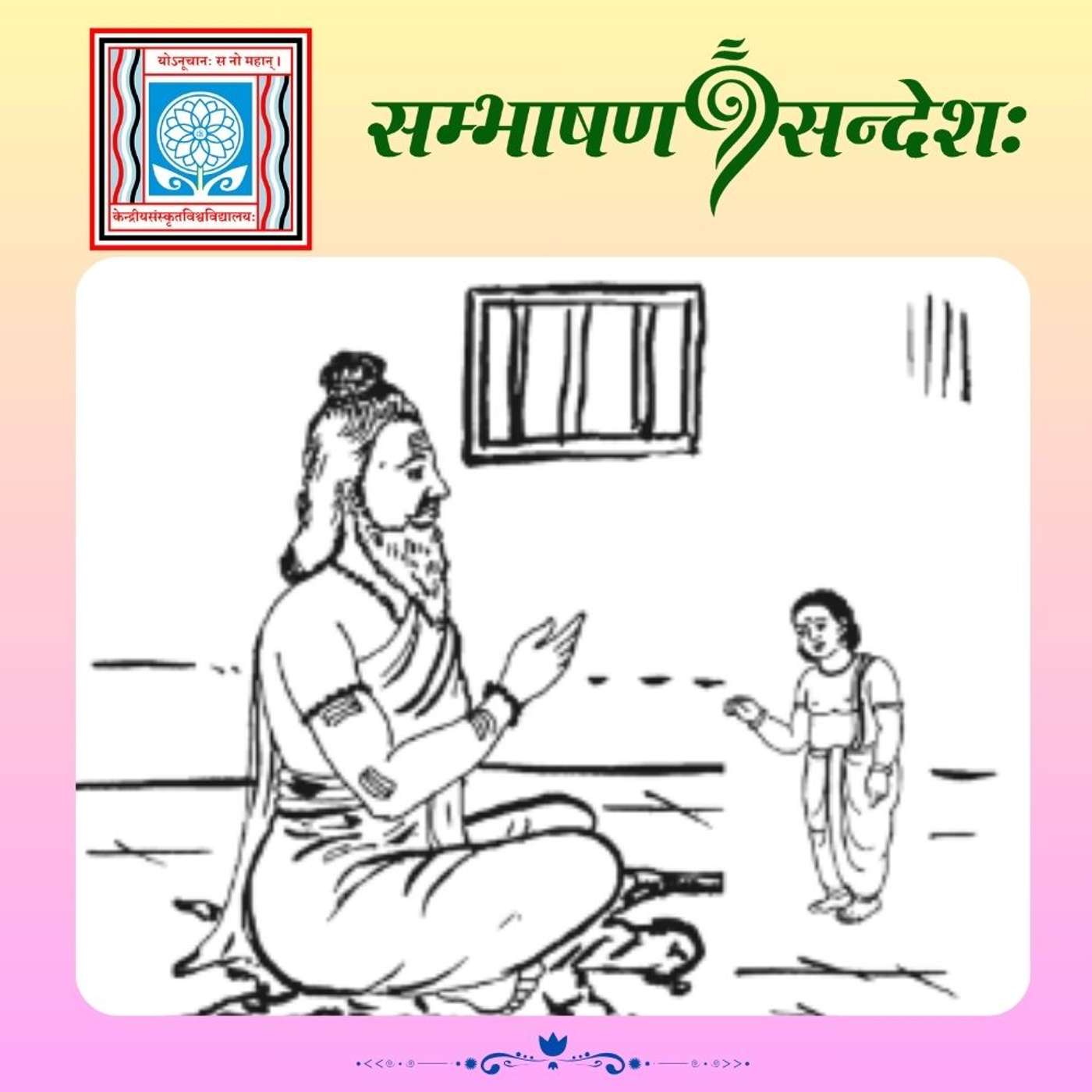
Ep 242वैराग्यस्य महिमा
इयं कथा पितापुत्रयोः व्यासशुकदेवयोः मध्ये संवादरूपेण वर्तते । शुकदेवः यदा जन्म प्राप्तवान् तदा एव उत्थाय पितरं नमस्कृत्य वनं गन्तुं सज्जः अभवत् । पुत्रस्य एतादृशं व्यवहारं दृष्ट्वा विस्मितः व्यासः पुत्रस्य मनसि कथमपि संस्कारविषये आसक्तिः जनयितव्या इति मत्वा बहून् विषयान् वदति । परन्तु केनापि शुकदेवः न विचलति । वादप्रतिवादयोः अनन्तरं व्यासः विरक्तः सन् पुत्रस्य वनगमननिर्णयम् अङ्गीकरोति ।(“केन्द्रीयसंस्कृतविश्वविद्यालयस्य अष्टादशीयोजनान्तर्गततया एतासां कथानां ध्वनिप्रक्षेपणं क्रियते”)The story revolves around a conversation between Vyasa and his son, Shukadeva. When Shukadeva was born, he stood up, bowed to his father, and prepared to leave for the forest. Vyasa, surprised by his son's behavior, tried to engage him in worldly matters, hoping to spark some attachment. However, Shukadeva remained unaffected. After much discussion, Vyasa, feeling detached himself, eventually accepted his son's decision to renounce worldly life and head to the forest.
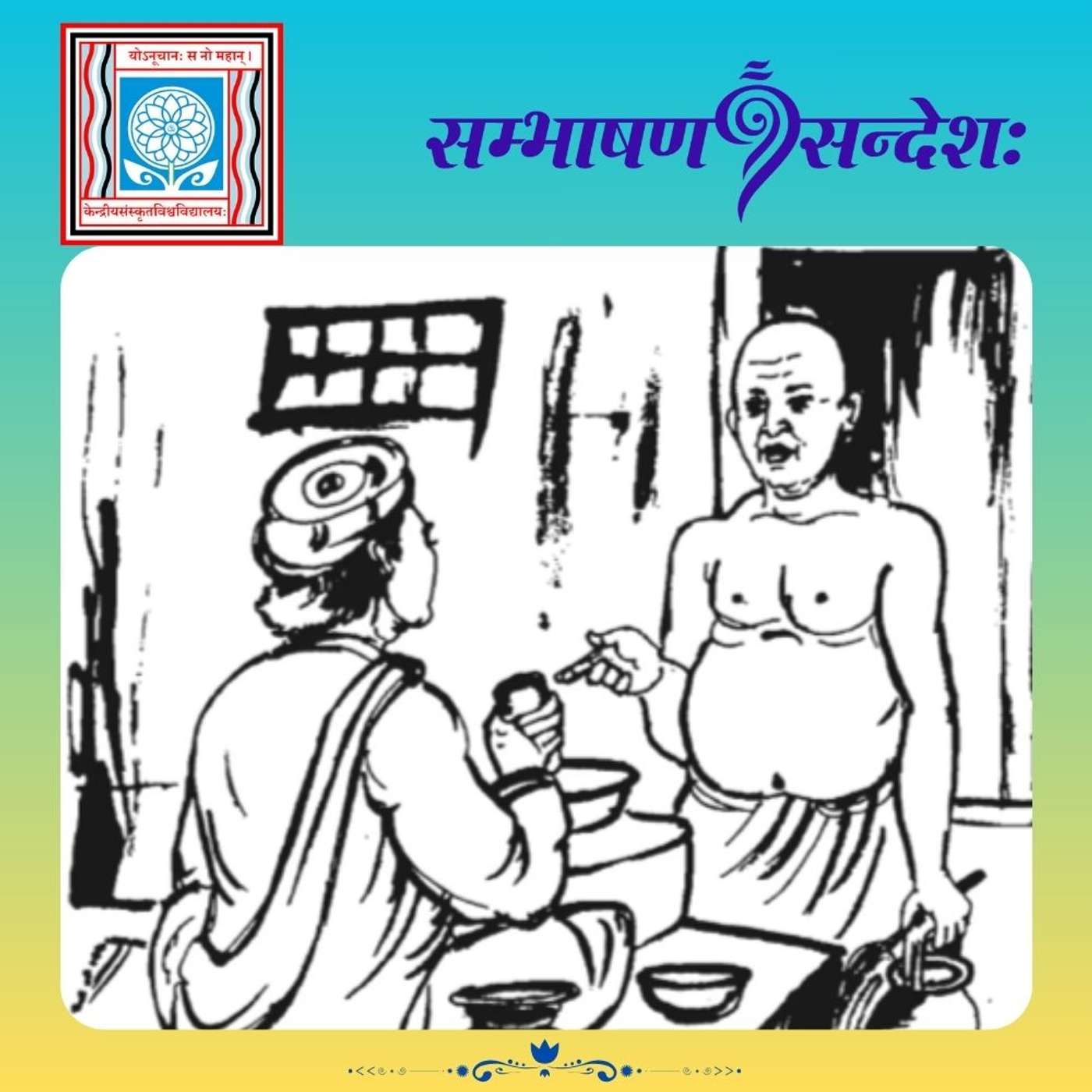
Ep 241यादृशं मनः तादृशः कायः
कदाचित् कश्चन काव्यकुशलः जैनाचार्यः किञ्चन महाकाव्यं रचयितुम् आरब्धवान् । कस्मिंश्चित् सर्गे जलधेः वर्णनं कर्तुम् आरभते । जलधेः विषयमेव सर्वदापि सः चिन्तयन् भवति । तन्मधे जलोदररोगेण ग्रस्तः भवति । सर्वं वृत्तान्तं ज्ञात्वा वैद्यः वदति 'जलधेः वर्णनं समाप्य मरुभूमेः वर्णनं करोतु' इति । जैनाचार्यः विस्मितः सन् अपि वैद्यस्य सूचनां श्रद्धया अपालयत् । जलोदररोगः शान्तः भवति । मनसि यादृशः विचारः क्रियते तादृशः एव प्रभावः शरीरे अपि भवति ।(“केन्द्रीयसंस्कृतविश्वविद्यालयस्य अष्टादशीयोजनान्तर्गततया एतासां कथानां ध्वनिप्रक्षेपणं क्रियते”)A Jain poet began composing an epic poem. While describing the ocean in one section, his constant thoughts about it led to water-related illness. A physician, upon learning this, advised him to complete the ocean description and shift focus to the desert. Trusting the physician’s advice, the poet complied and his ailment subsided. The story highlights how thoughts in the mind can directly influence the body.
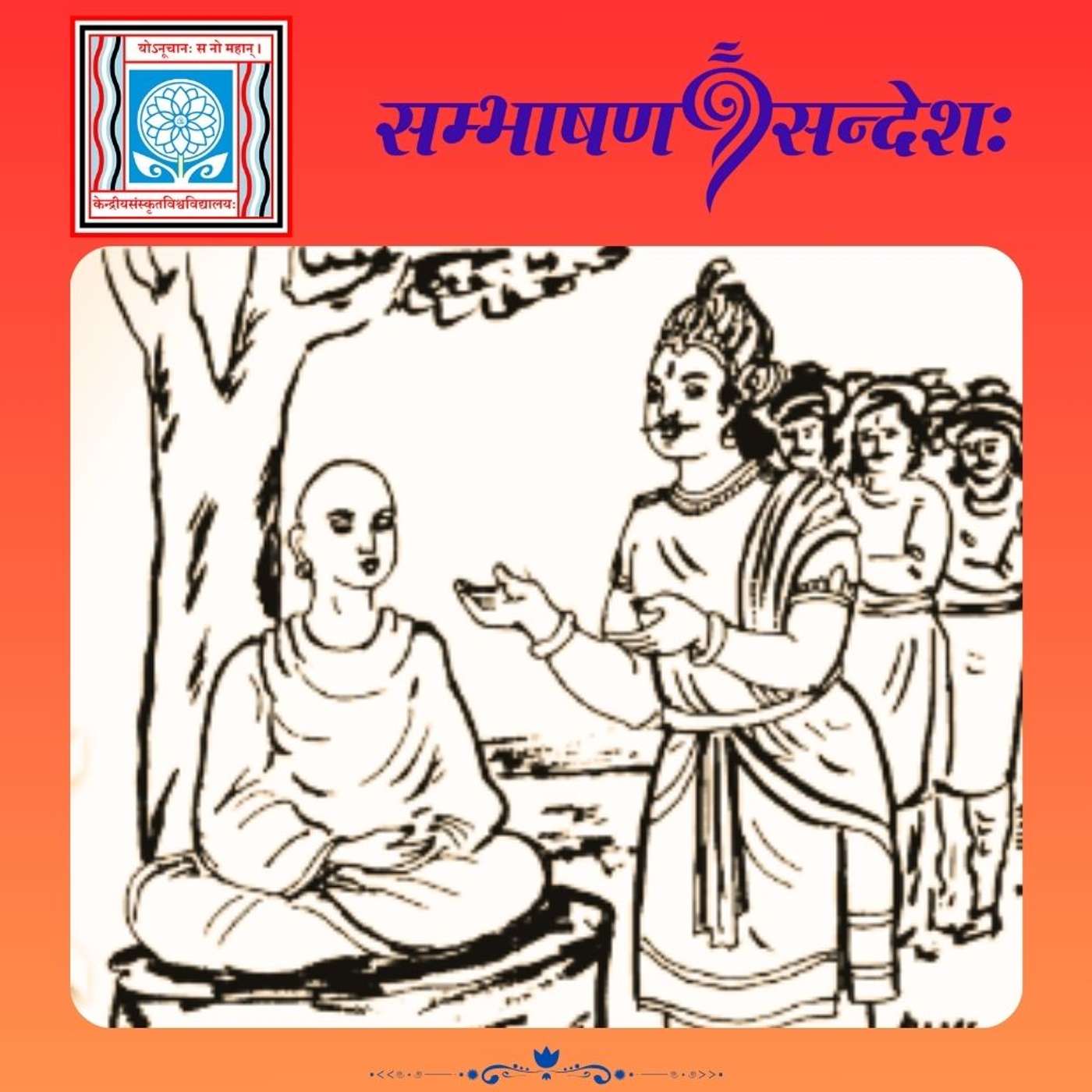
Ep 240उपदेशाचरणयोः अन्तरम्
कदाचित् कश्चन बौद्धभिक्षुः कम्बोजराज्यम् आगत्य महाराजं तिङ्गभिङ्गं प्रति तस्य राज्यस्य राजपुरोहितः भवितुम् इच्छामि इति कामनां प्राकटयत् । किन्तु राजा 'पुनरपि एकवारं धर्मग्रन्थानाम् आवृत्तिं कृत्वा अगच्छेत्' इति अवदत् । कुपितः सन् सः भिक्षुः किमपि अनुक्त्वा धर्मग्रन्थानाम् अध्ययनम् एकवर्षं यावत् कृत्वा पुनरागच्छति । किन्तु राजा 'एकान्तवासम् अनुभवन् पुनरपि धर्मग्रन्थानां पारायणं करोति चेत् उत्तमं भवति' इति वदति । नागरिकप्रपञ्चस्य समग्रकोलाहलतः दूरे नदीतीरे प्रार्थनाकरणेन भिक्षुणा आनन्दः प्राप्तः । यदा राजा स्वयमेव गत्वा भिक्षुम् आह्वयति तावता भिक्षोः कामना संपूर्णतया अपगता आसीत् । उपदेशेन अहङ्कारः भवति किन्तु आचरणेन आनन्दः भवति ।(“केन्द्रीयसंस्कृतविश्वविद्यालयस्य अष्टादशीयोजनान्तर्गततया एतासां कथानां ध्वनिप्रक्षेपणं क्रियते”)A Buddhist monk approaches King Tingabhanga of Kamboja, expressing a desire to become the royal priest. The king instructs him to study religious scriptures once more before returning. The monk, annoyed but determined, spends a year studying and returns, only to be asked to retreat in solitude and reread the texts. The monk complies and, through prayer by a river far from worldly chaos, finds deep joy. When the king invites him back, the monk realizes his desire has faded, discovering that teaching brings pride, but practicing virtue leads to true happiness.
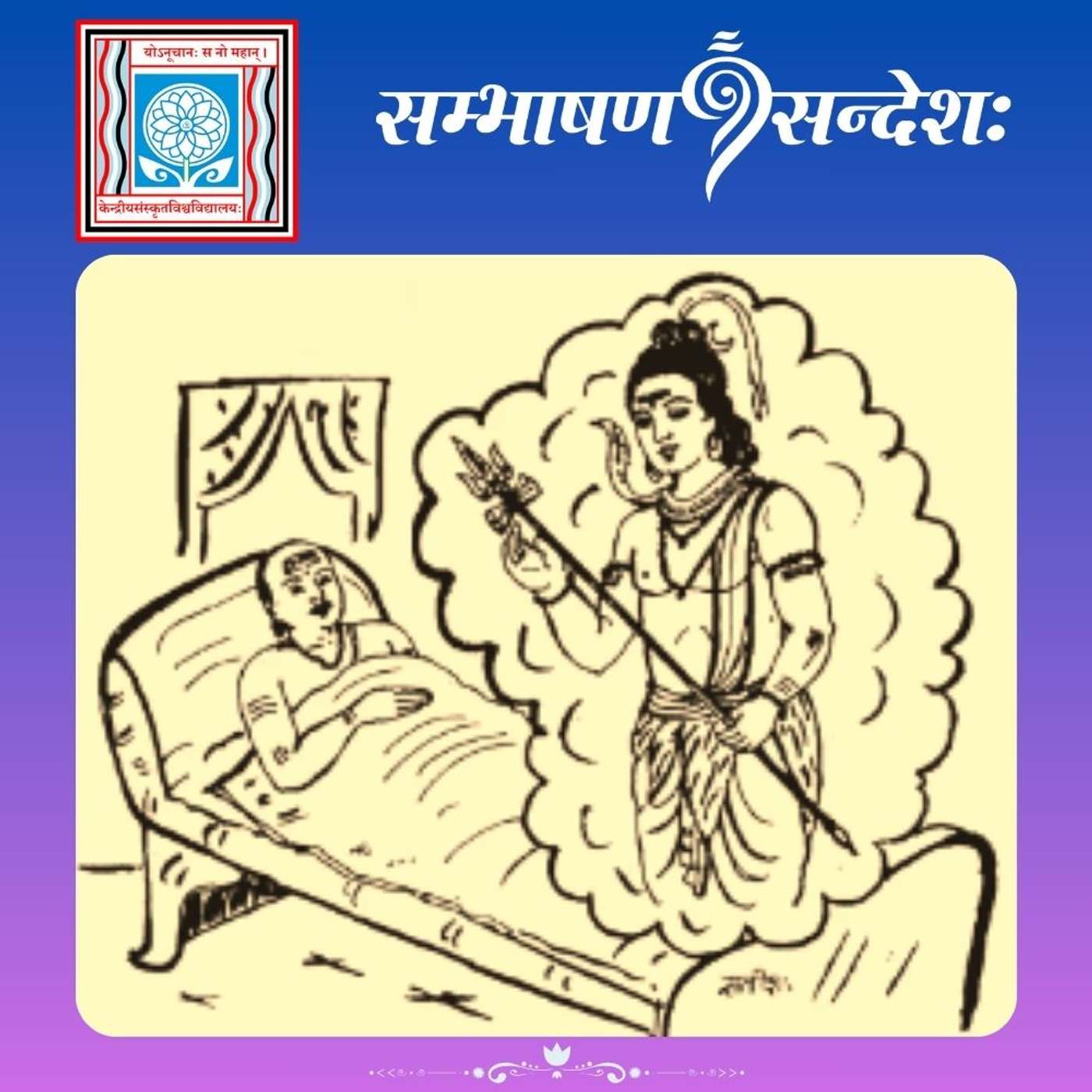
Ep 239सर्वश्रेष्ठः पुण्यात्मा
कदाचित् साक्षात् भगवान् विश्वनाथः मन्दिरस्य पूजकस्य स्वप्नम् आगत्य 'अहं सर्वश्रेष्ठाय पुण्यात्मने कमपि पुरस्कारं दातुम् इच्छामि' इति अवदत् । अनन्तरदिने पूजकः सर्वत्र घोषम् अकरोत् । ततः विभिन्नेषु प्रदेशेषु विद्वांसः, धर्मात्मानः, दातारः, साधकाः च मन्दिरं समागताः । पूजनसमये भगवतः मूर्तेः पुरतः एकं स्वर्णपात्रम् आगतम् । परीक्षार्थं सः पूजकः येषां हस्ते स्वर्णपात्रं ददाति तेषां हस्तं प्राप्य तत्क्षणं मृत्तिकामयं भूत्वा स्वप्रकाशरहितं भवति । कदाचित् कुष्ठरोगपीडितं जनं सेवित्वा वृद्धकृषकः आगतवान् । पूजकः तस्य हस्ते स्वर्णपात्रं स्थापितवान् । तस्य हस्ते पात्रस्य प्रकाशः द्विगुणितः जातः । तदा पूजकः ज्ञापितवान् यत् यः निःस्वार्थः, दयायुक्तः, दाता च भवति, सः एव सर्वश्रेष्ठः इति । भगवता दत्तं स्वर्णपात्रं तस्मै वृद्धकृषकाय दत्तवान् च ।(“केन्द्रीयसंस्कृतविश्वविद्यालयस्य अष्टादशीयोजनान्तर्गततया एतासां कथानां ध्वनिप्रक्षेपणं क्रियते”)Lord Vishwanath appeared to the temple priest in a dream, expressing a desire to reward the most virtuous soul. The priest spread the announcement, attracting scholars, donors, and spiritual seekers. During the worship, a golden vessel appeared before the deity but turned to mud in everyone’s hands. When a humble, elderly farmer—who had served a person suffering from leprosy—held it, the vessel’s glow doubled. The priest recognized that true greatness lies in selflessness, compassion, and generosity, and awarded the golden vessel to the farmer.
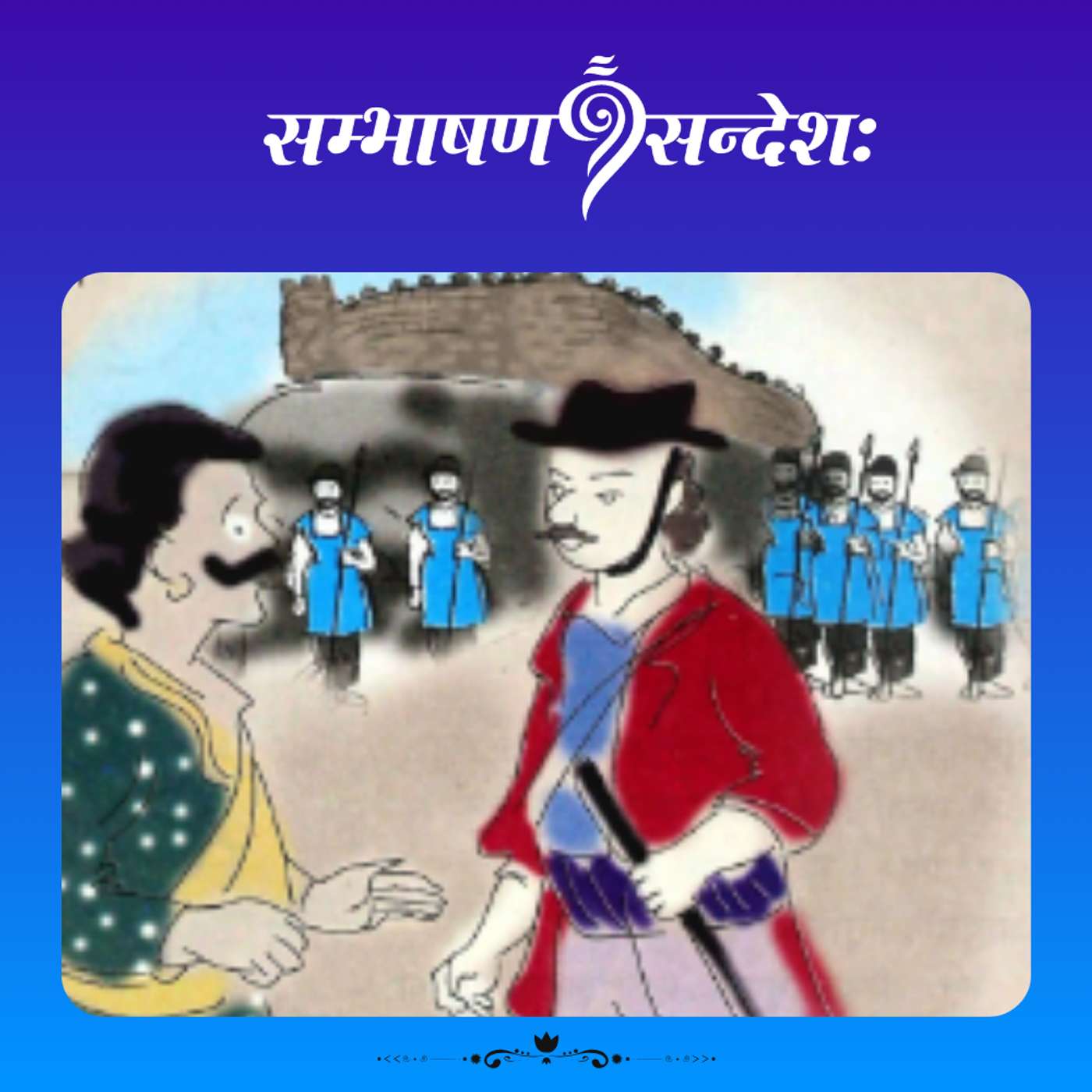
Ep 238सङ्गीतं देशरक्षणाय अपि !!
भारतीयेतिहासस्य मध्यकाले चित्रदुर्गनामके संस्थाने सैनिककुटुम्बे जयसिंहः नाम कश्चन युवकः खड्गादिभिः योद्धुं नेष्यते स्म । गाने वाद्यसङ्गीते च तस्य महती आसक्तिः । 'देशस्य रक्षणं न केवलं शस्त्रेण एव, अपि तु सङ्गीतेनापि शक्यम्' इति वदति स्म । कदाचित् सः ब्रिटिश्सैनिकैः निगृहीतः । उच्चाधिकारी 'अद्य रात्रौ दुर्गस्य मुख्यद्वारस्य पुरतः गातव्यम्' इति अवदत् । सः दुर्गसैन्यस्य जागरणाय गीतम् आरभत । जागरितं दुर्गसैन्यं ब्रिटिशसेनायाः उपरि शरवर्षम् अकरोत् । अनन्यगतिकता ब्रिटिश्सेना प्रत्यगच्छत् । जनाः जयसिंहं बहुधा अस्तुवन् ।(“केन्द्रीयसंस्कृतविश्वविद्यालयस्य अष्टादशीयोजनान्तर्गततया एतासां कथानां ध्वनिप्रक्षेपणं क्रियते”)In medieval India, in Chitradurga, a young man named Jayasimha, born into a soldier's family, loved music over weapons. He believed music could protect the nation as much as weapons could. Captured by British soldiers, he was asked to sing at the fort's main gate. Using his song to alert the fort's soldiers, they launched a fierce attack on the British, forcing them to retreat. Jayasimha was widely praised and celebrated by the people.
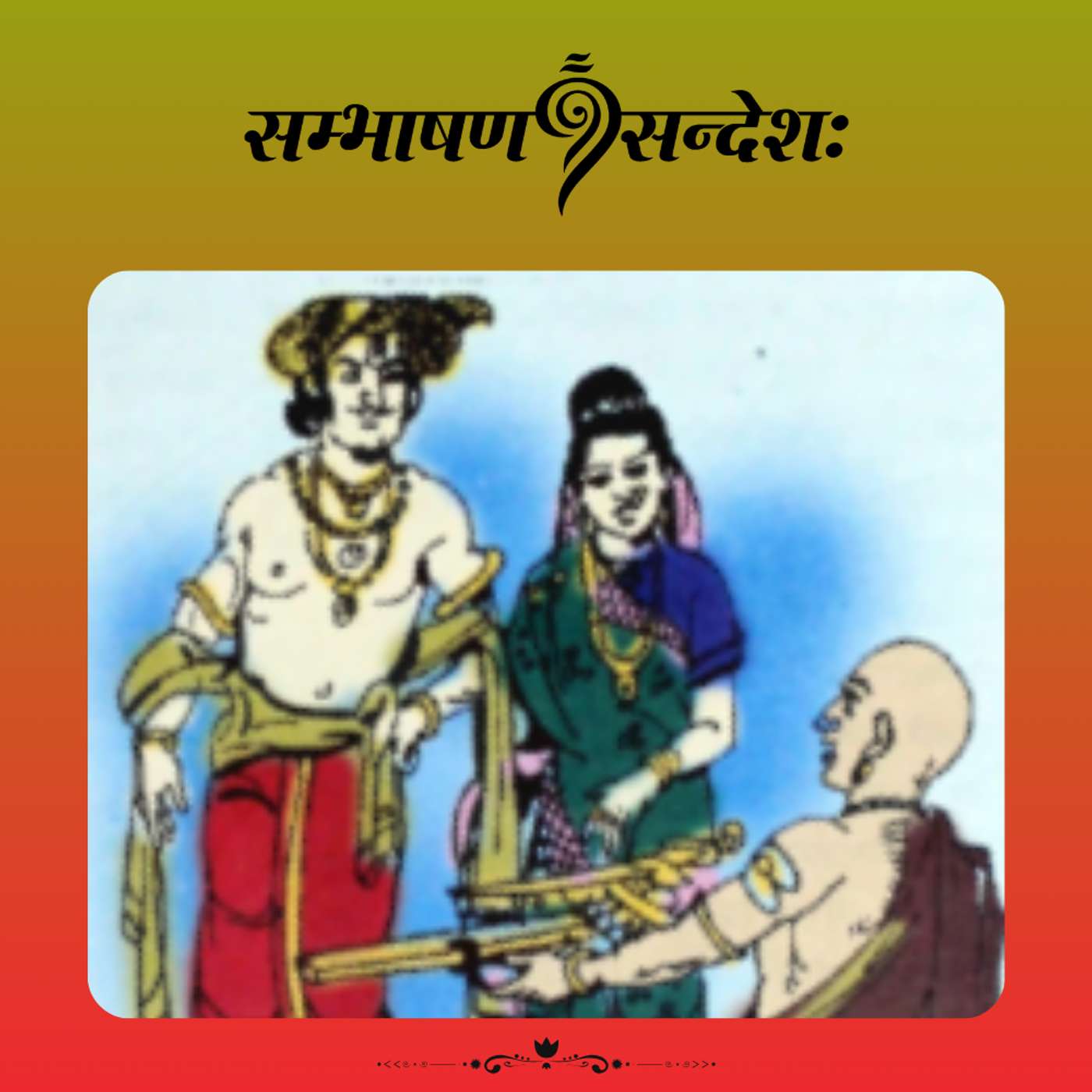
Ep 237खड्गस्य गुणवत्ता
अङ्गारदेशस्य राज्ञः अङ्गदस्य पुत्रः अक्षयकुमारः । प्रधानमन्त्रिणा जीमूतेन युवराजस्य अध्यापनाय भानुमित्रः गर्गः चेति उभौ आचार्यौ चितौ । भानुमित्रः सुन्दरः सम्भाषाणचतुरः उत्कृष्टवस्त्रधारी च आसीत् । गर्गः तु सामान्यः वेषभूषादिषु अनासक्तः मितभाषी च आसीत् । अतः राज्ञ्यै गायत्र्यै गर्गः न अरोचत । केषाञ्चित् दिनानाम् अनन्तरं जीमूतः राजानं राज्ञीं च आयुधशालां नीत्वा मूषातः तप्तायःपट्टिकां स्वीकृत्य दर्शयन् अवदत् 'खड्गस्य तीक्ष्णता अयसः गुणवत्तातः, निर्मातुः कौशलतः भवति । तीक्ष्णताम् एव अवलम्बते खड्गस्य श्रेष्ठता, न तु बाह्य सौन्दर्यम्' इति । एतस्मात् राज्ञी अवगतवती यत् बाह्यदर्शनमात्रेण कस्यापि श्रेष्ठता न परिमातव्या इति ।(“केन्द्रीयसंस्कृतविश्वविद्यालयस्य अष्टादशीयोजनान्तर्गततया एतासां कथानां ध्वनिप्रक्षेपणं क्रियते”)Akshayakumar, the son of King Angada of Angaradesha, had two teachers appointed by the Prime Minister Jimuta—Bhanumitra, who was charming and elegant, and Garga, who was simple and reserved. Queen Gayatri preferred Bhanumitra due to his polished appearance and charisma, while she disliked the plain Garga. To teach an important lesson, Jimuta demonstrated in the armory that a sword’s value lies in its sharpness, not its looks. This helped the queen realize that true greatness should not be judged by appearance alone.
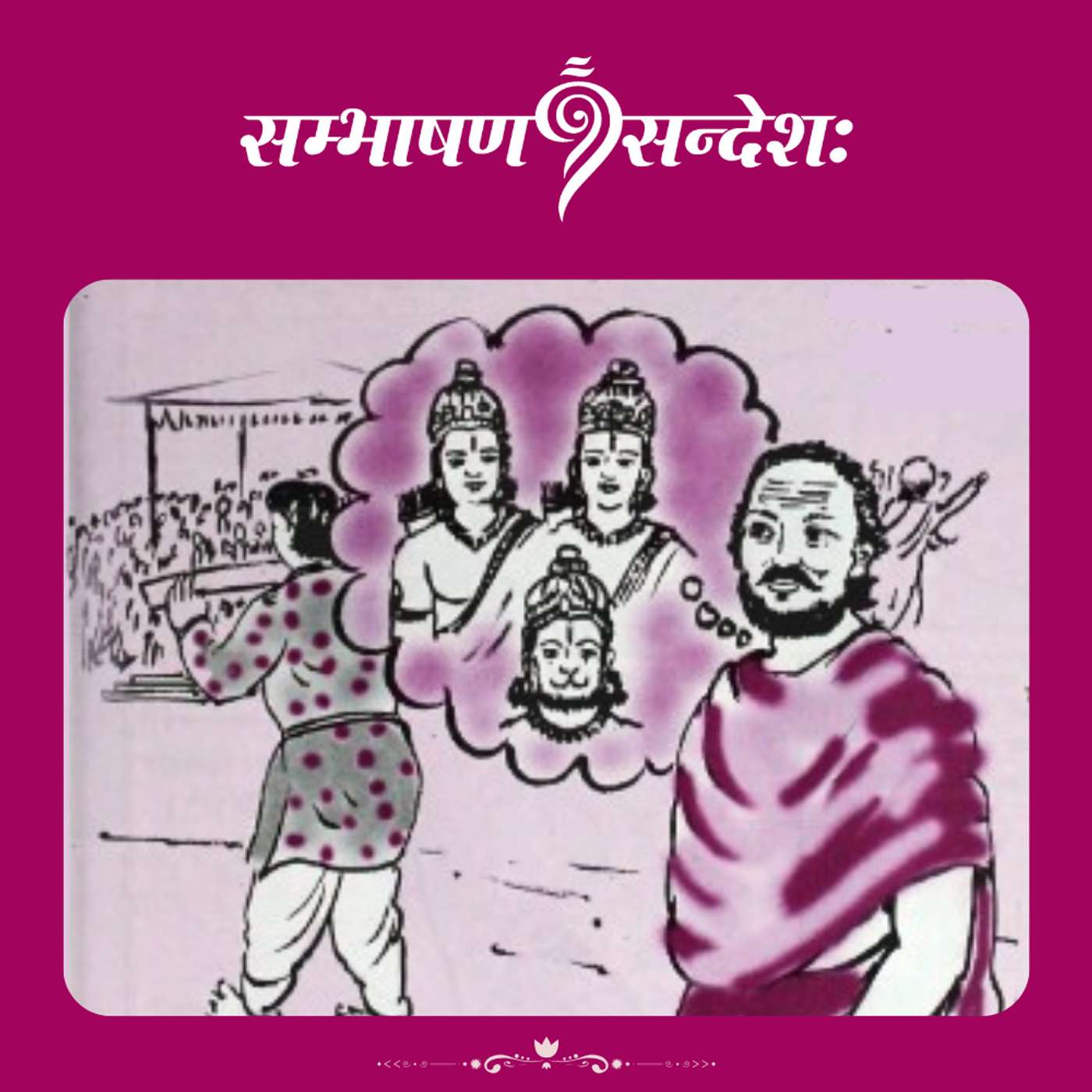
Ep 236सर्वं भगवतः लीला
कदाचित् प.पू वल्लभदीक्षितः तत्पुत्रः च श्रीधरहर्गेमहाराजः तीर्थयात्रां कुर्वन्तौ गोदावरीनद्याः समीपे स्थितं राजमहेद्रपत्तनम् आगतवन्तौ । सुखसम्पन्नं नगरं दृष्ट्वा वल्लभदीक्षितः सङ्कल्पितवान् यत् सप्त दिनानि भागवतपारायणं कथाश्रवणं च करणीयम्, तदवसरे सर्वजातिबान्धवानाम् अपि भोजनव्यवस्था करणीया इति । किन्तु नगरस्य धनिकाः वणिजः अदृष्टपूर्वे जने अधिकं विश्वासं कर्तुम् अनिच्छन्तः साहाय्यं न कृतवन्तः । यस्मिन् दिने वल्लभदीक्षितः पारायणस्य आरम्भं कृतवान् तस्मिन्नेव भगवान् रामः, लक्ष्मणः, हनूमान् च वेषान्तरं धृत्वा आपणं स्थापयित्वा सहस्रशः जनेभ्यः भोजनं दत्तवन्तः ।(“केन्द्रीयसंस्कृतविश्वविद्यालयस्य अष्टादशीयोजनान्तर्गततया एतासां कथानां ध्वनिप्रक्षेपणं क्रियते”)Once, the revered Vallabhadikshita and his son, Shri Dharahargemaharaj, embarked on a pilgrimage and arrived at Rajamahendrapattanam, situated near the Godavari river. Upon seeing the prosperous town, Vallabhadikshita resolved to conduct a seven-day Bhagavata recitation and storytelling session. On this occasion, he decided to arrange food for people from all communities and castes. However, the wealthy merchants of the town, reluctant to trust an unfamiliar person, refused to offer help. On the very day Vallabhadikshita began the recitation, Lord Rama, Lakshmana, and Hanuman, disguised in different forms, established a stall and served food to thousands of people.
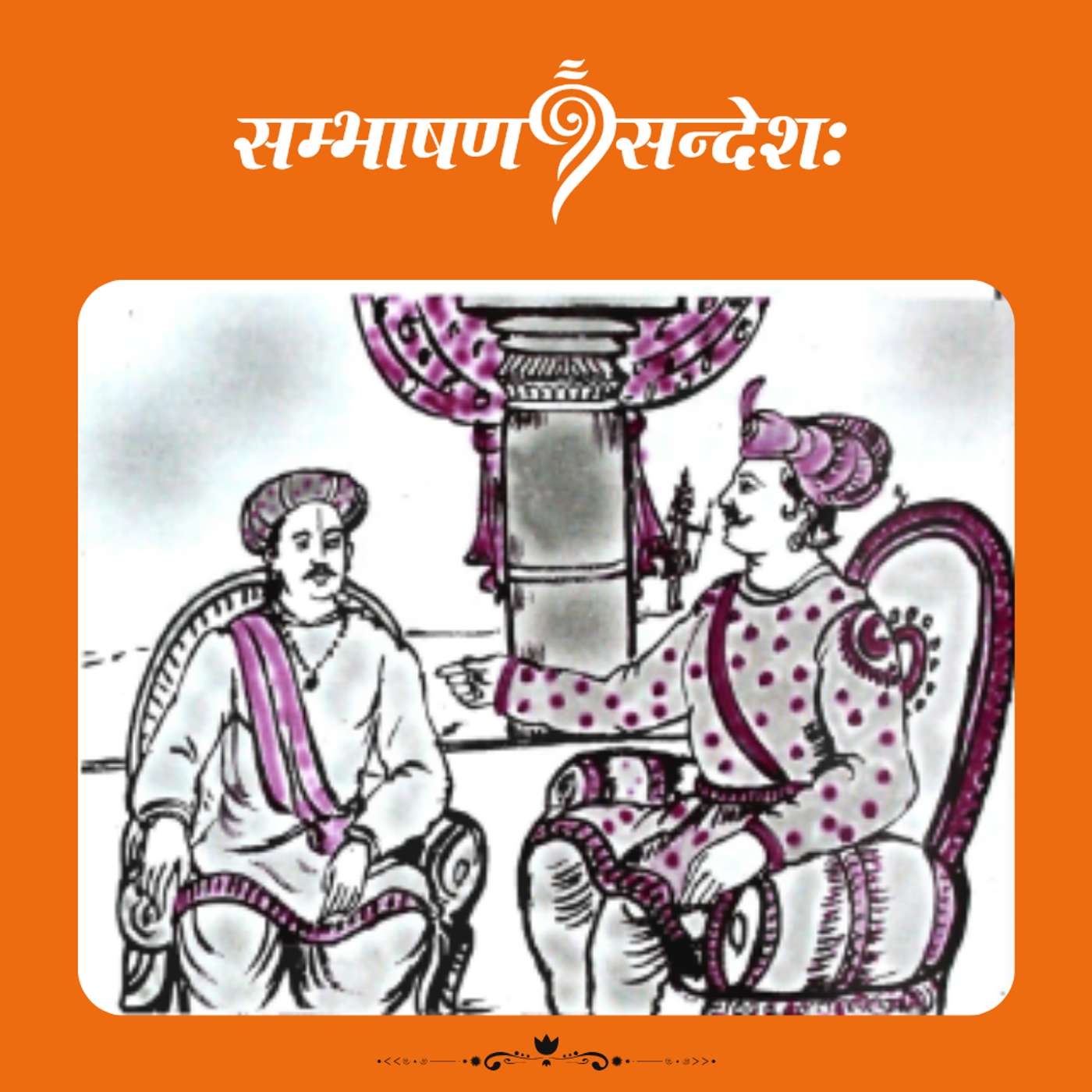
Ep 235अकबर-बीरबलयोः स्वप्नः
कदाचित् अकबरस्य मनसि 'सर्वदा बीरबलः मामेव अपहासपात्रं करोति । मया एकवारं वा सः अपहासपात्रीकरणीयः' इति । अथैकदा अकबरः प्रयत्नम् अपि अकरोत् । किन्तु बीरबलः तु असमान्यः । तं पराजेतुं कष्टम् एव । अकबरस्य प्रयासः व्यर्थः जातः । किं वा अकबर-बीरबलयोः मध्ये प्राचलत् इति जिज्ञासायां कथां शृण्वन्तु ।(“केन्द्रीयसंस्कृतविश्वविद्यालयस्य अष्टादशीयोजनान्तर्गततया एतासां कथानां ध्वनिप्रक्षेपणं क्रियते”)Once, Akbar thought in his mind, 'Birbal always makes me the subject of ridicule. Once, I must make him a subject of ridicule instead'. Then, one day, Akbar even made an effort. However, Birbal was extraordinary. Defeating him was indeed difficult. Akbar's attempt proved futile. If you're curious to know what happened between Akbar and Birbal, listen to the story.
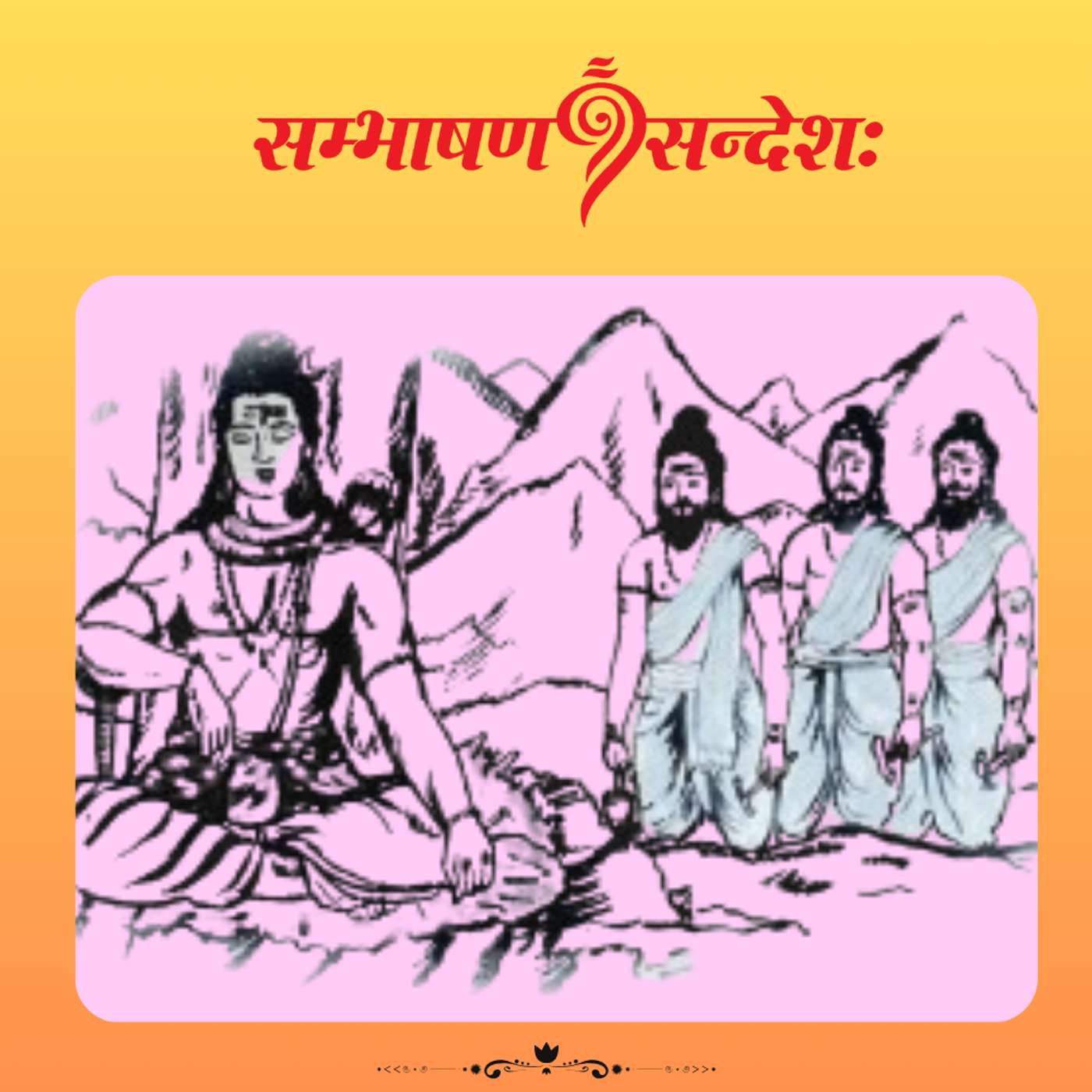
Ep 234आत्मज्ञानप्राप्तिः.....
कदाचित् नारदः स्वसोदराणां सनक-सनत्कुमार-सनन्दन-सन्त्सुजातानां वैराग्यम् आत्मज्ञानप्राप्तिजिज्ञासां जानन् 'योग्यं गुरुम् अन्विष्य मुक्तिं प्राप्तुं प्रयत्नं कुर्वन्तु' इति स्मारितवान् । सनकादयः वैकुण्ठं यदा गतवन्तः तत्र लक्ष्मीसहितं विष्णुं, तत्रत्यं वैभवं दृष्ट्वा आत्मज्ञानं कथं लभेत इति अचिन्तयन् । सर्वम् अन्तर्ज्ञानेन जानन् शिवः सनकादीन् अनुग्रहीतुम् इच्छन् दक्षिणामूर्तिरूपेण अवतारं प्राप्य वटवृक्षस्य अधः चिन्मुद्रां धृत्वा उपाविशत् । वैकुण्ठतः प्रत्यागच्छन्तः सनकादयः शिवस्य दर्शनसमनन्तरं त्रिभिः प्रदक्षिणैः तं नमस्कृत्य पादमूले उपविश्य समाधिस्थाः सन्तः आत्मज्ञानवन्तः जाताः ।(“केन्द्रीयसंस्कृतविश्वविद्यालयस्य अष्टादशीयोजनान्तर्गततया एतासां कथानां ध्वनिप्रक्षेपणं क्रियते”)Narada, noticing his brothers’ desire for self-realization, advised them to find a wise teacher to achieve liberation. The Sanakas visited Vaikuntha, where they saw Lord Vishnu with Goddess Lakshmi and the splendor of his realm. However, they wondered how self-realization was possible amidst such luxury. Understanding their quest, Lord Shiva appeared as Dakshinamurti, seated under a banyan tree in silence, symbolizing wisdom. When the Sanakas returned and saw Dakshinamurti, they bowed to him, meditated, and in his presence, achieved self-realization and ultimate truth.
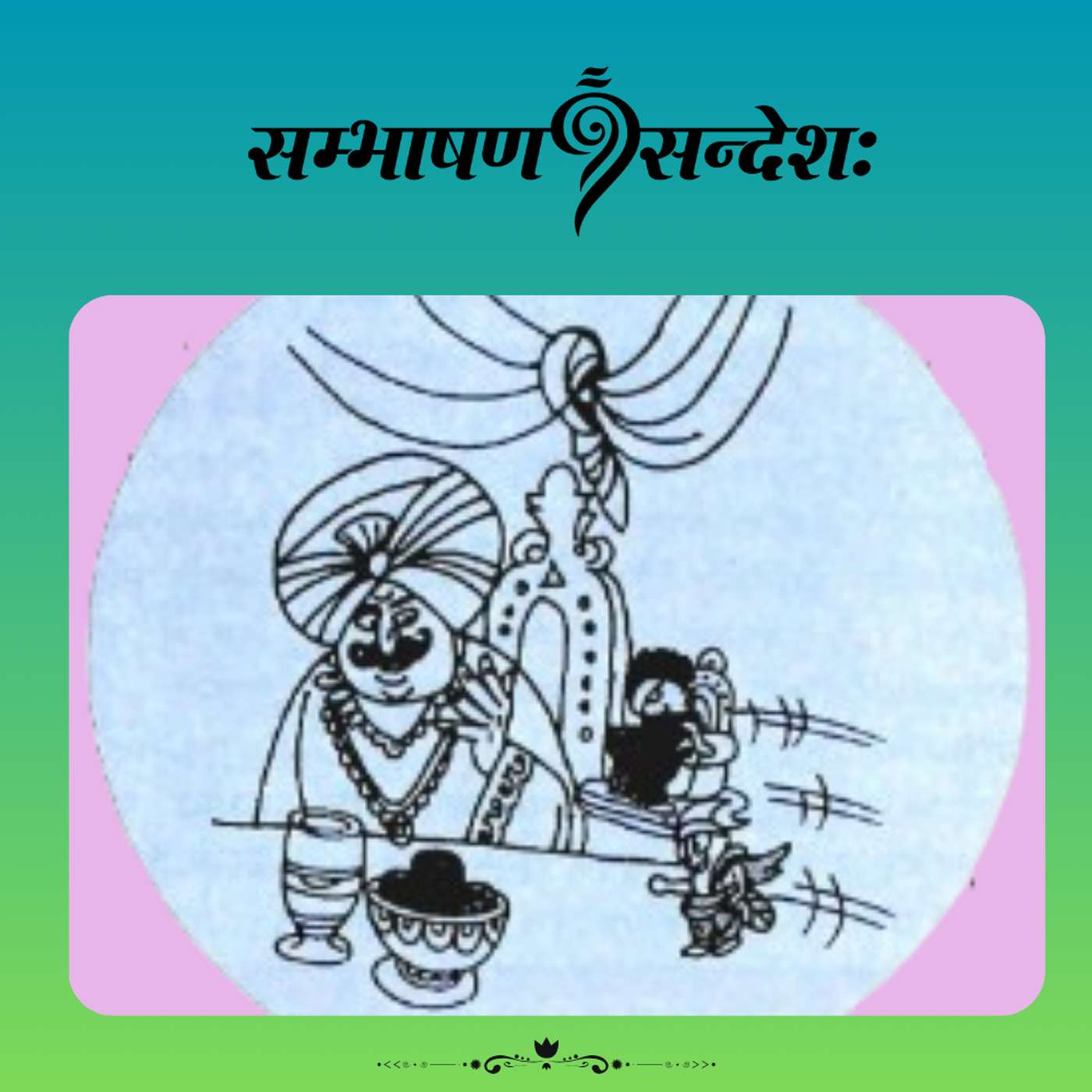
Ep 233जयः अमलवर्मणः......
शान्तिपुरं नाम किञ्चन राज्यं शान्तिप्रियः अमलवर्मा परिपालयति स्म । कदाचित् शान्तिपुरस्य प्रतिवेशिराज्यस्य परमक्रूरः लोभी च राजा क्रूरसिंहः पूर्वसूचनां विना युद्धघोषणं कृतवान् । कथञ्चिदपि युद्धं निवारयितुं अमलवर्मा मक्षिकाणां महाराजेन मक्षीशेन मिलित्वा साहाय्यं पृष्टवान् । युद्धतः प्रत्यागमनान्तरं राज्ये वासार्थम् अनुमतिः दातव्या इति मक्षीशः प्रार्थितवान् । मक्षिकाः उपायेन युद्धं जित्वा शान्तिपुरं यदा आगतवत्यः तदा शान्तिपुरे कुत्रापि अस्वच्छं स्थानम् अप्राप्य अन्यत्र गतावत्यः । एवं राजा अमलवर्मा स्वस्य विवेकायुधेन महाराजं क्रूरसिंहं महाराजं मक्षीशं च पराजित्य शान्त्या शान्तिपुरं परिपालितवान् ।(“केन्द्रीयसंस्कृतविश्वविद्यालयस्य अष्टादशीयोजनान्तर्गततया एतासां कथानां ध्वनिप्रक्षेपणं क्रियते”)There was a kingdom named Shantipur, ruled by the peace-loving king Amalavarma. Once, the neighboring kingdom’s cruel and greedy king, Krurasimha, declared war without any prior notice. To prevent the war, Amalavarma sought help from the king of flies, Makshisha. Makshisha agreed to assist on the condition that his flies would be allowed to reside in the kingdom after the battle. Using clever strategies, the flies helped win the war, and they came to Shantipur afterward. However, as the kingdom was impeccably clean, the flies found no unclean place to settle and went elsewhere. Thus, King Amalavarma, using his wisdom and cleanliness, overcame both Krurasimha and Makshisha, ensuring peace in Shantipur.
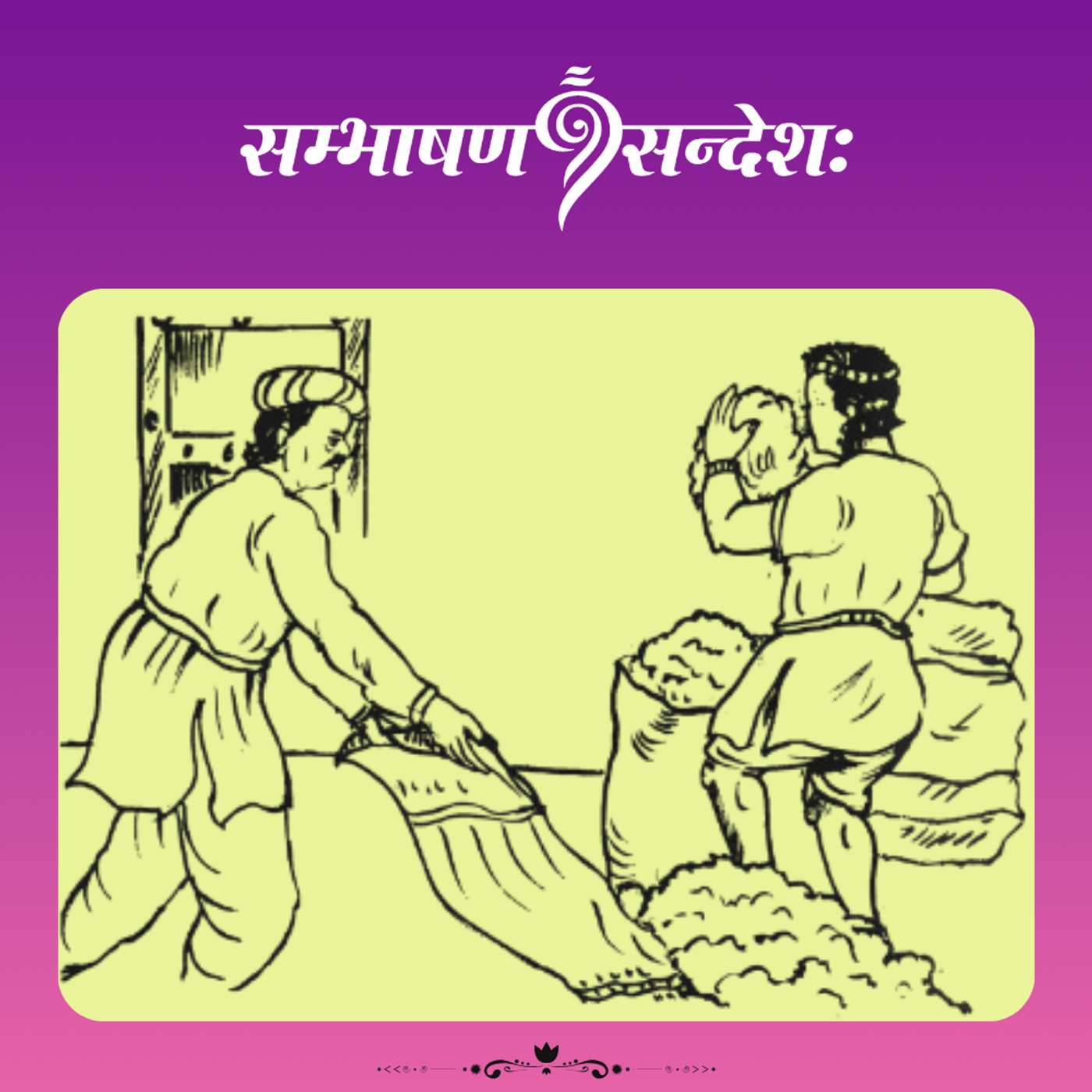
Ep 232चतुरः वणिक्
कस्यचन वणिजः गृहे प्रभूतः कार्पासः अस्तीति ज्ञात्वा कश्चन चोरः तं चोरयितुम् आगतः । कार्पासस्य बन्धनाय यावत् वस्त्रं प्रसारितवान् तावता चतुरेण वणिजा जागरणं प्राप्य मन्दम् उत्थाय वस्त्रम् अपसारितम् । कथञ्चिदपि कार्पासं नेतव्यमिति निश्चित्य स्वस्य युतकम् ऊरुकं च प्रसारितवान् यत् वणिजा अपसारितम् । चोरः निर्वस्त्रः जातः । ततः वणिक् गृहसदस्यान् जागरय्य चोरं बद्धवान् । एवं वणिजा स्वबुद्धिमत्तया चोरः गृहीतः ।(“केन्द्रीयसंस्कृतविश्वविद्यालयस्य अष्टादशीयोजनान्तर्गततया एतासां कथानां ध्वनिप्रक्षेपणं क्रियते”)A thief once learned that a merchant's house contained a large stock of cotton and arrived at the merchant's house. As he started spreading out a cloth to bundle the cotton, the clever merchant, who had been roused from his sleep, quietly removed the cloth. Determined to take the cotton at any cost, the thief then spread out his own shirt and trousers to tie up the cotton. Once again, the merchant removed them. Consequently, the thief ended up completely naked. The merchant then woke up his household members and captured the thief.
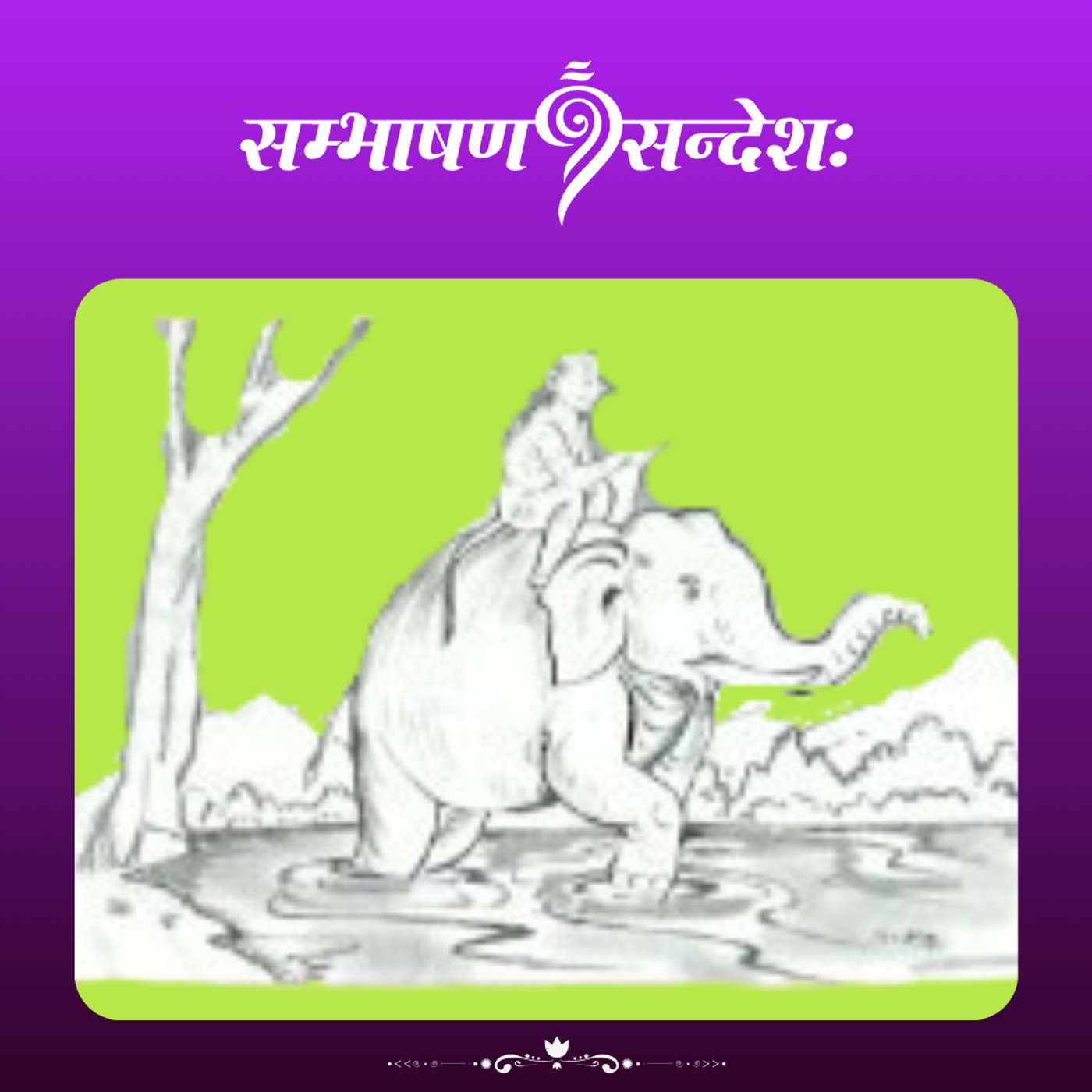
Ep 231यथा कृत्यं तथा फलम्
'यथा कृत्यं तथा फलम्' इति वचनस्य उत्तमम् उदाहरणं भवितुम् अर्हति एषा कथा । कदाचित् मित्रे गजवानरौ नद्याः अपरस्मिन् तीरे स्थितानि स्वादूनि फलानि खादितुम् उद्युक्तौ । वानरः अङ्कुशं गृहीत्वा गजस्य पृष्ठे उपविष्टवान् । सः कदाचित् अङ्कुशेन गजं ताडयित्वा, पीडयित्वा कार्यं कारयन्तं हस्तिपकं दृष्टवान् आसीत् । गजः नद्यां किञ्चिद्दूरं गतवान् तदा वानरः गजम् अङ्कुशेन पीडयितुम् उद्युक्तः । गजः महतीं वेदनाम् अनुभूतवान् । यदा गजः नद्याः मध्यभागं प्राप्तवान् जले निमग्नः अभवत् । तरणम् अजानन् वानरः जले निमज्जनेन अचिरात् मरणं प्राप्तवान् ।(“केन्द्रीयसंस्कृतविश्वविद्यालयस्य अष्टादशीयोजनान्तर्गततया एतासां कथानां ध्वनिप्रक्षेपणं क्रियते”)This story serves as an excellent example of the saying, "As you sow, so shall you reap". Once upon a time, two friends—a monkey and an elephant were eager to eat some delicious fruits on the other side of the river. The monkey, holding a goad (ankusha), climbed onto the elephant's back. Having seen how a mahout (elephant keeper) controlled an elephant by striking and causing pain with the goad, the monkey decided to do the same. He began striking the elephant with the goad, causing great pain to the elephant. When they reached the middle of the river, the elephant submerged itself in the water. Being unable to swim, the monkey drowned in the water shortly afterward.
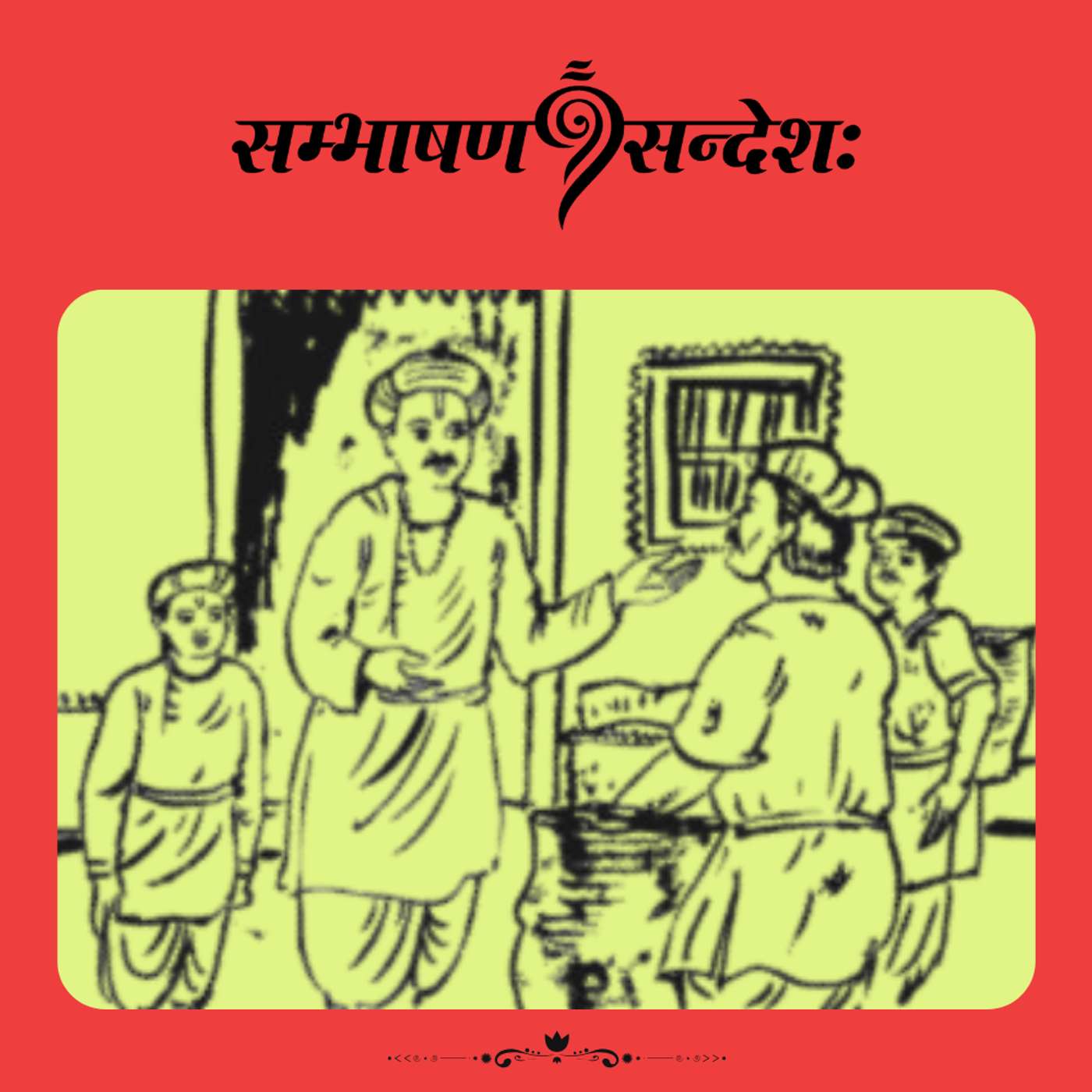
Ep 230वसुधैव कुटुम्बकम्
सन्ततुकारामः पुण्यपत्तनसमीपे देहुनामके ग्रामे निवसति स्म । सः प्रातः उत्थाय स्नानादिकं कृत्वा भोजनादिचिन्ताम् अकृत्वा वीणां करतालं च गृहीत्वा निर्जनं पर्वतं गच्छति स्म भजनं कर्तुम् । सः सर्वेषु अपि प्राणिषु स्थितः परमात्मा एव इति विचिन्त्य धान्यक्षेत्रे पक्षिणः न निवरयति । कदाचित् क्षेत्रस्वामिनः प्रेषितं धान्यराशिम् अपि ग्रामजनेभ्यः वितरति । सः आत्मवत् सर्वभूतानि अपश्यत् इति अनया कथया ज्ञायते ।(“केन्द्रीयसंस्कृतविश्वविद्यालयस्य अष्टादशीयोजनान्तर्गततया एतासां कथानां ध्वनिप्रक्षेपणं क्रियते”)Saint Tukaram lived in a village named Dehu near Pune. He would rise early in the morning, complete his daily rituals and without worrying about food or other worldly matters, he would take his veena and cymbals and head to a secluded mountain to engage in devotional singing and worship. Believing that the Supreme Soul resides in all living beings, he did not prevent birds from feeding in the grain fields. On occasion, he even distributed grain heaps, sent by the landowners, to the villagers.
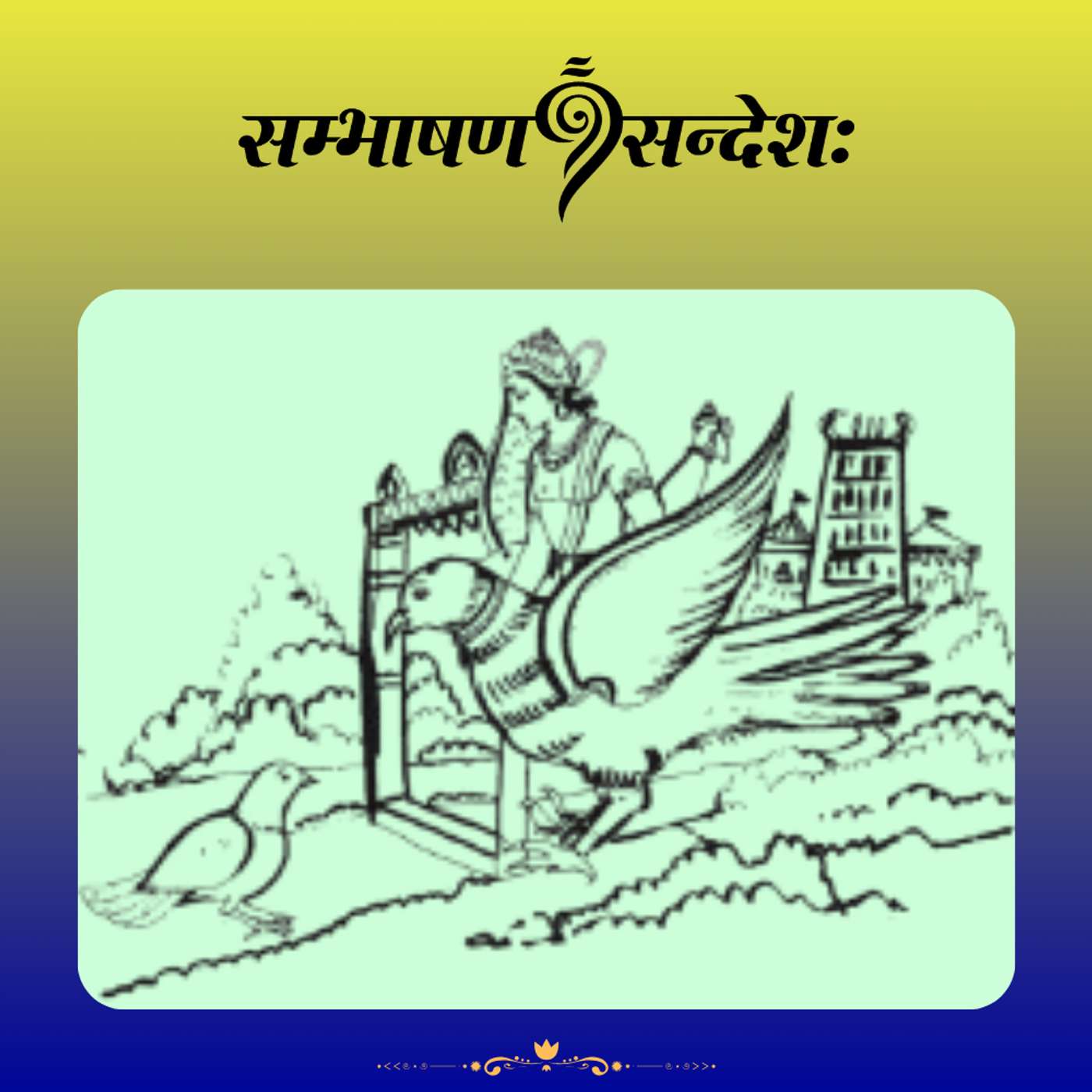
Ep 229बलीयसी भवितव्यता
दक्षिणभारते काञ्चिनगरे कस्यचन यज्ञस्य प्रवेशद्वारे मृत्युदेवस्य यमराजस्य वक्रदृष्टिः अपतत् इति कारणेन कश्चन पारवतः म्लानमुखः आसीत् । तत्रैव स्थितः सरलहृदयः सहायमनस्कः च गरुडः कारणं ज्ञात्वा पारवतं पारेयोजनसहस्रं सुमेरुपर्वतस्य कन्दरां प्रापय्य प्रत्यागतः। यज्ञसभातः निष्क्रामन् यमराजः पारवतस्य गहनतामासु सुमेरुकन्दरासु एकेन बिडालेन कथं सम्पाद्यते इति जिज्ञसां गरुडाय प्रकटयति तदा गरुडः प्रवृत्तं सर्वम् अकथयत् ।(“केन्द्रीयसंस्कृतविश्वविद्यालयस्य अष्टादशीयोजनान्तर्गततया एतासां कथानां ध्वनिप्रक्षेपणं क्रियते”)In South India, near the entrance of a sacrificial ceremony, the god of death, Yamaraja, cast a stern glance, which caused a parrot to become distressed. Nearby, Garuda, known for his kind heart and helpful nature, understood the reason behind the parrot's sorrow. He swiftly carried the parrot across thousands of leagues to the caves of Mount Sumeru and returned. Later, as Yamaraja emerged from the sacrificial ceremony, he expressed curiosity to Garuda about how the parrot would meet its fate in the depths of Sumeru's caves through a cat. Garuda then narrated the entire sequence of events. A story of destiny and divine intervention.
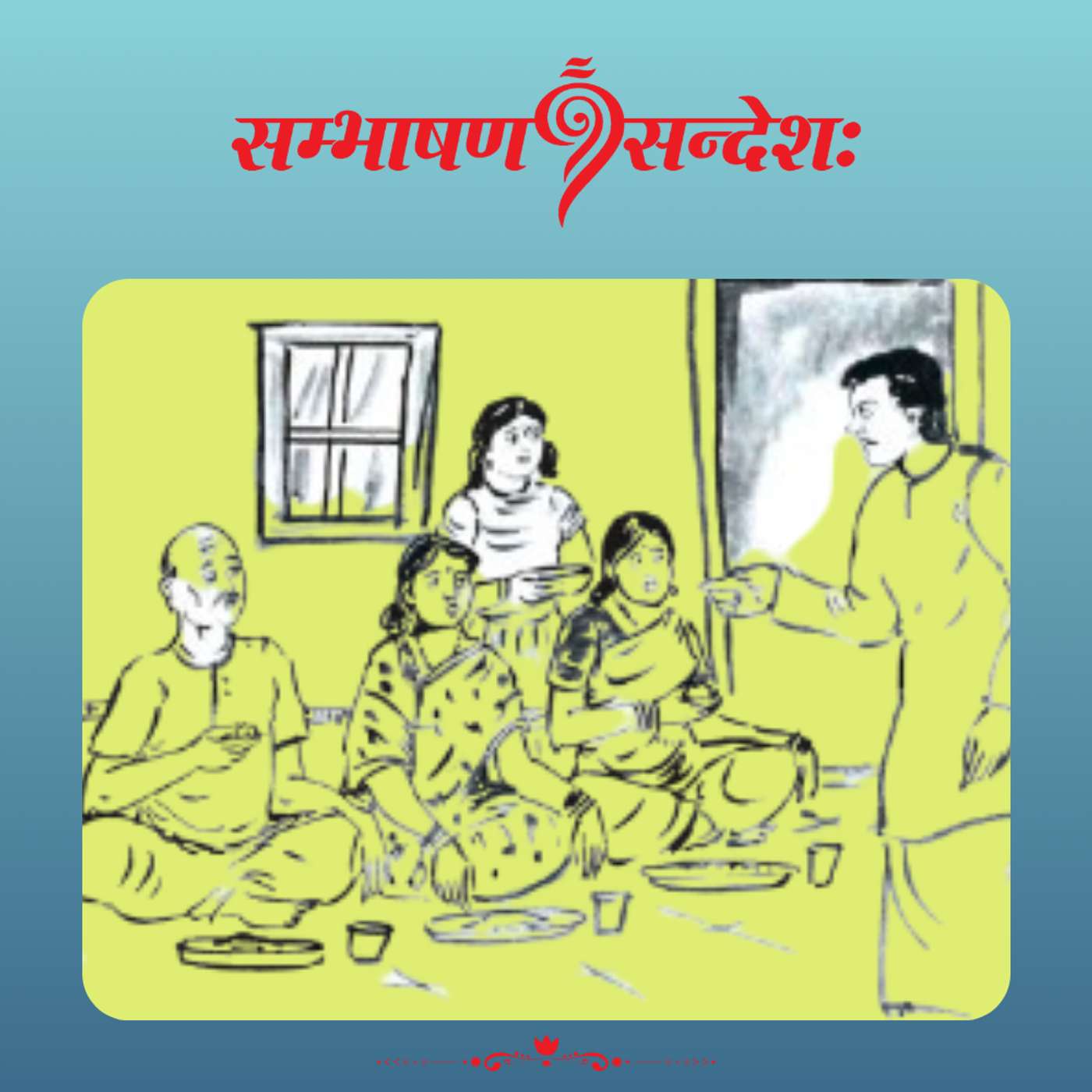
Ep 228वर्तमाने वर्तितव्यम्
कल्पनालोके विहरन् कश्चन तरुणः कदाचित् स्वप्ने राजत्वं प्राप्तवान् आसीत् । अग्रिमदिनात् आरभ्य सः महाराजवत् व्यवहारम् आरब्धवान् । मातापितरौ किमपि कार्यं वदतः चेत् सः वदति 'अहं महाराजः अस्मि । किं महाराजः स्वयं कार्यं कुर्यात्?’ इति । एषः कथं बोधनीयः इति गृहसदस्याः यदा चिन्ताक्रान्ताः आसन् तदा तस्य अनुजा उपायेन तं समीकरोति । वस्तुस्थितिम् अवगत्य सः तरुणः कल्पनालोके विहारात् कीदृशं कष्टं भवति इति जानन् स्वस्य कर्तव्यम् अवगच्छति ।(“केन्द्रीयसंस्कृतविश्वविद्यालयस्य अष्टादशीयोजनान्तर्गततया एतासां कथानां ध्वनिप्रक्षेपणं क्रियते”)A young man, lost in the world of imagination, once dreamt of becoming a king. From the next day onward, he began behaving like a king. Whenever his parents asked him to do something, he would reply, "I am the king. Why would a king do tasks himself?" Concerned about how to bring him back to reality, his family members grew anxious. His younger sister, however, devised a clever plan to help him see reason. Realizing the truth of his situation, the young man understood the hardships that come with living in a world of fantasy and recognized his responsibilities.
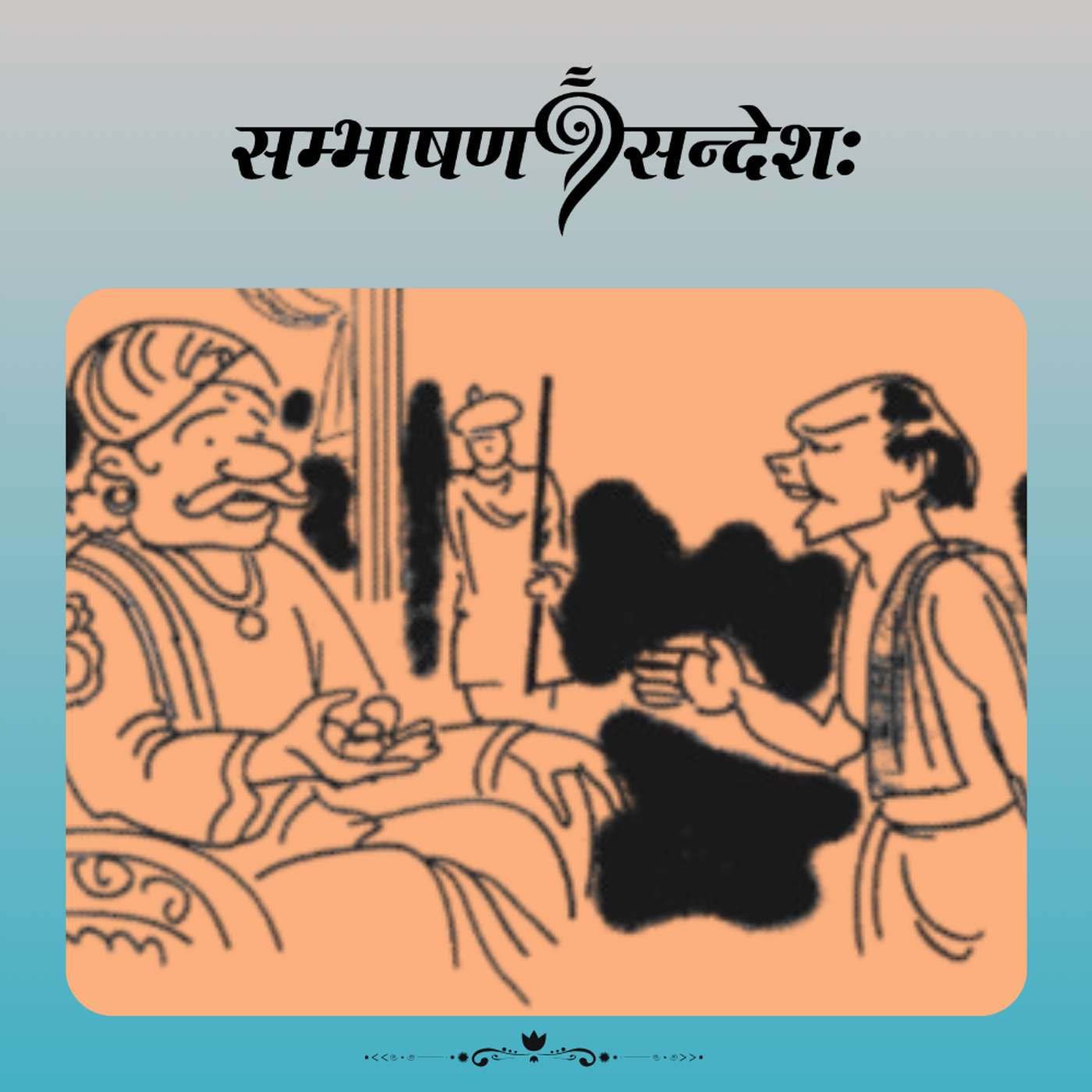
Ep 227त्रयः प्रश्नाः
कदाचित् राज्ञः विक्रमादित्यस्य मनसि त्रयः प्रश्नाः उदिताः -’ईश्वरात् पूर्वं कः आसीत्?’, 'ईश्वरः कुत्र निवसति?’, 'ईश्वरः किं करोति?’ । 'सन्तोषप्रदानि उत्तराणि यः यच्छति तम् अर्धं राज्यं दास्यामि, असम्यक् उत्तरं यः ददाति तस्मै कठोरदण्डनम्' इति घोषणां कारितवान् । दण्डभयात् कः अपि जनः उत्तरं दातुं साहसं न कृतवान् । किन्तु कश्चन हलवाहकः आगत्य राज्ञः त्रयाणां प्रश्नानाम् उत्तरं निर्दर्शनेन प्रतिपाद्य राजानं सन्तोषयति । वचनानुसारेण राजा हलवाहकाय अर्धं राज्यं अयच्छत् ।(“केन्द्रीयसंस्कृतविश्वविद्यालयस्य अष्टादशीयोजनान्तर्गततया एतासां कथानां ध्वनिप्रक्षेपणं क्रियते”)Once, King Vikramaditya was pondering three profound questions: "Who existed before God?", "Where does God reside?", and "What does God do?" He proclaimed, "Whoever provides satisfactory answers to these questions will be rewarded with half my kingdom. However, anyone giving an unsatisfactory answer will face severe punishment. Out of fear of the punishment, no one dared to respond. However, a plowman came forward and through practical demonstrations, provided convincing answers to all three questions, thus satisfying the king. As promised, King Vikramaditya awarded the plowman half of his kingdom.

Ep 226त्रयः पुत्राः
कस्यचित् धनिकस्य अन्त्यकाले पुत्राणां साहाय्यम् अपेक्ष्य एकैकं पुत्रम् आहूय साहाय्यं याचते । त्रयः अपि पुत्राः भिन्नं भिन्नम् उत्तरं अयच्छन् । तृतीयस्य पुत्रस्य उत्तरं श्रुत्वा धनिकः शान्त्या दिवङ्गतः । ते एव त्रयः पुत्राः धनजनपुण्यरूपाः । प्रथमः पुत्रः धनकनकादिसम्पद्रूपः । द्वितीयः आप्तजनः । तृतीयस्तु परोपकारः । एषा कथा परोपकारस्य महत्त्वं सम्यक् प्रकारेण व्यक्तं करोति । मानवजीवनस्य मूल्यं परहिते अस्ति । धनं सम्बन्धः च क्षणमात्रं भवति ।(“केन्द्रीयसंस्कृतविश्वविद्यालयस्य अष्टादशीयोजनान्तर्गततया एतासां कथानां ध्वनिप्रक्षेपणं क्रियते”)At the end of his life, a wealthy man sought help from his three sons, calling each one individually to ask for assistance. The three sons gave different responses. Upon hearing the answer of his third son, the wealthy man passed away peacefully. The three sons symbolize the three forms of wealth: The first son represents material wealth, such as money and gold. The second son signifies relationships and loved ones. The third son embodies altruism and service to others. This story beautifully conveys the importance of selfless service. It emphasizes that the true value of human life lies in benefiting others. Material wealth and relationships, though significant, are transient.
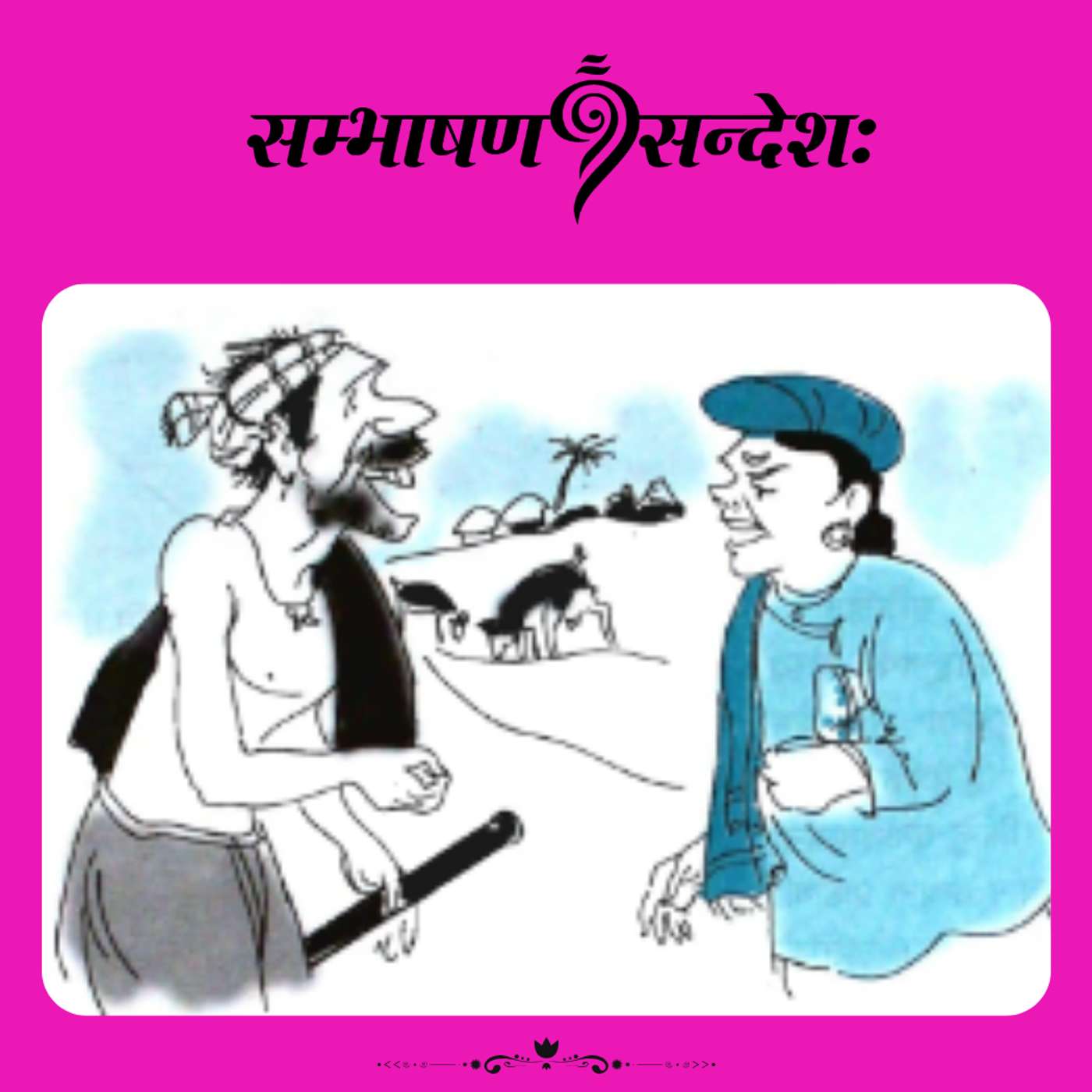
Ep 225मूर्खः पण्डितः
कस्मिंश्चित् ग्रामे शास्त्रग्रन्थादीन् पठितवान् कश्चन गर्वी पण्डितः आसीत् । सः स्वीयां प्रशंसां स्वयमेव सर्वत्र कुर्वन् भ्रमति स्म । कदाचित् कश्चन बुद्धिमान् जनः तं पण्डितं 'अन्यं ग्रामं गत्वा तत्रत्यान् पण्डितान् जयति चेत् भवतः पाण्डित्यस्य मूल्यम् अत्रत्याः जनाः अवगच्छेयुः' इति अवदत् । पण्डितः ससन्तोषं यावत् सः पार्श्वस्थं ग्रामं प्राविशत् कश्चन अजपालः तेन दृष्टः । सम्भाषणावसरे पण्डितः गर्वी इति ज्ञातः अजपालेन सरलः प्रश्नः पृष्टः यत् पण्डितः उत्तरं दातुम् असामर्थः जातः । एतेन अपमानितः पण्डितः तस्मात् दिनात् आत्मप्रशंसां परित्यक्तवान् ।(“केन्द्रीयसंस्कृतविश्वविद्यालयस्य अष्टादशीयोजनान्तर्गततया एतासां कथानां ध्वनिप्रक्षेपणं क्रियते”)In a certain village, there lived a proud scholar who had studied many sacred texts and scriptures. He wandered everywhere, praising himself and boasting of his knowledge. One day, a wise man suggested to him, "If you go to another village and defeat the scholars there, people here will truly understand the worth of your scholarship." Pleased with the idea, the scholar entered a nearby village, where he encountered a simple shepherd. During their interaction, the shepherd noticed the scholar's arrogance and asked him a straightforward question. The scholar, however, was unable to provide an answer. Humiliated by this incident, the scholar gave up his habit of self-praise from that day onwards.
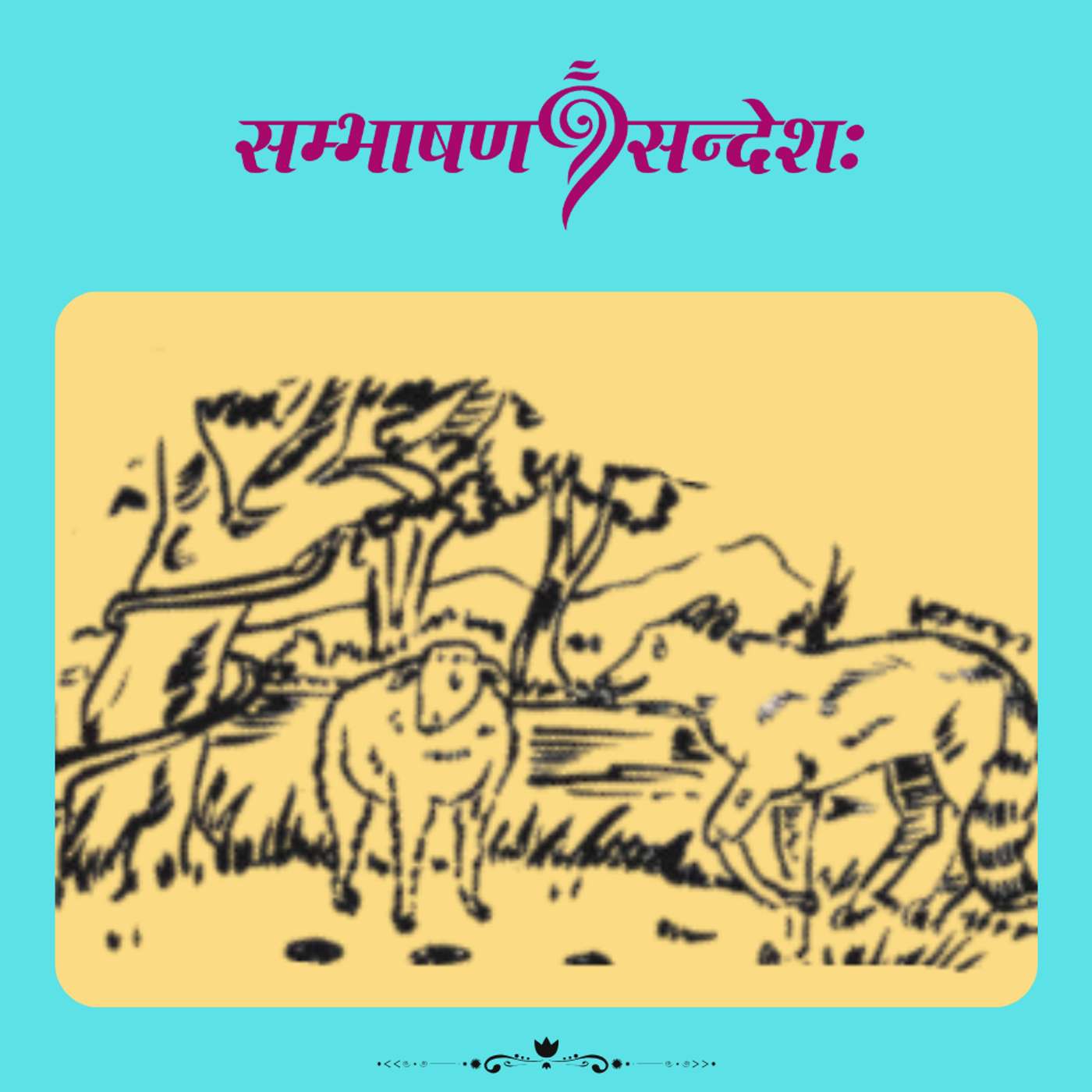
Ep 224चरणचिह्नचिन्तनम्
कदाचित् वनप्रदेशे तृणसेवनमग्नात् मेषसमूहात् एकः मेषशावकः पृथक् जातः । शावकः एकाकी स्वगृहमार्गस्य अन्वेषणं यदा आरब्धवान् तदा निर्झरस्य समीपे विद्यमानासु वालुकासु वनराजस्य सिंहस्य सुचारूणि पदचिह्नानि अपश्यत् । एकाग्रतया भक्त्या च वनराजस्य पदचिह्नानि पश्यन्तं शावकं जम्बूकः, वृकः, व्याघ्रः च यथाक्रमं दृष्ट्वा सौजन्येन व्यवहृत्य ततः पलायनं अकुर्वन् । साक्षात् सिंहः यदा शावकस्य दृढं भक्तिभावं अपश्यत् तदा गजम् आदिशत् 'मेषशावकं पृष्ठे आरोप्य वनविहारं कारयतु यत्र वृक्षाणां मृदूनि पर्णानि, स्वादूनि फलानि च खादेत्' इति । वनराजभक्तेः एतत् पारितोषिकम् ।(“केन्द्रीयसंस्कृतविश्वविद्यालयस्य अष्टादशीयोजनान्तर्गततया एतासां कथानां ध्वनिप्रक्षेपणं क्रियते”)Once, in a forest region, a lamb got separated from its flock while grazing. As it wandered alone in search of its way home, it spotted the beautifully marked footprints of the king of the jungle—the lion—on the sandy banks of a stream. The lamb, filled with deep reverence and devotion, focused intently on the footprints. Observing the lamb's unwavering devotion, a jackal, a wolf, and a tiger approached the lamb but then fled, sensing its sincere admiration for the lion. When the lion himself noticed the lamb's steadfast devotion, he commanded an elephant, saying, ‘Carry this lamb on your back and let it roam freely in the forest where it can feed on the soft leaves of trees and sweet fruits’. This was the reward for the lamb's deep devotion to the king of the jungle.
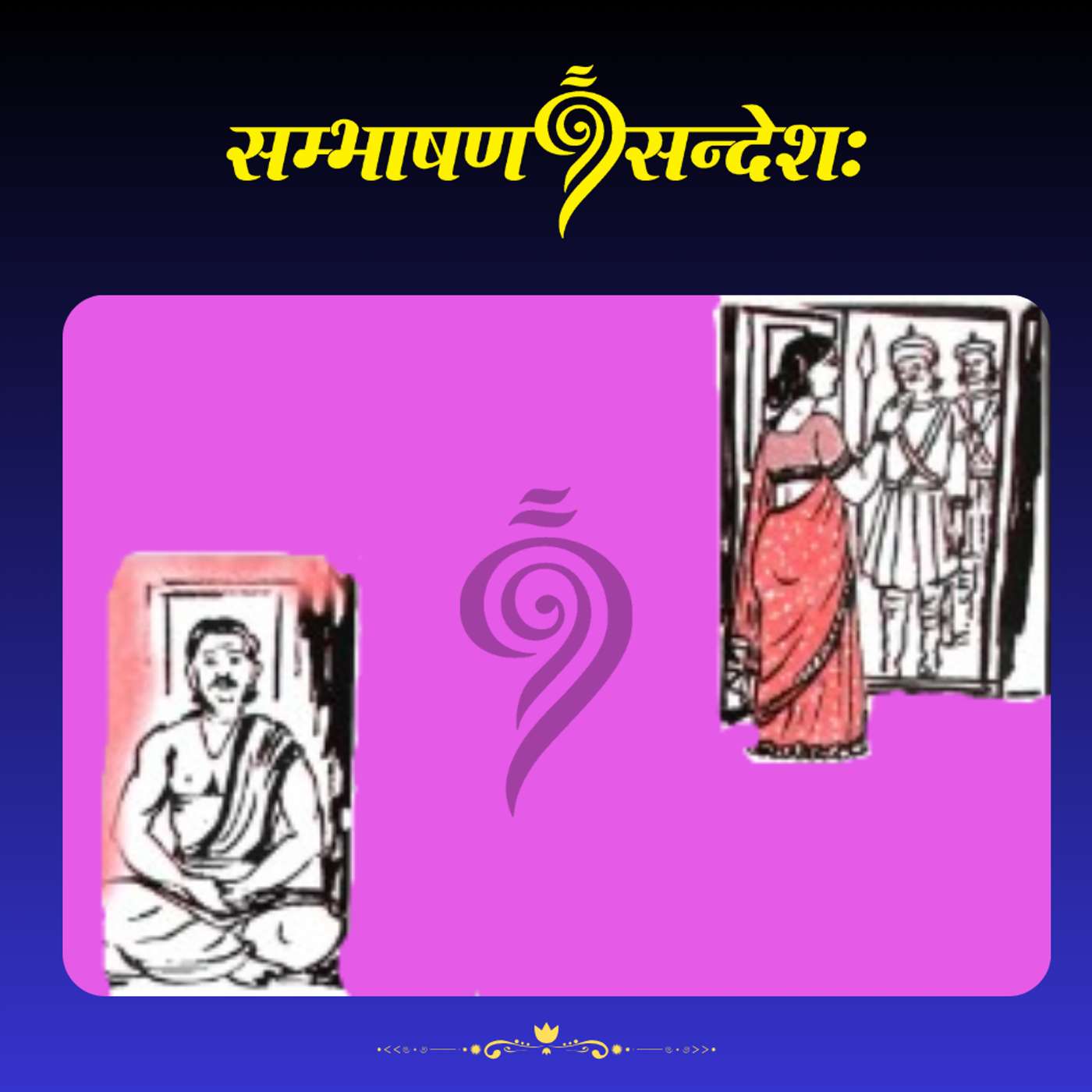
Ep 223भक्तसेवा
आसीत् कश्चन नापितः यः प्रतिदिनं भगवतः ध्यानं कृत्वा एव कार्ये प्रवर्तते स्म । अथैकदा भगवन्तं पूजयित्वा ध्यानमग्नः अभवत् । समये तस्य उनुपस्थितिं दृष्ट्वा कुपितः राजा भटान् प्रेषयति । भीता नापितस्य पत्नी पतिः गृहे नास्ति इति अवदत् । असूयावन्तः भटाः भार्या अनृतम् अवदत्, नापितः गृहे एव अस्ति इति अवदन् । तत् श्रुत्वा क्रुद्धः राजा नापितम् आनेतुं भटान् यदा आदिशत् तदा स्वयं देवः नापितवेषं धृत्वा राज्ञः क्षौरम्, शरीरमर्दनं च अकरोत् । प्रवृत्तं सर्वं ज्ञात्वा नापितेन भगवतः दर्शनं प्रार्थ्यते । सन्तुष्टः भगवान् प्रत्यक्षः अभवत् ।(“केन्द्रीयसंस्कृतविश्वविद्यालयस्य अष्टादशीयोजनान्तर्गततया एतासां कथानां ध्वनिप्रक्षेपणं क्रियते”)There was once a barber who became deeply engrossed in meditation. Noticing his absence, the king grew angry and sent soldiers to fetch him. Terrified, the barber's wife lied, saying her husband was not at home. However, the suspicious soldiers accused her of deceit and claimed that the barber was indeed present at home. Upon hearing this, the enraged king commanded the soldiers to bring the barber to him immediately. At that moment, God Himself, disguised as the barber, appeared before the king and performed his shaving and body massage. When the truth of the divine intervention was revealed, the barber humbly prayed for God's darshan. Pleased, God manifested before him.
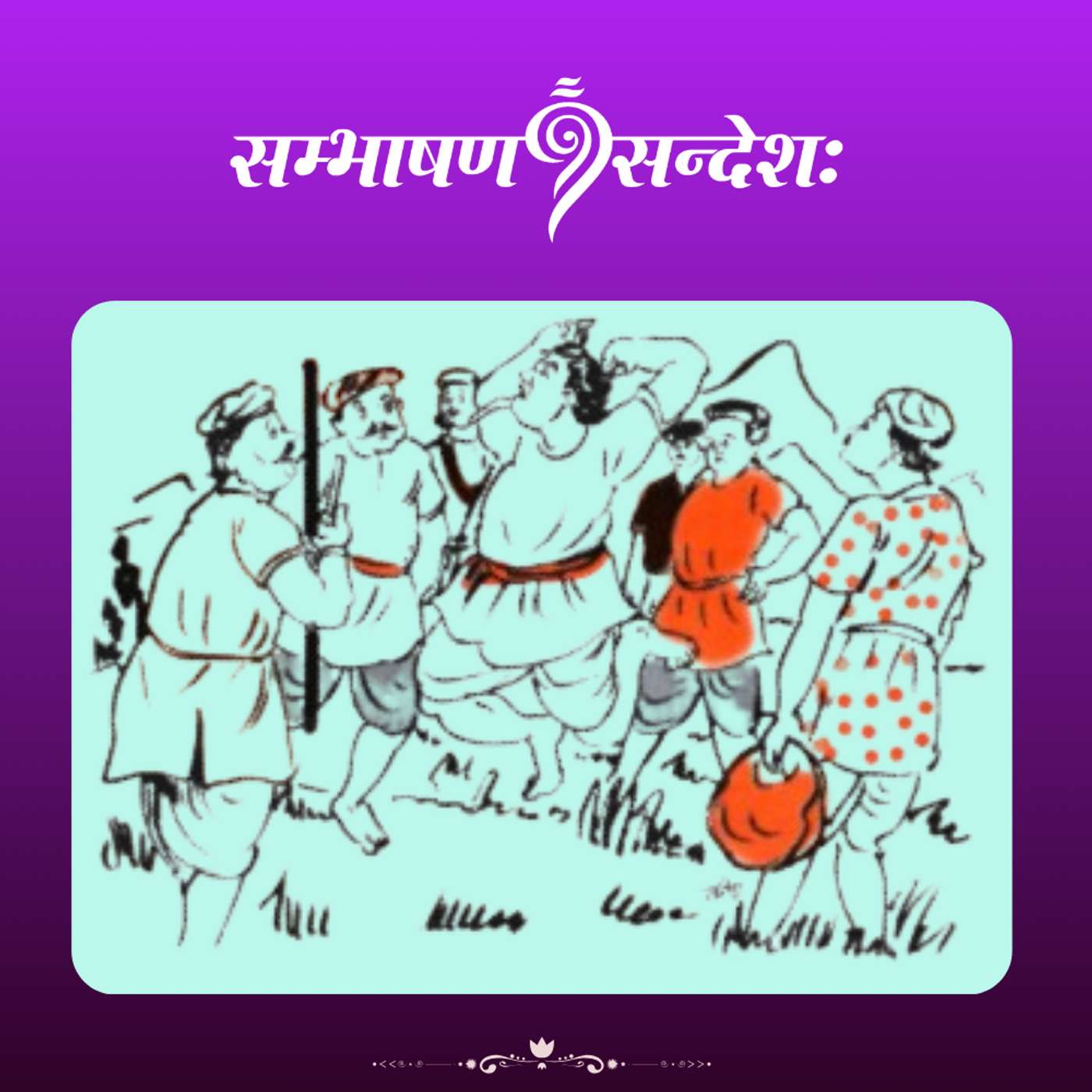
Ep 222भीमावतारः
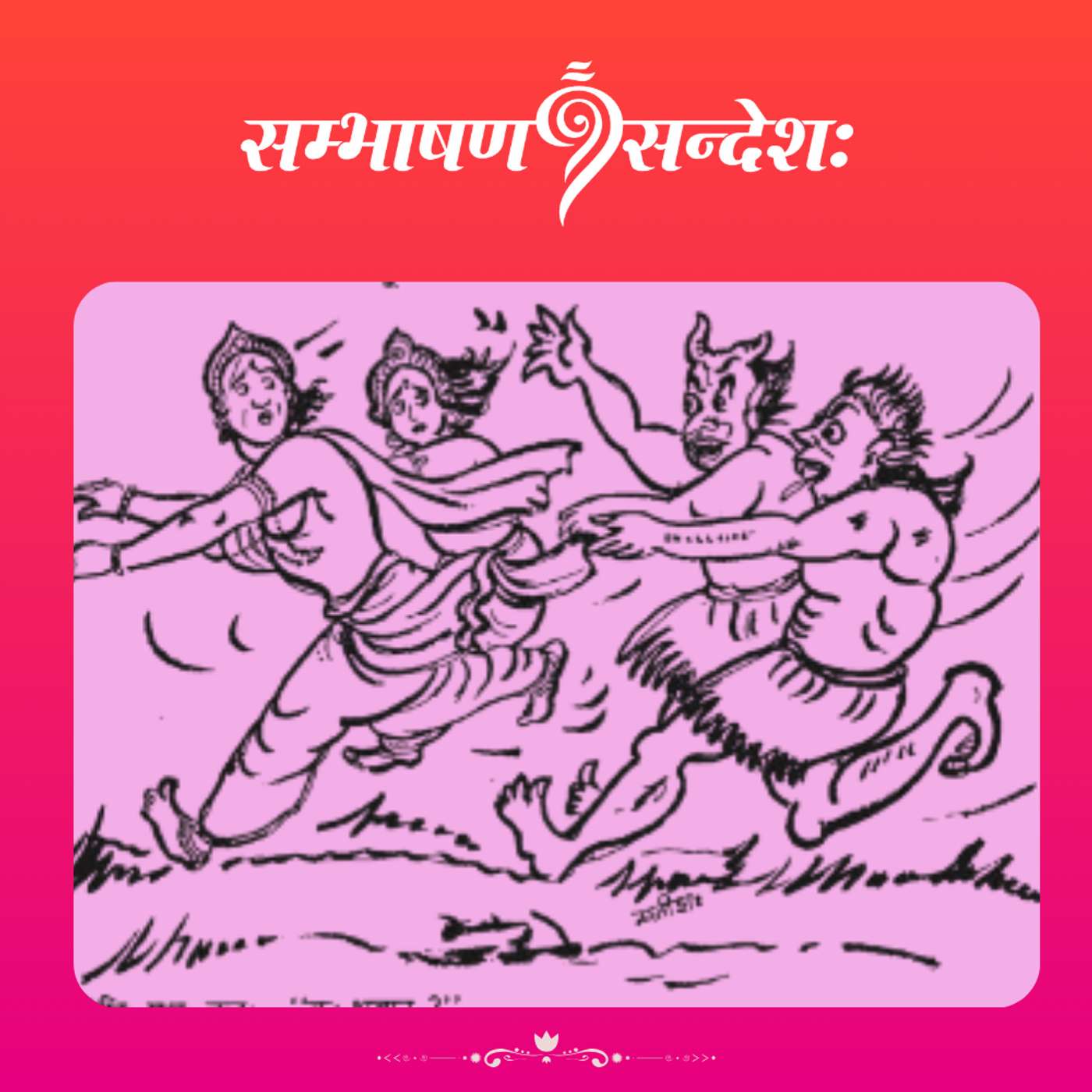
अस्ति भारते हिमालयस्य सन्निकटे बोयलनामकः ग्रामः । अथैकदा अत्रत्याः बहवः ग्रामीणाः यदा कुम्भस्नानाय प्रयागं प्रति प्रस्थिताः तदा मार्गे खड्गहस्ताः लुण्ठकाः आगताः । सर्वे यात्रिणः भीताः । तेषु शिवदेवनामकः अतीव भीतः पर्वतीयभाषया 'ओ.. इ.. जा.. आ.. ज.. मर् यां.. अम्ब ! अद्य मृताः वयम्' इति उच्चैः क्रन्दनं कृत्वा कूर्दितवान् । तत् सर्वं दृष्ट्वा लुण्ठकाः भीताः । भीमकायस्य शिवदेवस्य कूर्दनं दृष्ट्वा लुण्ठकानां प्रमुखः अवदत् 'अयं तु भीमावतारः । शीघ्रम् इतः पलायनं करवाम' इति ।(“केन्द्रीयसंस्कृतविश्वविद्यालयस्य अष्टादशीयोजनान्तर्गततया एतासां कथानां ध्वनिप्रक्षेपणं क्रियते”)In India, near the Himalayas, there is a village named Boyal. Once, many villagers from there set out for the Kumbh Mela in Prayag. On their way, armed robbers appeared, wielding swords. All the travelers were terrified. Among them, Shivadeva, who was extremely frightened, cried out loudly in a mountain dialect, "Oh... Ee... Ja... Aa... Ja... Mar Yam... Mother! Today we are doomed!". Seeing this, the robbers became scared. Witnessing Shivadeva's massive stature and his dramatic cries, the leader of the robbers exclaimed, "This is surely an incarnation of Bhima. Let us flee from here immediately!
Ep 221मधुरवचनानि
कस्मिंश्चित् नगरे विजयरामनामकः कश्चन महाधनिकः अत्यन्तं लोभी आसीत् । सम्पत्तेः सङ्ग्रहणं तस्य विकृतः स्वभावः आसीत् । एकदा कश्चन साधुः धनिकस्य गृहसमीपस्थात् उद्यानात् कस्यचित् पक्षिणः मधुरं गानं श्रुत्वा एकं सुवर्णनाणकं दत्त्वा 'अनेन फलानि बीजानि पक्षिणः प्रियखाद्यानि च क्रीत्वा पक्षिणे ददातु' इति उक्तवान् । किन्तु सः लोभी धनिकः मम पक्षिणः गानश्रवणाय शतं सुवर्णनाणकानि ददातु इति कथयति । तदनन्तरं सः साधुः उपयामेकं कृत्वा विजयरामं समीचीनं पाठं पाठयति ।(“केन्द्रीयसंस्कृतविश्वविद्यालयस्य अष्टादशीयोजनान्तर्गततया एतासां कथानां ध्वनिप्रक्षेपणं क्रियते”)In a certain town, there was a wealthy man named Vijayarama, who was extremely greedy. Accumulating wealth was his distorted nature. One day, a sage heard a bird's melodious singing in the garden near Vijayarama's house. He gave a gold coin and said, "With this, buy fruits, seeds, and treats favored by birds and give them to the bird." But the greedy man insisted, "For listening to my bird's singing, pay me a hundred gold coins." Thereafter, the sage crafted a clever plan and taught Vijayarama a valuable lesson.41.भीमावतारः
Ep 220प्रयत्नो विधेयः प्रयत्नो विधेयः
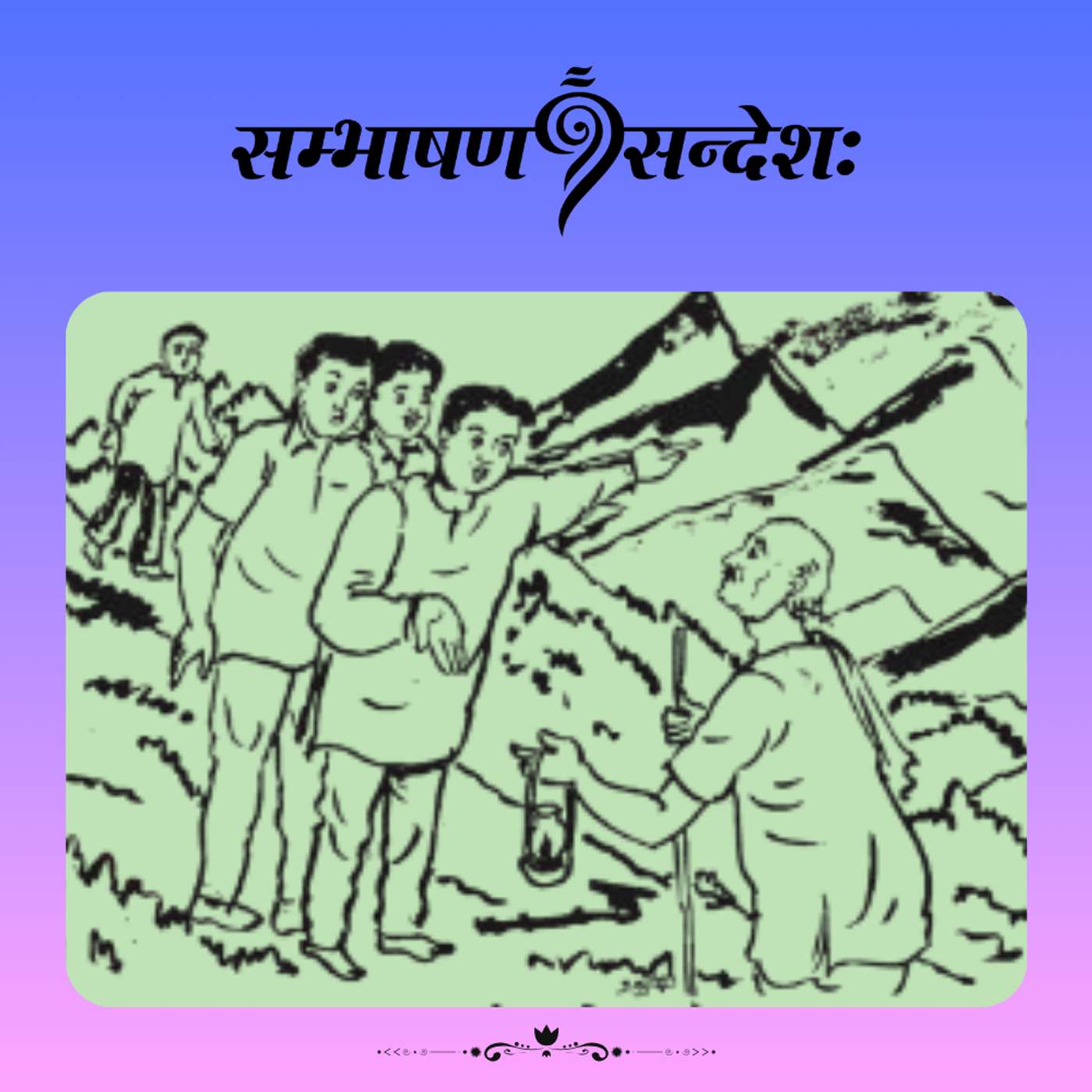
सुन्दरपुरनाम्नि ग्रामे कस्यचन कृषकस्य पुत्रः अनिलः अलसः युवकः निरुद्योगी सन् आदिनं मित्रैः सह इतस्ततः भ्रमन् आसीत् । कदाचित् सूर्यास्तसमये समीपस्थात् पर्वतात् अवरोहद्भिः आरुह्यमाण: कश्चन वृद्धः लघुना दीपेन सह दृष्टः । आचर्येण यदा अनिलः अपृच्छत् तदा सः वृद्धः शिखरस्थं शिवालयं गन्तुम् इच्छामि इति अवदत् । तदनन्तरं यानि हितवचनानि वृद्धेन उक्तानि तानि वचनानि हासः च अनिलस्य मनसि मुहुर्मुहुः गुञ्जनम् अकुर्वन् । उद्यमस्य महत्त्वमपि अवगतं तेन । अपरेद्युः ब्राह्मे अहनि हलं गृहीत्वा गच्छन्तं पुत्रं दृष्ट्वा पित्रा आनन्दः अनुभूतः ।(“केन्द्रीयसंस्कृतविश्वविद्यालयस्य अष्टादशीयोजनान्तर्गततया एतासां कथानां ध्वनिप्रक्षेपणं क्रियते”)In a village named Sundarpuri, there was a farmer’s son, Anil, who was a lazy and unemployed youth wandering around aimlessly with his friends. One evening at sunset, he noticed an elderly man descending from a nearby mountain with a small lamp. Out of curiosity, Anil asked him what he was doing. The elderly man replied that he wished to reach the Shiva temple located at the mountaintop. Subsequently, the wise words spoken by the elderly man left a profound impression on Anil. He also came to understand the importance of hard work. The very next day, his father was overjoyed to see Anil waking up early in the morning and heading out with a plow.
Ep 219मा कुरु गर्वम्
कदचित् उषास्नाता कलिका स्वस्य अनुपमं सौन्दर्यम् अवलोक्य गर्विता । सहसा तस्याः दृष्टिः समीपस्थं धूलिधूसरितं पाषाणखण्डं दृष्ट्वा 'ईश्वरेण कीदृशीं विकृतिं गमितः त्वम्' इति उक्तवती । पाषाणखण्डः किमपि अनुक्त्वा तूष्णीम् अतिष्ठत् । अग्रिमदिने कश्चन मूर्तिकारः आगत्य तेन पाषाणखण्डेन एकां देवमूर्तिम् अरचयत् । एकस्मिन् मन्दिरे स्थापितवान् च । अग्रिमदिने यदा सा कलिका पुष्पतां गता कश्चन भक्तः तत् पुष्पम् अविचित्य देवविग्रहस्य चरणयोः समर्पितवान् । स्वस्य अधोगतिं दृष्ट्वा कलिकया महान् खेदः अनुभूतः ।(“केन्द्रीयसंस्कृतविश्वविद्यालयस्य अष्टादशीयोजनान्तर्गततया एतासां कथानां ध्वनिप्रक्षेपणं क्रियते”)One day, a bud admired her unparalleled beauty and became proud. Suddenly, her gaze fell upon a nearby dust-covered piece of stone and she said, 'What a distorted state the Creator has placed you in!' The stone remained silent and unresponsive. The next day, a sculptor arrived and carved that stone into an idol of a deity, which he then placed in a temple. On the following day, the bud, now turned into a flower, was plucked by a devotee and offered at the feet of the deity's idol. Witnessing her own downfall, the bud felt immense regret.
Ep 218आदर्शः निरुद्धः
कदाचित् घोरे युद्धे प्रवृत्ते उभयपक्षीयाः अपि बहवः मृताः । सर्वत्र मानवानां शवाः एव दृश्यन्ते स्म । कतिपयैः जनैः सह 'आदर्शः' अपि भीतो भूत्वा पलायनम् आरब्धवान् । दैवदुर्वियोगवशात् पलायमानः सः आदर्शः आतङ्कवादिना गृहीतः । यदा आदर्शः वदति 'मानवतारक्षणं मम धर्मः' ततः आरभ्य सः आतङ्कवादिनाम् अज्ञाते स्थले निरुद्धः वर्तते ।(“केन्द्रीयसंस्कृतविश्वविद्यालयस्य अष्टादशीयोजनान्तर्गततया एतासां कथानां ध्वनिप्रक्षेपणं क्रियते”)During a fierce war, countless individuals on both sides perished. Everywhere, only human corpses were visible. Among some individuals, 'Adarsh' too, frightened, began to flee. By a twist of fate, while escaping, Adarsh was captured by terrorists. When Adarsh declared, 'Protecting humanity is my duty,' from that moment onward, he has been confined by the terrorists in an unknown location.
Ep 217सत्यवादी चोरः
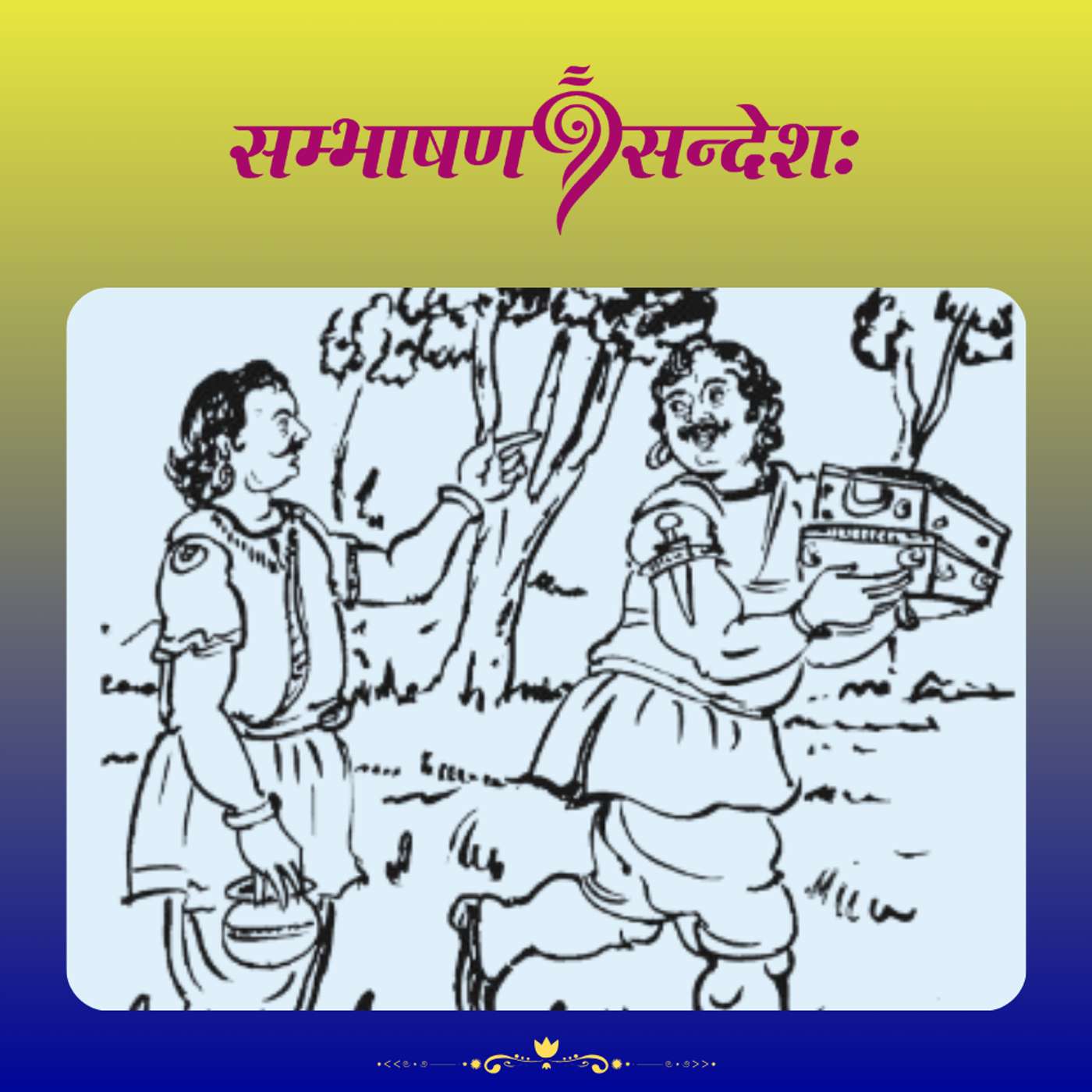
कदाचित् कश्चन चोरः मनःपरिवर्तनं प्राप्तुं मुनेः समीपं गतवान् । सः मुनेः वचनानुसारं सत्यमेव भाषितुं सङ्कल्पं कृत्वा ततः कदापि मिथ्याभाषणं न कृतवान् । एकदा सः राजकोषतः सुवर्णपेटिकाद्वयमेव चोरयित्वा यदा धावितुम् आरब्धवान् तदा मार्गमध्ये मन्त्री लब्धः । प्रवृत्तं सर्वं ज्ञात्वा सः मन्त्री इतोपि एकां सुवर्णपेटिकाम् अपहृतवान् । जनाः पेटिकात्रयमपि चोरेण अपहृतम् इति चिन्तयन्ति इति मत्वा । किन्तु यदा राजस्थाने चोरः आनीतः दण्डप्रहारे अपि सः पेटिकाद्वयमेव मया चोरितमिति सत्यमेव वदन् आसीत् । तदनन्तरं महाराजेन ज्ञातं यत् तृतीयपेटिकां मन्त्री चोरितवान् इति । सप्तवर्षाणि यावत् मन्त्रिणं कारागारे स्थापयित्वा चोरं मन्त्रिपदे नियोजितवान् राजा ।(“केन्द्रीयसंस्कृतविश्वविद्यालयस्य अष्टादशीयोजनान्तर्गततया एतासां कथानां ध्वनिप्रक्षेपणं क्रियते”)Once, a thief, seeking to change his ways, approached a sage. Following the sage's advice, he resolved to always speak the truth and never lied thereafter. One day, he stole two boxes of gold from the royal treasury and when began to flee, he encountered the minister. When the thief was brought before the king, even under punishment, he truthfully confessed that he had stolen only two boxes. Later, the king discovered that the third box had been stolen by the minister. The king imprisoned the minister for seven years and impressed by the thief's honesty, appointed him to the minister's position.
Ep 216उड्डयनसमर्थः अश्वः
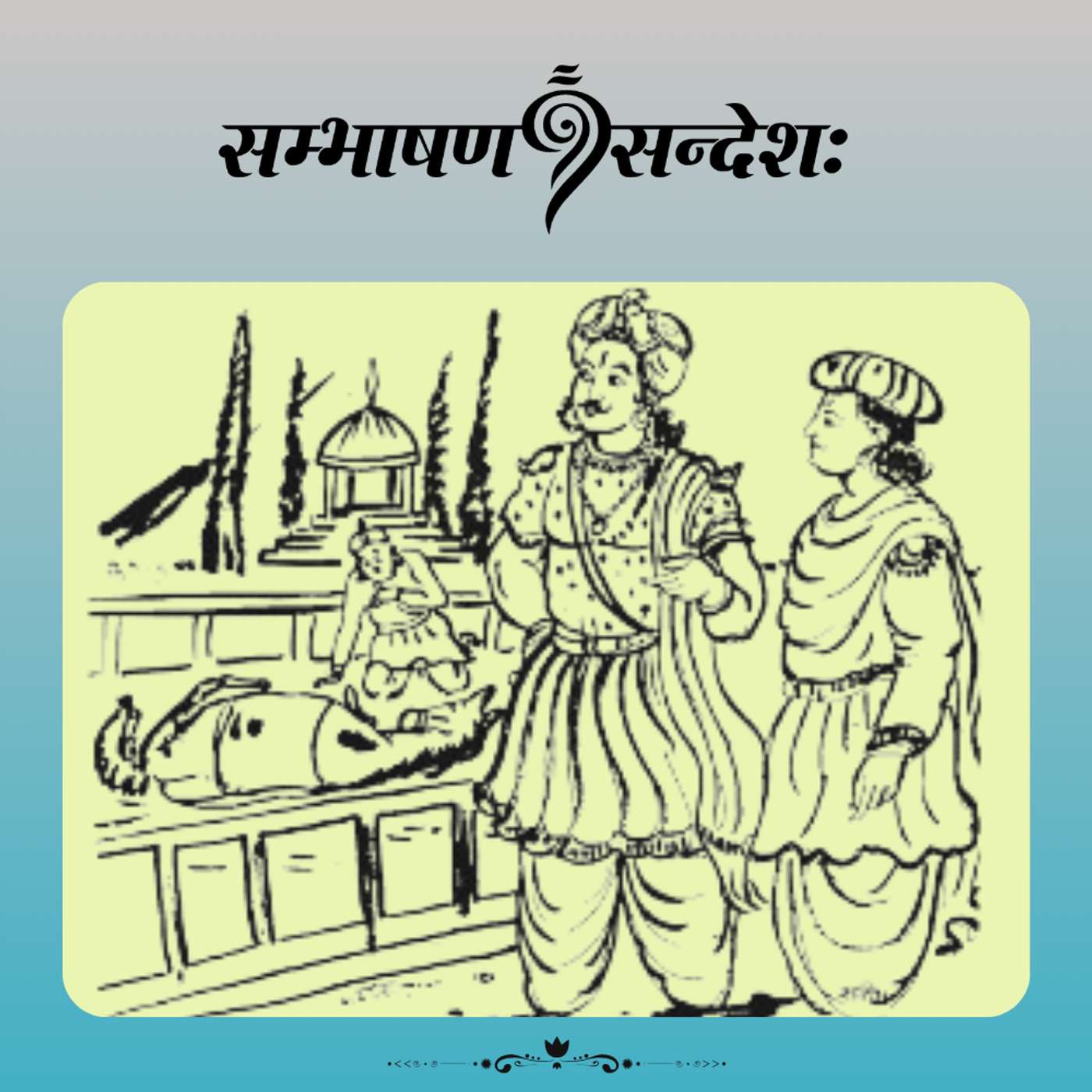
वयं सर्वे विजयनगरस्य राजानं कृष्णदेवरायं, तस्य परमाप्तमन्त्रिणं तेनालिरामकृष्णं जानीमः एव । तेनालिरामकृष्णः परोपकारी सङ्कटतारकः तीक्ष्णमतिः च आसीत् इति सर्वे जानन्ति स्म । अस्यां स्वारस्यकार्यां कथायां तेनालिरामकृष्णः कथं कञ्चन अश्वपोषकं राज्ञः दण्डनात् रक्षति, कम् उपायं करोति इति पश्यामः ।(“केन्द्रीयसंस्कृतविश्वविद्यालयस्य अष्टादशीयोजनान्तर्गततया एतासां कथानां ध्वनिप्रक्षेपणं क्रियते”)We all know about the Vijayanagara king, Krishnadevaraya and his trusted minister, Tenali Ramakrishna. Everyone knows that Tenali Ramakrishna was benevolent, a savior in difficult times, and sharp-witted. In this intriguing story, let us see how Tenali Ramakrishna saves a horse caretaker from the king's punishment and what strategy he employs.
Ep 215दानस्य महिमा
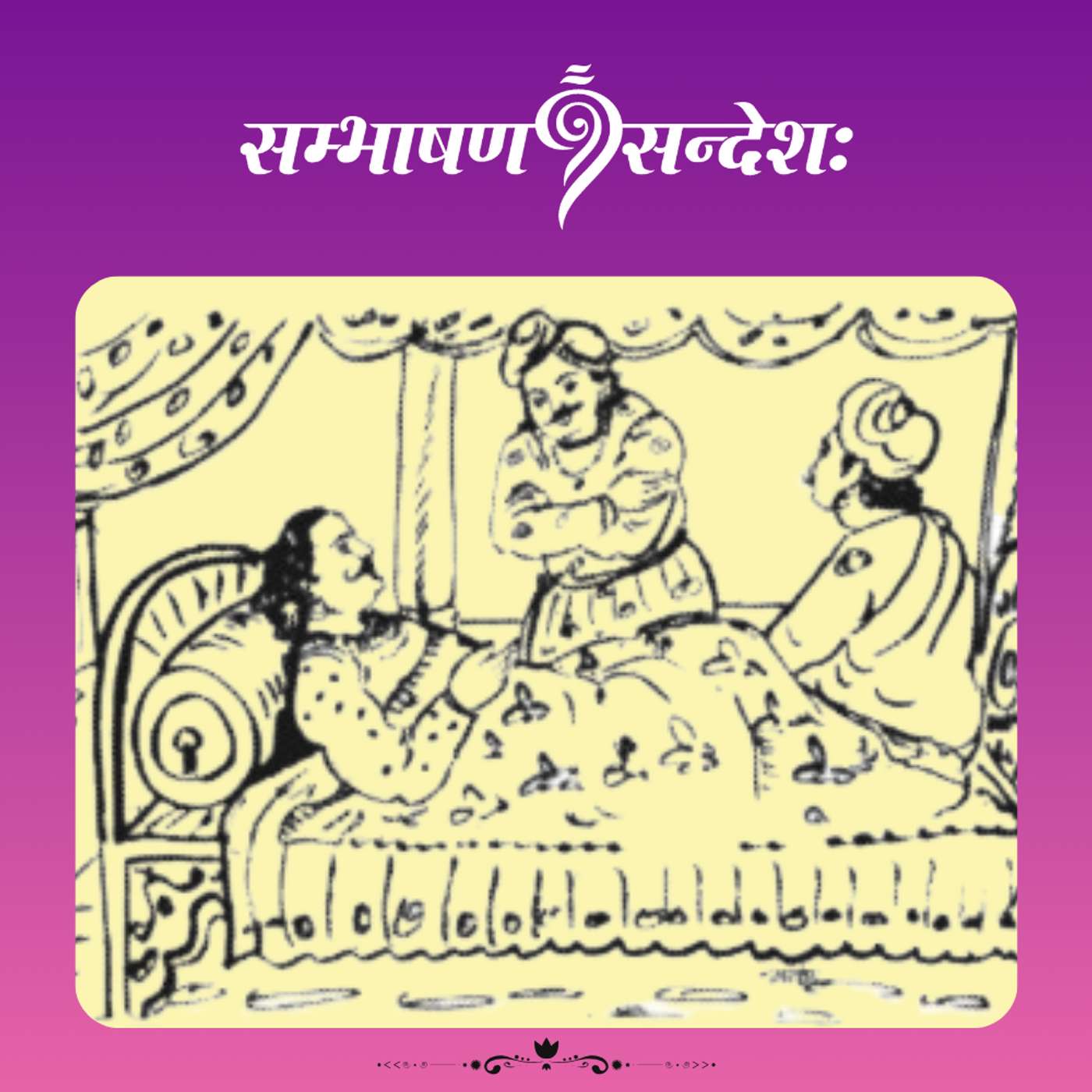
यदा पुष्करनगरनृपः कदाचित् रुग्णः जातः तदा राजपुरोहितः सूचयति यत् विपुलस्य सुवर्णस्य दानकरणेन राजा स्वस्थः भवितुम् अर्हति इति । तद्वदेव राजा दशकोटिसुवर्णमुद्राणां दानाय व्यवस्थां करोति । किन्तु मन्त्री नगराध्यक्षः च वञ्चनां कृत्वा अल्पम् एव धनराशिं प्रजाभ्यः दत्तवन्तौ । विपुलं दानं कृत्वा अपि यदा नृपः स्वास्थ्यं न प्राप्तवान् तदा सः सुवर्णस्य दानं योग्यरीत्या अभवत् उत न इति ज्ञातुं गुप्तचरान् प्रेषितवान् । गुप्तचरैः सर्वं ज्ञात्वा राजा मन्त्रिप्रभृतीन् सर्वान् कारागारे स्थापितवान् । पुनः राजा दशकोटिसुवर्णमुद्राः प्रजाभ्यः वितीर्य मासाभ्यन्तरे नीरोगः अभवत् ।(“केन्द्रीयसंस्कृतविश्वविद्यालयस्य अष्टादशीयोजनान्तर्गततया एतासां कथानां ध्वनिप्रक्षेपणं क्रियते”)When the king of Pushkar city fell ill at some point, the royal priest suggested that the king could recover by donating a large amount of gold. Following this, the king arranged for the donation of ten crore gold coins. However, the minister and the city administrator, through deceit, gave only a small amount to the citizens. Despite the significant donation, the king did not recover, so he sent spies to investigate whether the gold donation had been conducted properly. The spies uncovered everything, and the king imprisoned all those involved, including the minister. Subsequently, the king distributed the ten crore gold coins to the citizens, and within a month, he regained his health.
Ep 214सुखस्य मन्त्रः
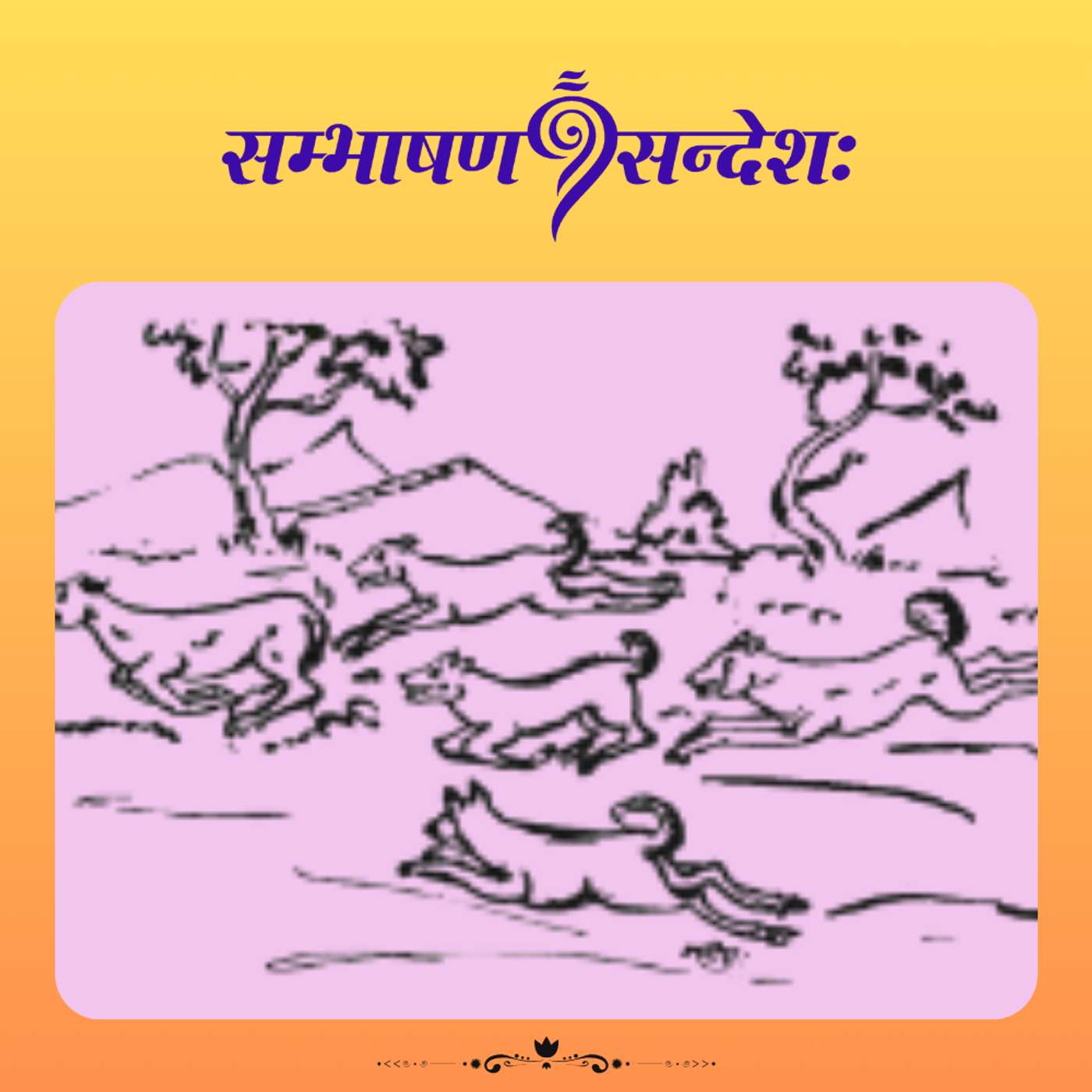
कदाचित् कश्चन कुक्कुरः दिल्लीतः हरिद्वारं प्रति अधावत् । मार्गे केचन कुक्कुराः भषन्तः एतं कुक्कुरम् अनुसृतवन्तः । एषः कुक्कुरः तैः सह सङ्घर्षम् अकृत्वा हरिद्वारं प्रति अधावत् । यदि सङ्घर्षं कृतवान् स्यात् तर्हि अन्ये कुक्कुराः तस्य महतीं हानिं कृतवन्तः स्युः । तेन समयश्रमयोः महती हानिः अभविष्यत्, अपायः अपि अभविष्यत् । लक्ष्यप्राप्तिमार्गे ये विरोधिनः सन्ति तैः सह सङ्घर्षः न करणीयः अस्माभिः । लक्ष्यप्राप्तिविषये अत्यधिकशक्त्या निष्ठया यत्नाः करणीयाः ।(“केन्द्रीयसंस्कृतविश्वविद्यालयस्य अष्टादशीयोजनान्तर्गततया एतासां कथानां ध्वनिप्रक्षेपणं क्रियते”)Once, a dog ran from Delhi to Haridwar. Along the way, some dogs barked and chased after him. This dog did not engage in conflict with them but continued running towards Haridwar. If he had engaged in conflict, other dogs might have caused him significant harm. It would have resulted in great loss of time and effort, and even danger. On the path to achieving a goal, we must not engage in conflict with those who oppose us. Instead, we must strive with immense determination, dedication, and effort towards achieving our objectives.