
बालमोदिनी
663 episodes — Page 6 of 14
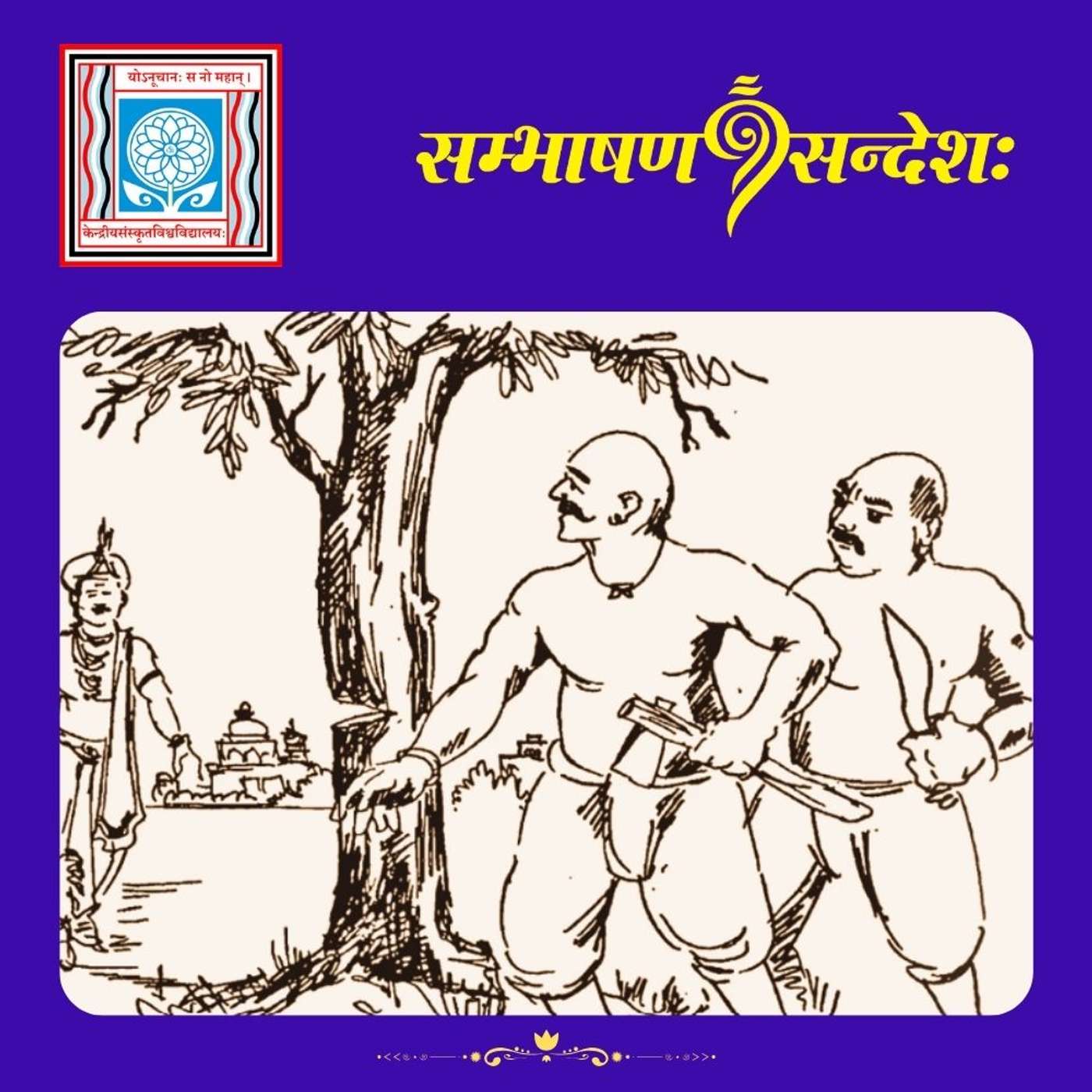
Ep 413नृपस्य न्यायः
कश्चन दयावान् न्यायप्रियः राजा तस्य पत्नी च स्वप्रजाजनान् पुत्रान् इव प्रीत्या पालयतः । नृपस्य प्रासादसमीपस्थस्य आम्रवृक्षस्य फलानि अत्यन्तं मधुराणि रसपूर्णानि च भवन्ति स्म । एकदा राज्ञ्याः दासी नृपं स्वमात्रे एकं फलम् अयाचत । तस्य फलस्य खादनेन अतीव सन्तुष्टा सा वृद्धा 'सः वृक्षः मम उद्याने भवतु' इति विचिन्त्य द्वौ मल्लौ तथैव आज्ञापितवती । रात्रौ वृक्षकर्तनसमये सैनिकाः तयोः बन्धनं कृतवन्तः । सैनिकैः दास्याः माता अपि आनायिता । यथा तस्याः कल्याणं भवति तथा दण्डनं दत्तम् । तत् श्रुत्वा सा वृद्धा क्षमां याचयित्वा प्रसन्नमनसा गृहं प्रति प्रस्थितवती । किं तत् दण्डनम् इति कथया जानीत।(“केन्द्रीयसंस्कृतविश्वविद्यालयस्य अष्टादशीयोजनान्तर्गततया एतासां कथानां ध्वनिप्रक्षेपणं क्रियते”)A kind and just king, with his queen, cared for their people like children. Near the palace grew a mango tree with very sweet fruits. The queen’s maid once asked for a fruit for her mother, who enjoyed it so much that she wished the tree were in her own garden. She ordered two men to cut it down at night, but the guards caught them and brought her before the king. The king, desiring her welfare, gave her a punishment that taught her a lesson. The old woman begged forgiveness and returned home with a lighter heart.
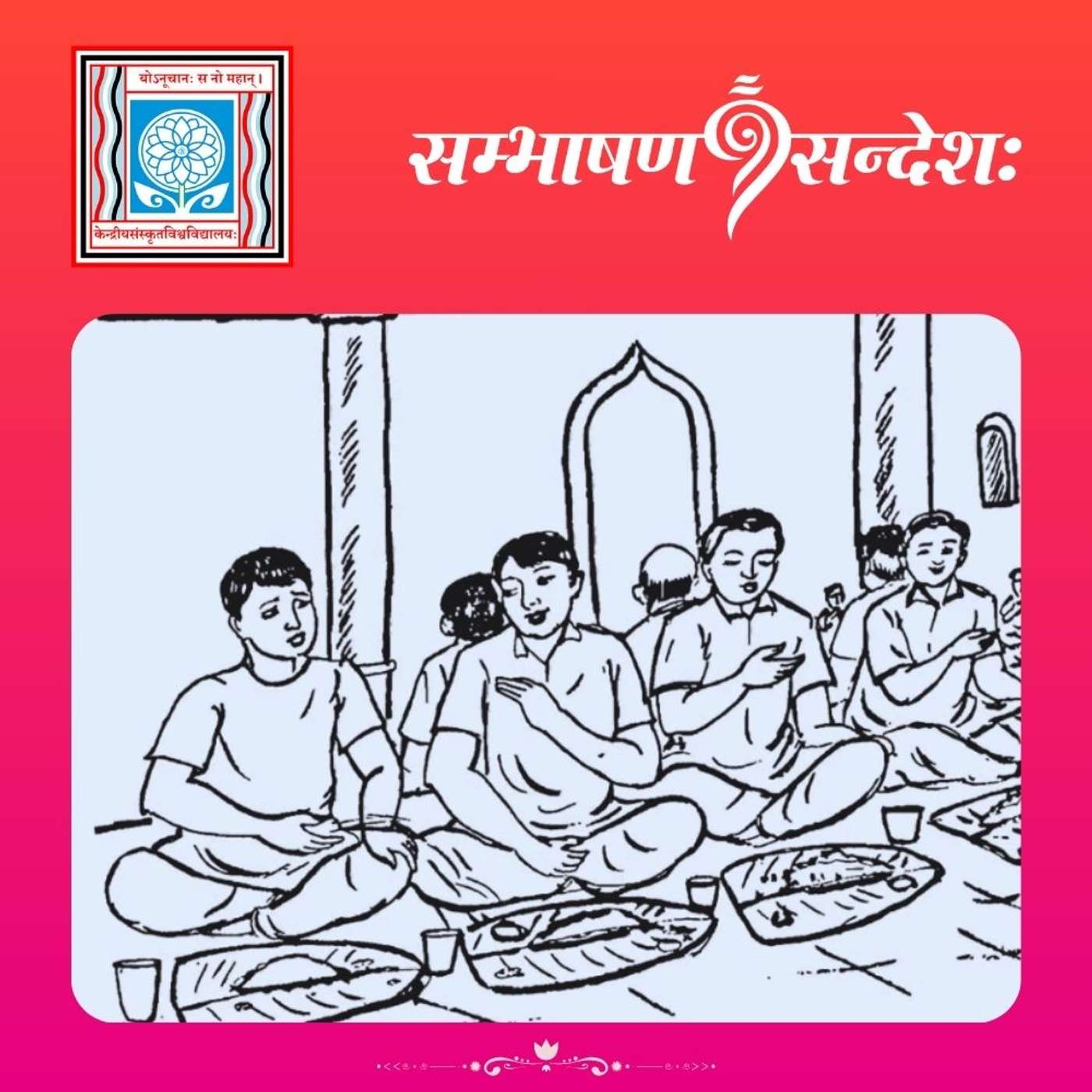
Ep 412विचित्रवाञ्छा
कस्मिंश्चित् उत्सवे साम्प्रदायिकरीत्या भोजनालये भूमौ पङ्क्तिरूपेण कदलीदलानि स्थापितानि आसन् । भोजनम् आरब्धम् । भोज्यपदार्थानां भागत्वेन बीजोपेतपक्वाम्रफलनिर्मितः कश्चन पदार्थविशेषः आसीत् । कश्चित् भक्ष्यलोलुपः आम्रफलं हस्तेन सम्पीड्य तस्य रसं यदा आस्वादयन् आसीत् तदा आम्रफलस्य बीजं तस्य हस्तात् स्खलितं सत् पार्श्वे उपविष्टस्य दले न्यपतत् । यदा भक्ष्यलोलुपस्य मुखं म्लानं जातं तदा पार्श्वस्थः अवदत् यत् आम्रबीजस्य स्पर्शनेन मम खाद्यम् अतीव न दूषितम् इति । तदा भक्ष्यलोलुपः तस्य विचित्रवाञ्छाम् अवदत् 'आम्रबीजं न्यूनातिन्यूनं दशदलानि स्पृष्ट्वा अग्रे गच्छेत् इति आशयः असीत् मम' इति ।(“केन्द्रीयसंस्कृतविश्वविद्यालयस्य अष्टादशीयोजनान्तर्गततया एतासां कथानां ध्वनिप्रक्षेपणं क्रियते”)At a traditional feast, banana leaves were laid out on the ground for dining. Among the dishes was a ripe mango preparation with its seed intact. A greedy diner squeezed the mango to taste its juice, but the seed slipped from his hand and fell onto the leaf of the person sitting beside him. The greedy man’s face turned pale, but the neighbor calmly said, “My food is not spoiled merely by the touch of a mango seed.” Hearing this, the greedy diner explained his odd wish: “I had hoped that the mango seed would roll forward, touching at least ten leaves before stopping”.
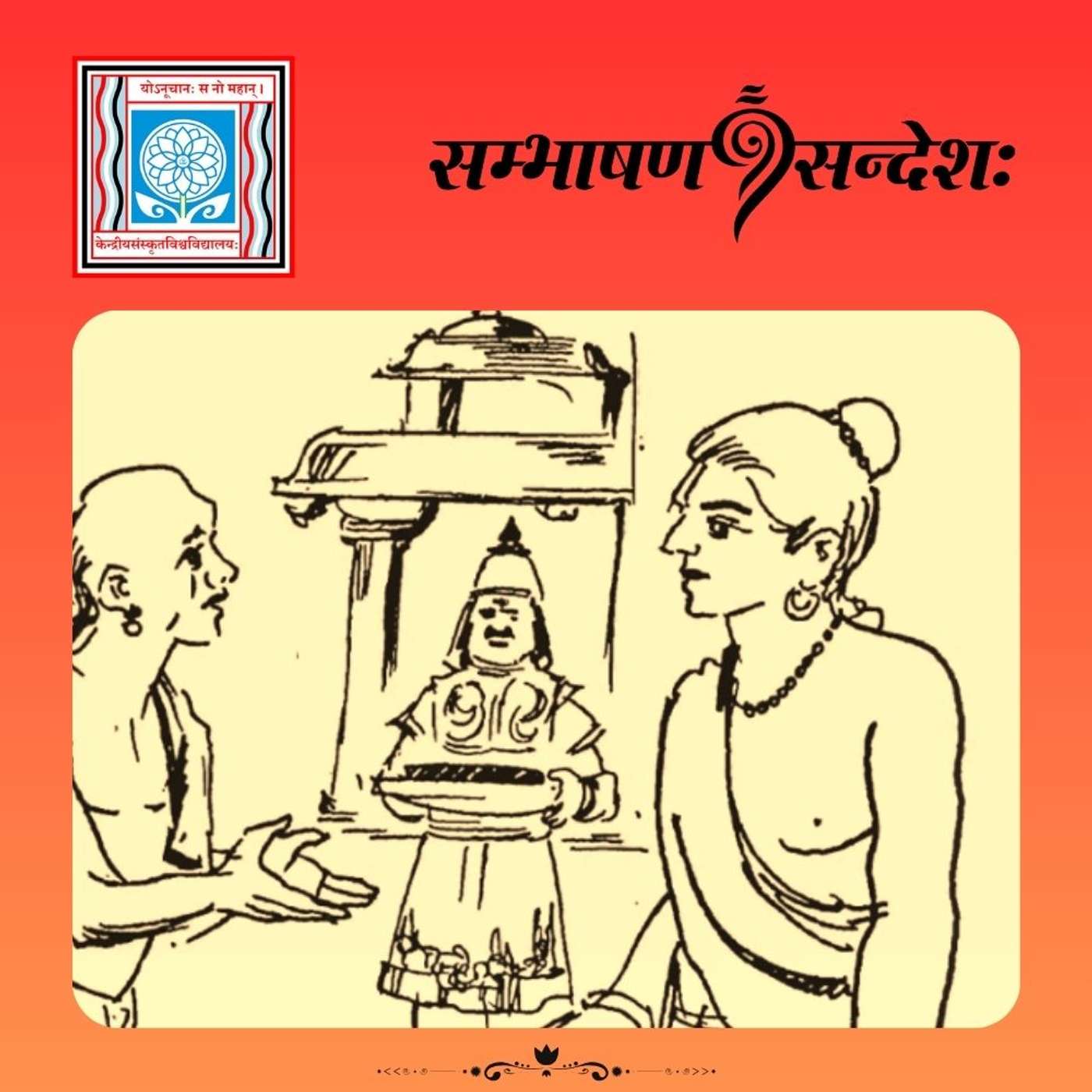
Ep 411श्रीरामस्य महिमा
श्रीरामः वनवासगमनात् पूर्वम् अयोध्यावासिभ्यः भूरिदानं कर्तुम् ऐच्छत् । दानविषये श्रुतवती त्रिजटनामकस्य निर्धनब्राह्मणस्य पत्नी श्रीरामं दानं याचतु इति पतये सानुरोधम् उक्तवती । झटिति त्रिजटः गत्वा यदा दानम् अयाचत तदा श्रीरामः विहस्य तस्मै एकं दण्डं दत्त्वा 'दण्डं बलात् क्षिपतु । यत्र पतिष्यति तावतपर्यन्तायां भूम्यां स्थिताः गावः भवदीयाः भविष्यन्ति' इति । कृशशरीरः दुर्बलः च त्रिजटः अचिन्तयत् यत् दण्डः किञ्चिद्दूरे एव पतिष्यति इति । किन्तु यदा अक्षिपत् तदा सरयूनद्याः द्वितीयतटे न्यपतत् यत्र बह्व्यः गावः चरन्ति स्म । त्रिजटः अचिन्तयत् यत् एतावद्दूरं दण्डक्षेपणाय श्रीरामस्य महिमा एव कारणम् इति चिन्तयन् सानन्दं श्रीरामं नमस्कृतवान् ।(“केन्द्रीयसंस्कृतविश्वविद्यालयस्य अष्टादशीयोजनान्तर्गततया एतासां कथानां ध्वनिप्रक्षेपणं क्रियते”)Before leaving for exile, Shri Rama wished to give generous gifts to the people of Ayodhya. Hearing of this, the wife of a poor Brahmin named Trijata urged her husband to ask Rama for a donation. When Trijata approached, Rama smilingly gave him a stick and said, “Throw it with all your strength. Wherever it lands, the cows grazing on that land shall be yours”. Weak and frail, Trijata thought the stick would fall nearby. But when he threw it, it landed across the Sarayu River, where many cows were grazing. Amazed, Trijata realized that such a miracle was due to Rama’s divine power. Filled with joy, he bowed gratefully to Shri Rama.
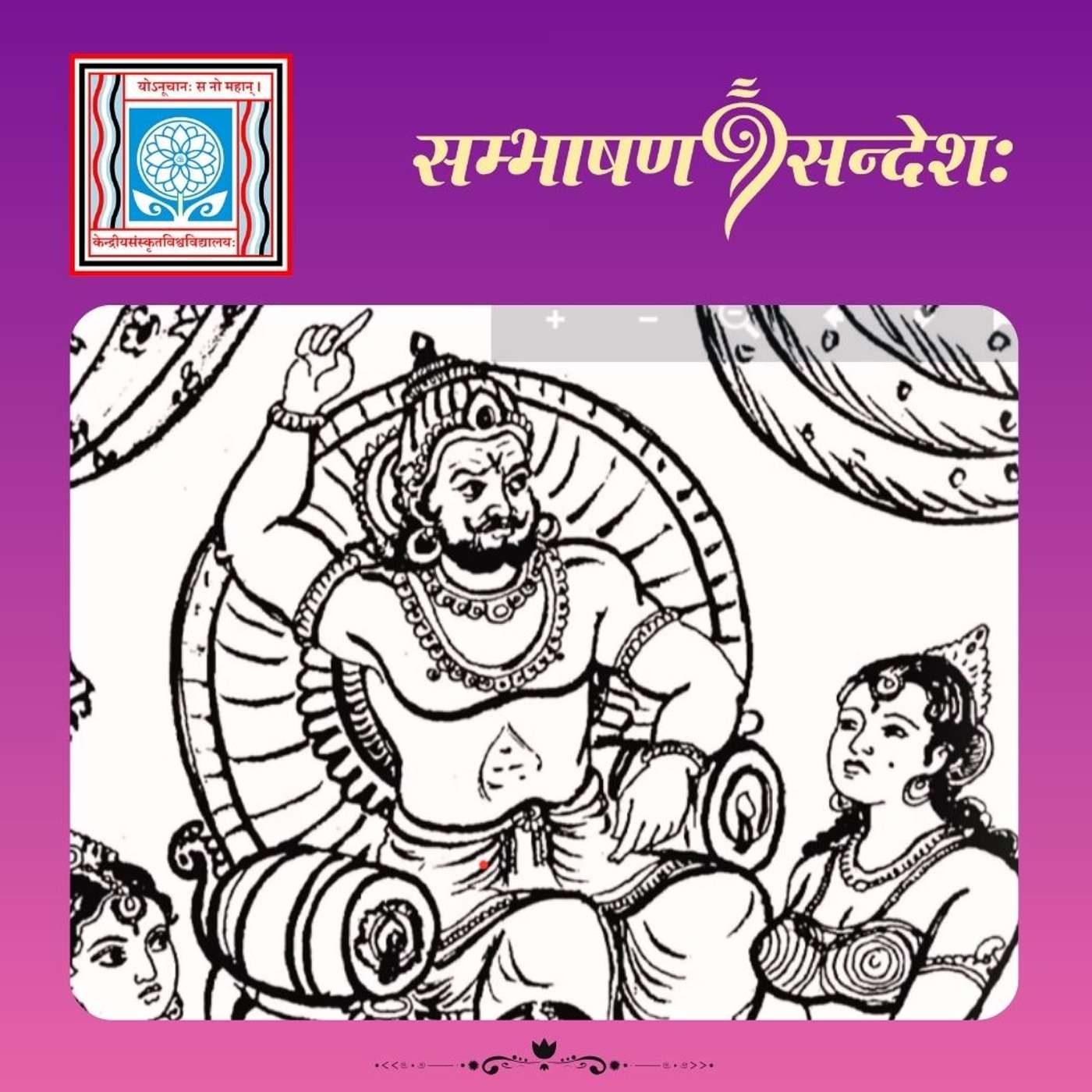
Ep 410चन्द्रक्षयः
भगवान् चन्द्रः अतीव मनोहरः इति कारणेन दक्षप्रजापतिः स्वस्य सप्तविंशतिं पुत्रीः चन्द्रेण सह परिणायितवान् । पत्नीषु अन्यतमायां रोहिण्यां चन्द्रस्य गाढा प्रीतिः अस्ति इति कारणतः अन्याः स्वपितुः समीपं गत्वा चन्द्रः अस्मान् उपेक्षते इति अवदन् । पुत्रीणां विषये चन्द्रेण क्रियमाणम् अन्यायपूर्वकं व्यवहारं दृष्ट्वा 'भवान् क्षयरोगग्रस्तः सन् क्षीयताम्' इति शप्तवान् कुपितः दक्षः । क्षयरोगेण पीड्यमानं पतिं दृष्ट्वा सर्वाः पत्न्यः पितरं प्रार्थयन् यत् चन्द्रं यथापूर्वं स्वस्थं करोतु इति । 'चन्द्रः भवतीनाम् आशयानुसारं मासे एकस्मिन् पक्षे शोभेत अन्यस्मिन् पक्षे क्षीयेत' इति । तदारभ्यः चन्द्रः एकस्मिन् पक्षे शोभते अन्यस्मिन् पक्षे क्षीयते । शुक्लपक्षः कृष्णपक्षः इति तौ द्वौ पक्षौ प्रसिद्धौ ।(“केन्द्रीयसंस्कृतविश्वविद्यालयस्य अष्टादशीयोजनान्तर्गततया एतासां कथानां ध्वनिप्रक्षेपणं क्रियते”)Daksha Prajapati married his 27 daughters to Chandra (the Moon). Chandra loved Rohini most, which angered the other wives. Complaining to Daksha, they said Chandra neglected them. Enraged, Daksha cursed Chandra to gradually diminish. The wives pleaded for mercy, so Daksha modified the curse: “Chandra shall shine brightly during one half of the month and wane during the other half”. Thus arose the two lunar phases—Shukla Paksha (bright fortnight) and Krishna Paksha (dark fortnight).
Ep 409साक्षी गोपालः
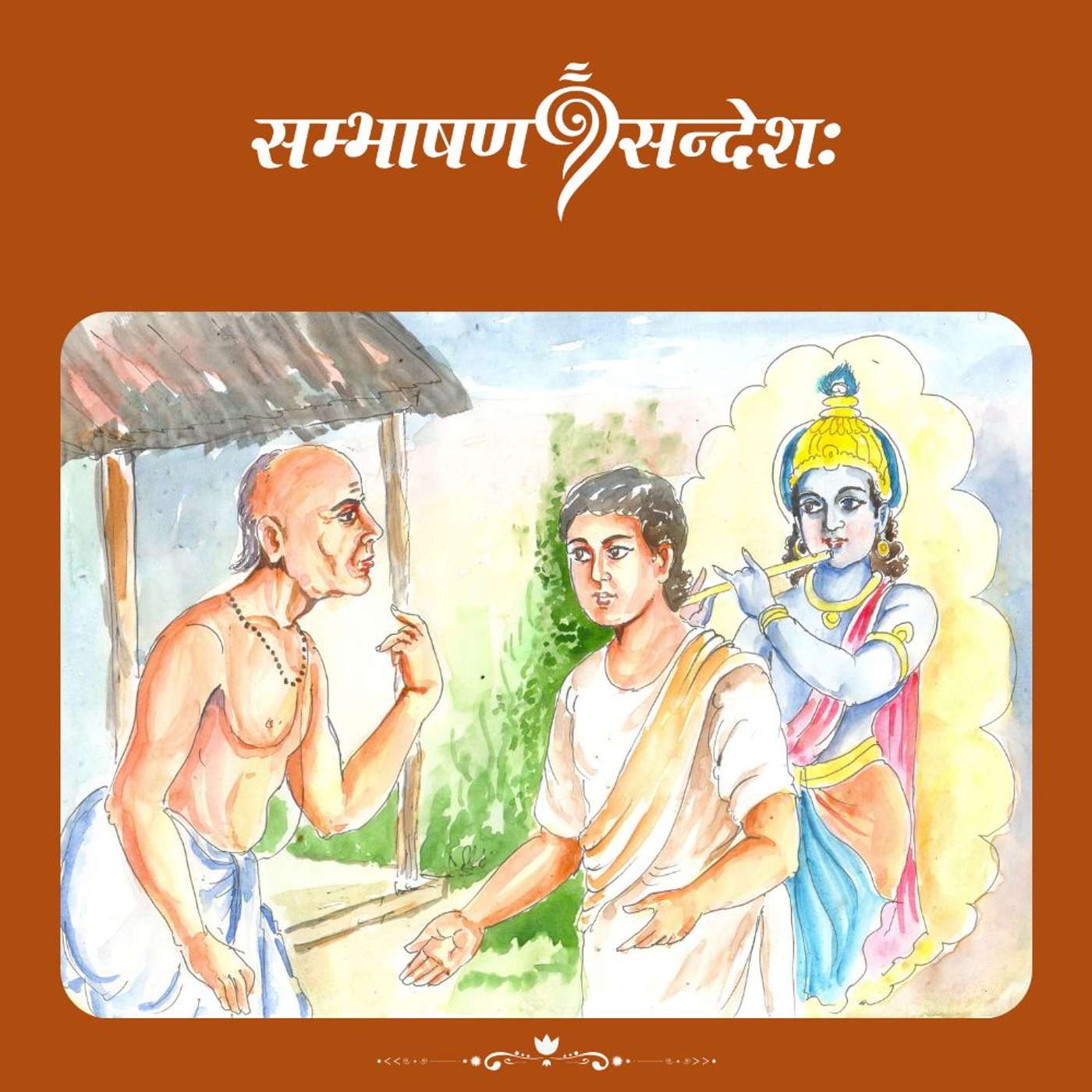
तीर्थयात्रासमये कश्चन धनिकः वृद्धः कस्यचन निर्धनस्य युवकस्य सेवातः सन्तुष्टः भूत्वा स्वकन्यां तुभ्यं ददामि इति वृन्दावने गोपालस्य पुरतः अवदत् । गृहगमनानतरं एतत् प्रस्तावं वृद्धस्य पुत्रः निराकरोत् । अतः यदा तरुणः विवाहविषये अपृच्छत् तदा वृद्धः 'अहं किमपि न स्मरामि' इति अवदत् । वृद्धस्य पुत्रः दोषारोपणं यदा अकरोत् तदा तरुणः अवदत् यत् भवतः पिता गोपालस्य पुरतः एव प्रतिज्ञा कृता इति । 'तर्हि गोपालः एव अत्र आगत्य साक्ष्यं वदेत् चेत् अहं भगिनीं भवते दद्याम्' इति पुत्रः अवदत् । तरुणः वृन्दावनं गत्वा यदा प्रार्थयते तदा गोपालः तम् अनुसृत्य विद्यानगरं प्रति आगत्य साक्ष्यम् अवदत् । एतस्मात् तस्य नाम 'साक्षी गोपालः' इति जातम् । अग्रे राजा पुरुषोत्तमः गोपालविग्रहं नीत्वा जगन्नाथपुरीसमीपे प्रतिष्ठापितवान् । (“केन्द्रीयसंस्कृतविश्वविद्यालयस्य अष्टादशीयोजनान्तर्गततया एतासां कथानां ध्वनिप्रक्षेपणं क्रियते”)During a pilgrimage, a wealthy old man was so impressed by a poor young man's service that he promised to give his daughter in marriage, making the vow before the deity Gopala in Vrindavan. But back home, the old man's son rejected the proposal, and the old man claimed he didn’t remember it. When the young man insisted the promise was made before Gopala, the son challenged him: “If Gopala comes and testifies, I’ll agree.” The young man prayed, and miraculously, Gopala followed him to Vidyanagar and gave witness. From then on, the deity was known as Sakshi Gopala — “ Gopala the Witness.” Later, King Purushottama installed the deity near Jagannath Puri.
Ep 408दृढः विश्वासः
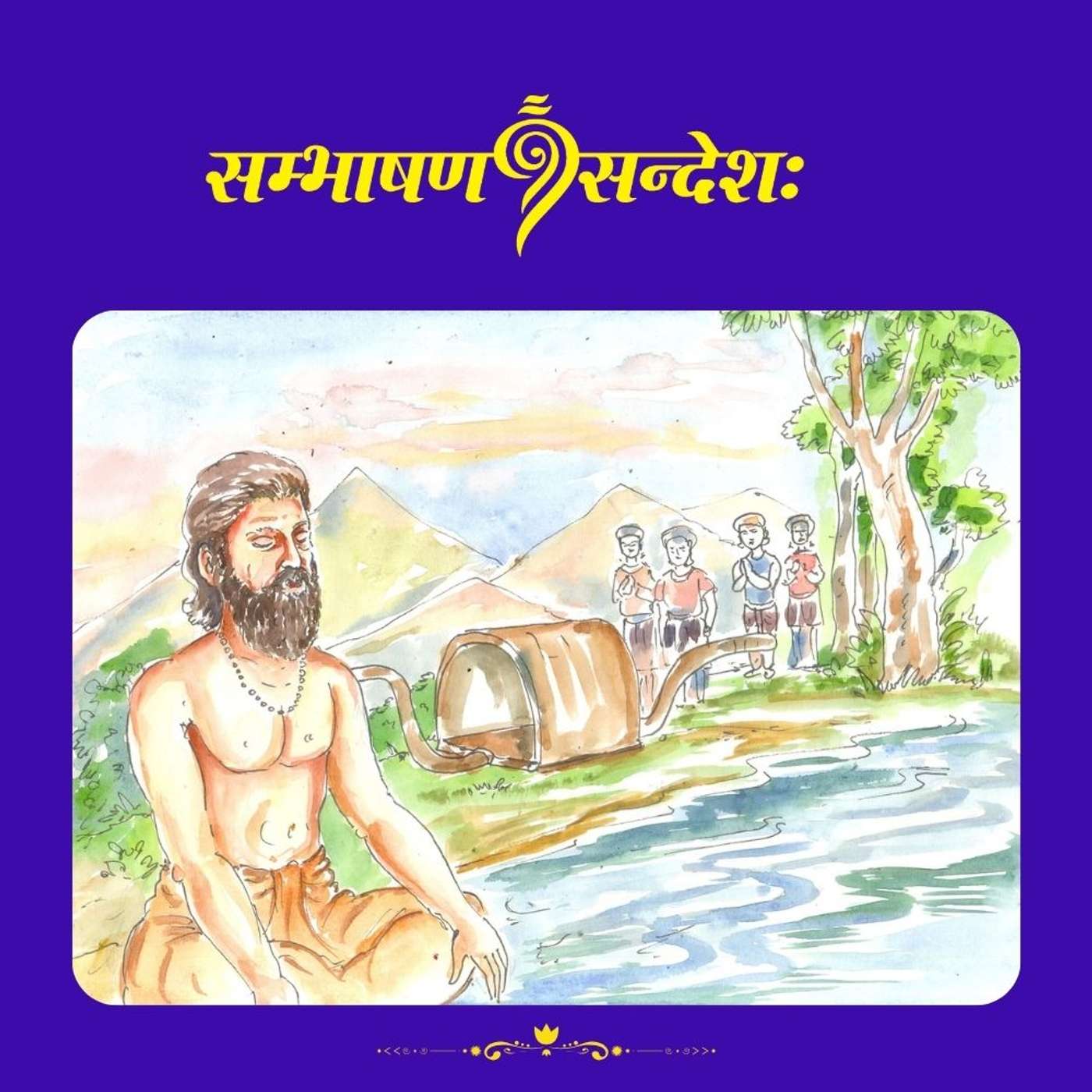
मिथिलायाम् ईश्वरस्य गङ्गामातुः च आराधकः विद्यापतिनामकः कश्चन कविः । स्वस्य अन्तिमकालः सन्निहितः इति तेन ज्ञातम् । गङ्गायाम् एव देहत्यागः भवतु इति तस्य प्रार्थना आसीत् इत्यतः चत्वारः तं दोलायां संस्थाप्य 'सिमारिया घट्टं' प्रति प्रस्थितवन्तः । इतोऽपि किलोमीटर् -त्रयम् अतिक्रान्तव्यमिति विद्यापतिना ज्ञातम् । किन्तु अन्तिमकालः सन्निहितः इति ज्ञात्वा तत्रैव अवतारयन्तु इति उक्तम् तेन । सः दोलातः अवतीर्य निरन्तरं गङ्गायाः स्तवनम् आरब्धवान् । किञ्चित् कालानन्तरं क्षणाभ्यन्तरे गङ्गाप्रवाहः आगत्य विद्यापतिम् अनयत् । गच्छता कालेन तत् स्थलं 'विद्यापतिनगरम्' इति प्रख्यातम् अभवत् ।(“केन्द्रीयसंस्कृतविश्वविद्यालयस्य अष्टादशीयोजनान्तर्गततया एतासां कथानां ध्वनिप्रक्षेपणं क्रियते”)Vidyapati, a poet and devotee of Lord Shiva and Mother Ganga from Mithila, sensed his end was near. He wished to leave his body on the banks of the Ganga. Four companions placed him on a palanquin and set out toward Simaria Ghat. Realizing they still had three kilometers to go and his final moment was approaching, Vidyapati asked to be set down. He began chanting praises of the Ganga, and miraculously, within moments, the river's flow reached him and carried him away. Over time, that place came to be known as Vidyapatinagar.
Ep 407सिद्धिः चिन्तनानुरिणी
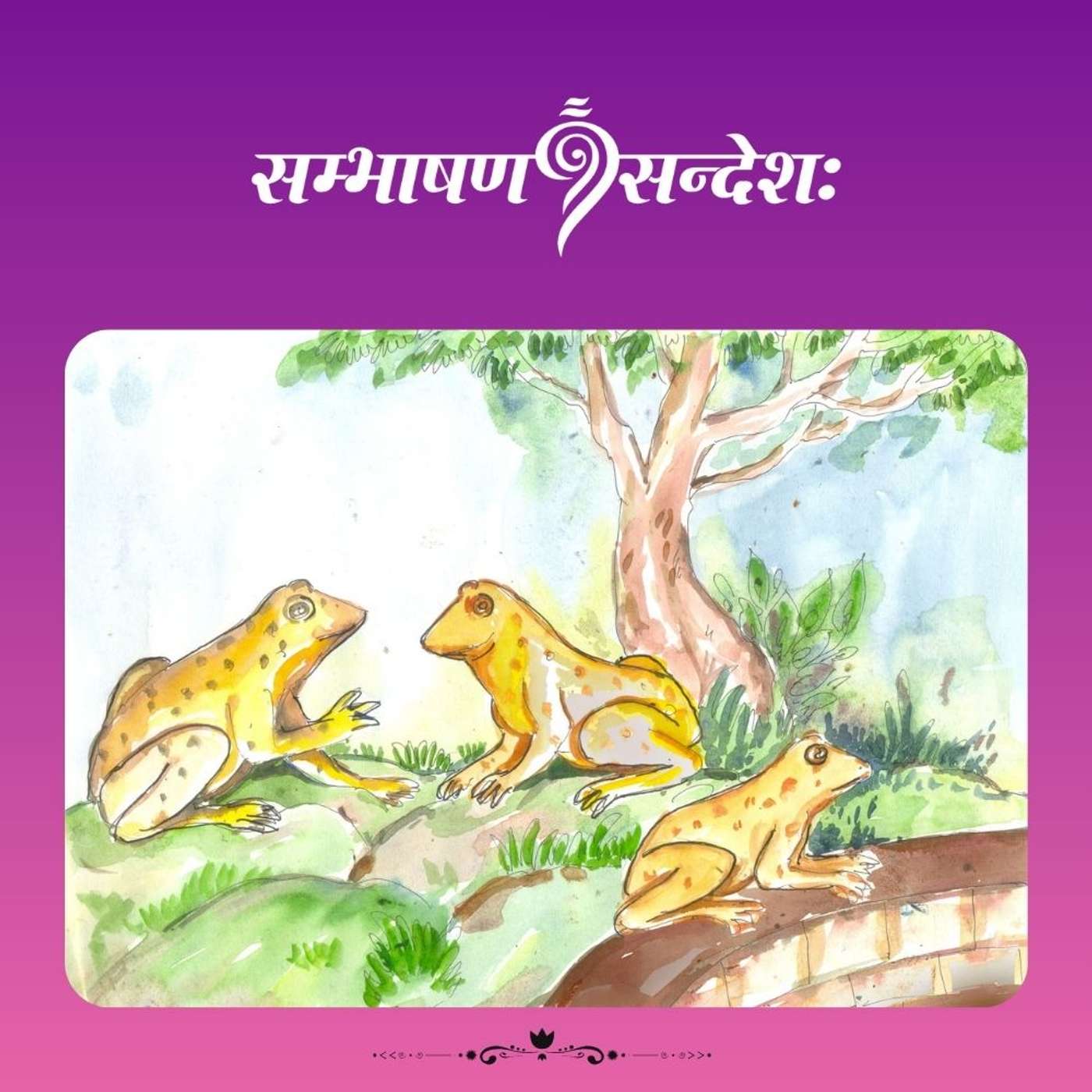
काचन लोकोक्तिः श्रूयते -’सिद्धिः सदा अस्माकं चिन्तनम् अवलम्बते' इति । कदाचित् अनावृष्ट्या सरोवरस्थानां जलचराणां मरणम् आरब्धम् । तत्रत्याः भीताः त्रयः मण्डूकाः अन्यत् जलस्थानम् अन्विष्यतः अग्रे अचलन् । किन्तु तैः कुत्रापि जलस्रोतः न प्राप्तम् । अग्रे कश्चन कूपः दृष्टः । प्रथमः वदति अत्र अवतरामः इति । द्वितीयः वदति अन्धकारकारणतः कूपे जलम् अस्ति वा न वा इति न ज्ञायते इति । अतः पूर्वतनं सरोवरं प्रति गच्छामः इति । किन्तु तृतीयः वदति अस्मासु चलितुम् इतोऽपि शक्तिः अस्ति खलु? अग्रे महत् जलस्रोतः एव प्राप्येत इति । ततः चलद्भिः तैः अनतिदूरे एव सुविशाला पुष्करिणी प्राप्ता ।(“केन्द्रीयसंस्कृतविश्वविद्यालयस्य अष्टादशीयोजनान्तर्गततया एतासां कथानां ध्वनिप्रक्षेपणं क्रियते”)A saying goes: “Success always depends on our thinking.” Once, due to drought, aquatic life in a lake began to perish. Three frightened frogs set out in search of another water source. After a long search, they found a well. The first frog said, “Let’s jump in.” The second hesitated, saying, “It’s dark. We don’t know if there’s water inside. Let’s return to the old lake.” The third said, “We still have strength to move ahead. Surely, a better water source lies ahead.”Trusting their belief, they continued onward and soon discovered a vast, beautiful pond.
Ep 406प्रजाहितचिन्तकः देवापिः
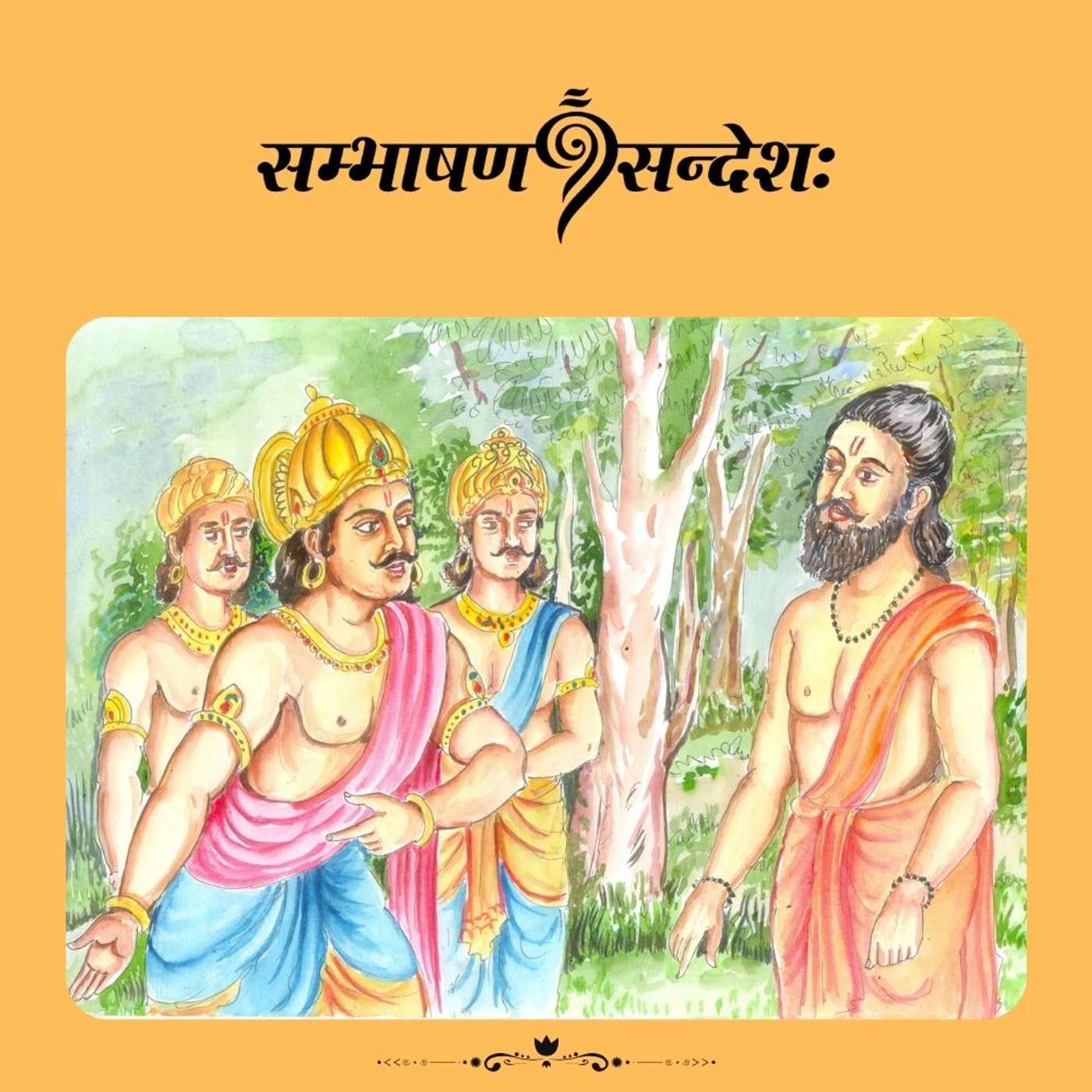
पूर्वं कश्चन प्रतीपनामा राजा आसीत् यस्य देवापिः, शन्तनुः, बाह्लीकः चेति त्रयः पुत्राः आसन् । ज्येष्ठः देवापिः श्वेतकुष्ठरोगग्रस्तः इति कारणतः प्रतीपे दिवङ्गते द्वितीयः पुत्रः शन्तनुः सिंहासनम् आरूढवान् । शन्तनुः यद्यपि धर्मेण एव राज्यं पालितवान् तथापि द्वादशवर्षाणि यावत् वृष्टिः एव न जाता । कारणम् आसीत् यत् ज्येष्ठपुत्रे सति अनन्तरजः सिंहासनम् आरूढवान् यत् तत् धर्मलोपाय । इदम् एव क्षामस्य कारणम् इति । सिंहासनाधिकारः न प्राप्तः चेदपि अल्पम् अपि खेदम् अप्राप्नुवन् देवापिः क्षामनिवारणाय राजधानीम् आगत्य यागं निवर्तितवान् । सन्तुष्टः इन्द्रः वृष्टिम् अकरोत् ।(“केन्द्रीयसंस्कृतविश्वविद्यालयस्य अष्टादशीयोजनान्तर्गततया एतासां कथानां ध्वनिप्रक्षेपणं क्रियते”)King Pratipa had three sons: Devapi, Santanu, and Bahlika. Though Devapi was the eldest, he suffered from leprosy, so after Pratipa’s death, Santanu ascended the throne. Santanu ruled righteously, yet for twelve years, no rain fell. The reason: the throne had passed to a younger son while the elder was still alive — a violation of dharma. Despite being denied kingship, Devapi bore no resentment. To end the drought, he came to the capital and performed a sacred ritual. Pleased, Indra sent rain, restoring prosperity.
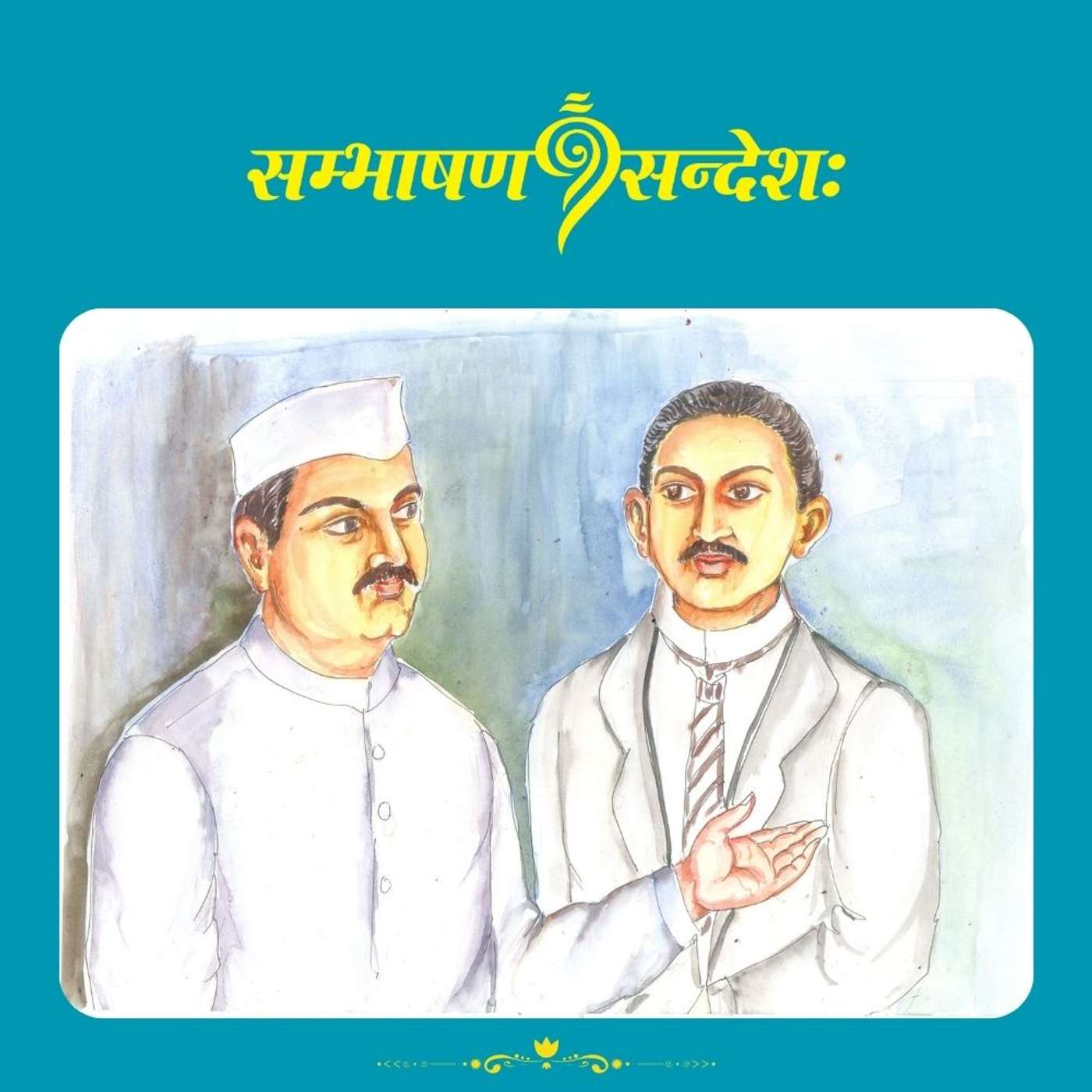
Ep 405बीजभूतं सम्भाषणम्
डा. राजेन्द्रप्रसादस्य गान्धिवर्यस्य च एकदा मेलनं जातम् । गान्धिविषये विशेषाभिमानः आसीत् राजेन्द्रप्रसादस्य । चम्पारणीयकृषिकाणां विषये शुल्कं विना न्यायालये वादं कृत्वा राजेन्द्रप्रसादः तेषां पक्षे समुचितं कार्यं करोति इति गान्धिना ज्ञातम् । सम्भषणसमये 'समग्रे देशे जनाः दुराचारविषयतां गताः सन्ति । तेषां विषये कः सङ्घर्षं कुर्यात् ....’ इति राजेन्द्रप्रसादः अवदत् । तदा क्षणं विचिन्त्य गान्धिः 'अहम् एतस्मिन् क्षेत्रे कार्यं कर्तुं शक्नोमि' इति अवदत् । एतस्य सम्भाषणस्य परिणामतः एव गान्धिवर्यः स्वान्तन्त्र्यसङ्ग्रामस्य नेतृत्वं अवहत् । (“केन्द्रीयसंस्कृतविश्वविद्यालयस्य अष्टादशीयोजनान्तर्गततया एतासां कथानां ध्वनिप्रक्षेपणं क्रियते”)Dr. Rajendra Prasad once met Mahatma Gandhi, for whom he held great admiration. Gandhi learned that Rajendra Prasad had represented the farmers of Champaran in court without charging any fee, working sincerely for their cause. During their conversation, Rajendra Prasad remarked, “People across the country are steeped in injustice. Who will fight for them?” After a moment of reflection, Gandhi replied, “I can take up this task.” This pivotal exchange inspired Gandhi to take up leadership of India’s freedom movement.
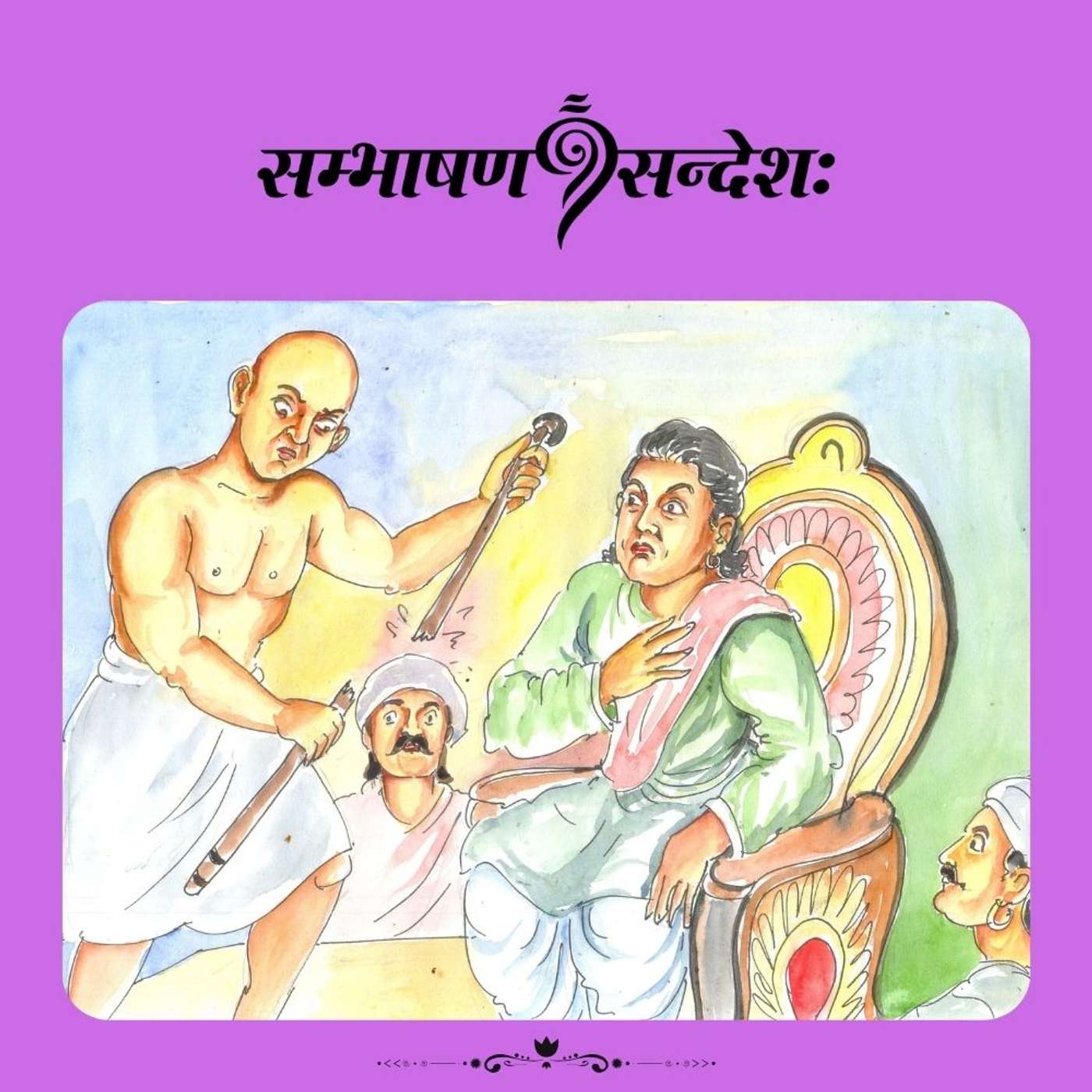
Ep 404आसन्दस्य न्यायनिर्णयः
रोमहर्षनामा कश्चन वणिक् विदेशगमनात् पूर्वं स्वधनं रक्षितुं मित्रं लोभनाथं याचितवान् । दीर्घकालानन्तरं रोमहर्षः प्रत्यागत्य स्वधनं प्रत्यर्पितुम् अवदत् किन्तु धनं बहोः कालात् पूर्वमेव प्रत्यर्पितवान् इति असत्यम् अवदत् लोभनाथः । ततः ताभ्यां न्यायालयं प्रति गतम् । तत्र कस्यचन आसन्दस्य दक्षिणभागे प्रतिनिबद्धः तीक्ष्णः खड्गः अपराधिनः सत्यतायाः परीक्षां कृत्वा असत्यवादिनः हस्तं कर्तयति । आसन्दे रोमहर्षः उपविश्य लोभनाथेन मम धनं प्रतिदातव्यम् इति उक्तवान् । आसन्दः खड्गप्रहारं न अकरोत् । लोभनाथः आसन्दम् उपसर्प्य रोमहर्षाय एकं दण्डं दत्त्वा आसन्दे उपविश्य 'मया धनं तस्मै प्रतिदत्तम्' इति उक्तवान् । आसन्देन तूष्णीं स्थितम् । आसन्देन विपर्यस्तं वचनद्वयं कथम् अङ्गीकृतम् ? तयोः कः सत्यं वदति ? अग्रे किं भवति ? इति जिज्ञासायां कथां शृण्वन्तु ।(“केन्द्रीयसंस्कृतविश्वविद्यालयस्य अष्टादशीयोजनान्तर्गततया एतासां कथानां ध्वनिप्रक्षेपणं क्रियते”)Romaharṣa, a merchant, entrusted his wealth to his friend Lobhanātha before traveling abroad. Years later, Lobhanātha falsely claimed he had already returned it long ago. They went to a court where a special seat had a sharp sword fixed to its side — it would strike the hand of anyone who lied. Romaharṣa sat first and declared, “Lobhanātha must return my money.” The sword did nothing. Then Lobhanātha approached, handed Romaharṣa a small stick, sat on the seat, and said, “I already returned the money to him” and the sword remained still. Why did the sword not react to these contradictory claims? Who was truly honest? What happens next? The mystery deepens… listen on to uncover the truth.
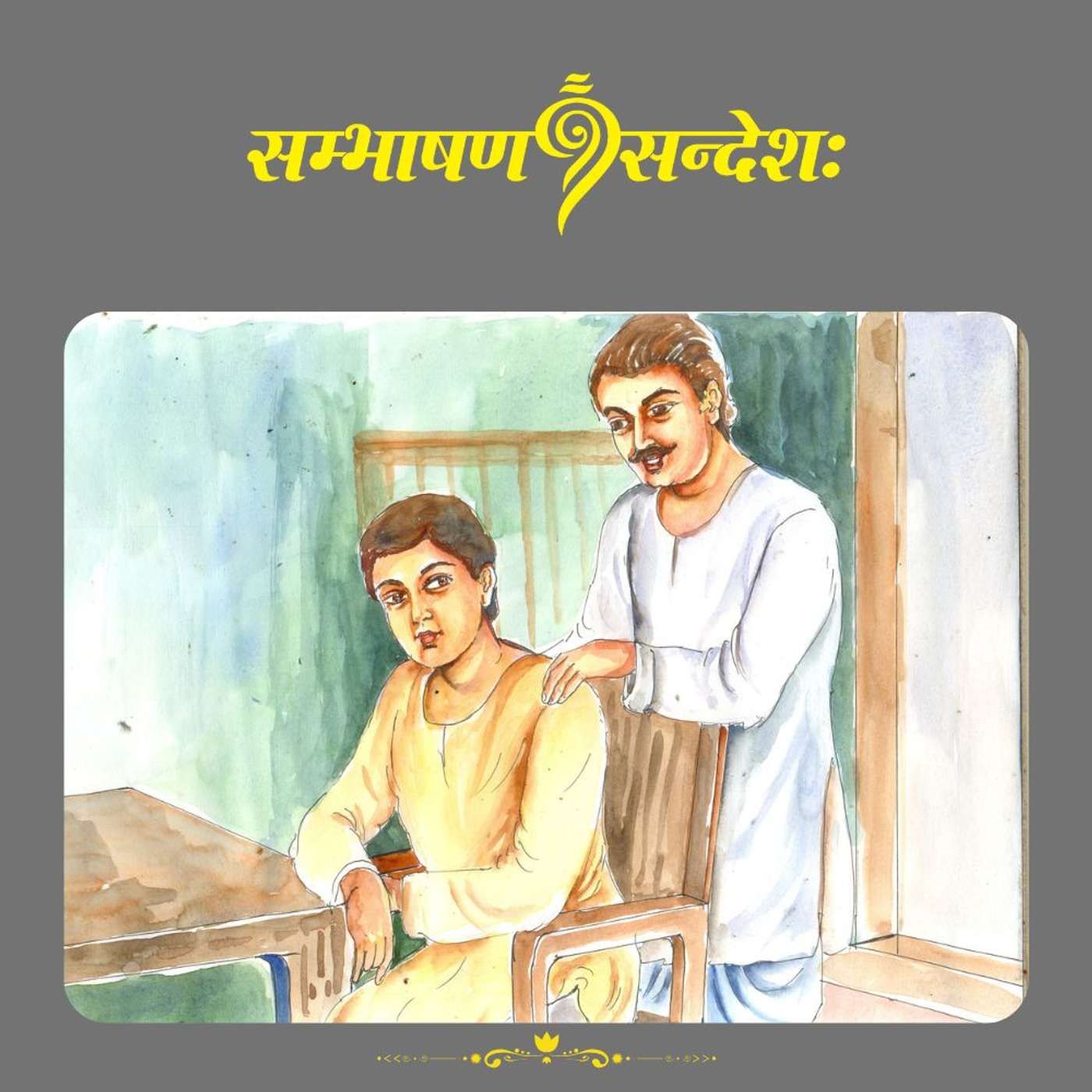
Ep 403शक्तिशाली कः?
कश्चन पिता पुत्रस्य अध्ययनाय उत्तमं प्रयासं कृतवान् । पुत्रः अपि उत्तमम् अध्ययनं कृत्वा उद्योगे सफलः अभवत् । विवाहः अपि सम्पन्नः । सः संस्थायाः प्रमुखः अपि अभवत् । कदाचित् पिता कार्यालयं गत्वा पुत्रं दृष्ट्वा सन्तुष्टः अभवत्, प्रश्नम् अपृच्छत् 'एतस्मिन् प्रपञ्चे शक्तिशाली जनः कः?'। पुत्रः स्वम् एव शक्तिशालिनम् अवदत्, यत् श्रुत्वा पितुः मुखं म्लानं जातम् । कारणं पिता एव शक्तिशाली इति वदेत् पुत्रः इति आशयः आसीत् पितुः । पिता पुनः पृष्टवान् 'किमर्थं आत्मानं शक्तिशालिनम् उक्तवान्?'। पुत्रः उत्तरयति 'प्रश्नकरणसमये भवतः हस्तः मम स्कन्धे आसीत् । यस्य स्कन्धे पितुः हस्तः स्यात् सः एव शक्तिशाली ' । पुत्रस्य वचनं श्रुत्वा तं दृढतया आलिङ्ग्य आनन्दाश्रूणि स्रावितवान् पिता ।(“केन्द्रीयसंस्कृतविश्वविद्यालयस्य अष्टादशीयोजनान्तर्गततया एतासां कथानां ध्वनिप्रक्षेपणं क्रियते”)A father worked tirelessly to support his son's education. The son studied well, succeeded in his career, got married, and eventually became the head of an organization. One day, the proud father visited his son's office and asked, “Who is the most powerful person in the world?” The son replied, “I am.” The father’s face fell—he had hoped the son would say, “You are.” When asked why he considered himself powerful, the son gently said, “When you asked me, your hand was on my shoulder. Whoever has his father's hand on his shoulder is truly powerful.” Hearing this, the father embraced his son tightly, tears of joy flowing from his eyes.
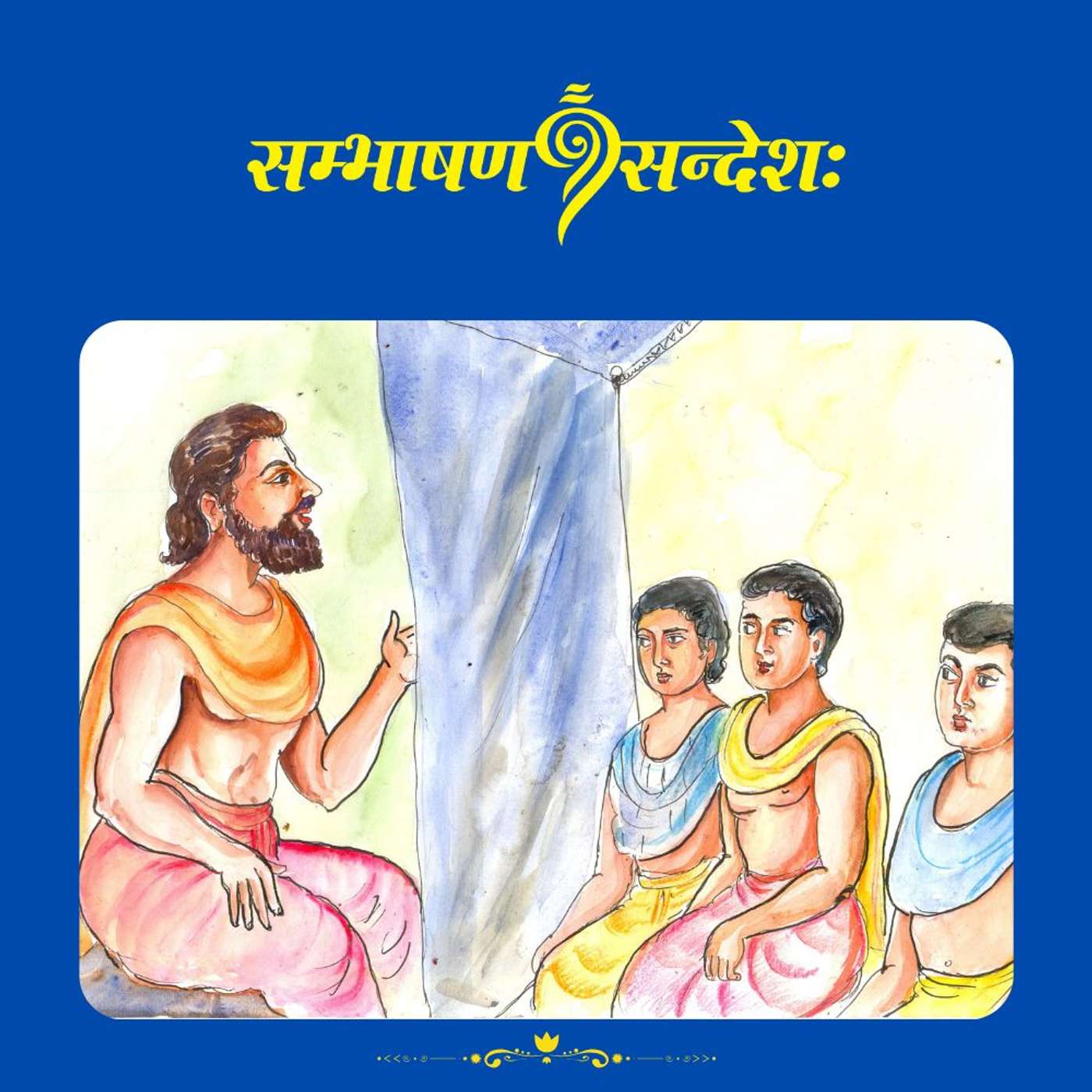
Ep 402अभ्यर्थिनः परीक्षा
कस्मिंश्चित् गुरुकुले शिक्षकस्य आवश्यकता आसीत् । तदर्थं त्रयः अभ्यर्थिनः उपस्थिताः । आचार्यः जवनिकायाः पृष्ठतः स्थित्वा प्रश्नं कृतवान् "ज्ञानं प्रमुखम् उत छात्रप्रीतिः?" प्रथमः ज्ञानस्य प्राधान्यम् उक्तवान्, द्वितीयः उभयोः महत्त्वम् अङ्गीकृतवान् । तृतीयः छात्रप्रीतिः प्रमुखा इति मत्वा, ज्ञानं प्रयत्नेन अपि वर्धयितुं शक्यम् इति अवदत् । गुरुणा पुनः प्रश्नः कृतः "किमर्थं जवनिकायाः पृष्ठतः स्थित्वा मया प्रश्नः कृतः?" अभ्यर्थिनः पक्षपातं न भवेत्, रूपं वा वाणी वा प्रभावं न जनयेत् इति द्वौ अभ्यर्थिनौ विभिन्नं कारणम् अवदताम् । तृतीयस्य उत्तरं युक्ततमम् आसीत् - अभ्यर्थिनः ज्ञानं, छात्रप्रीतिं, मधुरभाषितां च परीक्षितुम् एव भवता एवं कृतम् इति । अतः आचार्यः तम् एव अध्यापकत्वेन चितवान् ।(“केन्द्रीयसंस्कृतविश्वविद्यालयस्य अष्टादशीयोजनान्तर्गततया एतासां कथानां ध्वनिप्रक्षेपणं क्रियते”)In a certain gurukula, a teacher was needed. Three candidates appeared. The acharya, hidden behind a curtain, asked, “What is more important—knowledge or affection for students?” The first emphasized knowledge, the second valued both equally, and the third said student affection is primary, as knowledge can be cultivated with effort. The acharya then asked why he had questioned them from behind a curtain. Two gave varied reasons to avoid bias, but the third insightfully replied, “It was to assess our knowledge, student empathy, and gentle speech without external influence.” Impressed, the acharya chose him as the teacher.
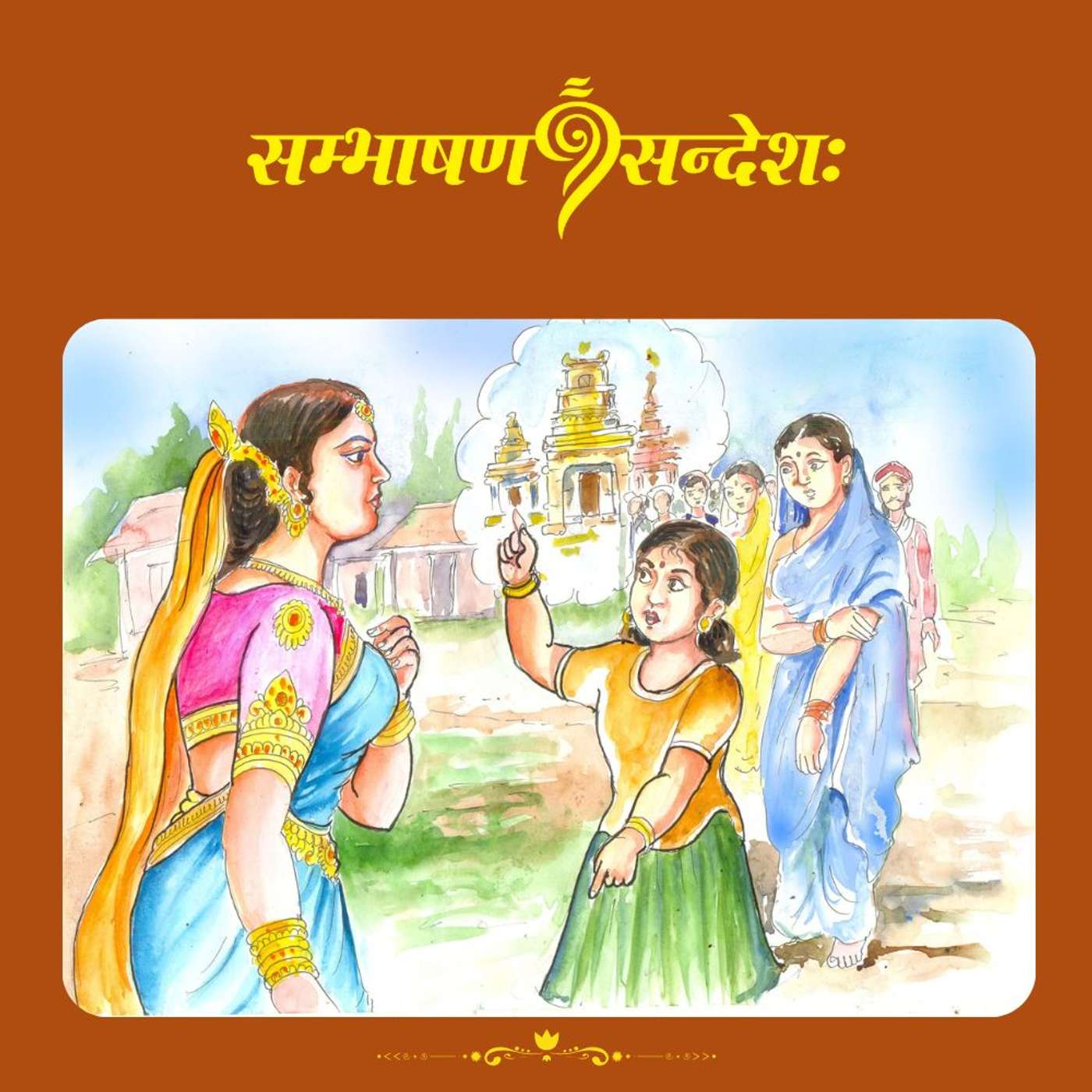
Ep 401कर्मयोगिनी अहल्याबाई
कदाचित् मालवादेशस्य नृपतिः सुबेदारः मल्हाररावहोलकरः, पट्टमहिषी गौतमबायी, तनयः खण्डेरावहोलकरः च 'चौण्डि' नामके ग्रामे प्रवासरतः आसन् । तदा कस्यचन देवालयस्य कलशस्थापनार्थं राज्ञी समाहूता । यदा पूजाकार्याणि आरब्धानि तदा सहसा तत्र जलोद्भवः अभवत् । यदा राज्ञी अर्चकैः सूचिते गर्ते पवित्रां शिलां स्थापयितुम् ऐच्छत् तदा कस्याश्चित् बालिकायाः ध्वनिः श्रुतः 'स्थग्यतां महाराज्ञि ! ग्रामे कुत्रापि पेयजलस्य स्त्रोतः नास्ति, अत्र कूपं पुष्करिणीं वा निर्मास्यामः' इति । औचित्यपूर्णं कथनं श्रुत्वा पुष्करिणीं निमातुं सुबेदारः आदिशत् । बालिकायाः धैर्यं दृष्ट्वा सः तां स्वस्नुषां अकरोत् । सा एव प्रातस्स्मरणीया राज्ञी अहल्याबायीहोलकरः ।(“केन्द्रीयसंस्कृतविश्वविद्यालयस्य अष्टादशीयोजनान्तर्गततया एतासां कथानां ध्वनिप्रक्षेपणं क्रियते”)Once, the ruler of Malwa, Subedar Malharrao Holkar, along with his queen Gautamabai and son Khanderao Holkar, was residing in the village of Chaundi. The queen was invited for a temple ceremony to install a sacred finial. During the rituals, a water spring emerged. When she wished to place a sacred stone, a brave girl suggested building a pond instead, as the village lacked drinking water. Impressed, Subedar Malharrao Holkar ordered the pond’s construction and later made the girl his daughter-in-law. She became the revered queen Ahilyabai Holkar.
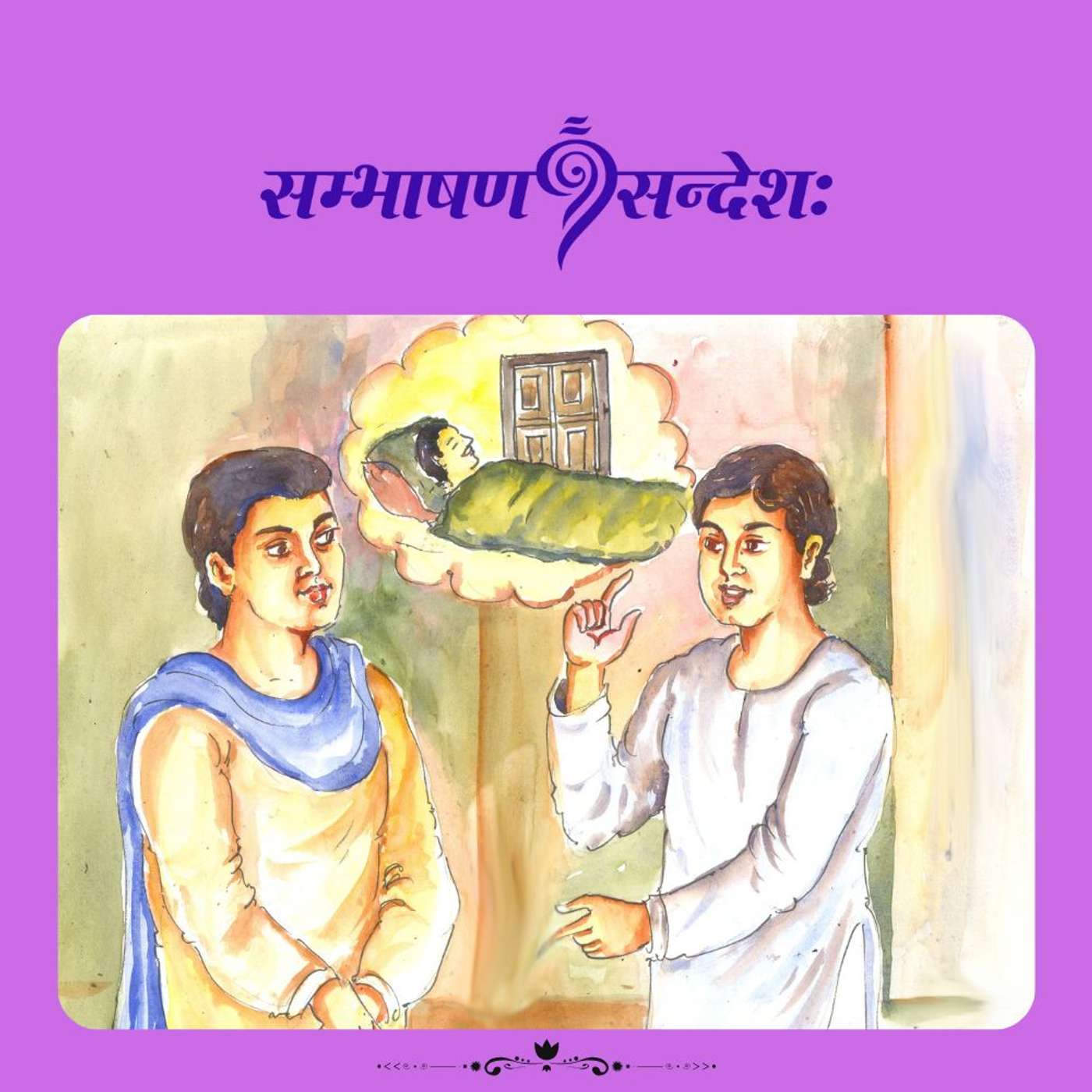
Ep 400पितुः विषये श्रद्धा
कश्चन महाधनिकः कस्यचन रत्नविक्रेतुः आपणं गत्वा अधिकमूल्ययुक्तानि रत्नानि दर्शयितुम् उक्तवान् । रत्नविक्रेता दर्शितवान् । इतोSपि अमूल्यानि रत्नानि दर्शयताम् इति पृष्टे विक्रेता अवदत् यत् अन्यस्मात् प्रकोष्ठात् आनयामि इति । यदा अन्यस्मिन् प्रकोष्ठे विक्रेता प्रविष्टः, सुप्तः पिता दृष्टः तेन । सुप्तः पिता यावत् न जागृयाद् तावत् कवाटोद्घाटनं कर्तुं न शक्यम् इति कारणतः सः रिक्तहस्ततया प्रत्यागतः । तथैव तेन धनिकः उक्तः च । पितुः विषये आपणिकस्य श्रद्धां दृष्ट्वा सन्तुष्टः धनिकः किञ्चित् प्रतीक्ष्य रत्नं क्रीत्वा ततः निर्गतवान् ।(“केन्द्रीयसंस्कृतविश्वविद्यालयस्य अष्टादशीयोजनान्तर्गततया एतासां कथानां ध्वनिप्रक्षेपणं क्रियते”)A certain wealthy man went to the shop of a gem-seller and asked to be shown gems of high value. The gem-seller showed him some. When the wealthy man asked to see even more priceless gems, the seller replied that he would bring them from another chamber. When the seller entered the other chamber, he saw his father sleeping there. Since the door could not be opened without waking his father, he returned empty-handed. He explained this to the wealthy man. Seeing the seller’s reverence for his father, the wealthy man was pleased. After waiting a little while, he purchased a gem and then departed.
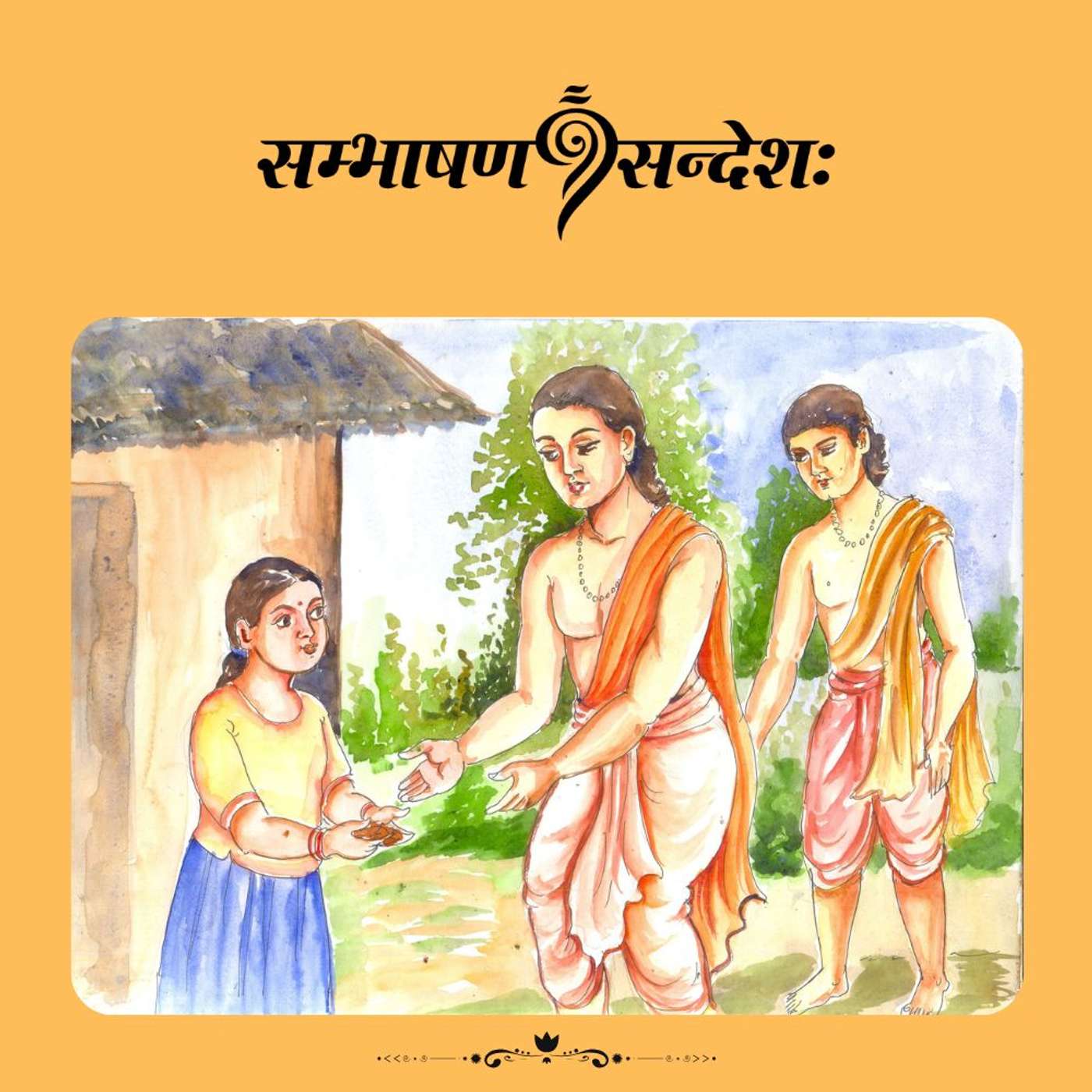
Ep 399दानसंस्कारः
कदाचित् कश्चन महात्मा कस्यचन निर्धनगृहस्य पुरतः स्थित्वा भिक्षां याचितवान् । तदा तस्मिन् गृहे काचित् बालिका अवदत् 'गृहे दानयोग्यं किमपि नास्ति' इति । महात्मा अवदत् 'दानक्रिया एव मुख्या । मूल्यं वस्तुनि नास्ति, भावे एव अस्ति । गृहस्य पुरतः स्थितां धूलिमपि दातुं शक्यते' इति । बालिका श्रद्धया धूलिं गृहीत्वा महात्मनः पात्रे न्यवेशयत् । एतत् दृष्ट्वा शिष्यः पृष्टवान् यत् धूलिदानेन किं प्रयोजनम् अस्ति इति । 'दानम् अवश्यं करणीयम् इति बुद्धिः एतस्याः घटनायाः कारणतः तस्यां बालिकायाम् उत्पद्यते । अतः धूलिदानम् अपि महत्त्वपूर्णं फलदं च भविष्यति' इति अवदत् महात्मा ।(“केन्द्रीयसंस्कृतविश्वविद्यालयस्य अष्टादशीयोजनान्तर्गततया एतासां कथानां ध्वनिप्रक्षेपणं क्रियते”)Once, a noble sage stood before a poor household and asked for alms. A young girl from the house replied, “There is nothing in our home worthy of being given.” The sage gently said, “The act of giving itself is what matters. Value lies not in the object, but in the intention. Even the dust lying in front of the house can be offered.” With devotion, the girl picked up some dust and placed it in the sage’s bowl. Witnessing this, a disciple asked, “What purpose does giving dust serve?” The sage replied, “This incident awakens the understanding in the girl that giving is essential. Therefore, even the offering of dust will bear meaningful fruit.” This story beautifully conveys that the spirit of generosity matters more than the material value of the gift.
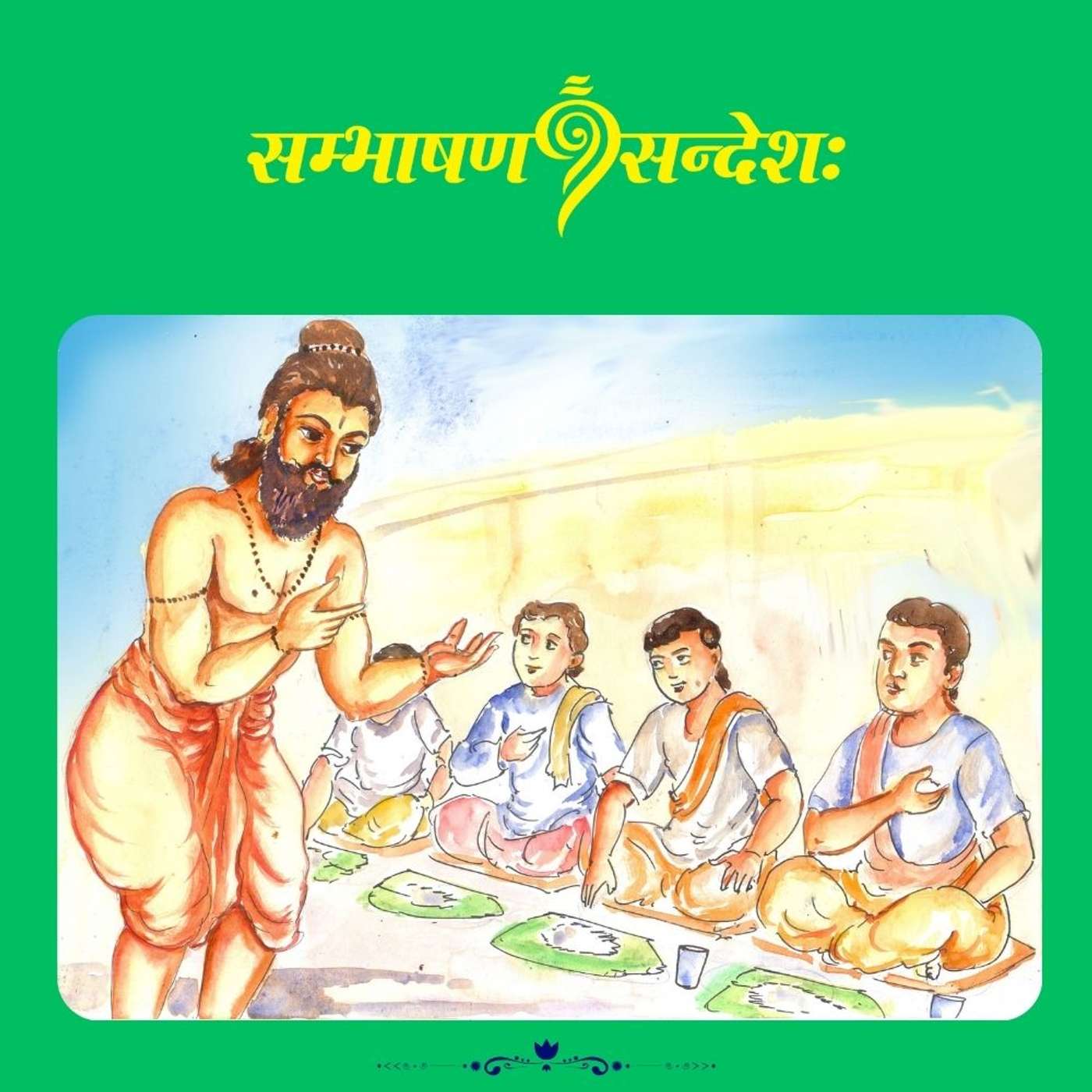
Ep 398आहारसेवनक्रमः पशूनाम् इव स्यात्
कश्चन महात्मा आश्रमम् आगतान् भक्तान् स्वागतीकृत्य भोजनाय निमन्त्रितवान् । भोजनसमये सः महात्मा अवदत् 'मानवस्य आहारसेवनक्रमः पशूनामिव स्यात् । पशवः केवलं बुभुक्षायां सत्याम् एव खादन्ति । भगवता विहितम् आहारम् एव सेवन्ते । मानवः तु बुभुक्षायाम् अजातायाम् अपि खादति, विवाहादौ मितम् अतिक्रम्य भोजनं करोति, स्वस्य आरोग्यं नाशयति । स्वास्थ्यरक्षणं मानवाधीनम् अस्ति, किन्तु तत्र आदरः न दृश्यते । व्यायामेन च स्वास्थ्यदोषाणां निवारणं शक्यं, तथापि मानवः तदपि न करोति । अन्नं ब्रह्म, पूज्यं च । एकः अपि अन्नकणः न व्यर्थीकरणीयः । सद्विचारपूर्वकं सेवनम् एव सत्फलं ददाति' इति । भक्ताः एतान् विचारान् स्मरन्तः तृप्त्या भोजनं कृत्वा निर्गताः ।(“केन्द्रीयसंस्कृतविश्वविद्यालयस्य अष्टादशीयोजनान्तर्गततया एतासां कथानां ध्वनिप्रक्षेपणं क्रियते”)Once, a revered sage welcomed devotees to his ashram and invited them for a meal. During the meal, he shared a profound reflection: “A human’s eating habits often resemble those of animals. Animals eat only when hungry and consume what nature has assigned to them. But humans eat even without hunger, and during occasions like weddings, they overindulge, harming their own health.” He emphasized that maintaining health is within human control, yet people neglect it. Though exercise can prevent health issues, many avoid it. He reminded everyone that food is sacred—Annam Brahma—and must be respected. Not even a single grain should be wasted. Only food consumed with thoughtful awareness yields true benefit. The devotees, deeply moved by these insights, ate mindfully and departed with a sense of fulfillment.
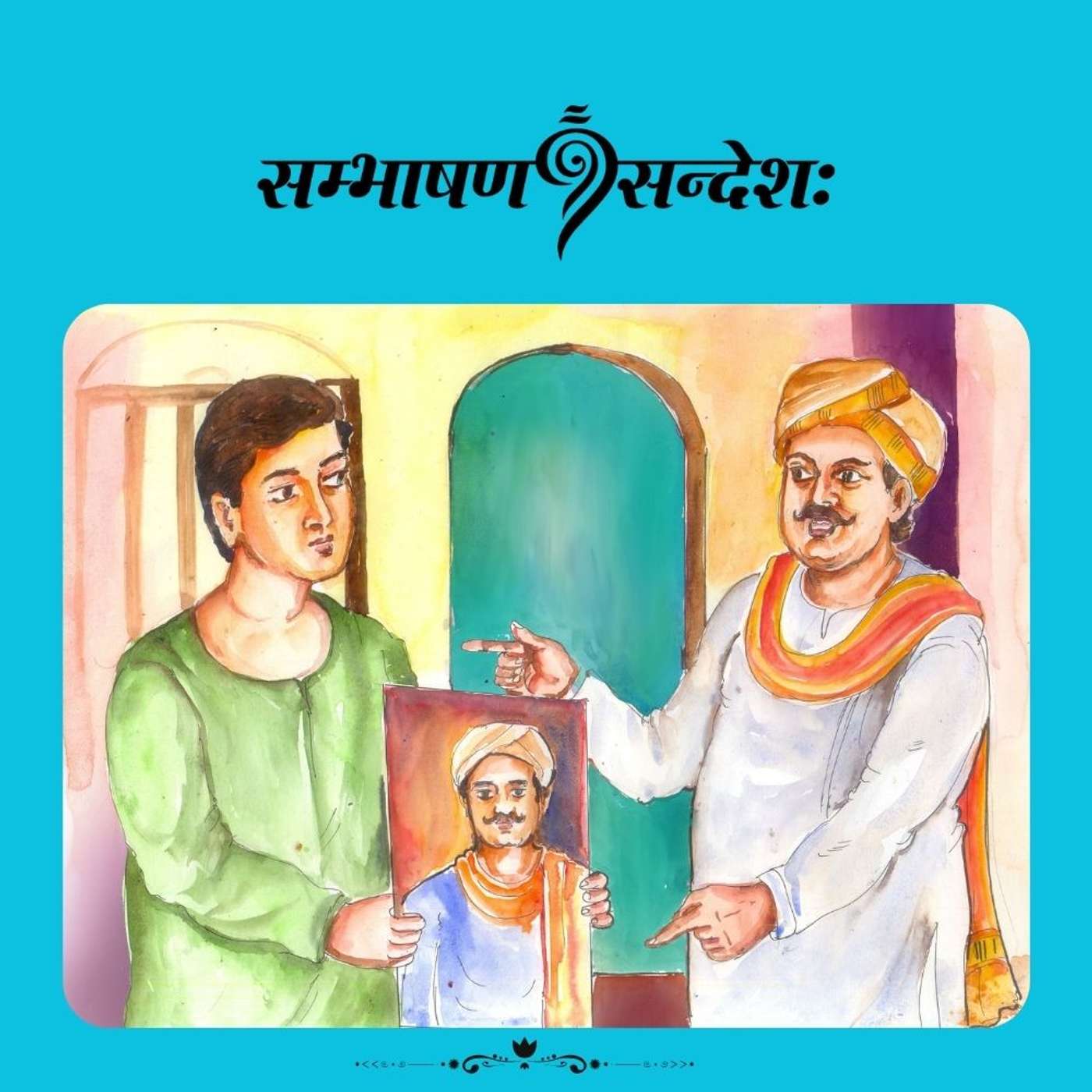
Ep 397सादृश्यरहिततया
कदाचित् कश्चन धनिकः कस्यचन उत्कृष्टकलाकारस्य समीपं गत्वा स्वस्य चित्रं लेखयितुम् प्रार्थितवान् । चित्रकारेण चित्रं लिखितं, किन्तु धनिकः सादृश्यरहितताम् आरोप्य चित्रं न क्रीतवान् । चित्रकारेण द्वितीयम् उत्कृष्टं चित्रम् अपि लिखितम् । तदपि चित्रं धनिकः निराकृतवान् दोषान् प्रदर्श्य । खिन्नः चित्रकारः मित्रेण सह विचार्य धनिकस्य गृहं गत्वा अवदत् 'यतो हि चित्रद्वये अपि भवतः सादृश्यं नास्ति, बहवः दोषाः सन्ति, ते चित्रे विकलाङ्गानां निमित्तं धनसङ्ग्रहाय उपयोगं करिष्यामि' इति । एतत् श्रुत्वा धनिकः आत्मदोषं ज्ञात्वा, यथा योग्यं धनं दत्त्वा च उभयमपि चित्रं क्रीतवान् ।(“केन्द्रीयसंस्कृतविश्वविद्यालयस्य अष्टादशीयोजनान्तर्गततया एतासां कथानां ध्वनिप्रक्षेपणं क्रियते”)Once, a wealthy man approached a skilled artist and requested a portrait of himself. The artist painted the portrait, but the wealthy man rejected it, claiming it lacked resemblance. The artist then created a second, even finer portrait, but again the man dismissed it, pointing out supposed flaws. Disheartened, the artist discussed the matter with a friend and decided to visit the man's home. There, he said, “Since both portraits lack resemblance and contain many flaws, I will use them to raise funds for the disabled.” Hearing this, the wealthy man realized his own shortcomings. Filled with remorse, he paid the appropriate amount and purchased both paintings.
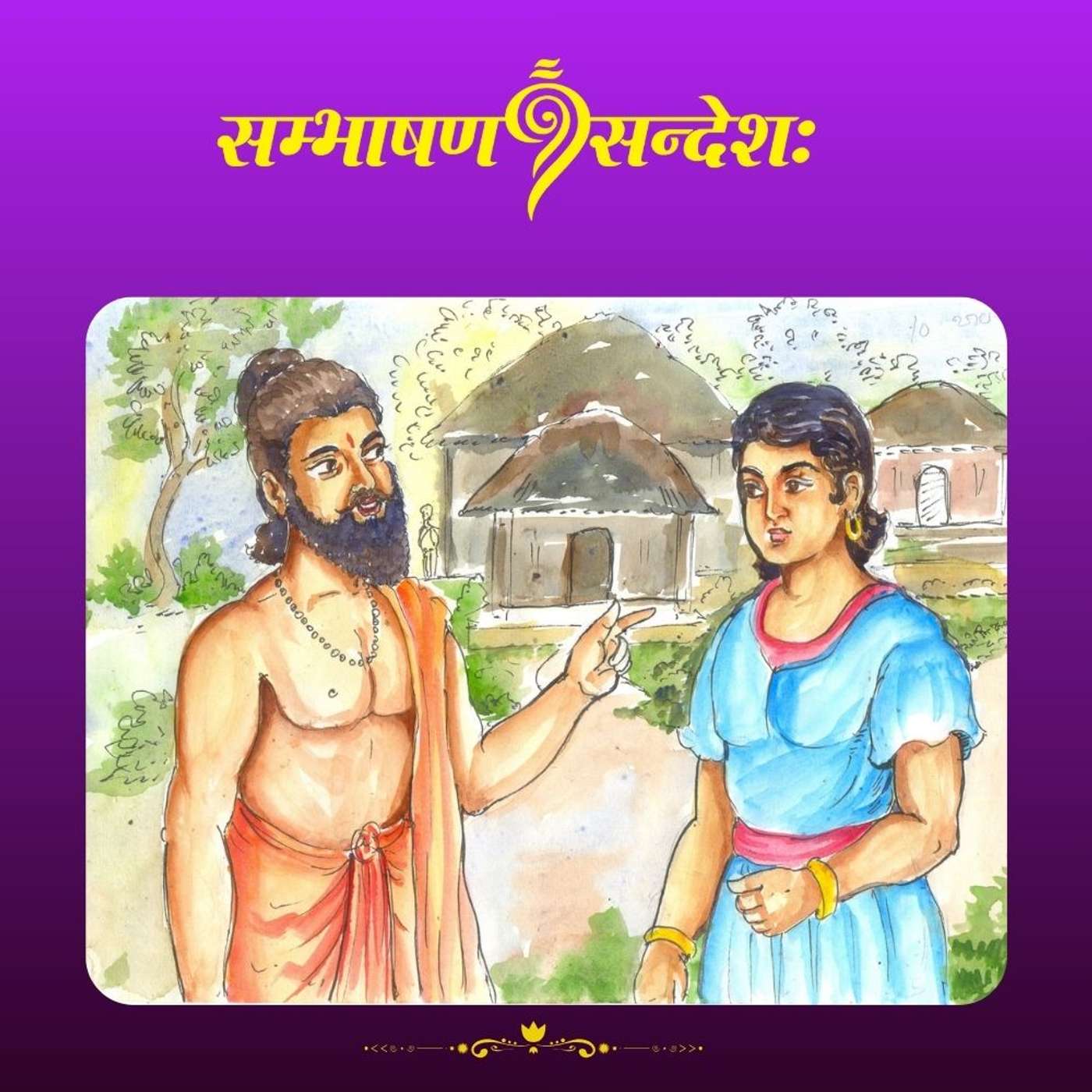
Ep 396सूक्ष्मांशज्ञानम्
राज्यस्य उत्तराधिकारिणं प्राप्तुं योग्यतापरीक्षार्थं कश्चन राजा तस्य पुत्रं कस्यचन महात्मनः समीपं प्रेषयति । समग्रं दिनम् अरण्ये उषित्वा राजकुमारः अनुभवम् अकथयत् - 'गजानां घीङ्कार श्रुतः, महावृक्षस्य पतनं दृष्टं, मेघघर्जनं श्रुतं, तडितः दृष्टाः च' इति । अग्रिमवर्षे आगच्छ इति महात्मा वदति । अनन्तरवर्षे राजकुमारः वदति 'मूषकं गिलन् सर्पः दृष्टः, मूषकस्य चीत्कारः दृष्टः, चिक्रोडस्य चिंव्कारः श्रुतः' इति । पुनः महात्मा प्रेषयति । तृतीये वर्षे राजकुमारः वदति 'निर्झरीणां कलकरवः, मधुमक्षिकाणां झेङ्कारः च श्रुतः, पुष्पाणाः सुगन्धः आघ्रातः, वनस्य मौनं लक्षितम्' इति । एतदवसरे सूक्ष्मत्वम् अभिज्ञातम् इति कारणतः महात्मा वदति 'त्वं राज्यत्वं प्राप्तुम् अर्हसि' इति । प्रजानां कष्टानि, शासनस्य सूक्ष्मांशः च येन ज्ञायेरन् सः एव उत्तमः राजा भवितुम् अर्हति ।(“केन्द्रीयसंस्कृतविश्वविद्यालयस्य अष्टादशीयोजनान्तर्गततया एतासां कथानां ध्वनिप्रक्षेपणं क्रियते”)This story illustrates a profound lesson in leadership and sensitivity. A king, wishing to test his son's worthiness for succession, sends him to a wise sage. The prince spends a day in the forest and reports loud and obvious experiences—elephant trumpeting, tree falling, thunder, and lightning. The sage asks him to return the next year. The following year, the prince describes subtler events—seeing a snake swallow a mouse, hearing its squeal, and the chirping of a squirrel. Still, the sage sends him back. In the third year, the prince shared deeply refined observations—he heard the gentle murmur of a stream, the buzzing of bees, smelled the fragrance of flowers, and sensed the silence of the forest. Recognizing the prince’s developed sensitivity, the sage declares him worthy of kingship. The story concludes with the insight that a true ruler must perceive not only the obvious but also the subtle pains of the people and the nuances of governance. Only such awareness makes one fit to lead.
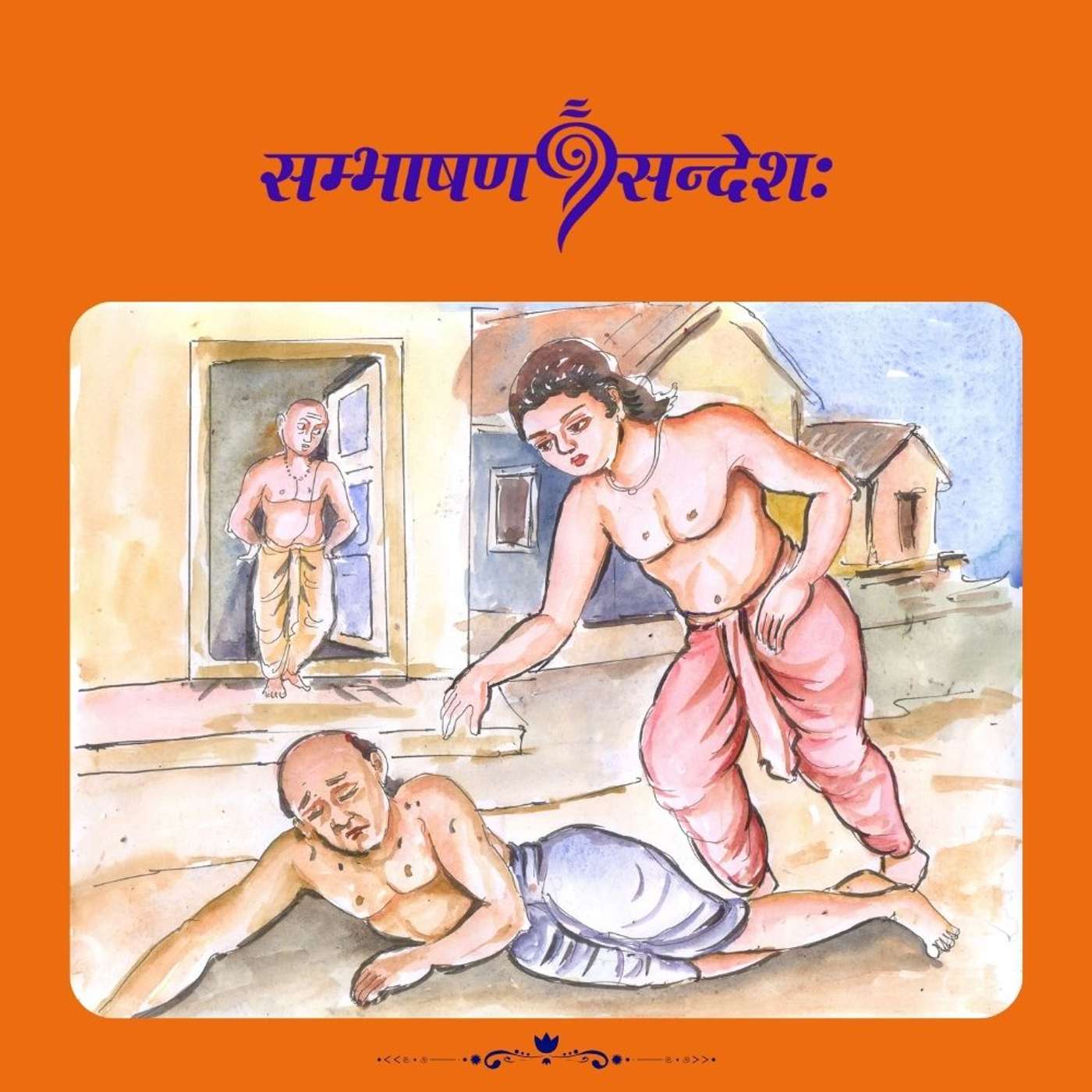
Ep 395वासुदेवस्य भक्तिः
एषा कथा पञ्चदशे अथवा षोडशे शतके घटिता, यत्र श्रीकृष्णचैतन्यनामकः कश्चन मेधावी न्यायशास्त्रविद् भागवतभक्तः वैष्णवाचार्यः अभवत् । सः चैतन्यमहाप्रभुः इत्यपि प्रसिद्धः । तस्मिन्काले वासुदेवनामकः कश्चन कृष्णभक्तः कुष्ठरोगेण पीडितः आसीत् । एकदा चैतन्यमहाप्रभुः दक्षिणभारतयात्रां कुर्वन् कूर्मनामकस्य ब्राह्मणस्य गृहे वासं कृतवान् । श्रुतवार्तः वासुदेवः परिश्रमेण तत्र आगतः, किन्तु महाप्रभुः तावता ततः निर्गतः आसीत् । वासुदेवः खिन्नः भूत्वा मूर्च्छितः अभवत् । सर्वज्ञः महाप्रभुः वासुदेवस्य भावं ज्ञात्वा शीघ्रं प्रत्यागत्य तम् आलिङ्गितवान् । तस्य स्पर्शेन वासुदेवस्य व्याधिः अपगतः, सः नूतनं निर्मलं देहं प्राप्तवान् च ।(“केन्द्रीयसंस्कृतविश्वविद्यालयस्य अष्टादशीयोजनान्तर्गततया एतासां कथानां ध्वनिप्रक्षेपणं क्रियते”)This story took place in the 15th or 16th century, during the time of Shri Krishna Chaitanya, a brilliant scholar of Nyaya (logic), a devotee of the Bhagavata, and a revered Vaishnava acharya. He was also widely known as Chaitanya Mahaprabhu. At that time, there was a devotee named Vasudeva who suffered from leprosy. Once, while Chaitanya Mahaprabhu was traveling through South India, he stayed at the home of a Brahmin named Kurma. Hearing of his arrival, Vasudeva made a strenuous effort to reach him, but by the time he arrived, Mahaprabhu had already departed. Heartbroken, Vasudeva fainted from grief. Being omniscient, Mahaprabhu sensed Vasudeva’s deep devotion and quickly returned to embrace him. By the divine touch of Mahaprabhu, Vasudeva was cured of his disease and received a renewed, pure body. This tale beautifully illustrates the transformative power of devotion and divine grace.
Ep 394संविभज्य सेवनीयम्
काचित् माता पनसफलं कर्तयित्वा फलदलानि पञ्च द्रोणेषु स्थापयति । तस्याः पुत्रः अचिन्तयत् यत् माता मह्यम् एकं द्रोणं ददाति इति । किन्तु एकं द्रोणं भगवते समर्प्य आगच्छ इति वदति माता । अवशिष्टेषु द्रोणत्रयं ज्येष्ठपितृव्यायै कनिष्ठपितृव्यायै प्रतिवेशिन्यै वृद्धायै च दत्त्वा आगच्छ इति वदति । म्लानमुखः बालकः यदा प्रत्यागच्छति तदा अन्तिमद्रोणतः एकं फलदलं पुत्राय ददाति । यदा पुत्रः वदति 'अल्पमेव मह्यं दत्तम्' इति तदा माता बोधयति 'पनसवृक्षः भगवतः अनुग्रहेण प्रवृद्धः । सर्वेभ्यः वितीर्य यत् शिष्येत तदेव सेवनीयम् अस्माभिः । संविभागस्य अनन्तरं सेवनम् इत्येतत् तत्त्वम् अस्माकं जीवनसूत्रं स्यात्' इति । एतस्य श्रवणात् तेन बालेन नूतना जीवनदृष्टिः प्राप्ता । सः एव 'आचार्यः विनोबाभावे' ।(“केन्द्रीयसंस्कृतविश्वविद्यालयस्य अष्टादशीयोजनान्तर्गततया एतासां कथानां ध्वनिप्रक्षेपणं क्रियते”)A mother once cut a jackfruit and placed its pieces into five baskets. Her son expected one for himself, but she asked him to offer one to God and distribute three to relatives and a neighbor. When he returned disappointed, she gave him a single piece and explained, “What remains after sharing is what we must consume. Sharing first, then enjoying—that is life’s principle.” This lesson deeply impacted the boy, who later became Acharya Vinoba Bhave.
Ep 393मनुष्येषु विभिन्नता
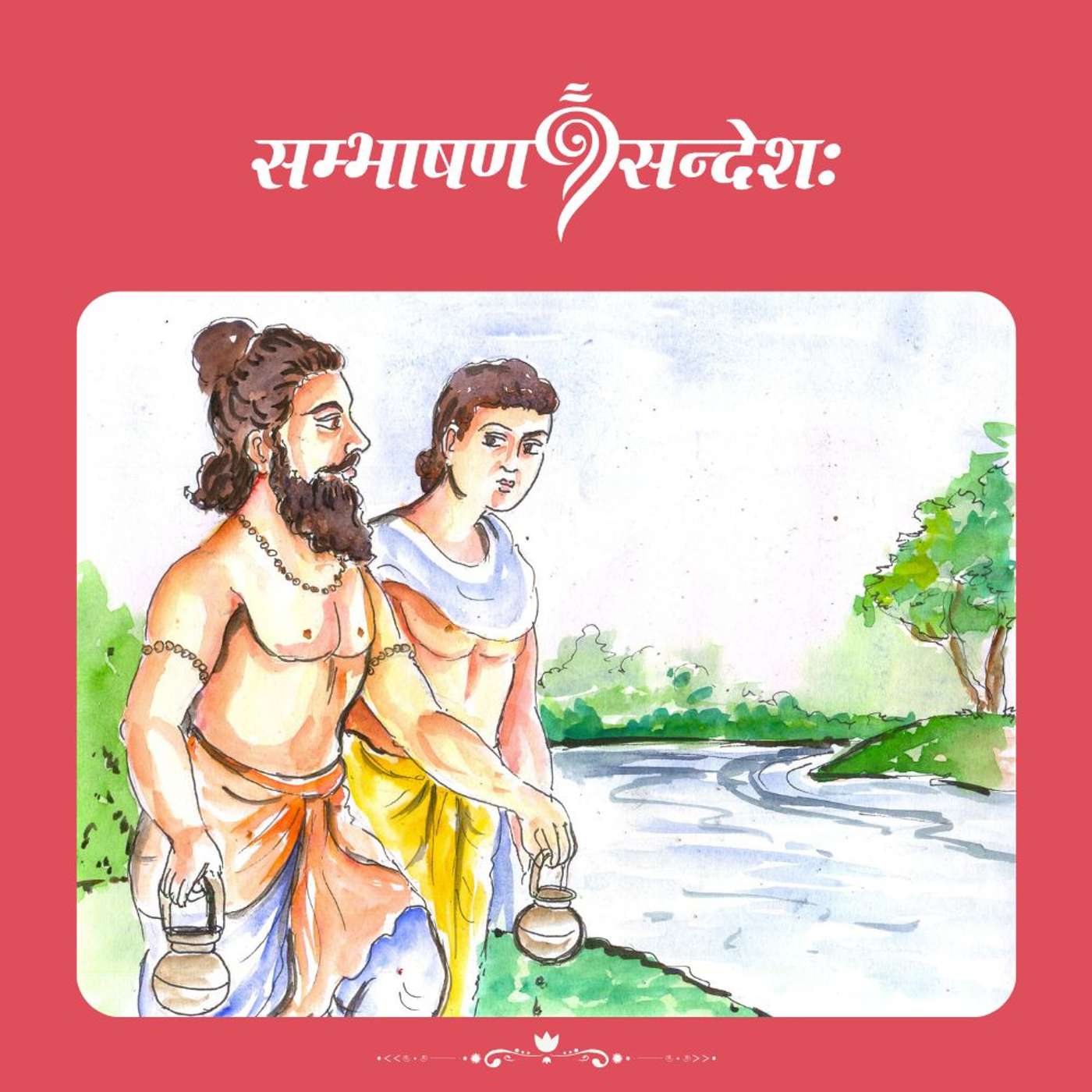
मनुष्येषु विभिन्नता भवत्येव । केषुचित् दोषरूपाणि छिद्राणि भवन्ति । तेषां छिद्राणां द्वारा दुष्प्रवृत्तयः तान् प्रविशन्ति । ततः तेषां पतनं भवति । ये दोषरहिताः स्युः, येषु दुष्प्रवृत्तीनां प्रवेशाय अवसरः न स्यात्, ते कामपि हानिम् अप्राप्नुवन्तः उत्तमं जीवनं यापयन्ति । एकैकस्यापि जनस्य आन्तरस्वरूपं विभिन्नं भवति इत्यतः तत्तस्य जीवनम् अपि विभिन्नं भवति । उन्नतिः अधोगतिः च तत्तस्य स्वरूपस्य अनुगुणं भवति । एतत् सर्वं कश्चन गुरुः स्वशिष्यं केनचित् निर्दशनेन अस्यां कथायां बोधयति ।(“केन्द्रीयसंस्कृतविश्वविद्यालयस्य अष्टादशीयोजनान्तर्गततया एतासां कथानां ध्वनिप्रक्षेपणं क्रियते”)Human beings are inherently diverse. Some possess inner flaws—like cracks—through which negative tendencies enter, leading to their downfall. Those who are free from such flaws, who leave no room for harmful influences, live a life untouched by loss and filled with goodness. Since each person’s inner nature is unique, their life path too differs accordingly. One’s rise or fall aligns with their inner disposition. A wise teacher conveys this truth to his disciple through a thoughtful illustration in this story.
Ep 392आचारानुगुणं फलम्
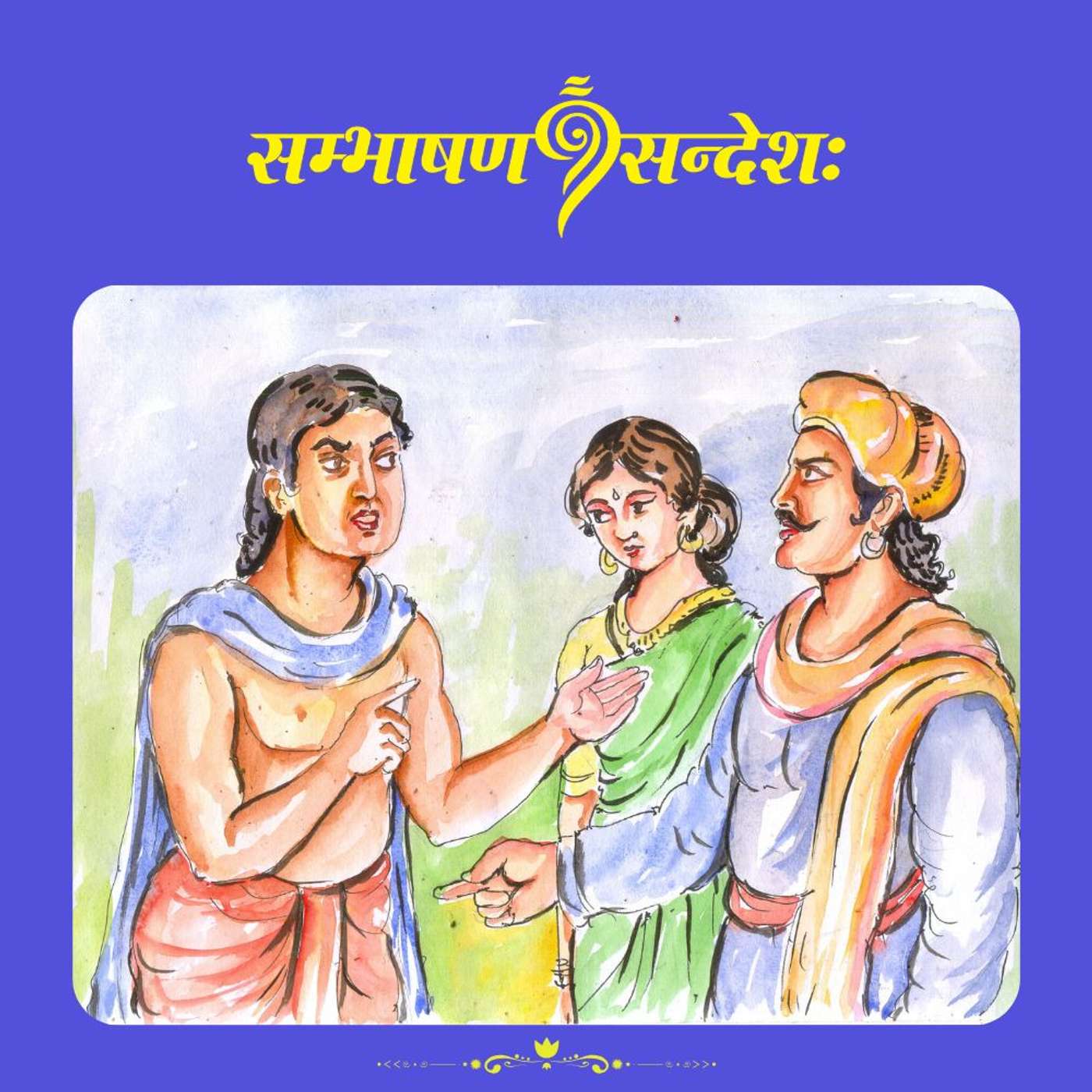
कदाचित् वङ्गप्रदेशात् कालिचरणनामकः कश्चन भगवद्भक्तः चम्पानगर्यां स्थितं विष्णुदेवालयम् आगतः । महत्याः वृष्ट्याः उपशान्तेः अनन्तरं सः भक्त्या कर्दमपूर्णे मार्गे नृत्यं कुर्वन् अग्रे अगच्छत् । तदवसरे तस्य पादक्षेपेण उत्थितः कर्दमः कस्याश्चित् महिलायाः शाटिकां पतितः इति कारणेन तस्याः पतिः क्रोधेन दुर्वचनानि वदन् कालिचरणं प्रहृतवान् । कालिचरणः कारणम् अवगत्य दुःखितः भूत्वा धर्मशालां प्रति प्रस्थितः । सा महिला अपि दुर्वचनानि अवदत् । तदवसरे पादस्खलनेन तस्याः पतिः भूमौ पतित्वा मूर्छितः अभवत् । तदा कालिचरणः अवदत् 'यदि सः पतिः प्रियतमां पत्नीं प्रति असावधानेन मया कृतम् अपराधं न क्षाम्येत् तर्हि मद्विषये सावधानेन तेन कृतम् अपराधं मत्प्रियः श्रीहरिः कथं क्षाम्येत्?’ इति । तदा तत्र सम्मिलिताः सर्वे 'अयं महान् भगवद्भक्तः' इति ज्ञात्वा क्षमाम् अयाचन्त ।(“केन्द्रीयसंस्कृतविश्वविद्यालयस्य अष्टादशीयोजनान्तर्गततया एतासां कथानां ध्वनिप्रक्षेपणं क्रियते”)Kalicharana, a devotee from Bengal, visited a Vishnu temple in Champanagari. After heavy rain, while dancing through a muddy path in devotion, his foot splashed mud onto a woman’s sari. Her angry husband insulted and struck him. Saddened, Kalicharana quietly left for a dharmashala. Later, the husband slipped and fainted. Kalicharana humbly said, “If he cannot forgive my unintentional mistake, how will Lord Hari forgive the husband's deliberate ones?” Moved by his words, everyone recognized him as a true devotee and sought his forgiveness.
Ep 391उज्ज्वलः भाषाभिमानः
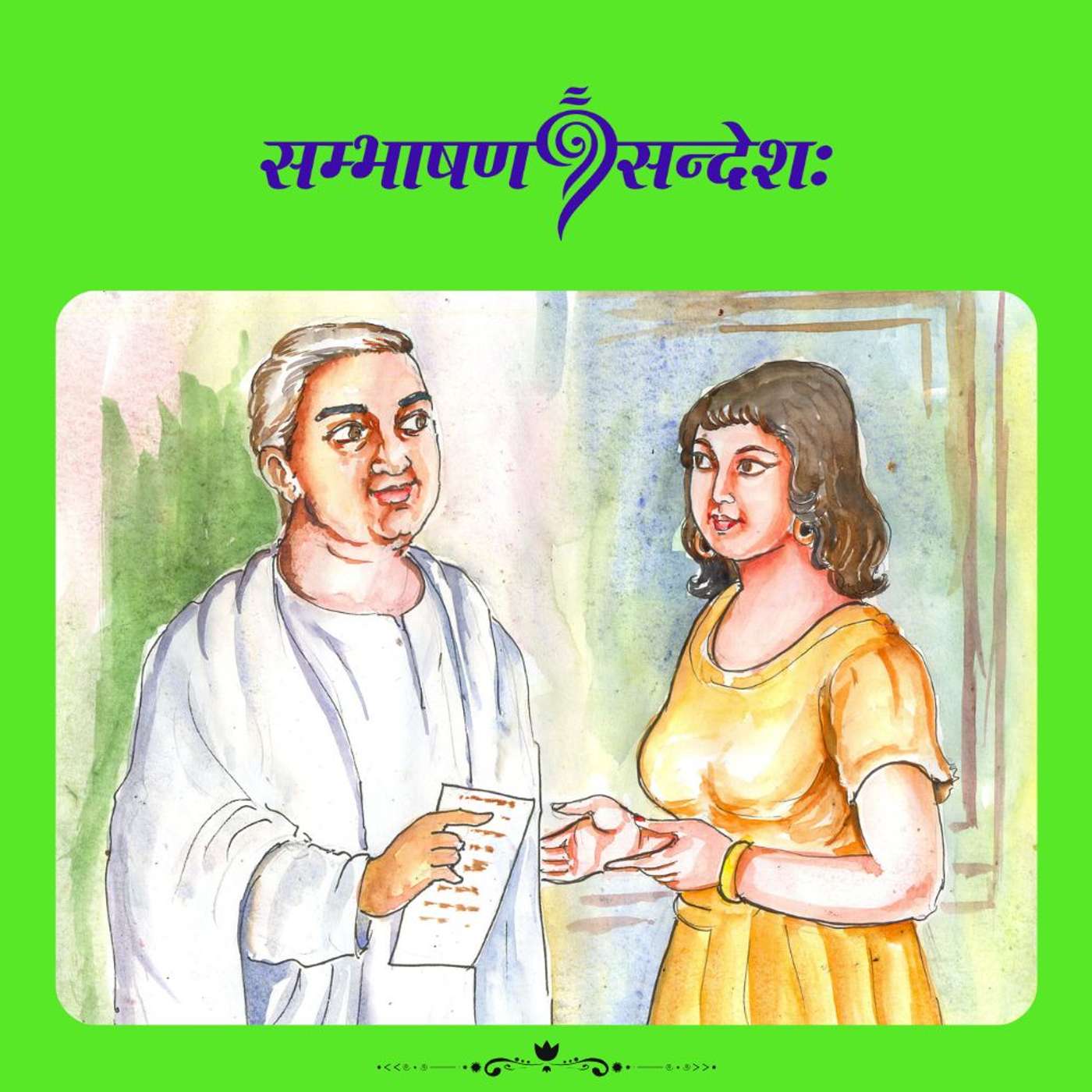
कदाचित् डा.रघुवीरः प्रवासावरे एकस्मिन् फ्रेञ्च्-जनस्य गृहे अतिथित्वेन वासम् अकरोत् । तदवसरे भारतात् आगतम् आङ्ग्लभाषया लिखितं पत्रं दृष्ट्वा गृहस्वामिनः पुत्री पृच्छति 'किमर्थं आङ्ग्लभाषया व्यवह्रियते ? स्वीया लिपिः भाषा वा नास्ति वा?’ इति । एतां घटनां ज्ञातवत्या बालिकायाः मात्रा उक्तम् - 'देशाभिमानः भाषाभिमानः च यस्य न स्यात् तं बर्बरं भावयामः वयम् । इतः परं भवान् अन्यस्मिन् गृहे अतिथित्वेन वासं कर्तुम् अर्हति, न तु मम गृहे।'(“केन्द्रीयसंस्कृतविश्वविद्यालयस्य अष्टादशीयोजनान्तर्गततया एतासां कथानां ध्वनिप्रक्षेपणं क्रियते”)Once, during his travels, Dr. Raghuvira stayed as a guest at the home of a French family. While there, the host’s daughter saw a letter written in English that had arrived from India. Curious, she asked, “Why is English being used? Don’t you have your own script or language?”. Upon hearing this, her mother, having understood the situation, remarked firmly, “One who lacks pride in their country and language, we consider uncivilized. Henceforth, you may stay as a guest in another home, but not in mine.” This incident powerfully highlights the importance of national and linguistic pride, and how deeply it is valued in cultures that honor their heritage.
Ep 390वृक्षस्य अङ्गानां श्रेष्ठता
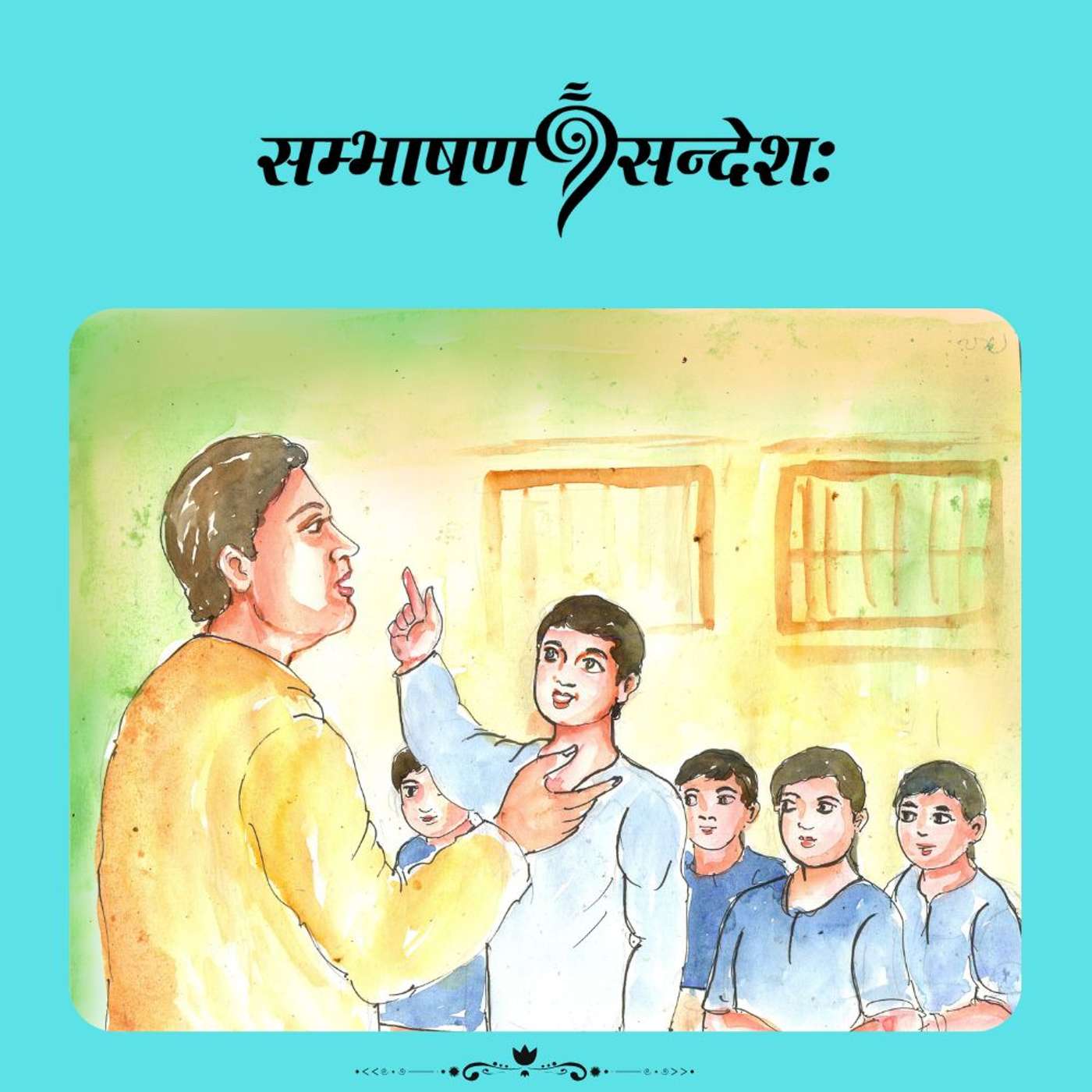
कस्याञ्चित् कक्ष्यायां कश्चन अध्यापकः छात्रान् अपृच्छत् 'वृक्षस्य एकैकः भागः अपि भवति महते प्रयोजनाय । भवत्सु कः कीदृशः वृक्षभागः भवितुम् इच्छति ?’ इति । तदा एकैकः छात्रः अपि तस्य इच्छानुगुणं कीदृशः भागः भवितुम् इच्छति इति । तस्य भागस्य प्रयोजनं किम् इत्यपि वदति । कश्चन पर्णं, कश्चन पुष्पं, कश्चन फलं, कश्चन शाखा भवितुम् इच्छामि इति वदति । कक्ष्यायां कश्चन अन्धः छात्रः वृक्षस्य मूलं भवितुम् इच्छामि इति वदति । मूलं भूमिं विदार्य प्रसरति, वृक्षधारणं करोति च । तत् सर्वान् विघ्नान् सम्मुखीकृत्य जीवत् वृक्षस्य दृढः आधारः भवति इति ।(“केन्द्रीयसंस्कृतविश्वविद्यालयस्य अष्टादशीयोजनान्तर्गततया एतासां कथानां ध्वनिप्रक्षेपणं क्रियते”)In a certain classroom, a teacher once asked the students, “Every part of a tree serves a great purpose. Which part of the tree would you like to be?” Each student responded according to their wish—one wanted to be a leaf, another a flower, another a fruit, and yet another a branch. They also explained the usefulness of the part they chose. Among them, a blind student said he wished to be the root of the tree. He explained that the root penetrates the earth, supports the tree, and faces all obstacles underground to provide a strong foundation for the tree’s life. His thoughtful answer moved everyone, showing that true strength often lies unseen, beneath the surface.
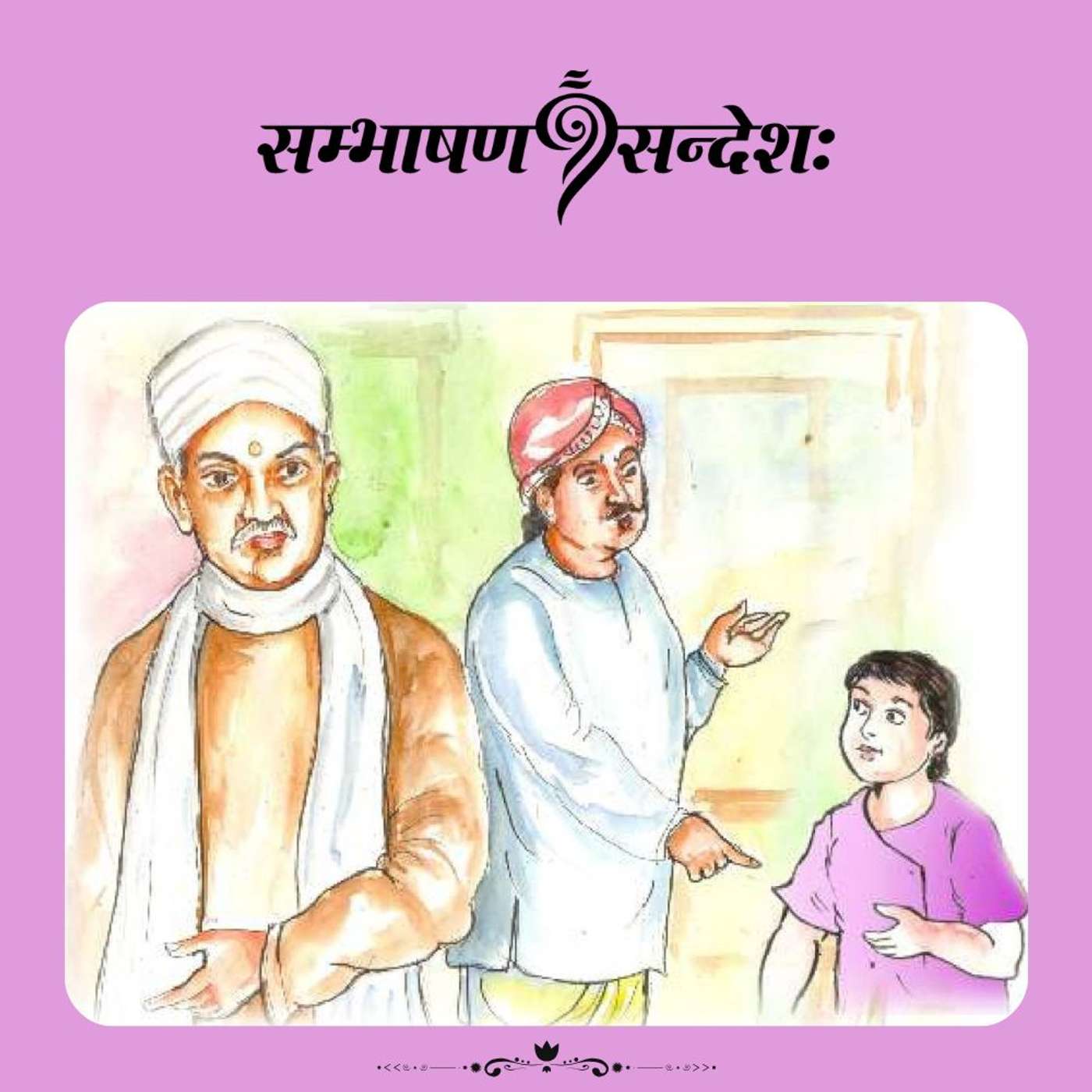
Ep 389अपव्ययः न सोढव्यः
मदनमोहनमालवीयः विश्वविद्यालयस्य संस्थापनाय कृतनिश्चयः सन् धनसङ्ग्रहाय सर्वत्र भ्रमित्वा कदाचित् कोलकातापत्तने कस्य श्रेष्ठिनः गृहं प्राप्तवान् । श्रेष्ठिनः बालेन काचित् अग्निशलाका प्रज्वालिता । विना कारणं अग्निशलाका व्यर्थीकृता इति कारणतः असः श्रेष्ठी बालस्य मुखे चपेटिकां दत्तवान् । शलाकामात्राय बालं ताडयितु उद्यतात् एतस्मात् दानस्य प्राप्त्याशा व्यर्था एव इति विचिन्त्य यदा निवर्तनाय उद्यतः मालवीयवर्यः तदा सः श्रेष्ठी तम् आहूय अगामनस्य कारणं पृष्ट्वा तस्मै पञ्चाशत्सहस्रमितं धनं अयच्छत् । योग्यस्थाने महतः दानस्य वियोगः करणीयः इति तस्य मतम् आसीत् ।(“केन्द्रीयसंस्कृतविश्वविद्यालयस्य अष्टादशीयोजनान्तर्गततया एतासां कथानां ध्वनिप्रक्षेपणं क्रियते”)Madan Mohan Malaviya, having resolved to establish a university, traveled widely to raise funds. Once, he visited the home of a wealthy merchant in Kolkata. At that moment, the merchant’s child lit a matchstick unnecessarily, prompting the merchant to slap the child for wasting it. Witnessing this, Malaviya thought that if the merchant could react so harshly over a mere matchstick, there was little hope of receiving a donation from him, and he prepared to leave. However, the merchant called him back, asked the reason for his visit, and upon learning it, donated ₹50,000. His belief was that great donations should be made for worthy causes. This incident highlights the value of purposeful giving and the wisdom of supporting noble endeavors.
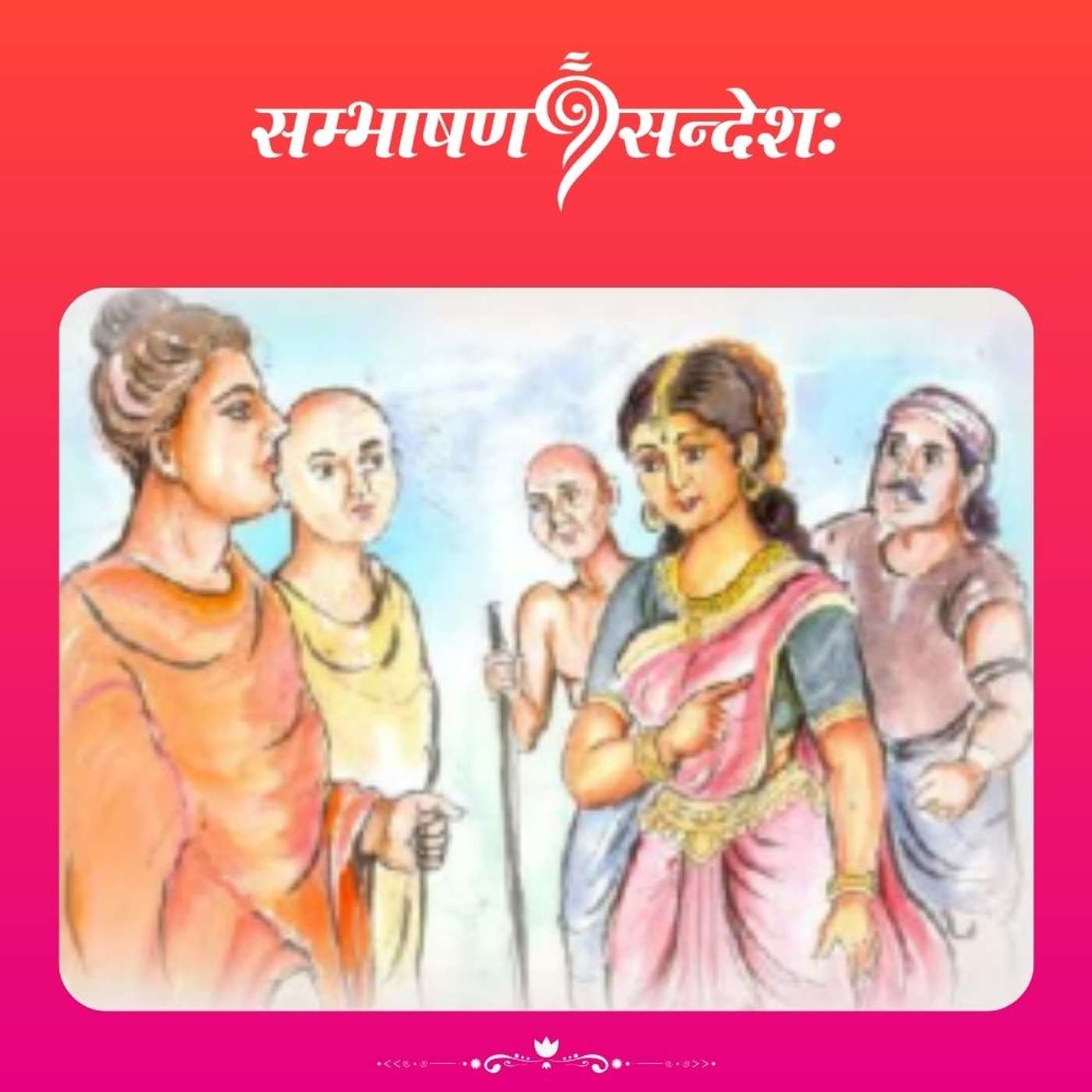
Ep 388कथनस्य आशयः
कदाचित् भगवान् बुद्धः प्रवचनावसरे 'अयि भक्ताः! समयः अतिक्रामति, जागृत' इति अवदत् । तदा कयाचित् नर्तक्या कुत्रचित् नर्तनं करणीयम् इति स्मृतम् । केनचित् लुण्ठाकेन लुण्ठनं करणीयम् इति स्मृतम् । केनचित् वृद्धेन इतः परं वा पुण्यं सम्पादनीयम् इति स्मृतम् । यतः आजीवनं धनार्जनमात्रमेव चिन्तितम् आसीत् । प्रवचनावसरे केवलम् एकं वाक्यम् उक्तं बुद्धेन किन्तु एकैकः अपि स्वमत्यनुगुणं तात्पर्याथं गृहीतवान् ।(“केन्द्रीयसंस्कृतविश्वविद्यालयस्य अष्टादशीयोजनान्तर्गततया एतासां कथानां ध्वनिप्रक्षेपणं क्रियते”)Once, during a sermon, Lord Buddha said, “O devotees! Time is passing—awaken!” Upon hearing this, a dancer remembered she had a performance to give somewhere. A thief thought of a robbery he had to commit. An old man reflected that he must now earn merit, as he had spent his entire life only pursuing wealth. Though Buddha spoke just a single sentence, each listener interpreted its meaning according to their own mindset.
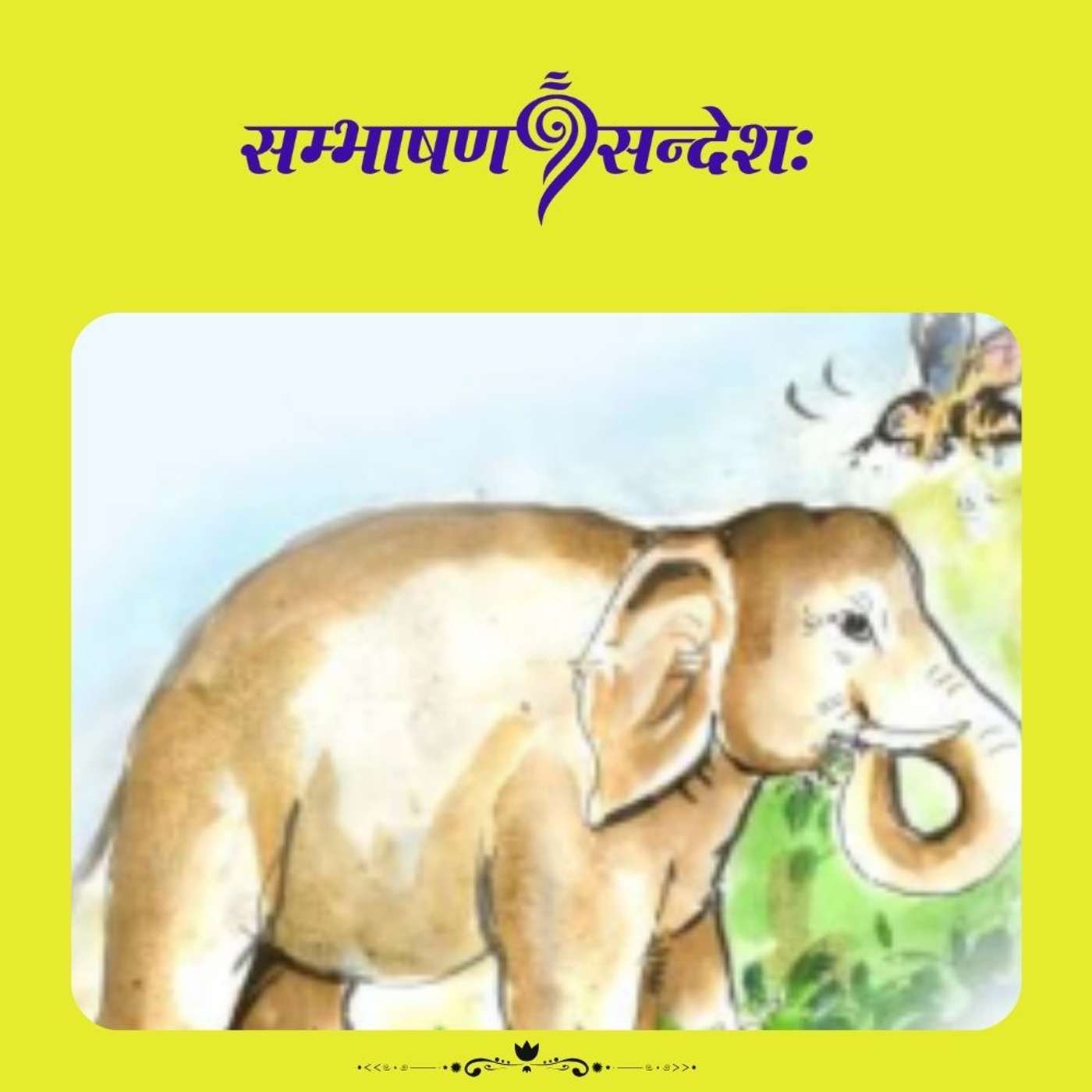
Ep 387शान्तचित्ततायाः मार्गः
कदाचित् कश्चन शिष्यः मनसः शान्तिप्राप्तिमार्गं गुरुः पृच्छति । तदा सः गजभृङ्गयोः कथां श्रावयित्वा वदति 'अस्मान् परितः यद्यत् प्रवर्तेत तत्र अस्माकं दृष्टिः तु भवेत् । किन्तु ते अंशाः अस्माकं मनसि चाञ्चल्यं न जनयेयुः । यत् क्रियते तत्र मनसः पूर्णमग्नता स्यात् । अस्माकं निर्णयः बाह्यांशप्रभावयुक्तः न भवेत् । अयमेव शान्तचित्ततायाः मार्गः' इति ।(“केन्द्रीयसंस्कृतविश्वविद्यालयस्य अष्टादशीयोजनान्तर्गततया एतासां कथानां ध्वनिप्रक्षेपणं क्रियते”)Once, a disciple asked his teacher the path to attain peace of mind. The teacher narrated the story of the elephant and the bee, then explained: “Whatever happens around us, our eyes may observe it, but it should not disturb the calm of our mind. Whatever task we undertake, our mind should be fully immersed in it. Our decisions must not be influenced by external distractions. This alone is the path to a peaceful mind.”
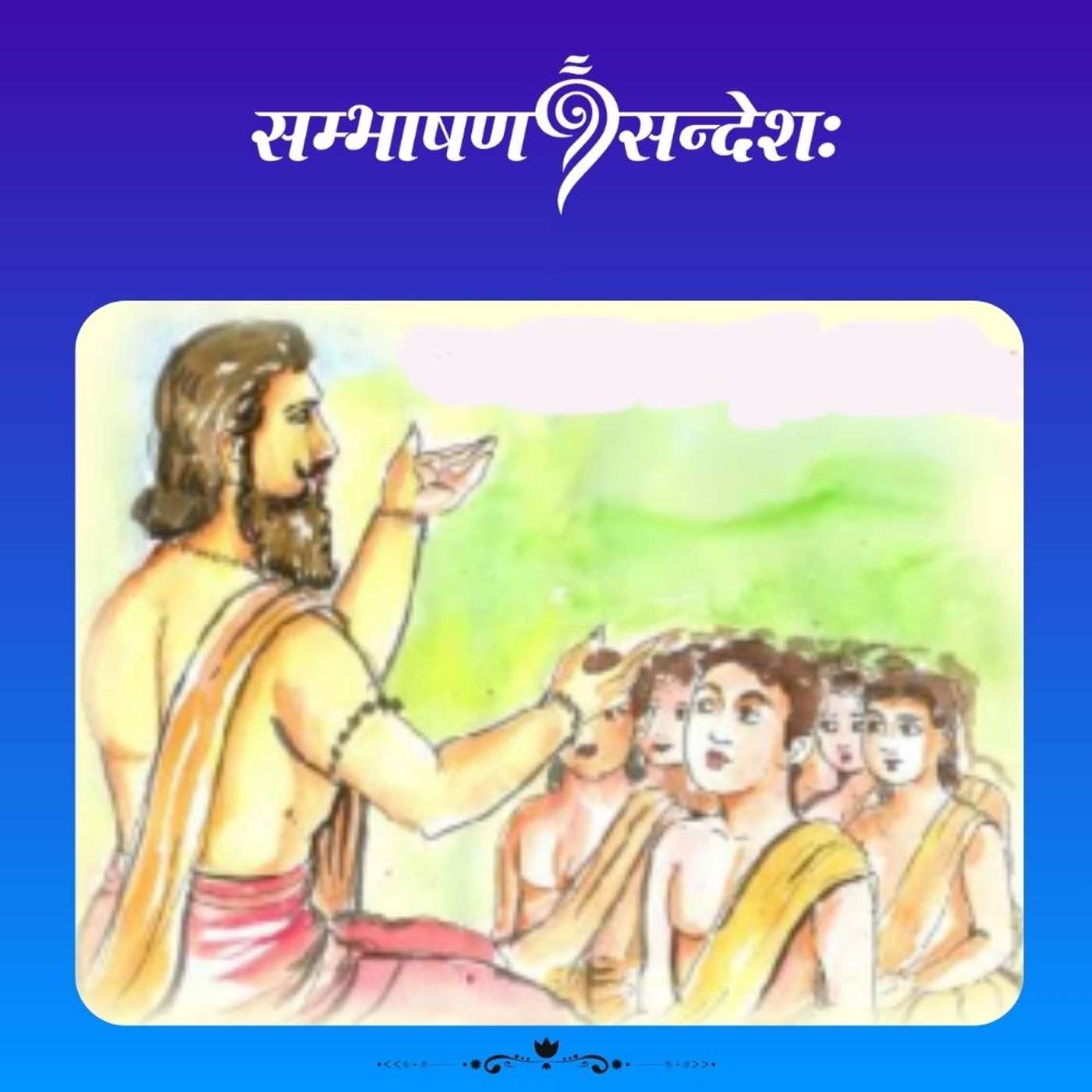
Ep 386वचनानि कीदृशानि भवेयुः?
कदाचित् गुरुशिष्याणां मध्ये 'वचनानि कीदृशानि भवेयुः' इति सम्भाषणं प्रचलति । तदा गुरुः वदति 'यत् वचनं कमपि न व्यथयेत्, यतः श्रोतॄणां मनः विकसेत्, यत् वचनं स्नेहादिसद्भाववृद्ध्यै स्यात्, यस्य श्रवणात् सद्व्यक्तित्वम् अभिव्यज्येत तदेव वचनं नाम । तादृशानि एव वचनानि यस्य मुखात् सर्वदा निर्गच्छेयुः सः एव सम्भाषणं जानाति इत्यर्थः' । पुनः सः वायोः, आतपस्य, नद्याः च उदाहरणानि यच्छति । 'यस्य वचनानि मधुराणि, तस्य एव वशे भवति लोकः' इत्यपि वदति ।(“केन्द्रीयसंस्कृतविश्वविद्यालयस्य अष्टादशीयोजनान्तर्गततया एतासां कथानां ध्वनिप्रक्षेपणं क्रियते”)Once, a discussion arose between a teacher and his disciples on the nature of ideal speech. The teacher explained, “True speech is that which does not hurt anyone, uplifts the listener’s mind, fosters love and goodwill, and reveals noble character. Only one whose words consistently reflect these qualities truly understands the art of communication.” He further illustrated this with examples from nature—like the wind, sunlight, and rivers—emphasizing their gentle yet powerful influence. Concluding, he said, “The one whose words are sweet wins over the world.”
Ep 385योग्यतापरीक्षा
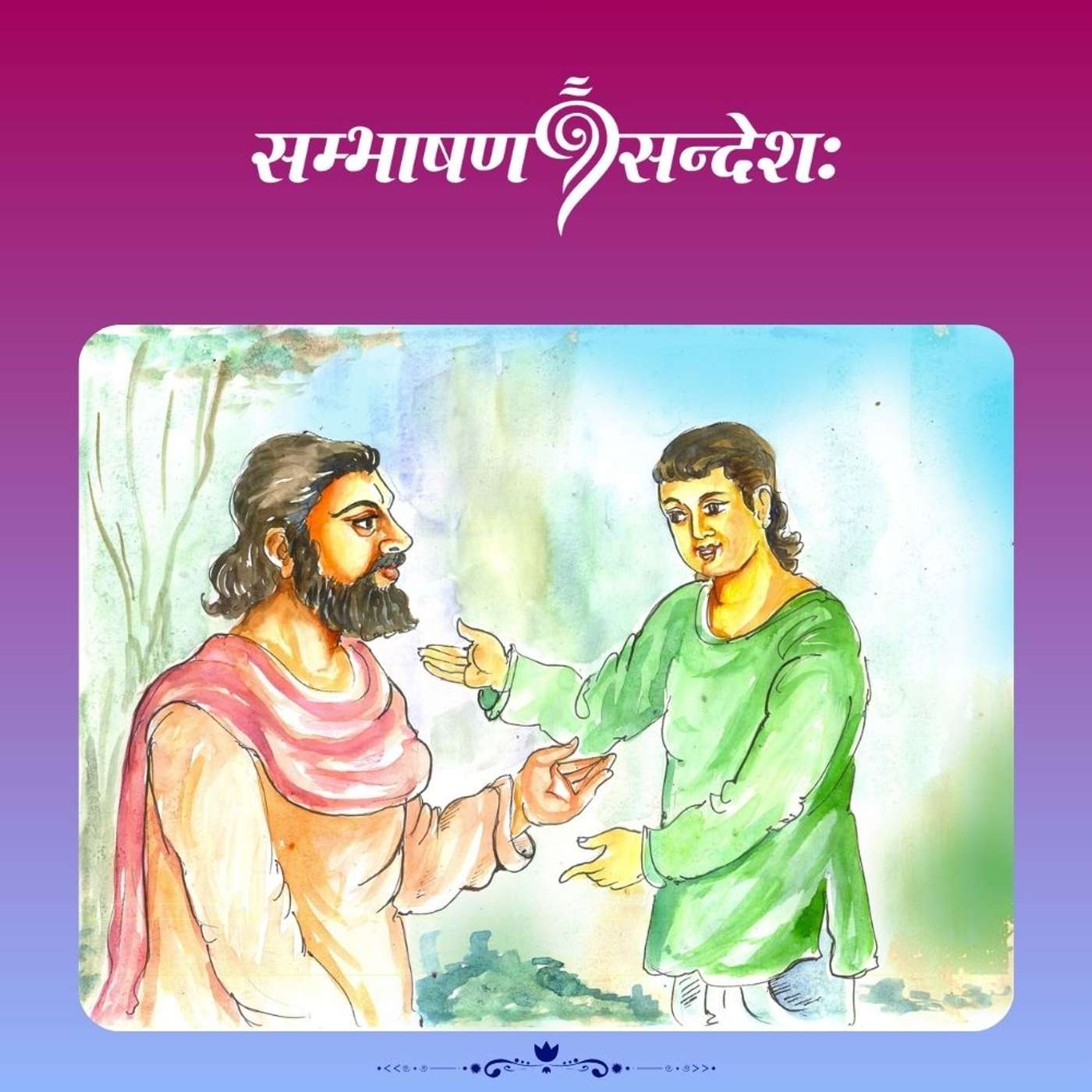
कश्चित् तरुणः आत्मानं शिष्यत्वेन स्वीकर्तुम् आचार्यं निवेदयति । तस्य योग्यतासामर्थ्यादिकं बहुधा परीक्ष्य सः उत्तीर्णः इति वदन् अपि एकसप्ताहानन्तरं निर्णयं श्रावयिष्यामि इति आचार्यः अवदत् । अनन्तरदिने एव आचार्यः कञ्चित् धनिकम् आहूय तरुणम् उन्नतस्थाने अधिकं वेतनम् दत्त्वा नियोजय इति अवदत् । तद्वदेव सः धनिकः अकरोत् । सप्ताहानन्तरं तं तरुणम् आहूय 'तव शिष्यत्वम् अङ्गीकृतं मया' इति यदा आचार्यः अवदत् तदा तरुणः शिरः अवनमय्य 'इदानीं प्रभूतवेतनयुक्तः उद्योगः प्राप्तः मया । कथं त्यजामि?’ इति अवदत् । तदा अचार्यः 'अवसरे प्राप्ते अपि यः तं परित्यज्य आगच्छेत् सः एव योग्यः शिष्यः भवितुम् अर्हति' इति अवद्त् । वस्तुत्वं ज्ञातवान् सः तरुणः उद्योगं त्यक्त्वा आश्रमं प्रति आगतवान् ।(“केन्द्रीयसंस्कृतविश्वविद्यालयस्य अष्टादशीयोजनान्तर्गततया एतासां कथानां ध्वनिप्रक्षेपणं क्रियते”)A young man sought discipleship under a wise teacher. Though qualified, the teacher delayed acceptance for a week and arranged a high-paying job for him through a wealthy person. When the teacher later accepted him as a disciple, the young man hesitated due to his new job. The teacher replied, “Only the one who is willing to abandon such an opportunity and still come is truly worthy of being a disciple” Realizing this truth, the young man renounced the job and joined the ashram.
Ep 384कार्यनीतेः आन्तर्यम्
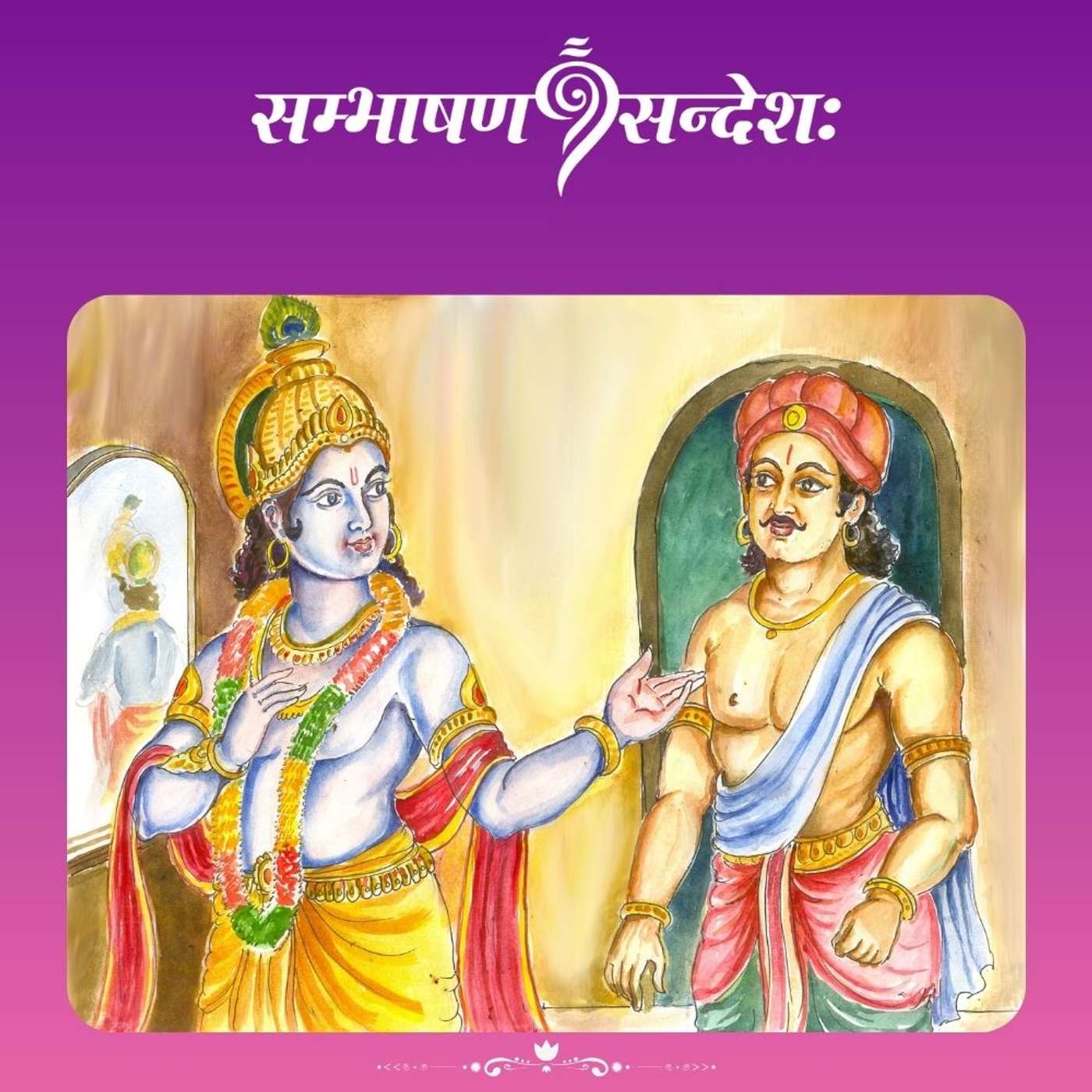
कदाचित् श्रीकृष्णः विविधैः सुन्दरैः आभरणैः आत्मानम् अलङ्कुर्वन् आसीत् । यः कदापि बाह्यालङ्कारे आसक्तिं न दर्शयति सः अद्य कथं बाह्यालङ्कारे विशेषास्थावान् इति चिन्तयन् आप्तः सेवकः कारणं पृच्छति । तदा कृष्णः वदति 'दुर्योधनं द्रष्टुं गच्छामि । बाह्याडम्बरदर्शने तस्य विशेषासक्तिः । अतः तं प्रभावयितुम् अयं वेशः' इति । पुनः सेवकः वदति यत् 'भवता किमर्थं तत्र गम्यते ? सः एव अत्र आनाय्यताम्' इति । तदा कृष्णः वदाति 'अन्धकारः प्रकाशदिशि न गच्छति । प्रकाशः एव अन्धकारदिशि गच्छेत्' इति । श्रीकृष्णस्य कार्यनीतेः आन्तर्यं ज्ञातुं न शक्नुमः अस्माभिः इति वदन् सः सेवकः ततः निर्गतः ।(“केन्द्रीयसंस्कृतविश्वविद्यालयस्य अष्टादशीयोजनान्तर्गततया एतासां कथानां ध्वनिप्रक्षेपणं क्रियते”)Once, Lord Krishna adorned himself with various beautiful ornaments. A close attendant, surprised by this unusual display—since Krishna was never attached to external decoration—wondered about the reason and asked him. Krishna replied, “I am going to meet Duryodhana. He is particularly drawn to outward grandeur. Hence, this appearance is meant to influence him.” The attendant then suggested, “Why should you go to him? Let him be brought here instead.” Krishna responded wisely, “Darkness does not approach light; it is light that must go toward darkness.” Hearing this profound statement, the attendant realized that Krishna’s actions are guided by deeper principles beyond ordinary understanding, and he quietly withdrew.
Ep 383धनस्य कारणतः
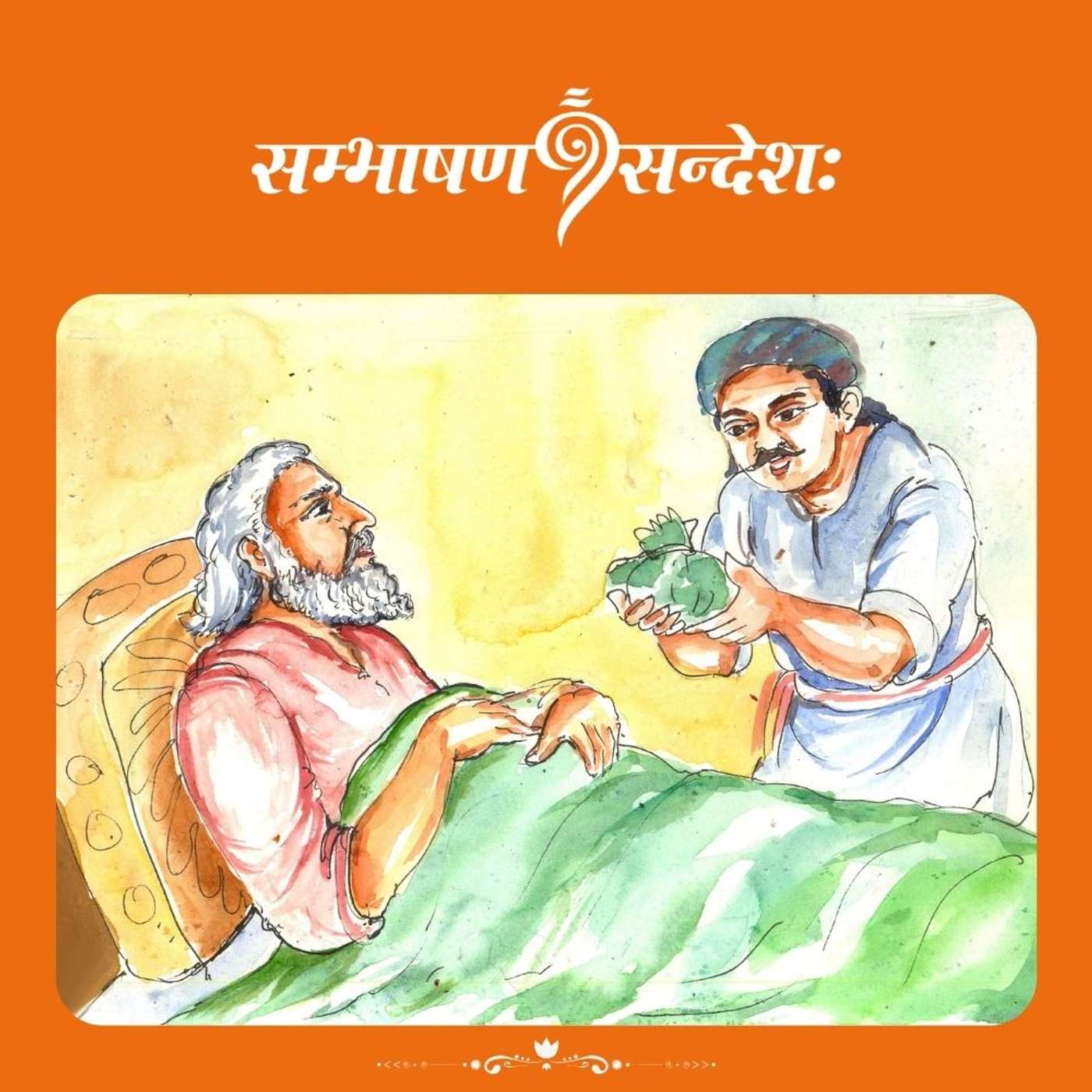
गोवल्लभनामकः कश्चन महाधनिकः भोगजीवनं यापयन् वार्धक्ये रोगग्रस्तः जातः । कदाचित् चिन्तामग्नेन तेन किञ्चित् मधुरं गीतं श्रुतम् । तेन आनन्दः प्राप्तः गोवल्लभः तं चर्मकारम् आनाय्य किञ्चित् धनं दत्त्वा श्वः अपि आगत्य एवम् एव एकं गीतं श्रावय इति अवदत् । किन्तु अनन्तरदिने सः चर्मकारः आगत्य धनं प्रत्यर्प्य 'धनस्य रक्षणविषये चिन्तां प्राप्तवता मया भगवतः स्मरणं कर्तुं न शक्तम् । धने सति आनन्दप्राप्तिः क्लेशाय' इति अवदत् । एतस्य श्रवणात् धनिकेन गोवल्लभेन विवेकः प्राप्तः । ततः सः स्वसम्पत्तिं निर्धनेभ्यः वितीर्य भगवतः स्मरणे उद्यतः अभवत् । तस्मात् तस्य अस्वास्थ्यम् अपि अपगतम् ।(“केन्द्रीयसंस्कृतविश्वविद्यालयस्य अष्टादशीयोजनान्तर्गततया एतासां कथानां ध्वनिप्रक्षेपणं क्रियते”)A wealthy man named Govallabha, who had spent his life indulging in pleasures, became afflicted with illness in old age. One day, while immersed in worry, he happened to hear a sweet song. Feeling joy from it, Govallabha called the cobbler who sang it, gave him some money, and requested him to return the next day and sing a similar song. However, the next day, the cobbler came back and returned the money, saying, “With the worry of safeguarding the money, I was unable to remember God. Possessing wealth brings joy, but also suffering.” Hearing this, Govallabha gained wisdom. He then distributed his wealth among the poor and devoted himself to the remembrance of God. As a result, even his illness disappeared.
Ep 382भिक्षुकस्य दानम्
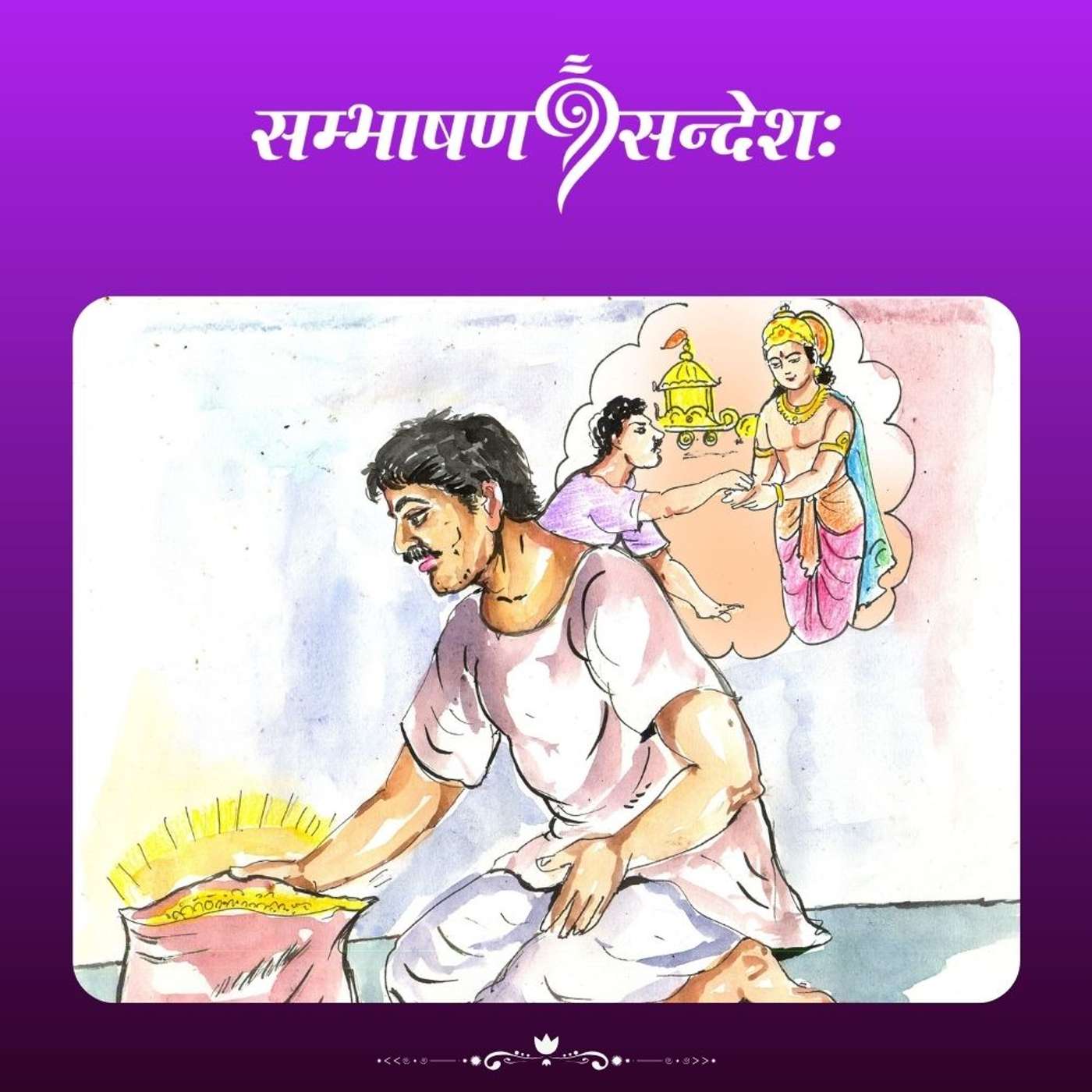
कदाचित् मार्गे स्थितेन केनचित् खिन्नेन भिक्षुकेन स्वर्णरथेन सह अकाशात् आगतः देवपुरुषः दृष्टः । भिक्षुकः तं दृष्ट्वा हृष्टः सन् चिन्तितवान् यत् अद्य मम दरिद्रता समाप्ता भविष्यति इति । किन्तु देवः स्वयं भिक्षुकात् भिक्षां याचितवान्, येन सः विस्मितः अभवत् । तिरस्कारभावेन सः केवलम् एकं तण्डुलकणं देवाय दत्तवान् । देवः तं स्वीकृत्य अन्तर्हितः अभवत् । रात्रौ भिक्षुकः स्वस्य भिक्षाराशौ एकं सुवर्णतण्डुलकणं दृष्टवान् । तदा सः खेदेन चिन्तितवान् यत् देवाय मुष्टिपरिमितं धान्यं यदि अदास्यम् तर्हि तावत् सुवर्णधान्यम् एव प्राप्स्यम् । येन महान् धनिकः अपि अभविष्यम् इति । अतः एव उच्यते - प्रदानम् आदानात् अधिकतरं स्यात् इति ।(“केन्द्रीयसंस्कृतविश्वविद्यालयस्य अष्टादशीयोजनान्तर्गततया एतासां कथानां ध्वनिप्रक्षेपणं क्रियते”)Once, a weary beggar standing by the roadside saw a divine figure descending from the sky in a golden chariot. Overjoyed, the beggar thought his poverty would finally end. But to his surprise, the divine being asked him for alms. Disappointed and reluctant, the beggar gave just a single grain of rice. The divine figure accepted it and vanished. That night, while inspecting his collection of alms, the beggar found one golden grain of rice. Filled with regret, he realized that had he offered a handful of rice, he would have received that much gold in return—and could have become wealthy. This story teaches a profound truth: giving yields more than receiving. Generosity, even in small acts, can lead to great rewards.
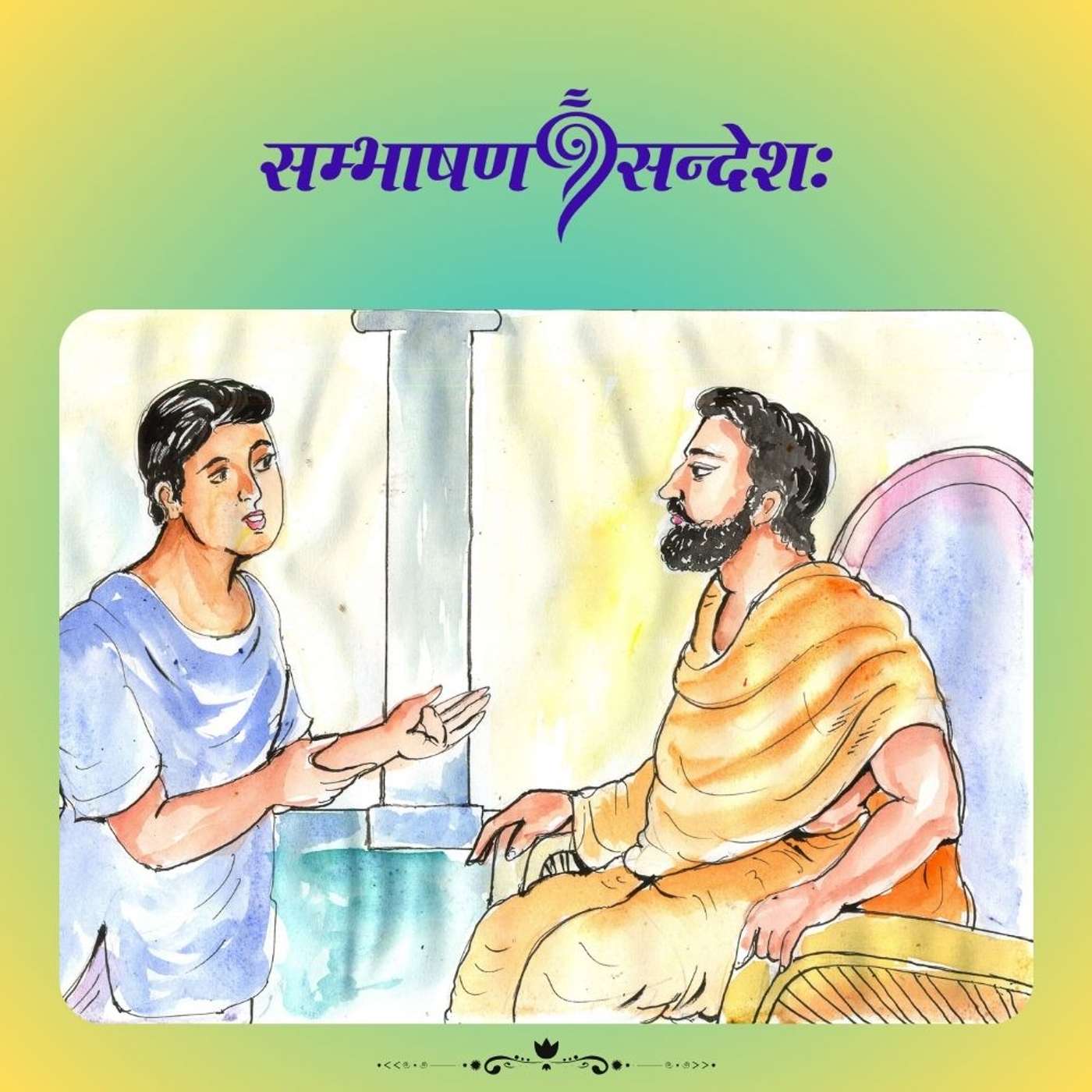
Ep 380ज्ञानप्राप्तीच्छा
कस्यचन आचार्यस्य उभौ शिष्यौ आस्ताम् । तयोः एकः अध्ययने विशेषतया आसक्तः, अपरः च मन्दप्रवृत्तिः । कदाचित् अपरः गुरुं पृच्छति यत् किमर्थं प्रथमम् एव आधिक्येन पाठयति इति । तदा गुरुः बोधकथां श्रावयित्वा दर्शयति यत् प्रथमस्य ज्ञानप्राप्तीच्छा तीव्रा अस्ति अतः सः परिश्रमं करोति, परिश्रमानुगुणं फलं प्राप्नोति च । अपरस्य ज्ञानप्राप्तीच्छा तु दुर्बला अस्ति । अतः प्रयत्नः अपि मन्दः । तस्मात् फलम् अपि अल्पम् । स्वस्य दोषं अवगत्य लज्जया शिरः अवनतवान् सः अपरः शिष्यः । (“केन्द्रीयसंस्कृतविश्वविद्यालयस्य अष्टादशीयोजनान्तर्गततया एतासां कथानां ध्वनिप्रक्षेपणं क्रियते”)A certain teacher had two disciples. One of them was deeply devoted to his studies, while the other was rather slow and less inclined. One day, the slower disciple asked the teacher why the first disciple was taught with greater attention. The teacher then narrated a moral story and explained that the first disciple had a strong desire to gain knowledge, and therefore he put in sincere effort. As a result, he received rewards proportional to his hard work. The second disciple, however, had a weak desire for learning, so his efforts were minimal, and thus his results were limited. Realizing his own shortcomings, the second disciple felt ashamed and bowed his head in humility.
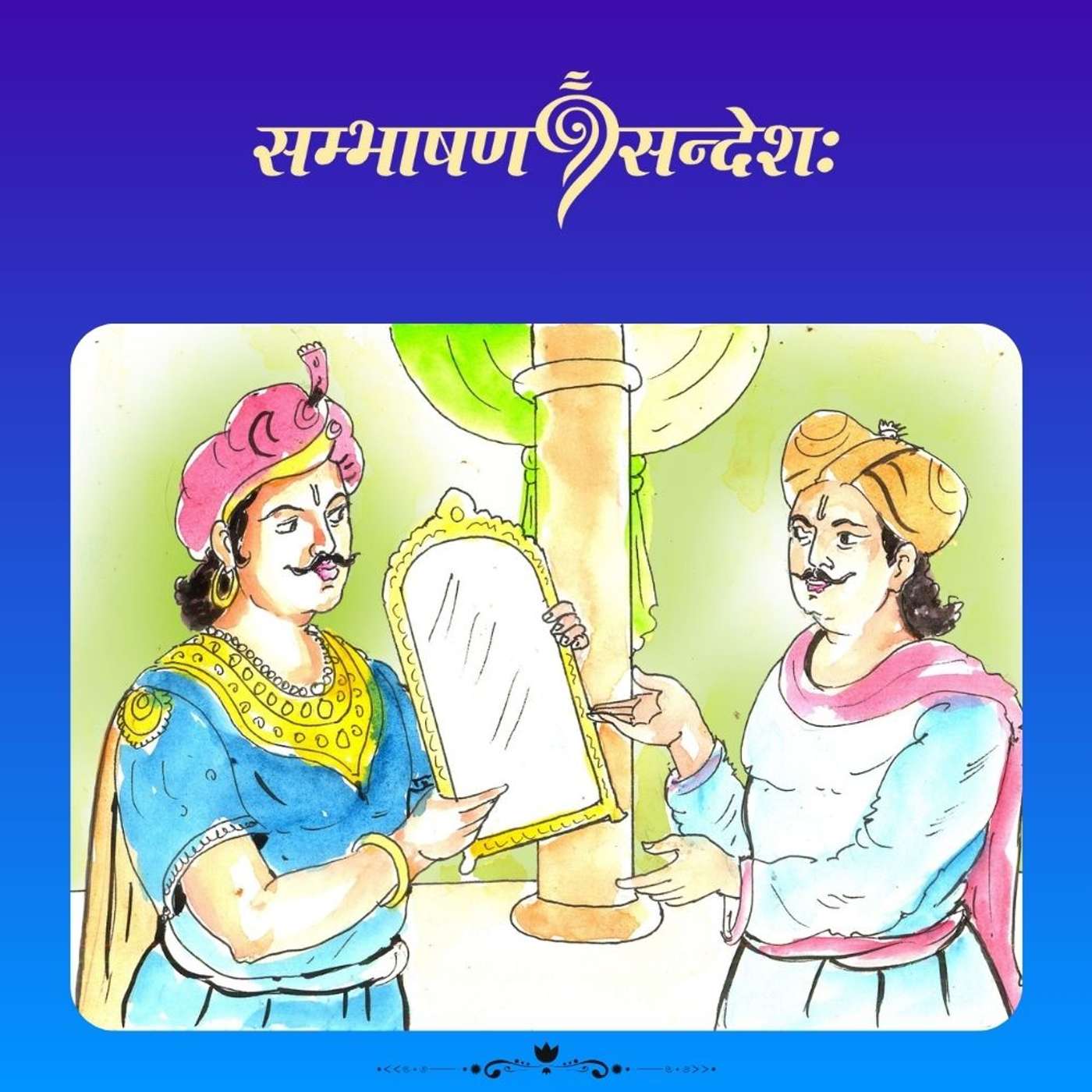
Ep 381अभिमानधनः कविः
राजा मानसिंहः एकदा वेषान्तरं धृत्वा कवेः कुम्भनदासस्य गृहम् अगच्छत् । तदवसरे प्रस्थानाय उद्यतः कविः तिलकं धर्तुं दर्पणम् आनेतुं पुत्रीम् अवदत् । अनवधानात् दर्पणः हस्तात् च्युतः सन् भग्नः जातः । तद् दृष्ट्वा कविः एकेन विशालमुखेन पात्रेण जलम् अनेतुम् उक्त्वा जले स्वमुखं दृष्ट्वा तिलकं धृत्वा प्रकोष्ठात् बहिः अगच्छत् । वेषान्तरं धृतवान् राजा एतत्सर्वं दृष्ट्वा परेद्यवि यदा कविः आस्थानम् आगतवान् तदा सुवर्णपट्टिकाभिः परिवृतं दर्पणं कवये उपायनीकृतवान् । किन्तु कविः सरस्वतीकृपाम् अपेक्षे, न तु लक्ष्मीकृपाम् इति उक्त्वा उपायनं निराकृतवान् । विरक्तलोभमोहादिं कुम्भनदासं दृष्ट्वा राजा गर्वम् अनुभूतवान् ।(“केन्द्रीयसंस्कृतविश्वविद्यालयस्य अष्टादशीयोजनान्तर्गततया एतासां कथानां ध्वनिप्रक्षेपणं क्रियते”)Once, King Man Singh disguised himself and visited the home of the poet Kumbhandas. At that time, the poet was preparing to leave and asked his daughter to bring a mirror so he could apply a tilak. Due to carelessness, the mirror slipped from her hand and broke. Seeing this, the poet asked for a large vessel of water, looked at his reflection in it, applied the tilak, and left the room. The disguised king witnessed this entire incident. The next day, when the poet came to the royal court, the king presented him with a mirror adorned with golden decorations. However, the poet politely declined the gift, saying he sought the grace of Saraswati (goddess of wisdom), not Lakshmi (goddess of wealth). Witnessing Kumbhandas’s detachment from greed and worldly desires, the king felt deep admiration and pride.
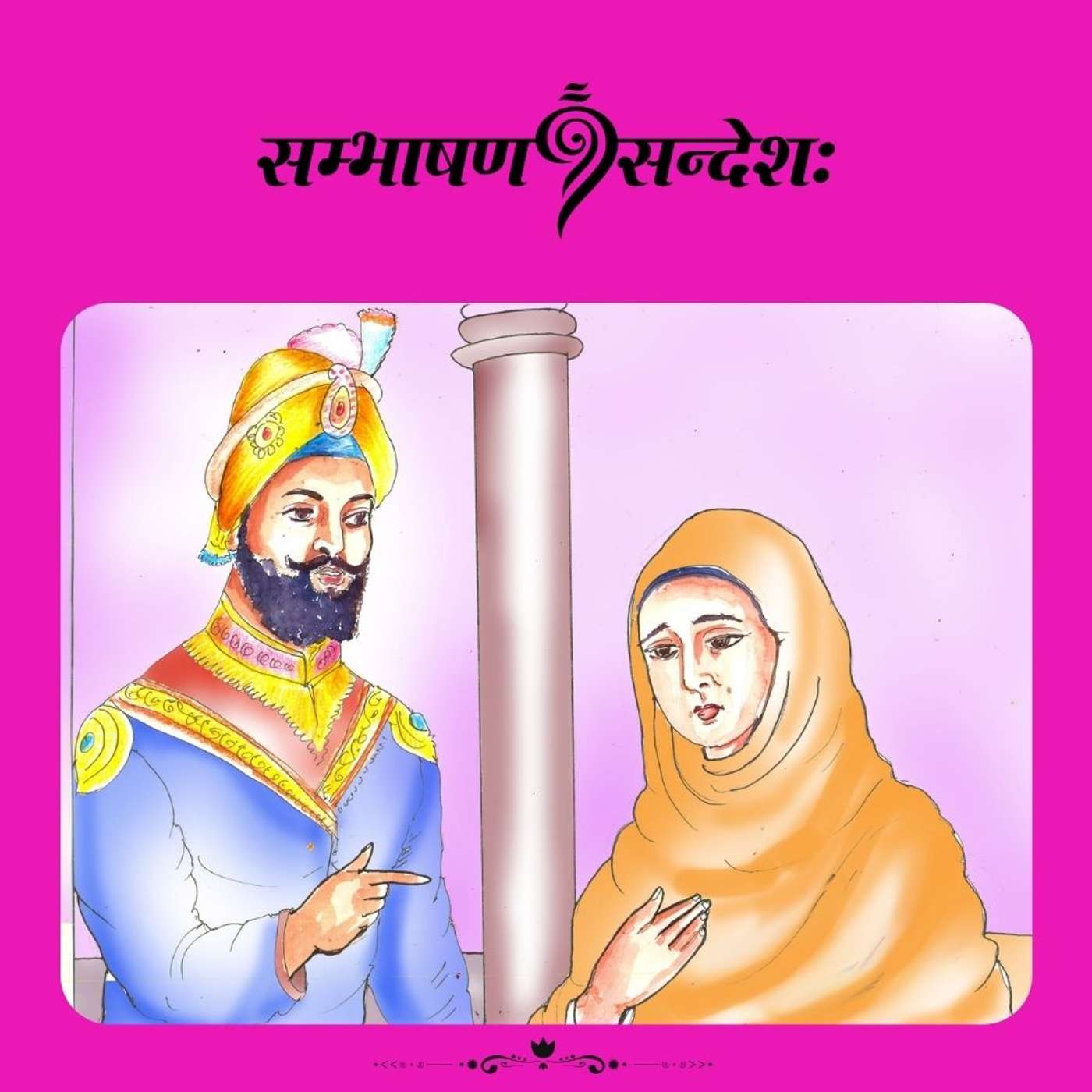
Ep 379अमृतपुत्राः
सिक्खानां गुरोः गोविन्दसिंहस्य चत्वारः पुत्राः मोघलैः सह प्रवृत्ते युद्धे वीरमरणं प्राप्तवन्तः आसन् । एतत् वचनं श्रुत्वा पत्नी पुत्रवियोगेन नितरां दुःखसन्तप्ता भूत्वा उच्चैः रोदनम् अकरोत् । तदा गोविन्दसिंहः अवदत् ये धर्मयुद्धे वीरगतिं प्राप्नुवन्ति ते अमृतपुत्राः । तस्य विषये गर्वं भवतु । पुत्रवियोगं प्राप्तवन्तः जन्मदातारः सान्त्वनीयाः अस्माभिः । प्रजाः एव अस्मत्पुत्राः इति चिन्तय । चिन्तनपरिवर्तनात् दुःखम् आनन्देन परिणमति । अतः ज्ञानिनः वदन्ति — प्रपञ्चे निर्लिप्ताः सन्तः वयं जीवेम । कर्तव्यपरायणाः भवेम' इति ।(“केन्द्रीयसंस्कृतविश्वविद्यालयस्य अष्टादशीयोजनान्तर्गततया एतासां कथानां ध्वनिप्रक्षेपणं क्रियते”)Guru Gobind Singh, the revered leader of the Sikhs, had four sons who attained martyrdom in battle against the Mughals. Upon hearing this news, his wife was overwhelmed with grief and began to weep loudly due to the loss of her sons. At that moment, Guru Gobind Singh consoled her by saying, "Those who attain heroic death in a righteous war are immortal sons. Be proud of them." He further said, "Parents who lose their children must be comforted by us. Consider the people as our children. When our thinking changes, sorrow transforms into joy. Therefore, the wise say — let us live in the world unattached, and remain devoted to our duties."

Ep 378वरुणमन्त्रः
अष्टादशवर्षपूर्वं स्यानन्दपुरे पद्मतीर्थनामा तडागः निर्जलः जातः । कथञ्चित् अयं तडागः जलपूर्णः स्यात् इति जनाः अचिन्तयन् । तदा तस्य कार्यार्थं डा. साम्बशिवनामकः कश्चन सज्जनः जनान् प्रेरितवान् । साम्बशिवस्य न केवलं वैद्यकीये विषये, अपि तु वेदोपनिषत्सु अपि अध्ययनम् आसीत् । अग्रिमदिने सर्वे ब्राह्मे मुहूर्ते अनशनपूर्वकान् आर्द्रवस्त्रान् जनान् वरुणमन्त्रं बोधितवान् । ऋग्वेदस्य वरुणमन्त्रः श्रद्धया एकोत्तरशतवारम् उच्चारितः । तस्यां रात्रौ महती वृष्टिः जाता, प्रातः पद्मतीर्थं जलपूर्णम् अभवत् । मन्त्रशक्तिः, जनानां निःस्वार्थता, अनशनं च वृष्टेः हेतुः अभवत् । अहम्भावं त्यक्त्वा जनैः लोकहिताय कृतस्य कार्यस्य फलम् इदम् ।(“केन्द्रीयसंस्कृतविश्वविद्यालयस्य अष्टादशीयोजनान्तर्गततया एतासां कथानां ध्वनिप्रक्षेपणं क्रियते”)Eighteen years ago, the Padmatīrtha lake in Syanandapura had completely dried up. The locals wondered how it could ever be filled again. At that time, a noble man named Dr. Sambashiva took the initiative to inspire the people. He was not only a medical expert but also well-versed in the Vedas and Upanishads. The next morning, at the sacred hour (brāhma muhūrta), he gathered people dressed in wet clothes, fasting, and taught them the Varuṇa mantra. With deep faith, the mantra from the Ṛgveda was chanted 101 times. That very night, heavy rain fell, and by morning, the Padmatīrtha lake was full of water. This event showed that the power of mantras, the people’s selflessness, and their fasting led to the rainfall. It was the fruit of a collective act done for the welfare of all, free from ego.
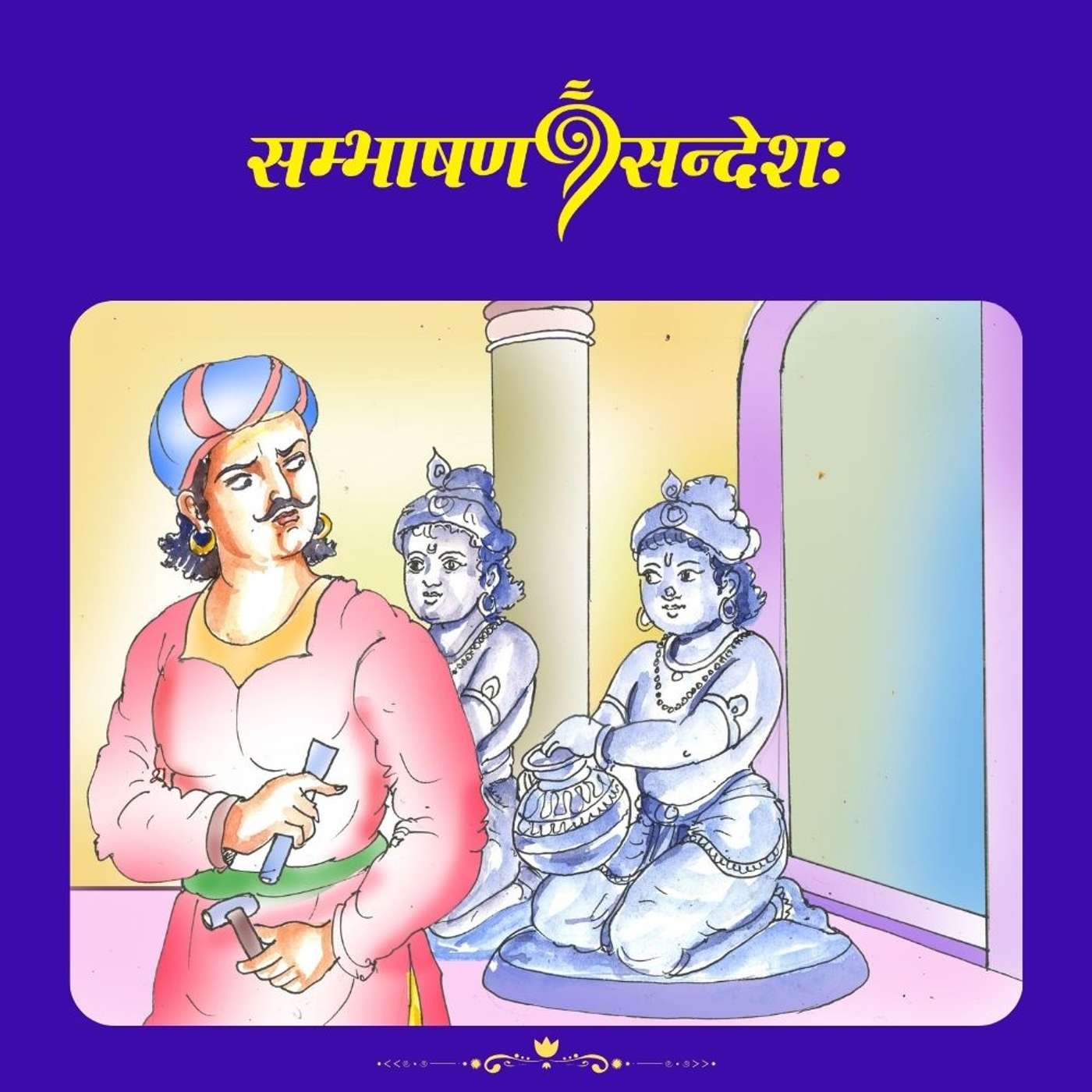
Ep 377शिल्पिनः चयनम्
कश्चित् राजा राजधान्याम् एकं भव्यं मन्दिरं निर्मातुं सङ्कल्पं कृतवान् । वृद्धः आस्थानशिल्पी राजानं यौवनशिल्पिनः चयनाय उपदिष्टवान् । राजा स्पर्धाम् आयोज्य उत्कृष्टं शिल्पं निर्मातुं शिल्पिनः आमन्त्रितवान् । तेषु शिवमूर्ति-धनपालाभ्यां निर्मितं शिल्पम् उत्कृष्टम् इति तु घोषितम्, किन्तु तयोः नाम न प्रकाशितम् । एतत् दृष्ट्वा धनपालः खिन्नः जातः, रात्रौ रहसि शिवमूर्तेः शिल्पं विरूपीकृतवान् । तस्य कृत्यं राज्ञा जनैः च रहसि दृष्टम् इति सः न ज्ञातवान् । अनन्तरदिने शिवमूर्तिः आस्थानशिल्पित्वेन नियुक्तः जातः । राजा उभयोः स्वभावं परीक्षितुं निर्मातृत्वेन तयोः नाम न प्रकाशितम् ।(“केन्द्रीयसंस्कृतविश्वविद्यालयस्य अष्टादशीयोजनान्तर्गततया एतासां कथानां ध्वनिप्रक्षेपणं क्रियते”)A certain king decided to build a grand temple in his capital. An elderly court sculptor advised him to select young sculptors for the task. The king organized a competition and invited talented artists. Among them, the sculptures made by Shivamurti and Dhanapala were declared the best, but their names were kept anonymous. Feeling disappointed, Dhanapala secretly defaced Shivamurti’s sculpture at night, unaware that the king and others had witnessed his act. The next day, Shivamurti was appointed as the royal sculptor. The king had deliberately withheld the names to test the character of both artists, not just their skill.
Ep 376मूल्यवत् उपायनम्
कदाचित् राष्ट्रपतिना अब्दुलकलाममहोदयेन कस्मिंश्चित् समारम्भे अध्यक्षस्थानं वोढव्यम् आसीत् । तस्य भाषणस्य अनुवादः गुरुराजकरजगिवर्यस्य । तेन रुदन्ती लघुबालिका दृष्टा । कारणे पृष्टे तस्याः पितरौ उक्तवन्तौ यत् 'कलाममहोदयेन भाषणं कर्तुम् एतस्याः इच्छा अस्ति' इति । अध्यक्षभाषणसमाप्तेः अनन्तरं गुरुराजवर्यः कलाममहोदयं लघुबालिकायाः इच्छाम् अवदत् । अनुक्षणमेव एकम् आरक्षकम् आहूय बालिकाम् आनेतुम् अवदत् । कलाममहोदयः ताम् अङ्के उपवेश्य खाद्यानि दत्त्वा, एकस्मिन् कागदे स्वस्य हस्ताङ्कनं कृत्वा अयच्छत् ।(“केन्द्रीयसंस्कृतविश्वविद्यालयस्य अष्टादशीयोजनान्तर्गततया एतासां कथानां ध्वनिप्रक्षेपणं क्रियते”)Once, Dr. A.P.J. Abdul Kalam was presiding over a public event as the chief guest. His speech was being translated by Shri Gururaj Karajagi. During the program, Gururaj noticed a little girl crying. When asked, her parents explained that she deeply wished to speak to Dr. Kalam. After the speech concluded, Gururaj conveyed the girl's heartfelt desire to Dr. Kalam. Without hesitation, Kalam called a security officer and asked him to bring the girl forward. He lovingly seated her on his lap, offered her some snacks, and gifted her a signed note on paper. This touching moment reflected Kalam’s humility and his deep affection for children’s dreams.
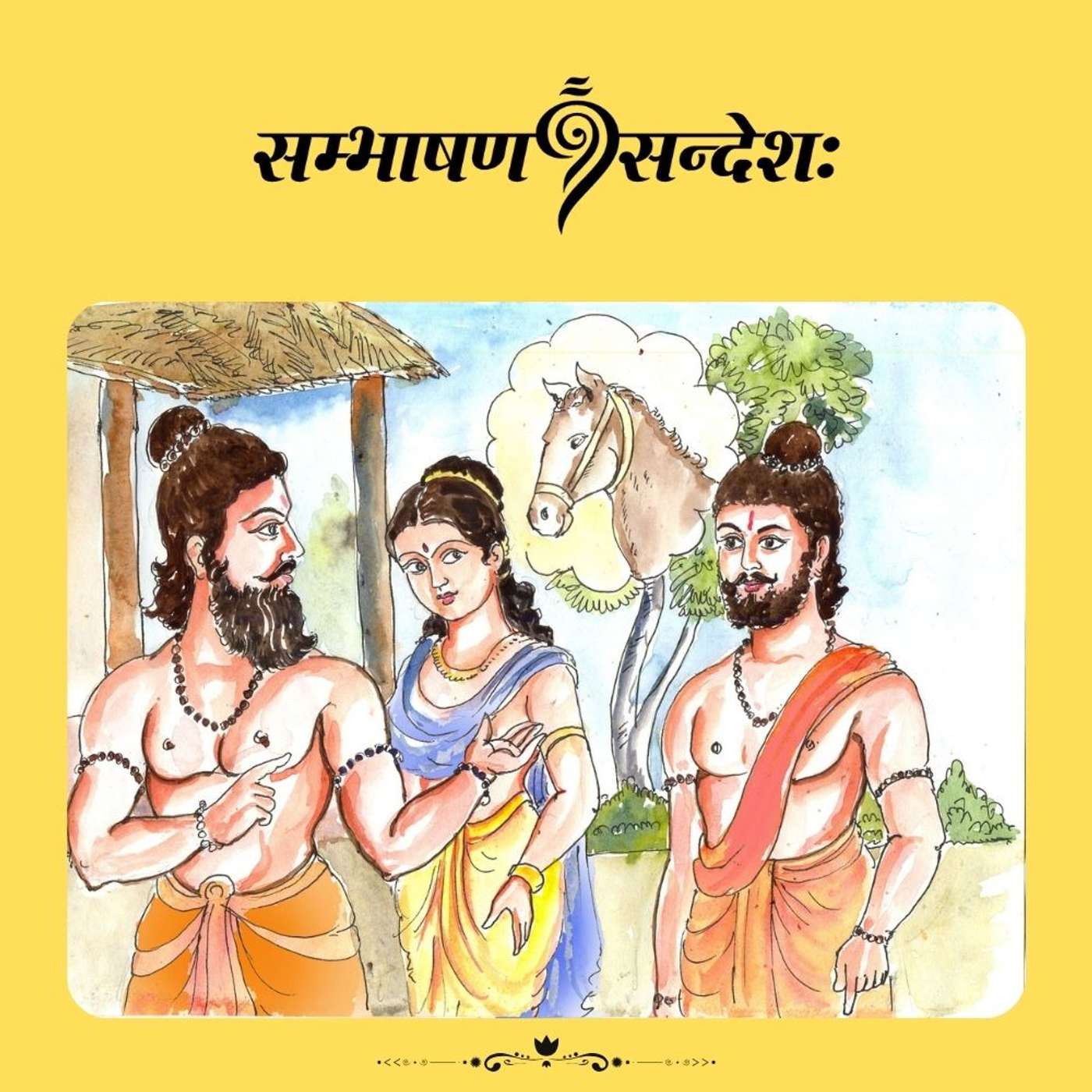
Ep 375दर्शनमात्रेण उपेक्षा न उचिता
पुरा ऋचीकनामा कश्चन ऋषिः, गाधिनाम्नः राज्ञः पुत्रीं सत्यवतीं परिणेतुम् ऐच्छन् माहाराजम् उपसर्प्य स्वस्य इङ्गितं निवेदितवान् । मुनये पुत्रीं दातुं राजा तु न इष्टवान् । बाह्यावलोकनतः अयं मुनिः सामान्यः इति विगणय्य राजा अस्मै साधारणं कार्यं ददामि इति अचिन्तयत् । ततः अवदत् यत् 'अस्माकं कुले विशिष्टा वरपरीक्षा अस्ति । यः एकतः श्यामकर्णान् सहस्रम् अश्वान् आनयेत् तस्मै एव पुत्री दीयेत' इति । राज्ञः अभिप्रायम् अवगतवता मुनिना वरुणदेवं तोषयितुं तपः कृतम्, एकतः श्यामकर्णाः सहस्रम् अश्वाः प्राप्ताः च । अतः एव कस्यचिदपि सामर्थ्यं दर्शनमात्रेण कदाचिदपि न उपेक्षेत इति ।(“केन्द्रीयसंस्कृतविश्वविद्यालयस्य अष्टादशीयोजनान्तर्गततया एतासां कथानां ध्वनिप्रक्षेपणं क्रियते”)Long ago, a sage named Rchika wished to marry Satyavati, the daughter of King Gadhi. He approached the king and expressed his desire. However, the king was unwilling to give his daughter to the sage, judging him as ordinary based on appearance. Thinking to discourage him, the king set a difficult condition: “In our lineage, we have a unique test for suitors. Only one who brings a thousand dark-eared horses from one side shall receive my daughter.” Understanding the king’s intent, the sage performed penance to please the god Varuna and successfully obtained the thousand horses. Thus, one must never underestimate anyone’s capability based solely on appearance.
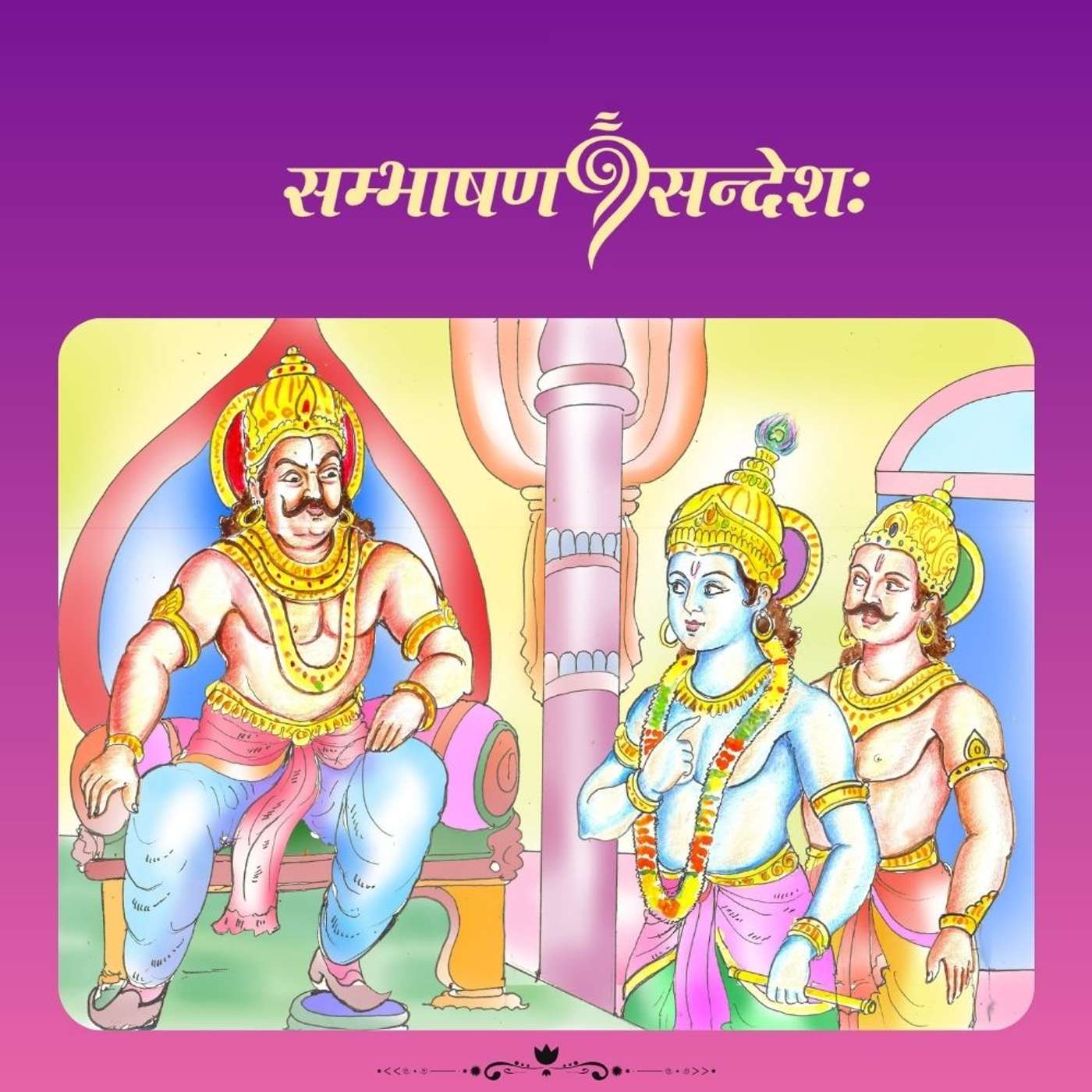
Ep 374उत्कृष्टं प्रशासनं कीदृशम्?
राजसूययगानन्तरं महता दानेन धर्मराजस्य मनसि अहं महादाता अस्मि इति भावः आगतः। एतत् अवगतेन श्रीकृष्णेन धर्मराजस्य एतं भावम् अपनेतुम् इच्छता सः बलिचक्रिवर्तिनः आस्थानं प्रति नीतः । कृष्णं दृष्ट्वा हर्षेण स्वागतवचनानि उक्त्वा बलिः अपृच्छत् 'आगमनावसरे भवता किमर्थम् अयम् अयोग्यः राजा अपि आनीतः' इति । कृष्णः 'एषः महान् दानशूरः अस्ति' इति यदा प्रत्युत्तरति तदा बलिः वदति 'मम राज्ये मदीयैः जनैः गृहं गृहं गत्वा दानं स्वीकरणीयम् इति प्रार्थ्यते चेदपि दानस्वीकर्तारः विरलाः एव प्राप्यन्ते यतः अन्यस्मात् स्वीकरणं न उचितम् इति । किन्तु एतस्य राज्ये तु जनाः वार्ताश्रवणमात्रेण एव दानस्वीकरणाय धावन्तः आयान्ति' इति । एतत् श्रुत्वा धर्मराजः लज्जया शिरः अवनमय्य अतिष्ठत् ।(“केन्द्रीयसंस्कृतविश्वविद्यालयस्य अष्टादशीयोजनान्तर्गततया एतासां कथानां ध्वनिप्रक्षेपणं क्रियते”)After the Rajasuya sacrifice, Dharmaraja (Yudhishthira) felt proud, thinking, “I am a great giver.” Lord Krishna, noticing this pride and wishing to eliminate it, took him to the court of King Bali. King Bali warmly welcomed Krishna and then asked, “Why have you brought this unworthy king along?” When Krishna replied, “He is a great donor,” Bali responded, “In my kingdom, even when my people go door to door requesting others to accept gifts, very few agree—because accepting without need is not proper. But in his kingdom, people rush to accept gifts merely upon hearing about them.” Hearing this, Dharmaraja felt ashamed and stood with his head bowed.
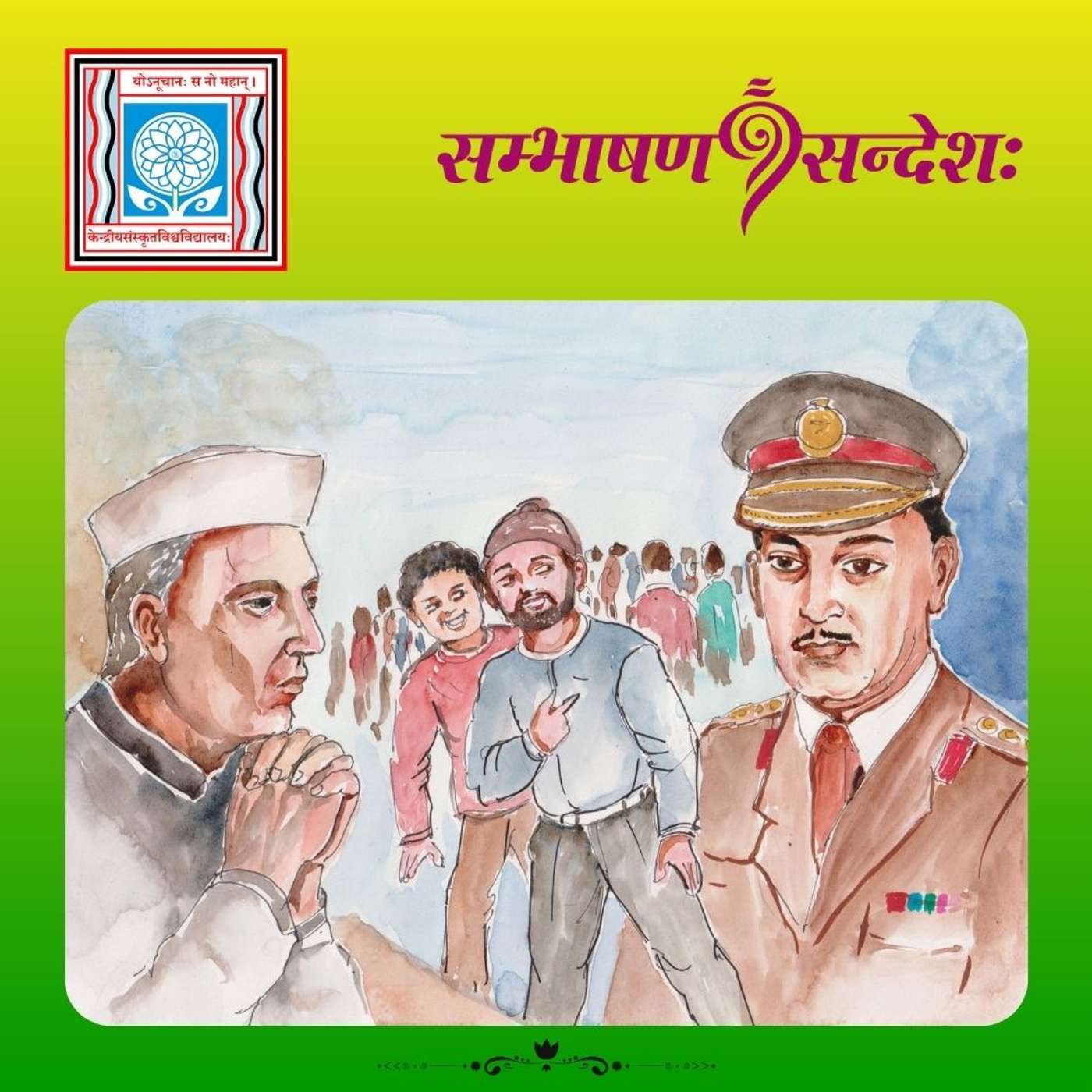
Ep 373महिलानां मानरक्षणम्
कदाचित् भारतीयसेनाधिकारिणः तत्पत्न्यः च रेल्स्थानकं गतवन्तः आसन् । तदवसरे केचन दुष्टाः माहिलाः बहुधा अपीडयन् । ते अधिकारिणः दुष्टान् बद्ध्वा युतकादिकम् अपनीय अन्तर्वस्त्रमात्रतया मुख्यमार्गे तेषां शोभायात्रां कारितवन्तः । तेषां दुष्टानां नायकः आसीत् मुख्यमन्त्रिणः पुत्रः एव । अतः यदा मुख्यमन्त्री सेनाशिबिरं प्रति अगच्छत् तदा तस्य प्रवेशाय अनुमतिः एव न लब्धा । क्रुद्धः मुख्यमन्त्री प्रधानमन्त्रिणं सर्वं श्रावितवान् । प्रधानमन्त्रिणा यदा सेनाधिकारी आहूतः तदा प्रवृत्तं सर्वं निवेद्य 'महिलाः पूज्याः । तासां रक्षणम् अस्माकं कर्तव्यम्' इति सेनाधिकारी अवदत् । महिलानां मानस्य रक्षणाय मुख्यमन्त्रिणः अपि विरोधं सम्मुखीकर्तुम् उद्यतस्य, प्रधानमन्त्रिणः पुरतः अपि स्वव्यवहारं समर्थितवतः च तस्य सेनाधिकारिणः नाम - जनरल् कारियप्पः इति ।(“केन्द्रीयसंस्कृतविश्वविद्यालयस्य अष्टादशीयोजनान्तर्गततया एतासां कथानां ध्वनिप्रक्षेपणं क्रियते”)Once, Indian army officers and their wives were at a railway station when some miscreants began harassing women. The officers caught the culprits, stripped them of their outer garments, and paraded them in their underclothes through the main street. Shockingly, the leader of the group was the Chief Minister’s own son. When the Chief Minister came to the army camp, he was denied entry. Angered, he complained to the Prime Minister. When the Prime Minister summoned the Main army officer, he explained everything and said, “Women are to be respected. It is our duty to protect their dignity.” The officer stood firm even before the Prime Minister, defending his actions. That officer was none other than General Cariappa.
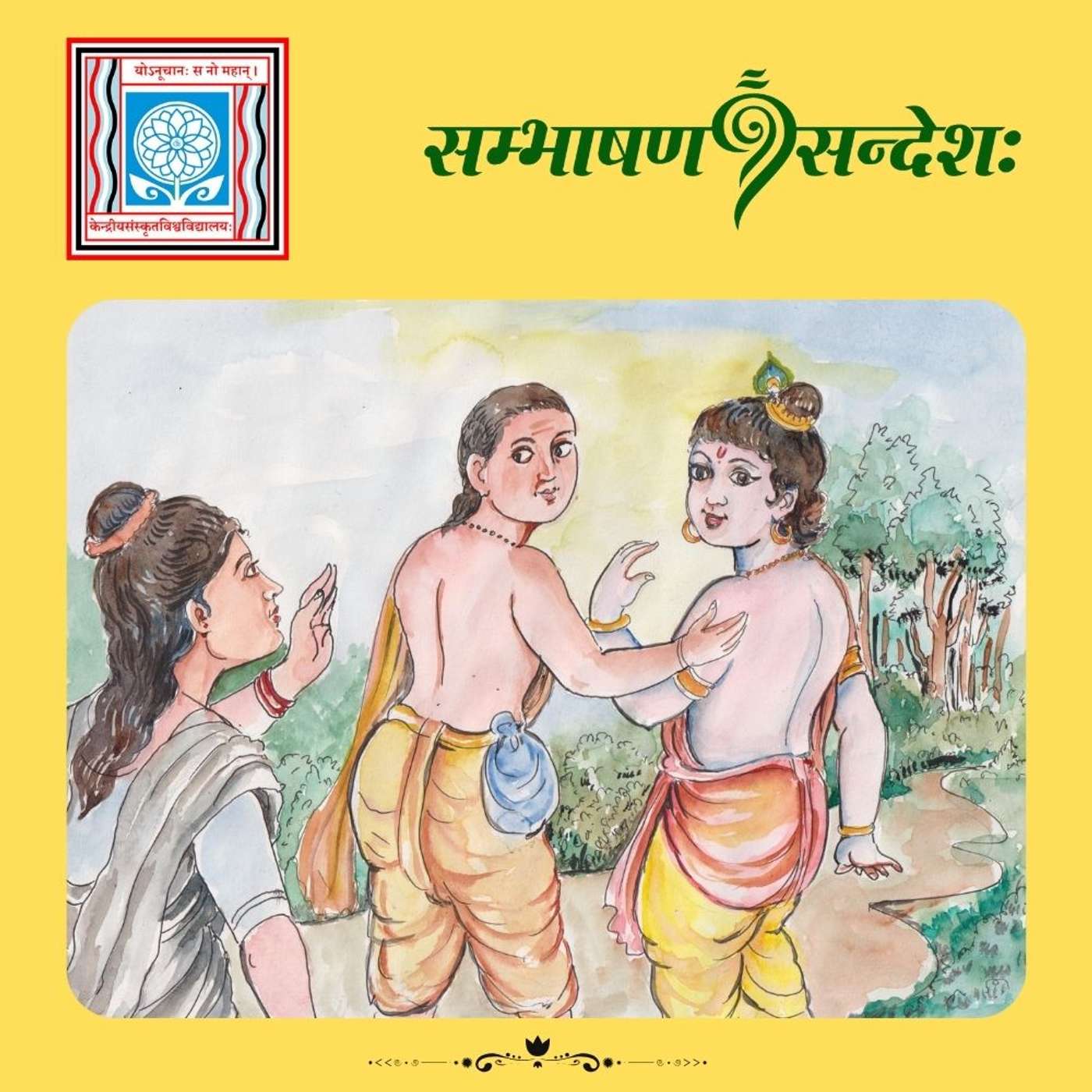
Ep 372मित्रस्य निमित्तम्
काचित् वृद्धा भिक्षया यत् प्राप्यते तत् नारायणाय नैवेद्यत्वेन समर्प्य एव स्वयं खादति स्म । कदाचित् प्राप्तचणकान् जले संस्थाप्य मृदूकृत्य वस्त्रेण बद्ध्वा शयनम् अकरोत् । तस्यां रात्रौ चोराः आभरणग्रन्थिः इति मत्वा तं चणकग्रन्थिम् चोरयित्वा सान्दीपनिमुने आश्रमे नीलीय अतिष्ठन् । चणकग्रन्थिम् अप्राप्य दुःखिता वृद्धा शापं दत्तवती यत् ये तान् चणकान् खादेयुः ते महादरिद्राः भवेयुः इति । चोराः सः चणकग्रन्थिः इति यदा ज्ञातवन्तः, तत्रैव द्वारस्य पुरतः संस्थाप्य अगच्छन् । प्रातः सः ग्रन्थिः गुरुपत्न्या प्राप्तः । समिधाहरणाय प्रस्थितवद्भ्यां कृष्णकुचेलाभ्यां दत्तवती । त्रिकालज्ञानिना सुदाम्ना चणकानां स्पर्शतः एव ज्ञाता तत्सम्बद्धा घटना । कृष्णस्य दारिद्र्यं मा भूत् इति कारणतः सर्वान् चणकान् सः एव खादितवान् ।(“केन्द्रीयसंस्कृतविश्वविद्यालयस्य अष्टादशीयोजनान्तर्गततया एतासां कथानां ध्वनिप्रक्षेपणं क्रियते”)n elderly woman, living on alms, would always offer her food to Lord Narayana before eating. One day, she softened some gram seeds in water, tied them in a cloth, and went to sleep. That night, thieves mistook the bundle for jewelry and stole it, hiding it in the ashram of Sage Sandipani. Unable to find it later, the woman cursed that whoever ate those grams would become extremely poor. The thieves, realizing it was just gram, returned the bundle and left it at the ashram gate. In the morning, the guru’s wife found them and gave them to Krishna and Sudama, who were going to collect firewood. Sudama, being a knower of past, present, and future, sensed the curse. To protect Krishna from poverty, he ate all the grams himself.
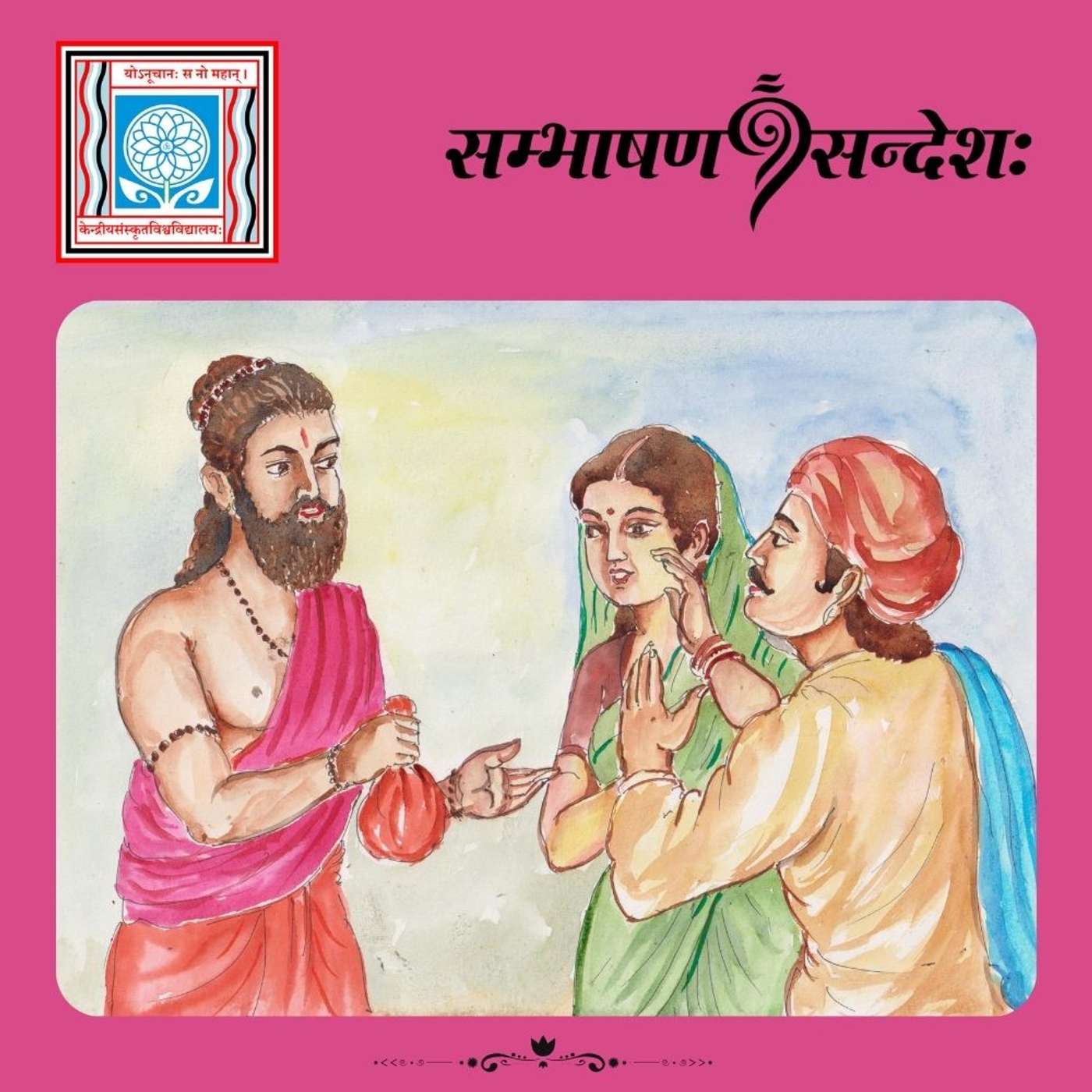
Ep 371पुण्यकार्यपरम्परा
कश्चन संन्यासी प्रयाणेन श्रान्तः सन् कस्यचित् गृहस्य पुरतः स्थित्वा भोजनं याचितवान् । गृहस्वामी सादरं तम् अन्तः नीत्वा भोजनं प्रदत्तवान् । किञ्चित्कालं विश्रान्तिसुखम् अनुभवन् प्रस्थानसमये संन्यासी गृहस्वामिने धनं दातुम् उद्युक्तः । किन्तु गृहस्वामी धनप्राप्तीच्छया न, अपि तु बुभुक्षिताय अन्नदानं पुण्यम् इत्यतः भोजनं दत्तम् इति अवदत् । संन्यासी उक्तवान् यत् 'दीयमानं धनं तु स्वार्थाय न, अपि तु पुनरपि अन्नदानाय उपयुज्ताम् । एतादृशं पुण्यकार्यं परम्परया प्रवर्तेत' इति कथयन् अनुरोधपूर्वकं गृहस्वामिने धनं दत्त्वा ततः निर्गतवान् । तौ दम्पती भक्त्या तं नमस्कृतवन्तौ ।(“केन्द्रीयसंस्कृतविश्वविद्यालयस्य अष्टादशीयोजनान्तर्गततया एतासां कथानां ध्वनिप्रक्षेपणं क्रियते”)A wandering sage, weary from travel, stood outside a house and requested food. The householder respectfully invited him in and served him a meal. After resting for a while, the sage prepared to leave and offered money to the host. But the host declined, saying he had given food not for money, but as a sacred duty to feed the hungry. The sage replied, “This money is not for personal use, but to help you continue feeding others. Let this noble act become a tradition.” With gentle insistence, he gave the money and departed. The couple bowed to him with devotion.
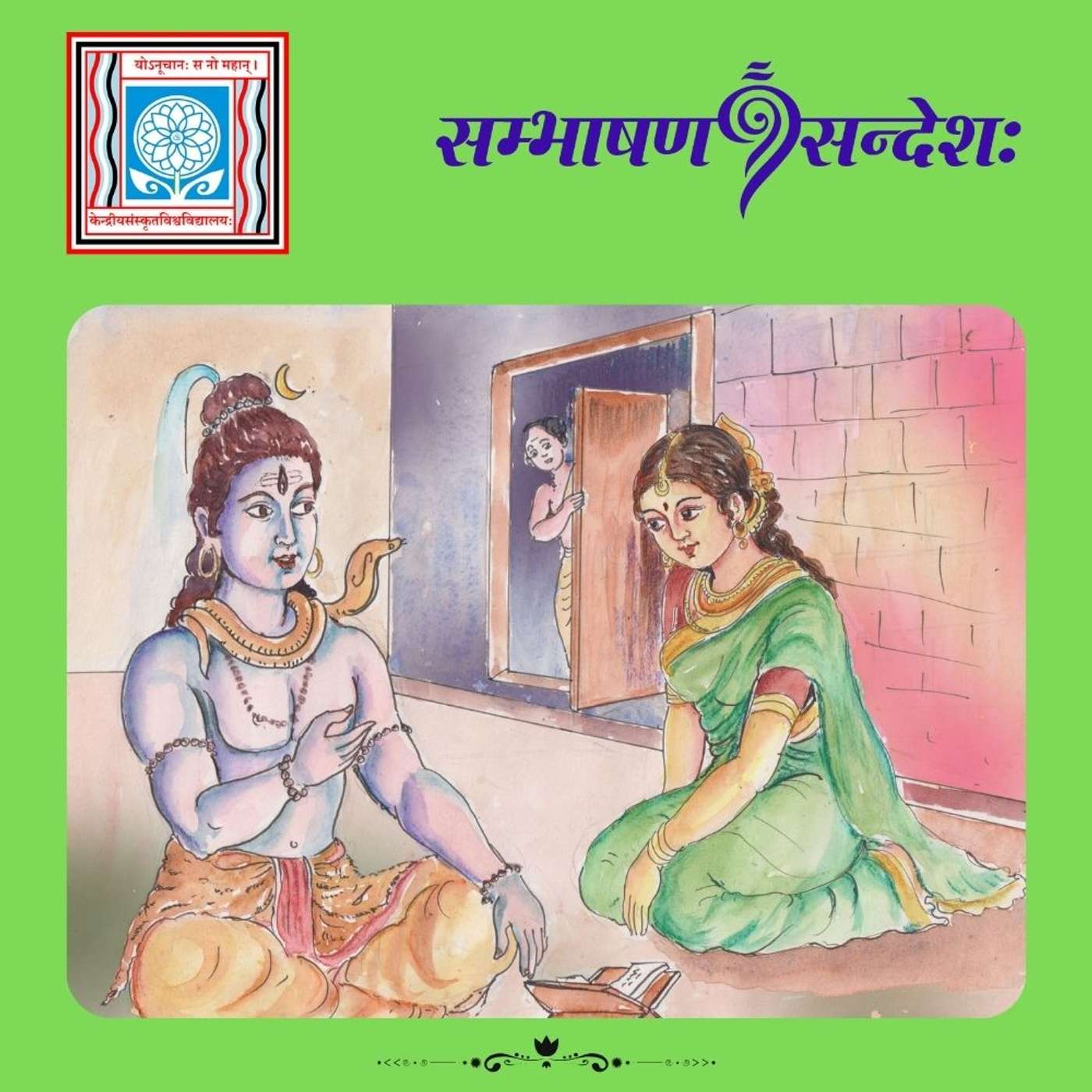
Ep 370भागवतपारायणस्य प्रभावः
षोडशे शतके केरले पून्ताननामा कश्चन गुरुवायूरुपुरेशभक्तः कदाचित् कोट्टियूरस्थे शिवमन्दिरे भागवतपारायणम् आरब्धवान् । तत्र कृष्णरुक्मिणीसंवादस्य कथां विवृत्य एकं पुटचिह्नं संस्थाप्य मन्दिरात् निर्गतः । परन्तु आश्चर्यं नाम अग्रिमे दिने तस्य अध्यायस्य आरम्भे एव तत् पुटचिह्नं दृष्टम् । एवम् अवशिष्टेषु दिनेषु अपि तेन सः एव कथाभागः पुनः पुनः पठितः । अन्तिमे दिने यदा पून्तानः मन्दिरात् भागवतपुस्तकम् आनेतुम् अगच्छत् तदा तत्र भगवान् महेश्वरः भागवतं पठन् तेन दृष्टः । यदा शिवः स्वस्य पारायणम् अरोचत वा इति पार्वतीदेवीम् अपृच्छत् तदा सा अवदत् यत् पून्तानस्य पारायणम् इतोऽपि मधुरम् अस्ति इति । तद् श्रुत्वा पुलकितः पून्तानः हे देव ! इति अवदत् । पार्वतीपरमेश्वरौ तम् अनुगृह्य अदृश्यतां गतवन्तौ ।(“केन्द्रीयसंस्कृतविश्वविद्यालयस्य अष्टादशीयोजनान्तर्गततया एतासां कथानां ध्वनिप्रक्षेपणं क्रियते”)In the 16th century, Poonthanam, a devoted follower of Lord Guruvayurappan from Kerala, once began reciting the Bhagavatam at the Shiva temple in Kottiyoor. One day, after reading the dialogue between Krishna and Rukmini, he placed a bookmark and left. To his surprise, the next day the bookmark was at the beginning of the same chapter. This continued for several days—he kept returning to the same passage. On the final day, when he went to retrieve the Bhagavatam, he saw Lord Shiva himself reading it. When Shiva asked Parvati whether she liked his recitation, she replied, “Poonthanam’s chanting is even sweeter.” Hearing this, Poonthanam was overwhelmed and exclaimed, “O Lord!” Shiva and Parvati blessed him and then disappeared.
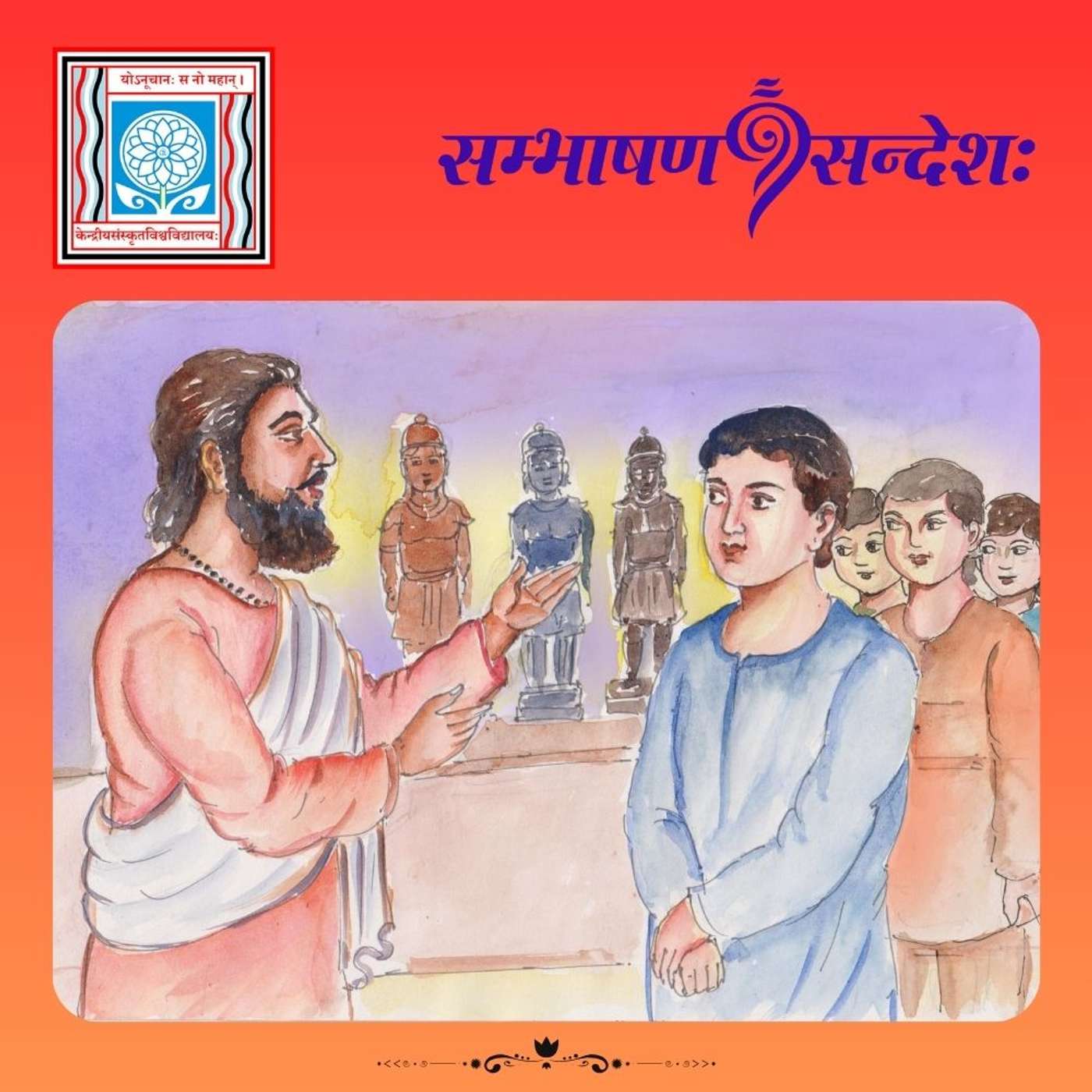
Ep 369प्रतिमानां सन्देशः
कदाचित् कश्चन गुरुः लवणेन वस्त्रेण शिलया च निर्मिताः तिस्रः प्रतिमाः जले निमज्जयन् तासां तत्त्वं बोधयति । शिलानिर्मिता प्रतिमा जले निमज्ज्य अपि अल्पमपि विकारं न प्राप्नोत् । केचन शिलाप्रतिमा इव । जलं ज्ञानम् इव । केचन ज्ञाने निमज्ज्य अपि स्वस्मिन् किमपि परिवर्तनं न प्राप्नुवन्ति अहङ्कारादिकारणतः । वस्त्रनिर्मिता प्रतिमा तु जलं स्वस्य अन्तः स्वीकरोति । तादृशाः ज्ञानं सम्पादयन्तः तदनुगुणम् आचरन्तः विकासमार्गे अग्रे गच्छन्ति । लवणनिर्मिता प्रतिमा यदा जले निमग्ना भवति तदा जले विलीना भवति । एतादृशाः भवन्ति ज्ञानिनः ये प्रतिदिनमपि ज्ञानम् अर्जयन्तः तदनुगुणम् आचरन्ति ।(“केन्द्रीयसंस्कृतविश्वविद्यालयस्य अष्टादशीयोजनान्तर्गततया एतासां कथानां ध्वनिप्रक्षेपणं क्रियते”)A teacher once used three types of idols—made of stone, cloth, and salt—to explain the nature of learning. When immersed in water (symbolizing knowledge), the stone idol remained unchanged. Some people are like this: even when surrounded by wisdom, they remain unaffected due to ego or rigidity. The cloth idol absorbed the water. These are learners who take in knowledge and grow by applying it. The salt idol dissolved completely in water. Such people become one with knowledge, living it fully and transforming through it. True seekers are like the salt idol—humble, receptive, and ever-evolving.
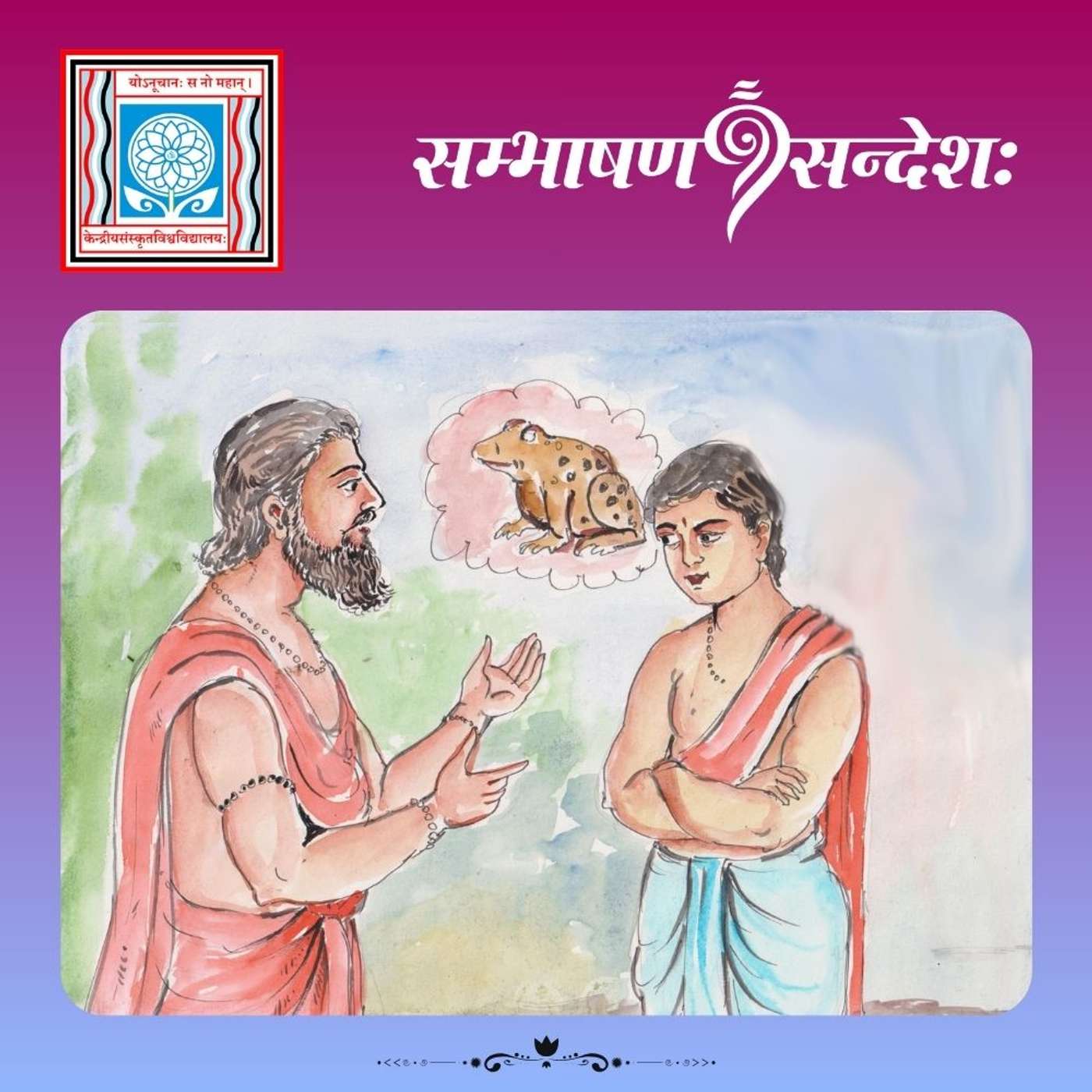
Ep 368ध्यानात् सिद्ध्यति अभीष्टम्
कश्चन महात्मा ध्यानविषये बोधयन् मण्डूकस्य दृष्टान्तं वदति — 'मण्डूकेन इव तदेकनिष्ठया ध्यानं करणीयम् । मण्डूकः क्षुद्रजीवी अपि श्रद्धया एकनिष्ठया ध्यानं करोति । सः वृष्टिं प्रार्थयमानः भूमेः अन्तः स्थित्वा प्रतीक्षां करोति । तस्य अपेक्षां निसर्गः पूरयति । श्रद्धया सहनया च अपेक्षितस्य तत्त्वस्य प्रतीक्षणम् एव ध्यानं नाम । तादृशः स्वभावः मानवेषु स्यात् चेत् ते अपि अपेक्षितं प्राप्तुं शक्नुवन्ति । उदात्तं तत्त्वं लक्ष्यीकृत्य यः ध्यानं करोति, तस्य जीवनम् अपि उदात्तं भवति' इति ।(“केन्द्रीयसंस्कृतविश्वविद्यालयस्य अष्टादशीयोजनान्तर्गततया एतासां कथानां ध्वनिप्रक्षेपणं क्रियते”)A great teacher once explained the essence of meditation using the example of a frog. Though a humble creature, the frog meditates with unwavering focus and faith. It sits patiently underground, praying for rain, trusting that nature will fulfill its need. This waiting, filled with faith and endurance, is itself meditation. If humans develop such a nature—steady, devoted, and patient—they too can attain what they seek. True meditation is not just sitting still, but waiting with trust for the higher truth to reveal itself. And one who meditates with such noble intent leads a noble life.
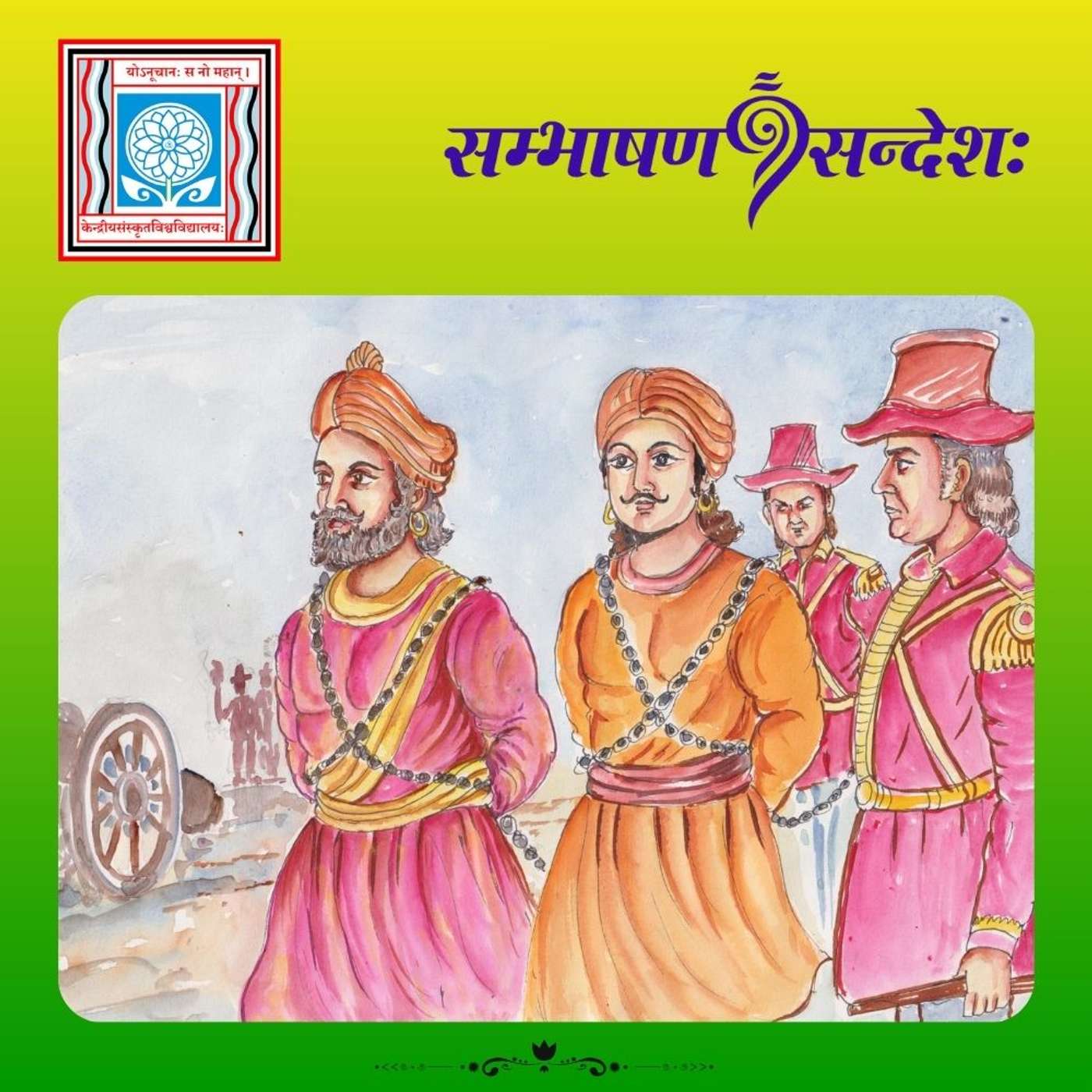
Ep 367उज्ज्वला स्वातन्त्र्यप्रीतिः
शङ्करशाहः गोण्डवंशीयः राष्ट्रप्रेमी राजा आसीत्, यः कवित्वेन अपि प्रसिद्धः । तेन रचितानि देशभक्तिपराणि गीतानि जनाः सदा गायन्ति स्म । जबलपुरप्रदेशे आङ्ग्लैः संस्थानाधिपाः भूस्वामिनः च जनाः पीडिताः आसन्, अतः आङ्ग्लशासनविषये असन्तोषः उत्पन्नः । शङ्करशाहः तैः सह सम्पर्कं कृत्वा सर्वत्र युगपत् शासनविरोधस्य योजनाम् अकरोत् । सभायां तस्य पुत्रः रघुनाथशाहः अपि भागं गृहीत्वा नवरात्रारम्भदिने सैनिकैः शासनविरोधः करणीयः इति निर्णयं कृतम् । किन्तु कश्चन भूस्वामी धनलोभेन एतां वार्ताम् आङ्ग्लान् प्रापितवान्, अतः योजना विफला जाता । शङ्करशाहः रघुनाथशाहः च कारागारे स्थापितौ । अन्ते आङ्ग्लैः तयोः शूलारोपणं कृतम्, येन स्वातन्त्र्यसमराग्निः इतोऽपि तेजोमयः जातः ।(“केन्द्रीयसंस्कृतविश्वविद्यालयस्य अष्टादशीयोजनान्तर्गततया एतासां कथानां ध्वनिप्रक्षेपणं क्रियते”)Shankar Shah was a patriotic king from the Gond dynasty, also known for his poetry. His songs of freedom were sung by the people with great pride. In Jabalpur, British rule had caused suffering among landowners and local leaders, leading to widespread unrest. Shankar Shah connected with them and planned a simultaneous uprising against the British. His son, Raghunath Shah, also participated, and they decided to begin the revolt on the first day of Navaratri. However, a greedy landlord betrayed them to the British, and the plan failed. Both Shankar Shah and Raghunath Shah were imprisoned and eventually executed by impalement. Their sacrifice further ignited the flames of India’s freedom struggle.
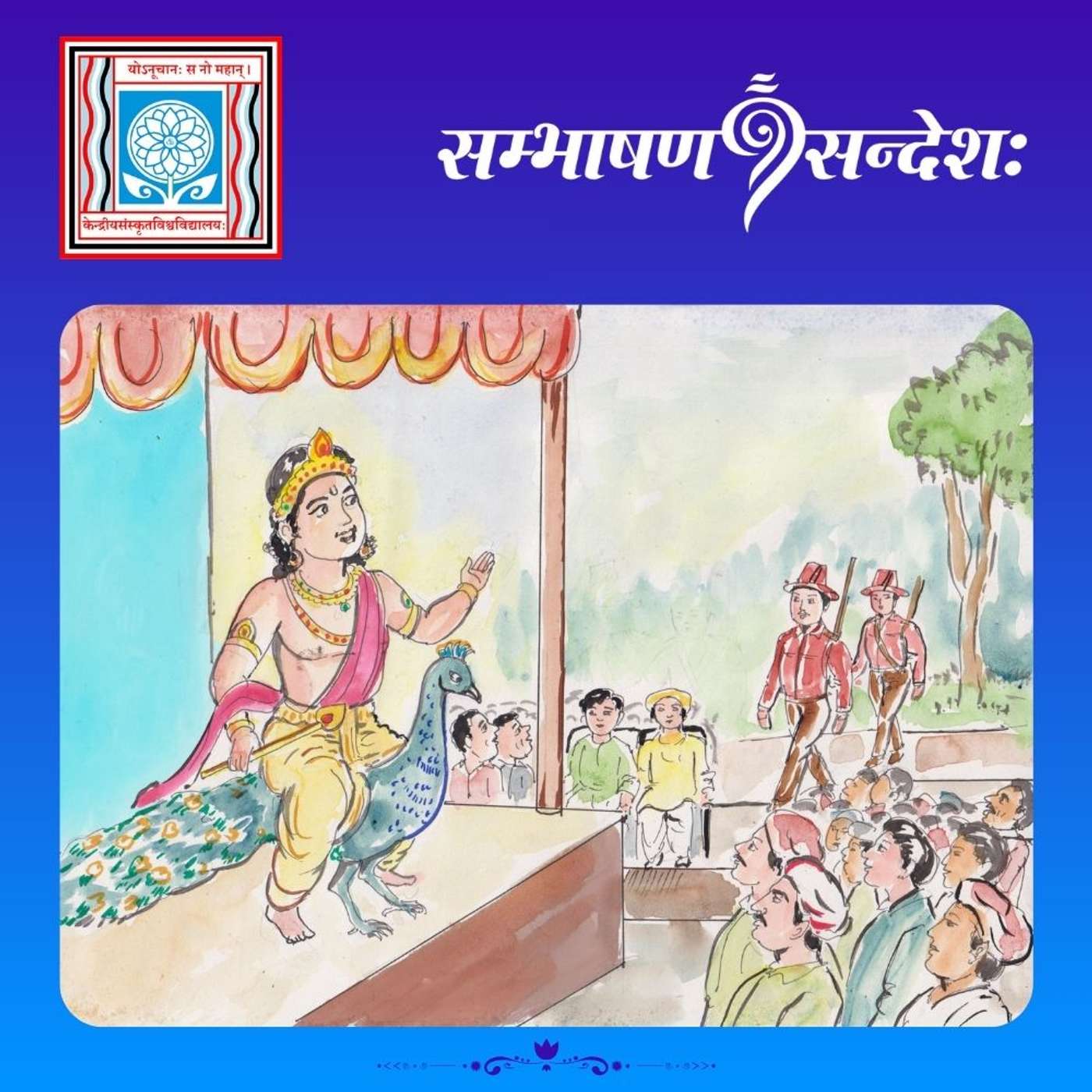
Ep 366वीरत्यागी विश्वनाथदासः
तमिळुनाडुदेशीयः विश्वनाथदासः स्वीयैः देशभक्तिगीतैः, नाटकैः, अभिनयैः च देशभक्तिम् जागरयति स्म । नाटकेषु 'वल्लीविवाहः' इति नाटके आङ्ग्लेयशासनं लक्षीकृत्य दासवर्यः गीतं गायति स्म येन कारणेन षट् मासान् संवत्सरान् वा यावत् कारागारवासः भवति स्म । कदाचित् दासवर्येण रङ्गं न प्रवेष्टव्यम् इति आङ्ग्लशासनेन आज्ञा कृता । तथापि वीरपुरुषः दासवर्यः रङ्गे निर्भयम् अगच्छत् । तस्मात् सः कारागारे स्थापितः । आङ्ग्लशासनं विरुद्ध्य दासवर्यः नवविंशतिवारं कारागृहम् अगच्छत् । १९४० तमे वर्षे डिसम्बरमासे सः गीतं गायन् पञ्चत्वं प्राप्नोत् । भारमातुः स्वतन्त्रतायै तदीयं जीवनपुष्पं समर्पितम् अभवत् ।(“केन्द्रीयसंस्कृतविश्वविद्यालयस्य अष्टादशीयोजनान्तर्गततया एतासां कथानां ध्वनिप्रक्षेपणं क्रियते”)Viswanatha Das, a patriot from Tamil Nadu, awakened national spirit through his songs, plays, and performances. In one of his dramas titled Valli Vivaha, he sang a song targeting British rule, which led to his imprisonment for six months or even a year. At one point, the British authorities banned him from entering the stage. Yet, with fearless resolve, Viswanatha Das stepped onto the stage and was again imprisoned. In total, he was jailed nineteen times for opposing British rule. In December 1940, while singing a patriotic song, he passed away. His life was a fragrant offering to Mother India’s freedom.
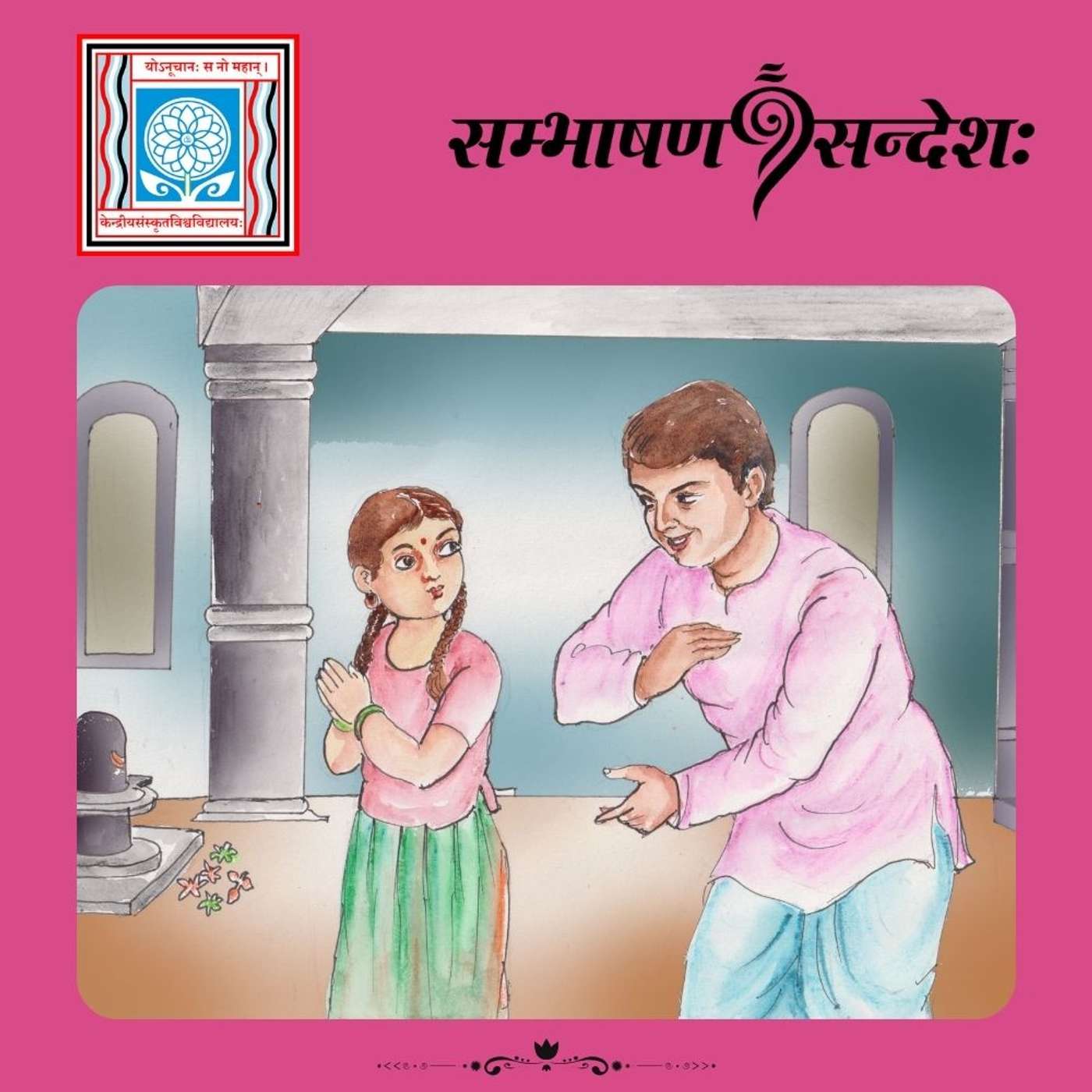
Ep 365श्रद्धा
आ पञ्चदशभ्यः दिनेभ्यः मन्दिरम् आगत्य देवस्य पुरतः स्थित्वा वर्णमालां जपन्तीं बालिकां कश्चन भक्तः उपसर्प्य अपृच्छत् 'किमर्थं वर्णमालाजपं कृत्वा देवं प्रणम्य निर्गच्छसि' इति । तदा सा बालिका अवदत् यत् 'वर्णमाला एव मम स्तोत्रम् । अपि च मातामही कथयति यत् सर्वाणि स्तोत्राणि प्राथनाः च एतैः वर्णैः एव निर्मितानि भवन्ति । अतः भगवतः पुरतः श्रद्धया पठ' इति । प्रार्थनां स्तोत्राणि वा अजानत्याः अपि अस्याः भगवति श्रद्धा तु बलवती अस्ति इति चिन्तयन् सः भक्तः स्वकार्याय ततः निर्गतः ।(“केन्द्रीयसंस्कृतविश्वविद्यालयस्य अष्टादशीयोजनान्तर्गततया एतासां कथानां ध्वनिप्रक्षेपणं क्रियते”)For fifteen days, a little girl had been coming to the temple and standing before the deity, chanting the alphabet. One day, a devotee approached her and asked, “Why do you chant the alphabet and then leave after bowing to the Lord?” The girl replied, “The alphabet itself is my hymn. My grandmother says that all prayers and hymns are made from these very letters. So I recite them with devotion before God.” The devotee realized that although the girl didn’t know any formal prayers, her faith was deep and sincere. Moved by her pure devotion, he quietly left to attend to his own tasks.
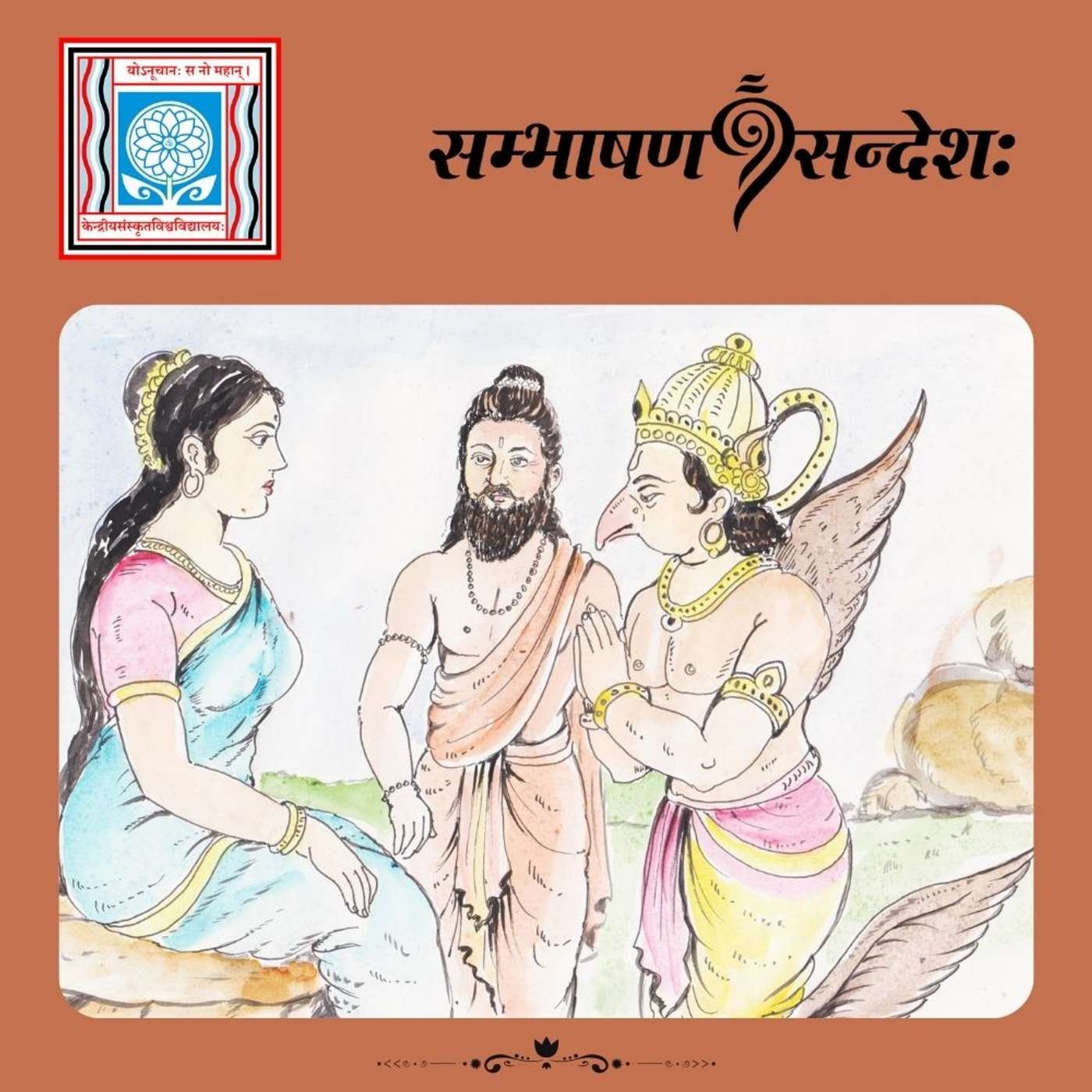
Ep 364दुश्चिन्तनं पापाय
कदाचित् विश्वामित्रशिष्यः गालवः गरुडश्च गुरुदक्षिणसङ्ग्रहणार्थं प्रपञ्चपर्यटनम् आरब्धवन्तौ । तदवसरे विश्रान्त्यर्थं वृषभपर्वते स्थितवन्तौ । वृषभपर्वतस्थायां गुहायां वसत्या शाण्डिल्यमहर्षिपुत्र्या महातपस्विन्या स्वयम्प्रभया तौ सत्कृतौ । प्रातः उत्थानसमये गरुडस्य पक्षौ दग्धौ आस्ताम् । तदा गालवः गरुडं पृष्टवान् यत् तेन किमपि अनुचितं चिन्तनं कृतं वा इति । तदा गरुडः अवदत् - 'एतादृशीं सुन्दरीं नीत्वा नारयणाय, शिवाय, ब्रह्मणे वा यदि समर्पयेयं तर्हि एतां प्राप्तवान् जनः सन्तुष्टः भवेत् इति चिन्तितं मया’ इति । एतत् दुश्चिन्तनं ज्ञातवत्या स्वयम्प्रभया पक्षयोः दाहः कृतः । यदा गरुडः क्षमां संयाचत तदा स्वयम्प्रभा योगशक्त्या गरुडस्य पक्षौ उज्जीवितवती ।(“केन्द्रीयसंस्कृतविश्वविद्यालयस्य अष्टादशीयोजनान्तर्गततया एतासां कथानां ध्वनिप्रक्षेपणं क्रियते”)Once, Galava, a disciple of Vishwamitra, and Garuda set out on a journey across the world to gather guru dakshina. During their travels, they rested at Vrishabha mountain. There, in a cave, they were warmly welcomed by a great ascetic named Swayamprabha, the daughter of Sage Shandilya. The next morning, Garuda’s wings were found scorched. Galava asked Garuda if he had entertained any improper thoughts. Garuda confessed, “I thought that if I offered such a beautiful woman to Narayana, Shiva, or Brahma, the recipient would be pleased.” Swayamprabha, sensing this impure thought, had burned his wings through her yogic power. When Garuda sincerely asked for forgiveness, she restored his wings using her spiritual energy.