
बालमोदिनी
663 episodes — Page 4 of 14
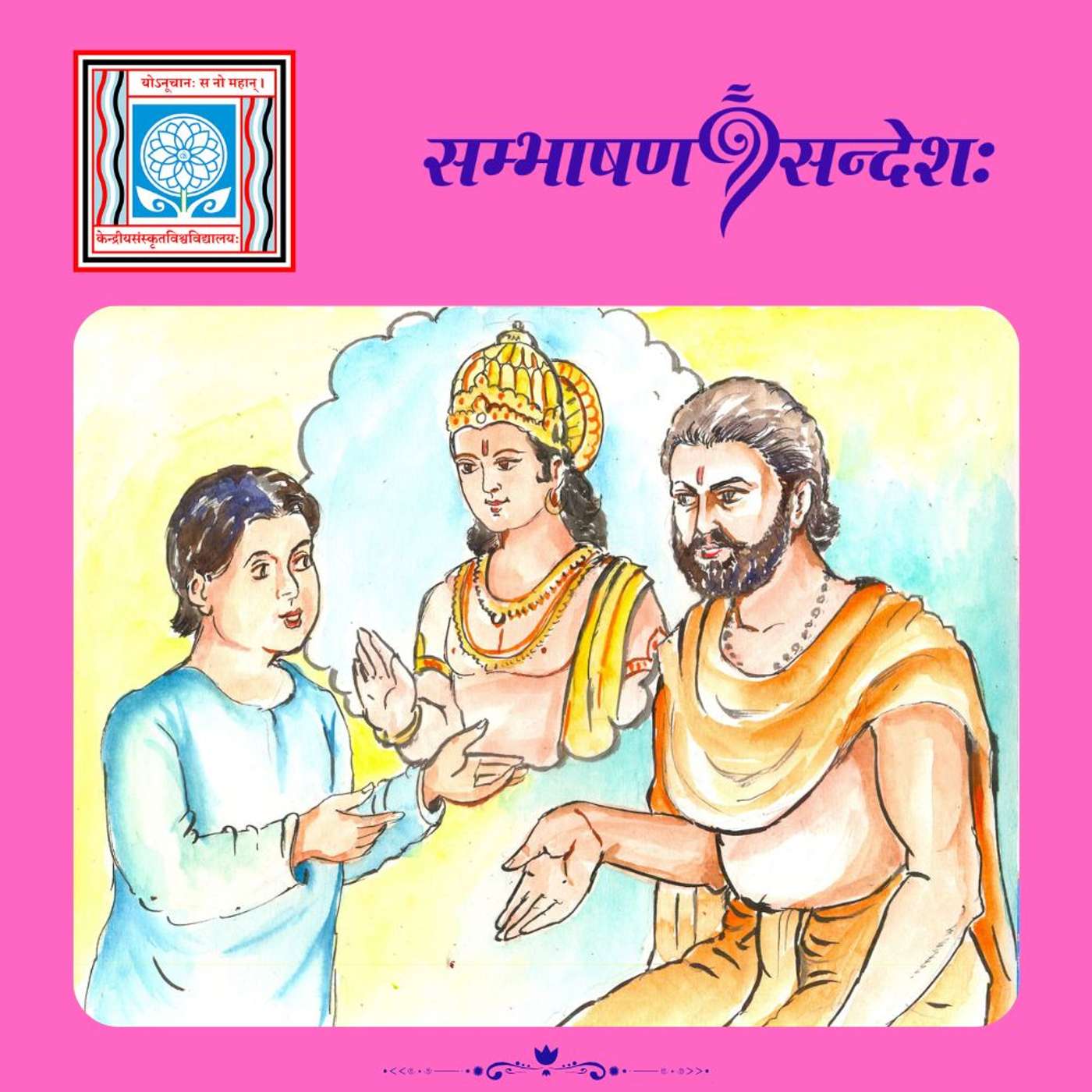
Ep 483उन्नतिकारकः जीवनमार्गः
कश्चन कृषिकः कञ्चन आश्रमं गत्वा परमया श्रद्धया गुरोः उपदेशं शृणोति स्म । उपनिषदादयः ग्रन्थाः तु तेन न अधीताः, तथापि तस्य जीवनं तु उदात्तपूर्णम् आसीत् । कदाचित् तयोः सम्भाषणावसरे कृषिकः पृच्छति 'यदि भगवान् प्रत्यक्षः भवेत् तर्हि अहं किं याचेयम्?’ इति । तदा गुरुः किं किं याचितुं शक्नोति सः इति वदति । तत् च - सम्पादनं श्रमपूर्वकं भवतु, उत्तमस्वभावः, उदारता, श्रद्धा, लज्जा, पारमार्थिकं धनं च । यस्य समीपे एतानि स्युः तेन अन्यः किमपि प्राप्तव्यं याचनीयं वा न भवेत् कस्यचित् मनुष्यस्य । तस्य जीवनं च परमोत्कृष्टं स्यात् ।(“केन्द्रीयसंस्कृतविश्वविद्यालयस्य अष्टादशीयोजनान्तर्गततया एतासां कथानां ध्वनिप्रक्षेपणं क्रियते”)A farmer once went to an ashram and listened with deep devotion to the teacher’s guidance. Though he had not studied the Upanishads or other scriptures, his life was noble and full. During a conversation, the farmer asked: “If God were to appear before me, what should I ask for?”. The teacher replied: “Ask for these—wealth earned through hard work, good character, generosity, faith, modesty, and spiritual riches. Whoever possesses these needs nothing else, and his life will be truly excellent”.
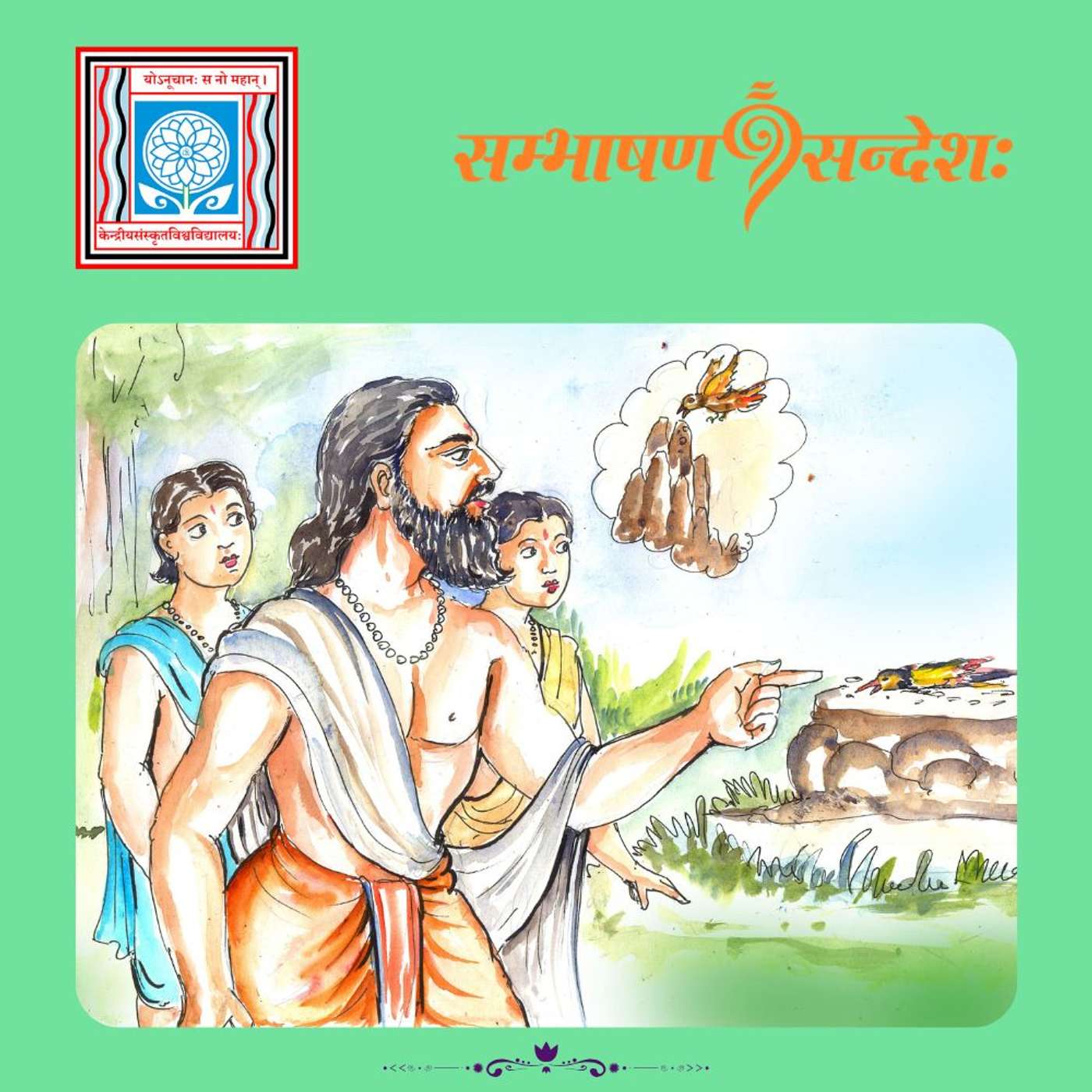
Ep 513कालमहिमा
कालः एव बलवान् । अनया कथया कालस्य महिमानं ज्ञातुं शक्नुमः । यस्य यदा उन्नतिकालः तदा तस्य बलं शौर्यं च भवति । अन्तकाले सर्वं निर्वीर्यं भवति । उन्नत्यवनत्यादिकं भवति कालकारणतः । यावत् जीवेम तावत् कालस्य सद्विनियोगः करणीयः । कदापि वृथा कालक्षेपः न करणीयः ।(“केन्द्रीयसंस्कृतविश्वविद्यालयस्य अष्टादशीयोजनान्तर्गततया एतासां कथानां ध्वनिप्रक्षेपणं क्रियते”)Time alone is powerful. This story shows its greatness. When it is the time for rise, strength and courage appear; at the end, everything becomes powerless. Progress and decline happen because of time. As long as we live, time must be used wisely—never wasted.
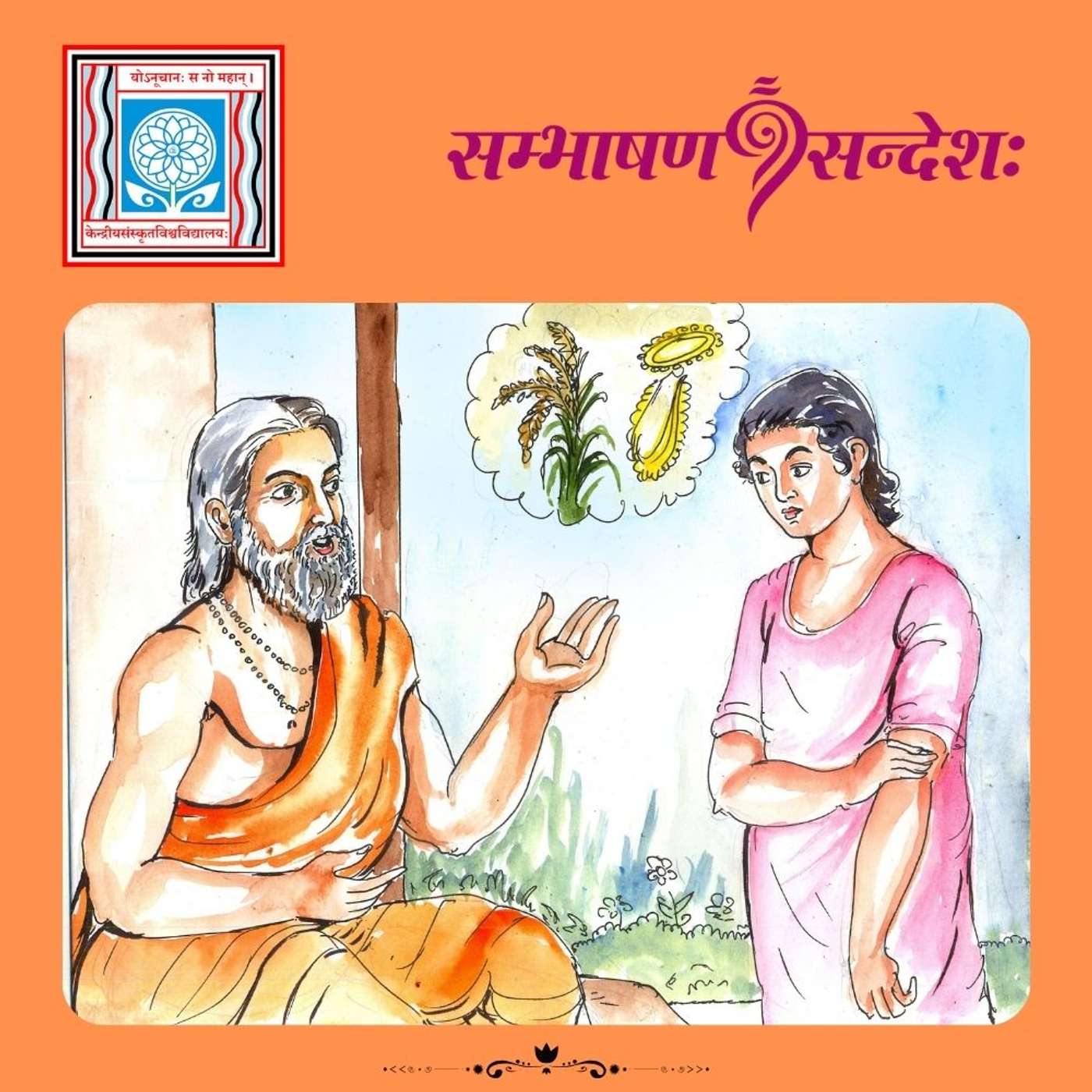
Ep 512समुचिता दृष्टिः
कस्मिंश्चित् गुरुकुले गुरुः शिष्यान् बहुधा परीक्ष्य योग्यान् एव शिष्यत्वेन स्वीकरोति स्म । अथ कदाचित् प्रवेशावसरे गुरुः शिष्यान् अपृच्छत् 'भवद्भिः किं किम् आनीतम्? स्वस्य गृहकुलादिविषये वदन्तु' इति । सर्वे आत्मना आनीतस्य धनस्य वा सुवर्णस्य वा धान्यस्य वा विवरणं, स्वस्य पितृपितामहादयः कीदृशाः इत्यादिकं च श्रावितवन्तः । किन्तु कश्चन तरुणेन किमपि न आनीतम् आसीत् । स्वस्य पित्रादीनां विषये किमपि न अवदत् अपि । किमर्थम् एवम् इति गुरुणा पृष्टे सः अवदत् 'मम कुलविषये कथनेन किम्? अत्र मम ज्ञानं विस्तार्य भगवत्साक्षात्कारं प्राप्तुम् इच्छामि । ज्ञानप्राप्तिः साधनमार्गे अग्रे गमनं च मम लक्ष्यम्' इति । तस्य समुचितां दृष्टिं दृष्ट्वा गुरुः सहर्षः जातः ।(“केन्द्रीयसंस्कृतविश्वविद्यालयस्य अष्टादशीयोजनान्तर्गततया एतासां कथानां ध्वनिप्रक्षेपणं क्रियते”)In a certain gurukula, the teacher tested students in many ways and accepted only the worthy. At one admission occasion, he asked the students, “What have you brought? Tell me about your family and background”. Most described the wealth, gold, or grain they had brought, and spoke of their fathers and grandfathers. But one young man had brought nothing and said nothing about his lineage. When the teacher asked why, he replied: “What is the use of speaking about my family? I have come here to expand my knowledge and attain realization of God. My aim is learning and progress on the path of discipline”. Seeing his right attitude, the teacher was delighted.

Ep 511प्राप्तः आनन्दः अनुभोक्तव्यः
कदाचित् कश्चन शिष्यः गुरुणा दत्तस्य फलस्य आनन्दप्राप्त्यापेक्षया गुरुः किमपि तत्त्वं ज्ञापयितुम् इच्छति इति विचिन्त्य गुरुम् अनेकान् प्रश्नान् पृच्छति । यथा पिण्डे तथा ब्रह्माण्डे इत्येतत् तत्त्वं ज्ञापयितुम् एव दत्तं स्यात्? फलस्य भागे या रुचिः सा एव समग्रे अपि फले भवति इति आशयं ज्ञापयितुम् इच्छति वा? इत्यादयः प्रश्नाः कृता शिष्येण । अन्ते गुरुः 'फलस्य रुचिः कीदृशी अस्ति इति आदौ वद' इति उक्त्वा अनन्तरं कथयति 'मम व्यवहारस्य गूढार्थः कोSपि स्यात् इति चिन्तयन् भवान् आनन्दानुभवप्राप्तिं विस्मृतवान् । यः आनन्दः हस्तगतः स्यात् सः अवश्यमेव अनुभोक्तव्यः' इति । सर्वत्र विश्लेषणवादिता न शोभते इति तु सत्यं ननु?(“केन्द्रीयसंस्कृतविश्वविद्यालयस्य अष्टादशीयोजनान्तर्गततया एतासां कथानां ध्वनिप्रक्षेपणं क्रियते”)A disciple, expecting some hidden teaching behind the fruit given by his teacher, asked many questions: “Is it meant to show the principle ‘as in the body, so in the universe’? Or to teach that the taste of a part is the same as the whole fruit?”. Finally, the teacher said: “First tell me how the fruit tastes. While thinking there must be some deeper meaning in my act, you forgot the joy of direct experience. The happiness that comes to hand must be enjoyed. Endless analysis is not always fitting”.
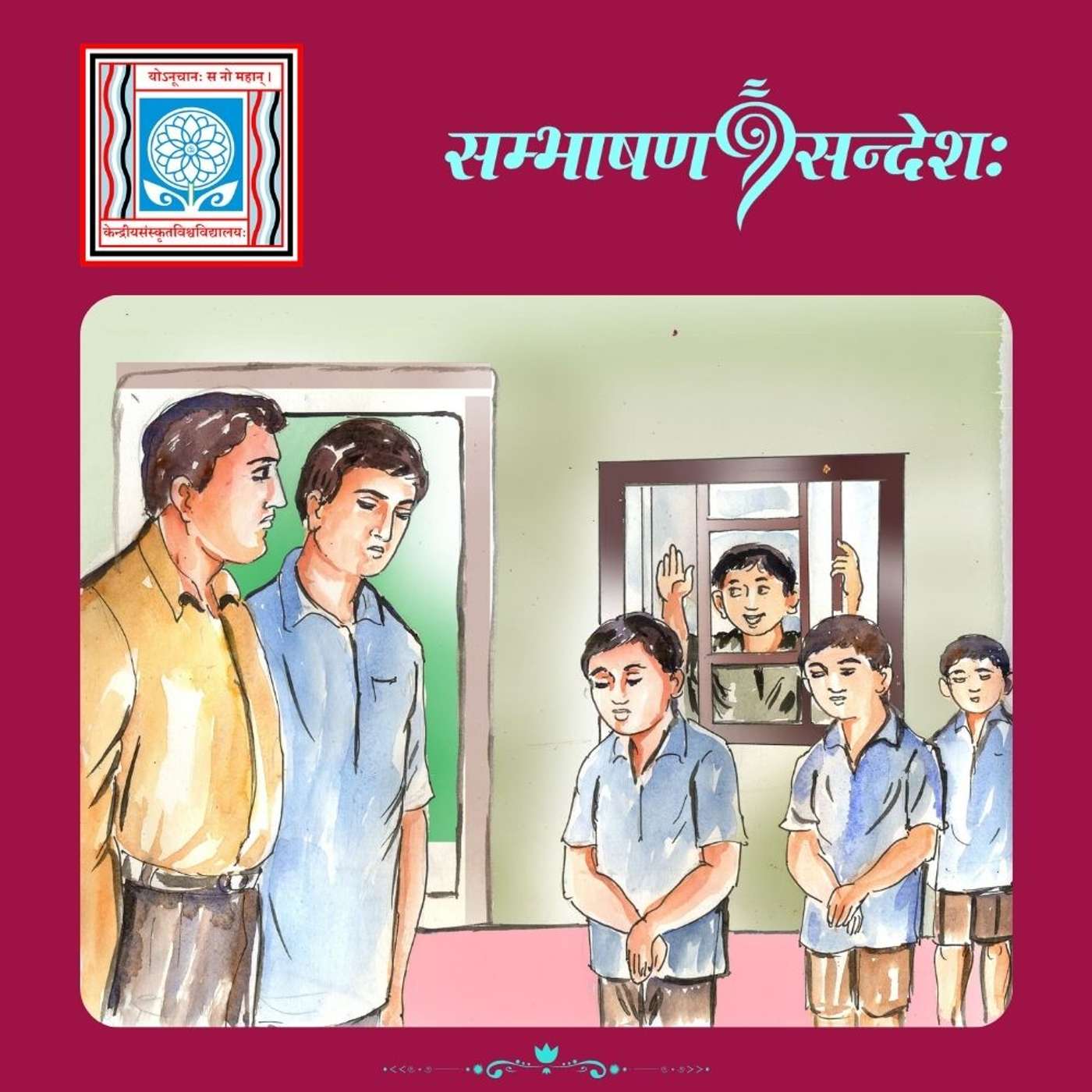
Ep 510उत्तरम् अहं जानामि
दारिद्र्यकारणात् विद्याभ्यासं प्राप्तुम् अशक्नुवन् कश्चन निर्धनकुलीयः मेषपालकः बालकः मेषान् तृणचरणे नियोज्य विद्यालयस्य वातायनस्य पार्श्वे स्थित्वा अध्यापकस्य पाठान् श्रद्धया शृणोति स्म । अथ कदाचित् शिक्षणाधिकारी तं विद्यालयं परीक्षितुम् आगतः । तेन पृष्टस्य कस्यापि प्रश्ननस्य उत्तरं न कोSपि दत्तवान् । वातायनात् बहिः स्थितः बालकः 'अहं प्रश्नानाम् उत्तराणि वदामि' इत्युक्त्वा सर्वेषां प्रश्नानाम् उत्तरं दत्तवान् । तस्य प्रतिभावतः बालकस्य विद्याभ्यासस्य व्यवस्थां कृतवान् सः अधिकारी । तस्य बालकस्य नाम राधाविनोदपालः । अग्रिमे काले सः विधिशास्त्रम् अधीत्य भारतीयव्यवस्थानिर्माणे विशेषपात्रम् ऊढवान् । द्वितीयजागतिकयुद्धकाले अन्ताराष्ट्रीयन्यायाधीशत्वेन अपि कार्यम् अकरोत् ।(“केन्द्रीयसंस्कृतविश्वविद्यालयस्य अष्टादशीयोजनान्तर्गततया एतासां कथानां ध्वनिप्रक्षेपणं क्रियते”)A poor shepherd boy could not attend school because of poverty. While grazing his sheep near the school window, he listened attentively to the teacher’s lessons. One day, an education officer came to inspect the school. When no student could answer his questions, the boy outside said, “I will answer them,” and correctly solved them all. Impressed by his talent, the officer arranged for his education. The boy’s name was Radhavinod Pal. Later, he studied law, played an important role in shaping India’s legal system, and even served as an international judge during World War II.
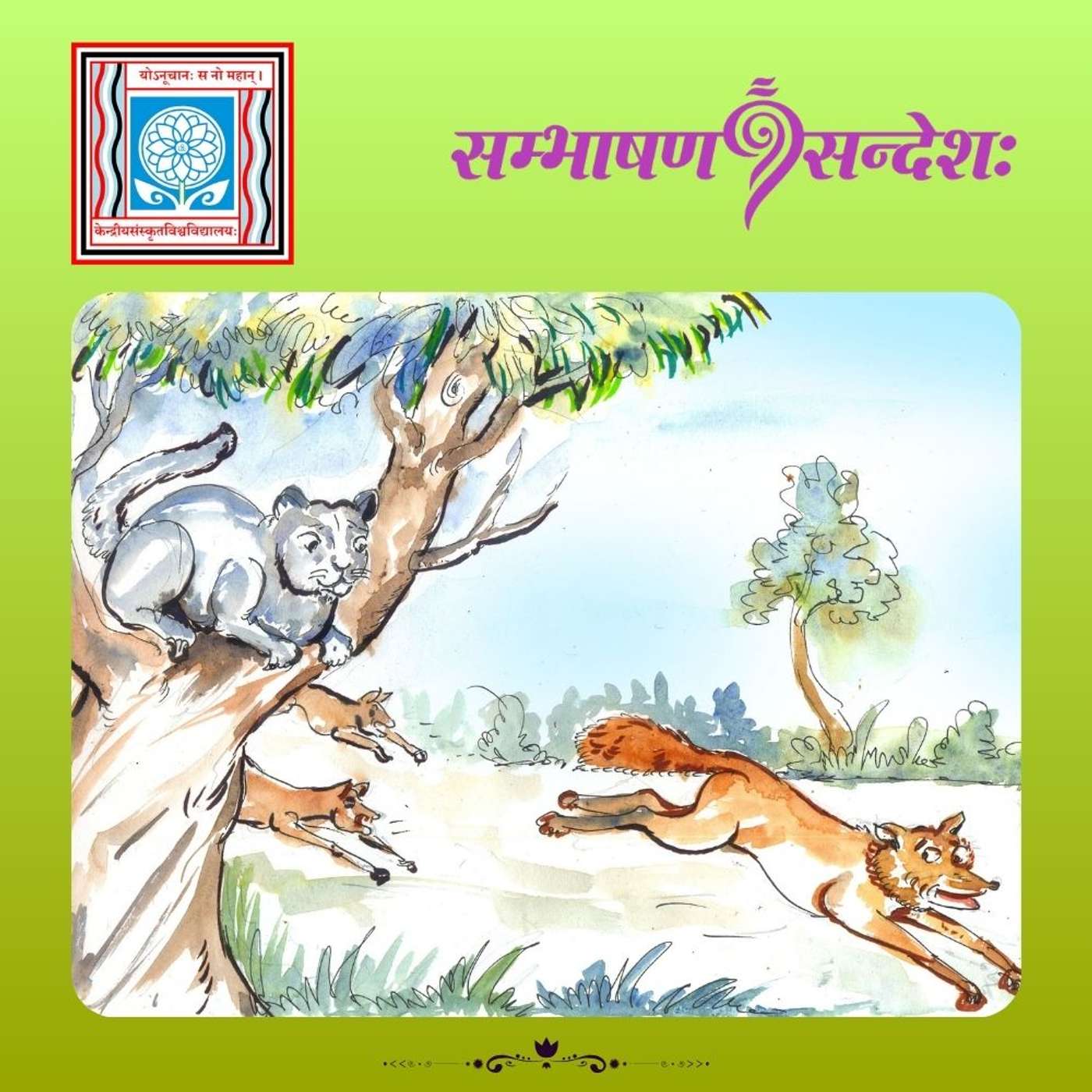
Ep 509कः उपायः श्रेष्ठः ?
अरण्ये कदाचित् मार्जालशृगालौ कुशलसम्भाषणे मग्नौ जातौ । शृगालस्य गर्वम् आसीत् यत् सः बहून् उपायान् जानाति इति । तावता एव अनतिदूरात् शुनकानां भषणं श्रुतम् । तदा 'वृक्षारोहणरूपम् एकमेव उपायं जानामि अहम्' इत्युक्त्वा मार्जालः वृक्षम् आरूढवान् । मार्जालस्य पुरतः अपमाननं न भवेत् मम इति चिन्तयन् शृगालः चिन्तामग्नः अभवत् । तावता समीपम् आगतवतः शुनकान् दृष्ट्वा सः पलायनरूपम् उपायम् आश्रितवान् । पतन् स्खलन् च सः महता कष्टेन अधावत् । 'अर्थहीनेभ्यः शतात् उपायेभ्यः अपि प्राणरक्षणोपकारकः एकः एव उपायः वरम्' इति अचिन्तयत् शृगालः ।(“केन्द्रीयसंस्कृतविश्वविद्यालयस्य अष्टादशीयोजनान्तर्गततया एतासां कथानां ध्वनिप्रक्षेपणं क्रियते”)Once in a forest, a cat and a fox were engaged in friendly conversation. The fox boasted that he knew many tricks. Just then, the barking of dogs was heard nearby. The cat said, “I know only one trick—climbing a tree,” and quickly escaped upward. The fox, worried about being shamed before the cat, tried to rely on his many tricks. But when the dogs approached, he fled in panic, stumbling and struggling to save himself. He then realized: “Better is a single effective means of survival than a hundred useless ones”.
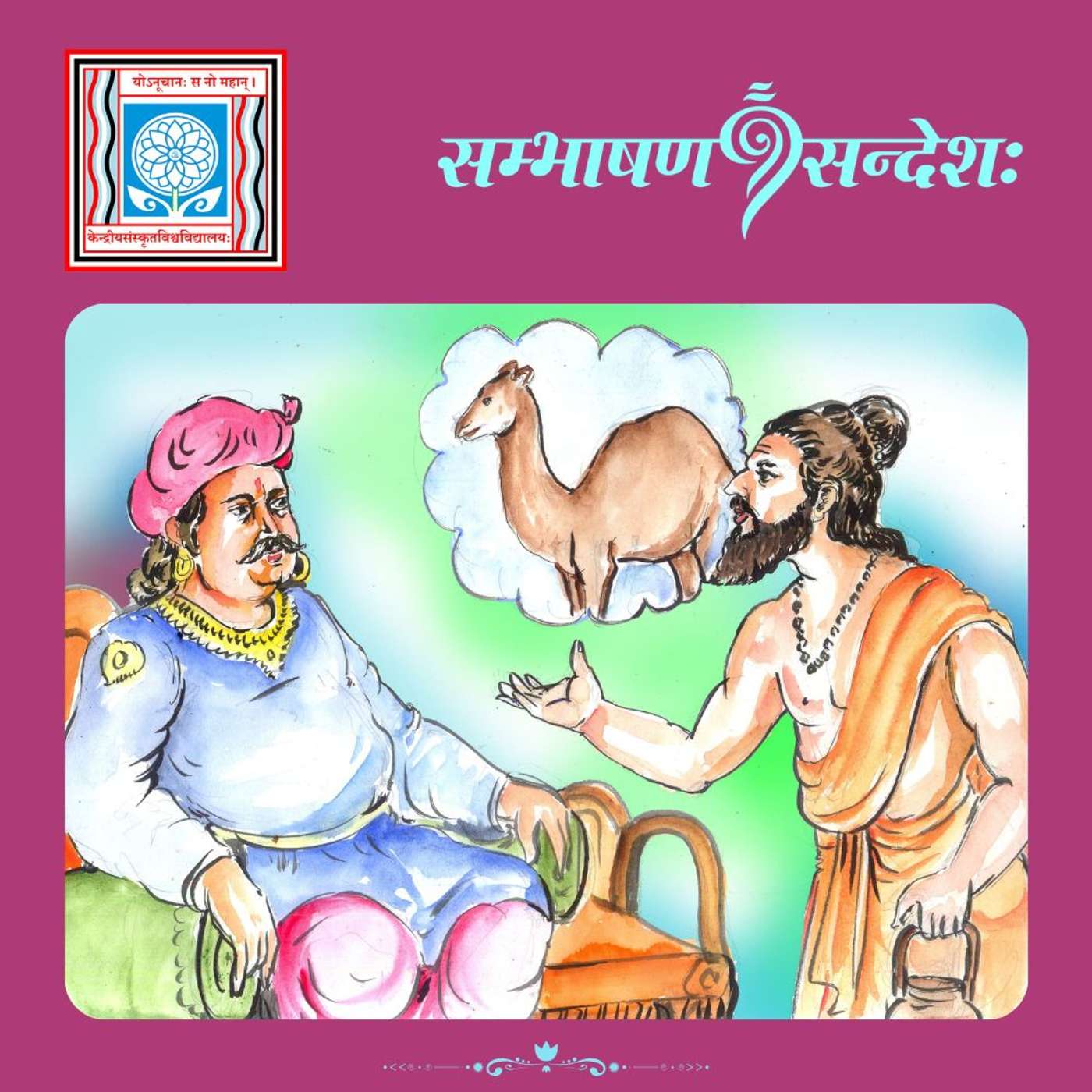
Ep 507उष्ट्रः हर्म्यतले भवेत् कथम् ?
पूर्वं कश्चित् राजा सर्वदा संन्यासिनः धर्मोपदेशकादीन् च मोक्षमार्गं पृच्छति स्म । सर्वैः स्वमत्यनुगुणं दत्तेन उत्तरेण नृपः सन्तुष्टमनस्कः न जातः । अथ कदाचित् कश्चन संन्यासी 'राजा सम्यक् बोधनीया' इति विचिन्त्य मध्यरात्रसमये राजभवनं गत्वा हर्म्यतलम् आरूढः । निद्राम् अलभमानः राजा झटिति उत्थाय 'कः भवान्?’ इति पृष्टे संन्यासी 'विनष्टं मम उष्ट्रम् अन्वेष्टुम् अहमत्र आगतः' इत्यवदत् । उच्चैः हसता नृपेण अवदत् 'किं हर्म्यतले उष्ट्रः केनापि कदाचिदपि प्राप्येत?' इति । सहासं संन्यासिना अपि उक्तं 'मोक्षः प्रासादे उपविशता केनचिद् यदि प्राप्येत तर्हि हर्म्यतले उष्ट्रः कथं न प्राप्येत?’ इति । संन्यासिनः कथनस्य आशयं ज्ञात्वा राजा प्रासादं परित्यज्य संन्यासं गृहीतवान् ।(“केन्द्रीयसंस्कृतविश्वविद्यालयस्य अष्टादशीयोजनान्तर्गततया एतासां कथानां ध्वनिप्रक्षेपणं क्रियते”)Once, a king often asked monks and teachers about the path to liberation, but was never satisfied with their answers. One night, a monk thought, “The king must be properly awakened.” He went to the palace at midnight and climbed to the upper floor. The sleepless king suddenly rose and asked, “Who are you?” The monk replied, “I came here searching for my lost camel”. The king laughed loudly: “How could a camel ever be found on the palace roof?” The monk responded with equal humor: “If someone sitting in a palace could attain liberation, then why not find a camel on the roof?” Understanding the deeper meaning of the monk’s words, the king renounced his palace and accepted the life of renunciation.

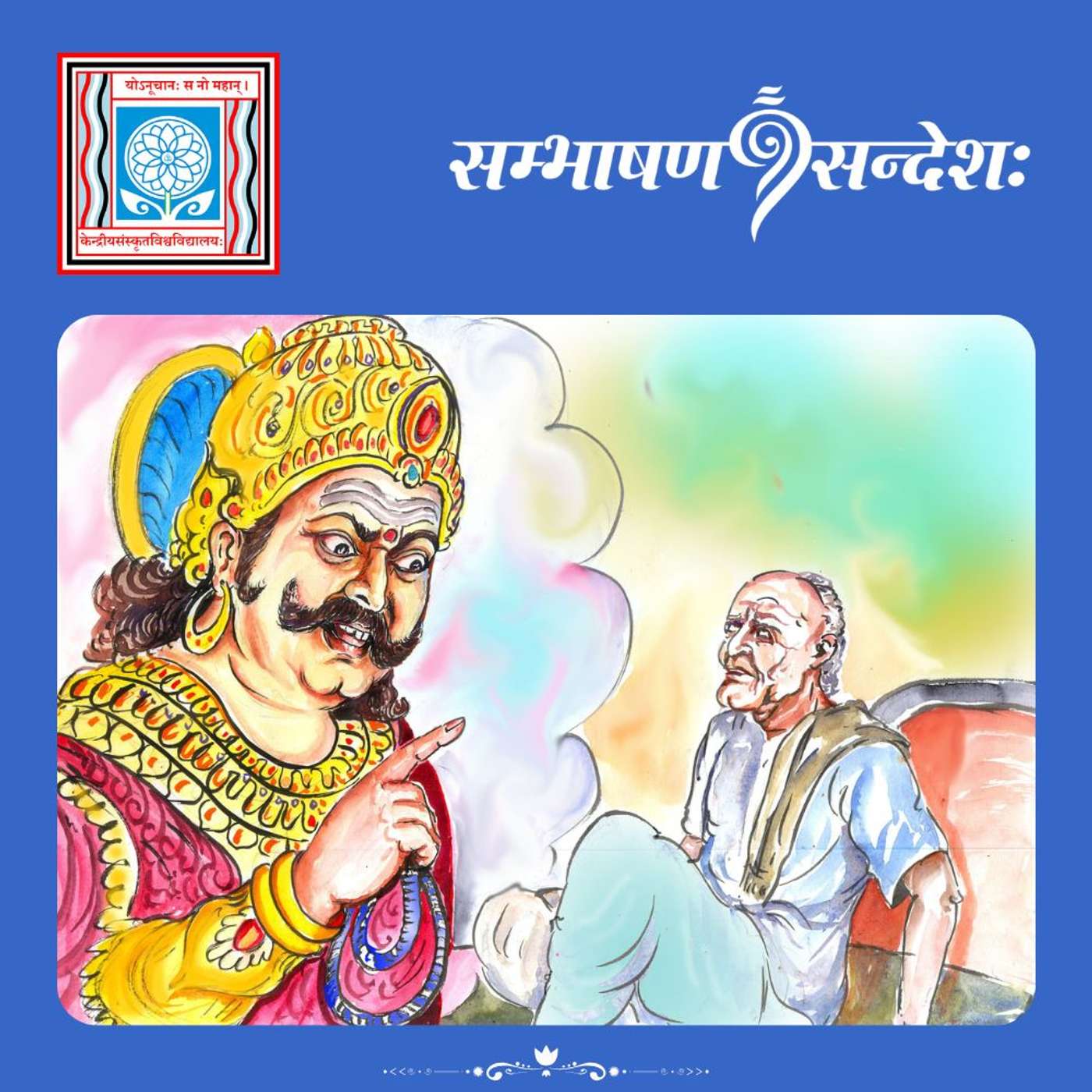
Ep 506मार्गः अनुसरणीयः
अहङ्कारद्वेषलोभमोहादीन् त्यक्त्वा जीवनं यापनीयम् इति कश्चन महात्मा कस्मिंश्चित्त् प्रवचनकार्यक्रमे जनान् उपदिशति स्म । कश्चन श्रोता आगत्य 'यद्यपि भवतः प्रवचनं प्रतिदिनं शृणोमि तथापि मयि कापि प्रगतिः न जाता' इति अवदत् । तयोः मध्ये सम्भाषणं प्राचलत् । प्रश्नोत्तरानन्तरं महात्मा 'यथा भवद्ग्रामं प्राप्तुं विभिन्नाः मार्गाः स्युः, तथा प्रगतिं प्राप्तुम् अपि केचन मार्गाः भवितुम् अर्हन्ति । केवलेन उपदेशश्रवणेन न किमपि प्रयोजनम् । कश्चन मार्गः अनुस्रियताम् । मार्गानुगुणं फलं प्राप्येत' इति बोधितवान् ।(“केन्द्रीयसंस्कृतविश्वविद्यालयस्य अष्टादशीयोजनान्तर्गततया एतासां कथानां ध्वनिप्रक्षेपणं क्रियते”)A saint was once giving a discourse, teaching that life should be lived free from ego, hatred, greed, and delusion. Afterward, a listener approached him and said: “Though I hear your teachings daily, I find no progress within myself”. The saint explained: “Just as there are many roads to reach your village, so too there are various paths to attain progress. Merely listening to teachings is of no use. One must choose and follow a path. Only then will the fruits of progress be attained”.
Ep 505चत्वारः अवसराः
केनचित् चतुरेण जनेन मृत्योः मैत्री सम्पादिता आसीत् । कदाचित् सः मृत्युम् अवदत् 'मैत्रीकारणतः एकं निवेदनं यत् प्राणहरणात् पूर्वं भवता अहं सकृत् स्मारणीयः' इति । 'त्रिचतुरवारम् एव स्मारणं करिष्यामि' इत्यवदत् मृत्युः । तस्मात् सन्तुष्टः जनः वर्षाणि यावत् स्वच्छन्देन जीवनम् अकरोत् । कदाचित् मृत्युः तदीयान् प्राणान् अपहर्तुम् यदा आगतः तदा 'स्मारणमेव न कृत्वा आगतः भवान्' इति अवदत् सः जनः । तदा मृत्युः अवदत् यत् चतुर्वारं स्मारणे कृते अपि तेषाम् आशयम् अनवगच्छन् तेषाम् उपेक्षां दर्शितवान् भवान् इति । ते चत्वारः सन्देशाः के ? ते कथं अनेन जनेन उपेक्षिताः ? अन्ते मृत्युः तस्य प्राणान् अपहरति वा ? इति कुतूहलेन कथाम् इमां शृण्वन्तु ।(“केन्द्रीयसंस्कृतविश्वविद्यालयस्य अष्टादशीयोजनान्तर्गततया एतासां कथानां ध्वनिप्रक्षेपणं क्रियते”)A clever man once befriended Death. He requested: “Because of our friendship, please remind me once before taking my life.” Death replied: “I will remind you three or four times”. Satisfied, the man lived freely for many years. When Death finally came to take his life, the man protested: “You did not remind me at all!” Death answered: “I reminded you four times, but you ignored the meaning of those signs”. What were those four messages? How did the man neglect them? And in the end—did Death take his life? Listen to the story with curiosity.
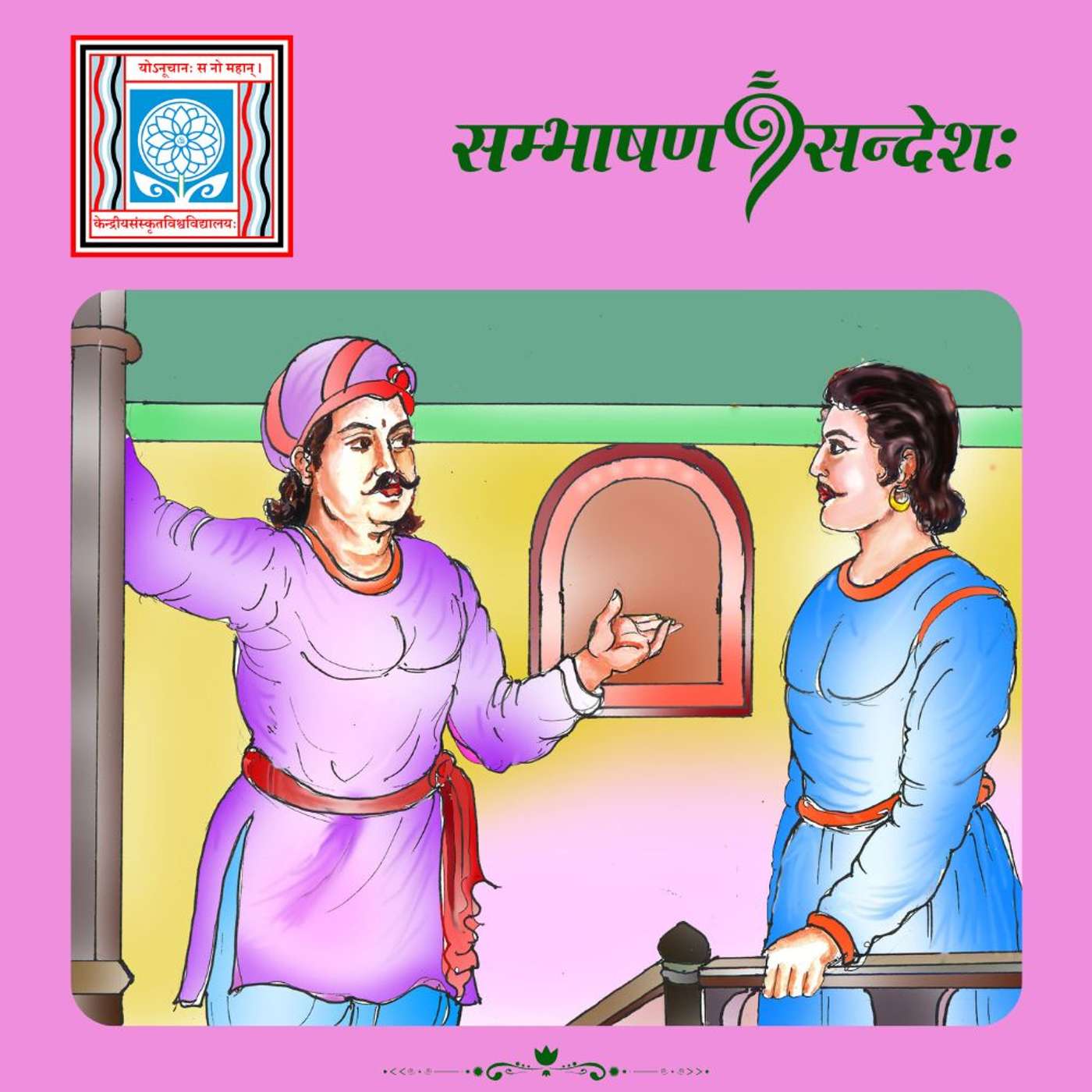
Ep 504कुशलस्य सत्यनिष्ठा
पूर्वं सारङ्गिपुरनामके राज्ये कुशलनामकः युक्तिशाली मन्त्री आसीत् । सः न केवलं धीमान् अपि तु सत्यनिष्ठापरः प्रभुनिष्ठापरः च आसीत् । कदाचित् अन्यदेशे निवसन् तदीयः जामाता गृहम् आगतः । यदा तौ राजमार्गे गच्छन्तौ आस्तां तदा जामाता राज्ञः सैन्यशक्तिविषयम् अपृच्छत् । राज्यस्य आन्तरिकः विषयाः कस्मैचिदपि कदापि न वक्तव्याः इति प्रतिज्ञातवान् आसीत् कुशलः । परिवारात् अपि राज्यं मुख्यम् इत्यतः राज्यसम्बद्धं विवरणं परिवारजनानां पुरतः न वदिष्यामि इत्युक्तवान् कुशलः । श्वशुरस्य सत्यनिष्ठापरतां स्वामिनिष्ठां च दृष्ट्वा जामाता सन्तुष्टान्तरङ्गः जातः ।(“केन्द्रीयसंस्कृतविश्वविद्यालयस्य अष्टादशीयोजनान्तर्गततया एतासां कथानां ध्वनिप्रक्षेपणं क्रियते”)Long ago, in the kingdom of Sārangapura, there was a wise minister named Kushala. He was not only intelligent but also deeply devoted to truth and loyalty to his king. Once, his son-in-law, who lived in another country, came to visit. As they walked along the royal road, the son-in-law asked about the king’s military strength. Kushala, who had vowed never to reveal internal matters of the kingdom to anyone, replied: “The kingdom is more important than family. Therefore, I will not disclose state secrets even before my relatives”. Seeing his father-in-law’s steadfastness in truth and loyalty, the son-in-law felt deeply satisfied and inspired.
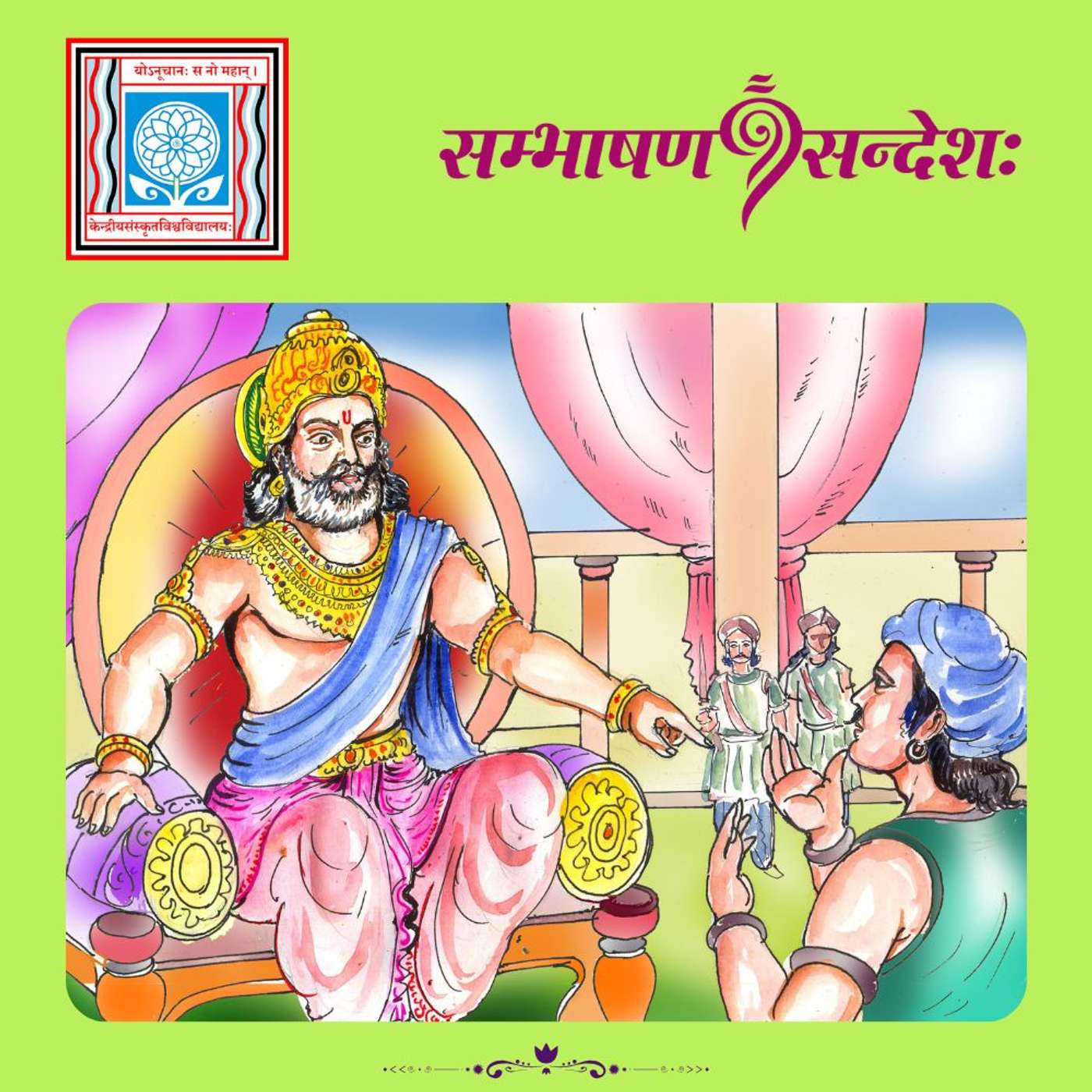
Ep 503महाराजस्य राज्यम्
कदाचित् जनकस्य आस्थाने 'राज्यं परित्यज्य गन्तव्यम्' इति दण्डनं कस्मैचित् निर्दोषिणे जनाय दत्तम् आसीत् । तत् श्रुत्वा सः जनः अपृच्छत् 'राजसीमा कियत्पर्यन्तम् अस्ति इति ज्ञायते चेत् मम आनुकूल्यं स्यात् । मिथिलायाः सीमादिकम् अहं जानामि किन्तु महाराजस्य राज्यस्य न' इति । तत् श्रुत्वा राजा अचिन्तयत् 'एतत् राज्यं पूर्वजेभ्यः मया प्राप्तम् । अहं निर्वहणकर्तृषु अन्यतमः अस्मि । एतस्य स्वामित्वं नास्ति ममापि' इति । अयं कश्चन महात्मा एव । दोषारोपः मिथ्या स्यात् इति विचिन्त्य मिथ्यारोपस्य मूलम् अन्विष्य दोषिणं दण्डनम् आदिशत् । ततः महात्मानं क्षमां याचित्वा उपायनदानादिभिः तं सत्कृत्य सगौरवं प्रेषितवान् ।(“केन्द्रीयसंस्कृतविश्वविद्यालयस्य अष्टादशीयोजनान्तर्गततया एतासां कथानां ध्वनिप्रक्षेपणं क्रियते”)Once, in King Janaka’s court, an innocent man was punished with exile from the kingdom. Hearing this, the man asked: “If I knew the exact boundaries of the king’s realm, it would help me. I know the limits of Mithila, but not of the Maharaja’s kingdom”. This made Janaka reflect: “This kingdom came to me from my ancestors. I am only one among its caretakers. Even I am not its true owner”. Realizing that the accused was a noble soul, Janaka investigated further, found the real culprit, and punished him instead. Then, seeking forgiveness, the king honored the innocent man with gifts and respect, and sent him away with dignity.
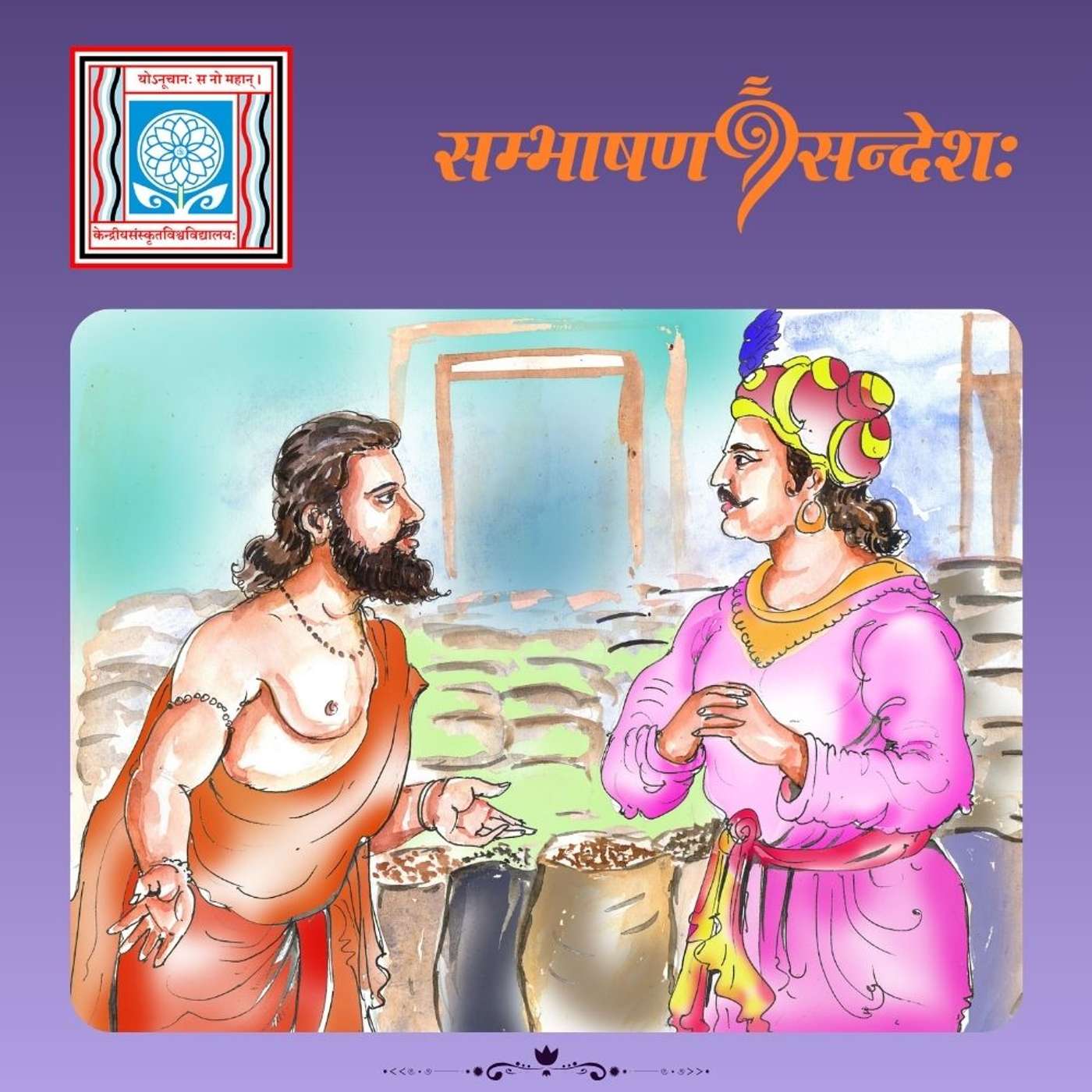
Ep 502वैविध्यं गुणाय
कश्चन राजा राज्ये स्थितानां विविधपूजापद्धतीनां मध्ये ऐकमत्यं नास्ति इत्यतः या पूजापद्धतिः श्रेष्ठा सा एव देशस्थैः सर्वैः अनुस्रियेत इति अघोषयत् । अथ कदाचित् कश्चन माहात्मा तत् राज्यम् आगत्य राज्ञः चिन्तनं ज्ञातवान् । राज्ञा सह धान्यागारं गत्वा अनेकविधानि धान्यानि किमर्थम् अस्ति इति महात्मा अपृच्छत् । तदा राजा 'प्रभेदभेदात् वातावरणभेदात् च आवश्यकतासु अपि भेदः भवति । आरोग्यदृष्ट्या अपि एकस्यैव धान्यस्य वर्धनं न युक्तम्' इति अवदत् । तदा महात्मा अवदत् 'यथा धान्ये वैविध्यम् अपेक्ष्यते तथैव पूजापद्धत्यादिषु अपि । जनानां रुचयः, आसक्तयः, प्रीतयः च भवन्ति भिन्नाः । अतः पूजापद्धतिषु अपि वैविध्यं गुणाय एव' इति ।(“केन्द्रीयसंस्कृतविश्वविद्यालयस्य अष्टादशीयोजनान्तर्गततया एतासां कथानां ध्वनिप्रक्षेपणं क्रियते”)In a certain kingdom, the king noticed that people followed different forms of worship and there was no unity. He therefore declared that only one form of worship, considered supreme, should be followed by all. Later, a saint visited the kingdom and learned of the king’s decision. He took the king to the granary and asked why there were so many varieties of grain stored. The king replied: “Because needs differ according to people and climate. Even for health, it is not proper to depend on only one kind of grain”. The saint then said: “Just as variety in grains is necessary, so too in worship. People’s tastes, inclinations, and affections differ. Therefore, diversity in worship is itself beneficial”.
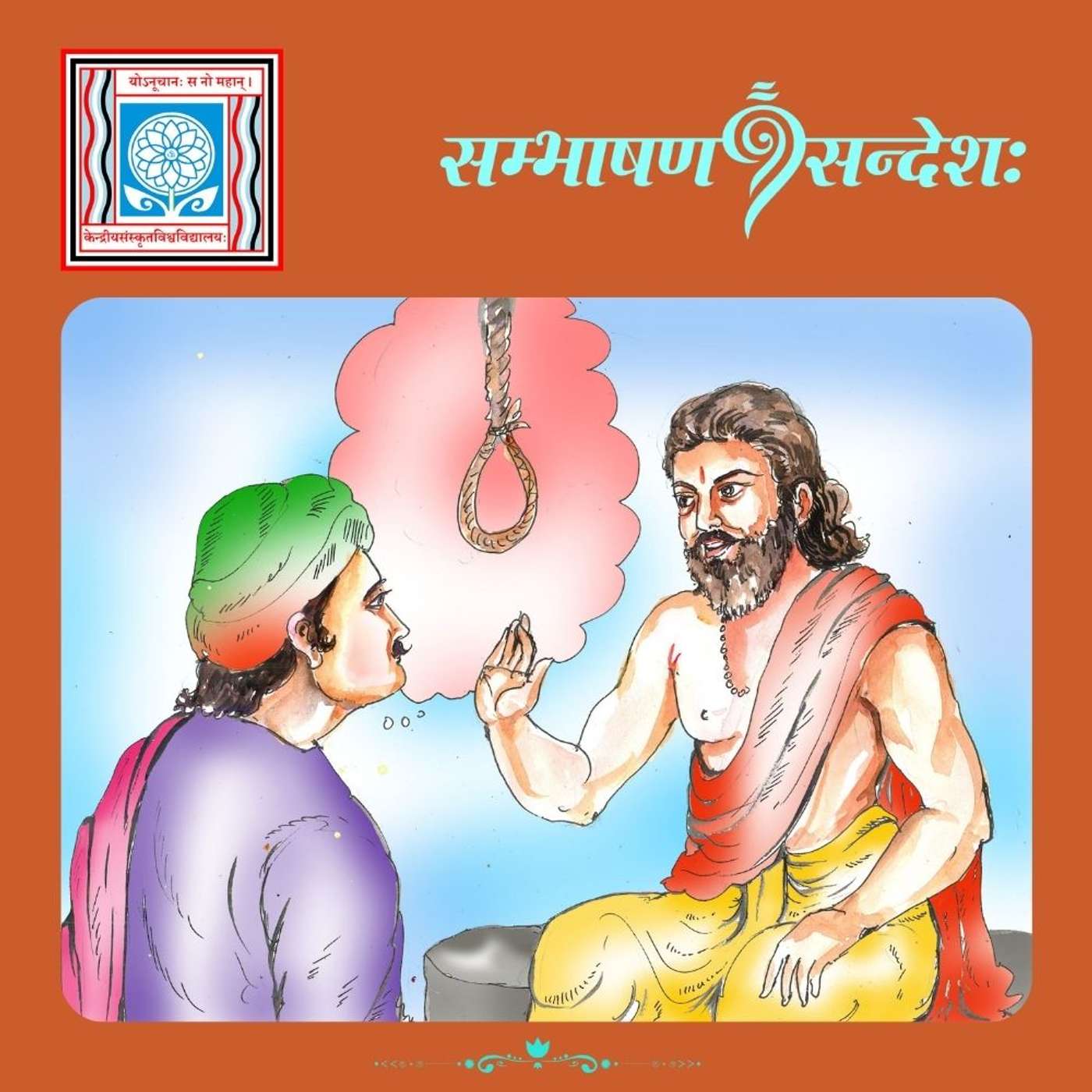
Ep 501जीवने हानिः लाभः च
कश्चन युवकः वणिक् वाणिज्ये महतीं हानिं प्राप्य गुरोः समीपे आगत्य बहुधा विलपितवान् । गुरुः 'भवतः जीवने किं नष्टं, किं च प्राप्तम् इति किञ्चित् परिशील्यताम्' इत्युक्त्वा एकं कागदम् अयच्छत् । यत् नष्टं तत् कागदस्य वामभागे, यत् प्राप्तं तत् दक्षिणभागे च लेखनीयम् इत्यवदत् गुरुः । दक्षिणभागस्था आवली सुदीर्घा जाता । एतस्य दर्शनात् युवकस्य उत्साहः प्रवृद्धः । सः अवदत् 'धनेन क्रेतुम् अयोग्याः बहवः अंशाः मयि सन्ति । आरोग्यम्, उत्साहः, आत्मीयतावर्षकाः, पत्नीपुत्रादयः, प्रोत्साहकाः सुहृदः, अमूल्यः अनुभवः च । इतःपरं पुनरपि प्रयत्नं कृत्वा नूतनं वाणिज्यम् आरभ्य सफलतां प्राप्स्यामि' इति ।(“केन्द्रीयसंस्कृतविश्वविद्यालयस्य अष्टादशीयोजनान्तर्गततया एतासां कथानां ध्वनिप्रक्षेपणं क्रियते”)A young merchant, having suffered great loss in business, went to his teacher and lamented bitterly. The teacher gave him a sheet of paper and said: “Write on the left side what you have lost, and on the right side what you still possess”. When the merchant did so, the list on the right side became very long. Seeing this, his enthusiasm grew. He said: “I have many things that money cannot buy—health, energy, loving family, supportive friends, and priceless experience. With these, I will make fresh efforts and start a new business to achieve success”.
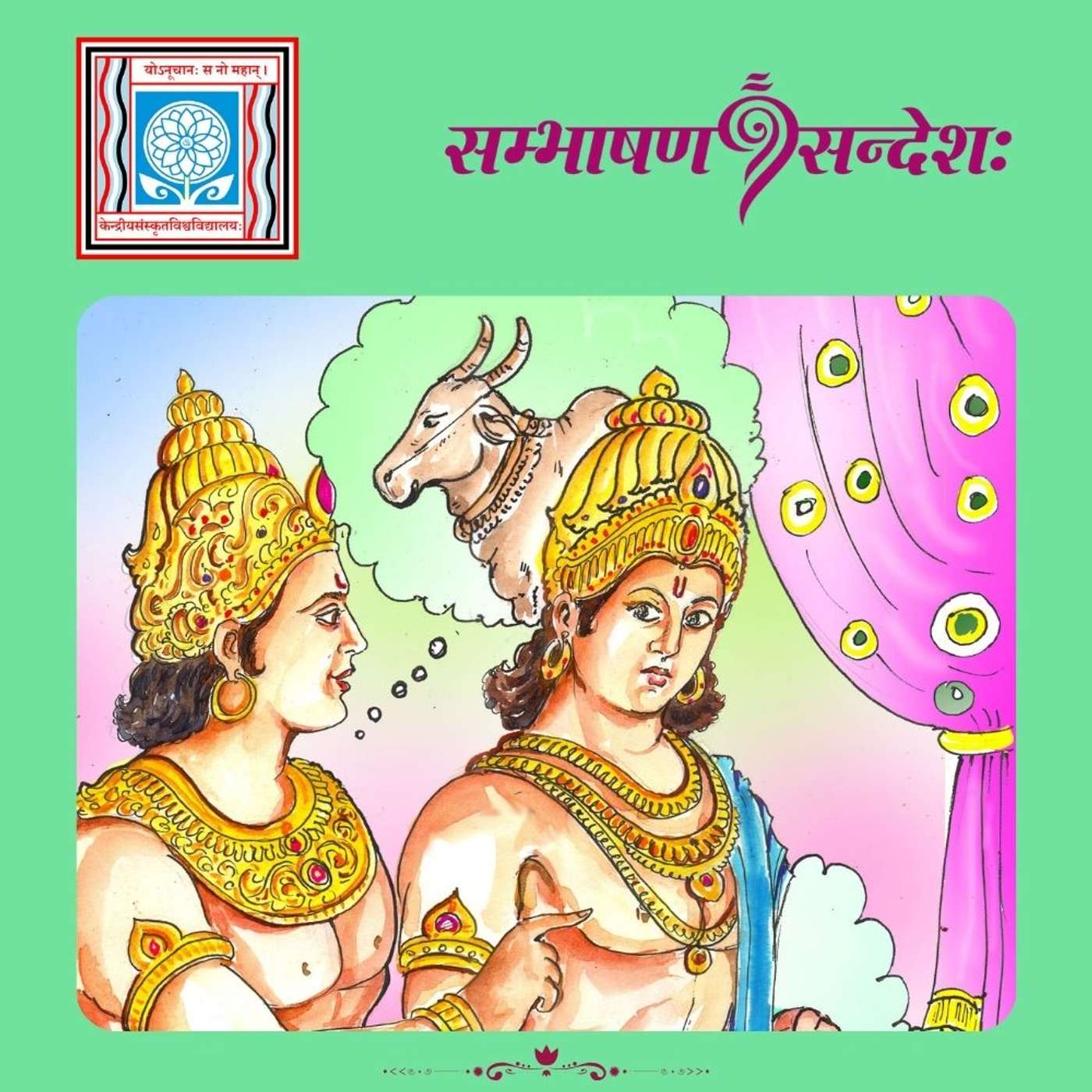
Ep 500लोककल्याणकार्यं लघुत्वाय न
आसीत् पुरा इक्ष्वाकुकुले पुरञ्जयनामकः त्रैलोक्ये प्रसिद्धः कश्चन महायोधः । कदाचित् देवानाम् असुराणां च मिथः सङ्घर्षे जाते देवेन्द्रः पुरञ्जयं साहाय्यम् अयाचत । 'यदि भवान् वृषभरूपेण मम वाहनं भवेत् तर्हि मया साहाय्यं दीयते' इति अवदत् पुरञ्जयः । वृषभत्वस्य अङ्गीकारः अपमानकरः इति चिन्तितवते इन्द्राय विष्णुः 'चिन्तां विना लोकहिताय वृषभरूपेण पुरञ्जयस्य वाहनं भवतु भवान्' इत्यवदत् । भगवतः वचनानि श्रुत्वा सः पुरञ्जयस्य वृषभवाहनं भूत्वा युद्धाय सन्नद्धः जातः । युद्धे वृषभस्य ककुदि एव उपविश्य असुराः पराजिताः पुरञ्जयेन । तस्मात् कारणात् तस्य नाम 'काकुत्स्थः' इति प्रसिद्धम् अभवत् । तस्य वंशः अपि काकुस्थवंशः इति ख्यातिम् अवाप्नोत् । लोककल्याणाय कृतं कार्यं कदापि लघु न स्यात् ।(“केन्द्रीयसंस्कृतविश्वविद्यालयस्य अष्टादशीयोजनान्तर्गततया एतासां कथानां ध्वनिप्रक्षेपणं क्रियते”)Long ago, in the Ikshvaku dynasty, there was a great warrior named Puranjaya, renowned throughout the three worlds. Once, when a battle arose between the gods and the demons, Indra sought Puranjaya’s help. Puranjaya agreed, saying: “I will assist only if I fight seated upon you in the form of a bull”. Indra felt this humiliating, but Vishnu advised him: “For the welfare of the world, become Puranjaya’s bull-mount without hesitation”. Indra accepted, and Puranjaya fought seated upon the bull’s hump, defeating the demons. From then on, he became famous as Kākutstha (“he who sat upon the hump”), and his lineage was known as the Kākutstha dynasty.
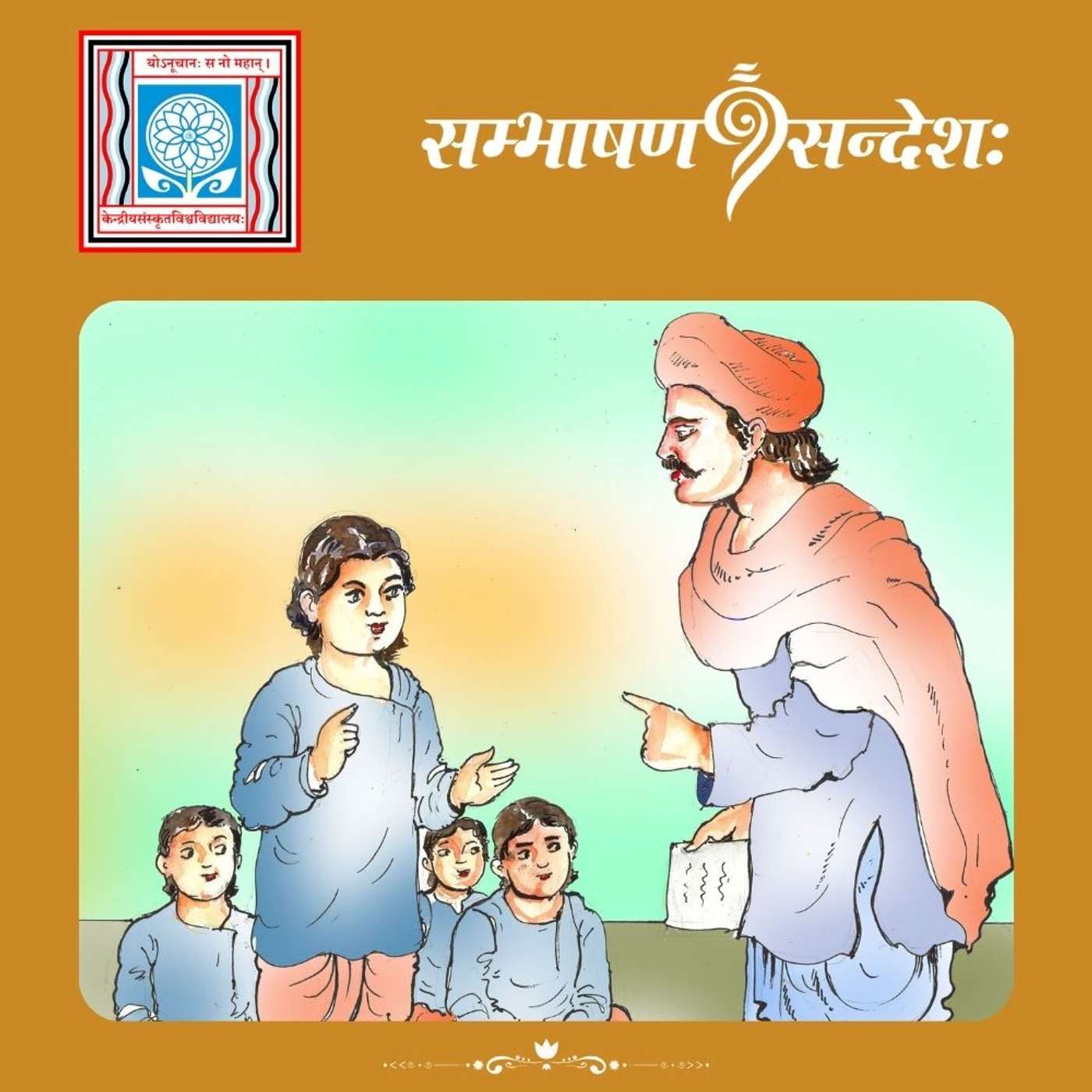
Ep 499सत्यवादी तीक्ष्णमती च
कस्याञ्चित् कक्ष्यायां हरिः नरेन्द्रः शिवः च एकस्मिन् उपवेशनपीठे उपविष्टाः आसन् । नरेन्द्रः सुहृदौ एकां स्वारस्यकारीं कथां वदन् आसीत् तावता अध्यापकः आगत्य सस्यस्य अङ्गानि पाठयितुम् आरब्धवान् । हरिशिवयोः कथाश्रवणे महत् कुतूहलम् आसीत् इति कारणतः नरेन्द्रः कथाश्रवणम् अनुवर्तितवान् । तावता अध्यापकदृष्टिः तेषु पतिता । एतावता मया किं किं बोधितम् इति अध्यापकेन पृष्टे हरिः शिवः च उत्तरं वक्तुम् न शक्तवन्तौ । नरेन्द्रः तु कथां श्रावयन् एव पाठे अवधानवान् आसीत् इत्यतः सर्वम् अवदत् । यदा अध्यापकः त्वया पाठः श्रुतः इति अवदत् तदा नरेन्द्रः प्रवृत्तं सर्वं विदित्वा क्षमाम् अयाचत ।(“केन्द्रीयसंस्कृतविश्वविद्यालयस्य अष्टादशीयोजनान्तर्गततया एतासां कथानां ध्वनिप्रक्षेपणं क्रियते”)In a classroom, Hari, Narendra, and Shiva were seated together. Narendra was narrating an interesting story to his friends when the teacher entered and began teaching about the parts of a plant. Hari and Shiva, curious about the story, continued listening to Narendra and missed the lesson. When the teacher noticed them and asked what had been taught, Hari and Shiva could not answer. But Narendra, though narrating the story, had also paid attention to the lesson and was able to explain everything. The teacher acknowledged that Narendra had listened to the lesson, and Narendra, realizing his mistake, asked for forgiveness.
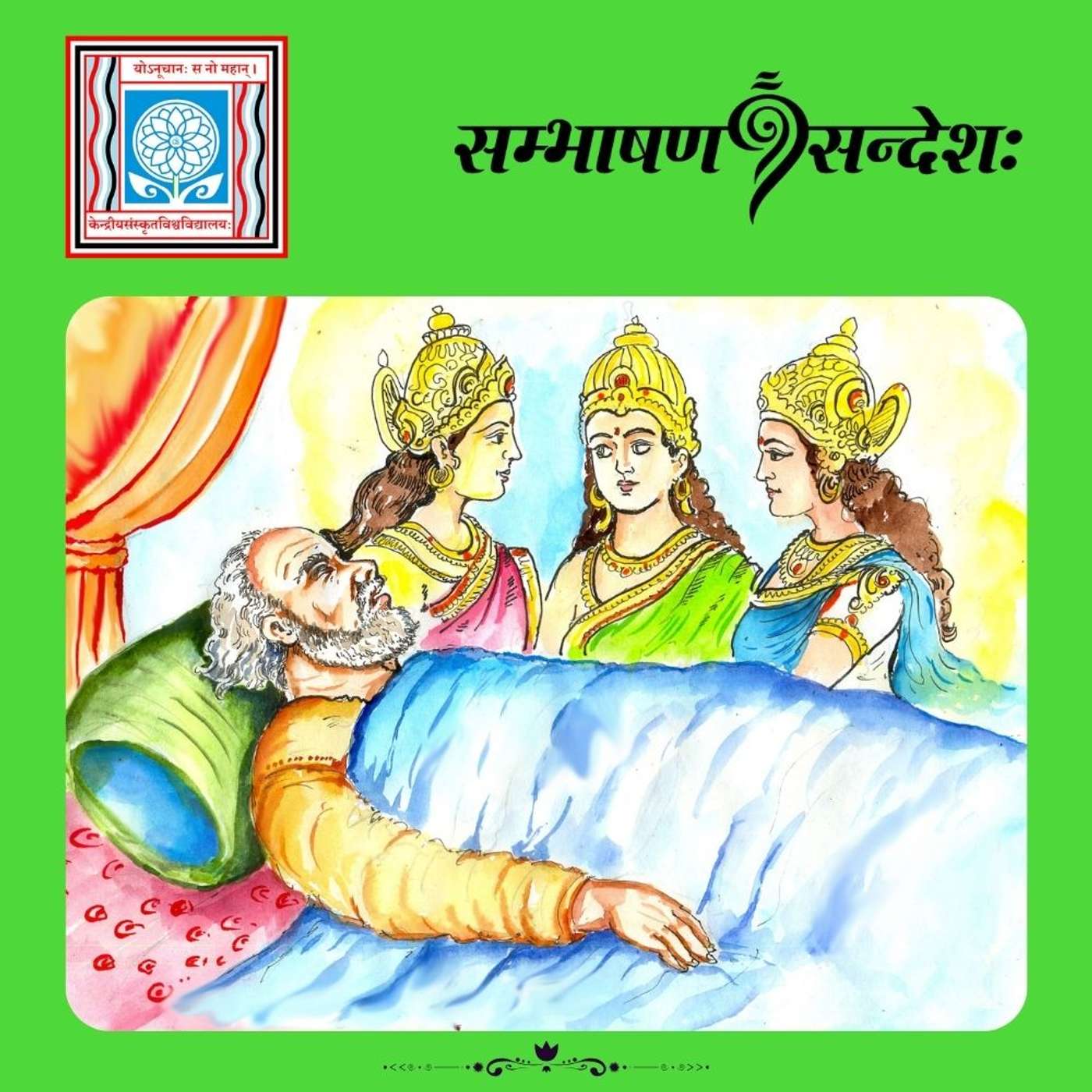
Ep 498अनन्यगामिनी निष्ठा
मरणशय्यायां स्थितस्य कस्यचित् धनिकस्य त्रयः पुत्राः तु धनिकस्य ऐश्वर्यविषये आसक्ताः । धनिकस्य समीपे तिस्रः देवताः अपि सन्ति - सम्पत्तिः, प्रीतिः, निष्ठा च । धनिकस्य श्वासोत्क्रमणं यदा आरब्धं तदा सम्पत्तिः अवदत् 'यः मम वर्धने रक्षणे च आसक्तः तम् अहं सेवे' इति । प्रीतिः अवदत् 'धनिकस्य इहलोकव्यापारसमाप्तिसमनन्तरमेव अहम् इतः निर्गमिष्यामि । यः मां तीव्रतया स्मरेत् तस्य उपसर्पणं करिष्यामि' इति । निष्ठा अवदत् 'यः मां प्राप्तुं श्रमं नितरां कुर्यात्, यस्य आत्मदृढत्वं स्यात्, यस्य श्रद्धा अचला स्यात् तम् एव उपसर्पामि अहम् । मम संविभागः भवितुं न अर्हति' इति । अतः अस्मासु यः निष्ठाभावः स्यात् सः प्रयत्नेन परिरक्षणीयः । संविभक्तुम् अनर्हं तत्त्वं तत् ।(“केन्द्रीयसंस्कृतविश्वविद्यालयस्य अष्टादशीयोजनान्तर्गततया एतासां कथानां ध्वनिप्रक्षेपणं क्रियते”)On his deathbed, a wealthy man lay surrounded by his three sons, all attached to his riches. Near him also stood three divine powers—Wealth, Affection, and Faith. As his breath began to fade, Wealth said: “I serve only those who are devoted to increasing and protecting me”. Affection said: “I depart as soon as worldly life ends. I will approach only those who remember me intensely”. Faith declared: “I come only to those who strive hard to attain me, who possess firmness of spirit and unwavering devotion. I cannot be divided or shared”. Thus, it is Faith that must be carefully preserved, for it is indivisible and eternal.
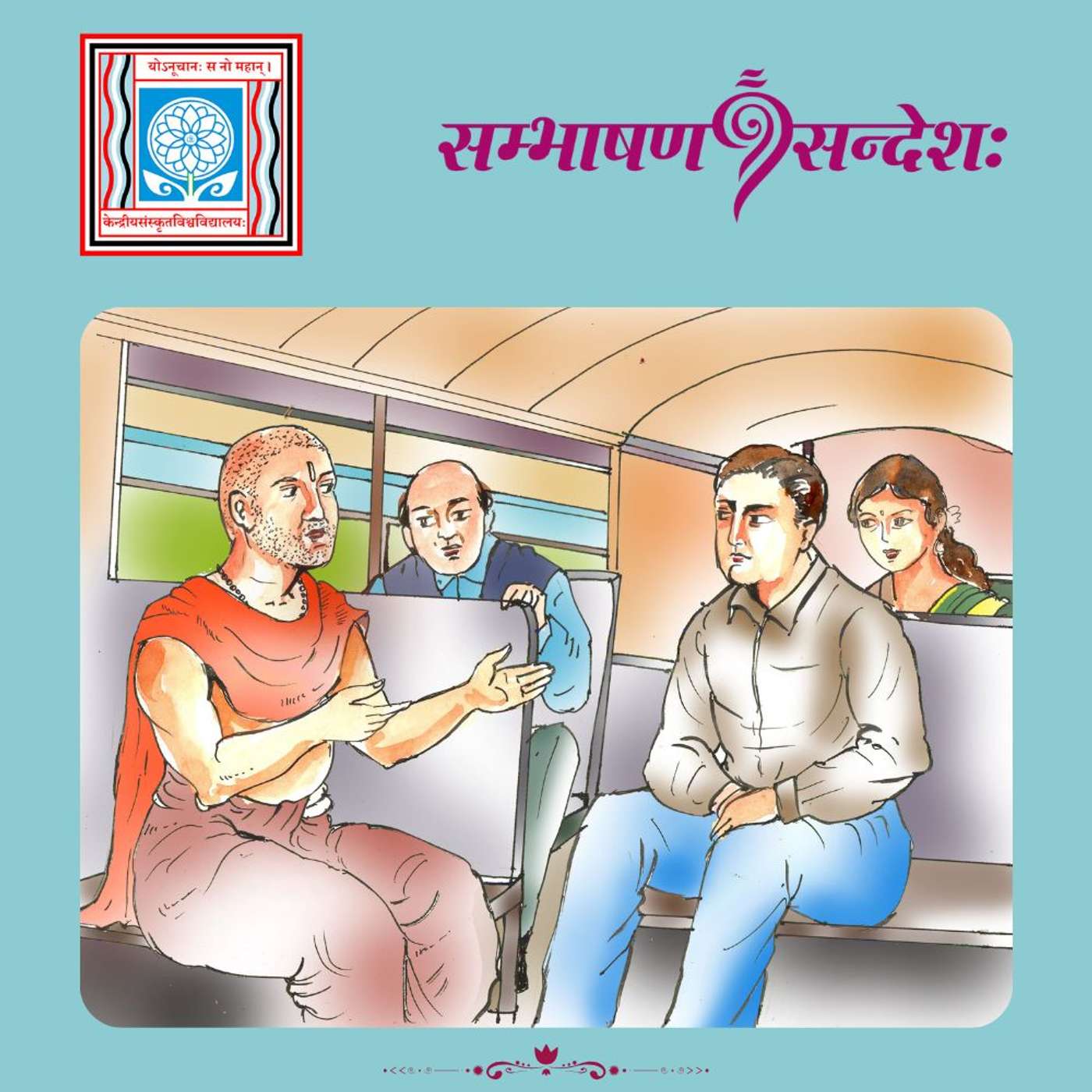
Ep 497जीवने आनन्दस्य संरक्षणं कथम्?
कदाचित् केनचित् योगिना सह रेल्यानेन प्रयाणं कुर्वन् कश्चन वणिक्, कश्चन राजनीतिनेता, काचित् गृहिणी च सम्भाषणम् आरब्धवन्तः । ते सर्वे स्वस्य स्वस्य सन्तोषस्य कारणं वदन्तः तेषाम् अपगमे आनन्दस्य का गतिः इति चिन्तां प्रकटितवन्तः । तदा सा योगी अवदत् 'भवताम् आनन्दः धनं स्थानं प्रीतिं च अवलम्ब्य तिष्ठति । वस्तुतः आनन्दः काचित् मानसिकी स्थितिः । सा स्थितिः बाह्यतत्त्वम् न अवलम्बेत । मनसः आनन्दः अन्यः, धनमानादयः अन्ये एव । सन्तोषस्य तेषां च सम्बन्धः न कल्पनीयः' इति । एतत् श्रुत्वा त्रयः अपि सहमतिं प्रदर्शयन्तः स्वस्य मानसिकीं स्थितिं परिवर्तयितुं प्रयासं कुर्मः इति अवदन् ।(“केन्द्रीयसंस्कृतविश्वविद्यालयस्य अष्टादशीयोजनान्तर्गततया एतासां कथानां ध्वनिप्रक्षेपणं क्रियते”)While traveling by train with a yogi, a merchant, a politician, and a housewife began a conversation. Each spoke of the reasons for their happiness, but also expressed worry about what would happen to their joy if those reasons disappeared. The yogi explained: “Your happiness depends on wealth, position, and affection. But true joy is a mental state—it does not rely on external things. Inner happiness is one thing; riches and status are another. They should not be confused”. Hearing this, all three agreed and resolved to try to transform their mental outlook.
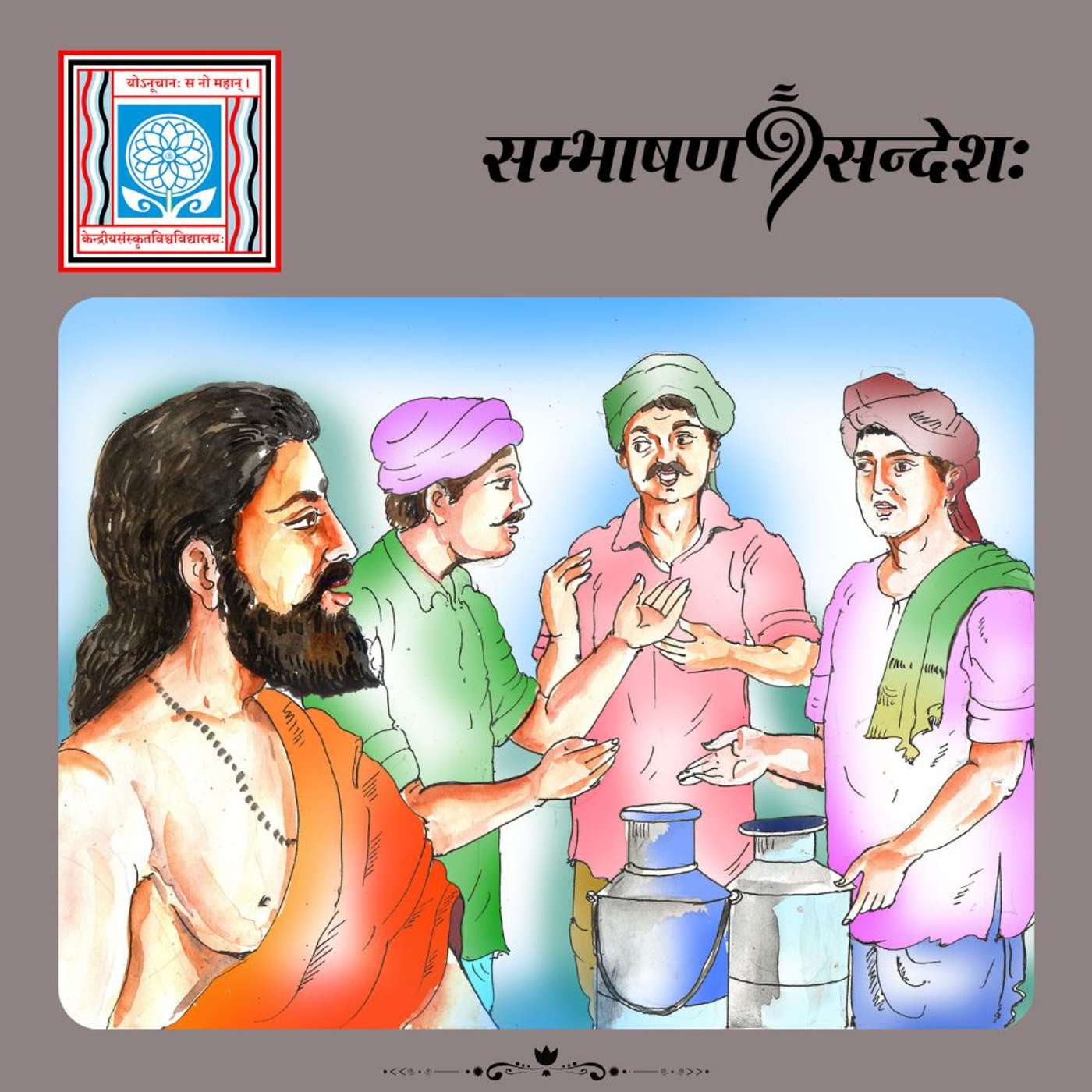
Ep 496गुणवत्तां वर्धयत
कस्मिंश्चित् ग्रामे सर्वे कृषिकाः कृष्या सह गोपालनमपि कुर्वन्ति स्म । तेषु केचन विष्णुपूजकाः, केचन शिवपूजकाः, अपरे केचन आञ्जनेयभक्ताः, अपरे केचन शक्तिपूजकाः च । स्वस्य स्वस्य आराध्यदेवस्य एव श्रेष्ठता इति सर्वेषां चिन्तनम् । कदाचित् ग्रामम् आगतवन्तं कञ्चन संन्यासिनं पञ्चषाः प्रमुखाः मतश्रेष्ठताविषये अपृच्छन् । तदा तेभ्यः प्रश्नोत्तरं कृत्वा संन्यासी अवदत् 'अस्माकं पूजापद्धतयः आराध्यदेवाः च विभिन्नाः स्युः । तथापि आराध्यं तत् परमतत्त्वम् एकमेव । वयं कीदृशाः इति निर्णयति भगवान् अस्मज्जीवनस्य गुणवत्ताम् अनुलक्ष्य । अतः गुणवत्ताप्राप्तौ विशेषावधानं भवेत् अस्माकम्' इति ।(“केन्द्रीयसंस्कृतविश्वविद्यालयस्य अष्टादशीयोजनान्तर्गततया एतासां कथानां ध्वनिप्रक्षेपणं क्रियते”)In a certain village, all farmers also tended cattle. Among them, some worshipped Vishnu, some Shiva, others Hanuman, and still others Shakti. Each believed their own deity to be supreme. One day, when a wandering monk visited the village, five leaders asked him which faith was the greatest. The monk replied: “Our rituals and chosen deities may differ, but the ultimate reality we worship is one. God judges us not by whom we worship, but by the quality of our lives. Therefore, we must focus on cultivating virtues and goodness”.
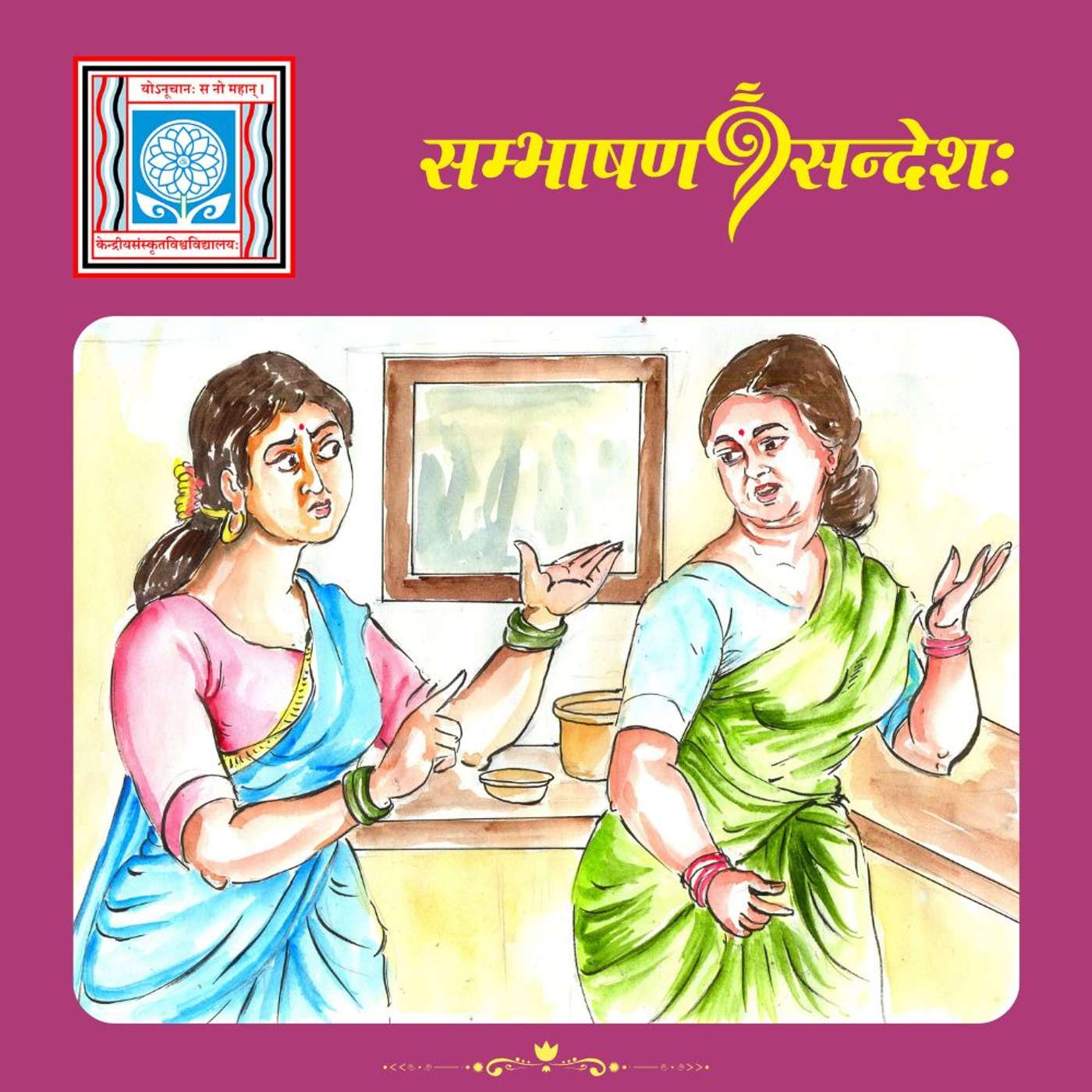
Ep 495भगवान् न क्रूरः
चीनादेशे स्थिता काचित् भारतीया बालिका जपान्देशस्य युद्धभीत्या भारतं प्रत्यागता । तस्य माता नितान्तं भक्तिमती आसीत् इत्यतः सा मातरम् उक्तवती 'युद्धसङ्कटात् रक्षितुं जपानदेशे महान् भूकम्पः भवेत् इति भगवन्तं प्रार्थयताम्' इति । आश्चर्यान्विता माता अवदत् 'कस्यचन प्रार्थनां श्रुत्वा कामपि आपदं सृष्ट्वा असङ्ख्यानां निर्दुष्टजनानां मारणार्थं तत्परः भवितुं किम् ईश्वरः तावान् क्रूरः भवेत् ? एतत् न योग्यं । सर्वेषां हितम् एव कामयतां पुत्रि !’ इति । मातुः हृदयवैशाल्यं अवगत्य पुत्री लज्जिता अभवत् । स्वीयं चिन्तनं स्वार्थपरम् इति अवगत्य जपानं प्रति घृणाभावं त्यक्तवती सा नूतनं विवेकं प्राप्य मातरं क्षमाम् अयाचत् ।(“केन्द्रीयसंस्कृतविश्वविद्यालयस्य अष्टादशीयोजनान्तर्गततया एतासां कथानां ध्वनिप्रक्षेपणं क्रियते”)An Indian girl living in China returned to India out of fear of war with Japan. Since her mother was deeply devoted, the girl said: “Pray to God that a great earthquake may strike Japan to save us from war”. Surprised, the mother replied: “Would God, hearing someone’s prayer, create a disaster to kill countless innocent people? God is not so cruel. One should always wish for the welfare of all, my child”. Realizing the vastness of her mother’s heart, the girl felt ashamed. She understood that her own thought was selfish, gave up her hatred toward Japan, gained new wisdom, and asked her mother’s forgiveness.
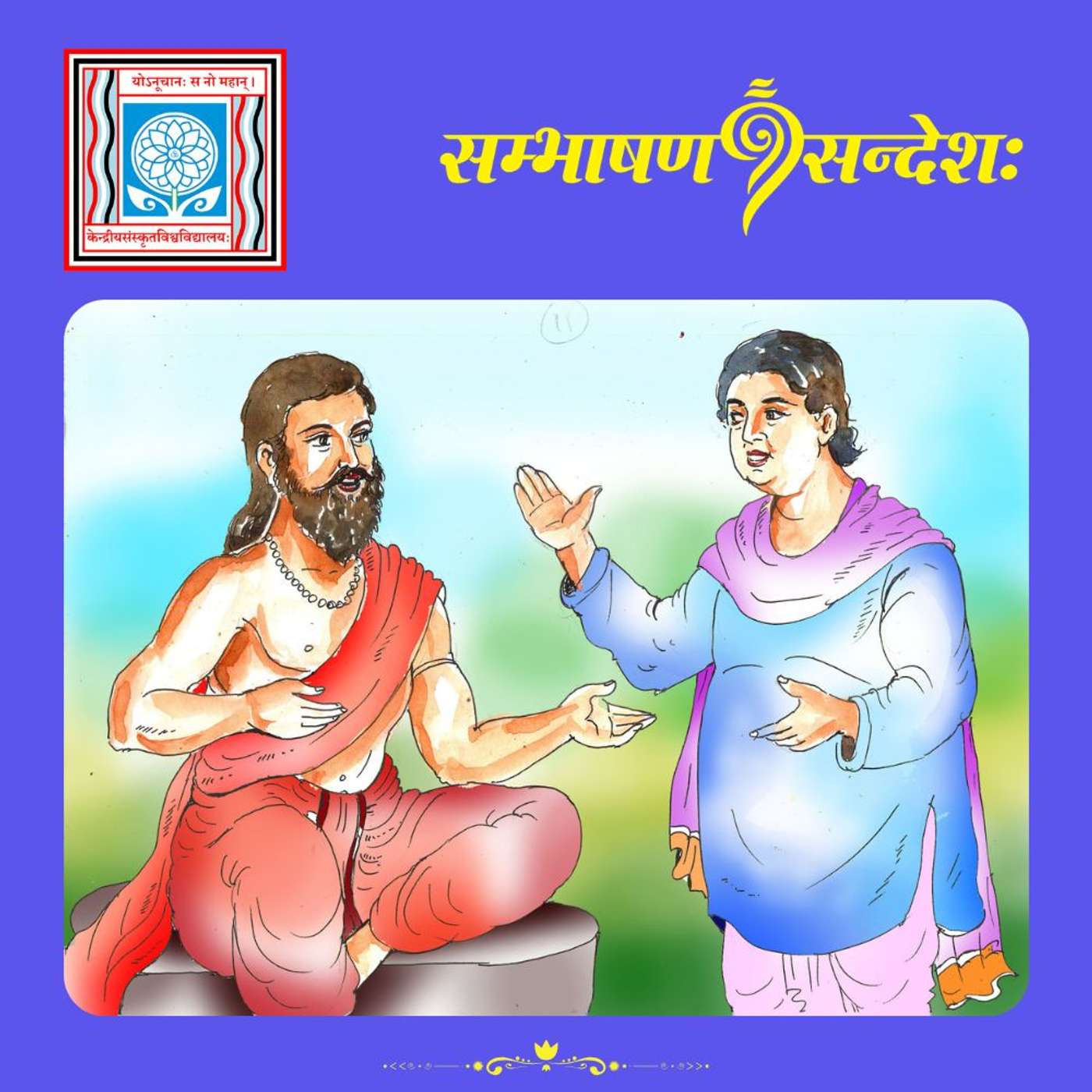
Ep 494शिल्पम्
कदाचित् कश्चन सज्जनः 'आ बहुभ्यः वर्षेभ्यः पूजां कुर्वता अपि ईश्वरदर्शनं न प्राप्तं मया' इति कञ्चन महात्मानम् अवदत् । तदा सः महात्मा अवदत् 'ईश्वरस्य प्राप्तिः केवलं काचित् पद्धतिः नास्ति । अपि तु तत् शिल्पम्' इति । ततः सः एकेन निर्दर्शनेन पद्धतिशिल्पयोः मध्ये स्थितं भेदं वर्णयति । ईश्वरदर्शनमार्गान् सर्वे जानन्ति किन्तु तं मार्गम् अवगत्य स्वकौशलम् उपयुज्य च ईश्वरप्राप्तिः नाम किञ्चन विशिष्टं शिल्पम् । यदा तद् ज्ञायते तदा ईश्वरप्राप्तिः शक्यते इति अवदत् महात्मा । महात्मनः वचनं श्रुत्वा पूजया सह इतोSपि परिश्रमः ज्ञानं च अपेक्षितम् इति ज्ञातवान् सः सज्जनः महात्मानं नमस्कृत्य ससन्तोषं प्रस्थितवान् ।(“केन्द्रीयसंस्कृतविश्वविद्यालयस्य अष्टादशीयोजनान्तर्गततया एतासां कथानां ध्वनिप्रक्षेपणं क्रियते”)A gentleman once said to a saint: “Though I have worshipped for many years, I have not attained vision of God”. The saint replied: “Attaining God is not merely a fixed method—it is an art”. He explained the difference between method and art: everyone may know the path to God, but realizing Him requires skill, effort, and inner refinement. When this art is understood and practiced, God-realization becomes possible. Hearing this, the gentleman realized that along with worship, greater effort and knowledge are also needed. With satisfaction, he bowed to the saint and departed.
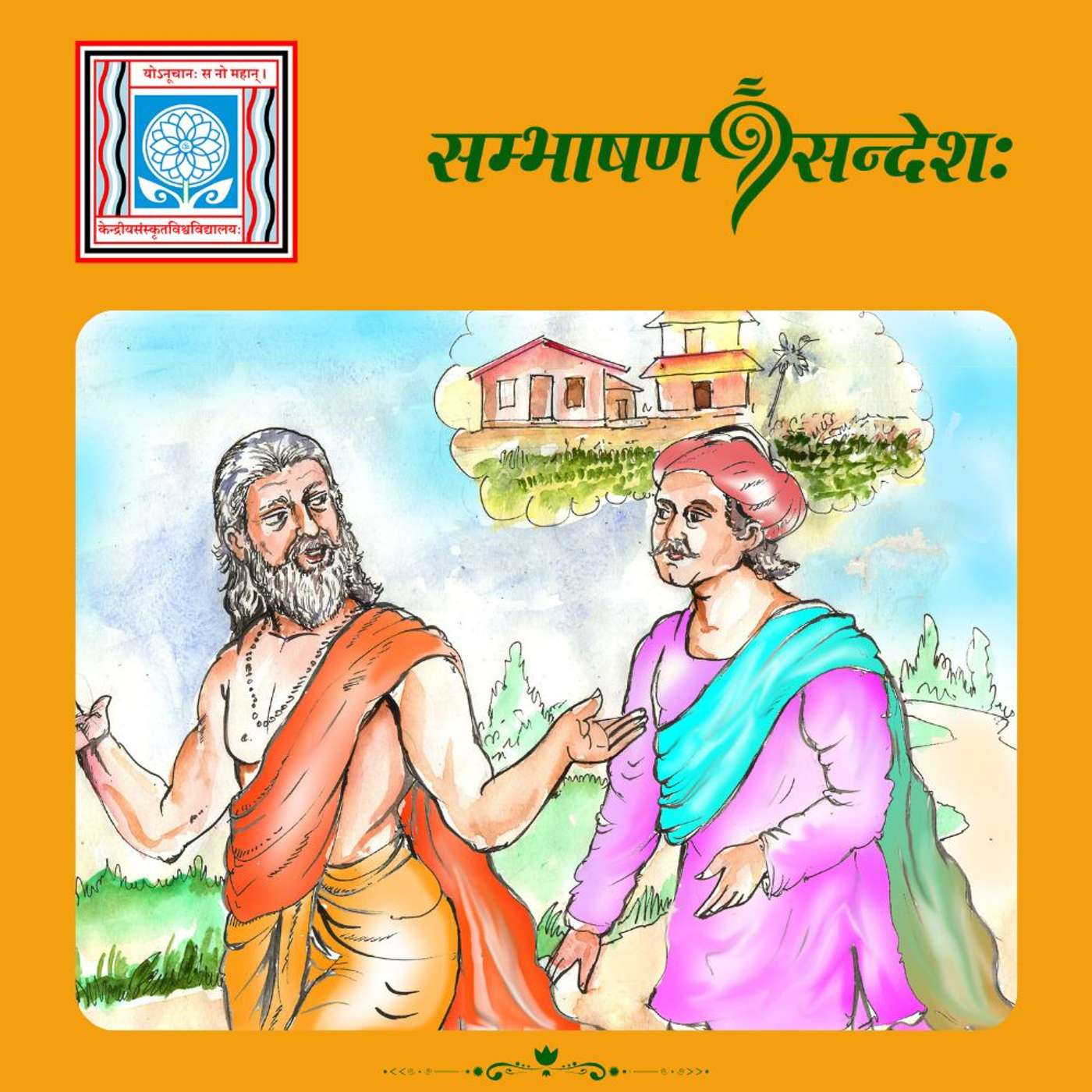
Ep 493मोक्षस्य मार्गः
जीवनस्य सर्वविधं सुखं दुःखं च अनुभूतवान् देवय्यः इतःपरं लौकिकजीवनस्य अवश्यकता नास्ति इति मत्वा कञ्चन साधुम् उपसर्प्य मोक्षस्य मार्गं दर्शयितुं प्रार्थयते । किन्तु तस्य संसारव्यामोहः न अपगतः इति ज्ञात्वा साधुः अवदत् 'यदा नेत्रे निमील्य अपि गृहादिकं न दृश्यते तदा एव मोक्षस्य प्राप्तिः । मोक्षं प्राप्तुं कठिनतपः आचरणीयम् इति नास्ति । संसारः अपि परित्यक्तव्यः इत्यपि नास्ति । सर्वदा भगवतः नामस्मरणं कुर्वन् धर्ममार्गम् आश्रयति चेत् मोक्षः स्वयमेव प्राप्येत' इति । ततः देवय्यः ज्ञानोदयं प्राप्य साधुं नमस्कृत्य गृहं प्रति प्रत्यागच्छत् ।(“केन्द्रीयसंस्कृतविश्वविद्यालयस्य अष्टादशीयोजनान्तर्गततया एतासां कथानां ध्वनिप्रक्षेपणं क्रियते”)Having experienced all joys and sorrows of life, Devayya felt worldly living was no longer necessary. He approached a sage, asking for guidance on the path to liberation. The sage, perceiving that Devayya’s attachment to the world was not yet gone, said: “Liberation comes when, even with closed eyes, one no longer sees house or possessions. It does not require severe austerities, nor does it demand renouncing the world. By constantly remembering God’s name and following the path of righteousness, liberation comes naturally”. With this realization, Devayya bowed to the sage and returned home enlightened.
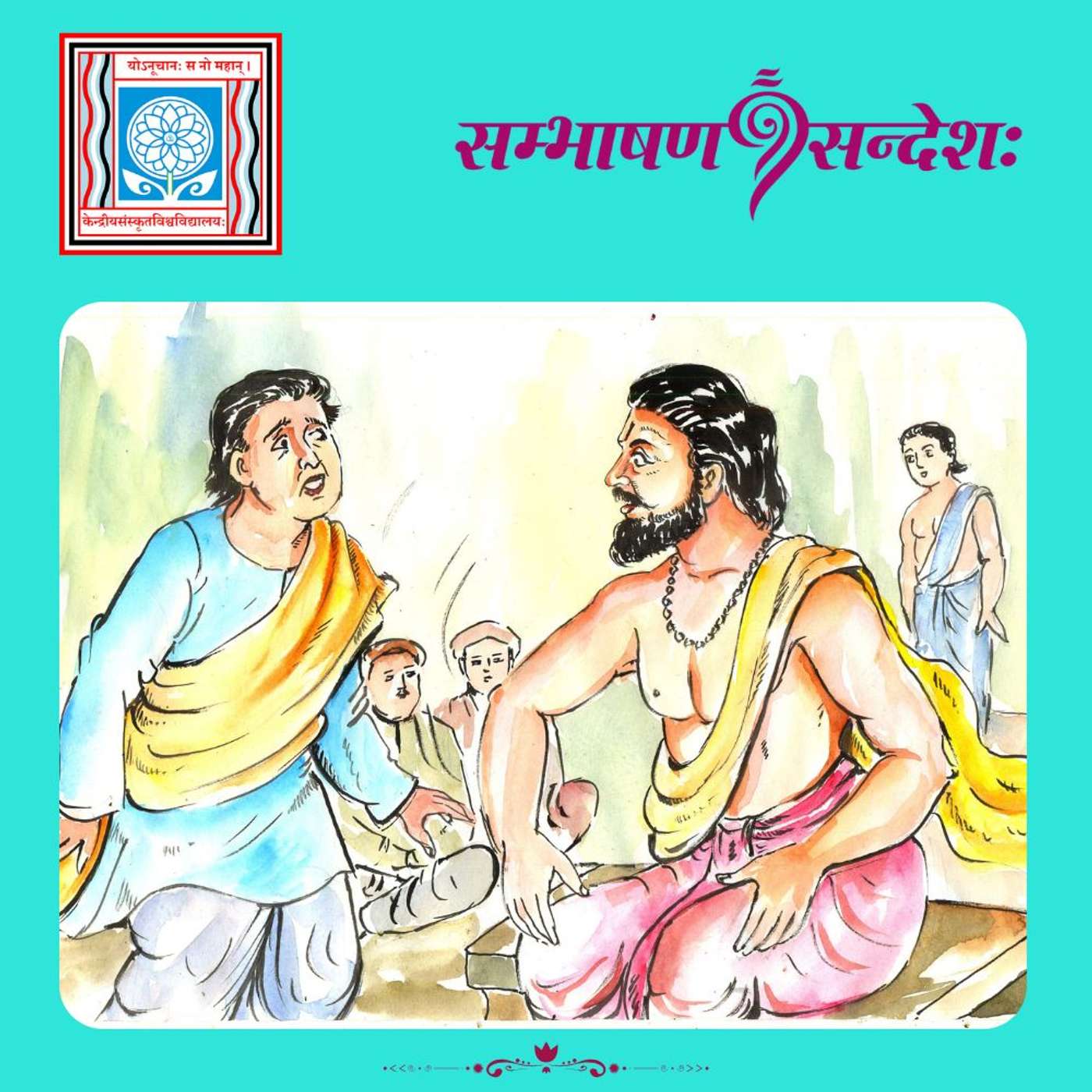
Ep 492अध्यात्ममार्गे
कश्चन गुरुः दुःखे विद्यमानं भक्तं वदति 'भवान् पुण्यवान्' इति । सन्तोषेण स्थितवन्तं भक्तं तु प्रहरति । तद् दृष्ट्वा नूतनः शिष्यः ज्येष्ठं शिष्यं आचार्यस्य आचरणस्य आन्तर्यं किम् इति पृच्छति । तदा ज्येष्ठः शिष्यः वदति 'यः दुःखे भवेत् सः आत्मना कृतं दोषम् अवगच्छति, अध्यात्ममार्गे अग्रे गच्छति च । यः सन्तोषेण स्थितः अस्ति सः स्वस्य दोषः कः इति न जानाति स्म, ज्ञातुं प्रयासमपि न करोति स्म । अतः एव तं प्रहृत्य तदीयान् लोपान् ज्ञापयित्वा आत्मपरिष्काराय किं किं करणीयम् इति आचार्येण बोधितम्' इति ।(“केन्द्रीयसंस्कृतविश्वविद्यालयस्य अष्टादशीयोजनान्तर्गततया एतासां कथानां ध्वनिप्रक्षेपणं क्रियते”)A teacher once told a devotee who was in sorrow, “You are virtuous.” But to another devotee who was content, he struck. Seeing this, a new disciple asked a senior disciple about the meaning behind the teacher’s actions. The senior explained: “One who suffers realizes his own faults and moves forward on the spiritual path. But one who remains content does not know his faults, nor does he try to know them. Therefore, the teacher struck him to make him aware of his shortcomings and to guide him toward self-improvement”.
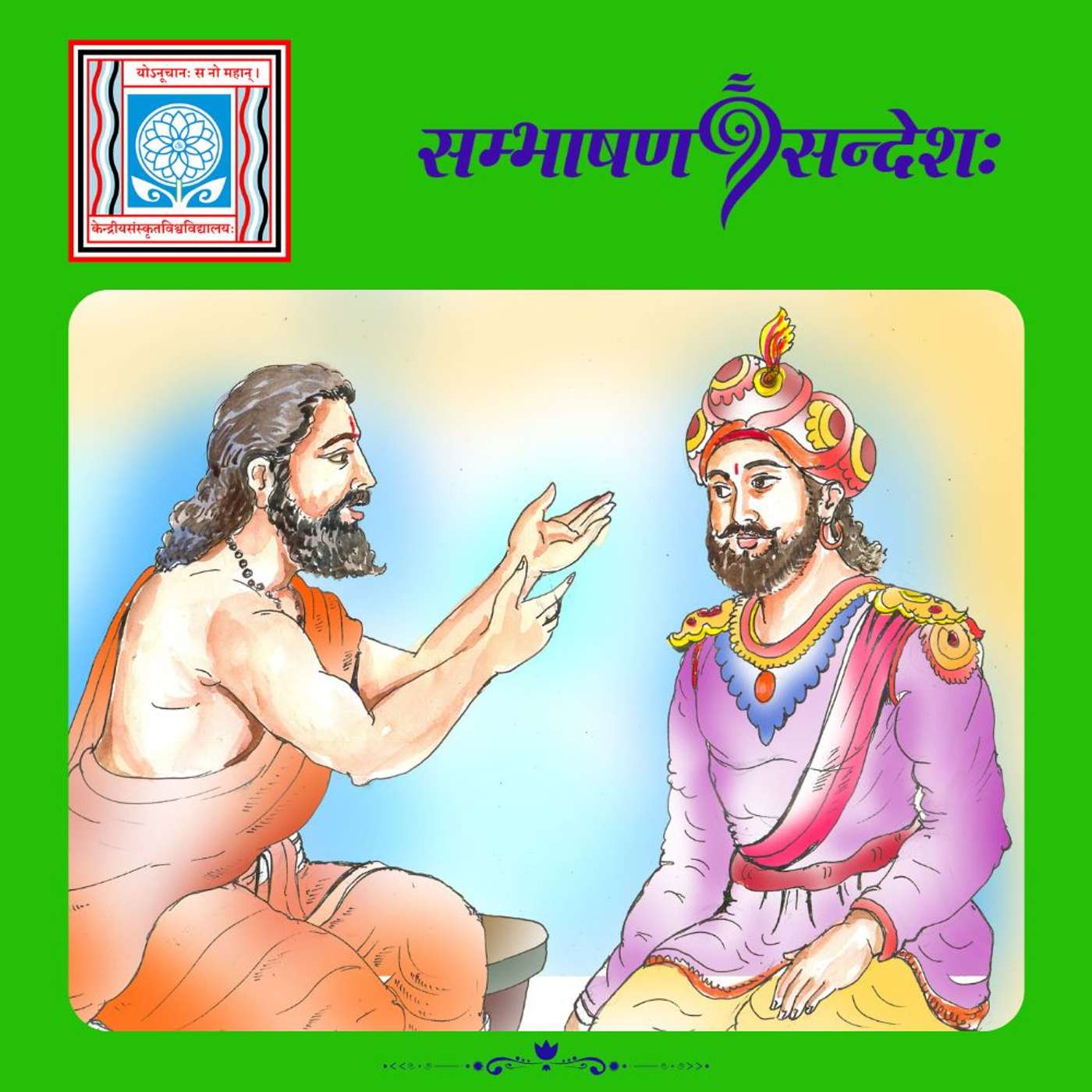
Ep 491भवेत् आन्तरङ्गिकः विकासः
कश्चन राजा भौतिकव्यवस्थापरिकल्पनमात्रात् सुखशान्त्यादयः वर्धिष्यन्ते इति विचिन्त्य सर्वविधानि आनुकूल्यानि प्रजानां कृते परिकल्पितवान् आसीत् । तथापि सुखशान्त्यादयः प्रवृद्धाः न दृश्यन्ते इति यदा सः स्वस्य मार्गदर्शकं संन्यासिनम् उप्सर्प्य अवदत् तदा संन्यासी 'सुखशान्त्यादयः आन्तरङ्गिकाः । ते च भावाः जनानां मनस्सु स्वयम् उत्पन्नाः भवेयुः । तदर्थं धार्मिकोपन्यासाः आयोजनीयाः, सत्सङ्गादयः व्यवस्थापनीयाः, परोपकारः, समाजसेवा, दानप्रवृत्तिः इत्यादिषु जनाः आधिक्येन प्रवर्तनीयाः.....’ इत्यवदत् । इतिकर्तव्यताबोधं प्राप्तवान् राजा गुरुं प्रणम्य ततः निर्गतवान् ।(“केन्द्रीयसंस्कृतविश्वविद्यालयस्य अष्टादशीयोजनान्तर्गततया एतासां कथानां ध्वनिप्रक्षेपणं क्रियते”)A king once thought that by arranging material comforts alone, happiness and peace among his people would increase. Yet, when these did not appear, he approached his Guru. The Guru explained: “Happiness and peace are inner states. They must arise within people’s minds. For this, religious discourses should be organized, gatherings of noble company arranged, and people encouraged toward charity, social service, and helping others”. Understanding his duty, the king bowed to his teacher and departed.
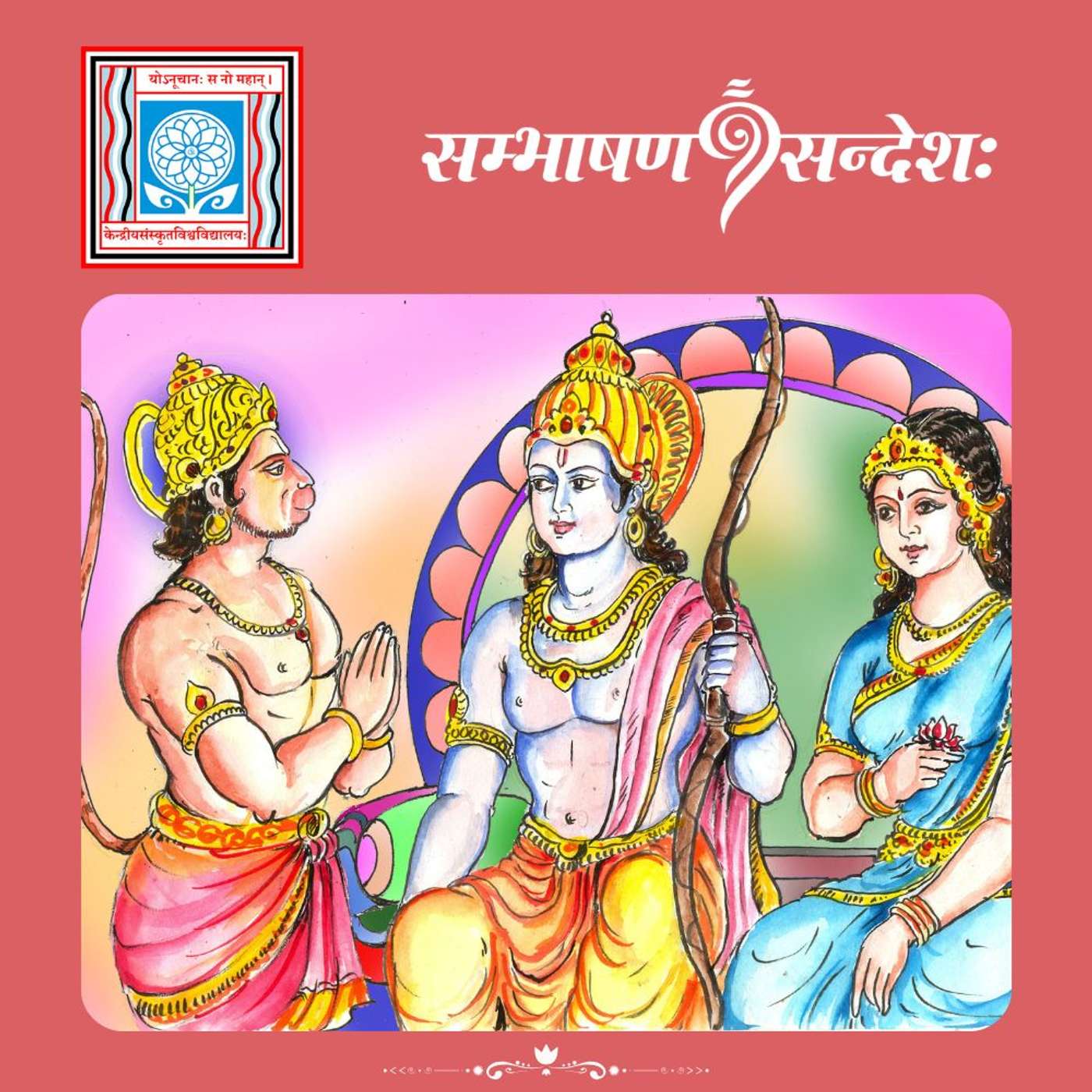
Ep 490असदृशी प्रीतिः
श्रीरामे हनूमतः महती प्रीतिः, प्रेम, आदरः च । कदाचित् सिन्दूरलेपनं कुर्वतीं सीतां दृष्ट्वा सः सिन्दूरलेपनस्य कारणं किम् इति पृच्छति । तदा 'तव स्वामिनः दीर्घायुष्यं प्रार्थयमाना अहं सिन्दूरलेपनं करोमि' इति अवदत् सीता । तत् श्रुतवान् आञ्जनेयः आपणं गत्वा महास्यूतेन सिन्दूरम् अनीय गृहं गत्वा स्नानं कृत्वा समग्रं शरीरं सिन्दूरेण लिप्त्वा सीतारमयोः पुरतः स्थितः । सीतामातुः नेत्रे अश्रुपूर्णे जाते । अद्यापि भाव्यते यत् प्रीतेः वर्णः सिन्दूरवर्णः इति । अतः एव उत्तरभारते हनूमतः देवालये सिन्दूरं तैलेन मिश्रीकृत्य प्रतिमायां लिम्पन्ति । प्रसादरूपेण अपि तदेव दीयते बहुत्र ।(“केन्द्रीयसंस्कृतविश्वविद्यालयस्य अष्टादशीयोजनान्तर्गततया एतासां कथानां ध्वनिप्रक्षेपणं क्रियते”)Hanuman had deep love, devotion, and respect for Lord Rama. One day, seeing Sita applying vermilion (sindoor), he asked the reason. Sita replied, “I apply sindoor to pray for the long life of your master, Rama”. Hearing this, Hanuman went to the market, bought a large quantity of sindoor, bathed, and covered his entire body with it. He then stood before Rama and Sita. Sita’s eyes filled with tears at his devotion. Even today, it is believed that the color of love is the color of sindoor. That is why, in temples of Hanuman in North India, sindoor mixed with oil is applied to his idol and also distributed as prasada.
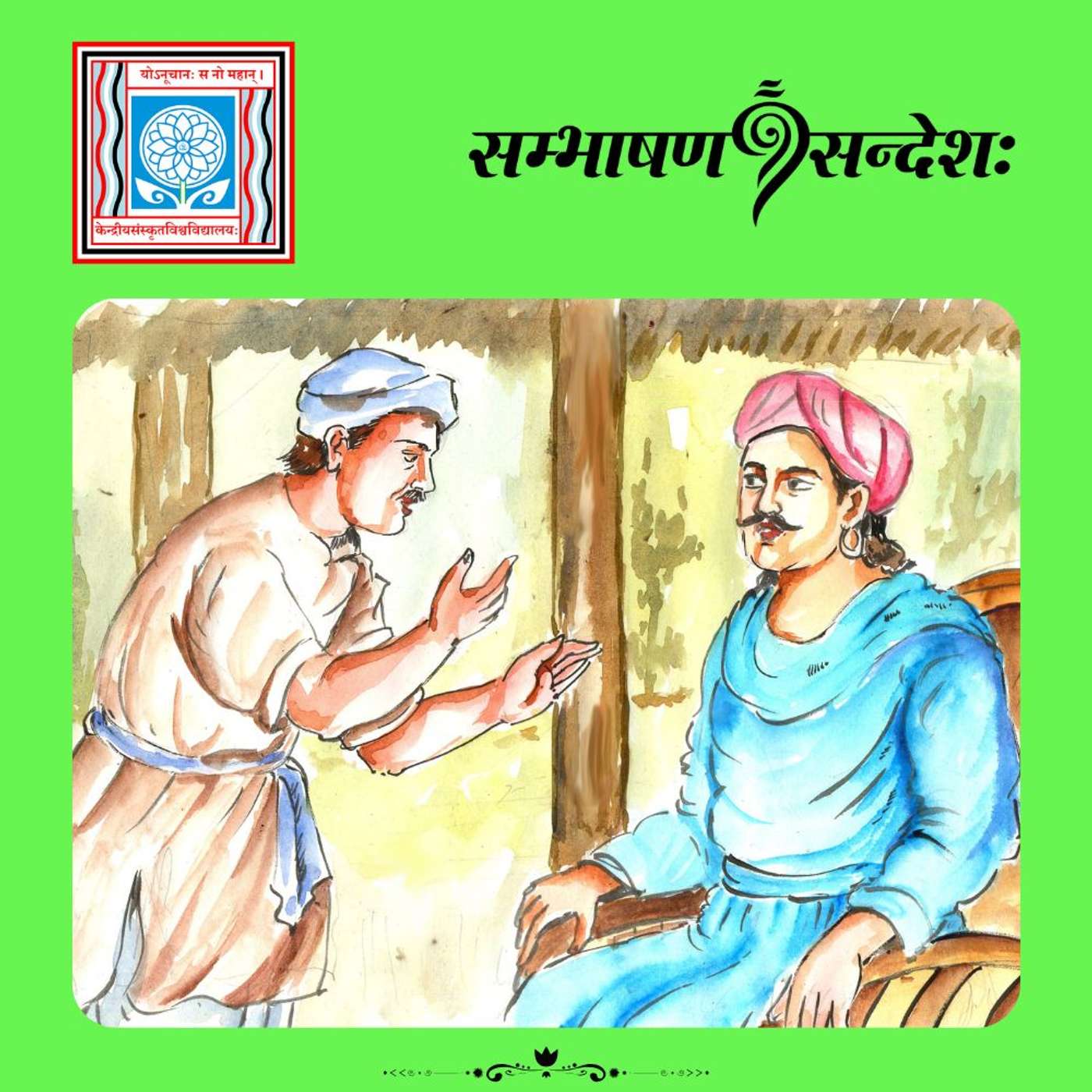
Ep 489आवश्यकतापूरणम् एव श्रेष्ठः धर्मः
कदाचित् कश्चन कुग्रामवासी कस्यचन धनिकस्य गृहं गत्वा जलं याचति । किन्तु धनिकः तस्य मलिनवस्त्रं दृष्ट्वा क्रुद्धः भूत्वा किमपि न यच्छति । अग्रे कदाचित् सः धनिकः यदा मृगयार्थं गतः तदा मार्गभ्रष्टः सन् बहुधा अटित्वा अन्ते कुग्रामवासिनः गृहं प्राप्नोत् । किन्तु सः कुग्रामवासी धनिकाय जलं भोजनं शयनाय स्वस्य मञ्चं च दत्तवान् । अग्रिमदिने यदा धनिकः सुवर्णनाणकानि कुग्रामीणाय कृतज्ञतापूर्वकं दातुम् उद्यतः तदा कुग्रामवासी तत् निराकुर्वन् अवदत् 'जीवने धनम् आगच्छेत् गच्छेत् च । जीवने धनं मुख्यं न । यस्मिन् काले यस्य या आवश्यकता भवेत् सा पूरणीया । तादृशव्यवहारवान् एव उत्तमत्वेन ख्यातः भविष्यति' इति ।(“केन्द्रीयसंस्कृतविश्वविद्यालयस्य अष्टादशीयोजनान्तर्गततया एतासां कथानां ध्वनिप्रक्षेपणं क्रियते”)Once, a poor villager went to a wealthy man’s house asking for water. Seeing his dirty clothes, the rich man grew angry and refused. Later, while hunting, the same rich man lost his way and, after wandering long, reached the poor villager’s hut. The villager welcomed him with water, food, and even his own bed to rest. The next day, the rich man tried to reward him with gold coins. But the villager declined, saying: “Wealth comes and goes; it is not the essence of life. What matters is fulfilling another’s need at the right time. Such conduct alone brings true honor”.
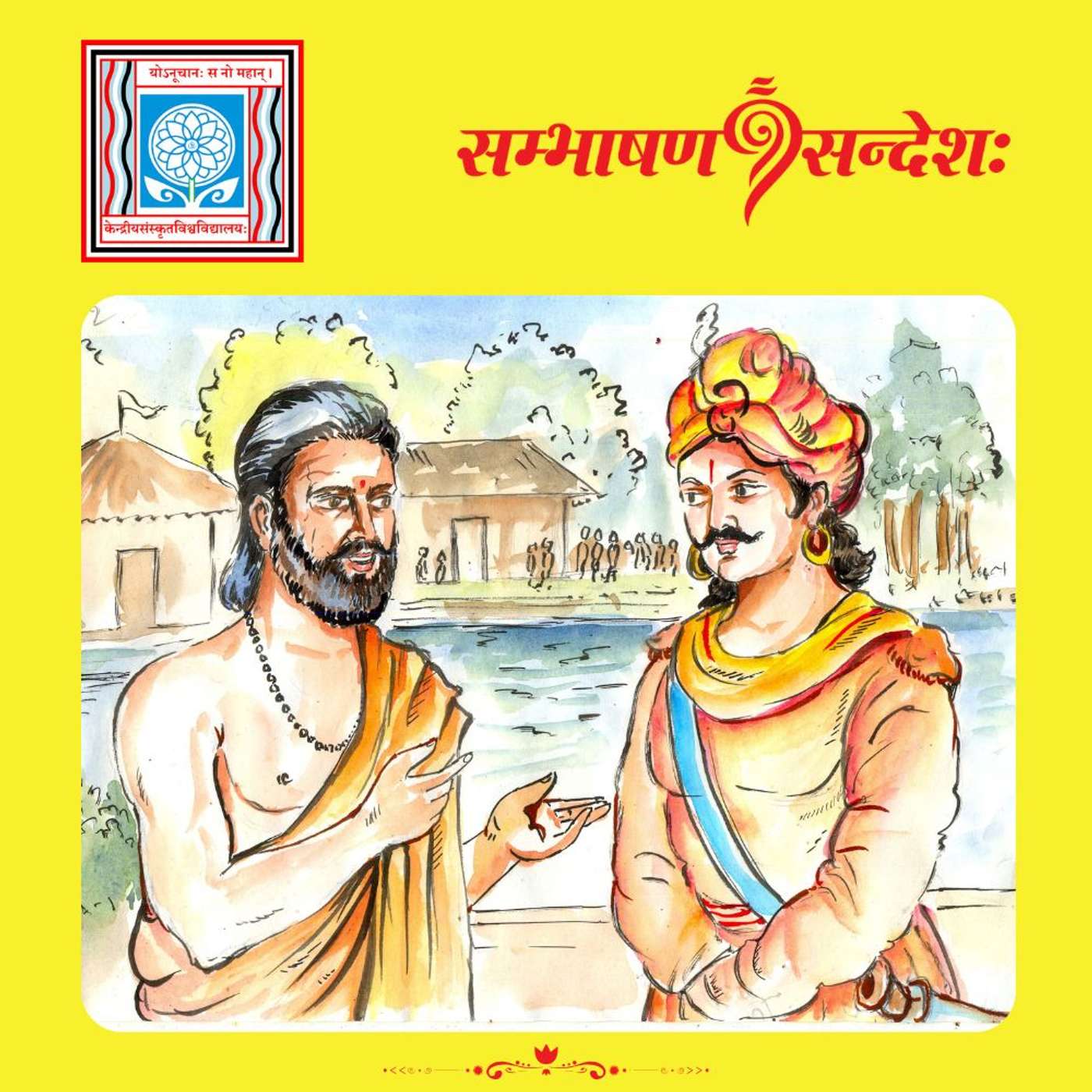
Ep 488ज्ञानाय परिश्रमः एव मार्गः
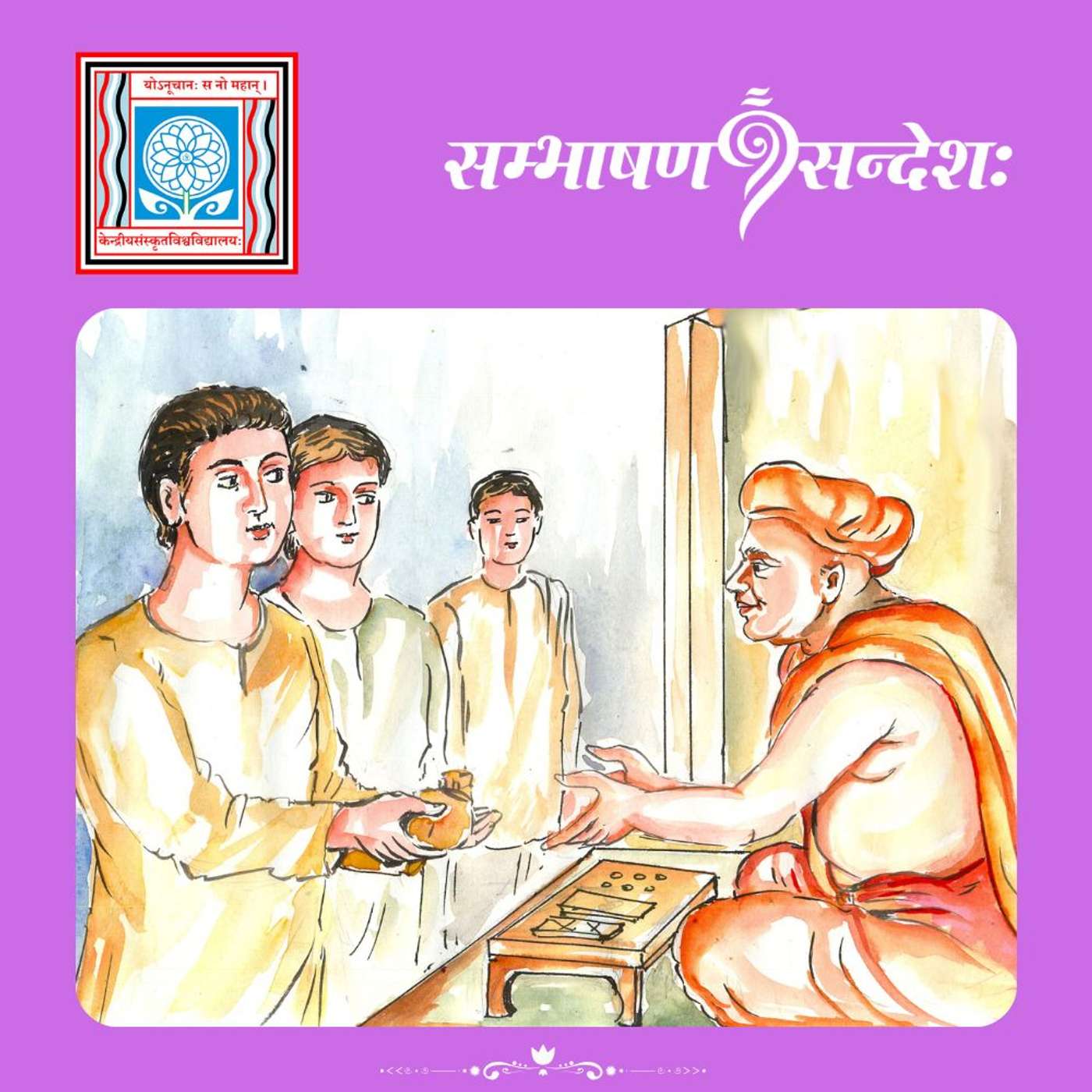
कश्चन राजा तस्य पुत्रं गुरुकुलं प्रेषयितुम् इच्छन् तत्रत्यम् आचार्यम् अपृच्छत् यत् तस्य पुत्रस्य वासशिक्षणादिनिमित्तं कापि विशेषव्यव्यस्था परिकल्पयितुं शक्यते वा इति । तदा आचार्यः अवदत् 'राजकुलीयानां सञ्चाराय, वासाय, आहारस्य वा विशेषव्यवस्था भवेत् राजभवने किन्तु ज्ञानमार्गेण ये गन्तुम् इच्छेयुः तेषां निमित्तं पार्थक्येन न भवति विशेषमार्गः । अत्र राजकुमारेण सर्वैः सह वासः करणीयः, सर्वैः यत् सेव्येत तदेव सेवनीयं, सर्वैः यथा परिश्रमेण अध्ययनं क्रियेत तथैव करणीयम् च’ इति । राजा प्रतिवचनं किमपि अनुक्त्वा अनन्तरदिने एव पुत्रम् आनीय गुरुकुलं प्रवेशितवान् । (“केन्द्रीयसंस्कृतविश्वविद्यालयस्य अष्टादशीयोजनान्तर्गततया एतासां कथानां ध्वनिप्रक्षेपणं क्रियते”)A king wished to send his son to a gurukula and asked the teacher if any special arrangements could be made for the prince’s stay and education. The teacher replied: “Special provisions for travel, lodging, or food may exist in the royal palace, but on the path of knowledge there is no separate way. Here the prince must live with all, eat what all eat, and study with the same effort as everyone else”. The king said nothing in response, but the very next day he brought his son and admitted him into the gurukula.
Ep 487सार्थकताप्राप्तिमार्गः
कश्चन ख्यातः विद्वान् कञ्चित् ज्योतिषिकं द्रष्टुं गतः द्वित्रैः अनुयायिभिः सह । ख्यातनामा सः ज्योतिषिकः मुखदर्शनमात्रेण एव पुरतः स्थितस्य जनस्य गुणस्वभावादिकं वक्तुं समर्थः आसीत् । सः विदुषः मुखं किञ्चित् कालं दृष्ट्वा तस्मिन् विद्यमानान् बहून् दुर्गुणान् उल्लिखितवान् । तथापि सः महाजनः दक्षिणारूपेण प्रभूतं धनं दत्त्वा ततः प्रतिगतवान् । प्रतिगमनसमये कश्चन अनुयायी अपृच्छत् 'यद्यपि सः ज्योतिषिकः अप्रियान् अंशान् बहुधा श्रावितवान् तथापि भवता तस्मै प्रभूतं धनं किमर्थं दत्तम्?’ इति । तदा सः महाजनः अवदत् ' सः यद्यत् अवदत् ते दुर्गुणाः मयि सन्ति । अतः तदीयं सामर्थ्यं पुरस्कुर्वन् अहं तस्मै प्रभूतं धनं दत्तवान् । किन्तु तेन अनुक्तः कश्चन विशेषगुणः अस्ति मयि । सा अस्ति आत्मनिग्रहशक्तिः । ताम् अवलम्ब्य अहं तान् दुर्गुणान् निगृहीतवान् अस्मि' इति ।(“केन्द्रीयसंस्कृतविश्वविद्यालयस्य अष्टादशीयोजनान्तर्गततया एतासां कथानां ध्वनिप्रक्षेपणं क्रियते”)A renowned scholar once visited an astrologer, accompanied by a few followers. The astrologer, known for describing a person’s nature just by looking at their face, observed the scholar briefly and listed many faults in him. Yet, the scholar gave the astrologer a large sum of money and departed. On the way back, one follower asked, “Though he spoke so many unpleasant things, why did you reward him so generously?” The scholar replied: “What he said about my faults is true. I honored his ability by giving him wealth. But there is one special quality in me that he did not mention—self-control. By relying on it, I have subdued those faults”.
Ep 486परिशुद्धतायाः फलम्
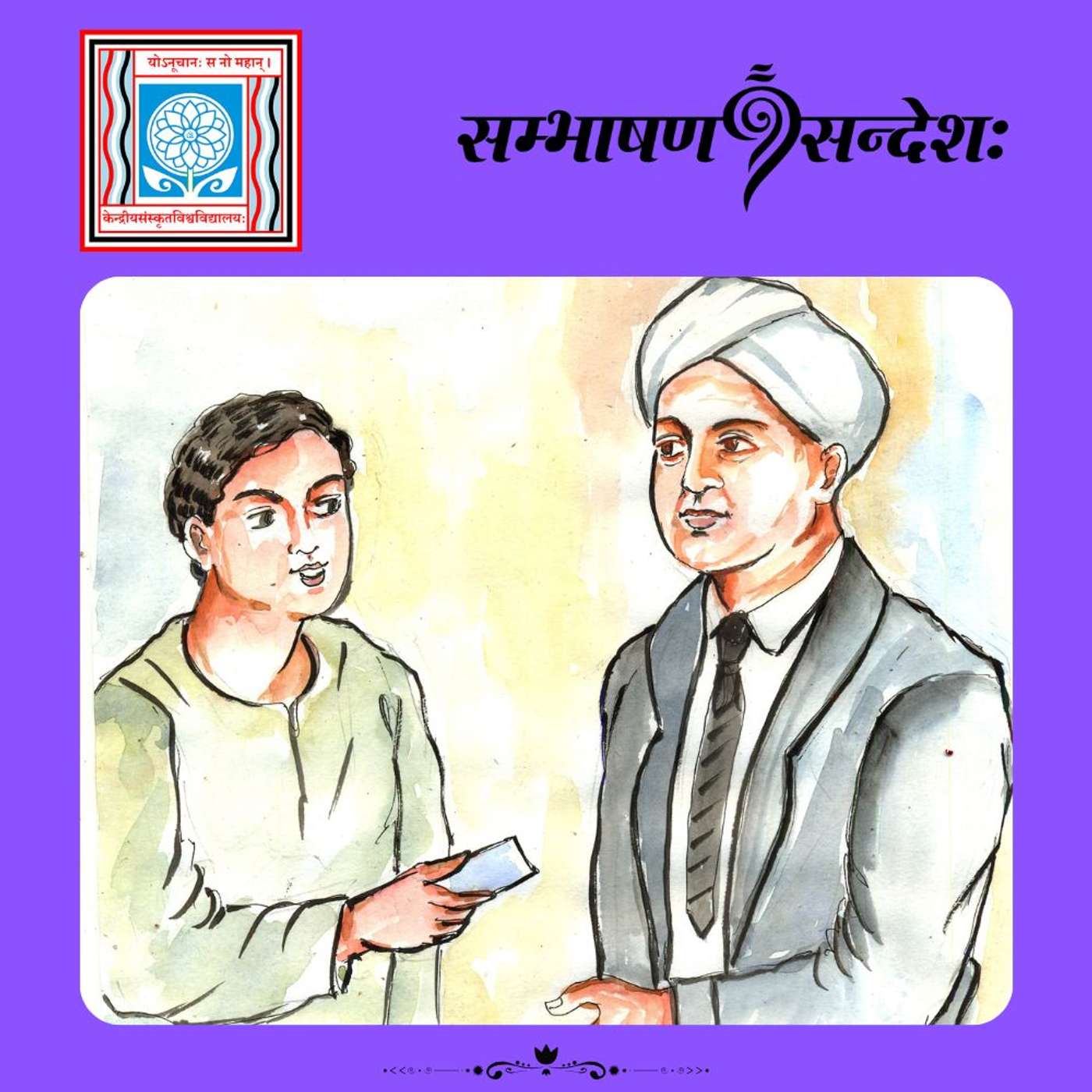
कस्मिंश्चित् संशोधनकेन्द्रे अन्तिमचक्रस्य संदर्शने सि.वि.रामन्वर्यः षण्णाम् अभ्यर्थिनां सन्दर्शनं कृत्वा तेषु त्रीन् चितवान् । तेभ्यः षड्भ्यः अपि यातायातव्ययं दातुं तत्सम्बद्धम् अधिकारिणम् असूचयत् सः । तेषु एकः युवकः यः सन्दर्शने न चितः सः रामन्-वर्यम् उपसर्प्य 'यः यातायतव्ययः प्रदत्तः, तत्र दोषेण सप्त रूप्यकाणि अधिकानि दत्तानि' इति अवदत् । रामन्-वर्यः सप्त रूप्यकाणि स्वीकृत्य अग्रिमरदिने मेलितुम् अवदत् । अनन्तरदिने यदा सः युवकः अगच्छत् तदा रामन्-वर्यः तस्य निमित्तम् एकं पदं सृष्टवान् । यद्यपि सः भौतशास्त्रस्य परीक्षायाम् अधिकाङ्कान् न प्राप्तवान् तथापि परिशुद्धतापरीक्षायां सफलः अभवत् इति कारणतः । सः एव भाविनि काले विश्वस्तरे ख्यातः वैज्ञानिकः समभवत् । तस्य नाम 'सुब्रह्मण्यं चन्द्रशेखरः' इति ।(“केन्द्रीयसंस्कृतविश्वविद्यालयस्य अष्टादशीयोजनान्तर्गततया एतासां कथानां ध्वनिप्रक्षेपणं क्रियते”)At a research centre’s final round of interviews, Sir C. V. Raman selected three out of six candidates. He informed the authorities to provide travel allowance to all six. One young man, who was not selected, approached Raman and said, “By mistake, seven rupees extra were given in the allowance.” Raman accepted the money and asked him to come the next day. When the youth came, Raman created a position for him, saying that although he had not scored highest in physics, he had passed the test of integrity. That young man later became a world-renowned scientist—Subrahmanyan Chandrasekhar.
Ep 485भगवदुपासनायाः उद्देशः
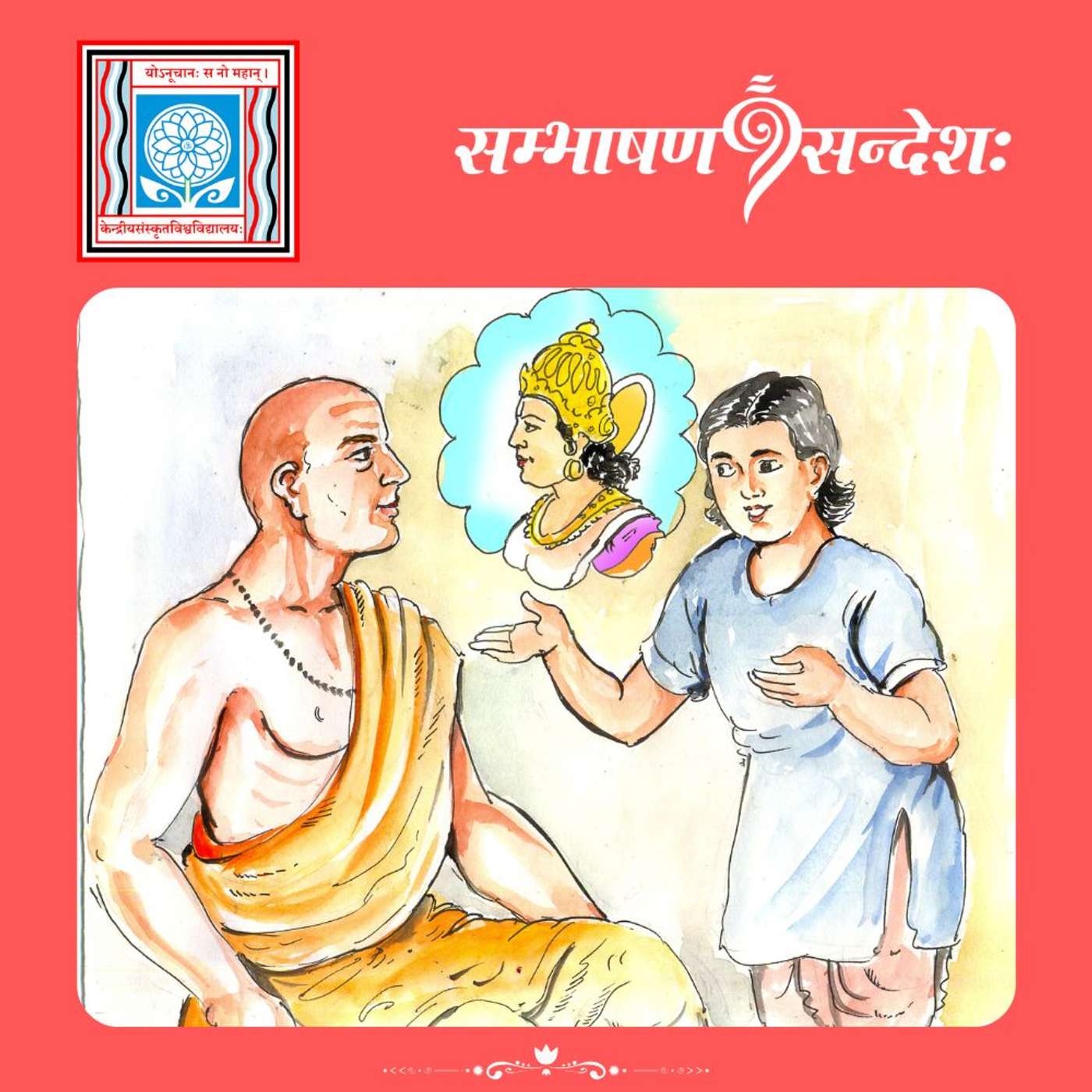
कस्यचन आश्रमस्य अर्थस्थितिः नास्ति इत्यतः तत्रत्यः आचार्यः आश्रमस्य निर्वहणार्थं सर्वदा कष्टम् अनुभवति स्म । अतः कश्चन शिष्यः आचार्यम् उपसर्प्य 'भवान् आश्रमस्य अर्थक्लेशस्य निवारणाय किमर्थं भगवन्तं न प्रार्थयते?’ इति अवदत् । तदा आचार्यः अवदत् 'प्रतिफलम् अपेक्ष्य भगवदुपासना न करणीया वत्स ! असीमानन्दानुभूत्यै वयं निसर्गं पश्यामः, न तु प्रतिफलापेक्षया । एवमेव भगवदुपासना अपि असीमानन्दस्य अनुभूत्यै एव करणीया, न तु प्रतिफलं किमपि एष्टव्यम् । व्यक्तिगतप्रयोजनाय क्रियमाणा उपासना वाणिज्यमिव स्यात् । तादृशी उपासना न हि प्रशस्ता' इति ।(“केन्द्रीयसंस्कृतविश्वविद्यालयस्य अष्टादशीयोजनान्तर्गततया एतासां कथानां ध्वनिप्रक्षेपणं क्रियते”)In an ashram where financial resources were lacking, the teacher often struggled to maintain it. One disciple asked, “Master, why don’t you pray to God to remove these financial troubles?”. The teacher replied: “Worship of God should never be done with expectation of reward, my child. Just as we look at nature for boundless joy, not for gain, so too worship is meant for experiencing infinite bliss, not for seeking benefits. Worship done for personal profit becomes like trade, and such worship is not noble”.
Ep 484भगवतः साक्षात्कारः
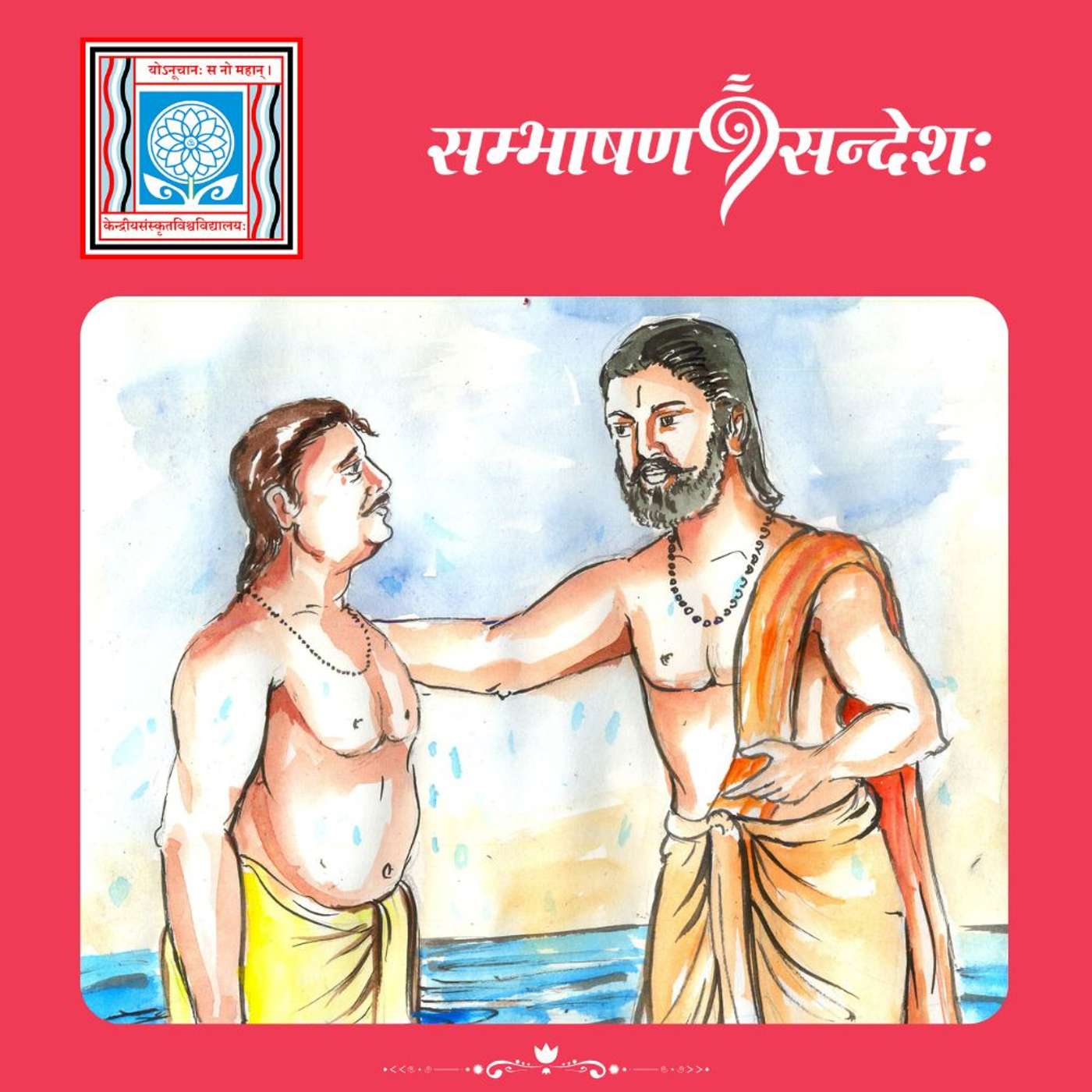
अस्यां कथायां कश्चन महात्मा बहून् ग्रन्थान् अधीतवन्तं कञ्चन पण्डितं भगवतः साक्षात्कारस्य विषये वदति । भगवान् प्रत्यक्षतः स्वप्ने वा प्रकटीभवेत् यत् तदेव भगवतः साक्षात्कारः इति मन्यमानं पण्डितं महात्मा वदति 'भगवान् सर्वेषु जीविषु अस्ति । अतः दीनदुर्गतानां सेवां कुर्वन् भवान् भगवत्स्वरूपं पश्यतु । परोपकारः भवतः स्वभावः भवतु । नदीतरुगुल्मादिषु अपि भगवत्स्वरूपं द्रष्टव्यम् । एतादृशात् आचरणात् एव सर्वत्र भगवन्तं द्रष्टुम् अर्हति भवान् । एषः एव भगवतः साक्षात्कारः नाम' इति । (“केन्द्रीयसंस्कृतविश्वविद्यालयस्य अष्टादशीयोजनान्तर्गततया एतासां कथानां ध्वनिप्रक्षेपणं क्रियते”)In this story, a sage speaks to a scholar who believed that seeing God directly or in dreams was the true realization of God. The sage explained: “God is present in all beings. By serving the poor and distressed, you see the divine form. Let compassion and selfless service be your nature. God’s presence must also be seen in rivers, trees, and plants. Through such conduct, one truly perceives God everywhere. This alone is called realization of God”.
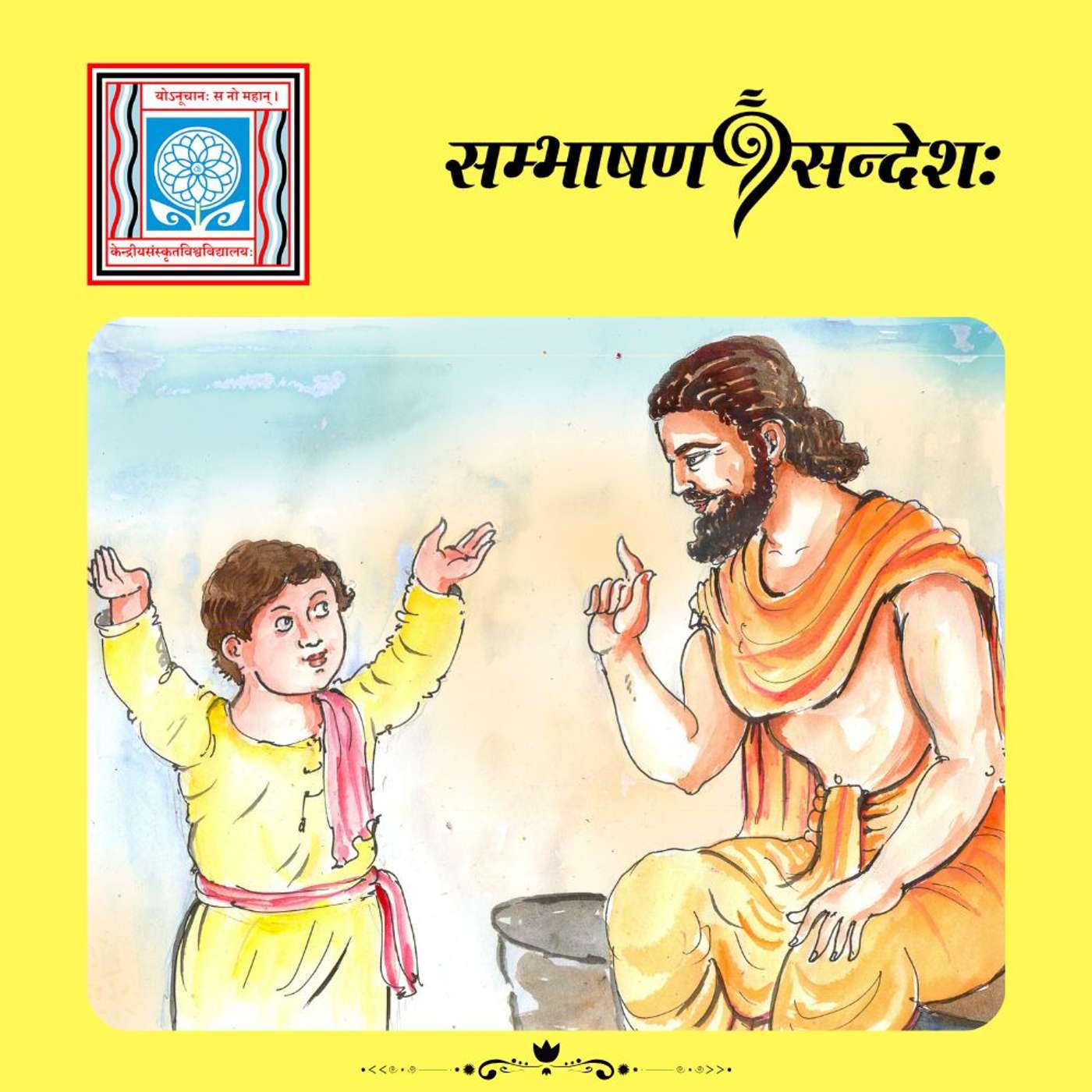
Ep 482आकाशस्य आधारः
'आकाशस्य आधारः एव नास्ति । निराधारः आकाशः ममोपरि पतेत् चेत् मम का गतिः ?’ इति कश्चन बालकः स्वस्य चिन्तनं कस्मैचित् संन्यासिने अवदत् । मन्दहासं प्रकटयन् संन्यसी बुभुक्षाग्रस्तं बालकं 'भिक्षायाचनं कृत्वा आहारं प्राप्य बुभुक्षां निवारय' इति असूचयत् । भिक्षायाचनाय गतः बालकेन किमपि न प्राप्तम् । नितरां खिन्नेन तेन ग्रामात् बहिः कश्चन उटजः प्राप्तः । तत्र काचित् माता तस्मै प्रीत्या भोजनं दत्तवती । प्रवृत्तं सर्वं यदा बालकः संन्यासिनम् अवदत् तदा संन्यासी प्रत्यवदत् 'तया मात्रा यादृशं प्रेम दर्शितं तादृशं प्रेम, वात्सल्यं, परोपकारः, दया, करुणा इत्यादयः सद्गुणाः एव आकाशस्य आधारः । एते गुणाः यावत् लोके तिष्ठेयुः तावत् आकाशस्य पतनं न संभविष्यति' इति ।(“केन्द्रीयसंस्कृतविश्वविद्यालयस्य अष्टादशीयोजनान्तर्गततया एतासां कथानां ध्वनिप्रक्षेपणं क्रियते”)A boy once expressed his wonder to a saint: “The sky has no support. If an unsupported sky were to fall on me, what would happen?” Smiling gently, the saint advised him to beg for food to ease his hunger. The boy tried but received nothing, until a kind mother outside the village lovingly gave him a meal. When he told the saint what had happened, the monk explained: “The love, compassion, kindness, and selfless care shown by that mother are the true supports of the sky. As long as such virtues exist in the world, the sky will never fall”.
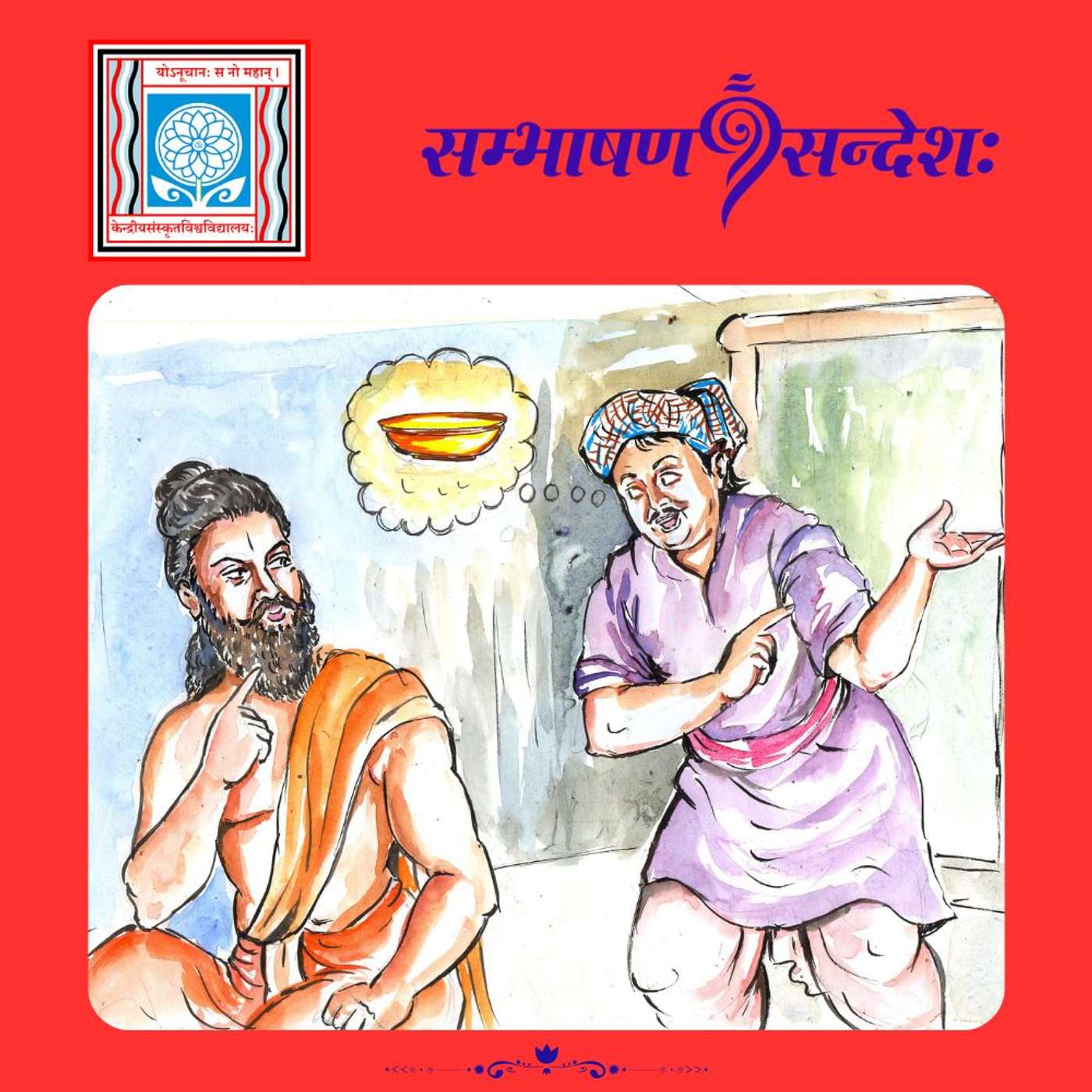
Ep 481निर्व्यामोहप्राप्त्यै मार्गः
कदाचित् कश्चन राजा कस्मैचित् संन्यासिने सुवर्णमयं भिक्षापात्रम् अयच्छत् । संन्यासी तेन भिक्षापात्रेण भिक्षायाचनं करोति स्म । कश्चन चोरः तत् पात्रं चोरयितुं तं संन्यासिनं रहसि अनुसृतवान् । एतत् ज्ञातवान् संन्यासी भिक्षापात्रं बहिः अक्षिपत् । तत् दृष्ट्वा निर्व्यामोहम् अमूल्यं भिक्षापात्रं बहिः क्षिप्तवान् अयं महात्मा इति विचिन्त्य अन्तः गत्वा महात्मानं नमस्कृत्य 'कथम् अमूल्यं वस्तु बहिः क्षिप्तं भवता ?’ इति अपृछत् चोरः । संन्यासी तस्मै उपदेशम् अकरोत् । गच्छता कालेन चोरेण चौर्यं कर्तुमपि न शक्तम् । अल्पे एव काले सुवर्णधनादयः शिलामृत्तिकादयः इव अभासन्त । अन्ते सः संन्यासिनः शिष्यः भूत्वा आत्मशुद्धिं प्राप्य उत्तमजीवनम् अयापयत् ।(“केन्द्रीयसंस्कृतविश्वविद्यालयस्य अष्टादशीयोजनान्तर्गततया एतासां कथानां ध्वनिप्रक्षेपणं क्रियते”)A king once gifted a saint a golden begging bowl. The saint used it for alms, but a thief secretly followed him, hoping to steal it. Realizing this, the saint threw the bowl away. Amazed at such detachment, the thief approached and asked, “How could you discard such a precious thing?” The saint gave him a teaching. Over time, the thief lost his desire to steal, seeing gold and wealth as mere dust and stones. Eventually, he became the saint’s disciple, attained inner purity, and lived a noble life.
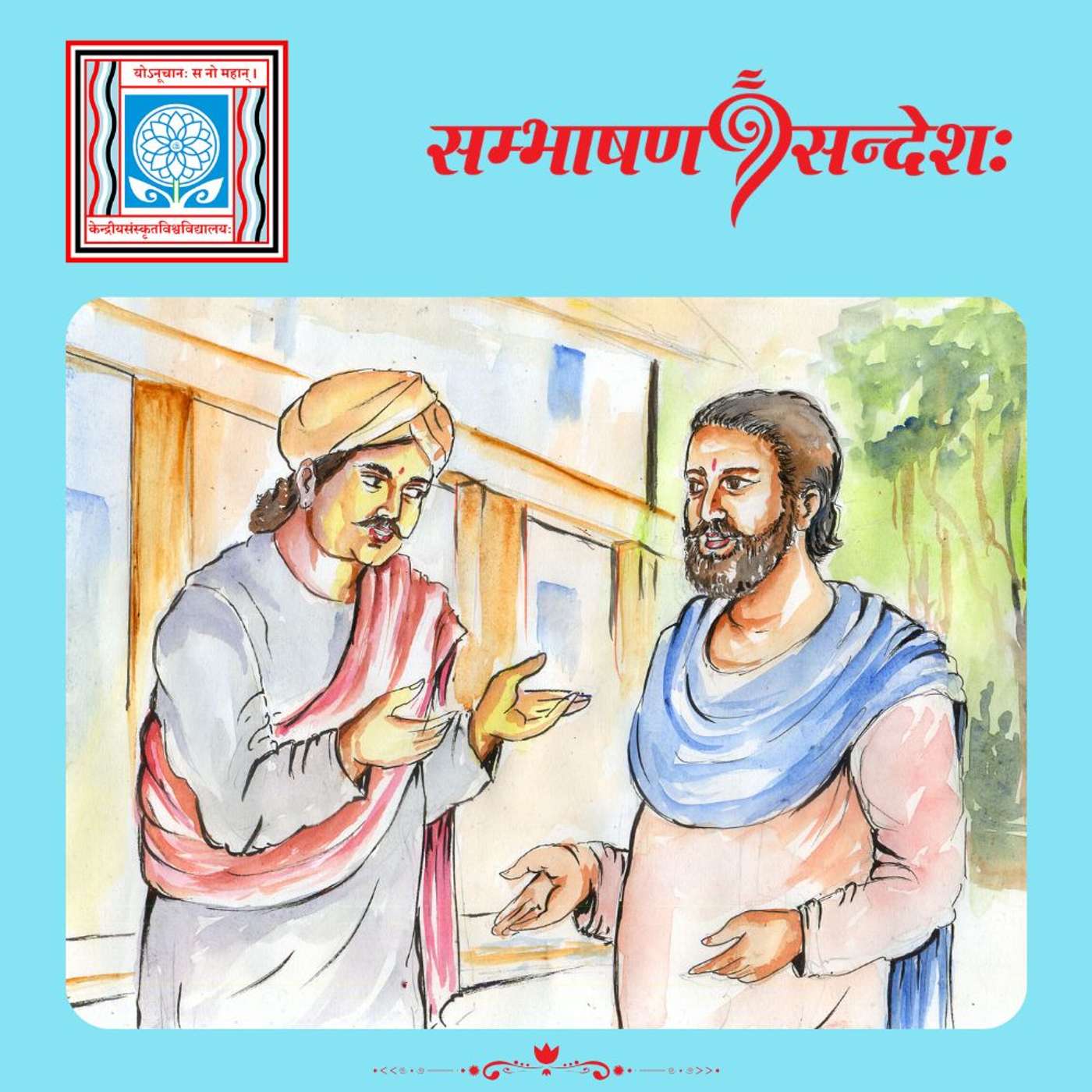
Ep 480यद्विना सर्वमपि व्यर्थं तत् .....
कस्यचन विद्याकेन्द्रे ज्योतिष-वैद्यकीय—शिल्पशास्त्रादयः जीवनोपयोगिन्यः विद्याः प्राधान्येन अध्याप्यन्ते स्म । देशस्य नानाकोणेभ्यः विदेशेभ्यः च अध्ययनोत्सुकाः तत् विद्याकेन्द्रं प्रति आयान्ति स्म । कदाचित् तं विद्याकेन्द्रं द्रष्टुम् आगतेन केनचित् महात्मना दिनद्वयं स्थित्वा सर्वा व्यवस्था परिशीलिता । सः यदा प्रस्थातुम् उद्यतः तदा तस्य विद्याकेन्द्रस्य प्राचार्यः तस्य अभिप्रायम् अपृच्छत् । तदा महात्मा अवदत् 'अत्र यथा सम्पादनमार्गाः बोध्यन्ते तथैव गुणवृद्धिमार्गः अपि बोधनीयः, आचारेण दर्शनीयः, वृत्तिमतां व्यवहारे ते गुणाः यथा दृष्येरन् तथा प्रयासः करणीयः च‘ इति । सूक्ष्मतया अवलोक्य अपेक्षितं परिष्कारम् उक्तवते महात्मने प्राचार्यः धन्यवादान् समर्पितवान् ।(“केन्द्रीयसंस्कृतविश्वविद्यालयस्य अष्टादशीयोजनान्तर्गततया एतासां कथानां ध्वनिप्रक्षेपणं क्रियते”)A learning center taught practical sciences like astrology, medicine, and engineering, attracting students from across the country and abroad. A sage visited, observed for two days, and when asked for his opinion, said: “Along with teaching methods of knowledge, ways of cultivating virtues must also be taught and shown through conduct, so that they are reflected in the behavior of the learned”. The principal thanked him for his valuable advice.
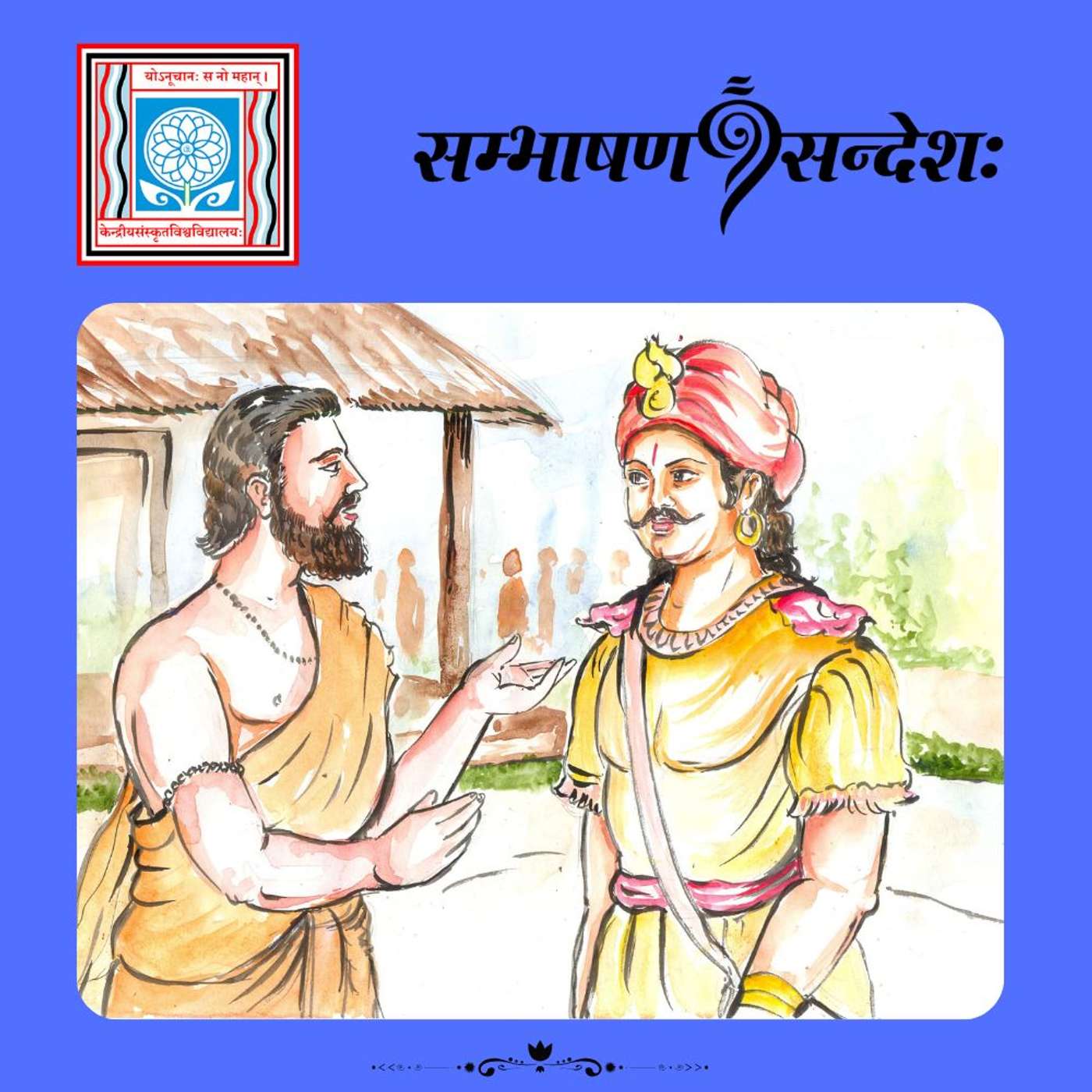
Ep 479चतुर्विधा शुद्धिः
कदाचित् कश्चन राजा कस्यचन आश्रमस्य गुरुम् उपसर्प्य स्वस्य व्यवहारः कीदृशः भवेत् इति मार्गदर्शनं प्रार्थयते । तदा गुरुः 'चतुर्विधा शुद्धिः अपेक्ष्यते' इति अवदत् । ताः काः इति राज्ञा पृष्टे गुरुः अवदत् 'कायिकी, मानसिकी, आर्थिकी, आन्तरङ्गिकी' चेति । ततः गुरुः तासां शुद्धीनां विवरणं ददाति । तासां च प्राप्त्यर्थं किं किं करणीयम् इति सर्वं राजानं बोधयति ।(“केन्द्रीयसंस्कृतविश्वविद्यालयस्य अष्टादशीयोजनान्तर्गततया एतासां कथानां ध्वनिप्रक्षेपणं क्रियते”)Once, a king approached the teacher of an ashram and asked for guidance on how he should conduct himself. The teacher replied, “Four kinds of purity are required”. When the king asked what they were, the teacher said: “Physical purity, mental purity, financial purity, and inner purity”. The teacher then explained each of these in detail and instructed the king on what must be done to attain them.
Ep 508परोपकारः प्रवृत्तिः
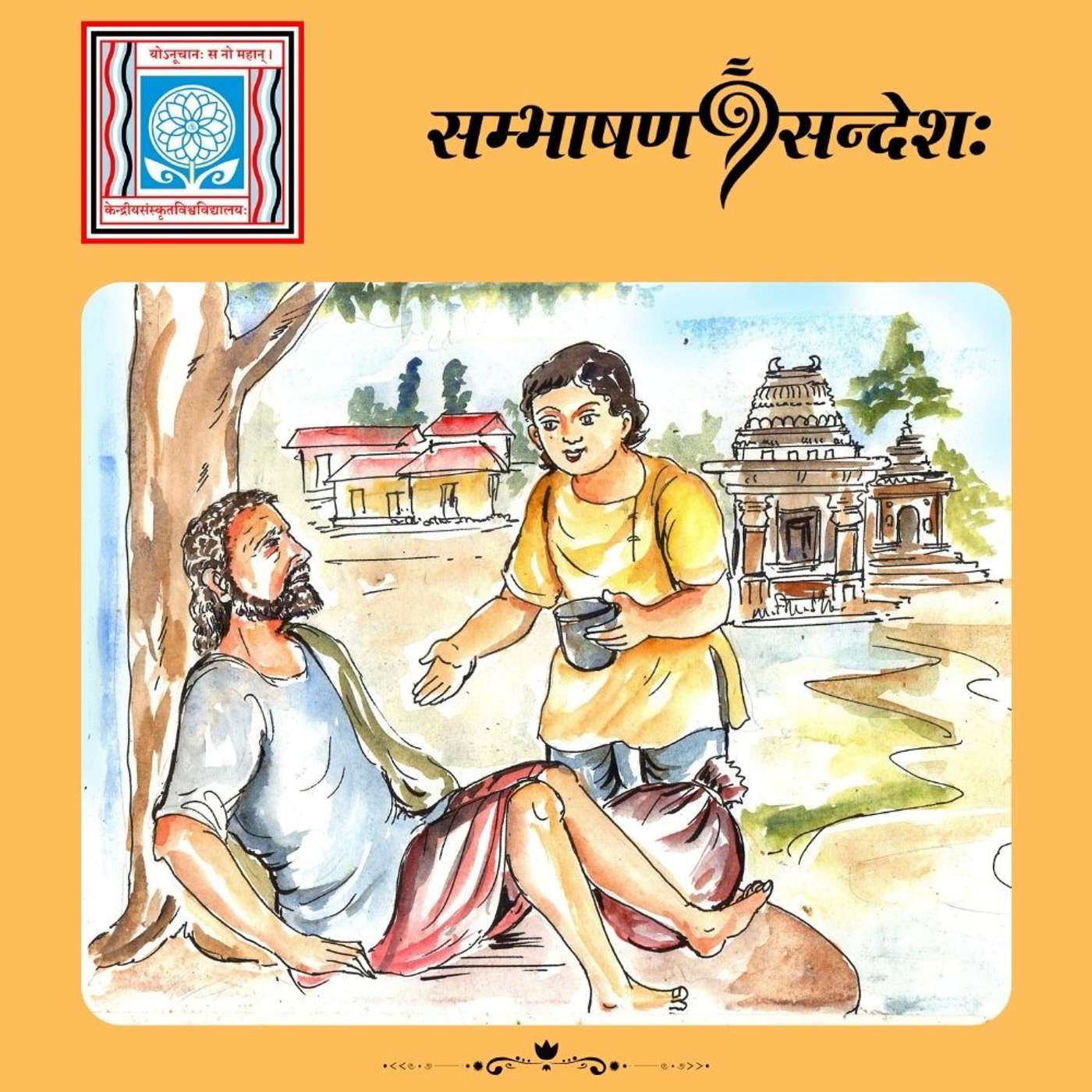
आ बाल्यात् परोपकारी सेवातत्परः च रामरमणः जगन्नाथस्य भक्तया मात्रा कनककुमार्या सर्वदा बोधितः भवति स्म - 'दुःखग्रस्तानां साहाय्यं यदि क्रियेत तर्हि भगवान् सन्तुष्टः भवेत्' इति । कदाचित् शिरोभ्रमणं प्राप्य पतितवतः कस्यचन वृद्धस्य सेवां करोति रामरमणः । वृद्धस्य वस्तूनि स्वशिरसि संस्थाप्य यदा वृद्धेन सह प्रस्थितः तदा 'निम्नजातीयस्य मम वस्तूनि भवता न वोढव्यानि' इति अवदत् वृद्धः। 'भगवतः दृष्ट्या सर्वे समानाः । वृद्धस्य भवतः सेवा मम कर्तव्यम्' इत्यवदत् रामरमणः । तावता तत्र आगतवती माता पुत्रस्य साहाय्यप्रवृत्तिं दृष्ट्वा नितरां सन्तुष्टा । अग्रे अयमेव रामरमणदासत्वेन ख्यातिं प्राप्तवान् समग्रे अपि उत्कलराज्ये ।(“केन्द्रीयसंस्कृतविश्वविद्यालयस्य अष्टादशीयोजनान्तर्गततया एतासां कथानां ध्वनिप्रक्षेपणं क्रियते”)From childhood, Ramaramana was devoted to service and helping others. His mother, Kanaka Kumari, a devotee of Lord Jagannath, always taught him: “If you help those in distress, God will be pleased”. One day, Ramaramana helped an old man who had fainted and fallen. Carrying the old man’s belongings on his own head, he walked with him. The old man said: “You should not carry my things as i am from lower caste”. Ramaramana replied: “In God’s eyes, all are equal. Serving you is my duty”. At that moment, his mother arrived and was deeply pleased to see her son’s spirit of service. Later, Ramaramana became famous throughout the kingdom of Utkala as Ramaramana Dasa.
Ep 478भेदांशः अयमेव
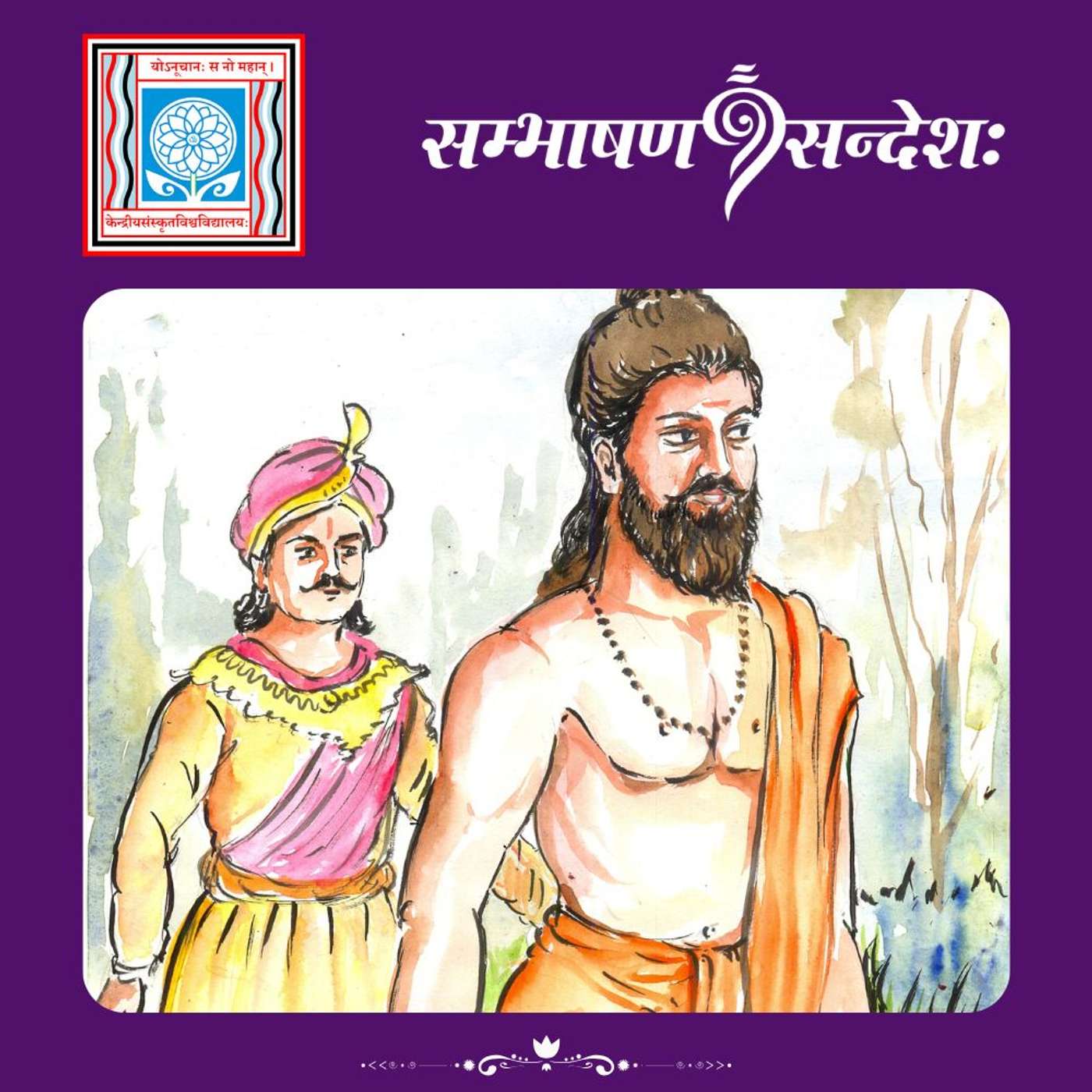
कश्चन राजा कञ्चन संन्यासिनम् अपृच्छत् 'आवयोः भेदः कः?' इति । तदा संन्यासी अवदत् 'किञ्चिद्दूरं सञ्चराव । तत्र अहं ज्ञापयिष्यामि' इति । ततः प्रस्थितवन्तौ । बहवः ग्रामाः अतिक्रान्ताः । सुदूरम् अतिक्रान्तं चेदपि संन्यासी किमपि न अवदत् । एतत् असहमानः राजा 'कियद्दूरम् एव गमनम्?’ इति यदा अपृच्छत् तदा 'अग्रे गच्छाव तावत्' इति अवदत् संन्यासी । तदा राजा वदति 'मया प्रासादः प्रतिगमनीयः। मम राज्यम् अस्ति, पत्नीपुत्रादयः सन्ति, दैनन्दिककर्तव्यानि सन्ति.....’ इति । अन्ते संन्यासी वदति 'अयमेव आवयोः भेदः । अहं सवर्मपि परित्यज्य संन्यासी जातः । भौतिकबन्धनानि छित्त्वा अग्रे प्रस्थितः अहम् । भवान् तु तत्रैव बद्धः' इत्युक्त्वा अग्रे गतवान् संन्यासी ।(“केन्द्रीयसंस्कृतविश्वविद्यालयस्य अष्टादशीयोजनान्तर्गततया एतासां कथानां ध्वनिप्रक्षेपणं क्रियते”)A certain king once asked a sanyasi, “What is the difference between us?”. The monk replied, “Let us walk a little distance, then I will show you”. They set out together, passing through many villages. Even after traveling far, the monk said nothing. The king, growing impatient, asked, “How much farther must we go?” The monk answered, “Let us go on ahead for now” said the sanyasi. Then the king said, “I must return to my palace. I have a kingdom, a wife, children, and daily duties to attend to”. At last the sanyasi declared, “This is the difference between us. I have renounced everything and freed myself from worldly bonds, moving forward without attachment. You, however, remain bound to them”. Saying this, the sanyasi continued on his way.
Ep 477देशसमृद्धिः न सुवर्णेन
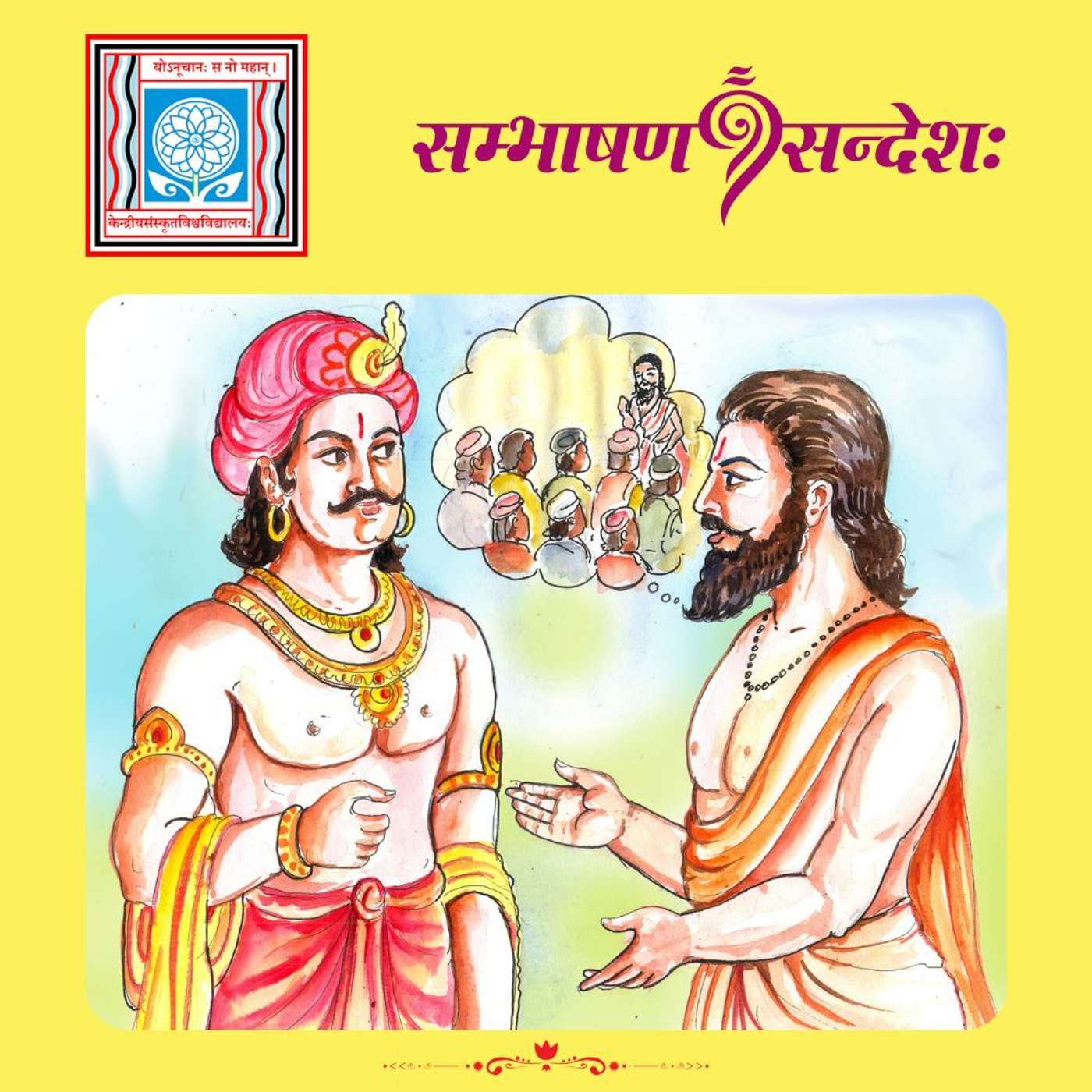
कश्चन राजा सुवर्णनिर्माणविद्यां ज्ञातुं कस्मिंश्चित् आश्रमे मासं यावत् न्यवसत् । आश्रमे सः सत्सङ्गकार्यक्रमे भागम् ऊढवान् । अन्तिमदिने यदा संन्यासी अपृच्छत् 'श्वः सुवर्णनिर्माणविद्यां बोधयिष्यामि किम्?’ इति । तदा राजा अवदत् 'महात्मन्! तस्य आवश्यकता नास्ति । मम हृदयम् अमृतरसायनेन पूर्णम् अस्ति । सत्सङ्गस्य कारणतः जनाः लोभ-मोह-अहङ्कारादिभ्यः विकारेभ्यः मुक्ताः भवन्ति । अतः देशे सत्सङ्गानां व्यवस्थापनाय व्यवस्था करणीया । ततः प्रजानां जीवनस्तरस्य वृद्धिः, देशस्य समृद्धिः च भवितुम् अर्हति' इति ।(“केन्द्रीयसंस्कृतविश्वविद्यालयस्य अष्टादशीयोजनान्तर्गततया एतासां कथानां ध्वनिप्रक्षेपणं क्रियते”)A king once stayed in an āśrama for a month to learn the art of making gold. During his stay, he participated in satsanga (spiritual gatherings). On the final day, the sage asked: ‘Shall I teach you the science of gold-making tomorrow?’. The king replied: ‘Revered one, I have no need of that. My heart is already filled with the nectar of wisdom. Through satsanga, people are freed from greed, delusion, and pride. Therefore, arrangements should be made to establish satsangas in the land. This will uplift the lives of the people and bring prosperity to the nation.’
Ep 476कृष्णः ध्वजः श्वेतः जातः
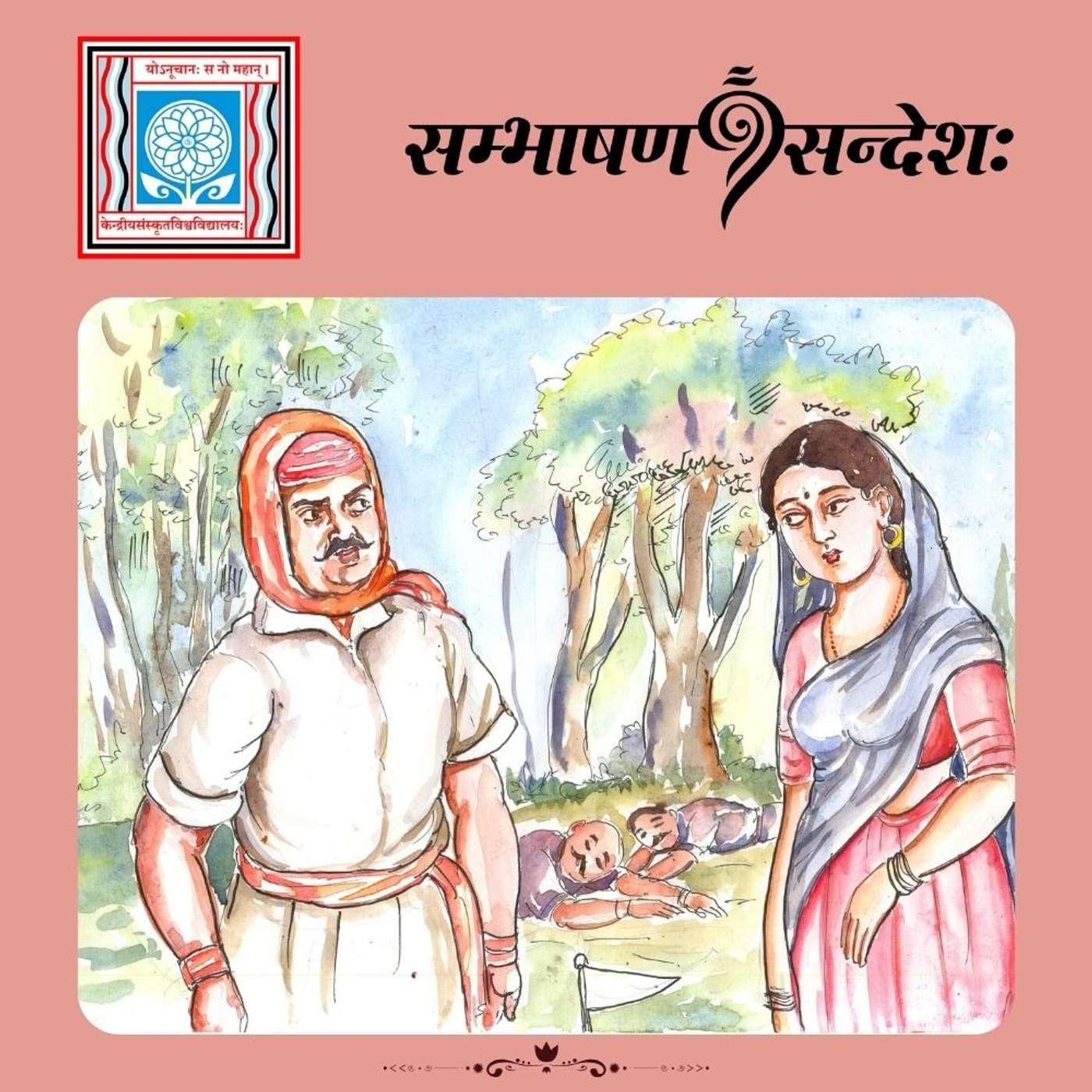
कदाचित् कश्चन लुण्ठाकः पश्चात्तापं प्राप्य कञ्चित् गुरुं दृष्ट्वा सन्मार्गप्राप्तीच्छां वदति । तदा गुरुः तस्मै एकं कृष्णध्वजं दत्त्वा 'एतं गृहीत्वा तीर्थयात्रां कुरु । यदा एषः श्वेतः भविष्यति तदा भवतः पापात् मुक्तिः' इति अवदत् । शताधिकेषु तीर्थेषु तेन स्नानं कृतं चेत् अपि ध्वजः श्वेतवर्णतां न गतः । तस्मात् सः नितरां खिन्नः । अथ कदाचित् सः दशाधिकेभ्यः दुष्टेभ्यः काञ्चित् सुन्दरीं रक्षितवान् । तदा हस्ते स्थितः ध्वजः श्वेतः जातः । यदा सः प्रवृत्तं सर्वं गुरुम् अवदत् तदा गुरुः अवदत् ‘भवता तीर्थस्नानावसारे स्वप्रयोजनमात्रं चिन्तितम् आसीत् । अतः ध्वजः कृष्णवर्णः एव आसीत् । किन्तु महिलारक्षणावसरे परोपकारः चिन्तितः इति कारणतः ध्वजः श्वेतः जातः’ इति ।(“केन्द्रीयसंस्कृतविश्वविद्यालयस्य अष्टादशीयोजनान्तर्गततया एतासां कथानां ध्वनिप्रक्षेपणं क्रियते”)A repentant thief approached a guru, seeking the right path. The guru gave him a black flag and said: ‘Carry this on your pilgrimages. When it turns white, you will be freed from sin’. The man bathed at hundreds of holy places, yet the flag remained black, leaving him disheartened. One day, however, he rescued a young woman from a group of ruffians. At that moment, the flag in his hand turned white. When he told the guru, the guru explained: ‘During pilgrimages you thought only of your own benefit, so the flag stayed black. But in saving the woman, you acted with selfless compassion — hence the flag turned white’.
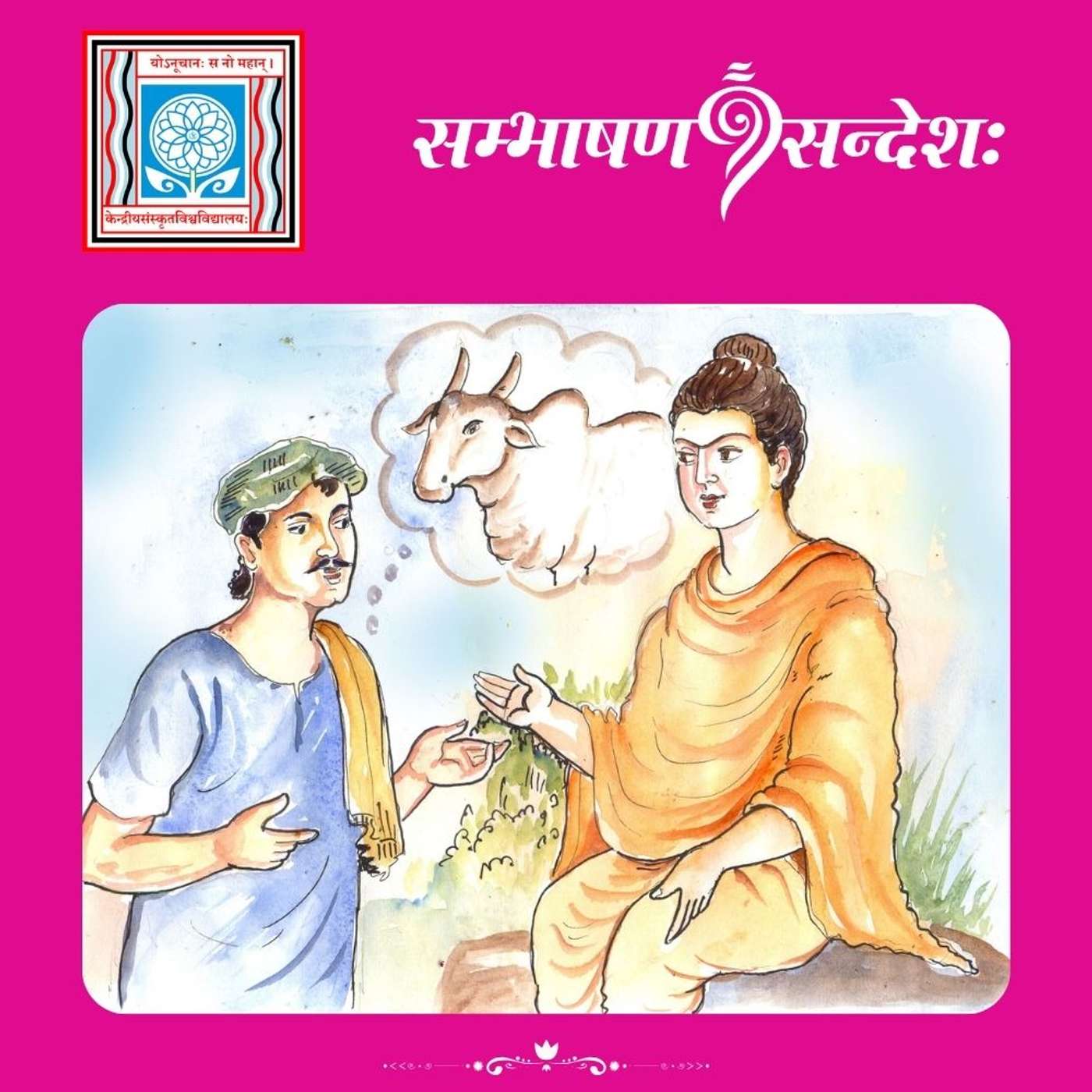
Ep 475उचितम् आचरणम्
कदाचित् कश्चन कृषिकः बुद्धस्य कार्यक्रमम् आयोजितवान् । किन्तु प्रवचनदिने सः कृषिकः एव अनुपस्थितः आसीत् । ग्रामजनाः कृषिकः बुद्धस्य विषये अगौरवं दर्शितवान् इति परस्परम् अवदन् । अनन्तरदिने सर्वेषां सम्मुखे बुद्धः कृषिकस्य अनुपस्थितेः कारणं यदा अपृच्छत् तदा कृषिकः अवदत् 'मम वृषभः नितराम् अस्वस्थः आसीत् । पशुचिकित्सालयं प्रति सः नेतव्यः आसीत् । अतः प्रवचनकाले उपस्थातुं न शक्तवान्' इति । तदा बुद्धः जनान् उद्दिश्य अवदत् 'किं कर्म आदौ, किं कर्म अनन्तरम् इत्यस्य निर्णये विवेचनशक्तिः अपेक्ष्यते । स्वकर्तव्यस्य प्राधान्यं चिन्तितवता अनेन उचितम् एव आचरितम्' इति ।(“केन्द्रीयसंस्कृतविश्वविद्यालयस्य अष्टादशीयोजनान्तर्गततया एतासां कथानां ध्वनिप्रक्षेपणं क्रियते”)A farmer once organized a discourse by the Buddha but was absent on the day of the sermon. Villagers thought he had disrespected the Buddha. The next day, when Buddha asked the reason for his absence, the farmer explained: ‘My bull was very sick and had to be taken to the veterinary care. Hence I could not attend’. Buddha then told the people: ‘Wisdom lies in deciding what must be done first and what later. By giving priority to his duty, this farmer acted rightly.’
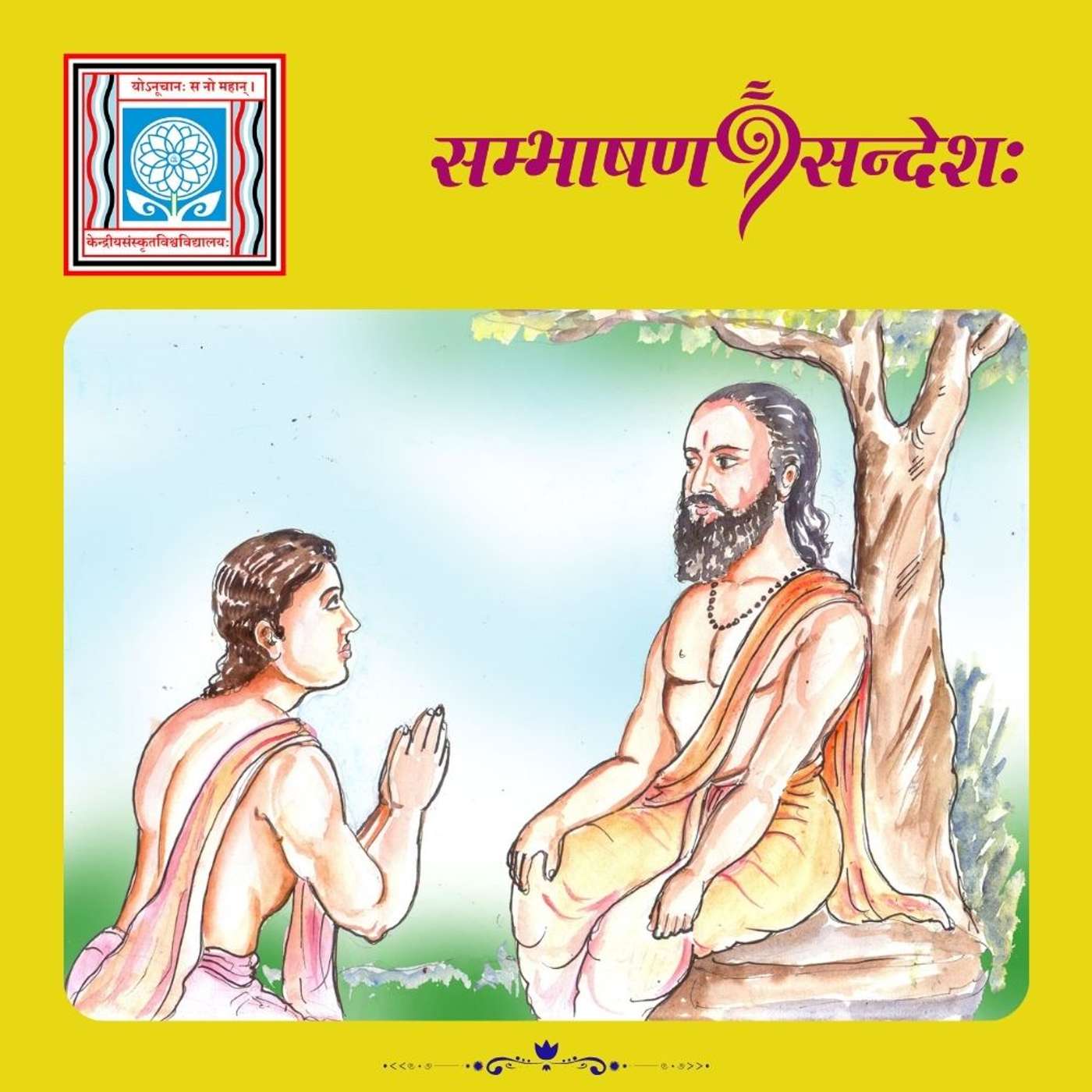
Ep 474समस्यापरिहारः
कश्चन जनः बह्वीभिः समस्याभिः ग्रस्तः आसीत् । समस्यानां परिहारस्य मार्गं ज्ञातुम् इच्छन् सः कस्यचित् महात्मनः आश्रमं गत्वा मार्गदर्शनं क्रियताम् इति प्रार्थयति । बहुधा पृष्टः अपि महात्मा किमपि उत्तरं न अवदत् । अन्ते महात्मनः मौनप्रतिस्पन्दनं सोढुम् अशक्नुवन् सः जनः अवदत् 'भवान् तु किमपि अवदन् मयि उपेक्षां दर्शयति । समस्यानां परिहाराय अहमेव मार्गं चिन्तयिष्यामि । शरीरे शक्तिः अस्ति । मयि बुद्धिमत्ता अपि अस्ति । तयोः उपयोगेन स्वयम् एव किमपि करिष्यामि' इति । तदा महात्मा - 'स्वसमस्याः स्वयमेव सम्मुखीकरिष्यामि इति उदितः भावः एव सर्वाः समस्याः परिहरिष्यति । एतं भावं पोषयन् अग्रे गच्छ' इति अवदत् ।(“केन्द्रीयसंस्कृतविश्वविद्यालयस्य अष्टादशीयोजनान्तर्गततया एतासां कथानां ध्वनिप्रक्षेपणं क्रियते”)
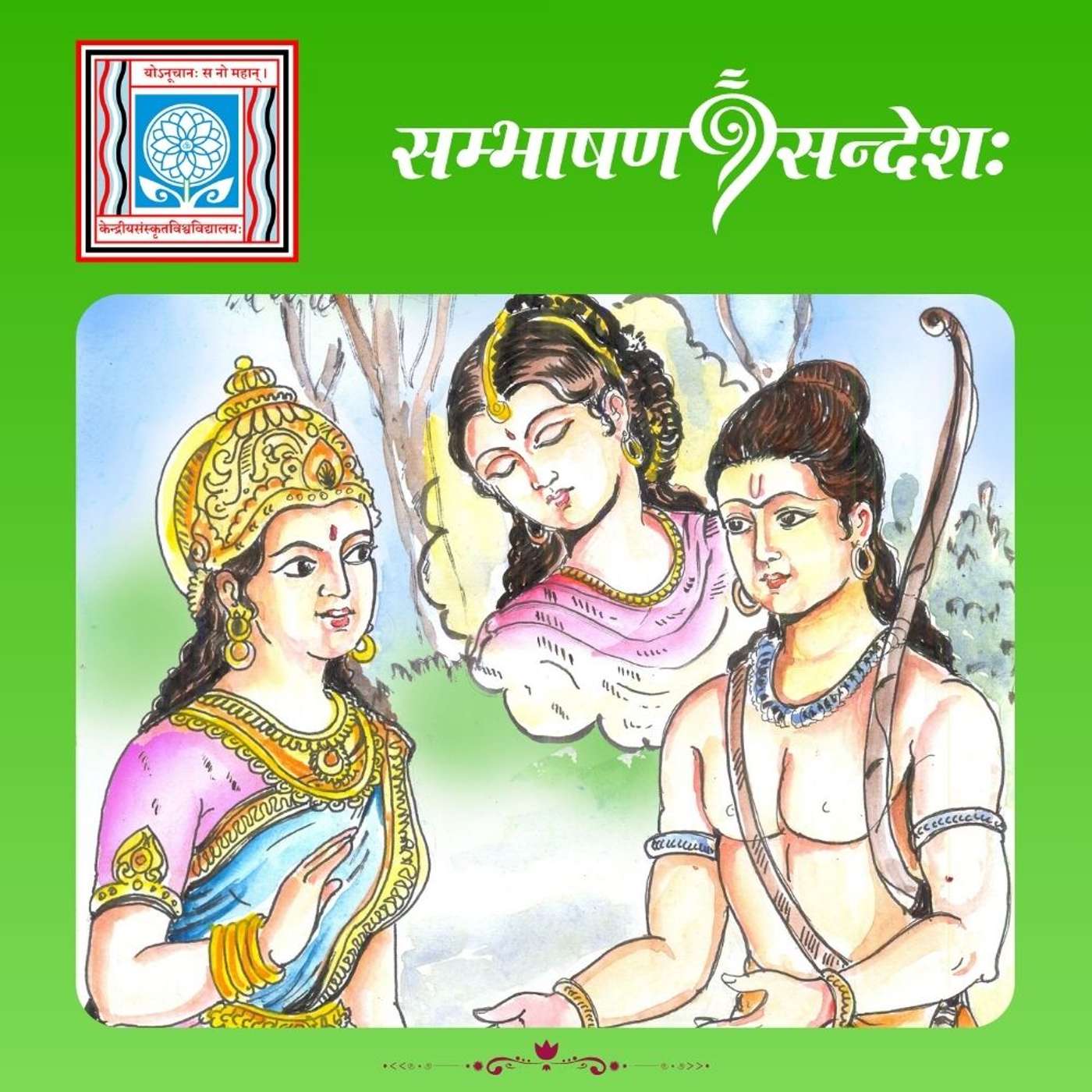
Ep 473गुडाकेशः लक्ष्मणः
श्रीरामस्य वनवासकाले घटिता घटना एषा । लक्ष्मणः गुडाकेशः इति प्रसिद्धः इति तु वयं जानीमः । गुडाका नाम निद्रा । निद्रायाः ईशः गुडाकेशः । निशादेवीतः प्राप्तवरः एषः । किन्तु किञ्चन निबन्धम् आसीत् । तत् च यावती निद्रा लक्ष्मणेन त्यज्येत तावतीं निद्राम् अन्यः कश्चित् स्वीकुर्यात् इति । सीतायाः यादृशी पतिभक्तिः तादृशी एव पतिभक्तिः ऊर्मिलायाः अपि । अतः सा निद्रादेव्याः प्रस्तावं ससन्तोषम् अङ्गीकृतवती । तदनन्तरं चतुर्दश वर्षाणि यावत् निरन्तरं निद्रां कृतवती । लक्ष्मणः रात्रिसमये अपि जागरितः सन् सीतारामयोः रक्षणम् अकरोत् ।(“केन्द्रीयसंस्कृतविश्वविद्यालयस्य अष्टादशीयोजनान्तर्गततया एतासां कथानां ध्वनिप्रक्षेपणं क्रियते”)During Rama’s exile, Lakshmana became known as Gudakesha — lord over sleep (gudaka meaning sleep). He had received a boon from the goddess of night to remain awake, but with one condition: the sleep he renounced must be borne by someone else. Just as Sita was devoted to her husband, so too was Urmila, Lakshmana’s wife, deeply devoted. She willingly accepted the goddess’s proposal and took upon herself all the sleep Lakshmana gave up. Thus, for fourteen years Urmila slept continuously, while Lakshmana remained ever wakeful, guarding Rama and Sita even through the nights.
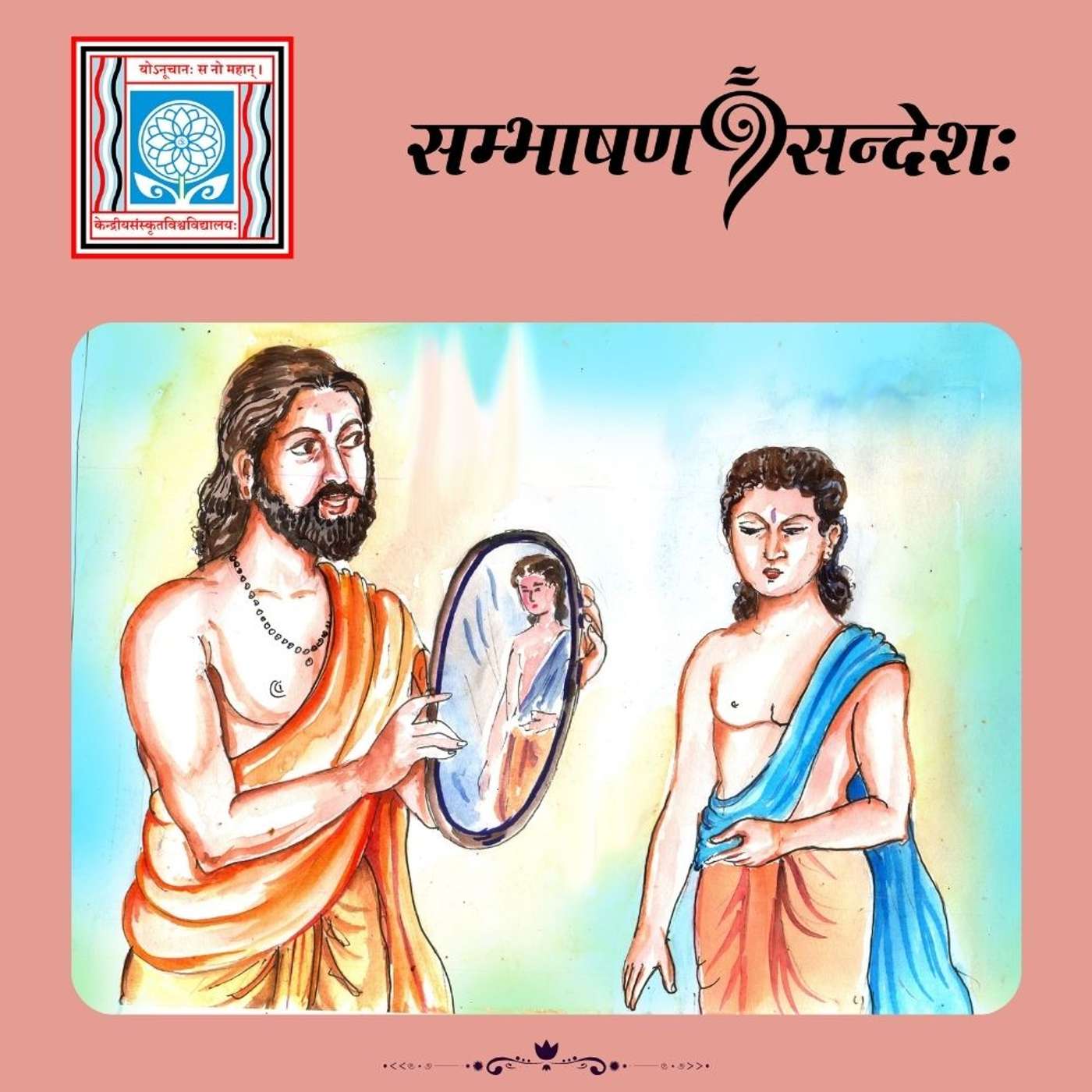
Ep 472दुर्गुणानां दर्शनम्
कस्यचन शिष्यस्य अध्ययनशीलतां सेवाभावं च दृष्ट्वा सन्तुष्टः गुरुः गुरुकुलात् निर्गमनकाले तस्मै एकं दिव्यं दर्पणं दत्तवान् । पुरतः स्थितस्य जनस्य मनोभावान् दर्शयितुं सामर्थ्यम् आसीत् तस्य दर्पणस्य । तस्य सामर्थ्यं परीक्षितुम् इच्छन् सः आदौ गुरोः पुरतः गृहीतवान् । तत्र मोहाहङ्कारक्रोधादयः तेन लक्षितः । ततः सः मित्राणां पुरतः, मातपित्रोः पुरतः च तं दर्पणं गृहीतवान् । तेन बहवः दुर्गुणाः दृष्टाः । एतस्मात् नितरां खिन्नः सः गुरुकुलं गत्वा स्वस्य अनुभवं निवेदितवान् । तदा गुरुः शिष्यस्य पुरतः दर्पणं गृहीतवान् । शिष्येण बहवः दुर्गुणाः दृष्टाः । तदा गुरुः अवदत् 'स्वीयान् दुर्गुणान् ज्ञात्वा तेषाम् अपसरणाय प्रयासः करणीयः भवता इति उद्देशेन मया अयं दर्पणः दत्तः आसीत् । स्वस्य दुर्गुणानां ज्ञाने अपसारणे च अवधानं भवतु' इति ।(“केन्द्रीयसंस्कृतविश्वविद्यालयस्य अष्टादशीयोजनान्तर्गततया एतासां कथानां ध्वनिप्रक्षेपणं क्रियते”)A guru, pleased with his disciple’s diligence and service, gifted him a divine mirror when he left the gurukula. This mirror could reveal the inner thoughts and qualities of anyone standing before it. The disciple tested it first on his guru and saw traits like delusion, pride, and anger. He then tried it on his friends and parents, and again saw many faults. Saddened, he returned to the gurukula and shared his experience. The guru then held the mirror before the disciple himself, and the disciple saw his own faults. The guru explained: ‘I gave you this mirror so that you may recognize your own shortcomings and strive to remove them. Focus on self-correction rather than judging others’.
Ep 471दैनिकनियमपालनम्
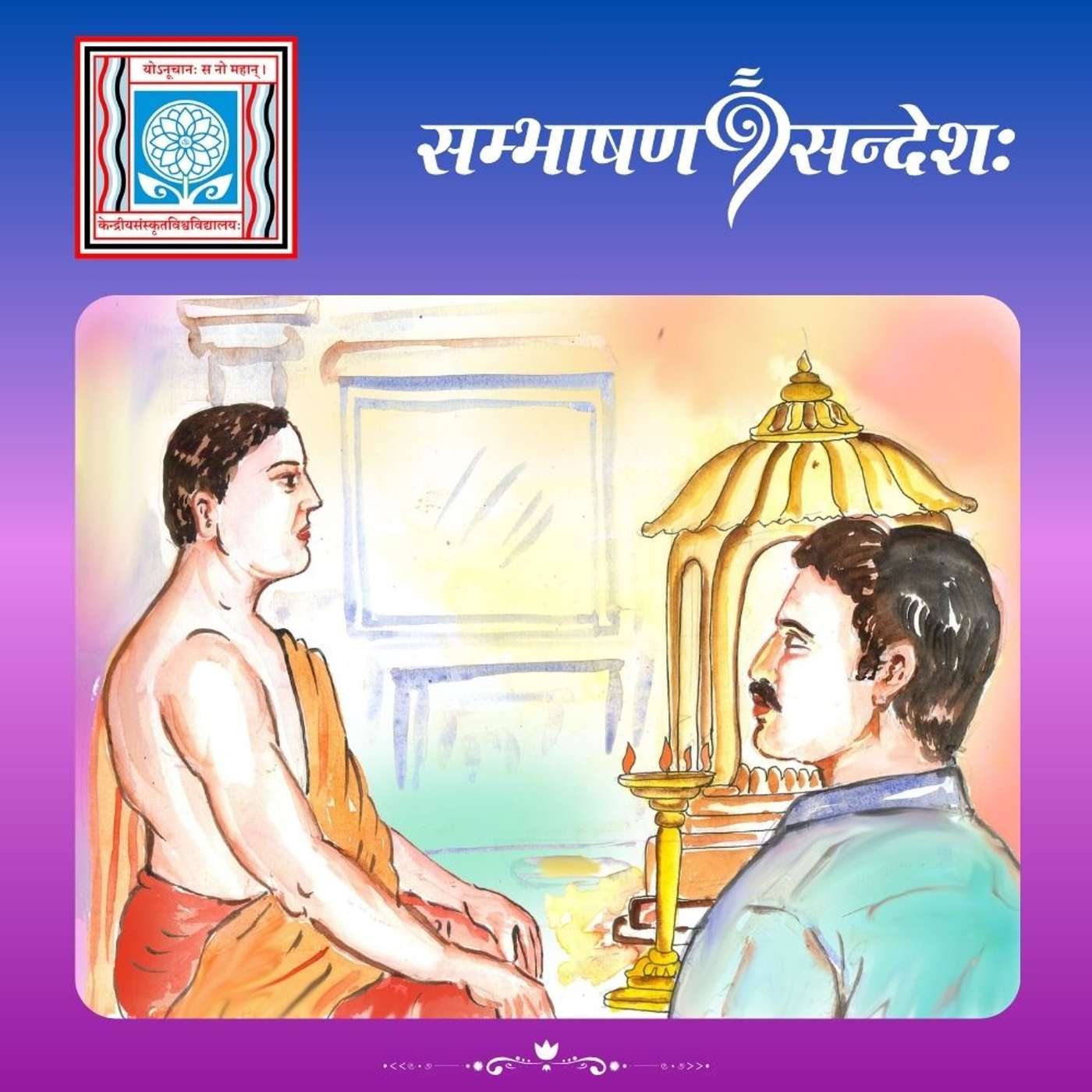
नोबेल्-पुरस्कारविजेता भारतरत्नं चन्द्रशेखरवेङ्कटरामः प्रसिद्धः विज्ञानी चेदपि प्रतिदिनं देवपूजानिमित्तम् उपनिषदादिग्रन्थपारायणाय च कञ्चित् समयं नियततया व्ययीकरोति स्म । एतत् जानन् कश्चन विज्ञानी वदति 'प्रसिद्धः विज्ञानी भवान् । यानि विज्ञानसिद्धानि न, तादृशेषु अंशेषु भवतः प्रवृत्तिः न उचिता' इति । तदा वेङ्कटरामः अवत् 'इदानीं तु विज्ञानसिद्धानि न । किन्तु भाविनि काले यदि तेषां विषये प्रमाणं लभ्येत तर्हि मया पश्चात्तापः न अनुभोक्तव्यः स्यात् । अपि च दैनिकनियमैः यदि वयम् आत्मानं बध्नीयाम तर्हि फलं न प्राप्येत चेदपि नियमपालनप्रवृत्तिः तु अस्मान् उपकुर्यात् एव । अतः एव अहं स्वजीवने कांश्चन दैनिकनियमान् पालयामि ' इति ।(“केन्द्रीयसंस्कृतविश्वविद्यालयस्य अष्टादशीयोजनान्तर्गततया एतासां कथानां ध्वनिप्रक्षेपणं क्रियते”)Chandrasekhara Venkataraman, Nobel laureate and Bharat Ratna awardee, though a renowned scientist, devoted time daily to worship and recitation of the Upanishads. Another scientist once remarked: ‘As a famous scientist, it is not proper for you to engage in things not proven by science’. Raman replied: ‘They may not be scientifically proven now, but if evidence arises in the future, I will not regret having practiced them. Moreover, even if rituals yield no direct results, the discipline of daily practice itself benefits us. That is why I follow certain daily rules in my life’.
Ep 470सत्फलप्राप्तिः
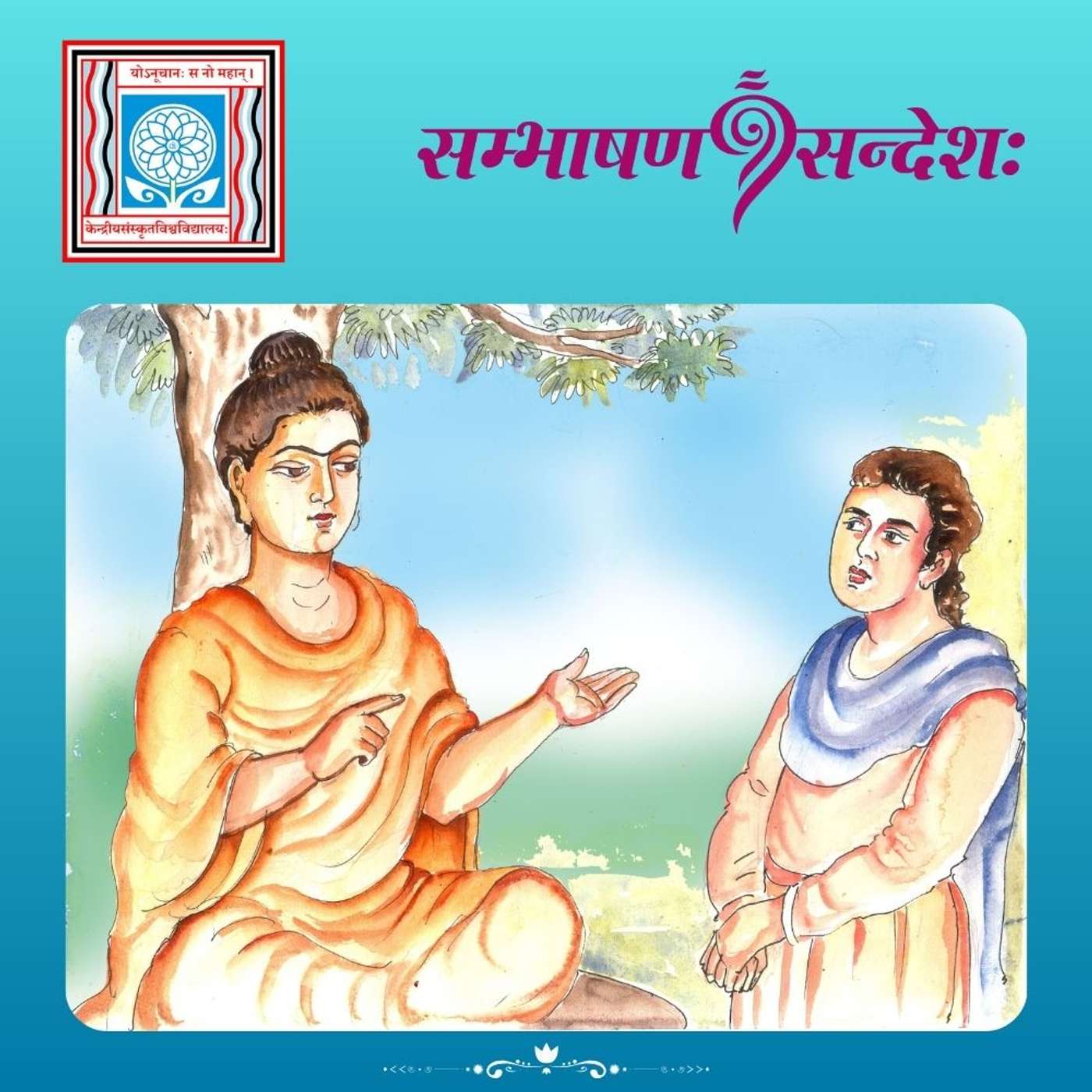
कदाचित् कश्चन भक्तः भगवन्तं बुद्धम् उपसर्प्य अपृच्छत् 'आर्य! भवतः उपदेशस्य कारणतः अद्यावधि कियन्तः जनाः सत्यदर्शनं प्राप्तवन्तः स्युः, कियन्तः च मोक्षमार्गस्य अनुसरणं कृतवन्तः स्युः' इति । 'अस्य उत्तरं श्वः वदिष्यामि । तदभ्यन्तरे ग्रामे अटित्वा कः किम् इच्छति इति ज्ञात्वा आगच्छतु' इति अवदत् बुद्धः । जनाः तु दुःखस्य निवारणम्, अस्वास्थ्यस्य अपगमनं, पुत्रादीनाम् उद्योगं, धनप्राप्तिं, पौत्रप्राप्तिं, इत्यादिकम् इच्छन्ति इति भक्तेन ज्ञातम् । अनन्तरदिने यदा बुद्धः अपृच्छत् यत् सत्यदर्शनेच्छवः, मोक्षप्राप्तीच्छवः च कियन्तः प्राप्ताः भवता इति तदा भक्तः अवदत् 'न कोऽपि । सर्वे भौतिकसुखं, भौतिकवस्तूनि, भौतिकप्रयोजनं च प्राप्तुम् एव इच्छन्ति' इति । ततः एव भक्तेन स्वस्य प्रश्नस्य उत्तरं प्राप्तम् ।(“केन्द्रीयसंस्कृतविश्वविद्यालयस्य अष्टादशीयोजनान्तर्गततया एतासां कथानां ध्वनिप्रक्षेपणं क्रियते”)A devotee once asked the Buddha: ‘Through your teaching, how many have attained true vision and how many have followed the path of liberation?’The Buddha replied: ‘I will answer tomorrow. Meanwhile, go through the village and find out what people truly desire’. The devotee observed that people wished for relief from suffering, cure from illness, jobs for their children, wealth, grandchildren, and other worldly gains. The next day, when the Buddha asked what he had found, the devotee said: ‘None seek truth or liberation. All desire only material comfort and worldly benefits’. Thus, the devotee himself realized the answer to his question.
Ep 469लक्ष्म्याः निवासः
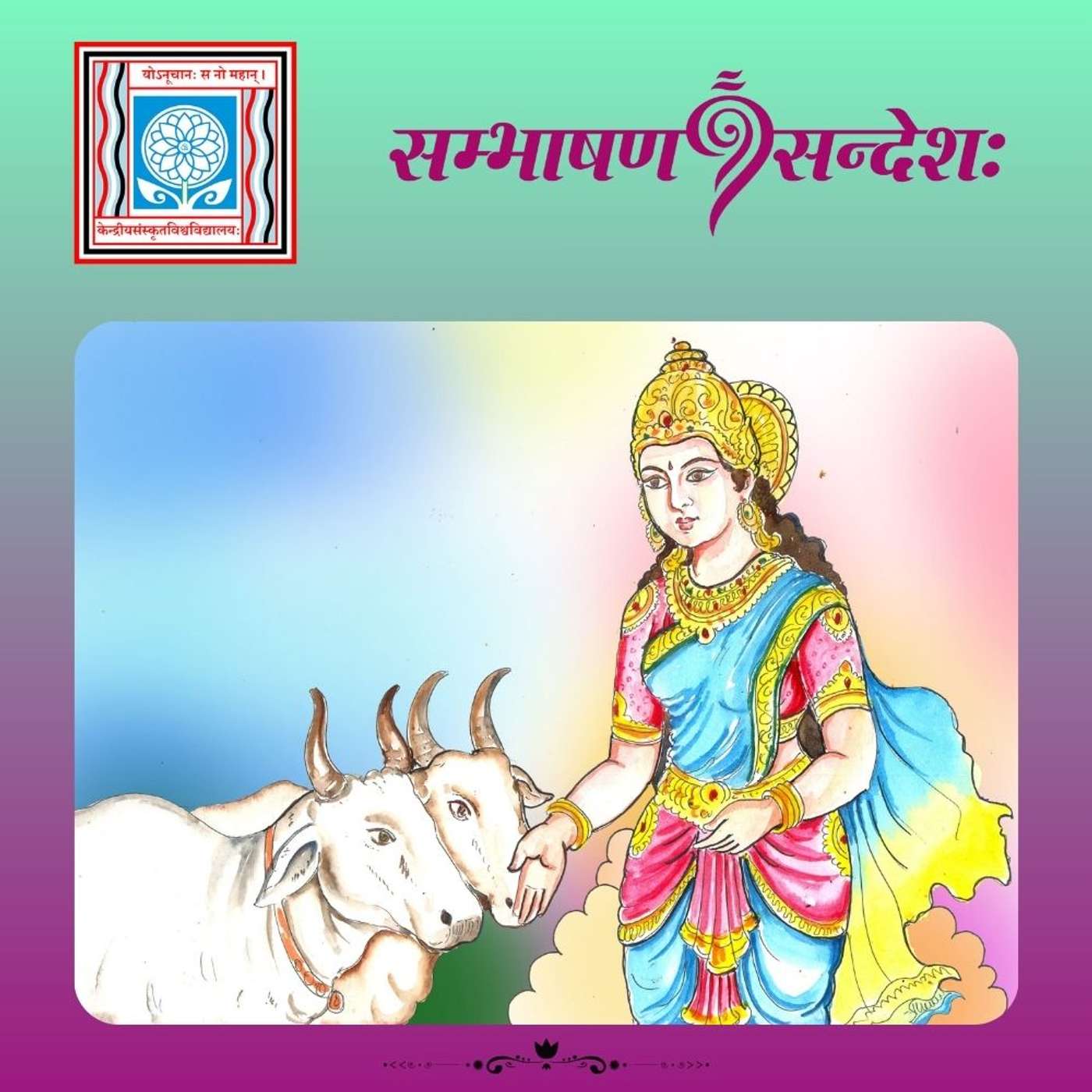
'गावः लोके पूज्याः भवन्ति । गोषु वासेन ममापि गौरवं वर्धेत' इति विचिन्त्य लक्ष्मीदेवी गवां समूहम् उपसर्प्य स्वपरिचयम् उक्त्वा स्वेच्छां प्रकटय्य तदर्थम् अनुज्ञां प्रार्थयति । तदा गावः उक्तवत्यः 'पूज्ये! भवती पूजार्हा चेदपि चञ्चलत्वेन भवत्याः अपख्यातिः अस्ति । अतः भवत्यै आश्रयं दातुं नेच्छामः वयम्' इति । 'भवत्यः गुणवत्यः परोपकारशीलाः च । अतः कस्मिंश्चित् अङ्गे वासाय अवसरः दीयताम्' इति पुनः लक्ष्मीः प्रार्थयति । 'भवती गोमूत्रे गोमये च वासं कर्तुम् अर्हति । तेन गोमयगोमूत्रयोः महत्त्वम् इतोऽपि वर्धेत' इति । लक्ष्मीः एतत् अङ्गीकरोति । तस्मात् एव दिनात् तया गोमूत्रे गोमये च लक्ष्म्या वासः आरब्धः ।(“केन्द्रीयसंस्कृतविश्वविद्यालयस्य अष्टादशीयोजनान्तर्गततया एतासां कथानां ध्वनिप्रक्षेपणं क्रियते”)Lakshmi wished to live among cows to gain honor. The cows, citing her fickle nature, refused. Lakshmi pleaded for some place to stay. Moved by her plea, the cows said: “You may dwell in cow dung and cow urine. By your presence there, their importance will grow further”. Lakshmi accepted this arrangement with grace. From that day onward, it is believed that she resides in cow dung and cow urine, which is why they are considered sacred and auspicious in Hindu tradition.
Ep 468पतितस्य उद्धारः
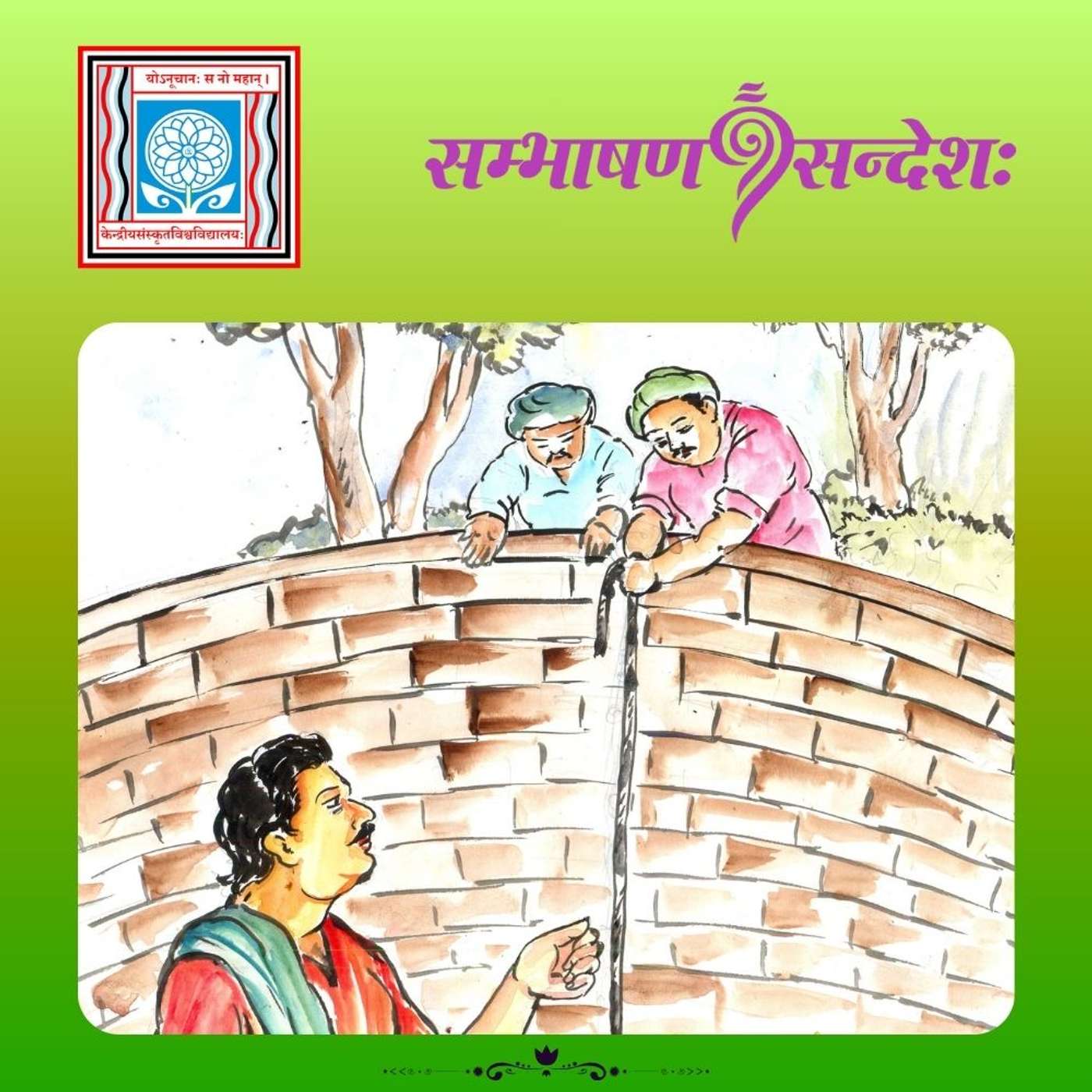
कदाचित् कश्चन भ्रमणसमये कूपे अपतत् । तं रक्षितुं कश्चन महापुरुषः आगतवान् । सः ग्रन्थिकायुक्तां रज्जुं कूपस्य अन्तः क्षिप्त्वा अवदत् 'ग्रन्थिकां गृहीत्वा त्वम् उपरि आगच्छ' इति । कूपे स्थितस्य कृषिकस्य मनसि संशयः आसीत् । अतः सः अपृच्छत् 'कर्षणसमये रज्जुः भग्ना भवेत् चेत्?’ इति । 'रज्जुः अस्ति शक्तियुक्ता' इति महापुरुषेण उक्ते अपि पुनः पुनः नैकविधान् संशयान् प्रकटयति सः कृषिकः । महापुरुषस्य वचने कृषिकेण विश्वासः न प्राप्तः एव । अतः कृषिकः कूपे एव मरणं प्राप्तवान् ।(“केन्द्रीयसंस्कृतविश्वविद्यालयस्य अष्टादशीयोजनान्तर्गततया एतासां कथानां ध्वनिप्रक्षेपणं क्रियते”)Once, a traveler fell into a well. A saint came to rescue him, throwing down a rope with knots and saying: ‘Hold the knots and climb up’. But the man, full of doubt, asked: ‘What if the rope breaks while pulling?’ Though the saint assured him of its strength, the man kept raising new doubts and never trusted the words. Lacking faith, he remained in the well and died there.
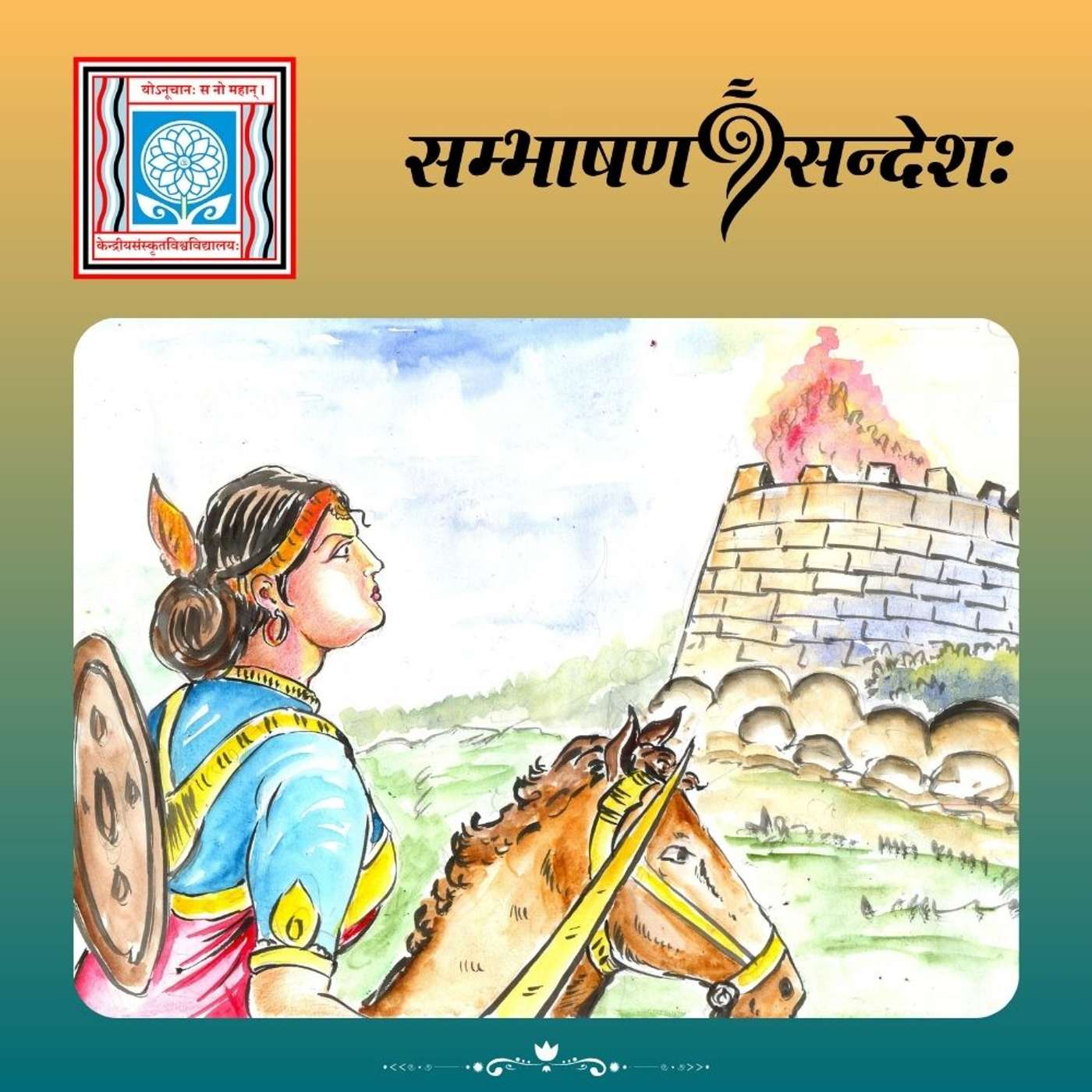
Ep 467स्मरणार्हा राज्ञी वेलुनाचियारा
वेलुनाचियारा बाल्यकाले एव फ्रेञ्च्-आङ्ग्ल-उर्दुप्रभृतयः अनेकाः भाषाः पठिताः । तस्याः पतिः शिवगङ्गीयः मुतुवडुगनाथपेरियः शतकद्वयं यावत् शिवगङ्गायाः पालनं अकरोत् । १७७२ तमे वर्षे ईस्ट्-इण्डियासंस्थया यदा शिवगङ्गा स्वायत्तीकृता तस्मिन् युद्धे राजा अम्रियत । राज्ञी वेलुनाचियारा पुत्र्या साकं पलायनम् अकरोत् । आङ्ग्लेभ्यः शिवगङ्गां पुनः प्राप्तुं दृढनिश्चयं कृत्वा राज्ञी अष्ट वर्षाणि यावत् सन्नाहकार्यं कृतवती । सा मैसूरुराज्यस्य शासकेन हैदरालिना मिलित्वा तस्य साहाय्यं स्वीकृत्य १७८० तमे वर्षे आङ्ग्लान् विरुध्य युद्धम् अकरोत् । आङ्ग्लानां स्फोटकास्त्रप्रकोष्ठः नाशितः । स्फोटास्त्राभावेन अङ्ग्लाः पलायिताः । राज्ञी शिवगङ्गां प्रतिप्राप्नोत् ।(“केन्द्रीयसंस्कृतविश्वविद्यालयस्य अष्टादशीयोजनान्तर्गततया एतासां कथानां ध्वनिप्रक्षेपणं क्रियते”)Velu Nachiyar, queen of Sivaganga, had studied many languages including French, English, and Urdu in her childhood. Her husband, Muthu Vaduganatha Periyavudaya Thevar, ruled Sivaganga for two decades. In 1772, when the East India Company seized Sivaganga, the king was killed and the queen fled with her daughter. Determined to reclaim her kingdom, Velu Nachiyar spent eight years preparing for war. She allied with Hyder Ali of Mysore and, in 1780, fought against the British. In the battle, the British ammunition depot was destroyed, forcing them to retreat. Velu Nachiyar thus regained Sivaganga.
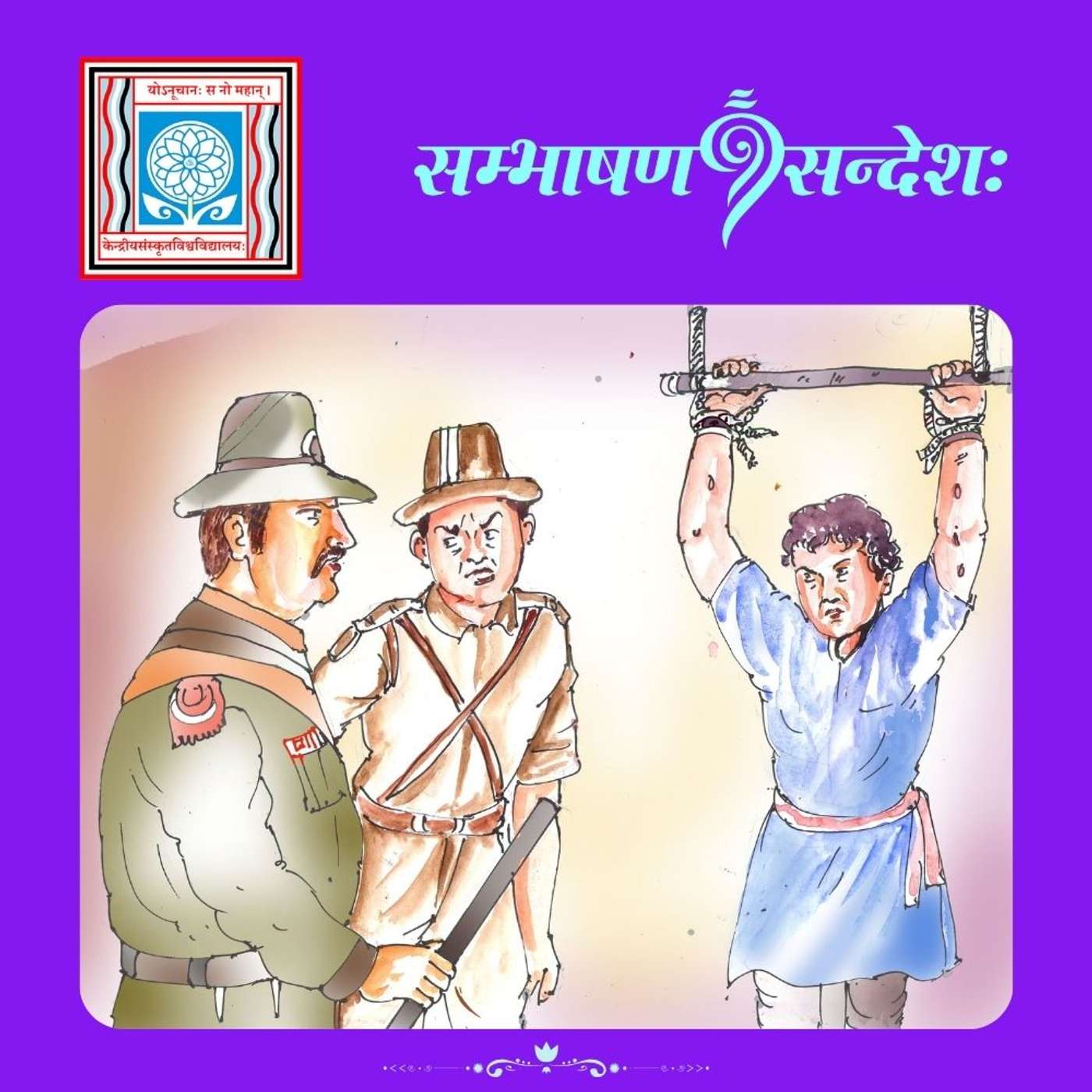
Ep 466हुतात्मा बालः
१९२९ तमे वर्षे गोवाराज्ये अस्नोडनामके लघुनगरे जन्म प्राप्नोत् बालारायामापारीवर्यः । गोवामुक्तिसङ्ग्रामस्य नेतारं तं जनाः 'बालः' इति शब्देन निर्दिशन्ति स्म । तदा पोर्तुगीज्-शासनम् आसीत् । स्वतन्त्रगोमान्तकदलनामिकायां संस्थायां सः विस्फोटकनिर्माणप्रयोगादिकं, भुशुण्डिचालनादिकं च ज्ञातवान् । १९५५ तमे वर्षे अस्नोडीये आरक्षकालये विस्फोटः जातः येन दशाधिकाः आरक्षाः प्राणवियोगं प्राप्तवन्तः । गोवायाम् इव दादरनागरहवेलीप्रदेशे पोर्तुगीज्-शासनम् आसीत् । स्वतन्त्रगोमान्तकदलस्य प्रयासेन स च प्रदेशः पोर्तुगीज्-शासनात् मुक्तिं प्राप्नोत् इति कारणात् क्रुद्धपोर्तुगीज्-शासनेन २०-२५ स्वातन्त्र्ययोद्धारः गृहीताः । तेषु बालः अपि अन्यतमः । अनेकविधानां पीडानां कारणतः कारागारे एव सः प्राणवियोगं प्राप्नोत् ।(“केन्द्रीयसंस्कृतविश्वविद्यालयस्य अष्टादशीयोजनान्तर्गततया एतासां कथानां ध्वनिप्रक्षेपणं क्रियते”)In 1929, in the small town of Assonora in Goa, Balaraya Mapari was born. In the Goa liberation struggle, people referred to him simply as ‘Bala’. At that time, Goa was under Portuguese rule. Bala joined the organization called Swatantra Gomantak Dal, where he learned the use of explosives and firearms. In 1955, a blast at the Assonora police station killed more than ten policemen. Like Goa, the region of Dadra and Nagar Haveli was also under Portuguese rule. Through the efforts of the Swatantra Gomantak Dal, that region was freed, which angered the Portuguese authorities. In retaliation, 20–25 freedom fighters were arrested, Bala among them. Subjected to severe torture, Bala died in prison — a martyr of Goa’s freedom struggle.
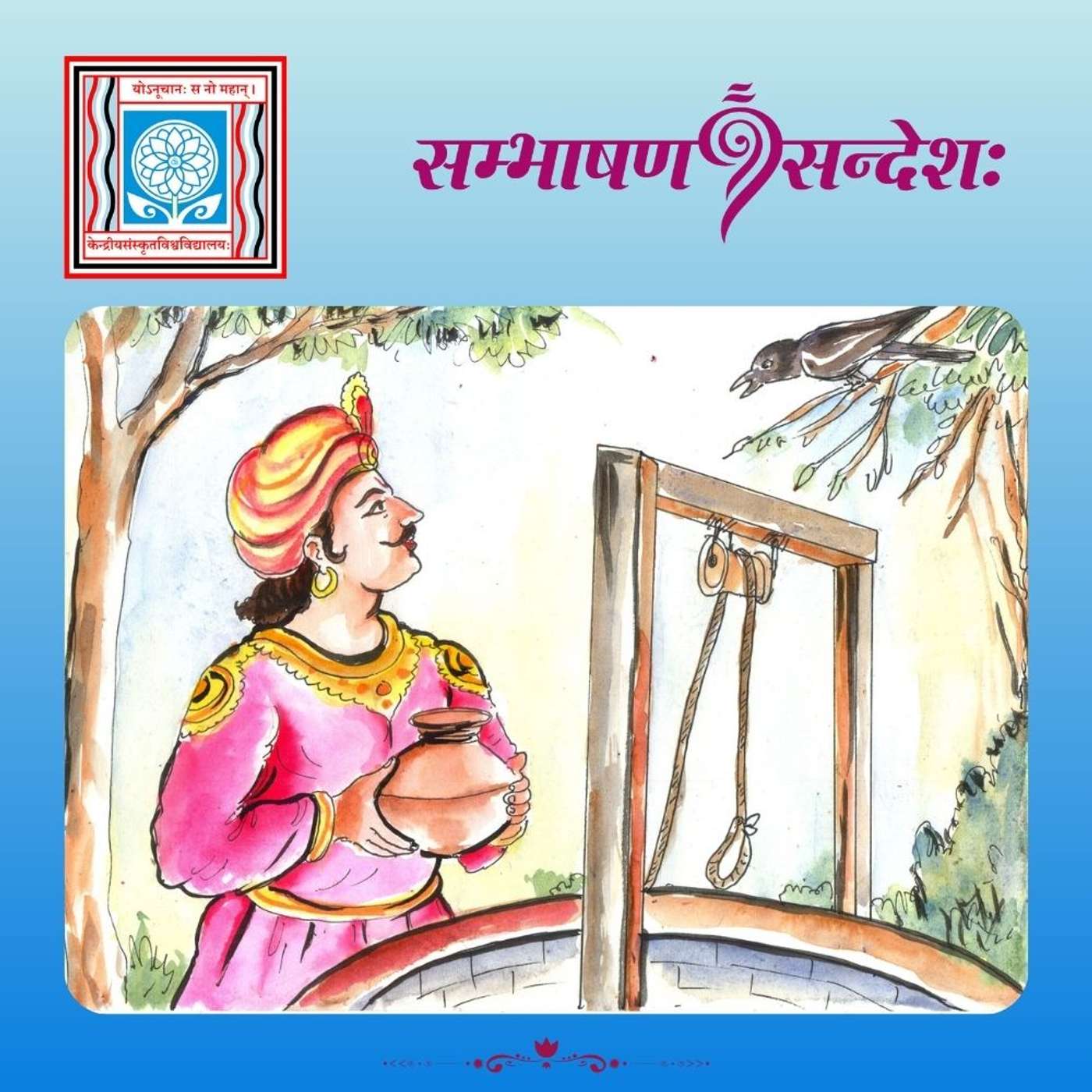
Ep 465अमरत्वम्
अमरत्वं प्राप्तव्यम् इति कस्यचन राज्ञः महती इच्छा जाता । कस्यचन कूपस्य जलं पीतं चेत् अमरत्वं निश्चयेन प्राप्स्यते इति राज्ञा कथञ्चित् ज्ञातम् । अमरत्वदायकस्य कूपस्य अन्वेषणं यदा जातं तदा राजा कूपात् जलम् उद्धृत्य तत् पातुम् उद्यतः । तावता कूपसमीपे स्थितः कश्चन काकः अवदत् 'एतत् जलं मा पिब । अहम् अमरत्वं प्राप्य पश्चात्तापम् अनुभवामि । मम गृहजनाः, बान्धवाः दिवं गताः । अहम् एकाकी अस्मि । अमरत्वप्राप्त्या मया किमपि न साधितम् । मृत्युः मम समीपं न उपसर्पति । मम दुःखस्य अन्त्यमेव नास्ति' इति । एतत् श्रुतवता राज्ञा विवेकः प्राप्तः । सः तत्रैव जलं पातयित्वा काकं नमस्कृत्य ततः प्रतिगतवान् ।(“केन्द्रीयसंस्कृतविश्वविद्यालयस्य अष्टादशीयोजनान्तर्गततया एतासां कथानां ध्वनिप्रक्षेपणं क्रियते”)अमरत्वम्A king once longed for immortality. He learned of a well whose water could grant eternal life. When he drew the water and was about to drink, a crow nearby warned him: ‘Do not drink. I myself gained immortality and now regret it. My family and friends have all passed away, leaving me alone. Death never approaches me, and my suffering has no end’. Hearing this, the king gained wisdom, poured the water back, bowed to the crow, and returned.
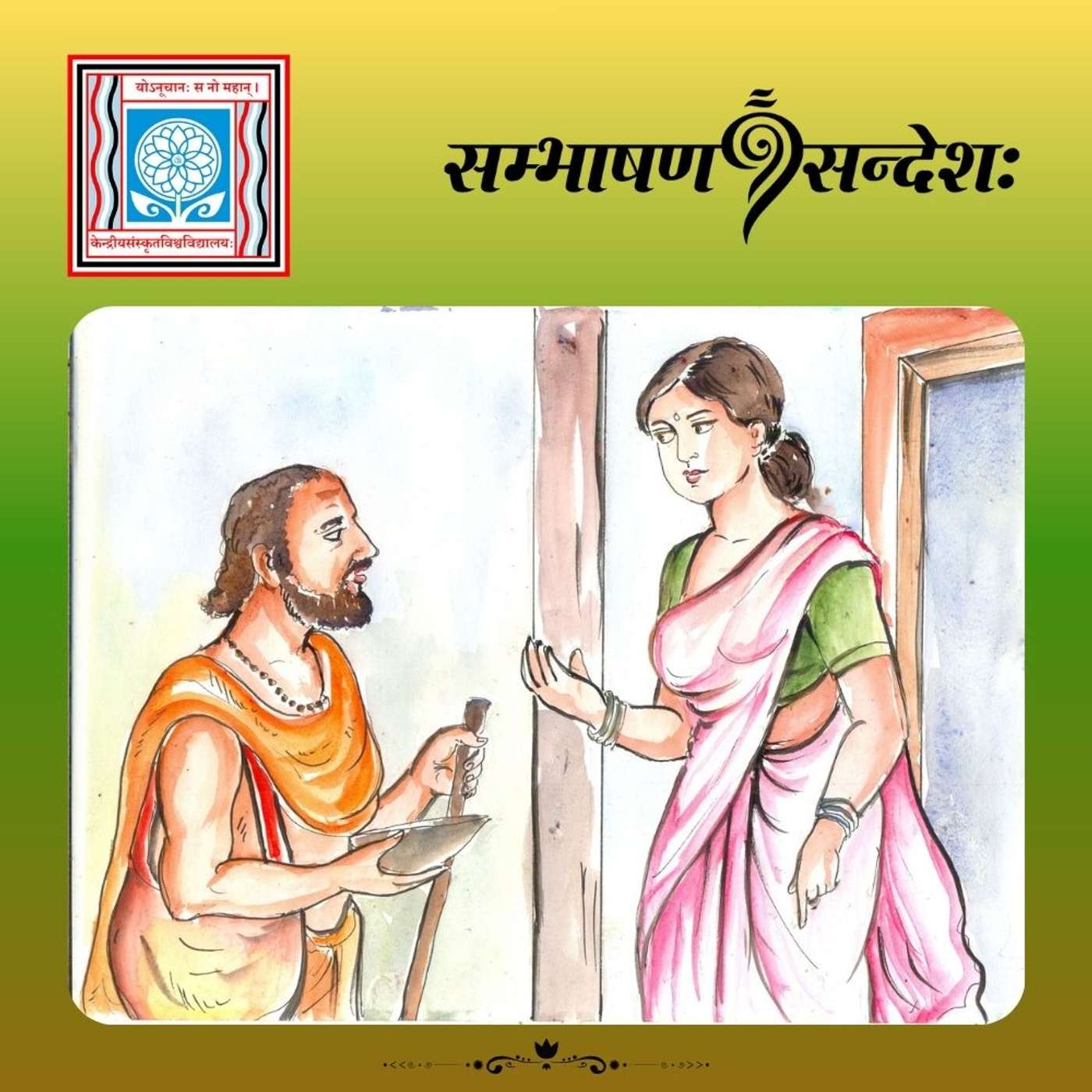
Ep 464उत्तमा नीतिः उत्कृष्टेन क्रमेण
कदाचित् कश्चन राजा वैराग्यं प्राप्य संन्यासी जातः । भिक्षाटनसमये काचित् माता तस्मै त्रीन् तण्डुलकणान् दत्तवती । त्रीन् अंशान् ज्ञापयितुं त्रयः तण्डुलकणाः दत्ताः इति उक्त्वा ते च के इति कथयति सा । 'कामक्रोधलोभमोहादयः शत्रवः यदि भवता दूरे स्थाप्येरन् तर्हि भवतः सुरक्षितता सिद्धा । प्रतिदिनं परिश्रमः, योग्याभ्यासः इत्यादयः नियततया कृताः चेत् महती बुभुक्षा बाधते । तदा शुष्का रोटिका अपि परमस्वादुतया भासते । यदा शरीरश्रमः अधिकः भवेत् तदा एव सुखनिद्रा प्राप्येत । अतः शरीरश्रमः भवतः अधिकः भवेत् सर्वदा' इति । 'उत्तमा नीतिः उत्कृष्टेन क्रमेण ज्ञापिता भवत्या' इति उक्त्वा राजा तां कृतज्ञतापूर्वकं नमस्कृत्य ततः अग्रे गतवान् ।(“केन्द्रीयसंस्कृतविश्वविद्यालयस्य अष्टादशीयोजनान्तर्गततया एतासां कथानां ध्वनिप्रक्षेपणं क्रियते”)Once, a king renounced the world and became a monk. While begging, a mother gave him three grains of rice. She explained: ‘These three grains symbolize three lessons. First, if you keep away enemies like desire, anger, greed, and delusion, you will be safe. Second, with daily effort and disciplined practice, even a dry bread tastes sweet when hunger is great. Third, when the body is well-exerted, only then comes peaceful sleep. Therefore, let hard work always be your companion’. The king, moved by her wise teaching, bowed with gratitude and went on his way.