
Efrayimbenshalom
1,059 episodes — Page 11 of 22
Parashat: Vaerá I (5784).
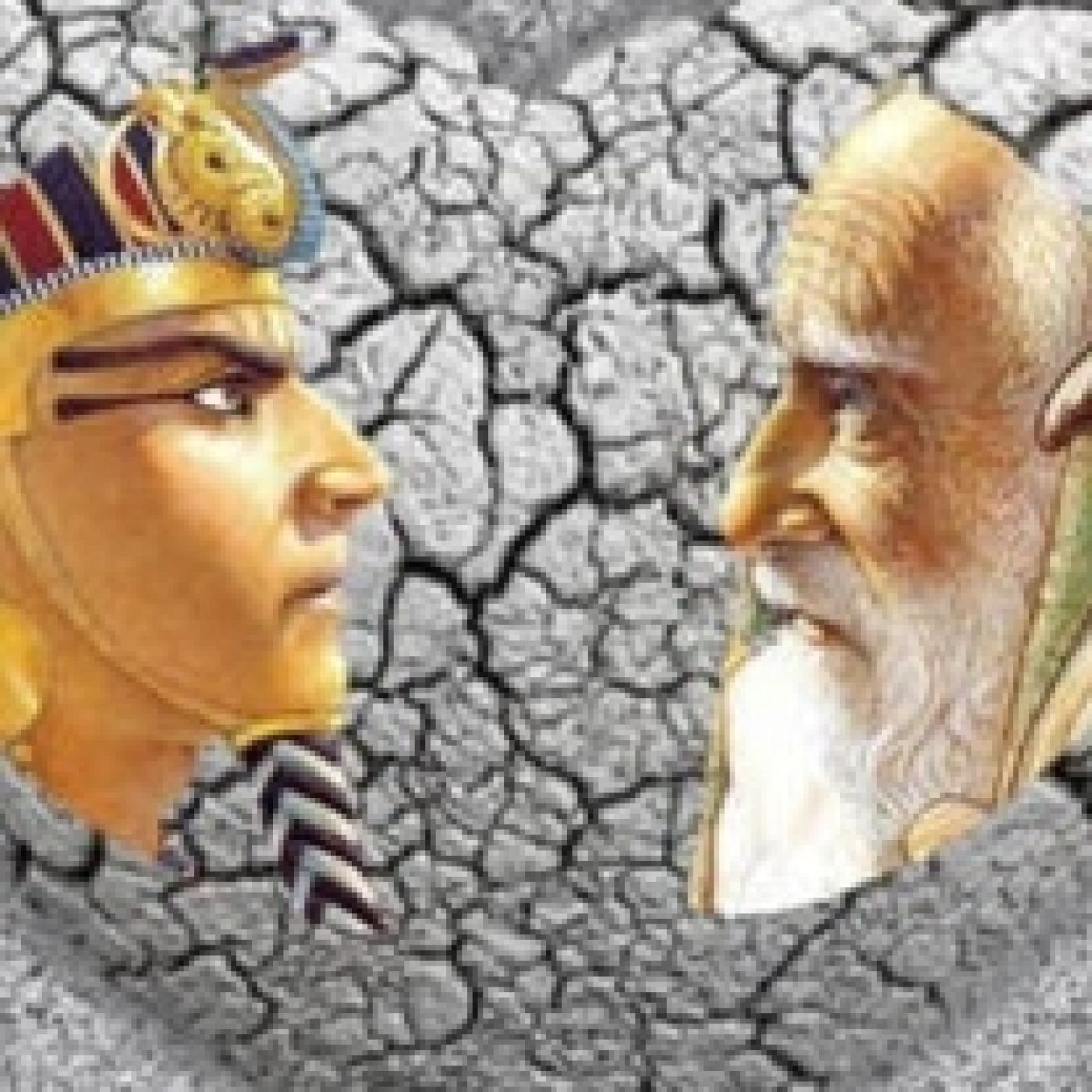
Elohim se revela a Moshe. Utilizando las "cuatro expresiones de redención", El promete sacar a los Hijos de Israel de Egipto, redimirlos de su servidumbre, para después adquirirlos como Su pueblo elegido en el Monte Sinaí; luego El los llevaría a la tierra que les prometió a los patriarcas como su eterno legado.

Parashat Vaieji – English (5784).
Jacob spent his last 17 years in Egypt. As he approached his death, he made Joseph promise to bury him in the Holy Land. Before passed away, he blessed Joseph's two sons, Menashe and Ephraim, treating them as his children and making them ancestors of tribes in Israel. Although he wanted to reveal the future to his sons, God prevented him from doing so. Jacob assigns each of his sons a role as a tribe. For instance, Judah will produce leaders and kings, while Kohanim will come from Levi, and sages from Issachar. Jacob also gives blessings and warnings to his sons, pointing out the strengths and weaknesses of each. He blesses Joseph with beauty and fertility and Naftali with the speed of a deer. Meanwhile, Reuben is warned for his wrongful actions towards his father's marriage, and Shimon and Levi receive a warning for their involvement in the massacre of Shechem and the plot against Joseph. Later on, a large funeral procession takes place for Jacob, consisting of his descendants, Pharaoh's ministers, Egypt's most illustrious citizens, and the Egyptian cavalry. Jacob is buried in the Cave of Machpelah in Jevron. Joseph also passed away in Egypt at the age of 110, he left the Children of Israel with a testament of hope and faith, assuring them that Elohim will remember them and bring them out of Egypt to the land that He promised to Avraham, Yitzchak, and Yaaqov. Joseph also orders that his bones be taken from Egypt to the Holy Land, but this would only happen years later, during the exodus of the Israelites
Parashat Shemot: II (5784).
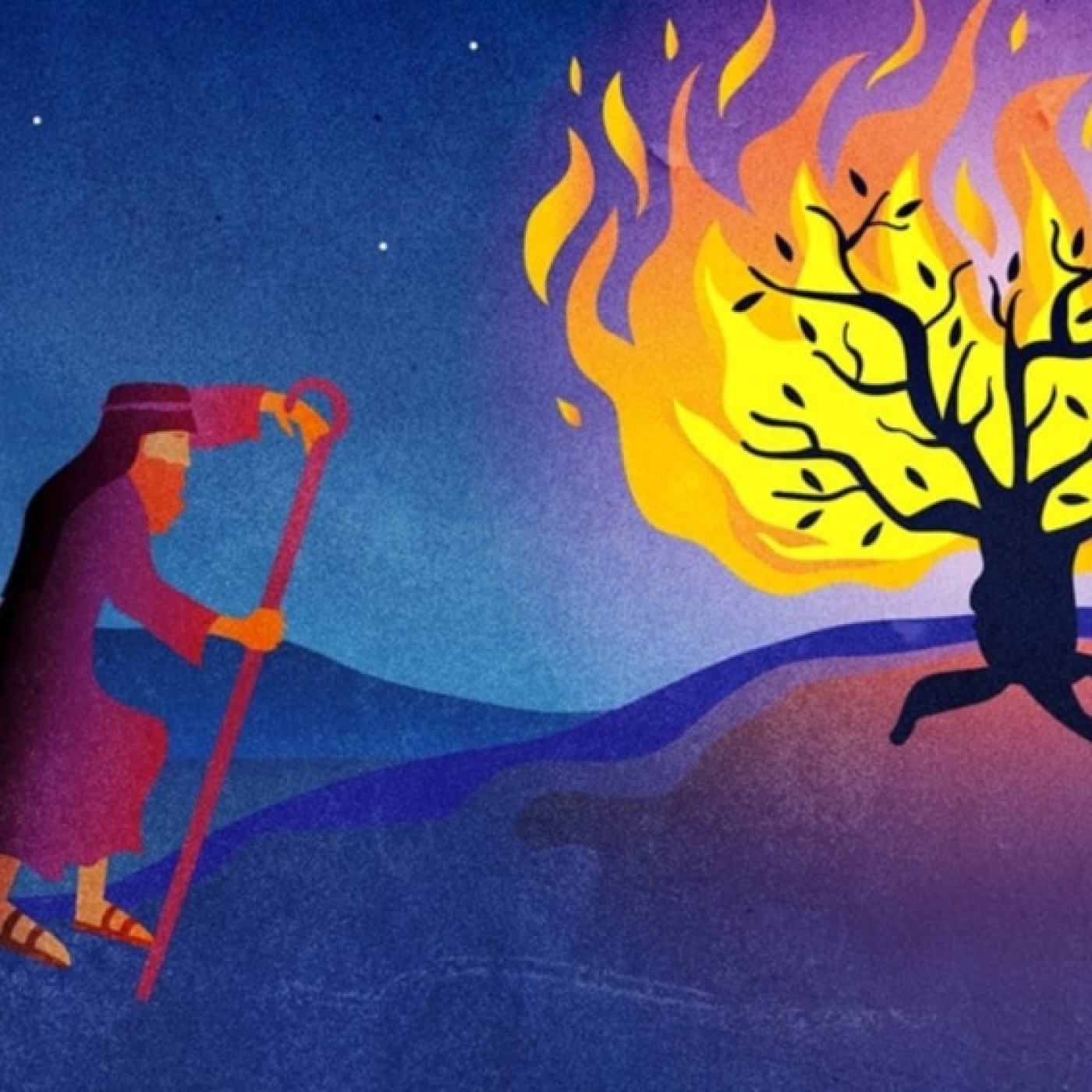
Elohim se aparece a Moshe en una zarza ardiente al pie del Monte Sinaí, y le instruye ir hacia el Faraón y exigirle: "Deja ir a mi pueblo, para que Me sirvan". Aarón, el hermano de Moshe, es designado como su portavoz. En Egipto, Moshe y Aarón reúnen a los ancianos del pueblo de Israel para decirles que el tiempo de la redención llegó. La gente les cree; pero el Faraón se niega a dejarlos ir, además intensificando el sufrimiento del pueblo. Moshe retorna hacia Elohim y protesta: "¿Por qué has hecho el mal con esta gente?". Elohim le promete que la redención está cercana
Parashat: Shemot: I (5784).
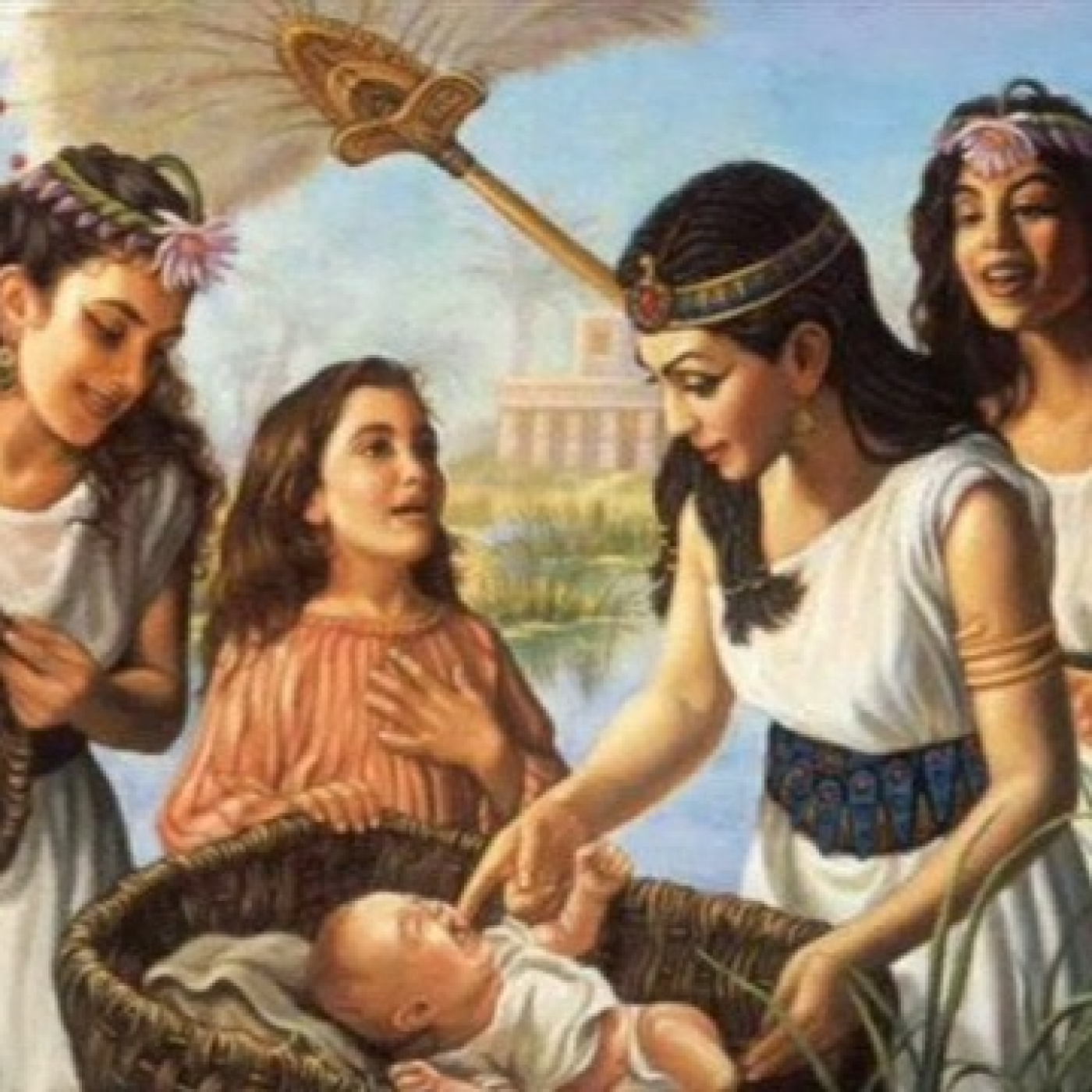
Los Hijos de Israel se multiplican en Egipto. Amenazado por la creciente cantidad de Israelitas, el Faraón los esclaviza y ordena a las parteras hebreas Shifra y Pua, matar a todos los varones que nazcan. Cuando ellas no cumplen, manda a su propia gente a arrojar a los bebes hebreos al Nilo. Iojeved, la hija de Levi, y su marido Amram tienen un hijo. El niño es colocado en un canasto en el río, mientras su hermana, Miriam, observa desde lejos. La hija del Faraón descubre al niño, lo cría como propio y lo llama Moshe.

Parashat: Vaiejí II (5784).
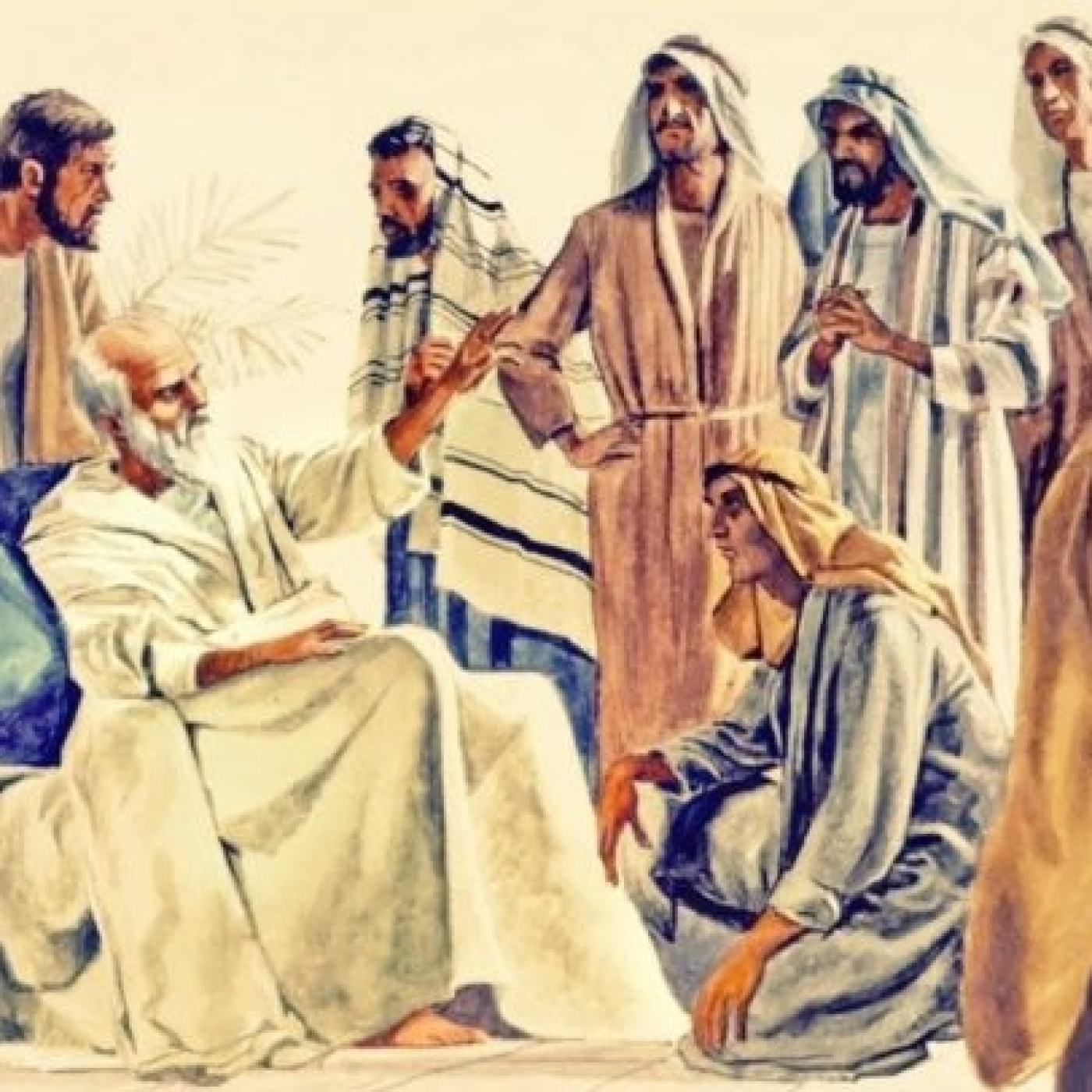
Iaacov bendice a sus hijos, asignando a cada uno su rol como tribu: Iehuda producirá líderes, legisladores y reyes; los sacerdotes provendrán de Leví, sabios de Isajar, navegantes de Zvulún, maestros de escuela de Shimón, soldados de Gad, jueces de Dan y cosechadores de olivas de Asher. Reuben es advertido por haber "confundido el matrimonio de su padre"; Shimón y Leví por la masacre de Shjem y el plan contra Iosef. Naftalí es dotado con la velocidad de un ciervo, Biniamín con la ferocidad del lobo y Iosef es bendecido con belleza y fertilidad. Una gran procesión funeraria consistente en los descendientes de Iaacov, ministros del Faraón, los ciudadanos más ilustres de Egipto y la caballería egipcia acompañan a Iaacov en su último viaje a la Tierra Santa, donde es enterrado en la Cueva de Majpelá en Jevrón. Iosef también fallece en Egipto, a los 110 años. Él también ordena que sus huesos sean llevados de Egipto a la Tierra Santa, pero esto ocurriría sólo con el éxodo de los Israelitas de Egipto, muchos años después. Antes de morir, Iosef deja a los Hijos de Israel el testamento del cual tomarán esperanza y fe en los difíciles años venideros: "Elohim seguramente los recordará, y te elevará fuera de esta tierra, a la tierra que prometió a Avraham, Itzjak y Iaacov".
Parashat: Vaiejí I (5784).
Iaacov vive los últimos 17 años de su vida en Egipto. Antes de fenecer, pide a Iosef que jure que lo enterrara en la Tierra Santa. Luego bendice a los dos hijos de Iosef, Menashe y Efraim, elevándolos al nivel de sus propios hijos, como progenitores de tribus en la nación de Israel. El patriarca desea revelar el final de los días a sus hijos, pero es impedido por Elohim.
Parshat: Vayigash en Inglés (5784).
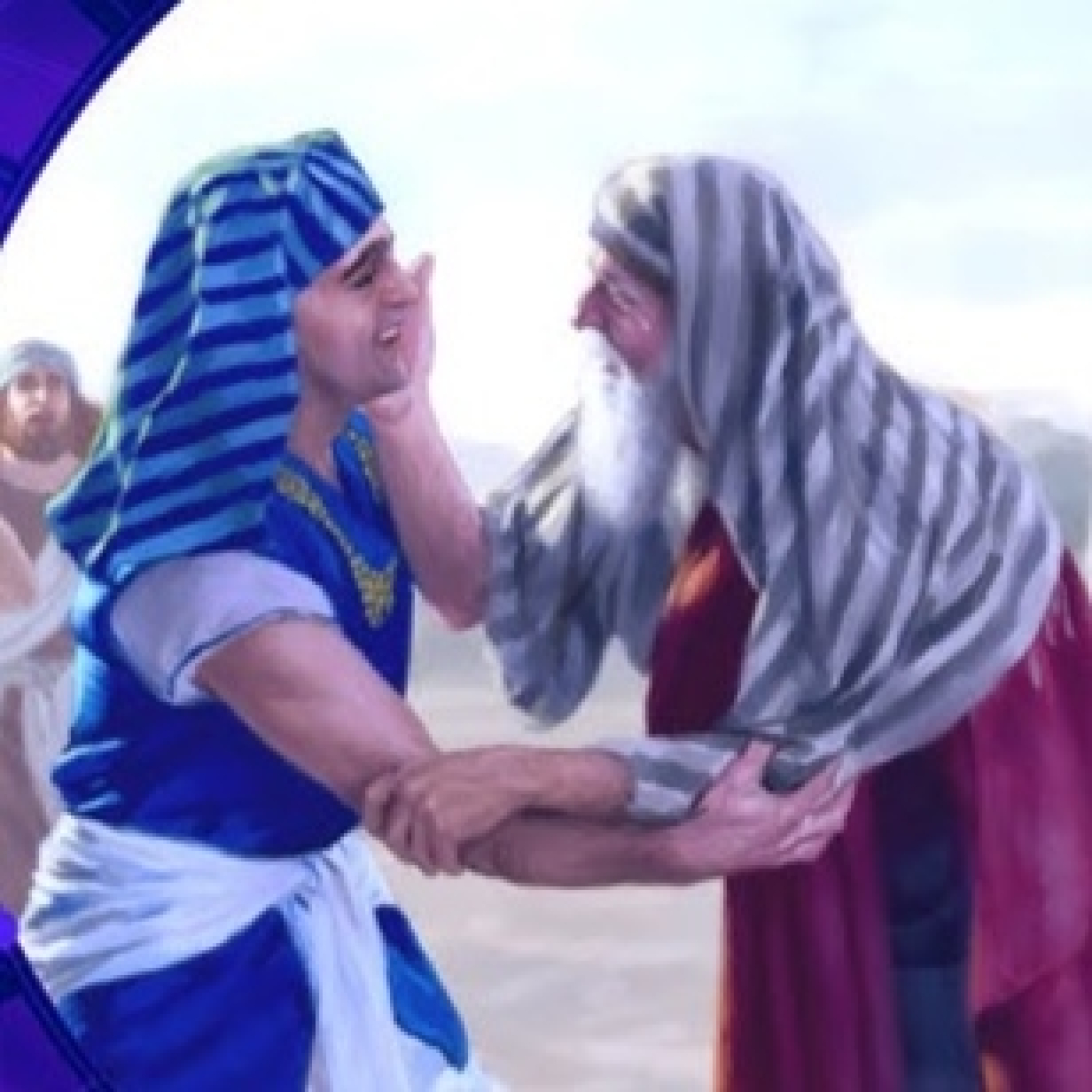
Yehuda approached Joseph and begged for the release of his brother Benjamin. He offered to become a slave to the Egyptian leader if Joseph agreed to let his brother go free. After witnessing the loyalty that his brothers had for one another, Joseph revealed his true identity by saying, "I am Joseph. Is my father still alive?" The brothers were overwhelmed with shame and remorse, but Joseph comforted them. He explained that it was not their fault that he had been sent to Egypt, but rather, it was the will of Elohim. Everything had been ordained from heaven to save them and the entire region from the famine. In total, there were seventy souls in their group. After 22 years, Jacob was finally reunited with his beloved son. On the way to Egypt, Jacob received Hashem's promise that he should not be afraid to go down to Egypt. Hashem promised to make him a great nation and promised to go down with him into Egypt. Hashem also promised to bring him out from there.

Parshat Miketz en Inglés (5784).
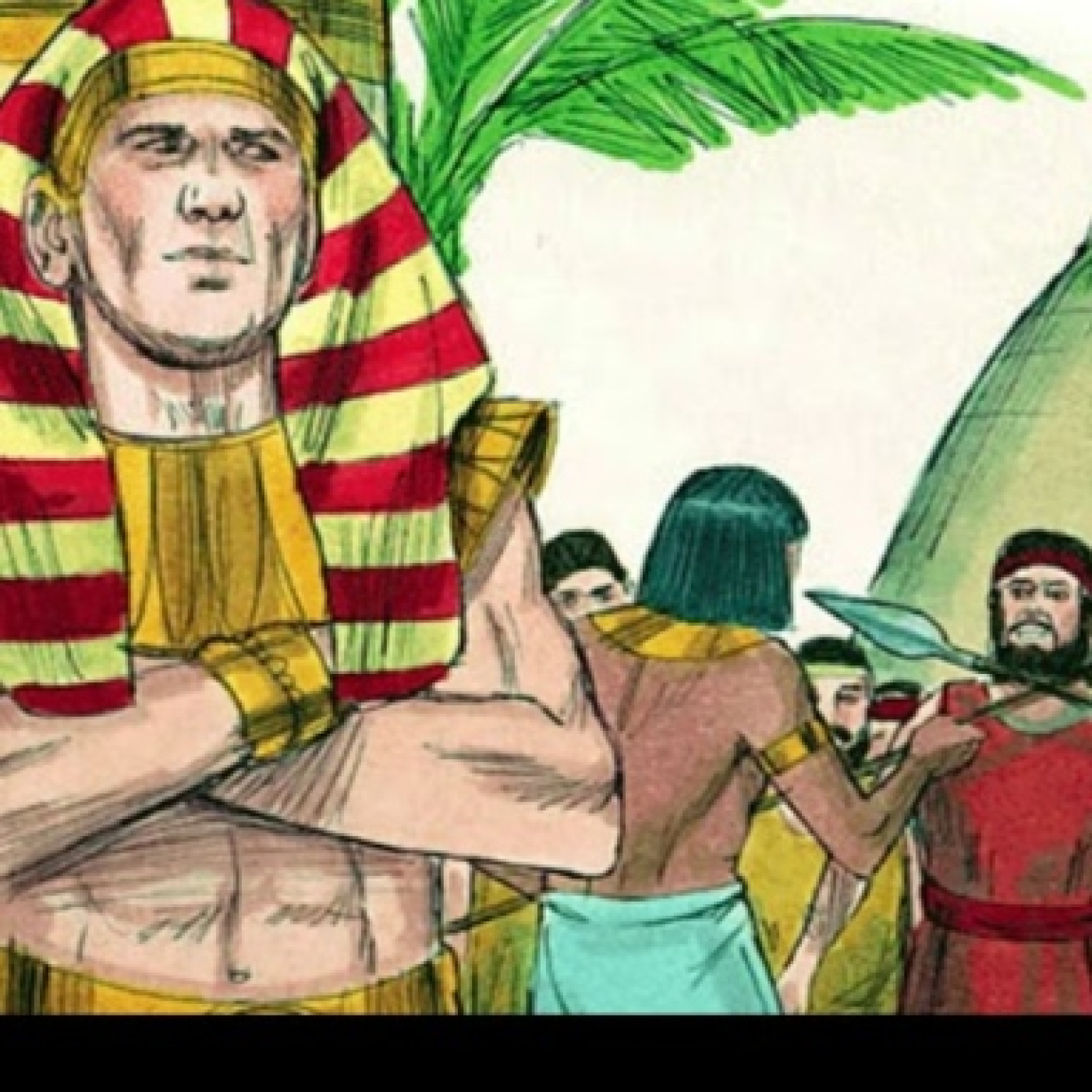
Joseph's imprisonment ceases when Pharaoh has two dreams that Joseph interprets. The dreams indicate that there will be seven years of plenty followed by seven years of famine. Joseph advises Pharaoh to store grain during the seven good years. Impressed by his wisdom, Pharaoh appointed Joseph as ruler over Egypt. Joseph married Asnath and had two sons. Later, Joseph's brothers come to Egypt to buy grain during the famine. Jacob agrees to send Benjamin only if Judah takes responsibility for him. Joseph welcomes the brothers, releases Shimon, and invites them to a meal. However, he frames Benjamin by placing his golden cup in Benjamin's bag. The brothers are accused of theft, and Joseph offers to release them if he can keep only Benjamin as his slave.
Parashat: Vaigash II (5784).
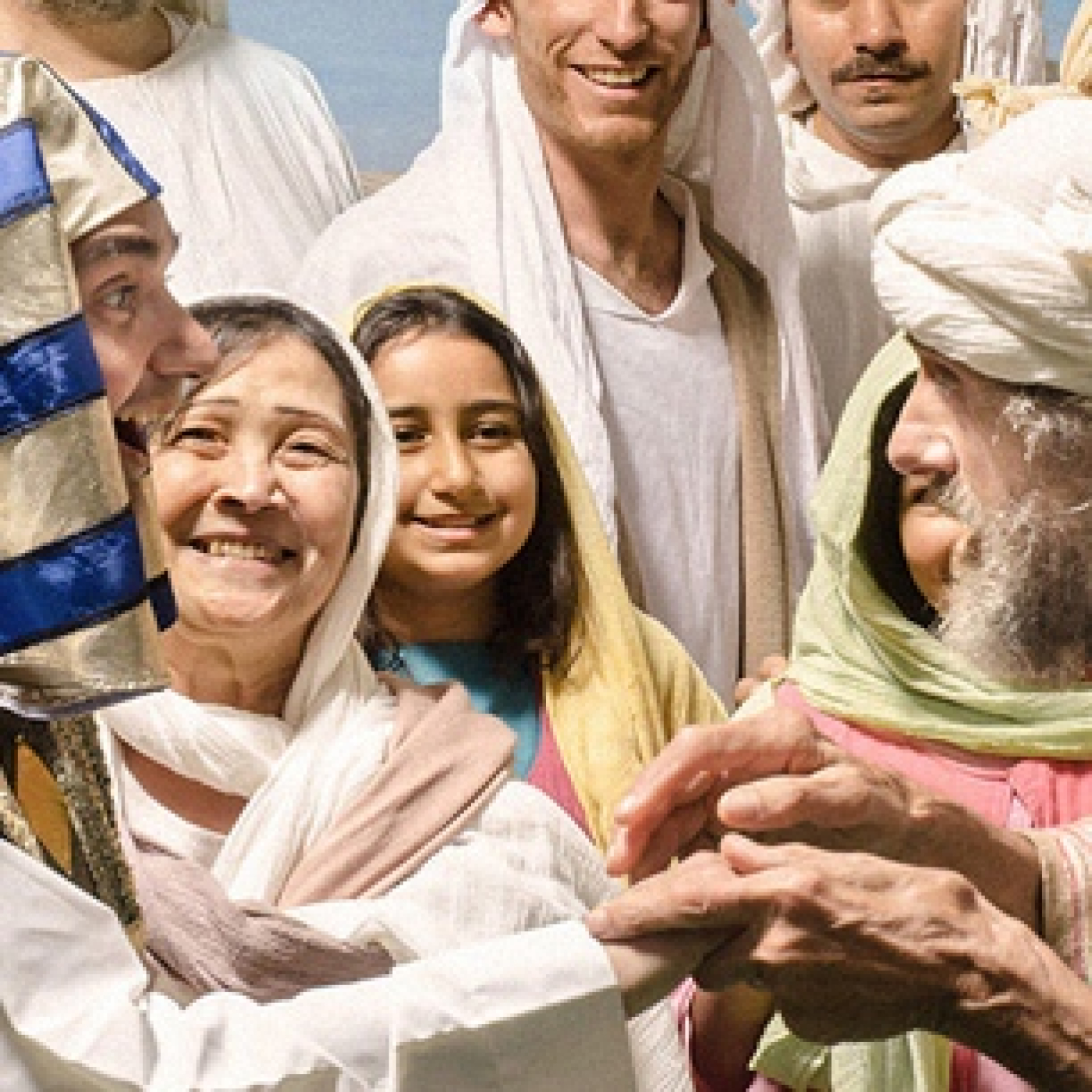
Los hermanos se apresuran a volver a Cnaan con las noticias. Iaacov viaja a Egipto con sus hijos y sus familias, setenta almas en total, y es reunido con su amado hijo luego de 22 años. Camino a Egipto recibe la promesa de Hashem: "No temas en descender a Egipto; porque allí te haré una gran nación. Yo descenderé contigo a Egipto, y con seguridad, Yo te sacaré de allí"
Parashat: Vaigash I (5784).
Iehuda se acerca a Iosef para pedir por la liberación de Biniamín, ofreciéndose a así mismo como esclavo al líder egipcio en lugar de su hermano. Luego de presenciar la lealtad de sus hermanos unos a los otros, Iosef revela su identidad diciendo "Yo soy Iosef. ¿Mi padre aún está vivo?" Los hermanos son invadidos por la vergüenza y el remordimiento, pero Iosef los reconforta. "No fueron ustedes los que me enviaron aquí," les dice, "sino Elohim. Todo fue ordenado desde el cielo para salvarnos, y a toda la región, de la hambruna."
Parashat Vaieshev en Inglés (5784).
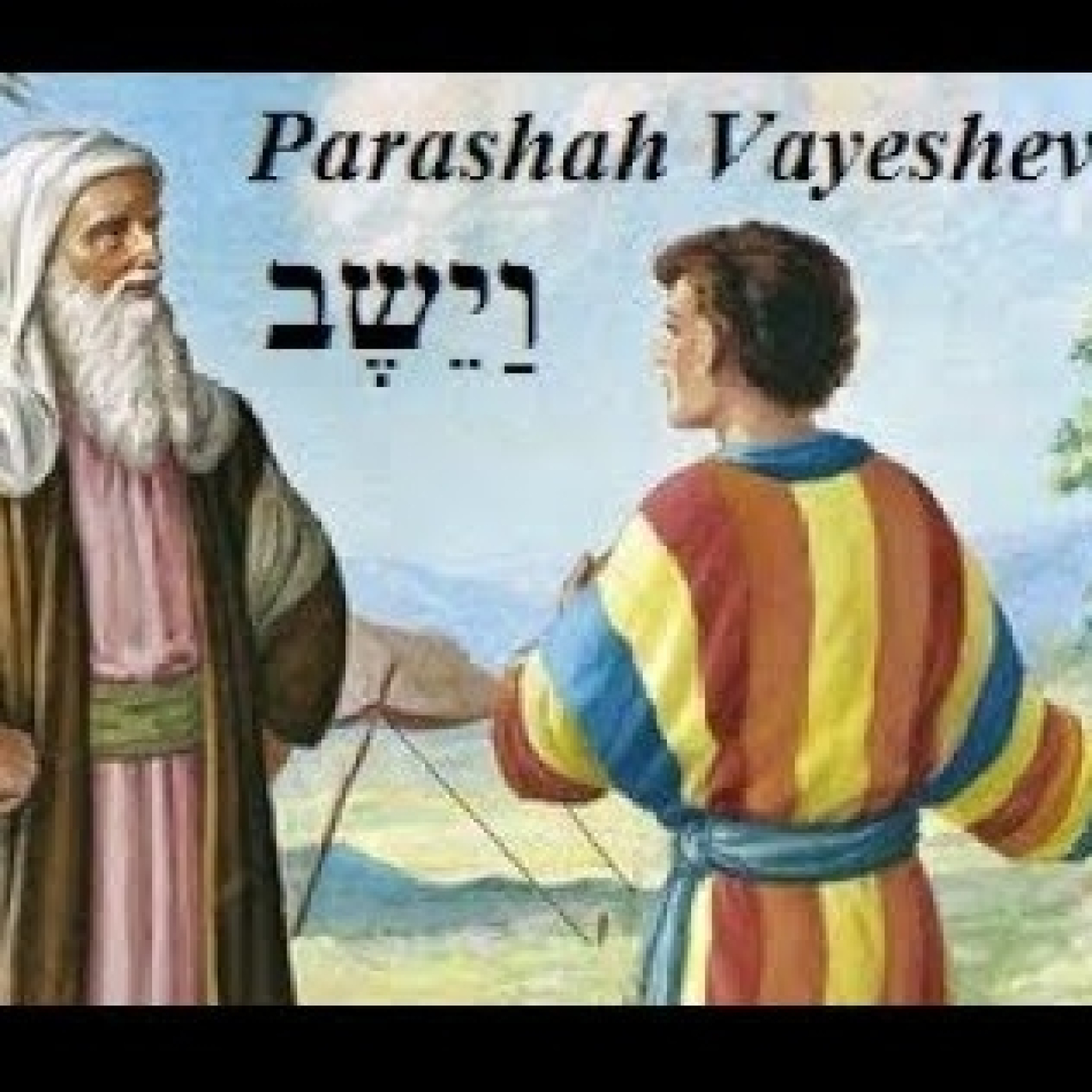
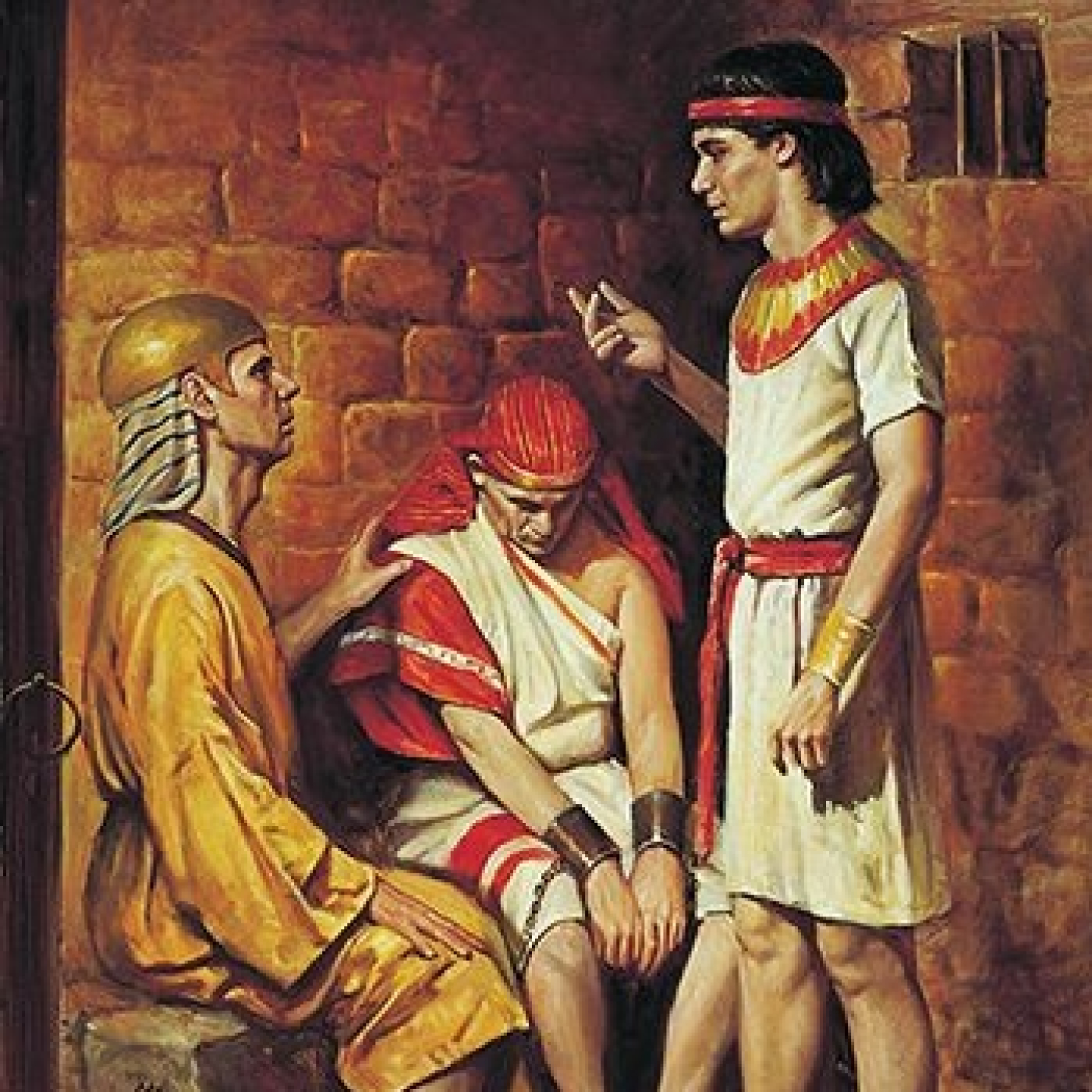
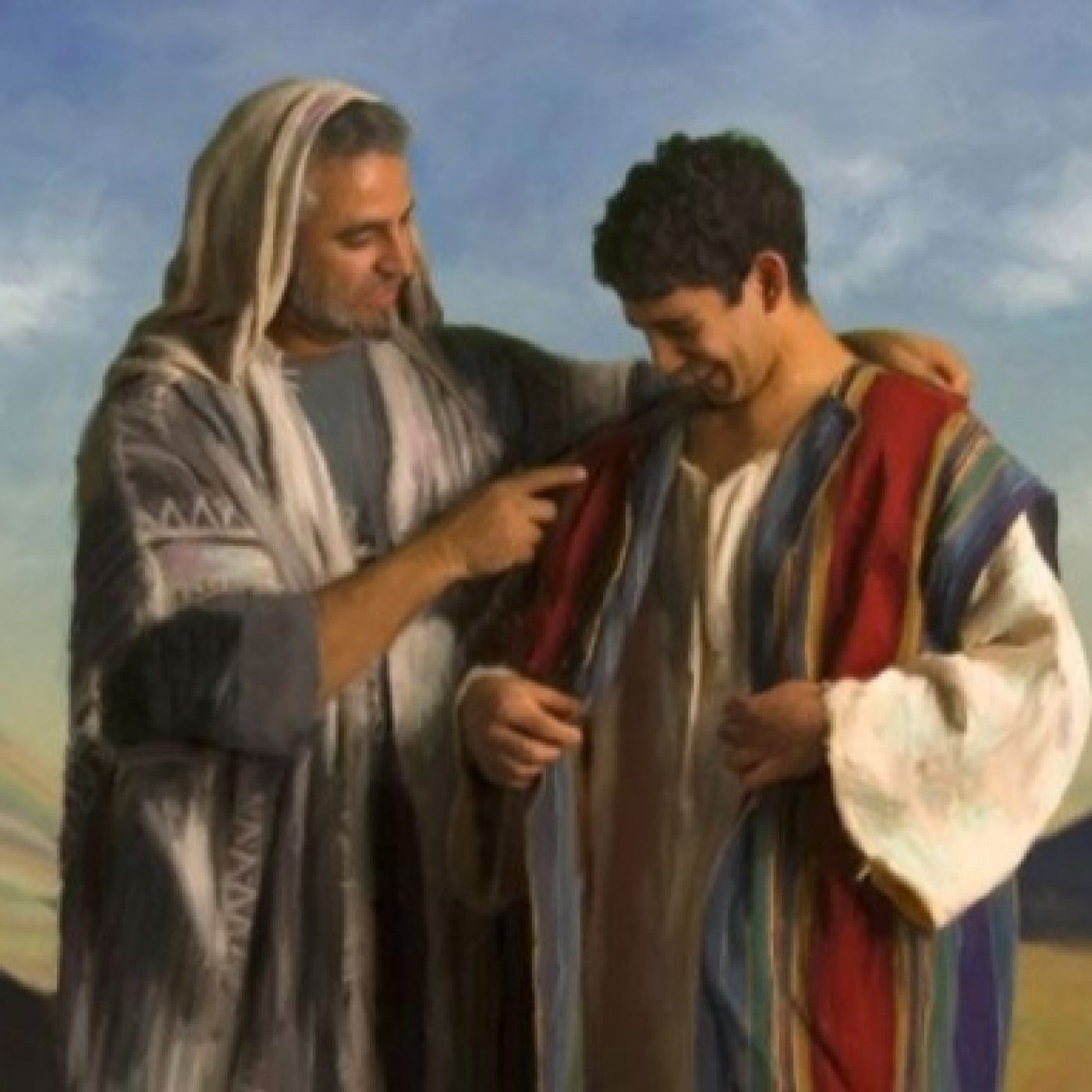
Jacob moved to Chevron with his twelve sons, and among them, he had a favorite son named Joseph, who was only seventeen years old. Joseph's brothers were envious of his preferential treatment, such as the multicolored coat their father made for him. Joseph further fueled their jealousy by telling them about his two dreams, which prophesied that he would rule over them. This created even more envy and hatred towards Joseph. In the meantime, Judah got married and had three sons. The eldest, Er, died young and childless. His wife, Tamar, was given in marriage to his second son, Onan. He also dies young. Yehuda refuses to marry his third son with Tamar. Determined to have a son from Yehuda's family, Tamar disguises herself as a prostitute and seduces Yehuda himself. Later, Yehuda learns that Tamar is pregnant and has her killed for infidelity. Still, when she shows certain personal items that Yehuda left as collateral for payment, he publicly admits that he is the father. Tamar has sons Peretz (King David's ancestor) and Zerach.
Parashat: Miketz II (5784).
Iaacov accede a enviar a Biniamín sólo después de que Iehuda asume una responsabilidad personal y eterna por el. Esta vez Iosef los recibe amablemente, libera a Shimón, y los invita a una elegante comida en su casa. Pero luego introduce su copa de oro, supuestamente imbuida de poderes mágicos, en la bolsa de Biniamín. Cuando los hermanos parten a la mañana siguiente hacia su casa, son perseguidos, revisados y arrestados cuando se descubre la copa. Iosef ofrece liberarlos y retener sólo a Biniamín como su esclavo.
Parashat: Miketz I (5784).
La prisión de Iosef termina cuando el Faraón sueña con siete vacas gordas que son tragadas por siete vacas flacas, y con siete espigas gordas tragadas por siete espigas delgadas. Iosef interpreta los sueños diciendo que significan que siete años de abundancia serán seguidos de siete años de hambruna, y aconseja al Faraón almacenar grano durante los siete años de abundancia. El Faraón nombra a Iosef como gobernador sobre Egipto. Iosef se casa con Asnat, hija de Potifar, y tienen dos hijos, Menashé y Efraím.
Parashat Vaishlaj en Inglés
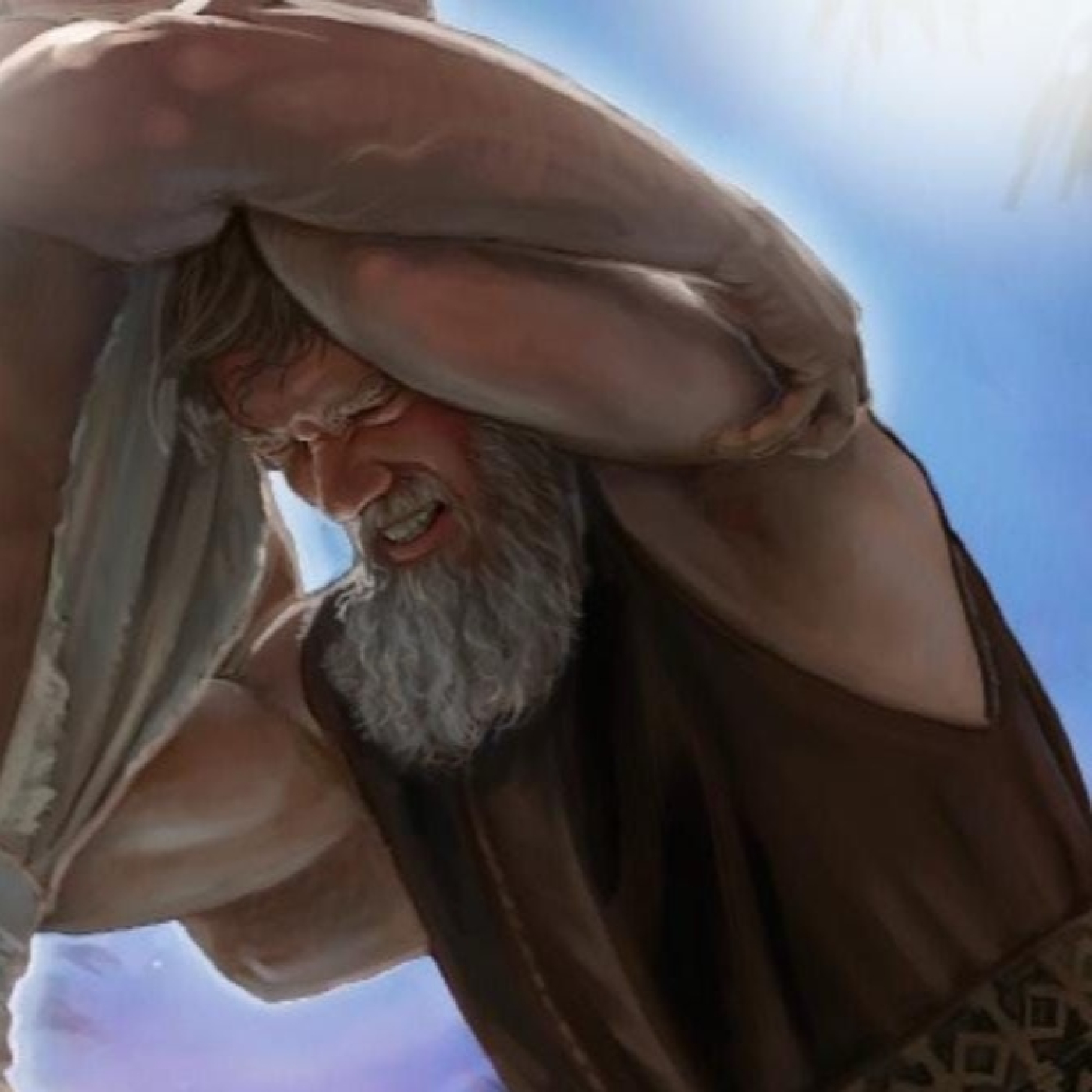
vaishlaj Jacob had been living in Haran for twenty years before he finally decided to return to the Holy Land. In the hope of reconciliation, he sent angel emissaries to Eisav, his brother. However, the messengers returned with the news that Eisav was to meet Jacob with 400 men-at-arms. Jacob realized he needed to prepare for war, so he prayed and sent a great gift to Eisav, consisting of hundreds of sheep and cows, to calm him down. That night, Jacob made his family and possessions across the Iabok River while he stayed on the other side. There, he had an encounter with an angel who embodied the spirit of Eisav. They wrestled until dawn, during which Jacob suffered a dislocated hip but eventually defeated the supernal creature. The angel then gave Jacob the name Israel, which means "he who prevails over that of heaven" After the wrestling match, Jacob and Eisav met, embraced, and kissed, but eventually, they were separated. Jacob buys land near Shechem, whose prince, also named Shechem, kidnaps and rapes Jacob's daughter Dinah. Dinah's brothers, Shimon and Levi, avenge the misfortune by killing all the male inhabitants, after rendering them helpless by convincing them to be circumcised
Parashat: Vaieshev II (5784).
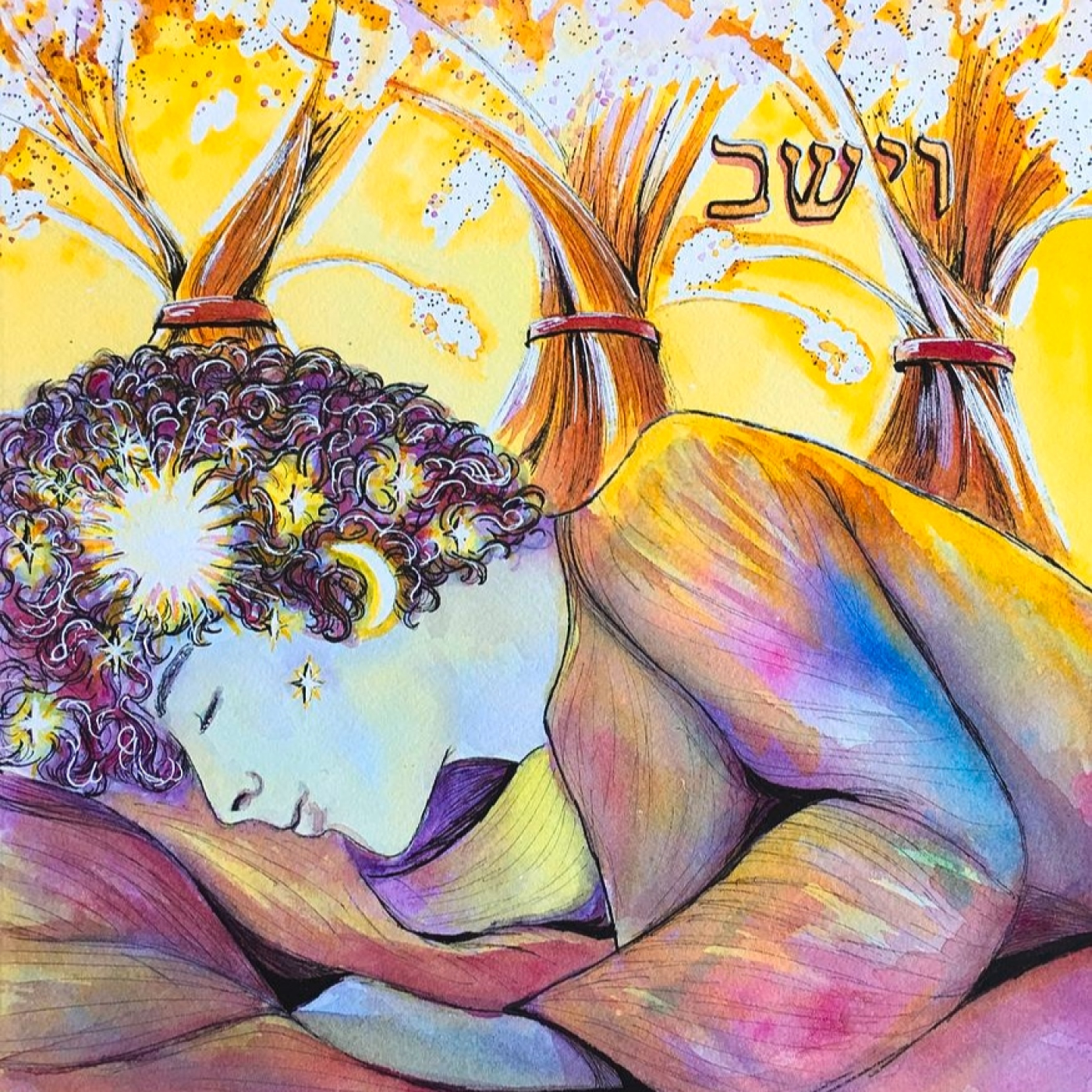
Iehuda se casa y tiene tres hijos. El mayor, Er, muere joven y sin hijos, y su mujer, Tamar, es dada en matrimonio a su segundo hijo, Onan. Onan peca al derramar su simiente y, también, muere joven. Iehuda no quiere que Tamar se case con su tercer hijo. Determinada a tener un hijo de la familia de Iehuda, Tamar se disfraza como una prostituta y seduce a Iehuda mismo. Más tarde, Iehuda se entera de que Tamar está embarazada y la manda a matar por infidelidad, pero cuando ella muestra ciertos objetos personales que Iehuda dejó como garantía de pago, él admite públicamente que es el padre. Tamar tiene dos hijos, Peretz (ancestro del Rey David) y Zeraj.
Parashat: Vaieshev I (5784).
Iaacov se establece en Jevrón con sus 12 hijos. Su favorito es Iosef, de 17 años. Los hermanos de Iosef están celosos por el trato preferencial que recibe, como, por ejemplo, del saco multicolor que Iaacov le hizo. Iosef les cuenta a sus hermanos dos sueños que tiene, que profetizan que él está destinado a gobernar sobre ellos, aumentando la envidia y el odio hacia él.
Parashat: Vaishlaj II (5784).
Esa noche, Iaacov atraviesa su familia y posesiones por el río Iabok. Sin embargo él, queda del otro lado y encuentra un ángel que personifica el espíritu de Eisav, con quien lucha hasta el amanecer. Iaacov sufre de una cadera dislocada, pero derrota a la criatura superna, quien le da el nombre de Israel, que significa “aquel que prevalece por sobre lo del cielo”. Iaacov y Eisav se encuentran, abrazan y besan, pero se separan. Iaacov compra un terreno cerca de Shjem, cuyo príncipe, también llamado Shjem, rapta y viola a la hija de Iaacov, Dina. Los hermanos de Dina, Shimón y Levi, vengan la desgracia matando todos los habitantes masculinos de la ciudad, luego de dejarlos indefensos al convencerlos de circuncidarse.

Parashat: Vaishlaj I (5784).
Iaacov vuelve a la Tierra Santa luego de veinte años de vivir en Jaran, y envía ángeles emisarios a Eisav con la esperanza de lograr una reconciliación; pero sus mensajeros reportan que su hermano está en camino hacia él con 400 hombres de armados. Iacov se prepara para la guerra, reza y envía un gran regalo a Eisav (que consistía en cientos de ovejas y vacas) para calmarlo.
Parashat: Vaietzé: II (5784).
Iaacov se queda en Jaran, donde trabaja para su tío Laban, cuidando sus ovejas. Laban concuerda en darle su hija menor, Rajel, a quien Iaacov ama, para casarse con ella, como paga por siete años de trabajo. Pero en la noche del casamiento, Laban le entrega a la hija mayor, Lea, un engaño que Iaacov sólo descubre a la mañana. Iaacov se casa con Rajel también, una semana más tarde, luego de aceptar trabajar siete años más para Laban.

Parashat: Vaietzé: I (5784).
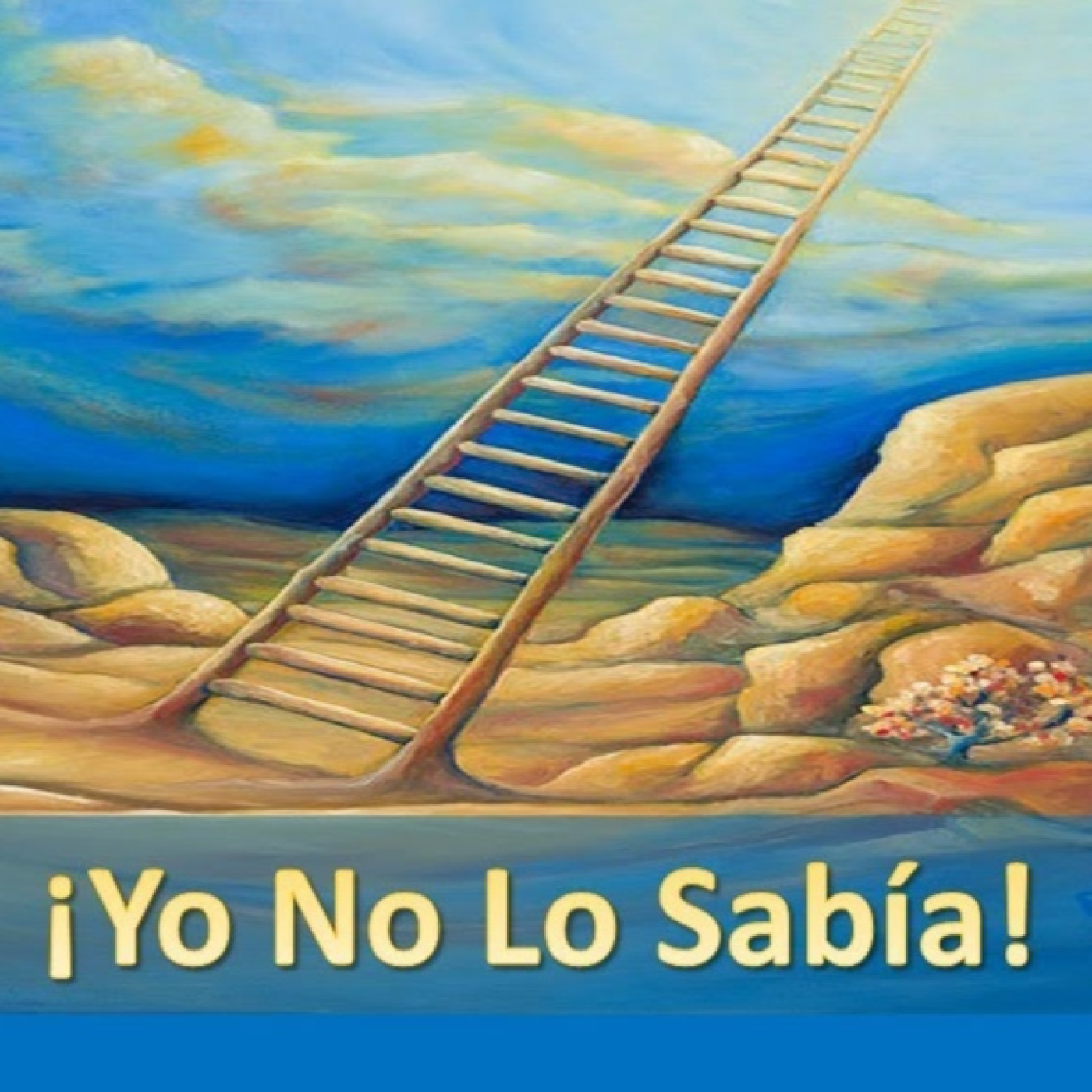
Iaacov deja su lugar de nacimiento en Beer Sheva y viaja a Jaran. En el camino se encuentra con “el lugar” y duerme allí, soñando con una escalera que conecta el cielo con la tierra, y con ángeles subiendo y descendiendo por ella; ELOHIM se le aparece y promete que la tierra sobre la cual está acostado será dada a sus descendientes. Por la mañana, Iaacov eleva la piedra sobre la cual apoyó su cabeza como un altar y un monumento, prometiendo que será la casa de ELOHIM.
Parashat Toldot en Inglés (5784).
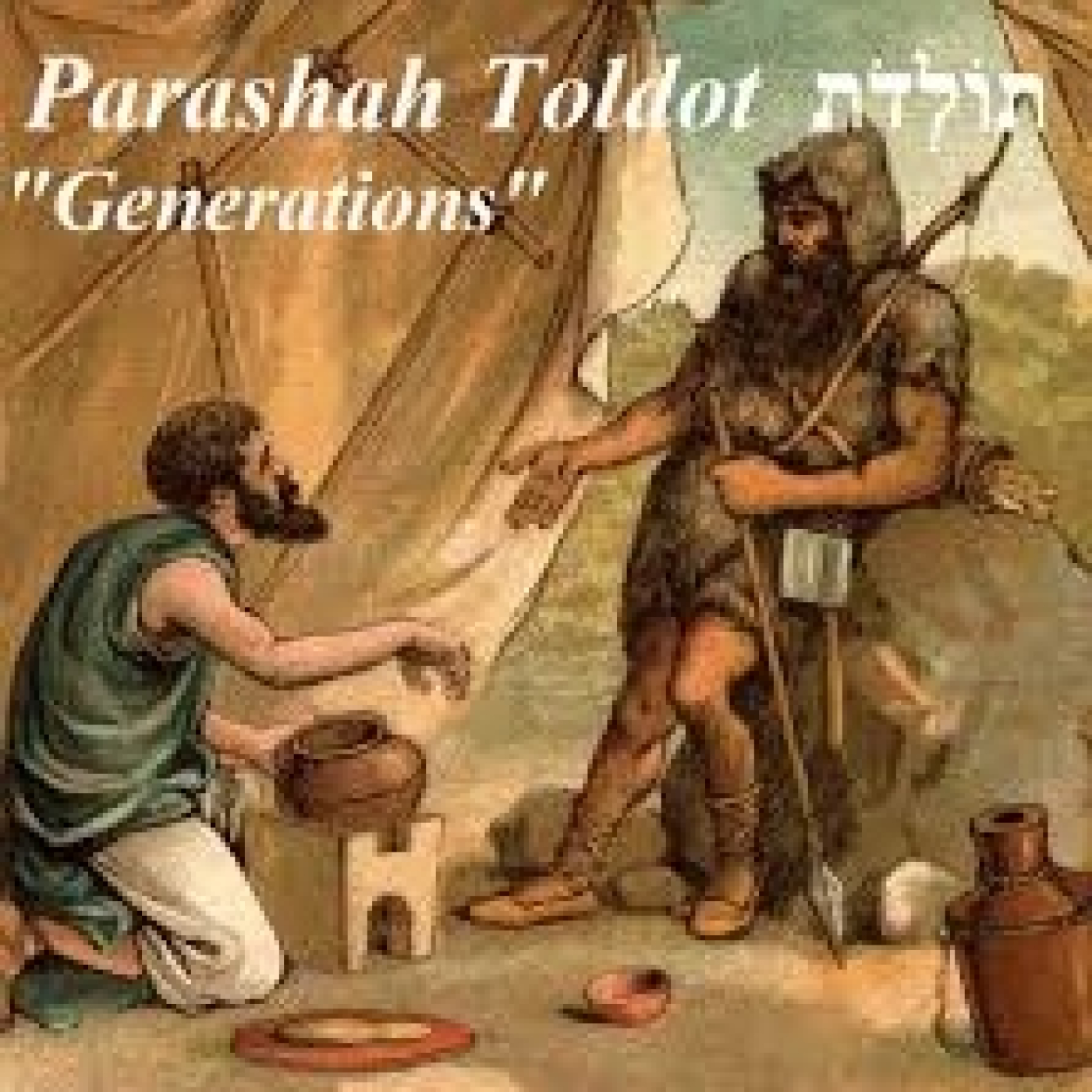
Toldot Iaacov, the third patriarch of the Jewish people, was born in the year 2108 since Creation as the son of Isaac and Rivka and the twin brother of Esav. He lived for 147 years and had twelve sons, who formed the Twelve Tribes of the people of Israel. Rivka could not have children for twenty years, and similarly, Sarah had to wait until she was 75 years old before having a child with Itzak. Rachel had to wait 14 years, and Haná had to wait 19 years before giving birth to Shmuel. This parashah describes the generations of Yitzchak Avinu, including his two sons who represent two modern-day nations: the Israelite nation, whose patriarch is Jacob Avinu, and the Edomite country of Esau HaRasha. These twin brothers had opposite ideologies and beliefs in life, and their influence has left a deep mark on the dogma of religion, doctrine, and thought of the entire world, both in the East and West. Practically speaking, humanity is divided between these two thoughts. Esau has influenced the ideology of almost the West as a whole and part of the East and Europe, while the Semitic influence of the people of Israel from the East and Middle East has had a significant impact on the world as well.

Parashat Jaiei Sarah en Inglés (5784).
JAIEI SARAH Sara lived to be 127 years old and was buried in the Cave of Machpelah in Hebron, which Abraham had purchased from Ephron the Hittite for 400 shekels of silver. Sara lived to be 127 years old and was buried in the Cave of Machpelah in Hebron, which Abraham had purchased from Ephron the Hittite for 400 shekels of silver. Avraham's servant, Eliezer, was sent to Haran with gifts to find a wife for Isaac. At the town's water well, Eliezer prayed for a sign from Elohim: when the maidens arrived at the well, he would ask for water to drink. The woman who offered to give water to his camels would be destined for the son of his master.

Parashat Vaiera en Inglés (5784).
VAIERA After the circumcision of the first Hebrew at the age of 99, Elohim reveals himself to Avraham. However, when three guests appear in the desert heat, Avraham quickly leaves the meeting to prepare a meal for them. One of the three guests, angels disguised as men, announces that Sara, previously infertile, will give birth to a son in precisely one year. Despite this, Sara laughs in disbelief.
Parashat Lej Leja en Inglés (5784).
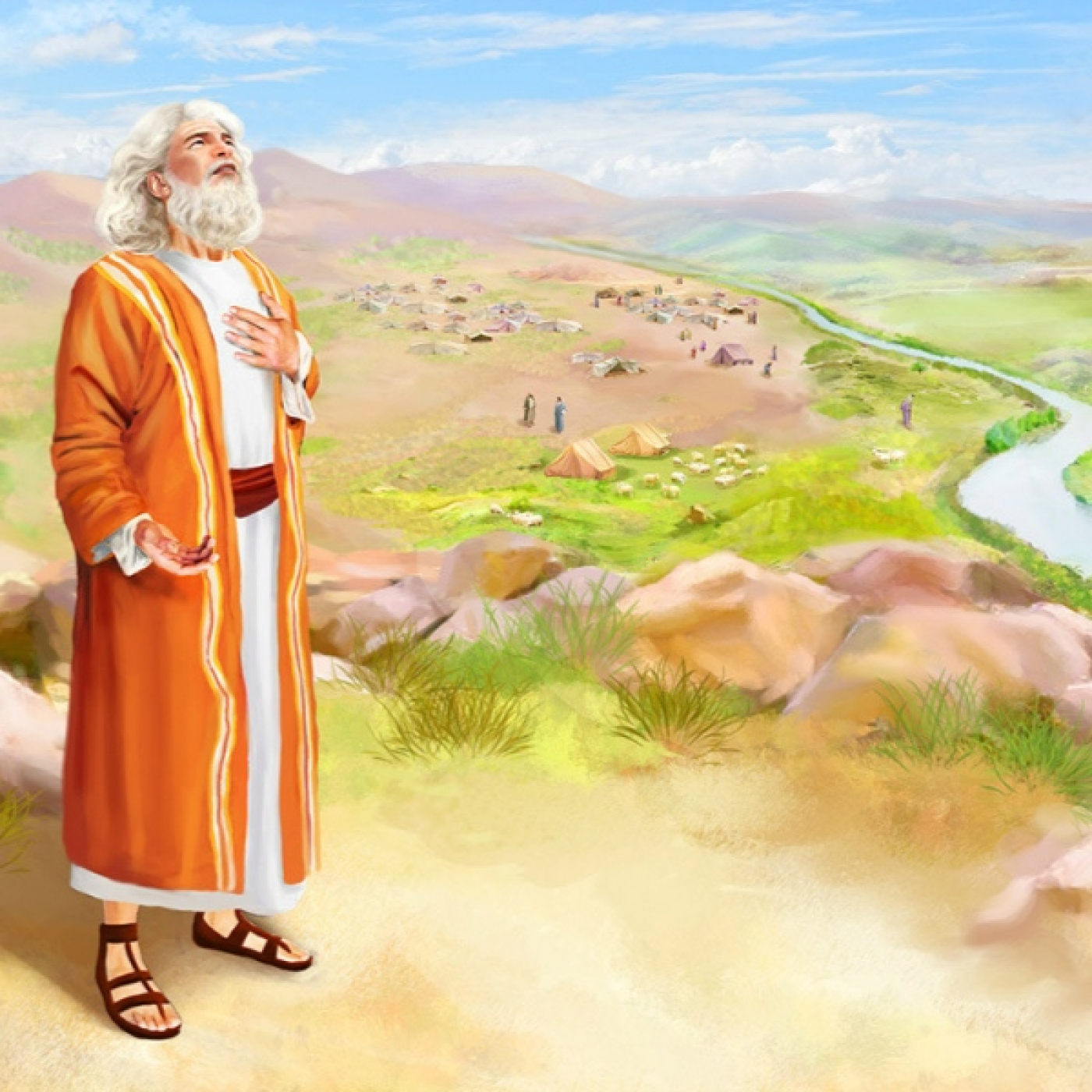
LEJ LEJA Elohim spoke to Avram, saying, "Leave your land, birthplace, and father's house, and go to the land I will show you." According to Elohim, Avram will become a great nation there. Avram, accompanied by his wife Sarai and nephew Lot, traveled to the Land of Canaan, where he built an altar and continued to spread the message of Elohim. Due to famine, the first Jew traveled to Egypt, where Pharaoh took the beautiful Sarai to his palace. Avram escaped death by presenting themselves as brother and sister. A plague prevented the Egyptian king from touching Sarai, and she convinced him to return her to Avram and compensate him with gold, silver, and cattle. Back in the Land of Canaan, Lot separated from Avram and settled in the evil city of Sodom, where he was captured when Kedarlaomer's army and his three allies conquered the five towns of the Valley of Sodom. Avram went out with a small band to rescue his nephew, defeated the four kings, and was blessed by Malki-Tzedek, the king of Salem (Jerusalem). Elohim sealed the Covenant Between the Parties with Avram, in which the exile and persecution (Galut) of the Jewish people were reported to him, and the Holy Land was assigned to them as their eternal inheritance.
Parashat Noaj en Inglés (5784).
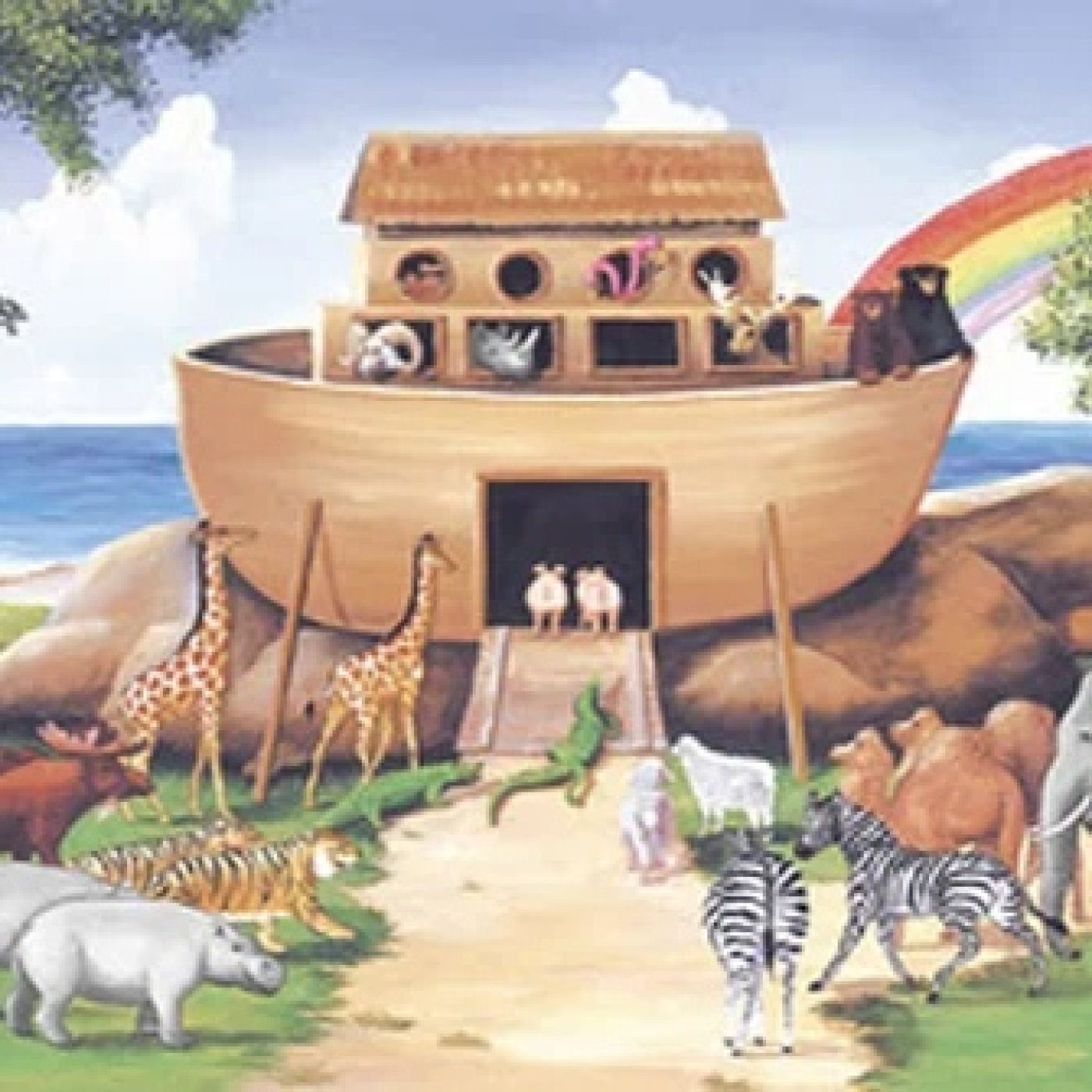
NOAJ At the beginning of this week's Torah portion, Noah is described as a man who embodies righteousness and strives for perfection. The verse states, "Noah was a righteous man (ish tzadik), perfect in his generation; Noah walked with Elohim" (Genesis 6:9). In contrast to the amoral community around him, Noah carefully adheres to a code of ethical behavior and is an ish tzadik, elevating what might otherwise seem mundane experiences.

Bereshit en Inglés (5784).
According to the teachings of the Vilna Gaon, we can learn from each letter of the first word of the Torah, "Bereshit," and apply it to achieve success in anything we pursue. The key to success lies in six principles: • Bitachon (faith and trust in Hashem). • Ratzón (willingness to act with love). • Ahavá (unconditional love for all creatures). • Shetika (maintaining silence during difficult times). • Yirah (growing fear of Hashem ). • Torah (the study of Hashem’s holy scripture). When we have certainty in Hashem , act with love, love all creatures, stay silent when going through tough times, fear Hashem , and study His word, we can obtain His protection and grow in every area of our lives. We also learn from our studies that the living Torah is embodied in Yeshua HaMashiach, who is the only way to salvation. Everything was created through Him, and without Him, there is no other means of salvation. He is the beginning and the end, the first and the last, the aleph and the tav.
Parashat: Toldot II (5784).
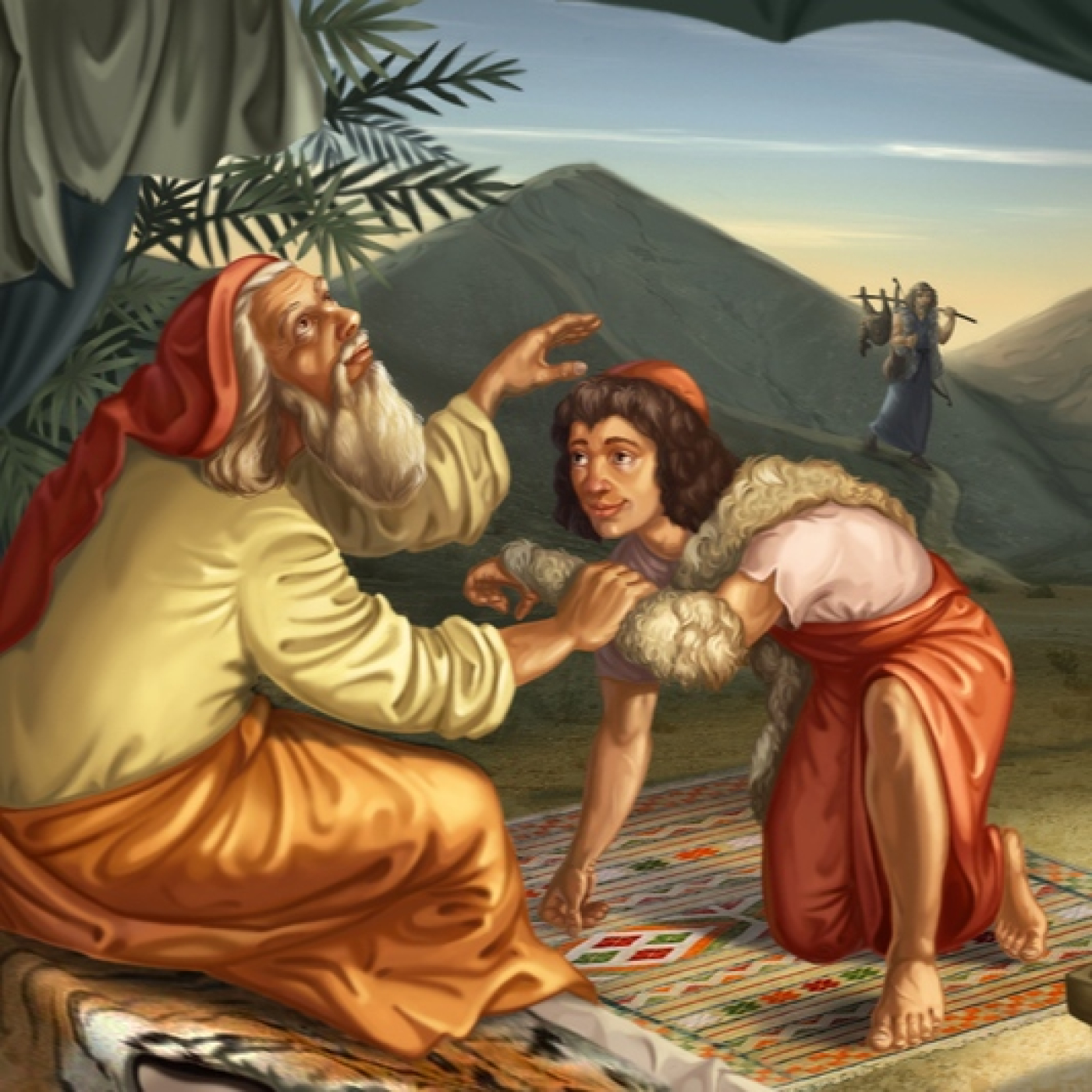
Esta parashat nos habla de las generaciones de Itzjak abinu: sus dos hijos que representan a dos naciones hoy en día, la nación israelita que su patriarca es Iaacov abinu y la nación edomita de Esav harashá. Estos hermanos gemelos que en vida tuvieron ideologías y creencias totalmente opuestas, y han marcado profundamente la ideología de la religión, doctrina y pensamiento del mundo entero. Tanto de oriente como de occidente. Prácticamente podemos dividir a la humanidad entre estos dos pensamientos. Esav influyendo en la ideología de prácticamente todo occidente y parte de oriente y Europa. Y por otro lado la influencia semita del pueblo de Israel del lado oriente y medio oriente.
Parashat: Toldot I (5784).
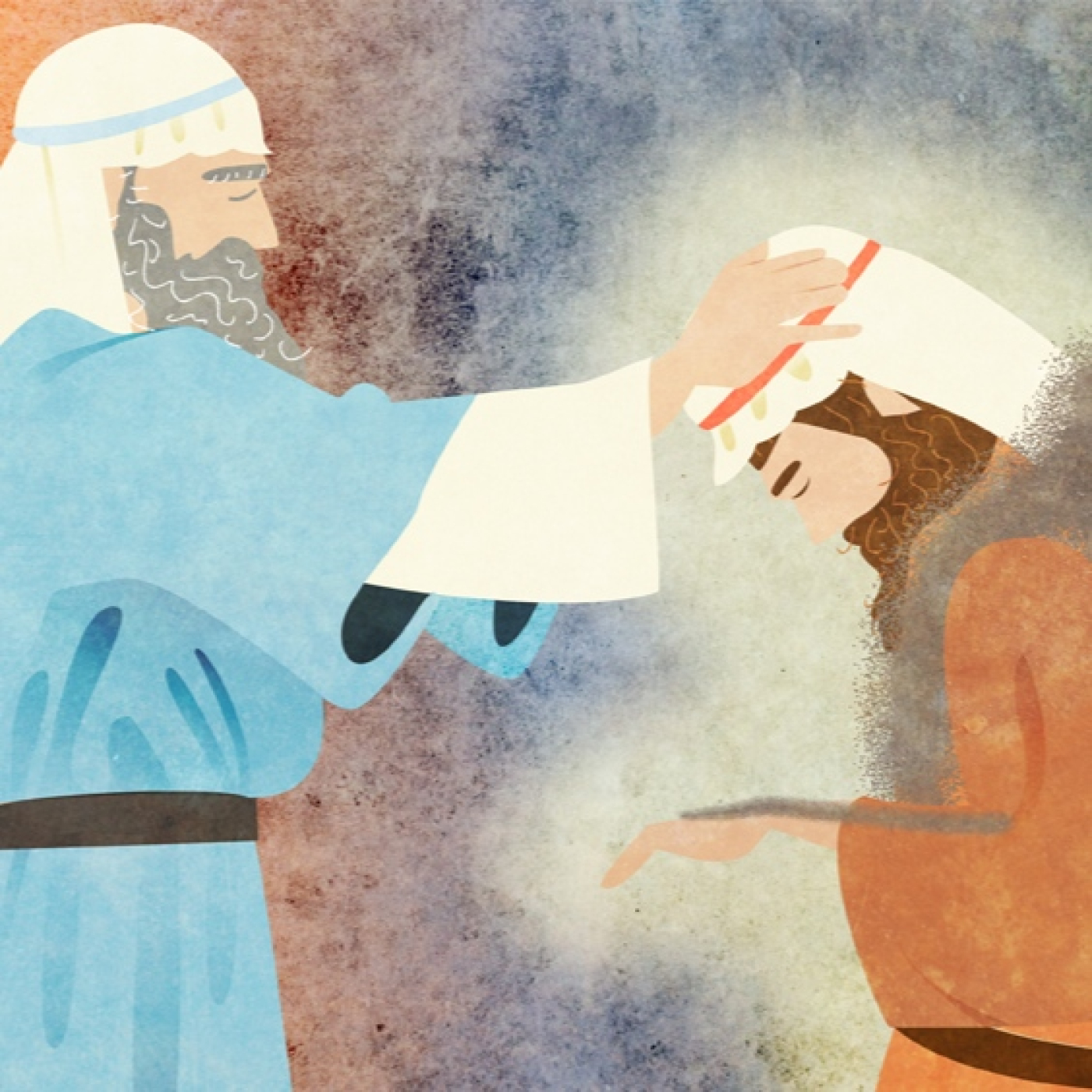
Iaacov, hijo de Itzjak y Rivká, hermano gemelo de Esav, y tercer patriarca del pueblo judío, nace en el año 2.108 desde la Creación y vive 147 años. Sus doce hijos forman las Doce Tribus del pueblo de Israel. Rivká estuvo casada por veinte años sin tener hijos. Otras mujeres que tuvieron que esperar muchos años antes de tener hijos fueron: Sarah, por Itzjak -75 años- ; Rajel -14 años- ; y Janá -19 años- hasta el nacimiento de Shmuel.
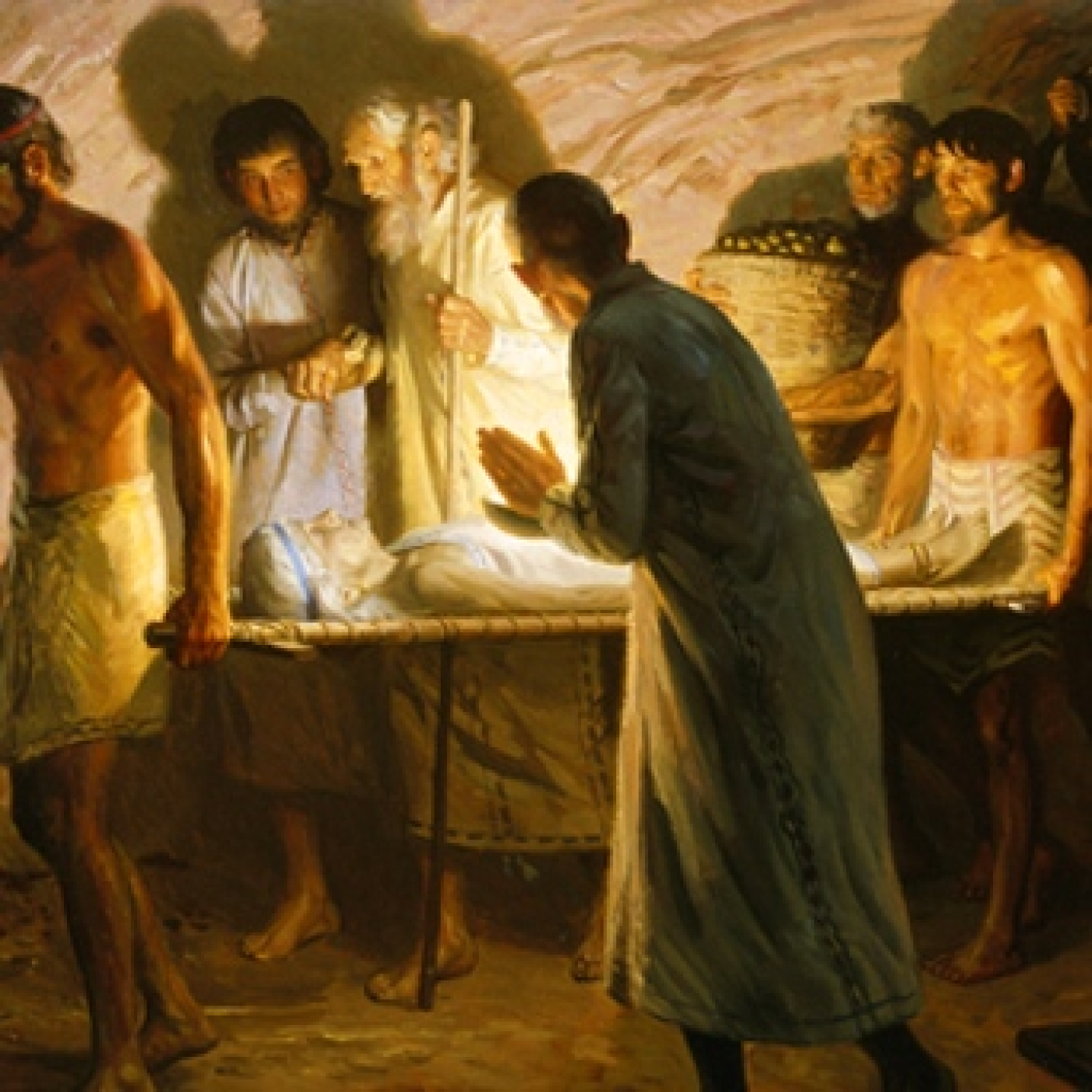
Parashat: Jaiei Sará II (5784).
Sobre este pasuk, viene el perush, la interpretación de Rabí Shlomó Itzjaki: Fué la vida de Sarah cien año, veinte año y siete años. Esto quiere decir que todos los años de Sarah fueron plenos y felices. Y allí es donde nos preguntamos ¿cómo lo logró, a pesar de las dificultades que tuvo? Ella fué estéril 90 años, fué secuestrada dos veces, tuvo fuertes conflictos con Hagar, se complicó la educación de su hijo Itzjak por la mala influencia de Ishmael y al final de sus días murió al saber que su hijo Itzjak iba a ser sacrificado. Cómo puede vivir una vida plena y feliz con todas esas dificultades que tuvo y muy difíciles de superar? Qué hacía Sarah imenu para ser feliz a pesar de los conflictos y avatares de la vida? La parashá comienza diciendo "y fué la vida de Sarah..." ויהיו (vayehiyú) y fué... Podemos ver qué la palabra Vayehiyú es un paralelogramo. ¿Qué es una palabra paralelogramo? Es una palabra que al leer de derecha a izquierda y de izquierda a derecha se lee exactamente lo mismo.
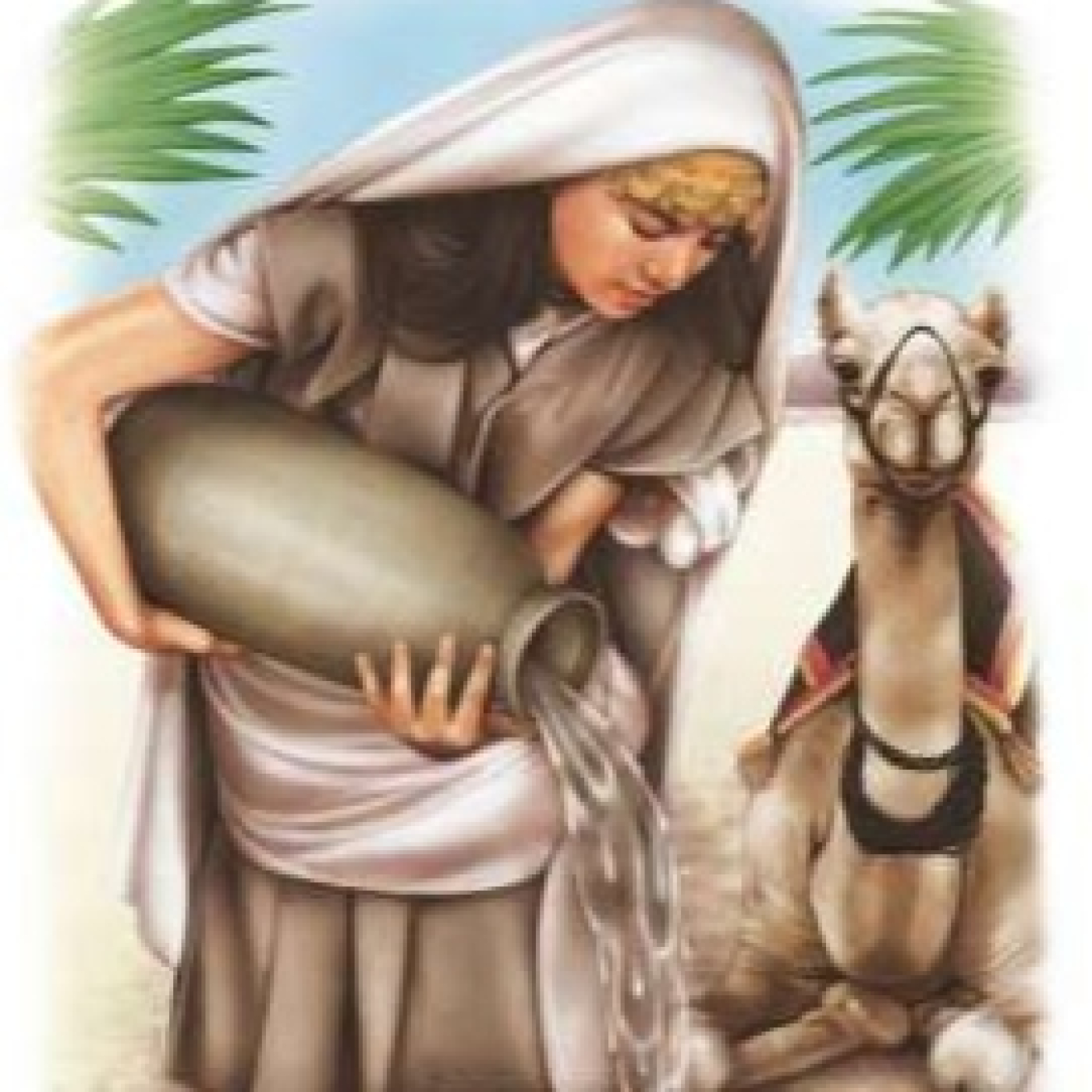
Parashat: Jaiei Sará I (5784).
Sara fallece a la edad de 127 años y es enterrada en la Cueva de Majpelá en Jevrón, la cual Avraham adquiere de Efrón el Jití por 400 shekels de plata. El sirviente de Avraham, Eliezer, es enviado, cargado de regalos, a Jarán, para buscar una esposa para Itzjak. En el pozo de agua del pueblo, Eliezer pide una señal a Elohim: cuando las doncellas vienen al pozo, él pedirá agua para beber; la mujer que ofrezca darle de beber a sus camellos también, será la mujer destinada para el hijo de su maestro.
PROFECÍA DE LOS ULTIMOS TIEMPOS
Ishmael el hijo de Avraham recibió la creencia de su padre en Elohim. La religión de Ishmael "el islam" es una fé puramente monoteísta, inalterada por ninguna señal de las características paganas de tantas otras religiones. Como el hinduismo y el catolicismo, por ejemplo. Los musulmanes rezan cinco veces al día, que según dicen estos cinco rezos son paralelos a los cinco servicios de kipur.

Parashat: Vaierá II (5784)
Avraham suplica a Elohim para salvar la perversa ciudad de Sdom. Dos de los tres Emisarios disfrazados arriban a la ciudad perdida, donde el sobrino de Avraham, Lot, les extiende su hospitalidad y los protege de las malvadas intenciones de la multitud. Los dos huéspedes revelan que vinieron a destruir el lugar y para salvar a Lot y su familia. La esposa de Lot se convierte en una estatua de sal cuando transgrede el mandato de no mirar hacia atrás a la ciudad en fuego mientras se escapan. Mientras se refugiaban en una caverna, las dos hijas de Lot (creyendo que ellas y su padre eran los únicos vivos en todo el mundo) embriagan a su padre, se acuestan con él y quedan embarazadas. Los dos hijos nacidos de este incidente son los padres de las naciones de Amón y Mob. Avraham se muda a Grar, donde el rey Filisteo Avimelej toma a Sara, que es presentada como la hermana de Avraham, a su palacio. En un sueño, Elohim advierte a Avimelej que morirá a menos que devuelva la mujer a su marido. Avraham explica que temía ser asesinado por la hermosa Sara. Elohim recuerda Su promesa a Sara y le da, junto con Avraham, un hijo, que es llamado Itzjak ("se reirá"). Itzjak es circuncidado a los ocho días; Avraham tiene 100 años y Sara 90 en el momento del nacimiento. Hagar e Ishmael son echados de la casa de Avraham y deambulan por el desierto; Elohim oye el llanto del muchacho agonizante y le salva la vida mostrándole a su madre un pozo de agua. Avimelej hace un pacto con Avraham en Beer Sheva, donde Avraham le entrega siete ovejas como símbolo del pacto. Elohim prueba la devoción de Avraham mandándole a sacrificar a su hijo Itzjak en el Monte Moria (el Monte del Templo) en Jerusalén. Itzjak es atado y colocado en el altar, y Avraham levanta el cuchillo para degollar a su hijo. Una voz del cielo lo llama a detenerse; un carnero, atrapado en los arbustos por sus cuernos, es ofrecido en lugar de Itzjak. Avraham recibe la noticia del nacimiento de una hija a su sobrino Betuel.
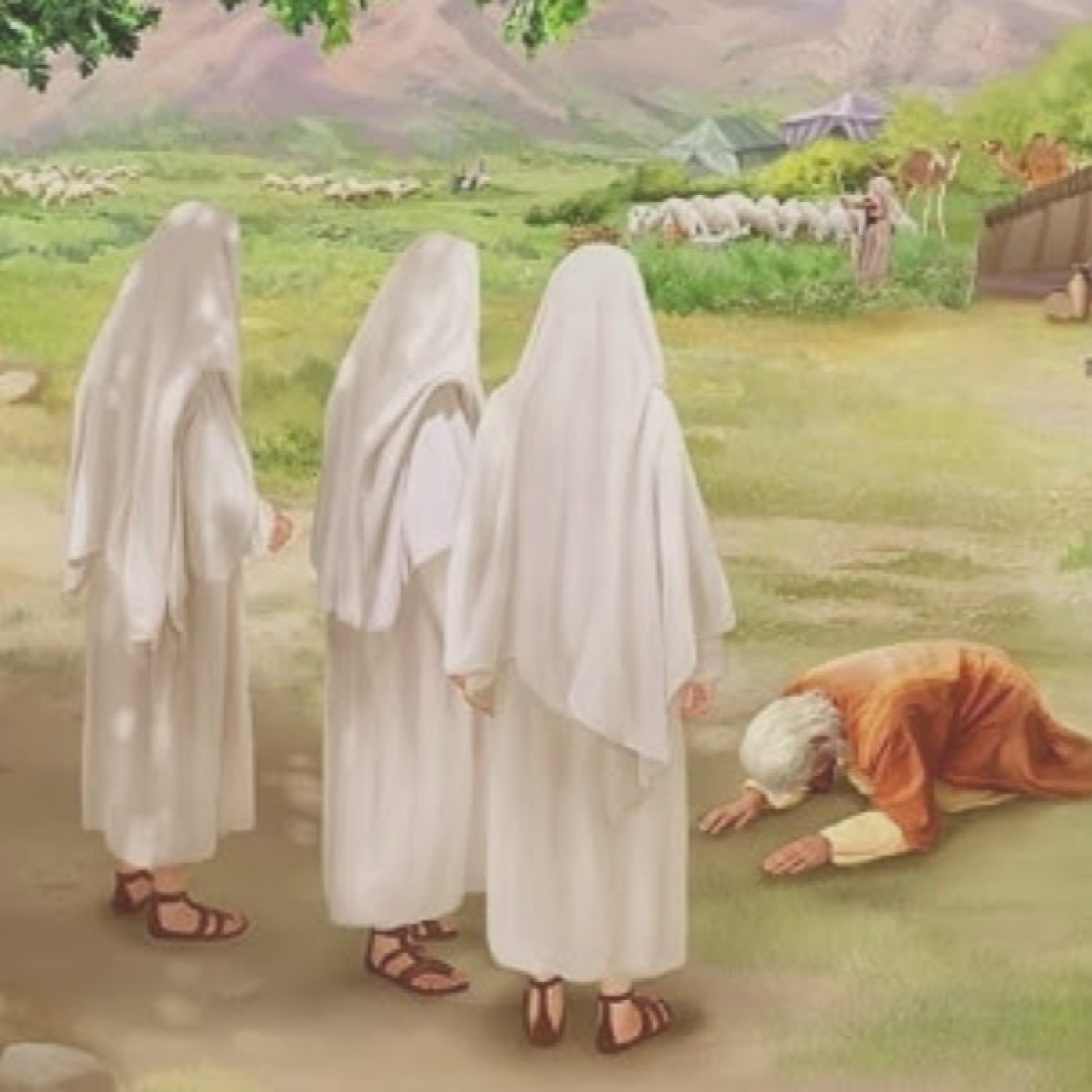
Parashat: Vaierá I (5784).
Elohim se revela a sí mismo a Avraham tres días después de la circuncisión del primer Hebreo a la edad de 99 años; pero Avraham se retira rápidamente del encuentro para preparar una comida para tres invitados que aparecen en el calor del desierto. Uno de los tres, que son ángeles disfrazados de hombres, anuncia que, exactamente en un año, la infértil Sara dará a luz a un hijo. Sara se ríe.
Parshat Lej-Leja II (5784).
La hambruna causa que el primer judío viaje a Egipto, donde la hermosa Sarai es llevada al palacio del Faraón; Avram se escapa de la muerte porque se presentan como hermano y hermana. Una plaga evita que el rey egipcio toque a Sarai y ella lo convence de que debe devolverla a Avram y compensarlo con oro, plata y ganado. De vuelta en la Tierra de Cnaan, Lot se separa de Avram y se establece en la malvada ciudad de Sdom, donde es capturado cuando el ejército de Quedarlaomer y sus tres aliados conquistan las cinco ciudades del Valle de Sdom. Avram sale con una pequeña banda a rescatar a su sobrino, derrota a los cuatro reyes, y es bendecido por Malki-Tzedek el rey de Salem (Jerusalén). Elohim sella el Pacto Entre las Partes con Avram, donde el exilio y la persecución (Galut) del pueblo judío le son informados y la Tierra Santa es asignada a ellos como su herencia eterna.

Parashat: Lej Lejá I (5784).
Elohim habla con Avram, diciéndole "Vete de tu tierra, de tu lugar de nacimiento y de la casa de tu padre, a la tierra que te mostraré". Allí, dice Elohim, hará de Avram una gran nación. Avram y su mujer Sarai, acompañados por su sobrino Lot, viajan a la Tierra de Cnaan, donde Avram construye un altar y continúa difundiendo el mensaje de Elohim.

Parashat Noaj II : (5784)
El Mesías es el segundo Noáj, el consolador y el salvador del mundo. Quizás esa es la forma en que la Torá dice: "Estas son las generaciones de Noáj. Noáj era un hombre justo". Asimismo Mashíaj hatzadik, Mashíaj tzidkenu vendrá y nos salvará y todo Israel podrá vivir en libertad en la tierra prometida a nuestros patriarcas.
Parashat Noaj I : (5784).
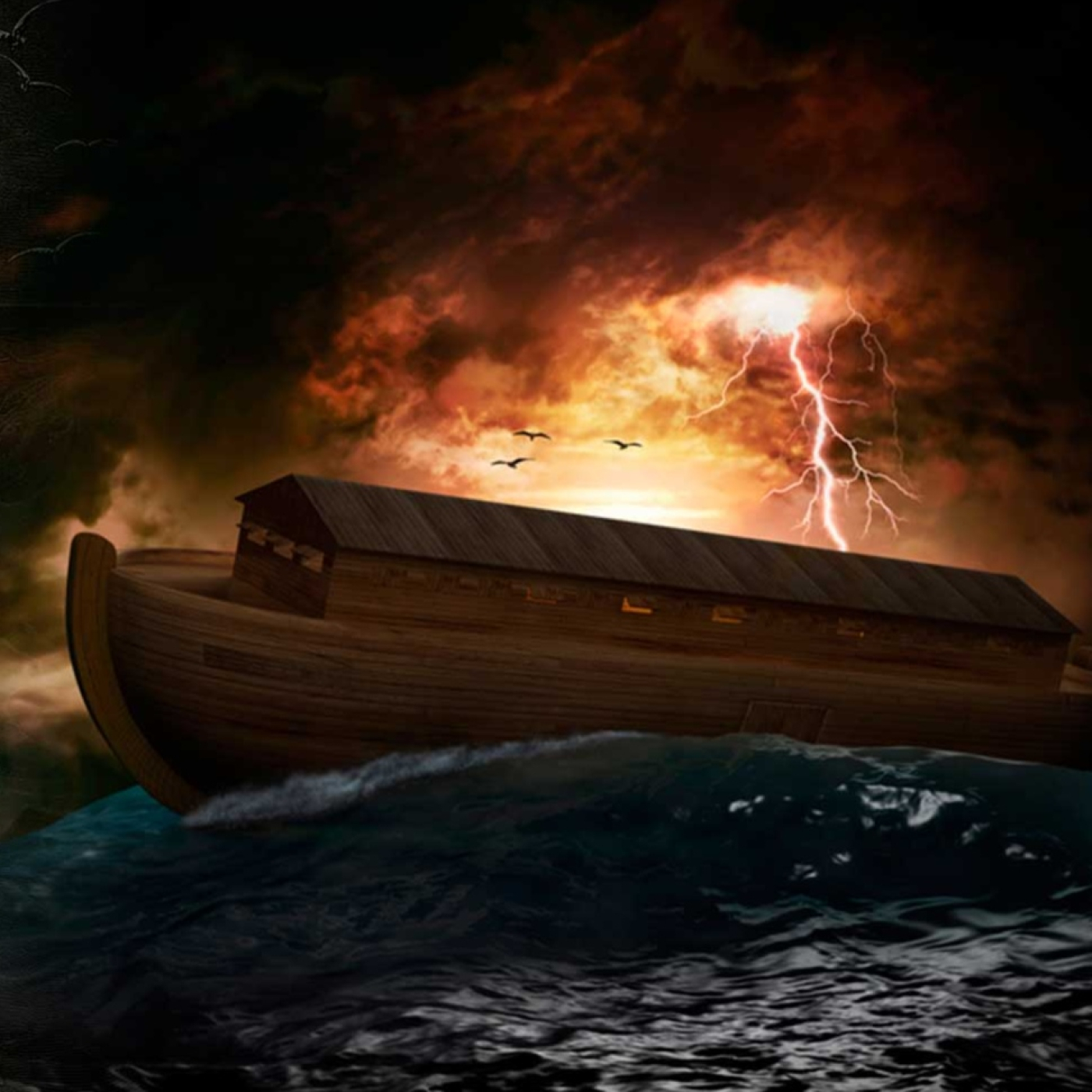
Al comienzo de esta parashá, Nóaj es descripto de una manera que refleja su naturaleza inicial: "…Nóaj era un hombre justo (ish tzadik), perfecto en su generación; con Elohim marchó Nóaj" (Bereshit 6:9). Él es un hombre de perfección que se esfuerza en la vida por llegar a lo ideal. En contraste con la comunidad amoral que lo rodea, Nóaj se adhiere cuidadosamente a un código de comportamiento ético y es un ish tzadik, elevando lo que de otra manera podrían parecer experiencias mundanas.
Parashat Bereshit II (5784).
Ésta es la enseñanza del Gaón de Vilna con respecto a Bereshit. Tomamos de cada letra de la primer palabra de la Torah : Bereshit, consejos para tener éxito en todo lo que emprendamos. La clave del éxito en todo es bitajon, ratzón, ahavá , shetiká, yirá y Torah. Certeza en HaShem, voluntad para hacer las cosas con amor, ahavá, amor incondicional a todas las criaturas del mundo, shetiká guardar silencio cuando pasamos situaciones difíciles, incrementar el temor a HaShem, nos ayudará a obtener protección de Él y Talmud Torah , el estudio de la Torah esa la clave del éxito para crecer en todos los ámbitos. Y como también estudiamos que la Torah viva es Yeshúa HaMashíaj y sin El no hay salvación, porque no hay otro nombre bajo el cielo en quien podamos ser salvos. Por causa de el todo fué creado , por medio de el fueron hechos los cielos y la tierra, y todo lo que en ellos hay. El es el principio y el fin, el primero y el último , el alef y la tav.
Parashat Bereshit I (5784).
Ésta es la lección de Bereshit. Contemplar la luz de la Torah hakedoshá y allí aprenderemos a ver esas chispas de luz que están escondidas en las personas. Toda la información del universo está contenida en la luz primordial. Todos nosotros podemos percibir aún en la incertidumbre como HaKadosh BarujHu nos habla en todo momento a través de Su palabra, con ayuda de Su Rúaj HaKodesh que nos guiará a toda verdad y justicia en Yeshúa HaMashíaj quién regresará pronto.
Parashat: Vezot Habrajá (5784).
Esta parashat relata como Moshe sube al Monte Nevó, desde donde ve la Tierra Prometida. "Y Moshe, el sirviente de Elohim, murió allí, en la Tierra de Moab por boca de Elohim...y nadie conoce su lugar de sepultura hasta el día de hoy". La Torá concluye mencionando que "Desde entonces no hubo otro profeta como Moshe en Israel, a quien Elohim conoció cara a cara...y con la mano poderosa y las grandes temibles acciones que Moshé hizo frente a los ojos de todo Israel".
Hitgalut y Sucot
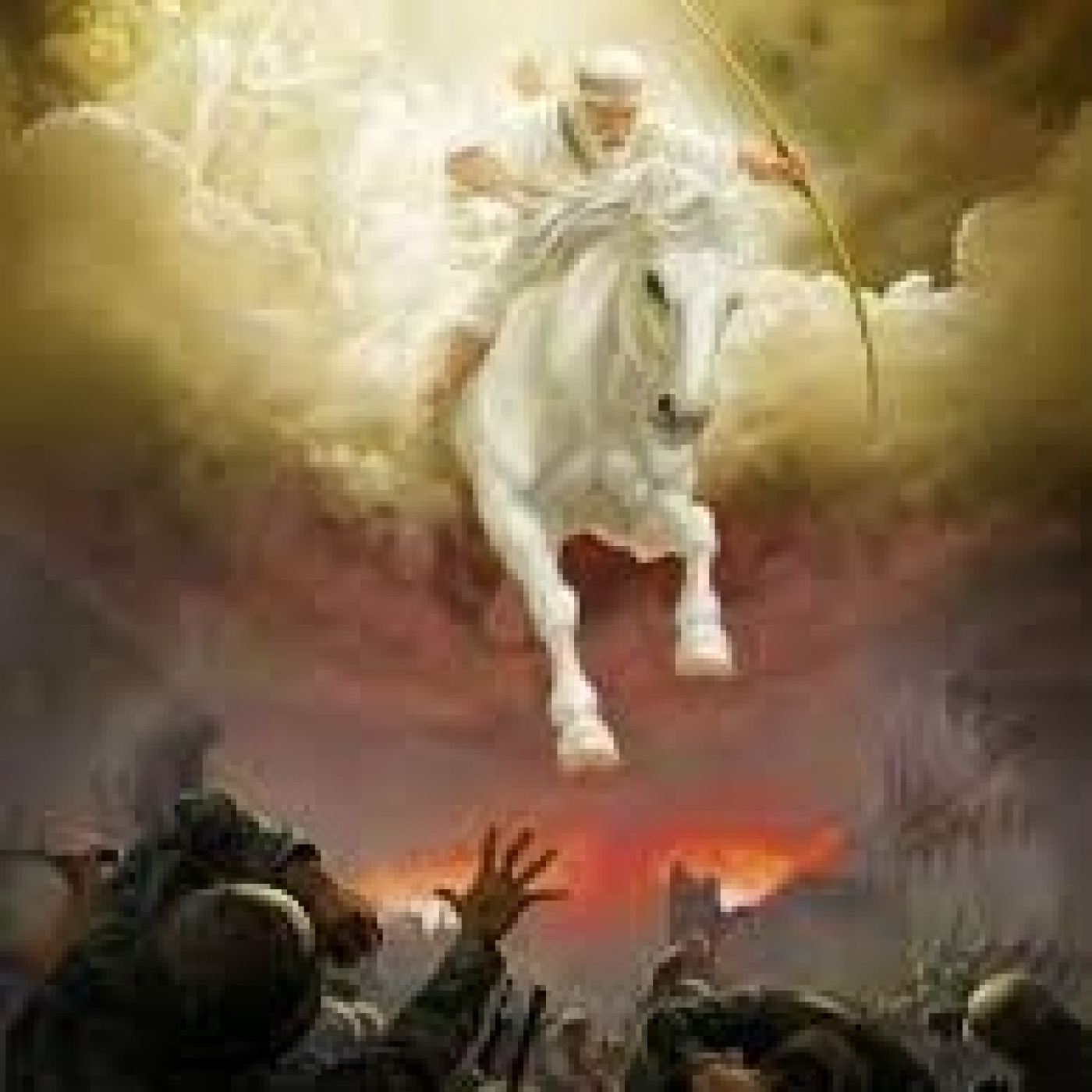
Los guardianes de los secretos de la Torah nos enseñan que la festividad de Sucot esconde los secretos del Apocalipsis y el regreso del Mashíaj tzikenu. Según el judaísmo Mashíaj Ben Iosef y Mashíaj Ben David. Pero nosotros sabemos por Ruaj Hakodesh que Mashíaj Ben Iosef ya tuvo su primer visita a este mundo y dió su vida para que a través de su sangre derramada seamos perdonados y limpios para tener acceso en olam habá a la nueva Ierushalaim.

Parashat: Haazinu II (5784)
Llamando al cielo y la tierra como testigos, Moshe exhorta al pueblo "Recuerda los días de antaño / Considera los años de muchas generaciones / Pregunta a tu padre, y él te relatará / A tus ancianos, y ellos te dirán" como Di-s "los encontró en una tierra desierta", los hizo un pueblo, los eligió para sí mismo y les legó una hermosa tierra. La canción también advierte sobre las dificultades de la abundancia: "Ieshurún engordó y pateó / Tu has engordado, grueso, anadeado / El olvidó al Elohim que lo hizo / Despreció la Roca de su salvación" — y las terribles calamidades que ocurrirían, que Moshe como Elohim "ocultando Su rostro". Sin embargo, hacia el final, él promete, Elohim será vengado por la sangre de sus sirvientes y se reconciliará con su pueblo y su tierra. La parashá concluye con la instrucción de Elohim hacia Moshe de subir a la cima del Monte Nevó, desde donde observará la Tierra Prometida antes de morir ahí. "Tu verás la tierra frente a ti; pero no entrarás allí, a la tierra que Yo doy a los hijos de Israel"

Parashat: Haazinu I (5784).
Una gran parte de la porción de la Torá Haazinu (Oigan) consiste en una "canción" de 70 líneas dicha por Moshe al pueblo de Israel en el último día de su vida. Llamando al cielo y la tierra como testigos, Moshe exhorta al pueblo "Recuerda los días de antaño / Considera los años de muchas generaciones / Pregunta a tu padre, y él te relatará / A tus ancianos, y ellos te dirán" como Elohim "los encontró en una tierra desierta", los hizo un pueblo, los eligió para sí mismo y les legó una hermosa tierra.
El sonido del Shofar
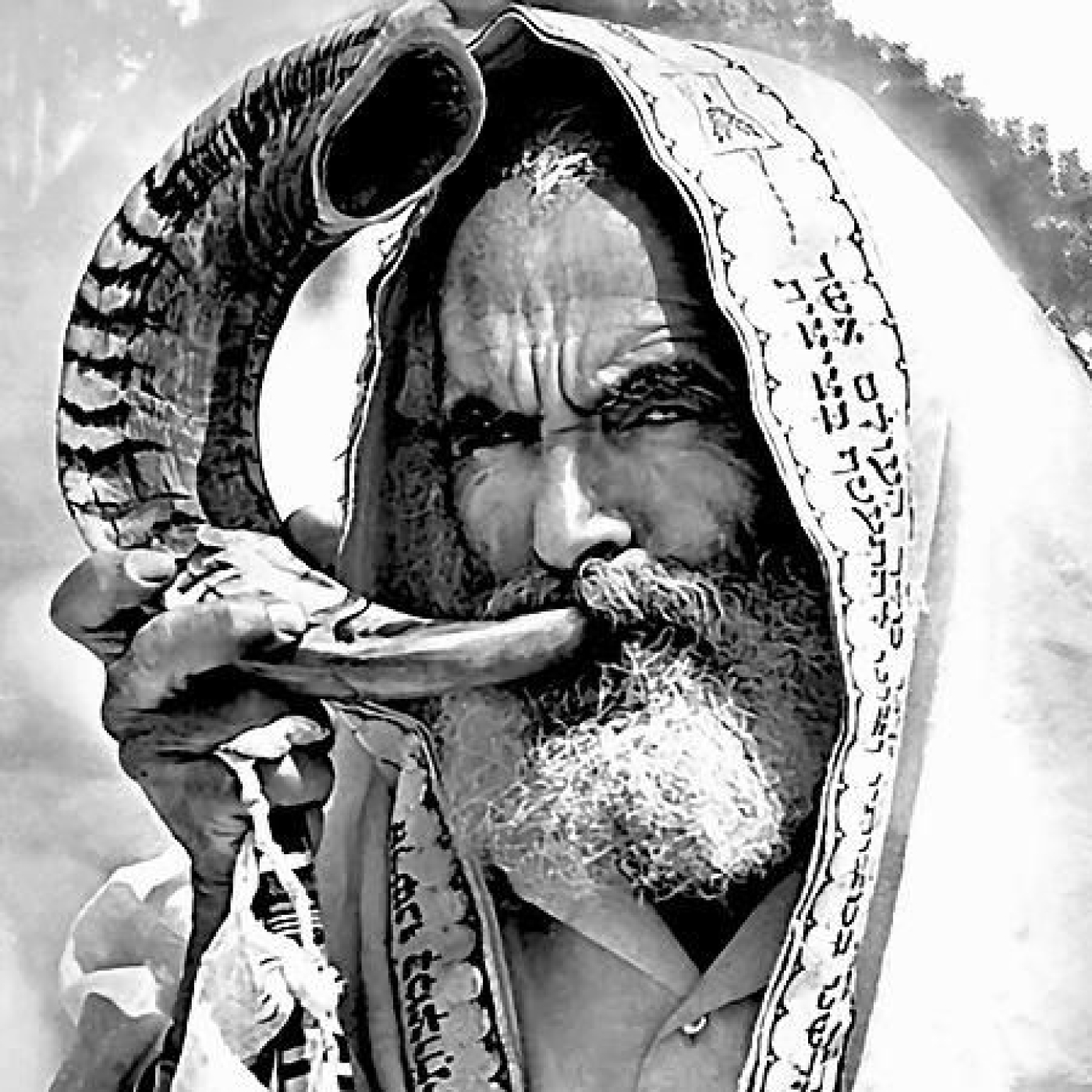
Yom Teruah o Día de las Trompetas (Levítico 23:23-24) es una de las santas convocaciones señaladas por el Eterno, se celebra el primer día del séptimo mes bíblico 'Tishrei' y es también conocido como Rosh HaShaná, que literalmente significa 'Cabeza de Año', ya que marca el comienzo del año civil hebreo.
Parashat: Nitzavím-Vaiélej II (5783).
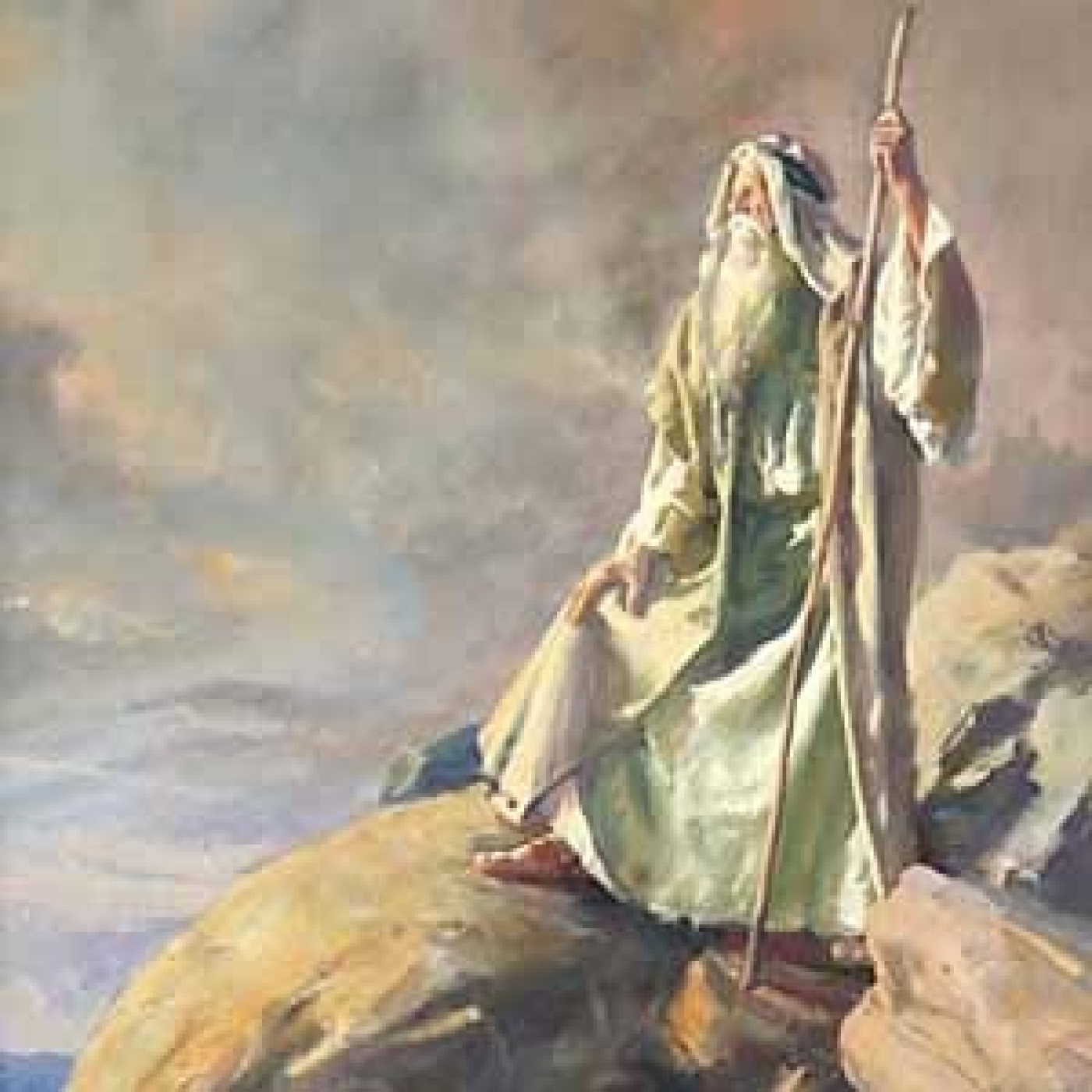
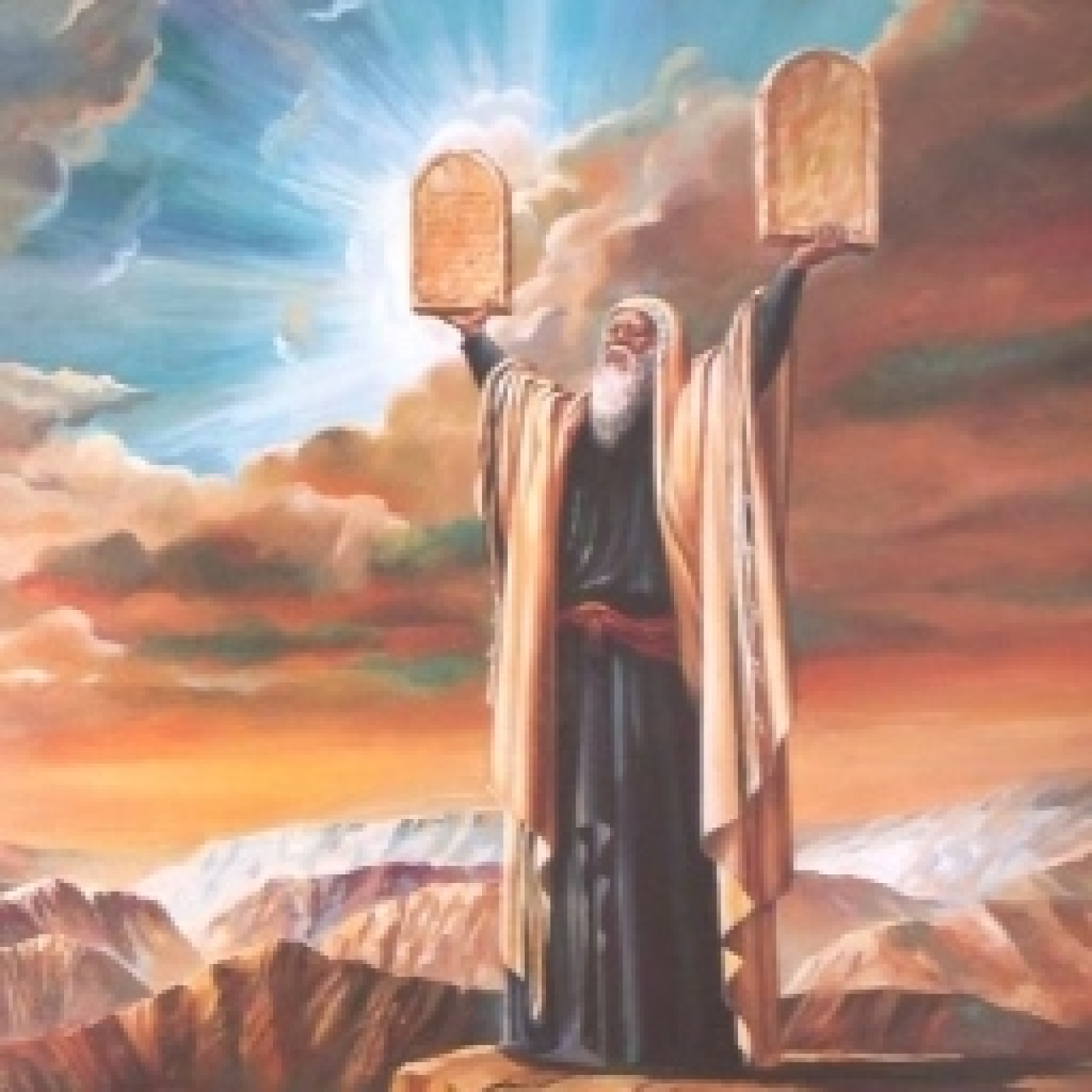
La sección de Vaiélej (y él fue) recuenta los eventos del último día de la vida terrenal de Moshé. "Tengo ciento y veinte años hoy," dice Moshé al pueblo, "y no puedo salir y entrar más". Moshé transfiere el liderazgo a Ioshúa, y escribe (o concluye la escritura de) la Torá en un rollo que deja en manos de los Leviím para ser guardado en el Arca del Pacto. El precepto de Hakel (reunir) es dado: cada siete años, durante el festival de Sucot del primer año del ciclo de Shmitá (año sabático), todo el pueblo judío, hombres, mujeres y niños, deben reunirse en el Templo de Ierushaláim, donde el rey debe leer de la Torá frente a ellos. Vaielej concluye con la predicción de que el pueblo de Israel se apartará del pacto con Elohim, causando que Elohim se oculte, pero también con la promesa de que las palabras de la Torá "no serán olvidadas de las bocas de tus descendientes".
Parashat: Nitzavím-Vaiélej I (5783).
La sección de Nitzavím (firmes) contiene algunos de los principios más fundamentales de la fe judía: La unión del pueblo judío: "Todos ustedes se encuentran hoy firmes ante Elohim, su Elohim, los jefes de sus tribus, los ancianos, los oficiales, todos los hombres de Israel; los niños, las mujeres, el extraño que vive con ustedes; desde el leñador hasta el aguatero". La futura redención: Moshé advierte sobre el exilio y la desolación de la tierra que ocurrirá si el pueblo abandona las leyes de Abba kadosh. Sin embargo luego profetiza que, al final, "Retornarás hacia Elohim... Aunque tus desterrados estén en el extremos del cielo, también de allí te reunirá Elohim... y te traerá a la tierra que tus padres poseyeron". La practicidad de la Torá: Porque este mandato que te prescribo hoy no está más allá de ti, ni está lejos. No está en el cielo... No está del otro lado del mar... Por el contrario, es muy cercano a ti, en tu boca, en tu corazón, para que lo lleves a la práctica". El libre albedrío: "Mira, pongo ante ti hoy, la vida y lo bueno, la muerte y lo malo... Y elegirás la vida".

Parashat: Ki Tavó II (5783).
Moshe recuerda a la gente que son el pueblo elegido por Elohim y que ellos, a su vez, han elegido a Elohim. La última parte de Ki Tavó consiste en la Tojajá (reprimenda). Luego de listar las bendiciones con las cuales Elohim premiará a la gente cuando ellos sigan las leyes de la Torá, Moshe da una larga y dura lista de cosas malas, como enfermedad, hambruna, pobreza y exilio, que ocurrirán si ellos abandonan los preceptos de Elohim. Moshe concluye diciendo al pueblo que sólo hoy, cuarenta años después de su nacimiento como pueblo, alcanzaron "un corazón para saber, ojos para ver y oídos para escuchar".
Parashat: Ki Tavó I (5783).
Moshe instruye al Pueblo de Israel: Cuando entres a la tierra que Elohim te esta entregando como herencia eterna, y la establezcas y la cultives, trae las primeras frutas (bicurím) de tu huerta al Sagrado Templo, y declara tu gratitud por todo lo que Elohim ha hecho por ti. Esta sección también incluye las leyes de los diezmos dados a los Leviím y a los pobres, las instrucciones detalladas de cómo proclamar las bendiciones y las maldiciones en los montes Grizím y Eival, como fue discutido al comienzo de la sección Ree.

Parashat: Ki Tetzé II (5783).
Esta sección también incluye las leyes de la pureza del campamento militar; la prohibición de entregar un esclavo que se escapó; la obligación de pagar a un trabajador a tiempo y de permitir a cualquier animal o persona que trabajan para uno, "comer mientras trabaja"; la forma correcta de tratar a un deudor y la prohibición de cobrar interés por un préstamo; las leyes de divorcio (de donde son derivadas muchas de las leyes de matrimonio); la pena de 39 latigazos por la trasgresión de una prohibición de la Torá; y los procedimientos de ibum ("matrimonio levirático") de la mujer de un hermano fallecido que no tuvo hijos o jalitzá ("quitado del zapato") en el caso en que el cuñado no desee casarse con ella. Ki Tetzé concluye con la obligación de recordar "lo que Amalek te hizo en el camino, cuando salían de Egipto"

Parashat: Ki Tetzé I (5783).
Setenta y cuatro de los 613 preceptos (Mitzvot) de la Torá se encuentran en la sección Ki Tetzé. Estos incluyen las leyes de una cautiva bella, los derechos de herencia del primogénito, el hijo rebelde y descarriado, entierro y dignidad de los muertos, la devolución de un objeto perdido, el envío del ave madre antes de tomar a sus pichones, la responsabilidad de construir un cerco de seguridad en el techo de una casa propia, y las varias formas de kiláim (híbridos prohibidos entre plantas o entre animales).