
Efrayimbenshalom
1,059 episodes — Page 9 of 22
Parashat: Matot-Masei II (5784).
Cuando alcanzas la estatura del Mashíaj, o en el proceso de transformación que la humanidad hace a medida que van estudiando las Mitzvot y descubriendo todo lo maravilloso de Hakadosh BarujHu y su amor por la humanidad, en ese tiempo el ser humano alcanzará el gmar hatikun y es allí donde vendrá Mashíaj tzidkenu. Cuando todas las luces estén integradas, se revela la conciencia de Adam kadmon. El mundo más elevado de las realidades superiores, es llamado kéter, galgata, Adam kadmon, Mashíaj. Y ese es el objetivo que tenemos todos dentro del pueblo de Israel. Nuestro trabajo ahora es encontrar a los que están perdidos en la oscuridad, donde hay más pecado, dónde solo haya oscuridad, ahí es donde debemos alumbrar. Y una vez que esas luces son rescatadas, iluminan mucho más que las luces que son rescatadas donde hay estudio de Torah, donde hay cumplimiento, etc
Parashat: Matot-Masei I (5784).
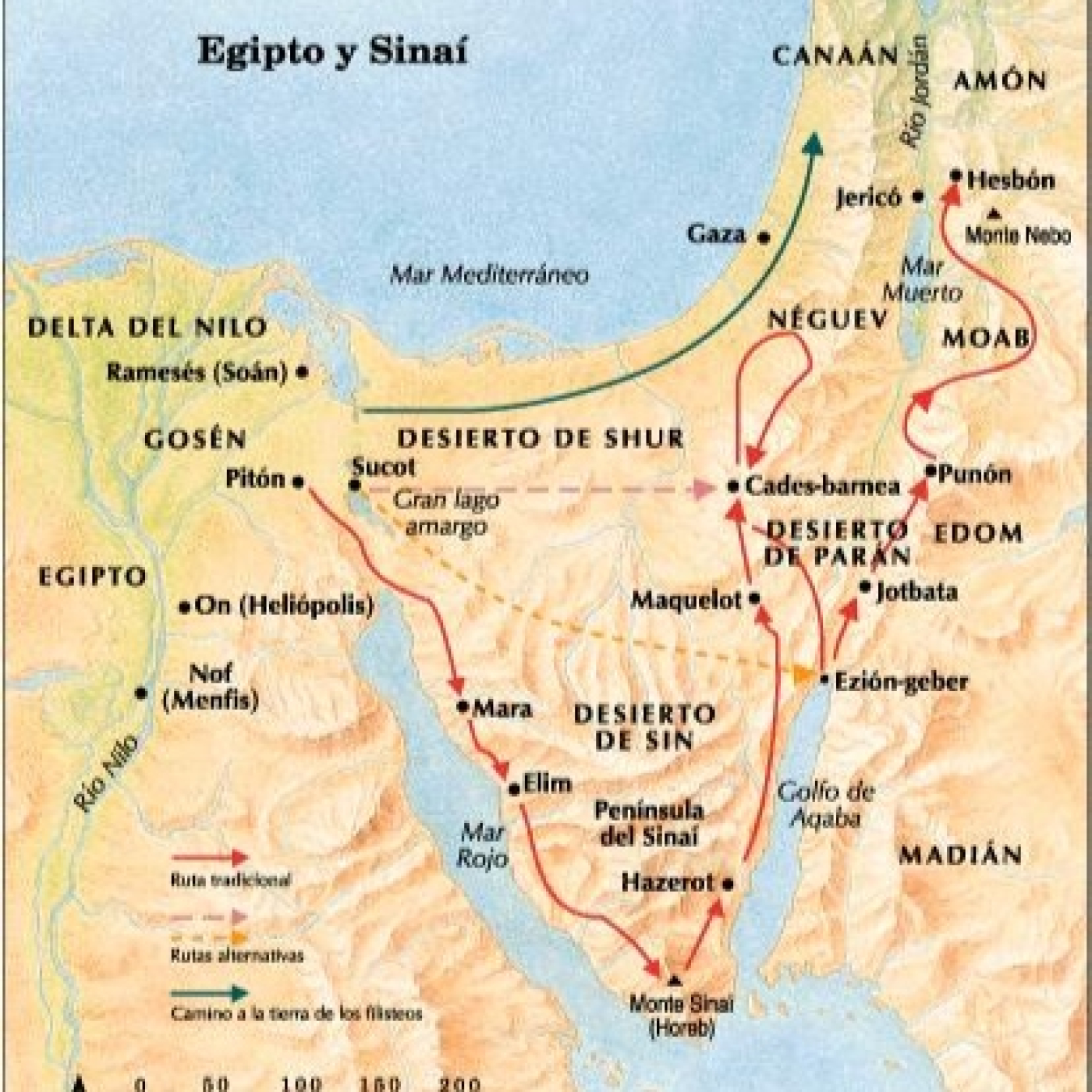
Moshé enseña las leyes que gobiernan la anulación de promesas a los líderes de las tribus de Israel. Se lucha una guerra contra Midián por su rol en la destrucción moral de Israel, y la Torá da un recuento detallado del botín de la guerra y cómo fue distribuido entre la gente, los guerreros, los Levitas y el Cohem Gadol.
Capítulo 2 / Mishná 4 - Pirke Avot
Él solía decir: Haz Su voluntad como tu voluntad, para que Él haga tu voluntad como si fuera Su voluntad. Anula tu voluntad frente a Su voluntad, para que Él anule la voluntad de otros frente a tu voluntad. Hilel dice: No te separes de la comunidad, no creas en ti mismo hasta el día de tu muerte, no juzgues a tu compañero hasta que no llegues a su lugar, no digas cosa alguna que no sea posible escuchar pues terminará por ser oída, y no digas: "Cuando me desocupe, estudiaré", no sea que no te desocupes.
Parashat Jukat en Inglés
This parashah provides a comprehensive overview of the regulations about Parah Adumah, also known as the red cow. These laws of ritual purification are applicable in the event of contact with the deceased. Following the 40-year journey through the desert, Miriam passed away and was laid to rest in Kadesh. The people express dissatisfaction with the lack of water, which had previously been provided to them miraculously on Miriam's merit. Aaron and Moses intercede on behalf of the people. The Elohim instructed them to assemble the people at Merivah and to speak to a specific rock, requesting that it release water. The letter Alef (א) is derived from the name Adam and signifies the study of the Talmud Torah. Dálet (ד) is the fourth letter of the Hebrew alphabet and represents the four elements that comprise the material composition of the human body: earth, water, air, and fire. Mem (ם) is a closed letter at the end of the word Adam, mem sofit. It refers to Olam Habah, which corresponds to the future world. This is a world that is closed to our physical eyes. Upon Mashiach's return, the eyes of the soul will be opened, allowing contemplation of the Olam haruchanit, the spiritual world. In summary, the Torah, represented by the letter Aleph, enables a person to transcend the physical aspect and reach the world to come.
Parashat: Pinjas II (5784).
Un censo del pueblo cuenta 601.730 hombres entre 20 y 60 años. Moshe es instruido sobre cómo debe dividir la Tierra entre las tribus y las familias de Israel a través de una lotería. Las cinco hijas de Tzlafjad piden a Moshe que les conceda la porción de tierra que le pertenece a su padre, quien muere sin hijos varones; Elohim acepta su pedido y lo incorpora dentro de las leyes de herencia de la Torá. Moshe lega el poder en manos de Ioshúa para que lo suceda introduzca al pueblo a la Tierra de Israel. La sección concluye con una detallada lista de ofrendas diarias, las ofrendas adicionales traídas en Shabat, Rosh Jodesh (principio del mes), y las festividades de Pesaj, Shavuot, Rosh Hashaná, Iom Kipur, Sucot y Shminí Atzeret.
Parashat: Pinjas I (5784).
El nieto de Aharón, Pinjás, es premiado por su acto de celosía al matar al príncipe de la tribu de Shimón, Zimrí junto a la princesa Midianita, Cazbí: Elohim le otorga un pacto de shalom y la kehuná - Ministerio. Shabat Pinjás es un Shabat muy poderoso, no solo para la sanación, como se ha dicho, sino que también es un momento importante para conectarnos y entender con qué nos estamos conectando durante las llamadas “tres semanas”. Nada sucede por casualidad, por lo tanto, hay una razón para que Shabat Pinjás caiga usualmente cerca del inicio de un período de tiempo considerado como las tres semanas más negativas del año, lo que los mekuvalim llaman "Yeméi Bein HaMetsarim" Literalmente, esas palabras significan que estos días son de estrechez o que son restrictivos.

El poder del Arrepentimiento.
El Ayuno del 17 de Tamuz es el primero de los días de ayuno enlistados en la Biblia, llamado allí «el ayuno del cuarto mes» (Zacarias 8:19). Fue instituido en recuerdo a la ruptura de la murallas de Jerusalén durante ambos sitios impuestos a la ciudad en la antigüedad: el primero de ellos por Nabucodonosor de Babilonia, el 9 de Tamuz de 586 a. C., y por segunda vez por el comandante de las legiones romanas, Tito, el día 17 de Tamuz del año 70, que devino tres semanas más adelante en la caída de la ciudad y destrucción del segundo Templo de Jerusalén, el día 9 de Av del mismo año. Este día es el primero de los cuatro días de ayuno mencionados en los profetas. El propósito de este día de ayuno es despertar nuestro sentimiento de pérdida por el Templo destruido y la consecuente travesía de la Casa de Judá hacia el exilio.
Parashat: Balak II (5784).
Después de dos impresionantes triunfos contra los cananeos del Neguev y los amorreos en Transjordania, el poderío militar inminente de Israel hace que los líderes de Moab entren en pánico. Solo la tierra de los moabitas separa a Israel del río Jordán y la conquista de Canaán. Balak ben Zippor , rey de Moab, sabe que él es el próximo. Desesperado, recurre a una medida preventiva poco convencional. Convoca a Bil-am hijo de Beor, un hechicero de Mesopotamia para maldecir a Israel, haciéndolo susceptible de ser derrotado en el campo de batalla. Aunque llega Bil-am, HaShem frustra el plan. Dentro del marco monoteísta de la Torá, Bil-am solo puede pronunciar lo que HaShem le imparte. Por lo tanto, termina en una exaltada alabanza de Israel, para consternación de Balak.
Parashat: Balak I (5784).
Balak, el Rey de Moab, cita al profeta Bilam para maldecir al Pueblo de Israel. En el camino, Bilam es golpeado por su asno, que ve el Malaj que Elohim envía para detenerlos antes que Bilam. Tres veces, desde tres diferentes lugares, Bilam intenta pronunciar sus maldiciones; en cambio, cada una de las veces, pronuncia bendiciones. Bilam también profetiza sobre el final de los días y la venida del Mashíaj.
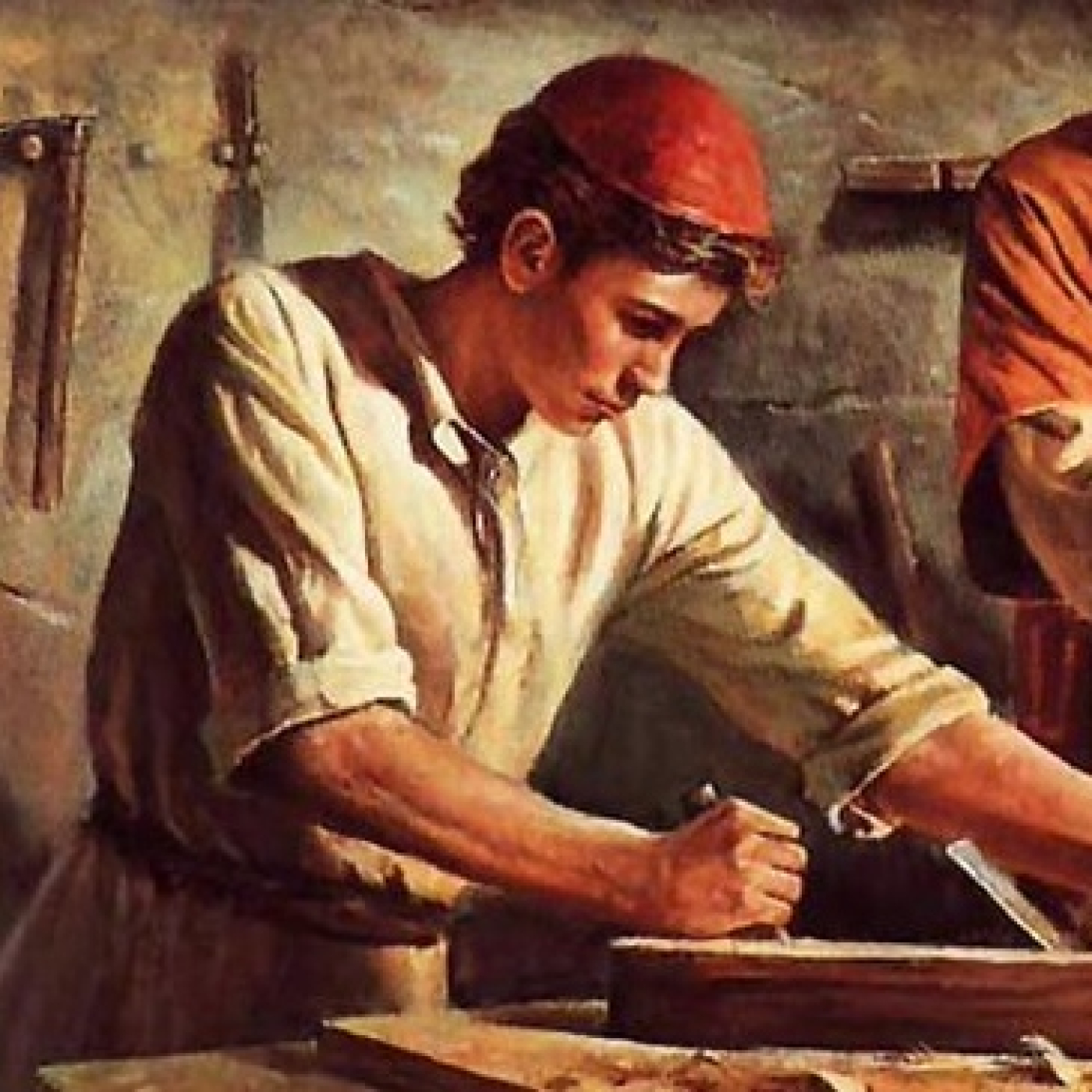
Capítulo 2 / Mishná 2 - y Mishná 3 - Capítulo 2 Pirke Avot
Rabán Gamliel, hijo de Rabí Yehudá haNasí, dice: Bello es el estudio de la Torá acompañado del arte mundano, pues el esfuerzo en ambos hace olvidar el pecado. Toda Torá que no esté acompañada de trabajo terminará por desaparecer y ocasiona pecado. Que todos los que trabajan por el público se ocupen junto con ellos en nombre del Cielo, pues el mérito de sus ancestros les ayuda y su rectitud perdura eternamente. Y con respecto a ustedes, considero que su recompensa es tan grande como si hubiesen realizado la obra. Sean prudentes con el gobierno, pues no se acercan al hombre sino por interés propio; dan la impresión de ser amigos cuando les conviene, mas no ayudan al hombre en el momento de su necesidad.
Parashat Kóraj en Inglés
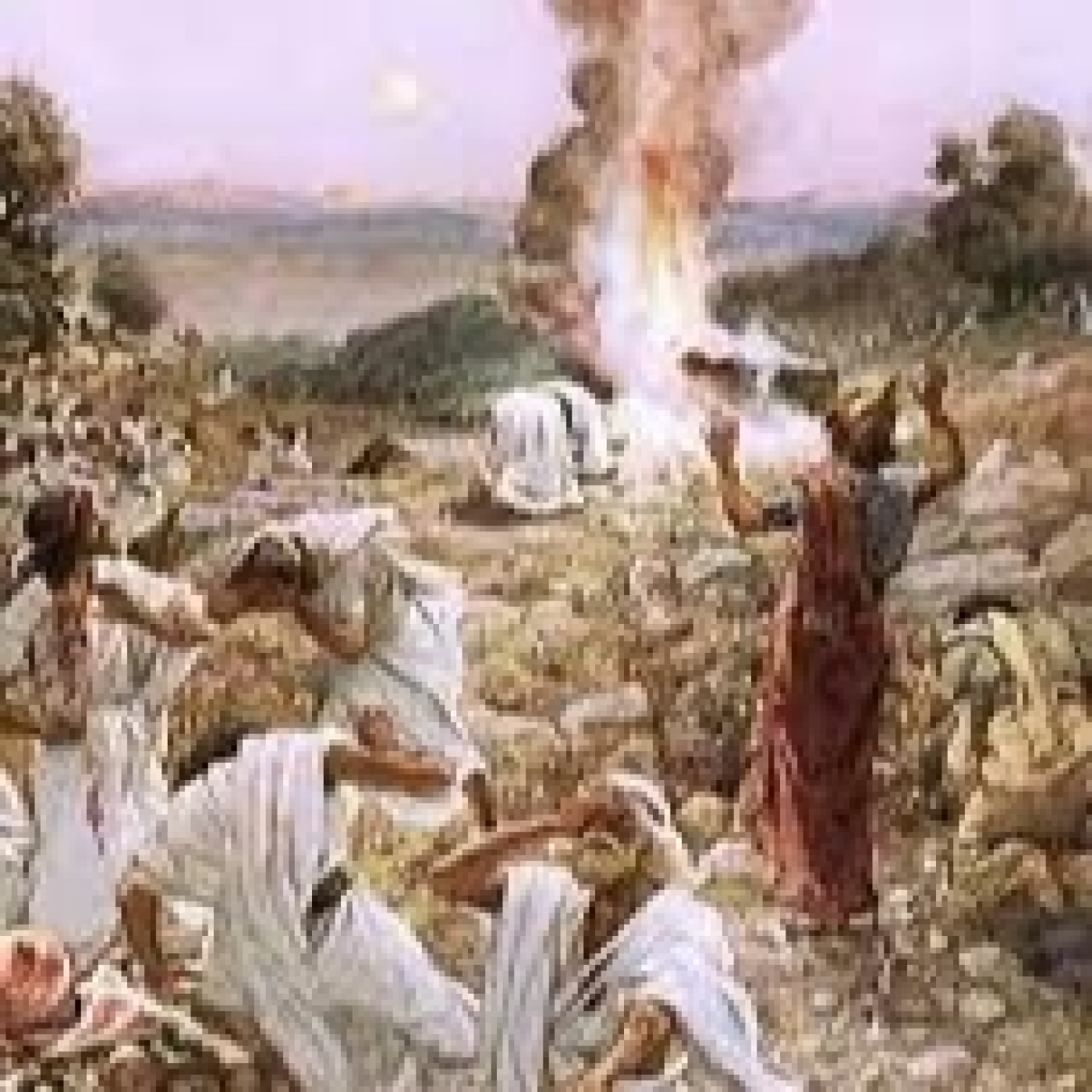
Korach challenges Moshe's leadership and the handing over of the Kehunah (Ministry) to Aharon. Two of Moshe's enemies and 250 other people join the mutiny. They offer the holy incense to prove they are worthy of the priesthood. The earth swallows the rebels, and the ketoret offerings burn. How do you turn a challenge into a blessing? 1)You face a challenge or obstacle. You already have it in your life. 2) Don't react. Control your thoughts and obey Mashiach. If someone provokes you, don't react. If you feel like telling him off, think and be quiet. If you feel like acting, stop, take a deep breath, and count slowly until you calm down. Don't give in to anger. Think before you speak. You can destroy or complicate things instead of helping. 3) Think about how this situation will be a blessing in the future. 4) Over time, that challenge became a blessing. • Challenge • Restriction • Meditation • Realization. When you see that the restriction and meditation are bearing fruit, you know it's time to celebrate.
Parashat: Jukat II (5784).
Álef (א) de Adam significa estudio, indicando el Talmud Torah. Dálet (ד) equivale a 4, haciendo referencia a los cuatro elementos que constituyen la composición material del hombre, que son: tierra, agua, aire y fuego. Mem (ם) es una letra cerrada por qué está al final de la palabra Adam, mem sofit, ella hace referencia a Olam Habá, esto corresponde al mundo futuro, no visto, un mundo cerrado a nuestros ojos físicos. Pero cuando Mashíaj regrese El nos abrirá los ojos del alma para que podamos contemplar el Olam harujanit, el mundo espiritual. En kitsur, en resúmen esto quiere decir que con la Torah, la letra Álef, la persona puede trascender el aspecto físico y alcanzar el mundo que viene.
Parashat: Jukat I (5784).
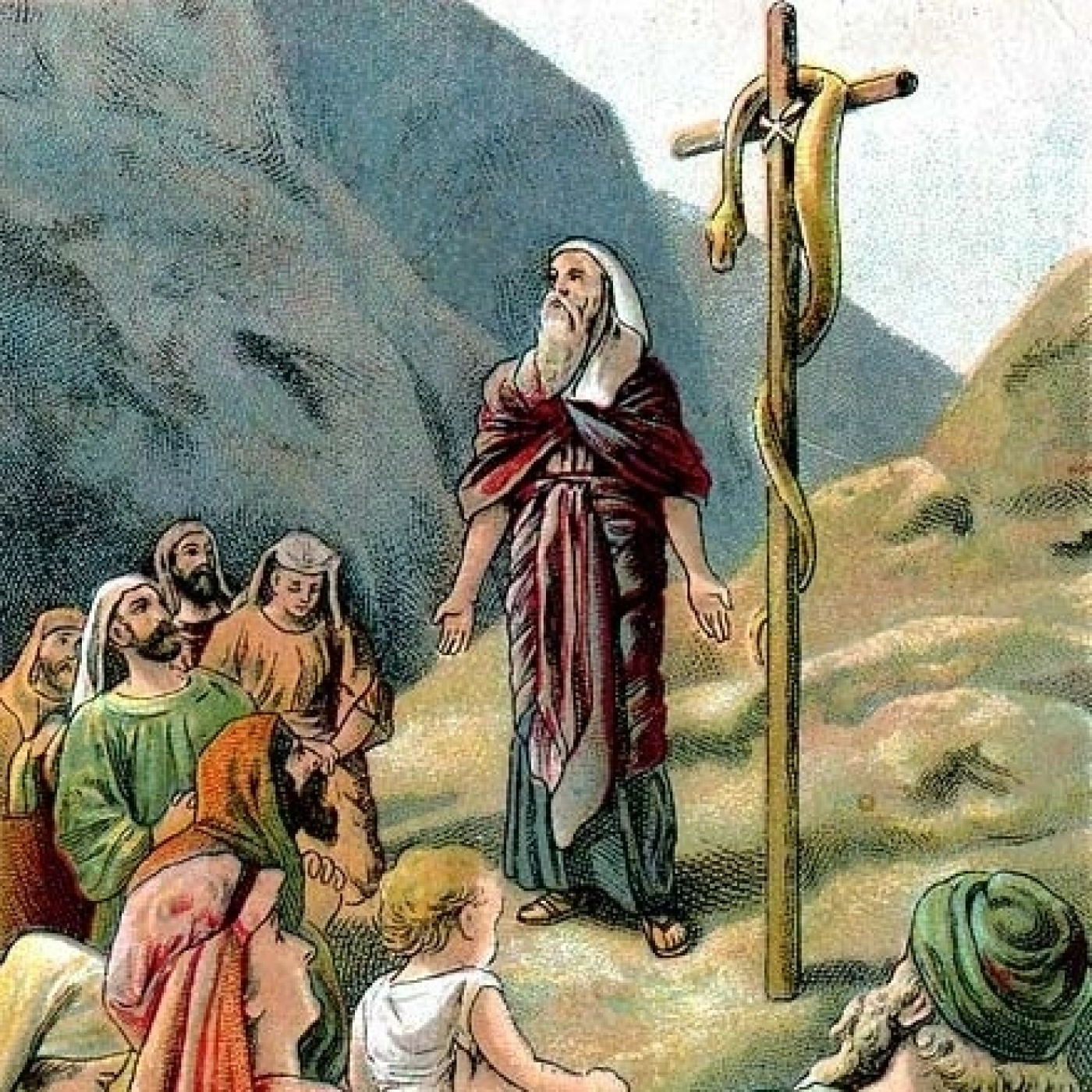
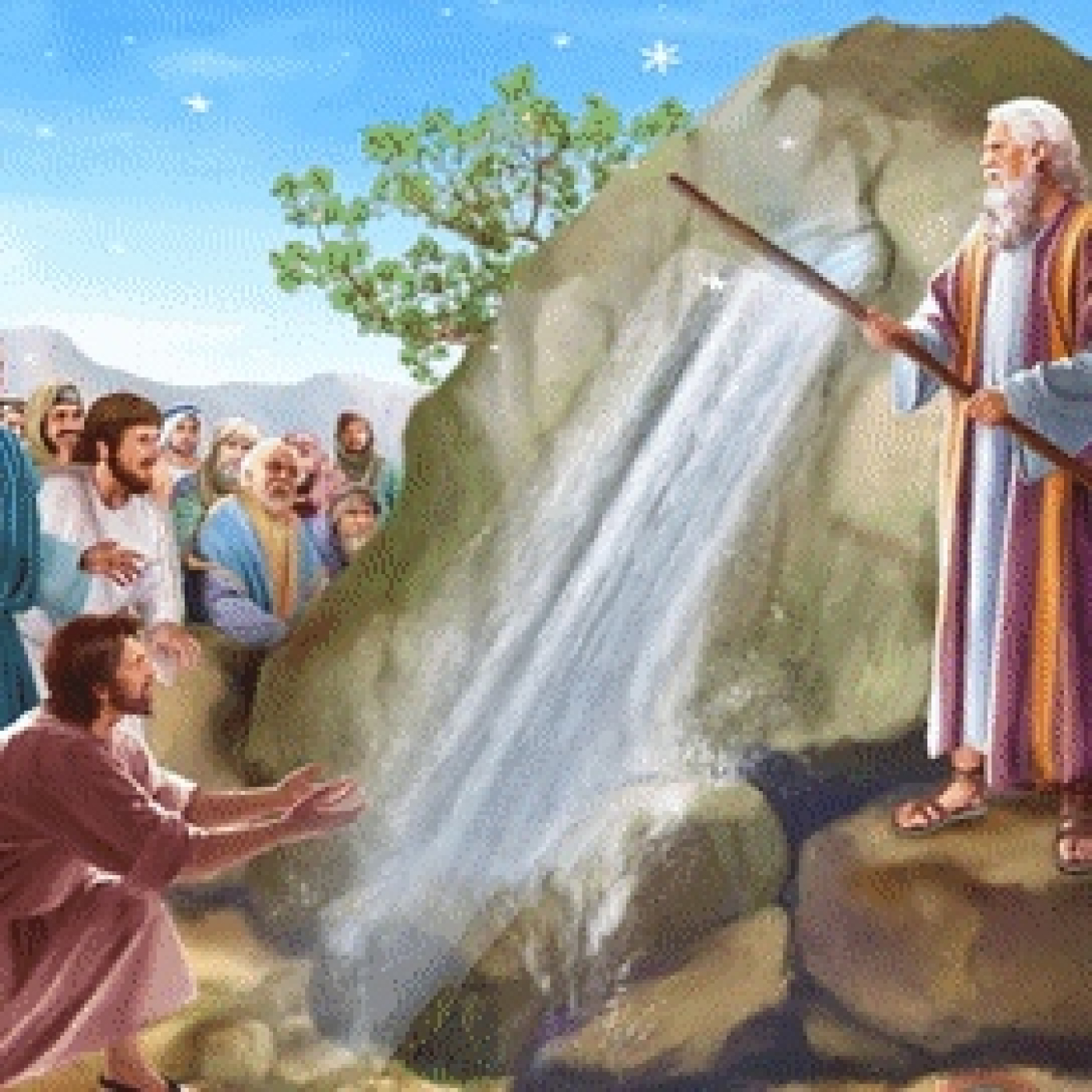
En esta Parashat son detalladas las leyes de Pará Adumá - la vaca roja. Estas leyes de purificación ritual son aplicadas cuando alguien estubo en contacto con muertos. Después de que el pueblo deambuló por el desierto casi 40 años, Miriam fallece y es enterrada en Kadesh. El pueblo se queja sobre la falta de agua que hasta ahora se les proveía milagrosamente por el mérito de Miriam. Aarón y Moshé rezan por el bienestar del pueblo. Elohim les ordena juntar al pueblo en Merivá, y hablar a una roca determinada para que el agua fluya de ella.
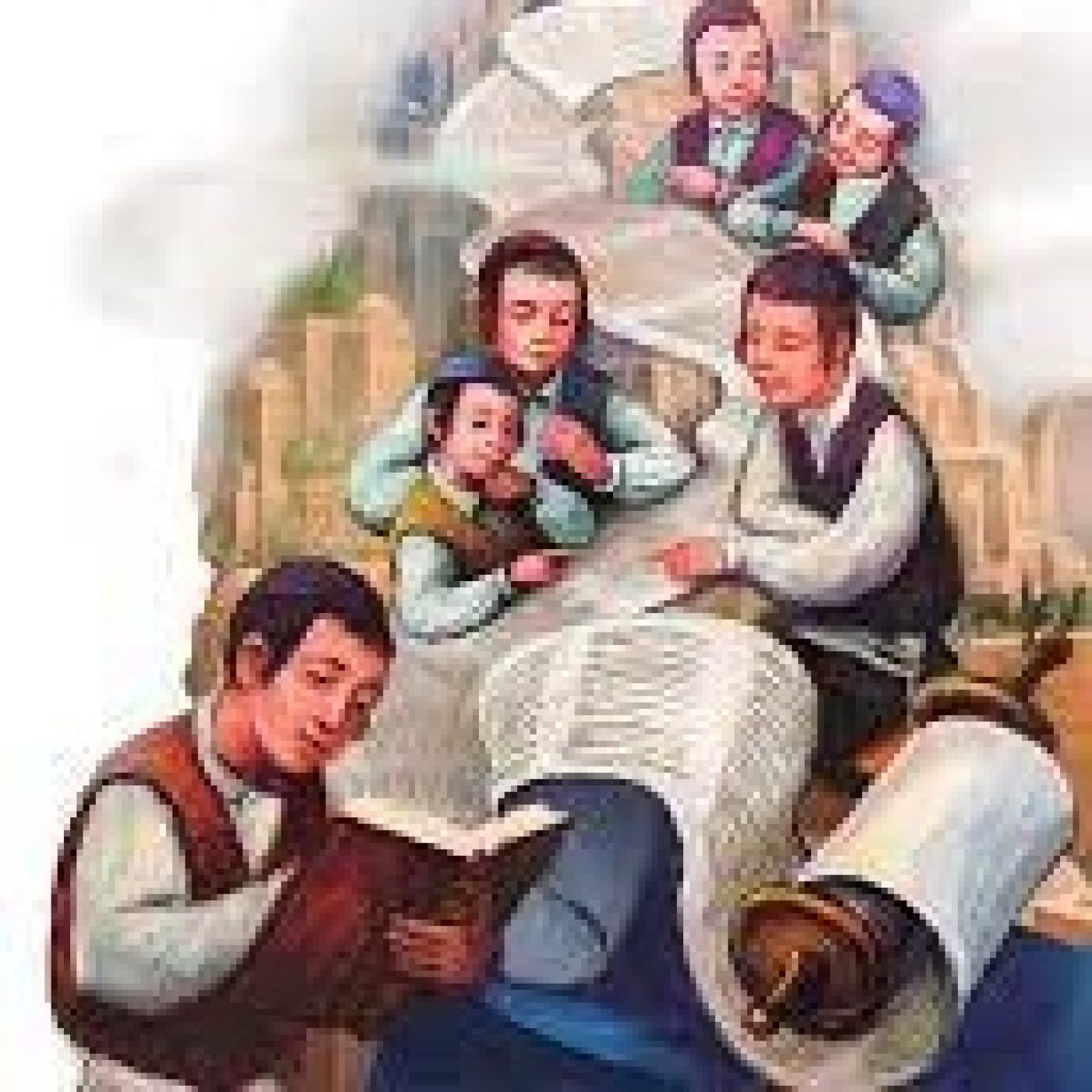
Capítulo 1 / Mishná 18 y capitulo 2 - Pirkei Avot
Rabán Shimón ben Gamliel dice: En virtud de tres principios el mundo perdura; por la justicia, por la verdad y por la paz. Pues fue dicho: "Verdad y juicio de paz instituyan en sus recintos" (Zacarías 8:16). Rebi (Rabi Yehuda Hanashi) dice: ¿Cuál es el sendero recto que debe elegir el hombre? Todo aquel que lo ennoblezca y le haga ser ennoblecido por la gente. Sé tan escrupuloso con un mandamiento nimio como con uno importante, pues no conoces el otorgamiento de recompensa por los mandamientos. Evalúa la pérdida de un mandamiento con respecto a su recompensa, así como el beneficio de una transgresión con respecto a la pérdida que entraña. Y reflexiona sobre tres realidades y no caerás en trasgresión: sabe lo que hay arriba de ti, que un ojo te ve y un oído te escucha, y que todos tus actos se escriben en un libro.
Parashat: Shlaj Leja en inglés
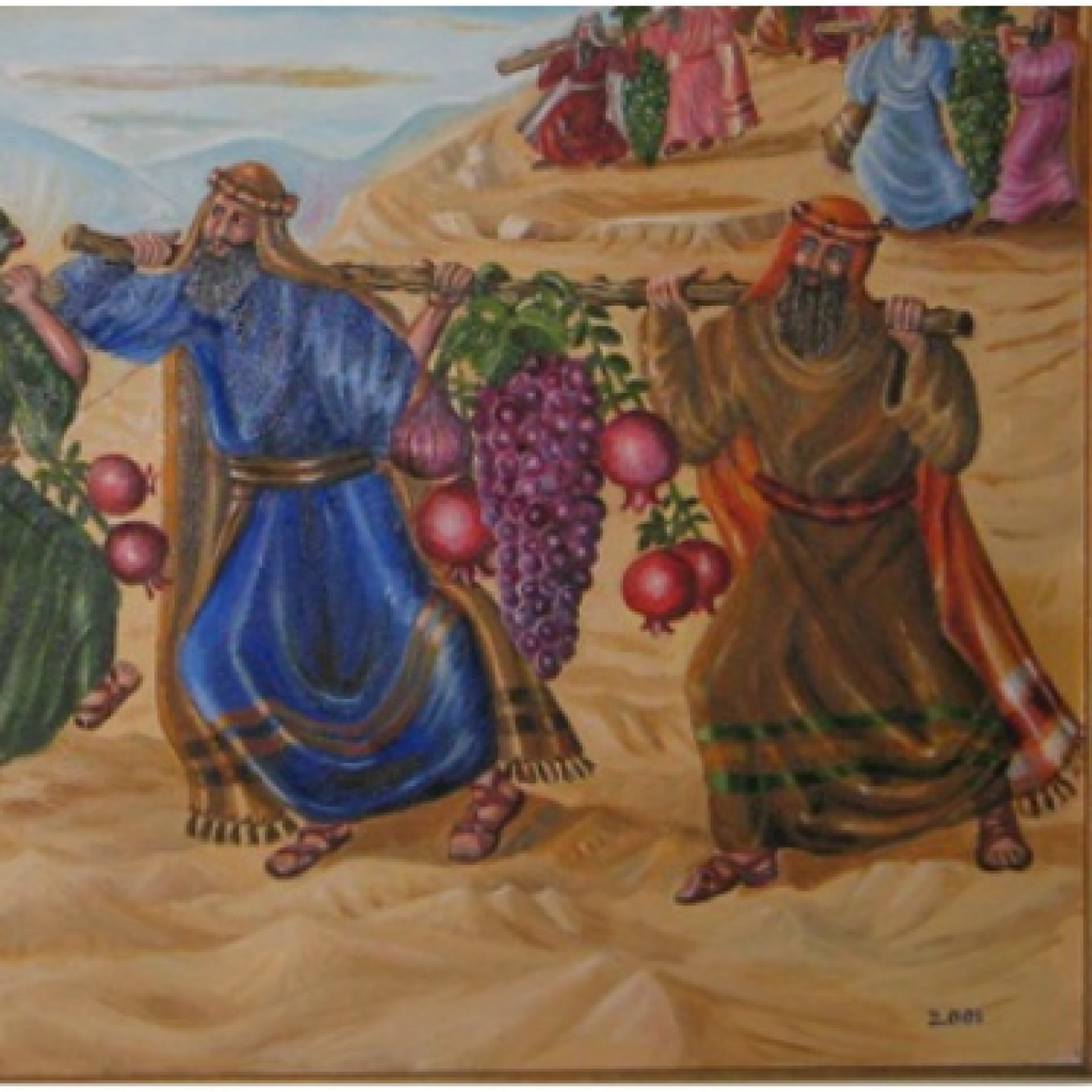
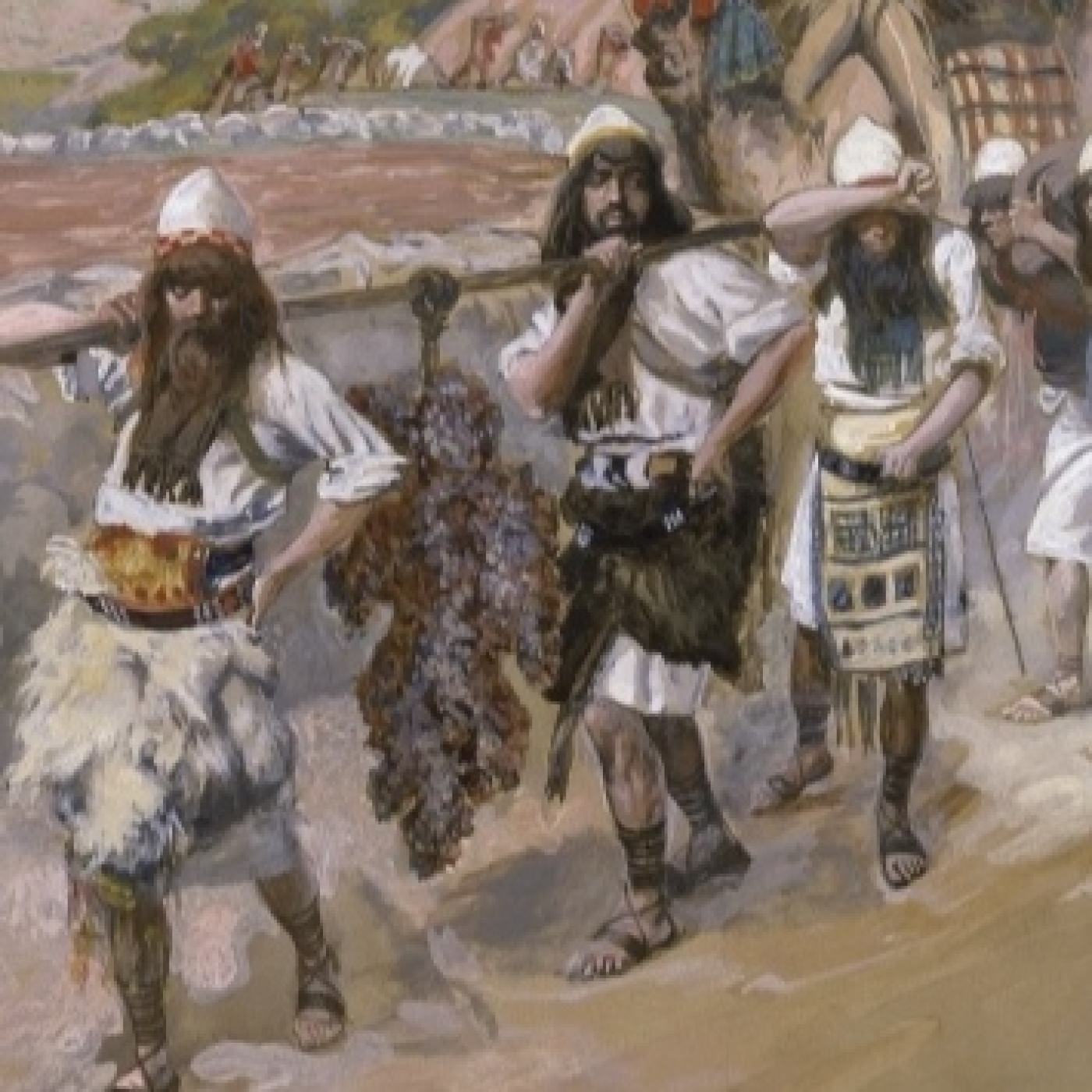
Moshe sends twelve spies into the land of Canaan. They return forty days later with a huge bunch of grapes, a pomegranate, and a fig to report a lush and bountiful land. But ten spies warn that the land's inhabitants are giants and warriors "mightier than we"; only Caleb and Yehoshua insist that it can be conquered, as Elohim has indicated. Elohim decrees that Israel's entry into the land must be delayed for forty years, during which time the entire generation will perish in the wilderness. A group of repentant Jews rush over the mountain at the edge of the Land but are rejected by the Amalekites and Canaanites. The laws of menachot (offerings of flour, wine, and oil) are given, as well as the requirement to consecrate part of the dough (challah) to God when baking bread. A man violates Shabbat by carrying branches and is punished with death. Elohim instructs us to place tzitzit on the four ends of our garments as a reminder of our mitzvot.
Parashat: Koraj II (5784).
¿Cómo transformas el desafío en bendición? 1) Se te presenta el desafío, se te presenta el obstáculo, el bloqueo. No hay nada que hacer, ya lo tienes en tu vida. 2) No actúes reactivamente. Aplica restricción espiritual, lleva cautivo todo pensamiento a la obediencia al Mashíaj. Si viene alguien a provocarte: no reacciones; tienes ganas de decirle sus cosas: no lo hagas, piensa, y calla, tienes ganas de actuar: detente, respira profundo y cuenta despacio hasta que ese enojo se quite, no le des lugar a esa ira que te hará cometer muchas equivocaciones. Piensa más de dos veces antes de hablar, porque en lugar de edificar puedes destruir, y en lugar de solucionar, puedes complicar la situación. 3) Una vez que ya aplicaste la restricción medita en como esa situación en el futuro se va a transformar en una bendición. 4) Observa como con el paso del tiempo, ese desafío realmente fué una bendición. Entonces son: ✓ desafío ✓restricción ✓meditación ✓realización Es cuando ves que la restricción que aplicaste y la meditación que te ayudó a contemplar la bendición, ahora está dando frutos.

Parashat: Koraj I (5784).
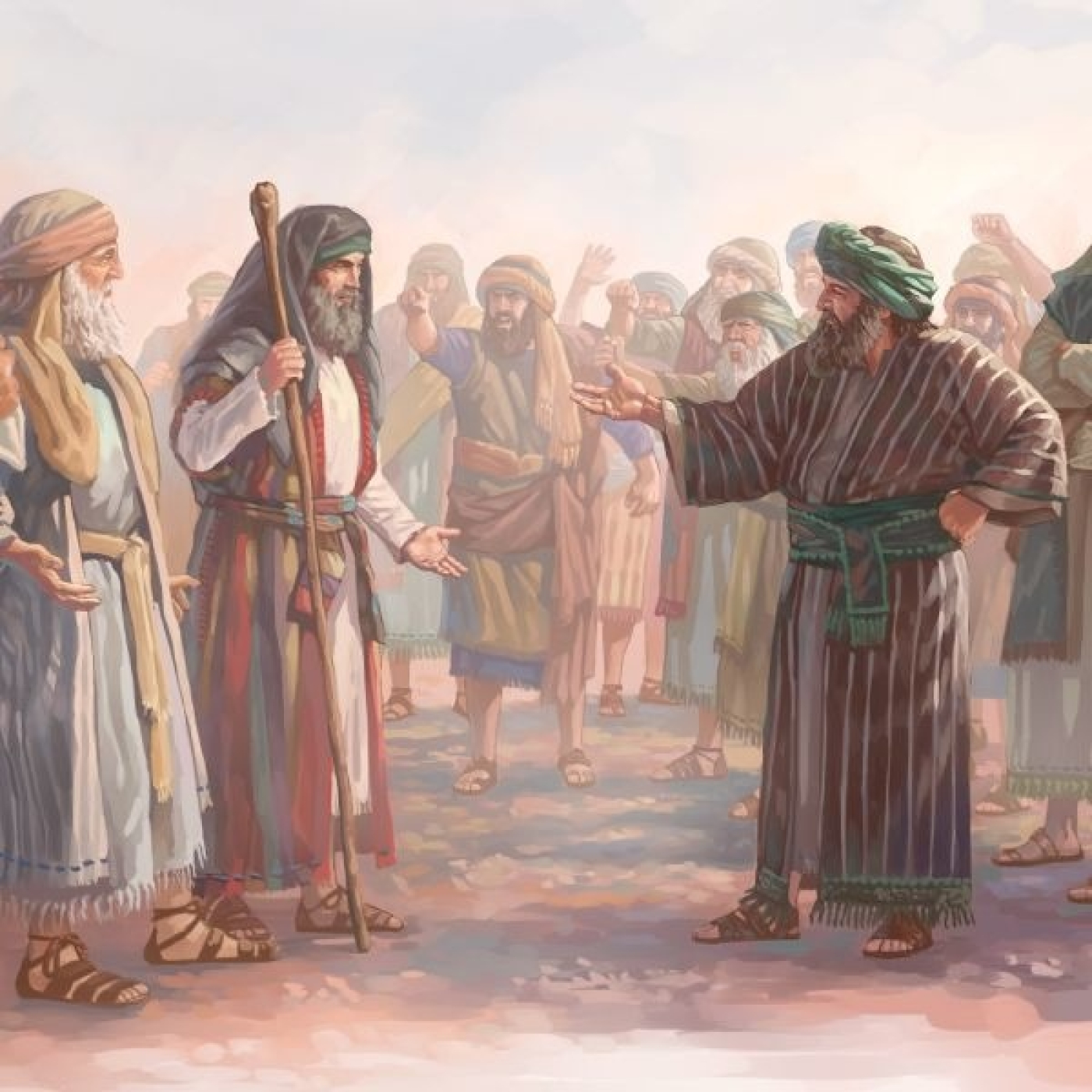
Koraj induce a un motín desafiando el liderazgo de Moshe y la entrega de la Kehuná (Ministerio) a Aharón. Se suman al motín dos enemigos de Moshe, Datán y Avirám, y 250 miembros distinguidos de la comunidad, que ofrecen el santo ketoret (incienso) para probar que son meritorios del sacerdocio. La tierra se abre y traga a los rebeldes, mientras un fuego consume las ofrendas de ketoret.
Parashat: Nasó en Inglés
A total of 8,580 male Levites between the ages of 30 and 50, comprising the entire male population of the Children of Israel in the Sinai Desert, are identified as those who will carry the Tabernacle. In this passage, God instructs Moses on the laws about the Sotah, a wife who is suspected of being unfaithful to her husband. Additionally, the law of the Nazir involves a vow of abstinence from wine, the growth of one's hair, and the avoidance of becoming ritually unclean through contact with the impurity of a dead person. Aaron and his descendants, the Kohanim, are instructed on blessings upon the people of Israel.
Parashat: Behaaloteja en Inglés
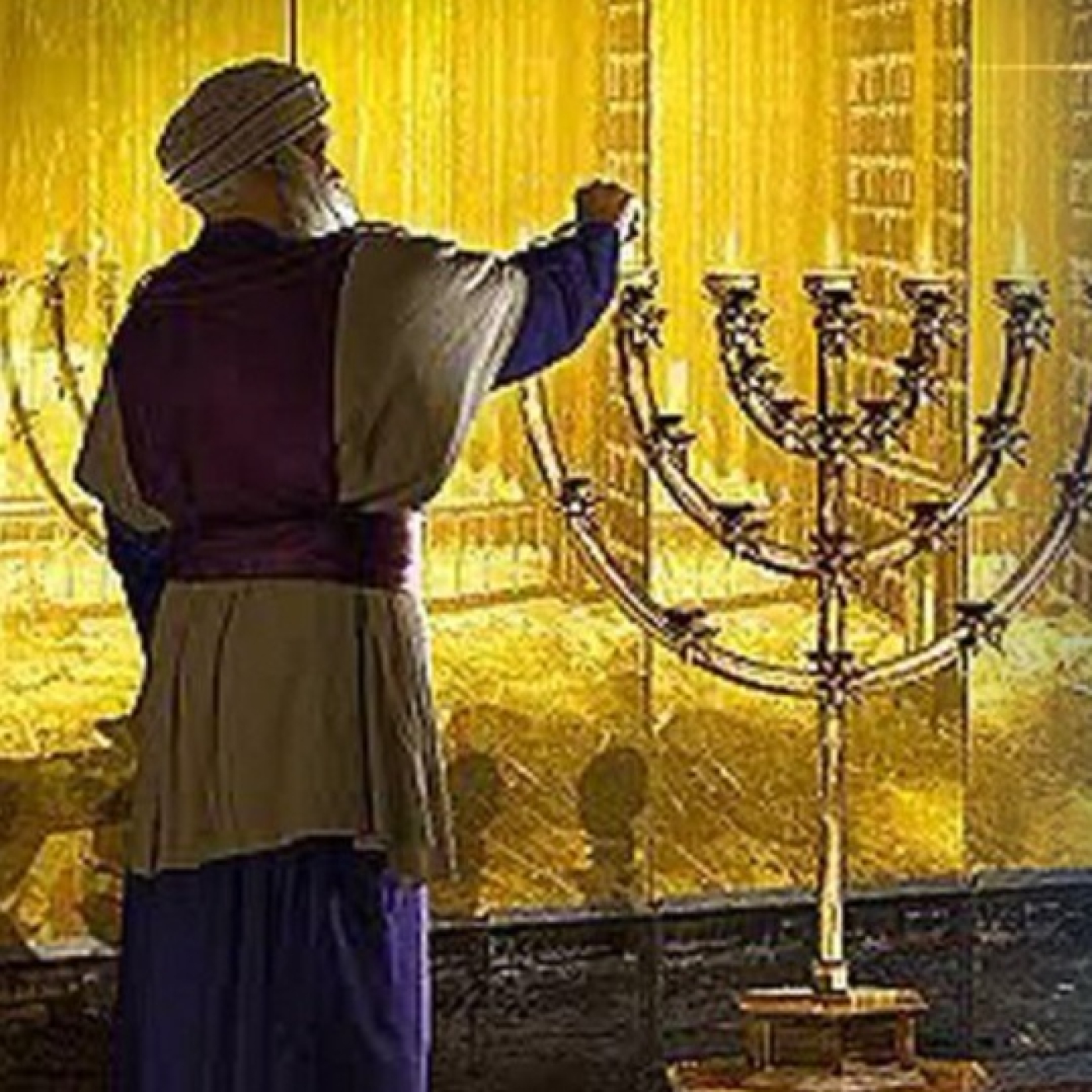
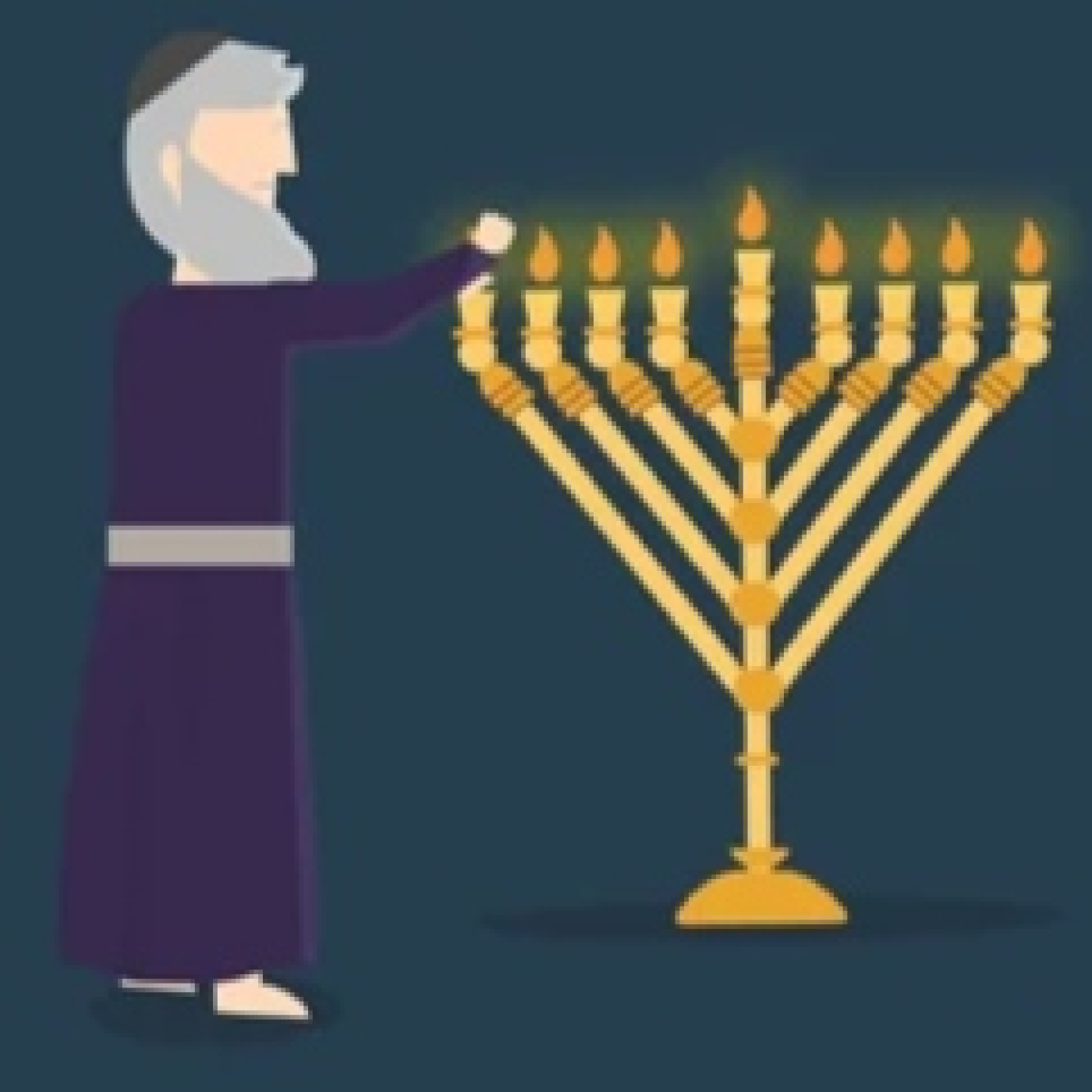
Accordingly, Aaron illuminates the lights, orienting them towards the center of the Menorah by Hashem's instructions to Moses. The construction was as follows: it was a single piece of worked gold, from its base to the flowers (which decorated the candelabra and were its most delicate part), and it was all of worked gold. In a manner analogous to the construction of the Menorah. (Moshe was unaware of the specifications for the Menorah.) Subsequently, on Mount Sinai, the Adon exhibited one example and instructed him. Aaron and Miriam express discontent with their brother Moses. Miriam contracts Tzara'at, yet Aaron is exempt from its effects. One might inquire whether this is an equitable outcome. Miriam was subsequently confined to the periphery of the encampment for seven days, during which the collective population remained stationary until her return. (Numbers 12:15) Even Aaron and Miriam were not exempt from the sin of complaining. In Numbers 12:1-2, the text provides further insight into the nature of their complaint against Moses. It seems that they held a grudge against Moshe because of the Cushite woman he had married. (The Torah does not provide the specifics of their complaint, but it is not uncommon for siblings to become annoyed with their siblings' spouses.) The complaint against Moses pertained to his role. Both Miriam and Aaron were prophets in their own right. Both had received prophecies from God directly. They began to resent Moshe's exclusive leadership over the assembly. "Has the Lord spoken exclusively through Moses?" "Has He not also spoken through us?" In Bamidbar 12:2, they inquired. Miriam and Aaron assumed that no one could overhear their private conversation. They failed to consider that Hashem could hear. The Torah states, "And Adonai heard it" (Bamidbar 12:2).
Capítulo 1 / Mishná 16 y 17 - Pirke Avot
Rabán Gamliel dice: Hazte de un Rav y sal de dudas, y no te excedas al deducir el diezmo por estimación. Shimón su hijo dice: Todos los días de mi vida crecí entre sabios y no encontré nada mejor para el cuerpo que el silencio; no es el estudio lo esencial, sino las obras, y todo aquel que prolifera las palabras conduce al pecado.
PARASHAT SHLAJ LEJÁ: II (5784).
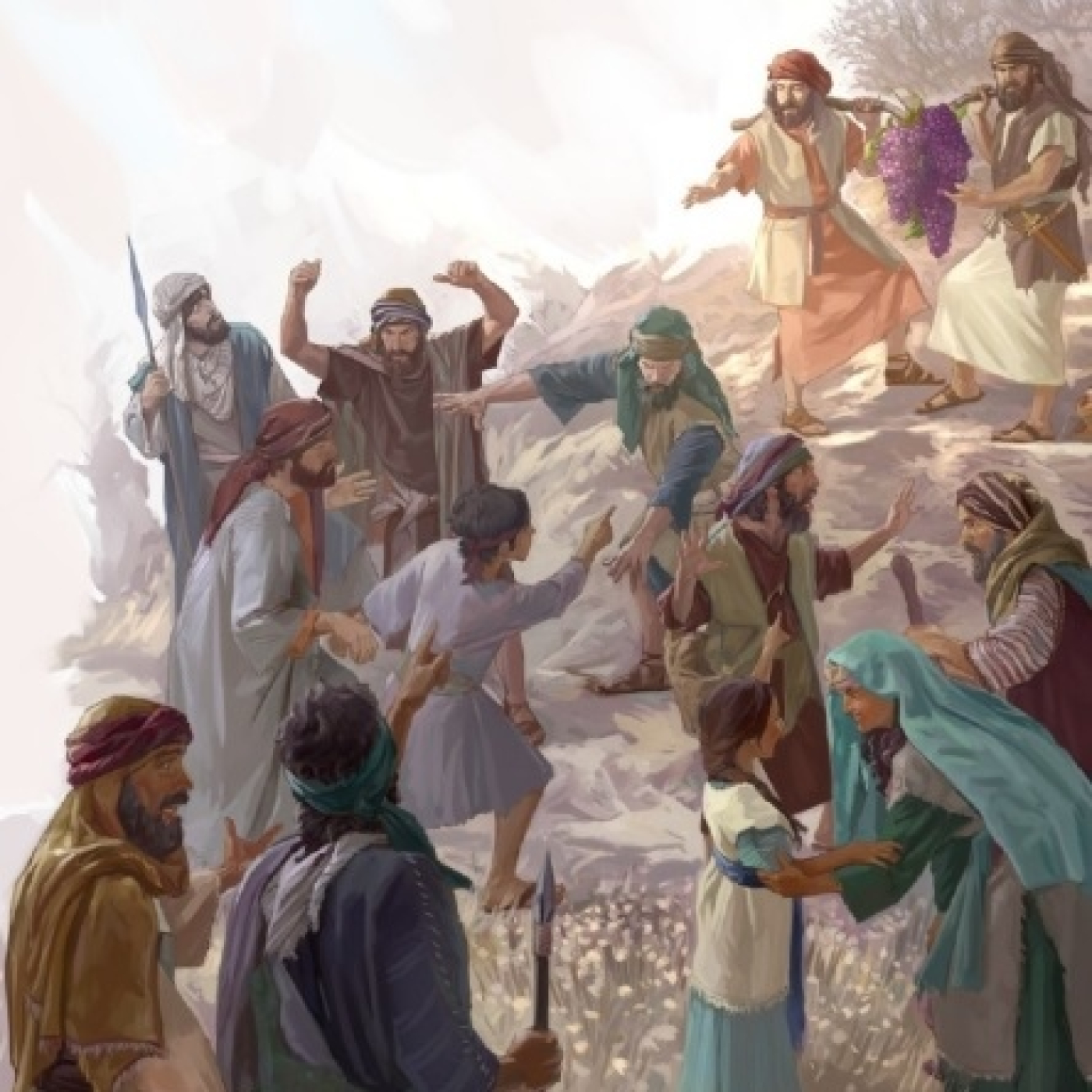
La gente llora diciendo que prefieren volver a Egipto. Elohim decreta que la entrada de Israel a la Tierra debe ser demorada por cuarenta años, tiempo durante el cual la generación entera fallecerá en el desierto. Un grupo de judíos arrepentidos se avalanza sobre la montaña en el borde de la Tierra pero son rechazados por los Amalekitas y los Canaanitas. Son entregadas las leyes de Menajot (ofrendas de harina, vino y aceite), así como el precepto de consagrar parte de la masa (jalá) a Elohim cuando se hornea pan. Un hombre viola el Shabat cuando carga ramas y es castigado con pena capital. Elohim instruye poner flecos (Tzitzit) en las cuatro puntas de las vestimentas para recordar la observancia de las Mitzvot (perceptos de Hshem).
PARASHAT SHLAJ LEJÁ: 1 (5784).
Moshe envía doce espías a la Tierra de Canáan. Estos vuelven cuarenta días después, cargando un enorme racimo de uvas, una granada y un higo, para reportar sobre una exuberante y bondadosa tierra. Pero diez de los espías advierten que los habitantes de la tierra son gigantes y guerreros "más poderosos que nosotros"; sólo Caleb y Iehoshúa insisten en que la tierra puede ser conquistada, como Elohim indicó.
Capítulo 1 / Mishná 14 y 15 - Pirke Avot
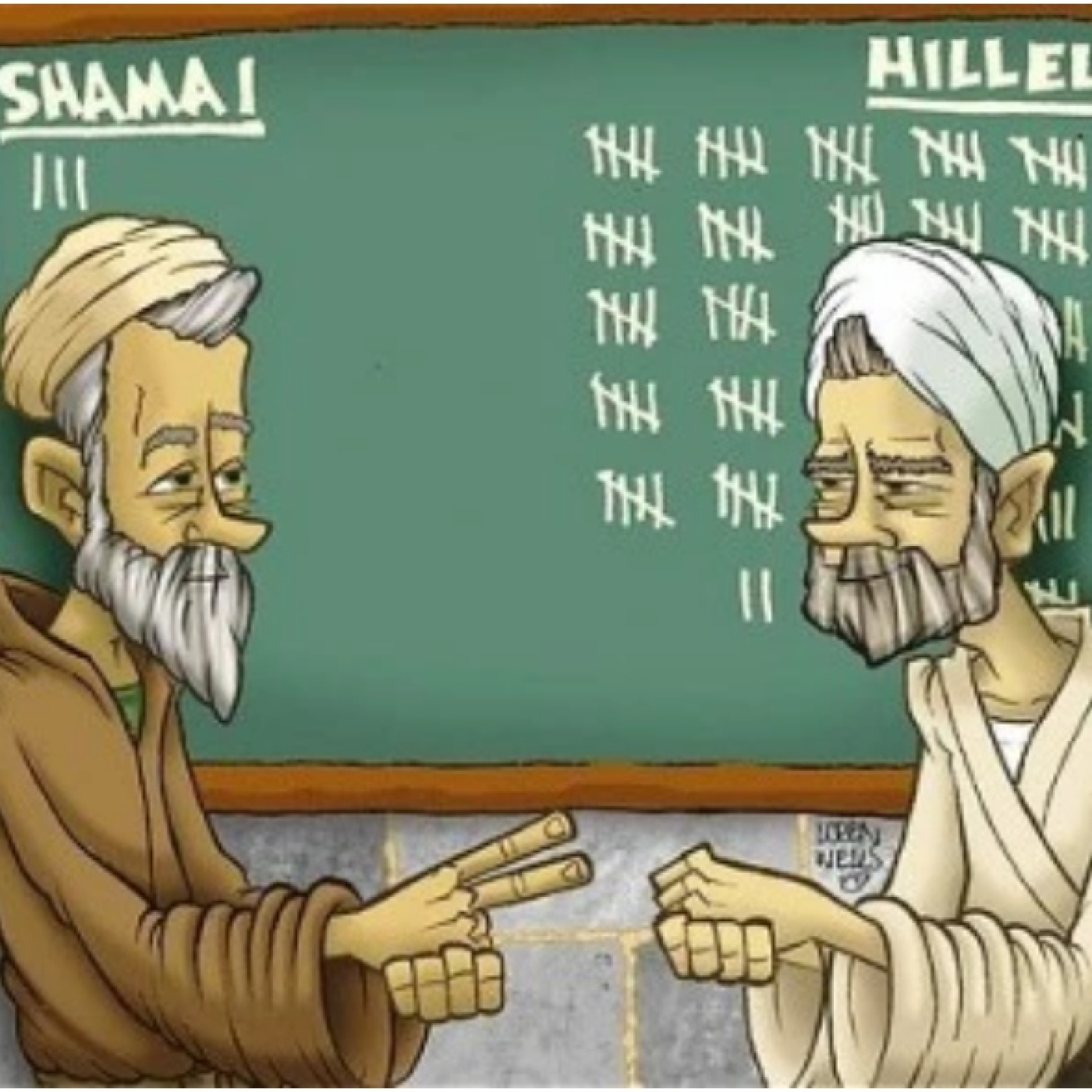
Él solía decir: Si no soy para mí mismo, ¿quién es para mí? Y cuando soy para mí mismo, ¿qué soy? Y si no es ahora, ¿cuándo? Shamai dice: Haz tu Torá constante en horarios fijos, habla poco y haz mucho, y recibe a todo hombre de buen semblante. Recuerda que desde niño conoces las sagradas Escrituras, que pueden instruirte y llevarte a la salvación.
Parashat: Behaaloteja II (5784).
Aharón y Miriam se quejan contra su hermano Moshé. Miriam se enferma de Tzaraát, pero Aharón sale libre. ¿Es eso justo? "Entonces Miriam fué encerrada fuera del campamento por siete días, y la gente no se movió hasta que Miriam fue recibida de nuevo. (Bamidbar 12:15) Incluso Aharón y Miriam no estaban por encima del pecado de quejarse. Bamidbar 12:1-2 relata algunos detalles sobre su queja contra Moshé. Aparentemente tenían algo en contra de Moshé a causa de la mujer cusita con la que se había casado. (La Torá no nos dice los detalles de su queja, pero las personas a menudo se irritan con los cónyuges de sus hermanos). La queja contra Moshé tenía que ver con su papel como líder de la asamblea. Tanto Miriam como Aharón fueron profetas por derecho propio. Ambos habían recibido personalmente profecías de HaShem. Comenzaron a resentir el liderazgo exclusivo de Moshé sobre la asamblea. "¿Acaso HaShem ha hablado solamente por medio de Moshé? ¿No ha hablado también por medio de nosotros?" (Bamidbar 12:2), preguntaron. Miriam y Aharón asumieron que nadie podía escuchar su conversación privada. Era su propia queja privada contra su hermano. Se olvidaron de que HaShem podía oír. La Torá dice: "Y Adonai lo oyó" (Bamidbar 12:2).
Parashat: Behaaloteja I (5784).
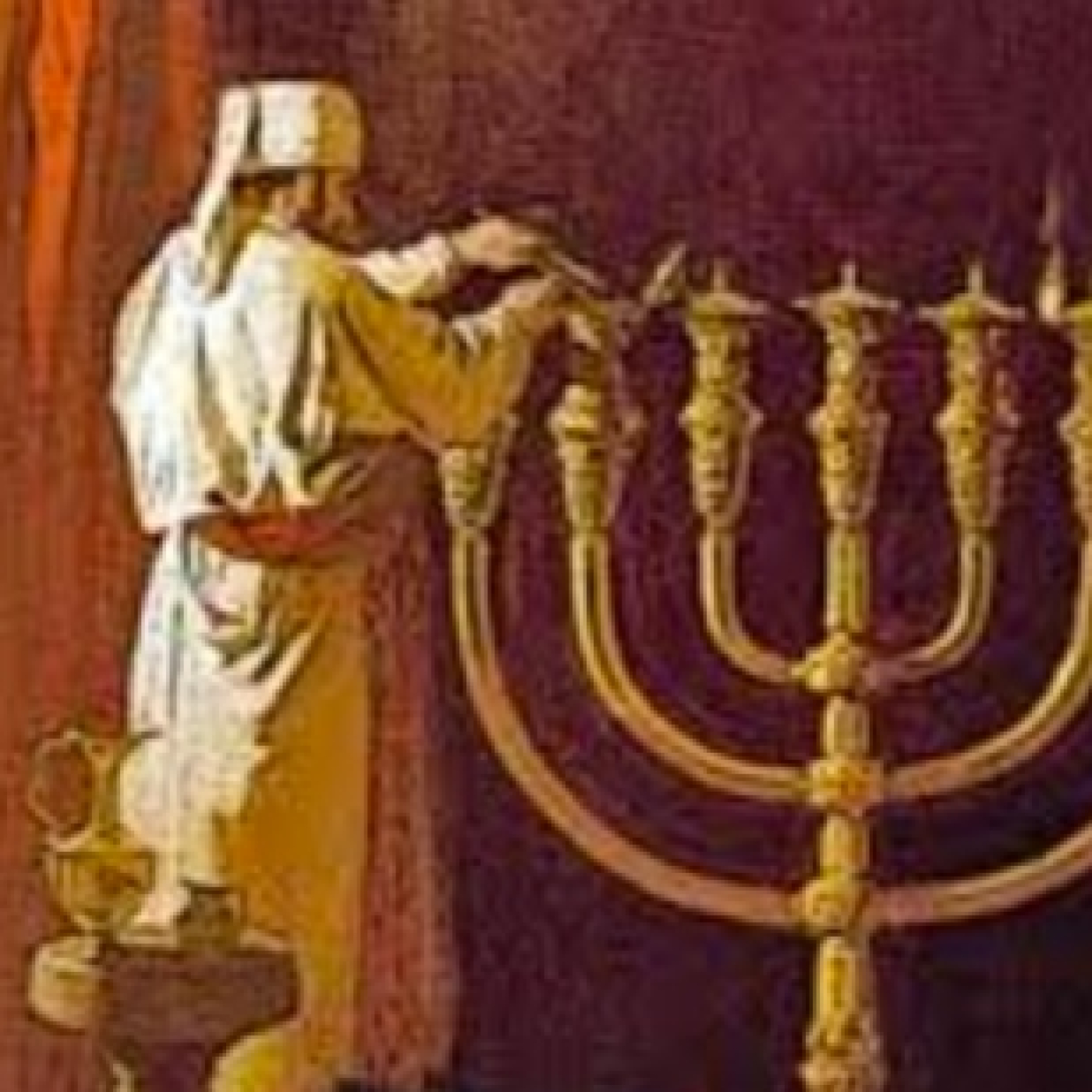
Nuestra Parashá comienza diciendo: "Behaalotejá Et Hanerót/Encenderás o iluminarás las luminarias, que deben estar orientadas hacia el centro de la Menoráh. 3 Y así hizo Aharón: Encendió las luminarias orientándolas hacia el centro de la Menorá, tal como El Eterno le ordenara a Moshé 4 Así estaba hecha la Menorá: (en una sola pieza), de oro labrado, desde su base hasta las flores (que ornamentaban el candelabro y que eran su parte más delicada-), era todo de oro labrado. Fue hecha según el diseño que El Eterno le mostrara a Moshé; así tal cual fue hecha la Menorá. (Moshé no sabía cómo debía ser la Menorá. Entonces, en el Monte Sinaí, El Eterno le mostró una y le dijo: “Así, de acuerdo a este diseño, deberá ser la Menorá”
Capítulo 1 / Mishná 12 y 13 - Pirke Avot
Hilel y Shamai recibieron de ellos. Hilel dice: Sean de los discípulos de Aharón, amante de la paz, procurador de la paz, amante de las criaturas y que las acerca a la Torá. Él solía decir: Quien engrandece su nombre pierde su nombre, quien no añade hace desvanecer, quien no aprende merece la pena de muerte y quien se sirve de la corona para su propio beneficio se extinguirá.

Parashat: Nasó II (5784).
Elohim enseña a Moshe las leyes de la Sotá, una esposa sospechada de haber sido infiel a su marido. También es dada la ley del Nazir que promete no beber vino, deja su cabello crecer y tiene prohibido impurificarse ritualmente con la impureza de un muerto. Aharón y sus descendientes, los Cohaním, son instruidos sobre cómo bendecir al pueblo de Israel.
Parashat: Nasó I (5784).
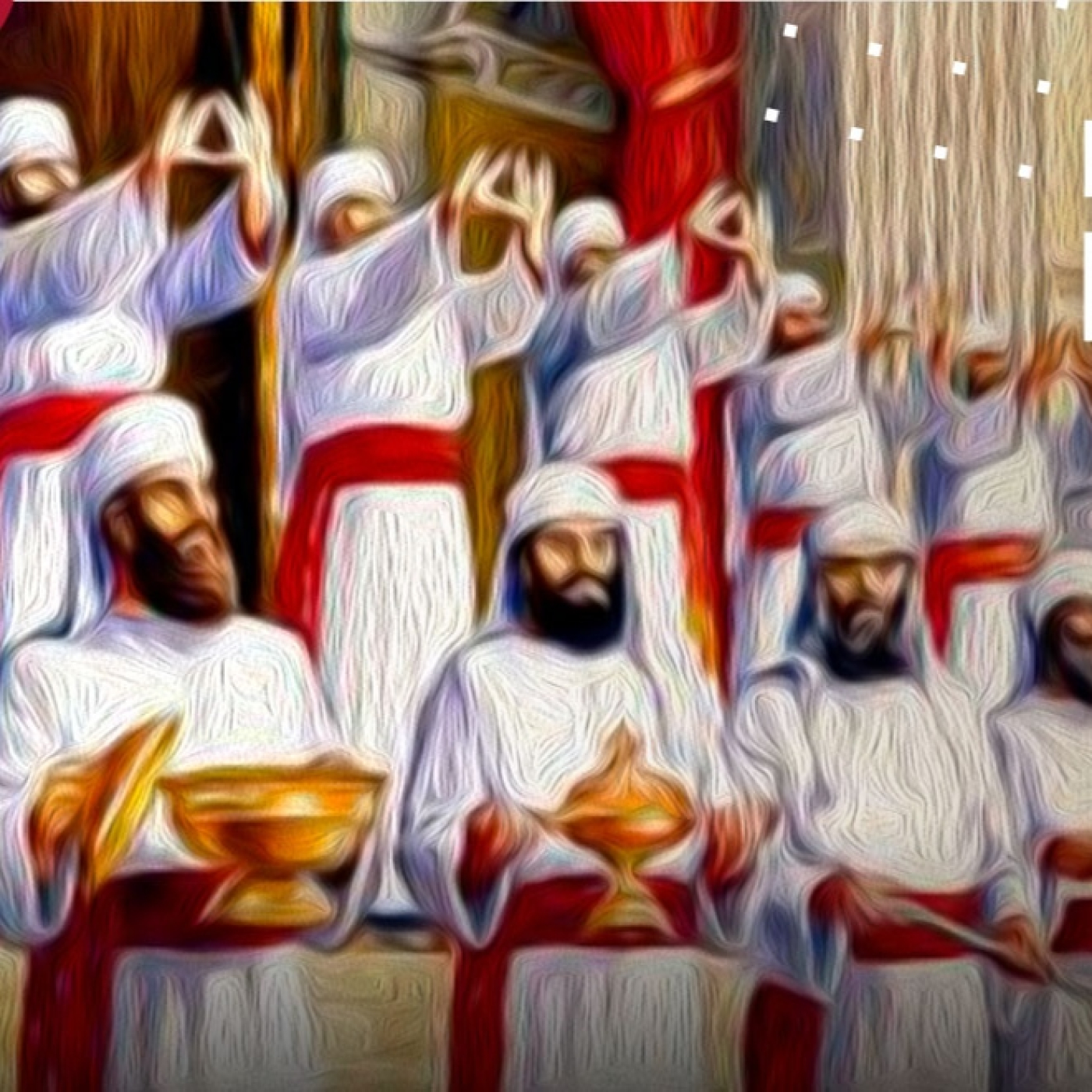
Completando la cuenta de los Hijos de Israel hecha en el Desierto del Sinaí, un total de 8.580 Levitas hombres entre 30 y 50 años son contados para ser aquellos que transportarán el Tabernáculo. Elohim enseña a Moshe las leyes de la Sotá, una esposa sospechada de haber sido infiel a su marido. También es dada la ley del Nazir que promete no beber vino, deja su cabello crecer y tiene prohibido impurificarse ritualmente con la impureza de un muerto. Aharón y sus descendientes, los Cohaním, son instruidos sobre cómo bendecir al pueblo de Israel.

Parashat: Bamidbar en Inglés
The Shulchan Aruch indicates that it is customary to read and study the portion of Bamidbar before the festival of Shavuot. The Midrash posits that the word "Bamidbar" refers to an inhospitable and dangerous, inhabited by snakes, scorpions, and negative forces. The Talmud counsels against praying in caves or ruins, as they are believed to be inhabited by impure forces and demons. The desert is the headquarters of Satan, and it is in this place that Hashem asks Moses to count the children of Israel, even in an adverse environment. The Israelites were made to wander in the wilderness for forty years as a punishment for the sins of the spies. Despite being in the headquarters of negativity, God blesses and protects them.

Parshat Bejukotái en Inglés
In the Bechukotai section, Elohim promises that if the Children of Israel observe his commands, they will enjoy material prosperity and live securely in their land. However, he also gives a stern "rebuke" warning of exile, persecution, and other sufferings that will befall them if they forsake their covenant with Elohim. The root of all evils is found in these admonitions, All diseases, all obstacles, all blockages, and all other impediments to the Light of the Creator. These admonitions stem from seven grave sins that are the root of all curses. Therefore, all evil and all sins have a root. What are these seven transgressions? 1) Failure to heed the divine command 2) Failure to observe the divine commandments 3) Disdain for the divine precepts 4) Rejection of the divine laws 5) Failure to fulfill the divine commandments 6) Abolition of the divine covenant

Parshat: Behar en Inglés
What is really abundance? HaShem Mitbarach influences your world through a very special Shefa, through the abundance called Life. If Shefa were to be interrupted for even a moment, the world would cease to exist. King David wrote in the Tehillim that Elohim rains down upon the just and the unjust. We see reshaim committing multiple atrocities, yet kept alive thanks to the Shefa that Hakadosh. HaShem Mitbarach exerts a profound influence on the world through a unique form of abundance, commonly referred to as "life." If this Shefa were to be disrupted for even a moment, the world would cease to exist, and humanity would cease to be. King David wrote in the Tehillim that Elohim rains down upon the just and the unjust. Those who engage in evil actions are sustained by the abundance that HaShem Mitbarach bestows upon them. This is why we understand that HaShem's abundance is limitless and uninterrupted. It is clear that happiness is not contingent upon wealth, yet it is necessary to fulfill mitzvot. This necessitates the possession of wealth. Furthermore, the Almighty provides for us by His infinite wealth and glory in Yeshua HaMashiach. Money is essential for the fulfillment of mitzvot. The Hebrew word for money, "mammon," shares the same gematria as sulam, ladder. Additionally, the kesef, which translates to "money," is instrumental in elevating us. With it, we can give tzedakah, fulfill the moedim, give maaser, and eat kosher food. This is why we are interested in increasing our abundance. It is not a pursuit of money, as the individual who pursues money will ultimately lose it. True abundance manifests itself even in the smallest amount of wealth, and that small amount yields peace and tranquility. What is the value of possessing a million dollars in one's bank account, the best credit card, or an extensive line of credit if one is afflicted with a disease (Chaz v'shalom)? One will not find peace there "Better is the little of the righteous than the abundance of many wicked." Tehilim 37:16

Parashat: Bamidbar II (5784).
En el Shuljan Aruj en Orat Jaim 328 nos declara: se ha establecido por jazal, nuestros sabios de Bendito recuerdo que siempre parashat Bamidbar debe ser leída y estudiada antes de la festividad de Shavuot. Esto basándose en el perush del Midrash, la explicación del Midrash sobre Bamidbar 1:1 donde está escrito: "Y habló HaShem a Moshé en el Desierto del Sinaí" El Zohar dice "Bamidbar, Es un lugar inhóspito, donde pueden haber serpientes, escorpiones, y recordemos también lo que dice el Talmud: lugares desérticos, lugares desolados, lugares abandonados, allí habita la negatividad. Por eso el Talmud en Maasejet Berajot recomienda que la persona no haga tefilah dentro de una cueva o no se meta a ruinas porque allí habitan "Kojot hatumot", fuerzas de impureza, y habitan shedim que son demonios y duendes. Dicen mekuvalim que el desierto es el cuartel general de Samej-mem, justo en el cuartel general de Samej-mem que es Samael, HaKadosh BarujHu opta por pedir cuentas a Moshé rabenu. Le ordena contar a los hijos de Israel, para elevarlos a un nivel tal que aún estando en el lugar más negativo que pudieran estar, aún allí los bendecirá y los protegería. Y el pueblo de Israel por el pecado de los Meraglim, los espías, tuvieron que deambular durante cuarenta años en el desierto, en el cuartel general de Samej-mem. HaKadosh BarujHu necesitaba bendecirlos para protegerlos.

Parashat: Bamidbar I (5784).
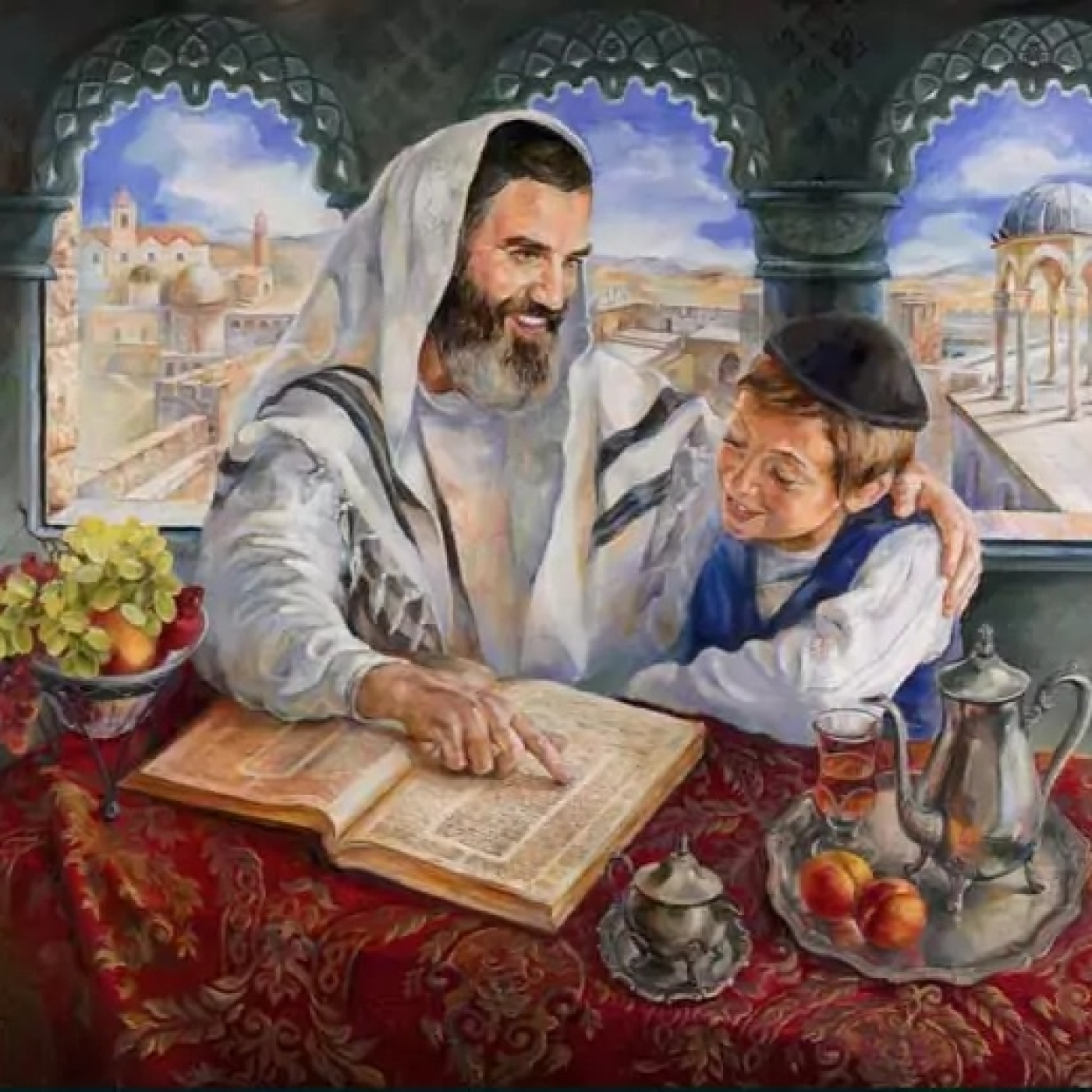
Segulot Parashat Bamidbar: "En el Desierto: Bamidbar 1:1-4:20 1️⃣ Primera lectura- Avraham-Jésed: Bamidbar 1:1- "Habló HaShem a Moshé en el desierto de Sinaí, en el Mishkan de reunión, en el día primero del mes segundo". Este pasuk es segulá para recibir bendiciones celestiales de Hakadosh BarujHu disponibles en el mes de Iyar. 2️⃣ Segunda lectura- Itzjak-Guevurá: Bamidbar 1: 52- "Los hijos de Israel acamparán cada uno en su campamento, y cada uno junto a su bandera, por sus ejércitos". Esta lectura es segulá para superar la negatividad de las influencias astrales. 3️⃣ Tercera lectura-Iaacov-tiferet: Bamidbar 2: 5 y 7: "Junto a él acamparán la tribu de Isajar", "Y la tribu de Zevulún". Esta lectura es apta para estudiar Torah con tranquilidad y abundancia. 4️⃣ Cuarta lectura- Moshé-Nétsaj- Bamidbar 3:13: "Porque mío es todo primogénito, desde el día en que yo hice morir a todos los primogénitos en la tierra de Egipto, aparté para mí a todos los primogénitos en Israel, así de hombres como de animales; míos serán. Yo Adonai". Esta lectura es segulá para protección de Hakadosh BarujHu y alejar el Malaj haMavet de nuestras vidas. 5️⃣ Quinta lectura- Aharón-Hod: Bamidbar 3:16- "Y Moshé los contó conforme a la palabra de Adonai, como les fue mandado". Esta lectura es apta para recibir inspiración de HaShem Mitbaraj y la bendición de que Él Todopoderoso complete las obras de nuestras manos". 6️⃣ Sexta lectura: Iosef-Iésod: Bamidbar 3:47- "Tomarás cinco siclos por cabeza, conforme al siglo del Santuario los tomarás. El siclo tiene veinte geras". Esta lectura es apta para "Kaparat Avonot" (expiación de pecados) Y "Kofsher Nafshó" (Rescate del alma). 7️⃣ Séptima lectura- David-Maljut: Bamidbar 4:7- "Sobre la mesa de la proposición extenderán un paño azul, y el lejem continuo estará sobre ella". Esta lectura es apta para conseguir el sustento con misericordia.
Capítulo 1 / Mishná 10 y 11 - Pirke Avot
Shemayá y Avtalión recibieron de ellos. Shemayá dice: Ama el trabajo y detesta la actitud autoritaria, y no te asocies con el gobierno Avtalión dice: Sabios, sean prudentes con sus palabras; no sea que se hagan merecedores del exilio y sean exilados a lugar de aguas amargas, beban los discípulos que los sucederán, mueran y sea por ello profanado el nombre de Hashem.
Parashat Emor en Inglés
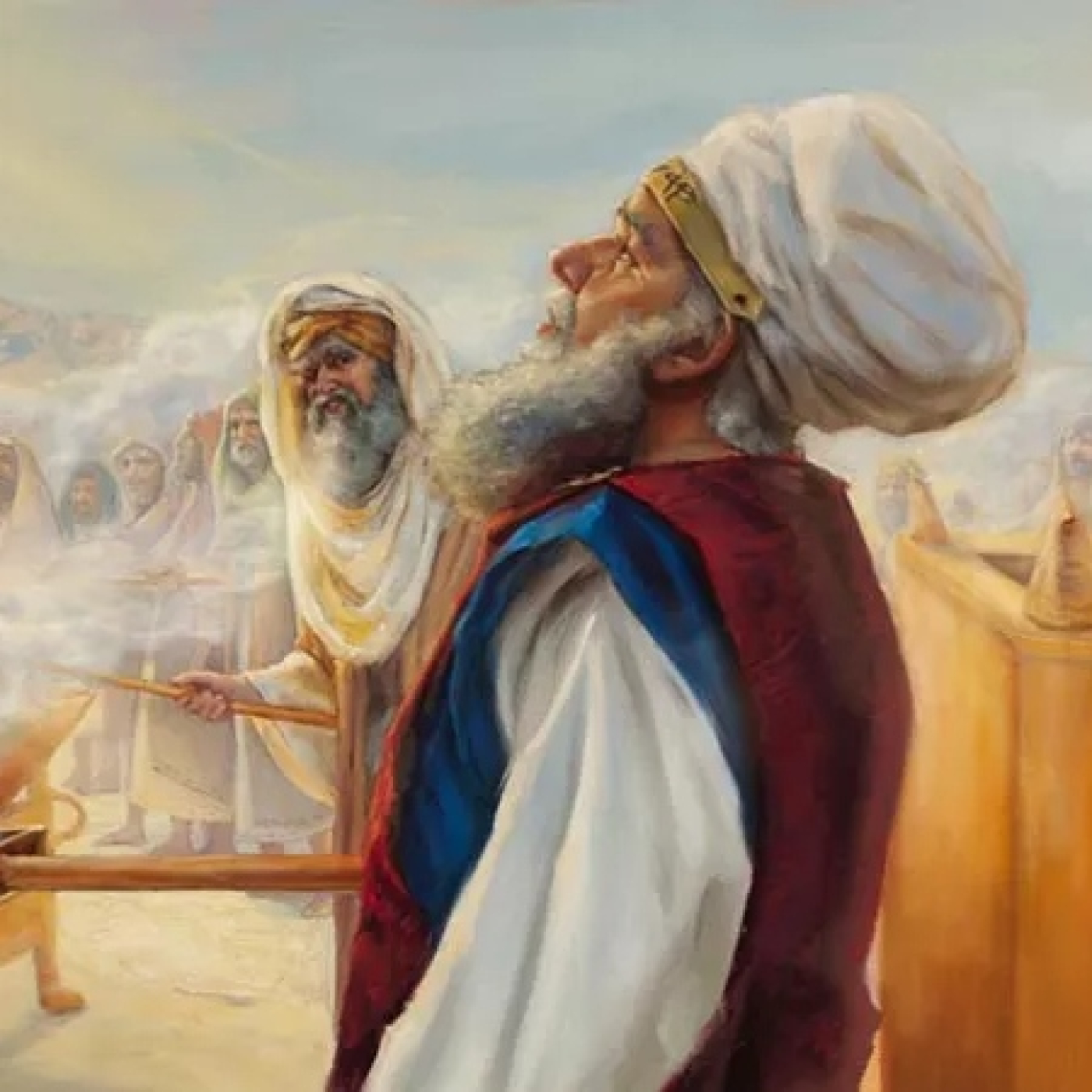
The Emor ("Tell them") section commences with the specific regulations about the Cohanim ("Miniatros"), the Cohen Gadol ("High Cohen"), and temple service. A Cohen is prohibited from becoming ritually impure through contact with a corpse, except in the case of the death of a close relative. A Cohen may not marry a divorced woman or a woman with a promiscuous past. The Cohen Gadol may marry only a maiden. A Cohen with a physical deformity is prohibited from serving in the Holy Temple. Similarly, a deformed animal may not be offered as an offering. Those who are constantly seeking to fill an existential void live in a state of constant lack and then connect with aspects of death in all areas of their lives. For this reason, the Kohen was instructed to refrain from all aspects of death. Consequently, some individuals are content without material possessions, romantic partners, or geographical mobility to achieve fulfillment.

Parashat: Bejukotái II (5784).
la raíz de todos los males se encuentran en estas admoniciones. Todas las enfermedades, todos los obstáculos, todos los bloqueos, todo aquello que nos aleja de la Luz del Creador tiene raíz en estas admoniciones. Estas admoniciones se derivan de 7 pecados graves que tienen que ver con la raíz de todas las maldiciones. Por esto todo mal, tiene una raíz y todos los pecados tienen una raíz que son siete transgresiones. ¿Cuáles son esas siete transgresiones? Las enumera esta Parashá: 1) Si no me escuchan 2) Si no cumplen mis mandamientos 3) Si desprecian mis preceptos 4) Si vuestras almas rechazan mis leyes 5) y no cumplen 6) Todos mis mandamientos 7) habrán abolido mi pacto.
Parashat: Bejukotái I (5784).
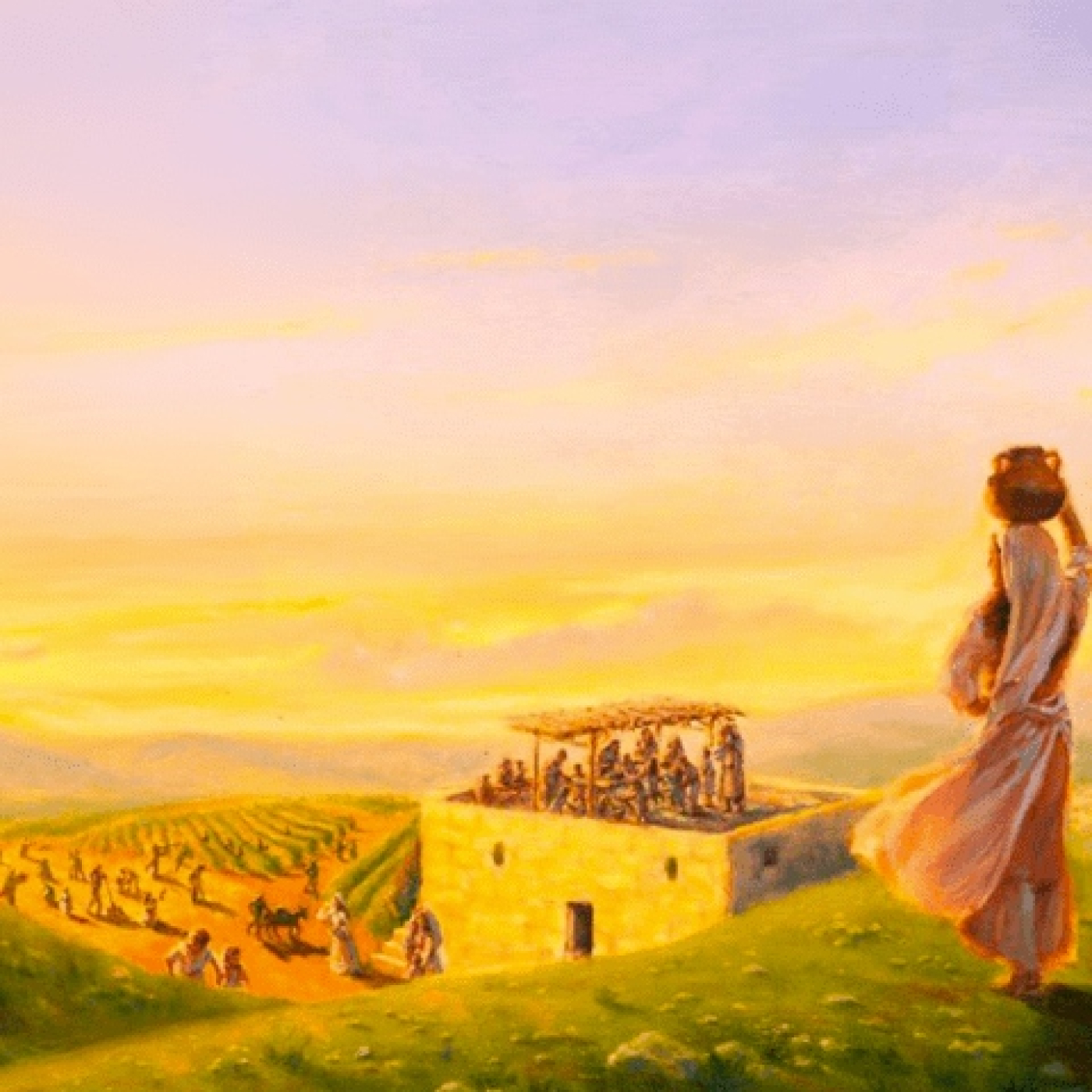
En la sección Bejukotái Elohim promete que si los Hijos de Israel observarán sus mandatos, disfrutarán de prosperidad material y vivirán seguros en su tierra. Pero también da una dura “reprimenda” advirtiendo sobre el exilio, la persecución y otros sufrimientos que les ocurrirán su abandonan su pacto con Elohim.

Pirke Avot capitulo 7,8,9
Nitai el Arbelí dice: Aléjate de un mal vecino, no te juntes con el malvado y no desesperes de la retribución de Hashem. Yehudá ben Tabai y Shimón ben Shétaj recibieron de ellos. Yehudá ben Tabai dice: No te erijas en asistente de los jueces; cuando los litigantes estén en tu presencia que sean a tus ojos como malvados; y cuando salgan de tu presencia que sean a tus ojos como inocentes, cuando ya aceptaron el veredicto. Shimón ben Shétaj dice: Interroga extensamente a los testigos y sé prudente con tus palabras; no sea que a partir de ellas se les facilite mentir.
Parashat: Behar II (5784).
En esta segunda porción de Vayikrá hablaremos de la Shefa (שפע). ¿Qué es realmente abundancia? HaShem Mitbaraj influye en su mundo a través de una Shefa muy especial, a través de la abundancia llamada Vida. Si un solo momento se interrumpe esa Shefa, el mundo dejaría de existir, la humanidad entera dejaría de ser. Por esta razón el salmista y rey David escribió en el Tehilim que Elohim hace llover sobre justos e injustos. Y vemos a reshaím cometiendo múltiples atrocidades, se mantienen con vida gracias a la Shefa que Hakadosh BarujHu envía a cada momento. Por eso sabemos que la Shefa de HaShem es interminable y es constante. Sabemos que la felicidad no depende del dinero, pero para cumplir mitzvot debemos de tener dinero para poder hacerlos. Y también sabemos que Hakadosh BarujHu es quien nos provee conforme a sus riquezas en gloria en Yeshúa HaMashíaj. Requerimos de dinero para cumplir las Mitzvot. Por algo la palabra hebrea para dinero en hebreo es "mamón" que tiene la misma guematria de sulam, escalera. Y es por la razón que el kesef, nos ayuda a elevarnos. Con el podemos dar tzedakah, podemos cumplir con las moedim, dar maazer, comer alimentos kasher. Y de allí es que nos interesa aumentar nuestra abundancia. No es ir detrás del dinero, porque al final del día la persona que corre tras el dinero , el dinero huirá de aquella persona. La abundancia verdadera se manifiesta hasta en lo poco que tienes, y eso poco te rinde y estás en shalom. ¿De que serviría tener 1 millón de dólares en tu cuenta bancaria, la mejor tarjeta o una línea extensa de crédito si tienes enfermedades (Jaz veshalom), dónde se te van esos millones, no tendrás shalom allí. "Mejor es lo poco del justo que la abundancia de muchos impíos". Tehilim 37: 16
Parashat: Behar I (5784).
¿Cuál es la mejor definición de HaShem? El origen del Nombre lo encontramos por primera vez en el segundo capitulo de Bereshit. Pero en lo relacionado a la humanidad lo vemos por segunda vez en boca de Enosh, dónde se dice que como el era el nieto de Adam harishón, hijo de Shet hijo de Adam. Dice el pasuk: אז הוחל ליקרא בשם יהוה Az hujal likró beshem Adonai ...se empezó a clamar el Nombre de Adonai... (Bereshit 4:26) Es decir que a partir de este momento El Nombre toma protagonismo. Los jajamim ven esta expresión como algo negativo. Lo primero es que la palabra אנוש (Enosh...Enós) tiene la misma raíz de la palabra que significa olvido לינשות olvidarse (su raíz es nun shin vav: נשו), como si algo se hubiera olvidado. Por otra parte el término: Hujal (הוחל) tiene que ver con Jol (חול) que significa profanar. Por ello se dice que allí fueron los inicios de la idolatría. Y tal vez esta es la causa de que en distintas excavaciones arqueológicas se encontrara ese nombre en relación a otros "dioses" Pero no es hasta el libro de Shemot 6 dónde Hakadosh BarujHu se da a conocer con este Nombre a Moshé y a todo Israel: "Y habló HaShem a Moshé y le dijo: Yo Soy Adonai y yo aparecí a Abraham, a Itzjak y a Iaacov como "El Shadday" (El Todopoderoso) pero con Mi Nombre יהוה no me dí a conocer a ellos" Aunque ya Abraham abinu sabía del Nombre de HaShem y lo llamó, Hakadosh BarujHu no se dió a conocer a él a través del nombre de Adonai, El Eterno.

Parashat Kedoshim en Inglés
The Kedoshim section begins with the phrase "You shall be holy, for I, God your Master, am holy." followed by dozens of Mitzvot, which guide the Jew in sanctifying himself and relating to Elohim's holiness. These include the prohibition against idolatry, the mitzvah of charity, the principle of equality before the law, Shabbat, sexual morality, honesty in business, honor, and fear of parents, and the importance of life. Additionally, in the Book of Leviticus, we find the phrase that the renowned Rabbi Akiva taught as a fundamental tenet of the Jewish faith. Hillel, another prominent figure in Jewish history, once said, "This is the essence of the Torah. Everything else is commentary." The underlying message is clear: love your neighbor as yourself.
Parashat Metsorá en Ingles
In the Metzorah section of the Torah, it is described how a person who recovered from metzorah is purified by the Cohen with a special procedure that involves two doves, water from a spring, an earthenware vessel, a piece of cedar wood, a purple ribbon, and a bunch of myrtle. Tzaráat, a form of skin disease, can also affect a house through the appearance of reddish or greenish stains on the walls. In a process that lasts for a maximum of nineteen days, a Cohen determines whether the house can be purified or demolished. Additionally, the emission of semen or any other discharge in a man, and menstruation or any other discharge of blood in a woman, indicate a state of ritual impurity that requires a process of purification by immersion in a mikveh - a ritual bath.
Capítulo 1 / Mishná 5 y 6 - Pirkei Avot
Yosi ben Yojanán, varón de Yerushalaim, dice: Que tu casa esté ampliamente abierta, que los pobres sean miembros de tu casa y no te excedas en conversación con la mujer. A su esposa se referían; con más razón a una mujer ajena. A partir de ello dijeron los Sabios: Siempre que el hombre se excede en conversación con la mujer se ocasiona mal a sí mismo, descuida las palabras de la Torá y termina por heredar el lago de fuego. Yehoshúa ben Perajiá y Nitai el Arbelí recibieron de ellos. Yehoshúa ben Perajiá dice: Hazte un Rav, adquiere un compañero de estudio y juzga a todo hombre para bien.
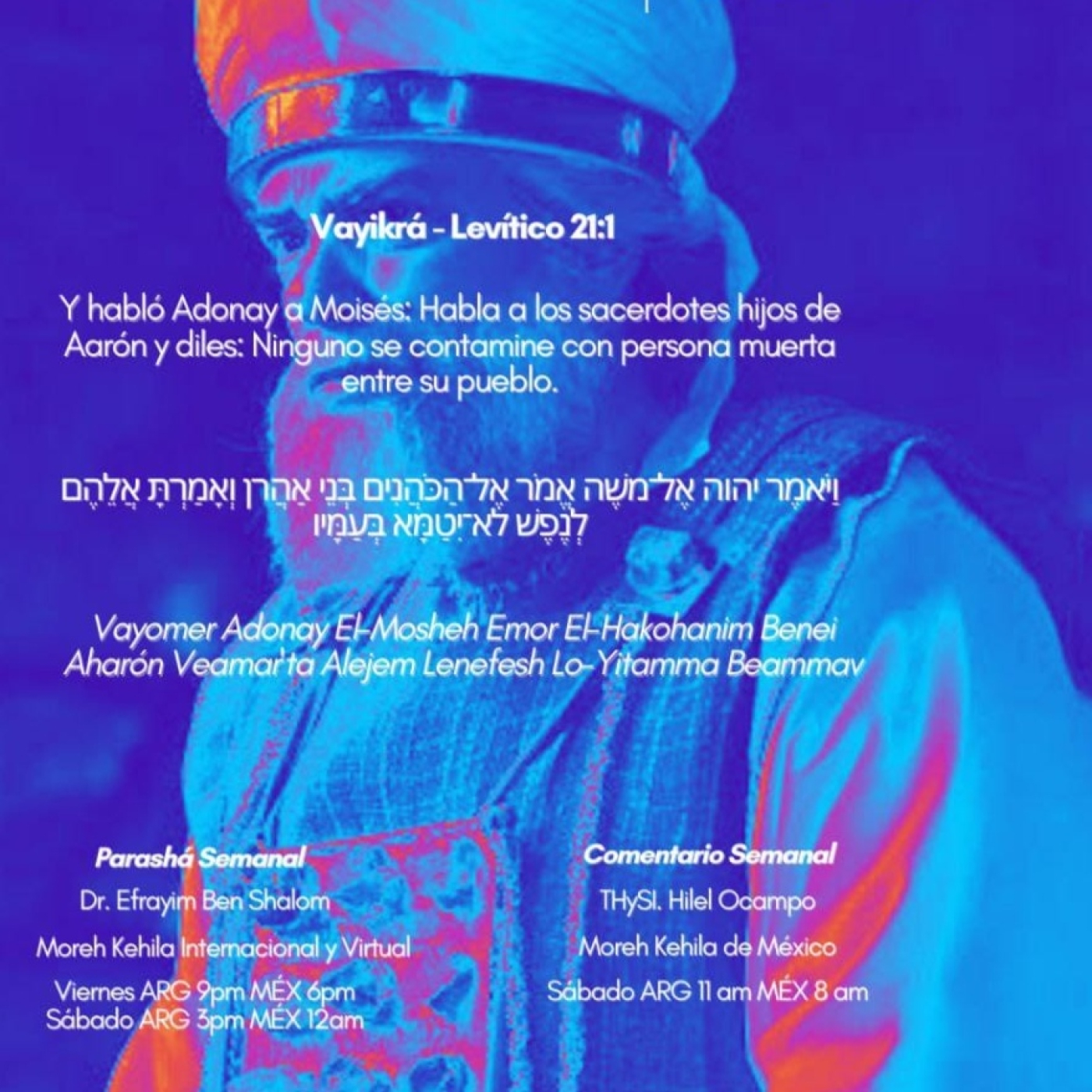
Parashat: Emor II (5784).
La persona que está en constante movimiento para llenar un vacío existencial vive en constante carencia y entonces conecta con aspectos de muerte en todas las áreas de su vida. Es por eso que al Kohen se le ordenaba estar alejado de todo aspecto de la muerte. Así hay personas satisfechas que no necesitan tener "algo" estar con "alguien" o ir a un lugar para sentirse plenos. Esas personas son "mamlejet kohanim", son un reino de kohanim. Y esto se logra cuando alcanzas un nivel de no necesitar a una persona, de no necesitar bienes materiales, de no necesitar incluso salud, es en ese momento que haz alcanzado eternidad con el mundo Venidero, con el mundo que es.
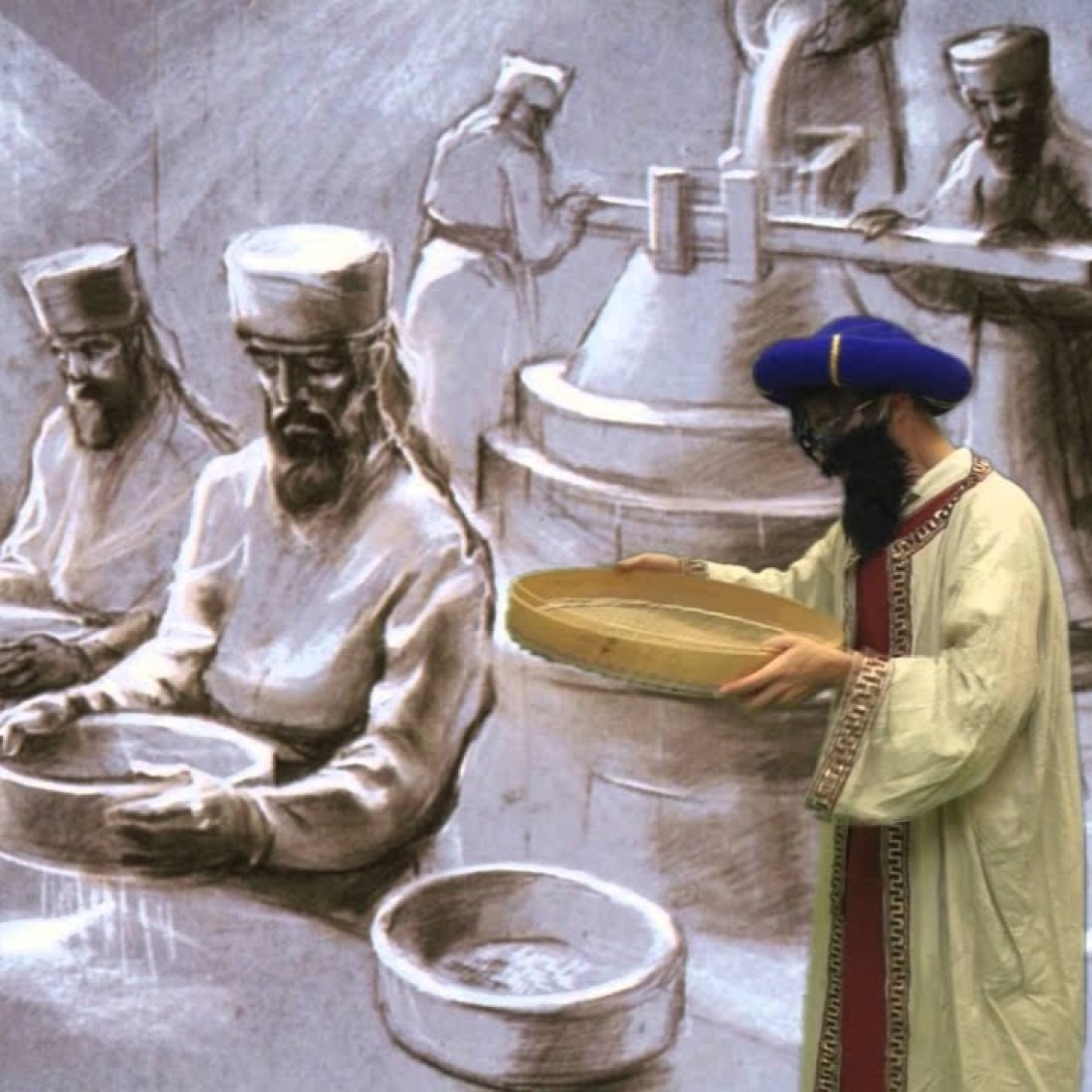
Parashat: Emor I (5784).
La sección Emor (“Diles”) comienza con las leyes especiales de los Cohaním (“Miniatros”), del Cohen Gadol (“Sumo Cohen”), y del servicio en el Templo: un Cohen no puede volverse ritualmente impuro a través de entrar en contacto con un cadáver, excepto en el caso de la muerte de un familiar cercano. Un Cohen no puede casarse con una mujer divorciada ni con una mujer con un pasado promiscuo; el Cohen Gadol puede casarse solamente con una doncella. Un Cohen con una deformidad física no puede servir en el Santo Templo; tampoco un animal deforme puede ser ofrendado.
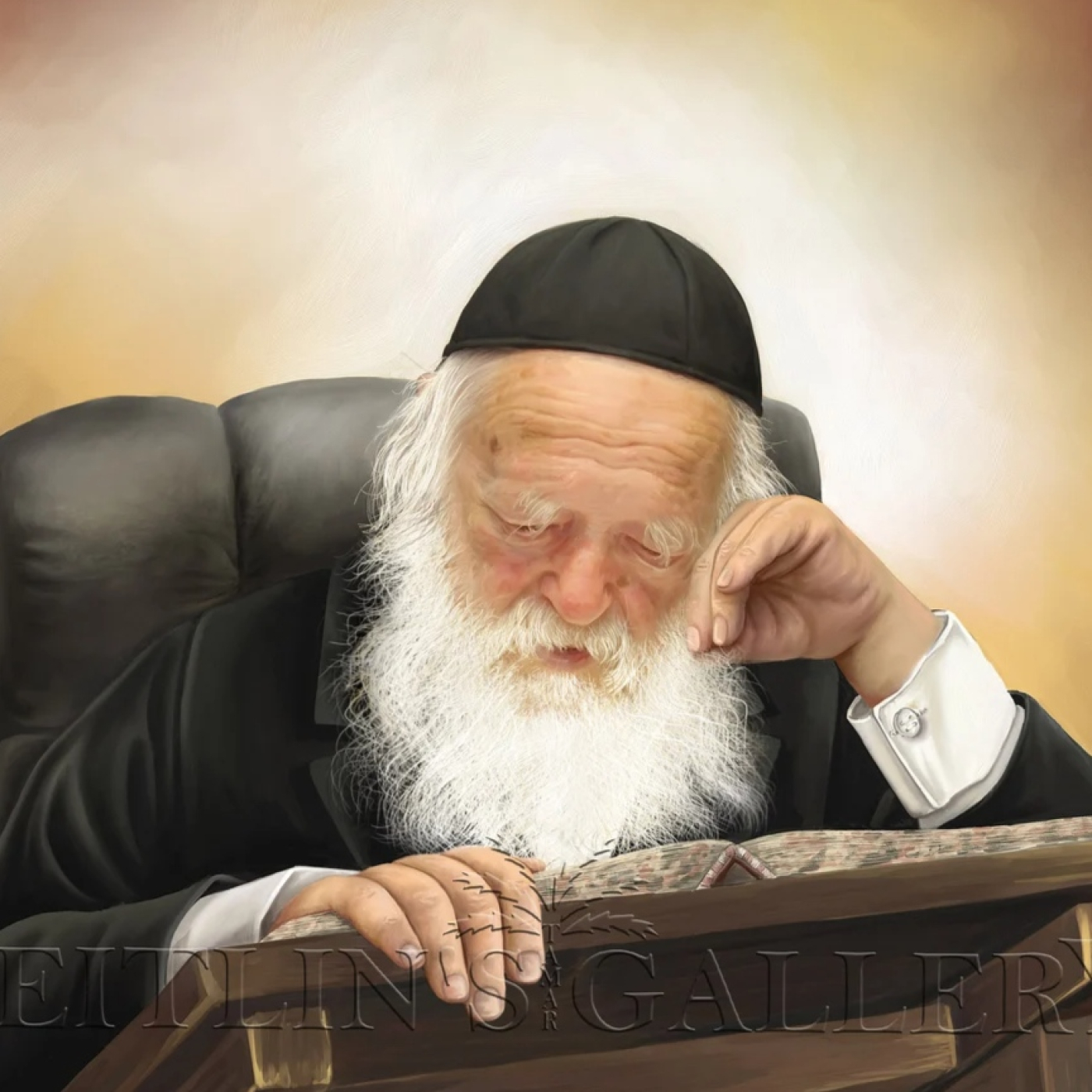
Pirke Avot 3 y 4.
Servir a Hashem por la recompensa ¿Está mal? "No quiero Tu Gan Edén, ni quiero Tu Mundo Venidero. Sólo Te quiero a Ti" Antignós de Sojó Antignós de Sojó recibió [la tradición oral] de Shimón el justo. El solía decir: "no seáis cual sirvientes que sirven a su amo para recibir recompensa, sino sed cual sirvientes que sirven a su amo sin el propósito de recibir recompensa; y que el temor del cielo esté sobre vosotros". No Seáis cual Sirvientes que Sirven a su Amo para recibir Recompensa ¿No encontramos, acaso, muchos versículos en la Torá que prometen recompensa por la observancia de las mitzvot? Por ejemplo, los Diez Mandamientos nos enseñan' "Honrarás a tu padre y a tu madre para que se prolonguen tus días". ¿Cómo, entonces, dice Antignós "No seáis... para recibir recompensa'? Esta Mishná, como tantas de las declaraciones de Pirké Avot, es una expresión de mili dejasiduta es decir, nos enseña una conducta piadosa que va más allá de la medida requerida por la ley. En este espíritu enseña que, aunque cada mitzvá genera realmente una recompensa, la atención de la persona no debe estar puesta en la gratificación, sino en el hecho mismo de que él ha sido encontrado digno para servir a Elohim.
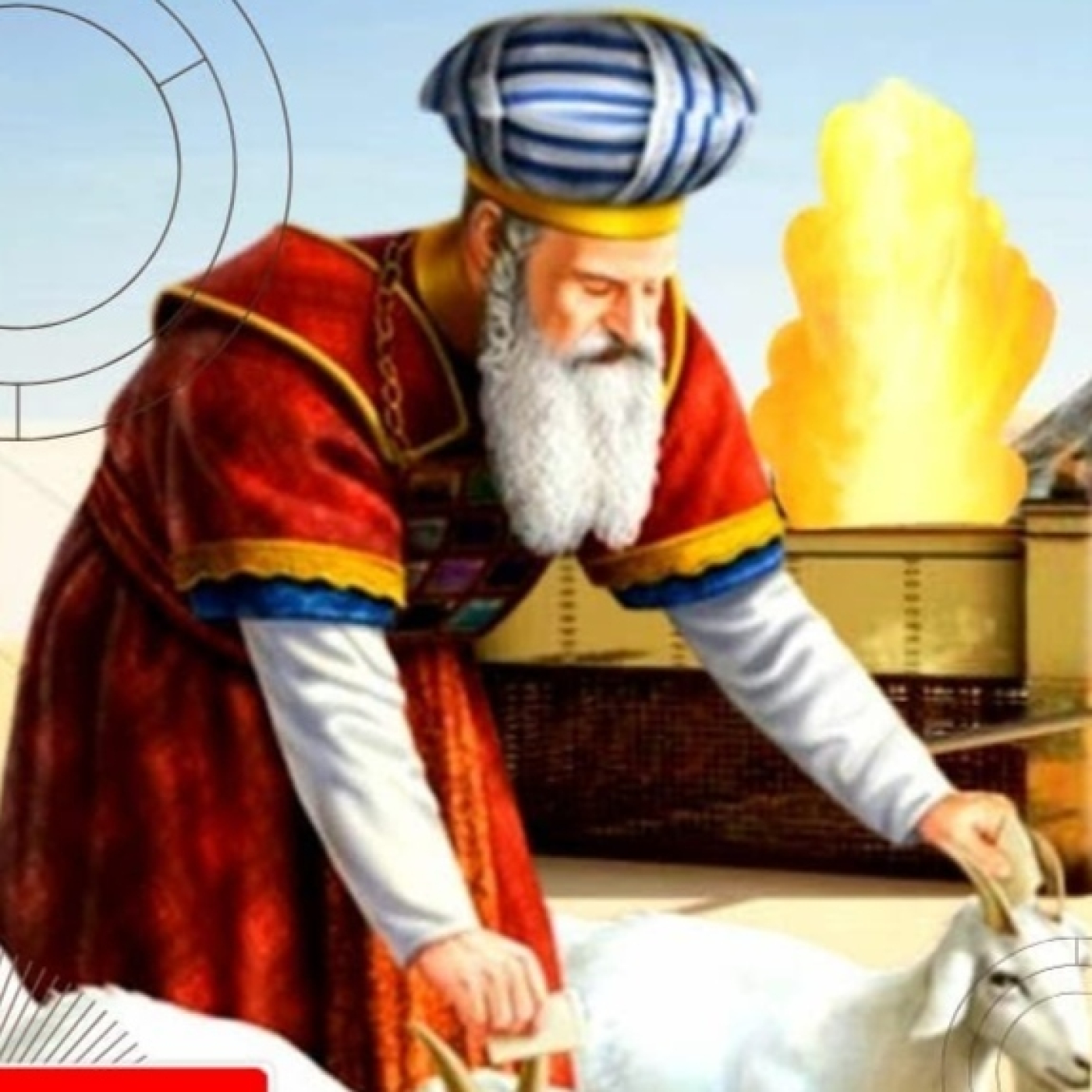
Parashat Ajarei mot en Inglés (5784).
The given text covers various topics related to the Yom Kippur service, the prohibition of sacrificing outside the Mishkan, the prohibition of consuming blood or non-kosher meat, the importance of not following pagan laws but following the instructions of Hashem, and the forbidden sexual relations mentioned in the Torah. Yom Kippur encompasses everything related to the Beit HaMikdash and its practices. The text also emphasizes that korbanot (sacrifices) were only permitted in the Mishkan and were forbidden elsewhere. Additionally, consuming blood is prohibited due to its representation of life and the soul, with salting being performed to remove the blood. The text also highlights the importance of following God's laws instead of the laws of idolaters. Lastly, the text mentions that the Torah explicitly describes forbidden sexual relations, with punishments and precepts discussed in Parashat Kedoshim.
Parashat Kedoshím: II (5784).
la prohibición contra idolatría, la Mitzvá de caridad, el principio de igualdad frente a la ley, Shabat, moralidad sexual, honestidad en los negocios, honor y temor a los padres, la importancia de la vida. También en Kedoshím se encuentra la frase que el gran Rabí Akiva enseñó que se trata de un principio cardinal de la fe judía y sobre la cual Hilel dijo: “Esta es toda la Torá, el resto es comentario” – Ama a tu prójimo como a ti mismo
Parashat: Kedoshím: I (5784).
La sección Kedoshím comienza con la frase “Serás santo, porque Yo, Elohim vuestro Amo, soy santo”; esto es seguido por docenas de Mitzvot a través de los cuales el judío se santifica y se relaciona con la santidad de Elohim. Estos incluyen: la prohibición contra idolatría, la Mitzvá de caridad, el principio de igualdad frente a la ley, Shabat, moralidad sexual, honestidad en los negocios, honor y temor a los padres, la importancia de la vida.

Pirke Avot II
Shimón El Justo Shimón el justo fue uno de los últimos de los hombres de la magna asamblea. El solía decir: "el mundo se alza sobre tres cualidades: sobre [el estudio de] la Torá, el servicio divino [—la plegaria a ELOHIM] y los actos de bondad". Shimón El Justo fue uno de los Últimos Hombres de La Magna Asamblea Los Hombres de la Magna Asamblea eran un conjunto de 120 grandes Sabios, poseyendo cada uno tendencias diferentes, La influencia de cada Sabio equilibraba y moderaba el aporte de los demás. Con el énfasis puesto en la armonía, este calificado cuerpo marcó el curso de la observancia ludía. Mientras este cuerpo funcionó, fue capaz de equilibrar los diferentes rasgos de carácter que tenía la gente en general. Sin embargo, cuando esta asamblea dejó de existir, hubo necesidad de realzar la importancia del equilibrio. Shimón el Justo, uno de los últimos participantes en este cuerpo, enseñó que las tres mencionadas conductas de servicio A HASHEM permiten, tanto al individuo como al mundo en general, erguirse con fortaleza y estabilidad, manteniendo el equilibrio.