
Efrayimbenshalom
1,059 episodes — Page 8 of 22
Reflexiones de la Parashat Lej Lejá
La diligencia de Abraham se puede entender como la obediencia, la confianza y la fidelidad que demostró a Elohim. En la Torá, Abraham es un personaje que estableció un pacto con Elohim y recibió diversas promesas: La descendencia, La bendición de todas las naciones, La tierra de Canaán, El pacto de la circuncisión
Parashat LEJ LEJÁ : I (5785). la Lucha entre el Bien y el mal
La porción de esta semana es Lej Lejá, lo cual significa “salir”, esas son las mismísimas palabras que HaShem le dijo a Avraham en la historia. Ese es el momento en el que HaShem designa a Avraham como su mensajero, cuando le pide que deje el lugar en donde vive, que “salga” y difunda la espiritualidad en el mundo. La palabra “sal” no necesariamente hace referencia a un cambio de lugar, sino a un cambio de comportamiento. Esta semana, somos llamados a salir de nuestro marco personal. Salir de nuestro marco no es una tarea fácil. Todos tenemos metas en la vida, cada uno con su propia lista de quehaceres, su planificación y, con todo esto, a veces puede sentirse presión, preocupación, estrés o conflictos. Para algunos de nosotros puede ser pagar facturas; para otros, lidiar con una adicción o enfermedad, Elohim no lo quiera; pero sin importar los detalles, todos enfrentamos desafíos diarios. Puede ser muy difícil dar de nosotros a los demás cuando estamos tan ocupados luchando nuestras propias batallas personales. Sin embargo, uno de los grandes regalos de la espiritualidad es la capacidad de ayudar a alguien más con sus problemas aun cuando estemos luchando con los nuestros. Ese es el nivel espiritual al que llegó Avraham según lo que leemos en la porción de esta semana, Lej Lejá. Avraham enfrentó muchas pruebas, muchos desafíos y, a pesar de eso, no se desvió del camino de compartir su amor a HaShem con los demás. Esta semana hay una ventana abierta en el universo que puede ayudarnos a salir de nuestro marco personal. Y de esta forma lograr ver más allá de nuestros conflictos personales, entender que no somos el centro del universo, sino que somos una gota más en el inmenso océano, donde si nos unimos y logramos entendernos amando a nuestro prójimo, así podremos lograr avanzar con fuerza hacia la meta final. Incluso cuando estemos en agonía a causa de nuestros propios problemas, nuestra oscuridad y desespero, este ejercicio que consiste en salir de nuestro marco puede traer la Luz para nuestra propia oscuridad. Hay como una especie de configuración cósmica que establece que si nos hacemos cargo de los demás, el universo se encarga de nosotros. El cambio requiere práctica. Esta semana, concéntrate en las pequeñas pero significativas formas en que puedes ajustar tu comportamiento diario o tus decisiones para acercarte, poco a poco, a la nueva persona en la que te has comprometido a convertirte.
Parashat Bereshit in English
Bereshit (בראשית) is the first word of the Torah. Jajamim asks why HaKadosh BaruchHu chose to begin with this word? It is said that Boré Olam selected the letter Bet (ב) as the initial letter of Creation. The Torah starts with the letter "Bet" and not with the "Aleph" (which is the first letter of the Hebrew alphabet) for a few reasons. Here are some of them: The letter Bet (ב) has three closed sides, but the fourth is open. This shows that to understand the Torah properly, you look at it from within. Without committing to its values and practicing its precepts, you won't understand its real message. Meanwhile, the letter Aleph (א) has four sides open to the outside. This is because it represents Emunah in Boreh Olam, and this value can be grasped from all angles. This allows us to discover and admire evident and constant proofs of the Existence of Elohim!

Parashat V'Zot HaBerachah en Inglés
Devarim (33:1 to 34:12) marks the end of the Torah and the mission of the great leader Moshe Rabenu, at the gates of the Land of Israel, where he sadly wasn't able to fulfill his dream of entering and living in Israel. Elohim makes him climb Mount Nevo to see the land, but he won't set foot on it. Moshe was punished for disobeying HaShem's orders to speak to the rock, which he struck instead. Our Sages came up with all kinds of explanations as to why Moshe reacted like that, but nothing was useful to a leader like him. "Uvemeurabai Etkadesh", which translates as "And those who are near me, with them I will be different." As a good leader, Moshe can't say goodbye without first blessing the people. He reminds the Children of Israel of the greatest gift he could give them in his forty years as leader: the Torah. He entrusted us with the Torah, which is an inheritance for the community of Yaacov. This was in Yeshurun (People of Israel), with the representatives of the people meeting, the Tribes of Israel together. This is how Moshe tells us what happened. Moshe brought us the Torah, but it's an inheritance that belongs to us. The more we accept the Torah, the more we proclaim that HaShem is reigning on Earth. That can only happen when our leaders unite and we all feel together. It's not like unity among the people of Israel is a necessity, like it might be for any other people. It's just part of who they are. The Talmud says that during the time of King Ahab when the people had turned away from the commandments of the Torah, the People of Israel enjoyed a time of greater peace and success than ever before because they were united. It's good and pleasant when brothers are united. Where the Torah ends, it begins again because it has no end. It's about the person. Just as marriage is symbolized by a simple ring with no beginning or end, because each generation is one more link that unites the previous generation with the next, the Torah unites the generations. The last day of Sukkot is called Simcha Torah, which means the joy of Torah. Our Sages said that there is no space except within joy. This is because joy is the catalyst for events. The Torah is the guide to these events.
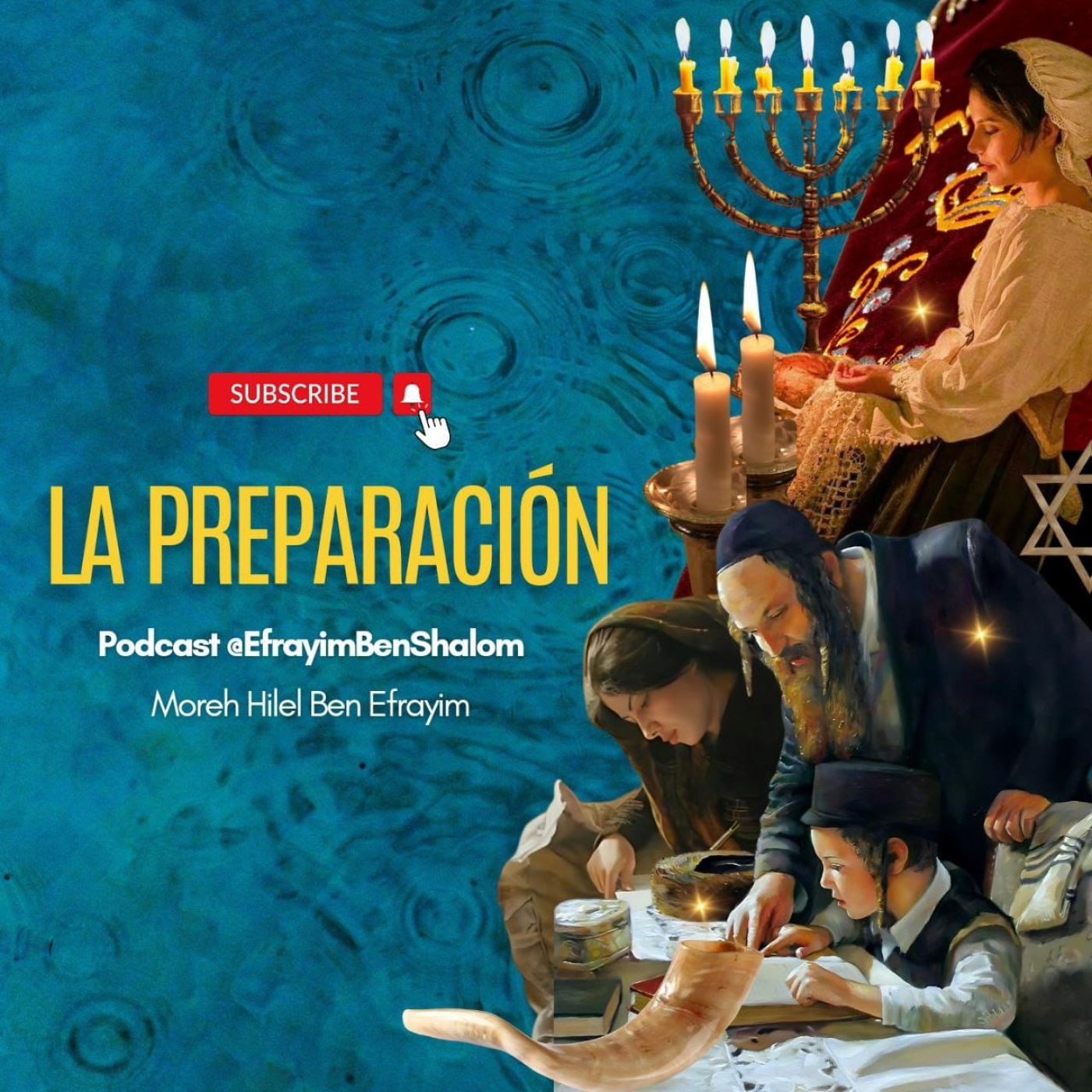
Reflexión de la Parashat Noaj (La Preparación).
La persona que es temerosa de HaShem y desea mucho Sus preceptos debe analizar con sumo cuidado, antes de efectuar cualquier precepto o pronunciar cualquier rezo o bendición, qué es lo que está haciendo y por qué lo hace, y cómo debe hacerlo. Y entonces habrá de realizar una preparación y un despertar en su alma a fin de realizar dicho acto con amor y temor a HaShem y con gran alegría, como corresponde. Y de este modo sus preceptos ascenderán con satisfacción al Cielo y su esfuerzo no será inútil y en vano. El que así se conduzca estará en paz y no tropezará jamás, por ello, fortalécete y esfuérzate en hacerlo. "Y quien viene a purificarse, será ayudado desde el Cielo".
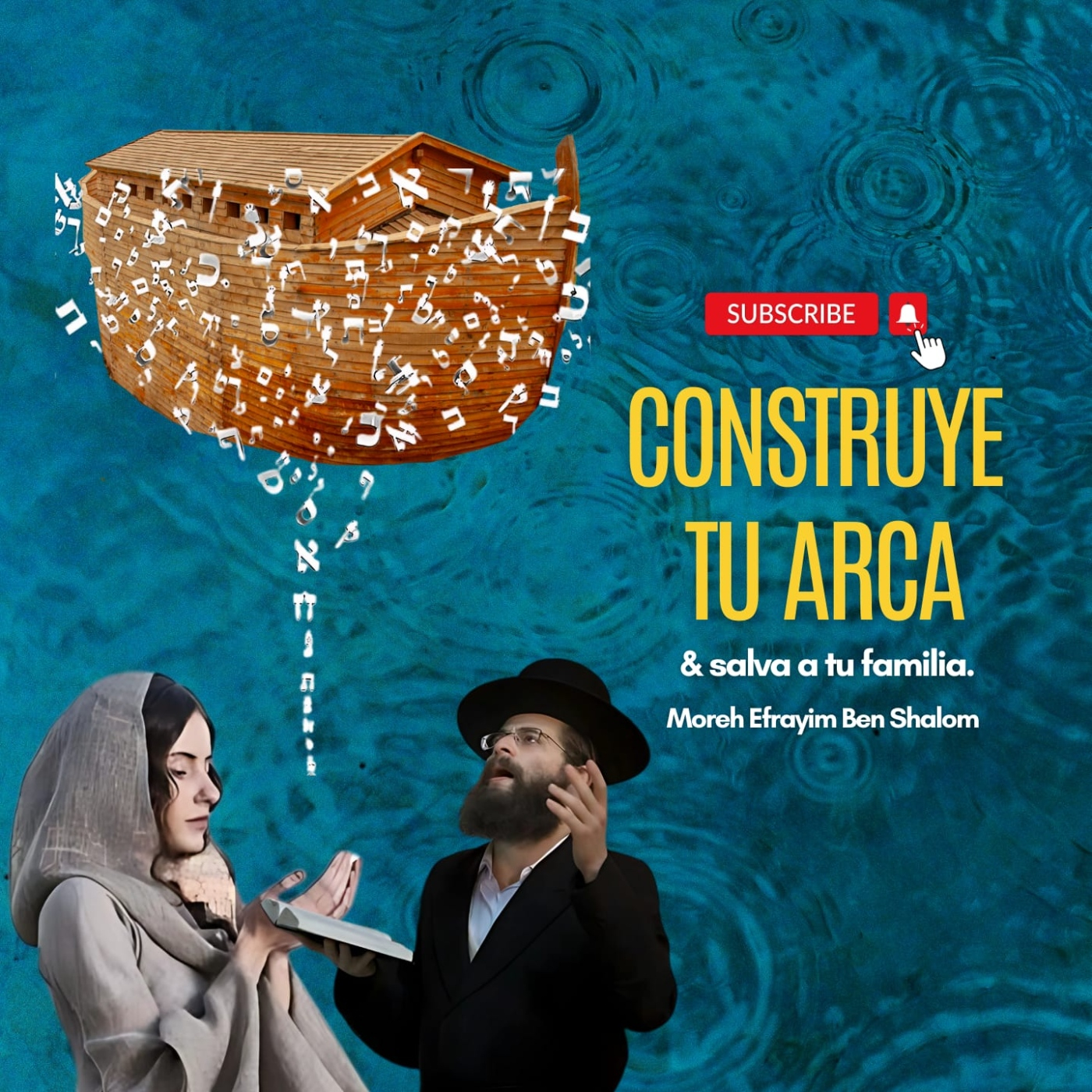
Parashat: Noaj: II (5785). Construye tu Arca
Construye tu Arca y salva a tu familia. En estos tiempos y a nivel moral, el mundo ha decaído drásticamente. La historia se repite. Leemos en Bereshit 6: 1 que los hijos de los gobernantes comenzaron a tomar esposas de entre todas las que preferían. Estos eran reshaím, nefilim, gigantes. Pero cuando el final de la Parashat Bereshit nos relata que tomaban esposa, esto significa que se apoderaban de esposas ajenas sin permiso pues estos eran reshaím, malvados. Y esto Lo vemos en la actualidad, las personas cambian de pareja porque sí, como si nada. Tanto que resulta difícil decir quién era peor: los de antes o los de ahora. Hoy psiquiatras recomiendan que si tienes problemas matrimoniales aconsejan intercambiar esposa con tu amigo y esto realmente es alarmante. Por ello HaKadosh BarujHu dijo "mi Rúaj no contenderá para siempre con el hombre pues es carne, sus días serán 120 años"
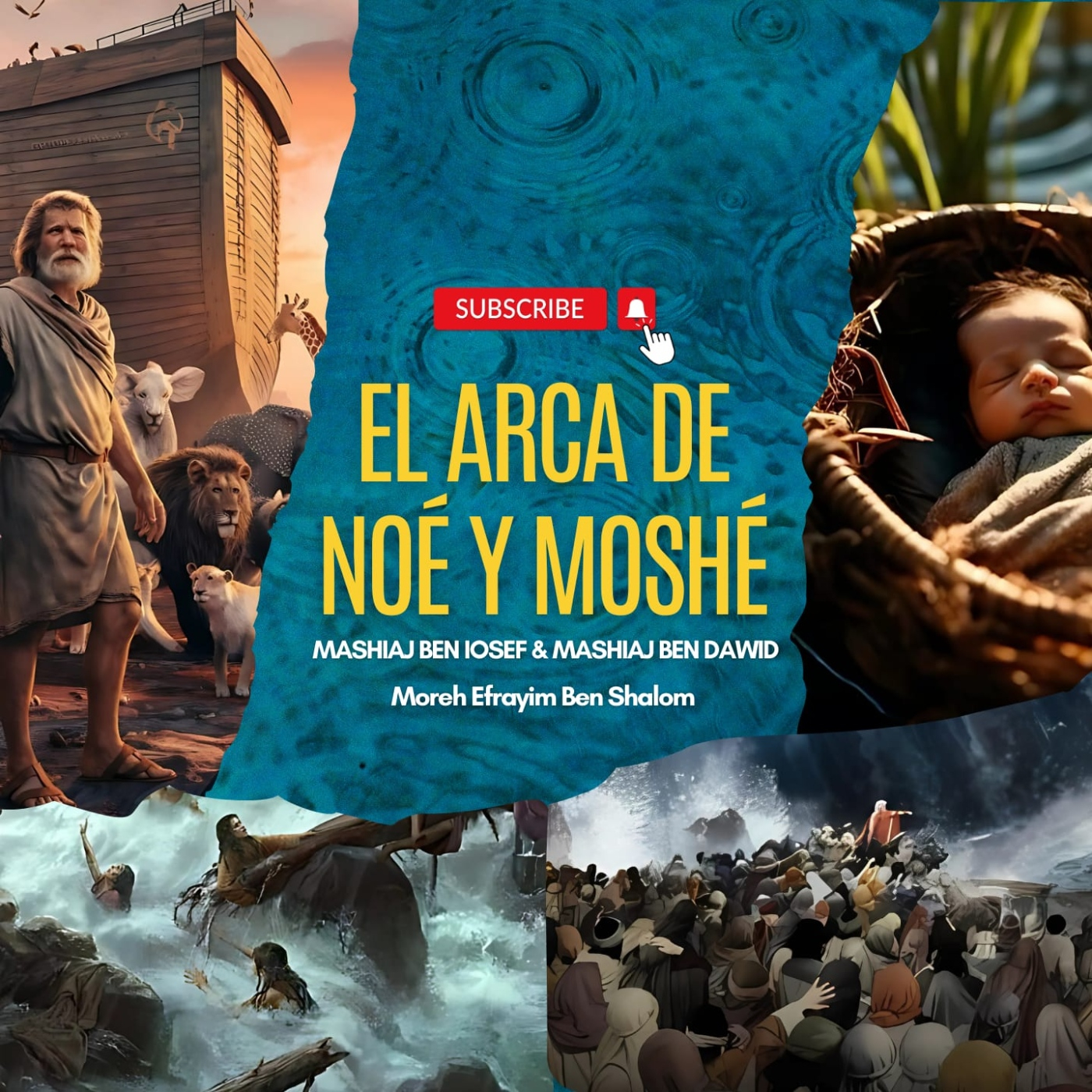
Parashat: Noaj: I (5785). El Arca de Noaj Y Moshé
"Profundiza y persevera. Esta semana, sujétate fuerte al poder de la perseverancia y ve más allá de tu zona de confort, porque solo ahí comenzamos a alimentar nuestra alma." La idea de una espiritualidad mundial no es nueva. Sabemos de la historia de la Creación que hubo un tiempo en la historia espiritual en el que la Luz del Creador y Su Creación, la Vasija —el origen único de todas nuestras almas— eran uno y estaban en perfecta armonía. Esta es la historia del mundo infinito del cual has aprendido en tus estudios de Torá. Este fue el punto de inicio, el origen del deseo que todos los seres humanos buscan— el deseo de ser uno con nuestros amigos, con el mundo y, al final, con Hakadosh BarujHu. De alguna manera, en lo profundo de nuestro ADN espiritual, recordamos esta unión máxima. Ya que no podemos tener un deseo por algo que no hemos probado. La historia de la Creación también nos enseña que el propósito de Boré Olam para crear el mundo y todo lo que hay en él era derramar sobre nosotros plenitud y beneficencia. También entendemos que la naturaleza del Creador es sólo crear y satisfacer. Por lo tanto, la destrucción no puede venir de ese pensamiento o intención. Lo que está en el árbol viene de la semilla. Así de simple. El pensamiento del Creador para este mundo fue la semilla y su intención era satisfacer; si ese es el pensamiento, ese también debe ser el desenlace, el resultado. Sin embargo, sabemos que la historia que la Torá nos relata nos dice que hubo un tiempo en el que el Creador quería destruir el mundo: la historia del arca de Nóaj. Bueno, el Zóhar la explica de manera distinta. No fué Elohim quien produjo la destrucción. Sabemos que esa no es Su naturaleza. Fueron las acciones de la humanidad las que provocaron dichas consecuencias. No fue un castigo, sino el resultado de sus propios pensamientos, palabras y acciones. Por ejemplo, si pensamos en nuestro mundo actual: ¿Podemos tomar agua tranquilamente? Hablemos de los alimentos que consumimos, los peces que criamos, el aire que respiramos, ¿Elohim los contaminó? ¿Elohim los hizo inseguros para el consumo? ¿Elohim derramó desechos tóxicos en nuestras aguas? ¿Elohim provocó esas consecuencias como castigo? O, ¿son el resultado de las decisiones que tomamos con nuestro propio libre albedrío? El Zóhar explica que ese fue el mismo ambiente en la época de Nóaj. La forma con la que el Creador se presentó fue una fuerza de resultado y no de castigo.
Capítulo 2 / Mishná 12 - Pirke Avot
Rabí Yosi dice: Que sea el dinero de tu compañero tan preciado a ti como el tuyo propio, disponte para aprender Torá pues no la has recibido en heredad, y que todos tus actos sean en nombre del Cielo. amor a Hashem y amarás a tu prójimo como a ti mismo son la base de Torá. Colosenses 3:23-24 23 Y todo lo que hagáis, hacedlo de corazón, como para el Adon y no para los hombres; 24 sabiendo que del Adon recibiréis la recompensa de la herencia, porque al Mashiaj servís.
REFLEXIÓN DE LA PARASHAT BERESHIT.(Moré Hilel).
La limpieza espiritual consiste en que el ser humano se limpie de todo rasgo negativo de carácter y todo pecado. Esto aplica no solamente a pecados conocidos y evidentes, sino también a aquellos actos respecto de los cuales el corazón se siente incitado a considerarlos como permitidos. [Son la clase de actos] que cuando los analizamos a la luz de la verdad descubrimos que a la persona solamente le parecen permitidos porque su corazón todavía es afectado por algún deseo del cual aún no se ha purificado completamente, y es por eso que lo puede incitar hacia una actitud ligera.

Parashat Bereshit: II (5785). El libro de las Generaciones.
Aprendemos también que la palabra "Bereshit" pueden ser transpuestas para formar la frase "iaré boshet" que se traduce como temor, humildad. También se puede transportar como "iaré Shabat", temor Shabat. Y es tan impresionante que Shabat se asocia con el arrepentimiento, pues contiene las mismas letras que "tashuv" (te arrepentirás). Con esta explicación notamos como ya desde el principio HaKadosh BarujHu nos dejó abiertas las puertas de las lágrimas para que siempre podamos retornar a Él con temor, con sinceridad, con frutos dignos, con obediencia, siempre con irat shamayim. Con ese temor siempre presente la persona podrá alcanzar profundos niveles de humildad delante de HaShem, de manera que si cae y se arrepiente de verdad podrá retornar a Él. Y porque la persona debe temer? Porque eso demuestra su emunah y su comprensión de la tremenda majestad y grandeza del Todopoderoso, de Su omnipotencia y Omnipresencia en todo momento y lugar. Cuando la persona observa las mitzvot y guarda Shabat, se dedica a estudiar y solo enfocar su mirada en acercarse cada vez más a Boré Olam en el día de Shabat, entonces El prepara una mesa y lo ayuda a vencer a sus enemigos. Unge si cabeza con aceite, a través del Rúaj HaKodesh, a traves de las letras de la Torá, forma en sus pensamientos nuevos horizontes que lo encaminan y llevan al éxito, pero no solo al éxito aquí, sino también en Olam habá. Muchos se afanan solo por lo material y dicen : el que no trabaja, que no coma. Porque solo se enfocan a lo que ven sus ojos carnales. Y olvidan que esta es una suká temporal, que llegará el tiempo que se debe desarmar y es allí que deja de lado lo eterno, lo que permanece para siempre y escoge lo que se quemará con fuego. Si decides que la obediencia a HaShem es lo mejor para tu vida, entonces comenzaras a experimentar cambios profundos y verdaderos, obtendrás regalos y herramientas para poder continuar. Moshé rabenu subía una montaña, el tenía que esforzarse y subirla para luego traernos la Torá, no podía quedarse allí sin esforzarse, de lo contrario jamás el mundo hubiera tenido Torá. La persona que guarda Shabat obtiene ese temor sagrado, y a partir de ese temor que experimenta, obedece. Esa es la clave para ordenar el caos de tu vida y extirpar todo aquello que en el lapso de tu vida te había separado de HaShem. Fortalece hoy tú fe para que sepas el camino exacto a transitar sin desviarte. La persona que se encuentre lejos de HaShem, teniendo sus propias filosofías y comiendo espiritualmente de un lado, de otro y siempre inconforme, nunca comprenderá el significado de la Torá, no entenderá los principios porque el conocimiento le es cegado por causa de su orgullo y soberbia, frutos contrarios a lo que HaShem busca. David HaMelej nos enseña en el Tehilim 51: 19 el verdadero sacrificio aceptable para Elohim. "Los sacrificios de Elohim son un espíritu quebrantado; un corazón quebrantado y contrito, Oh Elohim, no despreciarás." Dice también que no puede soportar al altivo, lo mira de lejos. "Porque Adonay es excelso, y atiende al humilde, Mas al altivo mira de lejos". Tehilim 138: 6 Y allí cuando nos contristamos por nuestros pecados, nos afligimos y obedecemos es cuando Él nos oye, nos atiende.

Parashat Bereshit: I (5785). El Propósito de la Vida
Bereshit (בראשית) es la primer palabra de la Torá. Jajamim se preguntan ¿Porqué HaKadosh BarujHu optó por comenzar con esta palabra? Y muchos dicen que Boré Olam eligió a la letra Bet (ב) como la primer letra de la Creación. La Torá comienza con la letra "Bet" y no con la "Alef" (que es la primera del Abecedario hebreo) por varias razones, he aquí algunas: ✓Para enseñarnos que, antes de incursionar en el estudio y el análisis de la Torá es preciso aprender bien la letra "Alef", que es la inicial de la palabra Emuná (Fe), ya que, sin la suficiente dosis de emuná, es imposible captar la Torá de manera cabal. ✓La letra Bet (ב ) tiene sus tres lados externos cerrados, sólo el lado interno está abierto. Esto indica que para captar la Torá adecuadamente, es necesario observarla desde adentro, porque desde afuera (es decir, sin comprometerse con sus valores, y la práctica de sus preceptos) no podrá alcanzar a entenderse su real mensaje. En tanto que la letra Alef (א ) tiene sus cuatro lados abiertos al exterior, porque, como quedó dicho, representa la Emuná en Boré Olam, y este valor es posible de aprehender desde todos los ángulos,¡descubriendo y admirando pruebas evidentes y constantes de la Existencia de Elohim!
Sheminí ‘Atzéret. 5785.
Sheminí ‘Atzeret (Hebreo: שמיני עצרת – «el Octavo (día) de la Asamblea» y «Día de la Retención») se celebra el 22º día del mes hebreo de Tishréi. Shminí = octavo ‘atzéret = detenimiento, retención, cesación. 1) En realidad es una cita independiente de Sukot. 2) Es Shabat qódesh. 3) Tiene nombres como: Yomá’ ‘ajrona’ (El día postrero), Yom shekuló shabat (El día que todo él es Shabat), Ha’olam haba’ (El mundo venidero), Simjat-torah (la alegría de la Toráh). 4) En este día se termina la lectura de la toráh y se inicia de nuevo otro ciclo.
Parashat VeZot HaBerajá 5785.
Libro Devarim (33:1 a 34:12) Donde finaliza la Torá, termina la misión del gran guía Moshé Rabenu, a las puertas de la Tierra de Israel sin poder cumplir con su gran deseo de entrar y vivir en Israel. HaShem le obliga a subir al monte Nevó desde donde verá la tierra, pero no la pisará. Moshé fue castigado por ese fallo que tuvo cuando HaShem le ordenó hablar a la roca y Moshé la golpeó. Nuestros Sabios desarrollaron mares de explicaciones sobre por qué Moshé reaccionó así, pero nada sirvió para un dirigente como él. “Uvemeurabai Etkadesh”, “Y los que están cerca de Mí, con ellos seré diferente”. Moshé como buen dirigente no puede despedirse sin antes bendecir al pueblo y así le recuerda a los Hijos de Israel el mayor regalo que les pudo dar en sus cuarenta años de dirigente, “Torá Ziva Lanu Moshé, Morashá Kehilat Iaacov”, “Moshé nos encomendó la Torá, herencia es para la comunidad de Iaacov”, y fue en Yeshurún (Pueblo de Israel) Rey, reuniéndose los principales representantes del pueblo, juntas las Tribus de Israel; así nos comenta Moshé la secuencia de los hechos, Moshé nos trajo la Torá pero en verdad es una herencia que nos pertenece y en el nivel que nosotros aceptemos la Torá, está la proclamación del reinado de HaShem en la Tierra que sólo se podrá conseguir cuando nuestros dirigentes se unan y nosotros nos sintamos todos juntos. La unión en el pueblo de Israel no es una necesidad como lo pudiera ser en cualquier otro pueblo, sino que es parte de su identidad. El Talmud comenta cómo durante la generación del Rey Ahab, generación idólatra y apartada de los mandamientos de la Torá, el Pueblo de Israel no conoció una época de mayor tranquilidad y éxito como esa, pues estuvieron unidos. “Ma Tob Umanaim Shebet Ajim Gam Yajad”, “Que bueno y agradable es, cuando los hermanos se encuentran unidos. Donde termina la Torá ahí comienza, pues la Torá no tiene final, pues su fin es la persona en sí, y así como el matrimonio se simboliza con un simple anillo que no tiene comienzo ni fin, pues cada generación es un eslabón más que une la generación anterior con la siguiente; asimismo la Torá une a las generaciones. El último día de Sucot es denominado Simjá Torá la alegría de la Torá, pues no hay espacio sino dentro de la alegría, como dijeron nuestros Sabios: “Mitzvá Guedolá Lihyot BeSimjá”, “Una gran obligación es estar siempre alegre”, pues la alegría es el catalizador de los hechos y este es el mundo de los hechos y la Torá la guía de los mismos.
Al Amparo de la Emunah
La conducta de los demás pueblos difiere de la del pueblo de Israel. Los otros pueblos se sienten protegidos cuando residen bajo su propio techo, y sienten temor al abandonar la seguridad de sus hogares. Por el contrario, los Hijos de Israel se inquietan cuando residen dentro de sus casas, bajo la protección de sus propios techos, pues temen caer en la altanería y olvidar a Di-s. Pero cuando llega Sucot y abandonan el confort de sus hogares para morar bajo el resguardo de la Sucá, es entonces que se sienten seguros. Sus corazones se llenan de aliento y regocijo, pues no se encuentran amparados por la protección de sus propios techos, sino por la fe y la confianza en Di-s. Para aquel que se cobija a la sombra de las alas de la Shejiná (Presencia Divina) nada inspira temor y por lo tanto siempre está alegre. Esto puede compararse a una persona que se encierra en su casa por miedo a los ladrones. A pesar de la seguridad que le brindan las cerraduras de sus puertas, sigue temiendo que éstas puedan ser forzadas y los asaltantes ingresen poniendo su vida en peligro. Pero al escuchar la voz del rey que se acerca junto con su séquito, gritándole: «Sal de tu casa y ven a mí», destraba de inmediato las puertas y sale alegre para acompañarlo. Los ladrones no se atreverán a aparecer minetras el rey esté presente. La persona sigue al rey donde sea que éste la lleve, y su confianza y regocijo jamás la abandonan, ni por un instante. La persona en esta parábola es el pueblo de Israel; la casa, sus actividades a lo largo del año; los ladrones, la «inclinación al mal» (el iétzer hará) y los medios que utiliza para destruir a la persona. El rey es el Supremo Rey de reyes, el Santo, bendito sea; su séquito son los «siete pastores fieles»: Avraham, Itzjak, Iaacov, Moshé, Aharón, Iosef y David. La voz del rey es la Festividad de Sucot que llama al pueblo de Israel y le dice: Moraréis en sucot durante siete días… (Levítico 23:42). Y, en efecto, Israel sale colmado de júbilo y entra en la Sucá, como declara el versículo: …y os regocijaréis ante Di s, vuestro Señor, durante siete días (Levítico 23:40). Ven y observa: Con respecto a los días que los Hijos de Israel residen en sus casas durante el año, el versículo expresa: Bienaventurado el hombre que siempre teme (Proverbios 28:14). Sin embargo, en cuanto a los siete días de Sucot, el versículo declara: …y estarás plenamente alegre (Deuteronomio 16:15). ¿A qué se debe ello? Durante la Festividad de Sucot, cuando los judíos abandonan sus hogares para morar en un refugio pasajero a fin de conmemorar el Éxodo de Egipto, todos pueden observar cómo no buscan protección bajo sus propios techos, ni bajo el sol, la tierra o los ángeles, sino solamente bajo el amparo de Quien habló e hizo que el mundo existiera. Por este motivo, la Sucá es denominada por nuestros Sabios: «refugio de fe». Pues constituye el refugio de protección que brota de la fe y la confianza en Elohim, y todo judío puede ser merecedor de este amparo morando en la Sucá.

Parashat Haazinu en Inglés
A lot of the Torah portion Haazinu (Hear) is made up of a 70-line song that Moses spoke to the Israelites on the last day of his life. Moshe calls upon heaven and earth as witnesses, urging the people to remember the days of old, consider the years of many generations, and ask their fathers and elders how Elohim found them in a desert land, made them a people, chose them for himself, and bequeathed to them a beautiful land. The Power of Teshuva.HaKadosh BaruchHu often refers to the people of Israel as "the worm of Jacob." the sages ask: Why are we called worms? The worm has power in its mouth, so every one of us has power in our words. "Bara ke adavera" – we can create through our words. How will the future of all the children of Israel be shaped? It's all down to what we say. The word in Hebrew is "Davar," with the plural being "Devarim" (words). The word Devarim comes from Leavir, which means "to transfer". The words transfer the infinite Light of Boré Olam to this physical reality. That's why the prophet says, "Take words for yourselves and return to HaShem." The key to teshuvah is to admit your mistakes. To repent and get closer to HaKadosh BaruchHu there are two things you need to do: 1) Prayer 2) Return
Parashat Nitsavim -VaYelej en Inglés
The unity of the Jewish people "All of you stand today before Hashem, your Elohim, the leaders of your tribes, the elders, the officials, all the men of Israel, the children, the women, and even the stranger who lives with you, from the woodcutter to the water carrier." The future redemption Moshe warns that the land will be exiled and lonely if the people abandon Hashem's laws. However, he predicts that in the end, "You will return to Elohim… Even if you're scattered across the globe, G-d will bring you back to the land your ancestors owned." The practical side of the Torah: This commandment I'm giving you today isn't too difficult to understand or too far away. It's not up there in the sky... It's not across the sea... It's right there with you, in your mouth and your heart. Free will: "Look, I'm setting out for you today the options of life and good, and death and evil... And you get to choose life. The section of Vaielech (and he went) describes what happened on the last day of Moshe's life on earth. Moshe tells the people, "I'm 120 today. I can't go out and come in anymore." Moshe passes on the leadership to Joshua and writes (or finishes writing) the Torah in a scroll which he entrusts to the Levites for safekeeping in the Ark of the Covenant. Every seven years, during the festival of Sukkot of the first year of the Shemita cycle (sabbatical year), the entire Jewish people, men, women, and children, must gather at the Temple in Jerusalem, where the king must read from the Torah in front of them. Vaielech ends with the prediction that the Jewish people will turn away from the covenant with Elohim, which will cause it to become hidden. However, it also promises that the words of the Torah "will not be forgotten from the mouths of your descendants."
REFLEXIONES PARA YOM KIPUR
El arrepentimiento no es el primer paso, porque quizás al principio no sabes porque no está permitido hacer lo que te dicte el corazón y porque tienes una falsa idea o un falso concepto de libertad. No entiendes muy bien porque no está permitido encender fuego en Shabat, no entiendes porque no puedes trabajar ese día, no puedes comprender porque no debes comer cerdo, o grasas, no puedes comprender ! No puedes entender porque no debes tener un nuevo novio cada semana o no entiendes porque no puedes ceder a estar con alguien solo un rato como solo una forma de relajarte de tensiones y estrés, tu piensas -eso me hace sentir bien- Después de separarte del pecado, de confesar y de pedir perdón a HaShem, de aceptar que solo por el sacrificio y el derramamiento de la sangre de Yeshúa eres limpio y comienzas entonces una vida de obediencia cumpliendo Mitzvot, y así vas y recitas ketóret y te llenas de Su perfume de vida. Recién allí te das cuenta del mal olor del pecado que quedó atrás, purificas tu neshamá y allí deseas mantener tu vida de esa forma, purificada y limpia, con perfume grato. Empiezas a notar que has tomado una decisión muy acertada. Es como despertar de un mal sueño y ver las cosas con claridad por primera vez. Al lamentar el pecado, te conviertes en un baal teshuvá. Luego pasarás por diversas pruebas y si logras superarlas Hakadosh BarujHu te certificará como un verdadero baal teshuvá.

Parashat Ki Tavó en Inglés
Moshe instructs the People of Israel: When you enter the land that Elohim is giving you as an eternal inheritance, and you settle it and cultivate it, bring the first fruits (bikurim) of your garden to the Holy Temple, and declare your gratitude for all that Elohim has done for you. This section also includes the laws of tithes given to the Levites and the poor, and instructions on how to proclaim the blessings and curses on Mount Grizim and Mount Eival, as discussed at the beginning of the Ree section.
Parashat: Haazinu II (5785). Regresa.
El poder de la Teshuvá. HaKadosh BarujHu cuando se dirige al pueblo de Israel, muchas veces utiliza el término: gusano de Iaacov. De esto preguntan los sabios: ¿Porqué somos llamados gusanos? Porque así como el gusano el poder lo tiene en su boca, así todos y cada uno de nosotros el poder de estos días radica en las palabras que salen de nuestra boca. "Bará ke adaverá" a través de nuestras palabras podemos crear. ¿Cómo se va a armar, crear y construir el destino de todos los hijos de Israel? A través de nuestras palabras. Por esta razón "palabra" en hebreo se dice "davar" que su plural es Devarim (palabras). Devarim viene de Leavir, el verbo "transferir", esto significa que nuestras palabras transfieren la Luz infinita de Boré Olam a esta realidad física. Por eso dice el profeta: "Tomen para ustedes palabras y retornen a HaShem". La clave de la teshuvá, está en la confesión Para retornar a HaKadosh BarujHu se requieren dos cosas: 1) Tefilah (plegaria) 2) Teshuvá (retorno)

Parashat: Haazinu I (5785).
Una gran parte de la porción de la Torá Haazinu (Oigan) consiste en una "canción" de 70 líneas dicha por Moshe al pueblo de Israel en el último día de su vida. Llamando al cielo y la tierra como testigos, Moshe exhorta al pueblo "Recuerda los días de antaño / Considera los años de muchas generaciones / Pregunta a tu padre, y él te relatará / A tus ancianos, y ellos te dirán" como Elohim "los encontró en una tierra desierta", los hizo un pueblo, los eligió para sí mismo y les legó una hermosa tierra. La canción también advierte sobre las dificultades de la abundancia: "Ieshurún engordó y pateó / Tú has engordado, grueso, anadeado / El olvidó al Elohim que lo hizo / Despreció la Roca de su salvación" — y las terribles calamidades que ocurrirían, que Moshe como Elohim "ocultando Su rostro". Sin embargo, hacia el final, él promete, Elohim será vengado por la sangre de sus sirvientes y se reconciliará con su pueblo y su tierra.
Parashat: Nitzavím-Vaiélej II (5784).
Dicen jajamim que cada Rosh Hashaná todo Am Israel, todos los miembros de qneset Israel experimentamos el milagro de Tejiat hametim, el milagro de la resurrección de muertos. Nos esforzamos con Shabat, con el kashrut, con selijot, etcétera, nos esforzamos durante todo el año. Pero ninguno de nosotros tiene un mérito propio de sobrevir en Iom teruá, como dice la escritura "ni un solo tzadik hay en este mundo delante de HaShem", todos nos merecemos pena capital, pena de muerte. Pero entonces ¿Porqué continuamos con vida? Porqué HaKadosh BarujHu genera una energía a través de la sangre derramada del Mashíaj ben Iosef cuando un pecador se arrepiente y esa energía también es similar a cuando en aquel día suene el shofar y los muertos resuciten con la llegada del Mashíaj ben David. Y el milagro tan impresionante que se produce en ese momento es como cuando un bebé nace y en el llanto surge la vida en el momento que la madre da a luz , así mismo en Iom teruá tenemos la mitzvah de tocar el shofar. Y ese toque de shofar, lo que hace es expulsar el aliento de la vida, y entonces se introduce en nosotros la neshamá. Por eso Rabí Yeshúa le dijo a Nakdimon esas palabras "tienes que nacer de nuevo" y ahora podemos comprender sus palabras y que momento fue el que se lo dijo, veamos: "No te maravilles de que te dije: Os es necesario nacer de nuevo. El viento sopla por donde quiere (shofar) y oyes su sonido, pero no sabes de dónde viene y a donde va, así es todo aquel que es nacido del Rúaj.." . Juan 3: 7-8 Nakdimon era un maestro y no podía comprender esta gran enseñanza que rabenu le estaba diciendo, el milagro de la vida nueva que le estaba ofreciendo . Muchas veces oímos pero no comprendemos porque oímos solo con oídos físicos, y solo ese sonido de la voz del mensajero llega hasta un nivel del nefesh, del alma biológica. Pero luego se va de la persona ese viento del Rúaj porque no haya en ella cabida, no hay recipiente, no hay vasija y entonces la persona no comprende lo espiritual. Y es así que por más que HaShem Mitbaraj desee darle nueva vida, es esa persona la que no tiene lista su lámpara, no tiene suficiente aceite para que el viento del Rúaj de vida sople sobre ella y su llama sagrada vuelva a encenderse.
Parashat: Nitzavím-Vaiélej I (5784).
La unión del pueblo judío: "Todos ustedes se encuentran hoy firmes ante Elohim, su Elohim, los jefes de sus tribus, los ancianos, los oficiales, todos los hombres de Israel; los niños, las mujeres, el extraño que vive con ustedes; desde el leñador hasta el aguatero". La futura redención: Moshé advierte sobre el exilio y la desolación de la tierra que ocurrirá si el pueblo abandona las leyes deHashem. Sin embargo, luego profetiza que, al final, "Retornarás hacia Di-s... Aunque tus desterrados estén en el extremos del cielo, también de allí te reunirá Elohim. y te traerá a la tierra que tus padres poseyeron". La practicidad de la Torá: Porque este mandato que te prescribo hoy no está más allá de ti, ni está lejos. No está en el cielo... No está del otro lado del mar... Por el contrario, es muy cercano a ti, en tu boca, en tu corazón, para que lo lleves a la práctica". El libre albedrío: "Mira, pongo ante ti hoy, la vida y lo bueno, la muerte y lo malo... Y elegirás la vida". La sección de Vaiélej (y él fue) recuenta los eventos del último día de la vida terrenal de Moshé. "Tengo ciento y veinte años hoy," dice Moshé al pueblo, "y no puedo salir y entrar más". Moshé transfiere el liderazgo a Ioshúa, y escribe (o concluye la escritura de) la Torá en un rollo que deja en manos de los Leviím para ser guardado en el Arca del Pacto. El precepto de Hakel (reunir) es dado: cada siete años, durante el festival de Sucot del primer año del ciclo de Shmitá (año sabático), todo el pueblo judío, hombres, mujeres y niños, deben reunirse en el Templo de Ierushaláim, donde el rey debe leer de la Torá frente a ellos. Vaielej concluye con la predicción de que el pueblo judío se apartará del pacto con Elohim, causando que Elohim se oculte, pero también con la promesa de que las palabras de la Torá "no serán olvidadas de las bocas de tus descendientes".
Capítulo 2 / Mishná 11 - Pirkei Avot
Rabí Yehoshúa dice: El mal de ojo, la mala inclinación y el odio de las criaturas destierran al hombre del mundo. unión con el nuevo pacto renovado y dichos de Rabi Yeshua. Rabbi yehoshua (ben chananyah) omer, ayin hara', veyetzer hara', vesin'at habberiyot, motzi'in et ha'adam min ha'olam.

Parashat Ki Tetzé en Inglés
The Torah reveals that 74 of the 613 mitzvot are in the Ki Tetzeh section. These include the following: the laws of a beautiful captive; the inheritance rights of the firstborn; the wayward and rebellious son; burial and the dignity of the dead; the return of a lost object; sending away the mother bird before taking her young; the responsibility of building a security fence on the roof of one's home; and the various forms of kilaim (forbidden hybrids between plants or animals). Is divorce by the will of HaKadosh BaruchHu? If a man marries a woman and subsequently finds her displeasing to him due to a perceived fault, he may issue her with a certificate of divorce, which he must then present to her and instruct her to leave his house. If she then goes to another man and becomes his wife, the second husband may issue her a certificate of divorce, which he must present to her and instruct her to leave his house. However, if the second husband also hates her and issues her with a certificate of divorce, she may not then be taken back by the first husband, as this would be an abomination to the Lord. If a husband divorces his wife by issuing her with a certificate of divorce, placing it in her hand and sending her out of his house, or if the latter husband who took her to be his wife dies, it is not lawful for the first husband who sent her away to take her as his wife again. This is because she has been despised, which is an abomination to the Lord. It is not permitted to bring sin upon the land the Lord your Elohim is giving you as an inheritance. (Devarim 24:1-4) The Torah reveals that HaKadosh BaruchHu views marriage as a lifelong loving covenant, and physically manifests the mystery of His Oneness (Echad). Therefore, it is concluded that it should only end when one of the spouses dies (1 Corinthians 7:39). It is important to consider the sacred nature of marriage and its role in our lives. As the firstborn sons, we have a responsibility to ensure that we do not take the dissolution of marriage lightly.
Parashat Shoftim en Inglés
Moses proceeded to review the regulations necessary to ensure the conditions of a civilized society. It was the responsibility of local judges and officials to be appointed in every city, with the duty of administering justice correctly and impartially. In line with these regulations, judges were prohibited from showing partiality or accepting bribes. If a local judge could not resolve a case, they were required to refer it to a higher authority, namely the Kohanim and the Supreme Court, which sat in the Sanctuary. His decision was final and non-negotiable. Any refusal to abide by it could result in severe consequences, including death. Following an extensive investigation, the sin of idolatry was punishable by death by stoning. It was impossible to reach a conviction based on the testimony of a single witness. A minimum of two individuals were required for this task, and they were the first to execute the sentence. During this month of Elul, be mindful of any negative thoughts or actions that may arise. These could include regret, the temptation to revisit past decisions, and moments you may wish to undo. It is essential to recognize these as mere distractions and not allow them to take control. For a considerable period, you have been subjected to the influence of sin, which has caused you distress. Should these memories be reawakened, or moments of misstep resurface, it is imperative to prostrate oneself and beseech HaShem for guidance on rectifying the situation. As previously outlined in Parshat Re'eh, the month of Bethullah represents the state of purity of the neshama before the introduction of sin. We can return to the state of Eden, where Adam and Eve had not yet transgressed. As stated in the machzor of Rosh Hashanah/Yom Teruah, "This is the day the world was created." There were four punishments: ✓The sword, ✓Strangulation, ✓Stoning, ✓Fire.
Parashat: Ki Tavó II (5784). El Nombre de Hashem está sobre ti y las Naciones te temerán.
Secretos del Tefilin: 1) Tefilin shel iad, el Tefilin que va en el brazo siempre se ataran en la mano más débil. Si eres diestro en la mano izquierda, y si eres zurdo en la mano derecha. Esto es señal de que reconocemos que todo lo que tenemos no los ha otorgado la mano fuerte de Hakadosh BarujHu. Nuestra fuerza no radica en el poder de nuestros actos, sino solamente en el poder de la voluntad de Hakadosh BarujHu. Todas las mañanas cuando nos atamos los Tefilin reconocemos que todo lo que somos y tenemos nos lo da Él con Su mano fuerte. No es mi mano, no es mi inteligencia, no es mi dinero, es Hakadosh BarujHu El que me da el exito en todo. Por esta razón va en la mano débil. 2) Los Tefilin son llamados por la Torá: Letotafot, adornos. Y también son llamados una señal. Por ejemplo: los novios se dan señales. Iaacov abinu y Rajel antes de unirse, ellos se dan señales por si Laban trata de engañarlos. En el matrimonio una señal de amor puede ser el anillo... Cuando el varón se coloca Tefilin al quitárselos le quedan marcas en el brazo. Esas marcas en el brazo son las señales que tiene la novia hacia el novio. "Ponme como un sello sobre tu corazón, como una marca sobre tu brazo..." Shir Hashirim 8: 6
Parashat: Ki Tavó I (5784). Llamado a ser Santo
Moshe instruye al Pueblo de Israel: Cuando entres a la tierra que Elohim te está entregando como herencia eterna, y la establezcas y la cultives, trae las primeras frutas (bicurím) de tu huerta al Sagrado Templo, y declara tu gratitud por todo lo que Elohim ha hecho por ti. Esta sección también incluye las leyes de los diezmos dados a los Leviím y a los pobres, las instrucciones detalladas de cómo proclamar las bendiciones y las maldiciones en los montes Grizím y Eival, como fue discutido al comienzo de la sección Ree.
Capítulo 2 / Mishná 10 - Pirke Avot
Ellos enunciaron tres principios: Rabí Eliézer dice: Que el honor de tu compañero sea tan preciado a ti como el tuyo propio y no te enojes fácilmente, regresa al Eterno un día antes de tu muerte y caliéntate en presencia de la luz de los justos. Mas ten cuidado con sus brasas para que no te quemes, pues sus mordidas son mordida de zorro, sus picaduras son picadura de alacrán, su susurro es susurro de serafín y todas sus palabras son como brasas ardientes.
Parashat Reé en Inglés
Moshe exhorts the people of Israel, "I present to you today a blessing and a curse." The blessing will be bestowed upon those who adhere to Hashem's commandments, whereas the curse will befall those who forsake them. These orders will be proclaimed on Mount Grizim and Ebal as the people cross into the Holy Land. "Then thus says Adonai: If you return, I will restore you, you will stand before Me. If you separate the precious from the vile, you will be My spokesman." "It is recommended that they return to you, but you should not return to them." In Jeremiah 15:19, we encounter a powerful revelation that challenges our conventional perspectives on humanity and the world around us. We must learn to fortify our positive attributes and gain over our negative tendencies. This enables us to perceive individuals and circumstances solely in their positive aspects when we look outward. Moses was undoubtedly one of the most remarkable individuals in history, yet he was not without his flaws. It would be possible for someone to perceive him in a negative light. It is regrettable that during their time in the desert, many of the Israelites chose to perceive the situation in a negative light. One might therefore inquire as to what the Israelites were truly observing. The Israelites were not perceiving Moshe's true nature; rather, they were unwittingly bringing to the fore their repressed negative tendencies, which were then attributed to Moshe. One's perspective on the world and those around them can influence the trajectory of one's life. By focusing on the positive qualities of another individual, we not only resist the influence of the Yetzer Hara with the force of the Yetzer Hatob, but we also facilitate the connection between ourselves and the other person with the Light of the Creator. This process also serves to awaken the positive qualities within the other person. It is therefore imperative to ascertain which factor holds sway within us. If we perceive the negative, it is because our negativity is influencing us. When this occurs, we become detached from the Light, which creates a sense of separation. As the scriptures teach us, "Let him know that he who turns a sinner from the error of his way will save a soul from death." what is the dominant factor within us? If we perceive a negative situation, it is because our negativity is influencing our perspective. In such instances, a disconnection occurs between the individual, the situation, or the person and the Light, which ultimately results in separation. We must inform those in a position to influence others, that by guiding sinners away from the erroneous paths they are following, we can save souls from spiritual death and atone for the sins that would otherwise be incurred James 5:20 In the words of the Creator, "Behold, I set before you this day a blessing and a curse," we are instructed to recognize that, at every moment of every day, in every situation, and in every person we encounter, the Light of Mashiach presents us with a blend of positive and negative influences. By identifying the positive aspects within the mixture, we establish a connection with the divine Light, thereby stimulating the growth of further Light. When we elect to permit our Yetzer Hatov to prevail over the darkness, we eliminate judgment and negativity, and we become susceptible to receiving infinite blessings. To look is to perceive the object of one's gaze and to make a decision based on that perception. No observation can be considered objective. Our perception is shaped by our understanding, which in turn is influenced by the interests of others. Consequently, we cannot claim to be looking with our own eyes. The dichotomy of blessing and curse, of good and bad, of happiness and misfortune, is evident before us. It is up to us to decide how we perceive these things and what we choose to see. In the current era, characterized by a proliferation of images and a saturation of the media landscape, it is imperative to develop the capacity to observe and appreciate. To consider the information presented to us. To identify and discard any information that impedes our ability to discern what is truly important. To direct our attention to those whom we have previously overlooked, assuming that vibrant hues should occupy a proportion of our visual field than more muted tones. In the contemporary era, there is a notable shift in focus from an inward-looking perspective, When I refer to an inward perspective, I am alluding to the internal domain, encompassing one's immediate surroundings within the home, romantic partners, and the self. In the contemporary era, we tend to observe the perceived agenda of our gaze as defined by external sources. However, it is often assumed that we can make these decisions independently. There is a reality that exists independently of our perception of it. It would be prudent to avoid superimposing interpretations of reality, particularly if are not confirmed b

Parashat: Ki Tetzé II (5784).
El rabí Esdra Harari, el jajam de Alepo que hay ocho consejos, ocho acciones que pueden sujetar y aniquilar al ietzer hará todos los días. Porque el asecha todos los días, hoy tengo mi batalla y con ayuda de HaKadosh BarujHu lo vencemos, pero el día de mañana tenemos una batalla más. El ietzer hará nunca va a descansar. Los consejos son: 1. Estudiar Torá. Ya que está escrito en el Talmud Babilónico Maasejet kidushin 30:1: "La Torá es un antídoto, una medicina para el ietzer hará. Y si te sorprende el detestable aquel, arrástralo al Bet HaMidrash, y si es como piedra, éste se derretirá. La mejor manera de someter al ietzer hará es llevarlo al Bet HaMidrash. El Jafetz Jaim decía: ¿Como nos ataca el ietzer hará en estos días de Elul? Ejemplo: quiero seguir durmiendo, que cómoda está mi cama, no dormiste bien, es demasiado temprano, hace mucho frío, todos los días las mismas selijot, con que las hagas una vez ya está... Etcétera. Pero no debemos desmayar, no debemos bajar la guardia en estos días, porque aparentemente el ietzer hará está a favor de tus intereses, pero estos no son tus intereses, porque la neshamá está desesperada, la neshamá clama con gritos que nosotros no escuchamos, y así el Rúaj HaKodesh se moviliza a interceder delante del trono con gemidos indecibles por nosotros, pues la neshamá siempre necesita reconectarse con HaKadosh BarujHu. Si la neshamá sabe que es lo que viene el próximo año y que quizás no son circunstancias positivas. Así como el ietzer hará está desesperado por hacernos caer, al mismo tiempo la neshamá está desesperada por levantarnos, por despertarnos. Y la primera selijá que recitamos dice: ¿Que tienes hijo del hombre que estás dormido, despierta y clama por misericordia delante del Rey de reyes. Es por eso que nos levantamos tan temprano. Porque queremos madrugar al ietzer hará. Y decía el Jafetz Jaim: Si el ietzer hará te está hablando al oído y te dice: "es muy temprano, hace mucho frío, quédate mejor en tu cama". Dice que no corras al ietzer hará, que no le digas vete de aquí, porque allí se quedará, no se irá, pues está dentro de cada uno, es una lucha interna constante llamada la ley de los miembros. Mejor decía el Jafetz Jaim, levántate con todo y el ietzer hará y llevalo al Bet Haqnéset, y verás como el ietzer hará en el Bet Haqnéset se funde. Si es piedra, se rompe, si es plomo, se funde. 2. Ponerse tefilín los varones, las mujeres no tienen obligación de hacerlo. Debemos hacer el propósito para poder cumplir con la mitzvah del tefilín, pues la calidad de los rezos cuando hay tefilín tienen un plus, tienen un extra, a cuando el varón no usa Tefilín. Dice el Rab de Alepo: Cuando el Iehudí se pone tefilín puede vencer al ietzer hará, pues está escrito: "Y verán todos los pueblos que el Nombre de HaShem está sobre tí y te temerán". Según Rabí Eliezer HaGadol, cuando nos dice El Nombre de HaShem está sobre tí, se refiere a los tefilín que colocamos en la cabeza. Y a qué se refiere: "los pueblos verán y te temerán": Pueblos son las miríadas ramificaciones del ietzer hará: flojera, pereza, envidia, rencor etcétera. Todas estas ramificaciones del deseo de recibir egoístamente temen a la persona cuando usa Tefilín. Ahora podemos comprender porque la halaja nos dice que cuando la persona se está colocando las filacterias, la tefilah del brazo, la tefilah de la cabeza, no debe interrumpir con ninguna sola palabra. Aunque venga alguien y te salude, tú nada más asiente con la cabeza; pero si te estás poniendo tefilín no puedes hablar ninguna sola palabra. Ahora bien, ya que te colocaste tefilín, empiezas el rezo. Hay una prohibición de que mientras tengas tefilín no puedes tener conversaciones paganas o banales. O estás rezando concentrado o estás estudiando Torá, pero no puedes tener puestos tefilín y hablar cosas que no correspondan. Tefilín en escencia contiene una fuerza energética que aleja las fuerzas del mal y tú no puedes introducirlas activamente. 3. Leer Tehilim, leer salmos. Esto si pueden y deben hacer las mujeres. Como no tienen obligación de colocar tefilín, si tienen la obligación de recitar Tehilim. La lectura de los salmos remueve todos los secretos duros y severos contra la persona. 4. Teshuvá: pensar constantemente en retornar a HaKadosh BarujHu, ya que ese pensamiento de Teshuvá, somete y debilita al ietzer hará. Es necesario reconocerse en lo que se hace mal y retornar, apartarse del camino del pecado. Mejorar en la forma de educar a los hijos, de comunicarse con la pareja, de ser más agradecidos con lo que HaKadosh BarujHu nos da cada día, de qué estamos vivos y mientras estemos en este cuerpo hay misericordia y oportunidad de que al cumplir mitzvot podemos elevarnos, mejorar, apartarnos para HaKadosh BarujHu y así tener ese lugar asegurado en el Mashíaj en Olam habá. Por esto que nos esforcemos y clamemos por ayuda al Abba Kadosh para que nos llene del Rúaj HaKodesh y así podremos resistir al adversario y de nosotros huirá. 5. Taanít: ayuno. El instinto m
Parashat: Ki Tetzé I (5784).
Setenta y cuatro de los 613 preceptos (Mitzvot) de la Torá se encuentran en la sección Ki Tetzé. Estos incluyen las leyes de una cautiva bella, los derechos de herencia del primogénito, el hijo rebelde y descarriado, entierro y dignidad de los muertos, la devolución de un objeto perdido, el envío del ave madre antes de tomar a sus pichones, la responsabilidad de construir un cerco de seguridad en el techo de una casa propia, y las varias formas de kiláim (híbridos prohibidos entre plantas o entre animales). ¿Es el divorcio la Voluntad de HaKadosh BarujHu? "Cuando alguno toma una mujer y se casa con ella, si sucede que no le es agradable porque ha encontrado algo reprochable en ella, y le escribe certificado de divorcio, lo pone en su mano y la despide de su casa, y ella sale de su casa y llega a ser mujer de otro hombre; si el segundo marido la aborrece y le escribe certificado de divorcio, lo pone en su mano y la despide de su casa, o si muere este último marido que la tomó para ser su mujer, al primer marido que la despidió no le es permitido tomarla nuevamente como mujer, porque ha sido menospreciada; pues eso es abominación ante Adonay. No traerás pecado sobre la tierra que Adonay tu Elohim te da por heredad.” (Devarim 24:1-4) En la mentalidad general del diseño original, la Torá revela que HaKadosh BarujHu considera al matrimonio como una unión de alianza amorosa para toda la vida. Una unión que manifiesta físicamente el misterio de Su Unidad (Ejad) y que, por lo tanto, solo termina cuando muere uno de los cónyuges (1 Corintios 7:39). Entonces, y dado que se trata de una institución sagrada, una vasija de Luz totalmente celestial, los hijos primogénitos no deberíamos tomar a la ligera la idea de disolverla.

Parashat Shoftim II (5784).
El pecado de idolatría, determinado luego de una amplia investigación, era castigado con la muerte por apedreamiento. El acusado no podía ser condenado por el testimonio de un solo testigo. Se requerían por lo menos dos, los cuales eran los primeros en llevar a cabo la ejecución. En este mes de Elul la negatividad, el pecado querrá abordar tu vida, recordándote cosas pasadas, deslices o momentos en los que quizás deseas regresar, pero no se lo permitas, no permitas que estos malos deseos despierten para dominarte. Ya estuviste bajo la esclavitud del pecado durante mucho tiempo, durante muchos años ya nos manipuló y nos afligió. Y si ahora se despiertan esos recuerdos, o te vienen al pensamiento momentos vividos de error, entonces es que debes doblar tus rodillas y clamar a HaShem para ver qué es lo que necesitas cambiar. Cómo explicamos en parashat Reé, este mes de Betulá, representa el estado de pureza de la neshamá antes del pecado. Podemos retornar al estado del Edén donde Adam y Java todavía no habían transgredido. Este es el gran secreto de Rosh Hashaná. Por eso en el majzor de Rosh Hashaná/ Iom Teruah decimos: "Este es el día en que se creó el mundo". Entonces había cuatro castigos: ✓La espada, ✓El estrangulamiento, ✓La lapidación, ✓El fuego.

Parashat Shoftim I (5784).
Moshé procedió a repasar las normas necesarias para asegurar las condiciones de una sociedad civilizada. En cada ciudad debían nombrarse jueces y funcionarios locales, y la justicia debía ser administrada correcta e imparcialmente. En consecuencia, un juez tenía prohibido mostrar parcialidad o aceptar sobornos. Si un juez local encontrara un caso muy difícil de resolver, debía derivarlo a una autoridad superior, es decir, a los cohanim y la Suprema Corte, con asiento en el Santuario. Su decisión era definitiva y la negativa a acatarla podía ser castigada con la muerte.

Parashat: Ekev en Inglés
The word ekev, which is translated as "heel," offers a valuable insight into humility. The heel is the lowest part of the human body, in direct contact with the ground. Our feet are essential for navigating our path. We are fortunate to have the humility to follow the Creator's guidance this week, placing our trust in His wisdom that we are being led into a life of blessings. 14) Baruj tihié Micol haamim, lo ihié bejá, akar vá akará, ubibhemteja, 14You will be blessed more than any other people. Your men and women will be able to have children, and your animals will be able to have offspring. 15) Vehesir Adonay mimmejá col jolí, vejol madvé Mitzraim hará i'm Asher iadata, lo iesimam baj untanám bejol soneéja. 15 The Lord will keep you from having any kind of illness. He will not strike you with any of the terrible diseases you experienced in Egypt. Instead, he will strike all those who hate you By connecting with the concept of the "heel," we can develop a sense of awe for the universe, which in turn can help us overcome our natural resistance to being humble. This sense of gratitude enables us to recognize the gifts we have been given and the numerous occasions where we have been presented with a second chance. Moshe encourages us to pursue a path of love and humility towards the Creator. With a willing mind and heart, we can achieve great things. The Creator promises that if we act with love towards our neighbor, we can enjoy the best of this world. Love is a two-way street: it returns to us and offers protection and blessings. If we listen to the Creator and choose to follow the path of generosity, we can expect blessings to come our way. He will provide you with love, blessings, and opportunities for growth. He will also bestow His blessings upon the fruit of your womb and the produce of your fields, including grain, vineyards, olive groves, and the increase of your cattle and flocks. This is by the promise He made to your fathers that He would one day bestow this land upon you. In this passage, Hashem promises blessings to Israel in all areas of life. The most effective segulah to avoid illness is reciting Birkat Hamazon. It is recommended that bread be consumed in the morning, as part of the lechem Shacharit ritual. How many illnesses can be prevented by consuming bread? Despite the current stigma attached to bread, the gluten-free trend has reached such extremes that gluten is now considered a deadly food, responsible for a multitude of illnesses. However, it is not gluten that causes these problems, but rather the excess of gluten, we always cite the pasuk "Everything is permissible for me, but not everything is good for me." This implies that I must maintain a balance in all things, controlling my body, rather than succumbing to the temptations of the Yetzer Hara, which ultimately leads to illness.
Pirke Avot: Capítulo 2 - Mishná 9
Les dijo a ellos: salgan y vean cuál es el sendero recto al que debe apegarse el hombre. Rabí Eliézer dice: Tener un ojo bueno. Rabí Yehoshúa dice: Tener un buen amigo. Rabí Yosi dice: Tener un buen vecino. Rabí Shimón dice: Quien prevé las consecuencias. Rabí Elazar dice: Tener un buen corazón. Él les respondió: Veo mejor las palabras de Rabí Elázar ben Araj que las de ustedes, pues dentro de sus palabras están incluidas las de ustedes. Él les dijo: Salgan y vean cuál es el mal camino del que debe alejarse el hombre. Rabí Eliézer dice: Del mal ojo. Rabí Yehoshúa dice: Del mal amigo. Rabí Yosi dice: Del mal vecino. Rabí Shimón dice: Quien pide prestado y no paga. Quien toma prestado del hombre es como si toma prestado del Omnipresente, Bendito Sea, pues fue dicho: "El malvado toma prestado y no paga, mas el justo es pródigo y da" (Salmos 37:21). Rabí Elazar dice: De tener un mal corazón. Él le respondió: Veo mejor las palabras de Rabí Elazar ben Araj que las de ustedes, pues dentro de sus palabras están incluidas las ustedes.

Parashat: Ree II (5784).
Mirar es percibir lo que tenemos delante y decidir sobre lo que tenemos delante. Ninguna mirada es objetiva. Está tamizada por nuestra comprensión y si dicha comprensión está moldeada por los intereses de otros, entonces no estaremos mirando con nuestros propios ojos. La bendición y la maldición, lo malo y lo bueno, lo que nos da felicidad y lo que nos da desdicha, está delante de nosotros y somos nosotros los que deberemos decidir qué estamos viendo y cómo lo percibimos. Hoy más que nunca, inundados, contaminados, hasta el hartazgo con imágenes que se superponen en esta cultura híper mediática, hoy más que nunca, tenemos que aprender a mirar, a apreciar. A mirar lo que nos ponen delante. A mirar lo que nos tapa la visión sobre lo importante y decidir desecharlo. A mirar a quienes dejamos de mirar, creyendo que los colores brillantes deben ocupar más tiempo que los colores cotidianos. Hoy miramos mucho más hacia afuera, que hacia adentro y cuando digo adentro digo adentro de nuestras casas, de nuestras parejas y de nosotros mismos. Hoy miramos los que otros marcan como la agenda de nuestras miradas y muchas veces creemos que decidimos, cuando no es así. Hay una realidad delante. Que lo secular y pagano no agregue subtítulos a esa realidad antes de que sea confirmada por nuestra propia experiencia. Que eso no nos maneje la vista. Que eso no nos imponga sus percepciones. Por eso Reé, mira, tú, en singular. Una mirada puede hacer toda la diferencia. No sólo en situaciones trágicas como lo fue en el testimonio de este rabino, sino en cada suceso de la vida. Ese soldado nazi se permitió mirar lo que tenía delante: la vida de unos padres y ese bebé, que desinteresadamente lo debe haber mirado con ternura. Saber mirar, apreciar es también un entrenamiento para saber “mirarse”. Cuántas veces no nos miramos con compasión, con justicia, con piedad. Así como nuestras miradas a veces carecen de confianza, de bondad hacia los demás. Porque nos han entrenado en una mirada hacia los extremos puros: O sagrado o profano, O bendición o maldición, O adentro o totalmente afuera, O aceptado o rechazado. En el momento en el que el pueblo de Israel está por entrar a la Tierra Prometida y ocuparla, Moshé le recuerda al pueblo que su destino depende de las elecciones que hagan. Y esas elecciones dependen de su capacidad de aprender a mirar de nuevo. De dejar los absolutos y la falta de comprensión, de reflexión, de matices, como cuando en el medio de la travesía pidieron tener otro líder para volver a la tierra de Egipto, o cuando pidieron morir cuando les faltó el agua. Se piensa el conocimiento como un proceso de “descubrimiento”, la realidad está oculta y no se deja “ver” o la realidad está tergiversada por el interés de otros, y nos hacen ver lo que allí no está. Conocer consiste, entonces, en “descubrir”, lo que significa correr el velo que oculta o que disfraza la realidad. Por eso decimos que el conocimiento brota del “asombro”, o sea, “sin sombras”, cuando miramos sin intermediaciones, cuando podemos apreciar la luz de HaShem entonces volvemos a asombrarnos.

Parashat: Ree I (5784).
"Ve," dice Moshé al pueblo de Israel, "pongo frente a ti, hoy, bendición y maldición", la bendición que vendrá cuando observen los mandamientos de Hashem y la maldición si los abandonan. Estas serán proclamadas en el Monte Grizim y Eibal, cuando el pueblo cruce hacia la Tierra Santa. "Entonces así dice Adonai: Si vuelves, yo te restauraré, en Mi presencia estarás, si apartas lo precioso de lo vil, serás mi portavoz. Que se vuelvan ellos a tí, pero tú no te vuelvas a ellos". Irmeyahu 15: 19 Esta poderosa revelación es diferente a la forma en la que la mayoría de nosotros observamos a las personas y al mundo que nos rodea. Necesitamos aprender a fortalecer nuestro lado positivo y obtener el control de nuestra negatividad para que cuando veamos fuera de nosotros a una persona o situación, nos conectemos solo con lo positivo que está allí. Moshé era una de las almas más grandes que alguna vez vivió, pero también tenía una coraza a su alrededor. Si alguien quería, podía perfectamente ver todo tipo de cosas negativas en él. Y desafortunadamente, durante el tiempo en el desierto, muchos de los israelitas escogieron ver la oscuridad. Pero ¿qué estaban viendo realmente los israelitas? Ellos no estaban viendo la oscuridad de Moshé; ellos estaban despertando su propia oscuridad, y su oscuridad estaba conectada con la coraza alrededor de Moshé que entonces era vista como negativa. Cómo vemos el mundo y a las personas que nos rodean influye en lo que va a ocurrir en nuestra vida. Si escogemos enfocarnos en lo bueno dentro de alguien, no solo doblegamos al Ietzer Hará con la fuerza del Ietzer hatob y nos conectamos nosotros y a la otra persona con la Luz del Creador, sino que también despertamos ese bien dentro de la otra persona. Así que la pregunta que debemos hacernos es: ¿cuál es el factor dominante dentro de nosotros? Si estamos viendo lo negativo, es porque nuestra negatividad nos está doblegando. Cuando esto ocurre, nos desconectamos a nosotros mismos y a la situación o a la persona de la Luz, lo cual crea separación. "Sepa que el que haga volver al pecador del error de su camino, salvará de muerte un alma, y cubrirá multitud de pecados". Santiago 5: 20 Cuando entendemos y asimilamos este asombroso concepto, tenemos la capacidad de transformar las situaciones. Con las palabras: “Observen, en este día presento ante ustedes una bendición y una maldición”, el Creador nos dice que recordemos que, en todo momento de cada día, en cada situación y en cada persona que conocemos, la Luz del Mashíaj no está colocando frente a nosotros todo lo positivo o toda la oscuridad, sino más bien una mezcla de ambos. Al ver lo bueno dentro de la mezcla, nos conectamos con su Luz, despertando así más Luz. Cuando escogemos permitir que nuestro Ietzer hatov domine a la oscuridad, eliminamos el juicio y la negatividad, y nos abrimos a recibir bendiciones infinitas.

Parashat Vaetjanán en Inglés
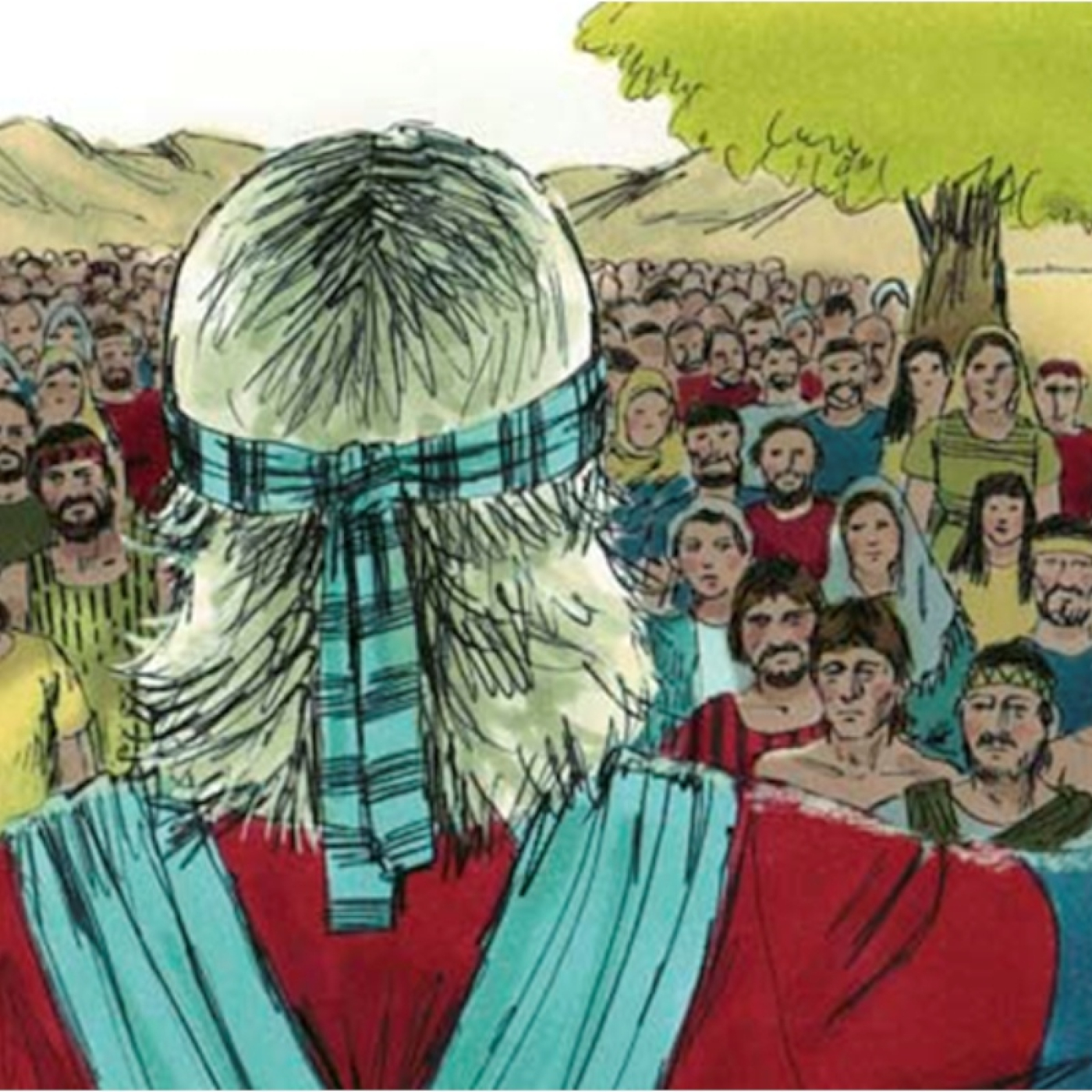
Moses informed the Israelite people that he had requested permission from Hashem to enter the Land of Israel. Despite Moses's best efforts, Hashem ultimately declined his request. However, He did instruct him to ascend a nearby mountain to view the Promised Land. In his review of the Torah, Moses outlines the Exodus from Egypt and the Giving of the Torah, highlighting their unparalleled significance in human history. "Has this ever happened before, or has anything like it ever been recorded?" Have any people ever survived hearing Hashem speak from a fire? "You observed this event so that you would be aware that Hashem is the sole Hashem, and there is no other deity worthy of worship except Him." Moses foretells that in future generations, people will turn away from Hashem, worship idols, be exiled from their land, and be scattered throughout the nations. However, he states that they will seek Hashem and return to observing His precepts. Our parasha also includes a reiteration of the Ten Words and the verses of the Shema that establish the fundamental tenets of the Jewish faith, namely the oneness of Elohim and the commandments to love Elohim, study His Torah, and affix the words "Hear, O Israel, Elohim is our Elohim, Elohim is one" and the commandments to love Elohim, study His Torah, and "tie" these words as Tefillin on our arms and heads, and inscribe them on the Mezuzot affixed to our doorposts.
Parashat Devarim en Inglés
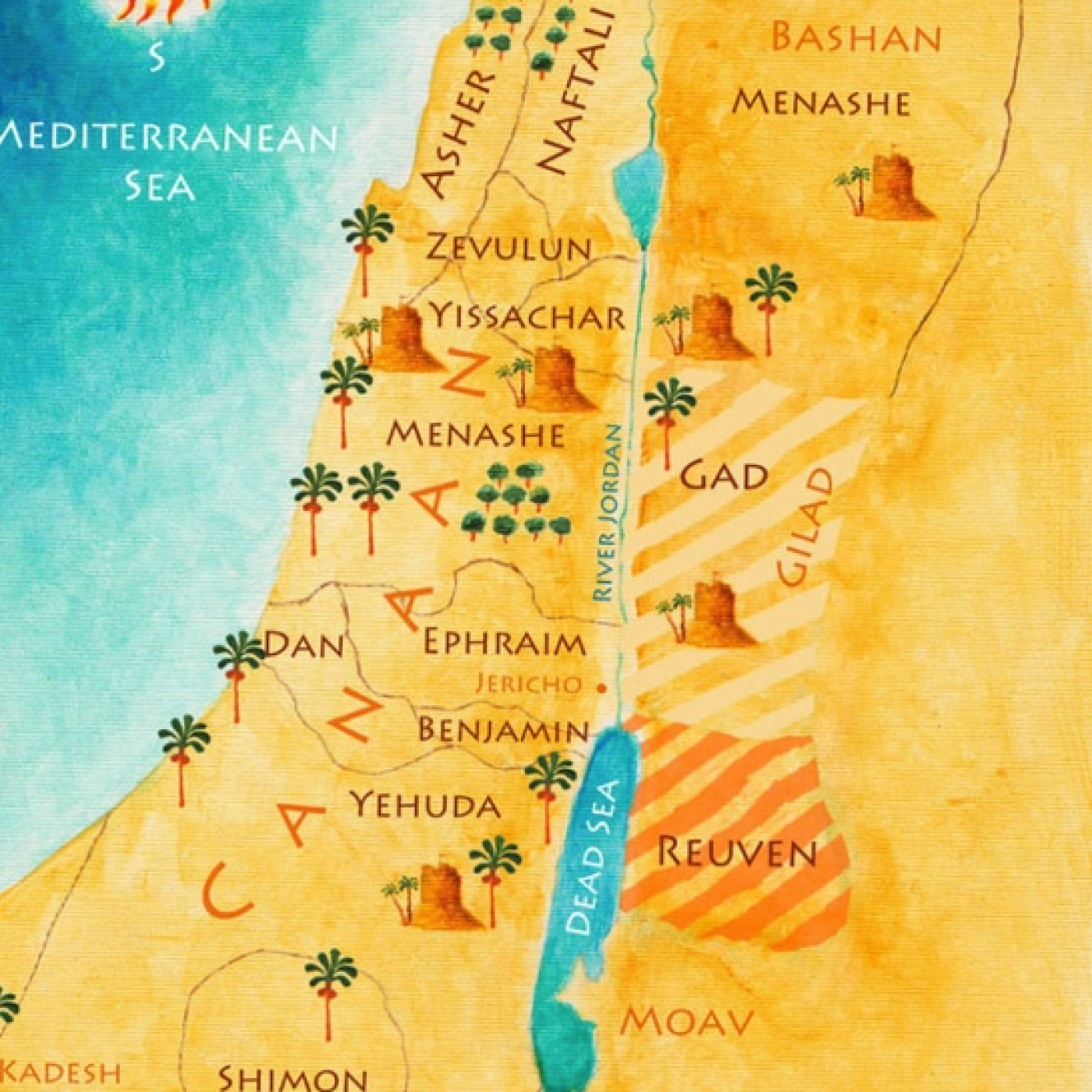
On the first of Shvat (37 days before his passing), Moshe commenced his repetition of the Torah for the entire congregation of the Children of Israel. He reviewed the events that occurred and the laws that were given throughout the 40-year journey from Egypt to Sinai. He then proceeded to outline the promised land, highlighting the importance of rectifying past mistakes and embracing the Torah's teachings. He emphasized the need for the people to play an active role in ensuring the fulfillment of the Torah and the observation of its precepts in the land that Hashem had promised them as an eternal inheritance. He made it clear that this would only be possible after his passing. Moshe also recalls some of the more recent events, including the refusal of the nations of Moab and Ammon to allow the People of Israel to pass through their land, the war against the Emorite kings Sichon and Og, and the subsequent settlement in their lands by the tribes of Reuben and Gad. Moshe also recalls the refusal of the nations of Moab and Ammon to allow the People of Israel to pass through their land, as well as the war against the Emorite kings Sichon and Og and the subsequent settlement in their lands by the tribes of Reuben and Gad. Moshe then delivers his message to his successor, Yehoshua, which includes the assurance that he will lead the people to the Land and lead them in the battles for its conquest. He also reminds Yehoshua not to fear the battles, as Hashem will fight for them.
Mishná 7 y 8 - Capítulo 2 - Pirkei Avot
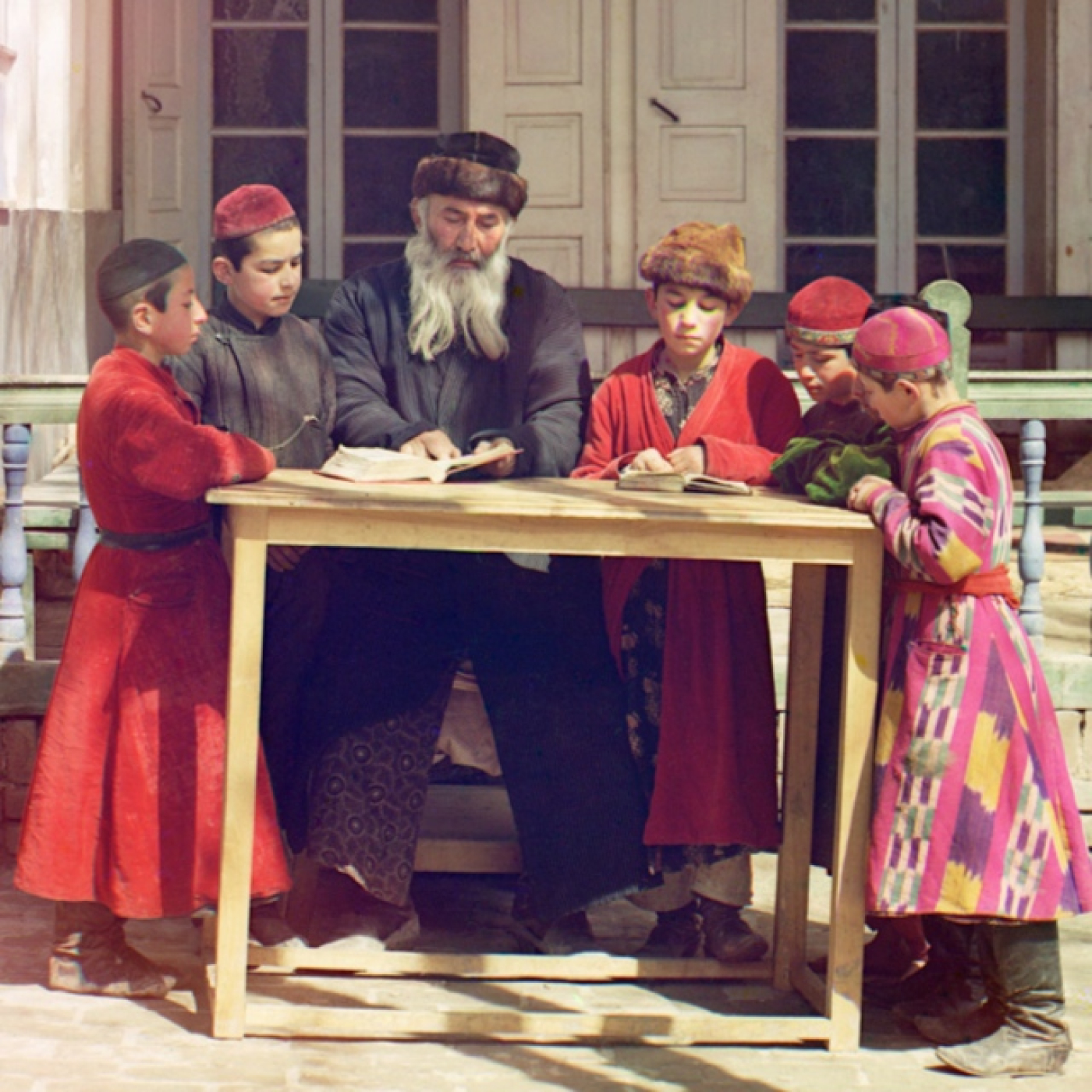
Él solía decir: Quien engorda aumenta gusanos, quien aumenta sus bienes aumenta la preocupación, quien aumenta sus mujeres aumenta los encantamientos, quien aumenta en sirvientas aumenta la lascivia, quien aumenta en criados aumenta el robo, quien aumenta Torá aumenta su vida, quien aumenta su tiempo en la Yeshivá aumenta sabiduría, quien aumenta en consejo aumenta en discernimiento, quien aumenta la caridad aumenta la shalom, quien adquirió un buen nombre lo adquirió por su propio bien, quien adquirió palabras de Torá adquirió la vida del Mundo Venidero. Rabán Yojanán ben Zakai recibió de Hilel y de Shamai. Él solía decir: Si estudiaste mucha Torá no te vanaglories, pues para ello fuiste creado. Cinco discípulos tenía Rabán Yojanán ben Zakai, y ellos son: Rabí Eliézer ben Hurkanos, Rabí Yehoshúa ben Jananiá, Rabí Yosi Hacohén, Rabí Shimón ben Netanel y Rabí Elazar ben Araj. Él solía enumerar sus méritos: Rabí Eliézer ben Hurkanos es como una cisterna sellada que no pierde una gota. Rabí Yehoshúa: feliz quien lo parió. Rabí Yosi es piadoso. Rabí Shimón ben Netanel teme al pecado. Y Rabí Elazar ben Araj es como un manantial desbordante. Él solía decir: Si todos los sabios de Israel estuviesen en un extremo de la balanza y Rabí Eliézer ben Hurkanos en el otro, él pesaría más que todos ellos. Aba Shaúl dice en su nombre: Si todos los sabios de Israel estuviesen en un extremo de la balanza, e incluso Rabí Eliézer ben Hurkanos junto con ellos, y Rabí Elazar ben Araj en el otro extremo, él pesaría más que todos ellos.

Parashat: Ekev II (5784).
Y Él te querrá, te bendecirá y te hará crecer, y bendecirá el fruto de tu vientre y la producción de tus campos, tus cereales, tus viñas y tus olivares, y tambien la cría de tus ganados y rebaños, sobre la tierra que les prometió a tus padres que en el futuro la iba a dar para tí. Aquí promete bendición a todo Am Israel en todas las áreas de la vida. Y luego leemos una serie de bendiciones. 14) Baruj tihié micol haamim, lo ihié bejá, akar vá akará, ubibhemteja. Bendito serás entre todas las demás naciones, y no habrá en tí ningún varón o mujer estériles, ni en tus animales. 15) Vehesir Adonay mimmejá col jolí, vejol madvé Mitzraim hará i'm Asher iadata, lo iesimam baj untanám bejol soneéja. Y evitará Adonay de tí toda enfermedad, y todas las calamidades terribles que conociste en Egipto, nunca las hará llegar a tí, y en cambio las va a enviar sobre tus enemigos. Aquí Sforno nos dice: Esto incluye enfermedades naturales y aquellas obtenidas por contagio, a pesar de que tus enemigos tendrán estas enfermedades, y tú no te contagiarás. La segulá más efectiva para no enfermarse es Birkat hamazón. Debe comer pan en la mañana, lejem Shajarit. ¿Cuántas enfermedades removemos con el pan? A pesar de que hoy en día el pan está estigmatizado, hoy todo dice cero gluten, ya en exageración dicen que el gluten es mortal y provoca todas las enfermedades, pero no es el gluten sino el exceso de gluten. Por eso siempre nombramos el pasuk "todo me es licito pero no todo me conviene" es decir tengo que tener un equilibrio para todo, dominar mi cuerpo dándole lo que realmente necesita, y no lo que el Ietzer Hará me pide y así luego enfermo.

Parashat: Ekev I (5784).
Podemos encontrar un secreto de la humildad en la palabra ékev ya que también se traduce como “talón”, la parte más inferior del cuerpo humano que está en contacto directo con el suelo. Los pies nos sirven para recorrer nuestro camino. Somos bendecidos con la humildad para seguir al Creador esta semana, pisarle los talones, confiando de corazón en que estamos siendo llevados a una vida de bendiciones. Conectarnos con el “talón” nos permite sentir admiración por el universo, lo cual elimina nuestra resistencia a ser humildes. Esta admiración nos permite ver los regalos que hemos recibido y las muchas veces que hemos tenido una segunda oportunidad. Moshé nos inspira a seguir el camino del amor por el Creador con humildad. Todo lo que necesitamos es una mente y un corazón dispuestos. El Creador promete que si actuamos con amor hacia nuestro prójimo, entonces podremos tener todo lo bueno de este mundo. El amor regresa a nosotros y nos da protección y bendiciones. Si escuchamos al Creador y elegimos seguir el camino de la generosidad, las bendiciones vendrán a nosotros.
Parashat Matot Masei en Inglés.
Moshe instructs the leaders of the tribes of Israel in the laws governing the annulment of promises. A war is fought against Midian for his role in the moral destruction of Israel. The Torah provides a comprehensive account of the spoils of war and their distribution among the people, the warriors, the Levites, and the Cohem Gadol. Upon attaining the status of Mashiach, or during the spiritual evolution that humanity undergoes as they engage in the study of Mitzvot and recognize the profound love of Hakadosh BaruchHu for humanity, humanity will reach the gmar hatikun. It is at this juncture that Mashiach Tzidkenu will emerge. The highest world of the higher realities are: 1. Kether 2. Galgalta 3. Adam Kadmon 4. Mashiach The objective that all members of the Israelite community should strive towards. It is now our responsibility to identify those who are lost in the darkness, in places where sin is rife and ignorance reigns supreme. We must bring these individuals back from the shadows and show them the way. Once rescued, their light will illuminate their path and others, leading them toward fulfillment and understanding.

Parashat: Vaetjanán II (5784).
Moshé predice que, en generaciones futuras, la gente se alejará de Elohim, adorará ídolos, será exiliada de su tierra y esparcida por las naciones del mundo; pero allí ellos buscarán a Elohim y retornarán a observar sus preceptos. Nuestra parashá también incluye una repetición de las Diez palabras, y los versos del Shemá que declaran los fundamentos de la fe judía: la unicidad de Elohim (“Escucha Israel, Elohim es nuestro Elohim, Elohim es uno”); los preceptos de amor a Elohim, estudiar su Torá y “atar” estas palabras como Tefilín en nuestro brazo y cabeza, e inscribirlas en las Mezuzot fijadas en las jambas de nuestras puertas.
Parashat: Vaetjanán I (5784).
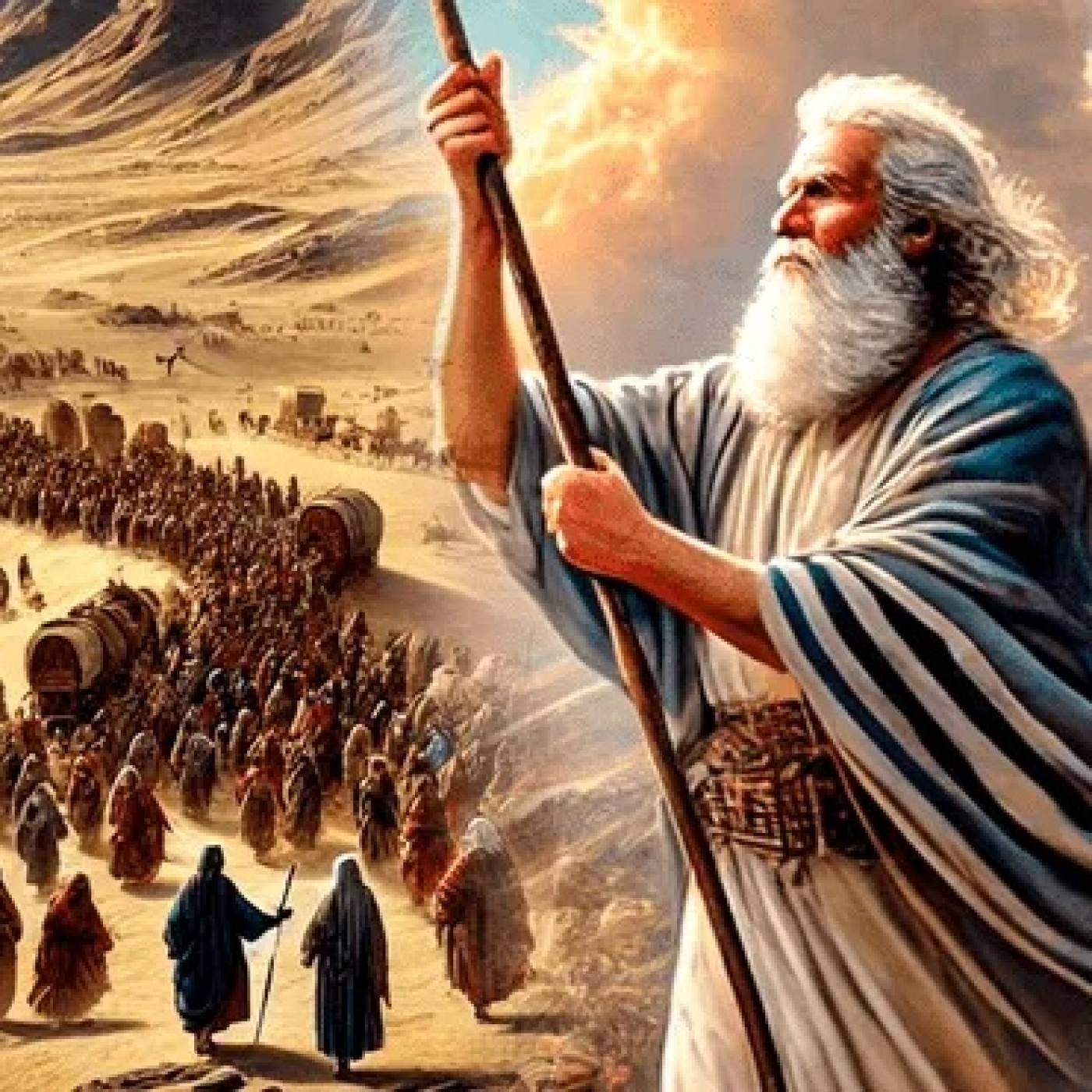
Moshé le cuenta al Pueblo Israelita cómo le imploró a Elohim que le permita ingresar a la Tierra de Israel. Elohim se negó, pero le indicó que ascienda una montaña para ver la Tierra Prometida. Continuando con su “repaso de la Torá”, Moshé describe el Éxodo desde Egipto y la Entrega de la Torá, declarándolos eventos sin precedentes en la historia de la humanidad. “¿Alguna vez ocurrió este gran evento, o algo similar alguna vez se oyó? ¿Alguna vez un pueblo escuchó la voz de Elohim hablando desde el fuego...y vivió? ... Tú viste, para saber, que Elohim es Elohim y no hay otro excepto Él”.
Parashat: Devarím II (5784).
Moshé también recuerda algunos de los eventos más recientes: la negativa de las naciones de Moab y Amón de permitir al Pueblo de Israel pasar por su tierra; la guerra contra los reyes Emoritas Sijón y Og, el asentamiento en sus tierras por las tribus de Reubén, Gad y media tribu de Menashé; y el mensaje de Moshé a su sucesor, Ieoshúa, que llevará al pueblo a la Tierra y los liderará en las batallas por su conquista; *No los teman, porque Elohim, tu Amo, luchará por ti*.
Parashat: Devarím I (5784).
El primero de Shvat (37 días antes de su fallecimiento), Moshé comienza su repetición de la Torá para toda la congregación de los Hijos de Israel, repasando los eventos ocurridos y las leyes entregadas en el transcurso del viaje de 40 años desde Egipto a Sinaí y a la Tierra Prometida, amonestando a la gente por sus fallos e iniquidades, y enlistándolos en el cumplimiento de la Torá y la observación de sus preceptos en la tierra que Elohim les está dando como herencia eterna, a la cual ingresaría luego de su muerte.
Parashat Pinjás en Inglés
In this text, Pinchas, the grandson of Aharon, is rewarded for his act of killing the prince of the tribe of Shimon and a Midianite princess. God grants him a covenant of peace and ministry. Shabbat Pinchas is a significant time for healing and connecting during the three weeks, which are considered the most negative weeks of the year. A census is taken, revealing that there are 601,730 men between the ages of 20 and 60. Moshe is instructed on how to divide the Land among the tribes of Israel through a lottery. The five daughters of Tzlafchad ask for their father's portion of land, and God accepts their request and incorporates it into the laws of inheritance. Moshe passes authority to Joshua to lead the people into the Land of Israel. The text concludes with a detailed list of daily offerings and additional offerings for various occasions and festivals.
Capítulo 2 / Mishná 5 y 6 - Pirke Avot
Él solía decir: El tonto no teme al pecado, el ignorante no puede ser piadoso, el penoso no aprende, el impaciente no enseña, y no todo aquel que multiplica negocios se hace sabio. Y en lugar donde no hay hombres, esfuérzate en ser hombre. Le aconteció ver una calavera que flotaba en las aguas y le dijo: "Porque ahogaste te ahogaron, y quienes te ahogaron serán ahogados".
Parashat Balak en Inglés
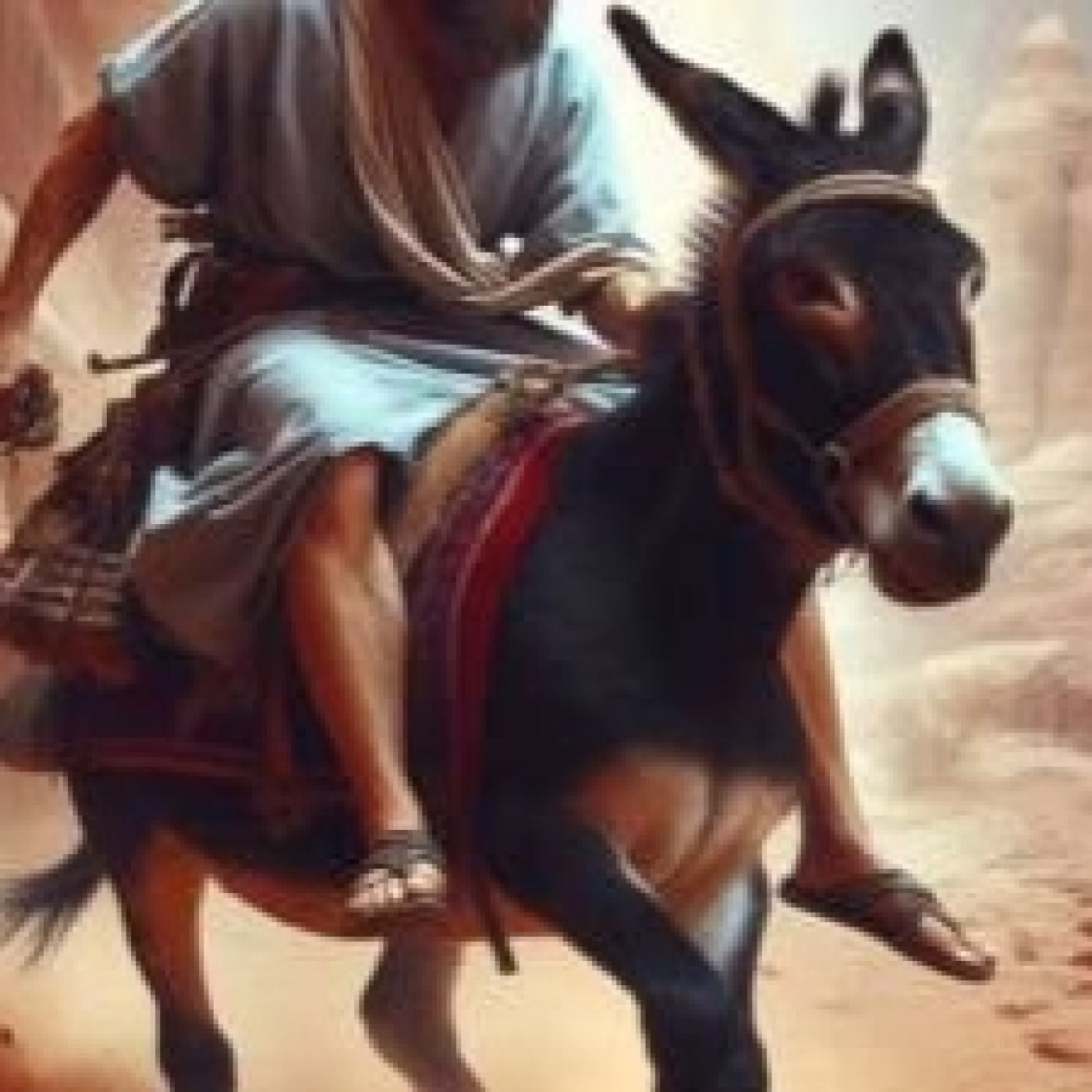
Balak, the King of Moab, summons the prophet Bilam to obtain a curse directed at the People of Israel. On his journey, Bilam is injured by his donkey, which is sent by Hashem to impede their progress. On three occasions, from three distinct locations, Bilam endeavors to utter his curses. However, on each occasion, he instead pronounces blessings. Additionally, Bilam offers prophecies regarding the end of days and the advent of Mashiach. Following two decisive victories against the Canaanites in the Negev and the Amorites in Transjordan, the imminent military prowess of Israel prompted a state of alarm among the leaders of Moab. The Moabite territory constituted the sole obstacle to Israel's possession of the Jordan River and the land of Canaan. Balak ben Zippor, the king of Moab, is aware that he is the next target. In a desperate attempt to avert the impending threat, he turns to an unconventional preventive measure. He summons Bilam, son of Beor, a sorcerer from Mesopotamia, to curse Israel, thereby rendering it susceptible to defeat on the battlefield. Despite Bilam's arrival, however, HaShem thwarts the plan. Within the monotheistic framework of the Torah, Bilam is only able to utter what HaShem imparts to him. Consequently, he concludes with exalted praise of Israel, much to Balak's dismay.