This Sustainable Life
866 episodes — Page 13 of 18
Ep 258258: The World Without Us, by Alan Weisman
After recording three episodes (248, 250, and 251) on Alan Weisman's Countdown, I read his earlier book, The World Without Us, which I found equally tremendous. In it, he considers what would happen to the Earth if humans suddenly disappeared. How isn't the point, but what the difference between a world without us from that world with us tells us about ourselves.The book and author won many awards and became a New York Times bestseller about a decade ago when it came out. I remember when it came out but not why I took so long to read it.His writing I found a joy to read. He researched people, animals, plants, places, and so on beyond what you'd expect. You can tell he loves reporting what he's learned and making it useful.The book emerged from his Discovery Magazine article World Without People.There are many videos featuring him. Hosted on Acast. See acast.com/privacy for more information.
Ep 257257: Larry Yatch, part 1: Navy SEAL Officer precision leadership
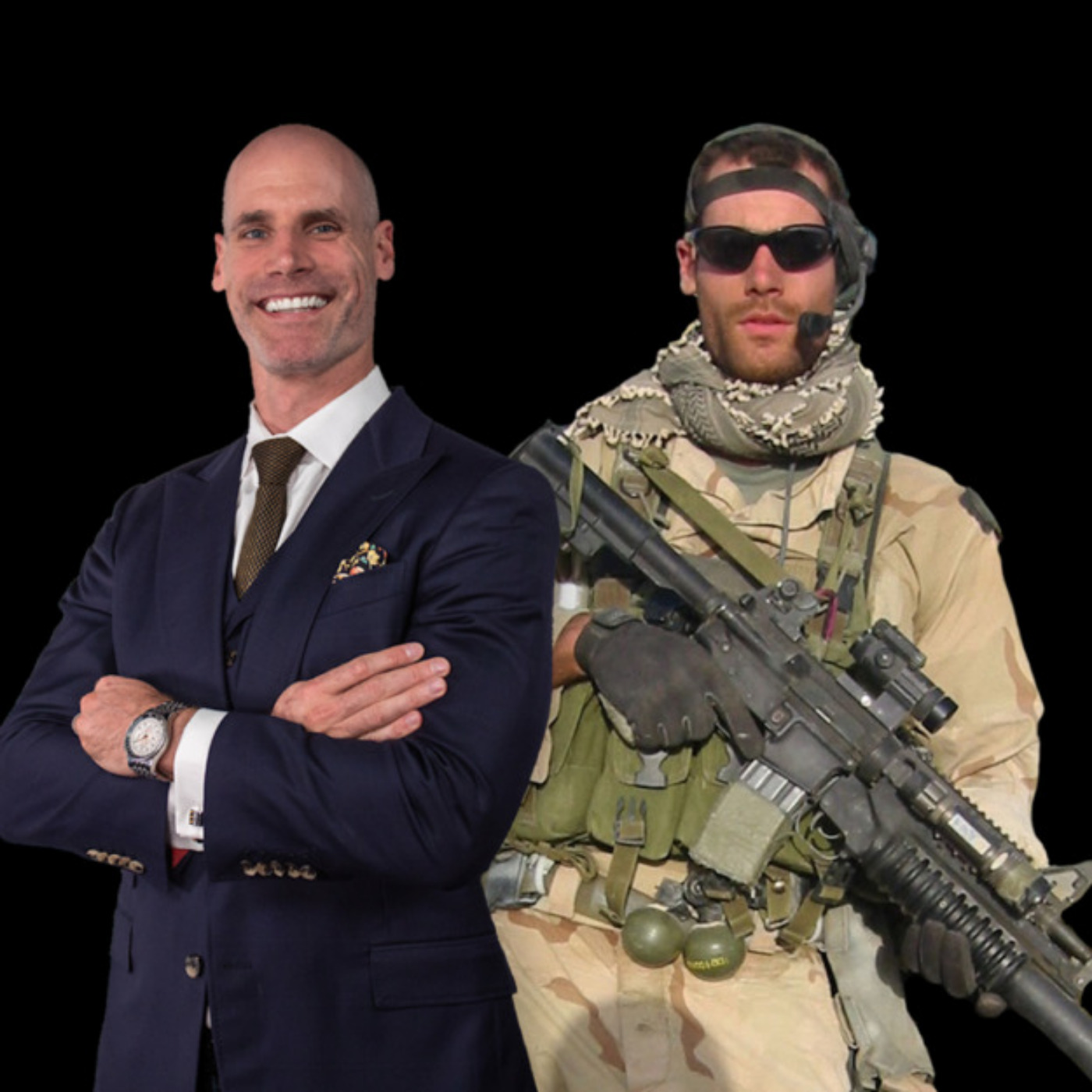
Do you want to reach your potential? Do you want to get past seeing your properties as limitations?Larry shares going from being what he is and we all are -- regular people -- to living his dream. An elite dream.My biggest takeaway from the conversation you're about to hear is accessibility and desire to help. That is, Larry Yatch wants us to get that what he did, we can all do. You may not want to become a SEAL, but to become your version -- that is, what you dream for yourself. And he wants to help enable you to do it.Whatever your doubts or insecurities, you have something you will love as much as he loved what he did and loves what he does. Clean air, land, and water might not be it for you as they have become for me, but I bet you'll get a lot more out of acting on them than you'd expect.Larry cuts to the core of leadership. He's precise. He wants you to understand and practice effectively, not to kind of sort of get it.I used to think military leadership was simple. There's a chain of command. Just tell someone what to do and he does it. That's not even close. It's based in social and emotion skills of teamwork, training, and things that apply to all teamwork. Whether you perform at his level or not, the rewards of living by your values, will be worth it.On a personal note, I don't know how my performance compares with his, but to the extent it does, I've found putting the effort in to live by my values liberating, joyful, creating community, connecting. Hosted on Acast. See acast.com/privacy for more information.
Ep 256256: Why Personal Action Matters
Why bother not flying if you're one person out of billions? Aren't you just missing out and suffering without meaningfully changing anything?These questions flummoxed me for a while. The longer I act, the more I realize the answer.Most people answer that little things add up or that it's like voting. I won't argue with those answers, but I think they're small effects. I've evolved since earlier episodes and my TEDx talk to find more important reasons.This episode shares my bigger reasons for personal action: you learn to act environmentally the way you learn any activity: practicing the basics. Don't act and you don't learn. If you want to influence others and you don't do what you lead them to, you lose credibility. They'll follow your inaction more than your words.Personal action doesn't guarantee they'll follow, but it gives you a chance. Without it, I don't see much chance at success. Would you take piano lessons from someone who can't play piano?Here are some notes I used for today's episode:Podcast: Do you ever go to the gym or some activity you've done enough to master, and someone new shows up and starts giving advice to people, beyond not knowing what they're talking about -- not even knowing they don't know what they're talking about?If you don't act sustainably yourself, you don't know what you're talking about. I used to let slide comments that one person's actions don't matter. Then I learned to distinguish. Now I see personal action is essential. Would you take piano lessons from someone who can't play? You know the person at the gym or fitness activity giving advice who clearly doesn't know what he or she is talking about? That's most people talking about environmental action.What it takes is not just an idea of what will lower emissions or produce less plastic. On the contrary, action leads to understand the issues. In particular, people's motivations, relevant emotions, world views. If people believe electric planes will solve airline emissions problems, no amount of data will influence them. We all have such blind spots. Our world is built on them.Community motivates. If your community believes or practices one thing, changing it means facing community challenges. Experienced leaders know how to face and overcome those challenges, not engineers.Creating a sustainability committee for my building and trying to get it to collect food scraps, a program New York City is bending over backward to help buildings do, the co-op board resisted for all sorts of reasons that experienced people could rebut with data. Still they resist. People laud me for taking over a year to fill a load of trash, but that personal change would be small compared to a building changing.But community change requires knowing my results from my personal change or I'd give up. The challenge with the board isn't lack of facts. They aren't bad or backward people.Because humans learn through experience and they lack experience, most people proposing solutions don't know what they're talking about. I met someone this morning who talked about how authentically and genuinely he, his company, and the company's famous founder-CEO committed to sustainability. Then, as we walked from the cafe where we met to his office, he ordered a coffee from a different cafe, which he got in a single-use disposable plastic cup, explaining to me that he skipped the straw, yet got a second plastic lid. This man has not experienced the personal change that leads to living authentically and genuinely. He's the guy at the gym who read a few books before going for the first time telling longtime regulars how to improve their form. A man telling a woman about pregnancy. A woman telling a man about being drafted.Fitness, and sustainability, comes from practice, consistent refinement, and such. It is as much mental as physical and nothing substitutes for experience. Resilience, persistence, focus, empathy, compassion, and so on are the tools of the trade. Yes, you must start and end with science, systems thinking, and nature, but until you push yourself to where you find the joy, glory, simplicity, and value of acting sustainably yourself, you're talking gibberish. Hosted on Acast. See acast.com/privacy for more information.
Ep 255255: Joshua Becker, Becoming Minimalist
I've recorded a few posts about how what many people call minimalism is really more maximal. From the outside it looks like minimizing stuff.d People who practice it, as I see it, don't focus on stuff. Getting rid of it is a means to an end. The end is more emotion, relationships, and connection---family, community, faith, and other things that bring meaning, which people prefer more of. They maximize those things.Joshua Becker stands out as one of the main figures in that world. Millions of people have read his blog and books and taken his courses to do just those things.In this episode we talk about how he started and perspectives that help. We talk about family, god, the bible, my first love, seminal moments in his life, and more.Why not get personal?Since this conversation, I read his book. People had already called me minimalist, but his book led me to find more material impediments to living by my values. I've gotten rid of more things, including the letters I talked to him about, which I wrote about here in Thoughts on reading my love letters to my high school girlfriend after 30 years and Update on the love letters with my high school girlfriend.No matter how much you learn and practice in maximalizing your life, you can always learn more, in my experience at least.Here's my review of his book The More of Less: Finding the Life You Want Under Everything You Own:Makes simplifying and minimizing simple, accessible, and meaningfulI've you've thought about reducing your stuff and wondered about the freedom you know it will bring, this book will help you start.Getting rid of stuff doesn't have to be hard, but it often seems that way. People love Joshua Becker's book because it makes the process simple, accessible, and meaningful.People already describe me as minimalist, though I've thought I have too much. By the second chapter, this book helped me find another level of stuff. Getting rid of it is like a breath of fresh air. On finishing the book, I'm planning to start a non-profit I've meant to. I'm not sure I'll get to it, but just thinking about it is a better life than worrying about stuff I don't need.Joshua's personal stories, especially the opening one realizing his garage junk kept him from his son, make it personal. Hosted on Acast. See acast.com/privacy for more information.

Ep 254254: Accidents of birth: communicating despite differences
Following up episode 253, I address race, sex, sexual preference and other difference people use as excuses to stop listening or understanding over.Here are my notes I worked from:Podcast: Race, sex, sexual preference. I mentioned the race of the people who mugged me and my friends and who punched me in the jaw. Mayhave sounded unnecessary, which I suppose would raise questions as to why I mentioned.Because people keep bringing race, sex, and such up with me.Talking about race is a minefield outside a few platitudes in this country, especially for whites. They keep losing their jobs. Maybe talking about it will bring me down before I reach being well-known. Well, if it brings me down, it brings me down, but as it stands, people use preconceived notions to stop hearing me, as I'll describe in a second, so what do I have to lose?Changing culture to change billions of people's environmental beliefs and behaviors means people collaborating across all divisions so we have to figure out how to overcome these preconceived notions.Most recent and clear: person refused to participate in panelMost common: telling me I don't understand single mother in food desert working three jobs. To some extent, I don't because I'm not one, but none of them are either and they act like they know more.Also common: saying not flying is privilegedAlso common: I have special access to food. Somehow this stops them from changing their food behavior, which tells me they aren't thinkingCommonly calling me privileged, not understanding. CondescendingSome listening have preconceived notions they'll never change. I was watching a documentary on Evergreen State College in 2017, where they said anyone born white is racist no matter what. I'm not going to try to engage people with such fixed views.Once a student in leadership class, after I mentioned my top leadership role models -- Gandhi, Mandela, and MLK, the next usually being Ali and Barkley, eventually Thoreau, and among living I usually mention Oprah first -- said "All your examples are white men." Let me go through the list again.Story of single moms from Bronx and Brooklyn who loved my stews and the respite they bring.So I think people are out of touch with their experiences and with mine. No one has asked me what it's like to have someone threaten you with a wrench in your face or a large rock or to have your bike stolen multiple times. Or to live in a neighborhood where they give out welfare food freely because nearly everyone there is on welfare.Look at any of my activities. Accessibility has been critical since service and leadership gained importance. Fitness: I've spent not one penny on all my burpees and bodyweight exercises. In over a decade I've spent about $100 on kettlebells, $500 on a rowing machine, and that's it. I spend 30 minutes a day on calisthenics and about another 30 minutes a day on other exercise. The average American watches 5 hours of TV a day, so I'm saving time and money.Back to my mentioning race. A racist might conclude skin color determines behavior, but that's not why I mention it. I presume anyone in the same circumstances would behave roughly the same since we seem to share the same emotional and motivational system but different environments.But I do note that in today's world and all of human history, people with different physical attributes like skin color, sex, whom they're attracted to, physical size, and so on have grouped themselves differently, producing different behaviors.As best I can tell, people look at me and figure: blue eyes, fair skin, fit, straight: he doesn't understand suffering. He's never suffered for his skin color, sex, fitness, or sexual preference. It occurred to me recently that people might think the Ivy League degrees mean privilege, which I confirmed by asking some people.So I mention the skin color of the people who mugged and assaulted me because I was suffering and I seemed to have been picked out for my skin color. I've spent years of my life as a racial minority and one without power, certainly as far as a child could tell. My point is not to win an oppression Olympics, but not to accept preconceived notions in any direction because of skin color.I also mentioned my assailants' sex, though I doubt people would call me sexist for pointing out my assailants were male.Even my blue eyes and blond hair, at least it was blond when I was young, didn't change that in my seven years of Jewish day school I was taught that I would have been sent to the same ovens that my grandparents' relatives were gassed in. And as someone who doesn't believe in any stone age myths -- as far as I can tell I was born this way -- that forcing religion on me against my will, plenty of people call that oppression.I've seen zero people with my religious beliefs in the White House and maybe one or two in congress, none in the supreme court. Not many in business leadership.My sexual preference, while healthy, has been illegal many times in history,
Ep 253253: My greatest triumphs, my greatest shames
Here are my notes that I read from for this post:My greatest triumphs, my greatest shames.When I share personal stuff people always write how they like it. I think it's less important than learning the joys of stewardship and recognizing that flying any time you want or having blueberries 12 months a year doesn't improve your life, but it may help people understand where I'm coming from and maybe hold off a bit on saying, "yeah well you're privileged."TriumphsMaking the best ultimate team I played onPassing Columbia's qualifying examShamesBike stolen on Greene StreetBike stolen from Wissahickon Creek pathBike stolen from Art MuseumShoved on Walnut LaneSucker punched near CentralDon't remember: girls touching my skin, boys firecrackerMy stepbrother teasing me for my fatI'm not sure if people will consider these stories unimportant or learning important things about me. Maybe sharing such things are essential parts of leadership. Hosted on Acast. See acast.com/privacy for more information.
Ep 252252: Tia Nelson, part 2: A lifetime of Earth Days
Tia has been active on the environment for a long time, working with government, non profits, as an individual, and since birth deeply connected with federal and state government. And of course Earth Day from the start. We covered topics including planned obsolescence, politics, carbon taxes and accounting, Vince Lombardi, Brent Suter from the Milwaukee Brewers, Oprah Winfrey, and individual action.Many people, when considering acting on their environmental values, say how much they're already doing, implying isn't it enough already. They miss what I hope came across with Tia: Acting on your values improves your life. You gain from it.Describing acting environmentally that way may sound abstract. It's more delicious. It saves money. It connects you with your community.The switch to acting instead of reading, writing, analyzing, debating, etc can challenge, especially in a world designed for convenience, but past systems are decreasing the amount of life and human society earth can sustain. After switching, you won't want to go back. Hosted on Acast. See acast.com/privacy for more information.
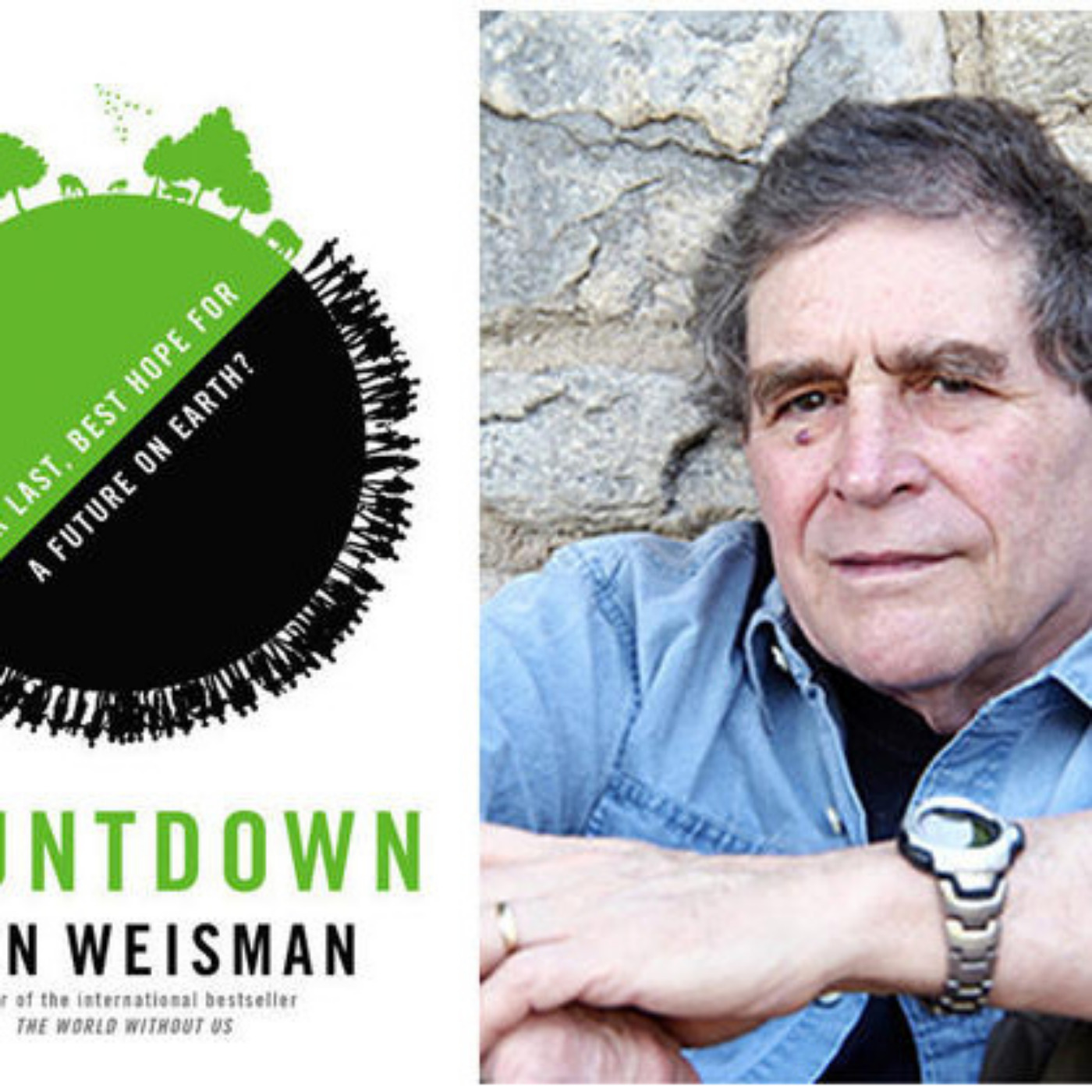
Ep 251251: Let's make overpopulation only a finance issue
Here are my notes that I read from for this episode.New comment from reading Countdown by Alan WeismanOverpopulation is major issue.Challenges are culture, religion, lack of education, lack of birth controlHe presented research results of demand for birth control by women -- about 250 million. Figure about a guy for each: 500 millionI figure low because many don't know it exists or are swayed by not seeing it so not realizing they could want itHe also showed results that unwanted children lead to poverty while smaller families where most people live today, ie cities, prosperCombination of huge unmet demand that when met leads to money tells me birth control isn't a moral issue, nor legal, religion, or charity issue but a finance issue. The money comes later if demand is metShould be profitable if someone can figure out financingMany people may default, may be hard to keep track, but look at how huge the demandWomen risk their lives and die for abortions. No products or services have that kind of demand. Maybe heroin, which is also profitable.In all of environmental efforts, reduction being major goal and profit coming from growth, profit rarely comes from conserving environmentMost would-be environmentally sustainable businesses look like steam engine, which I've talked about before. It looked like it would lower coal use and did for each use but increased it overallMaking meeting the interests of half a billion people a finance issue seems a huge change in perspectiveDon't have to look for charity or government aidAs for morals and legality, Coca-Cola shows what happens when profits face against morality. They sell unhealthy sugar water everywhere in the world, including parched places with no water, charge for it, and people keep investing in it.Could be a major route to bringing human population down to sustainable level of a couple billion.Signs I see show we are over sustainable and projections people say imply we're leveling off still show growth in 2100.I hope some enterprising entrepreneur sees opportunity and meets it.Many stories of successful family planning nationwide in Thailand, Iran, Mexico, Costa Rica, as well as cultural shifts in Japan, Italy, and moreAnd economics seem likely, unlike growth economics which are failing everywhere, environmentally, culturally, socially, failing in every way but making a few people incredibly wealthy, mostly by birth Hosted on Acast. See acast.com/privacy for more information.
Ep 250250: Why talk about birthrate and population so much?
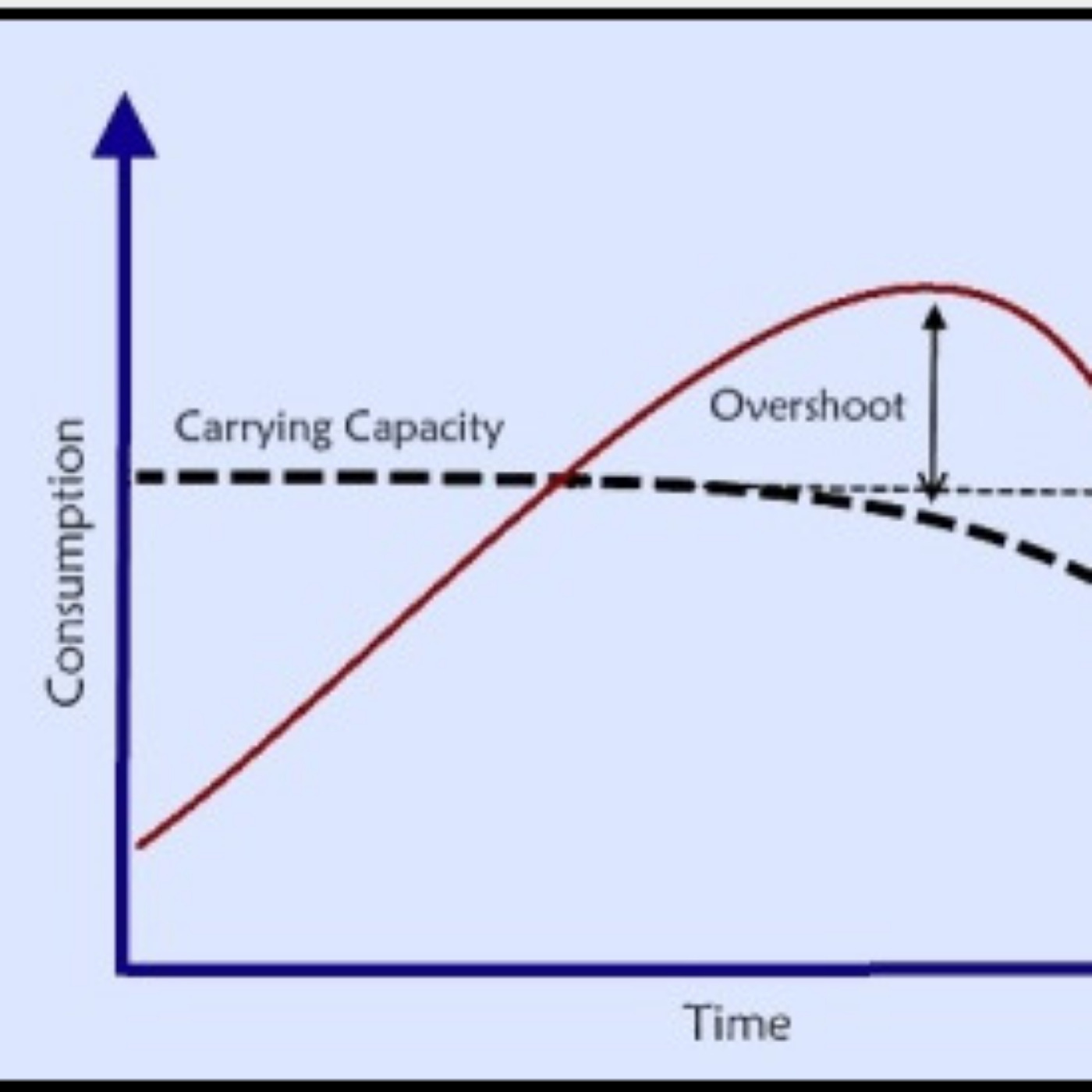
Readers and listeners have commented on my writing and posting lately about population and birth rates. Why do I talk about them? Isn't America below replacement level?I recently finished reading Countdown by Alan Weisman, which I recommend. I read passages and commented on them in episode 248: Countdown, a book I recommend by Alan Weisman. It looked at population around the world, illustrating and describing research finding that we've overshot the carrying capacity, which will lead to population collapse.That book put the issue top of mind, as does listening to the Growthbusters podcast.This episode describes why I see value in discussion population. Hosted on Acast. See acast.com/privacy for more information.
Ep 249249: Florida Mayors Jerry Demings and Buddy Dyer, part 2: Humility and Action from U.S. officials
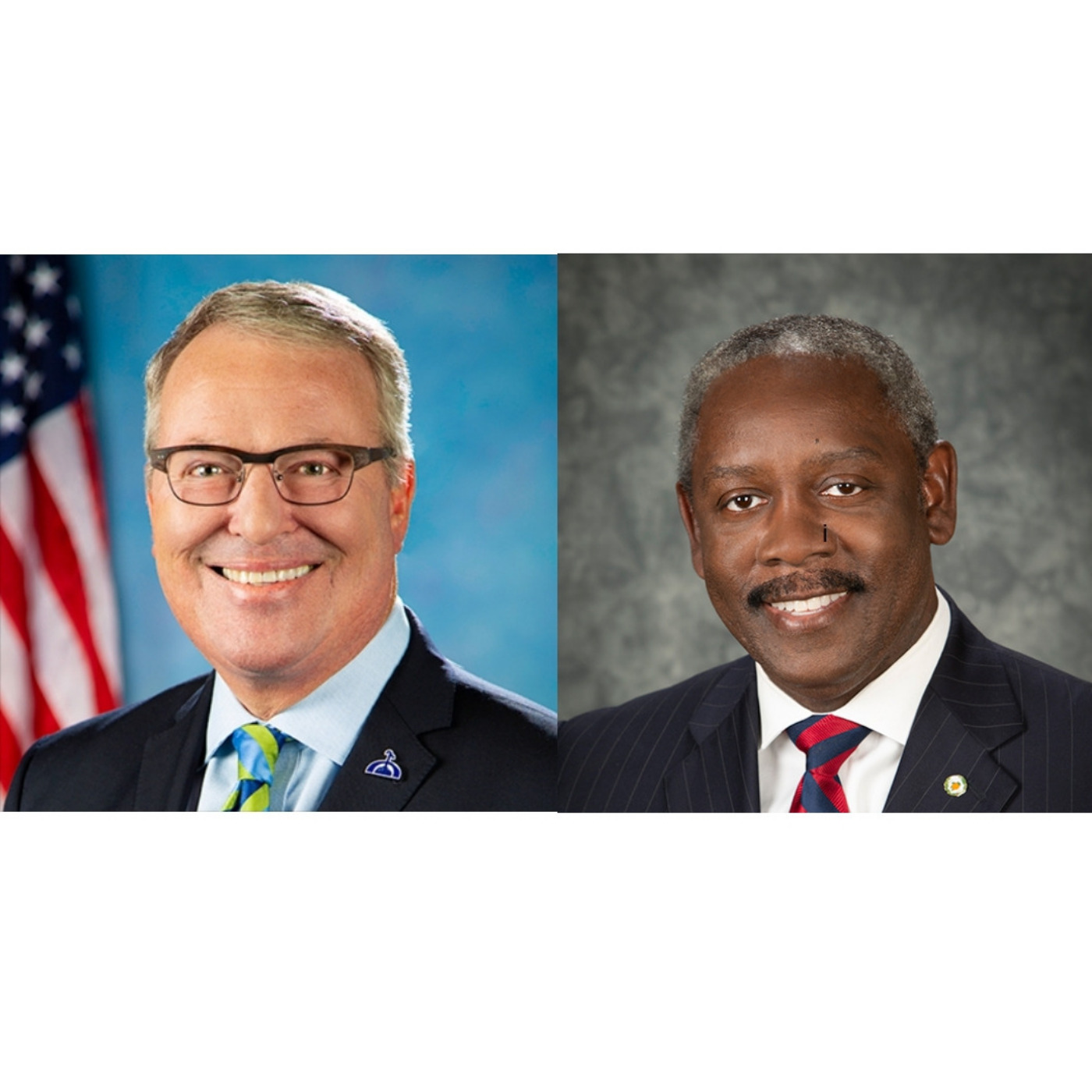
Since our first episode, I've been talking about these mayors choosing to pick up garbage. I believe that a man never stands so tall as when he bends down to pick up another person's garbage.How many U.S. politicians can you name who bend down to pick up other people's garbage? Yet how many American streets, waterways, and beaches do you see covered with garbage? It wasn't always this way. We are letting it happen on our watch.I hope Jerry and Buddy start a new trend among politicians. Get your hands dirty to make our nation and cities clean. If people we know don't do it, such as elected officials, we won't in general.But if they do, we will---which will make them leaders, which they want.Politicians, get votes by cleaning up your neighborhoods.Yourself.Show that doing so doesn't make you dirty. It makes our world clean. It enables people.Your constituents want your leadership. They want clean neighborhoods. I believe you'll get votes by bringing cleanliness to them. You'll make yourself more approachable.In this conversation you'll hear two people leading by example, with humility, at no cost, on something everyone wants for their community. Hosted on Acast. See acast.com/privacy for more information.
Ep 248248: Countdown, a book I recommend by Alan Weisman
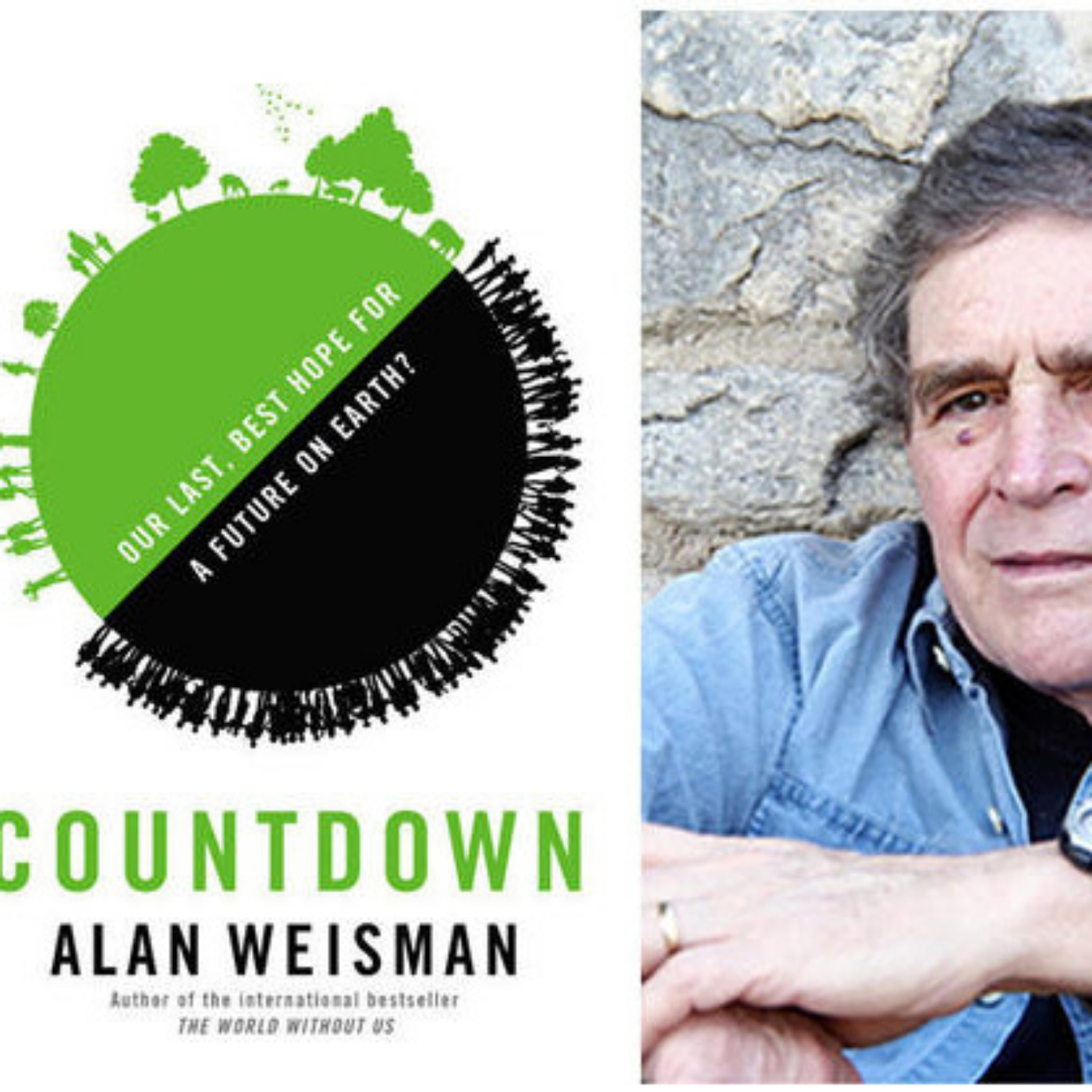
I just finished an eye-opening book, Countdown, by Alan Weisman. It covers population.Weisman traveled to and reported on about a dozen places' views and practices on population and family planning.In this episode, I read a few passages that I found shocking. I barely scratch the book's surface, but I believe you'll find the sections equally noteworthy. I recommend reading the rest to understand this integral part of our world. Hosted on Acast. See acast.com/privacy for more information.

Ep 247247: Balancing jobs and junk
People resist environmental projects to protect jobs, even to keep producing products that pollute.My absurd proposal to balance jobs with junk: put factories next to landfills. Despite it being absurd, the proposal would create a cleaner world.Instead of making junk as a pretense for some counterproductive welfare, let's stop making it. Hosted on Acast. See acast.com/privacy for more information.

Ep 246246: The Emotions Around Environmental Action
What emotions do you associate with environmental action?I find people associate shame and guilt with it. I find these emotions lead people to suppress the emotions and hide the behavior leading to it.I propose reacting to pollution and polluting behavior with disgust. If someone hands me a plastic bottle of water, I feel disgust. I propose replacing the terms they've come up in Sweden for flight shame with flight disgust. Hosted on Acast. See acast.com/privacy for more information.
Ep 245245: Tia Nelson, part 1: Earth Day
One of my main goals for this podcast is to bring people who love acting on one's environmental values, seeing stewardship not as an obligation but as being a part of something greater than yourself, than any of us, benefiting everyone, and yourself.As you'll hear, Tia's roots precede the first Earth Day. Her father started it. Despite so many problems remaining -- basically all of them -- she's the opposite of jaded. She's enthusiastic. Her joy, even in the face of setbacks, and as a democratic politician in Wisconsin, she's faced big ones lately, tells me the joy anyone feels from nature -- walks on the beach, picking apples, whatever you love about experiencing nature -- is available to anyone.In other words, if you act more, you'll love it. As you'll hear, you'll very likely influence others, who will thank you.I love hearing the transformation from talking about potential to determined action. I love hearing the transformation from talking about individual action in the abstract to individual action.</p> Hosted on Acast. See acast.com/privacy for more information.
Ep 244244: Lessons from extinction
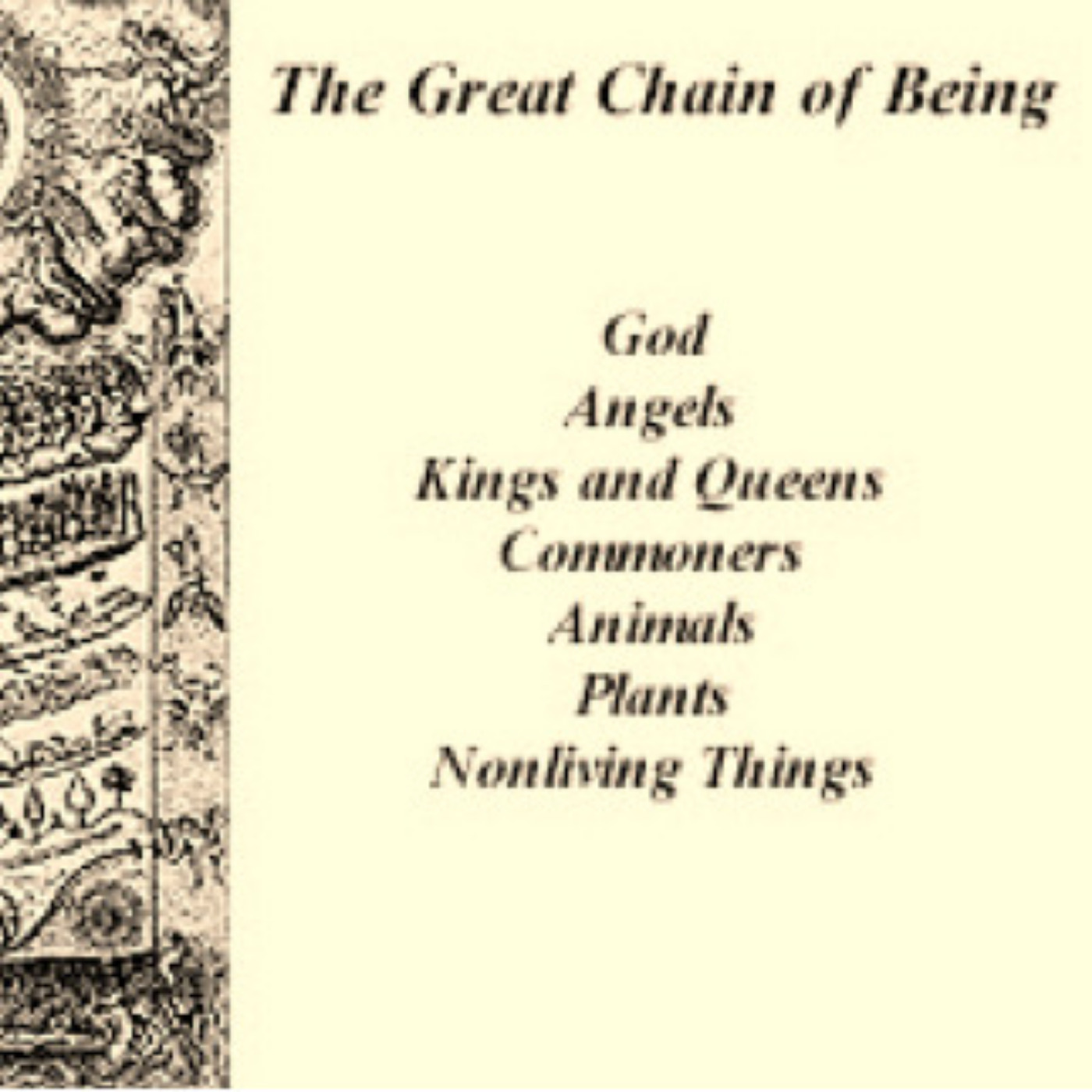
Learning that humans only recently developed the concept of extinction. Much of the West, for example, believed in a Great Chain of Being, spontaneous generation, and a biblical flood.That perspective suggests that many past behaviors we consider unconscionable may have seemed even humane then, like walking up to a rhinoceros and shooting it in the head. If you can't imagine it going extinct because new ones will form, how is shooting it point blank any different than slaughtering any other animal?Since we are in future generations' pasts, how might they see our polluting behavior? If they live in messes we created, won't they likely see us as we see people shooting rhinoceroses point blank---that is, with horror?Does understanding others with compassion lead us to act with compassion? Hosted on Acast. See acast.com/privacy for more information.

Ep 243243: Confusing distinct modes of acting
Tired of people saying what you do doesn't matter? Or personal action in general?They're confusing different types of action. In this recording I distinguish three of them so you can feel comfortable acting by your values without the naysayers and navel-gazers distracting you.The three categories arePersonal action, like avoiding packaged foodLeading others, like hosting a podcastInfluence one's local community, like sharing joyDistinguishing them protects me from feeling dissuaded when others confuse one person not polluting with that person trying to change the world. Nobody says, "why do you bother not murdering? You can't stop everyone from doing it." Yet they still say, "why bother avoiding meat? People will still do it."They're confusing personal action with leading others. Hosted on Acast. See acast.com/privacy for more information.
Ep 242242: Florida Mayors Jerry Demings and Buddy Dyer, part 1: United States government officials acting
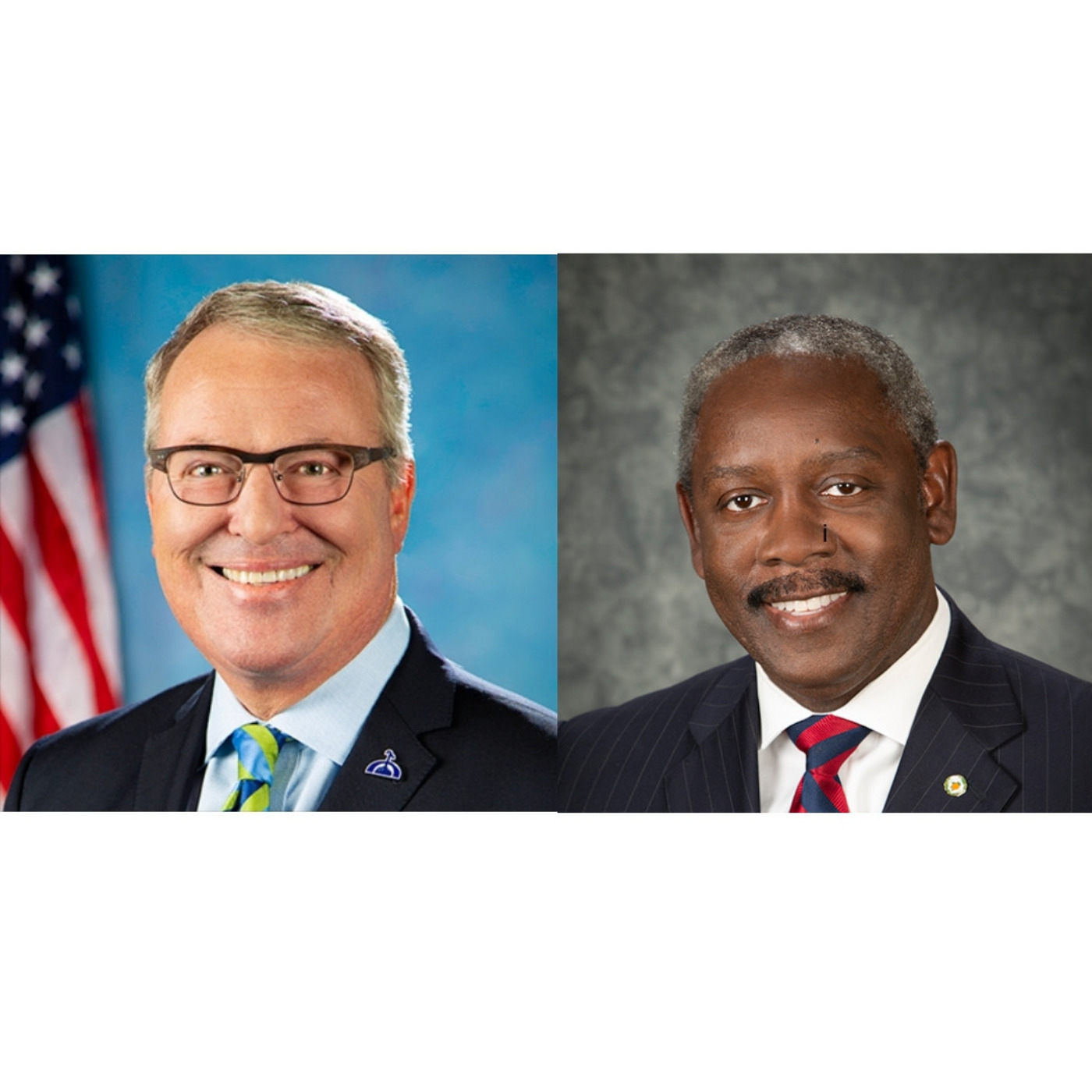
I talk a lot about the lack of leadership in the area of the environment. Many people talk about change but don't lead it. Many others judge but don't support, which leads people to hold back on trying.Well, the mayors of Orlando and Orange County Florida went out of their way and found me. Most guests I seek out. Instead, they took it on themselves to put themselves out there, risking judgment on an issue they don't have to.Most don't, I believe because it makes them feel exposed and vulnerable. But a top trait of effective leaders is that they like accountability.You don't have to make acting environmentally you main focus, but the start is to act, which they've done. From a leadership perspective for a public figure to step forward achieves more than whatever the outcome of his or her first step.If what they do seems hard, Jerry and Buddy's swimming upstream will make it easier so all who follow feel like they're swimming downstream.I intend to help them make personal action a trend among leaders, which will lead to group action. Hosted on Acast. See acast.com/privacy for more information.
Ep 241241: Lt. General Paul Van Riper USMC, part 1: Thoughtful strategy before technology
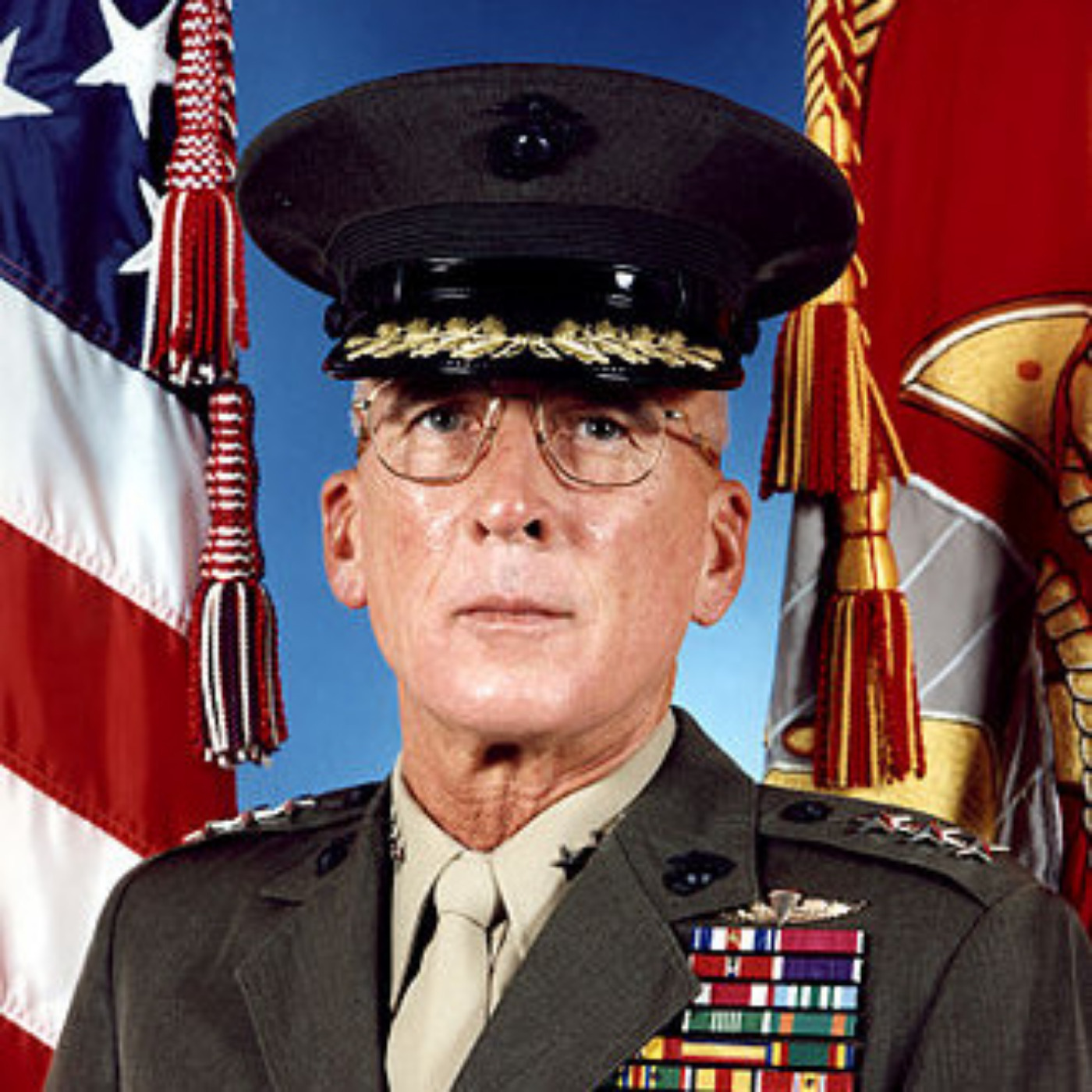
Why a military general? Isn't the US military one of the greatest polluters on the planet?My goal is to bring effective leadership to the environment and your life because spreading facts, figures, doom, and gloom isn't doing it. Leadership is about people. Technology and innovation have historically increased pollution, as I described in other episodes. Nearly everyone promoting technological solutions is unwittingly continuing the drive toward efficiency that created our environmental situation and continues to augment it.They miss that increasing efficiency doesn't necessarily lower total waste, which is our problem, as a glance at any plastic-covered beach or Beijing sky will attest. Again: efficiency has overall increased total waste.I invited Rip after reading about the Millennium Challenge, where, in preparation for Desert Storm, the military invited him to come out of retirement to lead the "red team"---a ragtag group to fight the "blue team", representing the 21st century US military strategy using every advantage they could---technology, data, weaponry, size, intelligence, and so on.It sounded like a setup---not a test but a cake walk to showcase what they considered an unstoppable, titanic force.Titanic might be the best term because he mopped up the floor with them. I'll put links in the text for write-ups on this historic David and Goliath exchange.You'll hear in this conversation why they so miscalculated and how he saw things differently that worked. More importantly, I hope to focus you on the value of focusing on people.Rip shares the inside story you won't find in those accounts. I was rivited, and he built it up from talking about his beginnings as a lieutenant, learning strategy like Von Clausewitz that remains timeless, US military development since WWII and Vietnam.If the relevance to the environment isn't obvious, I'll clarify. Acting environmentally means facing an apparently unstoppable juggernaut. It's not CO2, plastic, and mercury but the beliefs and goals driving people to keep doing what they used to---meat, flying, having as many kids as they feel like, buying SUVs, and so on.Everyone who says that's human nature is confusing following a system. Systems can change. Growth wasn't always a goal, nor did people ship their garbage halfway around the world, nor did it take centuries to decompose. Cultures that had to deal with their garbage learned to live sustainably.So can we. We can learn from Rip's teamwork, historical knowledge, vision, and all the things that make up leadership to lead ourselves and humanity to overcome our Goliath: the beliefs keeping us doing what got us here.Rip has made a big impression on me. I don't know what makes a general. Talking to him, I think it means learning at a cultural level, or learning deeply about people.I think we who want to influence human effects on the environment can learn from this experience and view. He talked about senior leadership. In my view, we lack senior leadershipPBS Frontline interview with Paul Van RiperPBS Nova interview, The Immutable Nature of WarWikipedia on the Millennium Challenge 2002 Hosted on Acast. See acast.com/privacy for more information.
Ep 240240: Fred Krupp, part 1: Helping where it will help most
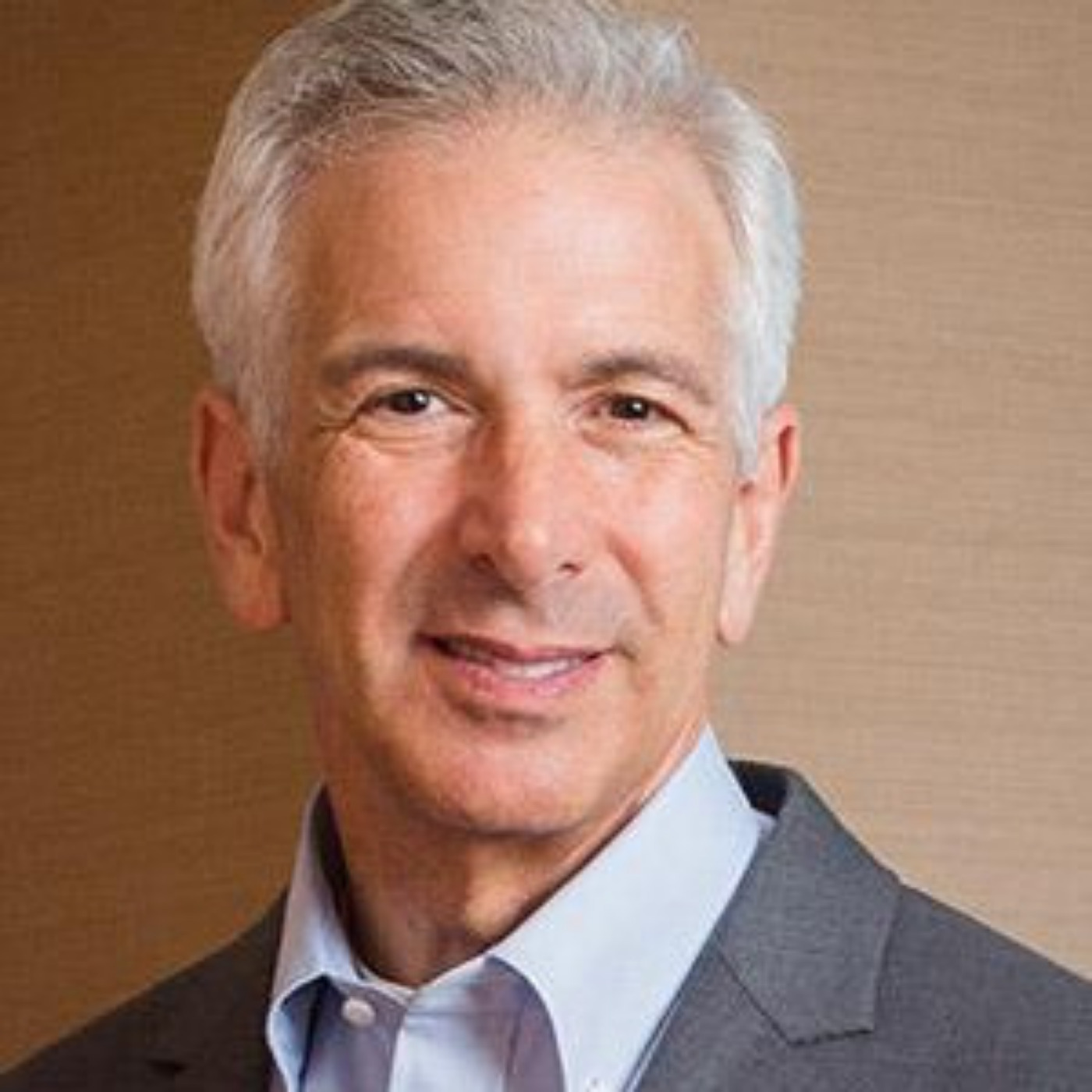
The loudest voices these days seem to come from protesters because they design their actions for attention. They aren't necessarily the most effective.Many of us are outraged. Our emotions become intense. Emotional intensity drives us to do what we want most, which doesn't necessarily lead to what's effective. As I see it, people are venting more than leading.I criticize the lack of leadership around the environment because people overwhelmingly spread facts, figures, doom, gloom, and telling people what to do. In no area besides the environment do effective leaders say, "Here's how to lead: spread facts, figures, doom, gloom, and tell people what to do."Effective leadership works when based on the views and motivations of the person you're leading. For many that's uncomfortable. But it works.Fred and EDF's sober, thoughtful approach of working with big business is accessing the biggest potential change and leading them.I wrote a friend on a group geared toward confrontation:They seemed heavy on demands. I hope that style works for them. It felt domineering to me. I consider protest important. At the same time, I consider it important to offer help to people and organizations we'd like to change but that don't know how to on their own, which is my strategy. One of my definitions of leadership is to help people do what they want to but don't know how.Fred and Environmental Defense Fund's strategy isn't designed for maximum attention, but for maximum effect in one area---in particular, those with large potential for change, even those not appearing environmental. This strategy is close to mine.Without organizations like EDF helping, companies that could change might instead protect themselves by hiding potential problems. I've been trying to meet Exxon, for example, but the "Exxon Knew" campaign motivates them to protect themselves and hide information. That campaign may be for the best, I don't know, but I see the need to offer a hand too, to help them come up with strategies they couldn't have.EDF does more that just work with corporations. For example, they're launching a satellite to detect emissions. Having helped launch a satellite as part of my PhD, I love the audacity and effectiveness.In my conversation with Fred, I focused on the leadership part, but we cover more, including his personal background and EDF's.After you listen, I recommend applying to EDF's internship he described. Organize, vote, and lead politicians, corporate executives, and others with authority to act environmentally.By the way, I met Fred Krupp, the head of the Environmental Defense Fund, through past guest, Bob Langert, McDonald's former head of corporate social responsibility.The Making of a Market-Minded Environmentalist, in Strategy+Business Hosted on Acast. See acast.com/privacy for more information.

Ep 239239: The Enemy
Here are the notes I read this episode from:I see human population decreasing the Earth's ability to sustain life and human society.I have a goal of increasing that ability.Actually two goals: my other goal is for people to enjoy the process. This isn't about coercion but joy.If our human population is over what the Earth can sustain, then restoring that balance.Many people view CO2, methane, plastic, and the like as the enemy.We use them, we like them, or making them.They have no volition anyway. They react to our behavior.Some identify Exxon, Trump, or other people. But we spend money on Exxon and we do what Trump does.Paris Agreement example, SUVs, take outSome identify inequality. Poverty and outsourcing make it easier to polluteBut we had inequality before without so much destruction.Some identify lack of education, but scientists pollute. US is educated and pollutes.Not an intellectual issue. An emotional issue.Our emotions and motivations result in part from systems, but we could change the systems and we aren't. Sure some people are changing systems within their companies to make them more efficient, but I've spoken in many episodes how increasing efficiency doesn't lead to reducing total waste.Our emotions result from our beliefs, which are the goals of our culture.The enemy, if that's the right term, are beliefs driving our economic system, driving growth and externalizing costs.Also beliefs leading us to keep doing what we're doing.Here are the biggest enemies against maintaining or restoring Earth's ability to sustain life and human societyFirst the common ones, then the biggest of allIf I act but no one else does, then what I do doesn't matterThese little things aren't worth doing but these big things are too bigI'll make this process more efficient (while making the overall system pollute more efficiently)Satisfying this desire now will lead me to do it less later.Government should change, or corporations, or others first.There should be a law to change my behaviorActing sustainably is a burden, a chore, a distraction from what I really want to doActing sustainably hurts jobsMaybe in general I shouldn't but this time is justified.Not growing means stagnation, instability, a return to the stone age, early deaths, women in chains, and losing all progress.I can't change my values. Society can't change its values.I'm behaving this way for logical, rational reasons (as opposed to wanting an outcome and rationalizing it however your mind can, however unconsciously)These enemies are within us. Being in us makes them insidious but it also makes them completely within our abilities to change.Change these beliefs and everything will follow. There's still the question of time, since we don't have long and manifesting the change takes time.But if you hold these beliefs, you are almost certainly decreasing Earth's ability to sustain life and human society.If you think changing your beliefs won't change much, I suggest that not changing them vetoes everything you do.More importantly, life with the opposites of these beliefs is happier, more joyful, less guilt-ridden, connects you with people more, creates community, builds community, and is healthier.The opposite isActing on my environmental values creates joy, community, and connectionTaking responsibility for how my behavior affects others connects me with people and creates communityStewardship brings joy and connectionPollution and waste create disgustWhat I do matters Hosted on Acast. See acast.com/privacy for more information.
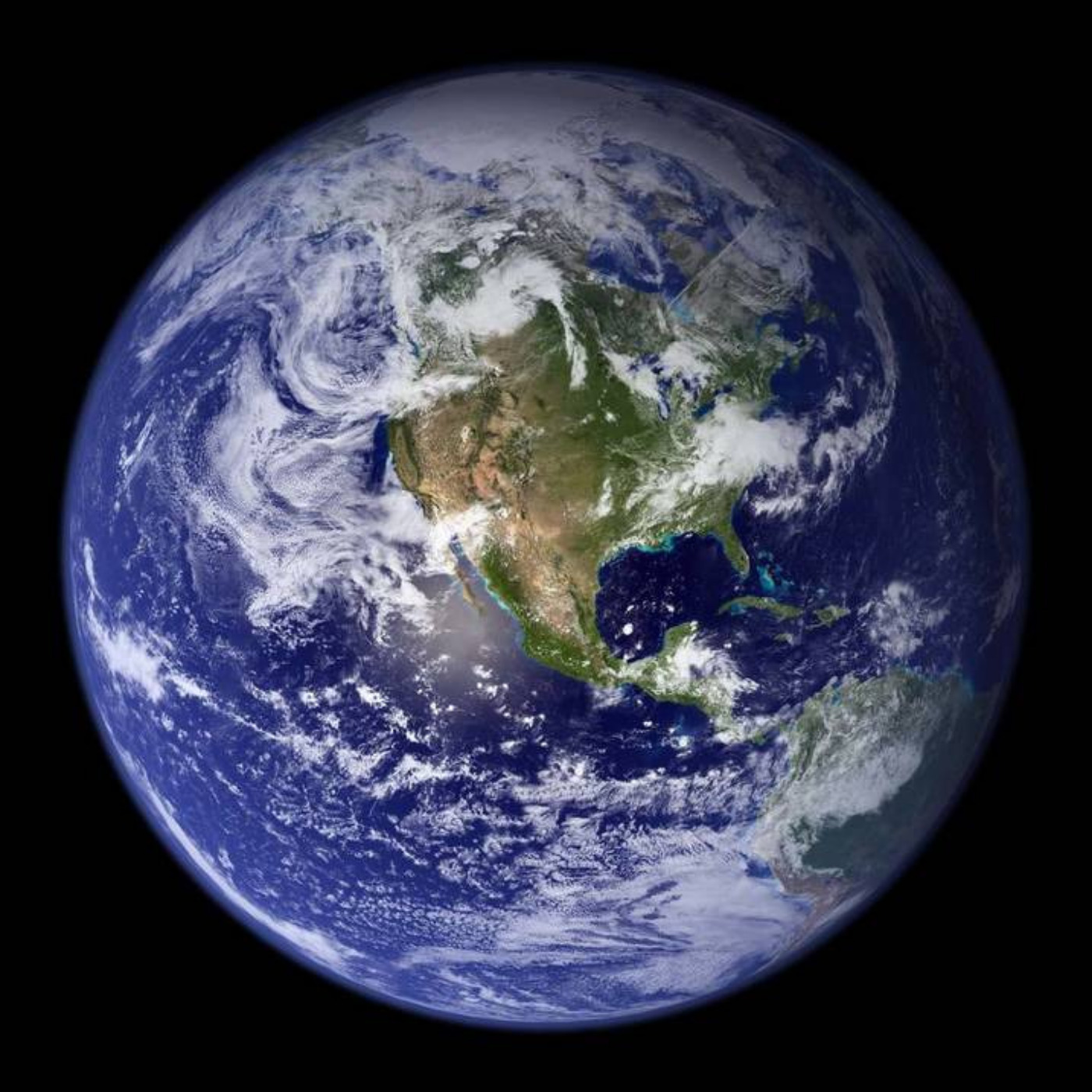
Ep 238238: The Worst Problem in the World and the Environment
Here are the notes I read from for this episode. I've talked about what I call The Worst Problem in the World for about ten years, so I'm used to it and worked from scarce notes.The problemExample: Germans and JamaicansIn environment: people say others don't careMakes people feel misunderstood, disengage, makes you seem judgmentalRepels people we want to help mostWhat to do instead: respond with curiosityWhen I don't understand someone, I can learn from themMy multi-month conversation with a skeptic taught me more about my understanding than with any supporterMore than improve understanding about environment, helped me improve my ability to lead othersMy original post from almost ten years ago, The Worst Problem In The WorldA video I did on The Worst Problem in the World Hosted on Acast. See acast.com/privacy for more information.
Ep 237237: Leadership versus Management, Systems and the Environment
The notes I wrote and read from for this episode:Leadership means changing beliefs and goals. If you're doing anything else, you're following and perpetuating the system that created the results. Greater efficiency, recycling, reusing, etc are following, just accelerating, unless you change the goals. Are you clearly and overwhelmingly opposing growth and externalizing costs? If not, you're polluting.My most important goal is not efficiency. It will come if I achieve my goal. I talk a lot about how growth and externalizing costs produce pollution. My goal is not to reduce population and take responsibility. They will come if I achieve my goal. My goal is to change the beliefs that cause the behavior that produces the results. If you lower the population but keep the beliefs, we'll get back here. If we change our beliefs, the change will come. Only if we change our beliefs will change come. "Be fruitful and multiply" and "you have dominion" and "growth is good" and "a rising tide lifts all boats" . . . these are the causes of environmental problems. And one more, beneath them all: "acting in harmony with nature is a burden or chore." Change that one belief to "It's a joy, delicious, community, and connection" will change everything in time. Absent that change, any other change will revert, unless it changes that in some way.Nobody is doing it so I am. Whether I am succeeding or not I don't know, but I consider it the most important goal, now that the science is clear. Hosted on Acast. See acast.com/privacy for more information.
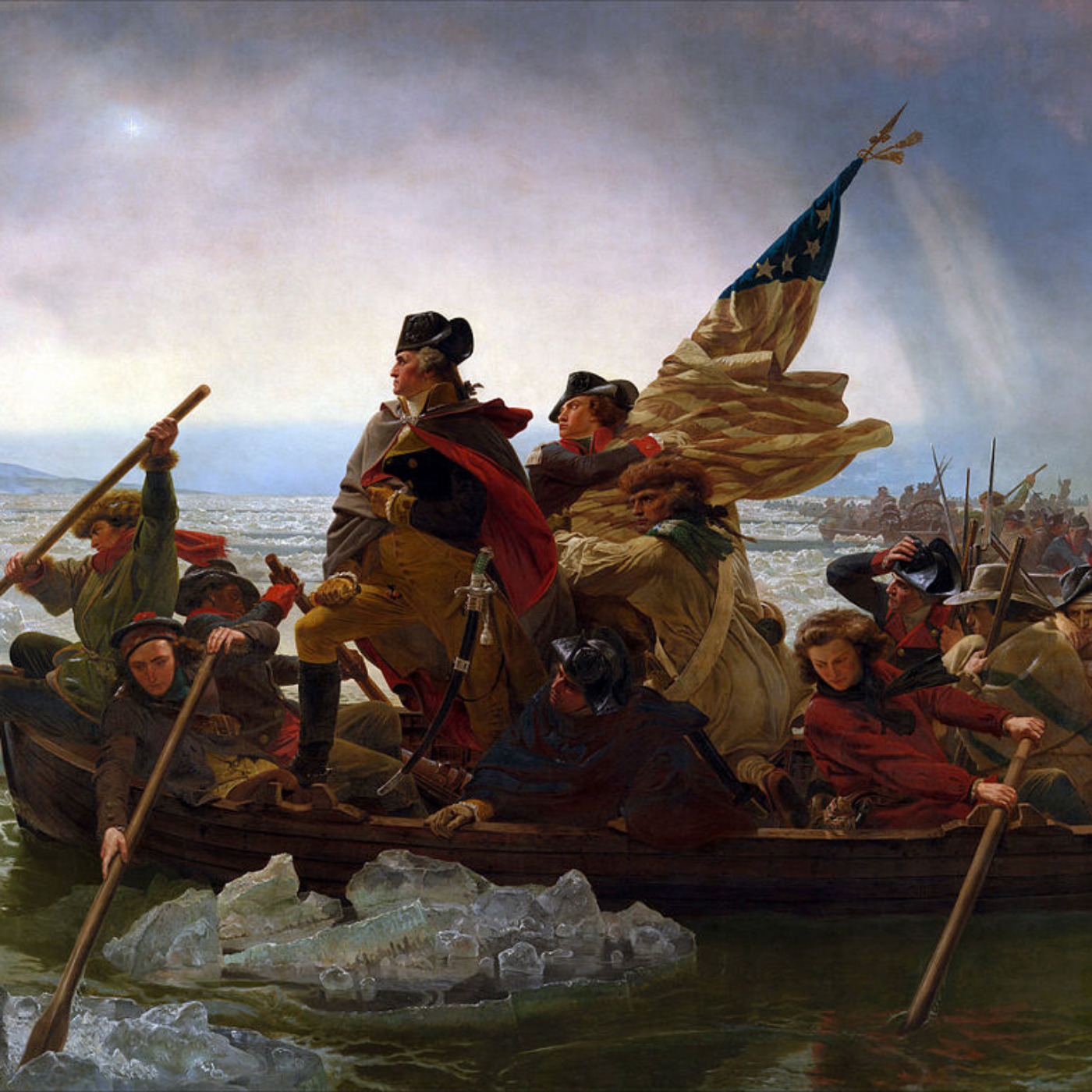
Ep 236236: My environmental role models
Here is the text I read from for this post:My environmental role modelsWhy my role models? Because people keep saying what I do is inaccessible. That it's too much or extreme. That they need to balance. Well everyone believes they're balanced. I have to balance too.My difference is that I keep moving toward my values. Instead of letting Americans, the most polluting people in history, be my comparison, I find new role models.It's community. Once you start polluting less, actually putting effort in, not just straws or the latest trendy thing, but based on your passion, you'll find role models and keep doing more to live by your values because you'll like it.Bea JohnsonAuthor of Zero Waste Home, which I read and recommend as well as 4 TEDx talksFamily of four, less than a load per yearMy response to everyone who knee-jerk responds, "Oh, you don't have kids. If you had kids then you'd understand." Well, she has two kids and avoiding garbage brings them together, as it will everyone who tries instead of claiming helplessness.Her book on zero-waste living led me to find new waste to get rid of, including cutting down on mailings. Emailing and calling places to remove me from their lists is satisfying and returns control.Her TEDx talk on why we should recycle less is the first big public statement I know of to avoid recycling as much as possible in favor of not polluting, since recycling is polluting unnecessarily. Of course all living requires polluting, but recycling is closer to full waster than to benign.Her clean home and family camaraderie inspire me.She's been a guest on this podcast and we email periodically.Kris De BergerHis site called Low Tech magazine inspires simple living minimizing relying on fossil fuels.He shows what is possible, especially what we used to do, often easily, that we then replaced with fossil fuels, like how to move 100 ton blocks of stone, growing plants before greenhouses, and many fun things we've traded for a sedentary, polluting lifestyle.You know how it took decades for people to realize building roads created traffic, not relieved it? He finds similar patterns, like how our push for energy security is making us less secure and increasing efficiency often leads to greater total waste.He does what he talks about. For example, he runs a solar-powered server, he installed a shower that uses a fraction of a regular shower.He shows a low energy future is possible and desirable.I invited him to be on the podcast but haven't heard back.Lauren SingerDid a TEDx talk, probably the first I saw of all the people's here so inspired me earlyShe also cites Bea Johnson as a role modelShe was the first person I'd heard of creating a mason jar of landfill waste per year, which enables me not to compare myself with Americans on my waste, which is meaningless because they are about the most trash producing in historyShe went to NYU and students of mine knew her or were connected. I forget the details.I invited her as a guest, but we haven't finished coordinatingShe started a store for products that replace disposable stuff. I've met a couple employees from the time I cooked for 50 people in Brooklyn North Farms with almost nothing to throw away afterRob GreenfieldHis YouTube channel is the best source of his work. Reminds me of MorganSpurlock of Supersize Me.Rob is nearing the end of a year eating only food he grew or foraged.He did a lot of attention-getting stunts to call attention to our culture's waste. This project shows a level of maturity that suggests significantly more to come.He rides his bike a lot. I've considered moving to Orlando to participate, especially when I interviewed Orlando's mayor for this podcast.He's been a guest on this podcast and we email periodically.David GardnerHost of the GrowthBusters podcastBesides running for office, he's one of the only people I know to promote reducing the populationIt's his passion. He's taking on one of our biggest taboos, or sacred cows, which is also the most necessary change necessary to pull out of our mess.It also may be the most misunderstood or overlooked part of our environmental problems.People just assume because the population is increasing less -- not decreasing -- that things will work out. All relevant signs I know of say we're over the carrying capacity already, making collapse imminent.He's been a guest on this podcast and we email periodically. I've been on his too.My mom and sisterFor food and gardeningLinks:Bea Johnson's video page and book, Zero Waste HomeKris De Decker's Low Tech MagazineLauren Singer's TEDx video and other videosRob Greenfield's videos and web pageDave Gardner's Growthbusters podcast and movie Hosted on Acast. See acast.com/privacy for more information.

Ep 235235: Creepiness, disgust, and the environment
People littering is creepy, like a tick or other parasite. It gets under my skin. I don't like it, but if I want to help people stop their parasitical, tick-like behavior, I feel it helps to understand them.Leadership rests on empathy, which sometimes means understanding the feelings and motivations of people who do things you consider disgusting or creepy, like buying coffee in disposable cups knowing it pollutes but acting ignorant or like it doesn't. Hosted on Acast. See acast.com/privacy for more information.
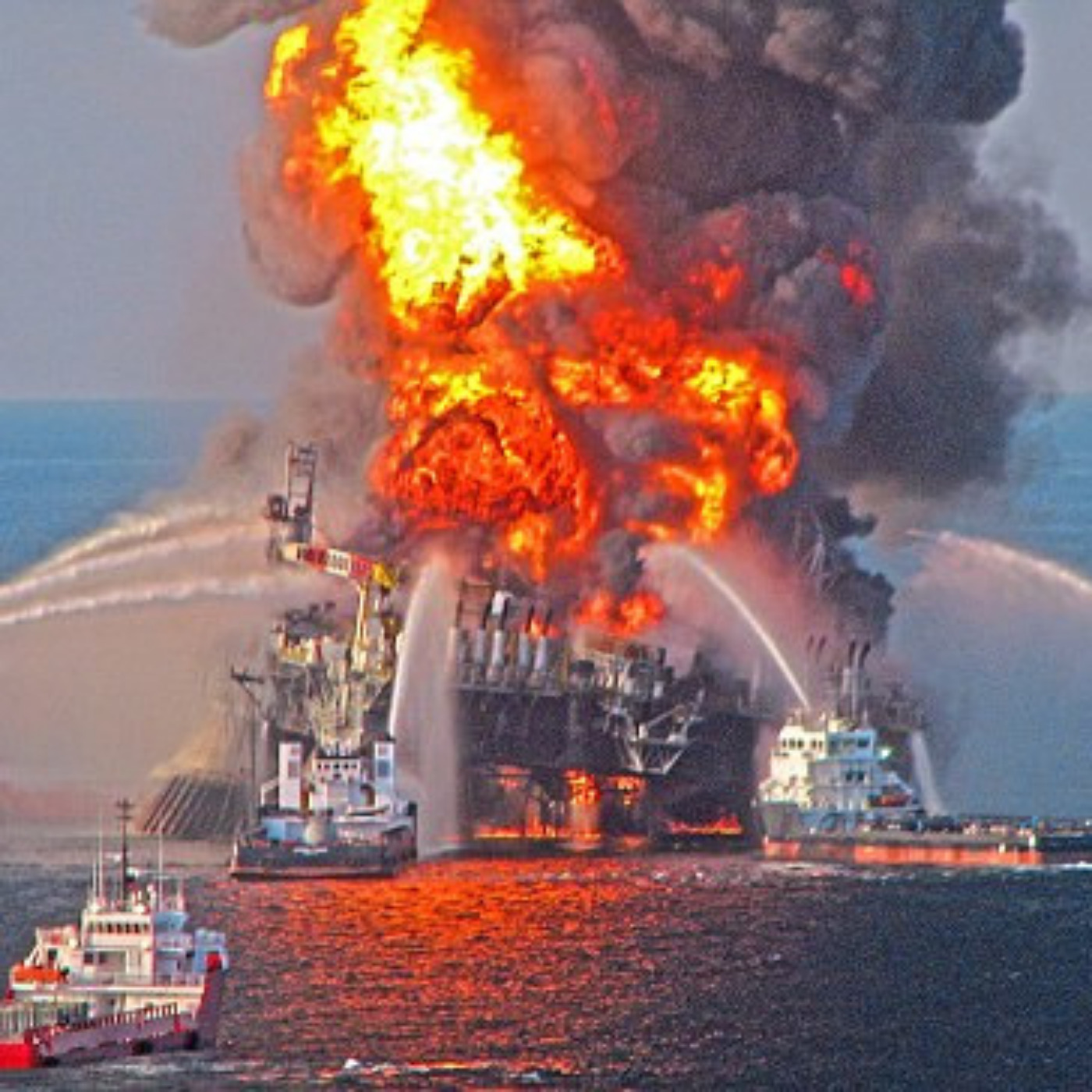
Ep 234234: A shift, not a crisis
Here are the notes I read from to make this episode, sometimes diverging from them.Why I don't call our environmental situation a crisis. People think scientists will solve something or engineers will create a solution and we can go back to before. We will never return to this lifestyle, which, by the way, is a tremendous advance if you value happiness, stewardship, enjoying what you have, and compassion over craving what you don't have and not caring how you affect others.Within your lifetime, planes will never fly you without severely hurting others. Same with having more than one child, eating meat, eating to being overweight especially eating factory farmed or industrial farmed food, and you know the top things. Some rich people will be able to do what they want because edge cases always exist, but for most people, today's way of life is nearly over. I repeat, you'll be glad after the transition for the same reason cocaine users are glad to kick their habits even if it meant the end of partying like they used to.The sooner we get this shift into our thick skulls, the sooner we'll stop trying to retain what is resulting in opiates, sugar, alcohol, other addiction, poverty, dissatisfaction with our communities where everyone feels like they have to get thousands of miles away several times a year, etc. Never in human history could we get far from home without major effort. Now we feel entitled to it. And the result is dispersing what would be community into I don't know what to call the opposite of community. Loneliness? Why are we surprised at all the addiction?I'm familiar with Steven Pinker's work that we're living in the best time ever, but I'm not comparing to a past including two world wars and dropping atomic bombs on each other but a future in which we steward the land, air, and water based on cultural values and practices currently talked about but actually practiced by nearly no one.When we get it through our thick skulls and actually practice them, we will replace growth, meaning always wanting more never content with what you have, with enjoying what you have. Plenty of human societies have lasted far longer than since the industrial revolution without growth, whereas ours is destroying the Earth's ability to sustain wildlife and human society in a couple centuries. Economists removed from regular life don't get this.We will also replace externalizing costs, which means dishing off your waste to others, generally who are helpless to defend themselves, with stewardship, or taking responsibility for how your behavior affects others. Any parent knows that taking responsibility means that yes, you can't party and travel like you used to, but the joys and rewards are greater. It's hard to start, but when you say, "I'm going to do whatever it takes to make this baby healthy" you overcome every challenge that comes, no matter how prepared you felt. In fact, the bigger the challenge, the greater your feeling of reward. The challenges of environmental stewardship is nothing compared to parenthood.Today polluting pollutes not only defenseless, but ourselves. We have filled the world withs that much garbage, greenhouse gases, and poison and we have so filled the world with ourselves that we can't escape it.The result of that shift will be a world with abundance for all, with a stable population well below carrying capacity, for reasons I described in episode ?. That means for several generations we'll have on average below 2 babies per couple and our economies will shift to a steady state economy, as other, more enduring and stable cultures have done for longer than we've been around and without the opiate addiction.There will be problems. There will be wars, but not threatening all of human society or millions of species.Anyway, I wanted to share why I think of the environmental situation as a shift or transition, not a crisis. Hosted on Acast. See acast.com/privacy for more information.
Ep 233233: Future Generations and Us
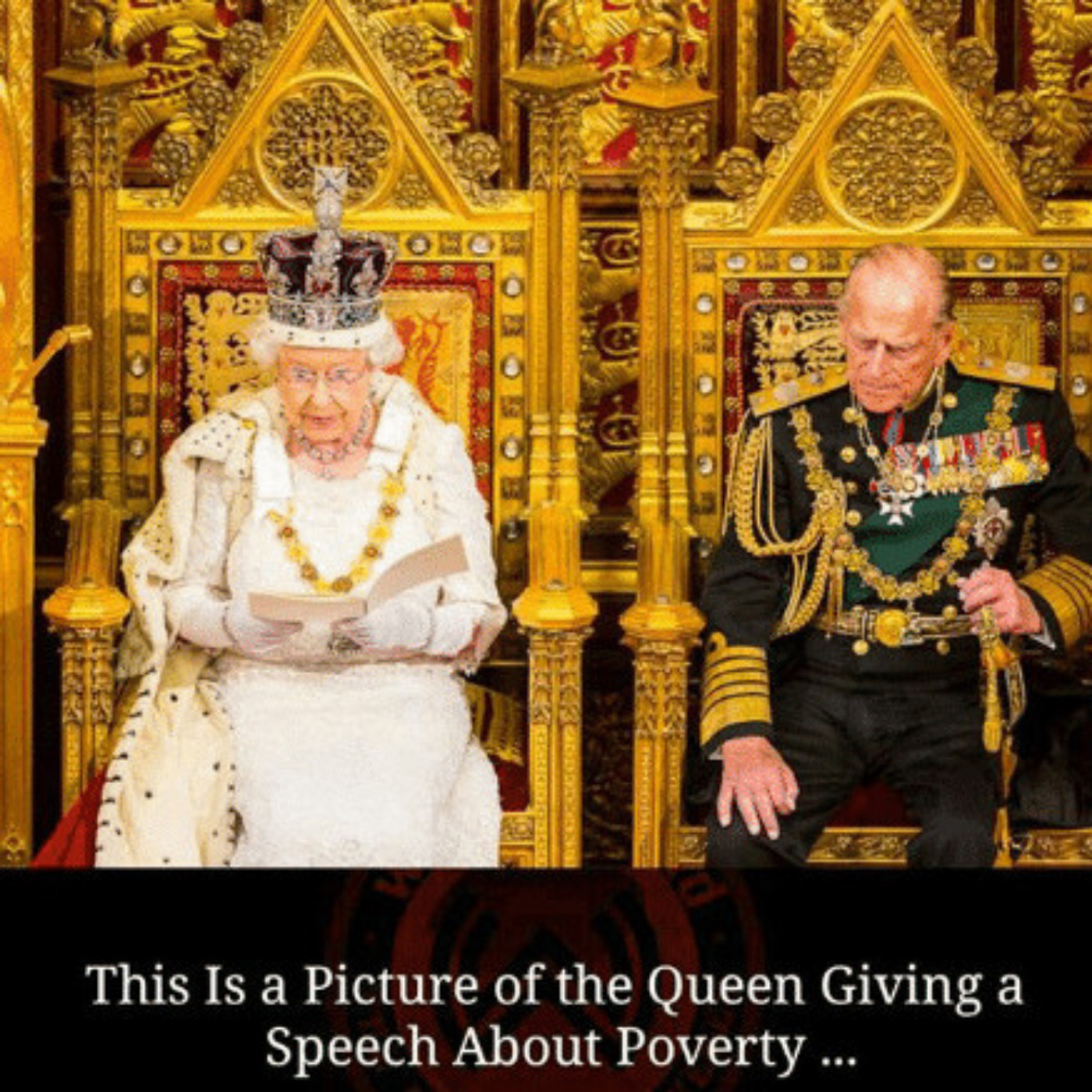
I've been sharing the sentiment of how people today seem to think of our times versus how people from other times would see now. I expect they'd view us with horror, disgust, and disdain.Today's post reprises that perspective.Here are the note I wrote that I worked from:People say homeless live better than kings before. TVs, fly around the world, any fruit or vegetable any time of the year, music any time you want, meat without meat, etc.They think any one from any time would prefer now to then. That we live in the most wondrous of times. Sure there are some disagreements, might not like this politician or that social problem, but materially, they think we're better than ever.I think future generations will not envy us but look at us with horror and disgust, maybe disdain. That we chose to go to Paris all the time and destroy Earth's ability to sustain life and human society for our fleeting selfish pleasure. If they live in a world we polluted, I suspect they will wonder how we could have neglected caring for others in exchange for polluting with little to show for it but social media pictures that look like everyone else's, addiction, obesity, heart disease, diabetes, not seeing our families under the guise of seeing our families because flying separates us, otherwise we wouldn't have to fly to see them. Eating whatever we want and not caring that we destroy the land and water.On the flipside, those of us who change, I believe they will look back on as heroes if we turn things around. If they live in a world only a little more polluted than ours because some of us, maybe you, took a stand against the prevailing winds, stood our ground, and dare I say, enjoyed our communities, connected with people around us. What does it say about your community if like most people with a certain amount of discretionary income, you say "I have to get away from here sometimes?" Annually. Probably more than annually?Today is our chance to enjoy each other, unmitigated by material junk, craving to be elsewhere, neglecting others, and externalizing costs. If you haven't, give it a shot. Create your world. Think of something you care about, think of a way to act on it, and act, without waiting for someone to tell you what. The more you figure out the more value you'll find.Let me know how it goes. Hosted on Acast. See acast.com/privacy for more information.
Ep 232232: Michael Werner, part 2: Leading Google by bike
Since recording this episode, Michael has become Google's Lead for Circular Economy.Michael took on a challenge many people consider: biking to work for a month. He challenged himself amid product releases at work and family obligations as his wife traveled, so he couldn't just start. He had to plan and work at it. Even so, he created cheerleaders of his riding at Google among his coworkers.He led them by doing what others wanted to but didn't.I can't help wonder if his biking contributed to his promotion to a role of environmental leadership.Before all that, you'll get to hear about his spectacular blow out.Michael clearly explains his plans, actions, and results -- what worked and didn't -- so if you're thinking about biking more or any environmental action, you can use him as a role model.I'm curious if he'll follow his personal experience with leading people more at Google or steering Google beyond where he would have otherwise. Hosted on Acast. See acast.com/privacy for more information.
Ep 231231: How are you justifying your polluting behavior?
When we pollute, we think we act for the reasons in our minds that justify that behavior, but those reasons generally come after we choose, motivated to justify behavior we consider wrong.Most environmental analysis looks at the science of what pollutes more or less.Today I look at the mental processes and emotions behind choosing polluting behavior. Almost always pollution results in separating yourself from others---you don't want to pollute your world. Avoiding polluting connects you with others because you account for your effect on them.Acting sustainably and regeneratively build community and connection.I suggest that when you get this pattern and internalize it, you will stop trying to justify what you've been doing that pollutes and that those behaviors and results will create disgust in you. You'll prefer that disgust to the blissful ignorance it replaces. Hosted on Acast. See acast.com/privacy for more information.

Ep 230230: Brad P, part 2: Change your habits, change your life
Brad identified the problem of people acting or not as our emotions and behavior, which many forces contribute to. We also talk about media and scientists.This refinement of the understanding to emotions points to what to work on that I see few environmentalists unaddressing: emotions, feelings, and community, not technology, innovation. Almost the only emotions they evoke are fear, panic, and worry, which don't motivate acting on the environment. They motivate disengaging from the speaker.If you associated attraction coaching with trickery or games, you might not expect this identification. On the contrary, Brad knows about relationships, people, and teaching. These things happen to lead to more intimacy---physical, emotional, and intellectual---and they are big elements of leadership.We talk about vegetables, CSAs, helping people in need from the opioid crisis, habit change, and long-term cooking habits with long-term girlfriends. On a personal note, I've found it very relieving to share this part of my life that I've kept confidential so long. In retrospect it's more like sports and acting than I thought.As I've mentioned, I haven't shared this part out of fear of people with preconceived notions but powerful voices misunderstanding and attacking. Maybe later someone will push back in a way I feared, which would be from a misunderstanding. So far I think people understand.Listeners who contact me tell me they find the podcast inspirational. I love when they tell me the passions they've unearthed. Yet many tell me they haven't changed their behavior.I hope Brad's experience shows you that whatever effort you put in, you'll find it worth it. If you aren't acting on listening, you're missing out. When you act, you'll not only pollute less, you'll love life more. Hosted on Acast. See acast.com/privacy for more information.
Ep 229229: How might future generations view us?
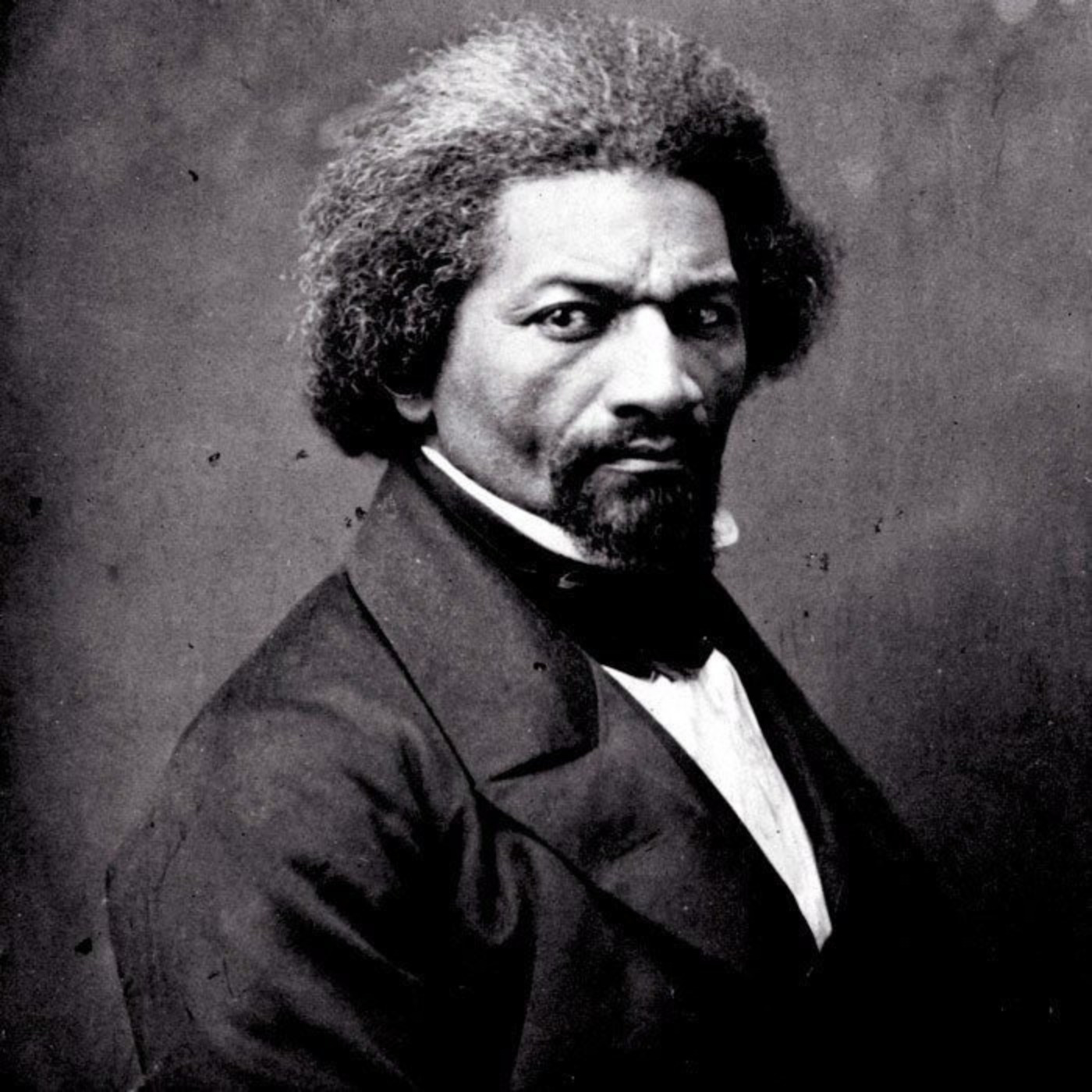
I believe many people believe we live in an age of wonder and that people from any other time would envy us.I believe future generations will not look at our flying and pollution not with envy but with horror, as we look at slave holders and people who didn't resist Hitler.The sooner we get that into our thick skulls, the sooner we'll enjoy life with less craving, excuses and acting like spoiled brats.How many spoiled brats do you know where you think, I like how spoiled that person is, I'd like to be like them? But they don't know it, do they? So we don't know it either, spoiled brats that we are, telling ourselves we can't live without eating pizza in Napoli before we die while putting local farms out of business eating vegetables flown from wherever.Or could we live so future generations see us how we see Frederick Douglass, Rosa Parks, or Oskar Schindler?William Deresiewicz's Excellent Sheep Hosted on Acast. See acast.com/privacy for more information.
Ep 228228: Kicking puppies praiseworthy?
People keep describing my environmental actions as praiseworthy. I think they do it to make it seem harder and less accessible to do themselves what they expect will be hard, deprivation, sacrifice, and not what they want to do.Making what I do sound good makes what they do normal. I prefer to see not polluting as normal and polluting as abnormal and worth changing.I feel that praising someone for not polluting is like praising someone for not kicking puppies or abusing their children. I suggest seeing not kicking puppies as normal and kicking them as abnormal.This episode explores this perspective. Hosted on Acast. See acast.com/privacy for more information.
Ep 227227: Economists don't know what they're talking about on growth
A few words on growth and how people misunderstand it, especially economists.I start by talking about my window garden cherry tomato plants and how the inability of the insects eating them to regulate their growth and up destroying the plants and thereby their own population.Can we outdo bugs?I'm not sure. An educated friend showed surprise to me that his having four or five kids is one of the biggest effects he could have on the environment. How can we not get this? People don't seem to think in this area but instead parrot knee-jerk irrelevancies that distract from that if we don't control our population, nature will for us, which will be painful on a scale we've never faced.We can replace the cultural value of growth with enjoying what you have. When I learned to enjoy what I have more, growth started looking more like craving. I haven't seen craving make for a great life. Hosted on Acast. See acast.com/privacy for more information.

Ep 226226: Brad P, part 1: Dating coaching, leadership, and the environment
Today's episode with guest Brad P, a dating coach and guru---well, former, since he's moved on, as he'll share---partly reveal a major part of my social and emotional development as an adult.He was in a sense my boss when I coached mostly men but a few women on dating and attraction skills, which I did before coaching executives, entrepreneurs, and so on on leadership, initiative, entrepreneurship, and more mainstream things.The episode begins with a long introduction to address the extraordinary misconception about coaching dating and attraction, especially for men.While I haven't kept it formally secret, I haven't shared it publicly, though I tell all my coaching clients soon after starting working with them since it opens up the coaching relationship and makes for faster and deeper improvement. I've also shared with my family. Now I'm sharing it publicly, that I taught and coached people on skills in attraction and dating. I was the #1 coach in the #1 market for the #1 guru.My corporate leadership practice is so based in openness and facing and handling vulnerability that I had to share. Not sharing it was keeping me back. Nearly everyone I've shared it with is intrigued and supportive, but the media covers people who like to create controversy, so I've feared attacks, however unsupported. Well, I can't live in fear of people with misunderstandings. Rather, I choose to face the fear and handle the consequences, knowing that the more anyone knows about me and this part of me, the more I believe they'll support me and my choices. I consider this work some of the most helpful to my clients, community, and world.The episode is long but covers a lot about relationships, education, personal growth, attraction, overcoming fear, and more. Hosted on Acast. See acast.com/privacy for more information.
Ep 225225: My role model: Jonas Salk and the polio vaccine
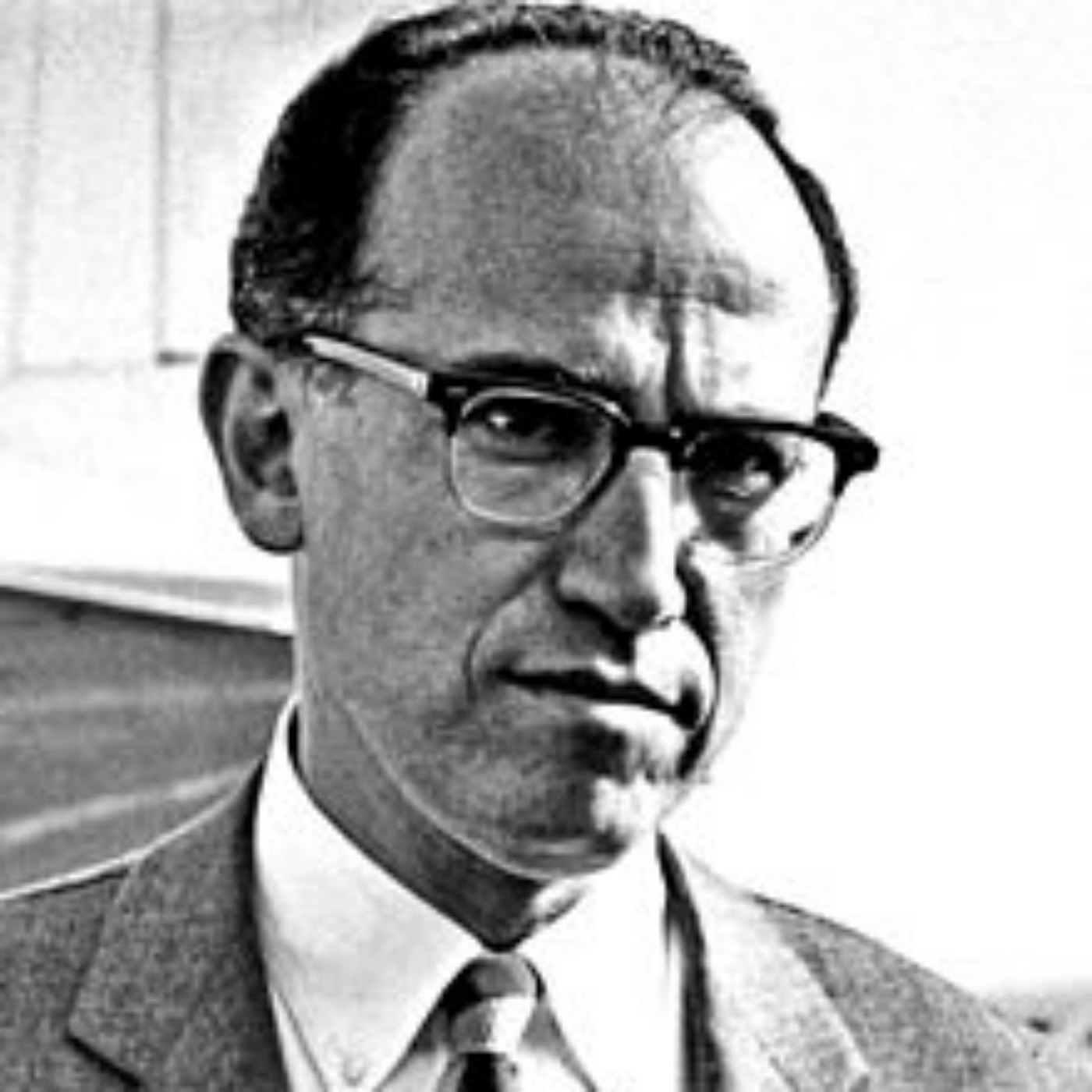
Polio terrorized the world. People died and became paralyzed and there were no defenses to it.Science understood it and eventually Jonas Salk found a vaccine. Just having a vaccine wasn't enough. They needed massive global public projects to disseminate it.Is the connection to our current environmental problems obvious? As I see it, our behavior is causing the problems. If I'm not too full of myself, this podcast's technique, which I describe in my TEDxNYU talk, in a sense inoculates people from inaction on environmental values. It changes people to where they enjoy wasting less and taking responsibility.We don't need a massive global public works, but what if we spread that technique globally. Instead of trying to figure out how to feed 10 billion or how to accommodate billions in third world countries wasting and polluting as we do, what if first worlders reduced our waste by 75 to 90% and the world over we chose to decrease our birthrate to where we lived well below the carrying capacity?We could solve many of our environmental problems and improve our lives.Am I crazy to see the polio vaccine as an inspiration? Hosted on Acast. See acast.com/privacy for more information.
Ep 224224: Clarifying my strategy
People commonly misunderstand the goals of this podcast. I tried in this episode to clear up two common misunderstandings:They mistakenly believe my goal is individual change---to influence one person at a time.They mistakenly believe I act on my environmental values to lead people by example.On point 1, this podcast focuses on leading people through community. You may hear me leading one person at a time per episode, but I'm not picking people randomly. I'm picking people on more people's community than most others. My goal is for listeners to feel, "I'm not the only one doing this. People in my community are too. It's time I acted more." I'm working my way to people known by hundreds of millions of others.I'll note that I offer value to these well-known people: a legacy valued by billions. I walk them through a process that shows them as authentically and genuinely acting, even if they don't know much about the environment, so listeners want to support them, not judge.On point 2, I act as everyone does. I do what I think is right for myself. You probably don't blow smoke in babies' faces or in hospitals. You probably don't kick puppies. You don't do these things to make sure others don't smoke around babies or in hospitals or kick puppies. You don't kick puppies because you think it's right. You're probably happy if your behavior leads others to avoid smoking or kicking puppies, but you'd not kick puppies even you knew you wouldn't affect anyone.I expand on these point, including notes about Oprah Winfrey, LeBron James, and a few others.Bottom line: I'm focused on a strategy I think can work where everyone benefits. I'm not just hoping for the best. Hosted on Acast. See acast.com/privacy for more information.
Ep 223223: Adam Quiney, part 2: Do the Thing
This episode is two thoughtful, intelligent people sharing environmental thoughts. I think the thoughts we share are what a lot of people think but don't share enough.We cover action, leadership, motivation, caring, beliefs, integrity, and Adam's challenge on "imperfect" (which I put in quotes since I prefer non-supermarket apples) apples.I suspect you'll hear things you've thought about but maybe haven't shared, not just environmental, though we mostly hover around there.Most conversations I hear devolve into abstract, academic, analysis and blame, things like government should do X, corporations should do Y, or this law should pass---anything but acting themselves. Yet acting raises awareness more than awareness leads to acting. And the fastest, most effective way to influence companies, government, and other institutions is to live by your values, which will make you a leader. Hosted on Acast. See acast.com/privacy for more information.
Ep 222222: Why Eat Insects?
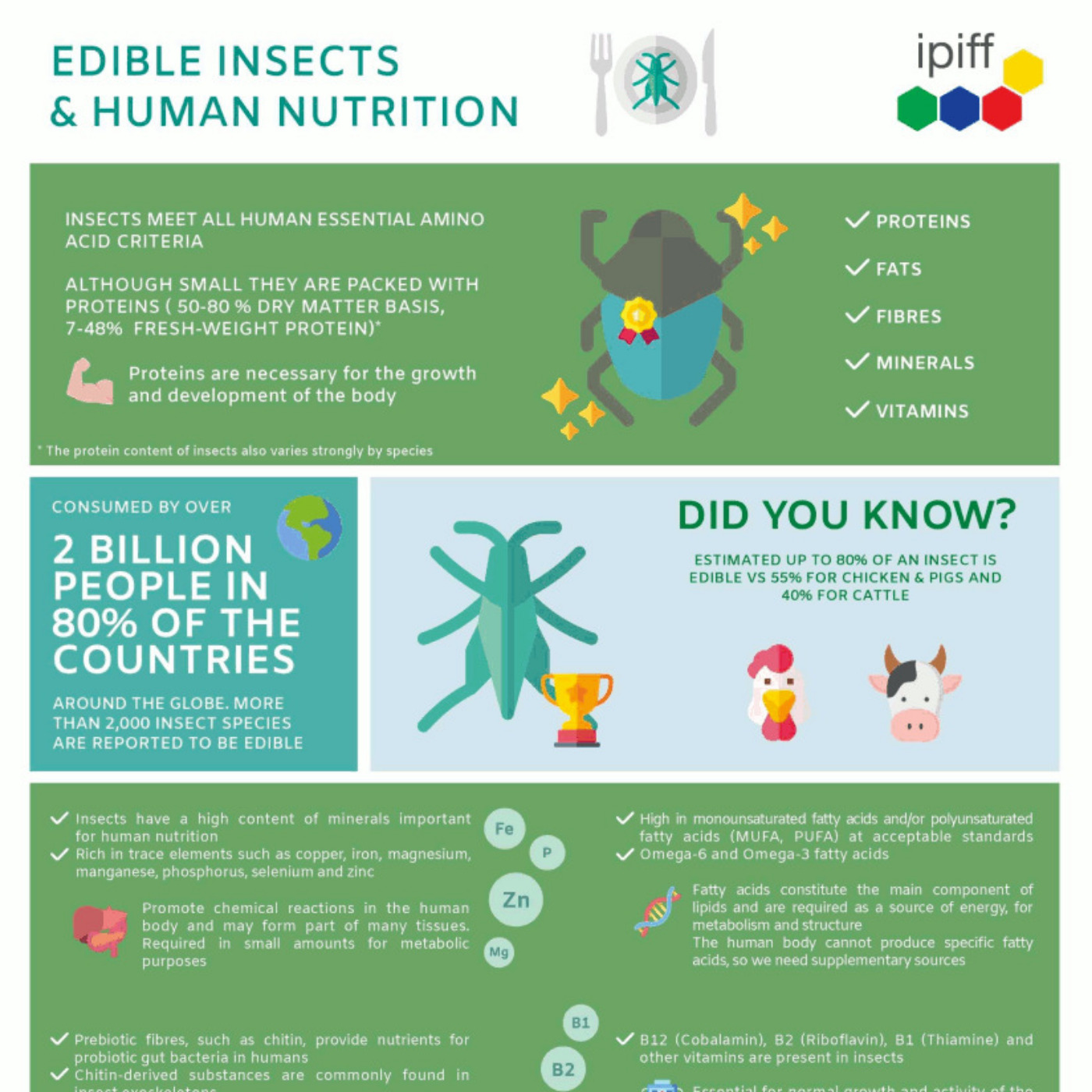
Between insects, kelp, vertical farming, lab-grown meat, and other clever options, why didn't we think of them before?Because we had better options!Few meat eaters choose crickets over steaks and hamburgers, but we've squandered what was once plenty with overpopulation. We've become more efficient, but we've lost abundance.With a lower population we could keep abundance. Hosted on Acast. See acast.com/privacy for more information.
Ep 221221: Climate March Reflections
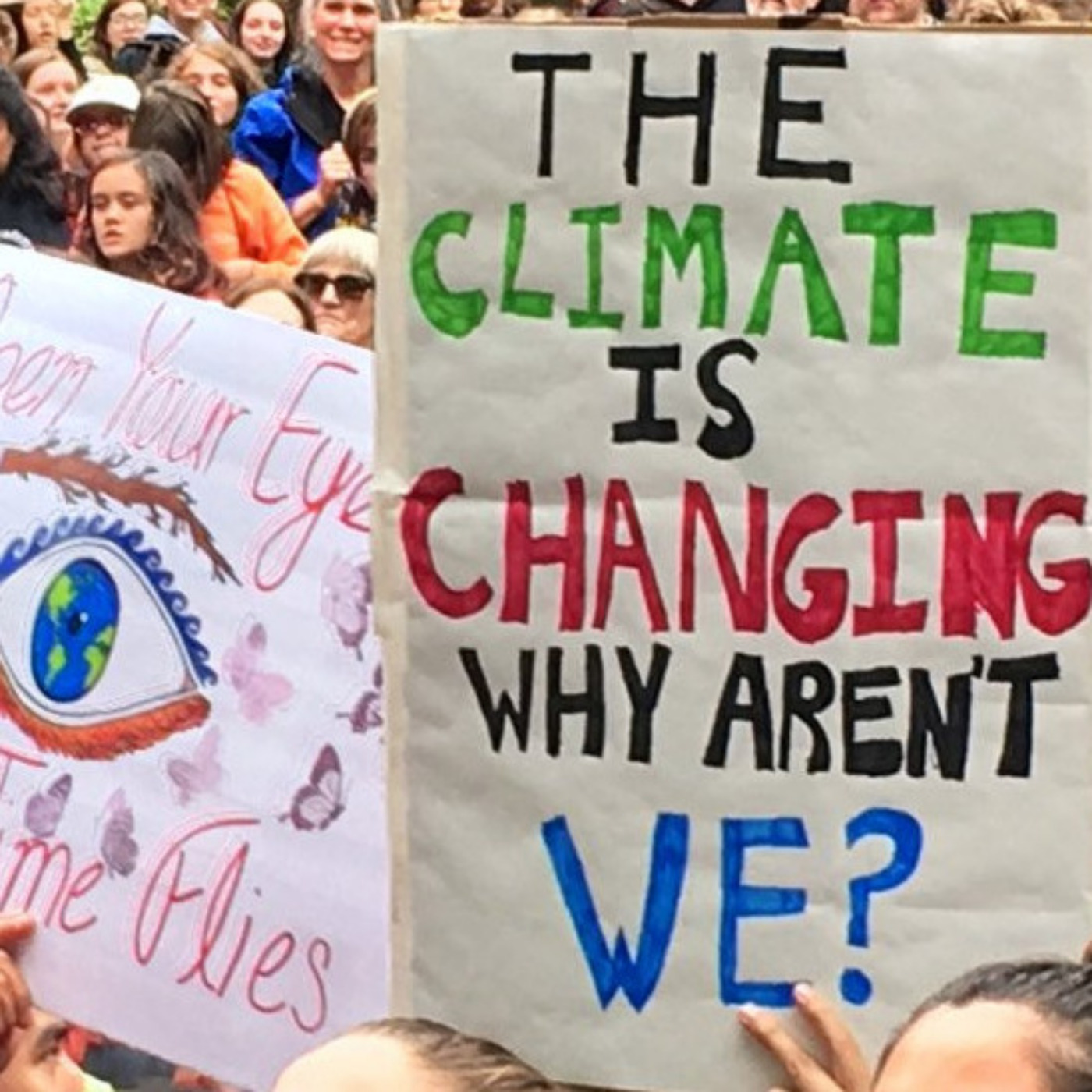
Here are the notes I work from for this episode:From climate marchWent 3 times:Before lunch to participate in organizing group, went to Foley Square. Seemed like tens of thousands, maybe six figures.On my way to a meeting, walking on lower BroadwayAfter my meeting, just endingDidn't hear speakers. In fact, I shared with my sister the impressions you're about to hear and she said the speakers said the opposite, which I'm glad to hear.I'm going on the hundreds I could see immediately around me, the tens of thousands I could generally see, and the few I heard speaking.Ostensibly about children, but when I hear adults saying it's kids, I hear them excusing themselves, not taking responsibility. Why only kids?No secret that country politically divided and adversarial.Fell into political divide calling conservatives and oil people enemy. Easy but won't influence. The people they call enemies aren't trying to pollute and they aren't so clean.I heard Greta is avoiding U.S. politicians. I predict she'll say stop demonizing and making politically adversarial.Missing is addressing the beliefs and systems that many of these people probably sustain.Role models: Mandela and Gandhi.They aren't enemy, system is, which is driven by beliefs. We want to change beliefs, including in ourselves.My message: we'll like and be glad we did, wish we had earlier. Like not smoking: hard to change not to stay. On contrary, will find disgusting. Hosted on Acast. See acast.com/privacy for more information.
Ep 220220: Michelle Tillis Lederman, part 2: Making it habitual makes it easy
Not often do I hear something in a podcast conversation that's a new habit I'm going to try. This conversation with Michelle led to two. I recommend them both and I'll try to find a way to report back how they go.Plus she shares how her book, the Connector's Advantage, keeps growing, now internationally.We talk environmental leadership. She shares her experience with plastic bags, something a lot of people tell me they want to do, but keep putting off. Note how she says when you commit to something it becomes a habit. It can be that straightforward. Habitualizing something makes it effortless. Michelle speaks with experience.I always think of diapers since I know so many parents. People say avoiding plastic bags or packaged food is hard, but from my perspective, changing diapers seems like it takes a lot more effort, attention, and patience than bringing bags to stores, yet first-time parents go from zero to 100% changing overnight.When people commit, they act like leaders and stewards. Fears about other people being problems transform. They see others as part of the solution. Acting on environmental values builds community. Hosted on Acast. See acast.com/privacy for more information.
Ep 219219: Regretful decisions
I share thoughts in today's episode I didn't have the heart to share with family on their way to vacationing in France.In my lifetime I've seen the world change and our understanding of it change from we can't really raise sea levels to knowing with certainty that it's underway and we're causing it.People younger than m used to think and hope that we'd slide by, missing out on the worst, hoping future generations would figure something out.If you're younger than about 80, I believe you know enough that you no longer live in a world where you can honestly believe others are doing it, not me, or plausible deniability.Future generations have figured something out: reducing consumption, reducing how many children to have, enjoying what you have. I've embraced this solution and found that it is fundamentally about community, compassion, empathy, love, stewardship, and what everyone I know values more than willful ignorance or even clinging to those values applied to a world that no longer exists.That discovery of community, compassion, love, and so on enables me to say that if you keep applying those values as you would in the world of the past, you will live to regret knowingly choosing decisions that caused suffering and misery.Living in the world of the past has a certain charm to it when you want to play princess or prince, but no longer when you want to play jet-setter world traveler.Accepting today's world is hard, but acting on it brings joy. Hosted on Acast. See acast.com/privacy for more information.
Ep 218218: To Those Who Say They Can't Stop Polluting
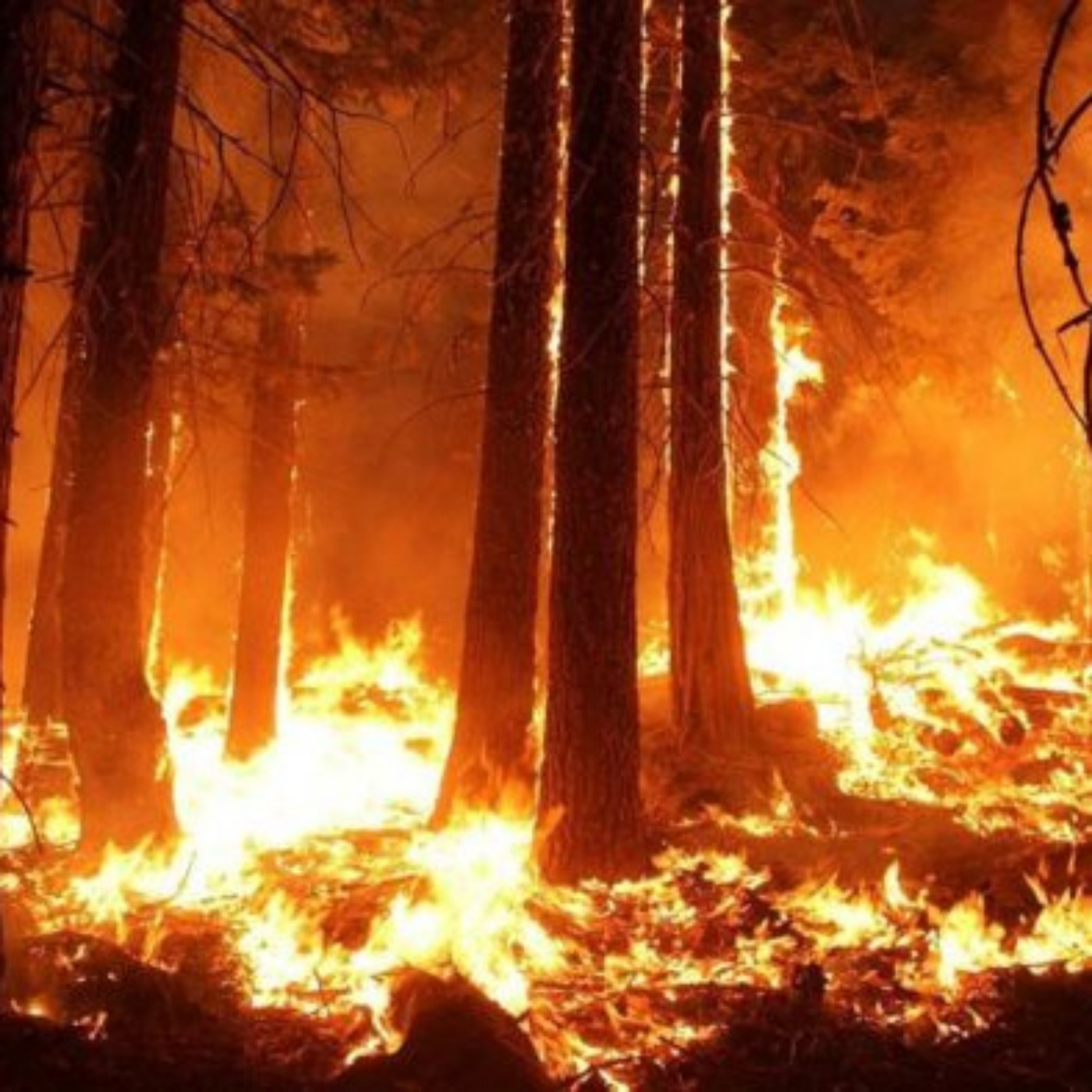
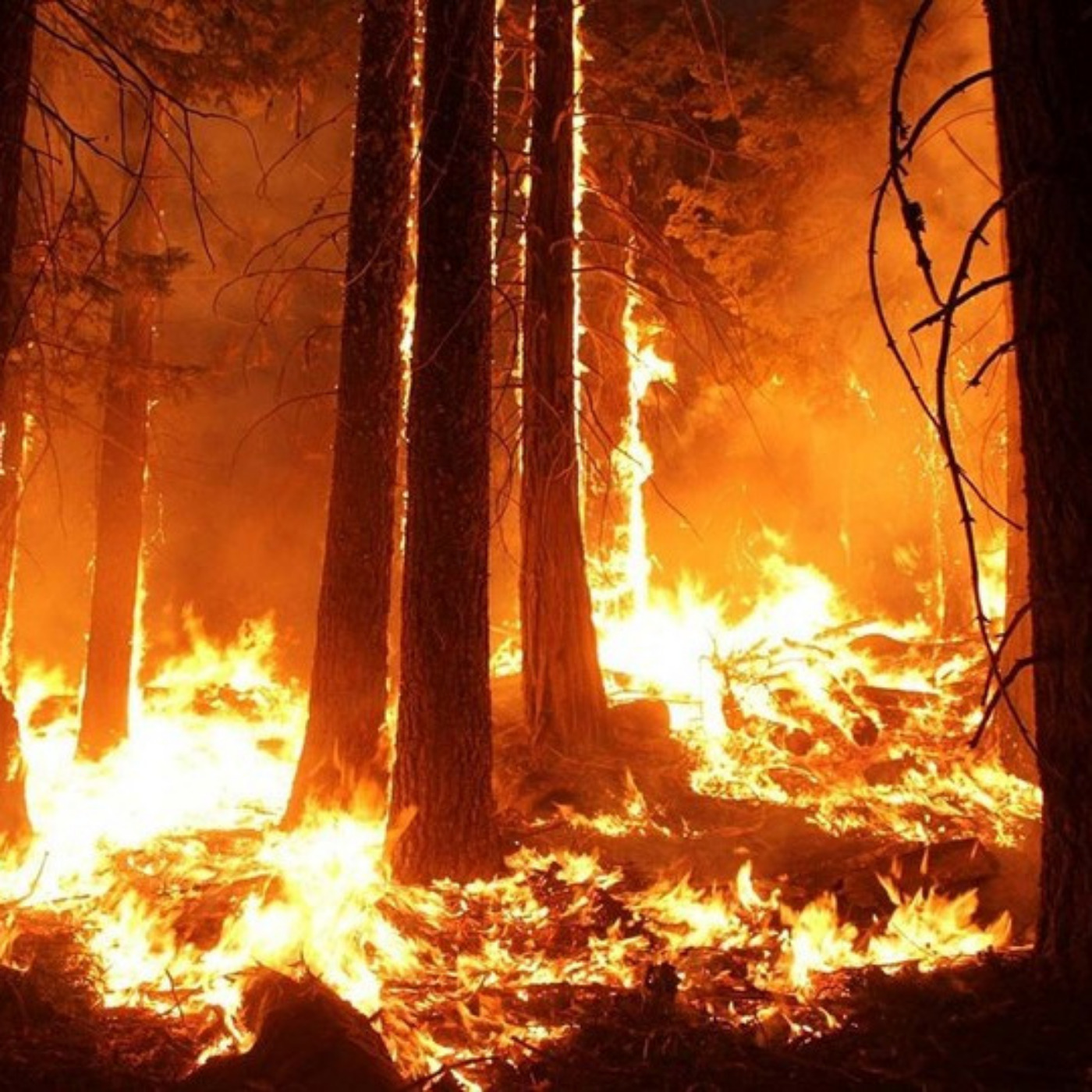
A friend told me the other day that while I could reduce flying, business people couldn't. It's not so easy for them, actually impossible.Did he forget that I have an MBA? That I started a business with an 8-digit valuation, that operated on four continents? That nearly everyone I know flies as a matter of course? Did he not imagine the work I turned down?More likely he didn't think about it. This morning I woke up before the alarm and though about his perspective.The overwhelming response to my suggesting that people can reduce their pollution---a statement of empowerment---is claims of helplessness. Also claims of some solidarity with other helpless people.Today's episode both savagely and, I believe, with empathy and compassion, attacks these false excuses.The trees burning in the picture are in the Amazon, the results of a system our money drives. More details in the episode.The bottom line: more than anything else, I'm talking about empowerment. The results of acting are community, joy, discovery, personal growth, love, family, and so on. That's what stewardship brings, what you can create more of. Starting the shift is hard, yes, but the results of living by your values are your values.The results of a search "tips environment". Results may change, but when I checked it returned well over 100. Hosted on Acast. See acast.com/privacy for more information.
Ep 217217: Adam Quiney, part 1: Leadership for the Smartest Person in the Room
Adam studies brilliant people and leadership. There are many leadership coaches and researchers. If you like me and my way of doing things, which is geeky, you might be geeky yourself. You probably like leadership too.We get to his research results about halfway through the conversation. He focuses on helping people like you and me understand and improve leadership. In this conversation we focus on blind spots, among other topics, but his in particular. But Adam's focus and specialty on brilliance emerges. He's vulnerable and open.I recorded this conversation almost a year and a half ago, so you can hear I hadn't developed a voice yet. Still, some meaningful nuggets from both of us, in fact some points I haven't shared in a while, like, regarding blind spots, nature not losing track of any molecules.Back then I hadn't yet learned to see when people talk about people as their environment, they're playing it safe. We all know acting on the environment starts hard. So I was glad he moved to bruised apples that would get thrown away. I don't accept that imperfect looking apples are materially lowering quality of life. After a while, supermarket apples look weird. Farmers market ones look less uniform but have more flavor.Most environmental action is like choosing the apples corporate buyers don't. They don't fit someone else's values, but they tend to taste better and cost less. After you get used to them, the old ones look weird, even creepy in their uniformity and too much shinyness. Hosted on Acast. See acast.com/privacy for more information.

Ep 216216: Brandon Voss, part 2: Negotiate Like Your Environment Depends On It
We start talking about how to learn---you have to practice. This is one of the most important things to get, not just in learning but in life. Too many people read and analyze, expecting to learn. If you don't change your behavior, you aren't learning, which I took a long time to learn.If you read and analyze, you behave impersonally---that is, you don't learn social and emotional skills.Then we talk about his smiling challenge. For what I said last time about it ducking acting environmentally, it showed how experiential exercises work. Reading and traditional learning alone don't get behavioral results like these.Also, he started acting more on wrappers, which I didn't talk about. If I had chastised him last time on doing too little, I think that imposing my values on him that way would have inhibited him to doing more. I tried to react with nonjudgmental support for where he was, not counting what I said in the post-conversation audio, which he didn't hear.Not sure if you heard how the conversation was about support and reward, while still focusing on doing things. At least that was my goal. I consider support one of the most critical elements of leading.Most conversations I see on the environment are analytical and judgmental---"government should do this," "corporations should do that. . . anything but "I'm going to act."I read his saying that he was already doing things as revealing a common but tragic result of mainstream environmental message: that acting distracts or is a chore. I felt that way, but with experience I've made acting on my environmental values become something that adds joy.LeBron James one-hour workoutSteve Nash 20-minute workout Hosted on Acast. See acast.com/privacy for more information.
Ep 215215: Jeremy Ryan Slate, part 2: How long have you gone without a phone?
When was the last time you went without a cell phone for more than a few hours? Jeremy went longer than he expected, but as chance favors the prepared mind, he was ready to take advantage of an opportunity.It sounds to me like he enjoyed using less power, however modest the reduction, he did it and discovered fun and improved relationships. Once we created machines to save labor. Now I see we create machines to create craving, which makes us miserable. Or at least the absence seems to enrich our lives.I'm thinking about taking more digital vacations. Everyone says they're hard but rewarding---like Jeremy or Vincent Stanley, Director at Patagonia, in an earlier episode---a pattern I find signals experiments I like.His experience leads me to wonder what lower limit I could get to in using my cell phone.The big picture is that I hear little things lead to big, important things.What can you start with? Hosted on Acast. See acast.com/privacy for more information.
Ep 214214: Are we smarter than bugs?
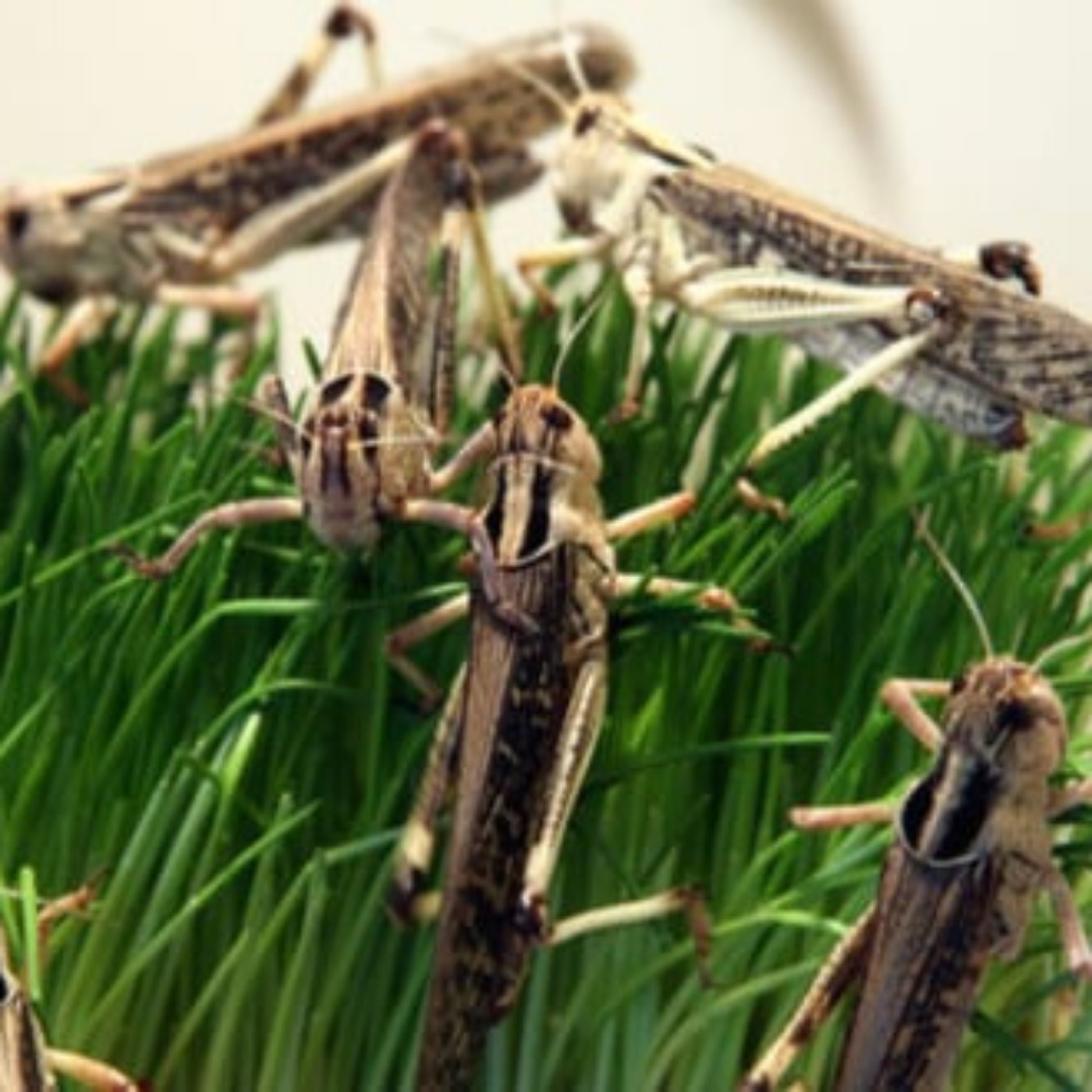
Bugs will infest a plant until they kill it, then when it dies, they die. It's happening to the fig tree and cherry tomato plants in my windowsill garden. If they could keep their population low enough to avoid killing the plant, they could live longer.We seem to be doing the same with Earth's non-renewable resources. From a species perspective, what benefit do we get from fast cars and cell phones if we can't stop ourselves from overshooting the planet's resources and causing our population to collapse. As a species we would not likely go extinct from a collapse, but our global society might not recover.Plenty of human civilizations have collapsed, their ruins covered by sand and jungle, with barely a sign they existed. Do we want such an outcome on a global scale?Avoiding that outcome means controlling our population differently than bugs---seeing non-renewable parts of nature like oil and choosing not to use them, or renewable resources and choosing not to use them to where they become non-renewable, like fish and clean air.Are we smarter than bugs?The math behind how finding extra resource, even other planets, don't help, by Tom Murphy.Galactic-scale EnergyCan Economic Growth Last?Exponential Economist Meets Finite PhysicistTom Murphy on this podcast Hosted on Acast. See acast.com/privacy for more information.

Ep 213213: Joy from disgust
I don't like my world being full of junk "food," litter, and pollution, but if it is, I'd rather see it for what it is and feel a disgust that motivates me to change it than to keep myself in denial and passively, complacently accept it.Yesterday's stop at a highway rest stop reminded me how we dump garbage onto the world and into ourselves. Today's picking up litter reinforced it, though I do it daily.So today I discuss disgust, which I hope you all feel, not because I think you'll enjoy the feeling, but, if the world is a way you consider disgusting, I think disgust will motivate you to act.When enough people feel that disgust and act on it by, say, picking up other people's litter until no one litters any more or not buying what Burger King and Starbucks sell until they sell more wholesome food, we'll feel joy and elation at the beautiful world we restore.My game is joy, personal growth, discovery, meaning, purpose, and such through action.Pictures of my CSA farm Hosted on Acast. See acast.com/privacy for more information.
Ep 212212: The Amazon Burning and Us
What's the difference between burning rain forests for someone's livelihood and family in the Amazon and paying for people to drill oil that we squander in the rest of the world?I'm not asking to accuse. I see some differences, but not big ones.If you're easily offended I recommend not listening to this episode.Letter from Birmingham Jail excerptJoshua Becker's book The More of Less Hosted on Acast. See acast.com/privacy for more information.

Ep 211211: Michael Werner, part 1: Dream job results from environmental leadership
Not everyone gets his or her dream job. Michael Werner did, on sustainable product design at Google and Apple. Since our conversation he's become Google's lead on circular economy. Whatever your thoughts on these companies, he is in a position to help lead them in areas of great importance.How did he get those positions? By working up the ladder? On the contrary, by leading from the start, before people were following.A major goal of this podcast is to show that if you want to lead, especially on the environment, a successful path is to start leading now with what you can. Waiting for a position to open doesn't work as well. Acting creates opportunities and Michael is an example.I'm glad to hear people within big companies with major inertia are working on sustainability, but they have challenges ahead. It's also rare to find people who get what I described as reusing and recycling, or efficiency in general, is tactical. Reduction is strategic, as I spoke on in episode 183: Reusing and recycling are tactical. Reducing is strategic.Most companies prefer recycling and efficiency because they drive growth, which makes people feel better, but is the opposite of reduction. I haven't looked into Google's practices.Note, this was an early episode. I didn't ask Michael first about what the environment meant to him, so I didn't connect his challenge to something personal. I got lucky that he had something in mind at first. But I think leadership works far more effectively when the leader makes the person feel comfortable sharing their values, which makes it feel more meaningful. It wouldn't have worked with someone less enthusiastic and didn't lead him to find his project as meaningful.Still, I think he's doing it for himself. We'll hear in his second episode. Hosted on Acast. See acast.com/privacy for more information.
Ep 210210: How many children should I have?
How many kids should you have?I've heard people justify how many kids they should have for various reasons.I think of how decisions happen. We tend to decide first, based on emotions---the wiring we were born with that helped our ancestors live---then rationalize it to make it feel right now that we've decided to do it. If our motivations don't match what we claim our reasons are, might we be acting on motivations that don't help us or even hurt us?In this episode I consider how we might be acting against our interests in deciding how many children to have if we have too many. Hosted on Acast. See acast.com/privacy for more information.

Ep 209209: Laura Coe, part 2: Practice changing habits
Laura and I explore the feelings and emotions around our environmental behavior, specifically that we don't like, like throwing away food. I predict you'll find her descriptions of how people feel familiar.In other episodes I've shared how I find that our emotions are causing our environmental problems, not CO2. The behavior of CO2 simply results from our behavior. That's why I feel what's missing is leadership: influencing people's emotions. Now people consider acting on the environment a chore, distraction. If we want people to like acting on their environmental values, it will help to help them connect rewarding emotions.Laura describes the emotional landscape of someone not acting on their values, and how to change them. This concept of saying people don't care inhibits people from acting. I find everyone cares. To say the don't makes them feel you don't understand them, which undermines your ability to influence them.I can't stand people making environmental behavior a moral issue. If you say to someone that they don't care, they think, "I do care. If you think I don't, up yours. You're not superior." But discounting others' emotions and cares create more counterproductive results: it leads them to think of their justification for what behavior affected the environment, reinforcing the feeling you're trying to change.It's like when trying to attract a guy or girl who isn't showing you attention. I recommend not asking, "why don't you find me attractive?" or similar questions. Whatever feelings they had, you led them to voice them, which solidifies and strengthens them. Now they find you less attractive more strongly.Tell someone they don't care about the environment and you lead them to keep doing what they were doing.People have done it with you.Laura speaks thoughtfully and with experience on how we feel and react, which I consider the major frontier for environmental action now that the science is clear. It's also most people's major frontier to improve their lives. Hosted on Acast. See acast.com/privacy for more information.