This Sustainable Life
866 episodes — Page 14 of 18
Ep 208208: Caspar Craven, part 1.5: Back on Track
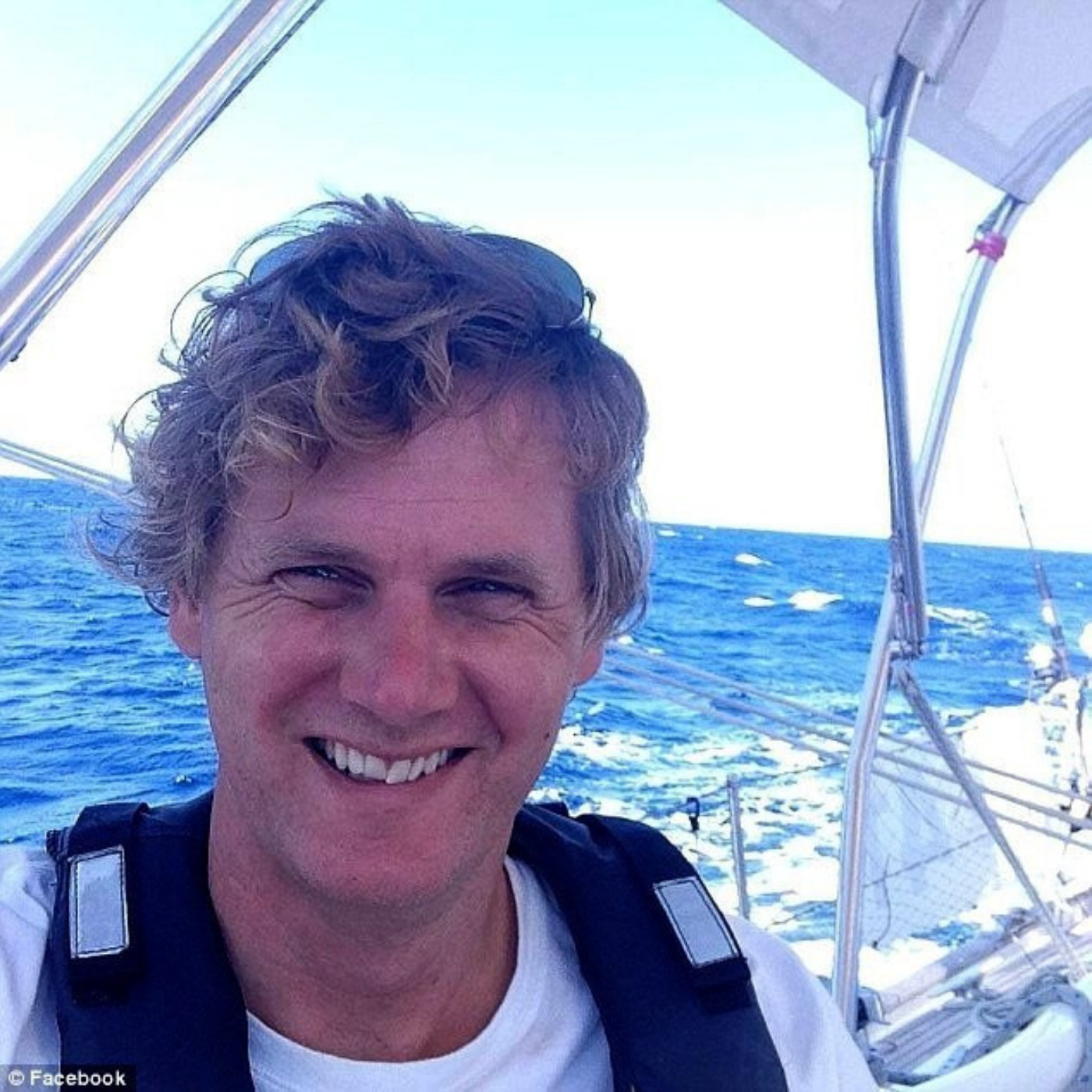
Remember how enthusiastic Caspar sounded at the end of the first episode?He made doing his commitment sound so easy. Well, sometimes it is, but not always. He emailed me to postpone, saying he hadn't done as much as he expected. I asked him to consider sharing his actual experience, not a romanticized version of it. This podcast isn't supposed to say changing your beliefs and habits is easy, but to recount how it happens. I believe that when people act for personal reasons, even if it's hardChange can be hard even for people who speak and coach change. So I commend Caspar on sharing openly, even what likely made him feel vulnerable, but it was valuable to others. It's also what leaders do.What Caspar shared with his son, I found touching. His son had been sharing with him for longer than he knew. This experience opened him to connecting with his son.I hope listeners are seeing that people care deeply on the environment and are acting more all the time. People who act today become leaders because everyone who wants clean air, land, and water wants to follow. The longer you wait, the less connected with this community of leaders you are. Also the more dirty your air, land, and water.Acting on your environmental values builds community, especially with family, the closer they are the more to bond on, assuming they like clean air, land, and water. Episode 2 is coming up.Caspar Craven's siteBeth Comstock's interview on Leadership and the EnvironmentJim Harshaw's interview on Leadership and the Environment Hosted on Acast. See acast.com/privacy for more information.
Ep 207207: My Sad Fig Tragedy
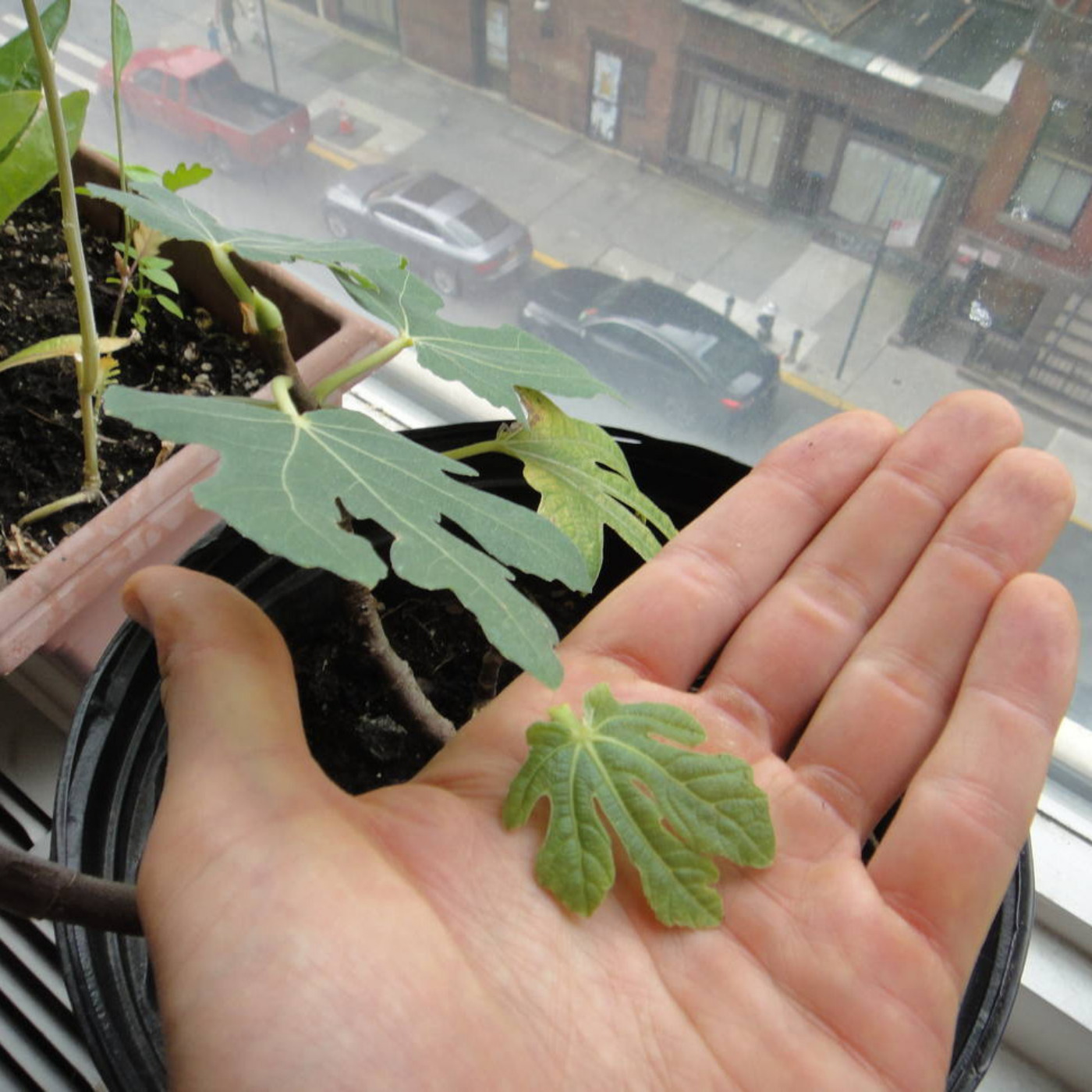
People tell me they prefer personal stories and stories of humility, not just success.Well, this morning I messed up my fig tree. I'm still learning about gardening. I felt like a brute.Plus you can hear about my morning holocaust of bugs.The video I made about enjoying my window garden Hosted on Acast. See acast.com/privacy for more information.
Ep 206206: Jeremy Ryan Slate, part 1: Leadership: Doing What Others Don't, But Want To
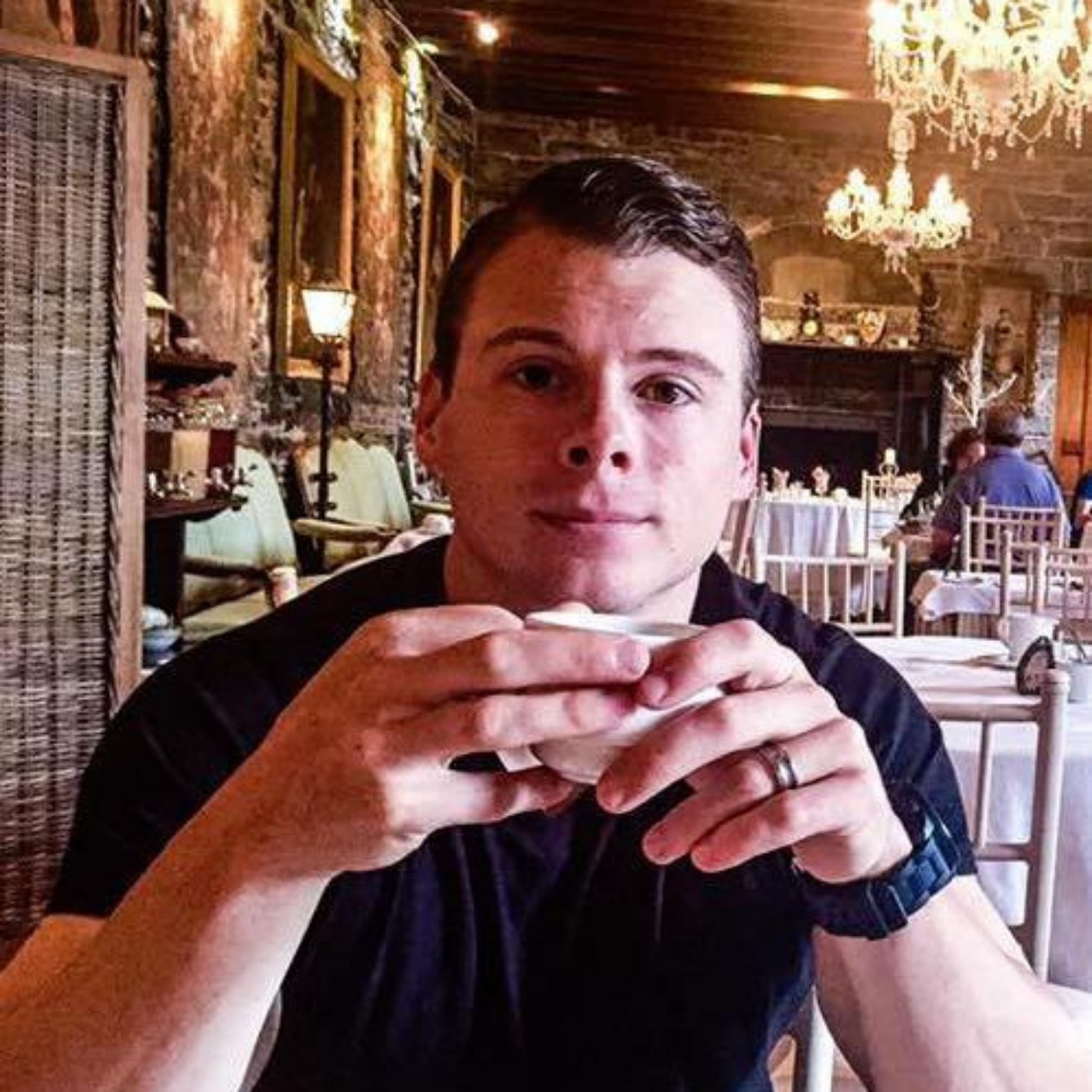
This episode is about doing what others don't, but want to.We recorded it nearly 2 years ago when I was still getting into my groove. We start talking what sounds like about oranges but we're talking about leadership -- doing what others want to but don't. It may sound weird at first, but turning one healthy food into two unhealthy foods looks pretty weird to me.Everyone I know says "You shouldn't care so much what other people think," usually in a condescending voice, but they succumb to social pressure too to keep doing what everyone else does. Leaders find ways to do what they value.Jeremy shares his journey of addressing what others think and learning to manage it. Look at the guests on his podcast as a measure of his leadership skills. We also laugh a bunch. It was a fun conversation. We talk about sales, athletics, podcasts, and more.Acting on your environmental values feels weird at first, sometimes, but we have to change our behavior if we expect to avert the greatest disasters that could happen. If you value clean air, land, and water, you'll have to lead others.Jeremy put his money where his mouth was for the challenge.For whatever reason, he had low awareness of environmental anything, so taking on a challenge, no matter the scale, seems like a big deal no matter the scale from others' perspective. Lower cell phone usage doesn't reduce power use that much but does something. Regarding this conversation, it puts him up for judgment. Since I know what happened in his challenge, I know that it led to more change and discovery than he expected.Actually, I learned that while a cell phone may not use much power, using it causes a lot of power use on remote servers. The cell phone's battery isn't as important as their power demands on the internet's infrastructure. Hosted on Acast. See acast.com/privacy for more information.

Ep 205205: Notes to a Future President
The U.S. is ramping up its Presidential campaigns. The environment is an issue for many reasons. At first you'd think because of global warming, plastic, mercury in fish, extinctions, bees are mysteriously dying, and so on.But any candidate knows it's important because people care about it. Any leader knows that when people care, a leader can tap into that emotion and motivation. One of my definitions of leadership is helping people do things they wanted to but haven't figured out how.I'm going to help you, political candidate, help voters achieve what they want but haven't figured out how. Because an overwhelming majority of people can see the litter on their ground, probably on their property, to know our environmental problems are out of control but they don't want them that way. Everyone knows back-to-back 500 year storms are trouble.Nearly everyone treats environment as problem to resolve.At root they treat it as a burden or a chore. We don't want to do it but we have to.We really want to keep doing what we're doing.Today's post shows how to lead them to change and enjoy it. Hosted on Acast. See acast.com/privacy for more information.

Ep 204204: Michelle Tillis Lederman, part 1: The Connector's Advantage
I've known Michelle longer than almost any guest. I met her in business school, which would mean 2005 or 6.She may be the friendliest guest of the show, partly from our being friends. But I've seen her in a room of unknown people where she attracts people. They like her. It happens from skills she learned through practice. She's devoted herself to teach and develop them in others.I know because she wasn't always that way, nor did becoming that way come naturally, as she shares. She approaches connecting to help you develop your skills and to enjoy your results. To make the work feel good and for you to feel good working.I have little patience for people whose idea of connecting and networking means exchanging business cards only. I don't know what happens in other fields, but after you write a few books, coach a few executives, and give a few talks, LinkedIn floods you with people claiming to help you find clients, market your books, and so on. They claim to be connectors and to help you connect. They claim. I've found almost none deliver.Michelle is the opposite. She creates meaningful connections. She creates networks where people want to help you.Anyway, after our early joking, Michelle gets into her specialty to hear what her book is about. The self-leadership aspect of this episode is rooted in changing your self, your identity, your story, your inner monologue, and such elements of personal leadership. Michelle lives it. She writes about it. She shares it for you to develop.I consider these skills among the most important that you can earn.When we get to the environment, I'd say it sounded moderately important to her, but she sounds like she's taking on her challenge with enthusiasm.Too many people present environmental action as a chore. I try to lead people to feel otherwise. Michelle transformed her frame automatically. I saw unconscious competence. Hosted on Acast. See acast.com/privacy for more information.
Ep 203203: Hunter Lovins, part 1: A Finer Future
A friend introduced me to Hunter and I met her in person a day she was teaching in Bard's MBA program.We start with Limits to Growth, the 30-year update (the book, a synopsis), preparing to talk about her new book, A Finer Future, which follows its tradition.I felt the root of our conversation was responsibility. We know what to do. We don't need more technology.We lack political will -- leadership. I hear it over and over.We cover her history, experience working on sustainability, and the people she's worked with. She works with organizations, in contrast with many environmental groups, though she works to replace them, when appropriate.The big view that got me thinking was the inevitability of the energy transition she expects by 2030. I'm cautiously optimistic about it. You have to hear it in her terms.I recommend the videos she described Tony Seba (his Colorado Renewable Energy Society (CRES) talk and his World Affairs talk).First, wait until you hear what she says about the economic transition. Hosted on Acast. See acast.com/privacy for more information.

Ep 202202: How We Choose
I hear a lot of people's reasons for not flying, for using single-use plastic, for leaving the air conditioner on when they're not home. I know them not just because people told them to me. I know them because I'm human and we all think similarly. When I want something that pollutes, I feel my mind justifying why getting it should be okay.It took years of training my mind to resist that knee-jerk thinking and to consider not just what I get from, say, flying or using the air conditioner, but how my actions affect others—also known as the golden rule.We believe we use logic to come up with reasons for doing things. We don't. Our ancestors made choices before we evolved reason. We choose and then back-rationalize those choices to feel better.In other words, the "reasons" we claim to use to justify our behavior, to fly or own slaves knowing we're causing helpless, innocent people to suffer, aren't reasons. They're rationalizations. The motivation comes from I feel like it, usually to preserve ourselves from feeling bad, like facing how much we're violating the golden rule, or not working hard to change the system that we claim victimizes us, lying that we have no choice but to fly or continue owning and beating slaves.The upside to all this is that we can change these feelings. Not only, can we. Doing so is the greatest skill to improve our lives. It's what Viktor Frankl did to feel bliss and love amid Nazis torturing him. It's what leads us to prefer broccoli to Doritos. It's how I feel closer to nature while picking up other people's garbage than passing it by, despite my actually touching plastic. Hosted on Acast. See acast.com/privacy for more information.

Ep 201201: James Altucher, part 1: More Curious and Adventurous Than Almost Anyone
EJames is fascinating and, I believe, fascinated. He interviewed me as much as I did him.The recording starts mid-conversation since we were just talking but his engineer started the recording. You'll hear a few minutes in when we found out we were being recorded. Since his engineer mixed live as we went, I'm giving you the conversation unfiltered. No removing ums even.We talked about initiative, education, how to learn social and emotional skills, my category of ASEEP fields and how I teach, cold showers, exploring nature, my podcast strategy, and why it brought me to him.James has written and spoken at length on taking initiative, alternatives to mainstream education. He seemed fascinated by my teaching style. I gave him a copy of my book Initiative that he started skimming while we spoke. As I read, with enthusiasm.Talking about nature and the environment comes in around 50 minutes.We shared our mutual disdain if that's the right word for following the overly-worn path, also the problems with parroting doom and gloom. Hosted on Acast. See acast.com/privacy for more information.
Ep 200200: Caspar Craven, part 1: Sailing to the head of the corporation
Caspar leads a fulfilling life and helps people do the same.What's his expertise? How has he found purpose more than others? Why do corporations book him to help them with morale?He sailed around the world with his family. He lived a comfortable corporate life. He didn't have to do something out of the mainstream and independent.It forced them to figure out their narrative and purpose. Since most people don't challenge themselves that way, they don't learn about themselves so much. Were his choices easy? No, he had to figure it out by acting, no different than anyone else.His leaving the corporate world made him more valuable for the corporate world. Anyone can do it. Few do.It's like environmental leadership. Anyone can do it. Few do. The opportunities are global. Billions demand it.Caspar and his family show how much joy, community, personal growth, meaning, and purpose can come from acting on your values.Regular listeners may have picked up my trend toward sailing and sailors. My avoiding flying has led me into a wonderful community and amazing experiences.EducationAs a professor and having earned a PhD, education is a longtime interest, especially experiential and self-directed learning.Caspar and I talked about educating children outside the regular system, through curiosity. It turns out kids learned more when starting with what interested them.Like what motivates people to act environmentally or any type of following: telling people what to do doesn't work as well as asking their interests.I hope you hear from him to change things on the scale in your life as he did in his. He's no more or less human than anyone else. Hosted on Acast. See acast.com/privacy for more information.
Ep 199199: Be Fruitful and Multiply: What Does It Mean? What Can It Mean?
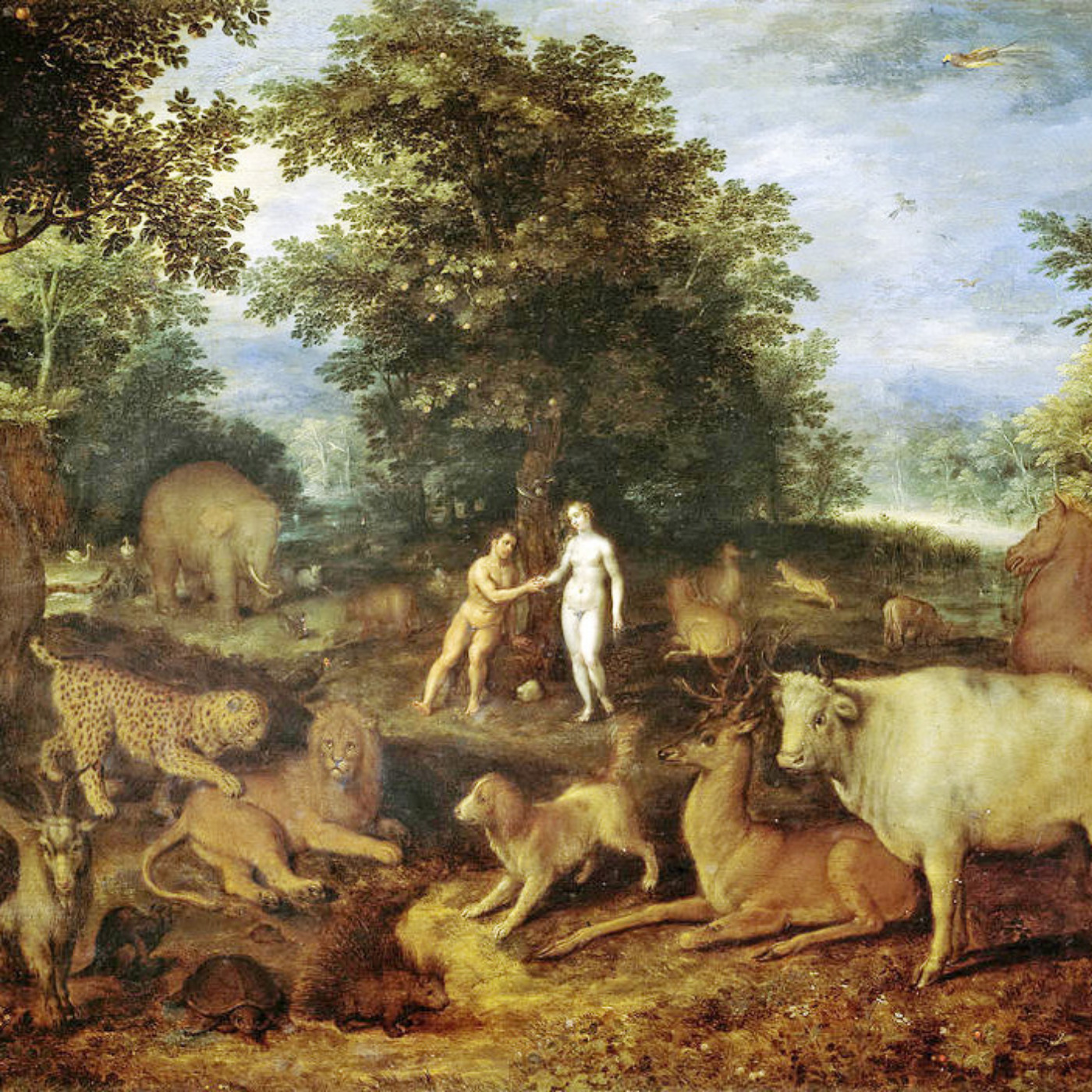
I've learned in leading that you can lead people best when you meet them where they are. That means speaking their language and understanding their perspective.Many people I talk to take their cues from the Bible, including guidance on how to act regarding the environment. Among them, the term stewardship plays a key role.A steward is one who manages another's property, finances, or other affairs. Everyone views and means things uniquely, but I understand them to mean the world and everything living on it, if we steward them, they aren't ours, but we steward them for both the true owner and future generations so they can enjoy and steward them for their future generations.This episode explores the source of stewardship as an environmental role as the interpretation of dominion, replacing dominance and ruling with responsibility.I then apply that result to another key area waiting for interpretation: being fruitful and multiplying. Hosted on Acast. See acast.com/privacy for more information.

Ep 198198: Brandon Voss, part 1: Negotiate Like Your Life Depends On It
Brandon loves negotiation and teaching it. He learned from the top in the field and practices it apparently 24/7. We start our conversation by covering negotiation as developed by an FBI hostage negotiator---Chris, his father.More than the family nature of their business or the FBI basis of his training and technique, I enjoyed his educational approach to negotiation. Brandon wants to help you improve. Keep in mind, his view of negotiation is not the mainstream view where you just use tricks to defeat your counterparty under high-stakes tension.Listeners who have read my books or taken my courses, or know and appreciate what I call Method Learning, will hear that Brandon's teaching technique is like mine: you learn from practicing the basics.The conversation sounds tactical at the beginning---things like what words to use and what goals to seek in a negotiation.As we continue, you'll hear him reveal strategy, and it's not just to win. It's closer to how to live and participate in relationships.I hope you get as much out of the bottle example we talk about as I did, seeing the richness and depth available to grow a relationship in any negotiation. Hosted on Acast. See acast.com/privacy for more information.

Ep 197197: Polarization, communication, and education
Everybody talks about political polarization, the communication messes this nation and world are in, and how people who disagree can't talk to each other any more, so we can't resolve conflict.I do it too---that is, get into conversations where I shut down meaningful communication---though less than before, telling me that we can learn to communicate effectively. I've learned tremendously the times I've reversed that trend---that is, to listen to people I disagree with. I learn from them, probably more than I learn from people I disagree with.Today's episode covers an interaction within a community of people formed to increase dialog. Even in a community for that purpose, I find them not knowing what to do about it, even augmenting the problem.One of the problems, as I see it, is depriving students the experiences that teach the social and emotional skills to handle difficult social and emotional situations. Teaching more facts, knowledge, and abstract analysis don't help, yet schools at all levels pile on that strategy. Hosted on Acast. See acast.com/privacy for more information.

Ep 196196: Seth Shelden, part 1: Nuclear Weapons, the Environment, and the Nobel Prize
When I studied physics and spent time in universities, I met a lot of Nobel laureates. Physics is Nobel heavy so Columbia physics connected me to 3. Other science departments led me to another 1 or 2. The business school led me to another.Seth Shelden and ICAN---the International Campaign to Abolish Nuclear Weapons---won the 2017 Nobel Peace Prize "for its work to draw attention to the catastrophic humanitarian consequences of any use of nuclear weapons and for its ground-breaking efforts to achieve a treaty-based prohibition of such weapons"Their goal is a UN treaty like the one to ban land mines for nuclear weapons. After forming in 2007, about 2 years ago they achieved, with the help of many others, The Treaty on the Prohibition of Nuclear Weapons (TPNW) is adopted at the United Nations by a vote of 122-1. The Treaty, which prohibits nuclear weapons and other nuclear explosive devices, will become law when ratified by 50 states.I wanted to bring someone on who is working on something many want but people don't see how. I hope you'll listen carefully. I picked up something I hadn't expected---a new frame for how to view nuclear weapons. It's not about the physics or engineering. I figure I know a fair amount about game theory and negotiation. While global thermonuclear war is beyond just a complex chess game, my frame still saw it that way.I disagreed with people who said nuclear weapons, through mutually assured destruction, created peace since World War II, but Seth suggested a different perspective than negotiation or brinkmanship.He doesn't look at the situation like two superpowers or even a moderate number of nuclear states. I'll let him describe it, but his view suggests different strategies than I would have come up with and makes important different players.Let's hear a new (to me at least) view on abolishing nuclear weapons. Hosted on Acast. See acast.com/privacy for more information.
Ep 195195: How it feels to live more sustainably than mainstream
People ask me if I worry or lose sleep from my environmental habits in a world where most people pollute profligately and unnecessarily.In this post I try to illustrate by analogy how it feels. How would you feel if you were magically transported to the 50s or 60s and most people smoked and drove cars with no safety equipment but they all considered it normal? Or to 1850 Alabama and someone offered you products made by slave labor?Here are the results to a search on "Mountain Dew teeth," to which I refer in the audio. This click is safe, it's just text search results, but you may want to prepare yourself before clicking from there to images or videos, except that you see equally unhealthy things in the litter, exhaust, and pollution around us all the time.To expand on parallels with living in an environment accepting slavery, here are episodes 098: Would You Free Your Slaves? and 040: Which is easier, freeing slaves or not using disposable bottles?. Hosted on Acast. See acast.com/privacy for more information.
Ep 194194: Tom Murphy, part 2: Author of one of the best sites on the internet
I've said it before and I'll say it again. Tom's Do The Math blog is one of the best site on internet. If you measure a site by how much it can improve a reader's life and human society, I challenge you to find one with greater potential. A couple peers include Low Tech magazine and Sustainable Energy Without the Hot Air, which is a book that you can download for free.Tom makes the physics behind the environment and our interaction with it simple and accessible. If you don't like math, well, it's the language of nature, so it's important to understand what's happening in nature. But even so, the point of collecting data and calculating results isn't for the sake of the math. It's to get past it to get to your values and to act on them.The point of the math is to get past the mathWhen W. Edwards Deming initially apparently contradictory statements make sense, you understand the point of taking data and calculating results. He said:“Without data, you're just another person with an opinion.”and"Management by numerical goal is an attempt to manage without knowledge of what to do"Doing the math frees you from confusion to enable talking meaningfully about what to do.Regarding the environment, as long as people can think they can just switch to solar for everything that needs energy or that they can close some imaginary loop and recycle everything, they'll do things that lower Earth's ability to support life and human society. They'll feel confident and happy as they step on the gas, thinking it's the brake, driving toward a brick wall.Nature is the perfect mathematician. It doesn't react to your feelings about waste or aspirations but what you actually do.Tom's conclusions about solutions and admonitions against non-solutions point to what works. A path forward becomes obvious and simple when you understand the math and physics. You may not initially like it, but you can change what you like, as sure as most of us learned to like vegetables despite preferring ice cream as children.The result is clarity and mental freedom. The challenge, knowing what works and doesn't, is seeing the madness of people acting without understanding these things.The result is living by your values with confidence, not just hoping for the best. If anyone wonders where my views come from, it's analysis like Tom's. Also Low Tech Magazine, Limits to Growth, and Sustainability Without the Hot Air.There's a lot science that I support and value, but find inaccessibly complex, even with a PhD in physics. Tom's work is accessible. People think the science is hard and scientists confusing. It doesn't have to be.What the math saysTom's main conclusions point to reducing consumption as the most viable solution to our environmental problems. Without it nothing else works. You think you have a solution without reducing consumption? Read his blog. I bet he covered it and showed its limits.My experience shows reducing consumption as improving most Americans' lives, at least the first 80% to 90% reduction. Missing from nearly every mainstream message I've heard but clear from Tom's life, my life, and a few others is that consuming less brings joy, meaning, purpose, community, and relationships along with cleaning our air, land, and water.If you think reduction is an economic problem, read Tom's blog on his conversations with the economist because growth is a bigger problem.Meanwhile human societies sustained for hundreds of thousands of years without growth. Our growth since Adam Smith has picked all the low hanging fruit, high hanging fruit, and now we're digging under the sea for every scrap of oil we can find and polluting everything for a few moments of forced smile.Read Tom's blog and you learn we could create happiness, meaning, purpose, and community instead. Hosted on Acast. See acast.com/privacy for more information.
Ep 193193: Tim Smit, part 2: Spirituality and Passion from the Earth
From our first conversation you know Tim's history as a musician and founder of the Eden Project. This time you'll hear the passion of a man who loves restoring the Earth's ability to sustain life and human society.He talks about the spirituality of his work, connecting to the Earth, eating, and growing. For city dwellers like most of us, he shares the potential for that connection available to all of us. We have to take the steps, but the emotionally rewarding results are there.As you listen to this episode about food, plants, land, connection, community, and many things wholesome, I recommend contrasting Tim's world with, say, Facebook or Doritos. In my experience, they disperse community, make connections superficial, and plasticize nature to create craving for brief, regrettable alleviation from that craving. Are they worth it?Usually I prefer second episodes to cover the personal challenge a guest did. In Tim's case we didn't, though it's hard to miss that he lives a life of having done so for years. Hosted on Acast. See acast.com/privacy for more information.

Ep 192192: Laura Coe, part 1: Emotional Obesity and Environmental Obesity
Laura and I go back a few years, from being on her podcast.We talk about her concept of emotional obesity: a parallel between physical health and emotional health. I find it a rich analogy on many levels. Characteristics of addiction to food that cause obesity resemble thoughts that cause emotional obesity.She describes her concept in more detail, but I find most helpful about it that it enables you to make yourself emotionally healthy in the ways you make yourself physically healthy. You'll note the parallels in problem and solution as she describes it.Think of thoughts you kick yourself with. If your friend said those things you'd leave that friend. Yet we keep doing it, unable to see that we can stop it.Dwelling in unproductive thoughts and blame doesn't help.We expand it to environmental obesity, where we look at addictive environmental behaviors, another approach that helps understand and solve behaviors we don't like. Hosted on Acast. See acast.com/privacy for more information.
Ep 191191: Mark Metry, part 2: Farmers markets
Mark and my second conversation it about happiness, pleasure, meaning, and purpose, though it sounds like it's about personal growth, food, and environment.In our first conversation, he didn't really connect on the environment at the start. This time you'll hear it resonates with him, largely through health and food.I see the pattern over and over: people protect themselves from saying the environment means much to them but when they talk about it, they care deeply. I think mainstream strategies to act on the environment---"try this one little thing," "if you don't, you're destroying the Earth," facts, figures, doom, and gloom . . . none of which do I call leadership---lead to people protect themselves from revealing how much they care.Making it moral, about facts, right, and wrong and other ways that motivate people to protect themselves motivate people to protect themselves.Change will come from the opposite tactics: opening up, allowing people make mistakes and learn, not feel compelled to comply or to impose judgment on them.Environmental action won't come from people knowing more. Nobody knows everything, but nearly everyone knows enough to act on. Change will come from people feeling comfortable acting.I'm not saying Mark revolutionized his life and I don't know how often he'll return to farmers markets, but I heard that he meaningful enjoyed visiting it, activating a new aspect of food for him.Food was already a big part of his life, message, and journey. Yet getting fresh vegetables from the farm was outside his horizon.How many things are outside our horizons?It kills me that people treat things we talk about like chores or distraction. Acting on shared values creates connection and community. I can tell Mark and I will have a great time when he visits New York. Hosted on Acast. See acast.com/privacy for more information.
Ep 190190: McKinsey's 3-Time Global Managing Director Dominic Barton: It's fundamentally about people
Outside the MBA world, not everyone knows McKinsey. Within it, and at the upper echelons of business and government, McKinsey advises some of the largest and most influential organizations, including governments and the world's largest companies.If a company wants useful advice, it has to share everything, which means McKinsey is privy to the secrets of the most influential people and companies.McKinsey is hierarchical. After business school people start as consultants, they move up in management to partners. Later directors. Eventually you end up at Global Managing Director.Today's guest, Dominic Barton, was the Firm's three-time Global Managing Director.Since effective leadership is fundamentally about influencing people's behavior, Dominic influenced the influencers of the most influential people and organizations, where the stakes were highest and repercussions greatest.High stakes and repercussions? Sounds relevant to the environment in 2019.One of this podcast's most important topics to me is our agreement that environmental change will come most effectively by leading people. Technology, innovation, regulation, taxes, and so on may change, but people drive it all.My goal in this podcast is to bring effective leadership to the environment. The more knowledgeable a person seems, the more likely to say, "We can. The question is will we." Will is the domain of leadership, not engineering, science, education, journalism, or the usual places people look for environmental guidance or change.Today's episode brings the upper echelon of global leadership to the environment.His schedule made phone was the only way to record. Hosted on Acast. See acast.com/privacy for more information.

Ep 189189: Nadya Zhexembayeva, part 1: Sustainability is not enough
Nadya and I mostly talk about business and sustainability. She describes what she saw growing up in the dissolution of Kazakhstan, where she saw the opposite of sustainability.I can't describe what she saw, but you'll hear the craziness of collusion, economic collapse, political collapse, and so on.She talks about how business works best when sustainable. I tend to agree. Tangential to what Nadya and I covered, when companies influence government to distort a market -- say with subsidies for fossil fuels, paying for a military to maintain supply lines that everyone pays for, roads that I agree I benefit from but don't use nearly as much as others yet I pay for, and farm subsidies for meat, I could go on -- unsustainable companies can profit.So companies that pollute but the public pays to clean up, or for other reasons we don't accurately account for their costs, can sustain themselves profitably while not have a sustainable business model.As a matter of accurate accounting, a prerequisite for capitalism, I support taxing pollution and extraction. I can't believe people who support capitalism aren't clamoring for these taxes, while relieving taxes in other places -- I'm not saying more taxes: accurate taxes.Anyway, Nadya loves business, as she describes and she cares about environmental sustainability.We talk about this sort of thing: accurately, mutually beneficially, creating value.I'm glad she values meaning and how we can create it for each other in the style of Victor Frankl. She talks about how we treat sustainability as a chore. It's not enough.She talks about he we need to create meaning in everything, certainly our environmental action. I agree. That's why I name this the Leadership and Environment podcast, where leadership means involving meaning, value, purpose, passion, joy -- missing from the conversation, crowded out by coercion, compliance, doom, and gloom. Hosted on Acast. See acast.com/privacy for more information.

Ep 188188: Steve Sikra, part 1: Passion at Proctor and Gamble
Proctor and Gamble produces a lot of plastic and waste, which makes them very interesting to me. An old me would protest. The leader me sees the opportunity to support change if they aren't changing and help motivate it if they are.Not just reduce waste---also to help increase the joy, meaning, and purpose in the process---what the "leadership" part of this podcast's title alludes to.Steve Sikra has worked there nearly 30 years. He knows their history and practices backward and forward. He's very enthusiastic.He talks about systemic change and overall reduction. I'm not sure it's P&G's main goal. Or rather, we see the relevant systems differently. One of my main discoveries in environmental action is the difference between raising efficiency and lowering overall waste. I cover this difference in episode 183: Reusing and recycling are tactical. Reducing is strategic, which I recorded after this conversation with Steve. Probably this conversation with Steve helped me get to episode 183.Working on efficiency may lead to no change in total waste. Raising efficiency often increases total waste while making people think they're decreasing it, which leads them to do more. I'm not speaking about P&G since I don't know the data, just describing a pattern.I've read studies showing that our overall efficiency has increased and contributed to increasing total waste. I'm not saying don't increase efficiency, but to focus on lowering waste first, then increase efficiency if it helps.I'm glad to hear that P&G plans to decrease using raw fossil fuels. I'm also glad to hear Steve's passion and dedication. We had great conversations leading up to the recording, talking about sidchas, burpees, and other passions we share. Hosted on Acast. See acast.com/privacy for more information.
Ep 187187: Mark Metry, part 1: To grow, put yourself out there
Mark seeks transitions---what most people avoid, certainly around leadership and the environment---and loves them. He shares them with the world. Listening to his podcast and reading his results, they're working.Change can make for a great life, as much as most people prefer to do what they always have. You'll hear him embracing challenges, learning, seeking understanding. He seeks action and people who act.He's just over 21, but I hear experience beyond those years, I think because of the challenges, and doing them publicly. Putting yourself out there forces accountability on you, which gets the job done. I recommend it.On personal change, he recognizes that emotion, not the outside world, is usually the biggest hurdle. This view, applied to environmental leadership, points to working on the beliefs and emotions driving our environmental problems for solutions.Too many of us look to others to act first or relying on technology---that is, not to where Mark looks. Our culture treats acting on your values as a chore. Listen to Mark to hear the joy, growth, meaning, purpose, and things I think we want in life more than plastic bags. Acting on your values is not a chore.Yes, parts of change are hard. Very hard. You'll hear the decisions he's had to make, though you have to listen hard because he's mostly overjoyed.I'm glad he was as open on the environment as he was because I think he shared what many are too scared to: that he doesn't know much about the environment.But for all he didn't know, he still cared. Environmental action isn't a matter of expertise or facts. Anyone can compare a garbage dump to a forest and figure out which you want more of. The question is do we act.Mark has acted so far in life. Let's hear how he approaches environmental action. Hosted on Acast. See acast.com/privacy for more information.
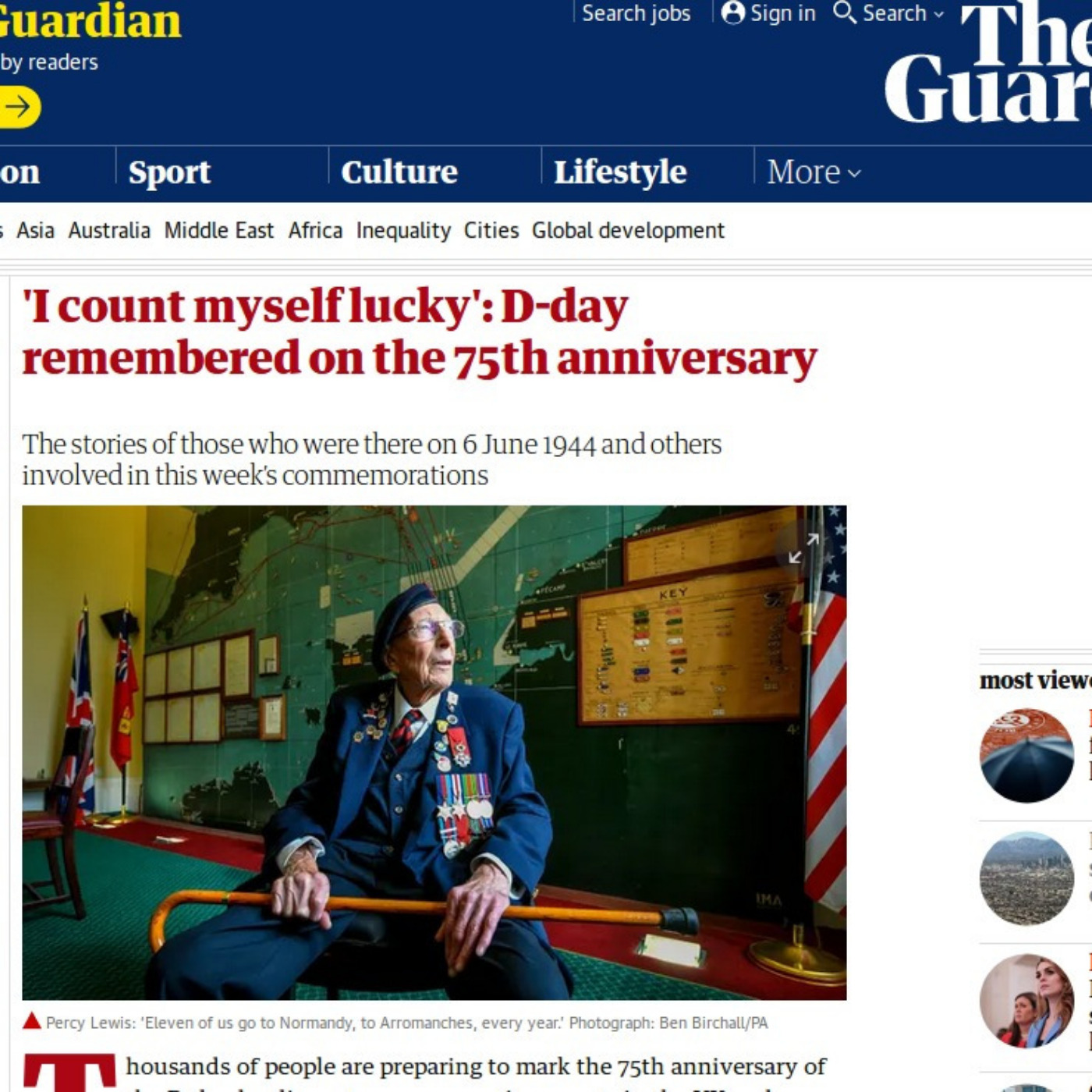
Ep 186186: D-Day and the Environment
Tomorrow is the 75th anniversary of D-Day.This post is about being a part of something greater than yourself, than all of us, benefiting us all, and benefiting yourself -- one of the great feelings and experiences available to humans.I happened to read four documents around the same time that illuminated each other and our attitudes toward acting on the environment. Our complacency in the face of a danger threatening many times more lives than Hitler is all the more glaring when compared to the honor and service of the men who defended the free world storming Normandy.The documents were'I count myself lucky': D-day remembered on the 75th anniversary, a compilation of interviews of D-Day survivors in The GuardianThe Uninhabitable Earth, a book describing the consequences of global warming, to say nothing of plastics, mercury, extinctions, and other environmental consequencesIf Seeing the World Helps Ruin It, Should We Stay Home?, a silly account of selfish mental gymnastics for how to deny responsibility for contributing to global warmingAn email exchange with a friend abandoning a plan to avoid flying, instead planning to fly to IndiaA Man Who Landed at Sword Beach, NormandyFrom the Guardian articleChelsea pensioner Frank Mouqué, 94, was a corporal in the Royal Engineers who landed on Sword beach and whose job was to dispose of bombs on a stretch of land beyond the parapet next to the beach.“We approached Sword beach in a landing craft. We had all of our gear on our backs and a rubber ring around our stomach to help keep us afloat. Let’s face it, the landing was very gory. You didn’t have time to think, survival instinct kicked in,” he said in his account published on the Royal Hospital Chelsea’s website.“After reaching the beach, I ran up towards a parapet, and searched for mines. After 12 hours of being on the go we were exhausted and then had to dig a foxhole to sleep in. We had to dig six foot down and two foot wide.“I slept outside for the next year or so, we had no protection from the elements. We had an oversized gas cape to go over our clothes and all our gear. We rarely slept lying down. Each time we slept in a barn we were ravaged by fleas – so even that was no good.“It was a different time: I wasn’t a hero, I was a little cog in a big wheel. When you add all those little cogs together – then we became important. We all worked together towards peace.”A Woman Who Supported the Normandy Soldiers from LondonFrom the Guardian article“We knew something big was afoot because there was an armada of boats in Portsmouth harbour. That was a giveaway.“The VHF radio was a one-way system. When you raised your lever to transmit, the recipient couldn’t make any interjections until you had finished, and said: ‘Roger and out.’ or whatever. Then they would raise their lever, and transmit their message”.On D-day she was in direct contact with the wireless operators on the allied invasion fleet as they stormed the beaches.“When they raised their lever, I could hear very loud, sustained gunfire. It was really so bad that you thought: ‘Oh my God. There’s a battle going on.’ You knew. You thought: ‘God, men are dying.’ The reality suddenly hit you. For a rather naive 17-year-old, I think it was terrifying. But it was a job. You got on with it.“The messages were all in code, so you didn’t know what was being said. But you could hear the gunfire, every time the lever was lifted. I’ve never forgotten what I heard. Never.”What the Earth Will Likely Look LikeI'm not going to copy the sections of the book I quote, but here's the long article its author, David Wallace-Wells, wrote that prompted the book, The Uninhabitable Earth,,Famine, economic collapse, a sun that cooks us: What climate change could wreak — sooner than you think.From Avoiding Flying for a Year to "But I Want to Go"Here are the passages from my email exchange.An excerpt from a friend who had stated intent to avoid flying for a year:I'm still investigating traveling to India via boat but so far, it seems to be very expensive (even on a freighter that accepts passengers) and not safe for single female travelers-my partner does not want to travel anymore so she's not flying as much as she used to. Most crew on freighters are men and the trip takes a month.An excerpt from my response:I don't understand how people can separate their actions from the front-page environmental news. How they can see pictures of, say, the air in New Delhi and not connect that they are polluting thousands of times more than the average person there. I'm surprised at how easily they can dismiss consequences they don't actually see.Anyway, let me know if I can support you. I didn't write the above about you but because you're one of the few people I can share such thoughts with who I think wouldn't take it personally but might also think about it.One thing that might help regarding India. North America is a stunningly beautiful, diverse land with equally beautiful and diverse people. No

Ilissa Miller
As founder and CEO of iMiller Public Relations (iMPR), Ilissa Miller brings nearly two decades of experience in sales, marketing and product development to her clients in an effort to help them differentiate their messages and achieve notoriety within an ever expanding and evolving industry. With a wealth of experience and knowledge in the emerging global telecommunications and technology industries, her extensive expertise and practical skill set have allowed her to implement and spearhead and launch many companies as well as global product and marketing campaigns including that of international private line and networks, IP transit, peering, IPVPN, hosted PBX, cloud computing, Ethernet, managed services, colocation and data center products and solutions.She is a recognized leader in the global telecom and technology space where her knowledge and insights provide strategic guidance that enhance performance resulting in a remarkable reputation for effectiveness and client satisfaction.In addition to her aforementioned role, since 2013, Mrs. Miller has also served as the President of NEDAS where she functions as the driving force for the association’s annual programs including conferences, training sessions and networking socials. A key ingredient to the Association’s success is the Advisory Council, which was formed in 2013 consisting of industry executives and thought leaders who actively interact with the highly dynamic landscape of the in-building wireless industry.In 2012, Mrs. Miller was elected to public office as Trustee in the Village of Mamaroneck where she successfully ran for re-election in 2014. As Trustee, she sits on the Village’s Board with legislative and policy decision-makers, governing over 19,000 local residents and serving her community with steadfast dedication.Mrs. Miller holds a Bachelor of Arts degree in Writing and Literature from SUNY Potsdam where she also studied voice performance at Crane School of Music.iMiller Public Relations Hosted on Acast. See acast.com/privacy for more information.

Sammy Courtright
Sammy is a cofounder of Fitspot Wellness -- a fully managed solution for companies and properties, bringing on-site and digital workplace wellness programs and amenities to engage employees and tenants through community experiences.Sammy is an attention-to-detail aficionado who brings a blend of grit and imagination to the zillions of tasks that confront every startup. She has always thrived in operations, working as a production assistant in LA and managing operations in the fashion industry. Sammy wears many hats at Fitspot, doing everything from sketching app screens to managing the customer experience. Sammy has a B.F.A. from the University of Miami, and hails from Australia.Fitspot Wellness Hosted on Acast. See acast.com/privacy for more information.
Jezzibell Gilmore
Jezzibell is a co-founder and SVP of Business Development of PacketFabric. From their web site:PacketFabric redefines how companies build and use network services. The PacketFabric network-as-a-service platform provides instant connectivity between colocation facilities, to major cloud providers, and Internet Exchanges. PacketFabric is simple, cost-effective, and scalable network connectivity and all of our services are provided via our portal and API.She was an early stage employee of AboveNet Communications and Akamai Technologies, and previously served as VP of Operations at RoamData, as well as VP of Business Development for GTT. Hosted on Acast. See acast.com/privacy for more information.
JV Bharatan
In his words, JV Bharathan cares about every single human being on the planet and celebrates the greatness of being human.He is an accidental author. He holds a BS in electrical engineering from India and received double masters of science degrees in software engineering and management from Brandeis University.JV is an avid traveler, people lover, and enjoys working with people from cross-cultures and around the world. He is passionate about motivating people to their greatness and remains committed to creating collaborative community settings.JV's book page on Undying Optimism Hosted on Acast. See acast.com/privacy for more information.

Ep 185185: Michael Greger, M.D. FACLM: Nutrition and the Environment
I subscribe to almost no newsletters or video channels, but I subscribe to Dr. Greger's Nutritionfacts.org. More than subscribing, I promote it. Watching his videos is a highlight of my Sundays, when his newsletters go out, and I've watched hundreds of them.Regular listeners know that food began my move toward environmental leadership, as well as loving fresh vegetables, fruit, legumes, and food without packaging nor its fiber removed. I've never eaten food so convenient, inexpensive, social, and, most of all, delicious.Several years ago I started finding videos from Nutritionfacts.org, hosted by a medical doctor on a mission to make nutrition information simple to understand and act on for everyone. The videos present digested but not dumbed-down medical research on nutrition-related topics, generally peer-reviewed in short segments usually under 10 minutes.It turns out that maximally nutritious food overlaps nearly perfectly with food that minimally impacts the environment.Watch his origin video if you haven't already---for that matter, watch as many of his videos as you like---as well as his cookbooks, longer videos and more, then listen to our conversation. Hosted on Acast. See acast.com/privacy for more information.
Aaron Price
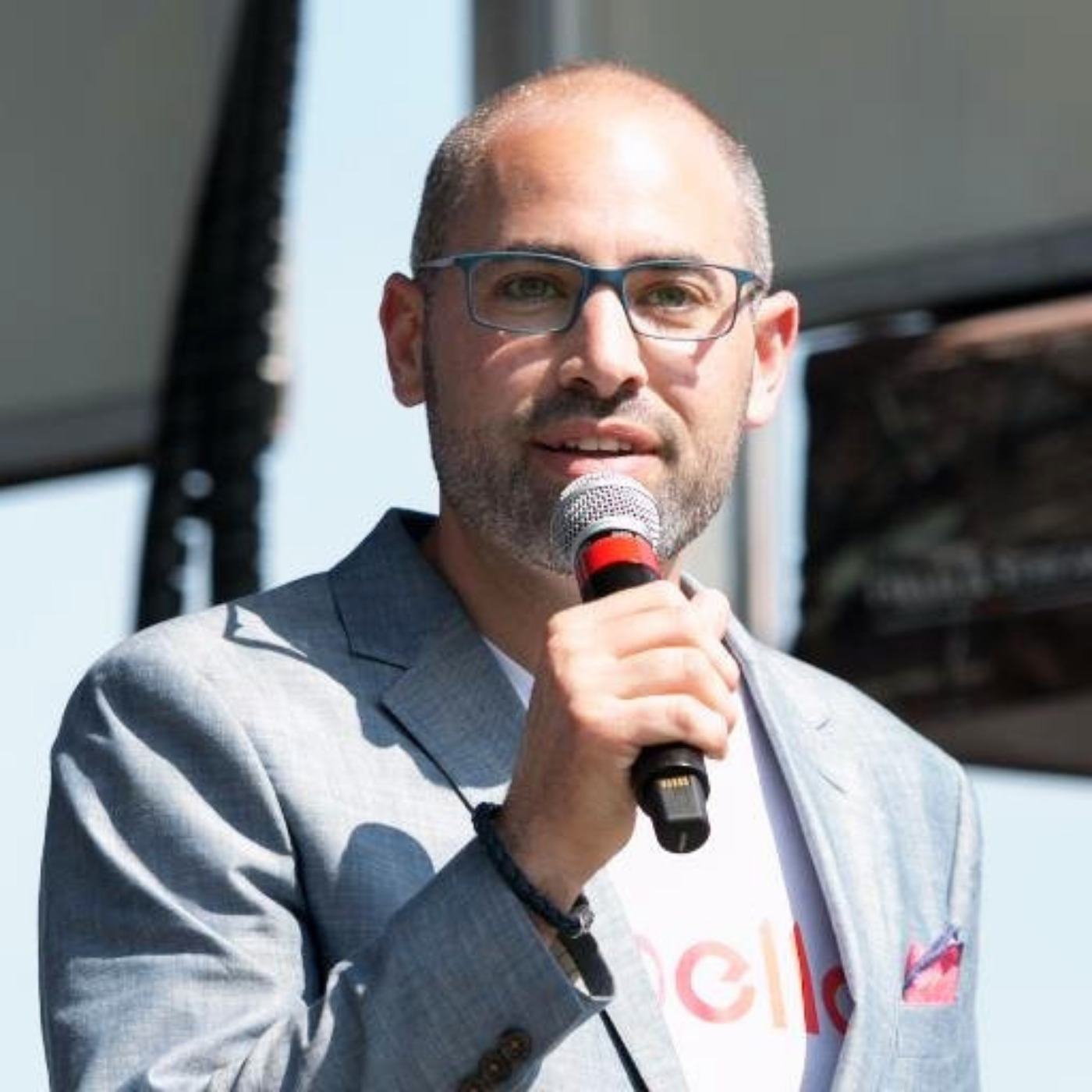
Aaron is the president & CEO of the NJ Tech Council and founder of Propelify---the Propelify Innovation Festival.Propelify empowers the community of innovators who act. He launched Propelify in 2016 to inspire the tech and innovation community and those who act---who propel. Propelify welcomed over 8000 attendees in 2016 and over 10,000 in 2017, making it one of the largest tech events ever, earning a headline from Forbes calling the Propelify Innovation Festival the SXSW of the Northeast.Past speakers include Gary Vaynerchuk, Arianna Huffington, Joanne Wilson, Gerard Adams, Marcus Weldon, Peter Shankman, and CEOs/founders of livestream, MakeSpace, media.net, Enigma, Gimlet Media, FullContact, Bionic, Andela, and more. Its media partners include Entrepreneur Magazine and Cheddar. Past sponsors include Bell Labs, Google, Jet, ADP, Samsung NEXT, Staples, and more.As Propelify's motto states: idle ideas don't fly.New Jersey Tech Meetup is the state's largest and fastest growing technology community with over 6500 members.Aaron has been invited to speak at the White House and has been covered by Fast Company, the Wall Street Journal, BetaBeat, Entrepreneur Magazine, NJ.com, and more. Hosted on Acast. See acast.com/privacy for more information.
Ani Manian
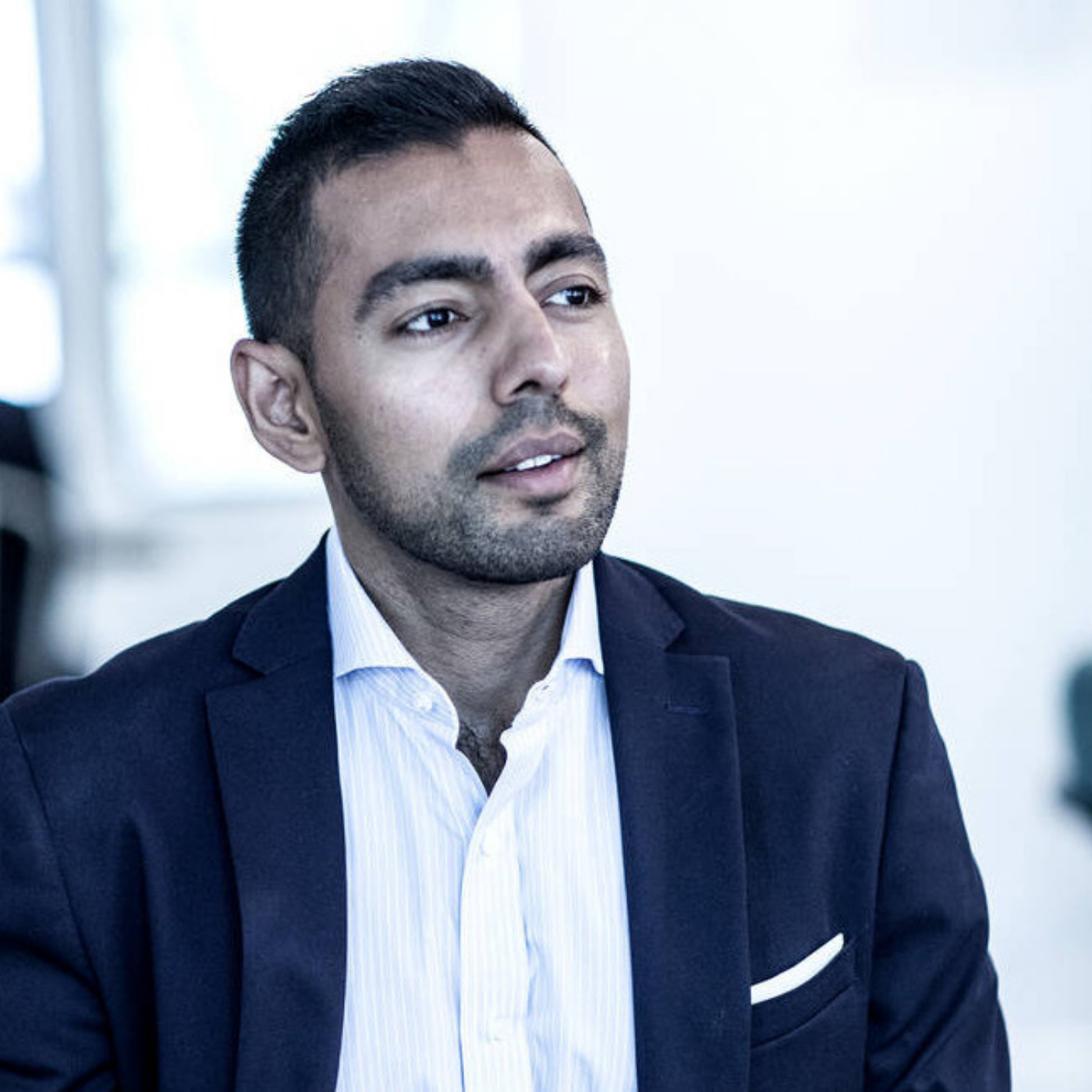
I felt a special bond with Ani before interviewing him. He introduced himself telling me that he read my Inc article What a Year Without Flying Taught Me About Responsibility, Empathy, and Community over a year before and, agreeing with it, challenged himself to avoid flying.He was 14 months into avoiding flying. He joked, "I hate you and I love you," because the challenge was so great but so was the reward.More about Ani, from his page:Ani helps entrepreneurs and high impact leaders feel aligned inside out, so you can create from a profound sense of calm, clarity & comfort, and translate your limitless potential into a wildly successful and meaningful life & business aligned with your true purpose.He has spent decades studying how the human mind works, and perfected a set of tools that can help you break free of the programming that limits you and keeps you in a constant state of stress, anxiety, fear, and overwhelm, and master your mind so you fall in love with who you really are, feel seen and understood by those around you and actually enjoy the success you have worked so hard for.His work as a coach and speaker has helped hundreds of people destroy the hidden blocks that limit them, unleash their unique superpowers, and permanently rewire their brains for epic success & happiness. Hosted on Acast. See acast.com/privacy for more information.

Shana Yadid
Shana is the founder, CEO, and Lead Trainer at Yadid’it! Dog Training, the Executive Director at Yadid'it! Sustainable Dog Rescue and an ABCDT (Animal Behavior College Certified Dog Trainer). She is, in her words, super quirky, a loving dog-mom, an eldest sister to two loving siblings, and a sexual trauma survivor. #metooGrowing up a practicing modern orthodox Jew and attending a yeshiva day school from elementary through high school, Shana always had a strong inclination towards the concept of Tikkun Olam (repairing the world). Tikkun Olam, the Jewish concept defined by acts of kindness performed to perfect or repair our broken world, is the driving force behind her founding the two Yadid'it! companies.Tikkun Olam is often implemented when discussing issues of social policy, ensuring a safeguard to those who may be at a disadvantage, as in the case of people that have experienced sexual force or violence of any kind. Yadid'it! is the overarching brand-name for Shana's for-profit dog-training company and non-profit dog-rescue organization. The two sister companies work together to cultivate healthier lives for trauma survivors, human and canine alike, as her personal contribution to Tikkun Olam.She always had a special bond with animals, especially the misunderstood. Using her unique bond with dogs, she has trained over 500 dogs and their owners over the course of her six year dog-training career. She has also rescued six of her own dogs, and helped to get countless foster dogs adopted.Reading Temple Grandin’s "Animals in Translation, Using the Mysteries of Autism to Decode Animal Behavior" shortly after turning 21 proved a pivotal life point. Her understanding of her relationship with animals began to unfold. She identified therapeutic benefits between rescue animals and human survivors of sexual traumas, eager to see if all the clarity she felt flipping through the pages of Grandin's book was more than just an idea. Hosted on Acast. See acast.com/privacy for more information.
Ep 184184: Jonas Koffler, part 1: It's going to take all of us (plus a hippopotamus)
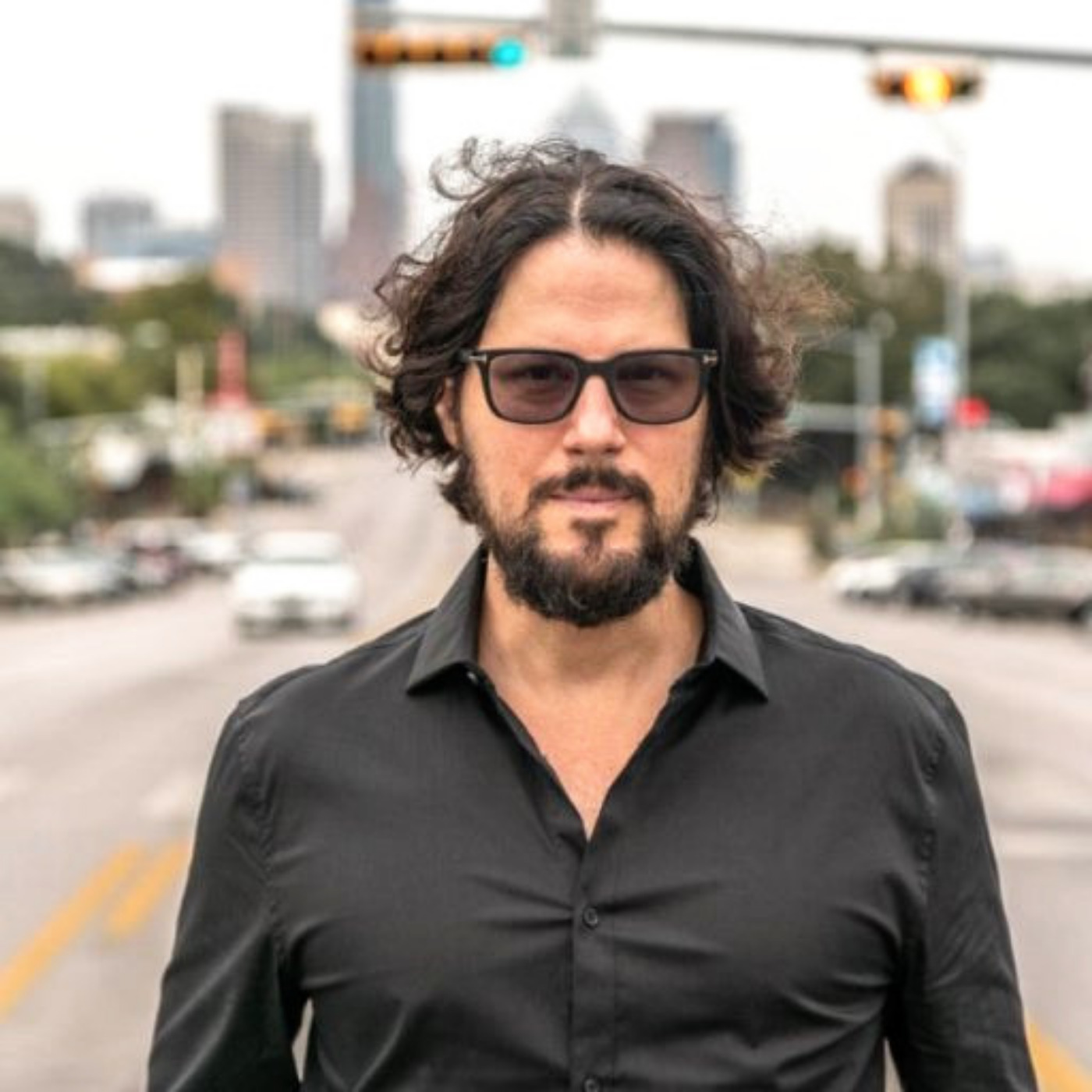
You might not guess from the beginning of our conversation that we'd talk about almost being attacked by a hippopotamus in Botswana, with crocodiles, and apes that might rip your head off, nor family triumph and tragedy, the Amazon, exploration of the world, external and internal.Jonas lives a wonderful life and it wasn't handed to him.After covering his tremendous accomplishments, we turn philosophical, but also about action.Then we spend more time talking about his perspective on the environment, and how his views formed along the Amazon, Botswana, Texas, Mexico, and his own stroke, his brother's death, his art, and more.I don't know about you and I don't want to reveal his personal challenge, but I would love to go on a nature walk with Jonas, not just for the adventures he's had, which suggest he'd have more adventures again, but because he cares. He'd do it out of passion, which I expect he'd share. Then again, wherever we are -- city, suburb, exurb, slum, gentrified area -- somewhere is the most natural context we have available to us.I recommend his New York Times article, What I Learned From a Stroke at 26: Make Time to Untangle, before listening and follow the links he mentioned after. Hosted on Acast. See acast.com/privacy for more information.

Ep 183183: Reusing and recycling are tactical. Reducing is strategic.
I finally saw how to see reducing versus reusing and recycling. The distinction is subtle until you get it. Then you see that missing it leads people to counterproductive behavior and, egregiously, feeling good about that counterproductive behavior, leading them to do it more.I read yet another person posting about recycling who didn't realize or address that if we keep producing plastic, it won't matter how much we reuse or recycle, we'll still choke ourselves with it.The pattern and view I describe in today's episode applies for mercury, CO2, ocean acidification, using up resources other species need until they're extinct, and so on.Actually, it's more, because reusing and recycling increase supply, which lowers the cost. The place to look for the effect of recycling is not at the specific case. Yes, if you recycle a given water bottle it will stop that bottle from polluting, but lowering the price by putting it back into circulation leads to more uses, like individually wrapped apples and other waste. It's like the fat on an obese person who keeps eating more calories than he or she uses. You get rolls on top of rolls and fat stuffed between all his or her organs.We're bursting at the seams with plastic, and everyone stops at recycling or reusing while we produce ever more. Same with CO2, mercury, etc.I've tried to figure out how to explain that feeling good about counterproductive behavior accelerates it.Today's episode shares the view I came to recently. The title describes it:Reusing and recycling are tactical. Reducing is strategic. Hosted on Acast. See acast.com/privacy for more information.
Ep 182182: Dov Baron, part 3: What is your car worth?
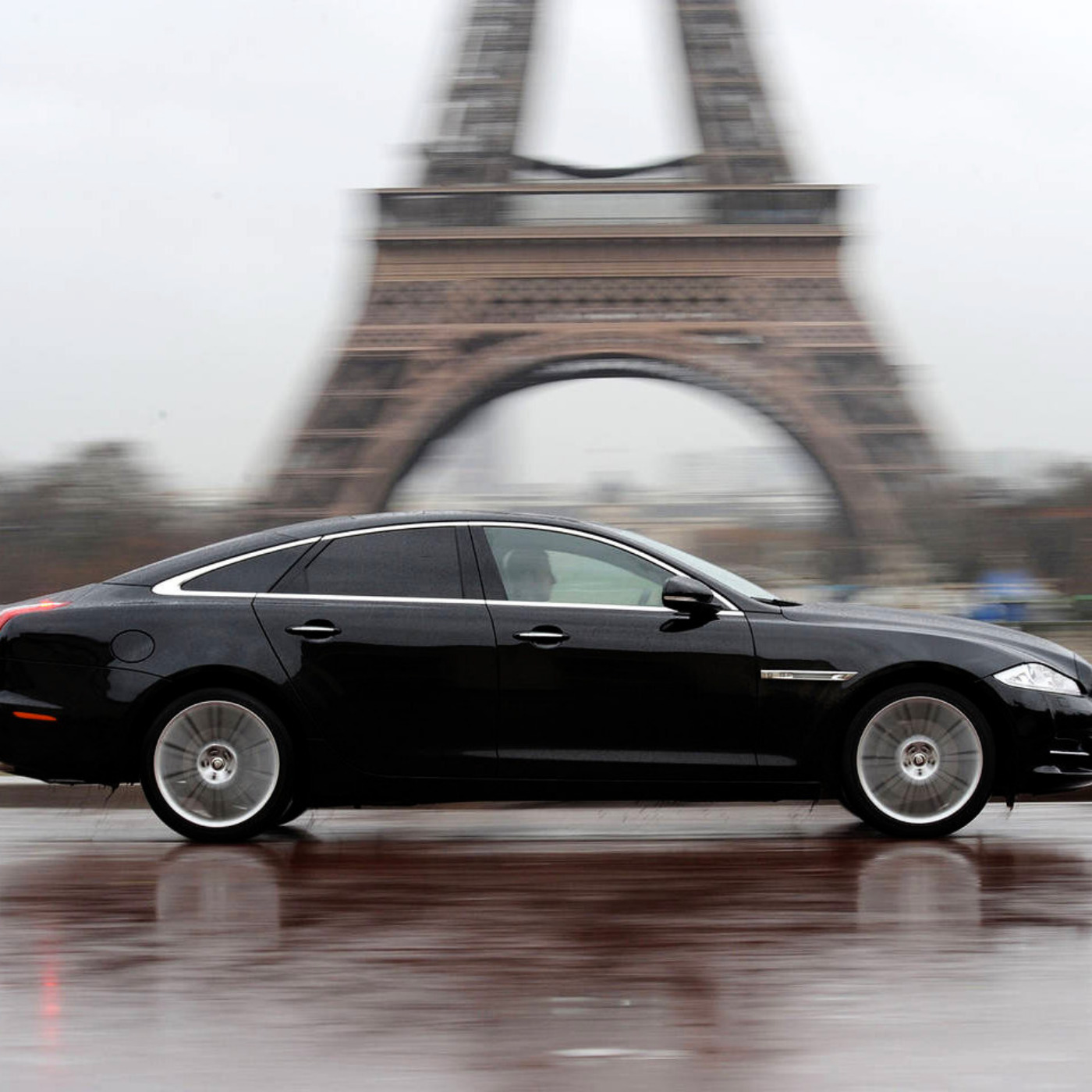
When last we heard from Dov, about a year ago, he had limited driving his James Bond Jaguar, enjoyed the experience beyond expectation, and said he was considering getting rid of it.For a year I've wondered what came of his commitment.Many people "forget" or give up on commitments to bring mugs with them to cafés. What could I expect from a guy who aspired since childhood for a specific car to show the world he arrived from the ghetto to success?For people who insist remembering to bring a bag to a grocery store is impossibly difficult, surely anything about a car is too much.But Dov isn't anybody.A wrinkle?Tomorrow my book Initiative launches. Launching a book takes incredible time and attention. Letting yourself get distracted is a disaster because you may not catch up in time.My mind is saying, "Stay focused, Josh. Post about the book and nothing else. Dov's episode can wait."My heart says, "Dov's story may be the most remarkable and meaningful of your podcast. Don't wait."My heart won.Actually, they both won because this podcast is the direct result of my taking initiative in my life, creating the results the book is about and Dov's results outperform my expectations. This episode shows me what can result from leading people to share their environmental results and act on them.Dov's experience shows what happens when you take initiative. You discover your values. Only acting on your values reveals them to where you can reach your potential.My experience creating this podcast created the same result in me: unearthing latent passions, acting on them, attaining results I never would have expected.If a man gets more value from getting rid of a car than keeping it, what are the rest of us capable of getting rid of and thereby improving our lives?This episode is about initiative, action, and passion. Hosted on Acast. See acast.com/privacy for more information.
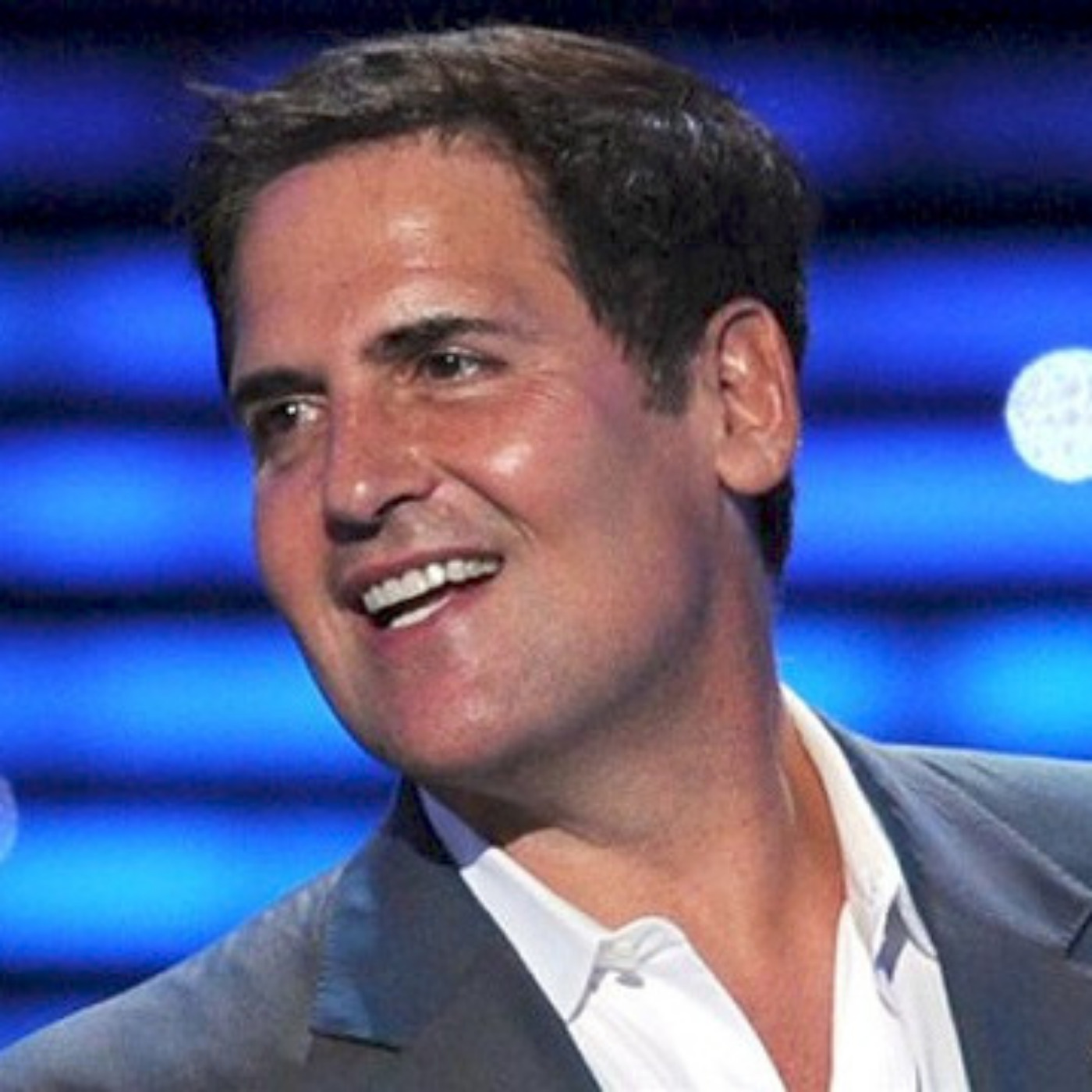
Ep 181181: The Time I Met Mark Cuban
My book, Initiative, launches in two days.In it I start by describing how Shark Tank, other media, and other parts of our culture that claim to promote entrepreneurship actually discourage it.A few months ago, I met Mark Cuban, one of Shark Tank's main figures, at NYU-Stern and saw him playing his Shark Tank role with students presenting.I was impressed with Mark and initially with the format, but then things changed, which I describe in today's episode. Hosted on Acast. See acast.com/privacy for more information.

Ep 180180: The Difference Between Me and Nearly Everyone I Know Acting on the Environment
Imagine someone said too much stress and proposed giving someone with stress shoulder rubs or body massages. I bet a lot of people would say, "I'm stressed. I could use a shoulder rub." If they were ready to give the shoulder massage then and there, they wouldn't say, "You know who should really get them: the government or big corporations."Yet suggest acting on their environmental values and they'll say their doing something wouldn't make a difference. They'll say go to government or big corporations first.My difference is that I've learned that acting on environmental values is like a massage, but for your soul, after assaulting it for your whole life by living against your values, twisting yourself up inside trying to convince yourself that the jet fuel you paid for that's coming out the back of the plane doesn't really have anything to do with you.There's nothing special about me giving greater access or ability to enjoy nature.I just had yet another meal where a past guest recommended I meet a friend where for a couple dollars, we both ate to our fill with enough for two or three more meals left, almost no packaging (she brought chard with rubber bands), we both repeatedly commented on how delicious the food was, it was convenient, quick, and led to greater conversation.Avoiding food packaging once felt like a challenge. Now food packaging seems disgusting. Avoiding food packaging is like avoiding stepping in dog poop. Living a processed life handed to you by organizations motivated by profit and growth is the opposite of a massage. Hosted on Acast. See acast.com/privacy for more information.
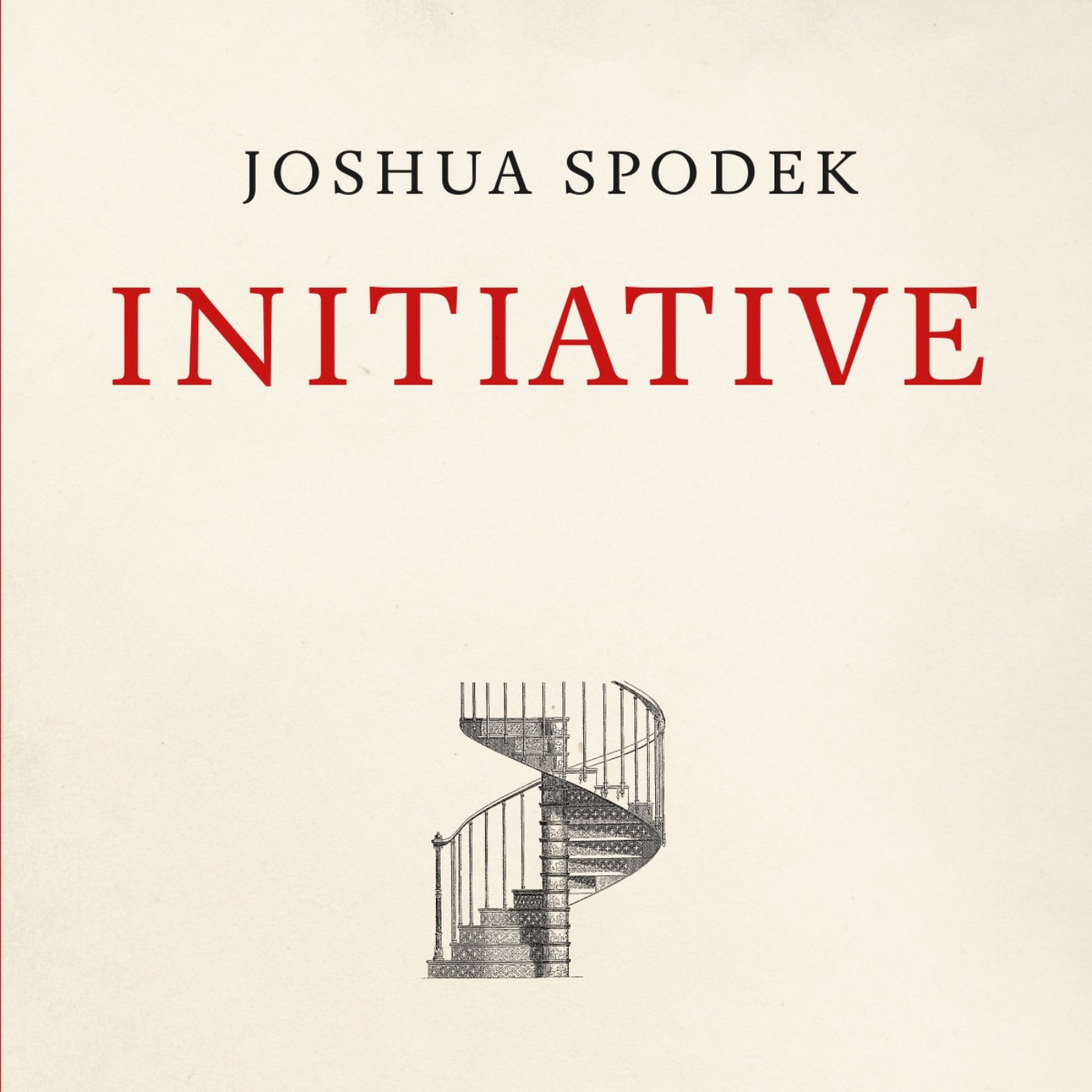
Ep 179179: Initiative, the book: Highlights from an interview
This is a podcast about leadership. Initiative is a major part of leadership. If you want to lead environmentally, you need to initiate because the world is likely going in an opposite direction than you want.More fundamental to knowing the parts of leadership is how to learn to do them. You can't lecture or coerce someone to learn to take initiative or to initiate, but lecture and coercion are the main ways our educational system teaches.My next book, Initiative: A Proven Method to Bring Your Passions to Life (and Work), launches in a couple weeks.I wrote it based on my course, where students consistently learned to unearth passions and initiate projects that help others so much they reward them for it, telling me they didn't know they could learn such things, especially in school.On The Leadership Update Brief, host Ed Brzychcy asked perfect questions to give an overview of Initiative. In today's post, I edited just the relevant answers to give that overview.Here's the full conversation. Hosted on Acast. See acast.com/privacy for more information.

Ep 178178: What parenthood teaches us about environmental action
We're living in a world of people who are judging parenting from the view of a partier, which makes sense when you don't have a child -- something to take responsibility for. But we have such a thing, the environment.The joy you wish you could get from exploring nature you can get from protecting it, even if that means picking up other people's garbage.I know people who used to party a lot. When they have kids they take on responsibility far greater than bringing reusable bags to the store, giving up their old fun lifestyle.I have yet to meet a parent who regretted that responsibility. We can learn from that perspective and apply it to what has effectively been a few centuries of partying on fossil fuels. Hosted on Acast. See acast.com/privacy for more information.

Ep 177177: The best advice on making habits last
The challenge for habits isn't starting them. It's not stopping them.I've started many. Actually, I've probably started fewer than most. I've stopped fewer. Mistakes: focusing on starting, wondering the value of it to you, they're mostly valuable, the problem isn't that they aren't valuable, it's that they are and that there are too many, asking how to start. To start is simple. Floss your teeth.The problem is that one day you won't and if you miss one day you can miss two. If you miss two, it's all over.Aristotle's quote on excellenceExcellence is an art won by training and habituation. We do not act rightly because we have virtue or excellence, but we rather have those because we have acted rightly. We are what we repeatedly do. Excellence, then, is not an act but a habit."Lombardi's quoteWinning is not a sometime thing; it’s an all the time thing. You don’t win once in a while; you don’t do things right once in a while; you do them right all of the time. Winning is a habit. Unfortunately, so is losing.Today's post gives the top advice you'll hear on how to maintain habits. Hosted on Acast. See acast.com/privacy for more information.
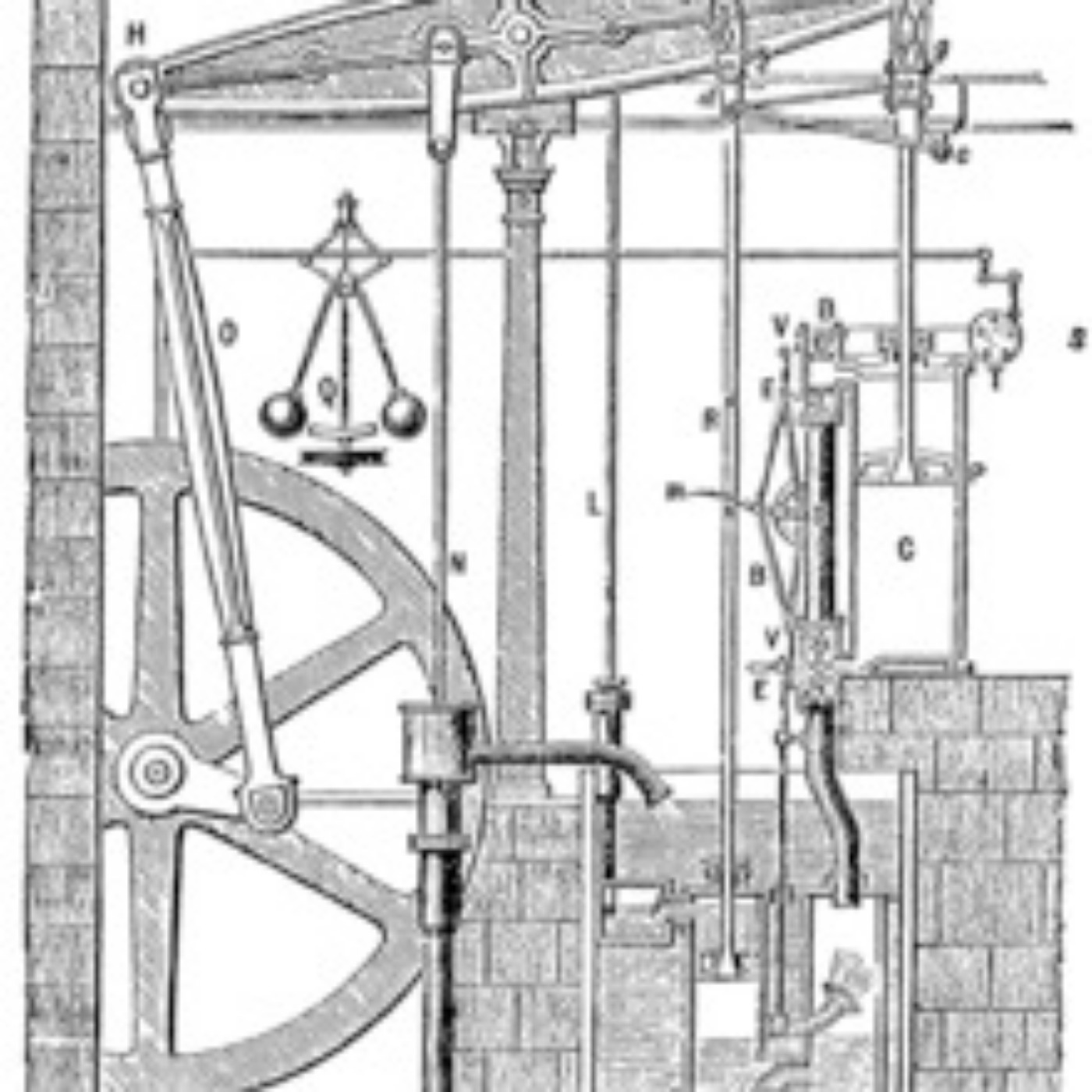
Ep 176176: The folly of chasing efficiency
Silicon Valley, governments, and lots of people are pushing for efficiency. I do too, but only after changing systemic beliefs and goals.The greatest cause of global warming would have looked like the greenest clean energy innovation ever: the Watt steam engine. It led to our environmental problems today more than anything else.We'd be fools to think today's green clean energy will do any different. Changing beliefs and goals will create results, not ignorantly continuing the patterns that got us here, thinking we're different.Efficiency is different than reducing total waste. An LED will never compete with simply turning off the light. If you thought, but the light enables things, that belief, especially if you reflexively believe that the alternative to technology is the stone age, is the cause of global warming and our other environmental problems because it drives continuing the behavior that got us here.What I'm saying won't change that belief. In my experience few things change belief, rarely facts, figures, doom, gloom, guilt, shame. Definitely not continuing what you're doing. What does? New experiences and community.I'm not going to get into leadership and what influences motivations, emotions, beliefs, and behavior, but I'll tell you that if we don't change our behavior and beliefs, if we could magically return CO2 levels to pre-industrial revolution, we'd be back here pretty quickly.And our behavior for centuries has been to make things more efficient, ignoring total waste, which we've increased. Almost nobody wants to consider consuming and producing less, despite reduce, reuse, recycle starting with reduce.Folks, when people say that not acting now means we'll have to act more later to keep the earth able to maintain a population and society something like ours, they mean it. And people have been saying that for generations. If you believe efficiency only will make a difference, you aren't changing at all. You're doing exactly what got us here.Change would be to reduce.Here's one of the papers I alluded to. Quoting the paper:we find that higher energy efficiency increased rather than reduced energy use, because lower capital cost enhanced energy use by more than the increase in energy cost reduced it. This casts strong doubts on the view that energy-saving technological change has lowered fossil energy use. Hosted on Acast. See acast.com/privacy for more information.
Ep 175175: Jack Buffington, part 1: What can we do about plastic?
Plastic is everywhere -- the oceans, landfills, and for 93% of us, our bloodstreams.Everyone promotes recycling, but it's not happening anywhere near the scale that we're producing it and pumping it into our world.Most people, it seems, are content to hope for the best and hope someone else solves things. In the meantime, they don't change their behavior and the situation nobody wants continues.Some people, or more often companies, make a big show of saying they'll make a difference, but they don't. They greenwash or something like that.Rarely, you'll find someone who makes it his or her business to figure out what's going on and suggest what can be done.Today's guest, Jack Buffington, works on supply chains, got a PhD in it, and wrote two books on plastics, what doesn't work, what does, and what he sees we should do next.Without getting technical, we geek out on plastics. You know you wish you knew more. We're confused by them. This conversation will reduce that confusion. I'm not saying we'll solve everything, but you'll see the situation more clearly. You'll know what those numbers mean. Hosted on Acast. See acast.com/privacy for more information.
Ep 174174: Chase Amante, part 1B: Chase on the Environment
In this part of the conversation, Chase and I spoke about the environment.He's very thoughtful about it, though hasn't acted on it, for reasons he eloquently explains. I take the liberty of persisting politely, so if you haven't acted or want to influence others, you'll hear a lot of resistance that many feel but rarely express.If you're interested in developing your environmental leadership skills, this episode will show you a major problem you'll face: people hearing what they want or expect to hear more than what you say. Hosted on Acast. See acast.com/privacy for more information.
Ep 173173: Chase Amante, part 1A: How to start and run a business giving men dating advice
Chase runs GirlsChase, one of the most trafficked sites for dating coaching, which recently celebrated 10 years in business.It sets itself apart from its peers, besides its longevity with basic material, not gimmicks, for men to improve their lives, still getting about 40% traffic from women.The episode is long because Chase shared in depth what I consider valuable for someone wanting to lead in the area of the environment -- an area people want to act in but most put off. He had to marshal his passion for most of those 10 years, developing community, listening, and motivating himselfYou'll hear the reward, in how he changes his customers' lives.First we talk about the dating education world, often misunderstood.Chase is a longtime friend. He's very thoughtful about the environment, though hasn't acted on it, for reasons he eloquently explains. I take the liberty of persisting politely, so if you haven't acted or want to influence others, you'll hear a lot of resistence that many feel but rarely express. Hosted on Acast. See acast.com/privacy for more information.

Ep 172172: If anything, I'm a maximalist
When many people enter my apartment for the first time say something about it being minimalist. I feel like I have a lot of stuff because I have many things I don't need, mean to get rid of, but haven't. Apparently, my amount of many things is well below most people's thresholds.I also bristle at people labeling me, so whatever the label, I usually don't like it.But the label minimalist especially bothers me. I think it's backward.I've tried a lot of things in life -- sports, art, science, entrepreneurship, business, religion, reading, writing, travel, meditation, yoga, dancing, clubbing, girls, solitude, and more than I can list.Through it all, certain things always resurface and come back as the most valuable and meaningful, bringing the most joy, satisfaction, happiness, and what I want most in life.Relationships with family, with friends I have emotional, intellectual, and when appropriate physical intimacy, where we've allowed ourselves to open up and be vulnerable, the beauty of nature in sight, sound, taste, smell, touch, responsibility for how my actions affect others, stewardship of the resources we share, contributing to something greater than myself, leading to a sense of oneness, teamwork, duty, honor, learning, striving to make myself and my world in some way better tomorrow than today, harmony, service, freedom.None of these things require material possessions. On the contrary, stuff gets in the way of many of these things. Hosted on Acast. See acast.com/privacy for more information.

Ep 171171: The "best kept secret in environmental leadership"
I love watching Dr. Michael Gregor's videos on nutrition.A common theme of his videos is how medical school barely teach doctors nutrition and exercise despite how important they are for health. He shows how industrial food companies promote profit over healthy diets and expensive, risky medicine over avoiding foods and sedentary lifestyles that cause the problems they purport to solve. He provide his videos for free to make available what saved his grandmother's life: healthy food.I see diseases from eating junk and living inactively like headaches from hitting your head against a wall. You can take medicine to decrease the pain, but stopping hitting your head against the wall will work better, cost less, and result in no side effects.Likewise, you can take medicine to fix the problems from a standard American diet, but you might as well switch to vegetables, fruit, legumes, and other foods that don't sicken you. They taste better and cost less when you learn how to shop for them.Actually, changing to fresh fruits and vegetables, nuts, etc in my experience worked better because besides the health and cost benefits, it's delicious, which not hitting your head against a wall doesn't match.He's posted hundreds of videos worth reposting, but I'm choosing today's because it's relevant to environmental leadership.He published the transcript, which I'm going to read from and comment on to show its relevance to environmental leadership. I believe what he calls the best kept secret in medicine can guide us to the most valuable lesson for environmental stewardship and clean air, land, and water.I recommend watching the video if you haven't already.https://youtu.be/0W_OBRmAz2YDr. Gregor starts:Even though the most widely accepted, well-established chronic disease practice guidelines uniformly call for lifestyle change as the first line of therapy, physicians often do not follow these guidelines. Yet lifestyle interventions are often more effective in reducing heart disease, hypertension, heart failure, stroke, cancer, diabetes, and deaths from all causes than almost any other medical intervention.I add:The same follows for environmental leadership. Everyone knows that lifestyle change to pollute less is the most effective way to protect the environment, but few environmental leaders do. On the contrary, they tell others to but they don't themselves.Case in point: when I thought about, say, coal miners in Kentucky, when I thought about them losing their jobs, which would undermine their longstanding communities, I would say that while challenging, the coal miners have to accept that times are changing, that their field pollutes, and they have to change. However it affects their job, their family, and their community, they have to change.But then when I asked myself about, say, reducing flying, I would think, “sorry, I can't change, my job requires it.” or my family requires it. Same with eating less polluting foods, reducing plastic, etc.That is, when I thought about others changing, those others have to accept the change personally for the good of the species. When I thought about myself changing, the exceptions I didn't accept from others, I thought the world had to accept from me.In other words, I was very slippery on applying difficult standards on others to myself. I don't know you, but if you've flown or used unnecessary plastic recently, you're probably equally slippery. You probably hide it from yourself, as I did, which we call denial. Denial is easier than changing your lifestyle, but it also twisted me up inside, since part of me knew I was lying to myself, which was all the more twisted for someone pursuing and teaching leadership.I look for reasons to justify not changing, not looking beyond the here and now. Yesterday I may have thought, “I'm going to avoid packaged food for a week,” but today my friends just opened a bag of chips. What's one chip or two? Besides, they opened it, not me. That's how I felt for a long time before just committing to the practice, overcoming the hurdle, and learning to avoid nearly all packaged food. Now it's easier, cheaper, more convenient, more social, and better in every way I care about, as I've mentioned here many times, though I don't hold to zero packaging, as evidenced by my having to empty my garbage after 16 months. A lot of that garbage was food packaging.Anyway, back to denial. I found an easy way to handle denial is to find someone I looked up to who did what I felt was wrong. For example, even if I knew flying polluted more than scientists said was acceptable, I saw those scientists flying all over the world themselves. While a small part of me asked, “should they do that, aren't they violating their own recommendations?” a greater part said, “If they can fly, so can I,” and I could quiet the feelings of being twisted up inside acting against my values.I was still acting against my values, so the feeling twisted remained.Now back to Dr. Greger. His video shows
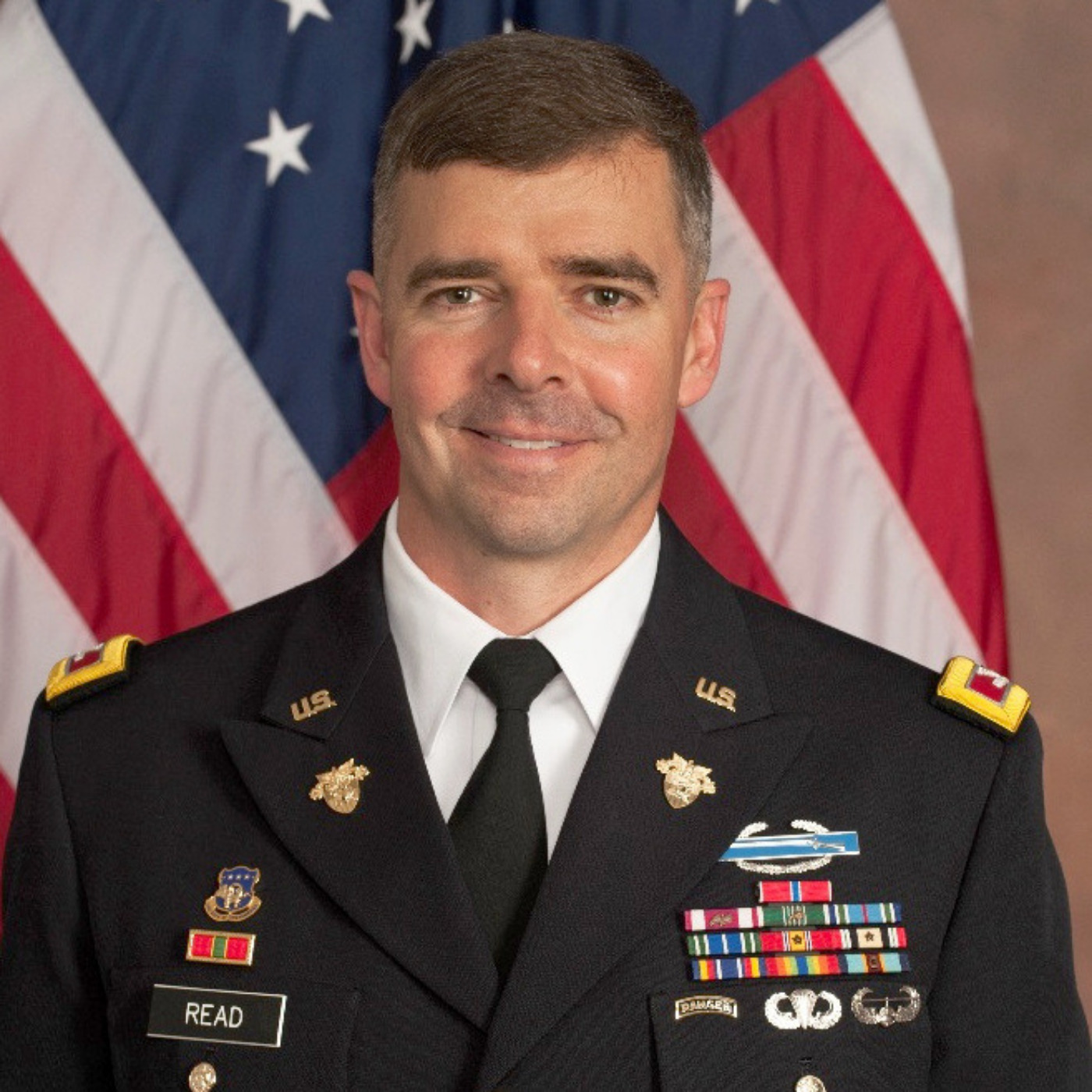
Ep 170170: Colonel Mark Read, part 2: His Family's Best Christmas Ever
A lot of people say, "Josh, easy for you to act on the environment. You don't have kids."First, I could point to former guest Bea Johnson, who with her husband and 2 sons, produce less than a mason jar of trash per year, whom I see as role models to aspire to.I could point out former guest Jim Harshaw, who involved his four children and wife in his personal challenge. They loved the process and he used it to bring them together.Now I can point out Colonel Mark Read, whom you're about to hear talking joy, fun, bringing family together and not in small ways. Acting on their environmental values connects them across generations, which he then brings to West Point cadets.The point is not to copy what we do, but to find what matters to you and act on it. One by one, other things will follow. I make things work for my life. They make their things work in their lives. If I lived your life, I'd make it work. You can too.Family is only one aspect I could focus on with Col. Read's results. Once you find emotional reward in it, results are a matter of time. I had no idea when I started that I'd reach the level of taking 16 months to fill a load of garbage. Looking back, I see that once I started, that result was inevitable because it's fun, delicious, and rewarding.Hearing Mark's experience reducing waste with his family, you tell me if you think they're done or just starting.How far do you think they'll get?West Point has long traditions. It might be that changing how they do things is hard. It may be that the changes fall within their basic values of service and stewardship. Or maybe something else.We'll see. Hosted on Acast. See acast.com/privacy for more information.
Ep 169169: Srini Rao: Surfing and Creativity
Srini has run his podcast over 10 years, written several books, hundreds of articles, interviewing hundreds of researchers, entrepreneurs, artists, me, and more.His business is helping people develop themselves -- to dream, to play, to create, to go on adventures, to find your path.In this conversation we talk about his development and how he got to help others. It's more on the leadership development end of the Leadership and the Environment spectrumIf you aspire to more in your life, I recommend listening. He shares himself. We talk about surfing, writing, flow states, and daily practice, things that help you develop. Many people have gone through changes in their lives. Srini learned to share such changes with others so you can emulate them.About this episodeThis was an early conversation, from over a year ago, but only made it through the editing pipeline now. I was still developing how to talk to guests acting on their values, so I sound clumsy. I find it reveals the development of this podcast.Listening now, over a year later, having developed the technique to work with globally-renowned leaders that's become a TEDx talk on its own, it's almost painful to hear my clumsiness and Srini's generosity to play along.But it also shows how to develop: try, practice, rehearse, iterate, listen. Hosted on Acast. See acast.com/privacy for more information.
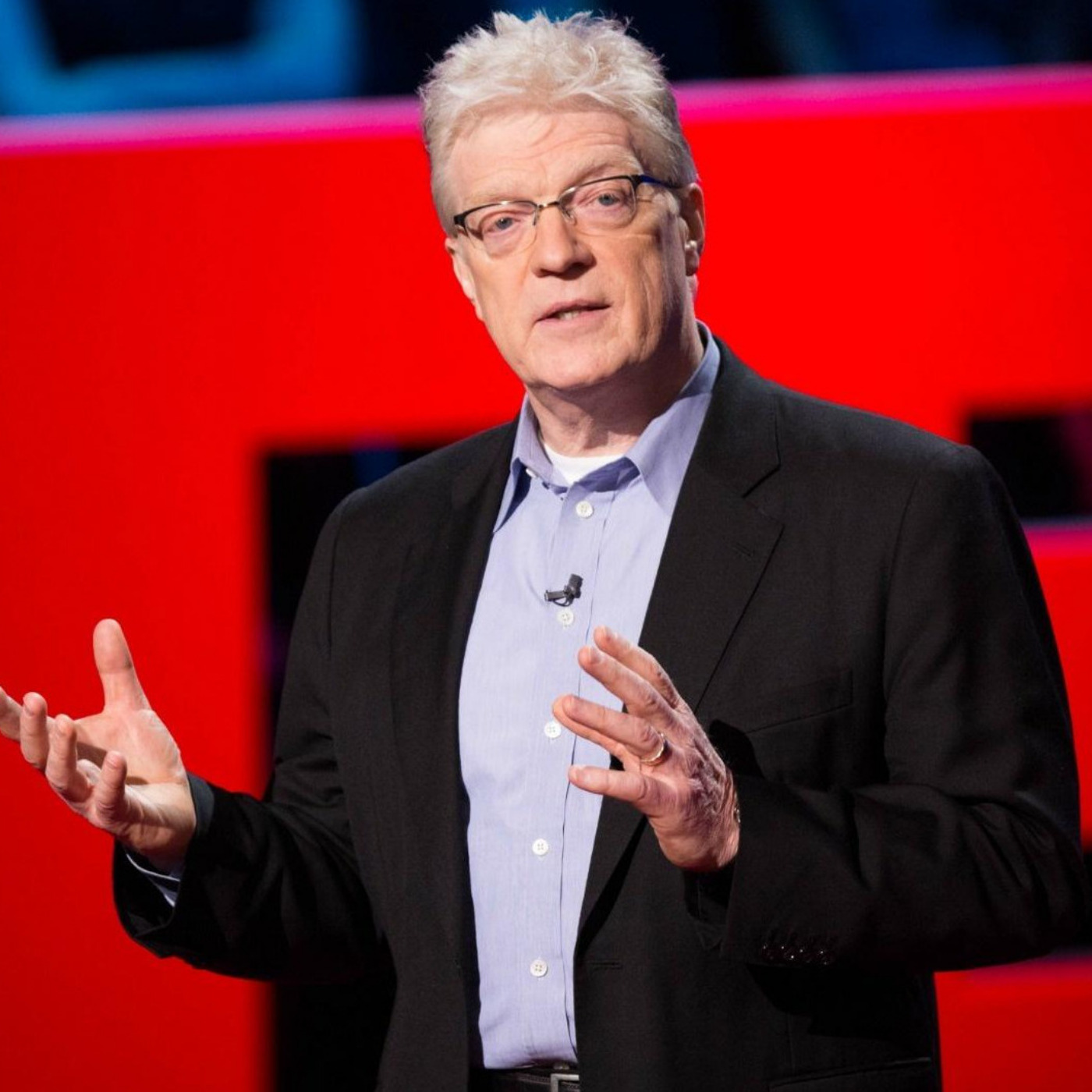
Ep 168168: Sir Ken Robinson: Wisdom on the intersection of education, leadership, and the environment
As a professor of leadership, host of this podcast, and constant student of acting by my environmental values, I live and work in the intersection of leadership, education, and the environment.Ken Robinson does too, but with a big difference: he's been here for decades longer, actively practicing in each. This episode approaches each of education, leadership, and the environment from several perspectives.I can't say anything better than his voice carries the wisdom and vitality of someone who has worked here for longer and with greater passion than maybe anyone I've met and I'm in this world.I'll keep this writing brief. Let's listen to Ken Robinson.One last caveat: our schedules meant recording by phone, meaning the audio quality isn't like being in a studio, but I believe you'll find Ken's message transcends the medium and hope you listen for what he says, not the equipment. Hosted on Acast. See acast.com/privacy for more information.
Ep 167167: Amy Aussieker, part 1: Can we transform an American City?
Business, based growth, loves the ideas of a circular economy and recycling because both promotes more, but may keep us on track to unsustainability, global warming, plastic, etc.I don't know the answer, but the city of Charlotte contacted me about their Envision Charlotte programI told them I'm cautiously optimistic and am not sure what they're doing is in the long run helpful. I'm not saying it isn't but since few people get the difference between efficiency and total waste, few people are working on reducing total waste.They put me in touch with Amy Aussieker, their Executive Director, and we had a great first conversation where I said the above and she was game for a conversation. I admire her putting herself out there. I put myself out there too, not sure the balance I wanted between promoting someone acting on something important and challenging her forYou'll hear my first time challenging someone on these issues. I'm not sure where it will go, but I appreciate her openness and thoughtfulness. I hope I balanced my competing interests for the listener. Hosted on Acast. See acast.com/privacy for more information.
Ep 166166: Anand Giridharadas: Winners Take All: The Elite Charade of Changing the World
With some guests I have a hard time finding a quote to start the episode with. With Anand, I had the opposite -- at least half of what he said wowed me.When I first saw him speak and saw the title of his book, Winners Take All: The Elite Charade of Changing the World, I wondered if someone at the elite event I attended would really challenge a community he was in. He did. You'll hear Anand in the first few minutes describe the starting point of the book.His book shows how our society is leading people who believe they are helping. Though trying to decrease the inequities toward classes of people who, through no fault or lack of their own, lose out on society, they end up sustaining and increasing that inequity. That's just the book's starting point.I highly recommend his book, especially if you're interested in helping others and want to make sure your efforts create the results you want. Intent alone is no guarantee. You might be caught by the same systemic effects they are.It's more subtle than we can capture in our conversation, but we talk about the effects since the book came out.We didn't have time to cover a point important to me: how a similar pattern happens in the environment -- that among the people and organizations most active and sincere in their attempts in, say, recycling, a circular economy, and carbon offsets. They too may be not changing the path we're on to more total waste but accelerating us on it.Listen and see if you can identify the pattern and its results. Read the book to check the results of your efforts -- not what you hope results but what actually results. Hosted on Acast. See acast.com/privacy for more information.