
This Sustainable Life
866 episodes — Page 15 of 18
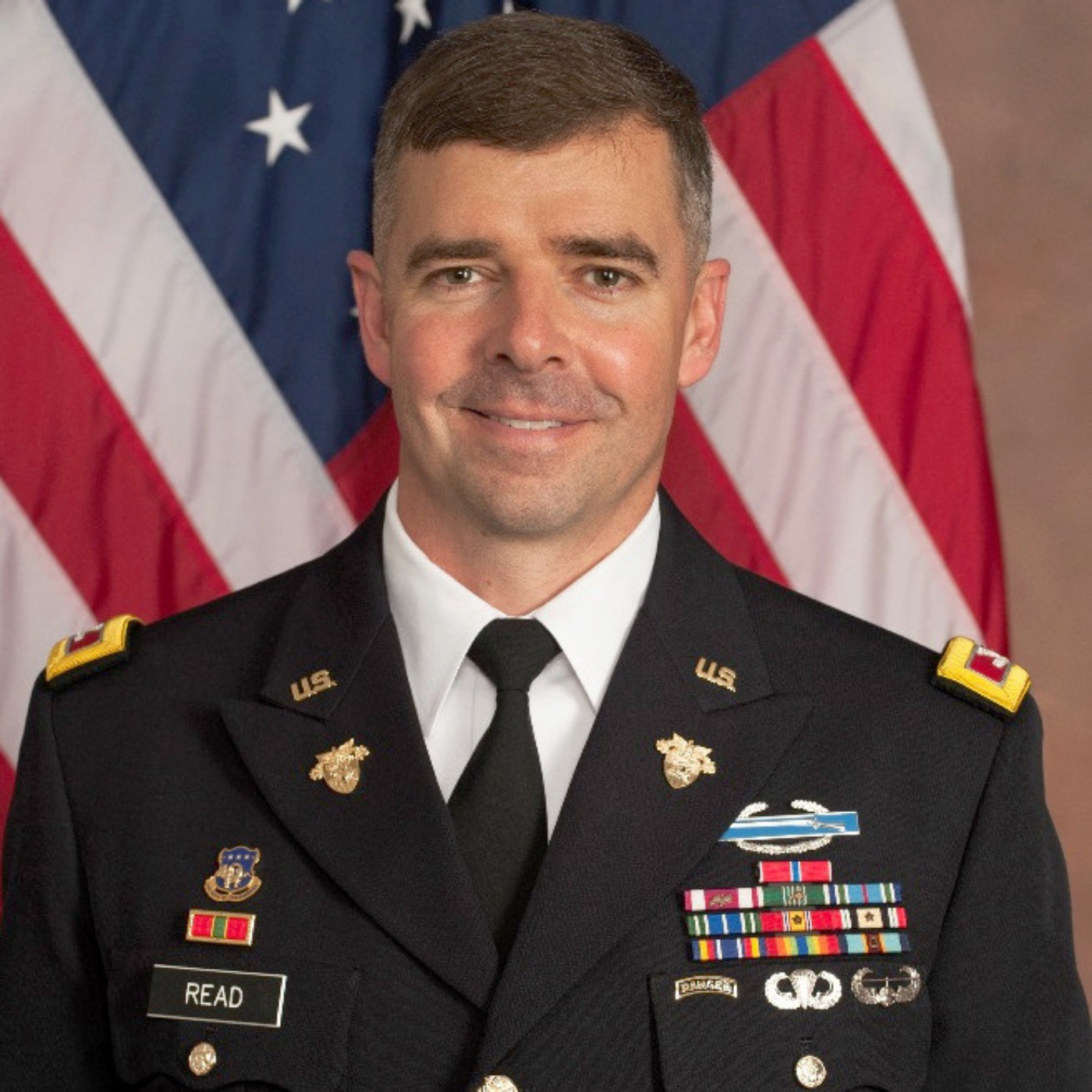
Ep 165165: Colonel Mark Read, part 1: Environmental Engineering at West Point
I met Colonel Read through Colonel Everett Spain, who has also been a guest of the podcast.Two myths about the military have unraveled in me as a result of seeing West Point from the inside and talking to 4-star Generals and department heads. One is that the military practices command-and-control and that someone of any rank can just order people to do things and get compliance. On the contrary, you'll hear Mark share how people lead with compassion and understanding, at least most of the time outside of combat.The second is that the military wouldn't care about the environment or their effect on it. Again, I don't think anyone could hear Mark as faking caring.So far, the military seems to be fixing what it's broken, but I think it's looking toward sustainability, at least in training areas. The military reacts to the nation's values -- that comes from you and me -- and influences us back.They're ahead of many of us in some ways, especially corporate leaders, who could stand to learn from West Point -- one of the nation's top institution for teaching leadership."It makes us stronger," that's a military leader at the United States Military Academy at West Point talking about environmental stewardship. Who would have expected a top military leader talk about woodpeckers and act on it?A major initiative of the military is restoring economies and helping local populations. Stewarding the environment is fundamental. I hope civilian leaders learn from Mark's lead. I can't believe how much American business and other institutions are trailing the rest of the world in environmental stewardship. Hosted on Acast. See acast.com/privacy for more information.
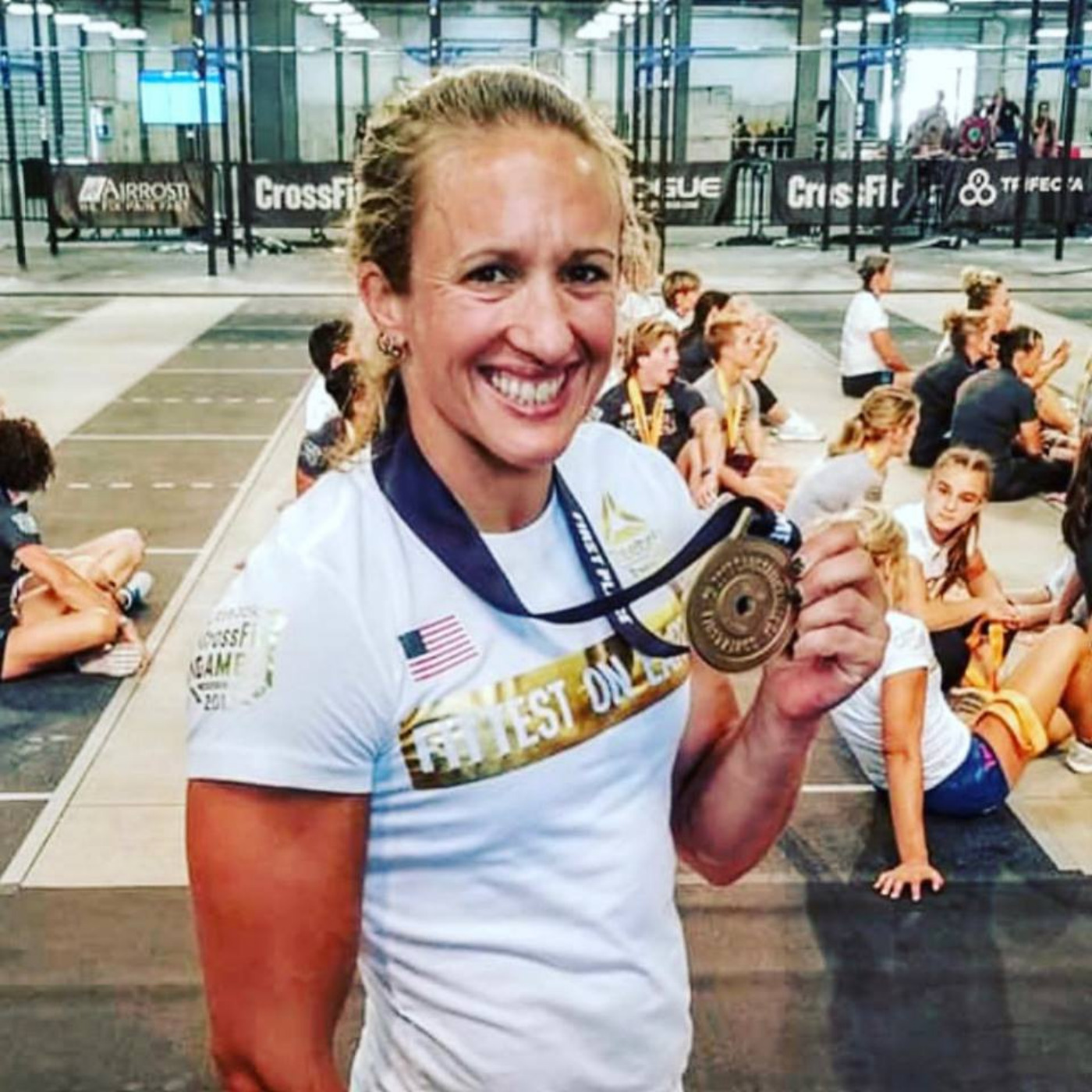
Ep 164164: Anna Tunnicliffe Tobias, part 1: Olympic gold and Crossfit Fittest on Earth
Anna is down to earth for anyone, let alone a gold medalist and Crossfit champion.Watch her videos to see the contrast with what she does, her abilities, and how she doesn't have to be humble. She does something hard, that most can't do, like a clean and jerk or climbing a rope, then does as many as she can in a cycle with other hard things, to past exhaustion. She shows us what people are capable of, mentally and physically.I hear from her that she wants people to develop for themselves what she does for herself, community being a big part of it. She talks about the value of coaching -- the intimacy and vulnerability in it.Number one means reaching your potential. If you're interested in reaching your potential, putting people like Anna in your peer group, not as abstract heroes, I think helps you reach your final goal.If the environment matters to you, your goal is likely far off with no guarantee we'll reach it. Anna shares how to survive such challenges and emerge a champion.As an aside, some guests inspire me, usually on the second conversation, when I hear their environmental activity. Anna inspired me before we spoke. Researching her, I saw that at the 2018 Crossfit games the athletes, not in her division, had to row a marathon on a rowing machine. They all looked happy to do it, so I decided to try it. Never having rowed more than 7,500 meters at once, I first rowed a half-marathon. Then a few weeks later rowed a full marathon.That's what happens when you put gold medalists in your world. Hosted on Acast. See acast.com/privacy for more information.

Ep 163163: Kevin Kruse, part 1: Great Leaders Have No Rules
Kevin and I have been friends since we both wrote for Inc, and before I appeared on his podcast, which always opens a conversation.It's two guys talking about leadership and love with examples of hardball football and basketball coaching and the like. That leadership view isn't the only perspective on leadership, but it recalls my blurb that I wrote for his book:If you want to lead so people love working with you, not just manage so they comply, and the usual instruction isn't helping, you probably need some shaking up. Kevin Kruse wrote his book to provoke you into changing and growing. It's filled with stories, research, and personal experiences that will make you think and point to how to change and grow. He specifies how each lesson applies, to work, home, family, military, and more, but most of all yourself, even when no one is looking.He also takes the environmental challenge seriously and shares views I hear a lot. Water bottles are a challenge for him so this episode features a recognized, experienced leader and teacher of leaders struggling with challenges everyone else does.My prediction: he'll face challenges he didn't expect, he'll feel like giving up, he won't give up, and he'll learn more than he expected. Specifically what he'll learn I can't say, but we listeners will hear how someone who writes about how to handle challenges handles challenges. Hosted on Acast. See acast.com/privacy for more information.
Ep 162162: Bob Langert: McDonald's former head of Corporate Social Responsibility
I got an email that Bob Langert, McDonald's former head of Corporate Social Responsibility, wrote a book on his experience in over two decades at the corporation.From my view, seeking change, I see places like McDonald's, Coca-Cola, Exxon, and Monsanto, to name a few, as the places with the greatest potential.Many protest them, which I consider important, but I also believe they could use help. I don't know how many large organizations can change without outside help. Am I the one to do it? I'm not sure, but I can't ignore their potential for change.I read the book and scheduled a conversation with Bob. My goal is to understand the man and his experience to find opportunity for help, if desired.I took more notes on his book than any other, a lot critical or challenging. I opted to make my goal with the conversation meet the man, not debate or criticize. If you think I should have acted otherwise, let me know.My goals, as ever, are, regarding the environment: to lower our effects that threaten life and human society and on leadership: for people to find meaning, value, purpose, joy, growth, and so on.I feel compelled to share personal context: I last ate meat in 1990, which would have been about the last time I spent any money on fast food. I've avoid packaged food and food with fiber removed for about four years and counting.I pick up a piece of trash per day and McDonald's is up there with Coca-Cola and Starbucks as the greatest sources of litter. I've watched the McLibel documentary multiple times.I stopped in one the other day to charge my laptop and one of the closest ATMs to my home is in a McDonald's, so I find myself in them periodically. I don't like the place.I worked in a Burger King on the Champs Elysees during my first summer in Paris, in 1989. Hosted on Acast. See acast.com/privacy for more information.
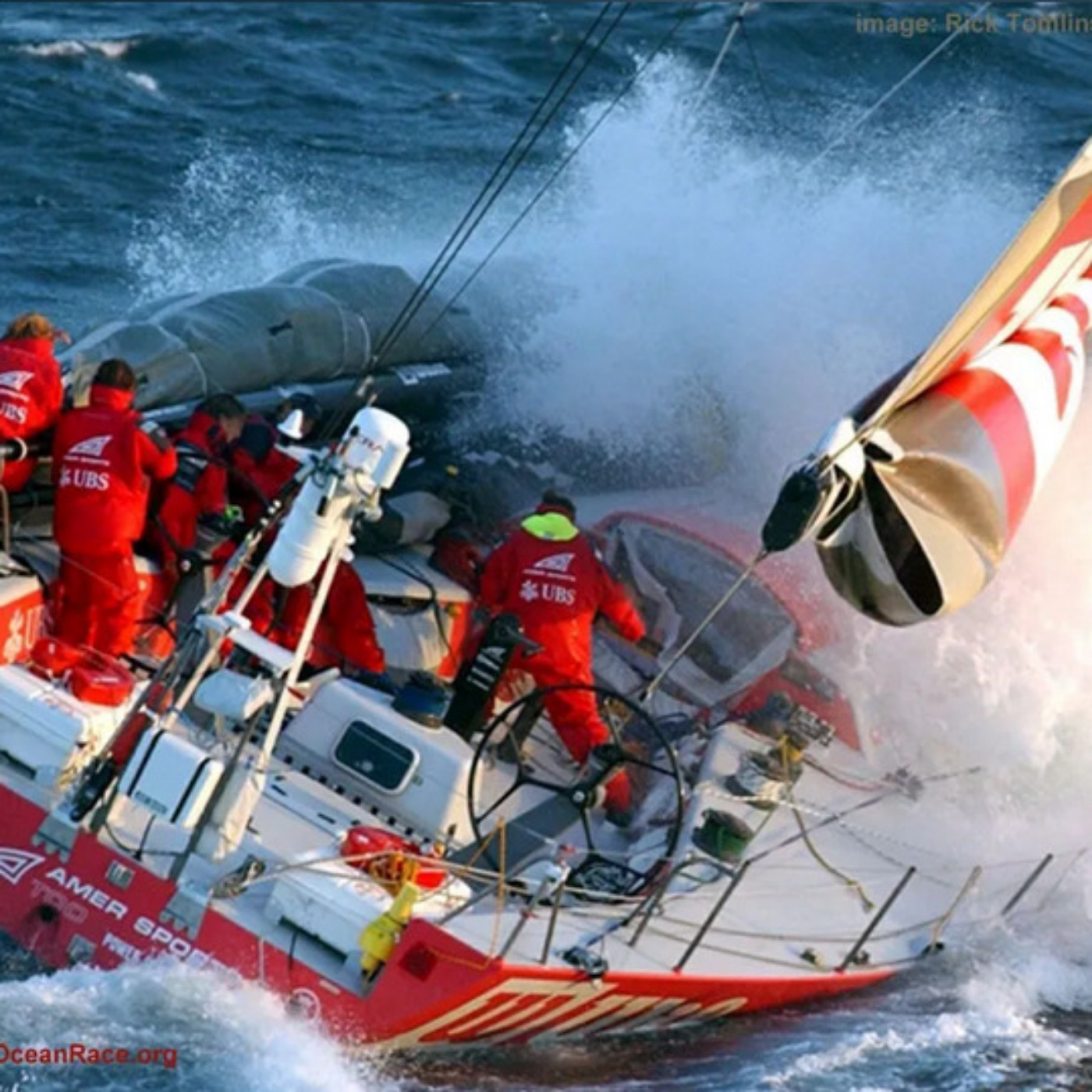
Ep 161161: Katie Pettibone, part 1: Americas Cups, 81-foot waves, and protecting the oceans
Katie continues the line of world class sailing champions who have translated their athletic success to leadership in their sport, business, and beyond.What success? How about three America's Cups, including being the youngest member of the first ever all-female boat, two around the world races, as well the famed Sydney Hobart and Worrell 1000 Extreme Catamaran Races.She's also a lawyer and is president of the Rising Tide Leadership Institute.She just got back from Olympic racing in Miami, which followed placing second in the Sydney Hobart race, sponsored by Ocean Respect Racing, who promotes reducing pollution.We talk about seeing plastic in the remote ocean as well as in much greater density closer to shore, especially America's shores. Around the world sailors see parts of our planet farthest from human establishment. Sadly, I've found it's a standard response that they've all seen plastic human junk however remote they've traveled.She also describes waves towering over her boat's 81-foot mast---that is, higher than an 8-storey building. How would you like an 8-storey building crashing around you?Staying calm in a situation like that sounds like a tall order, but what you want in a leader. Hosted on Acast. See acast.com/privacy for more information.

Ep 160160: Sean O'Connor, part 2: Replacing coffee cups with human connection
This episode is about a simple experiment anyone can do. It costs nothing and takes no extra time or other resource besides carrying a mug with you.Everyone knows how much garbage we're dumping in the ocean. Everyone knows they can pollute less, including me. Probably including you.This episode shares Sean's experience cutting out coffee cups. I'd say you never have to use another coffee cup again, but you may hit challenges. Sean did. This episode shares his experience. Hosted on Acast. See acast.com/privacy for more information.
Ep 159159: Chris Schembra: Expressing Gratitude
Do you feel gratitude toward people who have helped you?Do you express that gratitude more than enough, not enough, or about right?You're probably familiar with research that expressing gratitude and feeling it improve people's lives.I loved my exercise of writing ten gratitude messages a day for a week. Here is the Inc. piece I wrote on it: I Wrote 70 Gratitude Emails. Here Are My Awesome Results.Today's episode is Chris Schembra interviewing me as part of his project including Bill Gates, Simon Sinek, and other luminaries. He asks us:If you could credit or thank one person that you haven't enough, who is it?The conversation doesn't directly relate to the environment, but does to leadership. The leadership part of this podcast is about joy, passion, meaning, value, importance, purpose, growth, and so on.And what Vince Lombardi says about winning, that it's not a sometimes thing but on all the time thing, applies to leadership.Too many people say things like that coal miners in West Virginia simply have to accept that times have changed, we can't keep digging coal, and if that means your community suffers, well, you'll be better off after the change. These people then refuse to consider polluting less themselves: we just have to accept that their job or their family requires flying, or they love meat too much, or whatever.So today's post is my answer to whom I feel gratitude toward but don't express it. It's personal but so is leadership.I wasn't sure if the conversation was too personal or distinct from the environment, so I won't mind if you let me know if I should share more things like this conversation or less.Chris also hosts regular dinners, so I feel a brotherhood in how we work, based on my famous no-packaging vegetable stews. Hosted on Acast. See acast.com/privacy for more information.
Ep 158158: Dee Caffari, part 1: Turning the Tide on Plastic
For context for today's guest, those who know I'm avoiding flying might also know I'm learning to sail to explore off North America. When considering acting on their values, most people focus on the part they like of what they're stopping. They don't seem to have trouble ignoring undesired side-effects, like the pollution flying causes.Sailing and the other things I've replaced flying with have given far more than I could have predicted at a fraction what I used to spend on flying. Among its many benefits is the sailing community.In that community, today's guest, Dee Caffari, is off the charts. Once a school teacher, she started sailing to world-athlete levels. Now the international sailing community calls her a legend. Watch her videos. They look like they're from movies but they're her life, which she describes in our conversation.She's gone around the world in both directions, won races, led teams, been named an MBE. She shares her experiences, since sailing spans calm sunsets to life-and-death struggles with forces that can level cities. Her global vision has also revealed to her the growth in plastic, global warming effects, and other environmental problems. She works actively to reduce her personal impact and others'.With the level of change in everyone's lives to reverse the effects we've had on the earth, I find the magnitude of her change and how much she loves it refreshing. Most people act like the smallest change is too much. They want to learn how to keep doing what they're doing and still feel like they're changing. Hosted on Acast. See acast.com/privacy for more information.
Ep 157157: Tom Szaky, part 1: TerraCycle's new initiative: Loop
Tom Szaky has been working on waste since his undergrad days at Princeton in 2001. Then I suddenly heard about him from many sources in the past few months.His company, Terracycle, recycles waste others don't. The new initiative, Loop, got attention at Davos and support from many companieswhose business plans depend on producing waste, within an economic model that promotes growth. He also published a book, the Future of Packaging, coauthored by top executives from these waste and growth places. I wrote more notes from that book to prepare for this conversation than any book, including Bob Langert's, McDonald's former head of Corporate Social Responsibility (that episode is still being edited).It never mentioned reducing consumption, twisting, as I saw it, the idea to reducing material per package. Almost no one gets the subtle but critical distinction between efficiency and total waste. Our polluted world is the result of centuries of increasing efficiency and total waste. Nearly every initiative extends that trend, missing that efficiency in a polluting system leads to more efficient pollution.His book did talk about responsibility, the counter to our system's goal of externalizing costs. So the book missed the most important part of handling waste, reducing supply and demand, but got responsibility. I wondered if he was serious or yet another person confusing feeling like you're reducing waste while increasing it, the way the Watt steam engine did, Uber does, widening roads does, and LED bulbs look on track to.You'll hear from this conversation that, as best I can tell, he understands the system issues and the need for systemic change. For therest, listen. He understands and seems to be acting for systemic change.I hope this conversation is the first of many, not just to hear about his personal challenge, which is pretty big, at least to me. I still eatcheese, about the amount on one pizza slice per year. Actually, it's been decreasing annually. Maybe I'll use his action as inspiration.I'm glad he got and explained the reasons behind reduction and explained why his book didn't touch it. I've heard enough to believe he understands the most important directions and changes. I don't know enough about the details of Terracycle and Loop to tell if I think they'll work.It's refreshing to talk to someone who understands the key issues. Hosted on Acast. See acast.com/privacy for more information.

Ep 156156: Pale Blue Dot Today
If you've never heard Carl Sagan's spoken essay Pale Blue Dot, you'll get to hear it in today's episode. It still chokes me up.Here is an Earthrise image taken a few years ago like those he contrasts the pale blue dot image with. The Earth straddling the limb of the Moon, as seen from above Compton crater. Taken by the Lunar Reconnaissance Orbiter in 2015.Here is the Pale Blue Dot image. Seen from about 6 billion kilometers (3.7 billion miles), Earth appears as a tiny dot (the blueish-white speck approximately halfway down the brown band to the right) within the darkness of deep space. Hosted on Acast. See acast.com/privacy for more information.

Ep 155155: Margot Machol Bisnow, part 1: Raising an Entrepreneur
A few months ago I attended the Summit. It was expensive, so I wasn't sure I'd get the value out of it that I paid.As it came together for me, I met the founder, Elliott Bisnow, and then happened to meet his mother, Margot, this episode's guest. She was a big part of making the event great for me. As you'll hear in the conversation, she was like a force of nature, connecting people, doing what leaders do despite no formal role, as many leaders work.To give you some background on her formal leadership, she was an FTC Commissioner and Chief of Staff of the President’s Council of Economic Advisers. Today we more talk about her book: Raising an Entrepreneur: 10 Rules for Nurturing Risk Takers, Problem Solvers, and Change Makers, which applies more to leadership and non-parent relationships than I bet she expected.I wish you could see her at work. She would say she wasn't working, but I think effective leadership, like any active, social, emotional, expressive, performance-based art, when mastered, feels and looks effortless like the person is just being him or herself.One of Summit's main goals is to create an environment where people can connect. Among that crowd, Margot connected people more than most. She may have felt and looked like she was enjoying herself and she probably was, but I've spent years developing skills, experiences, and beliefs to do that and I bet she did too.I wanted to share a bit of someone who appears a natural leader. Hosted on Acast. See acast.com/privacy for more information.
Ep 154154: Why You, Famous Person, Will Like Being a Guest on this Podcast
Today, I'm sharing what value being a guest offers to influential, well-known people.I call Oprah and her peers the single-name people -- people everyone knows by single names: LeBron, Serena, Sergey, Larry, Barack, Elon, Bill, Mark, Madonna, Giselle, Venus, Meryl, Bruce, Maradonna, Cher, Beyonce, Messi, Jay-Z, and so on.I also mean anyone influential or with an audience -- people in politics, accomplished actors, journalists, singers, artists, and the like, bestselling writers, public speakers, winning athletes, and so on.If anyone listening is someone like them or knows them, this episode is for you.I'll say it bluntly, but nothing you haven't heard before: we could potentially could lose civilization. If we don't, it will likely be because people changed culture.Rare moment in human history, where change can create legacy on the scale we see only every few thousand years. Buddha and Jesus level influence and legacy.This podcast emerged from seeing that we lacked leadership. Every scientist and engineer says we have the technology and other means. The question is will we. That's leadership.We live in a leadership vacuum and you, famous person, can help fill it to great personal growth and joy. You can do it just by being a guest on this podcast. Hosted on Acast. See acast.com/privacy for more information.

Ep 153153: Sean O'Connor, part 1: From paper cups to evaluating life
Today's guest, Sean, is a friend. We recorded this conversation before the podcast launched in November 2017. It took a while to get through the editing process, but I wanted to post it to document the evolution of the podcast and me.For Sean, it shows him as a leader of leaders, since all the guests since followed him. In showing that I grew as an interviewer, finding a purpose, strategy, and voice, I hope it shows the accessibility for anyone to take an environmental leadership role.This conversation helped the podcast's strategy emerge. It's largely based on learning that community influences behavior more than facts.So I'm bringing world-renowned guests -- people in everyone's communities. If Oprah shares her environmental values, acts on them, and shares that the results bring her joy and liberation, I think many others will -- not blindly following her as a celebrity but acting on their values as she acts on hers.This conversation enabled what came next. Hosted on Acast. See acast.com/privacy for more information.
Ep 152152: Peter Gray, part 1: Free to Learn
Nobody likes being coerced to do something you don't want under threat of punishment. Nor do people like being told they're wrong or ignorant by someone else telling you they know better.Yet it happens all the time. Much of our politics and public dialog -- our leadership -- is about coercion, self-righteousness, hitting people over the head with facts, and the like, especially around the environment.It doesn't work. Rather it works at something -- at people resisting, disengaging, undermining leaders' authority. The opposite of what we want. Particularly in the area of environmental behavior. There's a lot of self-righteousness, attempts to coerce, expectations that facts will change behavior.Why do we do it? Would you be surprised to find that our educational system specifically teaches us that way, yet almost no one notices it. W don't have to work this way. For most of human history we haven't. People are recreating education that works at not just factual recall and coercion but developing children as people.Today's guest, Peter Gray, is an expert on just that. What you will find unbelievable at first, if you're like me, and will misunderstand, but as you pull at the string, you'll find the whole sweater unravel, revealing something new. We talked about self-directed education, which I think you'll find fascinating and not what you expected. What started for me as unbelievable but transformed into what you'll hear.It's longer than my usual episodes, but it's what I wish I had heard decades ago. If I were a parent or grade school kid, I'd love learning Peter's work..I hope you follow this link to my blog post linking to his column, book, and other related resources. Hosted on Acast. See acast.com/privacy for more information.
Ep 151151: What Al Gore Misses
I confess I haven't interacted directly with Al Gore so I don't know how he leads in person. I saw him on stage once, but the person interviewing him, Jaden Smith, was 20 years old and I didn't see grasped the situation. Jaden is Will Smith's son and promotes a bottled water brand---that is, he sells something nearly free with extraneous packaging, which I consider needlessly polluting. My main interaction with Al Gore is through his movies and reading about him in the media.I would love to have him as a guest. I would love to hear him share his history and the history of the movement from his view. He's won a Nobel Prize, multiple Oscars, and more. I could learn incomparably more from him than he could from me. So when I suggest he's missing something, I mean that in the context of his getting much more. But he's not perfect or omniscient.I love what he's done to reach where we have, but reaching the next step is going to require leaders who live consistently with the values they recommend to others. People look for any excuse they find to say, "He's doing it" or "She's doing it, so I can too."If you put in front of someone trying to quit smoking a lit cigarette, no matter how much people are determined to stop, they at least feel motivated to smoke. Given enough time, many will smoke. And when they do, they will think something justifying the behavior, saying in the moment why it's the right thing to do, because emotions drive reason more than reason drives emotion, however much people fantasize otherwise.Now add to the person sitting there, multiple industries spending trillions to advertise, government subsidies meaning that I'm helping pay for it even though I don't want to, those industries paying people to figure out how to hide the problems, influence the smokers through sophisticate marketing techniques.Now throw in a surgeon general who smokes, who makes movies showing himself or herself smoking, telling people the dangers of smoking while smoking, telling others not to smoke. And the family doctor smokes. And the nurse. Everyone telling you not to smoke smokes.The same would happen to someone trying to quit eating too much salt, sugar, fat with putting a gooey chocolate lava cake and an obese surgeon general eating bags of Doritos, family doctors drinking soda while telling people not to eat salt, sugar, and fat.Or an alcoholic trying to stop drinking with a surgeon general holding a bottle of rum, a family doctor with a six pack of beer, and so on.This addictive behavior and the self-serving justification people feel before doing it sadly closely describes people's environmental behavior. In my experience, when given the choice between comfort and convenience that pollutes or challenging themselves to avoid polluting, people will use any excuse to continue the comfort and convenience. Two days ago I attended a symposium at NYU on sustainability. The last several talks talked about the problems with single use containers and plastic. As soon as it ended, they all drank wine in disposable plastic cups. I didn't see anyone show any concern.People are missing the joy and emotional reward of living by their values, which increases with the challenge of doing it. It's like your team coming from behind to win. The greater the deficit, the greater you celebrate the win.Carbon offsets are a nice fantasy, but they don't remove greenhouse gases from the atmosphere or ocean. They limit the rate of increase, which is not decreasing. The way they motivate people, their net systemic contribution is probably to lead people to pollute more overall.My model of leadership is to help people do what they want to but haven't figured out how. It's not about convincing, seeking compliance, or coercion. It means helping them identify their values and goals, then to help them achieve them, consistent with the leader's vision.To motivate people to change their behavior, a leader must practice the behavior he or she recommends---at least not to violate it. Until they do in the area of the environment---if you ask anyone to do what looks like a sacrifice and they think you aren't doing it, their greatest contribution may be to create votes for populists. The irony and one of the biggest experiences I'm trying to share through this podcast is that when it clicks, acting by your values isn't sacrifice. It's the opposite. For that matter, it takes less time to click and register as joy, fun, and other ways rewarding with each practice adopted.The crazy missing point is that living by their values would improve their lives and effectiveness, at least by my experience. People who say one thing and do another think they're changing the system but are supporting it, comparable to a doctor or surgeon general who smokes or drinks soda. Stopping living by the system's values of growth and externalizing costs and living by and promoting ones like enjoying what you have and taking responsibility for how your behavior affects others wil
Ep 150150: Tom Murphy, part 1: Do the Math, the language of nature
Everyone thinks about the environment. Nearly everyone gets bogged down in questions.What's best?Will this or that change make a difference?What does all the science mean?What should I do?Science answers some of these questions. Science is the study of nature. People associate it with going to the moon or people in lab coats, but it's about nature -- sunsets, gravity, why the sky is blue, as well as global warming, pollution, and resource depletion.Using computers, motors, eye glasses, and so on means your life relies on science. I find it beautiful, which is why I got the PhD in physics.Not understanding science or math means not knowing how to reach or understand answers resulting from studying nature and its patterns. Even understanding science doesn't mean knowing the answers. You have to do the experiments and calculate the results.Tom Murphy created his Do The Math blog to calculates the main questions on environment: solar, wind, nuclear. When someone says we can't grow forever, why not? What works and what doesn't, independent of how you feel about it?This episode is long, but I believe it may be the most important conversation I have on understanding environmental issues.We don't talk about the math details, which you can find on his site.The point of understanding the math is to liberate you from arguing about opinion to learning priorities and what works in what order.I urge you to listen to it through and to read his wonderful blog. Hosted on Acast. See acast.com/privacy for more information.
Ep 149149: Ana Rocha, part 1: Cleaning Dar Es Salaam, Tanzania
Ana works in Dar Es Salaam, Tanzania, Executive Director for Nipe Fagio (Give Me the Broom! in Swahili), my first guest who works in Africa.This conversation is about leadership in an area lacking it -- environmental action. I wish I met her before! It sounds to me like she leads effectively -- not telling people what to do but leading them.Ana promotes doing things, focusing on action. She's starting with beach clean ups and organizing people to act, but you can tell her vision is broader.I've spoken a lot about people delaying action by making a goal of awareness when they're already more than aware enough that their values are telling them it's time to ac.t Ana's focus on action reminds me that a main goal of leadership is to help people do what they already want to but don't know how.People want to act, they're just frustrated by mainstream society and comfort and convenience. I wish people saw how much people want to act. The potential to lead is huge. Ana is stepping up. You can hear the passion resulting from her work.There's joy when you overcome the challenges. If you want to lead, you'll learn what Ana did if you just start. People will thank you for helping them do what they already want to. Hosted on Acast. See acast.com/privacy for more information.
Ep 147147: Ron Gonen: Closed Loop Solutions
When I met Ron in business school, he and Recycle Bank, which he co-founded, were well regarded. He's continued to grow since.Beyond contributing into entrepreneurship in sustainability as an entrepreneur, he's helped create policy, appears often in the media, and now invests.In our conversation you'll hear on the personal side his passion. On the business side you'll hear the opportunities to start businesses and solve problems are increasing -- from the sounds of it, dramatically.He puts his money where his mouth is. If you came here for examples of leadership in the area of the environment, I'd say he sounds like a role model. He achieves business success. It emerges from transparency, which creates, as I hear it, trust, joy, and liberation where others might feel guilty.Restricted on connection, so sorry for connection problems.His success reminds me of Sandy Reisky's episodes. Hosted on Acast. See acast.com/privacy for more information.
Ep 146146: To Sam Harris: A preface following meeting at the Beacon
I recorded a preface to episode 142 because I got the backstage pass, attended the meet and greet, shook Sam's hand, and asked him if he was open to alternatives to conversation and violence.I won't be able to do his answer justice here, but his views of conversation and violence were broader than mine, so if he hears episode 142 without this preface, I suspect he'll think I don't understand his views.In a funny way, I hope he sees I misunderstood what he meant by conversation and violence because, as he'll recognize, I recorded that episode before his explanation, but more because I hope my being open to his more expansive view will open him to mine.He asked me about alternatives. I suggested a few, closing my answer with Mandela, Gandhi, King, and Havel. He described, as I recall and my hearing and memory aren't perfect, nonviolent civil disobedience as a mix of conversation with the people going to do it and violence in the form of disrupting others.But my not being able to give alternatives in the moment isn't a statement about there being alternatives, but my talking to him for the first time in a pressured situation, given the dozens of people waiting to talk to him.Episodes of my podcast I mentioned:John Lee DumasBeth ComstockDov BaronReviews of my famous no-packaging vegetable stews.The video review of my book by the Anapolis graduate. Hosted on Acast. See acast.com/privacy for more information.
Ep 145145: Rob Greenfield, part 1: Abundance without stuff
This conversation is about joy, responsibility, community, and values you undoubtedly share.Rob Greenfield lived like an average American. He saw the environmental problems we all see on headlines and dismissed them as most do.Then he decided he could no longer abdicate the responsibility of how he affected others and our world.I consider him a role model. Nearly everyone I talk to describes what I do as a big deal. I'll grant I'm far from mainstream -- about 10% of the pollution of the average American -- but it's not a big deal.The more you act on your environmental values, the more you'll find typical American behavior is extreme. An aberrant from how humans act. Once not polluting was normal. It's returning that way to me. Rob helps reset my bearings away from accepting what America has become as what it could be.Rob finds joy in living sustainably and responsibly toward others. He creates joy. I recommend getting to know people like him to learn what you can do.Rob is not buying food, yet gives food away. He lives in abundance. Statements like “Wealth consists not in having great possessions, but in having few wants.” have stood the test of time for a reason.As you listen, note how much he's already done to act sustainably. More than almost anyone. Do you think he'll therefore not be able to come up with a challenge? Hosted on Acast. See acast.com/privacy for more information.

Ep 144144: Nikole Beckwith, part 1: Education and leadership
While Nikole's being a celebrated director and writer is a great reason to feature her and listen to her, I approached her because she graduated from Sudbury Valley School. I hope you've heard of Sudbury. If not, it's likely a different school than any you've heard of.Learning about in inspired me to learn as much as I could about it. Here are many of the links I read on it. As an educator I am as fascinated by its success and how it overturns my view of childhood, education, and humanity, as well as my own childhood.What better background could I find and feature on it than a student who loved her experience there and shares it.Nikole shares openly about herself, her childhood, her education before Sudbury and at Sudbury. This episode is longer than most, in part because I believe you'll find self-directed learning as fascinating as I do. I recommend learning about self-directed learning as part of learning about yourself, democracy, systems, . . . many important things in life.This conversation was beautiful to me. I relived trials and things about my childhood I couldn't stand. I don't know if self-directed learning would work for me, but I would love to have tried it.Her describing democracy in action made me think about the authoritarian-based schooling I experienced. Don't get me wrong, I loved it. I reached the pinnacle of education and did well.I teach now, but not rooted in authority. Not self-directed, though, either, since for college students who are making their way in the world based on their interests, I prefer project-based learning.By the way, speaking of the environment, walking around Silver Lake after this conversation, I kept passing taco stands and asked if I could get a taco without disposable anything, but not one could. So I missed out on Silver Lake tacos.Here's the link for a teachers' experiences following students for a day, Teacher spends two days as a student and is shocked at what she learns.Short answer: it's torture. We give students less break than prisoners. We give them more more than adults. In service of test scores that don't help them live better lives. Hosted on Acast. See acast.com/privacy for more information.
Ep 143143: Dune Ives, part 2: How Did Plastic Pollution Become Normal?
Martin Luther King, Jr. talked about a negative peace, where a problem exists but people don't face it or deal with it, and a positive one, where people solve the problem, which requires facing it. He used non-violent civil disobedience to lead people to face problems that affected others, but as voters and citizens, they could do something about.People didn't always like it, but you can't get change otherwise. Nonviolent civil disobedience works with human laws but doesn't apply so much with our environmental problems.So how do we face these problems? How do we get people who are already aware that they are polluting and emitting greenhouse gases way beyond what risks undermining society, yet people using 90% less are more happy to stop choosing doing what they've been doing?Environmental leaders are struggling to find a strategy that works for us as non-violent civil disobedience did for other problems, however uncomfortable it makes people in the moment.If you hear about straws recently, Dune and her work have reached you.We'll hear in this conversation how happy she is, talking about gardening for example or reusing things. Acting relieves guilt. It doesn't causes it, at least if you act on your values. Responsibility means you can't do what you used to. Ask any parent, responsibility for what you love improves your life.Dune speaks with humility, honest, and humor. Hosted on Acast. See acast.com/privacy for more information.
Ep 142142: To Sam Harris, whom I hope to meet backstage Friday at the Beacon Theater
In End of Faith Sam Harris says "We have a choice. We have two options as human beings. We have a choice between conversation and war. That's it. Conversation and violence."I like his podcast, listened to most episodes, read several of his books, support him with cash. I will see him in person this week for the first time at the Beacon Theater in Manhattan with Nobel Laureate Daniel Kahneman. It looks like I'll get back stage passes so may meet him.One of my goals with today's recording (that isn't obviously about the environment) is to prompt the chance of meeting in person.I support his initiatives on free speech, not just for myself and people who agree with me, freedom from religious oppression, identity politics, and more. I'm glad and grateful that he's approaching issues others fear to, even when I disagree with him..Anyone who knows me knows I support and act for equality, diversity, freedom, environmental stewardship, universal education, healthy food, and access to all these things. Also empowering the individual, integrity, honor, personal responsibility, not victimhood or blame.As much as I support him and his message, this view that conversation is the only alternative to violence, or even the main one, is holding him back. In fact, he knows this. Where he has experience influencing other ways, he doesn't rely on conversation.For example: meditation. He created an app at great cost in time and money to give people experience meditating. He changed tremendously as a person from his experience meditating. As with many fields, he learned by practicing the basics and teaches that way. He would never consider propagating the practice of meditation by lecturing or merely sharing conversation about meditation except to promote acting on it. Acting is where change and learning comes from. Same with Brazilian Jujitsu.This episode is about how I believe Sam can reach potential beyond his current horizons, by leading, by which I don't mean manipulating, seeking compliance, and so on.In the end I invite him to appear on each other's podcasts. Cheeky? Gumption? I'm not sure, but I think we'd mutually benefit and be glad we did. Hosted on Acast. See acast.com/privacy for more information.
Ep 148148: Dawn Riley, part 2: Minding her beeswax
Right off the bat, we talk about Olympians, Americas cup winners, and a Crossfit games champion. The places Dawn brought me to were elite -- this time a fundraiser on Wall Street, the first time the New York Yacht Club, the next time her sailing facility for world-class athletes, Oak Cliff.Yet Dawn is as down to earth as anyone I've met -- scrappy, as she put it. She makes pickles for world-class athletes. She already reduces waste and tours composting facilities.So hear how someone like her, probably busier than you and I and responsible for people's hopes and dreams, takes on environmental challenges many people consider distracting. She makes it fun.On another note, I recommend learning to sail. You meet people like Dawn. Humans have been doing it for 7,000 years. In my case, it's brought everything flying did, of exploring the world, cultures, people, and so on.If you're think you're too busy to act on your environmental values, how many America's Cups have you won? Or led others to win? How many Olympians follow you?If you answered not as many as Dawn, maybe it will help you create in your life what Dawn created in hers. Hosted on Acast. See acast.com/privacy for more information.
Ep 141141: Dune Ives, part 1: Let's Talk Ocean Plastic
If you've heard about avoiding straws -- if you're actively avoiding straws -- Dune Ives and the Lonely Whale, the organization she's the Executive Director of, have influenced you.If you've asked yourself, why straws or what the point was, that's what she wanted: for people actually to talk about things on a human scale.If you've taken the next step from straws, Lonely Whale has influenced you all the more. When Dune co-founded Lonely While, she didn't know the untapped demand. They just started and finding one change leading to another.Her approach helped change my views about straws and small changes. I no longer see them as just the one act any more than playing scales is too small to learn to play piano. Nor do I see them as small things that might add up. I see them as practice. If you don't do small things, you may never get to big things. Mastering small things makes big things easier.If straws connect with a value of yours, start with straws. Act on your values. Talk about them. Once you master them so that no straws come your way, then take the next step.Or if you're thinking of starting your own initiative, take a lesson from her that starting will lead to more success than just thinking about it.You'll hear some big names mentioned: Besides the Kardashians, co-founder Adrian Grenier, and Microsoft cofounder Paul Allen. Hosted on Acast. See acast.com/privacy for more information.
Ep 140140: Joanne Wilson: Gotham Gal
If you're in entrepreneurship in New York City, you know Joanne Wilson, especially among the women entrepreneurs I talk to. She's prominent in the New York entrepreneurial world, as well as art, travel, foodA lot of investors live stressful lives. Joanne doesn't. As you'll hear in our conversation, she also leads a rewarding life, which you'll also read in any of her blog posts or hear in any of her podcast episodes -- the happiness, fun, and emotional reward she describes her life with. I think it results from her focus on people, relationships, and community.Like any great leader, she focuses on people. The first thing she does after vetting people she invests in is to support them.Our conversation covers more personal leadership, but her success points to what I think environmental leaders could learn from her. Environmental work overwhelmingly focuses on science, politics, compliance, and facts. Until they focus on people, it's hard to call many of them leaders. Seeking compliance or browbeating people with facts, no matter how science-backed, or laws, no matter how well-meaning, won't get results. Nor will people enjoy it and keep doing it after your extrinsic incentives go away.That's why I could only start trying environmental leadership when I found reducing my waste to about 10% of the average American improved my life. Yes it took time, just like Joanne doesn't blindly invest but has to vet people and research.I didn't press her on taking on a new challenge, partly because she told me when I arrived to her office about just having reduced plastic in her office. Partly because she just built her house and is building other new homes that way.Also, I see her around New York, so the next time I see her, I'll ask her if she's done anything new by then. I predict she will have and I'll invite her for a second episode. Hosted on Acast. See acast.com/privacy for more information.
Ep 139139: Chris Voss, part 1: FBI Hostage negotiation through honesty and fun
When you think of negotiating, do you think of honesty, fun, and openness.How about hostage negotiation with terrorists?Chris Voss brings the experience of negotiating in some of the world's most challenging situations to teaching you to negotiate and honesty, fun, and openness are some of the top things he brings. How would you like to look forward to your next negotiation that way?He also brings social and emotional skills to a field long dominated by abstract principles, which help, but develop your performance.His approach, beyond just book learning, is relevant to all negotiation, particularly relevant to environmental leadership.His book has several effective techniques that overlap with mine (compare with Leadership Step by Step's chapters 18 and 19) though he has a couple decades more experience.If you like learning leadership, you'll find learning from Chris valuable. And fun. Hosted on Acast. See acast.com/privacy for more information.

Ep 138138: A National Civilian Service Academy
Today's post covers a dramatic proposal I see as a clear winner. It's big and bold but everyone benefits from it. Its challenges are in garnering support and implementation, but once started I see it sustaining itself as a national jewel.First some context.I've talked about my return from Shanghai a few years ago to a crumbling airport, creaky trains, and crumbling train stations. Anyone can see this nation's crumbling bridges, roads, and infrastructure.Same with my train trip across the country. Amtrak is a third-world train system. It measures its delays in hours. First-world train systems measure delays in minutes and seconds.As a New Yorker I see our subway, which carries billions of rides annually, has fallen to disrepair. Its slipshod weekend repair schedule means you can't predict what lines will work or how long to plan a trip. First-world systems have built whole cities worth of systems. Other cultures update old systems instead of starving them like ours. We act like a few new stations are a big deal. That pride is a shame.From New Orleans after Katrina, Miami's regular floods at high tide, New York after Sandy, California after earthquakes, Puerto Rico, Flint, MI, the list goes on, of our poor preparedness. Same with the aircraft carriers we send around the world after natural disasters. We do the best we can, but far from our potential.The climate-based challenges are only increasing as the planet warms. The future's normal is a world where such challenges are normal. We'll have to move cities.The nation lacks readiness to respond to aging infrastructure and climate change. Those problems are our future.I propose a civilian service academy.Its goal would be to teach trades -- construction, carpentry, electrical, programming, engineering, and so on. What we'd need to rebuild cities -- in the style of military academies, requiring academics, physical training, sports, arts, but civilian, not military.It would embody a culture of rigor that would include uniforms, marching, honor, service, and military precision, but not military. More like engineering precision. Making beds, teamwork. Elite opportunities. Leadership through practice.It would provide the leadership among and for the millions of students, veterans, and young people of McChrystal's program.Listen for more depth. Hosted on Acast. See acast.com/privacy for more information.

Ep 137137: Why Famous Guests
This podcast has featured some world-renowned guests, with more renown to come.Popular downloads include Dan Pink, multiple #1 bestseller, 40+ million TED talk views, Beth Comstock, former Vice Chair and CMO of General Electric, Marshall Goldsmith, #1 ranked leadership guru and author,Frances Hesselbein, Presidential Medal of Freedom honoree, Elizabeth Kolbert, Pulitzer Prize-winning author, Ken Blanchard, author, The One Minute Manager, over 13 million sold, Jonathan Haidt, #1 bestselling author, 8+ million TED talk views, Vincent Stanley, Director, Patagonia, David Allen, author of Getting Things Done, over 1 million sold, Dorie Clark, bestselling author, Jordan Harbinger, top 5 podcast, 4+ million monthly downloads, Doug Rushkoff, #1 bestselling author, producer, media theorist, Dave Asprey, founder Bulletproof, NY Times bestseller, Bryan Braman, Super Bowl champion Philadelphia Eagle, Marquis Flowers, Super Bowl highlight reel star New England Patriot, John Lee Dumas, top entrepreneurial podcaster, and more.Upcoming guests include an Olympic gold medalist, TED speakers with yet more views, and more. I'm speaking with a Victoria's Secret model and a Nobel laureate.I love meeting and talking to successful people who have overcome challenges, and I presume you do too, but I'm serving two goals:Materially measurable environmental resultsEmotional reward in doing so, meaning joy, discovery, meaning, purpose, and such as the leadership partI seek out renowned guests to achieve these goals. This episode explains the connection. Hosted on Acast. See acast.com/privacy for more information.

Ep 136136: Nataly Kogan, part 2: Happiness Comes From Skills You Can Learn
Happiness comes from skills, which you can learn, which Nataly teaches.Environmental action does too. Happiness and living harmoniously with the environment and your values go well together, as would make sense given our environmental history.Many people think starting small isn't worth it. Watch Nataly's videos and read her book about improving happiness. Any skill you learn helps you learn other skills. Starting small works.I suspect her experience developing happiness-related skills enabled her to reduce her bottle use by 99%, improving family morale in the process. You tell me if you think she'll apply it more, since you'll hear how she made it meaningful.I suggest that if developing happiness skills helped her act on her environmental values, that acting on environmental skills will also help her become happier.Nataly is all about making things you want to do rewarding, fun, enjoyable. What are you waiting for to start? You can make it enjoyable, even the starting.Naturally, I hope you'll take on acting on your leadership or environmental values, not anyone else's.But act. You won't regret making yourself happy in the process. Hosted on Acast. See acast.com/privacy for more information.
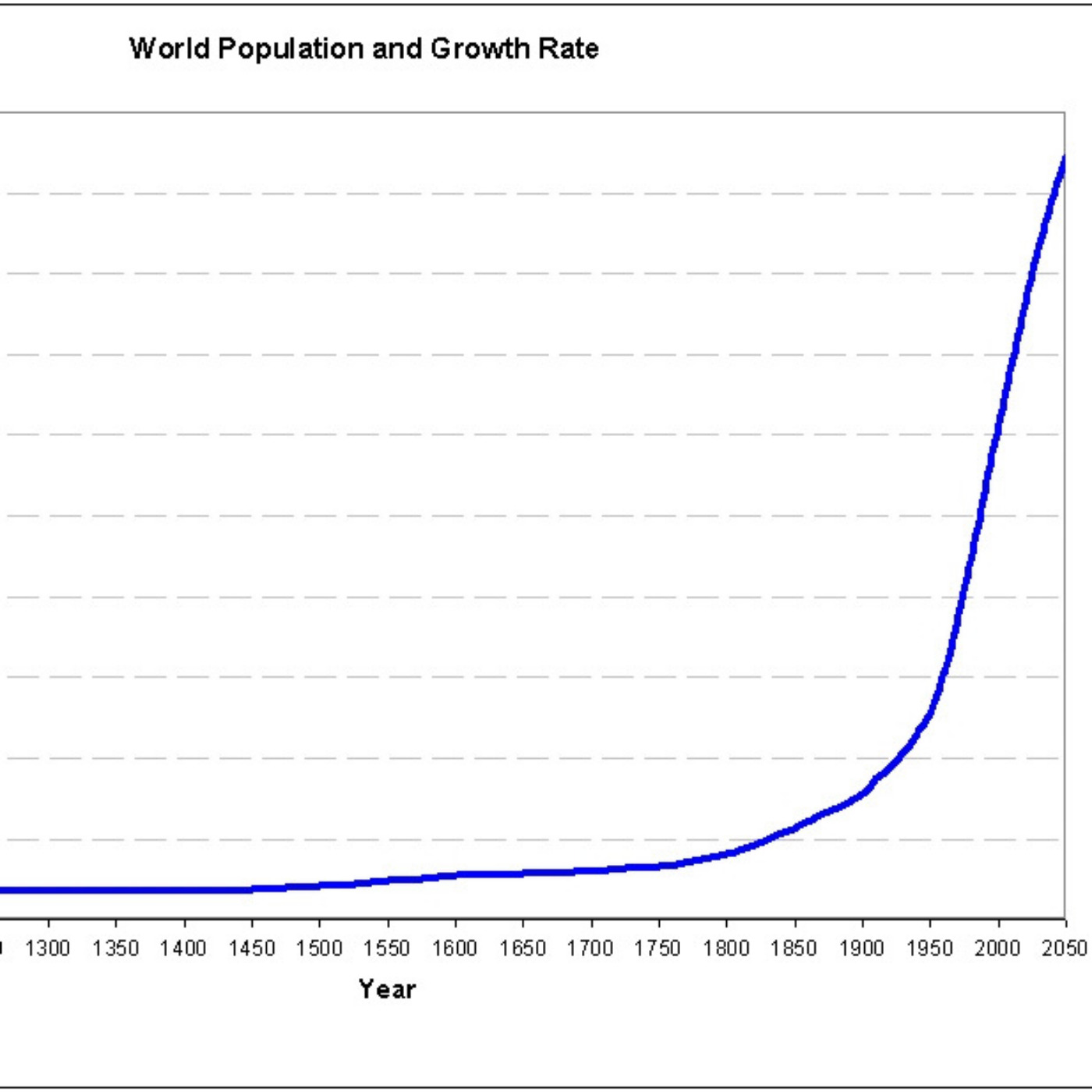
Ep 135135: Why We Want a World Without Growth
People seem to have a hard time imagining a world without growth, specifically economic growth or population growth. There's personal growth, but I'm talking about materially measurable growth.People seem to believe that economic growth is necessary. I've looked and haven't found any reasonable proof of its necessity.People say you need inflation to keep motivating people, but I don't see any founding for such a belief besides their unfounded, and apparently self-serving, idealism. We understand people and our motivations better than they used to when these economic theories started. Sadly, our financial and political systems keep operating on these flawed understandings.On the contrary, I've found societies that have lived for tens to hundreds of thousands of years, stably, which disproves that you need growth.Nobody thinks that if a thousand people were stuck on an island that had resources to sustain a thousand people indefinitely -- imagining a time without satellites and our modern ability to find any group of that size anywhere -- that those people couldn't figure out how to sustain themselves on those resources.Actually in such a situation, everyone sees growth beyond a thousand people would be a problem.We are in such a situation, only a bigger island. Hosted on Acast. See acast.com/privacy for more information.
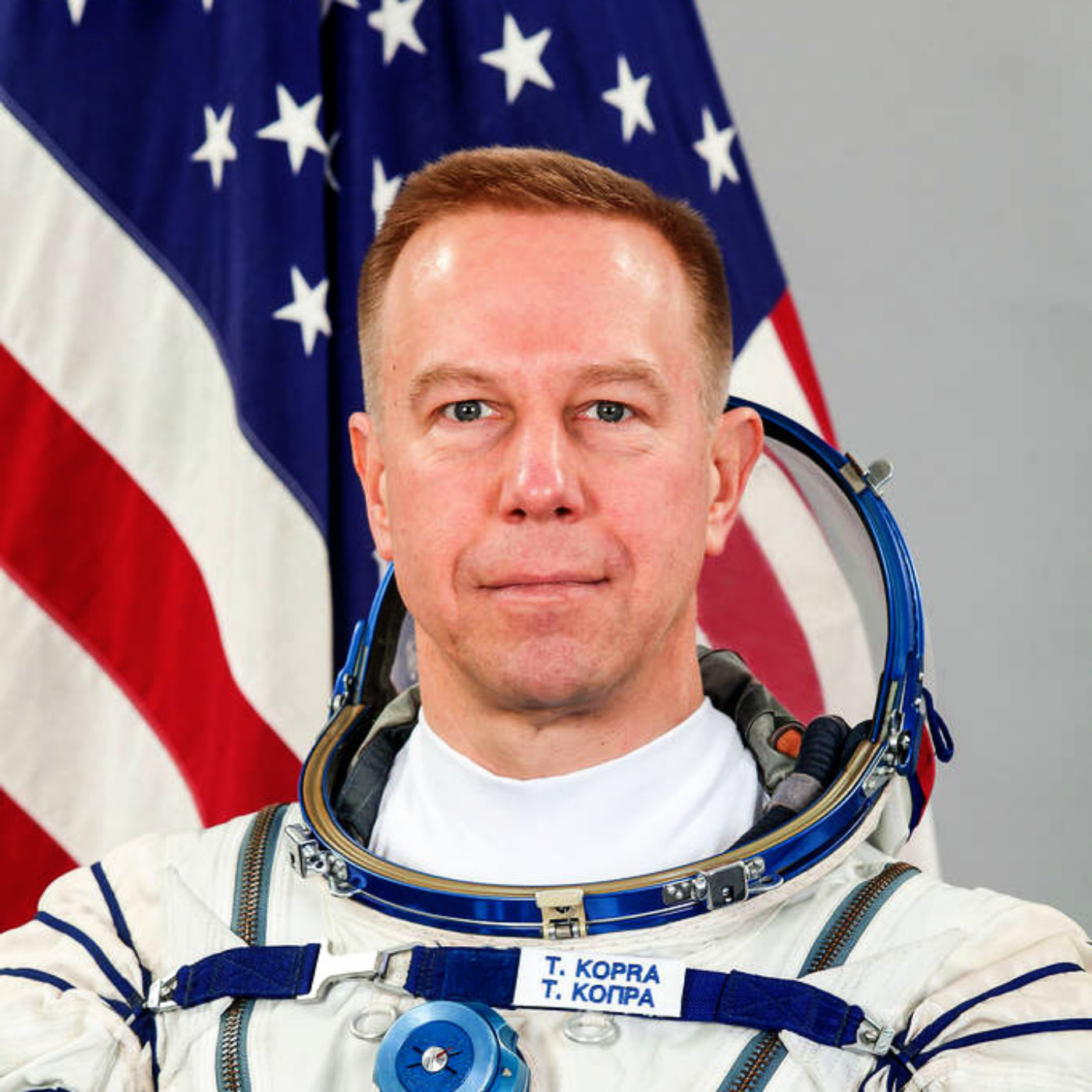
Ep 134134: Tim Kopra, part 1: Viewing Earth from Space
Hearing an astronaut talk about space is unparalleled. I imagine anyone and everyone wants to hear about seeing Earth from space and what launch feels like. You have to listen to hear it from a man who experienced it.Having walked in space twice is a minor part of his achievements. He earned degrees from West Point, the U.S. Army War College, Columbia Business School, and London Business School, on top of his military and NASA careers.What gets you to space isn't just fitness and technical skill. It's knowing that you will succeed no matter what. That you can work with everyone. Like business, leadership, family, and most of life, success reaching space is about people.Tim talks about integrity, consistency, and followership, which I agree is integral to leading. He talks about finding something bigger than yourself.Something we covered connecting visiting space with valuing and protecting the environment: Before flying, hot air balloons were unbelievable. Now they're nothing. Then flying was unbelievable. Now people get annoyed at it. Maybe one day people will get bored with space.I look at it the other way. If people could find beauty in flying, so can we. If they once found wonder and awe in hot air balloons, so can we. You can find the beauty and wonder of nature everywhere if you know how to look. I try to find it in the basil plants on my windowsill.The view and practicing it makes me feel every part is worth saving.I can't wait to see his gallery show. Hosted on Acast. See acast.com/privacy for more information.
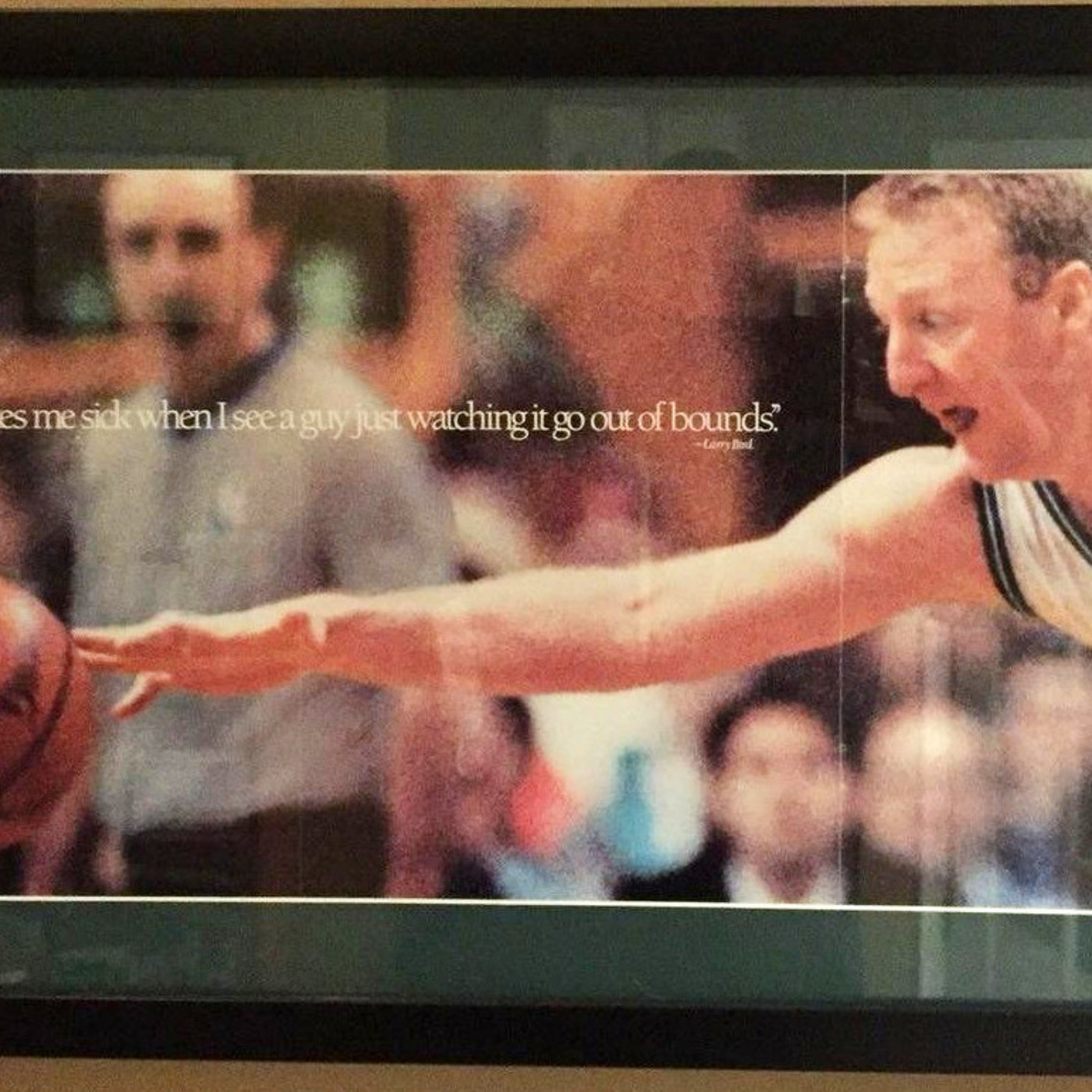
Ep 133133: At Least Try
When I played sports competitively, I once watched a pass go by me without trying because I thought I couldn't make a play on it. A teammate asked why I just watched.I said, "Because I couldn't reach it."He said, "At least try!"Larry Bird said something similar: "It makes me sick when I see a guy just watching it go out of bounds."The view has stuck with me. I haven't gone for every pass I could, but I respect when an outfielder sprints to the wall even when he know the ball will carry over the fence. The difference between watching and trying is meaning and purpose. I try for as many passes as I can.The pervasive environmental view, "If I act but no one else does then what I do doesn't matter," and the passive behavior it leads to, embodies a meaningless existence.I try in part today because I tried then. Today's post explores this view and several related ones in more depth. Hosted on Acast. See acast.com/privacy for more information.
Ep 132132: Lorna Davis, part 1: C-suites and B-corps
This episode is longer, but full of inside views at a leverage point of leadership and the environment. Consulting firms and business schools wish they had access to global corporate leaders at the frontier of change like Lorna. We spoke in-person about multinationals she's led across the globe. And she takes on one of the longest personal challenges of any guest so far.Lest you think the conversation was all about mega-corporations, we also talked about vegetables and leaders reduced to tears on seeing what environmental values they could have acted on but had put off too long and felt the consequences.Lorna has influenced big, global business, helping shift Danone USA to become a B-corp, working directly with the CEO of the company that made about $30 billion last year with over 100,000 employees.What's a B-corp? What difference does it make? Lorna will explain everything, largely from her personal, inside experiences. I've known about B-corps since studying them in business school over a decade ago. Lorna makes things clearer and more engaging from her experience.The shift in corporate structure is huge, likely a systemic change to capitalism enacted voluntarily by capitalists, not government. I find it intriguing. Even if you know about B-corps, hearing her inside view will -- I don't know any other way to say it -- blow your mind. It's one of the greatest signs of hope and expectation of success I've seen.She also shares her story about changing from wanting to win the rat race but not achieving it to living by her values and succeeding more. Hosted on Acast. See acast.com/privacy for more information.
Ep 131131: Dawn Riley, part 1: After winning the Americas Cup, revitalizing sailing
Dawn Riley has sailed in 3 Americas cups, won around the world races, and led other teams. I wish you could see the context for our conversation. We're at the sailing center she runs to restart the elite level of American sailing.Before this conversation she sent me out to see Olympic medalists competing on the Long Island sound. Shortly after, they all came in for a barbecue -- Olympic medalists, a gold medalist, a Crossfit Games champion, and more.You'll hear these world-class athletes, trainers, organizers, and so one talking in the background over the course of the conversation. My top measure of leadership is who follows them. Dawn is surrounded by people who are themselves global leaders, and she is taking them to the next level.She leads athletes, business people, educators, parents, and more. I wish I could describe the force of nature she is in action. Her results speak for themselves. I hope this conversation shows the potential of leadership and cultural changeIf you didn't know, I met her because I'm learning to sail, which I'm doing to travel off North America without flying. Most people think of what they miss by giving something up, even to live by their values. What you replace it with matters more. When you replace something you devalue with something you value, you've improved your life.Sailing and meeting people like Dawn and her community are what others would fly to meet. When you live by your values -- that is, when you lead yourself with integrity -- you attract similar people. I guess if you live by "what I do doesn't matter," you'll also attract similar people. Your choice!Besides, I've spent far less money on sailing than on flying.What everyone says they don't have time for -- bothering with the environment -- Dawn does without a second thought. You'll hear in the conversation her visceral connection to the environment. I hope it rubs off. If as a world-class athlete, educator, and businesswoman, she can make stewardship an effortless part of her life, you probably can too.In the meantime, get out on a sailboat. Hosted on Acast. See acast.com/privacy for more information.
Ep 130130: John Lee Dumas, part 3: One year picking up beach garbage
I'm trying something new for my third conversation with John: releasing the conversation unedited. While no editing means the sound is raw, you also hear everything.Why?Because you can hear how our relationship is developing into a friendship. in contrast to most conversations about the environment that I hear. They're about facts, doom, gloom, what the government should do, how nothing matters, and other analytic, academic, abstract, philosophical stuff.Anything but saying, "I'm going to act and do something new."John acted. He led me back to act. We both enjoyed our new actions though neither of us would have loved picking up garbage for no compensation for no reason. When connected to our values and our little race to the top, we both love it.We both still pollute more than we need to, but when you enjoy each step, you take more steps. Even after a year, you'll hear he's still just starting. Hosted on Acast. See acast.com/privacy for more information.
Ep 129129: Dave Gardner, part 2: "Came to relieve the burden, stayed for the joy"
David and I could have talked about growth and how many people think growth is sustainable and non-growth isn't, which seems based on a system hurtling toward collapse, whereas a steady-state economy and population can be sustainable.Instead we just talked about the fun of riding more and getting outside. He lives in Colorado with hills. What looked like a challenge before starting became part of the joy. The natural environment is like that. I see it over and over with guests.We talk about how one joyful thing leads to another when you shift from making excuses to avoid acting to acting. David's stronger than before, finding things about his neighborhood and himself.One of my life's great experiences was riding my bike from Philadelphia to Maine and back the summer between high school and college, with tents on our bikes at 16 years old.After listening to David, I recommend listening to some of these episodes:Dov Baron found something similar in his conversation, considering getting rid of his Jaguar.Danny Bauer found similar results after getting rid of his car as his commitment.I haven't heard back from Jethro Jones about riding his bike through the winter in Alaska, but he chose to do it.Michael O'Heaney found similar results riding his bike with his daughter in Golden Gate ParkAfter talking to John Lee Dumas I went from talking about plogging to starting ploggingYou can debate pros and cons of bikes. You can't debate they're having more fun, getting in better shape, enjoying life more.It's about fun. The opposite of feeling guilty. Everybody loves nature, it seems. Especially if you have kids. Hosted on Acast. See acast.com/privacy for more information.
Ep 128128: Sally Singer: Fashion and the Environment
Sally plays a big role leading an iconic brand, with her team taking it in directions no one has taken media before. She's also played major roles in the New York Times and other major media outlets.In this first part of my conversation with her you’ll hear Sally’s passion about the art of storytelling, what evolves and what stays the same as media evolve, and how she leads people and teams.Sally shares about caring and passion, which are integral to success in business, at least how she does it. I think you’ll appreciate her take on fashion's reputation regarding the environment.The conversation went long enough -- I think we both enjoyed it that much -- that I couldn’t fit it all into one episode. This episode ismore about leadership, journalism, fashion, Sally's growth and personal development, and a bit of Chelsea Manning.Stay tuned for episode two, on her challenge and her takes on leadership and the environment. Hosted on Acast. See acast.com/privacy for more information.
Ep 127127: Douglas Rushkoff, part 1: Team Human
You've heard that with social media, Google, and most free services, you're the product. The idea probably provoked thought when you heard it. Now it probably feels old, an ending point.What if you considered it a starting point? Where does it lead? What does it tell you about yourself, society, the internet, markets, humanity?Doug Rushkoff follows dozens of ideas like it and weaves them together into a tapestry of a new way of looking at media, individuality, advertising, algorithms, and more.For example: the internet began as a medium to unite people. Over and over its innovations with the most promise to bring people together instead came to separate us -- Google and Facebook being the biggest examples. They are now the greatest advertising media ever, increasingly getting in your business and personal life as much as you can. Their executives have to testify to Congress for undermining democracy.How did such results happen? What do they mean? What can we do about it?A few months ago friends started telling me to listen to Doug Rushkoff, because he talks about media like I do.It turns out after he wrote many bestselling books and a renowned podcast, just after I heard about him, he wrote a new book, Team Human, and was speaking a few blocks away from me, introduced by his friend and guest of this podcast Seth Godin.To prepare I listened to his podcast, which I loved, watched his TED talk, which got me thinking, and watched one of his several Frontline episodes, called Generation Like.Seth introduced us and here's the podcast.I appear at 48:25 on Team Human episode Book Launch: A Live Team Human Conversation with Douglas Rushkoff and Seth Godin. Hosted on Acast. See acast.com/privacy for more information.
Ep 126126: Col. Everett Spain, part 2: West Point’s Head of Behavioral Sciences and Leadership
Would you expect the army to change sooner or later than other institutions---say business, traditional education, or non-profits?Col. Spain committed to using less plastic bottled water for 30 days. He reduced his typical use from 40 bottles to 1. At what cost? It sounds to me like the "cost" was of practicing discipline and selflessness, which sounds positive to me, what leads to long-term change.I suggest listening for the emotional timbre of his change. Would you say he considers his life better or worse? He practiced personal leadership. He affected his family in a way I think he'd call positive. I heard him sounding satisfied for leaving the world better for his new behavior. I heard him want to continue.For those looking to learn leadership, you'll hear me explain, about 15 minutes in, my leadership technique from my book and practicing here my emerging Leadership and the Environment technique to motivate people through intrinsic motivation.Why not follow the leader of the leadership department of one of the top places for teaching leadership?Having interviewed him at West Point, I can't help asking, why are we following other countries on something that improves our lives?I hope you'll ask yourself: Why wait for laws or others to start? Why not start yourself? Hosted on Acast. See acast.com/privacy for more information.
Ep 125125: Ann-Marie Heidingsfelder, part 2: Balancing priorities
I learned a lot in this conversation. That's a euphemism for it being challenging for me, since her values and working style differs from mine. You'll probably hear me struggling to listen and learn her experience and perspective.Part of why I invited her and value our friendship is our different values. Different values mean we balance them differently. Leadership means listening, making people feel understood, and supporting them as people, even when you disagree, at least my style.Listening now, I don't think I listened as much as I could have. I could have learned more about a different perspective that many people share. This conversation led to several monologue posts I put up on awareness often leading to inaction, rather assertive ones.As always with Ann-Marie, enjoyed the conversation and valued her being herself. Hosted on Acast. See acast.com/privacy for more information.

Ep 124124: Guilt Free
Before acting on my environmental values, I felt guilty and helpless. I didn't like those feelings. All the analyzing, raising awareness, and planning, I now look back and see that I was occupying my mind, making busy work for it, to distract myself from those feelings. I could feel I was doing something even when I wasn't.I kept trying to ascribe the cause of the guilt and helplessness to others, but it didn't go away. It couldn't, because they were purely internal: my behavior was inconsistent with my values. No blaming others or waiting for awareness or planning or analysis would change that conflict. On the contrary, they kept me from addressing it.Today's episode tells my emotional journey liberating me from guilt, blame, and insecurity, replacing it with determination, expectation of success, and action. Hosted on Acast. See acast.com/privacy for more information.
Ep 123123: Dave Gardner: Busting the Growth Myth
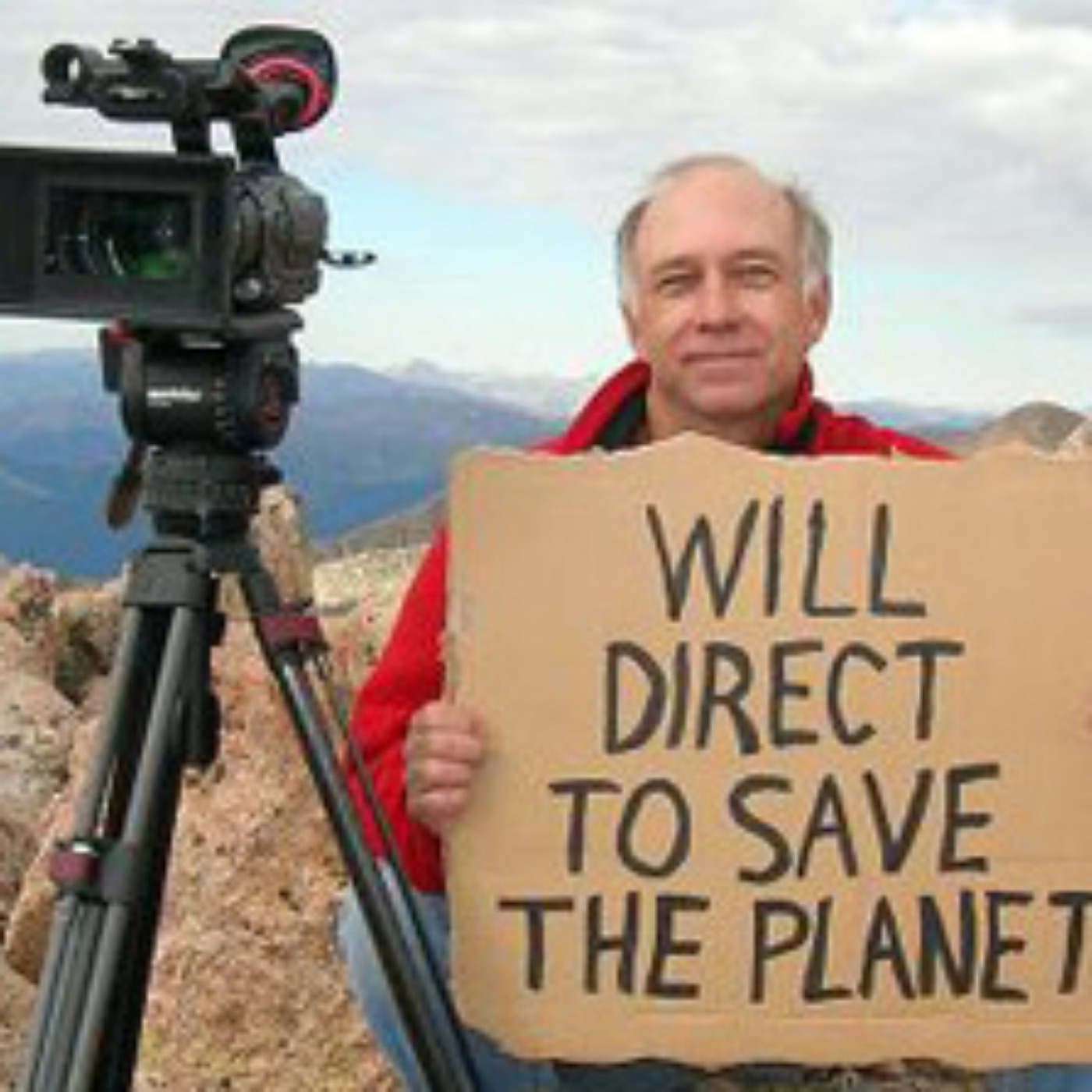
Dave saw the problems with growth to local communities, the national economy, the global economy, and the environment. He questioned the the nearly unquestioned belief that growth is good, especially GDP and population growth.Once you question it, like a sweater unraveling, you start seeing the problems it causes. I haven't been able to communicate its problems to someone who disagreed, so I won't try here, though if you've also tugged at any of its loose ends, Dave's documentary, his podcast, and this conversation will help you feel like you're not alone.You're not crazy. There's plenty of evidence that I find conclusive that for whatever it helped before, growth of a certain percent a year---that is, exponential---is unsustainable and the more we push to keep it up, the more problems we create for ourselves. Sadly, people who believe growth solves problems, when they see problems that growth causes, push for more growth.You'll be glad to know that not pursuing growth doesn't mean returning to the stone age. It means focusing on relationships, enjoying what you have, and other meaningful things.Listening to David leads me to imagine the resistance Martin Luther King or Gandhi must have faced promoting non-violence. Or the first women to wear pants. I'm glad they stuck with it. The analogy isn't perfect, but it's meaningful to me and I hope Dave sticks with it. Hosted on Acast. See acast.com/privacy for more information.
Ep 122122: Rosa Parks and Acting on Your Environmental Values
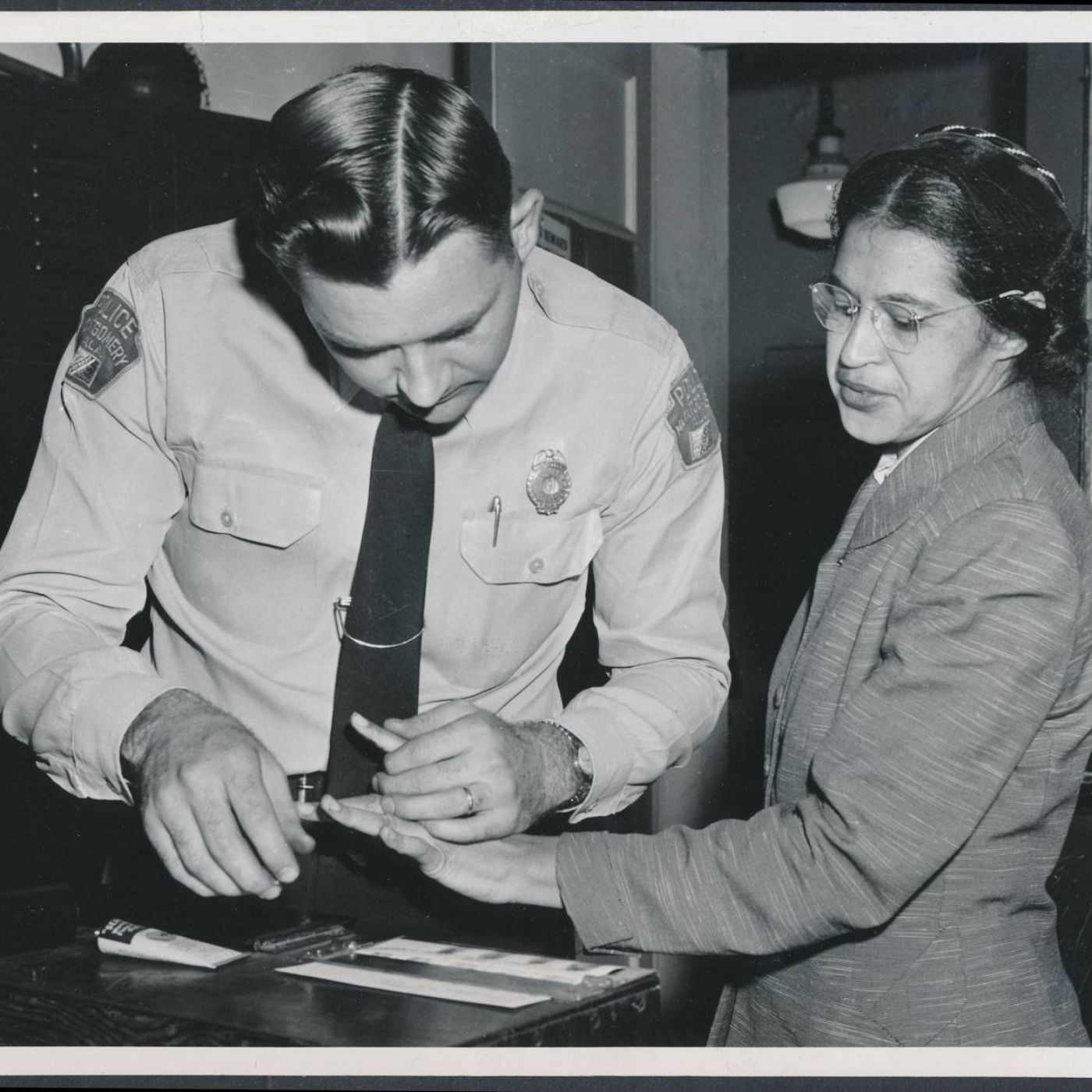
Lately, I've thought of people who say they can't avoid plastic bags, bottles, flying. I suggest just declining, but they say they can't. Saying no reminds me of Rosa Parks.She said no. She didn't just act on her own as the campaign was planned and strategized, but she did it. She was arrested, which no one will be for declining a water bottle.Why do we honor someone if not to follow when the chips are down? Why remember her if when we feel it's right to say no, we don't?Her actions also suggest that even when many people agree and want to act, a spark helps. It seems everyone wants cleaner air, land, and water. As long as everyone thinks, "If I act but no one else does then what I do doesn't matter," everyone keeps sleepwalking, keeping polluting.She was a leader who accepted her fate of arrest, risking more in context of activists being lynched and killed. We have it easy in comparison. We can say no and lead others at no risk.Also like her, saying no is the beginning or a big escalation. For her it escalated the civil rights movement, including leading to federal legislation of the civil rights acts in the next decade. For you it will lead to polluting less in more parts of your life, living cleaner, and almost certainly federal legislation.Between mindlessly sleepwalking through a polluting life and leading others to pollute less and live more cleanly, which side of history do you want to be on? Hosted on Acast. See acast.com/privacy for more information.
Ep 121121: Minimalism should be called Maximalism
People see my apartment and often describe me or my lifestyle as minimalist.I don't like labeling people or being labeled, but if anything, a more apt label would be maximalist.You might see the lack of stuff, but my focus is on values, relationships, self-awareness, free time, fun, joy, mental freedom, physical freedom, simplicity, space, delicious food, beauty, fitness, social and emotional skills, happiness, emotional reward, and so on.You can't see those things, but I focus on them. The more joy I create in my life, the more I want to create more, which a TV gets in the way of for me. Hosted on Acast. See acast.com/privacy for more information.
Ep 120120: Rules for plogging in New York City
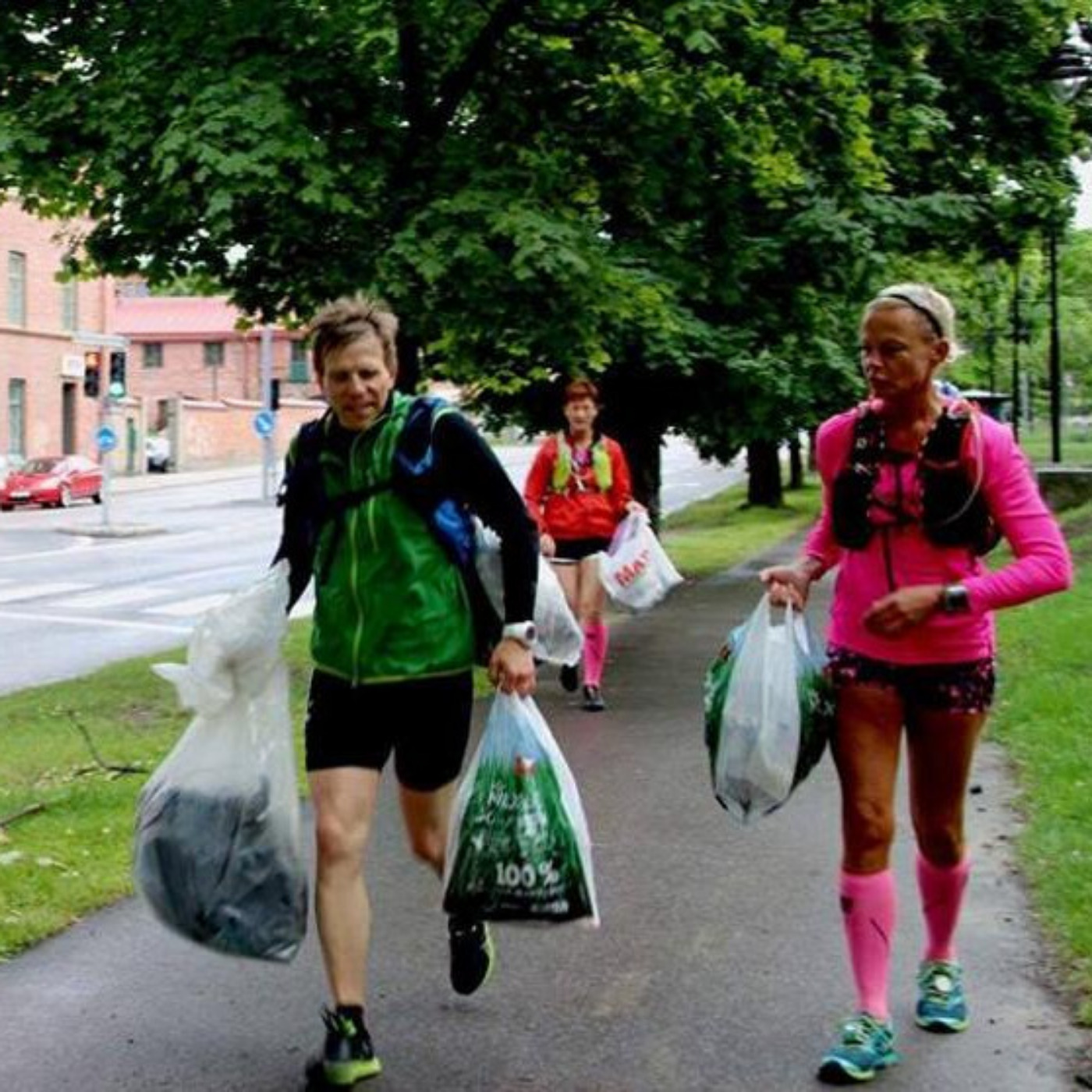
If you haven't started plogging, I recommend it.What's plogging? It's a term the Swedish created for picking up garbage when you run.I've picked up at least one piece of trash per day for a few years. In fact, this podcast began from a former student who, when he heard of my practice, committed to picking up 10 pieces of trash per day for a month.Most people do it by bringing a bag to collect the garbage with. I wasn't sure how to start plogging in New York because there's so much garbage. If I picked up everything I passed I might not make a block.Also, I don't want to run with a bag.Listen to my second conversation with John Lee Dumas and you'll hear how his commitment to picking up trash from the beach near his home inspired me to stop analyzing, planning, and thinking, and act. I have to relearn that lesson over and over.Action raises awareness more than raising awareness leads to action. Actually, planning, analysis, and raising awareness delays action, at least environmental action given that everyone is plenty aware. The environment has been front page news for years so everyone is aware. Certainly everyone listening to this podcast is.The best way I know to do something you don't know how is to start the best I can and learn from doing, then iterate.Picking up every piece of trash is impossible. Planning away from the street doesn't work.I started running and developed rules that work for me.Rule 1: I only have to pick up trash directly on my pathRule 2: Cigarette butts and smaller I ignoreRule 3: Nothing wet or in a puddleRule 4: If a trash can is not in sight, I don't have toNow I favor plogging to regular running. It's like running with random lunges. My quads tire faster. Sadly it fills you with disgust at the filth people create and tolerate without cleaning. By people, I mean everyone.It also fills you with a sense of civic pride. I make a little game of trying not to be obvious while being obvious. I dream of others picking up the habit. People see it as dirty when it's actually cleaning the world. The people who litter seem the dirty ones to me.Links:Wikipedia on ploggingJohn Lee Dumas's episodes on this podcastMy Inc. article about my former student who committed to picking up ten pieces of trash a day for a month and inspired this podcast Hosted on Acast. See acast.com/privacy for more information.

Ep 119119: Heroin and the Environment
A friend who treats opioid addicts told me about the squalor they live in. They don't see it because they're thinking about their next hit, which will bring them euphoria. They'll steal and prostitute themselves to maintain their habit, not thinking about the filth they live in or whom they hurt to bring their next hit.People don't seem to see the filth we've turned our world into. People seem willing to ignore whom they hurt with their single-use plastic and the jet exhaust they impose on billions of others.The longer I go without packaged food and flying the more people talking about them sounds like people talking about heroin. Hosted on Acast. See acast.com/privacy for more information.
Ep 118118: Beth Comstock 2: Action creates awareness
"To start, I need to build awareness."Who hasn't said that about polluting less? It seems the standard starting point. On the contrary, it's the standard delay tactic.In a world where environmental issues are front page news and everyone sees the pollution that they create, claiming a goal of awareness more often delays action. You're already aware. Plenty aware.Action creates awareness more than awareness creates action.Beth shows personal leadership---accountability, responsibility, openness, honesty, and more---in revealing that someone who is plenty aware, when she chooses to act, reaches whole new levels of awarenessI believe most people delay action because they anticipate how much awareness of themselves they know action will create. They'll realize they could have acted long before and will feel bad about it.She got hit over the head with how much more she depends on plastic than she expected. She didn't hide from it. Unlike most people, instead of giving up, she used the opportunity to grow, to try to live by values that she thought she was but wasn't. Thinking, planning, and trying to build awareness without acting is like standing still in comparison.Yes, it makes us feel bad to live with our values in conflict with our values. We can try to cover up those feelings by ignoring the conflict. It doesn't make it go away. That conflict manifests as anxiety, anger, shame, guilt, and other emotions we don't like. Instead of changing, we cover up, blame others, and point fingers. Anything but changing.The route out of feeling bad is to face and overcome the internal conflict creating those feelings. Other people and the world don't create internal conflict. We do when we value one thing and do another.Few people face such challenges, fewer still among renowned leaders, fewer still publicly, fewer still keep at it and find ways to use the challenge to recharge them.Beth did. Hosted on Acast. See acast.com/privacy for more information.
Ep 117117: Jeffrey Madoff: Creative Careers: Making a Living With Your Ideas
Jeff teaches a class in making a living through a creative life. I've sat in on his class for years for his interviews and the guests. I don't need more formal education. Look at some of the people he's interviewedRalph Lauren, Halston, Brooke Astor, Liza Minnelli, Donna Karen, Martha Graham, Tom Brokaw, Tony Bennett, Renee Fleming, Tyra Banks, Heidi Klum, Gisele Bundchen, Adriana Lima, Candice Swanepoel, Miranda Kerr, Karlie Kloss, Doutzen Kroes, Alessandra Ambrosio, Justin Bieber, Usher, Black Eyed Peas, Maroon 5, Katy Perry, Akon, Halle Berry, Salma Hayek, Ray Kurzweil, Sanford Weill, Tim Ferris, and Peter DiamandisThe celebrities are not the main reason I like his class. You know how no matter how productive you feel, when you take a vacation, things resolve themselves and you realize your priorities?I get that from his class in an hour or two nearly every time. Jeff brings out creative thoughts, reflection, and solutions. I wanted to bring that culture to the podcast.This episode is about leadership, especially starting without connections or resources. If you've heard 80% of success is showing up, Jeff shows how. You'll hear some iconic names within the first few minutes.If you want to lead, you'll hear how he gets his results, starting from almost nothing, reaching world-renowned icons, living by his values. Hosted on Acast. See acast.com/privacy for more information.
Ep 116116: Michael O'Heaney, part 2: Less plastic, less stuff, more fun, more family
First, if you haven't watched Story of Stuff, as much as I love my podcast, watch the videos from the organization Michael O'Heaney leads---the Story of Stuff.You'll hear that simple things he could have always done are available and doing them improves his life, as I heard.As experienced leaders often do, he involves others---in particular, his daughter---in contrast to many others, who tend to think of other people as problems. They think, "I can't stop flying because of family," or because of work. Always someone else.Leaders involve others solutions that affect them a strategy that usually works, at least among this podcast's guests.He's not the first to find acting on his environmental values overcomes separation with children. I recommend listening to Jim Harshaw's episodes for another example of a parent using acting on his environmental values to connect with people he cares about.The links Michael mentioned:The first group is TEJAS, based in Houston.Yvette, a staffer, was featured in the first short documentary that the Story of Stuff released in the run up to the full Story of Plastic.The second is Earthworks, which works with a series of grassroots groups fighting extractive projects around the country, including fracking in Pennsylvania. Hosted on Acast. See acast.com/privacy for more information.