
This Sustainable Life
866 episodes — Page 18 of 18
Ep 14014: Joshua Spodek: My friend's anger and why I'm doing the show
My friend told me this show angered him -- hearing people act as if little changes were significant... not knowing not to get new plastic bags.I shared some of my thoughts on people making trivial changes and what motivates me.I expect I'll share more personal thoughts on leadership and the environment as I develop my voice. Hosted on Acast. See acast.com/privacy for more information.
Ep 13013: Dan Pink, Conversation 2
Dan Pink's second conversation was short and sweet, like his personal challenge.After a few guests learning, growing, and leading from having to overcome big challenges, Dan shared an easy, simple experience.The story was that there was no story. While many portray changing your diet as impossible or a big challenge, Dan and his wife simply stopped eating most meat.That's it.He stopped. He could have stopped earlier. What problems arose were small and he solved quickly.If you're thinking of committing to a personal challenge, sometimes it's easy.Listen to the conversation for how to choose challenges so they're easy for you. You can always build to harder ones.Dan's new book When and TEDDan's book was released a few days ago. You may have also seen him in the news.We talked about writing, marketing big releases, and preparing for TED talks. Hosted on Acast. See acast.com/privacy for more information.
Ep 12012: Judith Glaser, Conversation 2
This conversation was fun and engaging since Judith is charismatic, experienced, and cheerful, even though it started solemnly, owing to a terrorist attack in Manhattan the day before. We covered politics a bit -- now that I think of it, one of this podcast's few forays there.We talked about leadership from many perspectives, including her storied experience, given her experience with globally known leaders (Donna Karan, etc) and top organizations (Harvard, Apple, etc). Most of us rarely get to talk to people with such connections and history.I continued to follow Judith's lead from our first conversation to use her definition of "environment," which wasn't my usual one, roughly meaning the air, land, and water we share. Her definition is more about people and relationships.I treated the conversation as somewhat challenging, to enter someone else's world. I went into this podcast as much to learn as to influence, expecting everyone to have unique views on the environment, leadership, community, and other subjects, so I welcomed it.By challenging, I don't mean the conversation was unpleasant or uncomfortable. Just that given my experimental physics background, we were far from my touch points like measurables like concentrations of molecules and concepts like conservation of energy.I presume listeners with backgrounds different than mine and more like Judith's will resonate with the conversation. My goal is to make the podcast as much for you as for me. Hosted on Acast. See acast.com/privacy for more information.
Ep 11011: Tanner Gers, Conversation 3
Tanner's third conversation continues his project beyond just polluting less himself to influencing a store, in fact a whole grocery store chain. You can hear his growing enthusiasm, that the more he works on his project, the more he finds parts of it to love and act on.Do you think because he's a gold medal winner things come easier for him?On the contrary, things don't go his way. But he doesn't give up.If you try projects and they don't work out, which describes me, I think it will help to see that people as successful as Tanner don't succeed on their first tries either. I don't know about you, but when I read their books or see them on TV, their success seems more given. Here Tanner reveals that he had to regroup and restart.From my perspective, he sounds like he holds himself overly accountable, including for things outside of his control, but I also read that he found ways that work for him. Some may look for the positive. Tanner seems to look for the accountable.But listen to how his perspective turns into enthusiasm. I look forward to the next time I feel like giving up on a project that's not going my way. I'm listening to this episode.I hope you can also hear how much fun we have together. Hosted on Acast. See acast.com/privacy for more information.
Ep 10010: Jim Harshaw, Conversation 2
In conversation 1, Jim shared his values and committed to live by one.In conversation 1.5, he shared problems with the challenge and how he overcame them.In this conversation he shares how it worked. Listen to hear how persevering through challenges to live by your values leads to a better life.Judge for yourself what you find from his experience. I heard:More time with his familyQuality time with his familyFunFinding more challenges (why not, if they're fun?)Things became easier than beforeTake off your wet socksI introduce my wet socks analogy for not living by your values in this episode, which is:Say you step in a puddle and get your socks wet in the morning. You can still go about your day. If you're busy, you might not notice them.It's still a relief when you get home and take them off at the end of the day. Finally you feel fresh, clean air against your skin instead of wet sock. You look back and realize they've been annoying you all day. Making yourself busy distracted you from noticing them, but never made them go away. You wish you had taken them off earlier.Living by your values after ignoring them feels like taking off wet socks. As with wet socks, you look back and realize that abandoning your values has annoyed you your whole life. Making yourself busy distracted you from noticing that you weren't living by them, but never made it go away. You wish you had chosen to live by them earlier.Denying that you're abandoning minor values, prevents you from noticing big ones. On the other hand, fixing the little ones opens your eyes to others, which motivates you to fix them, then to fix bigger ones, and so on.You may consider small denial not that big a deal, but once you take off those socks, you realize you could have long before. Living in conflict with your values means living without integrity. It eats you up inside.Take off your wet socks. Enjoy the freedom of living by your values. The environment is a great place to start. Hosted on Acast. See acast.com/privacy for more information.
Ep 9009: Tanner Gers, Conversation 2
EDo you want to improve your life?... and enjoy doing it?I usually don't laugh out loud at people talking about the environment, but Tanner made me.Listen to Tanner's second conversation to hear how a master approaches a modest challenge, makes it fun, makes it bigger (if it's fun, why wouldn't you), involves others, and keeps building.He shares what makes him a top athlete, husband, and all-around fun guy. He's no more or less human than anyone.We talk about challenges, successes, Navy SEALS, and what makes a person and life great. It all starts from plastic bags, the awareness that comes from paying attention to how you affect others, and acting with integrity. Hosted on Acast. See acast.com/privacy for more information.
008: Jim Harshaw, Conversation 1.5
I will recommend this episode a lot. You’ll hear an accomplished man struggle with a goal he expected to be easy. You’ll also hear him triumph, bringing his wife and children to the triumph—creating it with them. I’m releasing it on a holiday because it’s as heartwarming a story of a father bringing his family and community together as any—despite, or because of, adversity and the skills he’s learned to handle it. Skills you can learn, starting by listening to his story. You think challenges are easier for him or anyone else? They aren’t. He’s just learned to handle them. You can too. This episode is a real-time update from someone implementing a change in his life, facing resistance, figuring out how to handle it, and succeeding through failure where most people give up. I scheduled this conversation because Jim wrote me that he was struggling to meet the personal challenge he came up with. Between that email and scheduling the conversation, he figured out a solution better for him than the original challenge. Many people decide to change their lives then face unexpected challenges. Most give up or let their standards slide. Overcoming challenges With the plan fresh in his mind, Jim shares How he understood the situation What he did to solve it How he involved others He he built community His mindset If you’ve struggled making commitments, Jim’s story will help you. Leading without authority Beyond personal change, the episode also reveals the leadership techniques I’m finding work in leading people when you don’t have authority over them. For full depth, read and do the exercises in my book, Leadership Step by Step. You can hear me practice them in my first conversation and their results here: In conversation 1, I didn’t tell him what to do, I asked him what he cared about, then invited him to act on those values As a result In conversation 1.5, he saw doing this challenge as for himself, acting on his values In conversation 1, I set up future conversations, creating accountability As a result In conversation 1.5, he described motivation to meet those expectations See if you can find other techniques in how I framed and led starting the challenge and the resulting behavior. Hosted on Acast. See acast.com/privacy for more information.
007b: Judith Glaser, Conversation 1: A different environment
A 30-minute highlight version of conversation 1 with Judith Glaser. Hosted on Acast. See acast.com/privacy for more information.
007: Judith Glaser, Conversation 1
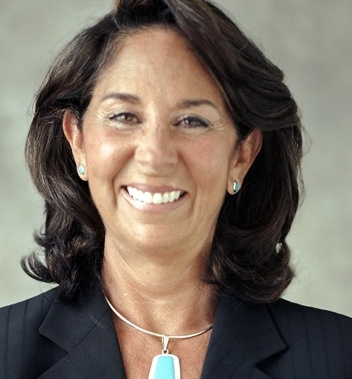
Judith co-founded the Harvard Coaching Institute as well as her own consulting and coaching firms -- Benchmark Communications and Creating WE -- through which she has worked with culture-setting companies such as Apple, Burberry, and Donna Karan. She's written seven books. She's on the board of Expeditionary Learning. And more, so if credentials are important to you, she has them. Yet she's almost counter-cultural in her way of going against the mainstream grain when it holds her or her clients back. Yet she's friendly and approachable. Since she lives a subway ride away from me, I met her in person, which made our conversation more friendly and behind-the scenes. I'm nerdy and look at the world more conventionally than she does, so we'll see a different way of looking at the environment, science, and nature than my usual way. She talks about her big breaks, making mistakes and rolling with them. She walks through how to use her books and materials. You can see how she's gotten great clients and speaks to such prominent organizations Hosted on Acast. See acast.com/privacy for more information.
006: Jim Harshaw junior, Conversation 1
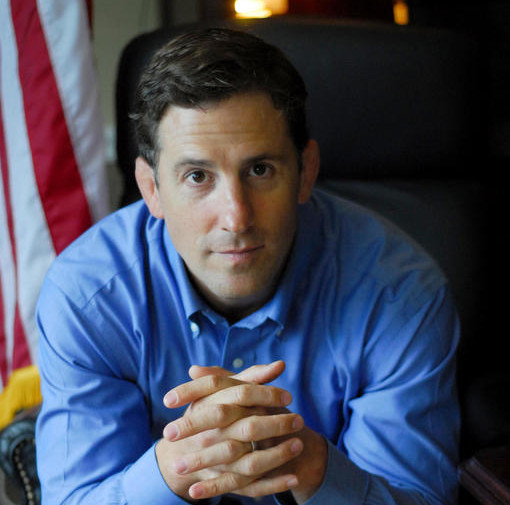
Jim and I have become friends since I did his podcast, Success Through Failure, twice. He's as friendly and approachable as anyone you'll meet, despite or maybe because of his reaching the top levels of one of our most demanding sports. I'll put his description below, but printed words don't express his enthusiastic approach to life and helping others. You can almost hear the excited sparkle in his eyes at what fun and growth he extracts from life and that he enables his clients to. I expect to refer to Jim's episodes more than most, maybe most because how he approaches changing himself is so effective for himself and people around him. It comes from his attitude, the questions he asks himself, how he involves others, and more, all of which he shares. We get to know him in this episode---a regular guy who happens to have been an All-American Wrestling champion and now coaches people to potentials beyond their dreams. We also hear his challenge, which sounds simple, but its unexpected twists will prompt him to show what makes him a leader for whom hardship just prompts him to grow more---skills we can all learn from him. From his About page: My name is Jim Harshaw. I’m a speaker, personal coach and former Division I All American wrestler. I grew up in a blue-collar home so learned the value of hard work early on. I have spent my life surrounded by Olympians, CEO’s and millionaires. They’ve all struggled and failed on their way to success. Just like you. You need to understand this… Every success story includes crushing failure. Steve Jobs, Michael Jordan, Phil Knight, Elon Musk have all failed. When you realize this, you’ll see that failure isn’t the opposite of success. It’s a necessary step on the path to success. But we live in a society that tells us that when we fail it means we’re not good enough or not smart enough or not capable enough. When people fail, they lower their goals and settle for less. — On March 20, 1998, my sixteenth year of wrestling ended in a locker room with blood on my face and tears in my eyes. I’d just lost the match to become an NCAA Division I All American. But I had one more season at the University of Virginia. One more chance. And exactly one year later, in front of over 14,000 fans at the NCAA Championships, I did it. I earned a place on the podium as one of just eight wrestlers in the country with the status of Division I All American. I followed a blueprint for success to get there. The same blueprint got me invited to the Olympic Training Center and took me overseas to compete on a US National Team. Unfortunately, no one taught me how to apply this blueprint to life outside of athletics. Fast forward 15 years, and I’m working below my potential and feeling stuck. But then I started noticing patterns in my life. Patterns of failure and success. I noticed them in business, in personal relationships, in my health and well-being, and in my level of happiness. These patterns reminded me of how I’d failed as a wrestler. And how I’d been successful. I began to see how those lessons could be replicated throughout my life. When I looked at other former athletes who had been able to achieve success, the same patterns were there. That’s when I knew I’d found a framework for creating a path to elite success in the real world. Since then, I’ve shared this blueprint with others. They say things like: “I’m shattering the goals I’ve set for myself already. I feel pretty much unstoppable. Every aspect of my life has been affected positively.” -Neal Ewers, marketing director, Beat the Streets Toronto “What I found most valuable was getting a level of clarity on my most important goals that I haven’t had since I was competing in college.” -Sam Shames, MIT grad, entrepreneur, 4X All American wrestler “[Your program] helped me get clarity and knowledge on my life. It helped me develop a system for getting the right things done.” -Jake Bloom, M.A., LPC, NCC, Counselor, AOD Program Specialist “I took away two game changers that are now a regular part of my life.” -UFC veteran, author and motivational speaker, Charlie “The Spaniard” Brenneman “I know it sounds cliche but I really do think it helped me change my life.” -Trevor Kittleson, Engineering Teacher, Football and Wrestling Coach My clients include Olympic coaches, professional athletes, and entrepreneurs. They’ve achieved their personal best and now you can too. You can regain the confidence, clarity and accountability that you had as an athlete. Once you do, failure will be your secret weapon for success. You have unique skills because of your background as an athlete. You can achieve success by harnessing the power of failure. You just need the framework to put it all together. I will teach you. Hosted on Acast. See acast.com/privacy for more information.
005: Tanner Gers, Conversation 1
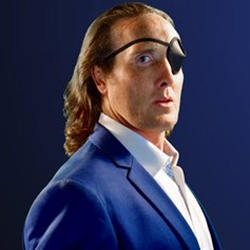
Tanner Gers has been through more than you have, almost surely. If you want a role model for taking on challenges that you know will improve your life but you aren't sure how, listen and learn from Tanner. I wanted his conversation early because whatever most of us have been through, materially speaking, he's had it harder than most of us. I say materially speaking because emotionally and purposefully, the car accident that left him blind doesn't register as a problem. Tanner will help you grab life by the reins and forget your problems, or use them to advance. His personal challenge starts modest in this conversation but grows in later ones, so listen on. Hosted on Acast. See acast.com/privacy for more information.

003 Elizabeth Kolbert, Conversation 1
Reading Elizabeth Kolbert's haunting The Sixth Extinction was difficult but enlightening. She presents what most people fear facing but is happening around us. We are causing the loss of almost unbelievably large parts of the natural world on which we rely without realizing it---sleepwalking, I would say. Her writing in the New Yorker cover more issues most people are too uncomfortable or lazy to learn about: overpopulation, the limits of technology to solve the problems most people think technology will solve, and the like. She presents the issues simply and directly, forcing you to draw your conclusions. I considered it critical to bring a guest so thoughtful and knowledgeable about relevant issues she saw firsthand. Her perspective is difficult to face, but the alternative of putting your head in the sand prevents you from solving the problems. Hosted on Acast. See acast.com/privacy for more information.
Ep 1001: Dan Pink, Conversation 1
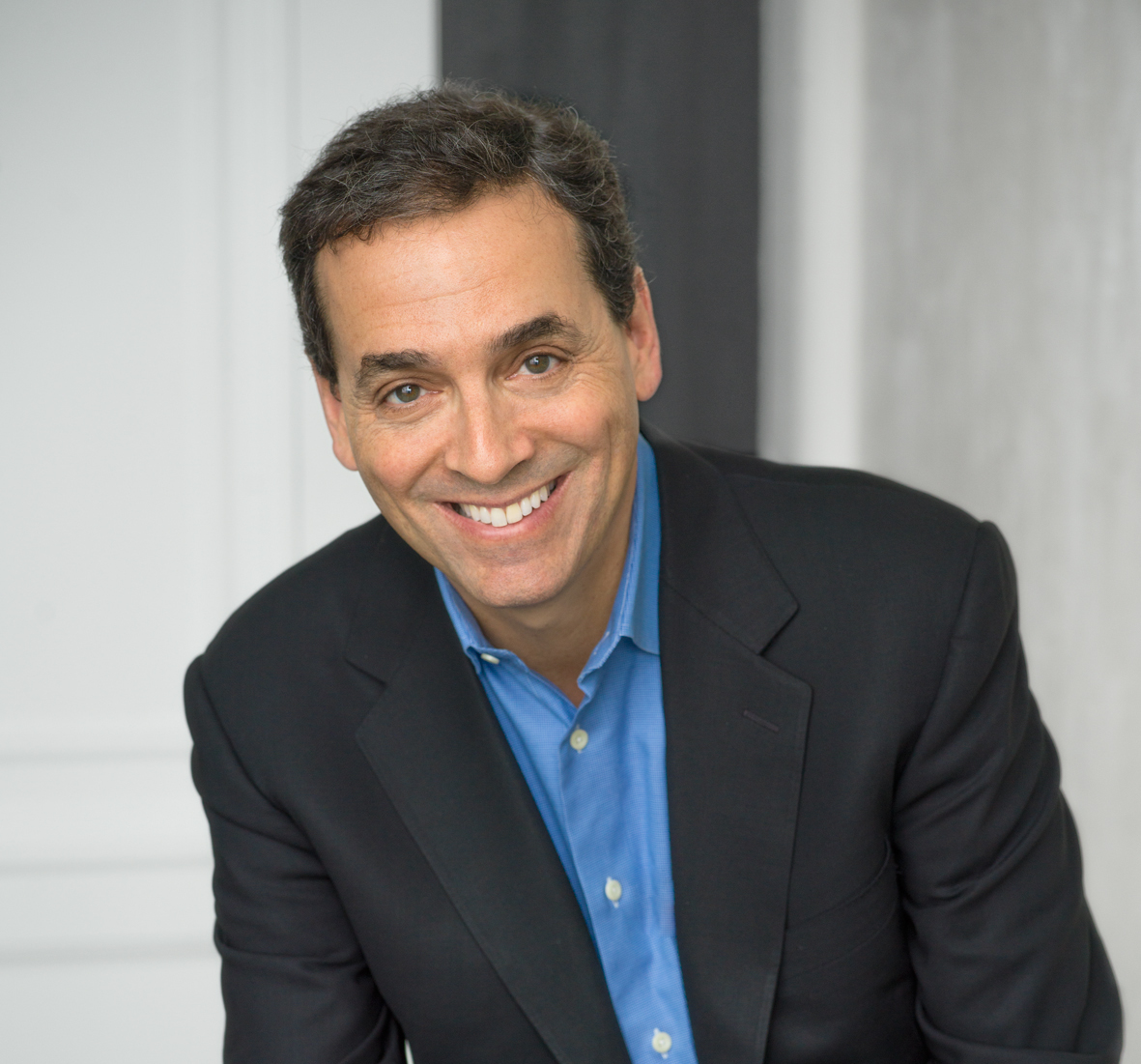
Everyone in leadership knows Dan Pink, his books and his TED talks.If you want to lead, influence, or motivate people, it's a matter of time until you read or watch something of his. I started with Drive: the Surprising Truth of What Motivates Us, which led me to contact him (and criticize his work, listen to the podcast for the story).Since then, he's supported my work and was enthusiastic about his personal challenge. As a writer and educator, I indulged in asking him about his technique, so if you're interested in improving your technique and style, you'll hear some great tips from him.You also get a sneak preview about his new book, When: the Scientific Secrets of Perfect Planning, if it's before January 9, 2018. Hosted on Acast. See acast.com/privacy for more information.
Ep 4004 Michael Bungay Stanier, Conversation 1
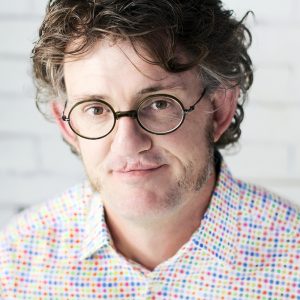
Michael is a coach's coach. Our conversation became a two-way interview on leadership, values, and acting on them.I was pleasantly surprised that though he wasn't sure what to do specifically, he had thought about acting on the environment. I think a lot of people feel the same way. If that fits you---that you want to act but don't know how---our conversation may give you direction. Hosted on Acast. See acast.com/privacy for more information.
002 Marshall Goldsmith, Conversation 1
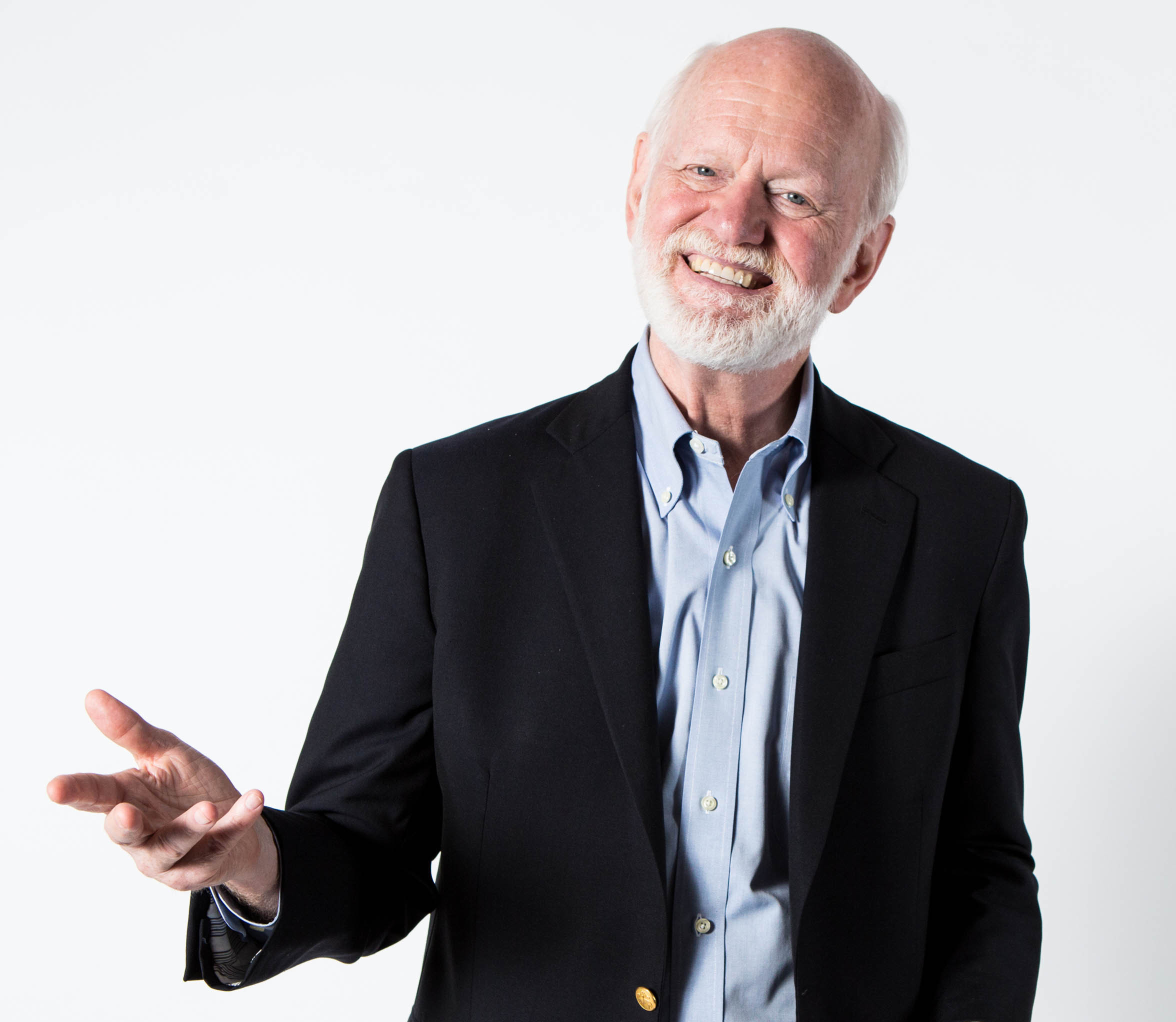
I first heard of Marshall Goldsmith when business school leadership class assigned reading the New Yorker article about him in 2005. He became one of my most influential mentors since I met him in person shortly after. His insight and advice have been insightful and incisive---what best friends tell you because casual acquaintances are too nervous to---but simple and actionable. This podcast's practice of leading and influencing people through simple (not always easy) action, not by authority or expecting giving facts to influence behavior, owes a lot to Marshall. We talked about leadership, influence, values, and more. Marshall's advice and views merit listening multiple times to learn from and implement. Hosted on Acast. See acast.com/privacy for more information.

000: What Leadership and the Environment is about
Why Joshua Spodek created Leadership and the Environment, what it does, and how you can help.EDIT: A team has formed and we changed the podcast name to This Sustainable Life. Hosted on Acast. See acast.com/privacy for more information.