
This Sustainable Life
866 episodes — Page 16 of 18
Ep 115115: Sandy Reisky, part 2: A Superbowl Ad to reduce consumption
First, watch the video Sandy made through Generation 180, the nonprofit he started to promote reducing consumption. His for-profit companies are already responsible for significant increases in solar, wind, and other renewable.I think you'll find the video effective in reaching people in ways the environmental movement have neglected, but work. It presents a new way of looking at renewables: freedom, independence, and creating jobs, coming from an actual veteran experienced in energy.https://youtu.be/jtX-lGOUP8AI'm pleased to announce that the Leonardo DiCaprio foundation tweeted Sandy's last conversation, leading to a big surge in its downloads.Our second conversation covers the origin of video and his vision driving it.Note that reducing consumption achieves more than providing more energy, hence Generation 180 and my focus.Sandy's challenge of reducing his meat consumption is yet another case of someone finding it easier than expected and rewarding---something he wants to continue. Listen for yourself, but to me he sounded happy, laughing, sharing with family.If you're waiting to start your challenge, I hope you'll feel inspired. Hosted on Acast. See acast.com/privacy for more information.
Ep 114114: Dave Asprey: Leading with love
If you're like me, you've heard of Bulletproof coffee. Since I don't drink coffee I didn't think much of it, but since I heard about it, I figured the guy behind it was good at internet marketing.I'd come to hear Dave name. Also I kept hearing about people losing weight on it and saying they had tons of energy. Still, I didn't pay too much attention? Was it keto?When I found out he was speaking at the coworking space where I was hosting one of my famous no-packaging vegetable stew and sustainability events, Assemblage, I decided to go and learn more.I was surprised several times over. First, the place was more packed than any event there that I'd seen. Second, everyone was rapt with attention. Third, he wasn't trying to entertain to get that attention. He just talked. Fourth, a lot of people stayed well after it officially ended.He talked a lot about supplements, eating habits, and behavioral change. I thought:Some so-called leaders lead poorly, even if they have authority.Some leaders lead okay.His followers follow him to put untested things in their bodies, for their reasons, as informed, consenting adults. Followership like that looked like leadership at another level.Hustler that I am, when he finished speaking, I spoke to his people, who introduced me to him. I got an advanced copy and reviewed his book for Inc. That conversation, which we recorded, covered leadership as much as anything else so I asked if I could share it on the podcast and he and his team loved the idea.As with anyone with a big name, you'll find criticism of him online. You'll face criticism when you act on your values. Diversity means people have different values. Some people will think what you think is right is wrong and vice versa. The question is not if you as a leader will face disagreement. That's a given. The question is how you handle it.Remember, he wasn't speaking for his voice to be shared, which to me adds an extra layer of authenticity. This is just him talking to me. Hosted on Acast. See acast.com/privacy for more information.
Ep 113113: Ann-Marie Heidingsfelder: A conservative voice
You'll love how I met Ann-Marie, a friend whose perspective I value despite not having met in person yet.After the 2016 election, I posted a piece on Inc., If You Voted for Trump, Let's Meet, because living in lower Manhattan means what Trump voters are around get bullied, effectively, into keep quiet about it. I disagree with many Trump policies, to say the least, especially on the environment, but he won. I wanted to know more about him and his voters.She responded, among others, as I wrote in a follow-up Inc. piece, Leaders Listen: Crossing the Political Divide, What happened when I spoke to people on the opposite pole of everyone around me. I think we both pleasantly surprised each other on our civility, curiosity, and mutual unhappiness with our nation's level of political conversation, if you can call it that.We've kept in touch. My podcast conversation with Jonathan Haidt and reading his book led me to want to bring more diverse views on the podcast. I thought of Ann-Marie, invited her on, and here is the result.She describes herself as a green Republican but says there aren't many of her.I wouldn't balance issues as she does, but frankly I don't see the behavior of people on the left so consistent with their environmental values. I don't see almost any Americans polluting less.I don't think people like Ann-Marie are rare, but I do think people acting on the environment prefer to browbeat or insult conservatives and Trump supporters more than listen to them.I hope it's the first of more diverse views. I don't want a bubble or echo chamber for you. I want to learn and expand my network. I hope you this episode broadens your horizons as it did mine. Hosted on Acast. See acast.com/privacy for more information.
Ep 112112: Bethany McLean, part 1: the Business and People of Fracking
Bethany made her name as the first to report that Enron was overpriced, which meant going deep into the numbers and people, understanding them, and then facing overwhelming criticism. Turns out she was right, but can you imagine the friction and hostility she must have faced?Now she's looking at fracking. We want journalists like her investigating and reporting what's happening that we don't know about. Are we increasing our nation's security?She looks at the people and numbers, makes sense of them, and wrote a short, colorful, informative book on it.The short answer is that it doesn't make sense except for some economic anomalies, but getting into more detail helps you understand the direction of the country. She explains the short-term perspective of oil and gas, though the main point seems that the U.S. has no energy policy. This is our world.If you want to influence fracking, environment is not the most effective lever. If you want to understand this critical part of the U.S. becoming an exporter again and what may happen next, you'll appreciate the book.Listen for the intersection of leadership, economics, and finance.(I also recommend reading her Vanity Fair cover story on Jennifer Lopez and Alex Rodriguez for two engaging profiles and pictures.) Hosted on Acast. See acast.com/privacy for more information.
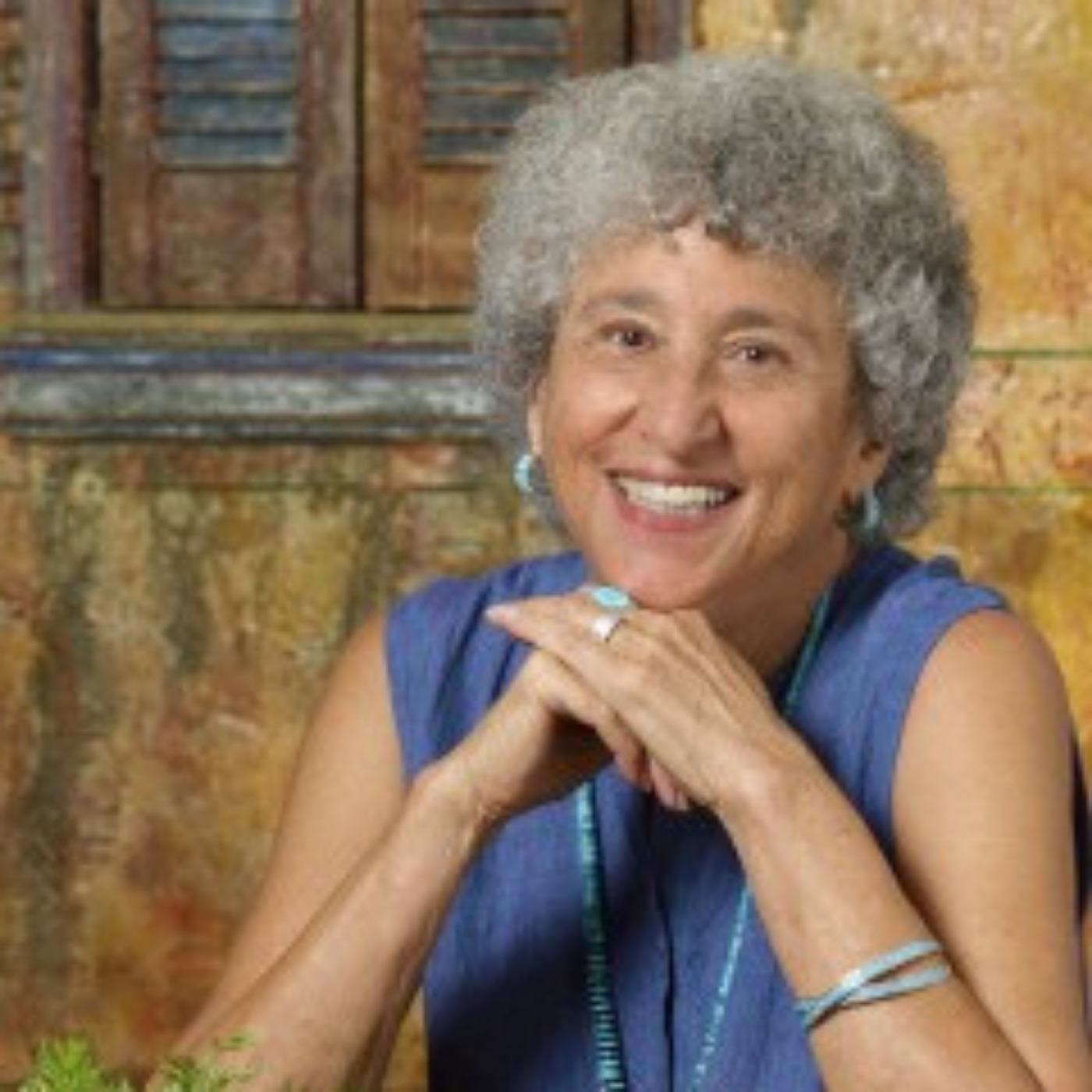
Ep 111111: Marion Nestle: Changing the food system
Marion Nestle is a hero for me. Food may be the greatest interest that got me into acting on my environmental action. Avoiding packaged food emerged from avoiding fiber-removed foods, which emerged from reading Diet for a Small Planet in the 80s, which also motivated her.She, her books, and blog, Food Politics, are voices of sense in a crowded field. Her most recent book is The Unsavory Truth: How the Food Companies Skew the Science of What We Eat. I've read most of it and seeing her present on it led to meeting her in person. I recommend it.Her other books include What to Eat, Food Politics, Why Calories Count, Soda Politics: Taking on Big Soda, and Safe Food. I've read about half of each of the first three, expecting to finish all, and recommend any to start---whether your interests include food, the environment, acting on your values, health, or nearly anything, really. There's a big overlap between food and the environment regarding leadership, which she and I talk about.This conversation covers the path toward leadership I expect many listeners are on, but that she has experience in since the 70s. Leadership often means starting with no obvious light at the end of the tunnel, only that you care about changing yourself and culture. I see her as a role model for acting in such situations, which probably feel familiar to listeners.I wanted to bring vision that perseverance pays off, to take the long view. We can all learn from her experience. Hosted on Acast. See acast.com/privacy for more information.
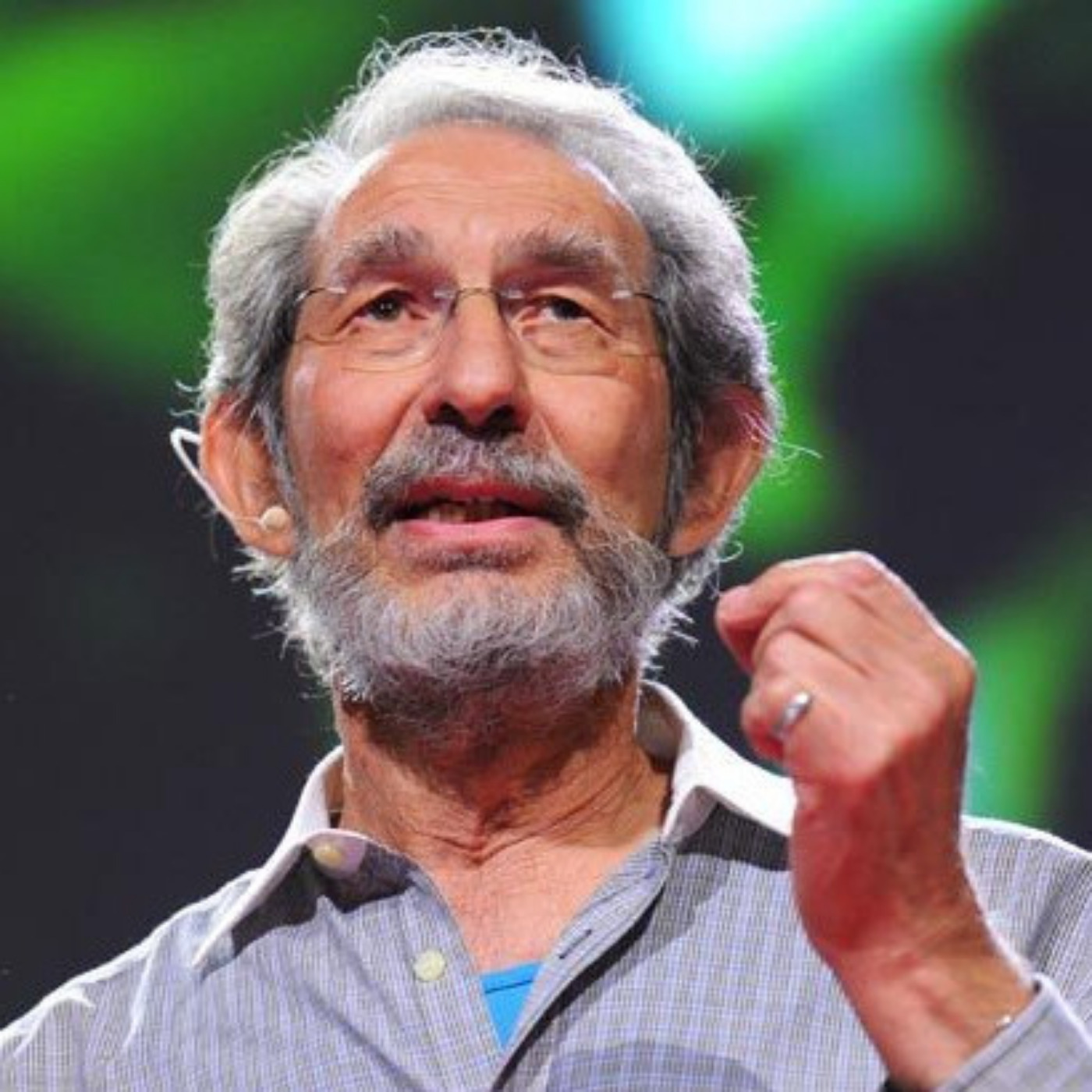
Ep 110110: Geoffrey West, part 3: Using science to create a vision for the future
My third conversation with Geoff covers using his research to figure out what to do.I start with a few questions on how to create a vision for the future based on his research. Can we change our growth trajectory, currently leading to ever-accelerating growth, without sacrificing the superlinear growth that makes cities and presumably culture stable? Recall that sublinear growth leads to companies' and animals' limited lifetimes.Without leadership, it seems inevitable to me that we'll reach collapse. Leadership---changing cultural beliefs---seems our best hope. Creating new technology keeps us on the same track. We'd have to work hard to stay off the track we're on.He talks about how futurists from generations ago predicted technology would free up so much time we wouldn't know what to do with ourselves. History shows we found the opposite. The research I've seen on technology creating efficiency has led to more pollution, not less.Listen to the conversation to see what we can do. Hosted on Acast. See acast.com/privacy for more information.
Ep 109109: Flying and Polluting Helps Elect Trump
This episode is for people who detest Trump. I'll speak to people who love him in future episodes.If you pollute and emit greenhouse emissions beyond the IPCC recommendations, which one round-trip cross country coach flight will nearly do, you personally pulled out of the Paris Agreement so many people criticized Trump for pulling out of.If you defend your flying and other pollution as necessary for your job, congratulations, you used the same excuse behind killing every piece of environmental legislation that's lost.Beyond your actions' effects on the environment, when you tell others to sacrifice for things you don't, you motivate people to vote against you. If you care about issues you differ with Trump on---abortion, gun rights, Supreme Court justices, how the world views our nation---your saying coal miners should sacrifice their jobs while you use your job as an excuse to keep flying motivates people to vote against you. Many people want to stick it to the liberal elite.How to winIf you want to win in 2020, do what you want others to do and show how much you love the results. Change your job to enable meeting your environmental values and share how it improved your life. You might not believe it will now, but it will. I know from experience.Or keep polluting, keep your job, motivate more people to vote against you, lose in 2020, and watch more Supreme Court seats filled by people like Kavanaugh and enjoy a wall on our southern border. Hosted on Acast. See acast.com/privacy for more information.

Ep 108108: Awareness Is A Delay Tactic, A Smokescreen
I talk to a lot of people who aren't acting on their environmental values. They explain their inaction in many ways, but one of the top ones is that they claim they first have to raise their awareness or become more conscious.To claim unawareness of an issue making global front page news monthly, maybe weekly, when anyone who has ordered takeout or considered eating less meat or driving fewer miles, everyone is plenty aware of the situation and things they can do about it.Action leads to awareness more than the other way around.People will deny it, but nearly everyone uses the specious, fatuous, self-serving pursuit of awareness as a delay tactic, a smokescreen to distract from action.Sadly, beyond delaying awareness, delaying action also delays transforming the internal conflict they're trying to become aware of into joy, discovery, growth, meaning, purpose, saving money, delicious food, and all I created this podcast to share.If you want awareness, act, and bring more joy into your life.I also read a passage from Martin Luther King's Letter From Birmingham Jail to illustrate the problem he saw with people delaying action. Hosted on Acast. See acast.com/privacy for more information.
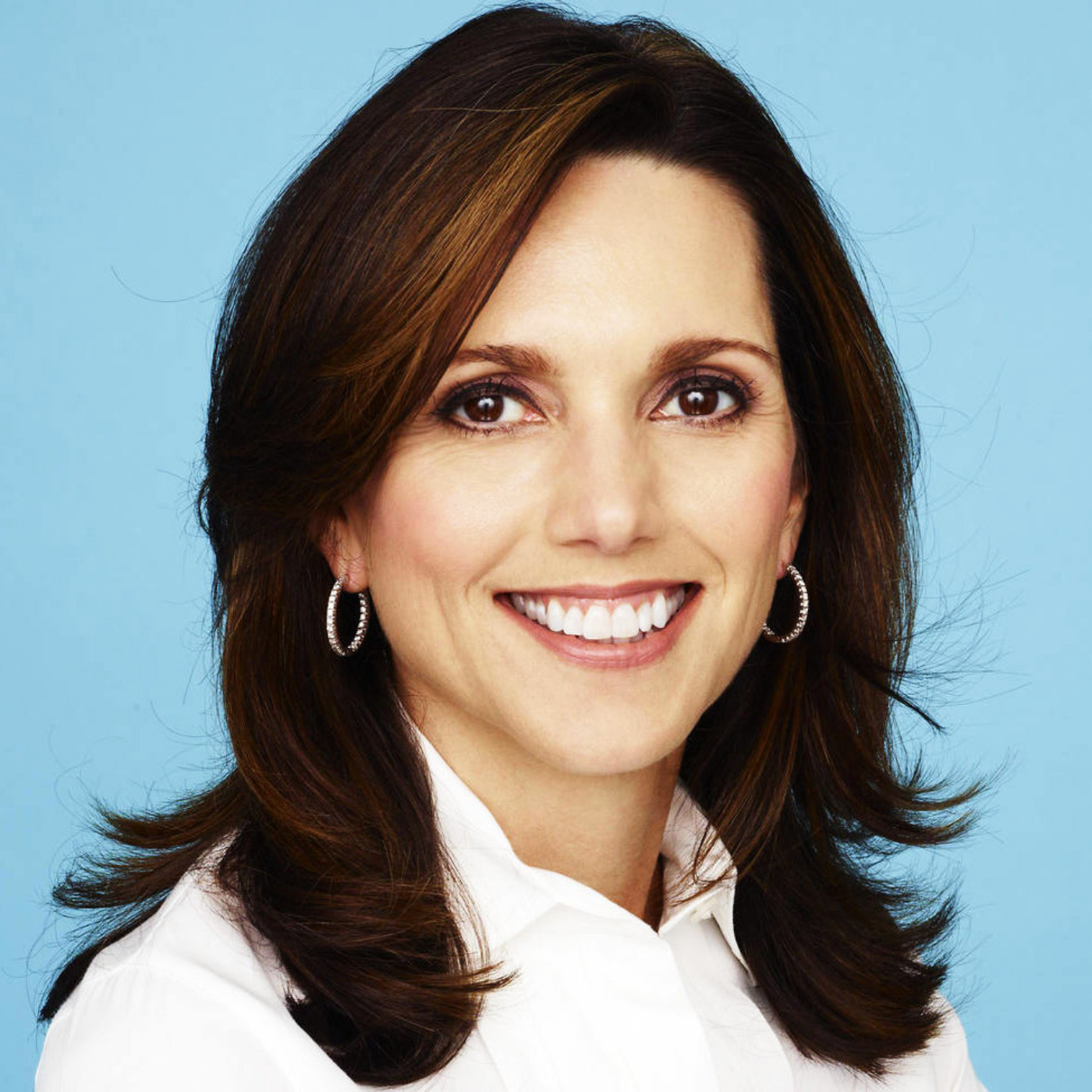
Ep 107107: Beth Comstock, part 1: Inside the Fortune 5 C-Suite
Beth personifies whom this podcast is designed to showcase: someone whose hard work, risk-taking, and personal challenge brought her to the pinnacle of her craft, which she is willing to share. That is, someone who did what leaders in the environment have to---to work hard before you can see the light at the end of the tunnel, having faith in yourself.She shares inside views of cultural change toward environmental stewardship at General Electric, with over 300,000 employees, a world of suppliers and clients, a century of history including major environmental damage. To this day, when I mention swimming across the Hudson, people ask about GE, PCBs, and carcinogens.She didn't shy from the challenges. She took them on. As I saw it, she worked as successful leaders do, with people, seeing them as allies and resources. You'll hear her story, results, and lessons, which apply to my work with large corporations. You'll hear me learning from her how I can help my clients.She also takes on a challenge that sounds big to me. I can't wait to hear how it goes. Hosted on Acast. See acast.com/privacy for more information.

Ep 106106: Exploding the Myth that Technology Will Save Us
Many people believe that technology will save many of our environmental problems. I've written and spoken on how making a polluting system more efficient will lead to it polluting more efficiently.My recent cross-country trip by Amtrak, which prompted me to wonder what it would take to transform Amtrak into a first-world train system, illustrated the challenges of systemic change and how pushing on one lever won't do it.Do you think just putting faster trains on Amtrak's tracks would create a system with trains running at first-world speeds, which are double Amtrak's current maximum speeds? Not a chance.This episode considers what goes into systemic change.I close with a reminder that despite its difficulties, the first steps are obvious: you and me, here and now, changing our beliefs and behaviors, which will improve our lives. All my changes to live by my environmental values improved my life.I'm talking about creating joy, meaning, value, purpose, passion, closer relationships, more delicious food, saving money, and more. Hosted on Acast. See acast.com/privacy for more information.

Ep 105105: Evelina Utterdahl, part 2: A Month Avoiding Plastic!
Evelina said she'd avoid plastic for a month before she could think twice about it. Did she complain or back out? You'll hear in this episode, but the big picture is that instead of giving up, she worked harder.I've spoken to a lot of people who started from less and took on smaller projects, if anything. A lot of people talk. Evelina acted. She did a lot.And what do you know? She enjoyed acting more than most people, who seem to prefer saying how helpless they are, despite the sorrow it seems to bring them.Recall, she is a travel writer and chose not to fly. She's already done more than nearly anyone. She takes personal responsibility for what she does. But hearing her speak, you don't hear sadness or missing. I hear her creating joy, taking initiative, not waiting for others.I think the root of her activity and joy is for doing the opposite of what most people do when they face not acting by their values. Most people delay acting by making a goal of "awareness" or "being more conscious," as if reading front page headlines nearly weekly on predicted environmental disasters recurring. Anyone not living under a rock is "aware."Evelina differs because she acts. Her behavior sets her apart and replaces guilt with enthusiasm. She knows she's aware enough to act. I'm not sure how many back-to-back once-a-century droughts or coral die-offs they need to know about to break their threshold for awareness.All their delaying personal action with talk of ineffective vague awareness led me to see that behavior leads to more awareness than the other way around.In our conversation, you'll hear how people who are doing more than most sound. You won't hear us complaining. It's a delight talking to someone who acts and achieves.Plus you'll hear my punch-a-kid view that will get me in trouble one day. Hosted on Acast. See acast.com/privacy for more information.
Ep 104104: Jared Angaza, part 2: Motherhood and Apple Pie
Since appearing on his podcast, he and I have become friends. You can't hear it in this recording, but since meeting on line, I've met him in San Diego, where I stayed in his guest bedroom, meet his family, and cooked my famous no-packaging vegetable stew together.So this episode is more personal.Jared has acted more than most to live by his environmental values, so you'll get to hear someone not complaining. You get to hear people who have acted sharing our experiences. If you haven't acted and mean to, you'll hear that from other side. We don't complain, though we wonder why people don't act.To me this was an open, honest conversation among people who are making meaningful changes in their lives and enjoying it. The leadership part of this podcast is about that joy, as well as meaning, value, importance, and purpose.I hope this conversation showed that you'll enjoy changing when it's to live by your values and you'll wish you had earlier. Yes, you'll stop doing some things you are. Think of great historical change -- civil rights, slavery, and so on. People who made big changes are glad they did.Incidentally, Jared introduced me to people who held an event where I spoke on leadership and the environment while cooking my famous no-packaging vegetable stew for 50 people Hosted on Acast. See acast.com/privacy for more information.
Ep 103103: Geoffrey West, part 2: theoretical physics and the environment
In our second conversation, Geoffrey and I continue to pursue his unique approach to viewing the environment. I find it fascinating because he approaches the environment from a different direction, but he arrives to the same conclusion---the need for leadership to change cultural norms.Talking here gave him the chance to explore ideas he raised in his book but didn't pursue. He wanted to do so, as I understand him. His book went in that direction, but he kept conservative.We also considered the role of a scientist in our world's situation, then spoke about science, culture, the environment, and the role of scientists. It seems to me that we have to change the goals of our system, which doesn't mean stopping capitalism.On the contrary, rules like bankruptcy and antitrust legislation fix inherent problems in capitalism of monopoly and debt turning into slavery. Markets also overproduce. We've accepted laws fixing such problems. Why not things like pollution taxes and externality taxes?We also regulate accounting. We don't allow companies to lie about their finances. What's wrong with accurate accounting, not allowing companies to unload their costs on me?Geoffrey was light on specifics on what to do. Leadership isn't just about a vision but how to implement---not just we should do X, but how to motivate people to do it. I'm a fan of basic research, science, and education, but I think we know enough. We aren't acting. Hosted on Acast. See acast.com/privacy for more information.
Ep 102102: Col. Everett Spain, West Point's Head of Behavioral Sciences and Leadership
Many who serve in the military become leaders in business, politics, entrepreneurship, sports, and many other places.Why?What does the military teach so well?Few people can answer better than Everett, as the head of West Point's leadership department. To say he and his department have extensive experience and knowledge leading and teaching others to lead is an understatement. You'll also find few people more calm, gracious, friendly, patient, and helpful. I consider his voice eminently helpful to environmental causes because I see the lack of effective leadership to the greatest impediment to effective environmental action.If you want to improve your leadership, this conversation will tell you all you have to do. You may have to listen many times, but you'll hear what it takes. Implementing will take a long time, but I'm not aware of shortcuts.We cover how to learn to lead and what West Point does that you can emulate. Hosted on Acast. See acast.com/privacy for more information.

Ep 101101: Seth Godin: Work that matters for people who care
I'm posting this conversation today because Seth just launched his book, This is Marketing, already a #1 bestseller. As he points out, his marketing is close to what I call leadership: how to influence people, to discover your passion, and such. Helping people change is what this podcast is about.We recorded this conversation months ago, so you get to hear previews of his book. We talked a lot about marketing, leadership, and the environment.I saw a new side of Seth in this interview, partly because I was in his home. He met me at the train, coming from his farmers market. We talked about CSAs, volunteering, and such.I'd seen his TED videos and read a couple of his books but speaking to him about my topics revealed something special. A lot of people teach and coach leadership and management. Some are excellent at it.Few speak with his experience leading and practicing teaching leading. His experience shines through in everything he says. Listen carefully and you'll hear him several times anticipate and answer the next question I am about to ask. That anticipation comes from experience -- having answered and lived that question before.I'm touched and motivated by his sensitivity and thanks at the end.Since this conversation, I reread and rewatched his work in his voice and it came alive more. I'm more interested in persisting and persisting and persisting, working on making ideas spread, and accepting and embracing what he calls hypocrisy. These aren't new interests, but renewed from hearing his story.I want to clarify that I'm not doing this podcast to use celebrities to influence. It's to build community, as I describe after the conversation.I found him thoroughly genuine and authentic, acting out of passion and caring.I believe the conversation will help lead you to speak up about what you care about. Hosted on Acast. See acast.com/privacy for more information.
Ep 100100: Michael O'Heaney: Story of Stuff
Michael is the Executive Director of an organization that inspired me as much as any---The Story of Stuff. They continue to inspire me to think bigger and to focus on the details it would be easier to ignore but that matter.If you want to avoid plastic, waste, and other stuff, you'll find Michael's perspective and experience helpful. Having cut my waste a lot, talking to Michael leads me to cut it more---not out of guilt, shame, or other unwanted emotion but to live more by my values. Integrity.Michael shares a lot of facts, grounded in passion.Many people who have thought and acted long and deeply on environmental issues feel an initial resistance in acting more:Haven't I done as much as I can? What more can I do?If you feel that way, you'll be glad to hear Michael shares that resistance. You'll also be glad that he overcomes it, which, I hope, will help you overcome yours. We'll hear in his second conversation if the increased challenge burdened him, as many claiming "awareness" and "balance" tell themselves to expect, or enliven and liberate him.http://storyofstuff.org/movies/story-of-stuffhttps://storyofstuff.org/movies/story-of-bottled-waterhttps://storyofstuff.org/movies/the-story-of-solutionshttps://storyofstuff.org/movieshttps://storyofstuff.org/about Hosted on Acast. See acast.com/privacy for more information.

Ep 99099: Jethro Jones: No Excuse Stewardship
Stewardship is Jethro's core message, as I heard---of his community, especially children in it, his country, and the natural world we share. This world is a beautiful, abundant gift we could wreck if we don't steward it as we know we can.He cares about being an effective steward---not just talk but action. Wait until you hear this Alaskan's commitment to live by this value.WARNING: if you're full of making excuses why you can't act, Jethro's no-complaining, in-service-to-others personal commitment will belie any bogus, self-serving ones. If you came here for more excuses or to reinforce complacency, you won't like Jethro's dedication and commitment.We start on education. Jethro is a school principal active beyond his own school with a national audience. He describes how school systems propagandize, which we can and must channel with intent based on our values, not just let happen.We've been friends since I did his podcast a year ago. He contacted me to do this show because of his personal and passionate challenge. People like Jethro taking initiative to lead himself and others is why I started this podcast. I hope you take initiative in your life as he did in his. I'd love to hear from you too. Hosted on Acast. See acast.com/privacy for more information.

Ep 98098: Would You Free Your Slaves?
Imagine you were born into a slave holding family. You didn't ask to be born into it. You didn't create the system. You didn't make slavery legal.Every landowner around you would own slaves. You would inherit yours.Would you free your slaves?Have you considered how hard it would be? It's worth thinking about -- how much it would change your life.If you would, without a second thought, no matter the difficulty, what other actions you do that hurt others would you stop?If you don't stop those other things, how do you know you'd free the slaves? Hosted on Acast. See acast.com/privacy for more information.
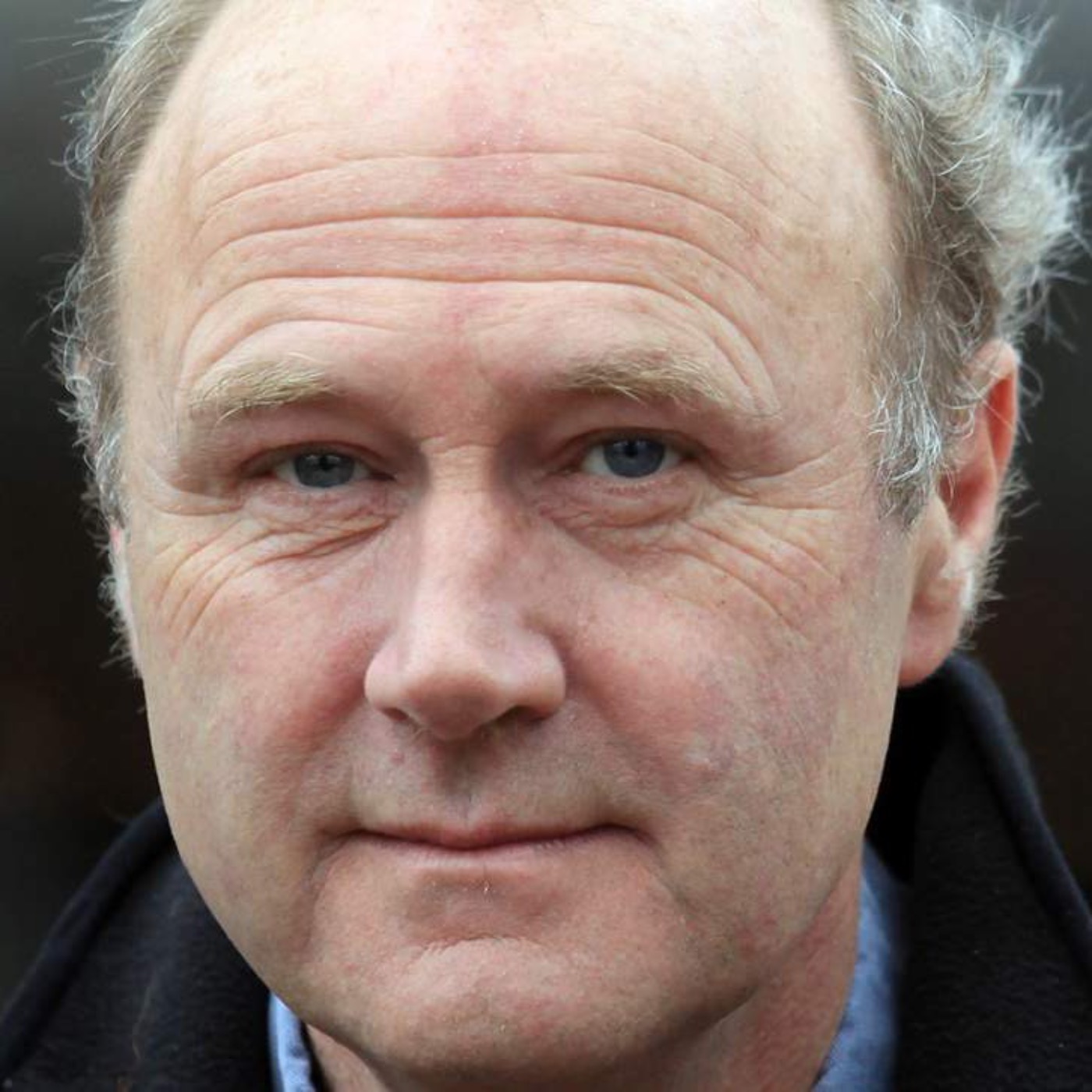
Ep 97097: Sir Tim Smit: Changing the World with No Special Skills
Tim Smit is the co-founder and Vice Chairman of the Eden Project in Cornwall, in the southwest of England.He turned a lifeless, poisoned abandoned mine into a bountiful green world-class garden people love to visit. Eden has attracted millions of visitors and billions of pounds. Tim is a consummate doer---not complainer or blamer---and an environmental campaign and entrepreneur, Tim tells how he met challenges he couldn't have foreseen. I love that Tim has no special skills. He did what needed doing to finish the project, then to take it to the next level each time. How did he learn what needed doing? By doing the steps before it.(Are you not starting because you don't know how to do some later stage? Start with what you can, get as far as you can, and solve each thing when you reach it. That's what Tim did. That's what everyone successful did to become successful.)Tim's wisdom is useful for anyone looking to make a difference. You just have to start.(Bonus points if you can tell what Tim Smit has in common with Anuta Catuna, winner of the New York City Marathon.) Hosted on Acast. See acast.com/privacy for more information.

096: Chris Bailey: Hyperfocus, The New Science of Attention
Chris Bailey shares how to focus and create intention---how to become more productive on the outside and live with more meaning and purpose on the inside by focusing on what is important to you.Focus isn't necessarily easy, but Chris shares from personal experience that anyone can improve theirs.He shares to slow down and focus on less in order to make a larger impact. Modern society motivates the opposite, with marketers and advertisers learning and practicing more effective ways to attract and distract you. They tell you they want to help you achieve and enjoy more, but they distract you from what Chris lives and shares.People judge us as leaders by our behavior. Focus affects how we perceive the world and how people perceive us. It's essential to being effective at leadership or any performance-based activity. Hosted on Acast. See acast.com/privacy for more information.
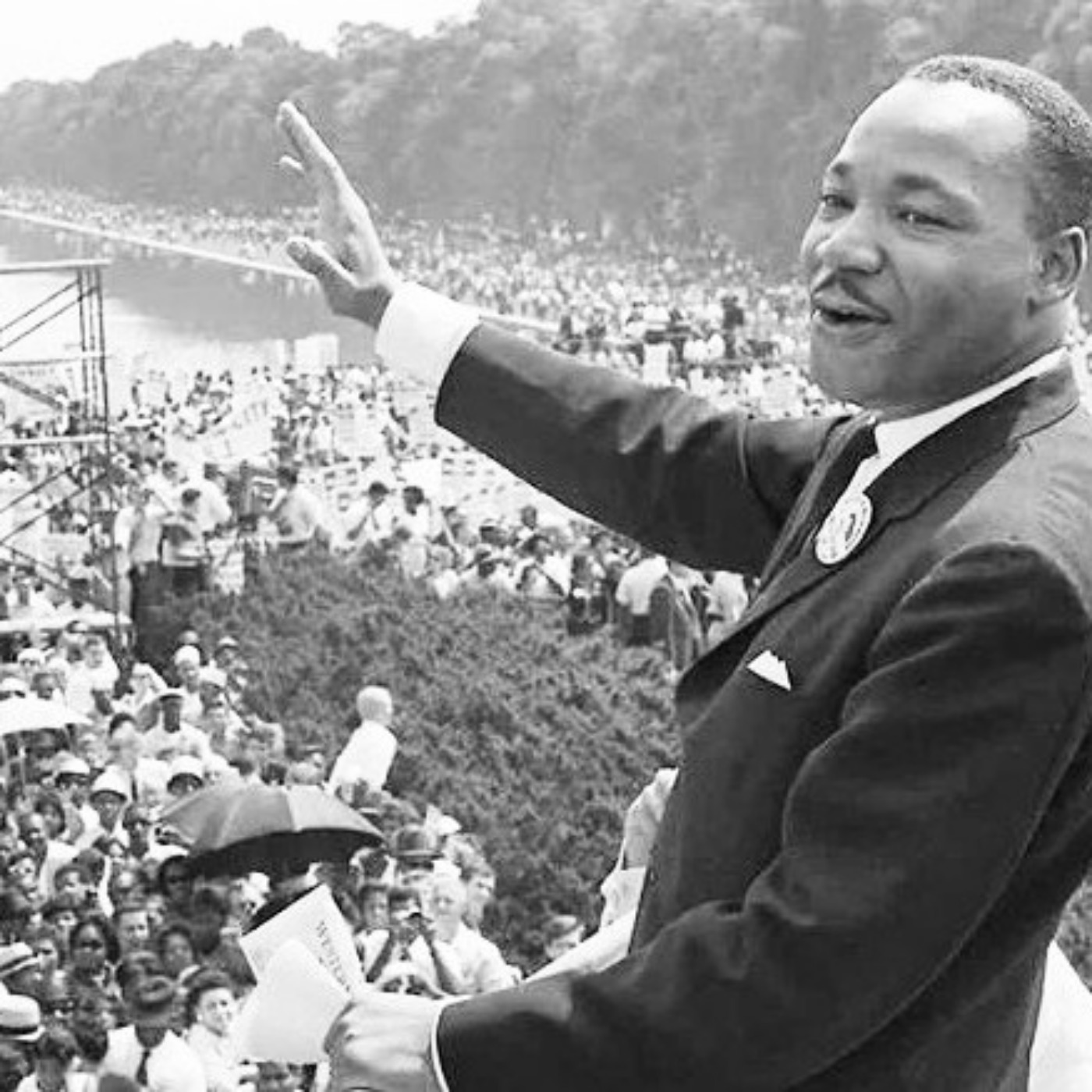
Ep 95095: How Would-be Leaders Move Us Backward
I want to differentiate between telling people facts and what to do or what they should do on one side, and leading them on the other.I see a lot of people telling others what to do. Not a lot of people leading. Martin Luther King led people to choose and want to go to jail to create freedom. That's leadership. He had no authority over them. He didn't convince them to do it. He didn't change their values. He gave them a way to achieve their goals of equality and justice.Well, we moved on that path since we haven't achieved it, but he led them.While he also went to jail, I'm talking about more than leading by example. Even without going to jail, King led people. Eisenhower led D-Day though he didn't fight in it. In neither case did they just tell people what to do or just model what to do.I'm talking about connecting with people's values -- what they care about -- and motivating people by their motivations, leading them to a better life, not just compliance.Almost nobody is leading like that today. As a result, nobody is being led and we, at least in the United States and most of the world polluting the most, are keeping doing what created the problem, choosing not to act productively.Of course, many people are acting productively, but it seems to me they would have anyway. They weren't led. The overwhelming majority of people won't budge from comfort and convenience without leadership. Hosted on Acast. See acast.com/privacy for more information.
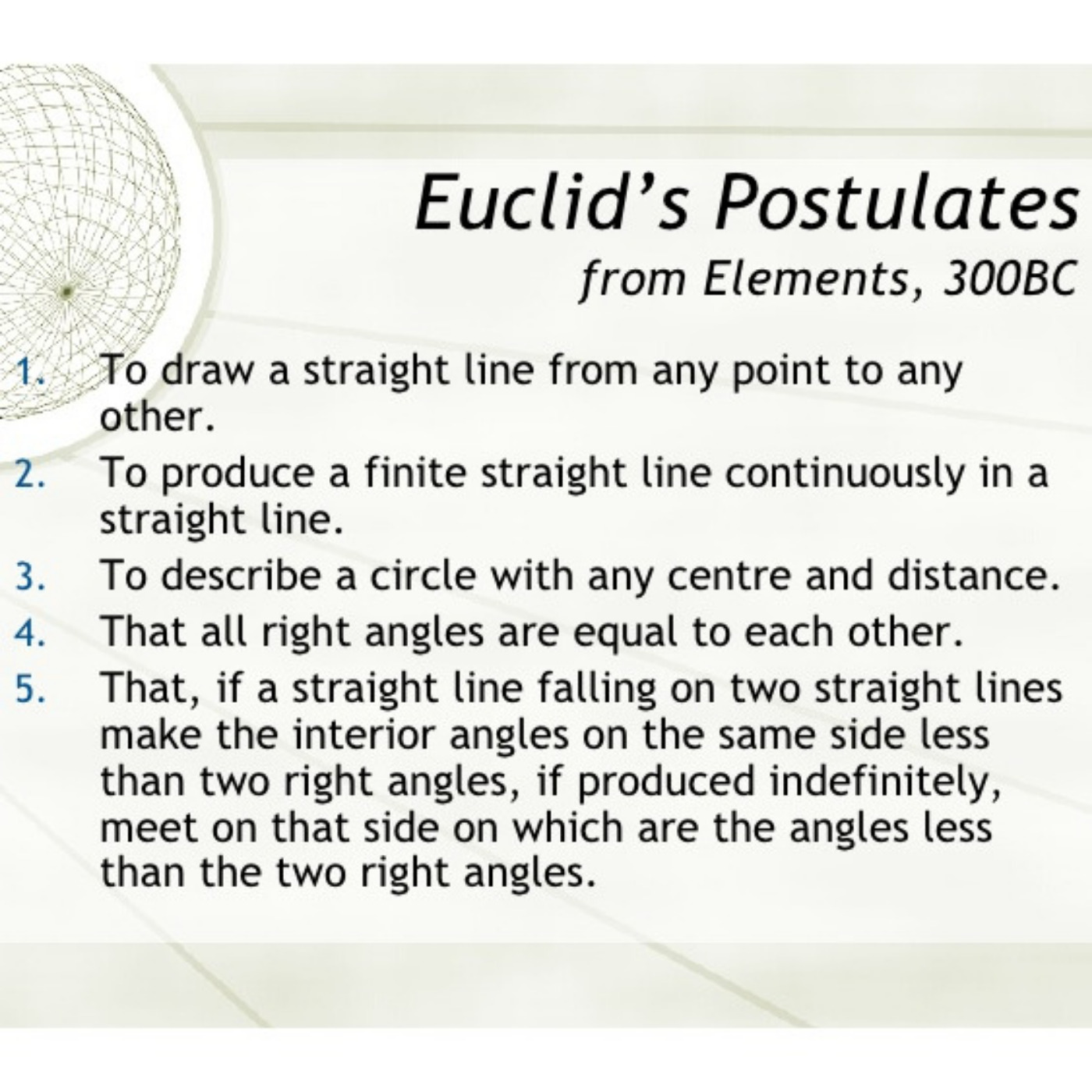
Ep 94094: Where Reason Fails and Leadership Works
Many people think if you just reason enough, you'll get to what's right and wrong in a way everyone will believe.This happens in the environment and many other places in life. In the environment, you may believe we should pass a law limiting emissions. When you hear another person suggest that that law might hurt jobs, you might think if you convince the other person through reason, they'll come to agree with you.Experience has shown me, and probably you, that trying to convince people tends to provoke debate. I'll show you why trying to convince others and change their behavior through reasoning usually backfires. Convincing and logical debate often leads people to reinforce their positions and dislike you.They think emotion gets in the way and confuses us from seeing clearly what's right and wrong.They don't understand reason, nor emotion, nor how the human mind works regarding judgment. Hosted on Acast. See acast.com/privacy for more information.
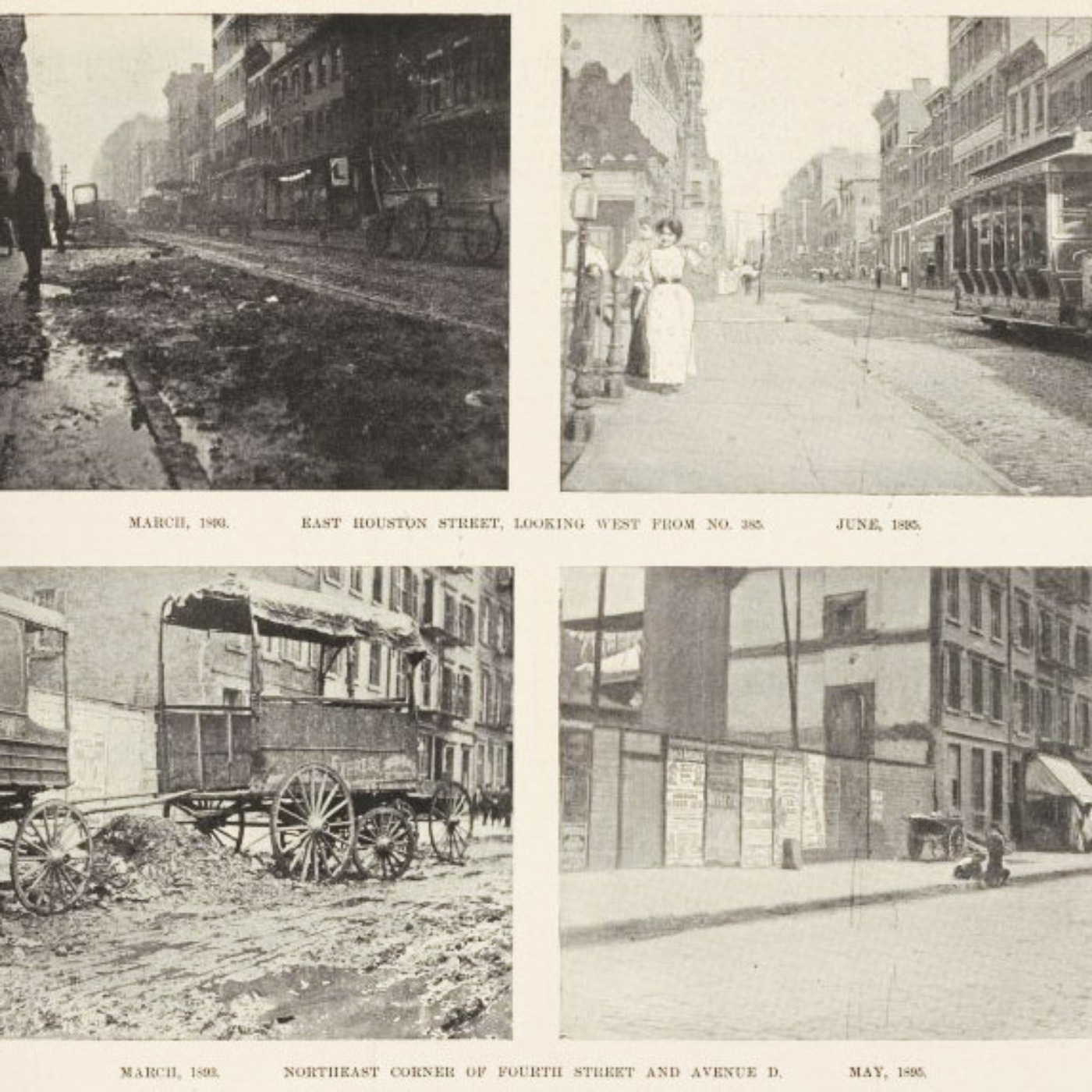
Ep 93093: Want to win elections? Clean your neighborhood. Be a steward.
How do we elect people, including a United States President, who act on and steward the environment?I'm going to present a plan that I believe can win the next election that transcends the usual divisions that led to today's political situation, political misery, feelings of futility, and filth that we live in in air, land, and water, as well as our bodies.The links and images I referred to:'Disgusting' piles of trash a fixture outside NYC's first 'green' school, residents sayNew York City stops sewage train to Alabama after residents complain of ‘horrific’ smellSan Francisco’s crisis looks like New York’s futureNew York City's 1895 trash and sewage transformation Buzzfeed videos on getting fithttps://www.youtube.com/watch?v=Wm7OtVr7yCEhttps://www.youtube.com/watch?v=5wXbPghYuRshttps://www.youtube.com/watch?v=okM3OYaBQGgMy electric bill My electric Martha Graham's quoteHere is the quote:The dancer is realistic. His craft teaches him to be. Either the foot is pointed or it is not. No amount of dreaming will point it for you. This requires discipline, not drill, not something imposed from without, but discipline imposed by you yourself upon yourself.Your goal is freedom. But freedom may only be achieved through discipline. In the studio you learn to conform, to submit yourself to the demands of your craft, so that you may finally be free.Here it is in her voice:[archiveorg MarthaGrahamFree width=640 height=480 frameborder=0 webkitallowfullscreen=true mozallowfullscreen=true]Over a year to fill one bag of garbagehttps://youtu.be/L0Ud7gqcIMgFeeding 50 people with no packaging at under $3 per personSee the pictures of the event here. Note everyone enjoying themselves. Hosted on Acast. See acast.com/privacy for more information.

Ep 92092: Paternalism and pride: why fly to Africa to eek out minor efficiencies when we waste hundreds of times more?
First world people pollute hundreds of times more than third world people yet the material prosperity doesn't translate to greater happiness.We could reduce our waste by 75% while improving our quality of life, yet we claim we can't do it.Yet we travel to the third world to change them!Leaders are more effective when humble than proud. Paternalism rarely helps any relationships.In this post I explore how we in the first world act with paternalism and pride to justify our extravagant, wasteful behavior, missing how we could learn from others. Hosted on Acast. See acast.com/privacy for more information.
Ep 91091: What Works That We Can Build On
People ask if I think we can make it out of our environmental mess.I don't know, but I act on my values.Many examples of cultural change suggest we can make it, includingSmokingDrunk drivingSeat beltsLeaded gas and paintThe ozone layerBike lanes in New York CityMy podcast guestsMy podcastStarting a sustainability committeeand more Hosted on Acast. See acast.com/privacy for more information.
Ep 90090: Obesity and the Environment
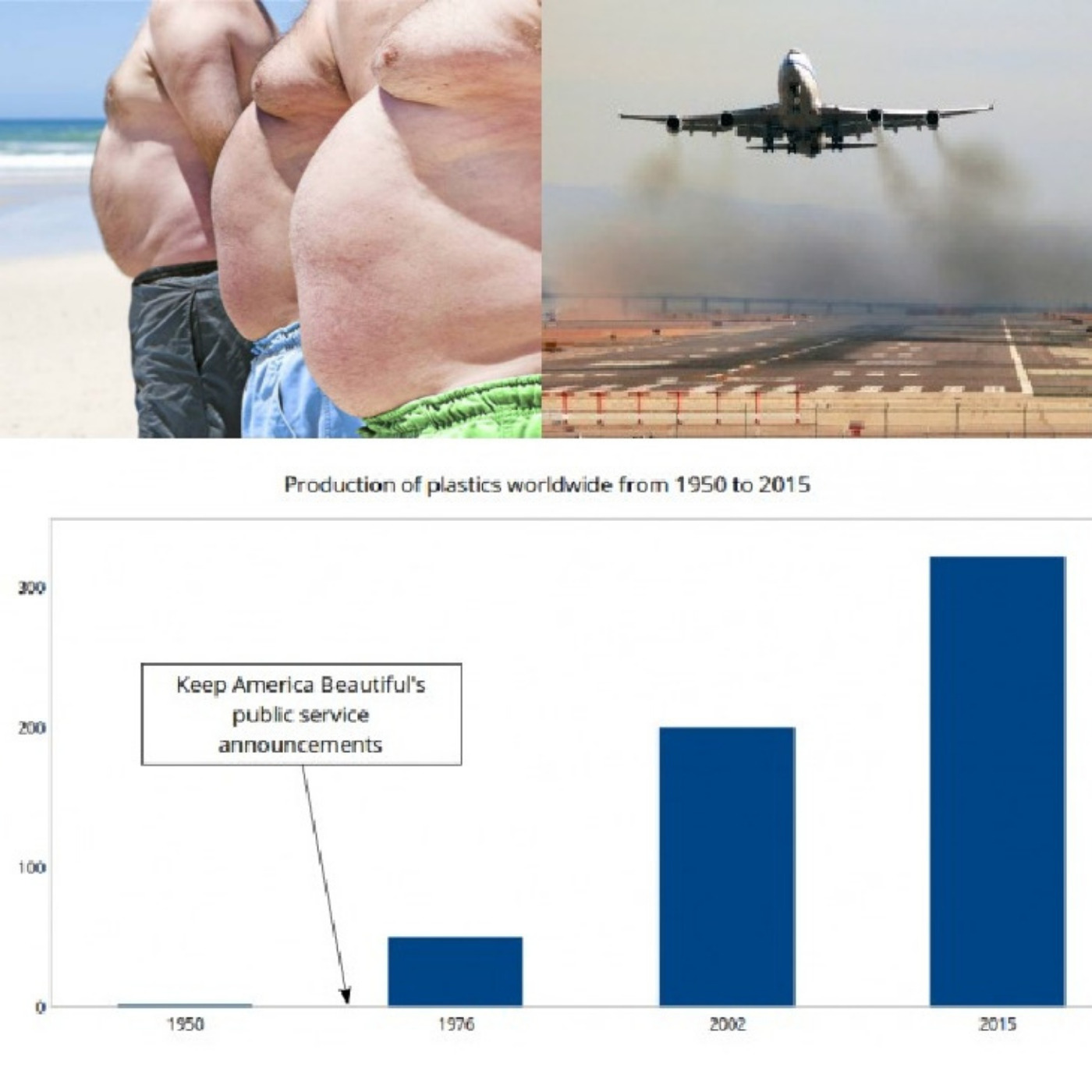
How we treat our bodies is how we are treating our environment.How we treat the environment is how we are treating our bodies.The fat and CO2 concentrations aren't the cause of the problem. The are the effects.The cause is our behavior. Our behavior is rooted in our beliefs, emotions, and behaviors.If we want to change the effects, we have to change the causes, which is our behavior and changing behavior is the realm of leadership.Our environmental and obesity-related behaviors, beliefs, emotions, and motivations are more similar than different, they come from similar cultural trends, they have documented problems of disease and death no matter how people change standards to accept them, there's just no changing standards on suffering and death, and the way out is through leadership. Hosted on Acast. See acast.com/privacy for more information.

Ep 89089: Evelina Utterdahl, part 1: Traveling the world without flying
Evelina Utterdahl travels more than most. She writes travel columns. She loves travel as much as anyone, maybe more.Yet she chooses not to fly, as she wrote in Why I have chosen to travel the world without flying.If you've had trouble aligning your life with your values, you may learn from her. Part of a growing number of people who think before they fly, she chooses not to fly not out of ignorance or guilt butExperienceSelf-awarenessDesire to learn and growStewardship of her environment and communityFunin other words, the important skills of leadership, teamwork, and business success.She's practicing in living by her values what many wish we could do but don't have the courage to."Wait," you might say. "Isn't she missing out on the best parts of life? What about family and making a living? I have work. She must not. Probably a trust fund kid."On the contrary. She has the same obligations as anyone else. As you'll see, she has learned to get the value and experience of travel without the environmental costs.Fun, joy, discoverySince I avoid flying too, I finally found someone I could share our mutual fun, joy, and discovery, not the usual arguments everyone gives about how flying is necessary.This conversation shows two people sharing joy about something people considered impossible. Prepare for your beliefs to be challenged. Prepare to grow. Hosted on Acast. See acast.com/privacy for more information.
Ep 88088: Bea Johnson: The Priestess of Waste-Free Living
Bea has become a role model, maybe even a hero to me.People keep saying they're impressed with my waste. It's easy to allow your standards to slide.One problem: my fellow Americans waste more than nearly anyone in human history. I don't want to relax my cleanliness and integrity.Bea has reduced waste for longer and has spoken more about it. She knows what works, what doesn't, how to express it, and more.Most of all, she enjoys it. Like anyone, she started with doubt and incredulity. She worked through the challenges, which shows that you can too.In our conversation she shares what works, how to start, how to face and overcome challenges, and, most of all, how to enjoy living by your values. As with everyone who takes on the difficult challenge of choosing between a deep value and comfort and convenience, the choice improved her life.You will find your life improves the same.Listening to Bea will get you started.For tips and insights on her waste-free lifestyle, join her on Facebook, Instagram and Twitter (@zerowastehome).And watch her videos, including her multiple TEDx talks. Hosted on Acast. See acast.com/privacy for more information.
Ep 87087: The U.S. Constitution guides my environmental behavior
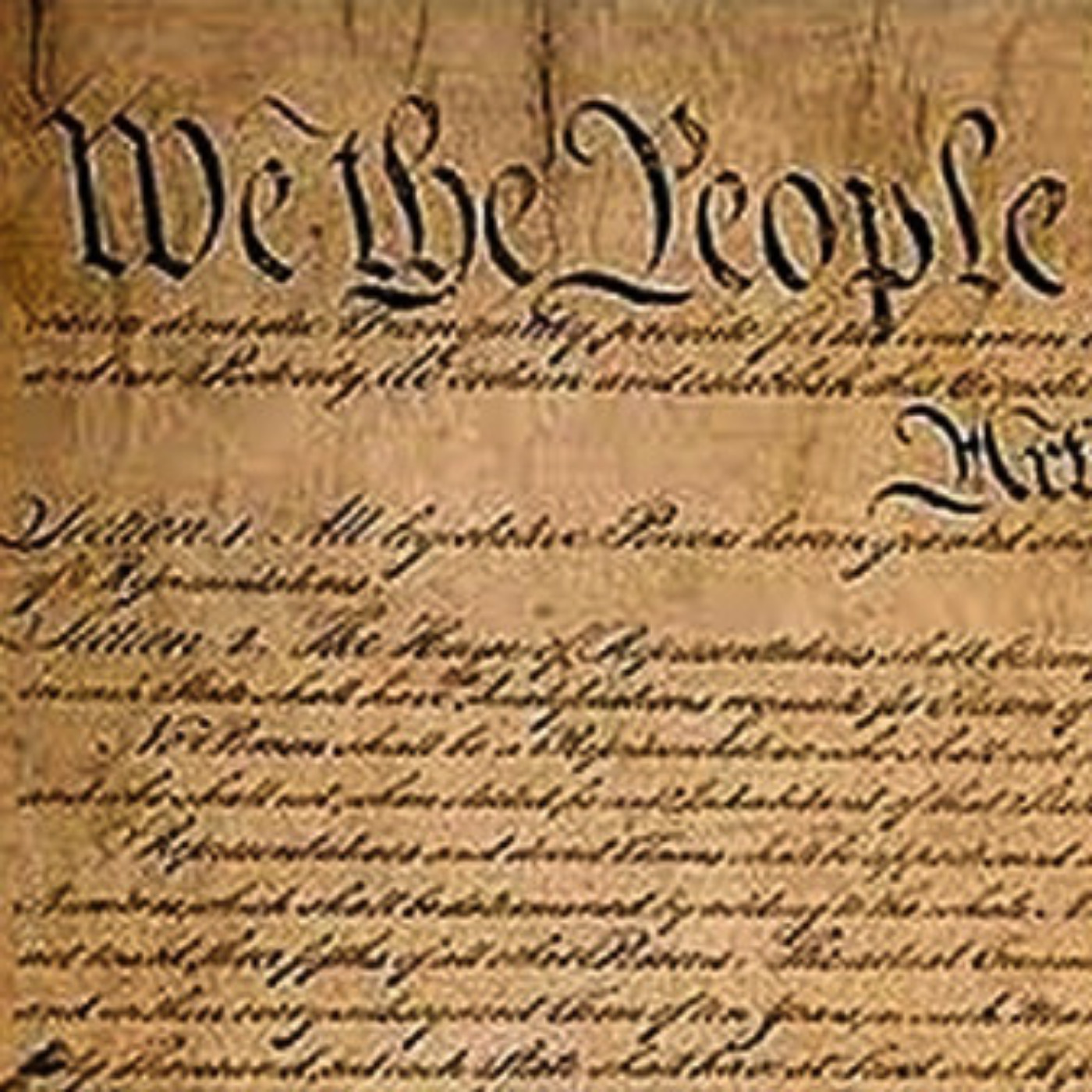
Why do I think about the United States Constitution when my pressure cooker finishes cooking? Or when I leave a room?The U.S. Constitution guides my environmental behavior and has since I learned it in elementary school.Today is U.S. Constitution Day since today in 1787 the delegates to the Constitutional Convention signed the document in Philadelphia and that's why today I'm sharing why I love the document, live by it, and think about it daily---specifically Article VI, paragraph 2, which I read and talk about in today's post. Hosted on Acast. See acast.com/privacy for more information.
Ep 86086: Awareness means nothing. Or less.
Neither the environment nor your life responds to your awareness. They respond to your behavior.People who speak the truth say, "I'm telling the truth." People who lie say the same thing.People who are aware say they are aware. People who are unaware say the same thing too. Only we're all unaware of what we're unaware of. Saying we're aware only reveals our ignorance of our unawareness. That's pride.If you want to improve the environment or your life, claiming awareness may sound like progress and may get you social approval, but in more cases it stops people from acting.What works? Humility. Viewing action as skills that you develop and practice. How do you develop skills? Practice, practice, practice.The results? Greatness, authenticity, genuine self-expression, and all the other results of mastery, even from environmental skills.Want results? Avoid seeing awareness as a goal. Act. Do. Develop skills. Hosted on Acast. See acast.com/privacy for more information.

Ep 85085: Daniel Bauer, part 2, Going car-free is beautiful
Going car-free is beautifulDaniel got rid of a car! He chose to from Texas!And he thanks me for inspiring him.Would you think losing a car would cripple your life? Listen on to hear how it brought him joy and happiness. Yes, that's right. Getting rid of what Americans associate with freedom and independence brought him more freedom and independence.Daniel discusses enjoying not having a car. Being able to ride his bike everywhere has changed his perspectives in ways he couldn't have predicted. We also discuss the challenges including the weather and if curses me during these times of struggle. You’ll also hear how Daniel uses my book to teach peer leaders in his mastermind groups on perspective and leadership. Hosted on Acast. See acast.com/privacy for more information.
Ep 84084: Geoffrey West, part 1: Simplicity beneath it all
Geoffrey West's work beautifully and elegantly ties biology to how we interact with our environment. Amazingly, his unique views lead to the same conclusions as mine, though coming from totally unrelated directions.You've never seen work like his.If you love nature and science, you'll love Geoffrey's approach. You'll see life and death in new ways.I hope you'll also catch my enthusiasm for his view and a chemistry in our conversation, which I see stemming from the passion and view of the world physicists have that drew me to the field and that tell us new, important things.I kept the conversation mostly intact since if you like nature, you'll appreciate his views. If so, I urge you to stick through to the end, where his views converge with mine. Hosted on Acast. See acast.com/privacy for more information.
Ep 83083: Alisa Cohn, part2: Gurus are people too
Alisa shares what happens behind the scenes to everyone, including world-ranked coaches and speakers.Listening to a podcast with leadership in the title means you've probably read many gurus' books and watched their videos, which are all edited and produced to make them look perfect.We know they aren't perfect.Alisa is humble, open, and generous enough to share what few top leaders do.I bet you'll find her reactions very similar to yours, but I bet also with key differences. Those differences in how she handles not meeting her expectations are what put her on those world rankings. Hosted on Acast. See acast.com/privacy for more information.
Ep 82082: Ben Feder, Part 1, Take off your shoes
Ben Feder is a high level executive who realized he was losing the things that were important to him due to his pursuit of success -- until then defined by others' values. We talk about him taking a year sabbatical with his whole family in Africa, Asia, and Bali, and how it transformed his life and his family.I share how much I’m enjoying his book and how even though he wrote it for his family, its being personal makes it more universal. If you've thought about an extended retreat, Ben's insight and experience will help you with your vision. Hosted on Acast. See acast.com/privacy for more information.
Ep 81081: Jonathan Haidt: The Coddling of the American Mind
I met Jonathan at the World Science Festival and recorded a podcast interview of him that changed my approach to leadership—in principle and in practice. I seek more opposing views. I listen more. I look to learn their intent and the beliefs and values motivating that intent. I challenge myself more.As he colorfully said to me:We are going through an extraordinary time in which social media and other recent changes are turning us all into self-righteous jerks.Our combined jerkitude threatens to destroy society.We all have to turn it down, be more humble. We don't know the truth. We don't have privileged access to the truth and we have to give each other the benefit of the doubt. The links Jonathan mentioned:Resources on environmental action based on The Righteous MindFeinberg & Willer (2012). The Moral Roots of Environmental Attitudes. Psychological Science. Shows that messages that speak to conservatives’ morals narrow partisan gap on environment. See essay summarizing the research here.Kidwell, Farmer, & Hardesty (2013), Getting Liberals and Conservatives to Go Green: Political Ideology and Congruent Appeals. Journal of Consumer Research. Shows that messages framed using the right moral foundations can appeal to conservatives or liberals, on recycling.Day, Fiske et al. (2014). Shifting Liberal and Conservative Attitudes Using Moral Foundations Theory. PSPB.Wolsko, Ariceaga, & Seiden (2016). Red, white, and blue enough to be green: Effects of moral framing on climate change attitudes and conservation behaviors. Journal of Experimental Social Psychology. From the abstract: “While liberals did not generally differ across conditions, conservatives shifted substantially in the pro-environmental direction after exposure to a binding moral frame, in which protecting the natural environment was portrayed as a matter of obeying authority, defending the purity of nature, and demonstrating one’s patriotism to the United States.”John Stuart Mill's On Liberty (edited and illustrated by Jonathan and collaborators) at Heterodox AcademyYourMorals.org, where you can explore your morality Hosted on Acast. See acast.com/privacy for more information.

Ep 80080: Nataly Kogan, Part 1, Influencing others to live happier
Happier NowNataly starts by sharing her personal story of her family escaping Russia to America, navigating life with immigrant parents. She shares some vulnerable and raw experiences. Even so, she shares feeling blessed to be living in Detroit projects. Listen for why.She talks about taking many wrong turns, decades chasing happiness through achievements and success, trying to hide from feelings of pain, sadness, or stress. She hit a wall, but eventually discovered happiness here and now, not always having to strive, is the key.Nataly shares her 5 core happier skills that you can implement now. They're free on her page, with videos, and comprehensively in her book Happier Now. When talking about her challenge we talk about making it fun for her family. Hosted on Acast. See acast.com/privacy for more information.
Ep 79079: Andrew Revkin, Part 1; Global Warming, pollution, and hope for our future
I met Andrew Revkin through the World Science Festival this year, then recorded at my visited me in my New York apartment. I wish I could have brought you the whole conversation. You get the highlights.We covered global warming, pollution, history, relevant people, and why he is hopeful, even seeing the challenges he sees from the vantage point of National Geographic and the New York Times.Andrew shares the decades work he’s done on these issues. He reinforces the importance of action, not just talking,He takes the challenge seriously, even -- gasp -- flying less, which most people consider impossible. Want to expand your horizons? Listen to hear how a guy who has already done a lot takes on doing more -- to improve his life. Hosted on Acast. See acast.com/privacy for more information.
Ep 78078: When Did Polluting Become Normal?
People seem impressed when people don't pollute. They say, "That's so good of you!"If not polluting is good, doesn't that mean polluting is normal?I don't think we should see not polluting as special.Let's view it as normal. Hosted on Acast. See acast.com/privacy for more information.

Ep 77077: Overcoming adversity while still finding the fire; Scott Mautz, Part 2
Sometimes what looks like a hurdle activates your team.Scott details how he launched his book---last I checked at 96% 5-star reviews. He tells it from the trenches, so if you lead, hope to lead, or want to write a book, you’ll want to tune into this episode.We also go into his challenge of saving electricity. He found that he was probably the biggest offender in the house. So he had to be humble first to lead by example. He didn't make excuses. What great leaders do?Despite obstacles like his book launch and unexpected surgery, I think you’ll be surprised with how Scott took on his challenge. Hosted on Acast. See acast.com/privacy for more information.

Ep 76076: You learned leadership wrong; New England Patriot Marquis Flowers
Which is more common - an athlete becoming a leading political figure, or a political figure becoming an athlete? After talking to Marquis Flowers of the New England Patriots, I still say that leadership lessons from sports stars are some are some of the best I hear.Listen in to this episode to hear about teams, commitments, riding highs, and getting through lows. As Marquis puts it, what's going to get you through when that 30 minute task suddenly takes 3 hours? Hosted on Acast. See acast.com/privacy for more information.
Ep 75075: Palestine and Coffee; RJ Khalaf, part 3
Even leaders need to remember to check-in and communicate with their closest friends.In RJ's third conversation here, he shares what integrity, listening, and communication mean for leaders. He acts with these skills in his professional and personal life. From running mentorship camps to sticking to his values on something so seemingly small as a disposable cup at a bus station, RJ puts actions behind his words.Do you think it's coincidence that someone who acts on details also succeeds at such a global level? I don't, and I suggest that if you pay attention to such detail and act on it then you will help yourself more than anyone else and more than you expect.Check out www.leadpalestine.com to learn more about his work, watch his TEDx talk, and listen to this interview to hear how you can start with simple actions to make big impact. Hosted on Acast. See acast.com/privacy for more information.

Ep 74074: Scott Mautz, part 1, Finding the Fire
Scott takes on a three-part challenge in this episode . . in the middle of a book launch!We discuss how Scott is bringing his experience running multibillion dollar companies within Proctor and Gamble to helping people make sense of how they see work . . . and to create meaning and purpose in a world that doesn't do it for them any more.We discuss the life of a leader, speaker, and leadership speaker---what I was new to when we spoke (and that he's helped me with before and since). He reiterates one of the major themes emerging from nearly every effective leader on this podcast---that effective leaders focus on the other person.In his case, he focuses on helping others help others.I'll put to you, the reader:How often when you act for your environmental values are you doing it to help others?How often when you act against your environmental values are you putting your interests first?What do effective leaders do?I’m interested to see how Scott holds up on his 3 part challenge while promoting his book. Stay tuned. Hosted on Acast. See acast.com/privacy for more information.
073: Sustainable resources on a global scale; Jared Angaza, Part 1
Jared and I have deep, engaging conversations, starting from before my appearances on his podcast a year before we recorded this one.You’ll hear we quickly get deep on this one. It follows an earlier conversation a topic that many won't talk about or listen on, but that we consider essential, at least to talk about.We discuss resources per person as our populations grow. Some societies controlled their population for thousands of years in concert with their available resources. I wonder how. What mechanisms did they use, since that duration suggests it wasn't by luck. If you know, please let me know.What challenge will Jordan take on? I think you’ll really enjoy this semi-controversial conversation between the two of us. Hosted on Acast. See acast.com/privacy for more information.

Ep 75072: Teaching leaders how to lead; Daniel Bauer, Part 1
(Spoiler alert: Daniel takes on the biggest challenge so far. You could argue his circumstances make it easier than it sounds, but he's coming from Texas!)Leadership education and practice can begin in school. Sadly, in most systems it doesn't.My K-12, college, and graduate school nearly completely lacked training in the social and emotional skills of leadership, and I went to some of the world's great schools.That's why I wish the world had more Daniel Bauers.Beyond being a successful leader as a principal, he is also helping other principals lead more effectively too. He’s promoting servant leadership and leading by example within and outside educational bureaucracies. He doesn't have to. Most of my teachers and principals were satisfied to do their best in their classrooms and schools. Leaders create movements, instigate conversations, and influence systems.Daniel and I became friends before this conversation and seeing the challenges he takes on regularly, I’m not surprised by Daniel's commitment here. Listen and consider what you're capable of. Hosted on Acast. See acast.com/privacy for more information.

Ep 71071: The importance of high-level coaching; Jordan Harbinger, Part 1
Jordan and I got to be friends over a decade ago before he moved to California. We'd get burritos around the corner from my place.In the meantime we toured North Korea not once but twice together and I've seen him in Los Angeles.This time I hosted him and his wife for my famous no-packaging vegetable stew.You get to hear from him how it tasted (spoiler alert: he says it tastes great).He shared the importance of high-level coaching. Listening to Jordan on the Jordan Harbinger show, it's easy to think he was born with the skills of one of today's great interviewers. He's humble enough to share what I think we all need reminding of---that help from people with more skills and experience helps.In other words, he got coaching and a lot of it. He also mentions practice and preparing more than necessary.He and his wife consider themselves environmentally aware and conscious, but, as with nearly everyone, he shares that he may waste water showering and shaving. He doesn't know the answer, which he incorporates into his challenge.He openly shares what he doesn't know and potential flaws---what most of us hide. Any wonder why he emerged as a leader among leaders?Noticing these subtle things and making ourselves conscious of what we normally suppress tells us what to focus on to improve by our standards. Hosted on Acast. See acast.com/privacy for more information.

Ep 70070: Seth Godin: a teaser
This short recording is a teaser for my full interview with Seth Godin, who needs no introduction. It begins and ends with messages from Seth, sandwiching my top-level impressions from meeting with him at his home and talking at length.He talks about his new book, This Is Marketing: You Can't Be Seen Until You Learn to See, in our conversation so the full recording will come out when the book does, in November.I prepared by reading Linchpin and Purple Cow, and watching hours of his video and reading dozens maybe hundreds of his blog posts. Then since talking to him, I've reread, rewatched, and read Tribes in his voice, and his work came alive beyond my expectations.Because of hearing him speak on a topic I've spoken to others on so much, I found he answered in unique ways, at least ways I hadn't heard before. Several times I thought he was off track but as he clarified, I realized he was steps ahead of others, anticipating and staving off arguments and excuses.I learned a lot about leadership and the environment---my topic.If you haven't heard Seth on the environment, you'll love his application of marketing and leadership to it in the full conversation. You'll learn about leadership, marketing, education, personal growth, and all the things you expect from Seth, but from a new perspective.Some things I disagreed with or thought he missed, so I'm not blanket or blindly praising him.He and I connected when he wrote a blurb for my book and he was generous enough to meet me at his home. He met my train on his way back from his farmers market with two full bags of vegetables. We spoke about volunteering, CSAs, and salt-of-the-earth, community supporting things. I saw they letters and cards of gratitude from people he's helped and how touching and heartfelt they are.Catch you in November for inside scoops of Seth's next book, This Is Marketing: You Can't Be Seen Until You Learn to See. Hosted on Acast. See acast.com/privacy for more information.

Ep 69069: Why you will follow me to fly less
2 minutes and 53 seconds to show you the trends people are following back to what used to be normal and healthy.Fight against clean and pure all you want.You'll follow eventually.Why not start now and lead? Hosted on Acast. See acast.com/privacy for more information.
Ep 68068: "You've got to do what you believe in"; Tensie Whelan, part 2
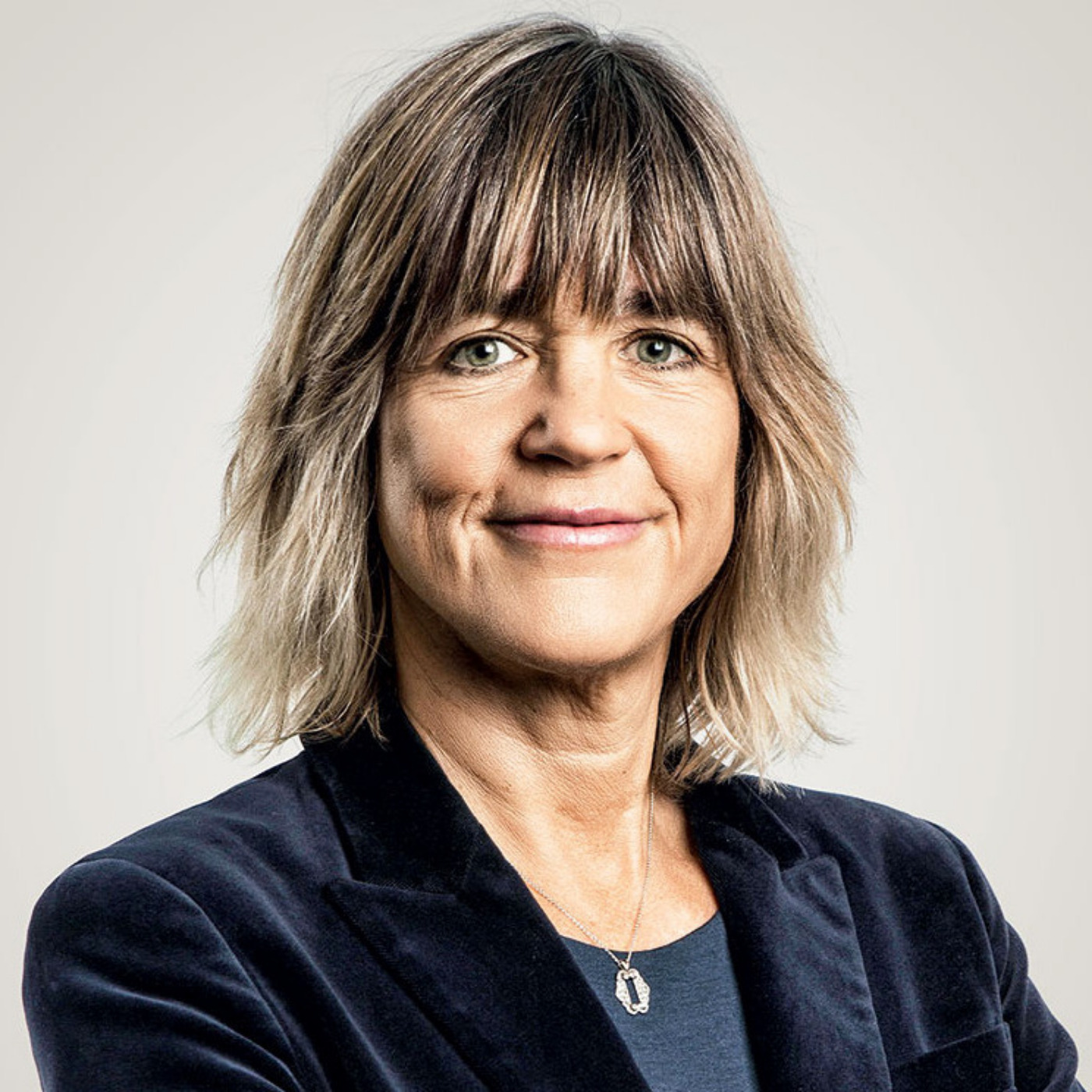
Tensie and I talked about wine, creating and changing habits, and eating bugs, which happens when you work with the Rainforest Alliance.We also talk about dealing with people when you change, influencing them, and perspectives that make these things work. The people she influences run multi-billion dollar companies.Tensie described and lives the point of this podcast: a lifetime of acting on your values, what you care about, not imposing on others, and having fun.I didn't hear a whisper of guilt, blame, doom, gloom, helplessness, despair, or what many people associate with acting on the environment.I talk to a lot of people who say that they're doing all they can for the environment---usually people still with a lot of easy changes they'd probably like once they did them.Despite all she's done, she found something she could work on. However modest, it didn't stop anything else. On the contrary, it led to more---more self-awareness, fun, interacting with others, and leading others.When you expect the change to improve your life, you find more. Why wouldn't you, as Tensie did? Hosted on Acast. See acast.com/privacy for more information.
Ep 67067: Become a person of value: John Lee Dumas, part 2
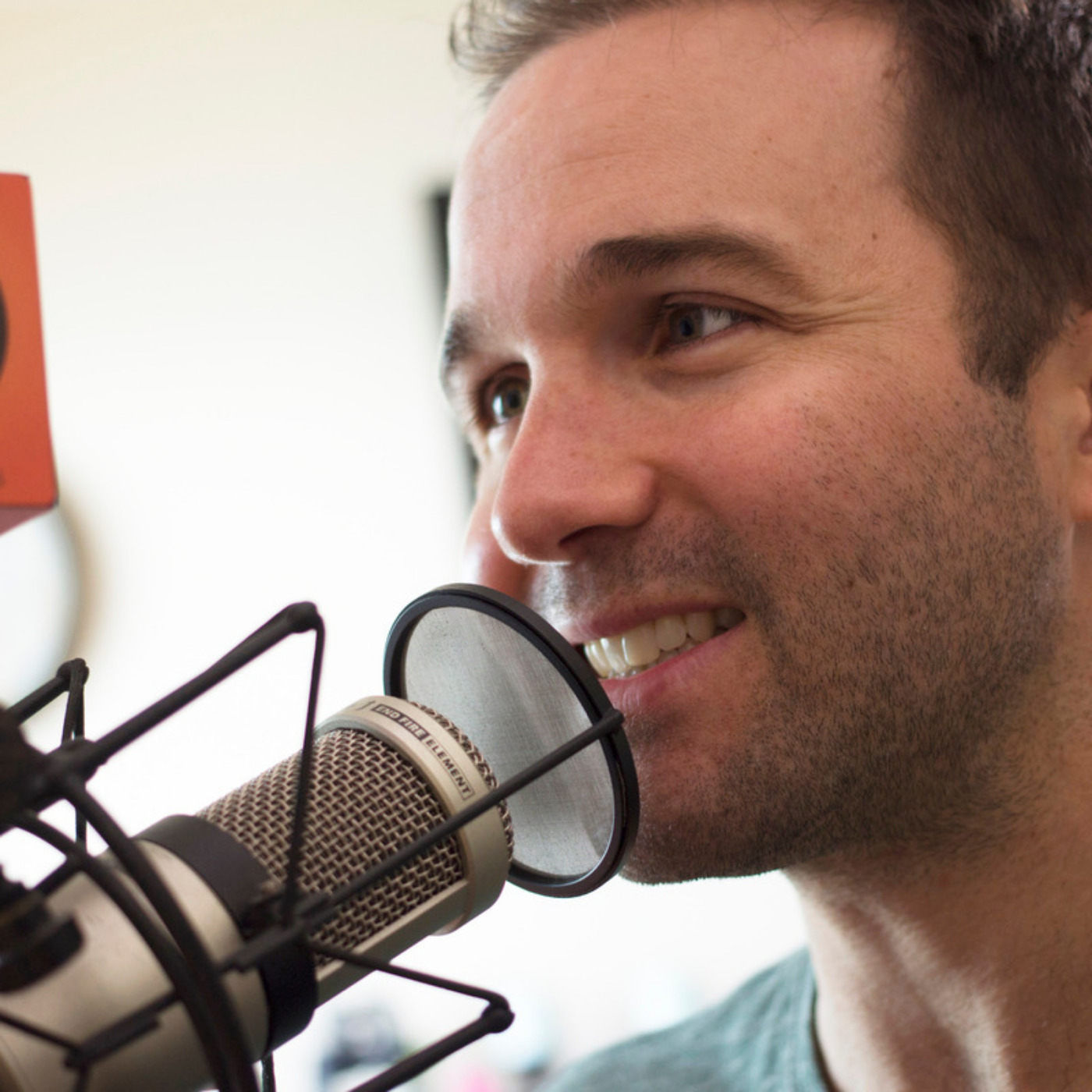
John Lee Dumas took on one of the biggest and longest-term commitment of any guest. Six months in and he's only half through it.He also inspired me back as much as any guest, which is probably related---not to think about things or talk, but to action. As with all environmental action, I expect I'll enjoy it after the initial challenge. I like running as I always have, so trying running how I talk about with him will challenge me.You'll hear how his challenge become something heEnjoysShares with his familyShares with his communityLeads others with, who also enjoy and share it.Learns fromWill augmentDo you think acting on the environment is a distraction? That it keeps you from getting ahead? That it's dirty?I just checked John's site. Last month, June 2018, he made $165,644. That's a typical month. He can pay people to pick up garbage. Yet he enjoys doing it. He shares it. Others follow him.Maybe acting on his values is what led him to success like that. Hosted on Acast. See acast.com/privacy for more information.
Ep 66066: "And that is how you make progress"; Dorie Clark, part 2
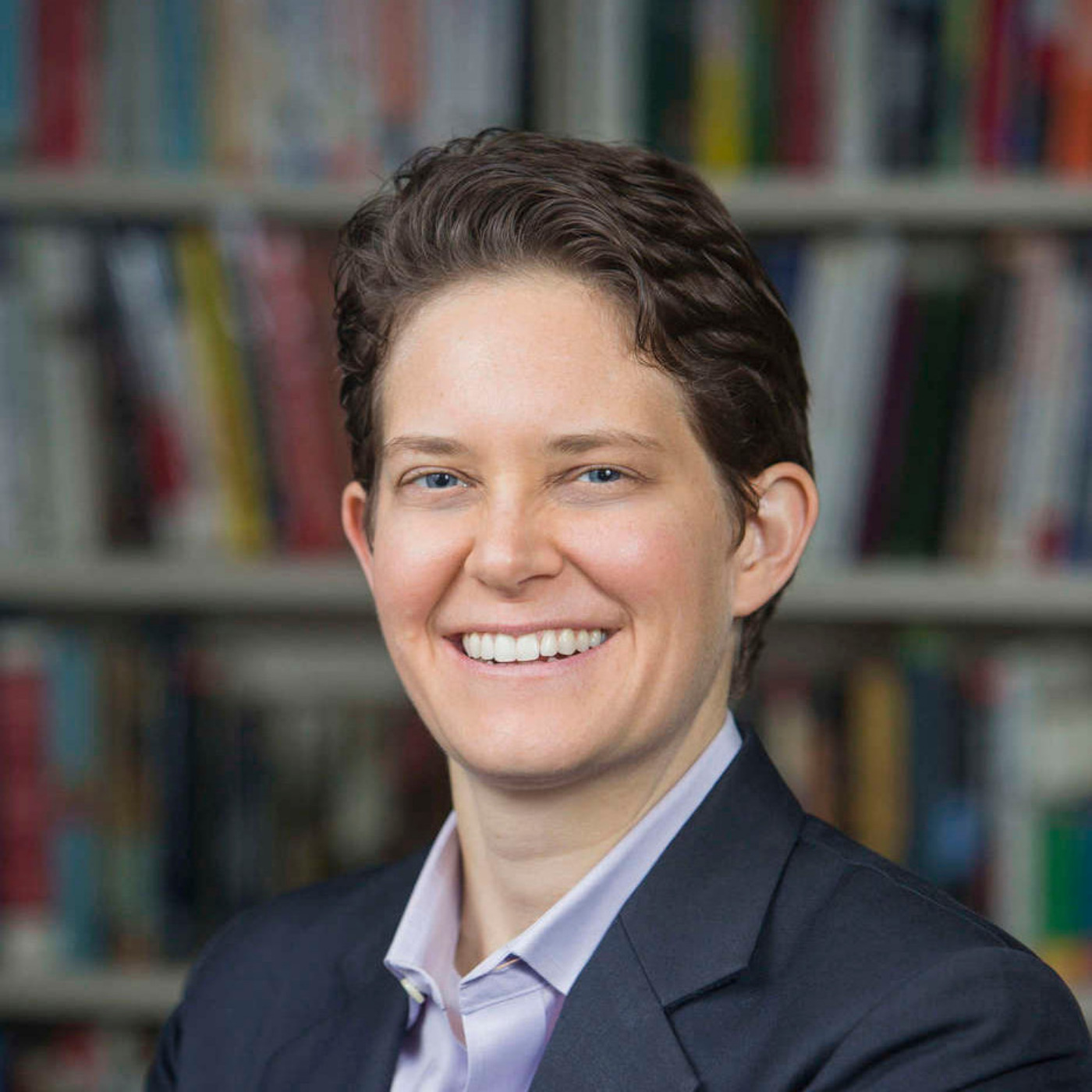
Dorie shares about the six-month habit she committed to---one of the longest of any guest.Wait, can you just decide one day to start or stop a habit? Isn't that supposed to be impossible?Listen to Dorie's results. She's a master of habits: how to create them, start them, and teach others to do so. She shares how she works.With some guests you feel like they're always conscious of the microphone. Not Dorie. Most of us are so genuine with friends and family. I think we all wish we could stay that way in public, without pretense or affectation.We have a lot of mutual friends. Every one of them will tell you that she's incredibly open, sharing about herself. She shares how she achieves this personal mastery, methodically and effectively.This conversation is more about personal leadership, which environmental action needs, if you ask me. Few people who work on the environment show it.We met at the café of her commitment so you'll hear we're on the street. I liked the informality. Hosted on Acast. See acast.com/privacy for more information.