This Sustainable Life
866 episodes — Page 12 of 18
Ep 308308: Marni Kinrys, part 1: The Ultimate Wing Girl
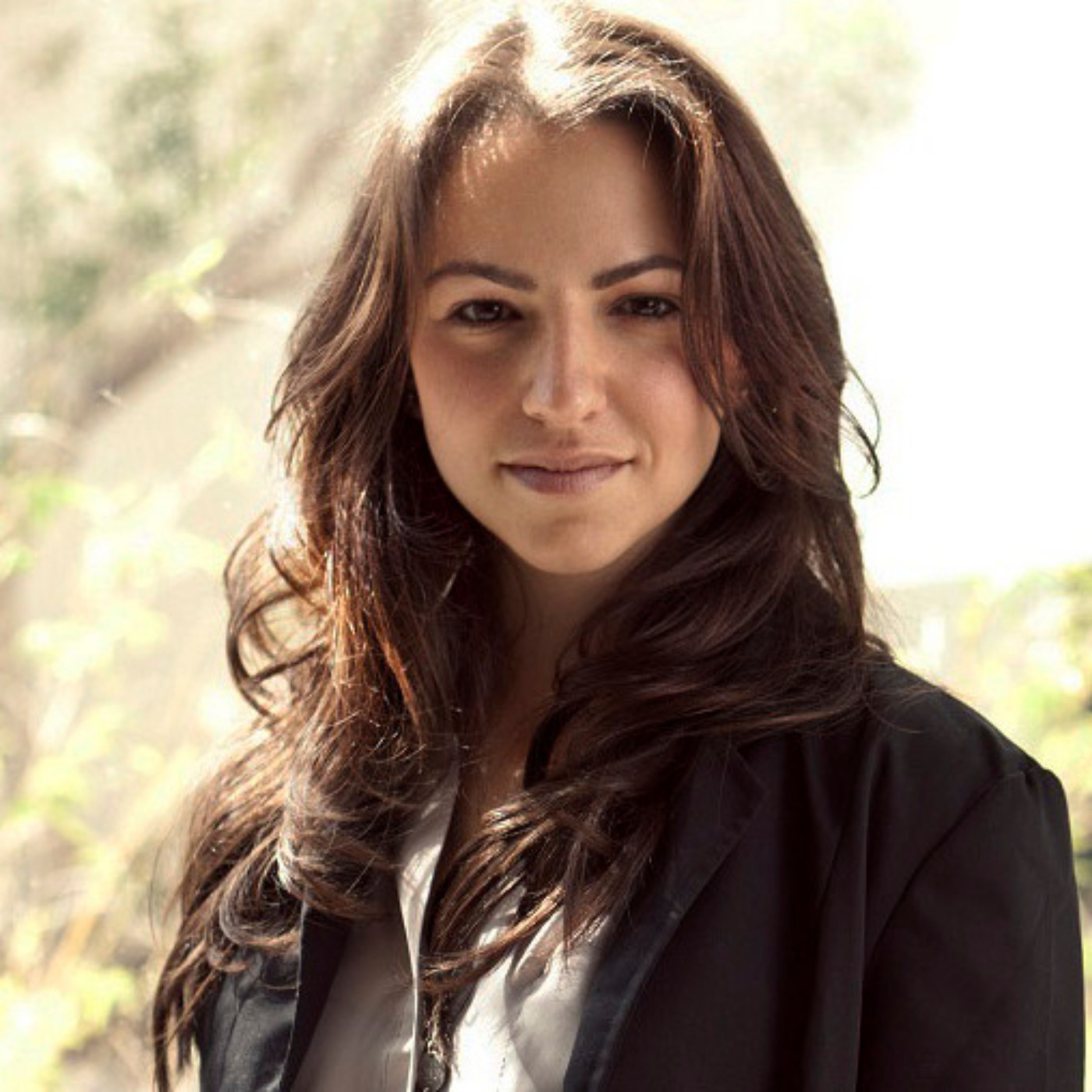
Previous guest and retired dating coach guru Brad P suggested inviting Marni as a guest, his longtime friend and colleague. She coaches men on attraction, dating, and so on. Curious?She pioneered women coaching men in this area, as you'll hear in our conversation, helping transition the field in ways you'll hear her describe. Her fourteen years of experience led her to expertise, understanding, skills, insight, and fun. I don't know of her peer.She shares her expertise and experience. I predict you'll find her story fascinating, engaging, and fun.On a personal note, I'm continuing the opening up about my practicing and coaching dating, attraction, seduction, etc. so you'll get to hear more of my evolution in something important to me where I felt vulnerable. I was also a guest on her show, the Ask Women podcast, which listeners have given positive feedback on. She and her cohost Kristen Carney created an open, fun context where I could feel comfortable sharing my dating coach history.I don't know about you, but I felt like I got to see into a quasi-secret world or perspective that I knew about but hadn't actually heard from directly and openly. And we have mutual friends.And if you're a man looking to attract women, I recommend contacting Marni for coaching.Marni's page The Wing Girl MethodThe Ask Women podcast Hosted on Acast. See acast.com/privacy for more information.
Ep 307307: Covid-19, the Cuban Missile Crisis, and leading through crises
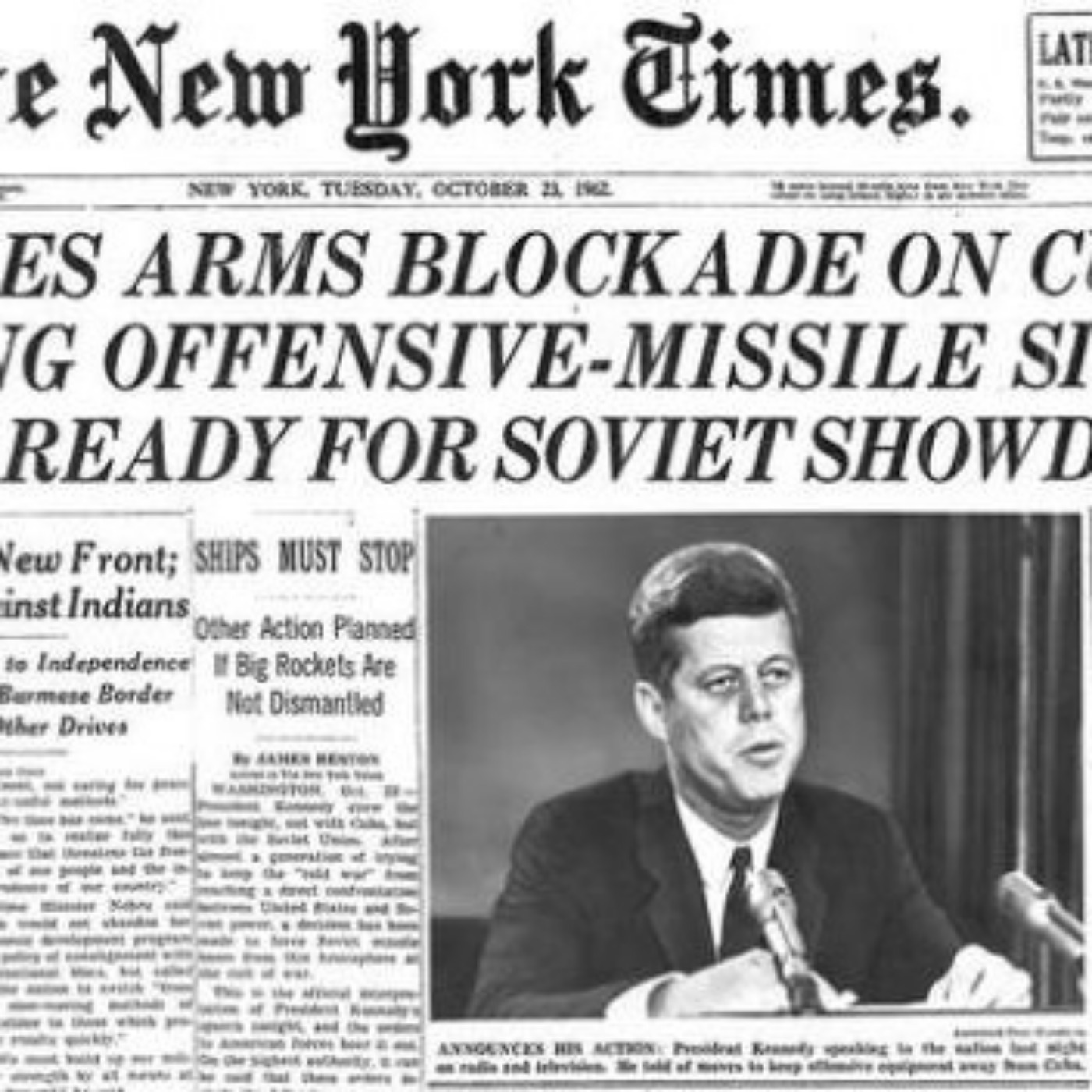
People are criticizing politicians and others over handling Covid-19. I don't blame or criticize people for not knowing how to handle particulars of this situation, but we can respond more effectively.Some parts of the situation are unique to Covid-19. Some are endemic to crises. We can learn from how people handled past crises effectively and ineffectively.Today I talk about John Kennedy learning from the Bay of Pigs disaster to lead through the Cuban Missile Crisis.Important urgent tasks like sourcing ventilators are important, but if we miss learning the important non-urgent things to prepare for the next situation, which likely won't require ventilators, we'll find ourselves here again.Bay of Pigs invasion: Kennedy’s Cuban catastropheJFK’s Legacy and GroupthinkThirteen Days (film) Hosted on Acast. See acast.com/privacy for more information.
Ep 306306: Covid-19, avoiding people, and family
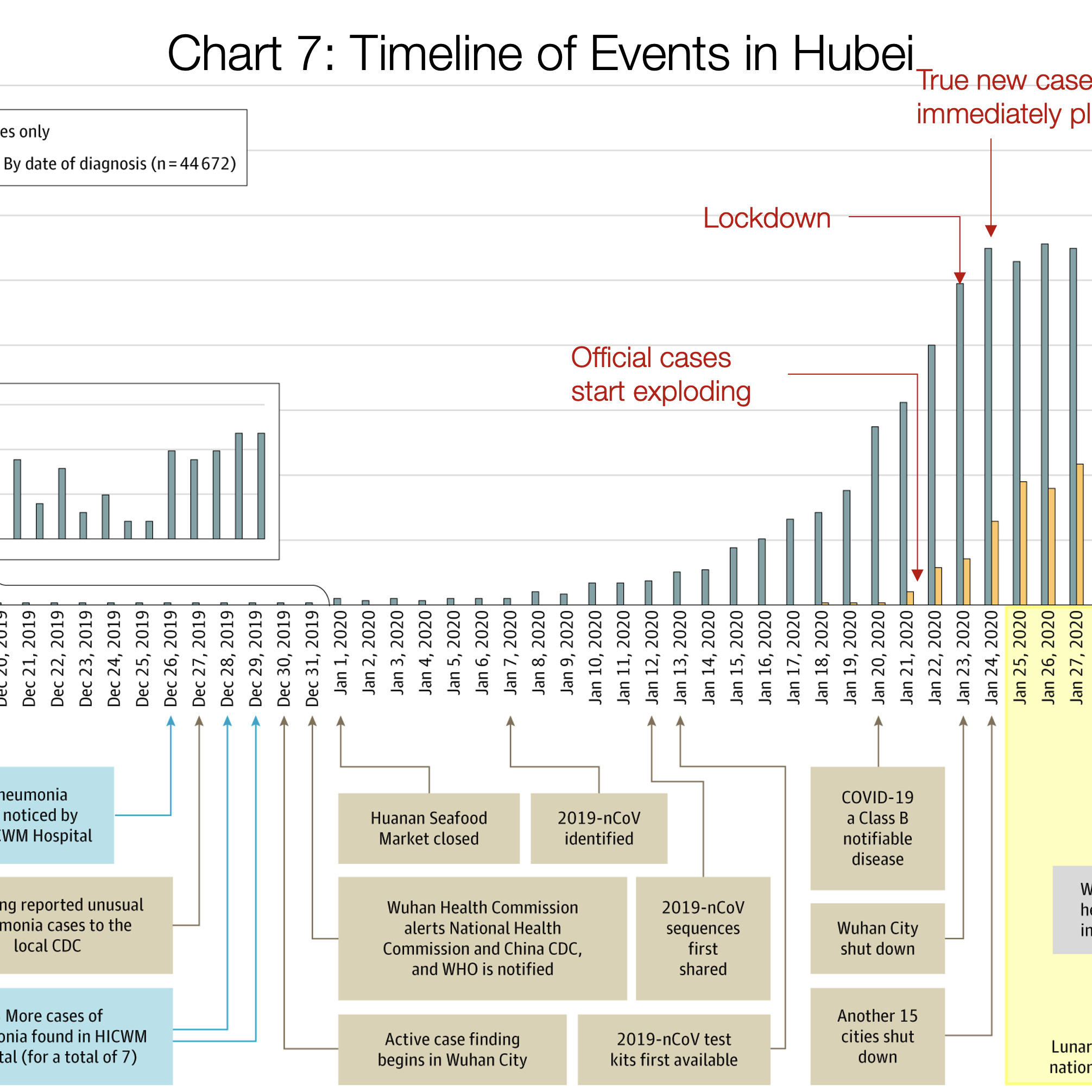
I chose to stay at my mom's outside the cityWhy?Read stories, saw difference between places with SARS and MERS experience versus notNY and US woefully underprepared govt, corps. People didn't get itNot worried about my health, but systemAdvice is distanceWhat could happenCloser to Italy than China or IranTalked to friend in medicineTalked to friend who had been following mostUS lacks central authorityWhy not?Mom is 76. Stepfather close. I could unknowingly bring diseaseSolution isn't possible for everyone. On the other hand, everyone who can slow spread shouldAt first felt privilegedBut hard to find preciselyHaving mom?Having mom still alive?Her living outside the city? Many other situations doesn't help.That I can afford to go somewhere else?Normally couldn't but situation demands it. Like many, I can't afford. My largest source of income last year was corporate speaking, which is all disappearingIn any case, able to relocate possibly for months results from work at pruning unnecessary, which anyone can doI don't have kids, which enables a lot, but a major factor in not having kids is not being able to afford them.Feels like the opposite of privilege, not being able to afford somethingStill, people have told me I'm privileged for it.Candidly, it feels that way, but I can't put my finger on it. My family isn't loaded. If middle class is privileged, I guess, but then everyone outside poverty is privileged.Back to CovidWhat made case for me was seeing scientific models that what we're seeing with minimal testing implies far more we haven't tested, which implies far more who can transmit but haven't shown symptoms, which could be you or meBiggest problem would be if we don't learn from it.Biggest lesson so far: can't not fly -> can not flyBecause however big Covid, scientists have predicted pandemics based on overpopulation and over travel for generationsThey've also predicted a lot more to come.Best course beyond this pandemic is to implement globally what Thai people did: lowering birth rate globally to around 1, 1.5 children per woman.In the immediate, follow expert advice, of courseThe two articles that influenced me most:Coronavirus: Why You Must Act NowHow Will Coronavirus Spread? Liz Specht Breaks Down Systemic Risk – by the Math – As 16 Million Are Quarantined in ItalyThe chart I described, from the first link above: Hosted on Acast. See acast.com/privacy for more information.

Ep 305305: The greatest danger from covid-19 would be not learning from it
My notes that I read from for this episode:Greatest danger is not to learn from it.Starting story: Preparing to launch on 9/11. While nothing on scale of victims, first responders, and those who fought, but went from 8 digit to limbo. Within two years squeezed out. Gave up following Einstein and Newton to outdoor advertising that I didn't even like. Now no way forward, backward, or anything. Lost trust in people. Closer to mom and other entrepreneurs with similar disaster.We feel everything shutting down. Huge unknown. Will things restart? How many will suffer? How many will die? What will happen to health care system? Have I bought enough to eat? Will I become infected? If so, how badly? Will I accidentally infect others?Images of China, Italy, Korea show fuller shut down ahead.Other nation's results show divide in effectiveness with if they faced SARS, MERS, and related situations.Nothing compares with experience.We've seen in America back-to-back 500-year storms, fires, and floods. My home of New York City has seen a hurricane, not nearly the country's severest.We know more is to come.We lack relevant leadership experience.I don't see a silver lining to lower pollution if it comes through suffering and death.If any silver lining -- that given predictions for generations that neglecting our humility to the environment by dominating instead of stewarding it would lead to sea level rise, unbreathable air, famine, pestilence, and more, we can expect more -- and however bad this problem, it may give us training for future disasters.Our greatest danger in responding to covid is not to learn how to handle a population far beyond the Earth's ability to sustain or regenerate. Because we could learn what nations hit by SARS learned.We've been fortunate enough so far to face mostly localized disasters at different times. Here is one of our first global ones. The US could come together to help victims of Katrina, Paradise CA fires, and so on.We've helped foreign communities -- however imperfectly?What will happen when two or three disasters happen? Four?Today's answer is that we don't know and have no basis to answer.But we could learn now. Not a silver lining for people in Italy or Iran and probably the US who are turned away from hospital care.Nor did I know what I would do on September 12. The fallout had barely begun. My life is far better for what I learned over what comfort and convenience I lost.Learned leadership and how to teach it, over a decade now. Students and clients apply it from the West Bank, to Silicon Valley, to the nation's least advantaged communities.Five years ago began my journey to serious meaningful environmental action. It began simply, challenging myself to go a week buying no packaged food. Learned to cook from scratch, found delicious, faster, cheaper, more accessible (Saturday cooked in Bronx at invitation from single mom in food desert to show her community what I'd learned).Mindset shift to expect acting on environmental values to improve life. So when I learned flying NY-LA r/t warmed the globe a year of driving, I challenged myself to go a year without flying.March 23 begins my fifth year of what I expected deprivation, sacrifice, obligation, chore, but turned out joy, connection, and community.I threw out my garbage once in 2019, 2018, 2017. Pure life improvement amid 90% reduction according to online calculators.I've spoken to about 1,000 people on my podcast and life about not flying. About 998 said impossible.Suddenly many not flying. It's always been a matter of motivation and imagination.One flight brings you to distant loved one or job opportunity. Flying in general separates to where you have to fly. More flying means less time with family and less control over career and is a sign of privilege that letting go of improves life.My mom texted me she couldn't see me last week. We don't know if my niece's Bat Mitzvah later this month will happen. Our family is closer, not more distant, despite the physical distance.We can learn from this. It will get worse before it gets better. Maybe it will just be a worse flu season. It probably won't become like the 1918 flu coming off WWI or the Black Plague, but they danger isn't how sick you get, it's how society handles it.Let's learn as much as we can. Hosted on Acast. See acast.com/privacy for more information.
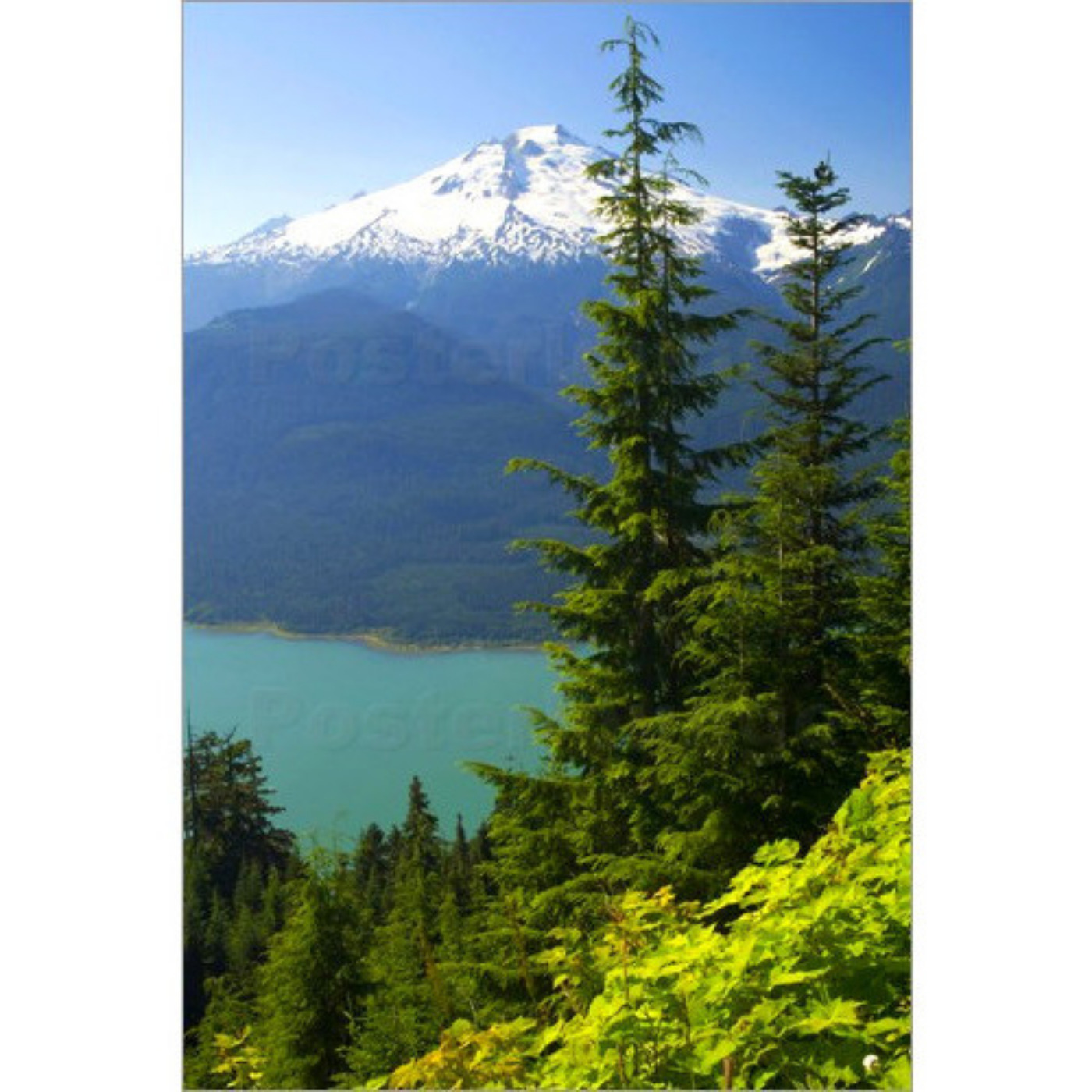
Ep 304304: How ecotourism can work
I view ecotourism skeptically at best. While I imagine someone could create tourism that increased the world's ability to sustain life and human society, every case I've seen at least doubly does the opposite. For one thing I've only seen ecotourism involving flying, which destroys what they pretend to help, perhaps dreaming that carbon offsets lower greenhouse concentrations while they more likely raise them. For another, they turn places into tourist traps that depend on outside money.Today's episode presents an opportunity for people to get most of what they look for in travel---adventure, different culture, cuisine, etc---without lowering the environment's ability to sustain life and human society. Visit decaying parts of the US or wherever you live.In the US, you could visit Flint, Camden, and so on. I bet visiting those places would check most or all the boxes of what most people claim they want from travel. They'd cost less, connect people to people and cultures they wouldn't otherwise. They'd bring money into depressed economies.It would develop some empathy and compassion from people claiming they want to help with those they pretend to help. Or it would expose the lie that most people claiming what they want from ecotourism really want other things, like to indulge, but to look good for it---what many people call greenwashing. Hosted on Acast. See acast.com/privacy for more information.
Ep 303303: The environmental results I predict versus what I work for
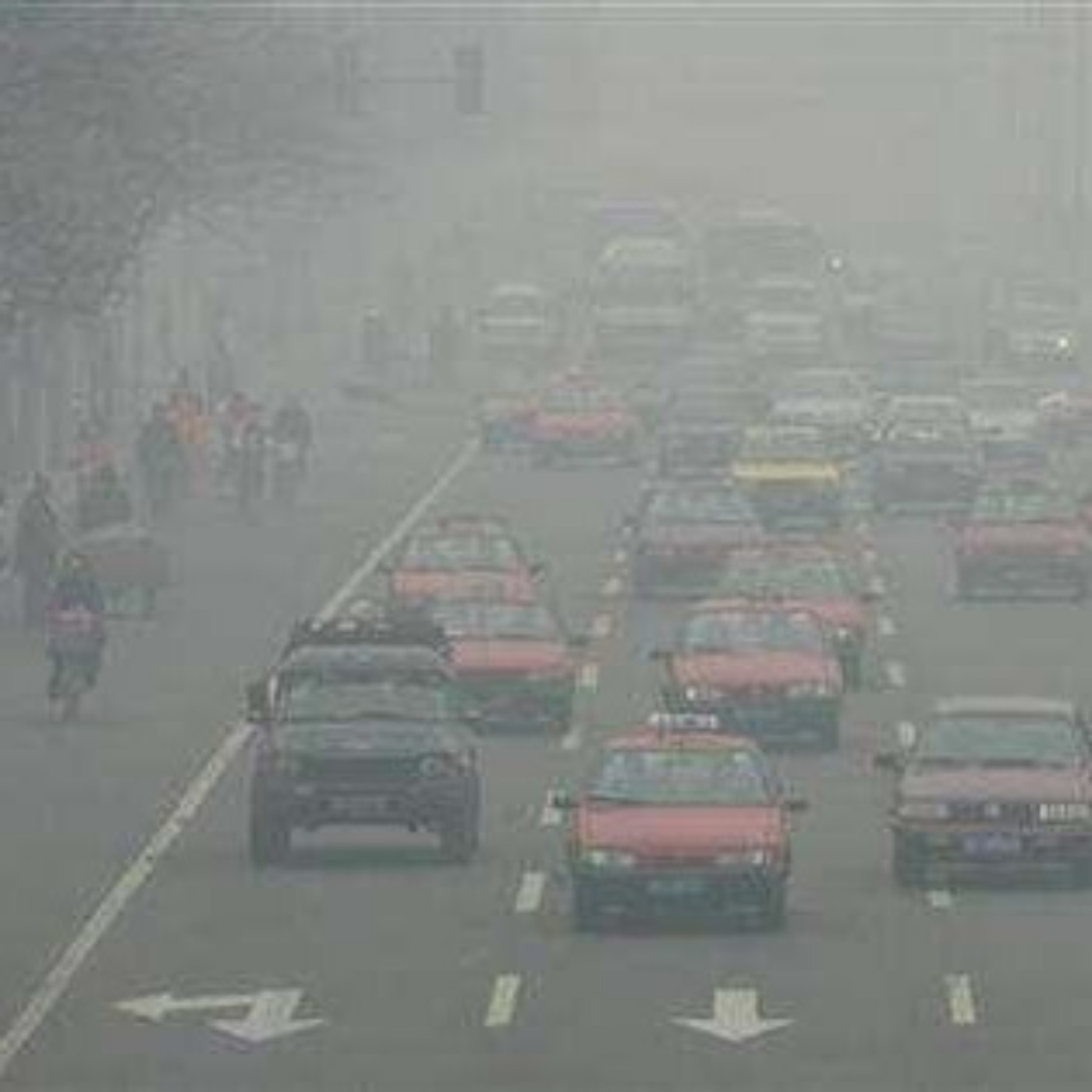
People ask, "Josh, do you really think you can make a difference?" or comment that what I or anyone does won't matter.In the first part of this episode I describe how I think our environmental future will unfold---the outcome I consider most likely. It's not pretty. I foresee a lot of gloom and doom about nature, but however much problems in nature, I think human reactions will be more important, sooner, and more destructive.My main resources for this part are the Uninhabitable Earth by David Wallace-Wells and Limits to Growth.In the second part, I share what I think could unfold if we get serious about addressing what's happening---what I'm working for.In the next part, I describe why I work at something that even I consider unlikely, drawing on Vince Lombardi.Finally, in a coda, I address why I don't expect technology to save us, or more likely to augment and accelerate our environmental problem.The Uninhabitable EarthLimits to GrowthThe Do the Math blogAbout Thailand's family planningNorman Borlaug's quote:The green revolution has won a temporary success in man's war against hunger and deprivation; it has given man a breathing space. If fully implemented, the revolution can provide sufficient food for sustenance during the next three decades. But the frightening power of human reproduction must also be curbed; otherwise the success of the green revolution will be ephemeral only. Hosted on Acast. See acast.com/privacy for more information.
Ep 302302: Nir Eyal, part 1: Make yourself Indistractable
I met Nir Eyal at a podcast recording of Will Bachman, who long ago hosted me on his podcast (see links below).Nir recently publish a book, Indistractable, about how to keep focused. A lot of people ask me how I do so much. I don't feel I do, but if so, maybe I qualify as someone who achieves. Indistractable gave me tools to focus and achieve more with less distraction.In fact, I'm writing now and recorded then despite feeling like I wanted to surf the net but used a technique from the book to focus.I wanted to hear how his research and techniques on personal action would connect to environmental action, which we started to talk about (I liked to Will's episode so you can hear Nir at length about the book).Nir showed one of this podcast's more dramatic transitions from skeptical, abstract environmental discussion to enthusiastic action. I appreciate his openness to reconsider since I read him as starting with set environmental views, but let himself look at it from a new perspective, including acting. I read his thank you at the end as sincere and, I suspect, the start of something new.As a spoiler alert, he emailed me less than 24 hours after we recorded that he acted on his commitment. Listen to hear his commitment beyond most people's.Nir's conversation with Will BachmanMy conversation with Will was a few episodes earlierPale Blue Dot Hosted on Acast. See acast.com/privacy for more information.
Ep 301301: Does It Scale? My Modified Tesla Strategy
If you've listened to this podcast, you know my Building Block---my technique to lead one person to share and act on his or her environmental values. You may also know my strategy to scale from influencing one person at a time to many.Describing that scaling model has taken effort. A conversation with a friend this morning about how Tesla scaled suggested to me a way to describe how I planned to scale.Today I describe what I'm thinking about calling my "modified Tesla strategy." I'm not describing a new strategy, but a new way to frame it and describe it. How one communicates influences how people understand and join a movement.Episode 154: Why you, famous person, will like being a guest Hosted on Acast. See acast.com/privacy for more information.
Ep 300300: Larry Yatch, part 3: Discovering New Emotions With His Sons and Wife
As a sneak preview to my third TEDx talk, I used this conversation wit Larry as an example. Sorry you'll have to wait a month for the organizers to edit the video. Waiting is as hard for me as for you.When last we heard, Larry committed to picking up trash from beach with his sons and wife. Sometimes involving others can increase the challenge. Other times involving others leads to leading them, involving them in the process.What do you think happened with Larry's challenge? Does SEAL training lead to being able lead family members?I believe you'll see another side of Larry from the first two episodes, trying to figure out the emotional interaction, sharing what he learns with his family leading up to this conversation, searching inside himself, which he shares openly. I don't know how much vulnerability a warrior shares normally, if there is a normal. You'll hear it when it comes.For many listeners environmental talk and action conjures feelings of guilt, shame, confusion, futility, and the like or expectation that people will try to make us feel that way. I believe you'll hear from this episode what I try to convey in this podcast, that you'll make your life better, by your standards.After you listen, see if you can tell how much I'm enjoying this growing dare I say friendship with Larry---talking about kids, education, and so on? Deep, meaningful access to people is available to anyone through the environment, which could be through family relations, religion, food as in my case, camping, hiking, exercise, and so on. Hosted on Acast. See acast.com/privacy for more information.
Ep 299299: Dr. Joel Fuhrman, part 1: Eat to Live
Food is important part of environment, as you know. The book Eat to Live by Dr. Joel Fuhrman changed a lot for me. I came across it after my experiments avoiding packaged food, fiber-removed foods, and meat. Eat to Live showed me that the delicious diet I found by reducing garbage and pollution turned out healthy.You'll hear me at the beginning stumble a bit. I had prepared, but everything changed when I met Joel in person at his home. He showed me the plants he's growing in solar powered greenhouse. Now, I think I'm getting good at making my stews, salads, and desserts, but with his kitchen full of vegetables and fruit, he whipped together a salad more delicious than mine effortlessly.I invite people over and they seem to like the food and impressed with my technique. All he did was make a salad and offer some snacks, including dried fruit and a chocolate chia pudding, but he showed a mastery I haven't developed yet. I mostly associated him with nutrition and healthy eating. Now I associate him with everything I'm trying to create around the environment: based in science but once you get it, about joy, community, connection, family.I realized I'm barely started developing my food-making skills.So by when we started recording the conversation, I was trying to learn from watching.By the way, if you hear noise of something brushing the microphone, it's his adorably dog, who was running around us as we spoke.You'll hear something that made me feel great---he noticed the yellow in my hand skin color and told me it meant I was eating a diet with plenty of phytonutrients. The recognition felt great.Again, Eat To Live changed my life. I recommend his books, his videos, his advice, and now his lifestyle. Hosted on Acast. See acast.com/privacy for more information.
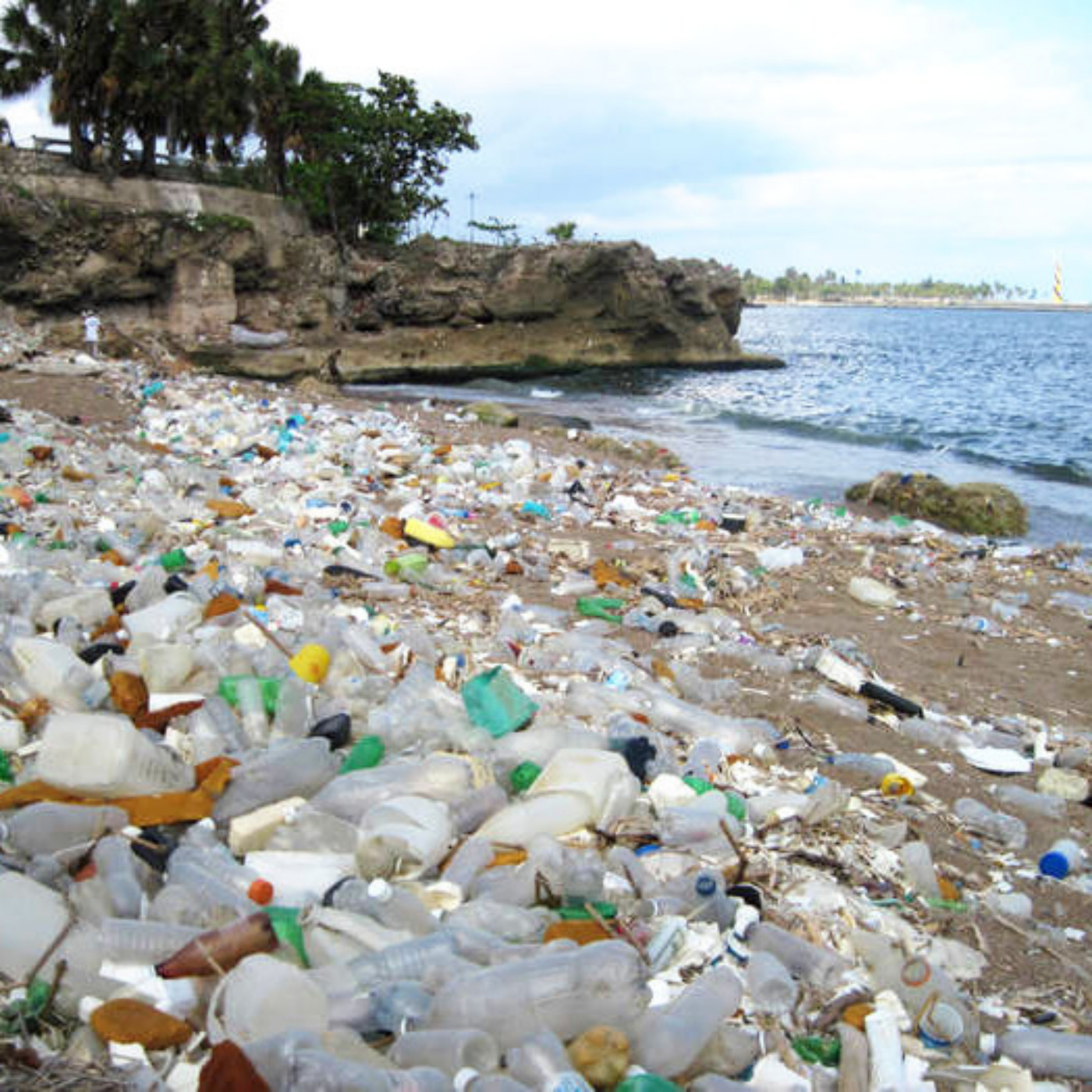
Ep 298298: Is polluting child abuse?
[EDIT: moments after posting this episode, I found my first example of someone else posting on this idea only two months ago, Environmental Pollution: An Invisible Kind of Child Abuse, which got a positive response. I'm sure there's more.]After my third TEDx talk a few days ago, spoke to a couple that told me how much they reduced waste but wouldn't consider anything more. People love considering the biggest things immune from consideration, like flying or heating their homes to 70 degrees in the winter and cooling them to 60 in the summer, leaving the air conditioner on while they're out just so it's cool for thirty seconds when they get home. Or getting take out when they have vegetables in the fridge, most of which they throw out in a disgusting display of entitlement. My TEDx talk is about how after you act you'll be glad you did and wish you had earlier.I say people don't want to do small things, they want to do meaningful things and that when you act on something you care about, you may start small you may start big, but since you like it you'll do more, so as long as you keep working on things you find meaningful, big is inevitable.They said they loved my talk but he said, “I don't see how I can live my life without flying.”Actually, people keep asking me, what can I do. Everyone knows polluting behavior of theirs, from bottles and take out containers to vacations beyond the imagination of emperors before that they consider entitled to, to eating unhealthy amounts of meat and food flown around the world while local food they don't even consider buying while local farmers go out of business.The experiential, active learning educator in me wants to say, figure it out come back to me, and you tell me. It's not like millions of web pages aren't telling you. You can change plenty, most improvements as you cut out eating junk and other pure life improvements, before you have to challenge yourself. Generations ago nobody threw anything away. Now I have to help pay billions of dollars a year just to haul junk nobody wanted out of the city to landfills.Changing your life is the point! You're addicted to flying. It pollutes. If you want to change the outcome, you have to change the cause: your beliefs and behavior.My point is that you'll be glad you changed and no matter when you do you'll wish you had earlier. Nobody believes me. Well, you're not abstractly hurting people. You're hurting people and generations will suffer for your jaunt to Macchu Piccu.You have to change your life if it relies on behavior that hurts billions of people. No amount of dreaming for some deus ex machina invention like a plane that runs on rainbows will change that you're paying to pollute now. We have to change our behavior. Even if you think governments should change or corporations should change, every one living unsustainably will have to change too. You can't keep living the way generations of scientists have said will create the results we're already seeing and that we've seen nothing compared to what will come.So much I've said before. You're hurting future generations who are helpless to defend themselves.I started wondering, how different is neglecting to try to live sustainably from child abuse.First, not physically in the moment assaulting someone.But the similarities are strong. I wonder if there's something to this angle.For one thing, I'm not a parent so imagine some would react strongly, however accurate.Asked friends their thoughts. They surprisingly easily agreed. One pointed out how much people will defend themselves. If they don't stop, they'll rationalize why what they do is good and reinforce doing what they've done, filing the claim under groundless attack.I suggested targeting the message at children, who don't need to fly for work. For them to call out what older people are doing to most of their lives.A friend suggested changing beliefs so much might not be possible.I pointed out how we changed drunk driving from something sometimes okay to tantamount to murder. In my lifetime, you could say, “one drink calms me down. I drive better that way.”Or cigarettes. My high school principal smoked a pipe in the school building. Now people would view doing so as giving children cancer and addictions.My friend also suggested creating an alternative. An alternative to smoking is not smoking. For drinking and driving, we created designated drivers and programs to get rides home. If we don't create alternatives, people may feel they can't act, resulting in reinforcing beliefs that sustain polluting behavior, like that they can't do anything about it, which is a lie, I'll comment on now.There's plenty of low-hanging fruit in the form of leisure travel, especially in the US where you don't need to fly but there's beautiful land everywhere. A friend and I rode bikes from Philadelphia to Maine and back when we were 16 years old. The less fit someone is to do it, the more they'll benefit. Most people are near a coast with a b
Ep 297297: RIP James Lipton, a huge influence and inspiration
James Lipton, who started and hosted the show Inside the Actors Studio, died yesterday.Here are the notes I read from for this episode:I could talk about how much I enjoyed the episodes, his humor, and a few things I learned from his guests that only his interviewing could have elicited but I will go deeper, to share how fundamental his work has been to mine.Many times I've said that if my courses existed before I went to business school and someone were teaching them, I would have taken them instead of business school and gotten more of what I valued. He helped me create them.Context: I had taken leadership classes but, despite high grades from top school, I didn't know how to act.Watched Inside the Actors Studio for entertainment.Noticed great actors excelled at social and emotional skills, beyond what my professors could do.Noticed they tended to have dropped out of school, been kicked out, or never enrolled.How to resolve this conflict?Also noticed names popping up a lot—Stella Adler, Lee Strassberg, Sanford Meisner, Group Theater, Harold Clurman, most of all Konstantine Stanislavsky.Looked them up and learned of tradition often called Method Acting that grew in America from Russia.Around recession because friend sold his business to take Meisner Technique classes.Asked him all sorts of questions about it. He suggested taking it.Realized actors didn't stop education. They switched style of learning.Experienced new levels of learning social and emotional skills, relevant to all relationships, not just acting.Taking it changed how I learned ASEEP fields, combined with learning about John Dewey and project-based learning, which led to how I teach leadership. Led me to start founding a school for leadership.NYU ended up hiring me to teach, which led to my books.The structure of how I teach and coach leadership, initiative, entrepreneurship, sales, and social entrepreneurship is Meisner Technique.The exercises are similar, but drawn from their respective domains instead of acting.Start with basics and build toward mastery with no big jumps.Results include students consistently saying they didn't know they could learn these things at all, let alone in a structured class.All this comes from James Lipton making known the style of learning from Inside the Actors Studio.I since realized the structure exists in teaching to play musical instruments, to sing, to dance, to play any sport, improv, the military hence basic training, and all ASEEP fields.In a totally other direction, since I interview people on the podcast, I follow him a lot—supportive, not confrontational, getting to know the person, though I don't do the quick end questions.I went to see them record Inside the Actors Studio live twice. Sarah Silverman and Bryan Cranston. 5-hour events. I loved. I brought notes to leave to invite him to be a guest on the podcast. Spoke to several people. Actually, went to his office at Pace and spoke to people there, but nothing came of it.Thank you, James Lipton for helping form two of the foundation stones everything I do rests on.Blog posts of mine referring to James Lipton or Inside the Actors Studio:Method acting, leadership, and improving your life, from James LiptonSeeing my inspiration, Inside The Actors Studio, live Observations on leadership and success from Inside the Actors StudioLeadership lessons from method actingHow to turn lemons into lemonade, part I Observations on leadership and success from Inside the Actors Studio More on leadership and success from Inside the Actors Studio: what anyone overcame, you can tooGeorge Clooney on being yourself in the face of adversity Hosted on Acast. See acast.com/privacy for more information.
Ep 296296: Solutions have to work for everyone
In this episode I describe how important I consider the accessibility of my personal behavior solutions -- a matter of integrity, not to be confused with behavior to influence others, which is a matter of leadership.Here are my notes I read from for this episode.Access and its importance to me. Food available in food desert. I spend nearly no money on fitness. Yes, I live in a nice neighborhood, but I don't make much more than the average American. I treat Greenwich Village as a village -- that is, I try to meet my neighbors, local farmers, local shopkeepers, and not try to escape every few months. I don't buy expensive things like Marie Kondo sells. I buy little I don't need. My most exotic recent vacations include a ten-day meditation retreat a bus ride away and a train trip across the country.My top food habits include foraging for food within walking distance, though some berries a subway ride away, and getting the most abundant and cheap vegetables in season. I eat more beans than almost anyone. I carry bags with me and sometimes containers and bring food home from events. I make my own sauerkraut and vinegar, which take minutes to prepare. I buy nearly all my clothes from thrift shops. I rarely eat out, nor do I waste money on soda, coffee, or doof, which most Americans spend thousands of dollars a year on. I don't spend money on a TV or any subscriptions and use my cell phone's hot spot for wifi. I air dry my clothes on a drying rack.I haven't flown in years, saving more thousands of dollars. I don't think I've spent money on alcohol in years -- nothing against it, I've just come to prefer my calories come with nutrition. I haven't bought a book in years but read what I can online without paying or borrow from the library. I borrow about two or three books a month.computer used, all free software $50 month for phone, internet, everything podcast not making money but costing nearly none while creating purpose $50 for microphone and a little for hosting. More for editing. Books cost little to write, substitute for tv My two couches I got free from neighbors, as anyone in New York City can if you check CraigsList free. For that matter, my mattress I got for a couple hundred dollars that way too. My kettle bells too. I scan CraigsList for months to find them and then pick them up by subway. you get the ideaI still buy thingsno car or payments on it, under $20 week on subway some will say I was privileged no matter what they are reason for 2016 election result and maybe next one mom loved on welfare street, hence the 5 muggings, not particularly privileged. learned to connect with women on personality not spending money.Picking up garbage for an hour while taking a walk. common practice because I trained myself so it makes me feel clean.I cut my own hair. I used $1.90 in electricity last month and put my bill online to see.For those who don't know, PhD physics programs pay tuition and give a stipend, so I incurred no cost there. If anything an opportunity cost in not earning money for the pay for equivalent work had I gone into finance or engineering. I'm still finishing paying for the MBA. I went to a public high school. I got into Columbia on my merits. My dad went there, but since Harvard wait-listed me, where I had no connections, I figure I didn't get in for legacy reasons.My father's father made enough to pay for Columbia undergraduate and some of my apartment's down payment.All of this adds up to accessibility. I know the tug to say, "Oh, something about him is special that makes it easier for him." Well, How to save I just mentioned is available to everyone. My splurges include my rowing machine, which I bought about ten years ago, and my kettle bells, also going back years. I bought them all used from CraigsList, including taking a 62 pound kettlebell home by subway.If everyone can't do anything I do, I look for what everyone can. A solution that doesn't work for everyone doesn't work. Of course, food and vacation opportunities vary by location and climate, so I don't propose people follow my solutions exactly so much as the process and attitude to apply in their lives to solve for themselves what I've solved for myself in my life.Not watching TV is available to everyone, as are bodyweight exercises and drying your clothes without a dryer.If you think I have some way to do what you can't and you assign it to privilege, look inside yourself. What can you do besides judge others? Hosted on Acast. See acast.com/privacy for more information.
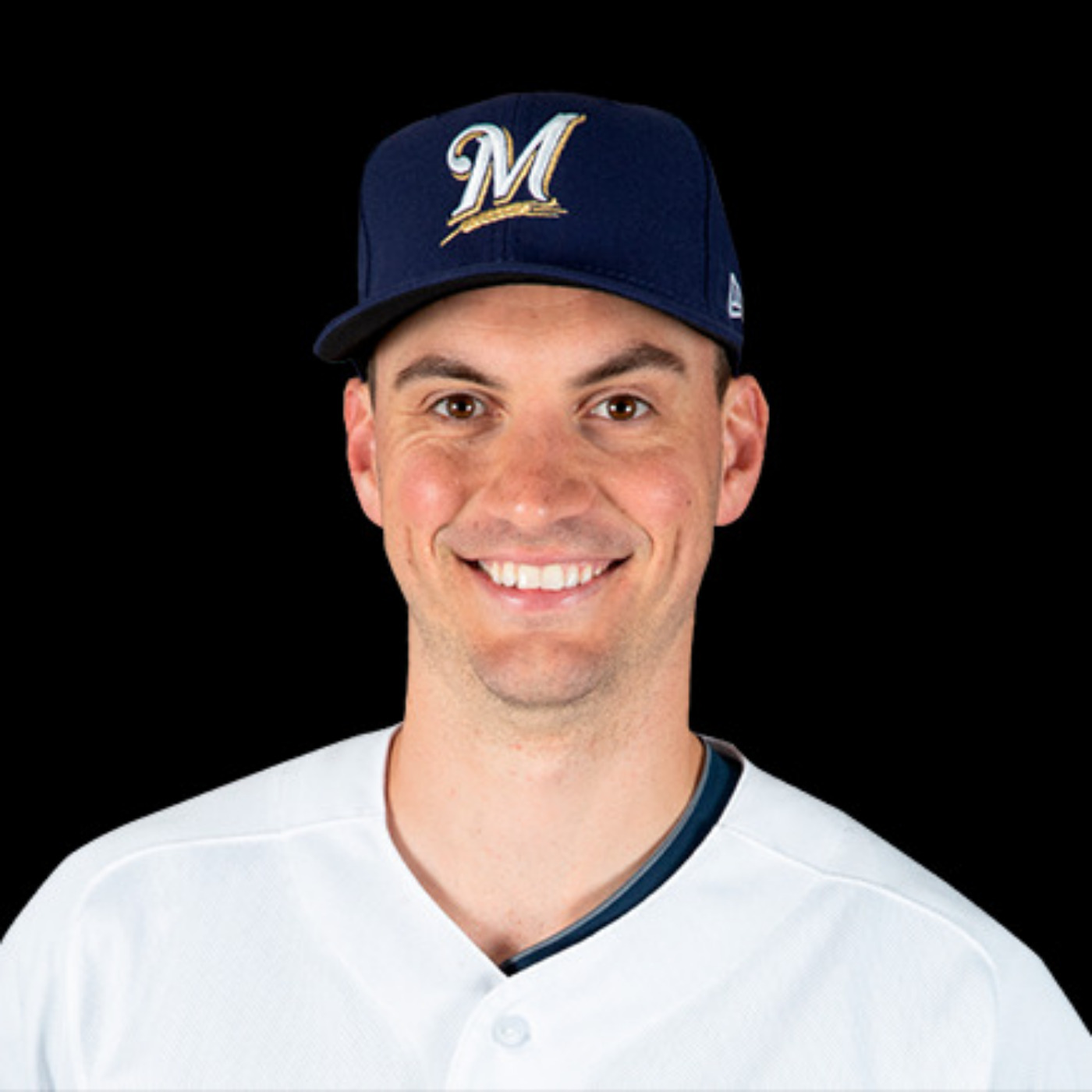
Ep 295295: Brent Suter, part 1: Major league baseball pitcher and steward
I met Brent through guest Tia Nelson, both Wisconsin celebrities---she in politics, he in sport---who work with the Outrider Foundation.He is this podcast's first MLB pitcher in string of athletes from the Olympics, NFL, Americas Cup, beep baseball, and more. I bring athletes because they excel in the key leadership domain of personal growth and development.In a world based on polluting, environmental action requires challenging yourself to grow and develop. Early leaders like this podcast community have to swim upstream, acting against cultural norms.Besides winning on the diamond, as you'll hear from Brent, he is also developing himself, his teammates, the Brewers organizations, and the Brewers fans to act environmentally. Professional athletes not being known for hugging trees, he's choosing to take on challenges he doesn't have to. He wrote of his stewardship and teamwork in Winning Over My Baseball Teammates to Strikeout Waste.In this episode he shares why and how. We also talk about the professional athletic experience---what it's like being on the mound, to work your way to the majors with no guarantee, to recover from injury, and more. Hosted on Acast. See acast.com/privacy for more information.
Ep 294294: Population: How Much Is Too Much?
What is Earth's carrying capacity? Why is it important?Many ask how we will feed 10 billion people. Mathematician way of asking is if we can feed so many and if so how. Maybe we can't.First, don't want to know. While it depends on many assumptions that aren't hard or measurable numbers, like standard of living, distribution of resources, and technology, we can say it's maximum misery per person.How do we narrow it down? Could ask resources per person and how much resources Earth can provide. Limits to Growth projects how much planet would sustain from a systems perspective including history and how we live our values.I prefer a historical perspective I learned from Alan Weisman based on the Haber-Bosch process, which enabled artificial fertilizer. Before artificial fertilizer, limitations on fixing nitrogen to grow food suggest Earth could sustain about 2 billion, enough to create Einstein and Mozart. Want people like Jesus, Buddha, Laozi, and Aristotle? We needed only a few hundred million to create them.If we're over the planet's carrying capacity, especially by factor of 3 or 4, strategy isn't to ask how to feed 10 billion but if we can lower the population before processes like famine, disease, loss of critical resources, war, and so on do it for us.I couldn't answer except in ways where the cure was worse than the disease, but the history of Thailand's Mechai Viravaidya's leading a nation-scale cultural shift from 7 babies per woman to 1.5, voluntarily, peacefully, leading to abundance, prosperity, and stability changed everything for me.Mechai's success makes lowering the population plausible and fun. The limitations of growing food without artificial fertilizer make it necessary to avoid famine and other natural disasters. These two factors clarify our priority, it seems to me.Mechai Viravaidya's TEDx talkMy episode 279: Role model and global leader Mechai Viravaidya Hosted on Acast. See acast.com/privacy for more information.
Ep 293293: Alan Weisman: My Greatest Source of Environmental Hope
Alan Weisman's book Countdown changed my strategy to the environment. It ranks among the top most influential works I've read, watched, or come across, up there with Limits to Growth.Why? Because when you look at environmental issues enough, and it shouldn't take too long these days, population always rises to the top as one of the top issues. Many people today hear about projections that the population will level off around 10 billion. Actually, the ones I see project that the population will keep growing exponentially then, just slower than now.If you only look at one issue---only climate, only deforestation, or only extinctions---they seem possibly solvable, but they're all linked. Solving several at once---say meeting power needs while the economy falls apart and food becomes scarce---looks impossible.Also, since nothing deliberate limits population growth, we're lucky if it levels off. We aren't choosing where to level it off and 10 billion looks three to five times what the Earth can sustain. Cultural changes could promote more growth. Many populations are promoting maximum growth today---very powerful religions and autocratic rulers for example.I don't want to rely on luck for our species' survival. Besides, my research into what Earth can sustain says that we're over the limit. If we're heading toward a cliff, simply maintaining our speed and not accelerating doesn't stop us. We have to decelerate.Despite the convergence of all these issues, for years I held back from talking about population. People don't like others meddling in their personal lives. I don't want the government in my bedroom. People overwhelmingly associate population talk with China's one child policy, eugenics, and Nazis. I did too. I didn't see how I could improve a situation by suggesting to avoid misery later through misery now.Still, I knew some cultures---island nations that lived centuries or longer, for example, or the bushmen in southern Africa whose archeological record went back hundreds of thousands of years---kept their populations level, so they must have developed some mechanism.In some past episode of this podcast, with Jared Angaza, for example, I pondered aloud how to find out how they did it, though it may have come up when I was a guest on his podcast. I could only wonder what worked but couldn't promote what I didn't know.Countdown changed all that. Alan found and reported on numerous examples in today's world of cultures lowering their birth rates without coercion, without top-down government authority, voluntarily, desired by all participants, leading to abundance, prosperity, peace, and stability, the opposite of where overpopulation takes us.Countdown tells stories of 21 places, some promoting growth and results aren't pretty and some where they've lowered birth rates and they're remarkably pleasant, even prosperous and stable. He talks about the top ones in this episode.We have tough times ahead of us. One change simplifies everything---a smaller population achieved voluntarily, peacefully, joyfully. Alan has researched firsthand more than almost anyone. He has more than enough reason to despair if he wanted to. If he's not, I conclude that everything he's found nets out to say we can do this.Family planning, education, and contraception seem technologies and practices that can work more than carbon sequestration, solar planes, and everything else. They're cheap, they're available, they make sex more fun, they've overcome cultural resistance outside the gates of the Vatican!Read his books and Limits to Growth.I'll do my best to bring him back.Past episodes I based on Alan's books258: The World Without Us, by Alan Weisman251: Let's make overpopulation only a finance issue250: Why talk about birthrate and population so much?248: Countdown, a book I recommend by Alan Weisman Hosted on Acast. See acast.com/privacy for more information.
Ep 292292: The environment is the outward manifestation of our beliefs
Here are the notes I read from for this episode:Outward manifestationBeen saying latelyWhen you see pollution, dingy skies, sea levels risingAny one person listening may not haveBut if American, likely more than nearly anyoneLess technological, more social and personalResults from our behavior, from our choicesFrom our beliefs, stories, images, desiresOpposite would be stewardship, caring about others first, serviceWhy leadership mattersCrazy part is harmony with nature simplifies lifeCreates joy, community, connectionNot about guilt or shame, just perspectiveIn all fairness, some past systemsI'm just like everyone else. When I think of something fun and polluting, I think, maybe it won't matter, the plane was flying anywayThat's the cause of global warming and our climate problemsMaybe I'll get away with it. Maybe my contribution won't countYou can blame it on lots of things, but that attitude and ones like it are at the root of that behaviorThe outward manifestation of that thought is pollution Hosted on Acast. See acast.com/privacy for more information.
Ep 291291: Lorna Davis, part 2: Can an Executive Buy No Clothes for a Year?
Lorna's challenge is one of the longest and most personal at over a year.I also couldn't wait to bring her story to you most because within weeks she was reporting the joys overcoming the challenges. We've become friends through her challenge. Within months she started sending senior executives my way as her sharing her challenge with them led them to follow.In other words, Lorna didn't experience sacrifice or burden. She experienced personal growth and friendship. At least as I heard.Don't take my word. Listen for yourself.Maybe because we met through guests Tensie Whelan, NYU-Stern's head of sustainable business and Vincent Stanley, director at Patagonia, she's outgoing and friendly. Or maybe from her experience leading, which she describes in her TED talk that came toward the end of her year buying no clothes.In any case, I keep having to remind myself she's from the C-suite of Danone, a 30 billion company, and that she helped Danone USA become the largest B-corp yet.If anyone could claim to need clothes, she could. Listen to what she found instead. I hope you find similar relief from compulsion---saving money or time, connecting with family, having more fun, etc---as well as what else she found and shared.Lorna's TED talk, undistracted by what to wear, focusing on leadership and rhinoceroses. Hosted on Acast. See acast.com/privacy for more information.

Ep 290290: Excessive Self Interest, from Thomas Kolditz
I ask people their reasons for polluting activities like flying, take-out, taking taxis or ride shares where public transit serves. They consistently tell me that they love these things. They love visiting family, seeing remote places, etc.If you feel similarly, you're about to face some tough love. These motivations came to mind while listening to Thomas Kolditz on a podcast I listen to and that has featured me. He is one of today's premier leaders and leadership educators. A few words about him:Tom Kolditz is the founding Director of the Ann and John Doerr Institute for New Leaders at Rice University–the most comprehensive, evidence-based, university-wide leader development program in the world. The Doerr Institute was recognized in 2019 as the top university leader development program by the Association of Leadership Educators. Prior to Rice, he taught as a Professor in the Practice of Leadership and Management and Director of the Leadership Development Program at the Yale School of Management.A retired Brigadier General, Tom led the Department of Behavioral Sciences and Leadership at West Point for 12 years.I heard him on The Leadership Podcast, hosted by Jan Rutherford and Jim Vaselopulos (who interviewed my in 2017 “What An Ivy League Degree Can’t Teach You.”).I recommend only listening if you're prepared for some straight, sobering talk on what those motivations mean.I also include a quote from that conversation about our sorry state of leadership education, which I relate to our sorrier state of environmental action education.The Leadership Podcast with Jan Rutherford and Jim VaselopulosThe Thomas Kolditz episode I quotedThomas Kolditz's pageMy episode, What An Ivy League Degree Can’t Teach You Hosted on Acast. See acast.com/privacy for more information.
Ep 289289: Rob J. Harper, part 1: The Conservative Black Cowboy I met at Google
Most people will find my conversation with Rob unexpected, but talking with someone with his experience and views has long been one of my goals. People keep associating the environment with the political left, but everyone wants clean air, land, and water.Regular listeners know Rob from my appearing in a video episode, A Different Look At Climate Change, at Magamedia.org---MAGA as in Trump's Make America Great Again. Rob supports Trump enthusiastically. In New York City, identifying oneself out of the mainstream reads of a heartfelt deliberate decision.I dislike what I see as the left's coopting the environment as a wedge issue. I don't see trying to beat the right as working. I also don't see combining the environment with things the right dislikes as effective, especially given Trump winning the last presidential election and his environmental views and actions.If you think the quote I started this episode with of Rob describing the effect of Al Gore's personal behavior on the right is unfair or irrelevant, I suggest that you're missing that leadership means understanding what motivates those you want to lead. To learn their beliefs and views.For context, I recommend listening to my episode describing how we met, episode 266: Thoughts in my MAGA interview, and my appearance in his show.It's a long conversation, but if you value people you wouldn't expect to communicate learning and sharing with each other, you'll love this episode. Rob shared a lot of conservatives' motivations around the environment. He also shared some personal environmental values and is acting on them---not because I told him facts, figures, doom, gloom, or to think of the children or other ways I hear people frankly as I see it bludgeoning others to comply.I can't wait to keep talking more and to hear his results. Actually, I can't wait to collaborate more if we can. Partly I want to keep learning perspectives I don't know, as much as everyone I know who works on the environment hates Trump.I hope this conversation starts a collaboration to help conservatives enjoy acting on the environment, to share their actions from joy notcoercion. I hope to help make environmental action and legislation as non-partisan as traffic.My appearance on MagaMedia.org, A Different Look At Climate ChangeMy post about appearing on Magamedia.orgRob's Twitter page Hosted on Acast. See acast.com/privacy for more information.
Ep 288288: Vince Lombardi: What It Takes
Nearly everyone treats acting on the environment as a burden or chore---especially would-be leaders who don't do what they say others should. They lead people to inaction.Effective leaders don't discourage. I find role models to inspire me.Vince Lombardi tops many people's lists of all-time top coaches. The NFL named the Superbowl trophy after him. His teams dominated the game.He shared the core of his ethos in a short essay, What It Takes to Be Number 1. It is an ethos of integrity, of finding your best and living your best. Acting on the environment in this time of crisis brought out my best and continues to. I am acting to bring out the best in you and everyone. I haven't accomplished what Lombardi has, so I'm sharing his message and applying it to acting on the environment.I won't tell anyone to stop spreading facts, figures, doom, gloom, and coercion, but I think they'll get more results sharing something more like Lombardi did.I believe it will be more effective. It will be a lot more fun too.The obituary that prompted this post: Willie Wood, Hall of Fame defensive back for Vince Lombardi’s Packers, dies at 83My post applying the I Have a Dream speech's ethos: I Have an Environmental DreamMy post applying Shakespeare's Henry V's St Crispin's day speech's ethos: We few, we happy few, we band of brothersHere's his essay:What it takes to be number oneBy Vince LombardiWinning is not a sometime thing; it’s an all the time thing. You don’t win once in a while; you don’t do things right once in a while; you do them right all of the time. Winning is a habit. Unfortunately, so is losing.There is no room for second place. There is only one place in my game, and that’s first place. I have finished second twice in my time at Green Bay, and I don’t ever want to finish second again. There is a second place bowl game, but it is a game for losers played by losers. It is and always has been an American zeal to be first in anything we do, and to win, and to win, and to win.Every time a football player goes to ply his trade he’s got to play from the ground up – from the soles of his feet right up to his head. Every inch of him has to play. Some guys play with their heads. That’s O.K. You’ve got to be smart to be number one in any business. But more importantly, you’ve got to play with your heart, with every fiber of your body. If you’re lucky enough to find a guy with a lot of head and a lot of heart, he’s never going to come off the field second.Running a football team is no different than running any other kind of organization – an army, a political party or a business. The principles are the same. The object is to win – to beat the other guy. Maybe that sounds hard or cruel. I don’t think it is.It is a reality of life that men are competitive and the most competitive games draw the most competitive men. That’s why they are there – to compete. The object is to win fairly, squarely, by the rules – but to win.And in truth, I’ve never known a man worth his salt who in the long run, deep down in his heart, didn’t appreciate the grind, the discipline. There is something in good men that really yearns for discipline and the harsh reality of head to head combat.I don’t say these things because I believe in the ‘brute’ nature of men or that men must be brutalized to be combative. I believe in God, and I believe in human decency. But I firmly believe that any man’s finest hour — his greatest fulfillment to all he holds dear — is that moment when he has worked his heart out in a good cause and lies exhausted on the field of battle – victorious. Hosted on Acast. See acast.com/privacy for more information.
Ep 287287: David Katz, part 1: Stopping ocean plastic
David's TED talk has over 2 million views. I recommend watching it to learn about his project, Plastic Bank, though he describes it in our conversation.Regular listeners know my views on importance of reduction first. I wanted to know if Plastic Bank's putting a value on plastic, increasing demand. His TED talk talks about turning off the valve if you're flooding, but maybe he's just moving the water around, not shutting the valve.But you'll hear in our conversation that he clearly states his goal is to stop virgin plastic production.David is leading, working with people, beliefs, goals---what I believe is where we should work.Most people tell me what they can't do on the environment, how others have to change, why they shouldn't change.David shares the opposite---how to live how you want in every way.David's TED talk, The Surprising Solution to Ocean PlasticPlastic Bank Hosted on Acast. See acast.com/privacy for more information.
Ep 286286: Paul Smith, part 2: At the edge of my seat
We'll hear about Paul's experiences with eating out, eating at movie theaters, using prepared food, and his changing views on waste that came from experience. Involving his wife too.You'll also hear me several times feel at the edge of my seat, which I attribute to his story-telling and story-telling-teaching. I asked him if he created that effect on purpose or by accident, and we'll get to hear his answer.Paul's site, Lead With a Story Hosted on Acast. See acast.com/privacy for more information.
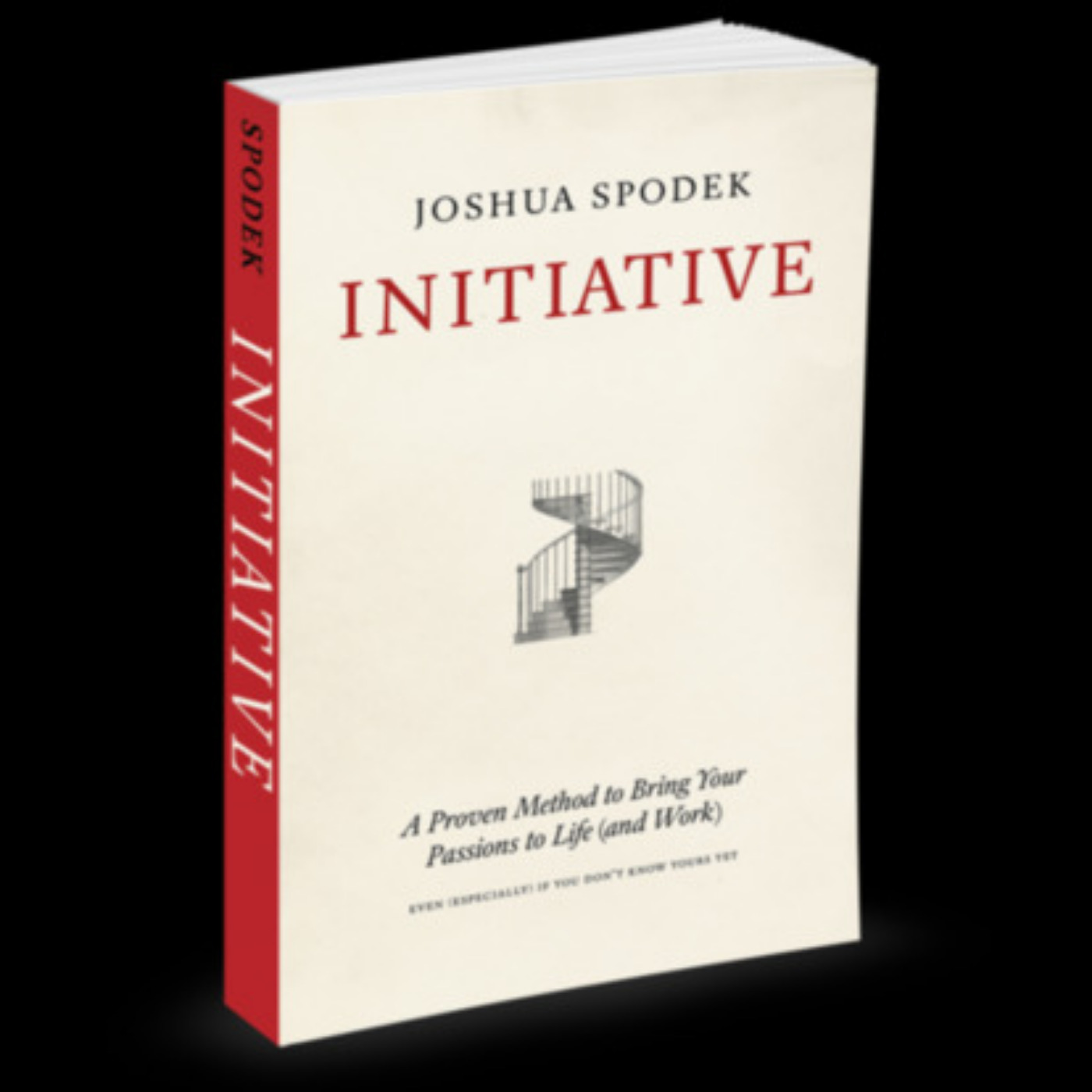
Ep 285285: How to take initiative
Click here for the video of this episodeIf you're like most people, you want to act on the environment. You want to make sure you make a difference and fear wasting your time or doing pointless work.I felt that way before I started the path that led to this podcast. Taking initiative overcame it. I wrote my book, Initiative, on taking initiative based on the course I've taught at corporations and NYU to stellar student reviews and videos.If you want to make a difference on something you care about to help a community and people you care about, the exercises in this book are the best way I know.Today's episode is a conversation with Dan Zehner, who did the exercises. Yes, I'm promoting the book, but to help empower this community. I didn't record it intending to post here, but found it so relevant to a world where one of the most common responses involves the phrase "but what I do doesn't matter" that I decided to share it here.Initiative teaches anyone to create more of what you love, get closer to your family and loved ones if you want, create community, develop social and emotional skills, connect with the top people in the world in your area.Went from below middle manager to realizing his dreams, spending more time with his family, wasting less time on uninteresting things, and going into business with one of the top people in the world to serve people and a community he cares about.He felt he had no other choice. He didn't see opportunities he now considers obvious. His world turned from scarcity and lonely struggle to abundance and progress with friends.Questions Dan answersWhat if IDon't have time?Don't have money?Have too many ideas?Have too few ideas?Can't focus?Don't want to start a company?Don't like to take risks?Don't know anyone who can help me?What if my husband/wife/family is my priority?What about all the problems in the world I should work on?How is Initiative's process different than all the other resources out there on entrepreneurship?What's wrong with other methods?What's the experience like?Where can I learn more details?Click here for the video of this episodeDan Zehner's blog Anthem of the AdventurerHis video of adventure. Hosted on Acast. See acast.com/privacy for more information.
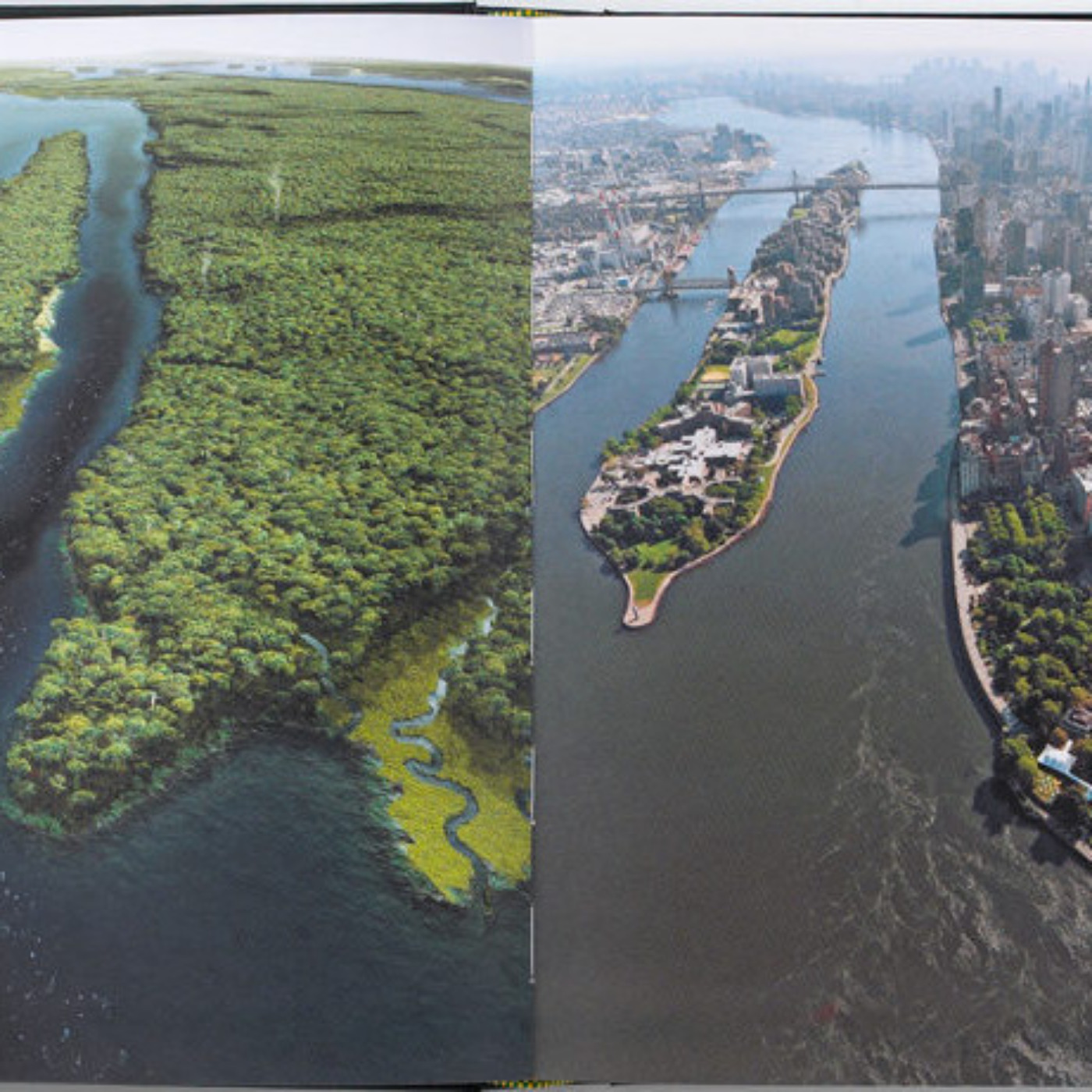
Ep 284284: Why not escape to nature?
People often ask me why I don't live in the country.Here are the notes I read from for this post:They say you could live in natureThis is a fundamental misunderstanding about my goals and read of situationAbout people, not CO2 or plasticNew Zealand documentary home restorerNot about me getting away from problemsPattern: Mess -> get away -> others follow -> colony -> town -> cityNot interested in contributing to the pattern that created situationGoal is to solve problem, including happiness, not help myself, certainly not at others' expense Hosted on Acast. See acast.com/privacy for more information.
Ep 283283: Nadya Zhexembayeva, part 2: The Reinvention Guru
Nadya indulged me in taking this podcast in new directions after listeners said they'd like to hear more unscripted conversation for a more human conversation.Before starting recording, we talked about the difference between celebrating the 50th anniversary of the Stonewall uprising and the 50th anniversary of walking on the moon. You'll hear that we spoke and got along swimmingly for a while.Then we began misunderstanding each other for about half the conversation, talking past each other. It wasn't my intent, but conversations like it happen all the time. Sometimes I'm in them, others I hear others get stuck in them.I don't know if you'll find it entertaining, tragic, or what. It was certainly frustrating in the moment, but Nadya and I were doing this not to annoy but to understand.By the end, we didn't wrap everything up, but I think we came out okay. Before posting I asked if she was okay with it and she responded with an enthusiastic yet.So by popular demand, you get to hear how conversations on the environment often go, even after years of practice, even between people who overwhelmingly agree with each other.I think she genuinely meant it about recognizing the process of coming to understanding, which she differentiates from agreement, necessitates the kind of conversation we had. I'm realizing I have to speak accurately every time, though I recognize that even then, people misunderstand each other.In any case, amid our talk about mines and litter, she took her challenge seriously and didn't give up on it. On the contrary, she added to it, and, as I heard, it augmented the rest of her life.Nadya's home page Hosted on Acast. See acast.com/privacy for more information.
Ep 282282: Vanessa Hering, part 2: Food, fitness, fun, and winning
Who doesn't love food? Vanessa also loves whole, fresh vegetables and fruit. If you haven't seen the movie The Game Changers, about athletes who love vegan food and still compete at the highest levels, well you don't need to because Vanessa is living it.Changing diet and changing environmental habits have a lot in common. Vanessa found the joy, community, and connections in food that I did, and she won a bodybuilding competition. We also talk about environmental action. Still fun.Vanessa and my second conversation might look long, but I suggest it's worth it. She's shares herself personally and openly, so I chose to let it go long.She shared what many people go through---the internal resistance and reasons not to act, for example, and who doesn't know about making excuses not to act? You'll also hear her say why to act on diet, so you can hear about habit change on both sides from the same person.Her openness helped me to where I think I'm opening up and speaking more naturally.Her challenge worked in some ways but not others. This podcast isn't designed to say it's easy, only to share their experiences.I think many would envy her results. She's not superhuman. On the contrary, she's every bit as human as anyone. What she did most of us can. Hosted on Acast. See acast.com/privacy for more information.
Ep 281281: People don't want to do small things. They want to do meaningful things.
The notes I read from for this episode:People don't want to do small things. They want to do things that matter.Stop telling people small things they can do except as part of everything. Find things that you care about, that you notice.And stop measuring against a global problem. Ask yourself if you care. Do you care when you see litter in your neighborhood, then pick itup. If you care, you'll get something out of it.If you care about sea level rise, do something big to act on it. For your values. Who cares if you aren't fixing the world's problems all by yourself. If you're improving your life, you'll enjoy doing it anyway.What does it do to you to know you're hurting others but still doing it anyway, no matter how much you can say doing different doesn't make a difference. What are you here for, to give up? To do what you think others shouldn't because they are too? Believe it or not, if you want to make a big, measurable difference, whatever you do will achieve it fastest and most effectively.In a world where billions are craving someone to follow, several of you who act soon will become leaders of your communities, companies,neighborhoods, and countries.Do you want a raise at work? Show you can take and fulfill responsibility. Show your values and live by them so they know you.Hiding what you care about and blaming others won't get you promoted. Listen to my guests who started companies, reached leadership positions in places like Apple, Google, and the Federal Government by taking responsibility and acting on the environment.They are the future. Be the future. Stop pussyfooting around with straws and excuses that the plane was going to fly anyway.The posts I mentioned:275: Go big273: We few, we happy few, we band of brothers Hosted on Acast. See acast.com/privacy for more information.
Ep 280280: Paul Smith, part 1: How to tell stories to lead
You probably know the value of stories---though it's probably bigger than you think. You probably could improve your storytelling. Even if you're improving, I bet you're focusing on less-important parts of the craft.Paul Smith teaches storytelling, but as you'll hear, storytelling to lead people is different than just engaging or entertaining them. You'll hear tips and techniques to help you in every part of your life stories matter.Developing yourself as a storyteller to lead others is different than to engage. Not that there isn't great value in it, but if you want to lead, you'll learn from Paul how and where to focus. I say this as someone who has worked on parts that aren't as valuable as what he talks about.On the environment, Paul showed the pattern many do at first---they play down their knowledge and experience, but when they talk about it more, caring and passion emerge, as when he talked about China and LA.Then the more he talked about it, the more emerged.Paul Smith's page with links to his videos and books Hosted on Acast. See acast.com/privacy for more information.
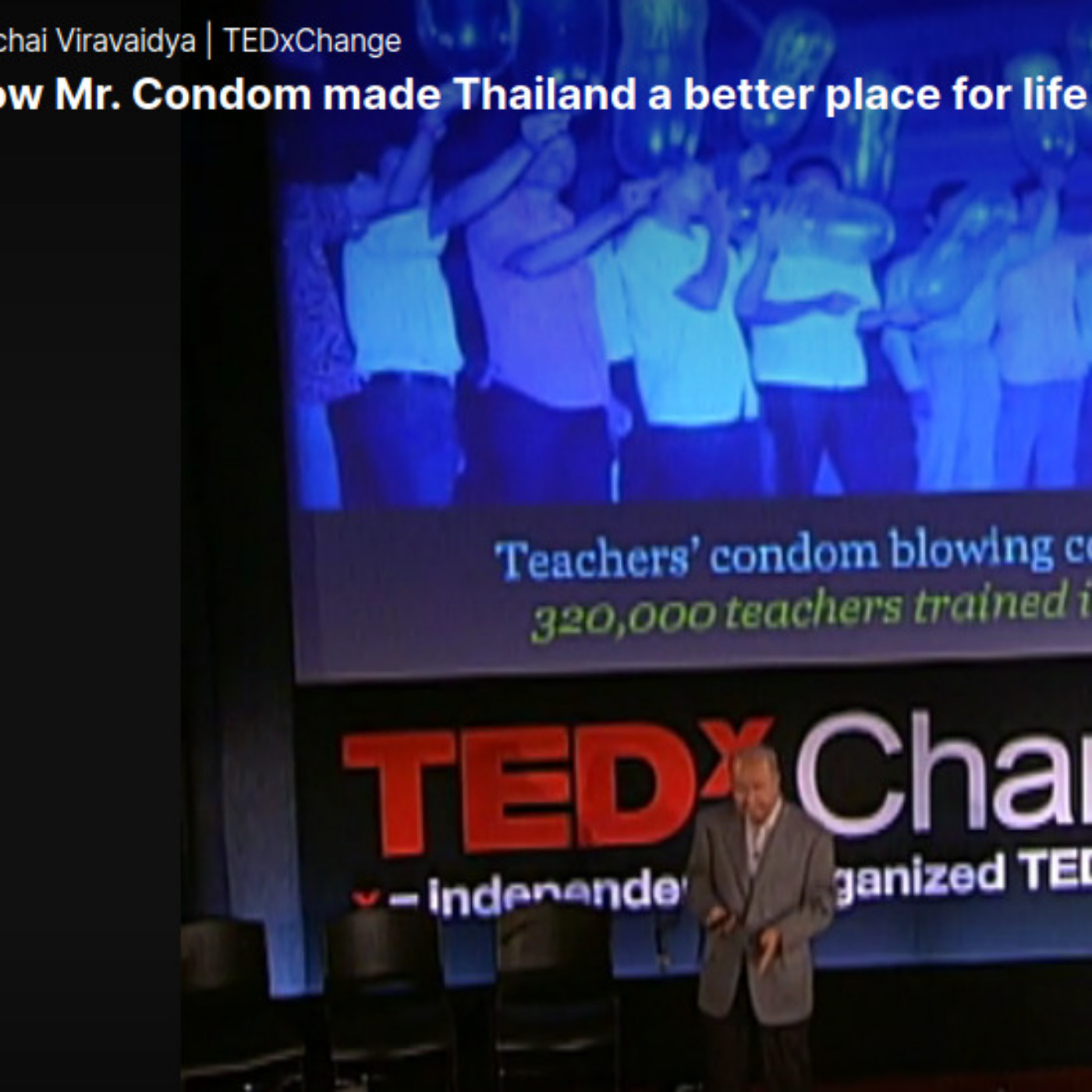
Ep 279279: Role model and global leader Mechai Viravaidya
Here are the notes I read from for this episodeI've said we don't have many role models. Well I found one. I was wrong. I'm going to tell you about a man I briefly mentioned in one of my episodes on Alan Weisman's book Countdown.He exposes the absolute self-pitying lie that what one person do doesn't matter. Also the lie that government has to act first, or corporations. On the contrary, the fastest, most effective way for them to act is for people to act first. Yes you, here and now can make a difference.This guy made enormous nation-size headway in the face of government lethargy and complacency on one of the most challenging issues. Most people won't even talk about population and most people enough to realize how it underlies every other environmental issue.Then most people can't stop their knee-jerk reactions to the same misconceptions. They associate it withChina's one child policyEugenicsForced sterilization and abortionsDespite most fears and misconceptions, this man made enormous progress. He's not the only one, but I'm starting with him.From his biography's back cover:In Thailand, a condom is called a "Mechai". Mechai Viravaidya, Thailand's condom King, has used this most anatomically suggestive contraceptive device to turn the conventional family planning establishment on its head. First came condom-blowing contests, then T-shirts with condom shrouded anthropomorphic penises. Then condom key rings followed by a Cabbages and Condoms restaurant, When it comes to condoms, no one has been more creative than the Condom King.To equate Mechai with condoms or family planning alone underestimates the man and fails to capture his essence. Mechai Viravaidya is engaged in a relentless pursuit to improve the well-being of the poor by giving them the tools to lead a fruitful and productive life. His achievements in family planning, AIDS prevention, and rural development are a means to an end - the alleviation of poverty in Thailand.Mechai's journey From Condoms To Cabbages - from his roots in family planning to his goal of poverty alleviation - has spanned 34 years. Along the way, he has been labeled a visionary iconoclast and cheerful revolutionary. He is also an ordinary man from modest origins.From Wikipedia on Mechai:Mechai Viravaidya is a former politician and activist in Thailand who promoted condoms, family planning and AIDS awareness in Thailand. Since the 1970s, Mechai has been affectionately known as "Mr. Condom", and condoms are often referred as "mechais" in Thailand. From the time that he began his work, the average number of children in Thai families has decreased from 7 to 1.5.in 1966 started to work in family planning, emphasizing the use of condoms. In 1973, he left the civil service and founded a non-profit service organization, the Population and Community Development Association (PDA), to continue his efforts to improve the lives of the rural poor He used such events as holding condom blowing contests for school children, encouraging taxi drivers to hand out condoms to their customers, and founding a restaurant chain called Cabbages and Condoms, where condoms are given to customers with the bill.On PDA:The Population and Community Development Association (PDA) is a non-governmental organization in Thailand. Its goal is to reduce poverty through both development initiatives and family planning programs. Originally called the Community-Based Family Planning Service, it was founded by Mechai Viravaidya in 1974. In the early 1970s, Viravaidya was the Minister of Industry but became frustrated with the government's inability to implement a national family planning policy. In his work with the government, he identified a direct correlation between Thailand's poverty and population growth. His immediate concern was the high population growth rate of 3.2%, which equated to approximately seven children per family.Initially, the PDA sought to reduce population growth by focusing on efforts both to combat child mortality and to encourage family planning. Viravaidya deduced that family planning would not be widely adopted in Thailand if children did not survive. Therefore, his solution to controlling population growth, which was at 3.3%, was to target maternal and child healthcare. At the same time, the PDA made various methods of birth control accessible to rural populations. The PDA discovered that birth control pills were used by only 20% of the population because getting them required access to medical personnel. To target the remaining 80% of the country, the PDA invested in multiple initiatives - including the popularization of free condoms, increased access to birth control, incentives for women to not become pregnant, and slogans to encourage smaller families.The Thai family planning programs met notable success. By 2015, total fertility had dropped to 1.5 children per woman. Following on the drop in unwanted fertility, the poverty rate dropped sharply; from 32.4% in 2003 10.9% in 2013.The Popu
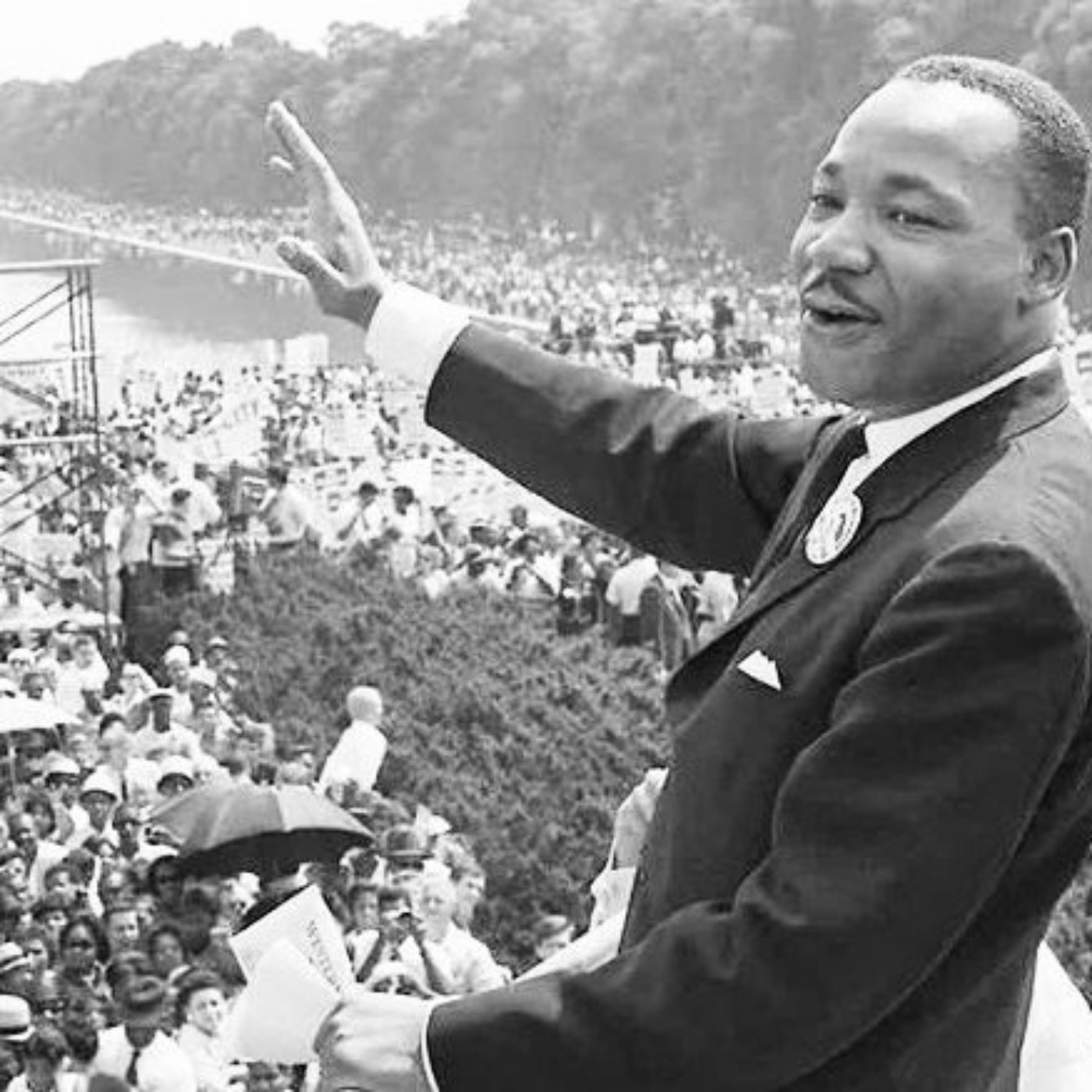
Ep 278278: I have an environmental dream
Here are the notes I read from for this episode, along with the text of the speech:You might know I gave a series of talks at NYU that preceded this podcastOne of their themes was parallels between the US civil rights movement of the 50s and 60s and environmental action. Who would have expected it to succeed to the extent it did, however far we have to go?One attendee, a friend who is black, told me once I talked about it, as a friend he listened, but as he put it, as a black man listening to a white man, he disengaged. He advised me to drop the analogy or I'd lose more people than I'd gain.I took his advice but now disagree with it. However great the differences, the parallels are too great and if I lose people for how people view a white person discussing civil rights, one of us will have to learn and resolve the problem.Today being the day the US celebrates MLK's birthday, following my recent application of Henry V's St Crispin's Day speech to environment, I want you to consider a few parts of the I Have a Dream speech.Let's remember the context. 1963. Nearly a decade after the Montgomery Bus Boycott and many could say no progress had happened.No one could have known the Civil Rights Act would pass the next year and that King would become the youngest honoree of the Nobel Peace Prize.People did know that they were being jailed and lynched. People disagreed on strategy. Young men were being drafted and sent to die in Vietnam. Many had lost hope. Every step forward seemed to lead to a step or two back.King could have talked about the situation they were in. He could have debated what would work or not. He could have dwelled in the present. In other words he could have spoken like most today speak about the environment: doom and gloom, facts and figures.Instead he shared about a dream of a better future, which helped create it. No we're not done and plenty got worse for many people. Likewise we'll have to face environmental problems increasing for decades maybe centuries to come.But I think we should learn from him what motivates people and replace what discourages them with it.Today many speak and act with despair about the environment. Nothing will make a difference. Nobody cares. Too little too late. Let's pick up King's speech near the endThe text of I Have A DreamVideo of the speech:https://youtu.be/smEqnnklfYs Hosted on Acast. See acast.com/privacy for more information.

Ep 277277: The joys and challenges if leaving addiction
Here are the notes I read from for this episode:I recently recorded conversations with Dr. Joel Fuhrman, Eat to LiveRewatched The End of Dieting and a part captured meAbout stopping a habit, the stages one goes throughThough he talks about food and diet, the same stages and challenges appear in living by your environmental habits.He starts by talking about how when you start -- eating in his case or avoiding packaged food, not flying, etc if you act on the environment.He describes everything I went through, from feeling like I couldn't, like I made my way harder or worse, like others could do this, not meAll the way to how I came to love it, find the old ways disgustingWhat he talks about the joys, he's speaking from experience that anyone can have, of more of what you love at less cost, more convenience, and so on.He says taste buds change. They do. You will find packaged food disgusting and fresh fruit unbelievable.That change will happen in other areas. You'll see buying packaged food unpleasant, same with unnecessary clothesYou'll replace those things with spending time with people you care about, building projects, connecting with people.After the conversation. . .I don't know how it sounded when he said you would stop loving the ribs or cheesecake a la mode, or when he mentioned how people say I want to live fully, but that the SAD made your life worseWhen you identify your deep motivations and act on them, you'll go through that experience too and you'll love that you did.I recommend trying. Nothing is motivating me to influence you except that I think you'll enjoy life more after the changeI believe you'll wish you had earlier.Why not start now? Sit with someone to help you follow the steps in my first TEDx talk and start improving your life.Dr. Joel Fuhrman's End of Dieting video Hosted on Acast. See acast.com/privacy for more information.
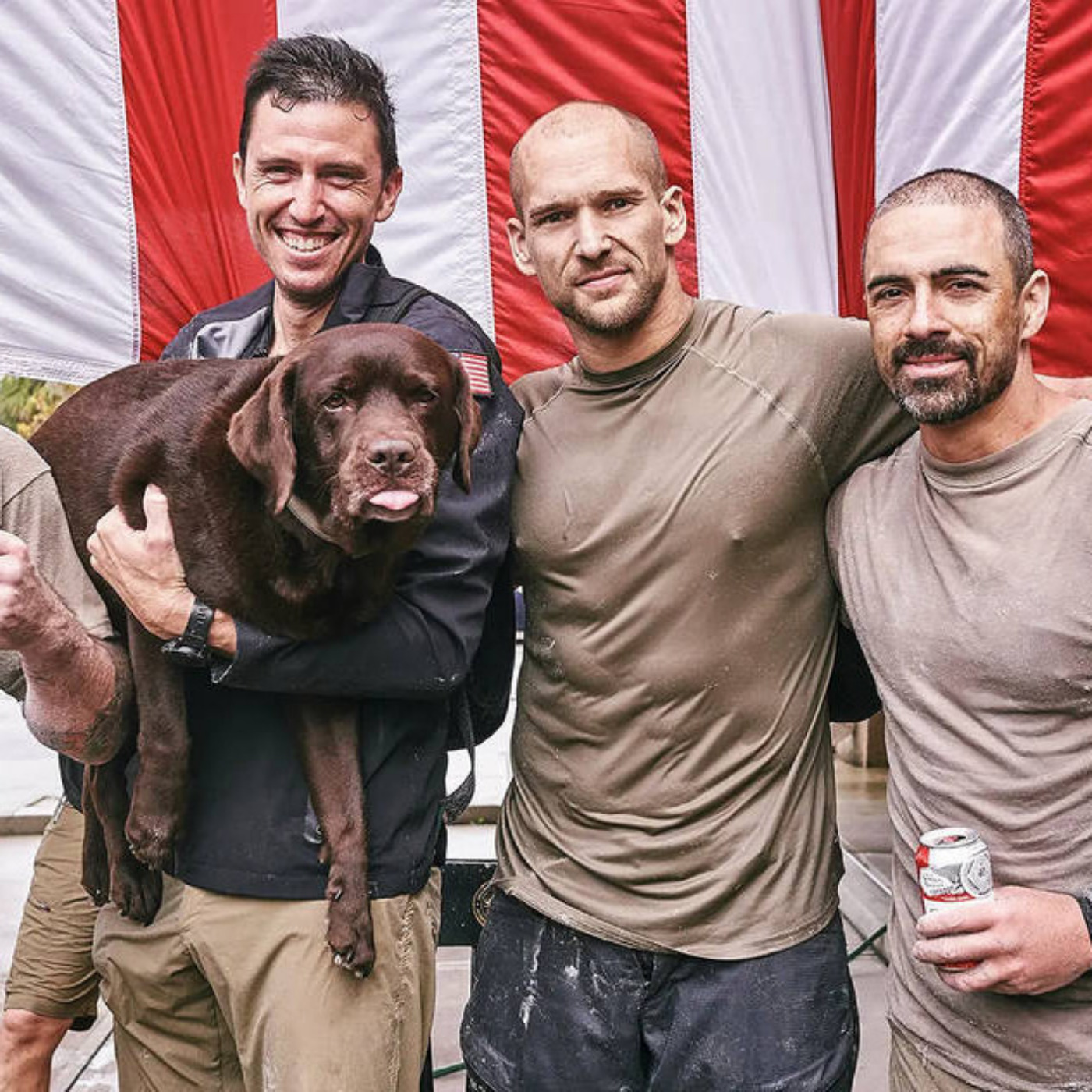
Ep 276276: Service. stewardship, and the huge rewards they create
The notes I read from for this episode:Service and giving back using Jason McCarthy GoRuck guy on Jocko.Friend, Dan Zehner, knows JasonTold me about his episode on Jocko Willink's podcastOne section resonated with me because it described what I feelHe speaks as a veteran and starts by describing owingJason says elsewhere in the conversation that military service isn't unique in providing these results. Other kinds of service do too.The sense of service and stewardship, and the depth and meaning of teamwork and community seem similar.I hear how most people describe the interaction with the environment, grasping to reusing disposable cups.They sound like they feel shameful and guilty, as if someone else and not their behavior, was causing the feelingsListen to Jason. Wouldn't you rather sound like him?Beyond feeling better about personal action, think of the potential to lead, to create that feeling based on effective results in othersImagine helping transform American and global culture, or your local community, to become clean, to foster and value stewardship, community, and connectionWho wouldn't want this?The recording starts with a question of JockoHear how much Jason wants to share the meaning and purpose of this activityBy the way, speaking of Dan, we became friends over his doing the exercises in my book Initiative, which led him to create his life's dream project, meeting the top people in the field in the process, and partnering with a dream partner. I'll include a link to his blog, where he is recording his experiences doing the exercises.If you want to do something meaningful with your life and haven't found a passion to build it on or how to bring it to life or your work, I recommend my book Initiative. Do I sound passionate about my work? This podcast resulted from what it teaches.Post-episodeHe talked about building a bridge between worlds, giving back. Maybe I'm projecting, but I see stewardship, especially environmental stewardship, overlapping with what he talked about. It's service.We who have acted on our environmental values have to build a bridge to because judgment, guilt, shame, facts, figures, doom, and gloom aren't what we're about, or at least not what I'm aboutStewardship for me is joy, community, connection, meaning, value, importance, purpose, and passion.The stories I know of people who have acted bring out those things.Let's make environmental action more about these things. I consider it my responsibility.Dan Zehner's blog on doing Initiative's exercisesGoRuckA Forbes article on Jason McCarthy, How A Special Forces Soldier Built A Multimillion-Dollar Backpack BrandThe Jocko podcast episode featuring Jason, 208: March Forward, One Foot In Front Of The Other. With Jason McCarthyJocko's TED talk Hosted on Acast. See acast.com/privacy for more information.

Ep 275275: Go Big
If you are thinking of doing something to act on the environment, go big. Instead of thinking the littlest thing you can do, think of the future and go big. What's the biggest thing you can do?Not for others. For what you think is right. For how the future will look back on us. For how we look back on slavery. Would you free your slaves if you were born into that system as a slave owner? How huge a change, but what else could you do? Don't you expect you'd feel good about it?What can you do on that scale here, affecting billions and all future generations? Think big.My experience suggests not flying for a year, endeavoring to buy no packaging. Don't turn on your air conditioner or heater all year. You get the idea. Not straws. Selling your car, as Dov Baron did. Not buy clothing for a year like Lorna Davis. Pledge never to eat animal products again like Tom Szaky.You get the idea. Not straws. I predict you will love the results and, however big your commitment, you will consider it small after you do it and want to do more. Your community will admire you for it, emulate you, and make you a leader. You'll probably get hired or promoted for it.Podcast guest episodes mentioned on this episodeDov BaronLorna DavisTom Szaky Hosted on Acast. See acast.com/privacy for more information.
Ep 274274: Applying Leadership and the Environment in corporations
This episode describes how I train corporate and institutional leaders in environmental leadership.Here are the notes I read from:Talking with more and more corporations lately, describing how I work with themPutting it here for easy referenceYou'll see among podcast guests many corporate and institutional peopleLorna Davis of Danone C-SuiteDominic Barton 3-time Global Managing Director of McKinseyBeth Comstock, former CMO of GE (when Fortune 5), on Board of NikeBob Langert, former Head of CSO at McDonaldsVincent Stanley, Director of Patagonia, where he's worked since 1973 and professor at Yale School of ManagementTensie Whelan, Director of NYU-Stern's Center for Sustainability and Business, former President of Rainforest AllianceCol. Everett Spain, West Point's Head of LeadershipCol. Mark Read, West Point's Head of Geologic EngineeringMarine Corp 3-star General Paul Van RiperMichael Werner, Google's Lead for Circular Economy, formerly similar role at AppleGave two talks in 2019 at Google, another at Citi and other banks, IBM, Boston Consulting Group, Coca-Cola, LululemonJohn Lee Dumas, entrepreneurDov Baron, leadership guruMarshall Goldsmith, Dorie Clark, Alisa Cohn, #1 coachesBehind the scenes, developed a lot with coaching clients at McKinsey, Exxon-Mobil, Columbia Business SchoolGuest on MAGAmedia.org, a staunchly pro-Trump site, which talked about me supportively on 3 consecutive episodesVery business friendly because business can benefit from thisMost common response is: I thought it would cost money or take time but it saves money and time.Most of all for the executives I work with, it replaces not knowing what to do when you have to act but fearing being called greenwashing or hypocriticalfor the company, it boosts morale and gives a competitive advantage. Think of how Patagonia can charge a premium.Context: most companies hear demand from customers, employees, shareholders, and media to be more sustainable.Almost necessary for top talent. Patagonia doesn't have to advertise new positions. Exxon has to pay top dollarJust today I talked to a guy who runs a business Exxon wanted to hire. He quoted them a high price because he didn't want to work withthem.Action usually comes from junior employees. They're younger and face more of their lives with potential catastrophe and they've investedless in old waysEasy to think senior decision-makers can just change, after all everything points to actingDecision-makers are often most vulnerableWe've all heard people and organizations called greenwashing and hypocriticalHowever well-meaning, accusations make choice for executives easier not to act and risk losing job or company value, even if they want toactThey think they have to be perfect, an impossibly high barThey only have to show they are doing their best, a lower bar, but they have to show they are doing it genuinely and authentically. I enable this, as you can hear from the conversations with the executives I mentionedFor example, Yvon Chouinard of Patagonia behaves far from perfectly, but he hides nothing. As a result, people support him for his flawsinstead of attack, because they see themselves in himIf you act without sharing yourself, people judge your actions against perfection.If you share yourself---that's what leaders do, they allow themselves to be vulnerable---then they support youI've refined my technique over hundreds of projects with executives and leaders in business, politics, culture, eduction, military, etcI will describe two parts: the building block, which I describe in more depth in my first TEDx talk, which describes the environmental leadership process with one person.One person won't change a culture, so I'll describe the second part, which uses many building blocks to transform a corporation.The Building BlockThe building block is a 4-step process to ask what people care about, have them create a way to act on it, make it manageable, and add accountability, where they report how it wentIt goes well and they want to share. They know that when they share what they care about people connect with it.If their employees just heard, we're going to use less plastic, well that might mean they're trying to save moneyIf they hear their CEO sharing trying to do his or her best, they see him or her doing what they want to do themselves. By supporting the CEO, they support themselves. So they don't attack, they support.Building corporate culture with the building blockStill the CEO is one person. I do the building block with a team including several executives and a few junior people who will implement the results.We pick an audience to hear the recordings, which could be just the team if they're private, employees if their goal is mainly morale, clients if their goal is sales, the public if PR. The point is someone has to hear for accountability and to motivate depth, but the team chooses for its goals.I do the building block with all ten people (could be half a dozen or a dozen). Most t
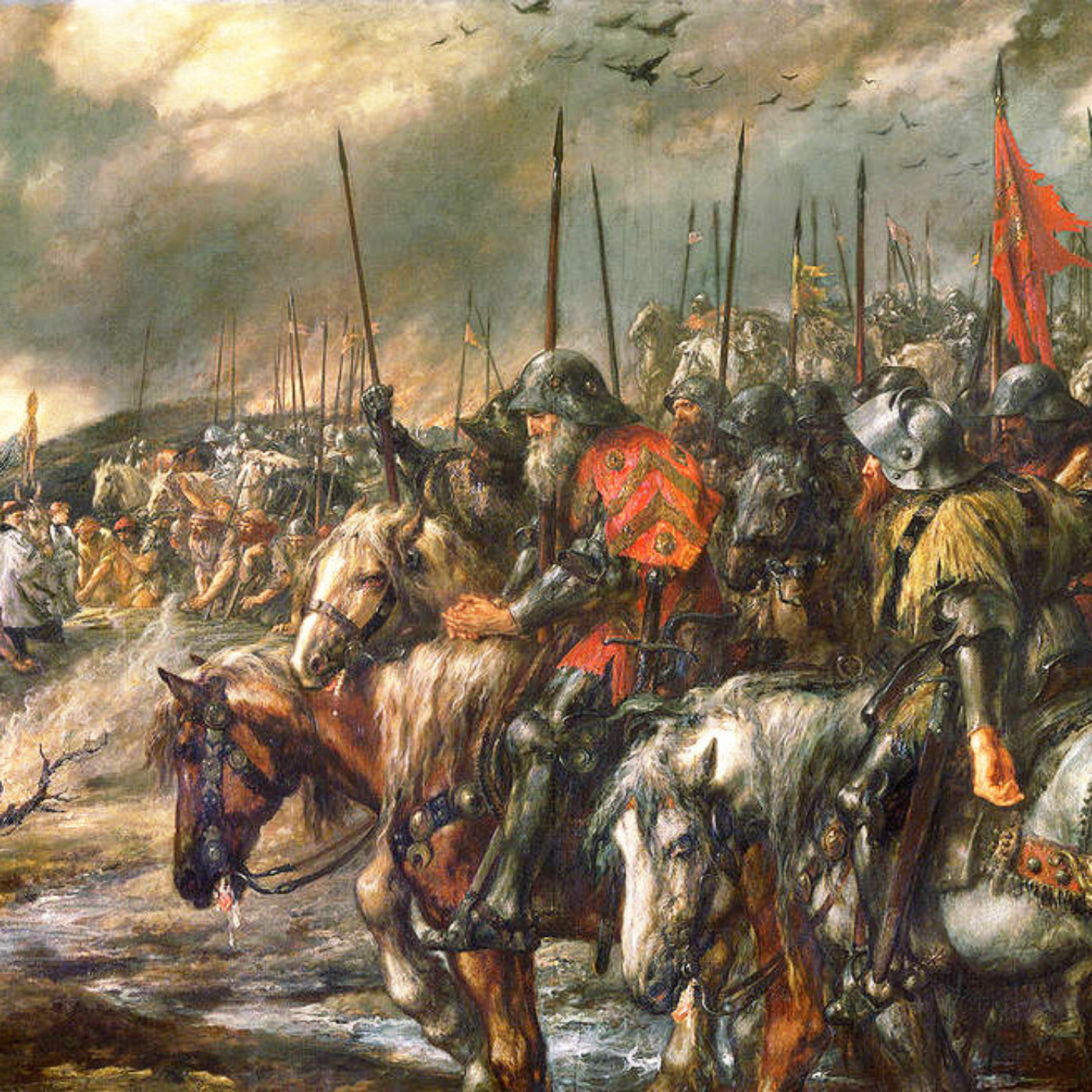
Ep 273273: We few, we happy few, we band of brothers
I understand why historical reasons lead us to look to scientists, journalists, educators, and legislators for leadership, but they don't know how to lead. They may excel at their crafts, but sharing research however accurate, or stirring controversy, spreading facts and figures, and chasing votes rarely inspire people to change their behavior.I've long looked to Mandela, King, and Gandhi as role models. I'm increasingly looking at leaders who inspire people to act against challenges when they would otherwise feel hopeless, futile, defeated, and complacent.Henry V's speech to the outnumbered British in Agincourt, as Shakespeare recounted, stands the test of time. Now that the science is overwhelming---look at nearly any beach in the world to see we're losing to plastic as just one example---we need motivation and inspiration to act more than more science.I draw on Henry V's sentiment and apply it to our situation. Here's the text:KING HENRY VWhat's he that wishes so?My cousin Westmoreland? No, my fair cousin:If we are mark'd to die, we are enoughTo do our country loss; and if to live,The fewer men, the greater share of honour.God's will! I pray thee, wish not one man more.By Jove, I am not covetous for gold,Nor care I who doth feed upon my cost;It yearns me not if men my garments wear;Such outward things dwell not in my desires:But if it be a sin to covet honour,I am the most offending soul alive.No, faith, my coz, wish not a man from England:God's peace! I would not lose so great an honourAs one man more, methinks, would share from meFor the best hope I have. O, do not wish one more!Rather proclaim it, Westmoreland, through my host,That he which hath no stomach to this fight,Let him depart; his passport shall be madeAnd crowns for convoy put into his purse:We would not die in that man's companyThat fears his fellowship to die with us.This day is called the feast of Crispian:He that outlives this day, and comes safe home,Will stand a tip-toe when the day is named,And rouse him at the name of Crispian.He that shall live this day, and see old age,Will yearly on the vigil feast his neighbours,And say 'To-morrow is Saint Crispian:'Then will he strip his sleeve and show his scars.And say 'These wounds I had on Crispin's day.'Old men forget: yet all shall be forgot,But he'll remember with advantagesWhat feats he did that day: then shall our names,Familiar in his mouth as household words,Harry the king, Bedford and Exeter,Warwick and Talbot, Salisbury and Gloucester,Be in their flowing cups freshly remember'd.This story shall the good man teach his son;And Crispin Crispian shall ne'er go by,From this day to the ending of the world,But we in it shall be remember'd;We few, we happy few, we band of brothers;For he to-day that sheds his blood with meShall be my brother; be he ne'er so vile,This day shall gentle his condition:And gentlemen in England now a-bedShall think themselves accursed they were not here,And hold their manhoods cheap whiles any speaksBattle of AgincourtHenry V (play)That fought with us upon Saint Crispin's day. Hosted on Acast. See acast.com/privacy for more information.
Ep 272272: Ruth Bader Ginsburg, pumping iron, and the environment
Ruth Bader Ginsburg knows about lifting weights and exercising because she does it. No amount of reading, watching TED videos, debating, or analysis can match experience.People who only read, research, and academically learn about performance-based activities don't know what they're talking about.Any parents out there? I don't have kids. Am I qualified to advise you on how to raise your kids? I bet you learned more in the first ten seconds of parenthood than I have in decades of life.People who have only learned academically about the environment don't know what they're talking about. Sadly, their ignorance of what causes our environmental problems doesn't stop them from advising people. That ignorant group includes everyone who hasn't acted significantly---that is, nearly all Americans. Likely nearly everyone alive.Anyone regular exerciser will tell you the benefits beyond what a book can. Ginsburg doesn't exercise because if she doesn't people will die. She does it because it improves her life, contributing to her mental and physical sharpness.Likewise, anyone who seriously acts environmentally may have started to overcome shame, guilt, or averting some negative, but they keep doing it for the benefit to their lives.Act.Get experience.Find the joy.Live the joy of environmental stewardship. Hosted on Acast. See acast.com/privacy for more information.
Ep 271271: Vanessa Hering, part 1: Champion body builder, vegan, Ivy MBA
Vanessa's original post said sheWanted to be a better advocate for veganism: so I trained 1.5 years and won the UPENN body building competition.When asked why, she wroteFor the animals, for health, for the environment.Never thought I would have the amazing privilege to be educated at an Ivy League school like University of Pennsylvania, but being there I had to use the opportunity to showcase the possibilities of a plant based diet: and how you can thrive with this lifestyle!My peers will go on to be doctors, lawyers, politicians, ceos, and I wanted them to see me on stage winning this as a vegan.My classmates come to the show with signs that said #plantprotein because that is what I always hashtag on my Venn Hering Instagram I also wrote my masters thesis on plant based diets and the link between toxic masculinity and meat consumption. It was selected by a panel of academics as the best in the class!Progress is happening and I wanted to be a part of the movement :)So I asked her about these things, the back story, the results, the hopes, and the dreams.Her food pictures in Instagram are incredible, by the way, different but similar to my famous no-packaging vegetable stews, so I loved them.The before and after picture she posted came up in conversation, so I put it here.Also watch her videos. Hosted on Acast. See acast.com/privacy for more information.
Ep 270270: Extinctions: Agriculture isn't so peaceful
I've read and thought about animals going extinct. My friend and guest Lorna Davis in her TED talk talks about her love for rhinos and passion to save them.I reviewed Poached by Rachel Nuwer and I've spoken to her about poaching. I see poaching as horrific and hope it ends.But I read about how we lose wildlife. Some poaching, but even if we ended it, another greater force will keep destroying them until we deliberately act on it globally.Threat to wildlife is a little poachers, but mainly farms.History seems to treat civilization as pitting peaceful agrarian parts of humanity against violent fighting ones. But our rules and hierarchies grow more and threaten more.War and violence aren't separate from agriculture. Agriculture has led to growth and systems of ownership, rights, and organizing people to keep growing in number and using land, water, and resources.Our armies serve our expansion, creating war when we expand into other people's territory. Our colonies expand into new territories. We junk them too.People ask why I don't live in the country. I don't want to augment the pattern we've done for millennia:People find an area overcrowdedThey move to get away from it allThey become a beacon for others, effectively becoming a colonistWe pave over what was once beautifulNecessarily to protect species, we have to lower our population. Not settle to a higher number like 10 billion when we're already over capacity.We have to lower our population, meaning, if we don't want nature to do it for us with famine, disease, and other ways involving suffering, lowering our birth rate.I couldn't talk about lowering birth rate before learning about nations doing it successfully, as I described in my episodes on Alan Weisman's books (episodes 248, 250, 251, and 258), especially Countdown.These nations lowered their populations not with coercion or forced abortion like China's one child policy, nor racism like eugenics, but voluntarily, producing prosperity and stability.Rhinoceroses, great barrier reefs, and maybe a million other species may lose numbers for proximal reasons like poaching or sea temperature, but ultimately human overpopulation does it.With rhinos, we use the land they would live on. They aren't on a given plot the moment we fence it off, but they lose land they need to live offArtificial fertilizer and other technologies enable us to fence off more and more land.I love the farm my CSA vegetables come from and the food I buy directly from farmers at farmers markets I shopped at when I crossed the country last fall in LA, Ventura, Houston, and almost Atlanta.I consider them the best way to shop for food.But we have to see unchecked farming and the laws, militaries, colonial practices, finance, and growth unchecked agriculture produces as the source of extinctions.I'm not saying stop farming. I'm saying not to look at agriculture as a system as peaceful and agrarian.I'll come back more and more to lowering our population. It's not just poaching. We can't farm more without causing more extinctions. Hosted on Acast. See acast.com/privacy for more information.

Ep 269269: 7 more things that everyone gets wrong about the environment
1: The villain. People think nature, government, or corporations. It's beliefs2: The solution. People think technology, market, innovation. It's changing beliefs. 3: Reduce, reuse, recycle. People act as if recycling helps. It only helps as part of reduce, which means not growth4: How solving feels. People think chore, deprivation, sacrifice. It's being a part of something greater, simplifying life, applying what Victor Frankl said. Community.5: How to lead. People think it's facts, figures, doom, gloom, blame. It's identifying what individual cares about and connecting that passion to action, starting where they are. If you want faster, it's as fast as possible, many will surprise.6: I thought people deeply wanted to try. People want leadership, to follow. They say only 10% necessary to change, then society flips.7: Morality and ethics. Everyone is doing what they consider best and right. May not know but ignorance isn't evil. What would you do as head of Exxon? Call someone evil who thinks they are doing best and you lose ability to influence. Empathize and you have a chance. Hosted on Acast. See acast.com/privacy for more information.
Ep 268268: Hunter Lovins, part 2: Sustainability will work. It will take work.
I recorded our second conversation the day after the September 20, 2019 climate marches. Hunter is more than well-connected.I wanted to hear and bring you the perspective of someone who has been at this longer and knew more people. Wait until you hear her share all the people she knew there, as well as her perspective of seeing a different generation pick up what no one has for so long.From our last conversation you heard me struggle with what I thought I heard of her saying things can work out, so rest easy. The more I've listened to Hunter's message, the more I hear she's not saying things will effortlessly work out, which I feared at first, but that it will take work to make things work out.We resolve that issue. It's toward the end, so enjoy. Hosted on Acast. See acast.com/privacy for more information.
Ep 267267: Seth Sheldon, part 2: Inside the United Nations
Before we spoke, Seth implied he didn't do as much on his challenge as I expected so I expected a short conversation.I think it's important for listeners to hear that even people who win Nobel Prizes taking on global thermonuclear war have a hard time taking on new habits, even ones they want, like reducing their waste.I'm not claiming changing habits with environmental consequences are easy, though I believe nearly everyone will find doing so, when acting on internal values, rewarding. I think they'll be glad they did. But few will find starting trivial.So if you've identified a value you haven't acted on but want to---environmental or otherwise---I hope you forgive yourself if starting is hard. Or if keeping it up is hard. You're still in league with greats. Experience tells me you'll prefer trying to not trying, however hard it seems. Same with trying again if it doesn't stick. Sometimes you have to try the same thing again, others to learn, revise, and try in a new way.Seth and I ended up having a wonderful conversation about different ways of motivating people, so it was rich and full. I hope you'll enjoy this inside view of how people working on global problems and local, grassroots efforts do things.I thanked him in the recording, but I'll call out what I consider leadership---to allow himself to sound vulnerable to others, to share what others might call weakness or failure. He also preferred accountability, which effective leaders like. Accountability gets the job done.On a personal note, last time I cooked him my famous no-packaging vegetable stew, this time I shared some mulberries I foraged, which were more delicious. I don't think I can beat nature's raw ingredients.---Mountain Dew videos (warning: unpleasant to watch) Hosted on Acast. See acast.com/privacy for more information.
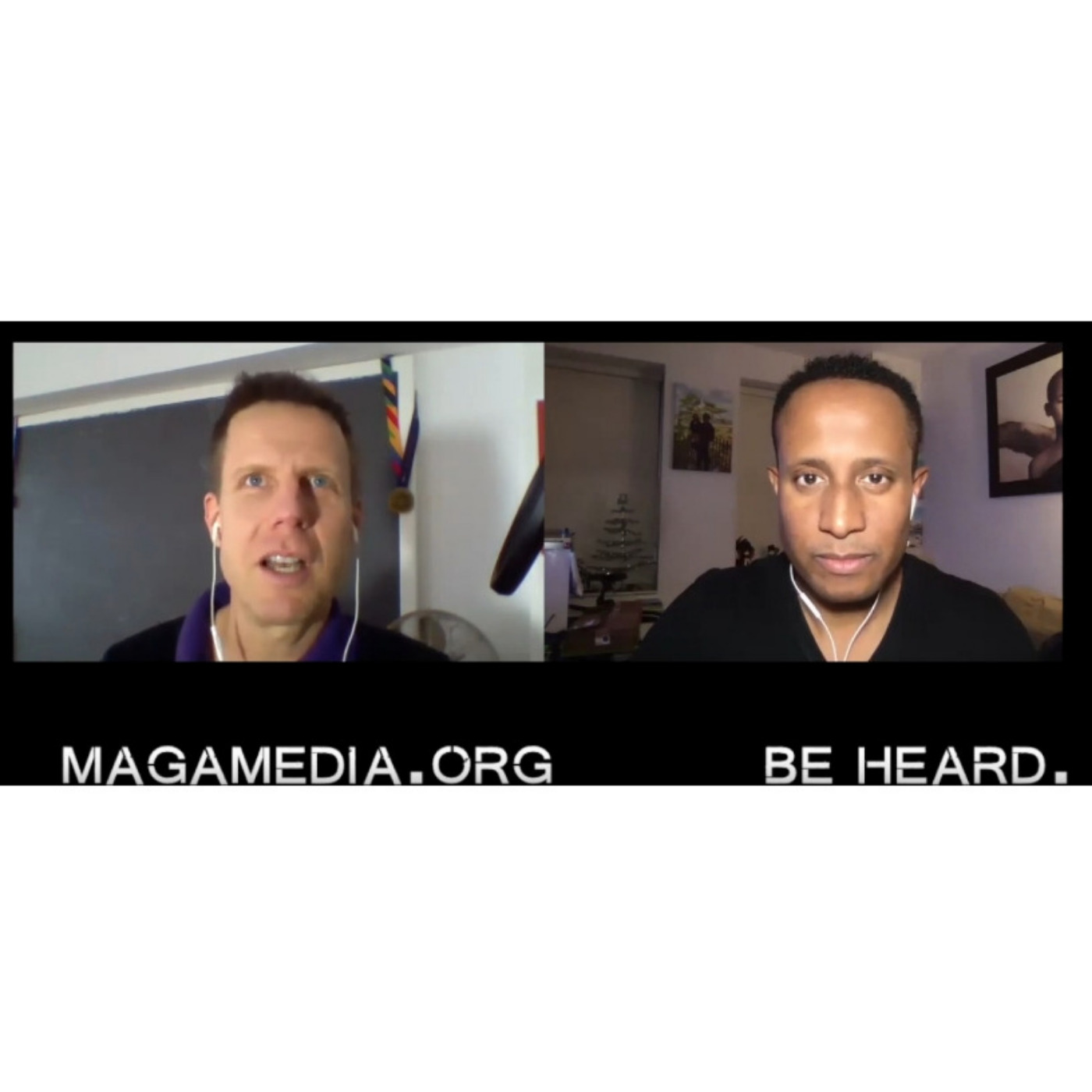
Ep 266266: Thoughts on my MAGA interview
My notes I read from for this post:Yesterday I posted my interview on a site that strongly supports Donald Trump. I do not. Yet I described it as one of my favorite interviews. What gives?The conversation prompted thoughts on environment and politics. Read my post on the conversation and listen to the conversation for context. For more context, the guy who hosted, Rob, his profile says "Vote Red To Save America!" on Twitter, where he describes himself as "The Conservative Black Cowboy." In videos, he wears a Make America Great Again hat. Doing these things openly in New York City may only mean you're looking for a response, but I think it also means genuine, strong feelings.I read that he genuinely and authentically wanted to know about me, my history, and my actions -- not to attack or criticize but because he saw in me something he hadn't before but that he liked. His site criticized others as dupes for scientists looking to save their money among other what I would call attacks on climate activists, but he seemed to hold back from saying there were no environmental problems.I read that he was looking for a voice and story worth listening to. I may have misread him. As one person, he doesn't represent the right or Trump supporters in general, but I don't think I misread that a lot of people like him would welcomeHow unwelcome I felt in a blazer and collared shirt at the climate march. I suspect I impacted the environment less than most but felt unwelcome until I spoke with a friend. I don't remember the details and may have misread so can't say for sure. Even so, I consider people dressed for business the ones the crowd should have felt most comfortable since they influence so much that pollutes. Instead, it felt like there was a leftist political machine that seized on an issue to empower themselves and beat the others. That view treats others as if they want to pollute as primary goal. But no one wants to pollute as primary goal. Everyone on the left I've met pollutes more than I do. Should I conclude they pollute as a primary goal? No, they haven't figured out how to reduce their pollution yet so they keep polluting. In the meantime, they enrich themselves at the expense of others helpless to defend themselves. Just like people on the right.If I say people on the left don't care, they would say they do and something along the lines that you have to break some eggs to make an omelet and I just don't understand them. Were I to keep pushing, they'd get angry, say I don't understand them, and disengage. My ability to influence or lead them would drop through the floor.I wouldn't understand that they do care. They do want clean air, land, and water. If I understand that they care and find ways to help, they'll follow, which I do on my podcast in hundreds of conversations.Well, people on the left say people on the right don't care, but don't afford that they would say they do and something along the lines that you have to break some eggs to make an omelet. People on the right conclude those on the left just don't understand them. Those on the left keep pushing, getting everyone else angry, to say I don't understand them, and disengage. Their ability to influence or lead drops through the floor.Centuries of systems and beliefs make it difficult to live sustainably, as do uncertainties and risks. Plus our population makes it impossible, as far as I can tell, for humans to live sustainably. We all want to act. The most anyone can do is as much as we can. I find the most effective way to help people do as much as they can is through listening, understanding, and supporting.Frankly, I suspect that when the right turns their ship around and embraces environmental action, which will happen faster the more the left stops treating it as a political weapon, they wouldn't surprise me if they achieved more.Posts:My post I refer to: See me on Magamedia.org for one of my favorite interviews, “A Different Look at Climate Change”Watch and listen to the Magamedia conversation Hosted on Acast. See acast.com/privacy for more information.
Ep 265265: I was wrong
Here are the notes I read from for this episode:Ways I was wrongI usually start my story about acting more sustainably with my personal challenge to buy no packaged food for a week. In my second TEDx talk I describe how that challenge emerged from stopping eating meat, then hydrogenated oil, corn syrup, and foods where fiber had been removed, which was my proxy for overly processed food.I talk about my love for the beauty of nature, which I describe when people ask me what I ask guests, "What I think about when I think about the environment."But I hadn't shared some longstanding thoughts that didn't fit the narrative.Not that I hid them, I had just grown out of them.I rewatched a movie called The Doctor, starring William Hurt, about a doctor who remained so aloof from his patients that, however brilliant, charming, and funny, his bedside manner made being his patient miserableThe movie recounts how his sickness leads to seeing the lack of caring and vulnerability in the hospital systemAs my tears streamed down my face watching the movie, I saw vulnerabilities I protected.Efficiency, just living in citiesI thought technology would arise that would solve our environmental problemsFor example, fusion seemed an obvious solution.Young enough widening or building more roads seemed a solution to traffic jams, at least while I sat in them.As I learned what city planners learned, I discovered that roads often create congestion, after a brief period of relieving traffic.Carbon sequestrationBirth rate reduction and China only exampleThat I wouldn't like unpackaged food or not flyingOne person couldn't make a differencePeople wouldn't like it Hosted on Acast. See acast.com/privacy for more information.
Ep 264264: Larry Yatch, part 2: Navy SEAL precision
This episode brings you a trainer who has reached top levels of leadership and teaching leadership break down how to learn.How to learn to learn. Let that sink in.To me this episode felt like a master class by a practitioner and educator.Note his precision in language. At first I found it pedantic, but then realized it's not annoying, it's liberating. When you speak English, you don't sometimes switch letters around in words. So why switch concepts in higher level communication?He lives by his values. Protecting our environment will require billions of people living by new values.Larry lives by his and is driven to help others follow. Whether you want to live as simply as Larry does is not the relevant question.Do you want to live by your values as he does by his? Because you can.Keep in mind, he's happy, accomplished, and it sounds like his family is as close and full of love as they come. They ahve little stuff but live in abundance. Hosted on Acast. See acast.com/privacy for more information.
Ep 263263: My Google Talk: How to start a podcast on the environment
I posted a few Clips from my speaking at Google to my blog. They didn't video record the whole event, but I did get the audio, so today's episode is my talk there on how to start a podcast on the environment. For better or worse, it's over two hours and the audience wasn't miked so you can't hear everything, but attendees loved it.My first goal was for attendees: How to start a podcast---in particular, how to create your first episode. The difference between zero and one episodes is huge, so I designed my talk to minimize the barriers to that first step.Behind-the-scenes stories of Seth Godin, James Altucher, Nobel laureate Seth Sheldon, McKinsey’s Global Managing Director, and other guests intersperse. I share my podcast and overall environmental leadership strategy, explaining why I go for the guests I do.I share lots of anecdotes of podcast guest, including some early ones, for those of you who recently joined. I share my background on my life as it relates to environmental leadership.They booked me for over two hours, so I'm not sure how many of you will listen all the way through, but those who do will hear lots of nuggets and you'll hear me unguarded. The room was as full in the end as the beginning, so attendees found value.I've appeared on one attendee's podcast already and several others met with me since, so I think it helped.Attendees weren't miked so hard to hear them but I think you'll be able to reconstruct their questions from my answers Hosted on Acast. See acast.com/privacy for more information.

Ep 262262: Unstable for a phase change
People talk about leadership causing ripple effects and hope that environmental action may lead to ripples.I see the potential for more. People like acting on their environmental values when they do. They just don't like being coerced or being made to feel shame or guilt. Few like going first.If most people like acting by their environmental values, someone going first may cause everyone else to crystallize into the new behavior. By crystallize, I mean that many people will change their behavior fast and across a wide scale.I can't guarantee society will change that way that fast, but I believe I see signs suggesting it will. I start today's episode with an example of podcast guest Navy SEAL officer Larry Yatch, his wife, and his sons without trying leading strangers to pick up other people's garbage from the beach. Since few people wake up and decide to pick up others' garbage, this behavior tells me people want to do it.I believe society only needs a few or even one well-known person to act to cause a major shift. Hosted on Acast. See acast.com/privacy for more information.
Ep 261261: We have failed, but it's not over. Are you giving all you've got?
My perspective on personal action continues to evolve.In conversation with someone at an event this evening, I started realizing the meaning in asking what each of us can do and the meaninglessness of asking hypothetical questions, which make up a lot environmental talk.It this episode I talk about meaningful questions to ask instead of theoretical ones about things you can't do anything about. Hosted on Acast. See acast.com/privacy for more information.
Ep 260260: Creating the Muhammad Ali of the Environment
I started this podcast with the goal of creating a Mandela of the environment---a role I considered essential but saw no one remotely approaching it.Lately I've seen the opening for an easier but more effective role---a Muhammad Ali of the environment. Hosted on Acast. See acast.com/privacy for more information.
Ep 259259: Caspar Craven, part 2: with his wife and son
After resetting during conversation 1.5, Caspar returns with his son and wife---Columbus and Nicola---for a touching proper second episode.The three of them approached the challenge as a family, though you'll hear how Columbus led his parents in many ways. It sounds like he had tried for some time to guide his parents. Now that they committed to act, they heard him more. I see this trend a lot when people commit---that they realize they could have acted earlier and that acting brings them closer to relatives and others in their communities.Columbus steals the show, having studied, cared, and acted on the environment, patiently bringing his parents along. I hope all the parents who tell me that kids make acting environmentally harder. In the Craven family, the child is leading the adults.We talk about sailing, their having sailed around the world, gardening, school, and more. They sound to me like they're just getting started. Hosted on Acast. See acast.com/privacy for more information.