
This Sustainable Life
866 episodes — Page 10 of 18
Ep 408408: Nancy Reagan and the Environment
Here are my notes I read from for this episode:Just say nodrugs winningTry telling smoker that cigarettes cause lung cancer and see if it stops.Doesn't. It takes work but rewardingTry giving more and more facts. They heard already.Now imagine Nancy Reagan was a smoker or cocaine user while saying just say noImagine she smoked or did drugs while saying not to.That's Al Gore, DiCaprio, everyone!The problem isn't hypocrisy. I can't stand people making environment into moral issue. I'm not good for not polluting. You live by your values as much as I live by mine. If you don't value stewardship I'm not good by your values. If you value it as much as I do, then fix your problem.The point is effectiveness. It doesn't work to lead Alcoholics Anonymous sessions with a fifth of gin half finished in your hand or weight watchers full of doof.DiCaprio, flying your whole film crew around the world when you lack snow because of global warming, can you see how you're leading AA while drunk? With your notoriety, you should have a legacy to last millennia. Instead, you undermine it. Al Gore and all the rest, same thing.Muhammad Ali as a conscientious objector. Now there's a man who acted with integrity, transcended sport, and become one of the greatest not athletes but humans of all time. We can learn from him. He knew standing tall meant getting on your knees, not flying first class and hiding it.I know, most don't want to change the world. You just want your 401k to clear. I didn't ask for back-to-back 500-year hurricanes. You didn't ask the science to predict 2 billion climate refugees this century and more. But those are our times.I didn't ask that we can do something about it, or decline, but we can.More smokers telling us not to smoke won't help, nor more alcoholics telling us to stop drinking, or polluters telling us to stop polluting.If you want to stand tall, you have to get on your knees. If you want to reach the mountain top, you have to climb, which means getting your knees dirty, meaning dropping the addiction to polluting.Because only from the mountain top can you see the promised land, a world I've seen where stewardship of nature and other people trumps self-serving excuses that you have no choice or baseless accusations that someone who acts has more time, money, resources, or privilege than you. Look deep and you'll see you have all the means you need, as does any addict to overcome their habits.I'm calling on you to lead yourself, not manage like Nancy Reagan. To lead, to find it within yourself, to dig deep, to see that how you lead others will be your greatest legacy. Hosted on Acast. See acast.com/privacy for more information.

Ep 407407: Eric Metaxas: William Wilberforce, Amazing Grace
A few months ago I hadn't heard the names William Wilberforce or Dietrich Bonhoeffer. Now they rank among my greatest influences. Eric Metaxas's biographies of these two men were among the main reasons. Once I read them, I had to meet Eric and bring his view here.Read the books, learn about the men, what they did, and the environments in which they did it.Few who spend time with me would expect me to find inspiration from a man whom I heard describe himself as a "Jesus freak" or strongly promote President Trump, whose policies I haven't seen increasing Earth's ability to sustain life and society, but those who know me well know my intense curiosity for people with unfamiliar views. Those who know me very well will find deep values of mine that resonate with Eric's beyond taking inspiration from Wilberforce and Bonhoeffer.I recorded a longer introduction than usual to recount my discovering Eric's work so you can hear more background there. Recording shortly before the election limited our recording time, meaning we covered only a fraction of what we could have. I hope this episode was the first of many.Eric Metaxas's home pageHis radio show Hosted on Acast. See acast.com/privacy for more information.
Ep 406406: J. B. MacKinnon, part 1: The Once and Future World
J. B. MacKinnon's book The Once and Future World influenced my view of nature as much as anyone's. I thought I knew what nature was, what we were trying to conserve or preserve, but I wasn't even close. I found his writing gripping and colorful. I'll link to a couple recordings I made that quoted the book at length.We've been talking about our work, his new book he's nearly finished, my book I've just started, and how he was thinking of acting on hisresearch personally.He was sharing so personally about the challenge he was considering for himself, impromptu, I asked if he would consider recording a podcast episode. We just jumped into it. Here's both of us unrehearsed, unprepared.I loved getting to learn the backgrounds of wildlife, Hawaii, all the things I read from Once and Future World, and how and why he foundout about them. I hope you're all also on your path to discover variety in food, clothing, community, and so on that our culture obscures and makes us feel backward about.Partly I'm impressed with myself at remembering those parts of his book unaided, but really that recall illustrates the power of the book and sadly what we've done to our world. But hopefully what we can restore. I'm always impressed with how fast nature rewilds when we take our foot off the gas. And how much we enjoy the surprising discovery of simple, sustainable living.J. B.'s home pageMy first video essay on Once and Future WorldMy second video essay on Once and Future World Hosted on Acast. See acast.com/privacy for more information.
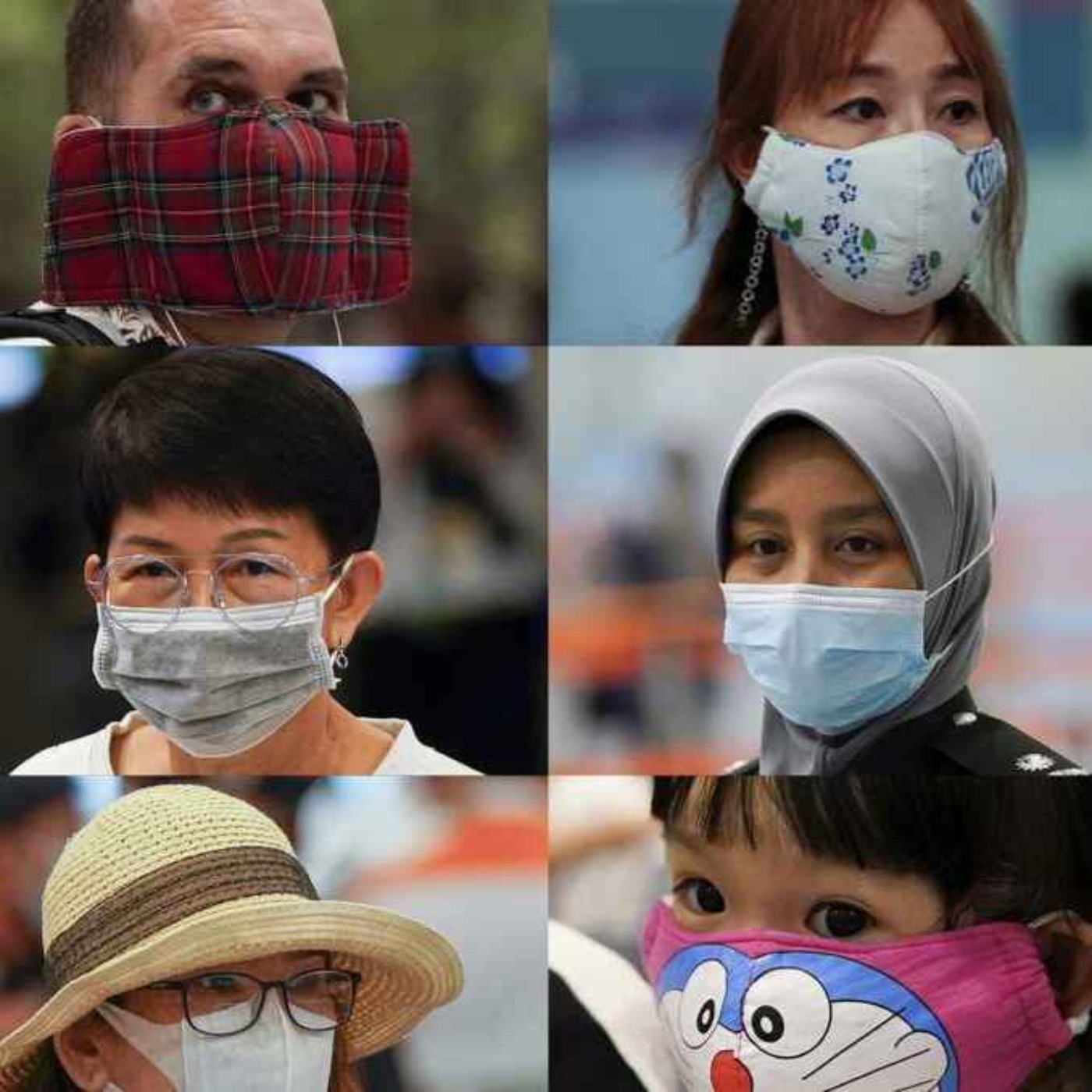
Ep 405405: No, It's Not Just a Piece of Cloth
No, it's not just a piece of cloth• Context◦ Mark Meadows and Ben Carson tested positive◦ US is spreading virus maybe most in world. White House more infections than Vietnam◦ In fact there are more people in Ben Carson with covid than in Vietnam.◦ Masks halt spread.◦ People say tragic that it's become political, but even so, it's just a piece of cloth. Just wear it.◦ "A mask is not a political statement, but it is a good way to start bringing America back together," Biden said on Monday. "The goal is to get back to normal as fast as possible."◦ From leadership perspective, couldn't be more counterproductive or for that matter insensitive and insulting◦ Leading people, influence, and persuasion depend on the person being led. You have to go where they are, not where you think they should be, where you are, where others are.◦ Requires empathy, which saying just a piece of cloth shows none of. On the contrary, generally shows the opposite -- you imposing your values on them despite not knowing theirs. Nobody likes their values misunderstood and then told what to do against those values.◦ Let's consider someone who views them as freedom issue. Have you considered their perspective?• Science◦ They know science works to some degree. They drive ICE cars and use computers.◦ They also know scientists make mistakes, that scientists and their results have been used for nefarious purposes, and that people retract their results. Even when right, scientists change opinions and regret past decisions.◦ Whatever your confidence in science, I have PhD in physics, several patents, I helped launch a satellite, and I work on sustainability. I like science.◦ I also know its limits. It doesn't give you answers. It gives you inputs that inform your decision-making process based on your values. Math and logic take you from your starting points, your axioms, to conclusions, but those starting points start outside science and math. Euclid started with a few axioms about points and lines. He can't prove them. He only shows what they generate. In fact, when they thought to change one, they got non-Euclidean geometry, one of the great advances of math.◦ My point is that you are using science as an input to your decision, but ultimately you're acting on your values. So are they. If you act like it's just science, you're neglecting that you are trying to impose your values on them.◦ Let's look at some things science has gotten wrong. Again, you may think now is different, but the scientists at the time didn't.◦ There's eugenics that supported racism, phrenology, thinking the earth was flat, thinking the earth was at the center of the universe. Even someone who rejects evolution knows that evolution evolved from Lamarck, which was wrong.◦ Einstein regretted that his work helped create the atomic bomb. Many scientists regretted or at least had second thoughts about contributing to the Manhattan Project. Even fighting Hitler and Imperial Japan, they got swept up to do something beyond what they realized.◦ This "beyond what they realized" is important. Many scientists and engineers don't consider the consequences of their work.◦ This neglecting to realize unintended side effect is a major thrust of my sustainability work. Most efforts at efficiency are net increasing pollution and waste.• Their perspective◦ I consider it a totally fair starting point, even if someone agrees with the science, to say "I see the science, but that's not the final word. It's an input to a decision-making process. Let's see where it leads."◦ From that perspective, someone saying it's just a piece of cloth sounds ignorant.◦ Where could it lead? If I don't empathize I get nowhere. If I empathize I see many concerns. One is that leftists want power. They don't do themselves what they tell others to do, even on science, so they probably have ulterior motives. Al Gore and Leonardo DiCaprio fly and pollute more than almost anyone while telling me to sacrifice. They don't believe it.◦ They may not realize it, but they're trying to concentrate power in the state and we've seen over and over where that leads -- Stalinism and all it results in. The people who started communism and all we fought in the cold war thought they were creating a utopia. They were naive and didn't see what they were creating.◦ Individual freedom protects us from such outcomes.• Your belief◦ You may disagree. I disagree, but if you want to lead, you have to meet them where they are. You think, "but they're wrong"? Do you want to influence them or not? They're human like you. You say it's just cloth, even if they disagree they should just wear it.◦ Well, just going where they are is less material than a piece of cloth. If you believe them wearing the cloth will save lives, then you empathizing will save lives. Imagine their world.◦ How do you address their concern that concentrating power, even if it saves lives, might result in a political outcome they fear?◦ If you don't, you're dismissing their val
Ep 404404: Michael Moss, part 1: Salt, Sugar, Fat, Convenience, Addiction, and the Environment
Michael Moss had already risked his life as a reporter in Baghdad, where he interviewed Islamic militants and exposing that US marines lacked body armor. He had also already won a Pulitzer prize for reporting on food. Then he wrote Salt Sugar Fat, which has become one of the core books on the field of the food and doof industries. For me, the title has become one word, SaltSugarFat, to which I often add convenience, SaltSugarFatConvenience.The book shows how the system evolved its incentives and motivations. They lead all players to create products and behavior that take advantage of our reward systems to induce craving, temporarily satisfy that craving while re-creating it, and continuing that loop.The book pulls you along with detailed stories, often insiders where you can't imagine how he learned the details. They combine to a greater story of our industrial food and doof system. The book was a number 1 NY Times bestseller and won awards including a James Beard award.In our conversation, he shared some back story not in the book, and we spoke about the environment and his values. I don't have to tell you how food touches everything in our lives. I see our beliefs and behavior toward food and doof as parallel to our beliefs and behavior toward the environment.Michael's book intrigues and fascinates at the sentence level. All the characters in the book rang true. Their stories were compelling. The results outraged me, but they also motivated me to keep away from their insidious work. Most of all it pointed to a playing field with incentives that motivate overproducing and getting people to eat more cheap products.Each person is doing what he or she thinks is best. No one intends it, but they create obesity, disease, helplessness, addiction. Beyond those easily measurable results, it leads the people targeted, to protect their identities, to promote their lifestyles as if they were born that way, attacking people who disagree as if they were attacking accidents of birth, like racism or sexism.But we aren't helpless, however effective doof engineers have become at manipulating and controlling us. SaltSugarFat helps us prepare. You'll also enjoy reading it. Hosted on Acast. See acast.com/privacy for more information.
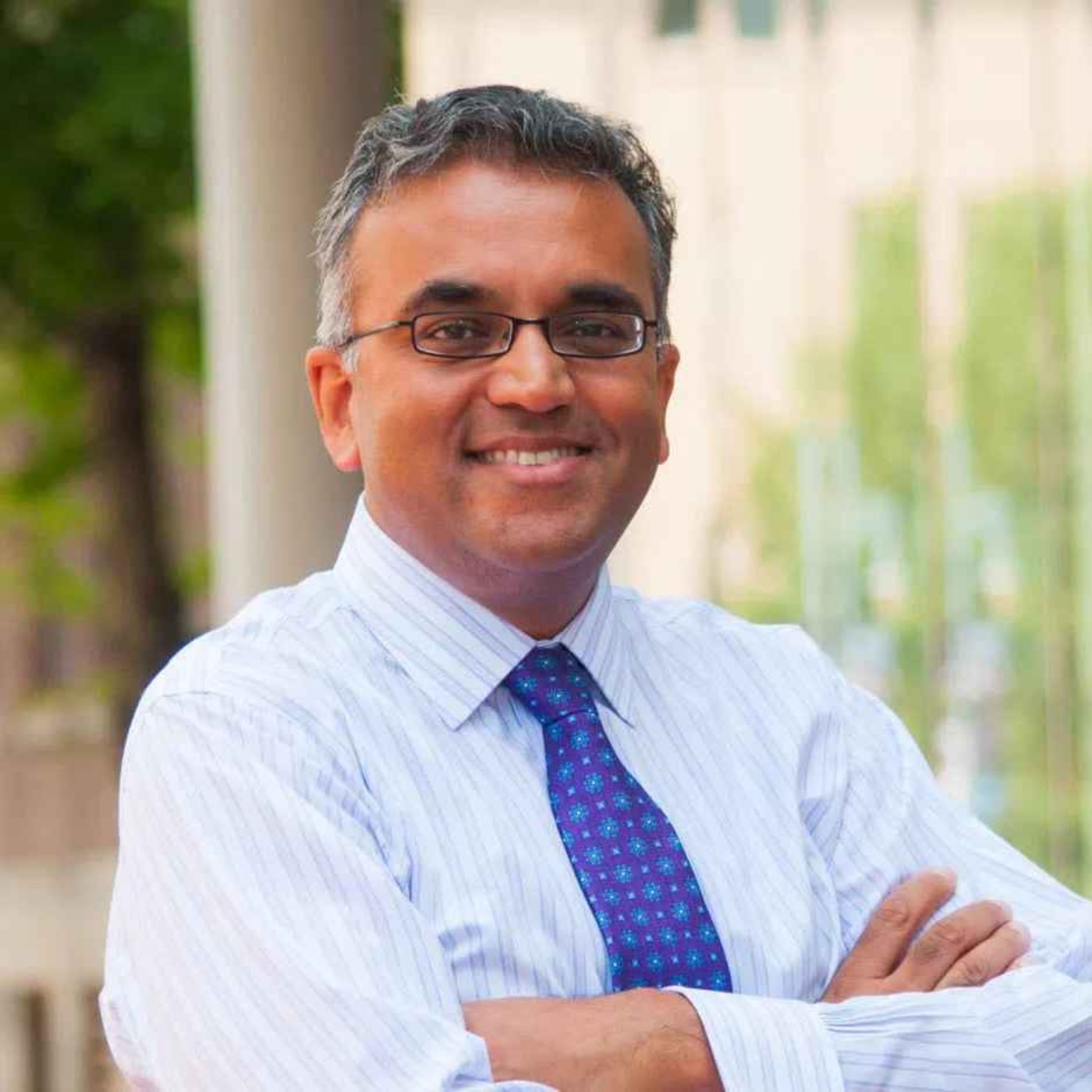
Ep 403403: Ashish Jha, part 2: Battling covid-19, leadership, and the environment
From a leadership standpoint, acting on sustainability and the pandemic overlap.You probably see Ashish's name everywhere too. He's in the thick of it at the highest national level. He shares an inside view of the political happenings on responding to the pandemic. He also shares the emotional experience---the frustration at seeing people dying unnecessarily. I think you can tell that despite the numbers, he cares. You may hear me realized I spoke too glibly in stating the number of American depths.Most of our conversation covered the leadership vacuum responding to the pandemic as well as the environment in general. I believe you'll hear we're moving toward talking leadership strategy, the emotional challenge of leadership, and finding what works besides management.We coverAvoiding political polarization and engaging leadership from other areas than politics seem challenging.What opportunities exist for voices to get out there, either on the pandemic or the environment?How have we abdicated or lost our alternatives to lead to Washington DC or state or local government?I don't just mean exercising authority. Leadership doesn't require authority. We can lead in other ways than political representation.Ashish talked about debate. I've come to equate debate with provoking argument, as I alluded to. Instead, what stories can we tell? What images can we evoke? Is there a way to reach people to hear views they aren't in a way they'll appreciate after?This is the challenge. I focus on it in the context of sustainability. It applies equally in the pandemic response. Hosted on Acast. See acast.com/privacy for more information.
Ep 402402: Faith
Why do I act on sustainability when everyone around me says there's no point?Faith.This episode shares a few words about faith. If you lack it, I think you'll prefer living with it, especially about things you care about. Hosted on Acast. See acast.com/privacy for more information.

Ep 401401: Defund the police? A proposal.
We've seen suggestions to defund the police. Many on the left consider it an obvious step. Many on the right think it's loony and will lead to society falling apart.I propose a way forward, building on my civilian service academy idea from a past episode, putting responsibility to act first on those proposing the idea. It would be hard, but if people seriously believe other agencies can do some things better than police, they can show it.EDIT: I found a story of people doing what I described. They found a place where non-police responses work more effectively than police and are implementing it. Here's the story: The Cycle of Punitive Justice Starts in Schools. Eric Butler Is Showing Kids and Teachers How to Break It. Teaching restorative justice, one hallway fight at a time. Hosted on Acast. See acast.com/privacy for more information.
Ep 400400: Race, part 1: Should whites shut up and listen?
Following up my conversations on sex, drugs, and rock & roll with Dov, previous podcast guest Dan McPherson of Leaders Must Lead and I talk about race.We start be reviewing our relationship and why we chose to record a conversation on race.We then talk about risks for white people talking publicly about race, even innocent topics everybody would value being covered. Frankly, I feel vulnerable and scared talking about my personal experience in our current climate.Then how when I hear whites describe their experiences regarding race, they sound foreign. Often the stories of people of color sound like mine. Once in my life did I hear a white person's situation sound familiar to mine, a couple months ago.We talk about why the term fragility doesn't seem to apply.Then we mostly flow about talking about our experiences regarding race. Hosted on Acast. See acast.com/privacy for more information.
Ep 399399: Mark Tercek: Former CEO, The Nature Conservancy; Former Partner, Goldman Sachs
Mark Tercek stands tall in environmental action. He was president and CEO of The Nature Conservancy for 11 years.From Wikipedia: "Founded in 1951, The Nature Conservancy has over one million members, and has protected more than 119,000,000 acres of land and thousands of miles of rivers worldwide. The largest environmental nonprofit by assets and revenue in the Americas, The Nature Conservancy ranks as one of the most trusted national organizations in Harris Interactive polls every year since 2005. Forbes magazine rated The Nature Conservancy's fundraising efficiency at 88 percent in its 2005 survey of the largest U.S. charities. The Conservancy received a three-star rating from Charity Navigator in 2016 (three-star in 2015)."Before then he was a partner at Goldman Sachs. Curious how someone goes from investment banking with Hank Paulson to the Nature Conservancy? He describes that calling.We also enjoy that we both are reaching new audiences---I share about Magamedia and he about talking about global warming in Alabama.As much as the content he shared, I loved his emotion of, as I read it, enthusiasm and expectation of success, knowing the challenges andthe likelihood of catastrophe, whatever progress he makes.Green Is Good, The New Yorker profile of Mark Hosted on Acast. See acast.com/privacy for more information.
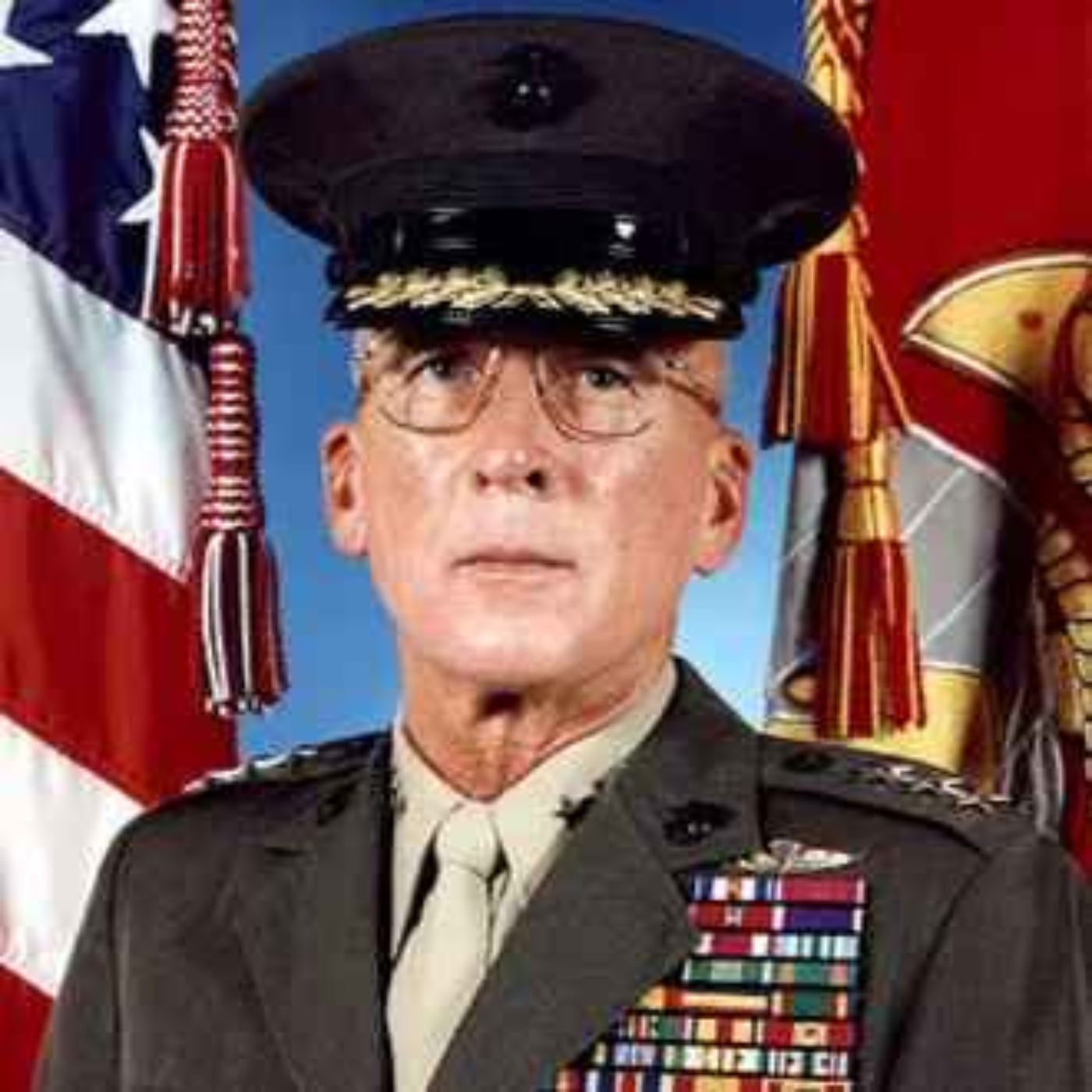
Ep 398398: Lt. General Paul Van Riper USMC, part 2: A Marine Versus Coffee
Rip committed to avoid waste through coffee, which he describes as harder than he thought.Wait a minute. A three-star Marine Corps general is describing not using coffee cartridges as hard? In the Millennium Challenge we talked about in our first conversation he led a team taking on the best of the entire US war machine and won. How hard can coffee be?That's the point of this podcast. Personal change doesn't depend on calories burned, monetary costs, and so on. It depends on our hearts and minds, which depend on our stories, beliefs, images, and so on. It's as easy or hard as we believe.Another main point of this podcast is to empower you to change our beliefs, stories, and images. While a belief may make something as materially simple as changing how you make coffee seem impossibly difficult, recognizing that our belief is the issue puts resolving theproblem under our control. We don't have to accept that belief. We can change it.That's why I value Viktor Frankl and people like him so much. He turned living in Auschwitz into including experiencing love and bliss. What he can do, we can.Rip shares how he saw the situation before starting, how it ended up harder than expected, then he got to work on himself and his views, and you'll hear the results, as I heard more positive than he would have predicted.Systemic change begins with personal transformation. If you think the change will end with a few coffee cartridges, you're missing how systemic change happens. Among other things, now there's a Marine Corps three-star General who concerns himself with household waste and sees it as something to enjoy and look forward to. He presents it as decreasing feelings of guilt, taking responsibility, enjoying results. You'll hear that talking about responsibility and personal growth leads naturally to personal and professional growth at the highest levels of the military, about policy, strategy, campaigns, operations, and tactics.He shared preparing reading Von Clausewitz's On War. I almost can't believe the wisdom and experience I got to hear. This conversation helped prompt me reading the strategy works he described as well as valuing writing about sustainability. Beyond my blog, I'm working on my book and seeing how it reveals the core, as he described. I remember watching a video biography of President John Adams. After he was President a scene showing him fixing shingles on his roof. I thought of how human we all are, whatever our status, whatever importance we give ourselves. As JFK said, in the end we are all mortal. We share the same air, land, and water.We can view changes as obligations, chores, sacrifice, and burden---hardships for us. Focusing inwardly on ourselves characterizes depression. By contrast, we can view stewardship of nature as connecting us to others. Little improves how we feel more than acting in service of others. That's leadership. Even if we want to get ahead and think we have to do for ourselves, acting in service of others responsibly is leadership. If I want to get ahead it works. If I want more happiness itworks. If you prefer seeing stewardship as a burden keeping you from your career, that's your choice.Rip shared otherwise, as I heard it. Hosted on Acast. See acast.com/privacy for more information.
Ep 397397: Eric Orts, part 1: Exploring a Senate Race
Eric Orts is a tenured professor at the Wharton School of the University of Pennsylvania. He is also exploring a potential race for the U.S. Senate: the seat from which two-term Senator Patrick Toomey has announced he will retire in 2022.On this broadcast he promises, as an expression of his values, not to fly for the next year. He pledges further, if he decides to run for office, not to fly during his campaign.To join or contribute to Orts for Pennsylvania: friendsofericorts.com. Hosted on Acast. See acast.com/privacy for more information.
Ep 396396: Margaret Klein Salamon, part 2: Political or Personal or Political and Personal
My goal in this podcast is to bring leaders from many fields and share what made them effective. I believe sustainability and stewardship would benefit from learning more effective leadership. A goal with each guest is to feature them. Everyone is unique. Everyone brings something we can learn from.Sometimes I don't achieve my goal. Sometimes a guest and I end up talking at cross purposes, which I think happened this time, meaning I didn't do justice to the guest. This time I started off exploring Margaret's views and experiences but part way through misunderstanding arose and I don't think I gave Margaret the chance to shine that she deserved. I apologize to her. I hope I didn't distract from her work. You'll hear at the beginning how her book led me to reflect, introspect, and act so I recommend it.If I messed up, I welcome constructive criticism. I hope she looks all the better for the conversation even if I don't. I hope you, the listener, enjoy hearing the conversation and get value from each of our perspectives. I think I captured the two purposes at the end---that I had trouble seeing her view that getting distracted from political change would not achieve the effects we need to turn things around and that she didn't see my view that personal action augments the political, not distracts.I hope each of us surprises the other by succeeding more in ways the other couldn't have conceived of, illuminating the other's world and expanding the other's view to where each of us becomes more effective than we would have otherwise. Hosted on Acast. See acast.com/privacy for more information.
Ep 395395: A Time I Gave Up
The rest of my story riding 100 miles a week and a half ago, where I gave up on myself, having lost faith in myself, but then getting lucky to force myself to finish. Only finishing strong showed I could do it.I've since fallen into the easy path of sharing my pride in finishing, but not the shame, guilt, and disappointment in myself at giving up. Finishing strong only reinforced my giving into the sweet lies I told myself to justify giving up. Hosted on Acast. See acast.com/privacy for more information.
Ep 394394: Joe De Sena, part 2: The Sustainable Spartan starts here
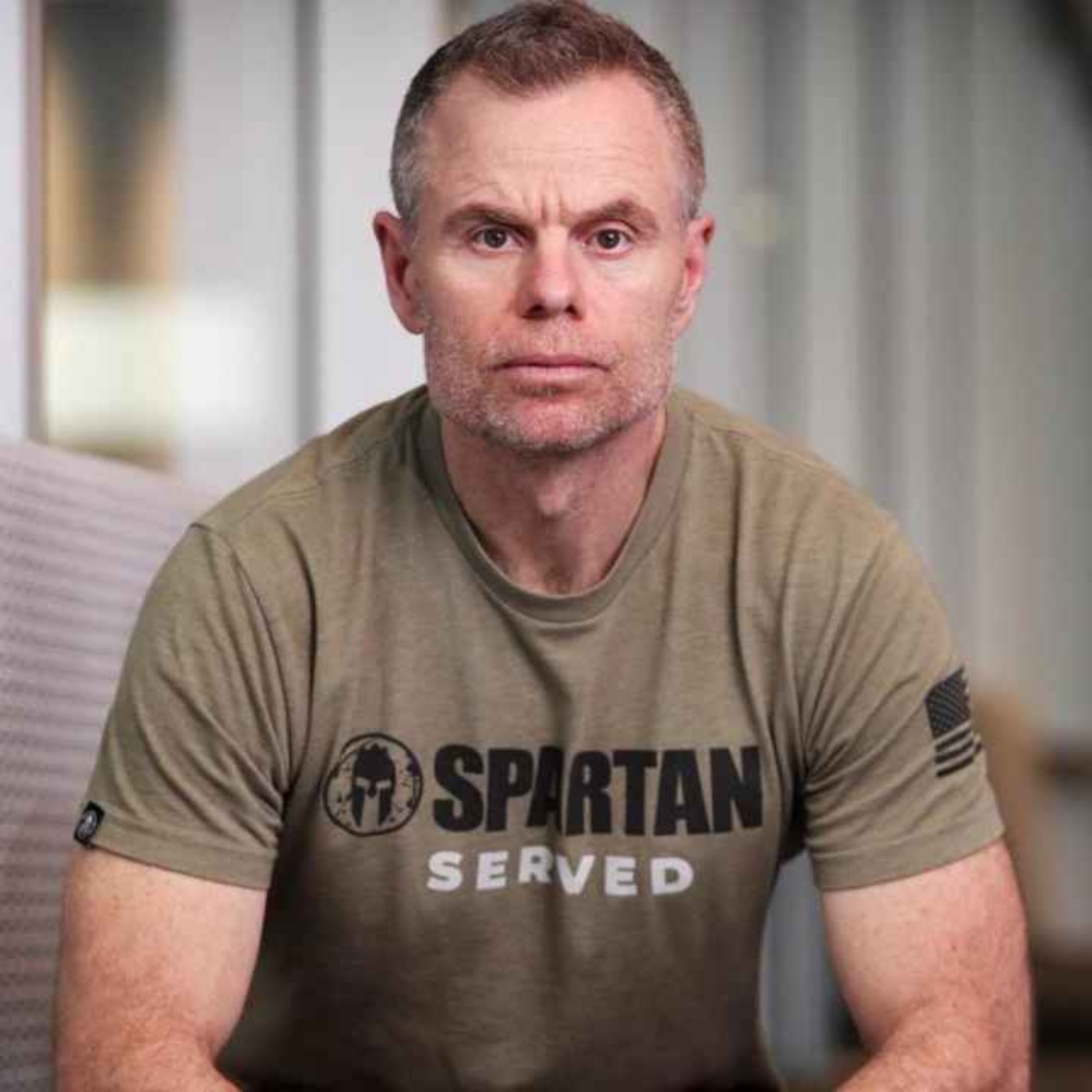
You're in for a treat. Joe and I start talking business so you'll hear things happening while we're talking. We start by talking about his exercising while we talk, then my plans to swim across the Hudson about 48 hours from the recording (and the guy I swam with holding out on the video footage I describe in another episode). We talk about his picking up beach trash, but really about doing things, not just talking.Then we start doing. He starts planning during the call to transform Spartan Race's food and garbage plans. He puts me in touch with a food friend and starts the process to schedule a presentation to Spartan Race's leadership team to kick the process off. I tell him about podcast guest Marina McCoy for helping organize foodSince this recording, I can't give details, but the business has continued. I visited that weekend in Vermont, appeared on his podcast, and started working on sustainability. His team and mine are continuing to meet to continue the collaboration started in this conversation.You heard it hear first! Hosted on Acast. See acast.com/privacy for more information.
393: Jaime Casap, part 2: If a global pandemic isn't the end, what is?
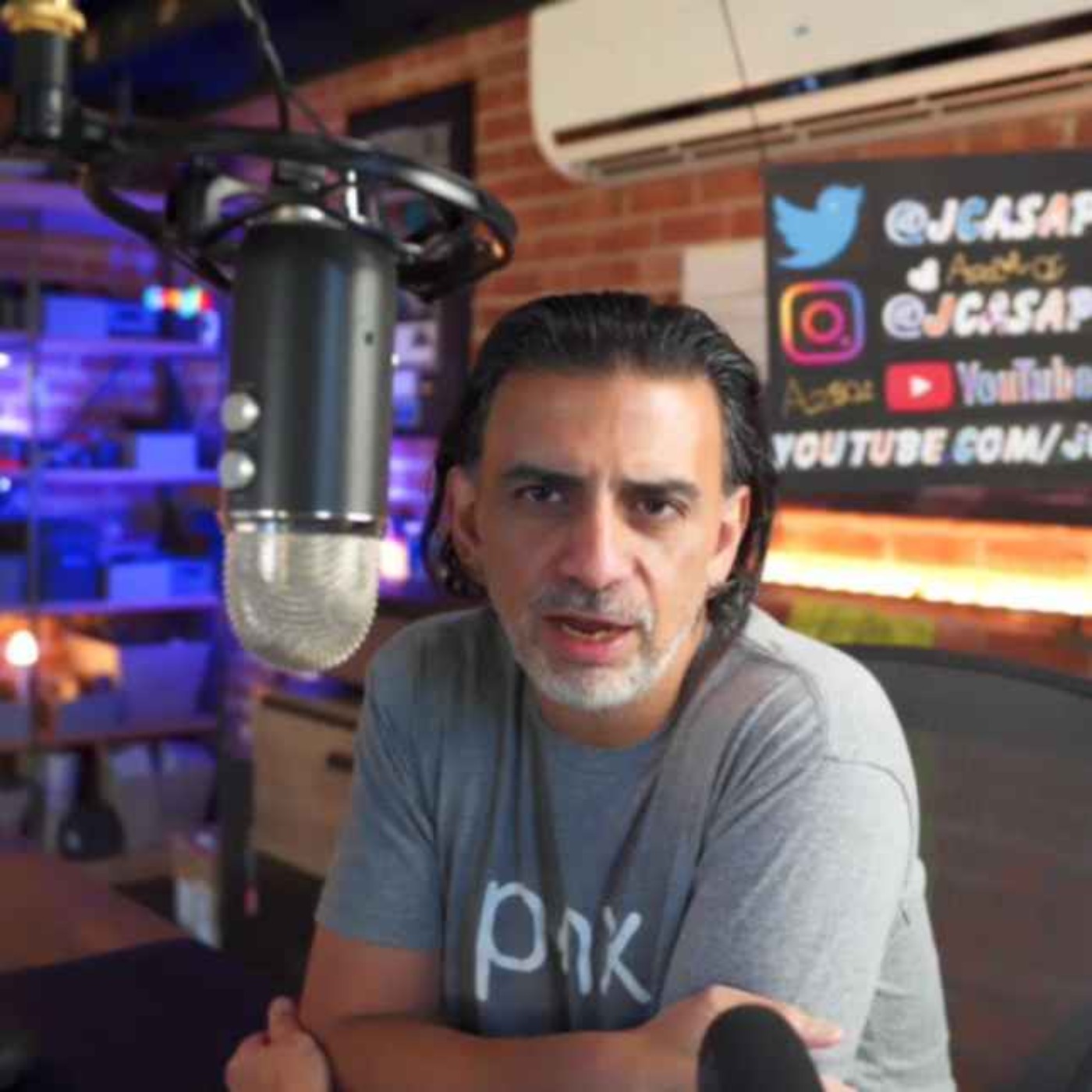
Jaime and my second conversation is enjoyable and challenging. It was different than usual because for whatever reason we're talking about views on environment, personal action, education, and so on, but I didn't get to the personal challenge I like to.It was enjoyable because we're both into it for exchange, education, and understanding. Challenging because we have to figure out where the other is coming from. We start this conversation where we ended the last one, which is each putting forward his view. Getting and understanding another's view takes time, especially while trying to make yours available for the other to get and understand. Probably a third party will get and understand both faster and easier than either party.We end up at what will be a starting point for a third conversation. Reaching there, I suspect we'll say things that you've heard before---I'm sure he and I have both heard most of the other's view but not talked it through.Most of the conversation I felt he was asking what people were doing to point out its futility. Maybe he was, maybe he wasn't, but at the close I thought he was actually asking.As I said, I think there are scales of disaster and we can avoid the worst. Actually, I think everything we do can decrease suffering forothers.Anyway, I think we'll start next time with talking strategy. Hosted on Acast. See acast.com/privacy for more information.
Ep 392392: The doomsayers aren't who you think
People criticize environmentalists as doomsayers while celebrating futurists. This episode shares key examples where the doomsayers were the ones saying acting sustainably would ruin us. On the contrary, in these cases and many others, doomsayers said changing our polluting behavior would undermine our way of life. Yet acting on sustainability improved our situation in these cases.I also share, by contrast, cases where people projected new technologies would only improve our situations, and they may have in limited areas, but they deteriorated them in others.We can learn skepticism of those saying stopping polluting will deprive us of income, well-being, or liberty. Hosted on Acast. See acast.com/privacy for more information.
Ep 391391: Bob Inglis, part 2: Is Biden better for conservatives on climate legislation?
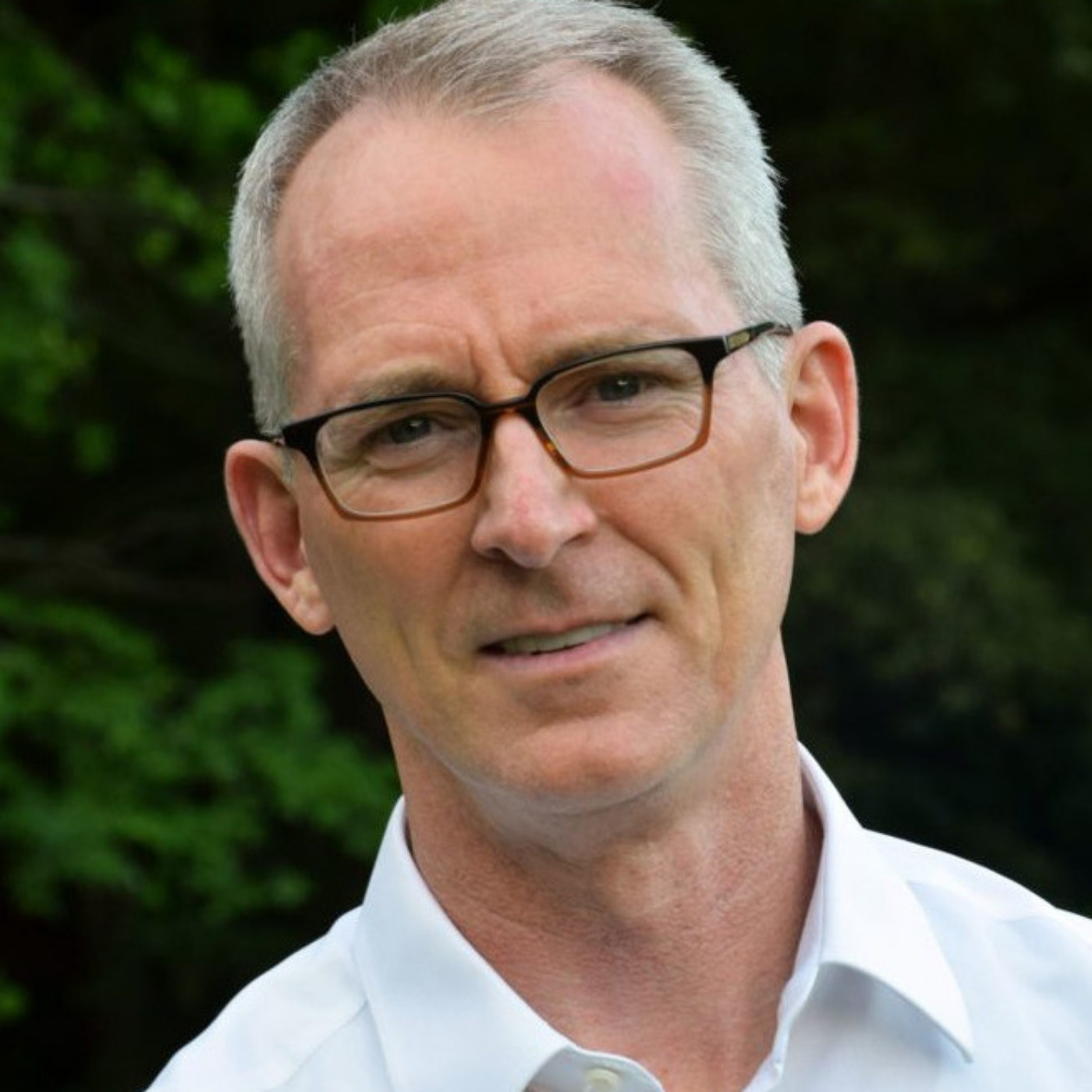
Bob and I begin lightheartedly, covering mulberry trees, gingkos, and how our views of nature change when we act in stewardship of it. Then I ask him about the decision as a conservative to endorse Biden. Question to you, the listener: will Bob describe that decision as hard or easy? Did he face serious repercussions, wide support, or something else?What would you do in his situation? I couldn't put into words what he does. It's his leadership journey, so you'll have to listen.Another question for you. Who traveled more since our last conversation: the guy who wants to travel but can't but committedif he does to bring a spoon to avoid polluting or the guy who isn't flying?We also talk about conservativism, sustainable living, and how to practice them both. Do they need reconciliation or do they make sensetogether already?2020 has meant most political talk is polarizing and divisive. I've learned any two people can find something to disagree on. I've also found any two people can find things to learn from each other.I hope he's wrong about future generations not knowing what changed things. I believe that people who take a stand today to live by their values---when the overwhelming culture motivates keep doing what you've done, maybe recycling a bit more when convenient, even among people who call themselves environmentalists, who mostly tell others to change first---I believe we will leave legacies that others look back on.He described Wilberforce's difficult, decades-long challenges. Whatever challenges he and his peers face, I know he feed better doing what he did, knowing his world and how doing anything different would prolong an industry he knew he had to do everything he could to end.t hit me yesterday as I walked home from my daily picking up other people's litter in Washington Square Park. I used to think it curious toview picking up litter as spare-time activity like going to a park or beach. Yesterday I asked myself, given my neighborhood's litter, what would I rather do, watch Game of Thrones? What would you rather do, clean up your neighborhood or watch Game of Thrones?republicEN Republican former SC congressman Bob Inglis endorses Biden over Trump Hosted on Acast. See acast.com/privacy for more information.
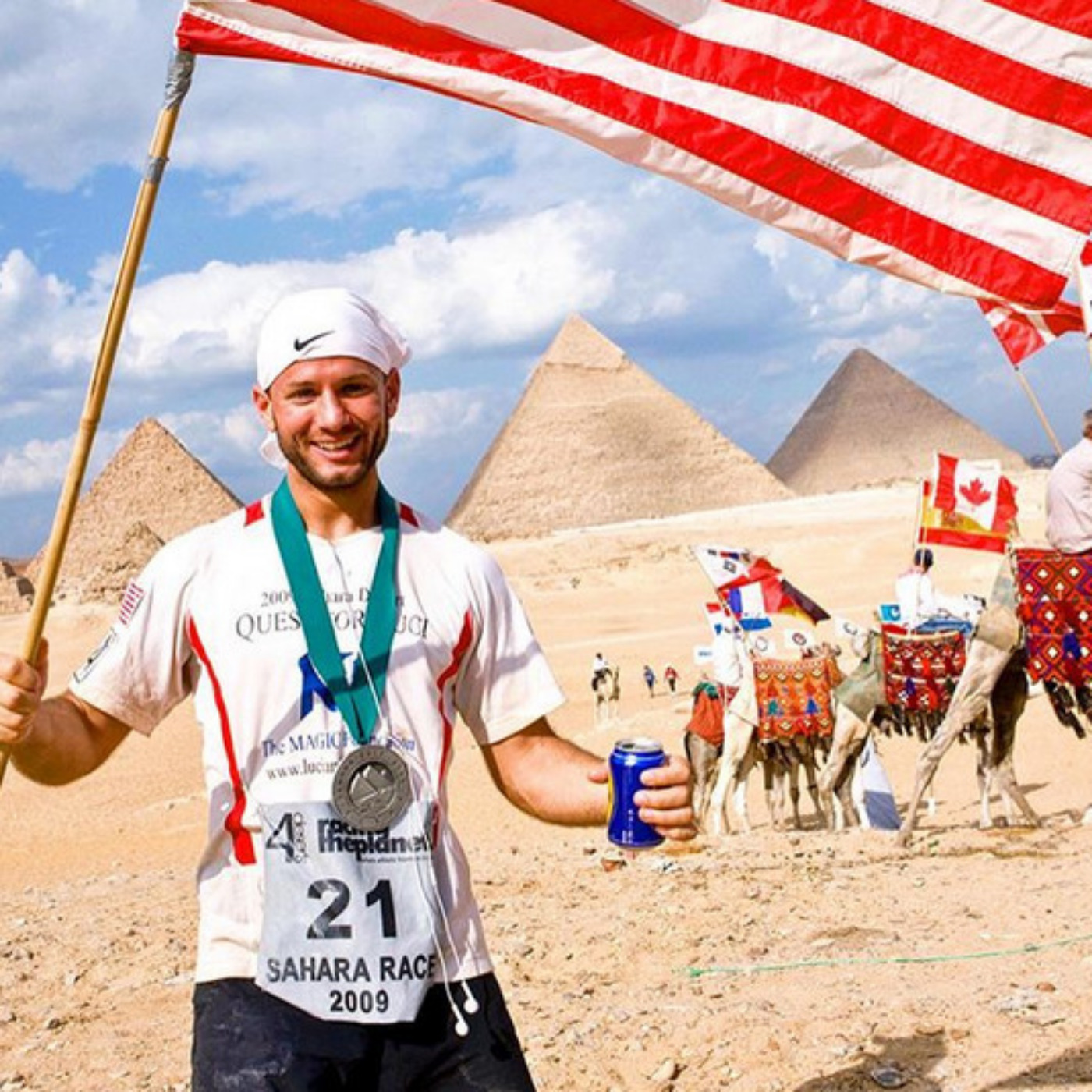
Ep 390390: George Chmiel 1.5: Sustainability, hard even for an ultramarathoner, but he doesn't give up
George's challenge involved people congregating outside, which California banned, increasing his challenge. Personally for him, Badwater got canceled for 2020, the race that starts in Death Valley and ends up, over 100 miles later on a mountaintop. Widely regarded as the hardest race in the world, he was looking forward to it. Can you imagine the training, then you feel like what was it for?So life conspired to make acting on his environmental values for the podcast more difficult. He contacted me to ask about taking more time. I share with him how guests have struggled before. I'm not trying to suggest change is easy, but to accurately show listeners the challenges. George magnanimously agreed to share his vulnerabilities. So we scheduled this episode 1.5 to share the challenges he faced.Leadership isn't about doing easy things. It's about facing what others don't and overcoming it. I believe you'll hear from George that the rewards are more than worth it. What he shares about emotions, I believe will inspire you. He speaks with experience having felt disappointment, despair, futility, and more beyond what most of us do.I love this podcast for bringing people like George into my life. Actually, not the podcast. The podcast is just one manifestation of living by my values even when it's hard. He reminds me I haven't hit hard yet. Not flying? Avoiding packaged food? Picking up garbage? They're child's play compared to what he does. Hosted on Acast. See acast.com/privacy for more information.

Ep 389389: Why environmentalists can be so annoying
I speculate why environmentalists can be so annoying sometimes and why you'd still like to become like them, just not the annoying part.This episode will help you. Hosted on Acast. See acast.com/privacy for more information.

Ep 388388: Nir Eyal, part 2: Another role model avoiding flying pre-pandemic
Nir and my second conversation covered how I inspired him and how he inspired me. If I'm not too presumptuous to say I inspired him, the first part is about his choosing to avoid flying. Several months into the pandemic, we're all used to not flying, but when he committed, before the pandemic, most people I talked to called not flying impossible.By contrast, Nir emailed me about 24 hours after our first conversation to say he had already substituted one flight with speaking remotely. In our conversation, he shares about how he made it happen. Then we get into a back and forth about technology. We agreed on some and disagreed on other parts.Then I switched to what he inspired me on: barefoot running. When most people say barefoot running, they mean minimal shoe. Nir was the first person I met who ran without shoes. Finally I had a role model who ran in Manhattan without shoes. I had been sharing with him since our last conversation about my practicing. Finally I could share with him. He shared how he got started, what motivated him.On the other hand, our technology conversation may have sounded annoying. What do you do when you disagree on something? Not talk about it? Avoiding the conflict doesn't resolve it, which is fine on issues that don't matter, but air, land, and water matter. We can not talk about it and just let the ballot box decide. As far as the environment goes, we saw how that worked out in 2016.I hope to run with him when he gets back so New York can see two old men running barefoot together, laughing. Hosted on Acast. See acast.com/privacy for more information.
Ep 387387: Maja Rosén: Leading not flying
The not-flying-by-choice community is fairly small. About 80 percent of humans can't fly because they can't, but among people who can but choose not to, we're limited. Still, I can't believe I only found out about Maja recently. A few minutes into her TEDx talk, I knew I had to bring her on.She's avoided flying about double how long I have. I could hear from her every sentence that she's had to face all the addiction speaking of people claiming what I did before I challenged myself to go that first year without flying---"I can't avoid it," "the plane was going to flyanyway," and all that.You know the feeling of understanding and support you get when you talk with someone who has shared a rare experience, nearly universally misunderstood? More than personal understanding, she revealed a situation I dreamed of and intellectually knew would happen, but hadn't heard of.For ten years people in Sweden said what everyone here says about not flying being impossible and all that addiction speaking. Then in the past few years it changed. The logic behind not flying didn't change. The pandemic hadn't hit. Their values didn't change. People talk about how Sweden's culture differs, but this change happened within Sweden, not between Sweden and some other place.She said that when they crossed a threshold of people who considered not flying, people started changing, I believe because their neighbors did. She described how a couple editorials from Swedish celebrities choosing to avoid flying influenced a lot. It sounded like my strategy for this podcast. I'm trying to reach a critical mass of people, focusing on influential people, to where people know someone who has acted.I can't tell you how much our conversation warmed my heart for feeling understood on something I value and for which I felt vulnerable and enthusiastic for seeing a light at the end of a tunnel I've been in now in my fifth year. I can't wait for when culture changes and people treat flying like a rare occasion.I was there. I looked the other way to avoid facing my pollution. There's a way out. We can shake the addiction. The main way out is spending more time with family and your community, gaining more control over your career. It feels impossible. When people around us change, we change. When we change first and others follow, that's leadership. You can help lead us out of this mess.Maja's TEDx talkWe Stay on the GroundFlight Free 2020Flight Free 2020 USA Hosted on Acast. See acast.com/privacy for more information.
Ep 386386: Bob Inglis, part 1: the EcoRight, a balance to the Environmental Left
Everyone can lead when everyone around them agrees. How about when your conscience tells you what's right differs from everyone around you?Bob Inglis is a former Congressman from South Carolina---the reddest district in the reddist state, as he puts it. The short story is that he stated he believed the science behind climate change. That was ten years ago. They voted him out.You'll hear in this episode the story of how he transformed to take such a risk, how he responded, and what's come since. Last month he "endorsed Joe Biden for president Monday, arguing the Democratic nominee will help stabilize American politics and restore the country’s institutions."I'm linking to his two TEDx talks, a Frontline interview, and his new organization, RepublicEN, which I recommend no matter your political views. I consider acting on your values leadership. I've met or heard of few people who have led on sustainability as much as Bob. Many people on the left talk about it, but haven't led---that is, they've mostly spoken to people who already agreed with them. They haven't worked with hearts and minds.Most of us want to act on ours but hold ourselves back. I bet you'll find him a role model for actions you've held back on, whether related to nature or elsewhere in life.We talk about meaning, purpose, and faith. I hope we can wrestle the wedge from those at the poles of our polarized society, as Bob spoke at the end.republicENBob at TEDxBeaconStreet: Conservative Climate Change. (No, he's not kidding)Bob at TEDxJacksonville: Changing the Dialogue on Energy and ClimateThe Frontline interview Hosted on Acast. See acast.com/privacy for more information.
Ep 385385: Coleman Hughes: Race and social media mobs
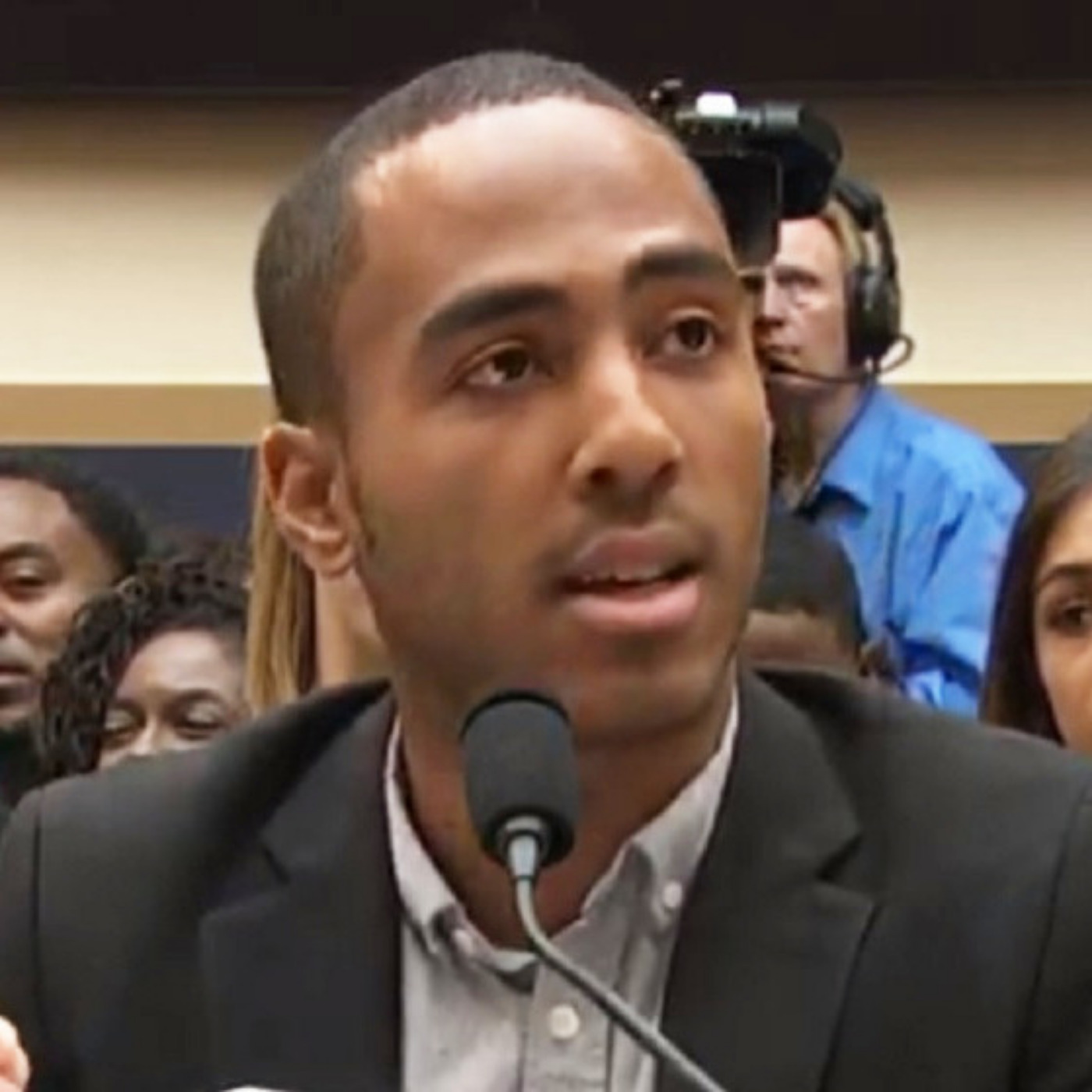
I first crossed paths with Coleman at a conference that previous guest Jonathan Haidt organized on promoting viewpoint diversity in academia. I hosted a breakfast panel discussion. Coleman spoke on a panel later that day. He shared views that sounded reasonable and well-expressed, but I also knew social media mobs attacked him, though not often engaged. You hear about situations like that. I wanted to bring someone on who had weathered such storms.Partly, you've heard me talking more about race. My next book covers race a lot, so I've had to practice developing my voice in an area I've seen people lose their careers. Coleman didn't. On the contrary, he recently spoke to the US Congress on reparations, opposite another well-known writer on similar subjects with different views, Ta-Nehisi Coates.In our conversation you'll hear his experience choosing to publicly take on subjects knowing that internet mobs might attack him, being attacked, withstanding it, and coming out stronger for it. I ask his advice on my considering doing so. Not many people take on these challenges and emerge stronger for it. His experience helped me to follow in his footsteps since then.It's crazy to think of how we live in times that everyone seems to recognize as suppressing open discussion---that is, our time seems like future historians, should we not destroy ourselves, will look at as historic low in terms of open exchange of ideas, understanding, listening.If we do destroy ourselves, our lack of open exchange probably will have contributed to not finding a solution.Coleman Hughes's web page Hosted on Acast. See acast.com/privacy for more information.
Ep 384384: They would rather switch than fight
Here are my notes that I read from for this episode:Play Thomas N. Todd recordingRepeat it, explaining from ad campaignContext was civil rights---that is equal rights for blacks as for whites in the US. I don't know context but I think pointing out that blacks who could fight best---educated, could speak to whites best---instead of helping other blacks would rather be white and not fight for equalityI'm going to approach this concept from three directions applying it to sustainability and stewardship.I've spoken to a lot of people about sustainability and led many through my podcast's 4-step process and have seen them from many backgrounds, levels of awareness, levels of greenness, how much they say people should act.I'm going to share an observation. Personal and casual, not rigorous, so I don't know what biases might influence it, but seems to me that those presenting themselves as the most green and aware don't act. They decline to do the process. If they do it, they don't come up with an activity.They often claim they're doing so much already.They often talk about it moralistically, like they don't want to act like a paragon of virtue or they're already virtuous enough.I don't think they realize they're implying they don't want to do it, that it's hard, that you should against resistance, that they really want to do other things but they have to.I never got so moral about it. I mean, stewardship felt right for me, but I presume everybody does what they consider right all the time. I'm not trying to impose my values on others. I'm trying to help others live by theirs.My main point is that acting in stewardship turns out more fun, easy, rewarding, inexpensive, joyful, connecting to family and community, and so on than our mainstream society implies. Much more, but only experience seems to lead people to understand and live.All these people preaching virtue but not acting set the actual changing of behavior backward. They lead people to want not to act by their word and deed.Actually, there's another group that consistently doesn't act---leadership writers and gurus. Consider Beth Comstock, a leader. She went for avoiding plastic. She failed. Instead of trying to hide it, she shared her experience. She allowed her vulnerability to show. I learned from her. Several leadership people declined to do the exercise, told me how much they are already doing, or told me they're already doing the most they can. These are well-off Americans, among the most polluting in all of human history, claiming they're paragons of virtue.So I'll approach not acting despite thinking you're helping from another standpoint, MLK's Letter from Birmingham Jail."over the past few years I have been gravely disappointed with the white moderate. I have almost reached the regrettable conclusion that the Negro's great stumbling block in his stride toward freedom is not the White Citizen's Counciler or the Ku Klux Klanner, but the white moderate, who is more devoted to "order" than to justice; who prefers a negative peace which is the absence of tension to a positive peace which is the presence of justice; who constantly says: "I agree with you in the goal you seek, but I cannot agree with your methods of direct action"; who paternalistically believes he can set the timetable for another man's freedom; who lives by a mythical concept of time and who constantly advises the Negro to wait for a "more convenient season." Shallow understanding from people of good will is more frustrating than absolute misunderstanding from people of ill will. Lukewarm acceptance is much more bewildering than outright rejection.I had hoped that the white moderate would understand that law and order exist for the purpose of establishing justice and that when they fail in this purpose they become the dangerously structured dams that block the flow of social progress. I had hoped that the white moderate would understand that the present tension in the South is a necessary phase of the transition from an obnoxious negative peace, in which the Negro passively accepted his unjust plight, to a substantive and positive peace, in which all men will respect the dignity and worth of human personality."I feel like MLK faced similar struggles. Moderates who said they agreed with him actually slowed him down.Michael Moss talking about trying to lower screen time for his challenge put it clearly and concisely. When he noticed himself justifying using his phone more, he said "Maybe that was the addiction talking." We like comfort and convenience. We like doing what we're used to, what we know will give us reward when and how we expect. Changing that pattern risks losing the reward we expect, leading us to justify our urge, our craving to resist change.That's the addiction talking.Finally the third approach to people who could lead people to stewardship but in practice lead them to resist changing comes from a peer-reviewed study entitled, "Believing in climate change, but not beh
Ep 383383: Sports, competition, and beating pandemics
Are you fatigued from pandemic defenses like wearing masks and washing your hands? Is your community, like New York City, doing well? Do you feel since we're doing well, we can let up at last?Do you know what happens when competing against an opponent you can beat, but instead of playing to your potential, you play to theirs? You tie them or even lose. The fatigue we feel is mental and emotional, which means under our control. We can choose from among plenty of role models who persevered through harder challenges than wearing masks and washing hands.In this episode I share how I learned not to let up or play to the level of an opponent we could beat. I don't like to lose, especially when the stakes are life and death, all the more when I could cause someone else's death. I hope you share that motivation not to cause suffering to others. Hosted on Acast. See acast.com/privacy for more information.

Ep 382382: Kelly Allan, part 1: Deming 101, community, and beyond
Kelly is experienced in theory, practice, and community of W. Edwards Deming.If you don't know Deming, you'll hear from this conversation, but for context, growing up my top role models were Gandhi, King, and Mandela. As I practiced sustainability, I realized acting in harmony with nature and motivating others to connect with deeper values isn't exactly what they did. New role models emerged: Patton, Eisenhower, and Ali, for example, but they didn't lead people exactly to connect with their values.Then came Deming. He transformed a war-destroyed Japan starting in 1950 after helping win WWII in the US in a way comparable to developing radar or cracking the Nazi's codes for their secret messages. He did it in four years, an attractive time frame to turn around a nation's culture given scientists' warnings that humanity has under ten years to reach zero greenhouse emissions if we hope to avoid processes running out of control from our previously stable equilibrium sustaining life and human society.Kelly has been learning and teaching Deming for decades. This episode may run long, but the conversation made me as enthusiastic, motivated, and optimistic as with any other guest, for the hope and direction Kelly gave. We talk about specific ways to follow up just knowing transformation of a nation without hope in under five years is possible. After we finished recording we already started following up with whom to talk to next.I didn't dream before this conversation that there might already exist a community of organizations and people who have transformed similarly in other areas that would love to transform again that way. I'd thought of finding people and organizations with the biggest demand, biggest potential to change, that I was most connected to, or other ways.I hadn't thought of people or organizations most skilled at systemic change beginning with personal transformation, nor of connecting with someone at the middle of such a community who also loves that kind of experience. Maybe this is the beginning of a big initiative. I suspect I'll learn as much as anyone.Kelly Allan Associates Hosted on Acast. See acast.com/privacy for more information.
Ep 381381: Kevin Edwards Cahill, part 1: The Deming Legacy
Kevin Cahill's grandfather, W. Edwards Deming, changed nations. An emperor awarded him a medal. If you don't know either, listen to the first few minutes when I describe him. Deming has become one of my top role models.He transformed nations in a few years---the time scale that climate scientists say we have, not that climate is our only problem. He shows what one person can do---the opposite of what everyone who doesn't act justifies their inaction with: "What one person does doesn't matter."W. Edwards Deming saw and acted on systems, what many people talk about but not many get. This episode will illuminate them and, I hope, give hope and direction for what we can do.Kevin's TEDx talkThe Deming Institute Hosted on Acast. See acast.com/privacy for more information.
Ep 380380: Matthew Stevenson, part 1: Why Befriend a White Nationalist?
Matthew is friends with the guy who built the white nationalist online community, Stormfront. He is also an observant orthodox Jew. You may have heard about him because the pair made headlines and appeared on the Daily Show and shows like that.Matthew and Derek Black made headlines because Matthew invited Derek to Shabat dinner in college. They became friends. Derek eventually disavowed his earlier beliefs, in large part because of their friendship.In our conversation, Matthew shares his side of the story. Most interviews featured Derek, which will get more ratings, but I find Matthew's initiative in leading by engaging more inspiring, especially for those of us not raised as white nationalists. I compare how the mainstream approaches people they disagree with---"punch a Nazi" or saying the others don't care---with Matthew's approach. I don't think people realize Matthew's effectiveness.I could try to describe it, but Matthew has lived it, in particular in a situation with as diametrically opposed views you can imagine. Rarely do I find myself speechless to add to what the guest said. All I can say is I learned more than I expected and I expected to learn a lot.I expect to listen to this episode many times over the years. I'll keep in touch with Matthew too and bring him back. What I'm trying to work on in leading people I disagree with, he's done for longer with more personal at stake.Matthew on the On Being podcast Hosted on Acast. See acast.com/privacy for more information.

Ep 379379: Dan McPherson, part 1: A Heart Attack Last Week at Age 46
Do you have friends that you talk to once or twice a month---someone you can talk about important things beyond the day to day? Dan is one of those friends for me. The week before recording this conversation he told me he had a massive heart attack. He's 46 years old. I was traveling and could only hear part of the story. What I heard made me reflect all week.The pains, hospitals, and doctors were the exciting, if that's the right word, part. The parts about his son and his views on life got me in the gut. He's gone through life and death experiences before, so he could compare reflections and changes this time to others.The part about the changes he's made since, mostly about diet, made me think about my environmental changes. I asked him if he was willing to share his experience with an audience challenging themselves to change. He said yes. The first two-thirds is a gripping account of a young man facing possibly the end of his life. Then comes the parts where he faces the rest of his life and especially his son.I mentioned after stopping recording how I thought his humor would help people listen. He said, "How else can you treat it?"Since he had faced life-and-death experiences before, he adjusted to live how he wants. That if he knew his life would end soon he wouldn't change anything, tells me any of us can do so now.After recording he said he appreciated the chance to serve. I hope we learn his lesson without facing coin-toss chances of surviving.Leaders Must Lead Hosted on Acast. See acast.com/privacy for more information.
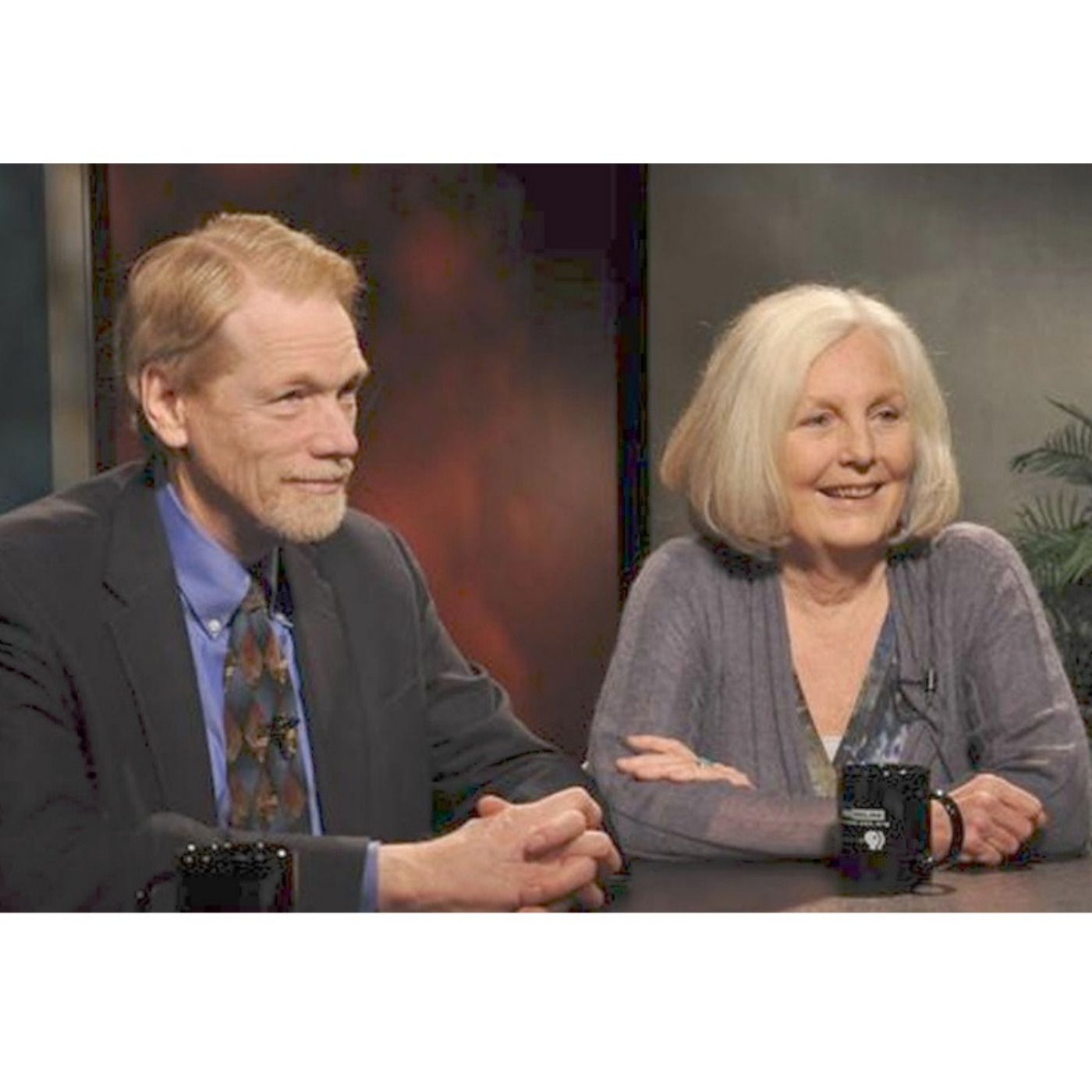
Ep 378378: Libba and Gifford Pinchot III, part 1: Redefining business education
Rarely do you meet someone who created a word that became common. My guests today, Gifford and Libba Pinchot, created the term intrapraneurship. In the world of leadership and entrepreneurship, they created a discipline.After years of activism in the 60s, through entrepreneurship in the 90s, and what attracted me to them most, they started a business school from scratch, the first to offer an MBA in sustainable business. Beyond teaching students, they changed the field, as you'll hear in our conversation.I've worked with a lot of business schools. Today they all have to work on sustainability. As a professor, I can't imagine sustainability and nature not infused into my courses. The Pinchots helped start that trend. In earlier conversations, we talked about them starting a new branch of leadership and the environment, so toward the end of the conversation, we go meta and talk about how to start a podcast.(I hope you listeners consider starting a branch yourselves. It will give you the opportunity to lead a movement. It will also set you up to meet the most important people in a field of your interest and make them feel great. Anyone listening who wants to meet the most valuable people they want and make them feel great about helping create an environmental legacy, contact me and I'll get you started.)Pinchot & Co. Hosted on Acast. See acast.com/privacy for more information.
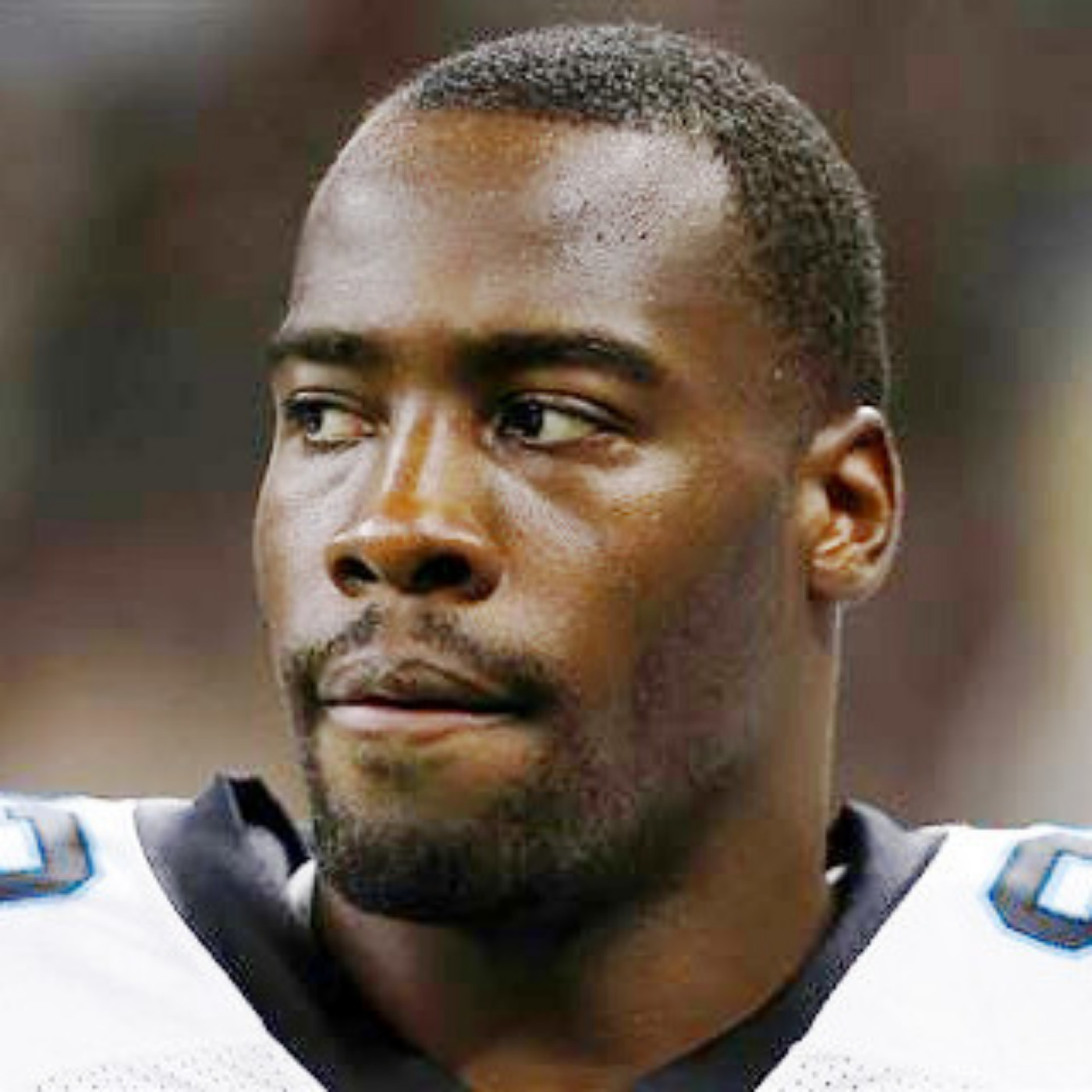
Ep 377377: Chris Manhertz, part 2: Tough times don't last. Tough people do.
Our last episode ended with two subjects either of which I'd love to cover---an NFL tight end picking up other people's garbage and stoicism. We had covered life for a professional team athlete under a pandemic. Then George Floyd and Black Lives Matter eclipsed the pandemic in the media and public discourse.We covered all these topics in this episode, starting with stoicism, which I think set the tone for thoughtful, reflective conversation onimportant but difficult topics.None of my podcasts are scripted, but this was probably my most unscripted. Though it only scratched the surface of sharing personal experiences, hopes, fears, expectations, and other vulnerabilities, it seems the start of what to share. In this case, Chris's thoughtful conversation helped, especially applying stoicism to our situation.On a personal note, as an emerging public figure, if I'm not flattering myself to say so, I've had conversations with friends and family with misunderstandings that got us angry at each other, even if on the way to greater understanding. It's scary to talk about personal things in an environment where people look to interpret things in the worst way.It sure is easier to watch others in public and criticize them.Check out this video showing off Chris's offensive line skills: Chris Manhertz shutting down the league's top pass rushers Hosted on Acast. See acast.com/privacy for more information.
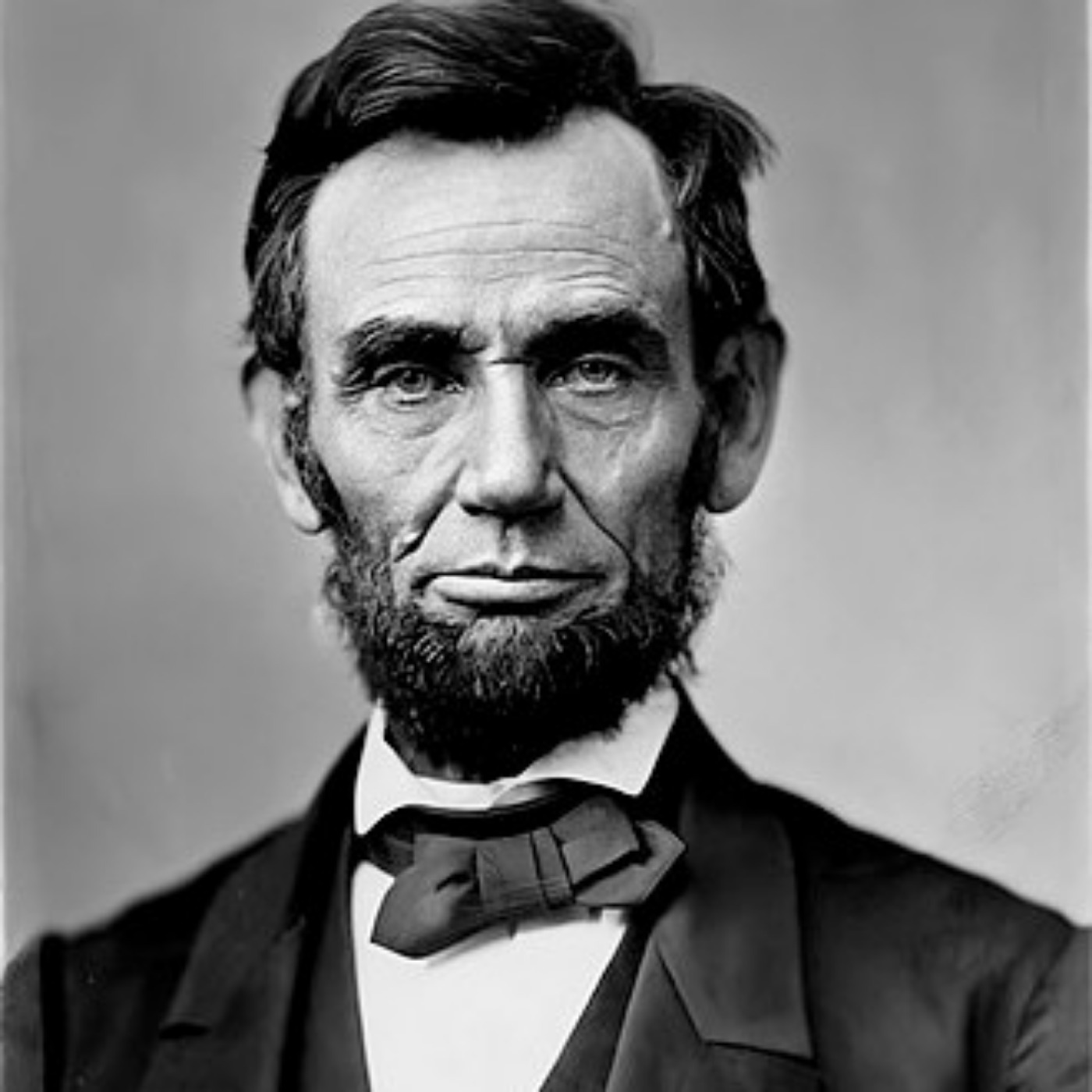
Ep 376376: Abraham Lincoln's Gettysburg Address and Stewardship
I'm continuing my practice of bringing leadership to sustainability, following my bringing speeches and messages by Patton, Frankl, JFK, King, Mandela, Henry V, and others. Today I bring President Abraham Lincoln's Gettysburg address honoring men who fought and died in battle.I hoped to draw parallels to acting in stewardship today but faced two big differences. First, we don't have to risk our lives---the opposite. Living in harmony with nature creates joy, connection, and community. Second, nearly nobody today acts sustainably! Lincoln could speak in honor of people who acted. We can't today because we feel too entitled to flying when and where we want and everything that goes with it.I see Lincoln's address as motivation for us to act, however easy compared to the men at Gettysburg, and earn honor and praise from people around the world today helpless to prevent us hurting them for our comfort and convenience as well as future generations.Acting in stewardship for them to restore and increase Earth's ability to sustain life and human society is our great potential honor. To the extent I've done so, I love it. I'm not alone. We're small in number but growing. I hope you'll join us.Four score and seven years ago our fathers brought forth on this continent, a new nation, conceived in Liberty, and dedicated to the proposition that all men are created equal.Now we are engaged in a great civil war, testing whether that nation, or any nation so conceived and so dedicated, can long endure. We are met on a great battle-field of that war. We have come to dedicate a portion of that field, as a final resting place for those who here gave their lives that that nation might live. It is altogether fitting and proper that we should do this.But, in a larger sense, we can not dedicate—we can not consecrate—we can not hallow—this ground. The brave men, living and dead, who struggled here, have consecrated it, far above our poor power to add or detract. The world will little note, nor long remember what we say here, but it can never forget what they did here. It is for us the living, rather, to be dedicated here to the unfinished work which they who fought here have thus far so nobly advanced. It is rather for us to be here dedicated to the great task remaining before us—that from these honored dead we take increased devotion to that cause for which they gave the last full measure of devotion—that we here highly resolve that these dead shall not have died in vain—that this nation, under God, shall have a new birth of freedom—and that government of the people, by the people, for the people, shall not perish from the earth. Hosted on Acast. See acast.com/privacy for more information.

Ep 375375: Vertical farms belie the false hope of fusion
For years I thought fusion could solve our environmental problems. Serious consideration betrays that false promise, illustrating it would only continue the the pattern creating the problems we're trying to solve.Even if it works, it leads to two results I see as problems. One, it will lead us to keep changing our world away from the environment we evolved in to allow us to thrive and enjoy a bountiful world. Two, it will lead us to keep growing beyond the limits of what it can support, as we have with comparable technological advances. If we ever expect to stop growing, why not do it now, when the stakes are lower? Hosted on Acast. See acast.com/privacy for more information.

Ep 374374: Andreas Larsson, part 1: Leadership and the Environment Sweden
Andreas and I go back five or ten years. He hired me as a coach when he was selling his share of a business he cofounded. He appears in my book Initiative about that experience and what he's done since.I invited him as a guest for two reasons:One, he started the Leadership and the Environment Sweden podcast. I shared with him my vision of working on sustainability in a way to help people become valuable in their communities. I coached him on podcasting. He's still ramping up with only a few guests so far, but you'll hear in this episode his experiences, how shy and introverted he felt before starting, and how much the training led him to enjoy it.Two, he's taken on challenges to act on environmental challenges to where he looks forward to taking on more. He talks about his challenges to avoid plastic, sleeping outdoors once a month, limiting his meat, and the unexpected joy they've brought him. You'll hear how acting changes his perspective from expecting a burden or chore to enjoying the process, from feeling disconnected to learning more about himself. He's starting, so I look forward to bringing him on again after he's reflected more.I hope you'll listen actively, thinking about communities you'd like to bring joy and stewardship to and how strong his fears were thathe's enjoyed getting over. If you'd like to start a Leadership and the Environment offshoot, contact me, let's start training you, and let's start you meeting, befriending, and becoming a peer of the most important people you can think of.Andreas said,You might find it interesting how my no plastic challenge is developing. Yesterday I went to a summer party with my now former colleagues. And I've consumed very little plastic these past few months and I've gotten used to and it feels good to not do that. So when they bring in all the food they've ordered for everyone, all of it packaged in plastic, with plastic forks and plastic cups I feel horrified. I keep seeing the mountains of plastic in India from that documentary you recommended, and the plastic beaches in the Philippines. My rule was no plastic when I buy food in the store but now I think I need to step it up.I can't tell you how heartwarming hearing someone share how my influence helped someone improve his life feels. I'm not sure what you heard, but I heard profound change in many areas---personal leadership, environmental stewardship, meeting people, self-expressionMost of all, I heard deep connection with something powerful through connecting more with nature. I heard him struggling to put into words the feelings propelling him to keep doing more, to look for more motivation even if it means seeing horrifying things, to share withothers.Ledarskap och miljön Sverige (in English Leadership and the Environment Sweden) Hosted on Acast. See acast.com/privacy for more information.
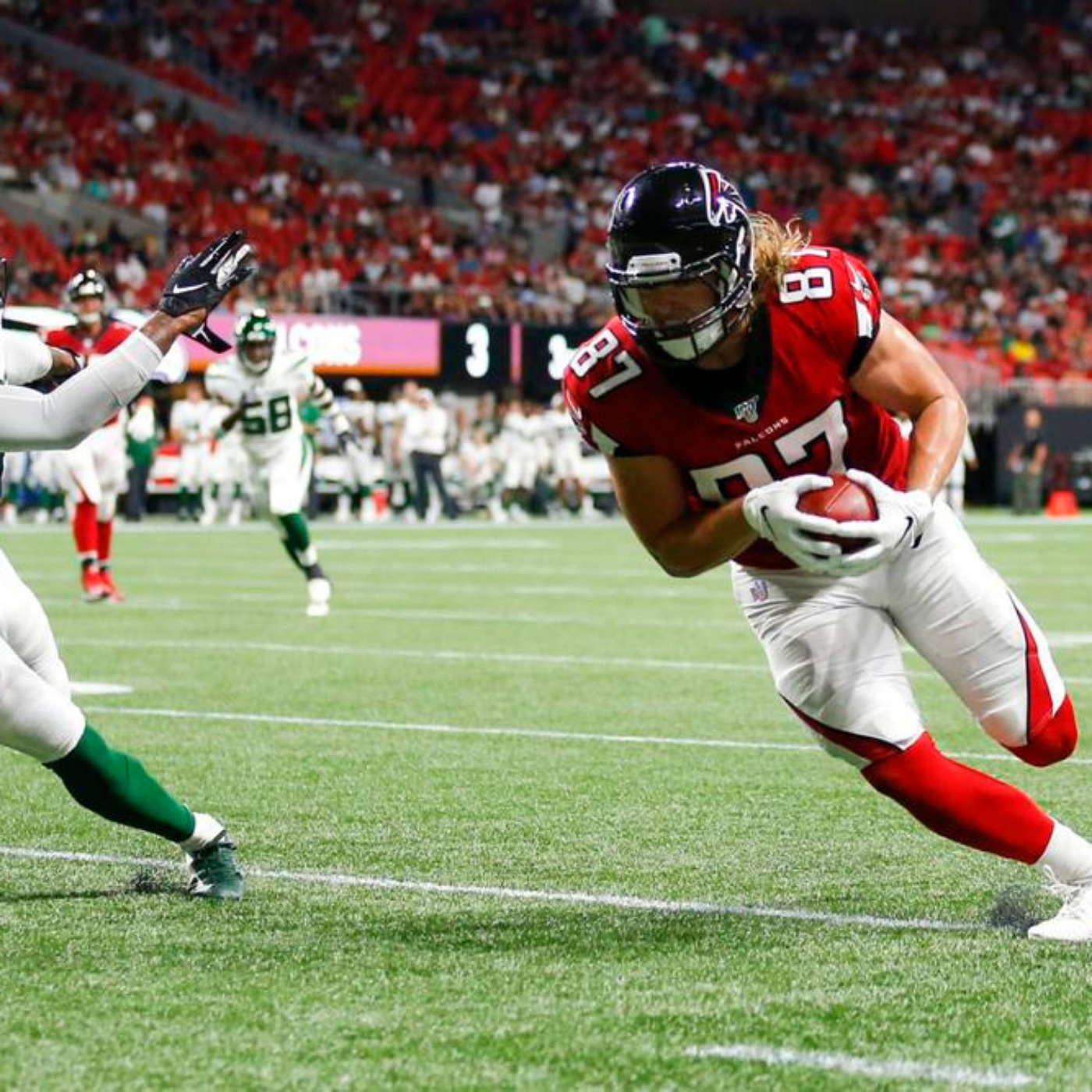
Ep 373373: Jaeden Graham, Atlanta Falcon: Reaching beyond your potential
I love talking with people who strive to reach their potential and beyond, and who elevate people around them---their teammates. People like that exist everywhere, especially in professional sports.Jaeden plays for the Atlanta Falcons. We start by talking about his first touchdown pass, which you have to watch. It's what you'd dream of for a first touchdown pass.Loving sports as I do and hearing about the personal experience, I indulge in asking about that play. He said he was open, but not much. It looked like a mess except that Matt Ryan through it right to him. He got hit but bounced right back, spiked the ball and did a dance.He shares the inside view, what went different than planned and other inside stuff. Then we talk about teamwork, the role of fans, training, giving everything you have.Of course we talk about the pandemic, it being an opportunity beyond surviving, digging deep, finding yourself, and reaching your potential. We also talk about the environment, acting on it, and giving all you have for everyone, how that improves life.I grew up thinking of professional athletes as bad boys, but competition is founded on reaching your potential, giving everything you have, serving your self, your team, your fans, the world. I heard from Jaeden that the level of fun you reach when you try transcends when you just settle for creature comforts or just playing okay.Is applying what he says to environmental stewardship obvious? Relating it as I see it, people ask me why I do so much---picking up litter and so on. Then I listen to athletes, business leaders, political leaders, artists, Nobel Prize winners, and all the people I've spoken to on this podcast and think of how little I'm doing compared to them. I think of how much more I can do.I hope you feel as enthusiastic as I do to find out what more I can do to serve my teammates, which is everyone who needs clean air, land, and water to live---that is, to steward this beautiful world for them.Jaeden's first touchdown Hosted on Acast. See acast.com/privacy for more information.
Ep 372372: JFK, the moon, and missing leadership today
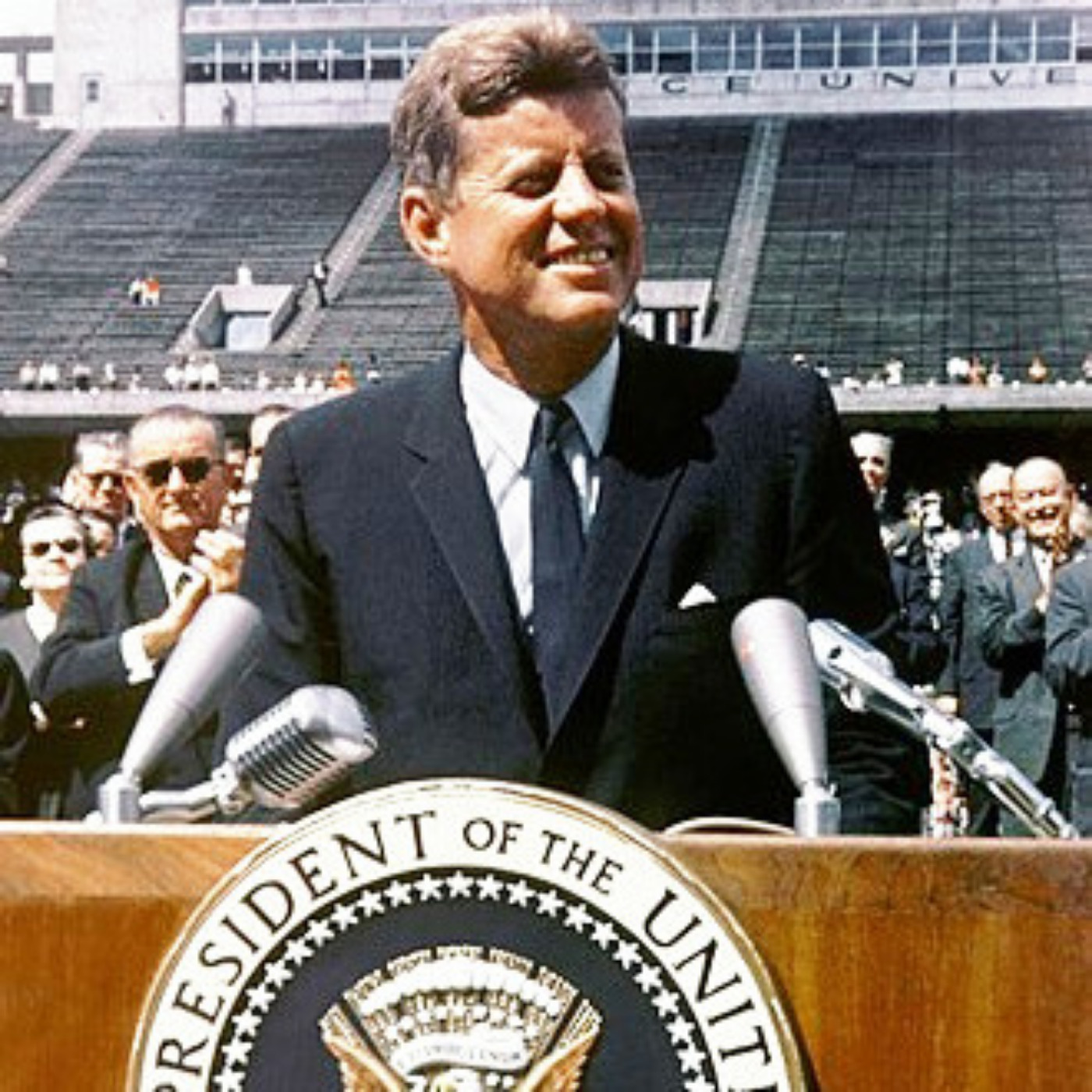
You've heard people calling for moonshots---challenges so great we take them on as a nation. But regarding sustainability we also ask people to do as little as they can, "here's one little thing you can do for the environment."In this episode, I bring you John Kennedy's speech at Rice on the original moonshot, fraught with peril, expensive, asking a lot. He spoke with resolve we lack today everywhere, entitled as our culture has become, but especially in taking responsibility for our actions that affect others helpless to defend themselves from our hurting them. For our mere comfort and convenience. For our waste! America outright wastes forty percent of our food, which we use more fossil fuels than ever to create.I am endeavoring to bring such spirit and leadership to sustainability today.I share my thoughts on our lame attempts to motivate, then read his words, then play the recording of Kennedy himself. Let's do this. Let's restore that spirit. Let's do the hard work of transforming our economy to stewardship, responsibility, and enjoying what we have over looking the other way from pollution and craving what we don't have.The text of the full speechVideo of the speech Hosted on Acast. See acast.com/privacy for more information.

Ep 371371: Margaret Klein Salamon, part 1: Become the Hero Humanity Needs
Margaret is the Executive Director at The Climate Mobilization. Writing Facing the Climate Emergency brought her to me.Her psychology background leads her to approach the climate psychologically, which I appreciate and consider missing. Our internal resistance, fears, and emotions that we don't like facing seem our biggest challenges to act. Of course, more research and education help, but we crossed the threshold of knowing enough to act long ago. We aren't acting not out of ignorance but out of emotion and the skills to manage them.She writes about facing our fears, which leads ultimately to how rewarding acting on so great a challenge feels. People don't get how rewarding acting on our values feels. We both struggled to describe the ineffable emotional and social rewards of stewardship, but I think you'll hear the magnitude of it.I think we both hope you hear from us enough incentive and inspiration to devote yourself to something so huge, even if just to start getting serious. In my experience, the more you act, the more you want to act. You'll wish you started earlier.I don't know how it sounds to others, but exploring apocalyptic possibilities---I believe you'll be glad you explored them, as we do.Close to home, how many books and movies have you come across that eerily accurately foretold the course of this pandemic. If you haven't found any, there are plenty. Many people want to prepare for such outcomes with stockpiles of food, weapons, and bunkers in New Zealand.I prefer to prevent these outcomes. Margaret focuses on action, as do I. Action can prevent some of the greatest suffering. It creates motivation, meaning, and purpose.We can change the trajectory we're on. And we'll love it. Hosted on Acast. See acast.com/privacy for more information.

Ep 370370: Viktor Frankl on the pandemic
Many people are looking to return to something they can call normal since the pandemic undid their earlier normal. In the meantime they struggle.Almost everyone I know knows Viktor Frankl's Man's Search for Meaning. I don't know what they think the book applies to, but it applies to exactly this situation. I'll give the perfectly relevant quote here and elaborate in the episode:We must never forget that we may also find meaning in life even when confronted with a hopeless situation, when facing a fate that cannot be changed. For what then matters is to bear witness to the uniquely human potential at its best, which is to transform a personal tragedy into a triumph, to turn one's predicament into a human achievement.When we are no longer able to change a situation---just think of an incurable disease such as inoperable cancer---we are challenged to change ourselves.Again, in the episode, I'll explain how this quote applies to our situation today, if you don't find it obvious already.The episode refers to my book and three videos that explain step-by-step how to change yourself to turn personal tragedy into triumph.Leadership Step by StepThe Model 1/3The Model 2/3The Model 3/3Actually, two more videos round out that series. The above three frame what to do. The next two explain what to do and how.The Method 1/2The Method 2/2 Hosted on Acast. See acast.com/privacy for more information.
Ep 369369: Another Decision From My Past I Feel Ashamed Of
I shared a story with a client the other day that he found deeply meaningful. I'd never shared it with anyone before because it felt so shameful. Enough time has passed that I can talk about it, so I'm sharing it here, but I still cringe over it. I shared it to clarify a misunderstanding I hear from many people that somehow things I've done were easier for me than for others, like somehow I got more discipline than others without work.When others share stories they say make them feel shameful, it never sounds as serious to me as it seems to to them, so I hope my story doesn't either. I'm not going to write it here so you have to listen to the episode if you want to hear it, but it starts with girls, or rather lack of relationships with them, and ends with huge life decisions in other areas that I would not have made had I been more open. Hosted on Acast. See acast.com/privacy for more information.

Ep 368368: Chester Elton, part 1: Asking and listening across color lines
You're about to hear a conversation post-George Floyd by two leadership writers. Normally we write for mostly business audiences. this conversation felt more personal.Normally when a friend introduces a potential podcast guest, we start by talking each other's work and figure out scheduling. With Chester---maybe given his openness and, I think, mine, as well as the protests raging---we jumped into talking about race and our interactions with people of different color. We spoke for a couple hours about a topic that polite conversation often avoids, let alone makes it the first thing two people meeting for the first time discuss.Those past conversations set the tone for the conversation you're about to hear, also the continued protests, media discussion, and our growing friendship to keep speaking more openly.I posted last week, 2020 in 9 words: “Everybody wants to be heard and nobody is listening.” I think my conversations with Chester helped prompt that insight. By contrast, he listens. I'm trying to learn from him.Do you know of people in authority showing the world that they are listening and making others feel understood? In fairness, can someone with a national voice, with all the protests from different angles, make a group or bunch of groups feel understood? . . . or even feel listened to?When I teach leading groups, I use Martin Luther King's Letter from Birmingham Jail as an example of someone making others feel understood, where his sharing his vulnerability as a father probably made his audience of protesters feel more understood and listened to than the ministers whose letter to the editor he responded to. It's the best historical example I can think of and I don't see renowned leaders following or matching him. Hosted on Acast. See acast.com/privacy for more information.
Ep 367367: The Surprising Mantle of Leadership
Here are the notes I read from for this episode:Stand up comediansGrowing up in 70sI thought everyone would want to lead, to give I Have A Dream speech of their generationFelt so natural, though universalSo until recently felt others could do better, wouldn't want to competeDawning on my almost nobody wants toNobody seems to want to changeI expect they'll be happy to change if they don't have to do workAfter all world has changed. Seems easy to change with itMaybe people are waiting for someone and I can or should be itCrazy for me to think nobody wants itQuestion I've asked lately: Genie Mandela choiceI thought all the people competing to be leadership gurus want to leadOr people competing to reach top of corporate ladder want to leadThey want to manage companies and organizations, maybe lead small groupsBut taking risks, maybe notI'm coming to terms with stepping up, or figuring out what that meansYears ago before starting podcast I thought about taking leadership role, realizing success meant challenging Koch brothers. Scary. I could be attacked. King, Gandhi, and others killed.Realized when opportunity to speak on Washington Mall came up, King probably didn't want to give I Have A Dream Speech. Probably thought, “Can anyone else? I guess I have to do it.”Is it crazy for me to think of taking on role like theirs. Does anyone else want to?Still figuring out how, but deciding to act more assertively. If you see ideas or opportunities I don't, please tell me.In the meantime, I see why I'm unique in finding joy in not flying by choice. Still nearly incomprehensible that people can learn how their behavior hurts others and still prefer to justify and imagine their pollution isn't.Is it so outlandish to try, and take my word that you'll be glad you changed?Is it so crazy to imagine that economists all misunderstand what finite planet means and that growth has to end, so their theories don't apply? Hosted on Acast. See acast.com/privacy for more information.
Ep 366366: The Cops, Jocko Willink, and Joe Rogan
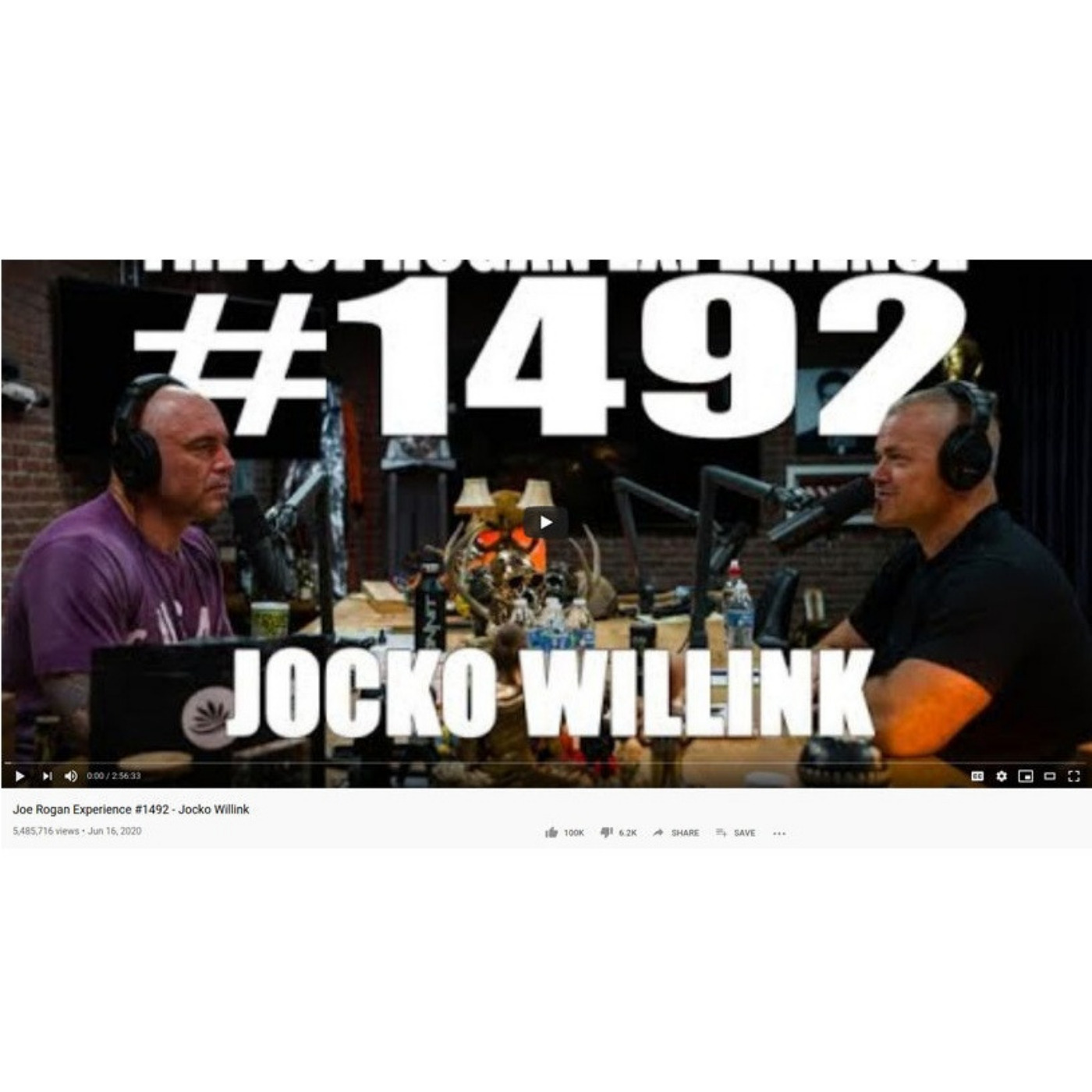
Here are the notes I wrote and read this podcast from:It's no secret the tension between police and protesters in this country. I've talked to a lot of protesters in my day, having protested myself many times, especially in college.In grad school a post-doc once worked as auxiliary policemanRecently listened to Jocko Willink on Joe Rogan's podcast. I won't explain who they are because they're both big public figures and you can look them up.Except Jocko is a former Navy SEAL and Joe hosts the world's top podcast. As a martial artist, he speaks Jocko's language and they both talk about cops and uniformed people.I'm going to play about a minute from their conversation that inspired me.<play clip here>After hearing that part, I walked down 10th Street to the 6th precinct to ask if they did drive-alongs.I'd never heard of such a thing and doubted they did, but I knew if I didn't ask the answer was no, if I called or emailed, the answer would be no. But I'm pretty good in person.What will come of it? I don't know. I mentioned it to a friend and he suggested not bringing ID, maybe bringing a witness. People and cops mistrust each other a lot.I want to make a difference. I at least want to understand.Guy there didn't know (wasn't wearing mask).Didn't know if anyone inside would know but suggested attending monthly community meeting.Started checking community feed. One is coming up.Don't know if it will work, but will try.Maybe a few words about jury duty.Joe Rogan hosts Jocko Willink, full episode #1492 Hosted on Acast. See acast.com/privacy for more information.

365: Assaulted again and scammed
Here are the notes I read from (maybe better just to listen):Yesterday two things, I'll start with second because more poignant.Ran into old friend a few weeks ago, clubbing, Submedia.Met at bar, first time since March, ready to walk away, wasn't going to order doof. But distant, outdoor, nearly empty.Talking for about an hour, a lot on how I transitioned.Talking about TV show.As an aside, he remarked knowing my regular background made stewardship more compelling and interesting than just tree hugger.While talking, some guy starts rooting through trash can on street, throwing trash everywhere. I remark, almost act.Then he starts yelling at us, threatening.Dave, fresh from kickboxing stands and advances toward.Guy points at me! throws bottle, shatters, leaves.Five minutes later comes back, hauls off and throws bottle hard, shatters huge, all eyes are on situation.Dave advances, I back him up. Gut yells at Dave, hard to understand since mostly Spanish, threatening, fists up, mostly at Dave, partly me.Guy crosses street, Dave pursues, guy has lost advantage.Dave crosses street, in guy's face, less threatening physically, but aggressive.Through broken Spanish while still threatening Dave and me becomes clear.He felt we were putting him down for having to eat from trash.Instead of resolving or trying to reach understanding, throws bottles, so still crazy but different, not just malevolent or hurtful, defending.Dave and I walk away feeling compassion, sad that he's in that situation, and sad that his resolution involves assaulting us.Coming back workmen curious, cop asks a few questions.You may have heard that I swam across Hudson River two weeks ago today for first time since 2008, twelve years ago. At nearly 50 years old, sort of risky.Major life achievement. Why am I holding back on posting it? Because I wanted the video. Here's that story.Two years agoLast year, friend commits, backs out for reason he could have known.Invite other friend, he loves it, life goal for him too I knew he was swim instructor, life guard too. Says he'll bring equipment.I say, so I don't need to bring a camera. No, he has one.Before swimming, I interview Joe De Sena and get invited to Vermont.I invite friend, who is overjoyed, another life achievement.He's marketing his coaching, sees huge benefit to webcasting from Spartan Race farm.Joe and I have hit if off, hence the invitation to an invitation-only event, plus as I've shared, my carrying my rowing machine and kettle bell to roof. I offer to introduce him to Spartan community. As long as I'm there, I intend to share friends with friends.We swim across, I'll share in post about swimming.Ferry approaching us, scary. He jokes, good to have white person in facing authority.After we reach shore, I hold on to his swimming equipment so ferry people don't identify him as swimmer they thought breaking lawn Before Friday, he says he can't drive. Family needs car.I feel disappointed, but contact Spartan Up people. We go into overdrive finding someone I can ride with.Many potential options, but only one works. I have to take train to.Connecticut early next morning, but I make sure space for my friend.Turns out he can't make early ride.After we get back I text him how he would have liked it but next time, and ask him about video. No response.Read text trail.Our mutual friend defends him. Says I'm making a big deal about nothing, but sends twenty texts. What's going on?I give up. Confused about what to do as weeks pass that I can't share about life event without explanation.Finally yesterday he emails me. Read email.My read of situation: I didn't bring camera because he said he would create. Never discussed charging.Now I have huge interest in something he has uniquely and holds it ransom, having said he would take care of it so I didn't try, as I wouldhave.So I figure I'll write him and remind, when I offered, it sounded like major life event. I invited as friend. No thought to charge for conceiving or planning, but what price would he consider fair?No thought of introducing him to Joe and Spartan community, happy to help him make that invitation into making him look great to his community.Now, of course, I see I dodged a bullet as if he started nickel and diming them, it would have made me look bad.But no thought of charging him for introduction. On the contrary, put in extra work to make sure he would be welcome and could get a ride.All he had to do was send a link to a file. Instead he holds it ransom for two weeks, maybe indefinitely, and tries to make money off me.Cheap nickel and dime stuff. I don't make money on my blog. I don't know where he's coming from, but taking advantage of my huge demand and scarcity he created, whether intentional or not, deceptively.When I asked him if I said anything offensive, I knew I hadn't. I was giving him an out from behavior anyone I know would feel embarrassed and ashamed to be doing.Race and gender seemed to play roles in these interactions. Would th
Ep 364364: Joe De Sena, part 1: The Spartan Race: Resilience from effort
Joe DeSena founded the Spartan Race and hosts the Spartan Up podcast. For those who know about me and my burpees, cold showers, rowing a marathon, picking up garbage daily, and so on, you can imagine I love what he does.Joe has made it his mission to bring the emotional rewards of joy, service, happiness, resilience, grit, toughness, and all those things to the world by creating a culture and community that works for it. Some people expect tough means suffering, but I hope you'll catch what I found at the root of Joe's message and life, which is emotional and physical growth.I heard fun, connection, playfulness. Physical activity enables these things. It's not the goal. The meaning and purpose behind it and that it creates are. At least that's my read.I happened to catch him while running a two-week program for kids including an event called the Death Race. You'll hear how the kids respond, how parents respond, and how kids in inner cities respond to similar programs.As it happens, after we finished recording the audio, Joe picked up his laptop and started showing me around his team and farm. I hit record in time for him to find Henry, the kid he talked about. We're checking with Henry's parents for permission, to show the video of Henry's first-hand account of that struggle Joe described.We all know that struggle. We can all learn from Henry and his innocence of what most of us have sadly learned, how to make better excuses. I shouldn't say better. Excuses that we believe from ourselves more.Joe does things. Doing things teaches us to do more. We learn to initiate, take responsibility, find the pleasure in doing things, find the disgust and disappointment in watching life pass us by, and waiting for others to do for us.Joe hosting me on his podcast, Spartan Up!Sparta could make history, my podcast episode on how I consider the Spartan Race community poised to lead on sustainability maybe more than any organization I've come acrossMore tired than in years, my reflections on my blog of my weekend on Joe's Vermont farm Hosted on Acast. See acast.com/privacy for more information.
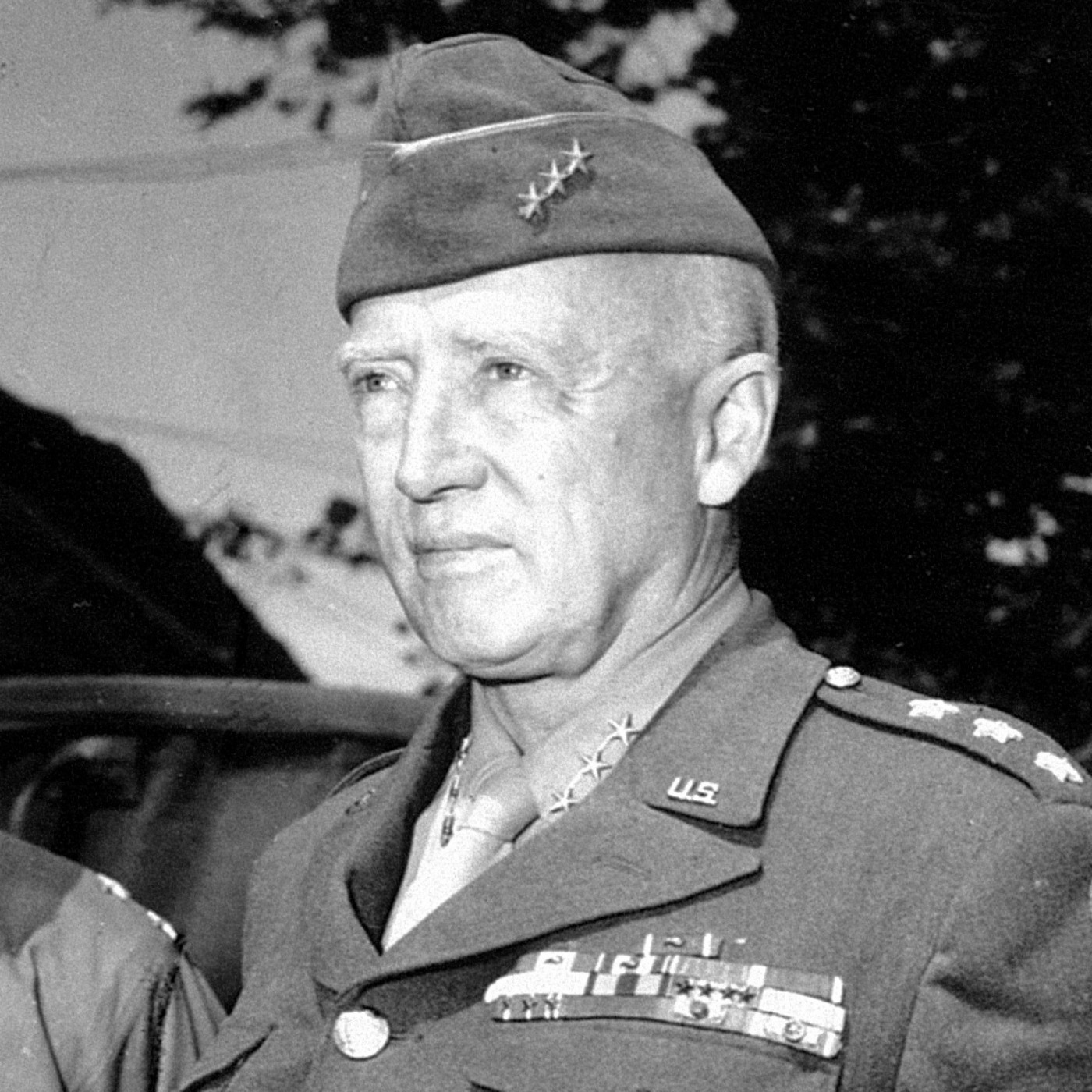
Ep 363363: General George Patton's Speech to the Third Army
Here are the notes I read from for this episode.Following pattern of effective speeches and leadership to lead people to love doing things not obviously personally benefiting.If you've seen movie Patton, George C Scott delivers a shorter, cleaner, but better acted version.Compare what he's asking his men to do with what it takes to pollute lessWhat is required of us in environmental stewardship is almost nothing in comparison.I'll read it, but translate while I'm reading it. The language is obviously of the time and would cause him to be canceled today except that he helped defeat Rommel and Hitler and save the free world from the Nazis taking over, which probably even the most offended person would value.Some parallels:Germans - pollution, so when he talks of attacking Germans, think of reducing pollution. He leads his men to love attacking Nazis.Could you love reducing pollution? You won't risk your life.Fighting - reducing consumption, but less riskyGoing home - living without thinking about stewardshipLearning to fight - training to pollute less. Nobody can start perfect. Every little thing you do trains you to do moreBrave - active, acting with integritySurrendering - acting for yourself ignoring how your pollution hurts others, especially those helpless to defend themselves.What's the same: the emotions that hold you back, the training that overcomes the fear, the reward in the moment of the physical challenge, and the reward after of satisfaction.Different: zero risk to your health. On the contrary, improvement. The risk comes if you don't ask.Okay, enough explanation. Time for the speech. I'll let you translate in your mind to motivate yourself to help your country, family, world,and self.Listen through to the end, because the last analogy is what motivated those men most, I believe, and it applies to us as much as to any human.We are free in part because of them. Can we honor their defending us from Hitler by doing some tiny fraction of what they did?Wikipedia:George S. Patton's speech to the Third Army, which includes the text of the speechGeorge Patton Hosted on Acast. See acast.com/privacy for more information.
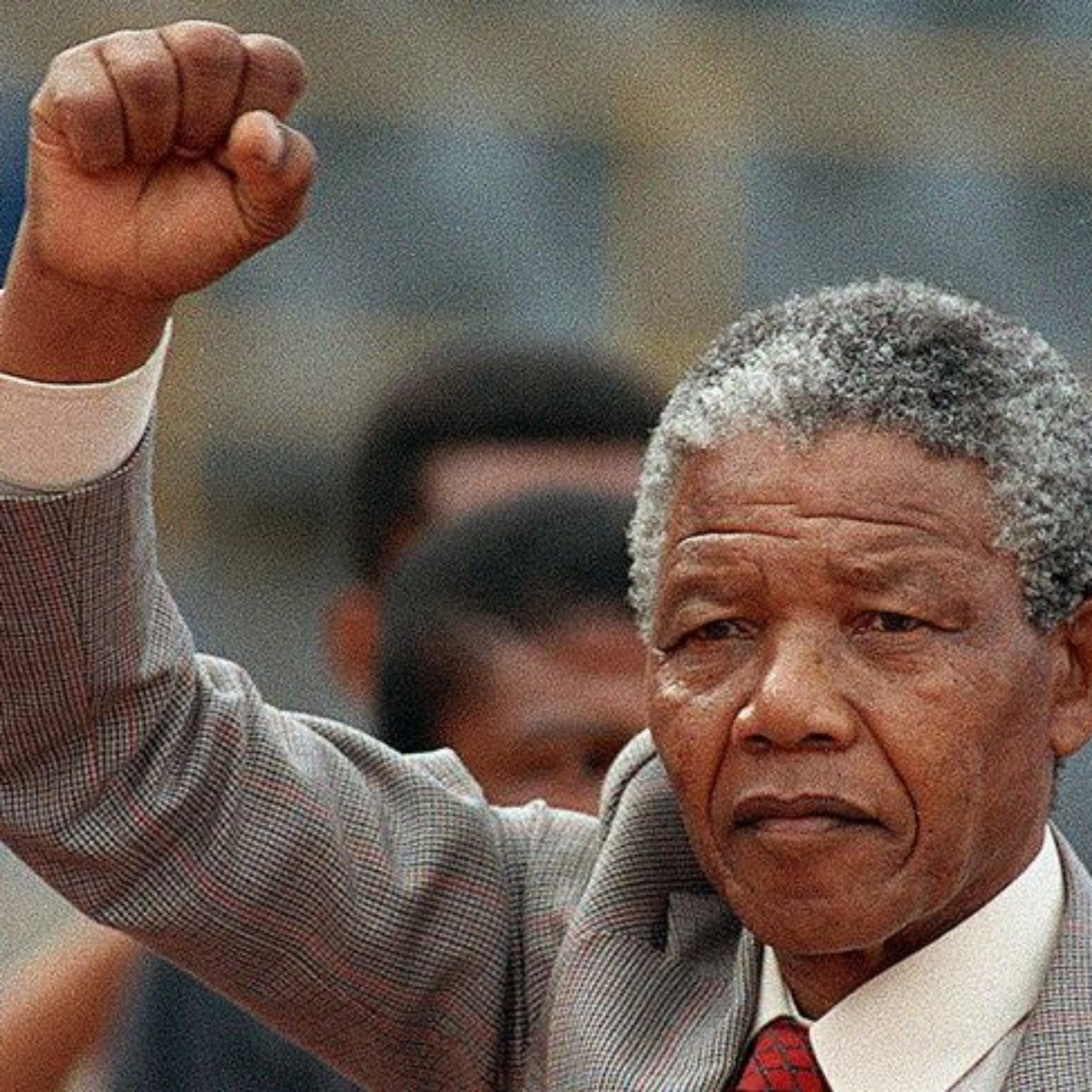
Ep 362362: Nelson Mandela: "it is an ideal for which I am prepared to die."
The actions we can take to preserve the environment are so simple anyone can do them. They improve our lives, connecting us to each other, freeing us from distraction of craving and separation.Role models help. Nelson Mandela worked harder and faced risks greater than any of us need to---if we even face any, since eating more fruits and vegetables and spending time with people close to us improve our lives.I bring to you the closing words of his speech at the close of his trial that led to the Apartheid government imprisoning him for 27 years:I have dedicated my life to this struggle of the African people. I have fought against white domination, and I have fought against black domination. I have cherished the ideal of a democratic and free society in which all people will live together in harmony and with equal opportunities. It is an ideal for which I hope to live for and to see realized. But, My Lord, if it needs to be, it is an ideal for which I am prepared to die.The closing words of the speech in videoWikipedia:I am prepared to dieNelson Mandela Hosted on Acast. See acast.com/privacy for more information.
Ep 361361: George Chmiel, part 1: Why run 3,000 miles? Why challenge yourself?
George and I talked about three big topicsGeorge Floyd demonstrations and riots from the view of a man watching his businesses and his communities' businesses vandalized and destroyed. You'll also hear him reflect as a man who dismissed Colin Kaepernick---in his view disrespecting the flag.Why did he have that view? For supporting veterans, especially veteran suicide, through incredible runs---ultramarathons, 100-mile-plus runs, and longer. The more he ran for others, the more rewarding it became, to where he ran across the country through injury.We talked about finding your limits, serving others, and how much each helps your life.My key takeaway: that he got more out of his challenges than he put into them, for serving others. He explained better than I why I act on leadership and the environment, probably because he's done so much moreTell me if what he says doesn't make you feel that whatever you're doing, no matter how much people tell you it won't make a difference or is more than you have to, that you want to do more. A few years of not flying and avoiding eating unhealthy products that end up not tasting good anyway feel so small, partly because I can do so much more, but because I've barely scratched the surface of what I could get back.George said what I've tried to but haven't succeeded in doing---communicating how much serving others brings to your life, expanding it, filling it with joy, community, connection, and emotions at the pinnacle of what humans experience.I didn't want to say it to him, but knowing that he'll find more than he expects from acting on his environmental values, I bet he'll end up doing a lot more.While some might think it could detract from his supporting veterans, I predict it will augment it. Hosted on Acast. See acast.com/privacy for more information.

Ep 360360: Sparta could make history
Here are the notes I read from on recounting the potential I saw for the Spartan Race community and its founder, Joe De Sena, if they chose to prioritize environmental stewardship. Context: Joe: carries chain up 1,000-foot hill, brings others with him, invites people to climb hill for 24 hours, leads to Spartan Run.Brings people up to carry boulders up steep hill, which they pay to do.Community: Integrity, personal motivation, fun, supportiveTasks: Learn about yourself, great joy, striving, constantly improving They understand the mental and physical side, learning, growing, deeper satisfaction and reward than cookies and ice cream.Got me to go to Vermont and run up and down hill seven times.Environment: abysmal: trash, doof, little fruits and vegetables, bottles, ignoring well water, no natural fibersTexts from kidsBut huge potential. 7 million members. They know you have to go through uncertainty, pain, struggle, mostly self-doubt, your mind telling you reasons to stop, working through them.I've spoken with world-class leaders. Joe and his community see what to do and have lived doing it in other areas.Competitors included blind, one foot, 61-year-old, black, white, hispanic, carrying 100-pound load, loads of kids.I proposed one trash bag per event that all have to use and only fillone, maybe one recycling container, but keep it empty too.No single-rider cars. Joe said needed big fine. Given their integrity, Iproposed internal motivation. After speaking I thought instead give them cash and time off their finishing time so the'll go on record as having beaten people they didn't deserve to.If Joe and his team act on my ideas, could become first main community to lead. They'll enjoy the process -- eating healthier, saving money, carpooling -- they'll enjoy discovering nature too.Everything they get now in mind and body, they'll re-create in theirrelationship with nature. Hosted on Acast. See acast.com/privacy for more information.
Ep 359359: Jaime Casap, part 1: Google's Global Education Evangelist
“Don’t ask kids what they want to be when they grow up. Ask them what problem they want to solve.”Jaime explains what his title of Google's "Education Evangelist" means, how he got it, and how it results in him advancing education globally. We talk about education when student-driven, how that paradigm differs from what nearly all schools now do. Also how it is everywhere in life.He gives an insider's view of Google, how it reacted and transitioned from the pandemic, physically on the inside of its buildings.The most exciting part of the conversation comes at the end, when our conflicting views on the environment, the future, and technology build to a crescendo of disagreement, but also curiosity, but not checkmating each other.It's difficult to stop a conversation in the middle, so sorry you'll have to wait for our next conversation, but we've scheduled it.Disagreement happens any time two people's values differ, which means between any two people. I loved that we knew points of disagreement but instead of trying to defeat each other, we learned.I talk to a lot of people with similar views to what he expressed, but my experience so far has been that they are closed to other views. I suspect they see that resistance in me, I can't tell. With Jaime I felt we were looking for understanding the other's view, which I value. Hosted on Acast. See acast.com/privacy for more information.