This Sustainable Life
866 episodes — Page 8 of 18
Ep 508508: Eric Orts, part 2: To the U.S. Senate, living the values he leads
Since Eric's last time here, he formally declared he is running for office. Now he's reporting back months into his campaign.Did Trump not being in office slow him down? Or did our environmental problems motivate him even more?How about his commitment to avoid flying? Surely he gave it up to campaign, right? Or did he? Whichever way he went on that commitment, the decision must have been difficult, so we'll get to hear about his values.We talked about half about running for office, the challenge of choosing, consulting with people from President Biden to his wife, raising funds, handling his job as a tenured professor, considering travel across a large state and to Washington DC, and more.This podcast was one of Eric's first public statements of considering to run. Now he returns to share the experience, with an election looming.Eric's campaign page, including his policies and many videos Hosted on Acast. See acast.com/privacy for more information.
Ep 507507: Behind the Mic: Teamwork Versus Leadership
Today's episode explores a subtle but potentially meaningful and large shift, considering focusing on sustainability teamwork more than sustainability leadership.The main difference is that I think people feel taking a leadership role makes them vulnerable and means lots of work. Joining a team is fun. If enough people join it feels natural and odd not to.You're hearing me develop an idea in real time.Here are the notes I read from:Switch to team?Leadership stick neck outSports, business, military, music, drama, family, indigenous tribes, small communitiesPlaying Beethoven: no one but everyoneEveryone matters, bench player, fans, home court advantageImprov exerciseEveryone can join team. Not to messes it up for everyone. Imagine fan blocking. Some can lead, many leadership roles: coach, outstanding player, biggest fanInternet search: nothing relevantKicks in tribalismCompetition two meanings: winning versus finding and reaching their potentialOpponent is the old values and complacencyDifference between parent and babysitterChamber quartet with tuba or clown horn is SUVLinks I referred to:Teamwork will elevate us to victoryMichael CarlinoThe Two Meanings of Competition Hosted on Acast. See acast.com/privacy for more information.

Ep 506506: I lost $10 million on September 11, 2001. Here is what I learned from those who sacrificed and served.
Sorry for the slow pace of this episode, but just before recording I looked at the firehouse across the street from my apartment, the small plaque naming the firemen who died trying to help others, and the flowers people put there for them, which led me to lose it as I started recording.I've never considered the changes to my life meaningful in comparison, despite my losses being greater than anyone I know who didn't die or was related to someone who died for the obvious reason that no material loss compares. Not even close.But twenty years later, it occurs to me that not communicating about the loss and what I learned from it doesn't help either, because when faced with a huge material loss---I lost about ten million dollars and the future I'd sacrificed other dreams for---we can choose to give up or we can choose to find our values and live by them, if not the fleeting material stuff.In this episode I share what I live for, what in part I learned from the firefighters who served that day, the servicemembers who enlisted for years to come, as well as from others who lost. We can prevent far greater losses than September 11, than the Holocaust, than the Atlantic slave trade in conserving and protecting our environment.I choose to devote my life to the greatest cause of our time, in helping the most number of people from the greatest amount of suffering of any time.If you'd like to help, we who choose to serve, could use your help. But we don't have to enter towering infernos. We eat vegetables instead of takeout, live closer to family instead of flying to and from them, have one child, and learn to lead others to enjoy the same. Contact me if you'd like to join. Hosted on Acast. See acast.com/privacy for more information.
Ep 505505: Michael Carlino, part 1: From the Southern Baptist Theological Seminary
Michael begins by describing himself as a Protestant evangelical conservative PhD candidate at one of the largest and oldest Baptist seminaries, what that description means, and what experience and choices brought him there. These experiences were meaningful and his choices deliberate and considered.We talk about scripture, family, faith, hope, the environment, modern culture, sin, gluttony, and more. In my experience people who work on the environment disengage or oppose conservative religious views. My experience in engaging with them keeps making me want to learn more about their views. Some I expect and know, others surprise me.Michael also asks about my views and why I choose as I do around sustainability and stewardship. His question are basic ones I think people would like to know, but slightly different than I'm used to hearing. He then interprets them from a Christian perspective, which I can learn from. Hosted on Acast. See acast.com/privacy for more information.

Ep 504504: Dar-Lon Chang, part 2: Activists on Exxon's Board (and fighting a real estate developer who lied about sustainability)
Reading front-page headlines about activist investors gaining some control of Exxon's Board of Directors reminded me of past guest Dar-Lon Chang, who worked at Exxon for sixteen years. I asked if he had inside information on it.He told me he did, which he shared. He also shared his personal experience living in a community striving to live sustainably in Colorado. Living more sustainably is why he left Exxon. Now a real estate developer is undoing their work after apparently lying about his intent to honor the community's interests.You'll feel outrage, though also, I hope, motivation, that he and his neighbors aren't just accepting gas lines being fed to houses in this community. They're fighting back. Hosted on Acast. See acast.com/privacy for more information.
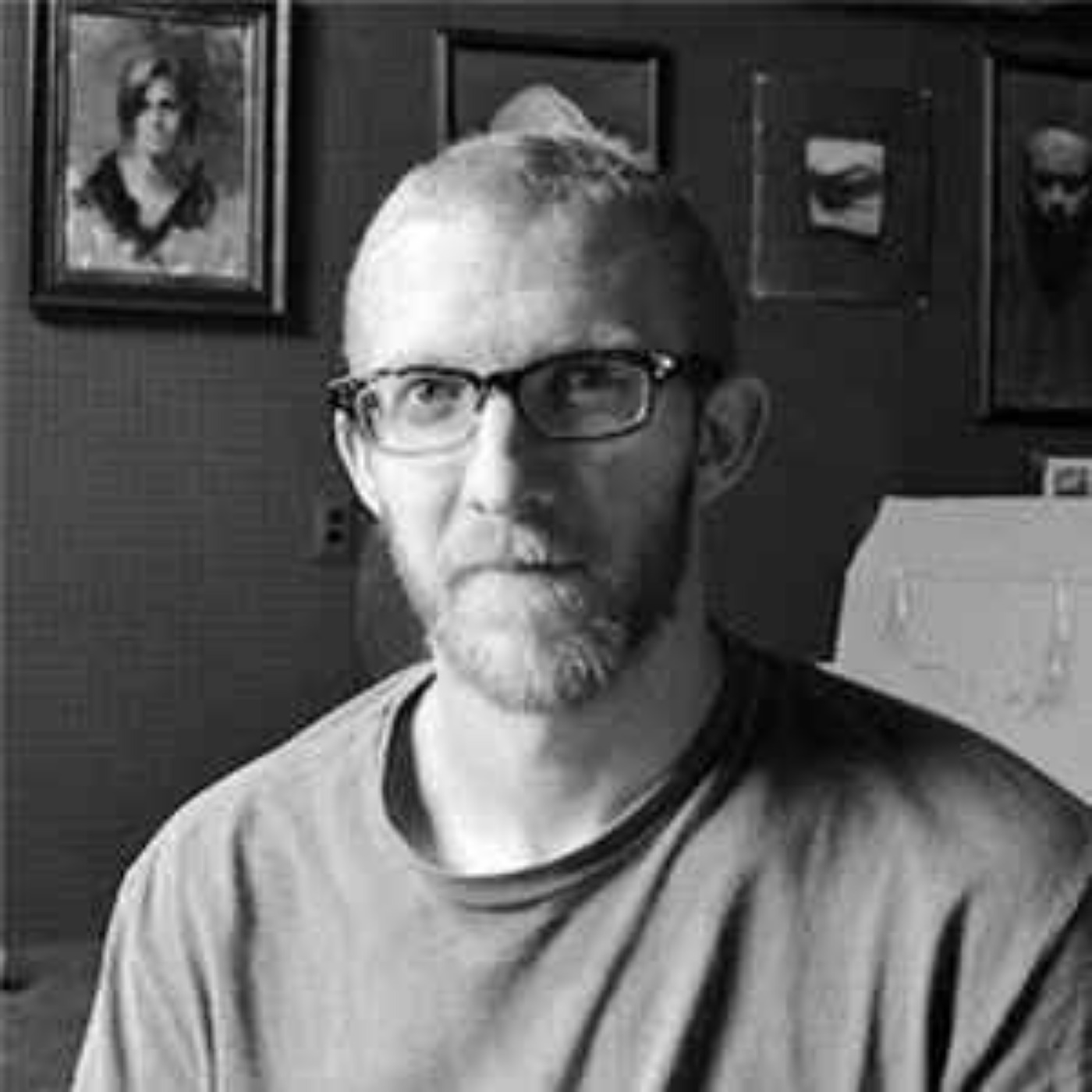
Ep 503503: Jonathan Hardesty, part 5: Facing and overcoming gluttony
I hope you hear Jonathan and I sharing a great rapport---on art, stewardship, Christianity, and enjoying life.If you've reached this conversation, you know what we're covering in this episode: his results doing the Spodek Method, partly doing it, partly learning how to do it.He's an artist and family man. He started picking up trash, which naturally became a family activity and point of personal growth. He then did more. Why? Because he enjoys acting on his values. We all do.I also describe the Spodek Method for you, the listener, so you can do it too, and bring joy or other rewarding, intrinsic motivations to people in your life. Hosted on Acast. See acast.com/privacy for more information.
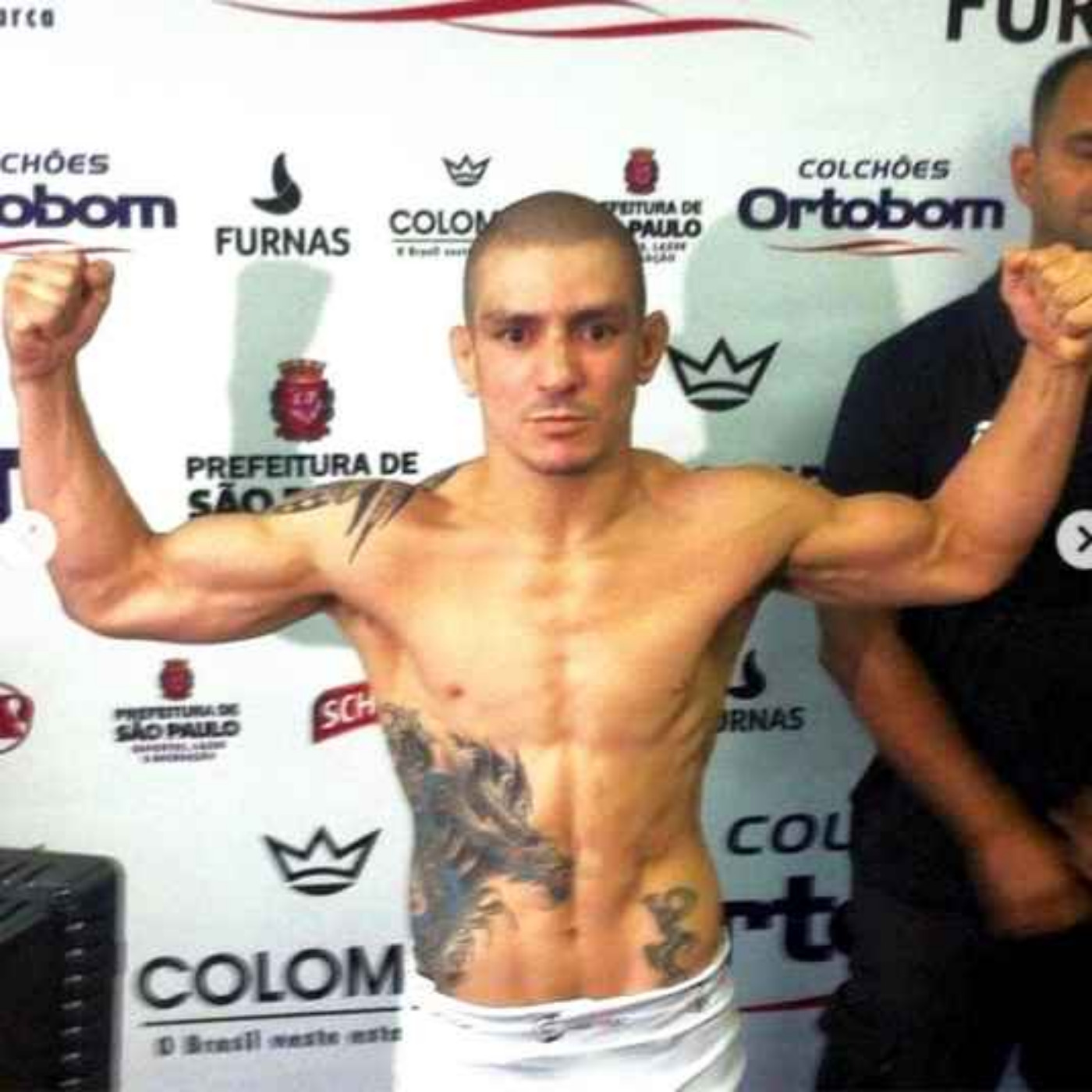
Ep 502502: Cassiano Laureano, part 1: The world record for most burpees in an hour
When I read about Cassiano setting the world record for most burpees in an hour--951---I knew I had to meet him.Though I've maxed out at a mere 370 in a day, I did most of them in under three hours. Still dramatically slower than Cassiano, but I've kept my streak unbroken for about ten years.I had to learn his motivation, his obstacles, how he overcame the obstacles, his training, how the event felt, and all of what goes into setting that record. He wasn't doing it for the money and even the motivation to raise funds for his niece's health wouldn't necessarily keep him motivated.He shares his motivation, perspective, beliefs, and how he handled injury. Anyone can challenge themselves as much to live by their values.Then you'll hear his environmental values stemming from growing up poor in Brazil, coming to America and struggling, then making it here. How he acts on his values is so simple, affordable, and rewarding, anyone can do it. I predict hearing him will make his actions sound attractive. I recommend listening and emulating.I can't wait to hear how his commitment goes and I bet you won't be able to either. Hosted on Acast. See acast.com/privacy for more information.
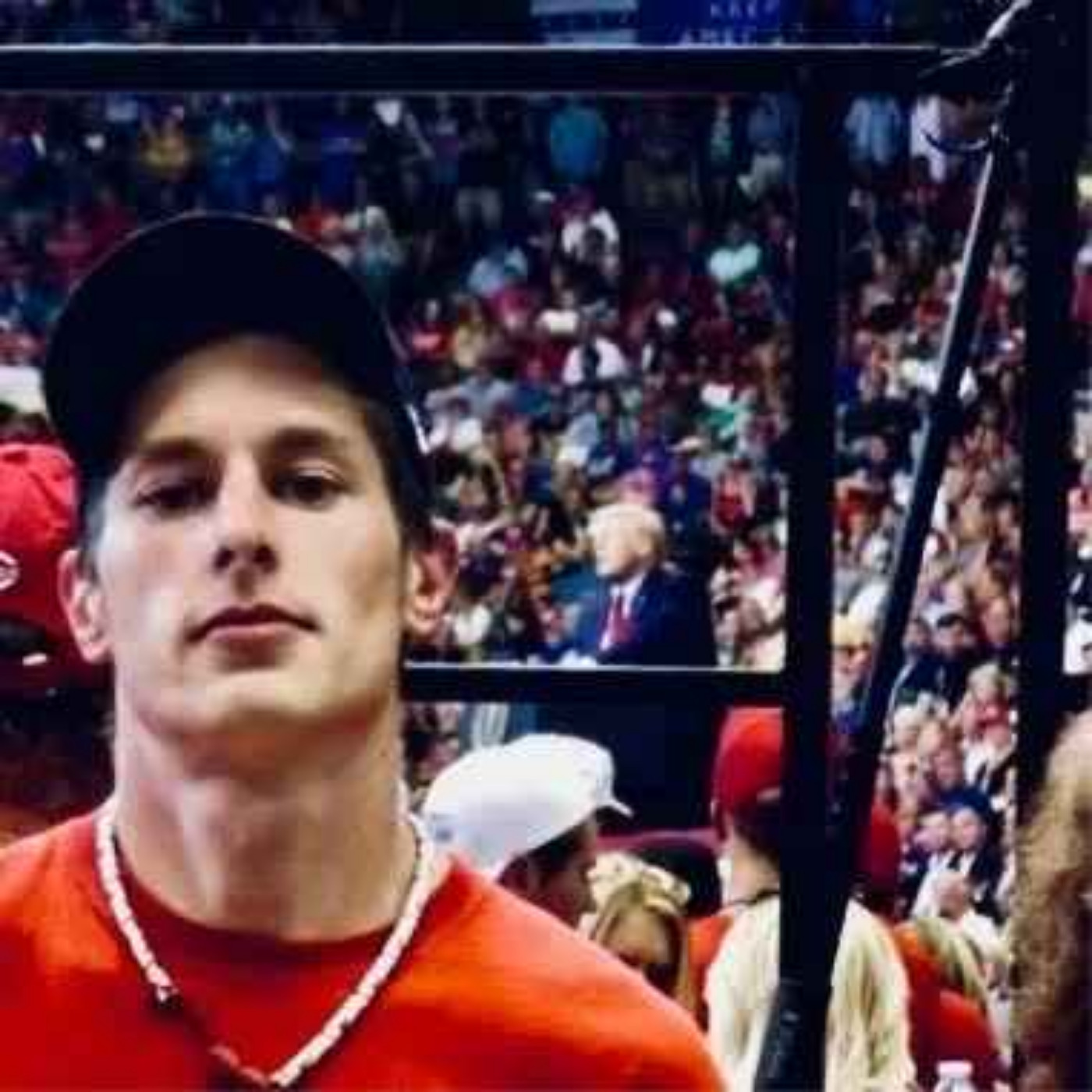
Ep 501501: Big City Andrew, part 2: Cleaning small towns and big cities
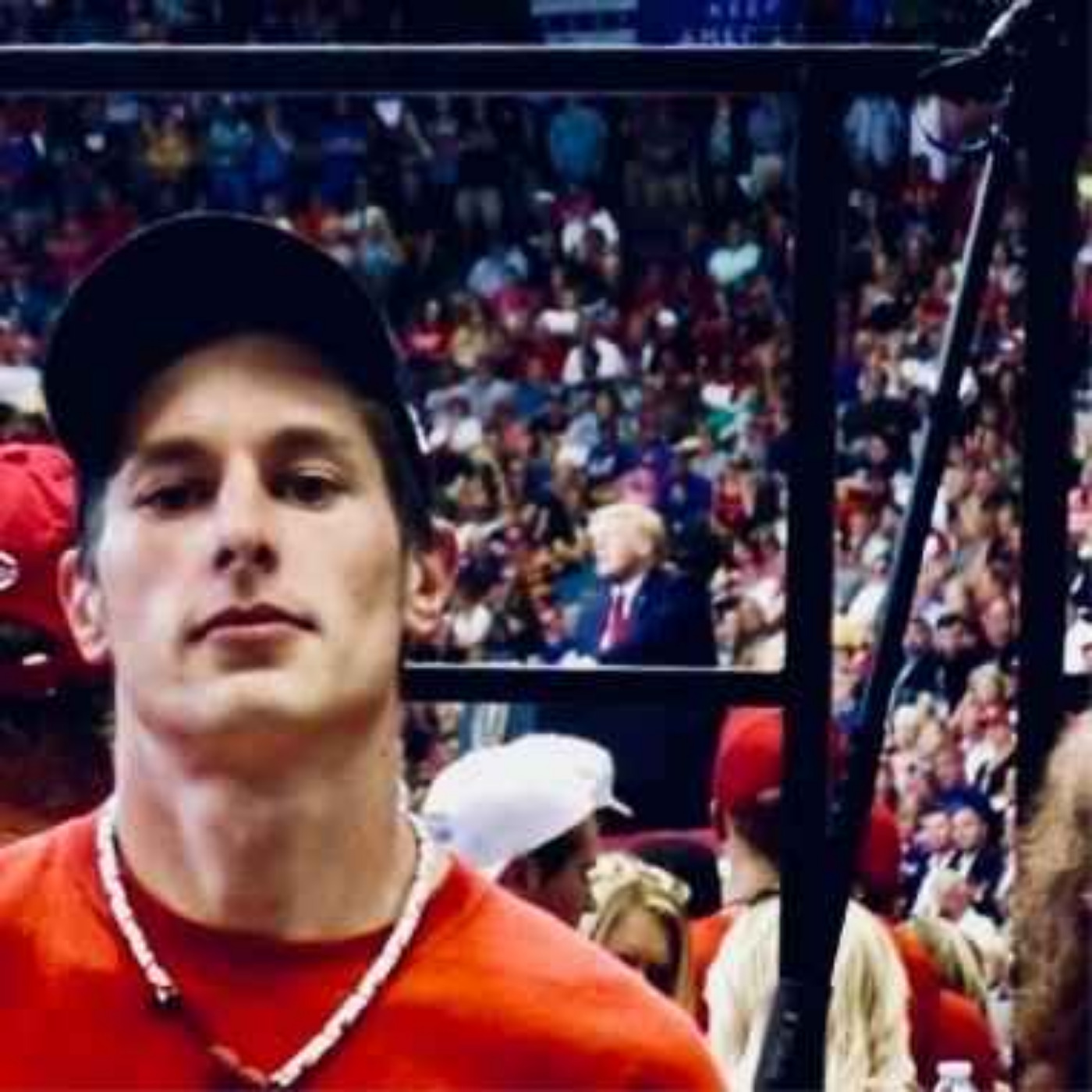
Sorry the audio doesn't show the big Trump flag behind Andrew, because in this episode, I hear a regular guy who sees America's small towns and big cities becoming polluted and acts. Not that Trump supporters aren't regular people, but that I see the mainstream environmental view of Trump supporters as the enemy, people who don't get it, or won't.I think it takes two to tango in cases like this. If you paint people as enemies who can't get it, I don't see how you can expect them to listen to you. If you only speak in terms of your values, I don't think people with different values will feel understood or want to listen to you.Meanwhile, I find that all people have intrinsic motivation to act on the environment. Connect with people on their terms and they'll engage, including American conservatives on sustainability and the environment.Andrew, as you'll hear, for example, acts on his own motivation to recycle. He likes it and finds it easy enough that his action gets his girlfriend in on the project. That is, he leads her. He doesn't try to convince her. He does something he likes and she joins in. He shares how he feels more people should do it.We also talk about politics and how to engage conservatives more. It's not that hard.Sometimes I feel I'm almost the only person who can see liberals and conservatives both increasing America's stewardship and sustainability. Everyone agrees on traffic laws, for example, like not to cross double yellow lines. I'm working to get sustainability to a similar place. After Dark with Rob and AndrewMy latest guest appearance on After Dark: Space The Final FrontierMy videos of the trash in my neighborhood Hosted on Acast. See acast.com/privacy for more information.

Ep 500500: This Podcast's Next Milestone
For the 500th episode, I share the outcome I expect to make happen from all this podcast experience as part of my mission to change culture to embrace, not refrain from or fear, sustainability and stewardship.I describe how I will lead people at leverage points of systems to share their intrinsic motivation, act on it, and lead their organizations to huge changes for their intrinsic motivations.When our culture changes, we will act because we want to, not because we have to. Then we will be off to the races to change.Episode 000 Hosted on Acast. See acast.com/privacy for more information.
Ep 499499: What sets limits on pollution, part 2: some answers
The notes I read from for this episode:I asked many questions on the last episode. The core ones were “why aren’t we switching to renewables and not polluting faster?” I know we can’t switch overnight, but what sets the pace? Do we know if the limits will go away, like we just need to build more factories, or maybe they won’t, like what led us to retract from supersonic flight? It worked in some ways, but not enough. A mix of social, business, engineering, and physics issues pulled us back.How much farther can advances go? Can we expect as great advances as the 747 compared to the Wright brothers’ first plane? How much of the solar power hitting the Earth can we effectively use?I point you to a paper called Pulling Back The Curtain On The Energy Transition Tale, which I link to in the notes. It’s not peer-reviewed, but shares all its sources. It looks at the limitations of renewable energy sources. What does it take to build solar and wind farms? How many do we have to build? How many can we? Things like that. I recommend reading it. I’ll share some highlights, or lowlights.To start off, most, about 80 percent of energy comes fossil fuels directly, like heating iron to make steel. Some processes can use electrical power but not all. They cite sources that generating that 20 percent of electrical power would cost $11 trillion for solar cells, just a small part of over $250 trillion, though it would have to be in the desert since we couldn’t transmit it far from there. We’d need to grow the grid 14 times faster than we are to do it by 2050.[EDIT: They published a peer-reviewed version of the paper: Through the Eye of a Needle: An Eco-Heterodox Perspective on the Renewable Energy Transition, by Megan K. Seibert and William E. Rees]That’s still not covering fossil fuel things like heating and container ships. We’d have to build solar and wind farms 3 to 4 times faster than ever every years until 2050. Since they last 15 to 25 years, once finished, we’d have to replace them all.Making the solar cells and windmills requires steel, cement, concrete, and other materials that require temperatures we so far only get from fossil fuels, so we’d have to keep burning them to create the would-be sustainable renewables, but they aren’t sustainable if they require fossil fuels in perpetuity. They also emit greenhouse gases. The paper goes into more detail about alternatives like biogas that don’t work for other reasons. For one thing, land we use to grow fuel we aren’t growing food with, but we’re projected to need all that food.Building solar panels requires fossil fuel-burning temperatures. The processes produce toxic by-products and other greenhouse gases besides CO2. They require some rare minerals that may run out and so far have often led to human rights abuses in mining them.Since they operate a few decades, disposing of them may lead them to be 10 percent of electronic waste. Recycling materials so far use techniques that expose people to toxic waste.Batteries and other storage require hundreds of times more capacity than we have. “The world’s largest battery manufacturing facility—Tesla’s $5 billion Gigafactory in Nevada—could store only three minutes’ worth of annual U.S. electricity demand in its entire year of production. Fabricating a quantity of batteries that could store even two days’ worth of U.S. electricity demand would require 1,000 years of Gigafactory production.”The paper goes into more detail about limitations of batteries and other storage worth reading. Any number of its points might be enough to derail renewables.“Large cranes (used to load and unload cargo, in large construction projects, in mining operations, and more), container and other large ships, airplanes, and medium and heavy duty trucks” may never be able to run on batteries or anything other than fossil fuels.Wind turbines require magnets that require rare earth metals whose mining produces toxic and radioactive waste. The blades are fiberglass that can’t be recycled or reused. Making the towers requires fossil fuels to make the steel and power the large vehicles to transport them. Installing the towers requires heavy trucks and machinery that batteries can’t power to dig deep and manufacture the materials. Plus they use a lot of cement and concrete, which emit a lot of greenhouse gases.Technology may overcome some of these problems, but remember, these technologies were supposed to solve the problems of past technologies, which were supposed to handle the problems of technologies before them. The paper doesn’t say it, but each solution seems to require more work than all the ones it replaces. Why should we expect this round to be the last when each before only enlarged the problems? Every indication suggests more problems to come with all the waste to manage, manufacture that doesn’t go away, and raw materials we’ll keep needing, destroying the environment and creating deadly working conditions.The paper then goes into hydropower, fis
Ep 498498: What sets the limits on pollution? Why don't we pollute less or decrease faster?
My notes I read from:Why do we still pollute, part 1: the questionsDoes the following sound familiar?We use a lot of energy, but we’ll electrify everything and power them with wind and solar.Yes, we need to build a lot, but prices are cheaper than ever for renewable power and batteries. They fell faster than anyone expected and will keep falling. More solar energy hits the Earth daily than we need in a year.There are some problems, like that the sun doesn’t always shine, the wind doesn’t always blow, and we haven’t electrified some things, like heavy loaded trucks, airplanes, and container ships, but they’re just engineering issues that we’ll resolve.Nobody at the time of the Wright brothers could have predicted the 747. People a decade ago didn’t predict prices and capacity for renewables and batteries falling so fast.A world where we live like today just without carbon emissions is around the corner. All we have to do is wait, maybe fund some research.Those ideas sound enticing and compelling. Why was everyone so gloomy?What actually are the limits and why? The prices are lower but why not lower still? Is there a lower limit or do you believe it will drop to zero? Why aren’t we building more solar and wind farms? Why aren’t we damming more rivers? Why haven’t we electrified planes, boats, and for that matter more cars? If electric cars are better, why do people still buy internal combustion engine ones?Something is setting those limits. What? Do batteries and electric vehicles only require we build more factories, in which case it’s only a matter of time, or are there limits that we can’t overcome? Maybe some we can overcome and some we can’t. If so, it matters which.Also, I’ve written in my blog that humans have historically responded to new sources of power by using the old one and the new one. Our environmental problems aren’t too little power but too much pollution, just supplying new power doesn’t mean we stop using fossil fuels. Headlines keep touting record using of renewables, but the meaningful measure is how much we’re reducing pollution. We can easily keep building renewables and never stop burning coal and oil even if we can substitute.Why aren’t we closing coal plants? Why do we keep using jet fuels for jets?It’s tempting to believe that somewhere near the source of power supplies there are a few people or companies that are gearing up to supply what we need. Maybe they’re going as fast as they can. They’re just waiting for supplies or a few key technological developments.You probably realize it’s not as simple as that. There are markets and market forces driving development and things get implemented as they can. When market forces drive some development, they do, but not all things respond to market development. For example, people knew about problems with pollution and the greenhouse effect for generations but didn’t act. Why now? Are there things that market forces can’t resolve or won’t address? You probably know about the Tragedy of the Commons, Jevons Paradoxes, and Rebound Effects, which are systems effects where markets produce the opposite goals people expect or desire. How significant are they?Briefly, the tragedy of the commons occurs when private citizens benefit from using a resource that can be depleted but the public loses, for example overfishing the oceans, depleting aquifers, and polluting the atmosphere. Jevons Paradox is that when you make a technology more efficient, you decrease the pollution in each use, but by making it cheaper, more people use it more and for more things, so you may increase the total pollution. Rebound Effects are more broadly when our attempts to decrease pollution end up creating more, which might include replacing some business travel with video conferences, but then traveling for other reasons anyway, or traveling more for vacation with the time or money saved, resulting in more flights.There are other effects too. Prices are supposed to cause markets to allocate resources, but in some cases they don’t. Fish that become scarce sometimes see higher prices, promoting fishing more scarce fish. Fishing technology makes fishing deeper and more aggressively cheaper, so the market sees more fish even though the ocean has fewer, to the point where fish find each other slower so reproduce slower.What if these effects mean our solutions create problems greater than our problems?If we don’t change our systems, these systems effects may overwhelm us. They’re easy to ignore, but what if they dominate our situation? What if our air becomes unbreathable? About ten million people a year die from breathing—a number greater than the six million Jews killed in the Holocaust and near estimates of how many people died in the Atlantic Slave Trade, over years and centuries. Pollution is killing that many per year, a number which is increasing, and we can’t stop that polluted air from dispersing all over the globe. If we keep increasing that pollution, might all of Ear
Ep 497497: Don't let judgment and criticism kill action: Gernot Wagner's personal example.
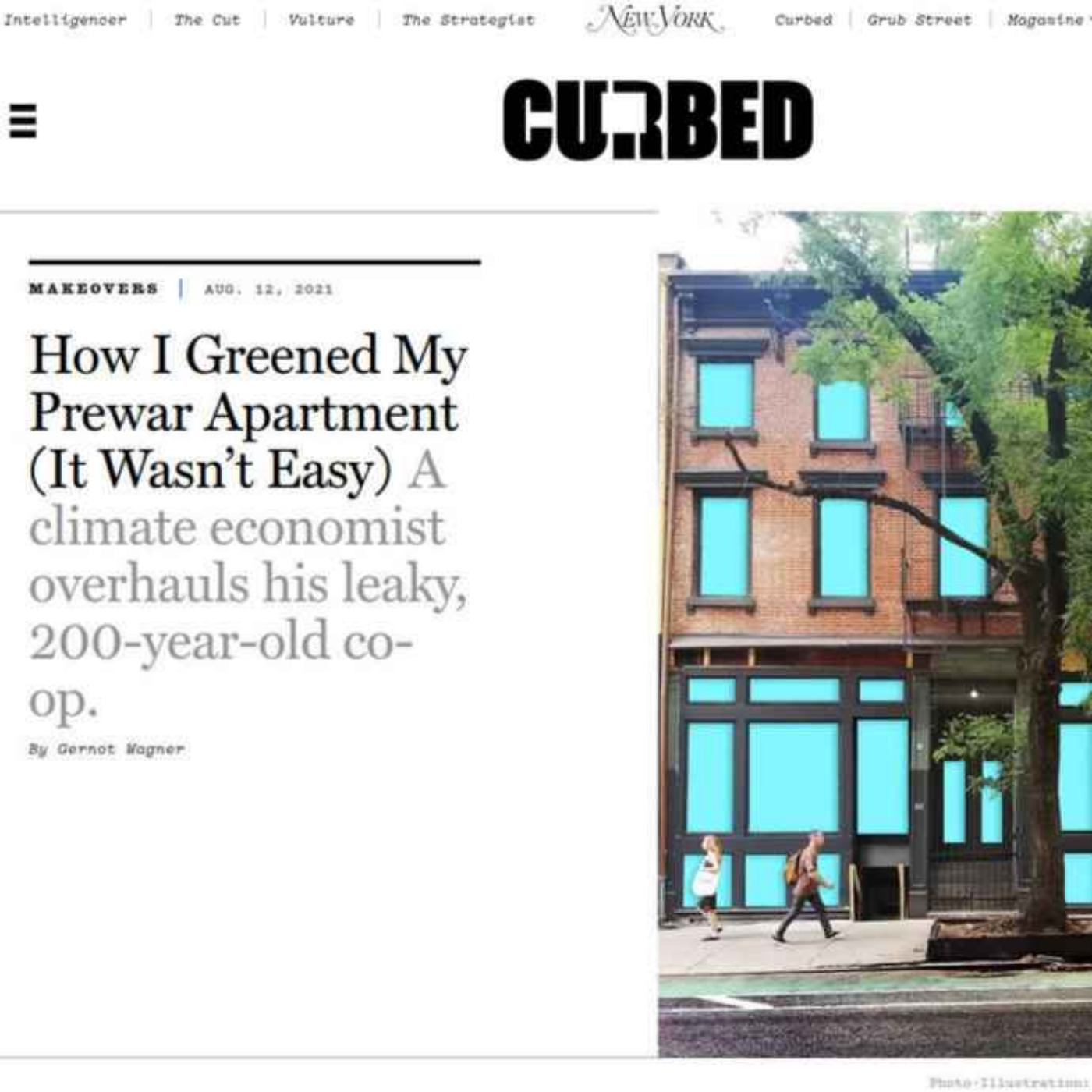
Gernot Wagner posted a story in New York Magazine about personally acting in a big way on his living situation.People criticized his sharing something vulnerable. Sadly, people acting in stewardship, in everyone's interest, still today have to suffer criticism. I describe in this episode his article, the criticism he faced (as did I), and the systemic effect of this criticism.Quoting from my book, I'll show how strongly blind criticism exacerbates inaction and accelerates polluting. Beyond annoying, it augments the problems.Gernot's article: How I Greened My Prewar Apartment (It Wasn’t Easy): A climate economist overhauls his leaky, 200-year-old co-op.His home pageThe video of Dennis Meadows' hula hoop demonstration Hosted on Acast. See acast.com/privacy for more information.

Ep 496496: Reverend Doctor Ambrose Carroll, Sr., part 1: Greening the Church
I met Ambrose through recent guest Scott Hardin-Nieri. Regular listeners likely noticed how I've been hosting more guests leading religious communities. I'm drawn by a few things. One of the main reasons is that I find many who want to speak and act more on sustainability.Another is that I find that when they act, they do so out of motivations and emotions that feel closer to mine than mainstream environmentalists. I admit my perception may be biased, but from religious actors, I feel joy, glory, duty, and passion. From environmentalists, I feel less rewarding emotions. I find Thomas Clarkson and William Wilberforce more inspiring than hugging trees.Ambrose is taking on leading the intersection of two demographic groups many wrote off or consider uninterested, actively apathetic, or even anti-interested in environmental stewardship---blacks and Christians. He doesn't find them uninterested. On the contrary, he is organizing and supporting increasing numbers of sub-communities.I believe evangelicals and conservatives have the potential to lead stewardship in the United States. I believe they are held back by people not connecting with them on their values, which seems crazy because they, like everyone, values clean air, land, and water. I think people don't listen to them, which makes leading them difficult to impossible.In this episode, Ambrose shares trends he sees, work he's doing, and his results working in black religious communities.Green the Church Hosted on Acast. See acast.com/privacy for more information.
Ep 495495: Alexis Stewart, part 1: Martha's daughter's passion for picking up litter
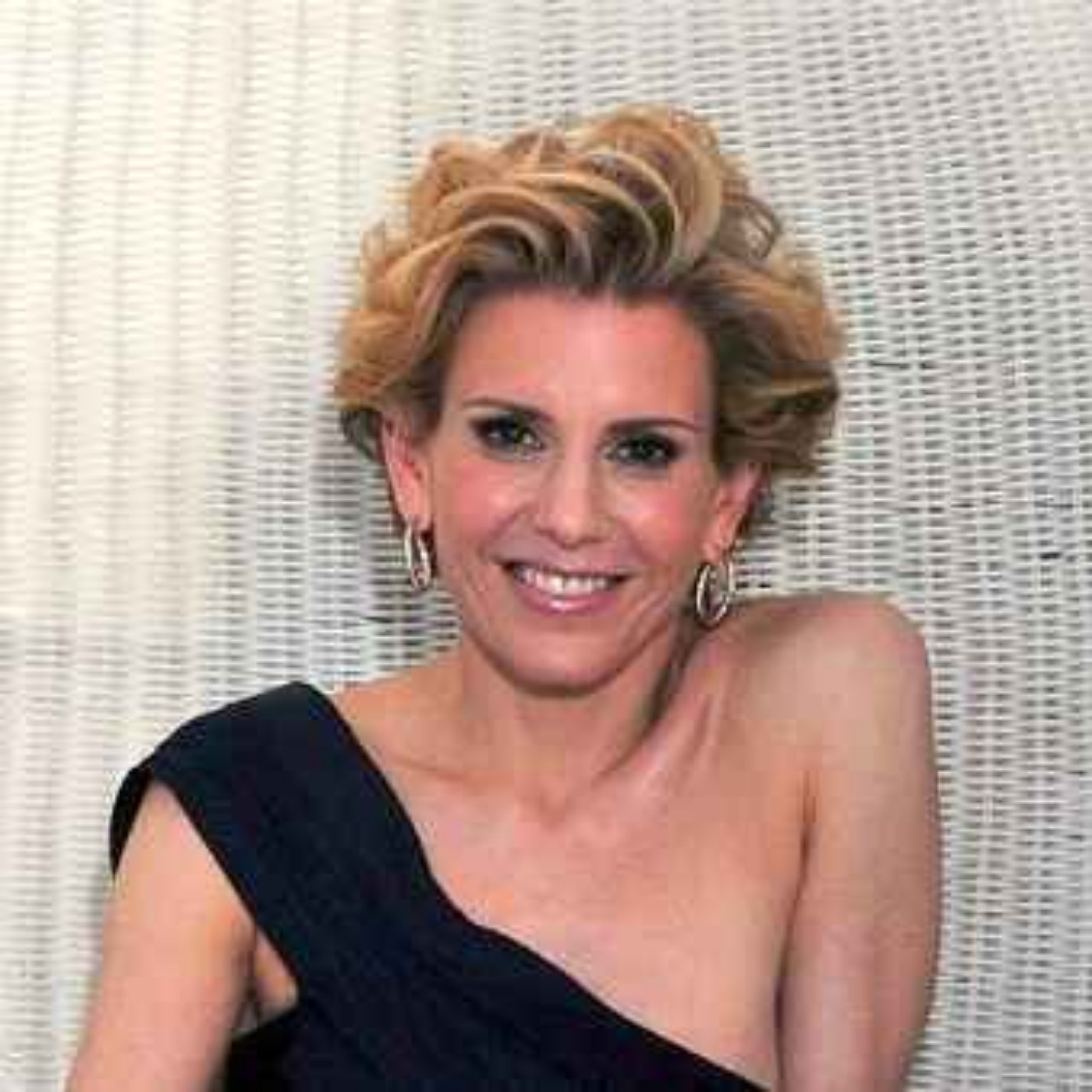
For my first time in years of picking up litter, I saw a woman picking some up methodically, like she does it regularly. I told her I did too and we had a great conversation. Someone who does something enough knows the ins and outs. We talk differently than people who don't do it.We had a wonderful conversation that day, shortly after parade-goers wrecked Washington Square Park. We lamented the state of human culture that we pollute so much. We also appreciated each other's passion for picking up litter methodically, consistently, and finding reward in it.She turned out to be Martha Stewart's daughter, which seems like American royalty, but we just riffed on our common passion. Whether her humor, our common passion, or something else kept the conversation flowing, we talked for a while. We recorded this podcast conversation at her home a couple days later, my first in-person episode in over a year.We discuss many facets of picking up litter how only seasoned practitioners can, knowing the details, with mutual appreciation.I hope you hear our passions, joys, and connections over picking up litter.How do you think Martha Stewart's daughter would handle bottles of urine?How would she involve the rest of the family?Listen and find out. Hosted on Acast. See acast.com/privacy for more information.
Ep 494494: How Is Addiction to Fossil Fuels Different From Addiction to Heroin and Crack?
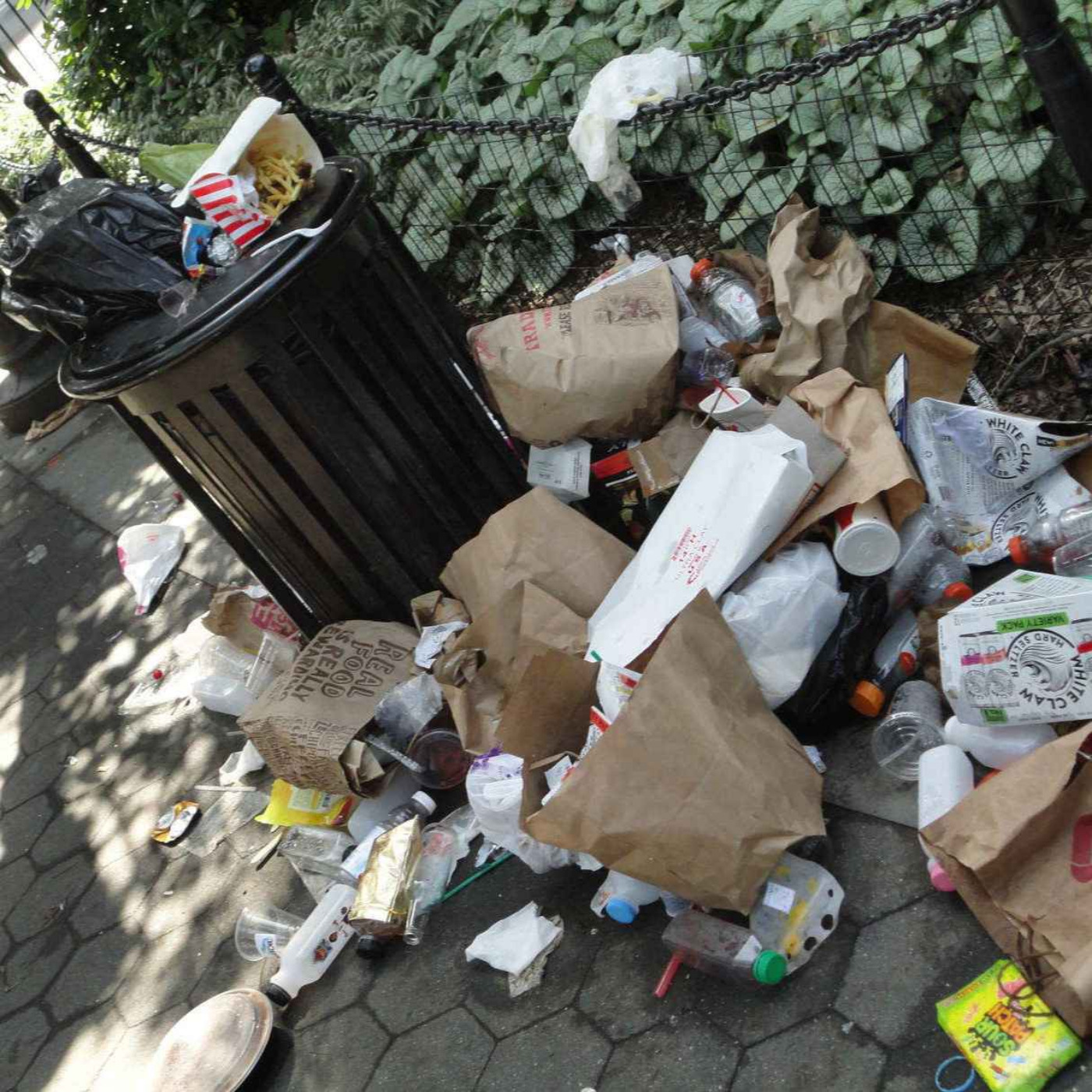
Below are the notes I introduced this episode with. If you want to see the park, I posted two videos here. Prepare to be disgusted, maybe even shocked.You'll hear me talking about my local park, one of the most drug-ridden in New York CityBecause it's my back yard and I refuse to retreat from the degradation, you'll hear my passion. This was all extemporaneous, so you can tell the time I spend in my neighborhood, talking to neighbors and politicians to help.But please translate in your mind the addicts giving up and trashing common land to all of us as addicts to a/c, flying, twenty-minute showers, SUVs, meat, big families, and so on. At 80 percent overweight and obese, we're addicted to refined sugar and fat.I mention in the recording how the crack and heroin's pollution is small compared to rich people's, but I want to start you off with that perspective, since I'm illustrating our culture and all of our behavior that's not helping anyone as our health, longevity, abundance, and stability are decreasing, not increasing.I'm talking about us. If you think heroin and crack users who see no future actually do have futures if they overcome their addictions then you know you can too.Your excuses that you have to for work or family are as specious and self-serving as theirs.Please listen to this episode thinking of us as the addict.You'll hear potential solutions. You can live them yourself. You can live without flying, meat, long showers, more than one child, and so on.When you do you can lead others. Addicts need role models to see they can switch. I hope you believe how I had to transition from being just like you if you think you can't live without flying or whatever. Hosted on Acast. See acast.com/privacy for more information.

Ep 493493: Sarah Wilson: Living Joyfully Sustainably (more fun than excuses)
Strolling, not scrolling!Sarah acts sustainably and loves it. She shares that love. I loved this conversation, a relief from everyone making stewardship a burden and chore. She knows the science but leads with emotion based on experience.The conversation was half love-fest of common experience, half sharing our frustration at people not acting for reasons we don't get anymore since they don't realize how fun living in harmony with nature and people is.We shared about being called extreme, which feels crazy to two people who are just having fun. Who ever heard of someone enjoying life, nature, and people too much?We lamented feeling misunderstood of not having fun.We shared our confusion about people not acting since for us it's fun. We aren't really confused since we were there too, but we have to work to get back to a state of not wanting to act in stewardship.We shared embracing nature.We lamented society's disconnection from nature.We're annoyed that people who think they care keep pushing work instead of joy, technology instead of simplicity and connection.Enjoy two people sharing joy living sustainably doing all we can to bring everyone else to experience that joy.Sarah's page Hosted on Acast. See acast.com/privacy for more information.
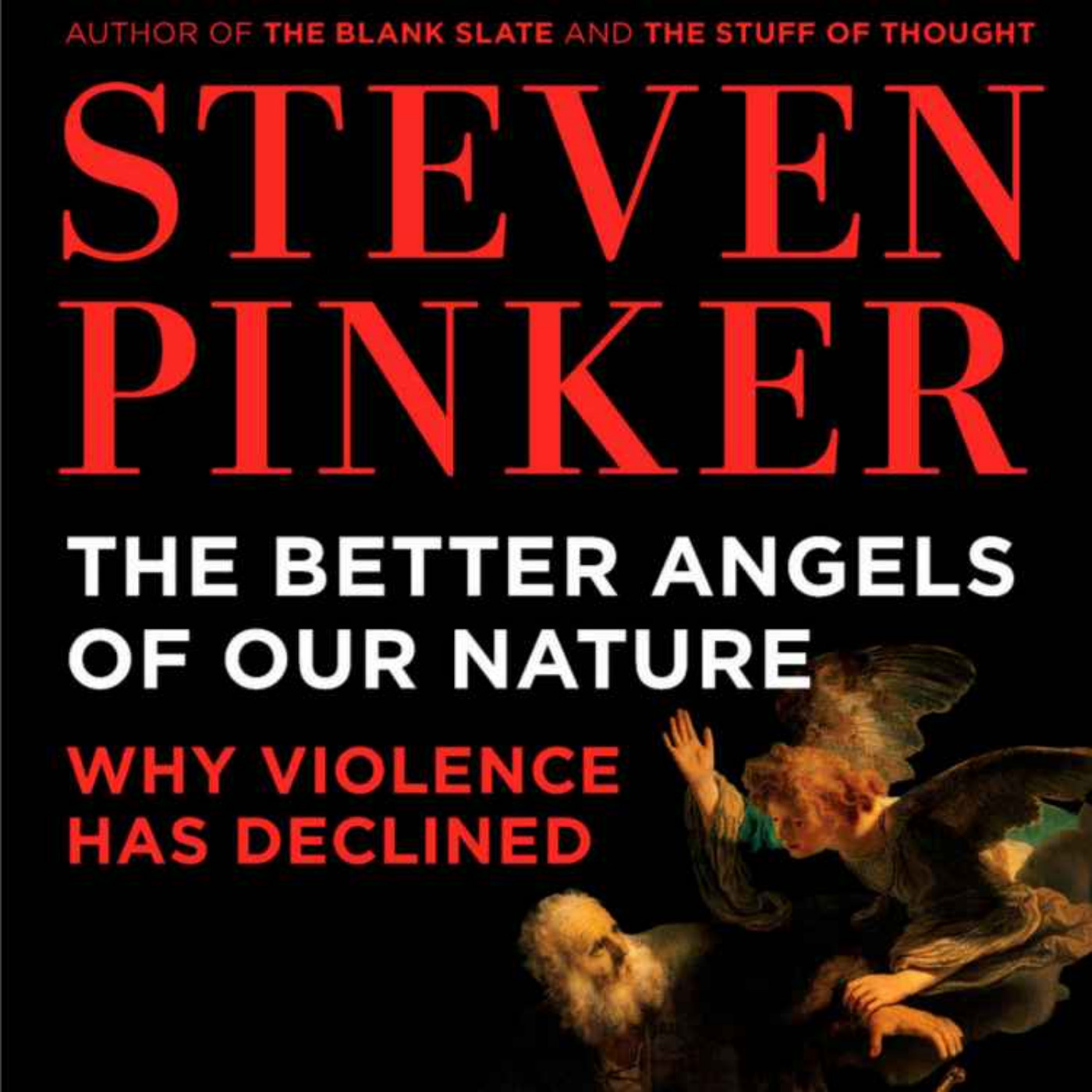
Ep 492492: Did Steven Pinker's Better Angels of our Nature miss why we're less violent?
Here are the notes I read from:Comments on Better Angels of Our NatureI finally finished Steven Pinker’s Better Angels of Our Nature. I started it more than skeptical of its main thesis. The book is 800 pages long, so I’m sure I’ll oversimplify and not do it justice, but I recommend it so you can get his full message. He says that we are living in the least violent time in history and it was due to enlightenment values of classical liberalism. I was sure he’d missed some important issue or discounted the risk of nuclear war or pandemic. I’d find some flaw in his analysis.On the contrary, the more I read, or listened to to be precise, the more compelling I found his case. I won’t recapitulate the whole thing, but I agree with his thesis, if I’m not oversimplifying, that we live in the least violent time and it’s due to classical liberalism.What caused liberalism is another question. He spent time looking for exogenous causes. After all, humans were human when we were more violent and now that we’re less violent. Did something change? One main cause he found was the development of printing. Printing spread ideas. Some cultures adopted it and others didn’t so observing their different evolutions suggested its value. I agree printing was a major cause.In this episode, I want to suggest a major potential point he barely touched on, but that 1. I believe is a greater cause, or at least worth considering more, and 2. if we miss this cause, we miss other effects, especially if the cause disappears. More importantly, this cause may be changing today, and if we misunderstand it, if a critical pillar of support goes away, we could lose everything we’ve gained and a lot more.Reading from The Smithsonian Magazine and The Nation:On August 24, 1967, Abbie Hoffman and a group of friends invaded the heart of American capitalism, the New York Stock Exchange on Wall Street. They threw money from the visitors’ gallery onto the floor, and the brokers and traders there leapt into the air to grab the dollar bills floating down. Trading was interrupted, briefly. News coverage was massive.Before entering the stock exchange gallery, Hoffman had passed out handfuls of dollar bills to each of the protesters. Once in the gallery above the trading floor, the protesters threw the dollars over to the stock traders. Participant Bruce Dancis recalled, “At first people on the floor were stunned. They didn’t know what was happening. They looked up and when they saw money was being thrown they started to cheer, and there was a big scramble for the dollars.”The protesters exited the Stock Exchange and were immediately beset by reporters, who wanted to know who they were and what they’d done.People risked their jobs whose cash flows dwarfed mere dollars to scramble for them.With that historical example in your mind, imagine this fictional scene: a battle where suddenly manna fell from heaven. By manna, I mean something that satisfies all your wants. You can kill the guy next to you or gather manna. Once everyone starts gathering manna, who wants to fight and risk being killed when you can gather more? Now imagine you learn that not only will tomorrow bring more manna, but so will the next year, decade, generation, century, and as far as anyone can foresee.Would you expect people to fight less? I would. Would they not devote themselves to more liberal pursuits in the traditional sense of the word—culture, arts, learning, trade? I believe humans with an unending supply of manna would trace the path Steven Pinker’s book described.Well, the manna started appearing over 500 years ago. Well, before written history, people knew of coal, but our ancestors really started learning its utility, though not its potential global danger, centuries before the Industrial Revolution. That foundation, among others, eventually enabled the Industrial Revolution to happen.Most people attribute the gains of the Industrial Revolution to human ingenuity in creating machines, economic systems, political systems, and so on. They built machines to cross oceans and continents, manufacture things to scrape the sky, and so on, enabling people to work in teams as large as nations. Sure, humans were ingenious, but imagine a locomotive or steamboat without coal. Ingenuity doesn’t boil water to make steam. It tells you how, but we didn’t create the coal. We found it.Besides increased liberal pursuits, would you not have more kids, especially if your neighbors did? After all, your need to work to feed them or bequeath them land just dropped precipitously. If everyone you knew had just learned of two new continents, isn’t that manna in the form of real estate?Of course, independent of fossil fuel and real estate manna, plenty of other advances in science and humanities contributed to the explosion of technology that led to the Industrial Revolution and its material abundance but once Watt's steam engine and Smith's Wealth of Nations kicked in, they were tied together in a cycle dri
Ep 491491: Nevcan Gungor, part 1: Surviving Myanmar's military coup
Myanmar's military coup beginning February 1, 2021 made front-page news around the globe and remains there six months later. In Yangon, As Chief Investment Officer of one of the nation's largest conglomerates, Nevcan witnessed firsthand and lived through the events.She shares what happened, how citizens and foreigners responded, the issues from an insider view, and the scant hope of near-term resolution. Hearing how hours before the coup began, nobody outside the military knew it would happen, combined with the resulting deadlock and violence, one can't help but wonder how close any society is to slipping into chaos without a way out.I've known Nevcan since meeting her in business school a decade ago, so we speak openly. We also talk about her starting her branch of the This Sustainable Life podcast family, which will focus on global economic and finance leaders. I can't wait to hear her episodes. Hosted on Acast. See acast.com/privacy for more information.
Ep 490490: Karen Shragg, part 2: Reducing birth rate and raising tomatoes
Don't you feel gypped that some of the most amazing potential parts of our lives were stripped away by people overindulging in polluting behavior? Or by automation that removed working the land from consideration as noble action?Karen and I talk about overpopulation that will soon return to mainstream and the values of wholesomeness of activities connected to the cycles of life. Besides sharing observations from a life of conservation, she shares her big success growing tomatoes, spending quality time with her family.Here are some early results of her planting tomatoes, which she's since reported have grown beyond her expectations, leading her to see things she had been mission, connecting with family, and otherwise engaging with the world.Stewardship isn't deprivationKaren's stories of her experience will remind you that life without craving and always wanting more brings reflection, connection, calm, and more reward. Whatever you're doing now, acting more in stewardship and sustainability will lead you to wish you had acted more, earlier.Karen's page: Moving Upstream... Where Possibilities Come to RoostMove Upstream: A Call to Solve OverpopulationChange Our Stories, Change Our World Hosted on Acast. See acast.com/privacy for more information.
Ep 489489: Martin Puris, part 2: All big ideas begin in the mind of one person thinking creatively
EMartin and I continued our conversation about America, its problems, and what we can do about it. I misread him that he had a specific plan, but that didn't stop him from clarifying and continuing more of what we spoke about last time.We talked about education, arts, voting, government, the future, the past, competition, and more.Listen for reflections from a master communicator who has worked with people at the forefront of American business for decades.I mentioned before that I was prompted to reconnect with Martin after almost two decades while seeing him give a webinar online. I took the liberty of capturing the screen when he showed this slide. I hope you can tell why it made me connect. Creativity is up there with curiosity for me. Hosted on Acast. See acast.com/privacy for more information.
Ep 488488: Maxine Bédat, part 1: Everything You've Always Wanted to Know About Fashion's Sustainability (or lack thereof)
Maxine's book, Unraveled: The Life and Death of a Garment, traces how a pair of jeans comes into existence from it's raw beginnings and where it ends up at the end of its life. The book has been covered in the top levels of fashion media, for exampleElle: Maxine Bédat Unravels The Lies of GreenwashingVogue: Maxine Bédat Urges the Fashion Industry to Make a Change Now, Not in 2030Financial Times: Unraveled by Maxine Bédat—cutting the clothIn our conversation, she shares the story behind the book: her history and motivation to write it, the story of her visiting people and places actually doing the work, the shocking sights the industry doesn't want us to know about. As she puts it, "the chemical industry is the fashion industry. The oil industry is the fashion industry."You might think, "I don't want to learn these things. I just want to enjoy my clothes without thinking about them." You'll feel the opposite when you hear. You'll wish you'd learned earlier. You'll want to tell people what you learn. Hosted on Acast. See acast.com/privacy for more information.
Ep 487487: Karen Shragg E.D.D., part 1: At last, simple, reasonably talk on (over)population
We can dance around our environmental problems all we want. Understand them enough and we eventually reach overconsumption and overpopulation. These overshoots contribute to everything.We at least talk about overconsumption, even if few are acting. Decades ago, the public talked about population, but didn't act. Today we don't talk about it. All the numbers I see suggest the Earth can sustain two or three billion people with roughly western European consumption levels. I'd love to live in a world with two billion people, like what produced Mozart and Einstein.Karen has been working on helping society face our problem of too many people being alive at once longer than I have. I've only been able to talk about it since learning from (TSL guest) Alan Weisman's Countdown about (TSL guest) Mechai Viravaidya helping solve the problem. She's been treating it a lot longer. She also knows I think all the podcast guests I talked to about population. She also knows many environmentalists who never acted on population.Karen shares her decades of working on (over)population. The U.S. doesn't talk about it publicly these days, but Karen shows how to talk about it. As I recognized that our overpopulation contributes to every environmental problems, I realized we had at least to talk about it. Karen does this.Karen's page: Moving Upstream... Where Possibilities Come to RoostMove Upstream: A Call to Solve OverpopulationChange Our Stories, Change Our World Hosted on Acast. See acast.com/privacy for more information.

Ep 486486: General Kip Ward, part 2: Not flying by choice, and smiling about it
A retired General doesn't have to do anything he doesn't want to. What he does, he's going to do for his reasons, not for trends or as a dilettante.Kip committed to a challenge many consider unreasonable and impossible (I know because they tell me): avoiding flying. As a General, he's held the fates of a nation and hundreds of thousands of troops in his hands. When he speaks about his experience, I hear him speaking at a life level.He spoke about his many opportunities to fly for business and pleasure, but not taking them. He could have. Besides his choice based on his motivation, he could have flown.He didn't. Yet he shares the opposite of complaints or feeling left out. How is that possible?He describes handling the commitment with his wife, his conferences, what he learned from the pandemic, how it connected to his legacy with the future, and how he made it work.ServiceHe speaks about service and helping your team and teammates achieving more than they would. Is helping our communities not what we want to do regarding our shared environment?If we do our best and enable our peers to outperform their best, isn't that our best way to achieve the best results we can? We can't change the past, but we can do our best and help others do their best.Systemic change begins with personal transformation. Hosted on Acast. See acast.com/privacy for more information.
Ep 485485: Jonathan Hardesty, part 4: How to Lead Someone to Stewardship: The Spodek Method
Jonathan and I continue practicing how to lead oneself and others to love acting in stewardship. Everyone thinks sustainability means deprivation and sacrifice.We started this conversation for him to review how his first time doing The Spodek Method with his kids. You'll hear that he did it slightly differently and didn't get the results. Very educational! Few people master challenging things the first time.We switched to restarting The Spodek Method with him and the value of practicing by the book before improvising.This episode will teach you how to lead someone to love and enjoy acting in stewardship. Hosted on Acast. See acast.com/privacy for more information.
Ep 484484: John Sargent, part 2: Fun Transforming MacMillan, a Big 5 Publisher
Everyone treat changing corporate culture like a horror show, but John did it. How? Through making it fun.The way most people talk about it, only dictators can change cultures, I'll trust his experience over their speculation. This episode begins with his reviewing some of how he implemented that change. My biggest takeaway was his focus on people before technology, what they want, and what makes them tick. The result is their engaged participation.He also shares the result of his commitment. As usual with experienced leaders, if things don't go perfectly, they don't pretend. They share what didn't work too, I believe from experience finding that exposing vulnerabilities doesn't make them weak. It connects people.If you want to change yourself and your organization, you'll learn from John how to achieve more by having fun, listening, and caring over analyzing forever, coercion, and such. Hosted on Acast. See acast.com/privacy for more information.
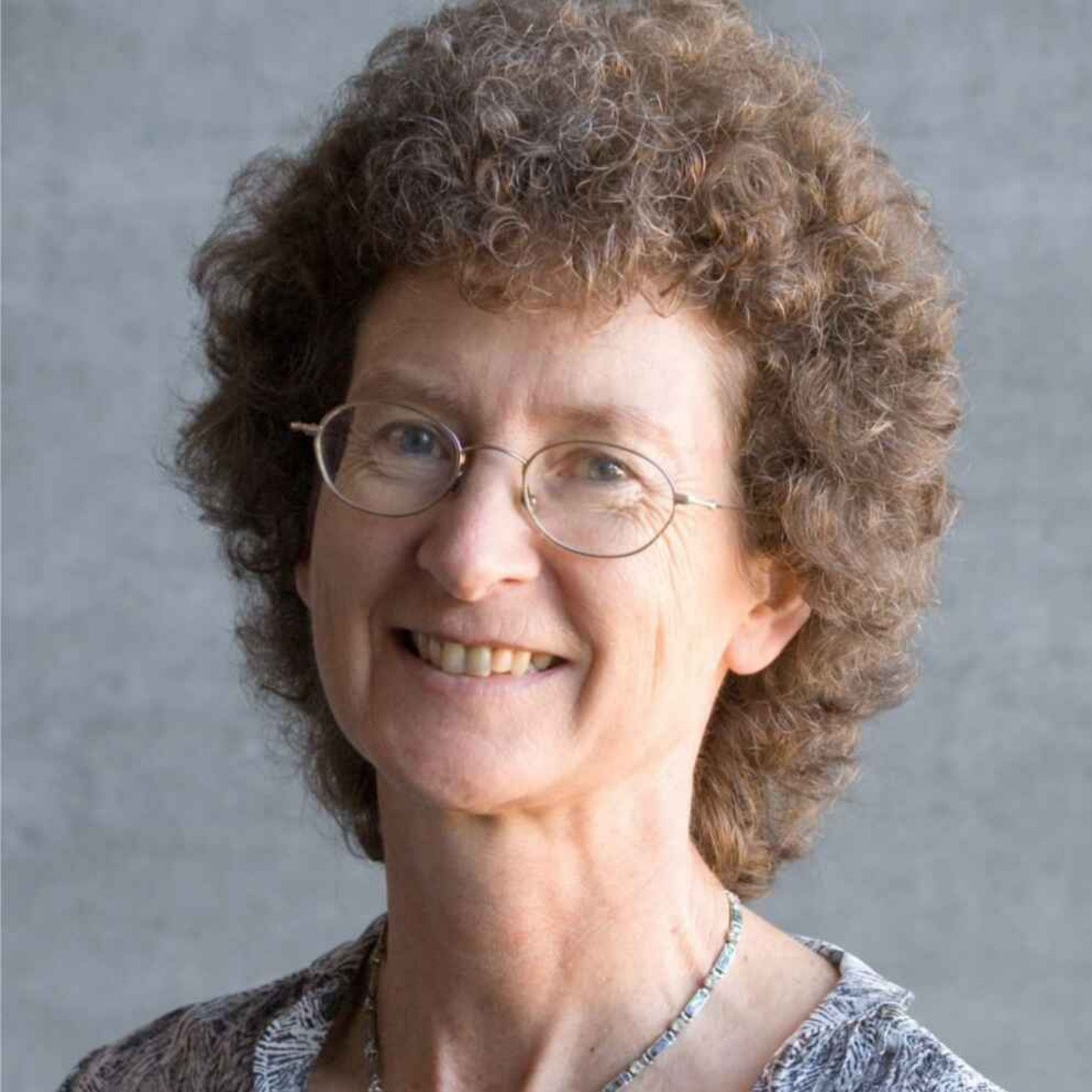
Ep 483483: Jane O'Sullivan: Debunking the "Aging Problem" Scam
What happens when populations age?Can you envision a world with a sustainable population, well below Earth's capacity, therefore living resiliently in abundance per person? I can.Governments and media are petrified at populations shrinking and aging. It turns out they are motivated by reasons that sound plausible.Jane looked at the numbers and found the fears unfounded. She also found industries seeding and promoting the fears, making them scams. Allowing the scams to affect us exacerbates the risk of a collapse in Earth's ability to sustain life and society.She treats more unfounded fears about population size that lead people to baselessly fear what seems to me one of the top elements of retaining Earth's ability to sustain life---lowering our birth rate through the peaceful, voluntary, and fun methods that worked in Thailand, Costa Rica, and many other nations.Listen to Jane's conversation and read her paper to feel more confident in promoting smaller families. The evidence I see suggests Earth can support about two billion people living at Western European polluting levels, which means Americans will have to reduce consumption and every culture will have to reduce birth rates.The paper that led me to Jane: Silver tsunami or silver lining? Why we should not fear an ageing population Hosted on Acast. See acast.com/privacy for more information.
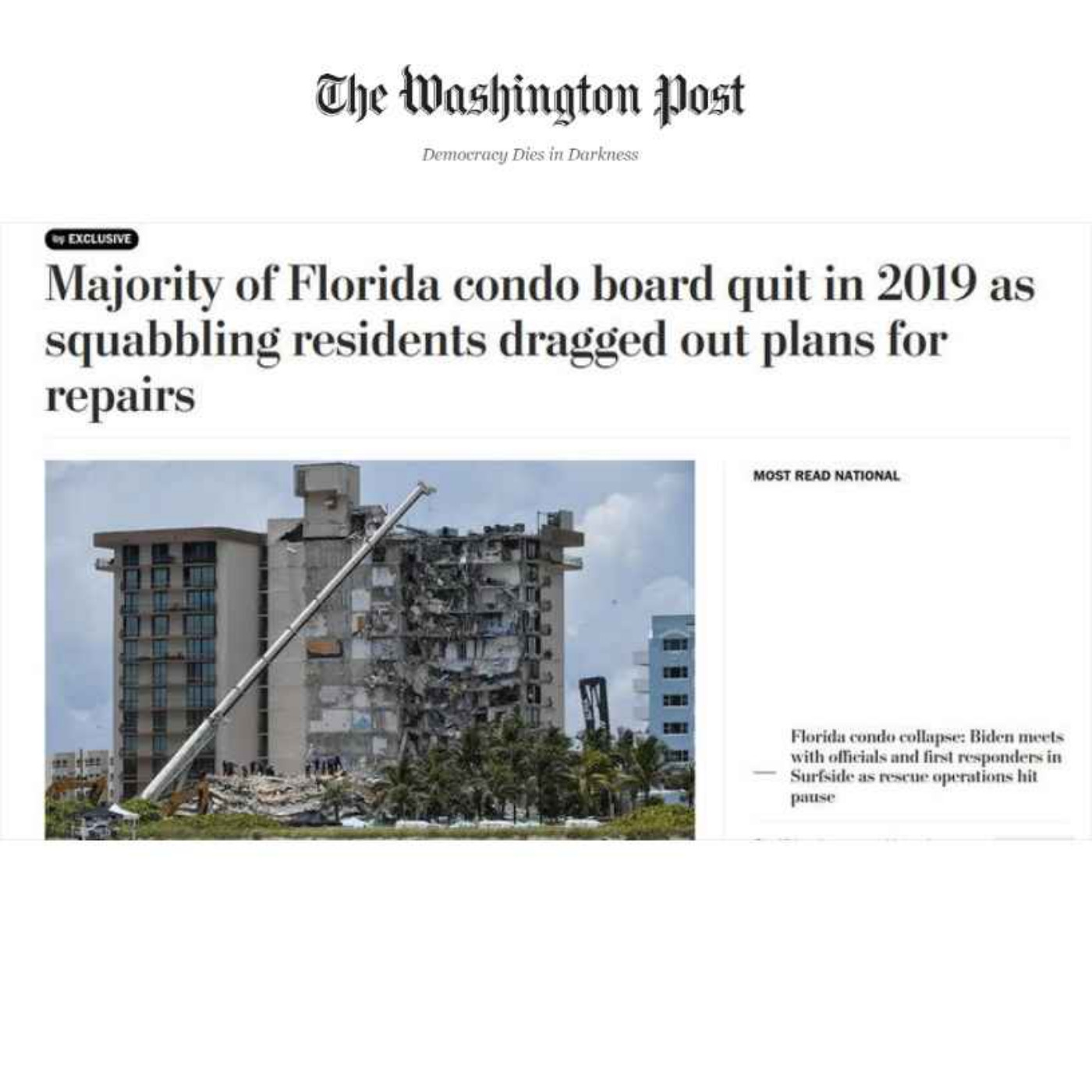
Ep 482482: Florida's Condo Collapse, Doom Psychology, and Our Environment
Here is the article prompting this episode: Majority of Florida condo board quit in 2019 as squabbling residents dragged out plans for repairsHere are the notes I read from:Read article about collapse and will read some parts.Everyone has long viewed Titanic as metaphor for man’s hubris over nature. But long enough ago we dismiss. Scale is off. We believe we’re passed those problems from another age.Listen to these quotes.Opening: “The president of the board of the Florida condominium that collapsed last week resigned in 2019, partly in frustration over what she saw as the sluggish response to an engineer’s report that identified major structural damage the previous year.”“Despite increasingly dire warnings from the board, many condo owners balked at paying for the extensive improvements, which ballooned in price from about $9 million to more than $15 million over the past three years as the building continued to deteriorate”Imagine someone had said lives were at stake. People would have rolled their eyes at the blatant attempt to overdramatize.People miss from the story of the boy who cried wolf that the wolf came. In our case, imagine the wolf came every time yet the townspeople ignored its damage. The response to pandemics fueled by our overpopulation, overtraveling, factory farming, and encroaching on wildlife territory in cases like ebola with returning to normal—that is, the culture that created it. Articles on record temperatures in Canada aren’t followed up by stopping what everyone knows is causing the problem.“The engineer, Frank P. Morabito, found “major structural damage” to a concrete slab below the pool deck, caused by a flaw that limited water drainage, according to the 2018 review”“A resident told The Post that minutes before Champlain Towers South came down, she noticed that a section of the pool deck and a street-level parking area had collapsed into the parking garage below. Experts have said the collapse appeared to involve a failure at the lowest levels of the building or in the parking garage beneath it.”As recently as April, residents appeared divided over the repairs — with dozens signing a letter that questioned the details of the proposed spending and asked the board to consider a lower assessment. “We cannot afford an assessment that doubles the amount of the maintenance dues currently being paid,”“But what may have looked to Prieto like a running start soon became a slow walk.”““A lot of this work could have been done or planned for in years gone by. But this is where we are now,” current board president Joan Wodnicki told condo owners in a letter on April 9, 2021, which warned damage to the structure's concrete support system was accelerating.”“Her warnings to homeowners about the urgent need for repairs had gone on for months. “I want you to know that the numbers we are hearing so far are much higher than the original Morabito estimate,” she wrote on Oct. 23, 2020. “However, the project is also much larger . . . The concrete damage is more extensive than it was when first looked at in 2018, and prices have gone up.””“The pandemic appeared to exacerbate tensions in the building. A March 2020 note to homeowners said the board had adopted a new rule: “No Owner, resident or guest may be verbally or physically abusive or otherwise engage in conduct that is offensive, threatening or harassing to any other Owner, resident or guest.””Beyond metaphor. Clear problem, well-understood, easily resolved. Expensive, yes, but not compared to destruction and loss of large fraction of population. Instead of acting, squabbling.Maybe you believe, in the face of temperatures breaking records every year, plastic choking oceans, and you’ve read the headlines, that our behavior isn’t responsible. In that case, via con dios. There’s no point in our talking.But if you have the slightest inkling that our behavior, driven by our role models, beliefs, stories, images, systems, and so on, our culture has to change to avert collapse including the deaths of a large part of our population, like billions of people, which will affect you and people you care about, do the parallels with this collapse and death of a large fraction of the population suggest that your resistance to acting with everything you’ve got may be slowing things more than you think?I don’t say act individually and then stop. Act and then use what you learn to lead others.Their building problem is like our environment problem. The science is clear. We lack leadership. Leaders act, not point fingers. Only by acting themselves can they lead others.“in a September 2019 resignation letter. “This pattern has repeated itself over and over, ego battles, undermining the roles of fellow board members, circulation of gossip and mistruths. I am not presenting a very pretty picture of the functioning of our board and many before us, but it describes a board that works very hard but cannot for the reasons above accomplish the goals we set out to accomplis
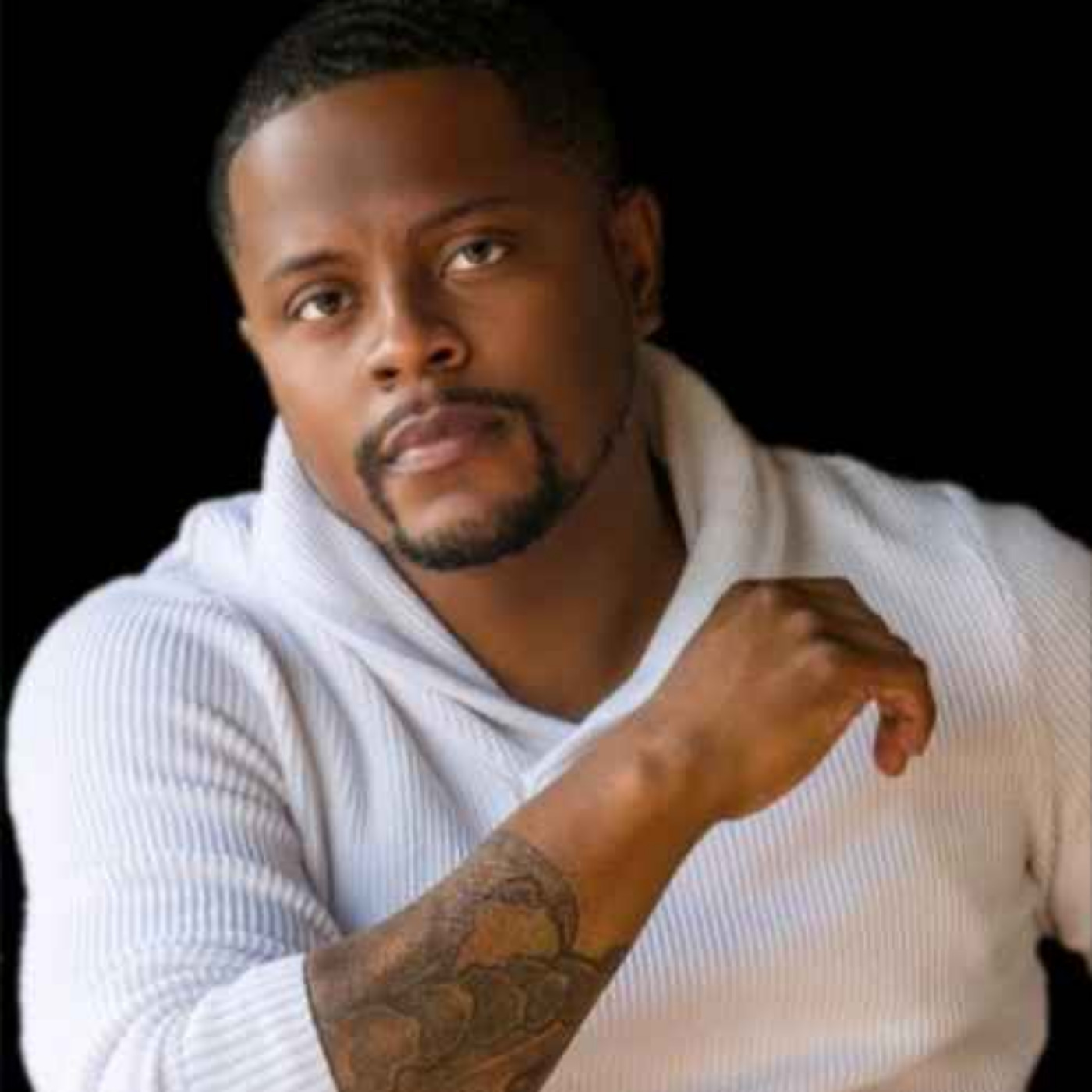
Ep 481481: Joe Collins, part 1: From a gang to Congress?
I met Joe when we spoke together on an online panel hosted by Magamedia.org. I knew he was running for office and anticipated conservative politics, but on the panel, I couldn't tell, despite the conservative context. I was curious so looked him up more and found an intriguing background and passion.Joe emerged from youth involving gangs to join the Navy, now running for office. He considers the incumbent insensitive to his district's needs, but he grew up there. He knows its problems. You'll hear in our conversation a passion as great as his frustration with the situation he wants to change.Environment factors in some to his campaign and platform, but not its top priority. Still, he shares his caring with us and takes on a challenge to act on those values. He's conservative, which many associate with insensitivity or denial of our environmental problems, but I hear him caring as much as anyone. Listen to hear his values and commitment to act on them.Joe's campaign page: JOE COLLINS FOR CONGRESS!The video I referred to in our conversation, Joe Collins - Mansion MaxineThe follow-up video: Joe Collins is Back at Maxine's Mansion Hosted on Acast. See acast.com/privacy for more information.
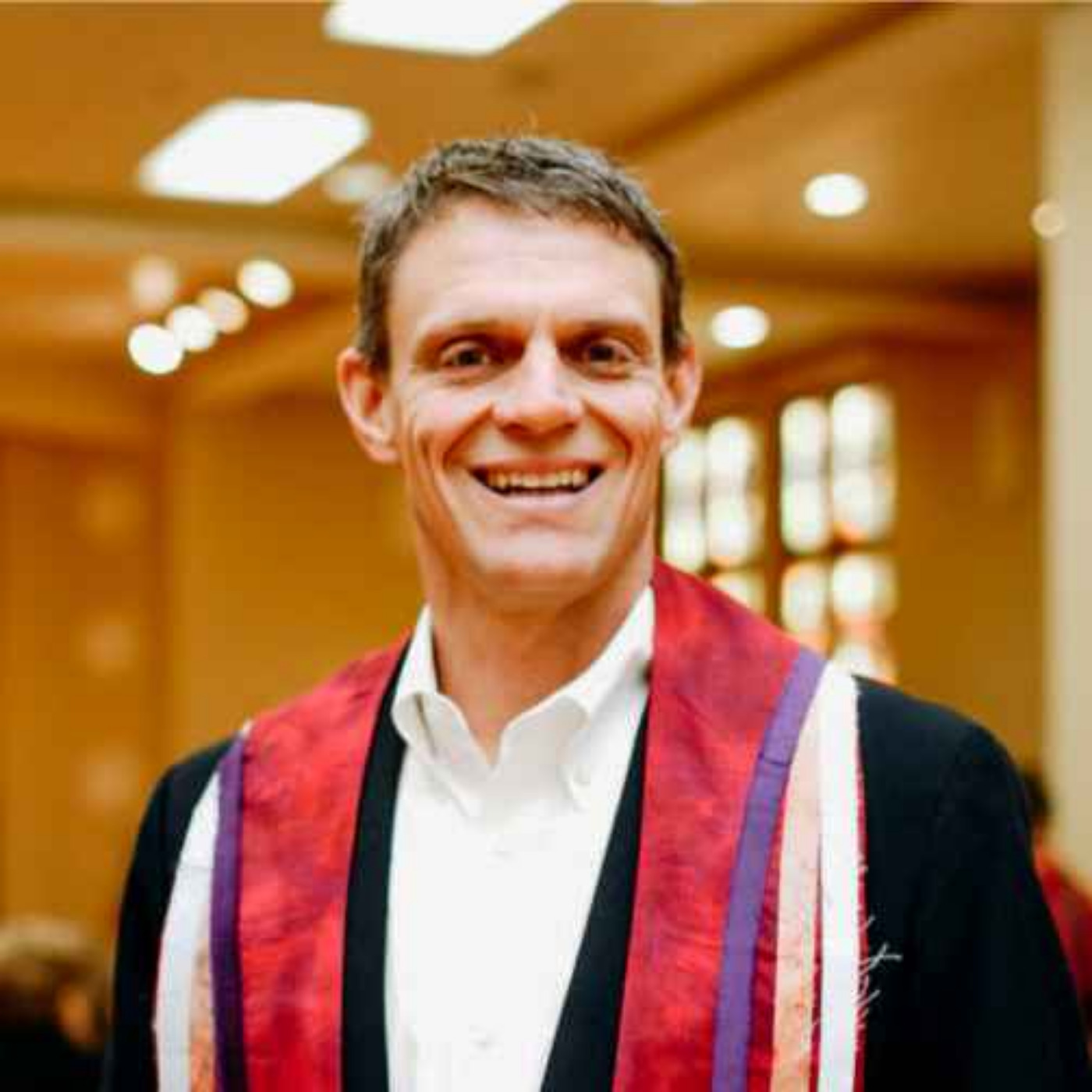
Ep 480480: Scott Hardin-Nieri: part 1: Scripture to Mobilize Climate Action
I contacted Scott after reading a profile of his work in The Guardian, ‘Within minutes I was weeping’: the US pastor using scripture to mobilize climate action. The story spoke of someone leading by creating meaning and purpose:He’s not alone: across the US, there is a growing movement of religious leaders who are trying to deploy faith as a vehicle for climate action. And Hardin-Nieri’s own journey toward climate activism began when he lived in Monteverde, Costa Rica, and witnessed how different faith communities – from Catholics to Quakers – came together to fight climate change.“It wasn’t a Republican or Democrat issue,” he says. “It was a life issue.”Longtime readers know I'm increasingly working with evangelicals, conservatives, and Trump supporters. Go far enough back and the impetus comes from reading former guest Jonathan Haidt's The Righteous Mind. I recommend it for understanding and collaborating with people with different values.Most environmentalists seem to view them as the enemy. I don't. We all vote. We all buy stuff and pollute. Believing you're right and they're wrong undermines your ability to influence them.I'm no Dalai Lama, but I've learned that the more I disagree with someone, the more I can learn from them. Over the years, I've learned they care about the environment as much as anyone. I've also learned liberals and many environmentalists don't pollute less than conservatives. They insist on passing laws against what they do in personal behavior.So I wanted to learn from a guy acting and practicing. I imagine he's succeeded. And quotes like this one suggest he's faced challenges.Hardin-Nieri says he is “still learning” about how to best talk to conservatives about climate change, but he remains hopeful.“Climate change is a symptom of a larger moral problem of greed,” he says. “Faith communities, at their best, can address those things in a way that a solar panel industry cannot.”You'll hear that we learned from each other. I think you'll learn from the conversation too.‘Within minutes I was weeping’: the US pastor using scripture to mobilize climate action Hosted on Acast. See acast.com/privacy for more information.
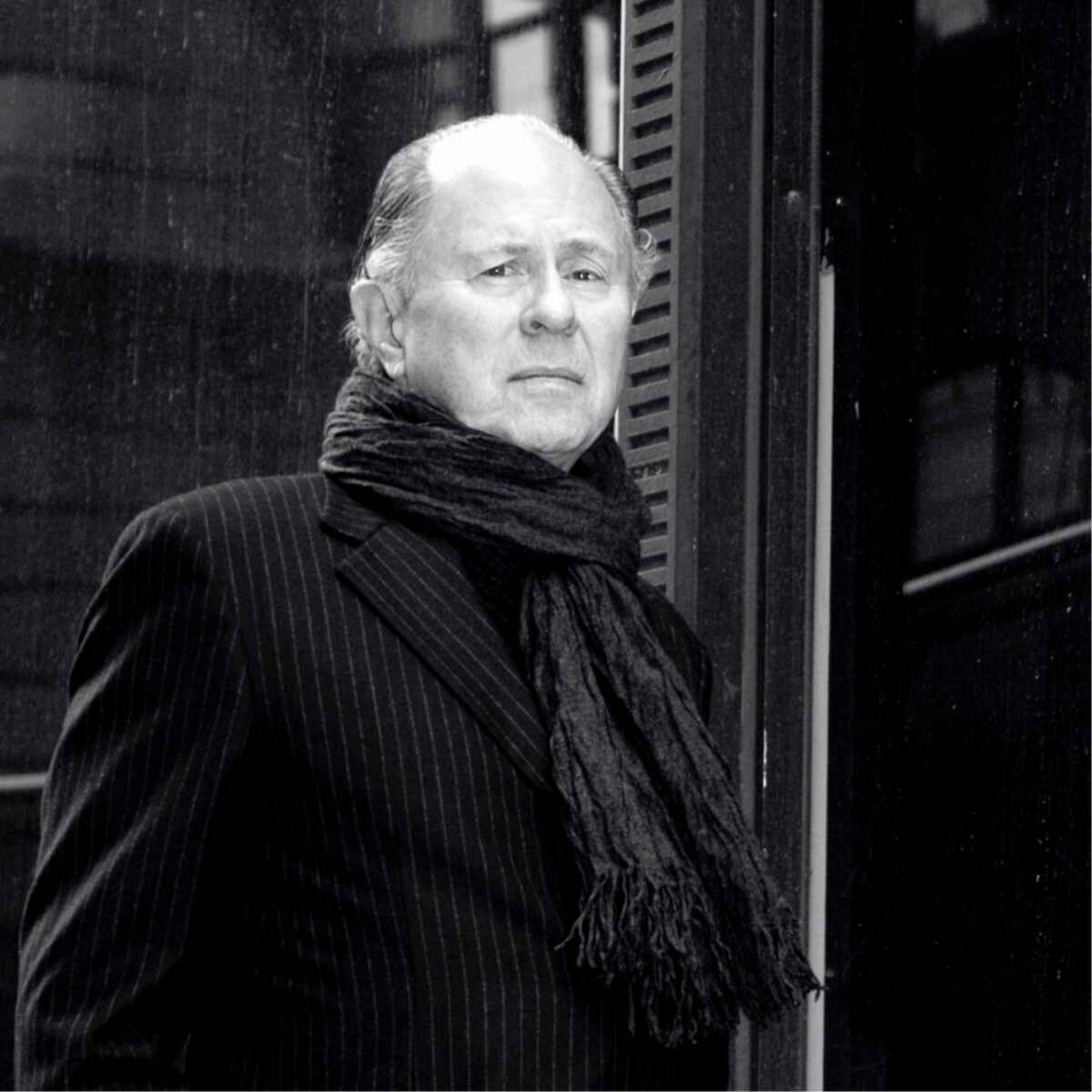
Ep 479479: Martin Puris, part 1: What's Wrong With America?
Martin is a legend. How many people craft phrases that become part of everyday language like “The Ultimate Driving Machine," "The Antidote For Civilization,” and “The Tightest Ship In The Shipping Business”? He comes from a different time in advertising and communication, as he describes in our conversation.I met him nearly twenty years ago. He was considering investing in the company I cofounded, Submedia, based on the medium I invented. He didn't invest, but he came to my first solo gallery show in Manhattan. We lost touch.Then I saw him speak recently. I confess a slight disposition to expect corporate writers not to engage in depth, which I recognize as a flaw in myself. He spoke about creativity, what it can be, how much we've lost it today, and the consequences of losing it. He spoke with a love of an America in hibernation now, what caused it to sleep, and how to bring it back.We talk about creativity, culture, passion, and more.Interview in Spirit Flesh magazineInsights from Leaders: A Big Idea, by Martin PurisInsights from Leaders: My Definition of a Big Idea, by Martin Puris Hosted on Acast. See acast.com/privacy for more information.
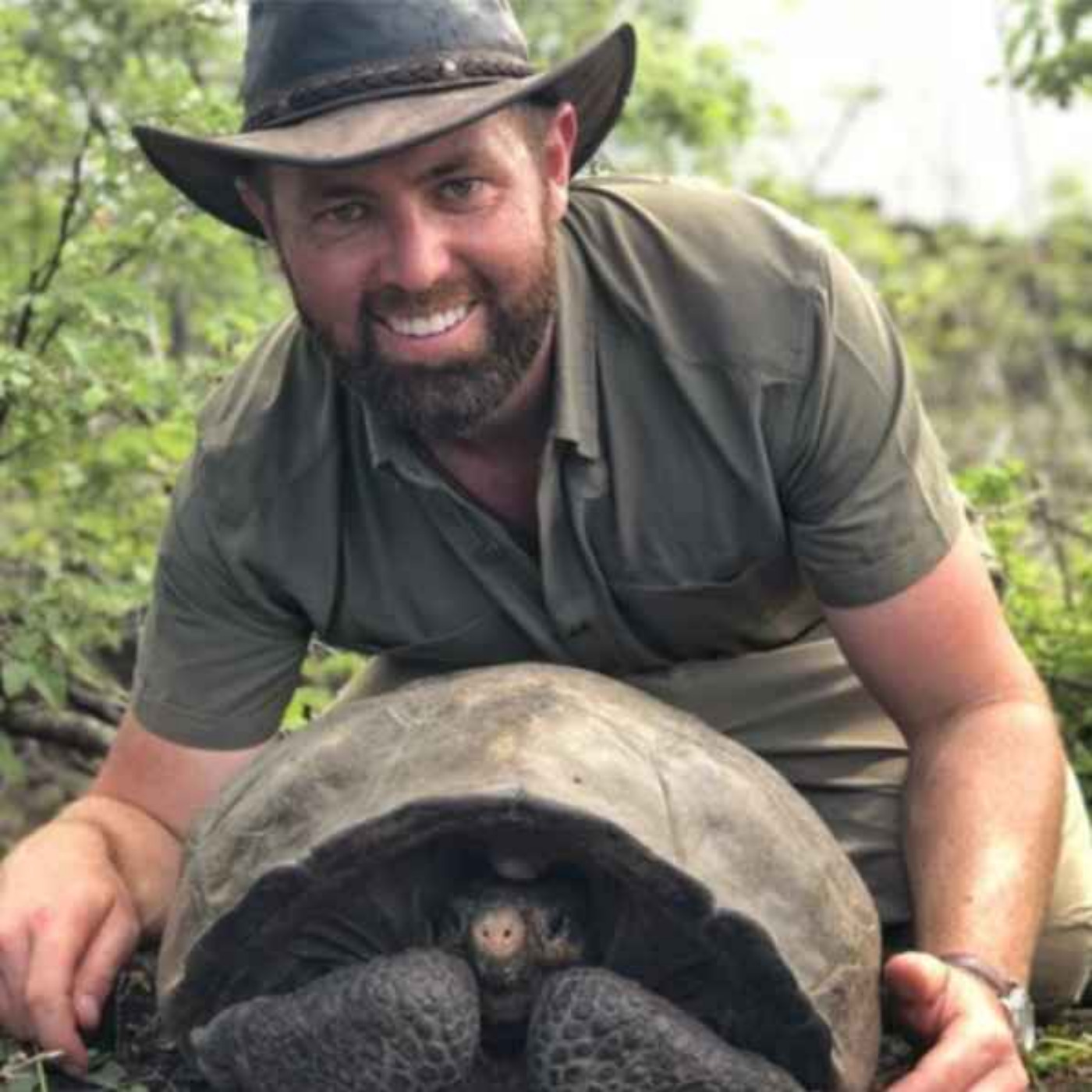
Ep 478478: Forrest Galante, part 1: Saving Zanzibar Leopards and Other Not Yet Extinct Species
Most of you probably know Forrest for his television shows. He combines the most intriguing parts of being a biologist, an adventurer, and a television star. His passion for each is infectious. Most of all, he loves wildlife. I learned from him first through his new book, Still Alive: A Wild Life of Rediscovery, which gives depth and origins to that passion and love. I can imagine seeing him on TV without knowing that background, you'd wonder where it all came from.You know me. Even with the background, I'm curious about the story behind the story behind the story, which Forrest shares in our conversation.He also shared a meaningful moment of new reflection when I asked what the environment meant to him. Despite working with nature being his life, no one had asked what it meant to him. Listen to find out. Hosted on Acast. See acast.com/privacy for more information.
Ep 477477: Mechai Viravaidya: My #1 Top Role Model in the World
I consider Mechai Viravaidya my top role model for sustainability leadership. As I described in a recent episode, We Can Dance Around Environmental Problems All We Want. We Eventually Reach Overpopulation and Overconsumption. Before learning of Mechai Viravaidya, I knew only of China's One Child Policy and eugenics. I couldn't talk about population when I thought the cure was worse than the disease.Learning of Mechai changed everything. As his biography's back cover, states.In Thailand, a condom is called a "Mechai". Mechai Viravaidya, Thailand's condom King, has used this most anatomically suggestive contraceptive device to turn the conventional family planning establishment on its head. First came condom-blowing contests, then T-shirts with condom shrouded anthropomorphic penises. Then condom key rings followed by a Cabbages and Condoms restaurant, When it comes to condoms, no one has been more creative than the Condom King.To equate Mechai with condoms or family planning alone underestimates the man and fails to capture his essence. Mechai Viravaidya is engaged in a relentless pursuit to improve the well-being of the poor by giving them the tools to lead a fruitful and productive life. His achievements in family planning, AIDS prevention, and rural development are a means to an end - the alleviation of poverty in Thailand.Mechai's journey From Condoms To Cabbages - from his roots in family planning to his goal of poverty alleviation - has spanned 34 years. Along the way, he has been labeled a visionary iconoclast and cheerful revolutionary. He is also an ordinary man from modest origins.He made the cure more fun than the disease, along with peers in other nations, including Costa Rica, South Korea, Iran, Mexico, and other nations.You may hear my tongue-tied in this conversation because of the reverence I hold for him. I cover him at length in the manuscript for my next book. When I host Oprah, I expect I'll do fine in comparison.I could write more about him, but I recommend learning more of him from all the resources below.The Mechai Viravaidya FoundationMechai Viravaidya's TEDx talkHis biographyHis Wikipedia pageHis NGO, Population and Community Development Association's Wikipedia pageThe Leadership and the Environment episode that mentioned himMechai’s team sent me these links too:Education“All Hail the Condom King”, written by Bill Gates about Mechai ViravaidyaPBS News hour: Combating Hardship in Rural Thailand (2012)PBS News Hour – Mechai Bamboo School: How this Thai Educational Movement Empowers Rural Students (2019)Comprehensive presentation describing the Mechai Bamboo School and the Partnership Schools ProjectNHK Direct Talk: Take No as a Question – Mechai Viravaidya (2017)Thai documentary about the Bamboo School with English Subtitles (2017) รายการกาวเกนิ พอ เริ ิ องโรงเริ ยนมิ ชยพฒนาFamily PlanningThe Cheerful Revolution (1979)A documentary on our early efforts at family planning in Thailand, “Two is Enough”: Part 1 and Part 2HIV and AIDSA documentary narrated by Brad Pitt for PBS on our campaign to combat HIV/AIDS: “Rx for Survival“Social EnterprisePBS: Social Entrepreneur – Mechai Viravaidya (2012)Development ProjectsThe Village Development PartnershipWall Street Journal: Slumping Fertility Rates in Developing Countries Spark Labor WorriesMoreI learned of Mechai through podcast guest Alan Weisman‘s book Countdown: Our Last, Best Hope for a Future on Earth?, which profiles him. I highly recommend the book.Search the web for more on Mechai and you’ll find it. Hosted on Acast. See acast.com/privacy for more information.
Ep 476476: Tom Murphy, part 3: The Science Book of the Decade
When I read Tom's book on sustainability, Energy and Human Ambitions on a Finite Planet, I couldn't believe the book didn't exist already. I consider it the science book of the decade so invited him back. He shares about his motivation and goals in writing it. You might read my review of the book first, but you can jump into this conversation too.Here is an excerpt from my review:He taught a course to non-science undergraduates on the subject, called Energy and the Environment. He used the course to compile his posts, polish them, and make a self-contained comprehensive book. As far as I know, the only one like it, possibly because mathematics is the language of nature, so equations abound, but he explains them, so people who haven’t taken science or math classes since high school can follow.Showing the math means we don’t have to take his word for it. We can do the math too and think, judge, and act for ourselves. No matter our politics, age, industry, etc, we can access this book equally. The environment involves many branches of science, including physics, astronomy, chemistry, biology, systems, and more, as well as fields including engineering, history, politics, philosophy, and more. Murphy brings them together like no other resource I’ve found. Many will shy away from devoting the time that the gravity of our environmental situation demands, but for enabling and empowering every reader to understand, think, judge, and act for themselves, I consider Energy and Human Ambitions on a Finite Planet the science book of the decade. I’ve read and watched a lot of books, videos, and articles. For reference, I consider Sustainability Without the Hot Air by Caltech-trained Cambridge physicist David MacKay the science book of the previous decade, and Limits to Growth: The 30-Year Update, the science book of the decade before that, by Donella Meadows, Dennis Meadows, and Jørgen Randers. (A video of David MacKay after his book led me to avoid flying, not as a burden but to increase my enjoyment of nature and connection to humans.) Read these three books, and you understand our environment.But wait, there’s more. Murphy has acted on his findings in his personal life. He didn’t just use an electric car or unplug appliances before doing so was cool, he measured his results and shared how doing so affected his relationships with his wife, peers, and students. He shares his life and profession. This book doesn’t teach raw information, it shares a lifestyle.I’m not saying the book is easy, only that I find it the most valuable book or resource on the most important area humans have faced as a species, and I’ve read and watched many.Murphy’s book is glorious. He writes about the wonder of nature, our genius in harnessing it, its limitations, and our folly at not measuring the sofa before trying to jam it into the elevator, or believing the self-serving interests suggesting a “new normal” without justification.The math is accessible to a non-science undergraduate. To someone with a PhD in physics like me, it is a symphony—pure joy when you understand it, even more when your study it. Beethoven didn’t write his Ninth for one hearing. Yo-Yo Ma has to study pieces and even with my PhD, I have to take time to understand its equations and application. I learn each time I read Murphy. You will too. The payoff is worth it for aesthetic pleasure alone. There are practical benefits to understanding the patterns: unlike Beethoven, the fates of civilization and millions of species, including our own, depend on our understanding and behavior.Tom's book: Energy and Human Ambitions on a Finite PlanetMy review of it: The Science Book of the Decade: Energy and Human Ambitions on a Finite Planet Hosted on Acast. See acast.com/privacy for more information.

Ep 475475: We Can Dance Around Environmental Problems All We Want. We Eventually Reach Overpopulation and Overconsumption
Have you ever tasted an heirloom tomato so delicious it was almost a religious experience? I used to think people who complained about supermarket tomatoes sounded full of themselves. How different can they taste?Then I tasted heirloom tomatoes with so much flavor, I couldn’t believe my taste buds. The next time I ate a mainstream tomato it felt like eating wet cotton.Do you know what they used to call heirloom tomatoes?They used to call heirloom tomatoes tomatoes. Our post-industrial values of growth, efficiency, externalizing costs, comfort, convenience, and extraction turned something divine into something available year-round at an affordable price but a fall from grace to say the least. In the way that my rare sips of scotch today give me more appreciation of spirits than the larger quantities I drank of beer in college despite drinking less alcohol, my net appreciation of tomatoes is greater now, despite spending less overall on them and only eating them in season.I mention this contrast for context.Every day we read headlines about environmental problems. Deforestation, sea level rise, plastic in our bloodstreams, forever chemicals crossing the placenta, lead lowering our IQs.We can dance around environmental problems all we want. We eventually reach overpopulation and overconsumption.Everyone thinks reducing population means killing people and reducing consumption means reverting to the stone age. More like switching from binge drinking cheap beer or eating industrial tomatoes to appreciating scotch or experiencing preindustrial tomatoes.Mainstream views, and, no offense but likely yours, are wrong on alternatives to both. They associate reducing overpopulation with the One Child Policy and eugenics, and the authoritarian, inhumane, and inhuman practices they led to including forced sterilization, forced abortions, and more. They associate reducing overconsumption with deprivation and sacrifice. We associate buying things with happiness and quality of life, so less must mean unhappiness and lower quality of life. If we don’t grow the GDP, people will lose jobs, we won’t be able to maintain our infrastructure, hospitals will close, mothers will die in childbirth, and 35 will be old age. Do you want to return to the stone age, Josh? Is that what you want?But the alternative to overpopulation is lowering the birth rate, which many nations have done through purely voluntary, non-coercive means, mainly education, access to contraception, and the freedom to choose their family size themselves—the opposite of the One Child Policy or eugenics. These policies throughout the world brought health, longevity, stability, prosperity though voluntary means—the opposite of mainstream expectations. Frankly I thought that way too and couldn't talk about it until I learned of it happening all over the world. Until then, I thought if the cure is worse than the disease, I’ll take the disease. The last place I want the government is in the bedroom. As it turns out, globally, the government is in the bedroom, promoting larger families based on disproved economic myths, trying to coerce people into larger families. Over hundreds of thousands of years, humans have kept our population at replacement. The past few centuries since stumbling onto fossil fuels are the aberration that we’ve born into, erroneously seeing as normal. For the two to three hundred thousand years of human existence before agriculture, our ancestors lived longer, healthier lives than the past ten thousand years until living memory. And now we’re making ourselves sicker and dying earlier than our parents.People associate consumption with quality of life. More stuff can improve life if you’re on the cusp. People you know imagine themselves cousins with such people eking out a living, as if they are like cousins or siblings. On the contrary, you and people you know are likely benefiting from their suffering and contributing to it. They are if they're using single-use plastic, flying, heating their homes too much in winter and cooling them too much in the summer. The alternative is joy etc. You and I aren’t on the margin. We have so much stuff, advertisers spend billions to make as want more because it doesn’t improve our lives.Since Earth's carrying capacity without fossil fuels is, as best I can tell, about two billion, leveling off our population doesn’t move us away from the population collapsing. The solution is to copy what many people around the world have done—to choose to reduce birth rate globally to well below replacement and to consume less. If you heard classism, nationalism, sexism, or racism in anything I’ve said, you stuck it in yourself. Such preconceived notions aren’t helping anyone.Reducing consumption and number of children in rich nations are easier physically, but people here are so entitled and spoiled that in our minds we think it's harder. We’ve lost the sense that technology has made us more dependent on it and less resilient. So

Ep 474474: Frederick Lane, part 2: Intrinsic Versus Extrinsic Motivation
Frederick was a great sport in allowing me to explore working on a patterns that happens sometimes but that I had let slide before.We started talking about nature, then his commitment. About halfway through I noticed that his motivation to the commitment from his first episode didn't seem to come from inside, which I believe led to him doing the task for extrinsic, not intrinsic, reasons, resulting in him doing his task perfunctorily.Then came the part that may be uncomfortable to listen to---or may be intriguing or fun. I can't tell because I was in the conversation. I tried to find a new sledding hill of his to ground a new activity. From then on we had a cordial conversation, but at cross-purposes. I don't think he understood what I was getting at and I couldn't see how to explain my point any better.I'm grateful to Frederick for maintaining his interest. Those interested in starting a podcast may find a lot to learn since guests often disconnect from their sledding hill and feel they have to fix something or do something big. I don't think we reached a resolution, but I think we valued the conversation. If you're considering starting a podcast in the This Sustainable Life family or to do The Spodek Method with many people, you'll find this conversation educational. Hosted on Acast. See acast.com/privacy for more information.
Ep 473473: James Suzman: What We Can Learn From 300,000 Years of Human History
Longtime readers of my blog know how much James Suzman's first book influenced my thinking and views of possessions, community, ownership, modernity, and a range of similar topics. A top question I've asked anyone who might know is how populations that didn't grow despite sharing our biology that has grown exponentially for centuries.If knowing history is wise and knowing history farther back wiser, James's living with the San Bushmen of southern Africa gave him a few hundred thousand years to know. We can't know exactly how their lives today resemble their ancestors, but the overlap is greater than zero and suggests a huge alternative to the knee-jerk dichotomy people can't see past today of capitalism versus communism. Human beings lived for two hundred thousand years, maybe three, in ways that were neither.You can imagine the changes in climate, other species, terrain, and more in that time. Their stability endured a thousand times longer than the time since the Industrial Revolution led us to put our whole species in the realm of extinction.As the world looks to technology to help us out of the mess technology wrought, flagrantly disregarding Einstein's admonition that acting by what got us into a mess won't get us out of it, James's work suggests values, behaviors, and cultures we can learn from.We covered topics like these. I bet you'll find our conversation fascinating.Work: A Deep History, from the Stone Age to the Age of RobotsAffluence Without Abundance: The disappearing world of the BushmenIn GQ: James Suzman Interview: Our Collective Fixation on Productivity Is Older Than You ThinkIn the Wall Street Journal: ‘Work’ Review: Foraging for the Good LifeIn Harvard Business Review: The Fundamental Human Relationship with WorkIn The New Yorker: What’s Wrong with the Way We WorkTiming and Management of Birth among the !Kung: Biocultural Interaction in,Reproductive Adaptation Hosted on Acast. See acast.com/privacy for more information.
Ep 472472: Big City Andrew, part 1: Traditional Conservative values and stewardship
Andrew co-hosted me on MAGAMedia with past guest Rob Harper, so we've spoken there several times, but this conversation is our first one-on-one.We start by talking about our meeting and how talking to each other means talking about issues we normally don't in our usual circles, but that we enjoy learning from each other, not getting angry despite different viewpoints. We both want to increase meaningful communication as opposed to the more prevalent mutual provocation and dismissal in American political conversation between people who vote differently, to the extent they communicate.Andrew shares his growing up in a Democratic household and what transitioned him to appreciating and supporting candidate and then President Trump, as well as meeting Rob, partnering, and starting their show together. I suspect most listeners to a podcast with the word 'sustainable' in the title don't talk to many Trump supporters. He also talked about division within parties and commonalities across parties. I wish I had more conversations like this one and heard more of them with others.My favorite part with most guests is their answer to what the environment means to them. You'll hear a lot of genuine, long-held views and observations about the environment. You'll also hear it lead to first-time action, I believe with a smile on his face.After Dark Hosted on Acast. See acast.com/privacy for more information.
Ep 471471: 12 Sustainability Leadership Lessons Unplugging My Fridge for 6.5 Months Taught Me
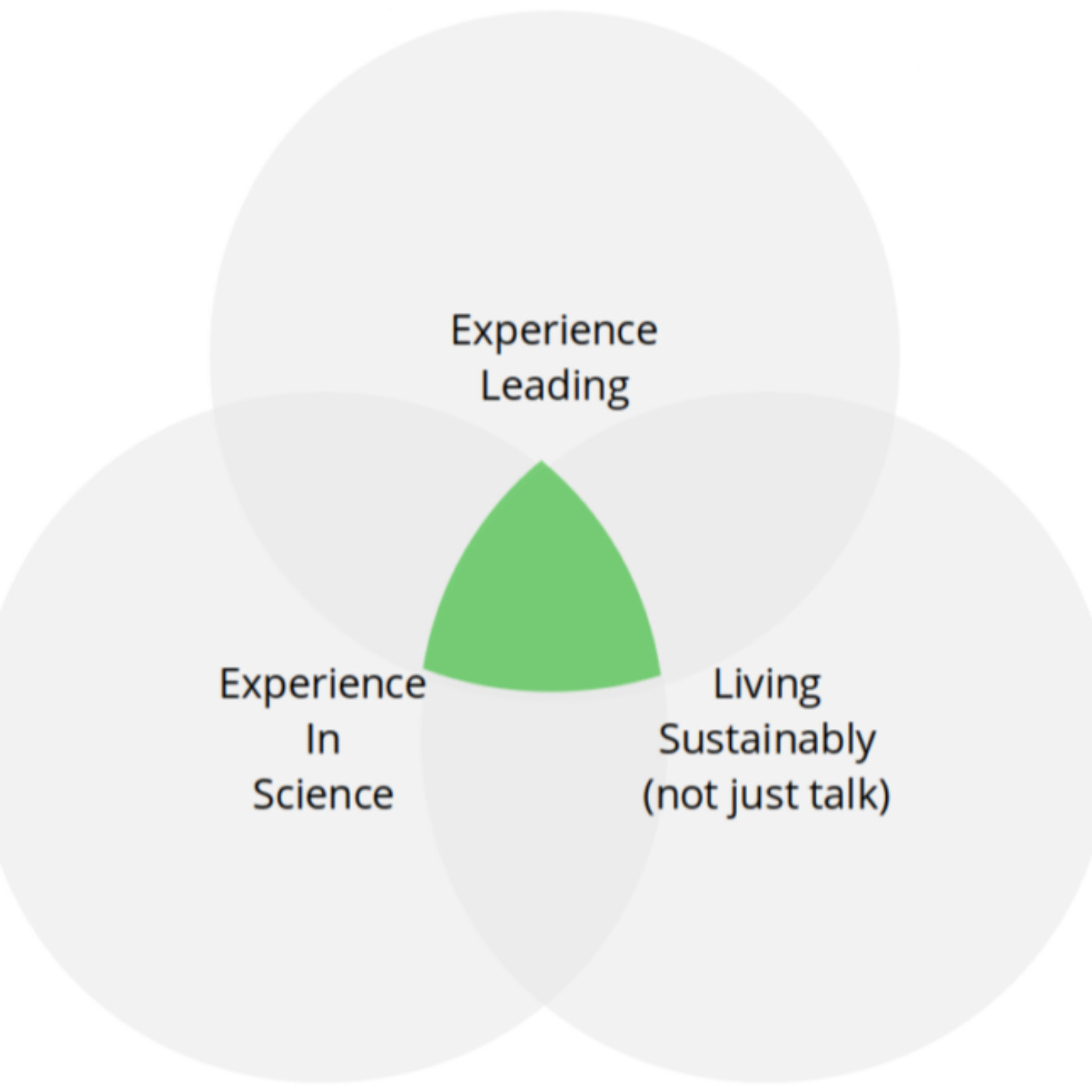
Isn’t a refrigerator essential? Isn’t life with them better?I thought so. I’ll quote my mom from my podcast to illustrate where I came from:I grew up where it was easily ninety degrees every single day. In fact, where I worked, the store if it got ninety degrees outside we got to close the store and go home because it was that unsafe. To me, air conditioning was wonderful. And to my mom and my grandmother, not having to use ice box refrigerators was great. I really appreciate all of that today and I understand that we’ve gone overboard with air conditioning. It’s really bad for the environment and one should learn how to get along with these temperatures.But Josh, it was really hot in South Dakota. Unless you had really, really good screens, when you opened the windows you were covered with mosquito bites. I don’t want to revisit that at all ever. I am willing to use fans and cut out a lot of air conditioning but to me it means giving up a lot that made my life a lot better.I didn’t have much but what I had was good. It seems to me like you’re asking me—not you personally—but we’re saying stop doing these things that brought joy. I’m not excessive.Her experience is no air conditioning bad, air conditioning good. No fridge bad, fridge good. Most of us share the experience and belief. It’s our culture. As long as we don’t challenge our beliefs and culture, we’re stuck polluting. We’ll keep sleepwalking into an uninhabitable Earth.But people lived without refrigeration for hundreds of thousands of years. Were they all miserable all the time? Other cultures always look odd until we get them.Changing Culture from Polluting to StewardingTo change American and global culture to embrace stewardship and pollute less, not thinking it means deprivation, sacrifice, burden, and chore, but joy, fun, freedom, connection, community, meaning, and purpose, a leader needs experience in three areas:Leading peopleScienceLiving the values he or she proposes others adoptMost people have one or two. I know of almost no one with all three. Many scientists, educators, and journalists know science, but not how to lead. They spread facts, figures, and instruction, where rarely lead people to change. Many leaders don’t know science so they promote ideas that sound nice but don’t work.Even among people who lead and know science—a rare combination—few to none have tried to live sustainably. Sadly and unintentionally, they present solutions as abstract at best, more often as something even they don’t want but we have to.I’ve Been to the Mountain Top and Seen the Promised LandI don’t avoid packaged food and flying to deprive myself, nor because I believe my contributions divided by 7.8 billion round off to more than zero. I do it on a personal level to live by my values and not pollute. But from a sustainability leadership perspective, I do it to learn what living sustainably means and what the transition requires.Changing a lifestyle isn’t a matter of new technology or instruction. It takes new role models, beliefs, stories, images, support, community, and things like that. The challenge of building muscle at the gym isn’t know what weights to lift. It’s how to go when you don’t feel like it or your friends discourage you, handling injuries or slow progress, diet, sleep, great coaching, and so on.In Martin Luther King speak, to reach the promised land, you have to climb the mountain, which few people want to do first. They don’t see the value. Someone has to go first and show it can be done. A few will follow. Then it becomes mainstream.Why I Unplugged My FridgeI recorded a podcast episode that goes into more depth, but the biggest reason I tried the experiment is that renewable power sources are intermittent. Could I live so if the power went down I didn’t suffer? Making grids have more uptime costs money, reduces energy security, and requires highly polluting peaker plants and nuclear.We’re on a treadmill of every time we enable our grid to provide more power and uptime, we use it all up. We started browning out power grids with air conditioning in the 1940s. Since then we built them to much greater capacity, but we see brownouts as much as ever. We keep making ourselves dependent at tremendous cost and insecurity for marginal benefit. That’s our choice.What if we made ourselves resilient? What if, like most of the world, we could handle the power going down more? We’d save money, increase energy security, and could get by with only renewables, according to the National Renewable Energy Laboratory’s Renewable Electricity Futures Study.Imagine! We could live on only solar and wind by spending less money. A major hurdle is refrigerators. Making our culture resilient to them could save us money, make us resilient, and enable us to switch to renewables. Can we live in the modern world without them?Before I unplugged mine the first time, in December 2019, I doubted I could make it a day or two. I made it three months! The next time I tried,

Ep 470470: Sustainable Activities: I'm learning singing (my mortifying "before" recording)
The average American watches 5 hours of TV per day. Many fly or drive around for fun. If we want to pollute less, will we lose the ability to enjoy ourselves?I've written before how Vincent Stanley's commitment to turn off his computer Friday mornings and Nicola Pirulli's walking me through The Spodek Method led to me turning off all my electronics and practicing singing daily. Since starting, I've missed a couple days, but have loved the results.Until recently I only sang songs, nothing attempting to learn, just to enjoy. Now I'm moving to voice exercises. I resisted doing them partly because I need to use my computer to play the recordings so decided to relax that constraint the days I practice my exercises. I expect that doing them enough will improve my singing. For now, here is the "before" version of my practicing beginner voice exercises.When I listened after, I was mortified at my inexperienced voice. I have a long way to go. But I expect that practice will make perfect, or better, and it will be hard to imagine I sounded like this.It begins with a story I think you'll like. Listen the exercises at your own risk, but I recommend turning off your power and seeing what you find to replace screens and burning fossil fuels. You'll be bored, maybe mortified, but it's not what you give up. It's what you replace it with.The recording I got the exercises from Hosted on Acast. See acast.com/privacy for more information.
Ep 469469: The Science Book of the Decade: Energy and Human Ambitions on a Finite Planet, by Tom Murphy
I didn’t think of how small my building’s elevators were when I bought a sofa after moving into my current apartment. It didn’t fit. The deliverymen tried to bring it up the stairs too. They made the first landing, but couldn’t make the turn to go up the next flight.They had to take it back. I ended up paying a $300 restocking fee plus big tips for the deliverymen’s extra efforts. Plus I lost weeks with no sofa. Now I know my home’s limits. Living within them is no problem when I know them, only when I didn’t. A few minutes of measurement and geometry could have saved me that trouble and improved my life.Can homo sapiens’ elevator, also known as Earth, fit us all in? As with my sofa, maybe a bit of calculation is worth saving the trouble of finding out if our sofa can fit. We’re past the point of eyeballing it. Our sofa is civilization and billions of lives.I doubt even those who study sustainability most can answer Important questions likeCan fusion save us? Will it?What works between solar, wind, nuclear, geothermal, and other options? What doesn’t? Why not?What unintended side-effects are we missing?Do we risk losing civilization? If so, how great is the risk?If we take the gloves off, can geoengineering and other last-ditch efforts work?How hard will saving it be?What do we have to do to make it?These questions have answers, whether we find them out or not. There are a lot of books on the environment. I’ve read a lot of them. Most just describe our situation and what will happen if we don’t fix it. Some talk about what we can do, but they don’t help us understand. They don’t describe the patterns, just the results or instruction. We have to trust the writer.We’ve all heard to eat less meat. How much less? Will all the things they tell us to do solve the problems? How can I tell? What if I don’t eat less meat? Between eating meat or not, why can’t I see any difference in the world? Should I bother trying or just enjoy life to the max?We’re just told the problems and what to do. Maybe school should have taught us but it didn’t. After decades of poor science education, few teachers know how to teach science. They spout facts and instruction. Most analysis and activism is done without context or knowing nature’s patterns, based on feelings. Some envision a world of 10 billion thriving, others a collapse well before.Sustainability leadership is my life passion and frankly I don’t find most resources on the environment useful or readable. From the IPCC report Greta Thunberg gave to Congress to An Inconvenient Truth to articles suggesting “one little thing you can do for the environment,” they describe results and tell us what to do. They don’t help us understand beyond “coral reefs are bleaching” and oversimplifications like “CO2 acts like a blanket.” We have to take their word things like biodiversity is good and pollution is bad.Even knowing all the data doesn’t tell us the patterns. Will buying an electric vehicle matter? Does flying matter? How much? Enough to save lives? How can I tell, or do I have to take your word for it? Most of all, what about when they clash with other values? What if someone else says jobs or energy security is more important? Is there conflict? If so, how do we resolve it? What if we don’t want to emit greenhouse gases but our mother is sick, flying distance away? Or we feel our job depends on it? What about someone else saying the economy depends on my buying more stuff?Only knowing data but not patterns, we can’t think or decide for ourselves. We throw up our hands. For generations we’ve said we’d act and in fact we have, yet we keep lowering Earth’s capacity to sustain life and society. Could our ignorance be causing our attempts at solutions to augment the problems? Might our current attempts at solutions be exacerbating the problems. Are we on a road to hell paved with good intentions?A New HopeTom Murphy’s new book, Energy and Human Ambitions on a Finite Planet, changes all that. It empowers us to understand, think, and act for ourselves.Murphy earned his PhD at Caltech and teaches at UC San Diego. A decade ago he started the Do The Math blog, where he did more than answer the questions above. He showed how he found the answer so you can too, so you can think for yourself. I called it the best site on the internet (tied with Low Tech Magazine).Murphy’s sofa-doesn’t-fit-in-the-elevator moment came in 2006, shortly after moving to San Diego, considering the value of his home. He wrote:I pored over articles on the matter, and found two camps. One camp provided rafts of alarming quantitative analysis of the peril: sub-prime lending, soaring price-to-income ratios, unprecedented unaffordability by average families, vulnerability to any weakness in other sectors. The other camp said that the housing market was manifesting a new normal, that San Diego’s universal appeal would prevent a price drop, that scary lending practices were easily skirted by re-financing before interest pay
Ep 468468: Alexandra Paul, part 2: How to Reduce Something (Wasteful) You Enjoy, to Improve Your Life
Alexandra's commitment illustrates a result I keep finding. People who have acted to live sustainably the most already find new ways to act more than people who haven't. People who haven't done much, or acted for extrinsic reasons like an article suggested "one little thing you can do for the environment" instead of intrinsic, say they can't think of anything.I conclude that reducing polluting is skills you learn, not a target you reach. As with all skills, mastery brings joy, self-awareness, satisfaction, and expectation of more success through more practice. Alexandra has been mastering these skills for decades and shows mastery in this episode. How does mastery show in sustainability? In this case, I heard her having fun, connecting with people, learning, and enjoying the process.When last we heard from her, she shared how much she loved a particular hummus. She and her husband ate a container a day. A plastic container, that is, meaning a pile of plastic that would exist for centuries, maybe millennia, before breaking down.Yet anyone can make hummus. Why not her? She could get the ingredients as well as anyone, maybe better ones. She committed to making hummus from scratch.The challenge resonated with me since avoiding packaged food started my journey of acting, which led to finding pressure cooking chick peas beat the texture and flavor of canned. Plus my mom makes amazing hummus and baba ganoush. Alexandra shares how she got advice from me and a chef friend for her results.EDIT: At a reader's request, here are my mom's recipes, quoting her email to AlexandraHumusPut about 2 cups of cooked chickpeas into food processorAdd juice of one lemon...Tahini (about a teaspoon or so)Add olive oil...I am guessing that I use about 1/4-1/3 cup olive oil, maybe more? Add several cloves of garlic (I do chop before adding; start with less, you can always add)Add salt (really important for flavor, cannot skimp....)Process until smooth; may have to stop and push down the sides. Start with less oil and add as you process to get the right consistencyTaste and adjust whatever needs adjusting.===========Baba Ganoush (Israeli style)I start with medium size eggplant and zap for a couple of minutes in microwave, just to get the inside a bit warm.Grill eggplant over an open flame burner (don't know how to do this with electric burners)Stay with the eggplant; you will have to turn it often to get all sides cooked. Don't worry about charring; that only adds flavor. Use a skewer or long tined fork to check for interior doneness.Remove and let cool on a plate.Carefully pick off (and discard) charred skin; don't worry, though, if you miss specks (adds to the flavor)Remove to chopping board (mine is wooden)Start chopping the eggplant; as you do, add some salt, minced garlic, olive oil, juice of lemon (to taste) Hosted on Acast. See acast.com/privacy for more information.

Ep 467467: Frederick Lane, part 1: The Rise of the Digital Mob
A topic making among the most headlines these days are digital mobs and their justice reacting to what people say. I've touched on it somewhat in this podcast and on my blog and I feel the risk teaching at NYU, which has kept me from expressing myself as openly as I could in the past. Another way of looking at this phenomenon is that we have become more vigilant about respecting groups that society hasn't stood up to before.We all see it. We all have opinions. Frederick approaches the phenomenon from a less partial, legal standpoint: what is going on? What risks are there? Who faces them? How can we respond? How should we respond for what reasons? How is technology changing our discourse?What do Janet Jackson and Justin Timberlake have to do with it?What was appearing on Jon Stewart's Daily Show like?A reason I wanted to bring him on was to learn his views on my talking about abolition, a movement we can learn from, and attraction coaching, which informed my leadership practice. So I got to ask him his experienced views.My episode on his podcast: Cybertraps Hosted on Acast. See acast.com/privacy for more information.
Ep 466466: Shaun Donovan: New York City Mayoral Candidate
Shaun Donovan is running for Mayor of New York City. Technically not a national or global position, but in practice it is. Many call it the second hardest job in America. Most New York City mayors affect the nation and world.With a city this size, there are many issues. I focus on two: leadership, which means character and social and emotional skills, and sustainability.Regarding leadership, character, and what motivated him, I heard Shaun share vulnerability. I’m impressed, considering his experience in the White House and beyond, and how many politicians share prepared messages more than themselves. I’ll share his bio and then our conversation.Regarding sustainability, I asked him about litter, biking, farmers markets, and more.Shaun for NYC: Shaun's campaign page Hosted on Acast. See acast.com/privacy for more information.
Ep 465465: Markus Pukonen, part 1: Around the World With No Motors
My friend bought a sailboat, I mentioned to him my goal of sailing off North America, he told me about this guy posting weekly videos of circumnavigating the planet without using motors. I watched a bunch of videos. I had to learn more.He's "traveling in one consecutive journey around the world by as many motor less means as possible, including rowing, swimming, kayaking, standup paddleboarding, sailing, running, biking, skiing, skateboarding, velomobiling, walking backwards, and pogosticking. Friends and fellow adventurers join for support throughout the journey and help to create change through communication, education, and entertainment."I caught him in India soon to sail to Africa.People describe my behavior as extreme. Extremely fun! Actually, it’s more like most humans. Most westerners are extreme in our dependence, separation from family, separation from nature, obesity, addiction, heart disease, diabetes, working long hours, and so on. From their extreme position, normal me looks extreme.I keep going further because I find role models like Markus. Can you guess if he’s miserable or having the time of his life? I think you know the answer, but listen to find out how.Routes of Change, with videos, blogs, and everythingMarkus's YouTube channel Hosted on Acast. See acast.com/privacy for more information.

Ep 464464: Resilience: Six months with the fridge unplugged
Here are the notes I read from for this episode:6 months with fridge unpluggedMom's advice, her fridge2 articles: Vietnam and power grid safetyExtreme? Extreme fun200,000 years"Heirloom tomatoes" used to be "tomatoes"Connect with peopleOff grid in Manhattan?Solar batteryWhy LeBron practices free throwsTo become world class you have to practice the basicsOtherwise you don't know what you're talking about and lose credibility Hosted on Acast. See acast.com/privacy for more information.
Ep 463463: Brad Hoylman, part 1: From New York Senator to Manhattan Borough President
Brad isn't just a longtime elected legislator, he's also a neighbor who represents me. Most campaigning politicians speak in talking points. Maybe for being neighbors, maybe just out of his personality, I heard him opening up and sharing about the man behind the campaign.We spoke about what motivates him, his vision, New York City, Greenwich Village, and government leadership. He spoke thoughtfully, with reflection on political topics but also other personal ones, like the environment, drugs, and drug dealers and use in our "back yard,"---that is, Washington Square Park. I would have expected a politician to dodge some of those questions.Here is Brad Hoylman, the person behind the campaign.I hope our conversation helps lead to New York City legislating decreasing the supply of plastic and packaging choking our oceans and air.Brad's campaign page Hosted on Acast. See acast.com/privacy for more information.
Ep 462462: Bill Ryerson, part 3: The biggest impact you can make
Heartwarming is the best word to describe Bill's experience that I can think of.In today's episode, Bill and I start by talking about the incomparably larger impact of having fewer kids, especially in a country that pollutes as heavily as the U.S.Then we talked about Bill exploring his snowy yard with his grandson. The opportunity to do so was there for years, but he didn't act. You'll hear how he loved it.What natural experience might be sitting waiting for you to discover and enjoy? Hosted on Acast. See acast.com/privacy for more information.
Ep 461461: 24 Hours With No Electrical Power (After)
My notes I read from:What I did:Kathryn Garcia in Washington Square ParkFarmers market (compost, oregano)Ride to BrooklynGrain de Sail sail boatVisit with friendCalisthenics by candlelightWake up, no clockThink, reflect, calmMeet to pick up garbageNotes on no power:29 to 30 hours since recording last episode, 26 with circuit breaker for apartment disconnectedLess of a big deal than I expected, though the fridge already being off probably lessened effectTemptationTimeDarknessLightOutdoorsEatingCalm, relaxedMy values Hosted on Acast. See acast.com/privacy for more information.
Ep 460460: 24 Hours With No Electrical Power (Before)
Here are the notes I read from for this post:---I posted the other day an exercise to think about going twenty-four hours without using electrical power. To clarify, that exercise was to think about it. I don’t think many people would do it. Even orthodox Jews leave their refrigerators plugged in, as well as clocks. The meters to their homes would register power being used. I’m talking about the meter reading zero. They often leave lights on. Personal choices may mean some don’t use any power.I don’t know Amish, who might do it, or people in societies without power. I spoke to someone who lives where her power drops for days at a time, but she says everyone gets in their cars, which use spark plugs, to go places to charge their phones and use the internet. I don’t know anyone who lives off the grid.Even during the blackout in 2003 and after Hurricane Sandy, I still used battery power. My ten-day meditation retreats and two two-week trips to North Korea still used plenty of electrical power each day.Here’s that post: Exercise: Imagine a Day Without Using Electric PowerYou know me. If it’s possible, I’d prefer to try than speculate. People talk too much and live too little.As I’m recording now, I’m looking at my circuit breaker for the apartment. I have a call after posting this. After that call, I’ll flip the circuit to cut off power to the apartment and turn off my phone and computer. Not just sleep mode, but power off. I won’t go so far as to disconnect the batteries, which I think would be symbolic.I’m scheduled to meet a friend at Union Square at the farmers market, where I’ll drop off my compost. We’re also scheduled to ride bikes to Brooklyn. I got an email from Grain de Sail, a company that built a sailboat to transport goods across the Atlantic, mainly coffee and chocolate eastbound and wine westbound. So I have some off-the-grid activities. My next obligation is about twenty-four hours later, which is to meet my city councilman organized group that picks up litter together tomorrow at 11:30am.Otherwise, I have to figure out what to do with my time that I’m used to filling with internet or writing on my computer. I have plenty of scrap paper to write on and a book to work on. I know I write differently when disconnected from the internet. I’m curious if I’ll write differently if that much more disconnected. I haven’t written much by hand in a while.I had thought to borrow some books from the library to help prepare, but the one near me is closed for the pandemic. I’ve been reading and listening to books online from the library during the pandemic, but I don’t need books. Maybe I’ll go outside more. I have a feeling I’ll go to sleep early since I won’t know the time. I won’t go to another building, like a bookstore, to read by its lights.My building has lights in the hallway and stairway. I was thinking of closing my eyes there to avoid using those lights, but I’ll make exceptions for them. The library’s clock tower has a clock. I think I’ll avoid using it so I don’t know how I’ll tell time. I’ll probably go to the park early with things to write and just be there when the rest of the group to pick up trash shows up, though it will probably be over twenty-four hours from now. It occurs to me now that going outside at night will make it impossible to avoid street lights. I don’t know the phase of the moon in case a full moon could in principle light my way. I guess I’ll stay inside. Come to think of it, I have some old candles I never use. I’ll probably go to sleep when it gets dark and wake up when it gets light, around 5am.I also have a sidcha to make my bed, cross the room, and turn off the alarm within sixty seconds of it going off. I haven’t missed it since starting, though occasionally a second or two late, so maybe I should say sixty-five seconds. With my phone off, it won’t go off tomorrow morning. I’ll probably get up and make the bed within sixty seconds of waking up and cross the room anyway.Walk/don’t walk signs and stoplights I’ll use while riding. While walking I’ll try to avoid looking at them and go by people’s behavior.Other than that, maybe I’ll go for walks or a run. I’m not sure, but people lived without electrical power for hundreds of thousands of years and many people go without it today. I see no reason why technology designed to help us should make us less capable.We’re a pretty needy, dependent, entitled, spoiled society. This is an exercise in resilience, freedom, and deliberate choice.Exercise: Imagine a Day Without Using Electric Power Hosted on Acast. See acast.com/privacy for more information.
Ep 459459: Jonathan Hardesty, part 3: How to Continue a Sustainability Podcast
Jonathan and I have a good rapport. We joke around. I love his expressiveness as an artist. I think he values stewardship more than he's behaved so far in life, so I hear him enjoying aligning his behavior with his values.In this episode we review his leading his kids and wife in The Spodek Method from last time. You'll hear touching family interactions.The I teach the second interaction with guests---how to lead that conversation. Hosted on Acast. See acast.com/privacy for more information.