This Sustainable Life
866 episodes — Page 5 of 18
Ep 658658: Rebecca and Josh Tickell, part 1: On Sacred Ground and the Dakota Pipeline
Watching environmental documentaries means having seen the Tickells' work, especially Fuel and Kiss the Ground, which they did with podcast guest Bill Benenson. Bill introduced us, though we scheduled this conversation to release the day before their new movie On Sacred Ground, on the Dakota pipeline.In this conversation, they share about the process of choosing the subject, the story and its roots in their lives at the protests, the actors performances, interacting with indigenous cultures, and the emotion the movie evokes.You'll hear some behind-the-scenes stories, but most of all, you'll feel compelled to watch the movie. The movie tells the story of an outsider coming to the protests of the Dakota pipeline and seeing the community there, particularly Native Americans, as a last stand to stop the pipeline coming through their land.On Sacred GroundAll their movies Hosted on Acast. See acast.com/privacy for more information.
Ep 657657: My video series, episode 01, introduction, part 1
Part 1 of the introduction shares a few stories to frame how I approach sustainability, then describes the outcomes I designed it to bring about, mainly to enable you to lead yourself to a more sustainable future that you'll find preferable to any alternative. Hosted on Acast. See acast.com/privacy for more information.

Ep 656656: Kate MacKenzie, part 1: Executive Director of New York City's Mayor’s Office of Food Policy
Food touches nearly all environmental issues, as well as health, social, economic, political, and cultural. Cities like New York and their governance do too. Regular listeners know I talk about food waste, doof, packaging, and related issues. I celebrate her boss, Eric Adams's dramatic change in his diet, which tells me his motivations to bring healthier food to New York are authentic and genuine.As the top food official in New York City's government, Kate is in the middle of it all. After covering her background, we talk about what New York is doing about food and doof, some initiatives guarded, some bold and visionary. As a New Yorker since the 1980s, you'll hear I want to offer my service. I want to help make doof go the way of cigarettes in the workplace---that is, no longer allowed. After New York banned them, the policy change received overwhelming support.While she speaks somewhat officially at the start, the conversation grew more personal as we spoke, in part, maybe because I shared with her an amazingly delicious local apple. Who knows, maybe I'll work with the city and get to help stop tragedies like this disgusting litter and this alarming litter, largely doof waste, from happening. New York is one of the most exciting and beautiful cities in the world when not covered with doof and its waste. Hosted on Acast. See acast.com/privacy for more information.
Ep 655655: Donald Robertson, part 2: Seeking a Wolf
Donald committed to seeking out seeing a wolf. He shares about his experience on this commitment. He shares his deep connection and commitment to nature and how the project affected it.Donald thinks and acts in systems. We know we are a part of nature, but not all of us behave as if we understand what that means. Donald shares what it means to him, given his background in systems based especially in one of my great role models, W. Edwards Deming. Hosted on Acast. See acast.com/privacy for more information.
Ep 654654: Mark Mills, part 3: The Cloud Revolution
After I've read his recent book The Cloud Revolution, Mark and I continue our conversation on sustainability and what to do based on qualitative and quantitative understanding. I've also been listening to his podcast.I came to Mark for his thoughtful research on the problems with solar and wind power, which people call clean, green, and renewable but are none of the above. I mainly want to get his views in general, which he shares. Within that frame, and trying as a host, not an investigative journalist, I've tried to focus him on exposing the larger problems with fossil fuels, nuclear, fusion, and other sources.He doesn't seem to consider their problems seriously. I hear him motivated by the view that lower energy prices and greater supply have benefited society and the concern for society breaking down if energy prices increased or supply decreased.Regular listeners know I find huge potential life improvements in lowering energy use and that I see significant problems with our lives and future if we stay with oil, gas, coal, nuclear, and fusion so I support decreasing energy demand and supply, as I've lived and am living.As you can hear, we two physics-trained examiners of our environmental situation enjoy our conversations. I expect it won't be our last. Hosted on Acast. See acast.com/privacy for more information.
Ep 653653: Mark Z. Jacobson: Roadmaps for 100% clean renewable energy
After I shared episodes on the hazards of solar and wind, as well as my experiment disconnecting my apartment from the electric grid in Manhattan (in month 8 as I type these words), a listener pointed me to Mark Jacobs. I can't believe I hadn't found him yet.I dove into Mark's prolific research and writing. He makes plenty free on his site. As a professor of engineering at Stanford with great passion, he researches what he's talking about and makes it all available. He's not just talking or hoping for the best.His research helps form the Green New Deal. He contributed to the IPCC work that won the Nobel Prize. Coincidentally, he criticized podcast guest Mark P. Mills article I linked to in More Hopeful Calculations for the Energy Transition.We talked about his roadmaps for transitioning the world, countries, states, cities, and towns to 100% clean, renewable wind, water, and sunlight in all energy sectors and his books, 100% Clean, Renewable Energy and Storage for Everything (2020) and No Miracles Needed (2023). Hosted on Acast. See acast.com/privacy for more information.
Ep 652652: Carl Erik Fisher: The Urge: Our History of Addiction
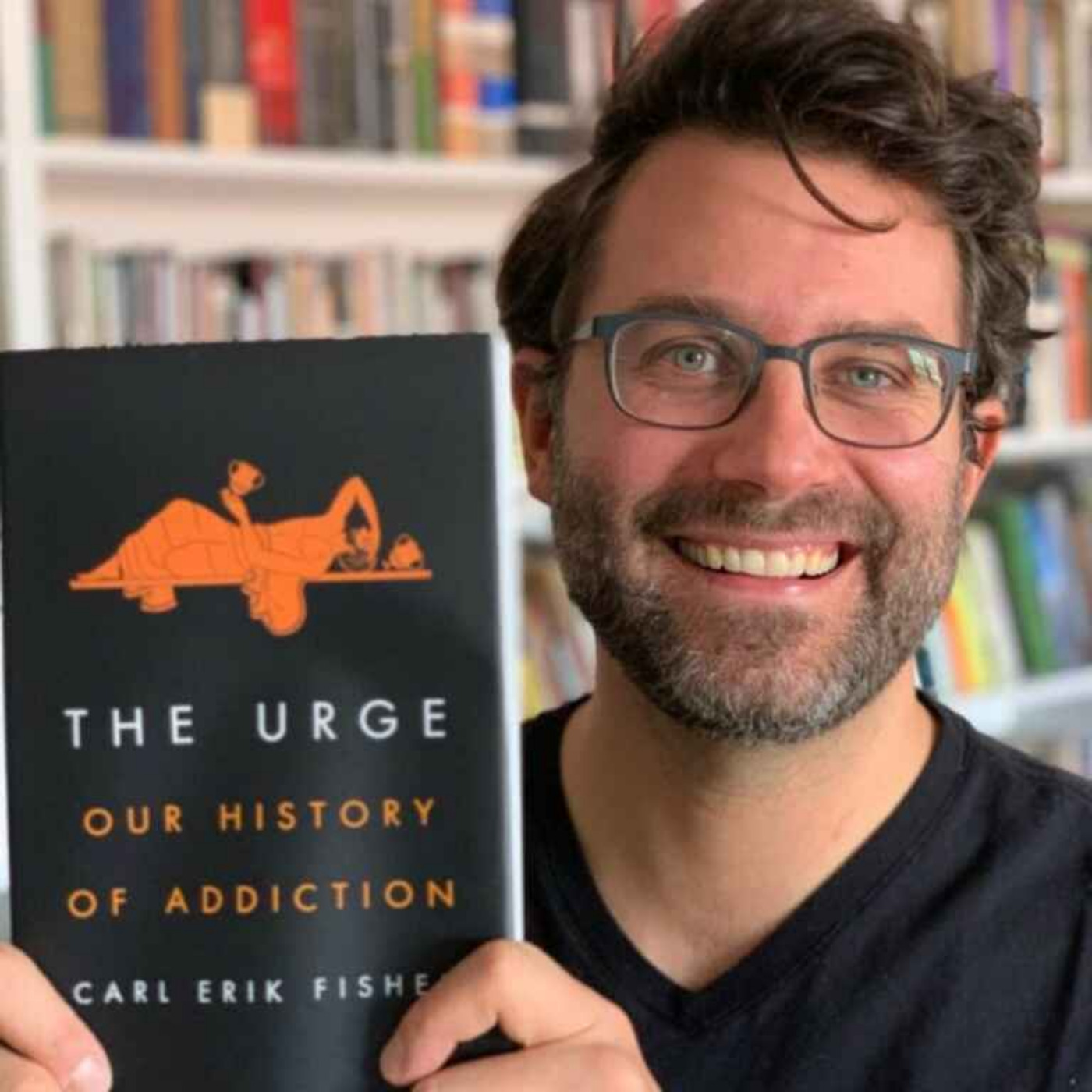
I almost couldn't believe someone could write a book like Carl Erik Fisher's The Urge: Our History of Addiction. It tells the histories of addiction in human society since antiquity and of him, addicted, including in medical school, jail, and recovery. I don't know how many people could have shared such vulnerability or connected his experience to the reader's so we feel empathy.Regular listeners and readers of my blog have witnessed my increasing focus on addiction. We live in a culture of addiction. We see it in alcohol, cigarettes, doof, social media, binge TV, gambling, drugs, and so on. We also see it in what pollution brings, I believe: comfort, convenience, and travel, for instance. Medical professionals may not yet recognize these latter addictions in their literature, but it seems clear to me they will.Solving our environmental problems requires each of billions of people overcoming their addictions. Carl shared some of what recovery takes, and it's not just talk or plans. It takes listening, empathy, and support, among other things.You'll hear me in this episode realize I haven't yet figured out how to extend compassion to addicted people, the people I want to help most, as there are billions of us and our addicted behavior is lowering Earth's ability to sustain life.Carl's home page, linking to his bio, book, podcast, and more Hosted on Acast. See acast.com/privacy for more information.
Ep 651651: Noah Gallagher Shannon, part 2: Uruguay is an environmental role model
The second part of my conversation with Noah, going into more detail about Uruguay and sustainability. The first part was episode 646. Hosted on Acast. See acast.com/privacy for more information.
Ep 650650: Brian Merchant: your phone's hidden environmental impact
The more I learn about electronic waste, the more disgusted I feel at how huge the problem is that we are exacerbating, often in the name of increasing efficiency or reducing waste. I've watched many documentaries, but here's a short video showing the problem in just one place in Ghana. Look at the land in the background that was once verdant and lush, now poisonous. Or read The Dark Side of Congo's Cobalt Rush in the New Yorker.If your comfort and convenience come at the price of others' suffering, wouldn't you rather know than hurt people in ignorance? The way out of that internal conflict is through action. Read Brian Merchant's The One Device the secret history of the invention that changed everything-and became the most profitable product in the world, which tells the story of what goes into our devices, focusing on the iPhone, though it applies to our laptops, Teslas, and so on. In our conversation, he gives his back story to his book.At the very least, you'll find reasons to hold on to your phone for a few years longer than you would have otherwise. You'll save money, but the greater effect will be improving your quality of life, especially your mindset, helping resolve that inner conflict.Brian's home page Hosted on Acast. See acast.com/privacy for more information.

Ep 649649: Listener Questions 04: What Started Me Acting Sustainably, Kids, and What to Do If You Don't Have Time
In this episode, I answer a question a listener emailed:Can you share more details on what exactly prompted you to make the switch to acting more sustainably and if it was abrupt or gradual. And perhaps more practical ideas on what to do if you have kids, especially picky eaters, or if your schedule is just too busy to prepare meals 100% of the time.If you have questions on leadership, sustainability, sustainability leadership, doof, a guest, or anything I cover on the podcast, email me.Episodes with guests I mentioned, who are inspirationalBea JohnsonJoshua Becker Hosted on Acast. See acast.com/privacy for more information.
Ep 648648: Michael Herz, part 1: The United States Constitution, Sustainability, and Pollution
Regular listeners know I'm thinking about applying Abraham's Lincoln solution: a constitutional amendment banning pollution. Here's an earlier episode on it: 613: Our Next Constitutional Amendment.It sounds crazy, but we'd be crazy not to consider it and learn from the idea. Even if the United States takes a long time to do it, other countries would likely do it first. It turns out others are organizing for a similar amendment, for the right to a clean environment.Michael's expertise in constitutional law and environmental law make him perfect to give context in those two areas.One day even the U.S. will show overwhelming support for an amendment making pollution illegal, a modern version of the Thirteenth Amendment. Future generations will lament how we took so long to conceive and pass it. It begins with conversations like this one.Michael's Home Page Hosted on Acast. See acast.com/privacy for more information.
Ep 647647: Kris de Decker, part 1: Low and No Tech Magazine: We believe in progress and technology
Kris created and runs what I consider one of the top sites online. It has influenced my behavior and expectations to enjoy living more sustainably, including unplugging my fridge, which led to unplugging my apartment, and start seeing that solar and wind aren't sustainable any more, though we could make them more so.I've looked forward to connecting with Kris for years. In our conversation, he shares his transition from reporting on new technologies for others for pay to reporting on technology from the view of improving life and how we keep losing the purpose of technology helping us.He also shares how he lives by the values he writes about, or writes about the values he lives, showing integrity and credibility lacking in most people working on sustainability or technology, also understanding from hands-on experience the systemic effects that Silicon Valley and political types misunderstand nearly every time.Low Tech Magazine: Low-tech Magazine underscores the potential of past and often forgotten technologies and how they can inform sustainable energy practices.Some articles that influenced me or I enjoyed:Vietnam's Low-tech Food System Takes Advantage of Decay (this article led me to unplug my fridge, which led me to unplug my apartment)How Much Energy Do We Need?Fruit Walls: Urban Farming in the 1600sUrban Fish Ponds: Low-tech Sewage Treatment for Towns and CitiesMany moreNo Tech Magazine: We believe in progress and technology Hosted on Acast. See acast.com/privacy for more information.
Ep 646646: Noah Gallagher Shannon, part 1: Uruguay is an environmental role model
I see our environmental problems and lack of effective solutions as a failure of imagination, as regular listeners of this podcast and readers of my blog know. If we can't imagine a world without pollution, we won't try. We'll resist and push back, which we do. Would-be leaders pollute as much as nearly anyone alive, more than nearly anyone who has ever lived, then say government should force them to change.Role models would help. Part of why I unplug my apartment from the electric grid and continue my process of continual improvement is to show people what's possible since nearly no one else is.Then imagine my pleasant surprise on reading an article in the New York Times, What Does Sustainable Living Look Like? Maybe Like Uruguay, that describes a whole nation moving ahead of the rest, led by a President also moving ahead of the rest. Role models!Noah Gallagher Shannon wrote the piece, met with the President and others in government as well as many people there. I recommend reading the article.Noah and I got so caught up in the conversation, I split it into two pieces. This one starts covering Noah, his profession, what he writes about, and writing this piece. He also talks about his personal motivation in his quest to live more sustainably and the challenge of finding effective leadership. Then we talk about Uruguayan life and culture, the difference between theirs and ours, and how shocked they are about ours.The New York Times article that led me to Noah and learning about Uruguay, their work, and their leadership: What Does Sustainable Living Look Like? Maybe Like Uruguay: No greater challenge faces humanity than reducing emissions without backsliding into preindustrial poverty. One tiny country is leading the way.The second part is episode 651. Hosted on Acast. See acast.com/privacy for more information.

Ep 645645: Hamilton Souther, part 1: Living Among the Matsés in the Peruvian Amazon
Suggest to people in our culture that we consider not growing the GDP nonstop and most react with fear at what they see as the inevitability of recession leading to depression leading to the tax base declining, infrastructure crumbling, hospitals closing, mothers dying in childbirth, thirty become old age, and reverting to the Stone Age.Yet there remain many cultures that don't buy into our culture at all. Despite our culture invading their lands, what many of us consider the pinnacle of human culture, they choose theirs, and not out of ignorance. They know our culture.If our culture is so great, with electric vehicles, fruit flown overnight around the world, and iPhones, why do they resist it?If we believe we have so much, why do we keep taking their land?Hamilton lived among the Matsés in the Peruvian Amazon for 4.5 years. He shares how he arrived there, how they took him in and trained him to be a shaman, and what differences and similarities he saw there compared to here. We talked a bit about ayahuasca, but as I see one of our greatest challenges is to learn to live sustainably, and electric vehicles move don't help, I was more interested in what I and we can learn from people who still leave things better than they found them.Hamilton shares about how they live and the interface with a westerner who lived with them not as a tourist. I found his experience and education fascinating and accessible. Expect more episodes with Hamilton to come. Hosted on Acast. See acast.com/privacy for more information.
Ep 644644: Janet Allacker, part 1.5: Joy first
In our second conversation, Janet reveals that she did part of her commitment, but found traveling not by car took longer than she expected and didn't do it often.At one point in this conversation, she shares she felt she had to reduce pollution. I point out I didn't say she had to reduce pollution. I invited her to manifest emotions she liked.Our society burdens us with thinking we have to ACT BIG! SCALE! SOLVE GLOBAL PROBLEMS!, which create obstacles to starting and prime us to expect it takes work and sacrifice. Environmentalists create that burden as much as anyone. Yet nature is a joy!The Spodek Method aims at first at the modest effect of leading someone to act on intrinsic motivation, which makes acting meaningful and purposeful. I contend the fastest, most effective way to act big, scale, and solve global problems is to start where you can, engage intrinsically, and keep going.After the Spodek Method's mindset shift comes the process of continual improvement, which I distinguish from lots of people doing small things. It's leading to where you enjoy it so you want to keep improving so you do big things because doing them improves your life, so you do more. Big things that spread out of joy, fun, and freedom scale.You'll hear Janet reset her feelings of obligation---extrinsic motivation---in favor of intrinsic motivation to continue joyfully.She also asked me many questions about what I'm doing and following up many episodes she's listened to. Hosted on Acast. See acast.com/privacy for more information.
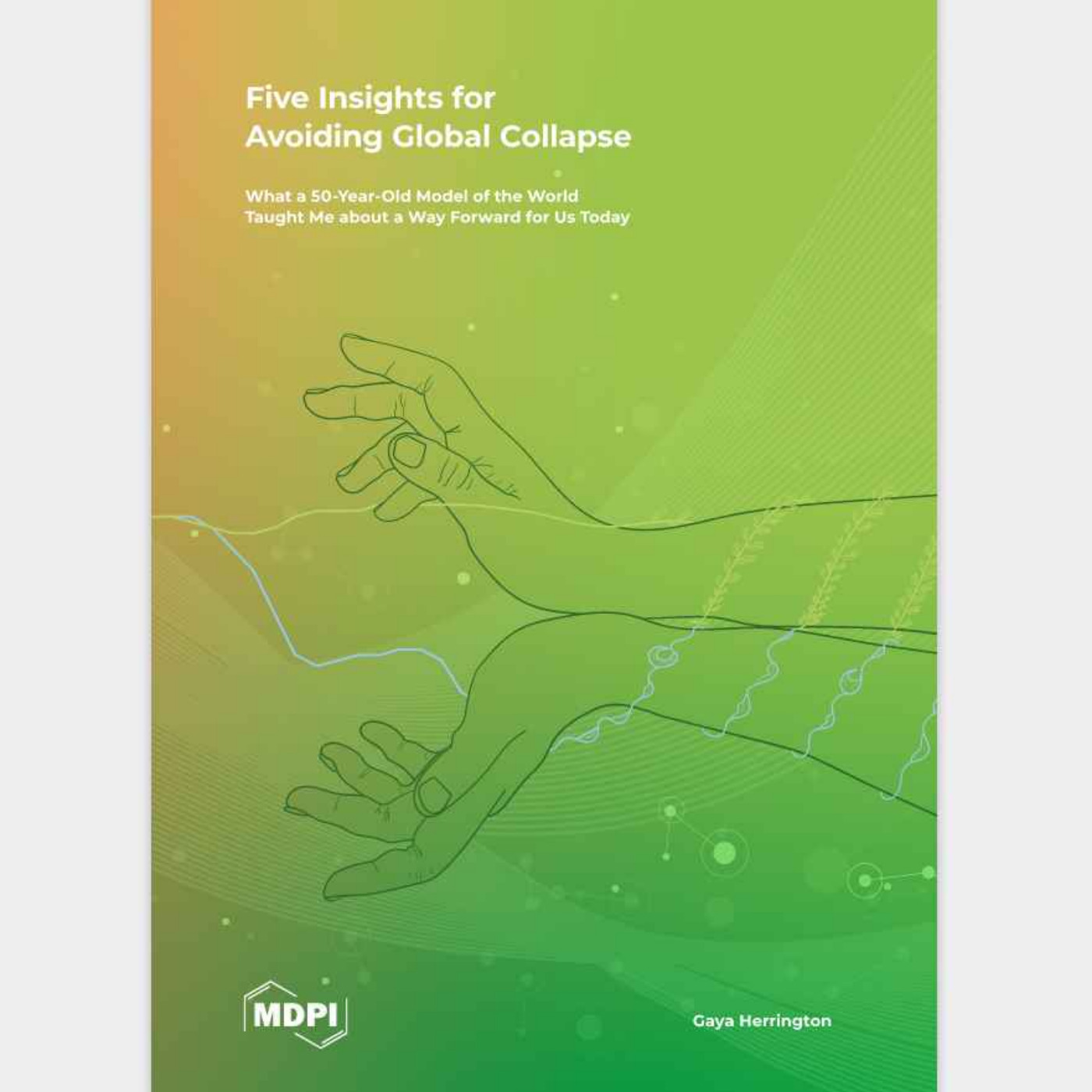
Ep 643643: Gaya Herrington, part 3: Five Insights for Avoiding Global Collapse
At the end of our second conversation, Gaya was finishing her book, leaving KPMG, and soon starting at Schneider Electric. The book just came out, Five Insights for Avoiding Global Collapse: What a 50-Year-Old Model of the World Taught Me About a Way Forward for Us Today (a free download), and she's worked at Schneider a while.We talk about the book, how the world has tracked two of the Limits to Growth simulations, and how working at Schneider is.The book treats how to respond to a complex, systemic problem, which is different from how to respond to a simple, linear problem. I consider the advice right on, rare to find, even among environmentalists. To change a system, some of the best levers are its goals and values. Don't change them and you retain the system you're trying to change, which most people are doing.Gaya's views are a breath of fresh air that give direction for people who want to lead to act.Gaya's new book, Five Insights for Avoiding Global Collapse: What a 50-Year-Old Model of the World Taught Me About a Way Forward for Us Today (a free download)About the book: Looming environmental and social breaking points, like climate change and massive inequalities, are becoming increasingly apparent and large in scale. In this book, Gaya Herrington puts today’s key societal challenges in perspective. Her analysis, rooted in her research on a 50-year-old model of the world that forecasted the onset of global collapse right around the present time, brings some structure to what otherwise might feel like the overwhelming task of achieving genuine societal sustainability.Herrington's research, first published in 2020 in Yale‘s Journal of Industrial Ecology, went viral after it revealed empirical data tracked closely with the predictions of this world model, which was introduced in the 1972 best seller The Limits to Growth. Her book Five Insights for Avoiding Global Collapse contains an exclusive research update based on 2022 data and is written in a more personable and accessible style than the journal article. Herrington also elaborates more in this book on the many interlinkages between our economic, environmental, and social predicaments, and on what her findings indicate for future global developments.Herington lays out why “business as usual” is not a viable option for global society and identifies the root cause of this unsustainable path. Most importantly, her book teaches us what systemic changes humanity still has time to make to achieve a better tomorrow. A future in which society has transformed beyond the mere avoidance of collapse and is truly thriving. Hosted on Acast. See acast.com/privacy for more information.

Ep 642642: Listener Questions 03: Fermentation and my dream job
In this episode I answer:Have you tried making home made yoghurt from plant milk and friendly bacteria. I guess you'd want non packaged options like make from almonds or coconut although home made soya milk is possible with some work. (Using my yoghurt maker is one way I've tried to reduce packaging). Likewise have you tried making vegan cheese?andIf you didn't work at NYU what would be your dream job? Hosted on Acast. See acast.com/privacy for more information.

Ep 641641: Listener Questions, volume 02: What Motivates Me To Care?
Here is the listener's question this time:Where do you think your concern and consideration for others comes from? Is it mostly nature or nurture? (E.g. influence from up bringing). I'm thinking about your social conscience about how your pollution or lack of it has an impact on those you've never met. I like to think I care about others but the truth is I continue to do things like drive to modern jive because it suits me even though it contributes to damage for others. Hosted on Acast. See acast.com/privacy for more information.
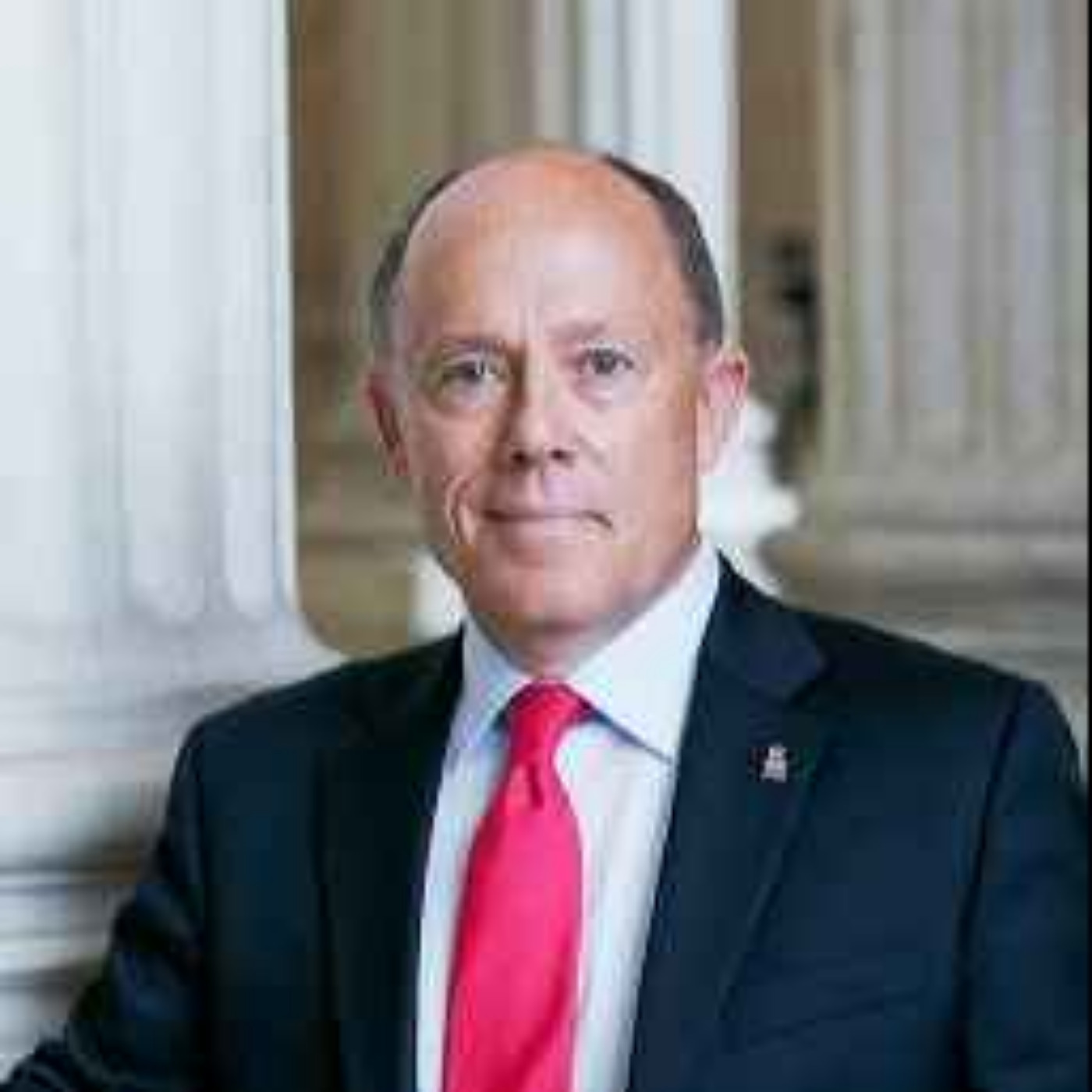
Ep 640640: Mark Mills, part 2: Low cost, high availability energy creates wealth
Mark and I share more highly researched, thoughtful conversation on human welfare and the environment. We see things differently, but I consider our conversations the type we should have more of.This session we coverThe book Limits to Growth as well as the concepts underlying limits to growthEarth's carrying capacityHow much wealth is consumed by food and fuel, now and historically, and how much it's droppedHow the low cost and high availability of energy has allowed us to devote more money for other things, inventions, and life improvementsWhat is pollution?and plenty more. Hosted on Acast. See acast.com/privacy for more information.
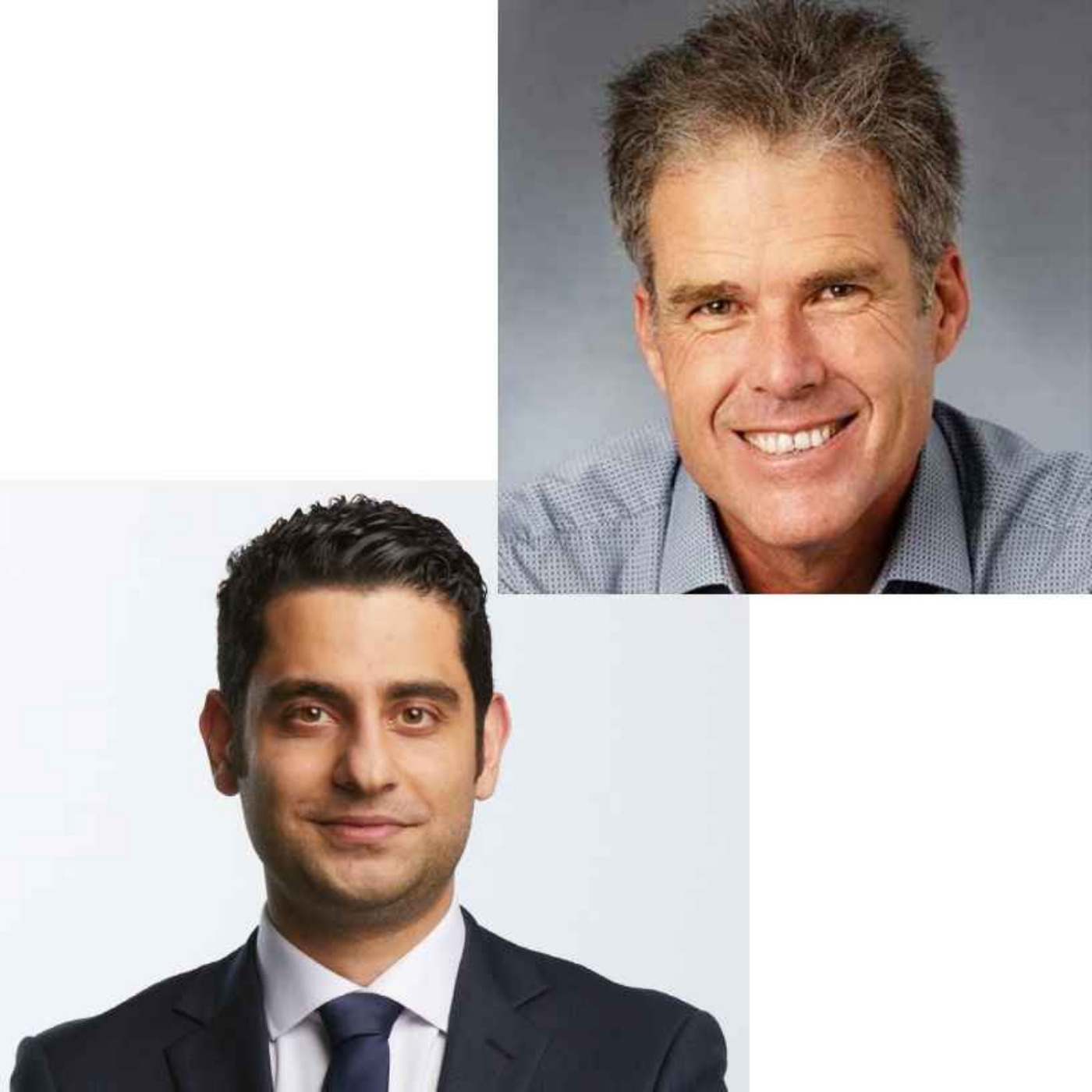
Ep 639639: Bruce Robertson and Milad Mousavian: Carbon Capture and Storage Is Not a Climate Solution
I learned of Bruce and Milad's Institute for Energy Economics and Financial Analysis (IEEFA) report, The Carbon Capture Crux – Lessons Learned, with fascination since I held out for carbon capture to be one of the major potential solutions to climate change. Though climate is only one of the many environmental problems risking civilization, it's one of the big ones.I contacted them to learn what could work or not. Many projections take for granted that today's unproven technologies will work in time to help, but our wanting them to work doesn't mean they will.In our conversation, we talked about their findings and what they meant. Sadly, the results aren't pretty. As they said “as a solution to tackling catastrophic rising emissions in its current framework however, CCS is not a climate solution.”Some highlights from the report:They studied 13 flagship large-scale carbon capture and storage (CCS)/carbon capture utilisation and storage (CCUS) projects in the natural gas, industrial and power sectors in terms of their history, economics and performance. These projects account for around 55% of the total current operational capacity worldwide.They found seven of the thirteen projects underperformed, two failed, and one was mothballed."CCS technology has been going for 50 years and many projects have failed and continued to fail, with only a handful working. Many international bodies and national governments are relying on carbon capture in the fossil fuel sector to get to Net Zero, and it simply won’t work. Although some indication it might have a role to play in hard-to-abate sectors such as cement, fertilisers and steel, overall results indicate a financial, technical and emissions-reduction framework that continues to overstate and underperform.”The study found that Shute Creek in the U.S. underperformed its carbon capture capacity by around 36% over its lifetime, Boundary Dam in Canada by about 50%, and the Gorgon project off the coast of Western Australia by about 50% over its first five-year period.“The two most successful projects are in the gas processing sector – Sleipner and Snøhvit in Norway. This is mostly due to the country’s unique regulatory environment for oil and gas companies,” said Robertson. “Governments globally are looking for quick solutions to the current energy and ongoing climate crisis, but unwittingly latching onto CCS as a fix is problematic.”Last week the Australian government approved two new massive offshore greenhouse gas storage areas, saying CCS “has a vital role to play to help Australia meet its net zero targets. Australia is ideally placed to become a world leader in this emerging industry”. However, Robertson says, carbon capture technology is not new and is not a climate solution. “As our report shows, CCS has been around for decades, mostly serving the oil industry through enhanced oil recovery (EOR). Around 80–90% of all captured carbon in the gas sector is used for EOR, which itself leads to more CO2 emissions.”Robertson says more research could be done on CCS applications in industries where emissions are hard to abate such as, cement, as an interim partial solution to meeting net zero targets. “As a solution to tackling catastrophic rising emissions in its current framework however, CCS is not a climate solution.” Hosted on Acast. See acast.com/privacy for more information.
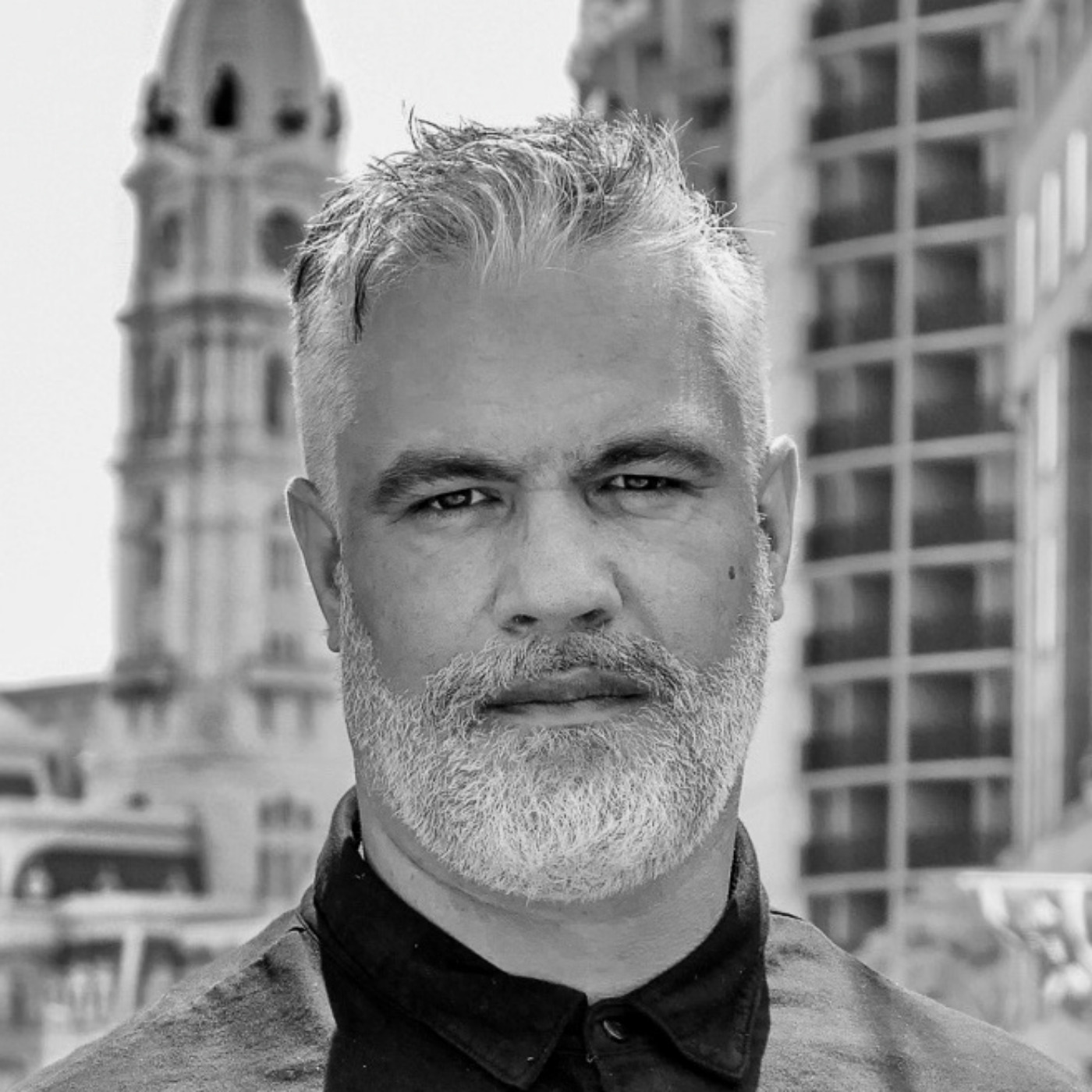
Ep 638638: Mat Johnson: Exploring and Expressing Identity
Longtime listeners know I spent some formative years in some rough neighborhoods in Philadelphia. In researching them for my upcoming book, I discovered the many-award-winning book Loving Day by Mat Johnson took place largely a block from where I lived. His Wikipedia page showed he went to grade school with my stepbrother and stepsister.I read and loved Loving Day, which not only described my neighborhood, it explored it through race, which I was looking to understand, and it was raw and vulnerable, which I struggle to create in my writing. It opens: "In the ghetto there is a mansion, and it is my father's house." That house was a block from my home.Loving Day led me to read his books Pym, Incognegro, and Incognegro Renaissance, all of which I enjoyed, comprising most of the fiction I've read lately. I invited him to this podcast to explore all these topics. Since he teaches writing at the graduate level and has written so much, he shared more than I had hoped for, to my pleasant surprise.I think of this episode as less about the environment and more personal to me and my history, but his experience in creative expression and teaching will make it valuable to all.Mat's home page Hosted on Acast. See acast.com/privacy for more information.
Ep 637637: Holly Whitaker: Overcoming Addiction, Embracing Freedom
I read Holly's book because I see us as a society and individuals addicted to what pollution brings. What can we learn from someone who overcame a different addiction?Holly's book is the opposite of a downer. It's spirited, researched, personal, and engaging. She reveals with infectious anger how society profited at wrecking her life, telling her poison was normal and good. Most of all, she shares how before stopping her addiction she thought sobriety looked impossible to achieve and boring if she did, but after sobriety, she loved life beyond what she could have imagined and beyond what an addiction-based society conditioned her to expect.We live in a society built on addiction. We created it. Almost every sentence in her book applies directly to our addictions to what pollution brings: flying, social media, fashion, and so on, all lowering our quality of life, controlling us, hiding from us reality and how joyful life can be.In our conversation we talk about the forces around us hell-bent on addicting us, creating craving and emotion to lock us in and keep us coming back. She agrees on how her experience applies to pollution.Holly's home pageHer New York Times bestseller: Quit Like a Woman: The Radical Choice to Not Drink in a Culture Obsessed with AlcoholFrom Holly's page, how to follow and connect:The best way to follow my work is to sign up for my weekly Newsletter. I have a new podcast called Quitted. You can buy my book here.You can find some of my old writings on my Substack; some on Hip Sobriety (this is currently archived), and old podcast episodes of Home on iTunes.I have a forty day email course available for purchase to aid with recovery, you can find that here. Hosted on Acast. See acast.com/privacy for more information.
Ep 636636: Mark P. Mills, part 1: "Renewables" aren't renewable
Mark is a physicist who went into business around the environment. There aren't many of us, so I think you'll hear a rapport we enjoyed that I think you'll enjoy too. We indulge in physicist talk.I contacted him because I found his reports on what solar and wind---what I don't see how we can call renewable, green, or clean energy sources---require in their manufacture, transportation, installation, decommissioning, and more. Many fans of such technologies gloss over their problems, which seems to me irresponsible. If we are not honest about them we will make mistakes. Partisanship is a problem when there are testable answers to how much a particular solar installation or strategy to lower emissions works.Mark looks at possible futures but also returns to what's happening today, what works now, not just in the future. He looks at what's going on behind the scenes that can be measured. I recommend reading his work I link to below.We talk about the book Limits to Growth, I welcome his views though, for the record, don't find it as wrong as he does. I consider its systemic approach essential and didn't view its simulations as predictions so much as learning what patterns our global environmental and economic system could show.I use solar, but don't consider it a long-term solution. I also don't think things like nuclear and fusion work long-term either, but we didn't get to that topic. We'll continue our conversations, though, which I look forward to.Mark's book: The Cloud Revolution: How the Convergence of New Technologies Will Unleash the Next Economic Boom and A Roaring 2020sSome of my favorite of Mark's posts and videosMines, Minerals, and “Green” Energy: A Reality CheckThe “New Energy Economy”: An Exercise in Magical ThinkingThe Hard Math of Minerals41 Inconvenient Truths on the “New Energy Economy”What’s Wrong with Wind and Solar?How Much Energy Will the World Need?Mark's podcast The Last Optimist Hosted on Acast. See acast.com/privacy for more information.
Ep 635635: John Biewen, part 2: Turning off screens at 8pm
Do you keep your screens by your bed? Do you find yourself running in circles like: Twitter to email to latest news to Facebook to Instagram to Twitter and repeating the cycle forever?John shares his results committing to turning off his screens no matter what at 8pm a couple nights a week. Do you imagine it would affects his relationship with his wife, with whom he watched shows and movies? Would he get more anxious or less? Read more or sleep earlier? What do you think you would do?He shared what worked, what challenged things he needed to do for work, feelings of addiction.Toward the end he generalized to patriarchy, hierarchy, race, and leadership. Before recording we planned to keep the conversation short, but kept feeling engaged so kept it going. I think you'll find it engaging too. Hosted on Acast. See acast.com/privacy for more information.
Ep 634634: Donald Robertson, part 1: Thinking in Systems (a third listener episode)
Don regularly reads my blog. We've emailed for years so after inviting to record episodes with other listeners, I invited him.We both find a systems perspective the most effective way to understand and act on our environmental problems. I enjoyed talking to him about systems. Many people see them as technical, to the extent they get the view at all, but you don't have to work with them that long to see they are how to understand the environment and how we can act on it effectively.The alternative is to keep proposing solutions that sound nice but exacerbate our problems, things like trying to reduce carbon emissions alone, carbon offsets, recycling, chasing efficiency, and plans that accelerate the system and its polluting results. What works is changing our values, goals, images, beliefs, and things leaders work on. Changing the system, not being more efficient.If you get and like systems, you'll find our conversation refreshing. If you don't get systems, you'll appreciate learning from our conversation. Hosted on Acast. See acast.com/privacy for more information.
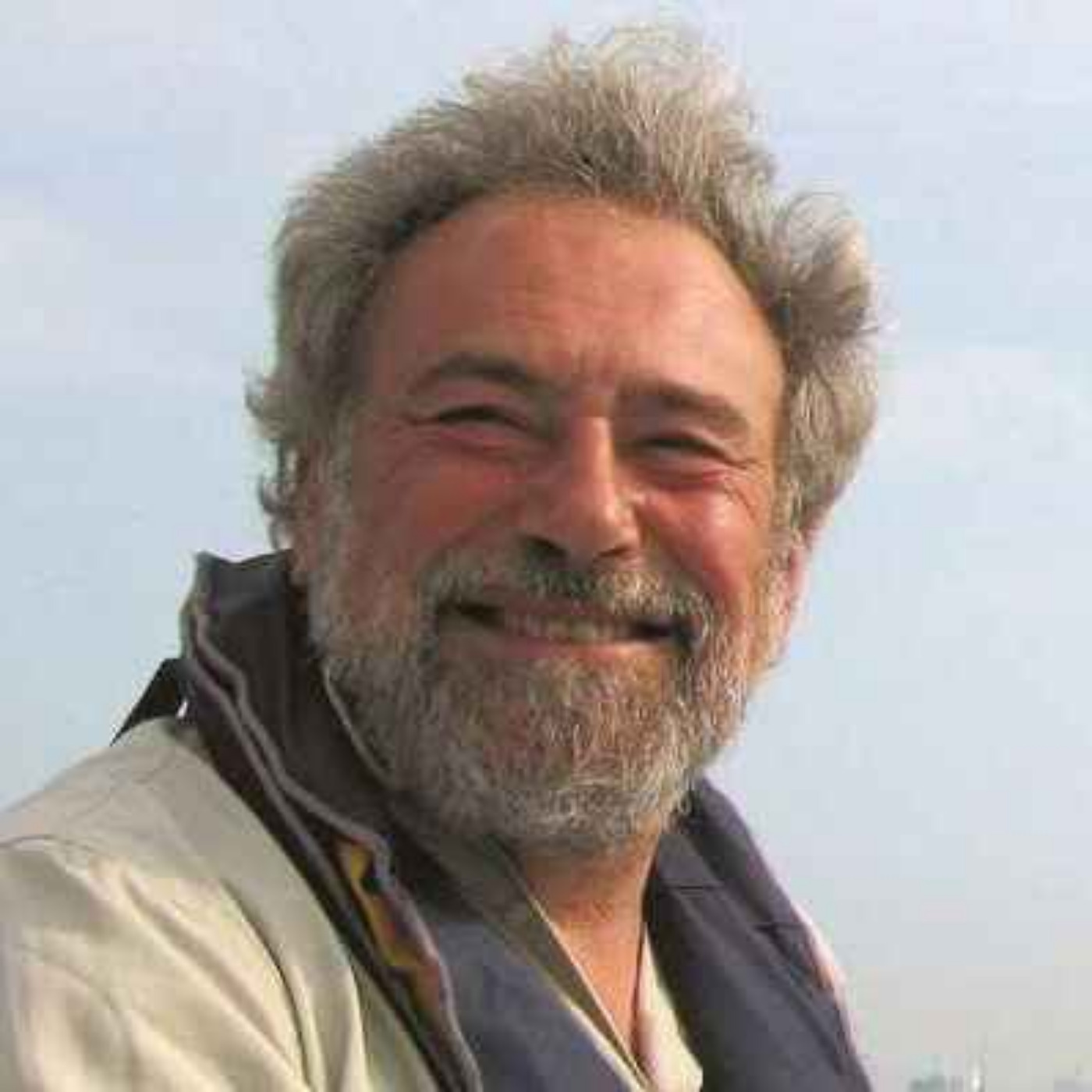
Ep 633633: Alan Ereira, part 1: Meeting the Kogi of Colombia's Sierra Nevada mountains
I learned of Alan soon after learning of the Kogi (see below). He lived with and made films of them, among many other documentaries and films. He also works to help preserve their culture and spread their message to help us stop wrecking our environment and selves through the Tairona Heritage Trust, which you can support.His films about them---From the Heart of the World - The Elder Brother's Warning (1990) and Aluna - An Ecological Warning by the Kogi People (2012)---tell stories and show a culture I consider tremendously valuable. As I live more sustainably, I learn more about cultures that live without polluting and are happy and healthy, contrary to what our culture predicts. They look at us and see we could use help seeing how much we hurt others, ourselves, and our future.In our conversation, Alan shares his experiences with them, working with them to record their messages, and stories behind the stories that made part of their (and his) message more meaningful.About the Kogi:The Kogi descended from Tairona culture, an advanced civilization that flourished before the Spanish conquest. The Carib invasion around 1000 CE forced them to move into the highlands. They moved farther up when the Spanish entered in the fifteenth century. Missionaries tried to influence their culture, building chapels and churches to convert them. The Kogi have remained in their home in the mountains, avoiding the effects of colonization, living traditionally.The Kogi have no written language yet they practise a philosophy and form of thought that has been pretty effectively destroyed everywhere else by the advance of the modern world. They consider themselves to be the guardians of the Earth and are worried by our attempts to destroy it. They refer to us as Younger brother. Their communities are governed by Mamas, who are always male and their female equivalents, Sagas. They are much more than just leaders. Kogi culture centres on a belief that the material world is the physical trace of a thought-world sustained in "Aluna". Aluna is not just a spirit world but the thinking and acting life force. The role of the Mamas is to mediate between the physical world and "Aluna" to ensure that dangerous and destructive forces are held in check. Maintaining their culture and way of life is essential if life on Earth is to continue for all of us. The Kogi are trying to preserve a world of ideas that was once shared by all humanity but which is now all but lost.Alan's first documentary on the Kogi (1990): From the Heart of the World - The Elder Brother's WarningHis second (2012): Aluna - An Ecological Warning by the Kogi PeopleAlan's home pageThe Tairona Heritage Trust, where you can learn about and donate to help the Kogi help us Hosted on Acast. See acast.com/privacy for more information.

Ep 632632: Mitzi Perdue, part 1: Sex Trafficking in Ukraine
Mitzi just returned from the Ukraine War, invited by General Andriy Nebytov from the Kyiv Regional Police. He invited her after reading her piece Human Trafficking on Ukraine’s Border to see this trafficking in person. She saw abductions happening, powerless to act, as traffickers controlled the region.She describes what she saw. This episode isn't graphic, but sober. We'd prefer to live in a world without what she described, but I believe if it exists, better to know about it than not.She also shares what we can do to help and how, in particular helping the charity she created.Mitzi's home pageMitzi's Ukraine charity, ULET Group Hosted on Acast. See acast.com/privacy for more information.
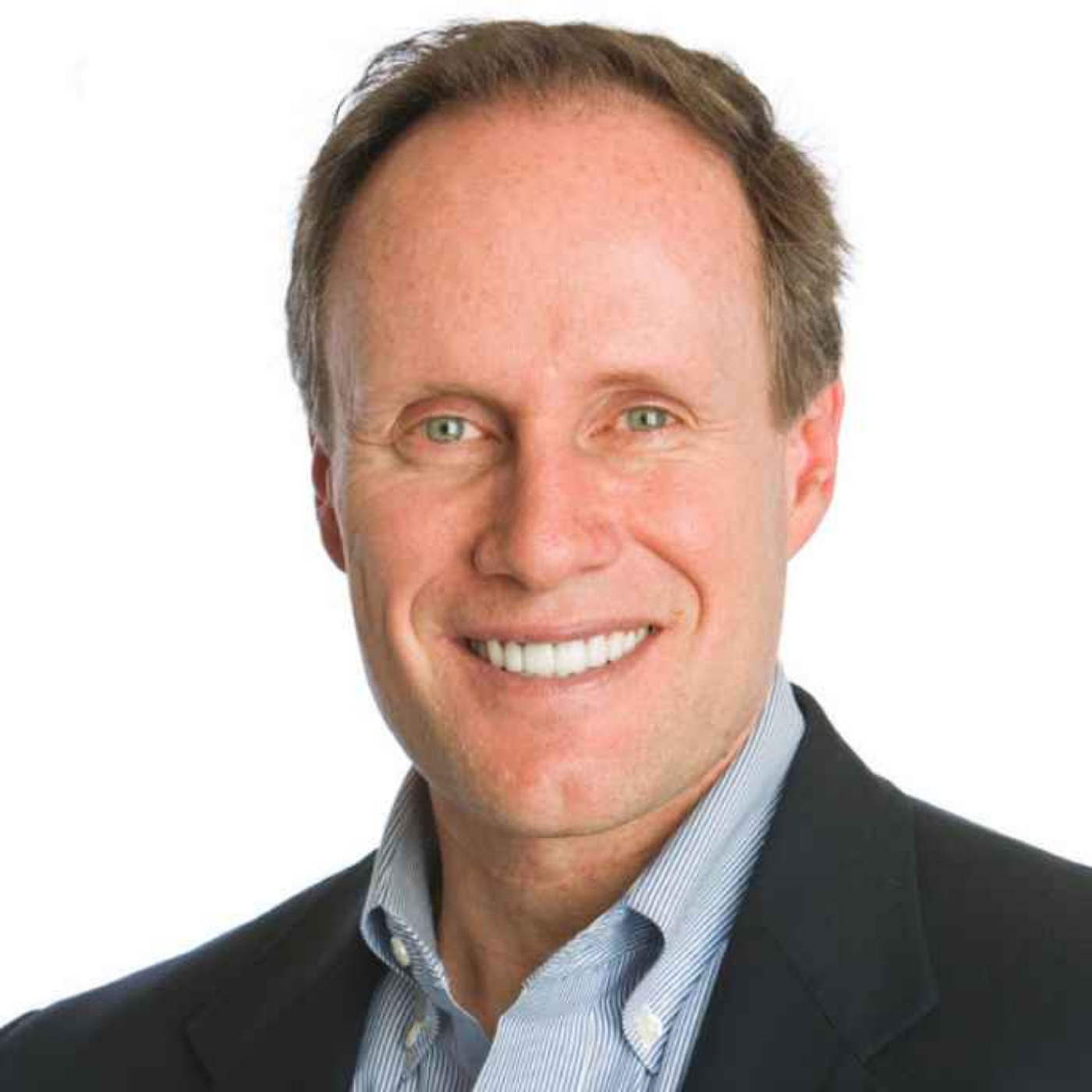
Ep 631631: Stephen M. R. Covey, part 1.5: To Arrive Where We Started and to Know the Place for the First Time
Continuing a long trend of guests sharing partially doing their commitments but not stopping, Stephen comes back for an episode 1.5, not yet his episode 2.Stephen committed to sharing his childhood family experiences hiking on a path near a family cabin (my description doesn't do justice to his description, so listen to his first episode, 622, to hear his description drawing on his life experiences). As happens sometimes when a commitment depends on other people, their being unavailable meant he couldn't complete the whole things.He did his part, as he describes in this episode, and he could have declared he consider it enough. Instead, he shares what happened this time, and that he doesn't consider his commitment finished.He shares what worked, what didn't, the experience of walking solo (and biking there instead of driving).Genuine, authentic leaders know one's measure of personal success depends not on things outside of your control. You succeed if you perform to your potential. Hosted on Acast. See acast.com/privacy for more information.
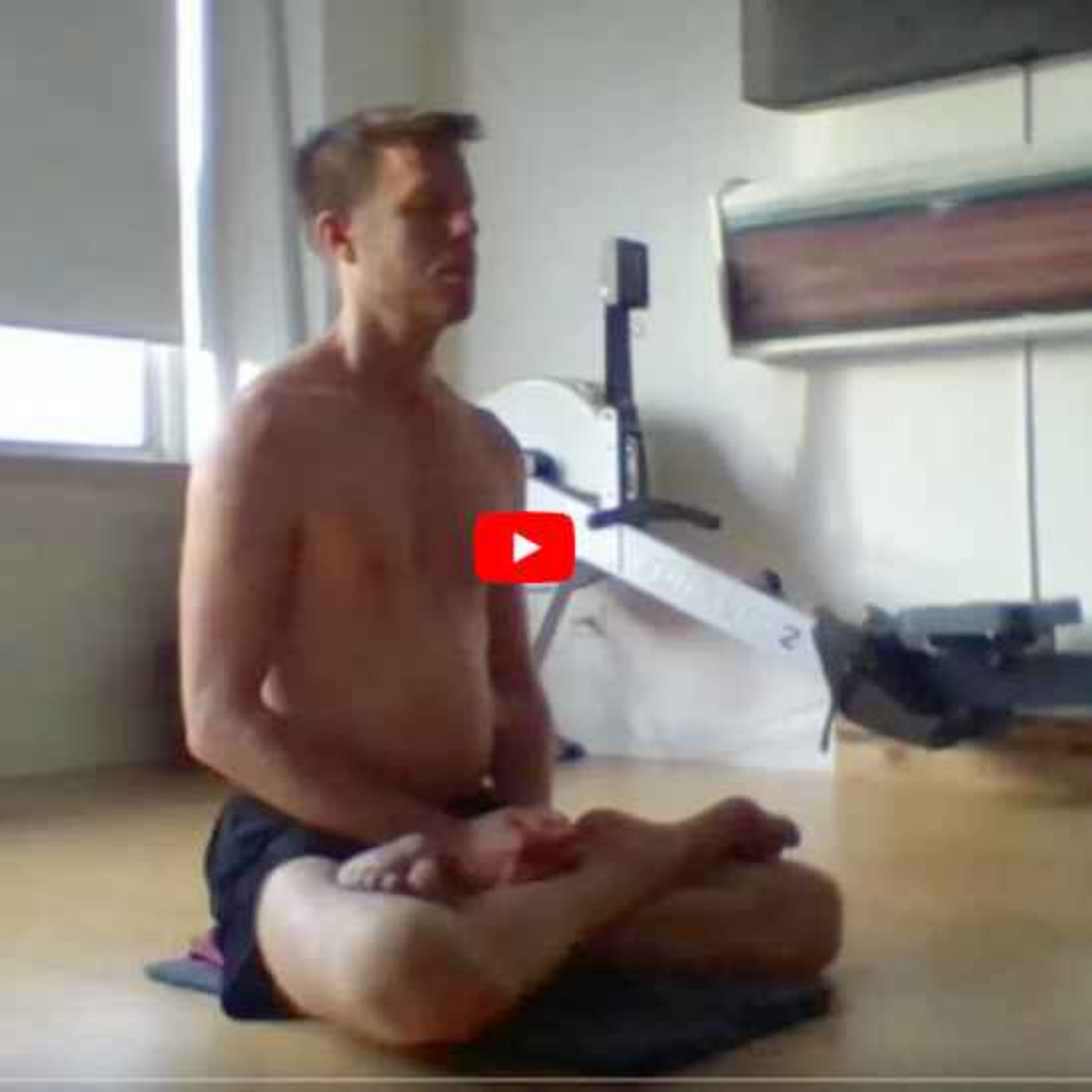
Ep 630630: Simplifying Meditation Words and Meaning
The notes I read for this episode were long, so instead of including them in the podcast notes, I posted them as a separate blog post: The text from episode 630: Simplifying Meditation Words and Meaning.My book: Leadership Step by StepThe Science article I mentioned: Limits to economic growthThe article showing humans lived to a modal age of 72: Longevity Among Hunter- Gatherers: A Cross-Cultural ExaminationViktor Frankl's Man's Search for Meaning Wikipedia pageThe Calvin and Hobbes page showing defenestrationThe Not Just Bikes video channelLow Tech Magazine Hosted on Acast. See acast.com/privacy for more information.
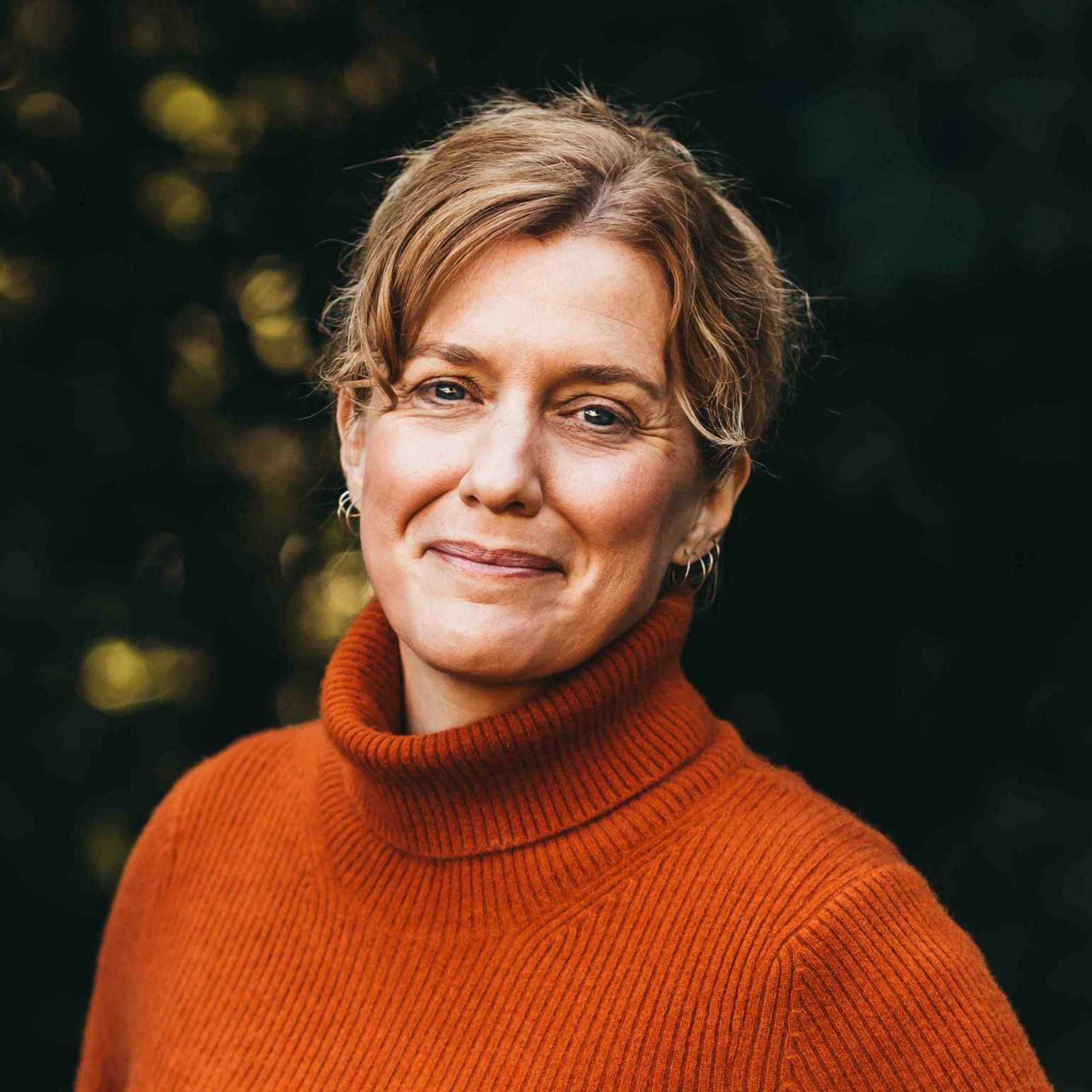
Ep 629629: Michelle Nijhuis, part 2: Stopping doom scrolling
We started talking about Michelle's commitment to avoid scrolling on vacation. She did. It sounds like it was both no big deal and something worth building on.We had intended to keep the recording to under thirty minutes for scheduling reasons, but the conversation kept staying too interesting to stop. We talked about addiction, how big a difference small differences can make, the difference between Portland and Vancouver in culture, how to change culture, living off the grid, and what stays with you when transitioning back.Coincidentally, a story of hers appeared in this week's New Yorker: When Summer Becomes the Season of Danger and DreadMichelle's book: Beloved Beasts Hosted on Acast. See acast.com/privacy for more information.
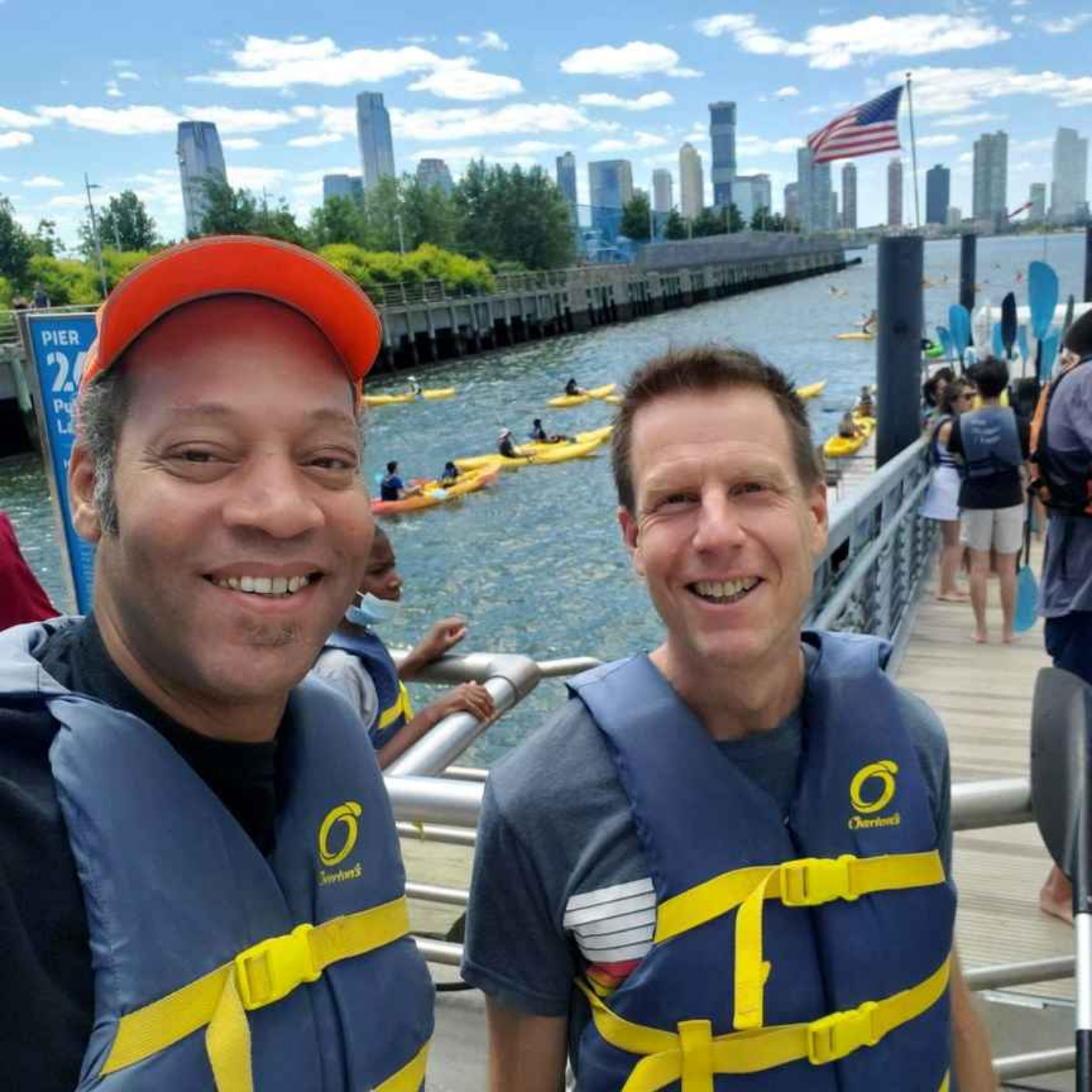
Ep 628628: Jay Walker, part 2: Kayaking together on the Hudson
I think Jay's commitment may be the first where I participated and we had a blast!You may remember he committed to kayaking on the Hudson. He invited me to join. As you can see from the picture, I did, and we kayaked together. We shared about the experience.Note the change in our conversation and relationship from last conversation to this one. By last conversation we had spoken several times to set up the call, then you could hear our recorded conversation. Then hear how things changed just spending time in nature, in a way suggested by his values. That the Hudson by Manhattan isn't wild like, say, the mouth of the Amazon doesn't change that acting on our environmental values opens us up and connects us. Mainstream culture has isolated us so much and cut us off from nature, we don't know what we're missing.We're talking about applying this experience to the Queer Liberation March team to help make keeping the event clean fun and enjoyable, not an obligation but an opportunity. Stay tuned! Hosted on Acast. See acast.com/privacy for more information.
Ep 627627: Nadeem Akhtar, part 1: A Long-Time Listener from Norway
Nadeem contacted me as a listener to suggest Abdal Hakim Murad as a guest, as I hadn't hosted any Muslims on the podcast by then. I learned a lot and enjoyed meeting Abdal, plus Nadeem and I stayed in touch. When Janet Allaker's first episode with a listener went well, I invited Nadeem to be a guest. He loved the opportunity. I think we both enjoyed the conversation. If you're a regular listener, you'll get to hear another voice from your position.You'll get to hear another listener's views on sustainability and this podcast. Nadeem cares enough to act, though not as much as me. He listens to This Sustainable to ground him and inspire more sustainability work. We talk about what motivates him, religion, family, Norway, and of course do the Spodek Method.I think you'll find some similarities and differences in his approach and stick with the podcast. Hosted on Acast. See acast.com/privacy for more information.

Ep 626626: Jay Walker, part 1: Organizing New York City's Queer Liberation March
Regular readers and listeners know my passion for cleaning my local park, Washington Square Park, and how my heart breaks at how we abuse this sliver of a vestige of nature, especially the mornings after the Queer Liberation Marches of the past two years.As an organizer, Jay didn't have to respond to my request, but he did. By the end of this recording, you'll hear us talk about reducing waste next year. We begin by talking about the evolution of the pride marches from when he started attending in the 1980s. He describes them becoming more corporate, less participatory, but most of all, controlled by the cops, not necessarily helping the march. The cops often seem like they're just dominating parades; all New York City parades, not just this march. As a New Yorker, his description struck a chord. His split with the older march sounds almost heartbreaking.Then we talk about the mess attendees created. I point out that nearly everyone identifies ground and waterway waste as sanitation issues, but I see them as too-much-supply issues. We talked about collaborating to reduce the waste people bring and buy at the event. For decades, if people brought things to marches and parades, they didn't leave plastic garbage behind. If they did, not nearly in the quantities of today.It may not seem fair for people to have to decline buying trinkets and bottled water when they just want to have fun, but attendees before cheap, abundant plastic enjoyed parades as much as today. I expect there will be more fun if we communicate to next year's attendees to refuse disposable anything.We also did the Spodek Method and you may be able to tell from the picture I used how it went before you listen to our second episode. Hosted on Acast. See acast.com/privacy for more information.

Ep 625625: Listener Questions, volume 01
I answer my first listener questions. If you have questions on topics I write about, like leadership, sustainability, sustainability leadership, sidchas, habits, academia, physics, podcasting, and so on, contact me.This episode's questions:Hi, Joshua, in the winter months of this year, in New York, in your flat, will you use heating or blankets?Can you describe a time when you struggled with a decision about a polluting act? To give an example of what I mean from my own life, as you know I'm trying to reduce my car use. To go to my modern jive night requires car use (no suitable public transport and too far to walk in dark). So I've wrestled with giving it up but decided I didn't want to because of all the benefits to me. Can you think of an example like that in your life? Perhaps something that you couldn't find a less polluting alternative but didn't want to give upI referred to my episode with Stephen M. R. Covey. Hosted on Acast. See acast.com/privacy for more information.
Ep 624624: John Biewen, part 1: Seeing Whiteness and Other Systems
I came across John from listening to one of his podcast's season, Seeing White, about the development of whiteness as a race. I listened to the whole series, which I found fascinating and provocative. Then I discovered another season, Men, covering another topic important to me. I invited him to be on the podcast, then I learned from him the most recent season, The Repair, is on the environment.We start this conversation talking about systems and approaching the topics above through a systems perspective. With such topics, with which everyone connects intimately, meaningful communication about them becomes personal. John shared his evolution beyond his expectations, challenging his identity even to himself. I comment how openly he shared about himself, which must have taken a lot of courage. From another perspective, I think his, I think he felt compelled to share.He shared how his ongoing research into race and these other systemic issues keeps revealing how baked in to American society inequities are. No one can escape them. He also talks about our widespread willful motivated denial. There are commonalities to my views on sustainability, so I bring them in.We could have filled hours and I feel we just got started, but he'll be back for more episodes. His experience with nature was touching.John's podcast Scene on RadioJohn's TED talk, The lie that invented racism Hosted on Acast. See acast.com/privacy for more information.
Ep 623623: AJ Jacobs, part 1: Be Curious and Act
AJ is in some ways a kindred soul, actually doing things many people hear about or even talk about, but rarely do. Regular listeners might remember our mutual friend Mike Michalowicz suggesting we talk. We start by talking about things AJ has done and written about. He read the encyclopedia cover to cover. He lived a year following biblical instructions as literally as possible. He practiced radical honesty.He shares behind the stories too, the fun and learning that came from it. I believe I heard some resonance and more meaningful respect for my trying to live more sustainably.Underneath it all from AJ, you'll hear a curiosity, thirst for life, and enthusiasm to experience life to its fullest, the opposite of watching it happen or letting it pass him by. You'll want to live more thoroughly too.AJ's home page Hosted on Acast. See acast.com/privacy for more information.
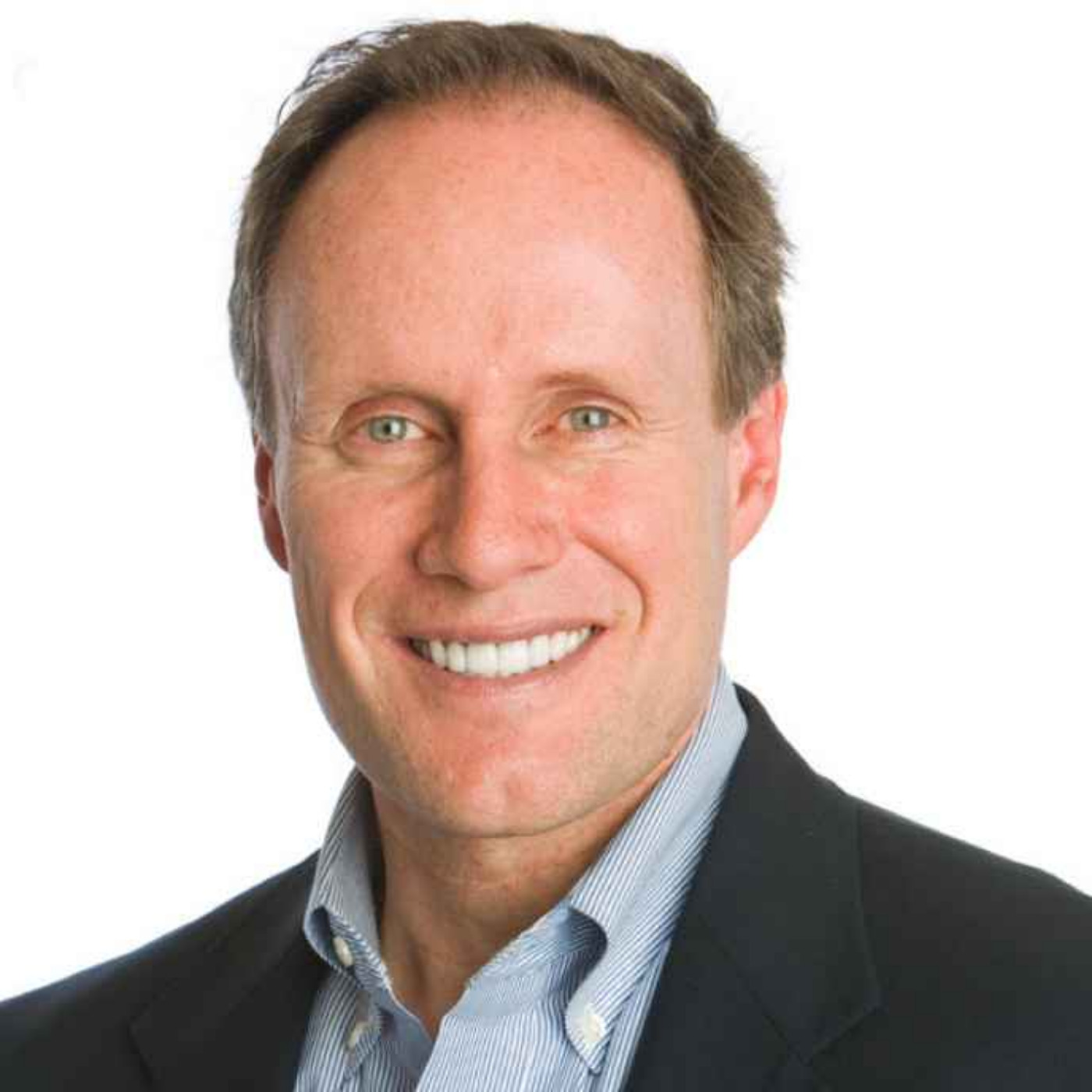
Ep 622622: Stephen M. R. Covey, part 1: Trust & Inspire
Stephen's book, Trust & Inspire, recounts today's effective way to lead, by creating trust and inspiring. He laments people still relying on the old techniques of commanding and controlling, which may have worked in more industrial times, but not today. They provoke resistance, the opposite of trust and inspire.Those familiar with my work have heard me lament what people do in sustainability: CCCSC, my shorthand for convince, cajole, coerce, and seek compliance. They rely on extrinsic rather than intrinsic motivation, which provoke resistance.From the start of our conversation, I tell him how valuable his book's message is for sustainability. We explore each other's approach and share how much we like them.His descriptions of what the environment mean to him and his commitment I found touching.Stephen's book page for Trust & InspireFranklin Covey Hosted on Acast. See acast.com/privacy for more information.
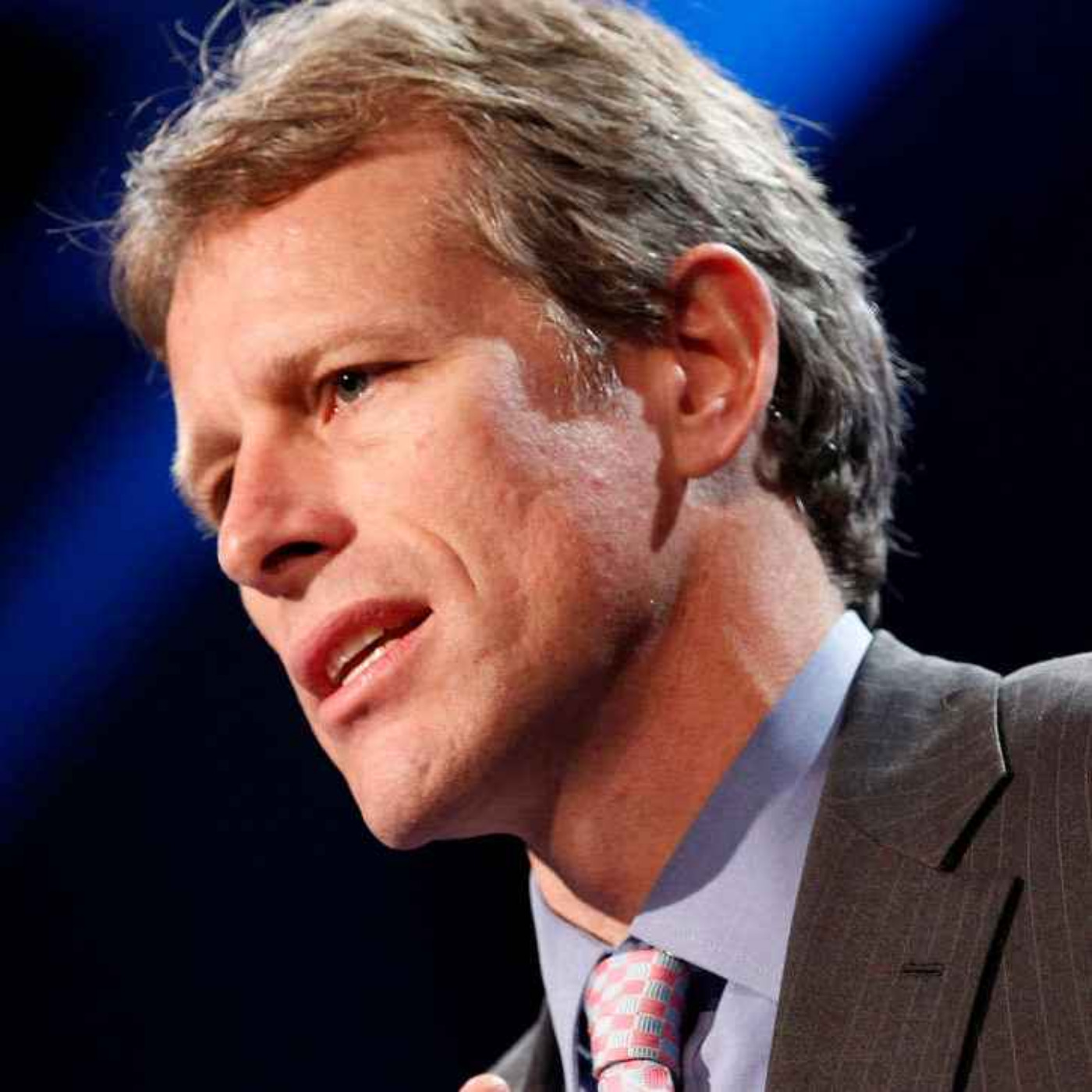
Ep 621621: Whitney Tilson, part 3: Talking sustainability with a Harvard-Trained Investment Advisor Who Flies Monthly
In our third conversation, Whitney and I get more friendly and conversational, fun conversation.He's been picking up more garbage, which I hope is part of a journey of continual improvement. Since long before we met, he rides his bike to get around the city. Otherwise, he's focused on other things in life than sustainability. He's examined a lot of parts of his life, but not his impact on other people mediated through the environment.I'm not trying to change people who don't show they want to change, so we just talk. You'll hear a very thoughtful, active leader speak with me about his views and environmental values.Not Just Bikes YouTube channel Hosted on Acast. See acast.com/privacy for more information.
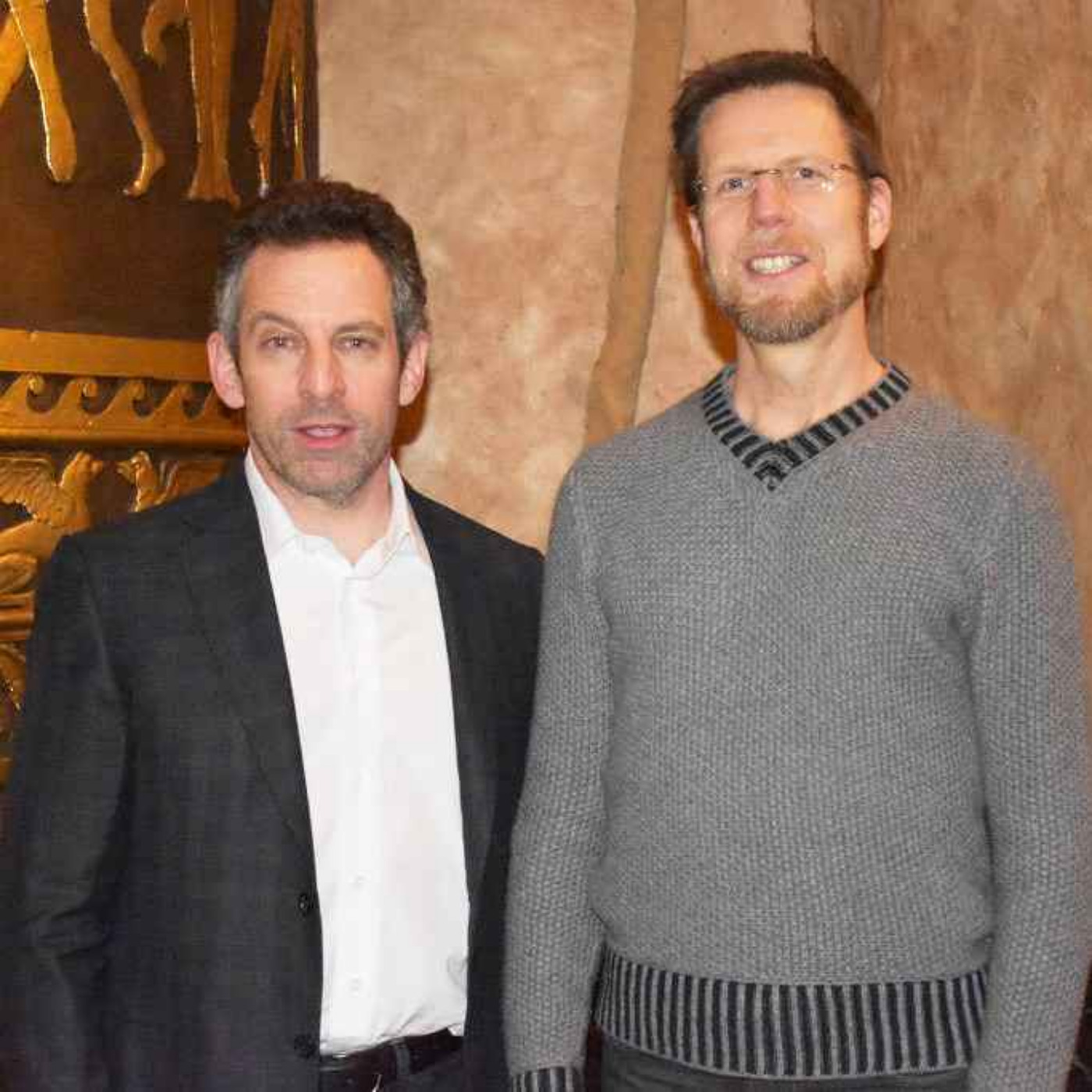
Ep 620620: Nature delivers what psychedelics do, but we don't know what we're missing (feat. Sam Harris and Roland Griffiths)
Listening to an episode of Sam Harris's podcast featuring Roland Griffiths, Johns Hopkins neuroscientist researcher, on psychedelics revealed that much of their benefit sounds a lot like my guests talking about their experiences of nature. I think we don't know how much we're missing by paving over and cutting off as much as we do from nature.I'd guess people before we cut ourselves off from raw, wild nature so much would never have guessed we could deprive ourselves from forests, beaches, and birdsong so effectively. As I'm typing these words, cars are driving by with noise engines blasting music you could hear from blocks away. How can we experience the sublime or transcendent under these conditions? I suggest we can't.By contrast, our ancestors generally lived a few minutes' walk, maybe a couple hours, from solitude.I play a couple clips from that podcast and compare their description of the effects of taking psychedelic drugs to simply experiencing nature, commenting on how much we've isolated ourselves from it, having paved over the most abundant parts. Hosted on Acast. See acast.com/privacy for more information.
Ep 619619: Dr. Michael Gurven, part 2: The Forager Population Paradox and what do we do
Most second conversations on this podcast come weeks or months later, after the guest does his or her Spodek Method commitment. In Michael's case, our first conversation was so engaging, we kept talking almost two hours, so I split the conversation into two parts.The first mostly covered Michael and his research. This part covered applying his research and my leadership to sustainability. What can we learn from cultures that lived thousands of years or longer? What can we learn from cultures that thrive without polluting? What benefits do we enjoy that they lack and vice versa?How can we apply answers to those questions? Can we change our culture?We also discussed Michael's research on the forager population paradox. Quoting from a UCSB article on his research that links to his peer-reviewed paper:Over most of human history — 150,000 years or so — the population growth rate has hovered at near zero. Yet, when we study the contemporary populations that are our best analogs for the past, they demonstrate positive growth.If population growth rates among our early ancestors matched those of subsistence populations from the 20th century, the current world total of 7.8 billion people would be many orders of magnitude higher. This is true even if population rates increased only after the dawn of agriculture, some 10,000 years ago.It’s long been a paradox with no obvious solution.“Contemporary hunter-gatherers from the past century show positive population growth rates that couldn’t possibly represent long-term averages over our species history,” said Michael Gurven, a professor of anthropology at UC Santa Barbara. “So if our ancestors must have been at near zero growth over many millennia, how is it that most studied groups living under traditional conditions — without healthcare, clean water, sanitation or other modern amenities — are growing, and some very rapidly? Some experts even believe that hunter-gatherers today live in marginalized habitats unfit for farming, and so hunter-gatherers in the past may have lived under even more favorable conditions.”Now, Gurven and UC Santa Barbara postdoctoral scholar Raziel Davison have a good idea why. Slight differences in average fertility and mortality rates between then and now combined with periodic catastrophic events could explain what scientists call “the forager population paradox.” Hosted on Acast. See acast.com/privacy for more information.
Ep 618618: Dr. Michael Gurven, part 1: Our ancestors evolved to live to 72 years*, and did (not 30).
*"The average modal age of adult death for hunter-gatherers is 72 with a range of 68–78 years. This range appears to be the closest functional equivalent of an 'adaptive' human life span."Would you be surprised that humans evolved to live to 72 years old? Wait, isn't one of the greatest results of our technology and progress to advance human lifespan from 30 years old?How long do humans live naturally? Of course, the question and its answers is complicated, but I found Michael through a paper he co-wrote with Hillard Kaplan: Longevity Among Hunter-Gatherers: A Cross-Cultural Examination, that researched the question through populations all over the world. Read the paper for their full research, but the quote at the top suggesting 72 years resulted from extensive research and analysis.Michael lived among many cultures that live more traditionally than anyone you've probably met. Not France or Japan, but the Tsimane, Ache, and Mosetene, and researched a world of others. In this conversation he shares how a guy from Philadelphia ended up there, as well as running a lab at UC Santa Barbara. Then we talk about how much we don't know about how our distant ancestors used to live but also how much we do know.I don't think I downplay the richness and complexity of this subject to ask why we so commonly believe all our ancestors used to live to around 30 but we lived much longer, at least if we lived past childhood.How did 30 become old age? What does progress mean if the system and culture that restored our lifespan lowered it in the first place? What if that system and culture is now lowering our lifespans? It forces me to reevaluate the values my culture promotes. Hosted on Acast. See acast.com/privacy for more information.
Ep 617617: Janet Allaker: A long-time listener shares what This Sustainable Life means to her
Janet shared how she found This Sustainable Life, what kept her coming back, the guests she liked, and how it's affected her. I wish I had recorded episodes with listeners before to learn what you all like, don't like, and want more or less of.Listening to it after recording, I consider our conversation one of the most accessible for new listeners. Janet described various aspects of it that I suspect will resonate with many listeners.One thing that hit me was how the podcast restored her enthusiasm to act. Years ago she acted as much as she could on sustainability, to the point of picking up fruit rinds people had littered to put in compost. She didn't act for internal reasons but external, so she burned out and stopped acting. Then she found This Sustainable Life and it restored fun to acting. She does it for the joy of it, which keeps her going, gives her energy, not feeling like giving up.Plus she did the Spodek Method, so you'll hear what she commits to do more.If you are a listener and would like to be a guest, contact me and let me know.Blake HaxtonTom SzakyBob LangertBehind the Mic / Sex, Drugs, and Rock and RollJames Rebanks Hosted on Acast. See acast.com/privacy for more information.
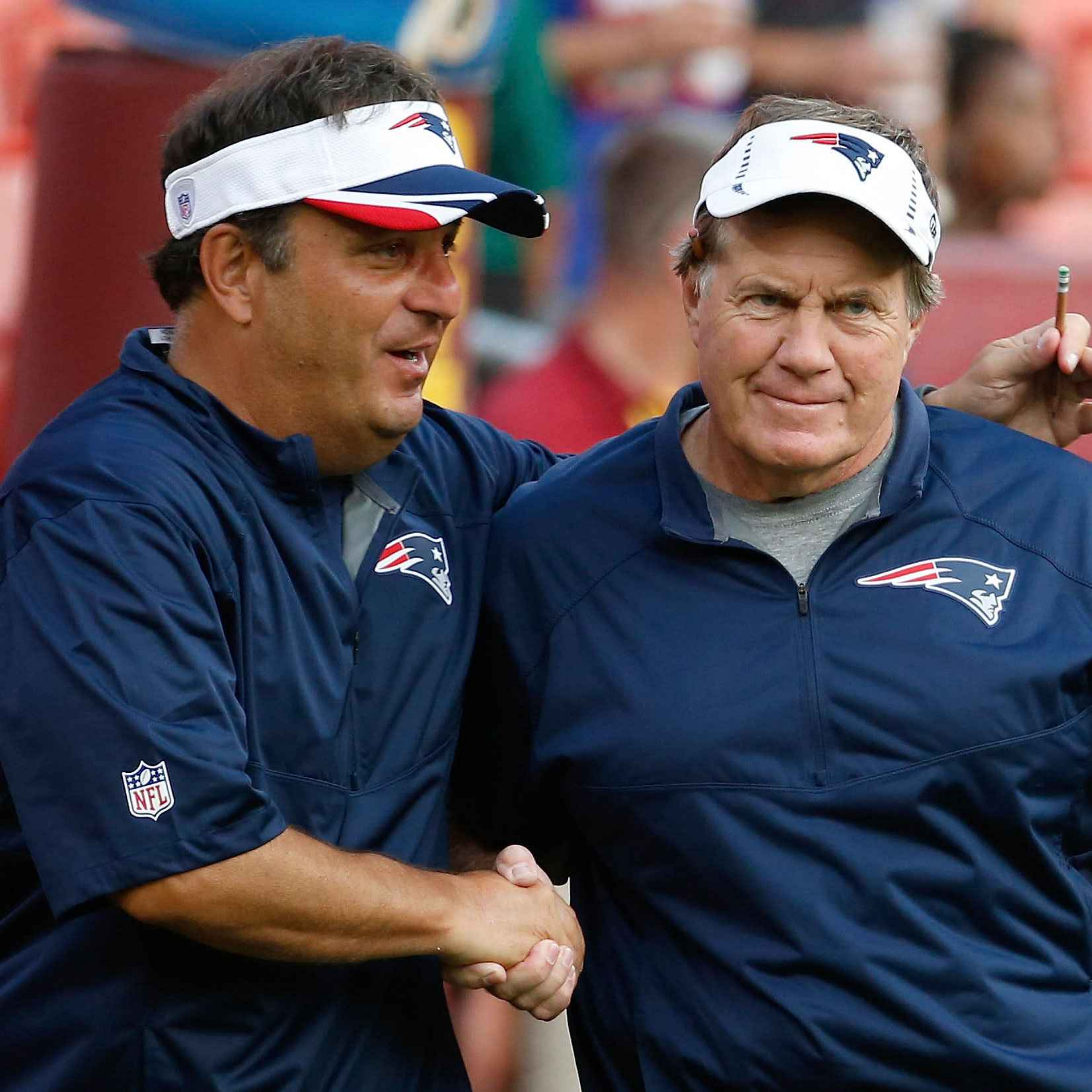
Ep 616616: Michael Lombardi, part 1: Culture, Leadership, and Football
Leaders who know how to lead and change culture know culture eats strategy for breakfast.This concept figures strongly in Michael's book, Gridiron Genius. When most people watch football, they see the game, maybe the game plan and strategy. We see it on the scale of a play, maybe a game involving twenty-two men on a field, maybe also the coaches and trainers.Michael sees each play in the context of the game, season, and overall culture of football as it evolves over decades. He knows the key players, coaches, owners, past players, their careers, their relationships, and their families if relevant.To understand and change culture doesn't come from just telling people what to do. It means listening, understanding, testing, trying, failing, coming back, succeeding, relationships, and using tools like stories, beliefs, images, role models, not just carrots and sticks or instruction.To hear Michael talk football reveals levels of leadership and culture beyond what most of us ever see, honed through decades of living and loving the game and everything in it. I hope the application to sustainability is obvious. You'll hear in his sharing what fans miss when television hides the full game why I can't stand people thinking they're leading in sustainability by coercing, cajoling, convincing, or seeking compliance.Give everything you've got because you love it. Reach your potential. Break past what you thought your potential was to new possibilities.Michael's podcast: The GM Shuffle with Michael Lombardi and Femi AbebefeHis book: GRIDIRON GENIUS A Master Class in Winning Championships and Building Dynasties in the NFL Hosted on Acast. See acast.com/privacy for more information.
Ep 615615: Living off the grid without solar either (as all humans once did)
Regular listeners know I started an experiment disconnecting from the electric grid. I began May 22. Then on July 22, I posted an episode that the solar panel or battery broke, or both. I didn't see how I could continue so said that after I finished recording, I'd declare victory, reconnect to the grid, cook lunch, and move on.Regular listeners and readers of my blog know that I posted about keeping going. What gives? Did I stop or not?I'd meant to record an episode explaining that I kept going without even solar power, though still using my "cheat" of allowing plugging my computer and phone at NYU. Recording my second episode with Michelle Nijhuis, I got to share that story, so I'm posting it here. She lived off the grid for fifteen years, so had plenty of relevant experience.Past posts on the off-the-grid-in-Manhattan experiment:586: My Kitty Hawk moment, on the way to a Moon Shot584: Freedom, continual improvement, fun, and curiosity: day three only solar in Manhattan593: How I disconnected from the electric grid in Manhattan for 2 weeks (and counting)609: Finishing My Off-the-Grid-in-Manhattan Experiment in Month 3 Hosted on Acast. See acast.com/privacy for more information.
Ep 614614: Michelle Nijhuis, part 1: Living off the grid for 15 years
Where was Michelle Nijhuis all my life?She lived off the electric grid for fifteen years and I was about two months in, so we shared stories of the experiences. She did it much longer and her fiance had to assemble everything from scratch. I'm only two months in and can use off-the-shelf parts, but I'm in Manhattan, so can't set up a permanent system. Some similarities: connecting with nature, learning to respect power, living with less resulting in living more. Michelle shares her challenges of connecting with the human world when disconnected to a power grid, but I don't think you'll hear regret.I have to correct myself: I said kilowatt-hour when I meant watt-hour. My battery isn't 1,000 times bigger than I said.It's hard to put into words the benefits of living without electrical power at the touch of a button. I recommend turning off your power every now and then. I wish I had earlier.Michelle's home page, which connects to her book Beloved Beasts, other writings, connecting to her, and more Hosted on Acast. See acast.com/privacy for more information.

Ep 613613: Our Next Constitutional Amendment
My proposal and rationale for the next amendment for the United States Constitution.It will sound crazy, impossible, and too hard at first, as it did with me. But the more you consider it, the more the objections will fade. It is the right tool for the right job. Nothing else is.I'll write more about it later. For now, just the audio. Hosted on Acast. See acast.com/privacy for more information.
Ep 612612: Sebastian Junger, part 1: Humans Thrive on Mutual Dependence, Feeling Needed, But Our Culture Isolates.
When I wrote up my experiment to live with my apartment off the grid in Manhattan for a month, I looked up what I did the morning I started. My library records show I borrowed and listened to Sebastian's book Tribe, then my browser history shows I watched a ton of videos featuring him. Soon after I read Freedom, watched Restrepo and The Last Patrol.His work makes you question your values, the values of our culture, and what you do about it. In my case, his exploration to why in a culture of material plenty, that according to, say, Steven Pinker's Enlightenment Now or The Better Angels of Our Nature, which say life is the best its ever been, in head-to-head competition, people who know civilization choose to live in other places. His books and our conversation clarify and refine the conditions, but the main appeal of not-civilization is feelings of mutual dependence and feeling needed. Our culture isolates. With affluence has come anxiety, depression, and suicide.His research and writing helped me understand why I enjoy each step of polluting less. People from the outside read me as extreme, but America pollutes extremely much. I've reduced over 90 percent, but I still pollute. I'm finding myself not extreme but traditional.Sebastian shares the main points of his books on community, mutual support, feeling needed, war, love, and more versus isolation and anxiety. At the end we talk about how to restore what we've lost and the prospect of changing culture to sustainability, which looks promising.Sebastian's Home PageLots of videos featuring Sebastian Hosted on Acast. See acast.com/privacy for more information.
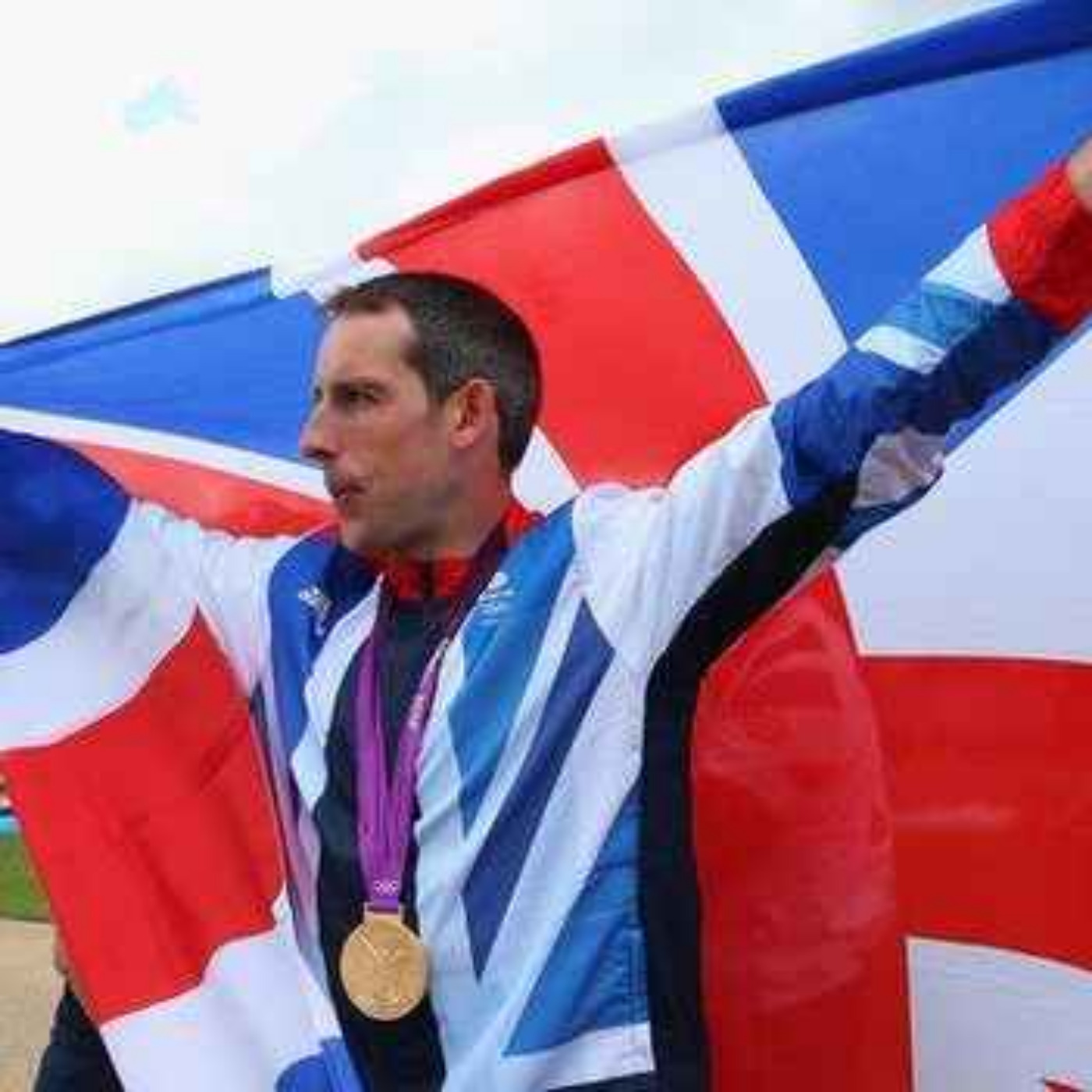
Ep 611611: Etienne Stott, part 6: Activism and Leadership
In this sixth conversation between an Extinction Rebellion Rebel and a home-grown sustainability leadership (I hope) leader, we explore more of the life of someone who has devoted himself to solving our environmental problems.We continue comparing and contrasting the approaches, learning from each other, developing friendship, sharing the challenges, and sharing why we do it.If you, listener, haven't yet decided to make sustainability your priority, I think you'll find everyone needs your help. I hope this conversation helps influence you. Whatever else you're working on, clean air, land, food, and water will help.I hope Etienne and my conversations help reveal it's a deeply rewarding life.And hearing from an Olympic gold medalist who sees this work as the most valuable he can do is pretty engaging. Hosted on Acast. See acast.com/privacy for more information.

Ep 610610: Abortion and Sustainability
Here are the notes I read from:40% of pregnancies are unplanned. Overpopulation is a major problem for environment so it's a topic for this podcast.Girlfriend who pressured me into unprotected sex and got pregnantNot only women's issue. Men have as much value to add as anyone who hasn't been robbed or murdered to speak on robbery and murder.Her power, reversing her word, pressuring, irresponsibility, tearFinancial abortion. If you support abortion, it's consistent and will help you win your caseStories of pro-lifers getting abortionsMany men who support abortion and many women who oppose itWhat if someone believes unique human life begins at conceptionTo me, fertilized cell is not a human being. Like an ant, not an anthill, nor are a dozen ants or even thousands. Yet at some point an anthill forms. Or a cloud. Water vapor everywhere, yet where cloud begins in space or time not clear.Somewhere clump of cells becomes human capable of suffering, before nine months.If you believe the cells don't become human until late and don't accept that others could consider it murder, have some compassion. It may help to learn that many past cultures, including likely yours into the twentieth century, and many others today consider infanticide after birth within days, weeks, or even longer acceptable. How do they look to you? Would you kill a born baby? Can you see that others might see you that way? What would you do if you saw a parent preparing to kill a baby already born that was viable? What would you say to a society that left twins to die from the elements or hunger?Democracies debate life, death, self defenseSeems to me a conflict to resolve democratically. No scientific proofLet's say you're absolutely right and not a unique human life at conception or even until birth. People can vote however they want. Can you at least acknowledge their point of view? To lead, you have to go where they are. You're losing. Maybe reconsider your tactics.Likewise, say you can prove unique life begins at conception. Still not well defined. When sperm enters egg? Can't be. When DNA combines? If DNA doesn't finish combining, you'd allow some birth defects to be killed. My point is you still haven't found a hard lineOr what if we can clone humans from one cell. Then you must do everything possible to keep that machine running and build as many as possible.Both sides keep pushing toward greater extremes, listening less, not more, trying to circumvent democracy. Stating more extreme positions.I think democratic debate is best solution at high level. Also practically, I think it will win you more support and disarm opponents more.I can't help mention a creative solution from The Satanic Temple. It's making abortion a religious ritual protected by law that health care providers apparently have to honor. If all it takes to force by law a doctor to give an abortion is converting to a religion, I suspect TST may see an influx, new religions may start forming, or existing religions will begin their own rituals. I'll link in the text. Hosted on Acast. See acast.com/privacy for more information.
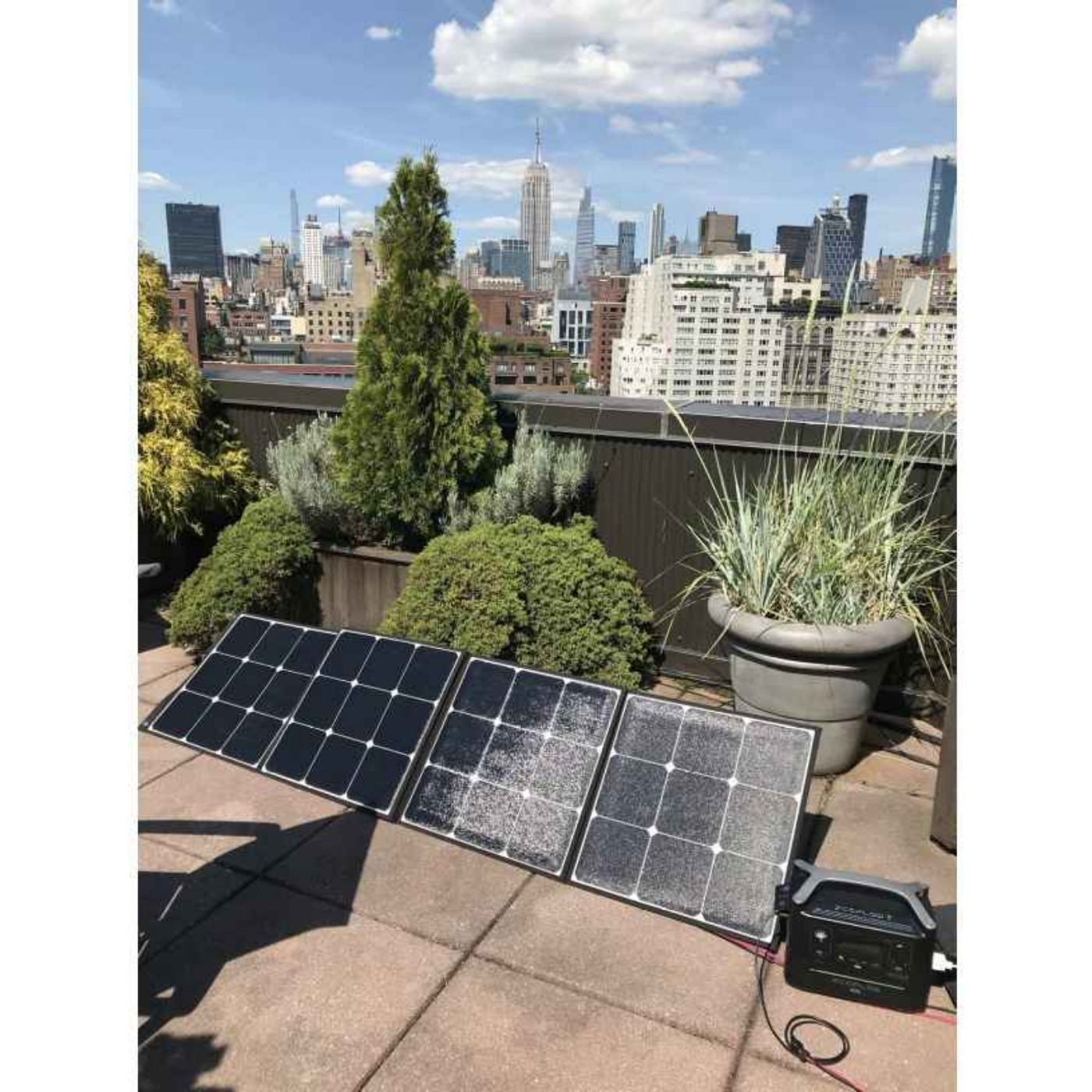
Ep 609609: Finishing My Off-the-Grid-in-Manhattan Experiment in Month 3
Having just started month three of living off the electric grid in Manhattan, technical issues led me to stop the experiment. I'm not sure the problem, but connecting the solar panels to the power station, it doesn't charge. I don't know how to diagnose it without another power station or solar panel I know works to find the problem.Here are the notes I read from:Last use of electronics off-grid before cooking lunch with pressure cooker, which will mean reconnecting the apartment's master circuit that I disconnected in May.I knew I'd feel dirty because I would cause pollution.Up and down stairs, sleeping in heat, knee injuredThe hard part wasn't living traditionally. My food was more fresh. I lived with more meaning and purpose.The hard part was living in a different culture, even if just me, than America.I lived by Do Unto Others As You Would Have Them Do Unto You and Leave It Better Than You Found It.As for America, by its fruit shall ye know a tree. What are America's fruits? Not Do Unto Others or Leave It Better.American culture: more men with breasts and fewer sperm than any culture in history.But choice made for me: Power station broke, the computer battery, then charger, now either power station or solar panels.Yesterday had to postpone two meetings.Used power from last time it charged down to six percent on station, about an hour on computer, though longer on phone.Will cook stew, declare victory, and keep using little, especially the fridge.I expect to make twelve months without the fridgeEarlier episodes on the experiment:586: My Kitty Hawk moment, on the way to a Moon Shot584: Freedom, continual improvement, fun, and curiosity: day three only solar in ManhattanPlus I spoke to a city government advisory group and talked about leading up to it.593: How I disconnected from the electric grid in Manhattan for 2 weeks (and counting) Hosted on Acast. See acast.com/privacy for more information.