This Sustainable Life
869 episodes — Page 2 of 18
Ep 811811: Tina Tombstone: A friend I volunteer delivering food to the needy with
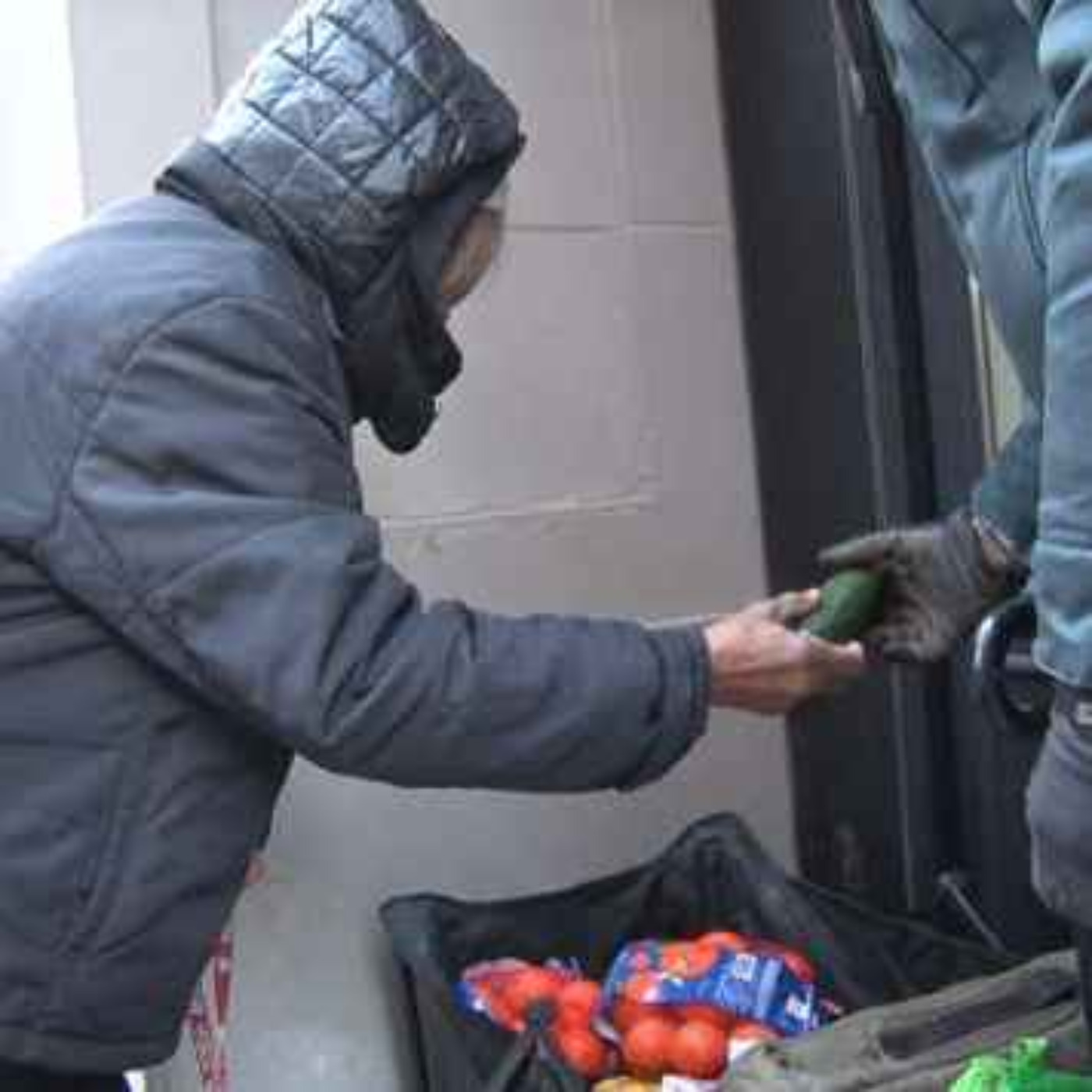
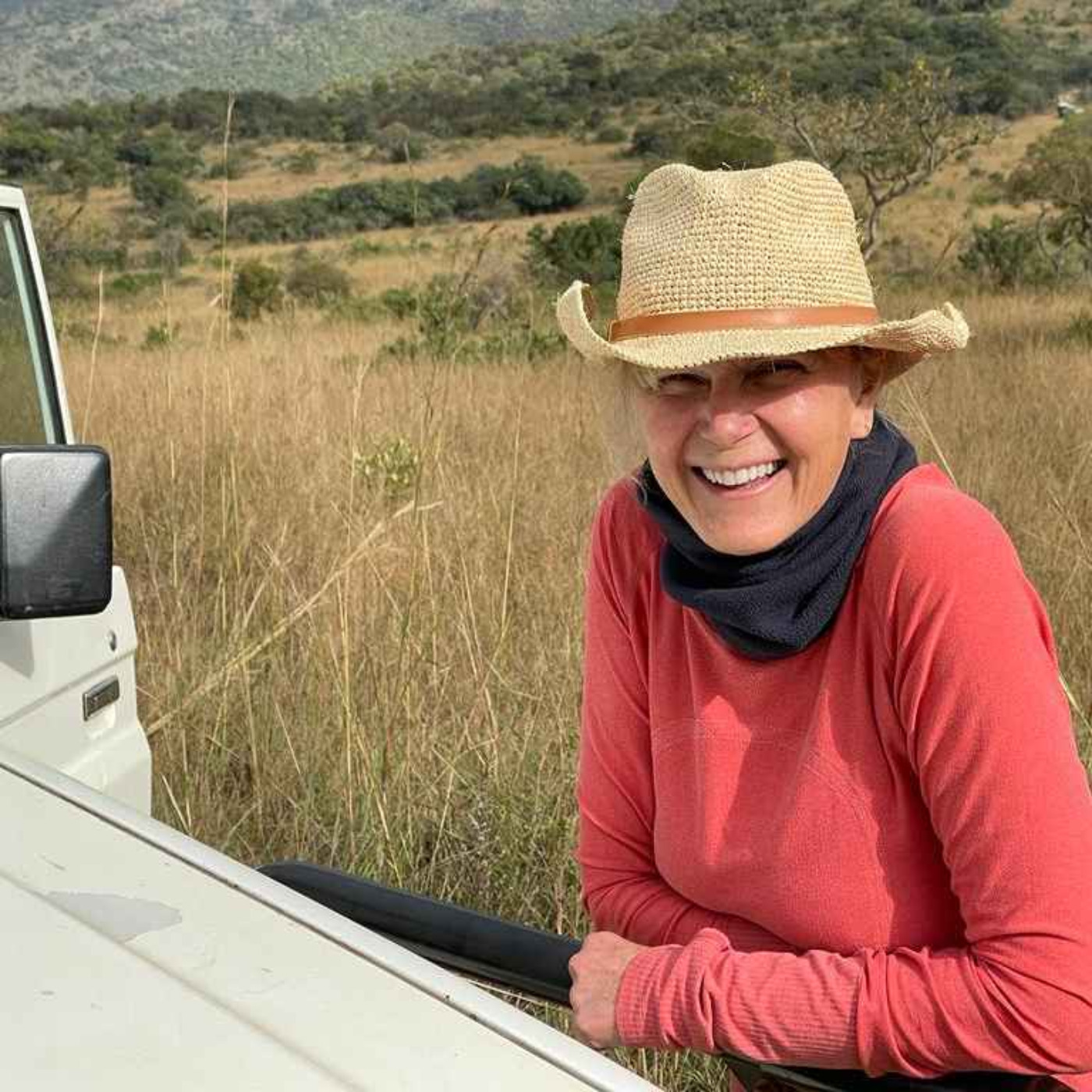
Tina is one of the central characters in that group that everyone knows (another is Kevin Fucillo, also a podcast guest). We go back a few years. She was born in the south in 1933, so you can do the math, but you'd never guess. She's at times a firecracker, full of life, ready to handle anyone. She's friendly to all, but ready to police anyone overstepping bounds. She's always caring about the community as a whole and each person in it. She goes out of her way to help people beyond just delivering food. The community wouldn't be the same without her.We talk about volunteering, homelessness, slavery, Africa, the South, and more. She worked at the Lone Star Cafe, which was a famous club in the 1970s and 80s, so shared some big names of people she hung out with, like Willie Nelson, James Brown, Courtney Cox (we couldn't remember her name), Bruce Springsteen, and more.We recorded in the lobby of her building, so you can hear people coming through and some sound issues. She spoke more softly than her usual self when I turned the microphone on, so I urge you to watch this video to see her energy outdoors. It was taken by a TV crew doing a story on me but they didn't use it.She asked me not to share her picture, so I'm only showing her side picture here, during a winter delivery, but she's okay with my sharing the video that still came from. Hosted on Acast. See acast.com/privacy for more information.

Ep 810810: Giora Netzer, part 2: Leadership coaching leads to far more than "just" the C-Suite
In our second conversation, Giora reveals more about his developing as a leader. If you listen for it, you can hear the vision he had for himself and his profession, but also the development he needed to realize it.This podcast is about sustainability leadership. You probably envision a sustainable world, or at least trying with everything you can to help achieve it. Maybe you've adopted my vision and mission. Developing leadership skills and experience as Giora have is essential. We can learn from him.Beyond his leadership skills and experience, his doing the reps earned him credibility and developed integrity, essential elements for effective leadership. Hosted on Acast. See acast.com/privacy for more information.

Ep 809809: Alexander Clapp: Waste Wars, how we profit off polluting the world claiming to help them
I found Alex when listeners sent me an opinion piece in the New York Times he wrote, The Story You’ve Been Told About Recycling Is a Lie.Getting to where I take years to fill a load of trash means I've researched waste a lot, so based on the headline, I thought, "yeah, I've read this story before. I'll skim it so I can say I read it and then move on to important things." Instead, I was fascinated and found plenty new. I had to read his book, Waste Wars: The Wild Afterlife of Your Trash, which came out last month. I can't recommend it enough.Whatever you know about waste and pollution, the book shares more and it's relevant to your life if you value liberty, freedom, justice, not killing people for profit, and not destroying your own health, safety, and security. Our system of waste forces us to act in opposition to those values.We don't have to. We can change the system. Understanding it helps. Listen to this episode, read Alex's book, and read his opinion piece. Here are its opening paragraphs:In the closing years of the Cold War, something strange started to happen.Much of the West’s trash stopped heading to the nearest landfill and instead started crossing national borders and traversing oceans. The stuff people tossed away and probably never thought about again — dirty yogurt cups, old Coke bottles — became some of the most redistributed objects on the planet, typically winding up thousands of miles away. It was a bewildering process, one that began with the export of toxic industrial waste. By the late 1980s, thousands of tons of hazardous chemicals had left the United States and Europe for the ravines of Africa, the beaches of the Caribbean and the swamps of Latin America.In return for this cascade of toxins, developing countries were offered large sums of cash or promised hospitals and schools. The result everywhere was much the same. Many countries that had broken from Western imperialism in the 1960s found that they were being turned into graveyards for Western industrialization in the 1980s, an injustice that Daniel arap Moi, then the president of Kenya, referred to as “garbage imperialism.” Outraged, dozens of developing nations banded together to end waste export. The resulting treaty — the Basel Convention, entered into force in 1992 and ratified by nearly every nation in the world but not the United States — made it illegal to export toxic waste from developed to developing countries.The NY Times opinion piece Alexander wrote that led me to him: The Story You’ve Been Told About Recycling Is a LieWaste Wars: The Wild Afterlife of Your Trash at Hachette Hosted on Acast. See acast.com/privacy for more information.
Ep 808808: Silvia Bellezza: Sustainable Marketing at Columbia Business School
Silvia created the course Sustainable Marketing at Columbia. It's an elective and has become the class at the business school with the most students from other schools at the university.In looking for a guest speaker on sustainable consumerism, she found the New York Times profile on me. She decided to invite me before realizing I'd gotten my MBA where she teaches. Only when we spoke did she learn I focus beyond just living sustainably to creating a leadership program with a mission to change global culture.When I spoke to hear class, I spoke about changing culture, which in some ways conflicted with the marketing goal of selling more products. It also resonated with many of her students' interests in creating a more sustainable world. I got a lot of attention after class. We recorded this episode before I guest-spoke at another section of her course.We talk in this episode about how that class went from her perspective as well as differences between sustainability leadership and marketing. We did the first part of the Spodek Method. You can hear that as a business educator, she analyzed it, so we talked about that analysis.Silvia's page at Columbia Business School Hosted on Acast. See acast.com/privacy for more information.

Ep 807807: Giora Netzer MD MSCE, part 1: A leader I coached to the C-suite
Are you reaching your potential, professionally or personally? Have you wondered what would happen if you got coaching?Giora did. A friend of his who was a client of mine recommended he get coaching from me. We worked together for several years. People who think my podcast is primarily about sustainability may think it's off-topic, but those who know I focus primarily on leadership will see this conversation is exactly what I focus on and I think is most necessary and lacking from sustainability.Recently he told me one of the most heartwarming things I'd ever heard. Despite that our coaching focused on his professional life, he told me that coaching improved his relationship with his daughter in ways he couldn't have imagined. That improvement was one of the greatest changes to his life.Since I teach leadership to people who took my sustainability leadership workshop, I asked if he would share for this podcast his experience learning leadership through me. I believe his experience will tell people in the sustainability simplified community what to expect from learning leadership.In this conversation, Giora and I focus on three points in our coaching relationship:Before starting: his decision to get coachingHis reaching the c-suite and finding the culture thereHis transformation with his family and daughter Hosted on Acast. See acast.com/privacy for more information.
Ep 806806: Robert Fullilove, part 2: the spirit of the Civil Rights movement
Dr. Bob shares more about his experience acting during the 1960s, as well as today on helping prisoners and more. I hope you can hear the electricity I felt listening. Two kinds of electricity: one for the stories, another for how they resonated with the community, teamwork, and passion I see in the team I'm working with creating sustainability leadership workshops to change culture. He describes how they saw abolitionism as a role model movement. I see how they and abolitionism are role model movements for us.We did the Spodek Method. Since he works on engaging people to create mass change, you'll hear him both responding and evaluating the technique. Hosted on Acast. See acast.com/privacy for more information.
Ep 805805: Osprey Orielle Lake: Founder and Executive Director of the Women's Earth and Climate Action Network (WECAN)
I was pleasantly surprised in reading Osprey's book The Story is in Our Bones that she also sees the need to change culture, including elements like our stories, role models, images, and beliefs. Focusing on cultural elements doesn't mean ignoring or leaving out measurable things like greenhouse gas emissions or plastic waste. On the contrary, focusing on those things without addressing our stories tends to result in people complying at best, more often feeling despair at the lack of vision.Regarding role models, she also looks to sustainable indigenous cultures, and not to give solar panels or western-style schools to, as if we know better, but to learn from with humility.She uses different language, which I tried to learn from.Osprey's book: The Story is in Our Bones: How Worldviews and Climate Justice Can Remake a World in CrisisAn excerpt in Resilience.org Hosted on Acast. See acast.com/privacy for more information.
Ep 804804: Robert Fullilove EdD, part 1: Lessons from America's Civil Rights era and effective action today
People call my behavior extreme, though I'm just acting in service of others. To be more precise, I'm acting in love for others. When people suggest what I'm doing is too hard, I sometimes remark how during America's Civil Rights era, some people went to jail for different people's freedom.Nobody looks forward to going to jail, yet people did. Their actions make mine look easy and fun. Still, I suggest, I bet they consider those actions of going to jail or even being attacked by dogs or beaten some of the best events of their lives. I doubt they regret it. I wanted to confirm my beliefs.I didn't go out of my way, but I looked out for people who had marched, protested, and gone to jail then. Then, a few months ago, I saw Robert Fullilove speak on a panel on leadership for Columbia's alumni community. He stole the show. That is, he was entertaining, engaging, fascinating, and informative. He spoke about many things: education, public health, prisons, and, catching my ear most, his involvement in the Civil Rights era.I brought him to the podcast as soon as I could, meeting him in his office. We talk about all the topics he did and more: education, public health, prisons, his involvement in the Civil Rights era, and more. In particular, not only does he not regret going to jail for other people's freedom, he considers that experience essential for him teaching public health today. Hosted on Acast. See acast.com/privacy for more information.
Ep 803803: Nick Loris, part 3: Liberty, freedom, sustainability, and Rock Creek Park
You probably came to hear Nick's experience exploring Rock Creek Park in Washington DC based on his childhood experiences in nature with his father. Since we recorded shortly after my visit to DC, where I missed Nick but visited his friends and colleagues, and podcast guests, Jack Spencer and Travis Fisher, we talked about them. I mentioned visiting Heritage and Cato. Then we spoke about differences between conservatism and classical liberalism, as well as their different approaches to energy and the environment.Then we spoke about his experiences recreating the awe and wonder he recalled from his childhood. I predict you'll find the experience heartwarming.We inadvertently ended on a cliffhanger: if his experience improved his life while leading to consuming less and requiring less extraction, what if everyone improved their life while lowering overall economic activity? I think you'll enjoy our build up to that view. You'll have to wait like us for the next conversation. Hosted on Acast. See acast.com/privacy for more information.
Ep 802802: Lorraine Smith, part 2: The hidden, dirty secrets of corporate "sustainability" work
I start by sharing how much value I get from participating in Lorraine's weekly coaching group.Then she shares her path to coaching on sustainability. She worked in the heart of the corporate sustainability accounting and reporting. She saw it mostly did nothing and often exacerbated the situations it purported to solve.She has created a practice that exposes and helps fix these problems. I ended up coaching her back in asking her to clarify what a potential client would see in her work to start working with her.As I wrote before, Lorraine understands our environmental situation more accurately than nearly anyone. We have to change our culture. Transforming leaders of industry is necessary if we expect to change the system.Lorraine's home page Hosted on Acast. See acast.com/privacy for more information.
Ep 801801: Travis Fisher, part 3: Restoring time with family
Meaningful interactions don't have to be complex. Travis simply shares his experiences in nature in childhood and finds ways to recreate the emotional experience today. To me the most meaningful part is the result: he expects to spend more time with his children (and dog) doing something he's meant to do a long time. It doesn't cost money. It sounds like it will give him more time. The cleaning part, we'll see how it goes, though I predict the activation that comes from that part of it will affect him.He works in policy so he describes how he sees personal change leading to systemic change more than trying to start with something top-down alone, like working from government or coercion. As I understand, he sees more than most that starting from intrinsic motivation, as the Spodek Method does, can lead to exponential growth in cultural change.Time will tell, but I see it happening. Hosted on Acast. See acast.com/privacy for more information.
Ep 800800: Lorna Davis, part 4: After the Sustainability Leadership Workshop
If you haven't listened to my conversation with Lorna before taking the sustainability leadership workshop, I recommend listening to it first: 794: Lorna Davis, part 3: Before taking the sustainability leadership workshop.In this episode, Lorna shares her experiences, reactions, and thoughts from taking the workshop. They're all multifaceted. They come from her classmates, leading them in the exercises, being led by them in the exercises, curiosity, and more. She shares vulnerabilities as openly as her discoveries and new commitments.I predict you'll find her engaging and captivating. Longtime listeners have heard me talk about the workshop, maybe Evelyn, but you might think consider me biased as the person who developed it and Evelyn as someone else leading it. Check out Lorna's experiences.If interested in learning more about the workshop or taking it, contact me.Lorna's home pageHer TED talk Hosted on Acast. See acast.com/privacy for more information.

Ep 799799: Josh Bandoch, part 2: Leadership: Humans feel first, then reason
Josh and I talked about a few aspects of his acting on his commitment from the Spodek Method. For one thing, since he and I both study, practice, and teach leadership, we talked about the technique, how it works, how it impacted him. Since leadership involves emotion, empathy, and related social and emotional skills, we talked about the emotional journey.If you ever want to infuriate me, maybe the most effective way is to get me talking about environmentalists who talk only science and policy, just what they consider the facts that make them right. They try to browbeat people into doing what they don't do themselves, as if integrity, credibility, and personal, hands-on, practical experience didn't matter for leading others. They're essential. Oops, I could feel the fury rising.Josh and I talk about what works in leading and influencing others. Listening works more than lecturing. Empathy more than instruction. Intrinsic motivation over extrinsic.Also we talked about finding and experiencing the beauty of nature, including something of his Kauai experience in Chicago, not despite but in part because he picked up litter too. As always, once people start picking it up, they find more than they thought, including in places they pass daily. Hosted on Acast. See acast.com/privacy for more information.
798: Nick Romeo: The Alternative: How to Build a Just Economy
Regular listeners and readers of my podcast and blog know I grew up with parents who helped form a grocery buying group which folded into a food co-op. Different co-ops work differently, but the general idea is that shoppers co-own the business. There's less motivation to stock doof and more to source local, fresh produce and keep money in the community. While we still shopped at supermarkets, we favored the co-op for having greater selection of produce that was fresher and tasted better. It was such a part of my childhood that I make sure to belong to a co-op today.Many people today see co-ops as luxuries or privileged, which seems bizarre to me since they did it because they didn't have much time or money and had three children to feed. I also see them as not capitalist, communist, or representing any particular political or economic system. They're just people shopping together.Nick Romeo's book title refers to Margaret Thatcher saying there was no alternative. Quoting Wikipedia:"There is no alternative" is a political slogan originally arguing that liberal capitalism is the only viable system. At the turn of the 21st century the TINA rhetoric became closely tied to neoliberalism, and its traits of liberalization and marketization. Politicians used it to justify policies of fiscal conservatism and austerity.In a speech to the Conservative Women's Conference on 21 May 1980, Thatcher appealed to the notion saying, "We have to get our production and our earnings into balance. There's no easy popularity in what we are proposing but it is fundamentally sound. Yet I believe people accept there's no real alternative." Later in the speech, she returned to the theme: "What's the alternative? To go on as we were before? All that leads to is higher spending. And that means more taxes, more borrowing, higher interest rates more inflation, more unemployment."I grew up knowing plenty of alternatives to what other people couldn't imagine alternatives to. Nick's book treats plenty of alternative systems that work. I found the book while researching Mondragon by way of his New Yorker article How Mondragon Became the World’s Largest Co-Op: In Spain, an industrial-sized conglomerate owned by its workers suggests an alternative future for capitalism.Beyond the details of particular alternatives like co-ops, purpose trusts, letting citizens make crucial budget decisions, job guarantee programs, and so on, his book undermines the belief that no alternatives exist. Unquestioned beliefs are a big part of culture. Sustainability is full of them. They show a failure of imagination and promote it too.Nick's book reverses that course.Nick's home pageNick's articles at the New Yorker Hosted on Acast. See acast.com/privacy for more information.
Ep 797797: Alden Wicker, part 2: Try and Try Again: E-biking in Vermont
Many people think sustainability requires fixing everything or else we'll collapse. The Spodek Method creates a mindset shift followed by continual improvement, not, as they might hope, a mindset shift followed by perfection.Alden has had her electronic bike in Vermont for some time but hasn't ridden it. She's used doing the Spodek Method as her excuse to ride it, but it's taken time. This time she used it and you'll hear both how she got it working as well as the challenges. As tends to happen with acting on sustainability, even the challenges end up rewarding. Hosted on Acast. See acast.com/privacy for more information.

Ep 796796: Jack Spencer, part 3: Authenticity on Acting on Sustainability (also Project 2025)
We start by talking about the internal challenges Jack felt about acting to do something he wouldn't have otherwise. He cares about the environment and lives accordingly. Still, he wouldn't have done what he committed to when we spoke. Does that mean what we would do is inauthentic?Then we talk about nuclear and other policy issues. Heritage's Project 2025 came up so he shared some back story the news doesn't cover about it.Then we return to acting. On my suggestion, he invites me to visit and fish. I see this call as the beginning of meaningful collaboration and friendship based on a different approach to sustainability than I've seen in mainstream environmentalism. Hosted on Acast. See acast.com/privacy for more information.

Ep 795795: Lorraine Smith, part 1: Leaving mainstream "sustainability" to pursue actual sustainability
Lorraine is one of the few people I know who saw mainstream sustainability efforts for what they are: ineffective and often counterproductive but self-congratulatory. I call most of them "stepping on the gas, thinking it's the brake, wanting congratulations."Unlike most others, once she saw their counterproductivity, if not outright lies, she left. She works to promote an "economy in service of life." I think it's easy to see that our current global economy is not serving life. The amount of life on earth is decreasing.Lorraine shares her history of ramping up on mainstream sustainability, her disillusionment, her acting by her values to exit, and her finding what to do. We also commiserate on the challenges we face in living by different cultures than mainstream. It's hard. We face headwinds every day, even from people who want to help us; especially from people trying to help us, like people who claim to be environmentalist but don't change culture or themselves. Hosted on Acast. See acast.com/privacy for more information.

Ep 794794: Lorna Davis, part 3: Before taking the sustainability leadership workshop
Lorna first appeared on this podcast in 2021. We became friends and remained so, though we challenge each other, as you'll hear in this conversation. We don't try to. Just things about the other annoy us. But how much we respect and learn from each other outshines that annoyance.Lorna knew about the Spodek Method and workshops for years. I don't know why she didn't join one until now, but something clicked and she decided to. I think meeting Evelyn led her to see the technique appealed to people like her and unlike me; that acting as much as I do on sustainability didn't result from a quirk of mine.In this episode, she shares her views, concerns, and thoughts about the workshop and how it might affect her and her relationships. We plan to record another conversation after she finishes the workshop. If you haven't thought about taking it, learn more about it here, then compare how you feel about taking it with what Lorna expresses.I don't know about you, but I'm curious how she'll experience it. Have I overpromised? Is there something quirky about me leading me to unique or unusual results?Don't forget to come back to listen to her experience after taking the workshop. Hosted on Acast. See acast.com/privacy for more information.
Ep 793793: Nick Loris, part 1.5: Heartwarming nature, family, and fatherhood
People I talk to on the political left who care about the environment see people on the political right as opponents to defeat. When I share that I talk to people from Heritage Foundation, where Nick worked, they sound skeptical at best, more commonly incredulous and fearful.In this episode, you'll hear heartwarming stories of Nick's childhood with his father, then Nick today finding a way to manifest what he experienced then. You'll also hear he just got married, so I predict the commitment he made in this episode helps contribute to his growing family life.I'm starting to find it hard to believe people see others as opponents regarding the environment and sustainability. Treating them that way makes things adversarial. I wish they'd stop. Let's see if working together, practicing sustainability leadership, such as with the Spodek Method, helps us work together to solve our environmental problems more effectively. Hosted on Acast. See acast.com/privacy for more information.
Ep 792792: Travis Fisher, part 2: The spirit that America was founded on, Cato, and sustainability
We recorded this conversation just after the election. We talked about it, especially Travis's and the Cato Institute's views. One of his main views is that the US puts too much executive authority in the president. I'm alsoWe shared our concerns about the Inflation Reduction Act coming from different standpoints, but agreeing with each other.Our main conversation was about approaching sustainability from a view of freedom, not coercion or imposing values. I share my view thatIf you think living more sustainably makes people’s lives worse, you have to become a better dictator.If you think living more sustainably improves people’s lives, you learn to become a better marketer, entrepreneur, or leader.Travis agrees on the problems with top-down coercion and we took off from there.My interview in Washington Square Park where the interviewer tried to rile me up.My post: If you think living more sustainably makes people’s lives worse, you have to become a better dictator. If you think living more sustainably improves people’s lives, you learn to become a better marketer, entrepreneur, or leader. Hosted on Acast. See acast.com/privacy for more information.
Ep 791791: Sustainability Leadership Is a Performance Art
I'm following up my recent solo post, 790: Talking to a guy injecting on the sidewalk, with another extemporaneous one. This one is also with a former podcast guest and fellow teacher of our sustainability leadership workshop, Evelyn Wallace.This episode gives an inside view of how I develop ideas in our entrepreneurial team. In particular, I share a few insights into what I offer in the workshops. I've long known to avoid facts, numbers, and lecture. I avoid convincing, cajoling, and coercing, which I call bludgeoning. Most sustainability work I know of go in those directions.I've long seen leadership as a performance art. We learn to practice arts through practicing the basics, which is why my books Leadership Step by Step and Initiative teach through experiential learning: practicing the basics.Our sustainability leadership workshops teach the basics of sustainability leadership. As with any skill or art, mastering it creates freedom to express oneself, as well as liberation, fun, self-expression, self-awareness, and other skills that make life transcendent. Hosted on Acast. See acast.com/privacy for more information.
Ep 790790: Talking to a guy injecting on the sidewalk
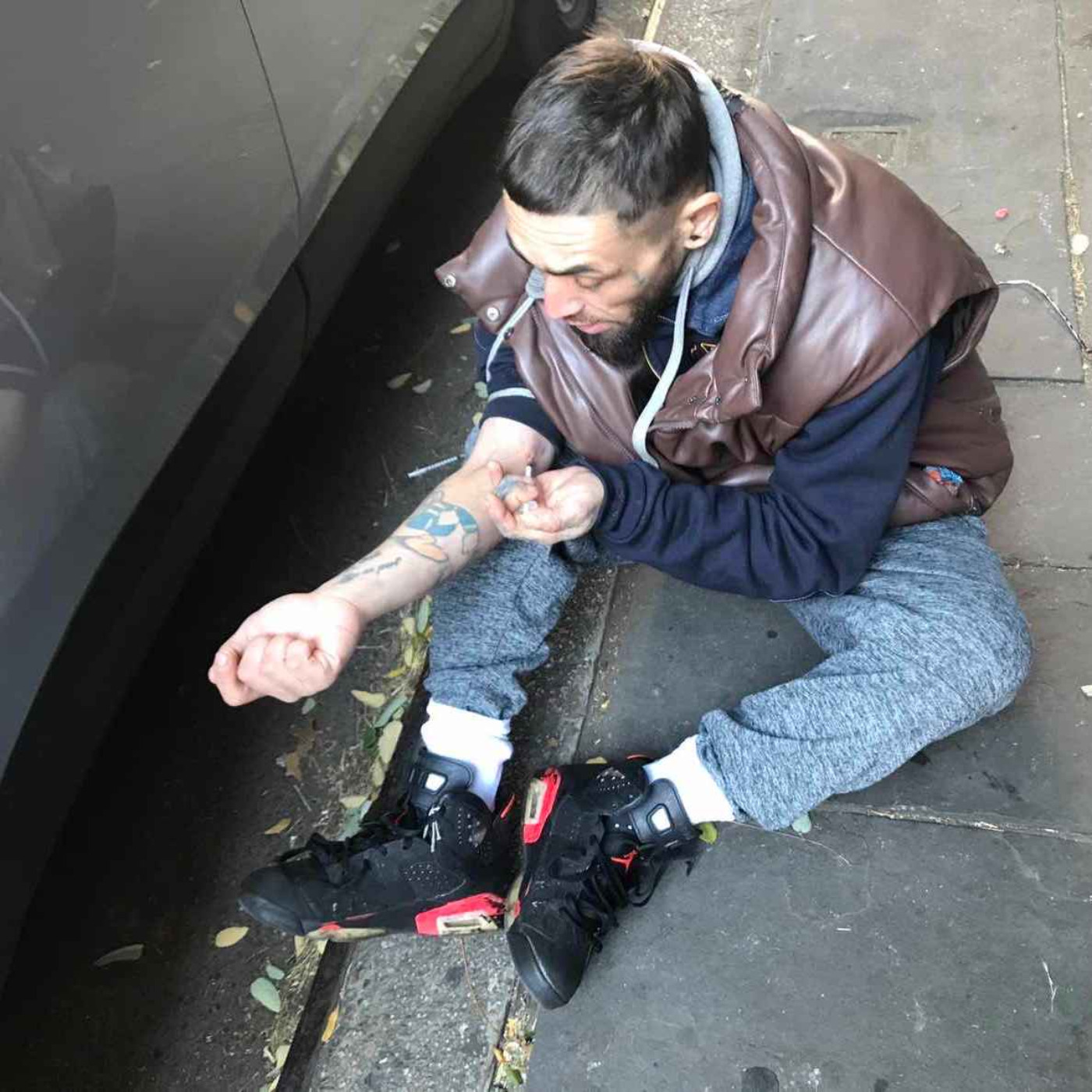
On a beautiful sunny Saturday, 9:50am, I was walking to Washington Square Park to charge my battery and talk at 10am to my friend Dan McPherson (he's been on the podcast, where he shared about his heart attack at age 46 the week before we recorded). I saw the guy in the picture injecting. I asked if I could take his picture and a brief conversation ensued.Instead of my planned conversation with Dan, we recorded my experience and thoughts about the conversation with the guy injecting on the sidewalk. I haven't edited anything. I recorded with just my headphone microphone so sorry about the audio quality, but I think you'll be able to understand us fine.I also didn't prepare. I'm not speaking from notes or even more than a few minutes to reflect. You'll get to hear my thoughts raw.As it happens, Dan is about a third of the way through my book, Sustainability Simplified. It came up in conversation, so you'll get to hear the impressions of someone who has read it. Only at the very end of the call did I think to text Dan the pictures, so listen to the end to hear his thoughts on the book. Hosted on Acast. See acast.com/privacy for more information.
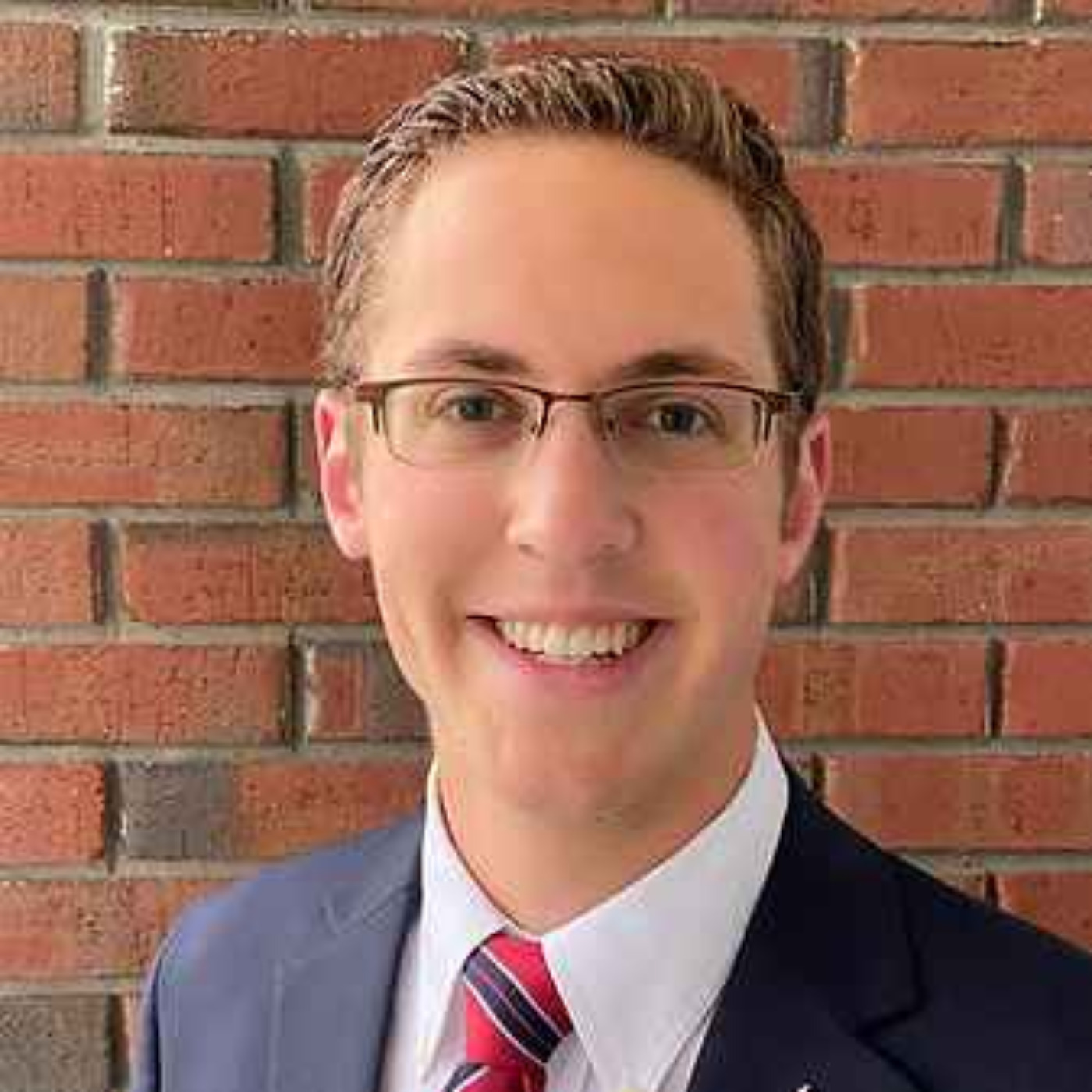
Ep 789789: Solomon Schmidt: Author of Legal Gladiator, on Alan Dershowitz
As a podcast host, I get pitched a lot of authors, books, and more. Most aren't relevant or are counterproductive to sustainability. I received an email promoting the author of Legal Gladiator, a biography of Alan Dershowitz. I knew the name from the news, but didn't know more than the name, maybe a whiff of his being controversial.I looked up the book and author and found both fascinating. I scheduled talking to Solomon unrecorded to meet him and see if the connection would fit. I like bringing leaders from any field to sustainability since the field nearly completely lacks it. Solomon and Alan both seem like leaders, so I invited him.Quoting from the book's page:Praise for Solomon Schmidt:“You are a very talented young man with a bright future ahead of you.”—Pres. Donald Trump “An amazing young author.”—Mike Tyson “[You have] quite a remarkable record. [I’m] really impressed.”—Dr. Noam Chomsky “Solomon, thanks for all you do.”—Gov. Mike Huckabee “Solomon...is perhaps the youngest child historian in America.”—Steve Doocy“Solomon’s doing the hard work and getting after it.—Jocko Willink “[I have] admiration for all [Solomon is] doing to make this a better world—and a more educated world.”—Dame Jane Goodall"A reputable author."—Rep. Jamie RaskinWe talk mostly about Alan, though also about Solomon. We don't talk much about sustainability, though the leadership shines. I am confident you'll find this episode, Solomon, and Alan fascinating. I'd love your thoughts. Hosted on Acast. See acast.com/privacy for more information.
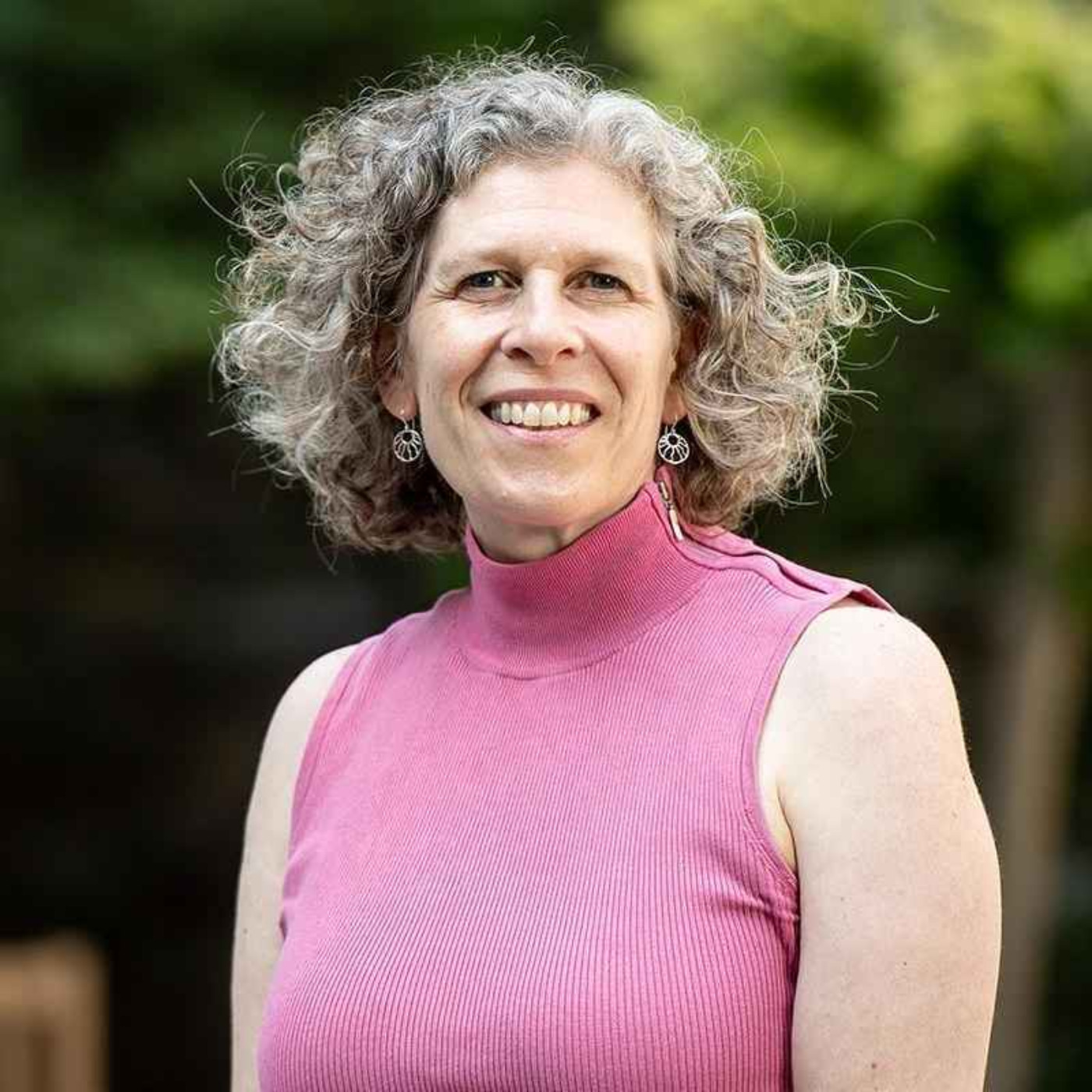
Ep 788788: Susan Liebell: John Locke, Stewardship, and the US Constitution
I quote Susan in my book, Sustainability Simplified. In it you'll see how much John Locke influenced my long-term vision for the US to understand and solve our environmental problems. Learning about the Thirteenth Amendment, which (mostly) banned slavery, and its improbable path to passage and ratification led me to think about solving our environmental problems similarly.I learned that many people working to abolish slavery worked hard when drafting the US Constitution to make it able to support abolitionism and to disallow property in man. Slaveholders opposed them, so they accepted compromises. Still, they put enough into the Constitution to enable weakening the institution enough to eventually end it. I wondered if sustainability might have similar precedent, like some law or phrasing of the Constitution that might have disallowed polluting or depleting.It turns out there was. It was in John Locke's Two Treatises on Government. The more I researched the man, his writings, and our Constitution, the more he seemed to apply to our environmental problems. That research led me to a paper by Susan Liebell, which I link to below.My conversation with Susan explore the application of his work and theories.Her paper that brought me to her: The Text and Context of "Enough and as Good": John Locke as the Foundation of an Environmental Liberalism Hosted on Acast. See acast.com/privacy for more information.
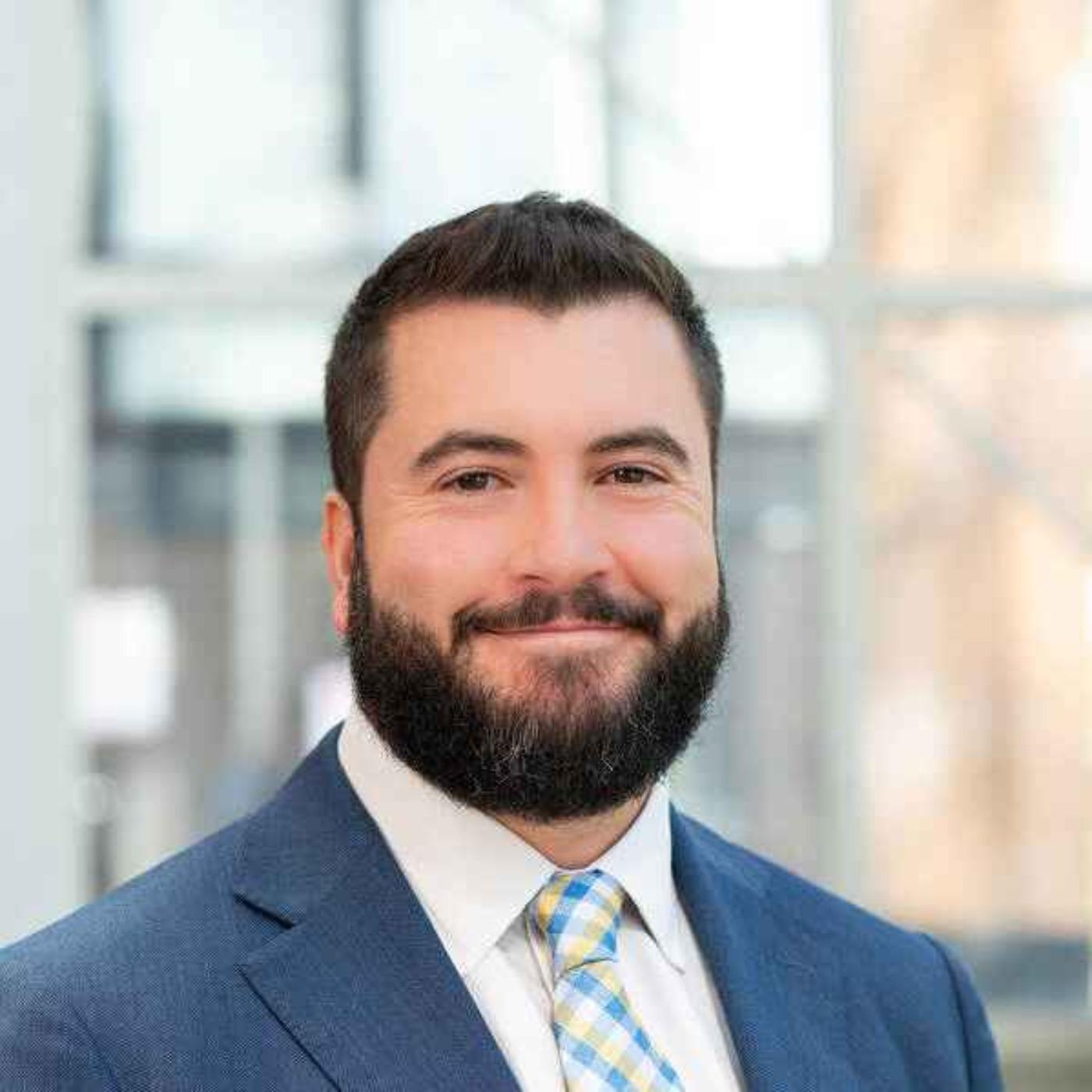
Ep 787787: Travis Fisher, part 1: A nonpartisan, libertarian view on the environment from the Cato Institute
I've been curious in what ways libertarian views on the environment and sustainability differ from conservative views. Travis worked at the Heritage Foundation, which is more conservative, and now works at the Cato Institute, which is more libertarian. Since I haven't spoken to many libertarians directly, I'm interested in this conversation to learn, so it's a conversation, not a debate.Early in our conversation, he describes some of their differences and similarities, and why he chose Cato. He shares some of his training and background that led him to his views.Then we talked about a few issues: the Inflation Reduction Act, regulation, how government funding of many programs results in industries growing without being profitable from its customers. We look at several moral hazards, including government gaining money and power from permitting polluting behavior and distributing funding evenly so everyone votes for something even if it doesn't help.We recorded just before the election so talked about recording again after the election to talk about how its results affect the political, energy, and pollution landscape. Hosted on Acast. See acast.com/privacy for more information.
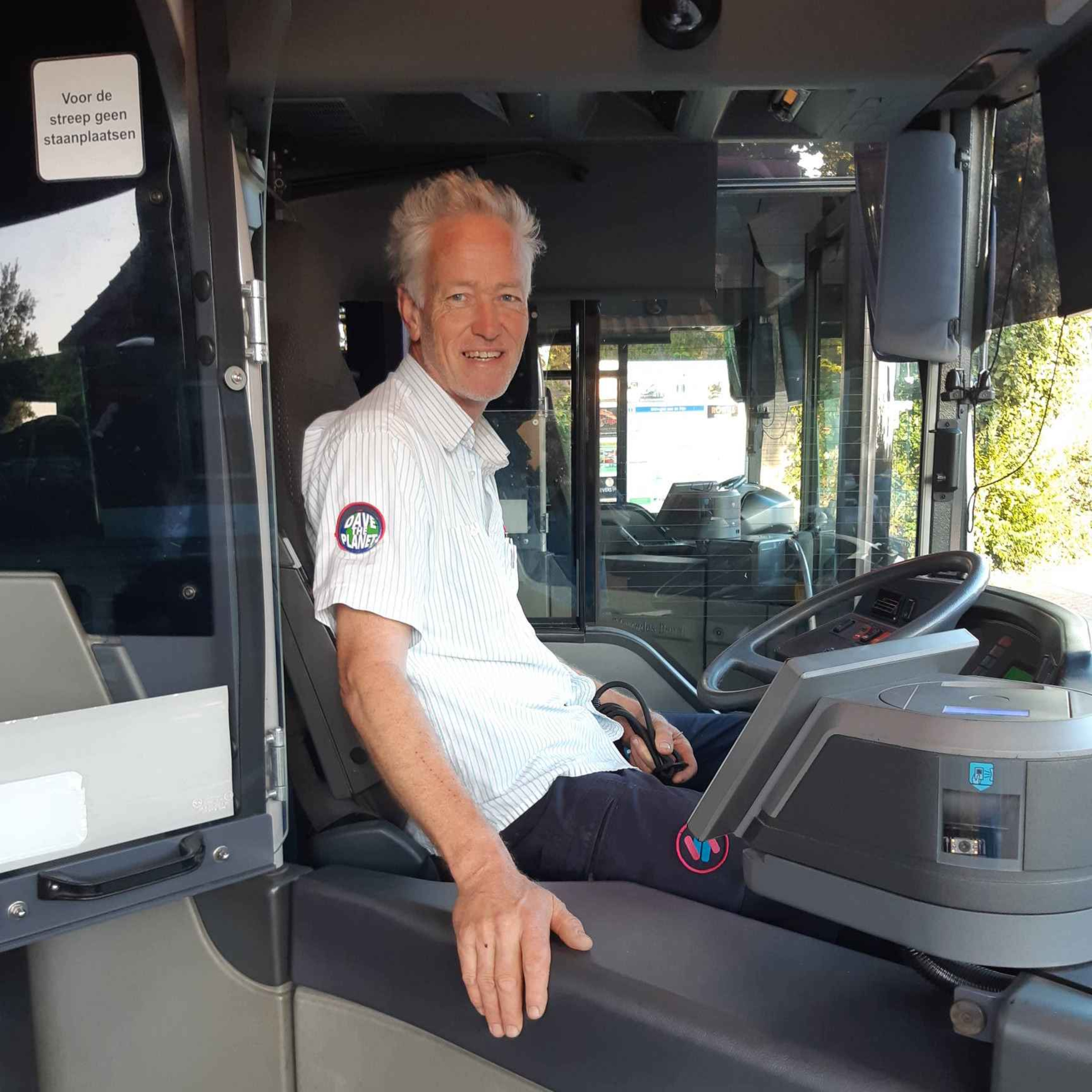
Ep 786786: Jan Mulder, part 2: The joy of finding and leading community
Usually when someone does their commitment with the Spodek Method, they enjoy it. Nearly always they do more than they commit to. Sometimes someone really enjoys it.Jan went to town on his commitment. You might wonder if there's any appeal to picking up litter. Is it worth the effort? Who cares, anyway? After all, more people litter than pick it up, as anyone can tell by how much litter there is and how much it's growing.Yet the pattern I've discovered keeps happening. On the other side of working on sustainability is always community. I can't prove it always happens, but so far it does.In Jan's case, he found community, in particular, people who had long wanted to act. They were just waiting for someone to lead them. When someone did, they embraced acting.How many people around you are waiting for someone to activate them? How much community is waiting to form? How much easier do you think it will be than you probably expect, based on Jan's experience? Hosted on Acast. See acast.com/privacy for more information.

Ep 785785: Josh Bandoch, part 1: Teaching persuasion and leadership
I participated in an online workshop in influence and persuasion that Josh led. We got in touch afterward and found our approaches to the practices and how to learn them overlap. We start this episode talking about his background and what led him to learning and training others in the practices. Then we talk about what we like about learning and practicing them, what works, what doesn't, misconceptions, and other aspects. Some related subjects include authority, extrinsic emotions, management, and such.We practiced the Spodek Method, him experiencing it for the first time. In this first conversation, he only experienced being led to share what the environment means to him and coming up with a commitment to help evoke that meaning. You can hear that beyond just participating in the exercise, he's also analyzing it as a professional. We'll have to wait for his second exercise to hear his experience and analysis of the whole exercise. Hosted on Acast. See acast.com/privacy for more information.
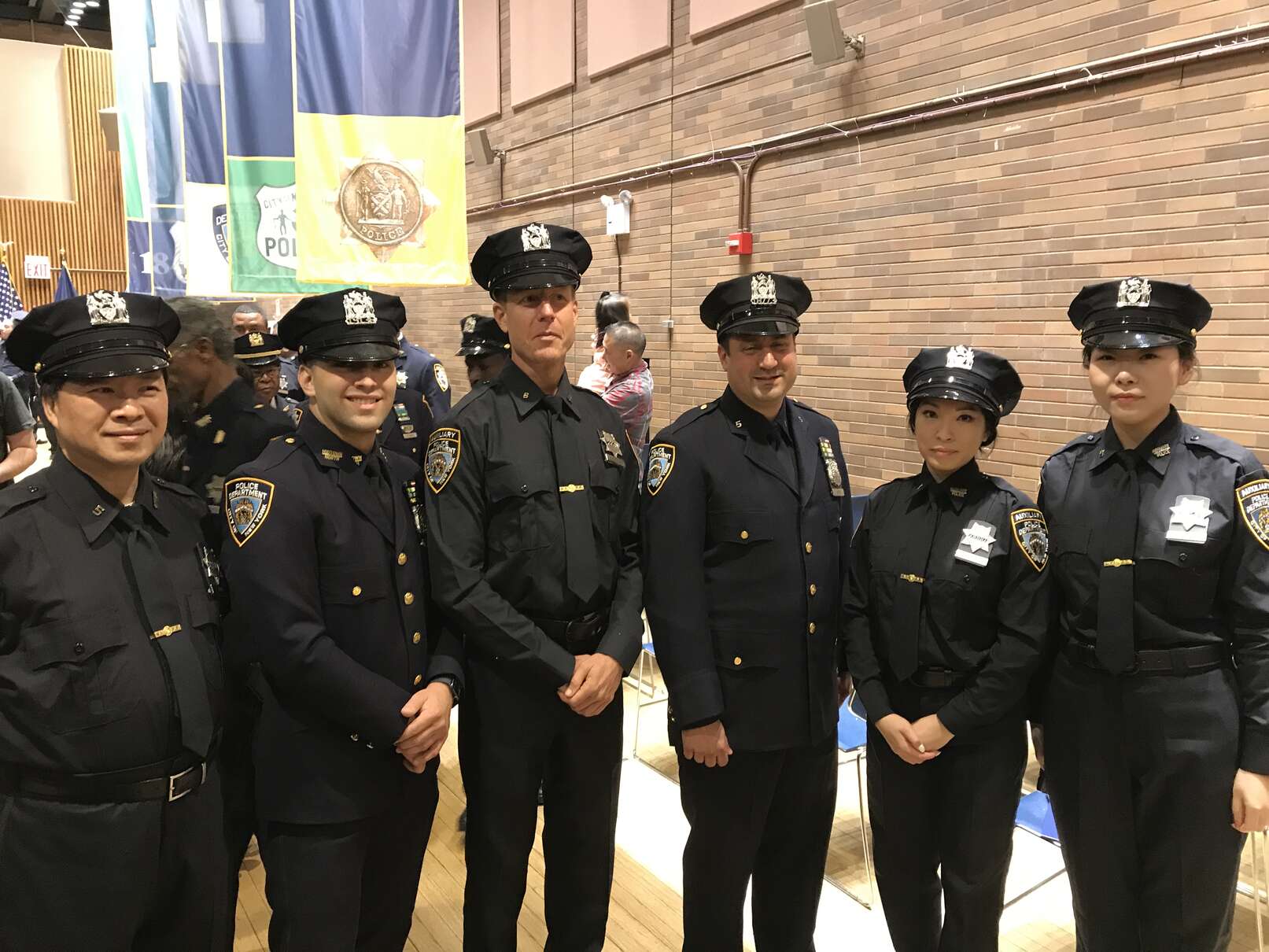
Ep 784784: Serving in Uniform on September 11, 2024
If you haven't listened to episode 781: My New Major Life Volunteering Community Project, four years in the making, listen to it first for context.That episode describes my journey to start volunteering as an auxiliary police officer and the background to it. Depending on how well you know me or not, you may find the activity as surprising as I do, though I seem to be a minority in that regard. Everyone else congratulates me. I remark on how different this part of my identity seems compared to the younger me who protested America's involvement in Central America, disrupted graduation to protest Apartheid, and knew friends who chose to be arrested at such protests.This episode recounts one of my first activities as an auxiliary. One month ago today I participated in uniform in the Sixth Precinct's September 11 memorial service. I didn't expect the experience to affect me as much as it did. It did, so I'm sharing it, along with how the activity emerged from living more sustainably, related to how living in unsustainable modernity inhibits introspection and reflection with constant distraction. Hosted on Acast. See acast.com/privacy for more information.
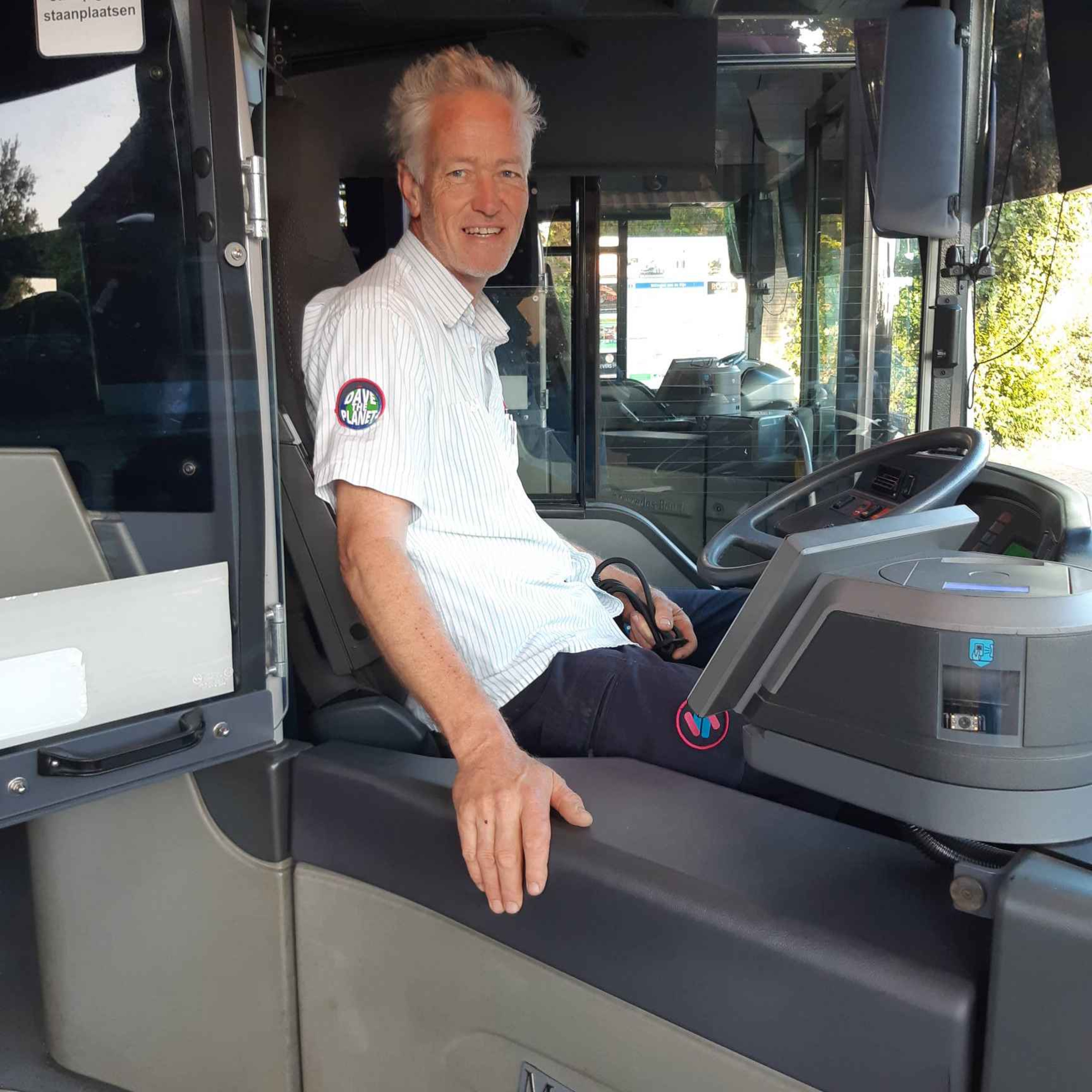
Ep 783783: Jan Mulder, part 1: Listening to every episode of this podcast, starting from episode 000
Jan is a listener of this podcast who contacted me about how it changed his life. He is listening to each episode, starting from the beginning. I invited him to be a guest and he accepted. We've also crossed paths through working with podcast guest Dave Gardner, and his work in Growthbusters and running for President of the United States.Jan is Dutch, living in Germany, so can't vote in the US, but acts on sustainability locally. He told me he found my podcast made him feel empowered to act in a world where most people seem resigned not to act.I invited him to share more and to experience the Spodek Method. Beyond recording this episode, he joined the sustainability leadership workshop.To other listeners: if you're interested in sharing, others can learn from you. I invite you to contact me. You don't have to be a guest, but you may like it. You can also connect with the rest of this growing community. Hosted on Acast. See acast.com/privacy for more information.
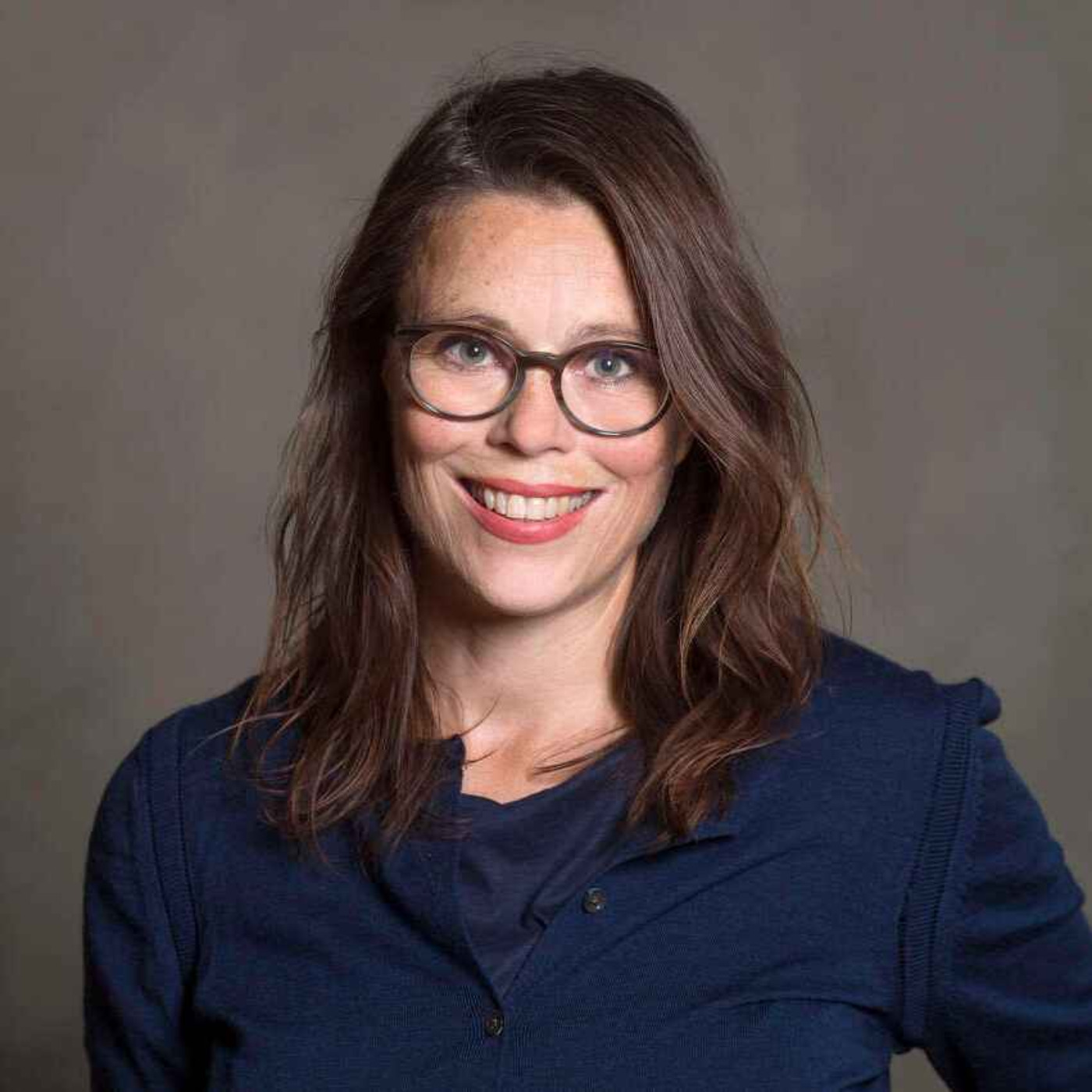
Ep 782782: Jane Muncke PhD MSc: Toxins in your food from plastic packaging. You'd rather know.
Toxic chemicals leach from food packaging into your food. Some of these chemicals disrupt your hormones. Some cause cancer. Some affect your children more. Some disperse into the environment and harm wildlife.For 300,000 years, humans lived without plastic. We created this system, maybe thinking only of the effects we wanted, imagining these toxic effects wouldn't happen. Maybe we didn't imagine they could happen. We don't have to create these materials or use them. We are creating more all the time. There's just so much oil, it's so cheap, and there's nothing stopping producers from creating and selling them. Nearly everyone agrees a role of government is to protect you from my taking or destroying your life, liberty, and property, yet businesses and government gain money and power from creating them.Jane's research and courses inform us of the dangers the producers don't want us to know about. In this episode, she shares how she discovered this problem, what she's doing about it, and details about the problems. She didn't originally intend to go in this direction, but chemicals from plastic were leaching into other experiments she was doing. The producer of the leaching materials didn't tell her. She had to do new research to find out, saw its seriousness, and kept going.It's scary to learn. Still, while I'd rather live in a world where we don't permit people to poison us and profit from it, as long as we do, I'd rather know than not know.The Food Packaging ForumTheir Crash Course in Food Contact Materials and HealthThe article she co-wrote published in the Journal of Exposure Science and Environmental Epidemiology the day of this episode: Evidence for widespread human exposure to food contact chemicalsA CNN article on Jane's research that happened to come out the day before this episode: Toxic chemicals used in food preparation leach into human bodies, study finds Hosted on Acast. See acast.com/privacy for more information.
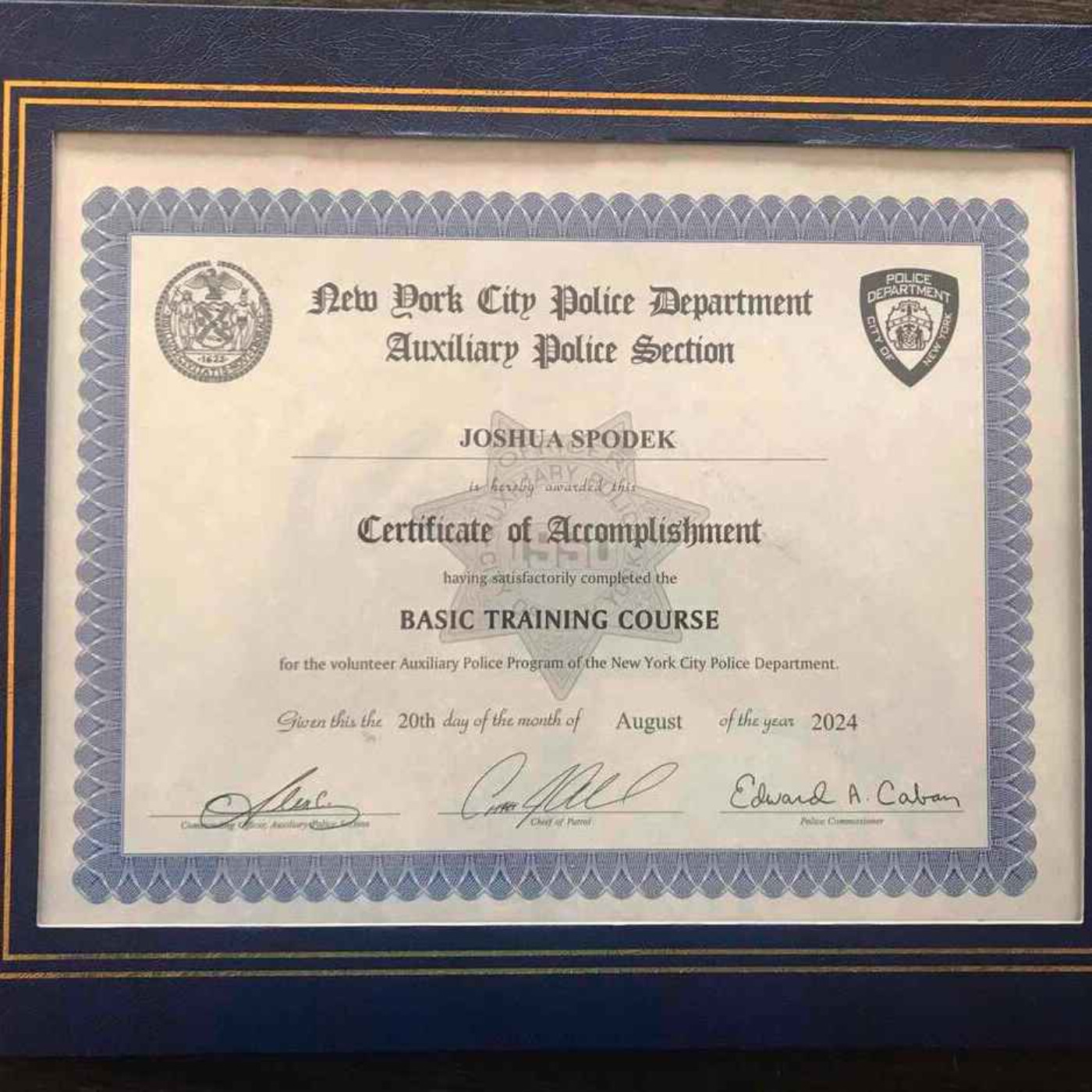
Ep 781781: My New Major Life Volunteering Community Project, four years in the making
I started a new project volunteering in my community that is also a big life change I wouldn't believe I'm doing except that I am. In a sense I started the project over four years ago and it's only seeing the light of day now.Sorry I'm writing little about and the episode is long, but for now I wanted only those interested to learn in so you have to listen all the way through to hear the full scope and details.The episode I quoted in this one: 366: The Cops, Jocko Willink, and Joe RoganAnother episode I mentioned: 506: I lost $10 million on September 11, 2001. Here is what I learned from those who sacrificed and served. Hosted on Acast. See acast.com/privacy for more information.
Ep 780780: Jack Spencer, part 2: Policy and the Individual Choosing
Jack shares his love for nature and passion to care for it, how central it is to his life, how much of his time and focus he devotes to it. He shares his principles of individual choice over top-down regulation. He especially opposes government subsidy for squashing innovation, including industries he prefers, like nuclear. He's not anti-government.Listen to the episode for his views in more detail. He is as sincere as they come and has thought the issues through.I couldn't help wonder how many political conservatives and libertarians care deeply about the environment yet get called "not caring." If they care but approach it differently, if I said they didn't care, it would drop my credibility in their view.I valued this conversation for his sharing openly. I think we could use more like it. Plus we did the Spodek Method and can't wait to hear how his commitment goes. I predict it will affect his relationships. Heritage is influential. I wonder if it will affect politics. Hosted on Acast. See acast.com/privacy for more information.
Ep 779779: Nick Loris, part 2: Freedom to Explore, Freedom to Choose
Nick and I talk about freedom, liberty, personal action and, however paradoxical to most people, how important personal behavior is in changing systems. Then we talk about markets, regulation, and democracy and how they interact with community norms. Looking at the words markets, regulation, and democracy, they may look academic or abstract, but I think you'll find the conversation fun because it's personal. We don't talk theory. We're talking about how we live and work.A core of our conversation is where a society or state draws a line between things that benefit some people but hurt others. Some things may make messes but everyone agrees should be allowed, like exhaling or pooping. Others everyone agrees should be illegal, like putting poison in someone's food. But what about putting poison in the air in the process of doing something people like, like flying?We talked about free markets too.We also did the Spodek Method. Nick grew up near me, so his description of nature resonated more than most.Nick's profile at C3 Solutions Hosted on Acast. See acast.com/privacy for more information.

Ep 778778: The Entrepreneurial Strategy to Restore Sustainability Globally Without Waiting for Governments and Corporations
This episode follows up the last one, on how you can learn sustainability leadership through our workshops, so you can practice sustainability joyfully. You can teach others to, and teach others to teach others.If the process only led to a few people changing, or even many, it wouldn't be worth pursuing. Unlike almost any sustainability work, it can lead to global cultural change and a joyful, rewarding path to it. It doesn't require sacrifice or deprivation. It may look like it from our current culture, the culture that's lowering Earth's ability to sustain life, increasing isolation, and decreasing health, safety, and security globally, despite our reaching such pinnacles of scientific and technological achievement.Hear in this episode how we can change the world by having more fun.Then contact me to learn more and sign up. The next workshop begins September 10, 2024. You'll only wish you started earlier.The Sustainability Simplified Entrepreneurship StrategyContact me to learn more and sign up Hosted on Acast. See acast.com/privacy for more information.

Ep 777777: How the Spodek Method Workshop Differs From Other Sustainability Work
If you've listened to a lot of this podcast, you've heard me walk guests through sharing their values on sustainability and acting on them.Why do they enjoy what most people consider deprivation and sacrifice?You can learn to do it. A growing team of us teach workshops in sustainability leadership. One is coming up, September 10, 2024.You can become a leader in a movement to live joyfully sustainably, to change global culture at the last minute.Here is the recommendation I quoteI would like to share with you my experience with confronting climate change head on this year. I decided to make it the year I stop my gloom and doom and to let go of my self-talk that reinforced that I am helpless to do anything. I am discovering that changing my own behavior is joyful and empowering. Deprivation and sacrifice are the OPPOSITE of how I feel about the daily journey toward habits that care for our beautiful planetary home.How did I come to this change of heart? My daughter took a class with Josh Spodek in Sustainability Leadership and I happened to be at her house while she was taking it. This led to conversations that challenged my pessimism about being able to do anything more than I was already doing. My pessimism about individual action making any difference was challenged. It fundamentally came down to “I can continue along as I am and for certain nothing will change, or I can take the reins of my part of this giant puzzle and have the chance to be a part of the solution”.A large part of my motivation came when I used an online carbon calculator to determine my “carbon footprint”. I discovered that from flying alone for the first seven months 2023 I had belched out over 10 times the amount of carbon that is considered the “sustainable limit” per person per year. This number didn’t even include gasoline, natural gas, or any other modes of consuming or polluting. It literally made me cry. It also made me get serious.I took the course that my daughter had taken and found a source of support, inspiration, information, and skills that were new. One of the things about this class that I think is most powerful is that there is nothing “prescriptive” about it. There are no lists of things you should do now and things you should avoid now. No one is deciding for you or shaming you into choices. Instead, it is an inward journey of connection to one’s own internal motivation that is grounded in our own experiences in nature. It is a process of continuous improvement, so I didn’t decide to reduce my trash consumption and then stop when I did that. I look every day for new ways to lessen my impact, and every time I find another way I feel GREAT and motivated to figure out what’s next.I am writing to invite you to take this class. Josh’s model is to use conversations with each other as the foundation of connecting to our internal motivation, conversations using the Spodek Method. These conversations help build a community of people who have experienced the joy of taking self-directed action in one’s own life. As with any BIG problem, the solutions require all of us. This class helps, one person at a time, to build a community of people who see themselves as part of the solution. I think you will be surprised and delighted with the empowerment you feel to take action.The Entrepreneurship StrategyContact me and sign upThe episode with Trish, who has cancer Hosted on Acast. See acast.com/privacy for more information.
Ep 776776: Chuck Marohn, part 1: Strong Towns and Sustainability Leadership
I'd heard of Strong Towns for years, mainly through guest Jason Slaughter's Not Just Bikes video series, and finally joined the community by taking a couple of their courses. I can't recommend them enough. Chuck Marohn founded that community. He found and publicized several of their core discoveries. Some include: North American cities grow based on a Ponzi scheme, the combination of a street and a road fails at both and wrecks everything it touches, cores of cities usually make the most economic sense, and outlying areas usually sap money and vitality.I invited Chuck because of the overlap between city planning and sustainability. Over half of humans live in cities. Many can't avoid following the patterns of where to live, traffic, where to eat and shop, and how to spend money determined by their urban environment. I often say we don't need more electric cars, we need fewer roads, not that electric cars help.I also learned from reading about him and you'll hear in our conversation that I wanted to learn from his having started a community running against the mainstream values making a lot of people money. I see him as a role model in this way. We talked about it some, but then got into the Spodek Method, which I think you'll hear he enjoyed.Strong Towns web pageTheir courses (I've taken 101 and their Not Just Bikes courses so far and recommend them) Hosted on Acast. See acast.com/privacy for more information.
Ep 775775: Bruce Alexander, part 4: The Spodek Method clicks at last!
You've probably listened to Bruce's past three episodes, so you probably know he wants a path to exist that leads people to want to live more sustainably and spread that change to others. It would mean them overcoming their addictions. By them, I mean all of us, since if we order takeout, fly, and drive big cars, we're in the group that has to change.His experience with addicts tells him it's hard, maybe impossible. On the other hand, while people may be conflicted and may have suppressed many of our emotions around the environment, we love nature.In this episode, we hear the Spodek Method finally clicking with Bruce. One interaction with it isn't supposed to change the world itself. It creates a mindset shift, which one has to follow with continual improvement to change one person, then to spread, but here you can hear it clicking.Ideas that spread, win. Emotions too. Here is a case where the emotion kicked in with someone skeptical. It's not alone a solution, but a proof of concept. In entrepreneurial terms, the technology works. Hosted on Acast. See acast.com/privacy for more information.
Ep 774774: Alden Wicker, part 1.5: Foraging Is Fun
I ask guests to do episodes 1.5 when they tell me they couldn't do their Spodek Method commitment or keep postponing. Sometimes they say they don't want to share that they didn't do it. But experience has shown that talking about that vulnerability by sharing that they didn't do it overcomes it. Then redoing the Spodek Method usually leads to it working better than expected. The goal isn't perfection, after all. It's to create experiences that prompt emotions they like.Alden wasn't doing her ebike commitment, as you'll hear in this episode. She also shares some of her priorities in the rest of life. Many people think they don't have time for sustainability, but that view is a red herring. The Spodek Method acts on strong emotions the person likes. Emotion and values are related. To manifest powerful emotions is pretty close to living by your values, which is what our time is for.We redid the Spodek Method. Listen for yourself, but I'd say she enjoyed the process. She came up with a new commitment. She also shared why she expects this commitment will be easier. We also shared common natural joys like foraging, permaculture, and wild food. Hosted on Acast. See acast.com/privacy for more information.
Ep 773773: Frederic Laloux, part 1: His program, "The Week," creates space for conversations on the environment
Frederic describes his program The Week in our conversation. I did it last year, invited by a friend (whom I misname in our conversation, sorry) and recognized him. Podcast guest and mutual friend Lorna Davis had introduced us before he had started creating The Week.The Week is one of the few programs on sustainability approaching it as a leadership effort, not management or lecture. Anyone can do it. It's a series of videos you watch with a group, then engage in discussion about it. It's different than the Spodek Method, but shares many aspects.I could describe it more here, but the best way to learn is to hear his description in our conversation, then sign up for it.Frederic's program The WeekHis book Reinventing Organizations Hosted on Acast. See acast.com/privacy for more information.
Ep 772772: Bruce Alexander, part 3: Advanced Spodek Method
I find this series of conversations with Bruce to be ending up excellent examples to learn advanced Spodek Method from. I think they're also engaging. I certainly enjoyed the conversations with Bruce.You can tell he believes in the vision and isn't trying to answer askew, or maybe I'm not picking up on cues, but the interaction is both not clicking but not falling apart either. If you're learning the Spodek Method from the How-To Guide or a workshop, or finished either, I think you can learn a lot from these conversations. Also, from Bruce, a lot about addiction, science, and applying them to modern life. Hosted on Acast. See acast.com/privacy for more information.
Ep 771771: Jack Spencer, part 1: The Heritage Foundation, limited government, free markets and the environment
Regular readers of my blog know I took a course, Conservatism 101, from the Leadership Institute, which led me to read conservative literature I hadn't before: Edmund Burke, Frederic Bastiat, Friedrich Hayek, Russell Kirk, and more. This reading came after I started reading and watching Milton Friedman, Julian Simon, Ayn Rand, and current followers of their work like Marian Tupy, Gale Pooley, and Alex Epstein. I had blogged about them after reading their works too. I began seeing relevance of their work to sustainability that I don't think even their fans appreciate.At a social event, I met a woman who works at the Cato Institute. I told her of what I was learning and invited her to talk about it. She said sustainability and the environment weren't her focus, but she could put me in touch with colleagues. She knew Jack Spencer from the Heritage Foundation.I share some of my background, generally left politics, but opening up to learning more from (podcast guest) Jonathan Haidt's work, then attending an event at the Trump Bedminster Golf Course, which led to learning about the Leadership Institute. There I took Conservatism 101, which led the above.Jack shares some of his background, also not starting on the political right, and how he applies the above to politics today, especially energy, regulation, subsidy, and the motivations of government employees and what he sees happen as they gain power.We don't reach the point of talking policy. I started to bring up the Spodek Method, but became so engrossed in Jack's sharing about nature, I followed up with it, especially wondering if he experienced environmentalists saying he didn't care. He clearly cares plenty about the environment.This conversation is different than nearly any I've heard on sustainability. I think you'll like it. My main flaw was my inexperience in talking about some topics so was tongue-tied at times.Jack's profile at Heritage Foundation Hosted on Acast. See acast.com/privacy for more information.
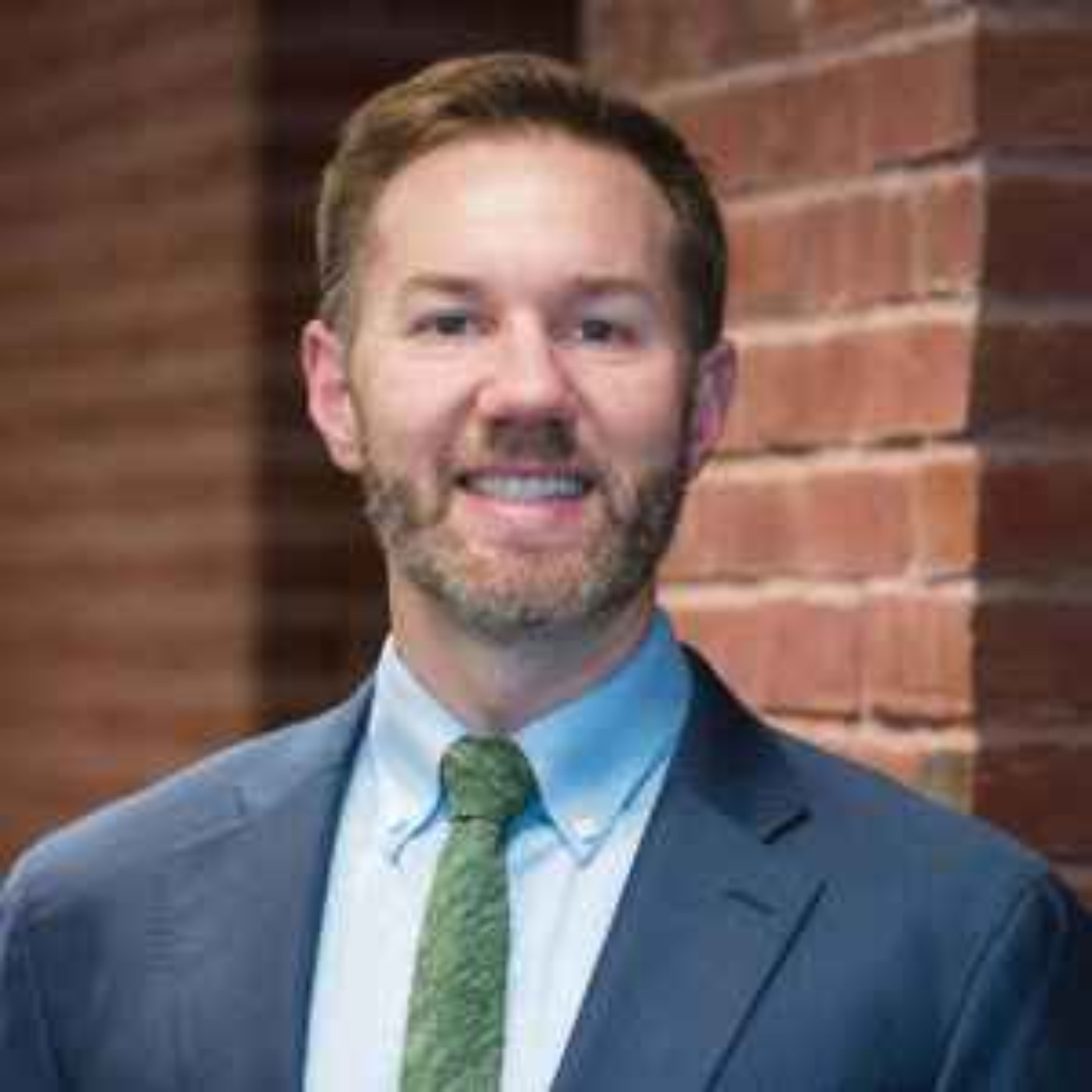
Ep 770770: Nick Loris, part 1: A limited government free market approach to our environmental problems
Regular readers of my blog know I took a course, Conservatism 101, from the Leadership Institute, which led me to read conservative literature I hadn't before: Edmund Burke, Frederic Bastiat, Friedrich Hayek, Russell Kirk, and more. This reading came after I started reading and watching Milton Friedman, Julian Simon, Ayn Rand, and current followers of their work like Marian Tupy, Gale Pooley, and Alex Epstein. I had blogged about them after reading their works too. I began seeing relevance of their work to sustainability that I don't think even their fans appreciate.At a social event, I met a woman who works at the Cato Institute. I told her of what I was learning and invited her to talk about it. She said sustainability and the environment weren't her focus, but she could put me in touch with colleagues. She knew Nick Loris from when he worked at the Heritage Foundation. Now he works at C3 Solutions---the Conservative Coalition for Climate Solutions.I invited him to talk about our approaches to the environment, both our historical journeys and our philosophical views. We talked about first-principles approaches from a limited government, free market view.I haven't heard conversations like this one on sustainability. You'll hear genuine curiosity and learning.Nick's profile at C3 Solutions Hosted on Acast. See acast.com/privacy for more information.
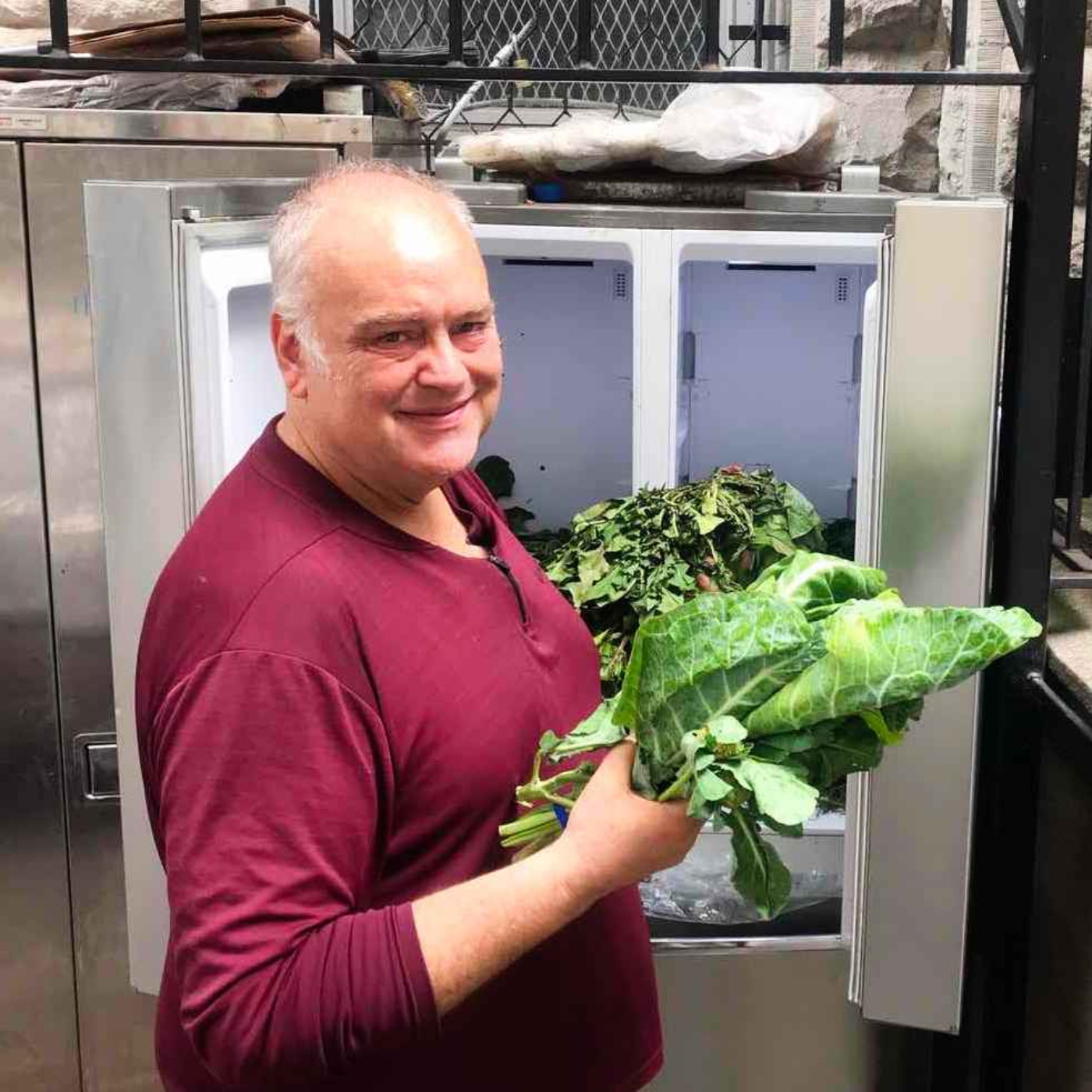
Ep 769769: Kevin Fucillo, part 1: An inside view of our community fridge and its volunteers
Kevin and I talk about volunteering at the Chelsea Community Fridge, how it formed, how it's evolved, and our roles.You'll hear he's involved with it more. I was curious to learn about parts I don't know about. It's outdoors so it operates 24/7, 365 days a year. New York City has no lack of hungry people, nor places with extra food. It's insane to see how much we waste, except that nearly every American wastes food. We can reduce that waste.I hope hearing our conversation inspires you to volunteer more, waste food less, and appreciate what food you have. Volunteering for me replaces time in front of screens, so it saves time and money. It connects me with my neighbors, including the hungry and homeless.I write about Kevin in my upcoming book, so if the book isn't out yet, I hope it whets your appetite to read it. If it's later and you've read the book, this episode will let you learn more about a fellow volunteer.Besides volunteering, you can start a community fridge. As you'll hear the woman who started this one has moved on, and the community continues to grow and thrive, though it has its challenges. Hosted on Acast. See acast.com/privacy for more information.
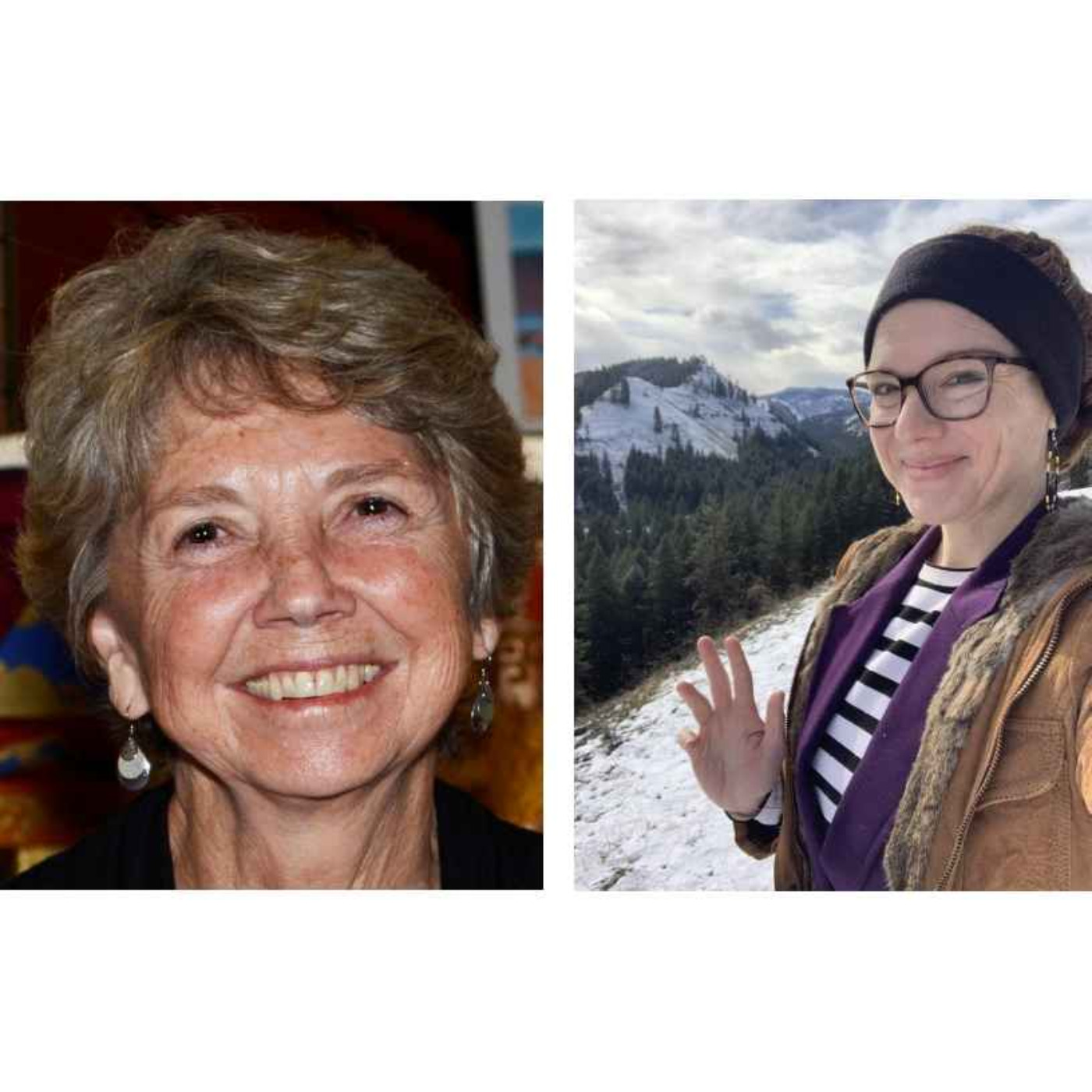
Ep 768768: Trish and Evelyn, part 2: The birth of sustainability awards
Trish and Evelyn took the workshop, and neither seriously acted on sustainability before it, so one thing to listen for in this conversation is what people who look at personally living more sustainably sound like. I think it's safe to say we have fun. Partly we express exasperation at the depravity of our polluting and depleting culture. We also share the experience of our eyes opening to those things. Trish, for example, shares how she doesn't want to take cruises, despite anticipating enjoying them and her friends not seeing their pollution. I share how our culture turned preserving fruit from a way to conserve to a way to waste.We also talk about our vision to create sustainability awards. A few of them exist, often won by companies on the forefront of sustainability like Coca-Cola and DuPont </sarcasm>. We want to make meaningful, authentic ones. Since some would be for contributing to sustainability and others would be to highlight greenwashing and other nefarious, deceptive anti-sustainable practices, we want a name that can suggest positive and negative. Listen to hear what we came up with. In a few years they'll become the go-to sustainability awards. Hosted on Acast. See acast.com/privacy for more information.
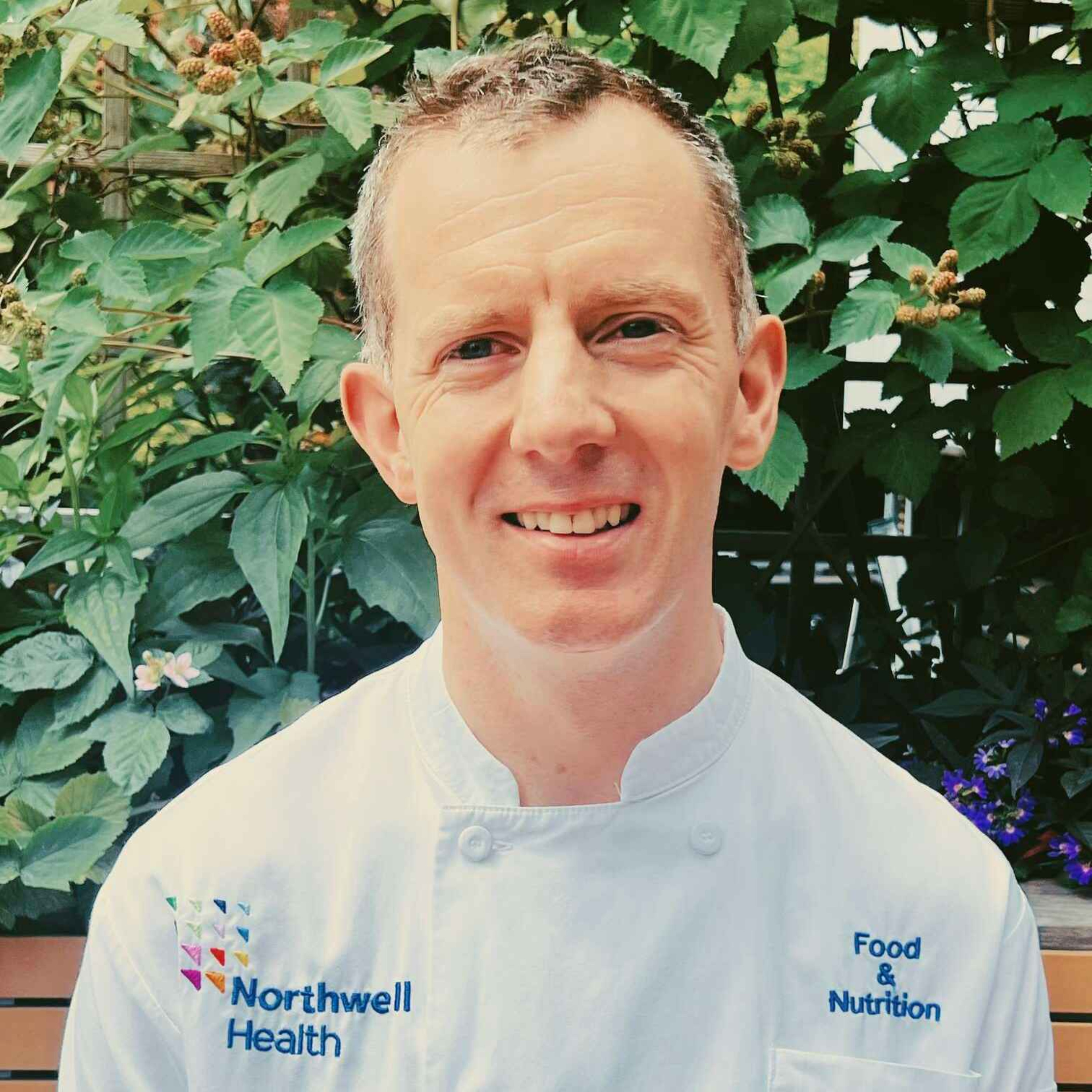
Ep 767767: Andrew Bennett, part 2: Behind the scenes with a New York City chef
If you like food, you'll love this episode.I shared before how unbelievably delicious Andrew's food was, even if it were at a top restaurant. But he works at a hospital, so it was healthy too. I almost don't go to restaurants any more since they just pile salt, sugar, and fat onto everything. I don't need a stick of butter in every dish.I also tasted his food at a chef competition. He's shared his background training at groundbreaking top restaurants.I couldn't help indulge in asking him about behind the scenes in top kitchens and he shared. We talked about his artistry, how he learned, and teamwork.He also shared about his commitment, which led to talking about leadership, changing culture, intrinsic emotion, and liberation. How long can you go without your phone? Hosted on Acast. See acast.com/privacy for more information.
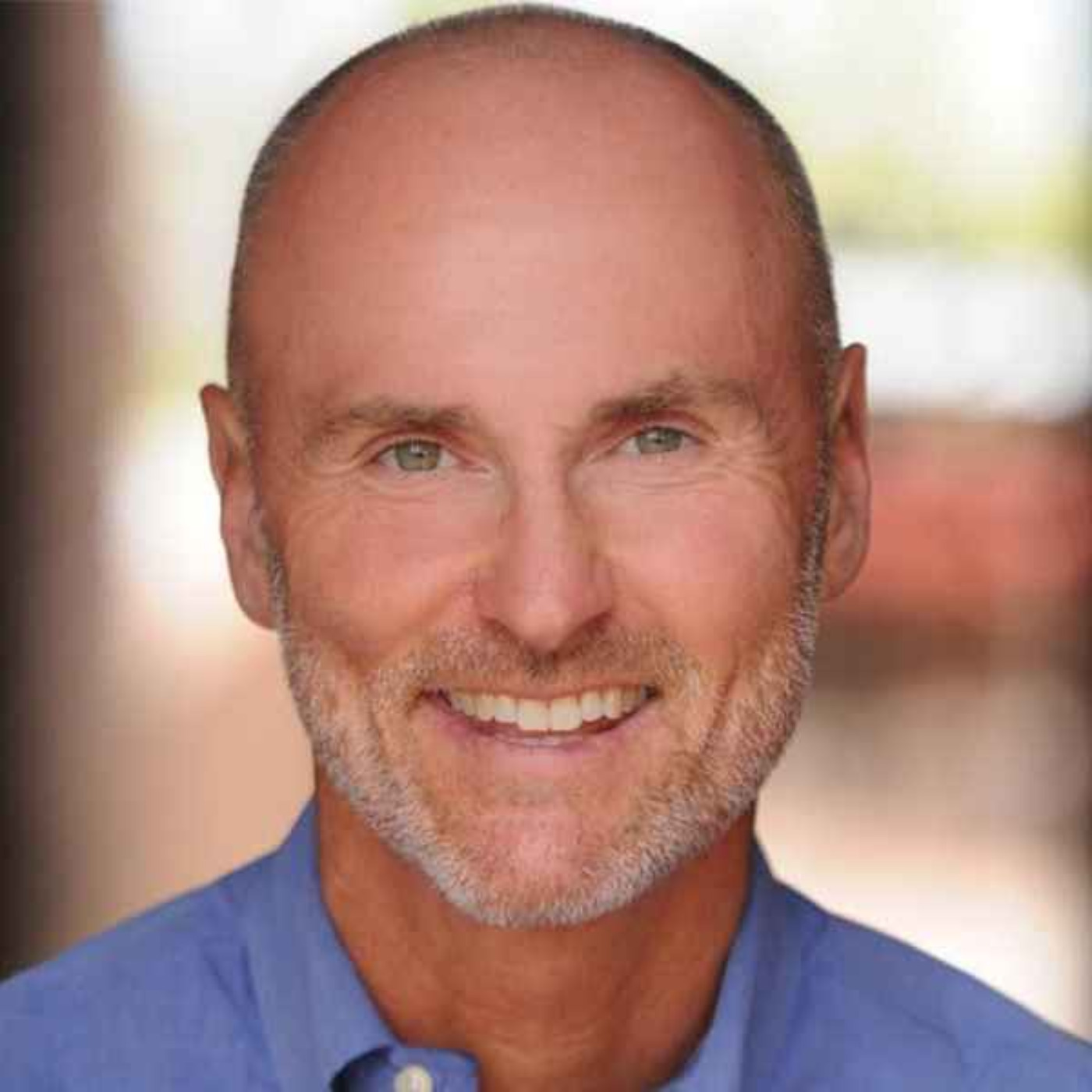
Ep 766766: Chip Conley, part 1: Learning to Love Midlife
I'd heard about Chip long ago but only met him recently at a launch event for his book Learning to Love Midlife. It resonated since at 52 years old, I was smack in the middle of the part of life he was talking about, after adulthood but before old age. I've also been approached by universities with programs for people in their third acts.A big topic is finding and creating meaning and purpose. My life is overflowing with them since no one seems to be leading on the biggest issue or even know effective things we can do. So I was curious how sustainability fit into Chip's curriculum.Since he started a program from scratch, I was curious how it started and what drove him. Then we did the Spodek Method.Chip's home page Hosted on Acast. See acast.com/privacy for more information.
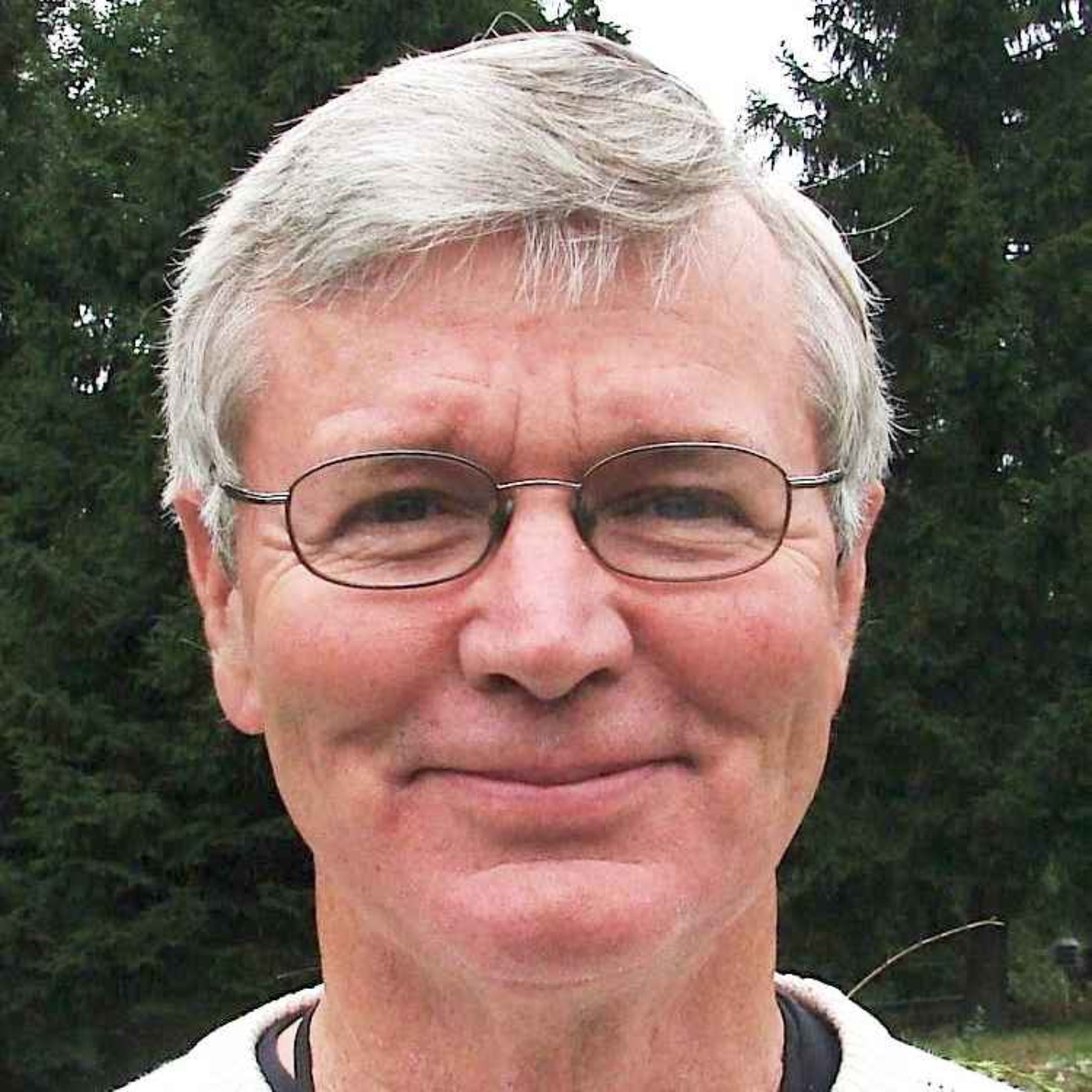
Ep 765765: Bruce Alexander, part 2: Can the Spodek Method scale from the individual to the world?
I think I can safely say Bruce and I have formed a friendship, both professional and from similar interests, even though he's retired and I'm not a psychologist. I learn psychology to help lead. We're both intrigued by addiction. We both want to improve our environmental situation, not just give in.He likes the idea of the Spodek Method. He hopes it works beyond just one person. He's not sure it can. In this episode we start practicing it.Working with him was one of the more challenging times doing the Spodek Method. I expect that as more people learn it, these conversations with Bruce will make effective lessons in challenging cases. He wasn't trying to challenge me. So far, it just works with some personalities more smoothly than with others. Finding examples of different types lets me learn how to apply it with different people and personality types.Some types I haven't figured out. Let's see how things go with Bruce. If you're learning the Spodek Method, I think you can learn a lot from this conversation. I'd say it's advanced. On further thought, it might be me. Maybe other people would have an easy time. If so, let me know what I might be missing.Bruce's home page Hosted on Acast. See acast.com/privacy for more information.
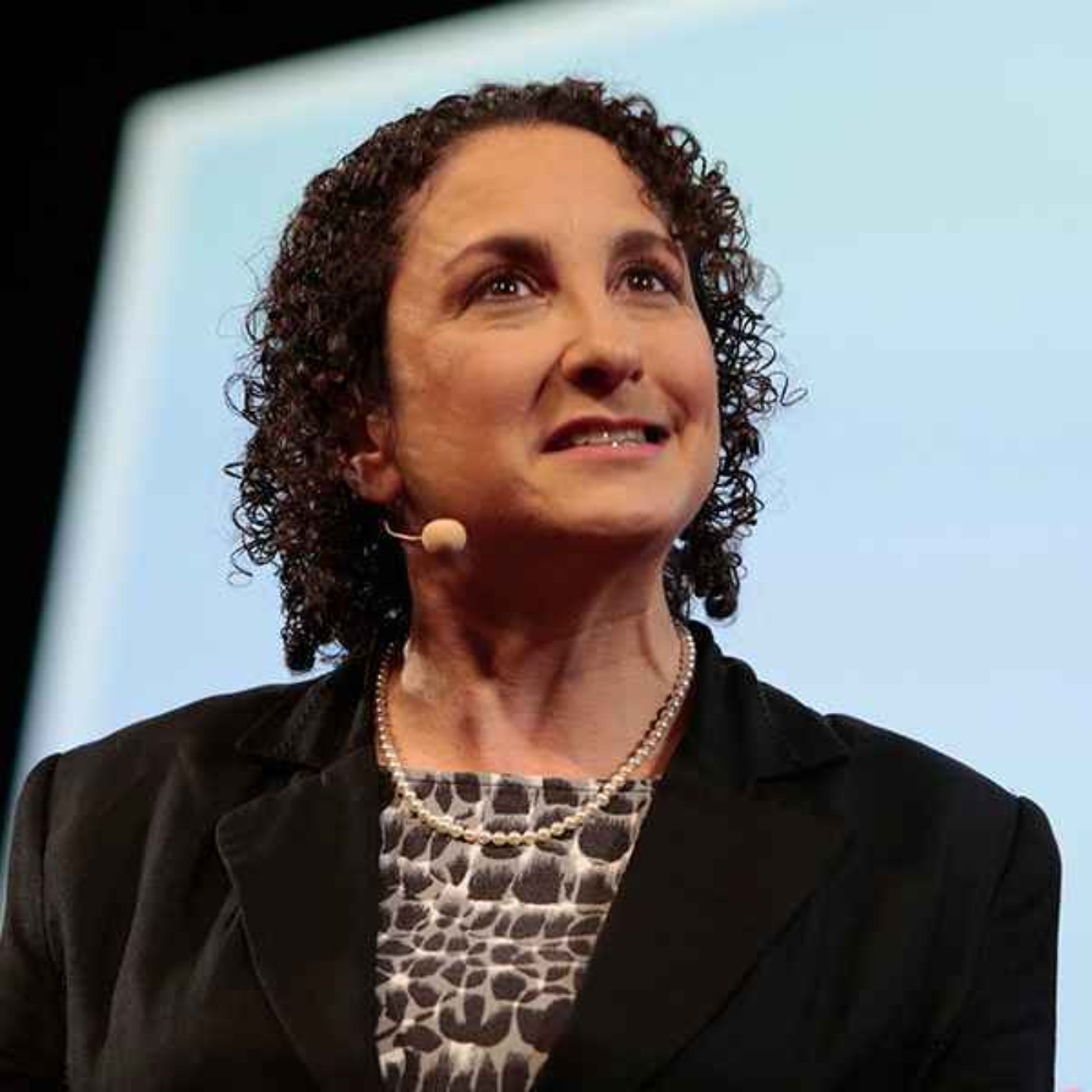
Ep 764764: Erica Frank, part 2: "No Hairshirt At All." Instead: Abundance
I rarely get to talk to people who expect living more sustainably to be joyful and rewarding from personal experience, not just hoping for the best. I enjoyed sharing that perspective with Erica last time, I invited her back with no specific agenda.This episode presents conversation between two people who have left mainstream culture and are living more how many people agree we should, but hold themselves back. So they speak in speculation and generalities. They still think more sustainability means lower quality of life because they can't speak from experience otherwise.Erica and I can, so we do. We don't lament missing out on things we don't do any more because we don't miss them. Moreover, we realize they weren't helping us in the first place. Soon we'll all talk about how much we prefer living more locally with less stuff. Today, for listeners who suspect it's possible but haven't witnessed it, enjoy listening. Hosted on Acast. See acast.com/privacy for more information.
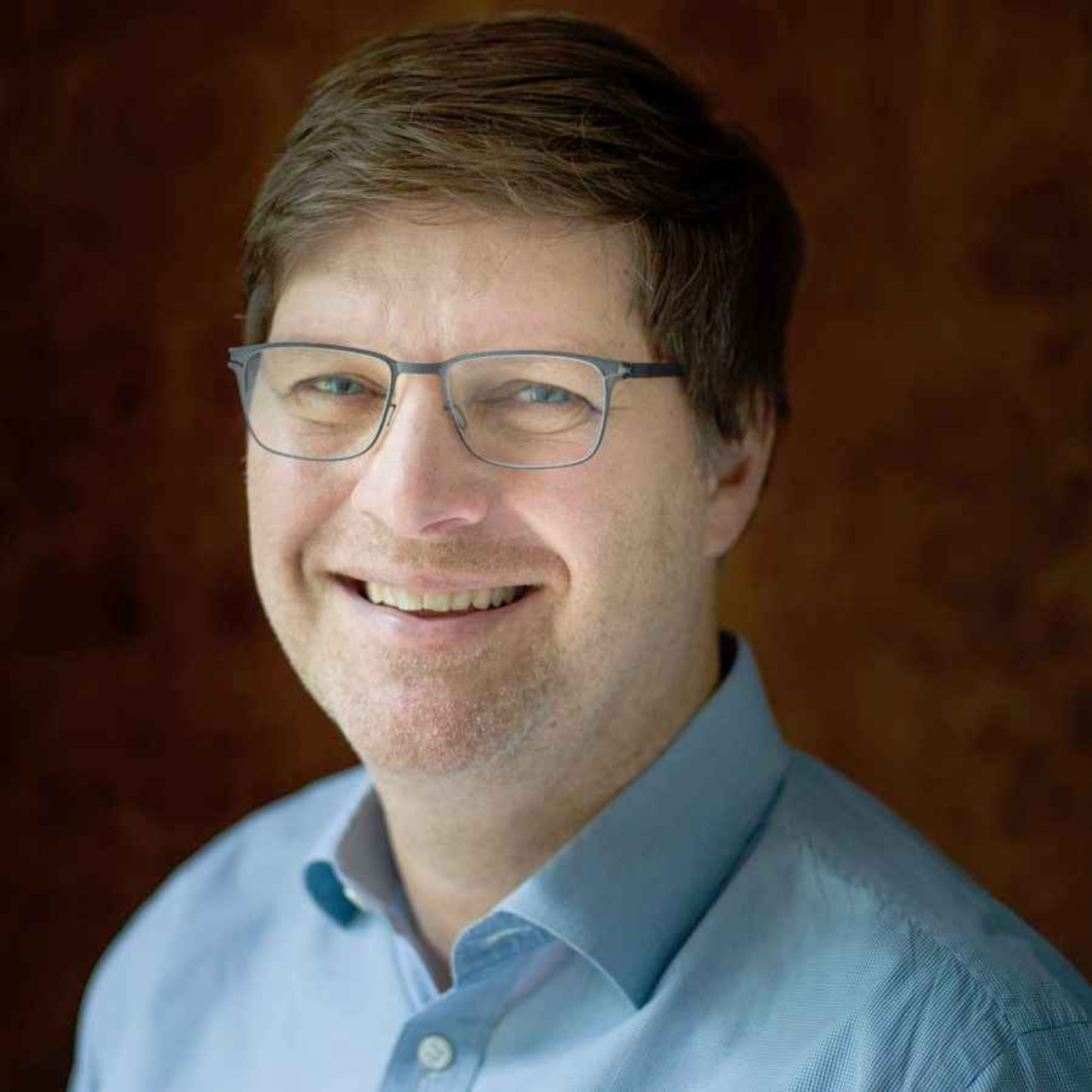
Ep 763763: Guy Spier, part 2: Limited government, free market, low tax sustainability solutions
I loved where this conversation led.We began by talking about recent news: Greta Thunberg taking a political stand and acting publicly on it on an issue unrelated to the environment. Guy described how he saw this action distracting and undermining her credibility in sustainability. We got to talking about overwhelming tribalism today.In the process, Guy shared views he once held that he overcame, specifically about Apartheid. We talked about ones views changing.In the end we got to Guy sharing what I read as something he's had to settle on: that while he generally prefers limited government, low tax policies, with our environmental problems, he's concluded otherwise. Like with national defense, where you need aircraft carriers and such, with the environment he's concluded we need big government solutions.I shared some of my views on big action but to limit government's ability to permit pollution. I read that the views were new to him and attractive. They led him to read my book. Sorry you have to wait until fall to read it, but what I share in this episode hints at why he's written a wonderful endorsement for the book. Hosted on Acast. See acast.com/privacy for more information.
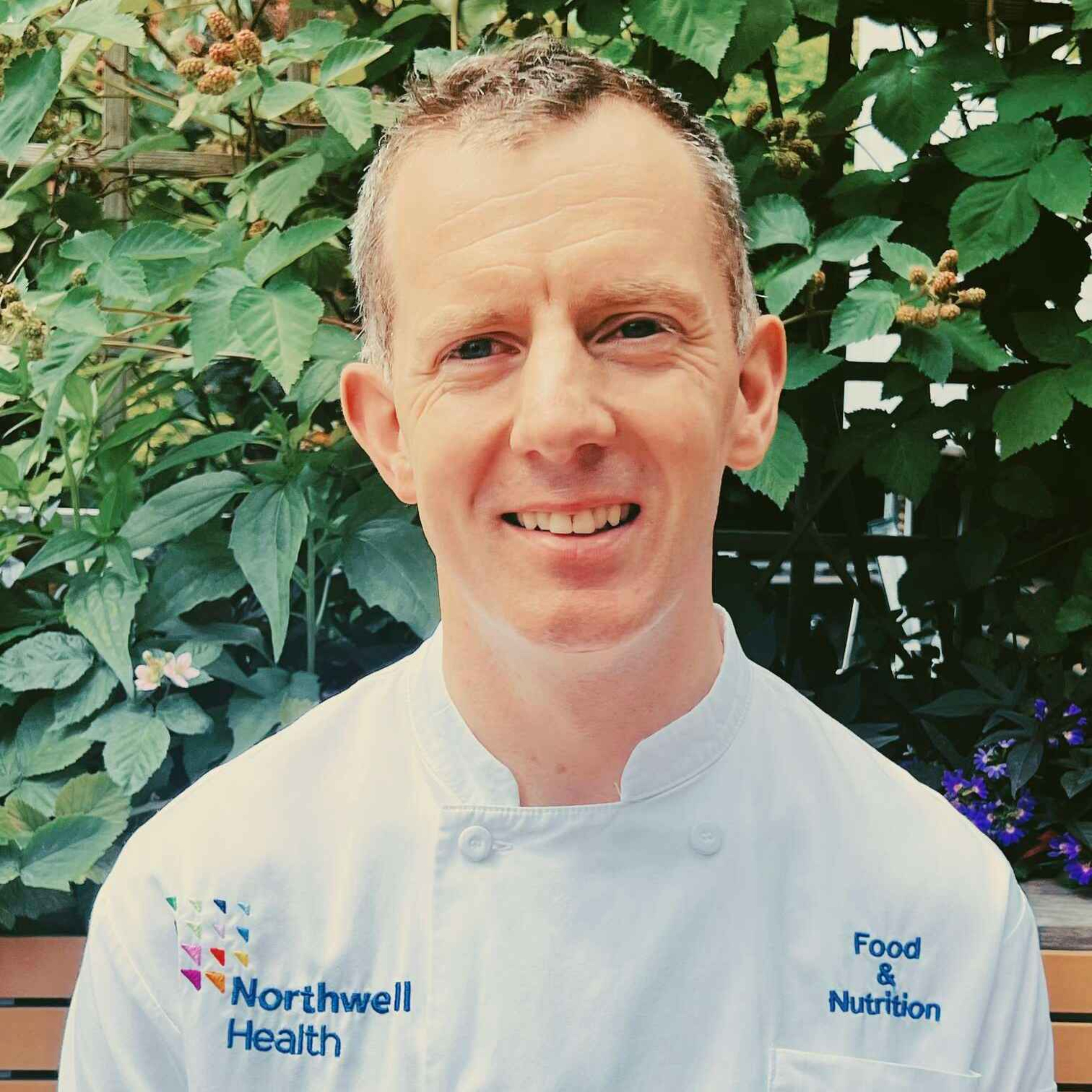
Ep 762762: Chef Andrew Bennett: Changing the Culture of Hospital Food
I start my conversation with Andy with what brought me to him: the meal after recording with the guy who hired him, podcast guest Sven Gierlinger, and the Washington Post article that read like a paid ad for their food, Hospital food is a punchline. These chefs are redefining it. I didn't record in my conversation with Sven how off-the-charts the food was because I at it after recording.Andy was the Executive Chef at the hospital where we met who prepared that food. It was amazing. It would have been amazing in any restaurant, let alone a hospital.We talk about two main things. One was the art of food preparation. Andy shared his path there from washing dishes through working with chef Raymond Blanc, chef Daniel Boulud, and the restaurant Rouge Tomate. At each stage he learned appreciation for ingredients and honed his craft.The other was changing culture. Regular listeners know my goal in sustainability is changing culture. Nearly all attempts to change how our culture impacts Earth's biosphere use technology, market reforms, and legislation. Those things don't change culture.Northwell Health is deliberately changing their culture around food. They've come a long way, but can still go a long way. Changing culture means resistance, including from the people it would help. It's hard and takes a long time. In the case of Northwell, I hear that despite the challenges, nobody wants to go back.We living in unsustainable cultures could benefit from learning what Northwell achieved.Here's the picture Andy mentioned: Hosted on Acast. See acast.com/privacy for more information.