
This Sustainable Life
866 episodes — Page 11 of 18
Ep 358358: Bald Versus Plastic
Here are the notes I read this episode from:People keep acting like I'm different, that they have to balance things that I don't when acting on the environment.So I'll share a recent decision I made. People I tell have sounded intrigued and delighted to hear it so I'll share with you.First sensed hairline retreating at 19.Not much for maybe a decade following, I don't remember.Maybe 10 years ago started using minoxidil.Don't know if works or not, but used as insurance. Not insanely expensive.Tested on thinning in back, so even less sure if it works.Over the past few years noticed it becoming my greatest plastic consumption.Thought more about stopping.Even stopping flying was reversible. Never decided to stop forever, just kept finding that it improved my life not to fly. Constraints breed creativity.Stopping minoxidil not reversible. Might not do anything. Might go bald. I don't want to go bald. I like my hair.But I'm pitting purely my vanity against reducing plastic pollution.Last bottle of last 3 month supply was running low. Kept thinking about it. Risk balding, but maybe no difference.Last American president elected bald was Eisenhower. Have to beat Hitler to get elected. Women complain they get judged by appearance, but men do too.Felt helpless, yet also recognize the alternative is simply to live with my genes. What chemical shitstorm is in that stuff anyway?But the bottom line was every time I've chosen to live by my environmental values, it's improved my life. I used to have faith, but faith is belief without evidence. Between avoiding packaged food, avoiding flying, picking up garbage daily, plogging, all of which I thought would worsen my life, they've all improved it.So I made a deal with myself to flip a coin. Heads I'd keep it. If every 3 months I flipped, eventually I'd have to end.I started making deals with myself -- just get to 50 years old. It's so little plastic compared to everyone else. Just one more time. I found out you can buy the raw ingredients on Alibaba. What if I found a great price? Rite Aid had almost half off online. Another place even lower prices, but then more packaging.So I flipped the coin. Tails on the first try. I made a rule only flip a coin when I can't decide any other way, then never reverse that decision or it undoes the value of coin toss's decisiveness. Still I started bargaining with myself.Are you getting how hard I found this decision? I was deciding in the moment a choice to affect me possibly for the remaining several decades of my life.I didn't refill. I still went to Rite Aid intending to buy another box, against the coin toss, but the low price was only online. I was going to break my rule, but didn't because of circumstance.Within a day I could feel new breeze on my forehead. Maybe coincidence, but maybe I'll end up bald in a few months. Maybe it will recede a bit and stop. Who knows?I don't see a path to this choice improving my life, but I'm going with it. Talk about your first-world problems, right? But everyone goes through similar decisions too. Should I buy the coffee on the way to work in the disposable cup? Should I take a subway or shared ride?We all do mental gymnastics to rationalize behavior we know is against our principles. I do. My difference today versus me years ago is that I've moved my balance toward stewardship. Each time I do, I find it improves my life. Before long I find role models beyond where I am. I learn from them, for example Bea Johnson, whose family of four produces collectively less trash than I do.The world will see the results.Some relevant posts of mine:Choose easier by visualizing choices, part IChoose easier by visualizing choices, part IIWhy are decisions hard?How to ChooseHow to decide among close options Hosted on Acast. See acast.com/privacy for more information.
Ep 357357: Steven Pressfield: The War of Art and Nature
Steven Pressfield's War of Art is a perennial bestseller. If you haven't read it, I recommend reading it, even if you delay listening to this podcast. Well, listen to this episode since it will prepare you.Before I read it, I could not have imagined someone writing it. I can't think of another book like it. It's helped countless people start acting on passions.Steven shares how the book emerged---things you won't get from just reading it. After we finished recording, he told me how he shared new things in this episode and he's appeared on many podcasts.I also commented on how the resistance he described to the individual on the verge of creating translates almost perfectly to two places, the individual acting on his or her environmental values as well as us in our communities, as a nation, as a species. Listen to hear his comments on that observation, and why his response made me feel so honored, flattered, and motivated to follow up.He's friendly. We spoke a bit after stopping recording. I asked him about an op-ed piece I'm working on that I feel expresses myself well and will serve the world but many people will object to. It feels great to hear from someone who has inspired so many to weather those risks to be true to yourself. Resistance looms large nonetheless.Anyway, I don't recommend that many books, but I recommend War of Art. Hosted on Acast. See acast.com/privacy for more information.

Ep 356356: I was assaulted again this morning. Can I talk about it?
While I was jogging (actually plogging) along the Hudson River around 7:30am, a person not wearing a mask stepped into my path, blocking me, saying the person's shoes had been stolen. The person seemed to let me pass, but then threatened me and threw a bottle that shattered at my feet as I ran past. I kept running, the hair on the back of my neck standing up and my adrenaline high. I don't know if the person had a weapon.I describe more and some of how it affected me in the audio.I was first going to say I was threatened since he didn't touch me. I'm not a lawyer so I looked up the definition. According to FindLaw.com's page on Assault Torts and Injury Law:legal scholars define assault as an intentional attempt or threat to inflict injury upon a person, coupled with an apparent, present ability to cause the harm, which creates a reasonable apprehension of bodily harm or offensive contact in another.Notice the words “attempt” and “threat” above. In tort law, assault does not require actual touching or violence to the victim. We use another term for the touching or contact: “battery.”Here are the notes I read from:The story from this morning runningHappens all the time, not daily but throughout my lifeI don't think he did it because black, but I suspect were I not white it may not have happened. Can't say this time.When I stayed in AtlantaFriends say, you can say to us but careful with othersShared about mugged childhood, but still happeningMaybe there is a secret white suburban life I don't know aboutRecently white friends have started sharing how they've been muggedConsistent with Dov's saying how sharing stories will lead to others feeling they can share tooThat's all background. Here is my point: every time I bring up suffering or being threatened, while I may get some listening, the other person always says, remember others have it worse---not that person, not even someone with their skin colorSo they don't know from experience but they're telling me as if I haven't heard before, and they're presuming to know my experienceI don't know anyone's experience but mine, but everyone absolutely everyone dismisses it without asking, presuming it's the caricature in the mainstream.When I hear white people talking about BLM, George Floyd, there's always this mea culpa. Maybe they are guilty, I don't know. I never hear them speak about their problems. Maybe they have no problems, maybe I'm unique, but that people open up with me when I share and they hear I'm not white supremacist or racist---though in today's world white people even mentioning race without saying how they are allies or something making up for guilt or things like that---then they tell me about their experiences, but they insist on my respecting their confidence, which of course I do.So much of what I hear from white people sounds so similar andinauthentic, I don't think they're being open, honest, or candid. Maybemany are as privileged as they say, but people have told me about being attacked, their lives threatened with weapons, and so on.I think about risks maybe not every day, but all the time. And when Idon't, some guy walks into my path, throws a bottle at me, and threatens me.For a while I feared sharing messages like this because people mightsuspect I'm turning into a white supremacist. I came to terms that ifpeople think that about the opposite, I can't let their preconceivednotions hold me from acting for equality. "White Like Me," Eddie Murphy's Saturday Night Live sketch I referred to Hosted on Acast. See acast.com/privacy for more information.
Ep 355355: I balance values the same as anyone
People constantly suggest they have to balance different values as if I didn't. It came up in a recent conversation so I shared about it today.An element I factor in is how my pollution affects others---not just what I know about or wish I contributed, but what I actually contribute. Yet people think I factor in nothing else.It's weird to learn people see you as one-dimensional. If they felt others viewed them as they see me, they'd be insulted. Hosted on Acast. See acast.com/privacy for more information.
Ep 354354: Harvard Global Health Institute Director Ashish Jha, part 1: Front Line Pandemic Leadership
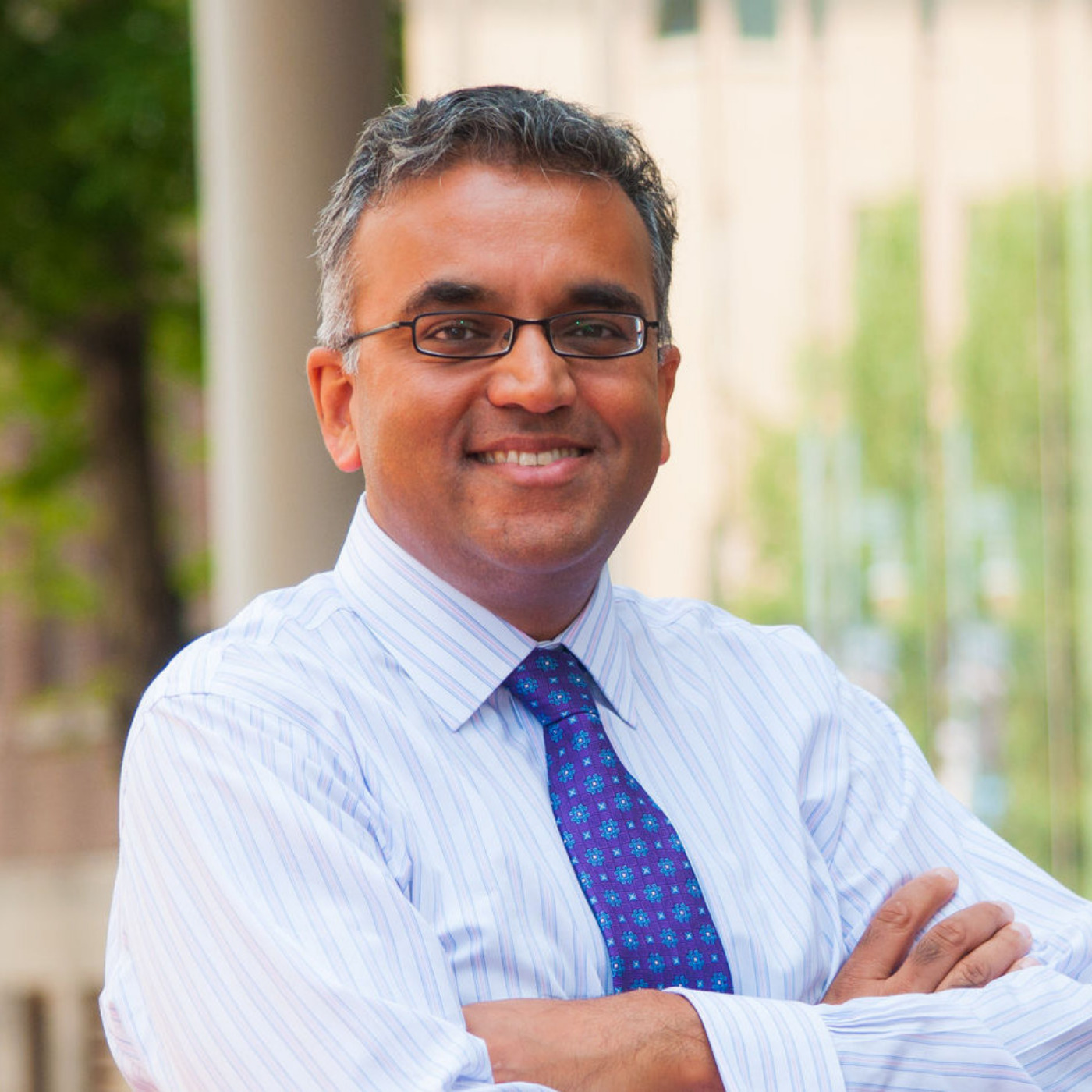
If you've followed sensible, expert advice on the pandemic, you've probably read or seen Ashish Jha in the New York Times, The Atlantic, CNN, Washington Post, and everywhere. On Tuesday he testified to the US Senate.He's Harvard's Global Health Institute's Director. Over 200,000 people have taken his online Harvard courses, which you can for free. Over 80,000 took Ebola, Preventing the Next Pandemic and over 120,000 took Improving Global Health: Focusing on Quality and Safety. As it turns out, we were college teammates on the ultimate frisbee team.I'll link to a few top articles by him. With so many interfaces between the pandemic and us---health, government, research, policy, etc---you can read a lot of his views and experiences from different sources.I wanted to bring the personal side of leading on the front lines and top levels of a pandemic---how do doctors and public health experts feel about people not following advice, facing triage decisions, how to be heard, and what affects a doctor personally. We talk about leadership, the intersection between the pandemic and the environment, which overlaps with his directorship and courses, and more.By the way, he created his Ebola course five years before this pandemic and predicted much of it, as did many. If predicting what's happened so far isn't enough reason to follow his advice, I don't know what is. Let's wear those masksAshish's faculty profileCoronavirus Testing Needs to Triple Before the U.S. Can Reopen, Experts Say, NY Times article quoting AshishIn the W.H.O.’s Coronavirus Stumbles, Some Scientists See a Pattern, NY Times article quoting Ashish Pandemic Expert Dr. Ashish K. Jha ’92: “We Will Get Through This.”How We Beat Coronavirus, The AtlanticHere's the reason we are still shut down right now, CNN video Hosted on Acast. See acast.com/privacy for more information.
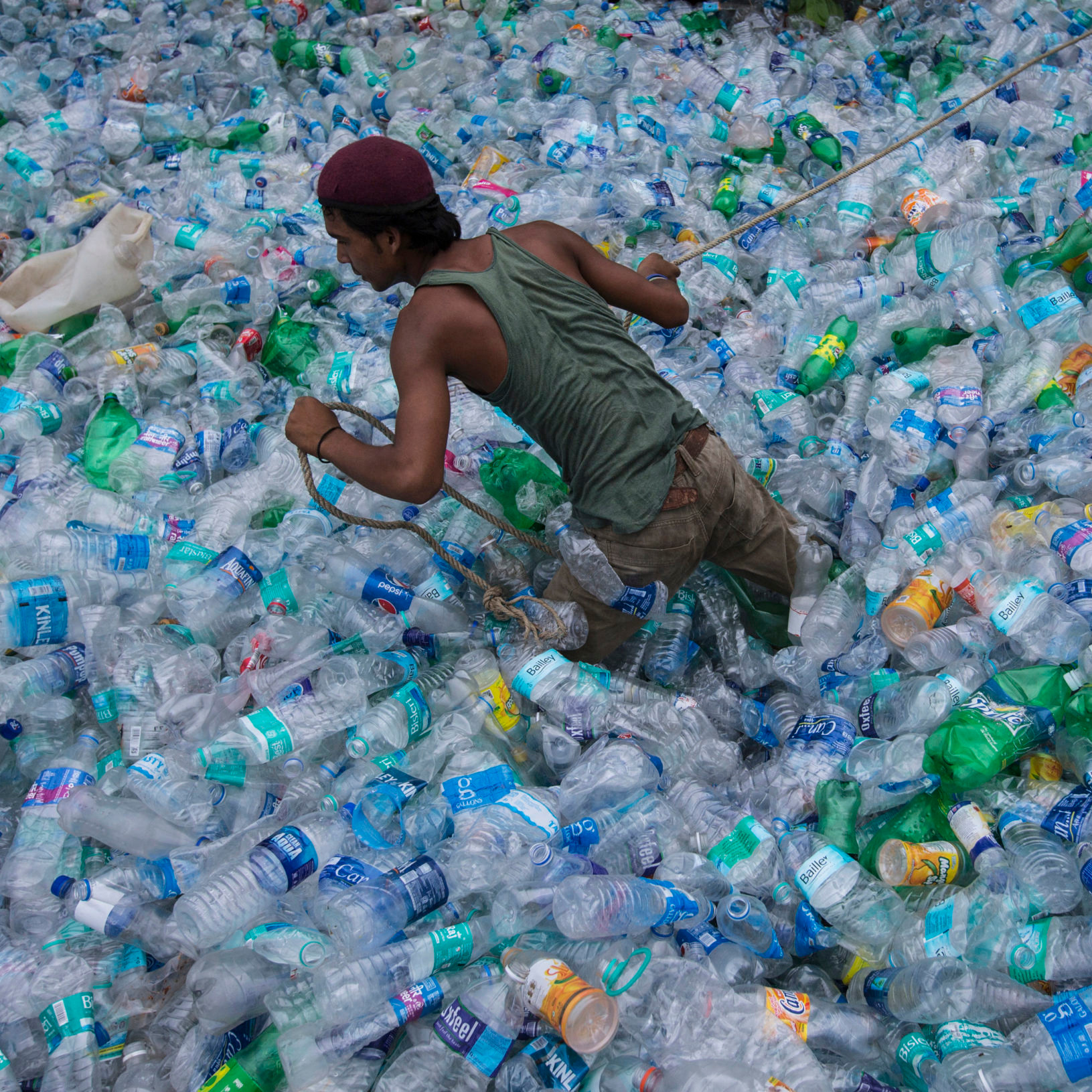
Ep 353353: I don't want to act on the environment
I think I've accidentally led people astray, sharing how much I enjoy acting in stewardship. I would prefer doing anything I wanted whenever and wherever, on my terms---that is, if I didn't have to consider how my behavior affected others, especially those powerless to stop my effects from hurting them.Today's episode shares how I'm doing on the personal level what science suggests---no magic, nothing personal, just following the advice that makes the most sense. On the social level, I'm leading other people, corporations, institutions, and government. I'm not making things up or denying. Hosted on Acast. See acast.com/privacy for more information.
Ep 352352: The War of Art and Nature
I loved Steven Pressfield's book The War of Art. I found it inspiring. It had a property that qualifies for me that something qualifies as a work of art: it said something I always knew was true but that I'd never seen expressed that way."I mention it for two reasons. One, I recorded a podcast episode with Steven the other day, which led me to reread the book. Two, I found the book applies to acting in stewardship. Substitute a few words and new meaning emerges, mainly changing art to stewardship. Most of the rest follows.I describe the analogy in this episode's recording. I share a few examples. I hope it helps motivate.I recommend The War of Art to nearly anyone. I recommend it especially to people who want to work on the environment. Hosted on Acast. See acast.com/privacy for more information.
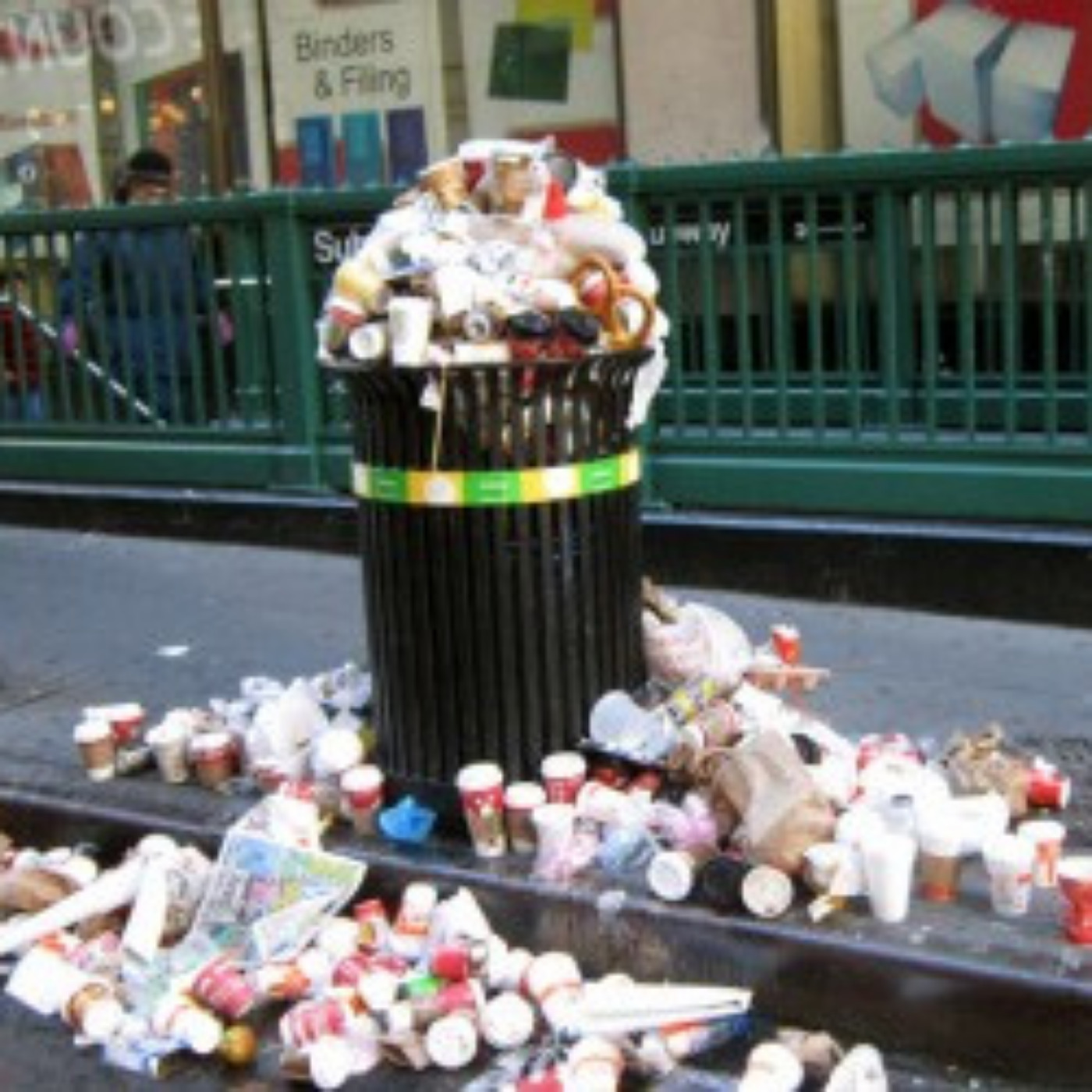
Ep 351351: A Rough Day in New York City
Today was a rough day for me in New York. Most of my solo episodes I start with a point. Today brought me down enough that I decided to share more openly some thoughts I get when seeing situations that look hopeless and are deteriorating. Normally I try to support others. It occurred to me, I hear almost nothing back from listeners, friends, family, or the world providing hope or support. More commonly people seem mystified that I or anyone would try to live sustainably when they could instead eat, travel, buy, etc with nary a thought of stewardship or empowerment.Below are my notes reminding me of a few things during the day to cover while speaking. As I'm writing these words, fireworks---that is, loud explosions---are going off within a block or two, unofficial.Helicopter since 5:20No masksLitter everywhere, every mealJust saw Story of PlasticNobody seems to care. We can go a day without water, but 8 oz bottlesPolice everywhereMayor absentPresident exacerbatingWhy bother?Am I missing signs of mainstream effective action?Plastic production higher than ever Hosted on Acast. See acast.com/privacy for more information.
Ep 350350: Jonathan Herzog, part 1: A candidate acts with genuineness and authenticity
I haven't taken political stance because I am working to removing wedge-ness from environmental policy. I'm working for people to see laws about how people affect others through the environment as we view traffic laws. We don't see red lights as red tape or bureaucrats telling us what to do. They make our world safer even if they slow us down sometimes. One day we'll see keeping mercury out of fish and other pollution similarly.I met Jonathan in person practicing democracy---gathering signatures in my neighborhood. I learned of him after meeting Andrew Yang, whose candidacy I valued.Last year I heard Andrew Yang speak and liked his message enough to read his book, The War on Normal People, and learn more about universal basic income. I listened to Andrew on several podcasts until I felt I understood what he was campaigning for and why. UBI, for example, has had centuries of support across the political spectrum. Who knew?I talked to Yang's campaign people about helping with their environmental platform. (I'll talk to any politician about their environmental platform, since they could all use help). One of the outcomes was meeting Jonathan, gathering signatures a block from home. I like people acting in my world with passion, genuineness, and authenticity. Read Yang's book to learn the platform and what's driving it.In a tradition of successful people, Jonathan had left Harvard before finishing to support Yang's campaign, then to run himself in New York City's 10th district, where I live. He cares. He also acts personally on the environment, as you'll hear in this episode. Hosted on Acast. See acast.com/privacy for more information.
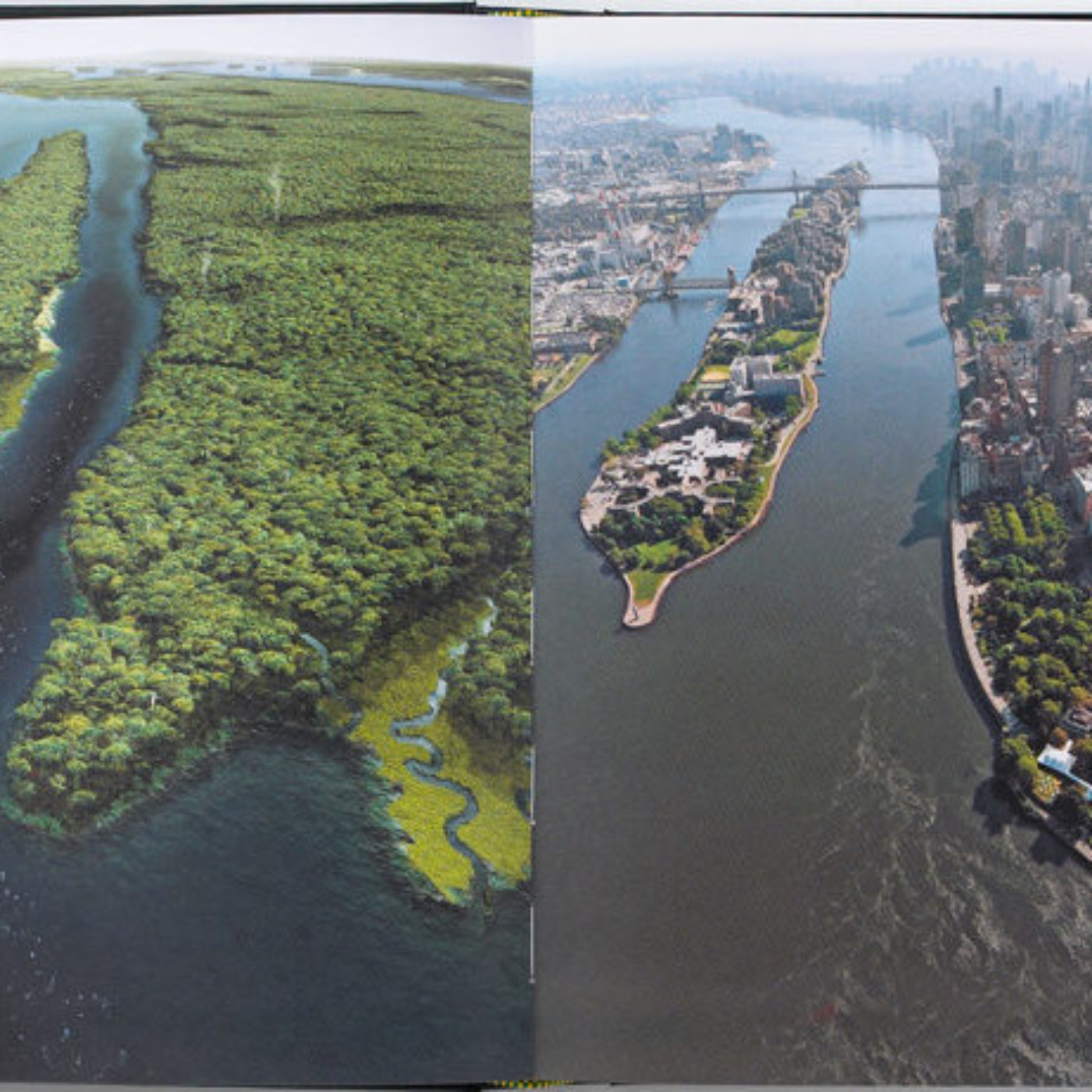
Ep 349349: The State of the Environment Is The External Manifestation of Our Beliefs
Think of where you are now in two ways---first, how it looked before humans arrived there, second, how it looks now.The difference is our influence, which results from our behavior, which results from our beliefs, values, hopes, dreams, and so on. In other words, the environment is the outward manifestation of our beliefs. Hosted on Acast. See acast.com/privacy for more information.
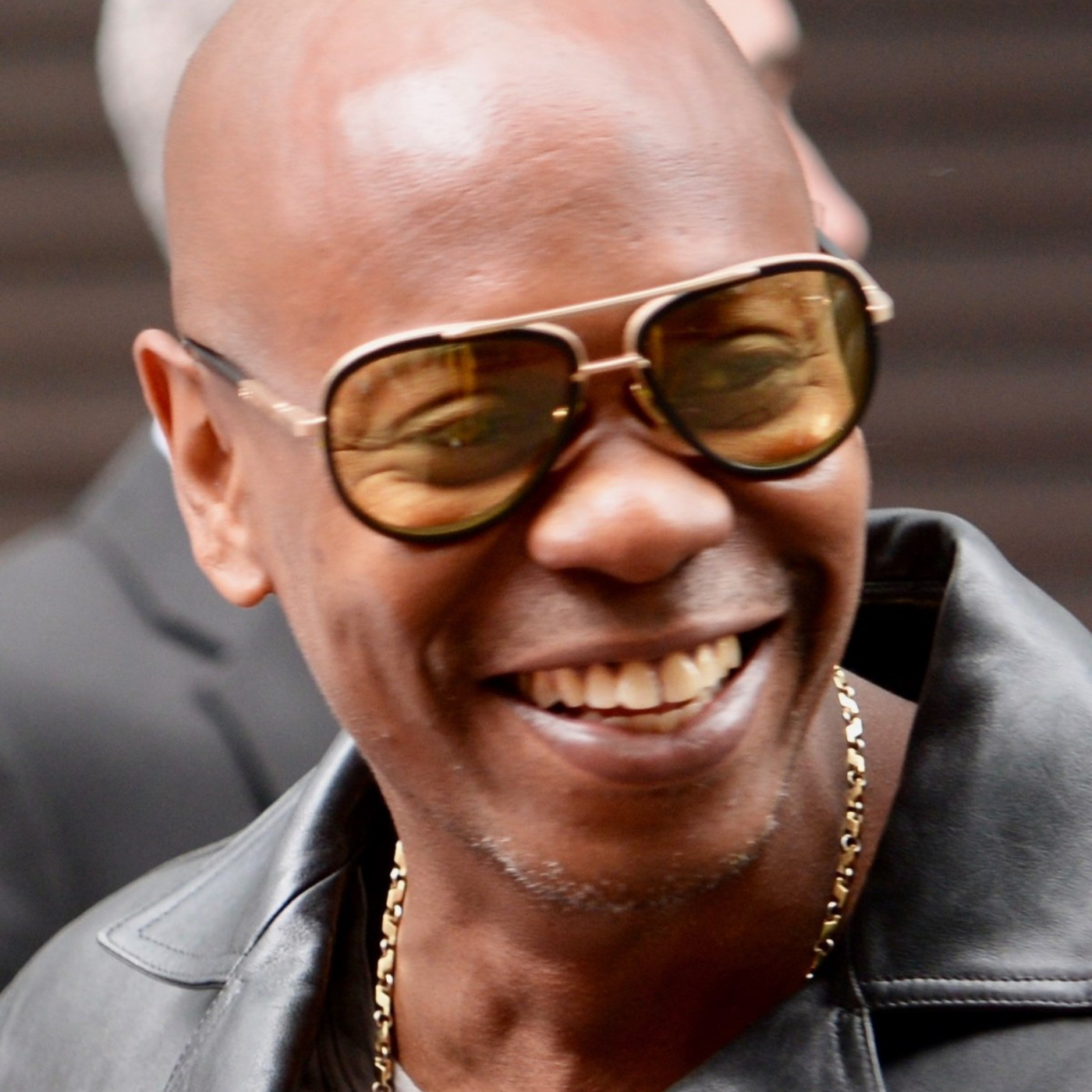
Ep 348348: Dave Chappelle's Line
Dave Chappelle set a line for himself that when he became famous he would not cross it. His life crossed it and he left a successful show and a $50 million contract.He returned to become more successful than ever. I recently saw him win the Mark Twain award.Here's Wikipedia on him staying true to himself:Season 3 was scheduled to begin airing on May 31, 2005, but earlier in May, Chappelle stunned fans and the entertainment industry when he abruptly left during production and took a trip to South Africa. Chappelle said that he was unhappy with the direction the show had taken, and expressed in an interview with Time his need for reflection in the face of tremendous stress:"Coming here, I don't have the distractions of fame. It quiets the ego down. I'm interested in the kind of person I've got to become. I want to be well-rounded and the industry is a place of extremes. I want to be well-balanced. I've got to check my intentions, man."Immediately following Chappelle's departure, tabloids speculated that Chappelle's exit was driven by drug addiction or a mental problem, rather than the ethical and professional concerns that Chappelle had articulated.Chappelle's decision to quit the show meant walking away from his $50 million contract with Comedy Central.[...]In an interview with Oprah Winfrey that aired on February 3, 2006, Chappelle explained his reasons for quitting Chappelle's Show. He also expressed his contempt for the entertainment industry's tone-deafness regarding black entertainers and audiences:When I see that they put every black man in the movies in a dress at some point in their career, I start connecting the dots. [...]Chappelle said on Inside the Actors Studio that the death of his father seven years prior influenced his decision to go to South Africa. By throwing himself into his work, he had not taken a chance to mourn his father's death. He also said the rumors that he was in drug or psychiatric treatment only persuaded him to stay in South Africa. He said,I would go to work on the show and I felt awful every day, that's not the way it was. ... I felt like some kind of prostitute or something. If I feel so bad, why keep on showing up to this place? I'm going to Africa. The hardest thing to do is to be true to yourself, especially when everybody is watching.Draw your lineWhere do you draw your line to prioritize acting on the environment? Does billions of people restricted to their homes not cross it? How about rivers catching on fire?You will love life more if you don't allow yourself to watch ourselves cross our lines. You will love the meaning and purpose you create by making the environment your priority.Whatever you give, the work will return more. Hosted on Acast. See acast.com/privacy for more information.
Ep 347347: Sex, Drugs, and Rock and Roll, part 4: More sex
Dov and I started by talking about experiencing fun for the first time. I'm not the most fun person ever but a lot more now than before. He handled context that kept me from recording before despite knowing I wanted to. By context I mean legality, framing, and things that if you don't cover it's just talking about drugs, not life.I shared a few stories showing how I integrated the social skills the MDMA experience helped prompt, which leadership work eventually complemented and augmented when I went to business school.But the deep part of this episode is my sharing my experiences of powerlessness as a man compared to women, as well as the stories of few men who experienced similar situations that suggest to me my situation isn't rare. Note that I don't describe problems with women but a system and culture that says hashtag believe women without accountability or equality.My leadership work has been leading me to become famous but I've been afraid to get past a certain level for fear of one of the stories I tell in this episode. I had to share this to liberate myself from that fear. Again, I'm not afraid of the truth, nor of women, but of an unfair system and, for that matter, a culture that is predisposed to silence me in this area.Since recording I found some old emails from her. She found my girlfriend, I don't know how. She found postings of mine and tried to out my anonymous identity as an attraction coach, she included a picture of me with my girlfriend in an email to me, I think implying she knew things about me I hadn't told her and could act on them. One of her last emails to me listed things she wanted me to know and said "and you really don't know what I can do", which to this day I take seriously.I've held a lot of this stuff inside since the mid-90s---the experience with the woman in grad school, the late 90s my experiences with ecstasy, the late 2000s learning attraction and seduction, and the mid-2010s seeing the unaccountable power society gave a woman should she choose to act on it. But my practice is openness, allowing yourself to be vulnerable, sharing your whole self, and integration. Not sharing the experiences in this episode held me from my potential.My leadership work is about helping people improve their relationships with themselves and people they care about. I find they work best when I don't hold part of myself back, especially the most important parts, or separate parts of myself.Sharing this stuff has been a new beginning---no longer censoring myself out of fear of hashtag movements silencing my voice and experience. I'm moving to stop holding back experiences I found most developmental.EDIT: After recording this episode I shared the story with my mom. After she heard me describe the stories with women, she told me that the woman emailed her!In this case, she seems to have a lot more power. If a man wrote "You don't know what I can do" or contacted a woman's mother, he could end upin jail. If a man complains, many people will ask what he did to deserve it. Again, my issue is with a culture, not truth or women in general.Sharing these stories has opened me to share and has given me courage to act despite the fear. Hosted on Acast. See acast.com/privacy for more information.
Ep 346346: Julie Margretta Wilson: Covid-19 devastating education
Education and learning, not just scoring higher on tests, is at the core of my leadership practice. Today I bring a luminary of education work, Julie Wilson. As hyper-educated person who late in life, in my 40s, learned that doing well in school didn't mean success in life, especially in an educational system based on coercion and compliance. I came to see learning social and emotional skills improved my life more and solved our greatest problems.Covid-19 is one of our greatest problems, affecting education more than nearly any other field. Partly it's affecting our brittle, non-resilient educational bureaucracies, which differ from teaching students. It's also affecting learning now and for an unknown time to come.I wanted to talk about self-directed education and we do, but we started with Julie revealing an inside view of an area with as great upheaval and consequence to everyone as any, as well as her personal take.I was blown away at how much the pandemic is affecting education. I knew it was big but hadn't thought it through.Empty buildings, parents not knowing what to do, teachers not working, kids unable to play with each other, isolation possibly leading to more testing, at the same time potential for reconstruction, closer families, more love between the adults in children's lives and the children, the adults being their parents more.I haven't begun to consider it.After we stopped recording I said I hope I wasn't too assertive or aggressive about the ship at sea part. I confess I was speaking out of confusion and frustration, most likely revealing my ignorance. She said she valued the prodding. I hope I helped.The Human Side of Changing Education: How to Lead Change With Clarity, Conviction, and Courage Hosted on Acast. See acast.com/privacy for more information.

Ep 345345: Sex, Drugs, and Rock and Roll, part 3: Drugs
Here are the notes for the introduction I read for this episode:This episode covers a few big experiences that led to my dedication and intensity, starting from sports, my relationship with my father, acting lessons, and various highs and lows. The intriguing stuff about drugs comes about two-thirds through. Since recording this episode, I've asked a bunch of people their thoughts on sharing about taking them. I guess I'm behind the times that I still think sharing doing something illegal was a problem, but everyone talks about how normal it is to talk about, citing Michael Pollan, Joe Rogan, Sam Harris, Snoop Dogg, and so on. What's wrong with our laws that they're this out of touch with society?Dov starts asking me about my childhood, when I always felt on the outside looking in, wanting to hear from others what to like. Early sports teammates led to a couple experiences that led to my dedication to sport and life, learning not to skip games or practice. Not getting playing time in a big game led me to taking competition seriously. eventually evolving to top of some fields but still never developed killer instinct.We covered my relationship with my father guiding my leadership direction to compassion, empathy, making someone feel understood, and support. I share why I love teaching and coaching leadership, at least some reasons.Anyway, the experience of connection from ecstasy predicated and enabled my leadership of connection, empathy, understanding, and other social and emotional skills. Dov nailed at the end how important feeling understood and making others feel understood is to me, as rarely feeling understood.We covered how meaningful in my coaching practice I find it that clients regularly tell me that people they lead cry tears of gratitude, saying no one has listened to them so much and made them feel so understood so that they could at last devote themselves without inhibition to act with passion. I reiterate that despite the hundreds of people I've taught to lead this way, no one has devoted themselves to lead me this way or to make me feel understood, despite my telling them that simply doing the exercises in my book verbatim will do it. I'm sad to say, not my family, friends, managers, girlfriends, . . . no one. I don't know what's wrong.Anyway, back to this episode, I finally started entering the inside crowd in New York City clubs, though also playing ultimate. After decades, I started replacing insecurity and tentativeness with security and confidence. Ultimately, my experience with ecstasy revealed to me emotional intensity I from then on knew I could recreate if I tried, as could anyone.But all of what I shared so far, what I felt until this point of speaking with Dov made me fear opening up. It all just allowed me to surface the real source of my fear -- being a victim of what could only be called sexual assault, knowing other men who were victims of sexual assault, and the fear of mainstream society. To clarify, I'm not afraid of the truth, but I'm afraid of hashtag movements that, well . . . I asked Dov for another episode, so you'll have to wait for it to find out my greater fears.Episode 253: My greatest triumphs, My greatest shamesJalapeños, contact lenses, and dedication Hosted on Acast. See acast.com/privacy for more information.

Ep 344344: My Race Background
Race is a major topic since police killed George Floyd in custody.I consider one of the major problems that people don't feel heard or understood. I see virtually no one in authority showing that they are listening.A friend who is white shared some of how she is struggling. I shared my background regarding race. She said I should share that background. I shared it with others. They agreed.This episode shares my experiences regarding race---a loose collection of memories. One person said hearing my details helped him think about his, which was my goal: to help people express themselves.I start from my earliest memories through grade school, high school, graduate school, starting companies, and recent reflections.Episode 253: My greatest triumphs, my greatest shames Hosted on Acast. See acast.com/privacy for more information.
Ep 343343: Chad Pregracke: One River, One Piece of Garbage at a Time
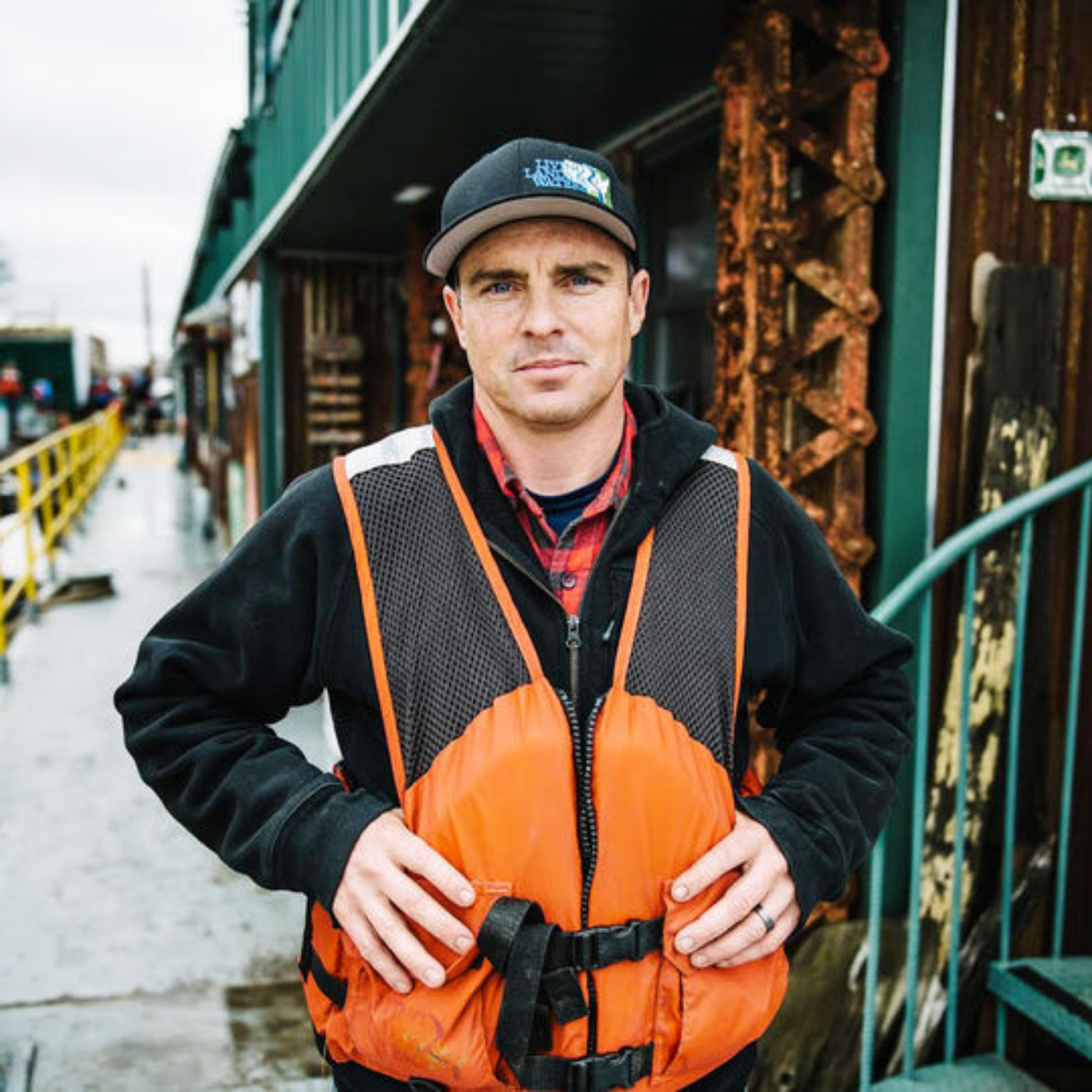
Many people suggest people as guests who are doing "environmental things". They don't know my strategy with this podcast, which I describe in my solo episode Clarifying my strategy. The crux is that I focus on leadership and bringing leaders to the environment before focusing on the environment. I consider our behavior the problem to change. Environmental degradation results from behavior. Most people are trying to make some process more efficient, like making cars electric or use less plastic in some process. That's management. It accepts the values of a system that pollutes, and generally augmenting and accelerating it: Uber doesn't decrease miles driven. It increases it.Chad started Living Lands and Waters, a non-profit where people get in the river and clean garbage. It started with just him and grew to huge. Here are some videos profiling their work.I looked at what Chad does and can see what others might: one person won't make a difference, even the organization won't, it doesn't scale. Silicon Valley wouldn't get it.Read former guest Anand Giridharadas's Winners Take All to get how sickening "doing well by doing good" is. Anand treats the problem of contributing to the problem while feeling you deserve thanks for acting like you're solving it. He on economic disparity, not the environment, but the pattern is the same.Chad shows the joy, community, and connection in doing the work---that is, he's changing the values we act on. You can tell because he works himself, with his hands. He doesn't tell others to do it instead, in part because he enjoys the work. He met the woman he married picking up garbage.I heard a guy doing what everyone says is tilting at windmills, enjoying it. He's changing culture by living the change and bringing others on board.In a world many people throw up their hands and lament that they can't make a difference, he's enjoying himself and cleaning the world, leading others to change. If you say, "But it's not enough," well, do your equivalent. He outperformed his expectation and he's enjoying himself.I brought him on because I envision a world where, like him, everyone does their part. That's cultural change. Cleaning the world and keeping it that way means changing culture. You can be jaded and holier than thou. Or you can get your hands dirty, work, and enjoy a life of stewardship, responsibility, joy, community, and connection.Living Lands & WatersSome videos profiling their work Hosted on Acast. See acast.com/privacy for more information.
Ep 342342: Sex, Drugs, and Rock and Roll, part 2: Sex
For background, first listen to my first Sex, Drug, and Rock and Roll episode, part 1: Rock and Roll, how Bruce Springsteen's Broadway show motivated me at last to share some episodes about me. Listeners have asked to know me. I tried to put myself in the background, considering leadership and nature the important parts of the podcast, as well as the guests.Bruce sharing personal stories showed me the value of sharing, in his case about the man behind the music and in mine the man behind the podcast. In that episode, I committed to sharing more about myself and sank my ships, so, like Cortes, I couldn't retreat.Still, weeks passed without sharing. I shared my fear to act with leadership guru and past guest, Dov Baron. I talk about his episodes possibly most for his committing so fully.He said: "Here's the solution: I'm going to interview you as a guest on your podcast." I immediately saw he had the solution. Since seeing James Lipton being a guest on his show Inside the Actors Studio, I'd thought of copying the idea. I knew Dov would guest-host perfectly for why I loved him as a guest.Today's episode is the first of three episodes he interviewed me for, each delving into parts of me I've feared sharing publicly. I think you'll enjoy them. Within the first few minutes, he asked what politically incorrect views I held and what people misunderstood about me.Dov led me to share without my usual evaluating my words while saying them when talking about sensitive subjects. He spoke supportively, sharing about himself and giving views that enabled me to share what I usually protect.Only in the third episode do we reach my most poignant fears, but Dov laid the foundations in these first few minutes.This first episode is about my relationships with women, which I worked to change late in life in a deliberate, non-mainstream way. We cover how little intimacy I felt with them in my first few decades, then how my learning about vulnerability and support led to blossoming of relationships in all parts of life. My working on relationships with women contributed more to my leadership development than probably business school, where I took classes from top professors at one of the top schools for the field in the world.I talk about how following mainstream advice and learning from women led me to feel shame and hide my most important parts. I also talk about how I feared mainstream views about how I overcame prejudices that came from mainstream society, since I overcame them through what the mainstream called misogynist. They call it pick-up artistry, but my experience, starting late in life, nearly 40, was the opposite of the common caricature. On the contrary, I first learned to open up with women, then with everyone---family, coworkers, everyone I met. I'm still often socially awkward and restrained, but less than before.This first conversation with Dov is my first foray into conquering fears that people could hurt me, but also realizing it wasn't me they'd attack, but their misunderstanding of me. Listen to all three episodes to get the full picture. I thought the fears I mention in this episode were my big ones, but they actually set the stage for the ones in the third.I can't express my gratitude enough to Dov.I alternate between finding this episode cathartic from sharing deep, important things and obvious, like doesn't everyone have rites of passage. In any case, I feel liberated from having to hide these things.I'm also disappointed that I live in a world that demeans what led to some of the most important growth in my life while supporting what actually led to me being withdrawn while feeling full of myself. Relistening to the episode, I could sense a new beginning. I could sense fading the fears in the puritanical culture of people attacking me. But now I feel strengthened to continue being myself despite the fact that they get parades and I don't, that people celebrate their sexuality while they suppress mine.Still, the next two episodes go further. Hosted on Acast. See acast.com/privacy for more information.
Ep 341341: NFL Tight End Chris Manhertz, part 1: Making your dreams happen
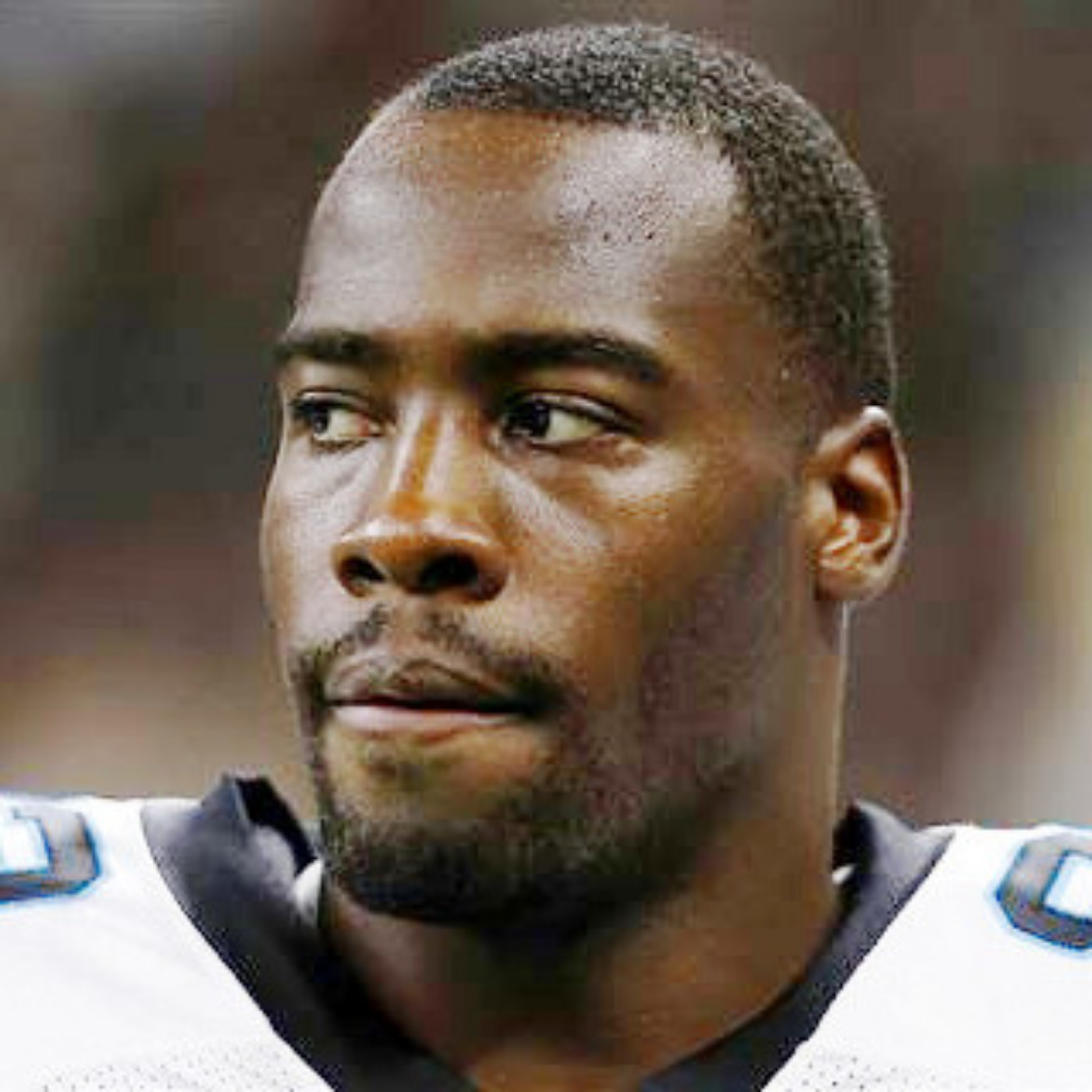
I love talking to professional athletes. Today I talk with Chris Manhertz, a tight end in the NFL with the Carolina Panthers. We cover three main things and partly a fourth.Making the NFL never having competed in football. He played basketball in college, but made it, now five seasons in. I'd call it a dream come true except for the work it takes to make happen.Playing during a pandemic. Sports are hit as hard as anything. Athletes reach their potential. How is he responding? How can we all respond?The environment, of course.We just touch on philosophy and stoicism, which we'll cover more in our next conversation.If you want to reach your potential, people like Chris Manhertz help. I hope the audio picked up his smiling and enthusiasm for acting and using adversity to prompt him to more.I hope I didn't sound too selfish asking about what I find intriguing about the actual experience of professional athleticism, but I think others will find fascinating what I do---the inside experience of playing on a professional sports field, training and playing with professional athletes at the peak of human ability. Hosted on Acast. See acast.com/privacy for more information.
Ep 340340: Michael Turner, DDS, MD: On the front line of Covid-19 in New York City
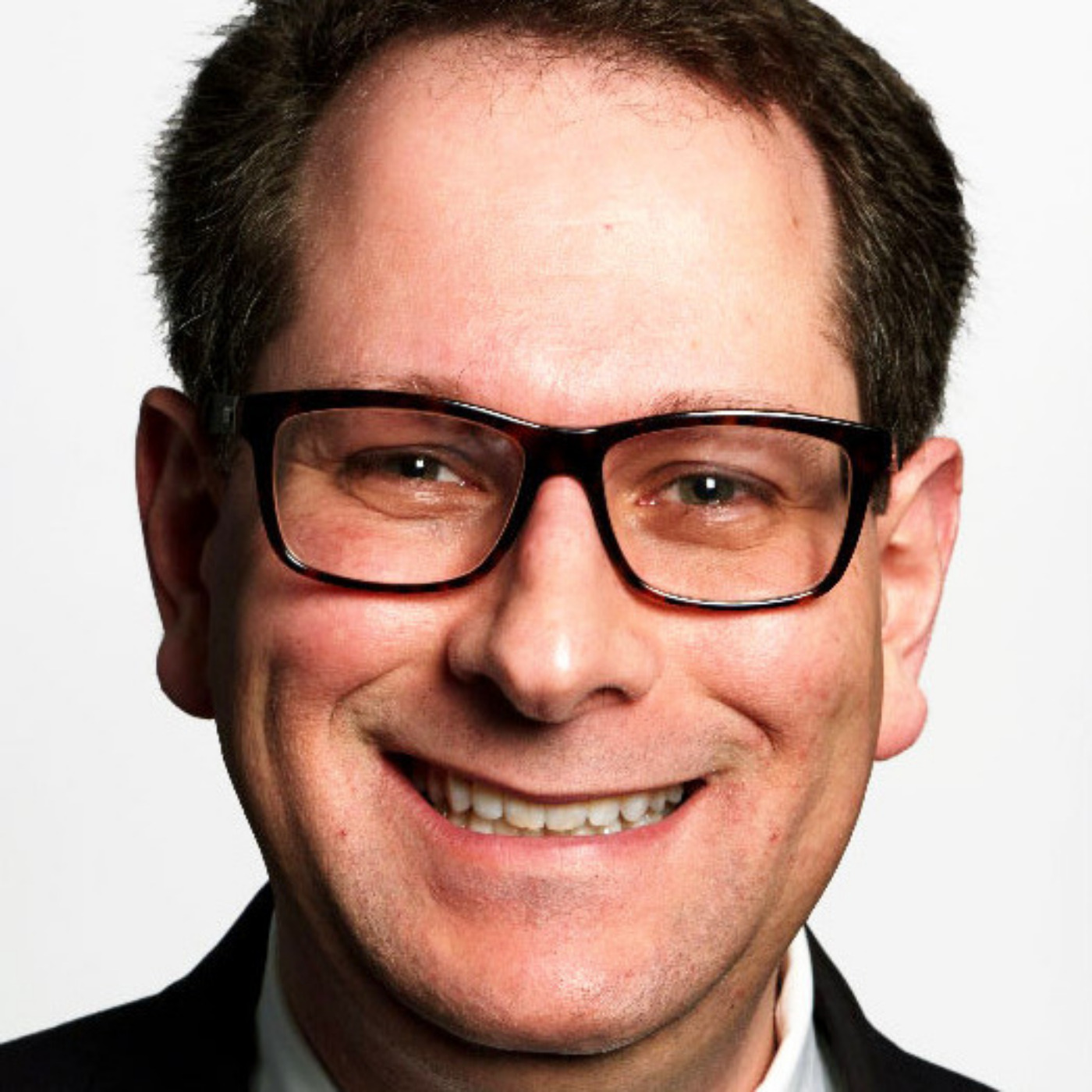
Want inside views of covid-19 in the epicenter of the epicenter?Michael has been working at the front line of Covid-19 in New York City.He's also my brother-in-law who has known me since the 80s. I started the pattern of bringing people to share inside views of my work with my mom's episode, which I encourage you to listen to.He shares inside views on the flaws and weaknesses of both.He starts by sharing stories only surgeons can---for example, of saving someone's life on an airplane. You know in movies when the plane captain asks if there's a doctor on board? It happened to Michael when he was the only doctor on the flight---then just starting. He says he didn't fully save a guy's life, but it sounded close. Based in New York, he also treated a Victoria's Secret model and famous actors and singers.Then we covered the pandemic. You'll hear how he risked his life to conduct surgeries of patients with Covid-19, inside views of doctors fed insufficient information seeing the pandemic dawn on them, dealing with government, and dealing with the looming threat of having to choose who might live or die. Most of all, hearing the inner sentiment that drives a care giver to go into harm's way for another person's health.Then we talk about what brought me to invite him: his seeing me change over the years. I got more than I expected and different views than my mom.It's two conversations---one on the front lines, the other personal, both meaningful, both honest and candid.My mom's episode Hosted on Acast. See acast.com/privacy for more information.
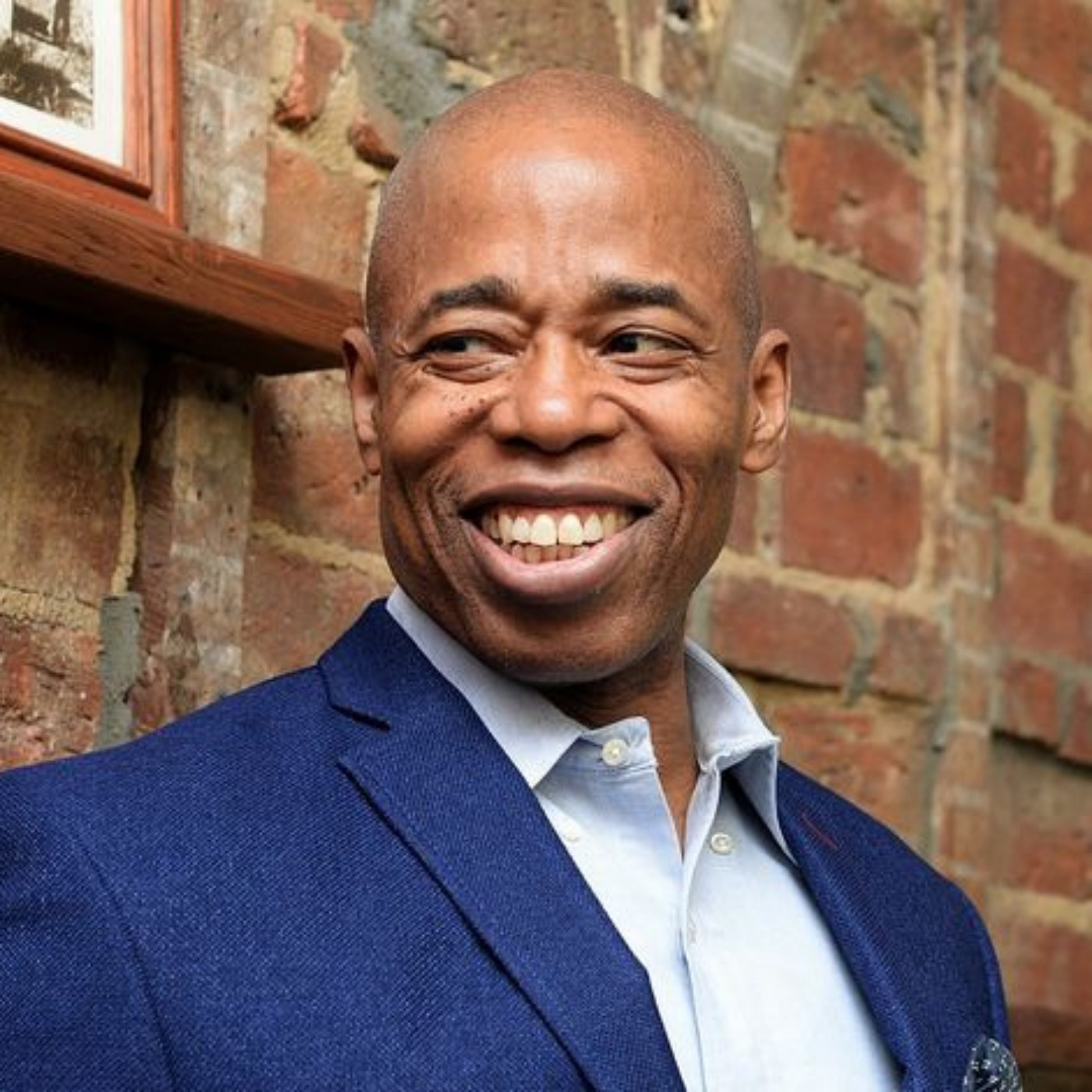
Ep 339339: Brooklyn Borough President Eric Adams: Food Matters
Brooklyn Borough President means Mayor of Brooklyn. If Brooklyn separated from New York City, Eric Adams would be the mayor of the third most populous city in the country. If it separated from New York State, he'd be Governor of more people than 15 states.In this episode you'll hear why in 2013, Adams was elected Brooklyn borough president with 90.8 percent of the vote. He shares his transformation from his diet causing him to nearly losing extremities and vision to loving food they way I do.We cover the gamut of food issues---politics, education, business, history, but most of all family, community, and personal joy, community, and connection. It's hard to keep in mind hearing him how far he came in only three years---meaning have far you can go in three years if food isn't the joy to your life it is for him.People like him are why I created this podcast. The environment and food lack leadership. When you bring effective, authentic, genuine leadership to the environment and food, look at the difference. You'll hear how fast and thoroughly he changed and the passion and conviction he speaks with. You can imagine how deliciously he eats.Do you doubt he will make a difference?I can't believe people think one person changing doesn't make a difference. Official Brooklyn borough president website Hosted on Acast. See acast.com/privacy for more information.
Ep 338338: Abbey Ryan, part 1: Technique and Mastery Through Practice
I consider leadership a performance art and the environment the most beautiful thing around. Abbey and I talked about beauty, art, performance, teaching, technique, craft, and everything that goes into mastery.She has little experience with burpees. I have little with painting, but we connected on mastery. I think I can safely say we both look forward to our next conversation. Just after stopping recording we both commented on how much we enjoyed connecting on what underlies all fields amenable to mastery.Abbey has painted a painting daily since 2007. As someone who has done burpee-based calisthenics and written blog posts daily for nearly as long, I couldn't wait to talk to Abbey about the personal growth, community, connection, self-awareness, self-expression, and so on that come from a daily practice.I learned about her from podcast guest Seth Godin's book Linchpin, but watching her videos (links below) showed me the beauty of her work. More than that beauty, I enjoyed watching her connections with people learning art from her.Do you want to make an activity you care about a pillar of your life? Why care about classics and masters? Listen to Abbey.Abbey's home pageAbbey's video pageAbbey's thoughts on painting video Hosted on Acast. See acast.com/privacy for more information.

Ep 337337: Why we feel miserable under lockdown
I discuss the connection between perceiving lack of variety in food made from scratch and feeling miserable and bored under lockdown, despite having access to all the world's art, music, literature, and culture ever recorded and more material abundance than kings only a few generations ago, despite our material abundance being only slightly less than a few months ago.Here are the notes I read from for this episode:Yesterday recorded episode with Rob and my stepfatherTalked about food variety, said mine lacked varietyOnly tried three timesPeople always see theirs as varied, others as notPeople say I don't like Chinese or Indian, billions, huge varietyI see McDonald's and Taco Bell as sameCount Chocula versus Froot LoopsI made something with broccoli versus zucchini or cauliflower as differentI see industrial food as the salt, sugar, fat, convenience treatmentAdd sugar versus add salt, people see as different, but to me corn flakes and Fritos are basically the sameSupermarket carries same things year-round. Seems like variety because at any given moment lots of choicesBut once the prime pleasure becomes salt, sugar, fat, convenience, same to me.Because there's the raw flavor, which can differ, but we've reduced that variety to monocrops so only a few varieties of mango here, despite abundance in nature, and zero radishes for most peopleTo me variety among apples is huge, which I cherishGerman beer law -> abundance and just local ingredients is huge compared to their fourPeople lived since dawn of our species on local ingredientsWhen did we become so entitled that we should get anything we want whenever, wherever?What's so bad about not having berries every damn day?A farmer nearby wants to provide food for me and youInstead a large part of your money goes to Saudi Arabia for fuel, Madison Avenue for advertising, Wall Street for finance, and Venezuela for farmer now not feeding their peopleSo my parents, who have lived here for over a decade, say there's nothing available local this time of yearIt's like someone who played loud music their whole lives to deaf saying there's no bird songsThe human aspect is important to me. I would probably eat meat, which until just before this time of year would be our option, and we'd cherish it, not take it for granted and ship from all over the worldThen treat with salt, sugar, fat, convenienceSo no, I don't consider Filet-o-Fish as different than a burger, nor Taco Bell as different from McDonald's, Olive Garden, etcThey all treat the raw ingredients as commodities.I want to treat them as a painter treats paints on a palette or a musician treats notes on a scale. A piano has 88 keys. A trumpet three valves.No variety?Let's get to bigger picture.I've also come to see our educational system as equally tone deafSome will see history as completely different subject than economicsOr even humanities as different than scienceEven there, most humanities people will see math and physics similarMost science will see history and philosophy as similarTo me, if they all teach the same skills of reading, listening, taking notes, analyzing how they teach to analyze, but not to learn their own values and create own skills, teaching the same complianceThat most Americans or people in East and West, when confronted with new problem, can't helpMandela, in prison 27 years, lived more free in 10x10 foot cell with forced labor than people today.How do I know? Because he created his happiness despite few raw ingredients, yet people today with much more comfort, convenience, and variety feel depressed and bored.I learn from Thoreau, who lived off the land. Read Walden and Civil Disobedience. People today miss the point by saying he interacted with people. He found that being put in jail for not paying taxes to avoidsupporting slavery and an unjust war made him more free.People who emerge from our educational system learn dependence, not independence. Rob complains about system and as best I can tell spends his time in solitude trying to find how someone is causing his problems rather than appreciating nature that no matter how we try to dominate it, will never go away nor be weaker than us.With zero evidence constructs a world view that Chinese labs were trying to hurt him. Mandela learned to relate with and help the people imprisoning him, realizing the problem wasn't the people, but the systemPeople make themselves depressed, despondent, angry, and such unable to apply their compliance and analysis to understand a situation beyond what school taught.Victor Frankl lived a life of more happiness and bliss in Auschwitz, or Jean-Dominique Bauby, the guy from The Diving Bell and the Butterfly who suffured a stroke that led to him devoid of voluntary control of any muscles except his left eyelid and who wrote a book that became a bestseller and a movie that won awards, He did it by connecting with the people around him.They lived more variety and happiness than people today who want to riot when

Ep 336336: Julian Guderley: GreenPlanet BluePlanet
If you measure an interaction with someone by how much it affects and improves your life, my conversation with Julian was profound. Why? His conversation led me to start meditating regularly---something I've considered for year but never implemented, until the morning after our conversation.Longtime listeners know I've meditated for nearly 15 years. I've chosen infrequent deep dives---5-10-day retreats with no reading, writing, phone, internet, or talking---finding that I've gotten most of the value of daily practice from my other sidchas. The morning after our conversation, I started and have kept going since. I credit Julian's conversation.I met Julian after hearing an episode of his podcast featuring Wen-Jay Ying, an entrepreneur who founded one of the CSAs I get my vegetables from in New York. I learned more about his podcast: he hosts well-known guests to speak about the environment and human views on it. He focuses on emotions, leadership, action, authenticity. He also does solo episodes sharing his thoughts. He coaches on leadership.In other words, he works similarly to me. His voice is different, though, so you'll hear from Julian a different approach to similar topics. One of my first observations from his talking was on the speed of my thinking, which could be more relaxed. I predict Julian will get you thinking too.I recommend listening to my appearing on his podcast.Talking to Julian put me in a different frame than usual, more introspective. I'm not sure if it's coincidence so soon after my Springsteen episode and my episode with my mom, or maybe an effect of the global lockdown. It's led me thinking more openly of the lockdown as an opportunity, not to detract from the experiences of people in pain, dying, or risking their health for others who are.What might come of our time locked down?What will happen on its own?What won't happen unless we take responsibility?How can we serve others?---Julian hosting me on Greenplanet BlueplanetJulian hosting food entrepreneur and friend Wen-Jay Ying Hosted on Acast. See acast.com/privacy for more information.

Ep 335335: Rhonda Lamb, part 2: reversing food deserts
The quote you just heard was Rhonda's description how showing people how to cook the way I showed them could save time and money for people to enjoy fresh fruits and vegetables.After Rhonda and my first conversation, I recommend watching the video of my going to the Bronx for the group Rhonda assembled at a church for me to demonstrate cooking my famous no-packaging vegetable stew.This conversation came shortly after that potluck. Rhonda and I share hear how that event went. One woman said you couldn't cook that way up there, but then everyone else said it was possible. Rhonda knew everyone there, so listen to our episode to hear her read.Rhonda sounded to me upbeat about her Bronx community finding value in learning this way to cook from scratch. She says the transition takes time, but that once started, the transition would happen.On a personal level, I feel vindicated from people repeatedly evaluating my suggestions that this style of cooking could help people by my identity---or rather their perception of it---instead of how it could help people and communities.There's no question that different neighborhoods have different access to food versus doof. My questions to youDo you accept that difference?Do you consider it fair?What are you doing to change it?I don't think we have to accept it. I'm helping change it. I'm helping reverse the trend of doof producers extracting money from communities with less defense to their manipulations. They claim to offer convenience but make people dependent, creating lifestyles to spend less time with family to work at low wages.I recommend you help this process instead of sustaining what McDonald's and Starbucks are doing---perpetuating poor health and impoverishing people and communities.Rhonda and I have become friends, over vegetables. She met my mom, I met her son and community. Food brings people together---in my experience, more when you meet the farmers and prepare fruits and vegetables from scratch.Episode 319: Avoid doofEpisode 320: Confronting doof Hosted on Acast. See acast.com/privacy for more information.

Ep 334334: Jethro Jones, part 2: Biking in -40 degrees. Why not?
This episode starts off strong with Jethro's matter-of-fact description of riding a bike in minus 40 degree weather. He's a principal going to school, but could be talking about radical mountain biking. I don't remember my principal being this badass. I don't remember anyone talking about activity like this so understated. I wouldn't be able to hold myself back as he does.Tell me if you don't laugh when he talks about what the cold does to his tires. You'll notice we recorded a long time ago when we talk about Greta Thunberg.Listen to the end, especially after he talks about his daughter, where we get into what actions like these are about. It's about meaning and purpose and living an intentional life of those things---how accessible those things are, yet today's world makes it easier to live passively, losing meaning.I learn from every guest, but Jethro led me to some new places. He came to me with this commitment, from listening to other guests. Unpacking that clause, ". . . then what I do doesn't matter" hit me listening to him. If a clean environment means something to you and you say things including the phrase, " . . .what I do doesn't matter . . ." about something meaningful---first, it does matter. Where we are now is the result of people's behavior.Second this is your chance to create meaning in an area of importance. You don't have to ride a bike in Fairbanks, but what can you do?Everyone talks about what they can't do. Well Jethro---a regular guy---rode his bike to work every day, including in -40 degree weather. What can you do? Hosted on Acast. See acast.com/privacy for more information.
Ep 333333: A racist with a heart of gold is still a racist
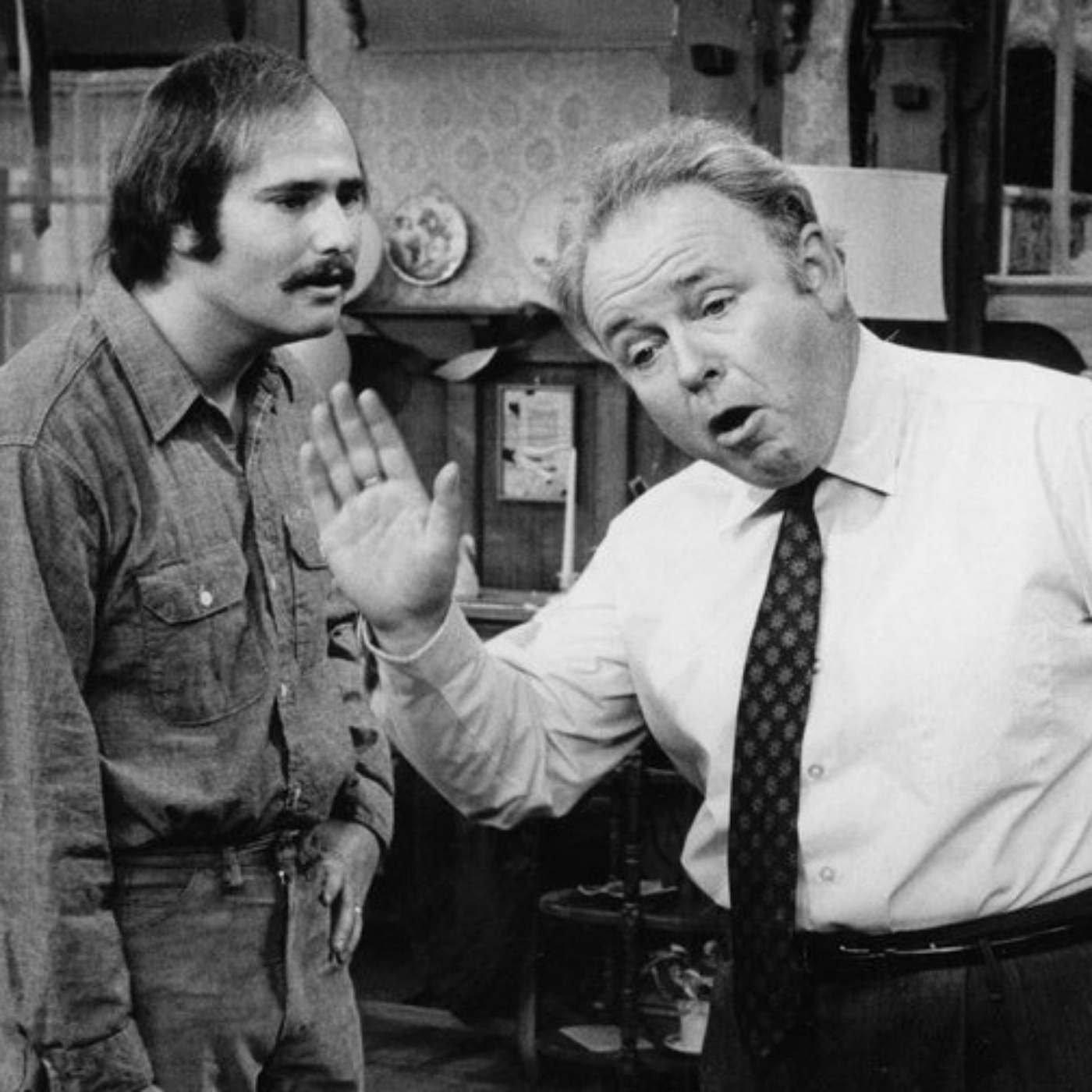
This pandemic continues to reveal new aspects of relationships—or rather spending time with people does. I think we used to spend more time with people, not mediated by the internet or distracted by screens and other powered things.I shared a new analogy in my conversation with my mom that several people liked. I found that my stewardship contrasting with my mom and step-father's wanting to live like they always have reminded me of the 70s television show All in the Family.For those who don't remember it, the show garnered huge audiences and stellar reviews. From Wikipedia's page on itAll in the Family is an American television series that ran for nine seasons, from 1971, to 1979.The show revolves around the life of a working-class father and his family. It broke ground on issues previously considered unsuitable for a U.S. network television comedy, such as racism, antisemitism, infidelity, homosexuality, women's liberation, rape, religion, miscarriages, abortion, breast cancer, the Vietnam War, menopause, and impotence [note not the environment]. Through these controversial issues, the series became one of television's most influential comedy shows, bringing dramatic moments and realistic, topical conflicts.All in the Family is often regarded in the United States as one of the greatest television series in history. Following a lackluster first season, the show soon became the most watched show in the US during summer reruns and afterwards ranked number one in the yearly Nielsen ratings from 1971 to 1976. It became the first television series to reach the milestone of having topped the Nielsen ratings for five consecutive years. The episode "Sammy's Visit" was ranked number 13 on TV Guide's 100 Greatest Episodes of All Time. TV Guide ranked it as the number four comedy. Bravo named Archie Bunker, TV's greatest character of all time. In 2013, the Writers Guild of America ranked it the fourth-best written TV series ever.Characters:Archie Bunker: Frequently called a "lovable bigot", Archie was an assertively prejudiced blue-collar worker. A World War II veteran, Archie longs for better times when people sharing his viewpoint were in charge, as evidenced by the nostalgic theme song "Those Were the Days". Despite his bigotry, he is portrayed as loving and decent, as well as a man who is simply struggling to adapt to the constantly changing world, rather than someone motivated by hateful racism or prejudice. His ignorance and stubbornness seem to cause his malapropism-filled arguments to self-destructHis foil wasMichael "Meathead" Stivic: Gloria's Polish-American hippie husband is part of the counterculture of the 1960s. While good-hearted and well-meaning, he constantly spars with Archie, and is equally stubborn, although his moral views are generally presented as being more ethical and his logic somewhat sounder. He is the most-educated person in the household, a fact which gives him a self-assured arrogance. He has intellectual belief in progressive social values.So a major part of America saw the clash between a racist, sexist, bigot and an intellectual, more considered egalitarian. It worked in part because the two lived in a house together, leading America to see the values of two generations clash.Looking back and even in that time, I think people recognized that Archie's views were unfair. He was racist and sexist, but you couldn't blame him. He was living values that made sense to him his whole life. A wife lived at home. He grew up in a white neighborhood. He fought to defend these ways and live in peace. Now these young people were undermining that peace. Why couldn't everyone just live how they used to when life worked? Those were the days.My episode with my mom Hosted on Acast. See acast.com/privacy for more information.
Ep 332332: How leaders choose better
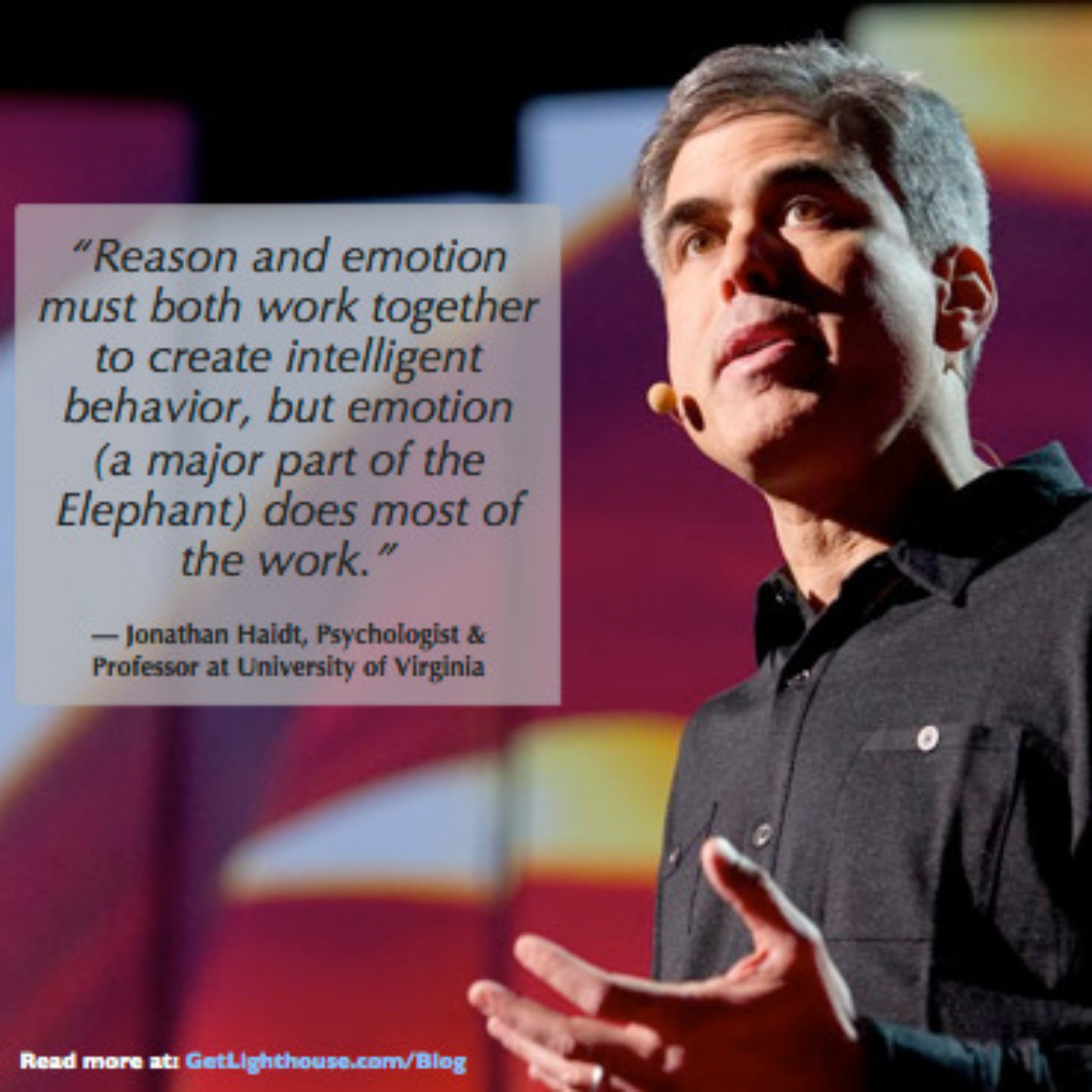
Leadership means choosing and deciding for yourself and for others. To lead effectively, it helps to know how you choose and what happens in your heart and mind when you choose---that is, how your intellect and emotions interact in the decision-making process.This episode refines and adds an element to a model by a guest of this podcast, Jonathan Haidt, for how we decide. I describe his model---you may know it, about the rider on the elephant, which contrasts with a common model of a charioteer with horses. Then I describe how our world differs from the world where his model applies. His model still works as long as we're in a benign environment.My model adds a different part of our minds from emotion and intellect. We live in a world where other people try to motivate us to do what they want, not always to help us. People get us to associate sugar-water with happiness or jeans with sex. They actively do it. The elephant isn't choosing among benign options as it did in our ancestors' world, little constructed by humans.I present a model where our emotions are like an ox with a ring through its nose with people around it tugging at the ring.That's the start of the model. I describe it more in the audio.A short video description of Jonathan Haidt's elephant and rider modelJonathan Haidt talking about the model Hosted on Acast. See acast.com/privacy for more information.
Ep 331331: Rob Harper, part 2: A Pro-Trump View
Our second recorded conversation covered Rob's experience with separating his recycling.The first time we met we meant to record but ended up speaking for three hours, partly meeting as person-to-person and also talking about what people in this country with differing political views probably used to but don't any more. We also ate my famous no-packaging vegetable stew---a delicious way to minimize polluting.The second time we recorded, but also spoke a good hour first. In other words, despite Rob supporting Donald Trump and my opposing, we're communicating a lot---in the style of Ruth Bader Ginsburg and Antonin Scalia. We don't plan to keep talking unrecorded, but we start and next thing you know we've covered a lot.As you'll hear at the end of this conversation, we're talking about continuing our conversation in other media. Since recording, those conversations have happened, covering issues only comedians do, but seriously. Check out my blog for those conversations.I find it refreshing to continue to learn his perspective and to air out a few views. I hope to learn how to help conservatives who value clean air, land, and water but who don't live by those values following my model for leadership---to help people do what they wanted to but haven't figured out how.I'm curious where his environmental challenge will go. He may stop, but I suspect something will linger. Hosted on Acast. See acast.com/privacy for more information.
Ep 330330: Lockdown Inspiration from Nelson Mandela
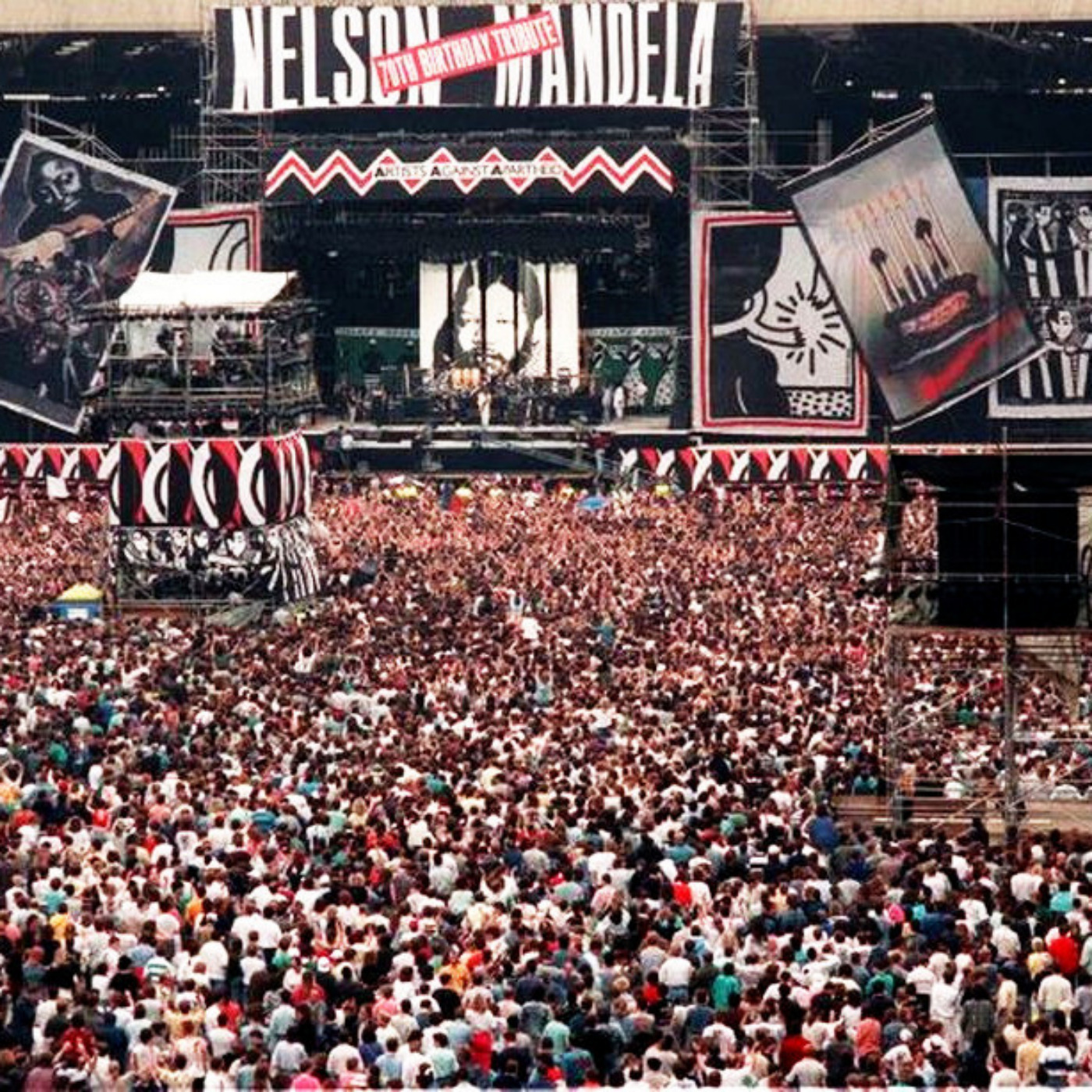
Many of us are struggling living in lockdown.Nelson Mandela has inspired me in many ways. Going beyond subsisting in captivity, he emerged from 27 years imprisoned on Robben Island---South Africa's Alcatraz---to become President.Today's episode shares part of what I believe helped him, which I believe can help us. First, he endured 27 years. We're only a few months in, and not in a small cement prison cell with a bucket for a toilet.More, he practiced daily habits. We can too. I describe his in this episode, I hope in ways we can learn from.Here are a couple quotes I read in the recording, both from his autobiography:“I attempted to follow my old boxing routine of doing roadwork and muscle-building from Monday through Thursday and then resting for the next three days. On Monday through Thursday, I would do stationary running in my cell in the morning for up to forty-five minutes. I would also perform one hundred fingertip push-ups, two hundred sit-ups, fifty deep knee-bends, and various other calisthenics.”“I awoke on the day of my release after only a few hours’ sleep at 4:30am. February 11 was a cloudless, end-of-summer Cape Town day. I did a shortened version of my usual exercise regimen, washed, and ate breakfast. … As so often happens in life, the momentousness of an occasion is lost in the welter of a thousand details.”For more on Mandela and daily habits, see my post, Nelson Mandela on sidchas. Hosted on Acast. See acast.com/privacy for more information.
Ep 329329: John Perkins: Touching the Jaguar
A great joy of podcast success is talking to people who changed your life. I read John Perkins' Confessions of an Economic Hit Man about ten years ago. I couldn't put it down---as much from the writing as the stories and content. It led me to see the world differently, especially government, corporations, America, money, what my taxes support, politics. It recalled Upton Sinclair and Henry Thoreau.He is about to release a new book, Touching the Jaguar. He's written several books on shamanism, his experiences relevant to shamanism from before his economic hit man path, how the worlds interact, bringing them together, and showing how they are relevant today---including during a virus.If you're here just after I posted it, listen for the workshop he's offering April 29th.On a personal note, I hope you share what happened with me listening to him. I thought of the fears I've been facing lately, for example sharing my past on this podcast, if you listened to my episode Bruce Springsteen inspired to start talking about Sex, Drugs, and Rock and Roll. I can't imagine I'm the only one holding back from facing a fear and acting on it that I know it's time for.John talked about changing perception and things that might sound small, like tweeting or emailing companies about actions of theirs you don't like. Almost everyone I talk to says little things like that don't make a difference so they don't act. They're letting their beliefs limit them---what they do, how they live.As I understood John, he's saying that those beliefs and actions build on each other. They did with George Washington, as he describes. They did with everyone who made a difference.I recommend listening with the question in mind: What am I perceiving that I could perceive differently?John's announcement for his workshop:Dear Friends,When I wrote Touching the Jaguar, I had no idea that the coronavirus was on the way. However, it seems now as though the jaguar was reaching out to touch all of us, because when you order the book, you also receive a free workshop that is perfect for this time of crises and opportunities. I didn’t know about the virus, but I did know that our world is in trouble.A shaman in the Ecuadorian Andes with the wonderful name, Maria Juana, was asked by a participant on one of my trips, “How do we save the earth?” Maria Juana laughed. “The earth’s not in danger. We humans are. We’re causing problems for all species. If we get to be too much of a nuisance, Mother Earth will just shake us off, like so many fleas.” She pointed up at the mountain that hovers over her home. “Twenty years ago, that volcano was covered with a big glacier. The glacier’s gone now. Mother Earth is twitching. She’s demanding that we listen.”I think about that whenever some place in the world is struck by a hurricane, earthquake, fires, or another “once in one hundred years event” that now happens every year or so. The earth is twitching.This virus is the biggest twitch yet. It impacts everyone on the planet. It’s time to reexamine who we are as individuals and as a species. This workshop is all about that. It’s about transformation – yours and the world’s. The book won’t be in stores or delivered from online vendors until June 16. However, because we are facing the coronavirus and other crises now, I want to offer you a jumpstart before the end of this month on techniques for transforming your fears into actions to change your life and the world. Although normally $297, this workshop is yours free when you order Touching the Jaguar. In addition, you will receive two other bonuses, as described at https://touchingthejaguarbook.comI look forward to joining you at the workshop and hanging out with you and the rest of this powerful, magical, life-changing Touching the Jaguar Community. Hosted on Acast. See acast.com/privacy for more information.
Ep 328328: Tony Wagner, Learning by Heart
People often ask for advice on how to lead in a given situation, what leadership means, or one tip they can improve their leadership with. Nearly none of the questions help someone improve their leadership.The most useful question I can think of is: How do I learn to lead? In other words, what steps can I take to learn to lead?No leader would answer: read a lot of books, magazine articles, or journal articles. Nor would they suggest discussing case studies of other people's experiences, write papers, listen to lectures, or take tests.They'd probably say something about getting experience, especially related to leadership, not sitting in a classroom. What experience, though? Only random life experience, hoping it will help?Learning the social and emotional skills underlying leadership may once have meant shots in the dark. No longer. Project-based, active, experiential learning teaches these skills as reliably and predictably as playing scales teaches piano and hitting ground strokes teaches tennis.I learned of Tony Wagner and his work through his appearances in a documentary movie on that type of learning, mainly in US K-12 schools, called Most Likely to Succeed, based on a book he co-wrote of the same title. I had started learning to teach that way. The movie accelerated my learning and expanded my horizons.Leadership and teaching this style overlap. You will benefit from learning this style of learning whether you teach or have kids or not. Hearing Tony speak of it will show you it's importance and accelerate your learning. You'll lead yourself and others better.We start by him sharing problems with education. You'll likely be able to read between the lines on our ineffective leadership in politics, business, and especially relevant to the environment. Current education focuses on facts and analysis, not skills. It produces would-be leaders who focus on facts and analysis who create plans they lack the skills to implement, if they even create implementable plans.If you haven't acted, you don't know what you're talking about regarding leading, yet people trained in the mainstream style consider themselves experts. It happens to all of us, all the more the less we know how to learn how Tony shows.What's causing environmental problems isn't lack of knowledge or facts, but acting effectively to engage others. Tony talks about what we don't teach and what we could teach---things missing from many areas in life as people seek compliance through coercion. I see scientists trying to influence legislators by bypassing the public---a process they decry others for doing in the other direction.They think they're right. They may be, but they're trying to bypass democracy. Do they not see the problem? People who disagree think they're right too.When Tony says education, I recommend substituting leadership. In nearly each case, what he says applies equally.I recommend reading his books (listed here) and watching Most Likely to Succeed, especially if you have kids or interact with other people. Hosted on Acast. See acast.com/privacy for more information.

Ep 327327: Rhonda Lamb, part 1: The Bronx and farm-fresh vegetables
You'll hear about Rhonda and how we met in the beginning of our conversation, but I brought her in for a different reason than most of my other guests.I invite a lot of people to my famous no-packaging vegetable stew. Though I created the stew with accessibility from the start, people kept saying I didn't understand that for some people they were less accessible, especially the "single mother in a food desert with three kids and three jobs." None of them were single mothers from food deserts.Well, no need to speculate. We can hear from Rhonda. I think you'll find our conversation surprising and enlightening.We met for stew once before, with her son, to eat and record, but got so caught up in cooking and eating, we postponed recording to this time.I believe I can say you'll hear a friendship developing. I find that acting environmentally creates community and connection, every time. Polluting tends to separate. After all, you don't want to pollute your friends' worlds, so we distance ourselves from people when we pollute.In the time I took to edit the audio, we had that potluck in the Bronx, where cooked stew for the community group she assembled. The video is in My Bronx cooking demonstration video. Hosted on Acast. See acast.com/privacy for more information.
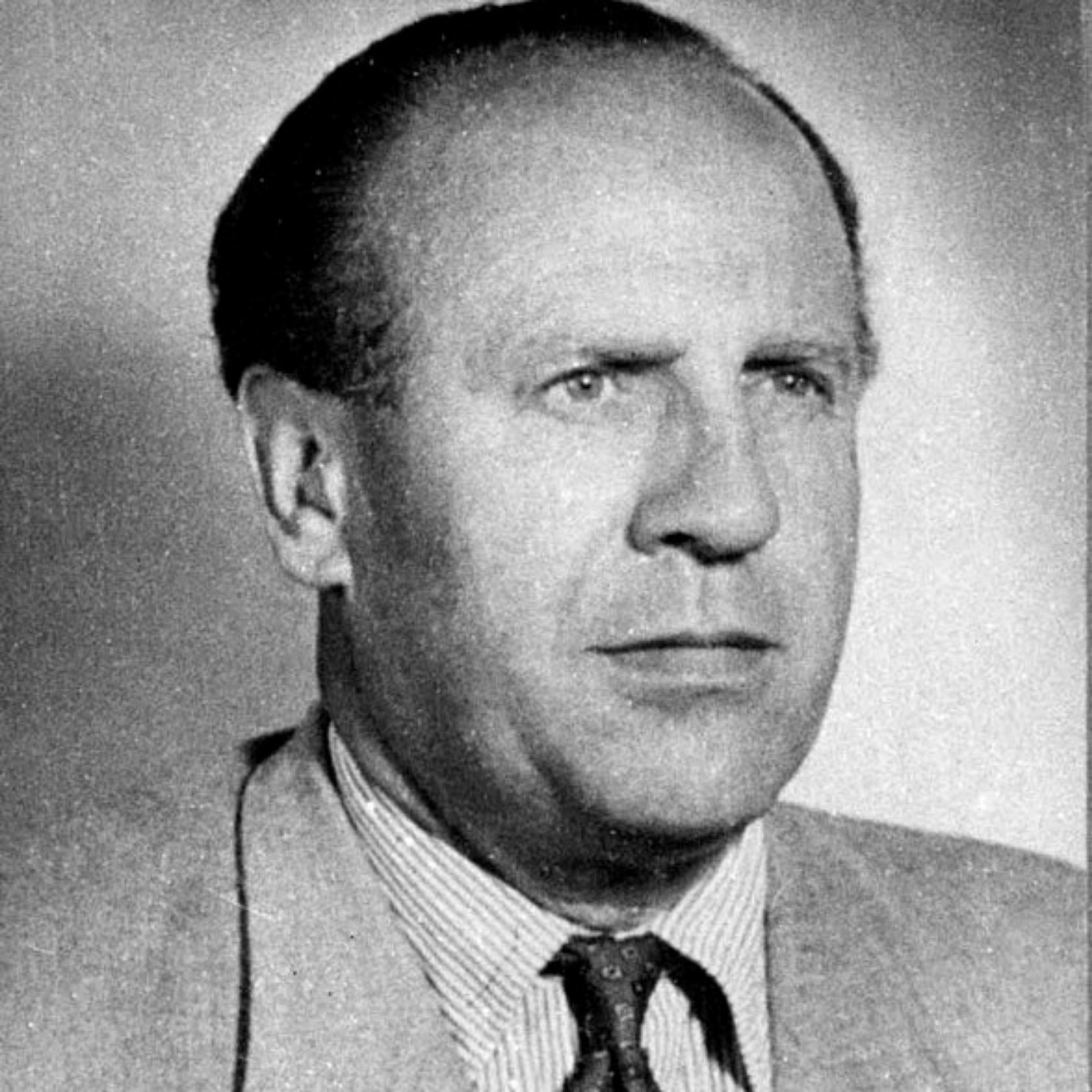
Ep 326326: Why Should I Care About Oskar Schindler?
I used Oskar Schindler in my third TEDx talk along with a few others as examples of people who took risks to do what they considered right—and that I think nearly all of us do. People like Rosa Parks and those who operated the Underground Railroad before the Civil War. I'm going to share about Oskar Schindler in a bit so you learn more than the movie showed.The video of the talk is being edited and should go up soon. I researched more about Dunkirk, as you'll see in the video, but I looked up a bit about Oskar Schindler.Why do we make movies about people like him and not the millions of others who saw what was happening but didn't act, hoping someone else would? Why not, if not to emulate him when the chips are down? There were many like him, but still few. Do you think if you lived then that you would have acted as he did? Don't you like to think you would?In my fifth year of not flying, I estimate I've talked to about 1,000 people about not flying. About 998 of them said they couldn't avoid flying. Suddenly with the pandemic, with their own health at stake, people find they can.I've had dozens of conversations lately and read more articles about people saying how much they enjoy the simplicity they're finding not traveling. I can't tell if I feel more gratified or frustrated at how many say with joy and gratitude—serenity, I remember one guy saying—almost exactly what I told them would happen.When will people get the pattern: acting by your values looks hard. Most people never do, but those that do wish they had earlier and want to share their joy with others.For us to act to stop degrading Earth's ability to sustain life and human society is easy compared to Oskar Schindler. We don't have to risk our lives—only change our diet, our travel plans, walk a bit, have one child.From Wikipedia:Oskar Schindler (28 April 1908 – 9 October 1974) was a German industrialist and a member of the Nazi Party who is credited with saving the lives of 1,200 Jews during the Holocaust by employing them in his factories in Poland, Bohemia and Moravia. He is the subject of the 1982 novel Schindler's Ark and its 1993 film adaptation, Schindler's List, which reflected his life as an opportunist initially motivated by profit, who came to show extraordinary initiative, tenacity, courage, and dedication to save the lives of his Jewish employees.In 1939, Schindler acquired a factory in Kraków, Poland, which employed at its peak in 1944 about 1,750 workers, of whom 1,000 were Jews. His Nazi connections helped him protect them from deportation and death in concentration camps. He had to give Nazi officials ever larger bribes and gifts of luxury items obtainable only on the black market to keep his workers safe.By July 1944, Germany was losing the war; the SS began closing camps and deporting the prisoners. Many were murdered in Auschwitz and the Gross-Rosen concentration camp. Schindler convinced SS-Hauptsturmführer Amon Göth, commandant of the nearby Kraków-Płaszów concentration camp, to allow him to move his factory, thus sparing his workers from almost certain death in the gas chambers. Schindler continued to bribe SS officials to prevent the execution of his workers until the end of the war. By then he had spent his entire fortune on bribes and black market purchases of supplies for his workers.Schindler moved to West Germany after the war, where he was supported by assistance payments from Jewish relief organisations. He moved with his wife to Argentina, where they took up farming. When he went bankrupt in 1958, Schindler left his wife and returned to Germany, where he failed at several business ventures and relied on financial support from the Schindler Jews he had saved during the war.Initially Göth's plan was that all the factories, including Schindler's, should be moved inside the camp gates. Schindler, with diplomacy, flattery, and bribery, prevented his factory from being moved and led Göth to allow him to build (at Schindler's own expense) a subcamp to house his workers plus 450 Jews from other nearby factories, safe from the threat of random execution. They were well fed and housed, and were permitted to practice religion.Schindler was arrested twice on suspicion of black market activities and once for breaking the Nuremberg Laws by kissing a Jewish girl, an illegal act. The first arrest, in late 1941, led to him being kept overnight. His secretary arranged for his release through his influential Nazi contacts.What we can do is nothing compared to what he did. Nothing. Eating lentils instead of steak. Having at most one child for a few generations. Going camping or visiting a place nearby instead of flying around the world. Yet the danger to human life is much larger. Billions of lives are at stake now. This pandemic is nothing compared to what will happen if we don't act.Wouldn't you rather follow Oskar Schindler's lead than his neighbors who did nothing?He came to show extraordinary initiative, tenacity, courage, and ded
Ep 325325: My Mom, Marie Spodek: All in the Family
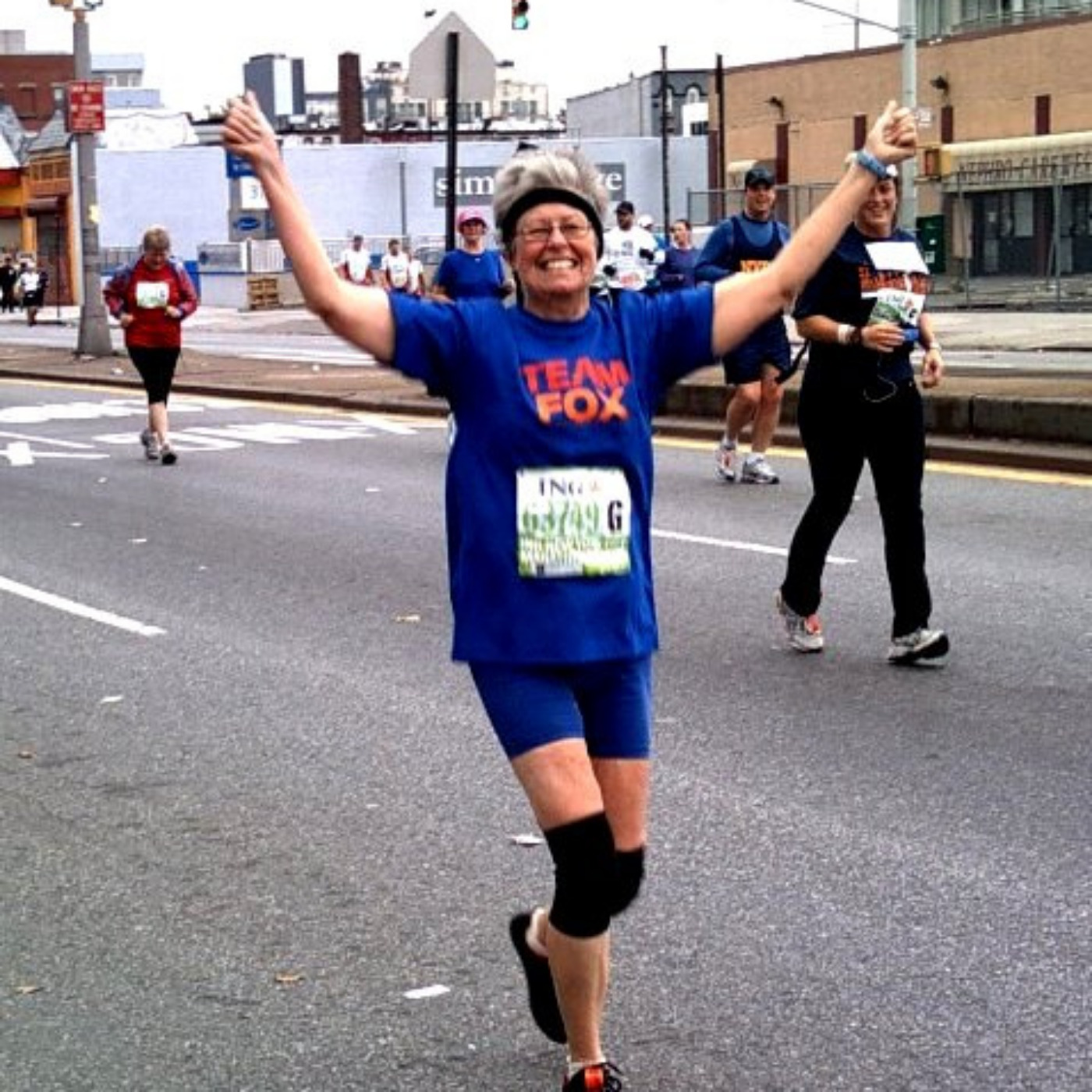
I thought about recording with parents for a while. Environmental action is personal and people keep asking me what motivates me.Well, now you'll get almost 50 years more background.Another issue with family and changing habits, lots of people talk and ask about challenges of changing others or selves within close relationships. This episode will give you my background, environmental and otherwise, how it affects our relationship, her views, and some dirty laundry.Both my mom and I think or hope you'll enjoy toward the end, where we talk past each other. We think you'll find it funny, though frustrating for us.For context and what precipitated doing this episode now: COVID-19 has led me to live in her and her husband's (my stepfather) house outside New York City. We haven't lived in such close proximity since the 80s. Understandings in some areas have increased but decreased in others.You'll hear at the end that she asks for feedback. I hope you'll give her and me feedback.For my part, I enjoyed the conversation and in a whole mother-son relationship. It's not the worst thing, but I feel misunderstood about my motivations, as you'll hear. I wonder how many people see me as someone actually depriving himself trying to make a point, not realizing I'm just sacrificing.My blog post about my mom running her first marathon: Redefining PossibilityMy telling that story for an audience Hosted on Acast. See acast.com/privacy for more information.
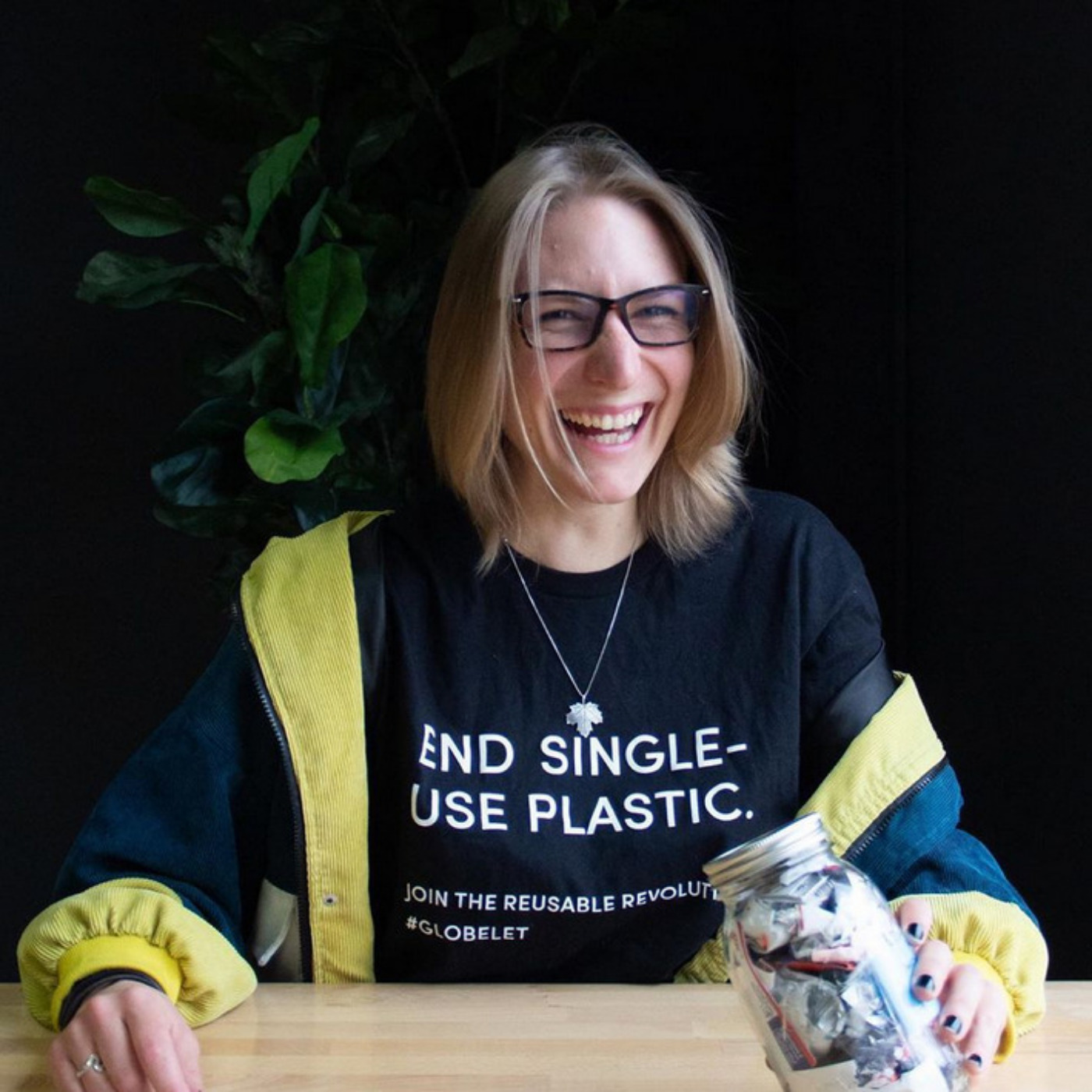
Ep 324324: Marina McCoy, part 1: A Waste-Free Earth Through Music
I can't tell you how refreshing it is to talk to someone who finds ways to do more, not to get credit for what she's already done.Overwhelmingly, conversations with people about acting on our environmental values seem to find it begrudging---a burden, a chore, deprivation, sacrifice. They imply things like, "God, how much more do I have to do?", "Isn't it okay to use compostable?", "It's so complicated.", etc.Even people who have acted and enjoy the outcome tend to talk about how much they've done, often implying since they've done more than most that they deserve congratulations or a chance to rest on their laurels.Few people sound like they like acting on their environmental values.When you're eating a delicious, healthy meal, you don't say "I've eaten the appetizer, how much more do you want from me" or "Isn't it okay to take a small bite without eating more?" Every bite leads you to eat more.If you enjoy a walk in the woods, you don't say "Now that I've done it do I have to keep doing it?"Talking with Marina is a breath of fresh air. Talking with her about acting environmentally is like talking about someone who loves their food or walk in the park.She loves finding ways to steward. She doesn't try to find ways to stop and say she's done enough. She enjoys doing more. I had to bring her on. I found the conversation getting more engaging as it went on, which is why I let it go longer.Waste Free Earth sustainable eventsMarina McCoy's personal site Hosted on Acast. See acast.com/privacy for more information.
Ep 323323: Steven Kotler: Future Is Faster Than You Think
One of my goals of this podcast is to bring people with alternative views. I won't deny this motive being mainly selfish. I want to learn and grow from alternative view. I grew up viewing technology and efficiency as better ways for humans to live. I saw them as ways to decrease our impact on nature.I've changed, as my podcast episodes distinguishing raising efficiency from decreasing total waste, to working on values. Most of the world, especially Silicon Valley, seems to think even more the way I used to. I read Steven Kotler and Peter Diamandas's upcoming book, The Future is Faster Than You Think, wondering what to expect.It's part of their Exponential Technology series that includes Abundance: The Future Is Better Than You Think and Bold: How to Go Big, Create Wealth, and Impact the World. I read them as pro-technology. My goal with guests is to listen and support so I can learn, and I hope you do too.I'm glad to have spoken with Steven. Before we started recording he told me some of his past interest in the environment. Understanding those views changed how I understood the book, so he repeated it in the conversation you're about to hear.The book is subtitled How Converging Technologies Are Transforming Business, Industries, and Our Lives. It compiles andexamines basically all the big transformations technology is about to create or is creating---Quantum Computing, AI, Networks, Sensors, Robotics, 3d printing, VR/AR, Blockchain, nanotech, and so on. If you've heard or read about them but haven't researched or reflected enough to digest and see how they'll affect you and us, read Steven's book.Steven and Peter researched, reflected, and wrote about them all and projected how they will affect us. They talked to the people at the forefront of these technologies and institutions behind them. The book covers far more than a short conversation does, but this conversation covers what the book doesn't: where Steven is coming from.These things exist and are happening, he points out. We haven't put many technology genies back in the bottle. If you want to know what's coming and what it means, listen and read.You can probably tell I love learning what Steven's book shares. I'd heard about all these technologies and their exponential rates of change. How they combine and reinforce echoes Geoffrey West's research, but Geoffrey talked high-level theory. Steven talks on-the-ground detail.Things are happening, better learn them. I don't see them as inevitable. I'd hope the people developing them would consider more the unintended side effects that have plagued technological advances, like the green revolution or, say, how ride sharing has led to the opposite of expectations of lower miles driven or congestion.The Future is Faster Than You ThinkGeoffrey West's conversations on this podcast Hosted on Acast. See acast.com/privacy for more information.
Ep 322322: Sex, drugs, and rock and roll, part 1: Rock and Roll
Growing up in Philadelphia in the 70s meant Bruce Springsteen was a part of my life. I’ll always remember a fan in a promotional radio b-roll clip from one of the classic rock stations saying excitedly, definitively, “He’s the best, he’s Bruce. . . He’s the Boss!”One of the earliest albums I bought was Greetings From Asbury Park, NJ. My high school girlfriend’s older brother saw every show of his he could. I loved the Beatles most as a kid, but I’ve come to appreciate Bruce more over the years. I don’t know anyone else who does anything like him, so raw, open, and honest, yet able to fill stadiums for weeks on end—not in music anyway. Maybe Muhammad Ali. If Woody Allen kept making movies at the Annie Hall level? Fellini? Malcolm X? I’m sure there are others that did the same but didn’t speak to me as personally. Billy Holiday? I didn’t know his show Springsteen on Broadway was on TV. I watched it and couldn’t believe what I saw—how touching, personal, and meaningful a rock star could make a show. He spoke and sang so personally, the performance defied what I could imagine anyone expecting.The New York Times review, ‘Springsteen on Broadway’ Reveals the Artist, Real and Intense, described it well so I won’t try. Besides, you can watch it.Wikipedia summarized critical reactions:The New York Times said “as portraits of artists go, there may never have been anything as real—and beautiful—on Broadway”.[19] Rolling Stone noted “it is one of the most compelling and profound shows by a rock musician in recent memory”.[20] The Guardian observed “there’s a fragility and a new light cast on the songs and his relationship with Scialfa, as if he stands in her emotional shadow”.[21] Variety reported the show “is as much a self-made monument to its master’s vision and hurricane-force ambition as it is to his life and career, and it bears the mark of a self-made man who’ll write his own history”.[22]On June 10, 2018, Springsteen received a special Tony Award for Springsteen on Broadway.In his words:I wanted to do some shows that were as personal and as intimate as possible. I chose Broadway for this project because it has the beautiful old theaters which seemed like the right setting for what I have in mind. In fact, with one or two exceptions, the 960 seats of the Walter Kerr Theatre is probably the smallest venue I’ve played in the last 40 years. My show is just me, the guitar, the piano and the words and music. Some of the show is spoken, some of it is sung. It loosely follows the arc of my life and my work. All of it together is in pursuit of my constant goal to provide an entertaining evening and to communicate something of value.InspirationWhy the title of this blog post: The Joshua Spodek Show?I’m writing in the throes of inspiration to stop holding back important parts of my life. People keep asking more about me, what motivates me so much to what they see as extreme, but seems normal to me.My paychecks from NYU and the corporate world kept me from sharing about the sex, drugs, and rock and roll. Meanwhile, the more I shared, in drips and drabs, the more people appreciated what I shared. Sharing intimate parts of my life led to more coaching clients seeking more rebirth and growth. I haven’t considered these hidden parts meaningful since I thought everyone lived their versions, but I loved hearing Bruce share his on Broadway and realized I loved hearing him share himself his whole life.Meanwhile, the virus decimated my speaking and workshop business despite it revealing the world’s catastrophic lack of environmental leadership. NYU’s culture of academic, theoretical, compliance-based education increasingly clashes with my active, experiential, project-based way of teaching they give lip service to but don’t practice.What have I got to lose?Restoring nature requires change on his scale. Can I do it? I don’t know, but not by holding back.Last year a couple volunteers who helped with my podcast persuaded me to change the podcast name to the Joshua Spodek Show. I held back because I considered the overlapping topics of leadership and the environment the foreground and myself the background.For that matter, I sat down years ago to tell my mom, sister, and others close to me about my partying, the girls, and how influential they were in making me me. Nobody had a problem. I still held back.Springsteen on Broadway led me to say fuck it and share myself. I’ll follow the advice of people who believed in me and the mission that’s swept me up and change the podcast name. I have to figure out how in WordPress and the podcast hosting site so it might take a while. I’m not sure if I’ll try to figure out how to start or just dive in and scuttle my ships like Cortes.I hope I don’t fuck up. Wish me luck.Here's the Risky Business scene on video.The New York Times review, ‘Springsteen on Broadway’ Reveals the Artist, Real and Intense Hosted on Acast. See acast.com/privacy for more information.

Ep 321321: Marni Kinrys, part 2: Making Stewardship Normal
Before we recorded, Marni humbly said what she did wasn't that big of a deal, just a bit more than she normally did. She wondered the point of sharing it. So this second conversation with Marni was short and we talked as much about the podcast as about what she did. Which is to say, the episode narrated itself.I look forward to where it's mainstream for stewardship to feel second-nature, for people not just to say they care but act that way naturally. I don't feel that everyone doing little things adds up. I don't argue that it won't, but I believe that if leaders don't, then most others will follow their inaction with inaction of their own. Actually, I think I described the past 50 years or more since global warming was predicted. Plus plastic, deforestation, mercury, and nearly every other form of pollution.The exciting part of Marni and my conversation, for those interested in dating, attraction between men and women, and my past, is referring to my appearing on her podcast, The Ask Women Podcast: Dating Advice For Men.I can't mention here what I mentioned there, but you might be able to figure it out from the title. Here's the description:Ep. 326 How To Be A Leader With Women | The BJ TechniqueWant to know the most attractive thing you can be with women? A LEADER. Now I don't mean a man that bosses women around and tells them what to do. Leading women means gently guiding them towards something and requires the man to know who he is and what he wants. Being a real leader with women is easier than you think and doesn't require you to be a jerk. Guest: Joshua Spodek PhD MBA http://www.joshuaspodek.com.By doing what others don't, Marni is swimming upstream so everyone else can swim downstreamEnvironmental action doesn't have to be a big deal. On the contrary, one day it won't be a deal at all.Sometimes I think of the first women to wear pants. Can you imagine the vitriol and scorn they may have faced? Now it's normal. Soon stewardship will be too. The sooner each of us acts, the more people will see us as leaders of the movement we create. Hosted on Acast. See acast.com/privacy for more information.

Ep 320320: Confronting doof
I got a taste of what I believe leads people to tell me they can't avoid packaging or buying fresh, local produce.Living in a semi-rural area led me to shop in a large supermarket for the first time in a year or two. They carried only doof and stuff shipped from across the country and world.I share the story and the uplifting results.Here are the notes I read from:When I talk about taking over a year to fill a load of trash, people often say "You can but I can't."I'm staying outside the city and shopped with my stepfather in a supermarket for the first time in at least a yearOnionsEverything packaged, almost nothing looseProduce out of season, can't tell from wherePears from ArgentinaBulk food sectionAll doofRealized why people say they can't do itBut I don't acceptPlan to talk to manager about bulk foodsResearched farmers marketJune startEmailed people, they respondedMom and stepfather knew oneVisitedLearned about HubOrdered Hub yesterdayLiving by environmental values always leads to joy, community, connectionIf you just accept what they offer, you're bull with ring in noseResult is obesity, dependence, Hosted on Acast. See acast.com/privacy for more information.

Ep 319319: Avoid doof
Food is fundamental to our environmental problems.Most of what American restaurants and supermarkets sell looks like food but isn't by my definition. It makes us obese, diseased, fatigued, poor, dependent, and such, whereas food, like fruits and vegetables, bring us together. Many of us are addicted to salt, sugar, fat, and convenience.Yet people addicted to salt, sugar, fat, and convenience can point to addicts to other things, like alcohol or cocaine, and say, "they don't need their thing but we need to eat." But no one confuses Doritos with broccoli. But the terms "junk food," "fast food," and even "frankenfood" have the term food in them, leading people to confuse them with food.I introduced the term doof---food backward---to distinguish between doof and food. Doof is all the stuff sold to go in your mouth refined from food, usually designed and engineered to cause you to crave more of it, usually through salt, sugar, fat, convenience, or other engineering.Here are my notes I read from:What motivated the problem: reading about food, nutrition, health, and the environmentMy favorite food writers, and podcast guests, Drs. Joel Fuhrman and Michael GregerTheir books Eat to Live, Fast Food Genocide, How Not To Die, and How Not To DietTheir videosThe problem: the term "food" in junk food, fast food. Other addictions, like tobacco or alcohol, people say you don't need them, but they need food.Beer versus water versus Doritos versus broccoliSolution: New termOne that isn't sticking as well: craving-oriented mouth fillerOne that people like: doofSounds like doofus. Helps you not confuse doof with food, like you don't confuse poppy seeds with heroin.Next episode I'll share my story of shopping in a supermarket for the first time in years, nearly all doof.Michael Pollan's "Eat food, mostly plants, not too much." Doof clarifies.Won't confuse McDonald's, Gatorade, Starbucks with food since they don't serve it.Enjoy food. Avoid doof.Spread the word!Dr Joel Fuhrman'sEpisode on this podcastBooks Eat to Live, Fast Food Genocide, and the new Eat For LifeHis bio and TEDx talkHis videosMichael Greger'sEpisode on this podcastBooks How Not To Die and How Not To DietHis About pageHis videos and Nutritionfacts.org Hosted on Acast. See acast.com/privacy for more information.

Ep 318318: Why pandemics will keep increasing and how we can reverse the trend
I don't normally post other people's material, but 1) I found this video the most valuable I've seen on pandemics and 2) a previous guest, Dr. Michael Greger, created it.It's an hour, so I summarize its highlights in this episode, but watch the whole video for the comprehensive view with full data and references. My summary coversWhat current media coverage includes---the urgent, importantWhat it misses---the non-urgent, importantLong-term pandemics trendsRecent pandemics trends and why we are causing them to increaseHow we can decrease themThe video:Dr. Michael Greger's Pandemics: History and Prevention Hosted on Acast. See acast.com/privacy for more information.

Ep 317317: My United Nations and UNICEF talk on leadership and the pandemic
Attendees said my talks brought tears to their eyes.Technically I spoke at the UN last week and UNICEF this week, but virtually not physically there, and to Toastmaster groups organized by UN and UNICEF workers.Both talks were similar. I recorded the UNICEF talk. I spoke onA past New York City crisis---the 2003 blackoutLessons I learned from itHow we risk not learning from the COVID-19 crisisHow we can learn from itWhat I propose we learn from itTalks were limited to 5--7 minutes, so I could go to that depth. Hosted on Acast. See acast.com/privacy for more information.
Ep 316316: Joel Fuhrman, part 2: Eat for Life
Joel talked so passionately about everything I look to bring out in other guests, I hardly spoke about his commitment with bringing bags. No problem, I loved hearing his views, history, and approach. I went with it.He also approaches the environment from food, though from a medical background. I just kept learning from him. Sadly, we as a culture keep moving toward disease and pollution, however much we want to move toward health and cleanliness.You and I can lead. This is our chance. Joel has been for decades. He's gotten results with the public through his books and his clients personally. You and I can build on what he started.I can't say much more than Joel did, connecting food and the environment and the benefit to us. Who knows, maybe our conversation will result in a PBS show.On a personal note, I'm glad to have heard his message of joy. Before these conversations I associated him mostly with medicine and nutrition. He covers those things, but with no lack of joy. Hosted on Acast. See acast.com/privacy for more information.

Ep 315315: Diversity: Where are female deliverypeople? Or research on them?
An article I read about research into diversity asked about levels where different groups felt occupations became "sufficiently diverse." It looked at positions at tech companies, for example.I support diversity. I came across the article from the newsletter from Heterodox Academy, started by previous guest Jonathan Haidt, which promotes diversity, particularly of viewpoints. I would promote diversity in many places, yet there are many places I don't see diversity promoted or researched.Living in Manhattan, I see many doormen, building superintendents, building porters, takeout food deliverymen, construction workers, and so on. I know there are many people who work mines, deep sea fishing, and so on. I understand mostly men work these fields. I never see whites or women delivering food in New York by bicycle. Have you?Maybe I'm ignorant, but where is the push and research for diversity in these fields? I'm not asking rhetorically or to poke holes. I expect diversity in those fields would promote a healthier society for many reasons, includingPhysically dangerous fields dominated by men, when women entered them, became saferThe more opportunities for whites in fields like delivering food, the more they'll be pulled from other roles and the more the roles where they're underrepresented will change to appeal to executivesThe more people promote equality in dangerous or low-paying fields, the more credibility they'll gain, so they don't just look like they're trying to help themselves onlyThey may receive support from groups from whom they don't, like manual laborers who likely feel slightedPeople and society will rethink relationships between different workers and classesMartin Luther King, jr sought equality between all, not just to help some. Nelson Mandela learned Afrikaans to understand his captors. How much do people today seek equality across the board versus helping some groups but not others?Here's the first article I read that Heterodox Academy's newsletter linked to and got me thinkingDiversity: Measuring How and Why Groups See It DifferentlyThe primary research that article referred toDrawing the Diversity Line: Numerical Thresholds of Diversity Vary by Group Status, by Felix Danbold and Miguel M. UnzuetaAnother article on research by one of themHere’s What Happens When You Tell White People America Is Getting Less WhiteResearch by one of the researchers that starts looking into these questionsWhy Aren’t There More Women Firefighters? Hosted on Acast. See acast.com/privacy for more information.
Ep 314314: Brent Suter part 2: A Major League pitcher and his farmers markets
If you love hearing people at the peak of the human condition behind the scenes, you'll love this episode with Major League Baseball pitcher Brent Suter. I think you'll also hear the subtext of food connecting his family already and his teammates soon.Sports and foodI love sports, competition, and athletics. I love food, meaning fresh vegetables and fruit. This conversation with Brent, I felt like a kid in a candy store.This is one of the shortest times between episodes. As I mentioned at the end of last episode, Brent decided to commit to shopping at a farmers market after we stopped recording. He knew of places near him that he had meant to visit. He did the next day, then again the next weekend, and made some vegetable stews of his own, which he loved---the result, the process, the learning, and more.The mental game of professional sportsPrepare yourself for the future of athletics---eating delicious and healthy for himself as an individual, an athlete, a husband, and a human.He also indulged me in sharing about the mental side of professional sports, what facing a batter feels like, how he trains, how he handles success and failure.I hope you enjoyed our conversation even half as much as I did.Covid-19 note: Is it safe to eat produce from farmers markets? Yes and please do.Previous guest Marion Nestle is one of the world's top food experts and these posts of hers compile useful information:Is it safe to eat produce from farmers markets? Yes and please do.Is it safe to eat fresh produce? Yes (with caveats)Enjoy farmers markets, enjoy vegetables, and enjoy banding together as a national and eventually global team Hosted on Acast. See acast.com/privacy for more information.
Ep 313313: Jeff Kirschner, part 2: Still Working On It, Still Learning
I'm releasing Jeff's part 2 at the same time as 1.5 since they're both short episodes and still haven't led to achieving his goal. You'll hear we joke about it but, if I'm open, I'm frustrated at what I feel as my failure.I intend in these interactions, beyond helping guests share and act on an environmental value, to deepen their appreciation of that value so they feel they acted meaningfully and want to share something joyful. I believe everyone cares about something environmental enough to unearth that meaning.Jeff seemed to appreciate the project as something to manage, but I failed at unearthing and deepening the environmental aspect of it. I'm not saying that's bad, but incomplete. For someone who has made such a successful app, business, and community, I would have thought I'd unearth and activate plenty in terms of results and feeling of meaning and purpose. I don't think I did.If you hear it differently, let me know. I view my conversations with Jeff as lessons to learn from, but I'm not sure what to learn.Learn about LitteratiDownload from Android or Apple Hosted on Acast. See acast.com/privacy for more information.
Ep 312312: Jeff Kirschner, part 1.5: Leaders Fail, but Bounce Back Too
Jeff felt his challenge wasn't big but openly shared that, in his terms, he failed at it.We all fail. I haven't studied it scientifically, but I believe that the more successful the leader, the more openly they share their failures. Jeff shares his and I learned from his openness and comfort with vulnerability.If you'd like to learn to face failure better, I predict you can learn from Jeff.It's short so I'm calling it episode 1.5 and will post episode 2 at the same time.Learn about LitteratiDownload from Android or Apple Hosted on Acast. See acast.com/privacy for more information.
Ep 311311: Jeff Kirschner, part 1: Building Community Around Cleaning Litter
Since I don't use many apps and pick up litter already, I felt modest expectations of Jeff's Litterati, but I love it. It delivers the main things I look for: fun, community, connection, effectiveness, and free---the opposite of what many people connect with litter.As I'm writing, the app has recorded over 5 million pieces of litter picked up by over 150,000 people in over 165 countries. I think we can safely say the app led to a huge majority of those people connecting and picking up those pieces of litter. I hope those of you who haven't picked up litter are feeling the tug to try it out.My experience is that the more you pick up, the more acting on litter goes to the clean part of your brain, not the dirty part, if you know what I mean. I don't feel like I'm touching dirt, I feel like I'm cleaning my world. See where waste ends up motivates me to buy less stuff with packaging and other sources of litter, which lowers demands and can change systems.Jeff started all that. This episode covers Jeff's start and leads to his first environmental challenge.Those considering acting entrepreneurially to solve environmental (or any other) problems can learn a lot from Jeff's experience and success.Learn about LitteratiDownload from Android or Apple Hosted on Acast. See acast.com/privacy for more information.
Ep 310310: The Start and End of Any Serious Conversation on the Environment
This episode puts together the most important and fundamental considerations about the environment:What worksThe basic cause contributing to all environmental problemsEarth's carrying capacityAn attainable bright futureA means to reach it that has worked on a smaller scaleIt feels to me like a solid TED talk.On Alan Weisman:250: Why talk about birthrate and population so much?248: Countdown, a book I recommend by Alan Weisman258: The World Without Us, by Alan Weisman251: Let’s make overpopulation only a finance issueMy conversation with AlanOn Mechai Viravaidya, the Thai man who transformed Thai's birth rate through fun, not coercionTED: How Mr. Condom Made Thailand a Better Place for Life and LoveMy episode 279: Role model and global leader Mechai Viravaidya294: Population: How Much Is Too Much? Hosted on Acast. See acast.com/privacy for more information.
Ep 309309: Roberta Baskin: Covid-19 Social Connection Amid Physical Distancing
Roberta and I met last September. Our scheduled time to record came just after the covid-19 situation hit the US.We reflected on the change. The conversation is less scripted but of the moment.I decided to post it in the moment, foregoing editing (I hope you don't mind the sound quality [EDIT: Since posting, my editor worked his magic and improved the audio quality]), gaining poignancy.I don't have to say it, but we're living in a historical time. Everything is changing, but we don't know how or how much. It looks like big things will happen soon in this country. They already have around the world. We don't know what.Many of us are talking like this. I wanted to share Roberta's voice now.Earth's CallAim2FlourishLorna Davis on this podcast Hosted on Acast. See acast.com/privacy for more information.