The Dairy Edge
703 episodes — Page 11 of 15
Let’s Talk Dairy Bonus Episode: Sexed Semen
bonusTeagasc is running a weekly Let's Talk Dairy webinar series which is also being made available as a bonus podcast episode. In this webinar, Stuart Childs, Teagasc Dairy Specialist, gives advice on cows that are suitable for sexed semen and appropriate synchronisation protocols for both cows and heifers. For more episodes from the Dairy Edge podcast go to the show page at: https://www.teagasc.ie/animals/dairy/the-dairy-edge-podcast/
Tips and advice on best practice for reseeding
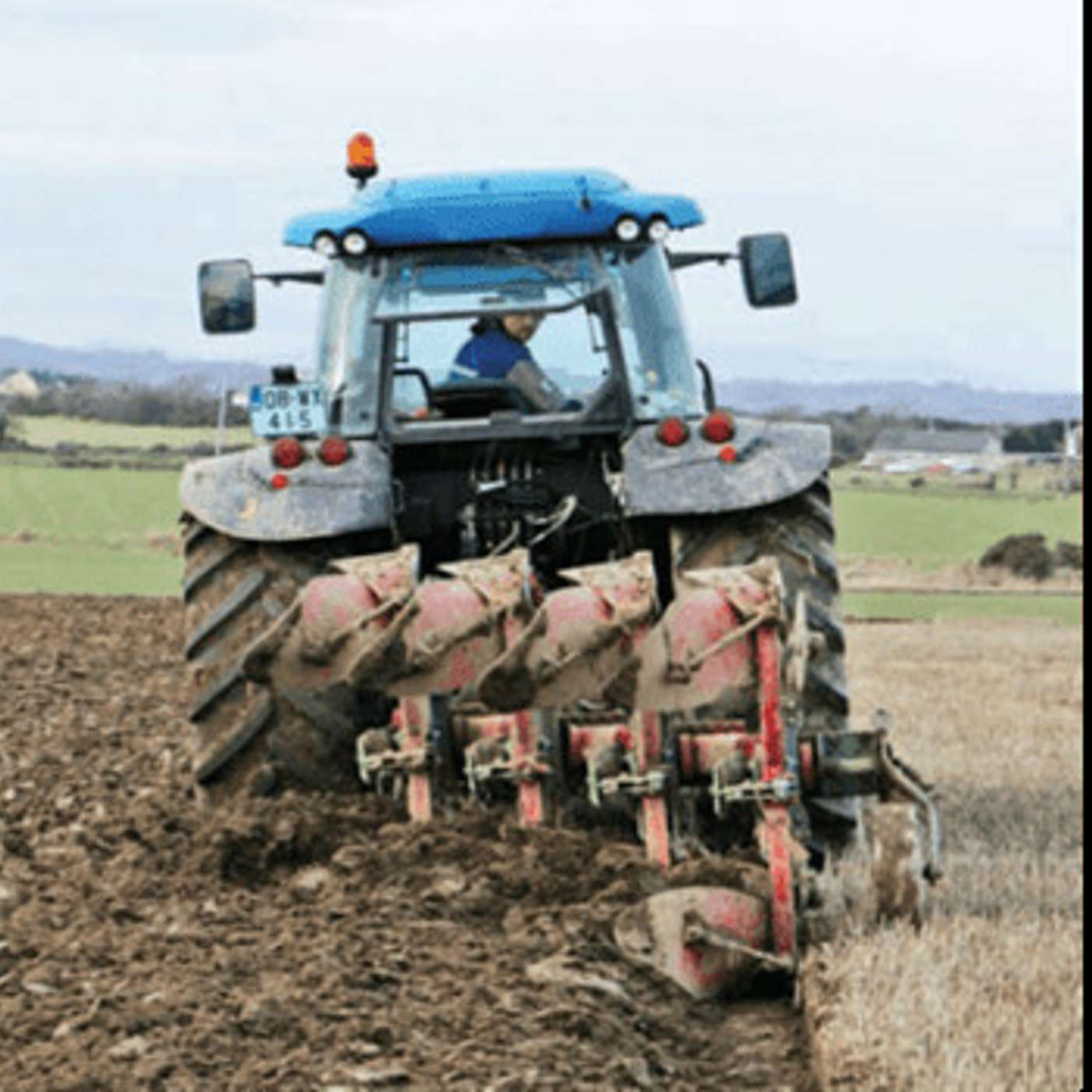
Tomás Tubritt joins Emma-Louise Coffey on this week’s Dairy Edge with tips and advice on best practice for reseeding. Tomás suggests that farmers should consider reseeding 10% of the farm annually to optimise grass production, to ensure the farm has use of the best grass varieties on the Pasture Profit Index and to improve the response of nitrogen during spring. To select the appropriate varieties, Tomás explains that you must consider the intended paddock use. For grazing, focus on spring growth, quality and utilisation. Tomás recommends the farmers should target a pre-grazing yield of 800 kg DM/ha which will promote tillering and help establish the sward. For more information: https://www.teagasc.ie/media/website/animals/dairy/pocketmanualforreseeding.pdf For more episodes from the Dairy Edge podcast go to the show page at: https://www.teagasc.ie/animals/dairy/the-dairy-edge-podcast/ The Dairy Edge is a co-production with LastCastMedia.com
Let’s Talk Dairy Bonus Episode: Bull Selection Targets
bonusTeagasc is running a weekly Let's Talk Dairy webinar series which is also being made available as a bonus podcast episode. In this webinar, Stuart Childs, Teagasc Dairy Specialist, discusses bull selection targets. Stuart recaps on an overall guideline that Teagasc have issued to people in relation to the breeding targets for this year. How breeding can influence the direction of your herd is also discussed. In the last couple of years there has been less emphasis on the selection of bulls but there is more of a focus put on it now as opposed to a herd trying to improve the breeding decisions for the farm itself. Stuart takes us through the 2021 bull selection targets relating to the thresholds of EBI, Fertility, Milk and Health. For more episodes from the Dairy Edge podcast go to the show page at: https://www.teagasc.ie/animals/dairy/the-dairy-edge-podcast/
Flattening the curve will lead to €130 million loss at farm level annually
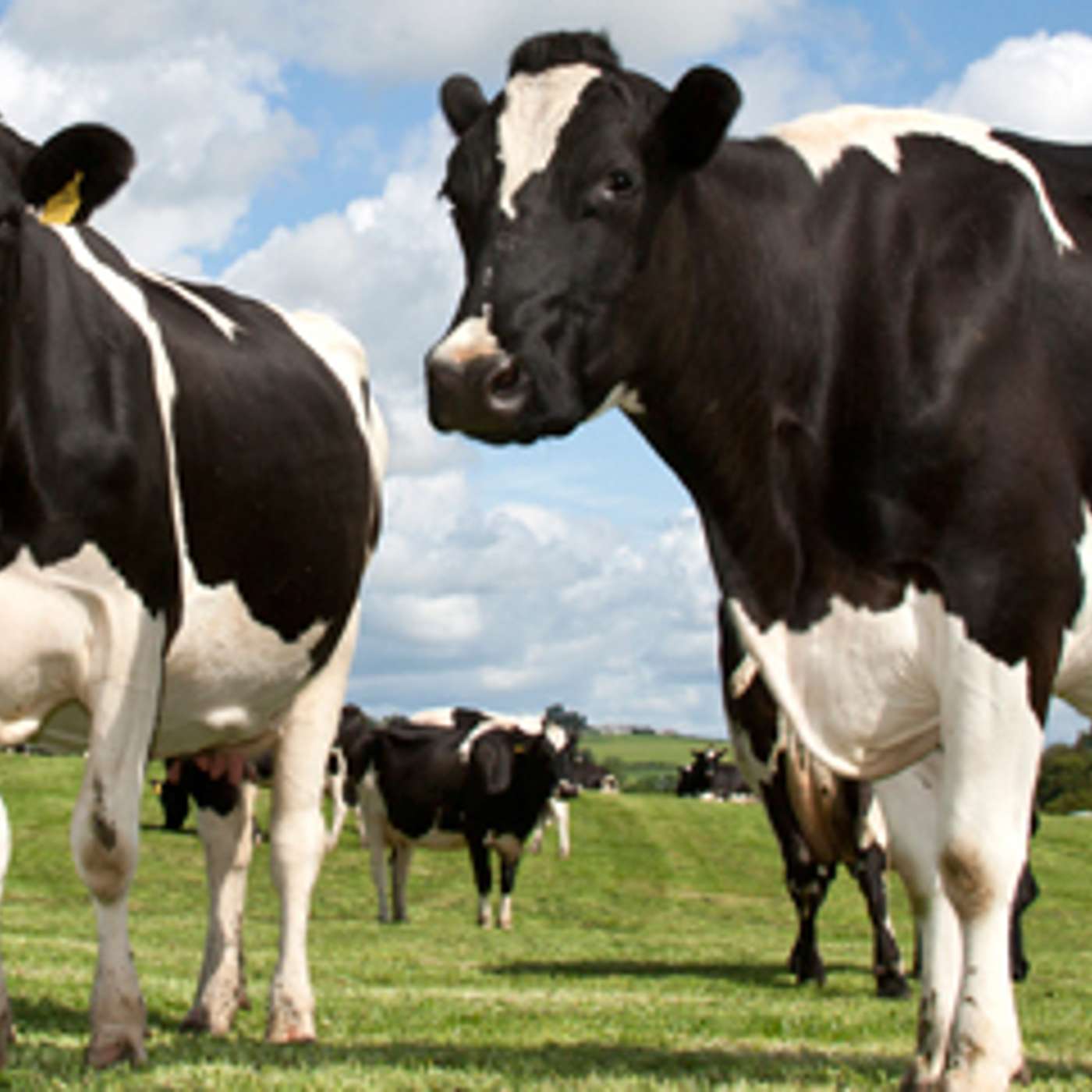
Laurence Shalloo joins Emma-Louise Coffey on this week’s Dairy Edge podcast to give his insights into a report investigating the merit of the seasonal milk supply curve that exists in Ireland. Laurence explains that the seasonal milk production system represents the predominant system type in Ireland and exploits the comparative competitive advantage of growing and utilising of grazed grass. From a processing efficiency perspective, this means Ireland is running an average efficiency of 62% compared with 90%+ in countries with less seasonally focused/all year calving type systems. Despite this, additional costs for capacity required to process peak milk production outweighs the lower processing efficiency. If all farmers moved from a spring calving model to a 50/50 spring/autumn calving model, processing efficiency would increase to 70% but would also lead to financial losses would amount to €130 million at farm level annually. Laurence urges farmers who are facing restricted processing during the peak months over the next few years to complete a cash flow budget to understand their farm’s financial position. Options to reduce milk production at peak is to lower concentrate fed during peak months and consider OAD milking for a certain proportion of the herd. For more information go to: https://www.teagasc.ie/media/website/rural-economy/farm-management/Dairy-CashFlow-Budget.pdf For more episodes from the Dairy Edge podcast go to the show page at: https://www.teagasc.ie/animals/dairy/the-dairy-edge-podcast/ The Dairy Edge is a co-production with LastCastMedia.com
The key practices to achieve a 90% three-week submission rate
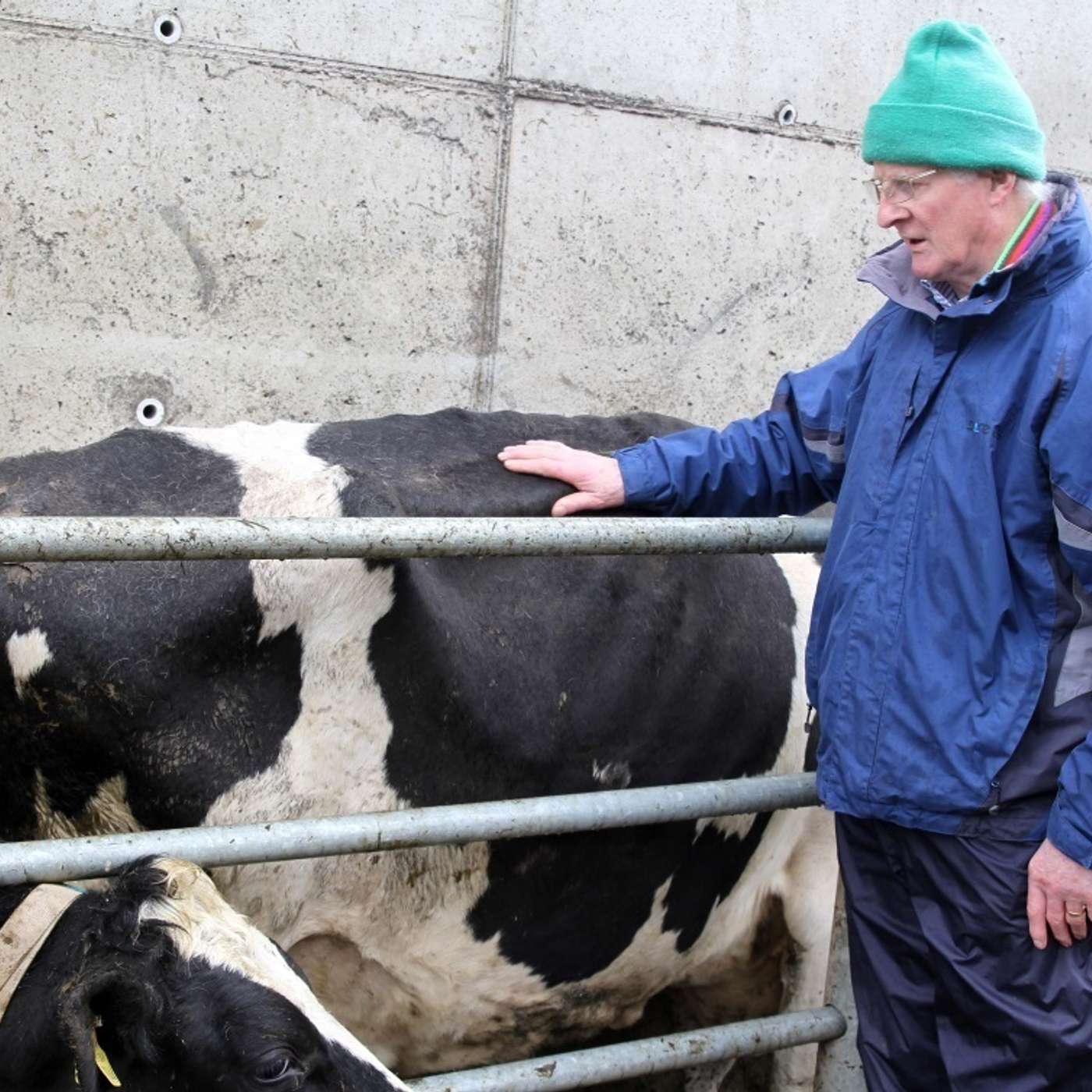
Stephen Moore joins Emma-Louise Coffey on this week’s episode of The Dairy Edge to identify the key practices to achieve a 90% three-week submission rate to maximise the 6 week calving rate during the spring of 2022. Stephen recommends that farmers complete pre-breeding heat detection using tail paint to identify cows that are not cycling; tail paint should be checked once per week and a note taken of cows that have cycled. In addition to this, farmers should consider metri-checking and a pre breeding ultra sound to identify any reproductive issues and take action ahead of mating start date. Stephen explains that heifers are the most fertile and highest genetic merit stock on the farm. A synchronise protocol should be considered to ensure all heifers are submitted in the first 10 days of the breeding season. He reminds us of the importance of genetics and in particular the EBI fertility SI. The bull team average should have a fertility SI of €120 with all bulls greater than €80. Higher fertility SI cows cycle earlier post calving and display stronger heats while also achieving higher conception to service compared to lower fertility SI cows. For more information visit: https://www.teagasc.ie/animals/dairy/breeding--genetics/breeding-management/ For more episodes from the Dairy Edge podcast go to the show page at: https://www.teagasc.ie/animals/dairy/the-dairy-edge-podcast/ The Dairy Edge is a co-production with LastCastMedia.com
Let’s Talk Dairy Bonus Episode: ASSAP and Farmers Impact on Water Quality
bonusTeagasc is running a weekly Let's Talk Dairy webinar series which is also being made available as a bonus podcast episode. In this webinar, Stuart Childs, Teagasc Dairy Specialist, is joined by Noel Meehan and Eimear Connery about the on-farm assessment carried out by ASSAP advisors to assess farmers’ impact on water quality. For more episodes from the Dairy Edge podcast go to the show page at: https://www.teagasc.ie/animals/dairy/the-dairy-edge-podcast/
Achieving high conception rates using sexed semen
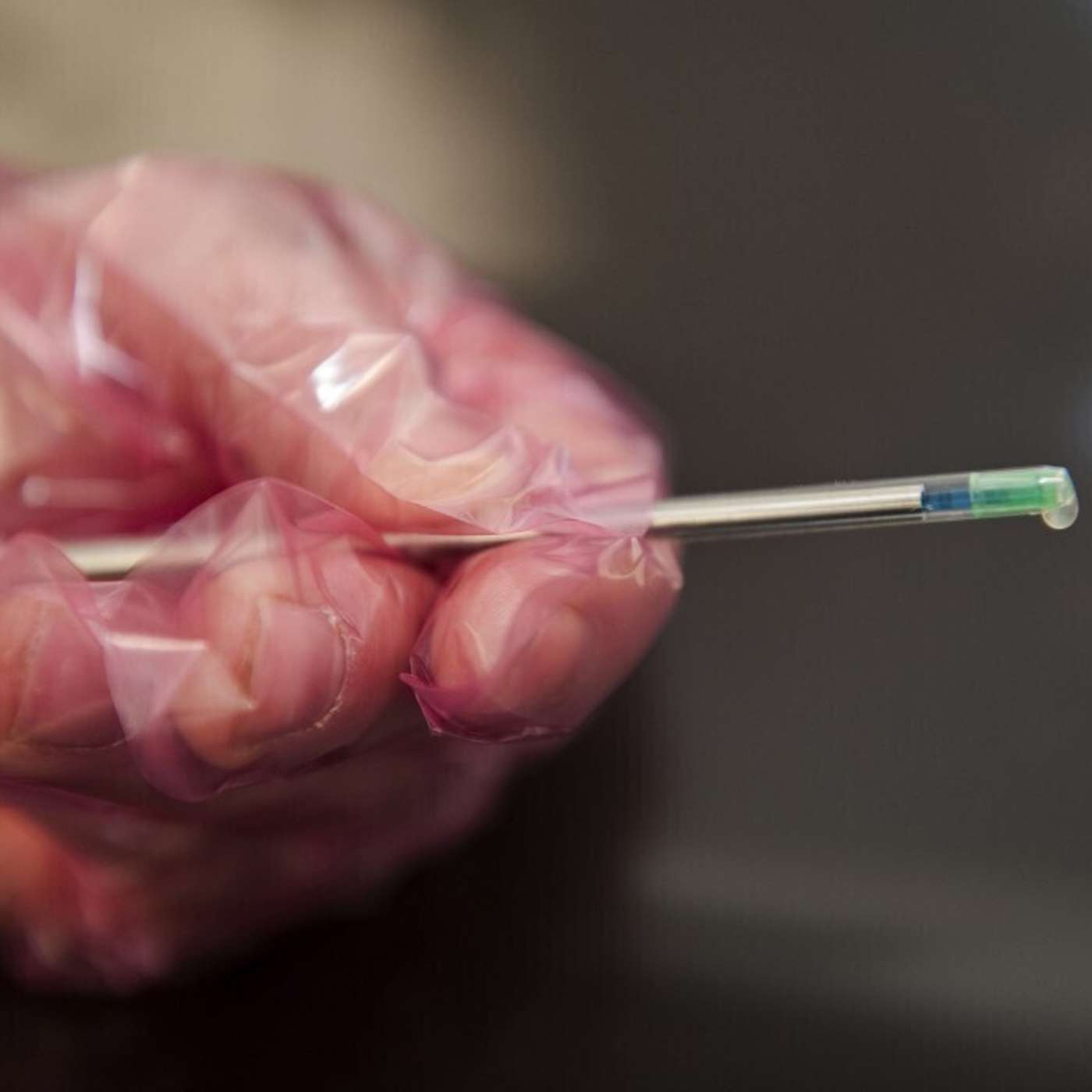
Stephen Butler, reproductive physiology specialist at Teagasc joins Emma-Louise Coffey on this week’s Dairy Edge podcast to discuss the potential that sexed semen can play to maximise the number of replacements born early in the calving season and increase the economic value of non-replacement dairy stock to be sold off the farm. Stephen identifies high EBI cows that are calved greater than 50 days, are cycling regularly, have good BCS and have had no metabolic diseases post calving as appropriate for selection for breeding to sexed semen. He explains that the day of insemination is crucial to achieving high conception rates from sexed semen. The sexing process is a damaging process and therefore, the viability of the semen is lower compared to conventional semen. As a result Stephen recommends that a clear plan is put in place to ensure the timing of AI, thawing procedure and the length of time from thawing to insemination is followed correctly. For more information: https://www.teagasc.ie/media/website/publications/2020/Guidelines-for-Sexed-Semen-Usage-in-Dairy-Herds.pdf For more episodes from the Dairy Edge podcast go to the show page at: https://www.teagasc.ie/animals/dairy/the-dairy-edge-podcast/
Let’s Talk Dairy Bonus Episode: Grass10 Update
bonusTeagasc is running a weekly Let's Talk Dairy webinar series which is also being made available as a bonus podcast episode. In this webinar, Stuart Childs, Teagasc Dairy Specialist, is joined by Joseph Dunphy who works with the Grass10 team along with John Maher, John Douglas and Michael O'Leary. Joseph gives an insight into how things are going in relation to the grass as well as the common pitfall or the risks people are facing due to the weather forecast being good for the next couple of days. The opportunities for farmers to get grass into their cows is discussed with Joseph highlighting the importance of a measured approach and sticking to the plan to reach the desired goal. For more episodes from the Dairy Edge podcast go to the show page at: https://www.teagasc.ie/animals/dairy/the-dairy-edge-podcast/
How to Maintain & Improve Water Quality
Eimear Connery and Noel Meehan join Emma-Louise Coffey on this week’s Dairy Edge with an insight into the role of the Teagasc ASSAP programme and the efforts to maintain and improve water quality in Ireland. Firstly, Noel highlights that agriculture is the biggest land use industry in Ireland and therefore, can have a major impact on water quality status. Eimear then details the key areas of water flow on farms that is investigated by ASSAP advisors from the farmyard to the farmland and the nutrient management plan. Even though some farms don’t have a watercourse within the farm or along the boundary, Eimear explains that every farm has the potential for nutrient losses which can be damaging from a water quality perspective. For more information: https://www.teagasc.ie/environment/water-quality/water-quality-week/ For more episodes from the Dairy Edge podcast go to the show page at: https://www.teagasc.ie/animals/dairy/the-dairy-edge-podcast/
Let’s Talk Dairy Bonus Episode: Munster Bovine health screening
bonusTeagasc is running a weekly Let's Talk Dairy webinar series which is also being made available as a bonus podcast episode. In this webinar, Stuart Childs, Teagasc Dairy Specialist, is joined by Denis Howard from Munster Bovine. The topic discussed is bulk milk health screening and its commonality in certain regions in Ireland with special emphasis on Munster. Denis talks about the most relevant diseases which this health screening detects which in recent times, is becoming a regular occurrence on farms. For more episodes from the Dairy Edge podcast go to the show page at: https://www.teagasc.ie/animals/dairy/the-dairy-edge-podcast/
The key traits in dairy replacements to maximise income
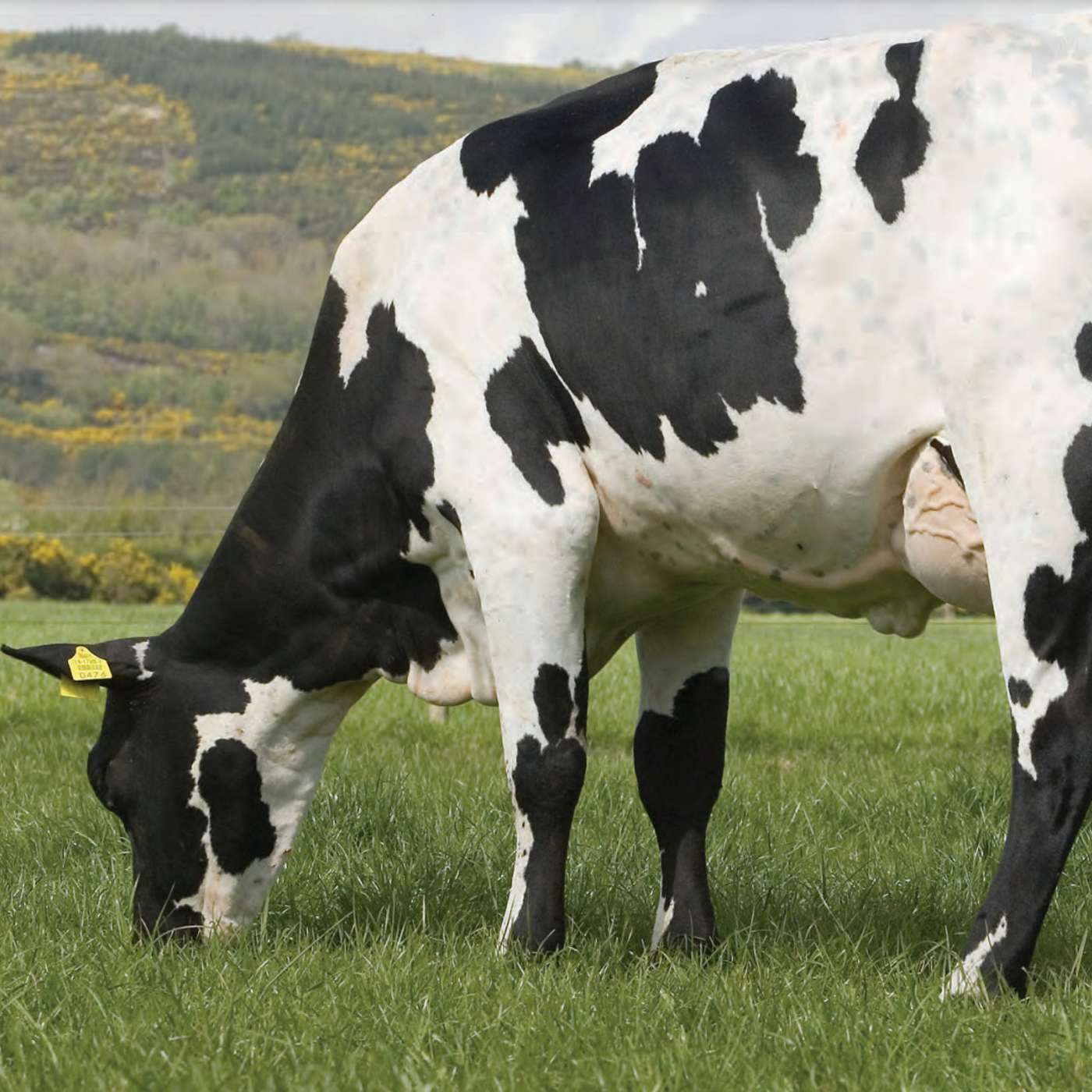
Teagasc specialist Joe Patton and ICBF geneticist Kevin Downing join Emma-Louise Coffey on this week’s Dairy Edge to explore the key traits in dairy replacements to maximise income on Irish dairy farms. Joe identifies fertility as the most important trait, regardless of the production system, to ensure cows calf at the right time of the year giving cows the opportunity to remain in herds over multiple lactations. Good fertility performance has a knock-on effect on increasing production potential and reduces the number of replacements required annually which gives rise to greater profitability. Kevin urges farmers to assess the current EBI status of their dairy cow herd and identify any deficiencies that exist. From there, farmers can set the priorities for the future milking cows and select the bull team for the upcoming breeding season accordingly. Both Kevin and Joe emphasised the substantial genetic gain attainable though breeding heifers with high EBI AI straws, but despite this, 30% of dairy heifers born in 2020 were from a stock bull. Joe recommends that farmers consider synchronising programmes to AI all replacement heifers in a short timeframe. For more information go to: https://www.teagasc.ie/breedingweek/ For more episodes from the Dairy Edge podcast go to the show page at: https://www.teagasc.ie/animals/dairy/the-dairy-edge-podcast/
Advice for getting your grazing back on track in March
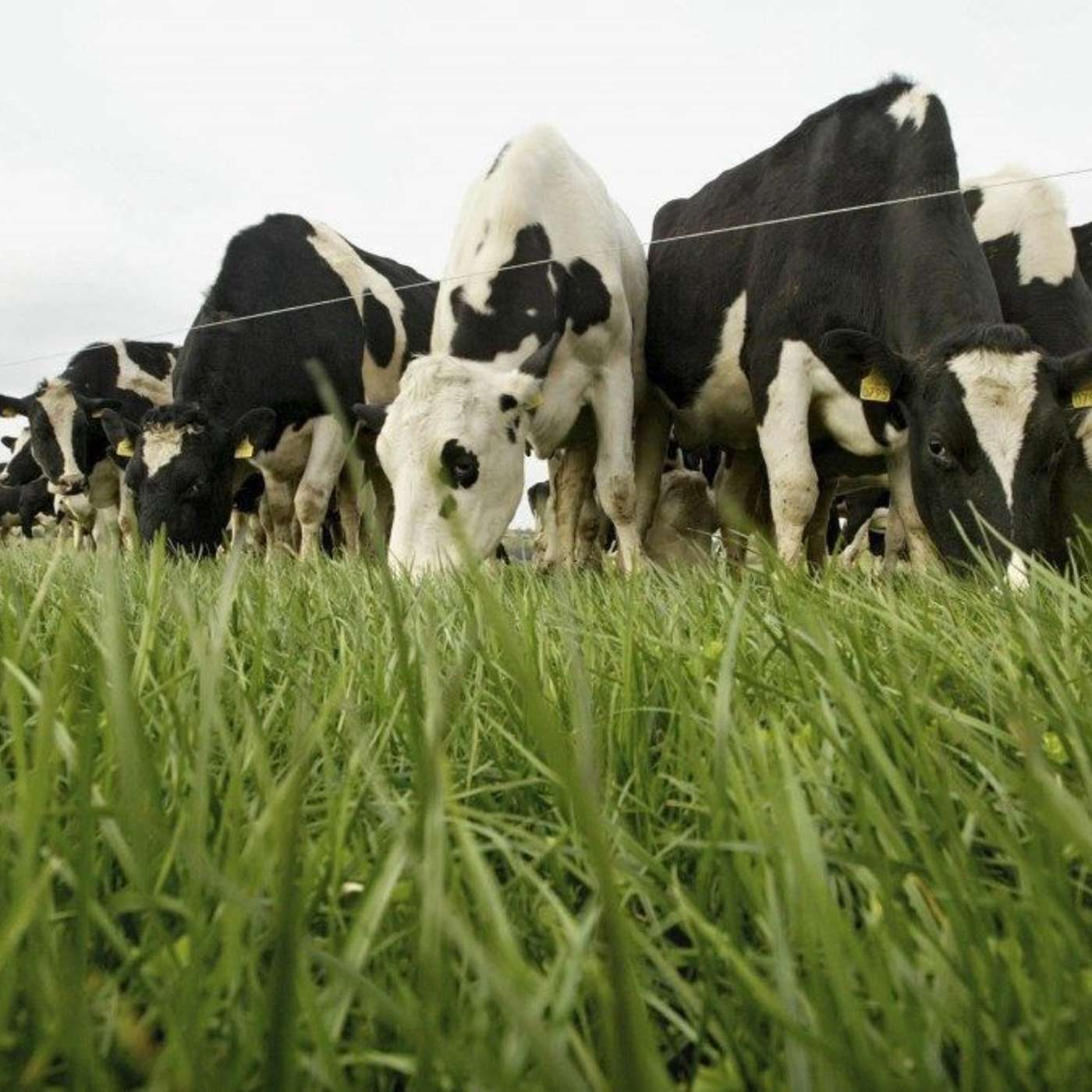
Grass 10 advisor John Douglas joins Emma-Louise Coffey on this week’s Dairy Edge podcast with advice on getting your grazing back on track during the month of March. John assesses the current situation on dairy farms across the country, explaining that some farmers have achieved a significant level of grazing during February (drier farms that received lower levels of rainfall) while some farmers achieved little to no grazing (heavier farms and in higher rainfall areas). He recommends that farmers take advantage of the dry, mild weather to get cows out and graze medium grass covers to increase the % of the milking platform grazed. John also explains that where cows are at grass full-time, low levels of supplementation are required: 2-3 kg concentrate and no silage. For more information: https://www.teagasc.ie/publications/2021/grass10-newsletter---2-march-2021.php For more episodes from the Dairy Edge podcast go to the show page at: https://www.teagasc.ie/animals/dairy/the-dairy-edge-podcast/
Let’s Talk Dairy Bonus Episode: Body condition score at calving
bonusTeagasc is running a weekly Let's Talk Dairy webinar series which is also being made available as a bonus podcast episode. In this webinar, Stuart Childs, Teagasc Dairy Specialist, gives an insight into body condition score at calving in the spring time. He also outlines what the ideal BCS bracket your cows should be in. For more episodes from the Dairy Edge podcast go to the show page at: https://www.teagasc.ie/animals/dairy/the-dairy-edge-podcast/
Key tips to reducing SCC
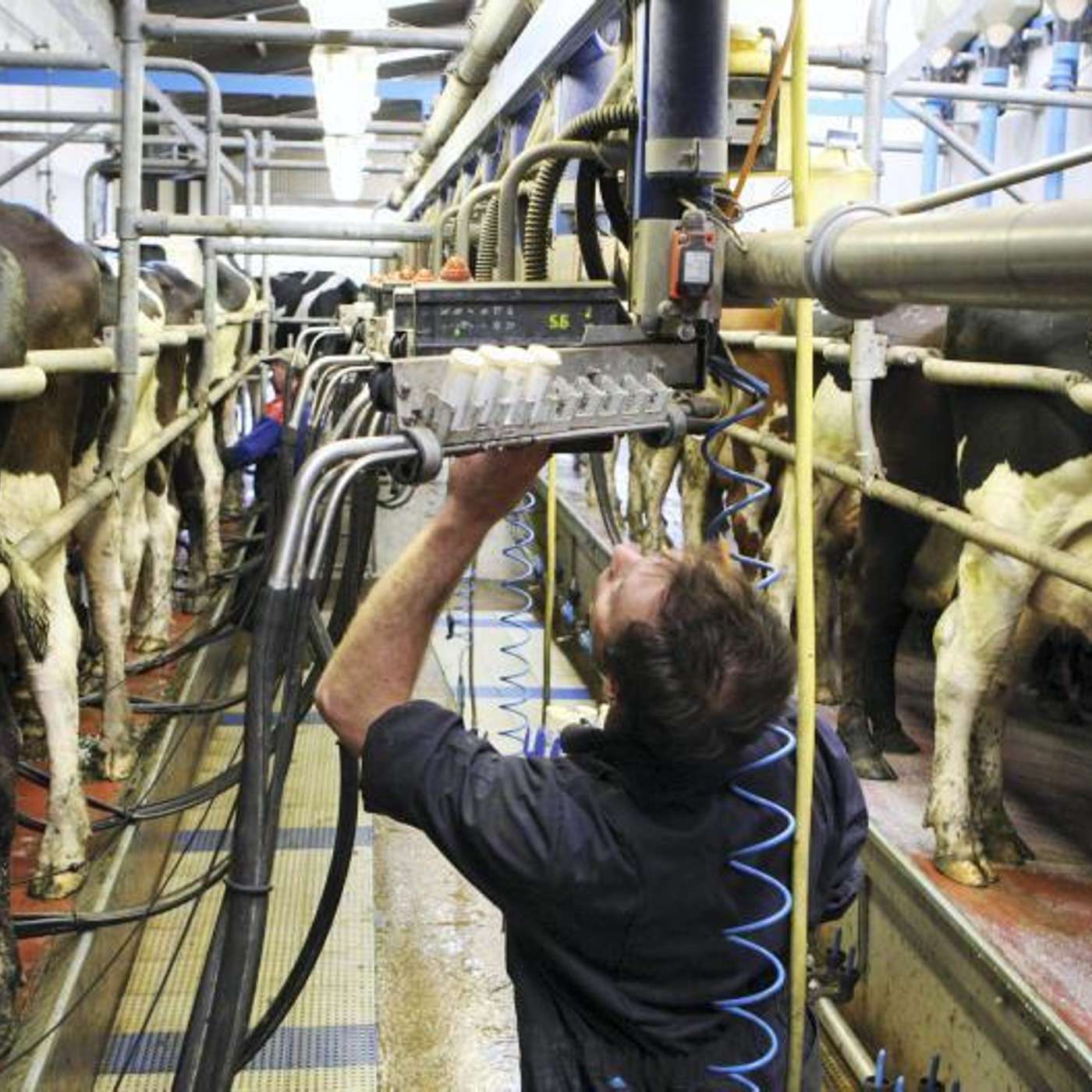
Milk quality specialist Don Crowley joins Emma-Louise Coffey on this week’s Dairy Edge podcast with advice on how to tackle high SCC on dairy farms arising from poor grazing conditions and prolonged housing in early lactation. Don’s tips to reduce SCC and the number of cases of mastitis include; - Milk record your herd early to identify high SCC cows, get help from your Teagasc advisor, milk quality advisor or vet to help interrupt the milk recording results if necessary - Get cows out to grass where possible to reduce the bacterial challenge to cows and take the pressure off facilities and operator - For clinical cases, identify the type of mastitis and treat appropriately, mitigate the spread of mastitis to other cows by using clean gloves, use of disinfectant lime on cubicles and dip clusters For more information go to: https://www.teagasc.ie/news--events/daily/dairy/mastitis-control-in-early-lactation.php For more episodes from the Dairy Edge podcast visit the show page at: https://www.teagasc.ie/animals/dairy/the-dairy-edge-podcast/
Let’s Talk Dairy Bonus Episode: Early Lactation
bonusTeagasc is running a weekly Let's Talk Dairy webinar series which is also being made available as a bonus podcast episode. In this webinar, Stuart Childs is joined by Don Crowley, Teagasc Milk Quality Specialist where they discuss what can be done in the milking parlour with freshly calved cows in order to try and stay ahead of the cell count before it becomes a problem. Don also discusses the importance of early lactation cell count. For more episodes from the Dairy Edge podcast go to the show page at: https://www.teagasc.ie/animals/dairy/the-dairy-edge-podcast/
How to maximise the health and welfare of the cow and calf around calving
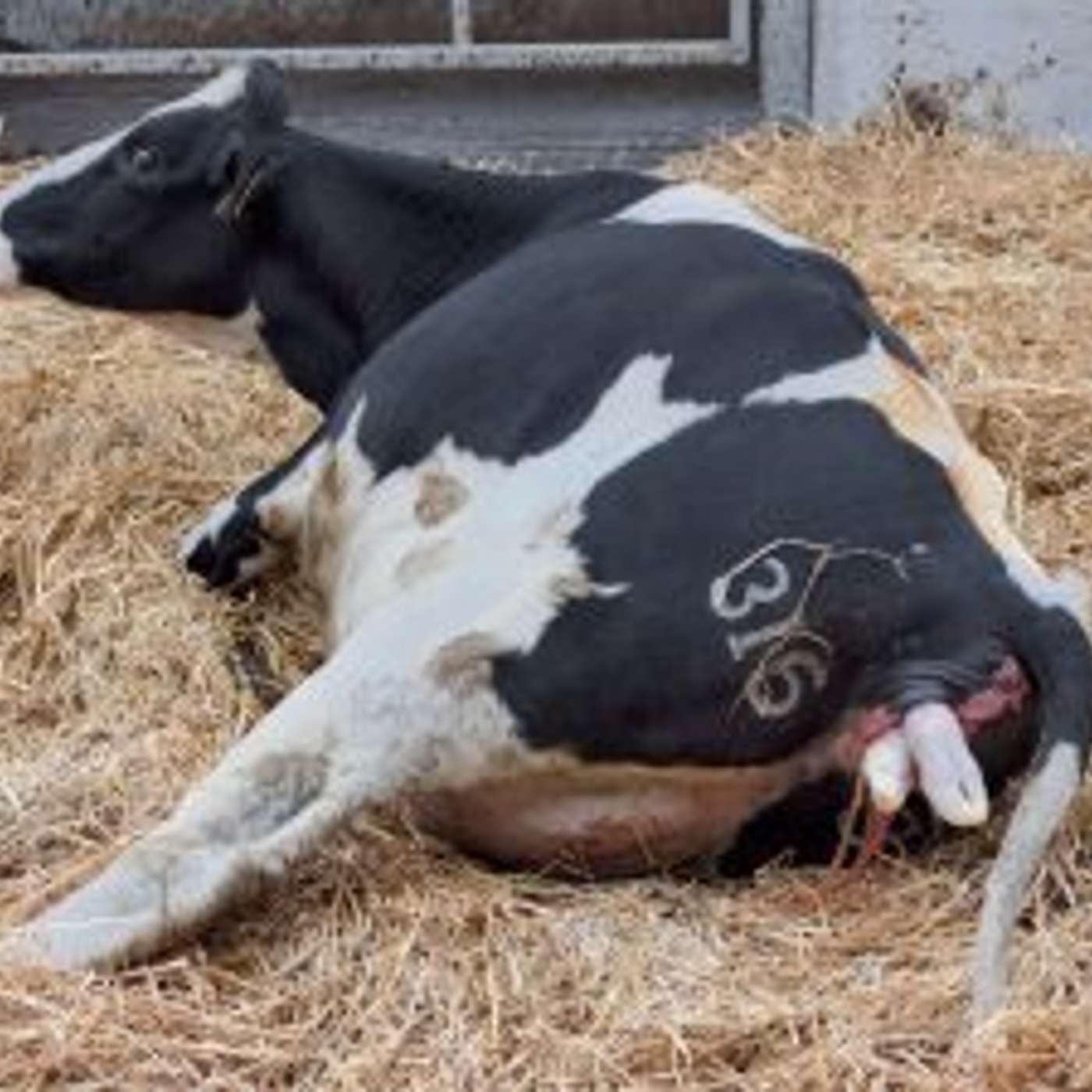
Vet John Mee joins Emma-Louise Coffey on this week’s Dairy Edge podcast with practical tips to maximise the health and welfare of cow and calf around calving. John explains that management practices are the main cause of calving difficulty in dairy herds. Generally, in heifers, the calf is too big or the heifer is under grown or over conditioned and in cows the calf is presenting incorrectly or the cow has milk fever. Calving accounts for 10% of the EBI owing to the economic consequences of a difficult calving including lower thrift in calves, reduced productivity in the form of milk production and fertility and higher mortality of the calf or cow. John details the different stages of calving and reminds farmers that it is the cow’s job to calf down and it is the farmer’s job to observe and assist if necessary using the ‘two hooves, two hours’ approach to ensure cows aren’t calving for too long. For more episodes from the Dairy Edge podcast visit the show page at: https://www.teagasc.ie/animals/dairy/the-dairy-edge-podcast/
Let’s Talk Dairy Bonus Episode: The practicalities of Spring grazing
bonusTeagasc is running a weekly Let's Talk Dairy webinar series which is also being made available as a bonus podcast episode. In this webinar, Stuart Childs is joined by Donal Patton where the topic up for discussion is the practicalities of Spring grazing. In this webinar, Donal will outline the steps on how to approach Spring grazing and how to make it work for you no matter what land type you're working with. For more episodes from the Dairy Edge podcast go to the show page at: https://www.teagasc.ie/animals/dairy/the-dairy-edge-podcast/
The potential of Protected Urea to reduce emissions whilst maintaining grass production
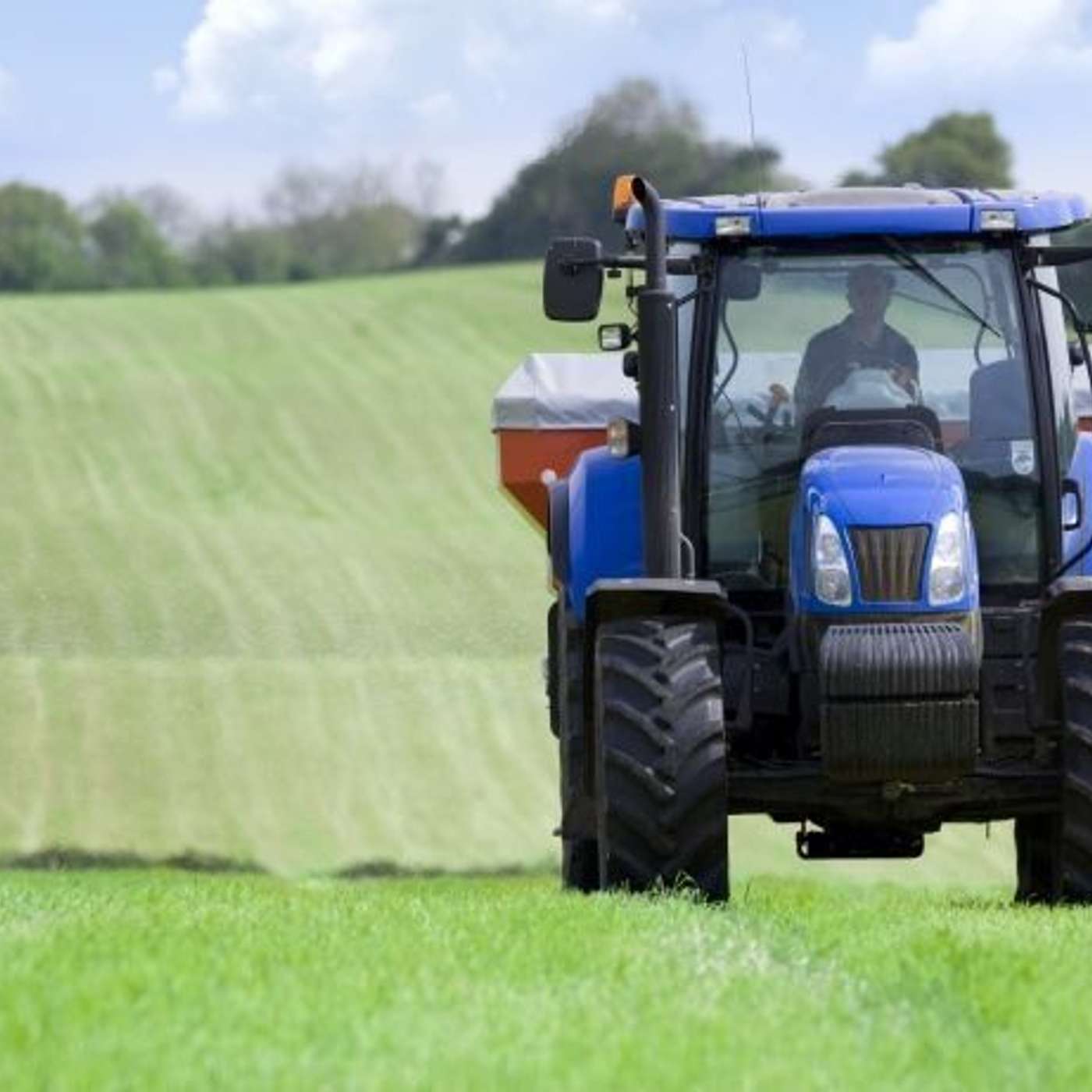
Soil scientist David Wall joins Emma-Louise Coffey on this week’s Dairy Edge to discuss the potential of Protected Urea to reduce emissions whilst maintaining grass production. David explains that comprehensive research has been carried out to test Protected Urea as a nitrogen fertiliser product that can be used as a direct replacement for Urea or CAN and spread all year round. Protected Urea reduces ammonia emissions by up to 75% compared with Urea or reduces greenhouse gas emissions by up to 78% compared with CAN. David explains a switch to Protected Urea is a simple change that has the ability to significantly reduce the environmental impact of fertiliser use at a comparative cost to traditional methods. For more information: https://www.teagasc.ie/media/website/crops/soil-and-soil-fertility/Protected-Urea-List--Jan-28,-2021.pdf For more episodes from the Dairy Edge podcast visit the show page at: https://www.teagasc.ie/animals/dairy/the-dairy-edge-podcast/
Let’s Talk Dairy Bonus Episode: Night time calving
bonusTeagasc is running a weekly Let's Talk Dairy webinar series which is also being made available as a bonus podcast episode. In this webinar, Stuart Childs is joined by Marion Beecher where they discuss tips for night time calving including research that has been done to see does adjusting silage feeding alter calving time and calf rearing organisation. Marion also ran through tips to getting through the calving season in the current Covid situation. For more episodes from the Dairy Edge podcast go to the show page at: https://www.teagasc.ie/animals/dairy/the-dairy-edge-podcast/
Farmer Focus: David O’Leary, Grass 10 Young Farmer of the Year
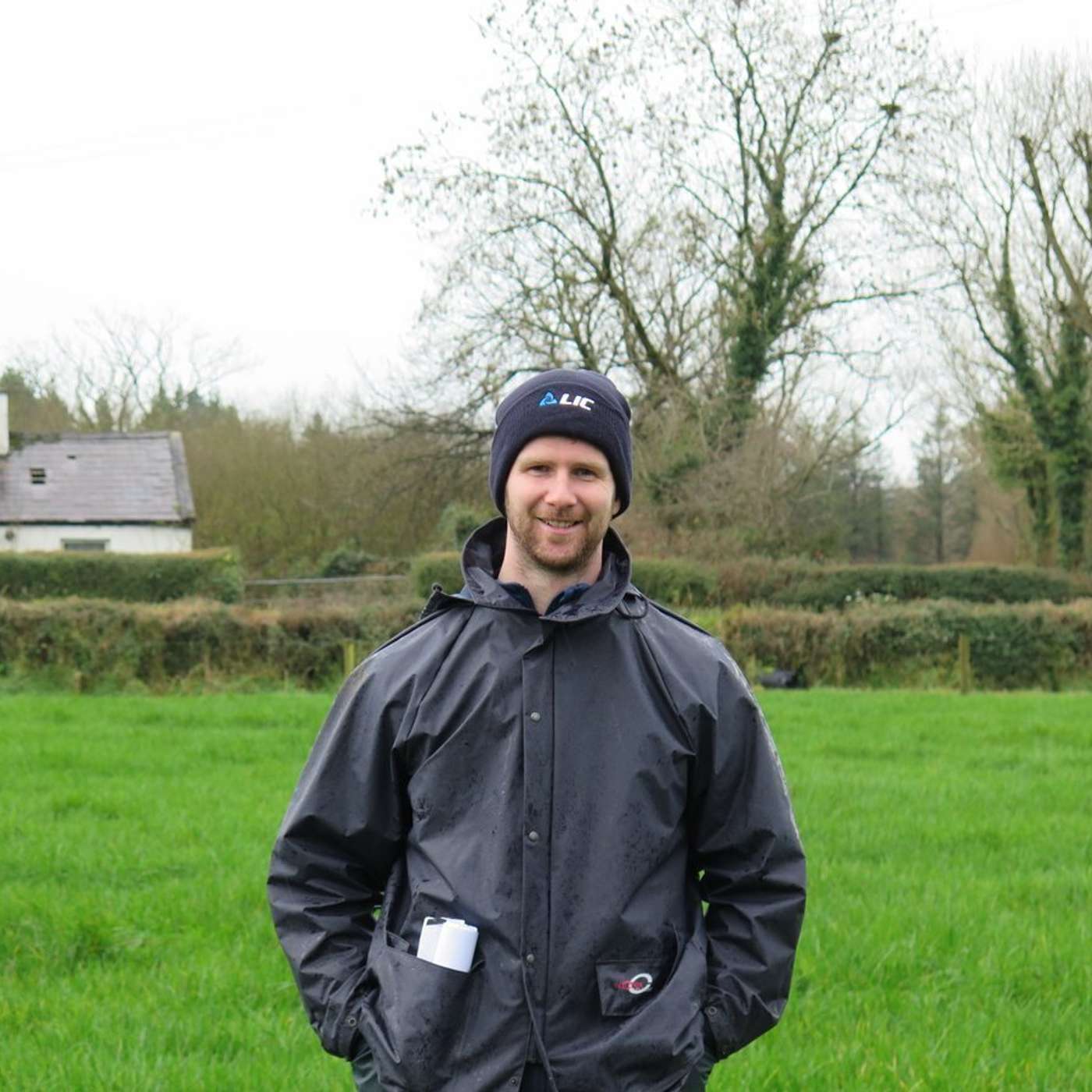
Grass 10 Young Farmer of the Year David O’Leary joins Emma-Louise Coffey on this week’s Dairy Edge podcast to give an insight into his pathway into dairy farming and the excellence in grassland he is achieving on a challenging soil type. David began part-time with his neighbour Tommy Roche at the age of 16 and continued to work with him throughout college. Then in late 2016, he approached Pat and Helen O’Connor about leasing their dairy farm. David worked with the O’Connors in the spring of 2017 to get a feel for their farm and the land and officially started leasing the farm in January 2018. Prior to the lease starting, the O Connors invested in a new bulk tank, a new meal bin and 2 additional units on the milking parlour. In 2018, David milked 48 cows and the herd has since grown to 80 cows in 2021. David got sufficient finance from the bank to purchase 13 heifers and some machinery from the O’Connors existing farm but the remaining 35 cows were from Tommy Roche over a six-year period. David explains that the farm has some heavy soils and is located in a heavy rainfall area. Grazing infrastructure and flexibility in grazing plans are key to a successful grassland management. The farm is growing 14 tonne DM/ha from 180 kg Nitrogen/ha and David owes this to near perfect soil indexes as well as a high proportion of reseeding annually. For more go to: https://www.youtube.com/watch?v=y8gHQO54qXM For more episodes from the Dairy Edge podcast visit the show page at: https://www.teagasc.ie/animals/dairy/the-dairy-edge-podcast/
Let’s Talk Dairy Bonus Episode: Milk Fever
bonusTeagasc is running a weekly Let's Talk Dairy webinar series which is also being made available as a bonus podcast episode. In this webinar, as the calving season heats up Stuart Childs is joined by Joe Patton, Dairy Specialist, to discuss milk fever. 60% to 70% of all clinical disorders occur at this time of the dairy calving period and Joe covers important points and solutions as to how to prevent or resolve milk fever before it becomes a significant issue for dairy farmers. For more episodes from the Dairy Edge podcast go to the show page at: https://www.teagasc.ie/animals/dairy/the-dairy-edge-podcast/
A suitable fertiliser programme for the spring months ahead
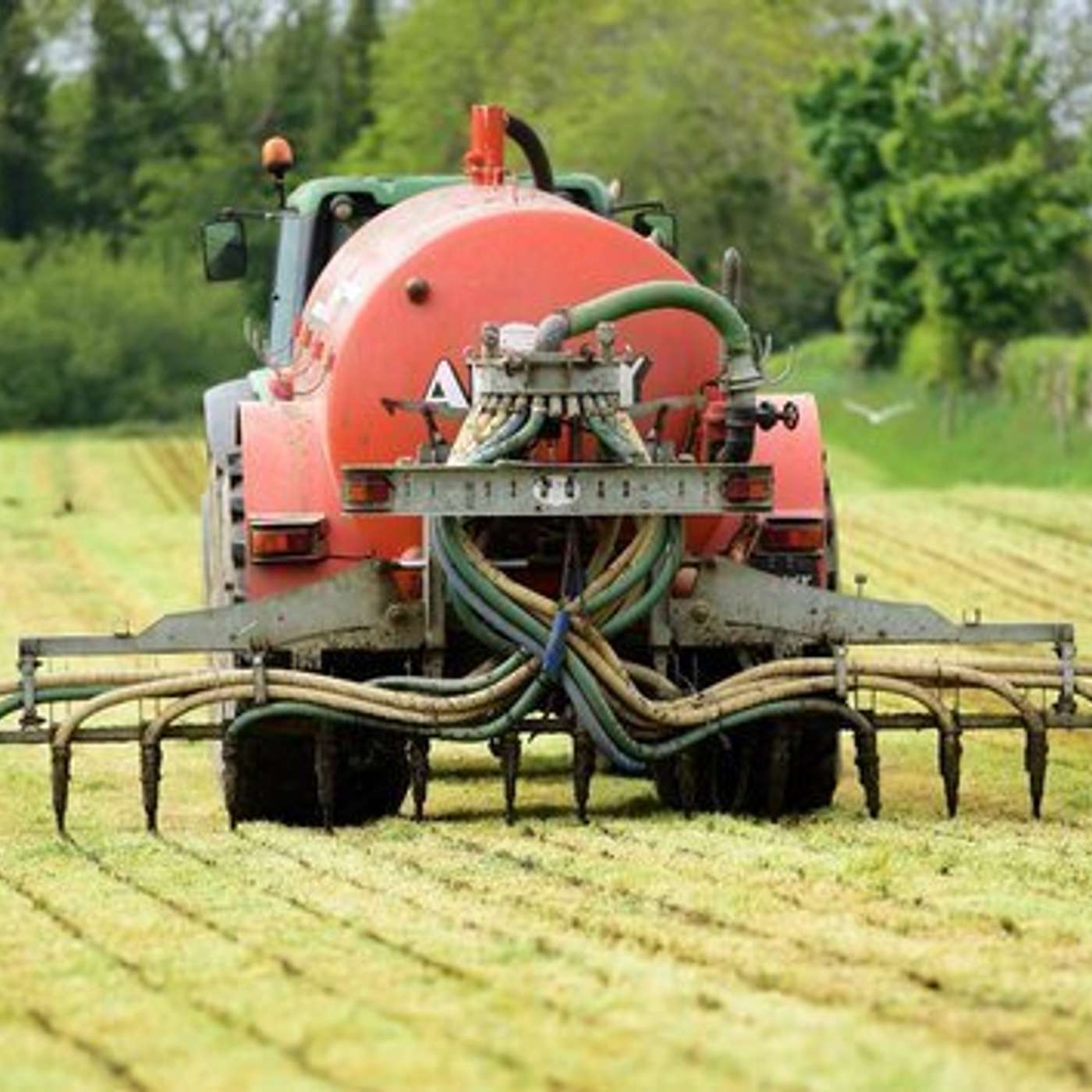
John Maher, the Teagasc Grass10 Manager, outlines a suitable fertiliser programme for the spring months on Irish dairy farms on this week’s episode of the Dairy Edge. John explains that spring Nitrogen is crucial to kick start grass growth during the spring and to boost the farm cover to ensure grass remains the predominant feed in the dairy cow diet in early lactation. Farmers should first look to maximise the value from slurry by spreading 1/3 of the farm that has the lowest covers now using LESS equipment and a further 1/3 of the farm following grazing in late February and early March - 2,500 gallons of slurry equates to approximately a half bag of Urea. For the remaining 2/3 of the farm, farmers should aim to spread a half bag of protected Urea now. To calibrate yours or the contractors’ slurry spreader, to ensure you are achieving the correct application rate, check out the new Slurry Spreader Calibration Calculator: https://www.teagasc.ie/rural-economy/farm-management/farm-machinery/machinery-calibration/slurry-calibration-tool/ For more episodes from the Dairy Edge podcast visit the show page at: https://www.teagasc.ie/animals/dairy/the-dairy-edge-podcast/
Let’s Talk Dairy Bonus Episode: Once-a-Day Milking with Farmer Michael John Delaney
bonusTeagasc is running a weekly Let's Talk Dairy webinar series which is also being made available as a bonus podcast episode. In this webinar, as part of the Once-A-Day Conference, Stuart Childs and Brian Hilliard spoke to dairy farmer, Michael John Delaney, about his move to once-a-day milking and why it works for his farm. For more episodes from the Dairy Edge podcast go to the show page at: https://www.teagasc.ie/animals/dairy/the-dairy-edge-podcast/
Feeding the dairy cow and achieving spring grazing targets in early lactation
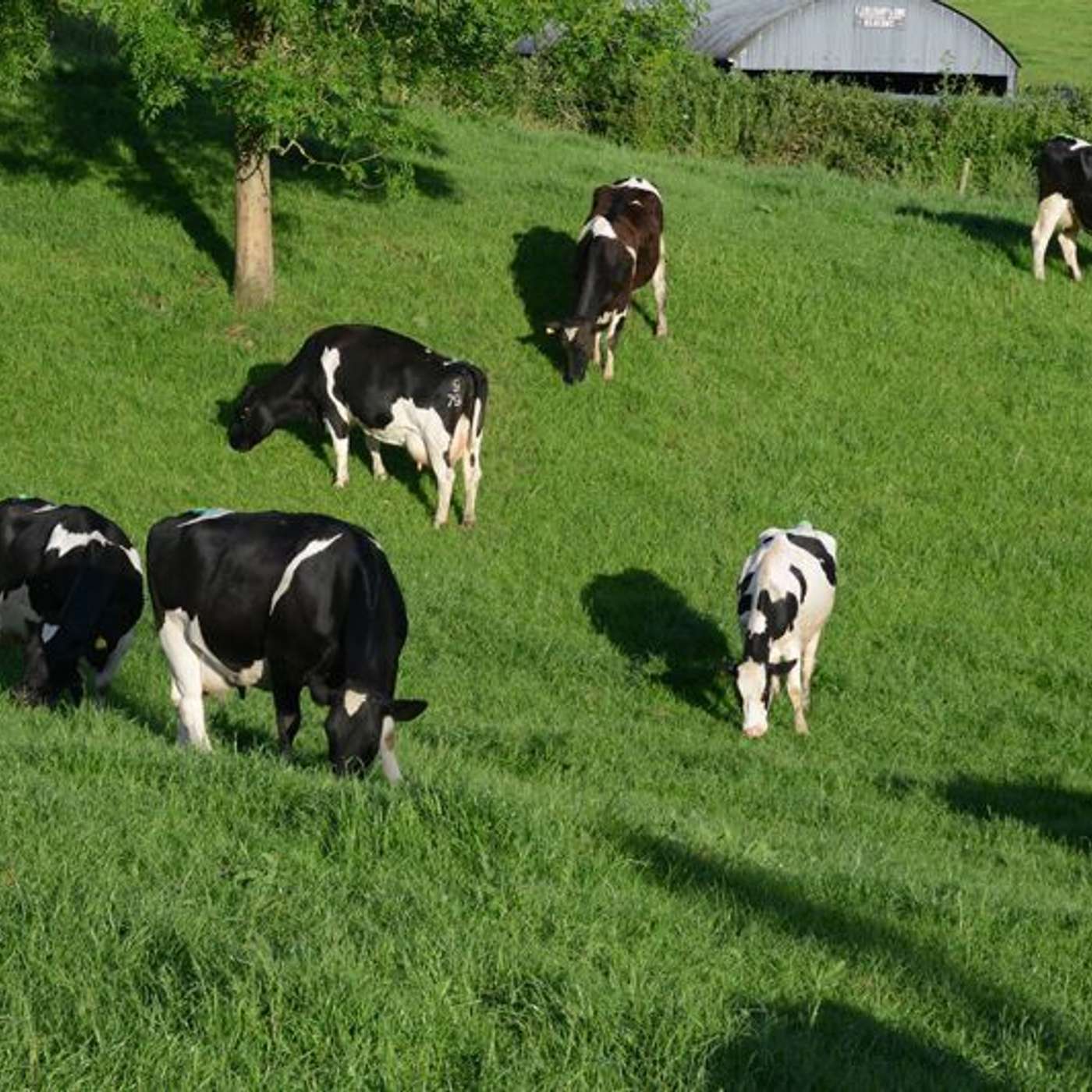
Joe Patton joins Emma-Louise Coffey on this week’s Dairy Edge podcast to discuss how to strike the balance between feeding the dairy cow and achieving spring grazing targets in early lactation. Joe explains that there are many dynamics associated with early lactation nutrition as cows are metabolically at their most stressed post calving and grazing conditions can be challenging. Joe quantifies the dairy cow intake at 10-11 kg post-calving, which tends to rise by 1 kg per week for the first 4 weeks and 0.5 kg per week from week 5-8 of lactation, from which point cows tend to be at maximum intake of 17-19 kg in grazing systems. To feed the cow sufficiently, Joe recommends that farmers target to get two bouts of grazing each day where weather conditions allow plus concentrate supplement. Concentrate should include a high quality source of cereal (maize/barley), fibre (hulls, beat pulp) and protein (distillers, soya) as well as minerals (calmag, salt, limestone and trace minerals). For more episodes from the Dairy Edge podcast visit the show page at: https://www.teagasc.ie/animals/dairy/the-dairy-edge-podcast/
Let’s Talk Dairy Bonus Episode: Improving your nutrient use efficiency
bonusTeagasc is running a weekly Let's Talk Dairy webinar series which is also being made available afterwards as a bonus podcast episode. In this webinar, Stuart Childs, Teagasc Dairy Specialist, gives tip and advice to improve nutrient use efficiency on Irish dairy farms. For more episodes from the Dairy Edge podcast go to the show page at: https://www.teagasc.ie/animals/dairy/the-dairy-edge-podcast/
How to maximise the health of the newborn calf in the early days
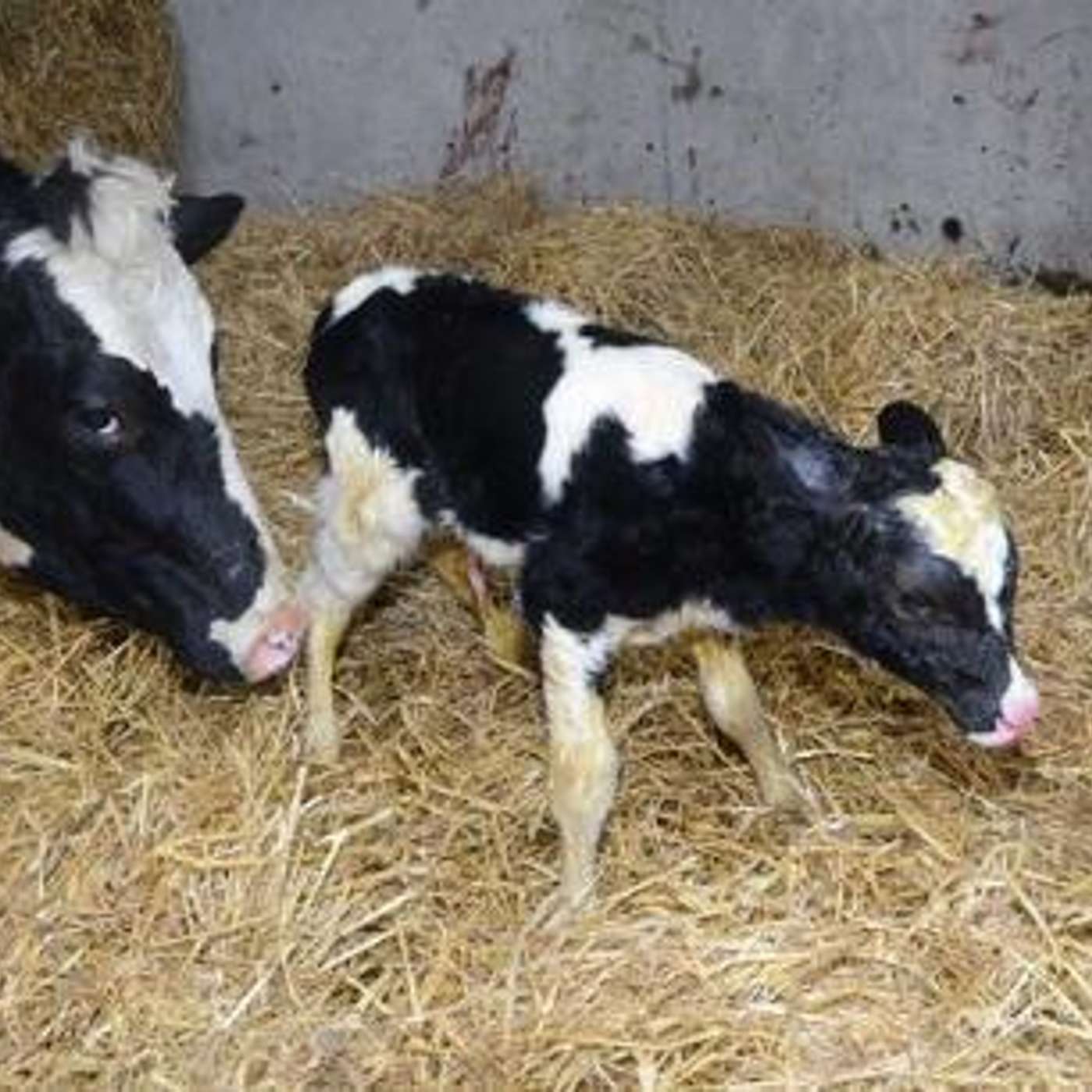
As part of AHI and Teagasc CalfCare Virtual Week, Michelle McGrath, Muireann Conneely and Niamh Field join Emma-Louise Coffey on this week’s Dairy Edge podcast to discuss the care of the newborn calf to maximise health in the early days. Michelle explains that calves are born with no immunity and rely on colostrum to protect them against disease in the first weeks of life until they establish their own immunity. Michelle outlines the priority is the first milk from the cow within the first two hours of life and at least three litres in quantity. Muireann identifies the igG as the most important immunoglobulin contained in colostrum and explains that farms should target an igG concentration of at least 50 mg/ml, which reads 22 on the Brix Refractometer. Niamh then gives advice on how to eliminate or minimise the risk of exposure to Johnes disease. Calving pens should be kept clean and calves should be removed from calving pens as soon as possible to reduce the chances of interacting with cow faeces. Any cow that has tested positive for Johnes or a cow that is displaying symptoms of Johnes should be calved separately and their colostrum and milk should not be fed to calves. For more episodes from the Dairy Edge podcast visit the show page at: https://www.teagasc.ie/animals/dairy/the-dairy-edge-podcast/
Let’s Talk Dairy Bonus Episode: Using a Yearly Planner to Organise Yours
bonusTeagasc is running a weekly Let's Talk Dairy webinar series which is also being made available afterwards as a bonus podcast episode. In this webinar, for the first of the 2021, Let's Talk Dairy Time and People Management Series, in conjunction with Macra Skillnet. Stuart Childs, Teagasc Dairy Specialist is joined by Nollaig Heffernan, Independent Management Consultant to offer some insight and practical tips around using a year planner guide to organise your year in an effective and efficient way to make better farm management decisions. For more episodes from the Dairy Edge podcast go to the show page at: https://www.teagasc.ie/animals/dairy/the-dairy-edge-podcast/
The steps to achieving a successful OAD milking system
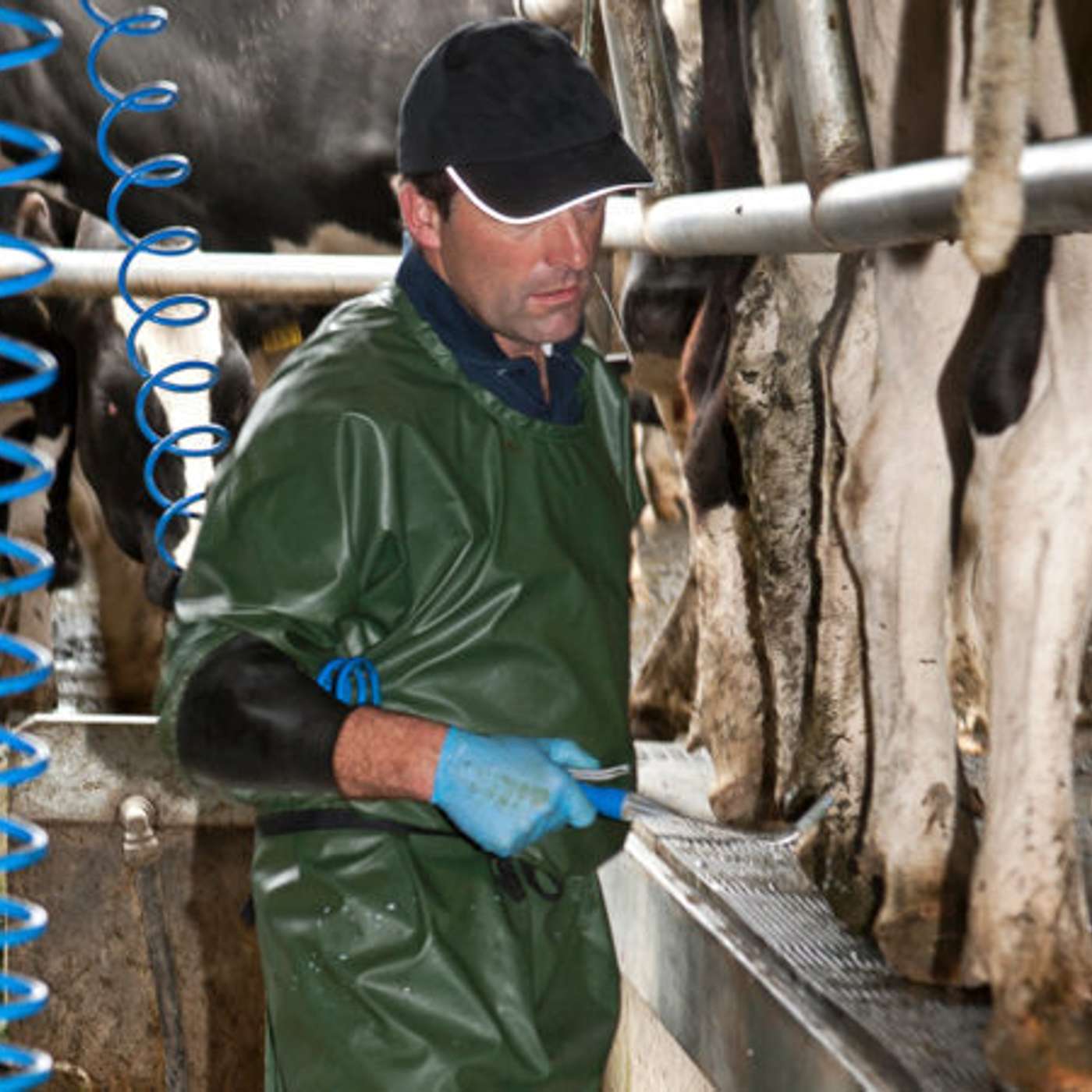
Once-a-day dairy advisor Brian Hilliard joins Emma-Louise Coffey on this week’s Dairy Edge to outline the steps needed to achieving a successful OAD milking system. Brian explains that there are approximately 200 dairy farms operating full time OAD milking with reasons for OAD milking including farm layout (long walks, steep climbs, farm fragmentation), an off-farm job, work-life balance and milking on multiple units. Brian outlines the process of converting to OAD milking as a long term project: from identifying cows that are suitable for OAD to high EBI cows with good fat and protein constituents, teat placement and udder ligaments. He also discusses short term OAD milking during the spring time as essential for dairy farmers who are achieving high calving rates during the month of February as a tool that will free up time to focus on tasks such as calf rearing, care of cows calving and grassland management. Hidden benefits of OAD milking in early lactation include better BCS and return to cyclicity in early lactation. For more episodes from the Dairy Edge podcast visit the show page at: https://www.teagasc.ie/animals/dairy/the-dairy-edge-podcast/
How to minimise workload and reduce stress during the busy spring period
Waterford farmer, Steven Fitzgerald, joins Emma-Louise Coffey on this week’s Dairy Edge podcast to discuss the how he manages labour to minimise workload and reduce stress during the busy spring period. Steven explains that preparation ahead of the calving season and making a clear plan for who is responsible for each role at calving makes things easier and reduces duplication. Compact calving (90% calved in 6 weeks), OAD milking in February and getting cows out to grass from early February are key drivers of efficiency in spring. Steven prioritises feeding colostrum to calves as quickly as possible, as he believes it prevents sickness and ill thrift if calves don’t receive sufficient colostrum. Start and finish times are also important and Steven aims to finish each evening at 6 pm, regardless of the time of year. For more episodes from the Dairy Edge podcast visit the show page at: https://www.teagasc.ie/animals/dairy/the-dairy-edge-podcast/
The Dairy Year in Review Part 2
Continuing the second in the two-part dairy year in review, on this week’s Dairy Edge podcast, Emma-Louise Coffey is joined by Teagasc dairy advisors Jim Moyles, Ciara O’Shea and Seamie Nolan. The panel gave a good indication of where profitability should lie for 2020, with milk price and costs remaining steady, despite concerns of a signification drop in milk price earlier in the year. Covid-19 didn’t go without mention. The panel explained that day-to-day operations were relatively unaffected in 2020 and to the credit of the co-ops all milk continued to be collected and processed during the height of the first lockdown which coincided with peak milk production. The panel commended farmers for their ability to embrace and adapt to discussion groups online but are hopeful and look forward to a return to the normal format in 2021. For more episodes from the Dairy Edge podcast visit the show page at: https://www.teagasc.ie/animals/dairy/the-dairy-edge-podcast/
The Dairy Year in Review Part 1
Teagasc dairy advisors Jim Moyles, Ciara O’Shea and Seamie Nolan join Emma-Louise Coffey for the first of a two-part review of the dairy farming year. Firstly, the panel summarised the technical performance achieved on dairy farms in Ireland in 2020. Performance is on a par with 2019 but when reflecting over the 5 years since the abolition of milk quota, dairy farmers have increased milk solids production by 50-60 kg, predominantly driven by improving their 6 week calving rate and in turn achieving greater number of days in milk. Grass production in their areas is averaging 13 tonne DM/ha which is in line with PastureBase Ireland figures for the year. The heavy rainfall in both the early spring grazing period and in the autumn made conditions more challenging and reduced the days at grass for some farms on heavier soil times and in heavy rainfall areas. Next week, for the second part of the year in review, Jim, Ciara and Seamie discuss the profit on dairy farms in 2020 and how farmers and industry coped with the challenges that Covid brought throughout the year. For more episodes from the Dairy Edge podcast visit the show page at: https://www.teagasc.ie/animals/dairy/the-dairy-edge-podcast/
Let’s Talk Dairy Bonus Episode: The Ag-Climatise report and ammonia emissions
bonusTeagasc is running a weekly Let's Talk Dairy webinar series which is also being made available afterwards as a bonus podcast episode. In this webinar, Stuart Childs, Teagasc Dairy Specialist, outlines some findings from the Ag-Climatise report and possible resolutions which can be achieved around ammonia emissions that we have to try to achieve in the coming years. Stuart also outlines what changes and measures we can make in order to have an impact on the ammonia emissions within dairy farming in Ireland. For more episodes from the Dairy Edge podcast go to the show page at: https://www.teagasc.ie/animals/dairy/the-dairy-edge-podcast/
The technical performance of the dairy herd at Kildalton
Dairy teachers at Kildalton College, Zerlina Pratt and Aidan Nugent, join Emma-Louise Coffey on this week’s Dairy Edge podcast to discuss the technical performance of the dairy herd at Kildalton. Zerlina gives an overview of the dairy unit which includes 110 cows on a 46 ha milking platform. The herd EBI is €175, ranking it in the top 3% of dairy herds in the country with cows having a Holstein-Friesian base with 50% of the herd crossed with either Norwegian Red or Jersey genetics. Both Zerlina and Aidan recall technical performance including 300 days at grass, 13 tonne grass grown and 650 kg meal fed per cow from a feed perspective as well as the herd achieving an 89% 6 week calving rate and an average 530 kg MS produced per cow. The dairy unit at Kildalton, as well as being a highly technically efficient farm, engages with a large number of students on a weekly basis. Aidan details the substantial number of practical dairy skills delivered to students at the college, including animal husbandry, milk machine running and maintenance, tractor and grassland skills. Zerlina explains that Kildalton, like all of the Agricultural Colleges have continued to deliver skills during Covid-19 to maximise the learning opportunity to the students in line with government guidelines. For more information: https://www.teagasc.ie/education/teagasc-colleges/kildalton/ For more episodes from the Dairy Edge podcast visit the show page at: https://www.teagasc.ie/animals/dairy/the-dairy-edge-podcast/
Let’s Talk Dairy Bonus Episode: Managing Your Time to Maximum Effect
bonusTeagasc is running a weekly Let's Talk Dairy webinar series which is also being made available afterwards as a bonus podcast episode. In this webinar, Stuart Childs, Teagasc Dairy Specialist, was joined by Marion Beecher, Teagasc Research Officer and Nollaig Heffernan, Independent Management Consultant, to discuss time management tips and techniques in dairy farm management whilst Nollaig also speaks about how one needs to be careful in using their own individual time during the farming day. For more episodes from the Dairy Edge podcast go to the show page at: https://www.teagasc.ie/animals/dairy/the-dairy-edge-podcast/
How to achieve target performance through simple, proven technologies
Dairy farmer Dara Killeen and specialist Patrick Gowing joined Emma-Louise Coffey on this week’s Dairy Edge to discuss the targets set out in the Teagasc Dairy Roadmap and consider the targets achievable at farm level. Recorded as part of the 2020 Teagasc Virtual Dairy Conference, Dara, who is a new entrant to dairy farming since spring 2019, explained his priority investments were in high genetic merit crossbred stock, reseeding, grazing infrastructure and milking facilities. Dara viewed a lot of stock before settling on the heifers he purchased for his first year in milk and it was a rewarding decision evident from his young herd (40% heifers, 60% lactation 2) with a 90% 6 week calving rate and producing the industry average ~420 kg MS from 650 kg concentrate and 280-290 days at grass, with an estimated mature MS production of 500 kg. Patrick suggests that this performance isn’t surprising because Dara demonstrated huge attention to detail throughout the planning of his conversion to dairy and invested his time and money in the correct areas. Dara is in a phase of growing the age of the herd whilst also ensuring that the farm remains socially sustainable through establishing a good routine and employing part-time staff as well as environmentally sustainable through engaging with technologies such as EBI, protected Urea, LESS and maintaining the biodiversity that exists on farm. For more episodes from the Dairy Edge podcast visit the show page at: https://www.teagasc.ie/animals/dairy/the-dairy-edge-podcast/
Let’s Talk Dairy Bonus Episode: Body Condition
bonusTeagasc is running a weekly Let's Talk Dairy webinar series which is also being made available afterwards as a bonus podcast episode. In this webinar, Stuart Childs, Teagasc Dairy Specialist was joined by Joe Patton, John McCabe and John Paul Murphy from Moorepark farm to discuss body condition and how to deal and manage with cows on low side of body condition. For more episodes from the Dairy Edge podcast go to the show page at: https://www.teagasc.ie/animals/dairy/the-dairy-edge-podcast/
How to establish white clover in grazing swards
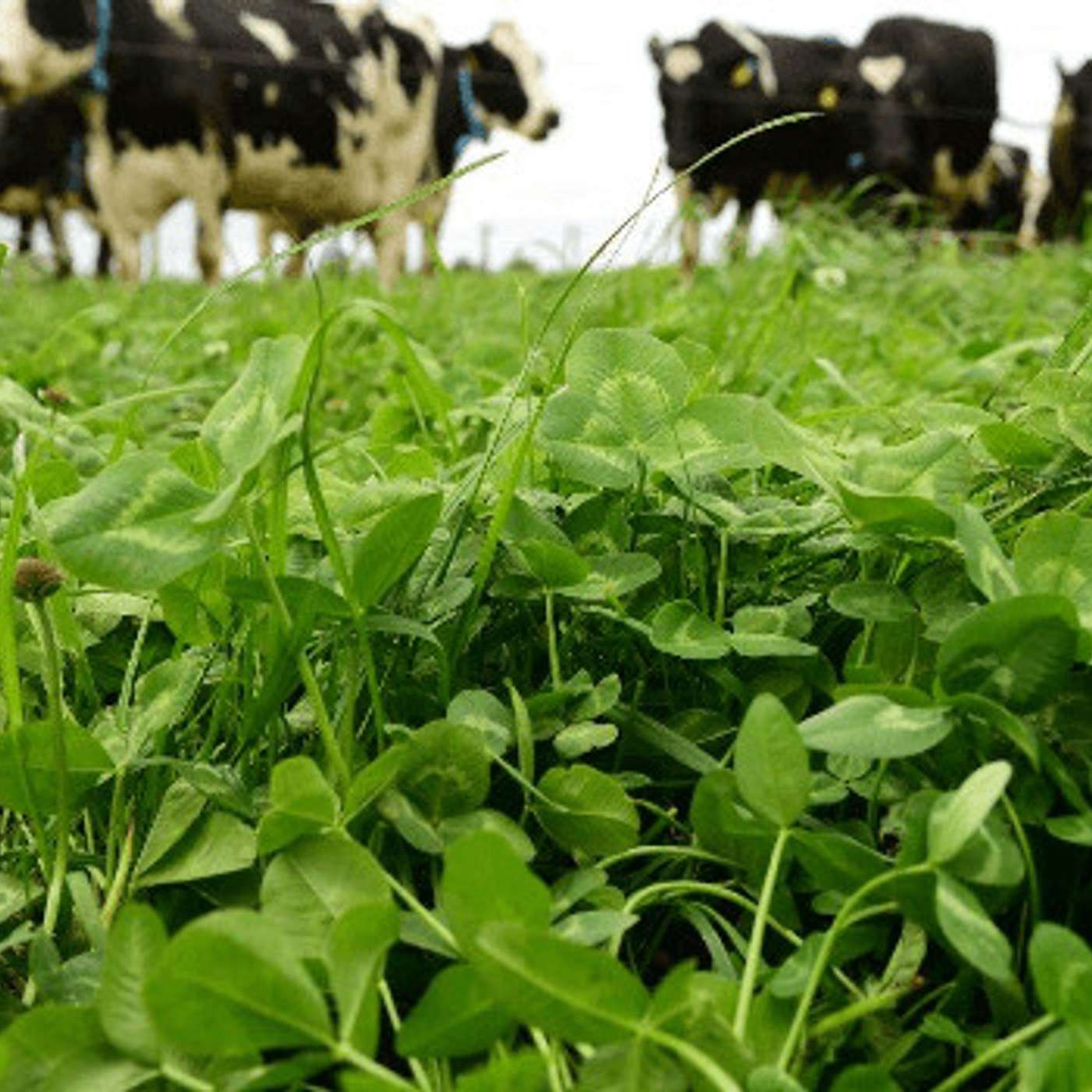
Recorded live from the 2020 Virtual National Dairy Conference, this week’s Dairy Edge podcast features dairy farmer John MacNamara and grassland researcher Mike Egan to discuss how to establish white clover in grazing swards. John has begun establishing white clover on his grazing platform to reduce the requirement for chemical N, increase MS per cow and maintain herbage production and enhance quality. Mike outlined the methods of introducing white clover including a full reseed, broadcasting and stitching in. Mike explained that the full reseed is the gold standard method for white clover establishment although a combination of all three is necessary if moving from 0 or low % clover because it is not practical to reseed greater than 15-20% of a stocked milking platform in one year. Both John and Mike identified key considerations for someone who is interested in integrating white clover including regular grass measurement, good soil fertility and high perennial ryegrass/low weed swards. For more episodes from the Dairy Edge podcast visit the show page at: https://www.teagasc.ie/animals/dairy/the-dairy-edge-podcast/
Let’s Talk Dairy Bonus Episode: Working Efficiently
bonusTeagasc is running a weekly Let's Talk Dairy webinar series which is also being made available afterwards as a bonus podcast episode. In this webinar, Stuart Childs, Teagasc Dairy Specialist was joined by Marion Beecher, Teagasc and Aidan Aherne, dairy farmer, for the second webinar in the Let's Talk Dairy Time and People Management Series. This webinar was part of the Let's Talk Dairy Time and People Management Series, in conjunction with Macra Skillnet. For more episodes from the Dairy Edge podcast go to the show page at: https://www.teagasc.ie/animals/dairy/the-dairy-edge-podcast/
The Surveillance and Early Detection of Disease in Ireland’s National Herd
Vet Michael Horan joins Emma-Louise Coffey on this week’s episode of the Dairy Edge podcast, to discuss the role the Department of Agriculture plays in ensuring a high level of surveillance and early detection of disease in the animal population in Ireland. As we export the majority of the milk and meat products we produce, Michael emphasises the importance of a healthy national herd status from a marketing perspective. Micheal recited some of the many diseases listed on the national health cert that milk must be free from in order to export milk to China. Michael also gives some examples of occasions when detection didn’t work as well as it might have which led to a widespread animal health crisis for both the individual farmers and the national agriculture sector. Finally, Michael gives his top tips to maintain a high health status on your farm including: maintaining a closed herd, good fencing around boundaries, avoid sharing of farm equipment and consult with your local vet to make a herd health plan for your farm. For more episodes from the Dairy Edge podcast visit the show page at: https://www.teagasc.ie/animals/dairy/the-dairy-edge-podcast/
Let’s Talk Dairy Bonus Episode: GHG Emissions
bonusTeagasc is running a weekly Let's Talk Dairy webinar series which is also being made available afterwards as a bonus podcast episode. In this webinar, Stuart Childs is joined by Laurence Shalloo, Katie Starsmore and Ben Larhart who are working on greenhouse gas emissions at Teagasc Moorepark. For more episodes from the Dairy Edge podcast go to the show page at: https://www.teagasc.ie/animals/dairy/the-dairy-edge-podcast/
Sustainable Dairy Farming and the Challenges Ahead
Tom O’Dwyer Head of Dairy Knowledge Transfer at Teagasc, joins Emma-Louise Coffey on this week’s Dairy Edge podcast to detail the challenges that dairy farmers have overcome in the last fifty years. Tom expects sustainability is the biggest challenge that will face farmers over the next decade while dairy cow numbers are set to continue increasing at a modest level. There are a range of technologies that will improve sustainability as well as improve farm efficiency such as higher genetic merit stock, higher grass utilisation, reduced use of chemical nitrogen, switch to protected Urea, incorporation of white clover and low emission slurry spreading. You can hear more about these technologies at the virtual Teagasc National Dairy Conference which is taking place on November 24-25th. For more information and to register for the event, click here: https://www.teagasc.ie/corporate-events/dairy-conference/ For more episodes from the Dairy Edge podcast visit the show page at: https://www.teagasc.ie/animals/dairy/the-dairy-edge-podcast/
Let’s Talk Dairy Bonus Episode: Making Dairy Farms an Attractive Place to Work
bonusWith the current Covid restrictions in place, Teagasc is running a weekly Let's Talk Dairy webinar series which is also being made available afterwards as a bonus podcast episode. In this webinar, Stuart Childs is joined by labour researcher, Marion Beecher, and management consultant, Nollaig Heffernan, to give insights into making dairy farms an attractive place to work. For more episodes from the Dairy Edge podcast go to the show page at: https://www.teagasc.ie/animals/dairy/the-dairy-edge-podcast/
A Checklist of Important Tasks for the Coming Months
Dairy advisor Joe Kelleher joins Emma-Louise Coffey on this week’s Dairy Edge podcast to give a detailed checklist of important tasks needed to complete in the coming months including assessing total annual grass production, soil testing, dry cow therapy strategy, parlour maintenance and relevant paperwork. For more episodes from the Dairy Edge podcast visit the show page at: https://www.teagasc.ie/animals/dairy/the-dairy-edge-podcast/
The Three Priorities of Autumn Grazing
Micheál O’Leary joins Emma-Louise Coffey on this week’s Dairy Edge to give targeted advice based on the level of grass on farm as we approach the housed period. Micheál emphasises the three priorities of autumn grazing: feed the cow, hit grazing residuals and avoid doing damage. He explains that there is approximately 700 kg DM/ha grass (range 400-1,050) on farms currently which is well below the current target of 850 kg. For farms below target at 400-500 kg, Micheál would urge farmers to remove cows from the grazing platform to allow the average farm cover to build prior to 1st December. For farms above target at 900-1,000, he advises farmers to graze paddocks with lower covers. Micheál also urges farms to employ on/off grazing techniques to avoid damage following heavy rainfall in combination with shorter daylight/drying hours. For more information go to: https://www.teagasc.ie/crops/grassland/grass10/grass10-newsletter/ For more episodes from the Dairy Edge podcast visit the show page at: https://www.teagasc.ie/animals/dairy/the-dairy-edge-podcast/
Let’s Talk Dairy Bonus Episode: The performance of the winter milk herd at Johnstown Castle
bonusWith the current Covid restrictions in place, Teagasc is running a weekly Let's Talk Dairy webinar series which is also being made available afterwards as a bonus podcast episode. In this webinar, Stuart Childs is joined by Aidan Lawless and Joe Patton to discuss the performance of the winter milk herd at Johnstown Castle as well as management around calving and diet specs around housing. For more episodes from the Dairy Edge podcast go to the show page at: https://www.teagasc.ie/animals/dairy/the-dairy-edge-podcast/
The Opportunities & Barriers to Dry Stock Farmers Working on Dairy Farms
Eamonn O’Flaherty joined Emma-Louise Coffey on this week’s Dairy Edge podcast to give an insight into the barriers to dry stock farmers taking up part-time employment opportunities on dairy farms. Eamonn identified dry stock farmers as suitable candidates for part-time work on dairy farms given that many of them work off-farm and they possess the relevant skillset to carry out the many tasks on dairy farms. Through discussion with dry stock farmers, Eamonn identified the common barriers including salary relative to alternative employment opportunities, physicality of the work, seasonality of work and farm facilities. Notwithstanding this, dry stock farmers acknowledged the benefits of part-time employment on dairy farms such as an additional source of income to the household, short commute time and the flexibility of working on their own farm as well as a dairy farm. For more information: https://www.teagasc.ie/media/website/publications/2020/Dairying---Part-time-employment-on-dairy-farms.pdf For more episodes from the Dairy Edge podcast visit the show page at: https://www.teagasc.ie/animals/dairy/the-dairy-edge-podcast/
Let’s Talk Dairy Bonus Episode: Selecting Cows for Selective Dry Cow Therapy
bonusWith the current Covid restrictions in place, Teagasc is running a weekly Let's Talk Dairy webinar series which is also being made available afterwards as a bonus podcast episode. In this webinar, Stuart Childs, Teagasc Dairy Specialist runs through using ICBF reports in order to select cows to be put forward for selective dry cow therapy. For more episodes from the Dairy Edge podcast go to the show page at: https://www.teagasc.ie/animals/dairy/the-dairy-edge-podcast/

What’s in Budget 2021 for Dairy Farmers?
With the Government announcing a large spending package in this year’s Budget 2021, Financial Specialist Kevin Connolly joins Emma-Louise Coffey on this week’s Dairy Edge podcast to discuss the agricultural measures for dairy farmers. From an agricultural perspective, Kevin explains it is a neutral budget. There is a top up in income from milk sales on dairy farms resulting in an increase in VAT on milk sales from 5.4% to 5.6%. Some other positives for farmers include the continuation of tax reliefs including consanguinity (stamp duty), farm consolidation, capital gains and capital acquisition as well as stock relief. Additionally, the TAMS grant has been extended which will support continued investment in farm buildings and farming equipment. There was though an increase in carbon tax which has led to an increase in the cost of fuel and vehicle tax on farms. Finally, there is a contingency/recovery fund created to assist the Irish economy resulting from a no-deal Brexit and/or a continued Covid-19 challenge. For more episodes from the Dairy Edge podcast visit the show page at: https://www.teagasc.ie/animals/dairy/the-dairy-edge-podcast/
Insights and experience of selective dry cow therapy from Pallaskenry
Pallaskenry Farm Manager Brendan Ryan joins Emma-Louise Coffey on this week’s Dairy Edge podcast to discuss the use of selective dry cow therapy (DCT). Brendan gives his insight and experience where they have practiced selective DCT for 4 years. Brendan explains that in Year 1, cows considered for selective DCT required a SCC of <50 (from milk recording) and quarter sampled each quarter to ensure all quarters are low which accounted for 10% of the cows in the herd. In 2019 in Year 4 of selective DCT, 86% of the herd were dried off using a sealer only and did not receive an antibiotic tube. Key learnings from the use of selective DCT in Pallaskenry include the importance of sufficient winter housing facilities, a number of milk recordings across the lactation (one per month) and plenty of time and help on the day of dry off. For more episodes from the Dairy Edge podcast visit the show page at: https://www.teagasc.ie/animals/dairy/the-dairy-edge-podcast/
Let’s Talk Dairy Bonus Episode: Fitzgerald Family Farm Virtual Farm Walk
bonusWith the current Covid restrictions in place, Teagasc is running a weekly Let's Talk Dairy webinar series which is also being made available afterwards as a bonus podcast episode. This latest webinar highlighted the many steps being taken by the Fitzgerald family to reduce the carbon footprint of their milk production and to improve sustainability on farm, providing an opportunity to share their experiences with the wider farming community. Teagasc/Glanbia Future Farmer Shane Fitzgerald, who farms 92 hectares with his father near Portlaw, in County Waterford, hosted this virtual event, which was supported by Teagasc, Glanbia Ireland, the European Milk Forum and the National Dairy Council. The panel moderated by Richie O'Brien of Teagasc featured Shane Fitzgerald, farmer, Brendan Horan, Teagasc research officer and Shane McElroy, Glanbia Ireland. For more episodes from the Dairy Edge podcast go to the show page at: https://www.teagasc.ie/animals/dairy/the-dairy-edge-podcast/