The Dairy Edge
703 episodes — Page 10 of 15
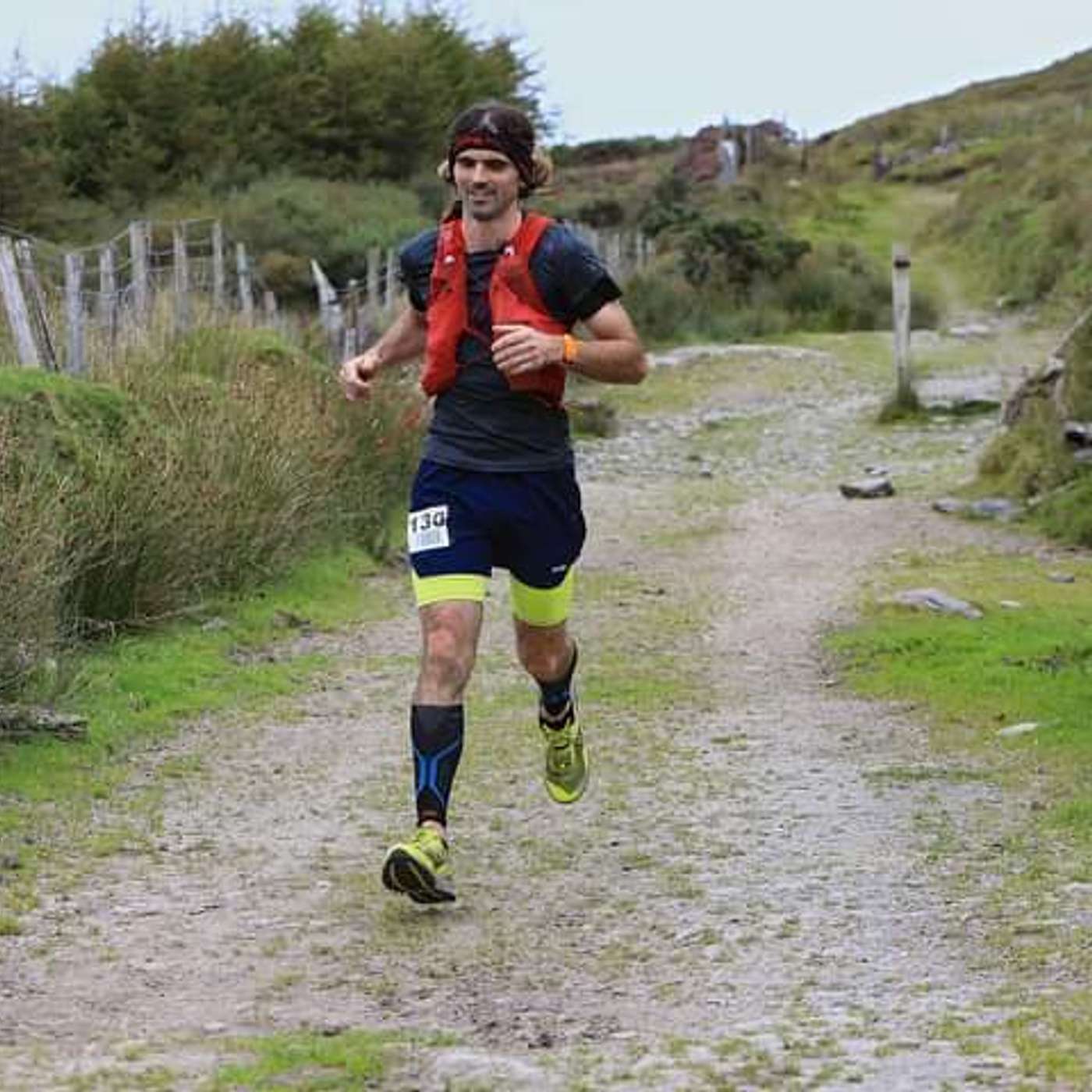
Ed Payne on the work-life balance that allows him run his dairy farm and compete in ultramarathons
Dairy farmer Ed Payne joins Emma-Louise Coffey on this week’s Dairy Edge podcast to explain how the work-life balance he has created in his dairy farm business allows him to train and compete in ultramarathons. Firstly, Ed gives an update on the dairy farm business, milking 550 cows across the two dairy platforms with family labour, 3 full-time labour units as well as relief staff and he explains the thinking behind switching from OAD to TAD milking on the 2nd milking platform. Ed reflects on the necessity to get off the farm to allow for family time and time for hobbies. In recent years, he has looked to facilitate his interest in physical activity within his means and has taken up long distance running, which has culminated in Ed completing events such as 200km in 24 hours around county Roscommon. Ed credits his time away from the farm as a mental break and an opportunity to solve problems that arise within the farm gate. For more episodes from the Dairy Edge podcast go to the show page at: https://www.teagasc.ie/animals/dairy/the-dairy-edge-podcast/ The Dairy Edge is a co-production with LastCastMedia.com
Let’s Talk Dairy Bonus Episode: System drift in dairy farming in Ireland
bonusTeagasc is running a weekly Let's Talk Dairy webinar series which is also being made available as a bonus podcast episode. In this webinar, Stuart Childs, Teagasc Dairy Specialist, was joined by Joe Patton, Head of Dairy Knowledge Transfer, Teagasc to discuss the concept & risk of system drift in dairy farming in Ireland and how people can find it. To register for future Let’s Talk Dairy webinars go to: https://www.teagasc.ie/corporate-events/lets-talk-dairy/ For more episodes from the Dairy Edge podcast go to the show page at: https://www.teagasc.ie/animals/dairy/the-dairy-edge-podcast/
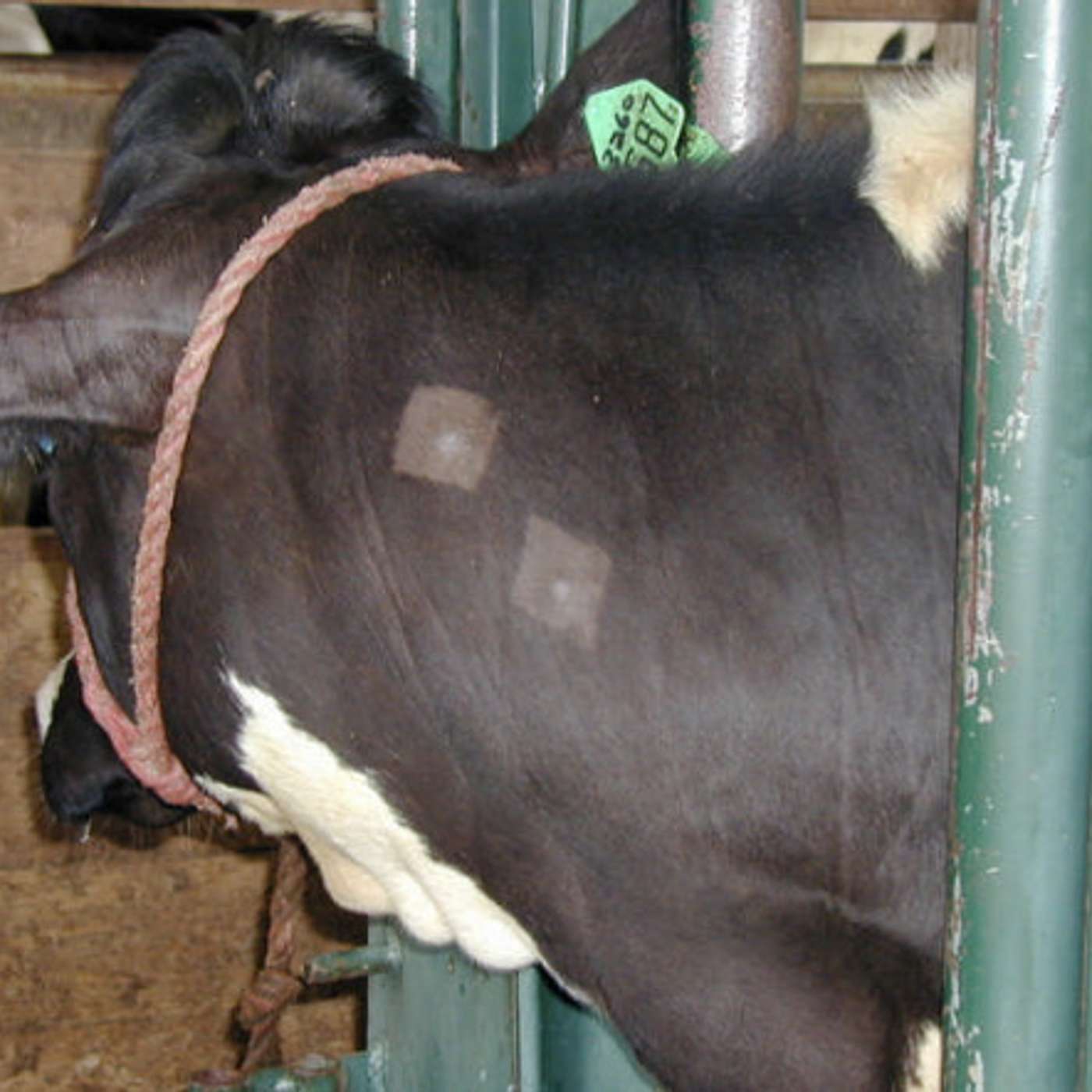
The incidence of TB in dairy herds
Superintendent veterinary inspector, Philip Breslin, from the Department of Agriculture, Food and the Marine, joins Emma-Louise Coffey on this week’s Dairy Edge podcast to discuss the incidence of TB in dairy herds in Ireland. Philip explains that the skin test remains the best method for diagnosis of TB in cattle, offering the most accurate number of positive incidents of TB with low levels of false positives (1 in 5,000). To reduce the risk of TB to your herd, farmers should aim to maintain a closed herd, consider culling older stock that may have been exposed to TB outbreak previously, ensure all boundary are fenced well and being vigilant to wildlife activity on your farm. Philip encourages farmers to be proactive in engaging and consulting with the Department of Agriculture where wildlife such as badgers are identified in order to vaccinate or remove the badger populations near to your herd. For more episodes from the Dairy Edge podcast go to the show page at: https://www.teagasc.ie/animals/dairy/the-dairy-edge-podcast/ The Dairy Edge is a co-production with LastCastMedia.com
Let’s Talk Dairy Bonus Episode: Proposed nitrate excretion bands for dairy cows
bonusTeagasc is running a weekly Let's Talk Dairy webinar series which is also being made available as a bonus podcast episode. In this webinar, Stuart Childs, Teagasc Dairy Specialist, discusses the proposed nitrate excretion bands for dairy cows and the implications that they may have for farmers To register for future Let’s Talk Dairy webinars go to: https://www.teagasc.ie/corporate-events/lets-talk-dairy/ For more episodes from the Dairy Edge podcast go to the show page at: https://www.teagasc.ie/animals/dairy/the-dairy-edge-podcast/
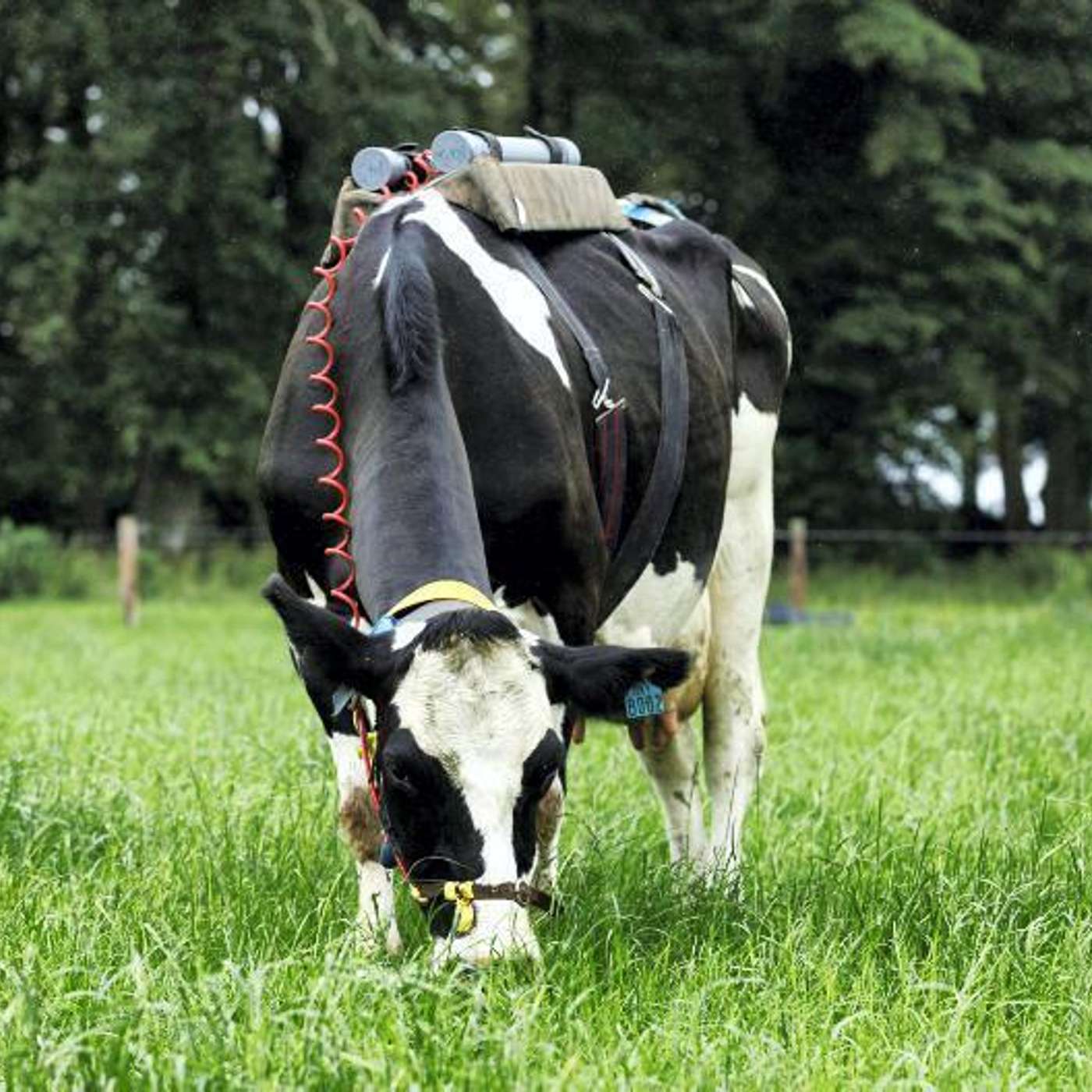
Improved farm practices that are reducing emissions at farm level
Teagasc researcher, Jonathan Herron, joins Emma-Louise Coffey on this week’s Dairy Edge podcast and quantifies how much dairy farming is contributing to national greenhouse gas emissions with practices on dairy farms showing a reduction in emissions intensity. Jonathan explains that dairy production accounts for 12% (agriculture = 34%) of total national emissions, with methane and nitrous oxide being the predominant gases being emitted from agriculture. Jonathan gives an insight into the new emissions intensity of milk production per kg CO2-eq per kg fat and protein corrected milk at 0.99 kg, compared to previously reported 1.12 kg. He explains that this takes into account where farmers have engaged in improved farming practices such as switching from CAN to Urea or protected Urea, switching from splash plate to LESS technologies, integrates white clover and improved genetic merit of their herds. For farms that stopped using CAN on farms, they reduced emissions by 7-8% with no negative impact to grass productivity. Jonathan suggested that future emission intensity can include a mitigation factor arising from Carbon sequestration. While the quantity of Carbon sequestered per ha is not known yet, research is on-going to quantify how much Carbon is stored on Irish farms in tree and plant life (i.e. hedgerows, grassland and tillage crops). For more episodes from the Dairy Edge podcast go to the show page at: https://www.teagasc.ie/animals/dairy/the-dairy-edge-podcast/ The Dairy Edge is a co-production with LastCastMedia.com
Let’s Talk Dairy Bonus Episode: Planning for drying off for 2021
bonusTeagasc is running a weekly Let's Talk Dairy webinar series which is also being made available as a bonus podcast episode. In this webinar, Stuart Childs, Teagasc Dairy Specialist, discusses planning for drying off for 2021. Stuart outlines the jobs which need to be done before we start looking at drying off at all over the next couple of weeks. Stuart discusses what jobs can be started now, such as cleaning cows and roadways; looking at individual cow information; and sourcing products necessary for drying off cows. To register for future Let’s Talk Dairy webinars go to: https://www.teagasc.ie/corporate-events/lets-talk-dairy/ For more episodes from the Dairy Edge podcast go to the show page at: https://www.teagasc.ie/animals/dairy/the-dairy-edge-podcast/
What will the dairy farm workplace look like in 2030?
Teagasc Dairy Adviser, Abigail Ryan, joins Emma-Louise Coffey on this week’s Dairy Edge podcast to discuss what the dairy farm workplace will look like in 2030, based on a recent survey of students and graduates from agricultural courses. In the future, the respondents of the survey expect to be either farm owners (63%), in a partnership (23%), share farming (3%) or farm employees (11%) and have identified fewer working hours (less than 50 hours per week) and good work organisation including a 6pm finish time and 2-3 weekends off per month. Based on the feedback, Abigail expects that farms will need more relief milkers to help match farm working hours with industrial counterparts, while farms need to also focus on good facilities, technology and work organisation to attract employees to the farm workplaces. For more episodes from the Dairy Edge podcast go to the show page at: https://www.teagasc.ie/animals/dairy/the-dairy-edge-podcast/ The Dairy Edge is a co-production with LastCastMedia.com
How the Dairy Beef Index is adding value to Irish dairy and beef herds
Alan Twomey and Nicky Byrne join Emma-Louise Coffey on this week’s Dairy Edge podcast with an overview of the non-replacement dairy calves contribution to the beef production systems and suggest how farmers can add value to both dairy and beef farms. Alan gives an insight into the Dairy Beef Index which is an economic index that promotes high quality beef animals from the dairy herd. The index represents 50% of dairy traits such as gestation length and calving ease and 50% beef traits such as carcass weight and carcass confirmation. Nicky explains that 57% of cattle meat processed in Ireland is coming from the dairy herd and concerns exist due to a growing proportion of these animals failing to reach minimum carcass standards at slaughter. Nicky documents results from his research at Teagasc Grange where he compared Holstein-Friesian and Angus cross animals through to slaughter. The Angus cross animals achieved spec for slaughter one month earlier than the Holstein-Friesian animals at a higher spec and with lower levels of concentrate fed. For more episodes from the Dairy Edge podcast go to the show page at: https://www.teagasc.ie/animals/dairy/the-dairy-edge-podcast/ The Dairy Edge is a co-production with LastCastMedia.com
Let’s Talk Dairy Bonus Episode: Replacement Management
bonusTeagasc is running a weekly Let's Talk Dairy webinar series which is also being made available as a bonus podcast episode. In this webinar, Stuart Childs, Teagasc Dairy Specialist, discusses keeping replacement heifers on target this Autumn. Stuart outlines the key target weights for the different breeds whilst also taking into consideration the Maintenance Sub Index. He also highlights the importance of weighing your stock regularly. To register for future Let’s Talk Dairy webinars go to: https://www.teagasc.ie/corporate-events/lets-talk-dairy/ For more episodes from the Dairy Edge podcast go to the show page at: https://www.teagasc.ie/animals/dairy/the-dairy-edge-podcast/
Making your milking process more labour and energy efficient
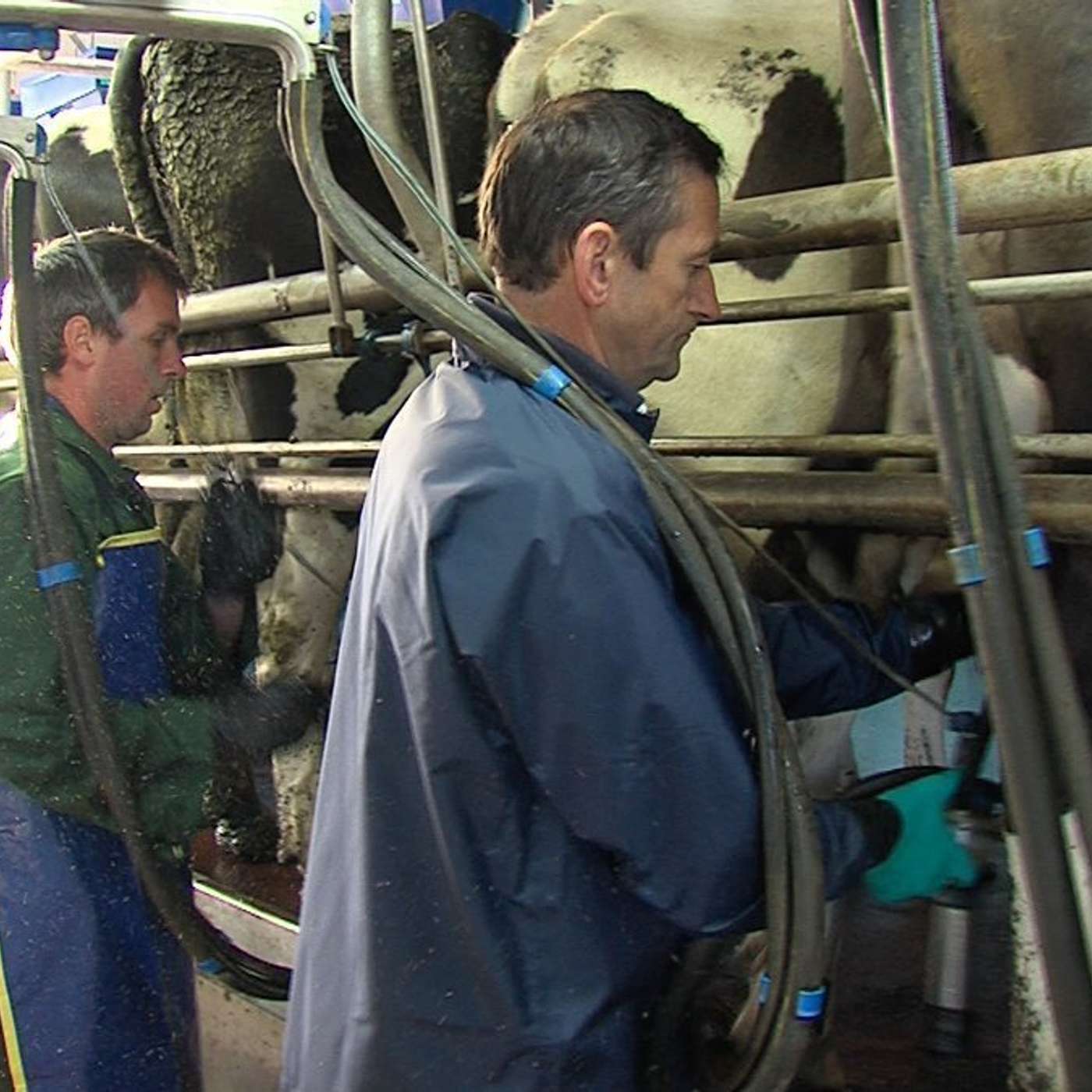
On the third and final day from the Moorepark Open Day, this week’s Dairy Edge speaks to John Upton, Ryan Prendergast and Fergal Buckley from Teagasc to discuss the milking and energy use efficiency of herringbone and rotary parlours. John firstly explains that rotary parlours are becoming common place on large scale dairy farms with in excess of 300 cows to complete the milking procedure in a timely manner. Ryan outlines the milking efficiency achieved during the autumn with on average 105 cows milked per hour in a herringbone parlour (range 52-200), with an average of 10 rows of cows and completed by 1.5 labour units. Conversely, in the rotary parlour, 155 cows were milked per hour (range 78-189), with an average of 8 rotations and completed by 1 labour unit. John concludes that good cow flow, facilities with no more than 8 rows/rotations and work organisation are factors that contributed to efficient milking practices. Meanwhile, Fergal quantifies the cost of electricity per 1,000 litres of milk produced at €6.69 for herringbone parlours and €7.00 for rotary parlours. When comparing the two milking systems, Fergal expects that higher costs incurred in the rotary milking systems is down to larger equipment and a greater level of technology and automation. Fergal explains that the cost is higher than that previously reported by John Upton and expects, when he measures the full lactation, that this will reduce. For more episodes from the Dairy Edge podcast go to the show page at: https://www.teagasc.ie/animals/dairy/the-dairy-edge-podcast/ The Dairy Edge is a co-production with LastCastMedia.com
How will the new Nitrates policy impact your farm business?
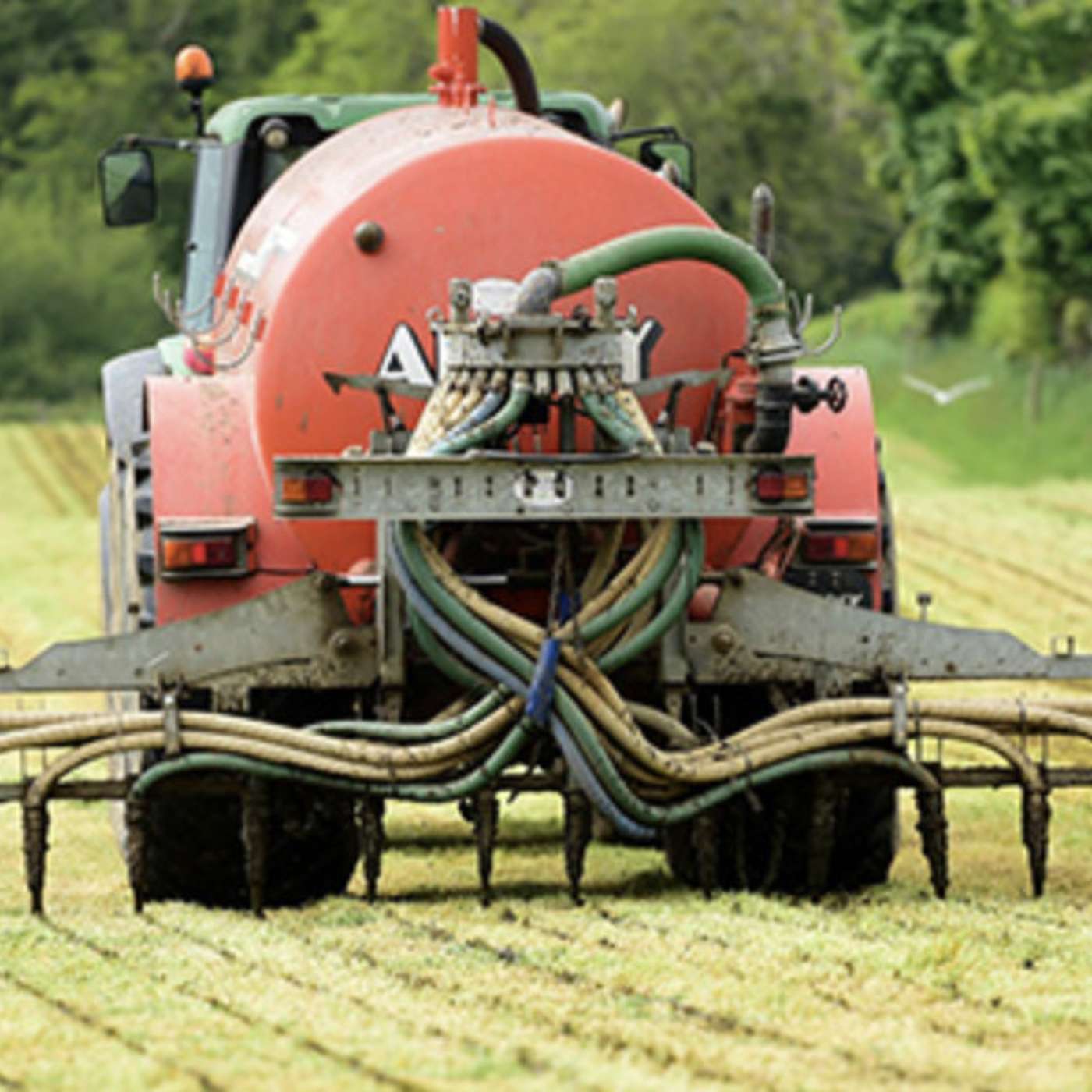
On Day Two of the Moorepark Open Day, Jack Nolan from the Department of Agriculture, Food and the Marine joins Emma-Louise Coffey on the Dairy Edge to explain the measures proposed for the new Nitrates Derogation and challenges for farmers and industry as to how they can minimise negative environmental impacts. Jack estimates that 85% of nutrient loss into water comes from agriculture and expects measures such as a 10-15% in chemical N allowance and the extension of the closed period from mid-September will reduce nutrient leaching to water courses. He recommends that farmers turn their efforts to optimising soil fertility, targeted use of slurry to the open slurry spreading period and where conditions allow, use of LESS, the inclusion of white clover, as areas that will help farmers maintain grassland productivity whilst applying lower levels of chemical N. Jack urges both farmers and industry stakeholders to work collectively in a responsible manner and to ask the question ‘can we do better?’ when it comes to farming sustainably. For more episodes from the Dairy Edge podcast go to the show page at: https://www.teagasc.ie/animals/dairy/the-dairy-edge-podcast/ The Dairy Edge is a co-production with LastCastMedia.com
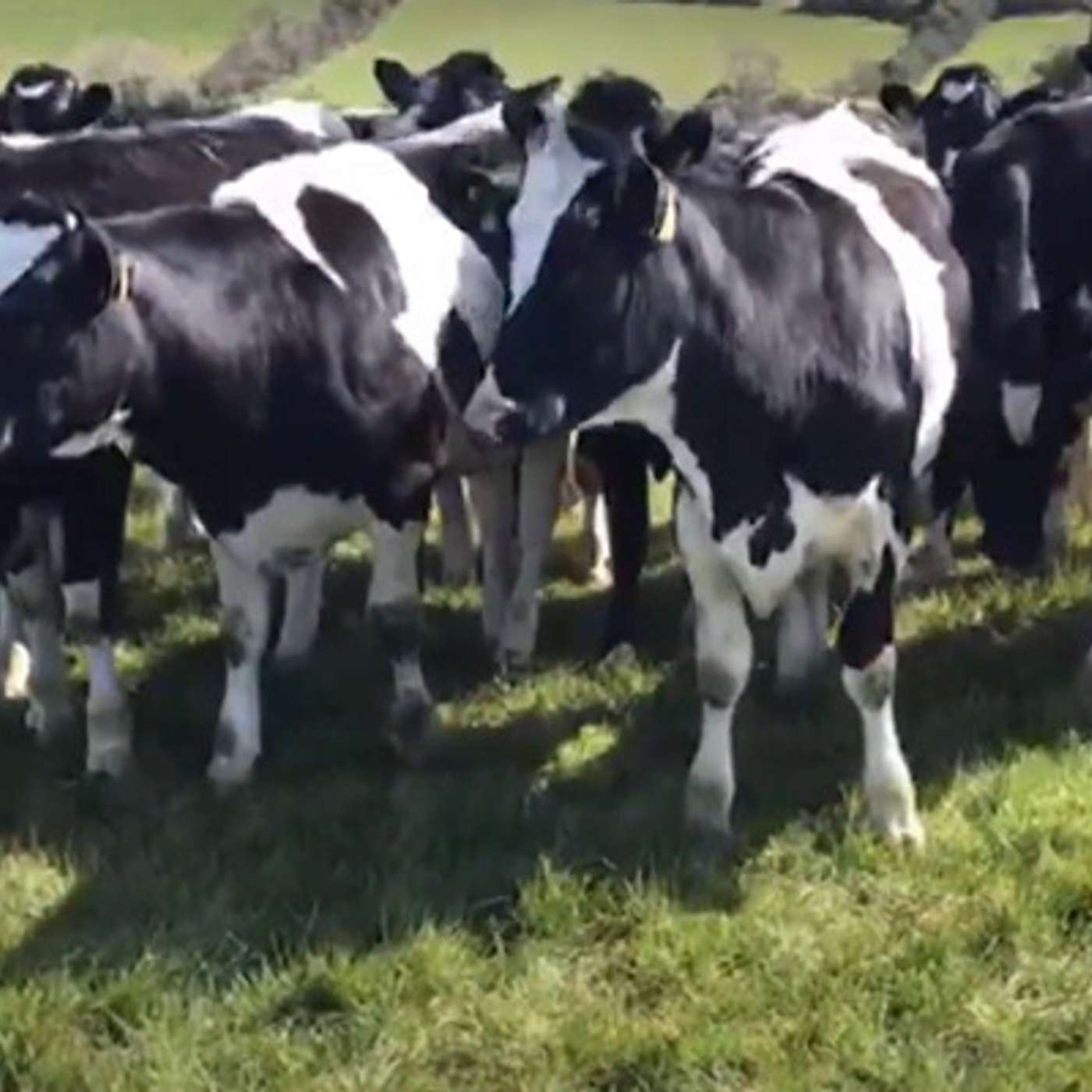
The role of reproductive technologies in maximising your herd’s potential
Stephen Butler joins Emma-Louise Coffey on this week’s Dairy Edge podcast with an insight into the Sexed Technologies lab that will be established in Moorepark later this year to provide a semen sorting service open to all AI companies. This offers the potential for a greater number and elite bulls to become available as sexed straws. Sexed semen in combination with high Dairy Beef Index bulls can help farmers produce sufficient high genetic merit dairy replacements while improving the carcass weight and conformation of surplus stock adding greater value to the beef farmer. Stephen gave some insight into the In Vitro Embryo Production/Transfer experiment that was carried out in the spring of 2021. This involves collection of oocytes from either live donors or from ovaries collected after slaughter. The oocytes are fertilised and cultured in a lab for seven days before being transferred to a surrogate dam that has been synchronised to be on day seven of her oestrous cycle. Using this technology, an elite genetic merit dam can be scheduled to have oocytes collected weekly for several weeks. This technology facilitates the dam moving from having one calf per year to having multiple calves per year, increasing the chances of producing a calf with greater genetic merit than the current generation. For more episodes from the Dairy Edge podcast go to the show page at: https://www.teagasc.ie/animals/dairy/the-dairy-edge-podcast/ The Dairy Edge is a co-production with LastCastMedia.com
Let’s Talk Dairy Bonus Episode: Fertiliser and closing off strategy
bonusTeagasc is running a weekly Let's Talk Dairy webinar series which is also being made available as a bonus podcast episode. In this webinar, Stuart Childs, Teagasc Dairy Specialist, discussed late season fertiliser N and planning for spring grazing. To register for future Let’s Talk Dairy webinars go to: https://www.teagasc.ie/corporate-events/lets-talk-dairy/ For more episodes from the Dairy Edge podcast go to the show page at: https://www.teagasc.ie/animals/dairy/the-dairy-edge-podcast/
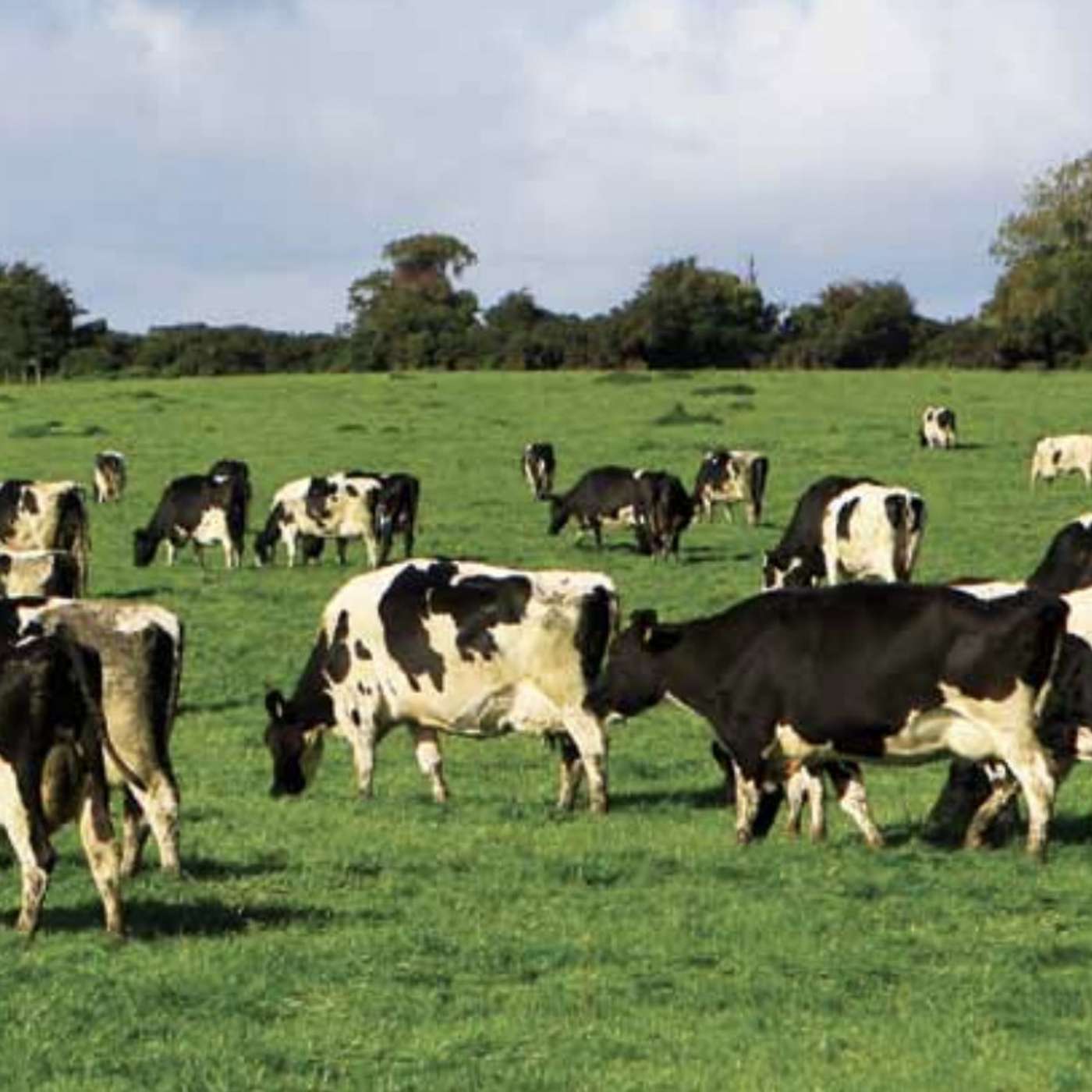
Laurence Shalloo on the Impact of Nitrogen Management Strategies
Laurence Shalloo joins Emma-Louise Coffey on this week’s Dairy Edge podcast to explain the Nitrates modelling work completed by Teagasc which considered a reduction in chemical Nitrogen, consequence of non-compliance with closed dates for slurry, a reduction in stock rate, whole-farm v milking platform stocking rate and a banding system for the organic N per cow. Laurence details the new banding system for organic Nitrogen ranks cows based on milk yield (<4,500 kg milk = 80 kg N, 4,500-6,500 kg milk = 92 kg N, >6,500 kg = 106 kg N) with the kg N expected to increase by 0.7 per annum. This banding system is set to allow farmers to improve efficiency in the form of higher milk constituents and solids while avoiding higher banding. For more information: https://www.teagasc.ie/media/website/publications/2021/Nitrates-Modelling-Final.pdf Don’t forget, the Teagasc Moorepark Open Day 2021 Day is taking place on Tuesday 14th, Wednesday 15th & Thursday, 16th September 2021. It is repeated over the three days to ensure compliance with government Covid-19 guidelines. The event consists of a planned onsite event and also a virtual event on Wednesday. If you wish to attend the event you must pre book and can do so here: https://www.teagasc.ie/corporate-events/moorepark-open-day/#d.en.101492 For more episodes from the Dairy Edge podcast go to the show page at: https://www.teagasc.ie/animals/dairy/the-dairy-edge-podcast/ The Dairy Edge is a co-production with LastCastMedia.com
Let’s Talk Dairy Bonus Episode: Managing Hedgerows
bonusTeagasc is running a weekly Let's Talk Dairy webinar series which is also being made available as a bonus podcast episode. In this webinar, Stuart Childs, Teagasc Dairy Specialist, was joined by Aoife Leader, Teagasc to discuss managing hedgerows. With hedge-cutting season commencing, Aoife gave an insight into how hedgerows are an important source of biodiversity on farms and how their management influences the quality of the biodiversity. To register for future Let’s Talk Dairy webinars go to: https://www.teagasc.ie/corporate-events/lets-talk-dairy/ For more episodes from the Dairy Edge podcast go to the show page at: https://www.teagasc.ie/animals/dairy/the-dairy-edge-podcast/
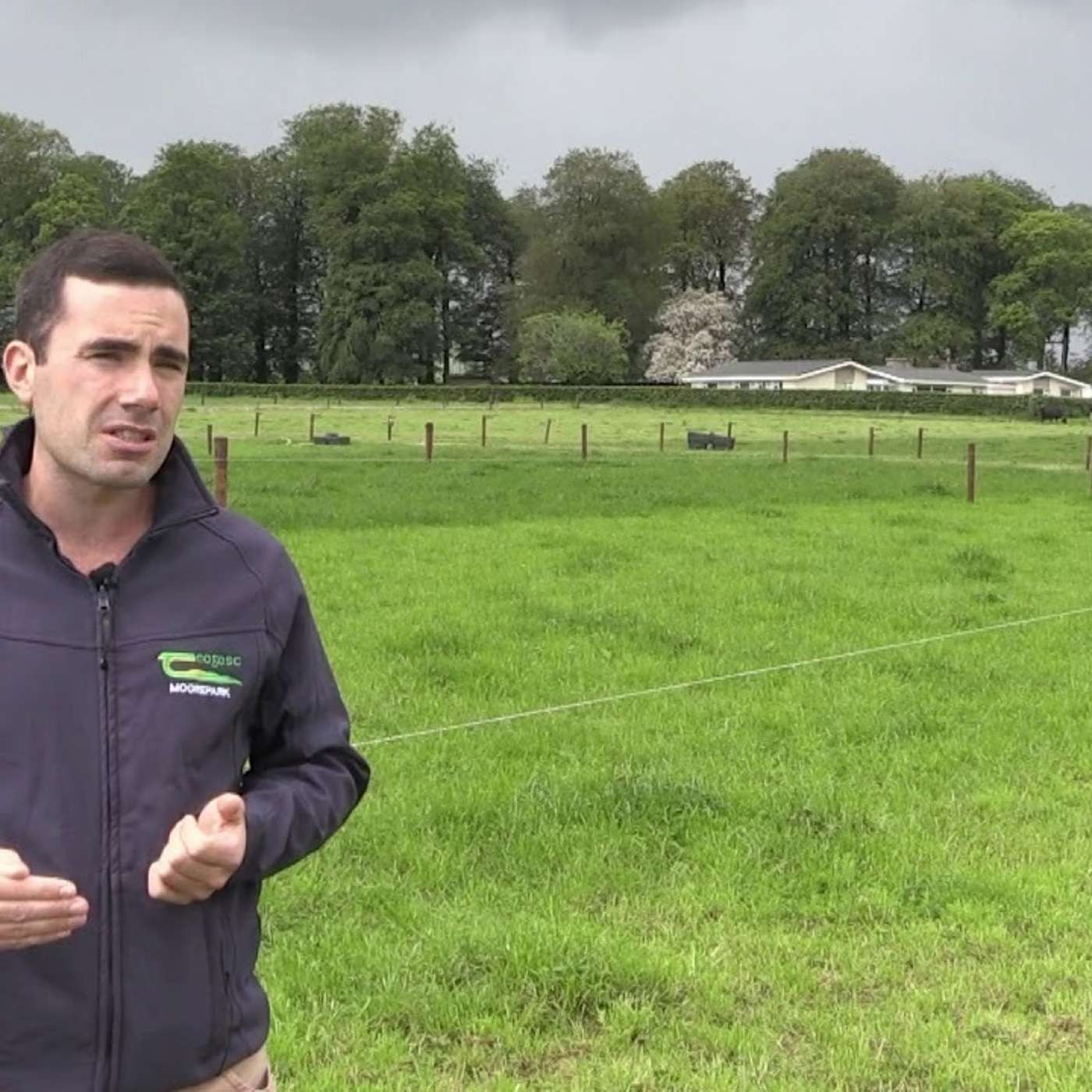
How to increase your grass cover if behind target
Grassland researcher Mike Egan joins Emma-Louise Coffey on this week’s Dairy Edge and quantifies the level of grass cover on dairy farms. Based on PastureBase Ireland figures, farm cover is on average 812 kg DM/ha which is 120 kg behind target. If you are behind target, Mike recommends that farmers consider increasing supplementation, remove non-milking cow stock from the milking platform, don’t cut bales and don’t reseed this autumn in order to build cover. Mike explains that getting grass right in the autumn will ensure there is sufficient grass in the spring, leading to an additional 22 kg milk solids early in the subsequent lactation. For more episodes from the Dairy Edge podcast go to the show page at: https://www.teagasc.ie/animals/dairy/the-dairy-edge-podcast/ The Dairy Edge is a co-production with LastCastMedia.com
Pat Dillon previews the 2021 Moorepark Open Day
Teagasc’s Head of Animal & Grassland Research and Innovation Programme, Pat Dillon, joins Emma-Louise Coffey on this week’s Dairy Edge podcast with a preview of the 2021 Moorepark Open Day event. It will take place over three days on Tuesday 14th, Wednesday 15th and Thursday 16th September with the normal face-to-face format during the day and an additional virtual online forum each evening at 7pm. The open day is a ticketed event and those who wish to attend on the day must register online from 6th September. Reflecting on the last decade, Pat explains that the abolition of milk quotas has offered dairy farmers the opportunity to exploit technical efficiencies and as published in the National Farm Survey, dairy farm incomes have risen with average incomes of €74,000 in 2020. Looking to the next ten years, Pat says we will not see expansion anywhere near that of the last decade. Instead of an expansion focus, farmers will be focusing on further sustainability of their farm business, creating resilience in areas such as environmental practices and animal welfare. For more information: https://www.teagasc.ie/news--events/national-events/events/moorepark21-open-day.php For more episodes from the Dairy Edge podcast go to the show page at: https://www.teagasc.ie/animals/dairy/the-dairy-edge-podcast/ The Dairy Edge is a co-production with LastCastMedia.com
Let’s Talk Dairy Bonus Episode: Economics around late calving cows
bonusTeagasc is running a weekly Let's Talk Dairy webinar series which is also being made available as a bonus podcast episode. In this webinar, Stuart Childs, Teagasc Dairy Specialist, was joined by James Dunne to explore the decision around the best time to end the breeding season and considers the economics of spring calving herds milking on through the winter. To register for future Let’s Talk Dairy webinars go to: https://www.teagasc.ie/corporate-events/lets-talk-dairy/ For more episodes from the Dairy Edge podcast go to the show page at: https://www.teagasc.ie/animals/dairy/the-dairy-edge-podcast/
Danny Bermingham on flexible management to achieve top performance on challenging soils
Danny Bermingham joins Emma-Louise Coffey on this week’s Dairy Edge podcast with an insight into his dairy farm, including how his management practices differ from the standard guidelines. Through participation in the heavy soils programme, Danny has learned the correct drainage techniques for his soil types and this in combination with improved soil fertility and grazing infrastructure, days at grass has increased which has had a positive impact on milk solids and fertility. Danny explains that cows generally get out to grass by St Patricks Day and are housed again around 1st November, with additional days at grass in the spring and autumn considered a bonus. Over the last 10 years, milk solids have increased from 420 kg to 523 kg and Danny credits greater days at grass, compact calving leading to more days in milk, improving genetic merit and herd maturity to greater milk performance and hopes the cows will surpass this by achieving 540 kg MS in 2021. For more information: https://www.teagasc.ie/media/website/publications/2019/Danny-Bermingham-booklet.pdf For more episodes from the Dairy Edge podcast go to the show page at: https://www.teagasc.ie/animals/dairy/the-dairy-edge-podcast/ The Dairy Edge is a co-production with LastCastMedia.com
Let’s Talk Dairy Bonus Episode: Grazing Utilisation Star Index
bonusTeagasc is running a weekly Let's Talk Dairy webinar series which is also being made available as a bonus podcast episode. In this webinar, Stuart Childs, Teagasc Dairy Specialist, was joined by Tomás Tubritt, Teagasc Moorepark, to discuss the grazing utilisation star index. Tomás starts by giving an overview of the Pasture Profit Index (PPI) which is a variety selection tool used to select varieties when reseeding. Tomás also gives an introduction to the grazing utilisation star index which was introduced recently. To register for future Let’s Talk Dairy webinars go to: https://www.teagasc.ie/corporate-events/lets-talk-dairy/ For more episodes from the Dairy Edge podcast go to the show page at: https://www.teagasc.ie/animals/dairy/the-dairy-edge-podcast/
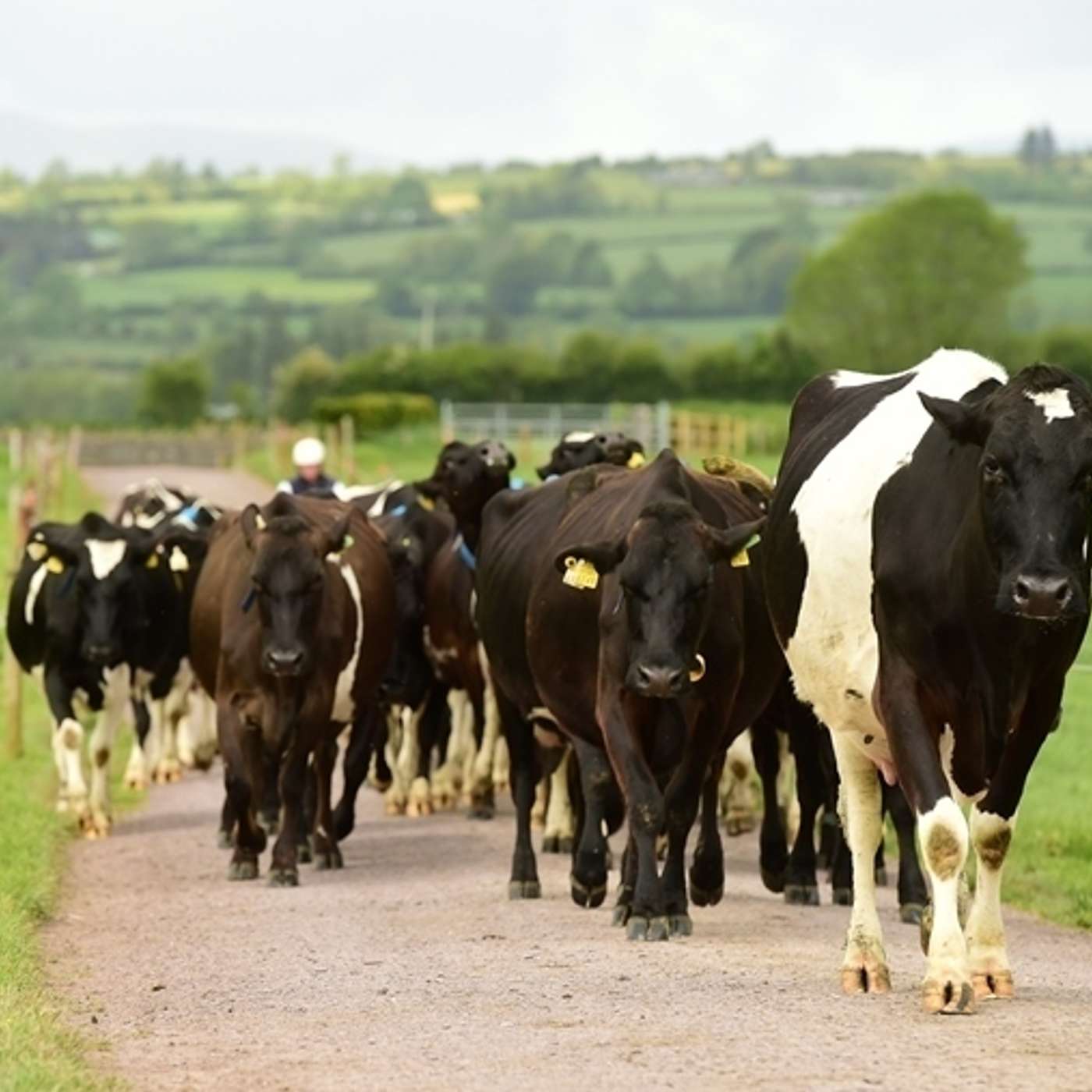
Winning the second half of the lactation - how to avoid the pitfalls
On this weeks episode of The Dairy Edge, Tom Fallon gives insight into important practices to win the second half of the lactation. Tom explains that after the busy calving and breeding season and conservation of silage, farmers tend to take a step back from the farm but Tom urges farmers to continue to pay attention to cow health and in particular, mobility to ensure cows are achieving their milk production potential while holding and gaining body condition and pregnancy. Tom recommends that all farmers take the opportunity to critically analyse their farm roadways and farm yard surfaces to identify degradation that can occur over time and put a plan in place remedy issues and encourage good cow flow. Additionally, Tom recommends that farmers complete a mobility score on the whole herd to catch any cows at the onset of a lameness event and treat early. For more information: https://www.teagasc.ie/media/website/publications/2021/Dairy-Cow-Mobility--Winning-the-second-half---how-do-cows-experience-your-farm.pdf https://projectblue.blob.core.windows.net/media/Default/Dairy/Publications/Dairy%20Mobility%20Scoresheet_200427_WEB.pdf For more episodes from the Dairy Edge podcast go to the show page at: https://www.teagasc.ie/animals/dairy/the-dairy-edge-podcast/ The Dairy Edge is a co-production with LastCastMedia.com
Let’s Talk Dairy Bonus Episode: Autumn Grass Strategy
bonusTeagasc is running a weekly Let's Talk Dairy webinar series which is also being made available as a bonus podcast episode. In this webinar, Stuart Childs, Teagasc Dairy Specialist, was joined by John Douglas, Teagasc Grass10 Advisor to discuss an Autumn Grass Strategy. It is important that we build covers during the Autumn period in order to have grass for the remainder of the year and it's also very important that we do it right in order to have grass for the spring time. To register for future Let’s Talk Dairy webinars go to: https://www.teagasc.ie/corporate-events/lets-talk-dairy/ For more episodes from the Dairy Edge podcast go to the show page at: https://www.teagasc.ie/animals/dairy/the-dairy-edge-podcast/
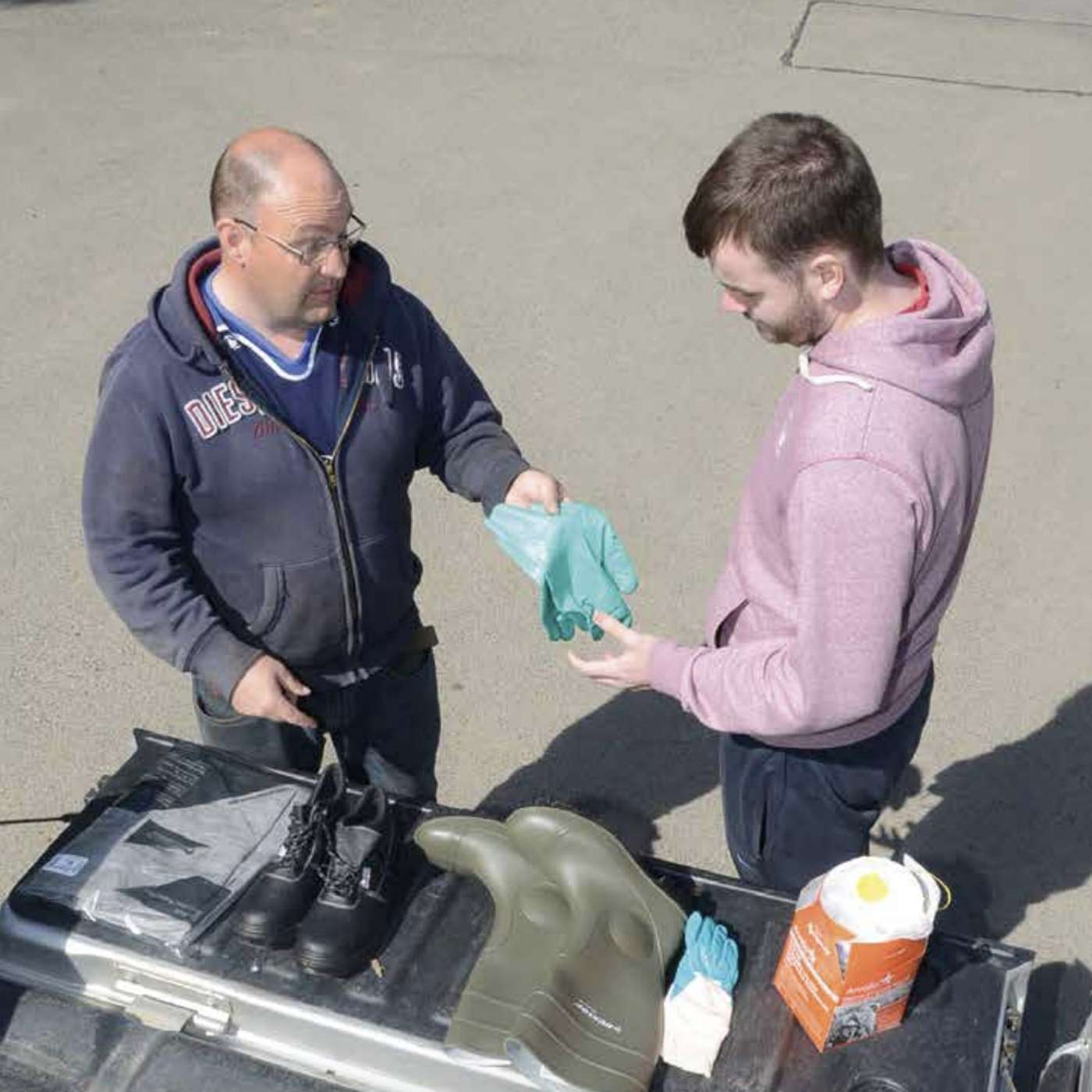
What will make you an employer of choice?
On this week’s episode of The Dairy Edge, Beth Dooley explains what makes individual farmers an employer of choice and has tips on complying with employment regulation. Beth explains that employees are attracted to farms that are safe places to work, have processes and are streamlined (including SOPs), a clear working roster and an opportunity to upskill. Beth recommends that farmers complete a written contract for all employees which should always include; - Name and address of employer and employee - Place of work - Job title, nature of work - Date of commencement - Term of contract (fixed or temporary) - Rate of pay - Annual leave entitlements - Notice required for termination of employment For more information: https://www.teagasc.ie/media/website/animals/dairy/2-aisling-meehan-presentation-v2.pdf For more episodes from the Dairy Edge podcast go to the show page at: https://www.teagasc.ie/animals/dairy/the-dairy-edge-podcast/ The Dairy Edge is a co-production with LastCastMedia.com
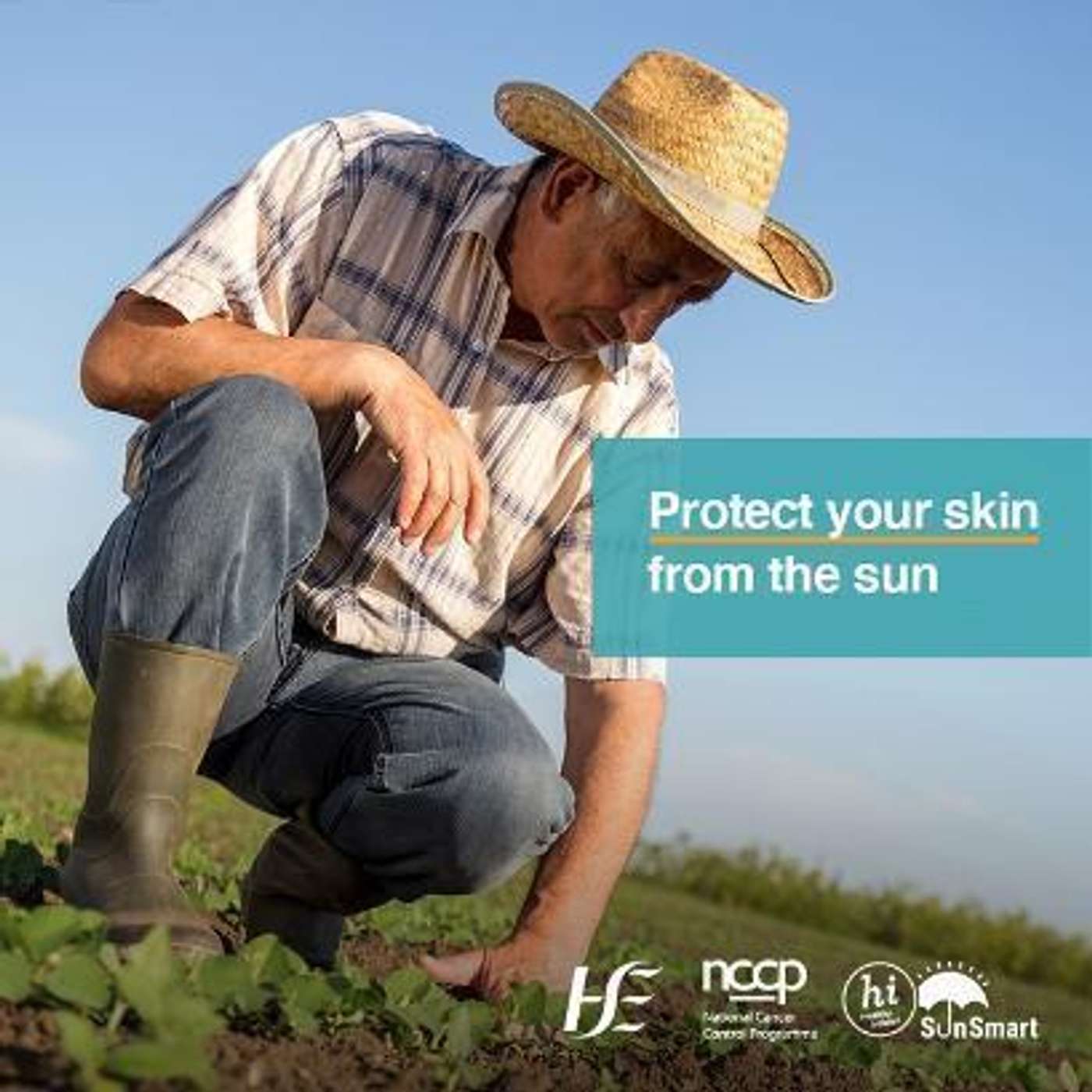
Sun Smart Tips for Dairy Farmers
Barbara McGrogan from the Irish Cancer Society joins Emma-Louise Coffey on this week’s Dairy Edge with tips and advice on how to be Sun Smart and protect ourselves against skin cancers. Barbara provides some statistics about skin cancer, including the fact that skin cancer accounts for 1 in every 3 cancers diagnosed in Ireland each year, with outdoor workers having a 2-3 times greater risk compared with indoor workers. Most importantly, it is the most preventable cancer where correct steps are taken to protect yourself. UV rays cause skin cancer, Barbara explains, particularly when the UV score is at 3 or greater, and UV rays are strongest in the months of April to September and from 11am to 3pm in the day. The UV ray scoring index is available on the Met Eireann website and is reported on the news. Barbara recommends that all farmers use the 5S of Sun Smart: · Slip on clothing · Slop on sunscreen (at least factor 30 for adults and factor 50 for children, reapply regularly throughout the day, ensure it’s water resistant if necessary) · Slap on a wide brimmed hat · Seek shade (where possible) · Slide on sunglasses For more information on UV awareness and the sunsmart message for outdoor workers https://www.youtube.com/watch?v=-B77rRN1nKY. https://www.met.ie/uv-index https://www.hse.ie/sunsmart For more episodes from the Dairy Edge podcast go to the show page at: https://www.teagasc.ie/animals/dairy/the-dairy-edge-podcast/ The Dairy Edge is a co-production with LastCastMedia.com
Let’s Talk Dairy Bonus Episode: Setting up your Fertiliser Spreader
bonusTeagasc is running a weekly Let's Talk Dairy webinar series which is also being made available as a bonus podcast episode. In this webinar, Stuart Childs, Teagasc Dairy Specialist, discusses setting up your fertiliser spreader. He was joined by guest speaker Francis Quigley, Machinery Specialist at Kildalton College, Teagasc. They spoke about protected urea, how it spreads and problems with fertiliser spreaders. Francis also gave a demonstration on maintenance of the spreader and how to set it up correctly. To register for future Let’s Talk Dairy webinars go to: https://www.teagasc.ie/corporate-events/lets-talk-dairy/ For more episodes from the Dairy Edge podcast go to the show page at: https://www.teagasc.ie/animals/dairy/the-dairy-edge-podcast/
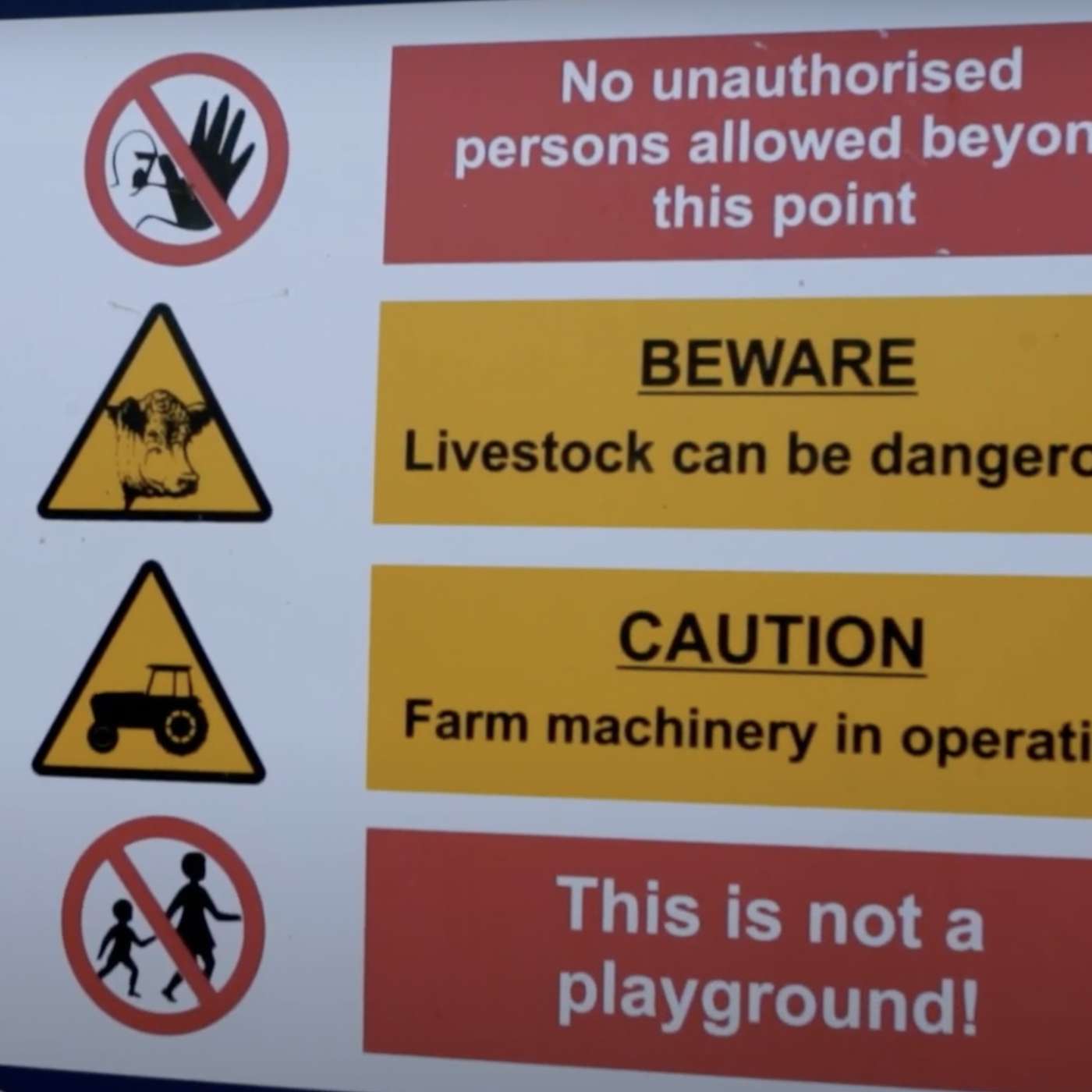
The potential risks on Irish dairy farms during the summer months
It’s Farm Safety Week and on this week’s Dairy Edge podcast, Francis Bligh joins Emma-Louise Coffey to discuss the potential risks on Irish dairy farms during the summer months. Francis points to autumn herds calving outdoors, 2nd cut silage, agitating and spreading slurry and children on the farm as some of the activities that present risk as well as day to day farming activities. Francis recommends that farmers and farm staff take the opportunity to all aspects of the farm to consider potential risks to themselves and the wider public to make your farm a safer workplace. He emphasises the importance for dairy farmers in taking ownership of their health and well-being by getting the basics of food, sleep and exercise and he encourages all farmers to go to the GP where there is any health concern and that all farmers should be scheduling some time off from the farm following a busy 6 months on farm to avoid burnout. For more information: https://www.teagasc.ie/rural-economy/farm-management/farm-health--safety/farm-safety-week-/ For more episodes from the Dairy Edge podcast go to the show page at: https://www.teagasc.ie/animals/dairy/the-dairy-edge-podcast/ The Dairy Edge is a co-production with LastCastMedia.com
Let’s Talk Dairy Bonus Episode: Smarter Milking
bonusTeagasc is running a weekly Let's Talk Dairy webinar series which is also being made available as a bonus podcast episode. In this webinar, Stuart Childs, Teagasc Dairy Specialist, and guests discuss smarter milking. Andrew Hogan, FRS Training, speaks about the cow flow process, which can have a significant impact on how quickly cows can be milked. Padraig O’Connor, Teagasc, gave a demonstration on cluster attachment, how to do it efficiently and its positives. While Michelle McGrath, Assistant CellCheck Programme Manager with AHI, gave an overview of mid-season mastitis control and the approaches that can be taken to minimise cell count spread during the season. To register for future Let’s Talk Dairy webinars go to: https://www.teagasc.ie/corporate-events/lets-talk-dairy/ For more episodes from the Dairy Edge podcast go to the show page at: https://www.teagasc.ie/animals/dairy/the-dairy-edge-podcast/
Can the Irish Agri sector achieve emission reduction targets?
Tom O’Dwyer and Siobhán Kavanagh join Emma-Louise Coffey on this week’s Dairy Edge podcast to consider whether the agri sector can achieve emission reduction targets. Siobhán first outlines national, European and international climate action policy that will dictate the need to reduce total emissions from agriculture to the tune of 15%. When considering new and emerging technologies that have the potential to reduce environmental footprint, Tom explains that research is ongoing in areas such as methane inhibitors while Tom urges farmers to embrace and adopt proven solutions such as protected Urea, LESS and inclusion of white clover. Siobhán gives details about the fifty-four dairy Signpost farms dotted across the country which represent different farm scale, soil type and farm system (spring calving/autumn calving/organic). The Signpost farms aim to reduce greenhouse gas emissions by 10-15% by implementing grassland management practices such as increased grass utilisation, reseeding and inclusion of white clover. For more information: https://www.teagasc.ie/environment/climate-change--air-quality/signpost-programme/ For more episodes from the Dairy Edge podcast go to the show page at: https://www.teagasc.ie/animals/dairy/the-dairy-edge-podcast/ The Dairy Edge is a co-production with LastCastMedia.com
Let’s Talk Dairy Bonus Episode: Roadways and Water Systems
bonusTeagasc is running a weekly Let's Talk Dairy webinar series which is also being made available as a bonus podcast episode. In this webinar, Stuart Childs, Teagasc Dairy Specialist, discusses roadways and water systems. Stuart explains that this time of the year is a good opportunity to examine roadways as it is easier to assess the quality of the surface layers compared to the winter period. He then goes through different examples of poor and good quality roadways. Finally, Stuart discusses the importance of ensuring that cows have adequate water supply and gives an overview of the key water specifications. To register for future Let’s Talk Dairy webinars go to: https://www.teagasc.ie/corporate-events/lets-talk-dairy/ For more episodes from the Dairy Edge podcast go to the show page at: https://www.teagasc.ie/animals/dairy/the-dairy-edge-podcast/
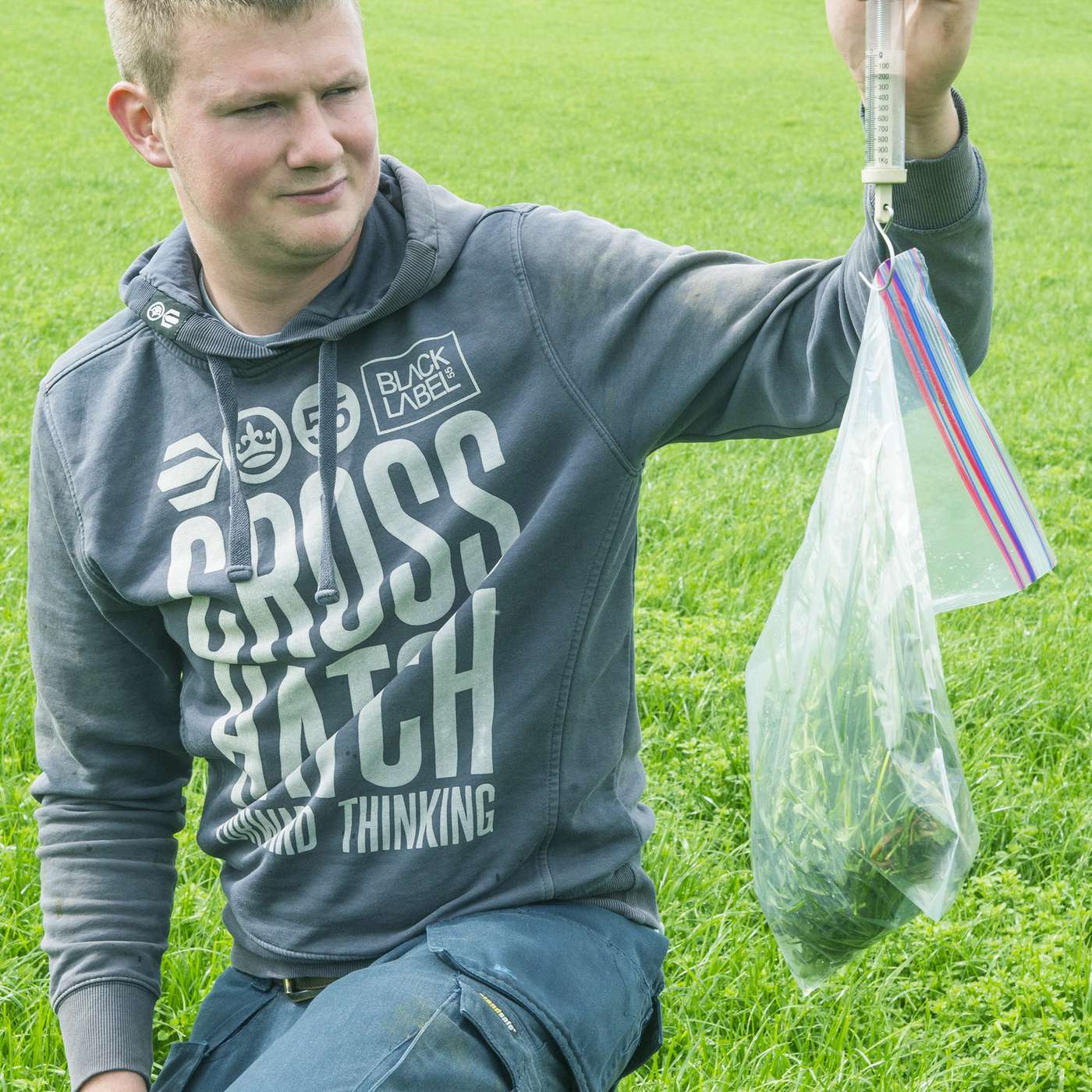
Jason Melbourne on taking his herd from average to top performance in three short years
Jason Melbourne joins Emma-Louise Coffey on this week’s Dairy Edge podcast to give an insight into how built his career in dairy farming and how he has implemented learnings from the Agricultural College to take his herd from average to top performance in a short period of time. Jason explains that he first gained an interest in agriculture in his early years while spending time milking and feeding calves on his uncle’s farm. Wanting to pursue a career in dairy, Jason completed the Level 5 Cert in Agriculture and Level 6 Advanced Cert in Dairy Herd Management at Gurteen College. Subsequently, he then enrolled in the Level 7 Professional Diploma in Dairy Farm Management to further develop his technical knowledge and skills. Jason highlights the significant experience gained during course placements particularly in the area of grassland management, achieving efficiency and working within large scale dairy operations. The knowledge and experience has helped Jason manage a large dairy herd of 280 cows in East Cork where he has lifted milk solids from 390 kg in 2018 to a predicted 470 kg in 2021 while 6 week calving rate has increased from 60% in 2018 to 83% in 2021 through improved management of cows in the weeks prior to mating start date such as BCS, OAD milking, scanning and a second herd with bulls for later calvers and thin cows. Additionally, Jason emphasises the focus on growing and utilising high levels of grazed grass and identifying the appropriate stocking rate in order to balance grass supply and demand. Growing 17tonne DM in 2020 means the milking platform is comfortable at carrying a stocking rate of 3.2 cows/ha with supplementation of 600 kg concentrate per cow per year. For more episodes from the Dairy Edge podcast go to the show page at: https://www.teagasc.ie/animals/dairy/the-dairy-edge-podcast/ The Dairy Edge is a co-production with LastCastMedia.com
Let’s Talk Dairy Bonus Episode: Milking Machine Maintenance
bonusTeagasc is running a weekly Let's Talk Dairy webinar series which is also being made available as a bonus podcast episode. In this webinar, Stuart Childs, Teagasc Dairy Specialist, discusses the process of liner changes and the advantages that come with it. He also talks about the disadvantages that come with not changing the liners. Stuart emphasises we have to be aware that over the past few years we have increased our livestock numbers and also the rows we're milking which has resulted in a change in our practices. For more episodes from the Dairy Edge podcast go to the show page at: https://www.teagasc.ie/animals/dairy/the-dairy-edge-podcast/
George Ramsbottom and the factors to consider for when to pull the bull
Teagasc Dairy Specialist, George Ramsbottom, joins Emma-Louise Coffey on this week’s Dairy Edge podcast to provide context on the appropriate time to finishing the breeding season in order to facilitate compact calving next spring. George quantifies the average 6 week calving rate being achieved nationally at 65%, owing the 10% increase in the last decade to a combination of improved management, genetics and reduced disease burden. He acknowledges that despite gains being made, there is significant progress required to meet the target 6 week calving rate of 90%. In spring calving herds where all cows are dried in December, later calvers have lower milk production (April 900 litres less, May 1,200 litres less and June 1,800 less) compared with a February calved cow producing 6,500 litres. George recommends a 10 week breeding season to facilitate a 10-11 week calving spread, allowing farmers a 2-3 week break between calving 2022 and mating start date. For more episodes from the Dairy Edge podcast go to the show page at: https://www.teagasc.ie/animals/dairy/the-dairy-edge-podcast/ The Dairy Edge is a co-production with LastCastMedia.com
Let’s Talk Dairy Bonus Episode: Breeding Season
bonusTeagasc is running a weekly Let's Talk Dairy webinar series which is also being made available as a bonus podcast episode. In this webinar, Stuart Childs, Teagasc Dairy Specialist, discusses the fact that we are coming to the end of the breeding season. It's now time to assess what has happened in the time gone by and also to plan for the rest of the year. Stuart also takes us through silage pits and also touches on the issue of how to reduce nutrient and sediment run off into the water. For more episodes from the Dairy Edge podcast go to the show page at: https://www.teagasc.ie/animals/dairy/the-dairy-edge-podcast/
Donegal farmer Richard Starrett on championing high quality milk
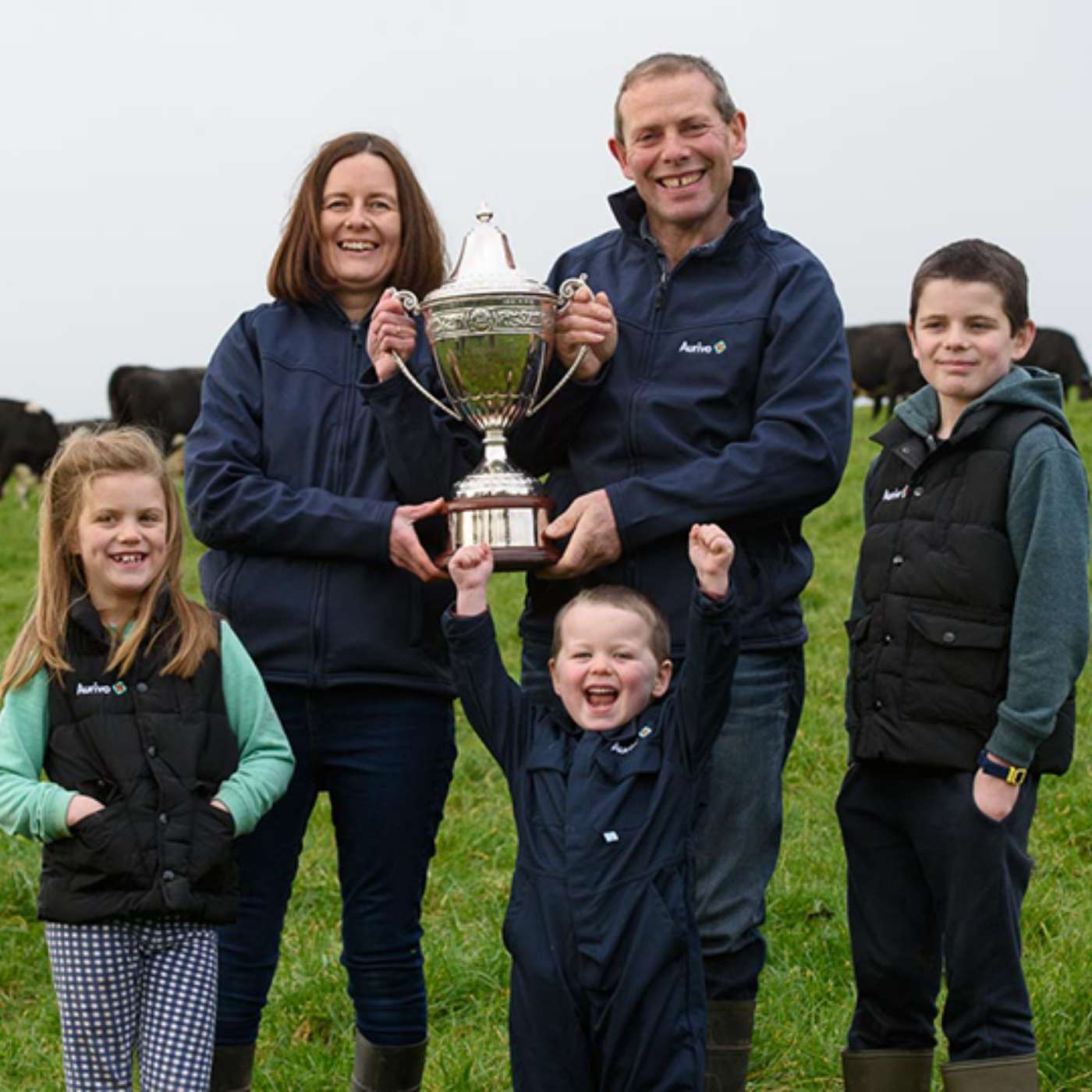
NDC & Kerrygold milk quality award winner, Richard Starrett, and his Teagasc dairy advisor, Tommy Doherty, join Emma-Louise Coffey on the latest Dairy Edge podcast to give an insight into Richard’s farm system and how good management decisions over the last 25 years has culminated in recognition in the prestigious milk quality awards. Richard documents the growth in cow numbers from 70 cows in 1994 to 160 cows today and while expanding, he explains that he focused getting the basics right: grass growth, days at grass, high genetic merit cows and cow health as a means to maintaining a sustainable family farm business. Tommy acknowledges the huge achievement of Richard and the Starrett family and credits Richard as a leader in adopting key technologies such as selective dry cow therapy, use of LESS, protected Urea and automation such as auto calf feeders and batt latch. Richard explains he is using selective dry cow therapy for 5 years and in 2020, just 15% of the herd was dried off using antibiotics and the use and reliance on antibiotics has reduced significantly over this time. For more episodes from the Dairy Edge podcast go to the show page at: https://www.teagasc.ie/animals/dairy/the-dairy-edge-podcast/ The Dairy Edge is a co-production with LastCastMedia.com
Let’s Talk Dairy Bonus Episode: Nitrogen planning & application
bonusTeagasc is running a weekly Let's Talk Dairy webinar series which is also being made available as a bonus podcast episode. In this webinar, Stuart Childs, Teagasc Dairy Specialist, is joined by Micheál O'Leary from PastureBase Ireland. Micheál discusses the changes that have been made within PastureBase particularly around Nitrogen planning. He also talks about the availability of a nitrogen planner in PastureBase which can help people to plan their Nitrogen planning. For more episodes from the Dairy Edge podcast go to the show page at: https://www.teagasc.ie/animals/dairy/the-dairy-edge-podcast/ The Dairy Edge is a co-production with LastCastMedia.com
The practical steps to overcoming issues on farms with heavier soils
Teagasc researcher Pat Tuohy joins Emma-Louise Coffey on this week’s Dairy Edge to give an insight into the key issues that arise on farms with heavier soils and practical steps to overcome these issues. Pat explains that 30% of Irish soils are characterised as ‘heavy soils’ and are typically associated with drainage issues - a high water table or farms located in a high rainfall area. Consequently, heavy soils farm have a shorter grazing season and lower grass utilisation compared with farms on lighter, free draining soils. Pat documents the progress made on farms that have engaged in the Teagasc Heavy Soils Programme over a 10-year period. Average herd size increased from 80 to 105 cows, grass production increased from 8-10 tonnes to 12-13 tonnes annually and milk solids/ha increased from 850 kg to 1400 kg/year. Additional milk solids were achieved through a combination of increase in cow numbers and stocking rate, increased grass production and increase in extended grazing season and consequently, grass utilisation. For more information go to: https://www.teagasc.ie/crops/grassland/heavy-soils/ For more episodes from the Dairy Edge podcast go to the show page at: https://www.teagasc.ie/animals/dairy/the-dairy-edge-podcast/ The Dairy Edge is a co-production with LastCastMedia.com
Let’s Talk Dairy Bonus Episode: Fertiliser for second cut silage / surplus bales
bonusTeagasc is running a weekly Let's Talk Dairy webinar series which is also being made available as a bonus podcast episode. In this webinar, Stuart Childs, Teagasc Dairy Specialist, discusses fertiliser requirements for second cut silage and also in terms of surplus silage taken off of milking platforms over the last couple of days. The level of grass growth is very high at the moment which as a result is creating the surplus silage. This emphasises two things: 1) We need to walk farms more regularly to try stay ahead of grass growth 2) Trying to eliminate those surpluses in the challenging weather conditions For more episodes from the Dairy Edge podcast go to the show page at: https://www.teagasc.ie/animals/dairy/the-dairy-edge-podcast/ The Dairy Edge is a co-production with LastCastMedia.com
The rise of antimicrobial resistance and key practices to minimise the risk in your dairy herd
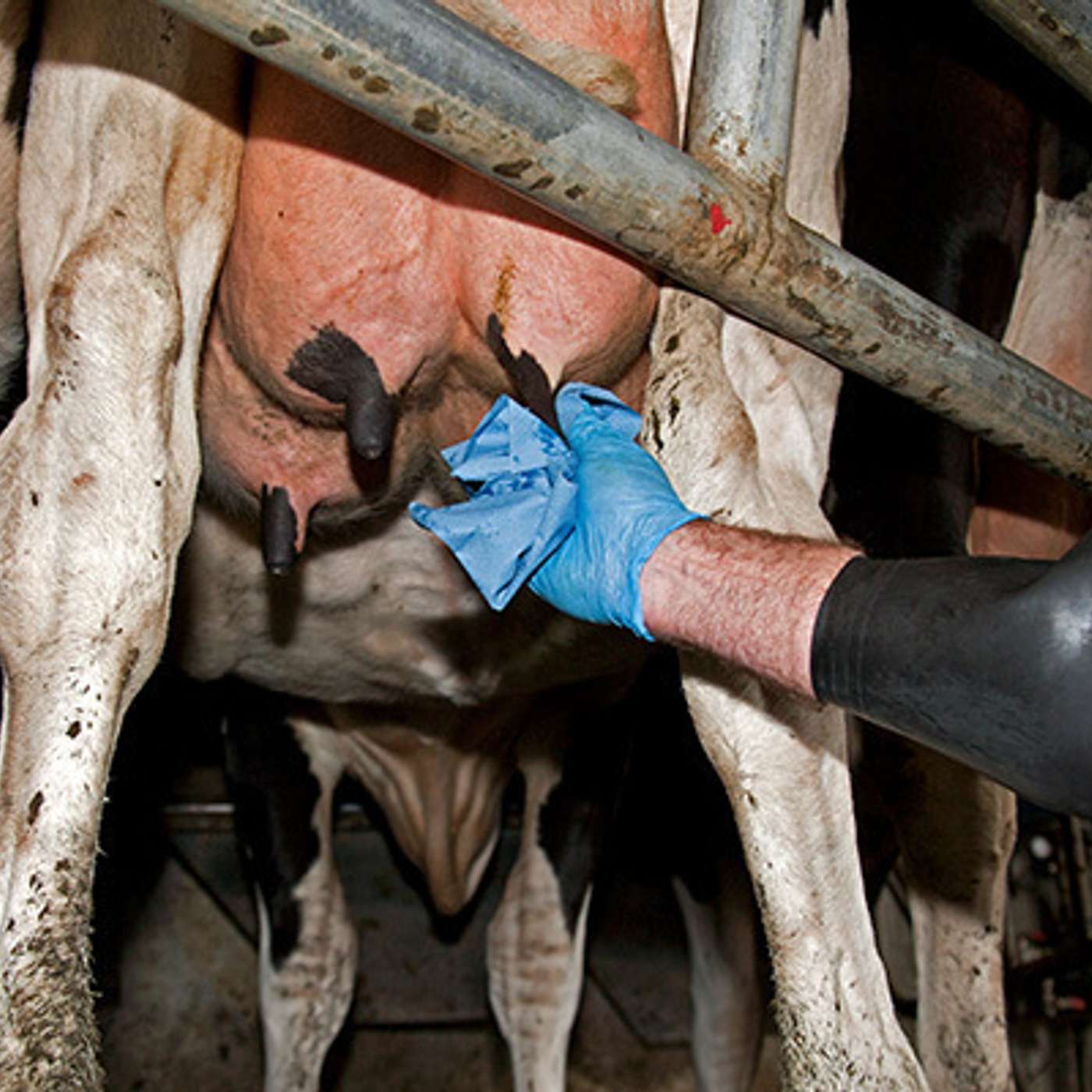
Dairy farmer Eamon Sheehan and Róisín Horan from Teagasc join Emma-Louise Coffey on this week’s Dairy Edge podcast with an insight into the staggering rise of antimicrobial resistance (AMR) among animal and human populations and key practices to minimise the risk in your dairy herd. Róisín explains that AMR is an ongoing concern, accounting for 700,000 deaths annually and has the potential to be more fatal than cancer by 2050 if growth in the level of resistance continues. Eamon considers some of the key focus areas to promote a healthy herd and minimise the risk of AMR including: selective dry cow therapy, the dairy cow diet during the dry period, colostrum in the first hours of life and creating a vaccination protocol. Róisín and Eamon recommend that farmers focus on getting the basics right such as good hygiene and biosecurity whilst also being proactive with monitoring animals to minimise disease and use the correct treatments where disease arises. For more information see: https://www.teagasc.ie/animals/amr/ https://www.bovilis.ie/vaccination-planner/ https://www.nuffieldscholar.org/sites/default/files/reports/2017_IE_Eamon-Sheehan_Microbial-Management-And-Its-Importance-In-The-Dairy-And-Beef-Industry.pdf For more episodes from the Dairy Edge podcast go to the show page at: https://www.teagasc.ie/animals/dairy/the-dairy-edge-podcast/ The Dairy Edge is a co-production with LastCastMedia.com
Let’s Talk Dairy Bonus Episode: Weekly Fertility Report
bonusTeagasc is running a weekly Let's Talk Dairy webinar series which is also being made available as a bonus podcast episode. In this webinar, Stuart Childs, Teagasc Dairy Specialist, is joined by Dan O'Riordan, ICBF who explains how to do the weekly fertility report correctly. The way to calculate the fertility report has thankfully changed since 2008 with the aid of the ICBF platform which gives a much more accurate result given that the figures inserted are correct. The two key things that you will need before calculating the weekly fertility report are: 1) Calving start date 2) Mating start date For more episodes from the Dairy Edge podcast go to the show page at: https://www.teagasc.ie/animals/dairy/the-dairy-edge-podcast/ The Dairy Edge is a co-production with LastCastMedia.com
The targets to maximise grass utilisation and minimise costs during the main grazing season
Grass 10 advisor Joseph Dunphy joins Emma-Louise Coffey on this week’s episode of The Dairy Edge to remind us of the important targets to maximise grass utilisation and minimise costs during the main grazing season. Joseph acknowledges the difficult grazing conditions experienced in recent weeks, particularly for farms in heavy rainfall areas and on heavier soils where on/off grazing techniques have been a feature of grazing management. He explains that growth rates have increased to an average of 66 kg DM/ha and this is projected to increase further in the coming week as temperatures rise. Joseph recommends that farmers maintain a pre-grazing cover of 1,400 kg and farm cover of 160-180 kg/cow. He explains that there is approximately 0.5 units of background Nitrogen available to support grass growth and therefore, farmers should follow the cows with a further 20 units of protected Urea with sulphur during June and July to support high grass growth. For more episodes from the Dairy Edge podcast go to the show page at: https://www.teagasc.ie/animals/dairy/the-dairy-edge-podcast/ The Dairy Edge is a co-production with LastCastMedia.com
Let’s Talk Dairy Bonus Episode: Grass Management
bonusTeagasc is running a weekly Let's Talk Dairy webinar series which is also being made available as a bonus podcast episode. In this webinar, Stuart Childs, Teagasc Dairy Specialist, discusses grass management. Some topics up for discussion in this episode are: the national growth grass curve, number of covers this year to date, current farm situations, maximising grass for quality and utilisation and improving grass quality. For more episodes from the Dairy Edge podcast go to the show page at: https://www.teagasc.ie/animals/dairy/the-dairy-edge-podcast/ The Dairy Edge is a co-production with LastCastMedia.com
How to maximise pregnancy rates across the remainder of the breeding season
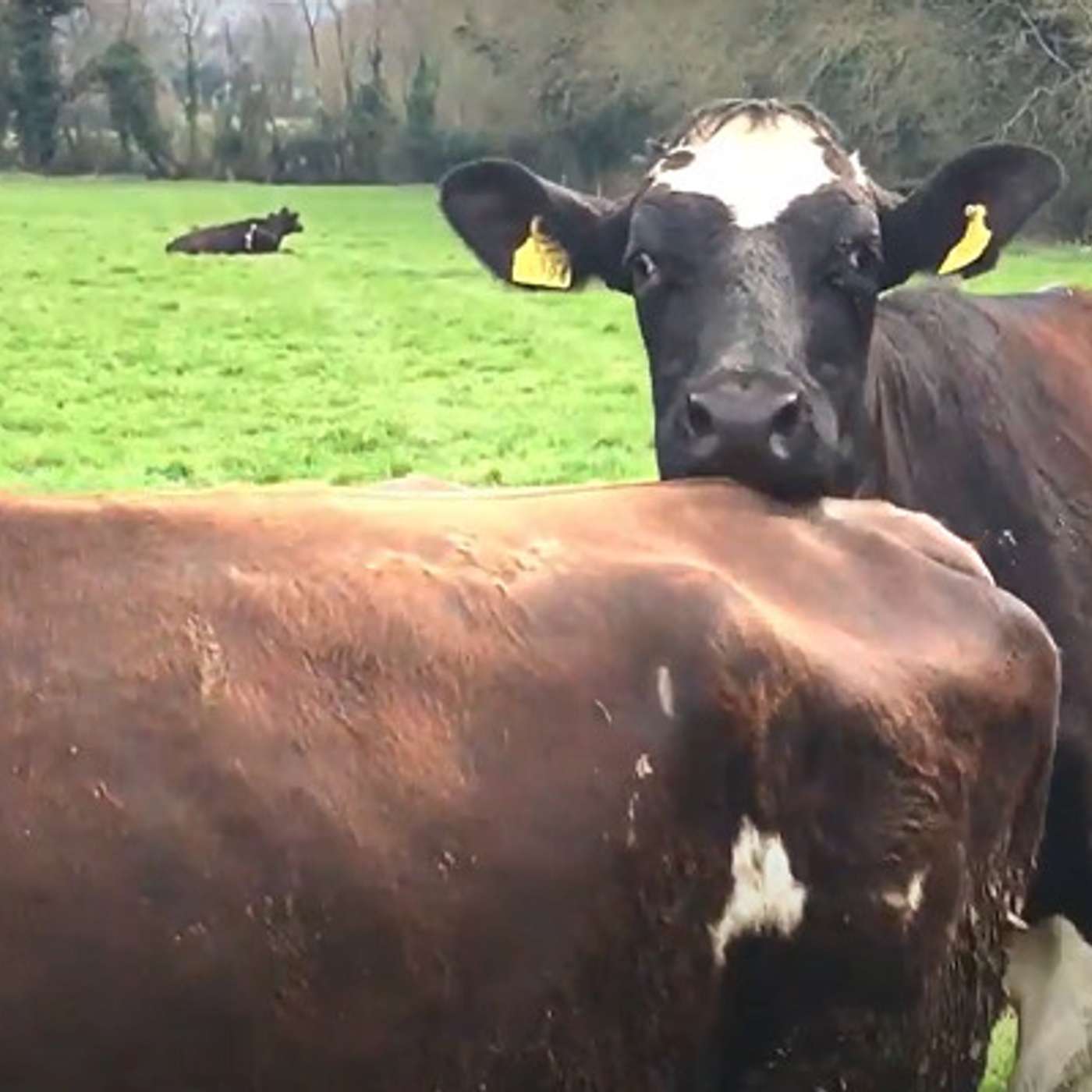
Doreen Corridan and Stuart Childs join Emma-Louise Coffey on this week’s episode of the Dairy Edge to give advice on how to maximise pregnancy rates across the remainder of the breeding season and how to avoid a lull in calvings that arise during the transition from AI to the stock bull. Doreen highlights the increase in demand for the bull in groups of heifers, in particular where a synchronisation protocol and/or sexed semen is used. In this scenario, a high proportion of heifers may repeat in a 3-4 day window. A second round of AI should be considered to ensure high pregnancy rates early in the breeding season. Stuart explains that the fertility ‘MOT’ test that is carried out on the stock bull, while useful to make sure a bull is fertile, is only valid on the test day, but reminds us that we must monitor the stock bulls throughout the breeding season. Furthermore, Doreen identifies problems that can arise: excessive weight loss and lethargy in young bulls and lameness in mature bulls. To avoid a lull in calving when transitioning from AI to the stuck bull, both Stuart and Doreen recommend that you continue to AI cows that come in heat for at least 10-14 days while the bull settles in with the herd. The use of beef AI later in the breeding season offers the opportunity to use a panel of beef bulls to match to cows and heifers based on calving difficult while also selecting for shorter gestation length. For more episodes from the Dairy Edge podcast go to the show page at: https://www.teagasc.ie/animals/dairy/the-dairy-edge-podcast/ The Dairy Edge is a co-production with LastCastMedia.com
Let’s Talk Dairy Bonus Episode: Cutting For Quality Silage
bonusTeagasc is running a weekly Let's Talk Dairy webinar series which is also being made available as a bonus podcast episode. In this webinar, Stuart Childs, Teagasc Dairy Specialist, discusses how to cut for the highest quality of silage. In the farming community, the trend seems to be that we forget about the time leading up to cutting silage and only emphasise the time when we are using it. As a result of this, we strategically plan for cutting silage but at the moment it’s not of much benefit to us. What we can control at the moment is the cutting date and the influence this can have on silage quality. For more episodes from the Dairy Edge podcast go to the show page at: https://www.teagasc.ie/animals/dairy/the-dairy-edge-podcast/ The Dairy Edge is a co-production with LastCastMedia.com
Quantifying the impact of recent growth rates on 1st cut silage crops
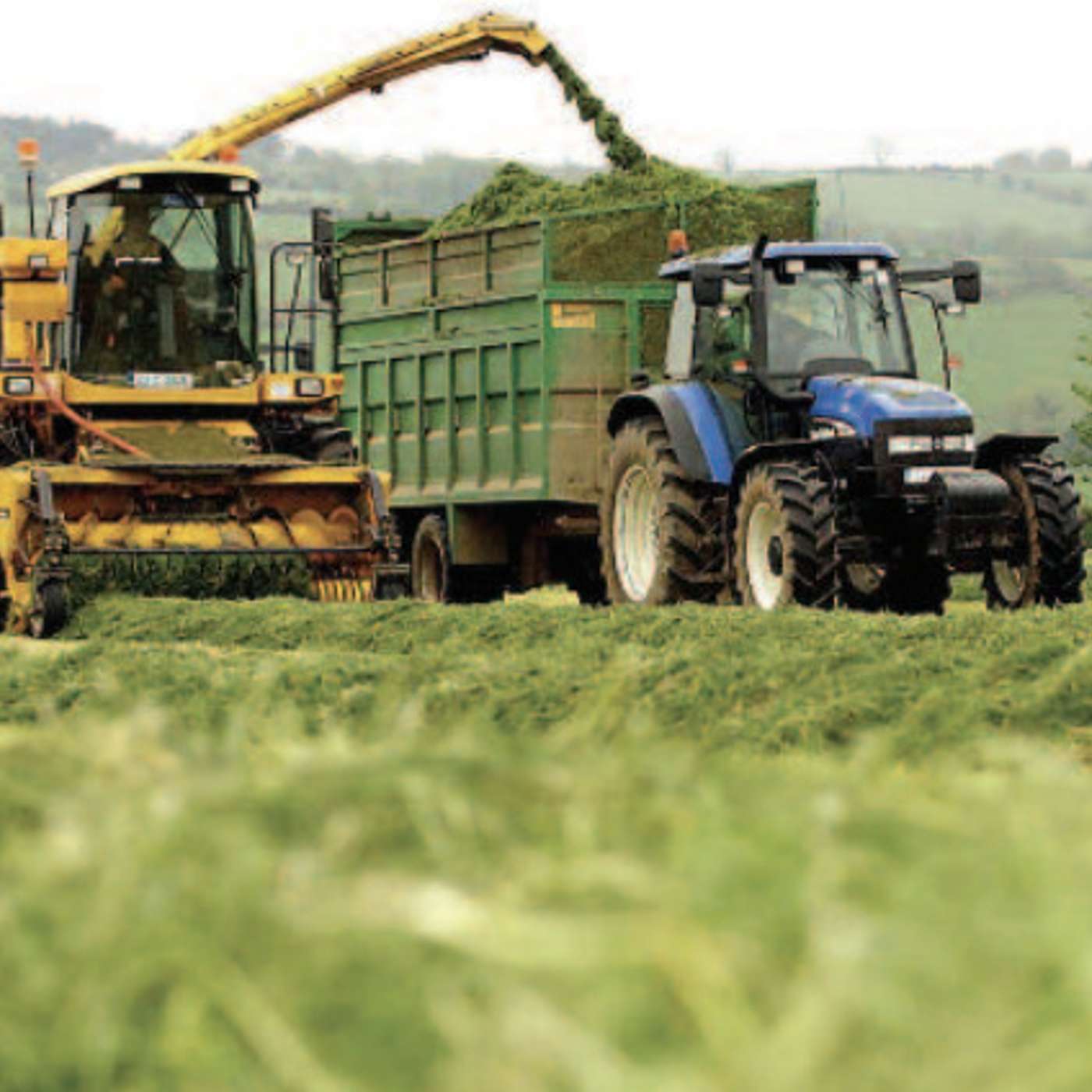
On this week’s episode of The Dairy Edge, dairy specialist James Dunne joins Emma-Louise Coffey to quantify the impact of recent growth rates on 1st cut silage crops. James explains that growth rates in Moorepark and Ballyhaise to 20th April this year are similar to the 10-year average. However, from 20th April to 10th May, growth rates were 20kg and 10kg lower in Moorepark and Ballyhaise respectively. James reassures us that the difference in growth rates can be made up in a few short days in mid to late-May where conditions allow. James anticipates that 1st cut yield may be 7-8% behind normal but emphasises that farmers should continue with their normal cutting date of mid to late May in order to preserve silage quality and move to growing the 2nd crop of silage. He encourages all farmers to complete a winter feed budget as early as possible to quantify the winter feed quantity and quality requirements and to quantify the feed available following 1st cut and 2nd cut. For more information: https://www.teagasc.ie/media/website/crops/grassland/Detailed-Winter-Fodder-Budget-Calculator-2018.xlsx For more episodes from the Dairy Edge podcast go to the show page at: https://www.teagasc.ie/animals/dairy/the-dairy-edge-podcast/ The Dairy Edge is a co-production with LastCastMedia.com
Let’s Talk Dairy Bonus Episode: Weed Control
bonusTeagasc is running a weekly Let's Talk Dairy webinar series which is also being made available as a bonus podcast episode. In this webinar, Stuart Childs, Teagasc Dairy Specialist, is joined by Ciaran Collins, Tillage Specialist, to discuss weed control, following up on the recent webinar with Deirdre Hennessy on establishing grass-white clover swards. Ciaran gave an overview of Integrated Pest Management (IPM); pesticides and water; 2,4DB; herbicides for new lays; and pests in new lays. We should be working towards avoiding the use of pesticides by focusing on soil fertility as it underpins grassland performance as well as reseeding establishment. Having a strong reseed established has a greater power to avoid pests issues as well as the power to suppress weeds which reduces the requirement of chemical usage in the lifetime of the sward. For more episodes from the Dairy Edge podcast go to the show page at: https://www.teagasc.ie/animals/dairy/the-dairy-edge-podcast/ The Dairy Edge is a co-production with LastCastMedia.com
SCC in early lactation following selective dry cow therapy
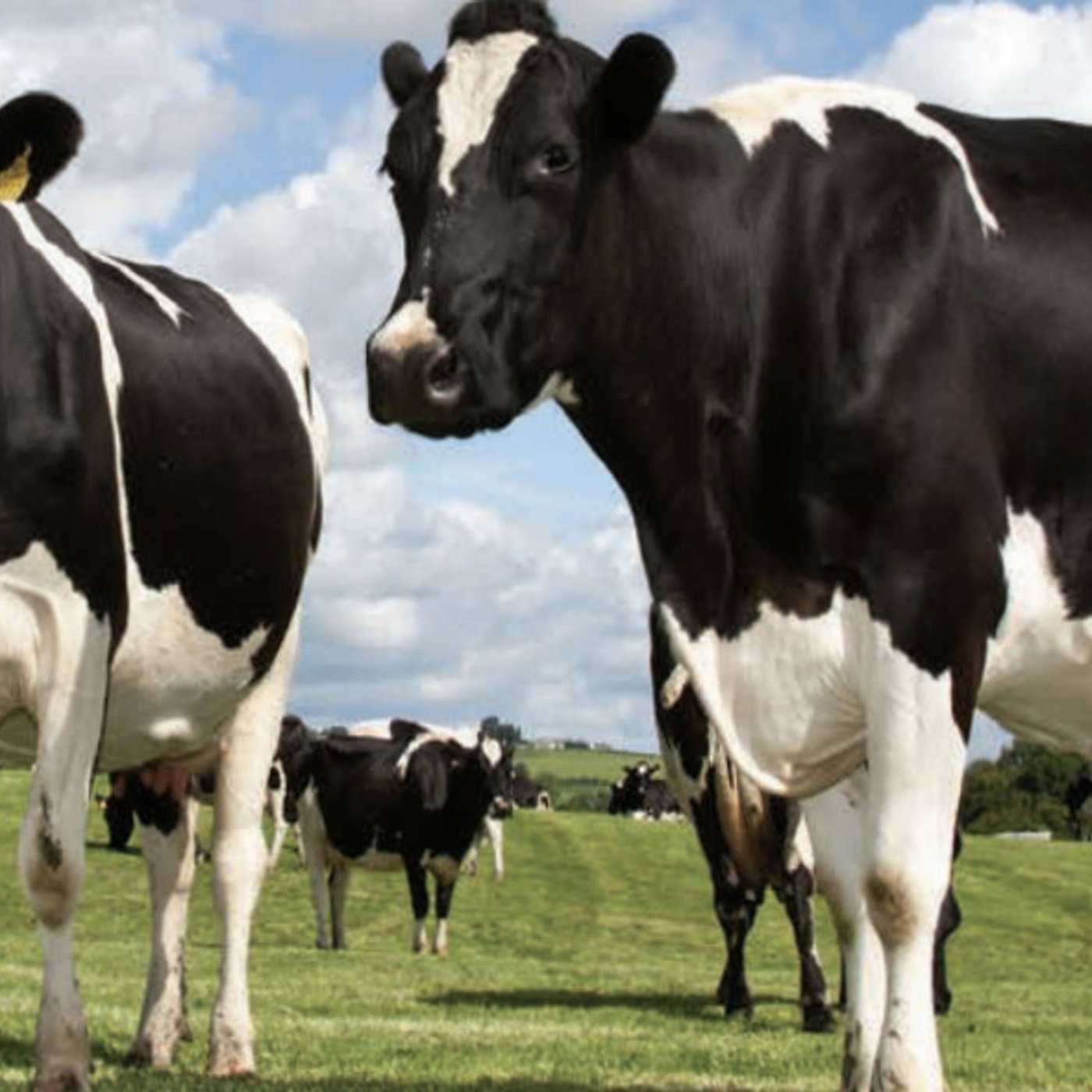
Pallaskenry farm manager Brendan Ryan joins Emma-Louise Coffey on this week’s Dairy Edge podcast to discuss SCC in early lactation following selective dry cow therapy. Brendan explains that 69% of the herd were dried off with a teat sealer only based on cows that had milk records of SCC <200 k during lactation and no high quarter. Herd SCC in February averaged 200-250 k and now sits between 110-130 k. Brendan acknowledges the high SCC in early lactation persisted for longer than other years due to the change in milking facilities from a herringbone milking parlour to a rotary milking parlour as well as a later than normal 1st milk recording. Brendan emphasises the importance of milk recording in mid-February, suggesting that mid-March is too late. Given that 50% of the herd calves in the first two weeks, a February milk recording is necessary to pick up udder infections early and treat accordingly. For more episodes from the Dairy Edge podcast go to the show page at: https://www.teagasc.ie/animals/dairy/the-dairy-edge-podcast/ The Dairy Edge is a co-production with LastCastMedia.com
Let’s Talk Dairy Bonus Episode: Milk Recording Reports
bonusTeagasc is running a weekly Let's Talk Dairy webinar series which is also being made available as a bonus podcast episode. In this webinar, Stuart Childs, Teagasc Dairy Specialist discusses milk recording reports and the importance it has to farmers. Milk recording is important to identify superior cows who are producing high levels of solids and also to identify the most productive cows which can then be beneficial from an environmental and economic point of view. Generally, milk recording is an under-utilised tool at the moment. There has been a big increase in milk recording figures in relation to the 2019 figures with 2020 not being reviewed as much because of the impact of COVID-19. There's also been a big impact of milk recording in the Progressive area and in the Munster catchment area as well. Stuart also explains how to use the information acquired from the milk recording figures. For more episodes from the Dairy Edge podcast go to the show page at: https://www.teagasc.ie/animals/dairy/the-dairy-edge-podcast/
The Additive Trials Reporting an 80% Reduction in Methane Emissions
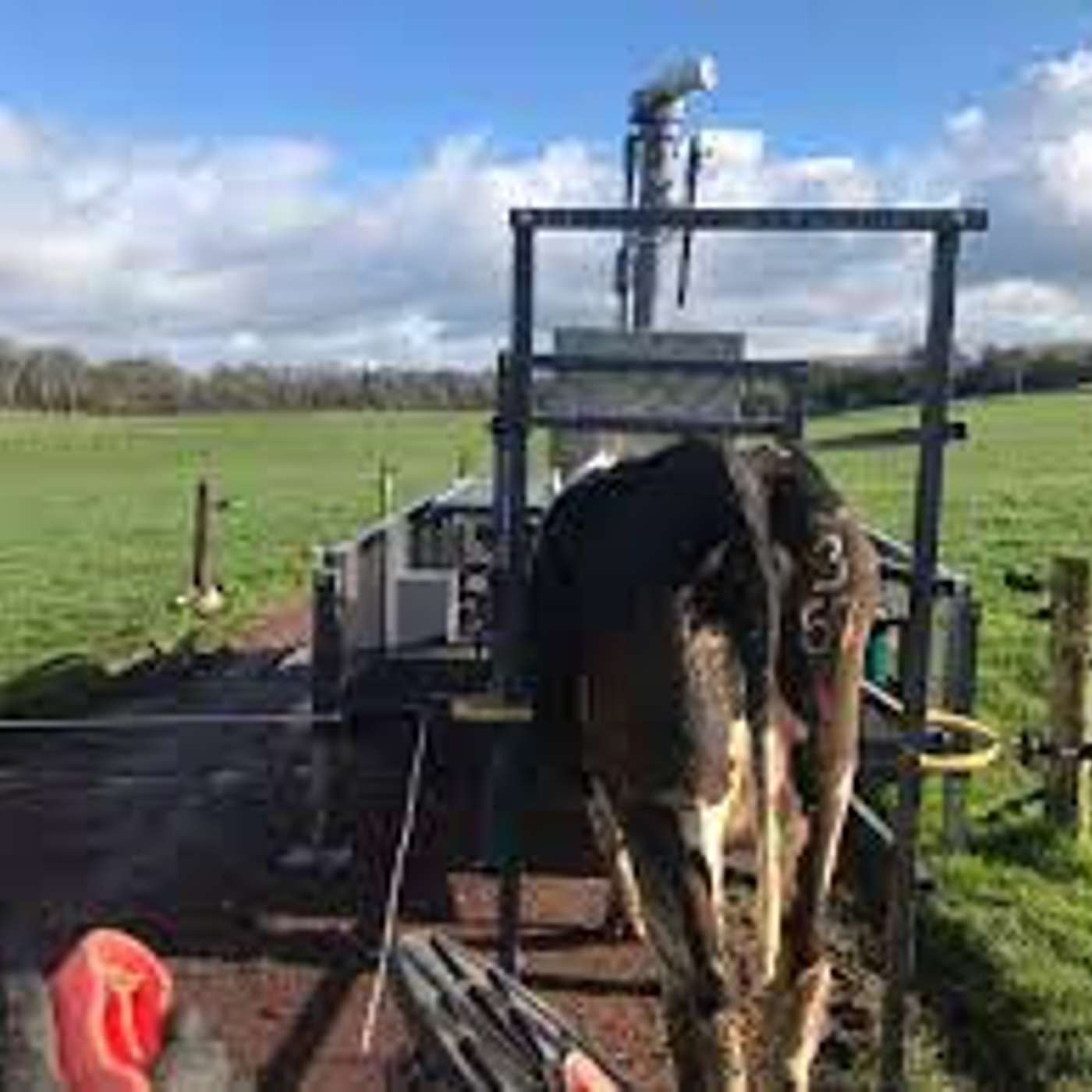
Katie Starsmore and Ben Lahar join Emma-Louise Coffey on this week’s Dairy Edge podcast to give an insight into the Green Feed trial that is investigating feed additives that have the potential to reduce methane emissions from grass fed dairy cows. Katie explains that the trial cows emitted 320g of methane daily on average across the last three weeks. Methane is produced by bugs in the rumen following digestion of feed. Higher digestibility feed (lower pre-grazing cover) results in lower emissions. Ben reviews some additives that have been trialled in TMR systems which reported an 80% reduction in methane emissions over a 60-day period when supplemented with red seaweed additives. In the Teagasc experiments, trials continue to investigate additives in grass-based systems. Additionally, Ben identifies scope to reduce methane emissions through improving genetic merit. Higher EBI dairy cows are more fertile and consequently have greater longevity and milk production. Each €10 increase in EBI results in a 1% reduction in emissions, a reduction which is cumulative and permanent. For more information: https://www.teagasc.ie/news--events/news/2019/new-research-.php For more episodes from the Dairy Edge podcast go to the show page at: https://www.teagasc.ie/animals/dairy/the-dairy-edge-podcast/ Produced on behalf of Teagasc by LastCastMedia.com
Let’s Talk Dairy Bonus Episode: Establishing grass-white clover swards
bonusTeagasc is running a weekly Let's Talk Dairy webinar series which is also being made available as a bonus podcast episode. In this webinar, Stuart Childs, Teagasc Dairy Specialist is joined by Dr. Deirdre Hennessy to discuss the establishment of grass-white clover into our swards. Clover is an essential component to have on a farm. Clover offers us huge opportunities in reducing our fertiliser nitrogen and it also benefits us greatly in animal production. In Teagasc Moorepark, on average there has been 20 kilograms of milk solids produced per cow annually. Also, Clover increases herbage production up to 1.5 DM/ha. For more episodes from the Dairy Edge podcast go to the show page at: https://www.teagasc.ie/animals/dairy/the-dairy-edge-podcast/
Maintaining grass growth at lower levels of chemical Nitrogen
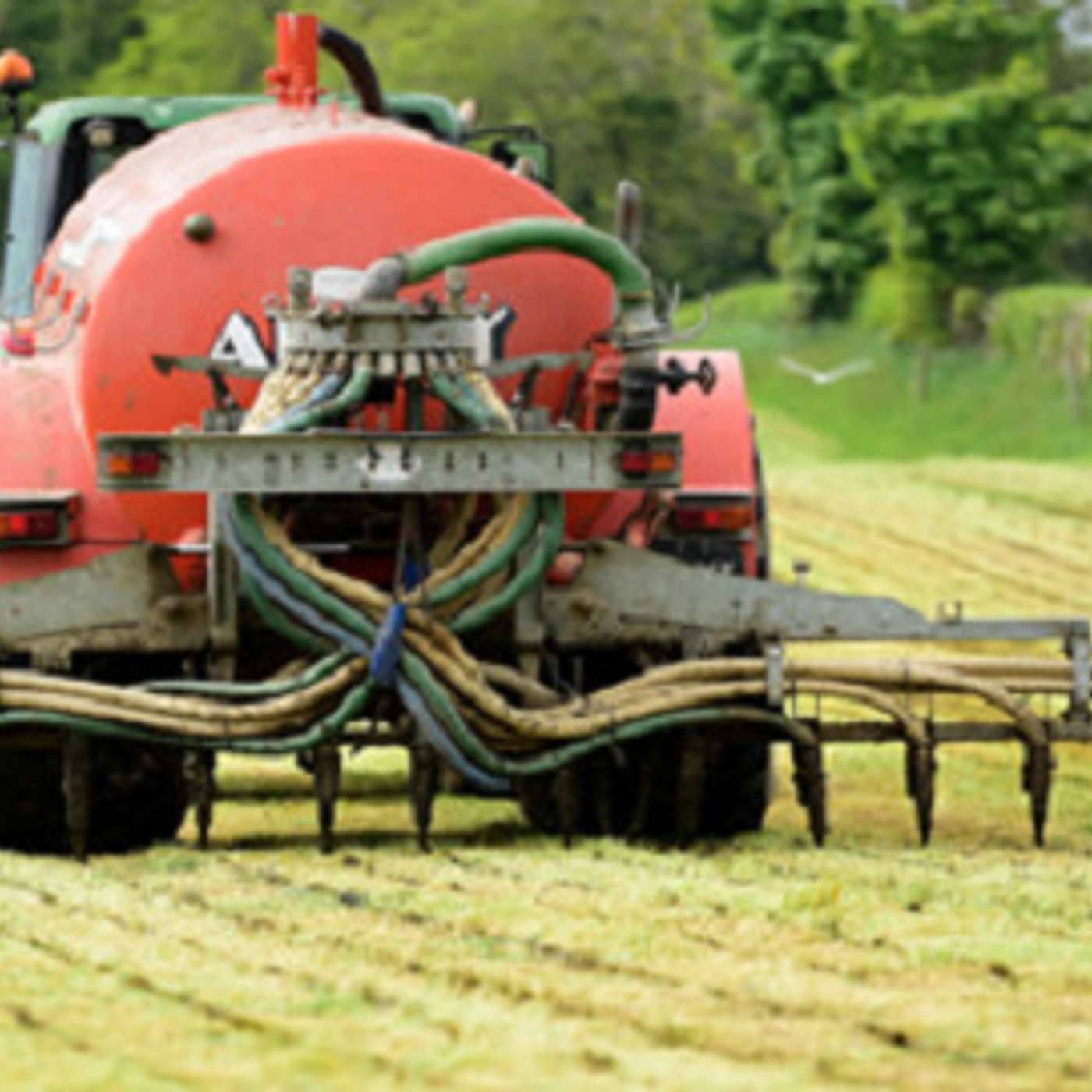
Deirdre Hennessy joins Emma-Louise Coffey on this week’s Dairy Edge podcast to give tips and advice on maintaining grass production whilst spreading lower levels of chemical Nitrogen. Deirdre firstly explains that farmers can expect lower grass production if they spread less chemical Nitrogen to the tune of 800-1,000 kg DM/ha. She recommends that farmers target spreading slurry in the spring using LESS techniques to increase the amount of N available. Furthermore, farmers should consider the inclusion of white clover to take advantage of the plants ability to fix Nitrogen in the soil. This allows the opportunity to reduce the rate of chemical Nitrogen application during the summer months, while maintaining grass production and has additional benefits of greater milk yield. For more information go to: https://www.teagasc.ie/news--events/daily/dairy/improving-nitrogen-use-efficiency-nue-will-save-you-money.php For more episodes from the Dairy Edge podcast go to the show page at: https://www.teagasc.ie/animals/dairy/the-dairy-edge-podcast/ Produced on behalf of Teagasc by LastCastMedia.com