The Dairy Edge
703 episodes — Page 8 of 15
Key Learnings from the Heavy Soils Programme
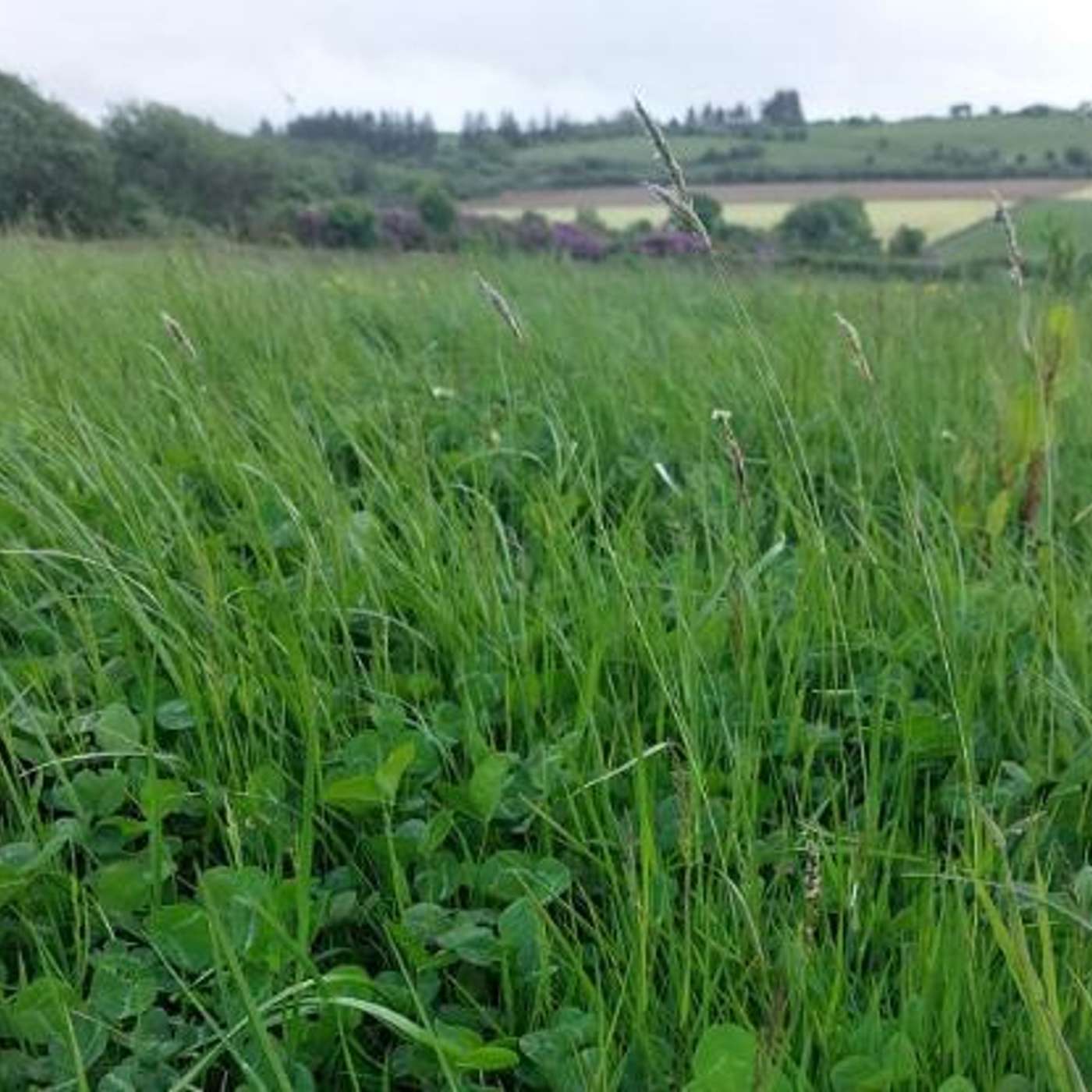
Pat Tuohy, Programme Coordinator of the Heavy Soils Programme, joins Stuart Childs on this week’s episode of The Dairy Edge podcast, to speak about the findings from the last ten years that have helped to develop a blueprint for resilient dairy farms on heavy soils across the country. Pat started by revisiting the wet years of 2009 and 2012 which were the catalyst for the commencement of the programme and explained that while, the initial focus on the programme was on drainage, after the first few years, the levels of soil fertility came to the fore and became a key focus area for all the farms. As a result of significant improvements made in this area, along with better farm infrastructure, large increases in grass utilisation have been achieved. Pat says that being good at all aspects of dairy farming from herd genetics and breeding management, as well as the grassland management, is important and that in the reality, the only difference between the heavy soils’ farms and other farms is the soil type and that the way the farmers on the programme manage all aspects of their operation is key to them running profitable operations in spite of their soil type. For more episodes from the Dairy Edge podcast go to the show page at: https://www.teagasc.ie/animals/dairy/the-dairy-edge-podcast/ The Dairy Edge is a co-production with LastCastMedia.com
Let's Talk Dairy: On-Off Grazing
bonusFor this week’s podcast version of the Let’s Talk Dairy webinar series, Stuart Childs, Teagasc Dairy Specialist, discusses on-off grazing. On-off grazing is often associated with the springtime but it's also part of the grazing repertoire at this time of the year. If ground conditions are gone tricky, on-off grazing may be the solution.To register for future Let’s Talk Dairy webinars go to:https://www.teagasc.ie/corporate-events/lets-talk-dairy/ For more episodes from the Dairy Edge podcast go to the show page at:https://www.teagasc.ie/animals/dairy/the-dairy-edge-podcast/
The funded animal health consultations available to dairy farmers
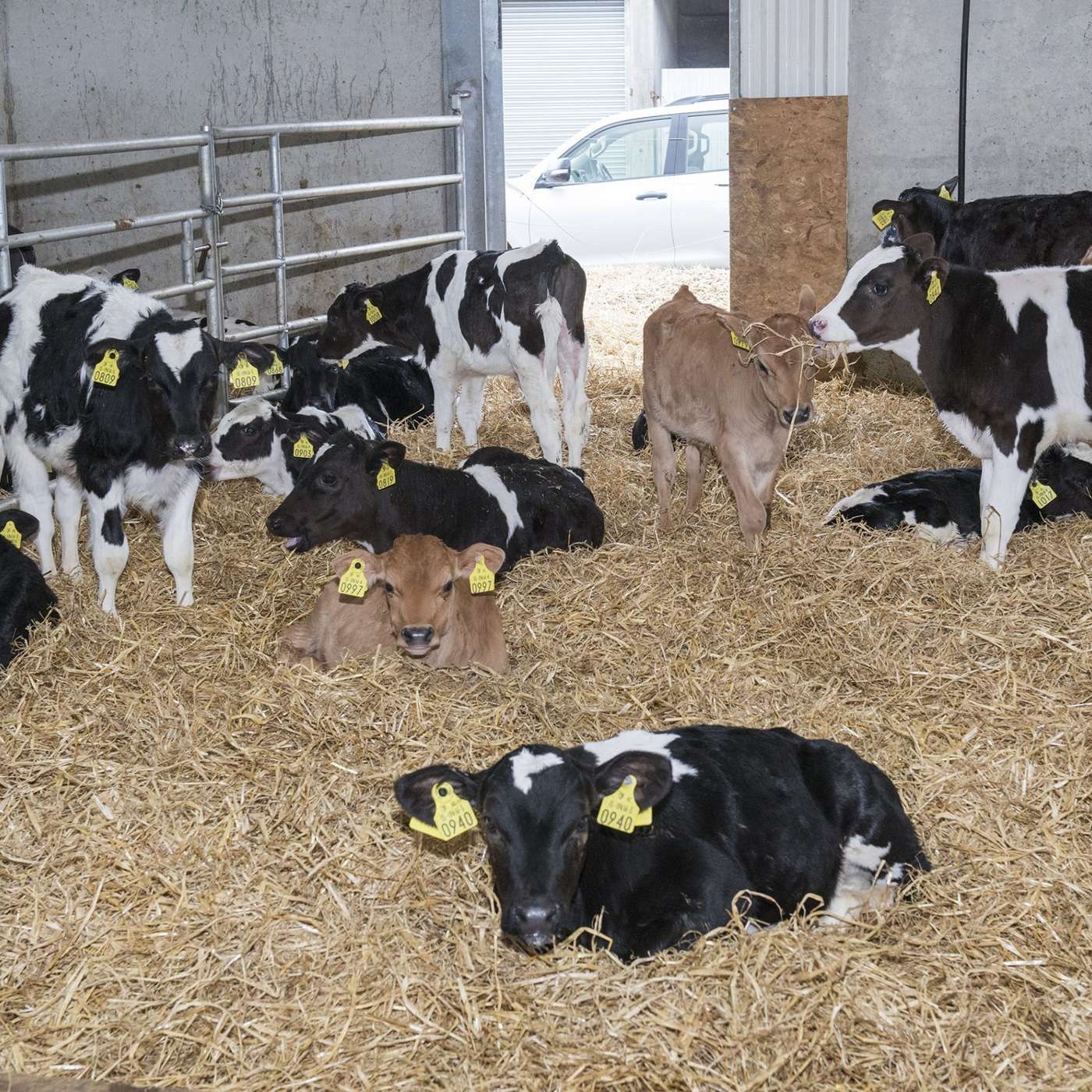
Michelle McGrath, a vet working with Animal Health Ireland, tells Stuart Childs on this week’s Dairy Edge podcast about a number of Department of Agriculture funded animal health consultations that farmers can avail of through their vets. Michelle says that, for farmers struggling with their bulk SCC, there is an in-lactation consult available to help farmers take the first steps towards getting control of their cell count. This process involves farm advisors and milking machine technicians as well as the farm vet however, the first step on this journey begins with the initial consult with the vet. While this is targeted at herds that have SCC problems, if people would like to learn more about being more in control of their SCC, they can also apply. It is important to note though that the deadline for application for this consult is Oct 31st. On a similar line, Michelle also spoke about the TASAH funded dry cow consult available to help farmers embark on sealer only dry cow strategy to allow them to comply with the new regulations introduced earlier this year. There are also consults available on Parasite control and Johnes control as well as BVD and TB in the case of breakdowns of either disease on farms. Finally, Michelle points out that there is a great resource of information on animal health on the Animal Health Ireland website and encourages people to visit it to view articles, videos and lots of other information in relation to the main diseases that affect farmers. For more episodes from the Dairy Edge podcast go to the show page at: https://www.teagasc.ie/animals/dairy/the-dairy-edge-podcast/ The Dairy Edge is a co-production with LastCastMedia.com
Let's Talk Dairy: Milk Sensitivity Analysis
bonusFor this week’s podcast version of the Let’s Talk Dairy webinar series, Stuart Childs, Teagasc Dairy Specialist, discusses milk sensitivity analysis and its increasing importance for drying-off cows.To register for future Let’s Talk Dairy webinars go to:https://www.teagasc.ie/corporate-events/lets-talk-dairy/ For more episodes from the Dairy Edge podcast go to the show page at:https://www.teagasc.ie/animals/dairy/the-dairy-edge-podcast/
How to reduce greenhouse gas & ammonia emissions from your farm
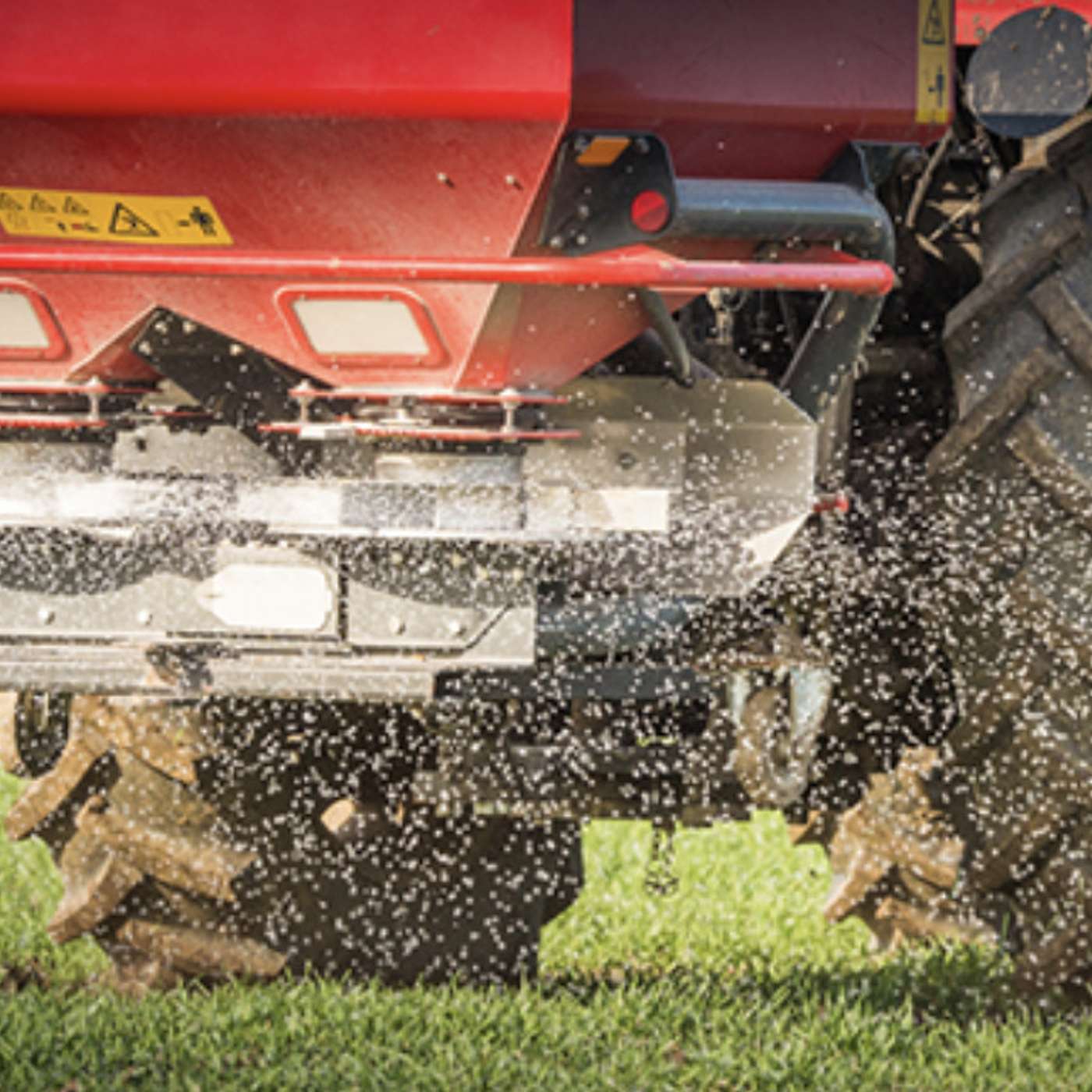
Seamus Kearney, Teagasc Training and Development Specialist on the Signpost Programme, joins Stuart Childs on this week’s episode of The Dairy Edge to discuss some of the ways that farmers can reduce greenhouse gas and ammonia emissions from their farms. Seamus explains that 65% of farm emissions are coming from methane and approximately 30% are coming from nitrous oxide which is derived mainly from how slurry is spread and the chemical fertiliser that is used on farms. Seamus says that by switching from CAN to protected urea and using the most environmentally friendly compounds, where allowances allow, products such as 18:6:12 and 10:10:20, is not only an environmentally savvy solution but also a very financially wise move with savings of €40-50 per cow at current prices. Seamus expects that approximately 20% of nitrogen used in 2022 will have been protected urea and he says that at roughly €50 more for protected urea, the reduced losses associated with it means that there is nearly €120 more fertiliser because of the protection preventing losses in comparison to straight urea. Seamus is very clear that farmers need to spread lime before the end of the year where needed and is looking forward to a white Christmas this year because of the lime being spread by farmers! Finally, Seamus says that farmers can replace 5t of CAN fertiliser with 3t of 46% protected urea and by doing this they can save approximately €1000 at current fertiliser prices and that for every 5t of CAN they replace with the protected urea, they are also reducing the emissions from their farms by the equivalent of nearly 1 dairy cow. Podcast survey: In order to understand the aspects of podcasts which are most appealing and beneficial to you the listener, it would be appreciated if you could take 3-4 minutes to complete the following survey to give your feedback: https://forms.office.com/r/mDZTE9zPy4 For more episodes from the Dairy Edge podcast go to the show page at: https://www.teagasc.ie/animals/dairy/the-dairy-edge-podcast/ The Dairy Edge is a co-production with LastCastMedia.com
Let's Talk Dairy: The Last Rotation
bonusFor this week’s podcast version of the Let’s Talk Dairy webinar series, Stuart Childs, Teagasc Dairy Specialist, discusses the last rotation and closing up the farm to leave it in a good situation for 2023.To register for future Let’s Talk Dairy webinars go to:https://www.teagasc.ie/corporate-events/lets-talk-dairy/ For more episodes from the Dairy Edge podcast go to the show page at:https://www.teagasc.ie/animals/dairy/the-dairy-edge-podcast/
Autumn Closing Strategy
John McCabe, Teagasc Aurivo Joint Programme Group Facilitator and Monitor Farm Advisor, joins Stuart Childs on the latest episode of the Dairy Edge podcast to discuss how Autumn grass build-up has gone this year as well as the Autumn closing strategy. John explains that if farms want to build cover, it is imperative that they use some supplement in August to actively build cover and that good growth through September has baled many out of a scenario where they would have a lot less grass on the farm under more normal conditions. John also says that farms in the west have started to close up paddocks now but that the actual closing date will be driven by the average farm cover later in the rotation. Farms in the region are targeting 60-70% grazed in October and possibly even 80% on some of the trickier soil types where November grazing is often a bonus. Finally, John encourages people to target to graze paddocks that they will be able to access in February next year from the 20th of October to have the cover correct on those paddocks to facilitate good graze out and also facilitate getting through area next spring which will be critical to having sufficient grass available at the start of the 2nd round next April. Podcast survey: In order to understand the aspects of podcasts which are most appealing and beneficial to you the listener, it would be appreciated if you could take 3-4 minutes to complete the following survey to give your feedback: https://forms.office.com/r/mDZTE9zPy4 For more episodes from the Dairy Edge podcast go to the show page at: https://www.teagasc.ie/animals/dairy/the-dairy-edge-podcast/ The Dairy Edge is a co-production with LastCastMedia.com
Let's Talk Dairy: Managing Somatic Cell Count in late lactation
bonusFor this week’s podcast version of the Let’s Talk Dairy webinar series, Stuart Childs, Teagasc Dairy Specialist, discusses managing somatic cell count (SCC) in late lactation. Stuart emphasises the importance of the use of milk recording information, acting on it and the follow through that is required around that.To register for future Let’s Talk Dairy webinars go to:https://www.teagasc.ie/corporate-events/lets-talk-dairy/ For more episodes from the Dairy Edge podcast go to the show page at:https://www.teagasc.ie/animals/dairy/the-dairy-edge-podcast/
What the changes coming in January mean for dry cow treatment
Willie Buckley, Veterinary Surgeon at Riverview Veterinary Group in Bandon and Animal Health Ireland, Cellcheck Technical Working Group member, joins Stuart Childs on this week’s Dairy Edge podcast to discuss the January change in legislation that now means that blanket dry cow antibiotic use is a thing of the past. Willie explains why the legislation has changed and what it means for farmers. In short, dry cow treatment has moved from a whole herd approach to an individual cow approach. If farmers want to administer an antibiotic at drying off, they will need a justifiable reason, be that milk recording info, or individual cow sample info to access that antibiotic. Willie has clients that are in year 5 and 6 of using sealer only on cows and has clients that have 4th and 5th lactation cows that have never gotten an antibiotic at drying off. Records and hygiene at drying off are critical to success as well as not trying to dry off too many cows at one time. Willie says that there is a high level of focus required to seal cows hygienically and while it takes effort, it is worth it. Finally, Willie encourages dairy farmers to monitor and look out for any rise in SCC next Spring to allow them to act early to find the root cause of the rise and to allow them to stay on top of SCC from early lactation. This however, is the same advice that Willie would have given to his clients last year, so in reality while things are changing, the principles remain the same: good records, good technique and hygiene when completing the job. Podcast survey: In order to understand the aspects of podcasts which are most appealing and beneficial to you the listener, it would be appreciated if you could take 3-4 minutes to complete the following survey to give your feedback: https://forms.office.com/r/mDZTE9zPy4 For more episodes from the Dairy Edge podcast go to the show page at: https://www.teagasc.ie/animals/dairy/the-dairy-edge-podcast/ The Dairy Edge is a co-production with LastCastMedia.com
Let's Talk Dairy: Changes to Closed Periods - Slurry
bonusFor this week’s podcast version of the Let’s Talk Dairy webinar series, Stuart Childs, Teagasc Dairy Specialist, discusses the changes to the closed periods, specifically for slurry. To register for future Let’s Talk Dairy webinars go to:https://www.teagasc.ie/corporate-events/lets-talk-dairy/ For more episodes from the Dairy Edge podcast go to the show page at:https://www.teagasc.ie/animals/dairy/the-dairy-edge-podcast/
How to Make Contract Rearing a Success
Teagasc Drystock advisor in Moorepark, Michael Bourke, joins Stuart Childs on this week’s Dairy Edge podcast to discuss how he views contract rearing from a drystock and dairy farmer’s point of view. Michael has nearly 15 years’ experience in setting up contract rearing arrangements. Michael first explains that while getting the price right in terms of what is paid per head per day is important, the success of contract rearing arrangements is very much about the relationship between both parties which needs to be based on trust from the start. Both parties have a role to play in the relationship, with dairy farmers needing to deliver a healthy, on-target weight animal on day one and the contract rearer taking on the baton at this stage until they return the animal at whatever stage is agreed in the condition and weight expected. Michael says that dairy farmers know the rise in costs in 2022 and that they need to be aware that their contract rearers’ costs have increased also and that they may need to factor that into the price being paid currently. But equally, drystock farmers need also to be flexible so that if costs drop, the charge reflects that too with the return being maintained being the ultimate objective. Good relationships between the dairy farmer and the rearer are important to having these conversations. Finally, Michael encourages dairy farmers to work out their own costs of rearing their heifers and suggests that following this exercise, they will truly see the value in contract rearing. Podcast survey: In order to understand the aspects of podcasts which are most appealing and beneficial to you the listener, it would be appreciated if you could take 3-4 minutes to complete the following survey to give your feedback: https://forms.office.com/r/mDZTE9zPy4 For more episodes from the Dairy Edge podcast go to the show page at: https://www.teagasc.ie/animals/dairy/the-dairy-edge-podcast/The Dairy Edge is a co-production with LastCastMedia.com
Bonus Ep: The Dairy Edge Reaches Half a Million Listens – highlights from some of its most popular episodes
bonusSince The Dairy Edge launched in January 2018 as Ireland’s first dairy-focused podcast, there have been 245 episodes released weekly as well as additional bonus content from the Let’s Talk Dairy webinars presented by Stuart Childs. The Dairy Edge has now reached the remarkable milestone of half a million listens and to celebrate that incredible achievement, we have compiled clips from some of our most popular episodes. Hear from Grass 10 manager John Maher outlining the principles of grassland management as identified in the Grass 10 initiative; dairy advisor Grainne Hurley explains the importance of achieving graze outs and its impact on sward and cow performance; Teagasc’s Laurence Shalloo rationalises the seasonal production profile of Irish milk production and why we don’t operate a flat milk curve; looking to profitability and areas to invest money and see the greatest return on investment on dairy farms, Signpost advisor Seamus Kearney quantifies the substantial returns from improving soil fertility. Plus, dairy farmer Mike Bermingham explained the move to reduce cow numbers having identified a proportion of cows in the herd that were being fully fed from purchased feed; Head of Dairy Knowledge Transfer Joe Patton outlined how to create a fodder reserve to reduce the risk to dairy farm businesses; Siobhan Kavanagh & Tom O’Dwyer from the Signpost Programme provided context for the environmental policy that will inform how we farm and they pose the question have we adopted proven technologies in order to take on the challenge of reducing the impact of farming on the environment. Finally, to renowned Agri-consultant, Matt Ryan, who has worked in the dairy industry for over five decades and Matt highlighted the strides that have been made in labour studies that can promote work-life balance before reflecting on dairy farmers’ ability to cope with the various challenges that exist today. Podcast survey: In order to understand the aspects of podcasts which are most appealing and beneficial to you the listener, it would be appreciated if you could take 3-4 minutes to complete the following survey to give your feedback: https://forms.office.com/r/mDZTE9zPy4 For more episodes from the Dairy Edge podcast go to the show page at: https://www.teagasc.ie/animals/dairy/the-dairy-edge-podcast/ The Dairy Edge is a co-production with LastCastMedia.com
How to keep improving your soil fertility
Dairygold Joint Programme Group Facilitator, William Burchill, joins Stuart Childs on this week’s Dairy Edge podcast to discuss further work that can be done to improve soil fertility even though the date has passed for the spreading of chemical nitrogen and Phosphorus. William outlines the offtakes of Potassium (K) associated with grazing and the impact that even one cut of bales can have on a paddock in terms of K required to maintain the correct index from one year to the next as well as the significant impact of multiple cut silage systems on soil K levels. William also talks about analysing slurry to know the nutrient content of it and how it can vary depending on the method of storage employed. Knowing the nutrient content will allow for more accurate fertilisation strategies to be implemented. Finally, William talks about chemical fertiliser options available to people to address K and Sulphur requirements on their farms and given that some fertiliser is currently being purchased now for 2023, he advises that people ensure they purchase the right products for their farm especially K which is not subject to limits like N and P. Podcast survey: In order to understand the aspects of podcasts which are most appealing and beneficial to you the listener, it would be appreciated if you could take 3-4 minutes to complete the following survey to give your feedback: https://forms.office.com/r/mDZTE9zPy4 For more episodes from the Dairy Edge podcast go to the show page at: https://www.teagasc.ie/animals/dairy/the-dairy-edge-podcast/ The Dairy Edge is a co-production with LastCastMedia.com
Let's Talk Dairy Bonus Episode: Current grazing conditions and advice
bonusFor this week’s podcast version of the Let’s Talk Dairy webinar series, Stuart Childs, Teagasc Dairy Specialist, was joined by Teagasc’s John McCabe and John Douglas, Teagasc Grass10 Advisor to get an update on the current grazing conditions as well as an insight into the latest advice for farmers. To register for future Let’s Talk Dairy webinars go to:https://www.teagasc.ie/corporate-events/lets-talk-dairy/ For more episodes from the Dairy Edge podcast go to the show page at:https://www.teagasc.ie/animals/dairy/the-dairy-edge-podcast/
Reviewing the grassland situation and advice for the remainder of the grazing season
Grass10 advisor, Joseph Dunphy, joins Emma-Louise Coffey on this week’s Dairy Edge podcast to review the grassland situation on dairy farms and provides advice for the remainder of the grazing season. Joseph explains that, depending on the level of rainfall during July and August, the average farm cover and consequently, grass availability, is completely variable; some farms are on a predominantly grass-based diet with low levels of concentrate supplement while others are feeding a silage and concentrate diet with a small proportion of grazed grass. Joseph recommends that farmers monitor grass, set the farm up for a 30-day rotation and where farm cover remains below target, supplement to fill the deficit. Podcast survey: In order to understand the aspects of podcasts which are most appealing and beneficial to you the listener, it would be appreciated if you could take 3-4 minutes to complete the following survey to give your feedback: https://forms.office.com/r/mDZTE9zPy4 For more episodes from the Dairy Edge podcast go to the show page at: https://www.teagasc.ie/animals/dairy/the-dairy-edge-podcast/ The Dairy Edge is a co-production with LastCastMedia.com
Should you cull empty cows early or milk them until December?
Dairy specialist, George Ramsbottom, joins Emma-Louise Coffey on this week’s episode of The Dairy Edge podcast to consider whether to cull empty cows early or milk them until December. George estimates that there are 80-100 days left in lactation for spring calving dairy herds; at on average 15 litres per day this will return an income of €700-900 per cow. George explains where grass growth and winter fodder supplies are in short supply and whether farmers should consider culling cows early to reduce feed demand and prevent winter supplies. Conversely, where grass supply is on target and winter feed is sufficient, farmers should consider either drying off or milking once-a-day in order to add additional carcass value. Podcast survey: In order to understand the aspects of podcasts which are most appealing and beneficial to you the listener, it would be appreciated if you could take 3-4 minutes to complete the following survey to give your feedback: https://forms.office.com/r/mDZTE9zPy4 For more episodes from the Dairy Edge podcast go to the show page at: https://www.teagasc.ie/animals/dairy/the-dairy-edge-podcast/ The Dairy Edge is a co-production with LastCastMedia.com
Let's Talk Dairy Bonus Episode: Update on Grass Supply
bonusFor this week’s podcast version of the Let’s Talk Dairy webinar series, Stuart Childs, Teagasc Dairy Specialist, gives an update on grass supply on farms using data available from PastureBase Ireland. To register for future Let’s Talk Dairy webinars go to:https://www.teagasc.ie/corporate-events/lets-talk-dairy/ For more episodes from the Dairy Edge podcast go to the show page at:https://www.teagasc.ie/animals/dairy/the-dairy-edge-podcast/

The Integration of Multi-Species Swards into Dairy Farm Systems
Dairy Farmer, Joe Leonard, and Seed Merchant, Tom McGuinness, join Emma-Louise Coffey on this week’s Dairy Edge podcast to discuss the integration of multi-species swards into dairy farm systems. During a trip to South Africa in 2016, Joe observed multi-species swards in practice and his interest was piqued. From 2017, Joe set about incorporating multi-species into his reseeding plans. Tom McGuinness explains that in the mid 2010s, there was little interest in multi-species and it was limited to beef and sheep farmers. This has increased to in excess of 1,650 acres in 2021. Tom explains that this is owing to farmers’ awareness and willingness to work to reduce their environmental footprint. Joe explains that grass productivity and cow performance with multi-species swards is comparable with his traditional perennial ryegrass swards although his grazing management differs with higher pre-grazing mass and higher residual in order to promote persistency. Podcast survey: In order to understand the aspects of podcasts which are most appealing and beneficial to you the listener, it would be appreciated if you could take 3-4 minutes to complete the following survey to give your feedback: https://forms.office.com/r/mDZTE9zPy4 For more episodes from the Dairy Edge podcast go to the show page at: https://www.teagasc.ie/animals/dairy/the-dairy-edge-podcast/ The Dairy Edge is a co-production with LastCastMedia.com
Let's Talk Dairy Bonus Episode: Advice for Farmer Respiratory Health
bonusFor this week’s podcast version of the Let’s Talk Dairy webinar series, Stuart Childs, Teagasc Dairy Specialist, speaks to John McNamara to get advice about farmer respiratory health. To register for future Let’s Talk Dairy webinars go to:https://www.teagasc.ie/corporate-events/lets-talk-dairy/ For more episodes from the Dairy Edge podcast go to the show page at:https://www.teagasc.ie/animals/dairy/the-dairy-edge-podcast/
Grass10 Champion, Colin Doherty, on building a repeatable grass-based system
Grass 10 champion, Colin Doherty, joins Emma-Louise Coffey on this week’s Dairy Edge to explain how he and his father have developed their dairy farm and built a repeatable grass-based system. Colin says that, while the farm was in winter milk until 2005, grazed grass was always the core feed that drove their milk production. This has continued since they transitioned to spring milk production where they feed predominantly grazed grass with supplement input of ~500 kg and some silage during the lactation. Colin says the preference is to feed silage or zero grazed grass from the out-block where grass growth (and supply) are low, to support as much of the cow’s diet from home grown feed. Colin explains that they previously strived to grow up to 17 tonnes of grass but in more recent years they have reduced the amount of chemical Nitrogen applied and therefore, 15 tonnes is a realistic number. In the future, they aim to spread 150 kg N in the form of Protected Urea while also continuing to incorporate LESS and increasing the level of white clover. Podcast survey: In order to understand the aspects of podcasts which are most appealing and beneficial to you the listener, it would be appreciated if you could take 3-4 minutes to complete the following survey to give your feedback: https://forms.office.com/r/mDZTE9zPy4 For more episodes from the Dairy Edge podcast go to the show page at: https://www.teagasc.ie/animals/dairy/the-dairy-edge-podcast/ The Dairy Edge is a co-production with LastCastMedia.com
Strategies to tackle and lift soil fertility
Teagasc’s, David Wall, joins Emma-Louise Coffey on the latest Dairy Edge podcast with strategies to tackle and lift soil fertility. David explains that while fertiliser cost and uncertainty of supply has worried farmers during the year, some positive trends such as better use of slurry and increased use of lime were observed. However, David warns that if you have taken a break from spreading Phosphorus and Potassium in 2022, it is essential to incorporate these compounds for 2023 to avoid a decline in soil fertility. David then quantifies the benefit of optimum soil fertility with lift in Nitrogen use efficiency from 35% in soils with low fertility to 80-85% where soils are at optimum. David also reminds us of closed fertiliser periods: 15th September for chemical Nitrogen and 8th October for slurry. For more episodes from the Dairy Edge podcast go to the show page at: https://www.teagasc.ie/animals/dairy/the-dairy-edge-podcast/ The Dairy Edge is a co-production with LastCastMedia.com
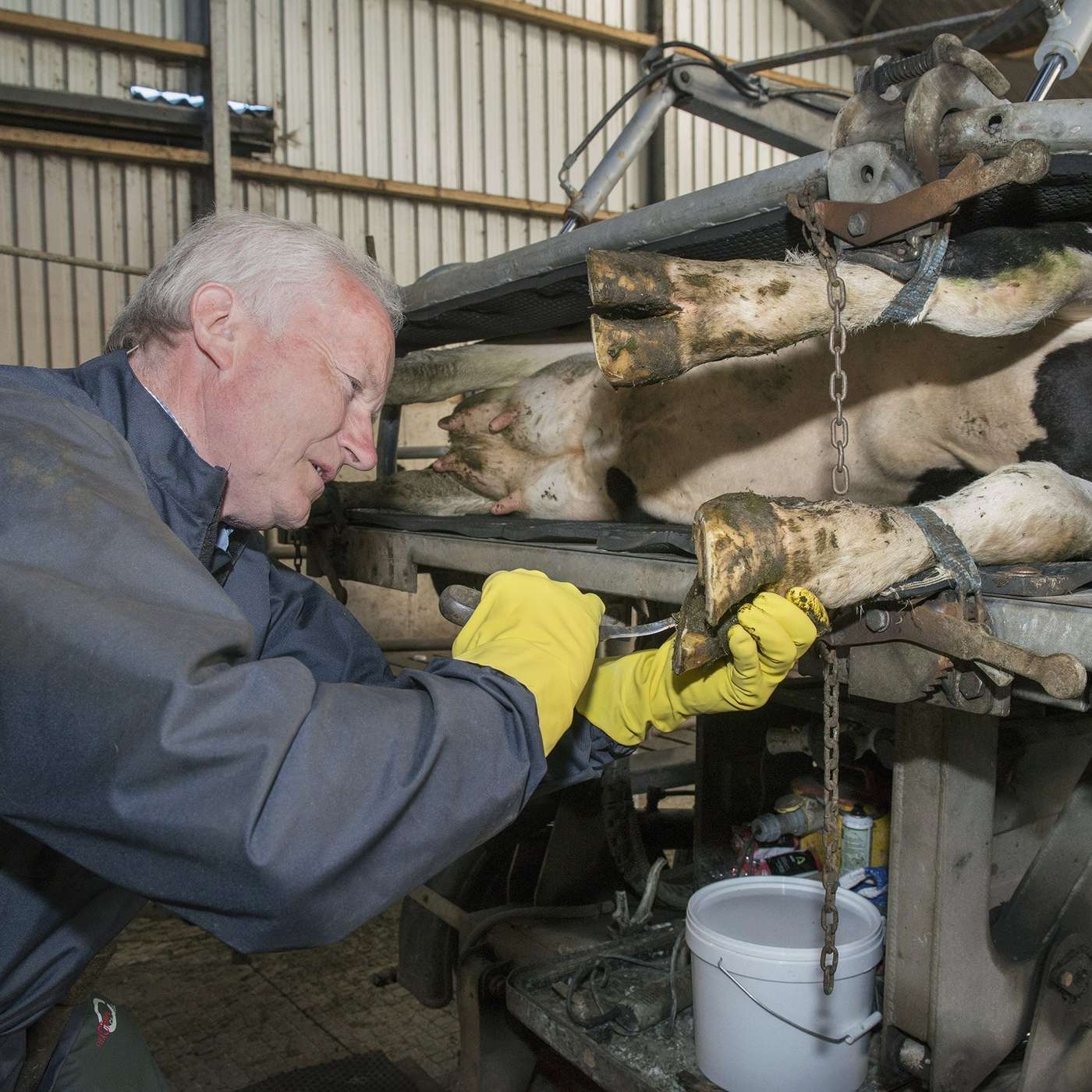
Lameness: its cause and appropriate treatment strategies
Ger Cusack and Ned Dunphy join Emma-Louise Coffey on this week’s Dairy Edge podcast to discuss common lameness conditions, its cause and appropriate treatment strategies. Ger explains that white line disease and sole bruising are the most common lameness conditions in grazing dairy cows which are generally caused by poor walking surfaces and cows being rushed on roadways. Ned documents the introduction of mortellaro to Ireland in the late 1980s when animals were imported into the country. The disease has increased with increasing cow numbers and potential lack of increased facilities provision on farm. Mortellaro is generally spread during the housed period through slurry. A foot trimmer or vet can is a good starting point to help with relevant treatment plans and identifying cows with sub-optimal locomotion. For more episodes from the Dairy Edge podcast go to the show page at: https://www.teagasc.ie/animals/dairy/the-dairy-edge-podcast/ The Dairy Edge is a co-production with LastCastMedia.com
Let's Talk Dairy Bonus Episode: Winter Fodder
bonusFor this week’s podcast version of the Let’s Talk Dairy webinar series, Stuart Childs, Teagasc Dairy Specialist, looked at winter fodder To register for future Let’s Talk Dairy webinars go to:https://www.teagasc.ie/corporate-events/lets-talk-dairy/ For more episodes from the Dairy Edge podcast go to the show page at:https://www.teagasc.ie/animals/dairy/the-dairy-edge-podcast/
Early indications of the success of the 2022 breeding season
Dairy farmer and AI technician, Colm O’Connor, joins Emma-Louise Coffey on this week’s Dairy Edge podcast to discuss the early indications of the success of the 2022 breeding season. On his farm Colm achieved an 80% 21 day submission rate, reaching 90% at 25/26 days and conception rate to first service of 65%. He explained that breeding performance was exceptional in his heifers, achieving a 100% 21 day submission rate and 89% conception rate to first service. Colm credits attention to ensure there are no issues such as held cleanings or infections after calving and cows are on a consistent plain of nutrition have helped him achieve such high performance during the breeding season. Colm also discussed the trends he has observed among his farmer clients. As AI technician, he has noted a shift to beef AI from the outset of the breeding season for 10-25% of herds, owing to farmers’ increased awareness to add value to the surplus calf and the lower requirement for replacement heifers as farms have reached optimum cow numbers. For more episodes from the Dairy Edge podcast go to the show page at: https://www.teagasc.ie/animals/dairy/the-dairy-edge-podcast/ The Dairy Edge is a co-production with LastCastMedia.com
Let's Talk Dairy Bonus Episode: Building Autumn Grass Cover
bonusFor this week’s podcast version of the Let’s Talk Dairy webinar series, Stuart Childs, Teagasc Dairy Specialist, covered tips for building autumn grass cover. To register for future Let’s Talk Dairy webinars go to:https://www.teagasc.ie/corporate-events/lets-talk-dairy/ For more episodes from the Dairy Edge podcast go to the show page at:https://www.teagasc.ie/animals/dairy/the-dairy-edge-podcast/
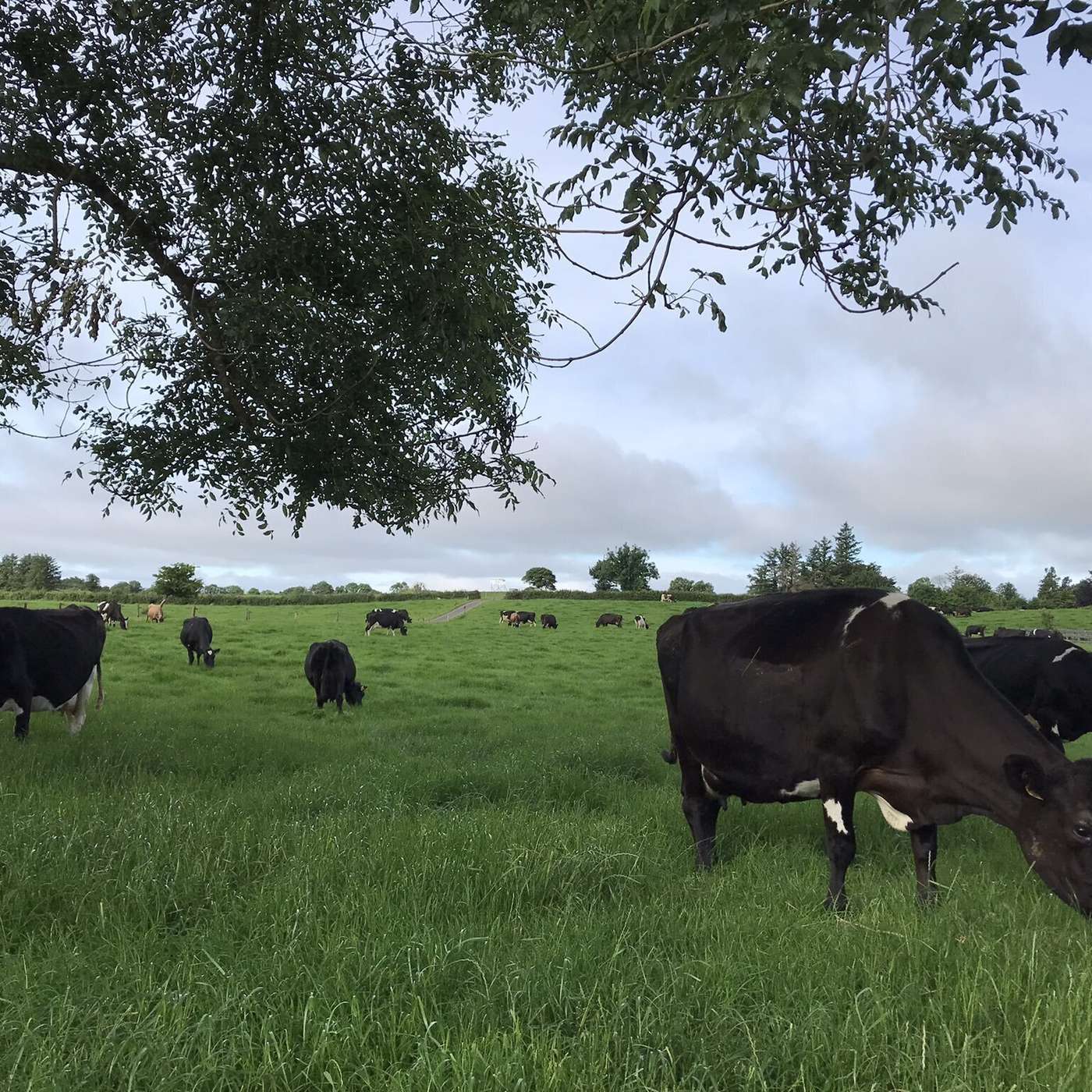
The optimum feeding rates to complement grass supply
Head of Dairy Knowledge Transfer, Joe Patton, joins Emma-Louise Coffey on this week’s Dairy Edge podcast to discuss optimum feeding rates to complement grass supply. Joe reviews the feed supply situation on farm and while average farm cover and growth rate looks healthy at 219 kg per cow and 60 kg DM/day, respectively, the scenario on individual farms is variable due to localised soil moisture deficit and resulting restricted growth rates. Where growth rate and grass supply are restricted, Joe explains that meal is being fed to replace grass that is unavailable and therefore there is no increase in feed intake and milk production. Where grass supply is equal to or exceeds demand, Joe explains that meal is being fed in addition to grass which is plentiful. In this scenario, the first 2 kg meal fed achieve a good response of 0.8-0.9 kg milk per kg meal. However, feeding 3-5 kg the response falls to 0.5 kg milk per kg meal. Financially, milk price is at 60 c/kg and concentrate is 0.41-0.42 c/kg. Taking milk price and the cost of concentrate into account, a response of 0.5 kg of milk is not sufficient to justify higher meal feeding levels where grass is in plentiful supply on farm. For more information:https://www.teagasc.ie/media/website/publications/2022/Fodder-Survey-Results-July-2022.pdf For more episodes from the Dairy Edge podcast go to the show page at: https://www.teagasc.ie/animals/dairy/the-dairy-edge-podcast/ The Dairy Edge is a co-production with LastCastMedia.com
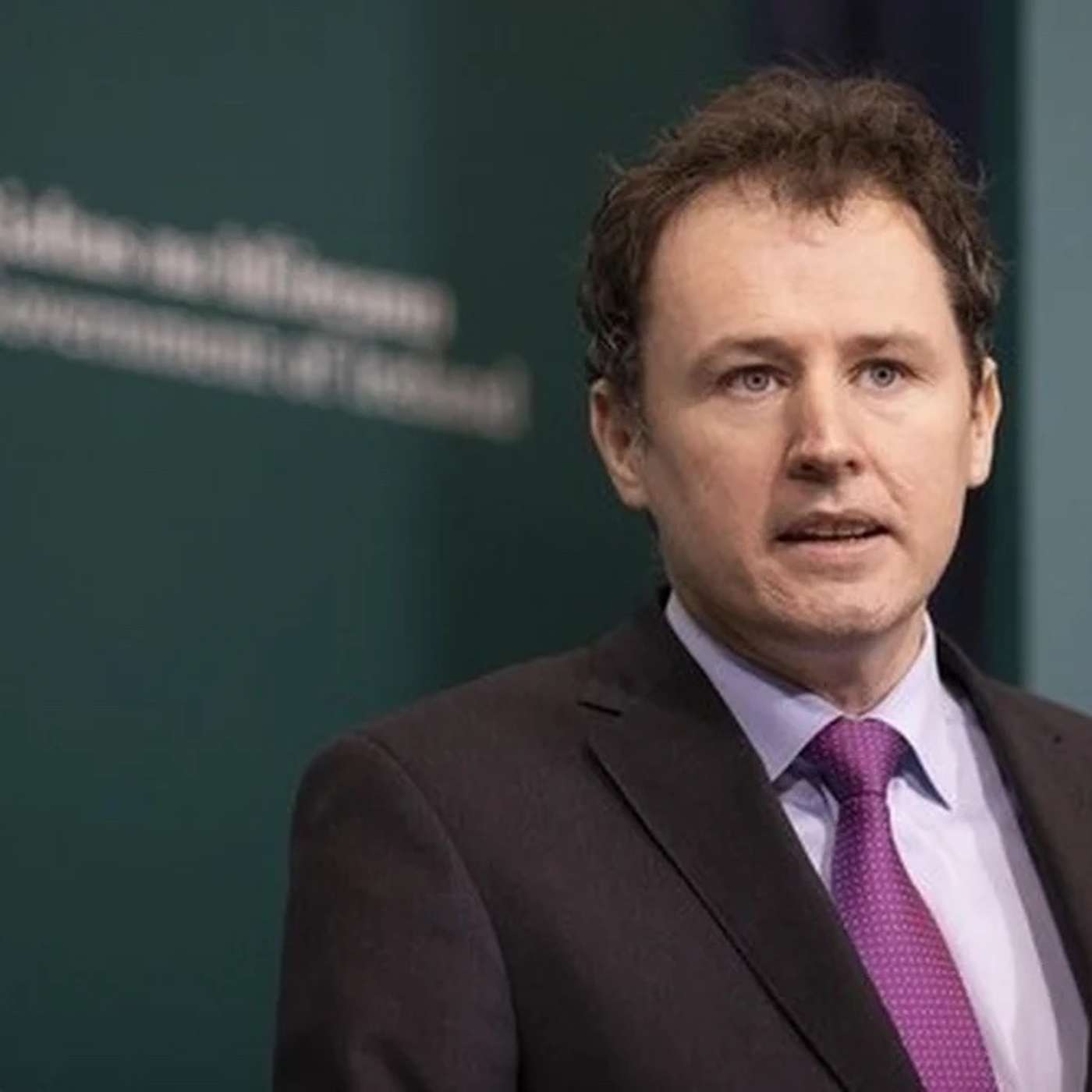
Minister McConalogue’s Vision for the Future of Dairy
Minister for Agriculture Charlie McConalogue joins Emma-Louise Coffey on this week’s Dairy Edge podcast to discuss his vision for the future of Dairy Farming in Ireland. Minister McConalogue shares his positivity for the future of the Irish dairy industry with scope for new entrant dairy farms as well as growth for viability on existing dairy farms which he justifies by acknowledging that dairy has provided the value growth to the agriculture sector. Notwithstanding this, Minister McConalogue emphasises the necessity for all farmers to implement emission reduction measures on dairy farms and as well as future technologies such as feed additives. He also recognises a shift in the conversation around food security and its balance with environmental targets within the EU and internationally arising from the disruption to supply chains from Ukraine and Russia following the outbreak of war in Ukraine. For more episodes from the Dairy Edge podcast go to the show page at: https://www.teagasc.ie/animals/dairy/the-dairy-edge-podcast/ The Dairy Edge is a co-production with LastCastMedia.com
Let's Talk Dairy Bonus Episode: An Overview of the Ballyhaise Open Day
bonusFor this week’s podcast version of the Let’s Talk Dairy webinar series, Stuart Childs, Teagasc Dairy Specialist, is joined by James Dunne with an overview of the Ballyhaise Open Day. To register for future Let’s Talk Dairy webinars go to:https://www.teagasc.ie/corporate-events/lets-talk-dairy/ For more episodes from the Dairy Edge podcast go to the show page at:https://www.teagasc.ie/animals/dairy/the-dairy-edge-podcast/
Examining Farm Incomes
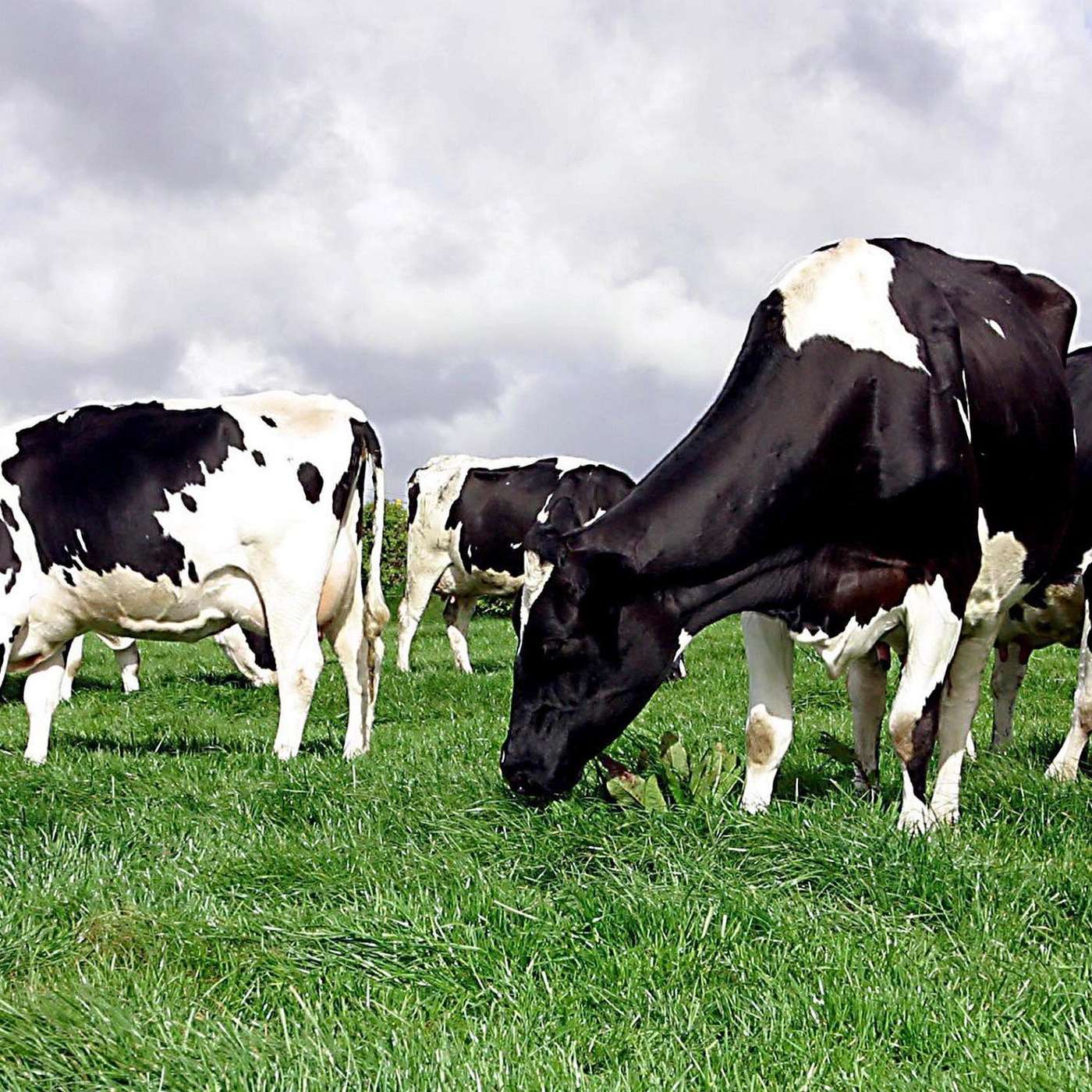
Economist Emma Dillon joins Emma-Louise Coffey on this week’s Dairy Edge podcast to discuss farm incomes from 2021. Emma explained that farms experienced an increase input prices to the tune of 11% for dairy systems primarily from fertiliser, feed and fuel in 2021. This was coupled with a significant rise in milk price and output. Consequently dairy farm income rose by 23% compared with 2020 to €97,350. Dairy farms remain viable with 85% of Irish dairy farms defined as either viable or sustainable given their ability to be profitable annually, remunerate labour and provide return on investment. Emma concludes by speculating on dairy farm income for 2022 with the healthy farm gate prices set to continue which provides a buffer between input costs and milk price received. For more information:https://www.teagasc.ie/publications/2022/Teagasc-National-Farm-Survey-2021-Preliminary-Results.php For more episodes from the Dairy Edge podcast go to the show page at: https://www.teagasc.ie/animals/dairy/the-dairy-edge-podcast/ The Dairy Edge is a co-production with LastCastMedia.com
Let's Talk Dairy Bonus Episode: Laurence Feeney and the role of the IHFA in Irish dairy breeding
bonusFor this week’s podcast version of the Let’s Talk Dairy webinar series, Stuart Childs, Teagasc Dairy Specialist, is joined by Laurence Feeney the new CEO of the Irish Holstein Friesian Association to discuss the role of the IHFA in Irish dairy breeding. To register for future Let’s Talk Dairy webinars go to:https://www.teagasc.ie/corporate-events/lets-talk-dairy/ For more episodes from the Dairy Edge podcast go to the show page at:https://www.teagasc.ie/animals/dairy/the-dairy-edge-podcast/
Matching stocking rate and feed supply to annual grass growth profile
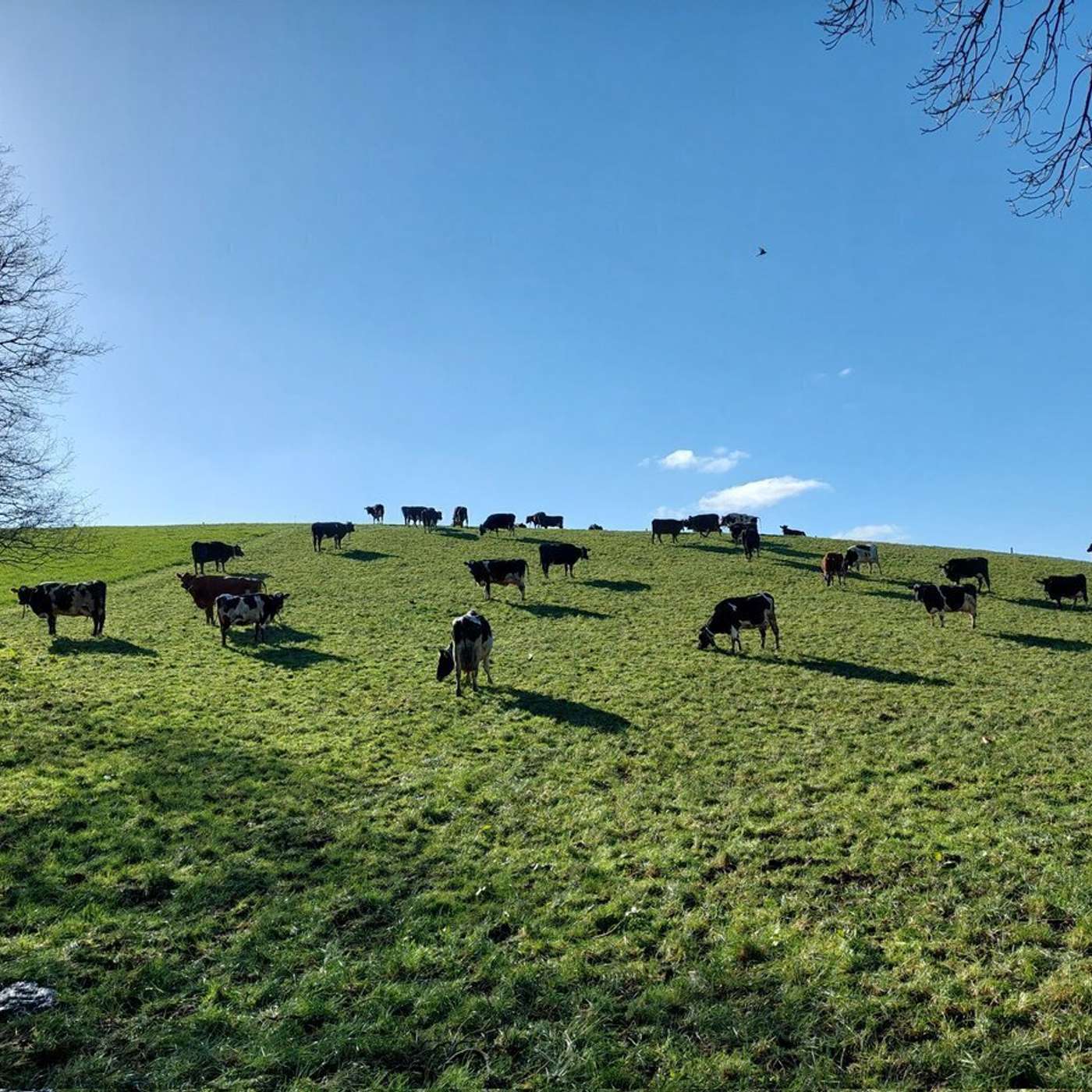
Donal Patton and Barry Reilly join Emma-Louise Coffey on this week’s Dairy Edge podcast to identify the optimum stocking rate based on feed supply and the profile of annual grass growth. Barry explains that the long term average grass production at Ballyhaise is 14 tonne DM/ha. Donal outlines the profile of growth: magic day of ~40 kg DM/day achieved in late April while grass growth of ~80 kg DM/day. This growth represents a challenge in the balance of grass supply, a deficit of grass grown during the shoulders of the year and surplus during the mid-season. An optimum overall stocking rate of 2.3 LU/ha and a milking platform stocking rate of 3.0 cows/ha was identified for the Ballyhaise dairy herd based on consistent 14 tonnes DM/ha. Barry explains that cows get out to grass for 270 days in the year but when taking into account the number of cows calved during the spring and cows housed during inclement weather, cow grazing days are 235 days. Donal quantifies the level of supplement required by cows above grazed grass: 700-800 kg concentrate and 1,400 kg silage, half of which is required during lactation. For more episodes from the Dairy Edge podcast go to the show page at: https://www.teagasc.ie/animals/dairy/the-dairy-edge-podcast/ The Dairy Edge is a co-production with LastCastMedia.com
Let's Talk Dairy Bonus Episode: Preliminary Results from the 2021 National Farm Survey
bonusFor this week’s podcast version of the Let’s Talk Dairy webinar series, Stuart Childs, Teagasc Dairy Specialist, is joined by Trevor Donnellan to discuss the preliminary results from the 2021 National Farm Survey. To register for future Let’s Talk Dairy webinars go to:https://www.teagasc.ie/corporate-events/lets-talk-dairy/ For more episodes from the Dairy Edge podcast go to the show page at:https://www.teagasc.ie/animals/dairy/the-dairy-edge-podcast/
Pushing the boundaries on dairy farm performance in the BMW region
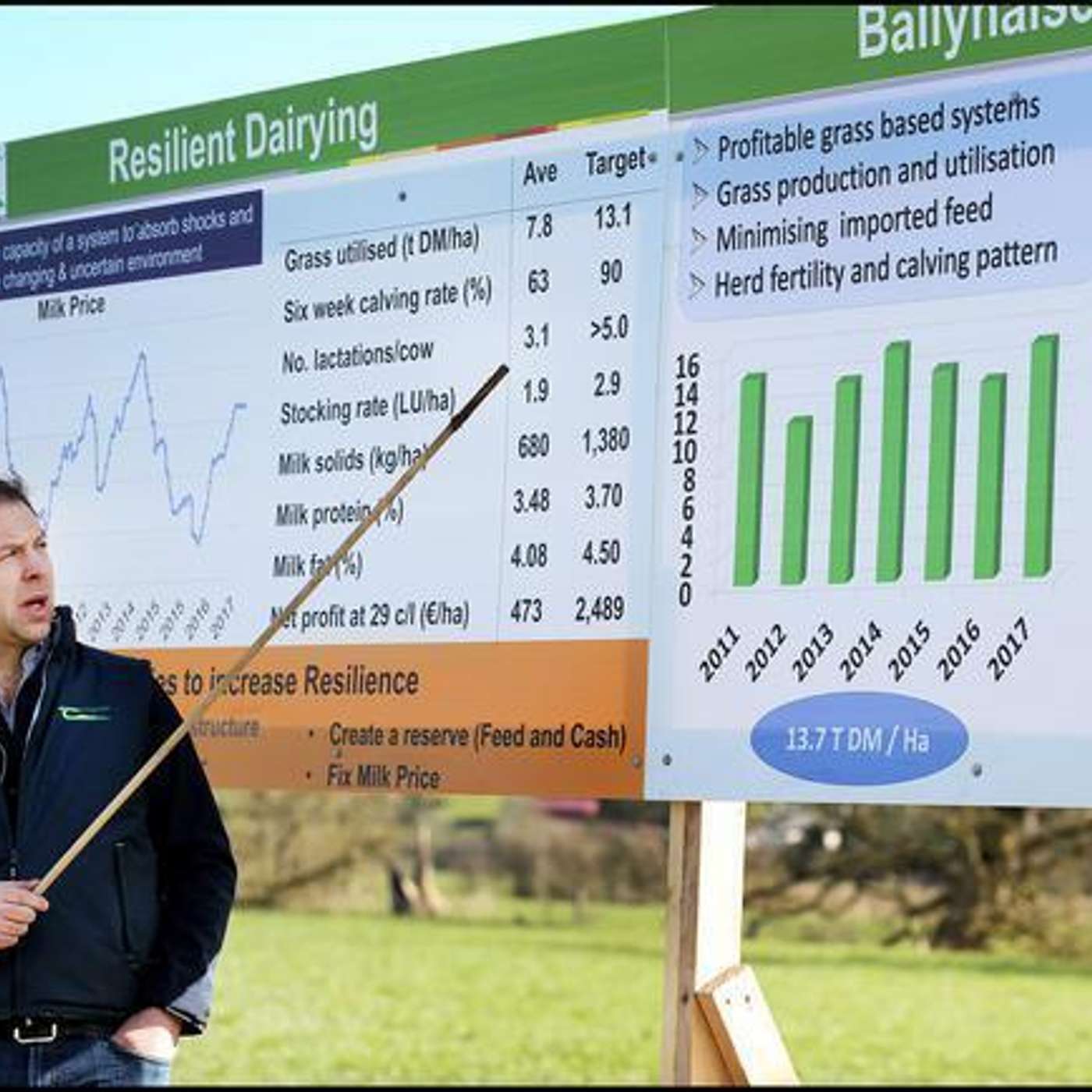
Donal Patton and Barry Reilly joined Emma-Louise Coffey on this week’s Dairy Edge podcast to discuss building robust milk production systems in the border, midlands and western region. Barry outlined current annual performance from the Ballyhaise herd: 470 kg MS at 4.62% fat and 3.65% protein, 80-83% average 6 week calving rate and 361 day calving interval. Donal explained that the current research involves establishing white clover into grazing swards in an effort to reduce the chemical Nitrogen required to support grass productivity. Donal says that this will examine the issue of persistence of clover in heavy clay drumlin soils. Barry acknowledged that the strategy of front loading clover establishment at Ballyhaise is not realistic at farm level. It involved a full reseed on 25% and oversown clover on 15% of the milking platform. Feeding levels of 600 kg or 1,200 kg are being fed per cow to compare lower reliance on feed input to the standard feeding rate in the region. The economic and environmental impact of higher feed levels will be examined across 4 lactations. For more episodes from the Dairy Edge podcast go to the show page at: https://www.teagasc.ie/animals/dairy/the-dairy-edge-podcast/ The Dairy Edge is a co-production with LastCastMedia.com
Let's Talk Dairy Bonus Episode: The Marginal Cow
bonusFor this week’s podcast version of the Let’s Talk Dairy webinar series, Stuart Childs, Teagasc Dairy Specialist, is joined by Patrick Gowing to discuss the marginal cow. To register for future Let’s Talk Dairy webinars go to:https://www.teagasc.ie/corporate-events/lets-talk-dairy/ For more episodes from the Dairy Edge podcast go to the show page at:https://www.teagasc.ie/animals/dairy/the-dairy-edge-podcast/
Olin Greenan on his production system to match grass grown & coping with the prolonged NZ summer drought
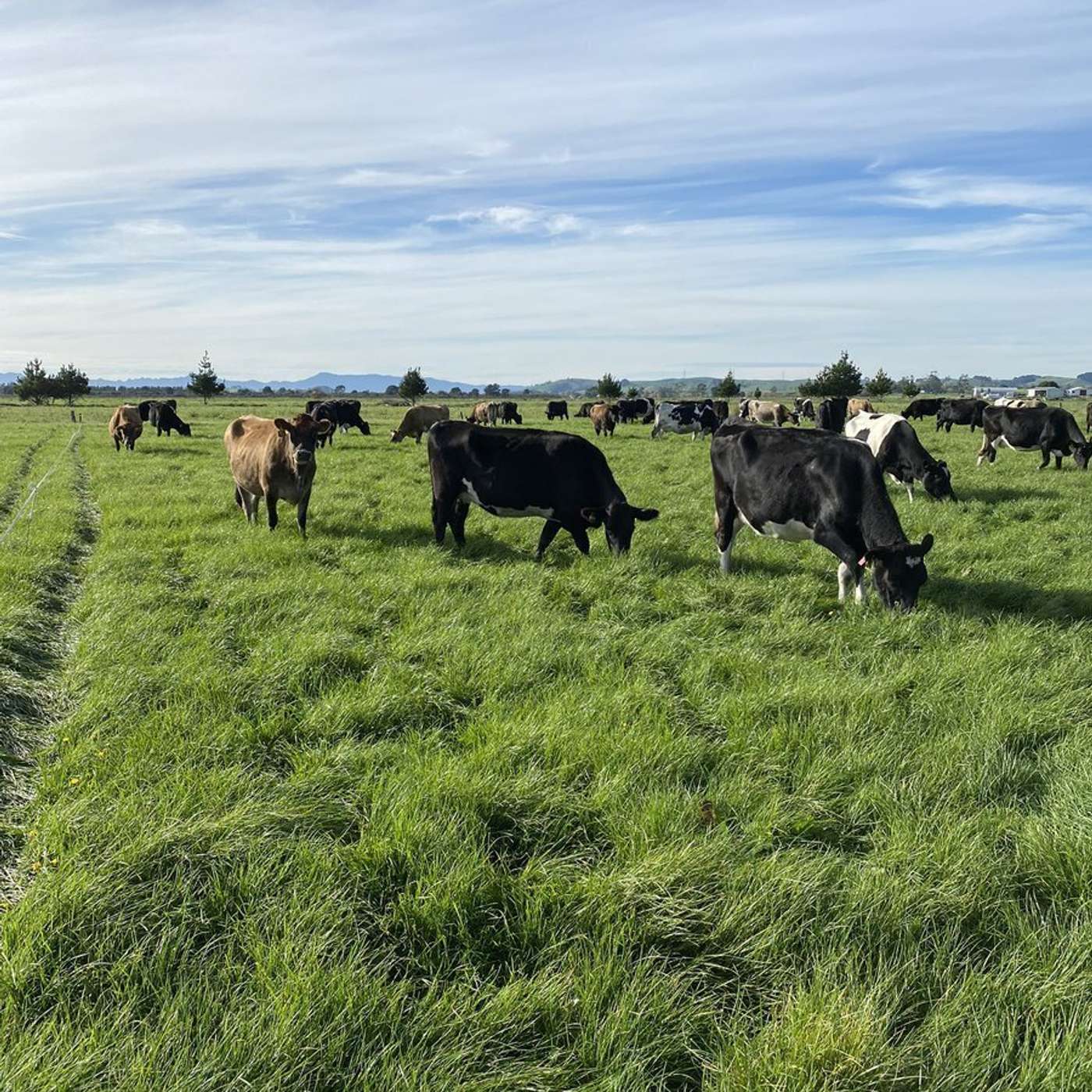
Olin Greenan joins Emma-Louise Coffey for the second part of his interview on this week’s Dairy Edge podcast to give further insights into his production system. Olin first explains what his lactation looks like: calving from early July to mid-September, mating starts in early October with dry off at the end of April. However, he explains that the 2021/22 lactation proved challenging owing to a prolonged dry spell during the summer hitting in New Zealand at Christmas. Previously the summer drought lasted for 6 weeks but Olin says that this has increased to 10 weeks in recent years which has prompted him to revisit his feeding strategy. To counteract drought conditions, he reduces milking frequency to OAD or 3 in 2 as well as supplementing in order to preserve body condition and support milk production into late lactation. For more episodes from the Dairy Edge podcast go to the show page at: https://www.teagasc.ie/animals/dairy/the-dairy-edge-podcast/ The Dairy Edge is a co-production with LastCastMedia.com
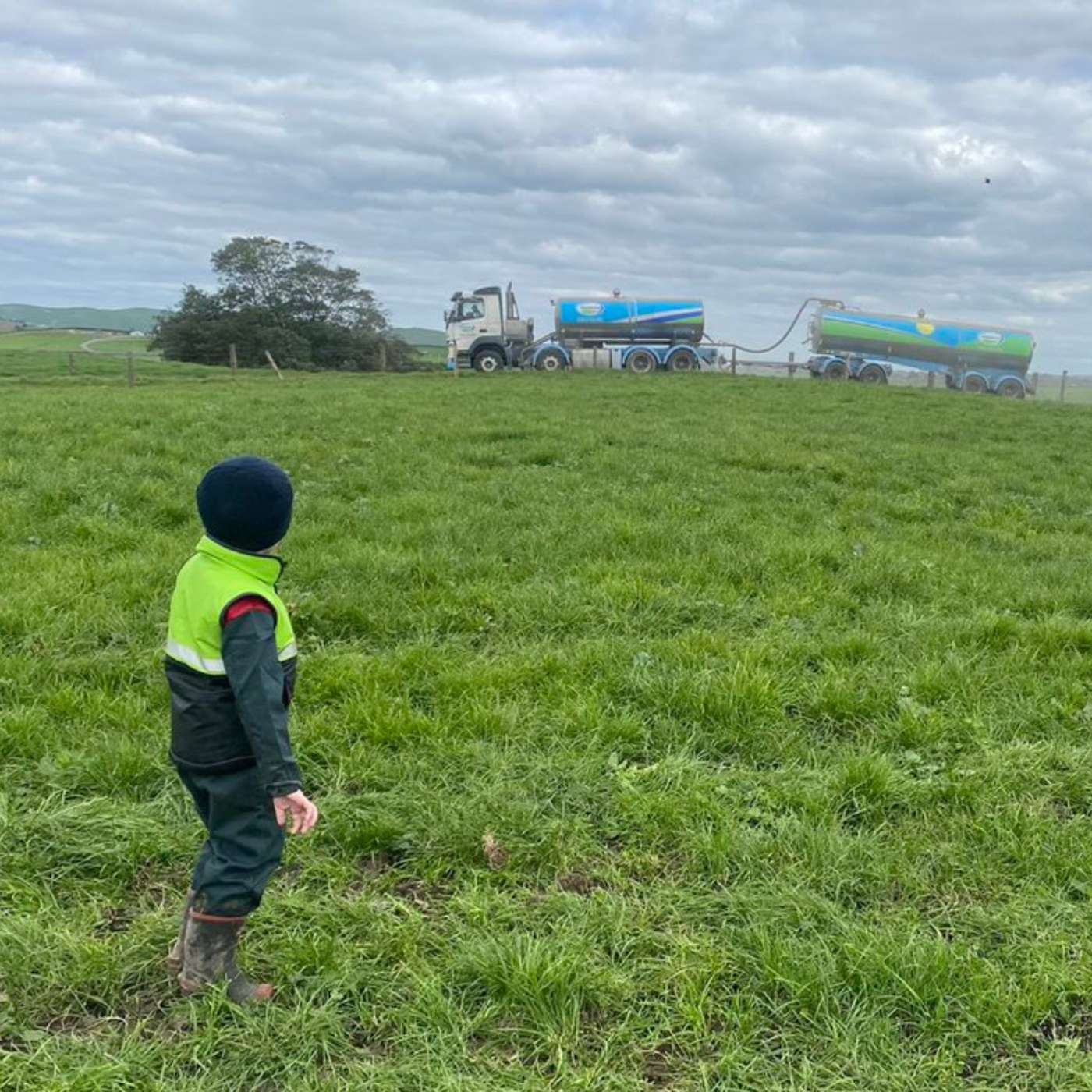
Olin Greenan on developing his dairy farming career in New Zealand over the last 20 years
Irishman Olin Greenan joins Emma-Louise Coffey on this week’s Dairy Edge podcast to discuss how his dairy farming career has developed in New Zealand. Olin recalls the decision to travel to New Zealand for one year after he finished his degree in agriculture and how that developed into a twenty-year farming career from farm assistant to farm manager, contract milker and now 50:50 share milker. Olin explains that early on in New Zealand he was struck by the clear progression pathway for someone interested in dairy farming and the access to finance required to own your own cows. He also outlines the challenges he has faced including periods of low milk pay out and managing people. During low milk pay out, business growth was stagnant. When managing people, he says, there is a balance in creating a good working relationship but also providing a clear boundary and line of command on the farm. For more episodes from the Dairy Edge podcast go to the show page at: https://www.teagasc.ie/animals/dairy/the-dairy-edge-podcast/ The Dairy Edge is a co-production with LastCastMedia.com
Let's Talk Dairy Bonus Episode: Sustainability & Irish dairy farming
bonusFor this week’s podcast version of the Let’s Talk Dairy webinar series, Stuart Childs, Teagasc Dairy Specialist, is joined by Liam McCabe, dairy specialist with Bord Bia, to discuss sustainability around Irish dairy farming. To register for future Let’s Talk Dairy webinars go to:https://www.teagasc.ie/corporate-events/lets-talk-dairy/ For more episodes from the Dairy Edge podcast go to the show page at:https://www.teagasc.ie/animals/dairy/the-dairy-edge-podcast/
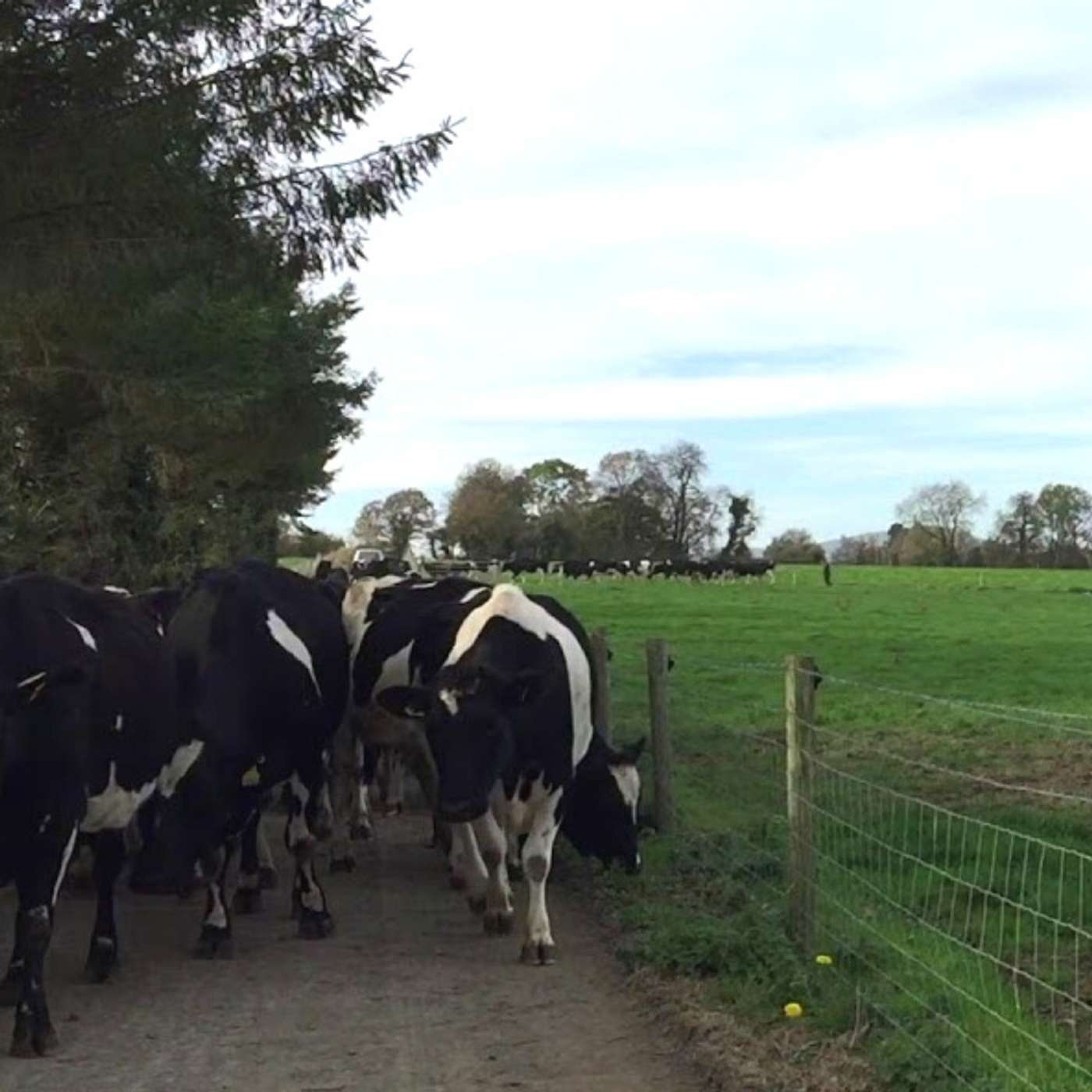
The 50 year evolution of the dairy herd at Kildalton College
This week’s Dairy Edge celebrates the evolution of the Kildalton dairy herd over the last 50 years with contributions from past and present staff at the college. James Ryan and Zerlina Pratt as well as John Connolly and Norman Storey join Emma-Louise Coffey with their insights and memories. In fifty years, the dairy herd has grown from 40 pedigree British Friesian cows producing ~3,500 litres of milk at 3.5% fat and 3.0% protein (260 kg MS) in 1971 to 120 high EBI Holstein-Friesian and crossbred cows in 2021 producing 530 kg MS. The dairy herd has also contended with animal health challenges such as depopulation due to two Brucellosis in the 1970s and Mycoplasma Bovis in 20% of the herd in the 2000s. The dairy herd aims to achieve high productivity per cow and per ha through sustainable farming practices while also facilitating skills training for agriculture students who attend the college to help put theory into practice. For more episodes from the Dairy Edge podcast go to the show page at: https://www.teagasc.ie/animals/dairy/the-dairy-edge-podcast/ The Dairy Edge is a co-production with LastCastMedia.com
Let's Talk Dairy Bonus Episode: the best beef bulls to select for the breeding season
bonusFor this week’s podcast version of the Let’s Talk Dairy webinar series, Stuart Childs, Teagasc Dairy Specialist, is joined by Stephen Connolly from ABP and John Tobin from Munster Bovine to discuss the best beef bulls to select for the breeding season. To register for future Let’s Talk Dairy webinars go to: https://www.teagasc.ie/corporate-events/lets-talk-dairy/ For more episodes from the Dairy Edge podcast go to the show page at: https://www.teagasc.ie/animals/dairy/the-dairy-edge-podcast/
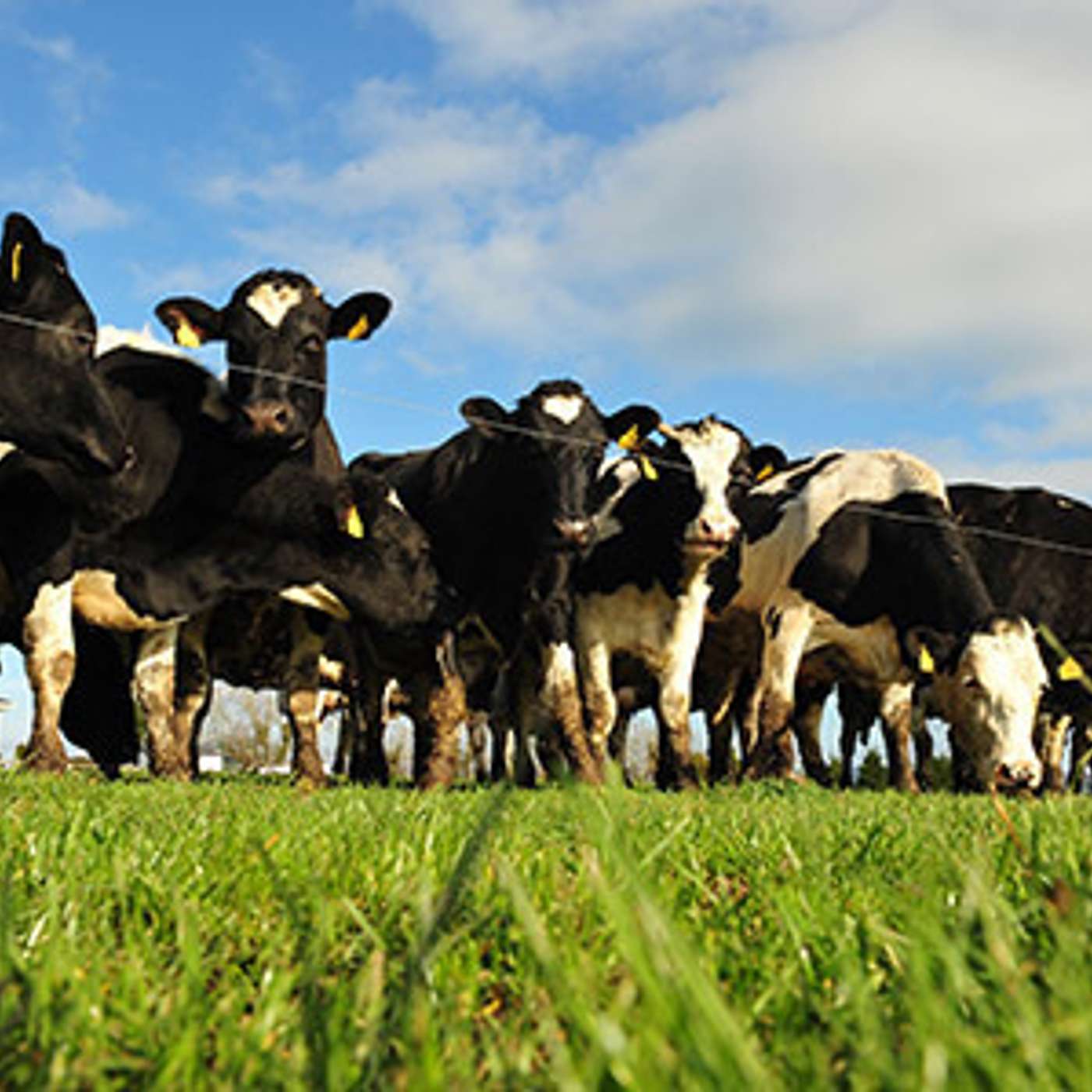
Feed quality and genetics delivering for the winter milk herd at Johnstown
Johnstown Castle farm manager, Aidan Lawless, joins Emma-Louise Coffey on this week’s Dairy Edge podcast to discuss the performance of the Winter Milk Herd. Aidan quantifies the production performance of the winter milk herd at 630 kg MS from 7,000 litres, which is driven by a right calving season of 10 weeks, high EBI genetics and high quality base winter forage in the form of grass silage. Aidan explains that MS have increased by approximately 10 kg year on year owing predominantly to improved genetics as grassland management and fertility performance is relatively consistent. In relation to winter feed, the winter milk cow is generally fed 1/3 grass silage, 1/3 maize and 1/3 concentrates. Grass silage quality is fundamental to maintaining high performance at moderate concentrate input and preventing stomach upset in cows such as acidosis. To achieve 74-75 DMD silage, Aidan explains they need to cut silage in mid-May. For more episodes from the Dairy Edge podcast go to the show page at: https://www.teagasc.ie/animals/dairy/the-dairy-edge-podcast/ The Dairy Edge is a co-production with LastCastMedia.com
Let's Talk Dairy Bonus Episode: The Steps to Make Quality Silage
bonusFor this week’s podcast version of the Let’s Talk Dairy webinar series, Stuart Childs, Teagasc Dairy Specialist, outlines the steps to make quality silage. To register for future Let’s Talk Dairy webinars go to: https://www.teagasc.ie/corporate-events/lets-talk-dairy/ For more episodes from the Dairy Edge podcast go to the show page at: https://www.teagasc.ie/animals/dairy/the-dairy-edge-podcast/
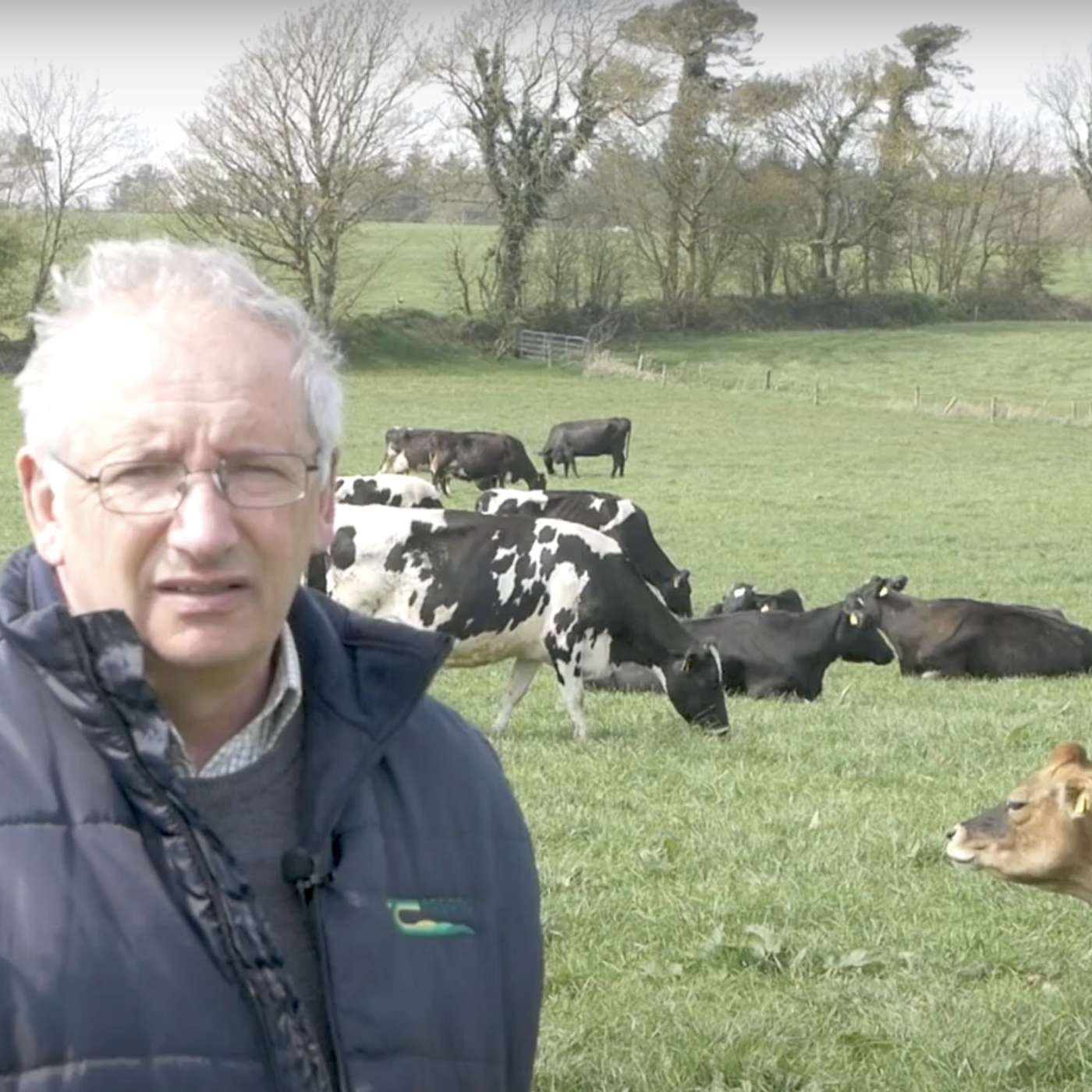
Pushing milk solids per ha from grazed grass at Shinagh Farm
Dairy advisor, John McNamara, and Shinagh dairy manager, Kevin Ahern, join Emma-Louise Coffey on this week’s Dairy Edge podcast to discuss the system of pushing milk solids per hectare from grazed grass and low levels of supplementary feeds. John explains that since cows started milking on farm in 2012, the focus has been on converting grazed grass to milk solids with a low reliance on purchased feed. Over the last number of years, milk solids has been 420-440 kg milk solids per cow from less than 500 kg concentrate and milk solids per ha of 1,100 kg. Kevin suggests small tweaks such as the addition of more clover to grazing swards as well as being more selective with culling poorer yielding cows can lift milk solids per cow. John explains that chemical Nitrogen has reduced from the traditional 250 kg to 178 kg in 2021, and a target of 150 kg in 2022. Kevin quantifies what this looks like practically: all paddocks get 60 kg N by April and subsequently, paddocks with >15% clover will get 8-9 kg Nitrogen and paddocks with >20% clover no further Nitrogen is spread. Both John and Kevin explain their cautious approach to reducing chemical Nitrogen as grass needs Nitrogen to grow and, unless clover content is sufficient, Nitrogen application is essential. For more information: https://www.teagasc.ie/about/farm-advisory/advisory-regions/cork-west/shinagh-farm/ For more episodes from the Dairy Edge podcast go to the show page at: https://www.teagasc.ie/animals/dairy/the-dairy-edge-podcast/ The Dairy Edge is a co-production with LastCastMedia.com
Let's Talk Dairy Bonus Episode: Breeding Season Progress
bonusFor this week’s podcast version of the Let’s Talk Dairy webinar series, Stuart Childs, Teagasc Dairy Specialist, does some checks and balances in relation to breeding. Stuart discusses the need to run a weekly fertility report to track progress and identify the cows not yet bred. It is also important to make sure that you AI for long enough before releasing bulls and use high DBI bulls to generate high quality beef. To register for future Let’s Talk Dairy webinars go to: https://www.teagasc.ie/corporate-events/lets-talk-dairy/ For more episodes from the Dairy Edge podcast go to the show page at: https://www.teagasc.ie/animals/dairy/the-dairy-edge-podcast/
Understanding, reducing and treating lameness in cows
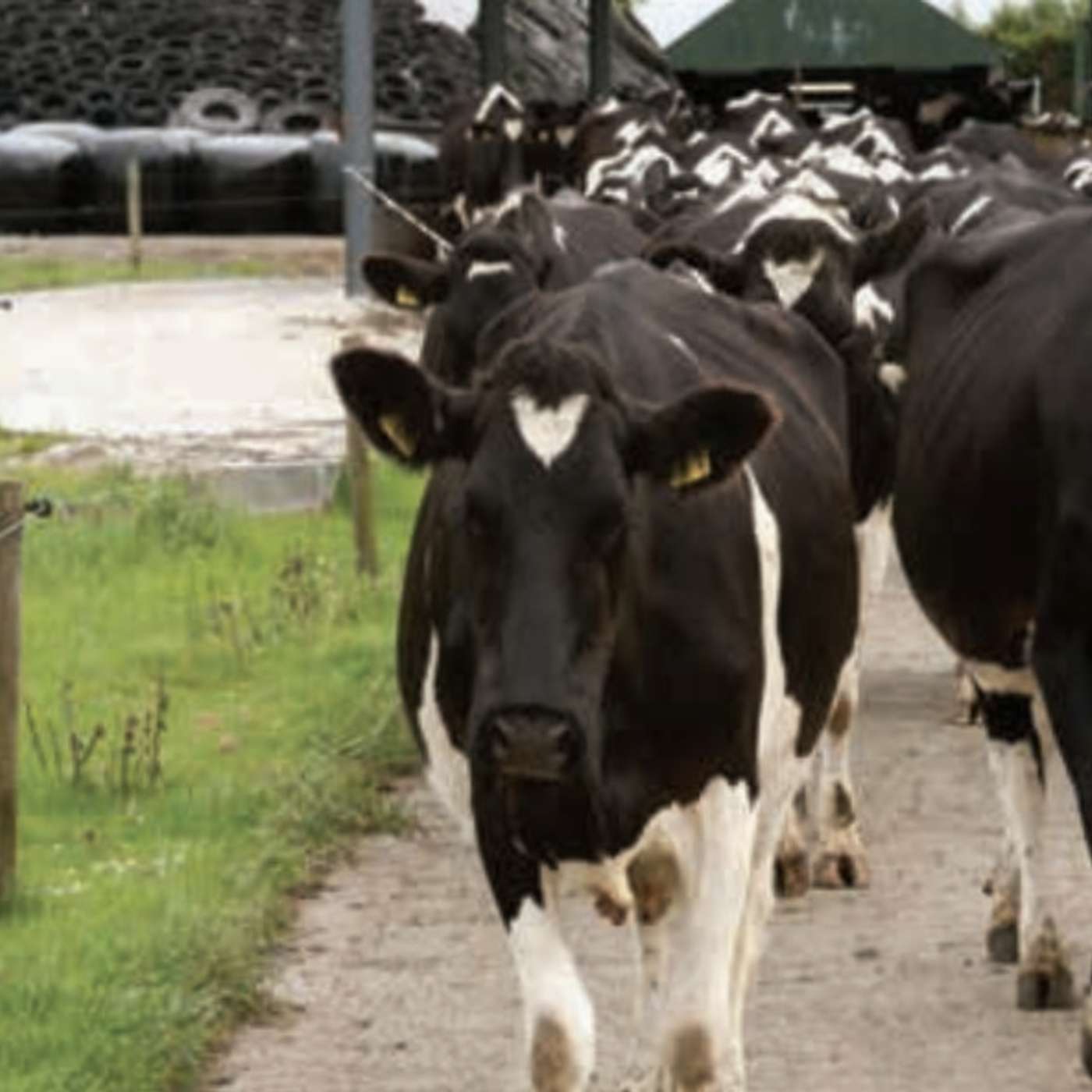
Lameness experts, Ger Cusack and Ned Dunphy, join Emma-Louise Coffey on this week’s episode of the Dairy Edge podcast to discuss the level of lameness that exists in grazing dairy cows and the proactive steps that farmers can take to reduce its incidence. Based on a recent on-farm study, up to 20% of cows within Irish dairy herds have some level of lameness and Ger explains that cows suffering from lameness are coping with pain which is a significant welfare concern. Ger recommends that cows with lameness are treated with an anti-inflammatory to combat pain, reduce swelling and promote healing. Ned explains that simple practices on farms such as allowing cows to walk at their own pace when droving from the paddock to the parlour for milkings, as well as a regular footbathing programme, looking after the surfaces of roadways and learning the skills to identify a lame cow and lift and treat cows, will go a long way towards minimising the level of lameness. Ned estimates that each incidence of lameness costs €350 owing to loss in production, reduced fertility performance, the cost of treatment and culling. Furthermore when considering farm sustainability, Ger explains that cows are culled because of lameness, they fail to reach maturity and this compromises cow lifetime productivity. For more information: https://www.teagasc.ie/media/website/publications/2022/Reducing-Lameness-in-Irish-Dairy-Herds.pdf For more episodes from the Dairy Edge podcast go to the show page at: https://www.teagasc.ie/animals/dairy/the-dairy-edge-podcast/ The Dairy Edge is a co-production with LastCastMedia.com
Let's Talk Dairy Bonus Episode: the Factors that Affect Milk Fat %
bonusFor this week’s podcast version of the Let’s Talk Dairy webinar series, Stuart Childs, Teagasc Dairy Specialist, discusses the factors that affect milk fat %. To register for future Let’s Talk Dairy webinars go to: https://www.teagasc.ie/corporate-events/lets-talk-dairy/ For more episodes from the Dairy Edge podcast go to the show page at: https://www.teagasc.ie/animals/dairy/the-dairy-edge-podcast/
How to keep control of the grass on your farm, maintain quality and avoid feed waste
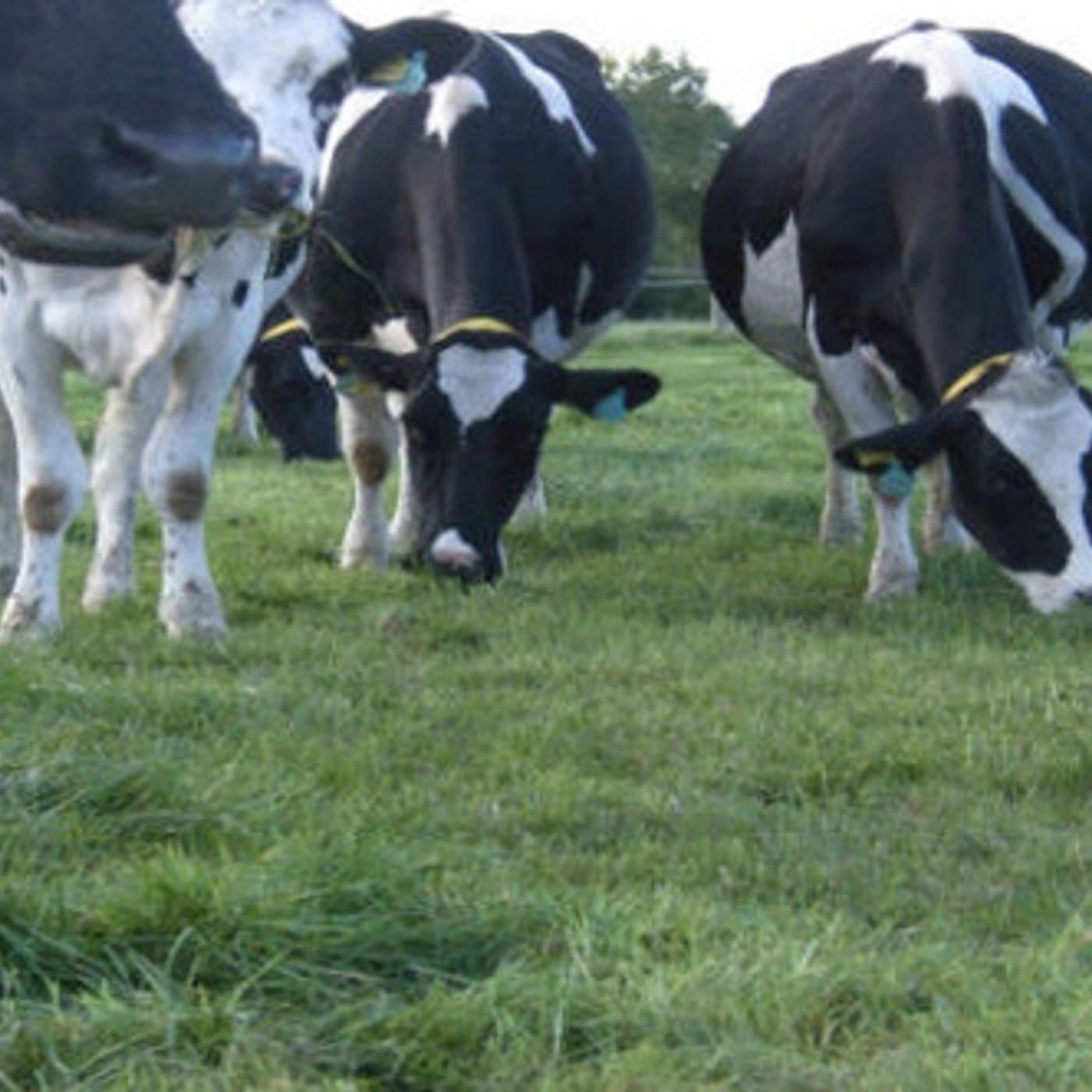
Micheál O’Leary from PastureBase Ireland joins Emma-Louise Coffey on the latest Dairy Edge podcast with advice on how to keep control of the grass on your farm, maintain quality and avoid feed waste as growth rates explode across the country. Currently, average farm cover is 790 kg DM/ha / 203 kg/cow, growth 70 kg/day, demand 56 kg/day and almost half of dairy farms have a pre-grazing cover of >1,600 kg DM/ha. Micheál recommends that dairy farmers take action to reduce the pre-grazing cover to 1,300-1,400 kg to hit paddocks at the 3-leaf stage to ensure good digestibility and quality to support high milk solids production. Where surplus grass is taken out in the form of bales, Micheál reminds us to replenish key nutrients (Phosphorus and Potassium) using 2,500 gallons of slurry where available on farm or alternatively, a compound such as 18-6-12. For more information: https://www.teagasc.ie/crops/grassland/grass10/grass10-newsletter/ For more episodes from the Dairy Edge podcast go to the show page at: https://www.teagasc.ie/animals/dairy/the-dairy-edge-podcast/ The Dairy Edge is a co-production with LastCastMedia.com
Let's Talk Dairy Bonus Episode: Reduced Crude Protein Diets Requirement Under Derogation
bonusFor this week’s podcast version of the Let’s Talk Dairy webinar series, Stuart Childs, Teagasc Dairy Specialist, discusses the reduced Crude Protein diets requirement under Derogation. Stuart gives an overview of the rationale for the decision by DAFM; whether or not it will have implications for farmers; and for farmers not in derogation, the benefits to doing this as well. To register for future Let’s Talk Dairy webinars go to: https://www.teagasc.ie/corporate-events/lets-talk-dairy/ For more episodes from the Dairy Edge podcast go to the show page at: https://www.teagasc.ie/animals/dairy/the-dairy-edge-podcast/
How to make potential savings to feed reserves this year
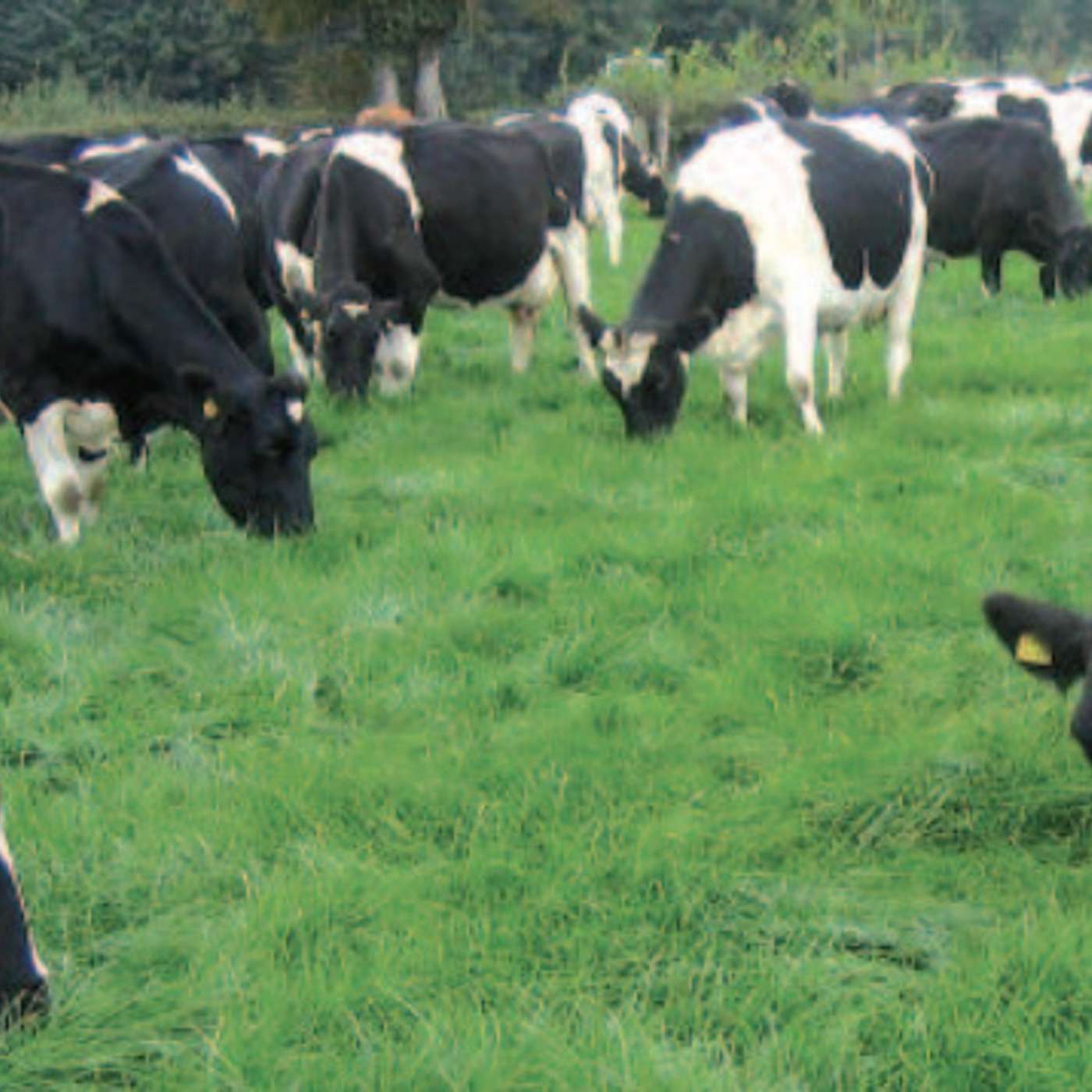
On this week’s episode of The Dairy Edge, advisor Adrian O’Callaghan and dairy farmer Diarmuid Hegarty join Emma-Louise Coffey to consider the potential feed saving that can be achieved by identifying problem cows and culling them from the herd early. Diarmuid explains he is milking 200 cows and running an overall milking platform stocking rate of 2.5 cows/ha that rises to 4-4.5 cows/ha across the mid-season. He had intended on keeping 10-20 extra cows in 2022 but gained discipline to calve and cull the additional cows because of forecasted high costs of production. Adrian details that costs of production were estimated at €1,840 in January but indications now expect they could rise to €2,400. Of 730 dairy farms that completed the Profit Monitor last year, Adrian said 25-30% are buying in the equivalent of 2 bales/cow or ½ tonne DM. He speculates that for some farms that means a portion of cows are fed totally from bought in supplement. If you identify 5 problem cows in the herd and cull them now, there is a potential saving of 125 tonne fresh weight of feed (two-fold difference: removing cows grass/silage demand and additional area for silage). Diarmuid is sticking to his normal silage conservation plan to ensure he has adequate winter feed reserves. He has however gotten his slurry tested and is spreading slurry and chemical fertiliser to complement the soil fertility status. For more information: https://www.teagasc.ie/media/website/publications/2022/OutlookrevisedApril2022.pdf For more episodes from the Dairy Edge podcast go to the show page at: https://www.teagasc.ie/animals/dairy/the-dairy-edge-podcast/ The Dairy Edge is a co-production with LastCastMedia.com
Let's Talk Dairy Bonus Episode: The Teagasc Professional Diploma in Dairy Farm Management
bonusFor this week’s podcast version of the Let’s Talk Dairy webinar series, Stuart Childs, Teagasc Dairy Specialist was joined by Dr Emma-Louise Coffey, Teagasc and Brendan Ryan, Dairy Farmer to get an insight into the Teagasc Professional Diploma in Dairy Farm Management. Emma-Louise gives an overview of the course and outlines the benefits of studying the course while Brendan Ryan, dairy farmer, gives an insight into his background, his experience of participating on the course and the changes that he has made to his farming practices since the course. Find out more here: https://www.teagasc.ie/education/courses/agriculture/professional-diploma-in-dairy-farm-management/ To register for future Let’s Talk Dairy webinars go to: https://www.teagasc.ie/corporate-events/lets-talk-dairy/ For more episodes from the Dairy Edge podcast go to the show page at: https://www.teagasc.ie/animals/dairy/the-dairy-edge-podcast/
Will a strong milk price maintain profit margins in the face of rising production costs?
Agri-economist, Trevor Donnellan, joins Emma-Louise Coffey on this week’s Dairy Edge podcast to discuss the dramatic rise in production costs and speculates whether strong milk price can maintain profit margins. Prior to the war in Ukraine, milk price was set to decline from early 2022. Following the outbreak of war, milk price has continued to rise and outlook remains high until at least Q3 of 2022. High milk price being received by Irish dairy farms is driven by strong dairy product pricing as well as lower than anticipated milk supply in the southern hemisphere and logistical and processing capacity issues from additional milk in the US. From a cost of production standpoint, fertiliser price remains high at up to €1,000 per tonne while projected concentrate feed is expected to run 20% ahead of 2021 prices. Energy costs in the form of green diesel and electricity are projected to run to 60% and 30%, respectively, ahead of 2021. Trevor explains that dairy farmers are well placed to maintain strong profit margins despite rising costs due to the high milk price being received in 2022. For more information: https://www.teagasc.ie/media/website/publications/2022/OutlookrevisedApril2022.pdf For more episodes from the Dairy Edge podcast go to the show page at: https://www.teagasc.ie/animals/dairy/the-dairy-edge-podcast/ The Dairy Edge is a co-production with LastCastMedia.com