The Dairy Edge
703 episodes — Page 6 of 15
Incorporating white clover into grassland swards
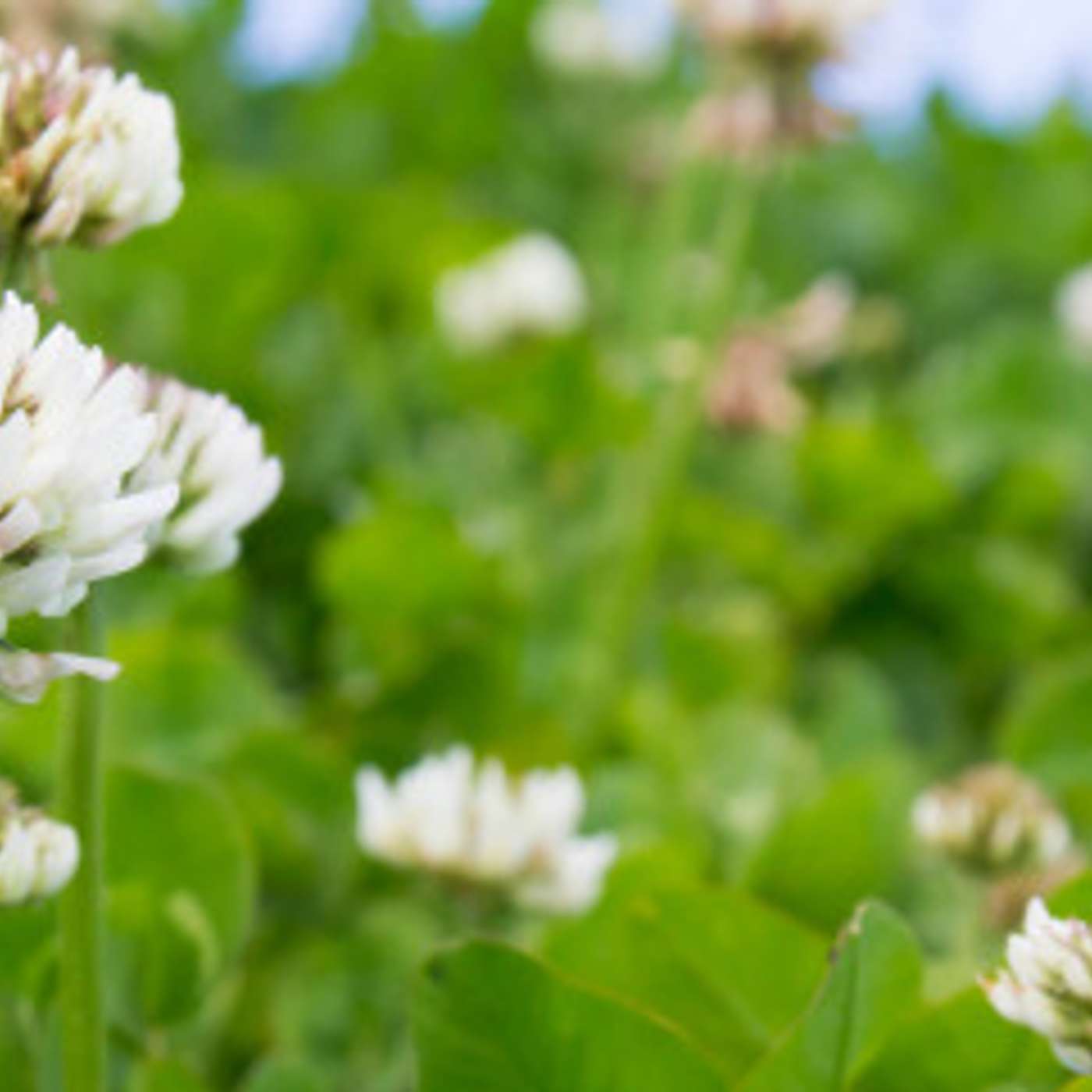
Recognition of the high forage quality and the nitrogen (N) fixation benefits of grass-white clover pastures has led to a resurgence of interest in its use as a means of reducing the economic and environmental costs in livestock agriculture. On this week’s Dairy Edge podcast, Teagasc grassland researcher Caitlin Looney and Teagasc Grass 10 advisor Joseph Dunphy, outline the benefits of grass white clover swards, the findings from the Clover 150 commercial farm trials and how to set out incorporating clover on your farm. For more episodes from the Dairy Edge podcast go to the show page at: https://www.teagasc.ie/animals/dairy/the-dairy-edge-podcast/ The Dairy Edge is a co-production with LastCastMedia.com
Weekly Grass10 Update
On this week’s Grass10 grazing management update, Joseph Dunphy discusses PastureBase data, Dry Matter % and Predicted grass growth, rainfall & soil temperatures for the week. Joseph also discusses feeding the cow as poor weather forces farmers to house and he has an update from dairy farmer Kevin Murphy in county Wexford. Link to this week’s Grass10 newsletter: https://bit.ly/Grass10-26thMarchFor more episodes from the Dairy Edge podcast go to the show page at:https://www.teagasc.ie/animals/dairy/the-dairy-edge-podcast/ The Dairy Edge is a co-production with LastCastMedia.com
The future of Irish dairy breeding with ICBF CEO, Sean Coughlan
Sean Coughlan, CEO of ICBF, joins Stuart Childs on this week’s Dairy Edge podcast to discuss the origins of ICBF, what it has done since its creation back in 1998 and what the future looks like for dairy breeding. Sean first gives a brief description of how ICBF came into being under the stewardship of Dr. Brian Wickham as the first CEO in 1998 when it was formed. He then explains the creases that had to be ironed out when ICBF started highlighting the variation in calving dates that existed initially due to the multiple layers at the time and how over time with the cooperation of all stakeholders, this has become a thing of the past with much more streamlined data flows ensuring accurate recording with no duplication. This has allowed ICBF to create the database that is the engine of dairy and beef breeding in Ireland. The links with the genetics and modelling departments of Teagasc have allowed ICBF to develop EBI initially, DBI and CBV more recently as well as suckler beef indexes all of which are created to drive genetic gain and ultimately profitability for Irish farmers. Sean says that the power of genetics is enormous and that while the improvement is often perceived to be slow, it works and that the potential of new technology such as the genotyping scheme to further improve genetic gain is very real and a huge opportunity for the Irish dairy and beef breeding industry. For more episodes from the Dairy Edge podcast go to the show page at: https://www.teagasc.ie/animals/dairy/the-dairy-edge-podcast/ The Dairy Edge is a co-production with LastCastMedia.com
Weekly Grass10 Update
For this week’s Grass10 grazing management update, Joseph Dunphy discusses PastureBase data, Dry Matter % and Predicted grass growth, rainfall & soil temperatures for the week . Joseph discusses current grazing management with the poor weather, the launch of the Spring clover events throughout the country and has a grazing update from farmer David Dolan in Co. Mayo Link to this week’s newsletter: https://bit.ly/Grass10-19thMarchFor more episodes from the Dairy Edge podcast go to the show page at:https://www.teagasc.ie/animals/dairy/the-dairy-edge-podcast/ The Dairy Edge is a co-production with LastCastMedia.com
Improving silage quality within our dairy systems
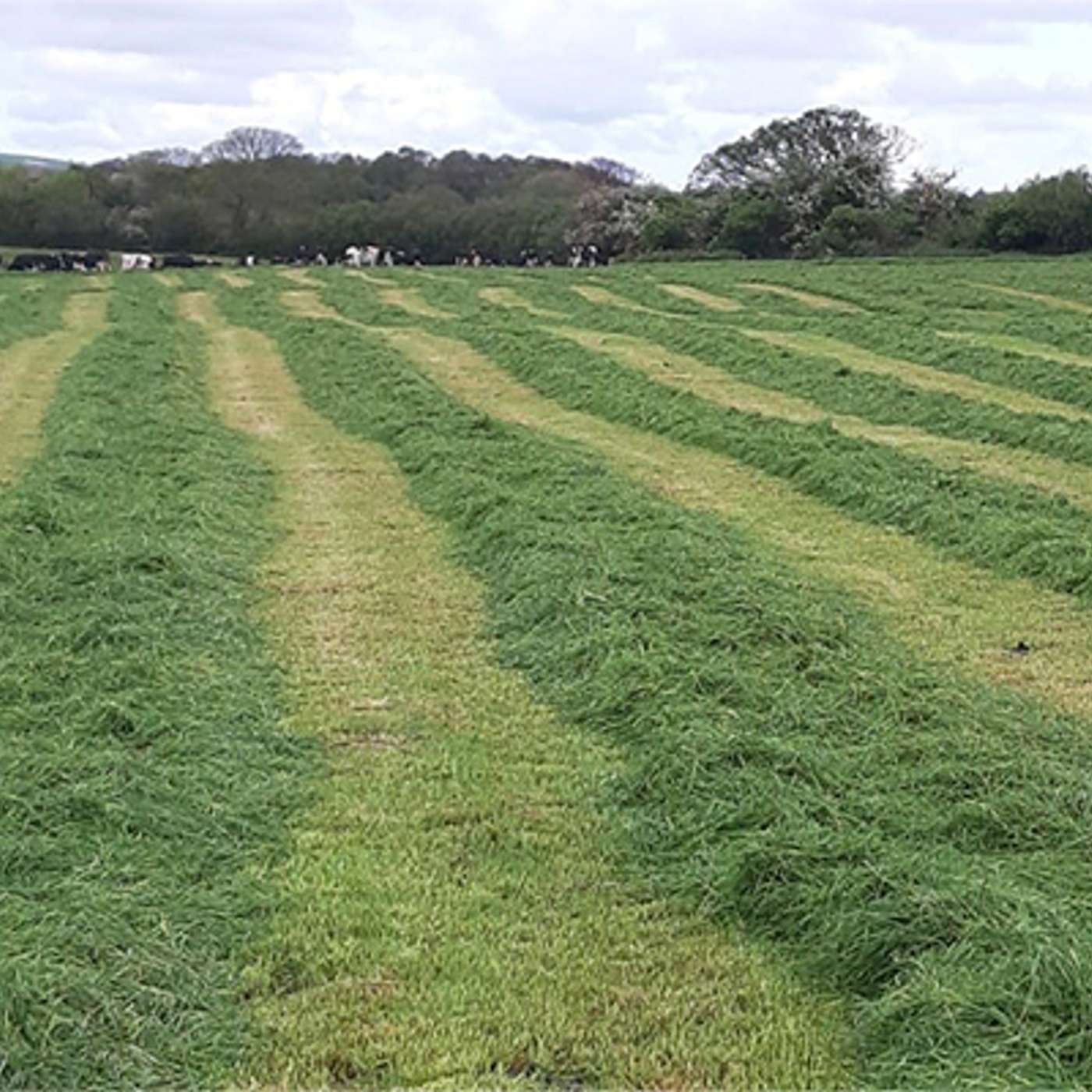
The need for enough quality silage in our dairy systems is often underestimated. With silage stocks reducing and average quality on a lot of farms there is a need for farmers to put a silage plan in place for 2024. Dairy advisor William Byrne, and dairy farmer, Michael Lally, join James Dunne on the latest Dairy Edge podcast to discuss some of the key aspects of making quality silage whilst also ensuring good yields. For more episodes from the Dairy Edge podcast go to the show page at: https://www.teagasc.ie/animals/dairy/the-dairy-edge-podcast/ The Dairy Edge is a co-production with LastCastMedia.com
Weekly Grass10 Update
On the latest Grass10 grazing management update, Joseph Dunphy discusses PastureBase data, Dry Matter % and Predicted grass growth, rainfall & soil temperatures for the week. Joseph also discusses the ‘3 checks’ of managing pasture on your farm during March and has a grazing update from William Dennehy from Co. Kerry. Link to this week’s newsletter: https://bit.ly/Grass10-12thMarchFor more episodes from the Dairy Edge podcast go to the show page at:https://www.teagasc.ie/animals/dairy/the-dairy-edge-podcast/ The Dairy Edge is a co-production with LastCastMedia.com
How Liam Brophy’s home farm converted from drystock to dairy
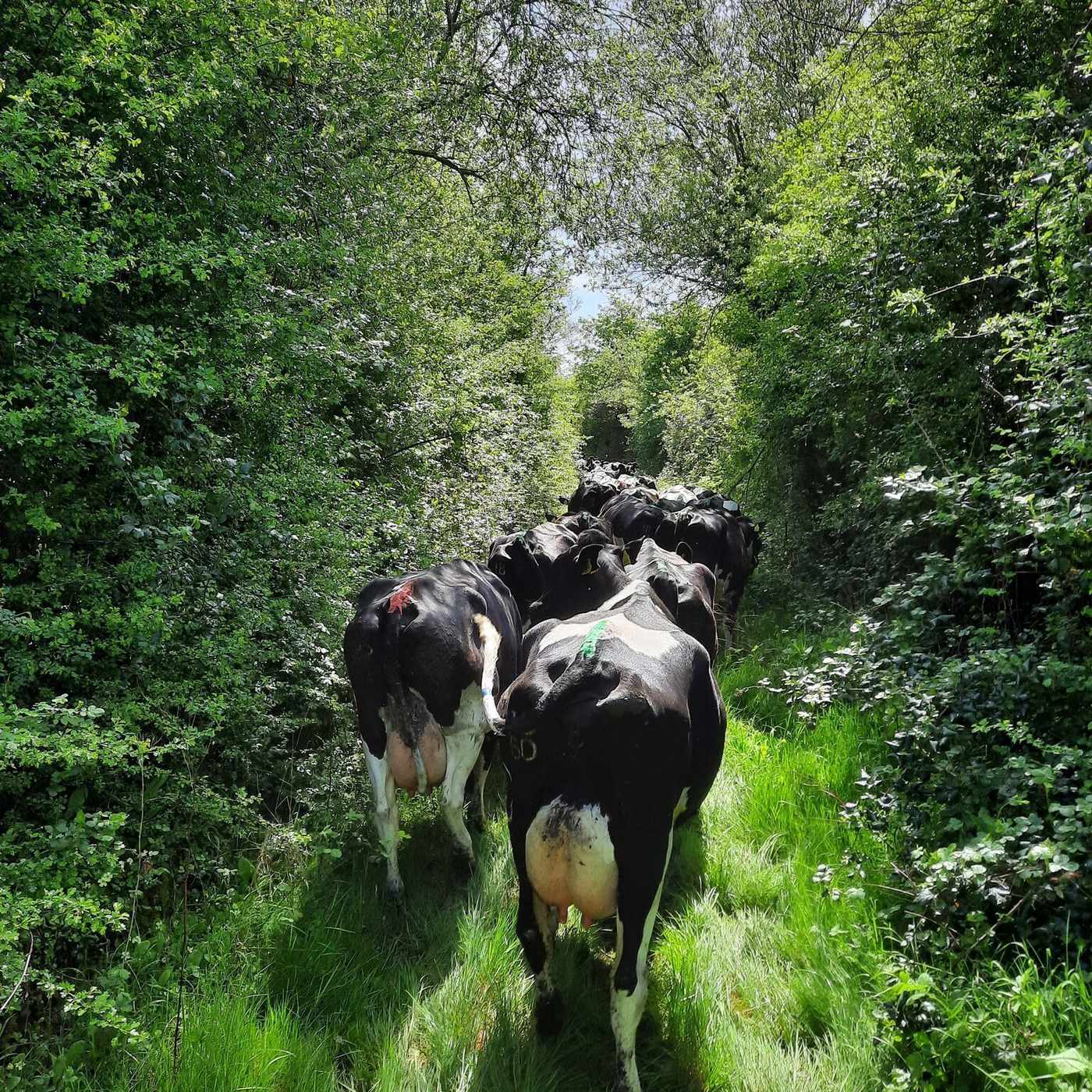
New entrant dairy farmer, Liam Brophy, joins Emma-Louise Coffey on the latest Dairy Edge podcast to discuss the conversion process of his family farm as well as successes and challenges along the way. Towards the end of Liam’s school years, milk quota abolition offered the opportunity to milk dairy cows on his home farm. Following extensive discussion with his father Mark, Liam set about completing the Dairy Herd Management course at Gurteen College and the Dairy Farm Management course at Kildalton College and Moorepark to gain the relevant knowledge and hands-on experience to prepare himself for the process of converting the home farm from drystock to dairy. Prior to milking, investments included purchasing heifers, building a parlour, installing a water system and paddocks. The most recent building included a cubicle shed which replaced straw bed housing. Reflecting on the last 5 years, Liam explained that while they had planning approval to build the parlour almost a year prior to start milking in February 2020, the unanticipated impact of Covid-19 delayed the build of the milking parlour which forced them to milk in a temporary parlour for almost the full year. This delay presented the greatest challenge in the early days. The Brophy family, now in their 4th season milking, have 142 high EBI black and white cows calving in 2024. In 2023, the cows produced 500 kg MS at 4.5% fat and 3.7% protein. For more episodes from the Dairy Edge podcast go to the show page at: https://www.teagasc.ie/animals/dairy/the-dairy-edge-podcast/ The Dairy Edge is a co-production with LastCastMedia.com
Weekly Grass10 Update
On this week’s Grass10 grazing management update, Joseph Dunphy discusses the latest PastureBase data, Dry Matter % and Predicted grass growth, rainfall & soil temperatures for the week. Jospeh explains how an adjustment of your first grazing rotation will need to be made depending on your % grazed during February. He also has a grazing update from featured farmer, Joe Murphy from Co Kilkenny, and he discusses the importance of sulphur this spring. Link to this week’s newsletter: https://bit.ly/Grass10-5thMarchFor more episodes from the Dairy Edge podcast go to the show page at:https://www.teagasc.ie/animals/dairy/the-dairy-edge-podcast/ The Dairy Edge is a co-production with LastCastMedia.com
The importance of genetics in dairy-beef systems to maximise performance & profitability
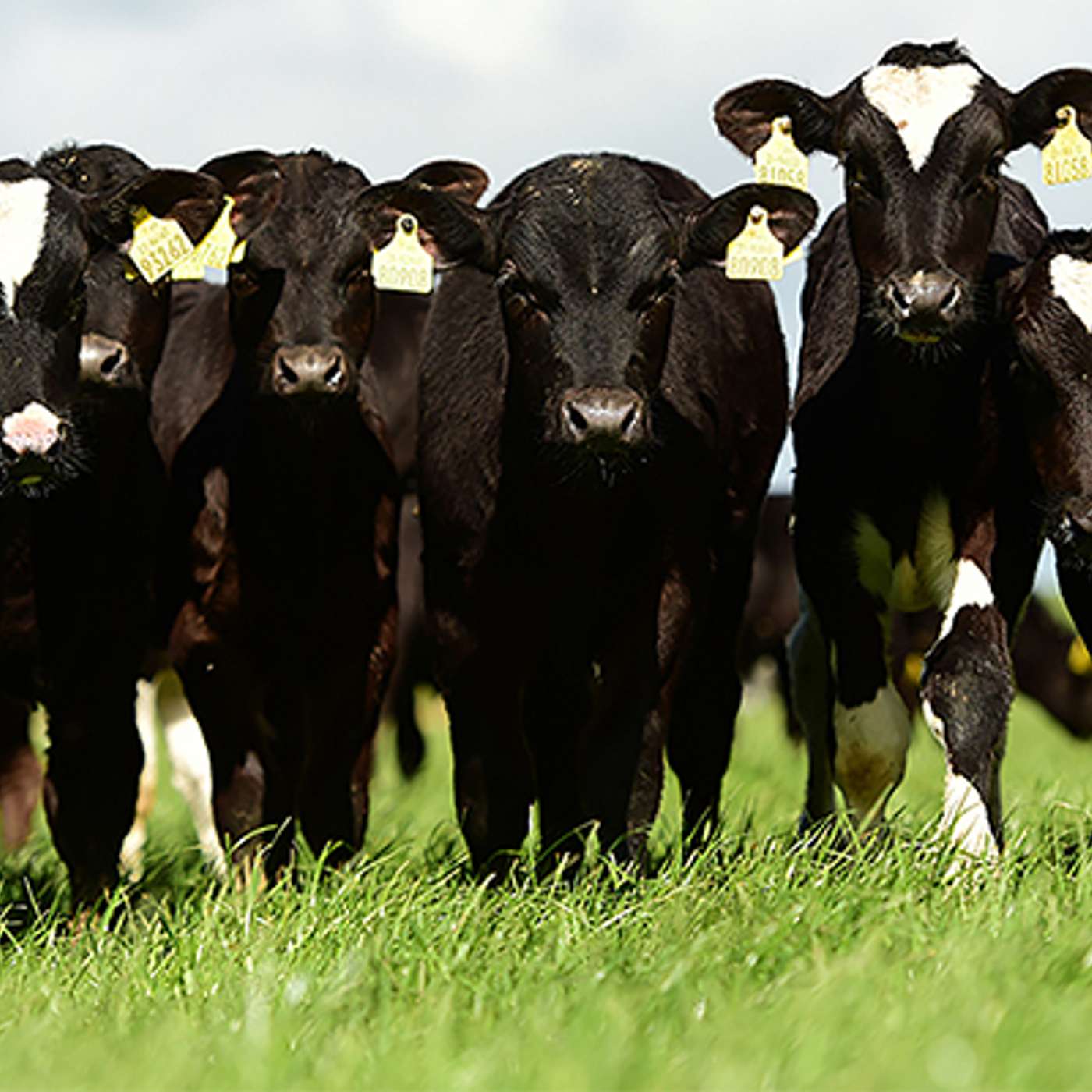
As a joint episode between The Dairy Edge and The Beef Edge podcasts, dairy farmer, Paul Delaney, and Teagasc beef specialist, Catherine Egan, join Emma-Louise Coffey to discuss the importance of genetics in dairy-beef systems to maximise performance and profitability. In 2024, Paul plans to use sexed semen on the top 35-40% of his herd followed by continental beef straws. When considering the impact of calving continental breeds, Paul says he focuses on calving difficulty and gestation length and has not encountered issues at calving. He compares his experience of calving suckler and dairy cows and explains that he finds the dairy cows ‘open up better’ to calf and they are fit rather than fat, given the difference in their body condition at calving. Paul has two repeat customers since he began milking six years ago, one for his Friesian bulls and one for his continentals. He sets the price for the calves based on the market value in the given year. His priority is to sell a healthy, good quality calf that will provide a margin for the beef farmer. For farmers who are placing a greater focus on the dairy beef index this year, Paul encourages farmers to give it a go and try with a handful of their cows. Where it works well, it will give farmers the confidence to continue adding value to the dairy beef calves into the future. For more episodes from the Dairy Edge podcast go to the show page at: https://www.teagasc.ie/animals/dairy/the-dairy-edge-podcast/ The Dairy Edge is a co-production with LastCastMedia.com
Weekly Grass10 Update
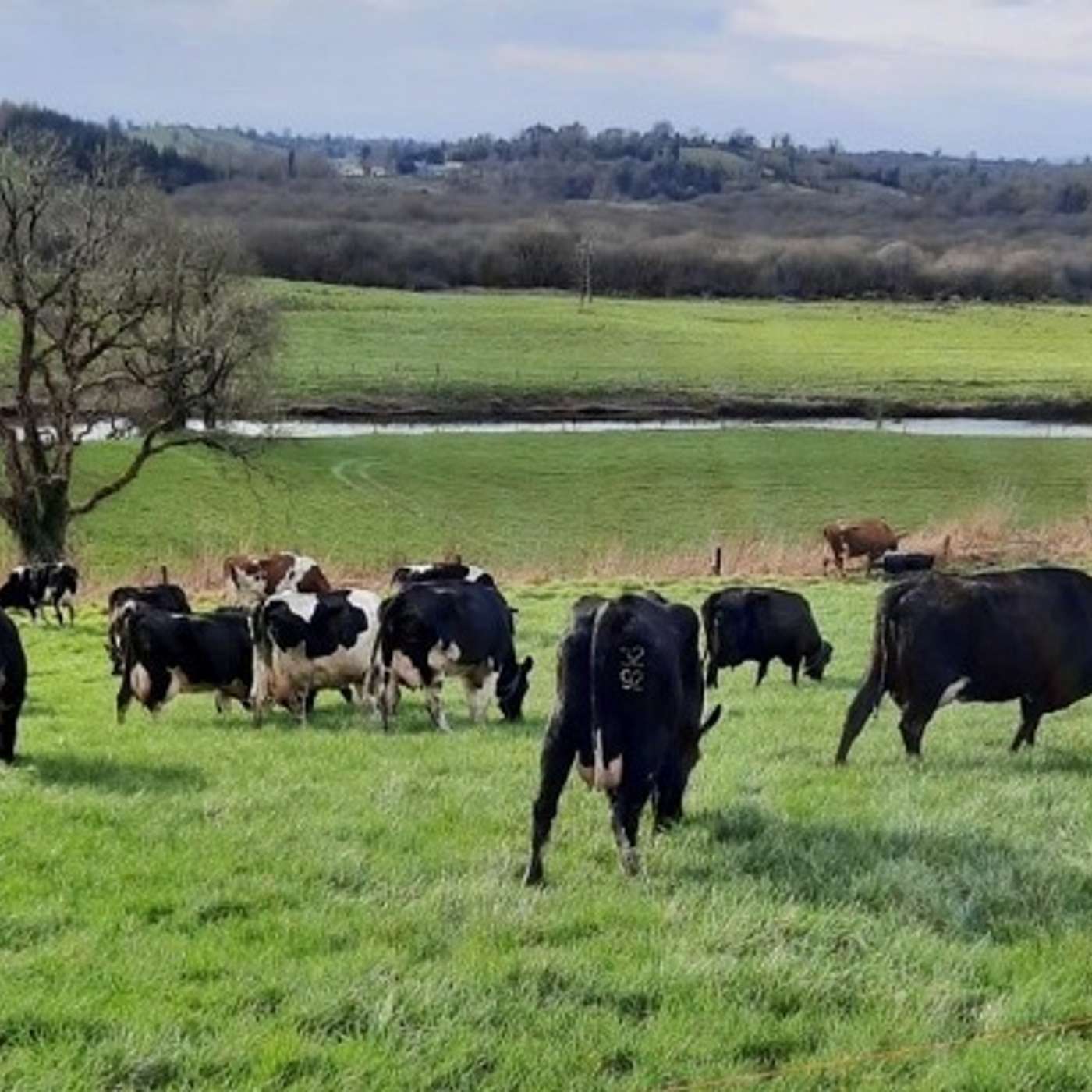
For this week’s Grass10 grazing management update, Joseph Dunphy discusses PastureBase data, Dry Matter % and Predicted grass growth, rainfall & soil temperatures. Joseph has a grazing update from the featured farmer from Co. Westmeath, Michael Martin, who is getting grazing despite the difficult weather. He discusses the importance of getting back into the weekly routine of completing a grass walk on PastureBase Ireland and an updated plan for chemical N and Slurry. Link to this week’s newsletter: https://bit.ly/Grass10-27thFebFor more episodes from the Dairy Edge podcast go to the show page at:https://www.teagasc.ie/animals/dairy/the-dairy-edge-podcast/ The Dairy Edge is a co-production with LastCastMedia.com
Dairy Market Outlook for 2024
Coming off the back of the highs of 2022, the production year of 2023 has seen a sharp market correction in milk price. Plenty of farmers are budgeting forward and one question which is always asked is what’s the market outlook for the current year? On this week’s Dairy Edge, James Dunne is joined by Bord Bia Dairy Ingredients Sector Manager, Margaret Butler, to give some insights into the current market outlook. For more episodes from the Dairy Edge podcast go to the show page at: https://www.teagasc.ie/animals/dairy/the-dairy-edge-podcast/ The Dairy Edge is a co-production with LastCastMedia.com
Weekly Grass10 Update
On this week’s Grass10 grazing management update, Joseph Dunphy discusses PastureBase data, Dry Matter % and Predicted grass growth, rainfall & soil temperatures. Joseph also has a grazing update from featured farmer, Fergal Coughlan from Co. Cork, who has managed to graze 25% of his farm so far this spring. He discusses tips to get cows to grass and how to structure your daily workload so cows get out for a 2nd allocation of grass in the afternoon. He also discusses the PastureBase grazing calculator & early chemical Nitrogen. Link to this week’s Grass10 newsletter: https://bit.ly/Grass10-20thFebFor more episodes from the Dairy Edge podcast go to the show page at:https://www.teagasc.ie/animals/dairy/the-dairy-edge-podcast/ The Dairy Edge is a co-production with LastCastMedia.com
Hazell Mullins on how to achieve high herd health status
‘Vet on the Moove’ Hazell Mullins joins Emma-Louise Coffey on this week’s Dairy Edge podcast to discuss the priorities to achieve high herd health status and gives her tips to limit disease outbreaks this spring. Hazell identifies use of farm data, diagnostic testing and hygienic facilities as target areas to promote herd health and prevent disease outbreak. In relation to an effective vaccination programme, Hazell recommends that individual farmers assess their farm situation, whether there is movement of stock to out farms, contract reared where potentially in contact with other stock or disease markers are rising in diagnostics testing. As the busy calving season progresses, Hazell explains that despite farmers best efforts, illness outbreak typically occurs when the infection pressure exceeds the immunity of animals, especially the young calves. For more episodes from the Dairy Edge podcast go to the show page at: https://www.teagasc.ie/animals/dairy/the-dairy-edge-podcast/ The Dairy Edge is a co-production with LastCastMedia.com
Weekly Grass10 Update
On this week’s Grass10 grazing management update, Joseph Dunphy discusses PastureBase data, Dry Matter % and Predicted grass growth, rainfall & soil temperatures. Joseph has a grazing update from featured farmer, Enda Armstrong from Co. Galway, who is currently grazing by day and explains the techniques he is using to get grass in the diet when weather is difficult. Joseph also discusses the importance of early spring Nitrogen.You can also read this week's Grass10 newsletter at:https://bit.ly/Grass10-13thFebFor more episodes from the Dairy Edge podcast go to the show page at:https://www.teagasc.ie/animals/dairy/the-dairy-edge-podcast/ The Dairy Edge is a co-production with LastCastMedia.com
Taking control of SCC in the early stages of lactation
Don Crowley, Teagasc Milk Quality Specialist, joins Stuart Childs on this week’s episode of the Dairy Edge to talk about how to take control of SCC in the early stages of lactation. Don first outlines the importance of a fresh cow group to manage the transition to the main milking group which is a key step to set cows up for the year ahead. This fresh cow group will allow added attention to be given to both cubicles and the cows themselves in terms of preparation and observation of milking. Don also advocates using the Californian Milk Test (CMT) on all cows immediately prior to allowing their milk into the bulk tank. This step will allow for early identification of sub clinical mastitis and facilitates appropriate early intervention to control the infection. This process will cost time at what is a busy time of year already but it is time well worth investing and will set your cows up for their full lactation. For more episodes from the Dairy Edge podcast go to the show page at: https://www.teagasc.ie/animals/dairy/the-dairy-edge-podcast/ The Dairy Edge is a co-production with LastCastMedia.com
Weekly Grass10 Update
The Teagasc Grass10 team are bringing Dairy Edge listeners a new, weekly Grass10 update and for this week's grazing management update, Joseph Dunphy discusses PastureBase data, Dry Matter % and Predicted grass growth, rainfall & soil temperatures.He also discusses the importance of getting your opening Average Farm Cover, grass budget & spring rotation planner completed. Plus, Joseph has an update from the Clonakilty Research Farm in Co. Cork where grazing has started, as well as the dos and don’ts in relation to early spring slurry and N application.You can also read this week's Grass10 newsletter at:https://bit.ly/Grass10-6thFebruaryFor more episodes from the Dairy Edge podcast go to the show page at:https://www.teagasc.ie/animals/dairy/the-dairy-edge-podcast/ The Dairy Edge is a co-production with LastCastMedia.com
The priority tasks for setting up the farm for the grazing season
On this week’s episode of The Dairy Edge, dairy advisor Kay O’Connell joins Emma-Louise Coffey to address priority tasks from supporting cow and calf health to setting up the farm for the grazing season of 2024. Kay recommends that farmers complete a spring rotation planner as a means of increasing the proportion of grazed grass in the dairy cow diet. Kay explains that grazed grass is highly digestible and high in protein and will support milk production and body condition in early lactation. Kay discusses the considerations for Once-A-Day milking in early lactation. She explains that the biggest benefit comes from the labour savings. Addressing concerns about reduction in milk yield, Kay quantifies that during the 4 weeks OAD milking in early lactation, yield reduces by 22-24% but cows bounce back and there is no difference in overall production. In terms of calf care, Kay emphasises the importance of the 1-2-3 of colostrum and hygiene in feeding implements and calf beds. For more episodes from the Dairy Edge podcast go to the show page at: https://www.teagasc.ie/animals/dairy/the-dairy-edge-podcast/ The Dairy Edge is a co-production with LastCastMedia.com
Getting the balance between achieving optimum dairy cow intakes and good graze outs in early lactation
Mike Egan joins Emma-Louise Coffey on this week’s Dairy Edge podcast to discuss the balance between achieving optimum dairy cow intakes and good graze outs in early lactation. Mike first considers the dynamics that dictate dairy cow intake in early lactation including parity, quality of the dry cow diet, cow liveweight, health and EBI. He explains that recent research estimates that the average cow in the herd will eat approximately 13 kg DM following calving, which is higher than the previous research which was carried out in the late 2000s. However, Mike points out that despite the initial greater intake potential at week 1 of lactation, the weekly rise in the appetite of the cow is less than previous estimates (0.8 kg per week rather than 1.0 kg). Peak intake of 17-18 kg is reached at week 10 of lactation. Mike says that in mid-January, farm cover was sitting at 830 kg DM/ha across farms that have measured and recorded grass on PastureBase and therefore there is great scope for grazed grass to make up the majority of the dairy cow diet in February. Mike recommends that each farmer gets out to measure grass cover to assess exactly how much grass is available to them and to prepare a Spring Rotation Planner and Feed Budget for the months ahead. This will ensure cows are fed with the best quality feeds possible to support milk production and body condition and supplement is fed at appropriate rates and spec where necessary. For more episodes from the Dairy Edge podcast go to the show page at: https://www.teagasc.ie/animals/dairy/the-dairy-edge-podcast/ The Dairy Edge is a co-production with LastCastMedia.com
How to maximise the value of slurry
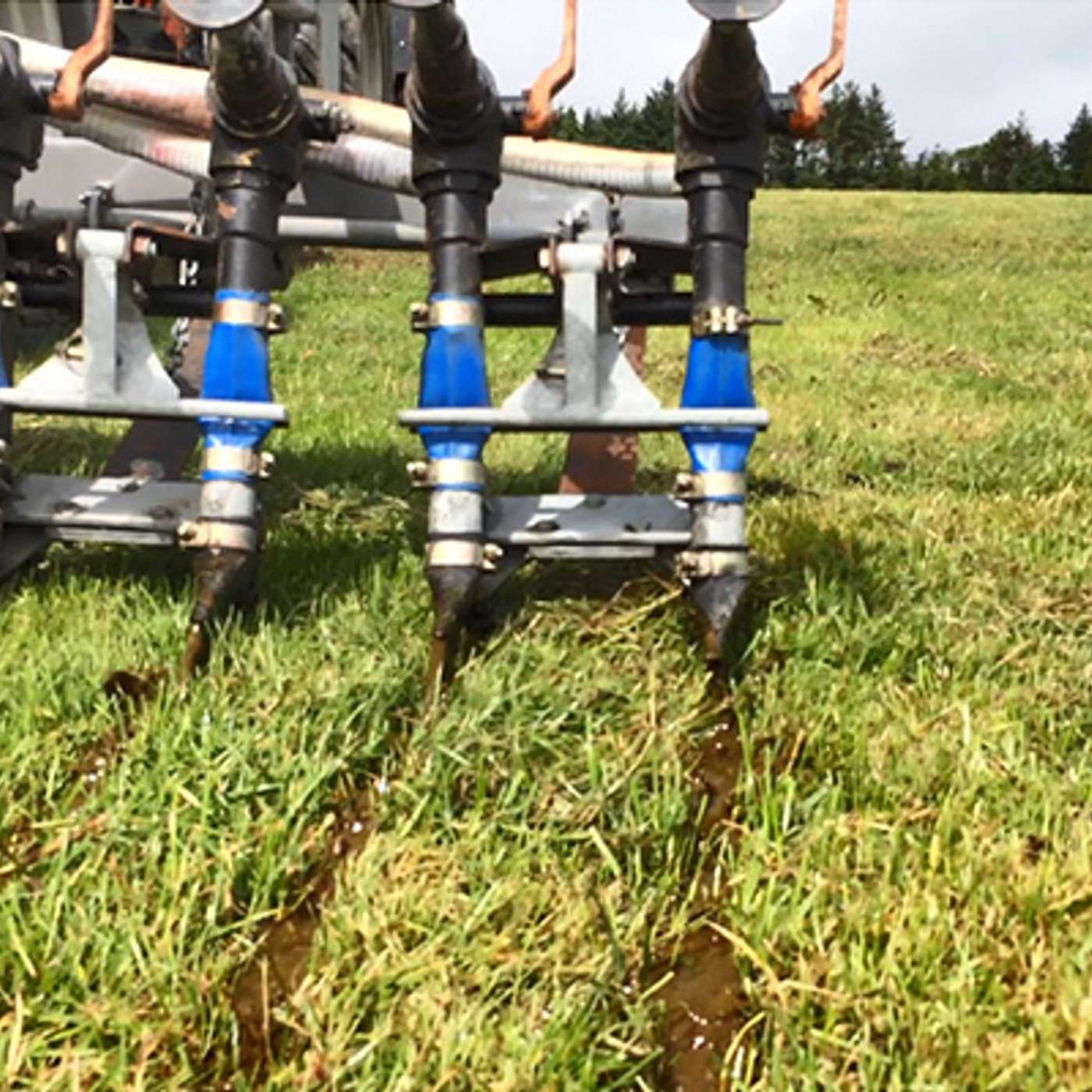
Pat Tuohy and William Burchill join Emma-Louise Coffey on this week’s Dairy Edge podcast to discuss how farmers can maximise the value of slurry through tactical use and having optimum storage facilities on farm. At the outset, William says, if you are not prepared to go with bagged fertiliser, you should not be willing to slurry. In order for this to play out on farm, William explains that farmers need sufficient storage to allow flexibility in their system, particularly in late January and February. William quantifies the value of slurry at €40/1,000 gallons with a nutrient profile of 9 units of Nitrogen, 5 units of Phosphorus and 32 units of Potassium. William explains that 80% of the value of slurry comes from the P & K components and how farmers need to be tactical about where they spread (paddocks with low P & K or silage ground), how (LESS technology) and how much (using the appropriate rate). William acknowledges the variation in nutrient value of slurry, be it covered or uncovered tanks or the type of stock feeding into the tank, and recommends farmers consider slurry sampling to know the exact profile of the slurry product. Patrick has put an estimate of capital investment in slurry storage for typical options farmers choose from slatted tank, €790 per cow (€450/foot), to over ground tank, €835 per cow, and slurry bag, €325 per cow. In an ongoing study across 100 dairy farms in Ireland, Pat recognises the contribution of rainwater whether to uncovered storage facilities and runoff not being channelled away from tanks. This can put existing facilities under significant pressure throughout the closed period. For more information:https://www.teagasc.ie/media/website/events/2023/Slurry-Storage-and-handling---how-best-to-invest.pdf For more episodes from the Dairy Edge podcast go to the show page at: https://www.teagasc.ie/animals/dairy/the-dairy-edge-podcast/ The Dairy Edge is a co-production with LastCastMedia.com
How some farmers are achieving an average 8 hour working day on farm
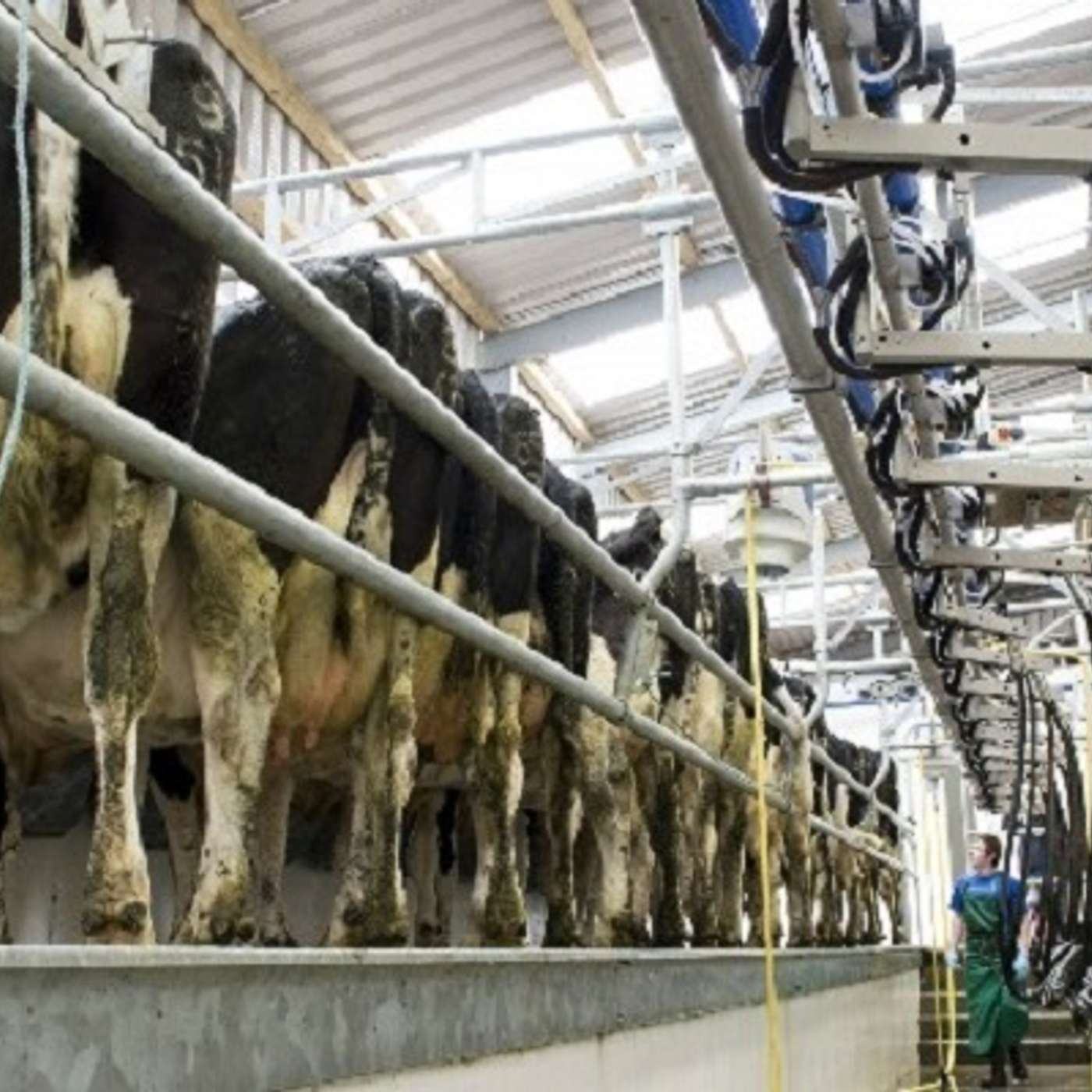
Marion Beecher joins Emma-Louise Coffey on this week’s episode of The Dairy Edge to discuss a recent case study of farmers who achieve an average 8 hour working day on their dairy farm throughout the year. Marion explains that in the study, farmers cited a compact, seasonal calving system as the key driver of their labour efficiency and recognised that the average 8 hour day ranged with longer working days during calving and breeding to much shorter days when cows are dried off Marion identified some top practices that lend themselves to lower labour demands including a good milking parlour with less than 8 rows going through the parlour (farm facilities), group calving pens (work practices), automatic calf feeders, collars (technologies) and setting an evening finish time (work organisation). Ahead of the spring calving season on dairy farms, Marion encourages farmers to get a good break and well deserved rest, prepare as much as possible by having facilities set up and the relevant supplies to hand on farm and to ensure there is sufficient help available for the calving. For more information:https://www.teagasc.ie/media/website/events/2023/Marion-Beecher-Presentation---Getting-to-grips-with-labour-challenges-on-dairy-farms.pdf For more episodes from the Dairy Edge podcast go to the show page at: https://www.teagasc.ie/animals/dairy/the-dairy-edge-podcast/ The Dairy Edge is a co-production with LastCastMedia.com
Making informed decisions regarding farm stocking rate
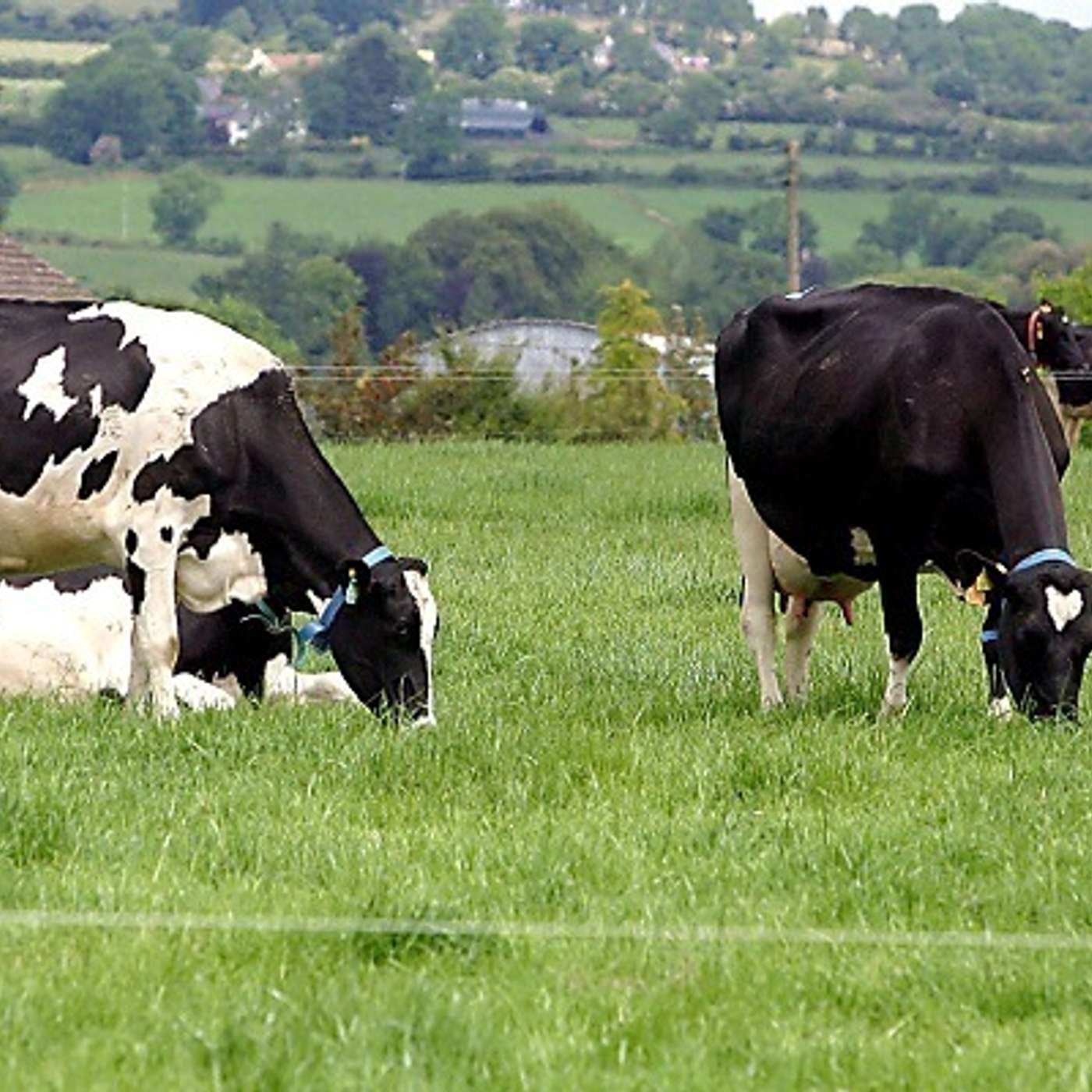
Following the Teagasc National Dairy Conference where attendees heard how pasture utilised was fundamental to our dairy systems, Teagasc Researcher Donal Patton joins James Dunne on the latest Dairy Edge podcast to explain how to make informed decisions regarding farm stocking rate.For more episodes from the Dairy Edge podcast go to the show page at: https://www.teagasc.ie/animals/dairy/the-dairy-edge-podcast/ The Dairy Edge is a co-production with LastCastMedia.com
Wholefarm Nitrogen Use Efficiency
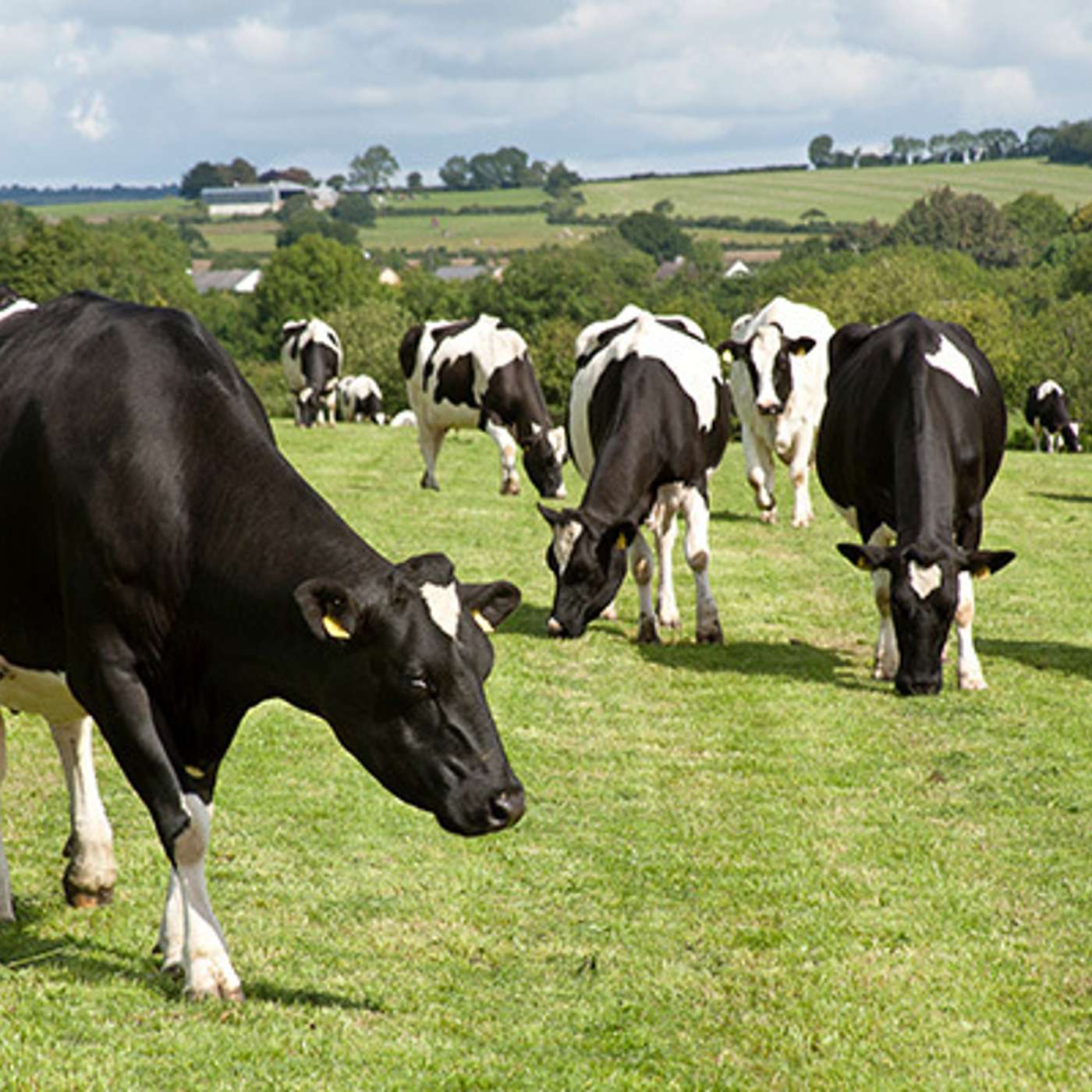
William Burchill, FBD Lecturer in Soil Science in UCC, is on this week’s Dairy Edge podcast discussing Nitrogen Use Efficiency (NUE) from a wholefarm point of view but also from the point of nitrogen applied.William explains how wholefarm Nitrogen Use Efficiency works and then how NUE can be used in terms of the fertilisers (organic or chemical) applied to land. William discusses the 4 Rs of fertiliser application: Right type, Right place, Right timing and Right rate.William also outlines a fertiliser shopping list for farms which will include protected urea as the main source of nitrogen and the requirements for P and K being addressed through 16% Super P and Muriate of Potash (0:0:50) or compounds such as 18:6:12 or 0:7:30.The response to sulphur (S) also needs to be considered for fertiliser applications with recent work showing up to 25% increase in grass growth where S is included.Finally, William recommends people test their soil, test their slurry, build a nutrient management plan and follow it ensuring to use the allowances that are available to the farm due to the importance of keeping all nutrients at the appropriate index in order to drive grassland performance.For more episodes from the Dairy Edge podcast go to the show page at: https://www.teagasc.ie/animals/dairy/the-dairy-edge-podcast/The Dairy Edge is a co-production with LastCastMedia.com
Why the Irish dairy industry has the capacity for continued growth
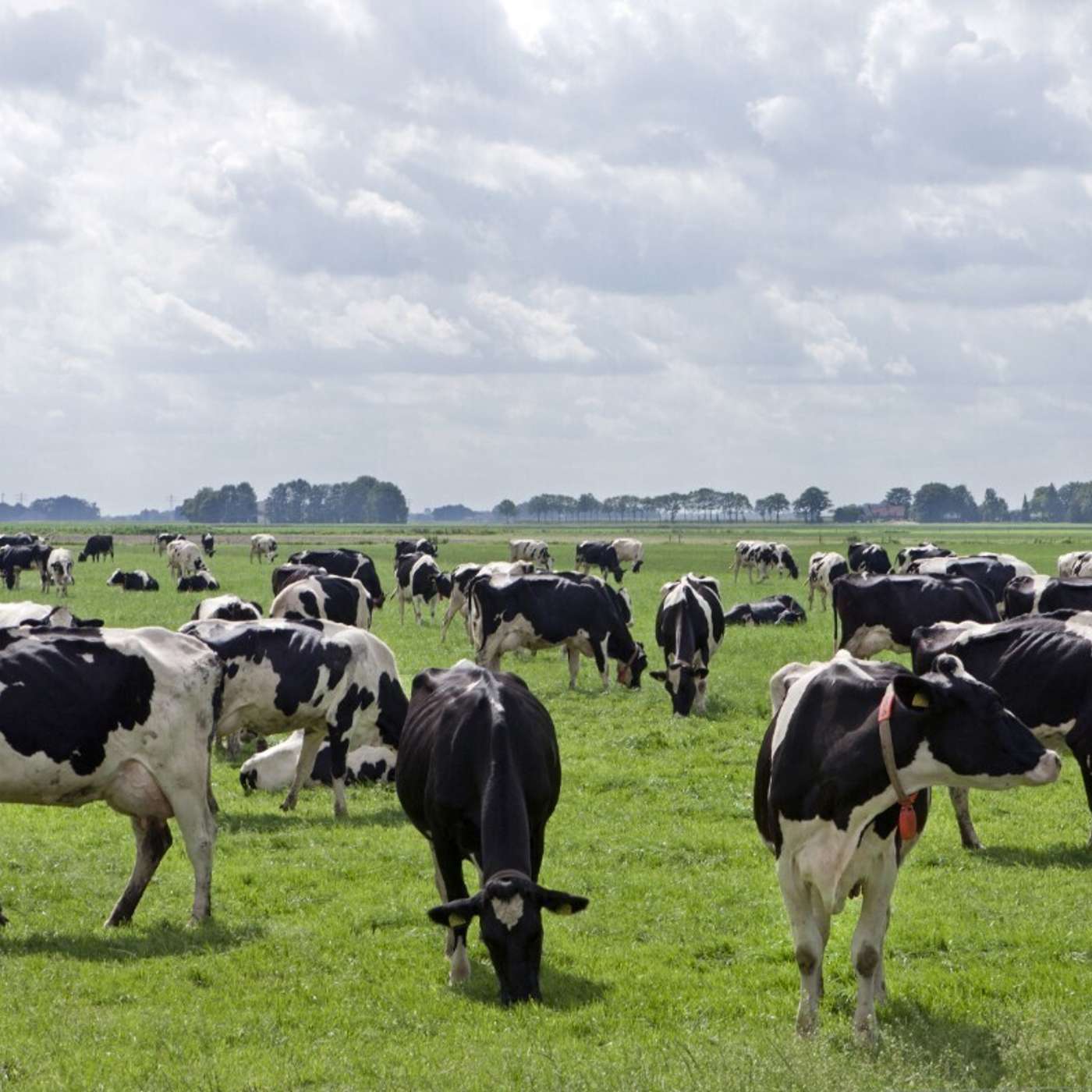
International dairy consultant, David Beca, joins Emma-Louise Coffey for part two of his discussion on the Dairy Edge podcast to discuss the global milk supply trends over the last two decades and he speculates what milk producing nations have the capacity to meet growing consumer demands. David explains that demand for dairy is growing by 1-3% per annum with the range being determined by economic conditions. Examining individual countries, David sees compounding growth in milk supply in countries such as Ireland, New Zealand and South Africa while others have remained static or contracted e.g. the UK and Australia. David anticipates that the Irish dairy industry has the capacity for continued growth in supply in the future but clarifies that this is dependent on external regulation and individual farmers’ ability to have clarity in their production system and utilisation of grass in the diet. For more information go to:https://www.teagasc.ie/media/website/events/2023/David-Beca---Key-drivers-of-milk-production-costs-in-dairy-systems.pdf For more episodes from the Dairy Edge podcast visit the show page at: https://www.teagasc.ie/animals/dairy/the-dairy-edge-podcast/ The Dairy Edge is a co-production with LastCastMedia.com
David Beca on the fundamentals of cost control in grazing systems
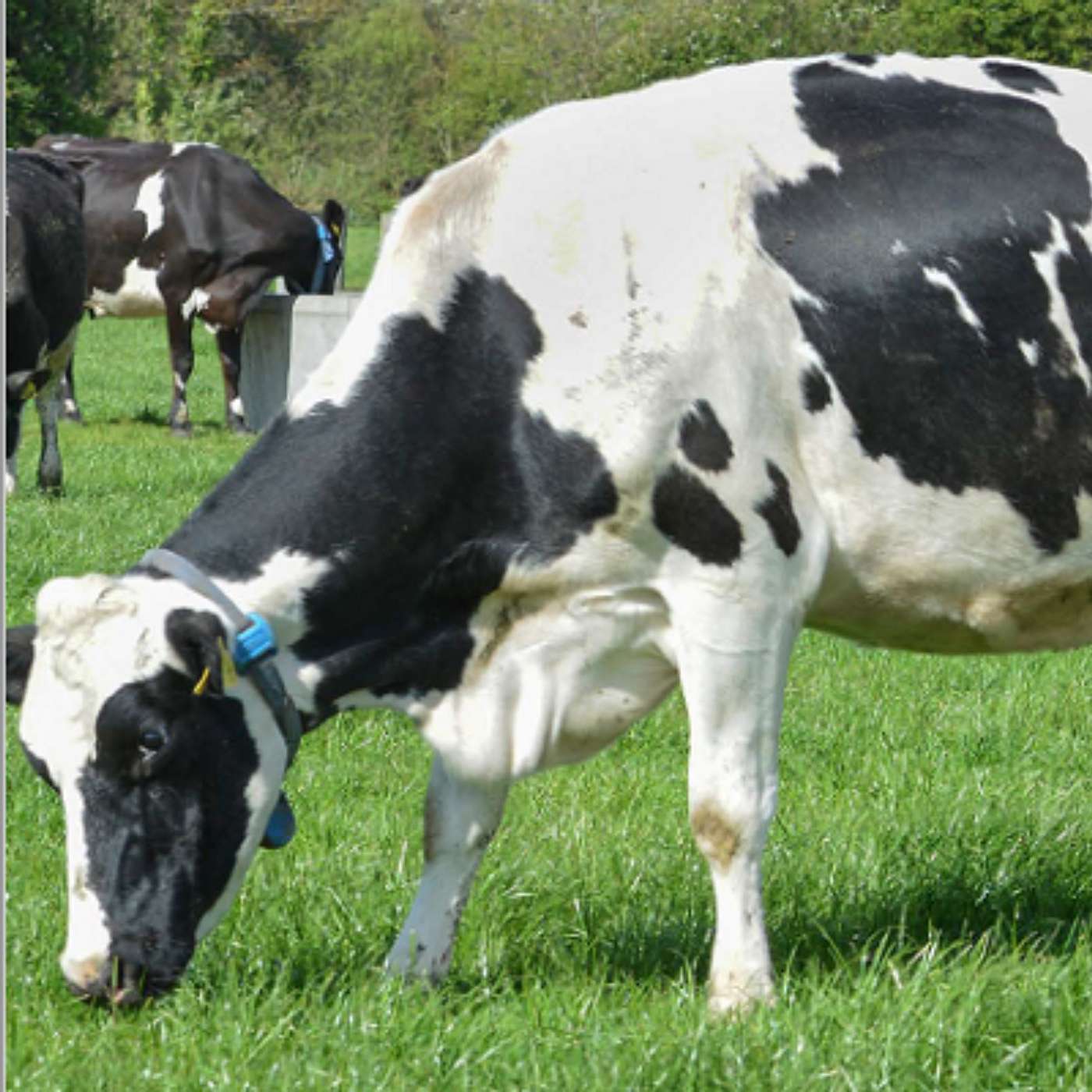
International dairy consultant, David Beca, joins Emma-Louise Coffey on this week’s Dairy Edge podcast to discuss the fundamentals of cost control in grazing systems. David discusses pasture harvest, as defined as grass utilised on the milk platform, and consequently, the proportion of pasture in the dairy cow diet, as the key driver of low cost, high profit grazing systems. Furthermore, David compares the relative costs of feedstuffs in Ireland and international competitors. He explains that the relative cost of grazed grass and supplement is much greater than in countries such as USA owing to the ability of Irish farms to grow grass so cheaply. He costs grass at $60 v concentrates at $400, reinforcing the impact of imported feed on the cost structures For more information go to:https://www.teagasc.ie/media/website/events/2023/David-Beca---Key-drivers-of-milk-production-costs-in-dairy-systems.pdf For more episodes from the Dairy Edge podcast go to the show page at: https://www.teagasc.ie/animals/dairy/the-dairy-edge-podcast/ The Dairy Edge is a co-production with LastCastMedia.com

Results from the Teagasc Sustainability Report
Cathal Buckley, Researcher at the Rural Economy Unit in Teagasc Athenry, joins Stuart Childs on this week’s Dairy Edge podcast to discuss the results from the sustainability report of 2022 that was published in October of this year. Cathal first outlines the number of dairy farms involved in the survey and some of the figures associated with them such as the average dairy cow number of 92. Cathal discusses the reasons for the reduction in the per hectare emissions on dairy farms in 2022. The main reason being the reduction in chemical fertiliser applied but also due to the change in the fertiliser type with the switch from CAN to straight urea and protected urea. However, he explains, due to the switch to straight urea over protected urea, there was an increase in ammonia emissions. The change to urea based fertiliser has been a positive but it needs to change to protected urea to have maximum impact on ammonia. Cathal says that efficiency gains have been good but have been eroded by the increase in the national herd so we need to continue to adopt the technologies to drive down the overall emissions and then the greenshoots of research in relation to methane emissions from rumination can potentially have a significant impact when they do eventually come to the market. Cathal finishes by recommending that farmers look to rapidly embrace clover and multispecies which are looking promising in their early research to reduce the reliance on chemical fertiliser which is subject to fluctuation due to the ongoing geo-political climate. For more episodes from the Dairy Edge podcast go to the show page at: https://www.teagasc.ie/animals/dairy/the-dairy-edge-podcast/ The Dairy Edge is a co-production with LastCastMedia.com
How Meath's David Hannon uses data for better dairy farming
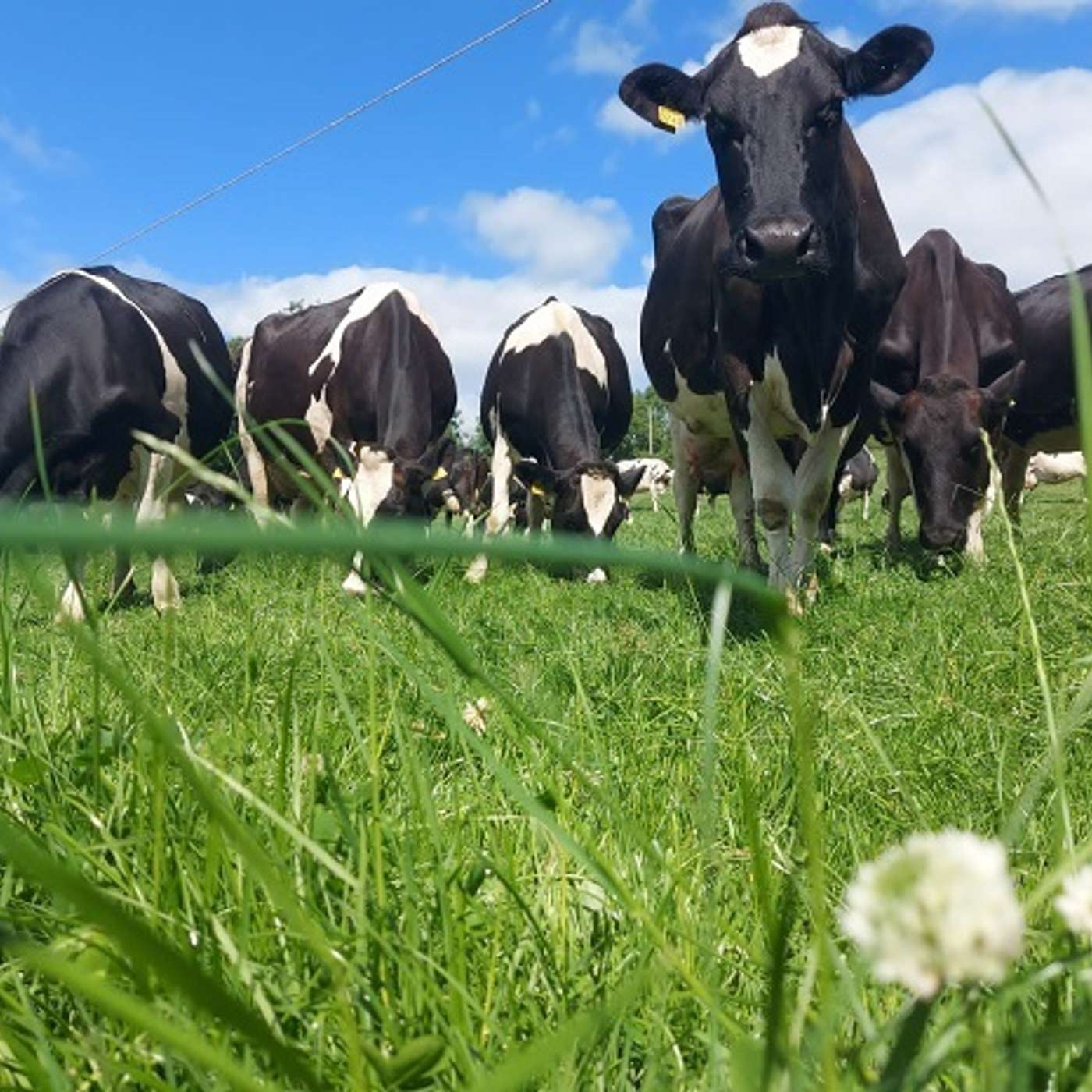
With the level of data available to dairy farmers increasing all the time, David Hannon, a dairy farmer from county Meath, joins James Dunne on the latest Dairy Edge podcast to explain how he uses data to drive better decisions on his farm. The National Dairy Conference 2023 takes place on November 29th at the Lyrath Hotel, county Kilkenny with the theme of this year’s conference, 'Adapting to a changing dairy farming environment'. For tickets and more information visit:https://www.teagasc.ie/corporate-events/dairy-conference/ For more episodes from the Dairy Edge podcast go to the show page at: https://www.teagasc.ie/animals/dairy/the-dairy-edge-podcast/ The Dairy Edge is a co-production with LastCastMedia.com
The questions to consider after a decade of expansion
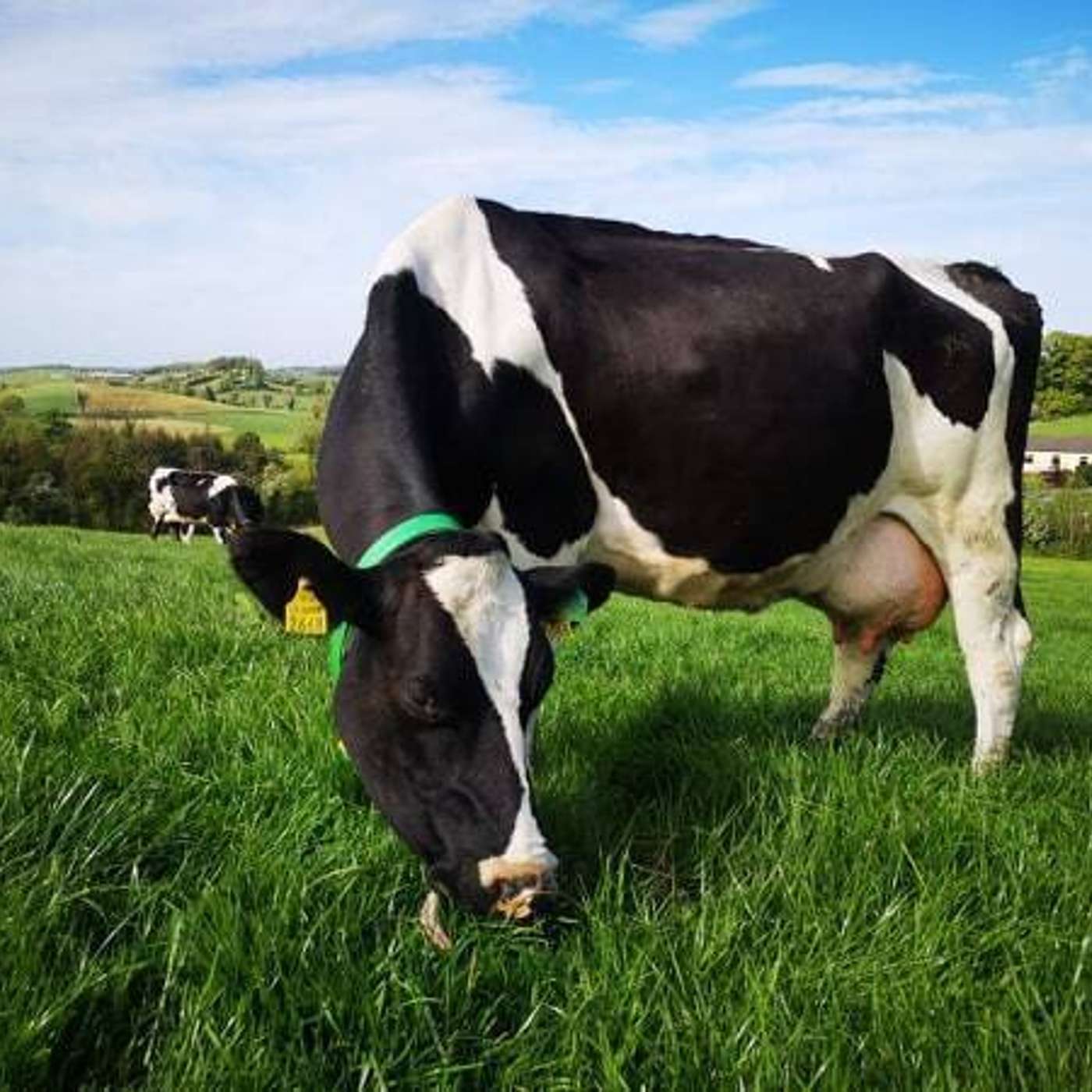
Teagasc’s Richie O’Brien and Joe Patton join Emma-Louise Coffey on the latest Dairy Edge podcast to reflect on the progress made after a decade of expansion whilst also discussing concerns in areas such as the economic consequences of overstocking the milking platform. Richie explains that the advice now is similar to pre-quota: efficiency before scale, getting the simple things right like soil fertility, producing more grass, completing a financial plan to dictate decisions at farm level. When considering the rise in milk production, Joe explains that for the most part it has been beneficial from an economic and social perspective. Joe urges farmers to look specifically at their farm’s feed situation. What proportion of the dairy cow diet is coming from grazed grass and how much external feed is being imported onto the platform, be it through concentrate or purchased forage? There was consensus among Joe and Richie that farmers should budget 5.5 tonnes of grass utilised and 800kg concentrate per cow, meaning a farm stocked at 2.5 cows per ha needs to grow 15 tonnes of grass.The National Dairy Conference 2023 takes place on November 29th at the Lyrath Hotel, county Kilkenny with the theme of this year’s conference, 'Adapting to a changing dairy farming environment'.For tickets and more information visit:https://www.teagasc.ie/corporate-events/dairy-conference/ For more episodes from the Dairy Edge podcast go to the show page at: https://www.teagasc.ie/animals/dairy/the-dairy-edge-podcast/ The Dairy Edge is a co-production with LastCastMedia.com
The financial performance of dairy farms in 2023
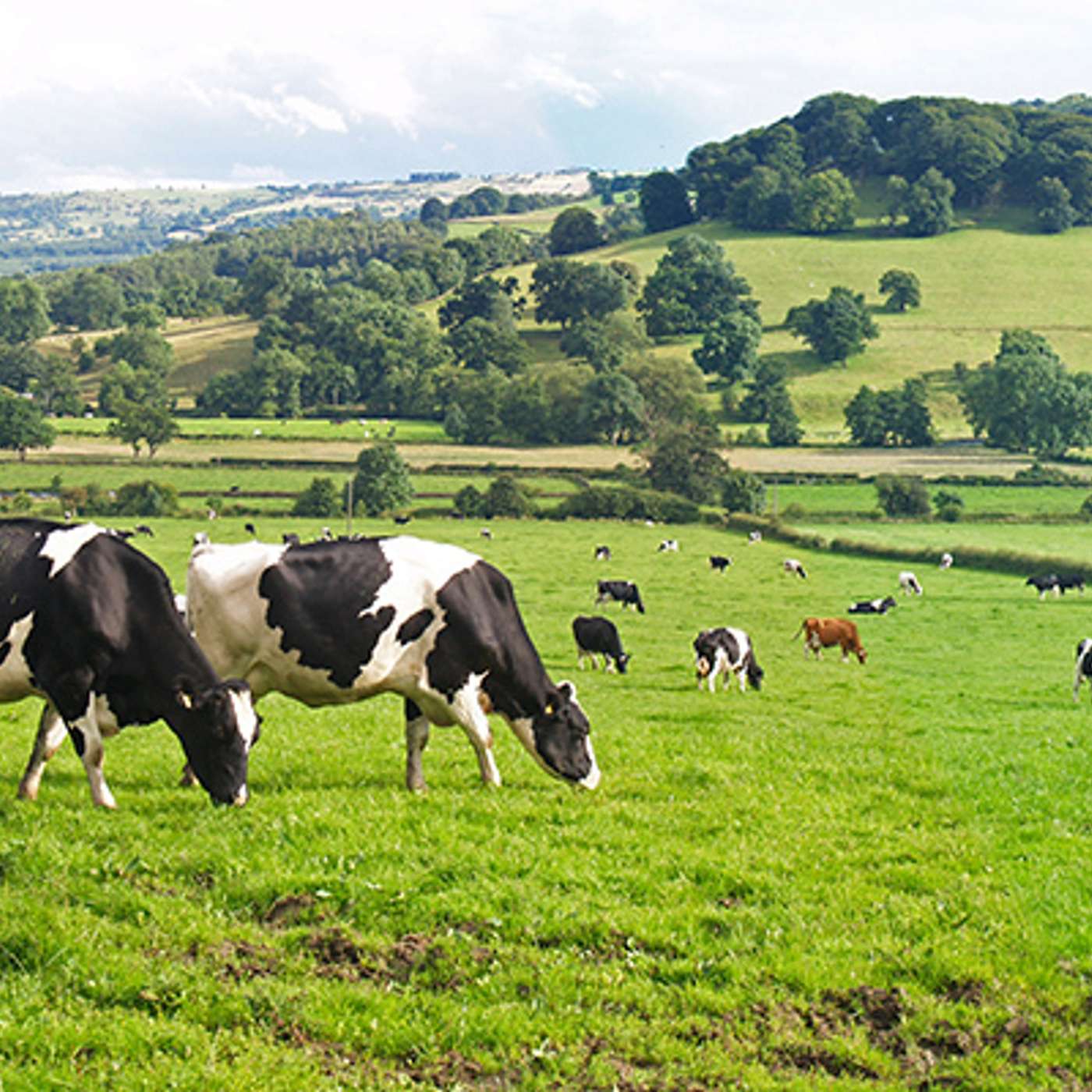
Dairy advisor, Jim Moyles, joins Emma-Louise Coffey on this week’s Dairy Edge to discuss the financial performance of dairy farms in 2023 and potential areas where farmers can focus on to protect profits. Jim documents farm accounts for 27 farms from January to September and he explains that farm receipts have declined by €800 per cow compared with 2022 resulting from a 15 cent/litre drop in milk price while production remained steady to the end of August. Farm costs remained relatively steady with variable costs increasing by €8 and fixed costs increasing by €60 year-on-year. Consequently, surplus cash has declined from €1,550 per cow in 2022 to €700 in 2023. Jim reminds us that this surplus cash must cover own labour/drawings, tax and repayments. Jim advises that all farmers should complete a cost control planner in order to assess their individual farm situation because a group average masks a lot. While the average surplus cash is €700 per cow, the range across the group was -€17 to +€1,300. Characteristics of the farms achieving higher surplus cash include good milk and animal sales and a tight control on costs. For more episodes from the Dairy Edge podcast go to the show page at: https://www.teagasc.ie/animals/dairy/the-dairy-edge-podcast/ The Dairy Edge is a co-production with LastCastMedia.com
The current fodder situation & advice for winter feed
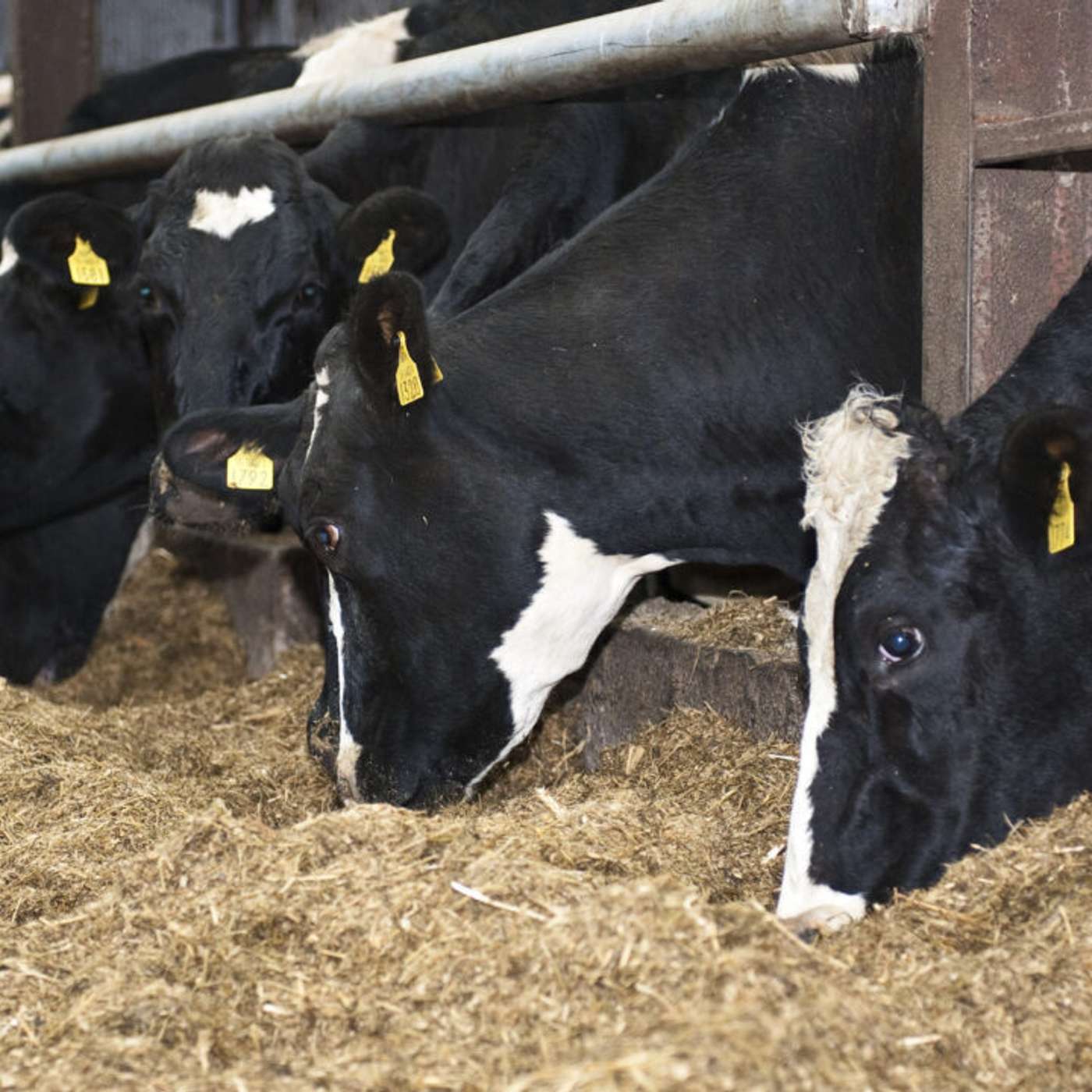
With the winter housing period upon us in large parts of the country, Laois-based Teagasc Dairy advisor, Lorcan Dooley joins James Dunne on this week’s Dairy Edge podcast to outline the advice he’s giving to his clients with regards to winter feed, while Kate McCarthy, Co-Ordinator of the Teagasc National Fodder Survey outlines the current fodder situation. For more episodes from the Dairy Edge podcast go to the show page at: https://www.teagasc.ie/animals/dairy/the-dairy-edge-podcast/ The Dairy Edge is a co-production with LastCastMedia.com
Successfully implementing selective dry cow therapy for the drying off season
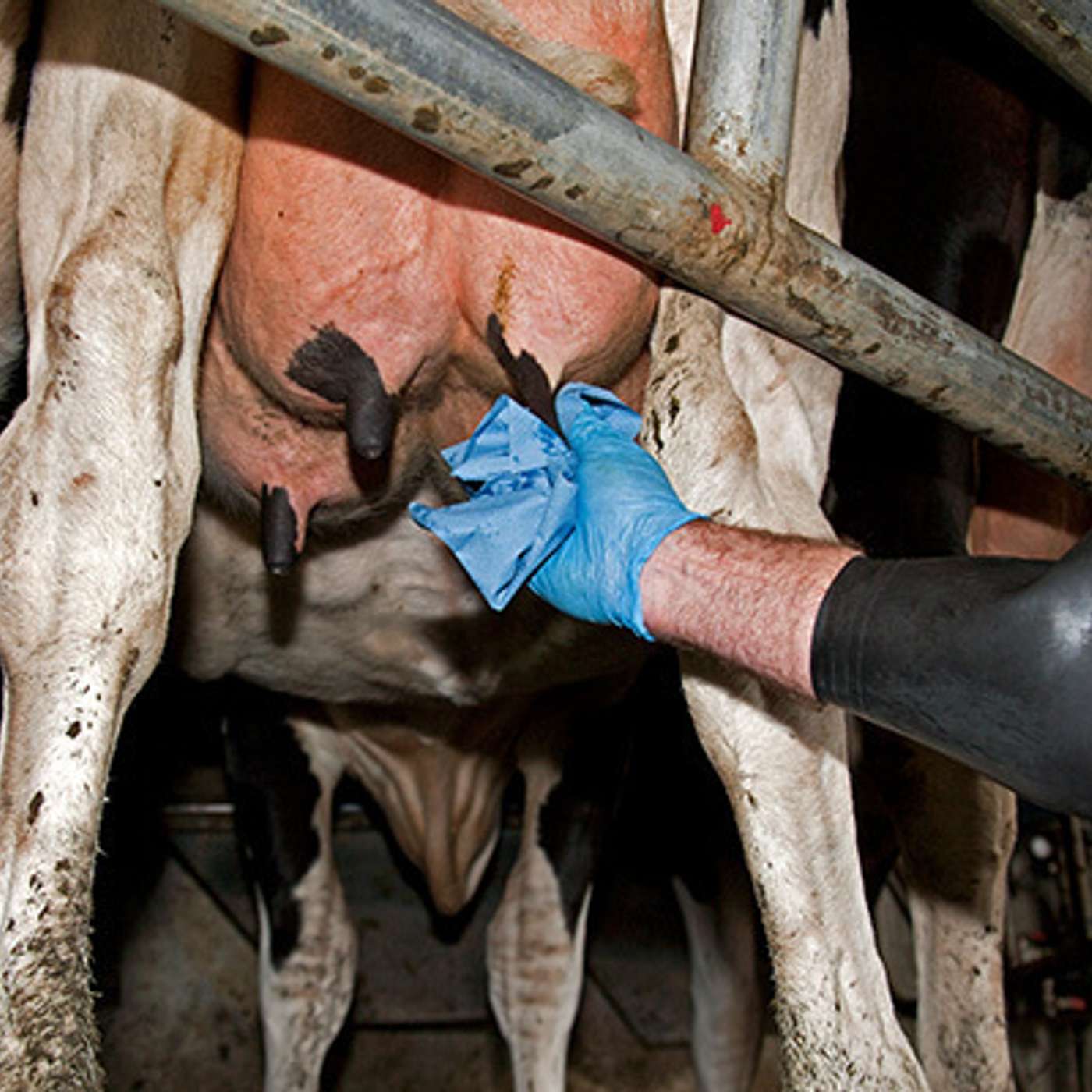
Pablo Silva Bolona, mastitis researcher at Teagasc Moorepark, is on this week’s Dairy Edge podcast to discuss his research and recommendations into successfully implementing selective dry cow therapy (SDCT) on farms for the drying off season in 2023.Pablo first explains the concept of selective dry cow therapy saying the main risk periods for cows are the two weeks after dry off and the 2 weeks before calving as well as early lactation due to the stress of calving reducing immunity to disease. Individual cow records will be necessary for vets to prescribe correctly so people should milk record as close to drying off as possible as the research conducted on commercial farms by Pablo and his team have shown that the SCC in the final recording is strongly linked to identifying cows that require antibiotic treatment. For those that have not milk recorded yet this year, they should look to start recording before the end of lactation and continue to record in 2024. Alternatively, although a far more laborious way, is to take quarter samples from all cows and get these analysed.Pablo finishes by highlighting that nutritional management of yield is important, with cows dried at <15kg of milk per day having better treatment outcomes under SDCT. The cleanliness and stocking density of cubicles are also an important factor with twice daily cleaning and liming of cubicles contributing to better outcomes. A surprisingly high level of infection in 1st lactation animals resulted in a higher threshold or cut point for 1st calvers from the predictive model developed from the research. This was 100,000 for the 1st lactation cows and 65,000 SCC for the 2nd lactation plus cows. This is not to say that farmers should only apply SDCT to cows at these thresholds as many farmers are successfully using higher thresholds with great success with some farmers successfully using sealer only treatment on 80-90% of their herds.Seeking advice and making informed decisions on what cows to treat or not and excellent hygiene at post drying and in the run into calving can see SDCT implemented on Irish farms with little or no impact on the SCC of the herds or nationally. For more episodes from the Dairy Edge podcast go to the show page at: https://www.teagasc.ie/animals/dairy/the-dairy-edge-podcast/ The Dairy Edge is a co-production with LastCastMedia.com
How to achieve a greater work-life balance through reduced milking frequency
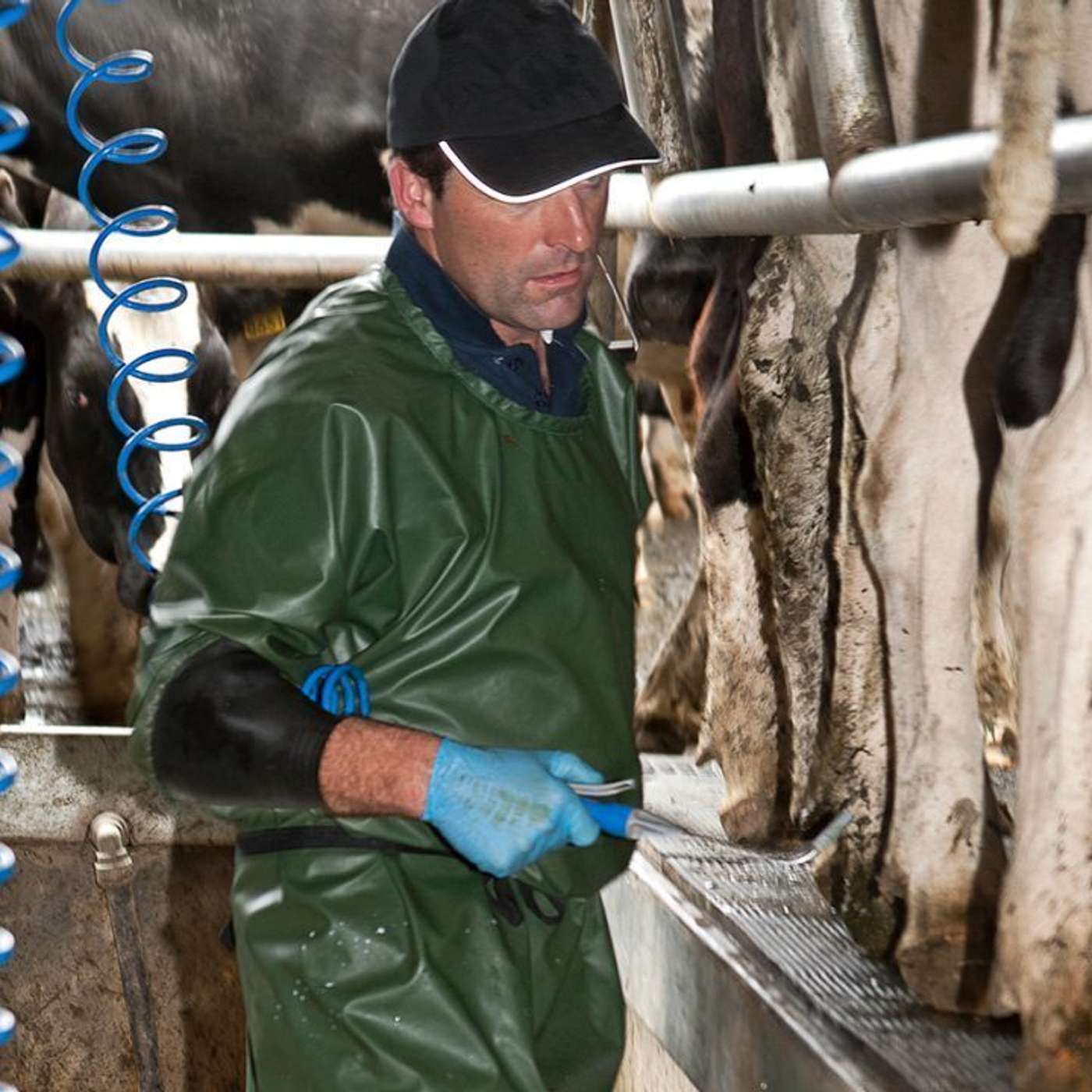
Dairy farmer, Aidan Ahearne, joins Emma-Louise Coffey on this week’s Dairy Edge podcast to discuss the practical implementation of 10 in 7 milking frequency on his farm and the benefits to work-life balance and animal welfare with minimal impact on milk production. Aidan explains that he tried 10 in 7 milking frequency from October last year with good success but based on research, he started from mid-July this year. When considering production, milk solids was the same in August of this year compared to last year but dropped by 8% in the month of September. Aidan speculates that this is partially due to reduced milking frequency but also says that lower meal feeding rates and adverse weather played a part. Aidan emphasises the impact of reducing milking to 10 in 7 improves work life balance, as you are eliminating 16 milkings per month or 64 milkings from August to November. He explains this is at a time when you can get tired and stale from the tasks of daily milking routines. Fundamentally, Aidan considers 10 in 7 as a vehicle to support work-life balance and allows him more free time with his young family and for interests outside of farming. He thinks it is a no-brainer for many farms. For more episodes from the Dairy Edge podcast go to the show page at: https://www.teagasc.ie/animals/dairy/the-dairy-edge-podcast/ The Dairy Edge is a co-production with LastCastMedia.com
The dairy farmers leading sustainability efforts
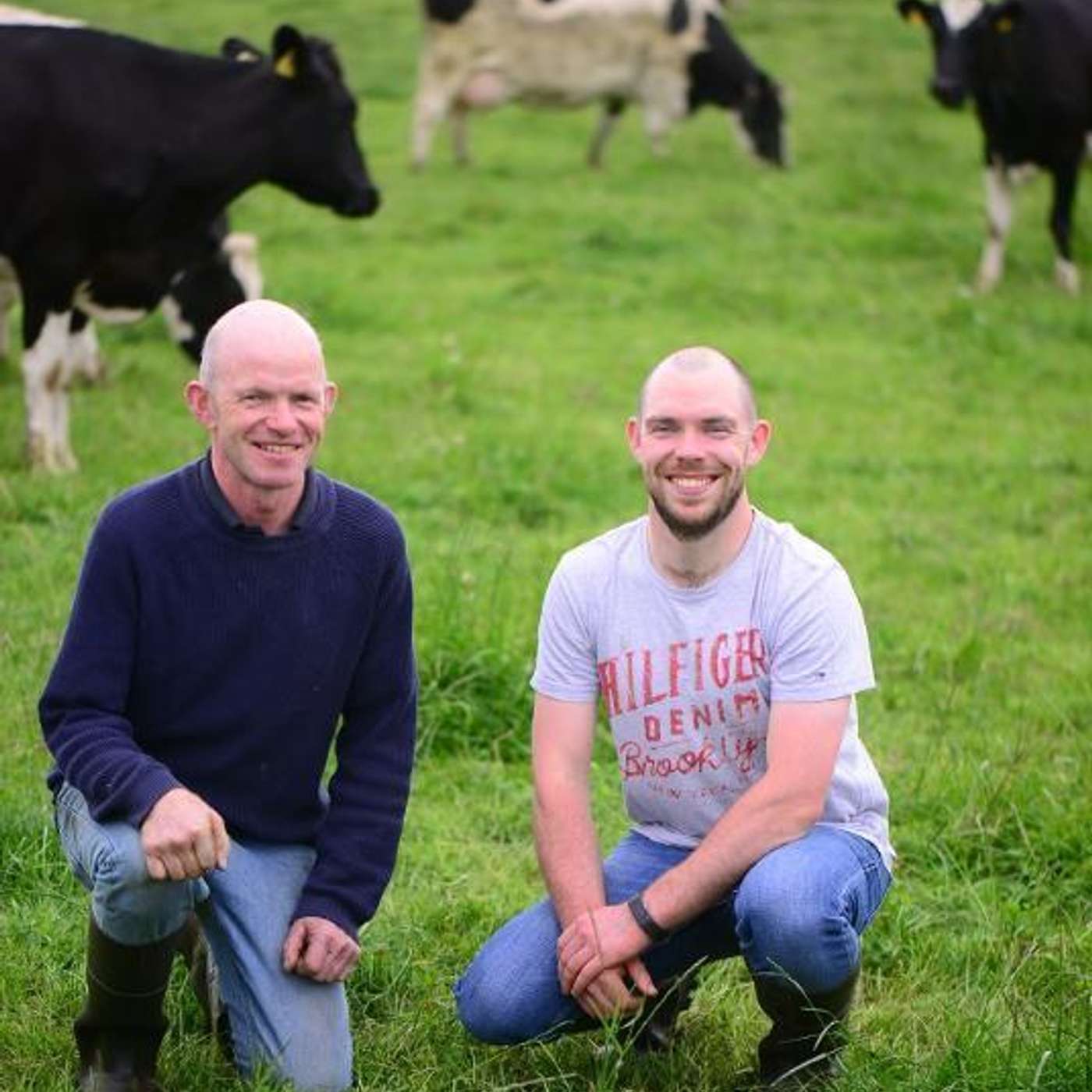
As part of Sustainability Week, dairy farmers John and Brendan Walsh join Emma-Louise Coffey on this week’s episode of The Dairy Edge podcast to discuss the evolution in their farming practices in an effort to improve the sustainability of the farm system. Brendan explains that, while they have always had an environmental focus on the farm, their urgency in the uptake of new practices has escalated in an effort to help combat climate change. The Walsh’s have begun to test their slurry and John explains that they have slurry tanks associated with different stock groups: dry cows, weanlings, finishers and an uncovered tank. This gives them more knowledge of the nutrient value of the slurry and the ability to target paddocks deficient in nutrients. Brendan estimates that they have established clover on 62% of the farm. This has allowed them to reduce the quantity of chemical nitrogen spread on the platform. When considering the challenge of bloat, John explains that they lost a cow and had cows blown up last autumn, when there was high growth rate following the drought and an abundance of lush, low fibre grass available. To counteract the risk, the Walsh’s make straw available to cows and estimate they used half a bale per cow last autumn. John urges farmers to strongly consider the adoption of best practice on farms saying, ‘Try everything but don’t be afraid to fail’. For more episodes from the Dairy Edge podcast go to the show page at: https://www.teagasc.ie/animals/dairy/the-dairy-edge-podcast/ The Dairy Edge is a co-production with LastCastMedia.com.
The options available to farmers impacted by the nitrates derogation reduction
With the recent announcement to the changes in the upper derogation limit from 250 to 220 kg of organic nitrogen per hectare, this week’s Dairy Edge podcast is joined by Eddie Burgess, Catchment Specialist from the Agricultural Catchments Programme, who gives the background and sequence of events that led to the decision being made; while Joe Patton, Teagasc’s Head of Dairy Knowledge Transfer, discusses the options available to affected farmers. For more episodes from the Dairy Edge podcast go to the show page at: https://www.teagasc.ie/animals/dairy/the-dairy-edge-podcast/ The Dairy Edge is a co-production with LastCastMedia.com.
Let's Talk Dairy: The Key Messages from the National Winter Milk Open Day
bonusFor this week’s podcast version of the Let’s Talk Dairy webinar series, James Dunne, is joined by Michael Dineen, Senior Research Officer at Teagasc, to discuss the key messages from the National Winter Milk Open Day. To register for future Let’s Talk Dairy webinars go to:https://www.teagasc.ie/corporate-events/lets-talk-dairy/ For more episodes from the Dairy Edge podcast go to the show page at:https://www.teagasc.ie/animals/dairy/the-dairy-edge-podcast/
How to maximise the nutrient uptake and productivity from slurry on your farm
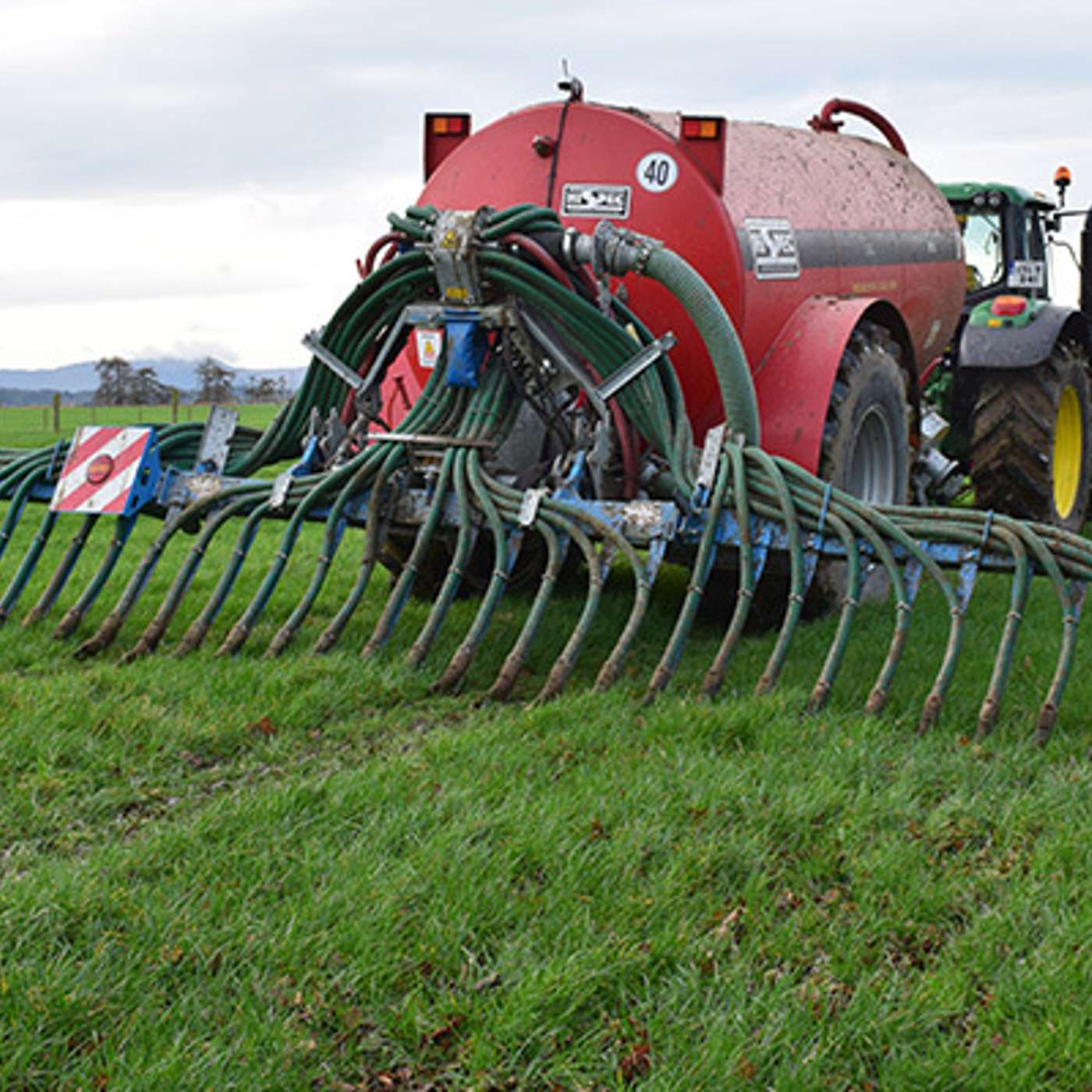
With the deadline for slurry spreading fast approaching, Mark Plunkett joins Emma-Louise Coffey on this week’s episode of The Dairy Edge podcast with his tips and advice to maximise the nutrient uptake and productivity from slurry on farm. Mark urges farmers to make a plan to target the most appropriate fields for slurry application - slurry with low P and K indexes or have had silage cuts during the year. Mark reminds farmers that this is the last opportunity to empty tanks ahead of the winter housing period. Furthermore, Mark says that the window for liming fields is now open. Lime remains a cheap fertiliser product, especially with access to funding from the National Liming Programme. Benefits of liming include building optimal soil fertility, nitrogen mineralisation and increased grass productivity. For more episodes from the Dairy Edge podcast go to the show page at: https://www.teagasc.ie/animals/dairy/the-dairy-edge-podcast/ The Dairy Edge is a co-production with LastCastMedia.com.
Let's Talk Dairy: Tools to keep grass in the diet longer this autumn
bonusFor this week’s podcast version of the Let’s Talk Dairy webinar series, James Dunne, is joined by Ciaran Hearn, from PastureBase Ireland, to discuss the tools to keep grass in the diet longer this autumn To register for future Let’s Talk Dairy webinars go to:https://www.teagasc.ie/corporate-events/lets-talk-dairy/ For more episodes from the Dairy Edge podcast go to the show page at:https://www.teagasc.ie/animals/dairy/the-dairy-edge-podcast/
The key learnings from farm visits for Grassland Farmer of the Year applicants
John Maher and John O’Loughlin from the Grass10 campaign join Emma-Louise Coffey on the latest Dairy Edge podcast to discuss the key learnings from farm visits for Grass10 competition applicants. John Maher explains that these farms are good at basic grassland management as well as demonstrating excellence in nutrient management and biodiversity. John O’Loughlin highlights the sources of nitrogen from mineralisation, organic fertilisers, chemical fertilisers and alternative pastures such as white clover. The trend in use of chemical fertilisers is declining due to improved nutrient management and regulation. John also explains that farmers need to continue to make better use of slurry and incorporate legumes into pasture swards to maintain grass productivity.For more information on the Grass10 competition visit:https://www.teagasc.ie/crops/grassland/grass10/grassland-farmer-of-the-year-/ For more episodes from the Dairy Edge podcast go to the show page at: https://www.teagasc.ie/animals/dairy/the-dairy-edge-podcast/ The Dairy Edge is a co-production with LastCastMedia.com
Let's Talk Dairy: Labour requirements & efficiencies on-farm
bonusFor this week’s podcast version of the Let’s Talk Dairy webinar series, James Dunne, is joined by Martina Gormley to discuss labour requirements & efficiencies on-farm. To register for future Let’s Talk Dairy webinars go to:https://www.teagasc.ie/corporate-events/lets-talk-dairy/ For more episodes from the Dairy Edge podcast go to the show page at:https://www.teagasc.ie/animals/dairy/the-dairy-edge-podcast/
Let's Talk Dairy: Managing costs and cashflow
bonusFor this week’s podcast version of the Let’s Talk Dairy webinar series, James Dunne, is joined by Patrick Gowing, Teagasc Dairy Specialist, to give an overview of costs, costs of production and managing cashflow for the remainder of 2023 and into early 2024. To register for future Let’s Talk Dairy webinars go to:https://www.teagasc.ie/corporate-events/lets-talk-dairy/ For more episodes from the Dairy Edge podcast go to the show page at:https://www.teagasc.ie/animals/dairy/the-dairy-edge-podcast/
Let's Talk Dairy: Dealing with current conditions as the focus turns to autumn grazing
bonusFor this week’s podcast version of the Let’s Talk Dairy webinar series, James Dunne, Teagasc Dairy Specialist, is joined by Joseph Dunphy, Teagasc Grass 10, who offers advice on dealing with current conditions as the focus turns to autumn grazing. To register for future Let’s Talk Dairy webinars go to:https://www.teagasc.ie/corporate-events/lets-talk-dairy/ For more episodes from the Dairy Edge podcast go to the show page at:https://www.teagasc.ie/animals/dairy/the-dairy-edge-podcast/
Tackling Bovine Respiratory Disease
On this week’s episode of the Dairy Edge, Sarah Higgins, Ruminant and Equine Veterinary Manager with MSD, discusses Bovine Respiratory Disease (BRD) but in particular Bovine Coronavirus. Sarah first explains BRD and the risk factors that predispose animals to the disease. Bovine Coronavirus is a coronavirus, though it is not associated with COVID-19 having been first identified in the 1970s. Research has shown a very high prevalence of the disease both across Europe and in Ireland and it is associated with ‘opening the gate’ for other BRD elements such as RSV, Pi3 and mannheimia haemolytica. Given its prevalence and its gateway action, MSD have recently released a vaccine for administration from birth to counteract this virus. Sarah then discusses herd health planning with the farm’s vet to establish a strong vaccination programme to deal with issues that occur on the farm. With reducing antimicrobial availability, vaccination strategies to maximise the health of the herd will be important Sarah finishes by saying that while antimicrobials will still be required to treat disease when it occurs, the use of the right product at the right rate for the right length of time, is an important contribution farmers can make to reducing the risk associated with antimicrobial resistance along with an appropriate vaccination strategy. For more episodes from the Dairy Edge podcast go to the show page at: https://www.teagasc.ie/animals/dairy/the-dairy-edge-podcast/ The Dairy Edge is a co-production with LastCastMedia.com
Let's Talk Dairy: An update from the Salesian Agricultural College, Pallaskenry Dairy Herd
bonusFor this week’s podcast version of the Let’s Talk Dairy webinar series, James Dunne, Teagasc Dairy Specialist, is joined by Derek O'Donoghue, Principal of Salesian Agricultural College, Pallaskenry, who provides an update on the college's dairy herd. To register for future Let’s Talk Dairy webinars go to:https://www.teagasc.ie/corporate-events/lets-talk-dairy/ For more episodes from the Dairy Edge podcast go to the show page at:https://www.teagasc.ie/animals/dairy/the-dairy-edge-podcast/
Let’s Talk Dairy: The Pasture Profit Index
bonusFor this week’s podcast version of the Let’s Talk Dairy webinar series, James Dunne, Teagasc Dairy Specialist, is joined by Tomas Tubritt from Teagasc Moorepark who goes through the Pasture Profit Index and how best to use it to select grass varieties. To register for future Let’s Talk Dairy webinars go to:https://www.teagasc.ie/corporate-events/lets-talk-dairy/ For more episodes from the Dairy Edge podcast go to the show page at:https://www.teagasc.ie/animals/dairy/the-dairy-edge-podcast/
The benefits of red clover silage
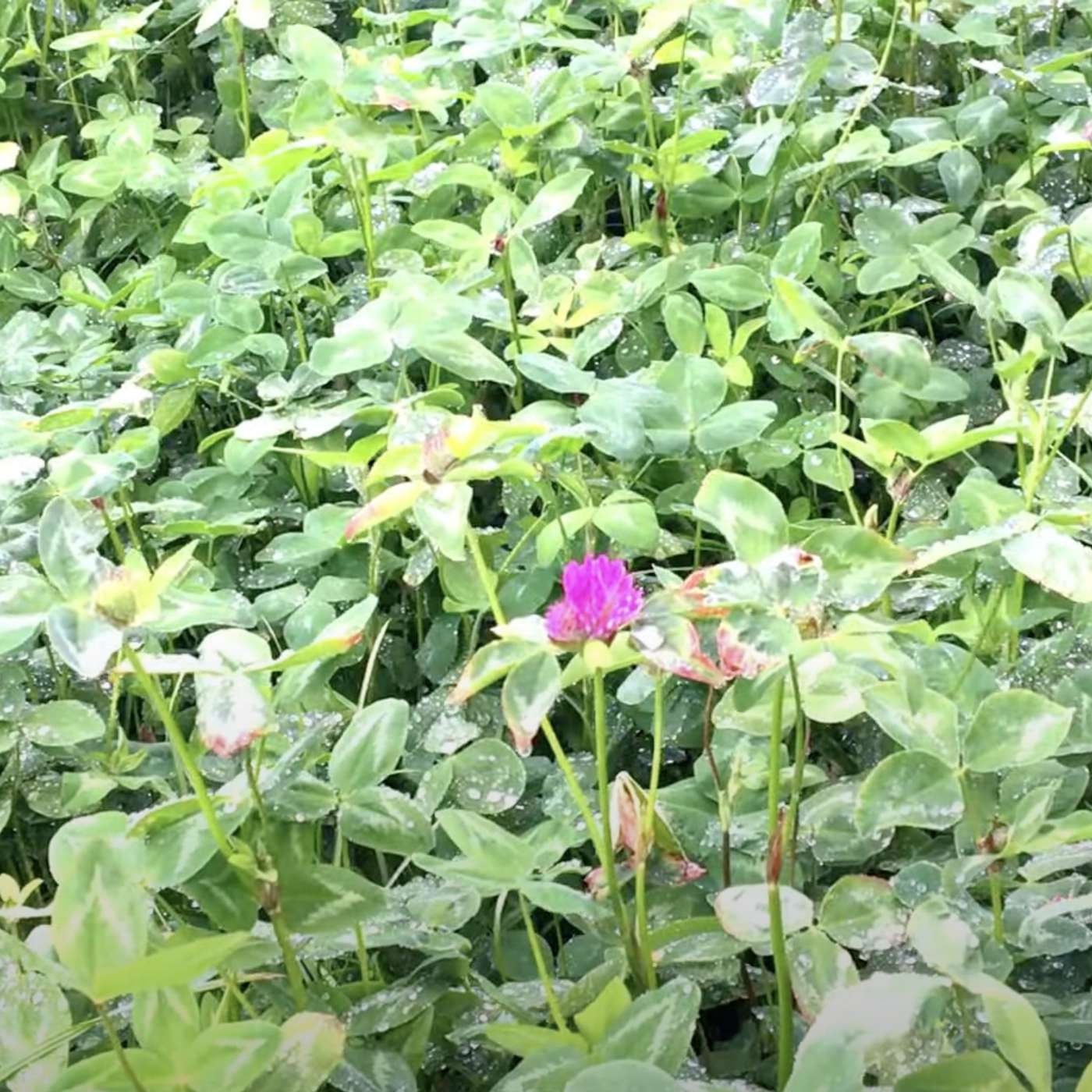
On this week’s episode of the Dairy Edge podcast, Nicky Byrne, Research Officer in Teagasc Grange, discusses the benefits of red clover silage. Nicky explains that red clover has a huge potential to fix nitrogen and dramatically lower the chemical nitrogen input for silage. With yields of 25-26 bales per year, it is producing a significant amount of forage with no chemical nitrogen input. However, red clover silage may not be for every field, and management of it will be critical to maximising its lifespan. It is ideally suited to outblocks that might not be grazed at all or only grazed in the later part of the year. Operations such as grazing or cutting need to take place in good conditions to maximise the lifespan of the clover so for this reason, Nicky would recommend that only a portion of the block is in red clover at any one time in situations where outblocks are providing grazing in the later part of the year. This will allow for grazing of the red clover sward in good conditions with normal grass swards being more resilient for grazing in poorer weather conditions. Cutting date is very important with early May being the target for the 1st cut and subsequent cuts being taken at 6-8 week intervals. Ideally the third cut should be completed in late August/early September while there is a better chance of fine weather to allow for wilting hence the early 1st cut date is important to achieve this objective. Nicky finishes by saying that he would see a proportion of silage ground in red clover as being of benefit to dairy farmers to produce high quality forage to feed back to cows during the shoulders or during weather challenges as intakes on it are good and it may contribute to increased performance as a result of this based on his work in the dairy beef systems trial. An ideal scenario in Nicky’s opinion is that farmers would start a 10 year reseeding programme incorporating red clover into it where appropriate, with the expectation of a 4-6 year lifespan of the red clover, with the sward reverting to a normal two cut silage scenario subsequently until reseeded again after the 10 year cycle. For more episodes from the Dairy Edge podcast go to the show page at: https://www.teagasc.ie/animals/dairy/the-dairy-edge-podcast/ The Dairy Edge is a co-production with LastCastMedia.com
Let's Talk Dairy: Key messages from Moorepark '23
bonusFor this week’s podcast version of the Let’s Talk Dairy webinar series, James Dunne, Teagasc Dairy Specialist, is joined by Dr Joe Patton, Head of Dairy Knowledge Transfer Department, Teagasc to give an insight into the key messages from the Moorepark '23 Dairy Open Day which took place on Tuesday, 4th July. To register for future Let’s Talk Dairy webinars go to:https://www.teagasc.ie/corporate-events/lets-talk-dairy/ For more episodes from the Dairy Edge podcast go to the show page at:https://www.teagasc.ie/animals/dairy/the-dairy-edge-podcast/
Let's Talk Dairy: What's involved in the climate advisory programme for dairy farmers?
bonusFor this week’s podcast version of the Let’s Talk Dairy webinar series, James Dunne, Teagasc Dairy Specialist, is joined by Dr George Ramsbottom, Teagasc Signpost Advisory Programme, to provide an overview of what's involved in the climate advisory programme for dairy farmers. To register for future Let’s Talk Dairy webinars go to:https://www.teagasc.ie/corporate-events/lets-talk-dairy/ For more episodes from the Dairy Edge podcast go to the show page at:https://www.teagasc.ie/animals/dairy/the-dairy-edge-podcast/
The drainage of grassland peat soils in Ireland
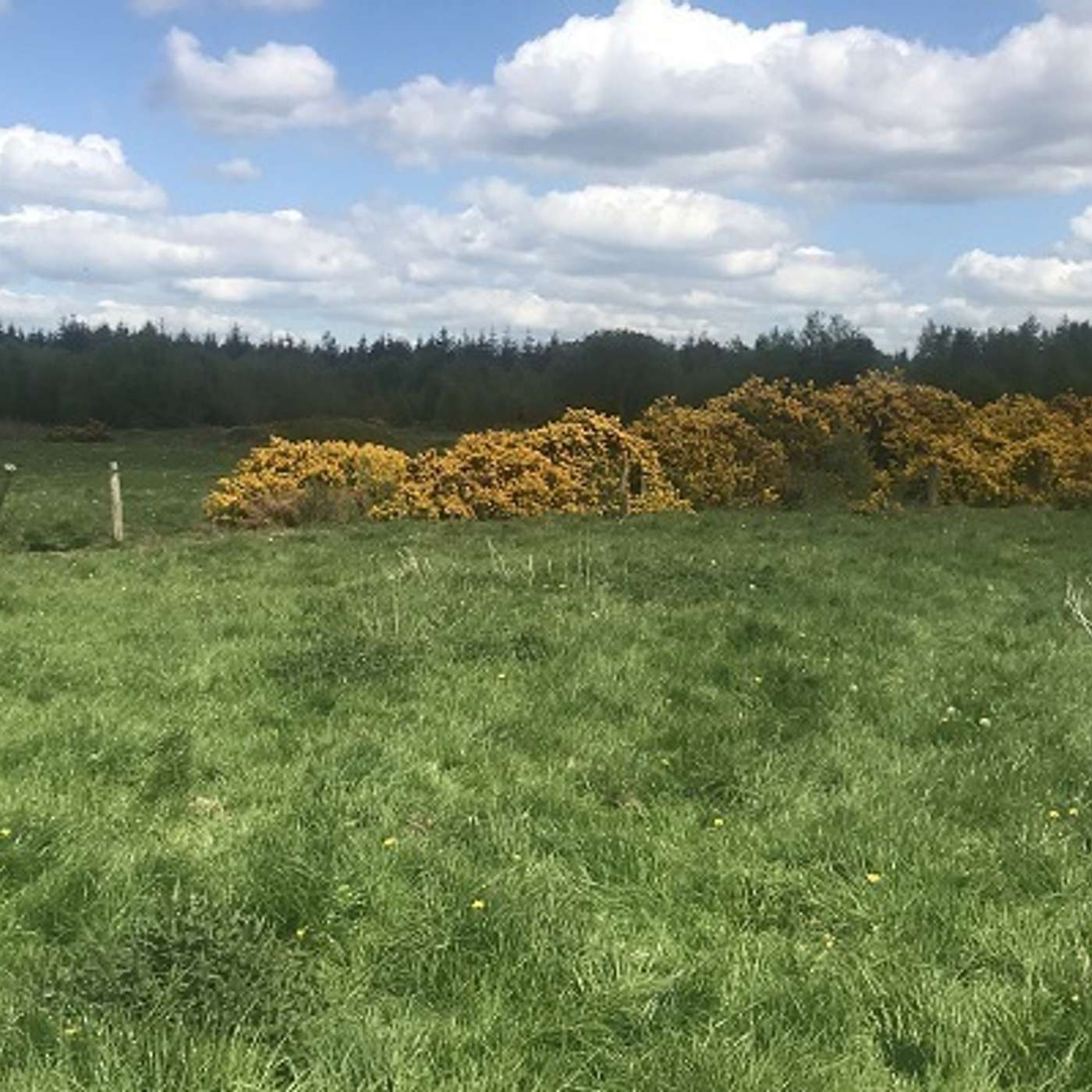
Pat Tuohy, Senior Research officer at Teagasc Moorepark, is on this week’s Dairy Edge podcast to discuss the drainage status of grassland peat soils in Ireland. Pat and his colleagues, Lillian O’Sullivan, Conor Bracken and Owen Fenton have recently released a review paper that when accepted into the national inventory by the EPA, will be of great significance in the Land Use, Land Use Change and Forestry (LULUCF) sector of carbon emissions. Pat explains how it can be difficult to have the correct figures in this sector relative to others and gave examples of how you know how many animals are in the country, you know what quantity of diesel was burned and consequently, the figures for emissions are relatively robust. However, with Ireland being one of only three countries (Denmark and the Netherlands being the others) that are seen as net emitters of carbon from soil, work is ongoing to get better figures to feed into national inventories. It is currently estimated that 345,000ha of land in Ireland is drained peat soils and this is releasing nearly 9.2 million tonnes of CO2 each year. Where there is no knowledge of drainage status, it must be assumed that all the land is drained. This is how the 345,000ha figure was arrived at and Pat and his colleagues conducted a review to see if this really was the case. Pat went on to say that drains would need to be <5m apart to effectively drain peatland and the sheer cost would be uneconomical at great scale so that partial or localised drainage was more likely. Trawling through old survey documents gathered from Teagasc offices and labs down through the years, a substantial survey presented by Liam Galvin at a conference in the Netherlands in 1986 suggested that only 70,000 ha of these grassland peats were actually drained and that 20,000ha of this was now redundant. This combined with other surveys has allowed Pat and the others to arrive at a figure of 90-120,000 ha as being a more robust estimate of the actual area of drained grassland peats in the country. While only 8-10% of the farms on the heavy soils programme would classify as grassland peat soils, the implications are still significant because as well as reducing the emissions associated with these soils from >9 million to nearly half that, it may also have implications under the Land restoration laws that are being proposed.Pat finishes by explaining that work will continue on many fronts to improve and further refine figures for both land areas but also emission factors mentioning the role of the National Agricultural Soil Carbon Observatory (NASCO) which will be working in particular on establishing better emission estimates for many land types under different management conditions across the country. For more episodes from the Dairy Edge podcast go to the show page at: https://www.teagasc.ie/animals/dairy/the-dairy-edge-podcast/ The Dairy Edge is a co-production with LastCastMedia.com
Let's Talk Dairy: Advisor's update from the grass roots
bonusFor this week’s podcast version of the Let’s Talk Dairy webinar series, James Dunne, Teagasc Dairy Specialist, is joined by James O'Donoghue, Teagasc dairy advisor based in Monaghan, to give an update as to what has been happening in the Monaghan area over the last couple of weeks and the things to look out for. To register for future Let’s Talk Dairy webinars go to:https://www.teagasc.ie/corporate-events/lets-talk-dairy/ For more episodes from the Dairy Edge podcast go to the show page at:https://www.teagasc.ie/animals/dairy/the-dairy-edge-podcast/
Let's Talk Dairy: Dairygold Programme update - a farmer's perspective
bonusFor this week’s podcast version of the Let’s Talk Dairy webinar series, Martina Gormley, Teagasc Dairy Specialist, is joined by Raymond Goggin, Bandon dairy farmer and Teagasc/Dairygold Joint Programme participant, to get an update on what's been happening on the farm. To register for future Let’s Talk Dairy webinars go to:https://www.teagasc.ie/corporate-events/lets-talk-dairy/ For more episodes from the Dairy Edge podcast go to the show page at:https://www.teagasc.ie/animals/dairy/the-dairy-edge-podcast/
Laurence Shalloo on the challenges & opportunities facing the dairy industry
Laurence Shalloo, Head of the Animal & Grassland Research and Innovation Programme at Teagasc Moorepark, joins Stuart Childs on this week’s Dairy Edge podcast to discuss the challenges and opportunities facing the dairy industry in the forthcoming years. Laurence looks back at challenges that were there in the late 2000s when expansion was beginning to kick off and there were many questions to be answered at many levels at that time. The industry working together came up with the solutions, he says, and this should give us lots of hope for the future also. Laurence went on to say that not everyone was in agreement in dealing with the previous challenges but by getting together and thrashing out the items of concern it led to the solutions being found. Laurence discusses water quality trends and while a recent EPA report isn’t looking favourable, Laurence quotes numbers that would suggest there is movement in the right direction, albeit not at the speed that we would like to see. He also spoke about the carbon footprint of Irish dairy which is really low already but we have the scope to drop that further. Research being done currently is reducing the output from the industry as well as the changes in farm practices. Speaking about the labour shortage in the economy as a whole, Laurence talks about reducing the labour demand on farms by becoming more efficient in terms of the labour requirement, but also by being more aware of what dairy farms have to offer in terms of opportunities for people, be they short term or long term opportunities. Finally, Laurence welcomes everyone to attend the Open Day next Tuesday July 4th starting at 8:30am and encourages people to engage as Teagasc want to get feedback from people at the coalface. For more details on the Open Day go to:https://www.teagasc.ie/corporate-events/moorepark-open-day/ For more episodes from the Dairy Edge podcast go to the show page at: https://www.teagasc.ie/animals/dairy/the-dairy-edge-podcast/ The Dairy Edge is a co-production with LastCastMedia.com