The Dairy Edge
703 episodes — Page 5 of 15
Advisor update from the grassroots
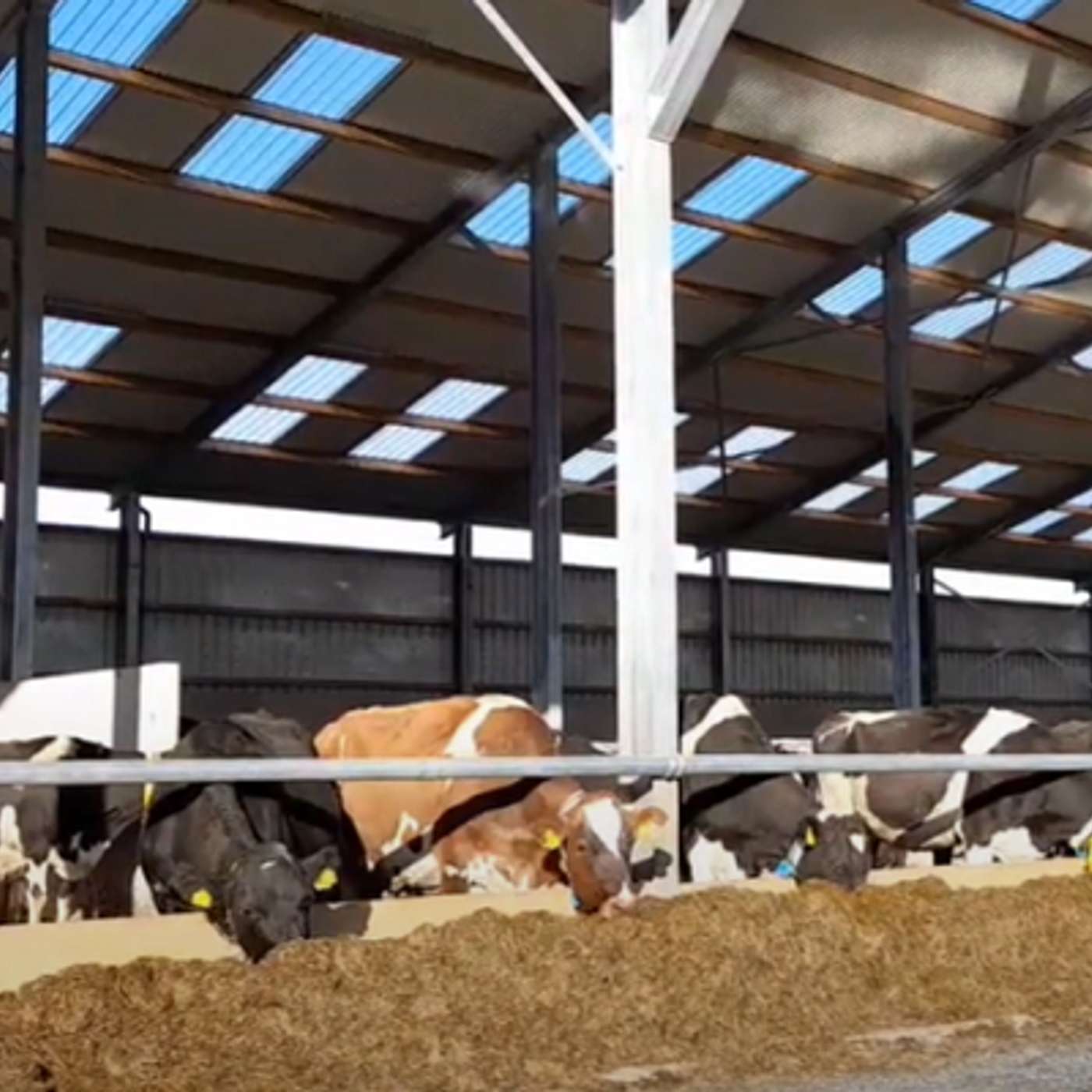
Ronan Mulligan, Teagasc Dairy Advisor based in Claremorris, Co Mayo, joins James Dunne on this week’s Dairy Edge with an update on the current situation on dairy farms within his catchment. For more episodes from the Dairy Edge podcast go to the show page at:https://www.teagasc.ie/animals/dairy/the-dairy-edge-podcast/ The Dairy Edge is a co-production with LastCastMedia.com
Your Weekly Grass10 Update
For this week’s Grass10 grazing management update, Joseph Dunphy discusses PastureBase data, Dry Matter % and Predicted grass growth, rainfall and soil temperatures for the week. Joseph also discusses autumn grass growth as the weather improves significantly in time for the Ploughing Championships, plus he has a grazing update from Philip Donoghue, Co. Carlow. Link to this week’s Grass10 newsletter: https://bit.ly/Grass10-17thSeptember For more episodes from the Dairy Edge podcast go to the show page at:https://www.teagasc.ie/animals/dairy/the-dairy-edge-podcast/ The Dairy Edge is a co-production with LastCastMedia.com
Reducing milking frequency with Emer Kennedy & Kieran McCarthy
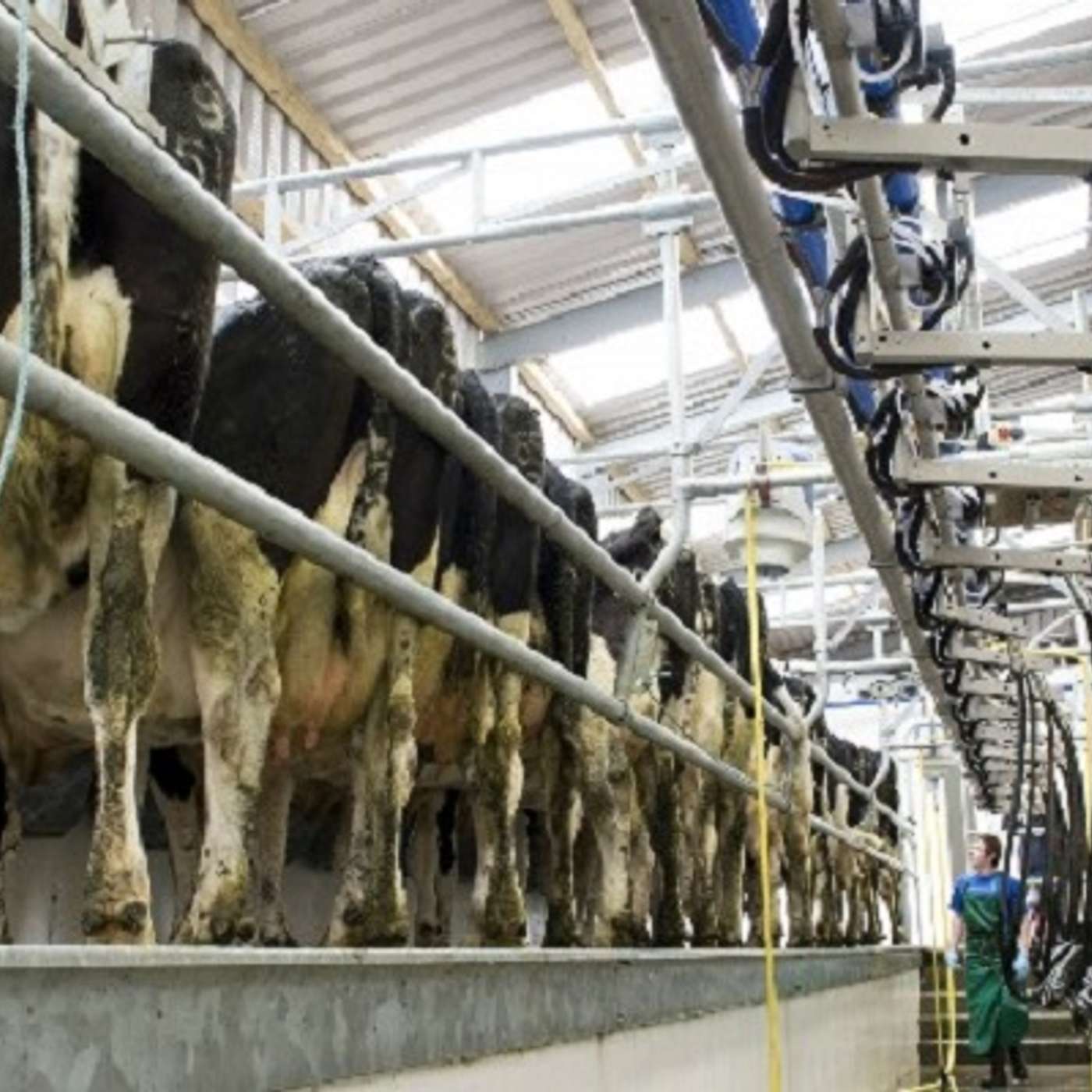
Emer Kennedy and Kieran McCarthy from Teagasc Moorepark join Stuart Childs on the latest Dairy Edge to discuss the reduced milking frequency work that is ongoing there. Emer first outlines the reduction in yield that farmers would be likely to see if they implement reduced milking frequencies. The milk solid percentages increase which helps to compensate for the reduced volume. Emer then spoke about SCC and how it changes when the reduced frequencies are being done. Kieran explains how they manage these groups on the farm and while it is slightly different to a normal commercial farm going onto reduced frequency milking, they still have the same issues to handle when transitioning as commercial farms. Emer and Kieran also highlight what people could do to ease the transition with Emer suggesting that the mindset of the person may be a bigger issue than the mindset of the cow. Finally, Kieran says that this is something all farmers could consider but that they will need to manage their SCC well from the start of lactation. For more episodes from the Dairy Edge podcast go to the show page at:https://www.teagasc.ie/animals/dairy/the-dairy-edge-podcast/ The Dairy Edge is a co-production with LastCastMedia.com
Your Weekly Grass10 Update
For this week’s Grass10 grazing management update, Joseph Dunphy discusses PastureBase data, Dry Matter % and Predicted grass growth, rainfall & soil temperatures for the week. Joseph also discusses autumn grazing targets as predicted growth rates start to drop and he has a grazing update from Jack Kearney, Rathcormac, Co. Cork. Link to this week’s Grass10 newsletter:https://bit.ly/Grass10-10thSeptember For more episodes from the Dairy Edge podcast go to the show page at:https://www.teagasc.ie/animals/dairy/the-dairy-edge-podcast/ The Dairy Edge is a co-production with LastCastMedia.com
Tipperary Calf to Beef Demo Farm Update
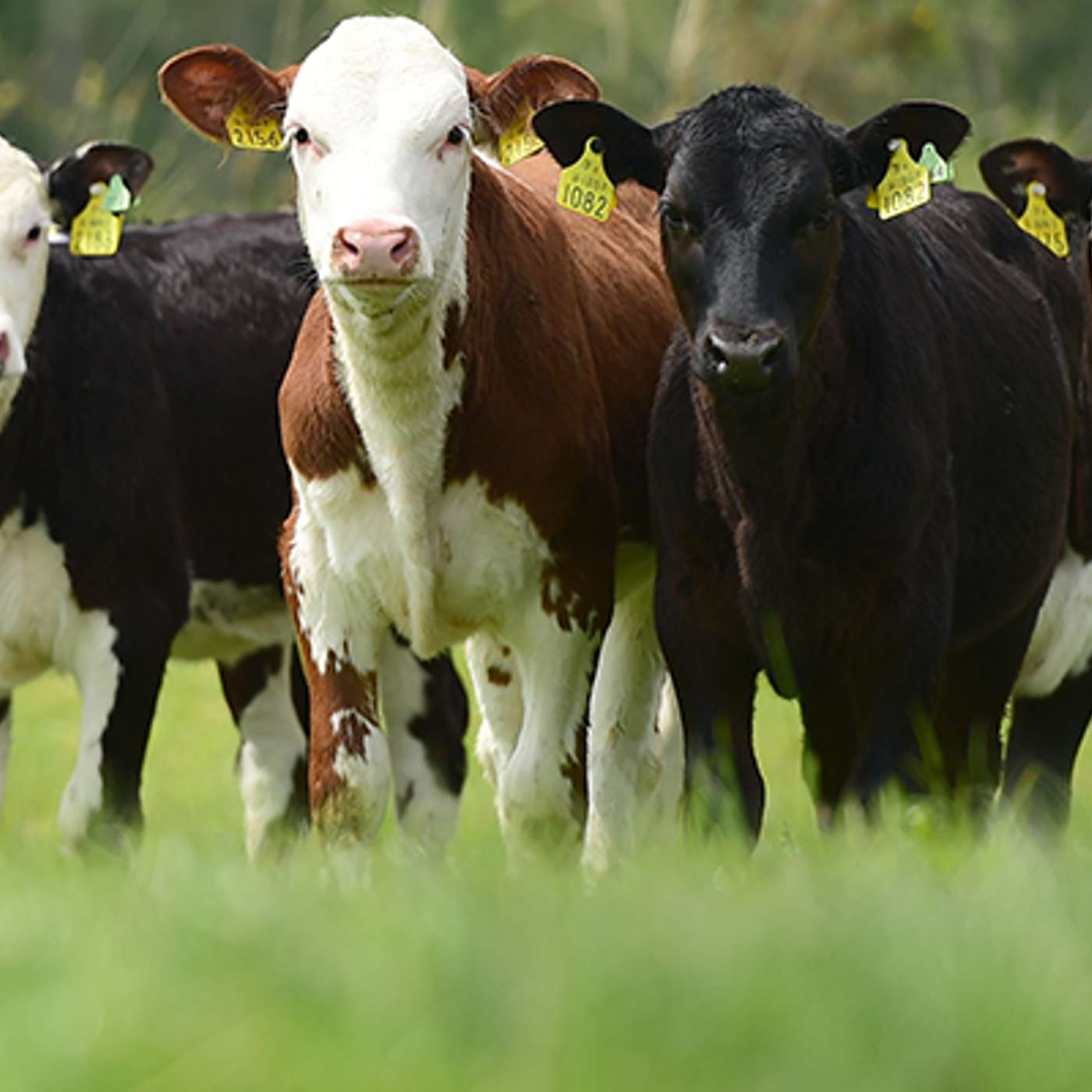
Building a sustainable outlet for the ever-increasing dairy and dairy-beef calves coming from the dairy industry is a priority. There is a requirement to develop profitable dairy calf-to-beef systems using excellent dairy-beef genetics and grassland management and on this week’s Dairy Edge, James Dunne is joined by Chloe Millar, Research Technologist with Teagasc, to give an update on the Tipperary calf to beef demonstration farm. For more episodes from the Dairy Edge podcast go to the show page at:https://www.teagasc.ie/animals/dairy/the-dairy-edge-podcast/ The Dairy Edge is a co-production with LastCastMedia.com
Your weekly Grass10 update with tips to achieving adequate grass supply
On this week’s Grass10 grazing management update, Niamh Doyle discusses PastureBase data, Dry Matter % and Predicted grass growth, rainfall & soil temperatures for the week. Niamh also has tips to achieving adequate grass supply as growth rates are below normal for this time of year and she has an update from featured farmer, Killian Brennan, Co. Cavan. Link to this week’s Grass10 newsletter: https://bit.ly/Grass10-3rdSeptemberFor more episodes from the Dairy Edge podcast go to the show page at:https://www.teagasc.ie/animals/dairy/the-dairy-edge-podcast/ The Dairy Edge is a co-production with LastCastMedia.com
Neil Chesterton and Ger Cusack on Lameness
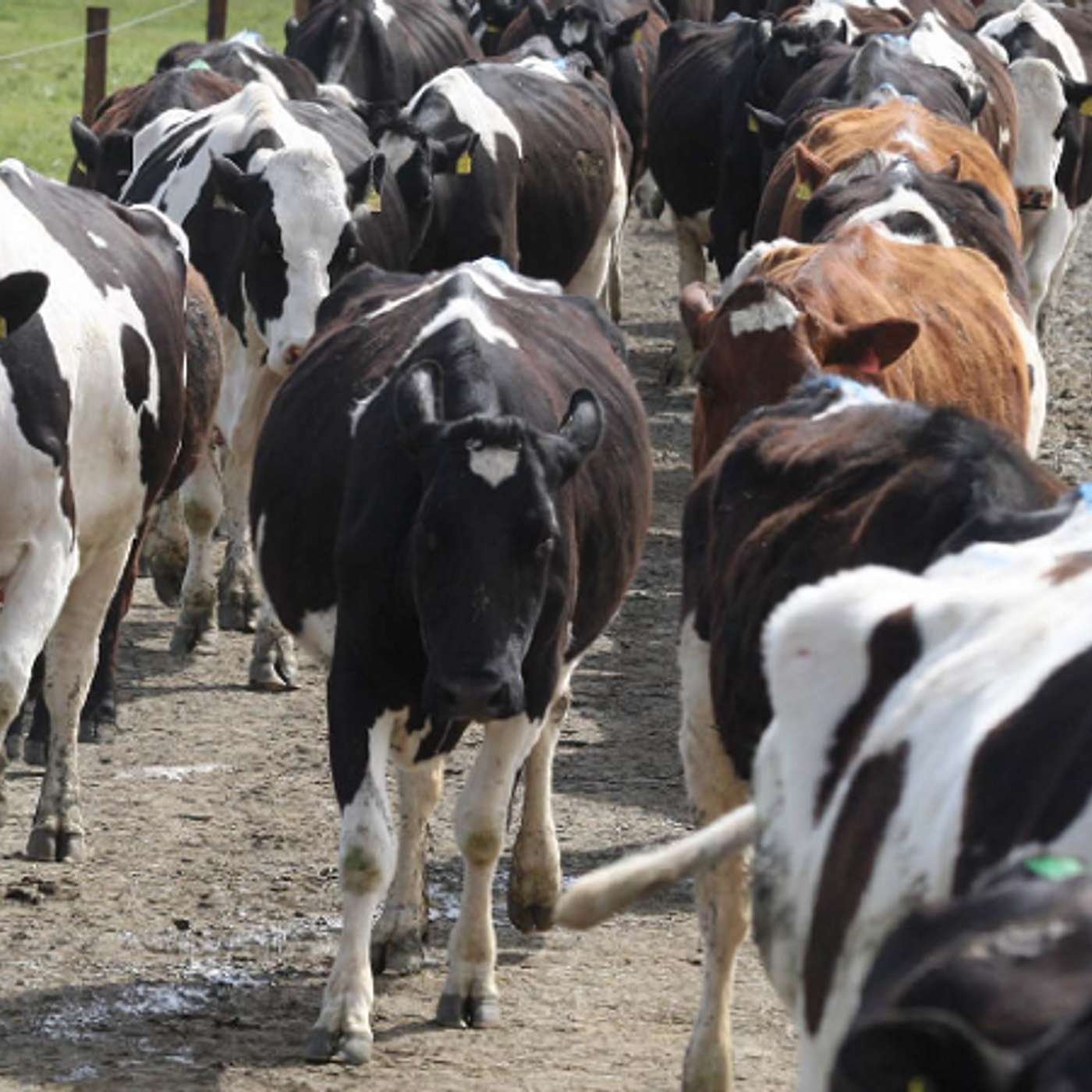
Dr. Neil Chesterton, a New Zealand vet who has been investigating risk factors for lameness since the 1980s, and Ger Cusack, practicing veterinary surgeon with Comeragh Veterinary in Waterford, and who is well known for his work on prevention and control of lameness, join Stuart Childs on this week’s Dairy Edge podcast. Ger first explains the different levels of lameness while Neil explains the main issues on New Zealand farms and how they are quite similar to those we face here in Ireland. They go on to discuss the importance of patience when moving stock and allowing the natural flow of cows into and out of the collecting yard and milking parlour and how this influences the level of lameness in herds. They also discuss the importance of managing farm roadways to maintain the surfaces in optimum condition to encourage cows to want to walk on it. Neil is a strong advocate of a soft transition from the main road surface to the concrete of the collecting yard and that this should be used for 100-400 metres from the parlour yard entrance depending on the herd size to again encourage cows to walk on the surface but also to reduce the number of sole injuries associated with stones coming from the main surface to the concrete of the collecting yard. Neil and Ger finish up by highlighting key things farmers can do to minimise lameness on their farms. More info is available on Neil Chesterton’s website at https://www.lamecow.co.nz/index.html And from the Animal Health Ireland article by Ger Cusack at: https://animalhealthireland.ie/assets/uploads/2024/08/AHI_Monthly_Newsletter_August_2024_FINAL.pdf?dl=1 For more episodes from the Dairy Edge podcast go to the show page at:https://www.teagasc.ie/animals/dairy/the-dairy-edge-podcast/ The Dairy Edge is a co-production with LastCastMedia.com
Your Weekly Grass10 Update
For this week’s Grass10 grazing management update, Joseph Dunphy discusses PastureBase data, Dry Matter % and Predicted grass growth, rainfall & soil temperatures for the week. Joseph also discusses autumn grazing targets as poor weather and growth rates are leaving autumn build up and grazing conditions difficult on farms and he has a grazing update from Denis & Liam Kenny, Camolin, Co. Wexford. Link to this week’s Grass10 newsletter: https://bit.ly/Grass10-27thAugust For more episodes from the Dairy Edge podcast go to the show page at:https://www.teagasc.ie/animals/dairy/the-dairy-edge-podcast/ The Dairy Edge is a co-production with LastCastMedia.com
Trends in production costs and drivers of profit on Irish dairy farms
The financial landscape for dairy producers has been substantially altered during the last 3-4 years with unprecedented fluctuations in both dairy product prices and costs of inputs. Patrick Gowing, Teagasc Dairy Specialist, joins James Dunne on this week‘s Dairy Edge podcast to discuss the recent trends in production costs and drivers of profit on Irish dairy farms. For more episodes from the Dairy Edge podcast go to the show page at:https://www.teagasc.ie/animals/dairy/the-dairy-edge-podcast/ The Dairy Edge is a co-production with LastCastMedia.com
Your Weekly Grass10 Update
For this week’s Grass10 grazing management update, Joseph Dunphy discusses PastureBase data, Dry Matter % and Predicted grass growth, rainfall & soil temperatures for the week. Joseph also discusses autumn grazing targets as poor weather and growth rates are leaving autumn build up difficult on farms, plus he has a grazing update from contract rearer Billy Gilmore, Tuam Co. Galway. Link to this week’s Grass10 newsletter:https://bit.ly/Grass10-20thAugust For more episodes from the Dairy Edge podcast go to the show page at:https://www.teagasc.ie/animals/dairy/the-dairy-edge-podcast/ The Dairy Edge is a co-production with LastCastMedia.com
Soil fertility and maximising growth in the coming weeks
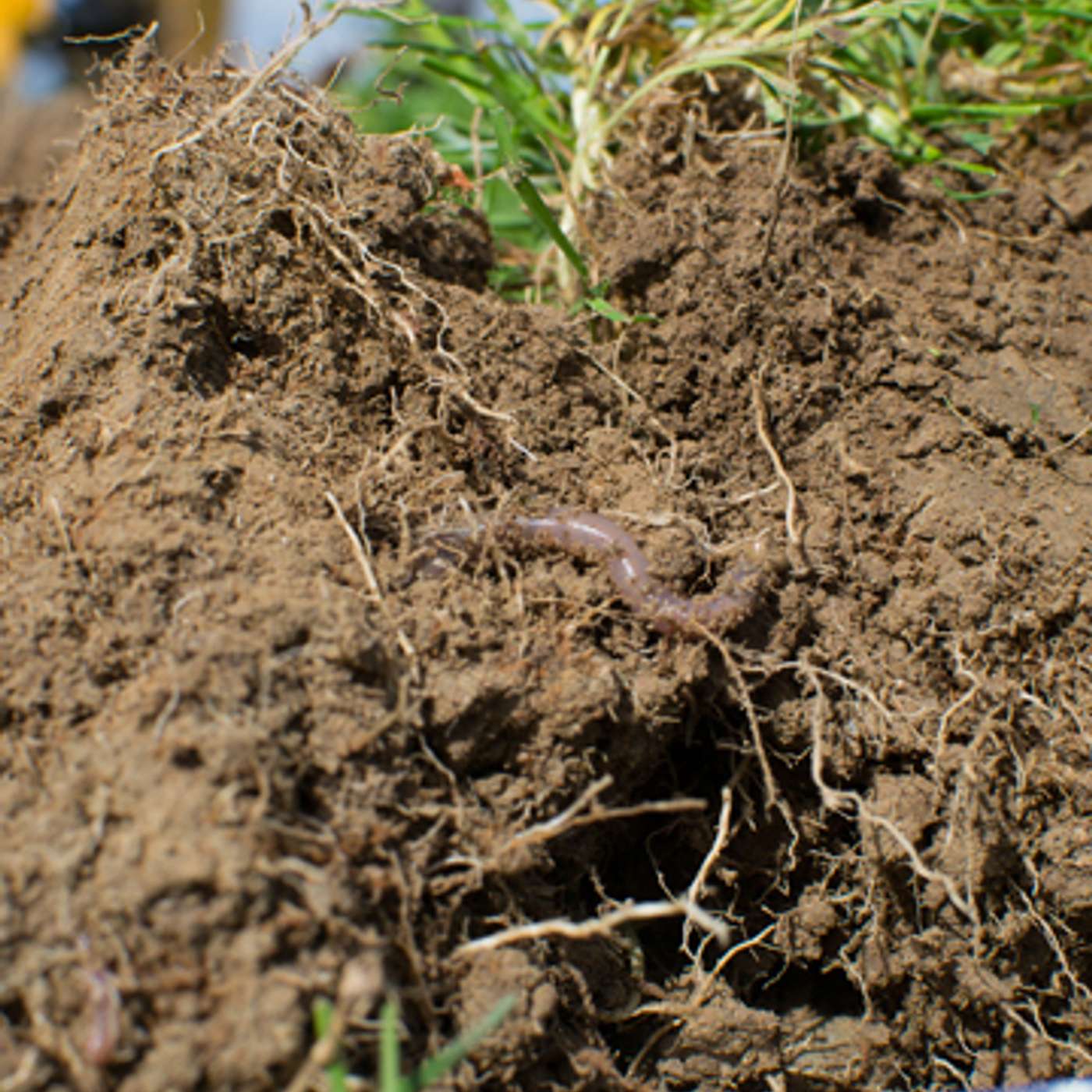
William Burchill, Lecturer in Soil Science in UCC, joins Stuart Childs on this week’s Dairy Edge podcast to discuss lower than normal growth rates in 2024 and advice on what to do over the next number of weeks to maximise growth. William first outlines the factors that drive mineralisation with oxygen, wet and dry cycles and soil temperature all contributing to this process. He discusses the importance of soil fertility in mineralisation and how pH is the gatekeeper for soil biology, which may have a role in alleviating some of the compaction that may have occurred early in the year but it is also the gatekeeper for mineralisation too, so the importance of lime can’t be stated enough with respect to grass swards but even more so with grass clover. William finishes by explaining the rates of nitrogen for the autumn and the timing of them as well as discussing the role of organic nutrients such as slurry which has to be used by the end of September and soiled water in keeping adequate nitrogen available to deliver growth in the latter part of the autumn. For more episodes from the Dairy Edge podcast go to the show page at:https://www.teagasc.ie/animals/dairy/the-dairy-edge-podcast/ The Dairy Edge is a co-production with LastCastMedia.com
Your Weekly Grass10 Update
For this week’s Grass10 grazing management update, Joseph Dunphy discusses PastureBase data, Dry Matter % and Predicted grass growth, rainfall & soil temperatures for the week. Joseph also discusses the importance of reviewing where your Average Farm Cover is as we approach mid-August and he has a grazing update from Oisin Gallen, Co. Donegal. Link to this week’s Grass10 newsletter:https://bit.ly/Grass10-13thAugust For more episodes from the Dairy Edge podcast go to the show page at:https://www.teagasc.ie/animals/dairy/the-dairy-edge-podcast/ The Dairy Edge is a co-production with LastCastMedia.com
Assessing grazing infrastructure & how it can be improved
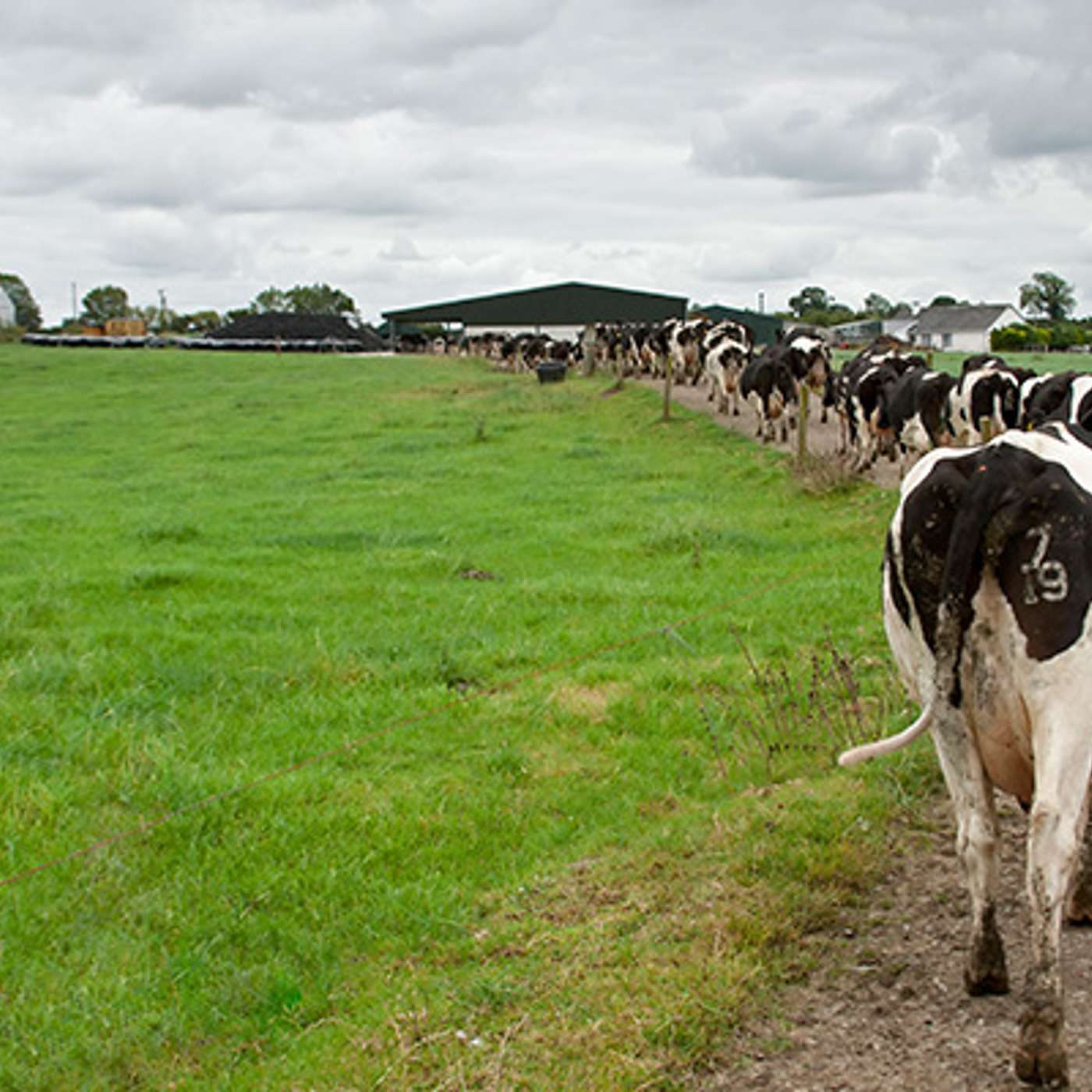
Increasing the level of grazed grass in the cow’s diet is a key driver of profitability on Irish dairy farms, and in order to achieve this, good grazing infrastructure is important to access all parts of the farm area and ensure cow performance isn’t compromised through lameness etc. This week on the Dairy Edge, James Dunne is joined by Paul Maher, Walsh Scholar, to discuss farm roadway infrastructure on commercial dairy farms and how it can be improved. For more episodes from the Dairy Edge podcast go to the show page at:https://www.teagasc.ie/animals/dairy/the-dairy-edge-podcast/ The Dairy Edge is a co-production with LastCastMedia.com
Building grass cover for autumn grazing with Denis Brassil
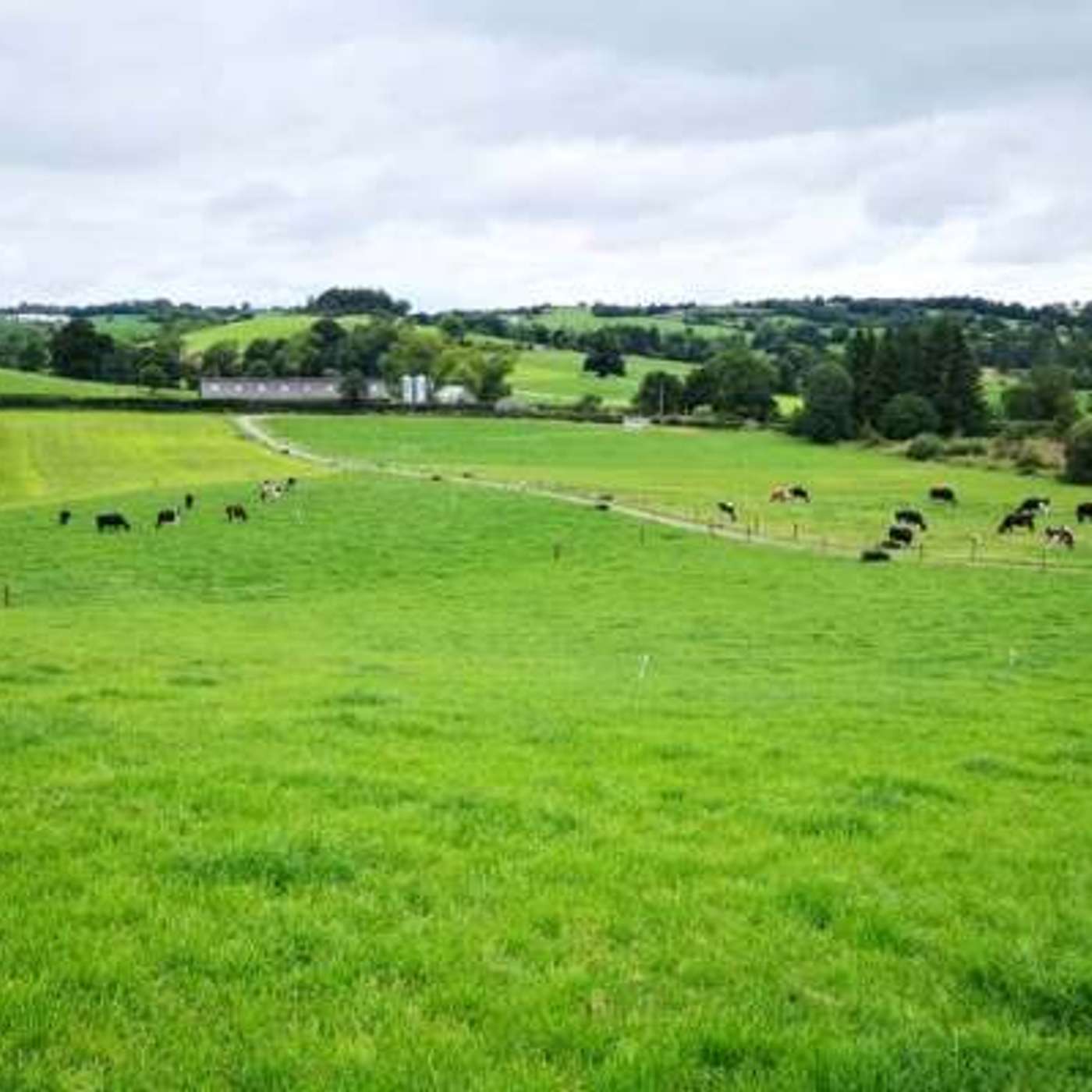
Denis Brassil, Teagasc Kerry Joint Programme Monitor Farm Advisor, joins Stuart Childs on the latest Dairy Edge to discuss building grass cover for autumn grazing. Denis first explains that the farms he deals with are across a range of land types and experience different levels of rainfall. He describes the current situation for a few of the farmers on the programme and how it differs depending on their location and how growth has been for them in recent weeks. Denis says farmers need to manage both the demand and supply side of grass for the autumn to deliver the cover of grass that is needed to extend grazing into the autumn for as long as is appropriate for the farm and explains that this will vary depending on soil type. He encourages people to look at their farm infrastructure and to identify any deficits and to begin addressing them to make sure that it is not an obstacle to grazing late in the autumn or grazing in the spring. Finally, Denis recommends that farmers walk their farms and take the appropriate action for their farm and their stocking rate in the next few weeks to set the farm up to manage autumn grazing in late September, October and November where feasible. For more episodes from the Dairy Edge podcast go to the show page at:https://www.teagasc.ie/animals/dairy/the-dairy-edge-podcast/ The Dairy Edge is a co-production with LastCastMedia.com
Your Weekly Grass10 Update
For this week’s Grass10 grazing management update, Joseph Dunphy discusses PastureBase data, Dry Matter % and Predicted grass growth, rainfall & soil temperatures for the week. Joseph also discusses the importance of getting autumn build-up correct on your farm and has a grazing update from Eugene and Eoin Lawler, Co. Kildare. Link to this week’s Grass10 newsletter:https://bit.ly/Grass10-6thAugust For more episodes from the Dairy Edge podcast go to the show page at:https://www.teagasc.ie/animals/dairy/the-dairy-edge-podcast/ The Dairy Edge is a co-production with LastCastMedia.com
Your Weekly Grass10 Update and Áine Murray on soil mineralisation
For this week’s Grass10 grazing management update, Joseph Dunphy discusses PastureBase data, Dry Matter % and Predicted grass growth, rainfall & soil temperatures for the week. Plus he highlights the increasing grass growth rates and preparing for autumn grass build-up. Joseph is also joined by Áine Murray, Researcher on nitrogen & clover systems from Teagasc Moorepark to discuss soil mineralisation in 2024. The link to this week’s Grass10 newsletter is: https://bit.ly/Grass10-30thjuly For more episodes from the Dairy Edge podcast go to the show page at:https://www.teagasc.ie/animals/dairy/the-dairy-edge-podcast/ The Dairy Edge is a co-production with LastCastMedia.com
Assessing winter feed stocks - what are the priority actions?
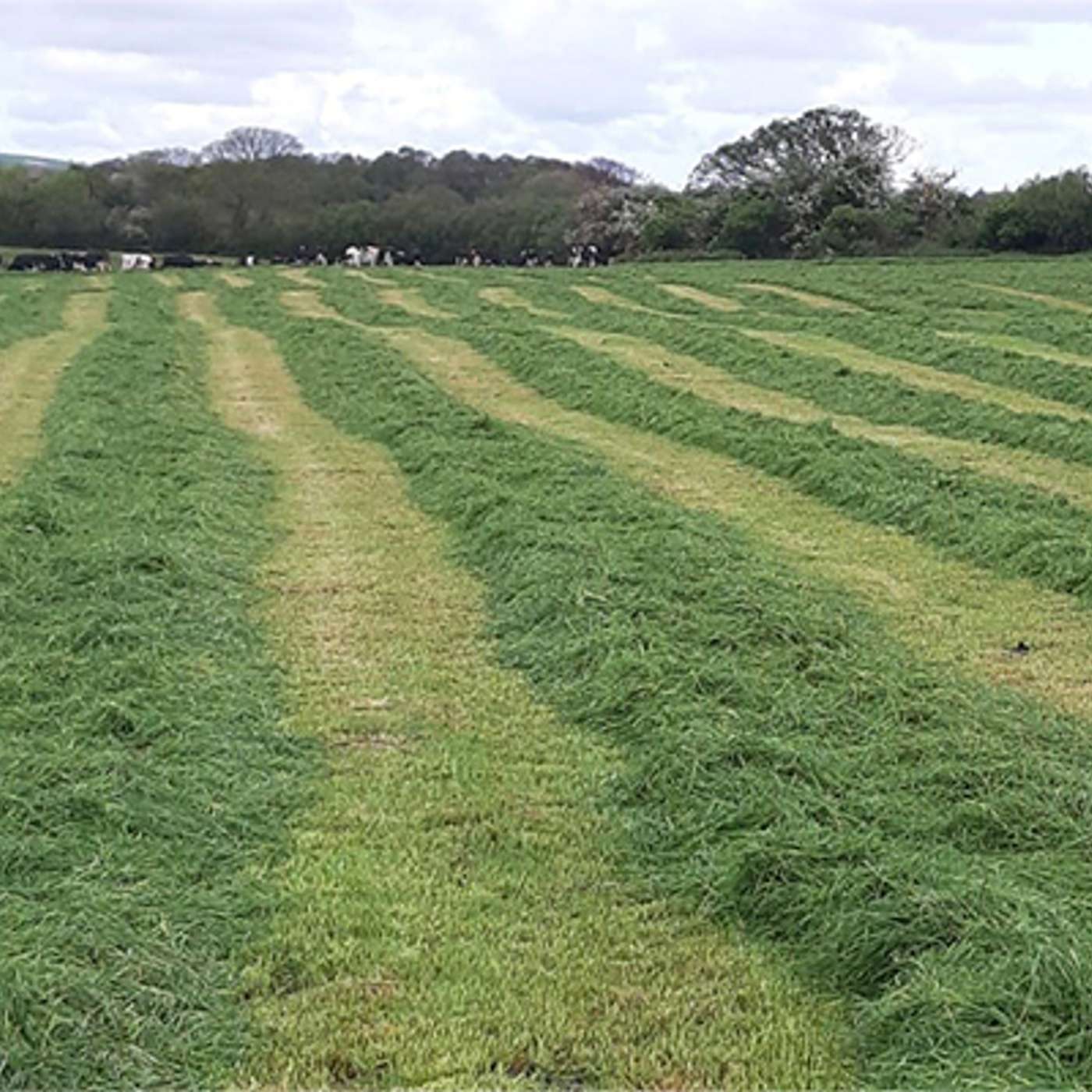
Given the extended winter at the start of the year and the below average growth rates for 2024 to date, farmers must give priority to ensure they will have enough fodder stocks heading into the housed period. For this week's Dairy Edge podcast, James Dunne is joined by Dr Joe Patton, Head of Teagasc Dairy KT, to discuss the recent fodder survey and what options farmers should consider. For more episodes from the Dairy Edge podcast go to the show page at: https://www.teagasc.ie/animals/dairy/the-dairy-edge-podcast/ The Dairy Edge is a co-production with LastCastMedia.com
Your Weekly Grass10 Update
For this week’s Grass10 grazing management update, Joseph Dunphy discusses PastureBase data, Dry Matter % and Predicted grass growth, rainfall & soil temperatures for the week. Joseph also discusses grass growth rates and grass quality issues that are widespread on farms currently and the featured farmer this week is TJ Ryan from Rossmore, Co. Tipperary. Link to this week’s Grass10 newsletter:https://bit.ly/Grass10-23rdJuly For more episodes from the Dairy Edge podcast go to the show page at:https://www.teagasc.ie/animals/dairy/the-dairy-edge-podcast/ The Dairy Edge is a co-production with LastCastMedia.com
Better Farming for Water
Cathal Somers, Teagasc Water Quality Specialist, and Deirdre Glynn, Teagasc ASSAP advisor in Kilkenny, and hosts of the Environment Edge podcast, join Stuart Childs on this week’s Dairy Edge to discuss the recently launched Teagasc campaign for water quality, Better Farming for Water. Deirdre first explains where water quality is currently and outlines the years of work that have gone into water quality from the start of the Agricultural Catchments Programme (ACP) back in 2008 to the launch of the ASSAP programme in 2019. The Better Farming for Water campaign is based around 6 pillars: Stakeholder Engagement, Building of Awareness, Upskilling of all involved from students through to industry level, Knowledge transfer through the Teagasc and private advisory service and everyone in between, and Communication to get the messages from the Research Pillar out to where they are needed. Cathal highlights the 8 actions for change in the strategy which are under the three headings of Nutrient Management, Farmyard Management and Land Management with these important for all farmers not just livestock farmers. Cathal and Deirdre also expand as to why these points are believed to be the keys to the kingdom. Many of the solutions are practical and can be easily implemented without cost or with minimal cost. Finally, Deirdre encourages farmers to engage with their advisors to develop a plan to contribute to improving water quality in their region. For more episodes from the Dairy Edge podcast go to the show page at: https://www.teagasc.ie/animals/dairy/the-dairy-edge-podcast/ The Dairy Edge is a co-production with LastCastMedia.com
Your Weekly Grass10 Update
For this week’s Grass10 grazing management update, Joseph Dunphy discusses PastureBase data, Dry Matter % and Predicted grass growth, rainfall & soil temperatures for the week. Joseph also discusses the 300th Grass10 newsletter, stagnant growth rates and has a grazing update from Joe Murphy, Co. Kilkenny. Link to this week’s Grass10 newsletter: https://bit.ly/Grass10-16thJuly For more episodes from the Dairy Edge podcast go to the show page at:https://www.teagasc.ie/animals/dairy/the-dairy-edge-podcast/ The Dairy Edge is a co-production with LastCastMedia.com
Transitioning to low chemical nitrogen perennial ryegrass white clover swards
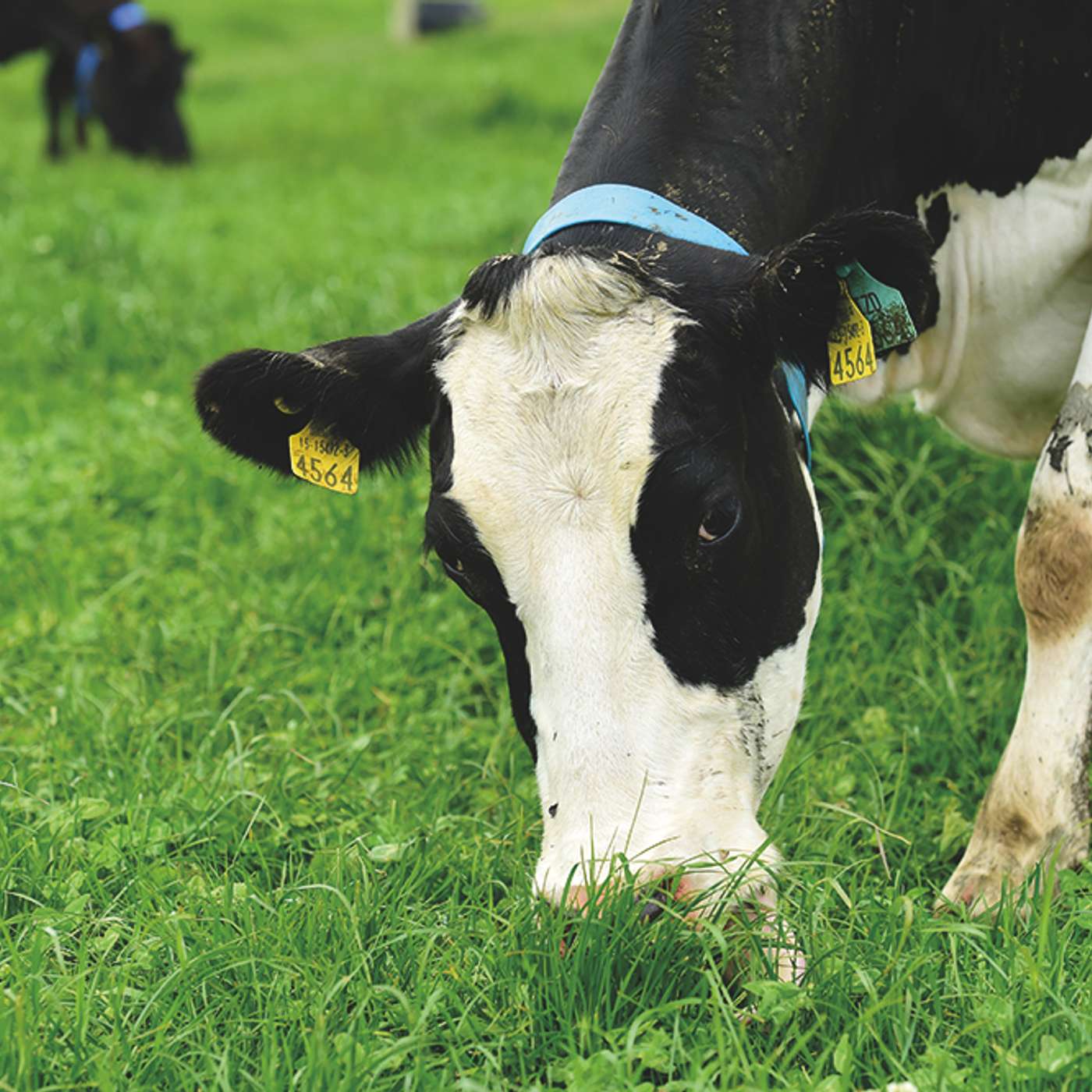
Maintaining farm productivity and profitability is always top of a farmer’s agenda but doing that in a reducing chemical N environment is challenging and requires the successful incorporation of clover within our grazed pastures. For this week’s Dairy Edge podcast, James Dunne is joined by Teagasc grassland researcher, Donal Patton, who outlines the current trial being carried out in Teagasc Ballyhaise which looks at transitioning to low chemical nitrogen perennial ryegrass white clover swards. For more episodes from the Dairy Edge podcast go to the show page at: https://www.teagasc.ie/animals/dairy/the-dairy-edge-podcast/ The Dairy Edge is a co-production with LastCastMedia.com
Your Weekly Grass10 Update
For this week’s Grass10 grazing management update, Joseph Dunphy discusses PastureBase data, Dry Matter % and Predicted grass growth, rainfall & soil temperatures for the week. Joseph also discusses managing grass quality during July and he has a grazing update from Jack Spillane, farm manager in Ballyvadin Research Farm, Co. Tipperary. Link to this week’s Grass10 newsletter:https://bit.ly/Grass10-9thJuly For more episodes from the Dairy Edge podcast go to the show page at:https://www.teagasc.ie/animals/dairy/the-dairy-edge-podcast/ The Dairy Edge is a co-production with LastCastMedia.com
ProClova XL – the new herbicide for use in white clover swards and reseeds
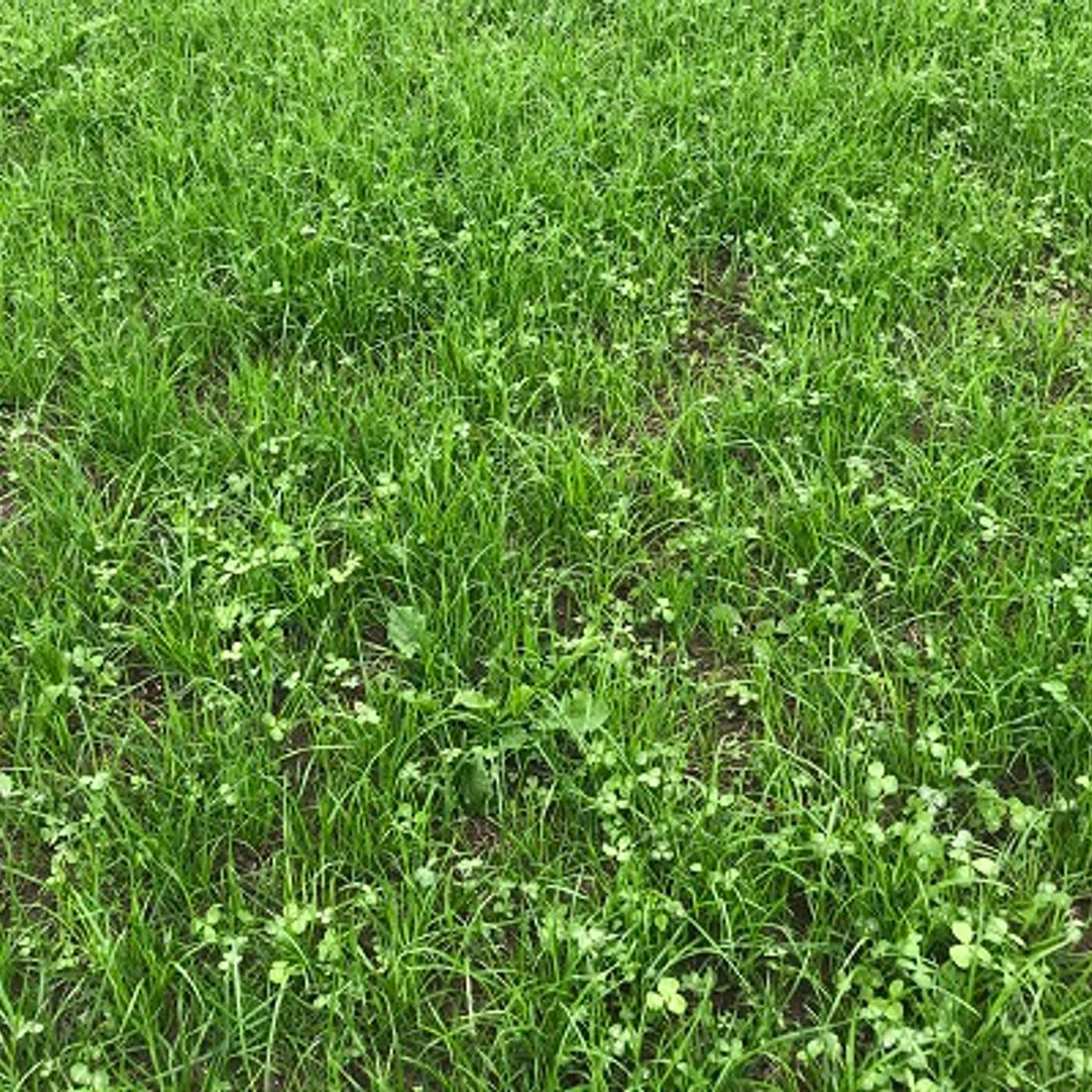
Ciaran Collins, Teagasc Tillage Specialist, joins Stuart Childs on this week’s Dairy Edge podcast to discuss the new herbicide for use in white clover swards and reseeds - ProClova XL. Ciaran explains that this is new chemistry that has been in development with a number of years. It is the only product that is licenced for use in white clovers leys and reseeds replacing the emergency licence use of 2,4-DB products for white clover with the 2,4-DB still available for red clover swards in their first year as Proclova XL not suitable for red clover swards until they have over wintered. Ciaran went on to explain that it is a broad spectrum herbicide covering most weeds of concern with the exception of thistles. It requires the use of an adjuvant which will be something new for most grassland farmers as this will have to be added along with the chemical. This is to increase the contact time of the spray to maximise its efficacy. There are a few terms and conditions people need to be aware of before using ProClova XL:1. Must use at least 75% drift reducing nozzles when applying2. Don’t apply where there is an interesting watercourse3. Maintain a 3 metre buffer to all other watercourses Ciaran also highlights a label change with 360 glyphosate products which are now reduced to 4l/ha max from the previous 6l/ha rates. This will apply to newly purchased products with old label products having a use up date out into 2025. There is also a 3m buffer required to be adhered to when using these products. Finally Ciaran says that it is in the best interests if people stick to the recommendations when applying all herbicides as the long term availability of them will be dependent on these recommendations being followed and ensuring that pesticides and herbicides stay out of water sources. For more episodes from the Dairy Edge podcast go to the show page at: https://www.teagasc.ie/animals/dairy/the-dairy-edge-podcast/ The Dairy Edge is a co-production with LastCastMedia.com
Your Weekly Grass10 Update
For this week’s Grass10 grazing management update, Joseph Dunphy discusses PastureBase data, Dry Matter % and Predicted grass growth, rainfall & soil temperatures for the week. Joseph also discusses tips to increase your Average Farm Cover and improve grass quality on your farm, plus he has a grazing update from Michael Carroll from Co. Limerick. Link to this week’s Grass10 newsletter:https://bit.ly/Grass10-2ndJuly For more episodes from the Dairy Edge podcast go to the show page at:https://www.teagasc.ie/animals/dairy/the-dairy-edge-podcast/ The Dairy Edge is a co-production with LastCastMedia.com
The opportunities for dairy farmers to improve their environmental footprint
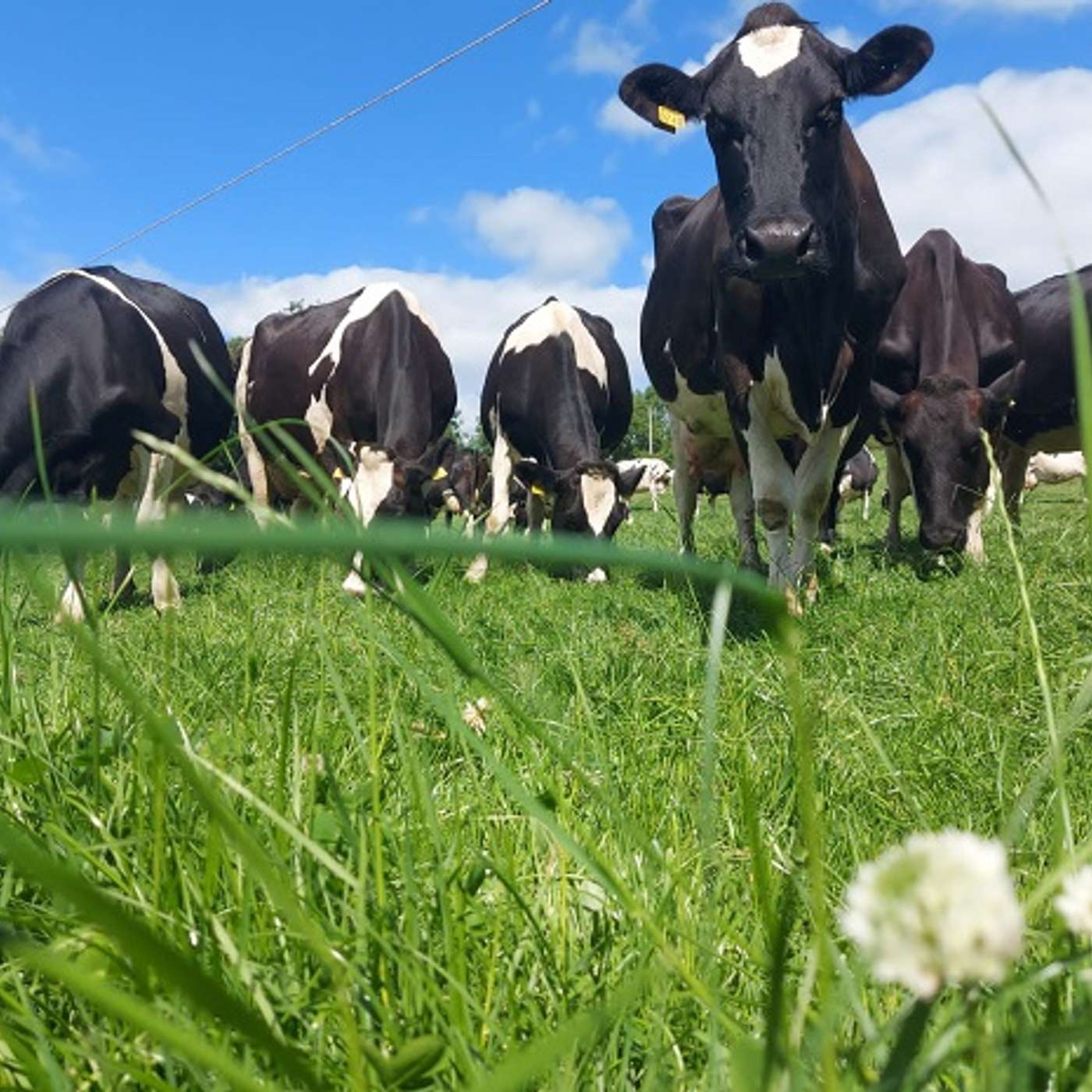
There has always been opportunities and challenges within the dairy sector and one of those immediate challenges is to continue to improve the environmental credentials of our dairy farms. Teagasc researcher, Dr. David Wall, joins James Dunne on this week’s Dairy Edge podcast to discuss the practices available to farmers to help them do just that. For more episodes from the Dairy Edge podcast go to the show page at:https://www.teagasc.ie/animals/dairy/the-dairy-edge-podcast/ The Dairy Edge is a co-production with LastCastMedia.com
Your Weekly Grass10 Update
For this week’s Grass10 grazing management update, Joseph Dunphy discusses PastureBase data, Dry Matter % and Predicted grass growth, rainfall & soil temperatures for the week. As growth rates are static and behind target for late June, Joseph also discusses grazing management and he has a grazing update from 2023 winner of the SGFOY Patrick O’Neill from Co. Longford. Link to this week’s Grass10 newsletter:https://bit.ly/Grass10-25thJune For more episodes from the Dairy Edge podcast go to the show page at:https://www.teagasc.ie/animals/dairy/the-dairy-edge-podcast/ The Dairy Edge is a co-production with LastCastMedia.com
Bull choice for late breeding
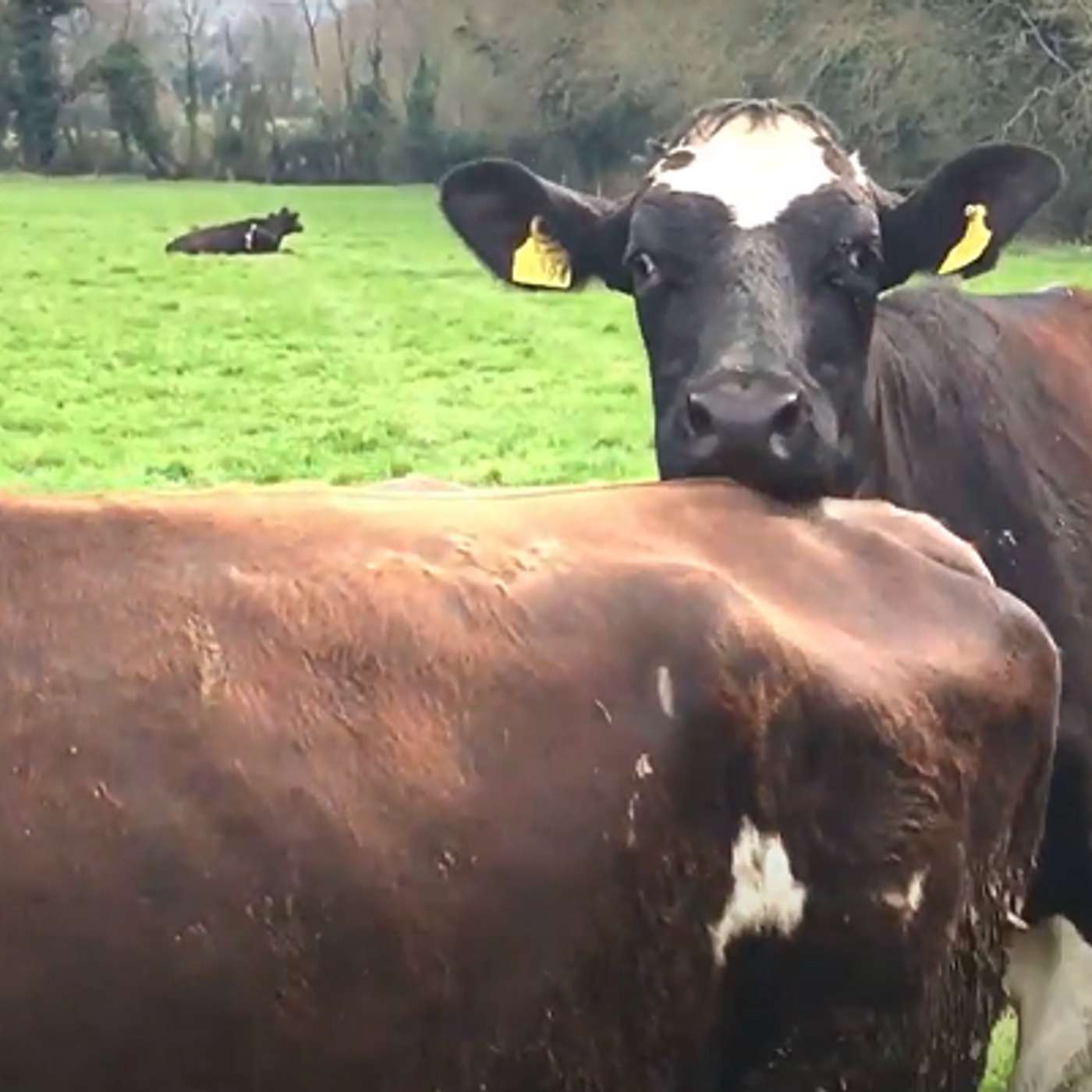
DairyBeef 500 Programme Co-ordinator, Alan Dillon, joins Stuart Childs on this week’s Dairy Edge to discuss late breeding season bull choice. Alan explains that late born calves are as much a hassle for the beef farmer as they are for the dairy farmer as they don’t fit into any system, so a defined breeding season is important to eliminate May/June calves as they are of no value to dairy beef farms nor to dairy farmers. Alan then outlines the criteria for bull selection at this stage of the season with high carcass weight >10kg for traditional breeds such as Angus and Hereford and a minimum of 20kg for the continental breeds. The focus must be to deliver a quality calf that has potential to deliver a return. Gestation length and calving ease are the other two important criteria for dairy farmers particularly at this stage of the season where the objective must be to get the cow calved as early as possible at this late stage. Alan says there are buyers for most calves throughout the season with a variation similar to that of calving start date to when calves are bought across the country. Dairy farmers should try to use the best beef genetics either through AI or the stock bull they buy to generate calves of quality to move into dairy beef systems. In the future CBV will have a significant role to play in deciding the value of the calf but all calves can leave a return as long as the purchase price is right. Alan advocates developing a relationship with a local buyer to ensure calves move off the dairy farm for a reasonable price and in an orderly fashion rather than being at the mercy of the market each week. This is very useful for the calf buyer as they have animals that have a health history behind them so dairy farmers should try to develop these relationships ahead of the calving season when time will be hard to come by. Using a good beef animal is as easy as using a bad one and is to the benefit of the industry as a whole. Finally, Alan invites all farmers to attend the BEEf2024 Open Day in Grange, Co. Meath on June 26th, to see all things dairy beef with something for everyone. For more episodes from the Dairy Edge podcast go to the show page at:https://www.teagasc.ie/animals/dairy/the-dairy-edge-podcast/ The Dairy Edge is a co-production with LastCastMedia.com
Your Weekly Grass10 Update
For this week’s Grass10 grazing management update, Niamh Doyle discusses PastureBase data, Dry Matter % and Predicted grass growth, rainfall & soil temperatures for the week. As growth rates are lower than average, Niamh also discusses tips to increasing your AFC and she has an update from featured farmer, John Phelan, Co. Waterford. Link to this week’s Grass10 newsletter: https://bit.ly/Grass10-18thJune For more episodes from the Dairy Edge podcast go to the show page at:https://www.teagasc.ie/animals/dairy/the-dairy-edge-podcast/ The Dairy Edge is a co-production with LastCastMedia.com
Managing cashflow to make better financial decisions – a farmer's perspective
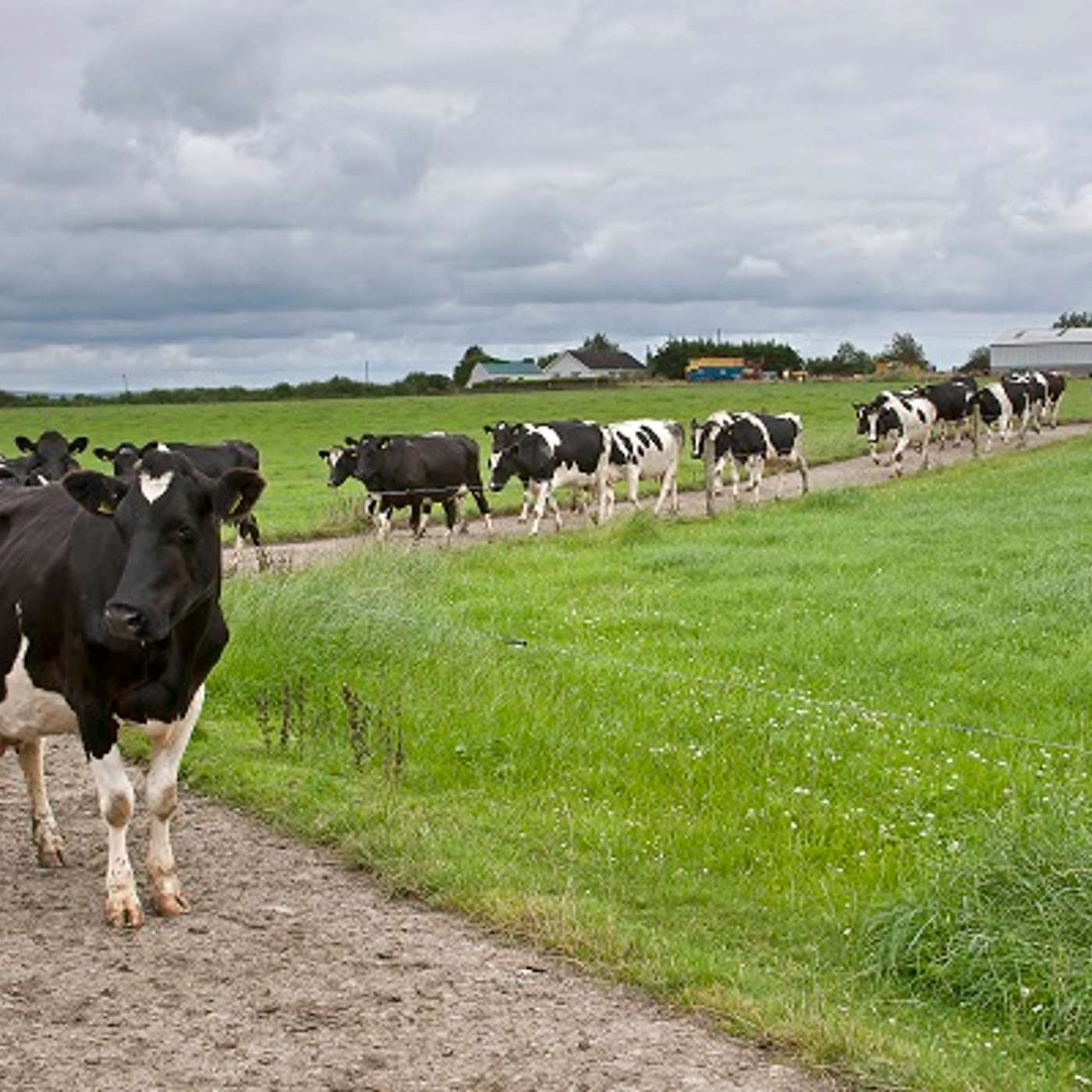
Given the significant increase in input costs on dairy farms since 2021, along with the increased feed budget costs this spring due to poor weather, good cash flow management has never been more important to ensure the efficient running of the farm business. Dairy farmer Sean O’Donnell joins James Dunne on this week’s Dairy Edge to outline how he manages the financial aspect of his dairy business to ensure the correct financial decisions are made in an informed manner. For more episodes from the Dairy Edge podcast go to the show page at:https://www.teagasc.ie/animals/dairy/the-dairy-edge-podcast/ The Dairy Edge is a co-production with LastCastMedia.com
Your Weekly Grass10 Update
For this week’s Grass10 grazing management update, Joseph Dunphy discusses PastureBase data, Dry Matter % and Predicted grass growth, rainfall & soil temperatures for the week. As growth rates suffer on Irish dairy farms, Joseph also discusses grazing management and he has a grazing update from Enda Armstrong from Co. Galway. Link to this week’s Grass10 newsletter:https://bit.ly/Grass10-11thJune For more episodes from the Dairy Edge podcast go to the show page at:https://www.teagasc.ie/animals/dairy/the-dairy-edge-podcast/ The Dairy Edge is a co-production with LastCastMedia.com
Milk residues and how to avoid them
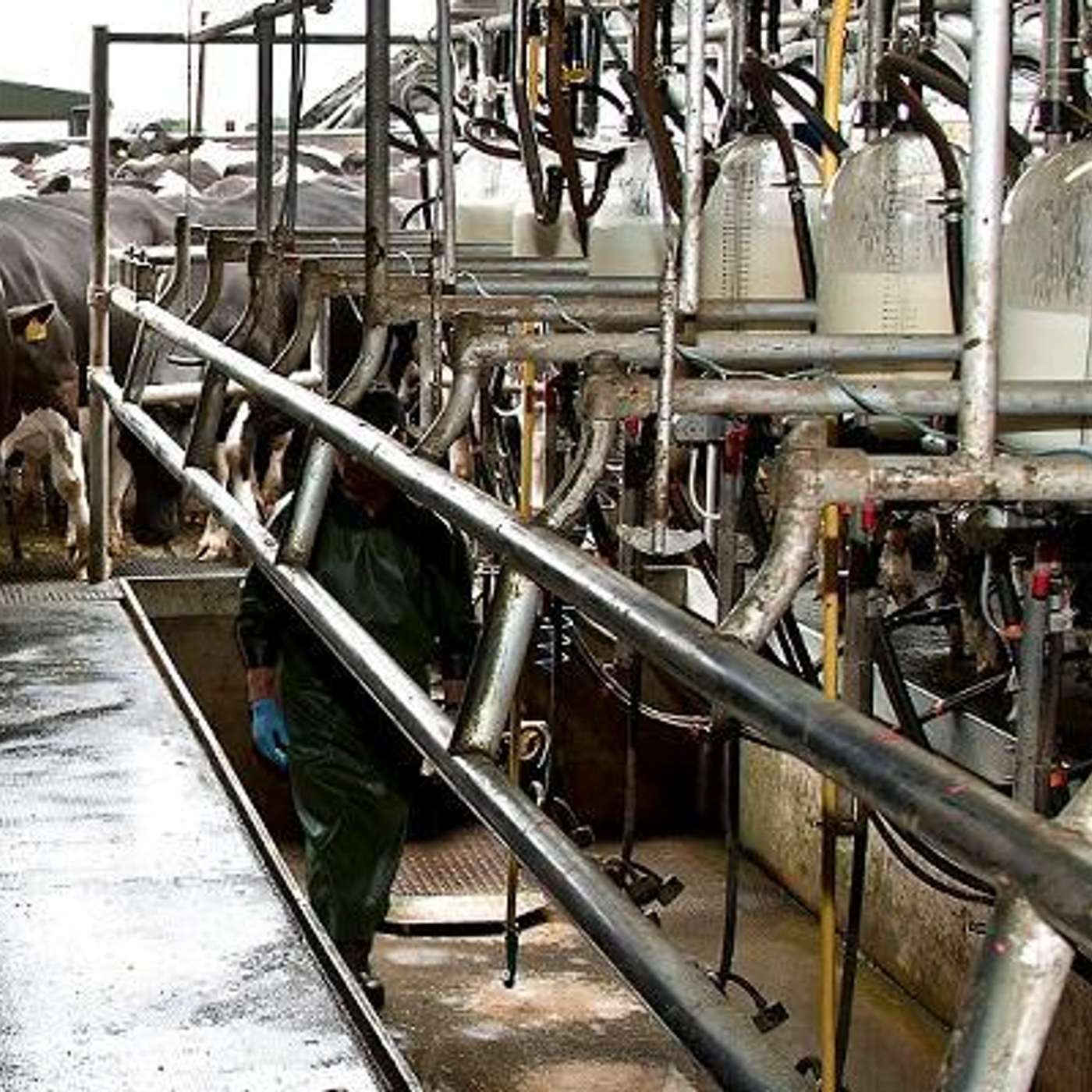
Terry McElvaney, Veterinary Inspector at the Veterinary Medicines, Antimicrobial Resistance, Byproducts and TSE Division, joins Stuart Childs on this week’s Dairy Edge podcast to discuss residues in milk. Terry first explains the role of the division in which he works and how it is important in facilitating trade. Terry says that the division tests 15,000 samples annually and carries out 70,000 tests on these samples for many different types of residues in order to report to the EU on our compliance with the regulations around the use of veterinary products in animals that go into the food chain. He says that while a miniscule percentage of samples test positive each year, this year there has been an increase in the positives associated with Ivermectin and Levamisole, active ingredients in wormers and flukicides. Terry advises farmers to test before treating and to ensure the right product is used at the right rate at the right time. Observing withdrawals is important and people need to carefully record dates of administration to ensure those withdrawals are observed. Terry also warns people that stock will often calve ahead of time and when that does happen, the withdrawal period still needs to be observed. He finishes by recommending people avoid unnecessary use of any veterinary medicinal products when possible and where they have to be used, to get good advice on the product to use. For more episodes from the Dairy Edge podcast go to the show page at: https://www.teagasc.ie/animals/dairy/the-dairy-edge-podcast/ The Dairy Edge is a co-production with LastCastMedia.com
Your Weekly Grass10 Update
For the latest Grass10 grazing management update, Joseph Dunphy discusses PastureBase data, Dry Matter % and Predicted grass growth, rainfall & soil temperatures for the week. As the cooler weather dampens pasture growth throughout the country, Joseph also discusses grazing management and he has an update from featured farmer, Arthur Sweetman, Co. Wexford. Link to this week’s Grass10 newsletter: https://bit.ly/Grass10-4thJune For more episodes from the Dairy Edge podcast go to the show page at:https://www.teagasc.ie/animals/dairy/the-dairy-edge-podcast/ The Dairy Edge is a co-production with LastCastMedia.com
Patrick O’Neill, Sustainable Grassland Farmer of the Year, discusses his farming system
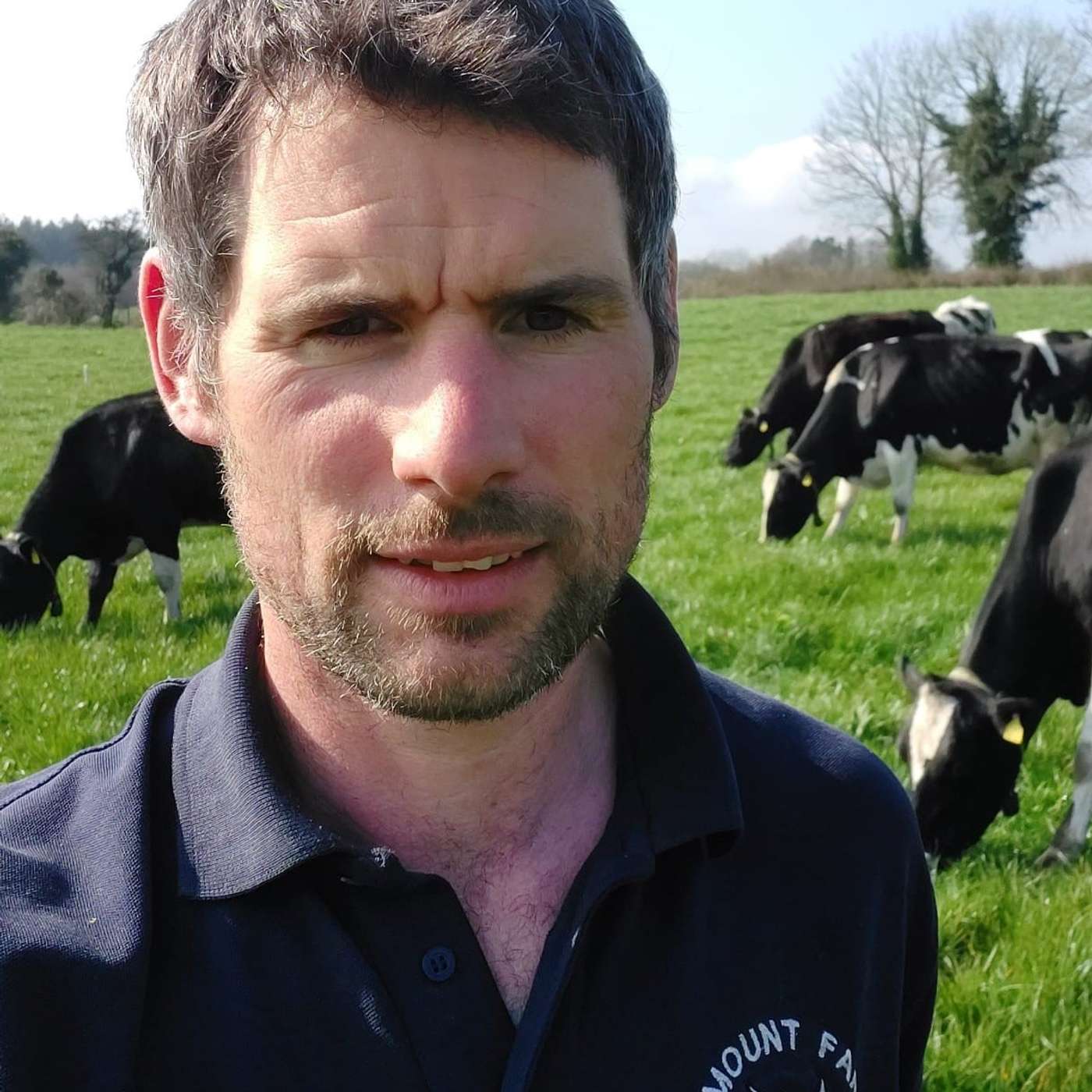
Sustainable Grassland Farmer of the Year, Patrick O’Neill, and Teagasc Grass10 Manager, John Maher, join James Dunne on this week’s Dairy edge podcast to discuss Patrick’s award-winning farming system. Patrick outlines the farm performance, how he deals with adversity that was the spring of 2024 and details the transition to grass clover swards. John also outlines what it takes to win the competition and highlights the areas where Patrick impressed the judging panel the most. For more episodes from the Dairy Edge podcast go to the show page at:https://www.teagasc.ie/animals/dairy/the-dairy-edge-podcast/ The Dairy Edge is a co-production with LastCastMedia.com
Your Weekly Grass10 Update
For this week’s Grass10 grazing management update, Joseph Dunphy discusses PastureBase data, Dry Matter % and Predicted grass growth, rainfall & soil temperatures for the week. As we enter June, Joseph also discusses measuring every 5 days using PastureBase Ireland and he has a grazing update from Christopher Cahill who farms in Co. Westmeath. Link to this week’s Grass10 newsletter:https://bit.ly/Grass10-28thMay For more episodes from the Dairy Edge podcast go to the show page at:https://www.teagasc.ie/animals/dairy/the-dairy-edge-podcast/ The Dairy Edge is a co-production with LastCastMedia.com

The future of the grass seed industry
Germinal Technical Director, Mary McEvoy, joins Stuart Childs on this week’s Dairy Edge podcast to discuss the future of the grass seed industry. Mary explains how the Pasture Profit Index (PPI) has changed the way farmers look at seed varieties and how the PPI, from a seed industry perspective, validated the breeding programmes that were in place. Mary then spoke about the timeframe involved in bringing a seed to market and the hurdles that have to be cleared to get to that point. She explains how breeding is looking at other species to see what they might offer in a changing climate but that it is early days for many and the most reliable mix currently is going to be perennial ryegrass (PRG) and white clover and red clover with good PRG varieties for part of the silage block. Mary says that there is no red clover recommended list in Ireland but that work has begun on it with the first of the red clover varieties being sown in 2024 for evaluation for the first time in 2025. She also outlines the challenge the industry faces in sourcing seed given the 1200% increase in red clover seed demand in recent years! For more episodes from the Dairy Edge podcast go to the show page at:https://www.teagasc.ie/animals/dairy/the-dairy-edge-podcast/ The Dairy Edge is a co-production with LastCastMedia.com
Your Weekly Grass10 Update
For this week’s Grass10 grazing management update, Joseph Dunphy discusses PastureBase data, Dry Matter % and Predicted grass growth, rainfall & soil temperatures for the week. Joseph discusses keeping grass under control as we approach peak growth on Irish farms & he has an update from Brian Meade, Co. Meath. Link to this week’s Grass10 newsletter:https://bit.ly/Grass10-21stMay For more episodes from the Dairy Edge podcast go to the show page at:https://www.teagasc.ie/animals/dairy/the-dairy-edge-podcast/ The Dairy Edge is a co-production with LastCastMedia.com

A deep dive into pasture quality with Dr. Mike Dineen
There has been welcome improvement in both growth rates and grazing conditions over the last couple of weeks and much of the attention on farms now turns to correcting the impact the spring has had on grass quality and making sure herds meet their nutritional needs throughout the breeding season. For this week’s Dairy Edge podcast, Teagasc senior research officer, Dr Mike Dineen, joins James Dunne to highlight the true nutritional value of grazed grass and explain how farmers need to balance grass quality and quantity to maintain milk production through the summer months. For more episodes from the Dairy Edge podcast go to the show page at:https://www.teagasc.ie/animals/dairy/the-dairy-edge-podcast/ The Dairy Edge is a co-production with LastCastMedia.com
Grass10 Update: Wexford farmer, Michael Doran, on the management decisions for his farm this week
For this week’s Grass10 grazing management update, as growth rates increase, Joseph Dunphy is joined by dairy farmer Michael Doran from Co. Wexford to discuss the management decisions he is making this week on his farm. Link to this week’s Grass10 newsletter:https://bit.ly/Grass10-14thMay For more episodes from the Dairy Edge podcast go to the show page at:https://www.teagasc.ie/animals/dairy/the-dairy-edge-podcast/ The Dairy Edge is a co-production with LastCastMedia.com
FRS Training: Best Practice in Milking
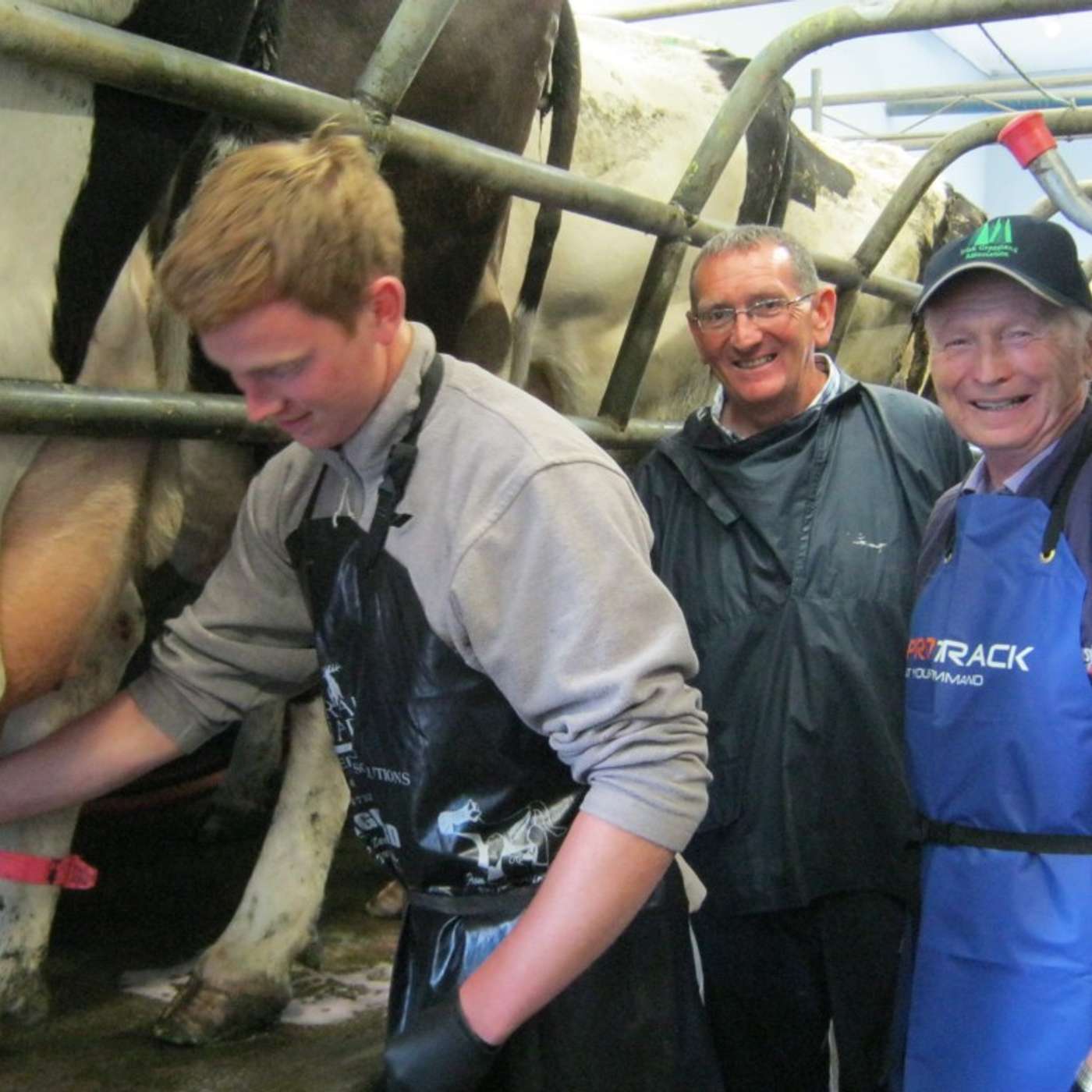
Attracta Dooley from FRS Training and Chloe Walsh, a secondary school teacher who helps her husband Pat on their farm outside Durrow in Co. Laois, join Stuart Childs on this week’s Dairy Edge podcast to talk about the upcoming FRS Training Best Practice in Milking Courses which commence on May 22nd in Pallaskenry Agricultural college. For Chloe, she wanted to learn more about the whole milking process which was her incentive to complete the course in October of last year, and she says that while she already knew how to milk, the course gave her much greater confidence in what she was doing, taught her skills that she didn’t have beforehand and has also helped her when it comes to training people who are new to their farm when they arrive. Attracta and Chloe both agree that there is no shortage of work on dairy farms milking cows for people that are interested and that contrary to people’s perceptions, it is quite flexible work. There is also great earning potential for people who are willing to do it. Finally, Attracta details the dates of the upcoming courses and gives details of how to book by going to: https://www.frstraining.com/sectors/agriculture-horticulture/ For more episodes from the Dairy Edge podcast go to the show page at:https://www.teagasc.ie/animals/dairy/the-dairy-edge-podcast/ The Dairy Edge is a co-production with LastCastMedia.com

Your Weekly Grass10 Update
On this week’s Grass10 grazing management update, Joseph Dunphy discusses PastureBase data, Dry Matter % and Predicted grass growth, rainfall & soil temperatures for the week. As grass growth is finally predicted to increase Joseph also discusses grazing management and he has a grazing update from Sustainable GFOY nutrient management category joint winner, Killian Brennan, from county Cavan. Link to this week’s Grass10 newsletter:https://bit.ly/Grass10-7thMayFor more episodes from the Dairy Edge podcast go to the show page at:https://www.teagasc.ie/animals/dairy/the-dairy-edge-podcast/ The Dairy Edge is a co-production with LastCastMedia.com
How to achieve a high level of milk performance over the coming months
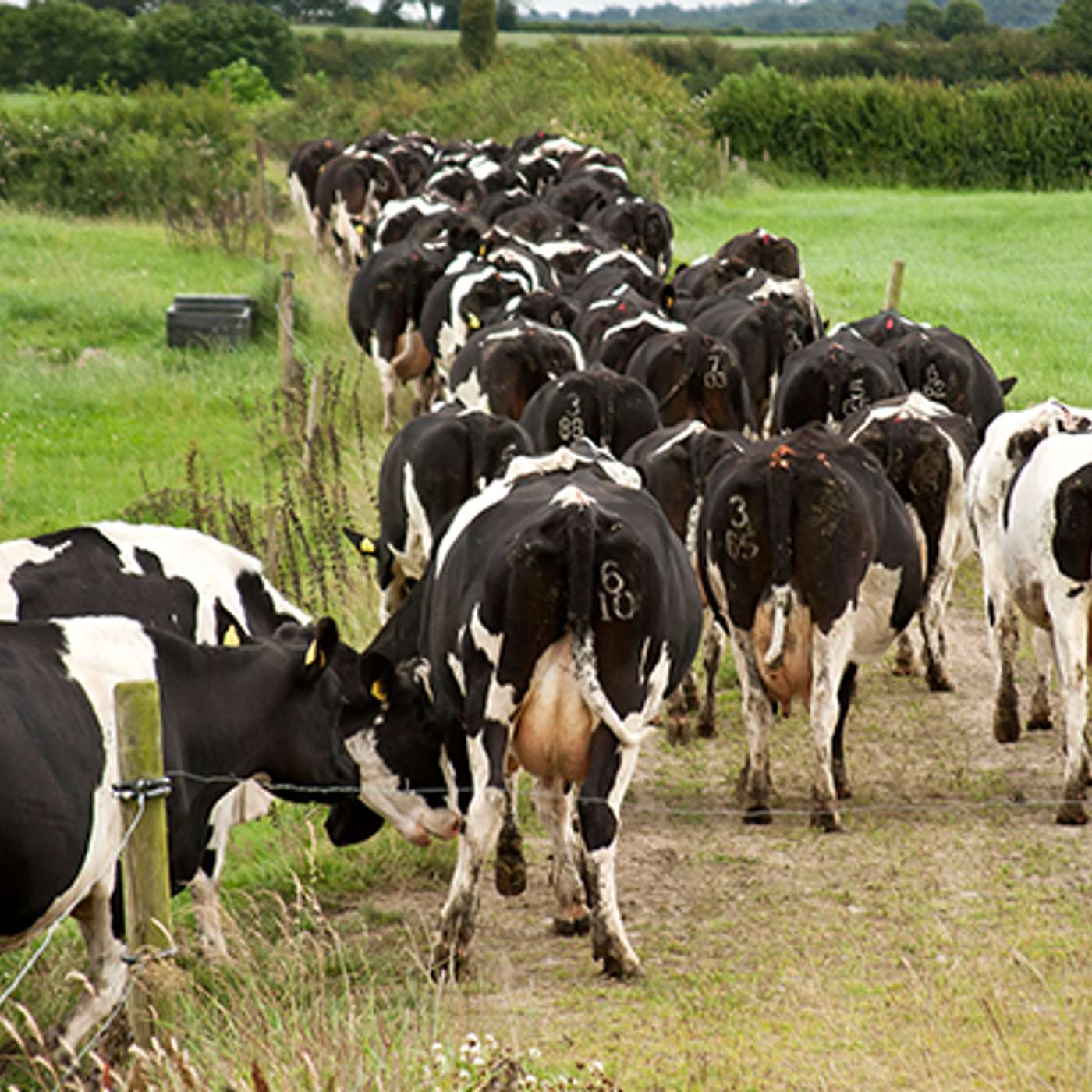
With the difficult grazing conditions throughout the spring it’s no harm to reflect on the last number of months as to what worked well and what can be improved for the future. It’s maybe more important though to identify the priorities in order to get back on track with the least impact, and on this week’s Dairy Edge podcast, James Dunne is joined by Teagasc Head of Dairy Knowledge Transfer, Dr Joe Patton. Joe offers advice to farmers around pasture management to ensure a high level of milk performance throughout the summer months and how to best ensure sufficient feed reserves are secured for next winter. For more episodes from the Dairy Edge podcast go to the show page at: https://www.teagasc.ie/animals/dairy/the-dairy-edge-podcast/ The Dairy Edge is a co-production with LastCastMedia.com
Your Weekly Grass10 Update
On this week’s Grass10 grazing management update, Joseph Dunphy discusses PastureBase data, Dry Matter % and Predicted grass growth, rainfall & soil temperatures for the week. With grass growth stubborn to increase as we enter May, Joseph discusses grazing management and he has an update from Sustainable GFOY Nutrient management category winner, Michael Carroll from Co. Limerick. Link to this week’s Grass10 newsletter: https://bit.ly/Grass10-30thAprilFor more episodes from the Dairy Edge podcast go to the show page at:https://www.teagasc.ie/animals/dairy/the-dairy-edge-podcast/ The Dairy Edge is a co-production with LastCastMedia.com
DairyBeef 500 farmer, David Gannon, on his breeding plan for 2024
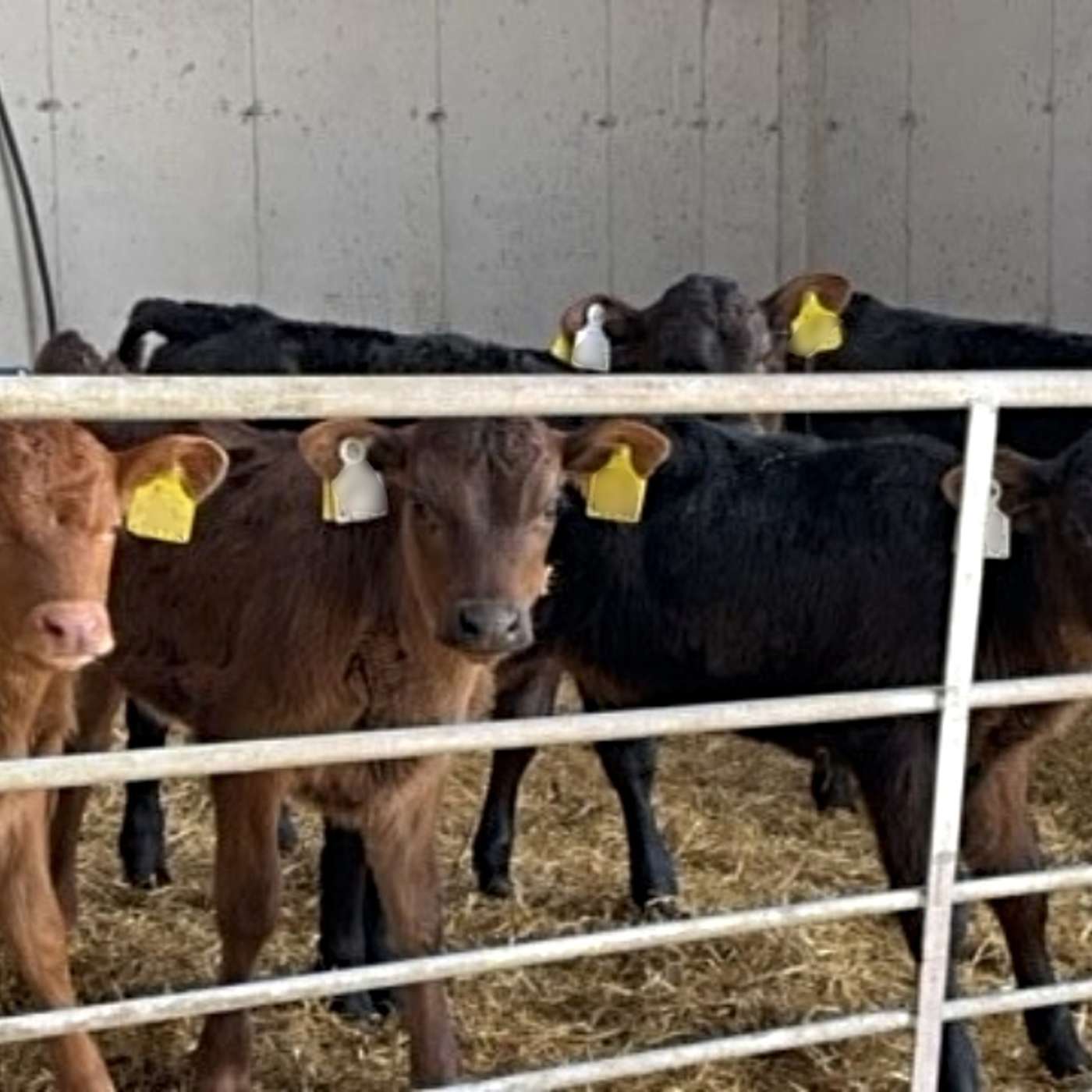
On this week’s episode of the Dairy Edge, Stuart Childs is joined by Aurivo Joint Programme Monitor Farmer and DairyBeef 500 Ambassador, David Gannon, and John McCabe, Monitor Farm advisor with the Aurivo Joint Programme, to discuss the beef breeding plan for David’s farm for 2024. David starts by outlining the background to his herd and then spoke about how he plans to use the beef bull team he has selected along with John and Tommy Cox of the DairyBeef 500 team on his herd this season. David describes how for him it’s about making incremental gains in the quality of the beef stock he produces each year. Using data from ICBF, John can confirm that there is an improvement in the quality in the beef calves being generated but suggests that people can do more. David has a number of customers for his calves and this is a huge benefit to know that a particular number of calves will leave the farm on particular dates which frees up housing and labour for him at the busiest time of the year which is a very important piece of the jigsaw. Finally David says it is his objective to deliver a better animal each year through improving genetics and also to assist the customers he has to get the maximum return from the stock they buy from him, not only through using better genetics but also discussing the health plan that he has for his own replacement calves with his customers so that they can benefit from any improvements he has made in his own calf rearing protocols. For more episodes from the Dairy Edge podcast go to the show page at: https://www.teagasc.ie/animals/dairy/the-dairy-edge-podcast/ The Dairy Edge is a co-production with LastCastMedia.com
Your Weekly Grass10 Update
On this week’s Grass10 grazing management update, Joseph Dunphy discusses PastureBase data, Dry Matter % and Predicted grass growth, rainfall & soil temperatures for the week. With surplus grass on many farms, Joseph also discusses grazing advice and he has a grazing update from County Sligo, with Young Category Winner of the Sustainable GFOY Evan Hunt. Link to this week’s newsletter: https://bit.ly/Grass10-23rdAprilFor more episodes from the Dairy Edge podcast go to the show page at:https://www.teagasc.ie/animals/dairy/the-dairy-edge-podcast/ The Dairy Edge is a co-production with LastCastMedia.com
Dispelling some of the myths around TB (Bovine Tuberculosis)
David Quinn, Superintending Veterinary Inspector at the Department Of Agriculture, Food and the Marine, is on this week’s joint episode of the Dairy Edge and the Beef Edge with hosts James Dunne and Catherine Egan to dispel some of the myths around TB (Bovine Tuberculosis). David gives a detailed breakdown on Ireland’s TB statistics. He describes the testing methods and why they are used and outlines the issues around false positive and false negative animals. David also outlines the current strategies to manage TB risk within the wildlife population. For more episodes from the Dairy Edge podcast go to the show page at: https://www.teagasc.ie/animals/dairy/the-dairy-edge-podcast/ The Dairy Edge is a co-production with LastCastMedia.com
Your Weekly Grass10 Update
For this week’s Grass10 grazing management update, Joseph Dunphy discusses PastureBase data, Dry Matter % and Predicted grass growth, rainfall & soil temperatures for the week. With an improving weather forecast, Joseph discusses getting back on track with grazing and fertiliser and has a grazing update from Sustainable Grassland Farmer of the Year Overall Winner Patrick O Neill, Co. Longford. Link to this week’s newsletter: https://bit.ly/Grass10-16thAprilFor more episodes from the Dairy Edge podcast go to the show page at:https://www.teagasc.ie/animals/dairy/the-dairy-edge-podcast/ The Dairy Edge is a co-production with LastCastMedia.com
Ensuring breeding success with maiden heifers
With the difficult conditions at farm level, much of the conversation over the last number of weeks has centred around ensuring the milking herd are properly fed. These conditions have also meant that maiden heifers have remained housed on a lot of farms for longer than normal this spring and on this week’s Dairy Edge, James Dunne is joined by Teagasc dairy specialist, Stuart Childs, who offers some advice to farmers around the management of heifers over the coming weeks and some tips for the breeding season ahead. For more episodes from the Dairy Edge podcast go to the show page at: https://www.teagasc.ie/animals/dairy/the-dairy-edge-podcast/ The Dairy Edge is a co-production with LastCastMedia.com
Your Weekly Grass10 Update
On this week’s Grass10 grazing management update, Joseph Dunphy discusses PastureBase data, Dry Matter % and Predicted grass growth, rainfall & soil temperatures for the week. Joseph explains the options for farmers starting their second rotation and those with low % grazed & we also hear from featured farmer Stephen Buttimer from county Cork. Link to this week’s newsletter: https://bit.ly/Grass10-9thAprilFor more episodes from the Dairy Edge podcast go to the show page at:https://www.teagasc.ie/animals/dairy/the-dairy-edge-podcast/ The Dairy Edge is a co-production with LastCastMedia.com
Managing the herd in the current weather conditions
On this week’s episode of the Dairy Edge, Donal Patton, Teagasc Ballyhaise and Mike Egan, Teagasc , discussed at a recent Teagasc webinar the current weather conditions and scenarios facing farmers across the country and how best to deal with them. Donal first talked through the current situation in Ballyhaise and then discussed trial work that was done over a 4 year period there which mimicked the situation that many farmers are now facing in terms of high proportions not grazed and how to deal with it in the short-term but also in the medium term to maintain grass quality and maximise performance through the main season when weather will hopefully much improve. Donal highlighted that conditions are very challenging currently and consequently grazing is hard work but it is important that farmers try to make a start so get out and walk to see if there is some dry spot to get cows out for a few hours at least to reduce the silage demand and increase the level of performance through inclusion of grazed grass. He was quick to acknowledge that there are scenarios where it may not be possible to get out but that people need to be looking regularly. Mike Egan spoke on fertiliser advice in these very trying weather conditions. Mike outline the various scenarios on farm from some fertiliser spread to none and how to respond to these, again similar to Donal’s advice, when the conditions allow. Mike finished by discussing fertiliser advice for silage this year and emphasised the need for good cuts in order to replenish very much diminished stocks on farms. This will not be achieved by going for big bulk first cuts. Instead, early/mid/late May cuts depending on the starting point of the crop will be necessary to get ‘May growth’ into 2nd cuts in order to get the bulk many farmers require but with a much higher level than a big bulky first cut in June will deliver. Mike emphasised that bulky first cuts actually undermine total silage production and cautioned farmers against being tempted to take this approach to silage production not just this year but any year. You can also watch the webinar in full at:https://www.youtube.com/watch?v=a8kQMPH73y0&t=4s&ab_channel=Teagasc For more episodes from the Dairy Edge podcast go to the show page at: https://www.teagasc.ie/animals/dairy/the-dairy-edge-podcast/ The Dairy Edge is a co-production with LastCastMedia.com
Your Weekly Grass10 Update
For this week’s Grass10 grazing management update, Joseph Dunphy discusses PastureBase data, Dry Matter % and Predicted grass growth, rainfall & soil temperatures for the week. As the wet weather continues, Joseph discusses grazing management advice and he has an update from Shane Seymour in county Tipperary. Link to this week’s newsletter: https://bit.ly/Grass10-2ndAprilFor more episodes from the Dairy Edge podcast go to the show page at:https://www.teagasc.ie/animals/dairy/the-dairy-edge-podcast/ The Dairy Edge is a co-production with LastCastMedia.com