The Dairy Edge
703 episodes — Page 7 of 15
Let's Talk Dairy: Milking 10 times a week in the second half of lactation
bonusFor this week’s podcast version of the Let’s Talk Dairy webinar series, James Dunne, Teagasc Dairy Specialist, is joined by Emer Kennedy, Teagasc Researcher, to discuss milking 10 times a week in the second half of lactation. To register for future Let’s Talk Dairy webinars go to:https://www.teagasc.ie/corporate-events/lets-talk-dairy/ For more episodes from the Dairy Edge podcast go to the show page at:https://www.teagasc.ie/animals/dairy/the-dairy-edge-podcast/
What you need to know about the National Genotyping scheme
On this week’s episode of the Dairy Edge, Mark Waters, Co-ordinator of the DNA Registration Project at ICBF joins Stuart Child to discuss the National Genotyping scheme that was launched recently by the Minister for Agriculture. Mark starts by telling us exactly what genotyping is and what it has to offer both farmers and the industry as a whole. He says that it is hard to overstate the value of genotyping and that the big thing will be the rate of gain that will be achievable. This has the potential to allow for more palatable actions with regard to climate change targets compared to some of the actions that are currently being suggested, such as a large scale reduction in animal numbers . Mark then explains how farmers can sign up for the scheme, what they have to do in 2023 and what is expected from 2024 onwards when the DNA registration process will start in earnest. Finally, Mark highlights that the purpose of the scheme is to genotype the existing herd to allow for the DNA registration process to become a reality and that people are committing to this when signing up. It is imperative that people take samples and return them in a timely manner to facilitate preparation for the DNA registration next spring. For more episodes from the Dairy Edge podcast go to the show page at: https://www.teagasc.ie/animals/dairy/the-dairy-edge-podcast/ The Dairy Edge is a co-production with LastCastMedia.com
Let's Talk Dairy: Incorporating Clover into grass swards in Teagasc Ballyhaise
bonusFor this week’s podcast version of the Let’s Talk Dairy webinar series, James Dunne, Teagasc Dairy Specialist, is joined by Donal Patton, Teagasc, to give an update on a new research trial which is looking at incorporating Clover into grass swards in Teagasc Ballyhaise. In 2021 the new 5-year systems trial began looking at transitioning from high levels of Nitrogen (N) usage to low levels of imported N in Ballyhaise College. To register for future Let’s Talk Dairy webinars go to:https://www.teagasc.ie/corporate-events/lets-talk-dairy/ For more episodes from the Dairy Edge podcast go to the show page at:https://www.teagasc.ie/animals/dairy/the-dairy-edge-podcast/
The role and importance of multi-species swards (MSS)
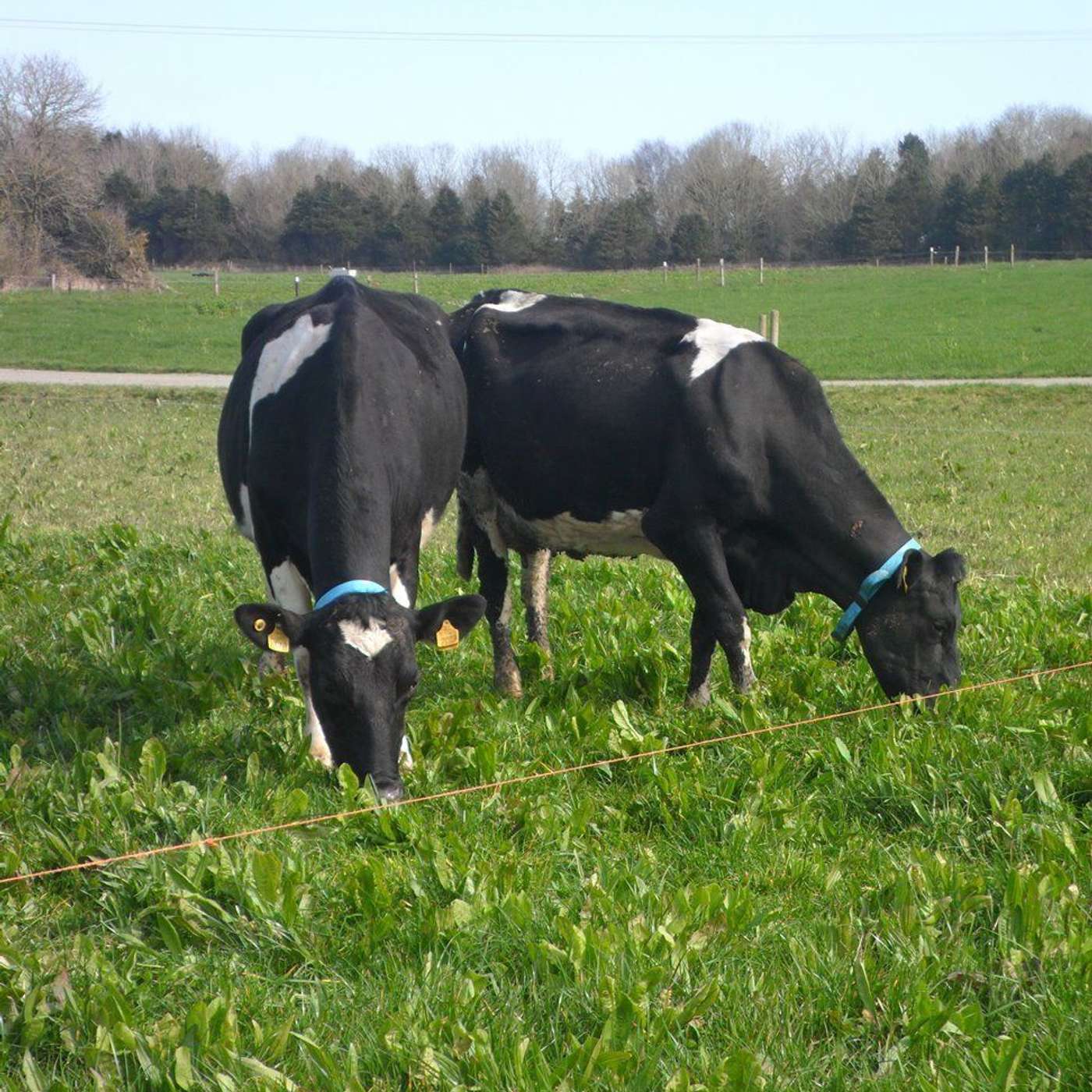
Brendan Horan, Farm Systems researcher at Teagasc Moorepark, is on this week’s Dairy Edge podcast to discuss multi-species swards (MSS) and the reason he and his team are researching them in the multi-milk systems trials at Curtin’s Farm. Brendan starts by telling us the policy context for looking at MSS stemming from the Farm to Fork strategy that is looking for reductions in the amount of inputs going into farming systems, to minimise environmental impacts of farming, increase resource use efficiency and increase biodiversity. Following on from the policy piece and the requirement to reduce the nitrogen footprint of the farming system, the third piece of the jigsaw is climate change and how are we going to deal with potentially drier summers and wetter winters. In that context, multi-species have the potential to reduce the nitrogen requirement as well as offering increased sward diversity that might have the potential to allow us to adapt to changing weather patterns. Brendan went on to say that on the multi-milk trial, multi-species swards are growing similar quantities of forage, showing increases in milk solids output during the mid-season, but very importantly, have the potential to reduce nitrate leaching by 5-10% compared to standard perennial ryegrass swards that are commonplace currently. Finally, Brendan encourages farmers to try some on their farms as farmers will need to learn how to farm these swards and the best way to do this is to try it. Furthermore, assuming that good perennial ryegrass and clover varieties are used, these swards, while potentially not persisting as multi-species swards, will continue to persist as high quality grass clover swards in the medium to longer term on farms. For more episodes from the Dairy Edge podcast go to the show page at: https://www.teagasc.ie/animals/dairy/the-dairy-edge-podcast/ The Dairy Edge is a co-production with LastCastMedia.com
Let's Talk Dairy: Advisor's update from the grass roots
bonusFor this week’s podcast version of the Let’s Talk Dairy webinar series, James Dunne, Teagasc Dairy Specialist, is joined by Lorcan Dooley, Teagasc Dairy Advisor, based in Portlaoise, Co. Laois to discuss where the focus should be on dairy farms for June. To register for future Let’s Talk Dairy webinars go to:https://www.teagasc.ie/corporate-events/lets-talk-dairy/ For more episodes from the Dairy Edge podcast go to the show page at:https://www.teagasc.ie/animals/dairy/the-dairy-edge-podcast/
Let's Talk Dairy: Dairy Market Outlook for the second half of 2023
bonusFor this week’s podcast version of the Let’s Talk Dairy webinar series, James Dunne, Teagasc Dairy Specialist, is joined by is joined by Liam McCabe, Dairy Sector Manager, Bord Bia to give an insight into the dairy market outlook for the second half of 2023. To register for future Let’s Talk Dairy webinars go to:https://www.teagasc.ie/corporate-events/lets-talk-dairy/ For more episodes from the Dairy Edge podcast go to the show page at:https://www.teagasc.ie/animals/dairy/the-dairy-edge-podcast/
Let's Talk Dairy: Tipperary Calf to Beef Demo Farm
bonusFor this week’s podcast version of the Let’s Talk Dairy webinar series, James Dunne, Teagasc Dairy Specialist, is joined by Chloe Millar, Teagasc, to give an insight into the Tipperary Calf to Beef Demo Farm. To register for future Let’s Talk Dairy webinars go to:https://www.teagasc.ie/corporate-events/lets-talk-dairy/ For more episodes from the Dairy Edge podcast go to the show page at:https://www.teagasc.ie/animals/dairy/the-dairy-edge-podcast/
How to stay in control of somatic cell count (SCC) during the mid-lactation period
Don Crowley, Milk Quality Specialist at Teagasc is on this week’s Dairy Edge podcast to discuss how to stay in control of somatic cell count (SCC) during the mid-lactation period. Don first explains how the high milk price in 2022 was a disincentive to people to be ruthless with regard to SCC as there was no real financial ramifications for supplying high SCC milk as the penalty was small relative to the high milk value. Consequently, Don has seen more issues with SCC this year as people pay for their sins of the past with high SCC cows having infected other cows in herds and now they are struggling to deal with the issue. Don advises people to ‘know your enemy’, so following milk recording, identify high SCC cows, use the CMT test to identify the offending quarter or quarters and sample these to identify the strain of bacteria that you are up against. Knowing this will help you decide on the best course of action to take with the culprits. In some cases, where appropriate and using the correct product, young cows may be treated with some positive consequences, however, older cows will have a lower success rate at less than 50%. Drying off quarters may also work in some situations and Don describes how to do this but in some cases, the only solution is to actually cull the cow as they have a chronic infection and cannot be cured. Don recommends that people don’t put cows identified as chronic in calf to avoid the temptation to keep them if in calf at the end of the season. Finally, Don says that in lower milk price years, SCC management is important to avoid having to dry cows due to SCC issues in late lactation when milk value is at its highest and that staying on top of it now is the best defence. Culling a few cows might be a tough decision for many but the headaches that high SCC cause are not worth it so people need to stop the spread now by whatever means works best on their farm and ensure that chronically infected cows, if not culled right now, definitely leave the farm at the end of the year. For more episodes from the Dairy Edge podcast go to the show page at: https://www.teagasc.ie/animals/dairy/the-dairy-edge-podcast/ The Dairy Edge is a co-production with LastCastMedia.com
Let's Talk Dairy: Best Practice in Milking Routine
bonusFor this week’s podcast version of the Let’s Talk Dairy webinar series, James Dunne, Teagasc Dairy Specialist, is joined by Padraig O'Connor, Teagasc to discuss best practice in milking routine. To register for future Let’s Talk Dairy webinars go to:https://www.teagasc.ie/corporate-events/lets-talk-dairy/ For more episodes from the Dairy Edge podcast go to the show page at:https://www.teagasc.ie/animals/dairy/the-dairy-edge-podcast/
Let's Talk Dairy: Teagasc Heavy Soils Programme - Achieving Grazing Success
bonusFor this week’s podcast version of the Let’s Talk Dairy webinar series, James Dunne, Teagasc Dairy Specialist, is joined by Pat Tuohy, Teagasc, to give an insight into the Teagasc Heavy Soils Programme - Achieving Grazing Success. To register for future Let’s Talk Dairy webinars go to:https://www.teagasc.ie/corporate-events/lets-talk-dairy/ For more episodes from the Dairy Edge podcast go to the show page at:https://www.teagasc.ie/animals/dairy/the-dairy-edge-podcast/
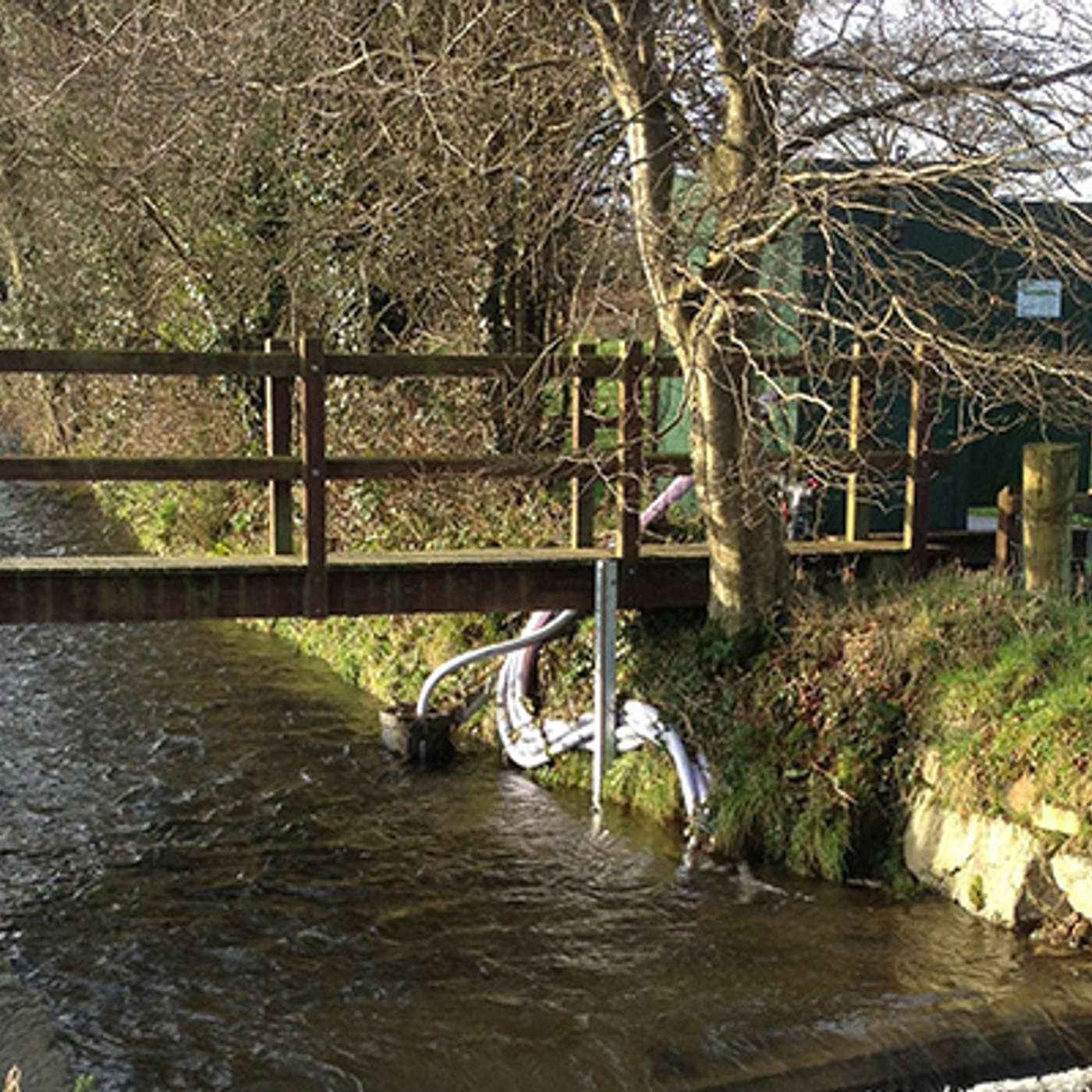
How to minimise nitrate loss in farming to help improve water quality
On this week’s episode of the Dairy Edge, Eddie Burgess, Specialist in the Agricultural Catchments Programme, talks about minimising nitrate loss in farming to help improve water quality. Eddie first explains the Agricultural Catchments programme and what it does, contributing to the body of evidence required to support changes to nitrate regulations within Ireland Eddie says that there will always be nitrate loss occurring regardless of the land use but that it is important to minimise the amount of it in order to attain the standards required. He also explains the rationale for the closed period and says that half of the nitrate loss in catchments occurs during the closed period which is generally only approximately a quarter of the year. Given this, it is important that levels of surplus nitrogen, that is nitrogen in excess of crop requirement, are kept to an absolute minimum at this time of year to keep the losses as low as possible. To this year, slurry storage is important and the ability to store organic manures for periods greater than the closed periods is an important factor in reducing nitrate loss to water. Eddie encourages farmers to assess their situations and make adjustments - be that extra storage or planning to use their organic nitrogen better throughout the growing season to minimise the quantities being spread late in the year when water tables will inevitably rise thus carrying surplus nitrogen to below the rooting zone. However, Eddie points out that there has been a consistent reduction in the losses in the Timoleague catchment over the last four years which certainly has in some part come about due to practice changes and Eddie says that if farmers continue to be prudent with their use of all nutrient sources on their farms, then water quality can continue to move in the right direction without having to reduce stocking rate. For more episodes from the Dairy Edge podcast go to the show page at: https://www.teagasc.ie/animals/dairy/the-dairy-edge-podcast/ The Dairy Edge is a co-production with LastCastMedia.com
Let’s Talk Dairy: Aurivo Programme update - a farmer's perspective
bonusFor this week’s podcast version of the Let’s Talk Dairy webinar series, James Dunne, Teagasc Dairy Specialist, is joined by Donal Ronayne, dairy farmer from Co. Mayo with an Aurivo Programme update - a farmer's perspective. Donal is a participant of the Teagasc/ Aurivo Joint Programme and gives an update on how the Spring went on his farm as well as an insight into his farm and farming system. To register for future Let’s Talk Dairy webinars go to:https://www.teagasc.ie/corporate-events/lets-talk-dairy/ For more episodes from the Dairy Edge podcast go to the show page at:https://www.teagasc.ie/animals/dairy/the-dairy-edge-podcast/
Let's Talk Dairy: Advisor's update from the grass roots
bonusFor this week’s podcast version of the Let’s Talk Dairy webinar series, James Dunne, Teagasc Dairy Specialist, is joined by Seamus Nolan, Teagasc Advisor based in the Roscommon/Longford Advisory Region, to give an update from the grass roots. To register for future Let’s Talk Dairy webinars go to:https://www.teagasc.ie/corporate-events/lets-talk-dairy/ For more episodes from the Dairy Edge podcast go to the show page at:https://www.teagasc.ie/animals/dairy/the-dairy-edge-podcast/
Let's Talk Dairy: Matching stocking rate to grass grown
bonusFor this week’s podcast version of the Let’s Talk Dairy webinar series, Patrick Gowing, Teagasc Dairy Specialist was joined by dairy farmer, Eugene Lawler, to discuss matching stocking rate to grass grown. To register for future Let’s Talk Dairy webinars go to:https://www.teagasc.ie/corporate-events/lets-talk-dairy/ For more episodes from the Dairy Edge podcast go to the show page at:https://www.teagasc.ie/animals/dairy/the-dairy-edge-podcast/
Let’s Talk Dairy: Breeding beef from the dairy herd
bonusFor this week’s podcast version of the Let’s Talk Dairy webinar series, James Dunne, Teagasc Dairy Specialist was joined by Ruth Fennell, Teagasc Dairy Advisor, to discuss breeding beef from the dairy herd. To register for future Let’s Talk Dairy webinars go to:https://www.teagasc.ie/corporate-events/lets-talk-dairy/ For more episodes from the Dairy Edge podcast go to the show page at:https://www.teagasc.ie/animals/dairy/the-dairy-edge-podcast/
Let's Talk Dairy: Tirlán Focus Farmer update
bonusFor this week’s podcast version of the Let’s Talk Dairy webinar series, George Ramsbottom, Teagasc Dairy Specialist, was joined by Steven Fitzgerald, Waterford dairy farmer and Teagasc/Tirlán Future Farm Programme participant to get an update on what's been happening on the farm. Steven gives an insight into how the calving season is going, his experience of using sexed semen on the farm, milk production update and the grass situation on the farm. To register for future Let’s Talk Dairy webinars go to:https://www.teagasc.ie/corporate-events/lets-talk-dairy/ For more episodes from the Dairy Edge podcast go to the show page at:https://www.teagasc.ie/animals/dairy/the-dairy-edge-podcast/
Let's Talk Dairy: Nutrition of the spring calving cow ahead of breeding
bonusFor this week’s podcast version of the Let’s Talk Dairy webinar series, George Ramsbottom, Teagasc Dairy Specialist, was joined by Joe Patton, Head of Dairy Knowledge Transfer, Teagasc, to discuss the nutrition of the spring calving cow ahead of breeding. To register for future Let’s Talk Dairy webinars go to:https://www.teagasc.ie/corporate-events/lets-talk-dairy/ For more episodes from the Dairy Edge podcast go to the show page at:https://www.teagasc.ie/animals/dairy/the-dairy-edge-podcast/
Let's Talk Dairy: Sexed semen - a farmer's perspective
bonusFor this week’s podcast version of the Let’s Talk Dairy webinar series, Patrick Gowing, Teagasc Dairy Specialist was joined by Eamon Fagan, a Westmeath dairy farmer, to discuss sexed semen - a farmer's perspective. Eamon gives an update on how things have gone for the Spring so far on the farm and what his plan is to the end of the first round. To register for future Let’s Talk Dairy webinars go to:https://www.teagasc.ie/corporate-events/lets-talk-dairy/ For more episodes from the Dairy Edge podcast go to the show page at:https://www.teagasc.ie/animals/dairy/the-dairy-edge-podcast/
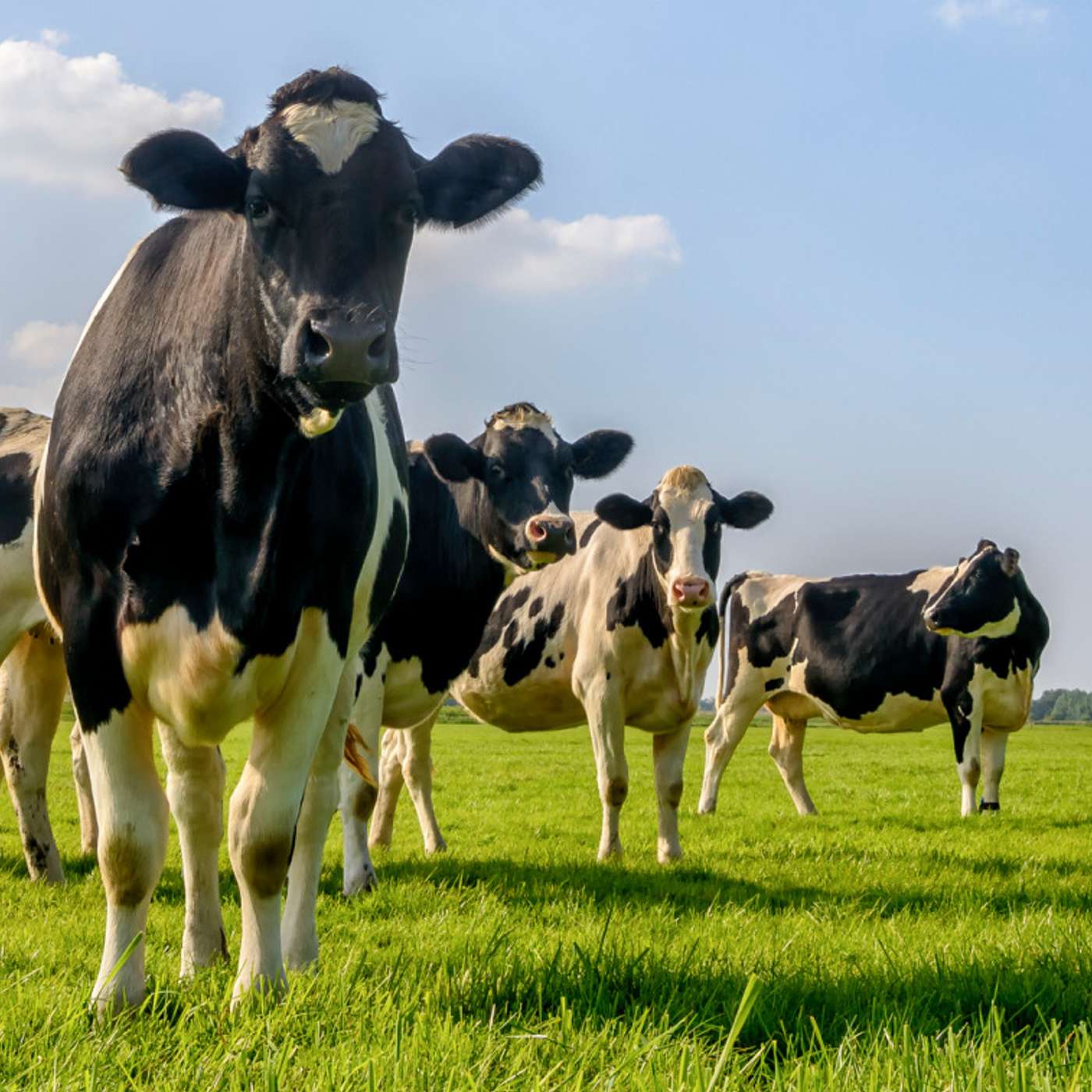
How pedigree herds are preparing for future challenges through their breeding
Laurence Feeney, CEO of the Irish Holstein Friesian Association (IHFA), is on this week’s Dairy Edge podcast to discuss how pedigree herds are preparing for future challenges through their breeding. Laurence started by telling us a little bit about his background from his time involved in some breeding projects on the home farm in Co. Meath to his time spent with Progressive Genetics for over 20 years, before taking up his current position as CEO of the IHFA. Laurence explains the breeding objectives of IHFA members and says that as fertility has improved so significantly in the last number of years, their members are now looking at traits such as mastitis and lameness to ensure the longevity of their cows can be matched by their ability to stay walking well and continuing to produce high milk quality. As a consequence of these areas of focus, they are seeing a little more emphasis being cast on conformation traits. When discussing banding, Laurence cautions against making massive system changes in response to the impact banding may have on farms as massive system changes can make systems more complicated and not necessarily more financially rewarding. He suggests that people need to focus on increasing efficiency and the milk solids sold from their farms with limited or no increases in milk litres and reminds people that good fertility leading to herd maturity alone can increase milk output on farms. He also says that while IHFA members don’t generally have issues selling their dairy bull calves or their dairy beef calves, they are advising people make every effort to maximise the beef potential of the beef calves that they produce on their farms and to be prepared for any changes that may be coming into the future. An objective for all farmers in his opinion should be to have a good fertile herd that results in a reduced requirement to carry non-productive stock and maximise the productive animals they can carry within their stocking rate and nitrate limits. This efficiency will be important both financially and environmentally. For more episodes from the Dairy Edge podcast go to the show page at: https://www.teagasc.ie/animals/dairy/the-dairy-edge-podcast/ The Dairy Edge is a co-production with LastCastMedia.com
Let's Talk Dairy: Less than 100 SCC in first 100 days
bonusFor this week’s podcast version of the Let’s Talk Dairy webinar series, George Ramsbottom was joined by Don Crowley, Teagasc to discuss less than 100 Somatic Cell Count (SCC) in the first 100 days. To register for future Let’s Talk Dairy webinars go to:https://www.teagasc.ie/corporate-events/lets-talk-dairy/ For more episodes from the Dairy Edge podcast go to the show page at:https://www.teagasc.ie/animals/dairy/the-dairy-edge-podcast/
Let’s Talk Dairy: Kerry Monitor Farms update - 1/3 through first rotation
bonusFor this week’s podcast version of the Let’s Talk Dairy webinar series, George Ramsbottom was joined by Denis Brassil, Teagasc to give an update on the Kerry Monitor Farms where 1/3 are through their first rotation. To register for future Let’s Talk Dairy webinars go to:https://www.teagasc.ie/corporate-events/lets-talk-dairy/ For more episodes from the Dairy Edge podcast go to the show page at:https://www.teagasc.ie/animals/dairy/the-dairy-edge-podcast/
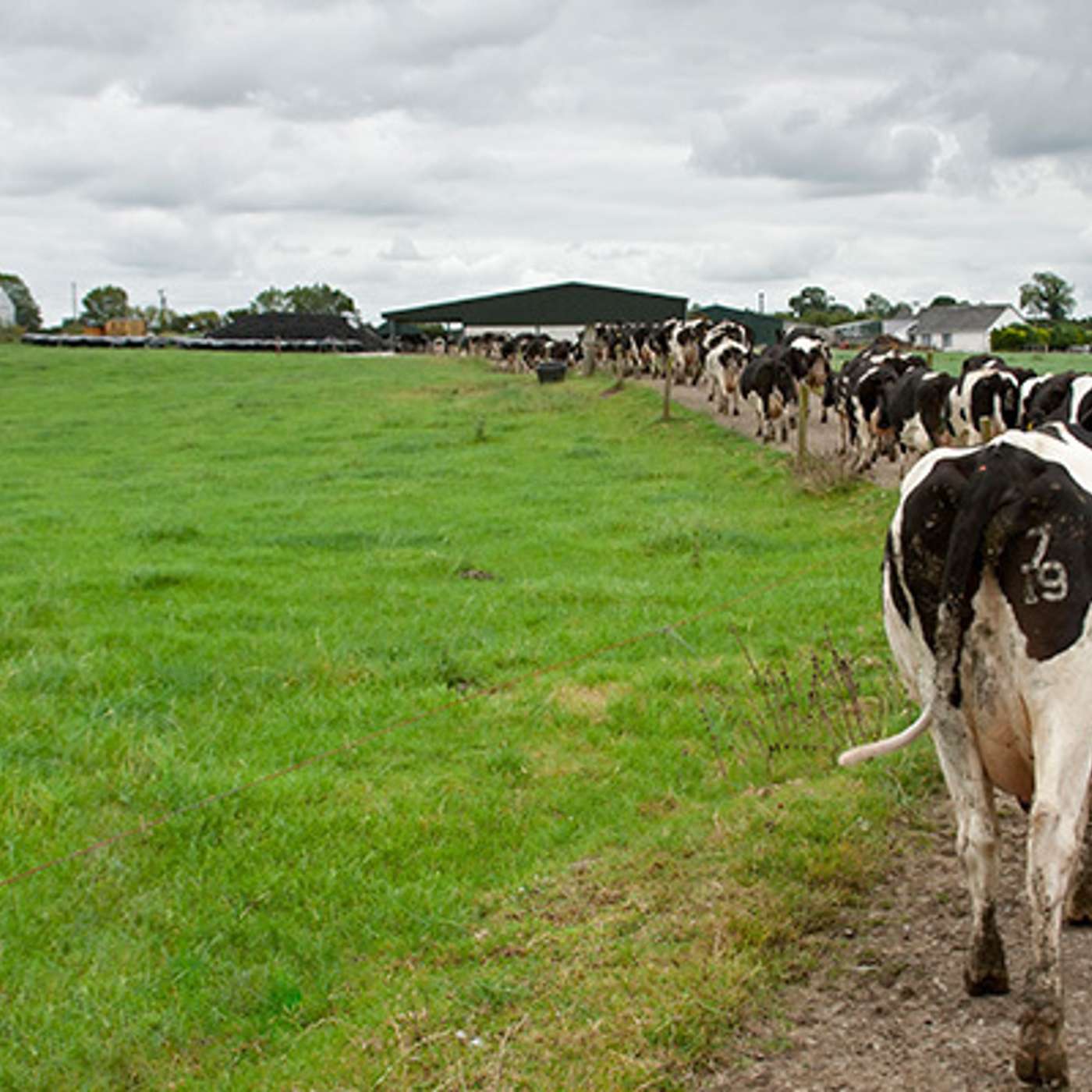
The new Nitrates banding and the options available to you
Patrick Gowing, Teagasc Dairy Specialist, joins Stuart Childs on this week’s Dairy Edge podcast to talk about the options available to dairy farmers impacted by the introduction of the new Nitrates banding. Patrick explains that people need to optimise their N allowance on their farms by making sure that they are efficient in terms of the stock numbers and type that they have on their farms. He then discussed a number of different options from the exporting of slurry, to contract rearing the young stock, leasing additional land and reducing cow numbers - or a combination of all as solutions to the impact of banding. Finally Patrick says that in reality, this year is no different to any other with the exception of the introduction of the banding, in that people should sit down every year anyway and assess their farm’s physical and financial performance and make decisions such as additional land leasing on the basis of solid justification from a farm performance - and more importantly from a financial point of view - rather than simply stay doing what you are doing as this might not be the right decision for your farm. For more episodes from the Dairy Edge podcast go to the show page at: https://www.teagasc.ie/animals/dairy/the-dairy-edge-podcast/ The Dairy Edge is a co-production with LastCastMedia.com
Let’s Talk Dairy: Spring grazing at Johnstown Castle
bonusFor this week’s podcast version of the Let’s Talk Dairy webinar series, George Ramsbottom was joined by Aidan Lawless, Dairy Unit Manager, Teagasc Johnstown Castle to discuss spring grazing at Johnstown Castle. Johnstown Castle has a herd of 140 cows of whom 90 are winter calving cows. While calving is well on the way in the spring cohort of the cows, Aidan focuses on the 90 strong autumn calving unit because this unit is well in milk production and is managed as a separate unit at Johnstown Castle. To register for future Let’s Talk Dairy webinars go to:https://www.teagasc.ie/corporate-events/lets-talk-dairy/ For more episodes from the Dairy Edge podcast go to the show page at:https://www.teagasc.ie/animals/dairy/the-dairy-edge-podcast/
Let’s Talk Dairy: Spring grazing at Lyons Estate
bonusFor this week’s podcast version of the Let’s Talk Dairy webinar series, George Ramsbottom was joined by Niall Walsh, Technologist at UCD Lyons Estate to get an update on spring grazing at Lyons Estate. To register for future Let’s Talk Dairy webinars go to:https://www.teagasc.ie/corporate-events/lets-talk-dairy/ For more episodes from the Dairy Edge podcast go to the show page at:https://www.teagasc.ie/animals/dairy/the-dairy-edge-podcast/
Let’s Talk Dairy: A review of dry matter intake in cows in early lactation
bonusFor this week’s podcast version of the Let’s Talk Dairy webinar series, George Ramsbottom was joined by Mike Egan, Teagasc, to give a review of dry matter intake in cows in early lactation. To register for future Let’s Talk Dairy webinars go to:https://www.teagasc.ie/corporate-events/lets-talk-dairy/ For more episodes from the Dairy Edge podcast go to the show page at:https://www.teagasc.ie/animals/dairy/the-dairy-edge-podcast/
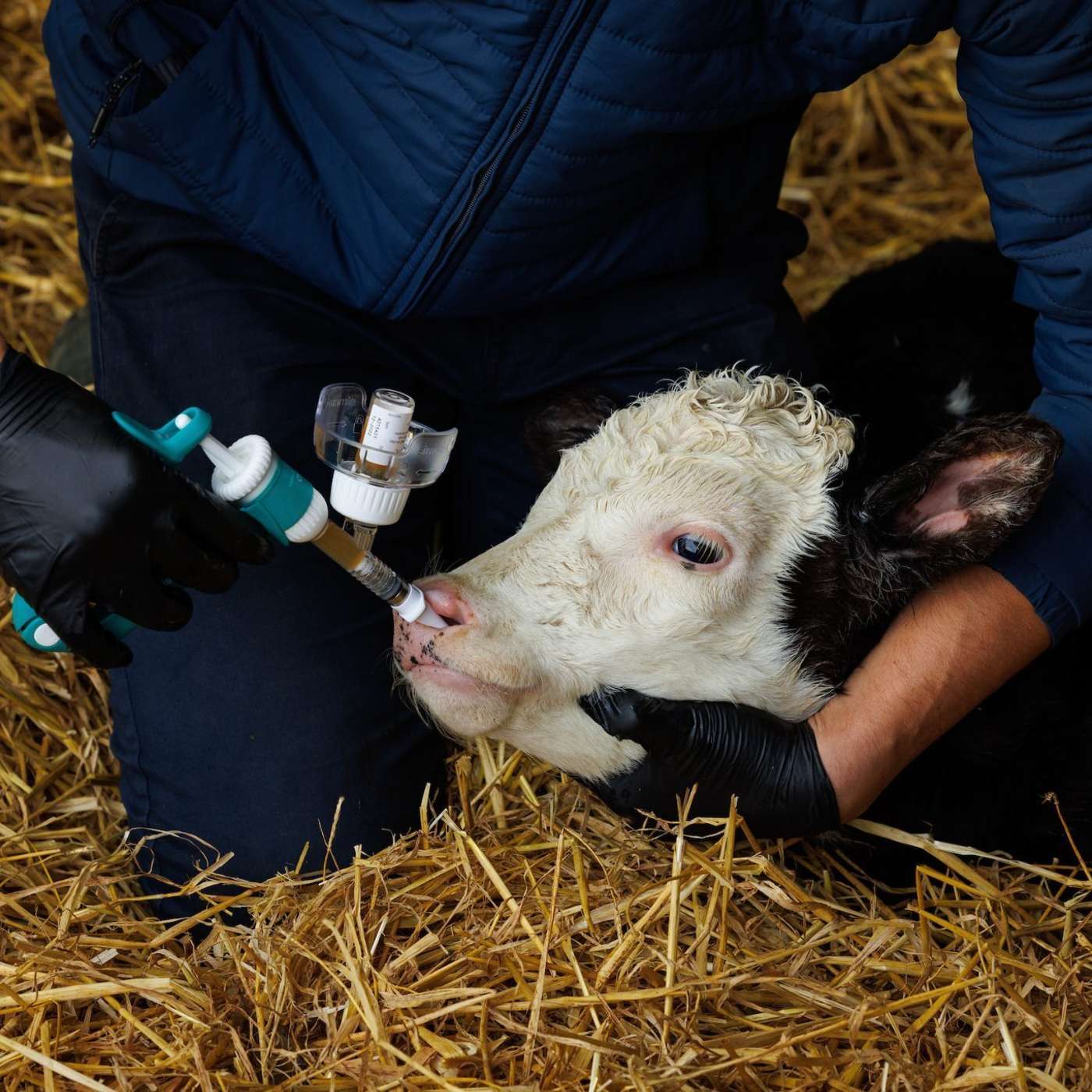
Dealing with Bovine Respiratory Disease (BRD)
Sarah Higgins, Ruminant & Equine Manager with MSD joins Stuart Childs on this week’s Dairy Edge podcast to talk about Bovine Respiratory Disease (BRD) and its impact. Sarah outlines what BRD is, how it impacts on animals and what people can do to reduce the impact it has on their herds. Sarah explains that while vaccination from the day of birth against RSV and Pi3 is now possible, this alone is not going to solve respiratory issues on farms and farmers need to take a broader view of trying to limit the effect of the disease. Finally, Sarah spoke about coughing cows and explained that this is in effect another symptom of BRD on farms with increased resistance to lung worm doses a significant causal effect on some farms. She cautioned that people need to consult with their own veterinary practitioner to develop an appropriate strategy to deal with BRD on their own farms. For more episodes from the Dairy Edge podcast go to the show page at: https://www.teagasc.ie/animals/dairy/the-dairy-edge-podcast/ The Dairy Edge is a co-production with LastCastMedia.com
Let’s Talk Dairy: Supplementation guidelines for cows in early lactation
bonusFor this week’s podcast version of the Let’s Talk Dairy webinar series, George Ramsbottom was joined by Mike Dineen, Teagasc to discuss supplementation guidelines for cows in early lactation. Elsewhere on the webinar, John Maher, Grass10 Programme Manager gave an update on the grass situation for this week. To register for future Let’s Talk Dairy webinars go to:https://www.teagasc.ie/corporate-events/lets-talk-dairy/ For more episodes from the Dairy Edge podcast go to the show page at:https://www.teagasc.ie/animals/dairy/the-dairy-edge-podcast/
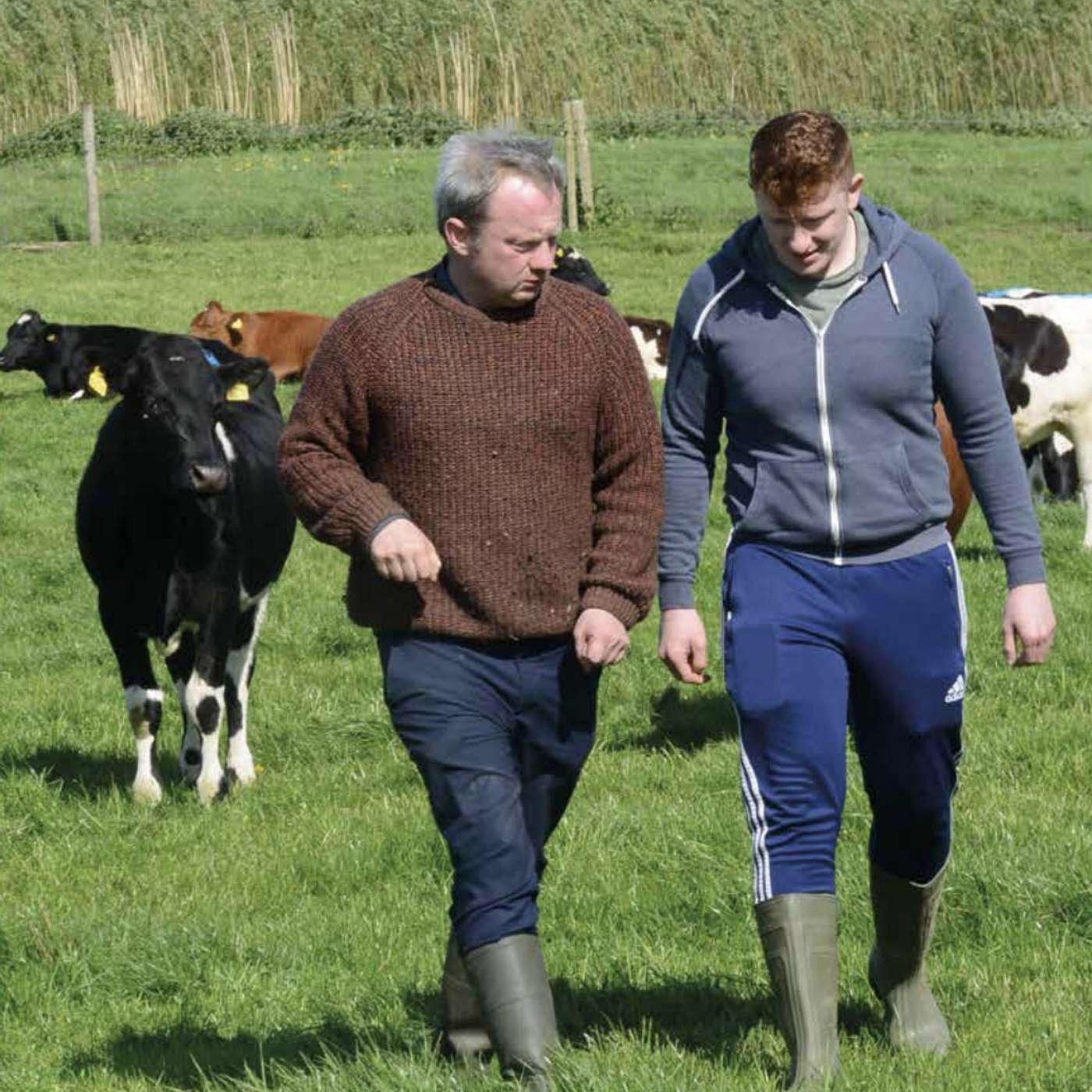
The importance of employer compliance and legislation
Clarissa O’Nuallain, HR Services Manager with IFAC, joins Stuart Childs on the latest Dairy Edge podcast to discuss the legislation that affects employers and that is very important for farmers who are employing people to be aware of. Clarissa emphasised the importance of contracts being issued to staff and went on to outline the risks of not issuing these. She then discussed the probation period as well as the new minimum wage requirements and maximum hours in a week. Clarissa also went on to talk about the new public holiday in February and how that impacts on employers and employees. Finally, Clarissa reminded farmers that they need to review their employment legislation position and make sure that if they are not currently compliant that they make moves immediately to become compliant with the legislation and seek professional advice where necessary. For more episodes from the Dairy Edge podcast go to the show page at: https://www.teagasc.ie/animals/dairy/the-dairy-edge-podcast/ The Dairy Edge is a co-production with LastCastMedia.com
Let’s Talk Dairy: Best practice around weaning
bonusFor this week’s podcast version of the Let’s Talk Dairy webinar series, Stuart Childs, Teagasc Dairy Specialist discusses best practice around weaning. The webinar was run in conjunction with the series of Animal Health Ireland (AHI) and Teagasc CalfCare events which took place in January on farms across the country. To register for future Let’s Talk Dairy webinars go to:https://www.teagasc.ie/corporate-events/lets-talk-dairy/ For more episodes from the Dairy Edge podcast go to the show page at:https://www.teagasc.ie/animals/dairy/the-dairy-edge-podcast/
Let’s Talk Dairy: Housing guidelines for young calves
bonusFor this week’s podcast version of the Let’s Talk Dairy webinar series, George Ramsbottom, Teagasc Dairy Specialist, was joined by Patrick Gowing, Teagasc Dairy Specialist to discuss housing guidelines for young calves. The webinar was run in conjunction with the series of Animal Health Ireland (AHI) and Teagasc CalfCare events which are taking place this January on farms across the country.To register for future Let’s Talk Dairy webinars go to:https://www.teagasc.ie/corporate-events/lets-talk-dairy/ For more episodes from the Dairy Edge podcast go to the show page at:https://www.teagasc.ie/animals/dairy/the-dairy-edge-podcast/
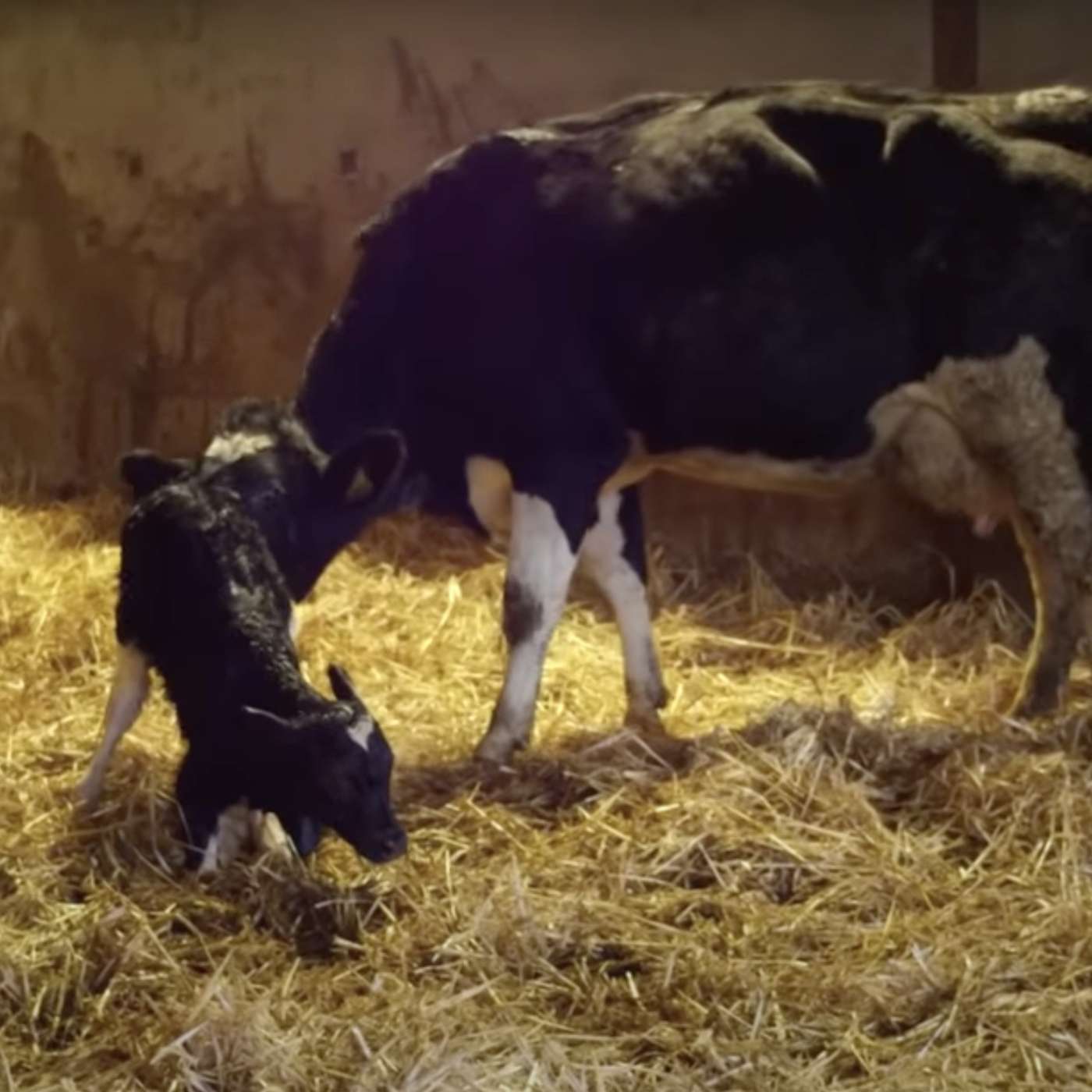
A Game Changer for Calf Gut Health?
For the second part of the interview with Tommy the Vet, Stuart talks to Tommy about Precision Microbes, a complementary feed for calves that he thinks is going to be game changing for calf gut health. Tommy first discusses how he came to have an interest in the space that this product is in and how he came to be involved with trying to promote it. Tommy then goes on to explain the logic behind the product, how it works and how it influences gut health in calves but emphasises that this is still only another tool in a farmer’s armoury in combatting the challenges of calf rearing as no one solution exists to solve the many issues that can arise. For more episodes from the Dairy Edge podcast go to the show page at: https://www.teagasc.ie/animals/dairy/the-dairy-edge-podcast/ The Dairy Edge is a co-production with LastCastMedia.com
Let’s Talk Dairy: Managing scouring calves
bonusFor this week’s podcast version of the Let’s Talk Dairy webinar series, George Ramsbottom, Teagasc Dairy Specialist, was joined by Catherine McAloon, Vet in UCD's Herd Health Group to discuss managing scouring calves. Catherine's presentation was followed by a questions and answers session. The webinar was run in conjunction with the series of Animal Health Ireland (AHI) and Teagasc CalfCare events which are taking place this January on farms across the country.To register for future Let’s Talk Dairy webinars go to:https://www.teagasc.ie/corporate-events/lets-talk-dairy/ For more episodes from the Dairy Edge podcast go to the show page at:https://www.teagasc.ie/animals/dairy/the-dairy-edge-podcast/
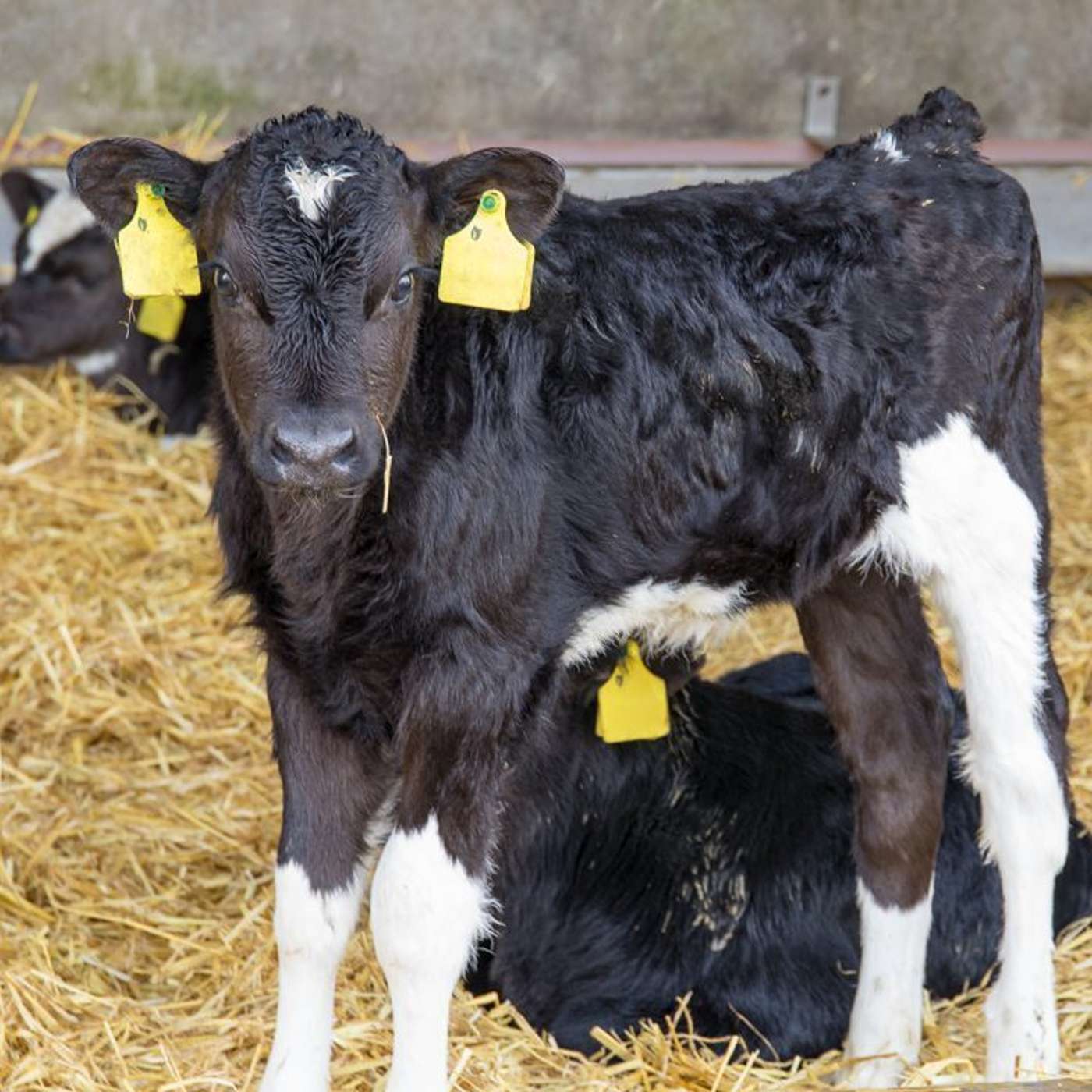
Tommy the Vet on Getting the Basics of Calf Health Right
With calving season under way, on this week’s episode of the Dairy Edge podcast, Tommy Heffernan aka Tommy the Vet talks about doing the basics right on calf health. Tommy says that doing the basics right, though sounding boring, is the key to good calf management. While Colostrum 123 is well ingrained in people’s minds now, the hygiene of the collection of the colostrum is something that people need to focus on. Due to the nature of colostrum and how it can be difficult to clean equipment afterwards, particular focus needs to be on the utensils used to collect and feed. Tommy also talks about the space and ventilation requirement of calves and how straw is such an important piece of the calf health jigsaw. Next week, for part two of the interview, Tommy will be discussing the precision microbes product that he is involved with, how it works and why he is so excited about it. For more episodes from the Dairy Edge podcast go to the show page at: https://www.teagasc.ie/animals/dairy/the-dairy-edge-podcast/ The Dairy Edge is a co-production with LastCastMedia.com
Let’s Talk Dairy: Milk feeding guidelines for young calves
bonusFor this week’s podcast version of the Let’s Talk Dairy webinar series, George Ramsbottom, Teagasc Dairy Specialist, is joined by Emer Kennedy of Teagasc to discuss milk feeding guidelines for young calves. Emer's presentation was followed by a questions and answers session. The webinar was run in conjunction with the series of Animal Health Ireland (AHI) and Teagasc CalfCare events which are taking place this January on farms across the country.To register for future Let’s Talk Dairy webinars go to:https://www.teagasc.ie/corporate-events/lets-talk-dairy/ For more episodes from the Dairy Edge podcast go to the show page at:https://www.teagasc.ie/animals/dairy/the-dairy-edge-podcast/
A Preview of the IGA Dairy Conference
Vincent Griffith, Farm Profitability Specialist with Aurivo Co-Op and chair of the IGA Dairy Conference Committee, joins Stuart Childs on this week’s Dairy Edge podcast to preview the IGA Dairy Conference taking place in Charleville on Wednesday 18th January. Vincent outlines the three sessions on the day which are: - Session 1 which will examine the impacts of banding on farms with a financial impact assessment piece delivered by Noreen Lacey, while David Fennelly, dairy farmer from Co. Laois, will outline how their farm will be responding to the changes that have come in on January 1st this year- Session 2 is going to look at energy efficiency to reduce the impact of electricity costs and also the role of technology on reducing the workload associated with dairy farmer in light of reduced availability of help on farms- Session 3 will attempt to give people the information they need to embrace clover on their farms as well as hearing from an early adopter, Robert O’Dea from Co. Limerick, who has reduced his chemical N usage by approximately 40% in two years by introducing clover to fill the gap left by reducing the chemical N Finally, Vincent also speaks about a pre-conference event on Tuesday 17th that will address the topic of succession which will be of benefit to all no matter where they are currently in their farming careers. For more episodes from the Dairy Edge podcast go to the show page at: https://www.teagasc.ie/animals/dairy/the-dairy-edge-podcast/ The Dairy Edge is a co-production with LastCastMedia.com
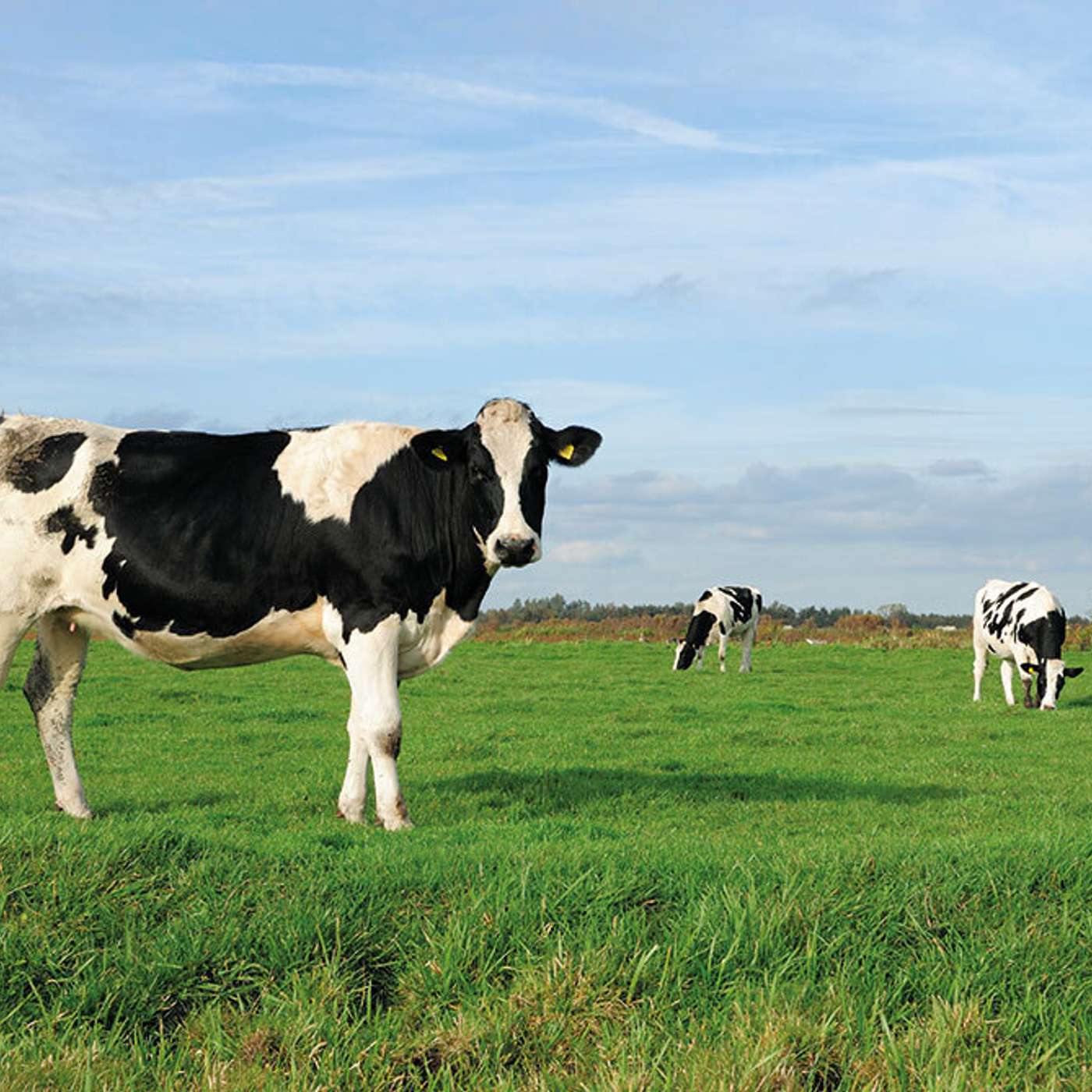
Pasturebase Ireland’s Míchéal O’Leary Reviews the 2022 Grass Year
On the latest episode of the Dairy Edge podcast, Míchéal O’Leary, from Pasturebase Ireland, reviews the 2022 grass year. Míchéal began by explaining that average farm cover at the end of 2022 was 730kg DM/ha with a range from 600 to 800/900 kg DM/ha. He then went on to explain the situation for the year as a whole with the key figure being that on dairy farms that have over 30 covers done for 2022, there was just shy of a tonne less grass grown on these farms in 2022 compared to 2021. Míchéal continued to explain how the fertiliser planner on Pasturebase Ireland can help farmers to plan their nutrient use to reduce their chemical fertiliser input which is important for both economic and environmental reasons. Finally, Míchéal outlined a number of updates and improvements that have been made to Pasturebase during 2022 and ones that are planned for 2023. He also highlighted Pasturebase week which is running from Monday the 16th of January to Friday 20th covering all the elements of Pasturebase from start to finish catering for the beginner right through to the experienced user who just want to refine their skills on the use of the platform. For more episodes from the Dairy Edge podcast go to the show page at: https://www.teagasc.ie/animals/dairy/the-dairy-edge-podcast/ The Dairy Edge is a co-production with LastCastMedia.com
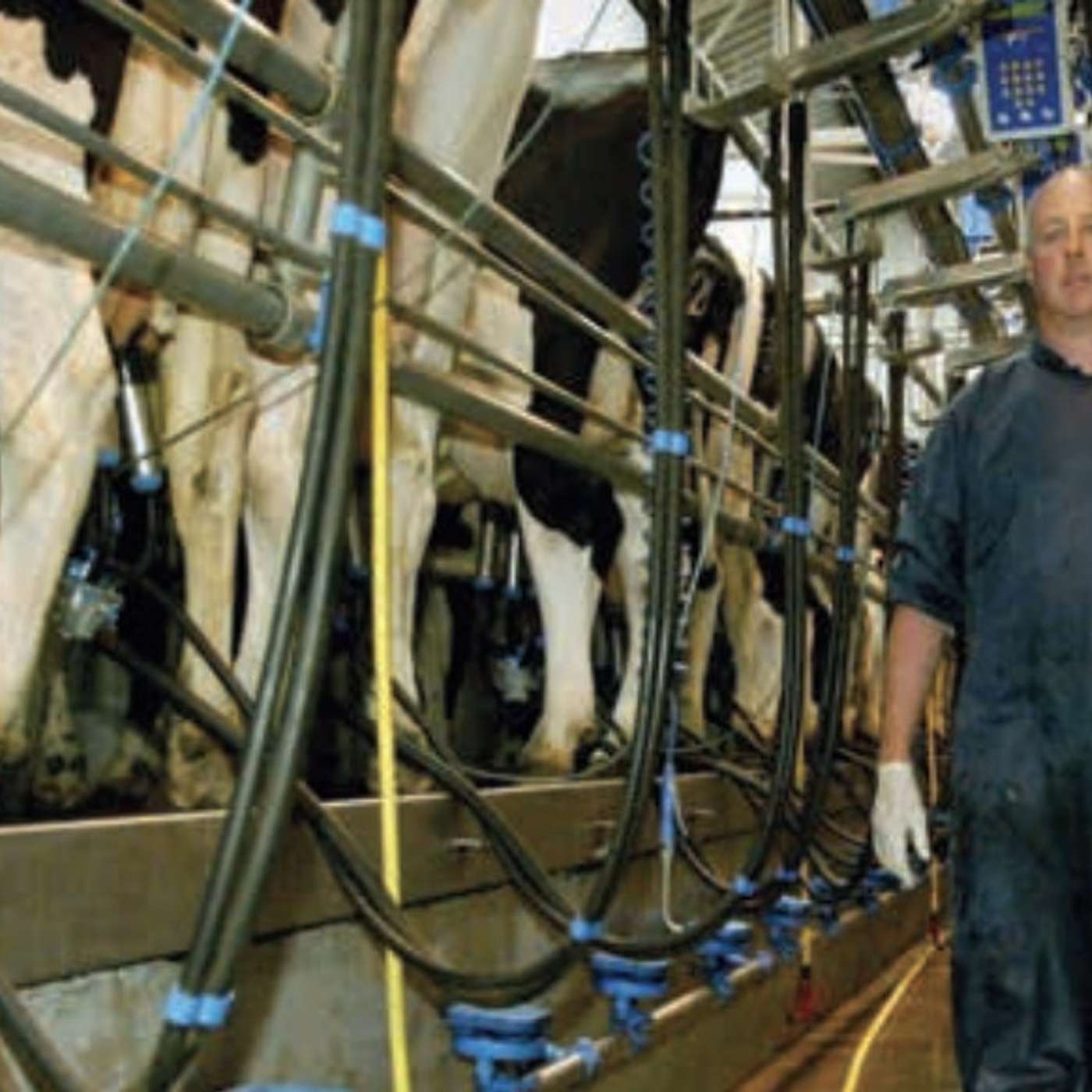
Tips for Improving Milk Quality
Lorna Twomey, Milk Quality PhD Researcher in Teagasc Moorepark, joins Stuart Childs on the latest Dairy Edge podcast to talk about milk quality and the things farmers can do at the end of lactation and the start of the next lactation to ensure good TBC and thermoduric counts. Lorna talks about a good routine, regardless of product choice, and doing the routine well every day of the year. This, if done correctly, will deliver high quality milk. Lorna also stresses the importance of preparing cows for milking especially important for thermoduric counts and again, while this is especially important during the housing period, it is also important throughout the lactation. Finally, Lorna talks about washing the machine and tank well at the end of the milk supply period for the year in order to ‘store it’ clean and then washing well again in advance of milk being supplied in the New Year as well as having good communication with you milk processor in relation to that first milk collection to avoid longer than necessary storage periods before collection in the spring. For more episodes from the Dairy Edge podcast go to the show page at: https://www.teagasc.ie/animals/dairy/the-dairy-edge-podcast/ The Dairy Edge is a co-production with LastCastMedia.com
Let’s Talk Dairy: Key messages from the National Dairy Conference
bonusFor this week’s podcast version of the Let’s Talk Dairy webinar series, George Ramsbottom, Teagasc Dairy Specialist, is joined by Joe Patton, Teagasc Head of Dairy Knowledge Transfer, to provide an overview of the key messages from the National Dairy Conference which took place on 6th & 8th December. To register for future Let’s Talk Dairy webinars go to:https://www.teagasc.ie/corporate-events/lets-talk-dairy/ For more episodes from the Dairy Edge podcast go to the show page at:https://www.teagasc.ie/animals/dairy/the-dairy-edge-podcast/
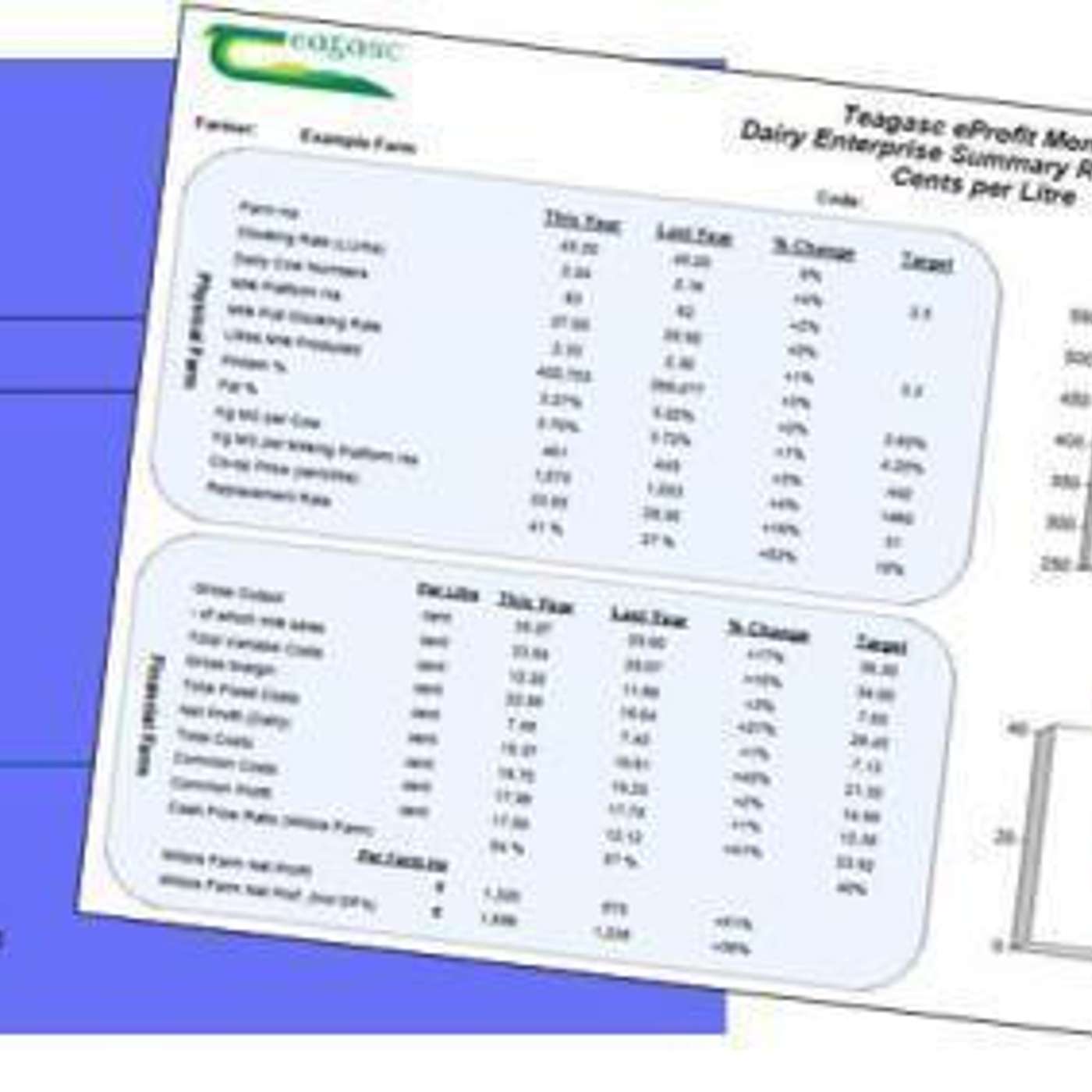
The Teagasc eProfit Monitor & the Benefits of Completing It
Niamh Lynch, Teagasc Dairy advisor in Navan, joins Stuart Childs on the latest Dairy Edge podcast to talk about the Teagasc eProfit Monitor and the benefits of completing it. Niamh highlights the usefulness of building up a bank of information over years of completion to give you a good perspective of the costs of running the business through good and bad times. Niamh also says that while the year will be a good one for the majority of dairy farmers, the creep in costs is something that people will need to quantify so that people can watch out for these areas in 2023. Niamh also explains that preparing to complete a profit monitor will help people kill two birds with one stone in that they will do a significant amount of the preparation of their accounts at the same time and this will be a very important and useful job to have done early in 2023 given the potential tax bills that will be facing farmers in 2023 on foot of record milk prices in 2022. Finally, Niamh says that while completing the profit monitor will take some time, especially when completing one for the first time, people shouldn’t be put off by this and that by putting a structure in place to handle incoming paperwork throughout the year - be it in some form of an electronic system or the simple pen and paper - will make the process a lot easier in future years. For more episodes from the Dairy Edge podcast go to the show page at: https://www.teagasc.ie/animals/dairy/the-dairy-edge-podcast/ The Dairy Edge is a co-production with LastCastMedia.com
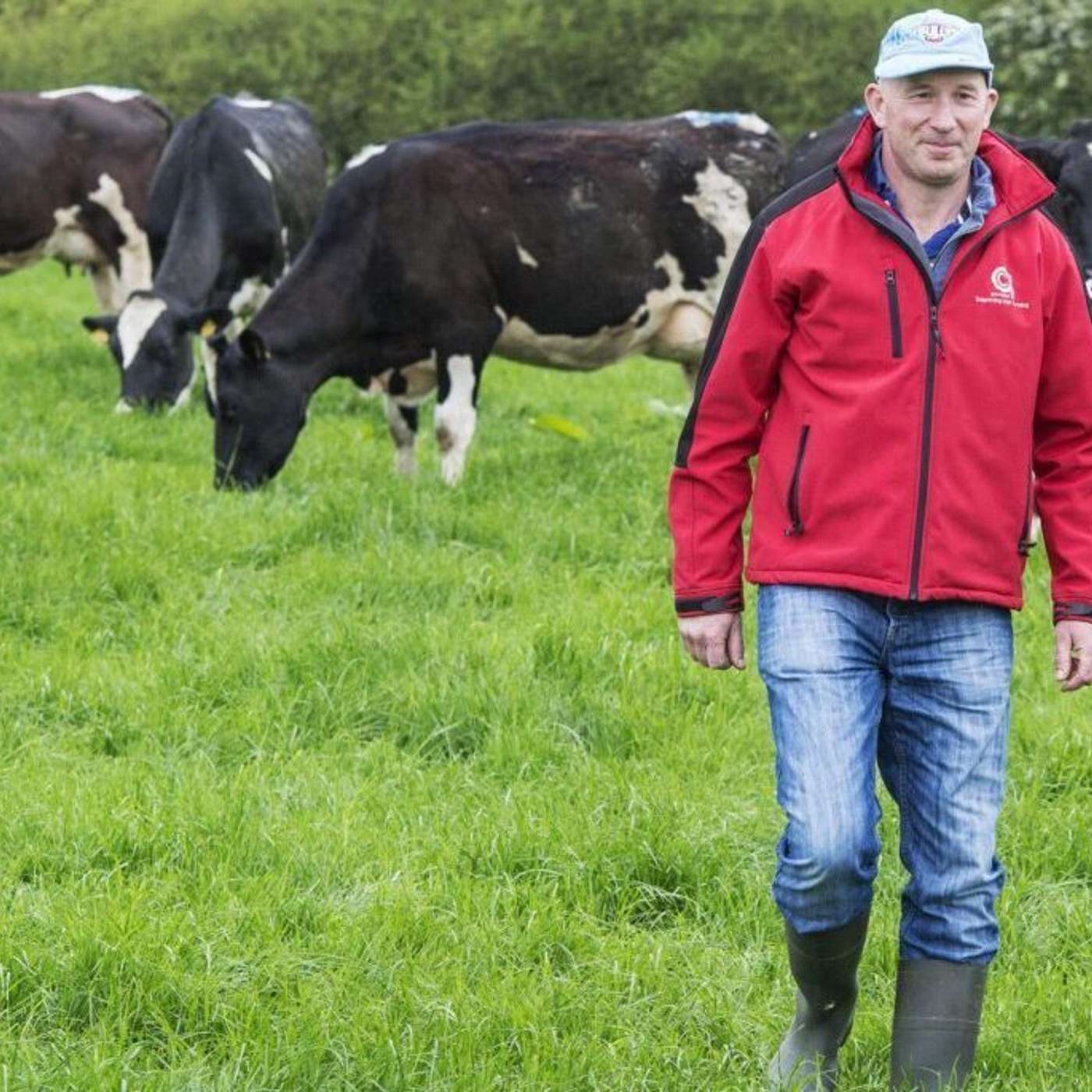
Insights from the visit of the New Zealand Special Agriculture Trade Envoy to Teagasc Dairygold Signpost Farmer, Sean Moher
Gráinne Hurley, Teagasc Dairygold Joint Programme Monitor Farm advisor, and Paul Maher, Head of International Relations and Corporate Strategy in Teagasc, join Stuart Childs on this week’s episode of the Dairy Edge podcast to discuss a recent visit of the New Zealand Special Agriculture Trade Envoy to Teagasc Dairygold Signpost Farmer, Sean Moher which they both facilitated. Gráinne first explained the reason for the visit before describing the key elements of sustainability that Sean is putting into practice such as protected urea, clover incorporation and EBI. Gráinne also explains how Sean has adopted these practices and outlined some of the feedback coming from the New Zealand group on the day. Following on from this, Paul explained what his role as the Head of International Relations and Corporate Strategy in Teagasc entails and went on the explain the importance of visits such as that at Sean’s farm in terms of sharing information and knowledge with other countries with a view to achieving common goals with climate being the most current common dominator for all countries regardless of their production systems. Paul continued by outlining some of the relatively unknown work that Teagasc do internationally and finished by saying that while we have plenty to offer, we also have plenty to learn too, so visits such as these are hugely beneficial for all involved. For more episodes from the Dairy Edge podcast go to the show page at: https://www.teagasc.ie/animals/dairy/the-dairy-edge-podcast/ The Dairy Edge is a co-production with LastCastMedia.com
Let’s Talk Dairy: A review of the key messages from recent Winter Milk events
bonusFor this week’s podcast version of the Let’s Talk Dairy webinar series, George Ramsbottom, Teagasc Dairy Specialist, was joined by James Dunne to review the key messages from the Winter Milk events that took place across the country recently with a focus on costs, feed and yield, and breeding fertility. To register for future Let’s Talk Dairy webinars go to:https://www.teagasc.ie/corporate-events/lets-talk-dairy/ For more episodes from the Dairy Edge podcast go to the show page at:https://www.teagasc.ie/animals/dairy/the-dairy-edge-podcast/
People & Time Management Courses with Martina Gormley
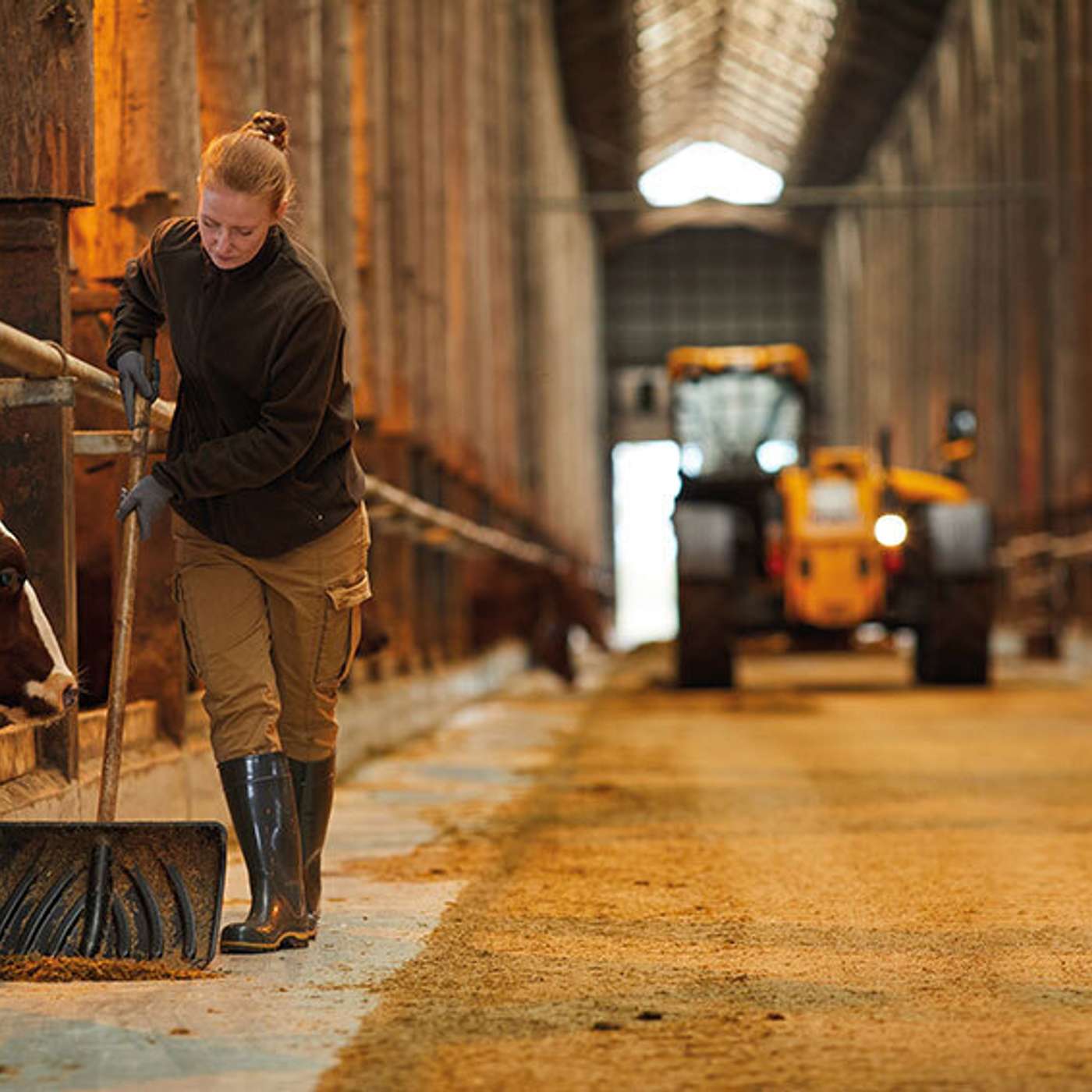
Martina Gormley, Teagasc Dairy Specialist, is on this week’s Dairy Edge podcast to discuss the recent people management courses held in a number of locations across the country in the last few weeks. Martina began by explaining the agenda and course content over the two days and explained that one of the key items that people attend for is the legislation around employment which is covered very well by Workplace Relations Commission (WRC) personnel. Martina went on to explain that it is a common misconception that the course is only for people who are employing people on their farms full-time. However, the course has something to offer to all farmers. From time management for yourself as well as any people that might be working on the farm at any stage throughout the year, to attracting and retaining the people that are involved in your dairy business in whatever way they might be, there are numerous learnings that any farmer can take from the courses. Martina finished by saying that if people haven’t attend before and are interested in attending in the future, they can express their interest by contacting her by email to [email protected] as this will facilitate Martina in planning courses for 2023. In the meantime, people can view some of the very good resources on labour on the Teagasc website at www.teagasc.ie/animals/dairy/labour. For more episodes from the Dairy Edge podcast go to the show page at: https://www.teagasc.ie/animals/dairy/the-dairy-edge-podcast/ The Dairy Edge is a co-production with LastCastMedia.com
Let’s Talk Dairy: Design and evaluation of cow roadways in Ireland
bonusTo better inform farmers of the principal causes of lameness and more importantly of the steps that they can take in minimising the incidence of the condition, Teagasc, one of the participating members of the Resilience for Dairy programme is hosting three short farmer-friendly webinars. For this week’s podcast version of the Let’s Talk Dairy webinar series, George Ramsbottom, Teagasc Dairy Specialist was joined by Paul Maher, a postgraduate student at Teagasc Moorepark, to discuss Paul’s area of study which focuses on the design and evaluation of cow roadways in Ireland. Paul discussed practical steps that farmers can take to improve the quality of their farm roadway network for their dairy herds. To register for future Let’s Talk Dairy webinars go to:https://www.teagasc.ie/corporate-events/lets-talk-dairy/ For more episodes from the Dairy Edge podcast go to the show page at:https://www.teagasc.ie/animals/dairy/the-dairy-edge-podcast/
Let’s Talk Dairy: Recent study of lameness on Irish pasture-based dairy farms
bonusTo better inform farmers of the principal causes of lameness and more importantly of the steps that they can take in minimising the incidence of the condition, Teagasc, one of the participating members of the Resilience for Dairy programme is hosting three short farmer-friendly webinars. For this week’s podcast version of the Let’s Talk Dairy webinar series, George Ramsbottom, Teagasc Dairy Specialist was joined by Dr. Natasha Browne, Teagasc Moorepark. Natasha has recently completed her PhD in the area of dairy cattle lameness in Ireland. She presented the results of her studies and identified some practical measures that farmers can adopt to reduce the incidence of lameness in dairy cows at pasture. To register for future Let’s Talk Dairy webinars go to:https://www.teagasc.ie/corporate-events/lets-talk-dairy/ For more episodes from the Dairy Edge podcast go to the show page at:https://www.teagasc.ie/animals/dairy/the-dairy-edge-podcast/
Joe Patton Previews the 2022 National Dairy Conference
Joe Patton, Teagasc’s Head of Dairy Knowledge Transfer previews the upcoming Teagasc National Dairy Conferences that are taking place in Cork on December 6th and Mullingar on December 8th. Joe gives a brief outline of each of the four sessions that will be delivered on the day from a market outline and future demands piece from Co-op representatives and an information piece on the value of high quality dairy products in human nutrition from the Food Safety Authority of Ireland. The second session will look at chemical N strategies that accompany clover as well as the nutritive values that clover-based diets give livestock as well as discussing the journey towards clover incorporation on their farms with Michael Gowen and Sean O’Donnell. The third session of the conference will deal with calf housing and welfare as well as beefing up the calf crop coming from the dairy herd with new insights from Alan Twomey as well as farmer experiences from Liam Long and Peter Robinson. The final session will cover a broad range of topics from finances to SCC to methane mitigation to labour efficiency when milking and the factors that influence this. Finally Joe reminds people to book in for December 6th or 8th to hear about the subjects in more detail and this can be done by going to the Teagasc website at:https://www.teagasc.ie/corporate-events/dairy-conference/For more episodes from the Dairy Edge podcast go to the show page at: https://www.teagasc.ie/animals/dairy/the-dairy-edge-podcast/ The Dairy Edge is a co-production with LastCastMedia.com
Let's Talk Dairy: Principal types of lameness
bonusTo better inform farmers of the principal causes of lameness and more importantly of the steps that they can take in minimising the incidence of the condition, Teagasc, one of the participating members of the Resilience for Dairy programme is hosting three short farmer-friendly webinars. For this week’s podcast version of the Let’s Talk Dairy webinar series, George Ramsbottom, Teagasc Dairy Specialist was joined by Ned Dunphy from Waterford Farm Relief Service. Ned outlined the principal types of lameness in grazing dairy cows and the steps that should be taken to minimise the risks.To register for future Let’s Talk Dairy webinars go to:https://www.teagasc.ie/corporate-events/lets-talk-dairy/ For more episodes from the Dairy Edge podcast go to the show page at:https://www.teagasc.ie/animals/dairy/the-dairy-edge-podcast/
The Dairy Farming Experience in Kenya
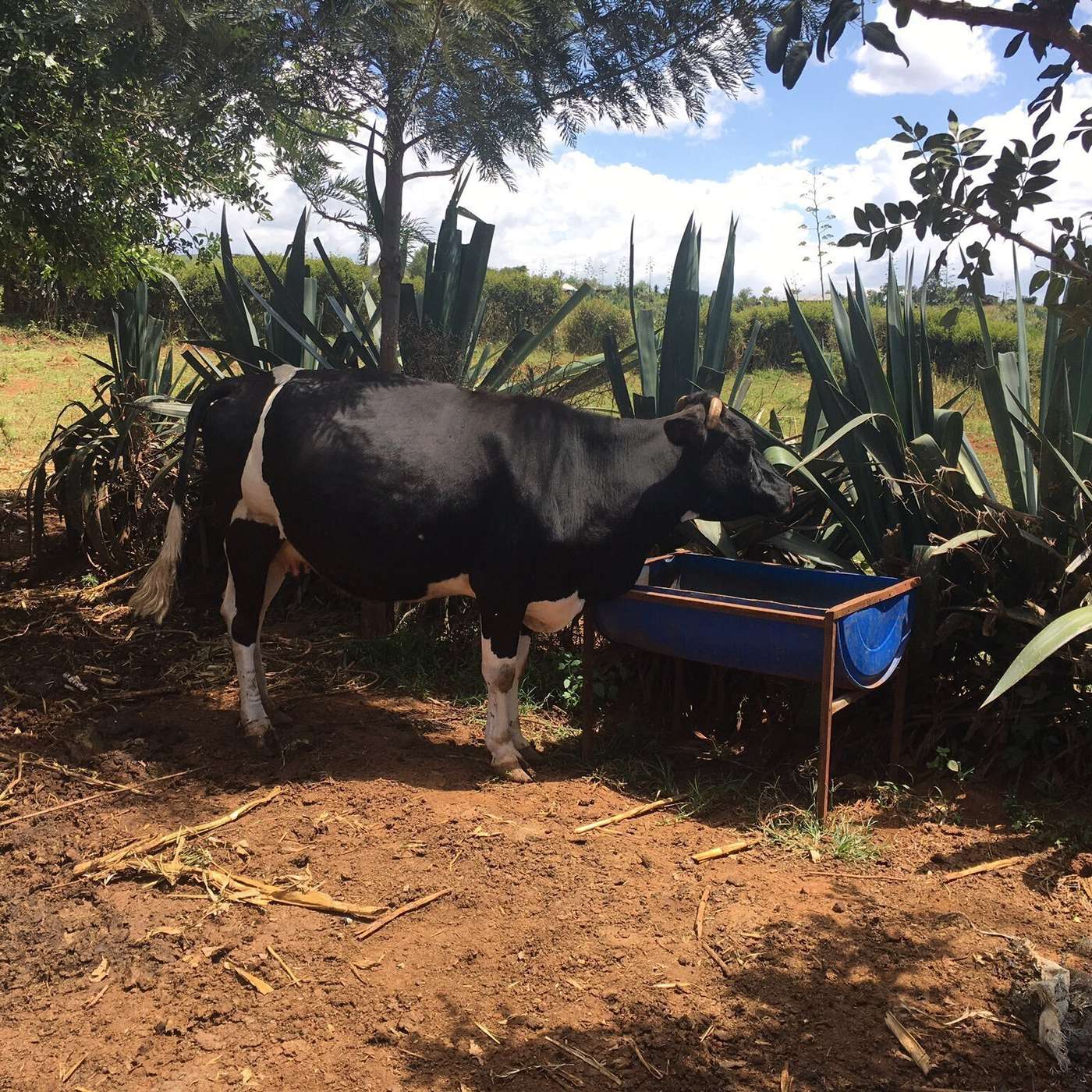
George Ramsbottom, Dairy Specialist in Teagasc Oakpark, joined Stuart Childs on this week’s Dairy Edge podcast to speak about his recent trip to Kenya. George went out to visit a masters student Michael O’Loughlin who is evaluating the efficiency of the extension programme being run by a charity called Development Pamoja. George explains how cows in Kenya aren’t large producers mainly driven by lack of availability of water and mediocre quality feed. George went on to tell of the discussion groups in Kenya also operating as savings groups and how they can borrow money from the group. The involvement of Development Pamoja charity in terms of providing money has increased their capacity to access funding to develop their farms. George says that the power and value of extension or advisory services can’t be underestimated with it being clear that those who engaged with their advisory services were making progress in achieving their objectives which in most cases was to simply provide enough for the their own families and to provide food security for their neighbours who in many cases were buying what surplus milk was available to feed their own families. For more episodes from the Dairy Edge podcast go to the show page at: https://www.teagasc.ie/animals/dairy/the-dairy-edge-podcast/ The Dairy Edge is a co-production with LastCastMedia.com
Let's Talk Dairy: Roadway surfaces
bonusFor this week’s podcast version of the Let’s Talk Dairy webinar series, George Ramsbottom, Teagasc Dairy Specialist is joined by Stuart Childs, Teagasc Dairy Specialist to discuss roadway surfaces. They also give an overview of a large scale survey of dairy farm roadways from all around the country by Paul Maher, a Masters student working in Teagasc. Poor quality roadways are a major risk factor for lameness.To register for future Let’s Talk Dairy webinars go to:https://www.teagasc.ie/corporate-events/lets-talk-dairy/ For more episodes from the Dairy Edge podcast go to the show page at:https://www.teagasc.ie/animals/dairy/the-dairy-edge-podcast/
Nitrates compliance issues for derogation and non-derogation farmers
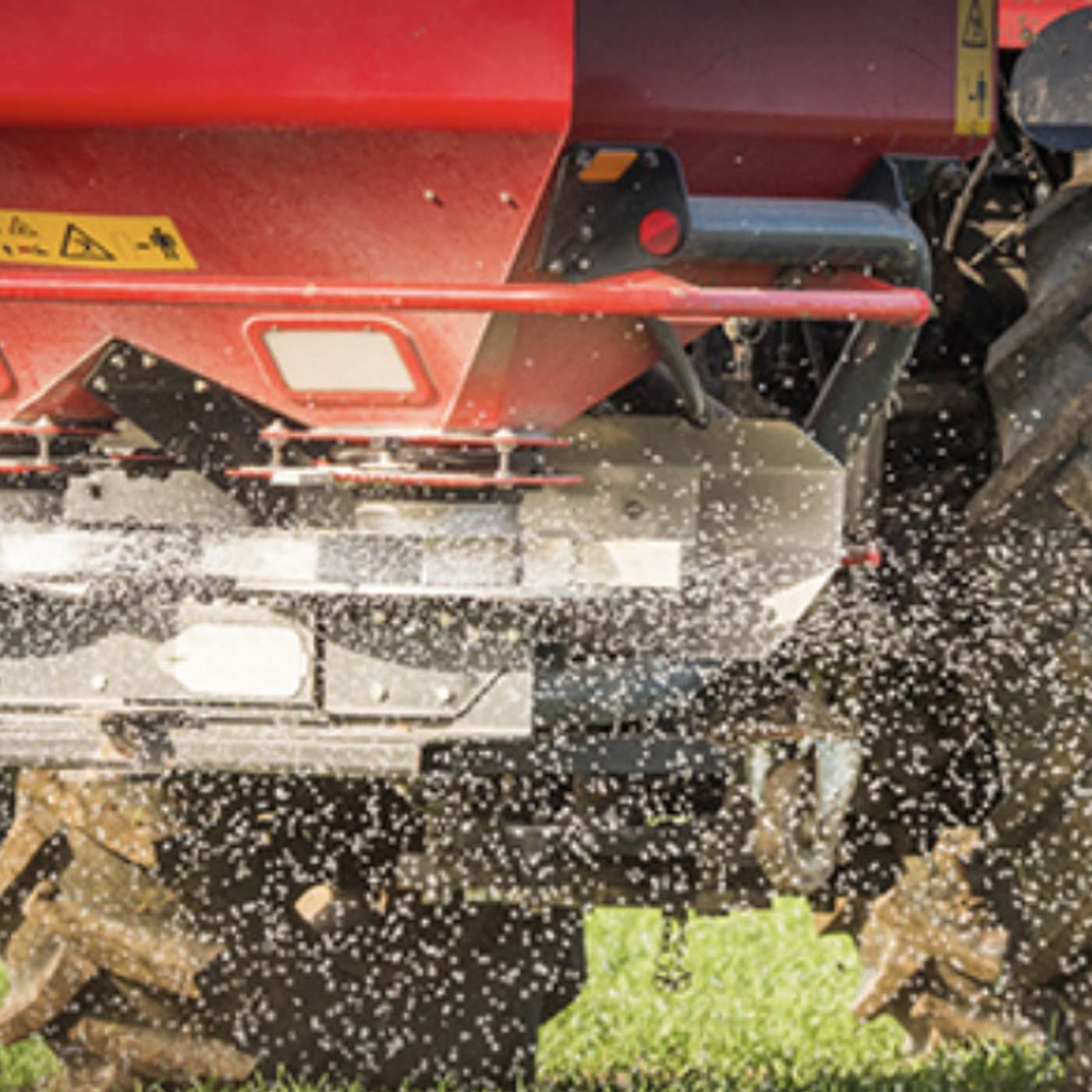
Padraig McCormack, Dairy Advisor in Teagasc Moorepark, joins Stuart Childs on this week’s episode of The Dairy edge podcast to speak about the nitrates compliance issues for farmers both derogation and non-derogation before the end of 2022 and in advance of 2023. Padraig reminds farmers of their requirements to complete twenty grass covers for the year where necessary and also to get any outstanding lime requirement dealt with as soon as the weather allows before year end. He also highlights that there are changes coming for those farming under 170kg N/ha that will require them to have soil samples available next year and beyond and how LESS application is becoming a mandatory requirement for farmers under 170 kg N/ha on a phased basis over the next few years. Finally Padraig encourages farmers to sit down over the next few weeks and months and try and gather what info they can for derogation records for 2022. This might also afford people the opportunity to organised their paperwork for other aspects of farm management such as profit monitor completion and compiling of info for completing tax accounts for 2022 early in 2023. For more episodes from the Dairy Edge podcast go to the show page at: https://www.teagasc.ie/animals/dairy/the-dairy-edge-podcast/ The Dairy Edge is a co-production with LastCastMedia.com
Let’s Talk Dairy: Maiden Heifer Weight Targets
bonusFor this week’s podcast version of the Let’s Talk Dairy webinar series, Stuart Childs, Teagasc Dairy Specialist, discusses maiden heifer weight targets to coincide with a new herd weight profile which has been launched recently by ICBF.To register for future Let’s Talk Dairy webinars go to:https://www.teagasc.ie/corporate-events/lets-talk-dairy/ For more episodes from the Dairy Edge podcast go to the show page at:https://www.teagasc.ie/animals/dairy/the-dairy-edge-podcast/