The Dairy Edge
703 episodes — Page 9 of 15
Let's Talk Dairy Bonus Episode: Nitrogen fertiliser for silage ground
bonusFor this week’s podcast version of the Let’s Talk Dairy webinar series, Stuart Childs, Teagasc Dairy Specialist discusses nitrogen fertiliser for silage ground. To register for future Let’s Talk Dairy webinars go to: https://www.teagasc.ie/corporate-events/lets-talk-dairy/ For more episodes from the Dairy Edge podcast go to the show page at: https://www.teagasc.ie/animals/dairy/the-dairy-edge-podcast/
The key drivers for a successful breeding season
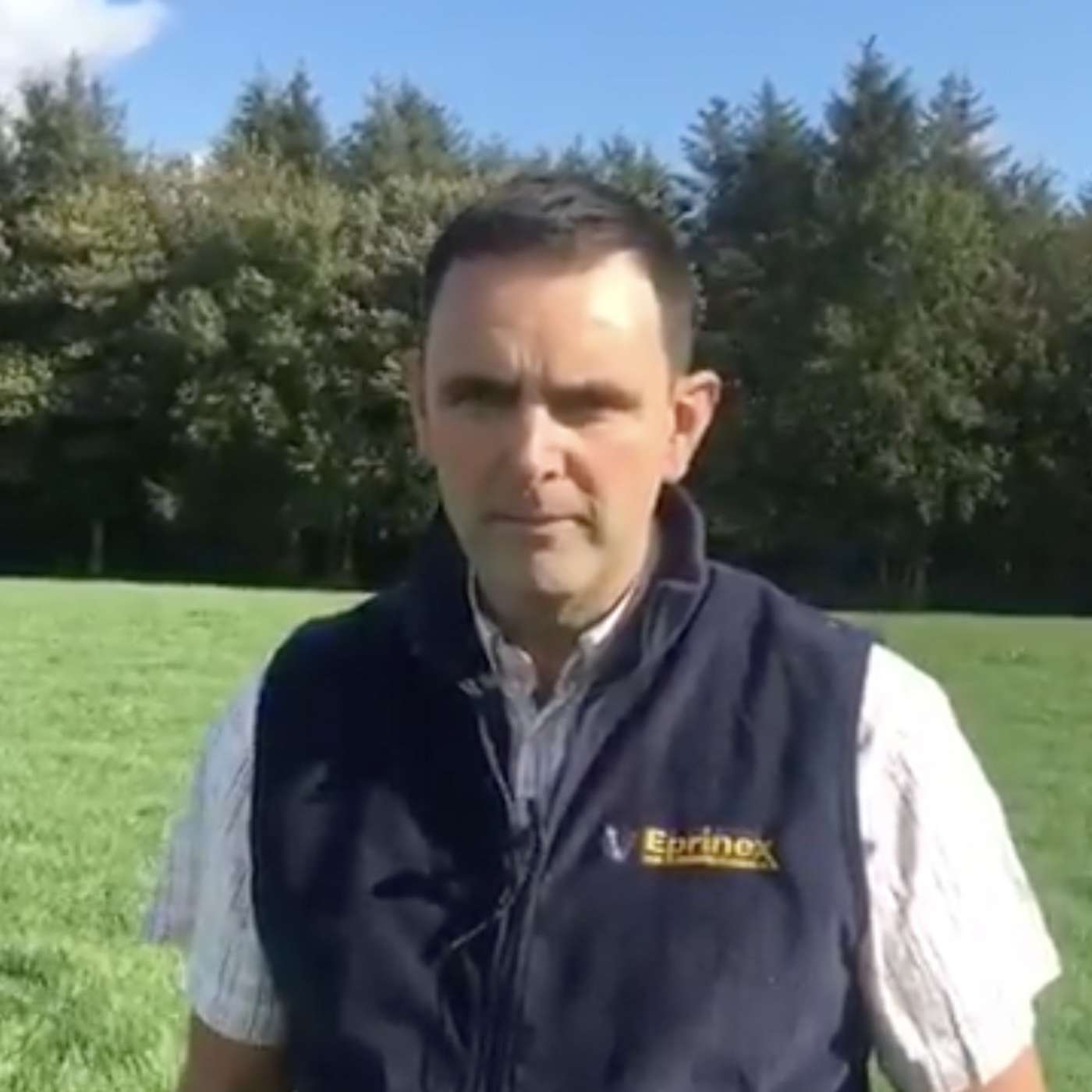
Dairy Farmer, Tom O’Connell, joins Emma-Louise Coffey on this week’s episode of The Dairy Edge podcast to give an insight into the key drivers for a successful breeding season on his farm. Tom operates a spring calving, grass based system, milking 320 crossbred cows who produce in excess of 500 kg MS from 800 kg meal. Tom explains that the high level of milk production is achieved due to a long lactation resulting from a 90% 6-week calving rate and a mature herd. Notable breeding metrics for Tom’s farm include: 90% 3-week submission rate, 60% conception rate to 1st service and 4% empty following 11 weeks breeding. Tom places importance ensuring cows are in adequate BSC ahead of mating start date and having defined calving and breeding seasons so all cows are calved prior to mating start date. Additionally, Tom explains that he puts energy into heat observation to ensure all cows that are in heat are picked up and served. For more episodes from the Dairy Edge podcast go to the show page at: https://www.teagasc.ie/animals/dairy/the-dairy-edge-podcast/ The Dairy Edge is a co-production with LastCastMedia.com
Let's Talk Dairy Bonus Episode: Pre-breeding management
bonusFor this week’s podcast version of the Let’s Talk Dairy webinar series, Stuart Childs, Teagasc Dairy Specialist discusses pre-breeding management to try and improve the six week calving rate. The target is to have 90% calved within six weeks. To register for future Let’s Talk Dairy webinars go to: https://www.teagasc.ie/corporate-events/lets-talk-dairy/ For more episodes from the Dairy Edge podcast go to the show page at: https://www.teagasc.ie/animals/dairy/the-dairy-edge-podcast/
The productivity and financial gain from dairy cross-breeding
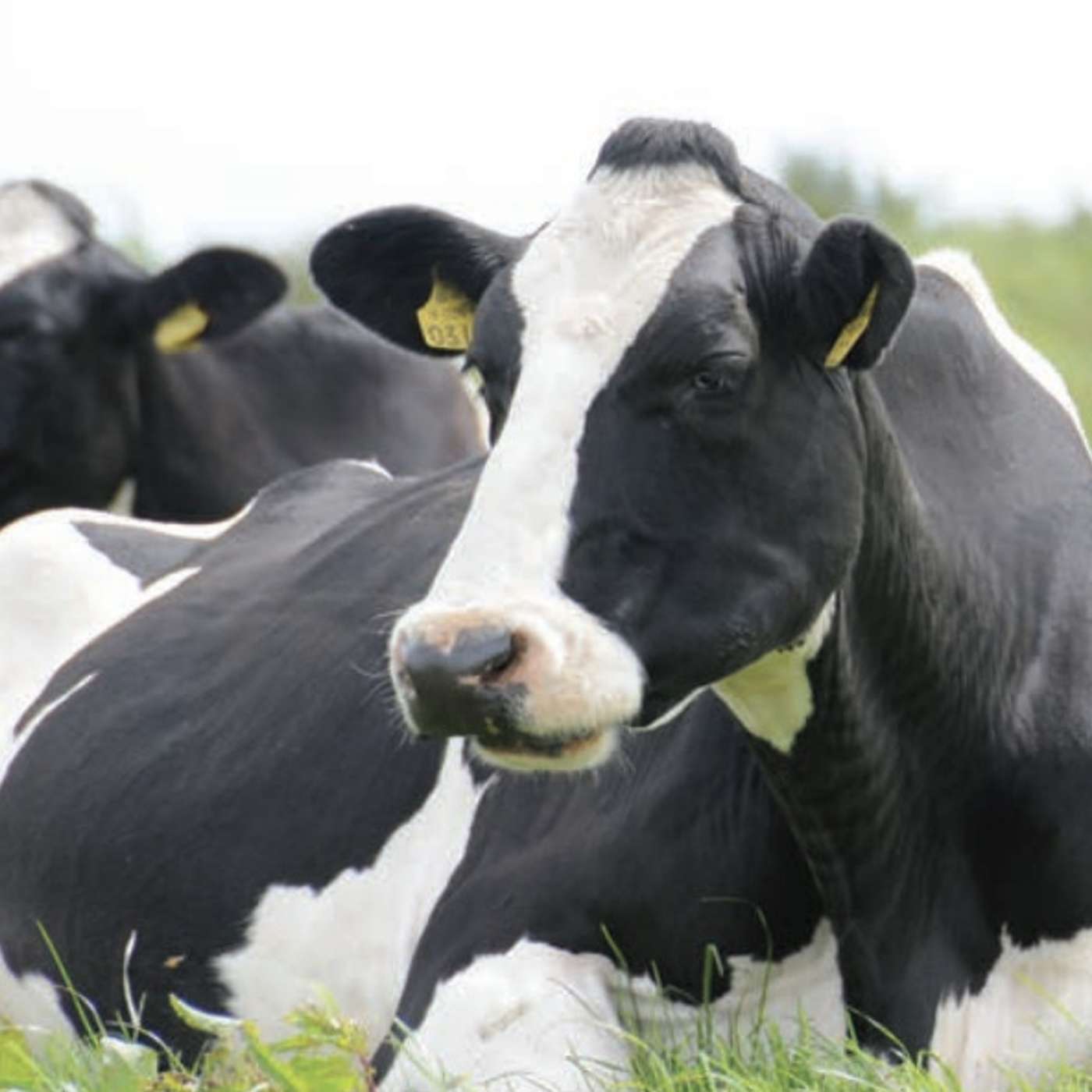
Frank Buckley joins Emma-Louise Coffey on this week’s episode of The Dairy Edge podcast to discuss the role of cross-breeding and the use of alternative dairy breeds in Irish milk production systems. Frank outlines the fundamentals of cross-breeding, including: removing the risk of in-breeding, introducing breed complementarity and exploiting heterosis. Frank explains that in-breeding is not a major concern in Ireland but there are gains in dairy cow performance in the form of complementarity and heterosis when mating two genetically diverse breeds. Frank says that various breeds have been evaluated in Irish seasonal production systems including Montbeliarde, Normande, Norwegian Red and Jersey. The use of Jersey genetics has dominated in comparison with other alternative breeds owing to the compatibility of the Jersey crosses to a grass based system, early maturing breed, good fertility and efficiency at converting grass to milk. Norwegian Red has been used to a lesser extent, but farmers favour this breed for the animal health benefits it confers. Conversely, Mountbeliarde and Normande crosses were less popular given that they are a late maturing breed which impacts on ability to achieve compact calving season, heifer’s ability to calve down at 2 years and cow’s ability to go back in calf. Frank recommends that farmers select the best genetics available for their farm system, regardless of breed. For a spring calving, grass based system, dairy farmers need a moderate sized cow with good fertility to ensure she calves timely each year and has the ability to produce high milk solids from predominantly grazed grass. For more episodes from the Dairy Edge podcast go to the show page at: https://www.teagasc.ie/animals/dairy/the-dairy-edge-podcast/ The Dairy Edge is a co-production with LastCastMedia.com
Let's Talk Dairy Bonus Episode: Selective breeding for enhanced genetic gain and better beef
bonusFor this week’s podcast version of the Let’s Talk Dairy webinar series, Stuart Childs, Teagasc Dairy Specialist, is joined by Zerlina Pratt from Kildalton College to discuss selective breeding for enhanced genetic gain and better beef. To register for future Let’s Talk Dairy webinars go to: https://www.teagasc.ie/corporate-events/lets-talk-dairy/ For more episodes from the Dairy Edge podcast go to the show page at: https://www.teagasc.ie/animals/dairy/the-dairy-edge-podcast/
The establishment and management of white clover through over-sowing
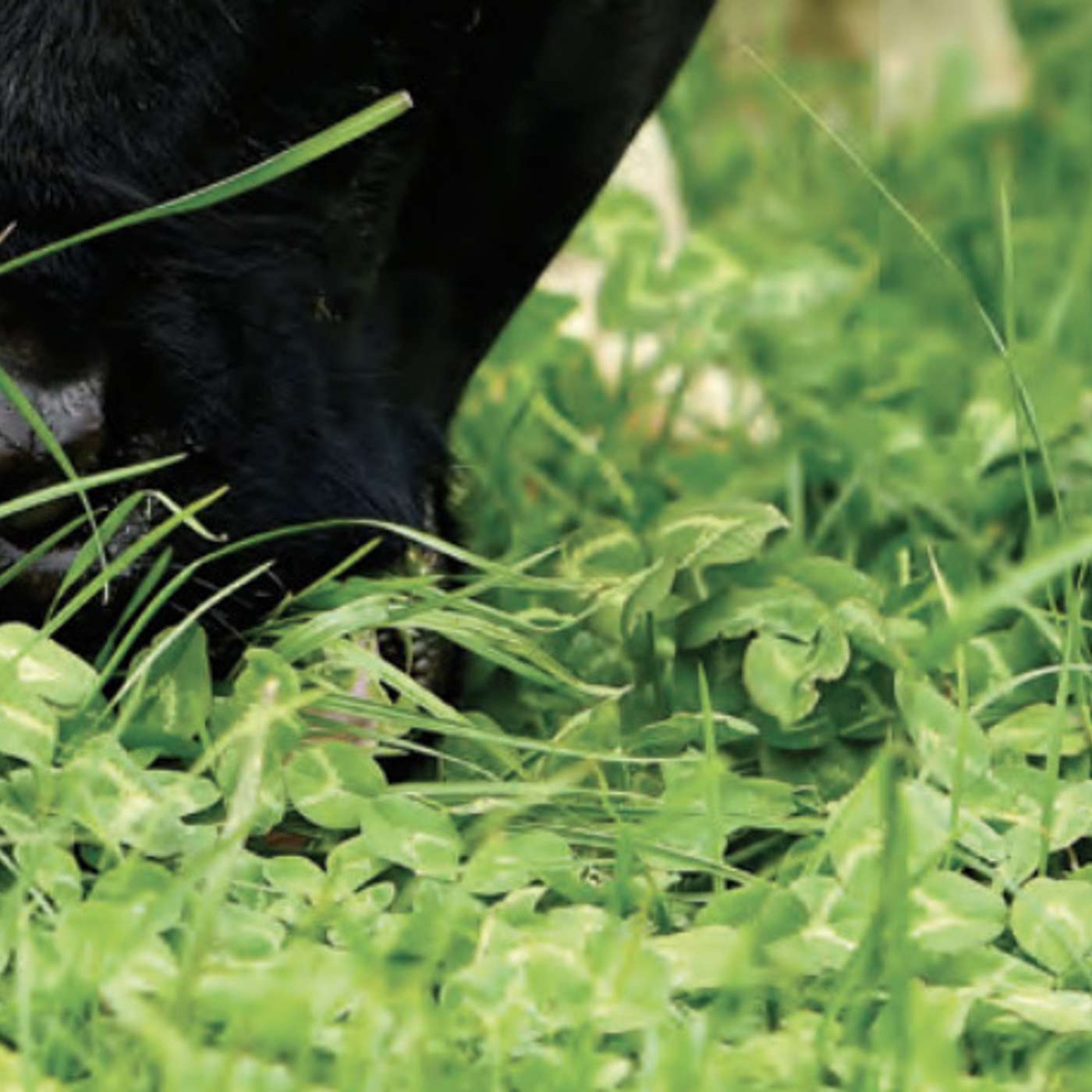
Dairy farmer, Jim White, and grassland researcher, Mike Egan, join Emma-Louise Coffey on this week’s episode of The Dairy Edge podcast to discuss the establishment and management of white clover through over-sowing. Mike recommends that dairy farmers make a plan to establish white clover for the grazing platform and can target up to 25% of the platform with a combination of a full reseed with perennial ryegrass + white clover and over-sowing white clover in existing grass swards. Jim established 16% (11 of 67 ha) of his milking platform with white clover through over-sowing in 2021. He explains that key to the success of establishment was grassland management, measuring the milking platform every 5 days during the peak grazing season and grazing at a cover of 1,100-1,200 kg DM/ha. Mike explains that there are 3 components that determine the success of over-sowing: nutrients (adequate soil fertiliser pre-sow), moisture (for up to 6 weeks post-sow) and light (to assist germination, establishment and persistence at the base of the sward). For more information: https://www.teagasc.ie/media/website/publications/2021/Management-and-establishment-of-grass-white-clover-swards.pdf For more episodes from the Dairy Edge podcast go to the show page at: https://www.teagasc.ie/animals/dairy/the-dairy-edge-podcast/ The Dairy Edge is a co-production with LastCastMedia.com
Let's Talk Dairy Bonus Episode: When to start the second round in 2022
bonusFor this week’s podcast version of the Let’s Talk Dairy webinar series, Stuart Childs, Teagasc Dairy Specialist, discusses when to start the second round of grazing in 2022. Firstly, Stuart outlines how the start time varies from year to year. You need to look back to go forward - to see what's on the first grazed paddocks – and where that is going to dictate the start of the second round. You also need to re-assess weekly due to the ever changing weather. To register for future Let’s Talk Dairy webinars go to: https://www.teagasc.ie/corporate-events/lets-talk-dairy/ For more episodes from the Dairy Edge podcast go to the show page at: https://www.teagasc.ie/animals/dairy/the-dairy-edge-podcast/
Best practice for management of heifers in seasonal calving systems
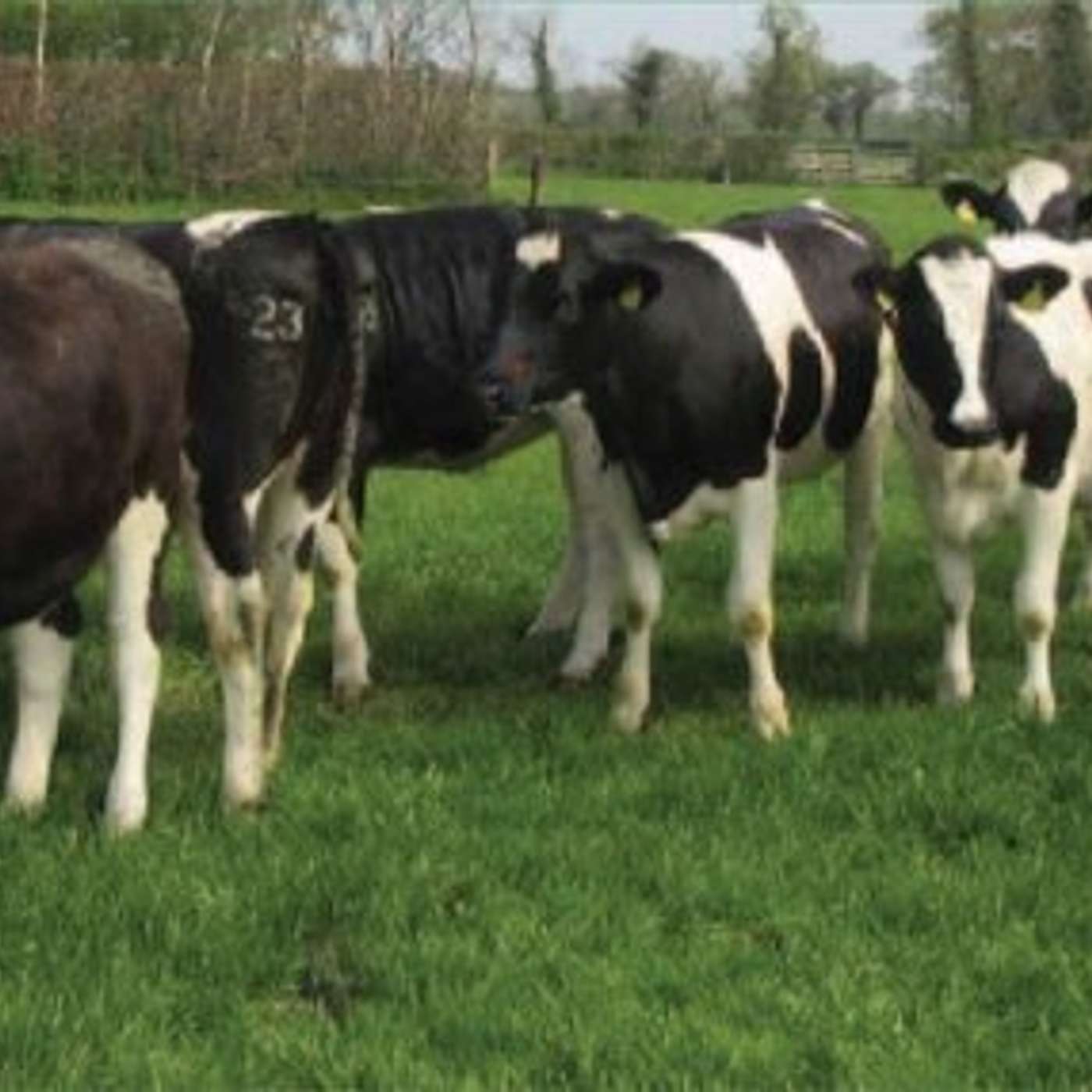
Dairy Specialist George Ramsbottom joins Emma-Louise Coffey on this week’s Dairy Edge podcast to discuss best practice for management of heifers in order for them to calf down timely in seasonal calving systems. Firstly, George explains that only 80% of dairy heifers calf, owing to heifers not achieving target weight prior to mating start date, sub-optimal breeding management and mortality. At mating start date, heifers should weigh 60% of their mature live weight and this is dictated by genetics; individual heifers’ live weight can be calculated based on their maintenance sub-index. For heifers identified as below target, George recommends that they are separated from the main group and fed high quality grass, where weight gain in excess of 1 kg per day can be achieved. George encourages farmers to select ‘low risk’ calving difficulty sires for heifers to ensure ease of calving in heifers next spring. For more episodes from the Dairy Edge podcast go to the show page at: https://www.teagasc.ie/animals/dairy/the-dairy-edge-podcast/ The Dairy Edge is a co-production with LastCastMedia.com
Fertiliser strategies for silage ground with current supply and cost issues
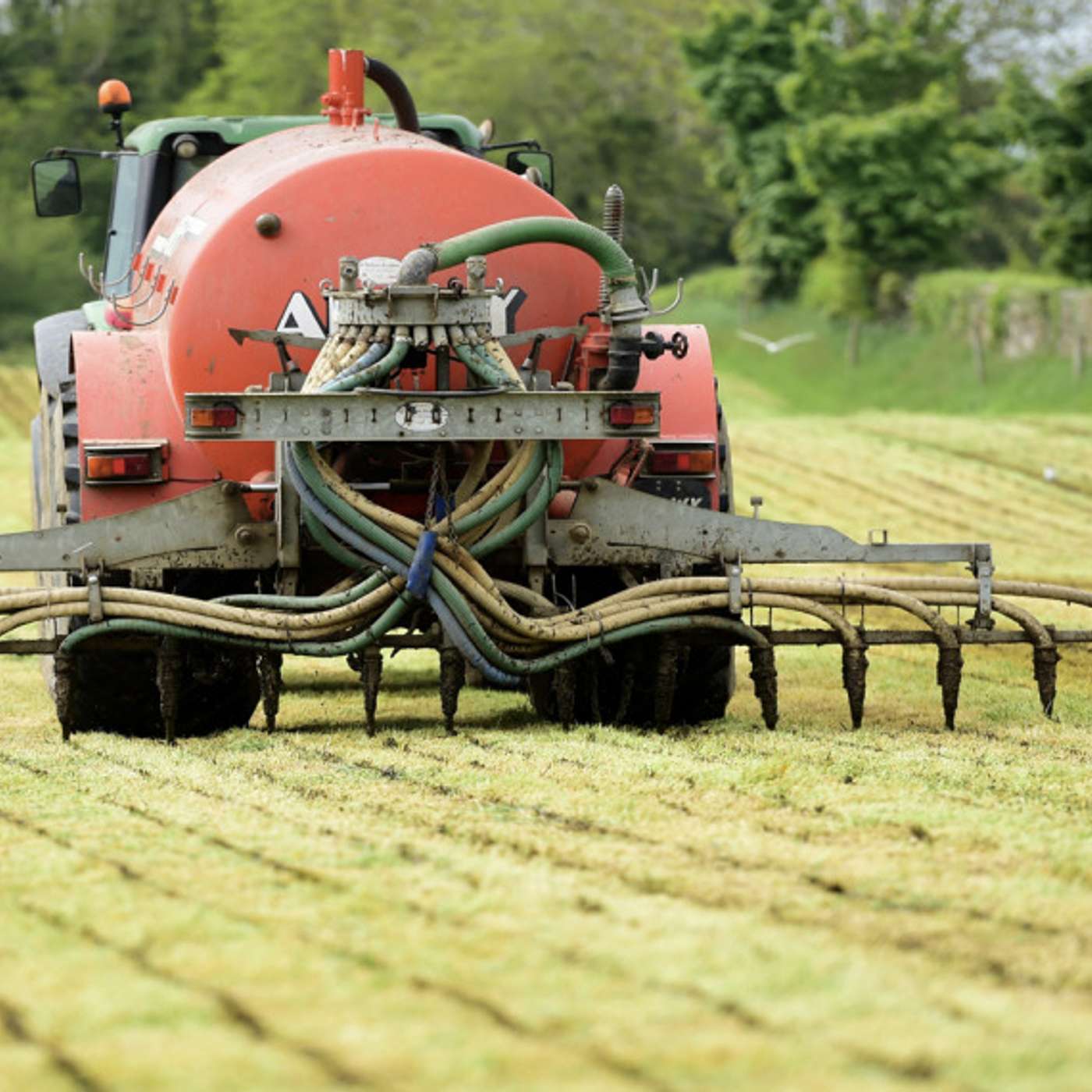
Tillage specialist, Mark Plunkett, joins Emma-Louise Coffey on this week’s Dairy Edge podcast with advice on fertiliser strategies for silage ground, taking into account uncertainty around supply and the soaring cost of fertiliser. Mark explains that the recommended fertiliser application is 100 kg Nitrogen, 20 kg Phosphorus, 125 kg Potassium (35 kg of which after first cut) and 20 kg Sulphur to support a 5 tonne DM/ha yield. Furthermore, he acknowledges that the recommendation was previously 125 kg N, but given the cost and availability of fertiliser, this has reduced. The first 80 kg N will support 75% of the silage crop, the next 20 kg N will support the 20% of the crop so in order to achieve adequate first cut with winter feed reserves in mind and farmers should aim to spread 100 kg/ha. Mark encourages farmers to maximise the use of slurry on silage ground as 3,000 gallons of slurry/acre makes up the majority of P and K requirements as well as up to 30 kg N. For more information: https://www.teagasc.ie/media/website/publications/2016/Teagasc-Quality-Grass-Silage-Guide.pdf For more episodes from the Dairy Edge podcast go to the show page at: https://www.teagasc.ie/animals/dairy/the-dairy-edge-podcast/ The Dairy Edge is a co-production with LastCastMedia.com
Let's Talk Dairy Bonus Episode: Synchronisation Protocols for 2022 Breeding Season
bonusTeagasc is running a weekly Let's Talk Dairy webinar series which is also being made available as a bonus podcast episode. For this week’s webinar, Stuart Childs, Teagasc Dairy Specialist, was joined by Dr Stephen Moore, Teagasc to discuss synchronisation protocols for the 2022 breeding season. Given the current climate it is going to be important to try and retain as many cows as possible in the herd. Stephen gives an overview of the various options around synchronisation for heifers and cows - sexed and conventional semen protocols. To register for future Let’s Talk Dairy webinars go to: https://www.teagasc.ie/corporate-events/lets-talk-dairy/ For more episodes from the Dairy Edge podcast go to the show page at: https://www.teagasc.ie/animals/dairy/the-dairy-edge-podcast/
How to make the best breeding decisions to maximise the genetic gain of your herd
Dairy advisor, Bernadette Bennett, joins Emma-Louise Coffey on this week’s episode of The Dairy Edge podcast with advice for farmers on how to make the best breeding decisions so as to maximise the genetic gain of their herd. Firstly, Bernadette gives insight into an analysis she completed on 100 dairy clients: the top 20% had an average EBI of €186 and produced 498 kg MS while the bottom 20% had an average EBI of €121 and produced €451 kg MS. Bernadette explains that the difference in MS produced equates to €282 per cow (assuming 1kg MS = €6) or in excess of €39,000 for the average herd of 139 cows. Bernadette encourages farmers to use the Female Selector on HerdPlus to select cows that are suitable for dairy AI and identify cows with lameness, high SCC, poor temperament, sub-optimal fertility or low milk production for beef AI or culling. When selecting a team of bulls, Bernadette reminds us of the importance of the bull team, with a maximum of 15% of cows served to one sire. Bernadette also identifies traits for profit including improving milk solids and to achieve 9% solids (5% fat and 4% protein), the bull team needs fat PD of 0.28 and protein PD of 0.18. For more episodes from the Dairy Edge podcast go to the show page at: https://www.teagasc.ie/animals/dairy/the-dairy-edge-podcast/ The Dairy Edge is a co-production with LastCastMedia.com
Let's Talk Dairy Bonus Episode: Milk Recording
bonusTeagasc is running a weekly Let's Talk Dairy webinar series which is also being made available as a bonus podcast episode. For this week’s webinar, Stuart Childs, Teagasc Dairy Specialist, was joined by Rosarii O'Connor and Mairéad O'Neill, Munster Bovine, to discuss milk recording. Rosarii and Mairéad gave an insight into Electronic DIY milk recording and the steps you can take to ensure a successful recording. To register for future Let’s Talk Dairy webinars go to: https://www.teagasc.ie/corporate-events/lets-talk-dairy/ For more episodes from the Dairy Edge podcast go to the show page at: https://www.teagasc.ie/animals/dairy/the-dairy-edge-podcast/
Dairy farmer, Mike Bermingham, on his February grazing & calving season and advice for the remainder of the first rotation
Dairy farmer, Mike Bermingham, joins Emma-Louise Coffey on this week’s Dairy Edge podcast with an update on the grazing and calving season during February, and looks forward to the remainder of the first grazing rotation. On 1st March, Mike had 32% of the farm grazed and an average farm cover of 1,000 kg /ha. Mike intends on maintaining a high level of grazed grass in the diet in March, supplementing with 4 kg meal and high quality baled silage if farm cover dips below target. Mike had a significant issue with milk fever 2 years ago, explaining cows were over-conditioned, silage was high quality and he has crossbred cows who are predisposed to milk fever. Mike has taken proactive steps to reduce cases including BCS at dry off, mineral analysis on silage, restricting silage intake and feeding straw once per week. For more episodes from the Dairy Edge podcast go to the show page at: https://www.teagasc.ie/animals/dairy/the-dairy-edge-podcast/ The Dairy Edge is a co-production with LastCastMedia.com
Let's Talk Dairy Bonus Episode: Coping with tricky grazing conditions & planning for March
bonusTeagasc is running a weekly Let's Talk Dairy webinar series which is also being made available as a bonus podcast episode. For this week’s webinar, Stuart Childs, Teagasc Dairy Specialist, was joined by dairy farmer, Dermot O’Donovan, who documents the tricky grazing conditions following the storms and snow and looks forward to his grazing plan for the month of March. To register for future Let’s Talk Dairy webinars go to: https://www.teagasc.ie/corporate-events/lets-talk-dairy/ For more episodes from the Dairy Edge podcast go to the show page at: https://www.teagasc.ie/animals/dairy/the-dairy-edge-podcast/
The proactive steps to take to promote low cell count in early lactation
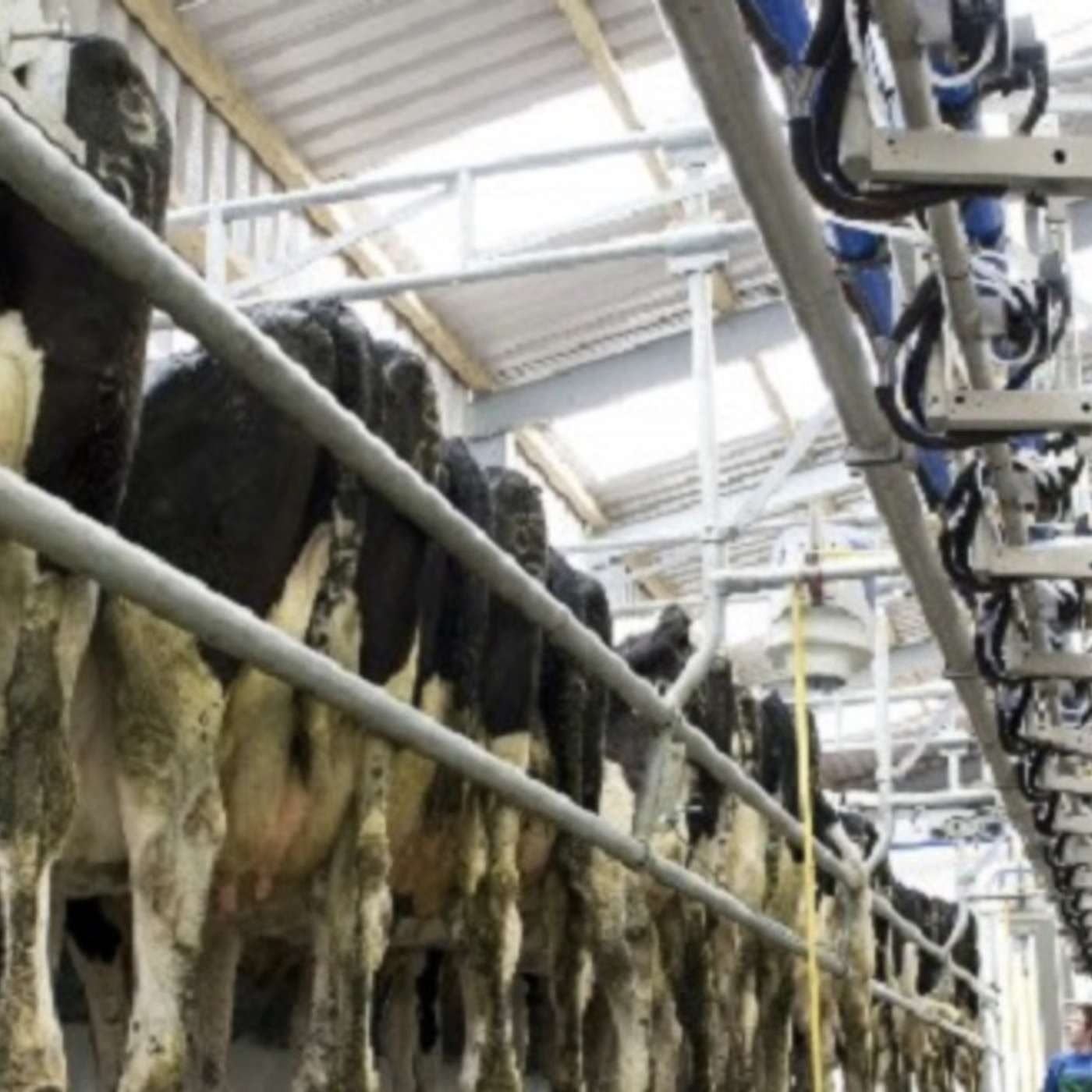
Padraig O’Connor joins Emma-Louise Coffey on this week’s episode of The Dairy Edge to consider why you should complete an early milk recording event to manage SCC and mastitis from early lactation. Padraig explains that there are several reasons: cows have been dried for a significant amount of time and therefore an early milk recording will establish the baseline SCC for the herd and identify any problem cows. Furthermore, it is an opportunity to assess the success of the dry period. Padraig recommends that farmers consider the role of persistently high SCC cows, particularly if they are older cows with multiple records of high SCC in previous lactations. He explains that these cows will likely continue to elevate bulk SCC and are at risk of spreading mastitis infection to low SCC cows in the herd. For more information: https://www.teagasc.ie/media/website/publications/2022/Dairy-Newsletter---February-2022.pdf For more episodes from the Dairy Edge podcast go to the show page at: https://www.teagasc.ie/animals/dairy/the-dairy-edge-podcast/ The Dairy Edge is a co-production with LastCastMedia.com
Let's Talk Dairy Bonus Episode: OAD Milking to manage spring workload
bonusTeagasc is running a weekly Let's Talk Dairy webinar series which is also being made available as a bonus podcast episode. For this week’s webinar, Stuart Childs, Teagasc Dairy Specialist, was joined by dairy farmer Martin Connaughton to discuss milking Once-A-Day (OAD) to manage spring workload. Stuart gives a brief overview of ongoing research in Teagasc Moorepark on OAD milking. Martin gave an insight into his farming system and why they decided to move from Twice-A-Day (TAD) to Once-A-Day (OAD) milking, especially during the spring calving period. To register for future Let’s Talk Dairy webinars go to: https://www.teagasc.ie/corporate-events/lets-talk-dairy/ For more episodes from the Dairy Edge podcast go to the show page at: https://www.teagasc.ie/animals/dairy/the-dairy-edge-podcast/
Milk recording: differentiating between DIY and manual milk recording events
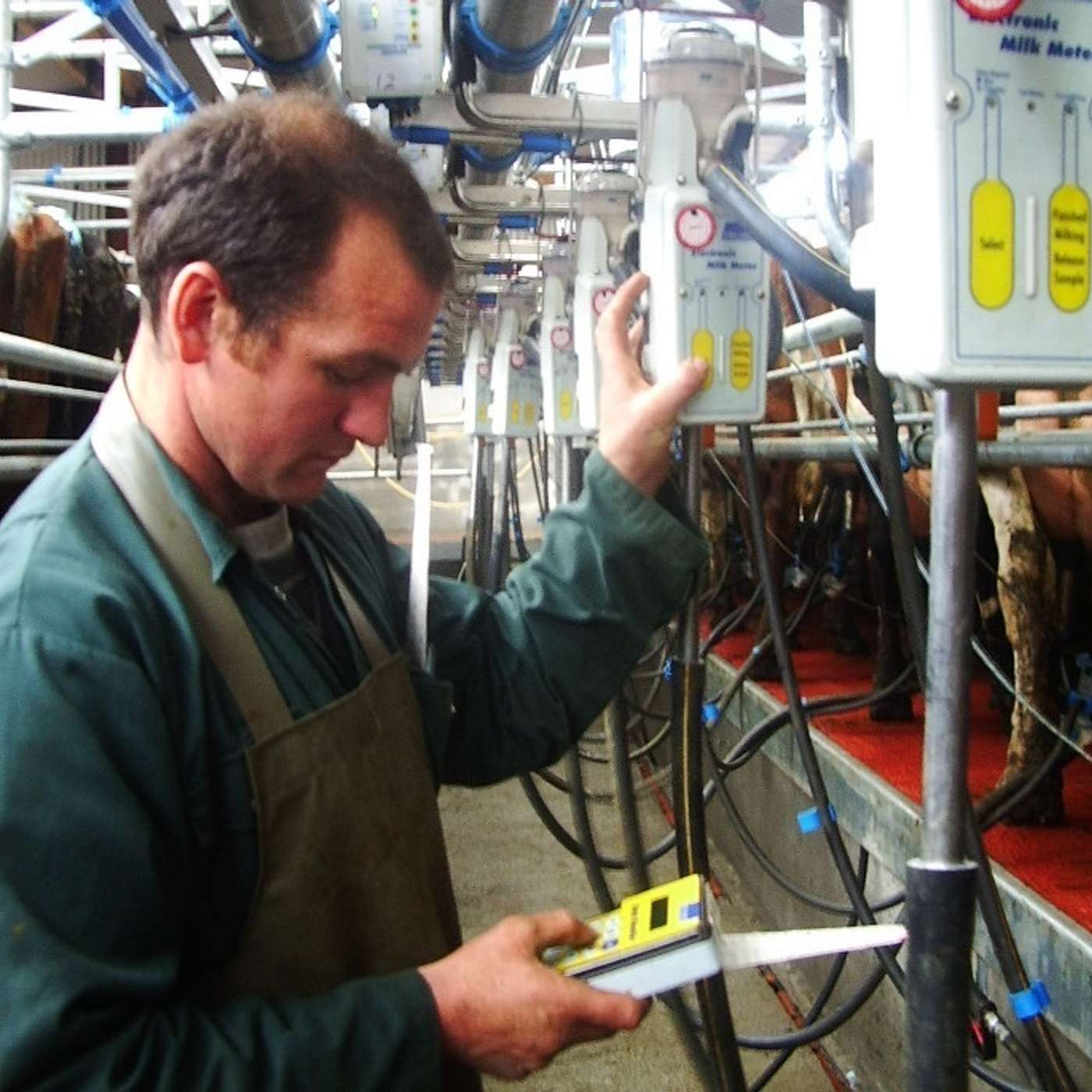
Emma Behan from Progressive Genetics joins Emma-Louise Coffey on this week’s Dairy Edge podcast to discuss the process of milk recording, differentiating between DIY and manual milk recording events. Emma quantifies the rise of milk recording by 23% in the Progressive Genetic geographic area, given the greater emphasis on selective use of antibiotics at dry off. She explains that the last two weeks of March is the busiest time for milk recording and farmers should consider recording in early March in order to get maximum value from the results. Emma acknowledges that farmers generally wait until all cows have calved to complete the first recording, but says that farmers should instead go when 60-70% of cows are calved, with all subsequent calvers picked up later in the year, in the second or third recording. For more episodes from the Dairy Edge podcast go to the show page at: https://www.teagasc.ie/animals/dairy/the-dairy-edge-podcast/ The Dairy Edge is a co-production with LastCastMedia.com
Let's Talk Dairy Bonus Episode: Record Keeping
bonusTeagasc is running a weekly Let's Talk Dairy webinar series which is also being made available as a bonus podcast episode. For this week’s webinar, Stuart Childs, Teagasc Dairy Specialist, discusses record keeping and how it can improve efficiency on your farm. Stuart outlines how good record keeping can improve farm performance and how it's important to put a system of recording in place that works for you. To register for future Let’s Talk Dairy webinars go to: https://www.teagasc.ie/corporate-events/lets-talk-dairy/ For more episodes from the Dairy Edge podcast go to the show page at: https://www.teagasc.ie/animals/dairy/the-dairy-edge-podcast/
‘The Moovet’, Eamon O’Connell, on the common ailments on dairy farms since the onset of calving
‘The Moovet’ Eamon O’Connell joins EmmaLouise Coffey on this week’s Dairy Edge podcast with his insights into the common ailments he has seen on dairy farms since the onset of calving. Eamon explains that the main call outs in early February are to assist calving and treatment of milk fever. He recommends that farmers allow cows time for birth to progress naturally - two hours from when the bubble appears. Eamon also comments on the increasing level of milk fever in early lactations and explains the reasons for this may include the level of magnesium may not be sufficient in the dry cow diet, the demand for calcium in high volume cows at the onset of lactation and cows’ inability to mobilise calcium from their skeleton. He recommends that farmers take proactive measures to minimise milk fever because it is a gateway disease to other ailments such as ketosis, displaced abomasum, retained cleanings and high SCC/mastitis. For more from the Moovet visit Instragram.com/TheMoovet For more episodes from the Dairy Edge podcast go to the show page at: https://www.teagasc.ie/animals/dairy/the-dairy-edge-podcast/ The Dairy Edge is a co-production with LastCastMedia.com
Let's Talk Dairy Bonus Episode: Plan for Spring Grazing 2022
bonusTeagasc is running a weekly Let's Talk Dairy webinar series which is also being made available as a bonus podcast episode. For this week’s webinar, Stuart Childs, Teagasc Dairy Specialist, discusses the plan for Spring grazing in 2022. Stuart outlines what is important to watch out for and some actions that people can be taking. It is important to have a Spring Rotation Plan (SPR), as well as a Spring budget. Regular farm walks will help you make the best decisions in relation to grass supply on your farm. Good Spring grazing underpins excellent cow performance both in early lactation and mid-season. To register for future Let’s Talk Dairy webinars go to: https://www.teagasc.ie/corporate-events/lets-talk-dairy/ For more episodes from the Dairy Edge podcast go to the show page at: https://www.teagasc.ie/animals/dairy/the-dairy-edge-podcast/
Tips for feeding the freshly calved cow whilst also hitting grazing targets during the first grazing rotation
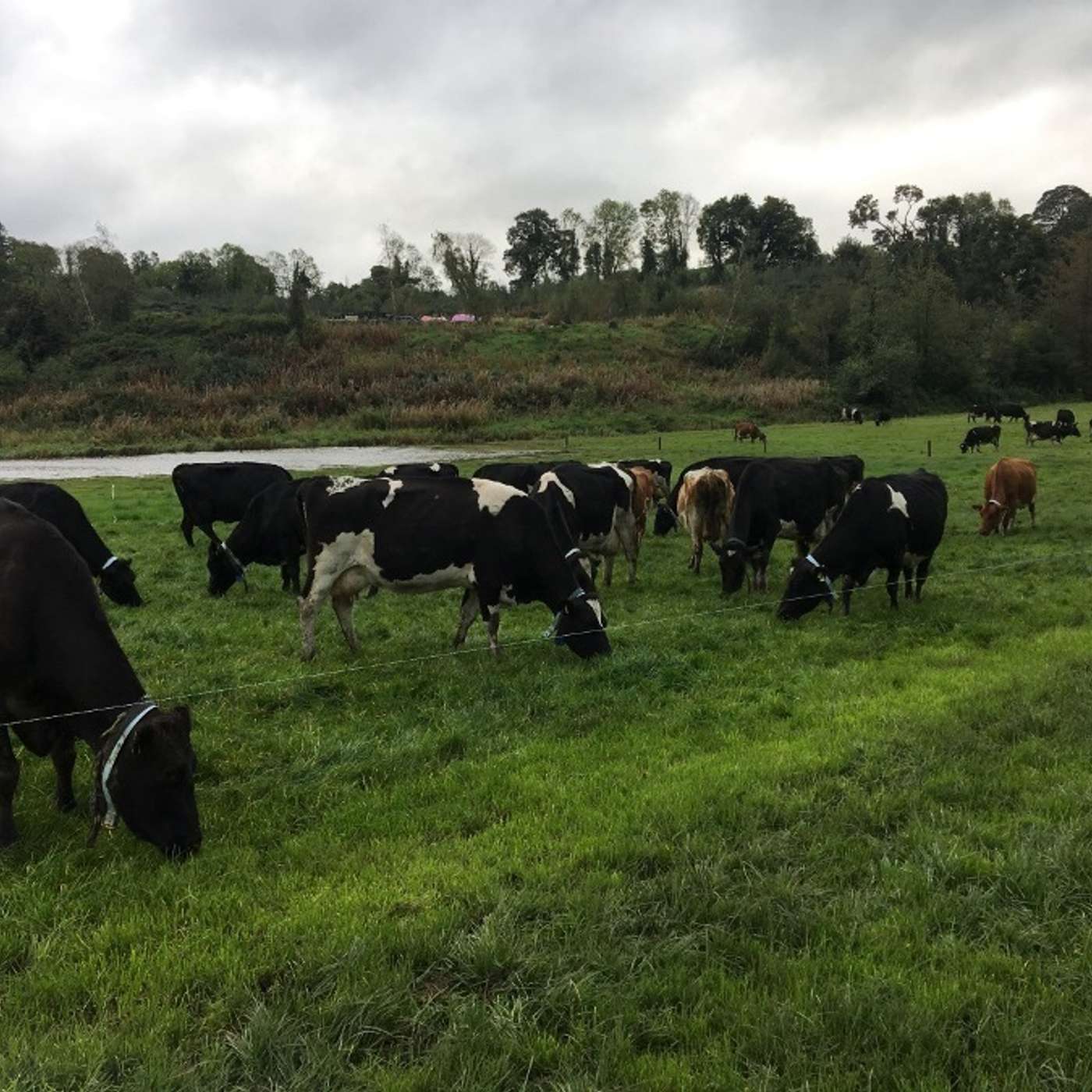
Dairy advisor, Grainne Hurley, joins Emma-Louise Coffey on this week’s episode of The Dairy Edge to provide tips on balancing the competing objectives of feeding the freshly calved cow and hitting grazing targets during the first grazing rotation. Grainne recommends that all farmers complete a farm walk to quantify how much grass is available on farm right now. Based on farms she works with, average farm cover is 1,033 kg DM/ha (range 712-1,205). Knowing how much grass you have will inform how much area you can graze per day. Grainne explains that cows have a low intake after calving, eating approx. 11 kg dry matter/day, increasing by 0.5-1 kg per day until peak intake is reached at week 7 of lactation. Grainne quantifies the quality of spring grass (1.03 UFL, 21% crude protein) v 70 DMD silage (0.8 UFL, 13% crude protein) and given the superior feed quality, she recommends that farmers maximise the amount of grazed grass in the diet in early lactation. For more episodes from the Dairy Edge podcast go to the show page at: https://www.teagasc.ie/animals/dairy/the-dairy-edge-podcast/ The Dairy Edge is a co-production with LastCastMedia.com
Let's Talk Dairy Bonus Episode: Spring N - when should you spread?
bonusTeagasc is running a weekly Let's Talk Dairy webinar series which is also being made available as a bonus podcast episode. For this week’s webinar, Stuart Childs, Teagasc Dairy Specialist, discusses when you should spread chemical Nitrogen - specifically Urea - this Spring. It is important to have a plan in place and to have your soils analysed. Early N application should also have more grass on the farm in the run into the start of the second rotation. To register for future Let’s Talk Dairy webinars go to: https://www.teagasc.ie/corporate-events/lets-talk-dairy/ For more episodes from the Dairy Edge podcast go to the show page at: https://www.teagasc.ie/animals/dairy/the-dairy-edge-podcast/
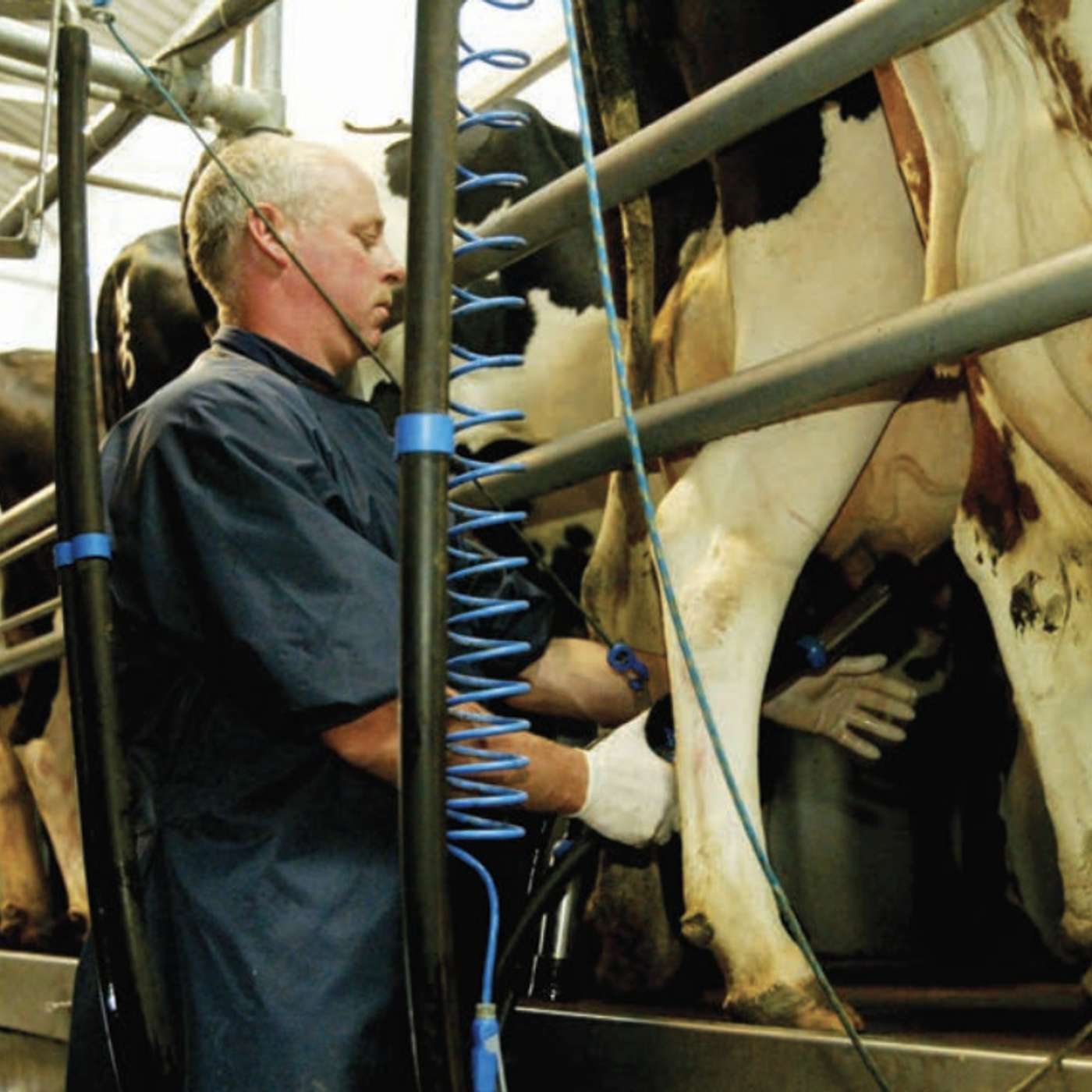
Can you reduce the length of your working day?
Dairy Specialist, Martina Gormley, joins Emma-Louise Coffey on this week’s episode of the Dairy Edge to assess the factors that impact on the length of the working day on Irish dairy farms. Martina analysed milk recording results which provided AM and PM milking start times and she explains that milking interval dictates PM milking start time with a 71% of variation in the length of the working day. The ideal milking interval is 16:8, meaning 8 hours between morning and evening, while in reality, the milk interval is on average 10 hours, ranging from 7 to 16 hours. Martin also discusses how Irish dairy farms rely on hired labour to complete the farm workload, are competing with other industries, and therefore, working conditions, such as a work finish time, are important to attract and retain labour. For more information: https://www.youtube.com/watch?v=9JEjuI3h8Vs For more episodes from the Dairy Edge podcast go to the show page at: https://www.teagasc.ie/animals/dairy/the-dairy-edge-podcast/ The Dairy Edge is a co-production with LastCastMedia.com
Let's Talk Dairy Bonus Episode: Milk Replacers
bonusTeagasc is running a weekly Let's Talk Dairy webinar series which is also being made available as a bonus podcast episode. For this week’s webinar, Stuart Childs, Teagasc Dairy Specialist, is joined by George Ramsbottom, Teagasc Dairy Specialist to discuss milk replacers. George gives an overview of milk replacer specifications for younger calves, how to calculate the costs of milk replacer, differences between the use of milk replacer and whole milk, and how much milk does a calf need. To register for future Let’s Talk Dairy webinars go to: https://www.teagasc.ie/corporate-events/lets-talk-dairy/ For more episodes from the Dairy Edge podcast go to the show page at: https://www.teagasc.ie/animals/dairy/the-dairy-edge-podcast/
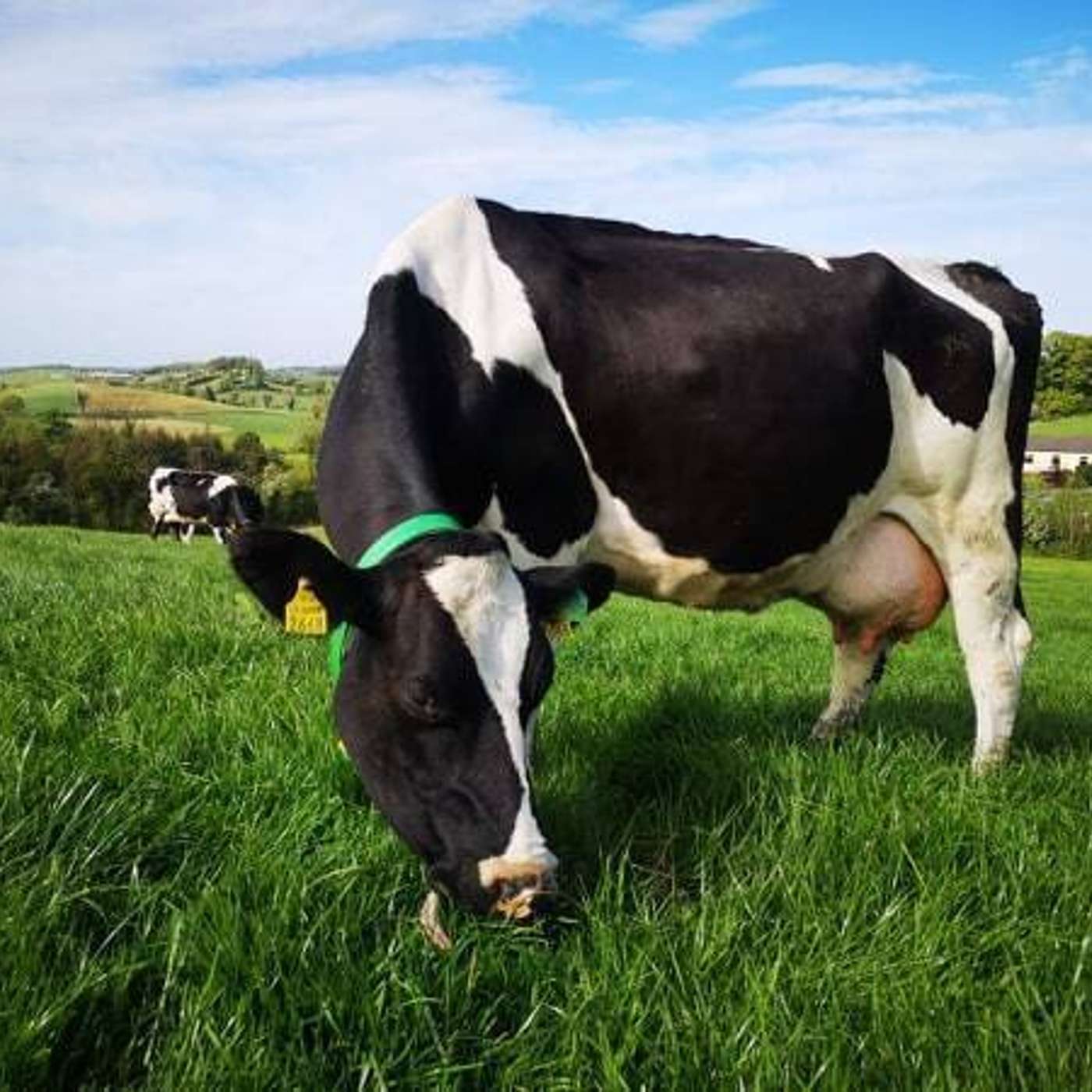
Protecting your farm income in 2022
On this week’s episode of The Dairy Edge, Dairy Specialist Patrick Gowing joins Emma-Louise Coffey with an insight into projected costs of production in 2022 and strategies to maintain profitability. Patrick explains that costs of production are expected to be in excess of €1,500, increasing from €1,311 in 2020, with fertiliser and concentrate accounting for 40% of total costs. Patrick recommends that dairy farmers calculate break-even milk production to cover costs; the formula= total cost of production / milk price (per kg milk solids). For mature cows with milk solids below the break-even production are a cost to the system. For more information: https://www.youtube.com/watch?v=xnigxe1EWLE For more episodes from the Dairy Edge podcast go to the show page at: https://www.teagasc.ie/animals/dairy/the-dairy-edge-podcast/ The Dairy Edge is a co-production with LastCastMedia.com
Let's Talk Dairy Bonus Episode: Buffer Zones in Agriculture
bonusTeagasc is running a weekly Let's Talk Dairy webinar series which is also being made available as a bonus podcast episode. For this week’s webinar, Stuart Childs, Teagasc Dairy Specialist, discusses buffer zones in agriculture. With the opening of the slurry spreading period, Stuart gives an overview of what buffer zones are and how they're important, especially when it comes to water quality. To register for future Let’s Talk Dairy webinars go to: https://www.teagasc.ie/corporate-events/lets-talk-dairy/ For more episodes from the Dairy Edge podcast go to the show page at: https://www.teagasc.ie/animals/dairy/the-dairy-edge-podcast/
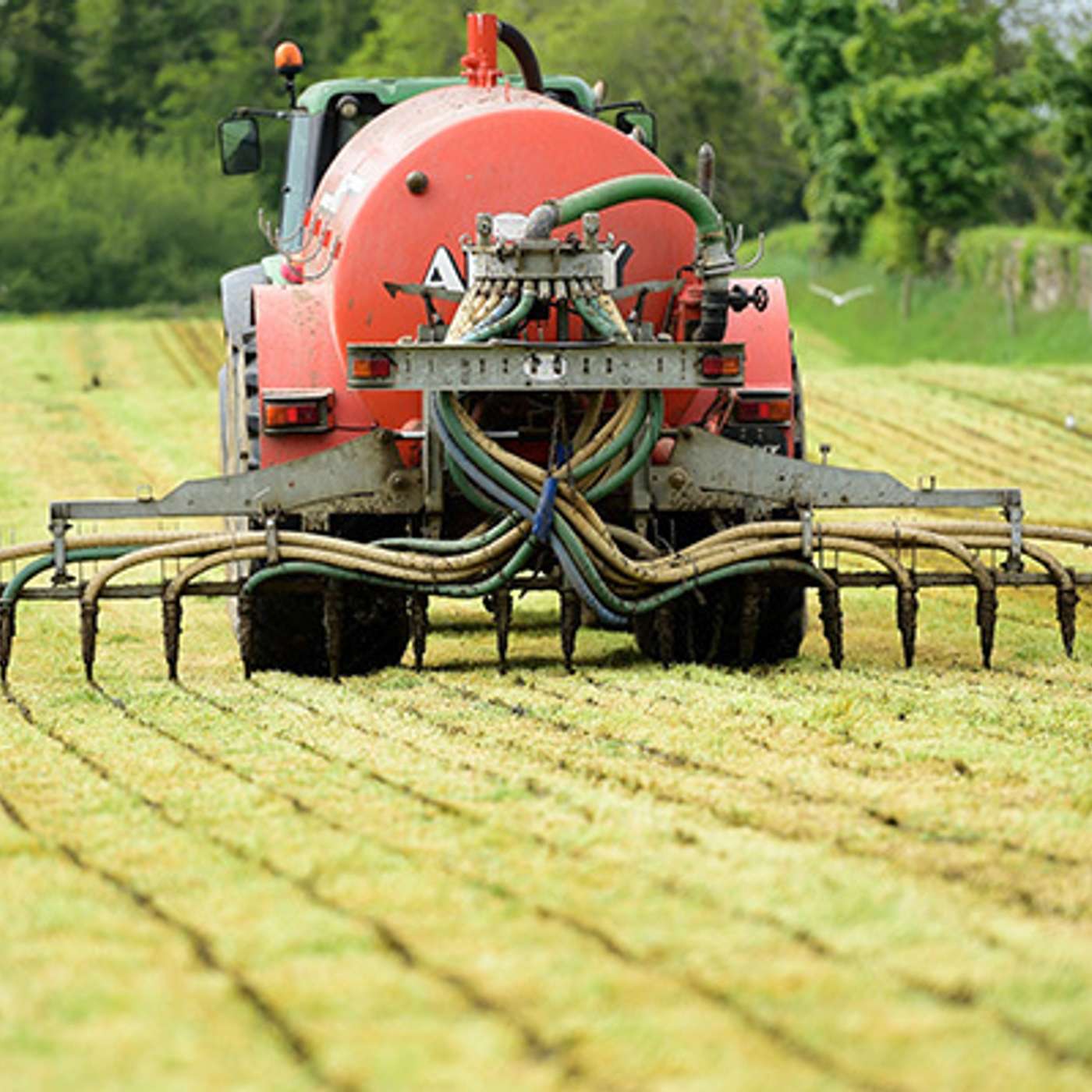
Strategies to cope with rising fertiliser prices
Given the significant rise in fertiliser prices, Signpost programme advisor Seamus Kearney joins Emma-Louise Coffey on this week’s Dairy Edge podcast to discuss how to minimise the requirement for chemical N in the first round through strategic use of slurry. Seamus quantifies the quantity of Nitrogen in slurry at approximately 23 units per 2,500 gallons using Low Emission Slurry Spreading equipment and he recommends that farmers target 50% of the farm with slurry during the first round (Jan and Feb) when the weather forecast and ground conditions are favourable. For the other ½ of the platform, Seamus recommends that farmers should have 23 units of Nitrogen ordered and ready in the yard for application from mid-Feb. Seamus compares protected Urea and CAN fertiliser products per kg of Nitrogen with protected Urea at €950 per tonne costing €2.06 per kg N while CAN at €700 per tonne costs €2.59 per kg N. Seamus explains that protected Urea is the recommended Nitrogen product of choice; research at Teagasc Johnstown Castle has shown that the use of protected Urea has shown an increase in grass production whilst reducing Nitrous Oxide emissions. For more episodes from the Dairy Edge podcast go to the show page at: https://www.teagasc.ie/animals/dairy/the-dairy-edge-podcast/ The Dairy Edge is a co-production with LastCastMedia.com
Let's Talk Dairy Bonus Episode: Eamonn Connaughton on maintaining a high profit margin despite lower production with once-a-day milking
bonusTeagasc is running a weekly Let's Talk Dairy webinar series which is also being made available as a bonus podcast episode. For this week’s webinar, Stuart Childs, Teagasc Dairy Specialist, spoke to dairy farmer, Eamonn Connaughton, at the recent Once-a-Day Milking Conference, about Eamonn’s decision to switch to once-a-day and how he has maintained a high profit margin despite lower production. To register for future Let’s Talk Dairy webinars go to: https://www.teagasc.ie/corporate-events/lets-talk-dairy/ For more episodes from the Dairy Edge podcast go to the show page at: https://www.teagasc.ie/animals/dairy/the-dairy-edge-podcast/
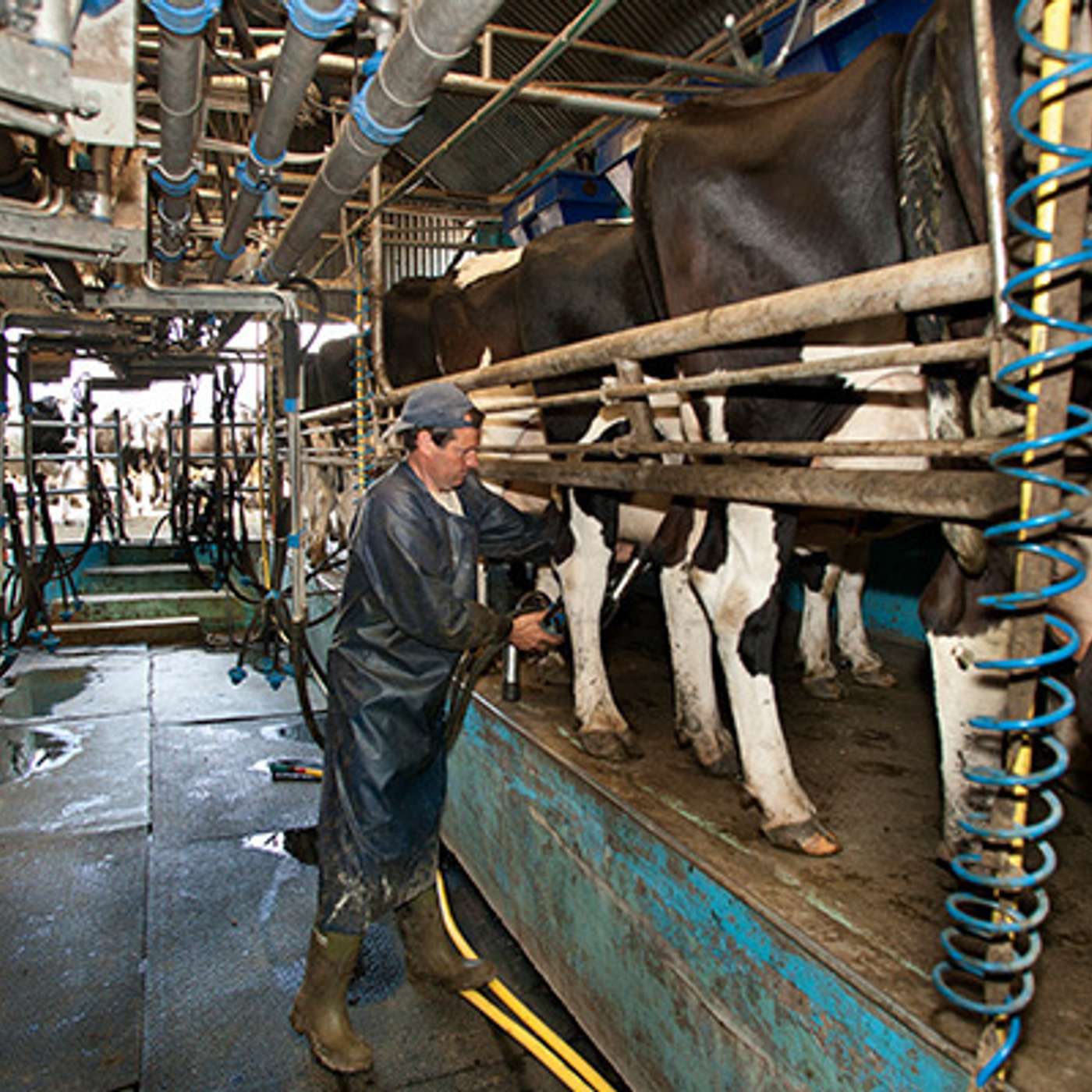
Tactical use of once-a-day milking to reduce daily workload in early lactation
Dairy specialist, James Dunne, joins Emma-Louise Coffey on this week’s Dairy Edge podcast to discuss the key learnings from the recent Once-a-Day milking conference. He discussed Dr Emer Kennedy’s report on the OAD experiment at Teagasc where cows were compared on full-time OAD, full-time TAD and short-term OAD. For cows on OAD for the first 4 weeks of lactation, daily milk solids were 20% lower while full lactation milk solids were 10 kg lower compared to TAD cows. On average, OAD milking reduces total daily milking time by 30%. Meanwhile, Don Crowley explained that 60% of incidence of high SCC or mastitis originate during the dry period. Don encourages farmers to take action now to minimise risks, that cows are in correct BCS, cows are fed adequate dry cow minerals, cubicles are clean and dry and the milking parlour is serviced before the start of lactation. James also explained the concept of ‘10 in 7’ (10 in 14 milkings), a new milking frequency farmers are using on farm to reduce labour input. In practice, cows are milked TAD on Monday, Wednesday and Friday with milking times of 7 am and 4 pm and OAD on Tuesday, Thursday, Saturday and Sunday with milking time of 10 am. For more episodes from the Dairy Edge podcast go to the show page at: https://www.teagasc.ie/animals/dairy/the-dairy-edge-podcast/ The Dairy Edge is a co-production with LastCastMedia.com
Best practice in calf rearing ahead of calving
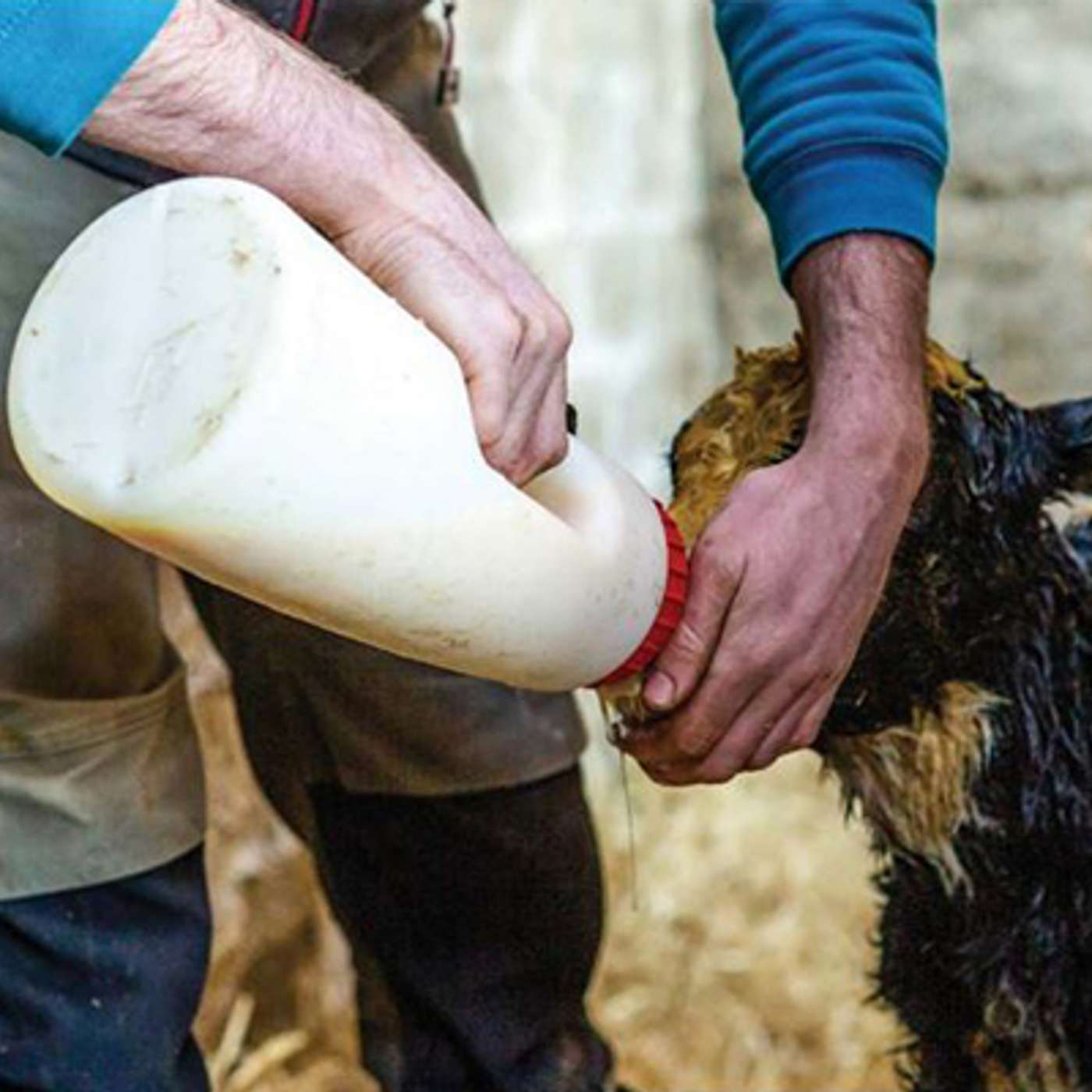
Dairy Specialist, George Ramsbottom, joins Emma-Louise Coffey on this week’s episode of The Dairy Edge to discuss best practice in calf rearing ahead of the upcoming calving season. George explains that farmers must extract colostrum as soon as possible to maximise IgG content, the greater the interval between calving and first milking, the lower the IgG content. Furthermore, colostrum should be extracted from a clean cow into clean buckets as a lack of hygiene will compromise colostrum quality and efficacy. George also gave insights into a common problem of bloat in young calves that farmers experienced in the spring of 2021. Different to bloat in mature cows, in calves bloat occurs in the abomasum or the true stomach. Early sign of bloat in calves includes calves off milk, kicking stomach, teeth grinding and salivating. Overall, George commends dairy farmers on their care of young calves, with evidence of declining mortality levels and improved animal health of Irish calves both nationally and internationally. For more episodes from the Dairy Edge podcast go to the show page at: https://www.teagasc.ie/animals/dairy/the-dairy-edge-podcast/ The Dairy Edge is a co-production with LastCastMedia.com
Matt Ryan Part 2: How dairy farmers have adapted in an effort to achieve technical excellence
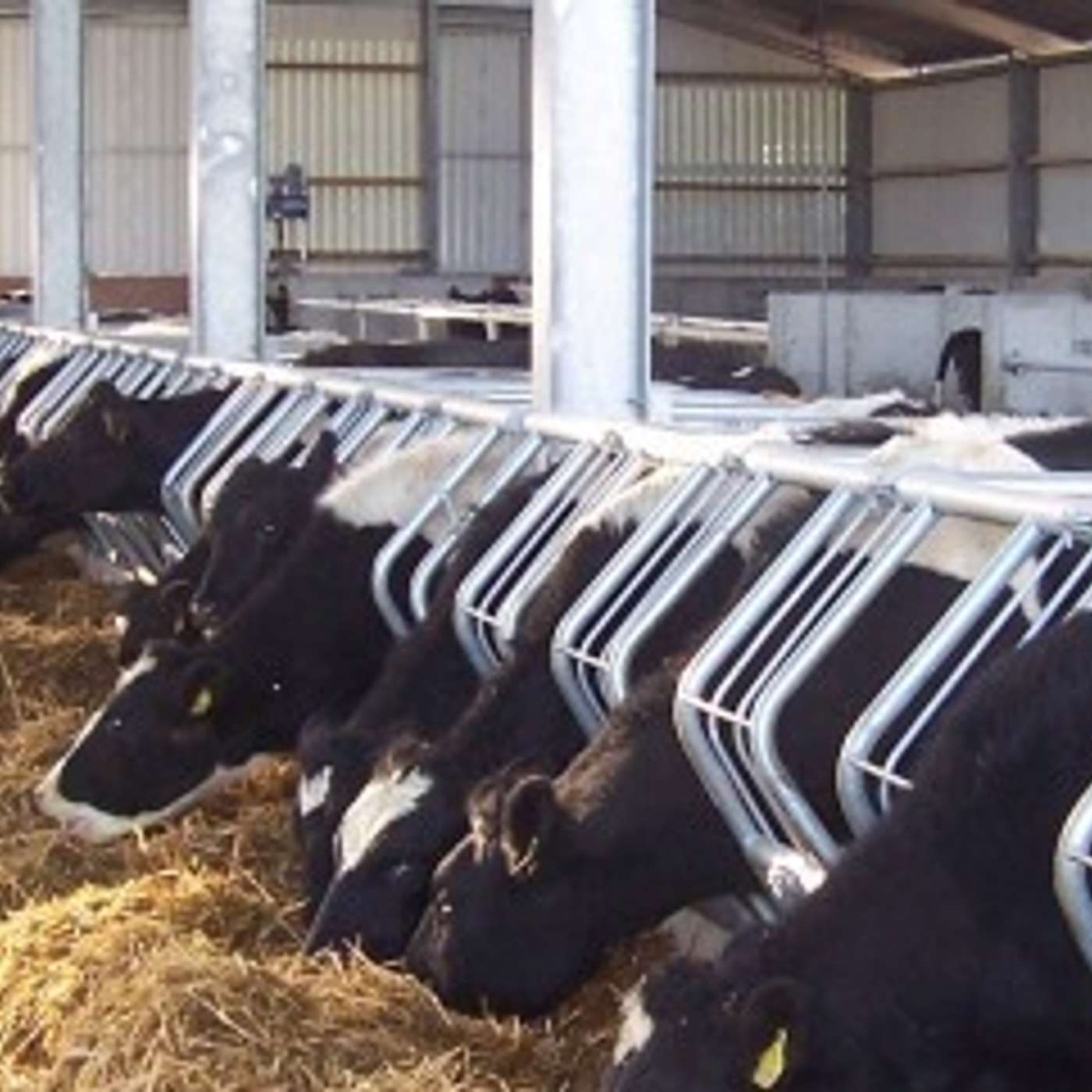
In the second part of his interview, renowned agri-consultant Matt Ryan joins Emma-Louise Coffey on this week’s Dairy Edge podcast to discuss practices that dairy farmers have adopted in an effort to achieve technical excellence. Traditionally, dairy farmers had extended housing periods where cows got out to grass in April or May and in 1993, Matt travelled to New Zealand which was an eye opening experience in terms of extended grazing through use of the spring rotation planner. Matt explains that the target at this time was to get out 1-2 weeks earlier and house 1-2 weeks later compared with previous years and in the early 90s, he estimates there was a £1 benefit per cow per day. When milk price moved to an A+B-C system, the focus turned to improving fat and protein constituents. Protein was particularly low owing to Shorthorn and British Friesian genetics and breeding focus for predicted fat and protein %, coupled with improved fertility and grassland management, means that the average Irish farmer has a current protein of 3.5%. For more episodes from the Dairy Edge podcast go to the show page at: https://www.teagasc.ie/animals/dairy/the-dairy-edge-podcast/ The Dairy Edge is a co-production with LastCastMedia.com
Let's Talk Dairy Bonus Episode: Costings of nitrogen fertiliser products
bonusTeagasc is running a weekly Let's Talk Dairy webinar series which is also being made available as a bonus podcast episode. For this week’s webinar, Stuart Childs, Teagasc Dairy Specialist, compares costings of nitrogen fertiliser products to get best value next spring. To register for future Let’s Talk Dairy webinars go to: https://www.teagasc.ie/corporate-events/lets-talk-dairy/ For more episodes from the Dairy Edge podcast go to the show page at: https://www.teagasc.ie/animals/dairy/the-dairy-edge-podcast/
Matt Ryan Part 1: On the challenges that dairy farmers have encountered & overcome in the last five decades
Renowned agri-consultant Matt Ryan joins Emma-Louise Coffey for the first in a two-part interview on this week’s Dairy Edge podcast to reflect on the challenges that dairy farms have encountered and overcome in the last five decades and he considers how farmers are positioned to face the current challenges. In the past, Matt explains, challenges to dairy farmers included low milk price and consequently low farm incomes, animal disease, weather, personal health, inflation and high interest rates. At present, climate change is to the forefront of farmer concerns but other challenges such as milk price volatility, increasing input prices and mental health and rural decline remain. However, Matt is optimistic for the future of dairy farming and explains that dairy farmers are better positioned now than ever to overcome any challenges that they face. For more episodes from the Dairy Edge podcast go to the show page at: https://www.teagasc.ie/animals/dairy/the-dairy-edge-podcast/ The Dairy Edge is a co-production with LastCastMedia.com
Let's Talk Dairy Bonus Episode: Analysing your farm's performance
bonusTeagasc is running a weekly Let's Talk Dairy webinar series which is also being made available as a bonus podcast episode. For this week’s webinar, Stuart Childs, Teagasc Dairy Specialist, gives an overview of the Profit Monitor, including what it consists of and the benefits of completing it especially when planning for the year ahead. He also discusses the importance of knowing whether or not there's many non-performing stock in your herd and completing a fodder budget. To register for future Let’s Talk Dairy webinars go to: https://www.teagasc.ie/corporate-events/lets-talk-dairy/ For more episodes from the Dairy Edge podcast go to the show page at: https://www.teagasc.ie/animals/dairy/the-dairy-edge-podcast/
From nursing to dairy farming in the Burren
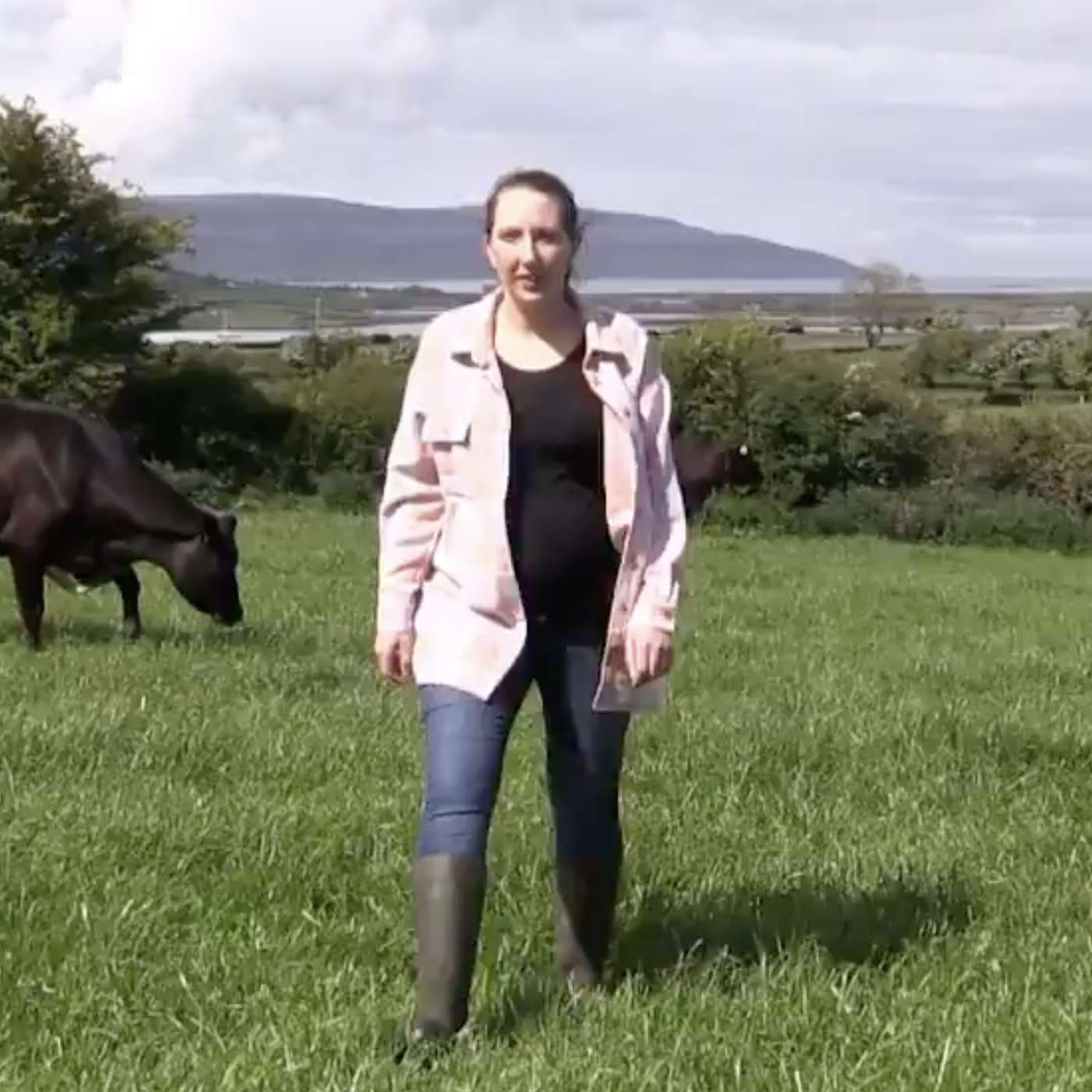
Teagasc Student of the Year, Deirdre McMahon, joins Emma-Louise Coffey on this week’s Dairy Edge podcast to discuss her decision to change from a career in nursing to dairy farming. Deirdre is from a farming background in west Clare and says she has a vague recollection of cows being milked on her home farm before her family converted to drystock in the 1990s. Deirdre explains that in her younger years, her involvement in farming activities were limited to standing in a gap when her parents were moving stock. Following over a decade of studying and working in nursing, Deirdre made the decision to pursue a career in dairy farming with her husband Brian. In order to get up to speed with the skills and technical aspects of dairy farming, Deirdre completed the Green Cert at Salesian Ag College in Pallaskenry as well as courses in hoof pairing, Grass 10 and the New Entrant course. Ultimately, Deirdre’s efforts have paid off as she won the Teagasc Student of the Year, being recognised for her excellence in farming and technical knowledge. Deirdre and her husband Bryan milk across two units: a leased farm in the Burren in Co Clare and on Brian’s home farm in Clarinbridge in Co Galway where they run a labour efficient spring calving, grass based system. For more information: https://www.youtube.com/watch?v=ebMKeQ_px8c For more episodes from the Dairy Edge podcast go to the show page at: https://www.teagasc.ie/animals/dairy/the-dairy-edge-podcast/ The Dairy Edge is a co-production with LastCastMedia.com
Let's Talk Dairy Bonus Episode: Knowing your Carbon Footprint
bonusTeagasc is running a weekly Let's Talk Dairy webinar series which is also being made available as a bonus podcast episode. For this week’s webinar, Stuart Childs, Teagasc Dairy Specialist, was joined by Siobhán Kavanagh, Signpost Programme Communications and Engagement Specialist, to discuss the Bord Bia report and knowing your carbon footprint. As part of the Bord Bia audit process, farmers must complete a Sustainability Survey, the data of which enables Bord Bia to assess the environmental performance of Quality Assured farms using a carbon footprint for the farm. To register for future Let’s Talk Dairy webinars go to: https://www.teagasc.ie/corporate-events/lets-talk-dairy/ For more episodes from the Dairy Edge podcast go to the show page at: https://www.teagasc.ie/animals/dairy/the-dairy-edge-podcast/
Can you reduce your labour input during the upcoming calving season?
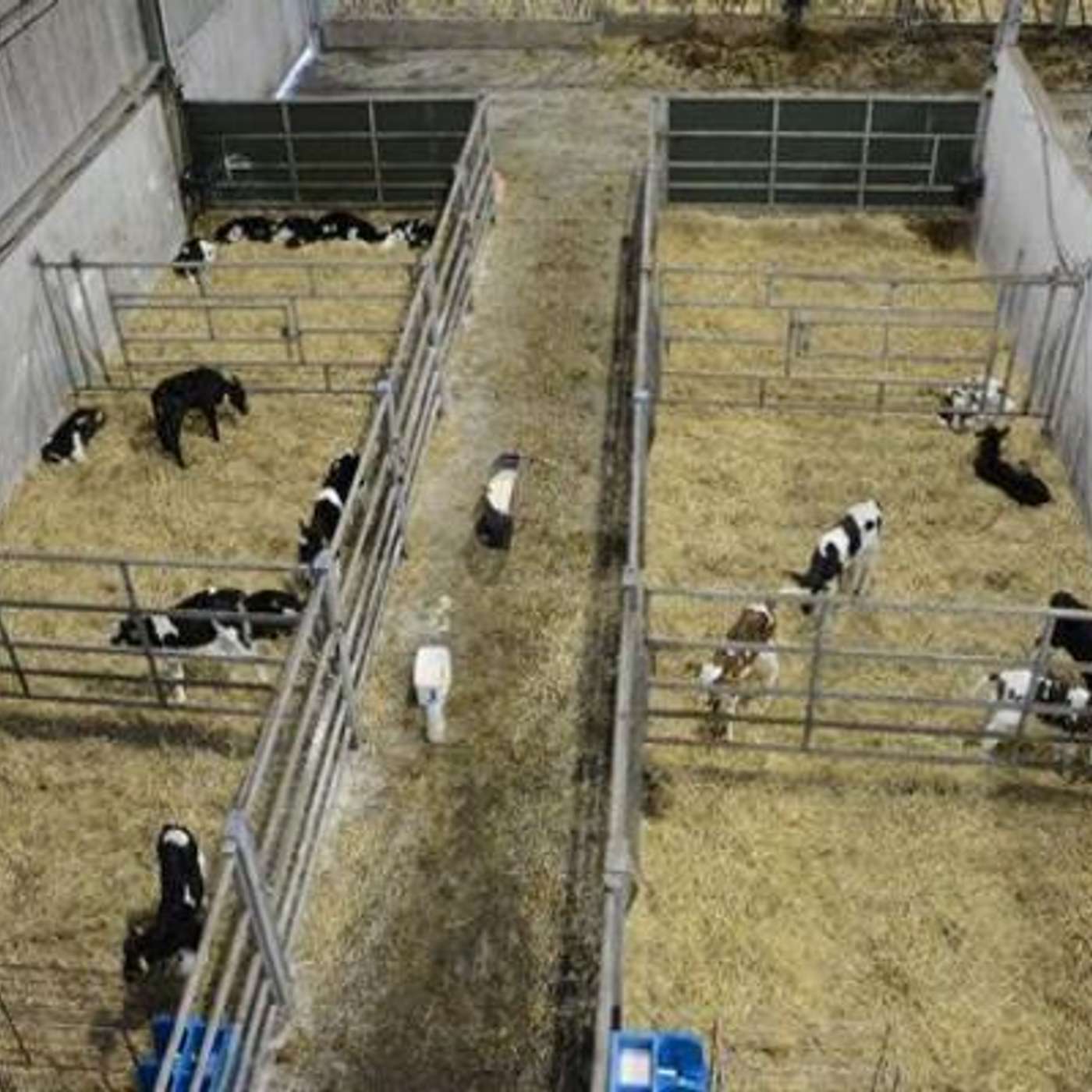
Labour researchers Marion Beecher and Conor Hogan join Emma-Louise Coffey on this week’s Dairy Edge podcast to discuss work practices and technologies that are proven to reduce labour input and improve work efficiency during the busy months on seasonal calving dairy farms. Firstly, Marion quantified the time worked from the month of February to June when 57% of the labour input occurs during these months (40% of the calendar year). Marion explains that farmers have indicated a preference for more free time off farm, an easier and enjoyable workload and more attractive farm to hired labour! Conor gives an insight into a study of 82 dairy farmers, with 137 cows and an average labour input of 18.2 hours per cow from February to June. Breaking down the labour input in the early months of the year, Conor explains that farmers spend 30% of their time milking, 14% on calf care, 13% on grassland and cow care. Of the efficiency practices and technologies Conor identified, they save on average 0.6 hours per cow. The biggest savings come from one operator in the parlour after calving (save 3 h/cow), automatic cluster removers (save 2.5 h/cow) and for calves, contract rearing pre-weaning and selling surplus non-replacements early (save 1.5 h/cow). For more information: https://www.teagasc.ie/media/website/publications/2020/Poster-Conor-Hogan.pdf For more episodes from the Dairy Edge podcast go to the show page at: https://www.teagasc.ie/animals/dairy/the-dairy-edge-podcast/ The Dairy Edge is a co-production with LastCastMedia.com
Let's Talk Dairy Bonus Episode: Organic Dairy
bonusTeagasc is running a weekly Let's Talk Dairy webinar series which is also being made available as a bonus podcast episode. For this week’s webinar, Stuart Childs, Teagasc Dairy Specialist, was joined by Joe Kelleher, Teagasc Organic Specialist to discuss organic dairying. Joe started by giving an overview of the main processors in Ireland, the produce that they supply and the various markets that has potential for organic dairy produce. Joe also gave an overview of the farming practices which need to be adapted for farming organic, the types of farmers that organics would suit and the steps you need to consider when converting to organic farming. To register for future Let’s Talk Dairy webinars go to: https://www.teagasc.ie/corporate-events/lets-talk-dairy/ For more episodes from the Dairy Edge podcast go to the show page at: https://www.teagasc.ie/animals/dairy/the-dairy-edge-podcast/
Are you On Feirm Ground? Maintaining resilience in an ever changing dairy sector
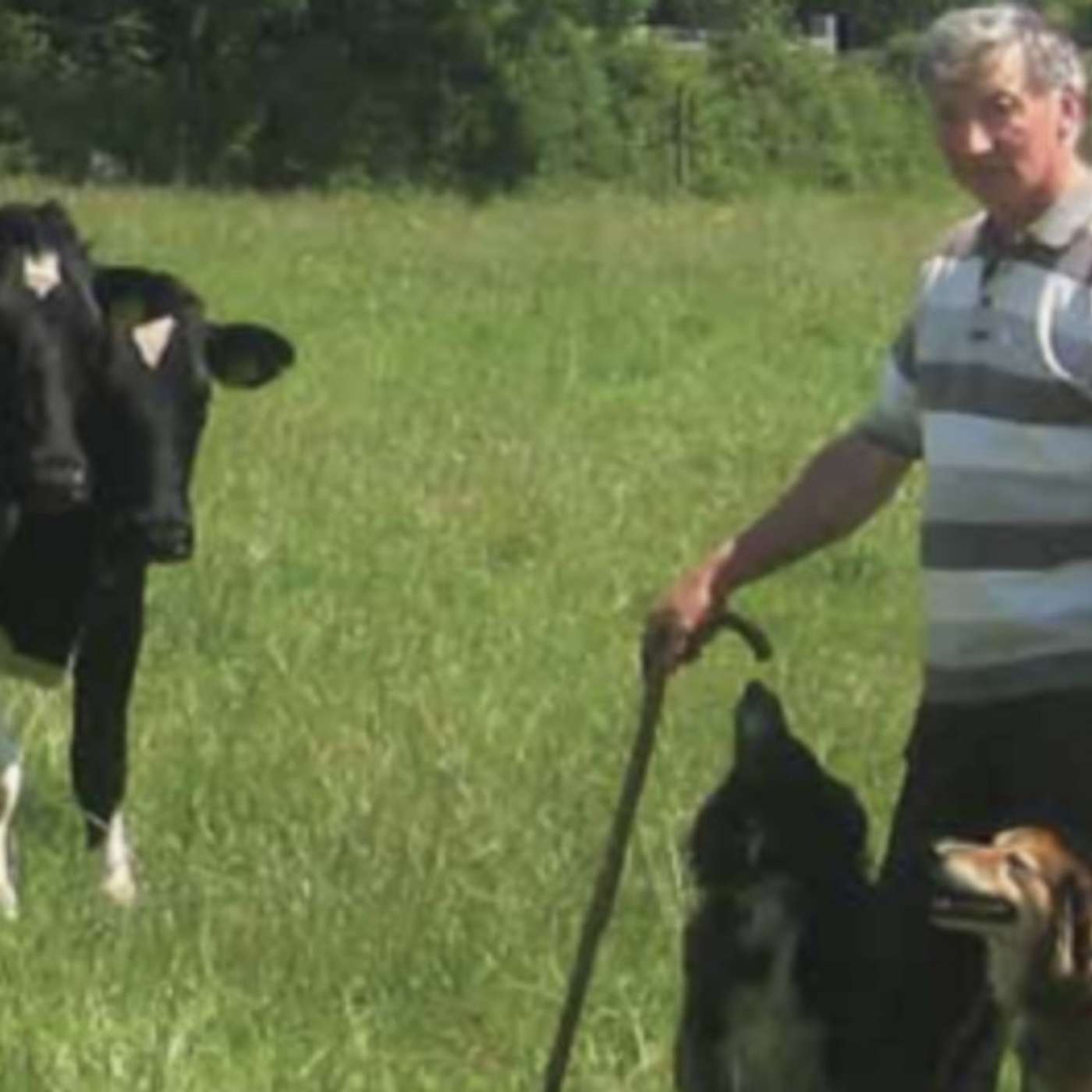
Conor Hammersley, PhD Walsh Scholar at Teagasc and the National Centre for Men’s Health Ireland joins Emma-Louise Coffey on this week’s Dairy Edge podcast to discuss the common stressors experienced by Irish dairy farmers and the proactive steps they can take to maintain resilience in an ever changing dairy sector. Conor explains that relative to other occupations, farmers experience higher levels of adverse health outcomes, be it cancers, heart disease or mental health and suggests in many cases personal health is only addressed when farmers reach crisis point. Key stressors for Irish farmers include the changing goal posts in relation to compliance and market demands, and specific to dairy, expansion of dairy herds. Conor suggests some key strategies for farmers to remain resilient including: appreciation of farmers contribution to society (by the general public), acknowledging the challenges you encounter on the farm, seeking help from your GP, family, other farmers or ag advisor and taking some time to get away from the farm. For more information: https://www.teagasc.ie/news--events/daily/farm-business/its-like-admitting-you-are-a-failure-male-farmer-mental-health-help-seeking-limited-by-masculinity-and-identity.php For more episodes from the Dairy Edge podcast go to the show page at: https://www.teagasc.ie/animals/dairy/the-dairy-edge-podcast/ The Dairy Edge is a co-production with LastCastMedia.com
Let's Talk Dairy Bonus Episode: One Health Approach
bonusTeagasc is running a weekly Let's Talk Dairy webinar series which is also being made available as a bonus podcast episode. For this week’s webinar, Stuart Childs, Teagasc Dairy Specialist, was joined by Damien Barrett, Superintending Veterinary Inspector, DAFM, to discuss a holistic approach to animal health - the One Health Approach. The webinar was held as part of Animal Health and Antimicrobial Resistance Awareness Week 2021. To register for future Let’s Talk Dairy webinars go to: https://www.teagasc.ie/corporate-events/lets-talk-dairy/ For more episodes from the Dairy Edge podcast go to the show page at: https://www.teagasc.ie/animals/dairy/the-dairy-edge-podcast/
Is organic dairy farming for you?
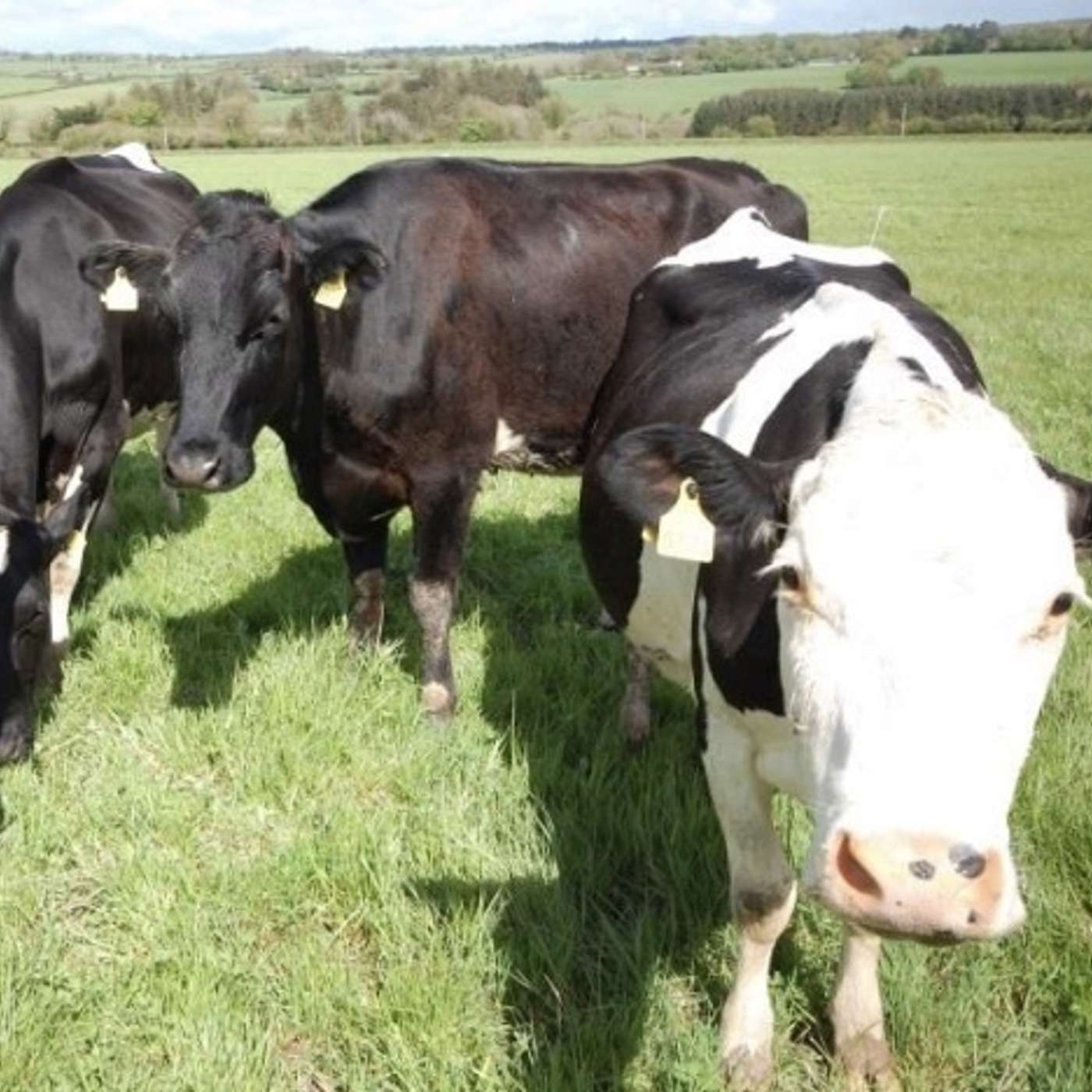
Organic specialist Joe Kelleher joins Emma-Louise Coffey on this week’s episode of The Dairy Edge podcast to discuss organic dairy and consider whether it has a role within the context of Irish milk production systems. Joe differentiates the income in organics compared with conventional dairy which include: - Lower stocking rate (average 1.5 LU/ha) - No chemical Nitrogen application - Greater integration of white clover, red clover and multi species in grazing swards - Higher concentrate price (double the cost of non-organic meals per tonne) - Higher milk price (7-9 c/litre above conventional price) - Organic payment scheme With the advent of reduced chemical fertiliser allowances as well as inflated fertiliser costs, Joe draws on some key principles that conventional dairy farmers can adopt from organic farmers including more targeted use of slurry to get true value from the N-P-K, use of lime and integration of clover and multi-species to fix Nitrogen. For more information: https://www.teagasc.ie/rural-economy/organics/ For more episodes from the Dairy Edge podcast go to the show page at: https://www.teagasc.ie/animals/dairy/the-dairy-edge-podcast/ The Dairy Edge is a co-production with LastCastMedia.com
Let's Talk Dairy Bonus Episode: Taking Stock for 2021
bonusTeagasc is running a weekly Let's Talk Dairy webinar series which is also being made available as a bonus podcast episode. For this week’s webinar, Stuart Childs, Teagasc Dairy Specialist, discusses taking stock for 2021, with a view to getting yourself organised before the end of the year and trying to set yourself up for the coming year. Stuart gives an overview of physical performance, grassland performance and financial performance. To register for future Let’s Talk Dairy webinars go to: https://www.teagasc.ie/corporate-events/lets-talk-dairy/ For more episodes from the Dairy Edge podcast go to the show page at: https://www.teagasc.ie/animals/dairy/the-dairy-edge-podcast/
Good animal health for optimal farm productivity
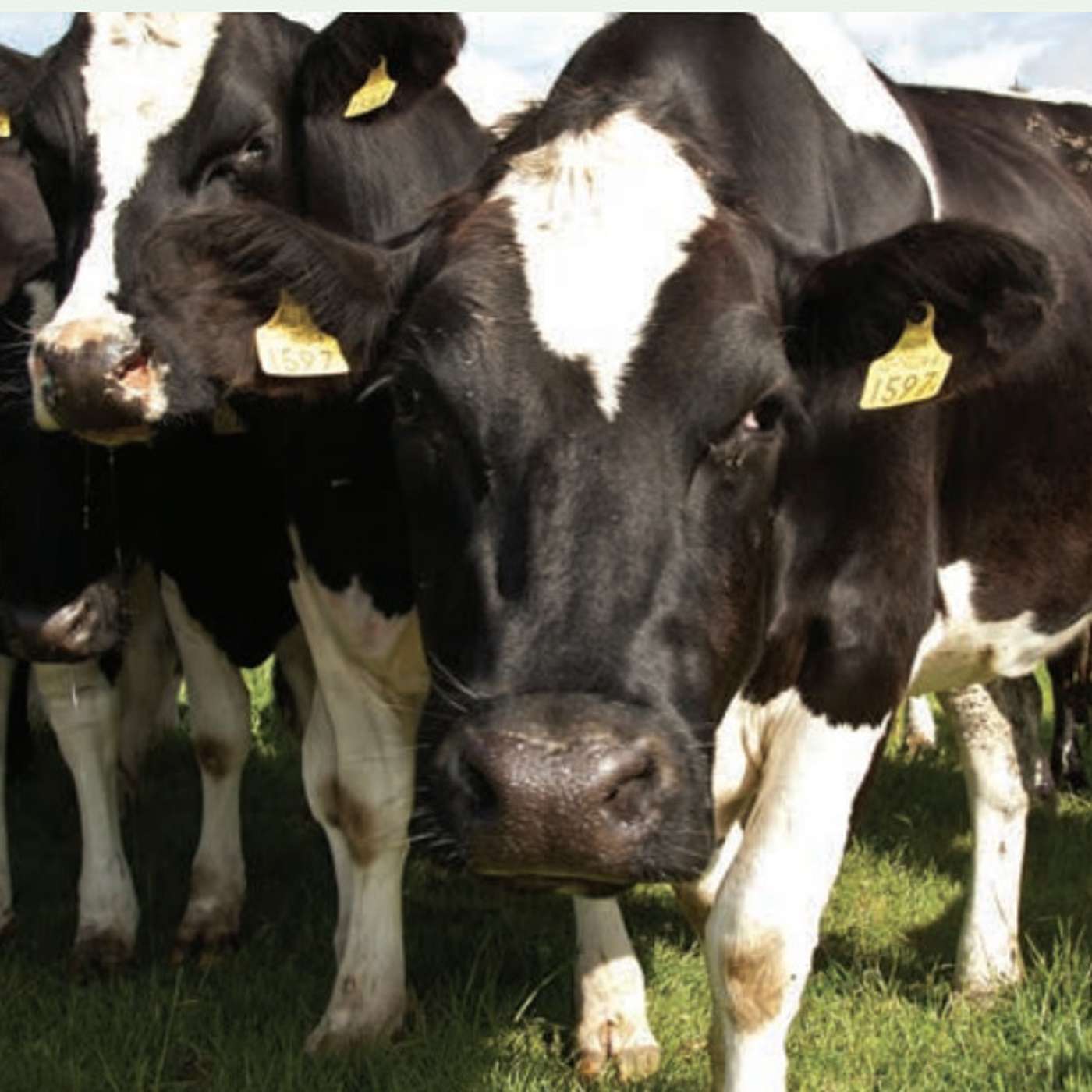
Department of Agriculture vets Damien Barrett and Caroline Garvan join Emma-Louise Coffey on this week’s episode of The Dairy Edge podcast to discuss the correlation between good animal health and farm productivity. Damien highlights the importance of optimal animal health from birth, explaining that an incidence of pneumonia can increase calving interval in later life by up to 12% and an incidence of scour is linked to lower milk production. Furthermore, Damien recommends that farmers weigh young stock regularly to ensure heifers reach weight targets in order to calve timely at 24 months of age. Caroline focuses on the ‘one health’ concept referring to the critical issue of antimicrobial resistance among animal and human populations. Caroline explains the cyclical effect of antibiotic usage, where an animal is treated with an antibiotic, 60% is excreted into the environment which gives rise antibiotic exposure to more animals driving the development of resistance. For more episodes from the Dairy Edge podcast go to the show page at: https://www.teagasc.ie/animals/dairy/the-dairy-edge-podcast/ The Dairy Edge is a co-production with LastCastMedia.com
Let's Talk Dairy Bonus Episode: When to finish grazing
bonusTeagasc is running a weekly Let's Talk Dairy webinar series which is also being made available as a bonus podcast episode. For this week’s webinar, Stuart Childs, Teagasc Dairy Specialist, discusses when to finish grazing for 2021. To register for future Let’s Talk Dairy webinars go to: https://www.teagasc.ie/corporate-events/lets-talk-dairy/ For more episodes from the Dairy Edge podcast go to the show page at: https://www.teagasc.ie/animals/dairy/the-dairy-edge-podcast/
Are improved environmental efficiencies compatible with farm profit?
Joe Patton, Teagasc’s Head of Dairy KT, joins Emma-Louise Coffey on this week’s episode of The Dairy Edge, to consider whether improving environmental efficiencies on Irish dairy farms is compatible with profitability. In order to reduce environmental emissions, Joe encourages farmers to reduce crude protein content of dairy rations when cows are at grass, increasing days at grass and monitoring replacement heifers to ensure they are on target to calve down at 24 months. He also highlights that high levels of grass utilisation, coupled with grass growth and appropriate stocking rate, continue to drive profitability on Irish dairy farms and he quantifies the target milk solids of 85%+ of cows’ liveweight. Hear more from Joe at the Teagasc National Dairy Conference which is taking place on 23rd and 24th November. You must register in advance here: https://www.teagasc.ie/corporate-events/dairy-conference/ For more episodes from the Dairy Edge podcast go to the show page at: https://www.teagasc.ie/animals/dairy/the-dairy-edge-podcast/ The Dairy Edge is a co-production with LastCastMedia.com
Let's Talk Dairy Bonus Episode: Getting prepared for dry off
bonusTeagasc is running a weekly Let's Talk Dairy webinar series which is also being made available as a bonus podcast episode. In this webinar, Stuart Childs, Teagasc Dairy Specialist, is joined by Don Crowley, Teagasc Milk Quality Specialist to discuss getting prepared for dry off. Don gives an overview of the practices at drying off cows for best results. To register for future Let’s Talk Dairy webinars go to: https://www.teagasc.ie/corporate-events/lets-talk-dairy/ For more episodes from the Dairy Edge podcast go to the show page at: https://www.teagasc.ie/animals/dairy/the-dairy-edge-podcast/

The research into what leads to success or failure when using sealer-only at dry-off
On this week’s episode of The Dairy Edge podcast, Clare Clabby joins Emma-Louise Coffey to discuss the research that has been carried out on selective dry cow therapy. Clare explains that the research focused on herds that completed at least 4 milk recordings per year and where all bulk tank readings remained under 200,000. In these herds, cows with SCC of less than 200,000 were selected and divided into two groups: Group 1 internal teat sealer only and Group 2 antibiotic plus internal teat sealer. In one herd, Clare noted a significant rise in the cows that had received a teat sealer only. Through further investigation, Clare noted that the herd, despite being under the limit set for the trial, had a rising SCC from mid lactation which indicated that there was a growing level of infection in the herd prior to dry off. Clare encourages all farmers to take the bulk tank trend into account as well as milk recording and incidence of mastitis records. Clare reiterates the importance of milk recording records to select appropriate cows for sealer only or sealer + antibiotic treatment and ensuring sufficient help and time is allocated to facilitate best practice in your dry cow procedure. For more episodes from the Dairy Edge podcast go to the show page at: https://www.teagasc.ie/animals/dairy/the-dairy-edge-podcast/ The Dairy Edge is a co-production with LastCastMedia.com
Let’s Talk Dairy Bonus Episode: Selective Dry Cow Therapy
bonusTeagasc is running a weekly Let's Talk Dairy webinar series which is also being made available as a bonus podcast episode. In this webinar, James Dunne speaks to vet Willie Buckley about factors influencing decisions around dry cow therapy and Finola McCoy from AHI explains the help available to farmers to plan for dry-off. To register for future Let’s Talk Dairy webinars go to: https://www.teagasc.ie/corporate-events/lets-talk-dairy/ For more episodes from the Dairy Edge podcast go to the show page at: https://www.teagasc.ie/animals/dairy/the-dairy-edge-podcast/
Insights & Key Learnings from Grassland Farmer of the Year Caroline Walsh
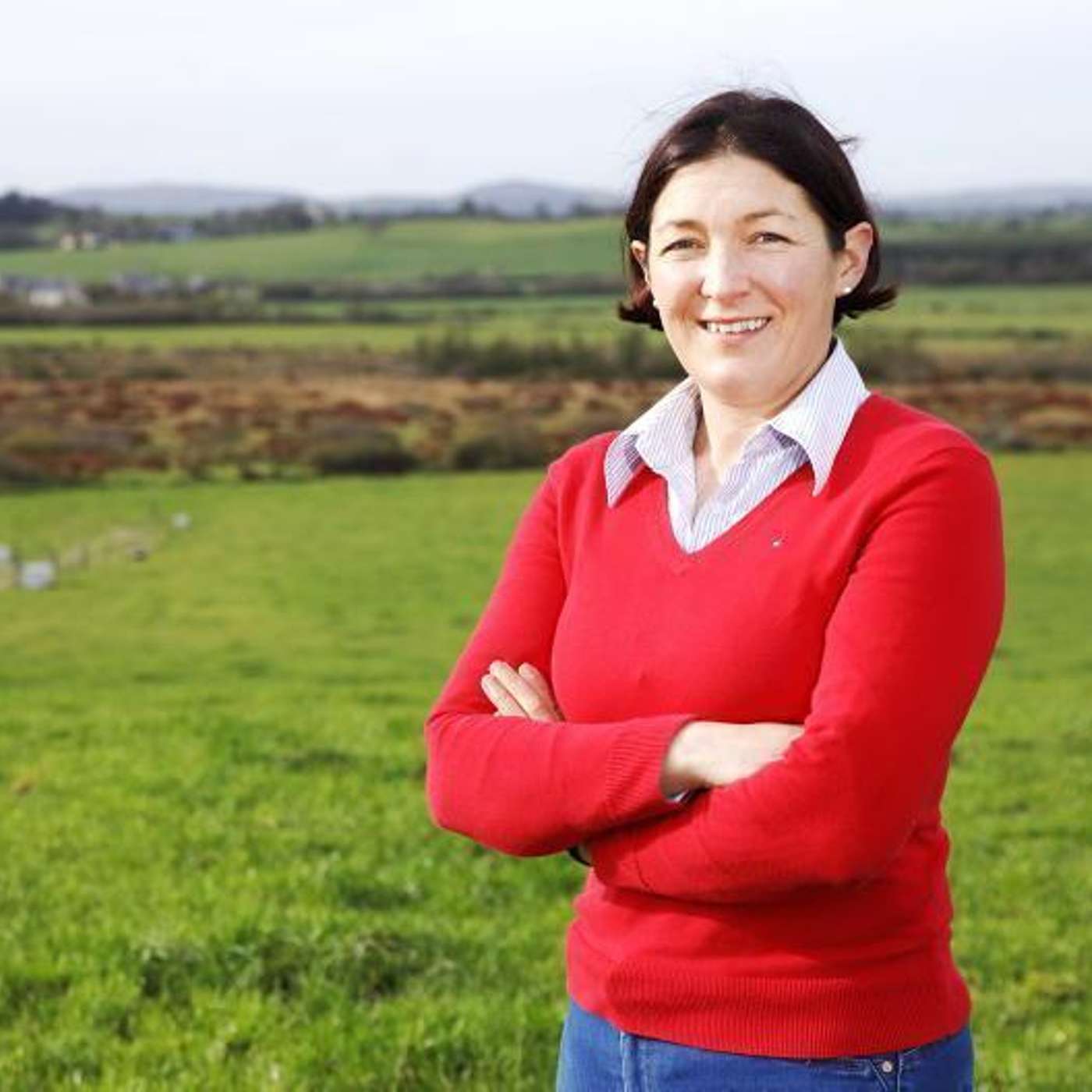
Grassland Farmer of the Year, Caroline Walsh, joins Emma-Louise Coffey on this week’s Dairy Edge podcast with an insight into her success and key learnings from the Grass 10 competition. Caroline began milking a herd of 40 cows on leased ground in 2010 when she acquired 40,000 gallons of milk quota and from there she has developed her husband’s family farm into a sustainable dairy enterprise where she now milks 64 cows. Looking to grassland performance, Caroline credits her dairy advisor Mark Treacy as well as members of the local Grass 10 discussion group for the improvements to grass production and management on the farm. The farm grew 14 tonnes of grass in 2020 and achieved 9.6 grazings per paddock due to regular measurement and continuously grazing paddocks at 1,400 kg DM/ha. For more episodes from the Dairy Edge podcast go to the show page at: https://www.teagasc.ie/animals/dairy/the-dairy-edge-podcast/ The Dairy Edge is a co-production with LastCastMedia.com
Let’s Talk Dairy Bonus Episode: Winter housing facilities
bonusTeagasc is running a weekly Let's Talk Dairy webinar series which is also being made available as a bonus podcast episode. In this webinar, Stuart Childs, Teagasc Dairy Specialist, discusses appropriate winter housing facilities and how they can prevent incidence of mastitis. To register for future Let’s Talk Dairy webinars go to: https://www.teagasc.ie/corporate-events/lets-talk-dairy/ For more episodes from the Dairy Edge podcast go to the show page at: https://www.teagasc.ie/animals/dairy/the-dairy-edge-podcast/