The Dairy Edge
703 episodes — Page 12 of 15
Maintaining health and safety in the busy farm workplace
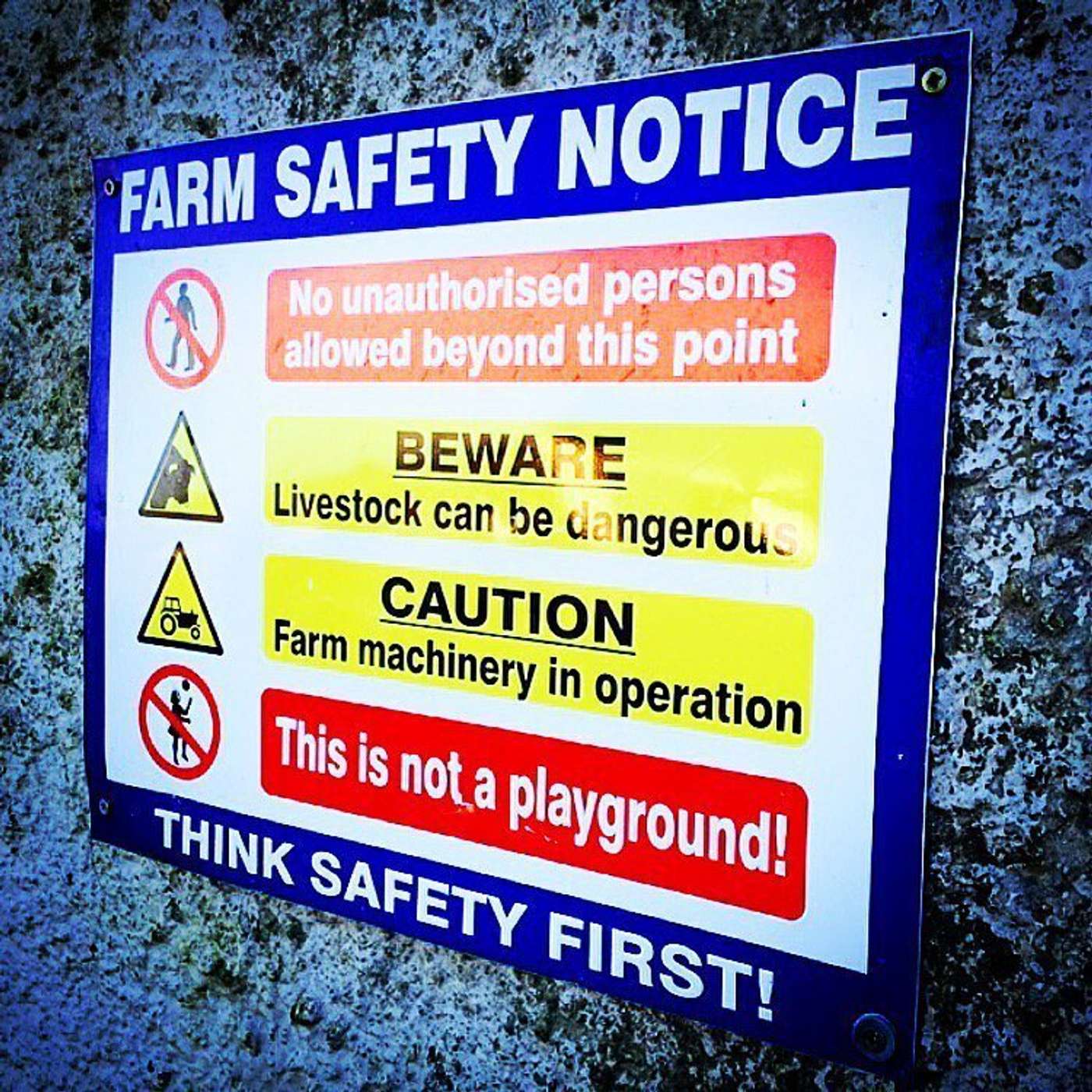
Francis Bligh, Health and Safety Specialist at Teagasc, joins Emma-Louise Coffey on this week’s Dairy Edge podcast to discuss health and safety on the farm workplace. Francis documents the source of farm accidents on Irish farms with dairy farms accounting for the greatest proportion of accidents. He explains that it is a legal requirement of farms to have a Risk Assessment (less than three staff members) or a Safety Statement (more than three staff members) for the farm. Completing this document and reviewing it regularly will investigate all aspects of the dairy farm and ensure that any potential hazards are highlighted and addressed. Considering farmer health and stress management, Francis recommends that farmers speak to and support each other and use other professionals such as local advisor and GP for advice and support. For more episodes from the Dairy Edge podcast visit the show page at: https://www.teagasc.ie/animals/dairy/the-dairy-edge-podcast/
Let’s Talk Dairy Bonus Episode: John Trant 2019 Young Grassland Farmer of the Year
bonusWith the current Covid restrictions in place, Teagasc is running a weekly Let's Talk Dairy webinar series which is also being made available afterwards as a bonus podcast episode. On this week’s show, Stuart Childs, was joined by John Trant, 2019 Young Grassland Farmer of the Year in order to get an insight into his career path to date. For more episodes from the Dairy Edge podcast go to the show page at: https://www.teagasc.ie/animals/dairy/the-dairy-edge-podcast/
Incorporating biodiversity into a high performing dairy farm
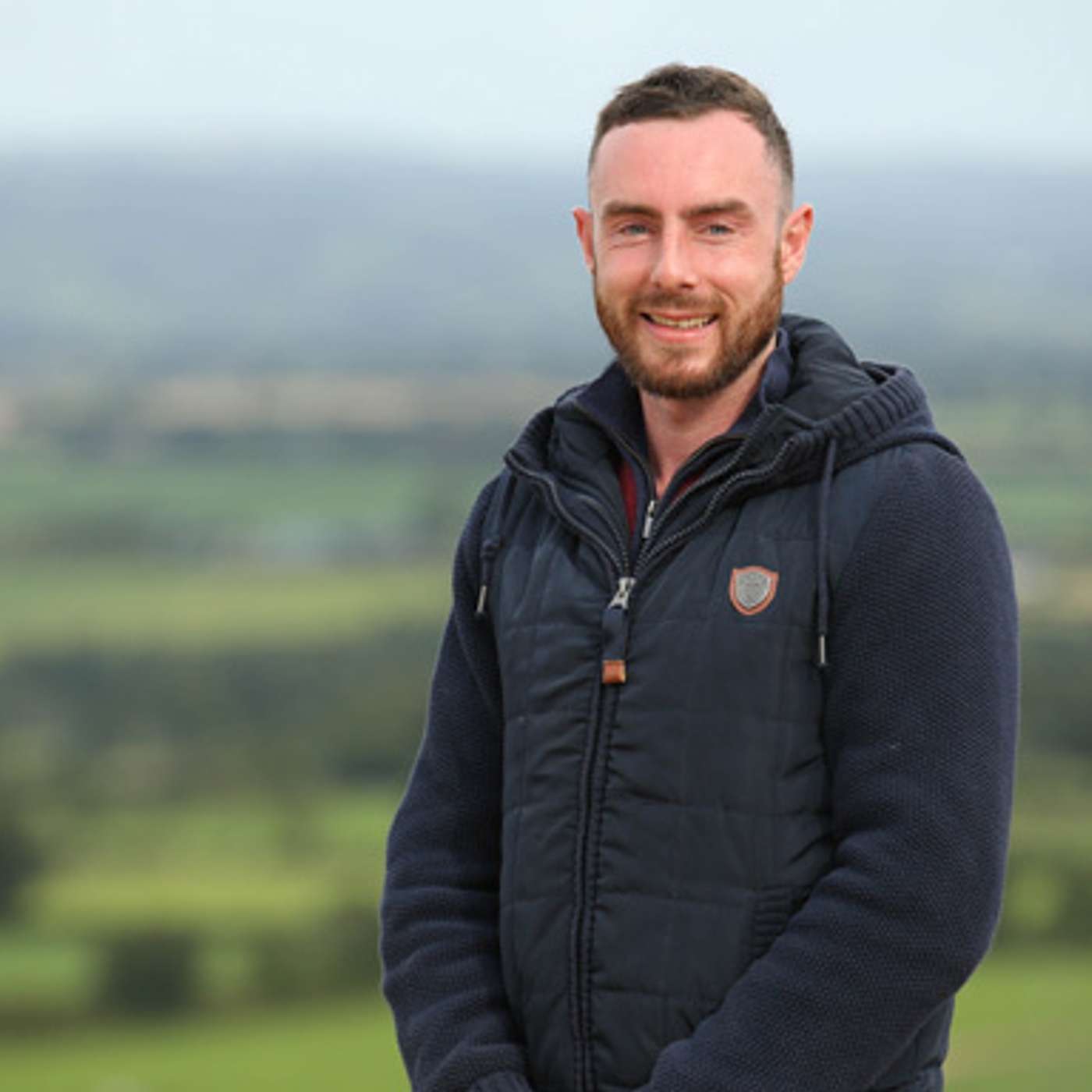
Dairy farmer, Shane Fitzgerald, and Masters researcher, Aoife Leader, join Emma-Louise Coffey on this week’s Dairy Edge to highlight examples of farms achieving top performance in combination with high levels of biodiversity. Aoife is working with eleven dairy farms as part of the Teagasc/Glanbia joint programme to establish the features and level of biodiversity on each of the farms and has identified biodiversity KPIs including average field size, biodiversity score and biodiversity percentage. Firstly Shane gave some background to the farm: he is milking 210 cows alongside his father John, growing 13.5 tonne of grass with cows producing 480 kg MS. Shane identified many features of biodiversity including hedgerows, fenced watercourses and low input pasture to name a few and explains how biodiversity exists within a high performing dairy unit at minimal cost. Aoife explained that a lot of biodiversity exists on dairy farms and recommends that the first step for farmers is to maintain and retain existing biodiversity. For more information, Shane will be hosting a virtual farm walk and webinar on Thursday 1st October with more information here: https://www.teagasc.ie/news--events/daily/dairy/reducing-the-carbon-footprint-of-milk-production-virtual-farm-walk-and-webinar-from-portlaw-co-waterford.php For more episodes from the Dairy Edge podcast visit the show page at: https://www.teagasc.ie/animals/dairy/the-dairy-edge-podcast/
Let’s Talk Dairy Bonus Episode: The inclusion of white clover in grazing swards
bonusWith the current Covid restrictions in place, Teagasc is running a weekly Let's Talk Dairy webinar series which is also being made available afterwards as a bonus podcast episode. On this webinar, Stuart Childs is joined by advisor, John McCarthy, who speaks to researcher, Deirdre Hennessy, about the inclusion of white clover in grazing swards. For more episodes from the Dairy Edge podcast go to the show page at: https://www.teagasc.ie/animals/dairy/the-dairy-edge-podcast/
Let’s Talk Dairy Bonus Episode: Derogation and Farm Management Points to Note
bonusWith the current Covid restrictions in place, Teagasc is running a weekly Let's Talk Dairy webinar series which is also being made available afterwards as a bonus podcast episode. On this webinar, Stuart Childs, Teagasc Dairy Specialist outlines some derogation and farm management points that farmers need to be aware of. For more episodes from the Dairy Edge podcast go to the show page at: https://www.teagasc.ie/animals/dairy/the-dairy-edge-podcast/
Dairy Grassland Farmer of the Year, Mike Bermingham, outlines his strategy for the final grazing rotation
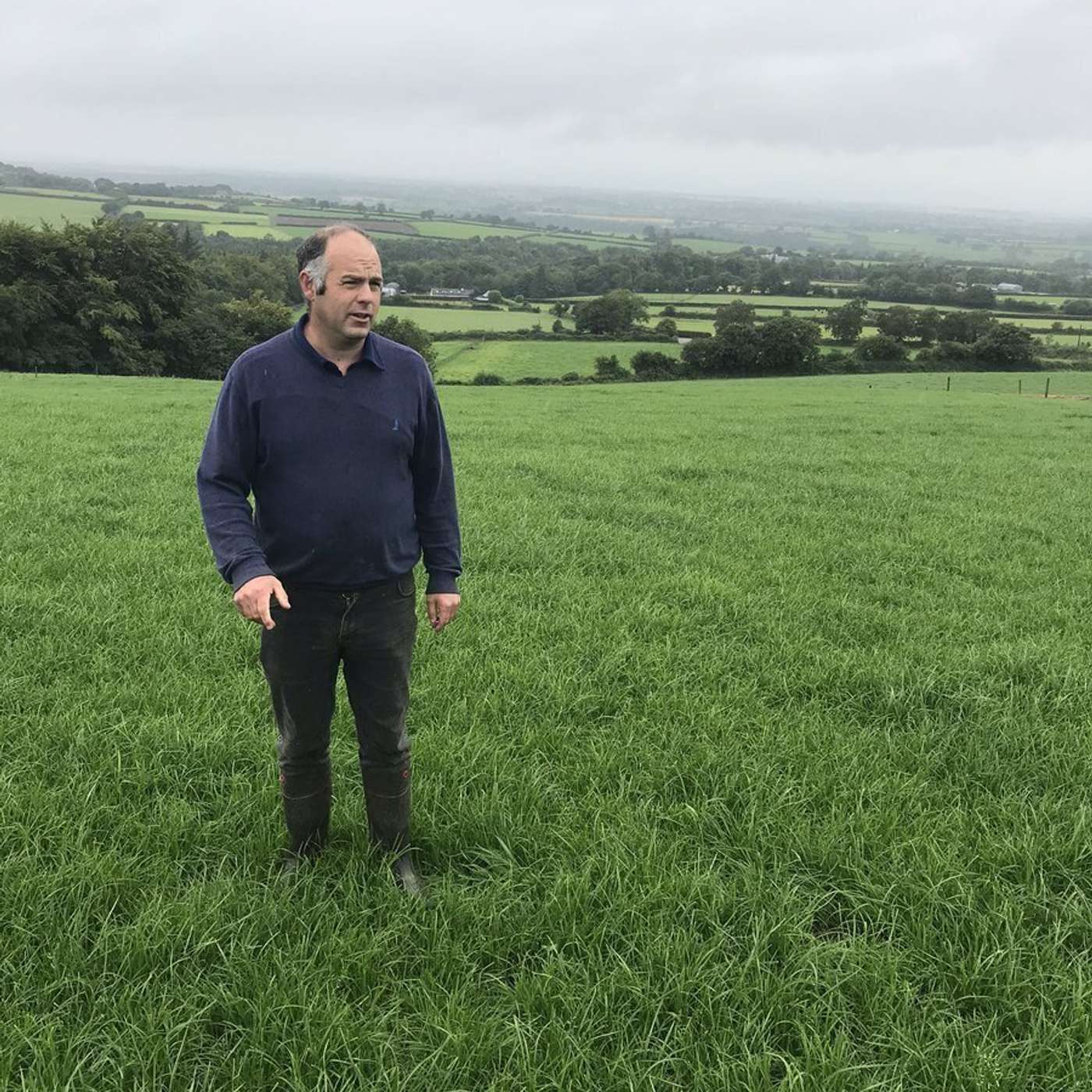
Dairy Grassland Farmer of the Year Mike Bermingham joins Emma-Louise Coffey on the latest Dairy Edge podcast to discuss his autumn grazing strategy. Firstly, Mike summarises his farming year to date including grass production of 12.5 tonnes/ha, 8 grazing rotations and 450 kg MS per cow. Mike estimates he will feed 1 tonne of concentrate per cow, up 200 kg on last year owing to greater supplementation during heavy rainfall in February, March and August as well as during the drought in June. Mike’s final grazing rotation is dictated by a high closing farm cover of 850 kg DM/ha on December 1st in order to open with 1,000 kg DM/ha. Mike’s justification for this is average over winter growth of 3-5 kg/day and a high feed demand in February with 80%+ of his cows calved in the 1st 4 weeks of the calving season. Mike aims to graze 70% of the farm in the month of October which equates to 2.4% of the milking platform per day. Weekly monitoring of the farm cover through regular grass walks dictates how the remaining 30% of the platform is grazed in November. Over the last few years, Mike has typically grazed by day and housed the cows by night supplementing with silage during the month. Mike explains that within his farm system the benefits of having a good grass supply in the spring outweighs grazing on in November and into December. For more episodes from the Dairy Edge podcast visit the show page at: https://www.teagasc.ie/animals/dairy/the-dairy-edge-podcast/

Running a 60-cow dairy farm and a full-time off farm job
Dairy farmer Jeremiah Daly joins Emma-Louise Coffey on this week’s Dairy Edge to explain how he finds the balance of running a 60-cow dairy farm and a full-time off farm job. The total labour input is 44 hours which includes 24 hours own labour and 20 hours of family labour completed by his wife Maria and his children. Additionally, Jeremiah completes a full-time off farm job and Jeremiah measured his labour input from February to July with specialist Martina Gormley as part of the Labour Efficiency Focus Farms. Jeremiah identified once-a-day milking, a high 6-week calving rate of >80% and a long grazing season as the key drivers of labour efficiency on his farm. He also acknowledges investment in an underpass this spring as a time saver as well as a measure to connect the whole milking platform which improves the safety of the farm. Jeremiah also explains that OAD milking has worked to reduce the labour required on the farm and is satisfied with the performance where in year 3, milk solids production returned to the same performance as when he milked twice-a-day. For more information: https://www.teagasc.ie/animals/dairy/labour/labour-efficiency-focus-farms/jeremiah-daly/ For more episodes from the Dairy Edge podcast visit the show page at: https://www.teagasc.ie/animals/dairy/the-dairy-edge-podcast/
Let’s Talk Dairy Bonus Episode: Managing grass and grass supply
bonusWith the current Covid restrictions in place, Teagasc is running a weekly Let's Talk Dairy webinar series which is also being made available afterwards as a bonus podcast episode. On this webinar, Stuart Childs was joined by John Maher, Teagasc Grass10 Programme Manager to discuss managing grass and grass supply right now. For more episodes from the Dairy Edge podcast go to the show page at: https://www.teagasc.ie/animals/dairy/the-dairy-edge-podcast/
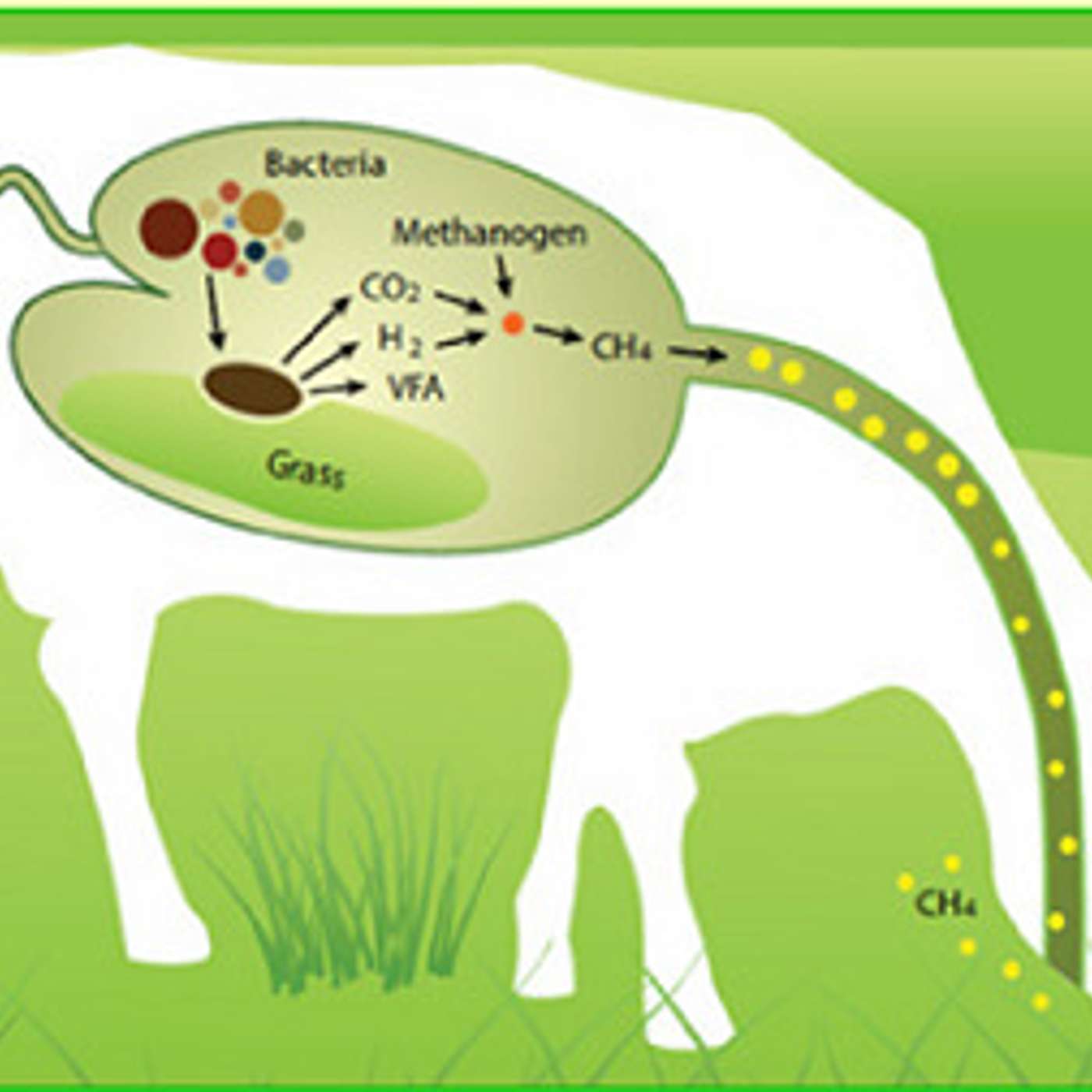
How to reduce emissions while maintaining milk output and profit
Researcher James Humphreys joins Emma-Louise Coffey on this week’s Dairy Edge with practical steps to reduce emissions while maintaining milk output and profit. James outlines the emissions for dairy farms which are: 50% methane, 20% nitrous oxide (fertiliser), 20% ammonia (slurry, urine, faeces) and 10% carbon dioxide (electricity, diesel). At Solohead Research farm, a trial is being carried out to measure the reduction in nitrous oxide and ammonia emissions resulting for changes to farming practices. Switching to LESS and protected Urea reduces emissions by 9% which is readily achievable on farms with the resources available. LESS, protected Urea spread at half rate in combination with clover inclusion reduces emissions by 18%. LESS, white clover inclusion and no fertiliser use reduces emissions by 25%. Ceasing fertiliser use will reduce milk output by 5% but this is also associated with reduced costs. For more information: https://www.teagasc.ie/media/website/publications/2020/Lowering-the-carbon-footprint-of-pasture-based-dairy-production.pdf For more episodes from the Dairy Edge podcast visit the show page at: https://www.teagasc.ie/animals/dairy/the-dairy-edge-podcast/
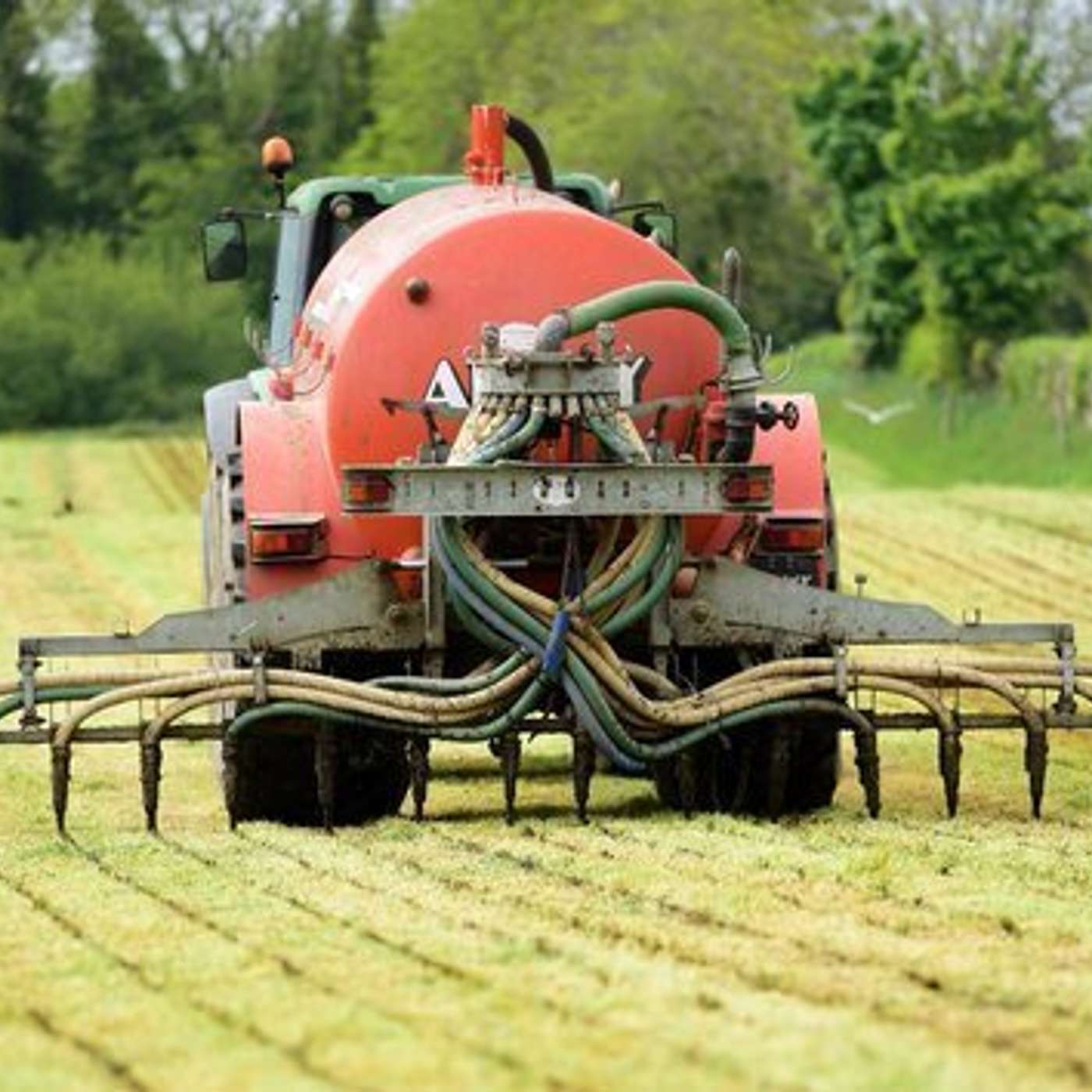
Key Practices for Nitrates Derogation Farmers
Dairy advisor Mark O’Sullivan joins Emma-Louise Coffey on this week’s Dairy Edge to discuss the key mandatory practices for Nitrates Derogation farms. Mark explains that these practices allow farmers to farm more intensively while protecting the environment. He documents the key practices including a mandatory liming programme, use of low emission slurry spreading, inclusion of clover seed when reseeding, lower levels of crude protein and grassland management. For paddocks with a low soil pH, Mark recommends farmers front loading ground limestone at a rate of 2 tonne/ac at a time. Additionally, Mark recommends an application of 2 tonne/ac of lime for maintenance every 4-5 years. All slurry must be spread using low emission spreading equipment which reduces the emissions but also offers farmers flexibility in spreading in higher covers in the spring and increased nutrient value (N-P-K) from slurry. Mark explains that there are there are grants of 40% (60% for young trained farmers) to purchase new slurry tankers or retrofit old splash plate tankers. For dairy cow ration, farmers must feed a max of 15% crude protein rate from April to September. Mark explains that grazed grass contains 16-24% CP so ration containing 13-14% CP is sufficient during the main grazing season. For more information: https://www.teagasc.ie/publications/2020/derogation-review-changes---improving-environmental-outcomes.php For more episodes from the Dairy Edge podcast visit the show page at: https://www.teagasc.ie/animals/dairy/the-dairy-edge-podcast/
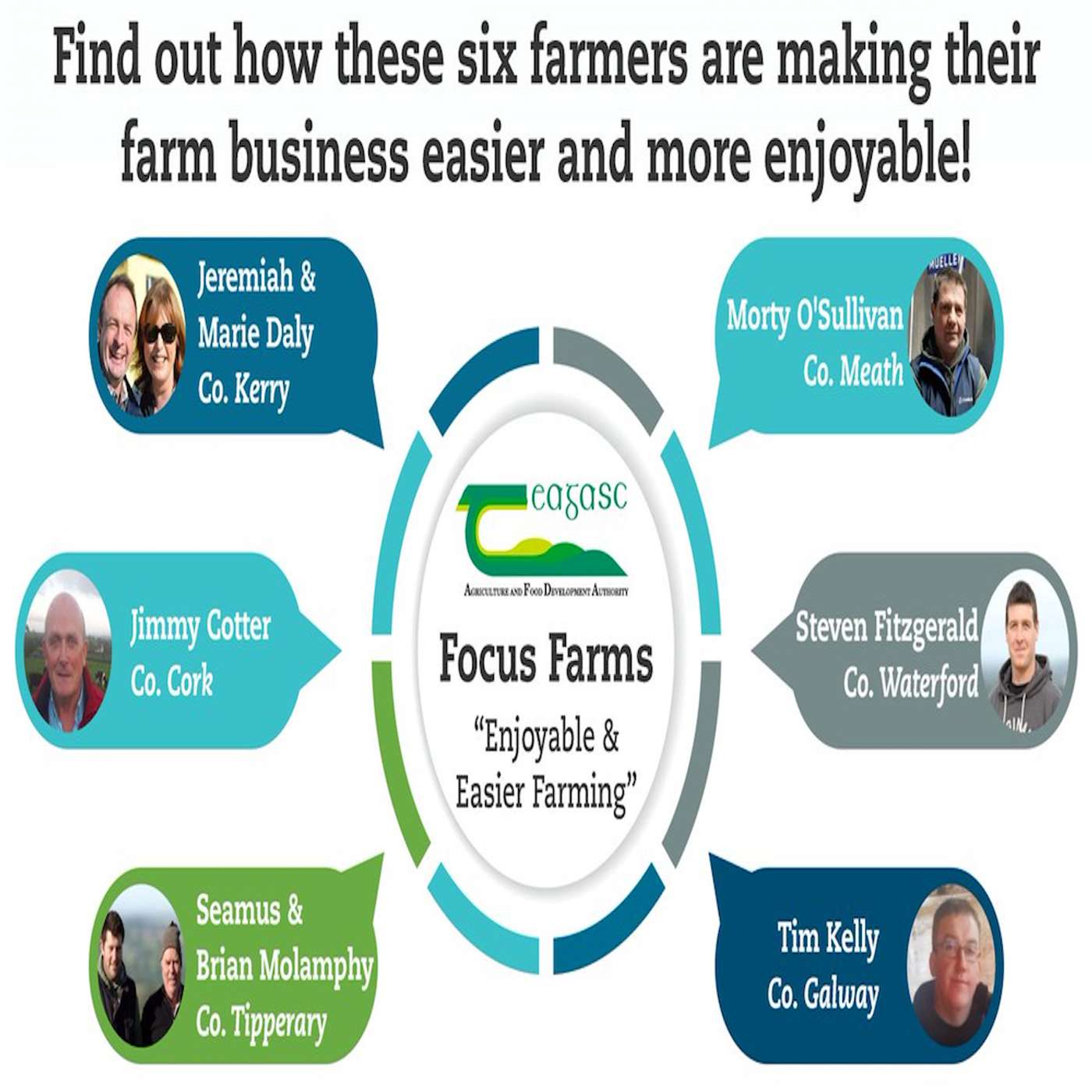
Making farming easier and more enjoyable through labour efficiencies
Labour Specialist Martina Gormley joined Emma-Louise Coffey on this week’s Dairy Edge podcast with insights into labour measures and efficiencies on six dairy farms across the spring and summer months of 2020. Martina checked in with the six farmers weekly to account for the hours worked; 57 hours in spring and 50 hours in summer. The common trends across the six farms that offer labour efficiency include the number of rows milked (milking infrastructure), compact calving, number of groups of stock and use of the contractor. Martina recommends, for any farmer who would like to assess their own labour efficiency, they should consider measuring the labour each week for a year. From this you can see where you are spending time and identify inefficiencies. Martina also explains that labour input on farms should be like the steps of a stairs, busiest in the spring and summer and least busy into the autumn and winter. For more information: https://www.teagasc.ie/animals/dairy/labour/labour-efficiency-focus-farms/ For more episodes from the Dairy Edge podcast visit the show page at: https://www.teagasc.ie/animals/dairy/the-dairy-edge-podcast/
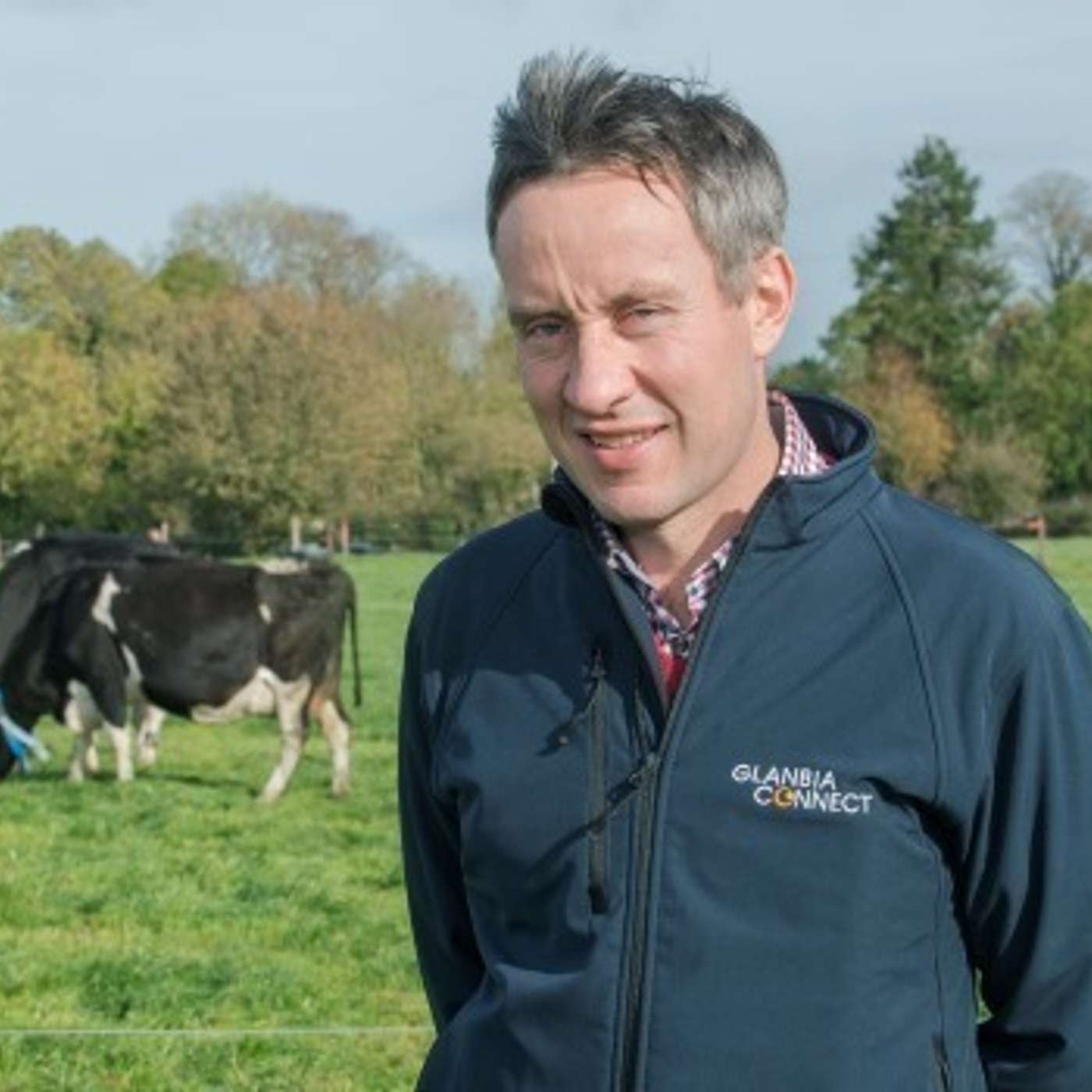
Michael Doran on his decision to convert from drystock to dairy farming
Dairy farmer Michael Doran joins Emma-Louise Coffey on this week’s Dairy Edge to discuss the decision to convert from drystock to dairy farming. After 20 years of mixed drystock farming, Michael made the decision to convert to dairy farming. The idea of dairy farming had been mooted before, but it wasn’t until his son James was born with an illness that he focused his mind on dairying and the ability to make more money from the farm. Michael explains the importance of people to the dairy farm including other farmers, Teagasc experts and discussion groups. He became involved in a new entrant dairy discussion group facilitated by Abigail Ryan where the farmers were all starting at the same level and learned a lot from Abigail as well as from each other. Additionally, Michael became a monitor farmer for the Glanbia joint programme in 2015 and found working with advisor Richie O’Brien and the 11 monitor farmers very helpful. Michael also identifies measurement as important to ensure top performance of dairy business. In year 6 of dairying, the farm produced 17 tonne DM/ha and the cows produced 480 kg MS and empty rates are running at an average of 5%. Michael believes converting to dairy was the right decision and which has given the opportunity to reinvest profits in farm infrastructure, purchase land and take family holidays for 2-3 weeks during the summer. For more episodes from the Dairy Edge podcast visit the show page at: https://www.teagasc.ie/animals/dairy/the-dairy-edge-podcast/
How to use the Lean model to make savings and increase efficiencies on your farm
The Lean business model of reducing waste and increasing efficiencies has become increasingly popular on dairy farms and on this week’s Dairy Edge, labour researcher Marion Beecher and Head of Continuous Improvement at Dairygold Co-Op, John Murphy, join Emma-Louise Coffey to discuss the role of Lean practices on dairy farms. Lean is not rocket science, but it can be the small changes to work organisation that add up to big savings and differences over time. Firstly, John documents the process of integrating Lean across all sectors of Dairygold Co-Op and the roll out to their suppliers with the resulting benefits including improved communication, work processes and safety whilst also reducing waste and increasing efficiency. Marion gives practical examples of Lean on farms including a case study that measured the efficiency of the milking process where savings of 20 minutes per milking were made, which accounts for in excess of 180 hours annually. Because milking accounts for the largest proportion of annual farm tasks, Marion suggests this is an area every farmer can measure and target to improve efficiency. For more information: https://www.teagasc.ie/media/website/animals/dairy/labour/Top-10-Dairy-Farm-SOPs.pdf https://www.teagasc.ie/animals/dairy/sops/ https://www.dairygoldagri.ie/leanfarm/ For more episodes from the Dairy Edge podcast visit the show page at: https://www.teagasc.ie/animals/dairy/the-dairy-edge-podcast/
Johnstown Castle Winter and Spring Milk Herds Update
Johnstown Castle farm manager Aidan Lawless joins Emma-Louise Coffey on this week’s Dairy Edge to give an update on the performance of the winter and spring milk herds. Aidan explains that 50% of the autumn calving herd have been dried off to allow a 60 day dry period and autumn calves have produced 600 kg milk solids. A lot of these cows are still producing a high milk yield so Aidan explained they removed concentrate from the diet and offered the last grazing to reduce diet quality which reduces milk yield to 10 litres. Selective dry cow therapy has been used with good success so the farm will continue this practice for any cow consistently below 150 SCC. An 11-week breeding season has been completed with the spring calving herd. From week 6-9, Aidan noticed a few repeats in cows bred early which indicates a missed heat or embryo loss. Aidan also gave insights into the cumulative and current grass growth and he explains the different management of grassland swards: 100 kg N for multispecies swards and 250 kg N for perennial ryegrass swards across the grazing season. For more information: https://www.teagasc.ie/animals/dairy/research-farms/johnstown-castle/ For more episodes from the Dairy Edge podcast visit the show page at: https://www.teagasc.ie/animals/dairy/the-dairy-edge-podcast/
How to Save on Energy Costs on Your Dairy Farm
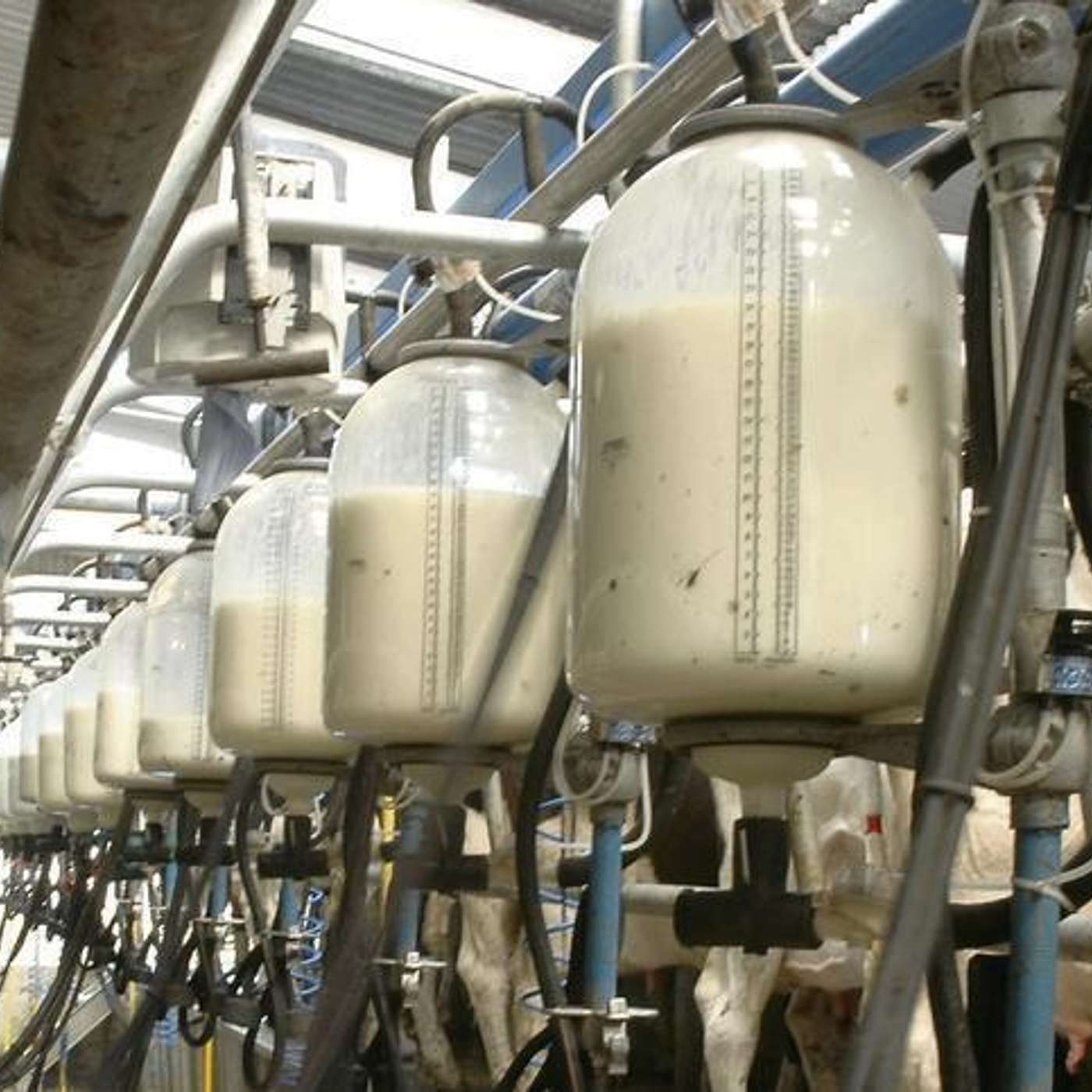
With the cost of energy on Irish dairy farms on average €5 per 1,000 litres, ranging from €2.50-59, this week’s guest, research officer John Upton, joins Emma-Louise Coffey to give tips to save money on farm energy bills. John explains that the biggest consumers of energy include milk cooling (30%), water heating (23%) and machine/vacuum (20%) and gives tips on how to reduce consumption in each area by up to 60%. John advises that farmers should check for the most competitive energy provider annually on energy comparison websites like Bonkers.ie, explaining that farmers can make a 20% saving in unit rates by switching providers which can save up to €800 per year. For more information here is a Dairy Energy Decision Support Tool to use: https://messo.shinyapps.io/dairy/ For more episodes from the Dairy Edge podcast visit the show page at: https://www.teagasc.ie/animals/dairy/the-dairy-edge-podcast/
Is it time to pull the bull?
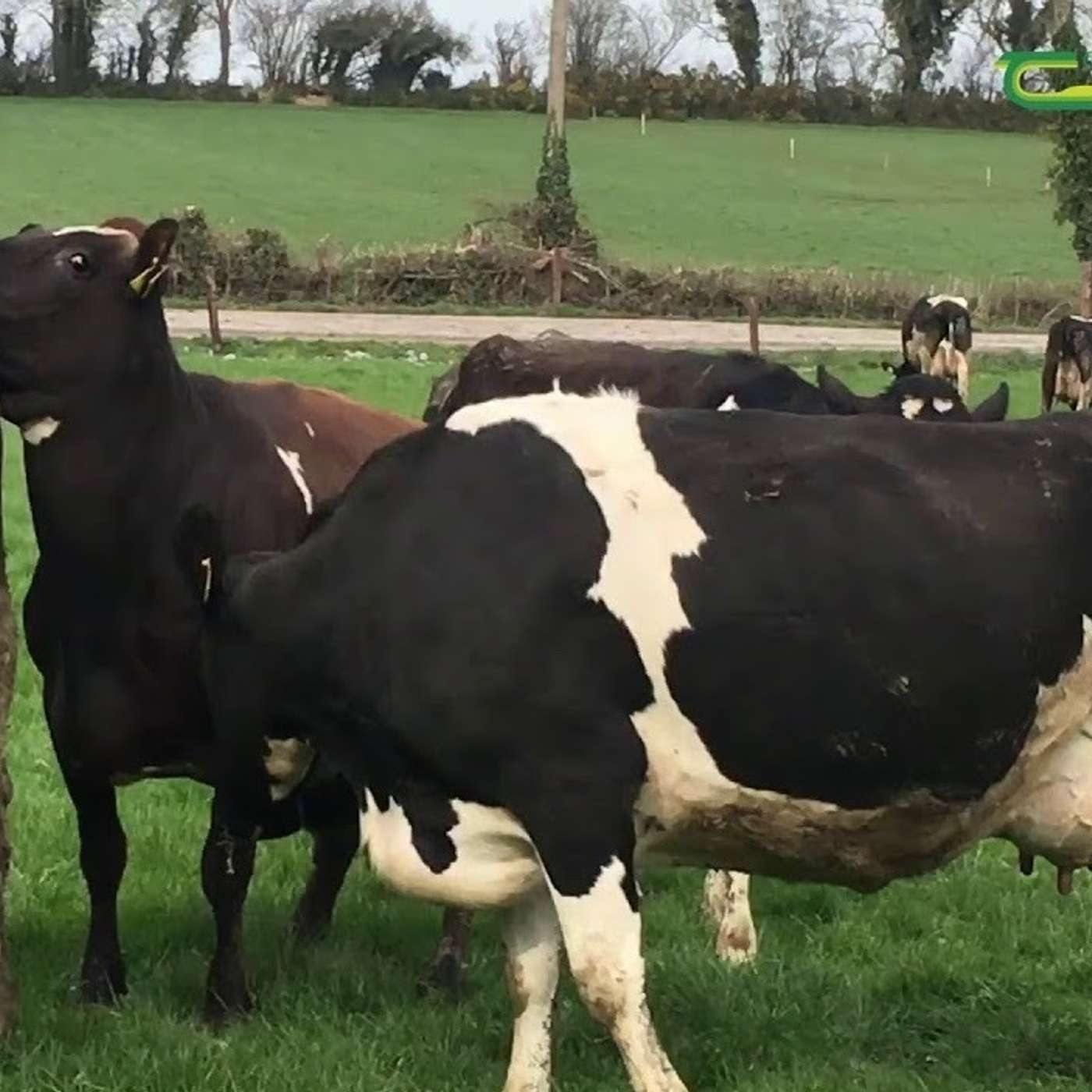
Just when is the appropriate time to remove the bull? On this week’s episode of the Dairy Edge, advisor John McCabe joins Emma-Louise Coffey with advice and information for farmers. John documents the calving pattern over the last 2 years, explaining that 27% of cows in the category of late calvers in spring calving dairy herds in the months of April, May and June differs from the target of 10% calvings in April and no calvings in May and June. He recommends that farmers reach a 12-week breeding season this week and that farmers should consider removing the bull if they want to avoid May or June calvers. John also explains that consequences of late calvers include lower milk production, higher costs, risk of higher SCC and lower labour efficiency. For more information: https://www.teagasc.ie/publications/2020/decisions-around-ending-the-breeding-season.php For more episodes from the Dairy Edge podcast visit the show page at: https://www.teagasc.ie/animals/dairy/the-dairy-edge-podcast/
Let’s Talk Dairy Bonus Episode: Anthelmintic resistance in gut worms of cattle
bonusWith the current Covid restrictions in place, Teagasc is running a weekly Let's Talk Dairy webinar series which is also being made available afterwards as a bonus podcast episode. On this webinar, host Stuart Childs was joined by Dr. Orla Keane, Teagasc researcher to discuss anthelmintic resistance in gut worms of cattle. Orla gave an insight into the background of gut worms in cattle, discussed anthelmintic resistance in Ireland and the risk factors associated with the development of anthelmintic resistance. Finally, Orla gave advice on sustainable worm control. For more episodes from the Dairy Edge podcast go to the show page at: https://www.teagasc.ie/animals/dairy/the-dairy-edge-podcast/
Tips to improve the quality of grazing swards
Michael O’Donovan joins Emma-Louise Coffey on this week’s Dairy Edge to give tips and advice to improve the quality of grazing swards. Michael explains that farmers should maintain pre-grazing herbage mass of 1,300-1,600 kg DM/ha to maximise the leaf content and achieve good graze out with any cover that exceeds that should be removed in the form of surplus bales. If the farm is not in surplus and there is a build-up of stem and seed heads, Michael recommends such paddocks can be topped. Michael recognises protected Urea as an appropriate Nitrogen fertiliser product at a rate of 25-30 units. Considering autumn reseeding, he acknowledges August is a suitable month to reseed and has top tips for reseeding include establishing a fine firm seed bed, using a post emergence spray and grazing at a low cover of 600-800 kg DM/ha. For more information: https://www.teagasc.ie/crops/grassland/grass10/grass10-newsletter/ For more episodes from the Dairy Edge podcast go to the show page at: https://www.teagasc.ie/animals/dairy/the-dairy-edge-podcast/
The profitability to organic dairy production systems
Dan Clavin joins Emma-Louise Coffey on this week’s Dairy Edge to give an insight into organic dairy production systems in Ireland. Currently, there are 62 organic dairy producers. These farms range in herd size from 20-200+ cows, producing between 5,000-6,000 litres of milk. Dan explains the different reasons farmers opt for organic dairy including profitability, lifestyle and legislation. In terms of profitability, Dan estimates that milk price ranges for 50-60 c/l during winter months and 30-44 c/l during summer months and input cows are generally lower resulting from no chemical fertiliser and lower vet costs. Dan suggests that organic may play a bigger role in Irish agriculture in the future as consumer demand in organic products continue to grow coupled with potential changes to regulation and legislation. For more information: https://www.teagasc.ie/media/website/rural-economy/organics/Organic_Dairying-frequently_asked_questions_December_2018.pdf For more episodes from the Dairy Edge podcast go to the show page at: https://www.teagasc.ie/animals/dairy/the-dairy-edge-podcast/
Let’s Talk Dairy Bonus Episode: Milk Recording with Don Crowley
bonusWith the current lockdown restrictions in place, Teagasc is running a weekly Let's Talk Dairy webinar series which is also being made available afterwards as a bonus podcast episode. This week’s webinar discusses milk recording with Don Crowley. For more episodes from the Dairy Edge podcast go to the show page at: https://www.teagasc.ie/animals/dairy/the-dairy-edge-podcast/
The Benefits of Biodiversity for Irish Dairy Farms
Catherine Keena joins Emma-Louise Coffey to discuss the benefits of biodiversity for Irish dairy farms. Catherine explains that biodiversity is all about flora and fauna and the habitats that they live in. Typical examples of biodiversity include hedgerows, watercourses and field margins. Catherine considers the benefits of biodiversity on dairy farms including income from schemes and marketing of dairy products. She explains that all farms have a level of biodiversity and encourages farmers to retain, maintain and enhance biodiversity on farms. For more information: https://www.teagasc.ie/environment/biodiversity--countryside/farmland-habitats/ For more episodes from the Dairy Edge podcast go to the show page at: https://www.teagasc.ie/animals/dairy/the-dairy-edge-podcast/
Let’s Talk Dairy Bonus Episode: Careers in Dairy Farming
bonusWith the current lockdown restrictions in place, Teagasc is running a weekly Let's Talk Dairy webinar series which is also being made available afterwards as a bonus podcast episode. This week’s webinar discusses opportunities in dairy farming and the career progression pathways with Gordon Peppard, Farm Business Structures Specialist. For more episodes from the Dairy Edge podcast go to the show page at: https://www.teagasc.ie/animals/dairy/the-dairy-edge-podcast/
Tips on recovery from drought conditions
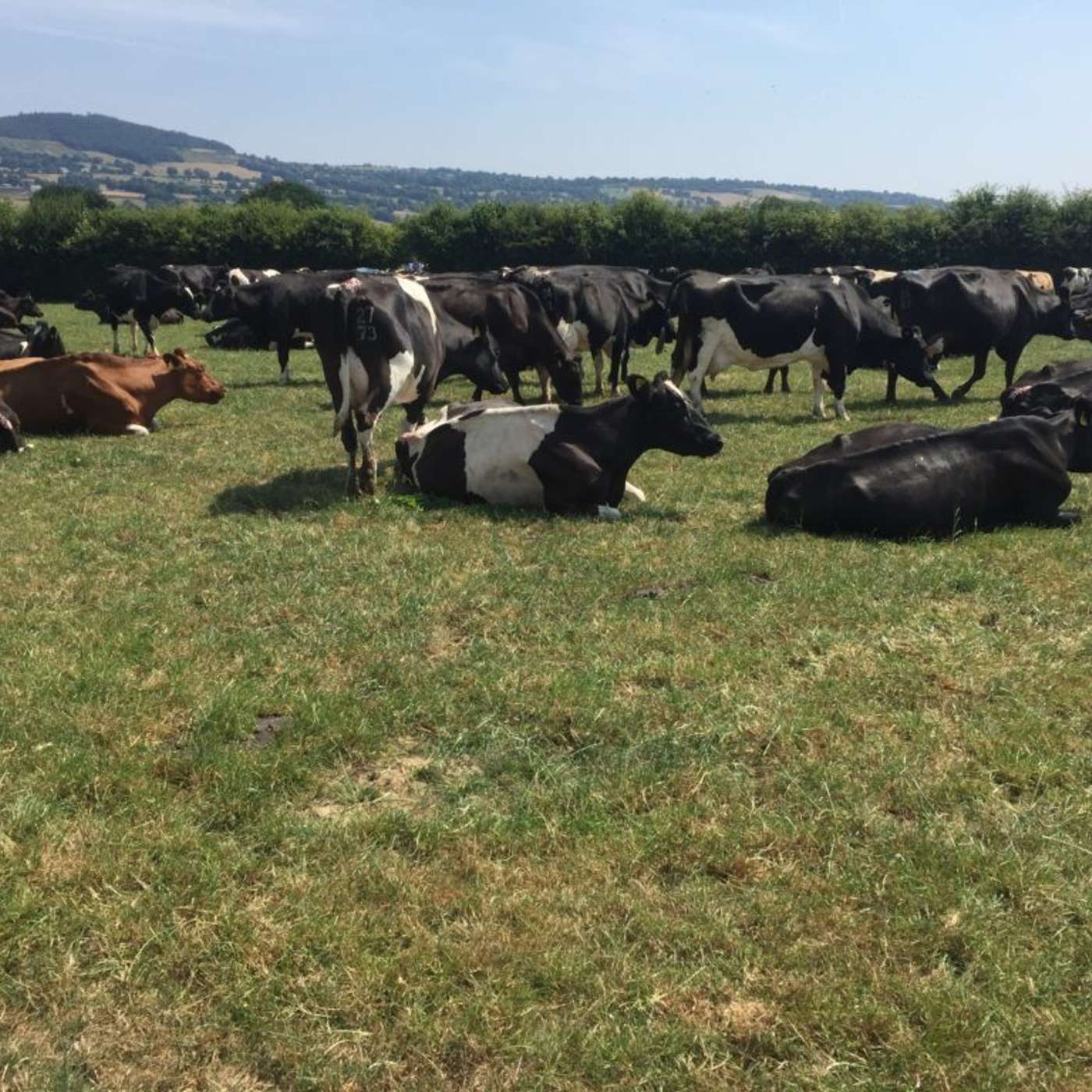
Teagasc dairy advisor Colm Doran joins Emma-Louise Coffey to give strategies on recovery from drought conditions. Colm gives information on the average farm cover on dairy farms in North Wexford, averaging 720 kg DM/ha but ranging from 360 to 1,200 kg DM/ha. These farmers are actively measuring grass production once-twice weekly and supplementing according to grass supply, typically in the form of concentrate and silage. Colm recommends that farmers continue to monitor grass production and complete a feed budget for your farm. For more episodes from the Dairy Edge podcast go to the show page at: https://www.teagasc.ie/animals/dairy/the-dairy-edge-podcast/
Let's Talk Dairy Bonus Episode: Dairy Farm Financial Outlook and Management Advice for 2020
bonusWith the current lockdown restrictions in place, Teagasc is running a weekly Let's Talk Dairy webinar series which is also being made available afterwards as a bonus podcast episode. This week’s webinar discusses dairy farm financial outlook and management advice for 2020 with Patrick Gowing, Teagasc and Tadgh Buckley, AIB. For more episodes from the Dairy Edge podcast go to the show page at: https://www.teagasc.ie/animals/dairy/the-dairy-edge-podcast/
Grass 10 Champion Bryan Daniels on running a sustainable and profitable dairy farm
Dairy farmer and Grass 10 champion Bryan Daniels joins Emma-Louise Coffey to give his insights into running a sustainable and profitable dairy farm. Bryan considers the key elements of sustainable dairy farming and to him this equates to a stocking rate of approximately 2.5 cows per ha on his farm, incorporating white clover, maintaining high levels of soil fertility, spreading 220 kg N and feeding a maximum of 400 kg concentrate supplementation per cow. Additionally, Bryan wants to have a farm that is an attractive place to work and changes to infrastructure such as the installation of a rotary milking parlour has halved milking time. Finally, Bryan gives an insight into the efforts to maintain and restore biodiversity including hedgerows and explains that the farm has actively engaged in environmental initiatives including REPS and GLAS. For more episodes from the Dairy Edge podcast go to the show page at: https://www.teagasc.ie/animals/dairy/the-dairy-edge-podcast/
Let's Talk Dairy Bonus Episode: Sustainable Dairy Farming with the Fennelly Farmers
bonusWith the current lockdown restrictions in place, Teagasc is running a weekly Let's Talk Dairy webinar series which is also being made available afterwards as a bonus podcast episode. On this webinar, Richard O'Brien, Teagasc was joined by Teagasc/Glanbia Future Farm participants Tom & David Fennelly from Co. Laois to discuss how they are farming in an environmentally friendly way. This was followed by a social media takeover by the Fennellys on Teagasc Twitter & Instagram. For more episodes from the Dairy Edge podcast go to the show page at: https://www.teagasc.ie/animals/dairy/the-dairy-edge-podcast/

Getting to grips with a cash shortfall
Firstly, John gives a view on the current agri-sector outlook from a banking perspective. On the supply side, he acknowledges that milk production across the world is up year-on-year in 2020 while the supermarket consumption of dairy products has not compensated for the significant drop in demand food service industry. In terms of family farm incomes, Patrick explains the many dynamics at play including a reduction in milk price, potential loss of off-farm income and increased costs resulting from the current drought conditions. John emphasises that the banks are open and willing to help farmers, offering increased overdraft facilities, interest-only loans and payment breaks including Agriflex which extend for up to 12 months. Patrick recommends that farmers firstly establish the cashflow situation for the farm, establishing the revenue for milk and stock sales for the year as well as the costs incurred. Looking to the remaining 7 months of 2020, Patrick recommends looking back to 2019 costs to get an accurate picture of costs for the business. Both Patrick and John recommend that farmers should act fast to deal with any potential shortfalls in cash and re-iterated that there is help available within Teagasc and from your bank. For more information:https://www.teagasc.ie/media/website/publications/2018/Cash-Flow-and-Financial-Management-on-Dairy-Farms.pdf For more episodes from the Dairy Edge podcast go to the show page at: https://www.teagasc.ie/animals/dairy/the-dairy-edge-podcast/
Tips to reduce the parasite challenge in replacement stock
Niamh explains that calves have no immunity to parasites when they are turned out to grass. Gutworms and Lungworms are the main parasites the challenge calves at grass. Symptoms of a gutworm burden include loose faeces, ill thrift and low growth rates. Niamh recommends that farmers alternate calf paddocks from year to year because gutworm eggs can survive over winter. Symptoms of a gutworm burden include coughing and in severe cases pneumonia.Niamh recommends that farmer carry out faecal sampling to monitor the number of eggs (gutworm) and larvae (lungworm) and consult with your local vet to identify the appropriate product and rate of treamtents. For more information:https://www.teagasc.ie/publications/2020/top-5-tips-to-reduce-parasite-issues-with-dairy-calves.php For more episodes from the Dairy Edge podcast go to the show page at:https://www.teagasc.ie/animals/dairy/the-dairy-edge-podcast/
Let's Talk Dairy Bonus Episode: Using Beef Bulls on the Dairy Herd
bonusWith the current lockdown restrictions in place, Teagasc are running a weekly Let's Talk Dairy webinar series which is also being made available afterwards as a bonus podcast episode. This week’s webinar discussed using beef bulls on the dairy herd and staying safe around the stock bull. For more episodes from the Dairy Edge podcast go to the show page at: https://www.teagasc.ie/animals/dairy/the-dairy-edge-podcast/
Young Farmer of the Year Liam Hanrahan and achieving top performance on a heavy farm
Young Farmer of the Year Liam Hanrahan joins Emma-Louise Coffey on this week’s Dairy Edge to give an insight into his farming career, his research findings and future plans. Liam farms in milking 180 dairy cows in partnership with his parents Willie and Catherine in Doonbeg, Co Clare. Liam describes the performance of the farm in 2019, producing 512 kg milk solids per cow, high fertility with an 82% 6 week calving rate and 14 tonne DM grass production. Despite growing a lot of grass, Liam explains that farming on heavy clay and peaty soil combined with high rainfall presents challenging grazing conditions, allowing for a shorter grazing season from mid-March to late October. Notwithstanding this, Liam credits grassland management as the key driver of the production performance achieved and emphasise the importance of measurement. Liam completed 40 measurements in 2019, including 2 measurements per week during peak growth. Liam also provides information on the dairy economics research he carried out during his time completing research at Moorepark. Liam identified grass utilisation as the key driver of profit, for every additional 1 tonne of grass utilised profit increases by €173 per hectare. Looking to the future, Liam explains they have reached optimal cow numbers on their milking platform and they are striving to hit high efficiency across all key performance indicators metrics on the farm. For more episodes from the Dairy Edge podcast go to the show page at: https://www.teagasc.ie/animals/dairy/the-dairy-edge-podcast/
Nutrition for peak milk production
Dairy specialist Joe Patton joins Emma-Louise Coffey on the latest Dairy Edge to discuss the nutrition requirements of dairy cows at peak milk production. Joe quantifies peak milk production on spring calving dairy farms at 2.0-2.3 kg MS per day and identifies genetics as the factor that creates the potential for milk production whilst a tight calving pattern, increased herd maturity and diet and intake of the cow are the factors that contribute to peak. At peak, Joe expects protein requirements are sufficiently at peak lactation where a grass makes up the majority of the diet. Energy is the limiting factor and Joe explains that the quality of grass, and more specifically the proportion of fibre (stem) in grass will limit the intake and therefore, the energy intake. Joe reminds us to ensure that mineral requirements of dairy cows are met in the form of minerals in meal or through water systems. Some of the important minerals include Calcium, Phosphorus, Salt, Magnesium, Selenium, Iodine and Cobalt. For more information: https://www.teagasc.ie/media/website/animals/dairy/FeedingDiaryCow.pdf For more episodes from the Dairy Edge podcast go to the show page at: https://www.teagasc.ie/animals/dairy/the-dairy-edge-podcast/
Let's Talk Dairy Bonus Episode: Protected Urea & Weaning Calves
bonusWith the current lockdown restrictions in place, Teagasc are running a weekly Let's Talk Dairy webinar series which is also being made available afterwards as a bonus podcast episode. On this first webinar, Stuart Childs spoke to Patrick Forrestal about protected urea and Emer Kennedy about weaning calves.For more episodes from the Dairy Edge podcast go to the show page at:https://www.teagasc.ie/animals/dairy/the-dairy-edge-podcast/
Minimising the spread of mastitis in mid-lactation
Milk quality specialist Don Crowley joins Emma-Louise Coffey to discuss how to minimise the spread of mastitis in mid-lactation. Staph aureus is the main source of mastitis and high SCC in dairy herds during mid-lactation. Don explains that this is a chronic mastitis in cows that existed in previous lactation and was masked in early lactation following dry cow therapy treatment. The risk associated with Staph aureus is the cross-contamination to other cows and cure consists of drying the high quarter or culling the cow. Don recommends that farmers continue to milk record this year and to use the figures to make decisions around controlling SCC and longer-term decisions around maintaining a healthy and profitable cows. Don emphasises the value and importance of milk recording in terms of the information it offers your herd. Where the service of a recorder is not currently available, farmers should consider DIY milk recording during the COVID-19 challenge. For more episodes from the Dairy Edge podcast go to the show page at: https://www.teagasc.ie/animals/dairy/the-dairy-edge-podcast/
The Dairy sector response to COVID-19
Teagasc's Chief Economist Kevin Hanrahan joins Emma-Louise Coffey on this week's Dairy Edge to discuss how Covid-19 is impacting on the Irish Dairy Sector.Kevin gives an insight into the effect of COVID-19 on the demand for dairy and the shift in the demand from dairy products to almost solely retail (supermarkets) with a decline in food service sector.Kevin reassures us that milk co-ops and plcs are continuing to process milk during peak production, while maintaining social distancing and hygiene practices.Looking to milk price outlook for 2020, Kevin acknowledges that milk price will be lower than predicted and this is primarily a result of COVID-19.Market recovery and demand for higher value products will depend on how restrictions continue across the world and consumer income.For more episodes from the Dairy Edge podcast go to the show page at:https://www.teagasc.ie/animals/dairy/the-dairy-edge-podcast/
Why Standard Operating Procedures (SOPs) are important for dairy farms
Standard Operating Procedures (SOPs) on dairy farms are as important as ever during the Covid-19 crisis and on this week’s Dairy Edge, Teagasc Specialist Francis Quigley, joins Emma-Louise Coffey to discuss their role and importance. Francis explains that many farmers already have informal SOPs such as a whiteboard in the milking parlour with a list of cows not going into the tank due to antibiotic treatment. Francis recommends that farmers should create a one page instruction for standard tasks to ensure if, for whatever reason, you cannot be on the farm yourself. A good starting point is a sample SOP on the Teagasc webpage and alter this to suit your own system. Francis also suggests drawing up a list of relevant people who should be on a contact list, namely a family member, the vet, milk machine technician, milk lorry driver, co-op milk advisor, AI technician and merchants. For more information:https://www.teagasc.ie/animals/dairy/sops/ For more episodes from the Dairy Edge podcast go to the show page at: https://www.teagasc.ie/animals/dairy/the-dairy-edge-podcast/
Updates to the EBI including sire selection for heifers
Geneticist Siobhan Ring joins Emma-Louise Coffey on this week’s Dairy Edge to discuss updates to the Economic Breeding Index including the new calving difficulty tool for heifers. Firstly, Siobhan explains the new tool to help farmers make an informed decision to select appropriate sire for heifers. Going forwards, sire will be identified as low, moderate or high risk for heifers. Traditionally, calving difficulty did not differentiate between cows and heifers. Siobhan also reviewed the changes to the maintenance sub-index. Previously, maintenance was calculated based on cull cow records from the factory with a maintenance figure of €0 accounting for a 605 kg cow and a maintenance figure of €20 accounting for a 550 kg cow. The new maintenance is calculated using lactating cow live weights, maintenance figure of €0 accounting for a 644 kg cow and a maintenance figure of €20 accounting for a 559 kg cow. Genomic bulls remain consistently higher on the Active Bull List compared with daughter proven bulls and Siobhan reminds us on the importance of using a genomic bull team equally. Finally, Siobhan reviewed the Dairy Beef Index. She reassures us that DBI bulls are short gestation, easy calving, whilst also having improved carcass merit and conformation. Siobhan explains that DBI bulls should be targeted at lower EBI and problem cows such as high SCC and lame cows.For more episodes from the Dairy Edge podcast go to the show page at:https://www.teagasc.ie/animals/dairy/the-dairy-edge-podcast/
Tips to control grass as growth rates surge
With growth rates of grass ‘exploding’ across the country, John Maher joins Emma-Louise Coffey to discuss key management tools to manage grass. John discusses the favourable weather conditions that farmers have experienced since St Patricks Day and explains that farmers must continue to walk their farms regularly. The 2nd round should commence once the first three paddocks grazed during the spring hit a cover of 1,200/1,300 kg DM/ha. Some farmers will have to skip some paddocks from the first rotation and John suggests that there are a number of options: make bales immediately, make bales in early May or make pit silage as part of the 1st cut. He also suggests farmers who adjusted their spring rotation planner around the 1st March with a target date to end the 1st round on 20th April, need to re-address their own situation and pull this back by at least five days to 15th April. For more information:https://www.teagasc.ie/crops/grassland/grass10/grass10-newsletter/ For more episodes from the Dairy Edge podcast go to the show page at: https://www.teagasc.ie/animals/dairy/the-dairy-edge-podcast/
Tips to prepare cows for breeding & criteria to generate the best genetics for your herd
Dairy Specialist George Ramsbottom joins Emma-Louise Coffey to give his tips on how to prepare cows for the upcoming breeding season along with advice to generate the best genetics for your herd. Firstly, George explains that genetically gestation length is reducing. Each €10 in EBI calving SI reduces gestation by 1.5 days. If you target a calving start date of 1st Feb 2021, target a mating start date 1st May. In order to generate the best replacements to milk in the herd in the future, George explains you need to focus on both bull selection and your current herd of dairy cows. Pick the top bulls on the active bull list and breed your dairy replacements from your highest EBI cows. George suggests that farmers can now take steps to prepare cows for the upcoming breeding season by condition scoring all cows and putting any cows with a score of less than 2.75 on once-a-day milking to help build condition. Additionally, tail paint all cows and in the week prior to mating start date take action in the form of veterinary intervention with any cow that still has paint on her tail. George reassures us that AI companies are prepared for the upcoming breeding season with sufficient straws and AI technician despite the current COVID-19 challenge. For more episodes from the Dairy Edge podcast go to the show page at: https://www.teagasc.ie/animals/dairy/the-dairy-edge-podcast/
Maintaining health and wellbeing during the COVID-19 challenge
Health and Safety Specialist, John McNamara, joins Emma-Louise Coffey to advise farmers on how to maintain health and wellbeing during the COVID-19 challenge. Firstly, John re-emphasises the importance of following the HSE guidelines including thorough hygiene and social distancing. John explains that incidences on the farm such as vet assistance for a difficult calving may lead to close contact, for which John suggests masks can be worn to minimise risk to COVID-19. He also recommends that farmers should keep in contact with family, friends and other farmers throughout this challenging time, taking advantage of technology on the mobile phone to keep in touch. For anyone who is feeling worried or overwhelmed, John suggests that your GP is the first port of call to discuss your problem. He also advises that for farming issues, Teagasc staff are available to help. For more information:https://www.teagasc.ie/about/our-organisation/covid-19/ For more episodes from the Dairy Edge podcast go to the show page at: https://www.teagasc.ie/animals/dairy/the-dairy-edge-podcast/
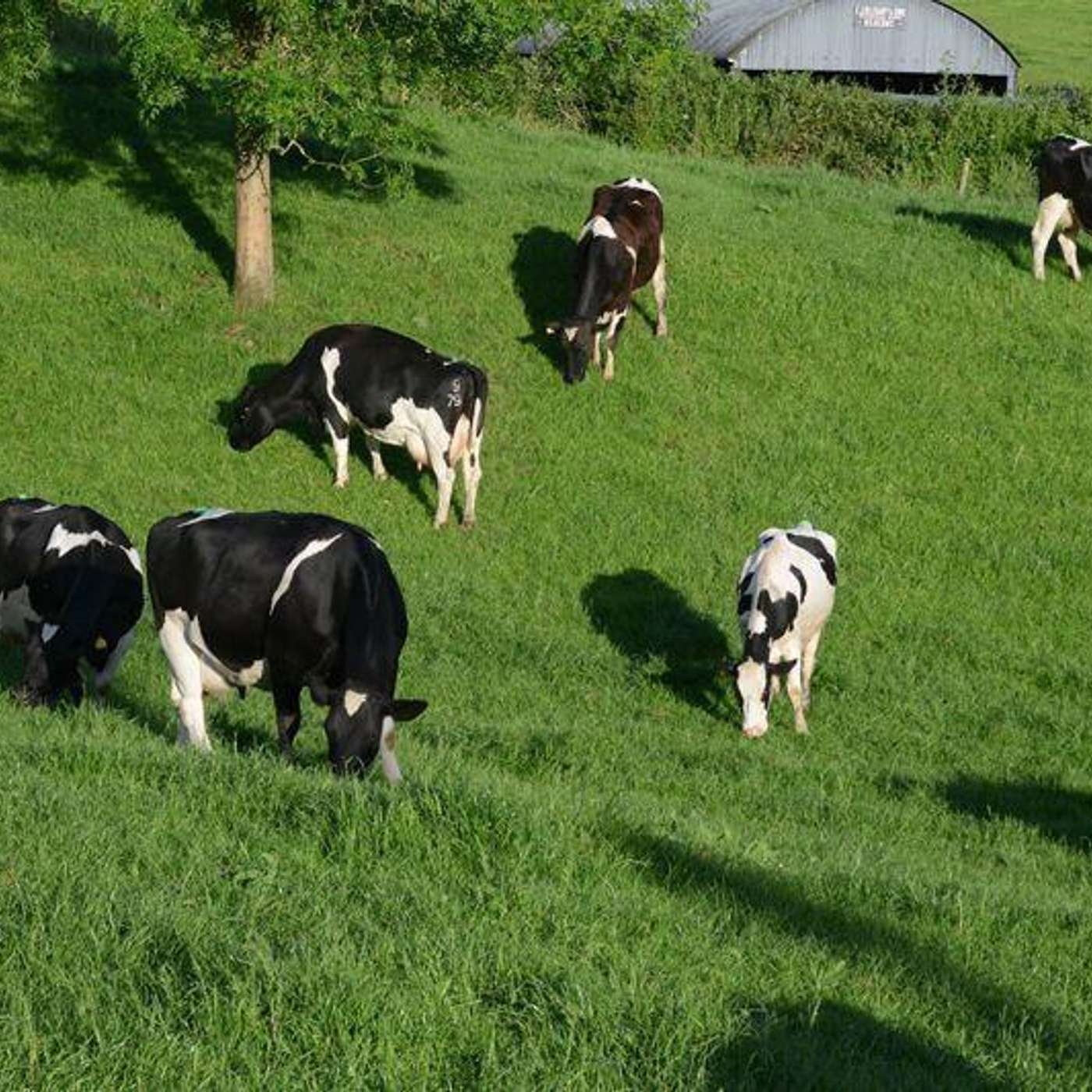
Managing workload and staff through COVID-19
In the wake of the government's Covid-19 measures, dairy farmer Kevin Twomey joins Emma-Louise Coffey to discuss what he and his team are doing on farm to minimise the risk of COVID-19.While the farm teams vary from 1 to 3 full-time staff, most tasks are set up to be completed by one person, including the milking process. Given the nature of farming being a mostly outdoor task, Kevin explains it is possible to maintain a social distance. Kevin recommends that staff travel independently to minimise contact.He also recommends that people keep in touch over the phone during this difficult time and also take some time away from the farmyard after the busy peak calving period.For more episodes from the Dairy Edge podcast go to the show page at:https://www.teagasc.ie/animals/dairy/the-dairy-edge-podcast/
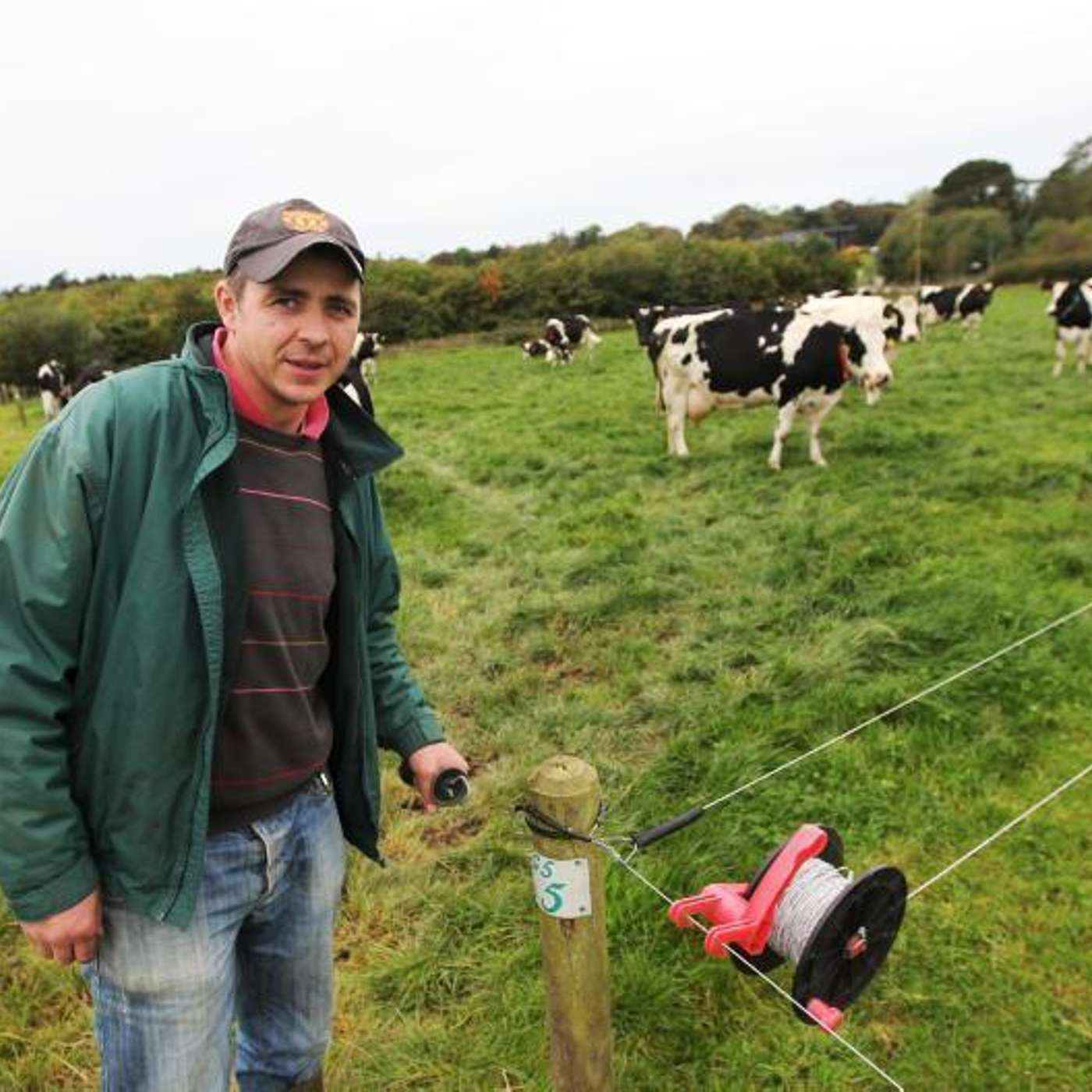
Johnstown Castle performance update for the winter and spring herds
Johnstown Castle farm manager Aidan Lawless joins Emma-Louise Coffey to discuss the current performance of the Johnstown Castle dairy herd. Aidan acknowledges that while February rainfall recorded at Johnstown Castle was lower than in other locations across the country - they received 150 mm – it was double the expected February rainfall. This has presented a challenge to grazing and the spring herds were behind target for % grazed. The breeding season for the winter milk herd concluded at the end of February following 6 weeks of dairy AI and 6 weeks of beef AI and mop up bulls. Pregnancy diagnosis scanning will take place on these cows in the coming weeks. As part of the systems trials at Johnstown Castle, clover and multi-species swards are being trialled to investigate whether there are benefits in the form of grass production, milk production and a range of environmental measures. For more information: https://www.teagasc.ie/animals/dairy/research-farms/johnstown-castle/ For more episodes from the Dairy Edge podcast go to the show page at: https://www.teagasc.ie/animals/dairy/the-dairy-edge-podcast/
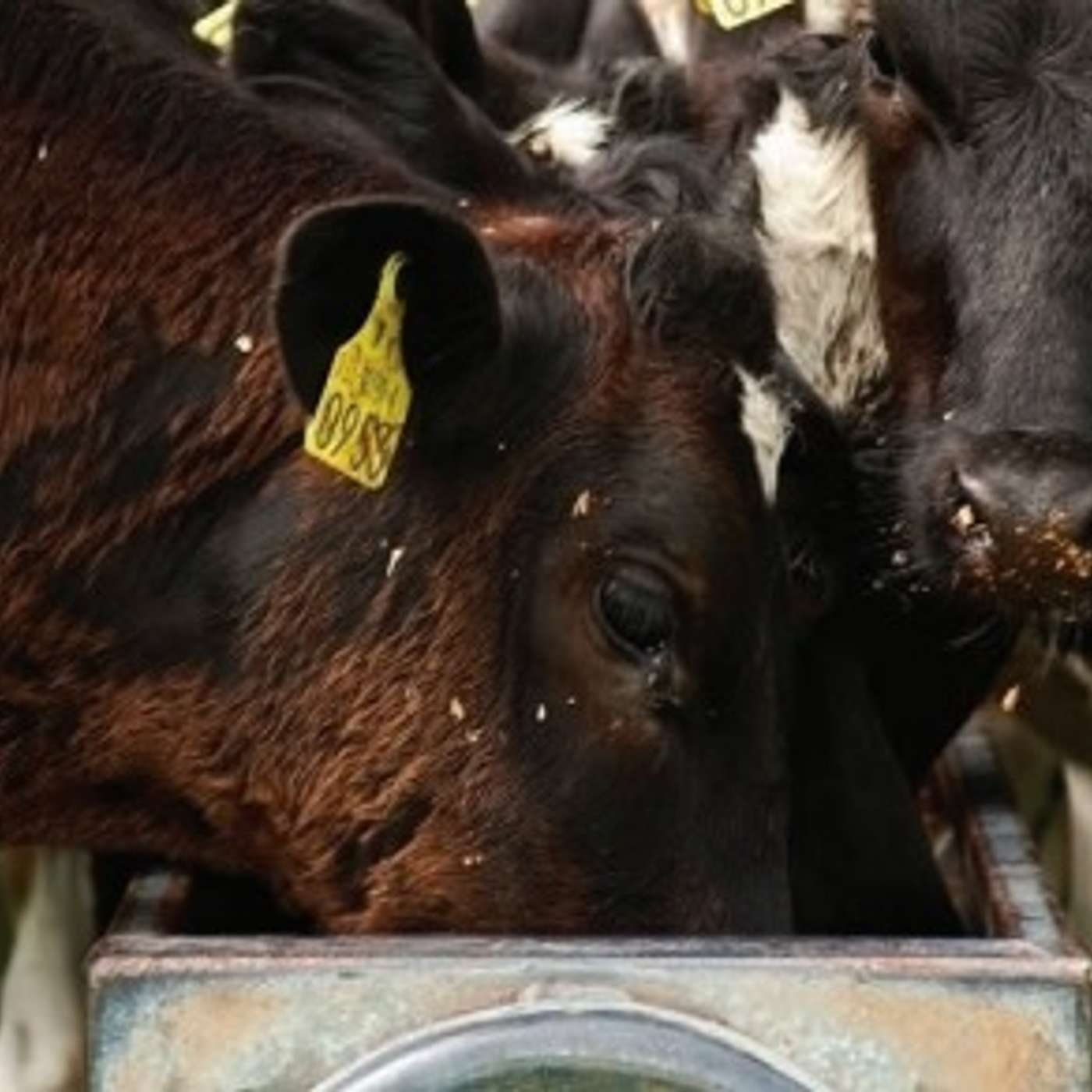
Understanding soil saturation and supplement requirements in the current conditions
On this week’s episode of The Dairy Edge, James Humphreys and Brian Garry join Emma-Louise Coffey to discuss the different aspects of dairy management – from soil saturation to supplement requirements - following the heavy rainfall. James explains what soil saturation readings mean. 60% of soils are made up of sand, silt and clay. The remaining 40% is made up of air pockets. Saturation occurs when the air pockets fill with water in the event of rainfall and flooding. James explains that where grazing conditions are difficult and damage occurs in paddocks in the first rotation, it is important that this is not repeated in the subsequent round. Brian reviews the supplement requirements for dairy cows depending on the level of grazed grass in the diet, explaining the limiting nutrients and also the crude protein requirements. He explains that where cows are out for 3 hours after each milking, whether they require feeding indoors once they are removed from paddocks is highly dependent on whether they have achieved sufficient intake at grass. Brian also recommends that farmers increase the allocation of grass and monitor post grazing residuals to assess whether the cows have a greater appetite to eat more than expected based on stage of lactation. For more episodes from the Dairy Edge podcast go to the show page at:https://www.teagasc.ie/animals/dairy/the-dairy-edge-podcast/

Coping with the consequences of heavy rainfall
Dairy farmer John McNamara joins Emma-Louise Coffey to discuss the challenges of the recent heavy rainfall on his farm. John explains that there has been almost 200mm of rain on his farm during the month of February which has made it near impossible to graze. While John generally hits 30-40% grazed during the month of February, he has grazed less than 10% this year. John targets to get cows out twice daily after each milking with evening grazing from 4-7 pm and removing cows once they have finished grazing to reduce poaching damage. The advice from the Grass 10 team is to readjust your spring rotation planner; graze 1/3 by St Patricks Day, 1/3 by the 1st of April and the remaining 1/3 by mid-April. For more information:https://www.teagasc.ie/media/website/publications/2020/Dairy-February-2020-web.pdf For more episodes from the Dairy Edge podcast go to the show page at:https://www.teagasc.ie/animals/dairy/the-dairy-edge-podcast/
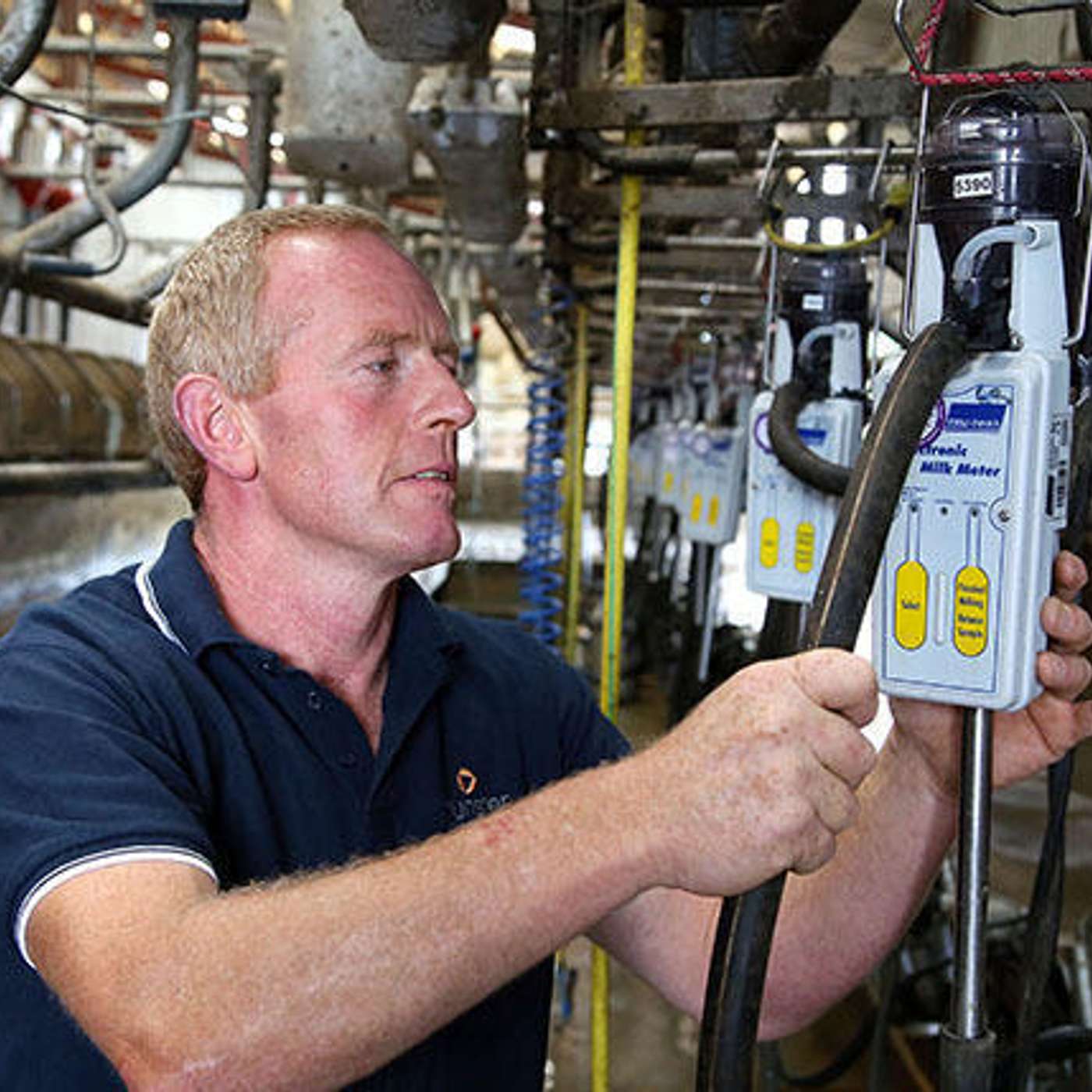
Early milk recording for health and profit gains
Dairy Specialist Stuart Childs joins Emma-Louise Coffey to discuss the benefits to dairy cow health and overall farm profits through milk recording. Stuart explains that the level of milk recording remains low, with 35% of herds representing 50% of dairy cows nationally. Teagasc recommends milk recording within 60 days of calving in order to detect early infection as well as calculate cure rate and new infection rate following the dry period. Stuart recommends that farmers complete 6 milk recordings per year at a cost of approximately €12 per cow. He also describes the financial benefits to milk recording, explaining that research has shown that milk recorded cows produce 400 litres more milk given additional profit of €120 per cow. For more information:https://www.teagasc.ie/media/website/publications/2020/Dairy-February-2020-web.pdf For more episodes from the Dairy Edge podcast go to the show page at: https://www.teagasc.ie/animals/dairy/the-dairy-edge-podcast/
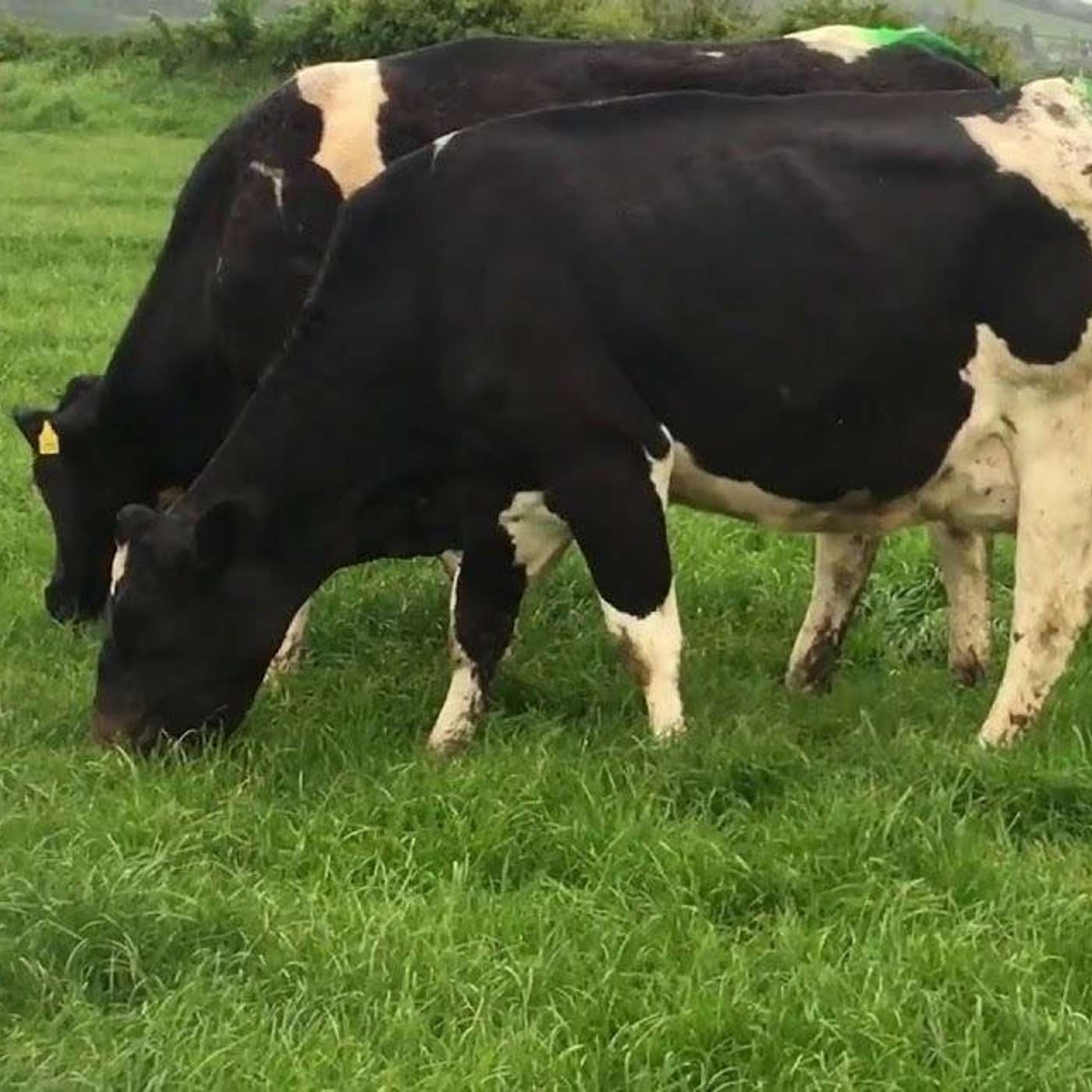
Getting grazed grass into the dairy cow diet through challenging weather conditions
Micheál O’Leary and Fergus Bogue join Emma-Louise Coffey to advise on managing grazing during challenging weather conditions. Firstly, Micheál quantifies the over-winter growth and the opening farm cover from PastureBase Ireland records. Micheál explains that over-winter growth was approximately 4-5 kg DM/day but varied widely; where farms were closed high in the autumn, higher growth rates were achieved at up to 7-8 kg DM/day. Micheál recommends that farmers must target an opening farm cover of 900 kg DM/ha to support a milking platform stocking rate of 3 cows/ha and a tight calving pattern. Importantly, many farmers are not at the target farm cover so Micheál asks the question, have you gotten the fertiliser out? If not, it is important to do so to kick-start grass production. Fergus describes the grazing season to date, explaining that the spring rotation got off to a good start with many farmers out grazing from early February until the storm and snow hit farms in the last week. He encourages farmers to use all of the tools and technologies available to get cows out, even if only for 2-3 hours after milking. Fergus also recommends that farmers should target dry paddocks with a cover of 700-1,000 kg DM/ha and use the strip wire to back fence ground that has already been grazed. For more episodes and information from the Dairy Edge podcast go to: https://www.teagasc.ie/animals/dairy/the-dairy-edge-podcast/
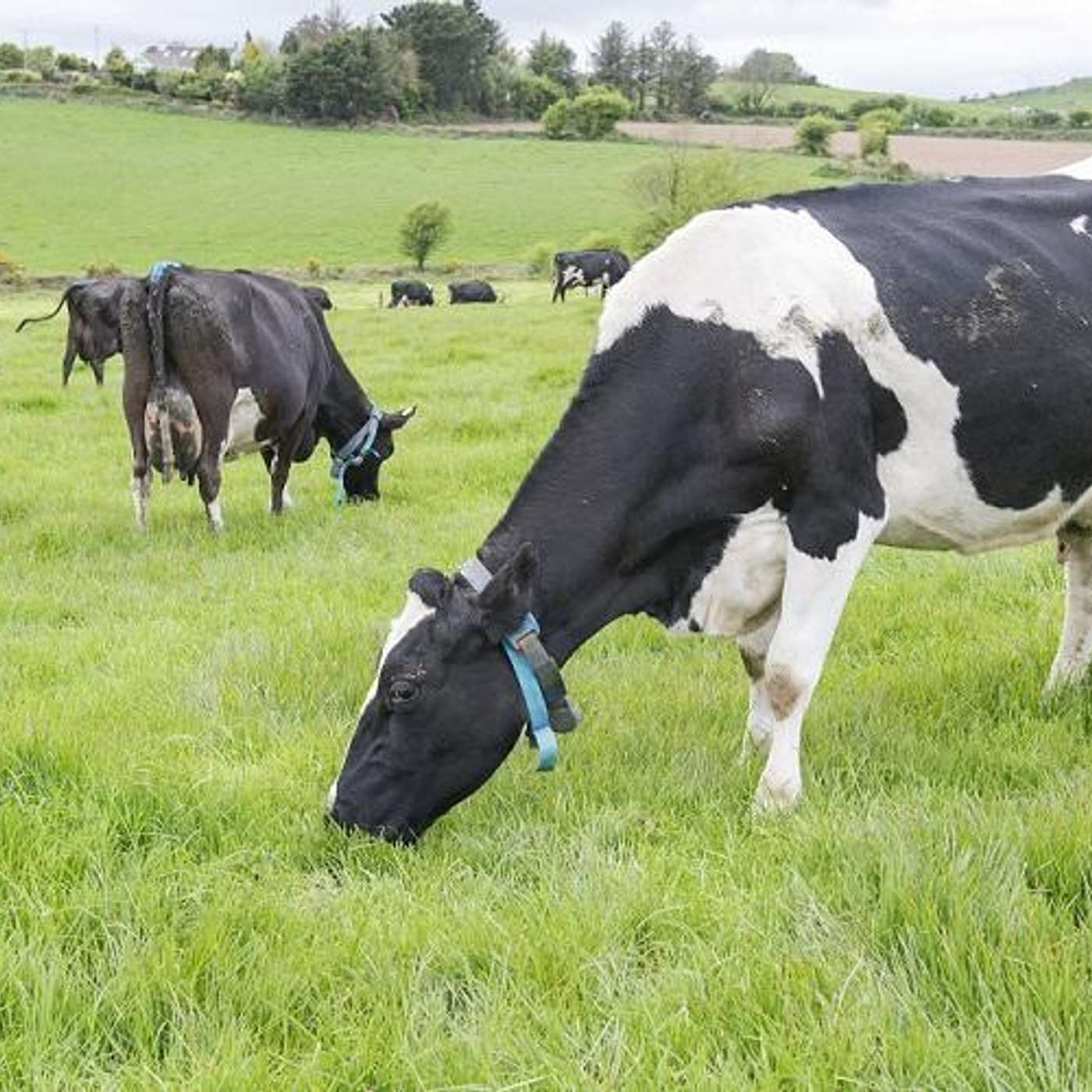
Managing energy balance and metabolic disorders in early lactation
Stephen Butler joins Emma-Louise Coffey to advise on how to manage energy balance and metabolic disorders in early lactation. Firstly, Stephen emphasises the importance of dry cow management to ensure cows are in the correct BCS and received adequate minerals. Stephen explains that cows undergo significant change post-calving, moving from dry cow status with low intake and low energy demand to lactating status with low intake and high energy demand. He also reminds us that in addition to lactation cow require energy to resume cyclicity. Cows are susceptible to metabolic diseases in early lactation and Stephen encourages farmers to be vigilant and act promptly to treat symptoms. For more episodes and information from the Dairy Edge podcast go to: https://www.teagasc.ie/animals/dairy/the-dairy-edge-podcast/
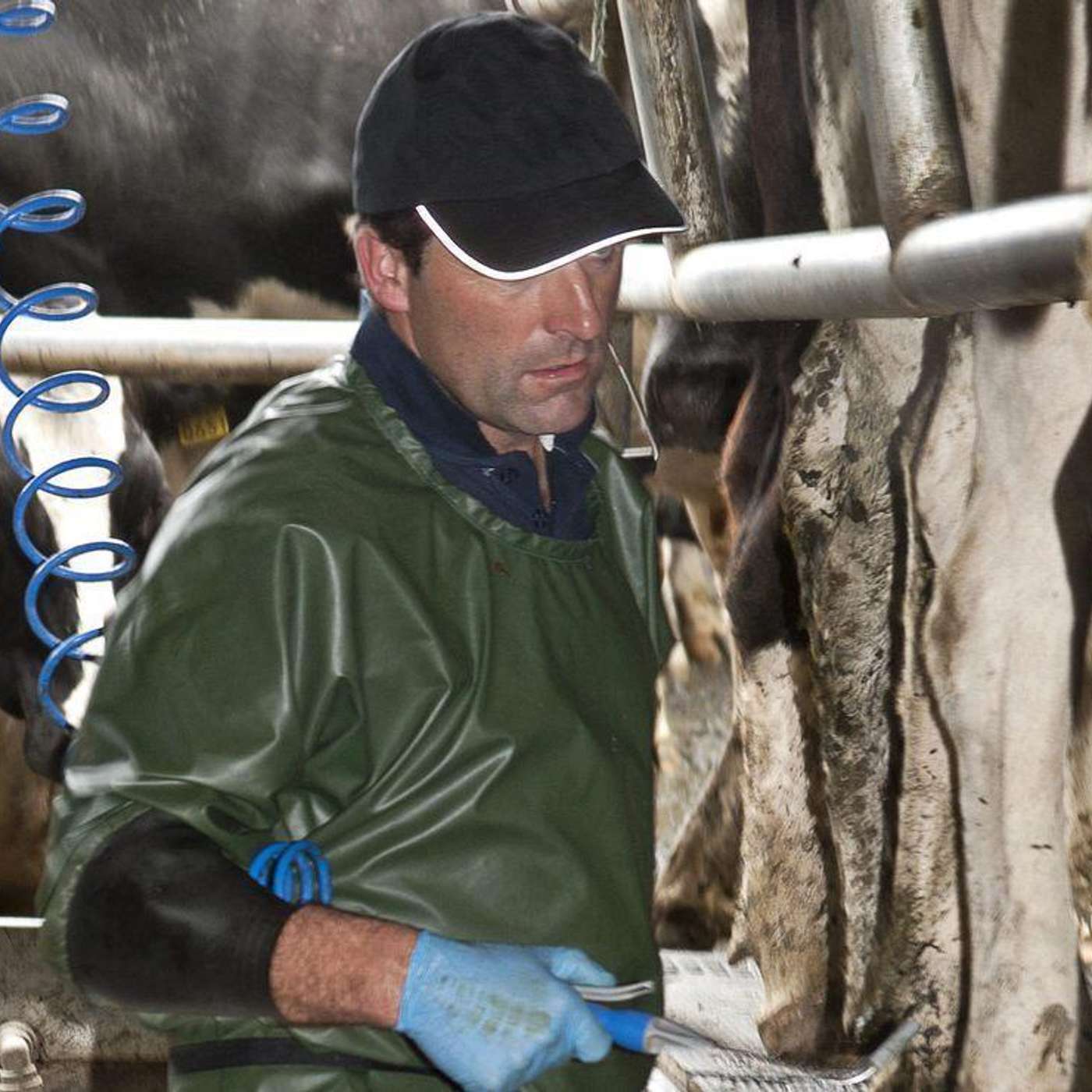
Short-term OAD milking to reduce peak labour demand
Emer Kennedy joins Emma-Louise Coffey to discuss the Once-A-Day milking experiment at Teagasc Moorepark. Emer explains the different variations of OAD milking, including OAD milking short term in early lactation (from 2-8 weeks) and long term for the full lactation. She documents the various measurements that were carried out including milk production, mastitis, SCC, udder firmness, udder leakage, body weight, BCS and locomotion. Emer acknowledges individual farmers concerns in relation to reduced milk yield. Short term OAD will reduce daily milk yield by 22-24% but is shown to recover immediately once returned to twice-a-day milking, with a small impact on annual milk yield. Emer also emphasised the merit of short term OAD milking in early lactation when the labour demand on dairy farms is at peak. For more information:https://www.teagasc.ie/media/website/publications/2020/Emer-Kennedy---Once-a-Day-Milking-Conference-2020.pdf For more episodes and information from the Dairy Edge podcast go to: https://www.teagasc.ie/animals/dairy/the-dairy-edge-podcast/
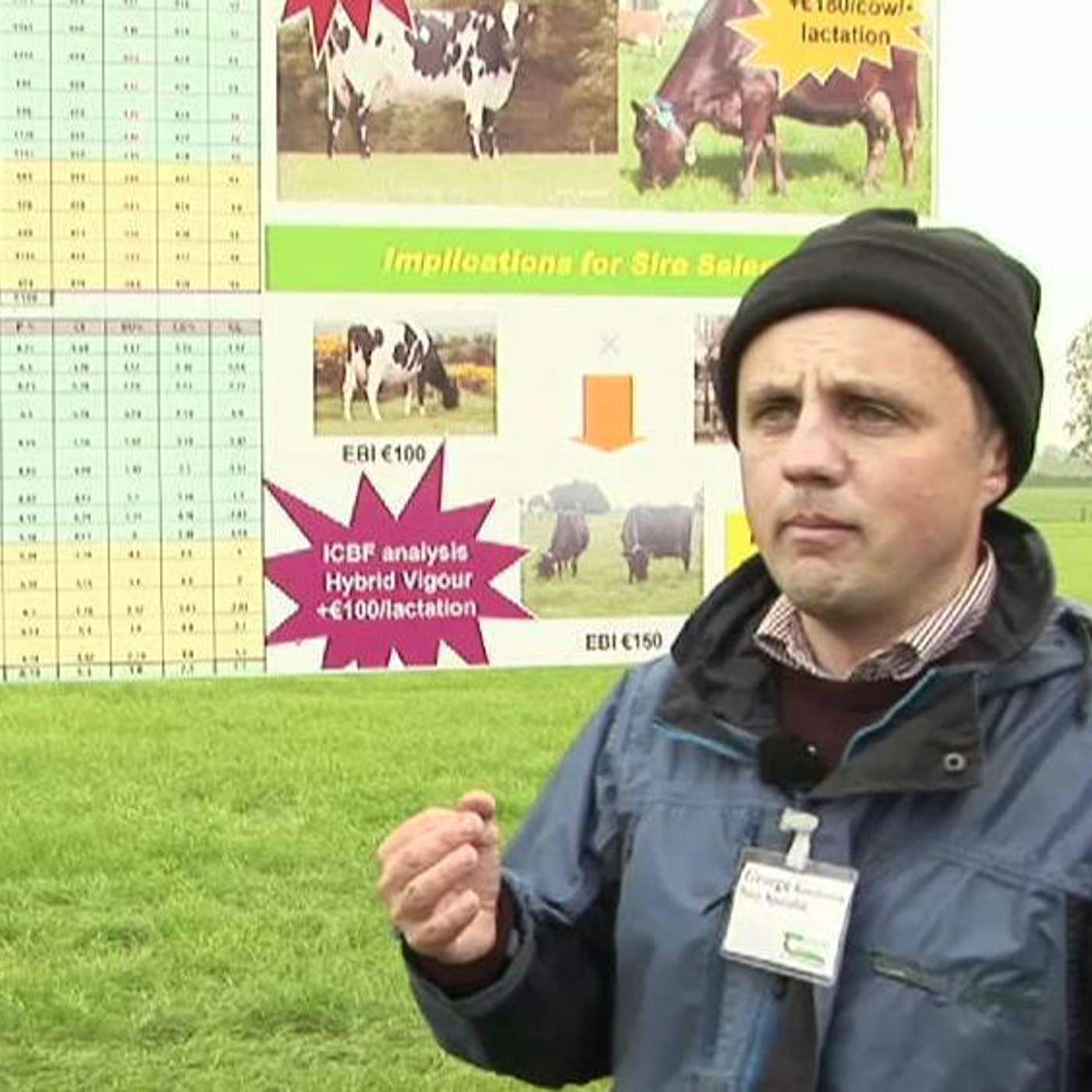
The Profitability on Dairy Farms in 2019
Dairy specialist, George Ramsbottom, joins Emma-Louise Coffey to give an early indication of profitability on dairy farms in 2019. George explains that his analysis contains 400 dairy farms to date - 20% of the 2,000 farmers that complete the profit monitor annually. Overall profitability on farms has improved, resulting from increasing milk yield and milk solids, despite a reduction in milk price and concentrate fed. George speculates that 2019 as being a good grass growing year with farmers employing good grassland management skills, including high grass utilisation. George acknowledges that top farmers are achieving high profits, achieving greater milk quality and milk price as well as higher stocking rate and lower meal feeding. For more episodes and information from the Dairy Edge podcast go to: https://www.teagasc.ie/animals/dairy/the-dairy-edge-podcast/
Milking 800 cows once a day in two herds
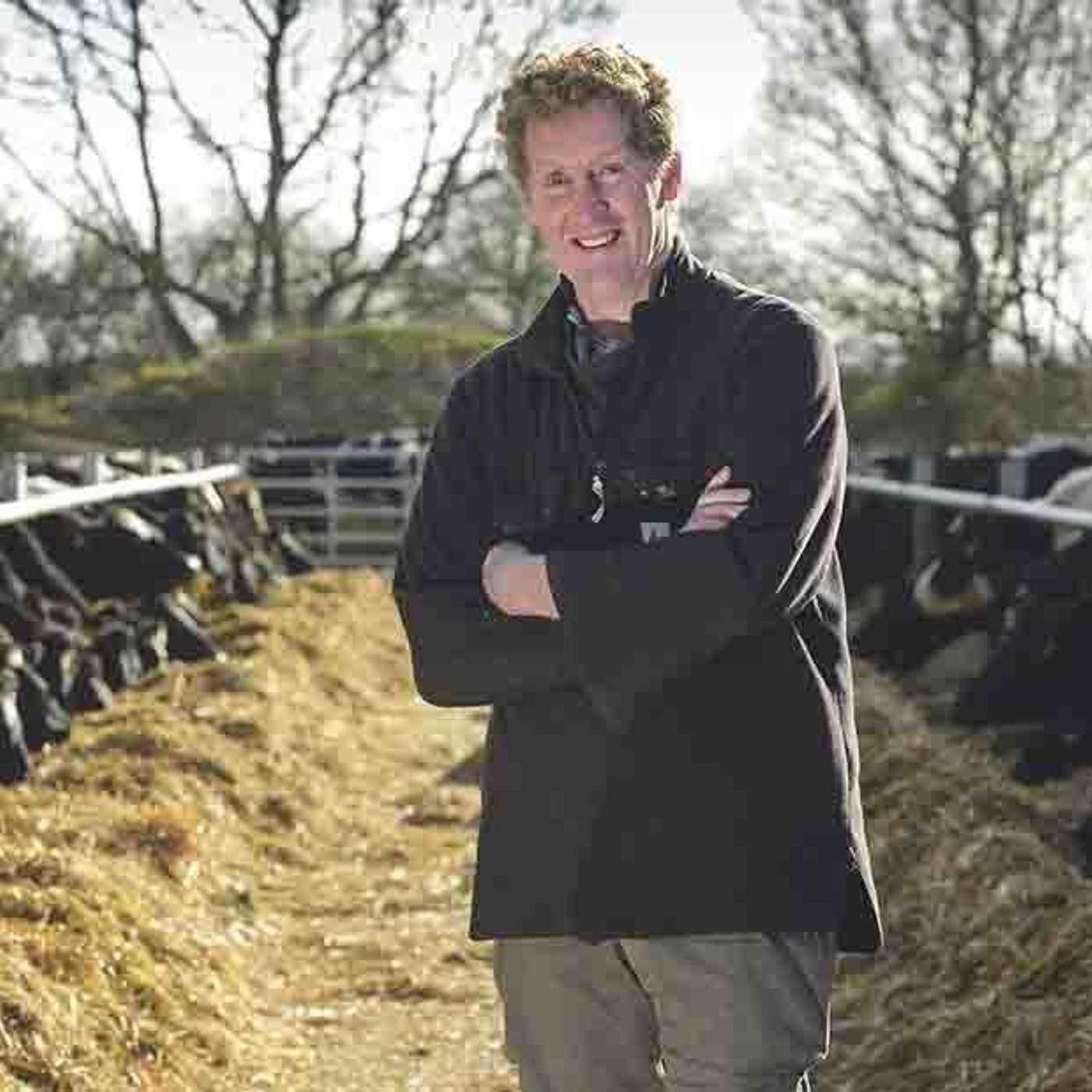
Keith Davis joined Emma-Louise Coffey to discuss the role of once-a-day milking in his large scale herd in Gloucestershire. Keith was speaking at Teagasc’s recent Once a Day Milking conference and he gave an insight into the evolution of the farm from a mixed farm with 350-cow dairy operating an indoor system and tillage to a solely grass-based dairy system. When dairy cow numbers began to climb, both facility and labour began to come under pressure. The estate was unwilling to invest in upgrading the milk facilities (i.e. 32 point rotary) and therefore, the decision was taken milk once-a-day. Keith also explains his approach to overcoming the challenge of the national labour shortage by being flexible with rosters and recruitment. For more information:https://www.teagasc.ie/media/website/publications/2020/Keith-Davis---Once-a-Day-Milking-Conference-2020.pdf For more episodes and information from the Dairy Edge podcast go to: https://www.teagasc.ie/animals/dairy/the-dairy-edge-podcast/
Tackling the growing disconnect between kids and farming
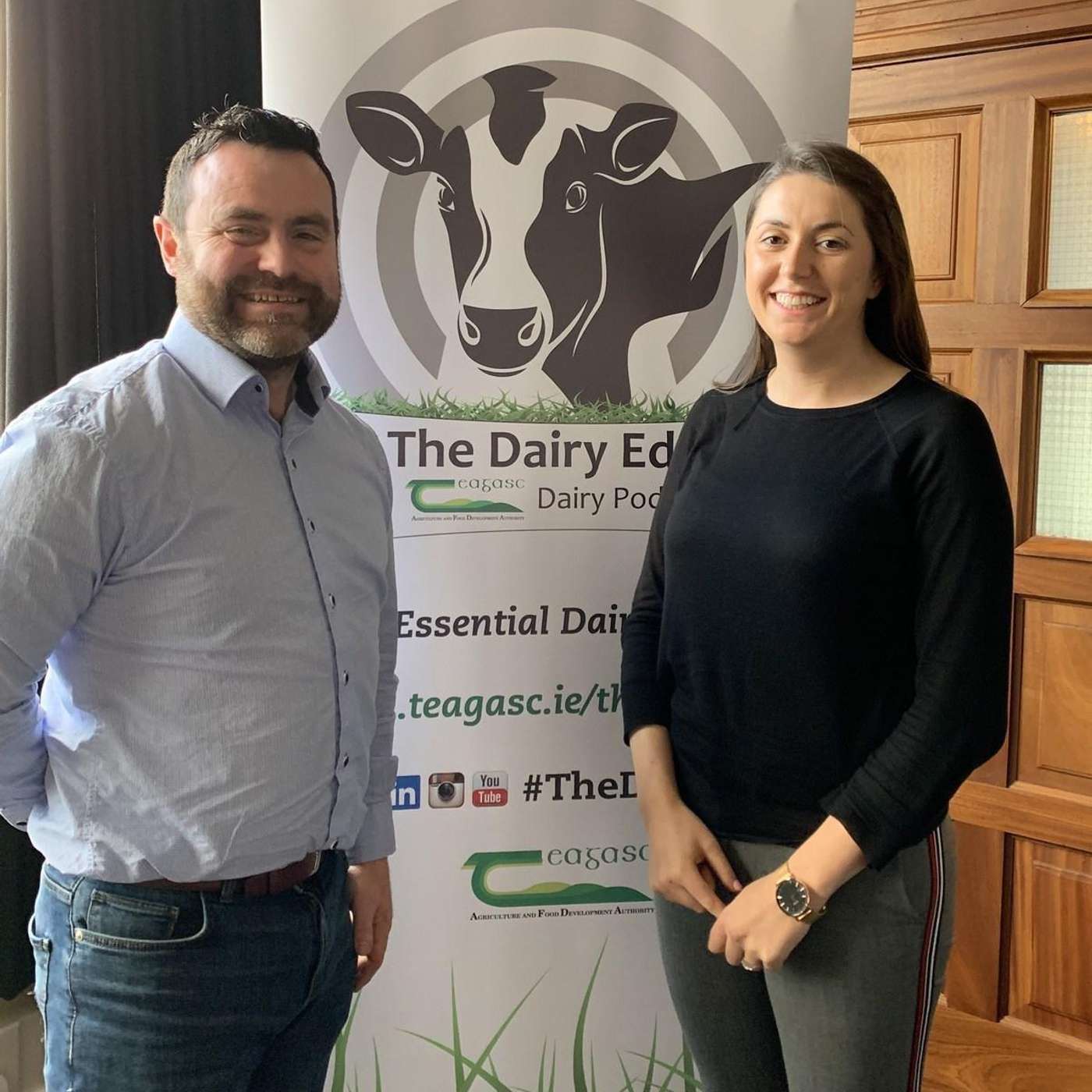
On this week’s episode of The Dairy Edge, dairy farmer, Karol Kissane, joins Emma-Louise Coffey to discuss his Nuffield studies about school students perceptions of agriculture. Karol discusses the growing disconnect in the understanding of agriculture and the basics of where food comes from with kids in urban environments. He explains some of the ways this can be overcome using modern technology and social media. Karol also has advice for all farmers on how we can promote our farming life, careers and the agriculture industry in Ireland in general. You can read Karol’s Nuffield research report here:https://nuffield.ie/karol-kissane-review-of-perceptions-of-agriculture-in-primary-school-students-and-opportunities-for-developments/ For more episodes and information from the Dairy Edge podcast go to: https://www.teagasc.ie/animals/dairy/the-dairy-edge-podcast/