The Dairy Edge
691 episodes — Page 13 of 14

Budget 2020 for Dairy Farmers
Financial Specialist Kevin Connolly joins Emma-Louise Coffey to discuss Budget 2020. Kevin explains the key budget measures that effect farmers including income tax, stock relief for young trained farmers, Capital Gains Tax and Capital Acquisitions Tax. He explains that the budget has established provisions of €110m for Agriculture in the event of a no deal Brexit. Although there is little detail on specific allocation of funds, €85m has been allocated for beef farmers accounting for the greatest proportion of the fund. Carbon related measures have seen an immediate increase in the cost of petrol and car diesel with tractor diesel and home heating oil increasing from May 2020. For more episodes and information from the Dairy Edge podcast go to: https://www.teagasc.ie/animals/dairy/the-dairy-edge-podcast/
The liming protocol to achieve €6 for every €1 invested
Dairy adviser Ger Courtney joins Emma-Louise Coffey to discuss liming protocol to optimise lime pH on farm. Ger explains that there is a positive trend from 2014 when 36% of soils were at optimum pH compared with 60% in 2017. Target soil pH is 6.3 and 5.5-5.8 in peaty soils. Optimum pH leads to greater biological activity, microorganism activity, nitrogen fixation and root structure. Research has shown an increase in grass growth in the region of 1.5-2 tonnes while palatability and utilisation also increases. Return on investment is considerable and increases over time. In the initial years, a return on investment of €3 for every €1 invested in a liming protocol. Once soils reach optimum pH, a consistent return of €6 for a €1 invested in maintenance liming. For more information:https://www.teagasc.ie/media/website/publications/2016/Advice-on-Liming-Leaflet.pdf For more episodes and information from the Dairy Edge podcast go to: https://www.teagasc.ie/animals/dairy/the-dairy-edge-podcast/
Key tips to maximise the health of your herd
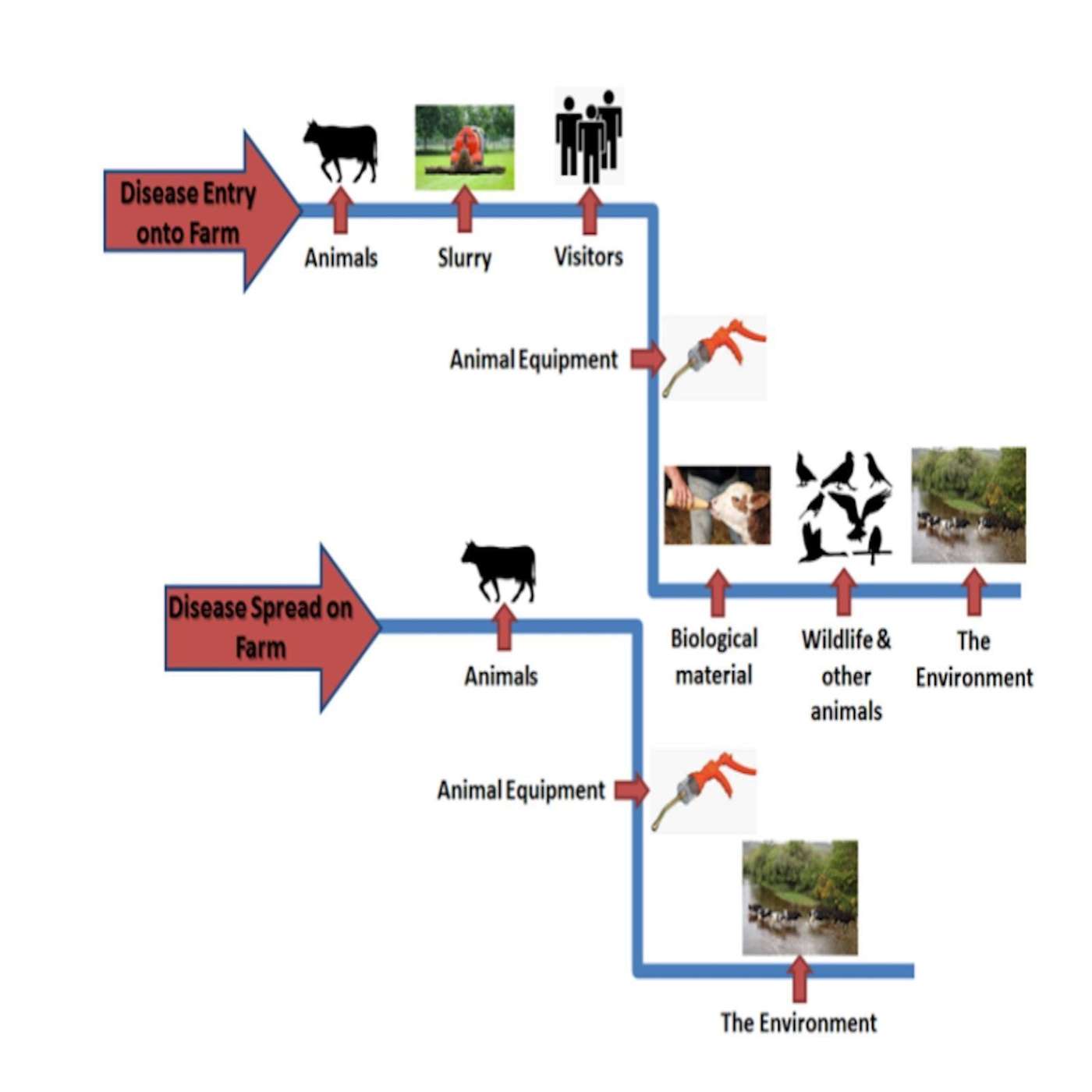
Vet Niamh Field joins Emma-Louise Coffey to take a look at the health status of the national dairy herd and gives key tips to maximise the health of your herd. Niamh looks to the metabolic diseases that occur on dairy farms, commonly occurring during the spring and she emphasises the importance of dry cow management to prevent incidence of disease. Management steps include optimum BCS at dry off (2.75 to 3.25) and BCS at calving (3.00 to 3.50) and good dry cow minerals with Magnesium inclusion of 20g per day. Niamh explains there is a multidimensional approach to herds protecting themselves against infectious diseases. These include immunity, the cows environment and exposure to disease.One of the most important steps to maintaining a health, disease-free herd is biosecurity. Beyond this, disease screening such as bulk milk sampling and blood sampling will identify the prevalence of individual diseases. Vaccinations can be affective to control or eliminate disease. For more information:https://www.teagasc.ie/media/website/publications/2019/19.-Vaccination-Calendar.pdfhttps://www.teagasc.ie/media/website/staff-directory/animals/dairy/HerdHealth.pdf For more episodes and information from the Dairy Edge podcast go to: https://www.teagasc.ie/animals/dairy/the-dairy-edge-podcast/
The plan for Irish agriculture to tackle greenhouse gas emissions
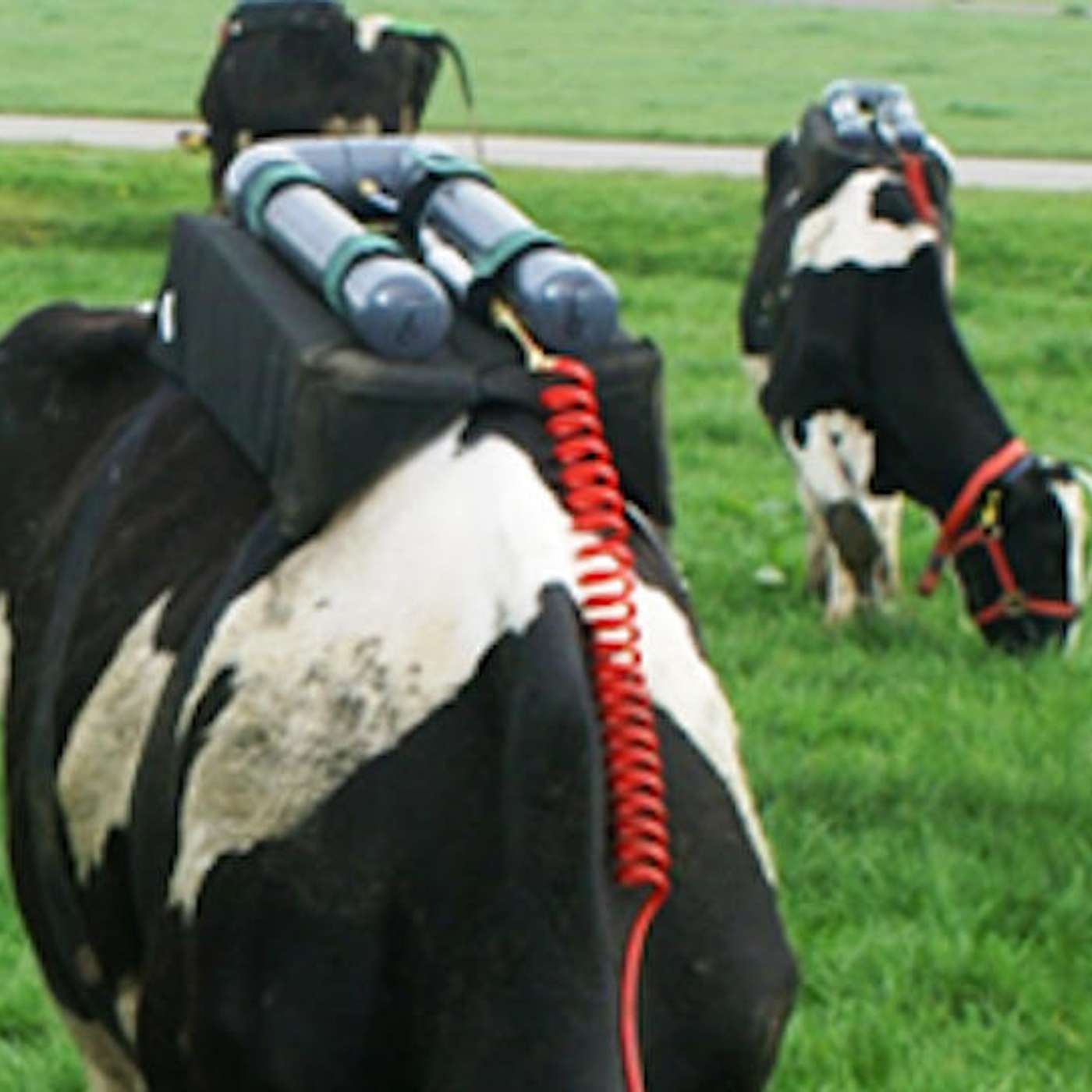
Trevor Donnellan joins Emma-Louise Coffey to review the comprehensive climate action plan (Teagasc Greenhouse Gas Marginal Abatement Cost Curve) compiled by Teagasc to reduce the emissions from Agriculture. Trevor speculates that the dairy herd will continue to grow, albeit at a lesser rate to that in the last 5 years. Conversely, it is suspected that suckler numbers will remain at similar numbers or contract. The action plan also discusses 25 mitigating strategies including change of fertiliser product type, change of slurry spreading methods, improved fertility, healthier animals and planting of forestry. Trevor explains that emissions from the agricultural sector is to the fore in Ireland as they create 33% of total greenhouse emissions compared with 10% in other EU countries. To read the plan in full: https://www.teagasc.ie/media/website/publications/2018/An-Analysis-of-Abatement-Potential-of-Greenhouse-Gas-Emissions-in-Irish-Agriculture-2021-2030.pdf For more episodes and information from the Dairy Edge podcast go to: https://www.teagasc.ie/animals/dairy/the-dairy-edge-podcast/
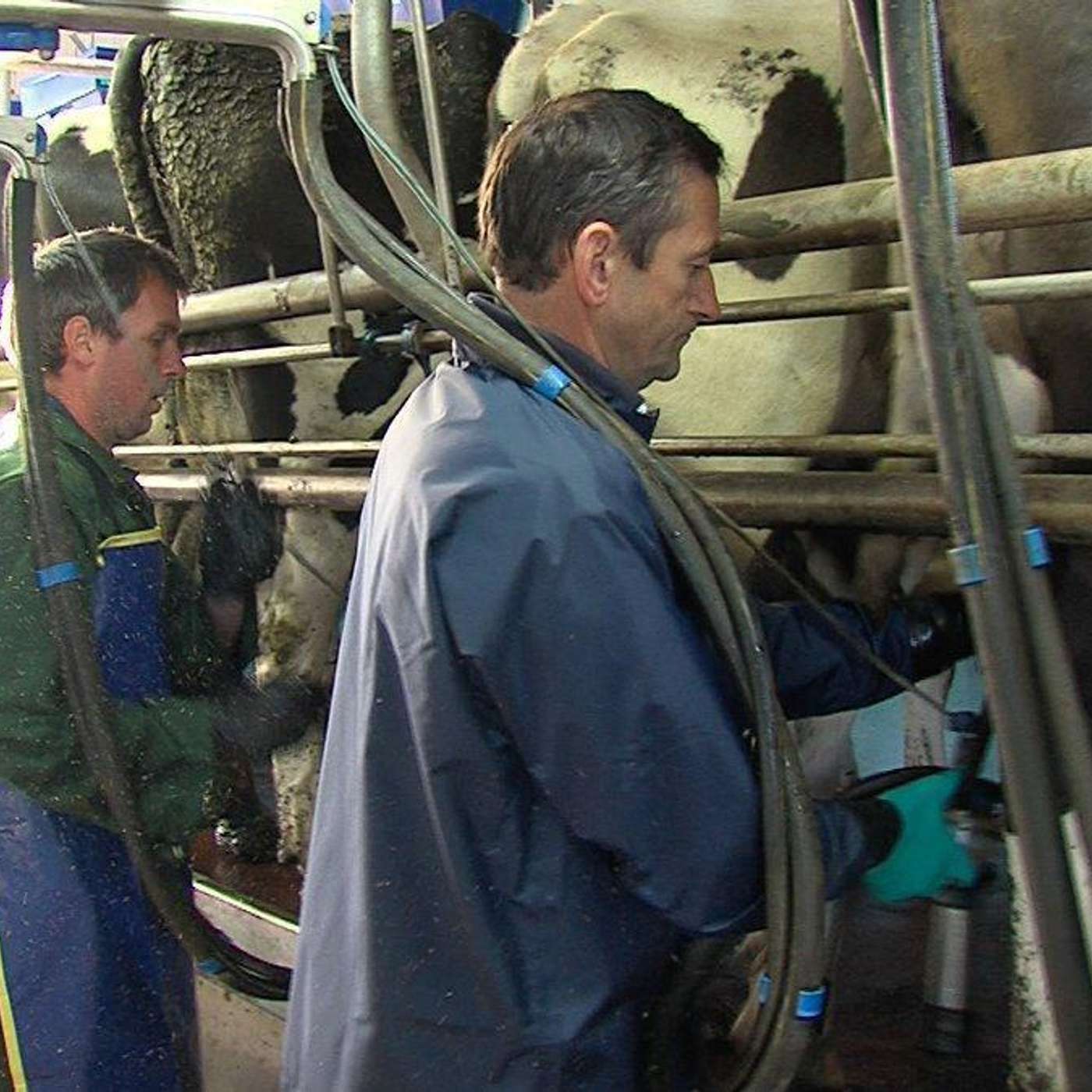
The Importance of a Good Milking Routine with Padraig O’Connor Pt 2
In the second part of a two-part interview with dairy specialist Padraig O’Connor on the importance of a good milking routine, Padraig takes us through teat preparation and cluster attachment ahead of milking. Best practice includes each quarter prior to cluster attachment. This helps with early detection of mastitis. Padraig recommends that mastitis or high SCC cows should be treated at the end of milking when the operator has sufficient time to treat them and eliminate the chance of cross contamination. For more information: https://www.teagasc.ie/media/website/publications/2018/Improve-your-Milking-Skills-19.pdf For more episodes and information from the Dairy Edge podcast go to: https://www.teagasc.ie/animals/dairy/the-dairy-edge-podcast/
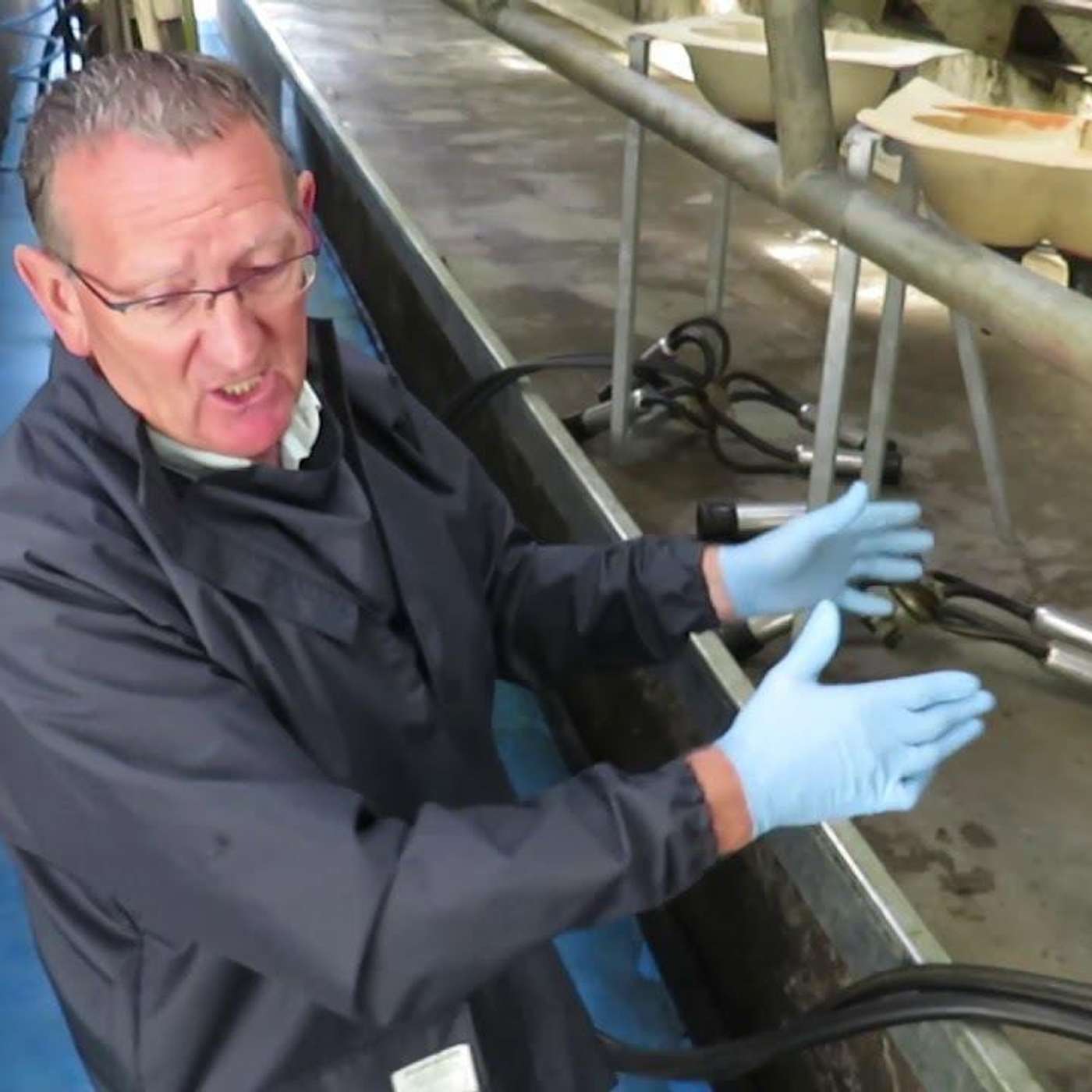
Top Tips for a Good Milking Routine with Padraig O’Connor Pt 1
Dairy specialist Padraig O’Connor joins Emma-Louise Coffey for the first of a two-part interview to discuss the importance of a good milking routine. Padraig explains that a good milking routine ensurse quality produce, safety for the operator and time efficiency in completing the task. He advises all farmers to make sure their milking machine is in working order, getting at least one major service annually. Additionally, Padraig emphasises the importance of a clean environment for cows, placing particular emphasis on entry/exit points to the yard and paddocks, roadways and water troughs. Another effective way to keeps cows clean is clipping tails 3-4 times per year. For more information:https://www.teagasc.ie/media/website/publications/2018/Improve-your-Milking-Skills-19.pdf For more episodes and information from the Dairy Edge podcast go to: https://www.teagasc.ie/animals/dairy/the-dairy-edge-podcast/
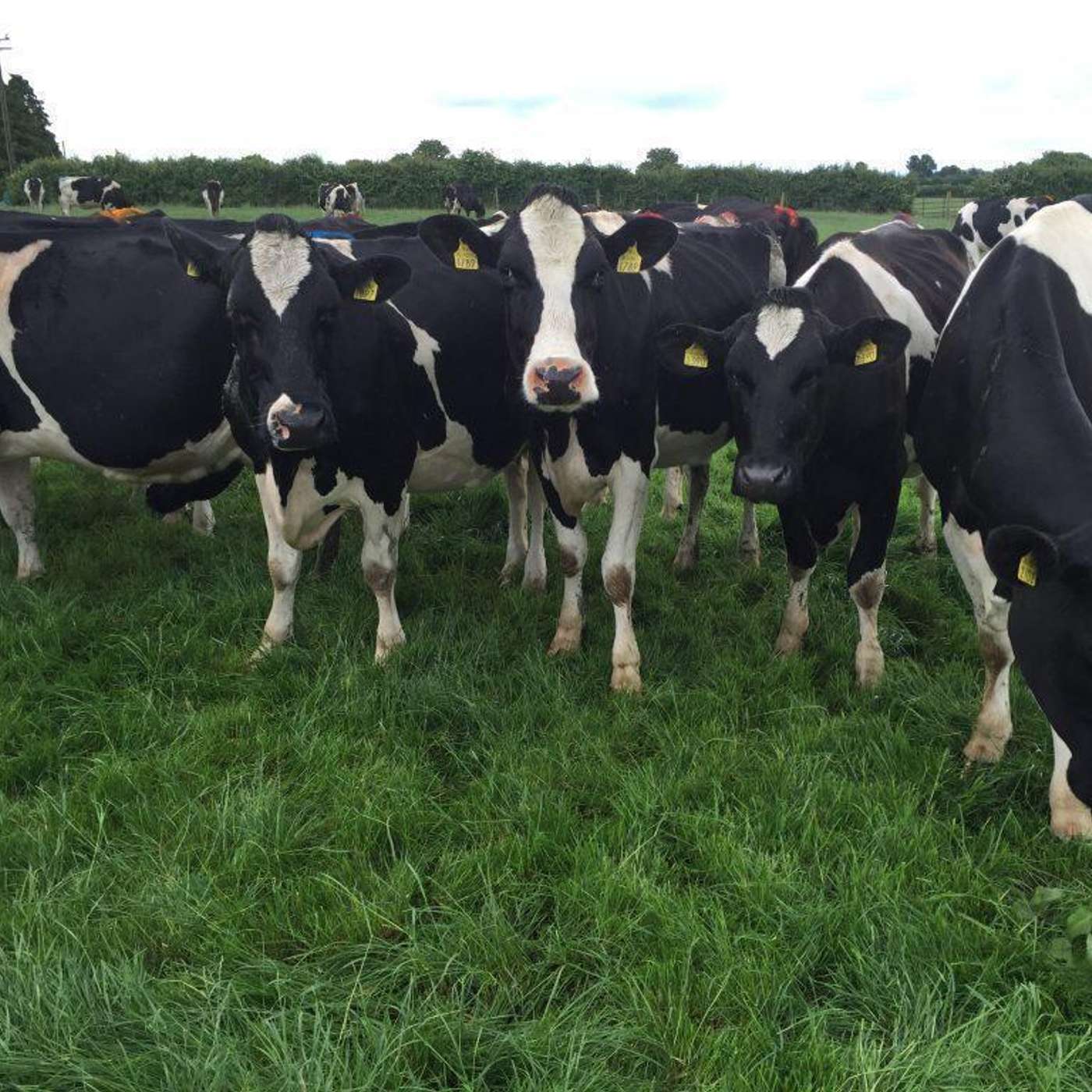
The key traits that drive profitable winter milk systems
Dairy specialist Joe Patton joins Emma-Louise Coffey to identify the key traits that drive profitable winter milk systems. Joe compares top winter milk herds with average. Top herds have higher output from the same concentrate input as average. The difference is top farmers are achieving greater grass utilisation and feeding higher quality grass silage during the housed period. The second driver is fertile cows. Joe targets 375 day calving interval, meaning there are greater days at peak milk production, lower number of days dry and reduced number of cows recycled. Here more from Joe at the Winter Milk event at Teagasc Johnstown Castle on September 4th:https://www.teagasc.ie/news--events/national-events/events/winter-milk-event.php For more episodes and information from the Dairy Edge podcast go to: https://www.teagasc.ie/animals/dairy/the-dairy-edge-podcast/
An Update on the Performance of the Spring & Winter Milking Herds
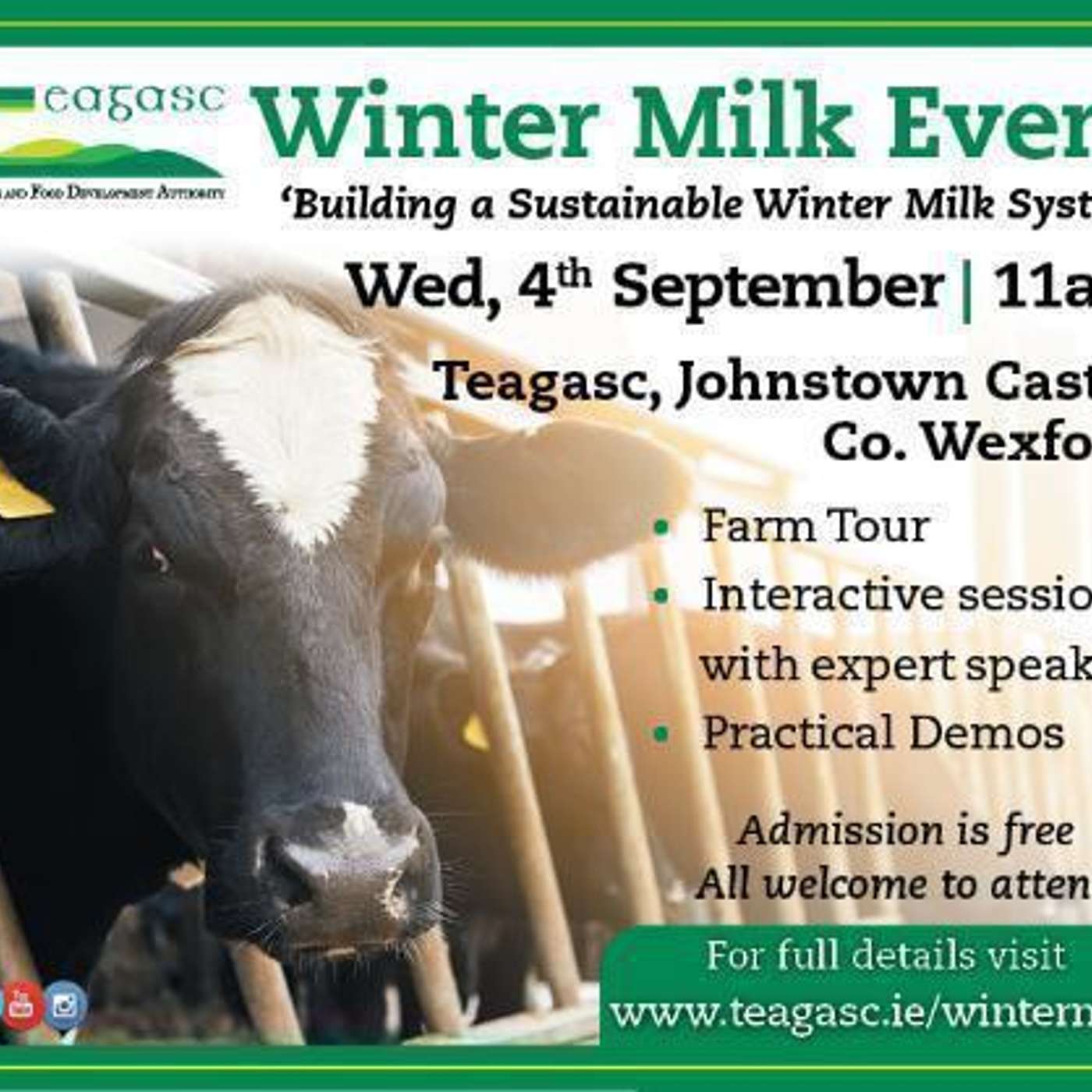
Johnstown Castle farm manager Aidan Lawless joins Emma-Louise Coffey to discuss full lactation performance for the winter milk herd and current milk and grass production. The winter milk herd have produced 620 kg MS approximately 20 kg ahead of 2017 and 2018 lactations. Aidan credits increased milk yield, rising milk solids and getting out to grass in early January as factors that have driven high milk output. 40% of the winter herd are still milking and will be dried off this week, currently on a restricted diet with the view to depress milk yield. Aidan is extremely happy with fertility performance recording just 8% empty this year. The spring herd are currently milking 23 litres or 1.8 kg MS, declining from peak of 32 litres. Grass production was a challenge in July with a substantial soil moisture deficit and growth rates half of projected growth based on the Johnstown Castle average. Heavy rainfall in late July/early August has helped recovery to normal growth. Finally, Aidan highlights the upcoming Winter Milk event at Johnstown Castle on the 4th September, covering a range of topics from feed management, genetics, fertility to soil fertility. For more information:https://www.teagasc.ie/news--events/national-events/events/winter-milk-event.php For more episodes and information from the Dairy Edge podcast go to: https://www.teagasc.ie/animals/dairy/the-dairy-edge-podcast/
Autumn grazing management guidelines
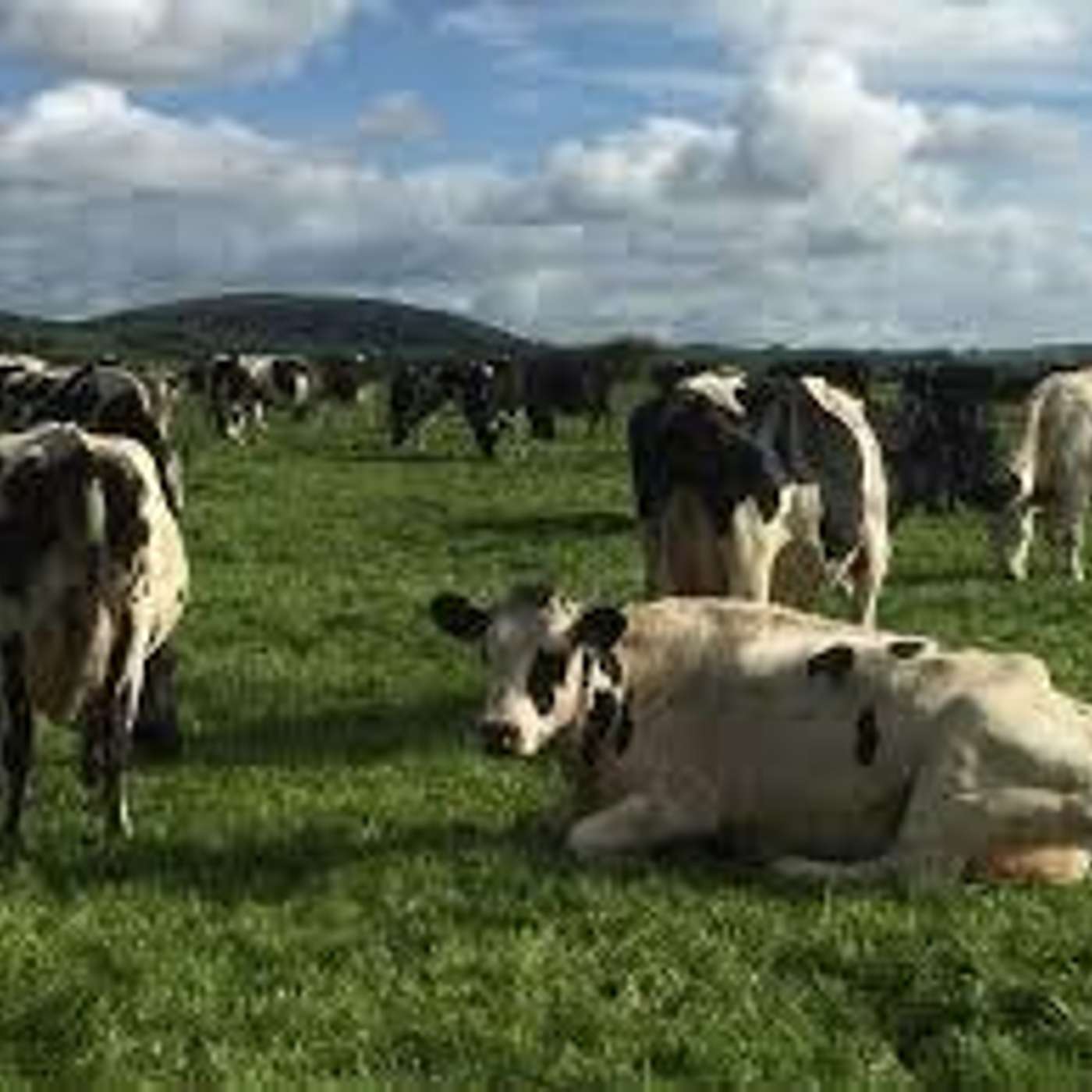
Grassland researcher, Mike Egan, summarises the autumn grazing management guidelines to maximise the amount of grazed grass in the diet of dairy cows in the autumn period. Right now, farmers should be extending rotation length by 2 days per week and building cover. Mike gives an insight into a grazing experiment looking at altering grazing management practices in autumn and examining the effects on animal performance and grassland in both the autumn and spring. Mike explains that where herds are carrying high stocking rates on the milking platform and calving more compactly (reflected in higher 6 week calving rates), they need to consider closing the farm earlier and at a higher cover. For more information:https://www.teagasc.ie/crops/grassland/grass10/grazing-management/autumn-grazing-management/ https://www.teagasc.ie/media/website/publications/2019/Strategies-to-increase-spring-grass-availability.pdf For more episodes and information from the Dairy Edge podcast go to:https://www.teagasc.ie/animals/dairy/the-dairy-edge-podcast/
Creating a fodder reserve to reduce risk to farm business
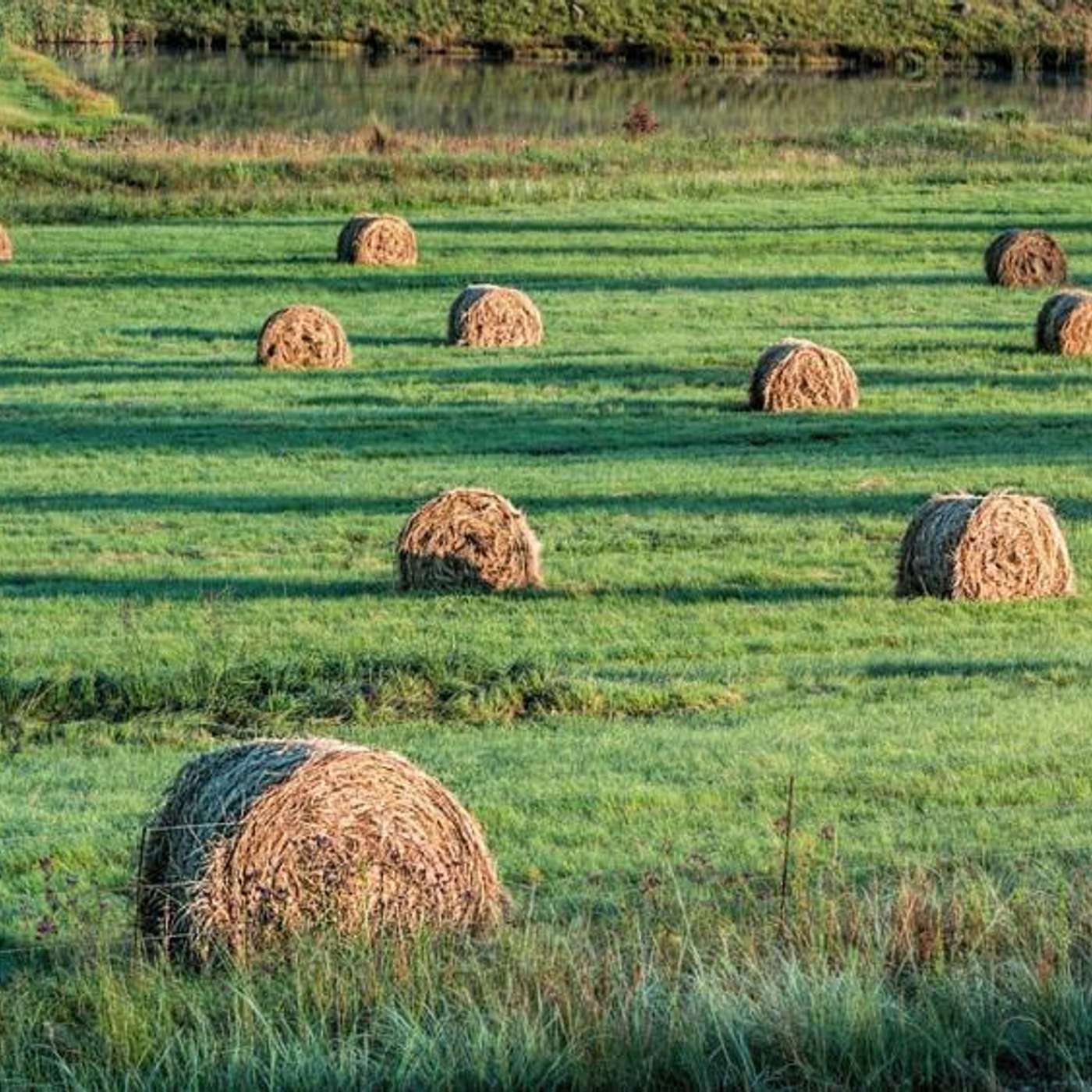
Dairy specialist Joe Patton has advice on creating a fodder reserve to reduce the risk to farm businesses in the event of future adverse weather events. Firstly, farmers need to quantify the total grass production on their farm. Following this, stocking rate should be calculated allowing 5.5 tonnes of grass should be allowed per cow. Optimal stocking rate does not account for ay surplus or reserve within systems and therefore, a reserve must be purchased. An average reserve of 400 kg DM/cow (2 bales) in areas of low grass growth variability and 600 kg DM/cow (3 bales) in areas of high grass growth. For more information: https://www.teagasc.ie/media/website/publications/2019/Securing-a-fodder-reserve.pdf For more episodes and information from the Dairy Edge podcast go to: https://www.teagasc.ie/animals/dairy/the-dairy-edge-podcast/
Insights and key learnings from the New Zealand dairy sector
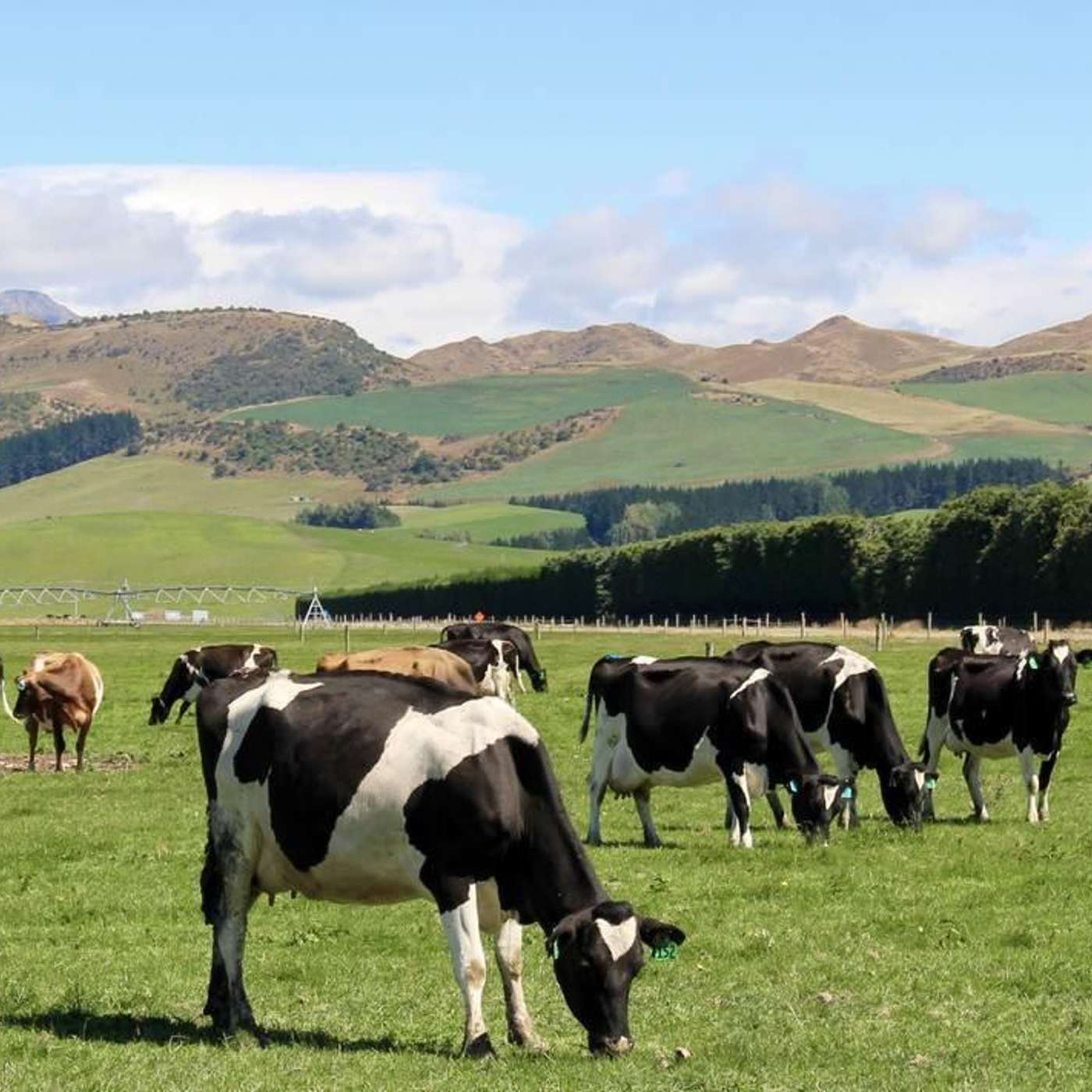
Kevin McDonald is a retired scientist from Dairy NZ with over 50 years’ experience in systems research and he joins Emma-Louise Coffey on this week’s Dairy Edge podcast to give his insights and analysis of the New Zealand dairy sector along with key learnings for Irish farmers. Kevin traces the evolution of the New Zealand dairy sector back to the 1930s and 1940s but says the big change came in the mid 1990s when big dairy farms expanded into the South Island. Smaller farms were traditionally in the North Island while the South Island farms that have come into dairying in the last 20 years were traditionally from much bigger sheep farms. Cow numbers increased from 3 million to 5 million cows, though irrigation has been the main challenge, for farmers in the South Island especially. Kevin also discusses other issues and challenges for farmers in New Zealand from labour to farm size and points out that, in contrast to Ireland’s more traditional farmers, they are more willing to change, buy new farms and move on. For more episodes and information from the Dairy Edge podcast go to: https://www.teagasc.ie/animals/dairy/the-dairy-edge-podcast/
The benefits of white clover inclusion
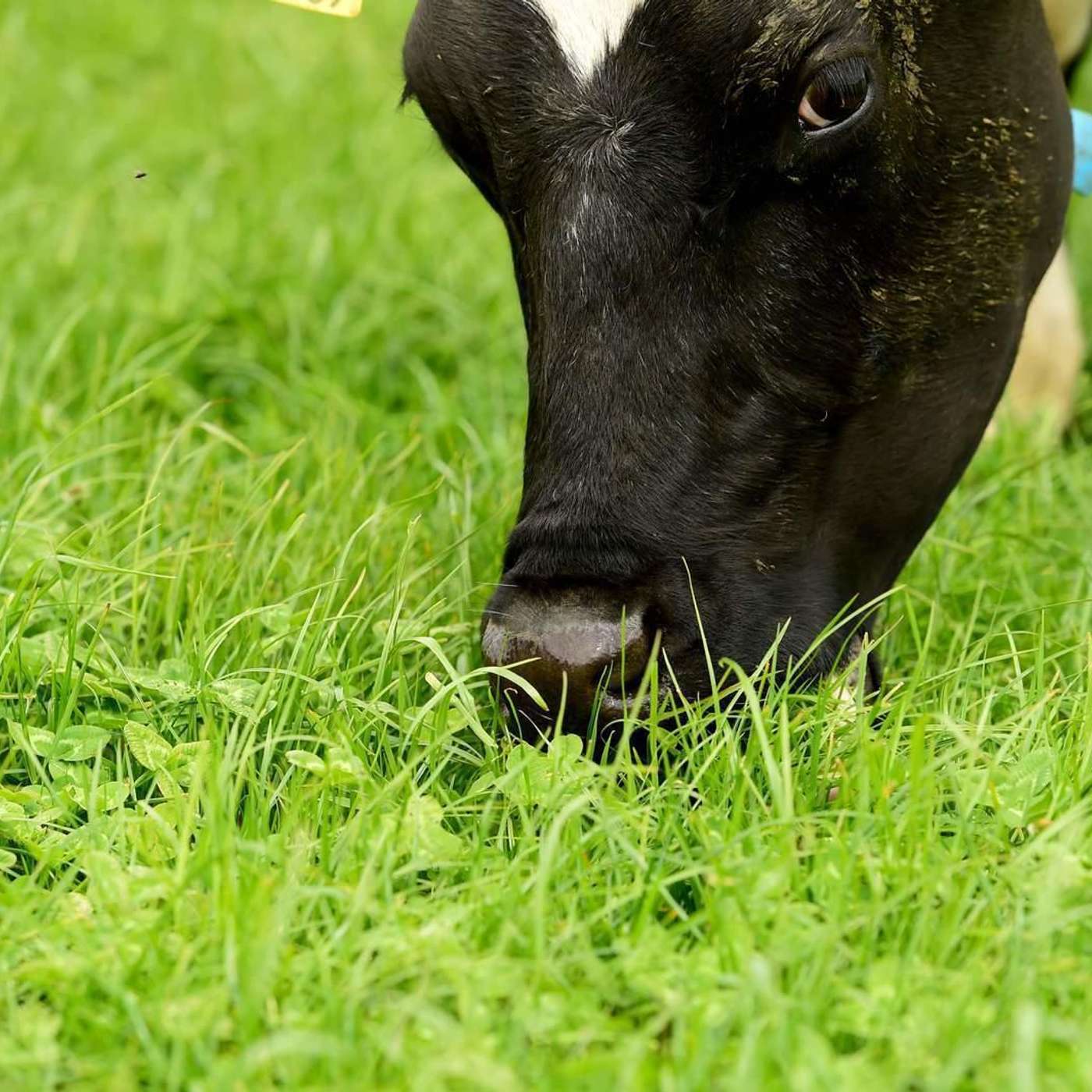
Grassland researcher Brian McCarthy and PhD researcher Brid McClearn join Emma-Louise Coffey to discuss the benefits of white clover inclusion at Clonakilty Agricultural College.The grass plus white clover treatment grew 1.2 tonnes more grass compared with the grass only sward. Clover content varied from 36% in year 1 to 14% in year 4, which is a driver of grass production and fed quality. Cows in the grass plus white clover treatment produced 50 kg milk solids compared with grass only treatment. Brid explains this occurs due to increased intake and greater forage quality. Brian gives his management tips for managing clover in swards emphasising the importance of prevention rather than treatment. Furthermore, bloat oil during dry weather and small allocations at the start of grazing cycle to avoid gorging in wet weather. Notwithstanding increasing costs of the grass plus clover swards including feed in spring, labour associated with supplementary feeding and fencing, machinery expenses and treatment with bloat oil, there was an additional €305 with the inclusion of white clover For more information:https://www.teagasc.ie/media/website/publications/2019/Clonakilty-Update-The-effect-of-perennial-ryegrass-ploidy-and-white-clover-inclusion-on-animal,-sward-and-farm.pdfAnd for more from the Dairy Edge podcast go to: https://www.teagasc.ie/animals/dairy/the-dairy-edge-podcast/
The move to chlorine-free on farm
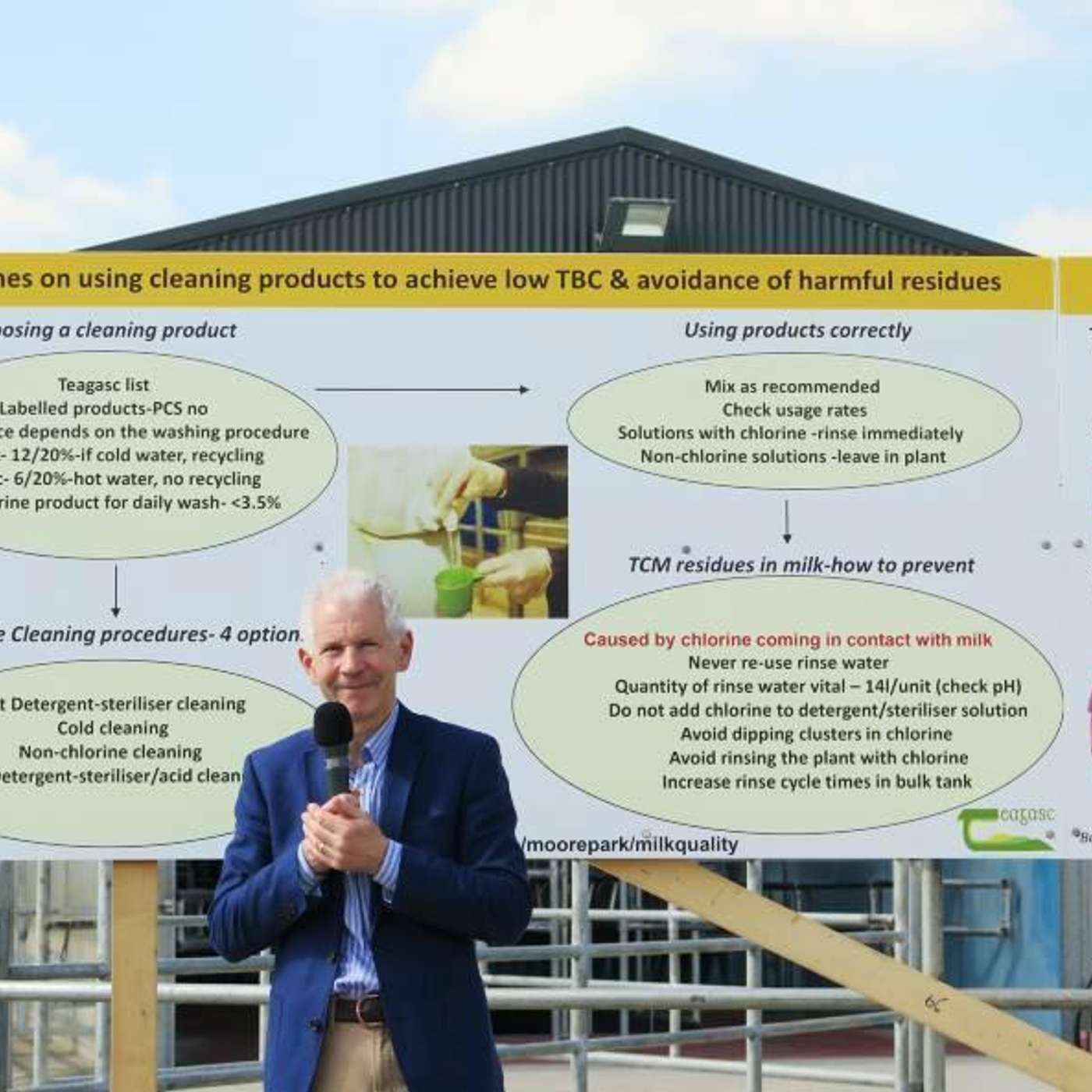
Milk quality expert, David Gleeson, joins Emma-Louise Coffey to discuss the move to chlorine-free cleaning products on Irish dairy farms. David explains that while chlorine levels measured in the form of TCM and chlorides are low currently in Irish dairy products, the use of chlorine will be eliminated for cleaning on farm and in processing plants. Teagasc have developed alternative cleaning protocols to chlorine-based products and encourages farmers to consult with their milk quality advisor and Teagasc advisor to select the most suitable protocol for their farm. David acknowledges that alternative protocols will require more hot water and acid leading to higher costs cleaning routines. For more information on milking routines:https://www.teagasc.ie/media/website/animals/dairy/research-farms/Non-chlorine-cleaning-protocol-april-18.pdf
Bonus Ep: Advice from Grass10's Fergus Bogue at the Moorepark Open Day
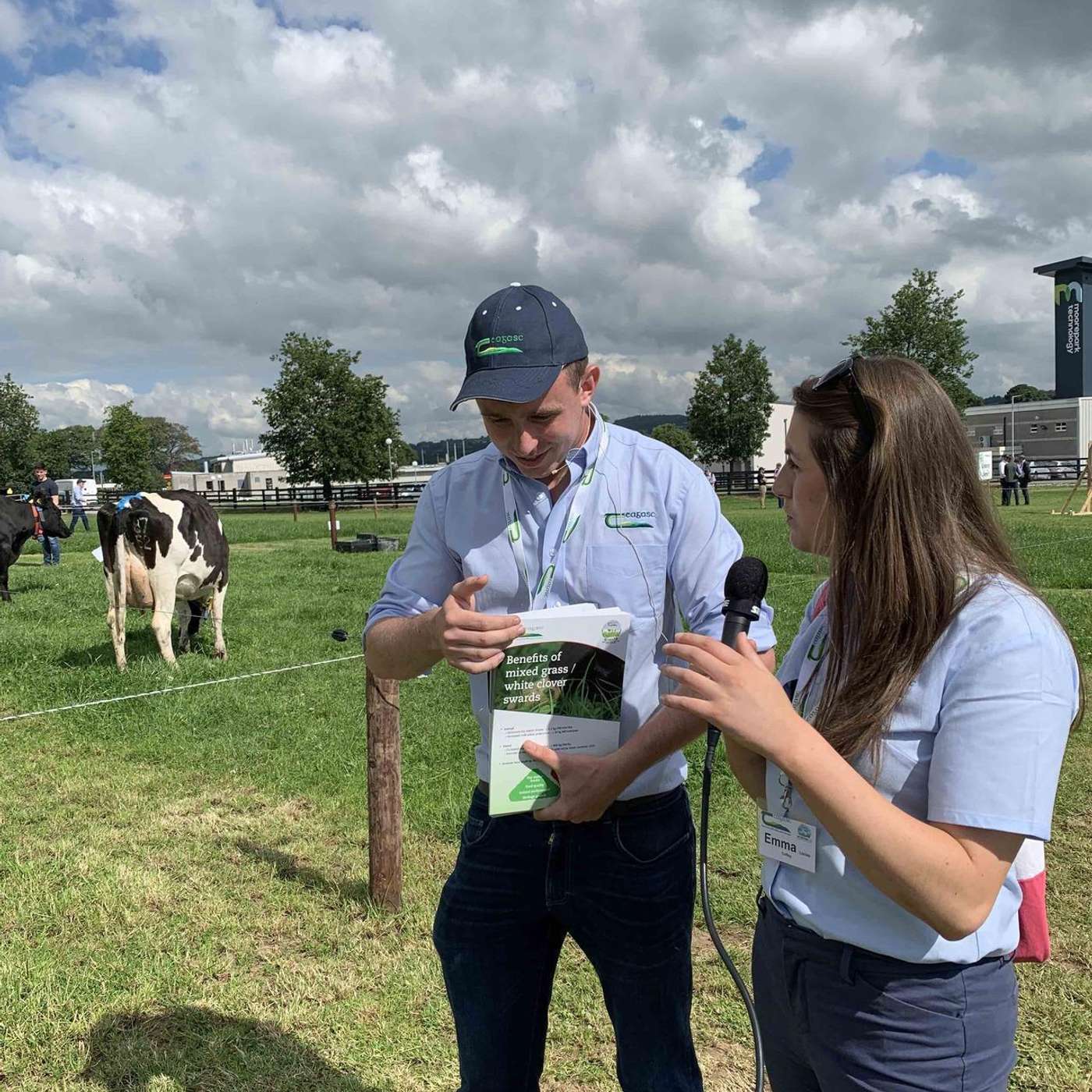
bonusFergus Bogue of the Grass10 Team spoke to Emma-Louise Coffey from the Grass Demo at Teagasc's recent Open Day at Moorepark to discuss grass quality and stem levels on Irish farms.Fergus also explained what the Grass Demo was about and how farmers would get to see what kind of covers their cows should be grazing and what they graze down to. For more information:https://www.teagasc.ie/crops/grassland/grass10/
The High Return-Low Difficulty model to help with your decision making
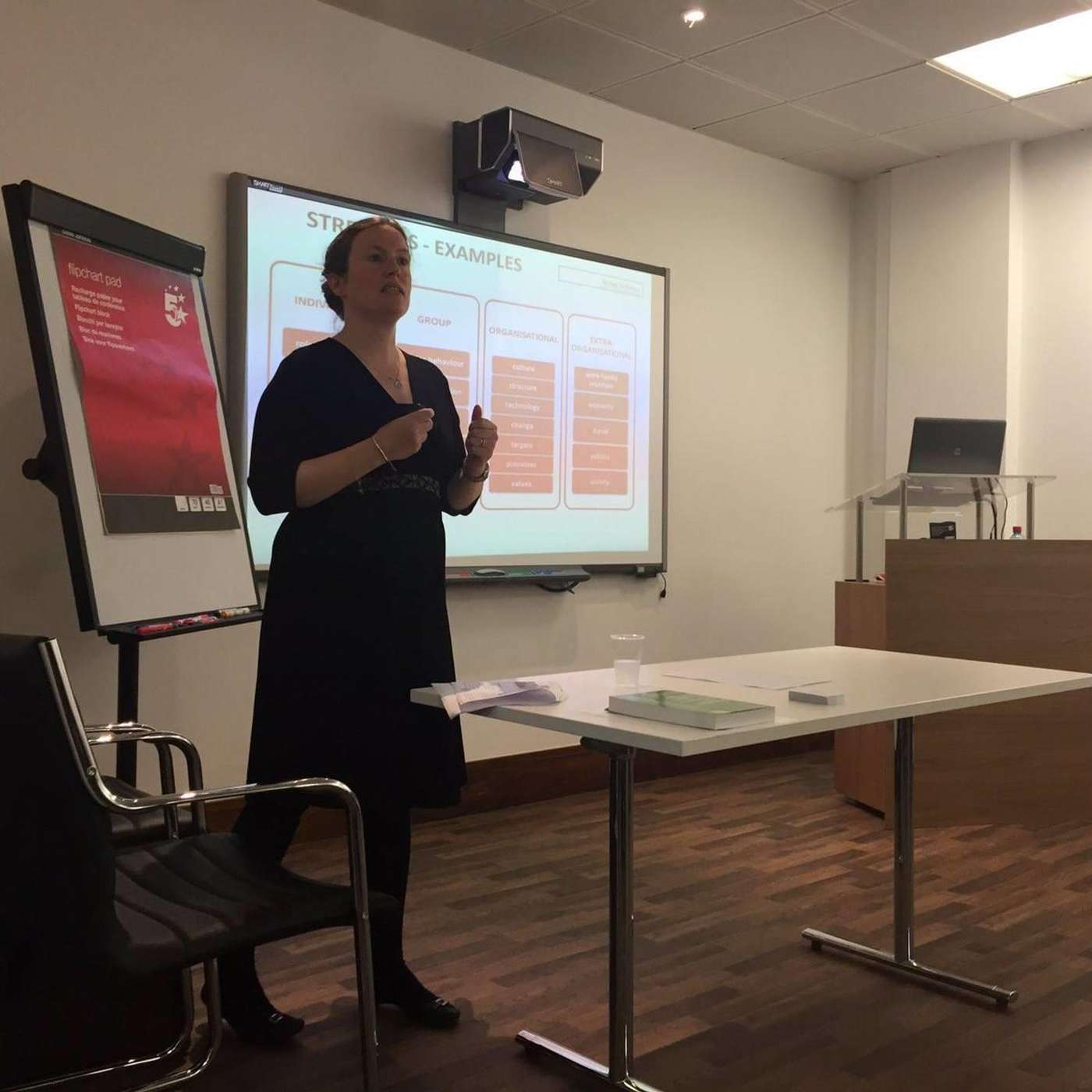
Management Consultant Nollaig Heffernan joins Emma-Louise Coffey to emphasise the importance of planning around decision making for your farm.Nollaig explains that good planning and decision making will help achieve your personal goals, leads to more profitability on farm investment and makes your farm a more attractive place to work for family and employees. Nollaig introduces a LEAN tool, the PICK Model, to help with decision making. The PICK Model considers the Return on Investment and the Level of Difficulty for any task or project you are considering for your farm. Are you willing to invest your time and your money in these tasks/projects? Ideally all decisions will lead to high return and require low difficulty. Often there are projects that are either low return or high difficulty. Nollaig explains that we must look at these situations and identify how we can improve the circumstances.For more from the Dairy Edge podcast go to:https://www.teagasc.ie/animals/dairy/the-dairy-edge-podcast/
How dairy expansion has impacted the Irish economy
Economist Ciaran Fitzgerald joins Emma-Louise Coffey to discuss how dairy expansion has impacted the Irish economy.Ciaran recounts commonly reported expansion figures such as milk output and value of exports but takes a more in depth look at the economic impact on the Irish economy and in particular on rural Ireland. Over 60,000 people are employed in dairy industry, including 19,000 employed directly on dairy farms. Interestingly, Ciaran looked at the money spent in the Irish Economy relative to the value of exports for specific industries. For each €1 in exports of Irish dairy products, a huge €0.91 is spent in the Irish economy. This compared with just €0.10 for multinational exports and €0.60 for Irish indigenous companies. Ciaran acknowledges the increasing value of Irish milk due to high value product profile including infant formula and sports nutrition changing from traditional focus such as cheddar cheese. He also maintains that the Irish dairy industry will continue to target such value added markets which will somewhat mitigate the effects of BREXIT on the Irish dairy industry.
New cost-effective methods of slurry spreading
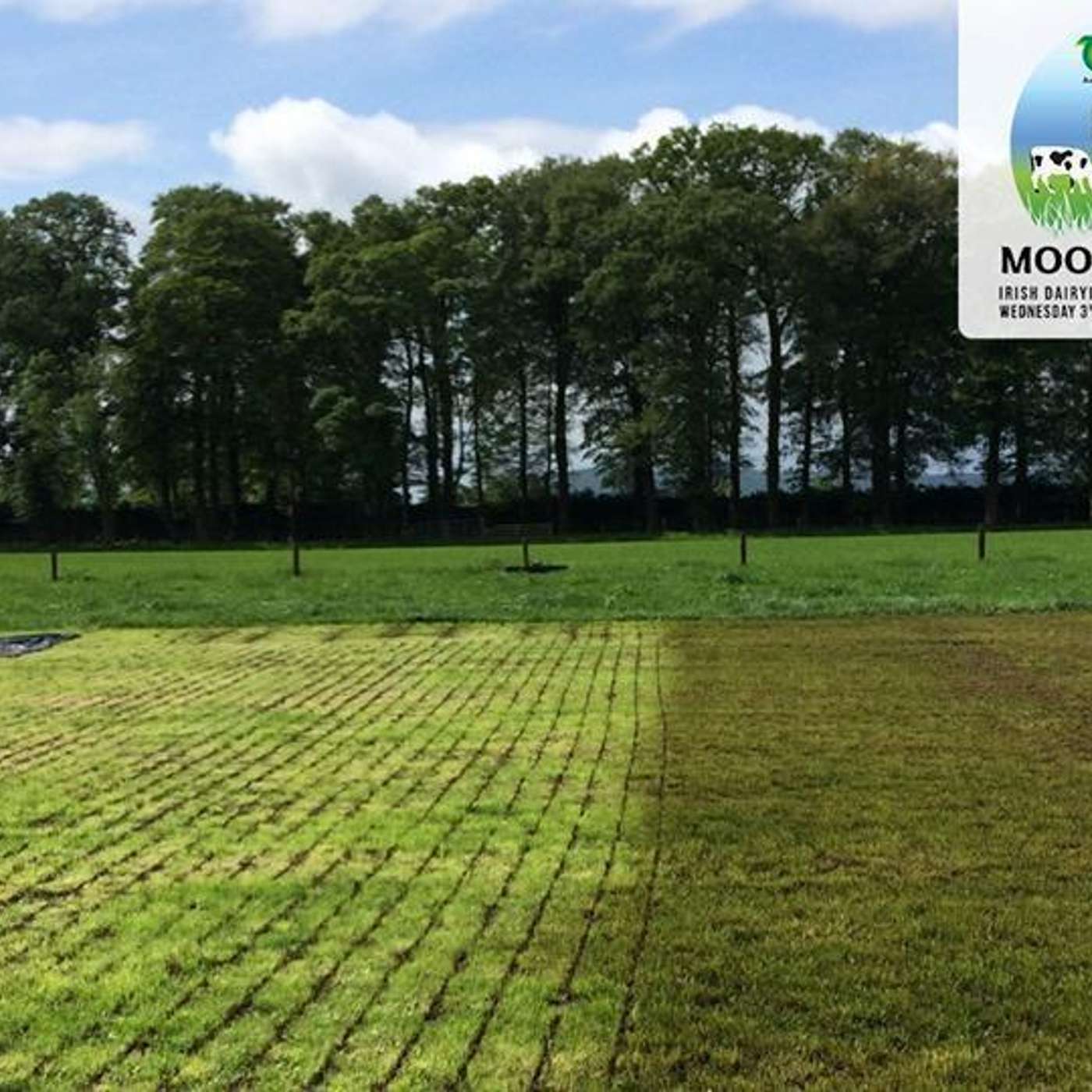
William Burchill joins Emma-Louise Coffey to discuss new cost-effective methods of slurry spreading. William reminds us of the value of slurry, which is the equivalent to 6 units of Nitrogen, 5 units of Phosphorus and 30 units of Potassium. Interestingly, slurry from dairy cows, that is often mixed with dairy washings from collecting yards are diluted and offer the half rate of Phosphorus and Potassium. Explaining the reasons behind new slurry spreading methods, the context is in our aims to reduce both Greenhouse Gas and Ammonia emissions. Benefits to the farmer includes reducing environmental footprint, reduced contamination of grass, greater nutrient availability and flexibility in what paddocks where slurry can be spread. Use of contractors with low emission slurry tanks is more expensive in the region of €10-25/hr while the purchase of a low emission slurry tank can be €13,000-15,000 more expensive compared with conventional slurry tanks. William is confident however, that effective use of low emission methods will compensate for additional costs.
Analysis of the growth and expansion of the national dairy herd
Moorepark researchers Brendan Horan and Laurence Shalloo join Emma-Louise Coffey to critically review the growth and expansion of the national dairy herd.Brendan addressed the environmental impact of expansion highlighting the benefit of grass-based systems and explains the low environment footprint relative to both European and international milk producing competitors. The net environmental footprint of the dairy industry has increased while the output per unit milk has reduced. Looking at the target net profit of €2,500 per ha, Laurence explains there is a roadmap set out with targets in all aspects of the dairy business to achieve this; farmers must get the basics right, grass utilisation and 6 week calving rate are key drivers of profitability in a simple grass-based system. The top 10% of dairy farmers in the country are averaging €2,200 per ha while the average farmer is averaging €1,200 per ha over a number of years. He also reviews the debt levels on Irish dairy farms, explaining that at €900 per cow, we are very lowly borrowed in comparison with other countries, despite €1.5 billion euro of investment in recent years. Both Brendan and Laurence acknowledge the remarkable achievements of dairy farmers, creating a prosperous €4 billion industry.
Why you should include white clover in grazing swards
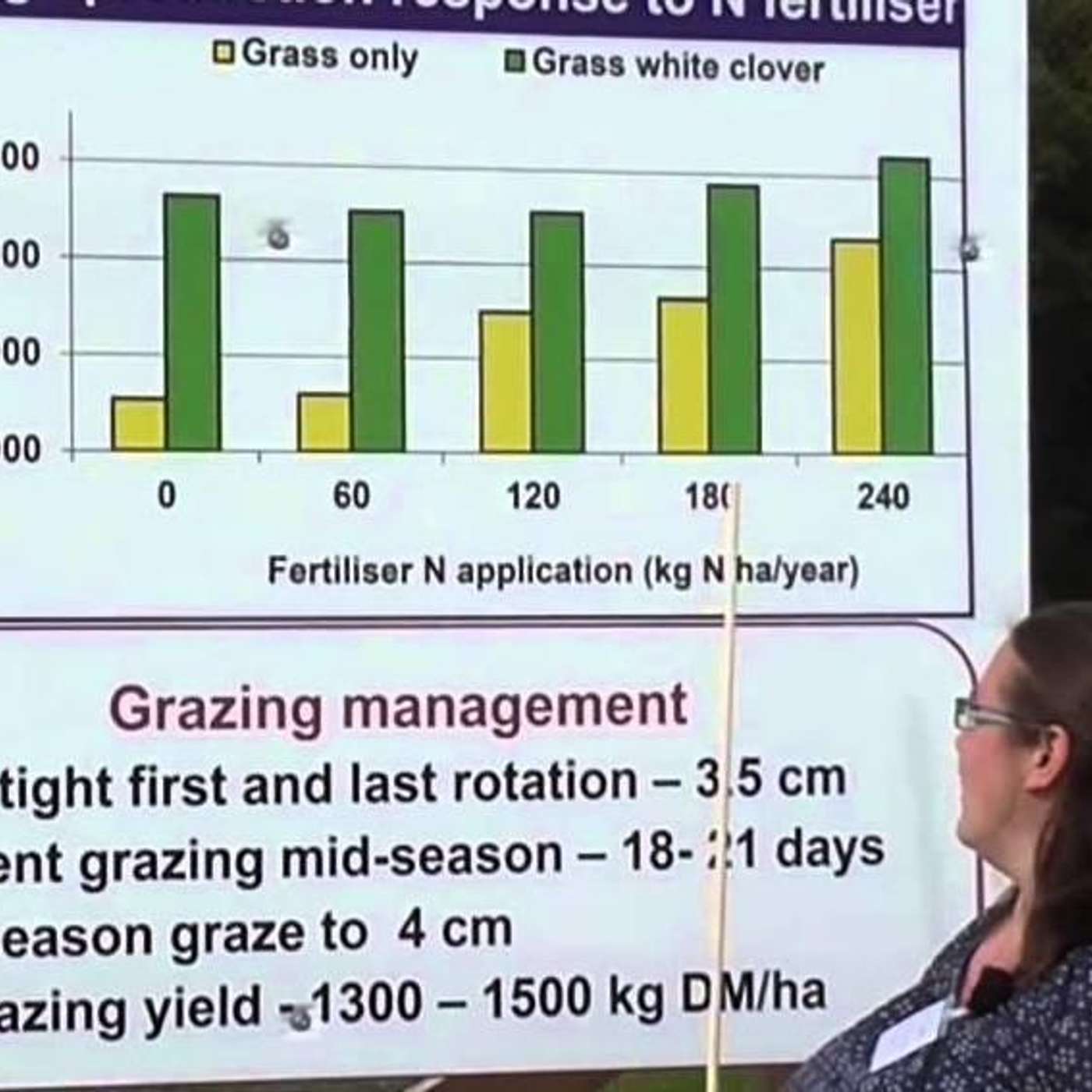
Deirdre gives an overview of the benefits and challenges of white clover in intensive grass-based systems of milk production.She explains the ability of white clover to fix Nitrogen - in a systems study, Nitrogen was reduced by 100 kg Nitrogen/ha with no reduction in grass production in grass + white clover swards compared with grass only swards.Furthermore, improved animal performance is evident with an increase of 33 kg MS per cow observed in grass + white clover swards compared with grass only swards. This is driven by clover being a higher quality feed and cows achieving higher intake.When considering the challenges of white clover inclusion, Deirdre explains the primary concerns for dairy farms include bloat and low spring growth. Deirdre lists strategies to reduce the risk of bloat including vigilant grassland management and use of bloat oil.Spring growth is a greater challenge with white clover growing from 8®C compared with grass growing from 5 ®C. To overcome this, a budget of 1 high quality bale per cow for the 1st grazing rotation. For more information:https://www.teagasc.ie/media/website/publications/2018/Managing-grass-clover-swards-in-an-intensive-grass-based-system.pdf
Results of the 2018 Teagasc National Farm Survey
Agricultural Economist Emma Dillon joins Emma-Louise Coffey with the results of the Teagasc National Farm Survey highlighting that although incomes declines by 30% in 2018 compared with 2017, incomes remained substantial at €61,000. Emma explains there were many factors at play, namely 2017 dairy income being at a record high, high production costs in 2018 including additional feed and workload. She compared the dairy sector with other farming enterprises and explains that the dairy sector remains dominant. Dairy farmers continue to make the most profit, accounting for 17% of farms included in the national farm survey but 50% of the total income. Furthermore, dairy farmers have a low reliance on direct payments, accounting for 34% of total income in 2018.For more information:https://www.teagasc.ie/media/website/publications/2019/National-Farm-Survey-Preliminary-Results-2018.pdf
The current grassland situation on farm and a look at future growth rate predictions
Micheal O’Leary from PastureBase Ireland and Grassland Researcher Elodie Ruelle join Emma-Louise Coffey to discuss the current grassland situation on farm and look at future growth rate predictions.Micheal starts by explaining the current grassland situation, including high growth rates of on average 77 kg DM/ha exceeding farm demand of 60 kg DM/ha. The additional feed is driving farm cover/cow to over 200 kg DM/ha, compared with target of 160-180 kg DM/ha. The considerable amount of rain that has fallen in recent days combined with predictions of continued high growth re-assures Micheal that farmers can be proactive in removing heavy covers to prevent a reduction in milk production.Micheal's tips are:1. Graze maximum cover of 1,500 kg DM/ha2. Measure twice weekly during peak grass growth and remove heavy paddocks (Spread soiled water or compound fertiliser after spreading)3. Target farm cover of 160-180 kg DM/ha and an 18-21 day rotation Elodie Ruelle explains the model that she has created for grass growth which accounts for weather conditions (past and predicted), soil type, Nitrogen levels and Biomass. The grass growth predictions are made across 40 farms in Ireland. Accuracy is high as the farms are measuring at least weekly and recording Nitrogen usage on a weekly basis. Elodie's predications appear in the weekly Grass 10 bulletin. Finally, Micheal reflects on Grassland for 2019 reporting the excellent year to date including at least 1 additional grazing across farms on PastureBase Ireland this year compared with 2018 with production up 1 tonne/ha. For more information:https://www.teagasc.ie/crops/grassland/grass10/grass10-newsletter/
Previewing Moorepark 2019 – the Teagasc National Dairy Open Day
Pat Dillon, Teagasc's Head of Animal and Grassland Programme, joins Emma-Louise Coffey to preview the topics and speakers at this year's Moorepark ’19, the Teagasc National Dairy Event for 2019, on Wednesday 3rd July at the Teagasc, Animal & Grassland Research and Innovation Centre, Moorepark, Fermoy, Co. Cork from 0830-1700. The theme of this year’s event is ‘Growing Sustainably’. The continuing expansion of the Irish dairy industry provides opportunities to increase the profitability of family farms, while also further developing climate smart dairy farming systems. Future expansion will require close alignment of national agricultural and environmental targets, with a particular focus on carbon emissions, water and air quality, and biodiversity.For more information: https://www.teagasc.ie/news--events/national-events/events/moorepark-2019---teagasc-.php
Hoof health and dairy herd mobility
Animal Health expert Muireann Conneely joins Emma-Louise Coffey to discuss hoof health and the mobility of the national dairy herd. Muireann makes reference to an ongoing trial where an average of 14% of the dairy herds examined have sub optimal hoof health. Poor mobility and lameness causes stress and pain to cows as well as reduced milk production and overall farm profit. Milk yield is affected for up to 8 weeks prior to a dairy cow showing clinical signs of lameness. In order to prevent poor mobility and clinical lameness farmers should score cow mobility regularly, ensure roadways are in good condition and treat for lameness early. For more information: http://www.ultimatehoofcaresolutions.com/index_files/Process.htm
The re-seeding process step-by-step
For part two of our conversation with Micheal O’Donovan and Tomas Tubritt, they talk us through the reseeding process step by step. Micheal explains the starting point is to identify the paddock or farm area that you intend on reseeding. When considering the methods of reseeding, Tomas explains there is no difference between individual methods, but the common methods in Ireland include ploughing, minimum cultivation, discing and stitching in. In terms of fertiliser strategy, Michael advises anyone who is ploughing to complete a soil test once the soil is inverted. Standard fertiliser is 3/4 bags of 10-10-20 and 2 tonne lime per acre. When selecting seed, Tomas explains farmers need to select on quality, seasonal growth (spring and autumn) and heading date within 3-5 days of each other. Tomas also mentioned a new trait that is being investigated as part of his PhD research is grazing efficiency. This trait tends to favour tetraploid varieties due to their nature of higher leaf area and digestibility. Micheal recommends spraying with post emergent spray when the paddock is at a cover of 200-300 kg DM/ha and grazing at s cover of 700-1000 kg DM/ha. He explains that getting in at this light cover might mean that stock will only get 2/3 hours grazing in the paddock. He advises that the paddock is hit again in 14-15 days time. This management will lead to a successful reseed encouraging active growth and tillering. For more information: https://www.teagasc.ie/media/website/publications/2017/Reseeding-booklet.pdf
The benefits and return on investment from reseeding
Head of Grassland Science Michael O’Donovan and Grassland PhD researcher Tomas Tubritt are this week's guests on the Dairy Edge podcast to discuss the topic of reseeding. Firstly, Michael talks through the benefits of reseeding, primarily transforming swards from partial perennial ryegrass swards to 100% perennial ryegrass swards leading to higher levels of grass production, improved quality and graze outs while renewed swards will also respond greater to fertiliser. Michael explains that reseeding costs €750/ha which is a significant investment but also the return on investment is recouped in 18th months. Furthermore, he explains the first 11 months are crucial to the success of reseeded swards. Tomas sets a target of 8% of the farm annually which means each paddock should be grazed every 14/15 years. Tomas explains that the new varieties being introduced to the Pasture Profit Index will out-compete older varieties. In order to identify paddocks for reseeding, Michael explains that ideally farmers will make an informed decision based on grass measurement and knowledge of poorest performing paddocks but where these records are unavailable farmers should be filling in the Teagasc Grass 10 Grazing Charts which identifies the number of grazings, the paddock that achieves the least grazings need to be reseeded. For more information: https://www.teagasc.ie/media/website/publications/2017/Reseeding-booklet.pdf
Mike Bermingham's journey from construction to dairy farmer
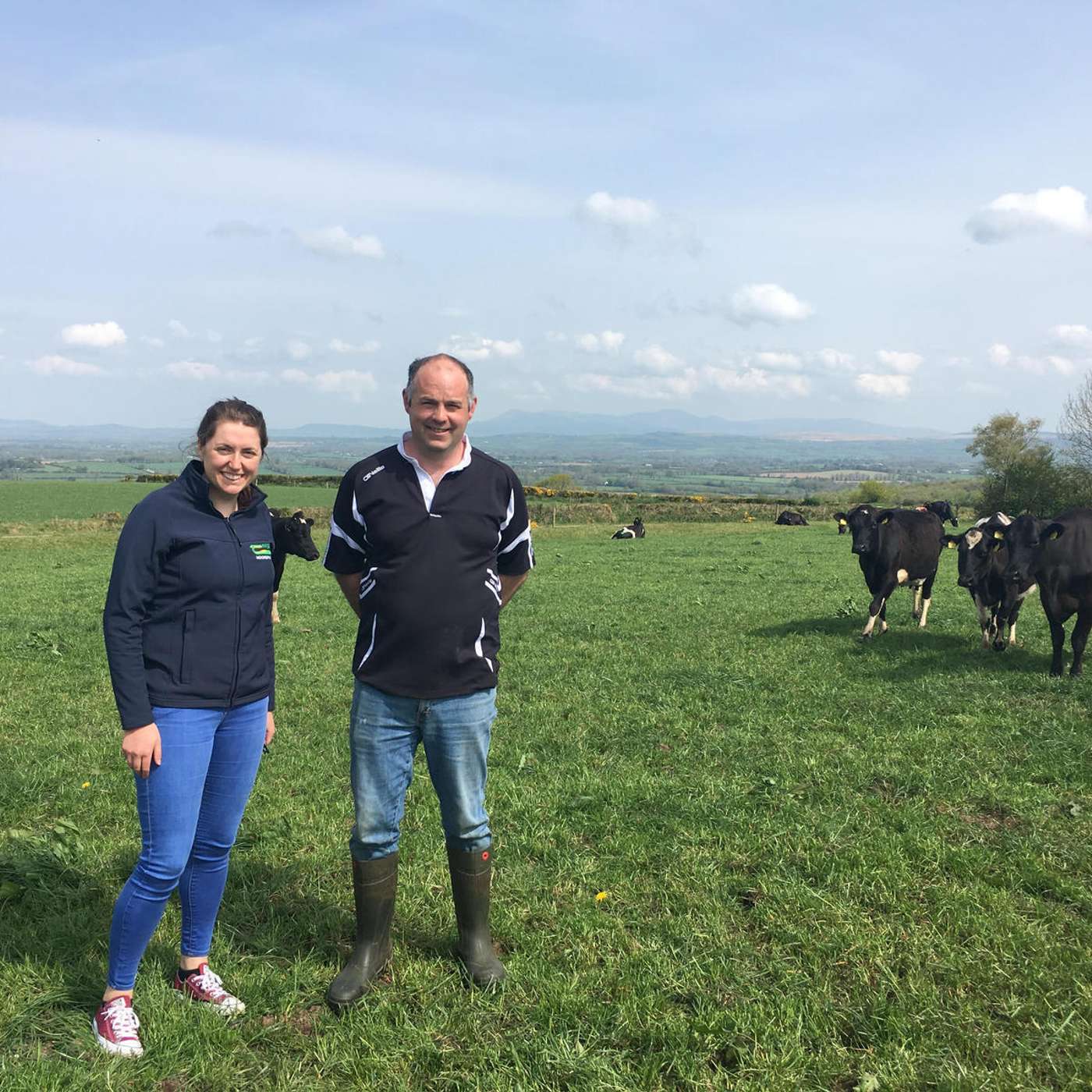
Dairy farmer Mike Bermingham joins Emma-Louise Coffey to take us on his journey of career change from construction and part-time beef farming to becoming a new entrant dairy farmer in 2013. Mike returned home to farm full-time in 2009 and acknowledged he had a big asset in his farm of land, yet it was providing no income. In 2010 he began grass measuring in order to quantify the amount of grass grown on the farm. This has allowed Mike to get a good handle on the level of grass grown on the farm and identify underperforming paddocks. Mike is consistently growing 14 tonnes DM with the exception of 2018 which was 11.5 tonnes DM. Soil fertility is optimum for pH, P and K. When considering what else he did prior to milking to put him in the best position for success, Mike said he joined a really good discussion group and also credits the Greenfield farm in Kilkenny and the Shinagh farm for demonstrating start ups, what works and what doesn't work. Looking back at the progress over the last 10 years, Mike is hitting all of the dairy KPIs; fat and protein %, 6 week calving rate, grass utilised. Passing on his wisdom to others considering dairy, Mike explains that farmers must start with the basics, the parlour, cubicles, roads and water. Additionally, surround yourself with good people, get help making a 5-year plan, identify a mentor and make sure you are in a good discussion group.

The new Dairy Beef Index explained
The ICBF's Andrew Cromie and Siobhan Ring join the Dairy Edge podcast this week to discuss the new Dairy Beef Index (DBI). Firstly Andrew explains the DBI is a breeding index that will promote high quality beef cattle from the dairy herd with minimal consequences to calving difficulty and gestation length in dairy cows. Siobhan explains that the DBI has a role in dairy herds after breeding for replacements using the EBI. She also explains the ranking of bulls within the DBI as it ranks beef bulls for use in the dairy herd for calving and carcass traits. Finally, Andrew explains the DBI has an important role to play in the Irish agricultural industry, creating a calf that is saleable for dairy farmers and of value to beef farmers in terms of carcass quality. Furthermore, Andrew explains we must protect our dairy industry and avoid bobby calf industries that are in operation in other countries For more information: https://www.icbf.com/wp/?page_id=12504
Tips for optimising breeding performance
Dairy specialist Stuart Childs joins Emma-Louise Coffey to explain the various steps to optimise breeding performance for your farm. Stuart identifies 3-week submission rate as the most important KPI for farmers to target. He considers the length of time to mating start date which is anywhere between 10 and 20 days away. Stuart recommends tail painting the whole herd and addressing cows who fail to cycle. Many farmers have changed the calving date on their farms following the difficult spring in 2018. While 2018 presented a particularly difficult spring, Stuart recommends farmers don't make a dramatic change to their normal calving start date based on one year! Stuart also discussed all the heat detection aids available from visual observation to tail paint, scratch cards, teaser bulls to the more recent technology aids, explaining that all heat detection aids work but if they aren't hitting targets, he recommends you look to the cow and also the detection method to see how you can improve. Finally, Stuart reminds us of synchronisation protocols that can be used routinely for heifers and anoestrus cows and he reminds us to be very clear on the protocol to ensure each step is taken at the correct time. For more information: https://www.teagasc.ie/animals/dairy/breeding--genetics/breeding-management/
Grassland Management Tips
In part 2 of our interview with John McNamara, we find out about the grassland management on John's dairy farm. John explains that the grazing season starts in August of the previous year. He starts extending his grazing rotation and building farm cover in August, hitting peak farm cover in later September and closing the farm from at an appropriate cover to carry grass into the spring. He explains that the farm is heavy meaning the shoulder periods of the grazing season can be a challenge. John accepts this challenge each year by employing all the grazing technologies such as on/off grazing and back fencing. When considering KPIs for grazing, John thinks figures like 10 grazings per paddock are really important for him and believes if you can get off to a good start during the spring rotation, you are on the right track. Turning our attention to the Grass 10 open day on his farm in Knockainey on April 24th, John welcomes all farmers and their families to the event. On the day, we can expect to get an insight to excellence in grassland on the McNamara family farm. For more information: https://www.teagasc.ie/news--events/national-events/events/open-day---john-mcnamara-.php
An interview with Grass 10 Champion, John McNamara
2018 Grass 10 champion John McNamara joins Emma-Louise Coffey to talk through his farming career and some of the people who have helped him along the way. John explains that the farm has been in the McNamara family for three generations and he considers the changes that have taken place over the last 20 years since he returned home farming. At that time the McNamaras were milking between 50-60 cows on a 25 ha platform. John and his wife Olive now milk 250 cows on a land base of 116 ha. John explains that expansion happened on the basis of the ability to grow grass as the main source of feed. The McNamaras won Farmyard of the Year in 2009, 40 years on from his father winning a similar competition that recognises farms general neatness and work organisation. John explains that his parents instilled a strong work ethic as well as pride of place in their farm as divers that saw them being recognised on both occasions. Johns community spirit is evident throughout his farming career being involved in Macra and with his local community, and in particular the GAA. He highlights the importance of work, life balance having an outlet away from the farm. John believes dairy farming is a socially and financially rewarding career and offers a great way of life for farmers and their families.
Top tips for sire selection for the upcoming breeding season
Kevin Downing from ICBF joins us this week to with his top tips for sire selection for the upcoming breeding season. He suggests key traits to consider are high EBI cows with early calving date. For sire selection whether using daughter proven or genomically selected sires, farmers should select high EBI bulls with high sub-indices for areas of importance for herd. Higher EBI offspring will produce more profit with each €1 additional EBI = €2 additional profit. Kevin explains the recommendation around the number of bulls has increased with a recommendation for up to 8 bulls for a 100-150 cow herd. He considers the number of straws required to produce sufficient replacements, estimating on average 4 straws are used to produce 1 heifer. Finally, Kevin recommends that we focus on the heifers in the herd as they are typically genetically elite compared with the cows in the herd. Focus should be on heifers calving down between 22-26 months as they will last longer in the herd and produce milk solids across their lifetime. For more information: https://www.icbf.com/wp/wp-content/uploads/2018/04/Sire-Advice-Help-Document1.pdf

An update on the performance of the Johnstown Castle herd
On this week's episode of The Dairy Edge podcast, Johnstown Castle dairy farm manager Aidan Lawless gives an update on the performance of the Johnstown Castle herd. Firstly Aidan gives an insight into the current performance of the autumn calving herd. Cows were out at grass since January 10th which is uncharacteristic but Aidan explained with the mild winter and high overwinter growth, there was a high cover of grass and good ground conditions. Aidan explained that the breeding season had gone with very little evidence of repeats. Cows were bred for a total of 11.5 weeks with 6 weeks of AI and the stock bulls. He also explained that over 90% of the spring herd have calved to date. February was a good month but he explained that weather conditions have made grazing more difficult over the last 10 days. Cows are getting at least 90% of the grazed grass allocation when they get out for two grazing bouts in the day but reminds us that they are being very careful not to damage swards. Looking back to 2018, Aidan was slightly disappointed with MS production of 520 kg MS per cow. He thinks prolonged housing and silage supplementations during periods in April and May had an impact on the milk production potential of the herd. Finally, Aidan reviews the 2018 farming year and the key lesson for the Johnstown Castle Dairy Herd. Aidan explains that the milking platform stocking rate of 2.7 cows/ha is comfortable based on grass growth capability. In 2019 they will work hard to re-build stocks of buffer silage and be more proactive in the decisions around timing the sale of cull cows and surplus heifers. For more information: https://www.teagasc.ie/animals/beef/dairy-calf-to-beef/johnstown-castle-research-farm/
Spring Grazing Update & Advice
Grass 10 campaign manager John Maher joins us to give an update on grazing conditions across the country and his top tips for the rest of spring grazing rotation. John recalls the perfect grazing conditions experience in the month of February which allowed many farmers to hit the target 30% grazed by March 1st. He explained that this was demonstrated particularly well on farms that had optimum stocking rate and high 6 week calving rates. The mixed weather including heavy rainfall and snow during the first ten days of March means that farmers are experiencing more challenging grazing conditions. To maintain high levels of grazed grass in the dairy cow's diet, John encourages farmers to adopt on/off grazing and eliminate silage in the diet where possible. John reminds us why this is important - each 1 kg DM (5 kg fresh weight) of silage will reduce grazing time by 30-45 minutes per day. Cows indoors by night should have no silage available after midnight to ensure they are keen to graze after their morning milking. To overcome challenging ground conditions, he encourages farmers to walk their farm to identify the driest paddocks. Factors to consider when selecting paddocks should include grass cover, infrastructure and ground conditions. Finally, John reminds us the second round of fertiliser is due to be spread on farms now. Farmers should spread 40 units in a combination of chemical and organic Nitrogen. Where farmers are busy, consider the contractor for this task! For more information: https://www.teagasc.ie/media/website/publications/2019/Grass10Newsletter050319.pdf https://www.teagasc.ie/media/website/publications/2018/Dairy-Newsletter-February-2018.pdf
The economic benefits of milk recording
Vet Doreen Corridan joins Emma-Louise Coffey on this week’s episode of The Dairy Edge, to discuss the benefits of measuring herd performance through milk recording. Doreen quantifies the economic benefit of milk recording to the tune of €23,000 from a 100 cow herd compared with herds that don’t milk record. With approximately 50% of dairy herds in Ireland, there are substantial financial gains to be achieved on many dairy farms across the country. Where is the additional €23,000 coming from? Doreen explains that cows in milk recording herds produced more 50 kg more milk solids. Furthermore, cows tend to have lower SCC, higher genetic merit, more days in milk, higher 6 week calving rates and a greater no of lactations. Doreen emphasises the ability to rank cows on profitability from most profitable to least profitable. This should guide farmers to select dams to breed replacement heifers and the poorest performing cows for culling from the herd. The number of milk recordings will between herds but Doreen suggests a minimum of 4 recordings should be carried out in the year. The first milk recording should take place in the 1st 60 days of lactation, with a guide date of mid-March. She could not emphasise enough the importance of this milk recording as it calculates the effectiveness or the cure rate of the previous dry period. Doreen encourages all farmers to milk record and take management actions based on results. The cost of recording 100 cows 4 times per year is €1,150 and will lead to additional profit of €23,000. Doreen reminds us that some co-ops have initiatives that supplement the cost of milk recording. For more information: https://www.icbf.com/wp/?p=7855

Improving your mental health on the farm
Dairy Farmer, Peter Hynes, joins Emma-Louise Coffey to talk about a fundraising initiative 'Rearing To Go' that aims to help raise awareness of mental health on the farm. Peter is well known in farming circles for speaking out on his own struggles with mental health and depression. He reminds us that the Spring can be a busy and stressful time on farms and it could lead to stress among farmers. His top tips are to eat well, sleep well, use the contractor to reduce workload, and get off the farm even for an hour or two and talk to people. Rearing To Go is a charity auction in aid of The Thomas Hayes Trust. The funds go towards the running of Teac Tom, an initiative started by the Hayes family to support individuals and their families affected by suicide or contemplating suicide. How can you get involved? Dairy farmers are encouraged to donate a calf for the auction on March 2nd in Corrin Mart, Fermoy. Peter explained that majority of the calves are dairy calves but some farmers have no surplus dairy calves so have donated dairy beef calves. Farmers that donate a calf will receive a bag of Volac Heiferlac and Dairgold Calf Pride nuts and Peter encouraged families to get out for a family friendly day whilst also supporting a very worthy cause. If you would like to donate a calf contact Peter on 087 0644678. For more information: https://www.southernstar.ie/news/farming/articles/2019/01/19/4167673-peter-trying-to-keep-farmers--mental-health-in-the-spotlight/
The effects Brexit will have on Irish agriculture
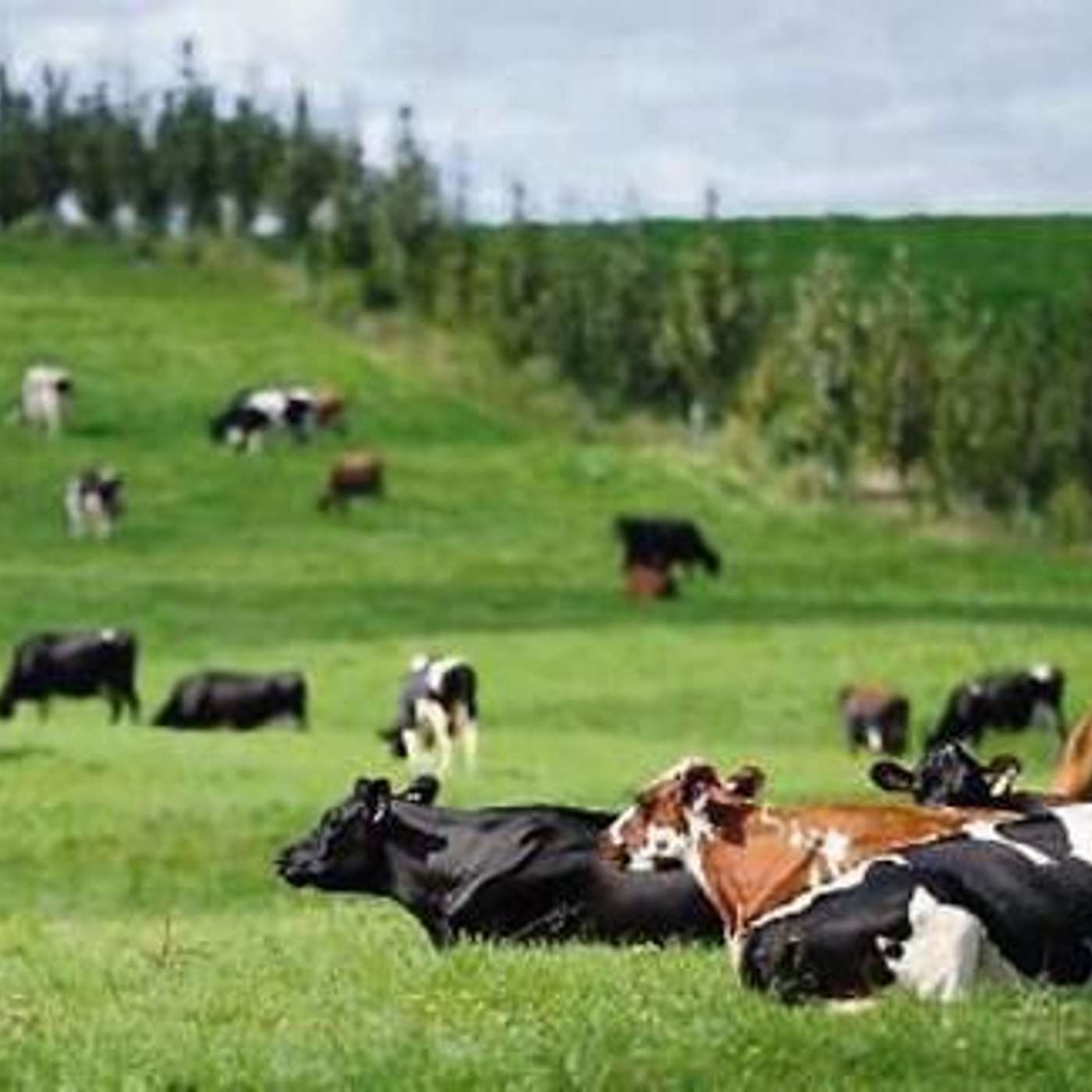
The Brexit deadline is ticking and with so many questions still in the air for Irish agriculture, we spoke to Teagasc's Head of Rural Economy and Development, Kevin Hanrahan, to explain the potential outcomes. A crash out scenario will have a significant impact on the Irish agricultural sector, Kevin explains, saying the magnitude is greatest for the beef sector with a 20% decline in carcass price compared with less than 10% to milk price. The uncertainty surrounding Brexit makes it incredibly hard to predict the full effect on Irish farmers and Kevin advises farmers to hold off on any substantial investment to their farm business in a volatile production environment where there is a risk around repayment capacity. For more information: https://www.teagasc.ie/media/website/publications/2018/Brexitupdate.pdf
Improving your soil fertility
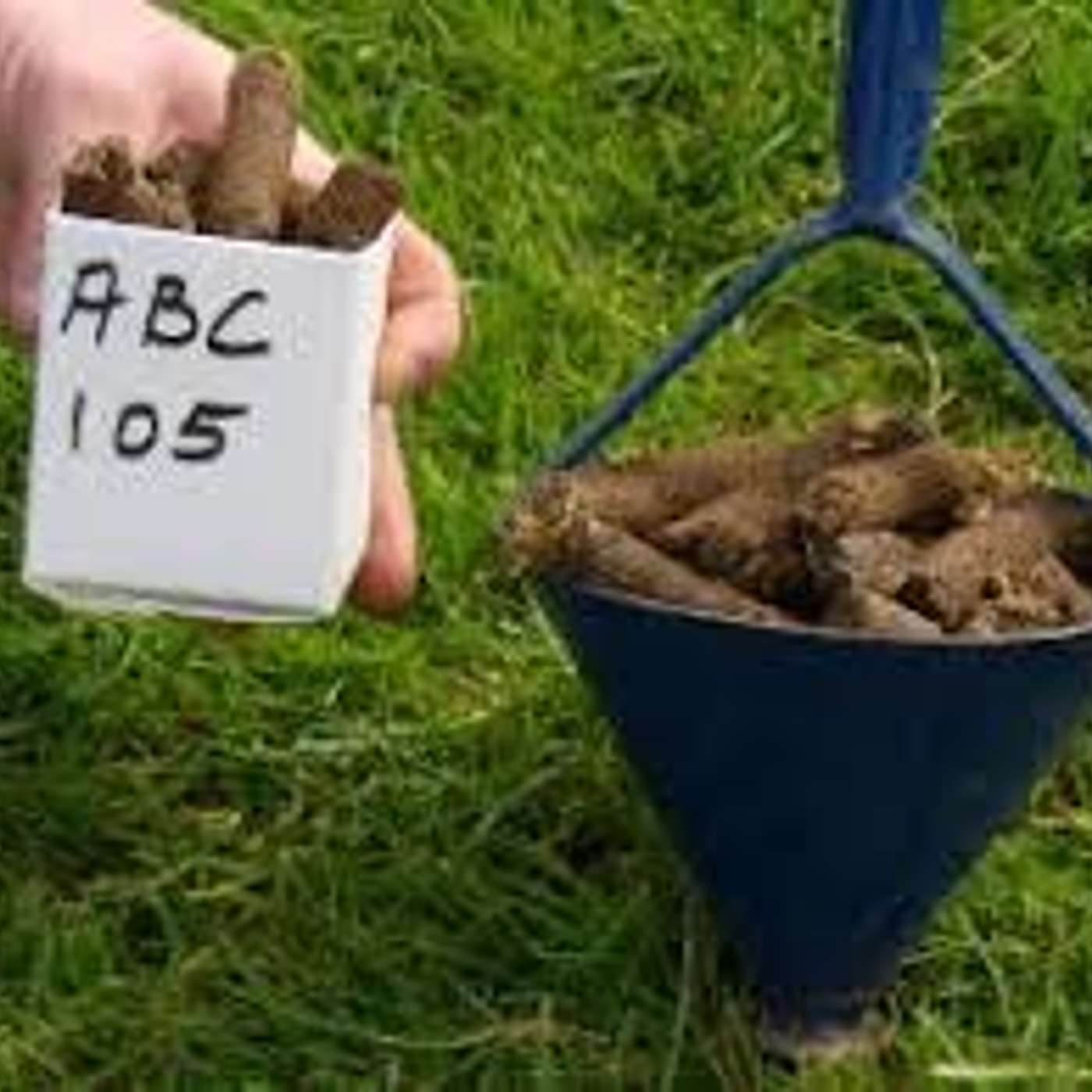
Soil and plant nutrition specialist, Mark Plunkett, joins Emma-Louise Coffey on this week's Dairy Edge podcast to discuss the upward trends in soil fertility across Irish soils. Mark highlights the increased lime usage, resulting in a greater proportion of soils at optimum of pH 6.3 or greater and explains that optimum pH gives rise to improved nutrient uptake and consequently, higher grass production. While Phosphorous and Potassium levels are improving on farms, there is still a lot of room for improvement. Mark reminds us to be aware of the changes in the allowance of Phosphorus, with an additional allowance of build-up Phosphorus for index 1 and 2 soils. He also noted that 2019 Phosphorus allowance will change for farmers as a consequence of the increased level of concentration supplementation throughout 2018. While Potassium use is not limiting on farms, Indexes remain low on many farms and Mark reminds us of the significant off-take of Potassium from silage cutting. Baled silage is a component of grazing systems which means unlike grazing, nutrients are not recycled back onto the land. He recommends that each farmer takes a look at soil sample results and make a fertiliser plan, targeting fertiliser use to the needs of your soils. For more information: https://www.teagasc.ie/news--events/news/2019/positive-indications.php
How to best manage your grassland in February
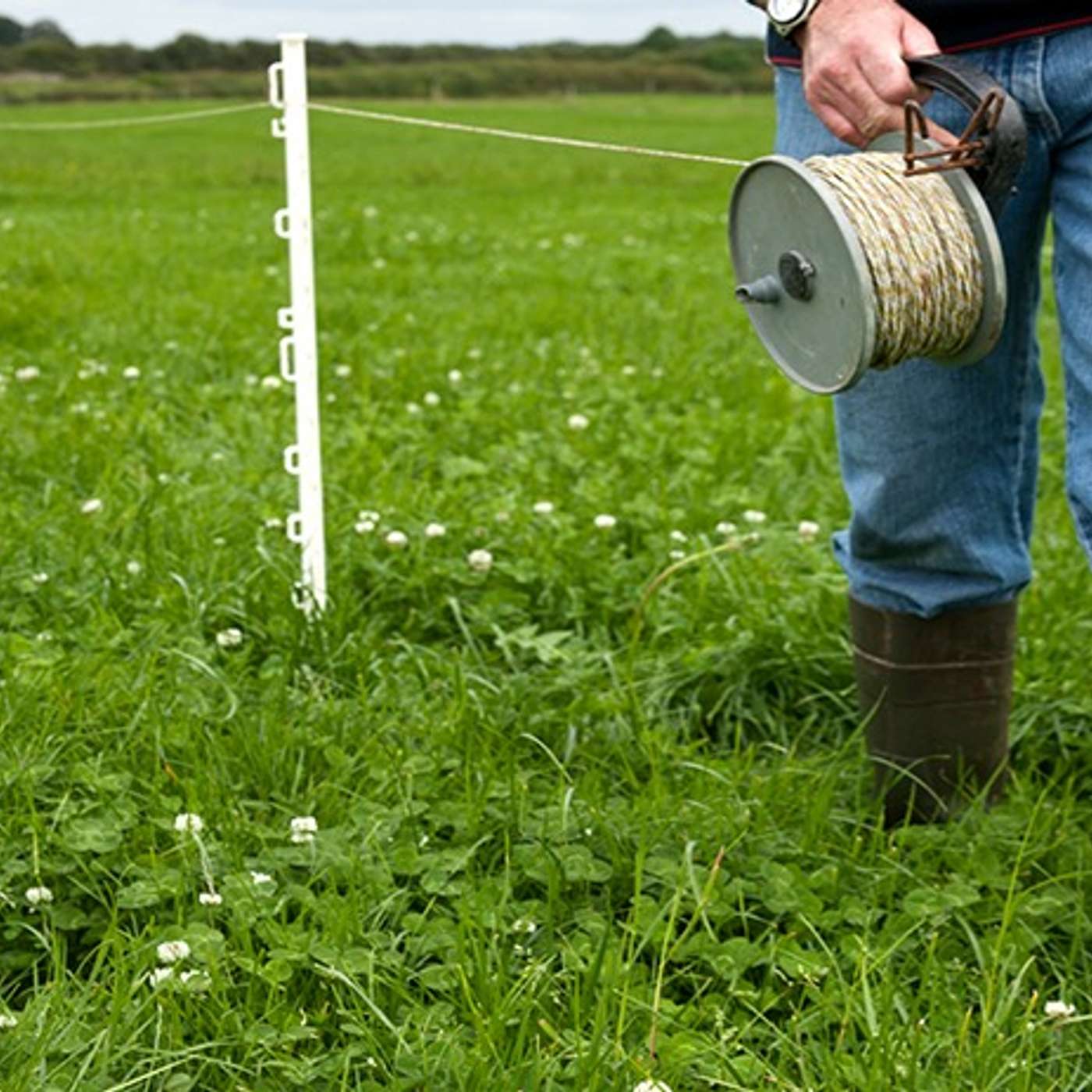
Dairy advisor, Richard O'Brien, gives advice on how to best manage grassland for the month of February. Richard explains that there is a lot of grass on dairy farms, with approximately 30% more grass on farms compared with this time last year. With that in mind, Richard encourages all farmers to get out to see what grass is on farm and target the lighter covers in order to get 30% grazed by March 1st. When reflecting on the Spring Rotation Planner, Richard challenges farmers to hit 15% by February 15th, emphasising the importance of early grazing to ensure there is enough regrowth for the 1st week of April at the start of the 2nd round. He believes the good underfoot conditions will give confidence to dairy farmers to get out to grass day and night. Based on feed budgets completed to date in combination with high farm covers, grass can make up the majority of the dairy cow diet with just 2-3 kg concentrate supplementation where grazing conditions allow. For more information: https://www.teagasc.ie/media/website/crops/grassland/Grazing-Guide-Book-2011_22-26.pdf
Is contract rearing for you?
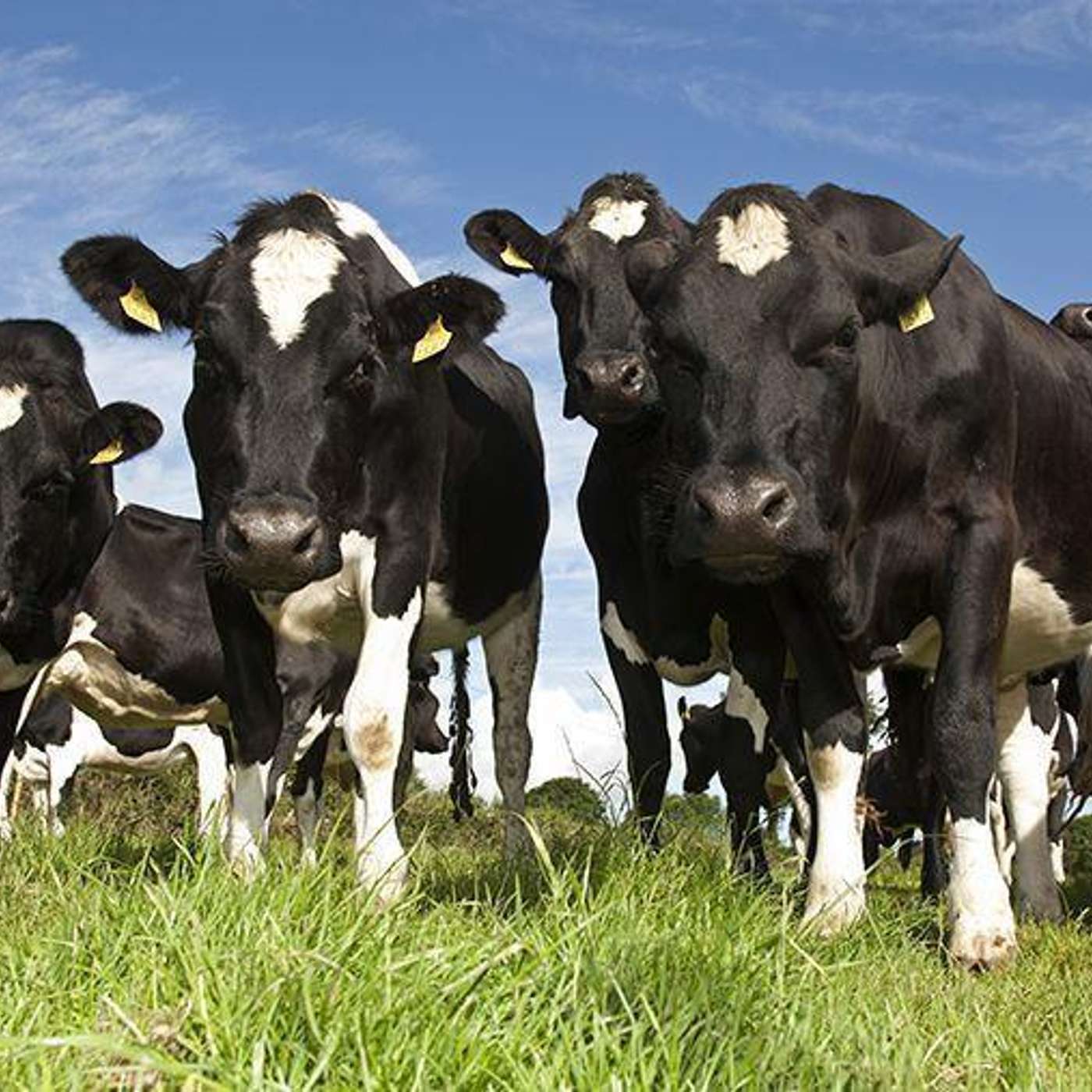
Drystock farmer (contract rearer and sheep) John O’Connell and drystock advisor Tom Coll join Emma-Louise Coffey to discuss contract rearing. Tom explains the various arrangements between rearers and dairy cow farmers and explores the various topics discussed at discussion group and the targets the group set for themselves including target weights, fertility and grassland management. Tom identifies the contract as the most important element of the agreement so that both parties have understanding of who pays for each of the costs associated with rearing, the income per animal for the contract rearer, target weights and fertility targets. John O’Connell, who is farming in Ballinamore, Co Leitrim, explains the evolution of his farm from a 30-35 cow dairy herd in the 1980s to drystock in the 1990s. John was completing the profit monitor each year and identified a lack of profitability from his suckler cows compared with his sheep flock, leading to expansion of sheep numbers. In 2015 John was approached by his local Teagasc advisor with an opportunity. John explains he had the winter housing facilities available on farm so felt this option was a no-brainer! He explains that good grazing infrastructure, grass production and silage quality drive low cost system leading to high profits. John is a member of a contract rearing discussion group where he can bench mark himself against other contract rearers across many performance metrics. For more information: https://www.teagasc.ie/media/website/publications/2013/GuidelinesContractRearingReplacementHeifers.pdf https://www.teagasc.ie/media/website/rural-economy/farm-management/HeiferRearingCostCalculatorGuidelines.pdf
The True Value of Grazed Grass
This week we're joined by Michael Dineen, who explains the research investigating the true value of grazed grass, identifying the limiting nutrients available to grazing dairy cows. Michael takes an in-depth look at the different components of the grass plant including the protein content (Crude Protein, CP) and fibre content (Neutral Detergent Fibre, NDF). He highlights the nutritional quality of grass and the competitive advantage arising from the ability to grow and utilise large quantities of grazed grass over a long grazing season. Notwithstanding that, Michael explains that some nutrients are limiting in the dairy cow diet at various times of the year. For example, in the Spring, dry matter intake is low and therefore energy intake can be a limiting factor to milk production for many cows. Moving into the mid-season, Michael talks about the pre-grazing herbage mass of 1,500 kg DM/ha. He explains it is a balance between quality and quantity, beyond 1,500 kg the fibre of the grass plans increases and becomes less digestible and below 1,500 kg annual grass production declines. Micheal suggests that where we have a greater understanding, we can target specific concentrate ingredients to balance dairy cow requirements. Finally, Michael explains a greater understanding of the components of grazed grass offers the ability to improve dairy cow performance, reseed with specific grass variety and reduce environmental footprint. For more information: https://www.teagasc.ie/media/website/publications/2018/New-Insights-to-the-Feeding-Value-of-Grazed-Pasture---National-Dairy-Conference.pdf
How to attract and keep staff on Irish dairy farms
How do you attract and identify staff for your dairy farm? On this week’s episode of The Dairy Edge podcast, Paidi Kelly from Teagasc, along with dairy farm owner, Diarmuid Hegarty, and dairy farm operator, Cormac Desmond, joined us to help identify the key characteristics. Paidi explains the context of hiring staff on farms, arising predominantly from the expansion in the dairy herd - an additional 300,000 cows since 2010. Coupled with this, the availability of labour has reduced significantly. Diarmuid and Cormac highlighted the key areas of a happy workplace which included good working facilities particularly for the milking process, planning and rosters, which allows for clarity of schedule of work and tasks, plus strong communication to allow good discussion and allow all team members to vocalise suggestions or opinions. For more information: https://www.teagasc.ie/media/website/publications/2017/Teagasc-Farm-Labour-Combined-Book.pdf
Minimising the workload on your farm this spring
Preparation is key to minimising workload and stress that dairy farmers often experience on farms during the spring period and labour researcher Marion Beecher from Teagasc Moorepark highlights some of the ways that labour demand can be reduced. Six-week calving rate is increase steadily on dairy farming meaning there are more cows calving in a shorter period of time putting a greater demand on resources such as facilities and labour. Practices during the calving season such as once-a-day milking for the month of February, night time feeding, getting cows out to grass, once-a-day feeding of calves from 3 weeks and contracting out tractor work are all practices that will reduce the demand on labour across the spring. A pre-calving checklist created by Mark Cassidy and Teagasc gives guidelines for a number of jobs to be completed in the months of December and January when the farm is quiet and there is free time. The checklist includes tasks to be completed in the calving area, calf shed, milking parlour, grazing, animal health and office work. Simply servicing the milking machine, calving and calf pens are ready, ensuring the calving kit is in place and animal health products are on farm for the start of calving will mean dairy farmers can focus on the care of cows and calves for the calving season. From more information: https://www.teagasc.ie/media/website/publications/2015/Be-Prepared-for-Calving_06022015.pdf https://www.teagasc.ie/media/website/publications/2018/IGA-paper-2018_Pat-Clarke.pdf
Tackling emissions on dairy farms
In the face of climate change, the Dairy Edge wanted to find out just what are the environmental implications of dairy farming practices. We spoke to William Burchill about how to tackle this issue on the farm whilst also achieving higher profitability. By way of context, William explained what was included in the Paris agreement and what it means for the farming community - Ireland has committed to reducing overall Greenhouse Gas emissions by 30% by the year 2030 relative to base year of 2005. William talked through the main sources of emissions in the country and several strategies to reduce emission levels on your farm. Interestingly, improved management practices such as better soil fertility, improved timing of fertiliser application, extended grazing and superior dairy cow genetics will lead to improved environmental sustainability as well as higher profitability. For more information: https://www.teagasc.ie/publications/2017/reducing-greenhouse-gas-emissions-from-agriculture.php
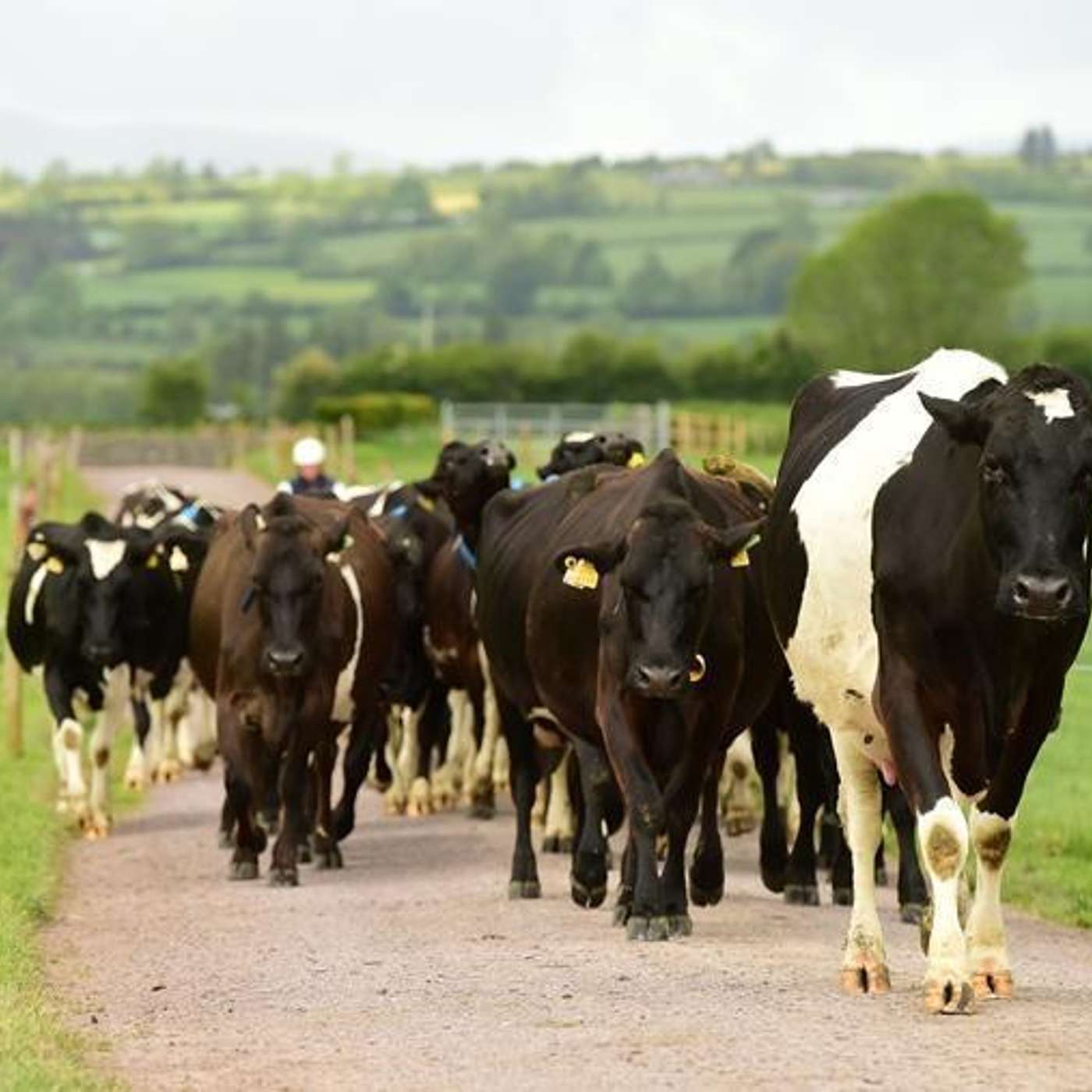
Dairy Farm Review of the Year
As we reach the end of the calendar year, we thought it was a good opportunity for the Dairy Edge to take a look at the major events that impacted on the dairy industry across the year of 2018. Pat Dillon, Head of Animal & Grassland Research & Innovation and Michael Egan, Grassland Researcher, both from Teagasc Moorepark took us on a journey that started back in January. Pat reflected on the milk produced in the country this year, with a national figure of 7.6 billion litres, Irish dairy farmers have achieved Food Harvest targets ahead of time. Looking at the various weather events, which impacted the spring and summer significantly, and while autumn came good, farmers failed to catch up on lost ground earlier in the year. Michael Egan explained the effect of the various weather events on grass production and encouraged farmers to take more control over their grassland management decisions and be proactive rather than reactive to variation. Pat quantified the impact of the year on overall profitability, with net profit declining by 5 cent/litre. For the average farm producing 400,000 litres it is a reduction in income to the tune of €20,000. How do you plan to regain this money in profit next year? Pat and Michael finished by discussing their lessons learned from 2018 and suggest some New Year's Resolutions that dairy farmers should consider for the year to come. For more information: https://www.teagasc.ie/media/website/publications/2018/Dealing-with-Weather-Risks---Tom-O'Dwyer-&-Joe-Patton---National-Dairy-Conference-2018.pdf
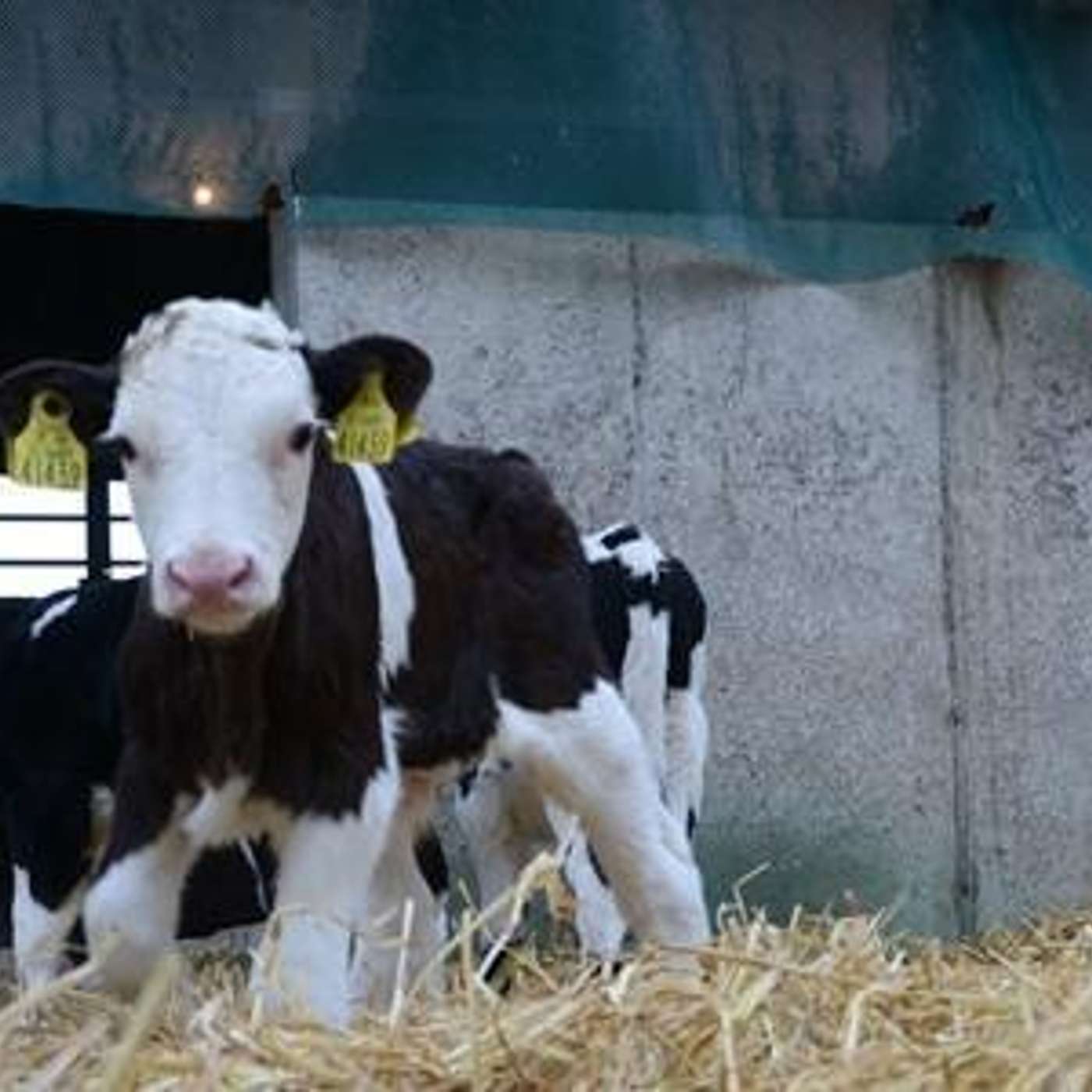
The Australian system for managing non-replacement dairy calves
Animal Welfare researcher Natalie Roadknight from the University of Melbourne, gave insight into the dairy industry in Australia and the main animal welfare challenges facing their dairy sector. Natalie began by explaining that Australia is experiencing a persistent drought which is placing significant pressure on farm in the form of feed availability and costs. Natalie turned her attention to the welfare of young calves, acknowledging the key management practices for newborn calves with particular emphasis on colostrum. She also discussed the management of non-replacement dairy calves and the low welfare standards they confer. For more information: https://www.teagasc.ie/media/website/publications/2018/The-Australian-system-for-managing-non-replacement-dairy-calves---National-Dairy-Conference-2018.pdf
The role of sexed semen in Irish dairy herds
Stephen Butler joins us to discuss the role of sexed semen in Irish dairy herds. Stephen gave an insight into the sexed semen trial that took place during the breeding season of 2018. He explained the differences compared with the 2013 trial including the increase in semen quantity from 2 million to 4 million sperm. Conception rates from sexed straws remain lower than conventional straws, with a relative conception rate of 76% which is similar to previous studies. Stephen addressed the cost of sexed straws which are double that of conventional, but explained where sexed straws are used, less dairy straws are required so farmers have the opportunity to use cheaper beef straws, meaning the overall cost of straws can remain the same. For more information: https://www.teagasc.ie/media/website/publications/2018/What-role-can-sexed-semen-play---National-Dairy-Conference-2018.pptx.pdf
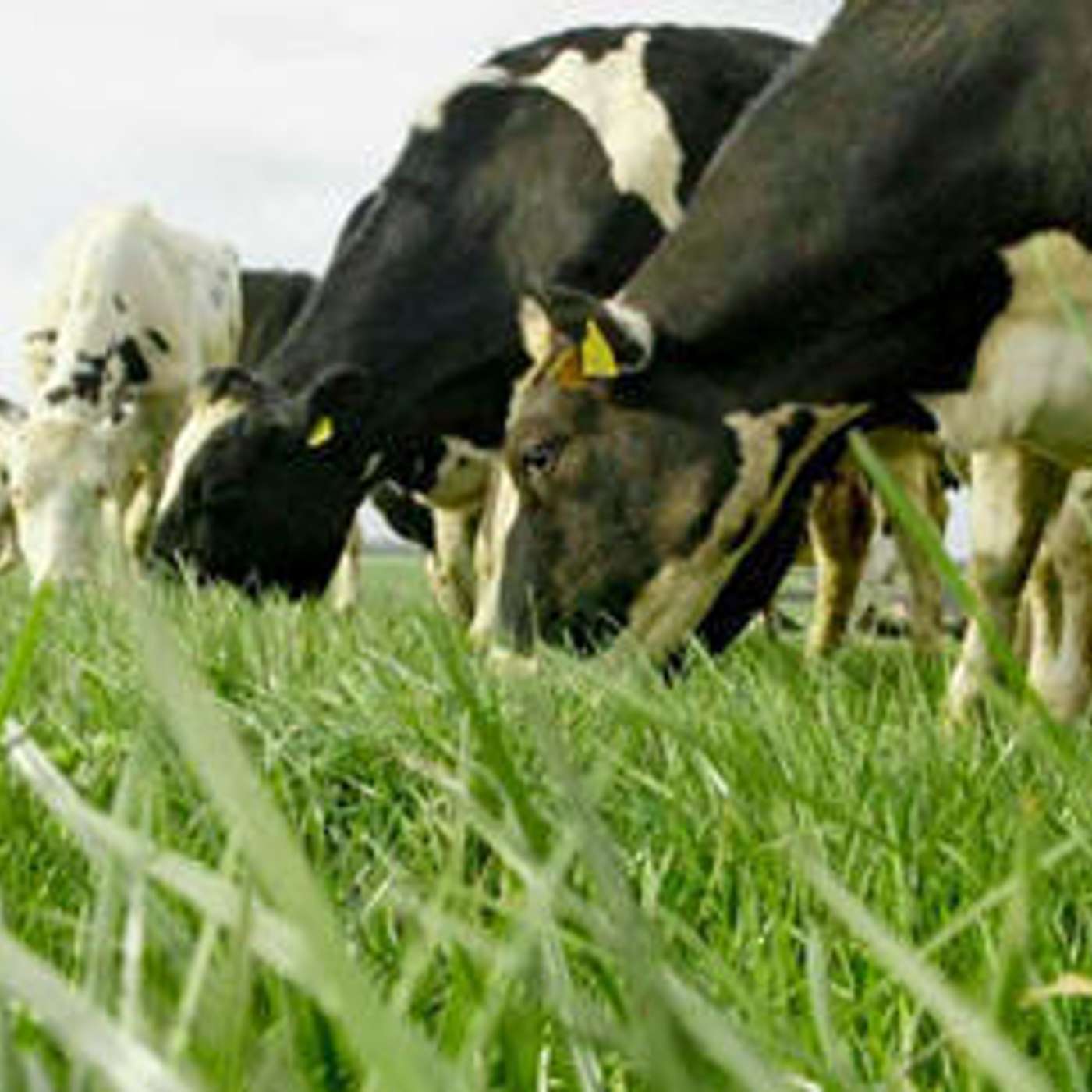
Advice for the current grassland situation on farm
John Maher and Fergus Bogue from the Grass10 team join us to examine the current grassland situation on farm. Fergus explains that the average dairy farm on PastureBase has hit an average farm cover of 600kg DM/ha and his advice is to stop grazing immediately! Fergus explains that it is important to carry grass through the winter for spring gracing and estimates each day at grass will be worth in excess of €3 per cow in the spring. John Maher recaps on the grass situation for the year, citing that on average, dairy farms grew less than 3 tonnes of grass DM/ha which accounts for almost one cow’s grazed forage diet for the year. When asked whether some farms have stocked their farms beyond their means John said it is a case by case basis and yes some had. He explains it's a simple calculation centred around grass production, i.e. Grass growth of 14 tonne DM/ha is required across the whole farm to support a stocking rate of 2.5 cows/ha and where farms are growing less they need to take a critical look at their business. For more information: https://www.teagasc.ie/media/website/publications/2018/Grass10-Newsletter-27112018.pdf

The key areas to focus on to improve farm profitability in 2019
Dairy Specialist George Ramsbottom takes a look at the key areas that farmers should focus on to improve farm profitability in 2019, based on his analysis of the Profit Monitor. Farmers can influence income in the form of milk composition and quality - higher fat and protein constituents and low SCC is worth up to 4-5 c/l, giving additional income of €225 per cow. George gives a guide as to what some of the main costs should look like. Firstly, concentrate should be 3-4c/l or €150-200/cow, practically this means a cow is fed 500-700 kg concentrate. With many farmers, additional concentrate beyond this point is not resulting in any additional profit. Secondly, fertiliser should be 2-3c/kg or €120-150/cow. George makes particular reference to use of lime and explained that where pH is correct on farms, the efficiency of other nutrients such as Nitrogen, Phosphorus and Potassium will be improved leading to greater grass production. He sums up by explaining farmers need to get the basics right - excellent fertility (for both the herd and soils) and focus on grassland, and get cows out early allowing a long lactation from a predominantly grazed grass diet. For more information: https://www.teagasc.ie/media/website/animals/dairy/Systems_levyinaction.pdf
The factors to consider for extending lactation of dairy cows through the winter
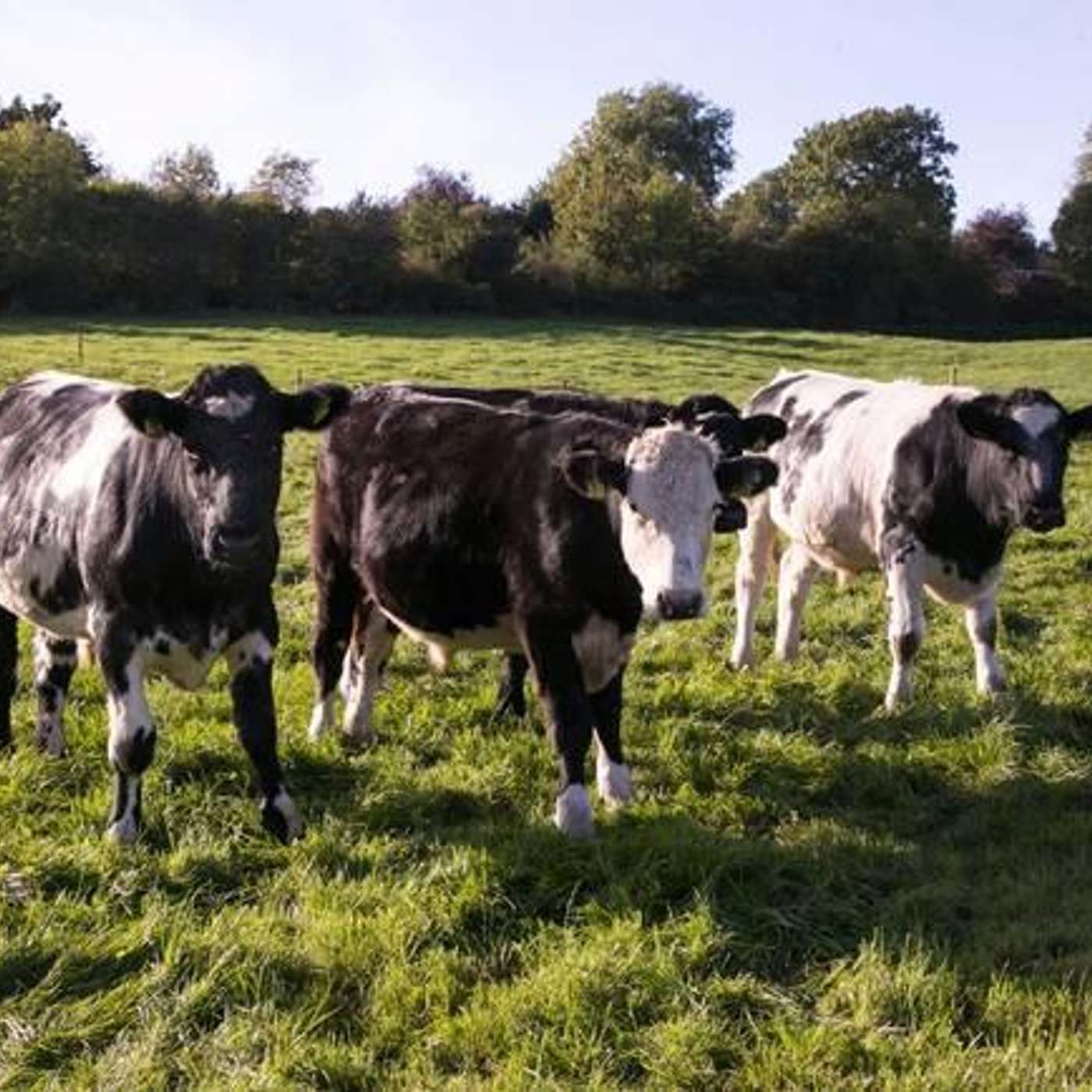
This week, Brian Garry discusses the main factors to consider for extending lactation of dairy cows through the winter months. Brian considers the feed situation on individual farms and concludes that where there is a feed deficit, extending lactation won’t work. Brian recommends high quality silage for lactating cows, in excess of 72 DMD and noted that farmers must feed high levels of supplement with poor quality to maintain milk yield and constituents. He also identifies calving date and condition score as important factors, with an emphasis on the importance of an adequate dry period. Finally, Brian considers the cost/benefit of milking cows across the winter months and questions if there are financial benefits once feed and additional labour associated with the milking process, housing management and feed formulation, as well as electricity and machinery, is factored in. For more information: https://www.teagasc.ie/media/website/publications/2010/LMC_Patton.pdf
The 5 minute cash flow plan to help you through the winter
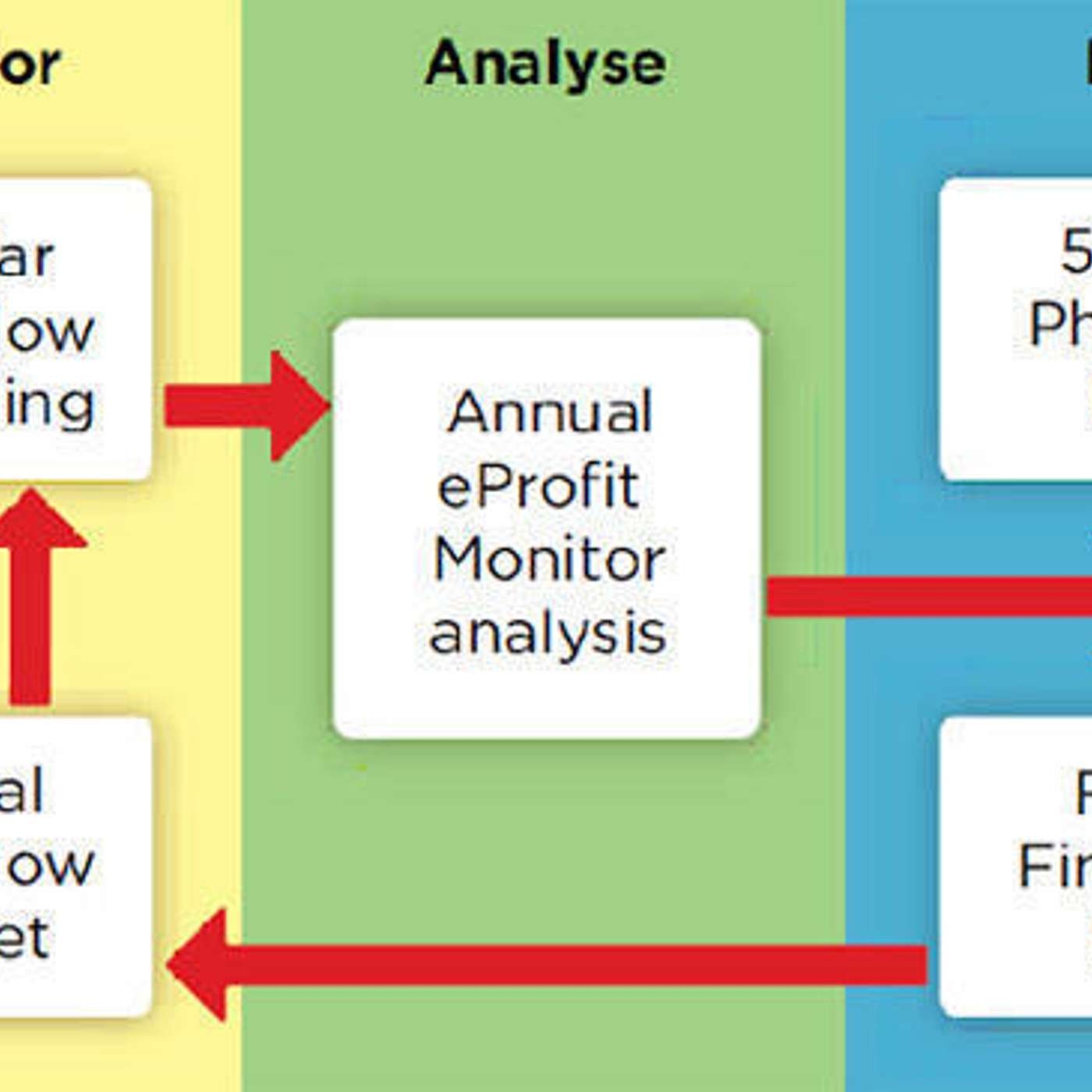
This week, James McDonnell gives advice on the steps farmers should take to establish the cash flow situation on their farm and address cash deficits where they arise. James highlighted the impact of the many weather events this year on farm finances and the great need to take stock of the current situation. His advice is act early, be realistic with expected income and expenditure, consult with your advisor and/or accountant and decide on a course of action to get you from now until the spring. James explains the first step is completing the ‘5-minute cash flow’ (link below), taking into account your bank balance today, expected income in the form of milk sales, cull cow sales and the sale of any surplus young stock on farms end expenditure including living expenses, merchant, vet, contractor, loan repayments and tax. For more information: https://www.teagasc.ie/media/website/publications/2018/Cash-Flow-and-Financial-Management-on-Dairy-Farms.pdf