The Dairy Edge
704 episodes — Page 14 of 15
How to best manage your grassland in February
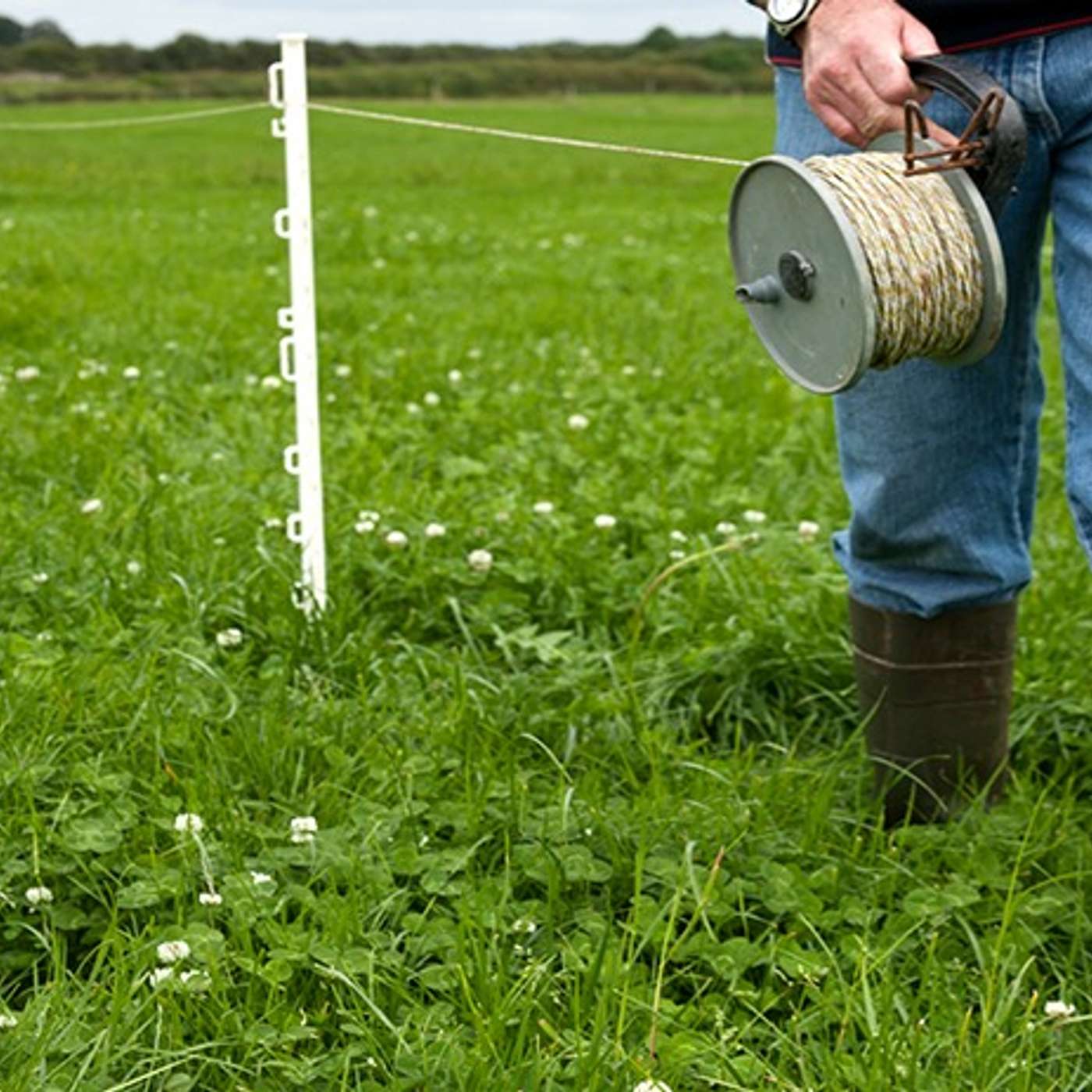
Dairy advisor, Richard O'Brien, gives advice on how to best manage grassland for the month of February. Richard explains that there is a lot of grass on dairy farms, with approximately 30% more grass on farms compared with this time last year. With that in mind, Richard encourages all farmers to get out to see what grass is on farm and target the lighter covers in order to get 30% grazed by March 1st. When reflecting on the Spring Rotation Planner, Richard challenges farmers to hit 15% by February 15th, emphasising the importance of early grazing to ensure there is enough regrowth for the 1st week of April at the start of the 2nd round. He believes the good underfoot conditions will give confidence to dairy farmers to get out to grass day and night. Based on feed budgets completed to date in combination with high farm covers, grass can make up the majority of the dairy cow diet with just 2-3 kg concentrate supplementation where grazing conditions allow. For more information: https://www.teagasc.ie/media/website/crops/grassland/Grazing-Guide-Book-2011_22-26.pdf
Is contract rearing for you?
Drystock farmer (contract rearer and sheep) John O’Connell and drystock advisor Tom Coll join Emma-Louise Coffey to discuss contract rearing. Tom explains the various arrangements between rearers and dairy cow farmers and explores the various topics discussed at discussion group and the targets the group set for themselves including target weights, fertility and grassland management. Tom identifies the contract as the most important element of the agreement so that both parties have understanding of who pays for each of the costs associated with rearing, the income per animal for the contract rearer, target weights and fertility targets. John O’Connell, who is farming in Ballinamore, Co Leitrim, explains the evolution of his farm from a 30-35 cow dairy herd in the 1980s to drystock in the 1990s. John was completing the profit monitor each year and identified a lack of profitability from his suckler cows compared with his sheep flock, leading to expansion of sheep numbers. In 2015 John was approached by his local Teagasc advisor with an opportunity. John explains he had the winter housing facilities available on farm so felt this option was a no-brainer! He explains that good grazing infrastructure, grass production and silage quality drive low cost system leading to high profits. John is a member of a contract rearing discussion group where he can bench mark himself against other contract rearers across many performance metrics. For more information: https://www.teagasc.ie/media/website/publications/2013/GuidelinesContractRearingReplacementHeifers.pdf https://www.teagasc.ie/media/website/rural-economy/farm-management/HeiferRearingCostCalculatorGuidelines.pdf
The True Value of Grazed Grass
This week we're joined by Michael Dineen, who explains the research investigating the true value of grazed grass, identifying the limiting nutrients available to grazing dairy cows. Michael takes an in-depth look at the different components of the grass plant including the protein content (Crude Protein, CP) and fibre content (Neutral Detergent Fibre, NDF). He highlights the nutritional quality of grass and the competitive advantage arising from the ability to grow and utilise large quantities of grazed grass over a long grazing season. Notwithstanding that, Michael explains that some nutrients are limiting in the dairy cow diet at various times of the year. For example, in the Spring, dry matter intake is low and therefore energy intake can be a limiting factor to milk production for many cows. Moving into the mid-season, Michael talks about the pre-grazing herbage mass of 1,500 kg DM/ha. He explains it is a balance between quality and quantity, beyond 1,500 kg the fibre of the grass plans increases and becomes less digestible and below 1,500 kg annual grass production declines. Micheal suggests that where we have a greater understanding, we can target specific concentrate ingredients to balance dairy cow requirements. Finally, Michael explains a greater understanding of the components of grazed grass offers the ability to improve dairy cow performance, reseed with specific grass variety and reduce environmental footprint. For more information: https://www.teagasc.ie/media/website/publications/2018/New-Insights-to-the-Feeding-Value-of-Grazed-Pasture---National-Dairy-Conference.pdf
How to attract and keep staff on Irish dairy farms
How do you attract and identify staff for your dairy farm? On this week’s episode of The Dairy Edge podcast, Paidi Kelly from Teagasc, along with dairy farm owner, Diarmuid Hegarty, and dairy farm operator, Cormac Desmond, joined us to help identify the key characteristics. Paidi explains the context of hiring staff on farms, arising predominantly from the expansion in the dairy herd - an additional 300,000 cows since 2010. Coupled with this, the availability of labour has reduced significantly. Diarmuid and Cormac highlighted the key areas of a happy workplace which included good working facilities particularly for the milking process, planning and rosters, which allows for clarity of schedule of work and tasks, plus strong communication to allow good discussion and allow all team members to vocalise suggestions or opinions. For more information: https://www.teagasc.ie/media/website/publications/2017/Teagasc-Farm-Labour-Combined-Book.pdf
Minimising the workload on your farm this spring
Preparation is key to minimising workload and stress that dairy farmers often experience on farms during the spring period and labour researcher Marion Beecher from Teagasc Moorepark highlights some of the ways that labour demand can be reduced. Six-week calving rate is increase steadily on dairy farming meaning there are more cows calving in a shorter period of time putting a greater demand on resources such as facilities and labour. Practices during the calving season such as once-a-day milking for the month of February, night time feeding, getting cows out to grass, once-a-day feeding of calves from 3 weeks and contracting out tractor work are all practices that will reduce the demand on labour across the spring. A pre-calving checklist created by Mark Cassidy and Teagasc gives guidelines for a number of jobs to be completed in the months of December and January when the farm is quiet and there is free time. The checklist includes tasks to be completed in the calving area, calf shed, milking parlour, grazing, animal health and office work. Simply servicing the milking machine, calving and calf pens are ready, ensuring the calving kit is in place and animal health products are on farm for the start of calving will mean dairy farmers can focus on the care of cows and calves for the calving season. From more information: https://www.teagasc.ie/media/website/publications/2015/Be-Prepared-for-Calving_06022015.pdf https://www.teagasc.ie/media/website/publications/2018/IGA-paper-2018_Pat-Clarke.pdf
Tackling emissions on dairy farms
In the face of climate change, the Dairy Edge wanted to find out just what are the environmental implications of dairy farming practices. We spoke to William Burchill about how to tackle this issue on the farm whilst also achieving higher profitability. By way of context, William explained what was included in the Paris agreement and what it means for the farming community - Ireland has committed to reducing overall Greenhouse Gas emissions by 30% by the year 2030 relative to base year of 2005. William talked through the main sources of emissions in the country and several strategies to reduce emission levels on your farm. Interestingly, improved management practices such as better soil fertility, improved timing of fertiliser application, extended grazing and superior dairy cow genetics will lead to improved environmental sustainability as well as higher profitability. For more information: https://www.teagasc.ie/publications/2017/reducing-greenhouse-gas-emissions-from-agriculture.php
Dairy Farm Review of the Year
As we reach the end of the calendar year, we thought it was a good opportunity for the Dairy Edge to take a look at the major events that impacted on the dairy industry across the year of 2018. Pat Dillon, Head of Animal & Grassland Research & Innovation and Michael Egan, Grassland Researcher, both from Teagasc Moorepark took us on a journey that started back in January. Pat reflected on the milk produced in the country this year, with a national figure of 7.6 billion litres, Irish dairy farmers have achieved Food Harvest targets ahead of time. Looking at the various weather events, which impacted the spring and summer significantly, and while autumn came good, farmers failed to catch up on lost ground earlier in the year. Michael Egan explained the effect of the various weather events on grass production and encouraged farmers to take more control over their grassland management decisions and be proactive rather than reactive to variation. Pat quantified the impact of the year on overall profitability, with net profit declining by 5 cent/litre. For the average farm producing 400,000 litres it is a reduction in income to the tune of €20,000. How do you plan to regain this money in profit next year? Pat and Michael finished by discussing their lessons learned from 2018 and suggest some New Year's Resolutions that dairy farmers should consider for the year to come. For more information: https://www.teagasc.ie/media/website/publications/2018/Dealing-with-Weather-Risks---Tom-O'Dwyer-&-Joe-Patton---National-Dairy-Conference-2018.pdf
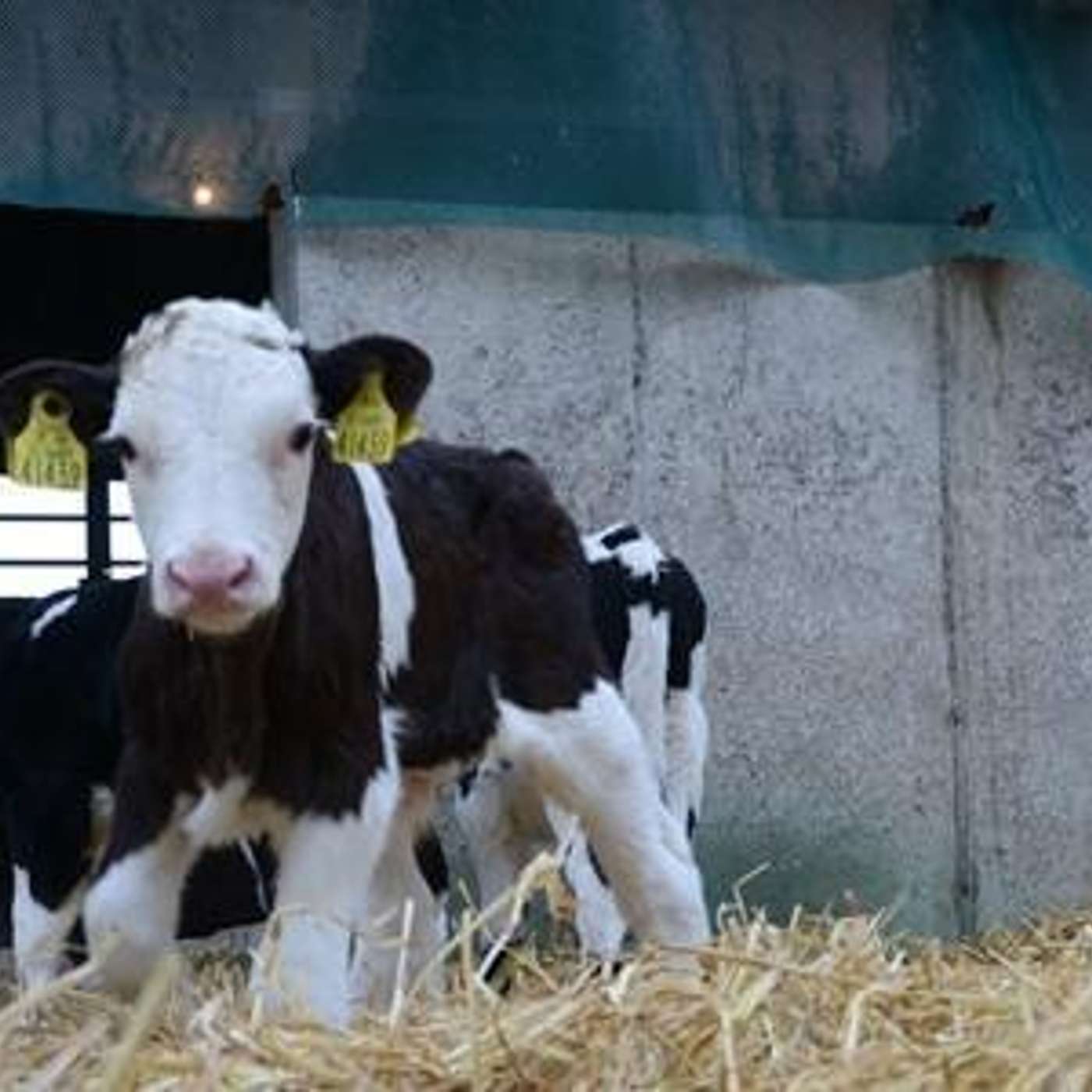
The Australian system for managing non-replacement dairy calves
Animal Welfare researcher Natalie Roadknight from the University of Melbourne, gave insight into the dairy industry in Australia and the main animal welfare challenges facing their dairy sector. Natalie began by explaining that Australia is experiencing a persistent drought which is placing significant pressure on farm in the form of feed availability and costs. Natalie turned her attention to the welfare of young calves, acknowledging the key management practices for newborn calves with particular emphasis on colostrum. She also discussed the management of non-replacement dairy calves and the low welfare standards they confer. For more information: https://www.teagasc.ie/media/website/publications/2018/The-Australian-system-for-managing-non-replacement-dairy-calves---National-Dairy-Conference-2018.pdf

The role of sexed semen in Irish dairy herds
Stephen Butler joins us to discuss the role of sexed semen in Irish dairy herds. Stephen gave an insight into the sexed semen trial that took place during the breeding season of 2018. He explained the differences compared with the 2013 trial including the increase in semen quantity from 2 million to 4 million sperm. Conception rates from sexed straws remain lower than conventional straws, with a relative conception rate of 76% which is similar to previous studies. Stephen addressed the cost of sexed straws which are double that of conventional, but explained where sexed straws are used, less dairy straws are required so farmers have the opportunity to use cheaper beef straws, meaning the overall cost of straws can remain the same. For more information: https://www.teagasc.ie/media/website/publications/2018/What-role-can-sexed-semen-play---National-Dairy-Conference-2018.pptx.pdf
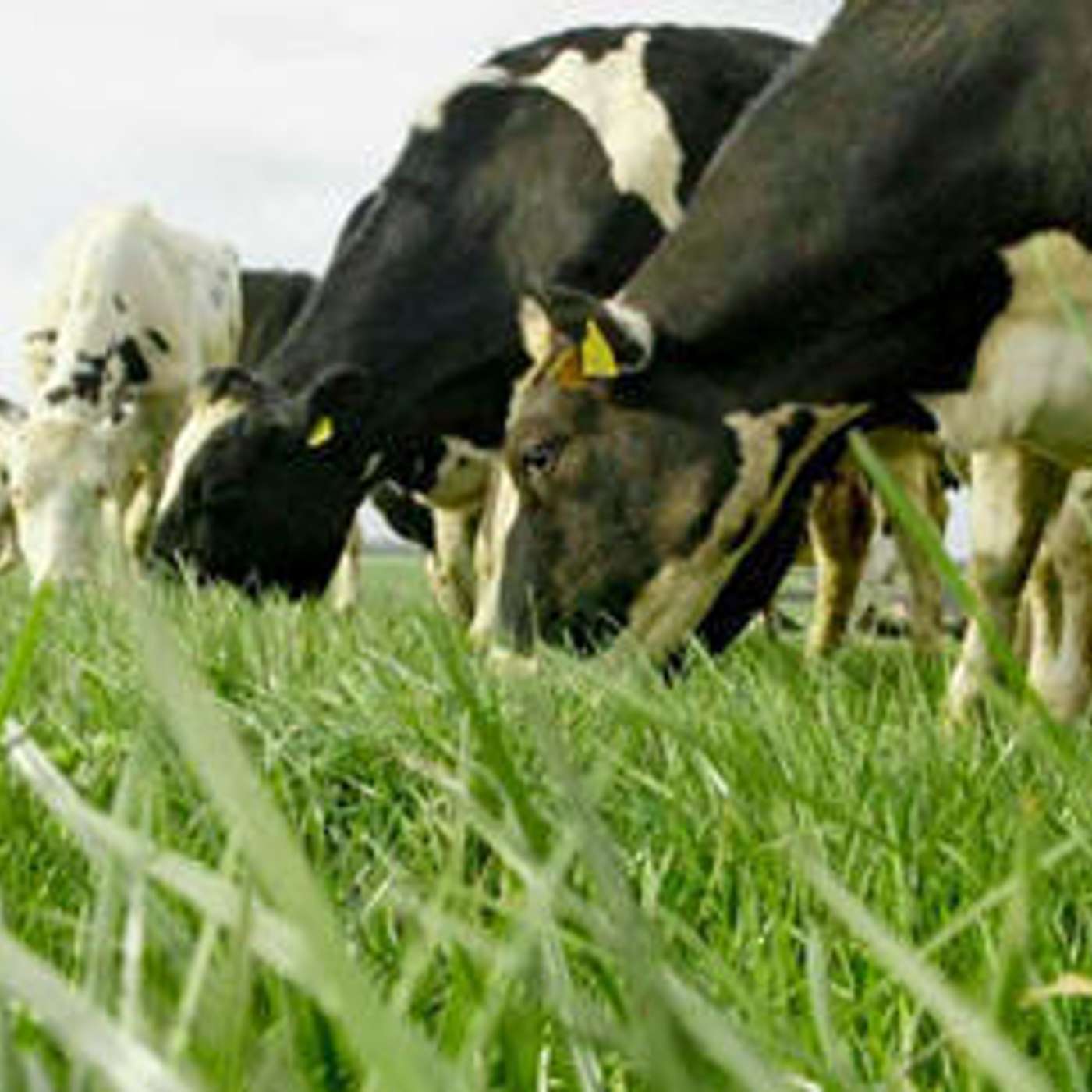
Advice for the current grassland situation on farm
John Maher and Fergus Bogue from the Grass10 team join us to examine the current grassland situation on farm. Fergus explains that the average dairy farm on PastureBase has hit an average farm cover of 600kg DM/ha and his advice is to stop grazing immediately! Fergus explains that it is important to carry grass through the winter for spring gracing and estimates each day at grass will be worth in excess of €3 per cow in the spring. John Maher recaps on the grass situation for the year, citing that on average, dairy farms grew less than 3 tonnes of grass DM/ha which accounts for almost one cow’s grazed forage diet for the year. When asked whether some farms have stocked their farms beyond their means John said it is a case by case basis and yes some had. He explains it's a simple calculation centred around grass production, i.e. Grass growth of 14 tonne DM/ha is required across the whole farm to support a stocking rate of 2.5 cows/ha and where farms are growing less they need to take a critical look at their business. For more information: https://www.teagasc.ie/media/website/publications/2018/Grass10-Newsletter-27112018.pdf

The key areas to focus on to improve farm profitability in 2019
Dairy Specialist George Ramsbottom takes a look at the key areas that farmers should focus on to improve farm profitability in 2019, based on his analysis of the Profit Monitor. Farmers can influence income in the form of milk composition and quality - higher fat and protein constituents and low SCC is worth up to 4-5 c/l, giving additional income of €225 per cow. George gives a guide as to what some of the main costs should look like. Firstly, concentrate should be 3-4c/l or €150-200/cow, practically this means a cow is fed 500-700 kg concentrate. With many farmers, additional concentrate beyond this point is not resulting in any additional profit. Secondly, fertiliser should be 2-3c/kg or €120-150/cow. George makes particular reference to use of lime and explained that where pH is correct on farms, the efficiency of other nutrients such as Nitrogen, Phosphorus and Potassium will be improved leading to greater grass production. He sums up by explaining farmers need to get the basics right - excellent fertility (for both the herd and soils) and focus on grassland, and get cows out early allowing a long lactation from a predominantly grazed grass diet. For more information: https://www.teagasc.ie/media/website/animals/dairy/Systems_levyinaction.pdf
The factors to consider for extending lactation of dairy cows through the winter
This week, Brian Garry discusses the main factors to consider for extending lactation of dairy cows through the winter months. Brian considers the feed situation on individual farms and concludes that where there is a feed deficit, extending lactation won’t work. Brian recommends high quality silage for lactating cows, in excess of 72 DMD and noted that farmers must feed high levels of supplement with poor quality to maintain milk yield and constituents. He also identifies calving date and condition score as important factors, with an emphasis on the importance of an adequate dry period. Finally, Brian considers the cost/benefit of milking cows across the winter months and questions if there are financial benefits once feed and additional labour associated with the milking process, housing management and feed formulation, as well as electricity and machinery, is factored in. For more information: https://www.teagasc.ie/media/website/publications/2010/LMC_Patton.pdf
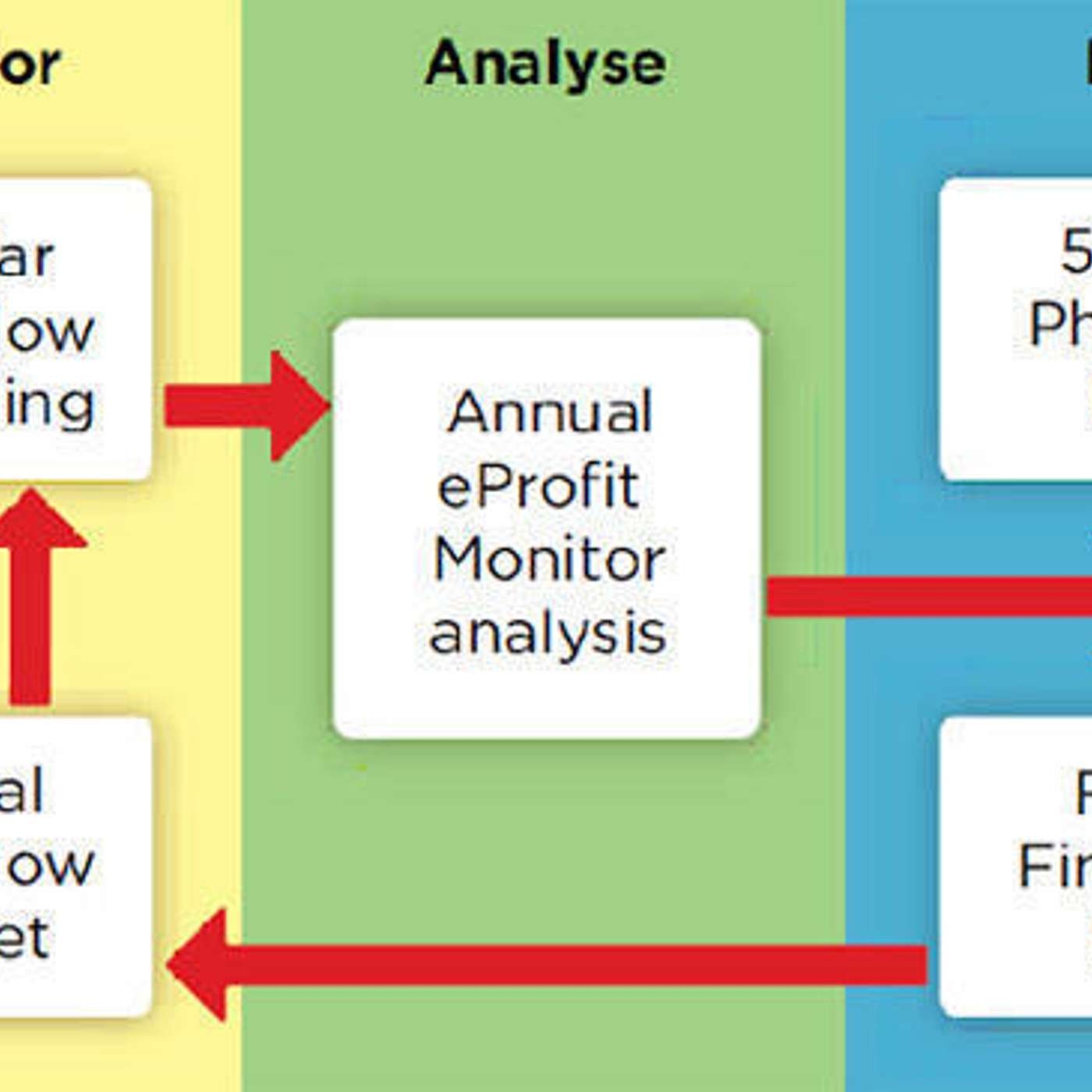
The 5 minute cash flow plan to help you through the winter
This week, James McDonnell gives advice on the steps farmers should take to establish the cash flow situation on their farm and address cash deficits where they arise. James highlighted the impact of the many weather events this year on farm finances and the great need to take stock of the current situation. His advice is act early, be realistic with expected income and expenditure, consult with your advisor and/or accountant and decide on a course of action to get you from now until the spring. James explains the first step is completing the ‘5-minute cash flow’ (link below), taking into account your bank balance today, expected income in the form of milk sales, cull cow sales and the sale of any surplus young stock on farms end expenditure including living expenses, merchant, vet, contractor, loan repayments and tax. For more information: https://www.teagasc.ie/media/website/publications/2018/Cash-Flow-and-Financial-Management-on-Dairy-Farms.pdf
A Preview of the Teagasc National Dairy Conference
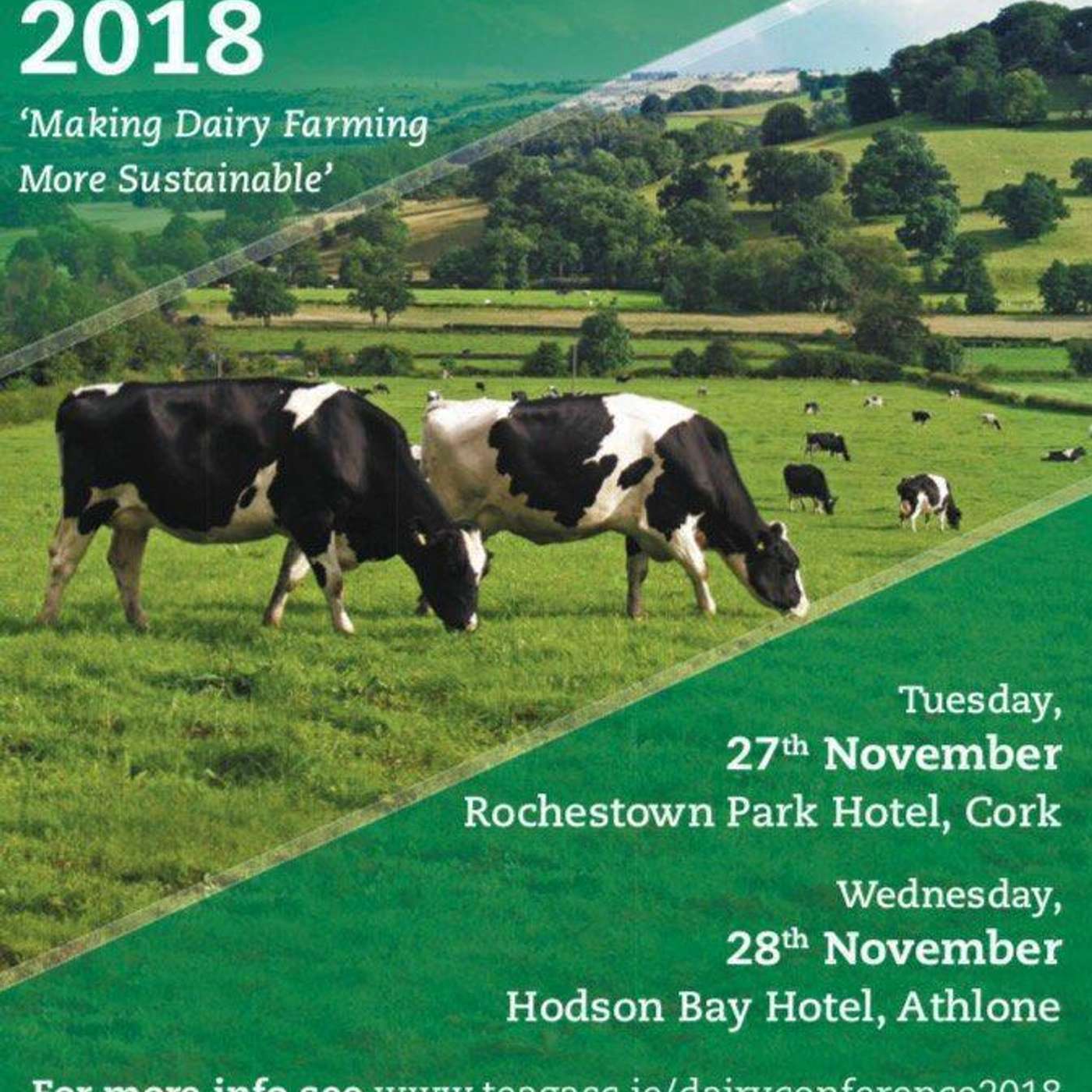
Tom O’Dwyer joins us to preview the National Dairy Conference that will take place in on November 27th in Rochestown Park, Cork and 28th in Hudson Bay, Athlone. Tom explains that the title of this years conference ‘Making Dairy Farming More Sustainable’ will take a holistic view of farm business, exploring the economic, environmental and social sustainability of dairy farm businesses. There is an opportunity to reflect on the spring and summer of 2018 and the impact the two seasons had on your farm business. A full session will be devoted to the management of the non-replacement dairy calves. Natalie Roadknight from the University of Melbourne will draw on her experiences of the Bobby calf industry and give opinion on the lessons learned while experts from the Irish industry will put strategies in place as to how we can maximise calf value from an Irish perspective. In the afternoon, participants can select three of six workshops; varying from grassland, contract rearing to managing workload and making the dairy farm a better place to work. Register for the conference at www.teagasc.ie/dairyconference2018 For more information: https://www.teagasc.ie/media/website/events/2018/Dairy-Conference-Flyer-4pp-Final-with-new-logo.pdf

Research & findings from the High Input-High Output herd at UCD
UCD dairy lecturer Karina Pierce joins us on the Dairy Edge to give an insight into the rationale behind the high input-high output research herd at UCD Lyons Farm. Some of the key factors that have prompted the study are limitations to dairy production such as land availability, labour and environmental constraints. Karina explains the ambitious targets set out including high EBI cows and a high level of fertility performance in a spring-calving grass based production systems as well as achieving high milk output. She acknowledges the adverse relationship between high milk yield and fertility in the past but explains while fertility in the first two years has been disappointing, practices such as pre-breeding heat detection and scanning, a move to twice-a-day AI and the use of scratch cards in conjunction with the MooMonitor has helped improve conception and pregnancy rates during the 2018 breeding season. Karina estimated the cows in the Lyons study consume 6 tonnes DM of feed to maintain themselves and fuel high milk productivity, of which concentrates is 1.5 tonne (25%). The cows are producing 590 kg MS over a 305 day lactation, just 5% off the target of 625 kg. She emphasises the importance of achieving high output where you are feeding high levels of concentrate. For more information: https://www.ucd.ie/agfood/about/lyonsresearchfarm/lyonsdairyherd/https://www.ucd.ie/agfood/about/lyonsresearchfarm/lyonssystemsresearchherdnotes/
Why forage crops are an option for this winter
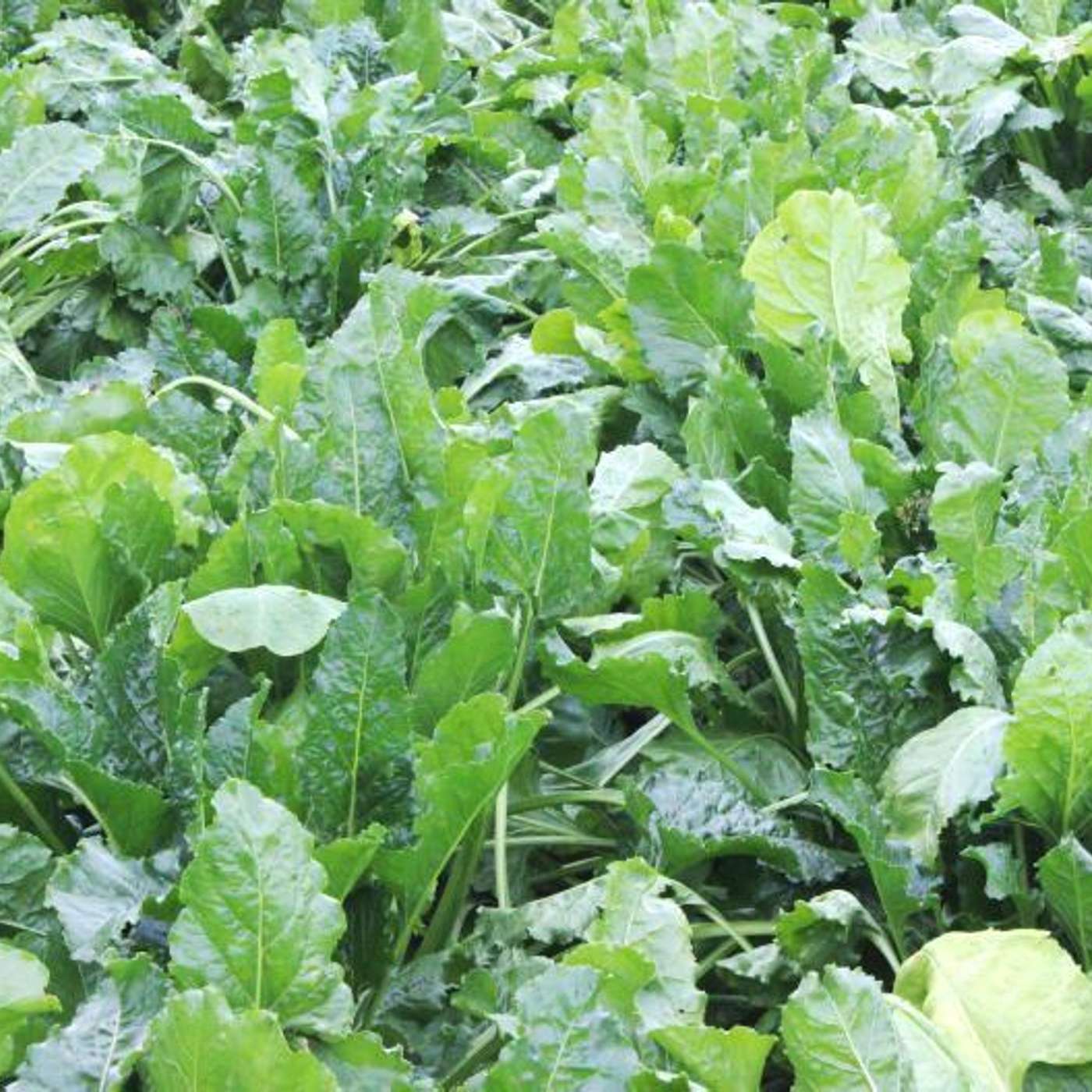
There has been an increase in forage crops as a means to bridge the forage deficit on farms in Ireland as forage crops can grow large quantities of feed over a short time period and Teagasc's Research Officer, Nicky Byrne, gives an insight into the management of forage crops ahead of the winter period. Nicky discusses the feed quality of popular forage crops and advises farmers to consider providing a bolus to stock in order to ensure mineral requirements are met. Plus, get practical tips on daily feed out, including how to manage the transition period and the use of double fencing to prevent gorging and illness. Finally, Nicky looks ahead to 2019 and suggests an appropriate date to commence reseeding to get paddocks into grass production. For more information go to: https://www.teagasc.ie/publications/2018/managing-a-forage-crop-this-autumn.php And visit The Dairy Edge show page here: https://www.teagasc.ie/animals/dairy/the-dairy-edge-podcast/
The best practice and financial benefits for optimum dry cow procedure
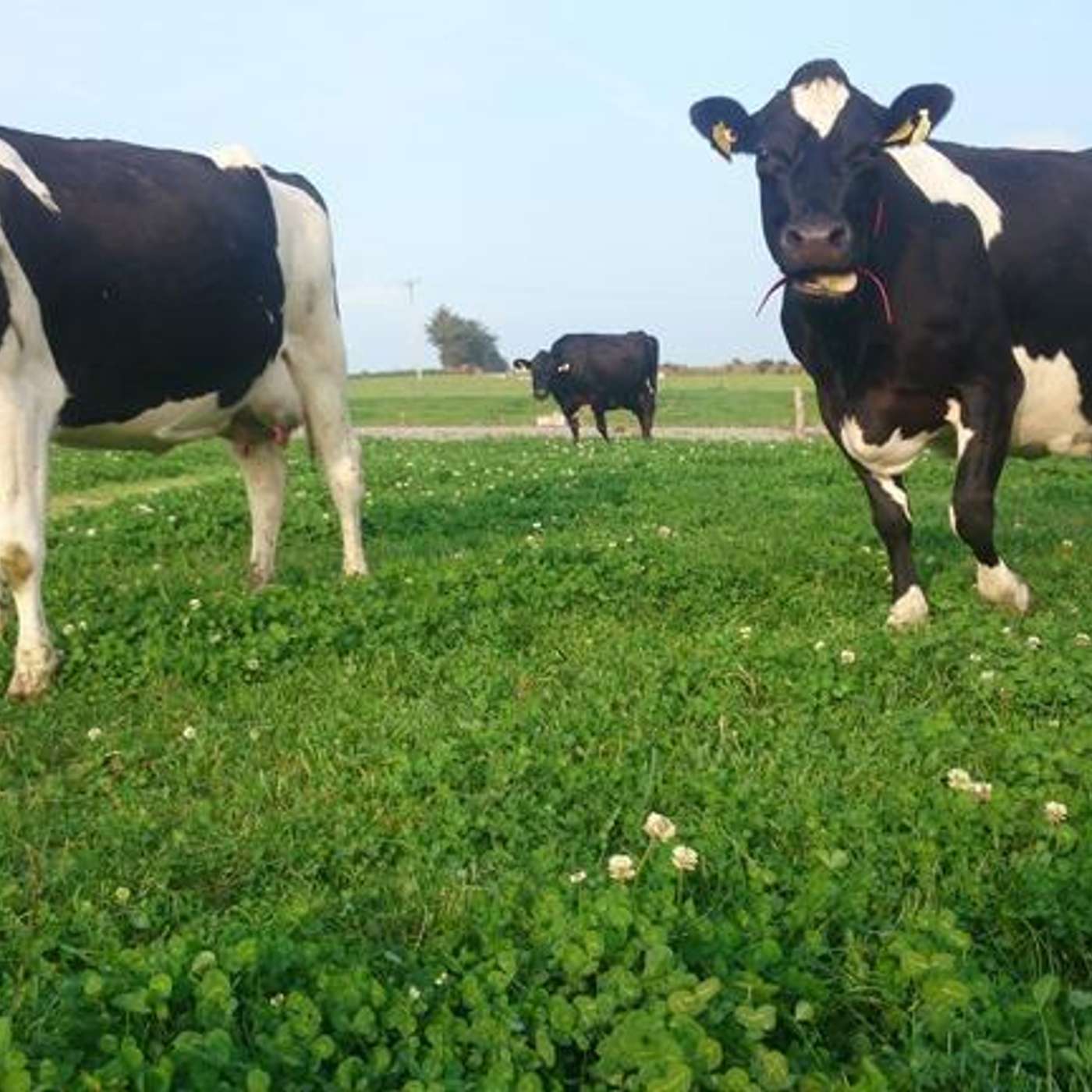
Ahead of the Dry Cow events that will take place across Ireland this Autumn, Mastitis expert Don Crowley speaks about the importance of the dry period and its impact on future production and profit potential. Don looks at the key management factors leading up to dry off, the treatment process and after dry cow therapy. He also explains good preparation, hygiene and making sure you have enough help are key factors for successful dry cow treatment, all within farmers control! Finally, Don gives an insight into selective dry cow therapy, and suggests what cows it would work for in your herd. For more information: https://www.teagasc.ie/news--events/news/2018/get-ready-to-maximise-you.php https://www.teagasc.ie/media/website/news/2018/cell-check-events.JPG
Filling the feed deficit this winter
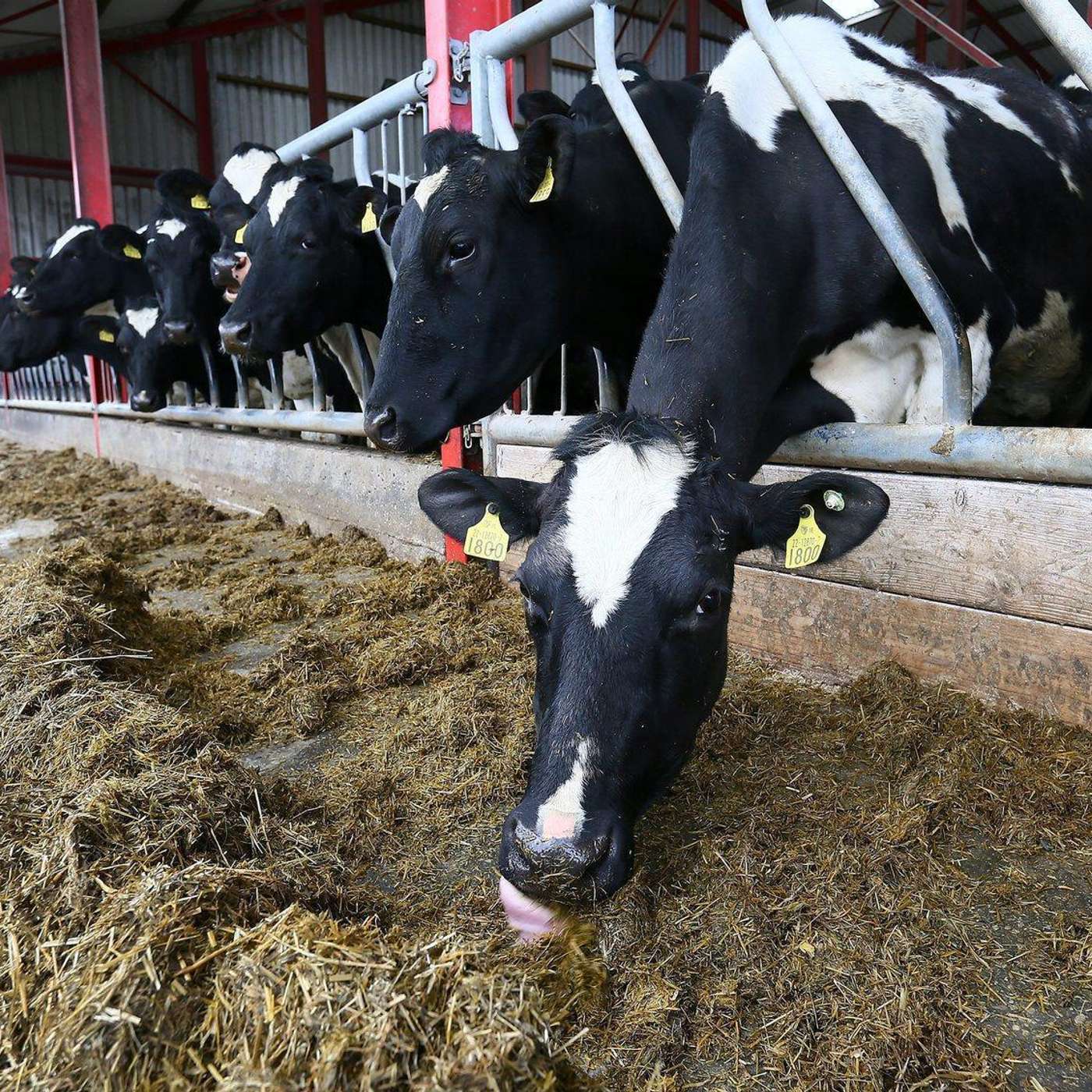
On this week's episode of The Dairy Edge podcast, Joe Patton gives an overview of the scale of winter fodder deficit on farms across the country. Joe explains that the fodder deficit is greatest in the south and south west of the country. He suggests that options such as wintering groups of stock off farm and increased levels of supplementary feeds can reduce feed deficits on farms for the winter ahead. Joe also advises all farmers to take action right now to prepare for the winter - assess the quantity of feed in the yard (measure pit and get silage tested), get rid non-production stock from the farm and measure feed space. For more information: https://www.teagasc.ie/media/website/publications/2018/Fodder-Plan-18.pdf https://www.teagasc.ie/media/website/publications/2018/Feeding-tips-when-forage-is-short.pdf

Effective labour management for a work-life balance
Ed Payne continues his interview with Emma-Louise Coffey on this week’s Dairy Edge to discuss all things labour. Ed explains how a team in excess of ten labour units including family labour, full-time labour, relief milkers and seasonal staff manages the 470 cows with Ed crediting the team as the driver of high technical performance, work satisfaction and work-life balance. The backing of such a strong team has also given Ed the opportunity to pursue a Nuffield Scholarship including international travel for up to six weeks at a time. For more information on Ed Payne's success go to: https://www.teagasc.ie/media/website/publications/2018/Payne-farm-walk-booklet-18th-May.pdf
Ed Payne and achieving high levels of grass utilisation
Connacht/Ulster Grass 10 champion Ed Payne joins Emma-Louise Coffey on this week’s Dairy Edge to discuss the decision to convert to dairy farming and the practices that helped attain the regional grassland award. Ed gives an insight into the production system, emphasising the importance of grazed grass and cow. He also discusses how he's achieving 10 grazings per year, high stocking rate and being mentally prepared to get out grazing early in the spring helps achieve high levels of grass utilisation. For more information https://www.teagasc.ie/media/website/publications/2018/Payne-farm-walk-booklet-18th-May.pdf
The common mistakes and what's needed for successful farm partnerships
Teagasc’s Farm Business Specialist Tom Curran joins Emma-Louise Coffey on this week’s Dairy Edge podcast to discuss the various collaborative farming structures operating in Ireland.Tom gives examples of case studies of farm structures including as partnerships, cow leasing and contract rearing identifying important criteria to consider and typical costings per animal. Tom also explains the considerable benefits these structures can offer to farm business such as improved lifestyle, ability to build cow numbers and increasing profitability.For more information https://www.teagasc.ie/rural-economy/farm-management/collaborative-farming/
The opportunities and benefits of collaborative farming
Is collaborative farming for you? Teagasc’s Paidi Kelly joins Emma-Louise Coffey on this week’s Dairy Edge podcast to discuss the opportunities and benefits from collaborative farming. He explains how and why it works for those interested in farming as a career while for established farmers who don’t have a successor, the next best thing is to work with younger people who want to get into farming. For more information: https://www.teagasc.ie/rural-economy/farm-management/collaborative-farming/
Management through this secondary drought
A secondary drought has hit the east and south of the country and on this week's episode of The Dairy Edge podcast, Grass10 campaign manager, John Maher, explains best management of this drought. Where growth rates are low at 20-40 kg farmers must maintain a 30 day grazing rotation, using supplementary feed to fill the gap in the cows diet. John explains that there is still Nitrogen in the ground but there is value in spreading Nitrogen between now and the extended closing deadlines. Where growth is normal, John advices to follow the standard recommended autumn grazing guidelines - farm cover/cow of 300 kg by the end of August and continue to build cover into September in order to extend grazing. For farms growing in excess of 100 kg, farmers should take advantage of the opportunity of making surplus silage as well as building autumn grass. For more information https://www.teagasc.ie/media/website/publications/2018/Grass10-Newsletter_21-August-2018.pdf

Insights and tips from New Zealand in dealing with summer drought conditions
Andre van Barneveld of Graise Consultancy, draws on his experience of dealing with frequent summer droughts in New Zealand and has some key lessons that Irish farmers can learn from the summer of 2018. "Irish farmers should not have a kneejerk reaction," van Barneveld cautions. "But they should be a lot more pro-active, especially when it comes to problem cows." Andre explains the importance of identifying ‘passenger cows’ who should leave the herd ASAP. Where grass production is restricted, these cows are being fed solely from supplement feed. Andres emphases the importance of calculating the winter feed requirements of your whole herd, including young stock. In order to reduce winter requirements, farmers should maximise grass production late summer/autumn grazing period. For more from Andre: https://m.facebook.com/story.php?story_fbid=1872532926131384&id=1161444260573591

Identifying the best and worst cows in your dairy herd
On this week's episode of The Dairy Edge podcast, ICBF Geneticist Dr Margaret Kelleher gives the top tips on identifying the best and worst cows in your dairy herd. Firstly, Margaret explains what the Cows Own Worth (COW) index is, what information contributes to each cow's COW value and how the COW index differs from the EBI. Briefly, the COW index is for selecting the best cows for retention in the herd and the worst cows for culling, while the EBI is used for breeding. Furthermore, Margaret explains why a cow would be ranked best and worst for a herd. Traits that would rank a cow best is early calving, good milk solids production, high EBI and low SCC compared to contemporaries in the herd. Margaret emphasises inputting insemination records, scanning records and treatments for incidence of ill-health such as lameness and mastitis are important to get the most accurate picture of your herd. For more information: https://www.icbf.com/wp/?p=11331#more-11331 https://www.youtube.com/watch?v=eDUXoyZPRcQ https://www.icbf.com/wp/wp-content/uploads/2016/08/CowOwnWorthMKelleher0408_20161.pdf
How to achieve higher grass production and utilisation
For part two of our interview with 2017 Grass 10 champion Eddie O’Donnell, we get the top tips on achieving high grass production and more importantly utilisation. Eddie explains what practices implemented on his farm to optimise soil fertility, grazing infrastructure, reseeding and grassland management which has helped achieve on average 10 grazings per paddock plus a silage cut. He emphasises the huge potassium (K) demand on the milking platform where surplus grass is removed in the form of bales. With that in mind, the paddocks are colour coded in the parlour and paddocks with low K are earmarked for dirty water and no surpluses are removed from such paddocks. Having quantified the financial benefits of completing a grass measurements, Eddie speaks about the benefits of the 3 grazing seasons: spring, summer and autumn. Furthermore, Eddie mentions that farmers must act on the figures resulting from measurements to ensure the grazed grass is at maximum quality at each grazing. Despite the target rotation length set at 20-21 days, Eddie explains growth rate and pre-grazing cover (target 1,400-1,500 kg DM/ha) dictates rotation length, and at peak growth, rotation length can go as low as 16 days. For more information, go to www.teagasc.ie
Farming tips from Grass 10 champion Eddie O’Donnell
On this week’s episode of the Dairy Edge podcast, the 2017 Grass 10 champion Eddie O’Donnell gives us an insight into his dairy farm. Eddie and his father Denis have grown their dairy farm business substantially from 70 cows in 2005 to calving down 350 cows across 2 units in 2018. Eddie explains changes on the farm in recent years such as extending lactation length after the abolition of milk quota and introduction of crossbreeding. He acknowledges the benefits of entering the Grass 10 competition, giving him the opportunity to take a critical look at the grass and other aspects of the farm and encourages any farmers that are considering grass measuring to join a grazing coaches' group or buddy up with a farmer who is already measuring. He also explains the considerable measurable financial benefits that he has seen since he began grass measuring including reduced feed costs and improved milk quality. For more information: https://www.teagasc.ie/media/website/publications/2018/Eddie-O'Donnell-Open-day-booklet.pdf
The importance of hygiene and sustainability on the Walsh farm
We revisit the farm of milk quality award winners John and Brendan Walsh with John giving an insight into his farming life and how his milk hygiene practices really changed with the new milking parlour, while Brendan explains the importance of sustainability to the family farm. For more information go to www.teagasc.ie.

Part 2: Soil recovery time and cow diet in drought conditions
On part two of this week's episode of The Dairy Edge podcast, Grass 10 Manager, John Maher, speculates on recovery time from soil moisture deficit once it rains. With depleted grass covers on many farms across the country, John suggests different diets to feed cows over the coming weeks, emphasising the importance of water in the cow's diet with water demand doubling! For more information from Teagasc on coping with the current conditions: https://www.teagasc.ie/media/website/publications/2018/Grass10-Newsletter-July-3rd.pdf https://www.teagasc.ie/media/website/publications/2018/Feeding-in-summer-drought-conditions.pdf https://www.teagasc.ie/rural-economy/farm-management/farming-in-difficult-weather-conditions/summer-drought-conditions/
Part 1: The grass management tools you need for the dry conditions
How can dairy farmers cope with the current summer dry conditions? Teagasc's, Grass 10 Manager, John Maher gives the top management tools. He explains the link between soil moisture deficit and grass growth whilst also advising on fertiliser strategy, 2nd cut silage and management of recently reseeded ground. For more information from Teagasc go to: https://www.teagasc.ie/media/website/publications/2018/Feeding-in-summer-drought-conditions.pdf https://www.teagasc.ie/rural-economy/farm-management/farming-in-difficult-weather-conditions/summer-drought-conditions/ https://www.teagasc.ie/media/website/publications/2018/Grass10-Weekly-Update_26-06-18.pdf
How to cope with the summer drought conditions
With the ongoing summer drought conditions, Emma-Louise Coffey presents some of Teagasc's key advice and tips to help farmers cope and manage with their grassland management. For more information, go to: https://www.teagasc.ie/rural-economy/farm-management/farming-in-difficult-weather-conditions/summer-drought-conditions/
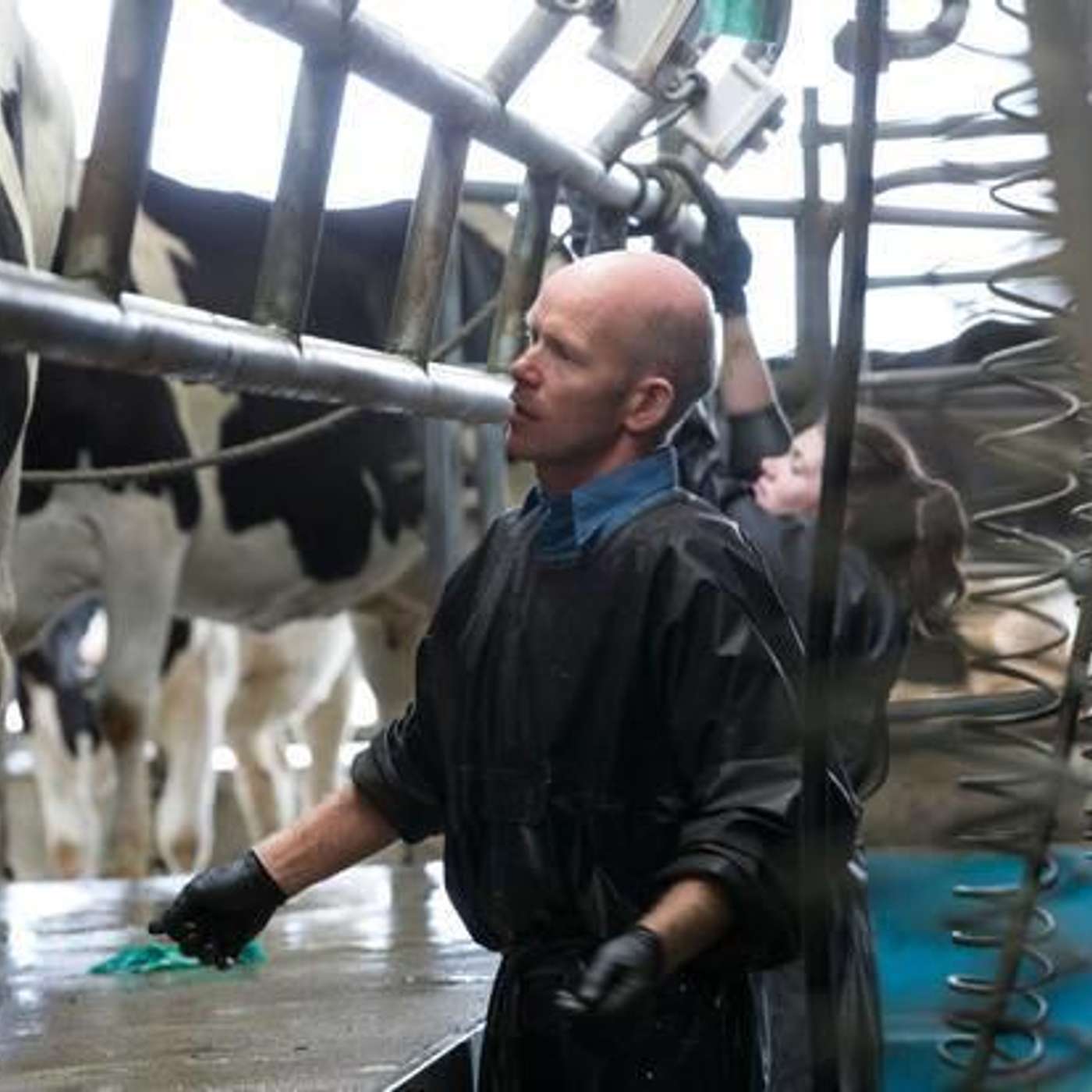
Insights and advice from Milk Quality award winners John & Brendan Walsh
On this week's episode of The Dairy Edge podcast, milk quality award winners John and Brendan Walsh explain the practices that help them produce the highest quality milk ahead of their Open Day on July 4th. John emphasises the importance of hygiene and grassland to maintain good udder health while Brendan qualifies how they achieve up to 300 days at grass and treatment protocol for cows with mastitis. For more information on the Milk Quality Farm Walk at the Walsh Farm: https://www.teagasc.ie/media/website/events/2018/Milk-Quality-Awards-Farm-Walk-2018.pdf
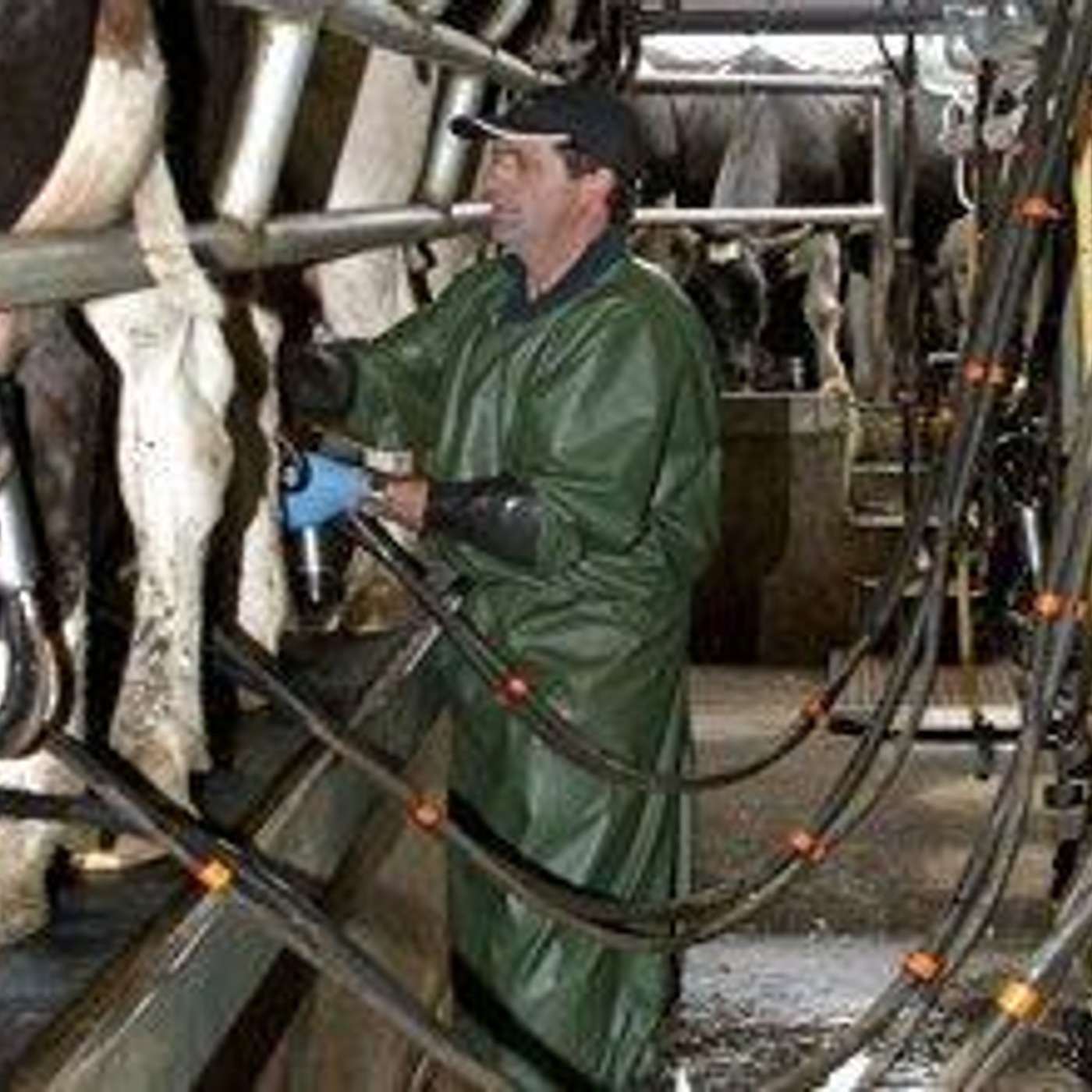
Achieve work-life balance with once-a-day milking
On this week's episode of The Dairy Edge podcast, we hear from Dairy Farmer Gillian O'Sullivan about how once-a-day milking helps her family achieve work life balance. Gillian is farming near Dungarvan with husband Neil and father Michael. Gillian and Neil began dairy farming almost 10 years ago, and credits her father's wealth of knowledge, their local dairy advisor Brian Hilliard and other farmers at discussion groups and events as the main source of information when entering farming. Gillian explains the benefits of the once-a-day milking systems with particular emphasis on the positive effect on labour and the benefits it confers for their young family as well as positive health and fertility benefits for their cows. Milk solids took a 20% hit in the first year of once-a-day milking but recovered in Year 3 to levels of 365 kg milk solids - similar to what they produced twice-a-day. They have now exceeded this performance, delivering almost 390 kg milk solids in 2017. Gillian emphasises how the A+B-C payment system is advantageous to them with 9% milk constituents and lower milk volume. For more information: Selection of dairy cows for once-a-day milking https://www.teagasc.ie/media/website/publications/2018/Breeding-for-Once-a-Day-Milking---Donagh-Berry.pdf Economic implications of transitioning from twice-a-day to once-a-day: https://www.teagasc.ie/media/website/publications/2018/Economics-of-transitioning-to-Once-A-Day-Milking---George-Ramsbottom.pdf
How to maximise grass utilisation during a drought
On this week's episode of the Dairy Edge podcast we speak to Aidan Lawless, Farm Manager of the dairy herd at Johnstown Castle. As the gap widens between the milk production of the spring and autumn calved cows, Aidan explains the current performance and diet. Cumulative performance is similar for the autumn herd compared to the 2016/2017 lactation, while the spring calving cows have a consistently lower protein % compared with 2017. Aidan talks through current grassland management practices with particular emphasis on methods to maximise grass utilisation during this period of moisture deficit. Finally, Aidan quantifies the first cut silage yields achieved in late May.
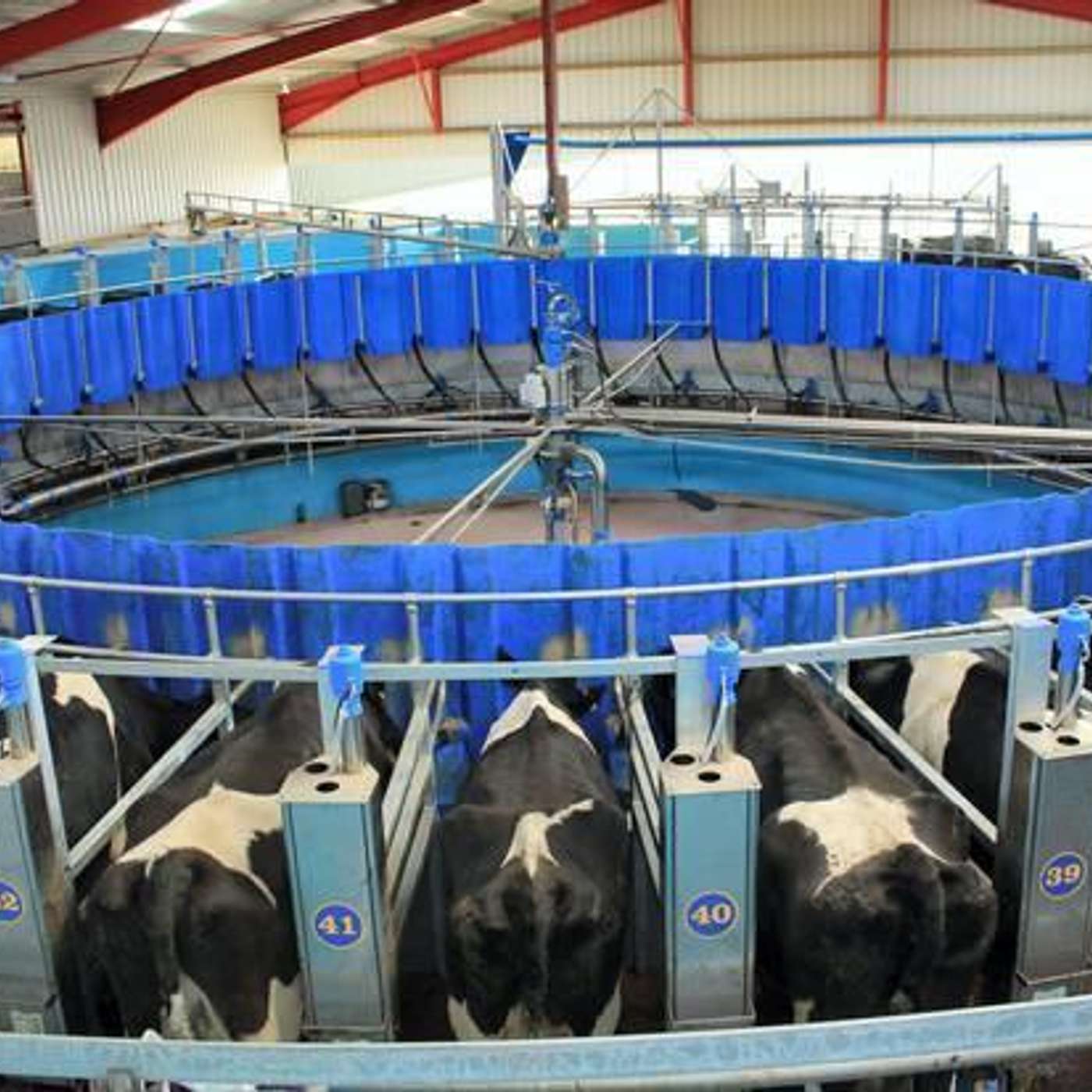
Use of once-a-day milking to reduce labour demand
On this week’s episode of The Dairy Edge podcast we speak to Waterford based dairy advisor Brian Hilliard about the use of once-a-day milking across the entire lactation. Brian explains that there are 40-50 dairy herds across Ireland milking their herd once a day as a means of reducing overall workload and improving lifestyle. Brian weighs up the pros (reduced labour, improved animal health and fertility) and cons (reduced milk and milk solids yield, increasing SCC, reduced profitability in first 2 years) of once-a-day milking systems. Production on established once-a-day farms can be quite high at 400 kg milk solids, which is comparable with the national average dairy cow that is milking twice-a-day. Brian points out that while dairy farmers are running successful once-a-day herds, the first few years can be quite challenging due to a reduction in milk revenue and increased culling levels as unsuitable cows exit the herd. He urges anyone who is interested in once-a-day milking to talk to their Teagasc dairy advisors and get out to see existing once-a-day farmers to learn more about the system. For more information: Selection of dairy cows for once-a-day milking https://www.teagasc.ie/media/website/publications/2018/Breeding-for-Once-a-Day-Milking---Donagh-Berry.pdf Economic implications of transitioning from twice-a-day to once-a-day: https://www.teagasc.ie/media/website/publications/2018/Economics-of-transitioning-to-Once-A-Day-Milking---George-Ramsbottom.pdf
Why robots are the future of milking
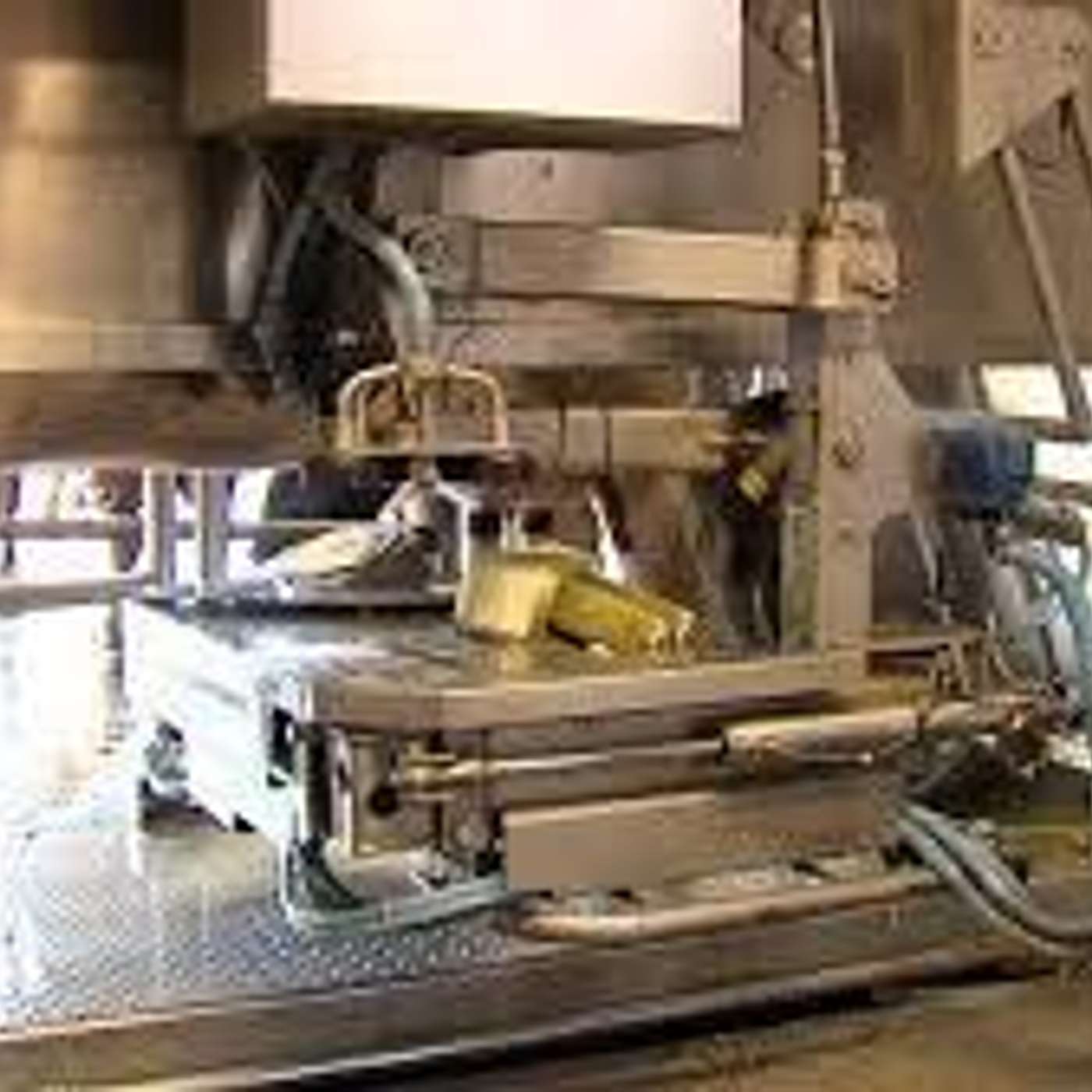
Are robots the future of milking? On this weeks episode of The Dairy Edge podcast we speak to Caroline O’Sullivan, manager of the robotic unit at Teagasc Moorepark and Caroline gives an insight into how robotic milking systems work including the number of milkings robots are capable of per day, the ideal number of cows per robot and what her work looks like from day to day. Caroline emphasises the importance of grassland management in robotic systems, aiding the movement of cows from the paddock to the robot throughout day and night. Finally Caroline explains the current feeding and milk production of the dairy cows, where cows are producing 2.1 kg milk solids from a predominately grazed grass diet. For more: teagasc.ie
Striking the balance between silage quality and quantity
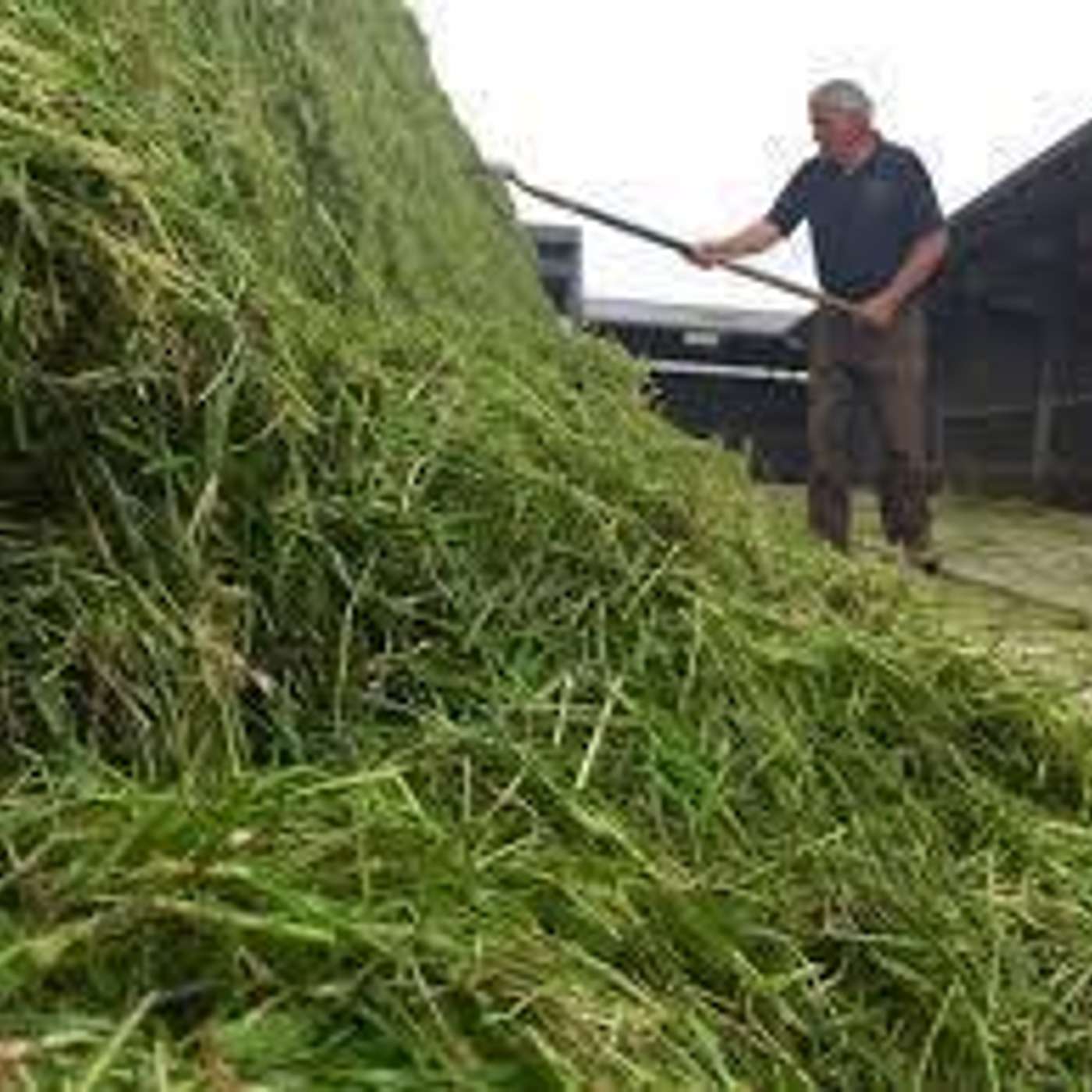
Dairy Specialist, Joe Patton discusses silage production, from the cost to key metrics for quality and the optimum cutting date. Joe explains what to look for when analysing the quality of grass silage and what quality and quantity of silage is required for the various groups of stock on the farm. Finally, Joe debates optimum cutting date to maximise quality and quantity. Importantly, one silage paddocks reach heading date, quality will decline by 0.5-1 unit per day.
How to achieve fertility targets during the breeding season
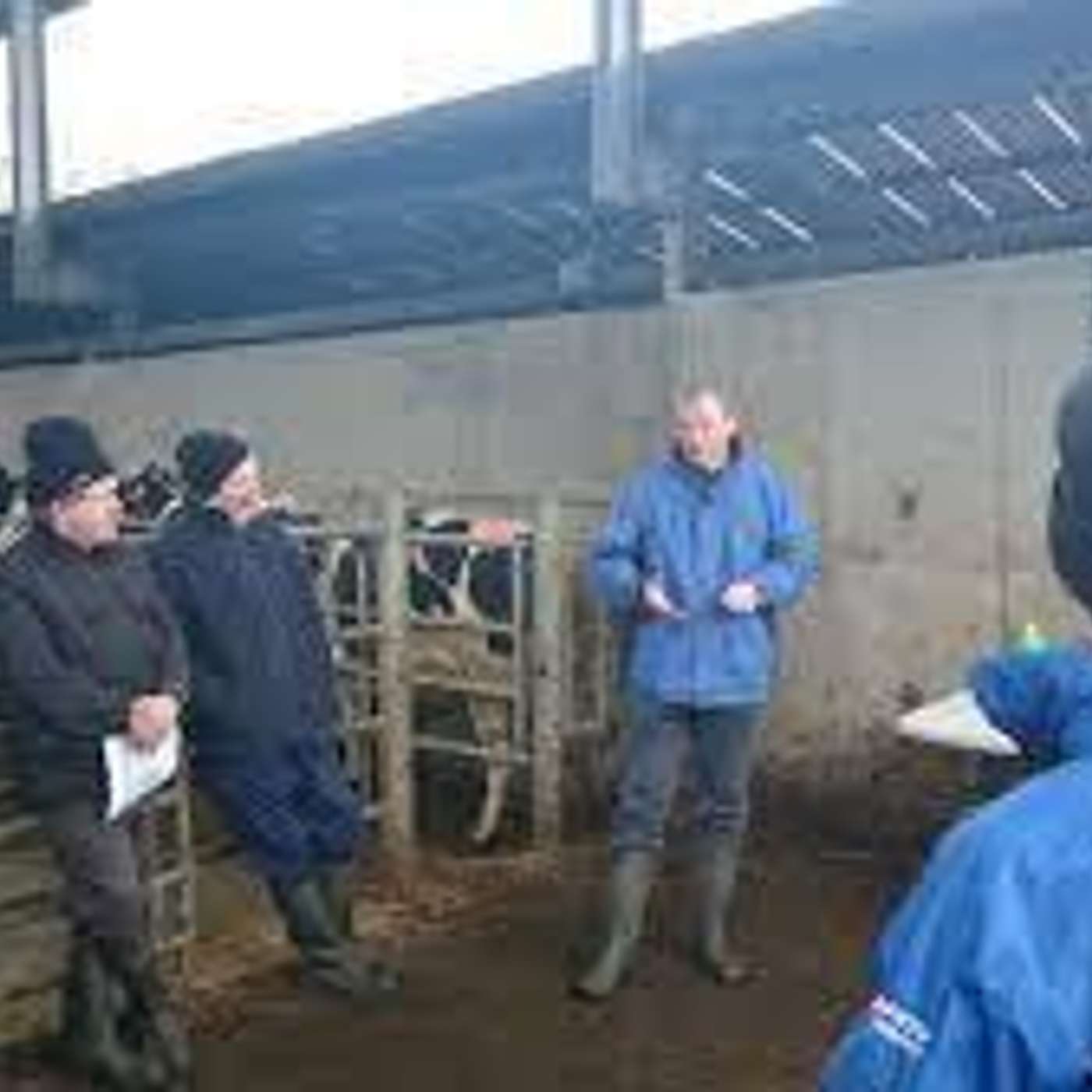
Dairy Specialist Martina Gormley speaks to the Dairy Edge about 6-week calving rate, the leading metric for dairy fertility performance. Firstly, Martina identifies where the national dairy herd 6-week calving rate is and how it compares to target. Martina sets out the benefits and subsequently, the financial implications of achieving target. In short, for each 1% increase in 6-week calving profitability will increase by €8.22 per cow, which will increase profitability by €822 per year for a 100-cow herd. Furthermore, Martina acknowledges concerns some farmers may have about concentrating calving over a short period of time. Finally, Martina gives some tips on management practices to aid farmers in achieving high fertility performance for their herds. More information: https://www.teagasc.ie/media/website/publications/2014/2_2-Why-is-six-week-calving-rate-important-to-my-farm.pdf https://www.teagasc.ie/media/website/publications/2016/tips-for-6-week-calving.pdf

The use of genomic selection to maximise profitability
We speak to geneticist Donagh Berry about the use of genomic bulls as part of the breeding programme for your farm. Firstly, Donagh explains what genomic selection really means and how it compares to the traditional method of selecting daughter proven bulls. Donagh explains that the milk production, fertility, longevity, and consequently profit is greater in offspring from genomically selected sires than daughter proven sires. Interestingly, over 70% of dairy straws sold in Ireland are from genomically selected bulls. Finally, Donagh considers the potential benefits of genotyping your dairy females and whether the benefits outweigh the cost.
Mid-Season Grassland Management
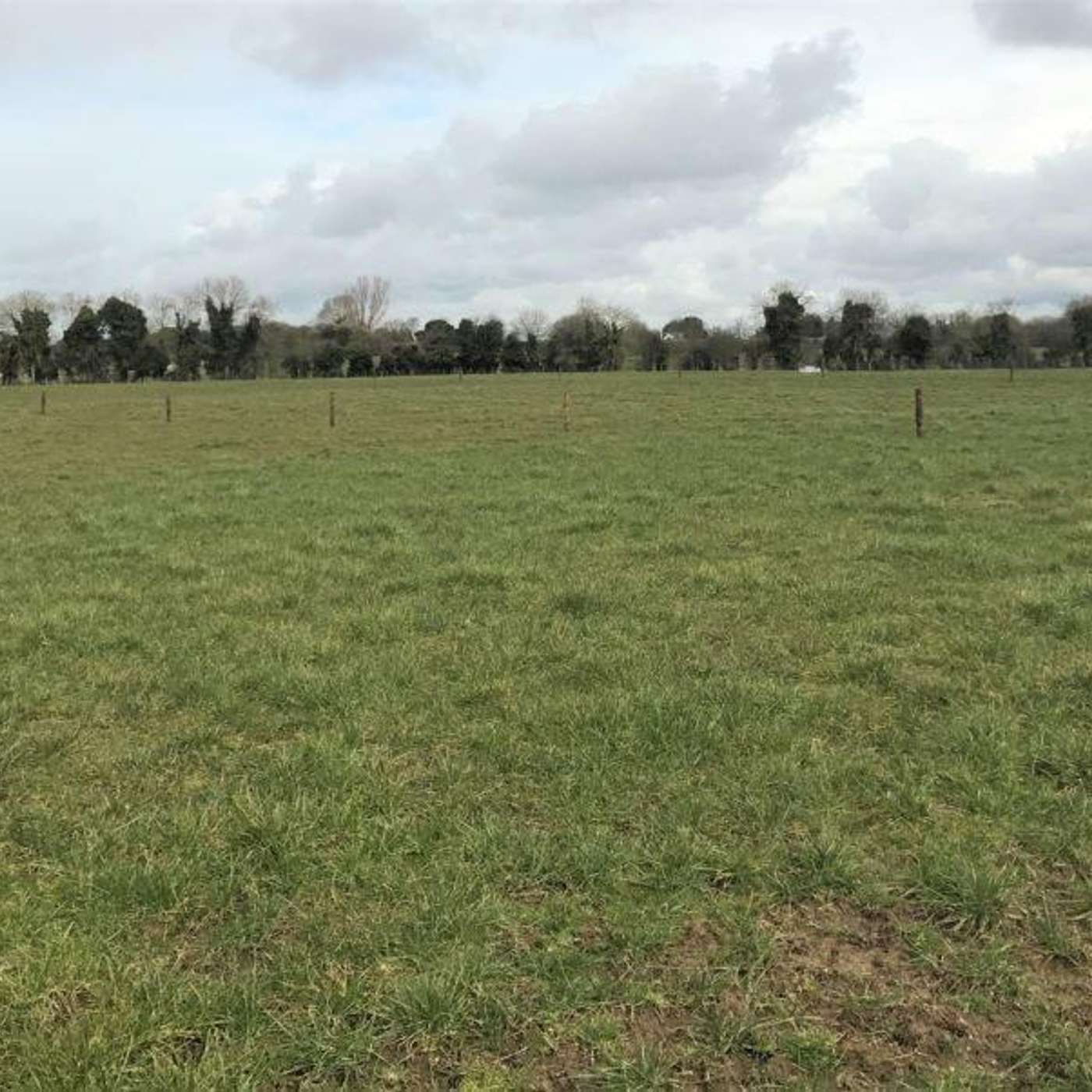
On this week's episode of the Dairy Edge podcast we speak to Grass 10 Campaign Manager John Maher about mid-season grassland management. Firstly, John talks us through the current grassland situation - with a lot of nitrogen out and soil temperature 2 degrees above normal, grass growth has taken off. Additionally, John takes through the grazing targets, fertiliser strategies and practical steps to achieve six grazings per paddock during the mid-season.
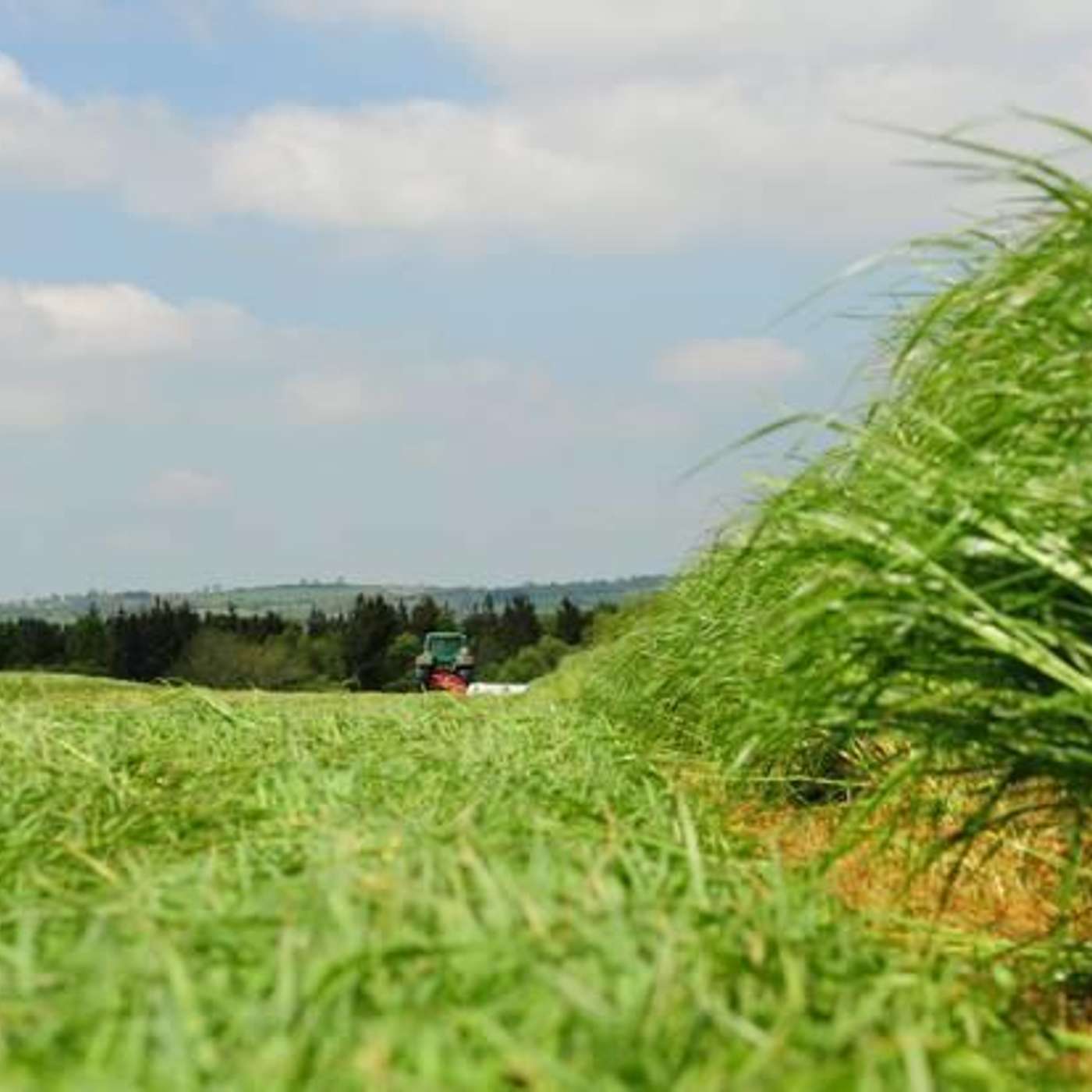
How to maximise silage yields to replenish silage stocks
On this week's episode of The Dairy Edge podcast, dairy specialist Joe Patton has advice on how to maximise silage yields with the view of replenishing silage stocks on farms across Ireland. Joe emphasises the importance of fertiliser in the form of N, P and K and also talks about the balance between quality and quantity, and target cutting dates to achieve a good 1st and 2nd cut, with the possibility of additional forage harvesting in the form of 3rd cut silage or bales. Finally, Joe considers the overall farm system, placing particular importance on the ability to grow grass with an estimated grass budget of 5 tonne DM for each cow. For more information: https://www.teagasc.ie/media/website/publications/2016/Teagasc-Quality-Grass-Silage-Guide.pdf
Dairy Farm Profitability
On this week’s episode of The Dairy Edge podcast we speak to dairy specialist George Ramsbottom about farm profitability. George identifies the main differences between the average and top dairy farmers, namely consistently higher quality output and lower costs. He also speculates where farm profitability will be at the end of 2018, taking cognisance of the high milk price and profit year in 2017, and the additional costs incurred on the majority of dairy farms in Ireland this spring. For more: teagasc.ie
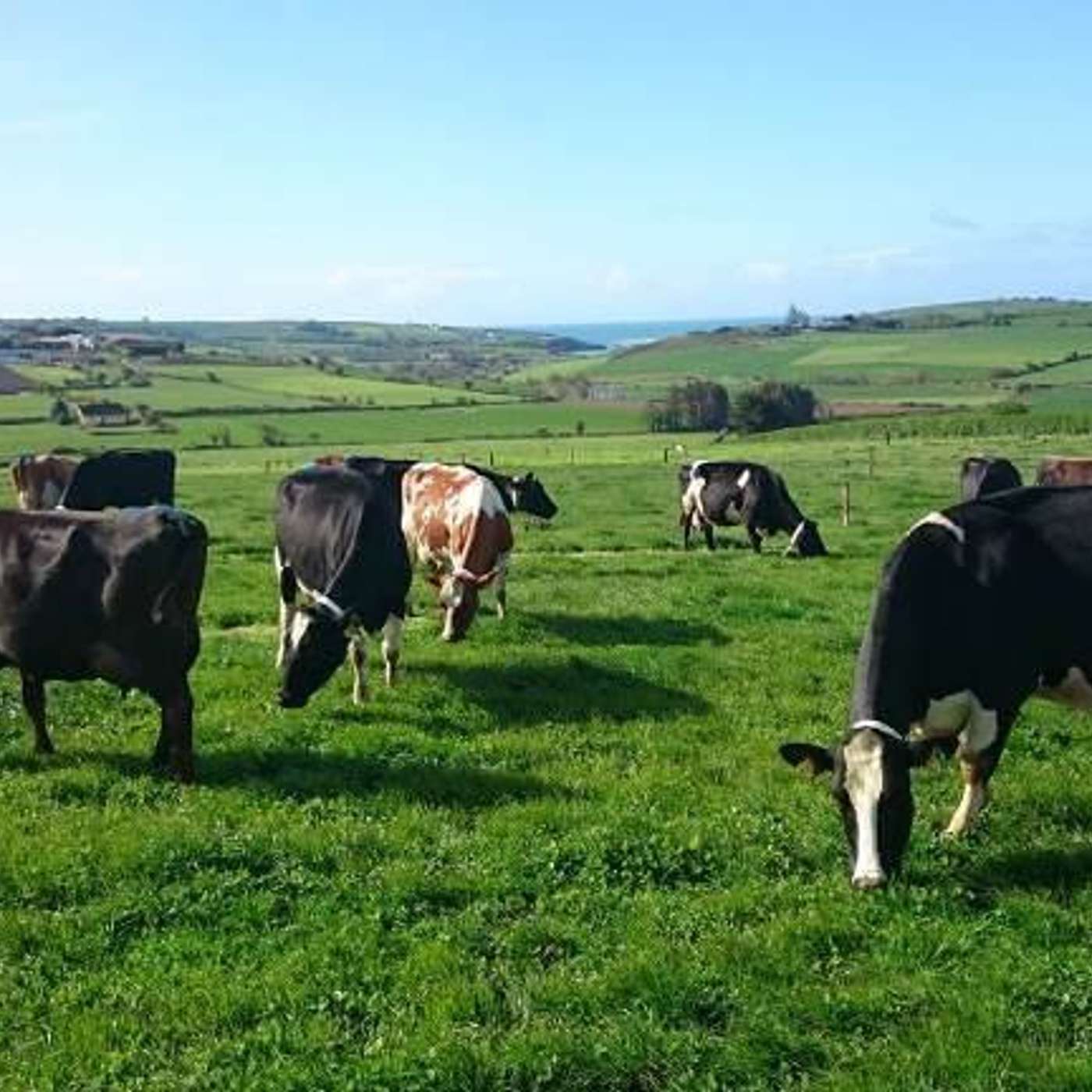
After a tough spring, how to get cows fit for breeding
The breeding season is coming up and with cows in low body condition after a tough spring with poor grass growth and poor grazing conditions, on this episode of the Dairy Edge, we speak to fertility expert, Stephen Butler about how to get cows fit for breeding.
Sire selection for the upcoming breeding season
On this week's episode of The Dairy Edge podcast we're focusing on sire selection for the upcoming breeding season and speak to Dairy Specialist George Ramsbottom while Donal Patton from Ballyhaise fills us in on the upcoming event at Ballyhaise Agricultural College.
How to deal with the current grassland situation
On this week's episode of The Dairy Edge podcast we're finding out how to deal with the current grassland situation on dairy farms across Ireland after the recent challenging weather conditions. We speak to grassland researcher, Michael Egan, who advises each farmer to assess their own situation by completing a grass cover and updating their feed budget. John Maher also tells us about an upcoming Grass 10 event at Tim Crowley's farm in Bandon, Co. Cork. Tim was winner in the Young Farmer category of the Grassland Farmer of the Year competition for 2017 and the farm walk is being held on March 29th. For more information: Teagasc.ie
Once-a-day calf feeding
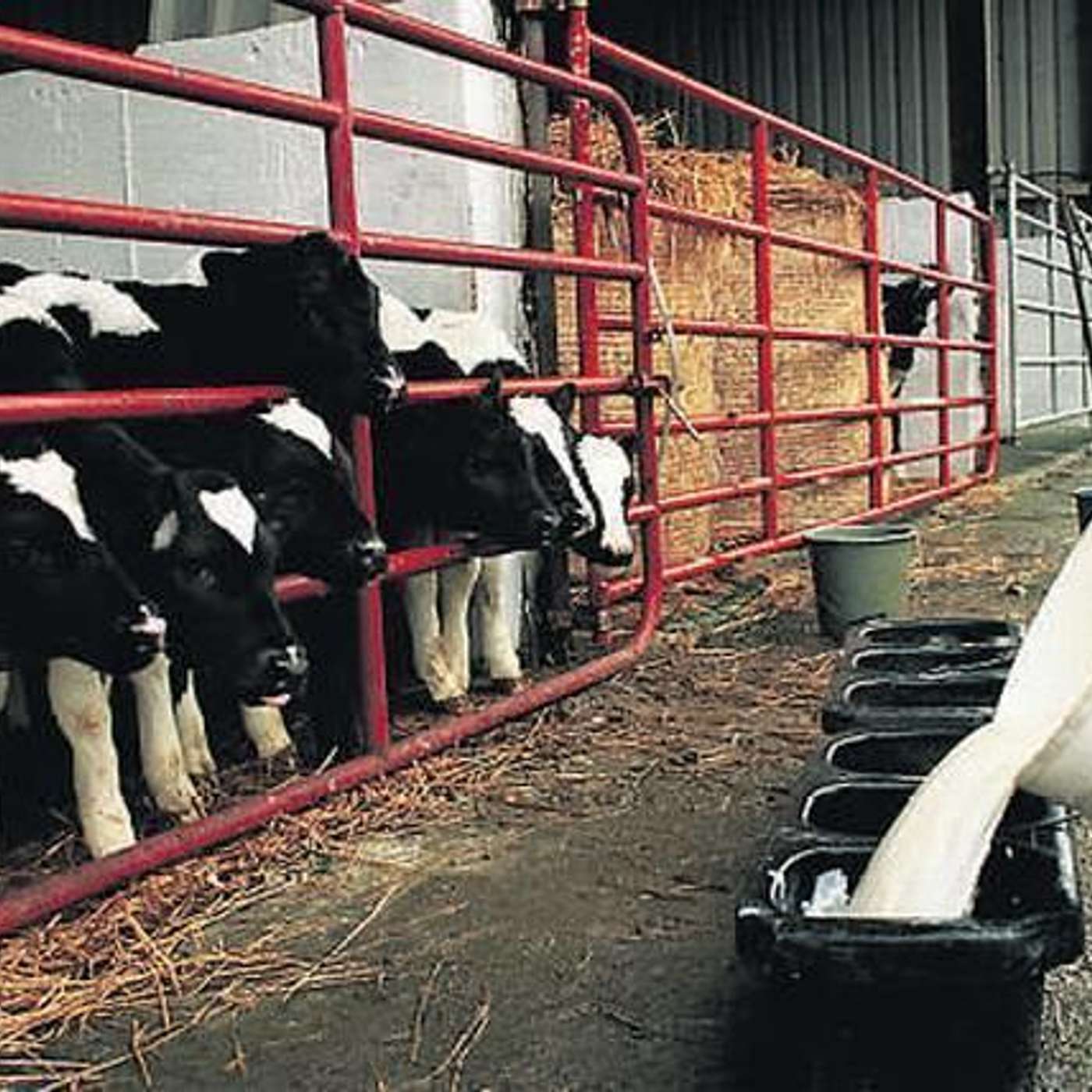
On this week's episode of The Dairy Edge podcast we speak to calf expert Emer Kennedy. Emer talks us through labour saving techniques around the calf rearing process from now until weaning. She explains that once-a-day calf feeding will reduce the labour input around calf care by one-third. Research has shown there is no difference in average daily gain between calves fed once-a-day or twice-a-day but there was a significant reduction in labour. For more information: https://www.teagasc.ie/media/website/publications/2017/Section3-Milk-feeding.pdf https://www.teagasc.ie/media/website/publications/2018/CalfcareeventBooklet.pdf https://www.youtube.com/watch?v=lyhwegNyjls
Managing the dairy cow and grassland after Storm Emma
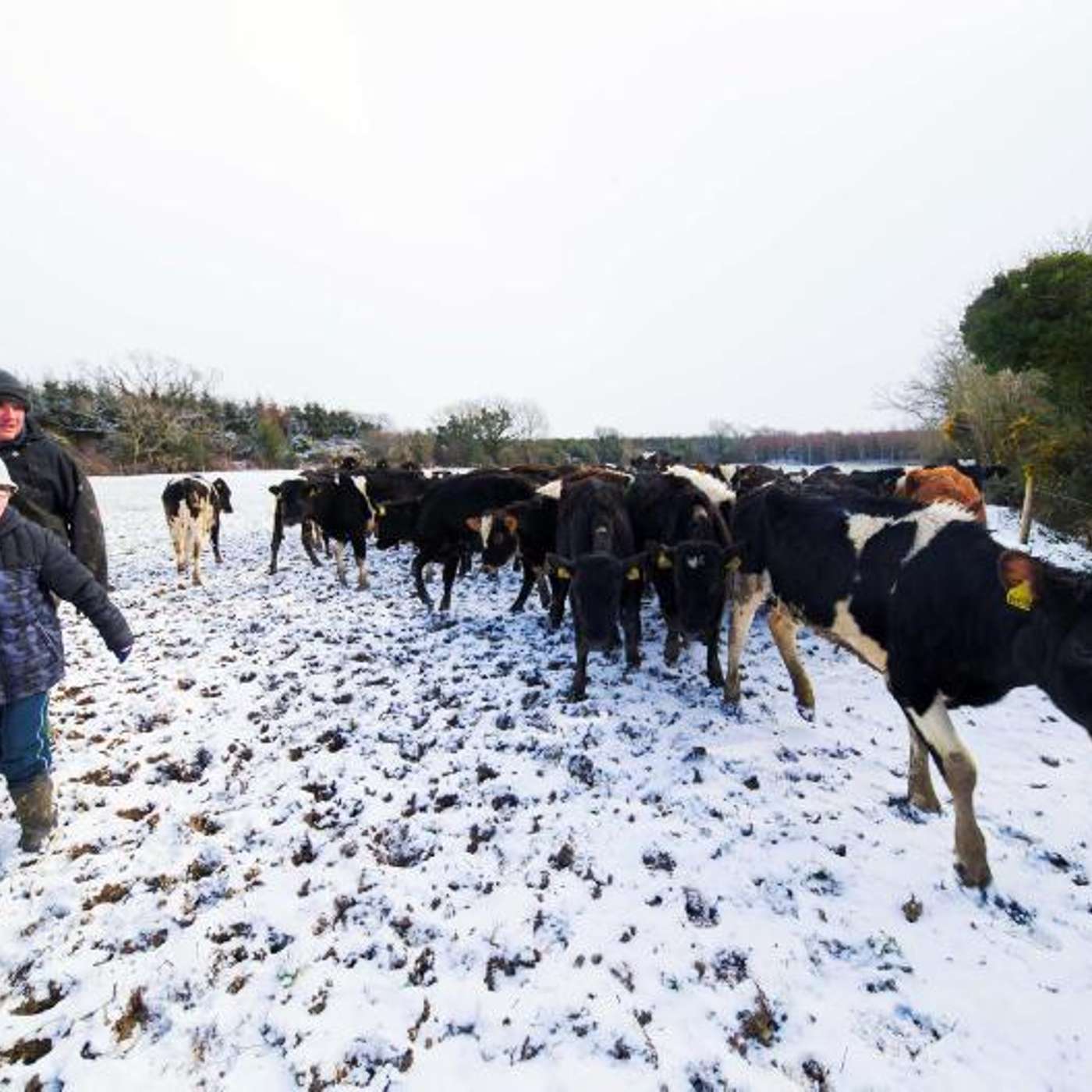
On this week's show we focus on the recovery on dairy farms after Storm Emma. Aidan Lawless, farm manager from Teagasc Johnstown Castle, explains how they are coping with the heavy snow. Aidan gives an insight into the change in diet of the spring and autumn calving cows in the last week, with the spring calving cows shifting from a grazed grass and concentrate diet to silage and concentrate indoors. He also mentioned the implications of rehousing cows, such as cases of mastitis. Joe Kelleher, dairy advisor from Newcastle West, gives advice on how to manage the dairy cow and grassland as conditions remains challenging on a lot of farms in the aftermath of the storm. Where cows are housed Joe emphasises the importance of practices to maintain high milk quality; keeping cubicles scrapped and limed, and stripping teats prior to milking. Joe recommends getting out with nitrogen to drive grass growth, Urea between now and St Patrick's Day and 18-6-12 from then on to provide a source of phosphorus and potassium to the growing grass plant.
Udder Health
On this week's show we focus on udder health. Don Crowley, mastitis expert and dairy advisor based at Teagasc Clonakilty, talks through the common strains of mastitis identified in Ireland and the declining trend of somatic cell count (SCC) in the national dairy herd. According to Don, good milking procedure will contribute to lower SCC in early lactation. Furthermore, research has shown elevated somatic cell count leads to lower profitability, resulting from lower milk production, higher culling rates and veterinary treatment costs. For more information: teagasc.ie
Dairy Breeding
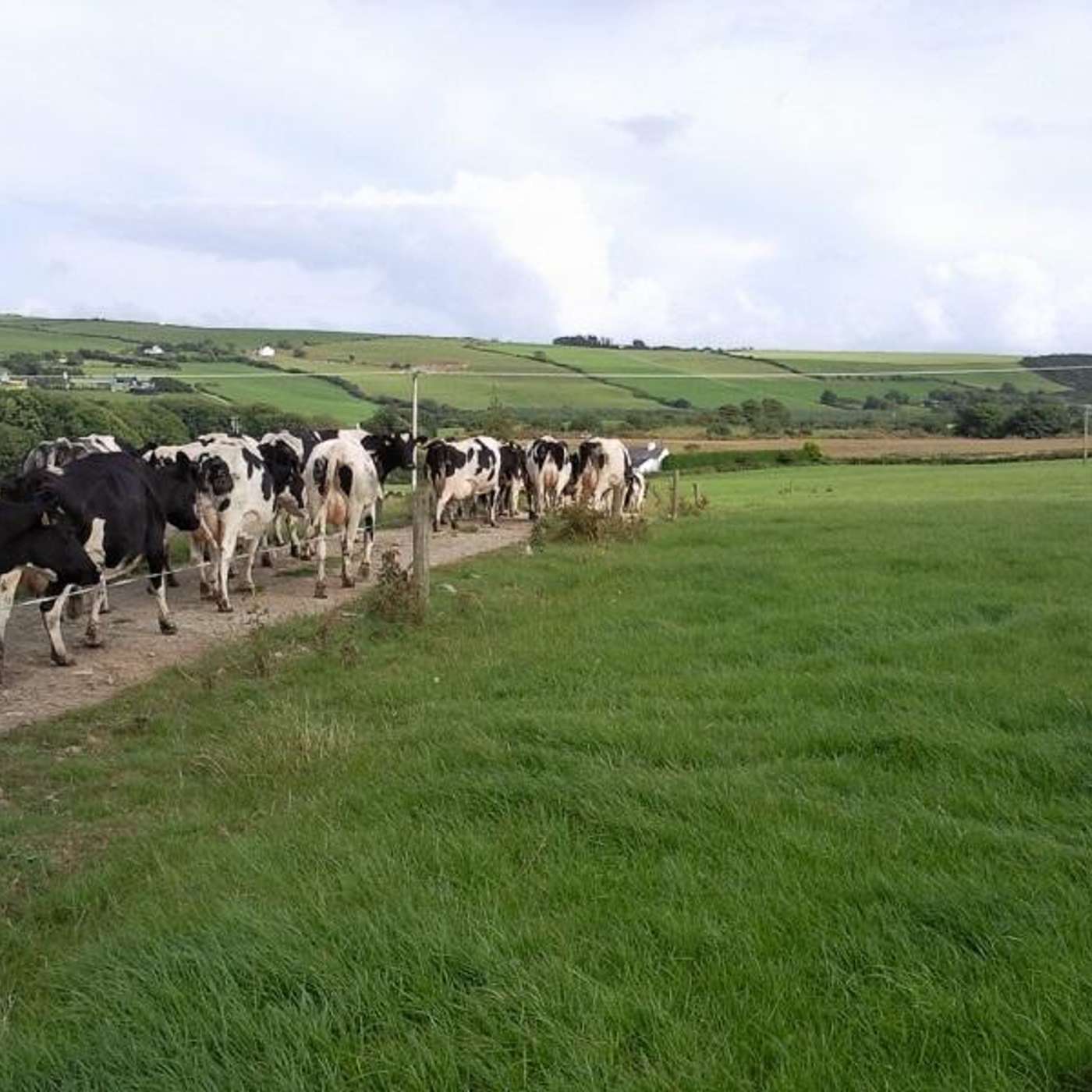
On this week’s show we focus on dairy breeding. We hear from Morgan O’Sullivan, PhD researcher from Teagasc, who explains the differences he has observed between dairy cows with elite and average EBI. Morgan talks through the differences in milk production, fertility and longevity of elite and average dairy cows, and the consequences for profitability.
Spring Grassland Management
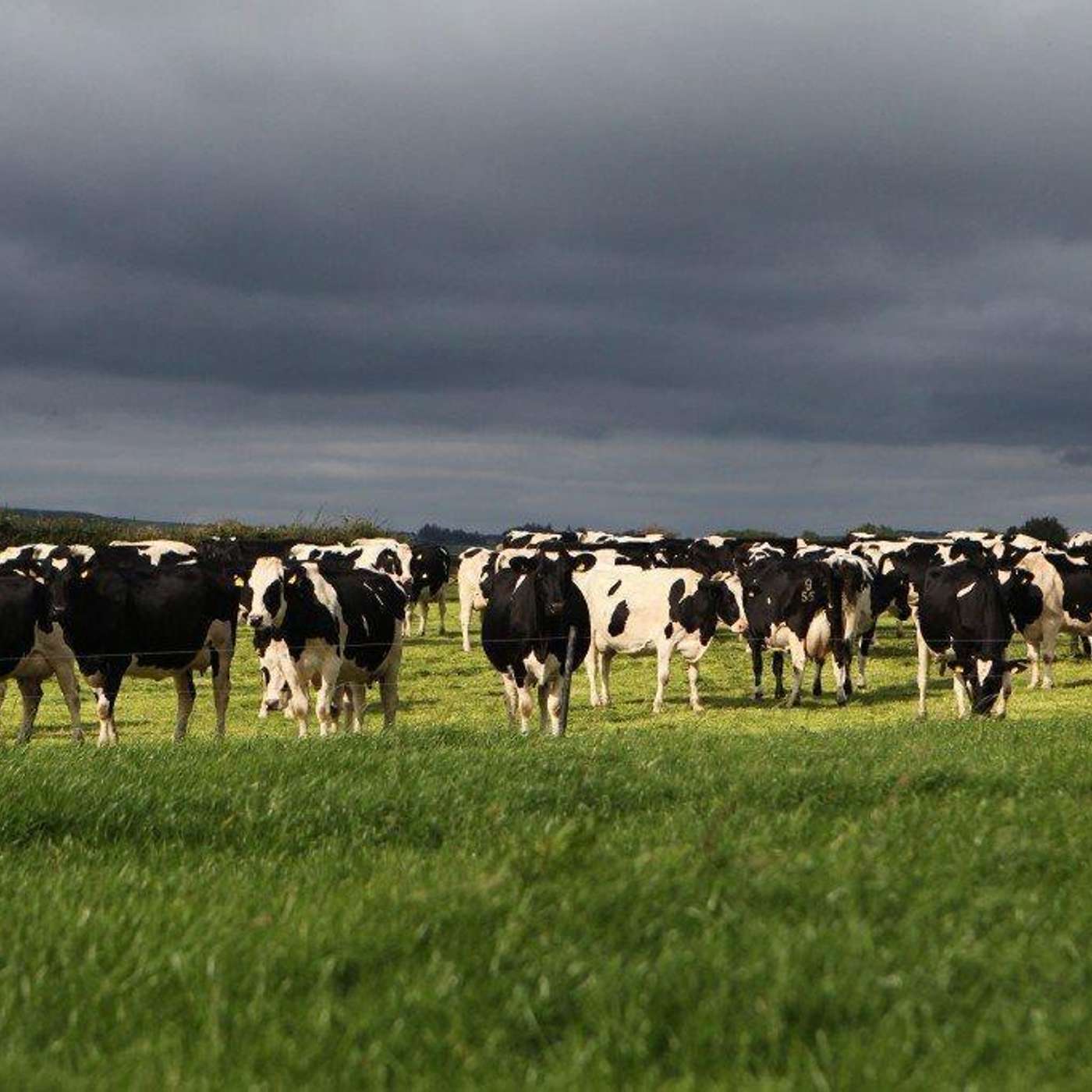
On this week’s show we're focusing on spring grassland management with Michael Egan, Grassland Research Officer from Teagasc and Micheal O’Leary, Co-ordinator of PastureBase Ireland also explains what is involved in the PastureBase/Agrinet merger. For more information: teagasc.ie