How to reduce emissions while maintaining milk output and profit
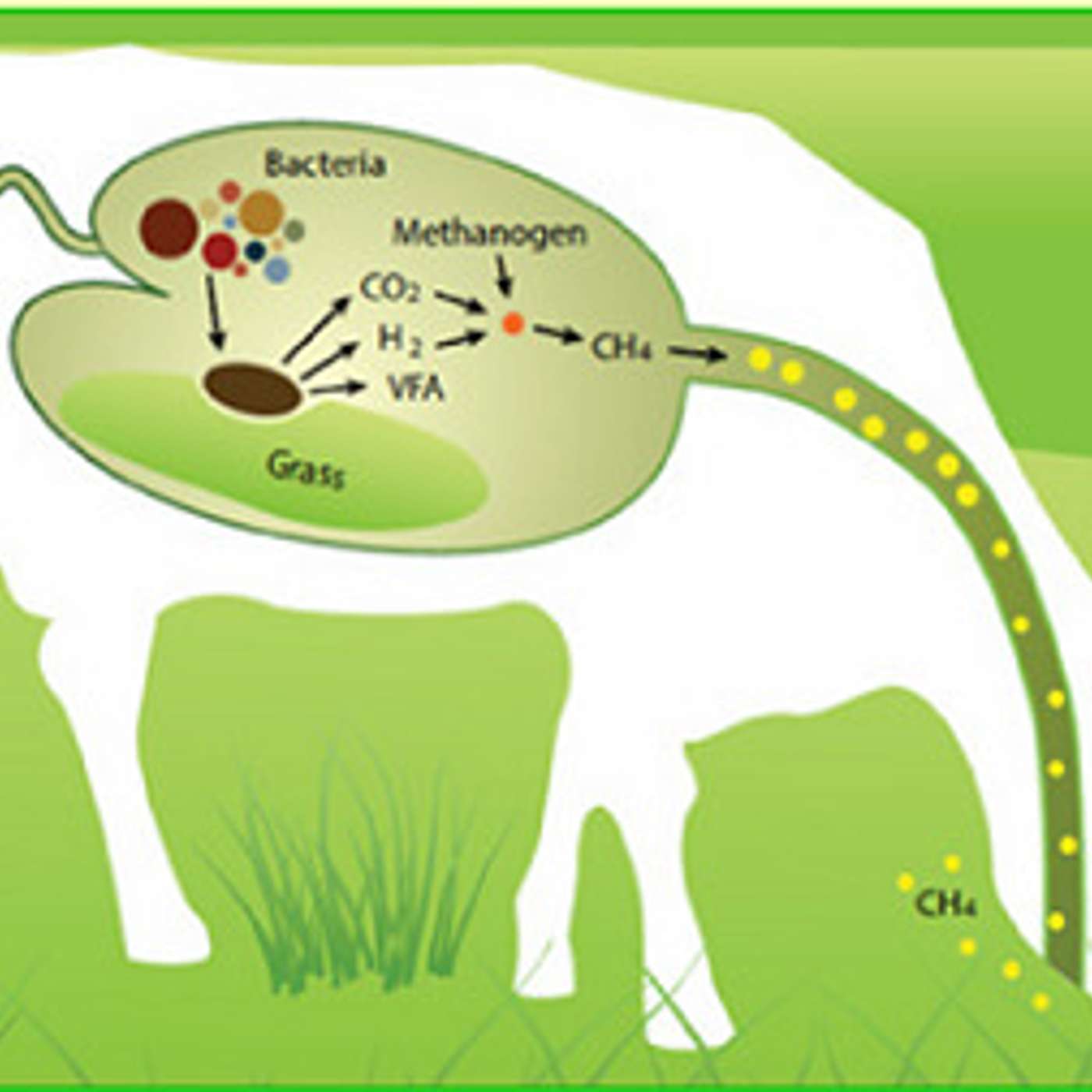
Researcher James Humphreys joins Emma-Louise Coffey on this week’s Dairy Edge with practical steps to reduce emissions while maintaining milk output and profit. James outlines the emissions for dairy farms which are: 50% methane, 20% nitrous oxide (fer
September 7, 202025m 11s
Audio is streamed directly from the publisher (dts.podtrac.com) as published in their RSS feed. Play Podcasts does not host this file. Rights-holders can request removal through the copyright & takedown page.
Show Notes
Researcher James Humphreys joins Emma-Louise Coffey on this week’s Dairy Edge with practical steps to reduce emissions while maintaining milk output and profit.
James outlines the emissions for dairy farms which are: 50% methane, 20% nitrous oxide (fertiliser), 20% ammonia (slurry, urine, faeces) and 10% carbon dioxide (electricity, diesel).
At Solohead Research farm, a trial is being carried out to measure the reduction in nitrous oxide and ammonia emissions resulting for changes to farming practices.
Switching to LESS and protected Urea reduces emissions by 9% which is readily achievable on farms with the resources available.
LESS, protected Urea spread at half rate in combination with clover inclusion reduces emissions by 18%.
LESS, white clover inclusion and no fertiliser use reduces emissions by 25%.
Ceasing fertiliser use will reduce milk output by 5% but this is also associated with reduced costs.
For more information:
https://www.teagasc.ie/media/website/publications/2020/Lowering-the-carbon-footprint-of-pasture-based-dairy-production.pdf
For more episodes from the Dairy Edge podcast visit the show page at:
https://www.teagasc.ie/animals/dairy/the-dairy-edge-podcast/
Topics
dairy farmingfarming irelandfarmingteagasc