Sustainability, Climate Change, Renewable Energy, Politics, Activism, Biodiversity, Carbon Footprint, Wildlife, Regenerative Agriculture, Circular Economy, Extinction, Net-Zero · One Planet Podcast
571 episodes — Page 9 of 12
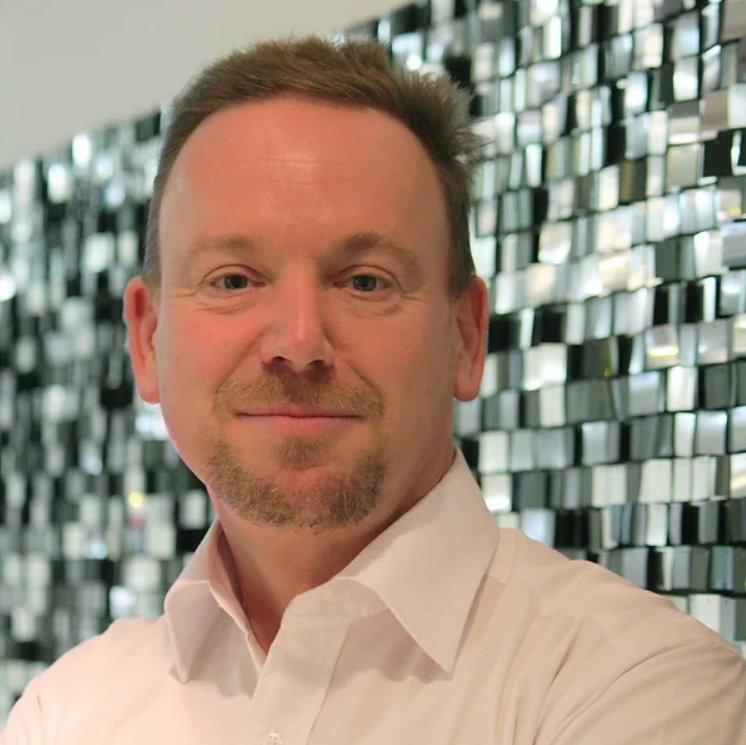
Sir Geoff Mulgan, Author of “Another World is Possible”, Prof. UCL
Sir Geoff Mulgan is Professor of Collective Intelligence, Public Policy and Social Innovation at University College London. Formerly he was chief executive of Nesta, and held government roles (1997–2004), including as the Prime Minister’s Strategy Unit director and as Downing Street’s head of policy. He is the founder or co-founder of many organisations, from Demos to Action for Happiness, and the author of Another World is Possible, Social Innovation: how societies find the power to change, Big Mind: how collective intelligence can change our world, and other books. “What I think we need is many more people thinking through what would this whole circular economy look like? Let's picture 20, 30 years into the future. Imagine we really did become circular. How would tax be organized in that world? Would we be taxing new stuff much more heavily relative to reused or maintained or recycled stuff? How would we be embedding this into children's upbringing? How would we be changing almost our moral view of different kinds of waste? “geoffmulgan.comhurstpublishers.com/book/another-world-is-possiblewww.creativeprocess.infowww.oneplanetpodcast.org
Highlights–Nicholas A. Christakis, Director, Human Nature Lab, Yale
“We're not attempting to invent super smart AI to replace human cognition. We are inventing dumb AI to supplement human interaction. Are there simple forms of artificial intelligence, simple programming of bots, such that when they are added to groups of humans – because those humans are smart or otherwise positively inclined - that help the humans to help themselves? Can we get groups of people to work better together, for instance, to confront climate change, or to reduce racism online, or to foster innovation within firms?Can we have simple forms of AI that are added into our midst that make us work better together? And the work we're doing in that part of my lab shows that abundantly that's the case. And we published a stream of papers showing that we can do that.” Nicholas Christakis, MD, PhD, MPH, is a social scientist and physician who conducts research in the areas of biosocial science, network science and behavioral genetics. He directs the Human Nature Lab at Yale University and is the co-director of the Yale Institute for Network Science. Dr. Christakis has authored numerous books, including Blueprint: The Evolutionary Origins of a Good Society published in 2019 and Apollo's Arrow: The Profound and Enduring Impact of Coronavirus on the Way We Live published in 2020. In 2009, Christakis was named by TIME magazine to their annual list of the 100 most influential people in the world.Nicholas Christakis Human Nature Lab humannaturelab.netYale Institute for Network Science yins.yale.eduTRELLIS - Suite of software tools for developing, administering, and collecting survey and social network data trellis.yale.eduThe Atlantic: “How AI Will Rewire Us: For better and for worse, robots will alter humans’ capacity for altruism, love, and friendship”www.creativeprocess.infowww.oneplanetpodcast.org
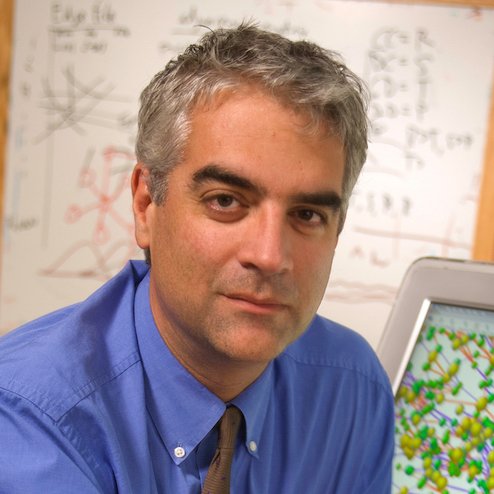
Nicholas A. Christakis, Director, Human Nature Lab, Yale
Nicholas Christakis, MD, PhD, MPH, is a social scientist and physician who conducts research in the areas of biosocial science, network science and behavioral genetics. He directs the Human Nature Lab at Yale University and is the co-director of the Yale Institute for Network Science. Dr. Christakis has authored numerous books, including Blueprint: The Evolutionary Origins of a Good Society published in 2019 and Apollo's Arrow: The Profound and Enduring Impact of Coronavirus on the Way We Live published in 2020. In 2009, Christakis was named by TIME magazine to their annual list of the 100 most influential people in the world. “When we look around the world, we see endless and timeless fear, ignorance, hatred, and violence. From our position, we could also boundlessly catalogue the minute details of human groups, highlighting and emphasizing the differences among them. But this pessimistic gaze that separates humans from one another by highlighting evil and by emphasizing difference misses an important underlying unity and overlooks our common humanity. Humans everywhere are also pre-wired to make a particular kind of society — one full of love, friendship, cooperation, and learning. Humans have always had both competitive and cooperative impulses, both violent and beneficent tendencies. Like the two strands of the double helix of our DNA, these conflicting impulses are intertwined. We are primed for conflict and hatred but also for love, friendship, and cooperation. If anything, modern societies are just a patina of civilization on top of this evolutionary blueprint. The good things we see around us are part of what makes us human in the first place. We should be humble in the face of temptations to engineer society in opposition to our instincts. Fortunately, we do not need to exercise any such authority in order to have a good life. The arc of our evolutionary history is long. But it bends toward goodness.”Excerpted from BLUEPRINT: The Evolutionary Origins of a Good Society Copyright 2020 by Nicholas A. ChristakisNicholas ChristakisHuman Nature Lab humannaturelab.netYale Institute for Network Science yins.yale.eduTRELLIS - Suite of software tools for developing, administering, and collecting survey and social network data trellis.yale.eduThe Atlantic: “How AI Will Rewire Us: For better and for worse, robots will alter humans’ capacity for altruism, love, and friendship”www.creativeprocess.infowww.oneplanetpodcast.org
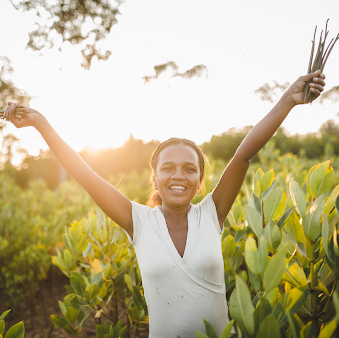
(Highlights) Derrick Emsley · Co-founder & CEO of veritree - Data-driven Restorative Platform & tentree Apparel Co.
"I think what's powerful about a tree is it's tangible and it's symbolic in a lot of ways. We as humans naturally have this emotional connection, I think, to trees, and so particularly when you think of our ability to take action within the climate crisis conversation, a tree is this really powerful symbol and vehicle because it's a lot easier to understand a tree than it is to understand a pound or two of CO2 that's floating in the air.So for us, tree planting is just the start of the communication, just the start of the impact. Really if all it was was to get a stick in the ground that wouldn't have the long-term impact, whether that be carbon, whether that be socioeconomic impact, and things like that. So really for us, veritree helps us collect all that data and create the operating system to pull in the data on everything from planting forms and field updates that are coming in, survivability analysis, and different updates on things like biodiversity. We're partnering with some groups to test underwater sensors in some of these planting sites. We're collecting socioeconomic surveys and things like that to try to attach the impact to the community and back to the planting that's happening.”From a young age, Saskatchewan born Derrick Emsley has been actively connecting people with environmental stewardship. At 16, he and his brother Kalen founded a tree planting company that sold carbon offsets to businesses, a venture that saw over $1 million dollars in contracts and 150,000 trees planted. Derrick founded tentree, the apparel company that plants trees for purchases, soon after graduating from Richard Ivey School of Business in 2012. In just under a decade, tentree has set new standards for apparel brands with environmentally progressive values. Based on its success creating a model for engagement between the brand and its consumers, Derrick co-founded veritree last year, as a platform for regeneration that other brands can use to create similar impact. Named one of Forbes 30 Under 30 for 2020, Derrick has become a voice for a modern generation—one who recognizes the necessity of a brand that's earth-first, transparent, and community-focused.· www.veritree.com· veritree Launches Community of 30 Brand Partners to Plant 10 Million Verified Treesveritree Partners with Samsung to Plant Millions of Trees in 2022Mogo announces its partnership with veritreeveritree and Cardano Foundation Complete Global Impact Challenge as "Cardano Forest" Reaches Funding Target for Planting 1M Treeswww.oneplanetpodcast.org· www.creativeprocess.info
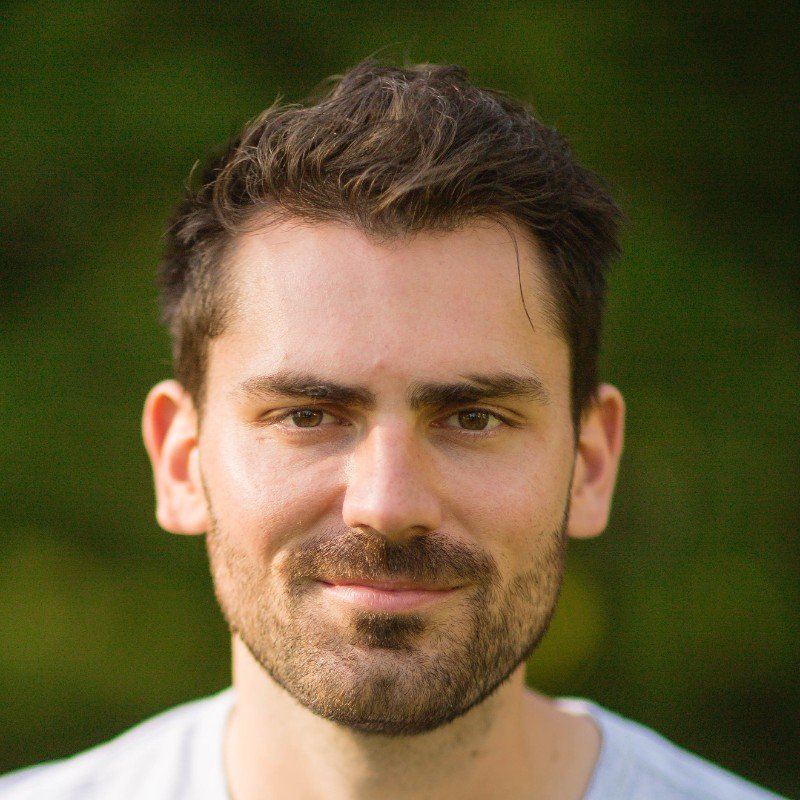
Derrick Emsley · Co-founder & CEO of veritree - Data-driven Restorative Platform & tentree Apparel (Copy)
From a young age, Saskatchewan born Derrick Emsley has been actively connecting people with environmental stewardship. At 16, he and his brother Kalen founded a tree planting company that sold carbon offsets to businesses, a venture that saw over $1 million dollars in contracts and 150,000 trees planted. Derrick founded tentree, the apparel company that plants trees for purchases, soon after graduating from Richard Ivey School of Business in 2012. In just under a decade, tentree has set new standards for apparel brands with environmentally progressive values. Based on its success creating a model for engagement between the brand and its consumers, Derrick co-founded veritree last year, as a platform for regeneration that other brands can use to create similar impact. Named one of Forbes 30 Under 30 for 2020, Derrick has become a voice for a modern generation—one who recognizes the necessity of a brand that's earth-first, transparent, and community-focused."I think what's powerful about a tree is it's tangible and it's symbolic in a lot of ways. We as humans naturally have this emotional connection, I think, to trees, and so particularly when you think of our ability to take action within the climate crisis conversation, a tree is this really powerful symbol and vehicle because it's a lot easier to understand a tree than it is to understand a pound or two of CO2 that's floating in the air.So for us, tree planting is just the start of the communication, just the start of the impact. Really if all it was was to get a stick in the ground that wouldn't have the long-term impact, whether that be carbon, whether that be socioeconomic impact, and things like that. So really for us, veritree helps us collect all that data and create the operating system to pull in the data on everything from planting forms and field updates that are coming in, survivability analysis, and different updates on things like biodiversity. We're partnering with some groups to test underwater sensors in some of these planting sites. We're collecting socioeconomic surveys and things like that to try to attach the impact to the community and back to the planting that's happening."· www.veritree.com· veritree Launches Community of 30 Brand Partners to Plant 10 Million Verified Treesveritree Partners with Samsung to Plant Millions of Trees in 2022Mogo announces its partnership with veritreeveritree and Cardano Foundation Complete Global Impact Challenge as "Cardano Forest" Reaches Funding Target for Planting 1M Treeswww.oneplanetpodcast.org· www.creativeprocess.info
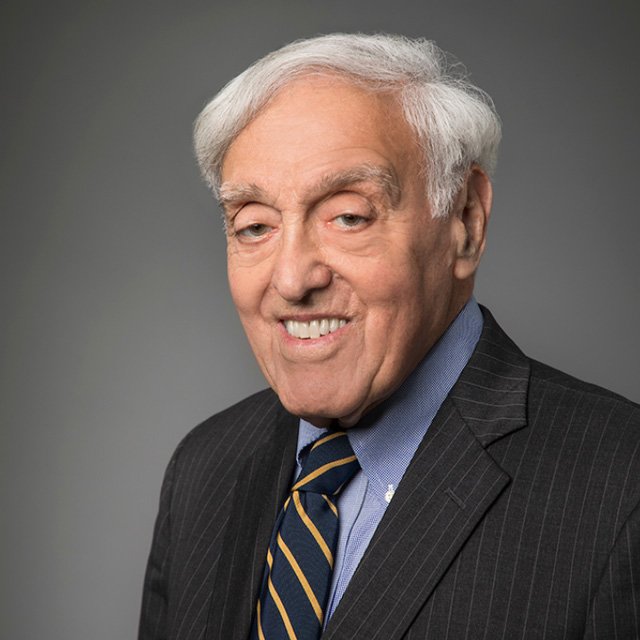
Frank Loy · Fmr. Under Secretary of State for Global Affairs · Fmr. Chief U.S. Climate Negotiator
Frank Loy was Under Secretary of State for Global Affairs from 1998 to 2001. His portfolio included human rights, the promotion of democracy, refugee issues, international law enforcement and counter-narcotics, and the environment. He served as chief U.S. climate negotiator. He was a senior official in the State Department as Deputy Assistant Secretary for Economic Affairs, and Director of the Office of Refugee Affairs. He served in the Obama Campaign as a co-leader of the Energy and Environment team. Formerly, he was president of The German Marshall Fund of the U.S. He has been chair of numerous non-profit boards, including the Environmental Defense Fund, and Resources for the Future. And serves on the boards of The Nature Conservancy, EDF and a number of climate change-related organizations.“We have a number of problems, but two of them are war - we see that at the very moment - but the one that is relatively new, that we didn't have a word for it when I grew up, we certainly didn't understand when I grew up, is environmental consequences. And we have gone from not understanding that to understanding it pretty well, but having a difficult time responding appropriately to that threat.When I decided I would spend some time in the nonprofit sector, it was my wife who said, ‘Don't diddle around with a whole bunch of things, focus on something that you care about, and spend both time and your money on that.’ And so I picked the environment because it seemed to me it had a rather unusual and unique combination of social, economic, political, technical, and scientific elements to it that made it a really interesting complex issue.”· Environmental Defense Fund: www.edf.org · Resources for the Future: www.rff.org · The Nature Conservancy: www.nature.org/en-us/ · The German Marshall Fund of the U.S.: www.gmfus.orgBusiness & Society is a 10-episode limited series co-hosted by Bruce Piasecki & Mia Funk.
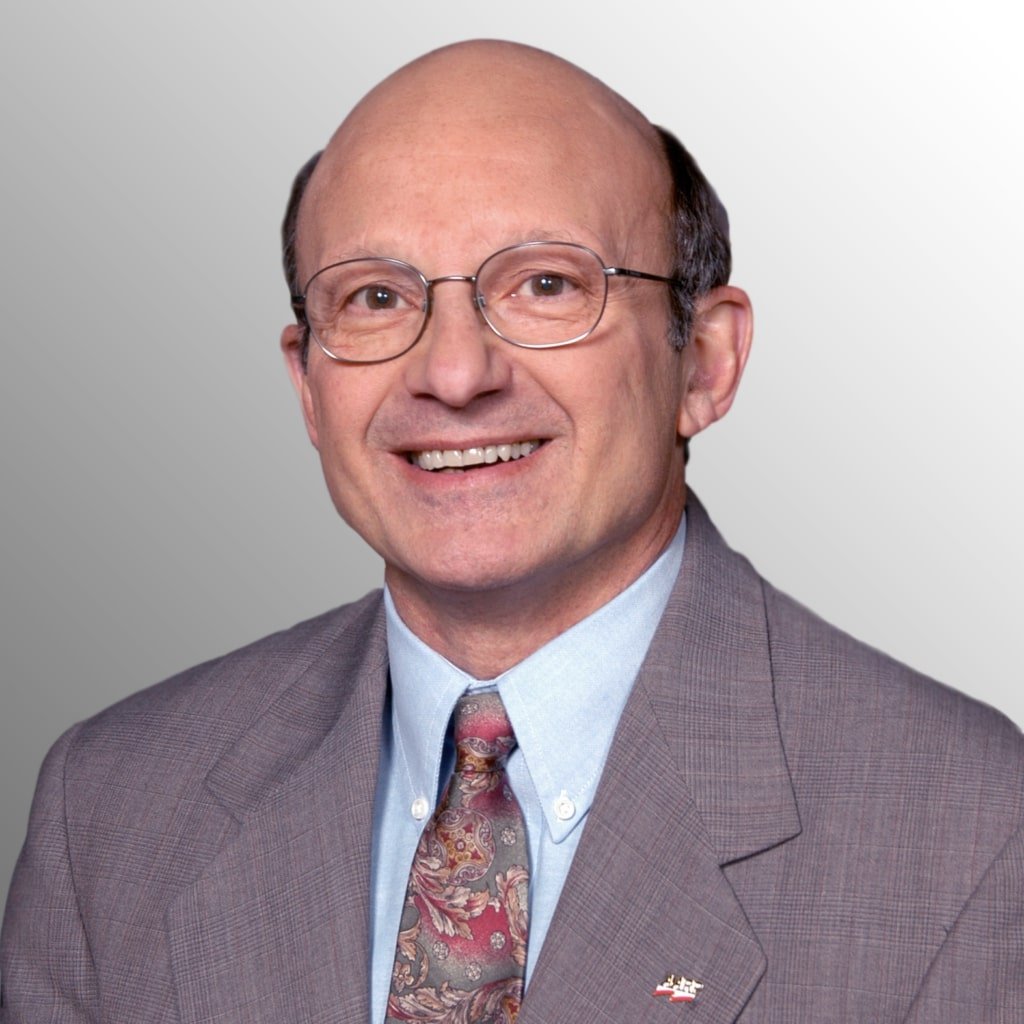
Bill Novelli · Founder, Business for Impact Program, Georgetown · Co-founder Porter Novelli
Bill Novelli co-founded Porter Novelli one of the first social marketing companies and now a global PR agency, he started the Business for Impact program at Georgetown University's McDonough School of Business. He is formerly the CEO of AARP, the president of the Campaign for Tobacco-Free Kids, and the COO of CARE USA. He’s the author of Good Business, The Talk, Fight, Win Way to Change the World and coauthor of Fifty Plus: Give Meaning and Purpose to the Best Time of Your Life. He served in and helped reposition and market the Peace Corps and began his career in marketing management at Unilever.“This is one of the biggest problems that we have in this country. So, on the one hand, we know that we have to take personal responsibility for ourselves, our own health, our families – it's up to us. As some people like to say, you're on your own. And we have to balance that against the concept that we're all in this together. You know, the idea that it takes a village and both sides essentially disrespect the other side. They criticize the other side. No, we're not in this together. It's your own responsibility, and vice versa. If we're going to be good citizens, and we're going to make progress, we have to see both sides of that equation. That's not easy to do.”· businessforimpact.georgetown.edu/· www.billnovelli.comBusiness & Society is a 10-episode limited series co-hosted by Bruce Piasecki & Mia Funk.
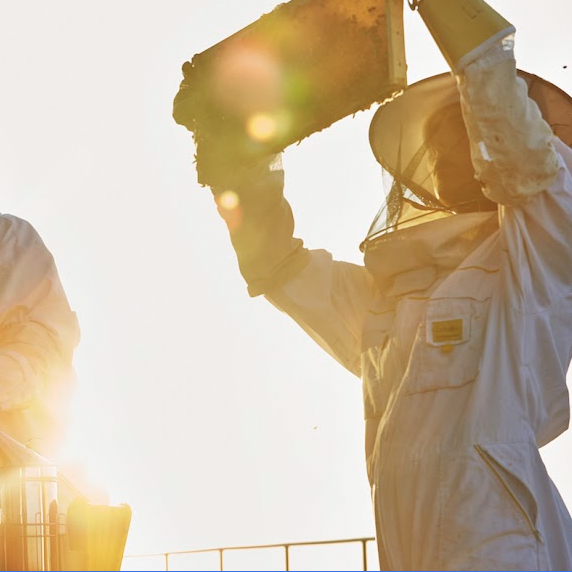
(Highlights) Noah Wilson-Rich · Co-founder/CEO, The Best Bees Company, Largest US Beekeeping service…
“I was originally drawn to bees because they're social creatures. And as humans, I always wanted to know about ourselves and how we can be our healthiest selves and our healthiest society. Bees and wasps, and all of these organisms have been around for so long. Bees especially have been around for 100 million years.”Noah Wilson-Rich, Ph.D., is co-founder and CEO of The Best Bees Company, the largest beekeeping service in the US. He is a 20-time published author and 3-time TEDx speaker. He’s on a mission to improve pollinator health worldwide as a means to support our global food system and support the transformation of urban areas from gray to green. He is the author of The Bee: A Natural History.· Book: The Bee: A Natural History tinyurl.com/beenoah· Their blog offers many resources:https://bestbees.com/blog/· National Pollinator Week June 20 - 26www.pollinator.org Many events all week· Green roof companyColumbia Green Technologies columbia-green.com· Noah-Wilson Rich’s website: https://www.noahwilsonrich.comImage courtesy of The Best Bees Company · www.oneplanetpodcast.org · www.creativeprocess.info
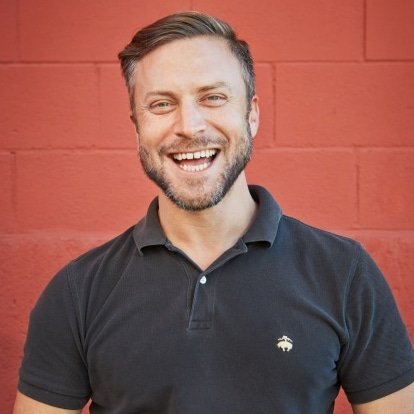
Noah Wilson-Rich · Co-founder/CEO, The Best Bees Company, Largest US Beekeeping service...
Noah Wilson-Rich, Ph.D., is co-founder and CEO of The Best Bees Company, the largest beekeeping service in the US. He is a 20-time published author and 3-time TEDx speaker. He’s on a mission to improve pollinator health worldwide as a means to support our global food system and support the transformation of urban areas from gray to green. He is the author of The Bee: A Natural History.“I was originally drawn to bees because they're social creatures. And as humans, I always wanted to know about ourselves and how we can be our healthiest selves and our healthiest society. Bees and wasps, and all of these organisms have been around for so long. Bees especially have been around for 100 million years.” Book: The Bee: A Natural History tinyurl.com/beenoahTheir blog offers many resources:https://bestbees.com/blog/National Pollinator Week June 20 - 26www.pollinator.org Many events all weekGreen roof companyColumbia Green Technologies columbia-green.com· Noah-Wilson Rich’s website: https://www.noahwilsonrich.com · www.oneplanetpodcast.org · www.creativeprocess.info
(Highlights) Stuart Pimm · Expert in Study of Present-Day Extinctions · Founder/Dir. Saving Nature
“It's a complicated issue. I think a lot of those bird disappearances come from the fact that we have massively intensified our agriculture. Large areas of North America and Europe are now under intense agriculture. They are sprayed with a whole variety of pesticides, which I think is also responsible for the fact that many insects have disappeared, so species that depend on farmland have clearly declined dramatically, but it isn't all birds and there is a piece of this complicated story that involves water birds. Herons and egrets and ducks. Those species both in North America and Europe, are now much more common than they were 30, or 40 years ago. That comes from active conservation of protecting wetlands, making sure we don't shoot our wetland birds. So it’s not all doom and gloom. There are some success stories. There are many things we can do. I think 50 years ago, there were only something like 300 bald eagles in the lower 48 states. Bald eagles are now nesting in every state apart from Hawaii. Our conservation efforts have done a great job.”Stuart Pimm is a world leader in the study of present-day extinctions and what can be done to prevent them. His research covers the reasons why species become extinct, how fast they do so, the global patterns of habitat loss and species extinction and, importantly, the management consequences of this research. Pimm received his BSc degree from Oxford University in 1971 and his Ph.D. from New Mexico State University in 1974. Pimm is the author of over 350 scientific papers and five books. His commitmnt to the interface between science and policy has led to his testimony to both House and Senate Committees on the re-authorization of the Endangered Species Act. In 2019, he won the International Cosmos Prize, which recognised his founding and directing Saving Nature, a non-profit that uses donations for carbon emissions offsets to fund local conservation groups in areas of exceptional tropical biodiversity to restore their degraded lands. · https://nicholas.duke.edu/people/faculty/pimm· Saving Nature: Rescue endangered habitats and vulnerable communities from environmental destruction: https://savingnature.com· Connect with Nature - Share your Observations of the Natural World www.inaturalist.org· NatGeo’s Big Cats Initiative: https://www.nationalgeographic.org/projects/big-cats-initiative/· The World According to Pimm: A https://www.amazon.com/Scientist-Audits-Earth-Stuart-Pimm/dp/0813535409/ref=sr_1_1?crid=3A29YJYQ1JPOM&keywords=The+World+According+to+Pimm&qid=1652772158&sprefix=the+world+according+to+pimm%2Caps%2C130&sr=8-1 · www.oneplanetpodcast.org · www.creativeprocess.info
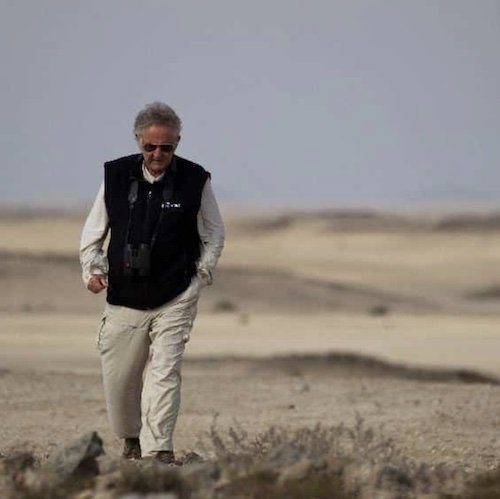
Stuart Pimm · Expert in Study of Present-Day Extinctions · Founder/Dir. Saving Nature
Stuart Pimm is a world leader in the study of present-day extinctions and what can be done to prevent them. His research covers the reasons why species become extinct, how fast they do so, the global patterns of habitat loss and species extinction and, importantly, the management consequences of this research. Pimm received his BSc degree from Oxford University in 1971 and his Ph.D. from New Mexico State University in 1974. Pimm is the author of over 350 scientific papers and five books. He is one of the most highly cited environmental scientists. Pimm wrote the highly acclaimed assessment of the human impact to the planet: The World According to Pimm: a Scientist Audits the Earth in 2001. His commitment to the interface between science and policy has led to his testimony to both House and Senate Committees on the re-authorization of the Endangered Species Act. He was worked and taught in Africa for nearly 30 years on elephants, most recently lions — through National Geographic’s Big Cats Initiative — but always on topics that relate to the conservation of wildlife and the ecosystems on which they depend. Other research areas include the Everglades of Florida and tropical forests in South America, especially the Atlantic Coast forest of Brazil and the northern Andes — two of the world's "hotspots" for threatened species. His international honours include the Tyler Prize for Environmental Achievement (2010), the Dr. A.H. Heineken Prize for Environmental Sciences from the Royal Netherlands Academy of Arts and Sciences (2006), the Society for Conservation Biology’s Edward T. LaRoe III Memorial Award (2006), and the Marsh Award for Conservation Biology, from the Marsh Christian Trust (awarded by the Zoological Society of London in 2004). Sigma Xi, The Scientific Research Society, awarded him the William Proctor Prize for Scientific Achievement in 2007. In 2019, he won the International Cosmos Prize, which recognised his founding and directing Saving Nature, www.savingnature.org, a non-profit that uses donations for carbon emissions offsets to fund local conservation groups in areas of exceptional tropical biodiversity to restore their degraded lands. “It's a complicated issue. I think a lot of those bird disappearances come from the fact that we have massively intensified our agriculture. Large areas of North America and Europe are now under intense agriculture. They are sprayed with a whole variety of pesticides, which I think is also responsible for the fact that many insects have disappeared, so species that depend on farmland have clearly declined dramatically, but it isn't all birds and there is a piece of this complicated story that involves water birds. Herons and egrets and ducks. Those species both in North America and Europe, are now much more common than they were 30, or 40 years ago. That comes from active conservation of protecting wetlands, making sure we don't shoot our wetland birds. So it’s not all doom and gloom. There are some success stories. There are many things we can do. I think 50 years ago, there were only something like 300 bald eagles in the lower 48 states. Bald eagles are now nesting in every state apart from Hawaii. Our conservation efforts have done a great job.”· https://nicholas.duke.edu/people/faculty/pimm· https://savingnature.com· <a href="http://www.inaturalist.or
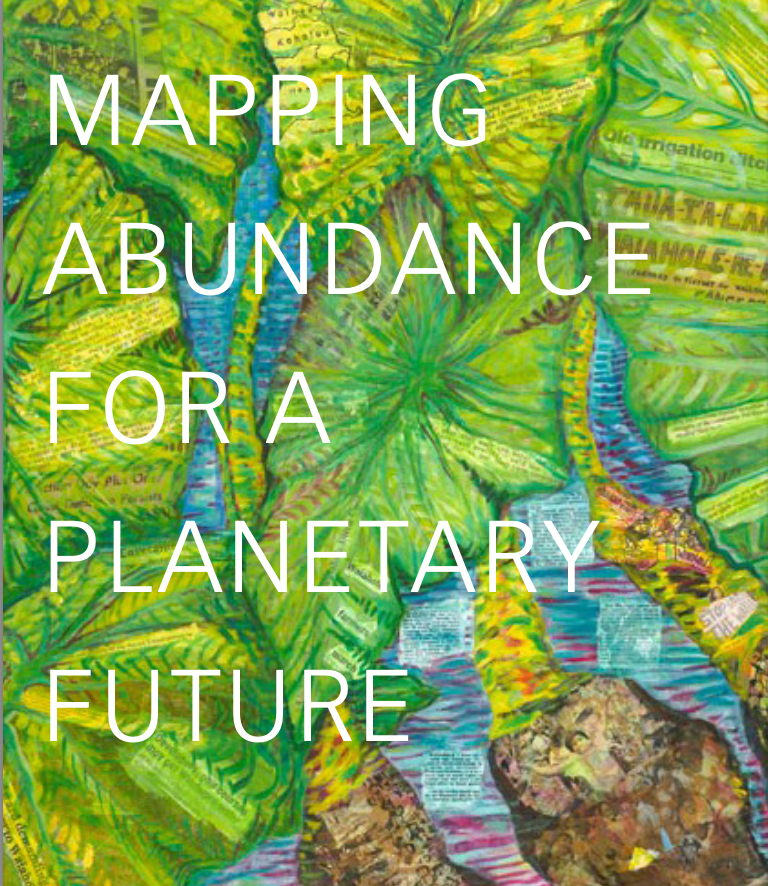
(Highlights) Candace Fujikane · Author of "Mapping Abundance for a Planetary Future”
“The struggle for a planetary future calls for a profound epistemological shift. Indigenous ancestral knowledges are now providing a foundation for our work against climate change, one based on what I refer to as Indigenous economies of abundance—as opposed to capitalist economies of scarcity. Rather than seeing climate change as apocalyptic, we can see that climate change is bringing about the demise of capital, making way for Indigenous lifeways that center familial relationships with the earth and elemental forms. Kānaka Maoli are restoring the worlds where their attunement to climatic change and their capacity for kilo adaptation, regeneration, and tranformation will enable them to survive what capital cannot.”Candace Fujikane is an author and professor of English at the University of Hawaiʻi at Manoa, teaching aloha ʻāina and the protection of Hawaiʻi. Having grown up on the slopes of Maui’s Haleakalā, Candace has stood for the lands, waters, and political sovereignty of Hawaiʻi for over 20 years. Her newest book, Mapping Abundance for a Planetary Future, contends that “Indigenous ancestral knowledge provides a foundation for movements against climate change, one based on Indigenous economies of abundance as opposed to capitalist economies of scarcity.”· english.hawaii.edu/faculty/candace-fujikane/· www.dukeupress.edu/mapping-abundance-for-a-planetary-future · www.oneplanetpodcast.org· www.creativeprocess.info
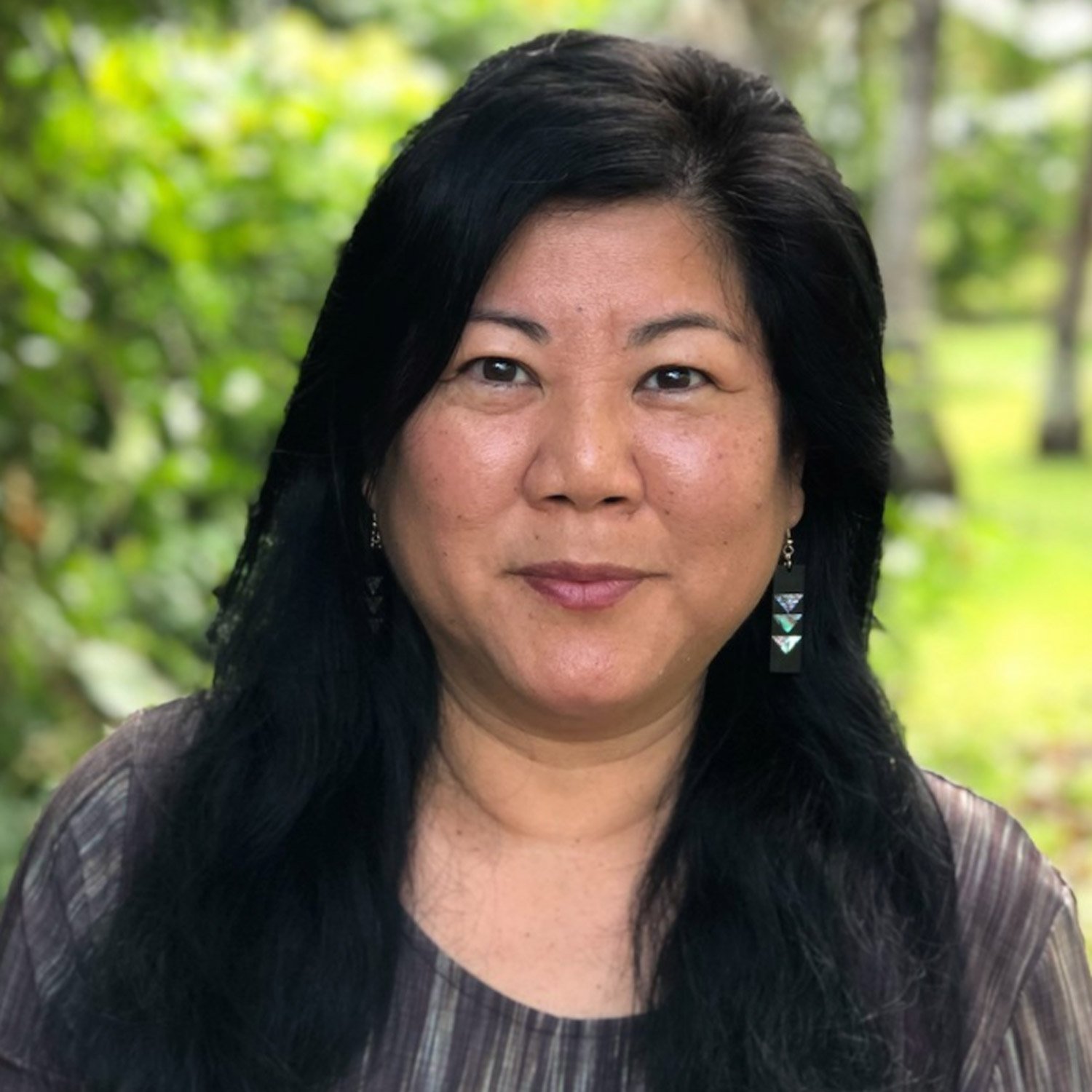
Candace Fujikane - Author of "Mapping Abundance for a Planetary Future"
Candace Fujikane is an author and professor of English at the University of Hawaiʻi at Manoa, teaching aloha ʻāina and the protection of Hawaiʻi. Having grown up on the slopes of Maui’s Haleakalā, Candace has stood for the lands, waters, and political sovereignty of Hawaiʻi for over 20 years. Her newest book, Mapping Abundance for a Planetary Future, contends that “Indigenous ancestral knowledge provides a foundation for movements against climate change, one based on Indigenous economies of abundance as opposed to capitalist economies of scarcity.”“The struggle for a planetary future calls for a profound epistemological shift. Indigenous ancestral knowledges are now providing a foundation for our work against climate change, one based on what I refer to as Indigenous economies of abundance—as opposed to capitalist economies of scarcity. Rather than seeing climate change as apocalyptic, we can see that climate change is bringing about the demise of capital, making way for Indigenous lifeways that center familial relationships with the earth and elemental forms. Kānaka Maoli are restoring the worlds where their attunement to climatic change and their capacity for kilo adaptation, regeneration, and tranforma- tion will enable them to survive what capital cannot.”· english.hawaii.edu/faculty/candace-fujikane/· www.dukeupress.edu/mapping-abundance-for-a-planetary-future · www.oneplanetpodcast.org· www.creativeprocess.info
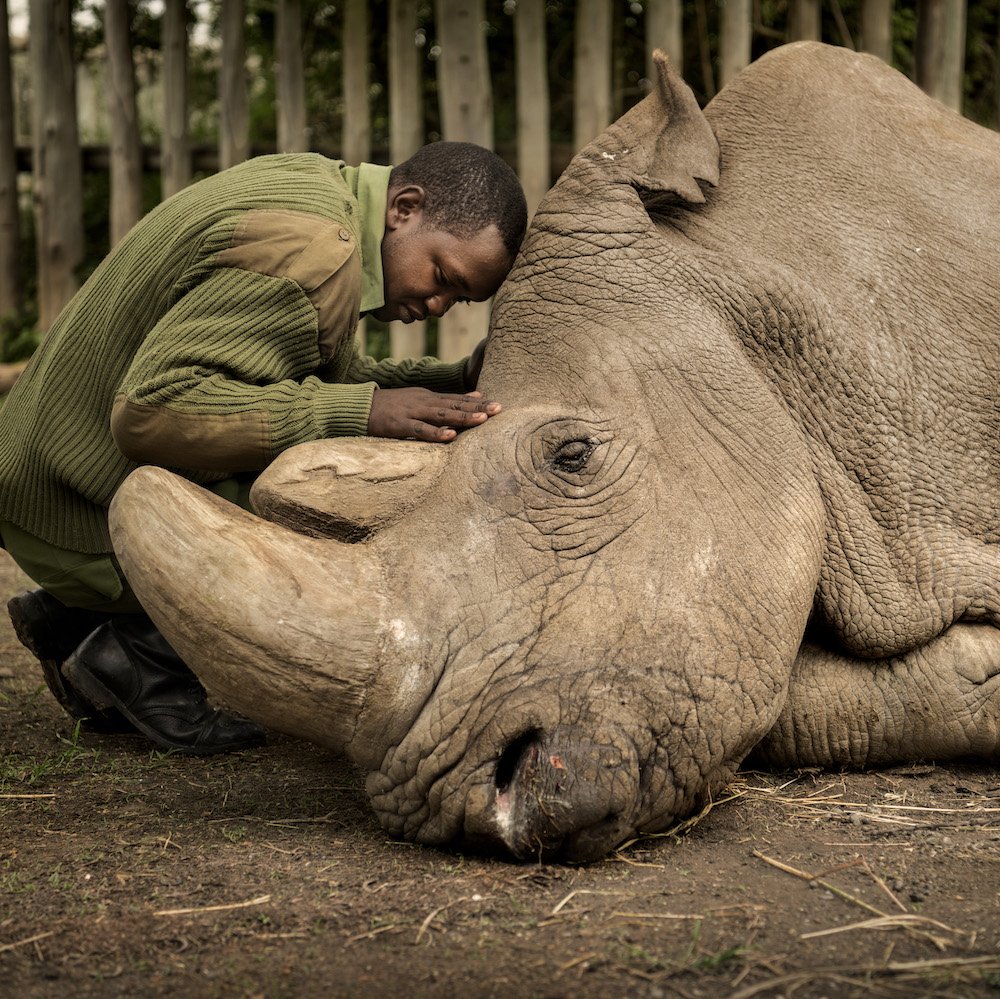
(Highlights) Ami Vitale · Award-winning Photographer, Filmmaker & Exec. Director of Vital Impacts
"When are we all going to start to care about one another? Because all of our individual choices do have impacts. And I just think the demands that we place on this planet, on the ecosystems, are what are driving conflict and human suffering. In some cases, it's really the scarcity of resources, just like water. In others, it's the changing climate and the loss of fertile lands to be able to grow food. But in the end, it's always the people living in these places that really suffer the most. All of my work today, it’s not really about wildlife, and it's not just about people either. It's about how deeply interconnected all of those things are. People and the human condition are the backdrop of every one of the stories on this planet."Photographer and filmmaker Ami Vitale shares her personal odyssey—from documenting the heartbreaking realities of war to witnessing the inspiring power of an individual to make a difference. Her award-winning work illuminates the unsung heroes and communities working to protect our wildlife and find harmony in our natural world. Hear her awe-inspiring stories of the reintroduction of northern white rhinos and giant pandas to the wild, as well as Kenya’s first indigenous-owned and run elephant sanctuary. Ami has traveled to more than 100 countries, bearing witness not only to violence and conflict, but also to surreal beauty and the enduring power of the human spirit. She has lived in mud huts and war zones, contracted malaria, and donned a panda suit— keeping true to her belief in the importance of “living the story.”Ami is an Ambassador for Nikon and a contract photographer with National Geographic magazine. She has documented wildlife and poaching in Africa, covered human-wildlife conflict, and concentrated on efforts to save the northern white rhino and reintroduce pandas to the wild. She is a six-time recipient of World Press Photos and published a best-selling book, Panda Love, on the secret lives of pandas. She lectures for the National Geographic LIVEseries, and she frequently gives workshops around the world.After more than a decade covering conflict, photographer and filmmaker Ami Vitale couldn’t help but notice that the less sensational—but equally true—stories were often not getting told: the wedding happening around the corner from the revolution, triumphs amidst seemingly endless devastation. As a result, she re-committed herself to seeking out the stories within and around “the story.” Her belief that “you can’t talk about humanity without talking about nature” led her to chronicle her journey from documenting warzones to telling some of the most compelling wildlife and environmental stories of our time, where individuals are making a profound difference in the future of their communities and this planet. She is Executive Director of Vital Impacts whose mission is to support grassroots organizations who are protecting people, wildlife and habitats. She is also a founding member of Ripple Effect Images, a collective of scientists, writers, photographers and filmmakers who document challenges facing women and girls in developing countries. She is chair of the Photographers Advisory Board for National Geographic magazine photographers and also a member of the Executive Advisory Committee of the Alexia Foundations Photojournalism Advisory Board. · www.amivitale.com· vitalimpacts.org · www.rippleeffectimages.org · Print sale for Vital Impacts: <a href="https://vitalimpacts.org/collections/impact-now
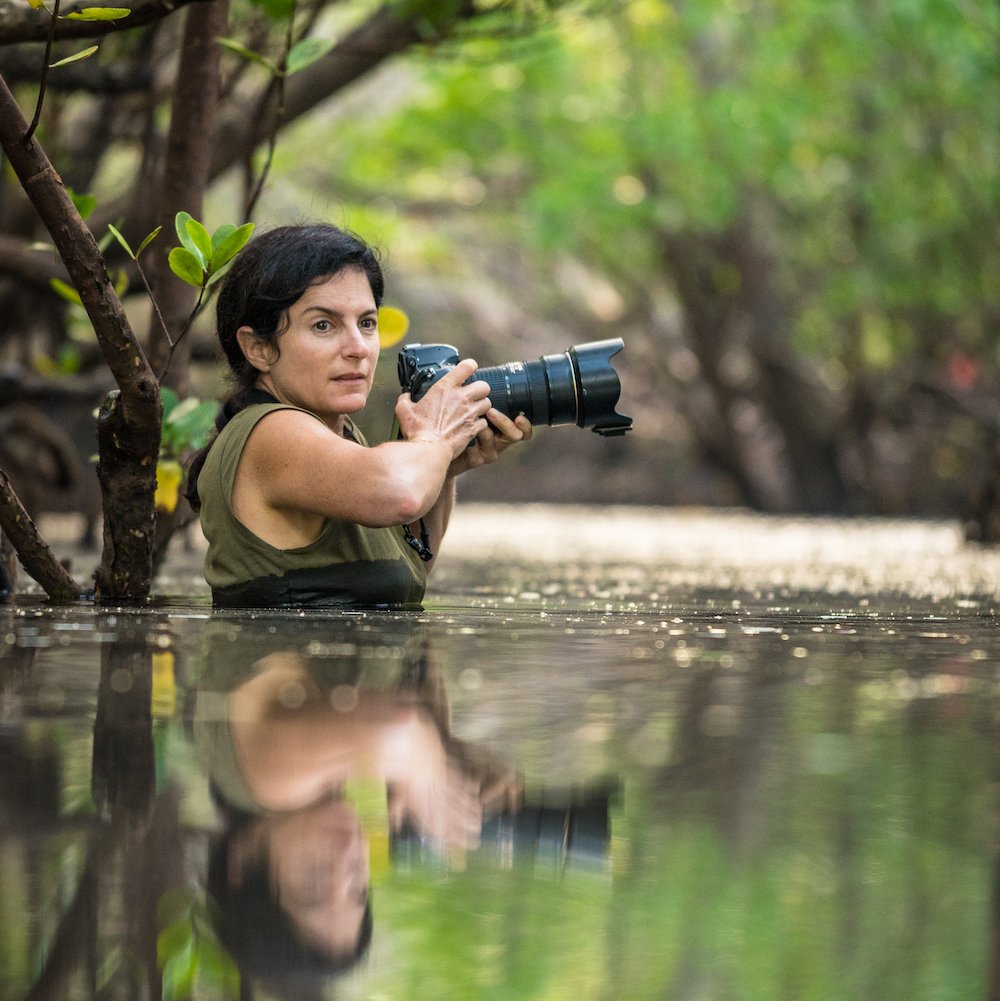
Ami Vitale · Award-Winning Photographer, Filmmaker & Exec. Director of Vital Impacts
Photographer and filmmaker Ami Vitale shares her personal odyssey—from documenting the heartbreaking realities of war to witnessing the inspiring power of an individual to make a difference. Her award-winning work illuminates the unsung heroes and communities working to protect our wildlife and find harmony in our natural world. Hear her awe-inspiring stories of the reintroduction of northern white rhinos and giant pandas to the wild, as well as Kenya’s first indigenous-owned and run elephant sanctuary. Ami has traveled to more than 100 countries, bearing witness not only to violence and conflict, but also to surreal beauty and the enduring power of the human spirit. She has lived in mud huts and war zones, contracted malaria, and donned a panda suit— keeping true to her belief in the importance of “living the story.”Ami is an Ambassador for Nikon and a contract photographer with National Geographic magazine. She has documented wildlife and poaching in Africa, covered human-wildlife conflict, and concentrated on efforts to save the northern white rhino and reintroduce pandas to the wild. She is a six-time recipient of World Press Photos and published a best-selling book, Panda Love, on the secret lives of pandas. She lectures for the National Geographic LIVEseries, and she frequently gives workshops around the world.After more than a decade covering conflict, photographer and filmmaker Ami Vitale couldn’t help but notice that the less sensational—but equally true—stories were often not getting told: the wedding happening around the corner from the revolution, triumphs amidst seemingly endless devastation. As a result, she re-committed herself to seeking out the stories within and around “the story.” Her belief that “you can’t talk about humanity without talking about nature” led her to chronicle her journey from documenting warzones to telling some of the most compelling wildlife and environmental stories of our time, where individuals are making a profound difference in the future of their communities and this planet. She is Executive Director of Vital Impacts whose mission is to support grassroots organizations who are protecting people, wildlife and habitats. She is also a founding member of Ripple Effect Images, a collective of scientists, writers, photographers and filmmakers who document challenges facing women and girls in developing countries. She is chair of the Photographers Advisory Board for National Geographic magazine photographers and also a member of the Executive Advisory Committee of the Alexia Foundations Photojournalism Advisory Board. · www.amivitale.com· vitalimpacts.org · www.rippleeffectimages.org · Print sale for Vital Impacts: https://vitalimpacts.org/collections/impact-now· https://newhouse.syr.edu/centers/the-alexia· IG: @amivitale· IG: @vital.impacts · IG: @wild.lifeincolourPhoto of Ami Vitale by Ken Lavazza· www.creativeprocess.info · www.oneplanetpodcast.org
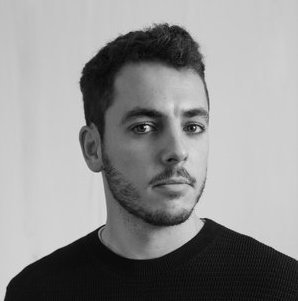
Daniel Sherrell · Author of "Warmth: Coming of Age at the End of Our World”
Daniel Sherrell is the author of Warmth: Coming of Age at the End of Our World, a memoir on the climate crisis framed as a letter to Sherrell's potential future child. He is a climate movement organizer and has led successful campaigns to phase out coal-fired power plants, divest millions of dollars from the fossil fuel industry, and pass a Green New Deal bill for New York State, legislation that the New York Times called “one of the world’s most ambitious climate plans.” He’s Campaign Director for the Climate Jobs National Resource Center, where he works with the American labor movement to tackle the climate crisis, reverse income inequality, and win millions of unionized clean energy jobs. The New Yorker and Publisher’s Weekly named Warmth one of the best books of 2021 and he’s a recipient of the Creative Force Foundation’s Award for “igniting positive social change through writing.”· www.danielsherrell.com · www.penguinrandomhouse.com/books/670357/warmth-by-daniel-sherrell/· Climate Jobs National Resource Center www.cjnrc.orgPhoto by Giovana Schluter Nunes“It felt to me that if I wasn't able to figure out a way to orchestrate a genuine emotional encounter for myself with the enormity of this thing I was meant to be taking action on, then something in me was going to break, and I just wouldn't be able to keep doing the work. So, there was never a point where it's like, I'm going to write a book, but I did turn to the written word, almost little diary entries, to make psychological and spiritual sense of the crisis that I was dealing with in a thin way every day."
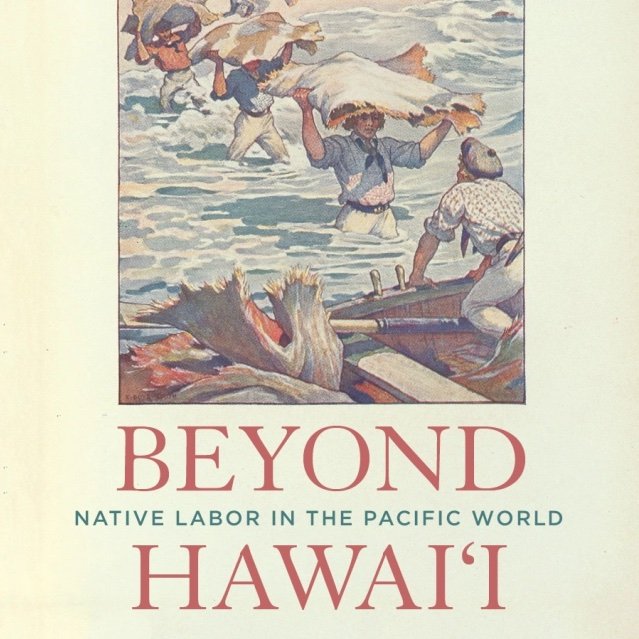
Dr. G. Samantha Rosenthal · Author of "Beyond Hawai'i" & “Living Queer History”
Dr. G. Samantha Rosenthal is an Associate Professor of History and Coordinator of the Public History Concentration at Roanoke College in Salem, Virginia. Rosenthal teaches courses in public history, women’s and gender studies, and general education. She is interested in environmental studies, working-class studies, LGBTQ, queer, and trans studies, community organizing, and scholar-activism. She is the author of Living Queer History, and Beyond Hawai’i.· gsrosenthal.com · https://gsrosenthal.youcanbook.me · Living Queer History: uncpress.org/book/9781469665801/living-queer-history/ · www.creativeprocess.info · www.oneplanetpodcast.org
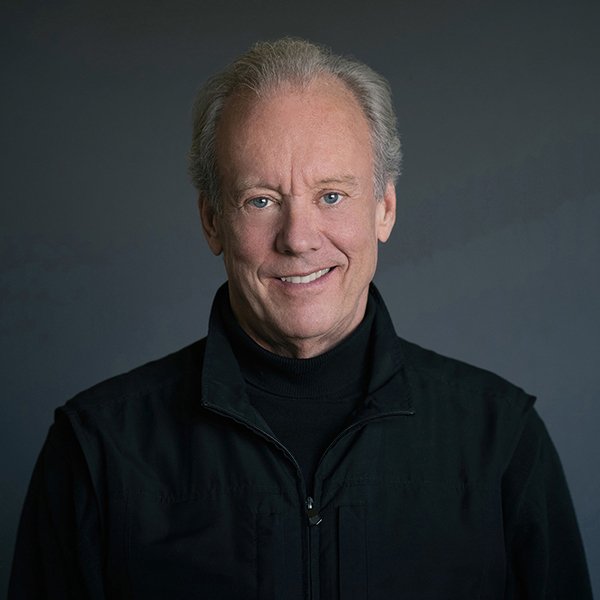
WILLIAM McDONOUGH
William McDonough is a globally recognized leader in sustainable design and development. He has written and lectured extensively on design as the first signal of human intention. He co-authored Cradle to Cradle: Remaking the Way We Make Things, which is celebrating its 20th anniversary this year. McDonough advises leaders on ESG strategies through McDonough Innovation, is an architect with William McDonough + Partners, and provides product assessments through MBDC, the creators of the Cradle to Cradle Certified™ Products Program. He has been active with the World Economic Forum for 25 years and served as the inaugural chair of their Meta-Council on the Circular Economy. He recently articulated the Circular Carbon Economy, a framework for carbon management, and presented the concept at COP25 and at 2020 G20 workshops. McDonough has co-founded not-for-profit organizations, including Fashion for Good, GreenBlue, Sustainable Packaging Coalition, and the Cradle to Cradle Products Innovation Institute. He has been on the faculty of Stanford University (2004-present) and is a Distinguished Research Professor at King Abdullah University of Science and Technology (KAUST) focused on Circular Carbon Economy. Time magazine recognized him as a “Hero for the Planet,” noting: “His utopianism is grounded in a unified philosophy that—in demonstrable and practical ways—is changing the design of the world," and in 2019 Fortune magazine named him #24 of the World's 50 Greatest Leaders.· https://mcdonough.com· mcdonoughpartners.com· https://mcdonoughpartners.com/projects · www.oneplanetpodcast.org · www.creativeprocess.info©DuHun Photography
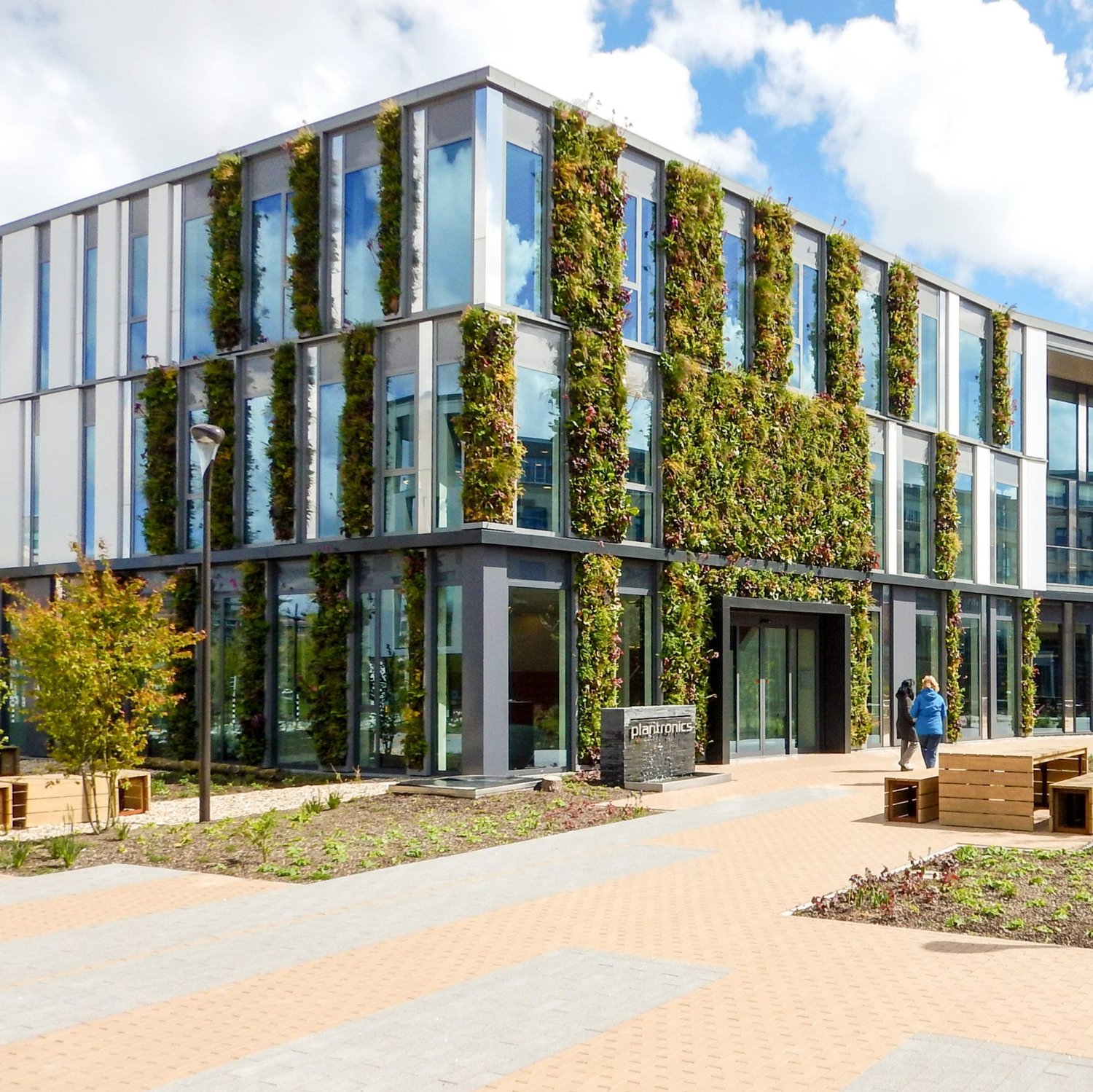
(Highlights) WILLIAM McDONOUGH
“I think believing in something is also part of the responsibility of the believer to sift through these things. So there are a lot of people saying I'm green because they do something less badly. So for me, it’s not green yet, it's just less bad. It's not really good yet. It's not really fabulous, but that just means there's an opportunity to keep going to share information and help each other because in the end, I think what we're dealing with now is the recognition that the world has a very serious issue with climate, that's very clear now. So how can we help each other? The question is no longer what is wrong with the way you're doing it. The real question now is how can I help you?”McDonough advises leaders on ESG strategies through McDonough Innovation, is an architect with William McDonough + Partners, and provides product assessments through MBDC, the creators of the Cradle to Cradle Certified™ Products Program. He has been active with the World Economic Forum for 25 years and served as the inaugural chair of their Meta-Council on the Circular Economy. He recently articulated the Circular Carbon Economy, a framework for carbon management, and presented the concept at COP25 and at 2020 G20 workshops. William McDonough is a globally recognized leader in sustainable design and development. He has written and lectured extensively on design as the first signal of human intention. He co-authored Cradle to Cradle: Remaking the Way We Make Things, which is celebrating its 20th anniversary this year. McDonough advises leaders on ESG strategies through McDonough Innovation, is an architect with William McDonough + Partners, and provides product assessments through MBDC, the creators of the Cradle to Cradle Certified™ Products Program. He has been active with the World Economic Forum for 25 years and served as the inaugural chair of their Meta-Council on the Circular Economy. He recently articulated the Circular Carbon Economy, a framework for carbon management, and presented the concept at COP25 and at 2020 G20 workshops. McDonough has co-founded not-for-profit organizations, including Fashion for Good, GreenBlue, Sustainable Packaging Coalition, and the Cradle to Cradle Products Innovation Institute. He has been on the faculty of Stanford University (2004-present) and is a Distinguished Research Professor at King Abdullah University of Science and Technology (KAUST) focused on Circular Carbon Economy. Time magazine recognized him as a “Hero for the Planet,” noting: “His utopianism is grounded in a unified philosophy that—in demonstrable and practical ways—is changing the design of the world," and in 2019 Fortune magazine named him #24 of the World's 50 Greatest Leaders.· https://mcdonough.com· mcdonoughpartners.com· https://mcdonoughpartners.com/projects · www.oneplanetpodcast.org · www.creativeprocess.info
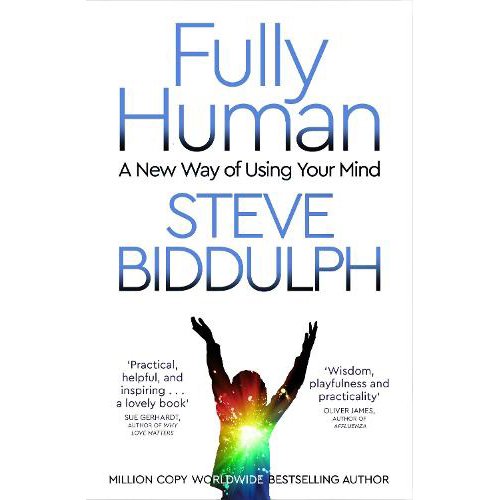
(Highlights) STEVE BIDDULPH
“We drastically misuse our mind and have neglected a very important part of the way our mind works in the modern world. I think preindustrial people and our ancestors used this very well. And that is that we have a whole right hemisphere of our brain which doesn't think in words, which takes in the holistic picture of everything around us. Anyone who is listening to this podcast will be aware that sometimes you have got feelings about things. They are signals that are sent from the right hemisphere of the brain, picking up things that we can't consciously interpret or read. It goes through our amygdala, which is our alarm system, and straight down the vagus nerve, and we feel it down in the middle of our body. What the books argue, if you want to be able to parent effectively, and live your life effectively, is to stay in touch with that. Include those signals as part of your mental checking out. Expand your awareness because you can read that every few seconds all the time. And your life will be very different. There are feelings below your feelings. They are not always right, but they're always worth listening to.”Steve Biddulph (AM) is a renowned parent educator. A retired psychologist of 30 years, he continues to write and teach, authoring books such as The Secret of Happy Children, Raising Boys, The New Manhood, and 10 Things Girls Need Most, which have influenced how we view childhood development and mental health. Voted Australian Father of the Year in 2001, Steve has since been made a member of the Order of Australia for his work in youth mental health, and remains a patron of the Sanctuary Refugee Trust and Australian Religious Response to Climate Change.· www.stevebiddulph.com · www.oneplanetpodcast.org · www.creativeprocess.info
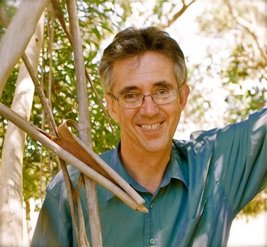
STEVE BIDDULPH
Steve Biddulph (AM) is a renowned parent educator. A retired psychologist of 30 years, he continues to write and teach, authoring books such as The Secret of Happy Children, Raising Boys, The New Manhood, and 10 Things Girls Need Most, which have influenced how we view childhood development and mental health. Voted Australian Father of the Year in 2001, Steve has since been made a member of the Order of Australia for his work in youth mental health, and remains a patron of the Sanctuary Refugee Trust and Australian Religious Response to Climate Change.· www.stevebiddulph.com · www.creativeprocess.info · www.oneplanetpodcast.org
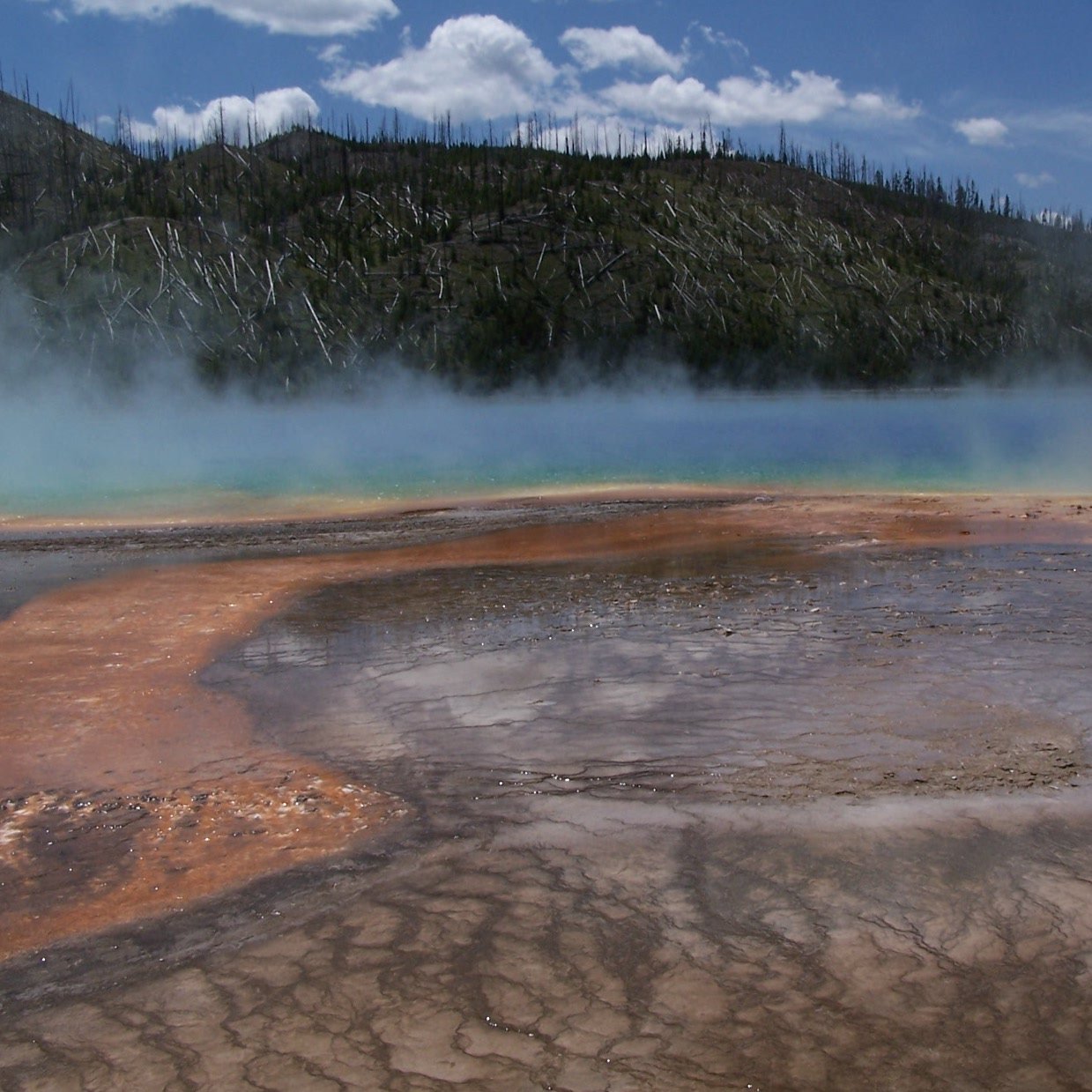
(Highlights) STEVEN ALLISON
“It’s basically a seed bank of genetic and metabolic diversity. The Earth’s entire microbiome is just a tremendous treasure trove of history, evolution, and diversity. So I would say we have no idea what’s in a lot of that diversity. It's like the dark matter of the universe. People call it the dark matter of the microbiome, and we're still figuring out what that matter does. We know that they're tremendously diverse. The sequencing revolution that happened over the last 20 or 30 years has made it possible to measure the diversity, but we don't know what that diversity is really doing or how to harness it if we need it. So would be wise not to disrespect it.”Dr. Steven Allison is a Professor of Ecology at the University of California, Irvine. He holds a PhD in Biological Sciences from Stanford University. As part of the University of California’s Carbon Neutrality Initiative, Dr. Allison was named the UC Irvine Climate Action Champion in 2016. He teaches ecosystem ecology and directs the Ridge to Reef Graduate Training Program, an interdisciplinary program focused on skills development for students pursuing careers in environmental fields. His research addresses the resilience of microbial communities to drought and the effect of rapid climate change on carbon losses from southern California ecosystems. Dr. Allison is a Fellow of the American Association for the Advancement of Science and Editor-in-Chief at the interdisciplinary journal Elementa: Science of the Anthropocene. Since 2021, he has served as a member of the Green Ribbon Environmental Committee for the City of Irvine and director of UC Irvine’s Newkirk Center for Science and Society.· allisonlab.bio.uci.edu/· newkirkcenter.uci.edu· https://online.ucpress.edu/elementa · www.oneplanetpodcast.org · www.creativeprocess.info· www.ted.com/talks/steven_allison_earth_s_original_inhabitants_and_their_role_in_combating_climate_change?language=en
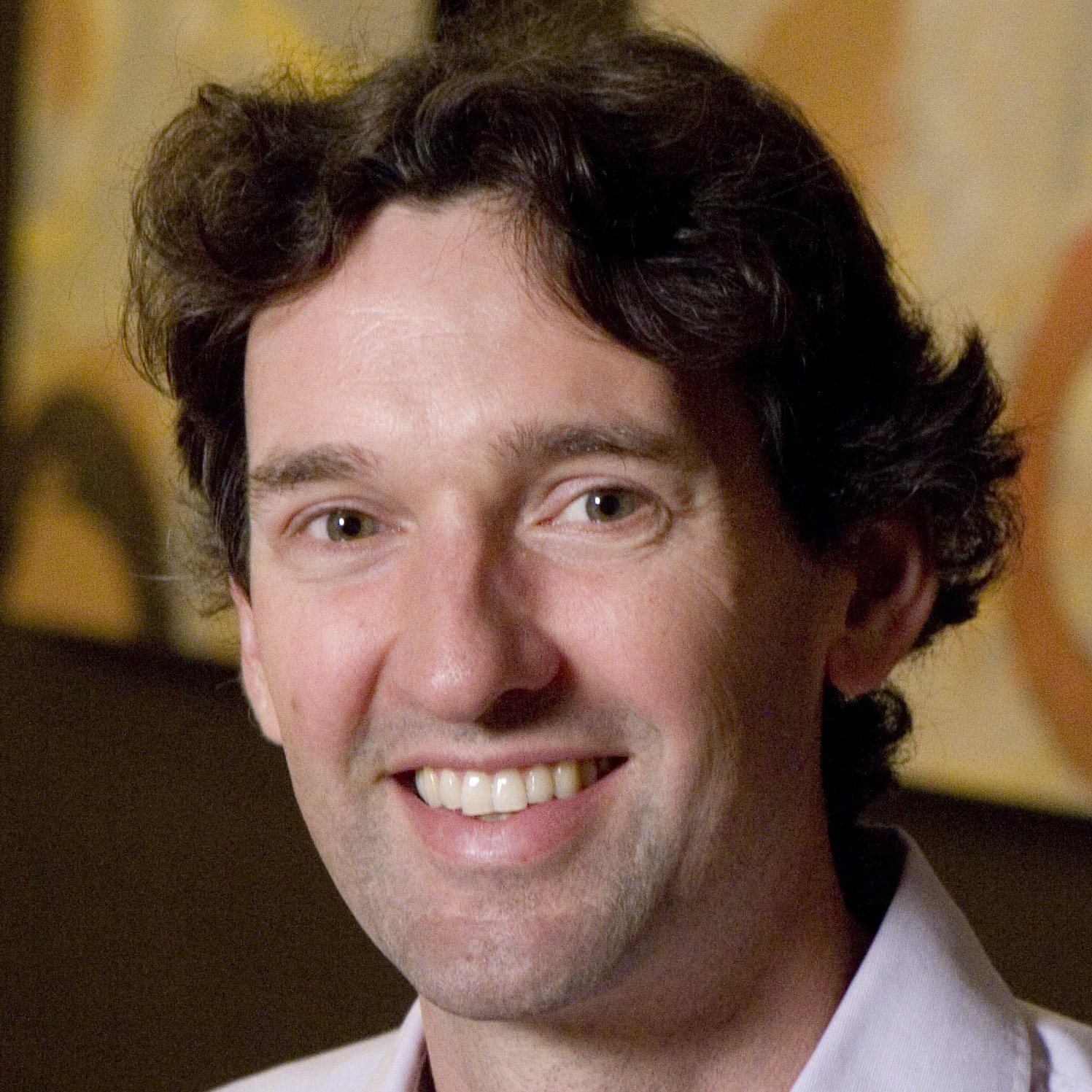
STEVEN ALLISON
Dr. Steven Allison is a Professor of Ecology at the University of California, Irvine. He holds a PhD in Biological Sciences from Stanford University. As part of the University of California’s Carbon Neutrality Initiative, Dr. Allison was named the UC Irvine Climate Action Champion in 2016. He teaches ecosystem ecology and directs the Ridge to Reef Graduate Training Program, an interdisciplinary program focused on skills development for students pursuing careers in environmental fields. His research addresses the resilience of microbial communities to drought and the effect of rapid climate change on carbon losses from southern California ecosystems. Dr. Allison is a Fellow of the American Association for the Advancement of Science and Editor-in-Chief at the interdisciplinary journal Elementa: Science of the Anthropocene. Since 2021, he has served as a member of the Green Ribbon Environmental Committee for the City of Irvine and director of UC Irvine’s Newkirk Center for Science and Society.· allisonlab.bio.uci.edu/· newkirkcenter.uci.edu· https://online.ucpress.edu/elementa · www.oneplanetpodcast.org · www.creativeprocess.info· www.ted.com/talks/steven_allison_earth_s_original_inhabitants_and_their_role_in_combating_climate_change?language=en
(Highlights) DAVID SIMON
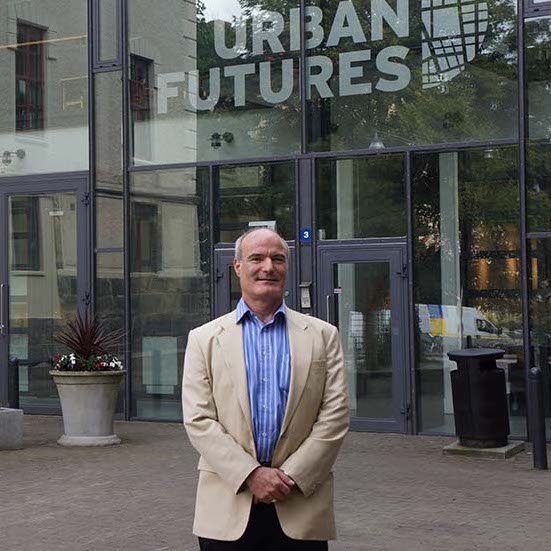
“It's always difficult to avoid charges of being nostalgic if we talk about going back to things. Back to the past or forward to the past, but there are principles that existed in preindustrial/early industrial cities and which were overturned by key technological inventions of the late 19th and early 20th century, particularly the railway, the motorcar, of course, the internal combustion engine on which it’s based and which led to the vast expansion of towns and cities and, crucially, suburbanization where people who could afford it moved out of the more polluted densely populated inner areas into low density, better lifestyle-oriented suburbs and even beyond the suburbs into surrounding rural areas and were able to commute in by fast means to their workplace in the city, but the result of that is what we now face as the challenge of unsustainability. And as you rightly say, the key feature that still characterizes many European cities today–London, Paris, Berlin, many others, is the idea that they are composed ultimately of a series of–in London they like to call them villages–neighborhoods and areas that have multiple land uses and dense social networks of interaction within a small area. That principle, what is now called by Anne Hidalgo, the mayor of Paris, and being popularized more widely by the C40 Cities Climate Leadership Network and others as the 15 or 20 Minute City or 15 or 20 Minute Neighbourhood. The idea underpinning it is that a higher proportion of the goods and services, the activities, the social interactions that we need are obtainable within a 1 1/2 to 2 km radius of one's home, which means a far higher proportion of one's individual trips or multiple purpose journeys can be done on foot and by bicycle, therefore, you use your vehicle if you have one more sparingly. You use the bus or minibusses to reach slightly more distant places, and then you have transport interchanges is where you connect with the metro system or the best rapid transit or the railway to reach other parts of large cities or indeed for inner-city journeys. And that is what is now becoming the new best practice in terms of urban planning redesign both of existing urban areas to try to revitalize inner-city areas, other areas that are depressed and in need of economic regeneration and principles on the basis of which we need to design new areas, whether they are on the outskirts of bigger cities or in the context of middle and low-income countries designing entirely new cities which are going to be built over the coming 20 or 30 years and which, in terms of the number of people who live in them and the number of hectares or square kilometers that they will cover of the earth’s surface, will be equivalent to that built between the beginning of urbanization and the present day. It's a staggering thought, but if you think about it that way, it highlights the importance of new build, new design, according to our latest understanding of sound sustainability principles.”David Simon is Professor of Development Geography and Director for External Engagement in the School of Life Sciences and the Environment, Royal Holloway, University of London. He was also Director of Mistra Urban Futures, Gothenburg, Sweden from 2014–2019. A former Rhodes Scholar, he specialises in cities, climate change and sustainability, and the relationships between theory, policy and practice, on all of which he has published extensively. At Mistra Urban Futures, he led the pioneering methodological research on comparative transdisciplinary co-production. His extensive experience includes sub-Saharan Africa, South and Southeast Asia, the UK, Sweden and USA. From 2020-21, served as a Commissioner on the international Commission on Sustainable Agricultural Intensification (CoSAI), 2020-21. His most recent books as author, editor
DAVID SIMON
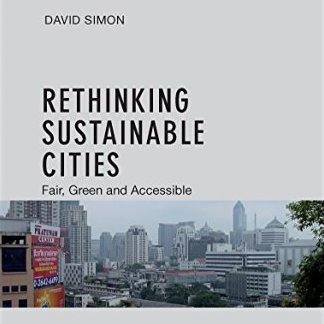
David Simon is Professor of Development Geography and Director for External Engagement in the School of Life Sciences and the Environment, Royal Holloway, University of London. He was also Director of Mistra Urban Futures, Gothenburg, Sweden from 2014–2019. A former Rhodes Scholar, he specialises in cities, climate change and sustainability, and the relationships between theory, policy and practice, on all of which he has published extensively. At Mistra Urban Futures, he led the pioneering methodological research on comparative transdisciplinary co-production. His extensive experience includes sub-Saharan Africa, South and Southeast Asia, the UK, Sweden and USA. From 2020-21, served as a Commissioner on the international Commission on Sustainable Agricultural Intensification (CoSAI), 2020-21. His most recent books as author, editor or co-editor are Rethinking Sustainable Cities: Accessible, green and fair (Policy Press, 2016), Urban Planet (Cambridge Univ Press, 2018), Holocaust Escapees and Global Development: Hidden histories (Zed Books, 2019), Key Thinkers on Development (2nd edn, Routledge, 2019), Comparative Urban Research from Theory to Practice: Co-production for sustainability (Policy Press, 2020), and Transdisciplinary Knowledge Co-production for Sustainable Cities: a Guide (Practical Action Publishing, 2021).· pure.royalholloway.ac.uk/portal/en/persons/david-simon(69b08a6c-d133-4157-b1f2-eb0036b4d6e6).html · bristoluniversitypress.co.uk/journals/global-social-challenges-journal · www.oneplanetpodcast.org · www.creativeprocess.info
(Highlights) ALICE SCHMIDT
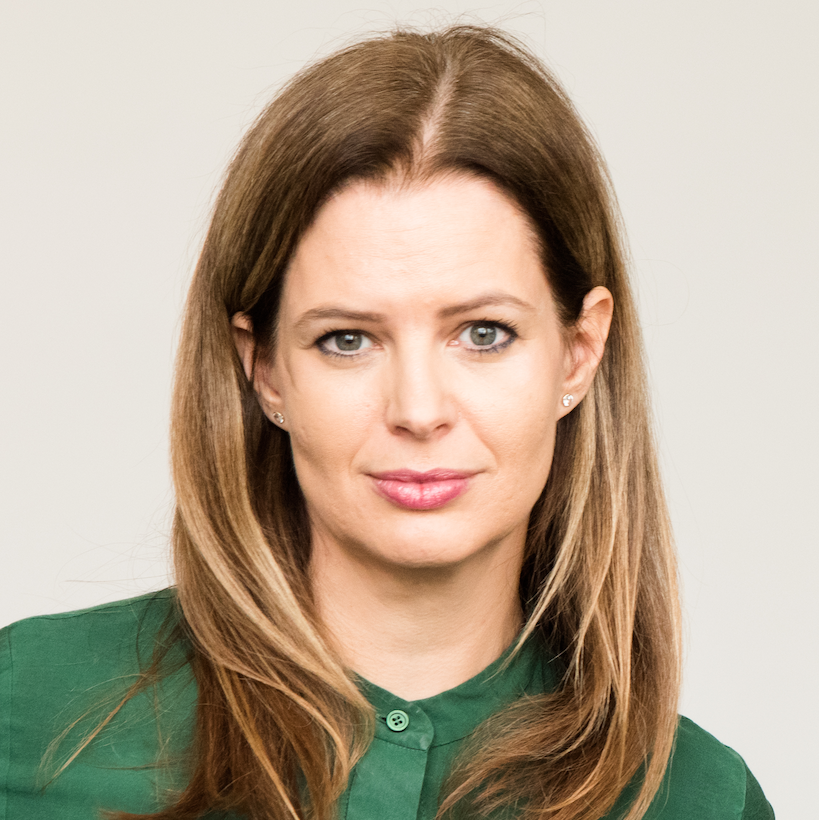
“What is societal progress? I think the last 70 years, clearly, in the post World War II period, we have been thinking of economic growth and have been equating that with societal progress. To an extent of course that's right. To an extent, we need this economic growth to lift people out of poverty. We’ve kind of lost the reasoning. We have been following only this economic growth paradigm measured by the GDP, the Gross domestic product and we have forgotten that it measures many things, but it doesn't actually measure progress. It doesn't measure how healthy people are, how educated they are, how clean the environment is, how safe it is, how secure it is. Interestingly, even Simon Kuznets who conceptualized GDP knew this, but it somehow happened. I’m not saying the GDP is a measure we shouldn't be using, it has its values clearly, but it shouldn't be the only measure that we are focusing on. There are some countries and some cities also who have set alternative or additional goals. I feel that there was a time around 5 to 10 years ago when a lot of people were talking about this. There were a lot of initiatives and I feel that it's still there. Bhutan is mentioned a lot as a country with an alternative framework to measure progress, namely the gross national happiness, which is very much built on these indicators that cover what I've just said. Education, healthcare, housing, security, and community. So it's clearly also about making people understand that we're not asking anyone to lead a life that's worse than the life that they've been leading before. It’s just changing to a much fuller realization of what is actually good for you. And it's a difficult position because who are we to tell people what's good for them, but to the extent, we can measure that. We can measure burnout rates. We can measure mental health issues. We can measure addictions to mobile phones. It’s something where we really need to do a lot to transform those mindsets and, in the end, understand that sustainability is about making their lives better and not worse.”Alice Schmidt is a global sustainability advisor who has worked in 30 countries on 4 continents with 70+ organisations of all shapes and sizes. She has a deep passion for creating opportunities and win-wins across the social, environmental and economic spheres. Many of her experiences are highlighted in the new book “The Sustainability Puzzle: How Systems Thinking, Climate Action, Circularity and Social Transformation Can Improve Health, Wealth and Wellbeing for All”. · www.aliceschmidt.at · www.sustainability-puzzle.org · www.oneplanetpodcast.org · www.creativeprocess.info
ALICE SCHMIDT
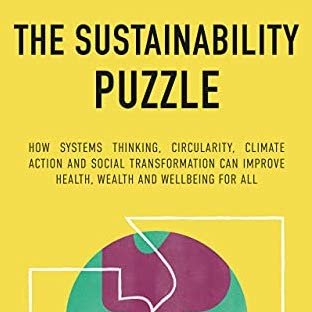
Alice Schmidt is a global sustainability advisor who has worked in 30 countries on 4 continents with 70+ organisations of all shapes and sizes. She has a deep passion for creating opportunities and win-wins across the social, environmental and economic spheres. Many of her experiences are highlighted in the new book “The Sustainability Puzzle: How Systems Thinking, Climate Action, Circularity and Social Transformation Can Improve Health, Wealth and Wellbeing for All”. · www.aliceschmidt.at · www.sustainability-puzzle.org · www.oneplanetpodcast.org · www.creativeprocess.info
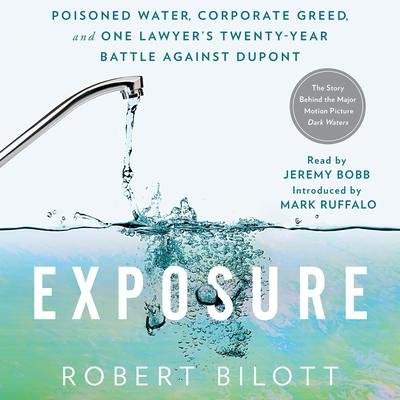
(Highlights) ROB BILOTT
“It's kind of a scary thought. We've got these PFAS (per- and polyfluoroalkyl substances), you hear them now referred to as forever chemicals because these chemicals–none of these existed on the planet prior to World War II–they're fairly recent invention and they have this unique chemical structure that makes them incredibly useful in a lot of different products, manufacturing operations, but also that same chemical structure makes them incredibly persistent and incredibly difficult to break down once they get out into the environment, into the natural world, into our soil, into our water. They simply, many of them, particularly the ones with eight or more carbons in their structure, don't break down under natural conditions. Or it may take thousands or millions of years for those chemicals to start breaking down. But not only that. Once they get into us, they get into people, they tend to accumulate in our blood and build up over time. They not only persist, they bioaccumulate. Unfortunately, as the science has slowly been revealed to the world about what these chemicals can do, we are seeing that they can have all kinds of toxic effects And unfortunately, we’re finding that those things can happen at lower and lower dose levels.”“I can't speak highly enough of Mark Ruffalo and what he was able to accomplish with the film. He just did an amazing job. He reached out to me after reading the story that appeared in The New York Times Magazine back in 2016 about this situation down in West Virginia along the Ohio River and was really shocked when he read about it because it was really highlighting an environmental contamination problem that had potentially nationwide, if not worldwide implications but that he had never heard of, and you know he was active in the environmental arena and active in water issues and was surprised that he had not heard of this before and really wanted to find a way to help bring the story out to a wider audience so that we could hopefully start seeing some change in the way type of situations not only develop but how we deal with them. He was able to team up with the folks at Participant Media, who, if you go on their website, and see the types of films they've produced are just incredible filmmakers. Teamed up with Todd Haynes who is an incredible director, and just a terrific cast. Anne Hathaway, Tim Robbins and others. Really they were very dedicated to making sure they did the story and brought it to film in the right way, to show what really happened, not only legally and scientifically, but also to real people. What kind of impact these situations have on real people in real communities. What these people went through for 20 years in this community waiting for this process to unfold. So I think they did a tremendous job in taking a very complicated story that involves a lot of science and a lot of law and conveying it in a way that really impresses upon people why this is a story that matters to all of us and why this is a story that really is one that hopefully is inspiring because, as we discussed, it shows that things can be changed. Things that look impossible can be overcome.”Rob Bilott is a partner in the Cincinnati and Northern Kentucky offices of the law firm, Taft Stettinius & Hollister LLP, where he has practiced in the Environmental and Litigation Practice Groups for over 31 years. During that time, Rob has handled and led some of the most novel and complex cases in the country involving damage from exposure to per- and polyfluoroalkyl substances (“PFAS”), including the first individual, class action, mass tort, and multi-district litigation proceedings involving PFAS, recovering over $1 billion for clients impacted by the chemicals. In 2017, Rob received the Right Livelihood Award, known as the “Alternative Nobel Prize,” for his decades of work on behalf of those injured by PFAS chemical contamina
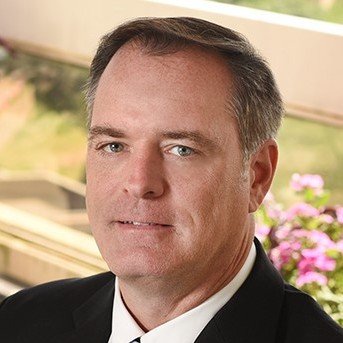
ROB BILOTT
Rob Bilott is a partner in the Cincinnati and Northern Kentucky offices of the law firm, Taft Stettinius & Hollister LLP, where he has practiced in the Environmental and Litigation Practice Groups for over 31 years. During that time, Rob has handled and led some of the most novel and complex cases in the country involving damage from exposure to per- and polyfluoroalkyl substances (“PFAS”), including the first individual, class action, mass tort, and multi-district litigation proceedings involving PFAS, recovering over $1 billion for clients impacted by the chemicals. In 2017, Rob received the Right Livelihood Award, known as the “Alternative Nobel Prize,” for his decades of work on behalf of those injured by PFAS chemical contamination. Rob is the author of the book, “Exposure: Poisoned Water, Corporate Greed, and One Lawyer’s Twenty-Year Battle Against DuPont,” and his story is the inspiration for the 2019 motion picture, “Dark Waters,” starring Mark Ruffalo as Rob. Rob’s story and work is also featured in the documentary, “The Devil We Know.” Rob is a 1987 graduate of New College in Sarasota, Florida and a 1990 graduate of the Ohio State University Moritz College of Law. Rob also serves on the Boards of Less Cancer and Green Umbrella and is frequently invited to provide keynote lectures and talks at law schools, universities, colleges, communities and other organizations all over the world. Rob is a fellow in the Right Livelihood College, a Lecturer at the Yale School of Public Health, Department of Environmental Health Sciences, and an Honorary Professor at the National University of Cordoba in Argentina. Rob also has received Honorary Doctorate Degrees from both Ohio State University and New College. · www.taftlaw.com · www.oneplanetpodcast.org · www.creativeprocess.info
(Highlights) BILL HARE
“Net-zero is a big idea. It’s a big theme. And, unfortunately, what's going up are many ways to look like you're doing net-zero when you're not. So in the ideal world, getting to net-zero means essentially reducing your emissions, and then, where you have residual emissions left, that means you might need to have negative emissions. For example, it's relatively easy to decarbonize the power sector completely, and you can do it quickly and cheaply in most places, but you’re always going to be left with some levels of emissions from agriculture.”Bill Hare is a physicist and climate scientist with 30 years of experience in science, impacts and policy responses to climate change and stratospheric ozone depletion. He is a founder and CEO of Climate Analytics, which was established to synthesize and advance scientific knowledge on climate change and provide state-of-the-art solutions to global and national climate change policy challenges.He was a Lead Author for the Intergovernmental Panel on Climate Change (IPCC) Fourth Assessment Report, for which the IPCC was awarded the Nobel Peace Prize in 2007. Hare has contributed actively to the development of the international climate regime since 1989, including the negotiation of the 1992 UN Framework Convention on Climate Change, the 1997 Kyoto Protocol and the Paris Agreement in 2015. Hare is a graduate of Murdoch University in Western Australia and a visiting scientist at the Potsdam Institute for Climate Impact Research.· https://climateanalytics.org· https://climateactiontracker.org· www.oneplanetpodcast.org
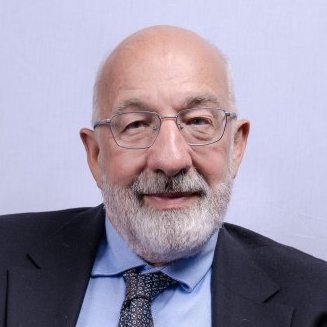
BILL HARE
Bill Hare is a physicist and climate scientist with 30 years of experience in science, impacts and policy responses to climate change and stratospheric ozone depletion. He is a founder and CEO of Climate Analytics, which was established to synthesize and advance scientific knowledge on climate change and provide state-of-the-art solutions to global and national climate change policy challenges.He was a Lead Author for the Intergovernmental Panel on Climate Change (IPCC) Fourth Assessment Report, for which the IPCC was awarded the Nobel Peace Prize in 2007. Hare has contributed actively to the development of the international climate regime since 1989, including the negotiation of the 1992 UN Framework Convention on Climate Change, the 1997 Kyoto Protocol and the Paris Agreement in 2015. Hare is a graduate of Murdoch University in Western Australia and a visiting scientist at the Potsdam Institute for Climate Impact Research.· https://climateanalytics.org· https://climateactiontracker.org· www.oneplanetpodcast.org· www.creativeprocess.info
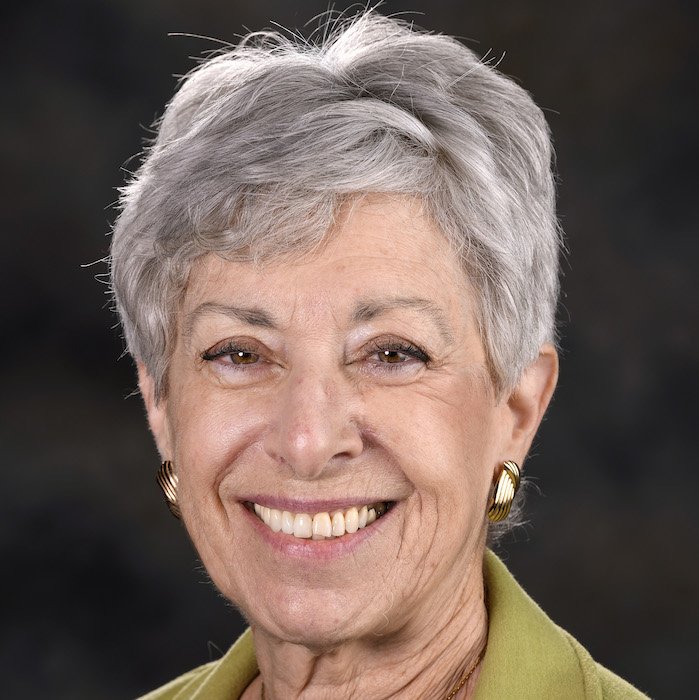
(Highlights) DR. LINDA BIRNBAUM
“Is this true that we test for fewer than 100 chemicals in water, but in fact, there are thousands that go untested?”“There are thousands just like there are in air, just like there are in food. We sometimes compartmentalize too much. We forget, but what is food? Food is made up of chemicals. And I think we need to be broader in our understanding because, for example, we all have on us and within us our Microbiomes and we think about the GI bacteria and we now know that if people are obese they have very different microbial content in their gut compared to people who are not obese. And we know that a baby born by C-section section has a different position than a baby born vaginally. And we know that these things have impacts. We know that many of the bacteria have the ability for example to metabolize the contaminants as well as things in our food. And we know that you can have a different response depending upon what people are eating.”Dr. Linda Birnbaum is a scientist emeritus and former director of the National institute of Environmental Health Sciences and of the National Toxicology Program. She is also a Scholar in Residence at the Nicholas School of the Environment of Duke University, and an adjunct full professor at Duke, University of North Carolina, and Yale University School of Public Health. She is the author of more than 1000 peer reviewed articles, book chapters, and reports. She is a member of the National Academy of Medicine, has multiple honorary doctorates and awards. Best of all, now that she is retired after 40 years of government. · sph.unc.edu/adv_profile/linda-birnbaum-phd/ · www.niehs.nih.gov· www.oneplanetpodcast.org · www.creativeprocess.info
DR. LINDA BIRNBAUM
Dr. Linda Birnbaum is a scientist emeritus and former director of the National institute of Environmental Health Sciences and of the National Toxicology Program. She is also a Scholar in Residence at the Nicholas School of the Environment of Duke University, and an adjunct full professor at Duke, University of North Carolina, and Yale University School of Public Health. She is the author of more than 1000 peer reviewed articles, book chapters, and reports. She is a member of the National Academy of Medicine, has multiple honorary doctorates and awards. Best of all, now that she is retired after 40 years of government. · sph.unc.edu/adv_profile/linda-birnbaum-phd/ · www.niehs.nih.gov· www.oneplanetpodcast.org · www.creativeprocess.info
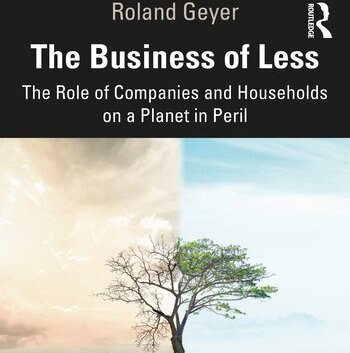
(Highlights) ROLAND GEYER
“So, if we study transportation, then we need to study urban development and infrastructure. Suddenly, we need to think about housing. We need to think about the co-location of jobs and shops, and you realize it's all connected.That might be one of the challenges of urban sustainability. It's all connected. So the way we move around is connected to the way we built the city. And I think the intrinsic sustainability or non-sustainability in urban areas seems to be designed in. Especially in the United States where there are just so many places where, if you don't have a car, you're basically stranded. You can't go anywhere. The European model is to have co-located things, and I miss that. I think it has some intrinsic sustainability built-in.”Roland Geyer is a Professor at the Bren School of Environmental Science and Management, University of California at Santa Barbara, and the author of The Business of Less. Since 2000, he has worked with a wide range of governmental organizations, trade associations, and companies on environmental sustainability issues. His overarching goal is to help develop the knowledge, tools, and methods necessary to reduce the environmental impact from industrial production and consumption.· www.rolandgeyer.com· www.oneplanetpodcast.org· www.creativeprocess.info
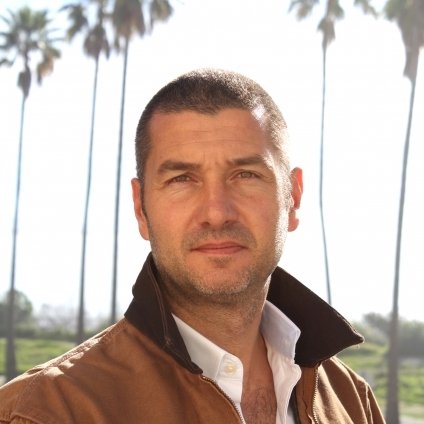
ROLAND GEYER
Roland Geyer is a Professor at the Bren School of Environmental Science and Management, University of California at Santa Barbara, and the author of The Business of Less. Since 2000 he has worked with a wide range of governmental organizations, trade associations, and companies on environmental sustainability issues. His overarching goal is to help develop the knowledge, tools, and methods necessary to reduce the environmental impact from industrial production and consumption.· www.rolandgeyer.com· www.oneplanetpodcast.org· www.creativeprocess.info
(Highlights) AZBY BROWN
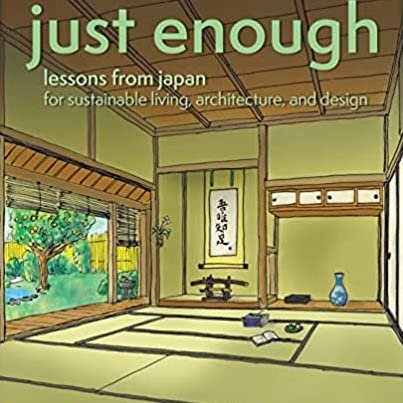
“In Edo Japan, basically life was pretty good, and they recycled everything. Everything was reused, upcycled. Waste was considered taboo. A person who was wasting was considered an ugly person. So there is a lot that we could talk about: design, the layout, scale. Buildings were rarely taller than two stories. Very good use of environmental features, microclimates, use of wind for cooling, passive solar heating. Good use of planting, gardens, etc. But regarding cities of the future, I think the main thing is it needs to be a place where people feel like they belong and want to take responsibility.I'm from New Orleans, and I am very interested in the fact that cities and the places we live in teach us. They shape us, as much as we shape them. And New Orleans was a wonderful place to grow up in because you wouldn't have said it was sustainable, but the vernacular traditional architecture was naturally cooler in summers because of the way it was built with high ceilings with deep eaves from the roof, with verandas shaded with lots of breezes and lots of gardens, plus it is full of older buildings. And things become gentle over time.”Azby Brown is a leading authority on Japanese architecture, design, and environmentalism and the author of several groundbreaking books, including Just Enough, Small Spaces, The Japanese Dream House, The Very Small Home, and The Genius of Japanese Carpentry. He is lead researcher for Safecast, a global citizen-science organization that pioneered crowdsourced environmental monitoring. Azby Brown has lived in Japan since 1985.· azbybrown.com · www.safecast.org · www.oneplanetpodcast.org · www.creativeprocess.info
AZBY BROWN
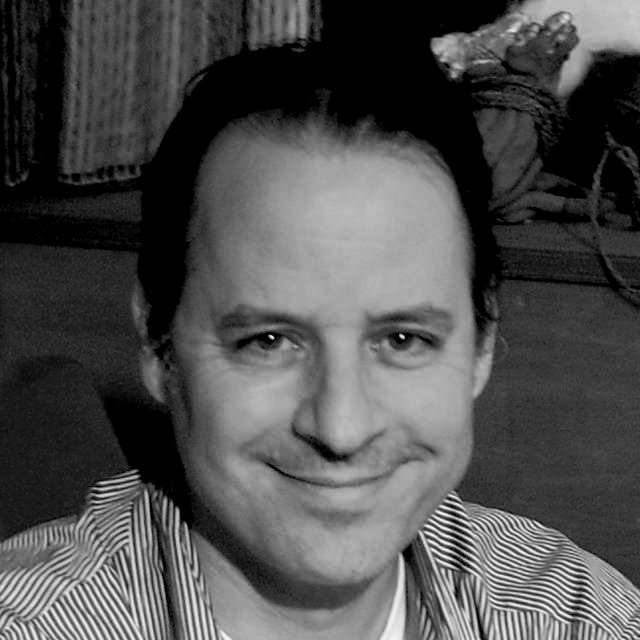
Azby Brown is a leading authority on Japanese architecture, design, and environmentalism and the author of several groundbreaking books, including Just Enough, Small Spaces, The Japanese Dream House, The Very Small Home, and The Genius of Japanese Carpentry. He is lead researcher for Safecast, a global citizen-science organization that pioneered crowdsourced environmental monitoring. Azby Brown has lived in Japan since 1985.· azbybrown.com · www.safecast.org · www.oneplanetpodcast.org · www.creativeprocess.info
(Highlights) YOLANDA KAKABADSE
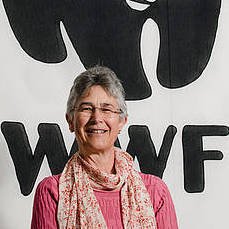
“I mentioned before that one of the reasons why we haven't been able to overcome many of the climate crisis factors is because people don't understand what it means. What is it about? What can I do? Usually, when we hear these experts speak about the climate crisis, at least me, I don't understand 9/10ths of the speech or the document. Simplifying the message, allowing that difficult scientific knowledge to become popular language that I can use when explaining to a child, to a rural person, to someone who has a different type of education, that knows much more about the planet but not necessarily about university, explaining those difficult issues will make a difference. And we have to invest much more in that. Speaking difficult scientific language is not helpful to the majority of society.Few are producers, all of us are consumers. So we all have to participate in how we produce, what we produce and that means from infrastructure for a city to the way that a road is designed or that a marketplace builds its operations. To do it in a responsible way, in a sustainable way, you need the contribution of all. I would say that it's one of the most difficult challenges that humanity has–addressing the urban problems. Basically, because you cannot change a city from one day to the other, but I think that the starting point has to be change the citizen. And being a citizen has a lot of implications because the moment you realize you are a citizen you also need to accept that you have to be active, that you have to be an agent of change. We cannot expect this city to change, if the citizens don't want to mobilize an agenda to push for something, to request changes, to participate. I think the word participation is absolutely key. And we find in Latin America and in all continents that very often we have governments that curtail the capacity of citizens to be active, that tell the population to wait for a change, to be passive, to let the government do their job. And that's absolutely wrong because government is the one that defines court, the game that the citizens are going to play. And that game is called defining the rules of the game and allowing the citizens to be active participants of change.” Yolanda Kakabadse’s work with the environmental conservation movement officially began in 1979, when she was appointed Executive Director of Fundación Natura in Quito, where she worked until 1990. In 1993, she created Fundacion Futuro Latinoamericano, an organization dedicated to promote the sustainable development of Latin America through conflict prevention and management. She was the Executive President until 2006 and remains as Chair of the Advisory Board. From 1990 until 1992, Yolanda Kakabadse coordinated the participation of civil society organizations for the United Nations Conference for Environment and Development (Earth Summit). From 1996 to 2004 she was President of the World Conservation Union (IUCN), President of the World Wide Fund for Nature (WWF) 2010-17, and Member of the Board of the World Resources Institute (WRI) during the same period. Yolanda was appointed Minister of Environment for the Republic of Ecuador, position she held from 1998 until 2000. She is a Member of the Board of Arabesque, and Chairs the Independent Science and Technology Panel of Fundacion Renova in Brazil. Yolanda is also a Member of the Board of Sistema B and the B Team.· World Conservation Union: www.iucn.org· WWF International: worldwildlife.org · Fundacion Futuro Latinoamericano: www.ffla.net/en/· Sistema B: sistemab.org· B Team: bteam.org · <a href="http:/
YOLANDA KAKABADSE
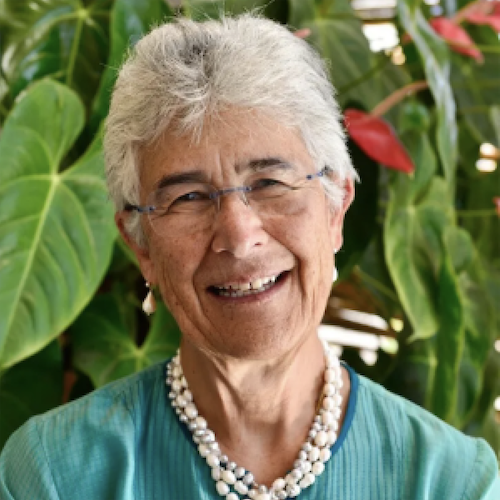
Yolanda Kakabadse’s work with the environmental conservation movement officially began in 1979, when she was appointed Executive Director of Fundación Natura in Quito, where she worked until 1990. In 1993, she created Fundacion Futuro Latinoamericano, an organization dedicated to promote the sustainable development of Latin America through conflict prevention and management. She was the Executive President until 2006 and remains as Chair of the Advisory Board. From 1990 until 1992, Yolanda Kakabadse coordinated the participation of civil society organizations for the United Nations Conference for Environment and Development (Earth Summit). From 1996 to 2004 she was President of the World Conservation Union (IUCN), President of the World Wide Fund for Nature (WWF) 2010-17, and Member of the Board of the World Resources Institute (WRI) during the same period. Yolanda was appointed Minister of Environment for the Republic of Ecuador, position she held from 1998 until 2000. She is a Member of the Board of Arabesque, and Chairs the Independent Science and Technology Panel of Fundacion Renova in Brazil. Yolanda is also a Member of the Board of Sistema B and the B Team.· World Conservation Union: www.iucn.org· WWF International: worldwildlife.org· Fundacion Futuro Latinoamericano: www.ffla.net/en/· Sistema B: sistemab.org· B Team: bteam.org · www.oneplanetpodcast.org· www.creativeprocess.info
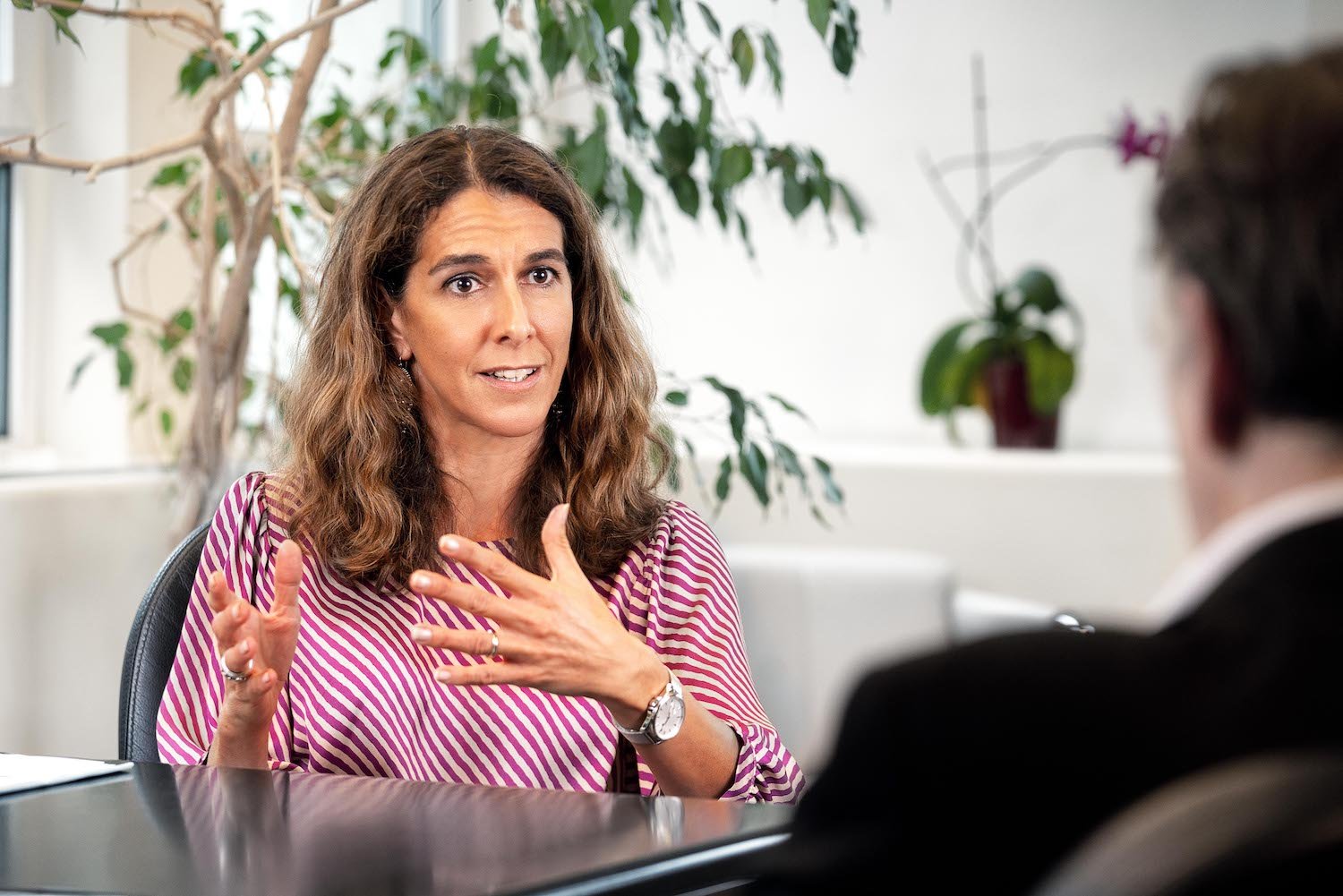
(Highlights) PAULA PINHO
“This is a very important question because cities are really living labs of everything that we're doing in terms of energy policy, and it’s extremely important that whatever we are putting forward in terms of policy, if it is not embraced by the citizens in cities on the local level, the best policies will not serve any purpose if they not really taken up by citizens. Of all of the Sustainable Development Goals, I think quality education is really the basis, I would call it really the foundation for practically all the Sustainable Development Goals. If you ensure quality education, all the rest will be easier.I think we could do much more from much earlier on in a structured manner to raise awareness, bring it into school programs, how important it is to care for the planet. How it can be done by every single one of us in the way we consume not just energy, but our choices, of what we buy in the supermarket. There's much more that can be done.”Paula Pinho is Director of Just Transition at the European Commission Directorate-General for Energy. She was responsible for Energy Strategy and Policy coordination and then for Renewables and Energy System Integration Policy and Decarbonisation and Sustainability of Energy Sources. She was Acting Director for Energy Policy where she has overseen notably the work of international energy relations, financial instruments and inter-institutional relations.Paula has also been Member of Cabinet of EU Commissioners, including Commissioner for Energy Günther Oettinger both in his quality of Commissioner for Digital Economy and Society and during his mandate as EU Commissioner for Energy. She was then responsible for energy security and infrastructure and the overall coordination of the international dimension of energy policy.As a member of the Cabinet, she has been involved in the trilateral gas talks between the EU, Russia and Ukraine. While Head of Unit responsible for Energy Strategy and Policy Coordination, Paula has coordinated the preparation and adoption of the “Clean Energy for all Europeans” package. Paula represented the Commission in the negotiations of the Commission Proposal for a Regulation on the Governance of the Energy Union and was responsible notably for the overall coordination of the assessment of the national Energy and Climate Plans. Paula speaks fluently Portuguese, German, English and French, as well as Spanish and Italian.· https://energy.ec.europa.eu/index_en · https://energy.ec.europa.eu · www.oneplanetpodcast.org · www.creativeprocess.info
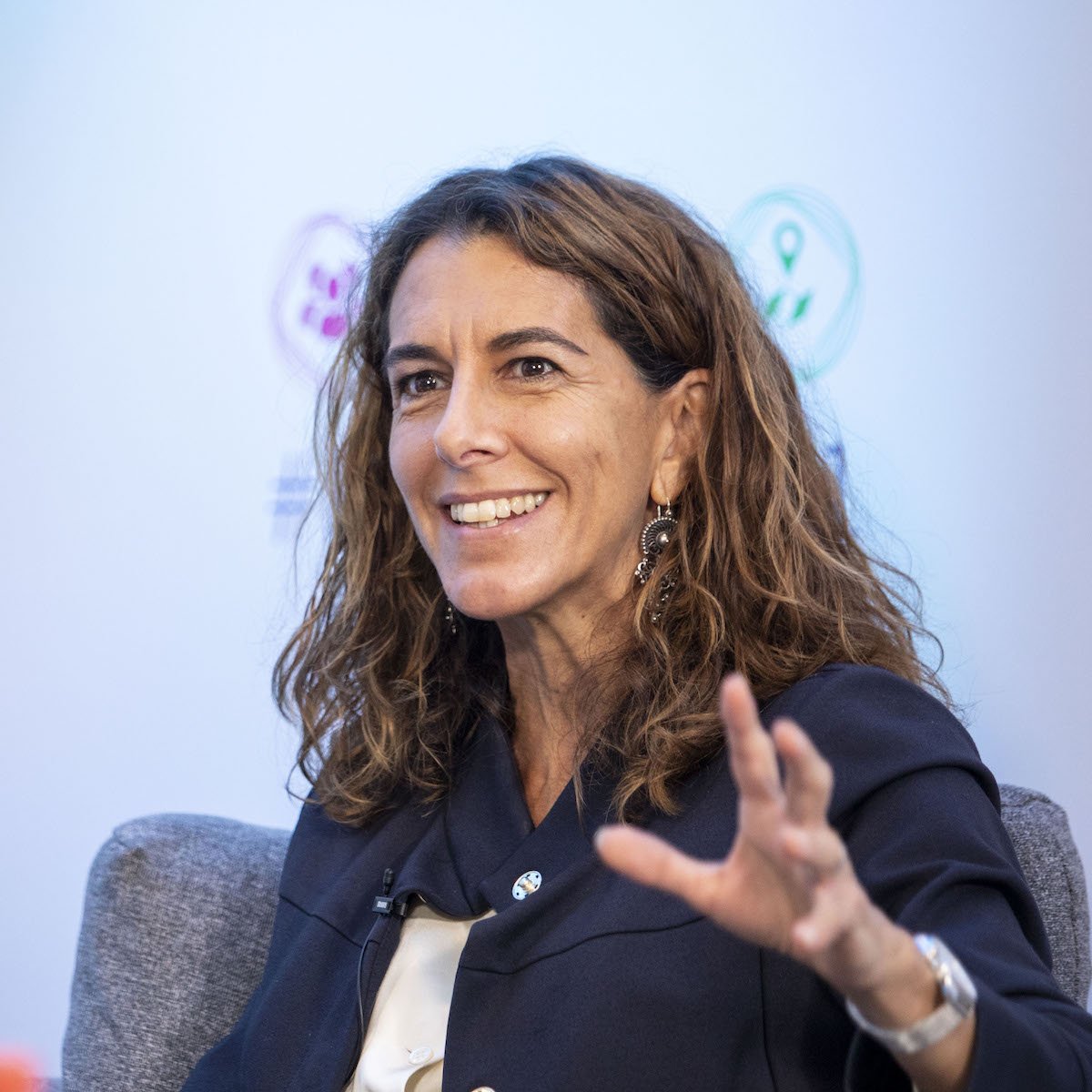
PAULA PINHO
Paula Pinho is Director of Just Transition at the European Commission Directorate-General for Energy. She was responsible for Energy Strategy and Policy coordination and then for Renewables and Energy System Integration Policy and Decarbonisation and Sustainability of Energy Sources. She was Acting Director for Energy Policy where she has overseen notably the work of international energy relations, financial instruments and inter-institutional relations.Paula has also been Member of Cabinet of EU Commissioners, including Commissioner for Energy Günther Oettinger both in his quality of Commissioner for Digital Economy and Society and during his mandate as EU Commissioner for Energy. She was then responsible for energy security and infrastructure and the overall coordination of the international dimension of energy policy.As a member of the Cabinet, she has been involved in the trilateral gas talks between the EU, Russia and Ukraine. While Head of Unit responsible for Energy Strategy and Policy Coordination, Paula has coordinated the preparation and adoption of the “Clean Energy for all Europeans” package. Paula represented the Commission in the negotiations of the Commission Proposal for a Regulation on the Governance of the Energy Union and was responsible notably for the overall coordination of the assessment of the national Energy and Climate Plans. Paula speaks fluently Portuguese, German, English and French, as well as Spanish and Italian. · https://energy.ec.europa.eu/index_en · https://energy.ec.europa.eu · www.oneplanetpodcast.org · www.creativeprocess.info
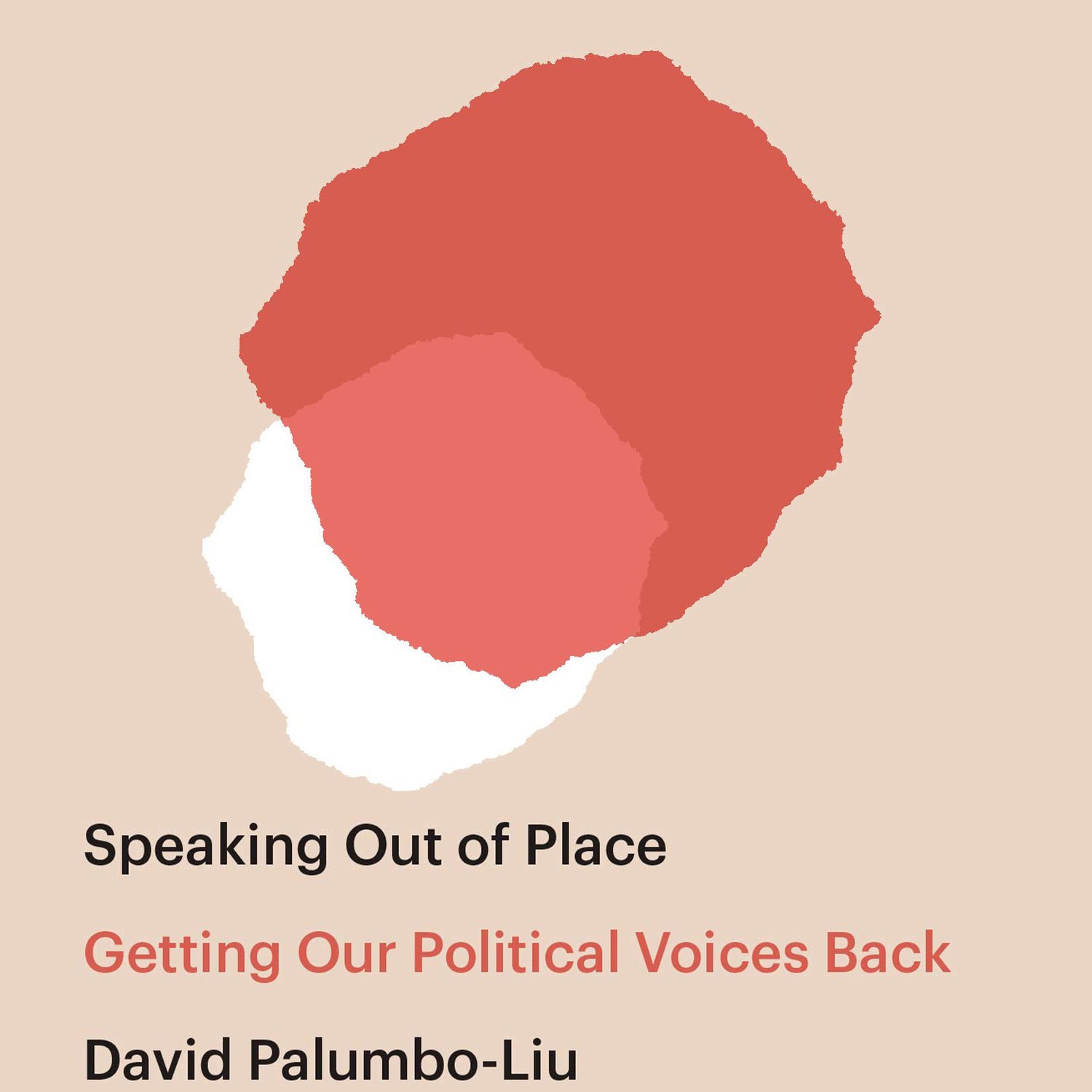
(Highlights) DAVID PALUMBO-LIU
“To explore different worlds, essentially. That’s what literature has taught me. Reading has taught me how difficult it is to write well, to do you something other than the mundane or the expected, so all those things point to a kind of human creativity and a human capacity to both create and also to learn. To learn about life in different ways and to pass on those lessons to other people. One thing I think great teachers do is to embody what they talk about, the values that they profess, the things they feel are important in their everyday lives outside of the literature. So when I become involved in politics or a cause, it’s a reflection of what I've learned through any number of things including literature. Literature doesn’t stand alone. Literature is part of the world. That’s another thing I think is very important. As much as we should enjoy those moments when we’re alone reading a book and we're isolated and just in a meditative state, we should understand that literature is always about something else besides itself.”David Palumbo-Liu is the Louise Hewlett Nixon Professor, and Professor of Comparative Literature, at Stanford University. He has written widely on culture, literature, human rights, and politics, both in his books and also in venues such as Truthout, The Guardian, Jacobin, The Nation, Al Jazeera, and others. · www.palumbo-liu.comTwitter: @palumboliu · www.oneplanetpodcast.org · www.creativeprocess.info
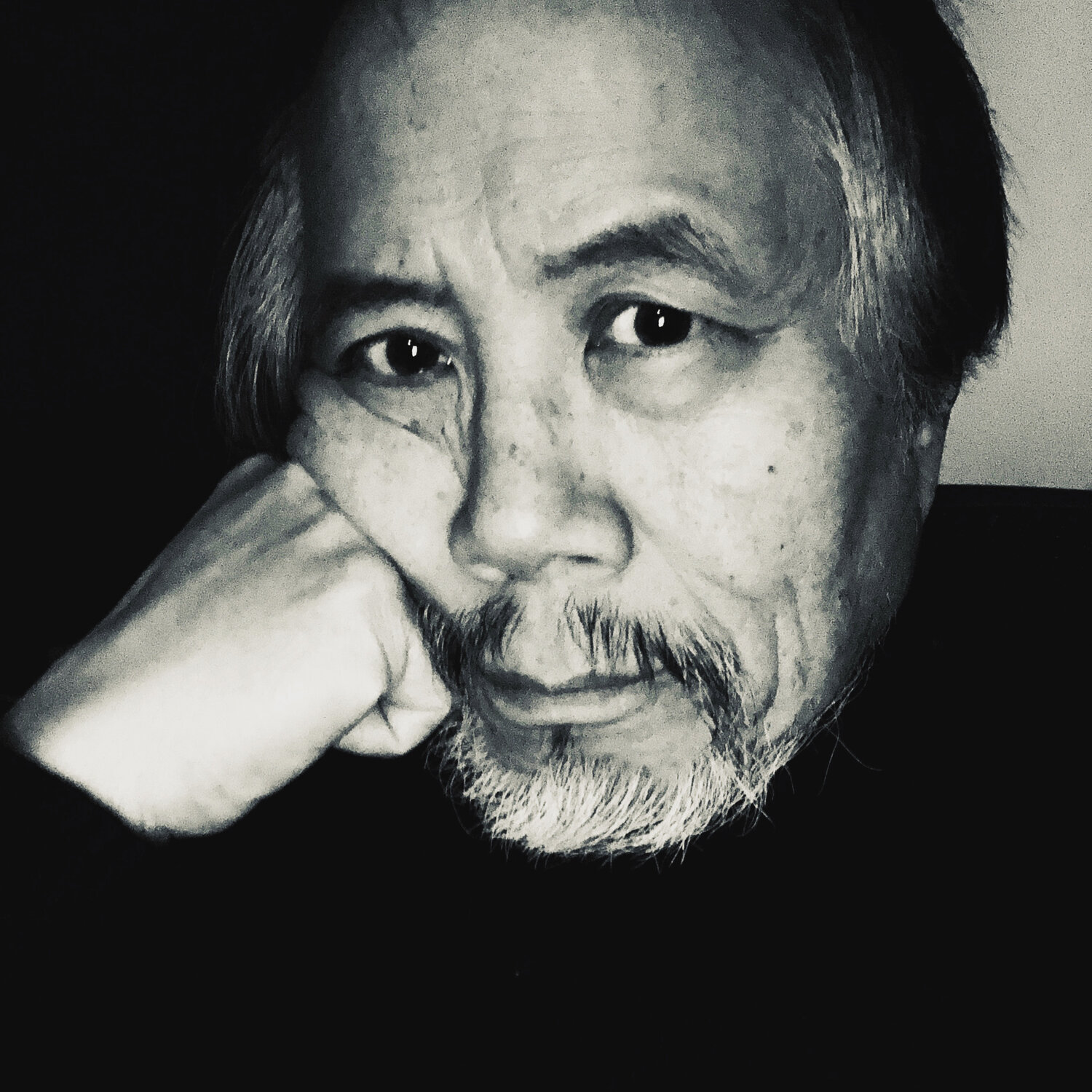
DAVID PALUMBO-LIU
David Palumbo-Liu is the Louise Hewlett Nixon Professor, and Professor of Comparative Literature, at Stanford University. He has written widely on culture, literature, human rights, and politics, both in his books and also in venues such as Truthout, The Guardian, Jacobin, The Nation, Al Jazeera, and others. · www.palumbo-liu.comTwitter: @palumboliu · www.oneplanetpodcast.org · www.creativeprocess.info
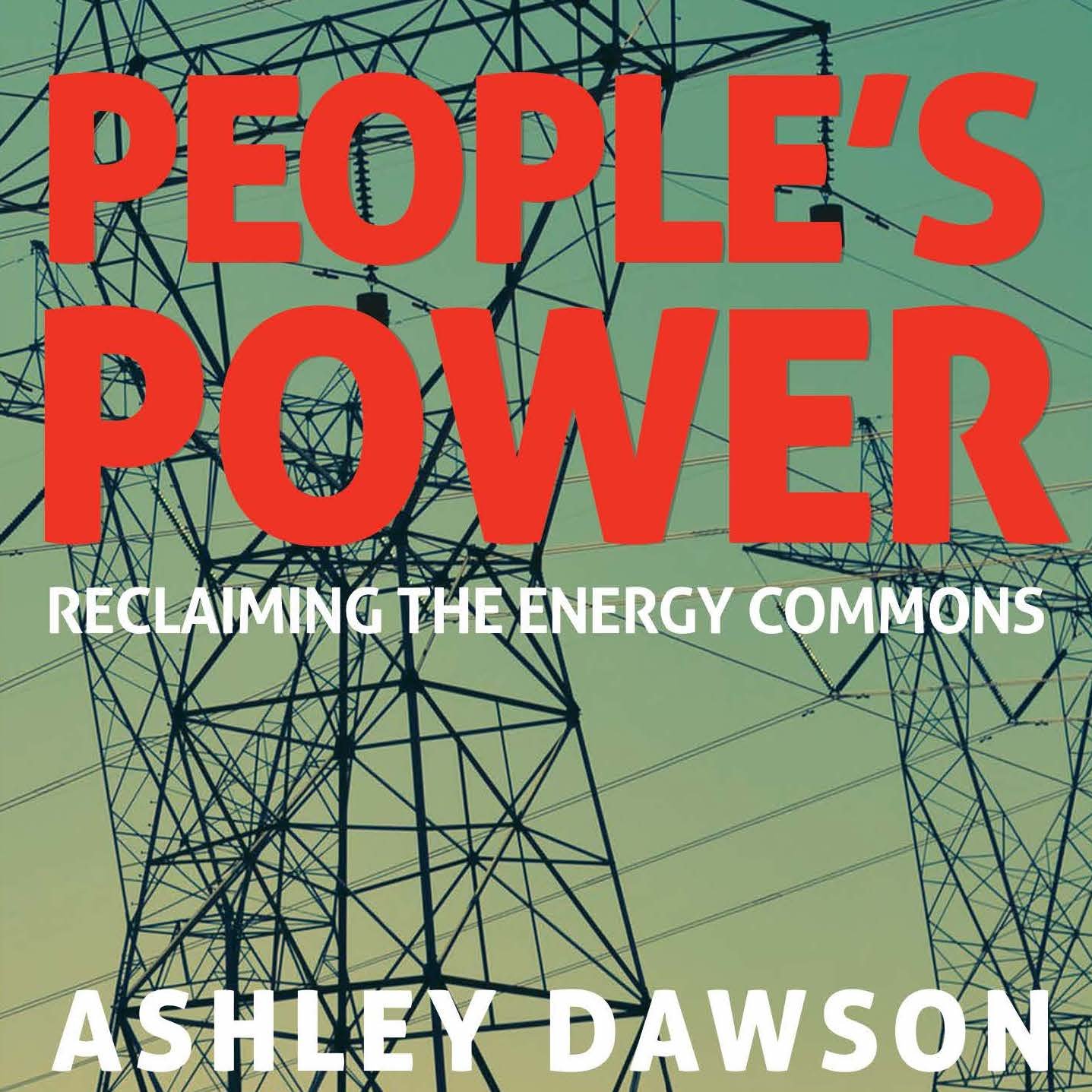
(Highlights) ASHLEY DAWSON
“The political struggle is really hard today and I feel like we haven't been winning, but I think it's important not to think of this as either we win it, or there's catastrophe and that's the end. We win or lose, and there’s this big tidal wave that kills us all. That's not the way the climate crisis is going to play out. It’s going to be a long, slow, attritional crisis punctuated by forms of natural disaster that will decimate populations, but it's also going to be something that people will be impacted by for generations and that people will continue to mobilize around, so I think it's important to keep that in mind.”Ashley Dawson is currently Professor of Postcolonial Studies in the English Department at the Graduate Center, City University of New York (CUNY), and at the College of Staten Island/CUNY. He currently works in the fields of environmental humanities and postcolonial ecocriticism. He is the author of three recent books relating to these fields: People’s Power (O/R, 2020), Extreme Cities (Verso, 2017) and Extinction (O/R, 2016). Other areas of interest of his include the experience and literature of migration, including movement from colonial and postcolonial nations to the former imperial center (Britain in particular), and from rural areas to mega-cities of the global South such as Lagos and Mumbai. · ashleydawson.info · www.centerforthehumanities.org/programming/climate-action-lab · www.oneplanetpodcast.org · www.creativeprocess.info
ASHLEY DAWSON
Ashley Dawson is currently Professor of Postcolonial Studies in the English Department at the Graduate Center, City University of New York (CUNY), and at the College of Staten Island/CUNY. He currently works in the fields of environmental humanities and postcolonial ecocriticism. He is the author of three recent books relating to these fields: People’s Power (O/R, 2020), Extreme Cities (Verso, 2017) and Extinction (O/R, 2016). Other areas of interest of his include the experience and literature of migration, including movement from colonial and postcolonial nations to the former imperial center (Britain in particular), and from rural areas to mega-cities of the global South such as Lagos and Mumbai. · ashleydawson.info· www.centerforthehumanities.org/programming/climate-action-lab · www.oneplanetpodcast.org · www.creativeprocess.info

(Highlights) JEFFREY D. SACHS
Jeffrey D. Sachs is University Professor and Director of the Center for Sustainable Development at Columbia University. He is President of the UN Sustainable Development Solutions Network, Chair of the Lancet COVID-19 Commission, Co-Chair of the UN Council of Engineers for the Energy Transition, Commissioner of the UN Broadband Commission for Development, academician of the Pontifical Academy of Social Sciences, and Tan Sri Jeffrey Cheah Honorary Distinguished Professor of Sustainable Development at Sunway University. Sachs has been Special Advisor to three United Nations Secretaries-General, and currently serves as an SDG Advocate under Secretary-General António Guterres. Sachs was twice named among Time magazine’s 100 most influential world leaders, and has received 38 honorary doctorates. He received the Legion of Honor from France in 2021 and the Order of the Cross from Estonia in 2019. Jeffrey Sachs hosts “The Book Club with Jeffrey Sachs” podcast featuring renowned authors of scintillating, inspiring and remarkably important books about history, social justice, and the challenges of building a decent world. Previous conversations feature Mariana Mazzucato, author of “Mission Economy: A Moonshot Guide to Changing Capitalism,” and Robert Lustig, author of “Metabolical: The Lure and the Lies of Processed Food, Nutrition, and Modern Medicine” among others. To learn more, visit · www.bookclubwithjeffreysachs.org/· www.jeffsachs.org· sdgacademy.org/· www.unsdsn.org/· www.oneplanetpodcast.org · www.creativeprocess.info
JEFFREY D. SACHS
“If we’re badly educated, we’re not going to make it on this planet. If I had to put my finger on one Sustainable Development Goal above all else, it is let’s empower young people so that they know the future. They know the world that they’re going to be leading soon. They can do something about it…Specifically, target 4.7 which says that everybody should learn about sustainable development. Everybody should learn about global citizenship.If you’re in elementary school up to university, you should be learning–What is climate change? What is biodiversity? What can we do about it? And this kind of learning is not only book learning, but is also experiential learning.”Jeffrey D. Sachs · President of UN Sustainable Development Solutions Network · Director of Center for Sustainable Development, Columbia University (35 mins) Interviewed by Mia Funk & Eveline Mol · Associate Podcast Producer Eveline MolJeffrey D. Sachs is University Professor and Director of the Center for Sustainable Development at Columbia University. He is President of the UN Sustainable Development Solutions Network, Chair of the Lancet COVID-19 Commission, Co-Chair of the UN Council of Engineers for the Energy Transition, Commissioner of the UN Broadband Commission for Development, academician of the Pontifical Academy of Social Sciences, and Tan Sri Jeffrey Cheah Honorary Distinguished Professor of Sustainable Development at Sunway University. Sachs has been Special Advisor to three United Nations Secretaries-General, and currently serves as an SDG Advocate under Secretary-General António Guterres. Sachs was twice named among Time magazine’s 100 most influential world leaders, and has received 38 honorary doctorates. He received the Legion of Honor from France in 2021 and the Order of the Cross from Estonia in 2019. Jeffrey Sachs hosts “The Book Club with Jeffrey Sachs” podcast featuring renowned authors of scintillating, inspiring and remarkably important books about history, social justice, and the challenges of building a decent world. Previous conversations feature Mariana Mazzucato, author of “Mission Economy: A Moonshot Guide to Changing Capitalism,” and Robert Lustig, author of “Metabolical: The Lure and the Lies of Processed Food, Nutrition, and Modern Medicine” among others. To learn more, visit · www.bookclubwithjeffreysachs.org/· www.jeffsachs.org· sdgacademy.org/· www.unsdsn.org/· www.oneplanetpodcast.org · www.creativeprocess.info
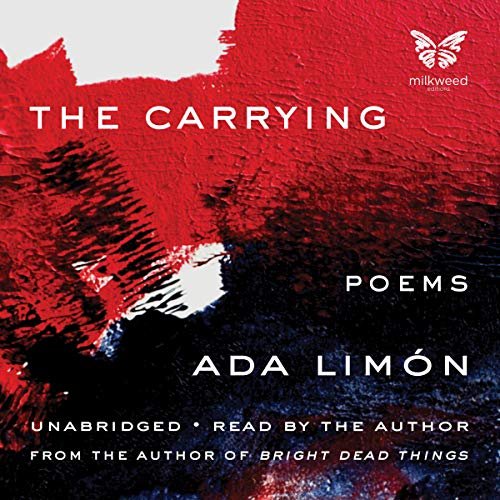
(Highlights) ADA LIMÓN
"This poem was written when I was having a real moment of reckoning, not that I hadn't had it earlier, but where I was doing some deep reading about the climate crisis and really reckoning with myself, with where we were and what was happening, what the truth was. And I felt like it was so easy to slip down into a darkness, into a sort of numbness, and I didn't think that that numbness and darkness could be useful."Ada Limón is the author of six books of poetry, including The Carrying, which won the National Book Critics Circle Award for Poetry. Her book Bright Dead Things was nominated for the National Book Award, the National Book Critics Circle Award, and the Kingsley Tufts Poetry Award. Her work has been supported most recently by a Guggenheim Fellowship. She grew up in Sonoma, California and now lives in Lexington, Kentucky where she writes, teaches remotely, and hosts the critically-acclaimed poetry podcast, The Slowdown. Her new book of poetry, The Hurting Kind, is forthcoming from Milkweed Editions in May 2022.· www.adalimon.net· www.creativeprocess.info · www.oneplanetpodcast.org
ADA LIMÓN
Ada Limón is the author of six books of poetry, including The Carrying, which won the National Book Critics Circle Award for Poetry. Her book Bright Dead Things was nominated for the National Book Award, the National Book Critics Circle Award, and the Kingsley Tufts Poetry Award. Her work has been supported most recently by a Guggenheim Fellowship. She grew up in Sonoma, California and now lives in Lexington, Kentucky where she writes, teaches remotely, and hosts the critically-acclaimed poetry podcast, The Slowdown. Her new book of poetry, The Hurting Kind, is forthcoming from Milkweed Editions in May 2022.Photo credit: Lucas Marquardt · www.adalimon.net· www.creativeprocess.info · www.oneplanetpodcast.org
(Highlights) KYLE HARPER
“Thinking about the future of the environments more broadly and the challenges of global development, we need to remember that freedom from infectious disease is not a privilege that is universally shared. And so in order to continue to improve global public health, it's vitally important that people in poor countries have access to opportunities for economic growthHuman well-being is both a question of social development in a very holistic sense that people have jobs that provide adequate food and clean water as well as the elimination of dangerous microbes, and so the question is how do societies continue to develop in a way that's globally equitable and sustainable and that's really one of wicked hardest problems on the planet is how do we continue to experience growth without having carbon emissions that make growth and impossible, that continue to hold societies in poverty, and that continue to imperil human health.”Kyle Harper is the G.T. and Libby Blankenship Chair in the History of Liberty, Professor of Classics and Letters, Senior Advisor to the President, and Provost Emeritus at the University of Oklahoma. Harper’s fourth book, Plagues upon the Earth: Disease and the Course of Human History, is a global history of infectious disease spanning from human origins to COVID-19. It tells the story of humanity’s long and distinctive struggle with pathogenic microbes. His scholarly works use natural sciences, social sciences, and humanities to deepen our understanding of human expansion as a planetary force. · www.kyleharper.net · https://www.amazon.com/Plagues-upon-Earth-Princeton-Economic/dp/069119212X/ref=tmm_hrd_swatch_0?_encoding=UTF8&qid=1629378421&sr=8-1 · www.oneplanetpodcast.org · www.creativeprocess.info