Sustainability, Climate Change, Renewable Energy, Politics, Activism, Biodiversity, Carbon Footprint, Wildlife, Regenerative Agriculture, Circular Economy, Extinction, Net-Zero · One Planet Podcast
571 episodes — Page 8 of 12
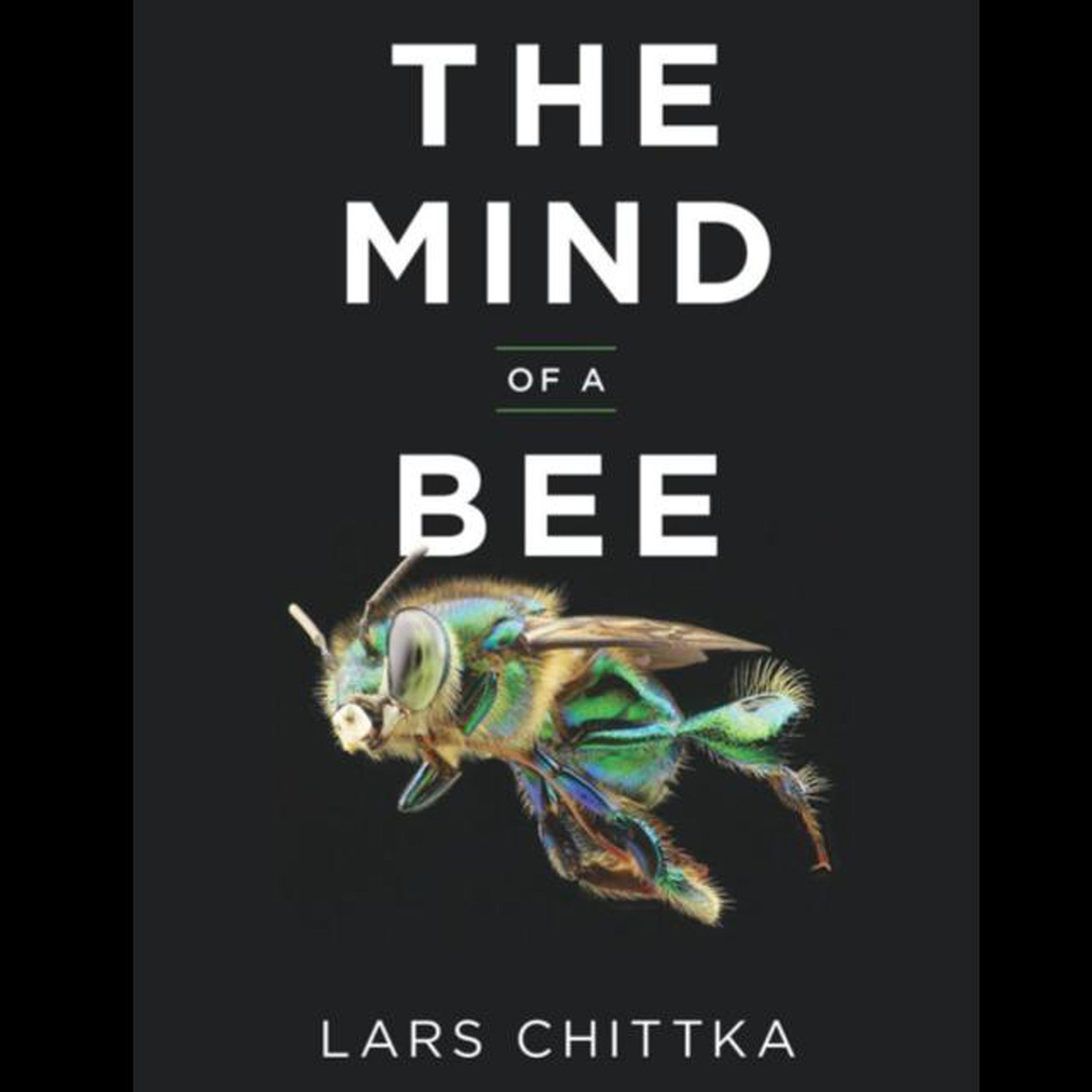
Highlights - Lars Chittka - Author of "The Mind of a Bee” - Founder, Research Centre for Psychology, QMUL
"Many of us are now aware that bees are in trouble due to manmade changes to the environment. Large-scale industrial agriculture, of course, means that often there are no floral resources over very large areas of farmland, and bees' flexibility in locating food sources of course can cope with that to some extent because they're very good at locating patches, but this ability only goes so far. Of course, if there are literally no flowers left or very few, then their learning ability won't help them very much.In addition, of course, there is very heavy usage of pesticides and herbicides in industrial agriculture. And these substances in many cases have been designed to be lethal or at least harmful to insects because they are meant to keep herbivores at bay. And of course often, even if insects don't eat the leaves, flower-visiting insects still get exposed to them in the contents of floral nectar or pollen. So they carry these poisons back to their hives, their nests, albeit perhaps in lower concentrations that they're available in the leaves, but they're still present at a level that's harmful to bees so that affects their navigation, that affects the health of their young. So these manmade changes have a huge impact on bees and this is typically measured in those bees that are least affected - that is honeybees.”Lars Chittka is professor of sensory and behavioral ecology at Queen Mary University of London, where he founded a new Research Centre for Psychology in 2008 and was its scientific director until 2012. He is the author of The Mind of a Bee and is the coeditor of Cognitive Ecology of Pollination. He studied Biology in Berlin and completed his PhD studies under the supervision of Randolf Menzel in 1993. He has carried out extensive work on the behaviour, cognition and ecology of bumble bees and honey bees, and their interactions with flowers. His discoveries have made a substantial impact on the understanding of animal intelligence and its neural-computational underpinnings. He has published over 250 peer-reviewed articles, and has been an editor of biology’s foremost open access journal PLoS Biology since 2004. He is an elected Member of the German National Academy of Sciences (Leopoldina), a Fellow of the Linnean Society and Royal Entomological Society, as well as the Royal Society of Biology.http://chittkalab.sbcs.qmul.ac.uk/Lars.htmlhttps://press.princeton.edu/books/hardcover/9780691180472/the-mind-of-a-beehttps://journals.plos.org/plosbiologywww.oneplanetpodcast.orgwww.creativeprocess.infoPhoto credit: Markus Scholz / Leopoldina
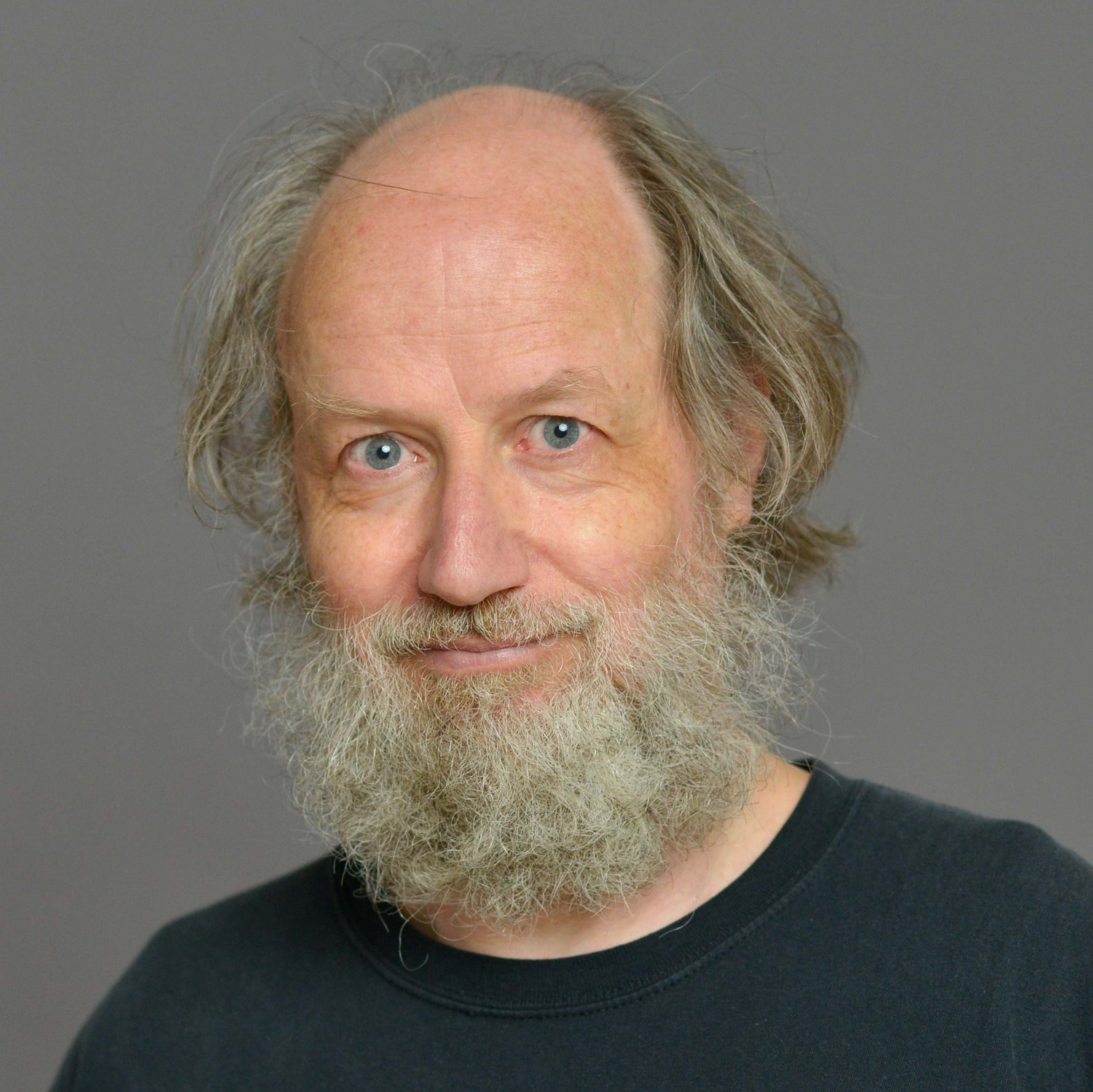
Lars Chittka - Author of "The Mind of a Bee” - Founder, Research Centre for Psychology, QMUL
Lars Chittka is professor of sensory and behavioral ecology at Queen Mary University of London, where he founded a new Research Centre for Psychology in 2008 and was its scientific director until 2012. He is the author of The Mind of a Bee and is the coeditor of Cognitive Ecology of Pollination. He studied Biology in Berlin and completed his PhD studies under the supervision of Randolf Menzel in 1993. He has carried out extensive work on the behaviour, cognition and ecology of bumble bees and honey bees, and their interactions with flowers. His discoveries have made a substantial impact on the understanding of animal intelligence and its neural-computational underpinnings. He has published over 250 peer-reviewed articles, and has been an editor of biology’s foremost open access journal PLoS Biology since 2004. He is an elected Member of the German National Academy of Sciences (Leopoldina), a Fellow of the Linnean Society and Royal Entomological Society, as well as the Royal Society of Biology."Many of us are now aware that bees are in trouble due to manmade changes to the environment. Large-scale industrial agriculture, of course, means that often there are no floral resources over very large areas of farmland, and bees' flexibility in locating food sources of course can cope with that to some extent because they're very good at locating patches, but this ability only goes so far. Of course, if there are literally no flowers left or very few, then their learning ability won't help them very much.In addition, of course, there is very heavy usage of pesticides and herbicides in industrial agriculture. And these substances in many cases have been designed to be lethal or at least harmful to insects because they are meant to keep herbivores at bay. And of course often, even if insects don't eat the leaves, flower-visiting insects still get exposed to them in the contents of floral nectar or pollen. So they carry these poisons back to their hives, their nests, albeit perhaps in lower concentrations that they're available in the leaves, but they're still present at a level that's harmful to bees so that affects their navigation, that affects the health of their young. So these manmade changes have a huge impact on bees and this is typically measured in those bees that are least affected - that is honeybees.”http://chittkalab.sbcs.qmul.ac.uk/Lars.htmlhttps://press.princeton.edu/books/hardcover/9780691180472/the-mind-of-a-beehttps://journals.plos.org/plosbiologywww.oneplanetpodcast.orgwww.creativeprocess.infoPhoto credit: Markus Scholz / Leopoldina
Highlights - Nick Bostrom - Founding Director, Future of Humanity Institute, Oxford
"I think maybe the critical issue here is the governance aspect which I think is one of the core sources of many of the greatest threats to human civilization on the planet. The difficulties we have in effectively tackling these global governance challenges. So global warming, I think, at its core is really a problem of the global commons. So we all share the same atmosphere and the same global climate, ultimately. And we have a certain reservoir, the environment can absorb a certain amount of carbon dioxide without damage, but if we put out too much, then we together face a negative consequence."Nick Bostrom is a Swedish-born philosopher with a background in theoretical physics, computational neuroscience, logic, and artificial intelligence, as well as philosophy. He is the most-cited professional philosopher in the world under the age of 50.He is a Professor at Oxford University, where he heads the Future of Humanity Institute as its founding director. He is the author of some 200 publications, including Anthropic Bias, Global Catastrophic Risks, Human Enhancement, and Superintelligence: Paths, Dangers, Strategies, a New York Times bestseller which helped spark a global conversation about the future of AI. He has also published a series of influential papers, including ones that introduced the simulation argument and the concept of existential risk.Bostrom’s academic work has been translated into more than 30 languages. He is a repeat main TED speaker and has been on Foreign Policy’s Top 100 Global Thinkers list twice and was included in Prospect’s World Thinkers list, the youngest person in the top 15. As a graduate student he dabbled in stand-up comedy on the London circuit, but he has since reconnected with the heavy gloom of his Swedish roots.https://nickbostrom.comhttps://www.fhi.ox.ac.ukwww.creativeprocess.infowww.oneplanetpodcast.org
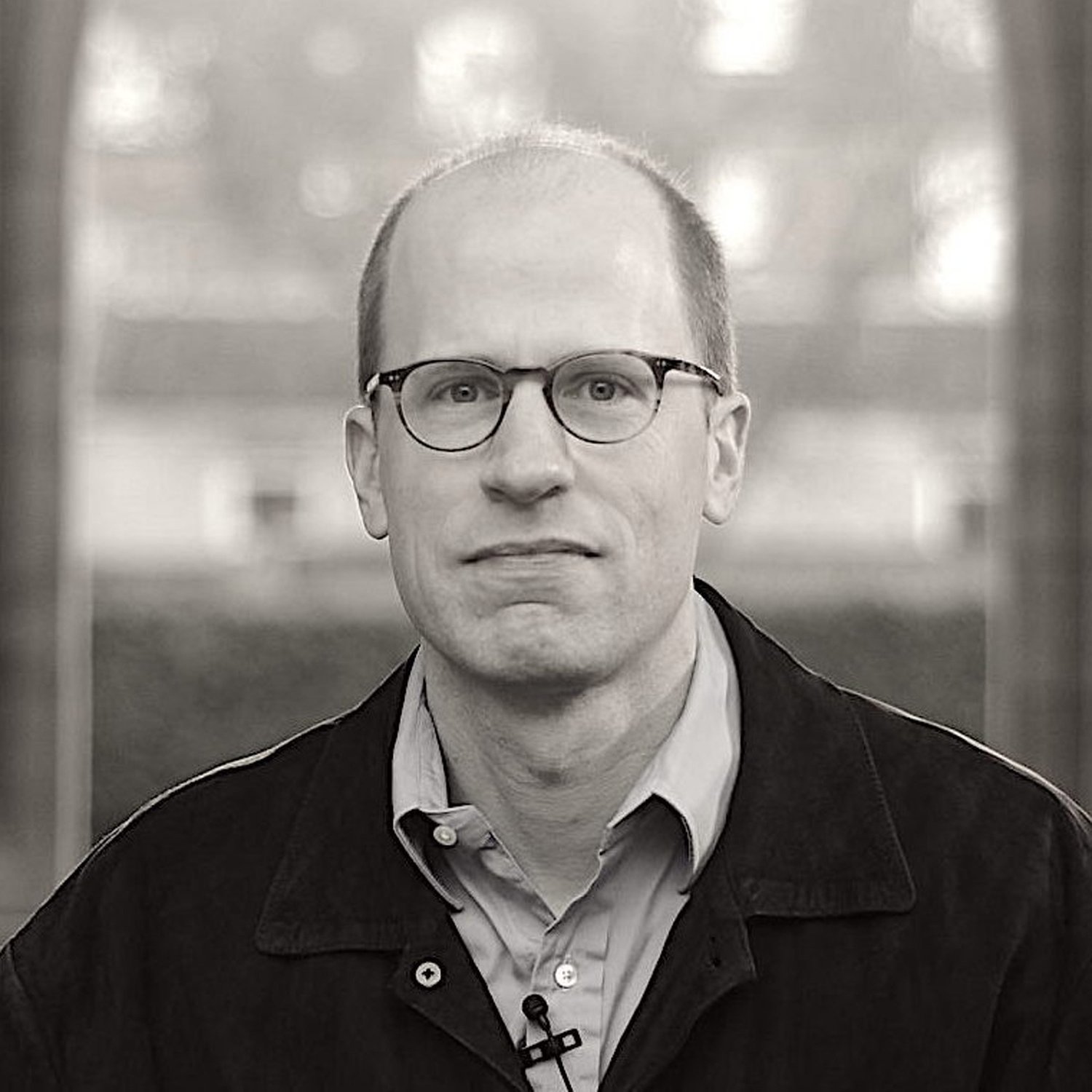
Nick Bostrom - Philosopher, Founding Director, Future of Humanity Institute, Oxford
Nick Bostrom is a Swedish-born philosopher with a background in theoretical physics, computational neuroscience, logic, and artificial intelligence, as well as philosophy. He is the most-cited professional philosopher in the world under the age of 50.He is a Professor at Oxford University, where he heads the Future of Humanity Institute as its founding director. He is the author of some 200 publications, including Anthropic Bias, Global Catastrophic Risks, Human Enhancement, and Superintelligence: Paths, Dangers, Strategies, a New York Times bestseller which helped spark a global conversation about the future of AI. He has also published a series of influential papers, including ones that introduced the simulation argument and the concept of existential risk.Bostrom’s academic work has been translated into more than 30 languages. He is a repeat main TED speaker and has been on Foreign Policy’s Top 100 Global Thinkers list twice and was included in Prospect’s World Thinkers list, the youngest person in the top 15. As a graduate student he dabbled in stand-up comedy on the London circuit, but he has since reconnected with the heavy gloom of his Swedish roots."I think maybe the critical issue here is the governance aspect which I think is one of the core sources of many of the greatest threats to human civilization on the planet. The difficulties we have in effectively tackling these global governance challenges. So global warming, I think, at its core is really a problem of the global commons. So we all share the same atmosphere and the same global climate, ultimately. And we have a certain reservoir, the environment can absorb a certain amount of carbon dioxide without damage, but if we put out too much, then we together face a negative consequence."https://nickbostrom.comhttps://www.fhi.ox.ac.ukwww.creativeprocess.infowww.oneplanetpodcast.org
Highlights - Mona Sarfaty - Medical Society Consortium on Climate and Health | Ed Maibach - Communication Scientist
“Humanity needs to do three things if it wants to continue to flourish, and it will. The three things that humanity needs to do are decarbonize the global economy, drawdown, capture, harvest much of that heat-trapping pollution that we've already pumped into the atmosphere over the past hundred years because as long as it's up in our atmosphere, we're going to have continued warming. And the third thing that humanity needs to do is become more resilient to the impacts of climate change, which unfortunately will continue for the next several generations at least, even as we succeed in decarbonizing the global economy and harvesting that heat-trapping pollution from the atmosphere.So these are the three things that have to happen. These three things will happen. The open question is how rapidly will they happen? Any business that can play a vital role in making any one or two or all three of those things happen, those are businesses that are going to flourish going forward. And any business that's sitting on the side and not contributing to one of those three areas, I really think they will become increasingly irrelevant, if not completely antiquated and increasingly understood to be harmful.”Dr. Mona Sarfaty is the Executive Director and Founder of the Medical Society Consortium on Climate and Health, comprised of societies representing 70% of all U.S. physicians. She founded the Consortium in 2016 in conjunction with the George Mason University Center for Climate Change. Under her leadership, the Consortium has grown into a nationwide coalition of societies, organizations, and advocates mobilizing support for equitable policies that address the health impacts of climate change.Edward Maibach is Director of the George Mason University Center for Climate Change Communication, a distinguished University Professor and communication scientist who is expert in the uses of strategic communication and social marketing to address climate change and related public health challenges. His research – funded by NSF, NASA, and private foundations – focuses on public understanding of climate change and clean energy; and the psychology underlying public engagement. In 2021, Ed was identified by Thompson Reuters as one of the world’s 10 most influential scientists working on climate change.https://medsocietiesforclimatehealth.orghttps://twitter.com/docsforclimatewww.climatechangecommunication.org/all/climate-change-american-mind-april-2022/www.climatechangecommunication.org/all/politics-global-warming-april-2022/www.oneplanetpodcast.org
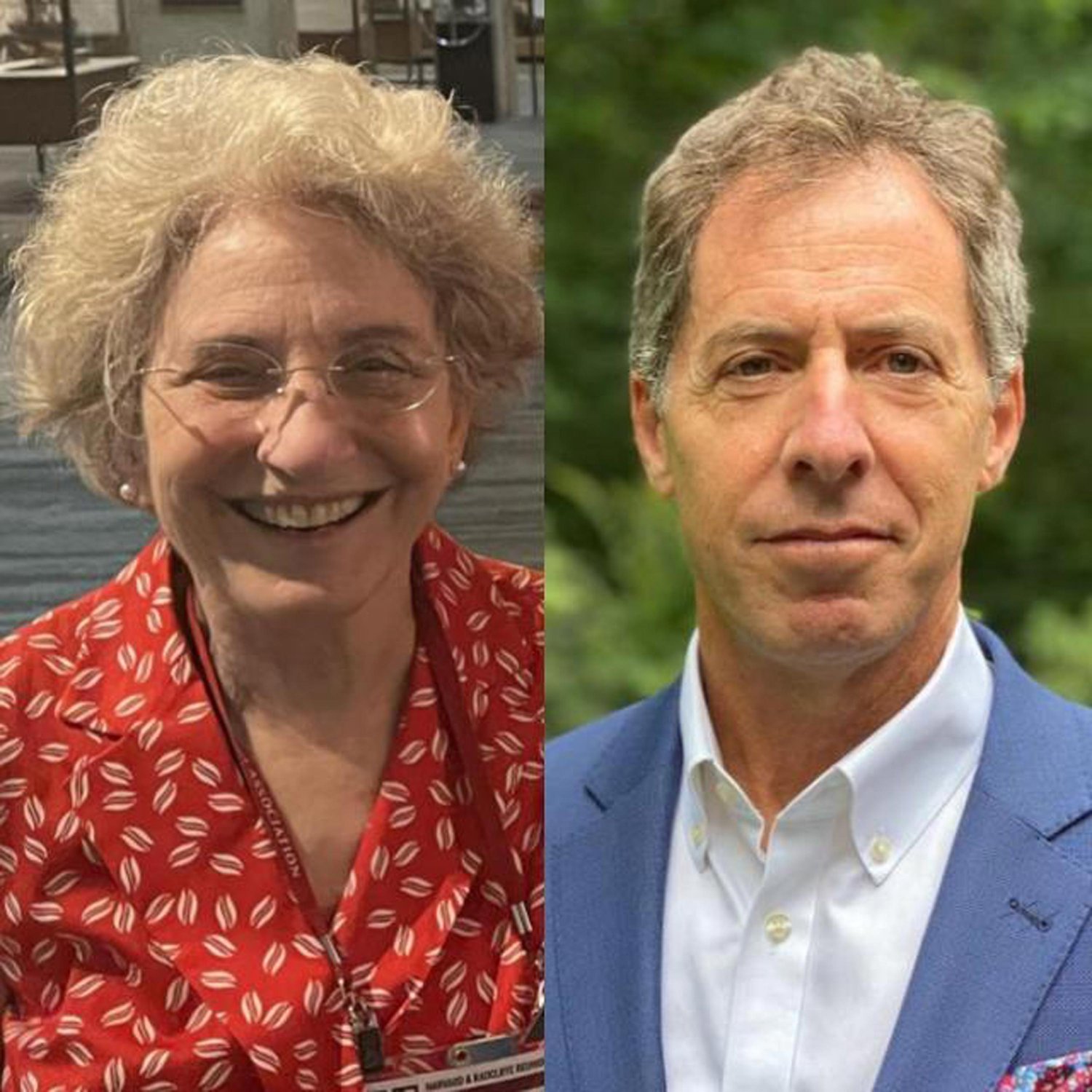
Dr. Mona Sarfaty - Medical Society Consortium on Climate and Health | Dr. Ed Maibach - Communication Scientist
Dr. Mona Sarfaty is the Executive Director and Founder of the Medical Society Consortium on Climate and Health, comprised of societies representing 70% of all U.S. physicians. She founded the Consortium in 2016 in conjunction with the George Mason University Center for Climate Change. Under her leadership, the Consortium has grown into a nationwide coalition of societies, organizations, and advocates mobilizing support for equitable policies that address the health impacts of climate change.Edward Maibach is Director of the George Mason University Center for Climate Change Communication, a distinguished University Professor and communication scientist who is expert in the uses of strategic communication and social marketing to address climate change and related public health challenges. His research – funded by NSF, NASA, and private foundations – focuses on public understanding of climate change and clean energy; and the psychology underlying public engagement. In 2021, Ed was identified by Thompson Reuters as one of the world’s 10 most influential scientists working on climate change.“Humanity needs to do three things if it wants to continue to flourish, and it will. The three things that humanity needs to do are decarbonize the global economy, drawdown, capture, harvest much of that heat-trapping pollution that we've already pumped into the atmosphere over the past hundred years because as long as it's up in our atmosphere, we're going to have continued warming. And the third thing that humanity needs to do is become more resilient to the impacts of climate change, which unfortunately will continue for the next several generations at least, even as we succeed in decarbonizing the global economy and harvesting that heat-trapping pollution from the atmosphere.So these are the three things that have to happen. These three things will happen. The open question is how rapidly will they happen? Any business that can play a vital role in making any one or two or all three of those things happen, those are businesses that are going to flourish going forward. And any business that's sitting on the side and not contributing to one of those three areas, I really think they will become increasingly irrelevant, if not completely antiquated and increasingly understood to be harmful.”https://medsocietiesforclimatehealth.orghttps://twitter.com/docsforclimatewww.climatechangecommunication.org/all/climate-change-american-mind-april-2022/www.climatechangecommunication.org/all/politics-global-warming-april-2022/www.oneplanetpodcast.org

Highlights - Lex van Geen - Renowned Arsenic and Lead Specialist, Earth Institute, Columbia
"So this was maybe nine months after the fire in Notre Dame, and I had been struck visually by the fire, the yellow smoke, which is a telltale indicator of lead. The fact that 400 tons of lead constituted the covering of the roof of the cathedral. And a lot of that had volatilized, presumably, but no one really knew how much. So that got me thinking, and I happened to be in Paris at the time, so I thought if it's so much lead, could it be that it affected the population living within say a kilometer of the cathedral? I thought there wasn't really a lot of clear information about what had happened, and what had been measured. I thought some more openness and transparency was needed."Geochemist Lex van Geen is a research professor at Lamont-Doherty Earth Observatory and is member of the Earth Institute at Columbia University. His research focuses on ways to reduce the impact of the environment on human health. For two decades, he coordinated earth-science on the origin and health effects of elevated levels of arsenic in groundwater. His other projects focus on fluoride in groundwater in India, bauxite dust in Guinea, or soil contaminated with lead from mine-tailings in Peru, and fallout of lead over Paris following the fire in Notre Dame. Dr. Van Geen is a firm believer in the more widespread use of field kits by non-specialists to reduce exposure to environmental toxicants.www.ldeo.columbia.edu/~avangeenwww.oneplanetpodcast.orgwww.creativeprocess.info
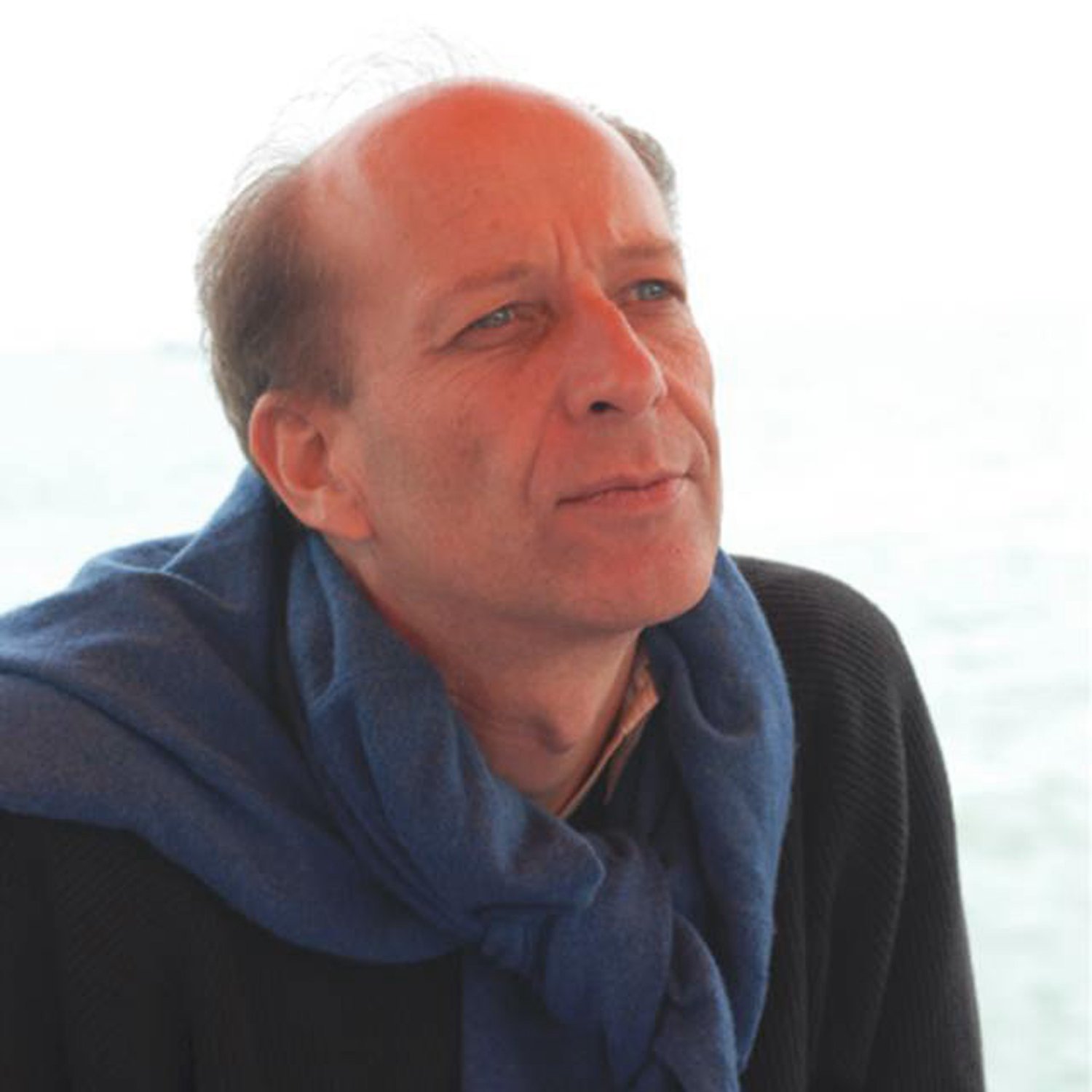
Lex van Geen - Research Professor - Lamont-Doherty Earth Observatory, Columbia University
Geochemist Lex van Geen is a research professor at Lamont-Doherty Earth Observatory and is member of the Earth Institute at Columbia University. His research focuses on ways to reduce the impact of the environment on human health. For two decades, he coordinated earth-science on the origin and health effects of elevated levels of arsenic in groundwater. His other projects focus on fluoride in groundwater in India, bauxite dust in Guinea, or soil contaminated with lead from mine-tailings in Peru, and fallout of lead over Paris following the fire in Notre Dame. Dr. Van Geen is a firm believer in the more widespread use of field kits by non-specialists to reduce exposure to environmental toxicants."So this was maybe nine months after the fire in Notre Dame, and I had been struck visually by the fire, the yellow smoke, which is a telltale indicator of lead. The fact that 400 tons of lead constituted the covering of the roof of the cathedral. And a lot of that had volatilized, presumably, but no one really knew how much. So that got me thinking, and I happened to be in Paris at the time, so I thought if it's so much lead, could it be that it affected the population living within say a kilometer of the cathedral? I thought there wasn't really a lot of clear information about what had happened, and what had been measured. I thought some more openness and transparency was needed."www.ldeo.columbia.edu/~avangeenwww.oneplanetpodcast.orgwww.creativeprocess.info
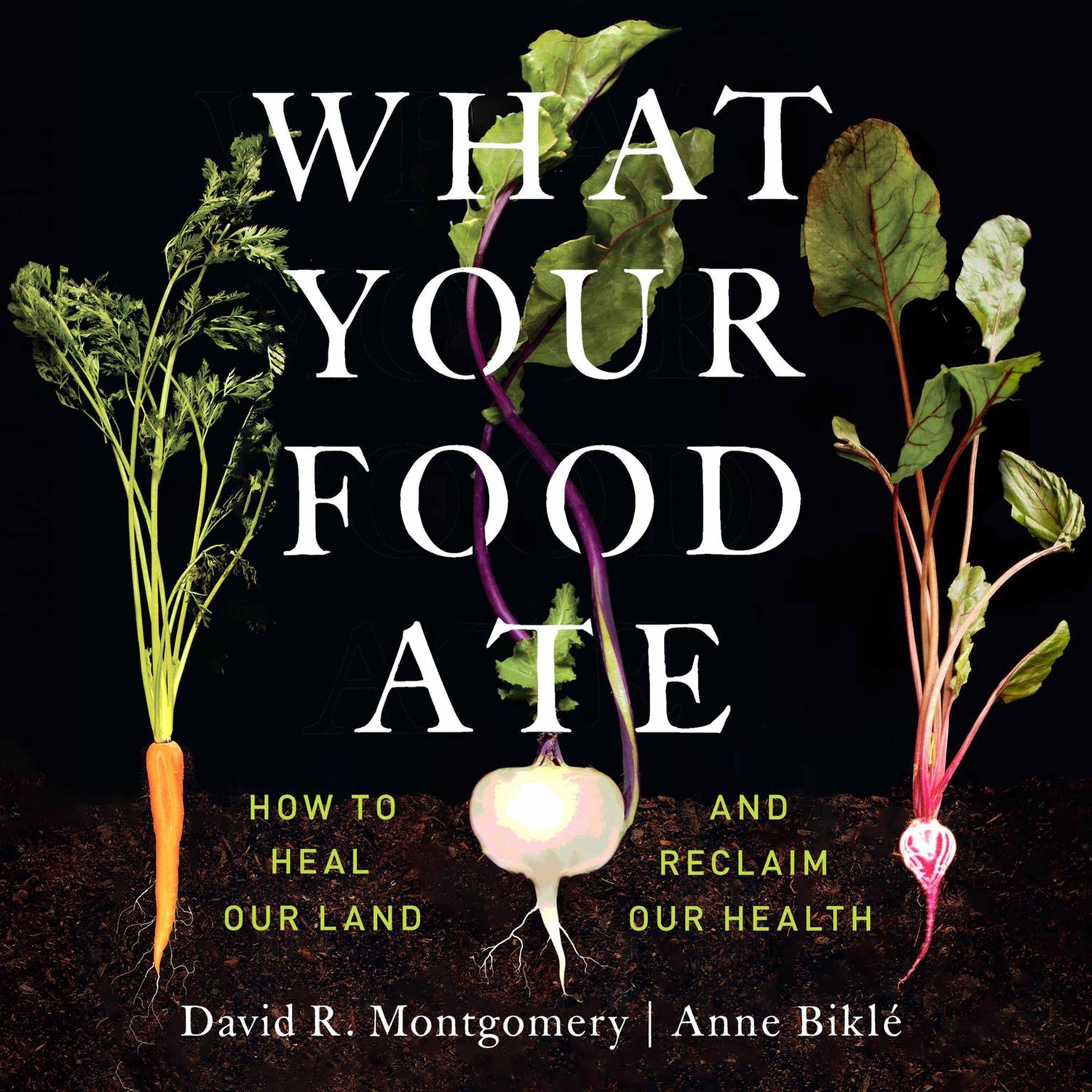
Highlights - David Montgomery - Prof., Earth and Space Sciences, UW - MacArthur Fellow ’08
“When you dig into the medical literature, 7 out of 10 of the leading causes of death in the United States are diet-related chronic diseases. And so one of the hopeful messages that I think comes out of The Hidden Half of Nature, Growing a Revolution, and What Your Food Ate is that what we do to the land, essentially we do to us. And what's good for the land is good for us.So if we think about farming differently, we can actually enjoy ripple effects that are not only beneficial to the farmers in terms of reduced costs for fertilizer, pesticides, and diesel - the three of the big costs in farming today. If we can farm and grow as much food using less of those kind of synthetic inputs, we'll all be better off. And farmers will be better off and more profitable, but it could also translate into better human health outcomes at a population level.”David R. Montgomery teaches at the University of Washington where he studies the evolution of topography and how geological processes shape landscapes and influence ecological systems. He loved maps as a kid and now writes about the relationship of people to their environment, and regenerative agriculture. In 2008 he was named a MacArthur Fellow. He is the author of award-winning popular-science books (King of Fish, Dirt, and Growing a Revolution) and co-authored The Hidden Half of Nature, The Microbial Roots of Life and Health and What Your Food Ate: How to Heal Our Land and Reclaim Our Health with his wife, biologist Anne Biklé.https://www.dig2grow.com/https://twitter.com/Dig2Growwww.oneplanetpodcast.orgwww.creativeprocess.info
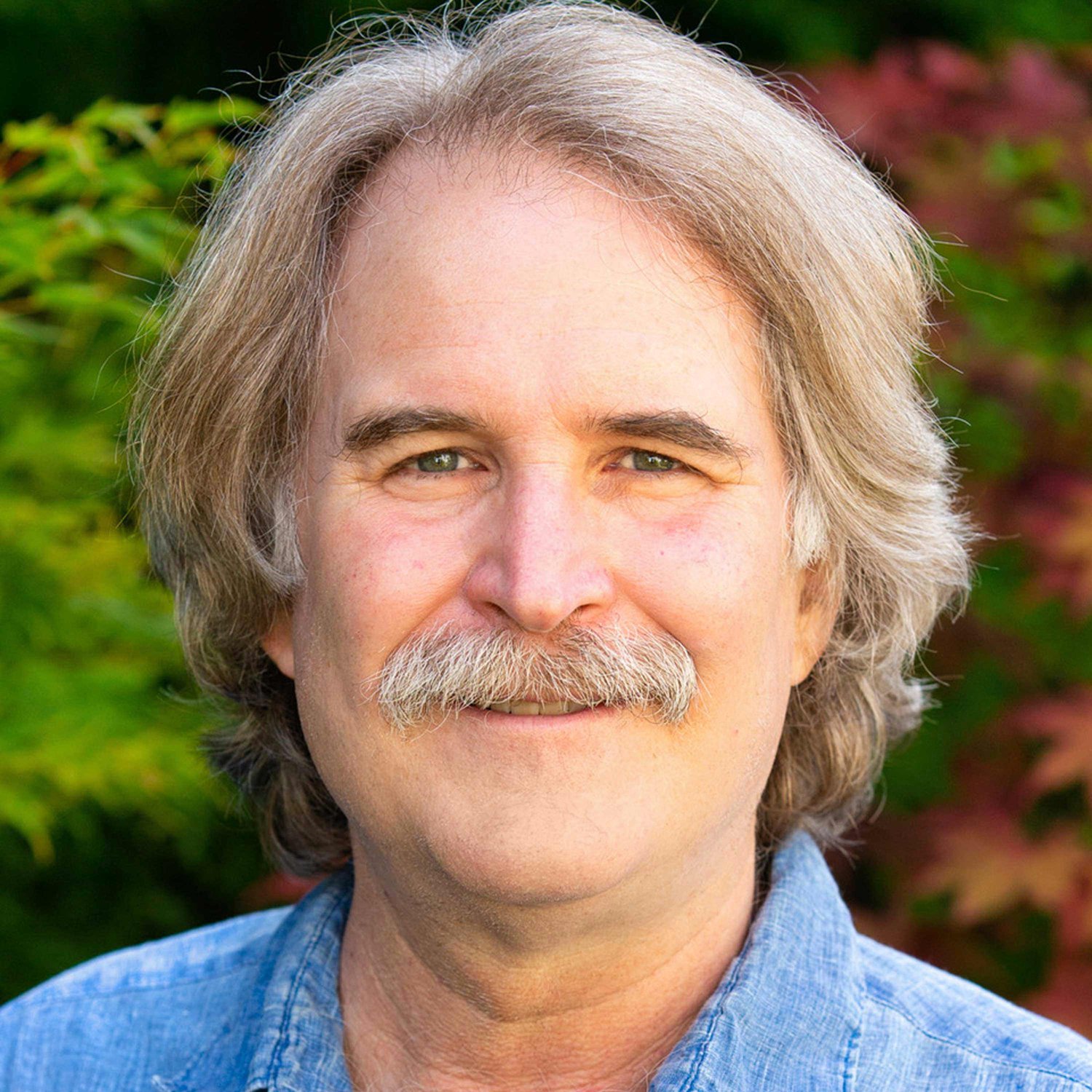
David Montgomery - Co-author of “What Your Food Ate: How to Heal Our Land and Reclaim Our Health”
David R. Montgomery teaches at the University of Washington where he studies the evolution of topography and how geological processes shape landscapes and influence ecological systems. He loved maps as a kid and now writes about the relationship of people to their environment, and regenerative agriculture. In 2008 he was named a MacArthur Fellow. He is the author of award-winning popular-science books (King of Fish, Dirt, and Growing a Revolution) and co-authored The Hidden Half of Nature, The Microbial Roots of Life and Health and What Your Food Ate: How to Heal Our Land and Reclaim Our Health with his wife, biologist Anne Biklé.“When you dig into the medical literature, 7 out of 10 of the leading causes of death in the United States are diet-related chronic diseases. And so one of the hopeful messages that I think comes out of The Hidden Half of Nature, Growing a Revolution, and What Your Food Ate is that what we do to the land, essentially we do to us. And what's good for the land is good for us.So if we think about farming differently, we can actually enjoy ripple effects that are not only beneficial to the farmers in terms of reduced costs for fertilizer, pesticides, and diesel - the three of the big costs in farming today. If we can farm and grow as much food using less of those kind of synthetic inputs, we'll all be better off. And farmers will be better off and more profitable, but it could also translate into better human health outcomes at a population level.”https://www.dig2grow.com/https://twitter.com/Dig2Growwww.oneplanetpodcast.orgwww.creativeprocess.infoPhoto credit: Cooper Reid
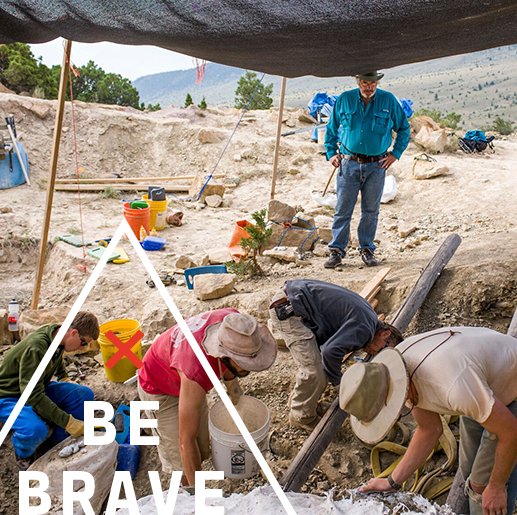
Highlights - Jack Horner - Renowned Paleontologist - Technical Advisor, Jurassic Park/World Films
"The dinosaur extinction - dinosaurs didn't really have much to say about it. A meteor crashed into the earth and wiped them out. We, on the other hand, are creating quite an extinction right now. And we actually could do something about it, but we're not going to do anything about it because we're just greedy. We always just slough it off to the next generation. ‘They can fix it,’ we say. I'm a war baby, right? I was born in 1946, and by 1964, when I graduated from high school, our generation was going to fix everything. And yet we became the biggest consumers in the history of the world. So we didn't fix anything, we just made a bigger mess. So, I don't think we can leave it up to anybody because everybody wants a piece of the pie."Jack Horner is a severely dyslexic, dinosaur paleontologist. He attended the University of Montana for 14 semesters without receiving a degree. He has since received two honorary doctorates of science and a plethora of awards including a MacArthur Fellowship. Jack was Curator and Regent’s Professor of Paleontology at Montana State University in Bozeman, Montana for 34 years. He has more than 300 publications. He was the technical advisor for all of the Jurassic Park/ Jurassic World movies. At Chapman University where he now teaches, Jack encourages his honors students and dyslexic mentorees to challenge their preconceived ideas.https://jackhornersdinosaurs.comHorner Science Groupwww.creativeprocess.infowww.oneplanetpodcast.org
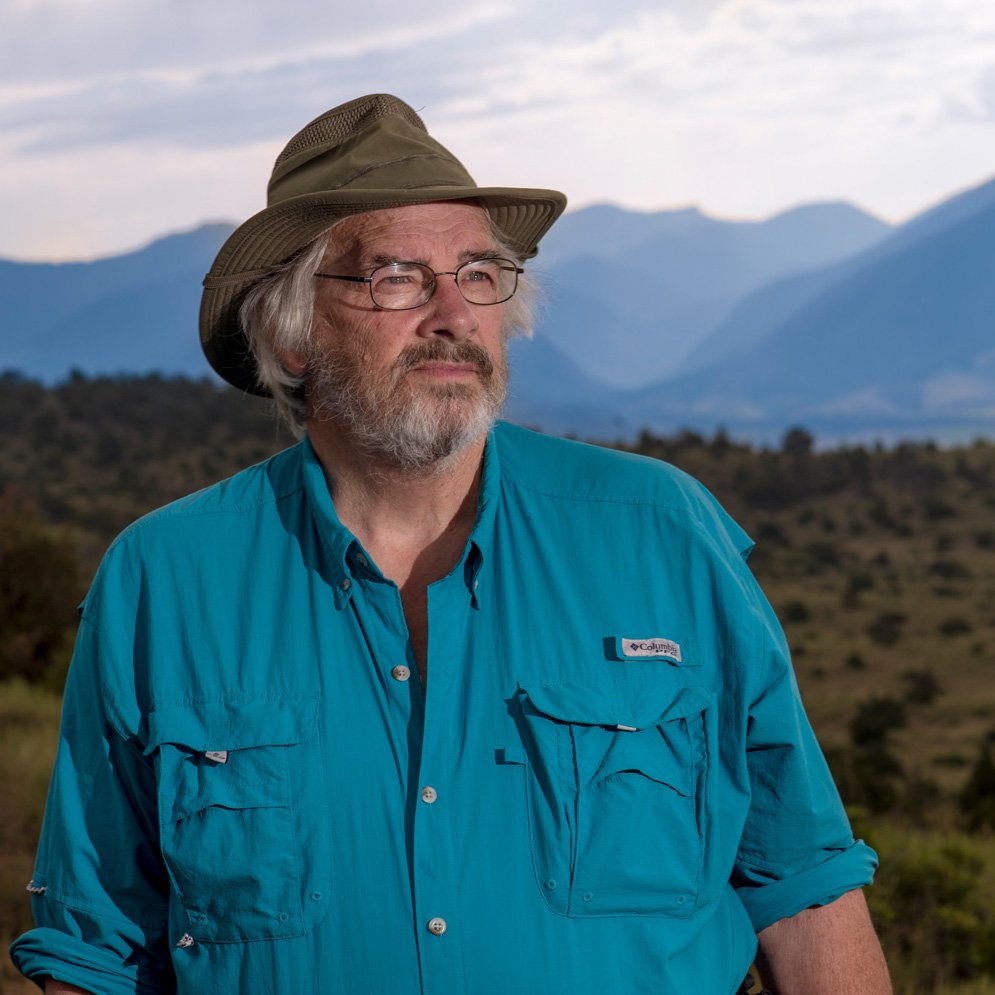
Jack Horner - Renowned Dinosaur Paleontologist - Technical Advisor, Jurassic Park/World Films
Jack Horner is a severely dyslexic, dinosaur paleontologist. He attended the University of Montana for 14 semesters without receiving a degree. He has since received two honorary doctorates of science and a plethora of awards including a MacArthur Fellowship. Jack was Curator and Regent’s Professor of Paleontology at Montana State University in Bozeman, Montana for 34 years. He has more than 300 publications. He was the technical advisor for all of the Jurassic Park/ Jurassic World movies. At Chapman University where he now teaches, Jack encourages his honors students and dyslexic mentorees to challenge their preconceived ideas."The dinosaur extinction - dinosaurs didn't really have much to say about it. A meteor crashed into the earth and wiped them out. We, on the other hand, are creating quite an extinction right now. And we actually could do something about it, but we're not going to do anything about it because we're just greedy. We always just slough it off to the next generation. ‘They can fix it,’ we say. I'm a war baby, right? I was born in 1946, and by 1964, when I graduated from high school, our generation was going to fix everything. And yet we became the biggest consumers in the history of the world. So we didn't fix anything, we just made a bigger mess. So, I don't think we can leave it up to anybody because everybody wants a piece of the pie."https://jackhornersdinosaurs.comHorner Science Groupwww.creativeprocess.infowww.oneplanetpodcast.org
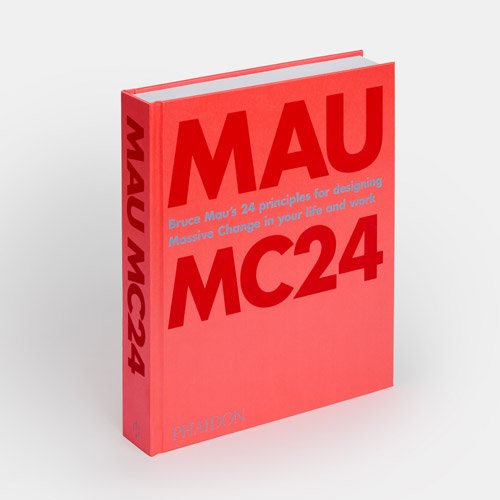
Highlights - Bruce Mau - Award-winning Designer, Author of “Mau MC24…24 Principles for Designing Massive Change”
"When we were working in Panama with E.O. Wilson on the Panama Museum of Biodiversity for the world's first museum of biodiversity, we went into the jungle with E.O. Wilson, and he explained that there's only one thing on the planet and that's life. And life has an experiment going in form. We are one of those forms, and over 99% of all the experiments have gone extinct. So less than 1% of all the forms that ever existed now exist. And we're living through another one of the mass extinctions. Many of those are going to go extinct. We may be one of those, and life goes on. Life will go on. And he said, 'Rock is slow. Life and life is fast rock.' That you are rock animated with electricity, and when we turn that electricity off, you go back to rock. You return to the Earth. And that's all it is.There's an endless cycle, and the sooner that we get that concept into our way of thinking, into our cosmology, into our way of understanding the universe, into our way of working, the sooner that we'll start to actually do things that have a plausible future. The way we are working now, we're just drawing down our future. We're drawing down the resources of the Earth."Designer, author, educator and artist Bruce Mau is a brilliantly creative optimist whose love of thorny problems led him to create a methodology for life-centered design. Across thirty years of design innovation, he’s collaborated with global brands and companies, leading organizations, heads of state, renowned artists and fellow optimists. Mau became an international figure with the publication of his landmark S,M,L,XL, designed and co-authored with Rem Koolhaas, and his most recent books are Mau MC24: Bruce Mau’s 24 Principles for Designing Massive Change in Your Life and Work and, with co-author, Julio Ottino, dean of Northwestern University’s McCormick School of Engineering, The Nexus: Augmented Thinking for a Complex World – The New Convergence of Art, Technology, and Science. Mau is co-founder and CEO of Massive Change Network, a holistic design collective based in the Chicago area.www.massivechangenetwork.comwww.Brucemaustudio.comMau MC24The NexusImage Courtesy of Massive Change Networkwww.creativeprocess.infowww.oneplanetpodcast.org
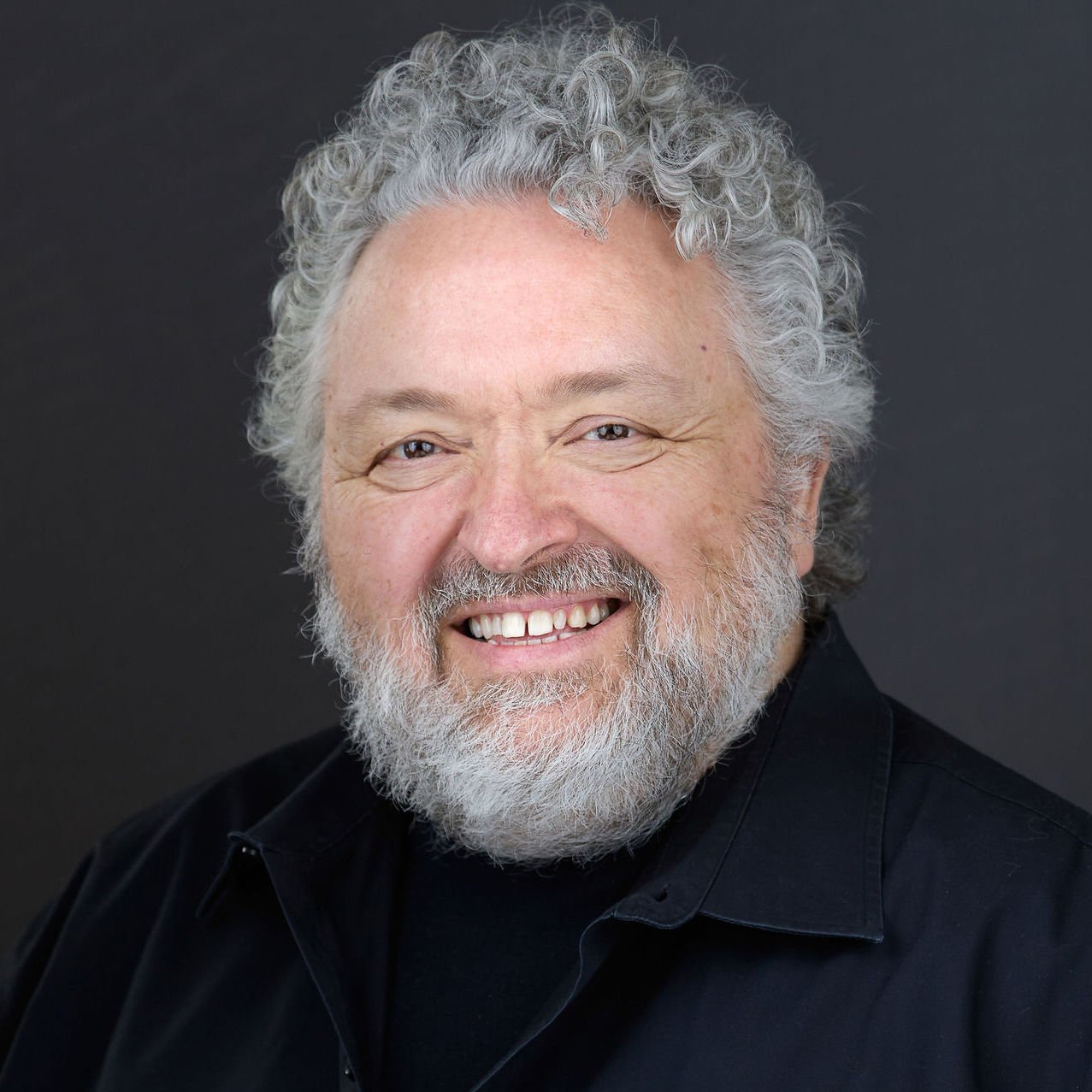
Bruce Mau - Author of "Mau MC24…24 Principles for Designing Massive Change in Your Life and Work”
Designer, author, educator and artist Bruce Mau is a brilliantly creative optimist whose love of thorny problems led him to create a methodology for life-centered design. Across thirty years of design innovation, he’s collaborated with global brands and companies, leading organizations, heads of state, renowned artists and fellow optimists. Mau became an international figure with the publication of his landmark S,M,L,XL, designed and co-authored with Rem Koolhaas, and his most recent books are Mau MC24: Bruce Mau’s 24 Principles for Designing Massive Change in Your Life and Work and, with co-author, Julio Ottino, dean of Northwestern University’s McCormick School of Engineering, The Nexus: Augmented Thinking for a Complex World – The New Convergence of Art, Technology, and Science. Mau is co-founder and CEO of Massive Change Network, a holistic design collective based in the Chicago area."When we were working in Panama with E.O. Wilson on the Panama Museum of Biodiversity for the world's first museum of biodiversity, we went into the jungle with E.O. Wilson, and he explained that there's only one thing on the planet and that's life. And life has an experiment going in form. We are one of those forms, and over 99% of all the experiments have gone extinct. So less than 1% of all the forms that ever existed now exist. And we're living through another one of the mass extinctions. Many of those are going to go extinct. We may be one of those, and life goes on. Life will go on. And he said, 'Rock is slow. Life and life is fast rock.' That you are rock animated with electricity, and when we turn that electricity off, you go back to rock. You return to the Earth. And that's all it is.There's an endless cycle, and the sooner that we get that concept into our way of thinking, into our cosmology, into our way of understanding the universe, into our way of working, the sooner that we'll start to actually do things that have a plausible future. The way we are working now, we're just drawing down our future. We're drawing down the resources of the Earth."www.massivechangenetwork.comwww.Brucemaustudio.comMau MC24The NexusImage Courtesy of Massive Change Networkwww.creativeprocess.infowww.oneplanetpodcast.org
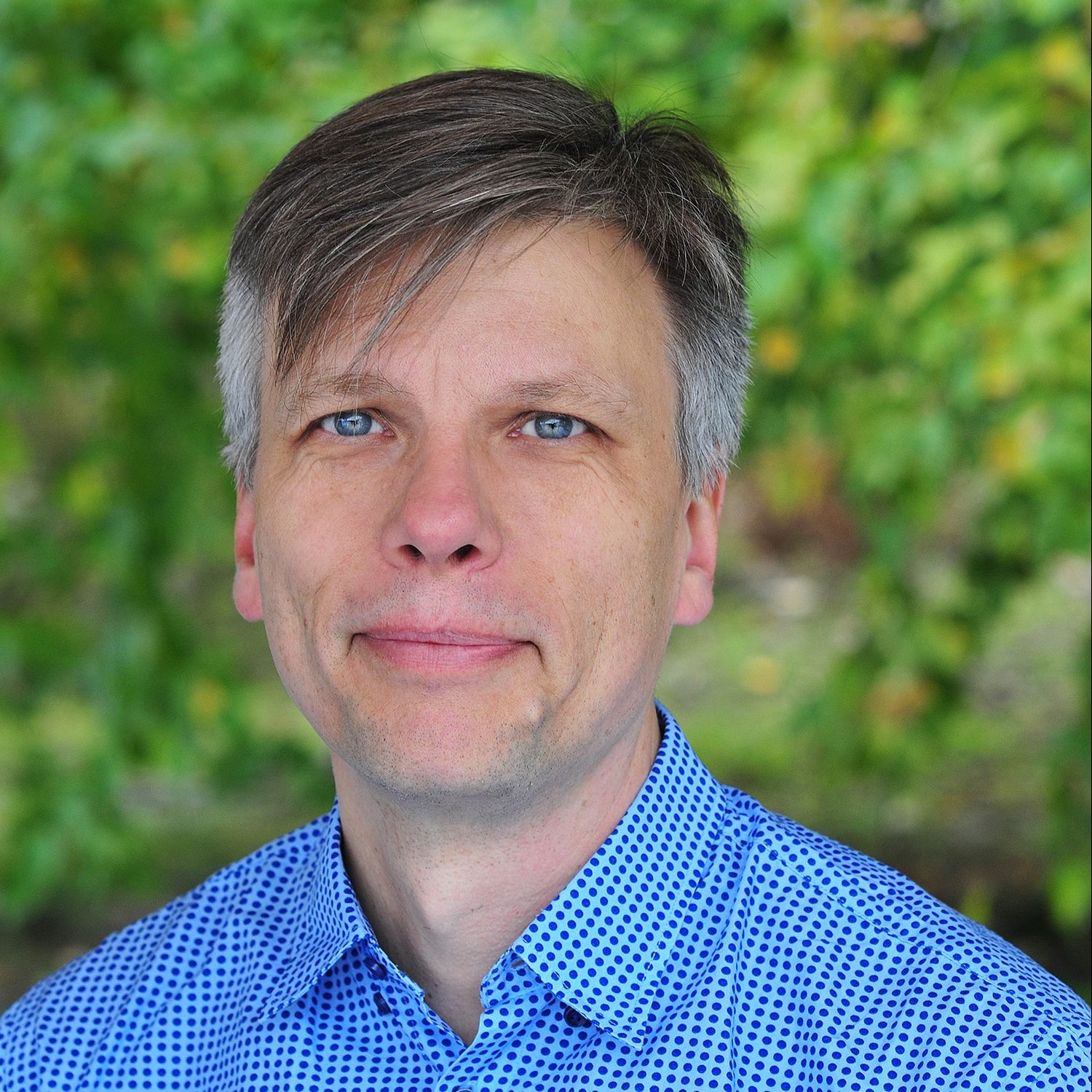
Chris Coulter - CEO of GlobeScan - Co-author of “All In: The Future of Business Leadership”
Chris Coulter is CEO of GlobeScan, an insights and advisory consultancy helping companies, NGOs, and governmental organizations know their world and create strategies that lead to a sustainable and equitable future. He is a co-author of All In: The Future of Business Leadership, and The Sustainable Business Handbook. He is Chair of Canadian Business for Social Responsibility, a member of B Lab’s Multinational Standards Advisory Council and serves on Walgreen’s Corporate Responsibility Advisory Board. Chris also co-hosts All In: The Sustainable Business Podcast."Now we're seeing people experiencing impacts, and there's been a growth, now 36% of the global population said they have been personally greatly impacted by climate change, up five points from a year ago. So it's growing, and the distribution of those impacts is unequal as well, and they tend to be mostly in developing countries where the impacts are felt the greatest. So we do have this interesting thing where in the Netherlands, the impacts are felt the lowest, yet concerns are highest and support for climate things are happening. And in other parts of the world, like Argentina or Mexico, we have very high levels of personal impact, and the concern levels sometimes are middling. So we're in a very strange time of unequal distribution, both of impact and also potential solutions at hand, but that will also, I think, lead to more interesting conversations going forward."https://globescan.comhttps://allinbook.net
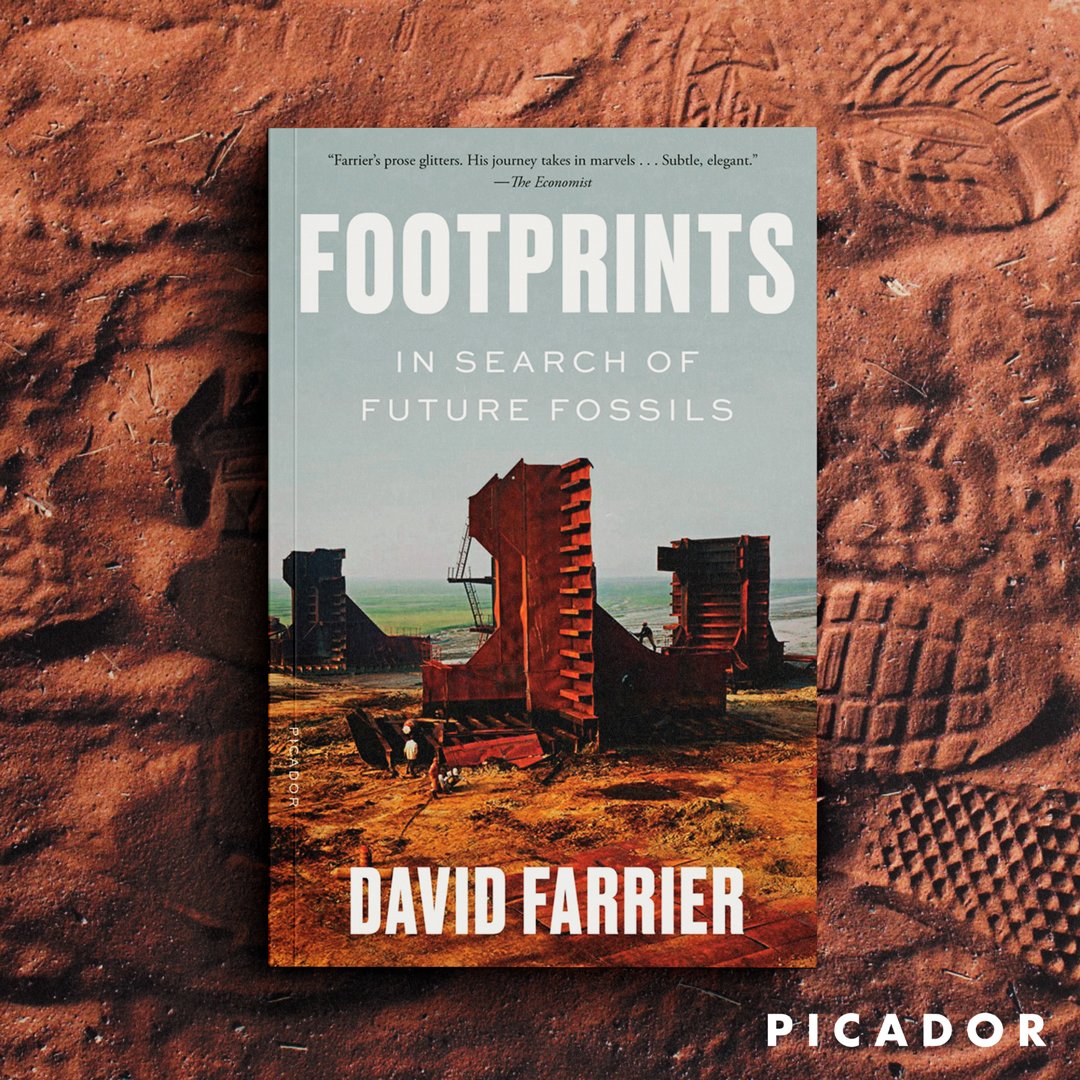
Highlights - David Farrier - Author of “Footprints: In Search of Future Fossils”
"I think we have to recognize that we're having other impacts on biodiversity, not just eliminating it but also altering it - what it looks like, what constitutes it. I think recognizing that is vital, really. We've created a human planet, a planet that is increasingly organized to serve one particular species. And the rest of life has to work around that, but I feel that there are lessons to be learned in observing how the rest of life is doing that kind of work of adapting and learning to live on a human planet. Learning, I'd say, better than we are currently, to live sustainably on a human planet. Where we're going at the moment, the future does not look very good, and we need to adjust our course."David Farrier's books include Footprints: In Search of Future Fossils (2020) and Anthropocene Poetics (2019). Footprints won the Royal Society of Literature’s Giles St. Aubyn award and has been translated into nine languages. He is Professor of Literature and the Environment at the University of Edinburgh. Footprints: In Search of Future Fossilswww.ed.ac.uk/profile/david-farrierAnthropocene Poeticswww.oneplanetpodcast.orgwww.creativeprocess.info
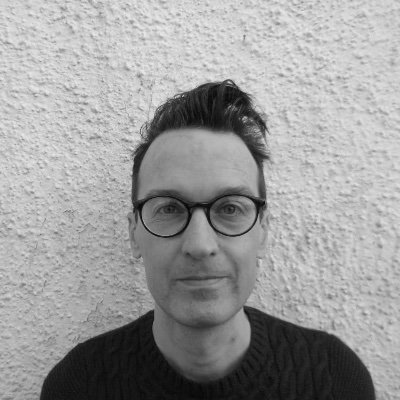
David Farrier - Author of “Footprints: In Search of Future Fossils” - Prof. U of Edinburgh
David Farrier's books include Footprints: In Search of Future Fossils (2020) and Anthropocene Poetics (2019). Footprints won the Royal Society of Literature’s Giles St. Aubyn award and has been translated into nine languages. He is Professor of Literature and the Environment at the University of Edinburgh. "I think we have to recognize that we're having other impacts on biodiversity, not just eliminating it but also altering it - what it looks like, what constitutes it. I think recognizing that is vital, really. We've created a human planet, a planet that is increasingly organized to serve one particular species. And the rest of life has to work around that, but I feel that there are lessons to be learned in observing how the rest of life is doing that kind of work of adapting and learning to live on a human planet. Learning, I'd say, better than we are currently, to live sustainably on a human planet. Where we're going at the moment, the future does not look very good, and we need to adjust our course."Footprints: In Search of Future Fossilswww.ed.ac.uk/profile/david-farrierAnthropocene Poeticswww.oneplanetpodcast.orgwww.creativeprocess.info
Highlights - Marcia DeSanctis - Author of “A Hard Place to Leave", “100 Places in France Every Woman Should Go”
"A lot of my story in the Seychelles was about the environmental impact that developed countries have on a place like that, which is in the middle of the ocean that could disappear through rising seas. And it is really important that they have a voice and their voice is being heard. I mean, little Seychelles, population 100,000, is depending on the industrialized countries to do their part. But, sort of like my generation to the younger generation, industrialized countries are becoming aware of what they have done to these exploited countries, coastal countries, or island nations. And so, because they are aware of what they have done and the risks that all of our fossil fuels and a million other things have done to some of these more poor nations, they are giving these smaller places a seat at the table and letting their voices be louder and more heard. At some point, even ceding the floor to them, which I think is a really positive thing.”Marcia DeSanctis is a journalist, essayist, and author of A Hard Place to Leave: Stories from a Restless Life, 100 Places in France Every Woman Should Go, a New York Times travel bestseller. A contributor writer at Travel + Leisure, she also writes for Air Mail, Vogue, BBC Travel and many other publications. She has won five Lowell Thomas Awards from the Society of American Travel Writers and is the recipient of the 2021 Gold Award for Travel Story of the Year. Before becoming a writer, she was a television news producer for ABC, NBC and CBS News, for most of those years producing for Barbara Walters. She lives in Connecticut.https://marciadesanctis.comA Hard Place to Leavewww.creativeprocess.infowww.oneplanetpodcast.org
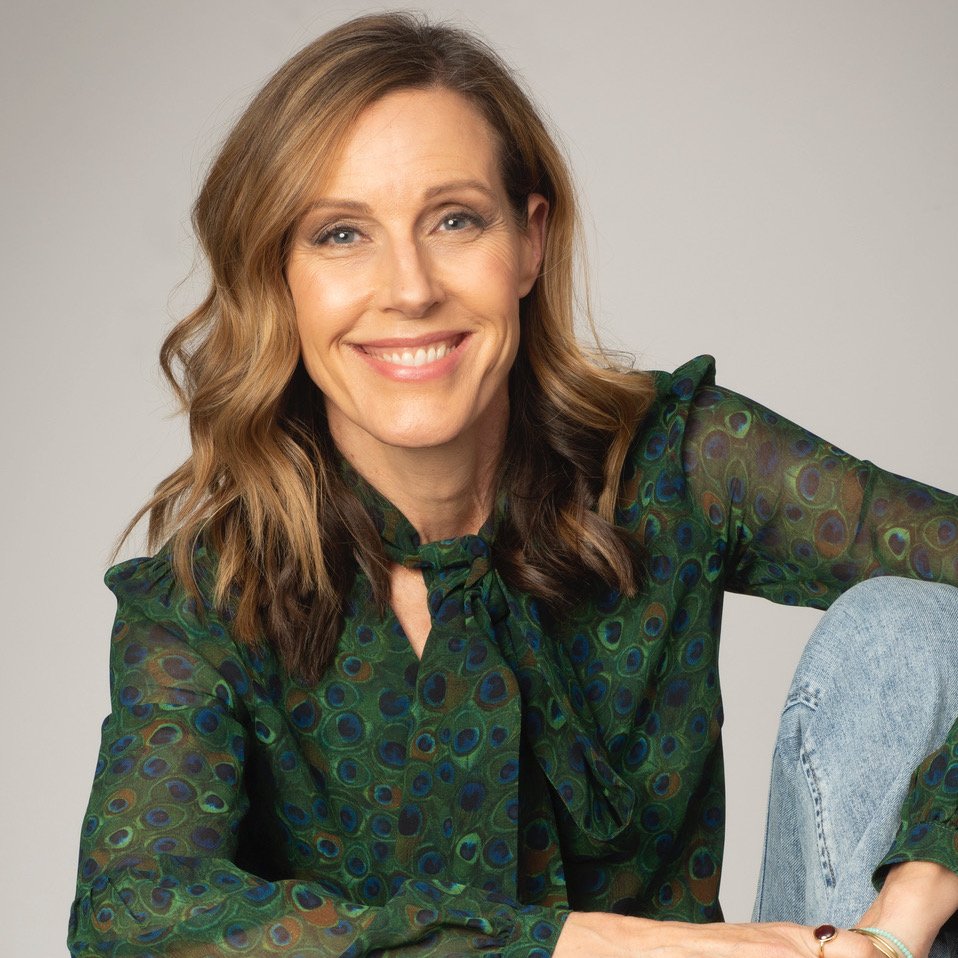
Marcia DeSanctis - Author of “A Hard Place to Leave: Stories from a Restless Life"
Marcia DeSanctis is a journalist, essayist, and author of A Hard Place to Leave: Stories from a Restless Life, 100 Places in France Every Woman Should Go, a New York Times travel bestseller. A contributor writer at Travel + Leisure, she also writes for Air Mail, Vogue, BBC Travel and many other publications. She has won five Lowell Thomas Awards from the Society of American Travel Writers and is the recipient of the 2021 Gold Award for Travel Story of the Year. Before becoming a writer, she was a television news producer for ABC, NBC and CBS News, for most of those years producing for Barbara Walters. She lives in Connecticut."A lot of my story in the Seychelles was about the environmental impact that developed countries have on a place like that, which is in the middle of the ocean that could disappear through rising seas. And it is really important that they have a voice and their voice is being heard. I mean, little Seychelles, population 100,000, is depending on the industrialized countries to do their part. But, sort of like my generation to the younger generation, industrialized countries are becoming aware of what they have done to these exploited countries, coastal countries, or island nations. And so, because they are aware of what they have done and the risks that all of our fossil fuels and a million other things have done to some of these more poor nations, they are giving these smaller places a seat at the table and letting their voices be louder and more heard. At some point, even ceding the floor to them, which I think is a really positive thing.”https://marciadesanctis.comA Hard Place to Leavewww.creativeprocess.infowww.oneplanetpodcast.orgPhoto credit: Elena Seibert
Highlights - John Beaton - Founder, Director & Co-Visionary of Fairhaven Farm
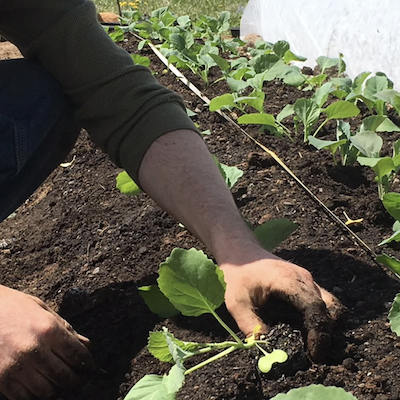
"We can harvest a huge amount of food from a very small space. And just to contrast or explain more about what we're doing, we grow our vegetables on just about a half-acre, essentially. So we can pack 50 boxes of vegetables every week for 16 weeks on a half-acre and generate 50 percent of our income for our household on a half an acre."John and Emily Beaton have created a multi-enterprise farming business in Northeastern Minnesota near Duluth and the shores of Lake Superior. They founded Fairhaven Farm with a spirit of community building, a focus on soil health, and a desire to see a thriving local food system. They sell starter plants each spring for home gardeners, grow food for over 50 families through their CSA program, and are launching a new Pizza Farm enterprise where the couple will serve wood-fired pizzas on the farm featuring all locally sourced ingredients—including fresh tomatoes and vegetables right from their field!www.fairhaven.farmwww.oneplanetpodcast.orgwww.creativeprocess.info
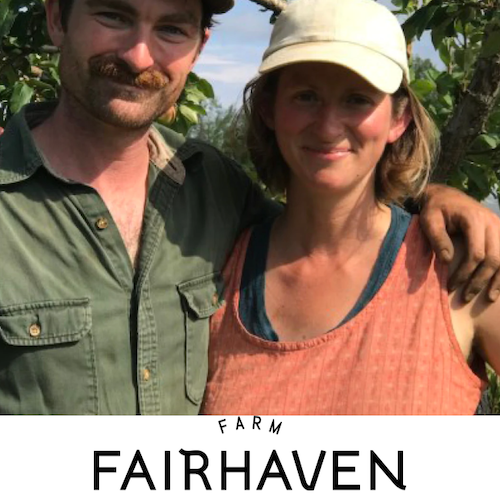
John Beaton - Founder, Director & Co-Visionary of Fairhaven Farm
John and Emily Beaton have created a multi-enterprise farming business in Northeastern Minnesota near Duluth and the shores of Lake Superior. They founded Fairhaven Farm with a spirit of community building, a focus on soil health, and a desire to see a thriving local food system. They sell starter plants each spring for home gardeners, grow food for over 50 families through their CSA program, and are launching a new Pizza Farm enterprise where the couple will serve wood-fired pizzas on the farm featuring all locally sourced ingredients—including fresh tomatoes and vegetables right from their field!"We can harvest a huge amount of food from a very small space. And just to contrast or explain more about what we're doing, we grow our vegetables on just about a half-acre, essentially. So we can pack 50 boxes of vegetables every week for 16 weeks on a half-acre and generate 50 percent of our income for our household on a half an acre."www.fairhaven.farmwww.oneplanetpodcast.orgwww.creativeprocess.info
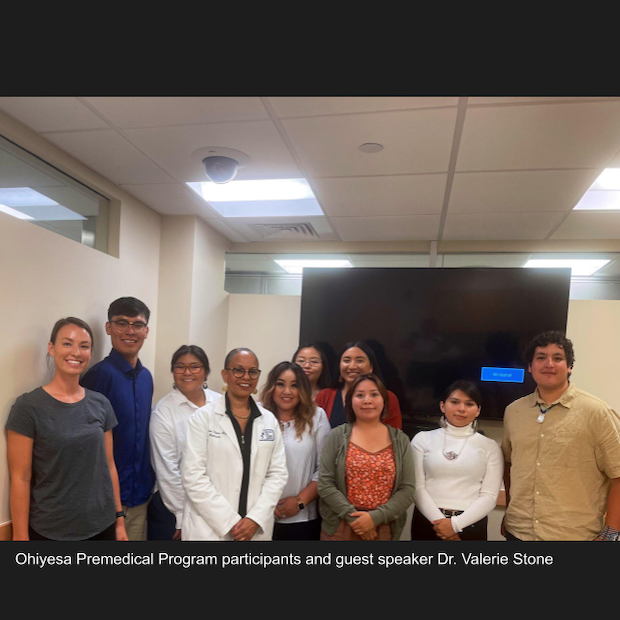
Highlights - Victor Lopez-Carmen - Co-Chair, UN Global Indigenous Youth Caucus - Dakota - Yaqui Writer, Health Advocate
“One of our chiefs was a Chief Crazy Horse. When they rode into battle to meet the US soldiers, his war cry was "Only the Earth lives forever!" And to me, that's really powerful because it shows what we were fighting for, and that they were willing to die for Mother Earth to protect it from this really nasty mining. They almost massacred the buffalo to extinction. They almost made the buffalo go extinct because that was our food source, and eventually our people were starving, and that's why they moved on to the reservation because they didn't have any more food because the government killed all the buffalo. They fought for the Earth. They fought for the land to protect it, and we still have to do that.”Victor A. Lopez-Carmen is a Dakota and Yaqui writer, health advocate, and student at Harvard Medical School. He is cofounder of the Ohiyesa Premedical Program at the Brigham and Women's Hospital (BWH), which supports Indigenous community and tribal college students to pursue healthcare education. He also founded Translations for our Nations, a grant funded initiation that translated accurate COVID-19 information into over 40 Indigenous languages from over 20 different countries. For his work, he has been featured on the Forbes 30 under 30 and Native American 40 under 40 lists. He is Co-Chair of the UN Global Indigenous Youth Caucus.Forbes 30 under 30 - Healthcare 2022Translations for our NationsOhiyesa Premedical Programwww.globalindigenousyouthcaucus.orgwww.oneplanetpodcast.orgwww.creativeprocess.info
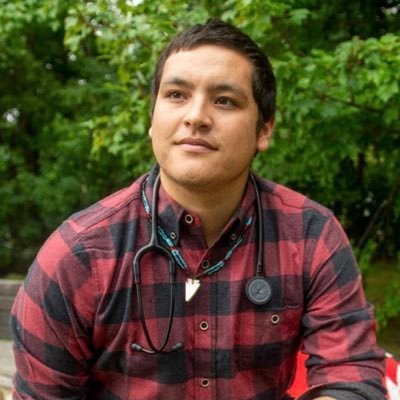
Victor Lopez-Carmen - Dakota - Yaqui Writer, Health Advocate - Co-Chair, UN Global Indigenous Youth Caucus
Victor A. Lopez-Carmen is a Dakota and Yaqui writer, health advocate, and student at Harvard Medical School. He is cofounder of the Ohiyesa Premedical Program at the Brigham and Women's Hospital (BWH), which supports Indigenous community and tribal college students to pursue healthcare education. He also founded Translations for our Nations, a grant funded initiation that translated accurate COVID-19 information into over 40 Indigenous languages from over 20 different countries. For his work, he has been featured on the Forbes 30 under 30 and Native American 40 under 40 lists. He is Co-Chair of the UN Global Indigenous Youth Caucus.“One of our chiefs was a Chief Crazy Horse. When they rode into battle to meet the US soldiers, his war cry was "Only the Earth lives forever!" And to me, that's really powerful because it shows what we were fighting for, and that they were willing to die for Mother Earth to protect it from this really nasty mining. They almost massacred the buffalo to extinction. They almost made the buffalo go extinct because that was our food source, and eventually our people were starving, and that's why they moved on to the reservation because they didn't have any more food because the government killed all the buffalo. They fought for the Earth. They fought for the land to protect it, and we still have to do that.”Forbes 30 under 30 - Healthcare 2022Translations for our NationsOhiyesa Premedical Programwww.globalindigenousyouthcaucus.orgwww.oneplanetpodcast.orgwww.creativeprocess.info
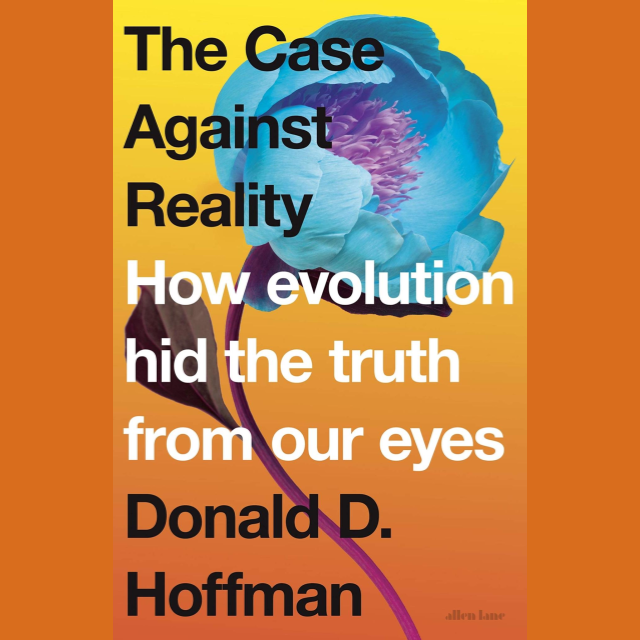
Highlights - Donald Hoffman - Author of “The case against reality: Why evolution hid the truth from our eyes”
"In some sense, kids don't have words early on. So they're just seeing without a filter of words. And I even have memories myself as a young child of just the wonder. I remember walking to kindergarten and seeing this bush with all sorts of flowers on it, and all these monarch butterflies on it. And I was completely transfixed. Here I was, five years old, I was looking at magic, and I knew I was looking at magic. And I stayed there so long that I was late to kindergarten. And I learned that I got in trouble for that. So taking time to enjoy the magic, I learned early on was something that would get me in trouble. Our growing up and becoming adults, we often learn to not give time to the magic because there is no time for it. You need to get onto the next thing."Donald D. Hoffman is a Professor of Cognitive Sciences at the University of California, Irvine. He is the author of The case against reality: Why evolution hid the truth from our eyes. His research on perception, evolution, and consciousness received the Troland Award of the US National Academy of Sciences, the Distinguished Scientific Award for Early Career Contribution of the American Psychological Association, the Rustum Roy Award of the Chopra Foundation, and is the subject of his TED Talk, titled “Do we see reality as it is?”http://www.cogsci.uci.edu/~ddhoff/The Case Against Realitywww.creativeprocess.infowww.oneplanetpodcast.org
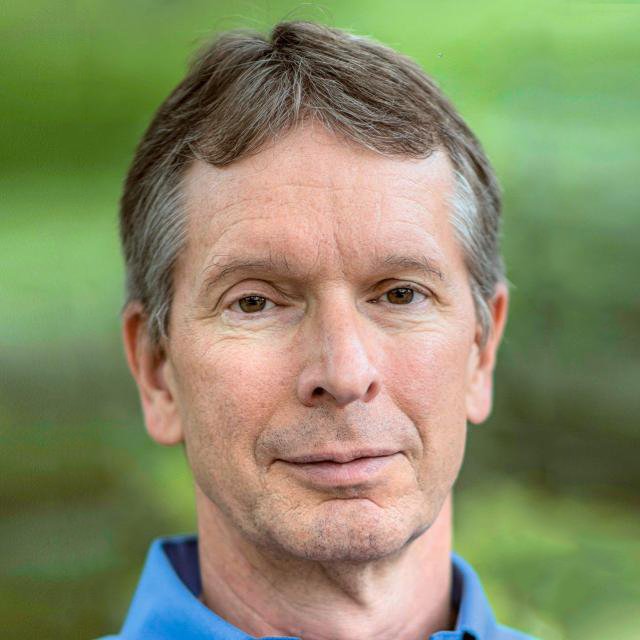
Donald Hoffman - Prof. of Cognitive Sciences, UC Irvine - Author of “The case against reality”
Donald D. Hoffman is a Professor of Cognitive Sciences at the University of California, Irvine. He is the author of The case against reality: Why evolution hid the truth from our eyes. His research on perception, evolution, and consciousness received the Troland Award of the US National Academy of Sciences, the Distinguished Scientific Award for Early Career Contribution of the American Psychological Association, the Rustum Roy Award of the Chopra Foundation, and is the subject of his TED Talk, titled “Do we see reality as it is?”"In some sense, kids don't have words early on. So they're just seeing without a filter of words. And I even have memories myself as a young child of just the wonder. I remember walking to kindergarten and seeing this bush with all sorts of flowers on it, and all these monarch butterflies on it. And I was completely transfixed. Here I was, five years old, I was looking at magic, and I knew I was looking at magic. And I stayed there so long that I was late to kindergarten. And I learned that I got in trouble for that. So taking time to enjoy the magic, I learned early on was something that would get me in trouble. Our growing up and becoming adults, we often learn to not give time to the magic because there is no time for it. You need to get onto the next thing."http://www.cogsci.uci.edu/~ddhoff/The Case Against Realitywww.creativeprocess.infowww.oneplanetpodcast.org
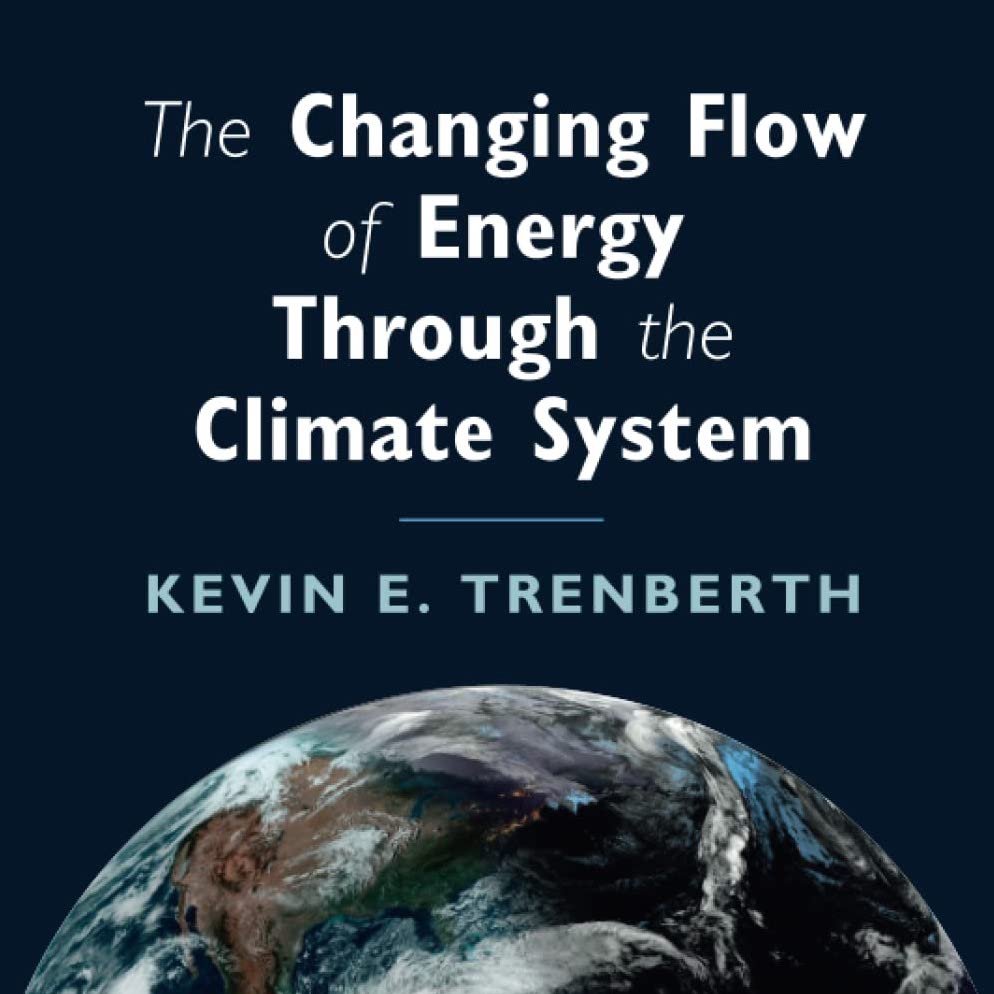
Highlights - Kevin Trenberth - Nobel Prize Winner - Author of “The Changing Flow of Energy Through the Climate System”
"I think certainly we're going to go through 1.5 degrees Celsius. I think the best estimate is probably somewhere around 2032 or thereabouts, the early 2030s. And at the current rate we're going, we'll go through 2 degrees Celsius in the mid to late 2050s. Now there's certainly time to slow that rate of increase down, and we could easily push the 2 degrees Celsius threshold out to 2070 or 2080. And with really strong efforts, we might be able to hold the overall global mean surface temperature increase to something maybe close to that. Although, whether it goes past it and then comes back a little bit to it, remains to be seen. So this relates to current policies and what nations are committed to doing.Certainly, if everyone's current policies and what they're committed to doing were in place, we would be in a much better situation than we actually are because a lot of those policies have been mentioned, but there are no implementation plans in many countries. There was a recent report I saw, which said that maybe two countries in the world, out of 190 something countries, are maybe on track to meeting their obligations on the COP26 meeting in Glasgow last year.”Kevin Trenberth is a Distinguished Scholar at the National Center of Atmospheric Research (NCAR) in Boulder and an Honorary Academic in the Department of Physics, Auckland University in Auckland, New Zealand. From New Zealand, he obtained his Sc. D. in meteorology in 1972 from Massachusetts Institute of Technology. He was a lead author of the 1995, 2001 and 2007 Scientific Assessment of Climate Change reports from the Intergovernmental Panel on Climate Change (IPCC), and shared the 2007 Nobel Peace Prize which went to the IPCC. He served from 1999 to 2006 on the Joint Scientific Committee of the World Climate Research Programme (WCRP), and chaired a number of committees for more than 20 years. He is the author of "The Changing Flow of Energy Through the Climate System".The Changing Flow of Energy Through the Climate Systemwww.ipcc.chhttps://www.cgd.ucar.edu/staff/trenbertwww.oneplanetpodcast.orgwww.creativeprocess.info
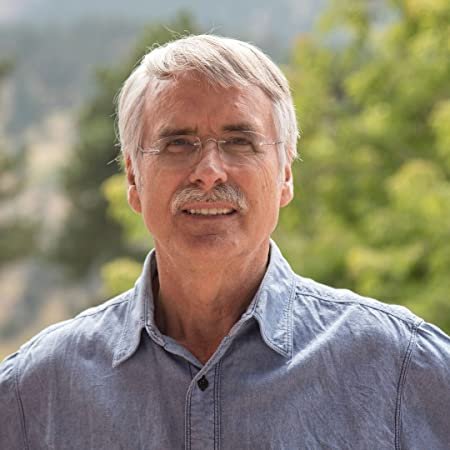
Kevin Trenberth - Nobel Prize-winning Climate Scientist - Author of “The Changing Flow of Energy Through the Climate System”
Kevin Trenberth is a Distinguished Scholar at the National Center of Atmospheric Research (NCAR) in Boulder and an Honorary Academic in the Department of Physics, Auckland University in Auckland, New Zealand. From New Zealand, he obtained his Sc. D. in meteorology in 1972 from Massachusetts Institute of Technology. He was a lead author of the 1995, 2001 and 2007 Scientific Assessment of Climate Change reports from the Intergovernmental Panel on Climate Change (IPCC), and shared the 2007 Nobel Peace Prize which went to the IPCC. He served from 1999 to 2006 on the Joint Scientific Committee of the World Climate Research Programme (WCRP), and chaired a number of committees for more than 20 years. He is the author of "The Changing Flow of Energy Through the Climate System"."I think certainly we're going to go through 1.5 degrees Celsius. I think the best estimate is probably somewhere around 2032 or thereabouts, the early 2030s. And at the current rate we're going, we'll go through 2 degrees Celsius in the mid to late 2050s. Now there's certainly time to slow that rate of increase down, and we could easily push the 2 degrees Celsius threshold out to 2070 or 2080. And with really strong efforts, we might be able to hold the overall global mean surface temperature increase to something maybe close to that. Although, whether it goes past it and then comes back a little bit to it, remains to be seen. So this relates to current policies and what nations are committed to doing. Certainly, if everyone's current policies and what they're committed to doing were in place, we would be in a much better situation than we actually are because a lot of those policies have been mentioned, but there are no implementation plans in many countries. There was a recent report I saw, which said that maybe two countries in the world, out of 190 something countries, are maybe on track to meeting their obligations on the COP26 meeting in Glasgow last year.”The Changing Flow of Energy Through the Climate Systemwww.ipcc.chhttps://www.cgd.ucar.edu/staff/trenbertwww.oneplanetpodcast.orgwww.creativeprocess.info
Highlights - Bertrand Piccard - Explorer, Founder, Solar Impulse Foundation: 1000+ Profitable Climate Solutions
“All the holders of solutions, all the innovators could be a startup or a big company, can submit their solution to us, and the solution will be analyzed by our group of experts. We have external and independent experts, about 370 of them, and they will observe three criteria: Is it a solution that exists today and is credible today? Because we don't want to have vague ideas for the future. We want to have solutions for today. Then it needs to be economically profitable for the company who produces it and for the consumer. The people buying the solution must save money, otherwise it's not profitable. And it needs to protect the environment, either because it's much better than anything else existing today, or because it's clearly a new business opportunity to protect the environment.If you have these criteria that are all three positive, then the experts will give a recommendation that we give the label, and then they will receive the label. The Solar Impulse Efficient Solution Label is currently the first and only label in the world that certifies the profitability of an environmentally friendly product.”Psychiatrist, aviator and explorer, Bertrand Piccard made history in 1999 by accomplishing the first ever non-stop round-the-world balloon flight, and a number of years later the first round-the-world solar-powered flight. Piccard has dedicated his life to demonstrating sustainable development opportunities. He is Founder and Chairman of the Solar Impulse Foundation, which has assembled a verified portfolio of over 1400 actionable and profitable climate solutions. As a pioneer of new ways of thinking that reconcile ecology and economy, he uses his exploration feats to motivate governments and industries to take action. He is a United Nations Goodwill Ambassador for the Environment and Special Advisor to the European Commission. He’s author of Réaliste, Changer d’Altitude, and other books.Solar Impulse Foundationbertrandpiccard.comSolar Impulse Solutions Explorer (1400+)RéalisteChanger d’altitudewww.oneplanetpodcast.orgwww.creativeprocess.info
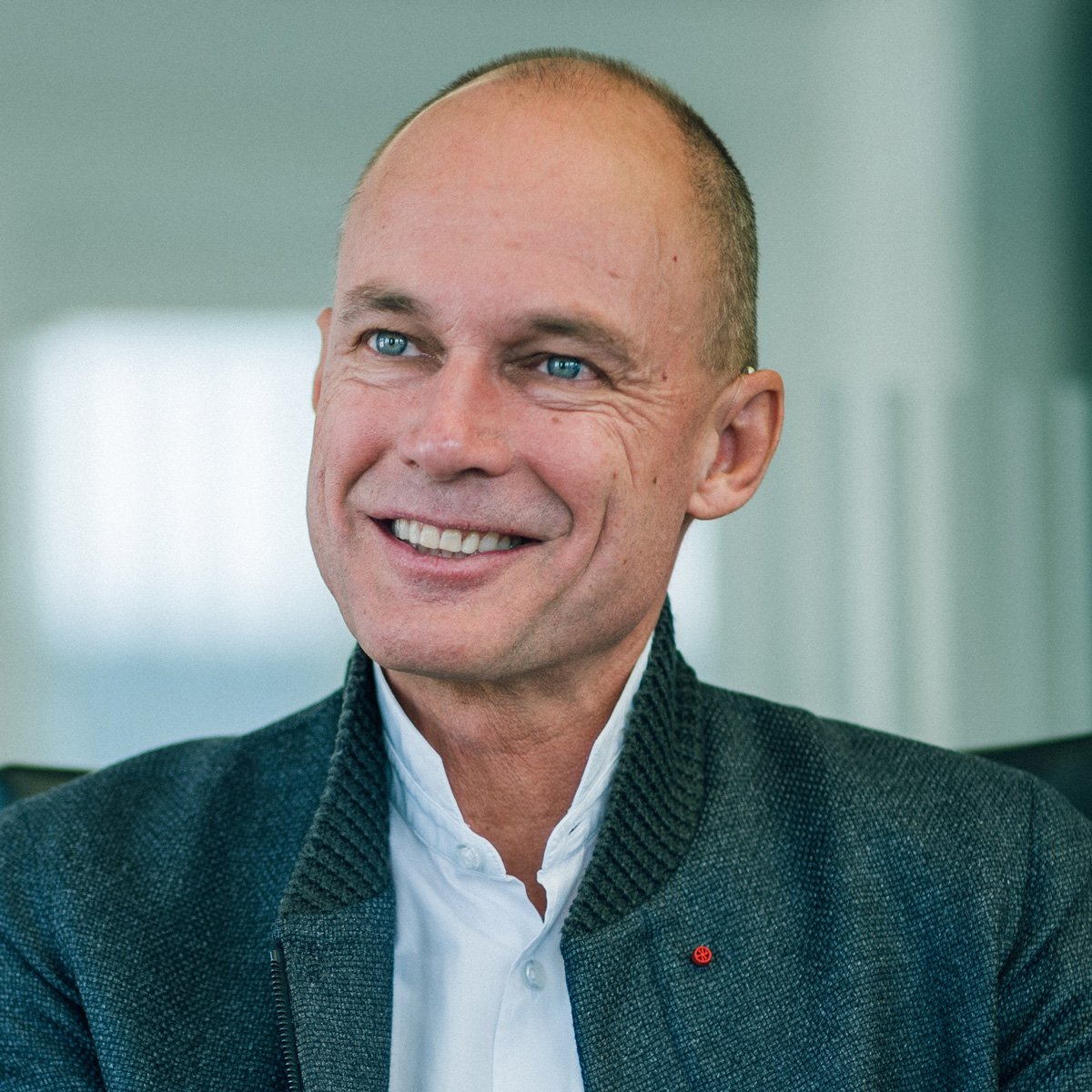
Bertrand Piccard - Explorer, Founder, Solar Impulse Foundation: 1000+ Profitable Climate Solutions
Psychiatrist, aviator and explorer, Bertrand Piccard made history in 1999 by accomplishing the first ever non-stop round-the-world balloon flight, and a number of years later the first round-the-world solar-powered flight. Piccard has dedicated his life to demonstrating sustainable development opportunities. He is Founder and Chairman of the Solar Impulse Foundation, which has assembled a verified portfolio of over 1400 actionable and profitable climate solutions. As a pioneer of new ways of thinking that reconcile ecology and economy, he uses his exploration feats to motivate governments and industries to take action. He is a United Nations Goodwill Ambassador for the Environment, Special Advisor to the European Commission, and is author of Réaliste, Changer d’Altitude, and other books.“All the holders of solutions, all the innovators could be a startup or a big company, can submit their solution to us, and the solution will be analyzed by our group of experts. We have external and independent experts, about 370 of them, and they will observe three criteria: Is it a solution that exists today and is credible today? Because we don't want to have vague ideas for the future. We want to have solutions for today. Then it needs to be economically profitable for the company who produces it and for the consumer. The people buying the solution must save money, otherwise it's not profitable. And it needs to protect the environment, either because it's much better than anything else existing today, or because it's clearly a new business opportunity to protect the environment.If you have these criteria that are all three positive, then the experts will give a recommendation that we give the label, and then they will receive the label. The Solar Impulse Efficient Solution Label is currently the first and only label in the world that certifies the profitability of an environmentally friendly product.”Solar Impulse Foundationbertrandpiccard.comSolar Impulse Solutions Explorer (1400+)RéalisteChanger d’altitudewww.oneplanetpodcast.orgwww.creativeprocess.infoPhoto credit: Philipp Böhlen
Highlights - Dr. Charles D. Koven - Lead Author - IPCC Report - Earth System Scientist
"The biggest challenge we have for the first half of this century is how do we reduce our CO2 emissions and get them as close to zero as possible. And the challenge for the second half of the century is how do we remove CO2 from the atmosphere at scale and start to restore the climate system to some semblance of what it had been like before."Dr. Charles D. Koven is an Earth System Scientist, working in the Climate Sciences Department at the Lawrence Berkeley National Laboratory. He investigates feedbacks between climate and the carbon cycle. Dr. Koven’s primary research focus is on high-latitude feedbacks to climate change, and in particular the role of soil carbon in permafrost soils, and its response to changing climate. Dr. Koven is a lead author on the IPCC report as part of Working Group I, The Physical Science Basis of Climate Change.Charles D. Kovenwww.ipcc.chwww.oneplanetpodcast.orgwww.creativeprocess.info
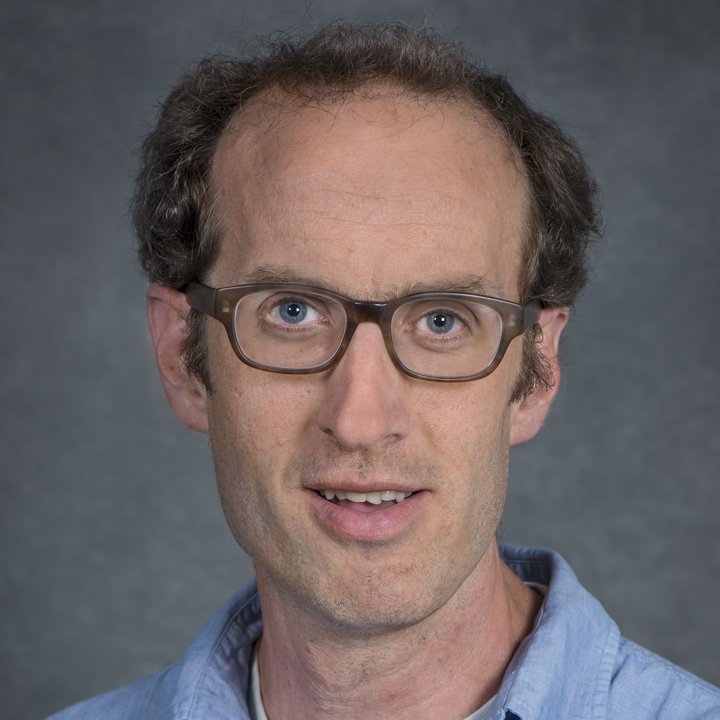
Dr. Charles D. Koven - Earth System Scientist - Lead Author on the IPCC Report
Dr. Charles D. Koven is an Earth System Scientist, working in the Climate Sciences Department at the Lawrence Berkeley National Laboratory. He investigates feedbacks between climate and the carbon cycle. Dr. Koven’s primary research focus is on high-latitude feedbacks to climate change, and in particular the role of soil carbon in permafrost soils, and its response to changing climate. Dr. Koven is a lead author on the IPCC report as part of Working Group I, The Physical Science Basis of Climate Change."The biggest challenge we have for the first half of this century is how do we reduce our CO2 emissions and get them as close to zero as possible. And the challenge for the second half of the century is how do we remove CO2 from the atmosphere at scale and start to restore the climate system to some semblance of what it had been like before."Charles D. Kovenwww.ipcc.chwww.oneplanetpodcast.orgwww.creativeprocess.info
Highlights - Oded Galor - Author of “The Journey of Humanity”
"If we reduce population growth by 1% in the world economy, we can have growth in income per capita at a level of about 7% and still hold carbon emissions unchanged. Namely, by reducing population growth, we can permit growth in income per capita without polluting planet earth more than otherwise. So this is very important because it suggests to us that policies that target gender equality, the diffusion of contraceptive methods, and the rewards of education are policies that could mitigate population growth and ultimately permit the growth of income per capita without the liability of greater carbon emissions."Oded Galor is Herbert H. Goldberger Professor of Economics at Brown University and the founding thinker behind Unified Growth Theory, which seeks to uncover the fundamental causes of development, prosperity and inequality over the entire span of human history. He has shared the insights of his lifetime’s work in this field at some of the most prestigious lectures around the globe and has now distilled those discoveries into The Journey of Humanity, which is published in 30 languages worldwide.www.odedgalor.comwww.brown.edu/academics/population-studies/people/person/oded-galorThe Journey of Humanity www.oneplanetpodcast.orgwww.creativeprocess.info
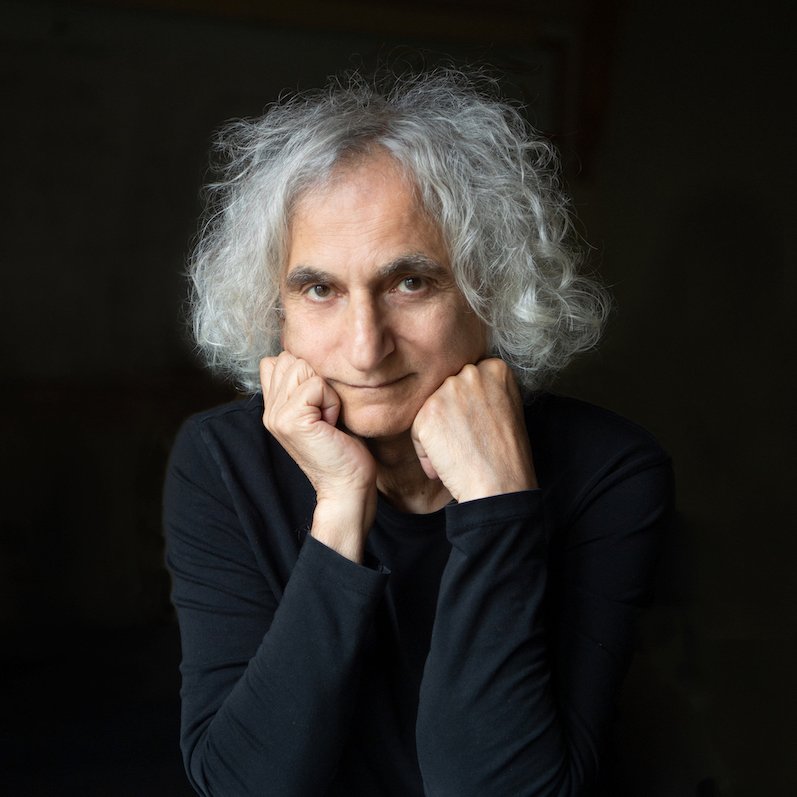
Oded Galor - Author of “The Journey of Humanity” - Founder of Unified Growth Theory
Oded Galor is Herbert H. Goldberger Professor of Economics at Brown University and the founding thinker behind Unified Growth Theory, which seeks to uncover the fundamental causes of development, prosperity and inequality over the entire span of human history. He has shared the insights of his lifetime’s work in this field at some of the most prestigious lectures around the globe and has now distilled those discoveries into The Journey of Humanity, which is published in 30 languages worldwide."If we reduce population growth by 1% in the world economy, we can have growth in income per capita at a level of about 7% and still hold carbon emissions unchanged. Namely, by reducing population growth, we can permit growth in income per capita without polluting planet earth more than otherwise. So this is very important because it suggests to us that policies that target gender equality, the diffusion of contraceptive methods, and the rewards of education are policies that could mitigate population growth and ultimately permit the growth of income per capita without the liability of greater carbon emissions."www.odedgalor.comwww.brown.edu/academics/population-studies/people/person/oded-galorThe Journey of Humanity www.oneplanetpodcast.orgwww.creativeprocess.info
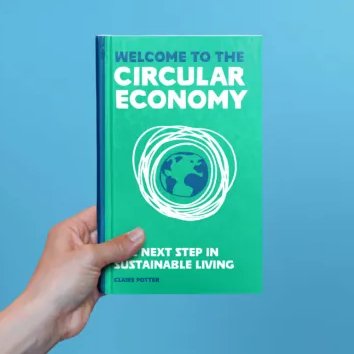
Highlights - Claire Potter - Designer, Author of “Welcome to the Circular Economy”
"That's something that I would want all of the next generations to have in some way or another, to have the ability to access and be amazed by how staggeringly beautiful, complicated - awful in some ways and just brutal - the natural world is, but then really sit and think about how the natural world just gets on and does it.And every species is benefited from everybody else. And you could remove humans from that equation, and nature would just carry on doing its thing. So that's what I would love for people to see and to realize is that nature is so incredibly beautiful and diverse. And so are we. So how can we take the beauty and diversity of the natural world and actually learn a lot more and stop thinking we're separate from nature because we are pretty much, we are all part of that same biosphere on the planet."Claire Potter is a circular economy designer, researcher, lecturer and author based in Brighton, UK. Claire is the Course Convenor of the BSc/BA Product Design course at the University of Sussex, runs her own award-winning circular economy design studio, is a volunteer Regional Rep for Surfers Against Sewage and a working group co-ordinator at the Global Ghost Gear Initiative. In 2021, she published her first book “Welcome to the Circular Economy - the next step in sustainable living”.www.clairepotterdesign.comwww.onecircular.worldwww.sussex.ac.ukwww.sas.org.uk www.ghostgear.org Welcome to the Circular Economy book www.oneplanetpodcast.orgwww.creativeprocess.info
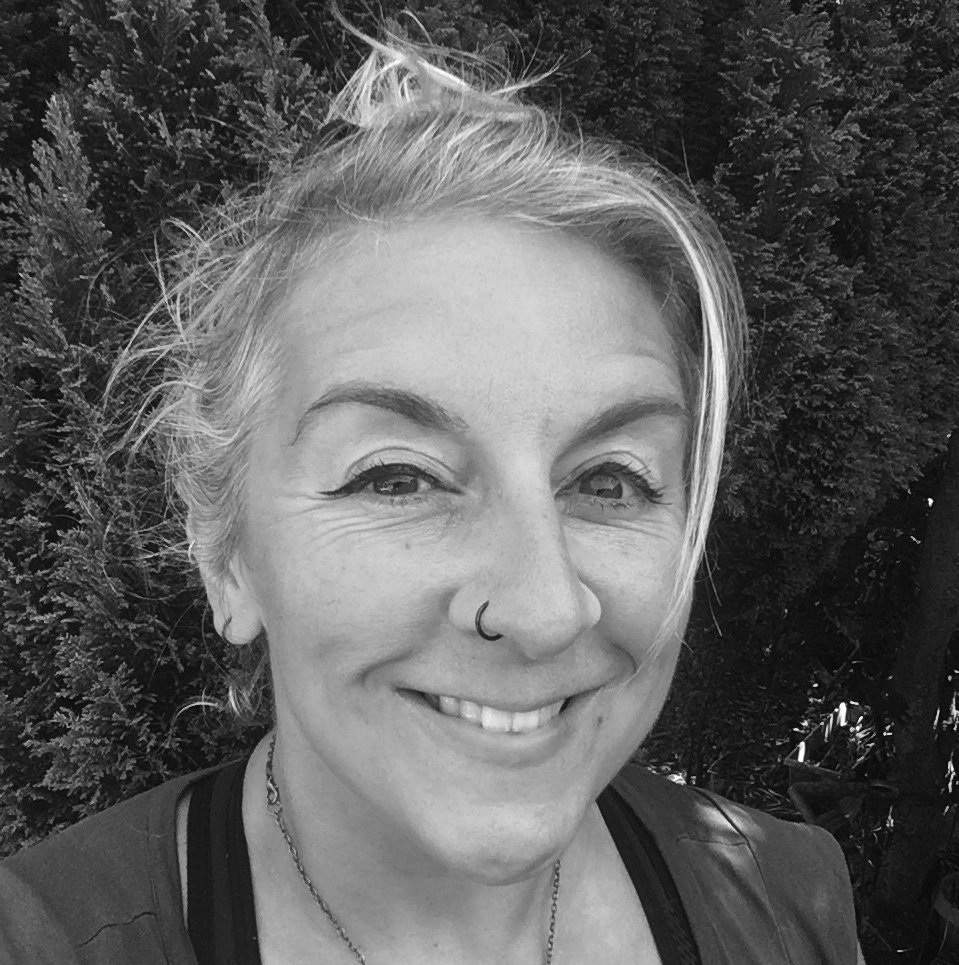
Claire Potter - Designer, Lecturer, Author of “Welcome to the Circular Economy”
Claire Potter is a circular economy designer, researcher, lecturer and author based in Brighton, UK. Claire is the Course Convenor of the BSc/BA Product Design course at the University of Sussex, runs her own award-winning circular economy design studio, is a volunteer Regional Rep for Surfers Against Sewage and a working group co-ordinator at the Global Ghost Gear Initiative. In 2021, she published her first book “Welcome to the Circular Economy - the next step in sustainable living”."That's something that I would want all of the next generations to have in some way or another, to have the ability to access and be amazed by how staggeringly beautiful, complicated - awful in some ways and just brutal - the natural world is, but then really sit and think about how the natural world just gets on and does it.And every species is benefited from everybody else. And you could remove humans from that equation, and nature would just carry on doing its thing. So that's what I would love for people to see and to realize is that nature is so incredibly beautiful and diverse. And so are we. So how can we take the beauty and diversity of the natural world and actually learn a lot more and stop thinking we're separate from nature because we are pretty much, we are all part of that same biosphere on the planet."www.clairepotterdesign.comwww.onecircular.worldwww.sussex.ac.ukwww.sas.org.uk www.ghostgear.org Welcome to the Circular Economy book www.oneplanetpodcast.orgwww.creativeprocess.info

Highlights - Neil Grimmer - Brand Pres. - SOURCE Global - Drinking Water Made from Sunlight and Air
"Certainly on the perimeter of urban centers, water farms are able to provide water and then brought into that city center or other ways. Roofs of buildings is an area where we can deploy hydropanels, where you can plumb directly into a building, so you can imagine in a more urban context, that's a way to bring water directly into that building itself... Water insecurity and water scarcity is affecting all people in almost every part of the world. By 2025, we expect 1.8 billion people to suffer from water scarcity. You fast forward to 2050, we expect 6 billion people will have water scarcity.”Neil Grimmer is Brand President of SOURCE Global, innovator of the SOURCE Hydropanel, a renewable technology that uses the sun to transform water vapor in the air to clean, safe and perfectly mineralized drinking water. The Public Benefit Company’s mission is to bring perfect drinking water to every person, every place, and Neil leads its marketing, consumer packaged goods and last-mile water solutions for community, consumer and commercial customers in more than 50 countries.www.source.coHow it Workswww.source.co/team/neil-grimmerwww.oneplanetpodcast.orgwww.creativeprocess.info
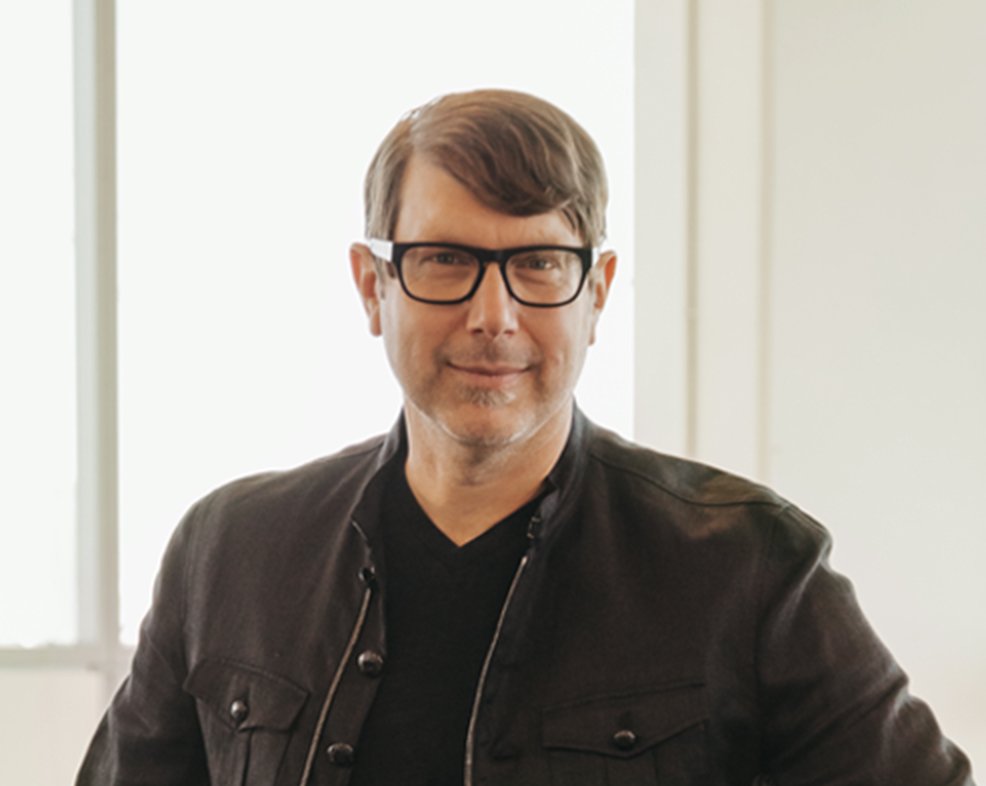
Neil Grimmer - Brand President - SOURCE Global - Innovator of the SOURCE Hydropanel
Neil Grimmer is Brand President of SOURCE Global, innovator of the SOURCE Hydropanel, a renewable technology that uses the sun to transform water vapor in the air to clean, safe and perfectly mineralized drinking water. The Public Benefit Company’s mission is to bring perfect drinking water to every person, every place, and Neil leads its marketing, consumer packaged goods and last-mile water solutions for community, consumer and commercial customers in more than 50 countries."Certainly on the perimeter of urban centers, water farms are able to provide water and then brought into that city center or other ways. Roofs of buildings is an area where we can deploy hydropanels, where you can plumb directly into a building, so you can imagine in a more urban context, that's a way to bring water directly into that building itself... Water insecurity and water scarcity is affecting all people in almost every part of the world. By 2025, we expect 1.8 billion people to suffer from water scarcity. You fast forward to 2050, we expect 6 billion people will have water scarcity.”www.source.coHow it Workswww.source.co/team/neil-grimmerwww.oneplanetpodcast.orgwww.creativeprocess.info
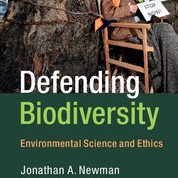
Highlights - Jonathan Newman - VP, Research, Wilfrid Laurier University
“Climate change is certainly going to affect biodiversity. Some species will benefit from climate change, but others will not, and we'll have different ecosystems, different biotic communities as a result of this. I think the impacts that are likely are pretty clear, and I think that's a pretty good reason to do all those things we can do without completely destroying our economies and our communities because those things have moral value as well. It's not just the environment that we think is important. We also think humans are important. So doing the things we can do now, do the less painful things first. We should have done them already. We should be now thinking about how to do the harder things.”Jonathan Newman is an ecologist who studies plant–animal interactions in the context of species invasions and climatic change. He is the lead author of two books: Climate Change Biology, and Defending Biodiversity: Environmental Science and Ethics, and co-editor of Grasslands and Climate Change. He is the author of more than 100 other scientific publications.WLU Webpagehttps://wlu.caClimate Change BiologyDefending Biodiversity: Environmental Science and Ethics,Grasslands and Climate Changewww.oneplanetpodcast.orgwww.creativeprocess.info
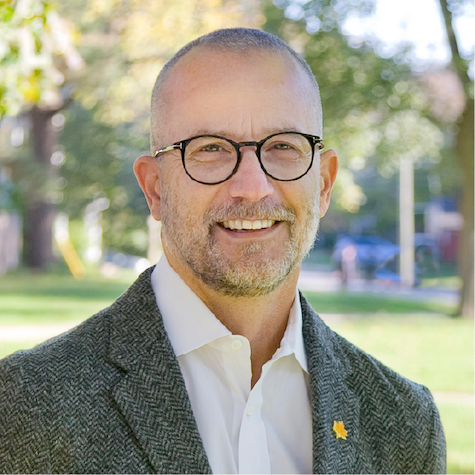
Jonathan Newman - Lead Author, “Defending Biodiversity: Environmental Science and Ethics”
Jonathan Newman is an ecologist who studies plant–animal interactions in the context of species invasions and climatic change. He is the lead author of two books: Climate Change Biology, and Defending Biodiversity: Environmental Science and Ethics, and co-editor of Grasslands and Climate Change. He is the author of more than 100 other scientific publications.“Climate change is certainly going to affect biodiversity. Some species will benefit from climate change, but others will not, and we'll have different ecosystems, different biotic communities as a result of this. I think the impacts that are likely are pretty clear, and I think that's a pretty good reason to do all those things we can do without completely destroying our economies and our communities because those things have moral value as well. It's not just the environment that we think is important. We also think humans are important. So doing the things we can do now, do the less painful things first. We should have done them already. We should be now thinking about how to do the harder things.”WLU Webpagehttps://wlu.caClimate Change BiologyDefending Biodiversity: Environmental Science and Ethics,Grasslands and Climate Changewww.oneplanetpodcast.orgwww.creativeprocess.info
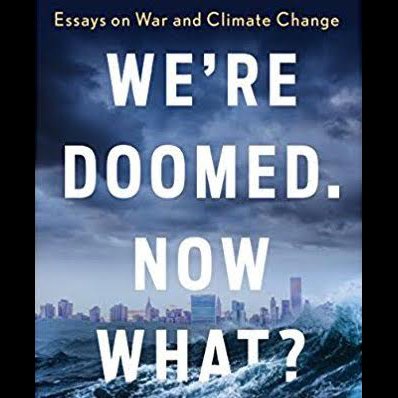
Highlights - Roy Scranton - Author of “Learning to Die in the Anthropocene”
“In terms of human wealth and general quality of life as measured in numerical terms, the costs for that are also manifest and have largely been externalized, if not necessarily into the environment, where they often are, they're also externalized into the future, which is to say, yes, there is this huge surge in human population and relative wealth and so on and so on, but there is absolutely no reason to believe that it's sustainable into the future, especially not infinitely. Infinite growth is impossible. It's just not physically possible.”Roy Scranton, is the award-winning author of five books, including Learning to Die in the Anthropocene: Reflections on the End of a Civilization, Total Mobilization: World War II and American Literature, and We’re Doomed. Now What? He has written for the NYTimes, Rolling Stone, The Nation, and other publications. He was selected for the 2015 Best American Science and Nature Writing, has been awarded a Whiting Fellowship, a Lannan Literary Fellowship, and other honors. He’s an Associate Professor of English at the University of Notre Dame, and is director of the Notre Dame Environmental Humanities Initiative.http://royscranton.netNotre Dame Environmental Humanities Initiative sites.nd.edu/ehum www.oneplanetpodcast.org www.creativeprocess.info
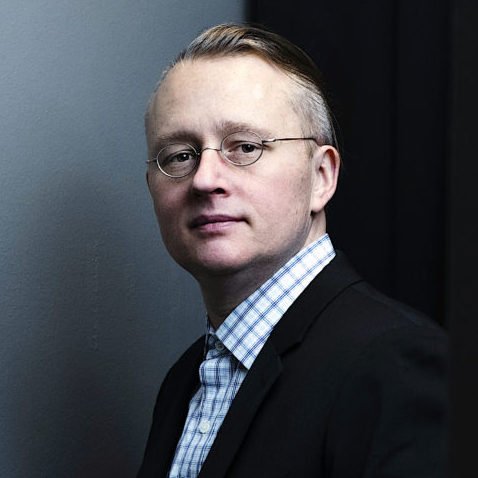
Roy Scranton - Author of “Learning to Die in the Anthropocene” - “We’re Doomed, Now What?”
Roy Scranton, is the award-winning author of five books, including Learning to Die in the Anthropocene: Reflections on the End of a Civilization, Total Mobilization: World War II and American Literature, and We’re Doomed. Now What? He has written for the NYTimes, Rolling Stone, The Nation, and other publications. He was selected for the 2015 Best American Science and Nature Writing, has been awarded a Whiting Fellowship, a Lannan Literary Fellowship, and other honors. He’s an Associate Professor of English at the University of Notre Dame, and is director of the Notre Dame Environmental Humanities Initiative. “In terms of human wealth and general quality of life as measured in numerical terms, the costs for that are also manifest and have largely been externalized, if not necessarily into the environment, where they often are, they're also externalized into the future, which is to say, yes, there is this huge surge in human population and relative wealth and so on and so on, but there is absolutely no reason to believe that it's sustainable into the future, especially not infinitely. Infinite growth is impossible. It's just not physically possible.”http://royscranton.netNotre Dame Environmental Humanities Initiative sites.nd.edu/ehum www.oneplanetpodcast.org www.creativeprocess.infoPhoto by Ola Kjelbye

Highlights - David A. Banks - Dir. of Globalization Studies - SUNY Albany
"All of the technologies necessary to solve a great deal of problems have already been done. The issue is having the political will to make them actually happen. Capital won't do that because it's more advantageous financially to have the problem continually move and then just kind of fix it here and then move it over there and then fix it over there and then move it back over here.”David A. Banks is the Director of Globalization Studies at the University at Albany, SUNY and the author of the forthcoming book The City Authentic: How the Attention Economy Builds Urban America published by University of California Press. He is also a delegate to the Troy Area Labor Council and the co-host of the podcast Ironweeds.www.davidabanks.orgwww.e-flux.com/architecture/software/337954/where-do-you-live/ https://reallifemag.com/true-ish-grit/ www.reallifemag.com/new-haunts/ The attention economy of authentic cities https://doi.org/10.1080/09654313.2021.1882947https://ironweeds.podbean.com
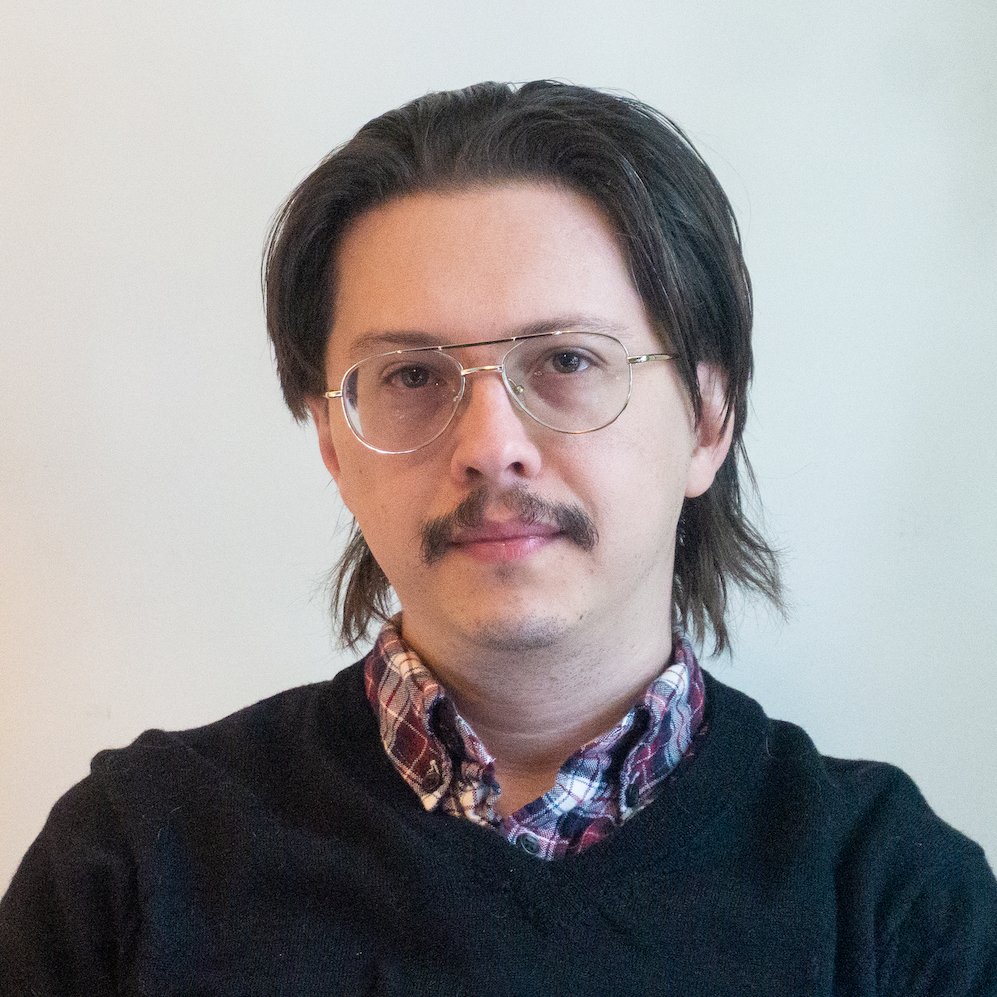
David A. Banks - Dir. of Globalization Studies - SUNY Albany - Author of “The City Authentic”
David A. Banks is the Director of Globalization Studies at the University at Albany, SUNY and the author of the forthcoming book The City Authentic: How the Attention Economy Builds Urban America published by University of California Press. He is also a delegate to the Troy Area Labor Council and the co-host of the podcast Ironweeds."All of the technologies necessary to solve a great deal of problems have already been done. The issue is having the political will to make them actually happen. Capital won't do that because it's more advantageous financially to have the problem continually move and then just kind of fix it here and then move it over there and then fix it over there and then move it back over here.”www.davidabanks.orgwww.e-flux.com/architecture/software/337954/where-do-you-live/ https://reallifemag.com/true-ish-grit/ www.reallifemag.com/new-haunts/ The attention economy of authentic cities https://doi.org/10.1080/09654313.2021.1882947https://ironweeds.podbean.com
Highlights - KC Legacion on Degrowth, Technology and Social Media
“Degrowth as an idea has intellectual roots in the environmental critiques of the sixties and seventies found in landmark works like Rachel Carson's Silent Spring, the Club of Rome's Limits to Growth report, Nicholas Georgescu-Roegen's The Entropy Law and the Economic Process, which was a seminal piece of economic theory that applied the laws of thermodynamics to the economy and was very influential for ecological economics, which is intertwined with degrowth.Degrowth was first formulated in 1972 by French philosopher André Gorz in a public debate where he used the term décroissance to question whether planetary stability was compatible with capitalism.”KC Legacion is a Master of Environmental Studies candidate at the University of Pennsylvania. His research presents a reimagined understanding of social media through the lens of degrowth—this project will culminate in a short film set to premiere in September of this year. Outside of their research, KC is a team member of the web collective degrowth.info and a member of a nascent housing cooperative in West Philadelphia.www.degrowth.infowww.kclegacion.comwww.decidim.orgwww.joinmastodon.orgwww.iNaturalist.orgwww.oneplanetpodcast.orgwww.creativeprocess.info
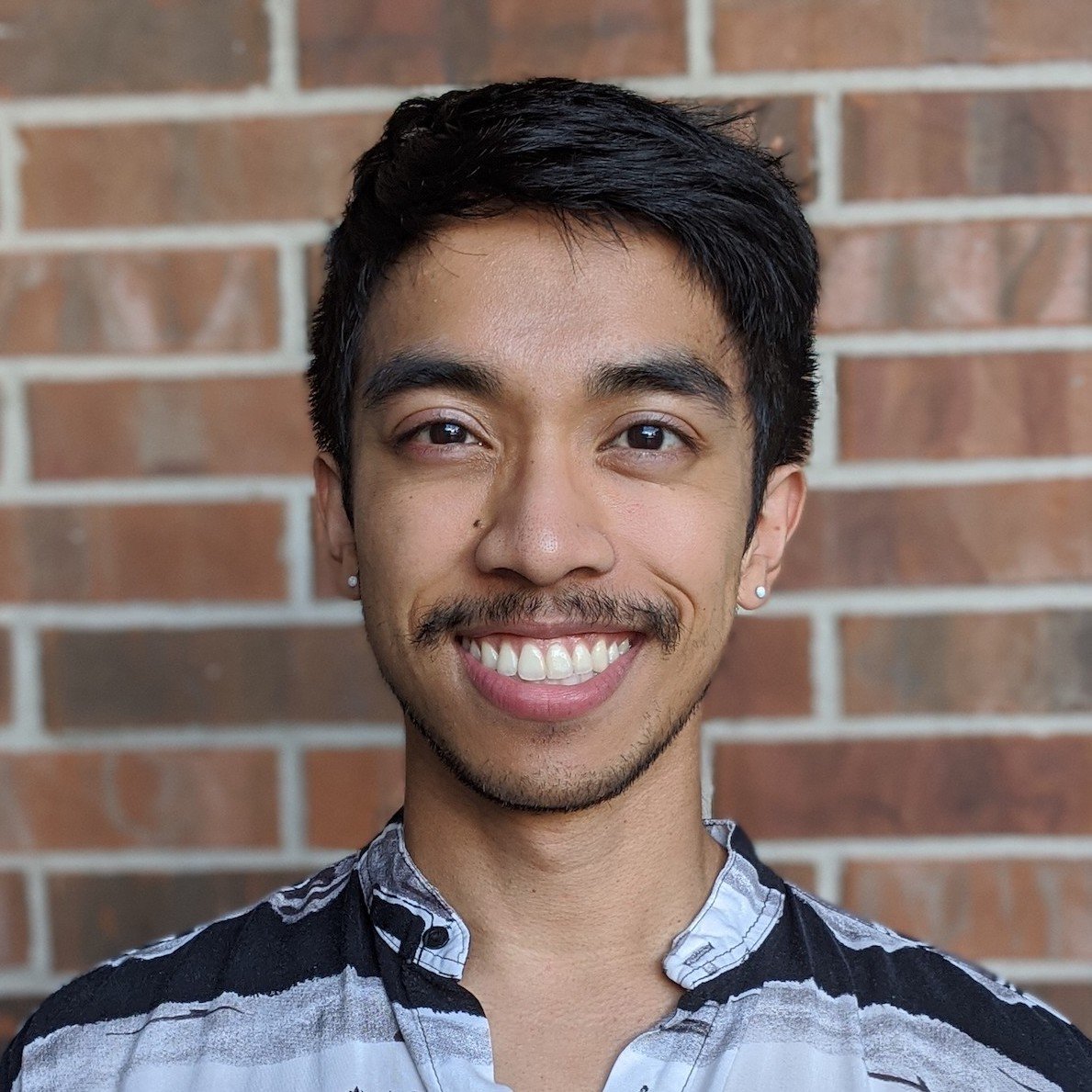
KC Legacion on Degrowth, Technology and Social Media
KC Legacion is a Master of Environmental Studies candidate at the University of Pennsylvania. His research presents a reimagined understanding of social media through the lens of degrowth—this project will culminate in a short film set to premiere in September of this year. Outside of their research, KC is a team member of the web collective degrowth.info and a member of a nascent housing cooperative in West Philadelphia.“What does degrowth mean for the Global South? There are some thoughts that degrowth in the Global North would facilitate self-determination in the Global South because the Global North would no longer have this extractive relationship. There's also a critique to that, saying that degrowth in the Global North can and will have repercussions on the Global South just given the interconnected nature of our globalized realities.Degrowth was first formulated in 1972 by French philosopher André Gorz in a public debate where he used the term décroissance to question whether planetary stability was compatible with capitalism.”www.degrowth.infowww.kclegacion.comwww.decidim.orgwww.joinmastodon.orgwww.iNaturalist.orgwww.oneplanetpodcast.orgwww.creativeprocess.info
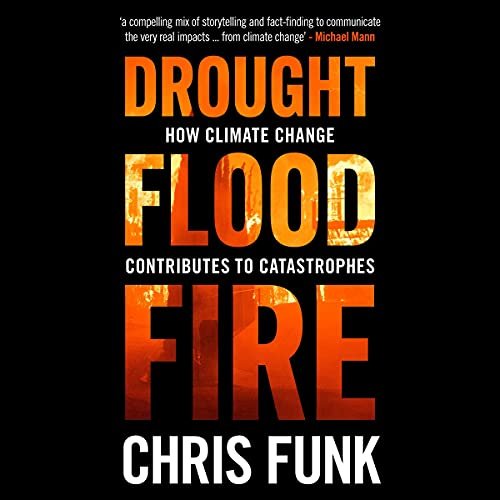
Highlights - Chris Funk - Dir., Climate Hazards Center - Author of “Drought, Flood, Fire…”
“I guess the work that we're doing here at the Climate Hazards Center is trying to build out the science to cope with a two-degree world. And I think that we can do that. It's not going to be easy, but I think that's definitely within our capabilities, and it is already making human beings be smarter together in very empowering ways. And these are examples of people in Boulder, Colorado getting ready for the next big flood event and having conversations between the National Weather Service and local communities, or me on a zoom call at seven in the morning with my friends in East Africa as they're getting ready to cope with the next extreme. There are great examples of radio clubs in Niger who are working with their meteorological agencies and local farming communities that are pulling data that we're producing here in Santa Barbara, precipitation estimates, but then using them to decide whether they should fertilize their millet crops or not. And so there are ways that we can counter climate hazards and weather hazards by being smarter.”Chris Funk is the Director of the Climate Hazards Center (CHC) at UC Santa Barbara. He works with an international team of Earth scientists to inform weather and famine-related disaster responses. Chris studies climate and climate change while also developing improved data sets and monitoring/prediction systems. He’s the author of Drought, Flood, Fire: How Climate Change Contributes to Recent Catastrophes and co-author with Shrad Shukla of Drought Early Warning and Forecasting. While his research interests are quite diverse, a central theme uniting Chris’ work is developing both the technical/scientific resources and the conceptual frameworks that will help us cope with increasingly dangerous climate and weather extremes.www.chc.ucsb.eduwww.chc.ucsb.edu/people/chris-funkDrought, Flood, Fire: How Climate Change Contributes to Recent Catastropheswww.oneplanetpodcast.org www.creativeprocess.info
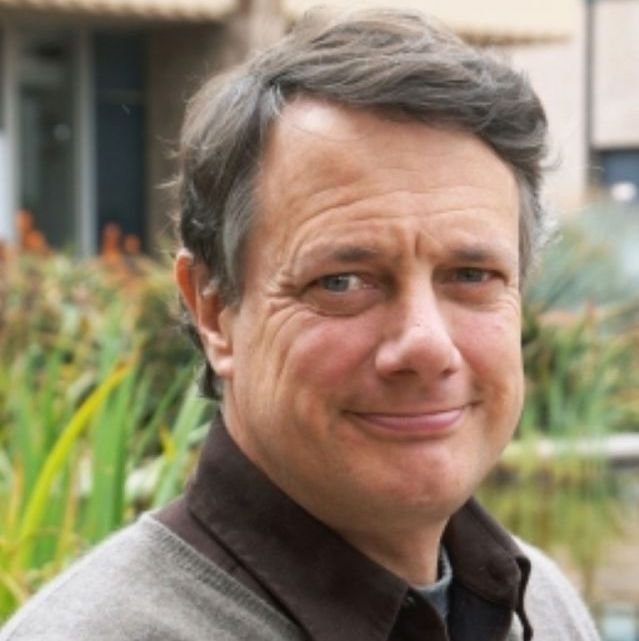
Chris Funk - Director, Climate Hazards Center - Author of “Drought, Flood, Fire…”
Chris Funk is the Director of the Climate Hazards Center (CHC) at UC Santa Barbara. He works with an international team of Earth scientists to inform weather and famine-related disaster responses. Chris studies climate and climate change while also developing improved data sets and monitoring/prediction systems. He’s the author of Drought, Flood, Fire: How Climate Change Contributes to Recent Catastrophes and co-author with Shrad Shukla of Drought Early Warning and Forecasting. While his research interests are quite diverse, a central theme uniting Chris’ work is developing both the technical/scientific resources and the conceptual frameworks that will help us cope with increasingly dangerous climate and weather extremes.“I guess the work that we're doing here at the Climate Hazards Center is trying to build out the science to cope with a two-degree world. And I think that we can do that. It's not going to be easy, but I think that's definitely within our capabilities, and it is already making human beings be smarter together in very empowering ways. And these are examples of people in Boulder, Colorado getting ready for the next big flood event and having conversations between the National Weather Service and local communities, or me on a zoom call at seven in the morning with my friends in East Africa as they're getting ready to cope with the next extreme. There are great examples of radio clubs in Niger who are working with their meteorological agencies and local farming communities that are pulling data that we're producing here in Santa Barbara, precipitation estimates, but then using them to decide whether they should fertilize their millet crops or not. And so there are ways that we can counter climate hazards and weather hazards by being smarter.”www.chc.ucsb.eduwww.chc.ucsb.edu/people/chris-funkDrought, Flood, Fire: How Climate Change Contributes to Recent Catastropheswww.oneplanetpodcast.org www.creativeprocess.info
Highlights - Yee Lee - Chief of Growth at Terraformation
“We're trying to help the world's forestry organizations collectively plant a trillion trees in the next decade and cover 3 billion acres of net new forest. That's a very, very large number. Some of the very largest tree-planting organizations in the world collectively plant something like half a billion to three-quarters of a billion trees per year. And even that number sounds large, too, but then you realize that's actually three full orders of magnitude smaller than the actual number we need to hit in the next decade. So we actually need to take all of the world's largest forestry organizations as a group and multiply by a thousand their efforts. So that's a very large undertaking, and I just can't underscore enough the scale at which we as a human species seeks to operate when we talk about tree-planting and forestry operations.”Terraformation builds and deploys tools to tackle the largest bottlenecks to mass-scale reforestation. Its technology includes off-grid seed banks that process and store millions of seeds, tracking and monitoring platforms to enable project transparency, solar-powered desalination and more. Its current partner network spans five continents, including in South America, East Africa and Central Asia, and includes public- and private-sector landowners and organizations. Terraformation’s goal in 2022 is to establish the world’s largest decentralized native seed banking network.www.terraformation.orgPhoto credit @pkworldwidewww.oneplanetpodcast.orgwww.creativeprocess.info
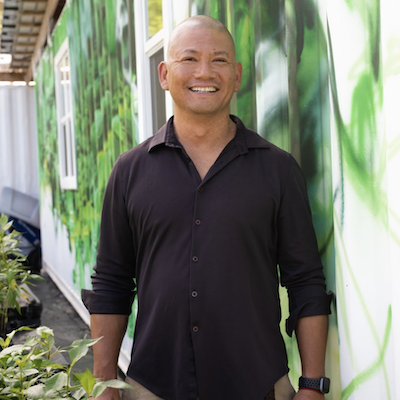
Yee Lee - Chief of Growth at Terraformation - Silicon Valley Entrepreneur
Yee Lee was the first employee at Terraformation, dedicated to restoring the planet’s forests to solve climate change. He is a serial technology entrepreneur and angel investor from Silicon Valley, having invested in over 100 technology startups. Prior to Terraformation, Yee was an early team member at PayPal and Slide. He founded four venture-backed ecommerce and financial technology startups with M&A exits to Google and TaskRabbit (now part of IKEA). In his capacity as Chief of Growth at Terraformation, Yee supports Business Development, Sales, Capital Markets, and Terraformation Foundation teams.Terraformation builds and deploys tools to tackle the largest bottlenecks to mass-scale reforestation. Its technology includes off-grid seed banks that process and store millions of seeds, tracking and monitoring platforms to enable project transparency, solar-powered desalination and more. Its current partner network spans five continents, including in South America, East Africa and Central Asia, and includes public- and private-sector landowners and organizations. Terraformation’s goal in 2022 is to establish the world’s largest decentralized native seed banking network.www.terraformation.orgwww.oneplanetpodcast.orgwww.creativeprocess.info
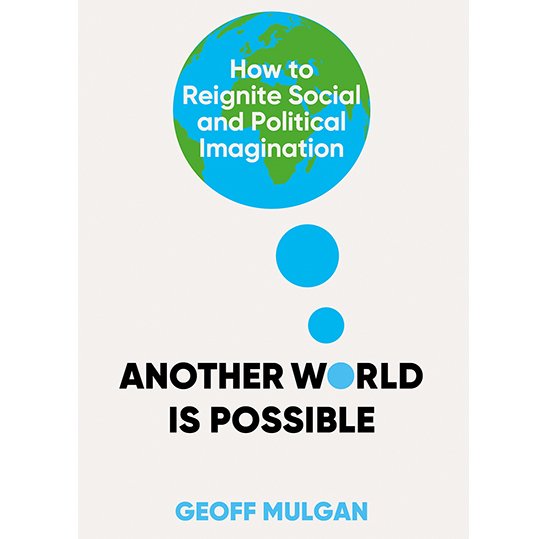
Highlights-Sir Geoff Mulgan, Author of “Another World is Possible”
"What I think we need is many more people thinking through what would this whole circular economy look like? Let's picture 20, 30 years into the future. Imagine we really did become circular. How would tax be organized in that world? Would we be taxing new stuff much more heavily relative to reused or maintained or recycled stuff? How would we be embedding this into children's upbringing? How would we be changing almost our moral view of different kinds of waste?"Sir Geoff Mulgan is Professor of Collective Intelligence, Public Policy and Social Innovation at University College London. Formerly he was chief executive of Nesta, and held government roles (1997–2004), including as the Prime Minister’s Strategy Unit director and as Downing Street’s head of policy. He is the founder or co-founder of many organisations, from Demos to Action for Happiness, and the author of Another World is Possible, Social Innovation: how societies find the power to change, Big Mind: how collective intelligence can change our world, and other books. geoffmulgan.comhurstpublishers.com/book/another-world-is-possiblewww.creativeprocess.infowww.oneplanetpodcast.org