Sustainability, Climate Change, Renewable Energy, Politics, Activism, Biodiversity, Carbon Footprint, Wildlife, Regenerative Agriculture, Circular Economy, Extinction, Net-Zero · One Planet Podcast
571 episodes — Page 7 of 12
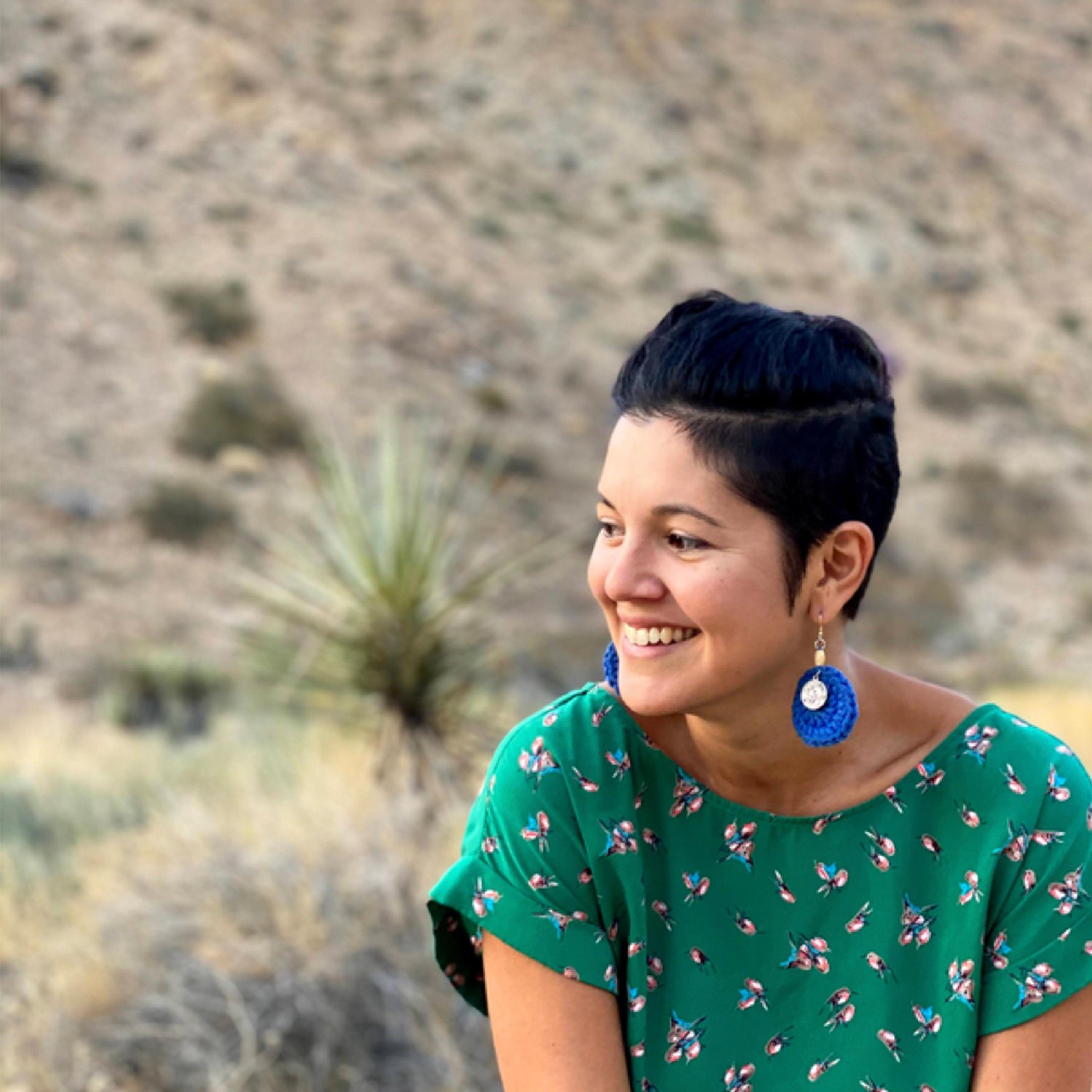
AMANDA E. MACHADO - Writer, Public Speaker, Facilitator - Founder of Reclaiming Nature Writing
Amanda E. Machado is a writer, public speaker and facilitator whose work explores how race, gender, sexuality, and power affect the way we travel and experience the outdoors. She has written and facilitated on topics of social justice and adventure and lived in Cape Town, Havana, Mexico City, Berlin, Rio de Janeiro, and other cities. She has been published in The Atlantic, The Washington Post, The Guardian, New York Times, NPR, and other publications. She is also the founder of Reclaiming Nature Writing, a multi-week online workshop that expands how we tell stories about nature in a way that considers ancestry, colonization, migration trauma, and other issues.“I still do workshops on oppression generally, but at this point, I've been focusing mostly on a workshop that's called Reclaiming Nature Writing, which has been a workshop that takes the idea of nature writing, which at least in the US has always been seen as a predominantly white male field and looks at writers that have existed for hundreds of years that have always been writing about nature but have maybe not been considered nature writers by the field generally.So we look at writers like Audre Lorde who wrote about nature all the time but is not usually seen as a nature writer. And many others like that because it addresses ideas of land trauma and severement from nature and what are the historical causes for that? And what are the systems of oppression that have led certain people to be disconnected from nature in certain ways? And how can we heal that by telling new stories about the outdoors and travel and nature in general?”www.amandaemachado.comIG www.instagram.com/amandaemachado0www.creativeprocess.info www.oneplanetpodcast.org IG www.instagram.com/creativeprocesspodcast
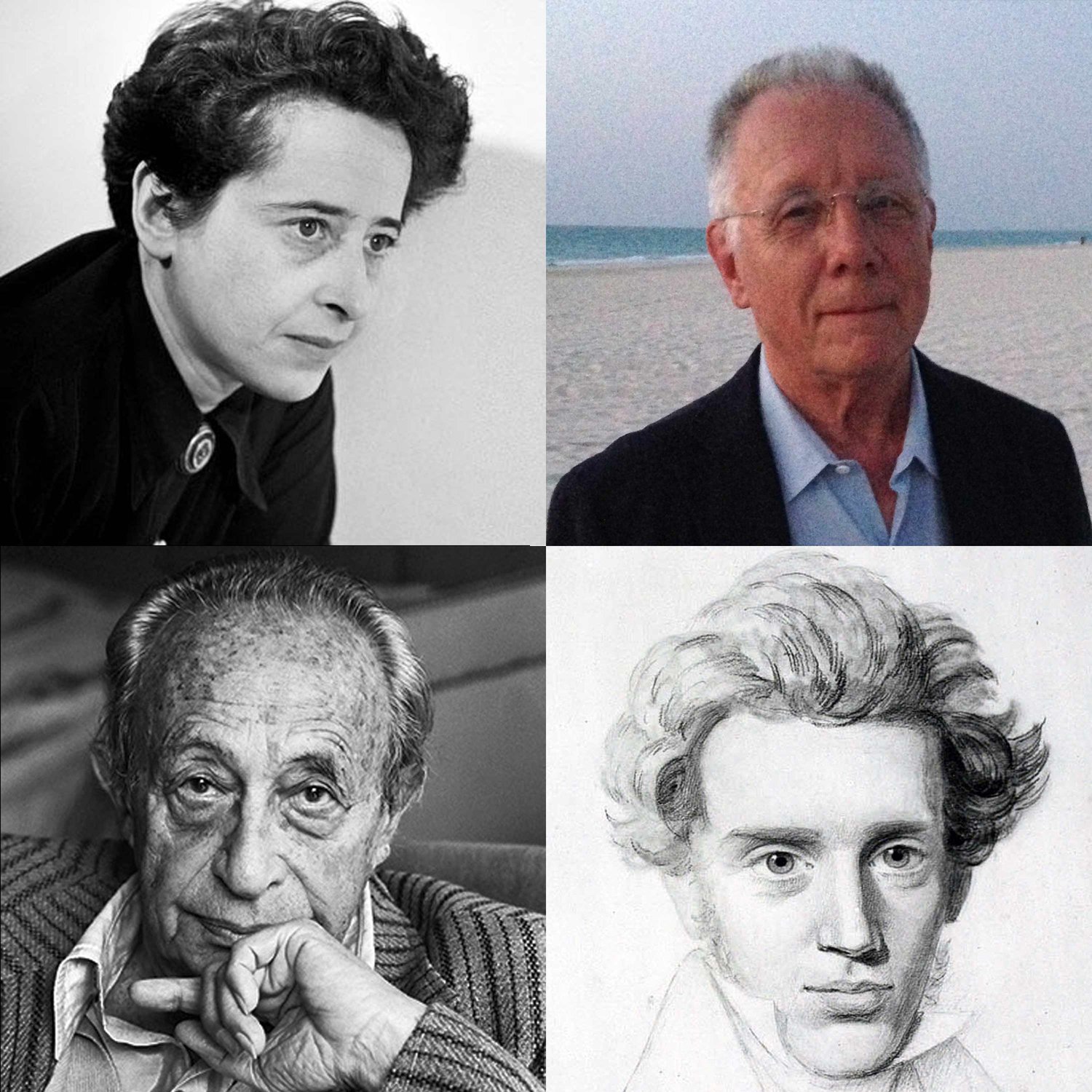
Highlights - HAROLD P. SJURSEN - Professor of Philosophy - Science, Technology, the Arts
“Technoscience in the first place has increased the power of our actions by orders of magnitude that you can't even really imagine. Nuclear warfare being the most stunning example of that awakened a whole generation to the need for something like engineering ethics, or the complexity of machines that only a very small group of people have sufficient expertise to even understand how they work. To the fact that the consequences of technology are often irreversible and don't appear until way in the future so that you and I don't even really need to think about them. Or at least in terms of the ordinary what is my duty or what is my contract to my children or my children's children or into the certain kind of future we can think of. So this is a complex of many problems. It touches on science and religion and art and history and sociology and everything.”Harold P. Sjursen is an educator and administrator having served on the faculty of both a liberal arts college and school of engineering. His background is in the history of philosophy, but since childhood has sustained an interest in science and technology. His current research interests focus on the philosophy of technology, global philosophy, and technological ethics. His engineering education projects address issues related to the internationalization of higher education, the integration of the liberal arts and engineering and ethics beyond the codes for engineers.http://harold-sjursen.orgwww.creativeprocess.info www.oneplanetpodcast.org IG www.instagram.com/creativeprocesspodcast
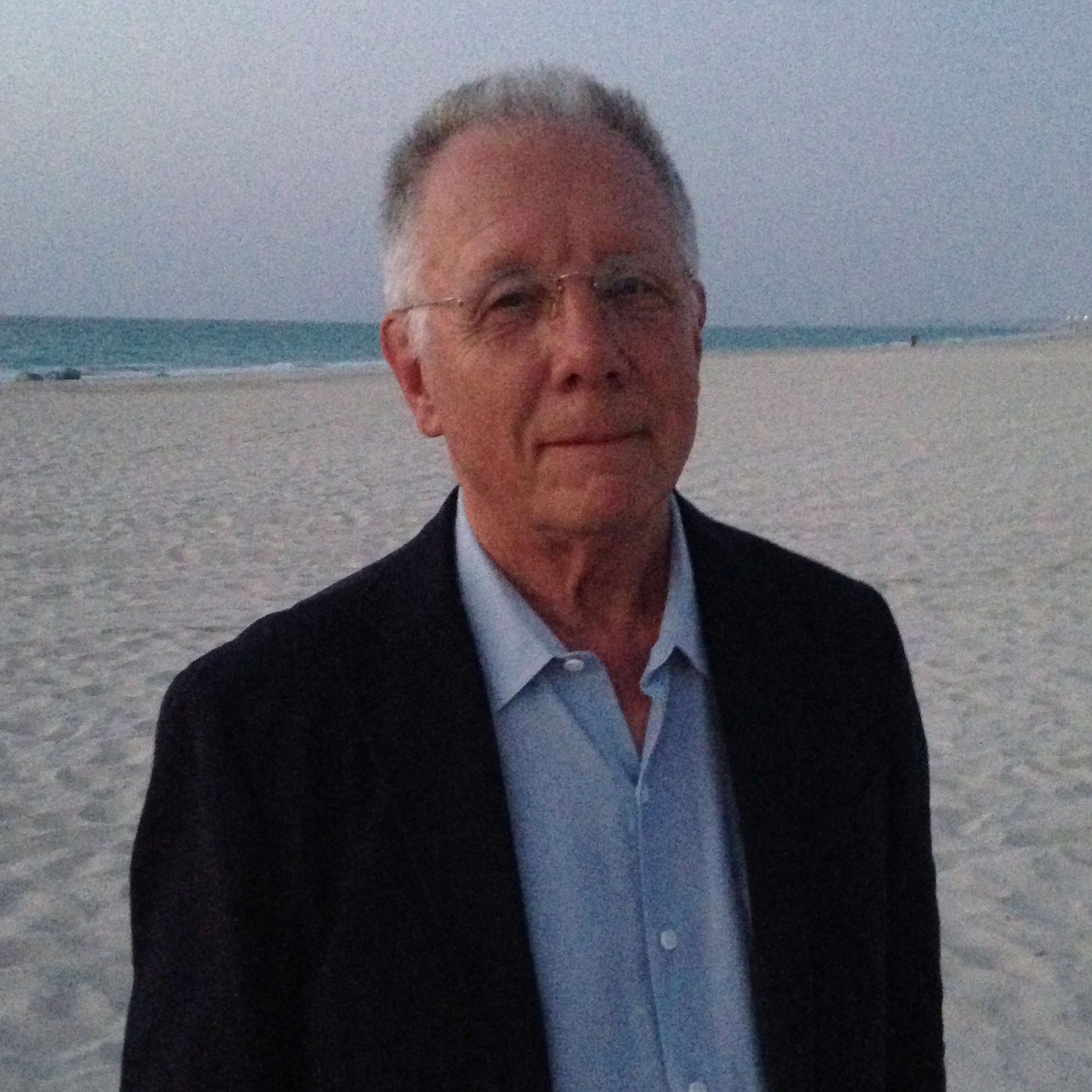
HAROLD P. SJURSEN - Professor of Philosophy - Science, Technology, the Arts
Harold P. Sjursen is an educator and administrator having served on the faculty of both a liberal arts college and school of engineering. His background is in the history of philosophy, but since childhood has sustained an interest in science and technology. His current research interests focus on the philosophy of technology, global philosophy, and technological ethics. His engineering education projects address issues related to the internationalization of higher education, the integration of the liberal arts and engineering and ethics beyond the codes for engineers.“Technoscience in the first place has increased the power of our actions by orders of magnitude that you can't even really imagine. Nuclear warfare being the most stunning example of that awakened a whole generation to the need for something like engineering ethics, or the complexity of machines that only a very small group of people have sufficient expertise to even understand how they work. To the fact that the consequences of technology are often irreversible and don't appear until way in the future so that you and I don't even really need to think about them. Or at least in terms of the ordinary what is my duty or what is my contract to my children or my children's children or into the certain kind of future we can think of. So this is a complex of many problems. It touches on science and religion and art and history and sociology and everything.”http://harold-sjursen.orgwww.creativeprocess.info www.oneplanetpodcast.org IG www.instagram.com/creativeprocesspodcast
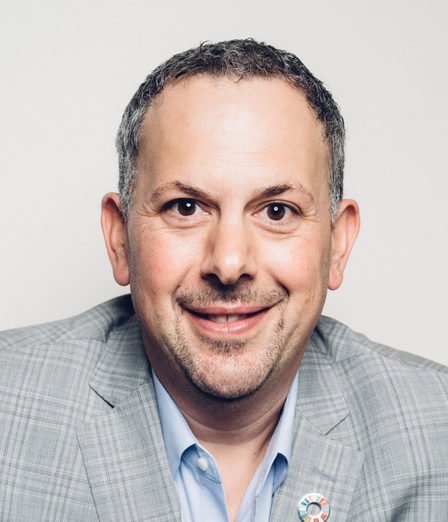
JOSH KAMPEL - CEO of Clarim Media
Josh Kampel is the CEO of Clarim Media where he oversees the overall strategic direction of the organization as well as works closely with the management teams of the individual portfolio companies to build scalable products and services. Prior to Clarim, Josh served as CEO of Techonomy Media, which was sold to Clarim Holdings in 2018. At Techonomy, Josh spent 8 years driving sustainable business growth through strategic partnerships and new product development. He built Techonomy to be one of the leading media companies covering technology and it’s impact on business and society. Techonomy Climate 2023 takes place March 28th. The conference surveys the booming climate tech sector and highlight companies making the most significant impact.“Think about how do they deliver value to all of those constituents rather than just their shareholders. So they will create the more successful long-term companies, especially generationally, as Gen X and millennials care more and more about mission and purpose. This idea of greenwashing or now what we can call woke-washing and that ESG goals are typically held within PR groups, within companies. They just talk about what they're doing versus being held accountable. I think we will continue to see that paradigm shift towards accountability, transparency of companies doing the right thing. I'm impressed every day when I see next generation leaders, entrepreneurs, and educational institutions focus more on this idea of social entrepreneurship. That they're really embedding some of these core values into the next generation of leaders.”www.clarim-media.comhttps://techonomy.com/event/techonomy-climate-2023Season 2 of Business & Society focuses on CEOs , Sustainability & Environmental Solutions Business & Society is a limited series co-hosted by Bruce Piasecki & Mia Funk www.oneplanetpodcast.org
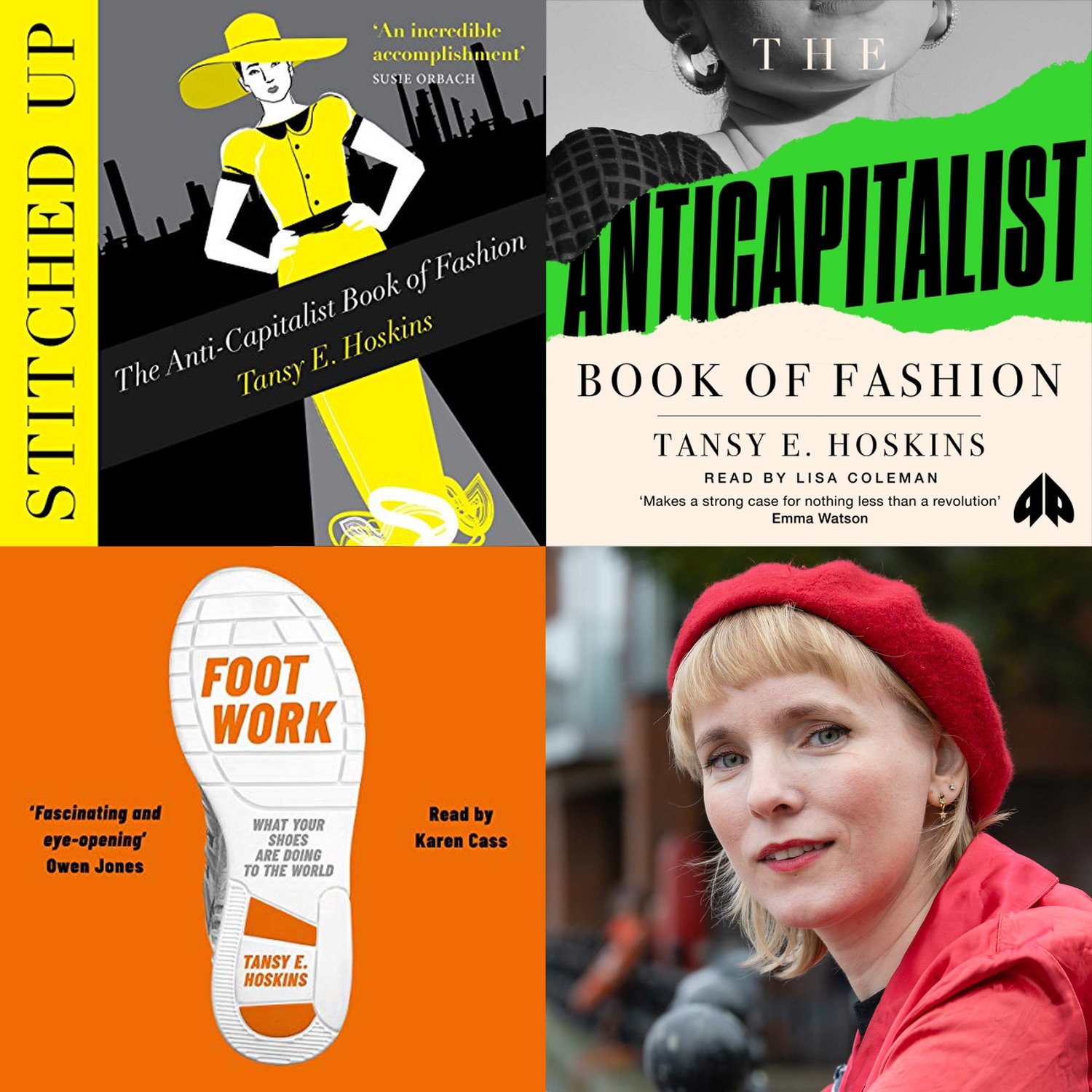
Highlights - TANSY E. HOSKINS - Author of "The Anti-Capitalist Book Of Fashion”, “Foot Work”, “Stitched Up”
“I definitely believe at the moment that fashion brands, big fashion in particular, they just exist to exploit people. It's an excuse to exploit the poor, basically. I see fashion as part of this very extractive global economic society where 100, 150 years ago, that extraction was very obvious. You had the enslavement of people. You had taxation. You had literally armies turning up and occupying the land that they wanted and just taking resources or land. These days it's more subtle, but the brands are still following those colonial pathways.I'm like sat here in London and, you know, there's a reason why British brands go to India, Bangladesh, Pakistan, following the same colonial trade routes. It's also a system very much based on really unfair debt and a total lack of debt justice whereby Global South economies are having to earn foreign capital by opening themselves up to these export industries, whether that's cotton or coffee or garments. 80% of everything that Bangladesh exports are garments. It is a ludicrous position for an economy to be in. And it's very deliberate exploitation as well. Brands make these sourcing decisions very, very deliberately.They go where they think that workers' rights will be suppressed and environmental legislation will be suppressed. And if anything does happen that the government will step in and do the suppressing and just give them a sort of carte blanche to do whatever they want.So at the moment, it's very difficult to point at any part of the fashion industry and go, that's not exploitative. You know, that's exploiting the land, that's exploiting these people, that's based on fossil fuels. Those toxic dyes are going into the river. It's a deeply exploitative, industry.”Tansy E. Hoskins is an award winning author and journalist who investigates the global fashion industry. She’s the author of The Anti-Capitalist Book Of Fashion, Foot Work, and Stitched Up. This work has taken her to Bangladesh, India, North Macedonia, and to the Topshop warehouses in Solihull.www.plutobooks.com/9780745346618/the-anti-capitalist-book-of-fashion/www.amazon.co.uk/Foot-Work-What-Your-Shoes-Are-Doing-to-the-World-Tansy-Hoskins/dp/1474609856/www.creativeprocess.info www.oneplanetpodcast.org IG www.instagram.com/creativeprocesspodcast
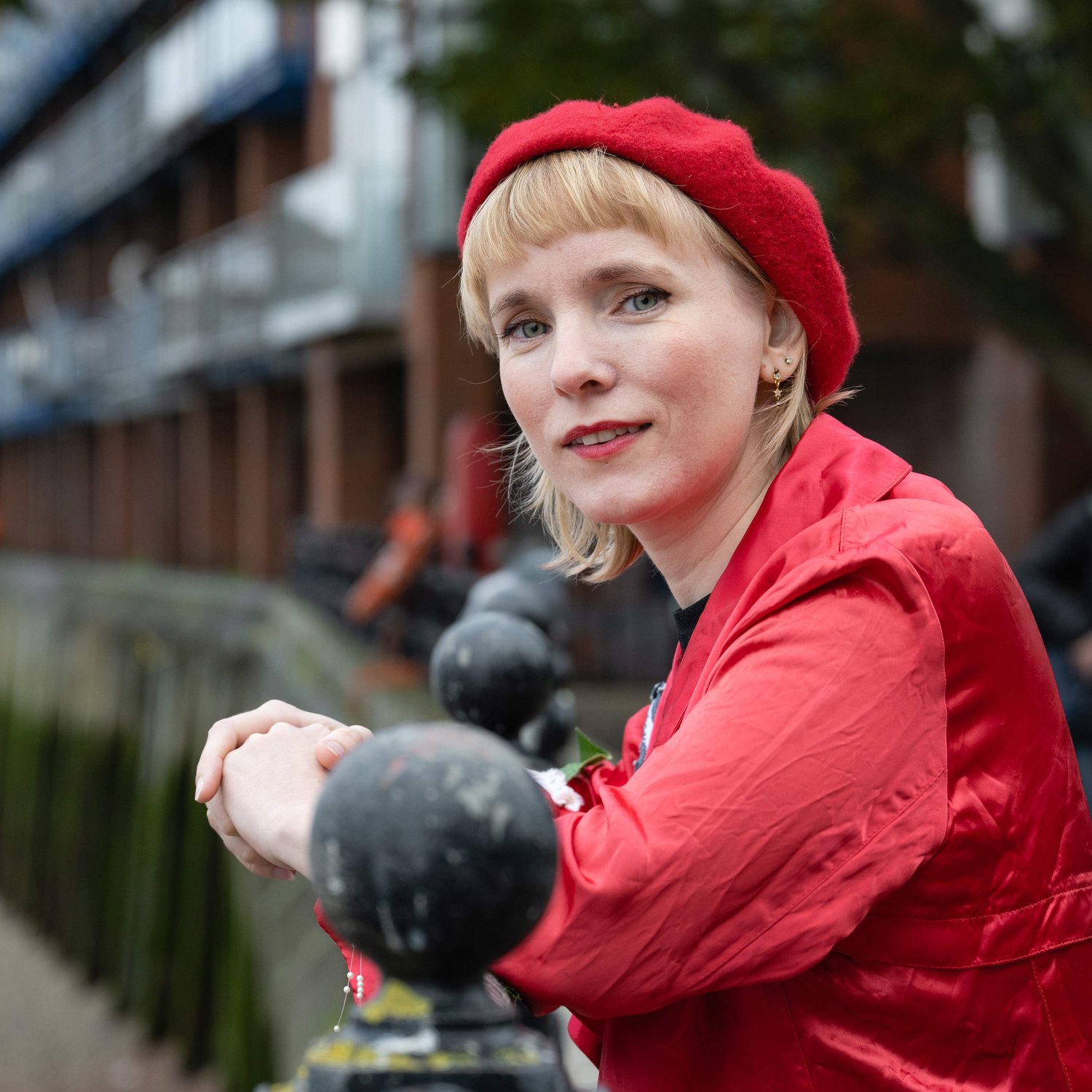
TANSY E. HOSKINS - Author of "The Anti-Capitalist Book Of Fashion” - Freelance Fashion & Beauty Writer Award Winner
Tansy E. Hoskins is an award winning author and journalist who investigates the global fashion industry. She’s the author of The Anti-Capitalist Book Of Fashion, Foot Work, and Stitched Up. This work has taken her to Bangladesh, India, North Macedonia, and to the Topshop warehouses in Solihull.“I definitely believe at the moment that fashion brands, big fashion in particular, they just exist to exploit people. It's an excuse to exploit the poor, basically. I see fashion as part of this very extractive global economic society where 100, 150 years ago, that extraction was very obvious. You had the enslavement of people. You had taxation. You had literally armies turning up and occupying the land that they wanted and just taking resources or land. These days it's more subtle, but the brands are still following those colonial pathways.I'm like sat here in London and, you know, there's a reason why British brands go to India, Bangladesh, Pakistan, following the same colonial trade routes. It's also a system very much based on really unfair debt and a total lack of debt justice whereby Global South economies are having to earn foreign capital by opening themselves up to these export industries, whether that's cotton or coffee or garments. 80% of everything that Bangladesh exports are garments. It is a ludicrous position for an economy to be in. And it's very deliberate exploitation as well. Brands make these sourcing decisions very, very deliberately.They go where they think that workers' rights will be suppressed and environmental legislation will be suppressed. And if anything does happen that the government will step in and do the suppressing and just give them a sort of carte blanche to do whatever they want.So at the moment, it's very difficult to point at any part of the fashion industry and go, that's not exploitative. You know, that's exploiting the land, that's exploiting these people, that's based on fossil fuels. Those toxic dyes are going into the river. It's a deeply exploitative, industry.”www.plutobooks.com/9780745346618/the-anti-capitalist-book-of-fashion/www.amazon.co.uk/Foot-Work-What-Your-Shoes-Are-Doing-to-the-World-Tansy-Hoskins/dp/1474609856/www.creativeprocess.info www.oneplanetpodcast.org IG www.instagram.com/creativeprocesspodcastPhoto credit: Sarah Van Looy
Highlights - SIR ANDY HAINES - Tyler Prize Award-winner - Fmr. Chair of WHO World Health Report - Chair InterAcademy Partnership
“In terms of the impacts of climate change on health when we started 30 years ago, because there was very little data then, so we made suggestions as to what we thought the health outcomes we thought would be affected like vector-borne diseases, crop failures, water availability, sea level rise, increasing disasters related to climatic extreme events, and obviously the effects of extreme heat on vulnerable populations. In particular, elderly people, but not just elderly people. So we suggested a whole range of different health impacts that could occur. And I think, in general, those ideas have stood the test of time, but of course, as the situation has moved on, we've also become much more preoccupied with what kind of action we need to take.So when we started, we were mainly talking about the effects of extreme heat without being able to attribute them to climate change because obviously heat waves have occurred throughout history, and populations are more or less adapted to different climates. But now I think the science has moved on, and we can be much more competent about attributing either some extreme events or trends in extreme heat exposure, for example, to human-induced climate change. So it isn't just natural fluctuation. So that's a change. And as the evidence becomes stronger, of course, it also strengthens the case for climate action, which sadly, as we know at the moment, is not sufficient to really have the desired effect.So our knowledge has advanced, but the actions that we need to put into practice have not gone at the same speed. And so we're really facing an increasing climate emergency. And we don't know quite where it's going to end up, but it could end up 2.5%, 3% hotter than pre-industrial times on global average as we reach the end of the century.”Andy Haines was formerly a family doctor and Professor of Primary Health Care at UCL. He developed an interest in climate change and health in the 1990’s and was a member of the Intergovernmental Panel on Climate Change for the 2nd and 3rd assessment exercises and review editor for the health chapter in the 5th assessment. He was Director (formerly Dean) of the London School of Hygiene & Tropical Medicine from 2001- October 2010. He chaired the Scientific Advisory Panel for the 2013 WHO World Health Report, the Rockefeller /Lancet Commission on Planetary Health (2014-15) and the European Academies Science Advisory Council working group on climate change and health (2018-19). He currently co-chairs the InterAcademy Partnership (140 science academies worldwide) working group on climate change and health and is also co-chairing the Lancet Pathfinder Commission on health in the zero-carbon economy. He has published many papers on topics such as the effects of environmental change on health and the health co-benefits of low carbon policies. His current research focuses on climate change mitigation, sustainable healthy food systems and complex urban systems for sustainability. He was awarded the Tyler Prize for Environmental Achievement in 2022.www.lshtm.ac.ukhttps://tylerprize.org www.interacademies.orgwww.creativeprocess.info www.oneplanetpodcast.org IG www.instagram.com/creativeprocesspodcast
SIR ANDY HAINES - Tyler Prize Award-winner for Environmental Achievement - Prof. Env. Change & Public Health
Andy Haines was formerly a family doctor and Professor of Primary Health Care at UCL. He developed an interest in climate change and health in the 1990’s and was a member of the Intergovernmental Panel on Climate Change for the 2nd and 3rd assessment exercises and review editor for the health chapter in the 5th assessment. He was Director (formerly Dean) of the London School of Hygiene & Tropical Medicine from 2001- October 2010. He chaired the Scientific Advisory Panel for the 2013 WHO World Health Report, the Rockefeller /Lancet Commission on Planetary Health (2014-15) and the European Academies Science Advisory Council working group on climate change and health (2018-19). He currently co-chairs the InterAcademy Partnership (140 science academies worldwide) working group on climate change and health and is also co-chairing the Lancet Pathfinder Commission on health in the zero-carbon economy. He has published many papers on topics such as the effects of environmental change on health and the health co-benefits of low carbon policies. His current research focuses on climate change mitigation, sustainable healthy food systems and complex urban systems for sustainability. He was awarded the Tyler Prize for Environmental Achievement in 2022.“In terms of the impacts of climate change on health when we started 30 years ago, because there was very little data then, so we made suggestions as to what we thought the health outcomes we thought would be affected like vector-borne diseases, crop failures, water availability, sea level rise, increasing disasters related to climatic extreme events, and obviously the effects of extreme heat on vulnerable populations. In particular, elderly people, but not just elderly people. So we suggested a whole range of different health impacts that could occur. And I think, in general, those ideas have stood the test of time, but of course, as the situation has moved on, we've also become much more preoccupied with what kind of action we need to take.So when we started, we were mainly talking about the effects of extreme heat without being able to attribute them to climate change because obviously heat waves have occurred throughout history, and populations are more or less adapted to different climates. But now I think the science has moved on, and we can be much more competent about attributing either some extreme events or trends in extreme heat exposure, for example, to human-induced climate change. So it isn't just natural fluctuation. So that's a change. And as the evidence becomes stronger, of course, it also strengthens the case for climate action, which sadly, as we know at the moment, is not sufficient to really have the desired effect.So our knowledge has advanced, but the actions that we need to put into practice have not gone at the same speed. And so we're really facing an increasing climate emergency. And we don't know quite where it's going to end up, but it could end up 2.5%, 3% hotter than pre-industrial times on global average as we reach the end of the century.”www.lshtm.ac.ukhttps://tylerprize.org www.interacademies.orgwww.creativeprocess.info www.oneplanetpodcast.org IG www.instagram.com/creativeprocesspodcast
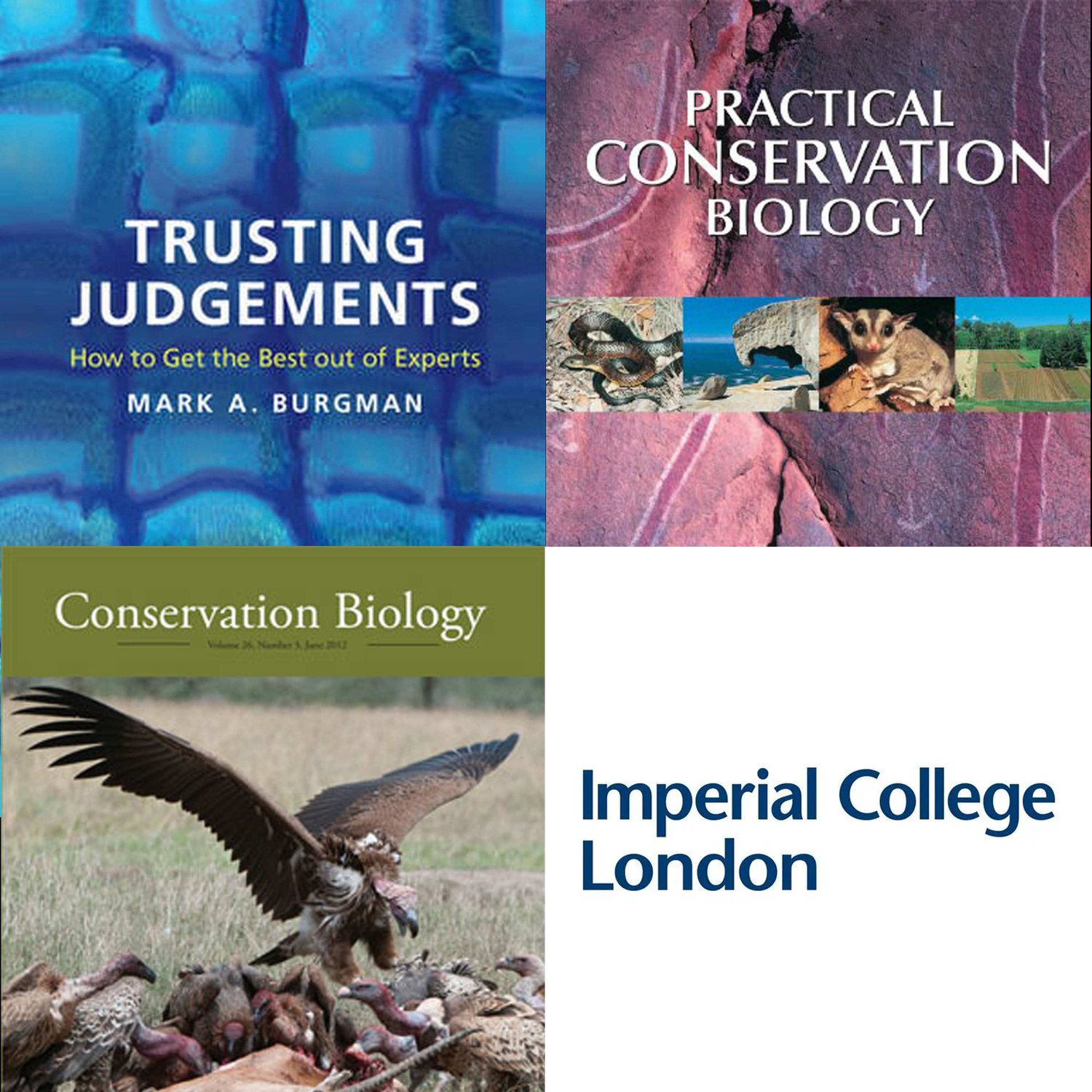
Highlights - MARK BURGMAN - Author of “Trusting Judgments: How to Get the Best Out of Experts”
“The idea of expertise and expert judgment has been around and has been something that society depends upon for a long time, but there have been no serious empirical explorations of who's an expert, what a domain of expertise is, and what sort of frailties are experts susceptible to. Those things haven't been addressed in an empirical way until the last 30 years. Some of this work began in the fifties with Kahneman and Tversky. They began to explore the things that make people misjudge risky situations, and that led to a body of research on who makes good judgments and under what circumstances for things that might affect us in various ways. But these were typically judgments about the probabilities of events and the magnitudes of the consequences. There's a domain in which we use experts to make judgments about future events, the quantities of things that we will see at some time in the future, or things that currently exist, but we don't know what they are. We don't have time yet, to compile the data that we need, and we rely on expert judgments in law courts, but also relied on them for example, we have a new disease like COVID, and we didn't know yet its transmission rates and yet we have to guess at its transmission rates to make judgments about how best to manage the population to protect ourselves. And we rely on expert judgments of all of those circumstances. And yet we don't know who the best expert is. Who should we ask? Is it the best-credentialed person? Is it the person that most people trust? If you ask two experts and you get two opinions, which one should you use? And so on and so forth. Now, that has been the focus of research over the last 10 or 15 years, and I've learned some really important things that run contrary to our intuition about some of those things.”Mark Burgman is Director of the Centre for Environmental Policy at Imperial College London and Editor-in-Chief of the journal Conservation Biology. He is author of Trusting Judgments: How to Get the Best Out of Experts. Previously, he was Adrienne Clarke Chair of Botany at the University of Melbourne, Australia. He works on expert judgement, ecological modelling, conservation biology and risk assessment. He has written models for biosecurity, medicine regulation, marine fisheries, forestry, irrigation, electrical power utilities, mining, and national park planning. He received a BSc from the University of New South Wales, an MSc from Macquarie University, Sydney, and a PhD from the State University of New York at Stony Brook. He worked as a consultant ecologist and research scientist in Australia, the United States and Switzerland during the 1980’s before joining the University of Melbourne in 1990. He joined CEP in February, 2017. He has published over two hundred and fifty refereed papers and book chapters and seven authored books. He was elected to the Australian Academy of Science in 2006.www.imperial.ac.uk/environmental-policy www.conbio.orgwww.creativeprocess.info www.oneplanetpodcast.orgIG www.instagram.com/creativeprocesspodcast
MARK BURGMAN - Director, Centre for Environmental Policy, Imperial College London - Editor-in-Chief, Conservation Biology
Mark Burgman is Director of the Centre for Environmental Policy at Imperial College London and Editor-in-Chief of the journal Conservation Biology. He is author of Trusting Judgments: How to Get the Best Out of Experts. Previously, he was Adrienne Clarke Chair of Botany at the University of Melbourne, Australia. He works on expert judgement, ecological modelling, conservation biology and risk assessment. He has written models for biosecurity, medicine regulation, marine fisheries, forestry, irrigation, electrical power utilities, mining, and national park planning. He received a BSc from the University of New South Wales, an MSc from Macquarie University, Sydney, and a PhD from the State University of New York at Stony Brook. He worked as a consultant ecologist and research scientist in Australia, the United States and Switzerland during the 1980’s before joining the University of Melbourne in 1990. He joined CEP in February, 2017. He has published over two hundred and fifty refereed papers and book chapters and seven authored books. He was elected to the Australian Academy of Science in 2006.“The idea of expertise and expert judgment has been around and has been something that society depends upon for a long time, but there have been no serious empirical explorations of who's an expert, what a domain of expertise is, and what sort of frailties are experts susceptible to. Those things haven't been addressed in an empirical way until the last 30 years. Some of this work began in the fifties with Kahneman and Tversky. They began to explore the things that make people misjudge risky situations, and that led to a body of research on who makes good judgments and under what circumstances for things that might affect us in various ways. But these were typically judgments about the probabilities of events and the magnitudes of the consequences. There's a domain in which we use experts to make judgments about future events, the quantities of things that we will see at some time in the future, or things that currently exist, but we don't know what they are. We don't have time yet, to compile the data that we need, and we rely on expert judgments in law courts, but also relied on them for example, we have a new disease like COVID, and we didn't know yet its transmission rates and yet we have to guess at its transmission rates to make judgments about how best to manage the population to protect ourselves. And we rely on expert judgments of all of those circumstances. And yet we don't know who the best expert is. Who should we ask? Is it the best-credentialed person? Is it the person that most people trust? If you ask two experts and you get two opinions, which one should you use? And so on and so forth. Now, that has been the focus of research over the last 10 or 15 years, and I've learned some really important things that run contrary to our intuition about some of those things.”www.imperial.ac.uk/environmental-policy www.conbio.orgwww.creativeprocess.info www.oneplanetpodcast.orgIG www.instagram.com/creativeprocesspodcast
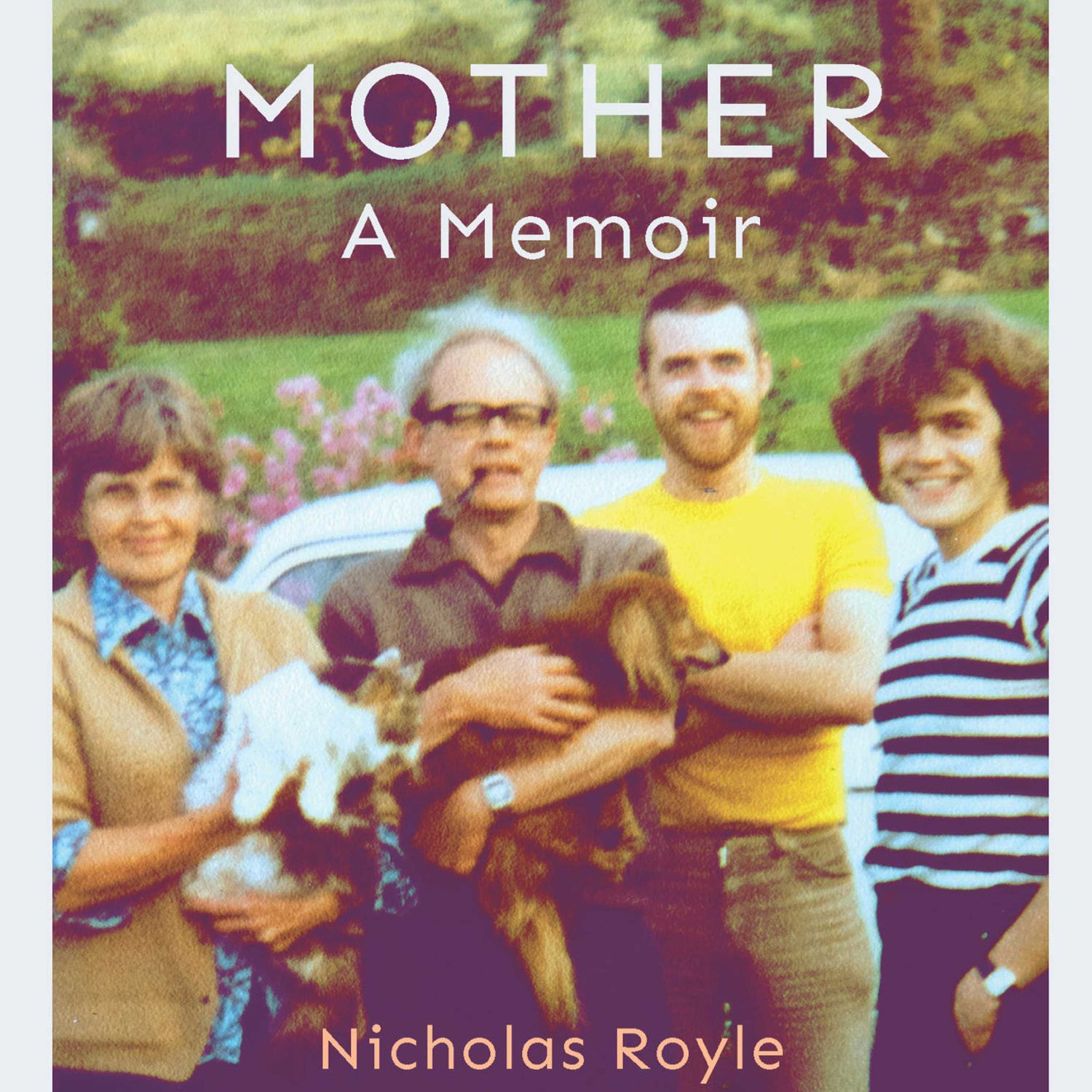
Highlights - NICHOLAS ROYLE - Author of "Mother: A Memoir"
Mother: A Memoir“Pre-word In my mind's eye she is sitting at the circular white Formica-top table in the corner. Morning sunlight fills the kitchen. She has a cup of Milky Nescafé Gold Blend and is smoking a purple Silk Cut. She is dressed for comfort in a floral bronze-and-brown blouse and blue jumper with light gray slacks and blue slippers. She is absorbed in a crossword (The Times) but not oblivious. She does what always takes me aback. She reads out one of the clues. As if I would know the answer. Her gift for crosswords is alien to me. I get stuck at the first ambiguity or double-meaning. Whereas she sweeps through all illusions allusions red herrings and anagrams and is done most days by lunchtime. But her fondness for crossword puzzles is inseparable from my interest in words. Where they come from. What they might be doing. Earliest recorded use of 'In my mind's eye': Shakespeare's Hamlet (around 1599). Referring to the Ghost.My mother died years ago. What has induced me to write about her after all this time remains mysterious to me. It is connected to the climate crisis. As the natural historian David Attenborough says: 'the collapse of our civilizations and the extinction of much of the natural world is on the horizon.' In ways I cannot pretend to fathom I have found that writing about my mother is bound up with writing about Mother Nature and Mother Earth. And no doubt it has to do also with my own aging and the buried life of mourning. The strange timetables of realization and loss. A memoir is 'a written record of a person's knowledge of events or of a person's own experiences'. 'A record of events written by a person having intimate knowledge of them and based on personal observation.' So the dictionaries tell us. But this memoir of my mother makes no attempt at a comprehensive record.”Nicholas Royle is Professor Emeritus of English at the University of Sussex, England, where he has been based since 1999. He has also taught at the University of Oxford, the University of Tampere, and the University of Stirling; and has been a visiting professor at the universities of Århus, Santiago del Compostela, Turku, Manitoba, and Lille. He is a managing editor of the Oxford Literary Review and director of Quick Fictions. He has published many books, including Telepathy and Literature, E.M. Forster, Jacques Derrida, The Uncanny, Veering: A Theory of Literature, How to Read Shakespeare, and Hélène Cixous: Dreamer, Realist, Analyst, Writing, as well as the novels Quilt and An English Guide to Birdwatching, and Mother: A Memoir. In addition, he is co-author with Andrew Bennett of three books: Elizabeth Bowen and the Dissolution of the Novel, This Thing Called Literature: Reading, Thinking, Writing, and An Introduction to Literature, Criticism and Theory Sixth edition, 2023. Royle’s current projects include a detective novel, a collection of essays about new approaches to narrative theory, and a collaborative work with Timothy Morton on Covid-19. His latest book, David Bowie, Enid Blyton and the Sun Machine, is due to be published in November 2023.www.routledge.com/An-Introduction-to-Literature-Criticism-and-Theory/Bennett-Royle/p/book/9781032158846 https://myriadeditions.com/creator/nicholas-royle/ https://quickfiction.co.uk/www.creativeprocess.info www.oneplanetpodcast.org IG www.instagram.com/creativeprocesspodcast

NICHOLAS ROYLE - Author of “Mother: A Memoir” - Co-author of "An Introduction to Literature, Criticism and Theory"
Nicholas Royle is Professor Emeritus of English at the University of Sussex, England, where he has been based since 1999. He has also taught at the University of Oxford, the University of Tampere, and the University of Stirling; and has been a visiting professor at the universities of Århus, Santiago del Compostela, Turku, Manitoba, and Lille. He is a managing editor of the Oxford Literary Review and director of Quick Fictions. He has published many books, including Telepathy and Literature, E.M. Forster, Jacques Derrida, The Uncanny, Veering: A Theory of Literature, How to Read Shakespeare, and Hélène Cixous: Dreamer, Realist, Analyst, Writing, as well as the novels Quilt and An English Guide to Birdwatching, and Mother: A Memoir. In addition, he is co-author with Andrew Bennett of three books: Elizabeth Bowen and the Dissolution of the Novel, This Thing Called Literature: Reading, Thinking, Writing, and An Introduction to Literature, Criticism and Theory Sixth edition, 2023. Royle’s current projects include a detective novel, a collection of essays about new approaches to narrative theory, and a collaborative work with Timothy Morton on Covid-19. His latest book, David Bowie, Enid Blyton and the Sun Machine, is due to be published in November 2023.“My mother died years ago. What has induced me to write about her after all this time remains mysterious to me. It is connected to the climate crisis. As the natural historian David Attenborough says: 'the collapse of our civilizations and the extinction of much of the natural world is on the horizon.' In ways I cannot pretend to fathom I have found that writing about my mother is bound up with writing about Mother Nature and Mother Earth. And no doubt it has to do also with my own aging and the buried life of mourning. The strange timetables of realization and loss. A memoir is 'a written record of a person's knowledge of events or of a person's own experiences'. 'A record of events written by a person having intimate knowledge of them and based on personal observation.' So the dictionaries tell us. But this memoir of my mother makes no attempt at a comprehensive record.”– Mother: A Memoirwww.routledge.com/An-Introduction-to-Literature-Criticism-and-Theory/Bennett-Royle/p/book/9781032158846 https://myriadeditions.com/creator/nicholas-royle/ https://quickfiction.co.uk/www.creativeprocess.info www.oneplanetpodcast.org IG www.instagram.com/creativeprocesspodcast
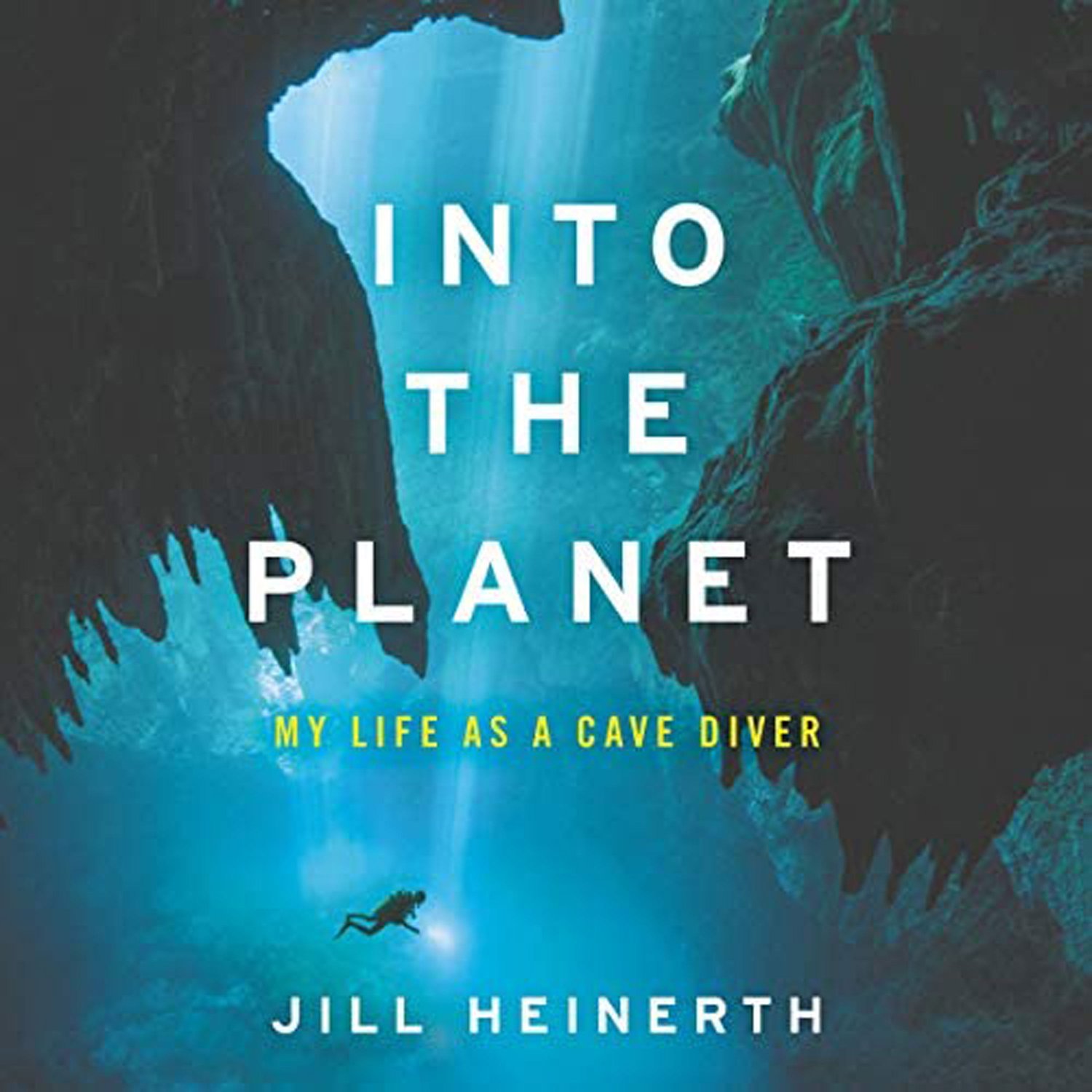
Highlights - JILL HEINERTH - Explorer, Presenter, Author of “Into The Planet: My Life as a Cave Diver”
“It's such a privilege swimming through these places. And I almost feel like I'm getting a secret peak into the body of the planet and that's a very precious and almost a sacred kind of collaboration where I get to experience this, I get to see this, but if I'm going to take these insanely challenging risks I need to make it worthwhile and share what I've seen so that other people have the benefit of understanding, a better conception of our connected planet. Both in the short term and in the long term scale as well. The sense of time can be warped by what's going on in my brain, so I do have this dance between left brain and right brain. Left brain pragmatic, right brain creative.So if I'm managing a complicated life support device while I'm shooting stills or video underwater, there's a dual thing going on. The creative side of my brain loses all track of time, just as anyone that would ever sit down to paint or draw or even play on the computer. Time is just gone. But that left side of the brain has to keep track of time and constantly be monitoring my life support status. So there's a very present sense of time and forcing my brain back into keeping track of that, but these places that I swim through are timeless in the sense that many caves that I'm swimming through are like museums of natural history that inform us about things that happened in very ancient times on planet earth. So I'm swimming through this temporal portal to have a peek at ancient history.”Jill Heinerth is a Canadian cave diver, underwater explorer, writer, photographer, and filmmaker. She is a veteran of over thirty years of filming, photography, and exploration on projects in submerged caves around the world. She has made TV series, consulted on movies, written several books and is a frequent corporate keynote speaker. Jill is the first Explorer in Residence for the Royal Canadian Geographical Society, recipient of Canada’s prestigious Polar Medal and is a Fellow of the International Scuba Divers Hall of Fame. In recognition of her lifetime achievement, Jill was awarded the Sir Christopher Ondaatje Medal for Exploration from the RCGS and the William Beebe Award from the Explorers Club.www.intotheplanet.comwww.creativeprocess.info www.oneplanetpodcast.org IG www.instagram.com/creativeprocesspodcast
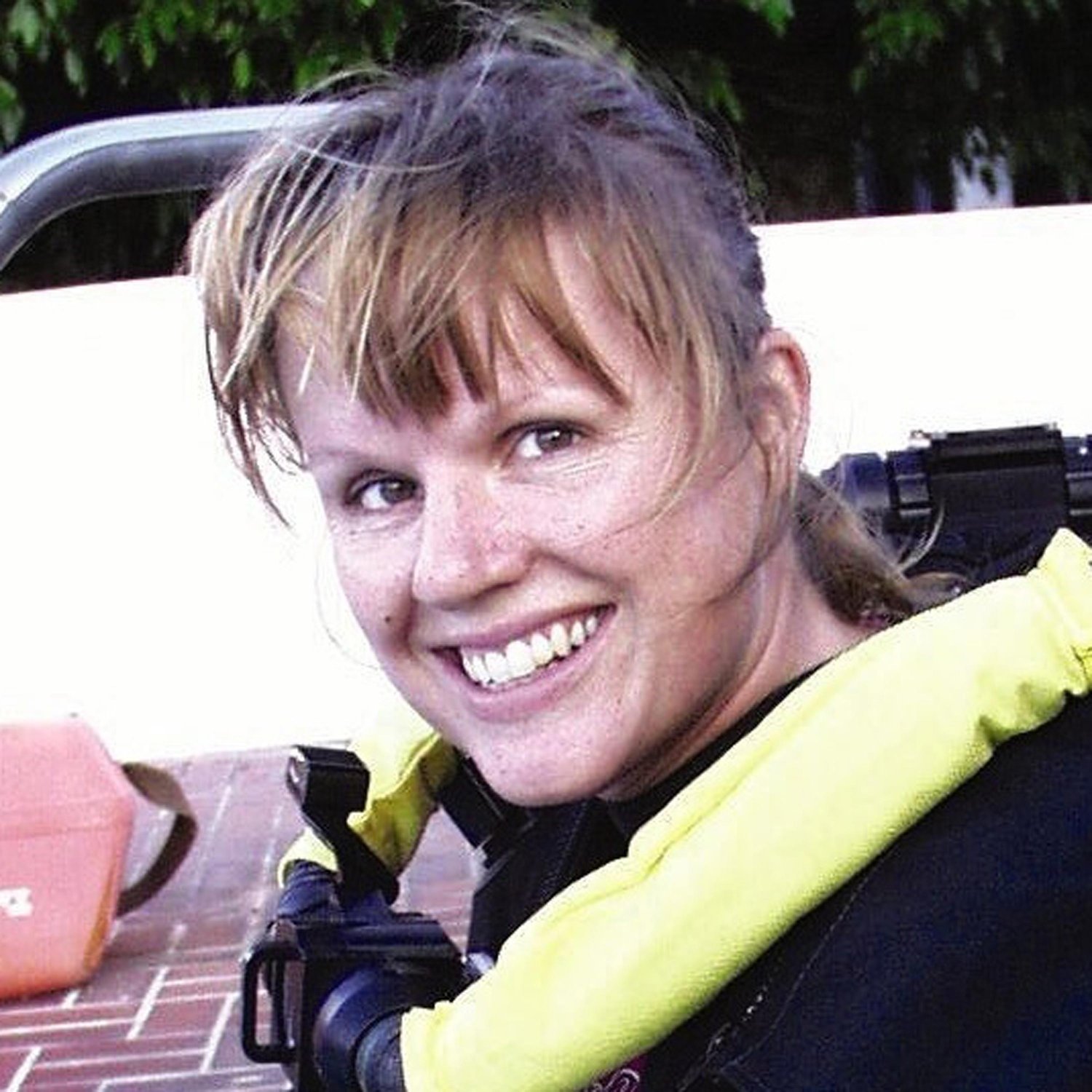
JILL HEINERTH - Explorer, Presenter, Author of “Into The Planet: My Life as a Cave Diver”
Jill Heinerth is a Canadian cave diver, underwater explorer, writer, photographer, and filmmaker. She is a veteran of over thirty years of filming, photography, and exploration on projects in submerged caves around the world. She has made TV series, consulted on movies, written several books and is a frequent corporate keynote speaker. Jill is the first Explorer in Residence for the Royal Canadian Geographical Society, recipient of Canada’s prestigious Polar Medal and is a Fellow of the International Scuba Divers Hall of Fame. In recognition of her lifetime achievement, Jill was awarded the Sir Christopher Ondaatje Medal for Exploration from the RCGS and the William Beebe Award from the Explorers Club.“It's such a privilege swimming through these places. And I almost feel like I'm getting a secret peak into the body of the planet and that's a very precious and almost a sacred kind of collaboration where I get to experience this, I get to see this, but if I'm going to take these insanely challenging risks I need to make it worthwhile and share what I've seen so that other people have the benefit of understanding, a better conception of our connected planet. Both in the short term and in the long term scale as well. The sense of time can be warped by what's going on in my brain, so I do have this dance between left brain and right brain. Left brain pragmatic, right brain creative.So if I'm managing a complicated life support device while I'm shooting stills or video underwater, there's a dual thing going on. The creative side of my brain loses all track of time, just as anyone that would ever sit down to paint or draw or even play on the computer. Time is just gone. But that left side of the brain has to keep track of time and constantly be monitoring my life support status. So there's a very present sense of time and forcing my brain back into keeping track of that, but these places that I swim through are timeless in the sense that many caves that I'm swimming through are like museums of natural history that inform us about things that happened in very ancient times on planet earth. So I'm swimming through this temporal portal to have a peek at ancient history.”www.intotheplanet.comwww.creativeprocess.info www.oneplanetpodcast.org IG www.instagram.com/creativeprocesspodcast
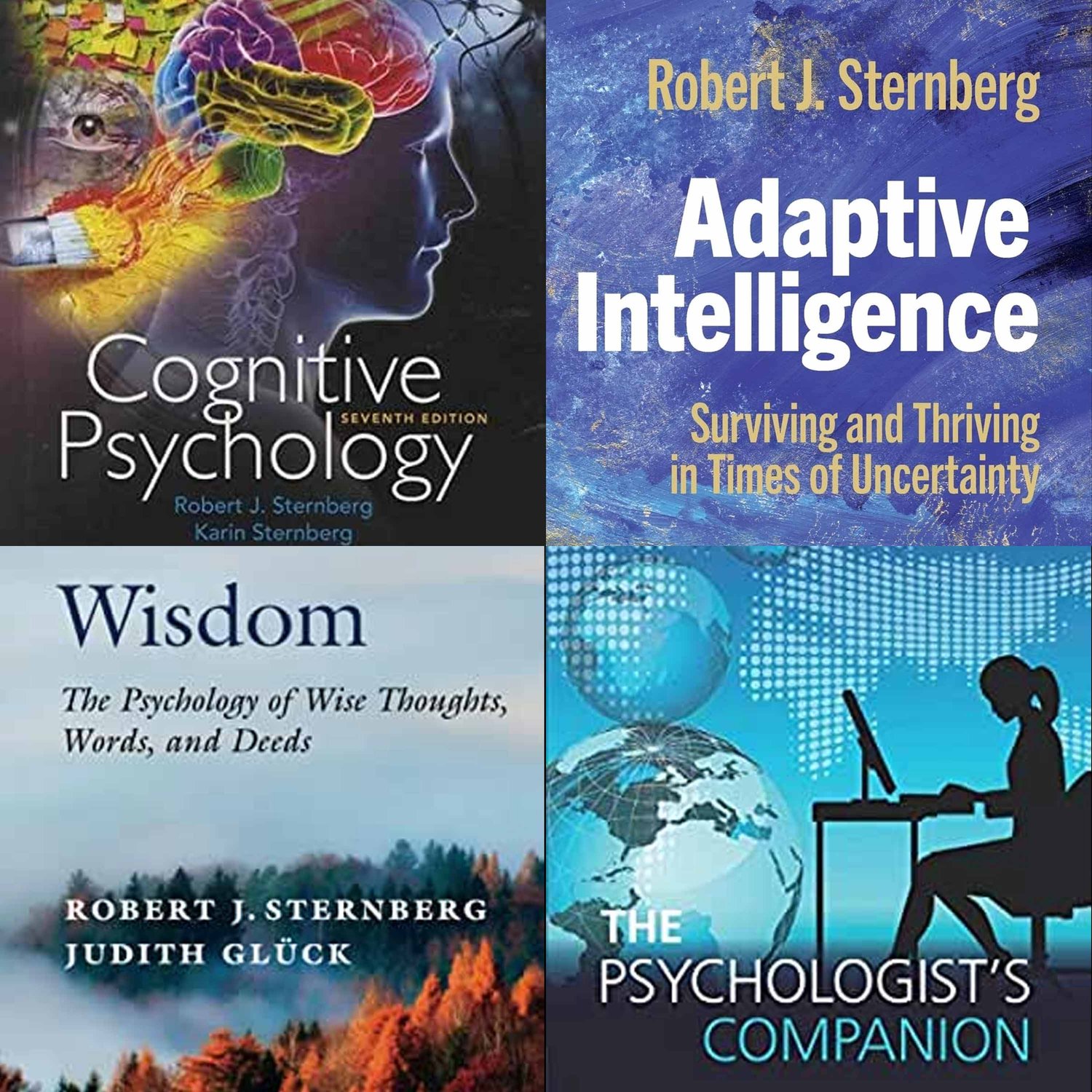
Highlights - Robert Sternberg - Fmr. President, American Psychological Assoc. - Author of “Adaptive Intelligence”
“I think what happens in the United States is that politics have become so cynical and so dishonest that the words are just thrown around to scare people. The politics in many countries, including my own, especially of one of the parties, is simply a politics of fear and anger. Scare 'em, make 'em angry. And to some extent, both parties in the United States are doing that. So I think that it's not about whether the word is socialism or collectivism, it's really that at this point, given the way things are going, if we don't look for a common good, we will destroy humanity. We can't keep doing this. The temperatures can't keep getting higher. The water shortages can't keep increasing. The storms can't keep getting worse. There are parts of the world already getting flooded. Is that the future we want? And I hope it's not, but people are so attuned to the short-term and individual gains that I worry about what kind of future the world has.”Robert J. Sternberg is Professor of Human Development at Cornell University and Honorary Professor of Psychology at the University of Heidelberg, Germany. He is a past winner of the Grawemeyer Award in Psychology, and the William James and James McKeen Cattell Awards of the Association for Psychological Science. Sternberg has served as President of the American Psychological Association, and the Federation of Associations in Behavioral and Brain Sciences. His latest book is Adaptive Intelligence: Surviving and Thriving in Times of Uncertainty.www.robertjsternberg.comwww.cambridge.org/fr/academic/subjects/psychology/cognition/adaptive-intelligence-surviving-and-thriving-times-uncertainty?format=HB&isbn=9781107154384#bookPeoplewww.creativeprocess.info www.oneplanetpodcast.org IG www.instagram.com/creativeprocesspodcast
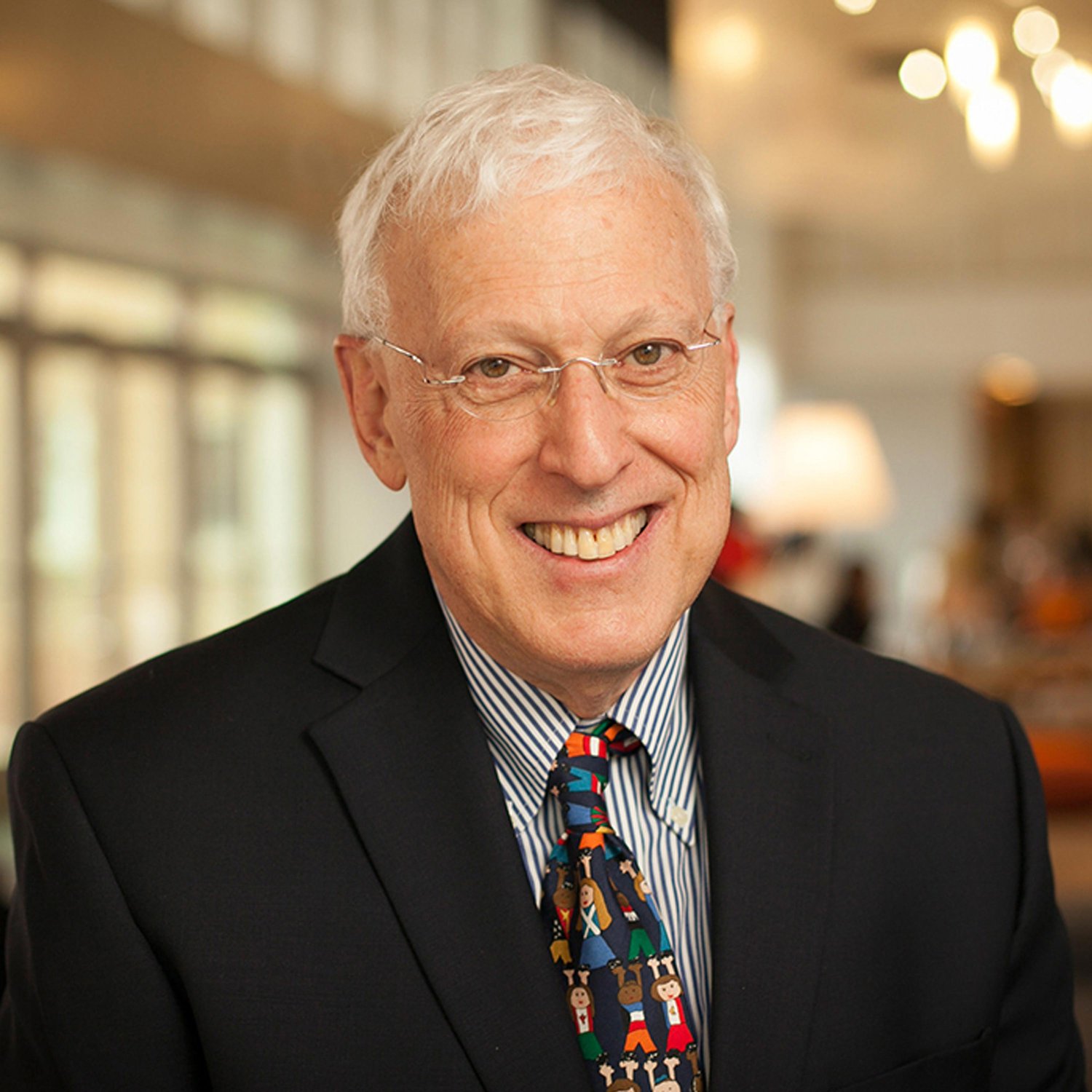
Robert Sternberg - Award-winning Educator - Author of “Adaptive Intelligence” - Fmr. President, American Psychological Assoc.
Robert J. Sternberg is Professor of Human Development at Cornell University and Honorary Professor of Psychology at the University of Heidelberg, Germany. He is a past winner of the Grawemeyer Award in Psychology, and the William James and James McKeen Cattell Awards of the Association for Psychological Science. Sternberg has served as President of the American Psychological Association, and the Federation of Associations in Behavioral and Brain Sciences. His latest book is Adaptive Intelligence: Surviving and Thriving in Times of Uncertainty.“I think what happens in the United States is that politics have become so cynical and so dishonest that the words are just thrown around to scare people. The politics in many countries, including my own, especially of one of the parties, is simply a politics of fear and anger. Scare 'em, make 'em angry. And to some extent, both parties in the United States are doing that. So I think that it's not about whether the word is socialism or collectivism, it's really that at this point, given the way things are going, if we don't look for a common good, we will destroy humanity. We can't keep doing this. The temperatures can't keep getting higher. The water shortages can't keep increasing. The storms can't keep getting worse. There are parts of the world already getting flooded. Is that the future we want? And I hope it's not, but people are so attuned to the short-term and individual gains that I worry about what kind of future the world has.”www.robertjsternberg.comwww.cambridge.org/fr/academic/subjects/psychology/cognition/adaptive-intelligence-surviving-and-thriving-times-uncertainty?format=HB&isbn=9781107154384#bookPeoplewww.creativeprocess.info www.oneplanetpodcast.org IG www.instagram.com/creativeprocesspodcast
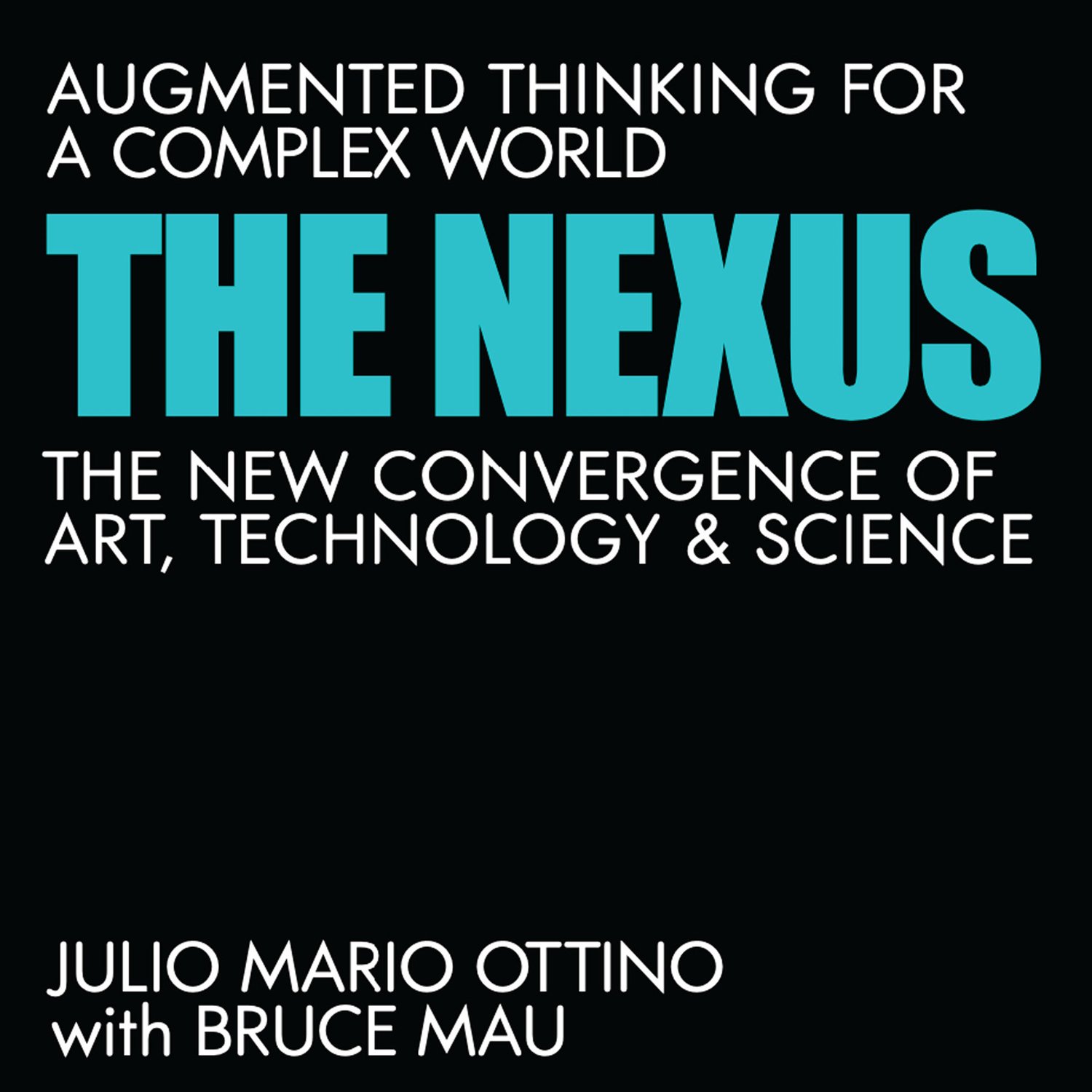
Highlights - Julio Ottino - Founding Co-Director of Northwestern Institute on Complex Systems
Today's complex problems demand a radically new way of thinking — one in which art, technology, and science converge to expand our creativity and augment our insight. Creativity must be combined with the ability to execute; the leaders and innovators of the future will have to understand this balance and manage such complexities as climate change and pandemics. The place of this convergence is THE NEXUS. In this provocative and visually striking book, Julio Mario Ottino and Bruce Mau offer a guide for navigating the intersections of art, technology, and science.Julio Ottino is an artist, researcher, author, and educator at Northwestern University. He is the author, with Bruce Mau, of The Nexus: Augmented Thinking for a Complex World - The New Convergence of Art, Technology, and Science. He was the founding co-director of the Northwestern Institute on Complex Systems. In 2008, he was listed in the “One Hundred Engineers of the Modern Era”. In 2017, he was awarded the Bernard M. Gordon Prize for Innovation in Engineering and Technology Education from the National Academy of Engineering.www.juliomarioottino.comwww.thenexusbook.comwww.mccormick.northwestern.edu/about/leadership/profiles/ottino-julio.html
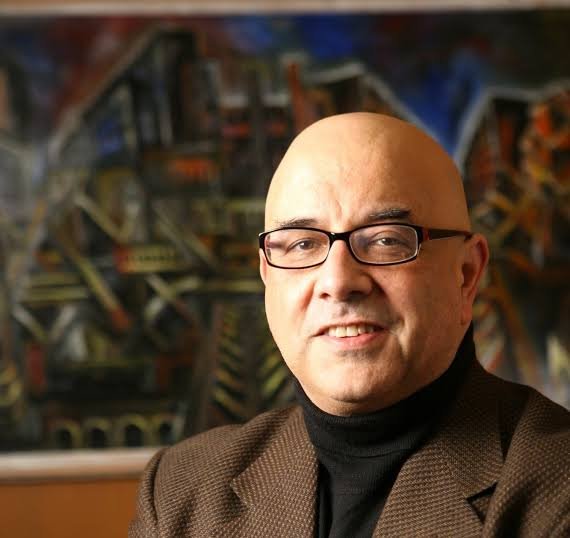
Julio Ottino - Author of “The Nexus: Augmented Thinking for a Complex World - The New Convergence of Art, Technology, and Science”
Julio Ottino is an artist, researcher, author, and educator at Northwestern University. He is the author, with Bruce Mau, of The Nexus: Augmented Thinking for a Complex World - The New Convergence of Art, Technology, and Science. He was the founding co-director of the Northwestern Institute on Complex Systems. In 2008, he was listed in the “One Hundred Engineers of the Modern Era”. In 2017, he was awarded the Bernard M. Gordon Prize for Innovation in Engineering and Technology Education from the National Academy of Engineering.Today's complex problems demand a radically new way of thinking — one in which art, technology, and science converge to expand our creativity and augment our insight. Creativity must be combined with the ability to execute; the leaders and innovators of the future will have to understand this balance and manage such complexities as climate change and pandemics. The place of this convergence is THE NEXUS. In this provocative and visually striking book, Julio Mario Ottino and Bruce Mau offer a guide for navigating the intersections of art, technology, and science.www.juliomarioottino.comwww.thenexusbook.comwww.mccormick.northwestern.edu/about/leadership/profiles/ottino-julio.html
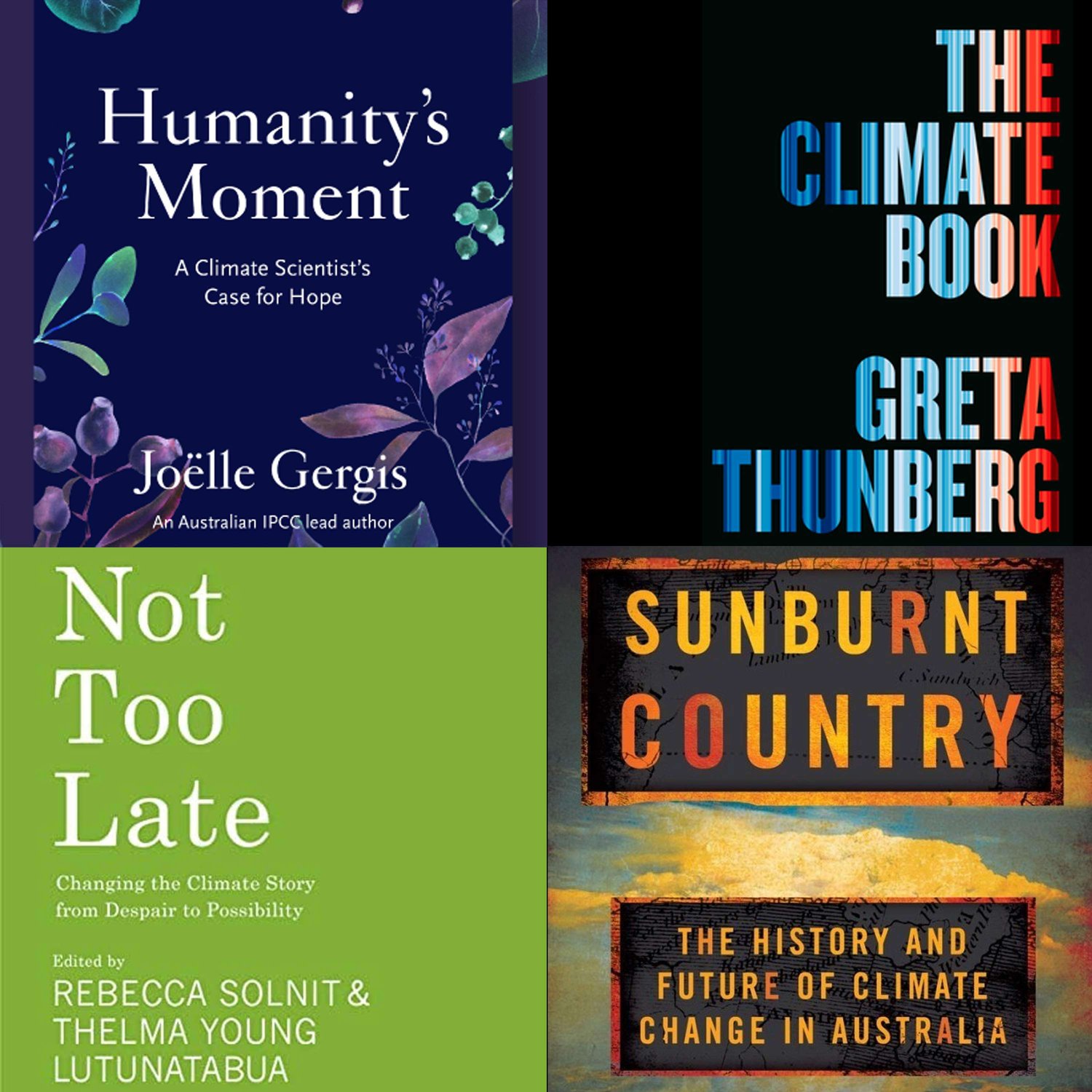
Highlights - Joëlle Gergis - Lead Author - IPCC Sixth Assessment Report - Author of “Humanity’s Moment”
"The reason why I became a scientist, to be honest, is because of my deep love for the natural world and living in a country like Australia, which is absolutely extraordinary. You know, we have more unique plants and animals than anywhere on the planet. So more than places like Brazil or Papua New Guinea or Madagascar, these places you think of as being richly biodiverse. Australia actually tops the list, just in terms of the uniqueness of our natural environment. And so growing up in a place like that really infuses into your pores. And so I would go into these beautiful places, whether it be rainforests or the coast, which I love. And then as a young person, I was really drawn into wanting to study science. And so that's why I became a scientist. I guess I move through these landscapes in a slightly different way to say other people who maybe don't have that training, but I guess it's my love of the natural world that really is the fuel for the fire that keeps me going in this area. So I think it's fascinating, for example, that every single year trees can actually put down this growth ring and that is responding to things like temperature and rainfall. So, as long as that tree's been alive and some of these trees can grow up to 2000 years, you can have this really, really long record of climate that extends back beyond the official weather records that generally begin around about 1850 over most of the world. So it's one of these things that I just inherently find science really fascinating and being able to use these different types of records to reconstruct past climate allows us to look at these cycles of natural climate variability and then understand how they're shifting as the planet continues to warm."Dr. Joëlle Gergis is an award-winning climate scientist and writer at the Australian National University. She served as a lead author for the IPCC Sixth Assessment Report and is the author of Humanity’s Moment: A Climate Scientist’s Case for Hope and Sunburnt Country: The History and Future of Climate Change in Australia. Joëlle has also contributed chapters to The Climate Book by Greta Thunberg, and Not Too Late: Changing the Climate Story from Despair to Possibility, edited by Rebecca Solnit and Thelma Young Lutunatabua.http://joellegergis.comhttps://climatehistory.com.auwww.blackincbooks.com.au/authors/jo-lle-gergiswww.creativeprocess.info www.oneplanetpodcast.org IG www.instagram.com/creativeprocesspodcast
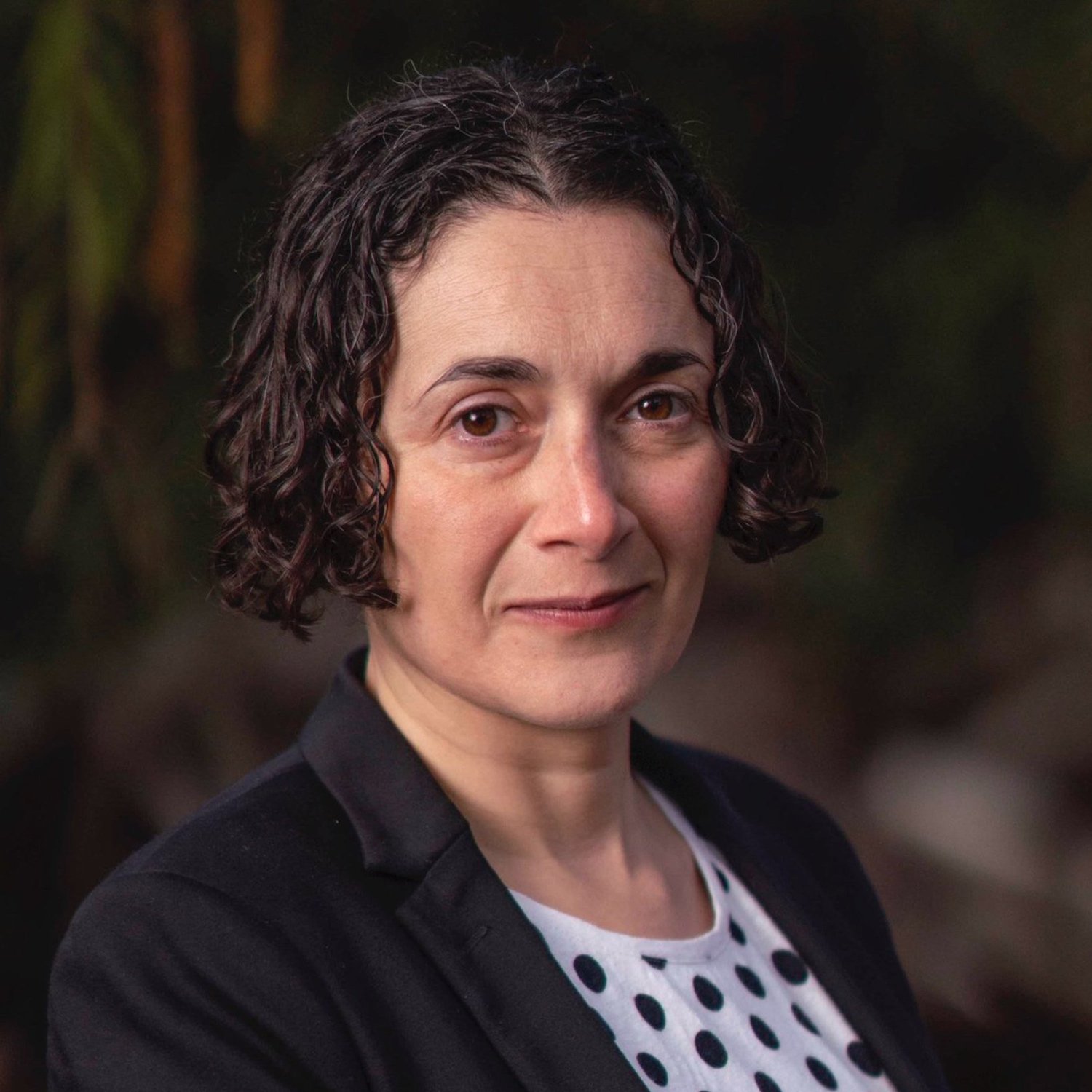
Joëlle Gergis - Lead Author - IPCC Sixth Assessment Report - Author of “Humanity’s Moment”
Dr. Joëlle Gergis is an award-winning climate scientist and writer at the Australian National University. She served as a lead author for the IPCC Sixth Assessment Report and is the author of Humanity’s Moment: A Climate Scientist’s Case for Hope and Sunburnt Country: The History and Future of Climate Change in Australia. Joëlle has also contributed chapters to The Climate Book by Greta Thunberg, and Not Too Late: Changing the Climate Story from Despair to Possibility, edited by Rebecca Solnit and Thelma Young Lutunatabua."The reason why I became a scientist, to be honest, is because of my deep love for the natural world and living in a country like Australia, which is absolutely extraordinary. You know, we have more unique plants and animals than anywhere on the planet. So more than places like Brazil or Papua New Guinea or Madagascar, these places you think of as being richly biodiverse. Australia actually tops the list, just in terms of the uniqueness of our natural environment. And so growing up in a place like that really infuses into your pores. And so I would go into these beautiful places, whether it be rainforests or the coast, which I love. And then as a young person, I was really drawn into wanting to study science. And so that's why I became a scientist. I guess I move through these landscapes in a slightly different way to say other people who maybe don't have that training, but I guess it's my love of the natural world that really is the fuel for the fire that keeps me going in this area. So I think it's fascinating, for example, that every single year trees can actually put down this growth ring and that is responding to things like temperature and rainfall. So, as long as that tree's been alive and some of these trees can grow up to 2000 years, you can have this really, really long record of climate that extends back beyond the official weather records that generally begin around about 1850 over most of the world. So it's one of these things that I just inherently find science really fascinating and being able to use these different types of records to reconstruct past climate allows us to look at these cycles of natural climate variability and then understand how they're shifting as the planet continues to warm."http://joellegergis.comhttps://climatehistory.com.auwww.blackincbooks.com.au/authors/jo-lle-gergiswww.creativeprocess.info www.oneplanetpodcast.org IG www.instagram.com/creativeprocesspodcast
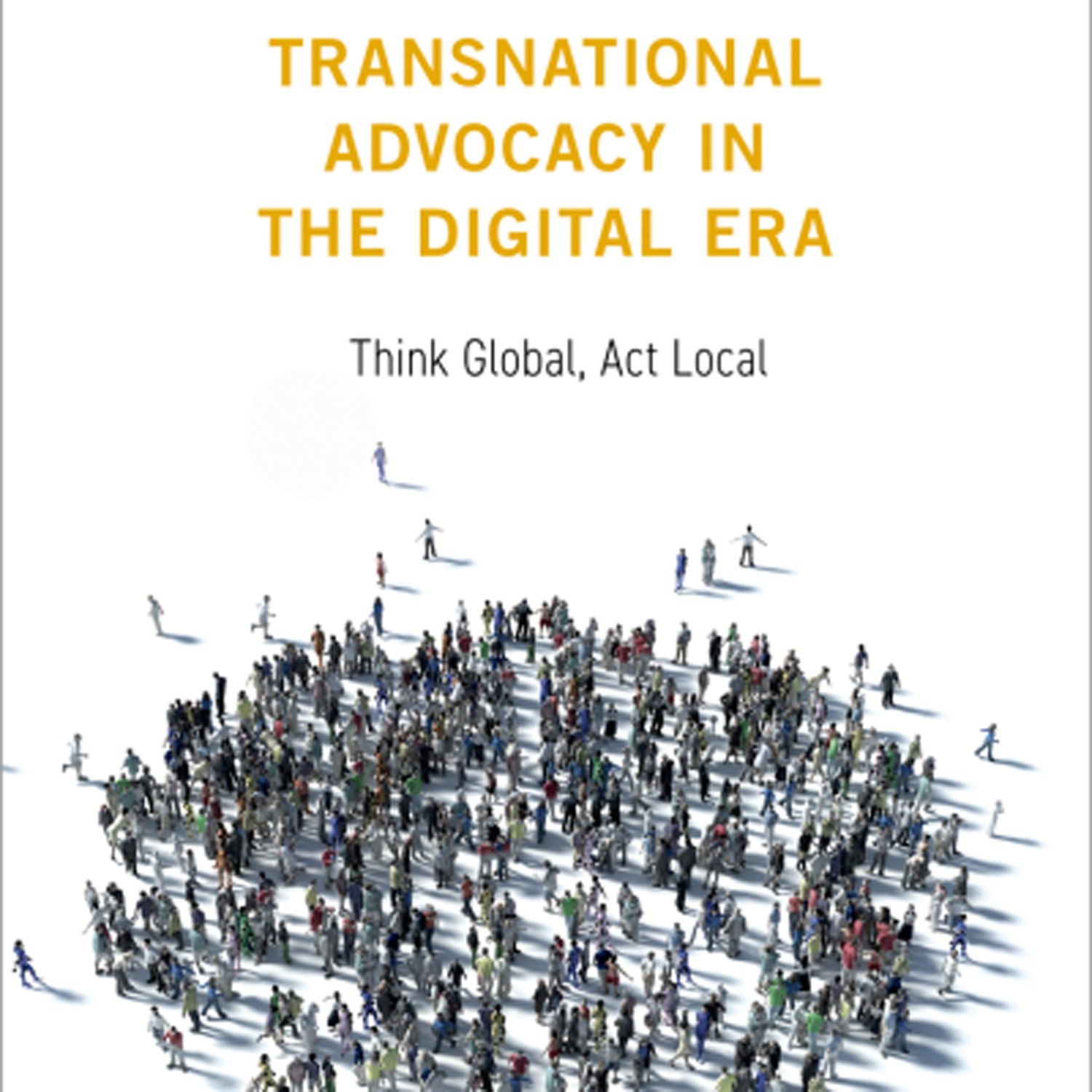
Highlights - Nina Hall - Author of “Transnational Advocacy in the Digital Era”
"Climate activists also successfully reframed debates on loss and damage as a justice issue, and lobbied alongside vulnerable states for it to be a separate article of the Paris Agreement. NGO advocacy may lead to the closure of coal plants or mines. However, scholars continue to debate how, when, and why, transnational environmental advocacy has an impact. After all, there are many different ways to understand their influence, including mobilizing people; gaining media coverage; shaping societal attitudes; changing policy outcomes; or influencing the target."–Nina HallTransnational Advocacy in the Digital Era: Think Global, Act LocalNina Hall is an Assistant Professor in International Relations at Johns Hopkins School of Advanced International Studies (Europe). She previously worked as a Lecturer at the Hertie School of Governance, where she published her first book Displacement, Development, and Climate Change: International Organizations Moving Beyond their Mandates? Her latest book is Transnational Advocacy in the Digital Era: Think Global, Act Local. She holds a DPhil in International Relations from the University of Oxford and is the co-founder of an independent and progressive think tank, New Zealand Alternative. She has been a Senior Fellow at the Weizenbaum Institute (the German Internet Institute) and a Faculty Affiliate at the SNF Agora Institute, Johns Hopkins University.https://ninahall.net https://global.oup.com/academic/product/transnational-advocacy-in-the-digital-era-9780198858744?cc=fr&lang=en& https://sais.jhu.edu/users/nhall20 www.oneplanetpodcast.org www.creativeprocess.info Instagram @creativeprocesspodcast
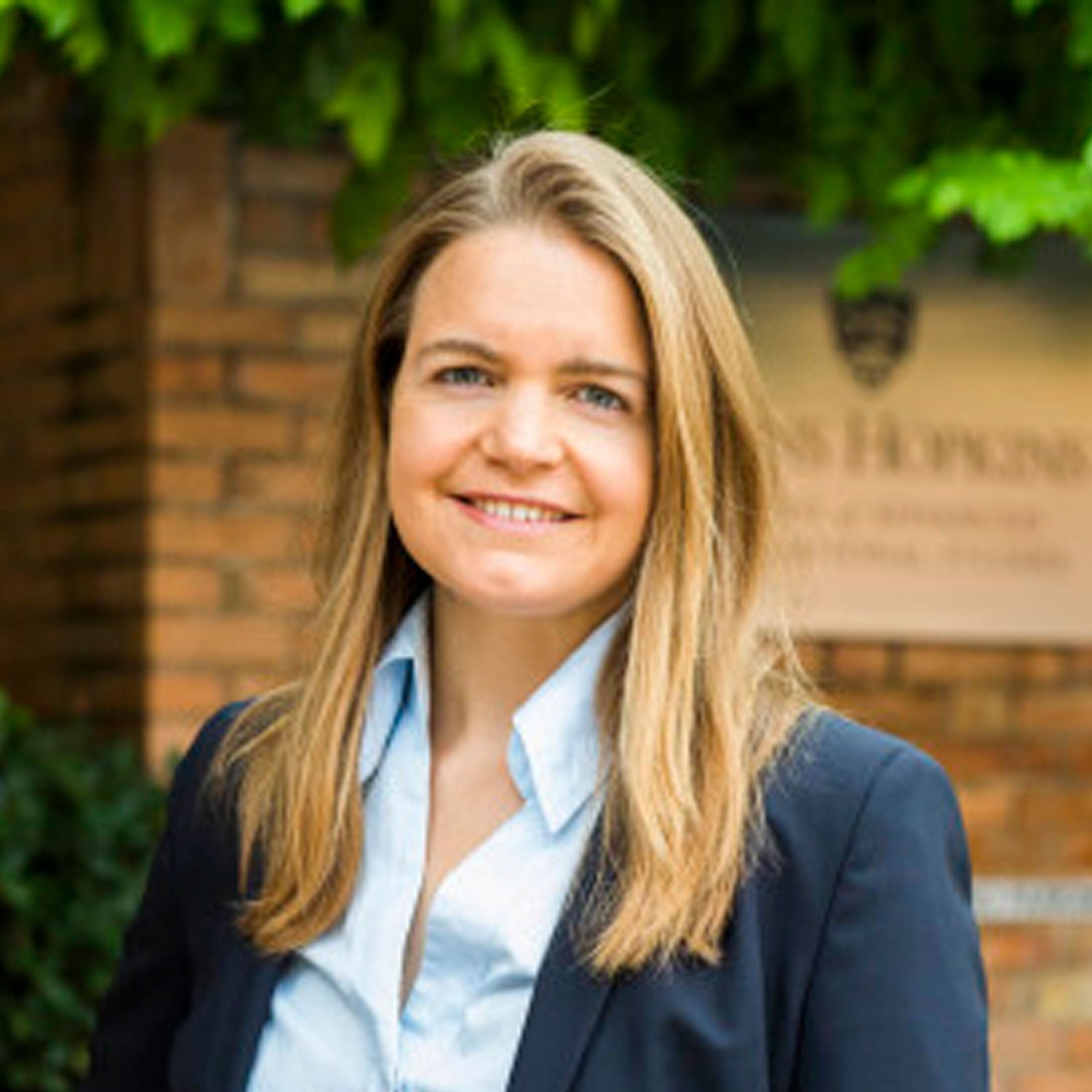
Nina Hall - Author of “Transnational Advocacy in the Digital Era: Think Global, Act Local”
Nina Hall is an Assistant Professor in International Relations at Johns Hopkins School of Advanced International Studies (Europe). She previously worked as a Lecturer at the Hertie School of Governance, where she published her first book Displacement, Development, and Climate Change: International Organizations Moving Beyond their Mandates? Her latest book is Transnational Advocacy in the Digital Era: Think Global, Act Local. She holds a DPhil in International Relations from the University of Oxford and is the co-founder of an independent and progressive think tank, New Zealand Alternative. She has been a Senior Fellow at the Weizenbaum Institute (the German Internet Institute) and a Faculty Affiliate at the SNF Agora Institute, Johns Hopkins University."Climate activists also successfully reframed debates on loss and damage as a justice issue, and lobbied alongside vulnerable states for it to be a separate article of the Paris Agreement. NGO advocacy may lead to the closure of coal plants or mines. However, scholars continue to debate how, when, and why, transnational environmental advocacy has an impact. After all, there are many different ways to understand their influence, including mobilizing people; gaining media coverage; shaping societal attitudes; changing policy outcomes; or influencing the target."–Nina HallTransnational Advocacy in the Digital Era: Think Global, Act Localhttps://ninahall.net https://global.oup.com/academic/product/transnational-advocacy-in-the-digital-era-9780198858744?cc=fr&lang=en& https://sais.jhu.edu/users/nhall20 www.oneplanetpodcast.org www.creativeprocess.info Instagram @creativeprocesspodcast
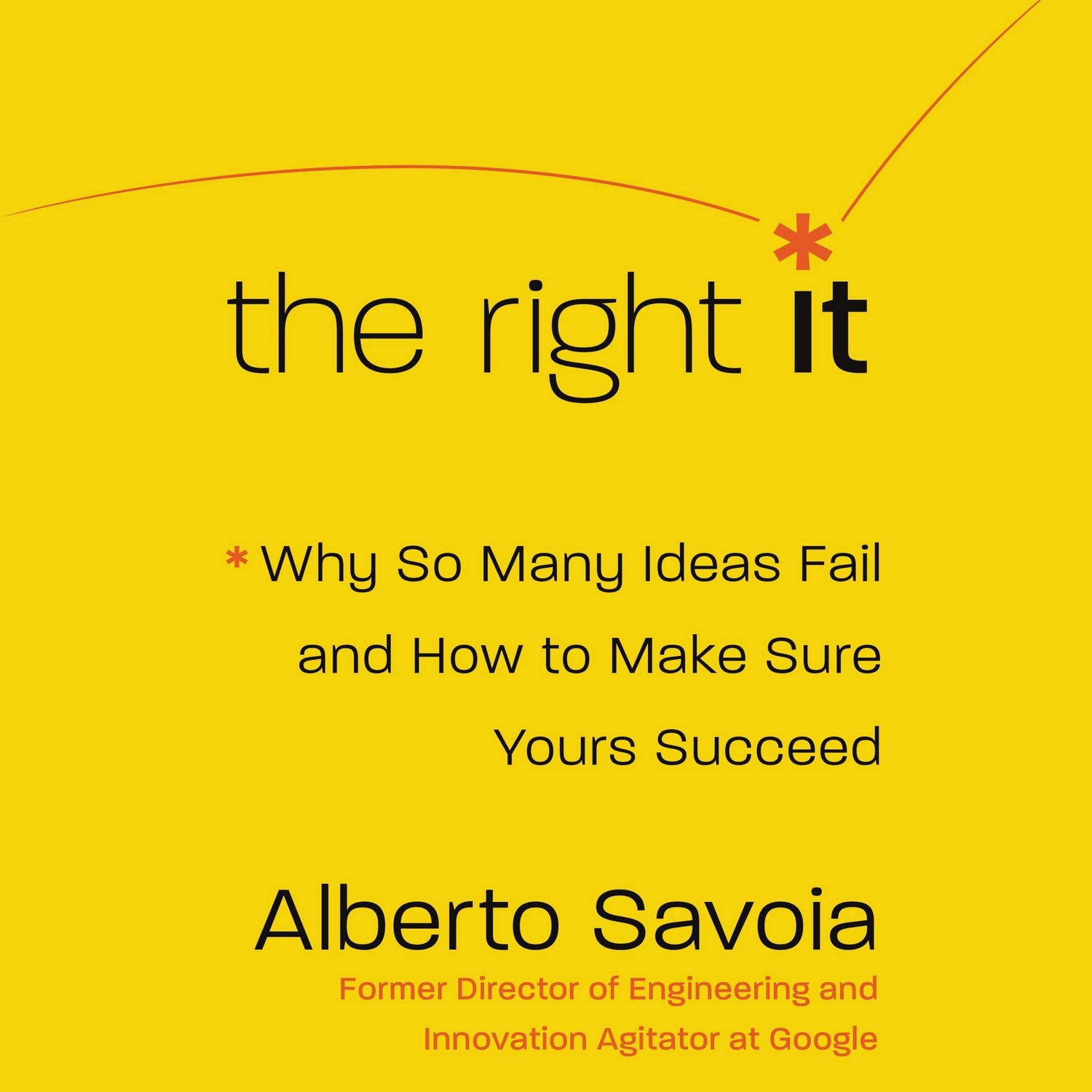
Highlights - Alberto Savoia - Google’s 1st Engineering Director - Author of “The Right It”
"I live in a community. It's about 170 homes, and we're all neighbors. We have a shared mailing list. And so I'm a big fan of this small experiment. You know if I need a 30-foot ladder to inspect my roof. I'm not going to go buy it to use it once. We have this circular economy and sharing. If I make too much food, I just post it and ask my neighbors, Hey, is anybody interested in this? So I think that on a small scale, I see it happening much more.I'm lucky I work in a community where I've known my neighbors for a long time, but I can see why it would be more difficult in big cities or in places where people do not communicate. So how do you create these communities? Because once the community exists, it's just like a tool. Once you have the community, these behaviors actually happen naturally. And if you look at how human beings evolve as tribes, when there's a small number of people, there’s much more sharing. And people are much more careful with their actions. They want to share because then they can share back. So that is why I think the importance of doing things in a small experiment and then think, Okay, how do we scale it up in a large way? But you also have to start small and see if you can actually export it.”Alberto Savoia was Google’s first engineering director and is currently Innovation Agitator Emeritus, where, among other things, he led the development and launch of the original Google AdWords. He is the author of The Right It: Why So Many Ideas Fail and How to Make Sure Yours Succeed, a book that provides critical advice for rethinking how we launch a new idea, product, or business, and gives insights to help successfully beat the law of market failure: that most new products will fail, even if competently executed. He is a successful serial entrepreneur, angel-investor and an expert practitioner in pretotyping and lean innovation. He is based in Silicon Valley where he teaches his uniquely effective approach to innovation at Google, Stanford. He has also taught and coached many Fortune 500 companies, including Nike, McDonald’s, and Walmart, as well as the US Army.www.albertosavoia.com https://harperone.com/9780062884671/the-right-itwww.creativeprocess.info www.oneplanetpodcast.orgInstagram @creativeprocesspodcast
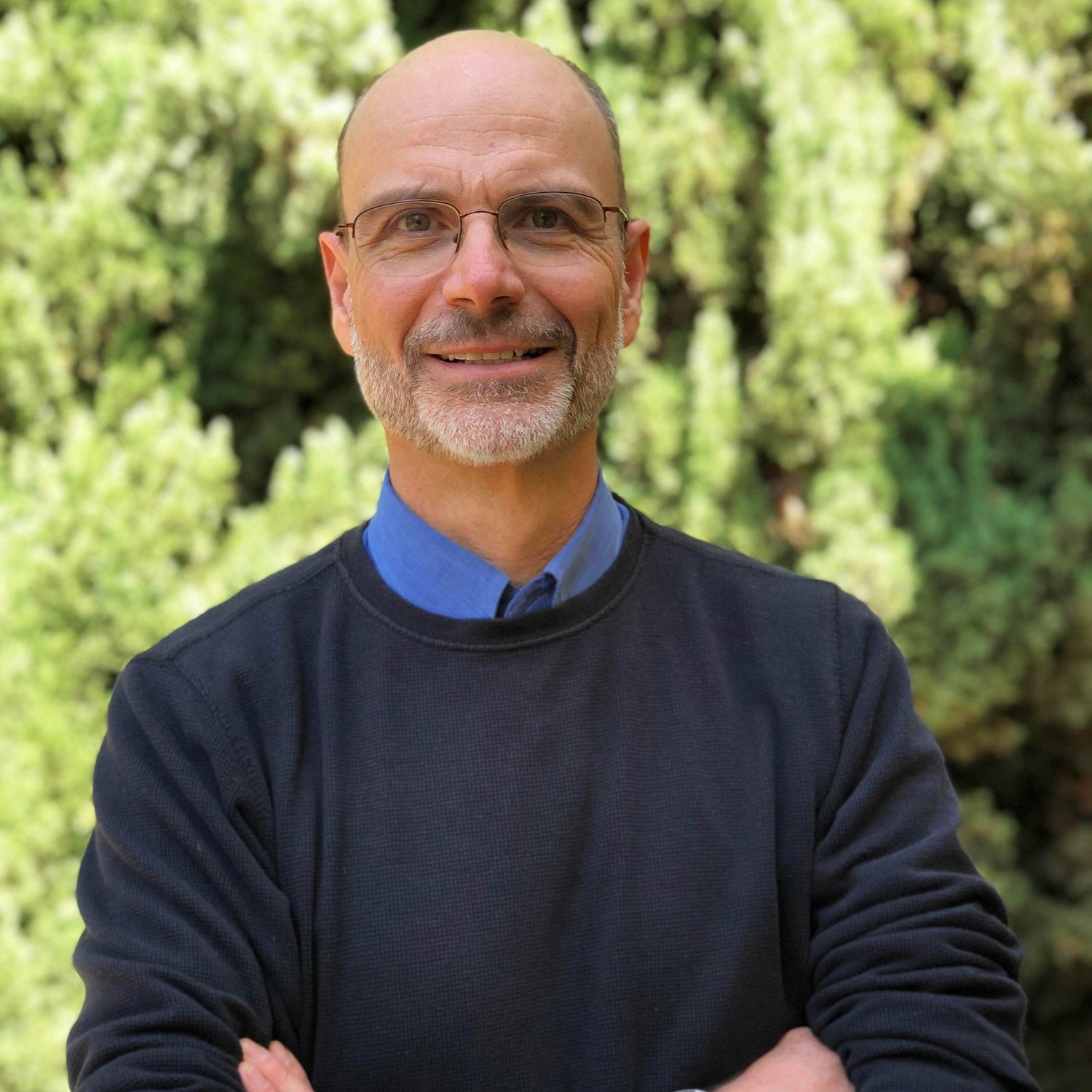
Alberto Savoia - Google’s 1st Engineering Director - Author of “The Right It”
Alberto Savoia was Google’s first engineering director and is currently Innovation Agitator Emeritus, where, among other things, he led the development and launch of the original Google AdWords. He is the author of The Right It: Why So Many Ideas Fail and How to Make Sure Yours Succeed, a book that provides critical advice for rethinking how we launch a new idea, product, or business, and gives insights to help successfully beat the law of market failure: that most new products will fail, even if competently executed.He is a successful serial entrepreneur, angel-investor and an expert practitioner in pretotyping and lean innovation. He is based in Silicon Valley where he teaches his uniquely effective approach to innovation at Google, Stanford. He has also taught and coached many Fortune 500 companies, including Nike, McDonald’s, and Walmart, as well as the US Army."I live in a community. It's about 170 homes, and we're all neighbors. We have a shared mailing list. And so I'm a big fan of this small experiment. You know if I need a 30-foot ladder to inspect my roof. I'm not going to go buy it to use it once. We have this circular economy and sharing. If I make too much food, I just post it and ask my neighbors, Hey, is anybody interested in this? So I think that on a small scale, I see it happening much more.I'm lucky I work in a community where I've known my neighbors for a long time, but I can see why it would be more difficult in big cities or in places where people do not communicate. So how do you create these communities? Because once the community exists, it's just like a tool. Once you have the community, these behaviors actually happen naturally. And if you look at how human beings evolve as tribes, when there's a small number of people, there’s much more sharing. And people are much more careful with their actions. They want to share because then they can share back. So that is why I think the importance of doing things in a small experiment and then think, Okay, how do we scale it up in a large way? But you also have to start small and see if you can actually export it.”www.albertosavoia.com https://harperone.com/9780062884671/the-right-itwww.creativeprocess.info www.oneplanetpodcast.orgInstagram @creativeprocesspodcast
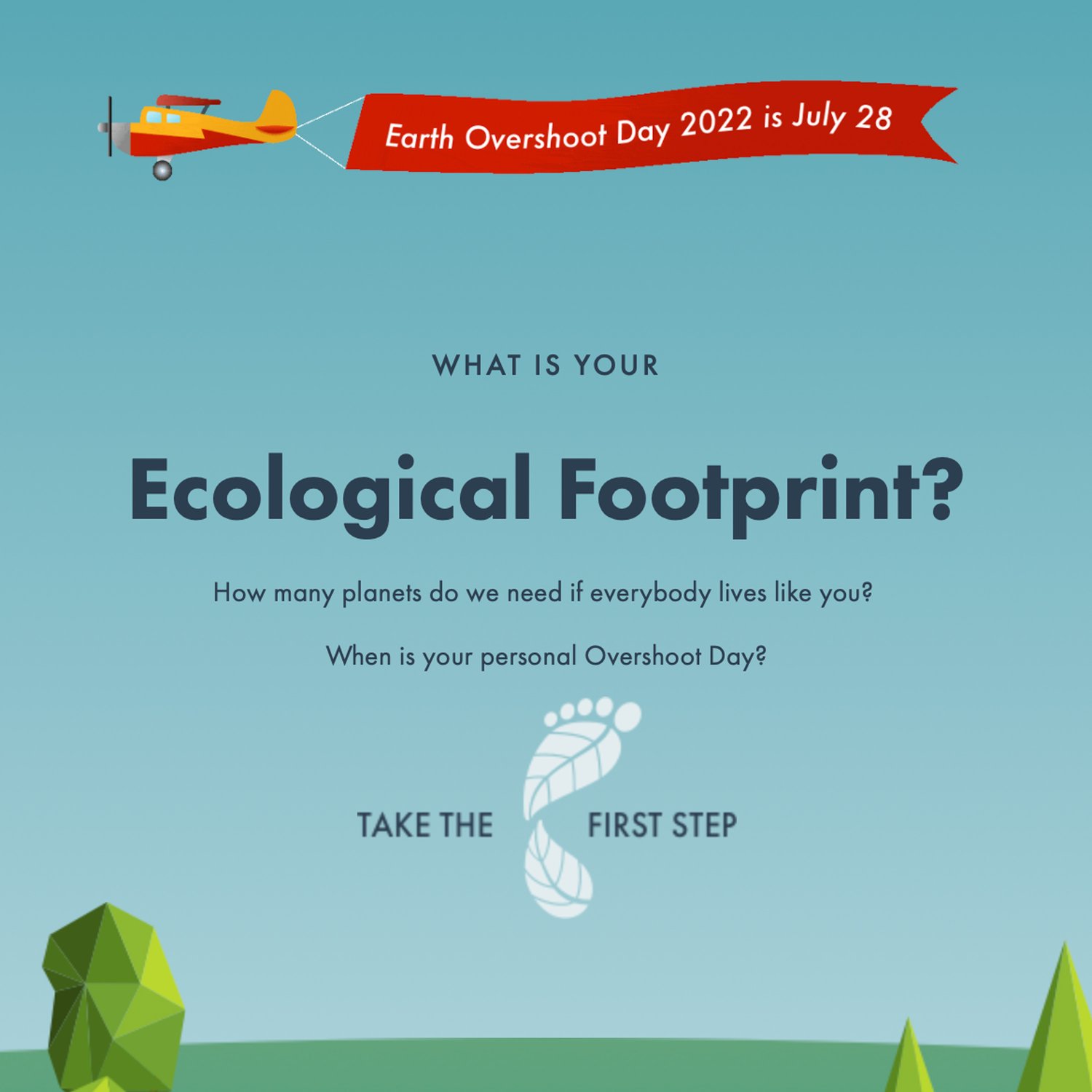
Highlights - Mathis Wackernagel - Founder, Pres., Global Footprint Network - World Sustainability Award Winner
"In my way of talking, I try to move away from the word responsibility because people don't come to me and say, 'Thank you so much for giving me responsibility,' rather they avoid me at parties and so, how do we talk about it? So I like more the metaphor of brushing your teeth. Brushing your teeth is not so much an imposition. You must brush your teeth, otherwise, you're a really bad person, you know? No, you just brush your teeth because you want to have healthy teeth. It's not a capitalist plot either. They say, Oh, you're such a capitalist, protecting the capital in your jaw. No, we want to have healthy teeth. So it is just protecting your teeth is necessary. Make an effort today to protect the health of your tooth tomorrow. And that's kind of a similar approach. So the same principles that apply to a country or a city also apply to an individual. I mean, an individual could be an investor or can have a pension fund. And so the question is my investment going to be more valued in the future or not? Probably it's more likely to be valuable if it is aligned with what the future will look like. Or you're making decisions about where to live. Like if you make yourself dependent on cars, then every time gasoline prices go up, then you get more exposed.If you can live with fewer resources, then you feel more safe. So we are talking more about resource security rather than reducing your demand, which is the same thing, but it comes with a twist. Big shifts are needed if you want to be able to operate in the future. So it is very serious. I think in the end, only things we want to do will happen. So I think the best thing to get on that track is to, in our own speech, ban the word should because as soon as we say should, we indicate it's not going to happen, and we lose agency.”Mathis Wackernagel is Co-founder and President of Global Footprint Network. He created the Ecological Footprint with Professor William Rees at the University of British Columbia as part of his Ph.D. in community and regional planning. Mathis also earned a mechanical engineering degree from the Swiss Federal Institute of Technology. Mathis has worked on sustainability with governments, corporations and international NGOs on six continents and has lectured at more than 100 universities. Mathis has authored and contributed to more than 100 peer-reviewed papers, numerous articles, reports and various books on sustainability that focus on embracing resource limits and developing metrics for sustainability. Mathis’ awards include the 2018 World Sustainability Award, the 2015 IAIA Global Environment Award, being a 2014 ISSP Sustainability Hall of Fame Inductee, the 2013 Prix Nature Swisscanto, 2012 Blue Planet Prize, 2012 Binding Prize for Nature Conservation, the 2012 Kenneth E. Boulding Memorial Award of the International Society for Ecological Economics, the 2011 Zayed International Prize for the Environment (jointly awarded with UNEP). He was also selected as number 19 on the en(rich) list identifying the 100 top inspirational individuals whose contributions enrich paths to sustainable futures.www.footprintnetwork.orgwww.footprintnetwork.org/toolswww.overshootday.org/power-of-possibility/www.creativeprocess.infowww.oneplanetpodcast.orgInstagram @creativeprocesspodcast
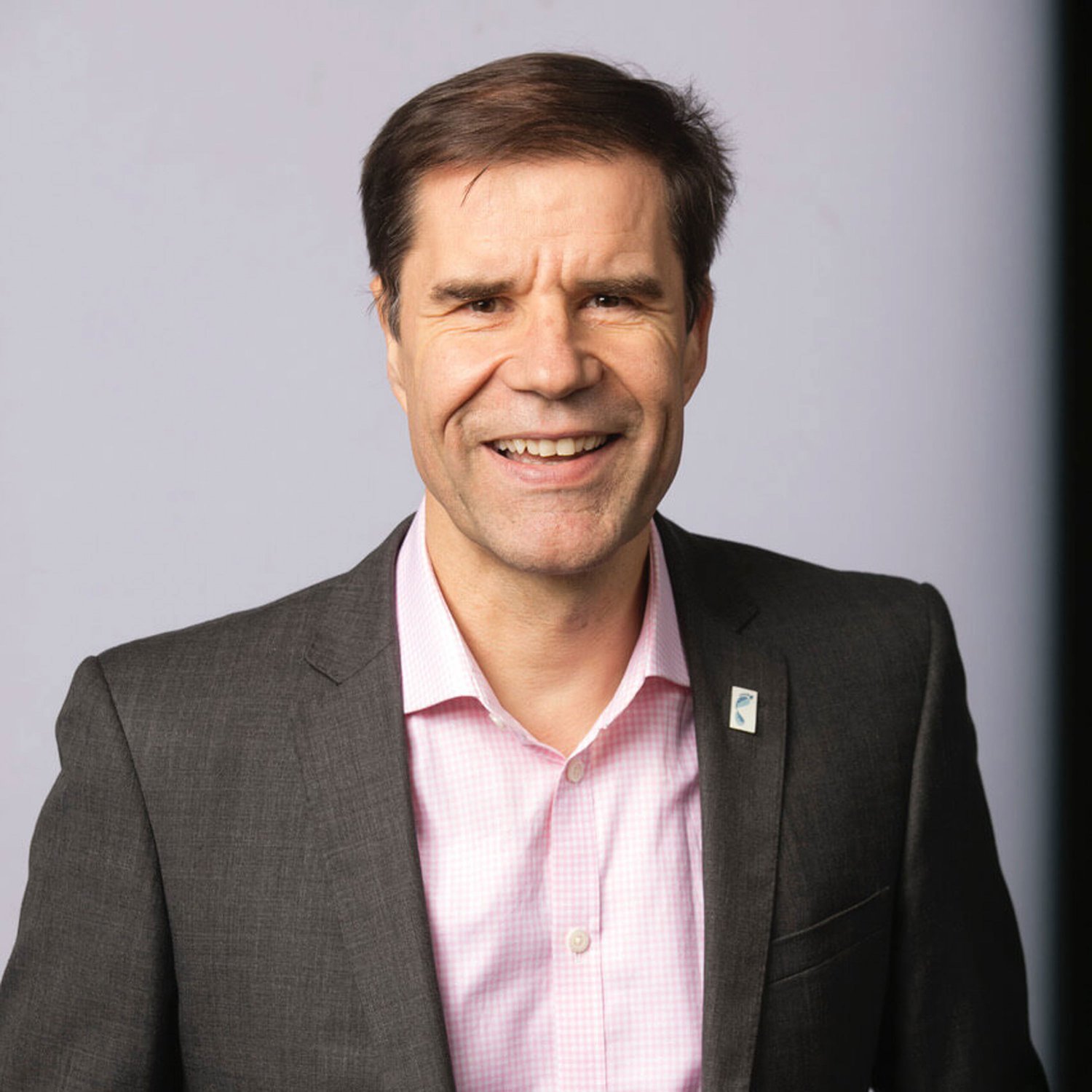
Mathis Wackernagel - Founder, President, Global Footprint Network - World Sustainability Award Winner
Mathis Wackernagel is Co-founder and President of Global Footprint Network. He created the Ecological Footprint with Professor William Rees at the University of British Columbia as part of his Ph.D. in community and regional planning. Mathis also earned a mechanical engineering degree from the Swiss Federal Institute of Technology. Mathis has worked on sustainability with governments, corporations and international NGOs on six continents and has lectured at more than 100 universities. Mathis has authored and contributed to more than 100 peer-reviewed papers, numerous articles, reports and various books on sustainability that focus on embracing resource limits and developing metrics for sustainability. Mathis’ awards include the 2018 World Sustainability Award, the 2015 IAIA Global Environment Award, being a 2014 ISSP Sustainability Hall of Fame Inductee, the 2013 Prix Nature Swisscanto, 2012 Blue Planet Prize, 2012 Binding Prize for Nature Conservation, the 2012 Kenneth E. Boulding Memorial Award of the International Society for Ecological Economics, the 2011 Zayed International Prize for the Environment (jointly awarded with UNEP). He was also selected as number 19 on the en(rich) list identifying the 100 top inspirational individuals whose contributions enrich paths to sustainable futures."In my way of talking, I try to move away from the word responsibility because people don't come to me and say, 'Thank you so much for giving me responsibility,' rather they avoid me at parties and so, how do we talk about it? So I like more the metaphor of brushing your teeth. Brushing your teeth is not so much an imposition. You must brush your teeth, otherwise, you're a really bad person, you know? No, you just brush your teeth because you want to have healthy teeth. It's not a capitalist plot either. They say, Oh, you're such a capitalist, protecting the capital in your jaw. No, we want to have healthy teeth. So it is just protecting your teeth is necessary. Make an effort today to protect the health of your tooth tomorrow. And that's kind of a similar approach. So the same principles that apply to a country or a city also apply to an individual. I mean, an individual could be an investor or can have a pension fund. And so the question is my investment going to be more valued in the future or not? Probably it's more likely to be valuable if it is aligned with what the future will look like. Or you're making decisions about where to live. Like if you make yourself dependent on cars, then every time gasoline prices go up, then you get more exposed.If you can live with fewer resources, then you feel more safe. So we are talking more about resource security rather than reducing your demand, which is the same thing, but it comes with a twist. Big shifts are needed if you want to be able to operate in the future. So it is very serious. I think in the end, only things we want to do will happen. So I think the best thing to get on that track is to, in our own speech, ban the word should because as soon as we say should, we indicate it's not going to happen, and we lose agency.”www.footprintnetwork.orgwww.footprintnetwork.org/toolswww.overshootday.org/power-of-possibility/www.creativeprocess.infowww.oneplanetpodcast.orgInstagram @creativeprocesspodcast
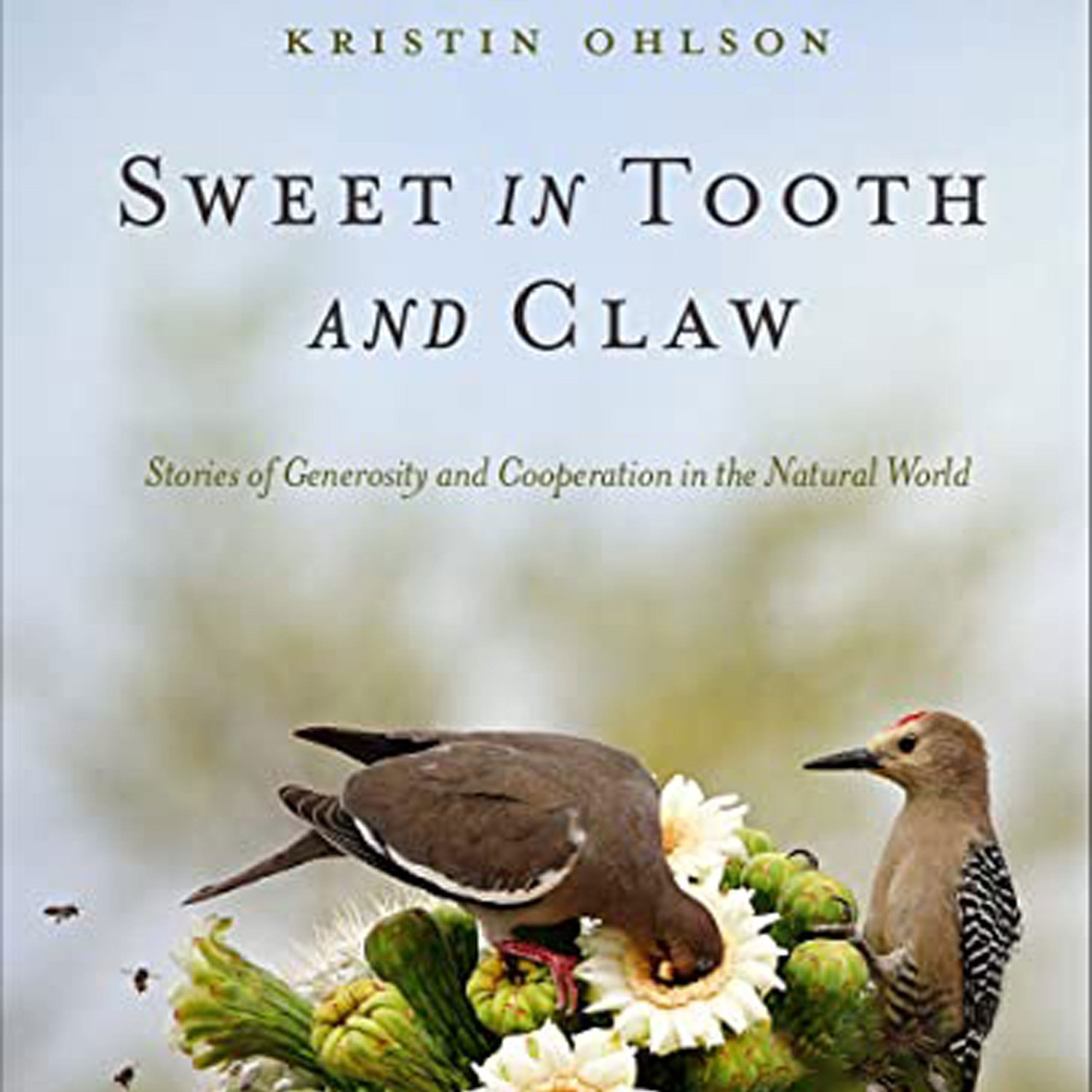
Highlights - Kristin Ohlson - Author of Sweet in Tooth and Claw, and The Soil Will Save Us
"In some ways, our insistence on dominating is actually destroying us.""It definitely is destroying us. It definitely destroys ecosystems. And I think part of the reason that this story of cooperation among living things appeals to me so much. I mean, in my book Sweet in Tooth and Claw, I look at the work of lots of scientists who studying how nature works and discovering all these incredible connections among living things that certainly help them thrive and help ecosystems thrive.But I think it's this story of cooperation is important in terms of the story that we tell ourselves about nature, and seeing as how we are part of nature, it's important that we see ourselves as possibly a partner instead of a destroyer. I think that we have held onto the perspective that nature is all about competition and conflict. And when we shift that, when we look at nature as this vast web of interconnection and cooperation, and of course competition and conflict in there obviously in some places. But when we look at this vast web of cooperation and collaboration, I think that it changes our view. It changes our view of what's possible.You know, instead of us trying to make order out of chaos, largely out of the chaos that we've created, we can instead look at the world as being held together and look for the places where the connections have been snapped, where the connections have been broken, and where we can roll back some of the damage that we've done and help those connections heal.”Kristin Ohlson is the author of Sweet in Tooth and Claw: Stories of Generosity and Cooperation in the Natural World. Her other books include The Soil Will Save Us: How Scientists, Farmers and Foodies are Healing the Soil to Save the Planet, and Kabul Beauty School: An American Woman Goes Behind the Veil. Olson appears in the award-winning documentary film Kiss The Ground, speaking about the connection between soil and climate. Her work has appeared in the New York Times, Smithsonian, Discover, New Scientist, Orion, American Archeology, and has also been anthologized in Best American Science Writing, and Best American Food Writing.www.kristinohlson.comwww.patagonia.com/stories/sweet-in-tooth-and-claw/story-123959.html www.oneplanetpodcast.orgwww.creativeprocess.infoInstagram @creativeprocesspodcast
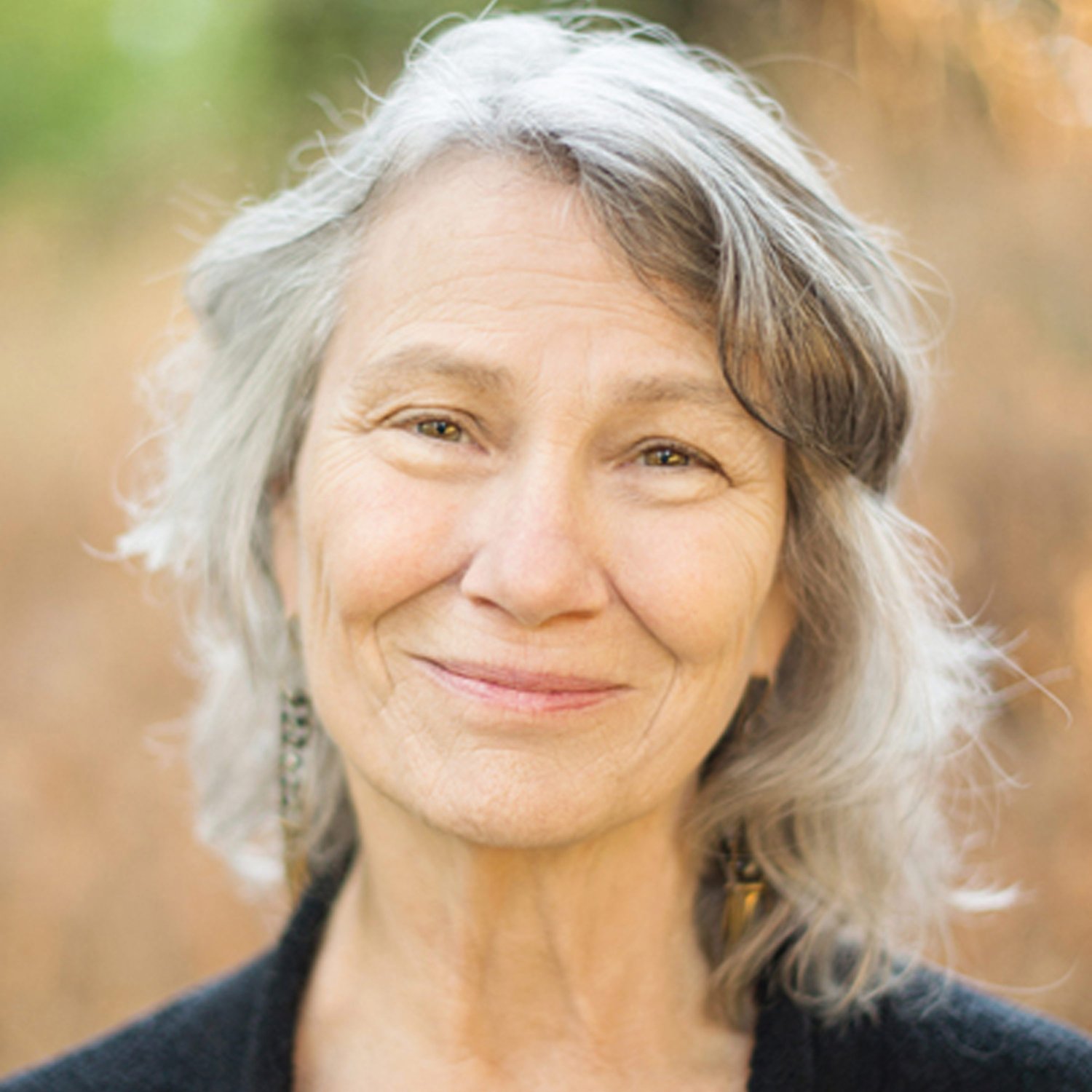
Kristin Ohlson - Author of Sweet in Tooth and Claw: Stories of Generosity and Cooperation in the Natural World
Kristin Ohlson is the author of Sweet in Tooth and Claw: Stories of Generosity and Cooperation in the Natural World. Her other books include The Soil Will Save Us: How Scientists, Farmers and Foodies are Healing the Soil to Save the Planet, and Kabul Beauty School: An American Woman Goes Behind the Veil. Olson appears in the award-winning documentary film Kiss The Ground, speaking about the connection between soil and climate. Her work has appeared in the New York Times, Smithsonian, Discover, New Scientist, Orion, American Archeology, and has also been anthologized in Best American Science Writing, and Best American Food Writing. "In some ways, our insistence on dominating is actually destroying us.""It definitely is destroying us. It definitely destroys ecosystems. And I think part of the reason that this story of cooperation among living things appeals to me so much. I mean, in my book Sweet in Tooth and Claw, I look at the work of lots of scientists who studying how nature works and discovering all these incredible connections among living things that certainly help them thrive and help ecosystems thrive.But I think it's this story of cooperation is important in terms of the story that we tell ourselves about nature, and seeing as how we are part of nature, it's important that we see ourselves as possibly a partner instead of a destroyer. I think that we have held onto the perspective that nature is all about competition and conflict. And when we shift that, when we look at nature as this vast web of interconnection and cooperation, and of course competition and conflict in there obviously in some places. But when we look at this vast web of cooperation and collaboration, I think that it changes our view. It changes our view of what's possible.You know, instead of us trying to make order out of chaos, largely out of the chaos that we've created, we can instead look at the world as being held together and look for the places where the connections have been snapped, where the connections have been broken, and where we can roll back some of the damage that we've done and help those connections heal.”www.kristinohlson.comwww.patagonia.com/stories/sweet-in-tooth-and-claw/story-123959.html www.oneplanetpodcast.orgwww.creativeprocess.infoInstagram @creativeprocesspodcast
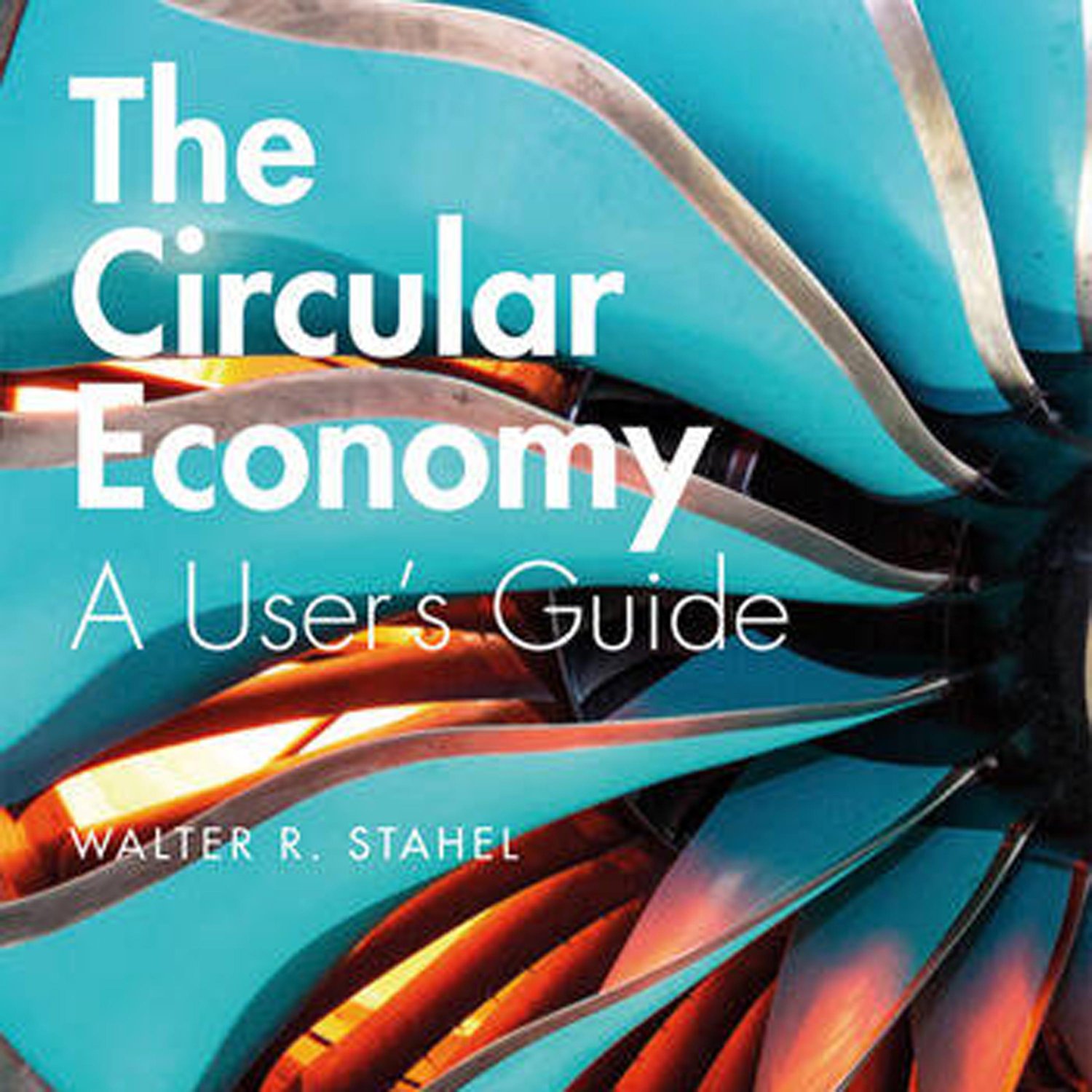
Highlights - Walter Stahel - Architect, Founding Father of Circular Economy - Founder-Director, Product-Life Institute
"We have to solve three problems. We have to create a low-waste society through incentives to change individual behavior from consumer to user through loss and waste prevention, and intelligent resource management. We also have to create a low-carbon society by preserving the water, electricity, and CO2 emissions embodied in physical assets or through innovation in green electricity and circular energy. And the third challenge, which is probably the biggest, we have to create a low anthropogenic mass society by preserving these existing stocks of infrastructure, buildings, equipment, vehicles, and objects. The only strategy I know that can fulfill these three challenges is a circular industrial economy.Now the last point, low anthropogenic mass society is simply because some years ago, the rapidly growing anthropogenic mass has become bigger than the world's biomass. And that of course means we are destroying the biomass because we have a limited planet, and we are destroying biodiversity and replacing it with synthetic manmade materials and objects. And this in the long term means we are killing ourselves, so we have to stop producing anthropogenic mass, except in countries that don't yet have sufficient infrastructures for education, health, living, and sufficient food to feed the population."Walter R. Stahel is the Founder-Director of the Product-Life Institute (Switzerland), the oldest established consultancy in Europe devoted to developing sustainable strategies and policies. He is Senior Research Fellow at the Circular Economy Research Centre, Ecole des Ponts Business School and Visiting Professor in the Department of Engineering and Physical Sciences, University of Surrey. He is also a full member of the Club of Rome. He was awarded degrees of Doctor honoris causa by the University of Surrey, l’Université de Montréal, and the 2020 Thornton Medal of the Institute of Materials, Minerals and Mining. He is the author of The Circular Economy: A User’s Guide.www.product-life.orgwww.routledge.com/The-Circular-Economy-A-Users-Guide/Stahel/p/book/9780367200176www.oneplanetpodcast.orgwww.creativeprocess.info Instagram @creativeprocesspodcast
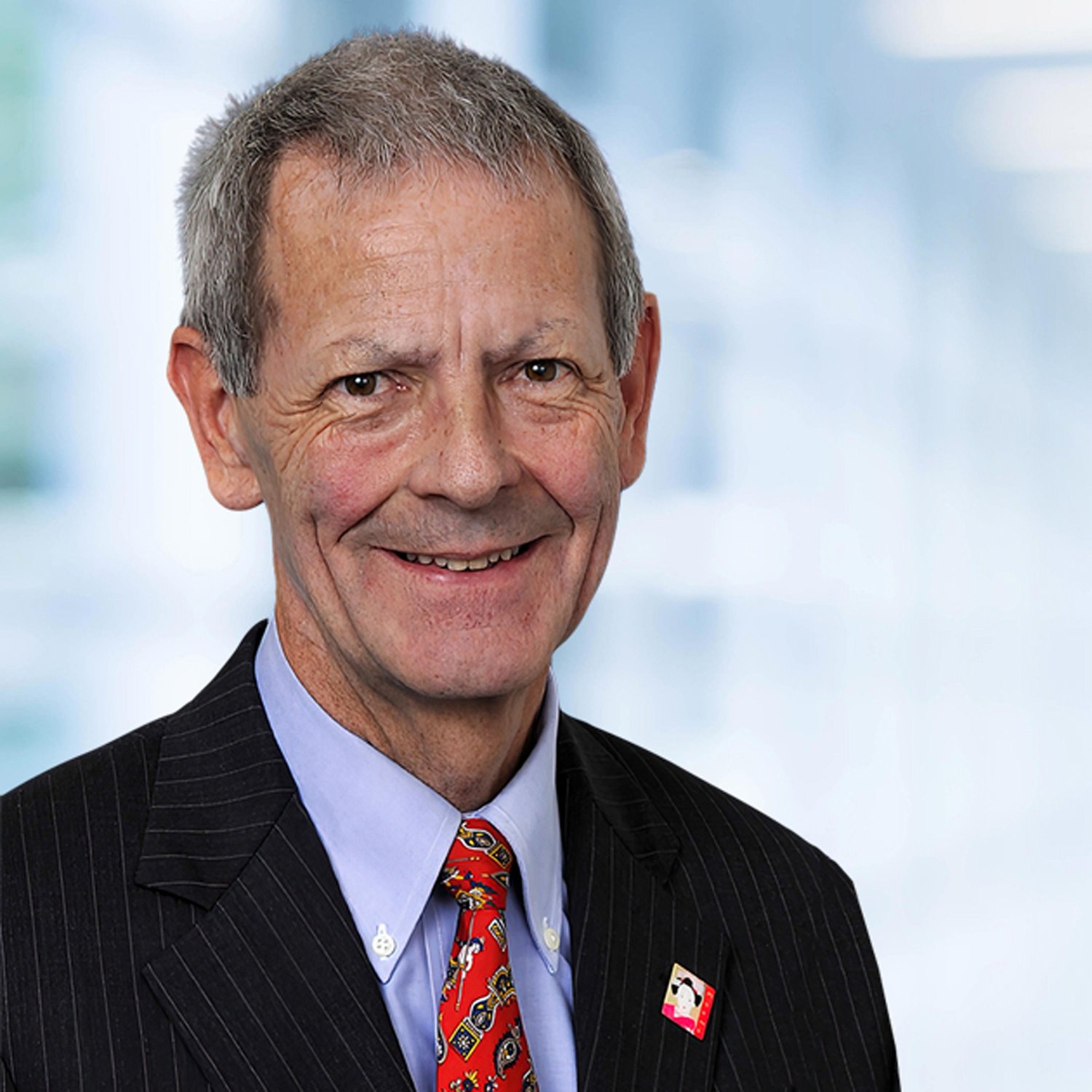
Walter Stahel - Architect, Economist, Founding Father of Circular Economy - Founder-Director, Product-Life Institute
Walter R. Stahel is the Founder-Director of the Product-Life Institute (Switzerland), the oldest established consultancy in Europe devoted to developing sustainable strategies and policies. He is Senior Research Fellow at the Circular Economy Research Centre, Ecole des Ponts Business School and Visiting Professor in the Department of Engineering and Physical Sciences, University of Surrey. He is also a full member of the Club of Rome. He was awarded degrees of Doctor honoris causa by the University of Surrey, l’Université de Montréal, and the 2020 Thornton Medal of the Institute of Materials, Minerals and Mining. He is the author of The Circular Economy: A User’s Guide."We have to solve three problems. We have to create a low-waste society through incentives to change individual behavior from consumer to user through loss and waste prevention, and intelligent resource management. We also have to create a low-carbon society by preserving the water, electricity, and CO2 emissions embodied in physical assets or through innovation in green electricity and circular energy. And the third challenge, which is probably the biggest, we have to create a low anthropogenic mass society by preserving these existing stocks of infrastructure, buildings, equipment, vehicles, and objects. The only strategy I know that can fulfill these three challenges is a circular industrial economy.Now the last point, low anthropogenic mass society is simply because some years ago, the rapidly growing anthropogenic mass has become bigger than the world's biomass. And that of course means we are destroying the biomass because we have a limited planet, and we are destroying biodiversity and replacing it with synthetic manmade materials and objects. And this in the long term means we are killing ourselves, so we have to stop producing anthropogenic mass, except in countries that don't yet have sufficient infrastructures for education, health, living, and sufficient food to feed the population."www.product-life.orgwww.routledge.com/The-Circular-Economy-A-Users-Guide/Stahel/p/book/9780367200176www.oneplanetpodcast.orgwww.creativeprocess.info Instagram @creativeprocesspodcast
Highlights - Colin Steen - CEO of Legacy Agripartners - Farming, Rural America, Sustainability
"Farming was really important to him. My dad brought cattle into the farm. He didn't have a high school education at the time, went back in the late eighties to finish off his high school diploma, which was something I'm incredibly proud of him for doing that. And farming in the late eighties was tough. And tough for mom and dad. So, a lot of the land was borrowed at 18 to 21% interest rates. The old Volcker years, right? So, incredibly high interest rates. And then when it didn't rain in '88 and '89, that's a problem, right? When you don't have income coming in and large loan payments and high interest rates to be made was a real issue. So a lot of the land went back to the bank. We continued to farm half of it. Kept the cows. My mom went back to being a nurse, so she was a nurse when her and dad first met and a nurse throughout until my brother and I were born and then took some time off. So she went back to work. Worked incredibly hard to help make ends meet for everybody. So, it was good. I would say, while we didn't have a lot, I don't ever remember not having what I wanted. It's like we always had money to play hockey. We always had time to go, while we were at the cattle sales...you know, it was fun. I would never once go, Man, my childhood, there was so much missing. My parents provided so much for us around every corner, all the opportunities in the world to do what we needed."Colin Steen is CEO of Legacy Agripartners. He has had a lifelong career in agriculture, spending over 25 years with Syngenta in a variety of commercial leadership and Venture Capital roles before joining Legacy Seed Companies (now Legacy Agripartners) in July 2020. His prior experience in running Golden Harvest Seeds has given him a deep understanding of the needs of the U.S. farmer. Colin grew up on a grain and cattle farm in Weldon, Saskatchewan, and holds a B.S. in Agriculture from the University of Saskatchewan and an MBA from the University of Guelph.https://legacyagripartners.comwww.oneplanetpodcast.orgwww.creativeprocess.info
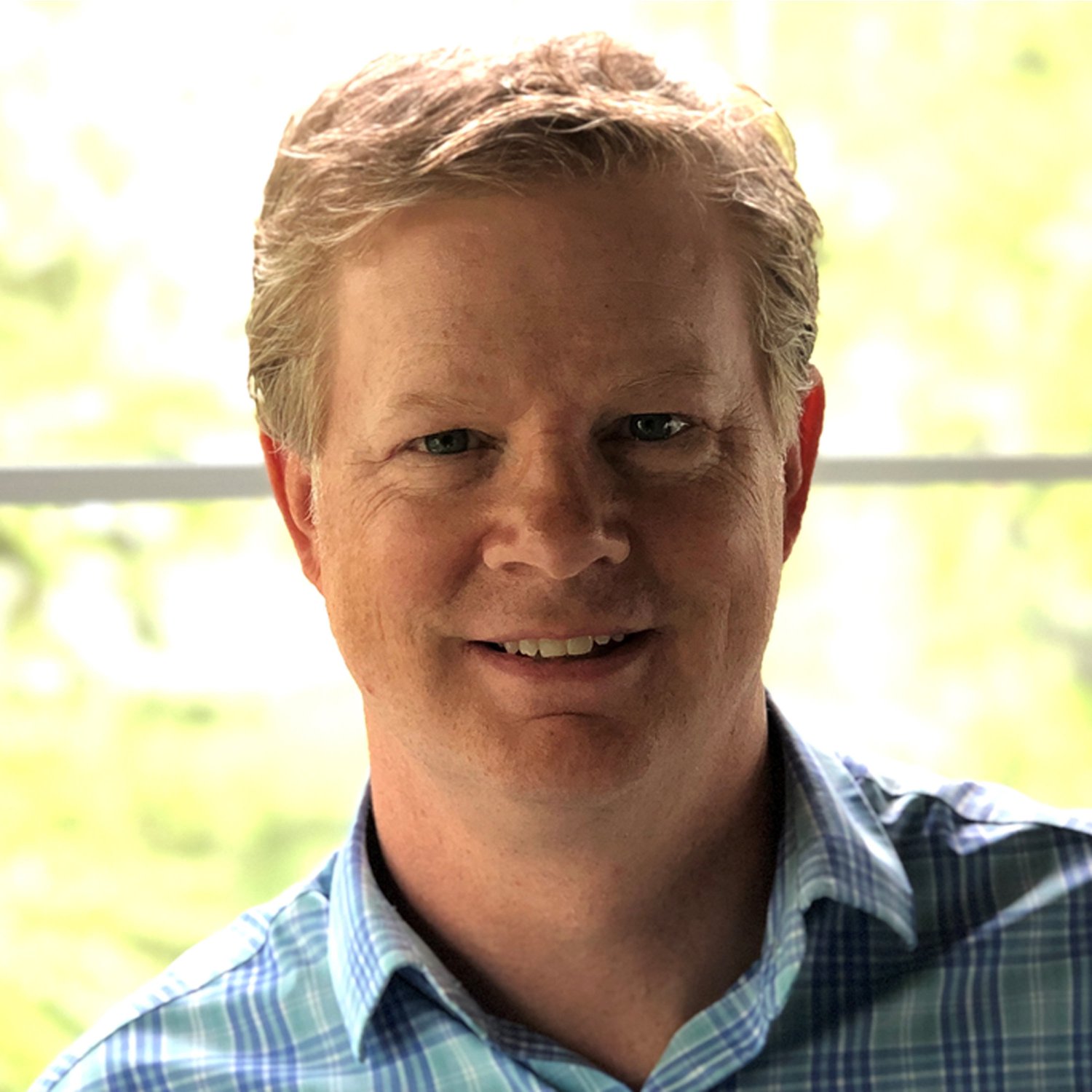
Colin Steen - CEO of Legacy Agripartners - Farming, Rural America, Sustainability
Colin Steen is CEO of Legacy Agripartners. He has had a lifelong career in agriculture, spending over 25 years with Syngenta in a variety of commercial leadership and Venture Capital roles before joining Legacy Seed Companies (now Legacy Agripartners) in July 2020. His prior experience in running Golden Harvest Seeds has given him a deep understanding of the needs of the U.S. farmer. Colin grew up on a grain and cattle farm in Weldon, Saskatchewan, and holds a B.S. in Agriculture from the University of Saskatchewan and an MBA from the University of Guelph."Farming was really important to him. My dad brought cattle into the farm. He didn't have a high school education at the time, went back in the late eighties to finish off his high school diploma, which was something I'm incredibly proud of him for doing that. And farming in the late eighties was tough. And tough for mom and dad. So, a lot of the land was borrowed at 18 to 21% interest rates. The old Volcker years, right? So, incredibly high interest rates. And then when it didn't rain in '88 and '89, that's a problem, right? When you don't have income coming in and large loan payments and high interest rates to be made was a real issue. So a lot of the land went back to the bank. We continued to farm half of it. Kept the cows. My mom went back to being a nurse, so she was a nurse when her and dad first met and a nurse throughout until my brother and I were born and then took some time off. So she went back to work. Worked incredibly hard to help make ends meet for everybody. So, it was good. I would say, while we didn't have a lot, I don't ever remember not having what I wanted. It's like we always had money to play hockey. We always had time to go, while we were at the cattle sales...you know, it was fun. I would never once go, Man, my childhood, there was so much missing. My parents provided so much for us around every corner, all the opportunities in the world to do what we needed."https://legacyagripartners.comwww.oneplanetpodcast.orgwww.creativeprocess.info
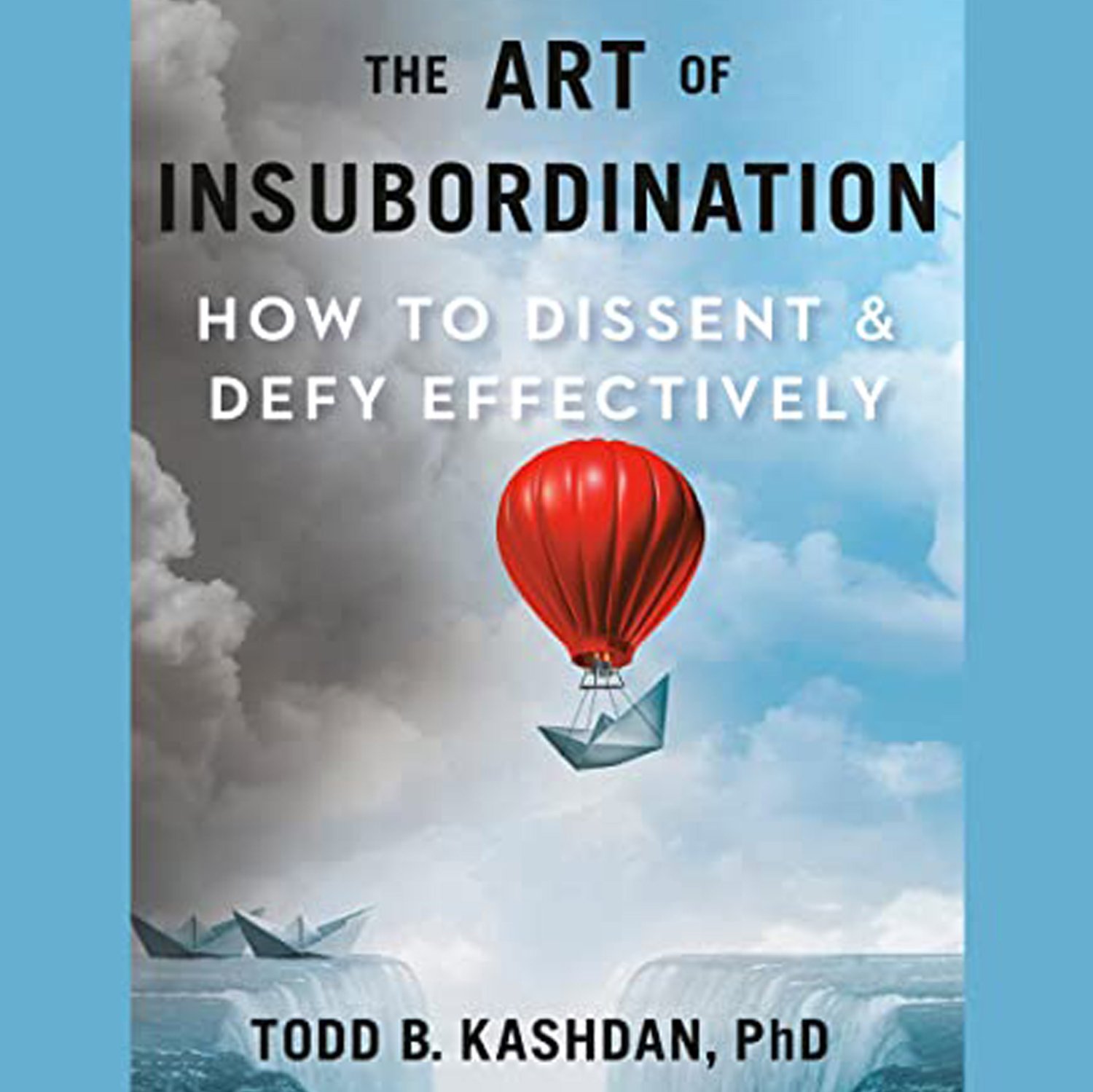
Highlights - Todd Kashdan - APA Award-winning Author of The Art of Insubordination, and Curious?
“That's the challenging part. And I think part of what I'm trying to do to educate the public about this: Part of being persuasive is acknowledging the two-sided message of trying to talk about climate change. So everyone talks about the benefits, and no one talks about the costs. You have to acknowledge short-term sacrifices, financially, socially, and then value-wise. If you've identified with a group where the origin of the Fords, you know, Ford Model T cars, and if you're really a big car aficionado, and you like Mustangs and BMWs and Lamborghinis...is that this requires a deviation from an affinity that you identify with. People who are social activists about climate change, they do not acknowledge that there are psychological costs and social costs for individuals that haven't had the buy-in yet. And because of that, their critics can pounce on them immediately and say, 'I have too many pleasures and I have an intact family that is functioning well, and my company is doing well. So why would I risk any of that for this 10, 20-year message that you're giving me?' So the two-sided message is effective if you have the confidence that you can talk about the logistics and the economics that are involved with these issues."Todd B. Kashdan, Ph.D., is professor of psychology at George Mason University, and a leading authority on well-being, curiosity, courage, and resilience. He has published more than 220 scientific articles, his work has been cited more than 35,000 times, and he received the American Psychological Association’s Award for Distinguished Scientific Early Career Contributions to Psychology. He is the author of several books, including The Art of Insubordination: How to Dissent and Defy Effectively, Curious? and The Upside of Your Dark Side, and has been translated into more than fifteen languages. His research is featured regularly in The New York Times, The Atlantic, and Time, and his writing has appeared in the Harvard Business Review, National Geographic, and other publications. He is a keynote speaker and consultant for organizations as diverse as Microsoft, Mercedes-Benz, Prudential, General Mills, The United States Department of Defense, and World Bank Group. https://toddkashdan.comwww.penguinrandomhouse.com/books/690674/the-art-of-insubordination-by-todd-b-kashdan-phd/www.creativeprocess.infowww.oneplanetpodcast.orgInstagram @creativeprocesspodcast
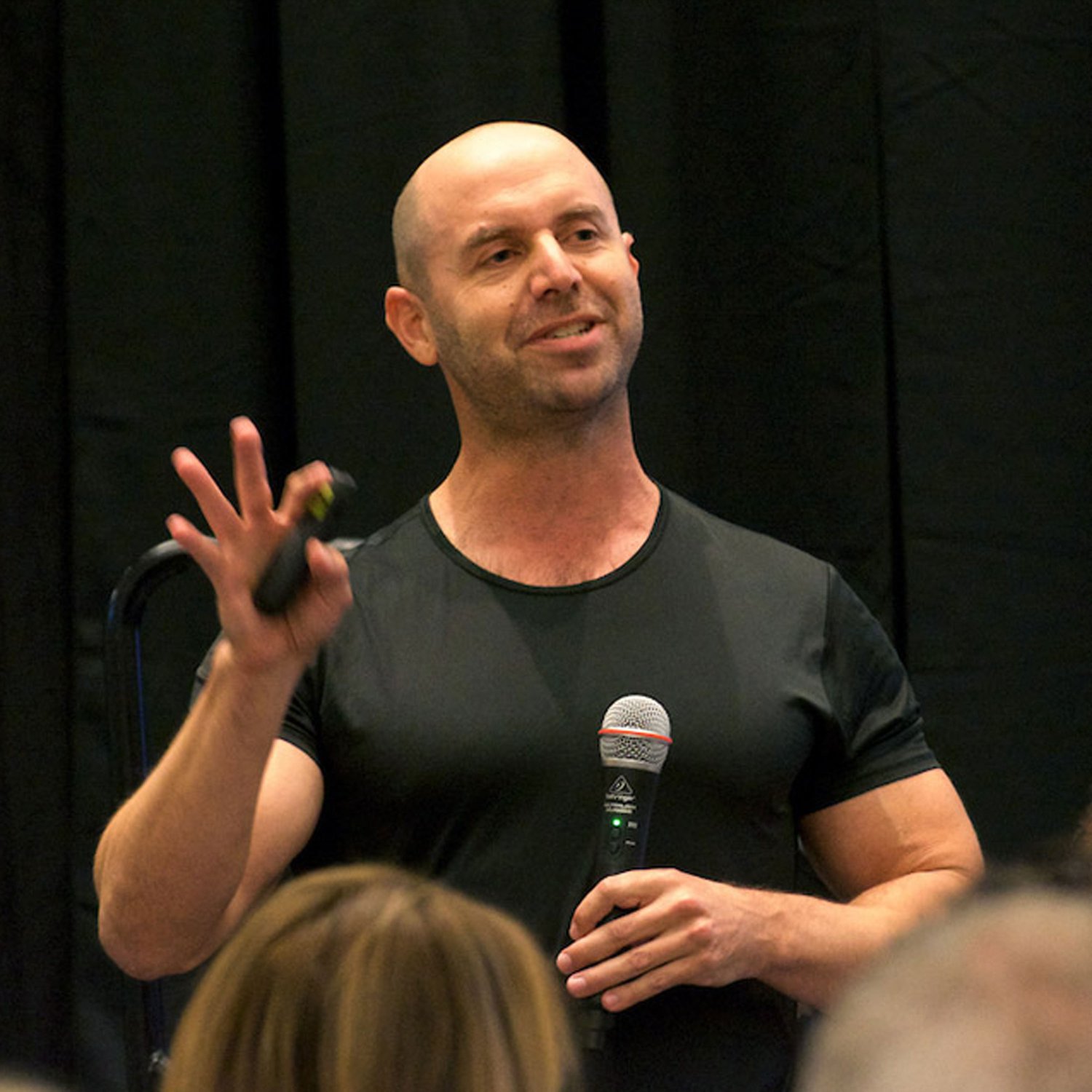
Todd Kashdan - Award-winning Author of “The Art of Insubordination: How to Dissent and Defy Effectively”
Todd B. Kashdan, Ph.D., is professor of psychology at George Mason University, and a leading authority on well-being, curiosity, courage, and resilience. He has published more than 220 scientific articles, his work has been cited more than 35,000 times, and he received the American Psychological Association’s Award for Distinguished Scientific Early Career Contributions to Psychology. He is the author of several books, including The Art of Insubordination: How to Dissent and Defy Effectively, Curious? and The Upside of Your Dark Side, and has been translated into more than fifteen languages. His research is featured regularly in The New York Times, The Atlantic, and Time, and his writing has appeared in the Harvard Business Review, National Geographic, and other publications. He is a keynote speaker and consultant for organizations as diverse as Microsoft, Mercedes-Benz, Prudential, General Mills, The United States Department of Defense, and World Bank Group. “That's the challenging part. And I think part of what I'm trying to do to educate the public about this: Part of being persuasive is acknowledging the two-sided message of trying to talk about climate change. So everyone talks about the benefits, and no one talks about the costs. You have to acknowledge short-term sacrifices, financially, socially, and then value-wise. If you've identified with a group where the origin of the Fords, you know, Ford Model T cars, and if you're really a big car aficionado, and you like Mustangs and BMWs and Lamborghinis...is that this requires a deviation from an affinity that you identify with. People who are social activists about climate change, they do not acknowledge that there are psychological costs and social costs for individuals that haven't had the buy-in yet. And because of that, their critics can pounce on them immediately and say, 'I have too many pleasures and I have an intact family that is functioning well, and my company is doing well. So why would I risk any of that for this 10, 20-year message that you're giving me?' So the two-sided message is effective if you have the confidence that you can talk about the logistics and the economics that are involved with these issues."https://toddkashdan.comwww.penguinrandomhouse.com/books/690674/the-art-of-insubordination-by-todd-b-kashdan-phd/www.creativeprocess.infowww.oneplanetpodcast.orgInstagram @creativeprocesspodcast
Highlights - Alain Robert - Famous Rock and Urban Climber - "The French Spider-Man”
“First of all, maybe being a little more concerned about global warming. But it's a huge task ahead because things are also - you know, I am living in Bali. It is the Developing World. So it means the quality of tuition is not, sometimes is not good enough. So kids, they are not really concerned, and they're totally unaware, and their parents are also unaware. So it means that in some parts of the globe, it'll take ages before people start to feel concerned. You know, we are having every year a day that is earlier and earlier, meaning that starting from July, we human beings have already used all the resources renewable human resources.There is too much industry, too much of everything, actually. I remember when I was young, I was going to the - first of all, I was not even going to the supermarket because there wasn't one, there were only some small groceries. You could buy maybe there was one pack of chips. There was maybe two or three types of yogurts. Now there are 300 types of yogurts. There are 300 snacks. There is a balance in everything. So the more we are producing and the more we are destroying the planet. And if you want to stay alive, we need to protect the planet. That's why Red Indians, they call it Mother Earth."Alain Robert is a renowned rock climber and urban climber. Known as "the French Spider-Man” or "the Human Spider," Robert is famous for his free solo climbing, scaling skyscrapers using no climbing equipment except for a small bag of chalk and a pair of climbing shoes. Some of his most notable ascents include the Burj Khalifa, the Eiffel Tower, and the Sydney Opera House, as well as other of the world's tallest skyscrapers. He is also a motivational speaker and the author of With Bare Hands: The True Story of Alain Robert, the Real-life Spiderman.www.alainrobert.comwww.instagram.com/alainrobertofficial/?hl=frwww.blacksmithbooks.com/books/with-bare-hands-the-true-story-of-alain-robert-the-real-life-spiderman/www.creativeprocess.info www.oneplanetpodcast.orgInstagram @creativeprocesspodcastImage courtesy of alainrobert.com
Alain Robert - Famous Rock and Urban Climber - "The French Spider-Man”
Alain Robert is a renowned rock climber and urban climber. Known as "the French Spider-Man” or "the Human Spider," Robert is famous for his free solo climbing, scaling skyscrapers using no climbing equipment except for a small bag of chalk and a pair of climbing shoes. Some of his most notable ascents include the Burj Khalifa, the Eiffel Tower, and the Sydney Opera House, as well as other of the world's tallest skyscrapers. He is also a motivational speaker and the author of With Bare Hands: The True Story of Alain Robert, the Real-life Spiderman.“First of all, maybe being a little more concerned about global warming. But it's a huge task ahead because things are also - you know, I am living in Bali. It is the Developing World. So it means the quality of tuition is not, sometimes is not good enough. So kids, they are not really concerned, and they're totally unaware, and their parents are also unaware. So it means that in some parts of the globe, it'll take ages before people start to feel concerned. You know, we are having every year a day that is earlier and earlier, meaning that starting from July, we human beings have already used all the resources renewable human resources.There is too much industry, too much of everything, actually. I remember when I was young, I was going to the - first of all, I was not even going to the supermarket because there wasn't one, there were only some small groceries. You could buy maybe there was one pack of chips. There was maybe two or three types of yogurts. Now there are 300 types of yogurts. There are 300 snacks. There is a balance in everything. So the more we are producing and the more we are destroying the planet. And if you want to stay alive, we need to protect the planet. That's why Red Indians, they call it Mother Earth."www.alainrobert.comwww.instagram.com/alainrobertofficial/?hl=frwww.blacksmithbooks.com/books/with-bare-hands-the-true-story-of-alain-robert-the-real-life-spiderman/www.creativeprocess.info www.oneplanetpodcast.orgInstagram @creativeprocesspodcastImage courtesy of alainrobert.com
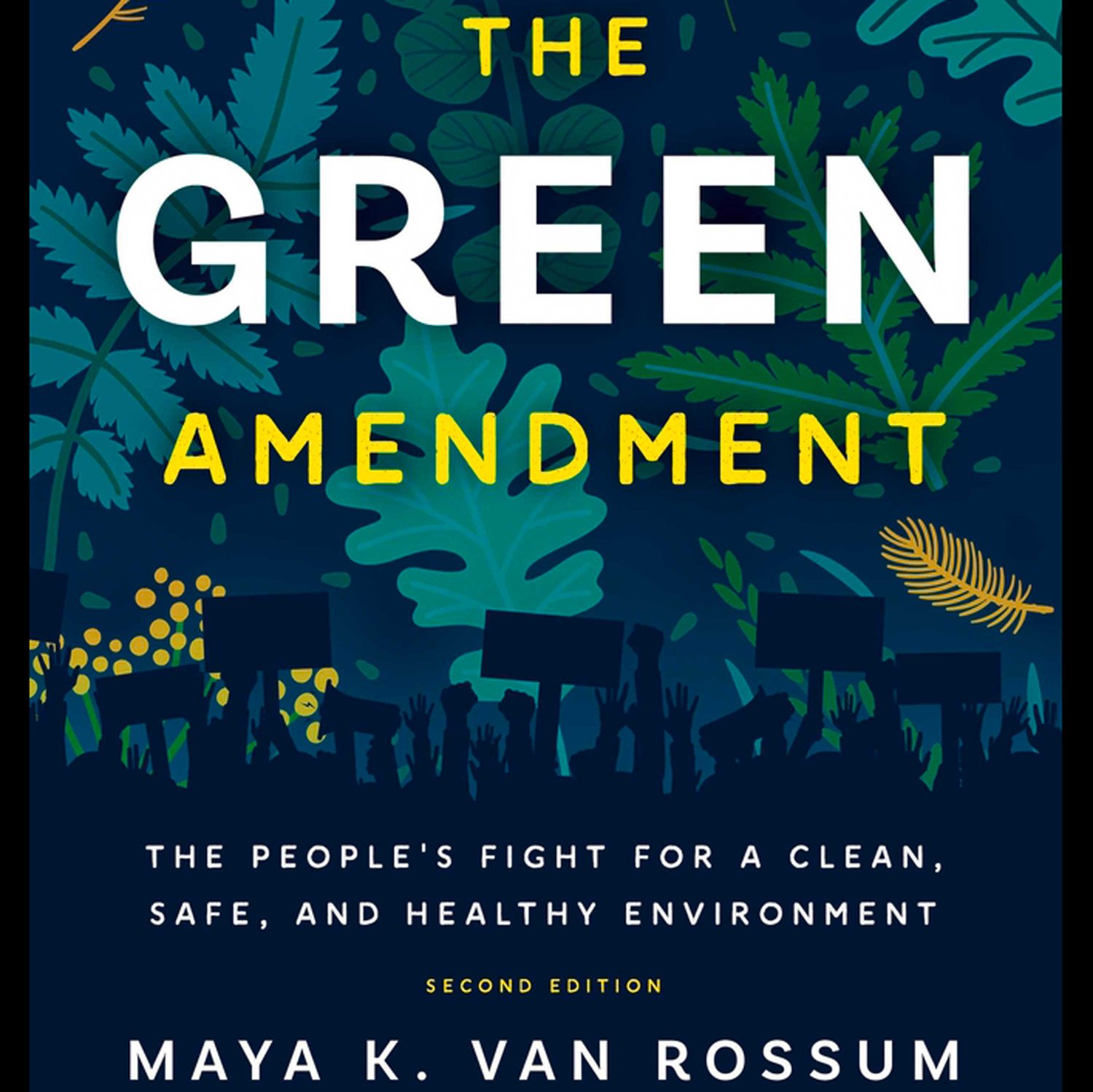
Highlights - Maya van Rossum - Author of “The Green Amendment: The People's Fight for a Clean, Safe, and Healthy Environment”
“What is a Green Amendment? It is language that recognizes the rights of all people to clean water and clean air, a stable climate, and healthy environments, and obligates the government to protect those rights and the natural resources of the state for the benefit of all the people in the state, or if it was a federal green amendment in the United States, and they become obliged to protect those environmental rights and those natural resources for the benefit of both present and future generations, that's functionally what it does. But to help people understand what it accomplishes, a green amendment actually obligates the government to recognize and protect our environmental rights in the same, most powerful way we recognize and protect the other fundamental freedoms we hold dear. Things like the right to free speech, freedom of religion, civil rights, and private property rights. We all know how powerfully they are protected from government overreach and infringement. Well, when we have Green Amendments, now the environment and our environmental rights are added to that list of highest constitutional freedoms and protections."Maya K. van Rossum is the founder of Green Amendments For The Generations, a national nonprofit organization dedicated to inspiring passage of Green Amendments in every state constitution across our nation, and also at the federal level when the time is right. She is an environmental attorney, community organizer, and the Delaware Riverkeeper, leading the regional advocacy organization, the Delaware Riverkeeper Network, for over 30 years. The Delaware Riverkeeper Network works throughout the four states of the Delaware River watershed (NY, NJ, PA & DE) and at the national level using advocacy, science and litigation to protect the Delaware River and its tributaries. She is the Author of The Green Amendment: The People's Fight for a Clean, Safe, and Healthy Environment.www.ForTheGenerations.orgwww.delawareriverkeeper.orghttps://forthegenerations.org/the-green-amendment/https://twitter.com/MayaKvanRossumwww.creativeprocess.infowww.oneplanetpodcast.org
Maya van Rossum - Founder of Green Amendments For The Generations - Delaware Riverkeeper
Maya K. van Rossum is the founder of Green Amendments For The Generations, a national nonprofit organization dedicated to inspiring passage of Green Amendments in every state constitution across our nation, and also at the federal level when the time is right. She is an environmental attorney, community organizer, and the Delaware Riverkeeper, leading the regional advocacy organization, the Delaware Riverkeeper Network, for over 30 years. The Delaware Riverkeeper Network works throughout the four states of the Delaware River watershed (NY, NJ, PA & DE) and at the national level using advocacy, science and litigation to protect the Delaware River and its tributaries. She is the Author of The Green Amendment: The People's Fight for a Clean, Safe, and Healthy Environment.“What is a Green Amendment? It is language that recognizes the rights of all people to clean water and clean air, a stable climate, and healthy environments, and obligates the government to protect those rights and the natural resources of the state for the benefit of all the people in the state, or if it was a federal green amendment in the United States, and they become obliged to protect those environmental rights and those natural resources for the benefit of both present and future generations, that's functionally what it does. But to help people understand what it accomplishes, a green amendment actually obligates the government to recognize and protect our environmental rights in the same, most powerful way we recognize and protect the other fundamental freedoms we hold dear. Things like the right to free speech, freedom of religion, civil rights, and private property rights. We all know how powerfully they are protected from government overreach and infringement. Well, when we have Green Amendments, now the environment and our environmental rights are added to that list of highest constitutional freedoms and protections."www.ForTheGenerations.orgwww.delawareriverkeeper.orghttps://forthegenerations.org/the-green-amendment/https://twitter.com/MayaKvanRossumwww.creativeprocess.infowww.oneplanetpodcast.org
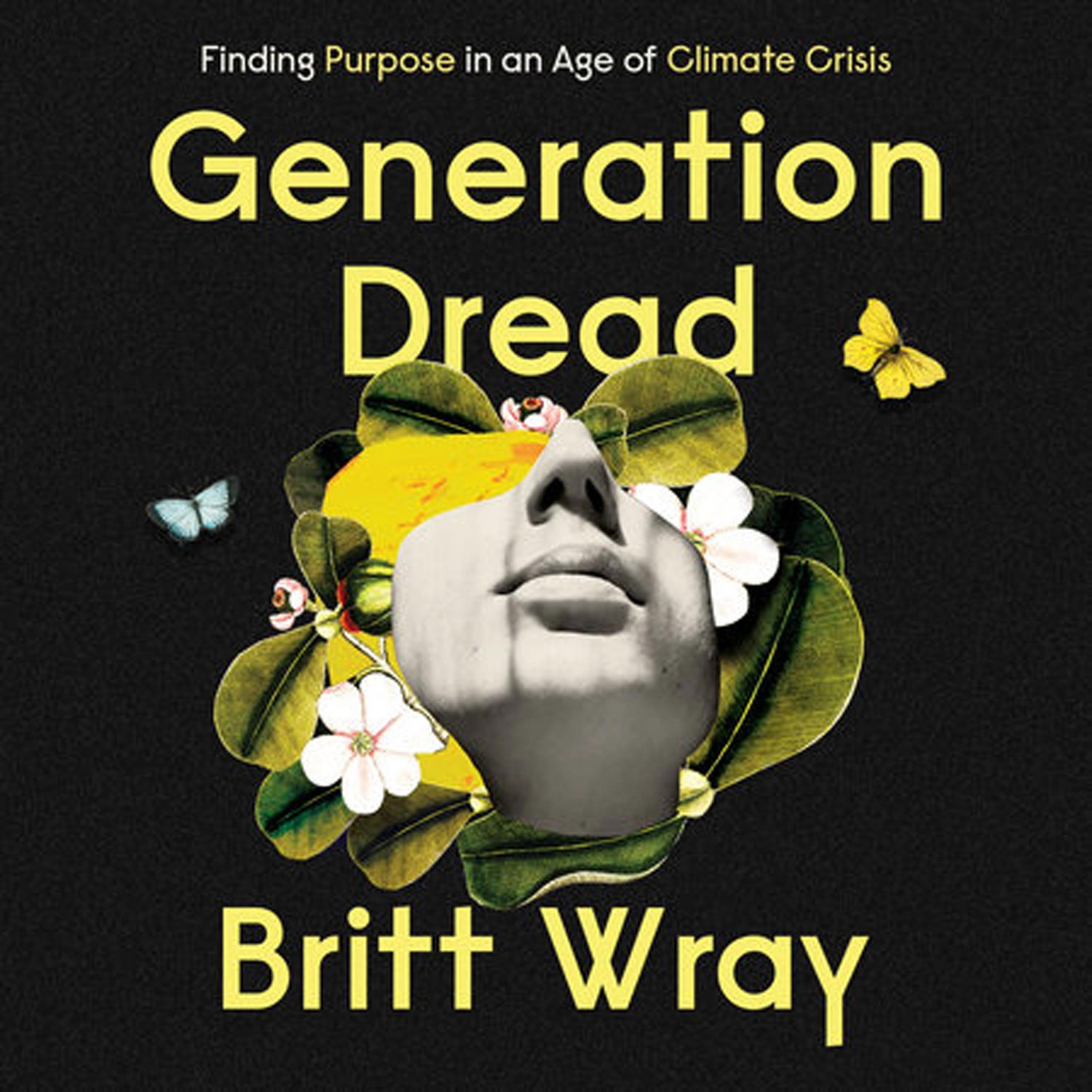
Highlights - Britt Wray - Author, Researcher Working on Climate Change and Mental Health
"So I have a background in conservation biology and have been a science communicator for well over a decade and a half now, and of course, doing that work you're confronted with climate, environmental reports and studies, which were a consistent part of my emotional baseline, just being aware of the fact that this is not all going well, which every now and then would make me feel low, for sure, in a way that was quite noticeable. But it became much more poignant in my life in 2017 when my partner and I started considering whether or not to have a kid, and I hadn't connected the reproductive part of life to the climate crisis. And all of a sudden this topic was the only thing I could really think about because it became such a dilemma for me personally, as to whether or not I felt comfortable having a child, given what the science says about where we're headed and what the lack of historical action means for the future of any child born to date, even one with privilege and protection from its parental outset. So that then, you know, eco-anxiety and climate anxiety and eco-grief in these terms that we now have as kind of household items that people are familiar with, that we have lots of journalism around, which has especially emerged in the last three years or so.At that time, I didn't have words to describe what I was feeling and I felt very deviant for even questioning whether or not it was okay to have kids in the climate crisis. I didn't really see it reflected. I figured, Okay, this is probably me getting a little bit loopy here, and I ought to do something to bring more perspective into my line of view. And that started me on a research project looking at the psychological impacts of the climate crisis writ large beyond just the reproductive angle, but that was my on-ramp."Britt Wray is the author of Generation Dread: Finding Purpose in an Age of Climate Crisis. She's a writer and broadcaster researching the emotional and psychological impacts of the climate crisis. Born and raised in Toronto, Canada, she is a post-doctoral fellow at Stanford University and the London School of Hygiene and Tropical Medicine, where she investigates the mental health consequences of ecological disruption. She holds a PhD in Science Communication from the University of Copenhagen. Her work has been featured in the New York Times, Washington Post Guardian, and Globe and Mail, among other publications. She has hosted several podcasts, radio, and TV programs with the BBC and CBC, is a TED Resident, and writes Gan Dread, a newsletter about staying sane in the climate crisis. She is also the author of Rise of the Necrofauna: The Science, Ethics, and Risks of De-Extinction.www.brittwray.comwww.penguinrandomhouse.com/books/647141/generation-dread-by-britt-wrayhttps://greystonebooks.com/products/rise-of-the-necrofauna www.oneplanetpodcast.orgwww.creativeprocess.info
Britt Wray - Author of “Generation Dread: Finding Purpose in an Age of Climate Crisis”
Britt Wray is the author of Generation Dread: Finding Purpose in an Age of Climate Crisis. She's a writer and broadcaster researching the emotional and psychological impacts of the climate crisis. Born and raised in Toronto, Canada, she is a post-doctoral fellow at Stanford University and the London School of Hygiene and Tropical Medicine, where she investigates the mental health consequences of ecological disruption. She holds a PhD in Science Communication from the University of Copenhagen. Her work has been featured in the New York Times, Washington Post Guardian, and Globe and Mail, among other publications. She has hosted several podcasts, radio, and TV programs with the BBC and CBC, is a TED Resident, and writes Gan Dread, a newsletter about staying sane in the climate crisis. She is also the author of Rise of the Necrofauna: The Science, Ethics, and Risks of De-Extinction."So I have a background in conservation biology and have been a science communicator for well over a decade and a half now, and of course, doing that work you're confronted with climate, environmental reports and studies, which were a consistent part of my emotional baseline, just being aware of the fact that this is not all going well, which every now and then would make me feel low, for sure, in a way that was quite noticeable. But it became much more poignant in my life in 2017 when my partner and I started considering whether or not to have a kid, and I hadn't connected the reproductive part of life to the climate crisis. And all of a sudden this topic was the only thing I could really think about because it became such a dilemma for me personally, as to whether or not I felt comfortable having a child, given what the science says about where we're headed and what the lack of historical action means for the future of any child born to date, even one with privilege and protection from its parental outset. So that then, you know, eco-anxiety and climate anxiety and eco-grief in these terms that we now have as kind of household items that people are familiar with, that we have lots of journalism around, which has especially emerged in the last three years or so.At that time, I didn't have words to describe what I was feeling and I felt very deviant for even questioning whether or not it was okay to have kids in the climate crisis. I didn't really see it reflected. I figured, Okay, this is probably me getting a little bit loopy here, and I ought to do something to bring more perspective into my line of view. And that started me on a research project looking at the psychological impacts of the climate crisis writ large beyond just the reproductive angle, but that was my on-ramp."www.brittwray.comwww.penguinrandomhouse.com/books/647141/generation-dread-by-britt-wrayhttps://greystonebooks.com/products/rise-of-the-necrofauna www.oneplanetpodcast.orgwww.creativeprocess.info
Highlights - Jay Famiglietti - Exec. Director - Global Institute for Water Security, Host of “What About Water?” Podcast
"I think water is taking a backseat and personally, I feel like water is the messenger that delivers the bad news of climate change to your front door. So in the work that I do, it's heavily intertwined, but it's taking a backseat. There are parts about water that are maybe separate from climate change, and that could be the quality discussions, the infrastructure discussions, although they are somewhat loosely related to climate change and they are impacted by climate change. That's sometimes part of the reason why it gets split off because it's thought of as maybe an infrastructure problem, but you know, the changing extremes, the aridification of the West, the increasing frequency, the increasing droughts, these broad global patterns that I've been talking about, that I've been looking at with my research – that's all climate change. Just 100% climate change, a hundred percent human-driven. And so it does need to be elevated in these climate change discussions.”Jay Famiglietti is a hydrologist, a professor and the Executive Director of the Global Institute for Water Security at the University of Saskatchewan, where he holds the Canada 150 Research Chair in Hydrology and Remote Sensing. He is also the Chief Scientist of the Silicon Valley tech startup, Waterplan. Before moving to Saskatchewan, he served as the Senior Water Scientist at the NASA Jet Propulsion Laboratory at the California Institute of Technology. From 2013 through 2018, he was appointed by Governor Jerry Brown to the California State Water Boards. He has appeared on CBS News 60 Minutes, on HBO’s Real Time with Bill Maher, as a featured expert in water documentaries including Day Zero and Last Call at the Oasis, and across a host of international news media. He is the host of the podcast What About Water?https://jayfamiglietti.comWhat About Water? podcast with Jay FamigliettiTwitter @WhatAboutWaterGIWS https://water.usask.cawww.waterplan.comwww.oneplanetpodcast.orgwww.creativeprocess.info
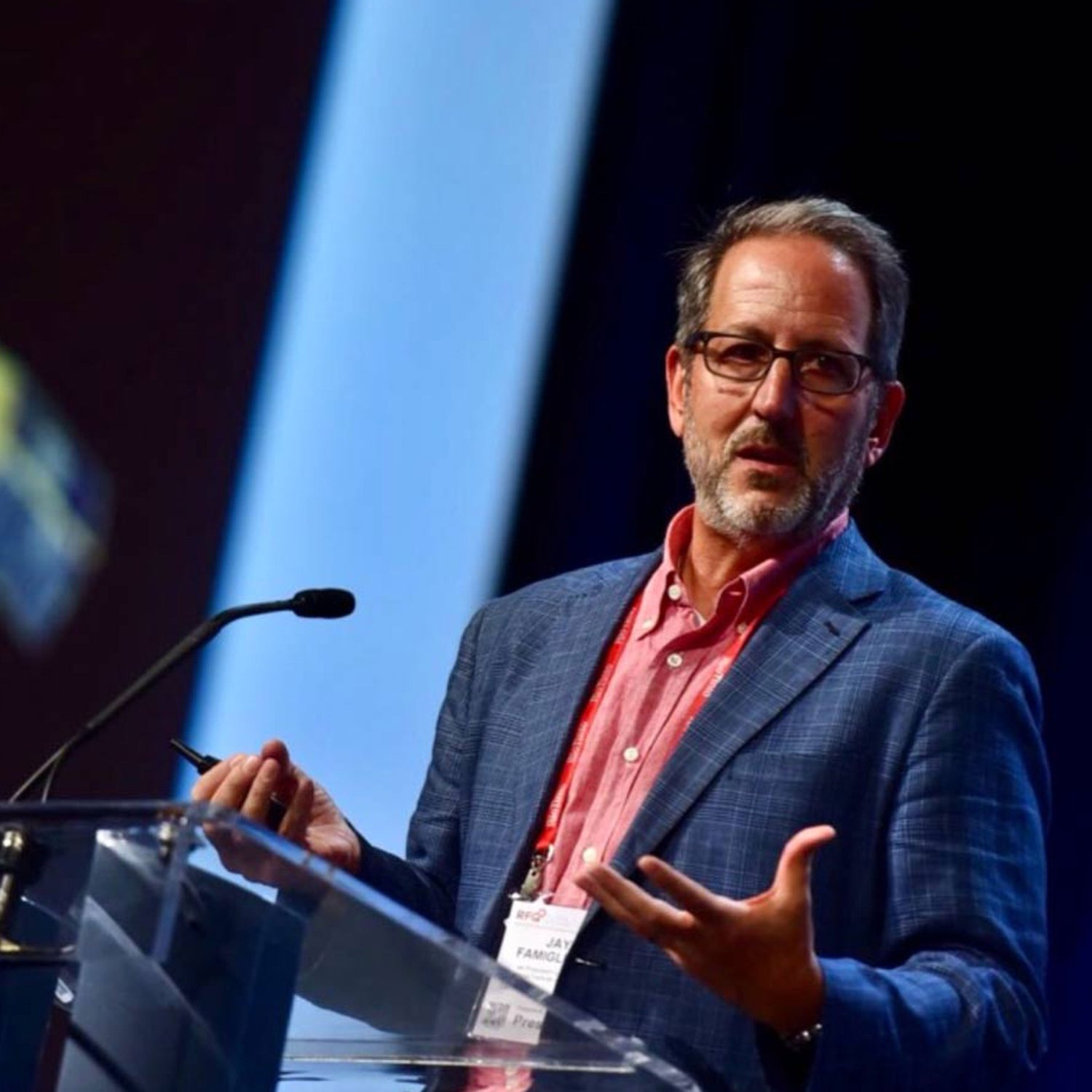
Jay Famiglietti - Hydrologist, Exec. Director - Global Institute for Water Security, Host of "What About Water?" Podcast
Jay Famiglietti is a hydrologist, a professor and the Executive Director of the Global Institute for Water Security at the University of Saskatchewan, where he holds the Canada 150 Research Chair in Hydrology and Remote Sensing. He is also the Chief Scientist of the Silicon Valley tech startup, Waterplan. Before moving to Saskatchewan, he served as the Senior Water Scientist at the NASA Jet Propulsion Laboratory at the California Institute of Technology. From 2013 through 2018, he was appointed by Governor Jerry Brown to the California State Water Boards. He has appeared on CBS News 60 Minutes, on HBO’s Real Time with Bill Maher, as a featured expert in water documentaries including Day Zero and Last Call at the Oasis, and across a host of international news media. He is the host of the podcast What About Water?"I think water is taking a backseat and personally, I feel like water is the messenger that delivers the bad news of climate change to your front door. So in the work that I do, it's heavily intertwined, but it's taking a backseat. There are parts about water that are maybe separate from climate change, and that could be the quality discussions, the infrastructure discussions, although they are somewhat loosely related to climate change and they are impacted by climate change. That's sometimes part of the reason why it gets split off because it's thought of as maybe an infrastructure problem, but you know, the changing extremes, the aridification of the West, the increasing frequency, the increasing droughts, these broad global patterns that I've been talking about, that I've been looking at with my research – that's all climate change. Just 100% climate change, a hundred percent human-driven. And so it does need to be elevated in these climate change discussions.”https://jayfamiglietti.comWhat About Water? podcast with Jay FamigliettiTwitter @WhatAboutWaterGIWS https://water.usask.cawww.waterplan.comwww.oneplanetpodcast.orgwww.creativeprocess.info
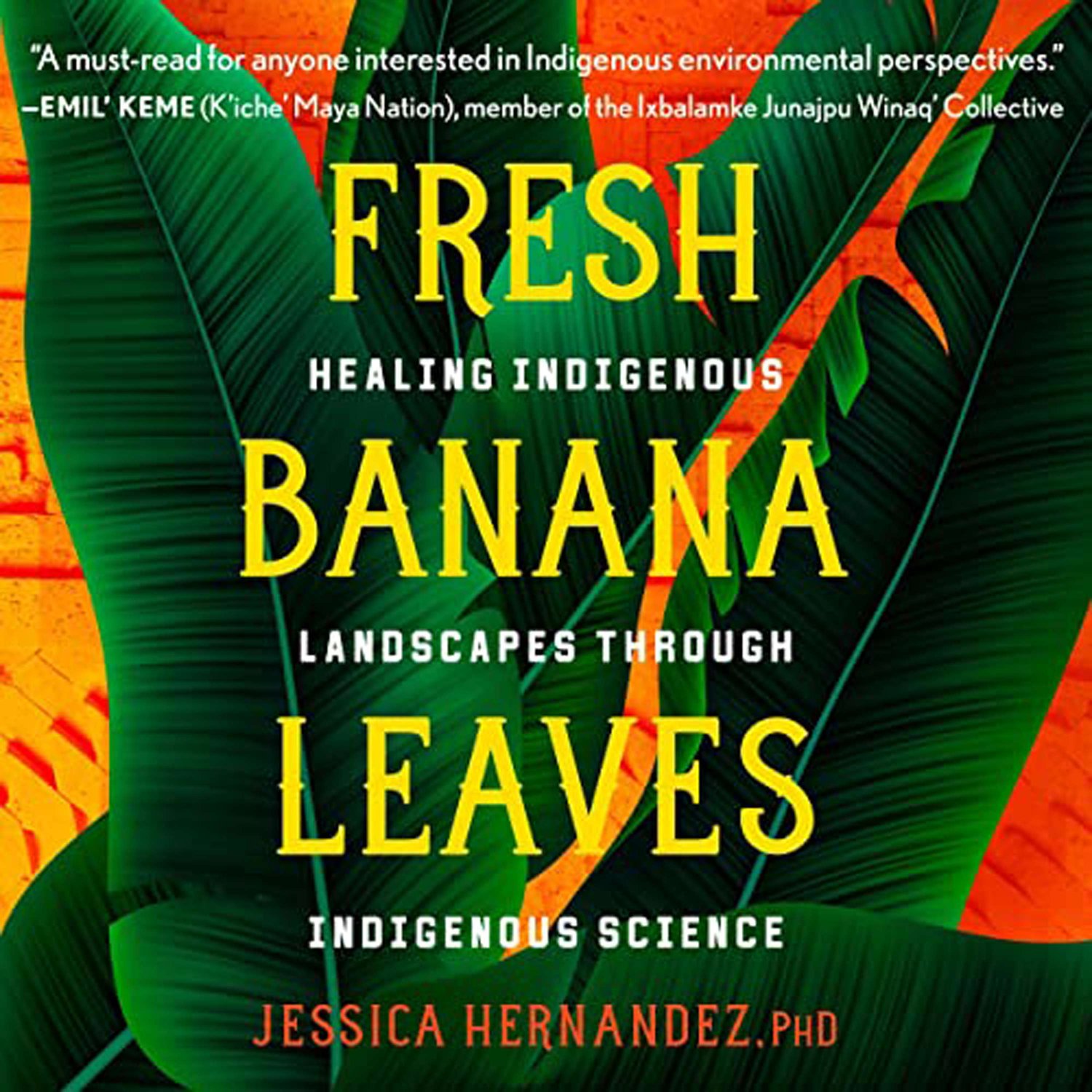
Highlights - Dr. Jessica Hernandez - Author of “Fresh Banana Leaves: Healing Indigenous Landscapes through Indigenous Science"
"I think my vision for land stewardship is realistic, right? It's not going to go back to the way it was before climate change was a crisis, as it is now. It's not going to go back to before colonialism actually impacted many Indigenous lands. But I think with land stewardship, my vision is that the youth are also empowered to do that intergenerational learning and teaching because we often learn best from our elders, but oftentimes in school settings, we are only learning from the teachers, so we don't get that intergenerational approaches or relationships that are essential as we move forward."Dr. Jessica Hernandez (Binnizá & Maya Ch’orti’) is a transnational Indigenous scholar, scientist, and community advocate based in the Pacific Northwest. She has an interdisciplinary academic background ranging from marine sciences to environmental physics. She advocates for climate, energy, and environmental justice through her scientific and community work. Her book Fresh Banana Leaves: Healing Indigenous Landscapes through Indigenous Science breaks down why western conservationism isn’t working–and offers Indigenous models informed by case studies, personal stories, and family histories that center the voices of Latin American women and land protectors. In 2022, she was named by Forbes as one of the 100 most powerful women of Central America. She holds appointments at Sustainable Seattle, City of Seattle's Urban Forestry Commission, and the International Mayan League. Fresh Banana Leaves received the Bruce Piasecki and Andrea Masters Award on Business and Society Writing (2022).www.jessicabhernandez.comwww.penguinrandomhouse.com/books/675699/fresh-banana-leaves-by-jessica-hernandez/www.oneplanetpodcast.orgwww.creativeprocess.info
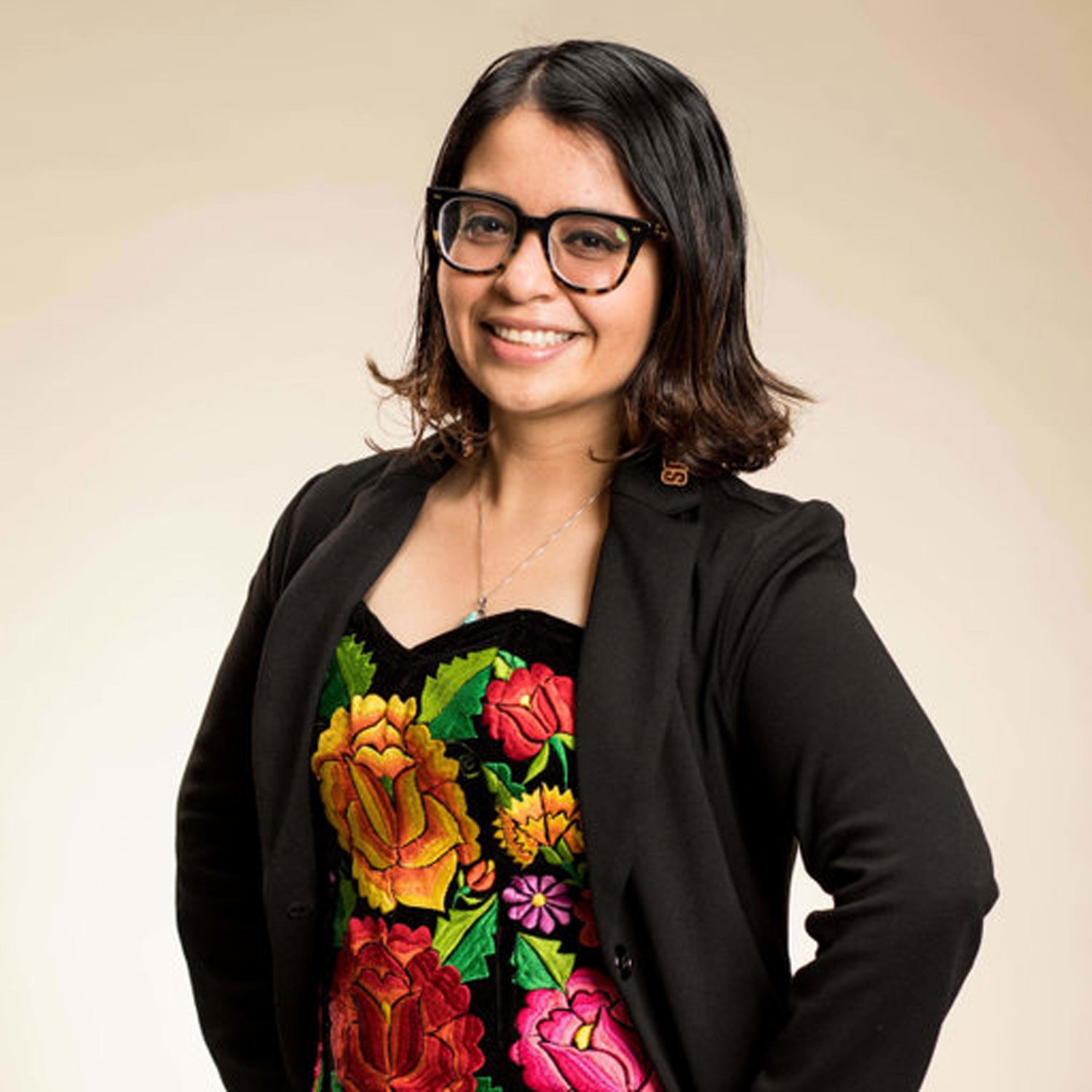
Dr. Jessica Hernandez - Transnational Indigenous Scholar, Scientist, Author of “Fresh Banana Leaves”
Dr. Jessica Hernandez (Binnizá & Maya Ch’orti’) is a transnational Indigenous scholar, scientist, and community advocate based in the Pacific Northwest. She has an interdisciplinary academic background ranging from marine sciences to environmental physics. She advocates for climate, energy, and environmental justice through her scientific and community work. Her book Fresh Banana Leaves: Healing Indigenous Landscapes through Indigenous Science breaks down why western conservationism isn’t working–and offers Indigenous models informed by case studies, personal stories, and family histories that center the voices of Latin American women and land protectors. In 2022, she was named by Forbes as one of the 100 most powerful women of Central America. She holds appointments at Sustainable Seattle, City of Seattle's Urban Forestry Commission, and the International Mayan League. Fresh Banana Leaves received the Bruce Piasecki and Andrea Masters Award on Business and Society Writing (2022)."I think my vision for land stewardship is realistic, right? It's not going to go back to the way it was before climate change was a crisis, as it is now. It's not going to go back to before colonialism actually impacted many Indigenous lands. But I think with land stewardship, my vision is that the youth are also empowered to do that intergenerational learning and teaching because we often learn best from our elders, but oftentimes in school settings, we are only learning from the teachers, so we don't get that intergenerational approaches or relationships that are essential as we move forward."www.jessicabhernandez.comwww.penguinrandomhouse.com/books/675699/fresh-banana-leaves-by-jessica-hernandez/www.oneplanetpodcast.orgwww.creativeprocess.info
Highlights - Philip Fernbach - Cognitive Scientist - Co-Director, Ctr. for Research, Consumer Financial Decision Making - Co-author, “The Knowledge Illusion”
"I think the environment is such a challenging problem. Two of the major reasons for that are that it's a commons problem. Basically, there's a greater good, and we all have to sacrifice a little bit individually to achieve that greater good. People tend to be self interested, so those kinds of problems are really challenging because, I'm sitting here going, 'Should I cut back on my consumption? Or should I stop flying?'That's a cost to me in order to accrue a benefit to the group. And some people are willing to do that, but a lot of people aren't. The other real challenge with climate is that the effects of climate are diffuse. They occur slowly and over time. They're becoming more observable now, but they haven't been particularly observable to people. It's like, 'Oh, the world temperature's gonna go up by a certain number of degrees over the next 50 to a hundred years.' And a lot of people look at that and they go, 'Okay, but I've got to pay my car bill this week.' So it's hard for people to feel it viscerally as a real threat, I think. And both of those things combined are a real challenge. And then you layer in other things like incentives of oil companies or other kinds of legacy industries which actually are incentivized in the opposite direction. And then that ends up entering into the political process in various ways."Philip Fernbach is an Associate Professor of Marketing and Co-Director of the Center for Research on Consumer Financial Decision Making at the University of Colorado, Boulder, Leeds School of Business. He’s published widely in the top journals in cognitive science, consumer research and marketing, and received the ACR Early Career Award for Contributions to Consumer Research. He’s co-author with Steve Sloman of The Knowledge Illusion: Why We Never Think Alone, which was chosen as a New York Times Editor’s Pick. He’s also written for NYTimes, Harvard Business Review, and his research has been featured in the Wall Street Journal, The Washinton Post, National Public Radio, and the BBC. He received his Ph.D. in cognitive science from the Department of Cognitive, Linguistic and Psychological Sciences at Brown and his undergraduate degree in Philosophy from Williams College. He teaches data analytics and behavioral science to undergraduate and Masters students.www.colorado.edu/business/www.philipfernbach.comThe Knowledge Illusionwww.creativeprocess.infowww.oneplanetpodcast.org
Philip Fernbach - Co-author of “The Knowledge Illusion” - Cognitive Scientist - Co-Director of Ctr. for Research on Consumer Financial Decision Making
Philip Fernbach is an Associate Professor of Marketing and Co-Director of the Center for Research on Consumer Financial Decision Making at the University of Colorado, Boulder, Leeds School of Business. He’s published widely in the top journals in cognitive science, consumer research and marketing, and received the ACR Early Career Award for Contributions to Consumer Research. He’s co-author with Steve Sloman of The Knowledge Illusion: Why We Never Think Alone, which was chosen as a New York Times Editor’s Pick. He’s also written for NYTimes, Harvard Business Review, and his research has been featured in the Wall Street Journal, The Washinton Post, National Public Radio, and the BBC. He received his Ph.D. in cognitive science from the Department of Cognitive, Linguistic and Psychological Sciences at Brown and his undergraduate degree in Philosophy from Williams College. He teaches data analytics and behavioral science to undergraduate and Masters students."I think the environment is such a challenging problem. Two of the major reasons for that are that it's a commons problem. Basically, there's a greater good, and we all have to sacrifice a little bit individually to achieve that greater good. People tend to be self interested, so those kinds of problems are really challenging because, I'm sitting here going, 'Should I cut back on my consumption? Or should I stop flying?'That's a cost to me in order to accrue a benefit to the group. And some people are willing to do that, but a lot of people aren't. The other real challenge with climate is that the effects of climate are diffuse. They occur slowly and over time. They're becoming more observable now, but they haven't been particularly observable to people. It's like, 'Oh, the world temperature's gonna go up by a certain number of degrees over the next 50 to a hundred years.' And a lot of people look at that and they go, 'Okay, but I've got to pay my car bill this week.' So it's hard for people to feel it viscerally as a real threat, I think. And both of those things combined are a real challenge. And then you layer in other things like incentives of oil companies or other kinds of legacy industries which actually are incentivized in the opposite direction. And then that ends up entering into the political process in various ways."www.colorado.edu/business/www.philipfernbach.comThe Knowledge Illusionwww.creativeprocess.infowww.oneplanetpodcast.org
Highlights - Carl Safina - Author of “Becoming Wild: How Animal Cultures Raise Families, Create Beauty, and Achieve Peace”
"At the Safina Center, we're trying to work on values. Values I think are the fundamental thing. If you resonate with the values we're expressing, you would feel differently about the prices of things, just, for instance, oil and coal are really very cheap. They are priced cheaply. The price, the value, and the cost of things are three really different things.So the price of oil and coal is very cheap, but the cost of those things involves, well, let's just say coal for one example, it involves blowing the tops off of mountains throughout Appalachia, occasionally burying a few people, giving lots of workers lung disease, changing the heat balance of the entire planet, and acidifying the ocean. That's the cost of it. It's nowhere in the price."Carl Safina’s lyrical non-fiction writing explores how humans are changing the living world, and what the changes mean for non-human beings and for us all. His work has been recognized with MacArthur, Pew, and Guggenheim Fellowships, and his writing has won Orion, Lannan, and National Academies literary awards and the John Burroughs, James Beard, and George Rabb medals. Safina is the inaugural holder of the endowed chair for nature and humanity at Stony Brook University, where he co-chairs the steering committee of the Alan Alda Center for Communicating Science and is founding president of the not-for-profit Safina Center. He hosted the 10-part PBS series Saving the Ocean with Carl Safina. His writing appears in The New York Times, National Geographic, Audubon, CNN.com, National Geographic News, and other publications. He is the author of ten books including the classic Song for the Blue Ocean, as well as New York Times Bestseller Beyond Words: What Animals Think and Feel. His most recent book is Becoming Wild: How Animal Cultures Raise Families, Create Beauty, and Achieve Peace.www.safinacenter.orgwww.carlsafina.orgwww.oneplanetpodcast.orgwww.creativeprocess.info
Carl Safina - Ecologist - Founding President of Safina Center - NYTimes Bestselling Author
Carl Safina’s lyrical non-fiction writing explores how humans are changing the living world, and what the changes mean for non-human beings and for us all. His work has been recognized with MacArthur, Pew, and Guggenheim Fellowships, and his writing has won Orion, Lannan, and National Academies literary awards and the John Burroughs, James Beard, and George Rabb medals. Safina is the inaugural holder of the endowed chair for nature and humanity at Stony Brook University, where he co-chairs the steering committee of the Alan Alda Center for Communicating Science and is founding president of the not-for-profit Safina Center. He hosted the 10-part PBS series Saving the Ocean with Carl Safina. His writing appears in The New York Times, National Geographic, Audubon, CNN.com, National Geographic News, and other publications. He is the author of ten books including the classic Song for the Blue Ocean, as well as New York Times Bestseller Beyond Words: What Animals Think and Feel. His most recent book is Becoming Wild: How Animal Cultures Raise Families, Create Beauty, and Achieve Peace."At the Safina Center, we're trying to work on values. Values I think are the fundamental thing. If you resonate with the values we're expressing, you would feel differently about the prices of things, just, for instance, oil and coal are really very cheap. They are priced cheaply. The price, the value, and the cost of things are three really different things.So the price of oil and coal is very cheap, but the cost of those things involves, well, let's just say coal for one example, it involves blowing the tops off of mountains throughout Appalachia, occasionally burying a few people, giving lots of workers lung disease, changing the heat balance of the entire planet, and acidifying the ocean. That's the cost of it. It's nowhere in the price."www.safinacenter.orgwww.carlsafina.orgwww.oneplanetpodcast.orgwww.creativeprocess.infoPhoto: Carl Safina in Uganda
Highlights - Kent Redford - Co-author, ”Strange Natures: Conservation in the Era of Synthetic Biology”
"The field of synthetic biology, which is known by some as extreme genetic engineering – that's a name mostly used by people who don't like it - amounts to a set of tools that humans have developed to be able to very precisely and accurately change the genetic code, the DNA of living organisms in order to get those organisms to do things that humans want. So the applications in medicine are predominantly devoted to trying to make us healthier people, and they range from some really exciting work on tumor biology to work on the microbiome, which is all of the thousands and tens of thousands of species that live on our lips, our mouths, our guts, our skin. And in agriculture, it's primarily directed at crop genetics, trying to improve the productivity of crops, the nutritional value of crops, the ability of crops to respond to climate change, and a whole variety of other things. Some people may have heard of one of these tools called CRISPR used to very precisely alter the sequences of DNA.This book that Bill and I wrote is about the impending intersection between synthetic biology and the field of nature conservation, not an examination of the technologies per se, but an examination of the way that we are going to end up needing to think about the intersection between our ability to change DNA, and what it means to be natural, and what it means to conserve things and whether or not we want to conserve things that we have altered."Kent H. Redford is a conservation practitioner and Principal at Archipelago Consulting established in 2012 and based in Portland, Maine, USA. Archipelago Consulting was designed to help individuals and organizations improve their practice of conservation. Prior to Archipelago Consulting Kent spent 10 years on the faculty of University of Florida and 19 years in conservation NGOs with five years as Director of The Nature Conservancy’s Parks in Peril program and 14 years as Vice President for Conservation Science and Strategy at the Wildlife Conservation Society. For six years he was Chair of IUCN’s Task Force on Synthetic Biology and Biodiversity Conservation. In June 2021 Yale University Press published Kent’s book with W.M. Adams: Strange Natures. Conservation in the Era of Synthetic Biology.https://yalebooks.yale.edu/book/9780300230970/strange-natures/ https://archipelagoconsulting.comwww.oneplanetpodcast.orgwww.creativeprocess.info
Kent Redford - Co-author of "Strange Natures: Conservation in the Era of Synthetic Biology”
Kent H. Redford is a conservation practitioner and Principal at Archipelago Consulting established in 2012 and based in Portland, Maine, USA. Archipelago Consulting was designed to help individuals and organizations improve their practice of conservation. Prior to Archipelago Consulting Kent spent 10 years on the faculty of University of Florida and 19 years in conservation NGOs with five years as Director of The Nature Conservancy’s Parks in Peril program and 14 years as Vice President for Conservation Science and Strategy at the Wildlife Conservation Society. For six years he was Chair of IUCN’s Task Force on Synthetic Biology and Biodiversity Conservation. In June 2021 Yale University Press published Kent’s book with W.M. Adams: Strange Natures. Conservation in the Era of Synthetic Biology."The field of synthetic biology, which is known by some as extreme genetic engineering – that's a name mostly used by people who don't like it - amounts to a set of tools that humans have developed to be able to very precisely and accurately change the genetic code, the DNA of living organisms in order to get those organisms to do things that humans want. So the applications in medicine are predominantly devoted to trying to make us healthier people, and they range from some really exciting work on tumor biology to work on the microbiome, which is all of the thousands and tens of thousands of species that live on our lips, our mouths, our guts, our skin. And in agriculture, it's primarily directed at crop genetics, trying to improve the productivity of crops, the nutritional value of crops, the ability of crops to respond to climate change, and a whole variety of other things. Some people may have heard of one of these tools called CRISPR used to very precisely alter the sequences of DNA.This book that Bill and I wrote is about the impending intersection between synthetic biology and the field of nature conservation, not an examination of the technologies per se, but an examination of the way that we are going to end up needing to think about the intersection between our ability to change DNA, and what it means to be natural, and what it means to conserve things and whether or not we want to conserve things that we have altered."https://yalebooks.yale.edu/book/9780300230970/strange-natures/ https://archipelagoconsulting.comwww.oneplanetpodcast.orgwww.creativeprocess.info