Sustainability, Climate Change, Renewable Energy, Politics, Activism, Biodiversity, Carbon Footprint, Wildlife, Regenerative Agriculture, Circular Economy, Extinction, Net-Zero · One Planet Podcast
571 episodes — Page 5 of 12
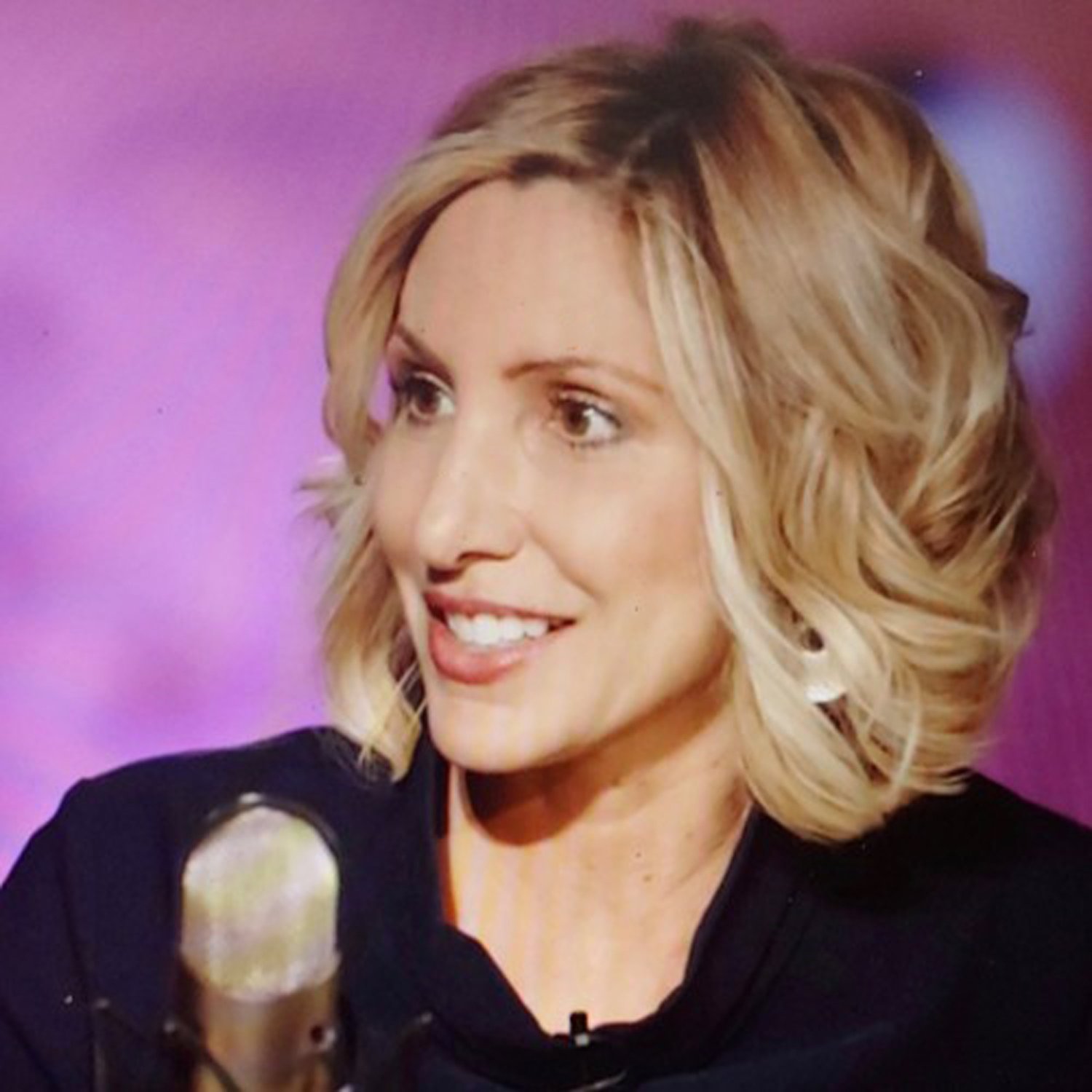
SUSAN SCHNEIDER - Director, Center for the Future Mind, FAU, Fmr. NASA Chair at NASA
Will AI become conscious? President Biden has just unveiled a new executive order on AI — the U.S. government’s first action of its kind — requiring new safety assessments, equity and civil rights guidance, and research on AI’s impact on the labor market. With this governance in place, can tech companies be counted on to do the right thing for humanity? Susan Schneider is a philosopher, artificial intelligence expert, and founding director of the Center for the Future Mind at Florida Atlantic University. She is author of Artificial You: AI and the Future of Your Mind, Science Fiction and Philosophy: From Time Travel to Superintelligence, and The Blackwell Companion to Consciousness. She held the NASA Chair with NASA and the Distinguished Scholar Chair at the Library of Congress. She is now working on projects related to advancements in AI policy and technology, drawing from neuroscience research and philosophical developments and writing a new book on the shape of intelligent systems."I'm using ChatGPT Plus, and you can do much better research. I think the scientific possibilities are amazing, and it's a very good research assistant. There are plugins you can use to go through scientific papers quickly. And if you feed it the right sort of data, it has near instantaneous access to a range of facts that helps me in my field. And I think any system that has these kinds of capacities...it's a sort of crowdsourced brain if you will. So it's roughly like the neocortex, very roughly. And it's a neocortex without a limbic system. So it's just an association engine without necessarily emotions, but it's able to quickly access a range of materials that humans can't. So there should be intriguing scientific discoveries, drug discovery, and computations. And of course, involving climate change."www.fau.edu/artsandletters/philosophy/susan-schneider/index www.fau.edu/future-mind/www.creativeprocess.infowww.oneplanetpodcast.orgIG www.instagram.com/creativeprocesspodcast
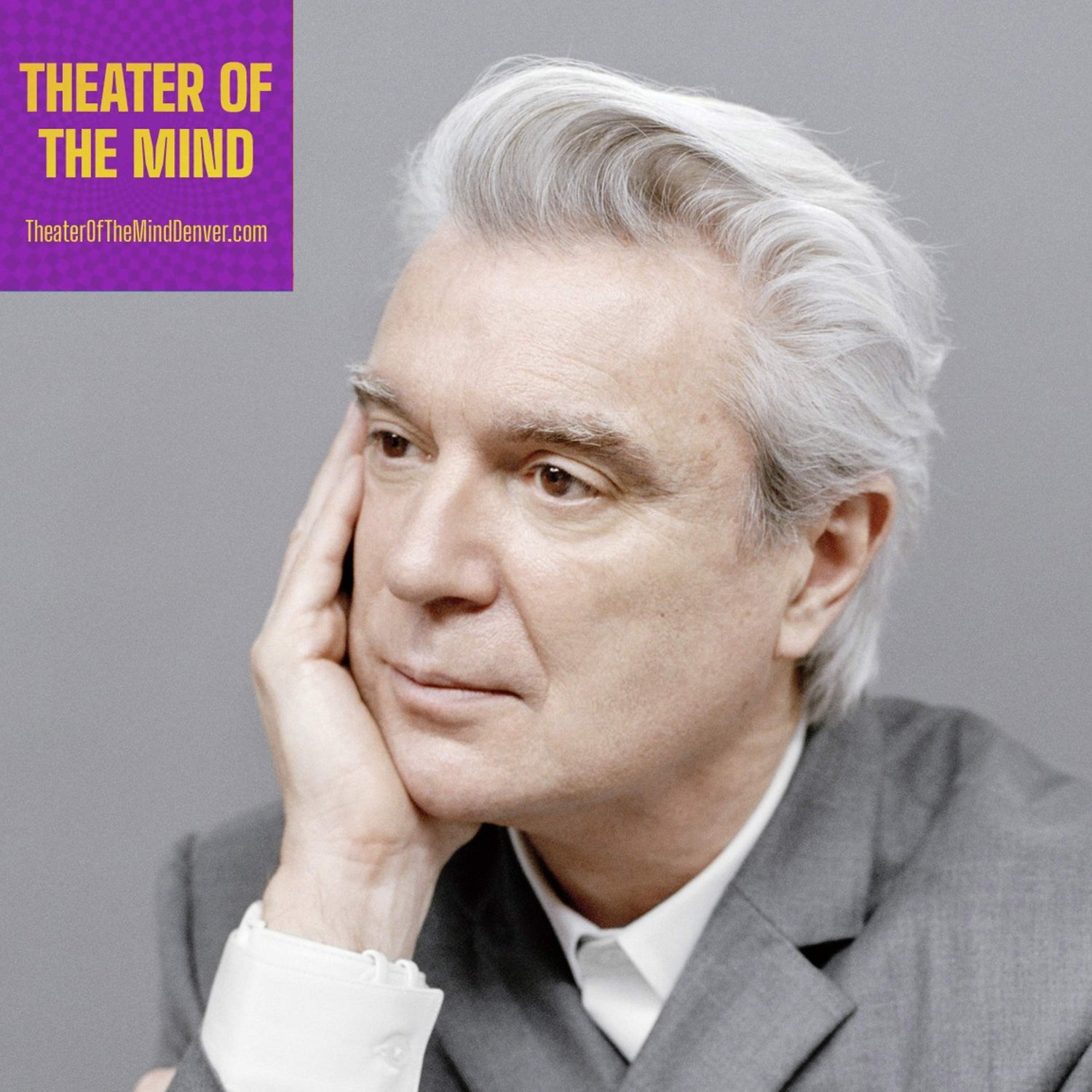
Highlights - DAVID BYRNE'S THEATER OF THE MIND - Stories of Impact - Nicholas Bruckman, John Tracey, Ian Moubayed
"People don't change their minds when they hear facts. You're not going to shame someone into action. That's just not that's not going to happen. Stories, and importantly, who is telling that story are so essential. In terms of engaging with science and having a relationship with science, it's critical."" Speaking about theater and climate change, we produced that piece this year. We followed a young theater performer who, along with other young people, put on a play about climate change informed by real scientists, and real marine biologists, including discussion of reefs and other challenges that oceans are facing due to climate change.And I think what's really exciting about that piece and that approach, for me personally, is that we don't necessarily expect that the play will move the needle on climate change. But I think it was very clear from following this young protagonist who embarked on this act of storytelling and performance herself, that she felt a great deal of catharsis and also empowerment by creating this artistic piece and sharing it with other young people. And that this artistic expression set her on a lifelong journey to deal with this issue, which she knows - she's 17 - sits uniquely on her generation's shoulders. And so I do think there's an important synthesis between science, the arts, and the actual tackling of the formidable challenge that we face."Nicholas Bruckman is founder and CEO of People's Television, a production studio and creative agency that produces independent films, and video storytelling for brands. Collaborating with the The Simons Foundation through their 'Science Sandbox' Initiative, he directed Theater of the Mind, which takes audiences into the creative inner workings of Musician and Artist David Byrne’s brain, showcasing Byrne’s immersive theater performance, which attempts to conceptualize the idea of our sense of self and how malleable the mind truly is.He directed the award-winning healthcare justice documentary Not Going Quietly, executive produced by Mark and Jay Duplass.John Tracey is Program Director of Science, Society and Culture projects at the Simons Foundation whose mission is to advance the frontiers of research in mathematics and the basic sciences to unravel the mysteries of the universe. The foundation champions basic science through grant funding, support for research and public engagement.Ian Moubayed started his career as a cinematographer, collaborating with Emmy, Peabody, and Oscar-winning filmmakers. His work includes Netflix’s The Great Hack, NBC Peacock’s The Sit-In: Harry Belafonte Hosts the Tonight Show, and HBO’s The Vow.www.youtube.com/@sciencesandboxwww.davidbyrne.comhttps://nickny.com/biohttps://www.simonsfoundation.org/people/john-tracey/https://peoples.tv/director/ian-moubayed/www.creativeprocess.infowww.oneplanetpodcast.orgIG www.instagram.com/creativeprocesspodcast
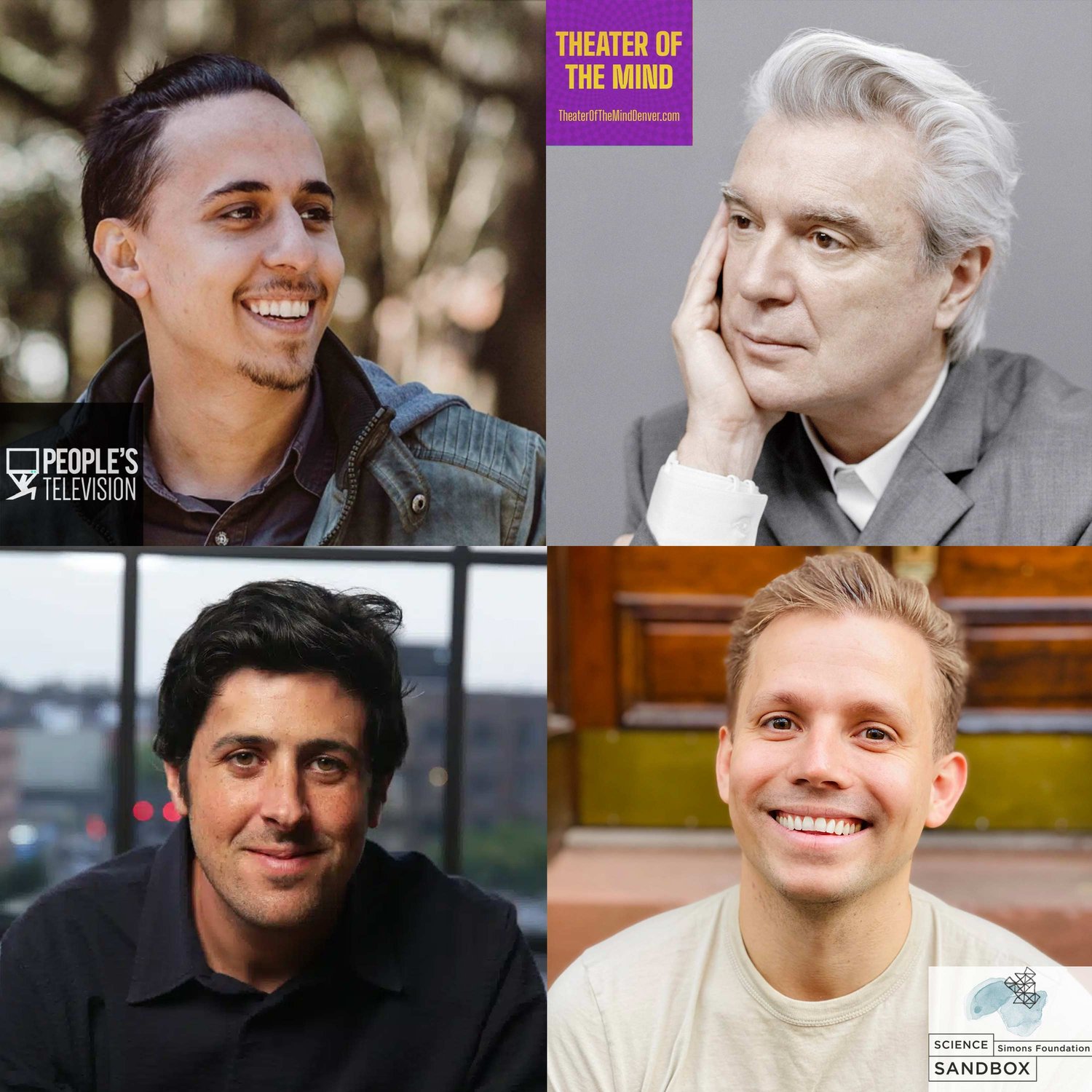
DAVID BYRNE'S THEATER OF THE MIND - Stories of Impact produced by Simons Foundation & People’s TV
What is consciousness? The mind produces thoughts, sensations, perception, emotions. How can these inner felt experiences be produced within the darkness of the human skull?Nicholas Bruckman is founder and CEO of People's Television, a production studio and creative agency that produces independent films, and video storytelling for brands. Collaborating with the The Simons Foundation through their 'Science Sandbox' Initiative, he directed Theater of the Mind, which takes audiences into the creative inner workings of Musician and Artist David Byrne’s brain, showcasing Byrne’s immersive theater performance, which attempts to conceptualize the idea of our sense of self and how malleable the mind truly is.He directed the award-winning healthcare justice documentary Not Going Quietly, executive produced by Mark and Jay Duplass.John Tracey is Program Director of Science, Society and Culture projects at the Simons Foundation whose mission is to advance the frontiers of research in mathematics and the basic sciences to unravel the mysteries of the universe. The foundation champions basic science through grant funding, support for research and public engagement.Ian Moubayed started his career as a cinematographer, collaborating with Emmy, Peabody, and Oscar-winning filmmakers. His work includes Netflix’s The Great Hack, NBC Peacock’s The Sit-In: Harry Belafonte Hosts the Tonight Show, and HBO’s The Vow."People don't change their minds when they hear facts. You're not going to shame someone into action. That's just not that's not going to happen. Stories, and importantly, who is telling that story are so essential. In terms of engaging with science and having a relationship with science, it's critical."" Speaking about theater and climate change, we produced that piece this year. We followed a young theater performer who, along with other young people, put on a play about climate change informed by real scientists, and real marine biologists, including discussion of reefs and other challenges that oceans are facing due to climate change.And I think what's really exciting about that piece and that approach, for me personally, is that we don't necessarily expect that the play will move the needle on climate change. But I think it was very clear from following this young protagonist who embarked on this act of storytelling and performance herself, that she felt a great deal of catharsis and also empowerment by creating this artistic piece and sharing it with other young people. And that this artistic expression set her on a lifelong journey to deal with this issue, which she knows - she's 17 - sits uniquely on her generation's shoulders. And so I do think there's an important synthesis between science, the arts, and the actual tackling of the formidable challenge that we face."www.youtube.com/@sciencesandboxwww.davidbyrne.comhttps://nickny.com/biohttps://www.simonsfoundation.org/people/john-tracey/https://peoples.tv/director/ian-moubayed/www.creativeprocess.infowww.oneplanetpodcast.orgIG www.instagram.com/creativeprocesspodcast
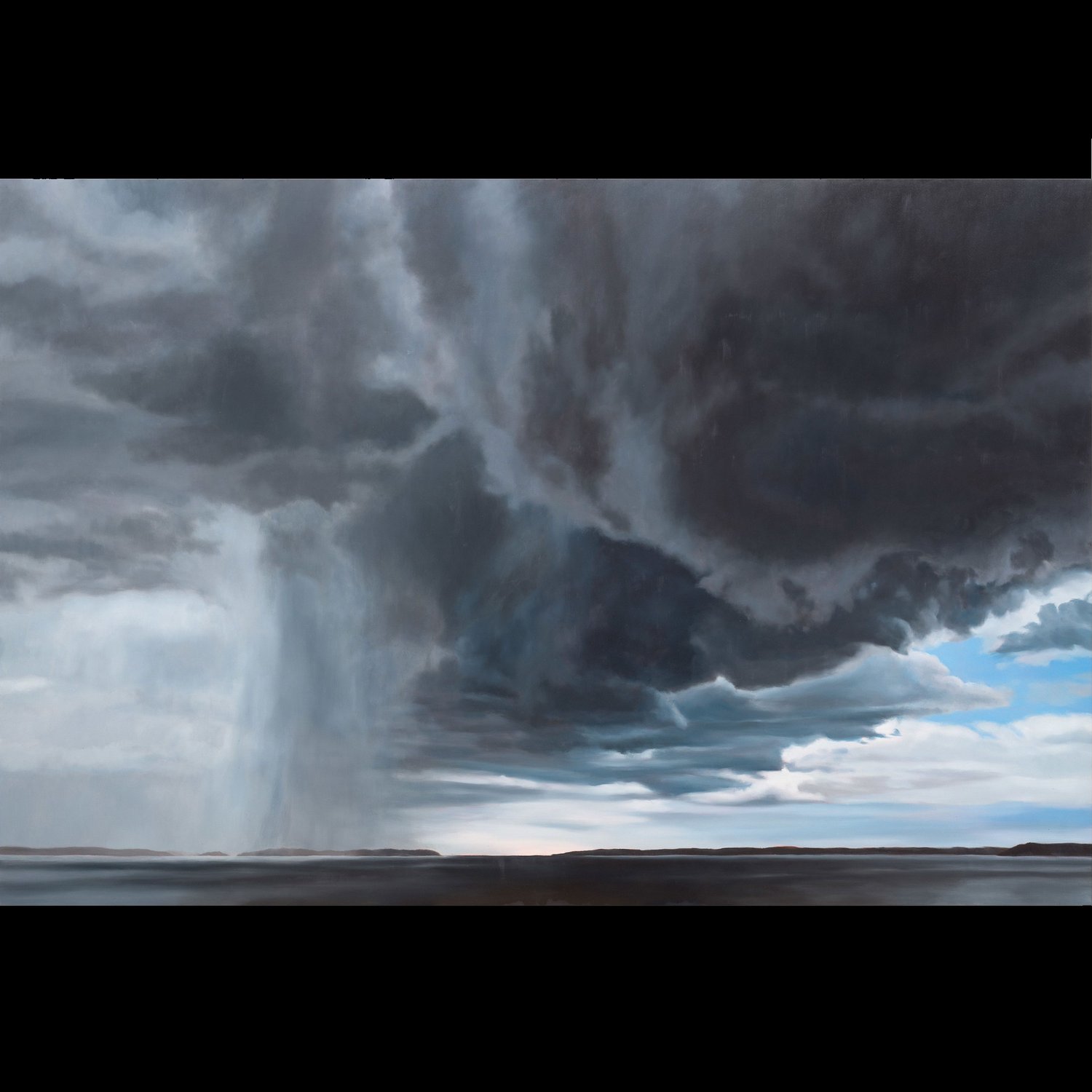
Highlights - APRIL GORNIK - Artist, Environmentalist, Co-founder of The Church: Arts & Creativity Center
"The current climate situation is so overwhelming to people. This is a scale of problem that we have never encountered before. We talk about World War this and World War that, but this is a global catastrophe that's affecting every part of our planet. And it's, importantly, I think, bigger than anyone can actually take in. And I think everyone has the best intentions of trying to make positive change - unless it disturbs their cellphone use and their car driving too much. We have to get a little more serious about that.I've chosen my work because I've loved the outside world. I love the things outside of myself. I love what isn't immediate to me. And I love projecting onto that as a way of kind of trying to reach the distance between my inner self and the vastness. To try to do that in a way that makes other people feel inspired by it, not be chided for not taking care of it. It's not something that I intend to be a message per se, but I think it might be a better message if it's not saying, "People, you've been bad. You have to change your evil ways!"You know, I'd rather people look at the natural world and see the heartbreaking beauty of it and sense its fragility and its impermanence and their own impermanence and fragility and then have a response to that rather than say, you know, you have to act, you have to do something. I would hope that would inspire action rather than to cudgel them with a directive."In this fractured world, how do the arts build community, understanding, and inspire change? How does art help us define who we are and our place in the world?April Gornik is known for her large scale landscape paintings which embrace the vastness of sea and sky. Her imagined landscapes, built up through a series of underpaintings are meditations on light and time. Her work is included in the collections of the Metropolitan Museum of Art, The Museum of Modern Art (MoMA), the Museum of Fine Arts Houston, and the Smithsonian American Art Museum in Washington, DC.She is a director of the board of the Sag Harbor Cinema Arts Center and co-founded The Church arts, exhibition space, and creativity center, which is a sanctuary for visual, performing, literary artists, and other creatives. Together with her husband the artist Eric Fischl, they are at the center of Sag Harbour’s arts district, and in this episode, we’ll also hear from some of the talented artists they’ve brought to their stages.www.aprilgornik.comwww.thechurchsagharbor.orgwww.milesmcenery.com/exhibitions/april-gornik2https://sagharborcinema.org/www.creativeprocess.infowww.oneplanetpodcast.orgIG www.instagram.com/creativeprocesspodcastKimiko Ishizaka - Bach - Well-Tempered Clavier, Book 1 - 01 Prelude No. 1 in C major, BWV 846Creative Commons CC0 1.0 Universal Public Domain
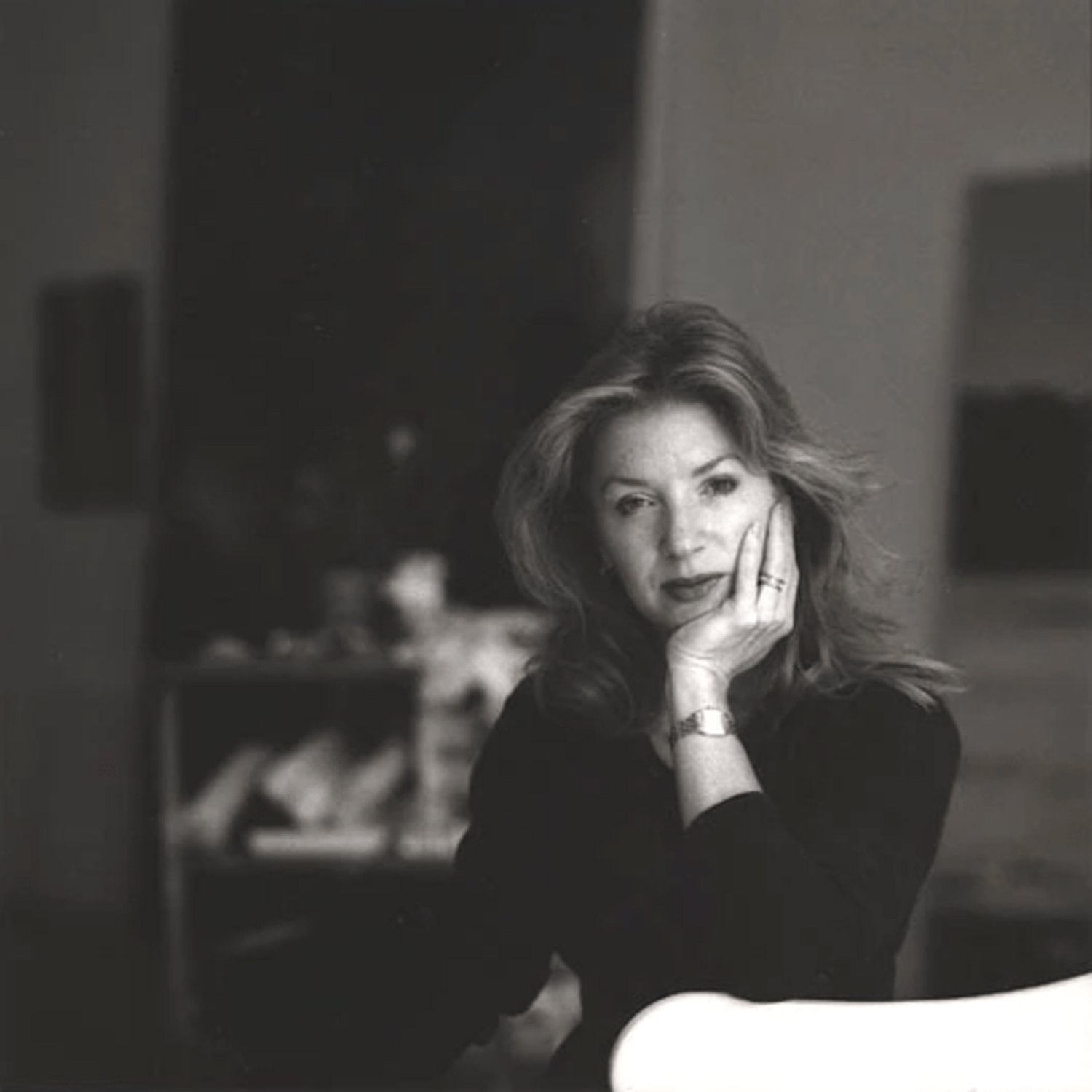
APRIL GORNIK - Artist, Environmentalist, Co-founder of The Church: Arts & Creativity Center
In this fractured world, how do the arts build community, understanding, and inspire change? How does art help us define who we are and our place in the world?April Gornik is known for her large scale landscape paintings which embrace the vastness of sea and sky. Her imagined landscapes, built up through a series of underpaintings are meditations on light and time. Her work is included in the collections of the Metropolitan Museum of Art, The Museum of Modern Art (MoMA), the Museum of Fine Arts Houston, and the Smithsonian American Art Museum in Washington, DC. She is a director of the board of the Sag Harbor Cinema Arts Center and co-founded The Church arts, exhibition space, and creativity center, which is a sanctuary for visual, performing, literary artists, and other creatives. Together with her husband the artist Eric Fischl, they are at the center of Sag Harbour’s arts district, and in this episode, we’ll also hear from some of the talented artists they’ve brought to their stages."The current climate situation is so overwhelming to people. This is a scale of problem that we have never encountered before. We talk about World War this and World War that, but this is a global catastrophe that's affecting every part of our planet. And it's, importantly, I think, bigger than anyone can actually take in. And I think everyone has the best intentions of trying to make positive change - unless it disturbs their cellphone use and their car driving too much. We have to get a little more serious about that.I've chosen my work because I've loved the outside world. I love the things outside of myself. I love what isn't immediate to me. And I love projecting onto that as a way of kind of trying to reach the distance between my inner self and the vastness. To try to do that in a way that makes other people feel inspired by it, not be chided for not taking care of it. It's not something that I intend to be a message per se, but I think it might be a better message if it's not saying, "People, you've been bad. You have to change your evil ways!"You know, I'd rather people look at the natural world and see the heartbreaking beauty of it and sense its fragility and its impermanence and their own impermanence and fragility and then have a response to that rather than say, you know, you have to act, you have to do something. I would hope that would inspire action rather than to cudgel them with a directive."www.aprilgornik.comwww.thechurchsagharbor.orgwww.milesmcenery.com/exhibitions/april-gornik2https://sagharborcinema.org/www.creativeprocess.infowww.oneplanetpodcast.orgIG www.instagram.com/creativeprocesspodcastKimiko Ishizaka - Bach - Well-Tempered Clavier, Book 1 - 01 Prelude No. 1 in C major, BWV 846Creative Commons CC0 1.0 Universal Public DomainAdditional audio courtesy of Sag Harbor Cinema Arts Center.
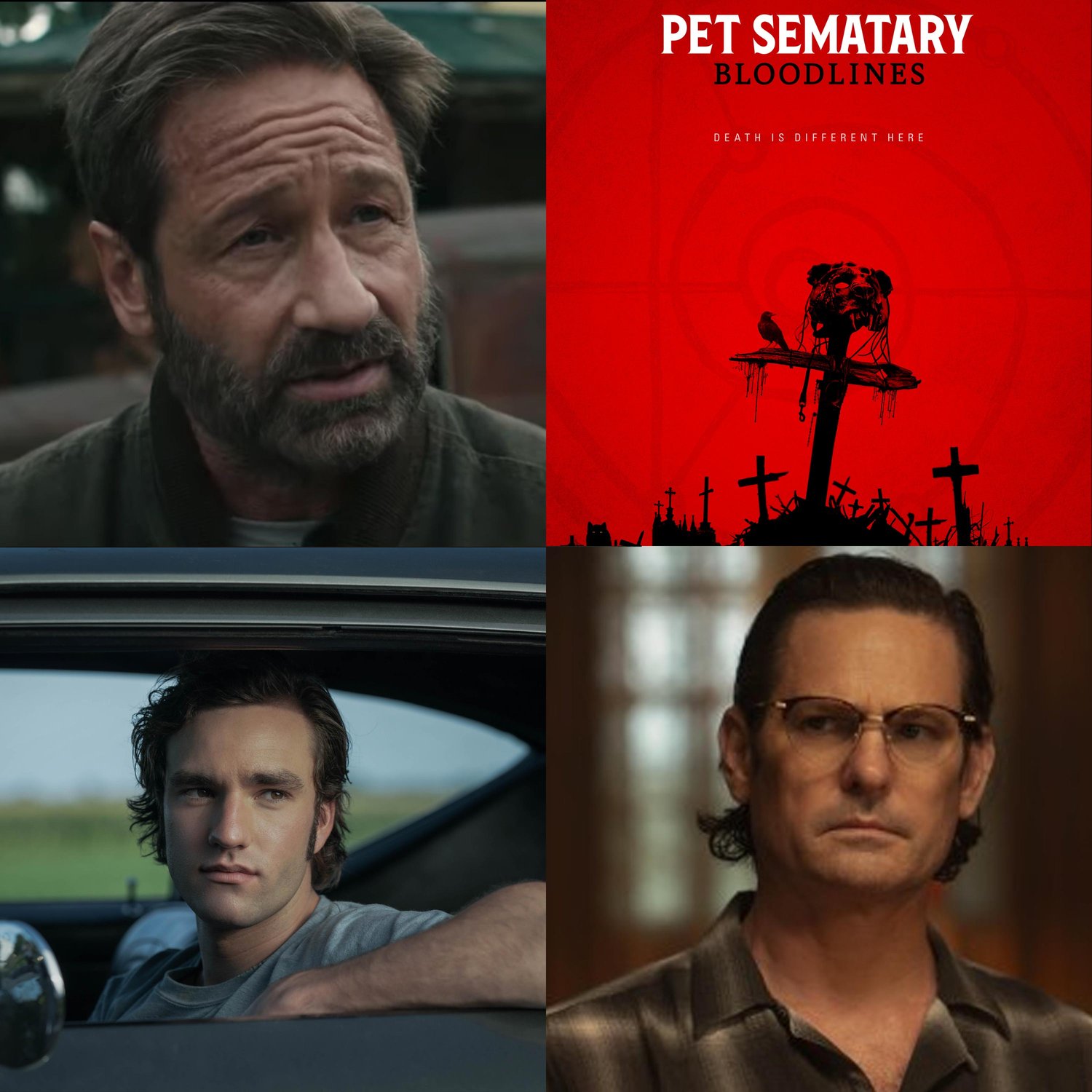
Highlights - LINDSEY ANDERSON BEER - Writer, Director - Pet Sematary: Bloodlines - Sleepy Hollow
"I don't think that there are any more important stories to tell right now than ones with environmental messages. You know, we obviously are beyond this tipping point. We're at a crisis point and allowing people to understand that, not just understand the ramifications, but understand what they can actually do and what life could look like if we did change our behavior and what those steps could be, I think is our greatest imperative as storytellers right now."Lindsey Anderson Beer wrote and executive produced the hit Netflix original dramedy Sierra Burgess is a Loser before making the jump to direct the horror genre with Pet Sematary: Bloodlines, starring Jackson White and Natalie Alyn Lind. The story is based on an untold chapter of Stephen King's self-proclaimed, scariest property of all time. Up next, she will helm Paramount’s Sleepy Hollow reboot as the writer, director, and producer. She also has several projects in various phases of development and production, including Disney's live action remake of Bambi, New Line's Hello Kitty, and Universal's Fast and Furious spinoff, which she wrote with Geneva Robertson-Dworet. Under her production banner Lab Brew, Lord of the Flies will be directed by Luca Guadagnino and written by Patrick Ness for Warner Bros.www.imdb.com/name/nm5170222/www.creativeprocess.infowww.oneplanetpodcast.orgIG www.instagram.com/creativeprocesspodcast
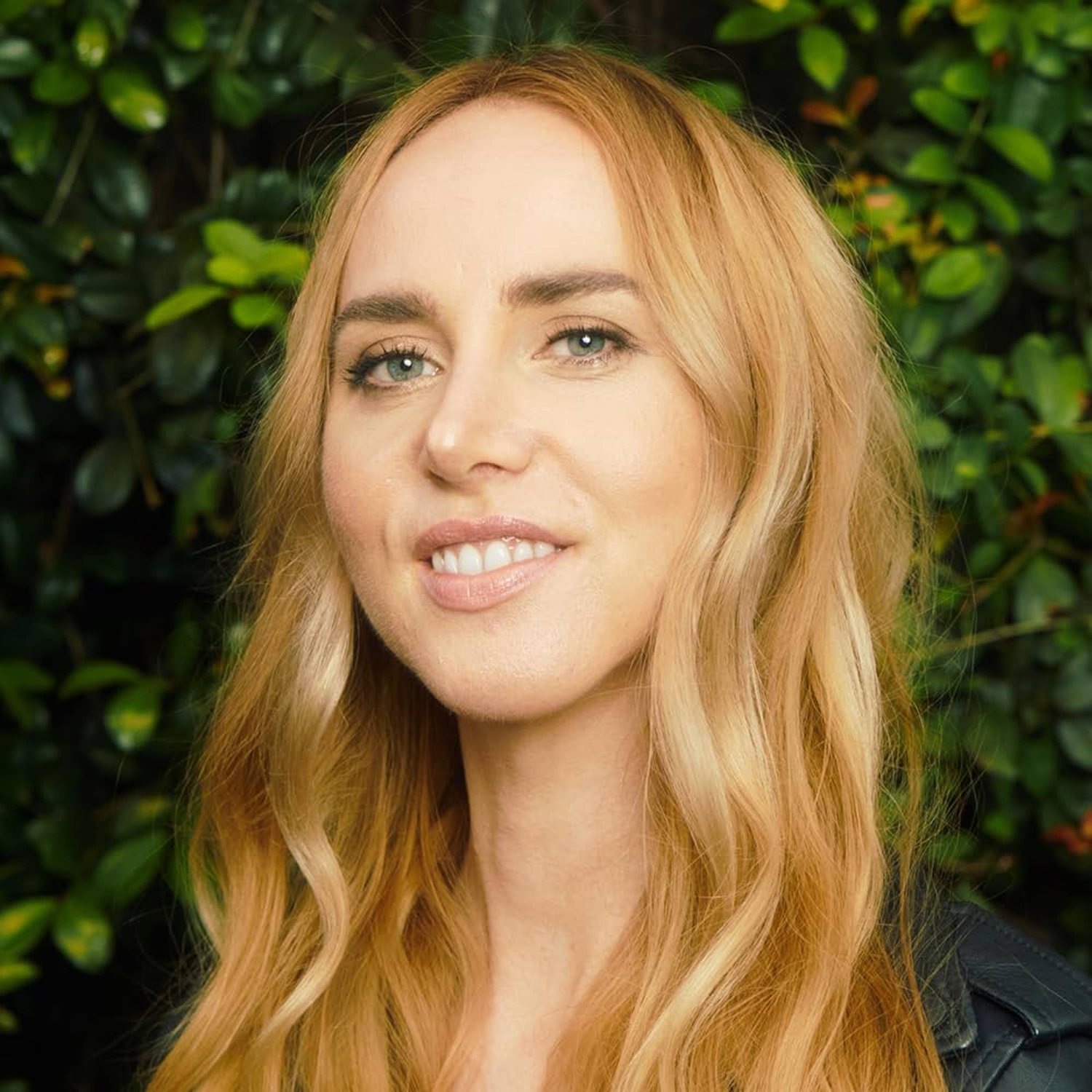
LINDSEY ANDERSON BEER - Writer, Director, Producer - Pet Sematary: Bloodlines - Sleepy Hollow - Bambi
Lindsey Anderson Beer wrote and executive produced the hit Netflix original dramedy Sierra Burgess is a Loser before making the jump to direct the horror genre with Pet Sematary: Bloodlines, starring Jackson White and Natalie Alyn Lind. The story is based on an untold chapter of Stephen King's self-proclaimed, scariest property of all time. Up next, she will helm Paramount’s Sleepy Hollow reboot as the writer, director, and producer. She also has several projects in various phases of development and production, including Disney's live action remake of Bambi, New Line's Hello Kitty, and Universal's Fast and Furious spinoff, which she wrote with Geneva Robertson-Dworet. Under her production banner Lab Brew, Lord of the Flies will be directed by Luca Guadagnino and written by Patrick Ness for Warner Bros."I don't think that there are any more important stories to tell right now than ones with environmental messages. You know, we obviously are beyond this tipping point. We're at a crisis point and allowing people to understand that, not just understand the ramifications, but understand what they can actually do and what life could look like if we did change our behavior and what those steps could be, I think is our greatest imperative as storytellers right now."www.imdb.com/name/nm5170222/www.creativeprocess.infowww.oneplanetpodcast.orgIG www.instagram.com/creativeprocesspodcast

Highlights - DEAN SPADE - Professor at SeattleU’s School of Law - Author of Mutual Aid, Building Solidarity During This Crisis (and the Next)
“I want to see movements that embolden our tactics. Like people blocking oil pipelines all over the world. That's what's required now. Asking endlessly from the dominant system to treat us fairly doesn't work. And this frustrating kind of endless appeal and hoping maybe we can get it to work this time doesn't work. And the clock is ticking, especially on ecological collapse. We need to save each other's lives and act.” Dean Spade is an organizer, speaker, author, and professor at Seattle University's School of Law, where he teaches courses on policing, imprisonment, gender, race, and social movements. Spade has been organizing racial and economic movements for queer and trans liberation for the past 20 years. Spade's books include Normal Life: Administrative Violence, Critical Trans Politics, and the Limits of Law and Mutual Aid, Building Solidarity During This Crisis (and the Next). In 2002, Dean founded the Sylvia Rivera Law Project, a non-profit law collective that provides free legal services to transgender, intersex and gender non-conforming people who are low-income and/or people of color, and which operates on a collective governance model. His writing has appeared in The Chronicle of Higher Education, Out, In These Times, Social Text, and Signs.www.deanspade.net www.southendpress.org/2010/items/87965www.deanspade.net/mutual-aid-building-solidarity-during-this-crisis-and-the-next/https://srlp.orgwww.creativeprocess.infowww.oneplanetpodcast.orgIG www.instagram.com/creativeprocesspodcast
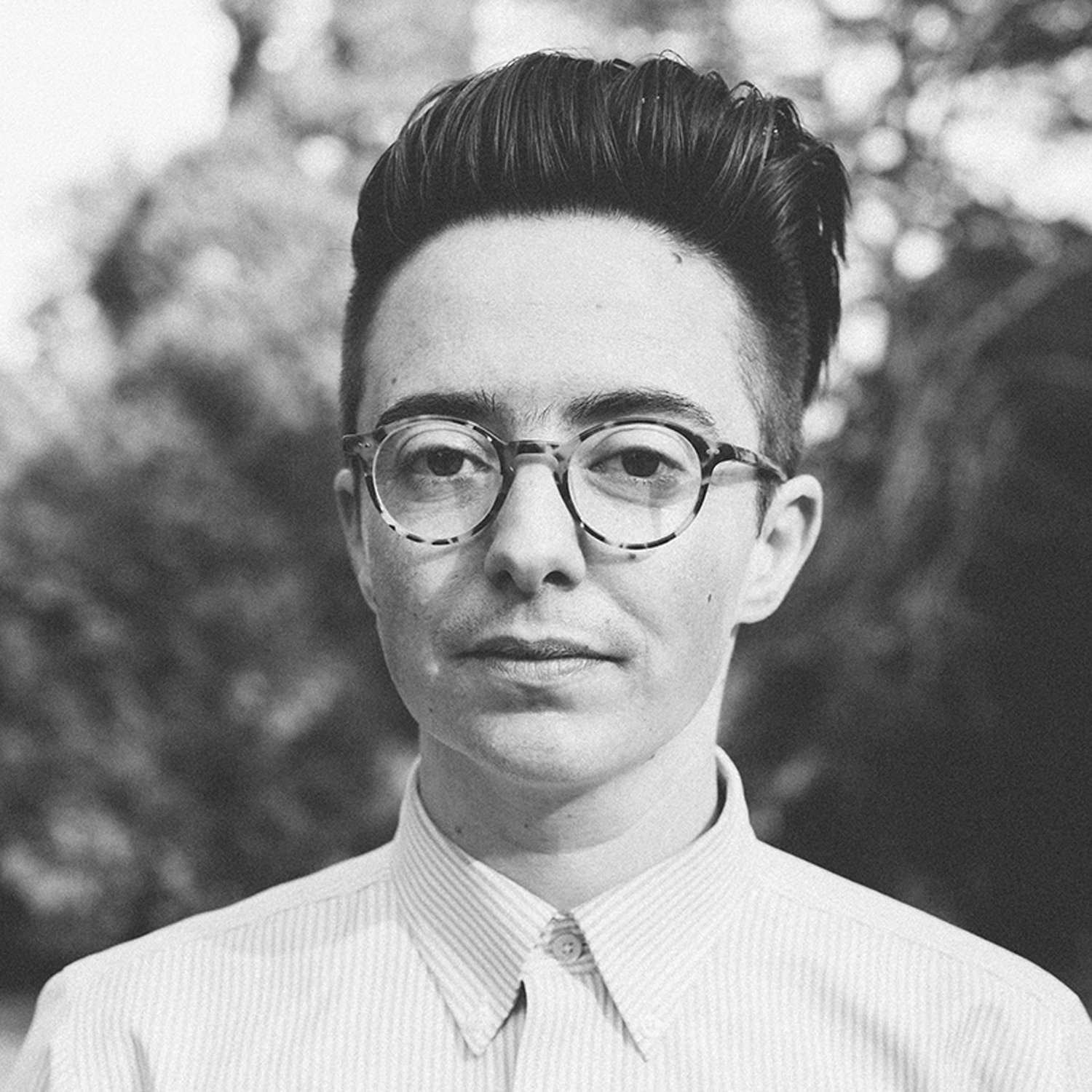
DEAN SPADE - Author of Normal Life: Administrative Violence, Critical Trans Politics, and the Limits of Law
Dean Spade is an organizer, speaker, author, and professor at Seattle University's School of Law, where he teaches courses on policing, imprisonment, gender, race, and social movements. Spade has been organizing racial and economic movements for queer and trans liberation for the past 20 years. Spade's books include Normal Life: Administrative Violence, Critical Trans Politics, and the Limits of Law and Mutual Aid, Building Solidarity During This Crisis (and the Next). In 2002, Dean founded the Sylvia Rivera Law Project, a non-profit law collective that provides free legal services to transgender, intersex and gender non-conforming people who are low-income and/or people of color, and which operates on a collective governance model. His writing has appeared in The Chronicle of Higher Education, Out, In These Times, Social Text, and Signs.“I want to see movements that embolden our tactics. Like people blocking oil pipelines all over the world. That's what's required now. Asking endlessly from the dominant system to treat us fairly doesn't work. And this frustrating kind of endless appeal and hoping maybe we can get it to work this time doesn't work. And the clock is ticking, especially on ecological collapse. We need to save each other's lives and act.”www.deanspade.net www.southendpress.org/2010/items/87965www.deanspade.net/mutual-aid-building-solidarity-during-this-crisis-and-the-next/https://srlp.orgwww.creativeprocess.infowww.oneplanetpodcast.orgIG www.instagram.com/creativeprocesspodcast
Highlights - ANTHONY LEISEROWITZ - Host of Climate Connections - Senior Research Scientist, Yale School of the Environment
"At the Yale Program on Climate Change Communication, we study how people respond to climate change. So what do people around the world understand or misunderstand about the causes, the consequences, and solutions? How do they perceive the risks: the likelihood and severity of different types of impacts from sea level rise to the health impacts? What kinds of policies do they support or oppose? And then what kinds of behaviors are people engaged in or willing to change to be part of climate solutions? There are lots of different things there, but our ultimate question is answering why. What are the psychological, cultural, the political reasons why some people get engaged with this issue? While others are kind of apathetic and some are downright dismissive and hostile, or at least they are in the United States, which thankfully is not the case in most of the rest of the world."Anthony Leiserowitz, Ph.D. is the founder and Director of the Yale Program on Climate Change Communication and a Senior Research Scientist at the Yale School of the Environment. He is an internationally recognized expert on public climate change beliefs, attitudes, policy support, and behavior, and the psychological, cultural, and political factors that shape them and conducts research globally, including in the United States, China, India, and Brazil. He has published more than 250 scientific articles, chapters, and reports and has worked with the Intergovernmental Panel on Climate Change, the National Academy of Sciences, the Smithsonian Museum of Natural History, the Harvard Kennedy School, the United Nations Development Program, the Gallup World Poll, and the World Economic Forum, among others. He is a recipient of the Friend of the Planet Award from the National Center for Science Education, the Mitofsky Innovator Award from the American Association of Public Opinion Research, the Stephen H. Schneider Award for Outstanding Climate Science Communication from Climate One, and an Environmental Innovator award from the Environmental Protection Agency. In 2020, he was named the second-most influential climate scientist in the world (of 1,000) by Reuters. He is also the host of Climate Connections, a radio program broadcast each day on more than 700 stations nationwide.https://environment.yale.edu/profile/leiserowitzhttps://climatecommunication.yale.eduwww.yaleclimateconnections.orgwww.creativeprocess.infowww.oneplanetpodcast.orgIG www.instagram.com/creativeprocesspodcast
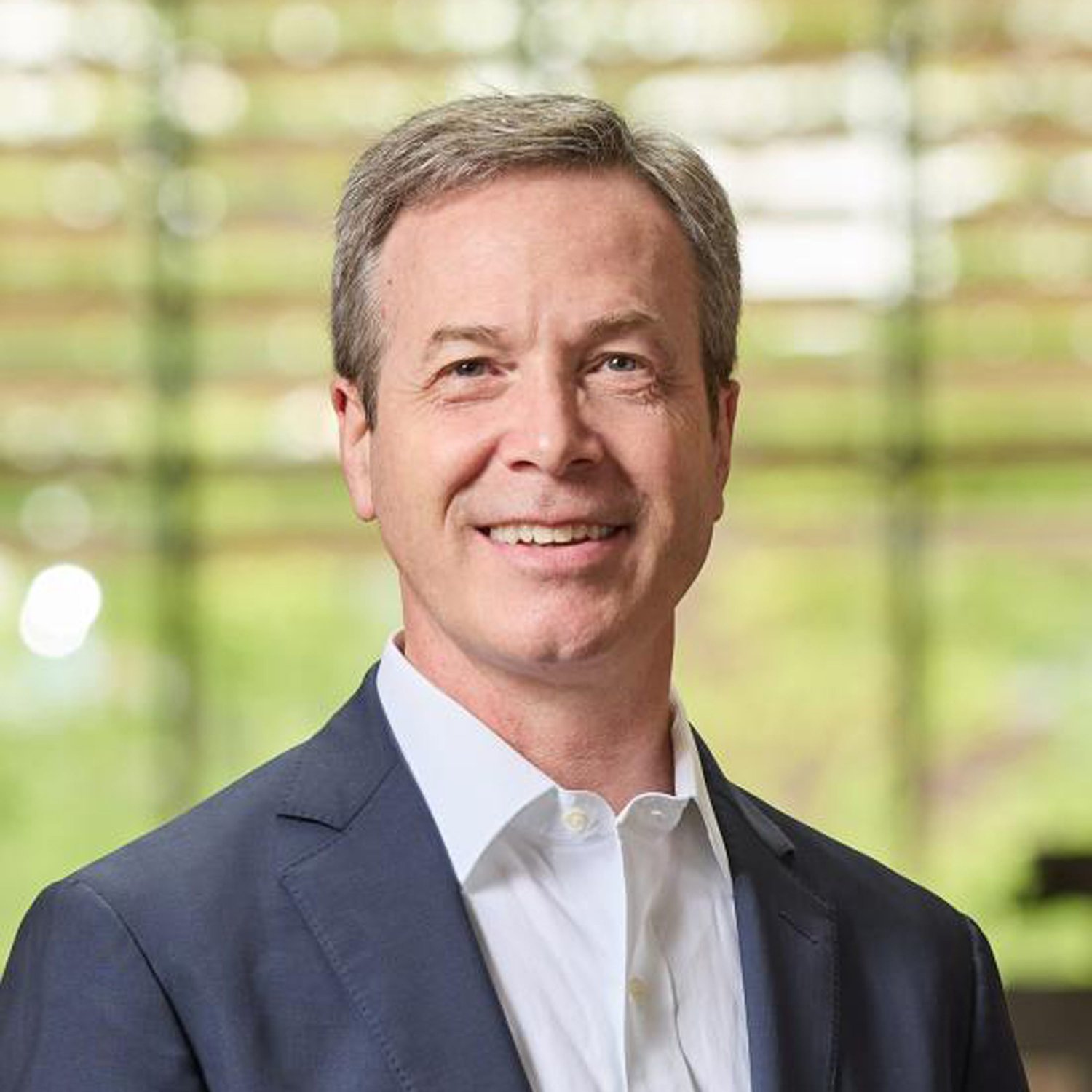
ANTHONY LEISEROWITZ - Founding Director of Yale Program on Climate Change Communication - Host of Climate Connections
Anthony Leiserowitz, Ph.D. is the founder and Director of the Yale Program on Climate Change Communication and a Senior Research Scientist at the Yale School of the Environment. He is an internationally recognized expert on public climate change beliefs, attitudes, policy support, and behavior, and the psychological, cultural, and political factors that shape them and conducts research globally, including in the United States, China, India, and Brazil. He has published more than 250 scientific articles, chapters, and reports and has worked with the Intergovernmental Panel on Climate Change, the National Academy of Sciences, the Smithsonian Museum of Natural History, the Harvard Kennedy School, the United Nations Development Program, the Gallup World Poll, and the World Economic Forum, among others. He is a recipient of the Friend of the Planet Award from the National Center for Science Education, the Mitofsky Innovator Award from the American Association of Public Opinion Research, the Stephen H. Schneider Award for Outstanding Climate Science Communication from Climate One, and an Environmental Innovator award from the Environmental Protection Agency. In 2020, he was named the second-most influential climate scientist in the world (of 1,000) by Reuters. He is also the host of Climate Connections, a radio program broadcast each day on more than 700 stations nationwide."At the Yale Program on Climate Change Communication, we study how people respond to climate change. So what do people around the world understand or misunderstand about the causes, the consequences, and solutions? How do they perceive the risks: the likelihood and severity of different types of impacts from sea level rise to the health impacts? What kinds of policies do they support or oppose? And then what kinds of behaviors are people engaged in or willing to change to be part of climate solutions? There are lots of different things there, but our ultimate question is answering why. What are the psychological, cultural, the political reasons why some people get engaged with this issue? While others are kind of apathetic and some are downright dismissive and hostile, or at least they are in the United States, which thankfully is not the case in most of the rest of the world."https://environment.yale.edu/profile/leiserowitzhttps://climatecommunication.yale.eduwww.yaleclimateconnections.orgwww.creativeprocess.infowww.oneplanetpodcast.orgIG www.instagram.com/creativeprocesspodcast
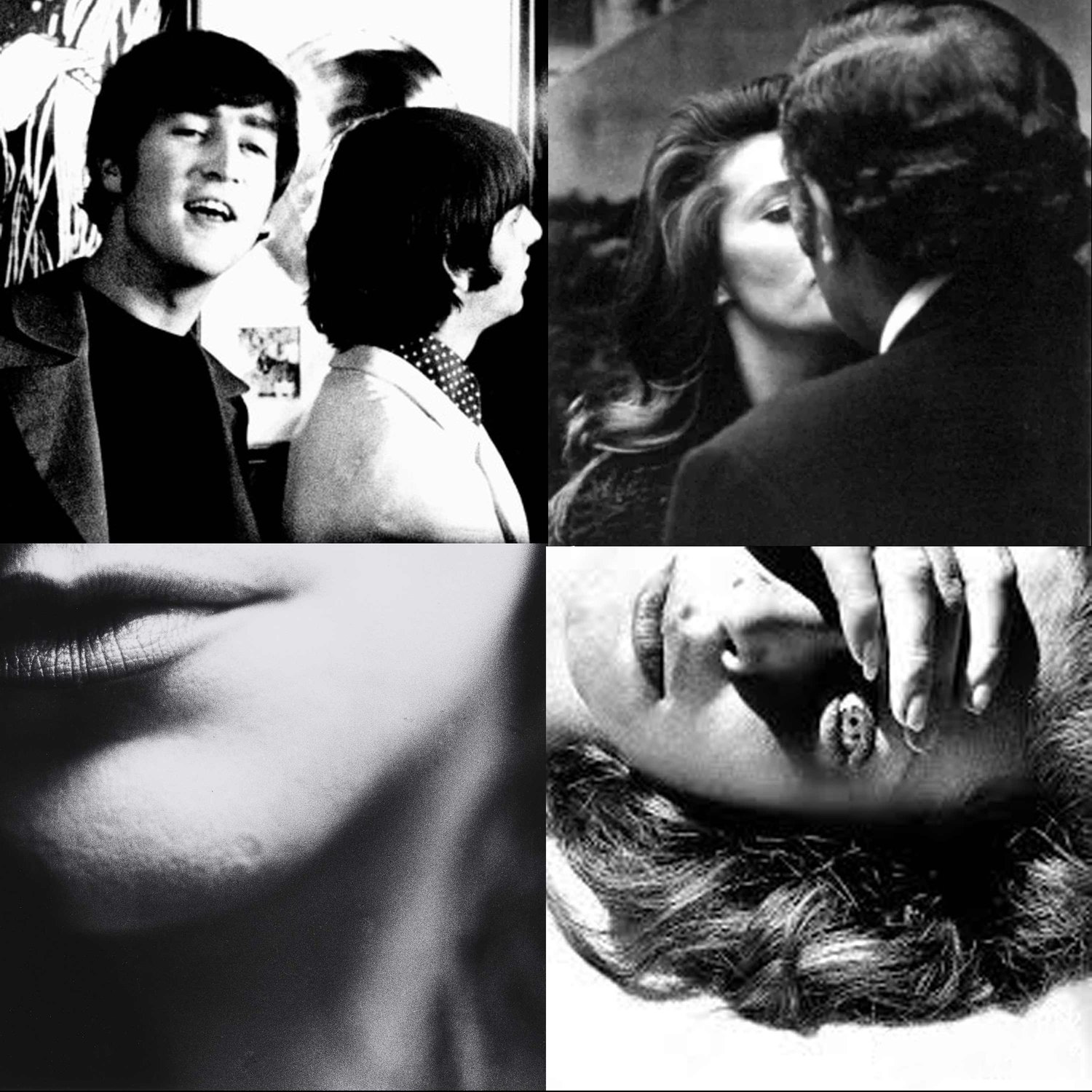
Highlights - RALPH GIBSON - Award-winning Photographer - Leica Hall of Fame Inductee
"I was fortunate to be able to visit the original Lascaux Cave in the Dordogne. And in any of these paleolithic caves, we find there are certain themes there that seem to be, as long as humanity has been on planet earth: there's always been war, there's always been migration. There's always been a search for God, a form of worship, and there's always been a fear of the apocalypse, the end of the world, which if you open up Paris Match tomorrow or the New York Times on the front page, you'll find those four subjects are still being addressed.Now, we're talking about BC up to today. Now, of course, things are moving much faster now than they did 40, 000 years ago. But I think that capitalism, which created much of this pollution, will find a way of sustaining itself in cleaning up all this pollution."Ralph Gibson is one of the most interesting American photographers of our time. His international renown is based on his work, which is shown and collected by some of the world’s leading museums, including the Museum of Modern Art in New York, the J.P. Getty Museum in Los Angeles, the John Simon Guggenheim Memorial Foundation, the Creative Center for Photography in Tucson, the Museum of Fine Arts in Houston, the Maison Européenne de la Photographie in Paris, the Bibliothèque Nationale de France in Paris, and the Fotomuseum Winterthur in Switzerland.Gibson’s works reveal a meticulous aesthetic and visual territory edging on the surreal. His recent books include his memoir Self Exposure, Sacred Land: Israel before and after Time, and Secret of Light, which accompanied his exhibition at the Deichtorhallen House of Photography in Hamburg. He is a Leica Hall of Fame Inductee and has been awarded the French Legion of Honor. In 2022, The Gibson | Goeun Museum of Photography devoted to his work opened in Busan, South Korea.www.ralphgibson.comwww.deichtorhallen.de/en/ausstellung/ralph-gibsonwww.gibsongoeunmuseum.comwww.creativeprocess.infowww.oneplanetpodcast.orgIG www.instagram.com/creativeprocesspodcast
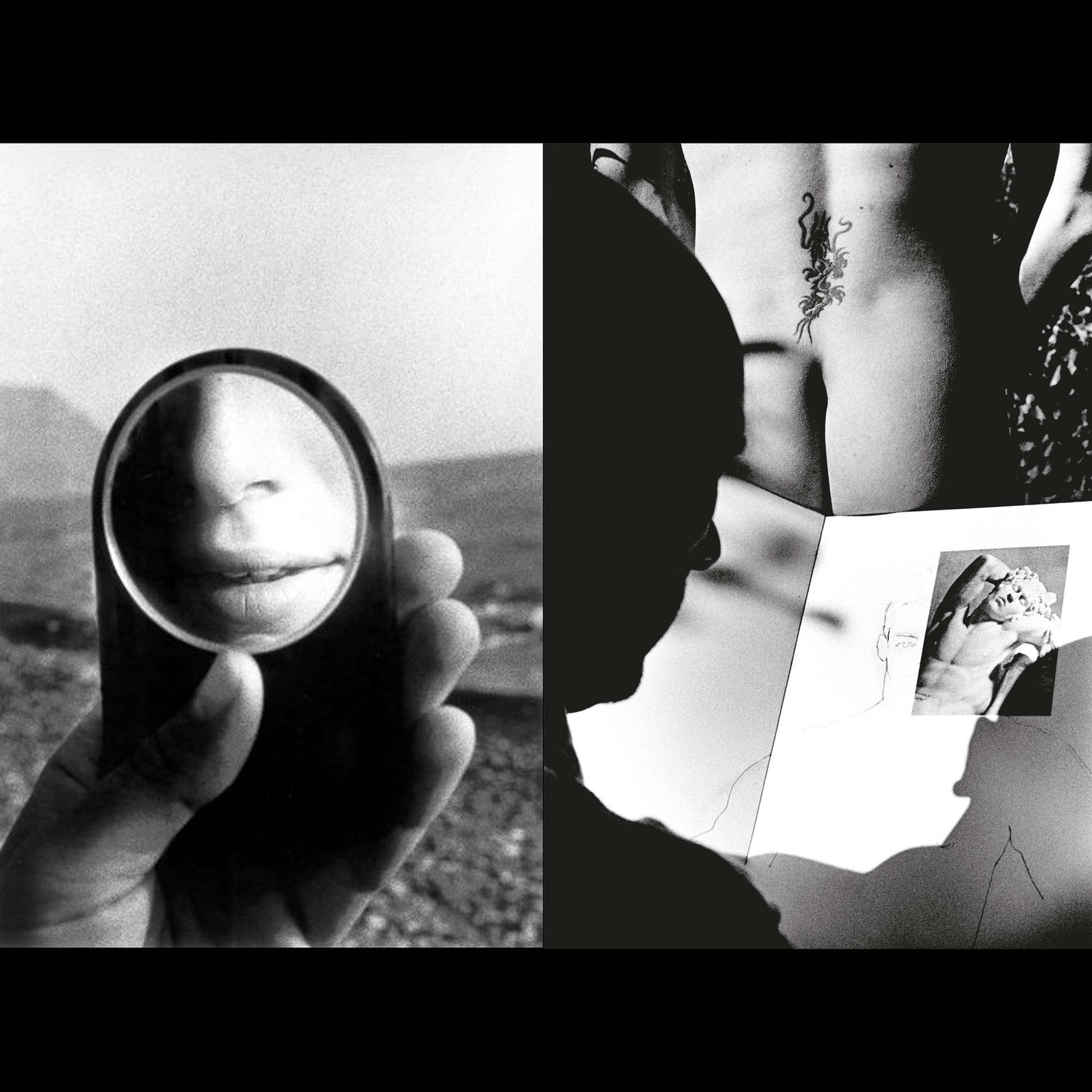
RALPH GIBSON - Award-winning Photographer - Leica Hall of Fame Inductee
Ralph Gibson is one of the most interesting American photographers of our time. His international renown is based on his work, which is shown and collected by some of the world’s leading museums, including the Museum of Modern Art in New York, the J.P. Getty Museum in Los Angeles, the John Simon Guggenheim Memorial Foundation, the Creative Center for Photography in Tucson, the Museum of Fine Arts in Houston, the Maison Européenne de la Photographie in Paris, the Bibliothèque Nationale de France in Paris, and the Fotomuseum Winterthur in Switzerland.Gibson’s works reveal a meticulous aesthetic and visual territory edging on the surreal. His recent books include his memoir Self Exposure, Sacred Land: Israel before and after Time, and Secret of Light, which accompanied his exhibition at the Deichtorhallen House of Photography in Hamburg. He is a Leica Hall of Fame Inductee and has been awarded the French Legion of Honor. In 2022, The Gibson | Goeun Museum of Photography devoted to his work opened in Busan, South Korea."I was fortunate to be able to visit the original Lascaux Cave in the Dordogne. And in any of these paleolithic caves, we find there are certain themes there that seem to be, as long as humanity has been on planet earth: there's always been war, there's always been migration. There's always been a search for God, a form of worship, and there's always been a fear of the apocalypse, the end of the world, which if you open up Paris Match tomorrow or the New York Times on the front page, you'll find those four subjects are still being addressed.Now, we're talking about BC up to today. Now, of course, things are moving much faster now than they did 40, 000 years ago. But I think that capitalism, which created much of this pollution, will find a way of sustaining itself in cleaning up all this pollution."www.ralphgibson.comwww.deichtorhallen.de/en/ausstellung/ralph-gibsonwww.gibsongoeunmuseum.comwww.creativeprocess.infowww.oneplanetpodcast.orgIG www.instagram.com/creativeprocesspodcast
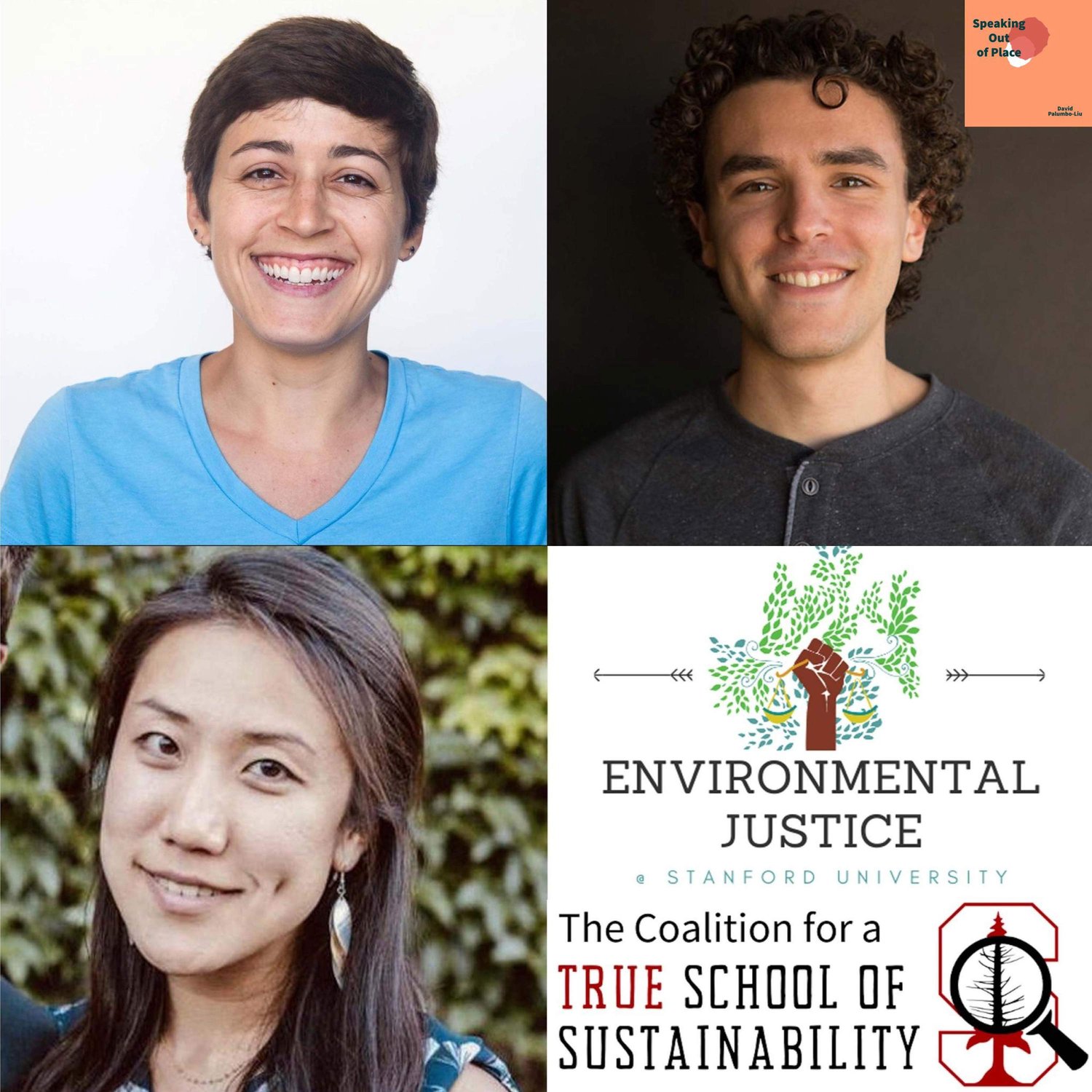
Speaking Out of Place: JUNE CHOI, YANNAI KASHTAN & BELINDA RAMIREZ on the Coalition for a True School of Sustainability
In this episode of the Speaking Out of Place podcast, Professor David Palumbo-Liu speaks with June Choi, Yannai Kashtan, and Belinda Ramírez from the Coalition for a True School of Sustainability. Amidst great fanfare, Stanford University created the Doerr School for Sustainability, which immediately said that it would accept funding from the fossil fuel industry. June, Yannai, and Belinda are helping lead the movement of students pushing back to dissociate from such funds. David asks what drives them and sustains them in building a True School of Sustainability.www.truesustainabilityschool.comwww.ejstanford.comJune Choi is a PhD candidate in Earth System Science at the Doerr School of Sustainability. Her research focuses on quantifying the impacts of climate change to inform adaptation strategies. Her previous work involved tracking global climate finance flows, setting standards for green bonds and sustainable finance integrity. She holds an MA in International Relations from John Hopkins University and BA in Sociology from Amherst College.Yannai Kashtan is a PhD candidate in Earth System Science at the Doerr School of Sustainability, where he studies health-related hazards of residential fossil-fueled appliances. His most recent project quantified benzene emissions from gas and propane stoves. He earned a BA from Pomona College, where he majored in physics and chemistry and studied organic semiconductors.Belinda Ramírez (they/them) teaches introductory liberal education courses at Stanford as a COLLEGE Fellow, including courses on environmental sustainability, food and culture, and climate/environmental/food justice. They also organize with Stanford’s Environmental Justice Working Group and the Coalition for a True School of Sustainability. Trained in cultural anthropology, their research deals with the social, racial/ethnic, political, and economic dimensions of urban agriculture and other food movements situated within the modern industrialized and corporatized global food system. In researching these topics, Belinda has come to recognize the fulfillment found in experiential learning and working firsthand to change their local food system, receiving agricultural training through local farms and community gardens in southern San Diego. They have also engaged in statewide political advocacy for young farmers through the National Young Farmers Coalition, served as both Board and Food Justice Co-Chair for Slow Food Urban San Diego, and worked as a Soil Farmer for Food2Soil. They consider themselves a farmer-scholar, bridging the worlds between praxis and theory, academia and tangible, on-the-ground work.www.palumbo-liu.com https://speakingoutofplace.comhttps://twitter.com/palumboliu?s=20
Highlights - IAN ROBERTSON - Author of How Confidence Works - Co-Director, Global Brain Health Institute
“Young people who are rightly feeling very anxious about the future of the world, the worst thing for them is to just feel this constant sense of threat and hopelessness. The best thing they can do is to change that fear into anger. However, anger is a dangerous and powerful emotion. And the thing about anger is its purpose in life is as a negotiating tool. So there has to be a sense of action of something you want to happen, a goal, and you know who it is you're asking to achieve that goal. And that's where collective action becomes a fuel and that fuel empowers confidence. And of course, confidence is most powerful when it's collective.”How important is confidence? Psychologists say confidence is a series of mental, physical, and emotional habits that can be learned. What makes some people overconfident while others are realistic about their abilities and why are both outlooks important to succeed in life?Ian Robertson is Co-Director of the Global Brain Health Institute (Trinity College Dublin and University of California at San Francisco) and Co-Leader of The BrainHealth Project at University of Texas at Dallas. A trained clinical psychologist as well as a neuroscientist, he is internationally renowned for his research on neuropsychology. He has written five books and numerous newspaper and magazine articles and comment pieces in the Guardian, Times, Telegraph, Irish Times, Time magazine and New York magazine, amongst others. He has appeared on BBC Radio and featured in several major television documentaries. He is a regular speaker at major futurology and business conferences in Europe, the USA and Asia.https://ianrobertson.orgwww.gbhi.orgwww.penguin.co.uk/books/441931/how-confidence-works-by-robertson-ian/9781787633728https://centerforbrainhealth.org/projectwww.creativeprocess.infowww.oneplanetpodcast.orgIG www.instagram.com/creativeprocesspodcast
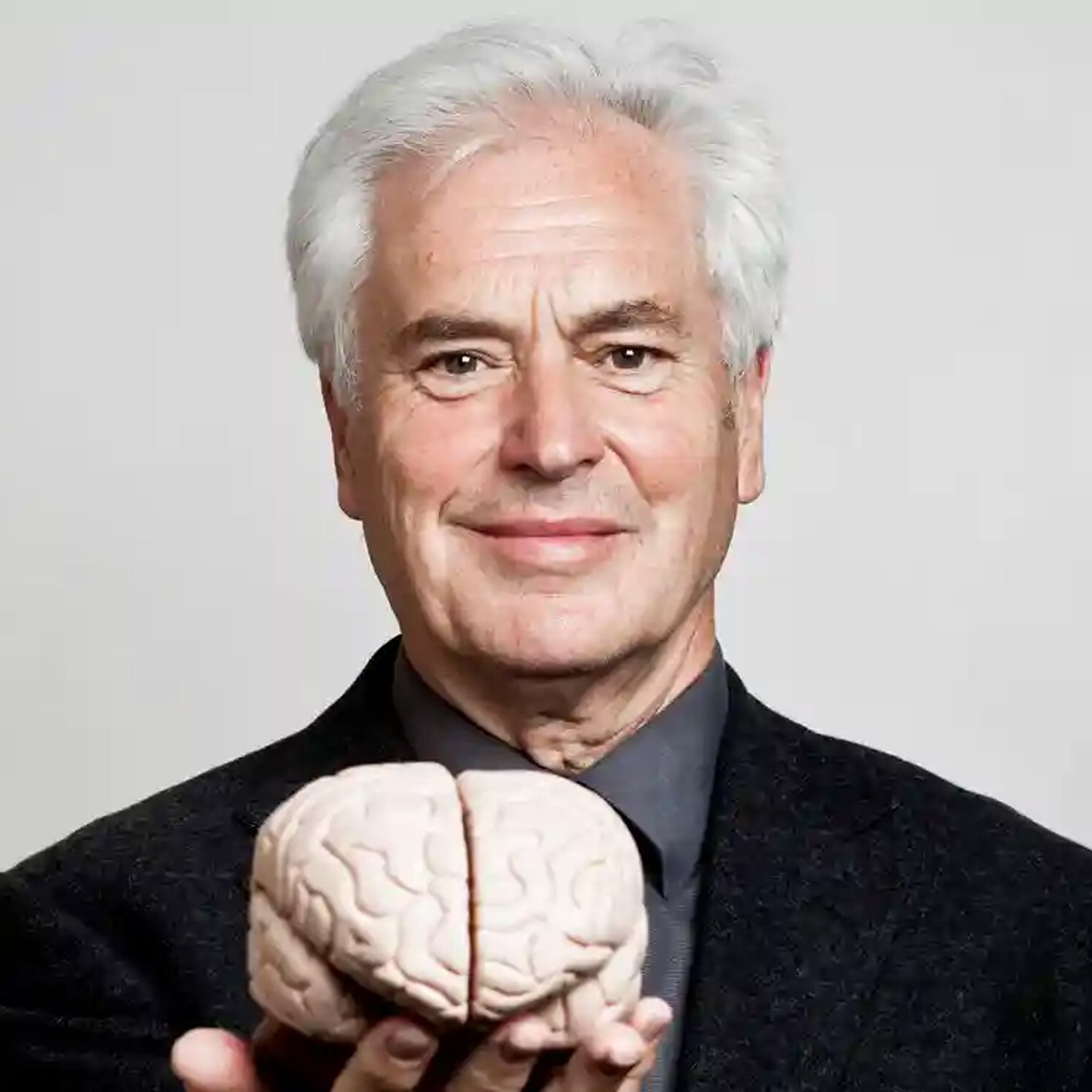
IAN ROBERTSON - Author of How Confidence Works: The New Science of Self-belief - Co-Director of the Global Brain Health Institute
How important is confidence? Psychologists say confidence is a series of mental, physical, and emotional habits that can be learned. What makes some people overconfident while others are realistic about their abilities and why are both outlooks important to succeed in life?Ian Robertson is Co-Director of the Global Brain Health Institute (Trinity College Dublin and University of California at San Francisco) and Co-Leader of The BrainHealth Project at University of Texas at Dallas. A trained clinical psychologist as well as a neuroscientist, he is internationally renowned for his research on neuropsychology. He has written five books and numerous newspaper and magazine articles and comment pieces in the Guardian, Times, Telegraph, Irish Times, Time magazine and New York magazine, amongst others. He has appeared on BBC Radio and featured in several major television documentaries. He is a regular speaker at major futurology and business conferences in Europe, the USA and Asia.“Young people who are rightly feeling very anxious about the future of the world, the worst thing for them is to just feel this constant sense of threat and hopelessness. The best thing they can do is to change that fear into anger. However, anger is a dangerous and powerful emotion. And the thing about anger is its purpose in life is as a negotiating tool. So there has to be a sense of action of something you want to happen, a goal, and you know who it is you're asking to achieve that goal. And that's where collective action becomes a fuel and that fuel empowers confidence. And of course, confidence is most powerful when it's collective.”https://ianrobertson.orgwww.gbhi.orgwww.penguin.co.uk/books/441931/how-confidence-works-by-robertson-ian/9781787633728https://centerforbrainhealth.org/projectwww.creativeprocess.infowww.oneplanetpodcast.orgIG www.instagram.com/creativeprocesspodcast
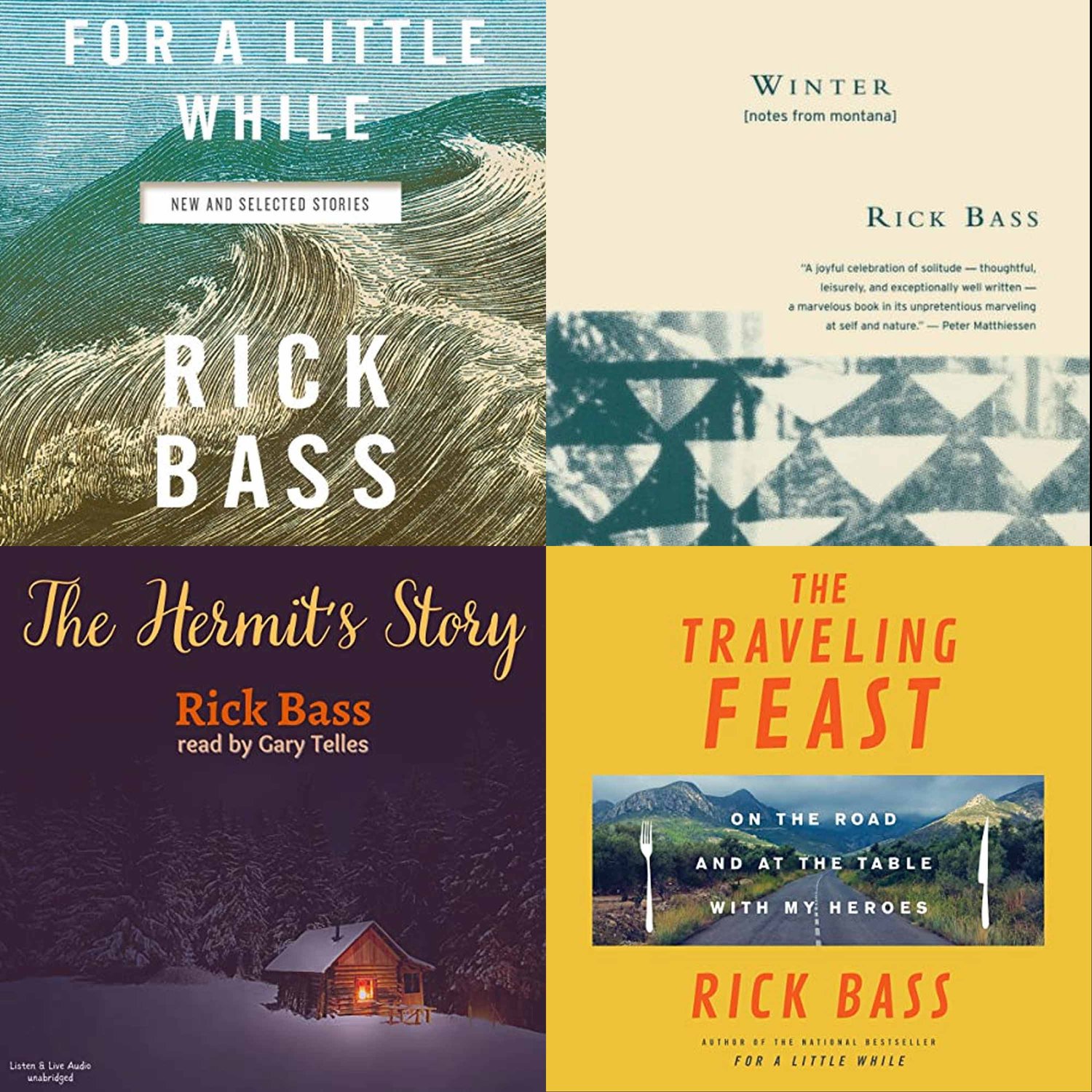
Highlights - RICK BASS - Author & Environmentalist - “Why I Came West”, “For a Little While”
"I grieve the changes to the four seasons that are happening here in Montana. One of the great things about this place is having four distinct seasons, and now they're tilted. Some are short, some are long, and some don't exist anymore. And that's unsettling, to say the least. It's not a fear of what's coming. It's a grief for what's gone away. I'm mindful of the pressure that we are putting on the generations who follow us and the mandate to have fun, to be fully human, to be joyous, to celebrate, and to enjoy being in the midst of nature's beauty."Rick Bass, a National Book Critics Circle Award finalist for his memoir Why I Came West, was born and raised in Texas, worked as a petroleum geologist in Mississippi, and has lived in Montana's Yaak Valley for almost three decades. His short fiction, which has appeared in The New Yorker, The Atlantic, Esquire, and The Paris Review, as well as numerous times in Best American Short Stories, has earned him The Story Prize, multiple O. Henry Awards and Pushcart Prizes in addition to NEA and Guggenheim fellowships.He’s an organizer and speaker at Climate Aid: The Voice of the Forest, a fundraiser event to benefit the grassroots environmental movement of Protect Ancient Forests & The Montana Project. Featuring Maggie Rogers and more great performers and speakers. The evening will advance the efforts to protect the Black Ram forest by designating the region as the nation’s first Climate Refuge. Portland, Maine, on Sunday, Oct. 15 at 7 p.m. ET, at the Merrill Auditorium. Tickets available at the Merrill’s box office and online at PortTIX.com.www.rickbass.netwww.protectancientforests.orgwww.montanaproject.orgwww.PortTIX.comwww.creativeprocess.infowww.oneplanetpodcast.orgIG www.instagram.com/creativeprocesspodcast
RICK BASS - Environmentalist & Story Prize Award-winning Author of “Why I Came West”, “For a Little While”
Rick Bass, a National Book Critics Circle Award finalist for his memoir Why I Came West, was born and raised in Texas, worked as a petroleum geologist in Mississippi, and has lived in Montana's Yaak Valley for almost three decades. His short fiction, which has appeared in The New Yorker, The Atlantic, Esquire, and The Paris Review, as well as numerous times in Best American Short Stories, has earned him The Story Prize, multiple O. Henry Awards and Pushcart Prizes in addition to NEA and Guggenheim fellowships.He’s an organizer and speaker at Climate Aid: The Voice of the Forest, a fundraiser event to benefit the grassroots environmental movement of Protect Ancient Forests & The Montana Project. Featuring Maggie Rogers and more great performers and speakers. The evening will advance the efforts to protect the Black Ram forest by designating the region as the nation’s first Climate Refuge. Portland, Maine, on Sunday, Oct. 15 at 7 p.m. ET, at the Merrill Auditorium. Tickets available at the Merrill’s box office and online at PortTIX.com. "I grieve the changes to the four seasons that are happening here in Montana. One of the great things about this place is having four distinct seasons, and now they're tilted. Some are short, some are long, and some don't exist anymore. And that's unsettling, to say the least. It's not a fear of what's coming. It's a grief for what's gone away. I'm mindful of the pressure that we are putting on the generations who follow us and the mandate to have fun, to be fully human, to be joyous, to celebrate, and to enjoy being in the midst of nature's beauty."www.rickbass.netwww.protectancientforests.orgwww.montanaproject.orgwww.PortTIX.comwww.creativeprocess.infowww.oneplanetpodcast.orgIG www.instagram.com/creativeprocesspodcast
Speaking Out of Place: LIZA FEATHERSTONE on Build Public Renewables Act (BPRA)
In this episode of the Speaking Out of Place podcast, Professor David Palumbo-Liu interviews Liza Featherstone about Build Public Renewables Act. It’s a huge victory for ecosocialists, and for everybody in New York, that came with the passage of a bold piece of legislation, the Build Public Renewables Act, or BPRA. Featherstone explains the genesis of the bill, and the specific wrk that activists put into its passage. What obstacles did they confront, how did they work together to overcome those obstacles, and what can other environmental activists learn from this historic moment?Liza Featherstone is the author of Divining Desire: Focus Groups and the Culture of Consultation, published by O/R Books in 2018, as well as Selling Women Short: the Landmark Battle for Workers’ Rights at Walmart (Basic Books, 2004). She co-authored Students Against Sweatshops (Verso, 2002) and is editor of False Choices: the Faux Feminism of Hillary Rodham Clinton (Verso, 2016). She's currently editing a collection of Alexandra Kollontai 's work for O/R Books and International Publishers and writing the introduction to that volume.Featherstone's work has been published in Lux, TV Guide, The New York Times, The Washington Post, Ms., the American Prospect, Columbia Journalism Review, Glamour, Teen Vogue, Dissent, the Guardian, In These Times, and many other publications. Liza teaches at NYU's Literary Reportage Program as well as at Columbia University School for International and Public Affairs. She is proud to be an active member of the New York City Democratic Socialists of America and of UAW local 7902."We have passed the Build Public Renewables Act which mandates and requires the state's power authority the New York State Power Authority to build its own publicly funded renewables: renewable energy, wind, and solar. And this was a long, long hard hard-fought victory. And to say how it happened, we need to think back to the early Bernie days just after the Bernie Sanders' 2016 presidential campaign. Obviously, people were very disappointed that Bernie Sanders didn't win, but a lot of people were also very politicized by that campaign and by that moment. And so a lot of people were joining DSA (Democratic Socialists of America). At the same time, a lot of young people were becoming very aware and very anxious, disturbed, and deeply depressed by the climate crisis."https://publicpowerny.org/legislationwww.orbooks.com/catalog/divining-desire-liza-featherstonehttps://twitter.com/lfeatherzwww.palumbo-liu.com https://speakingoutofplace.comhttps://twitter.com/palumboliu?s=20
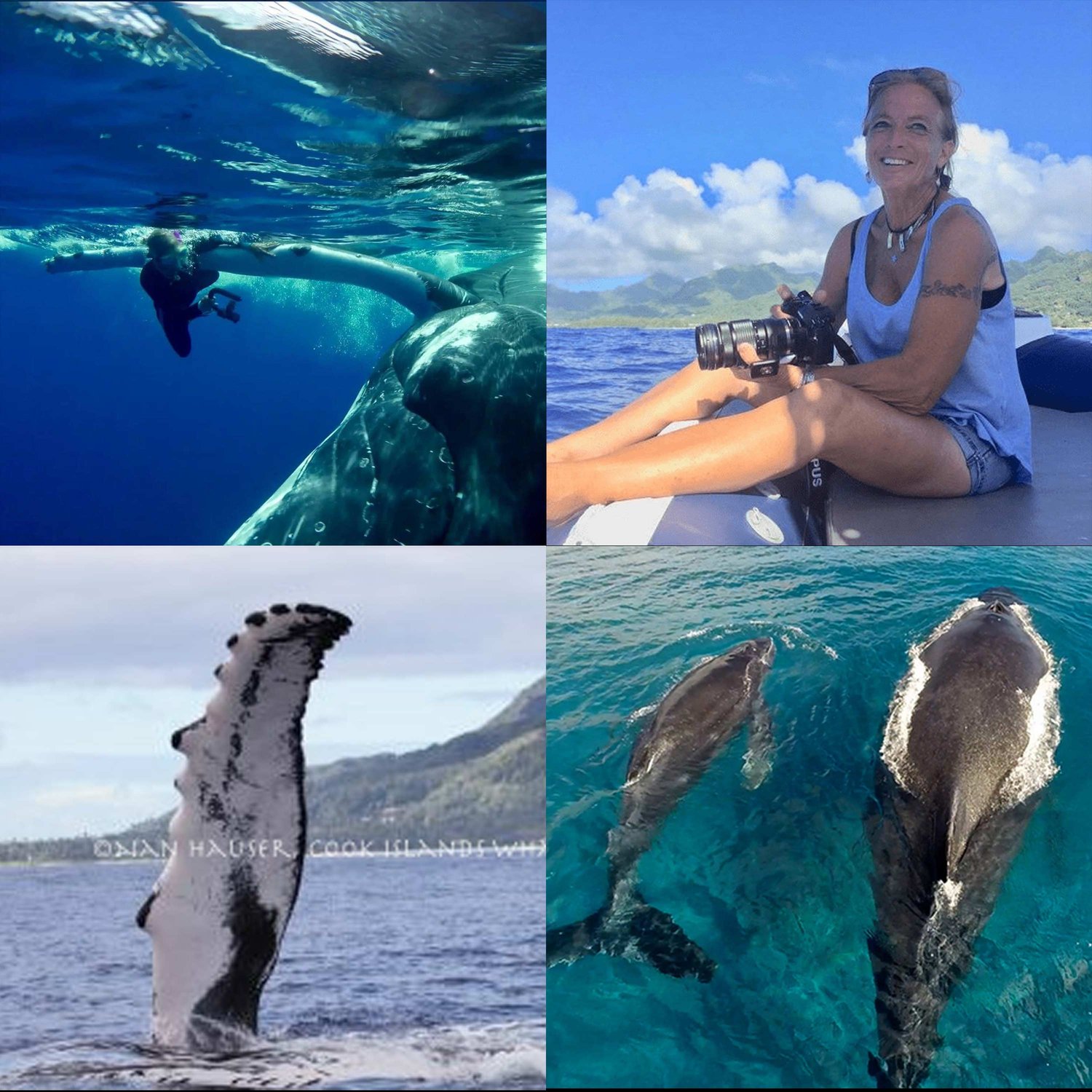
Highlights - NAN HAUSER - Whale Researcher - Director, Cook Islands Whale Research - President, Center for Cetacean Research & Conservation
"I feel like we've put everything out of kilter and we have to work hard to find a balance. And that's in nature, that's within ourselves, that's within the knowledge that we have, finding that balance. I grew up a Quaker and I find that the greed that corporations have, we need to change that. We can't let the world be run by money and greed. I think that we have to stand strong and not fall apart and do the very best we can together. All of us, not just some of us. All of us, indeed, together."Nan Hauser is the President and Director of the Center for Cetacean Research & Conservation and the Director and Principal Investigator of Cook Islands Whale Research. Currently she's in the field studying the migration of the Southern Humpback Whale population that is currently passing through the Cook Islands, where she resides on the main island of Rarotonga. Her research includes population identity and abundance, acoustics, genetics stable isotopes behavior, and the navigation of cetaceans.https://whaleresearch.orghttps://whaleresearch.org/saved-by-a-whalewww.creativeprocess.infowww.oneplanetpodcast.orgIG www.instagram.com/creativeprocesspodcast
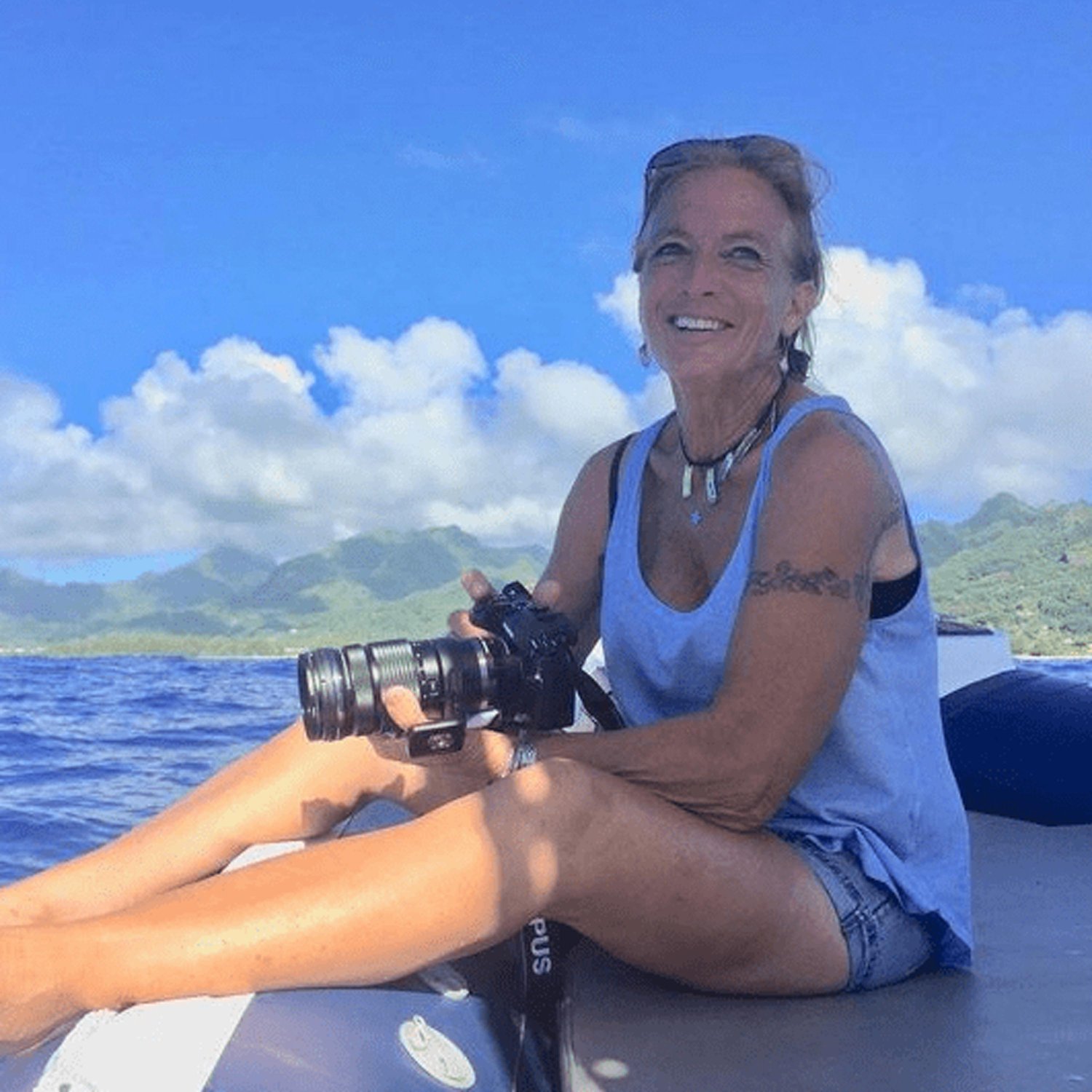
NAN HAUSER - Whale Researcher - President, Center for Cetacean Research & Conservation - Director, Cook Islands Whale Research
Nan Hauser is the President and Director of the Center for Cetacean Research & Conservation and the Director and Principal Investigator of Cook Islands Whale Research. Currently she's in the field studying the migration of the Southern Humpback Whale population that is currently passing through the Cook Islands, where she resides on the main island of Rarotonga. Her research includes population identity and abundance, acoustics, genetics stable isotopes behavior, and the navigation of cetaceans."I feel like we've put everything out of kilter and we have to work hard to find a balance. And that's in nature, that's within ourselves, that's within the knowledge that we have, finding that balance. I grew up a Quaker and I find that the greed that corporations have, we need to change that. We can't let the world be run by money and greed. I think that we have to stand strong and not fall apart and do the very best we can together. All of us, not just some of us. All of us, indeed, together."https://whaleresearch.orghttps://whaleresearch.org/saved-by-a-whalewww.creativeprocess.infowww.oneplanetpodcast.orgIG www.instagram.com/creativeprocesspodcast
ROB VERCHICK - Leading Climate Change Scholar - Author of The Octopus in the Parking Garage
Rob Verchick is one of the nation’s leading scholars in disaster and climate change law and a former EPA official in the Obama administration. He holds the Gauthier-St. Martin Eminent Scholar Chair in Environmental Law at Loyola University New Orleans. Professor Verchick is also a Senior Fellow in Disaster Resilience at Tulane University and the President of the Center for Progressive Reform, a research and advocacy organization that advocates for solutions to our most pressing societal challenges. He is the author of numerous articles and books, including The Octopus in the Parking Garage. A Call for Climate Resilience.“I was an English major in college. But here's the thing. I believe that the strongest machine we have, the strongest empathy machine that we have is literature. The best way to get people to feel what someone else is feeling is through literature and stories. And I also think that feeling and emotion are an important part of reasoning and governing too. It's not the only part, but I think you have to understand how people see the world and how they feel about the world. So in my classes, I teach law classes. I teach policy classes. I often assign novels. We read in one of my classes Their Eyes Were Watching God, the case about a hypothetical hurricane in Florida written by Zora Neale Hurston. We read Oryx and Crake by Margaret Atwood, which is a kind of dystopian novel that involves climate change. We've read The Handmaid's Tale in my classes. But I think what these books do is they, number one, certain books that are speculative, like Margaret Atwood's work, Joyce Carol Oates has written some things like this too. What's interesting about them is that they make us, they open up our imaginations and say, Oh, I never thought something like that could happen. We hope it doesn't, but it could, right? And so how do we change the way we look at the future? And it also changes, I think, the way that we understand people's lives.So even in a book like Their Eyes Were Watching God, which takes place in the early 20th century, and obviously involves race issues and a whole lot of other things. It leads us to think and see the world through a young black woman's perspective in the early 20th century. And there's something about that exercise of being able to some extent put yourself in the shoes of somebody else that I think is really important for governance. I think it's really important for policy. I think it's really important for advocates of any kind because listening and trying to understand what another person is perceiving...You can never do it completely, obviously, but I think it is really one of the most important parts of collective action of working with other people.”https://robverchick.comhttps://works.bepress.com/robert_verchickwww.progressivereform.org/Twitter/X/Instagram/Facebook: @robverchick @robsoctopusbookwww.creativeprocess.infowww.oneplanetpodcast.orgIG www.instagram.com/creativeprocesspodcast

Highlights - LESLEY HUGHES - Lead Author, IPCC 4th, 5th Assessment Reports - Biology Professor, Macquarie University
"It's certainly not the case that scientists should be the only people communicating. We have to have everybody in this mix because we're all in this together. So we have to have good science that's communicated. We have to have smart engineers who can work on the technological solutions. We have to have lawyers who are undertaking climate litigation. We have to have creative artists who can tell stories and appeal to people's emotions. No one group should have a responsibility to solve the climate crisis. It's got to be all of those groups bringing what they call the time, the talent, and the treasure to work together on this. We are all in this together, and we've all got a suite of different skills that have to be harnessed to solve this problem."Now in the 21st century, with an abundance of renewable technologies, why is the world still using 18th-century energy technology? How can each of us harness our unique skills to help solve the climate crisis?Lesley Hughes is a Distinguished Professor of Biology and Interim Executive Dean of the Faculty of Science & Engineering at Macquarie University. She is an ecologist whose main research interest has been the impacts of climate change on species and ecosystems, and the implications of climate change for conservation. She was a Lead Author of the IPCC’s 4th and 5th Assessment Report, Director for the WWF Australia and federal Climate Commissioner and is now a Councillor and Director with the Climate Council of Australia. She is also a member of the Wentworth Group of Concerned Scientists.https://researchers.mq.edu.au/en/persons/lesley-hugheswww.climatecouncil.org.auwww.creativeprocess.infowww.oneplanetpodcast.orgIG www.instagram.com/creativeprocesspodcast
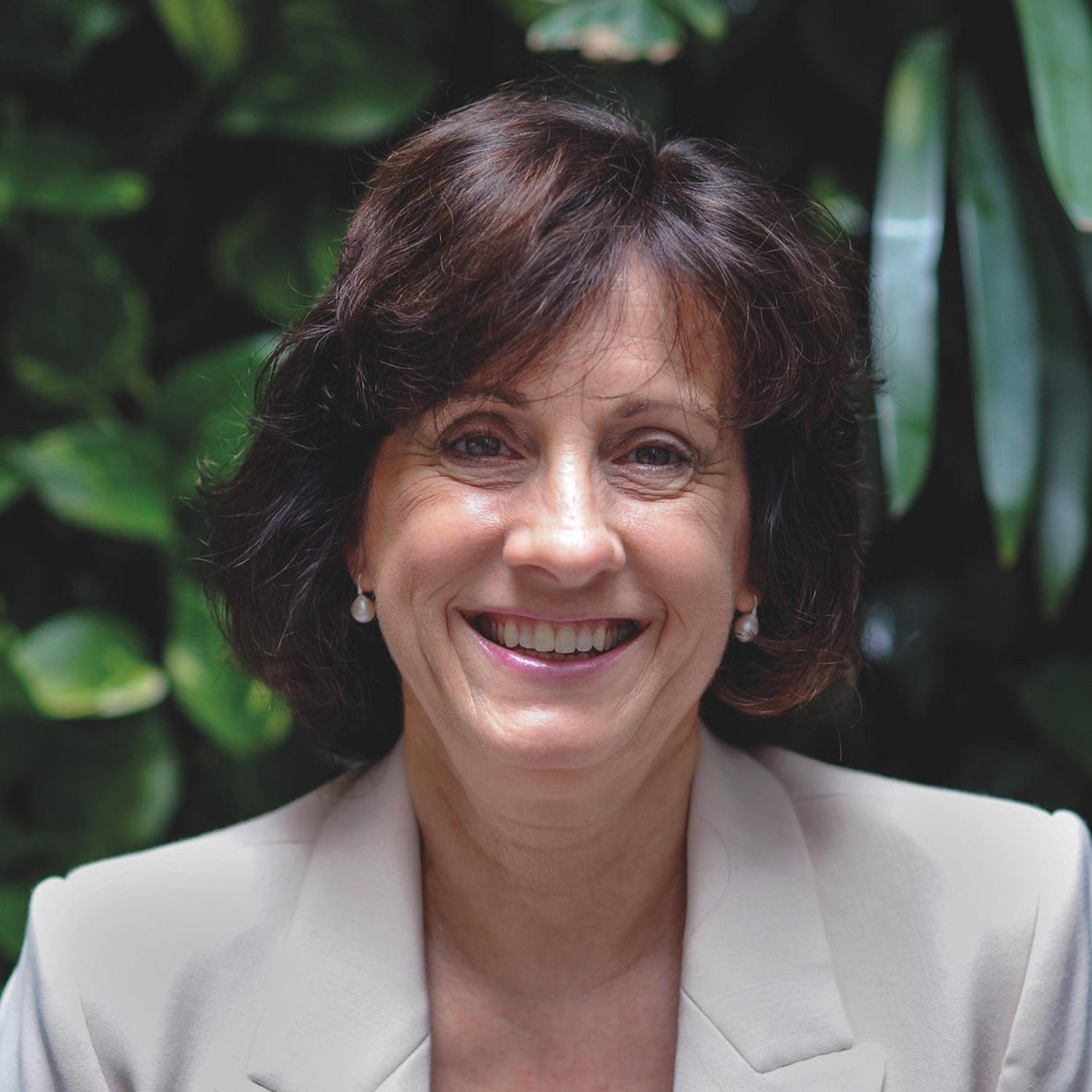
LESLEY HUGHES - Lead Author of IPCC 4th & 5th Assessment Reports - Director of Climate Council of Australia
Now in the 21st century, with an abundance of renewable technologies, why is the world still using 18th-century energy technology? How can each of us harness our unique skills to help solve the climate crisis?Lesley Hughes is a Distinguished Professor of Biology and Interim Executive Dean of the Faculty of Science & Engineering at Macquarie University. She is an ecologist whose main research interest has been the impacts of climate change on species and ecosystems, and the implications of climate change for conservation. She was a Lead Author of the IPCC’s 4th and 5th Assessment Report, Director for the WWF Australia and federal Climate Commissioner and is now a Councillor and Director with the Climate Council of Australia. She is also a member of the Wentworth Group of Concerned Scientists."It's certainly not the case that scientists should be the only people communicating. We have to have everybody in this mix because we're all in this together. So we have to have good science that's communicated. We have to have smart engineers who can work on the technological solutions. We have to have lawyers who are undertaking climate litigation. We have to have creative artists who can tell stories and appeal to people's emotions. No one group should have a responsibility to solve the climate crisis. It's got to be all of those groups bringing what they call the time, the talent, and the treasure to work together on this. We are all in this together, and we've all got a suite of different skills that have to be harnessed to solve this problem."https://researchers.mq.edu.au/en/persons/lesley-hugheswww.climatecouncil.org.auwww.creativeprocess.infowww.oneplanetpodcast.orgIG www.instagram.com/creativeprocesspodcast
Highlights - JAMES BROWNING - Founder & Exec. Director, F Minus Research & Advocacy Group
"I have two kids. And what I love about kids is how they can immediately spot an adult who is lying or is just saying something that is not real. And I think it's a beautiful thing to have. And young people going to work on the climate crisis or as artists or whatever passion you have - it is just so important to hold on to that. That sense of truth, your north star, what is right for you is the most important thing to hold onto."Why are fossil fuel lobbyists also allowed to work for communities, schools, businesses, and nonprofit organizations being harmed by the climate crisis without declaring their conflict of interest? Why divestment from fossil fuels should include divesting from lobbyists which play for both sides.James Browning is the founder of F Minus, a research and advocacy group that tracks the extent to which fossil fuel lobbyists also represent victims of the climate crisis. He is also a writer and game designer, and his novel The Fracking King was named one of the best 100 books of 2014 by Amazon.https://fminus.orgwww.creativeprocess.infowww.oneplanetpodcast.orgIG www.instagram.com/creativeprocesspodcast
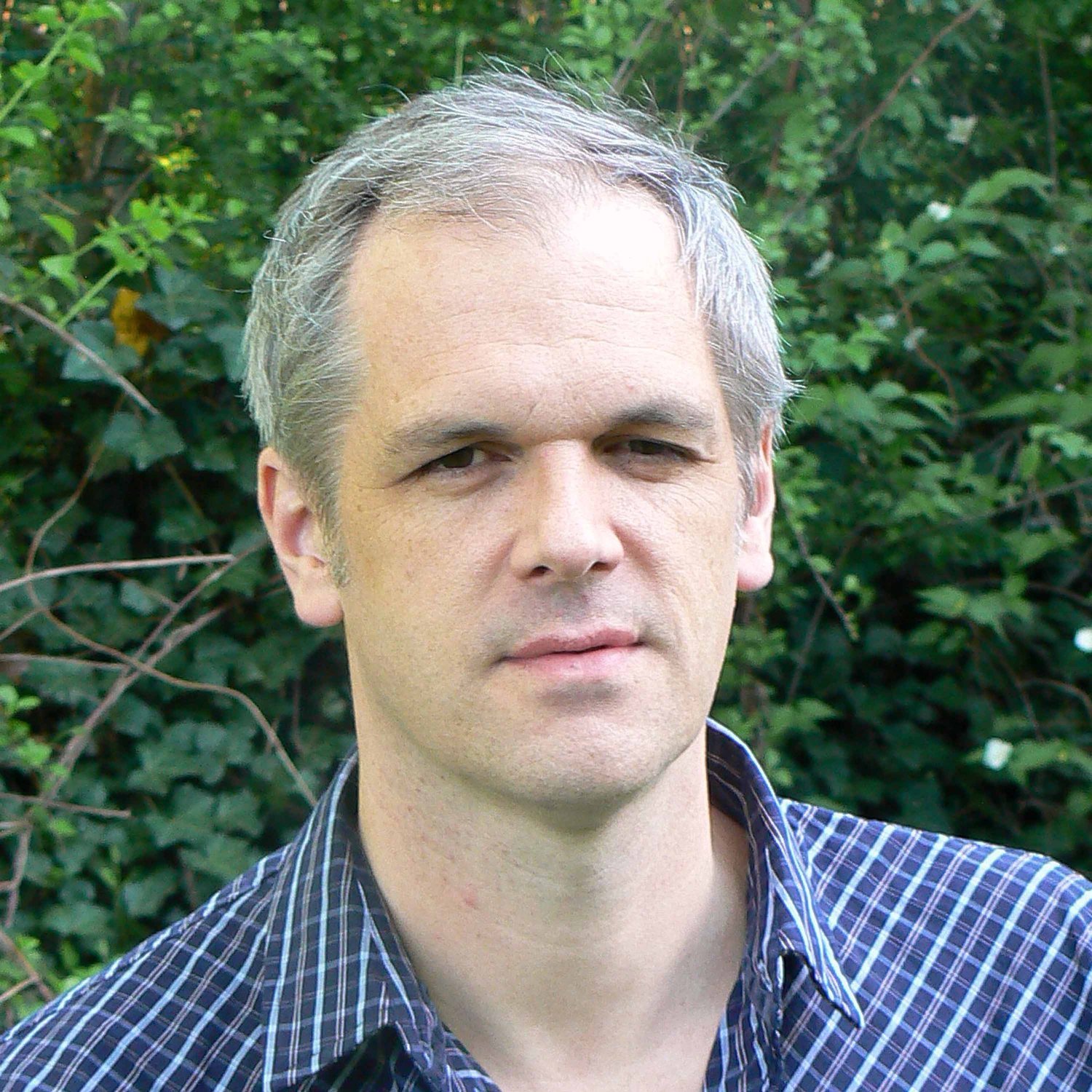
JAMES BROWNING - Founder of F Minus: Calling for Divestment from Fossil Fuel Lobbyists
Why are fossil fuel lobbyists also allowed to work for communities, schools, businesses, and nonprofit organizations being harmed by the climate crisis without declaring their conflict of interest? Why divestment from fossil fuels should include divesting from lobbyists which play for both sides.James Browning is the founder of F Minus, a research and advocacy group that tracks the extent to which fossil fuel lobbyists also represent victims of the climate crisis. He is also a writer and game designer, and his novel The Fracking King was named one of the best 100 books of 2014 by Amazon."I have two kids. And what I love about kids is how they can immediately spot an adult who is lying or is just saying something that is not real. And I think it's a beautiful thing to have. And young people going to work on the climate crisis or as artists or whatever passion you have - it is just so important to hold on to that. That sense of truth, your north star, what is right for you is the most important thing to hold onto."https://fminus.orgwww.creativeprocess.infowww.oneplanetpodcast.orgIG www.instagram.com/creativeprocesspodcast
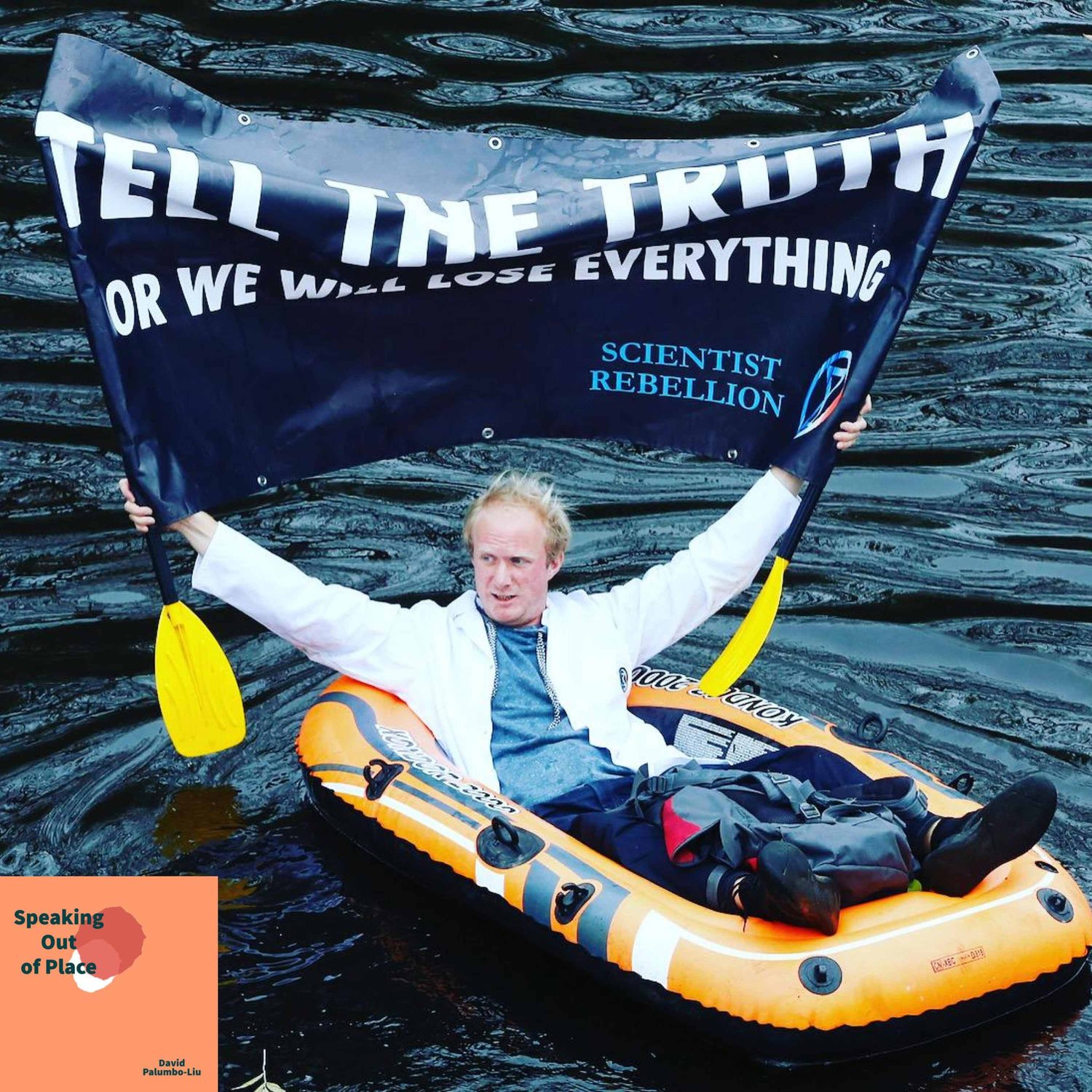
Speaking Out of Place: TIM HEWLETT - Co-founder of Scientist Rebellion, Activist, Astrophysicist
In this episode of the Speaking Out of Place podcast, Professor David Palumbo-Liu interviews climate activist, astrophysicist and co-founder of Scientist Rebellion Tim Hewlett.Scientist Rebellion is a growing climate activist group with 1000+ scientists and academics across 32 countries. Members range from science students and professors to IPCC contributors and leading climate-related scientists. Through disruptive nonviolent action, Scientist Rebellion demands emergency decarbonization via economic degrowth. During acts of civil resistance, members wear lab coats, and volunteers organize the vast majority of the campaign activity."I think the more pernicious aspect is the way that science as a set of institutions fits into a paradigm that is doomed from the outset. For instance, if you look at the framing of the science within the IPCC reports and how that informs the construction of policy related to the climate around the globe, well, it's foundationally dishonest.If you frame an entire report around the need to keep temperatures below 1.5 degrees or 2 degrees, and all of the efforts that societies are going to make to do that, and you omit from the public discussion the fact that we have no chance whatsoever of achieving those goals...there's a really commonly used measure within climate science called the equilibrium climate sensitivity sample, which says basically how much heating do you expect per doubling of greenhouse gas and concentrations in the atmosphere? It's a robust metric, and that suggests that if you double the greenhouse gas concentrations, you should get at least two and a half, probably closer to five degrees of heating.So we're double impacting the world. We've doubled greenhouse gas concentration. So in what scientific world is it reasonable to construct your arguments around a fantasy like 1.5 degrees? So that's the kind of more pernicious aspect of it that allows corporations, the fossil fuel industry, and the government to keep on polluting, and the idea that the scientific community is saying, yeah, we can still reach these goals.”http://scientistrebellion.orgwww.palumbo-liu.com https://speakingoutofplace.comhttps://twitter.com/palumboliu?s=20
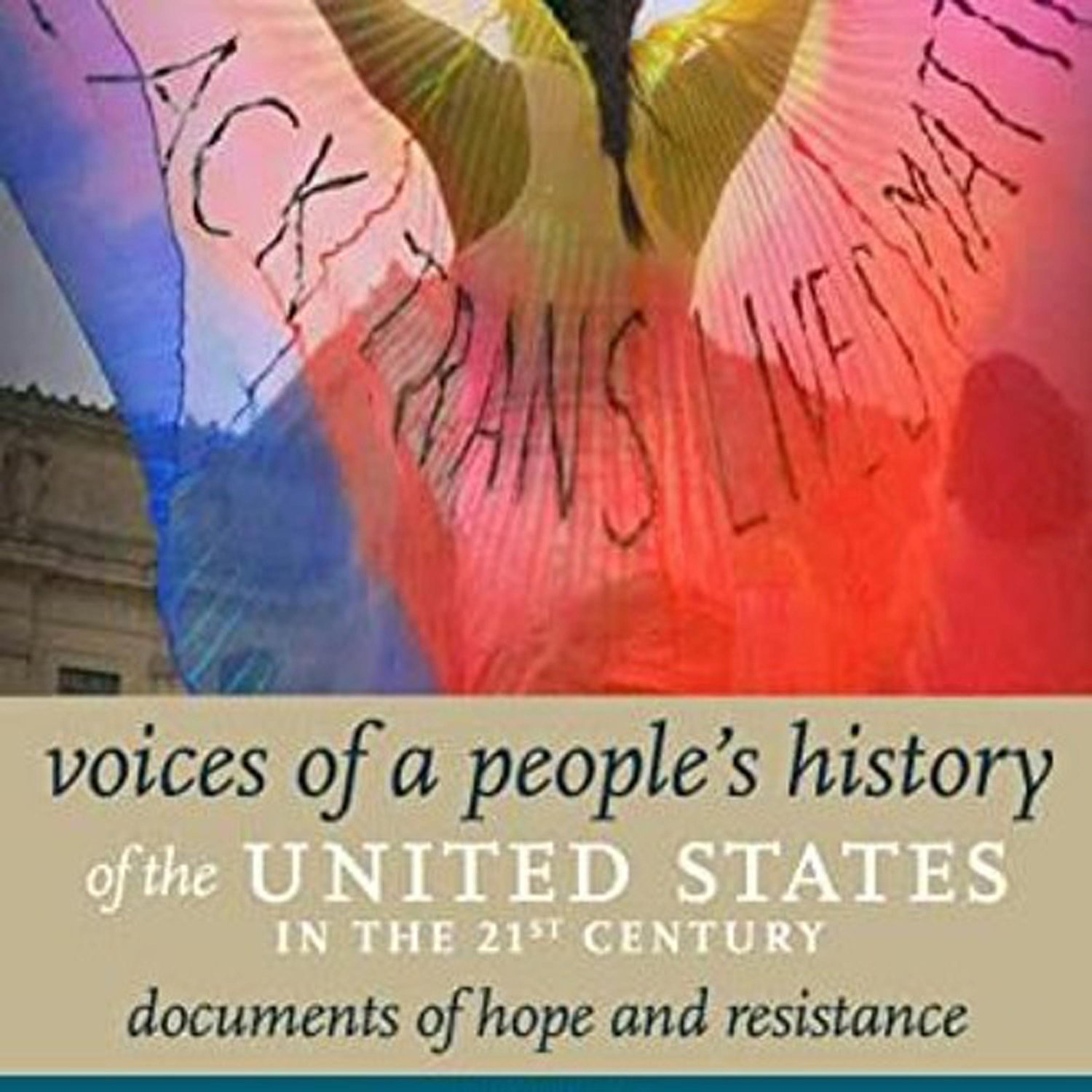
Speaking Out of Place: ANTHONY ARNOVE & HALEY PESSIN discuss Voices of a People’s History of the United States in the 21st Century
"Climate action has become woven into every aspect of our society. I remember that time so clearly. It wasn't just activists and politicians who were building the future. Artists, creatives, storytellers, actors, and athletes began realizing their part in these movements to shape culture and reach the masses. Entrepreneurs, designers, architects, and poets began to reimagine what our society could look like if we used this great time of crisis as humanity's most unifying moment.I remember the shows I played and how we transformed those arenas into places of celebration and unity. The idea of being an activist was left behind. We realized that it is within our power as humanity and identity that belongs to all of us. To change the story and to build the world we've always known was possible. The place the world is in is a result of us striking the balance between technology, innovation, culture, and the ancient wisdom and teachings of the original peoples of this earth. Here we are, 10 years after changing everything to redefine our legacy, carried on in flowers and songs."from Xiuhtezcatl Tonatiuh Martinez’s “To Fight for a Just Climate Is to Fight for Everything That We Love” in Chapter 8: OUR RESISTANCE MUST BE INTERSECTIONALIn this episode of the Speaking Out of Place podcast, Professor David Palumbo-Liu and Azeezah Kanji talk with Anthony Arnove and Haley Pessin about their new volume Voices of a People’s History of the United States in the 21st Century: Documents of Hope and Resistance.This book is not only a beautiful archive of people's struggles in the 21st century, but also a powerful tribute to and continuation of the work of professor and radical historian Howard Zinn. We speak with Anthony and Haley about the histories of struggles and the possibilities for building a more beautiful future.Anthony Arnove is the editor of several books, including, with Howard Zinn, Voices of a People’s History of the United States and Terrorism and War. He wrote the introduction for the thirty-fifth anniversary edition of Zinn’s classic book, A People’s History of the United States. Arnove cofounded the nonprofit education and arts organization Voices of a People’s History of the United States, wrote, directed, and produced the documentary The People Speak, and has directed stage and television versions of The People Speak in Dublin with Stephen Rea, in London with Colin Firth, and across the United States with various groups including Lincoln Center, the Brooklyn Academy of Music, and the Sundance Film Festival. He produced the Academy Award-nominated documentary Dirty Wars. Arnove is on the editorial boards of Haymarket Books and Tempestmag.org and is the director of Roam Agency, where he represents authors including Arundhati Roy and Noam Chomsky. He lives in Hopewell, New Jersey.Haley Pessin is a socialist activist living in Queens, New York. They have participated in struggles against police brutality and mass incarceration, in solidarity with Palestine, in defense of abortion rights and reproductive justice, and as a legal service worker and union delegate for 119SEIU (Service Employees International Union). Pessin has spoken at conferences in Switzerland, Australia, Ireland, Quebec, and throughout the United States on the struggle for Black liberation. Their writing has appeared in New Politics and at Tempestmag.org, where they currently serve on the editorial board.https://sevenstories.com/books/4479-voices-of-a-people-s-history-of-the-united-states-in-the-21st-centurywww.palumbo-liu.com https://speakingoutofplace.comhttps://twitter.com/palumboliu?s=20
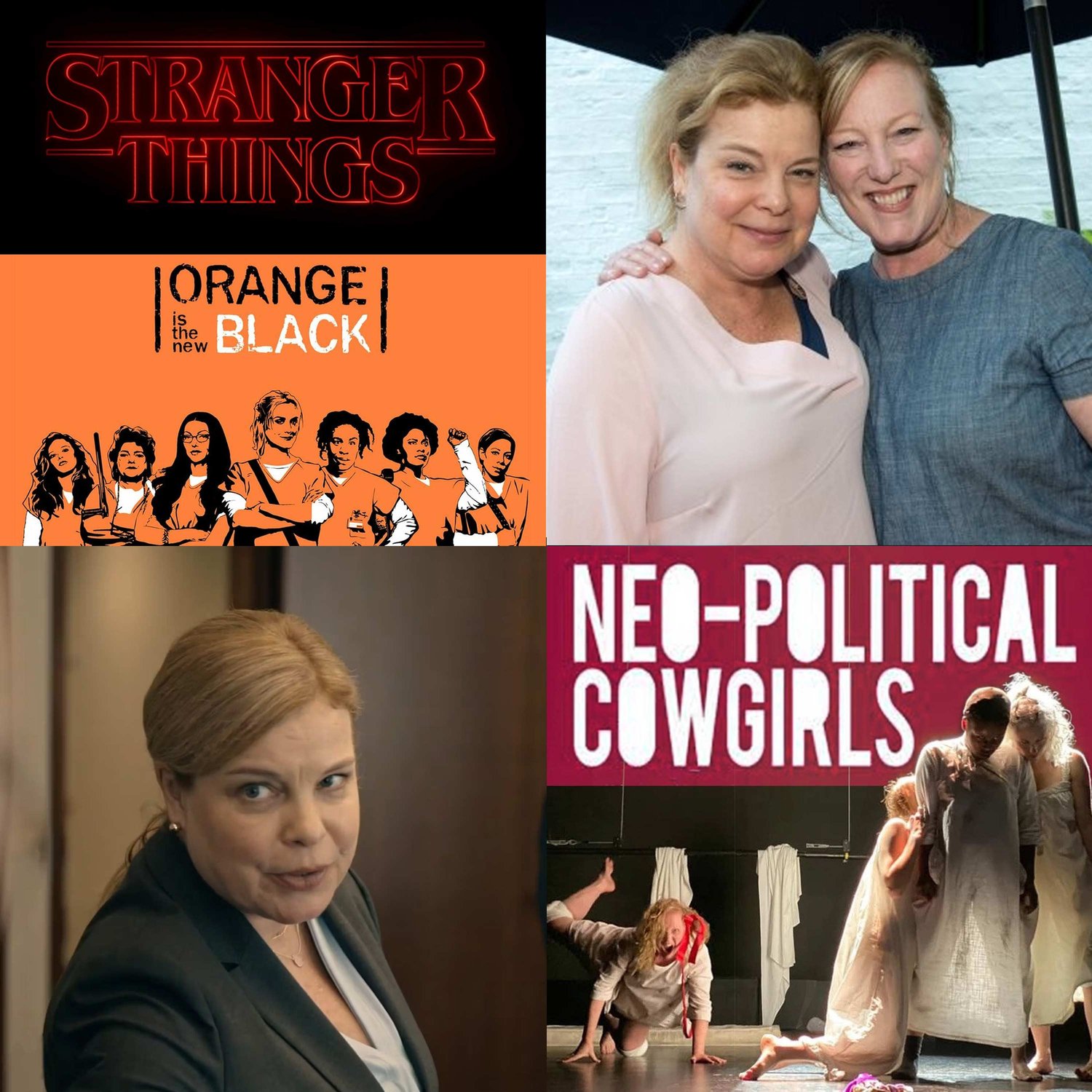
Actress CATHERINE CURTIN (Stranger Things) & Artistic Director KATE MUETH (Neo-Political Cowgirls)
Why do we make art? What can the performing arts teach us about how to engage in dialogues to overcome conflict and division?Our guests today are actress Catherine Curtin and artistic director Kate Mueth. Curtin is known for her roles on Stranger Things, Homeland, and Insecure. She played correctional officer Wanda Bell in Orange Is the New Black, and for this role she was a joint winner of two Screen Actors Guild Awards for Outstanding Performance by an Ensemble in a Comedy Series.Mueth is the Founder and Artistic Director of the award-winning dance theater company The Neo-Political Cowgirls that seeks to deepen and challenge the ways in which audiences experience stories and awaken their human connection. Based in East Hampton, New York they have performed to audiences in America and Europe."It's so important, like when Number 45 went into office, and he emptied out all of the documentation in the EPA. He was like, empty all those files, get rid of all that research, get rid of all those researchers. I think that clearly, even now, the Trumpers are like, oh, the environment. It was a global warming. You know, we had a global warming problem. Well, we knew that a long time ago. And so one hopes that maybe that is one of the places that AI can improve the human condition. Maybe AI, the statistical data, and the non-emotional data will convince people when there's a problem and take the emotion out of the issue. Because I think that that's one of the reasons why issues don't move forward sometimes is that the emotional impact is too hot. And so maybe just getting it into statistics or getting it into data, or getting it into numbers where people can't really deny the truth of one plus one does equal two, you know?www.imdb.com/name/nm0193160/www.npcowgirls.orgwww.creativeprocess.infowww.oneplanetpodcast.orgIG www.instagram.com/creativeprocesspodcast
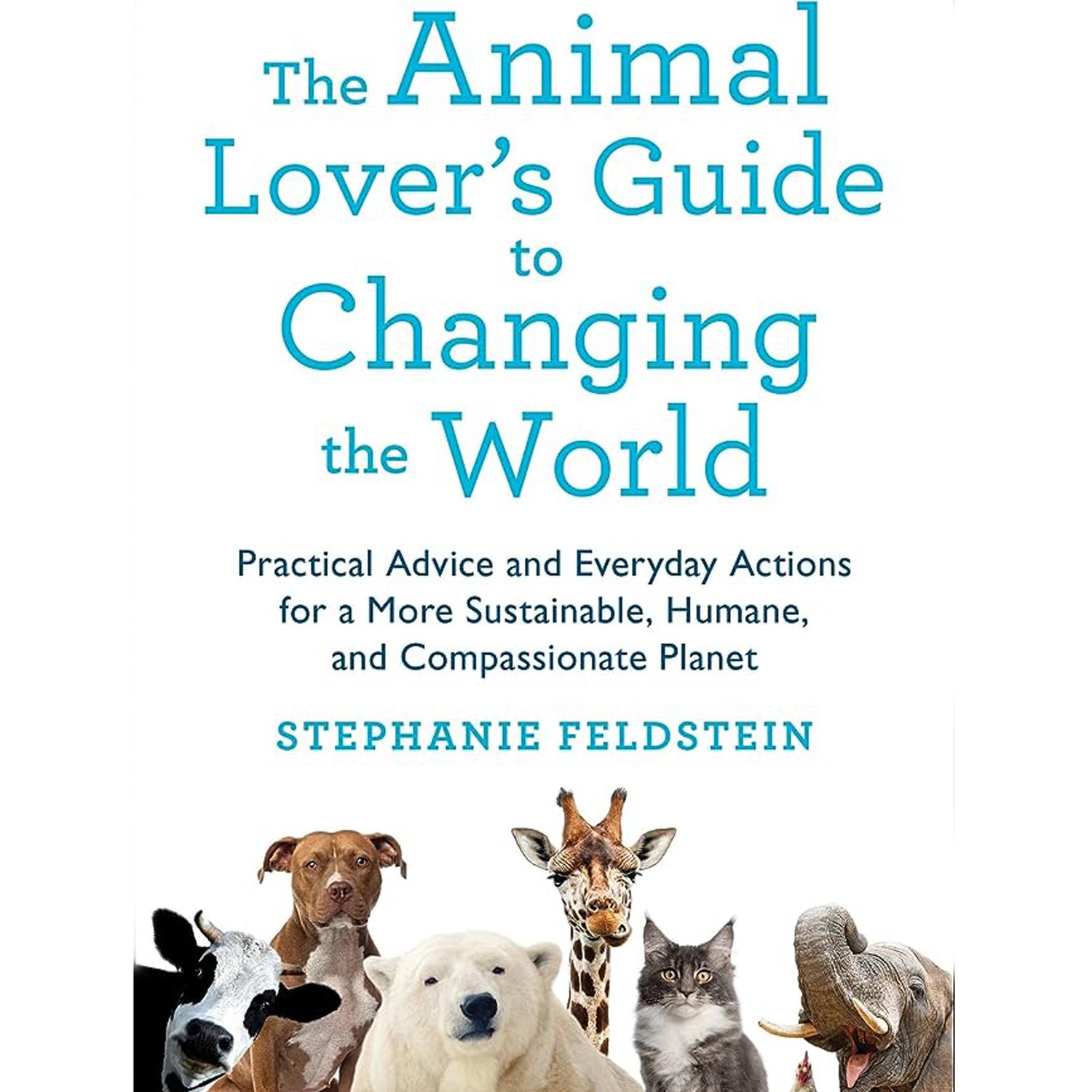
Highlights - STEPHANIE FELDSTEIN - Population & Sustainability Director, Center for Biological Diversity
"Pretty much everything we do in our lives from the moment we wake up and take a shower, we're using water – that's shared resources. We're using energy that, for most of us, unfortunately, still comes from fossil fuels. We are making decisions about what we eat. We're making purchases that have an impact on the planet and on other animals based on where they came from and what they're made of. There are so many entry points for people to take action and start making changes in their own lives. And that's really important for people to start with what feels right to them. That's a great way to start getting involved in this."How can we take inspiration from our love for animals to protect wildlife and change the world? How can we take action and start making changes in our lives? What if we measured success based on happiness and on the health of communities? Stephanie Feldstein leads the Center for Biological Diversity's work to highlight and address threats to endangered species and wild places from runaway human population growth and overconsumption. Previously Stephanie worked for Change.org, where she helped hundreds of people start and win online campaigns to protect wildlife. She has years of experience in organizing, outreach and communications. She is the author of The Animal Lover’s Guide to Changing the World, and the series aimed at young adults Take Action: Save Life on Earth.https://biologicaldiversity.org/about/staff/#sfeldstein https://biologicaldiversity.org www.abebooks.com/9781250153258/Animal-Lovers-Guide-Changing-World-1250153255/plp https://cherrylakepublishing.com/series/445-take-action-save-life-on-earth https://takeextinctionoffyourplate.com/ https://endangeredspeciescondoms.com/www.creativeprocess.infowww.oneplanetpodcast.orgIG www.instagram.com/creativeprocesspodcast
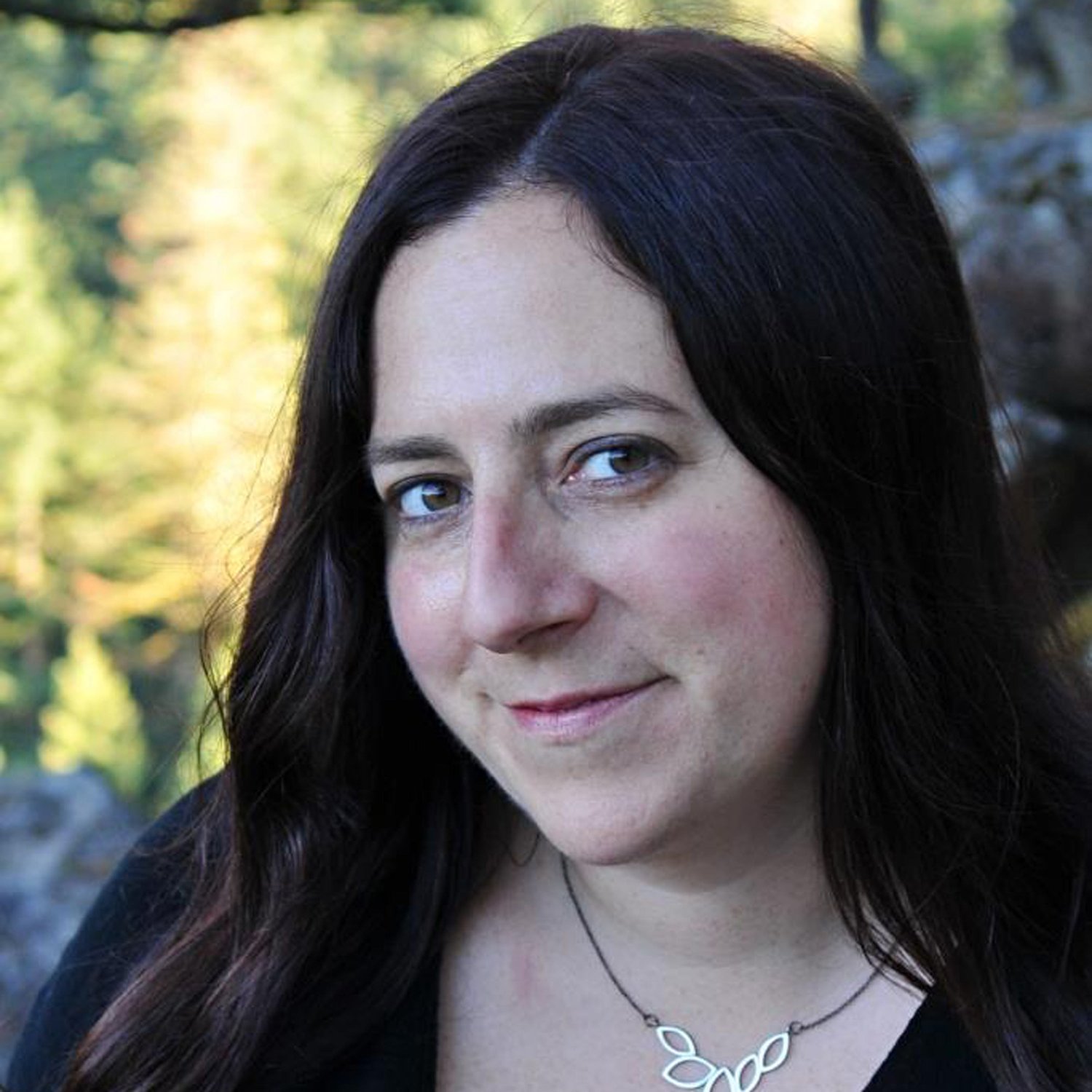
STEPHANIE FELDSTEIN - Author of The Animal Lover’s Guide to Changing the World & Take Action: Save Life on Earth
How can we take inspiration from our love for animals to protect wildlife and change the world? How can we take action and start making changes in our lives? What if we measured success based on happiness and on the health of communities? Stephanie Feldstein leads the Center for Biological Diversity's work to highlight and address threats to endangered species and wild places from runaway human population growth and overconsumption. Previously Stephanie worked for Change.org, where she helped hundreds of people start and win online campaigns to protect wildlife. She has years of experience in organizing, outreach and communications. She is the author of The Animal Lover’s Guide to Changing the World, and the series aimed at young adults Take Action: Save Life on Earth."Pretty much everything we do in our lives from the moment we wake up and take a shower, we're using water – that's shared resources. We're using energy that, for most of us, unfortunately, still comes from fossil fuels. We are making decisions about what we eat. We're making purchases that have an impact on the planet and on other animals based on where they came from and what they're made of. There are so many entry points for people to take action and start making changes in their own lives. And that's really important for people to start with what feels right to them. That's a great way to start getting involved in this."https://biologicaldiversity.org/about/staff/#sfeldstein https://biologicaldiversity.org www.abebooks.com/9781250153258/Animal-Lovers-Guide-Changing-World-1250153255/plp https://cherrylakepublishing.com/series/445-take-action-save-life-on-earth https://takeextinctionoffyourplate.com/ https://endangeredspeciescondoms.com/www.creativeprocess.infowww.oneplanetpodcast.orgIG www.instagram.com/creativeprocesspodcast
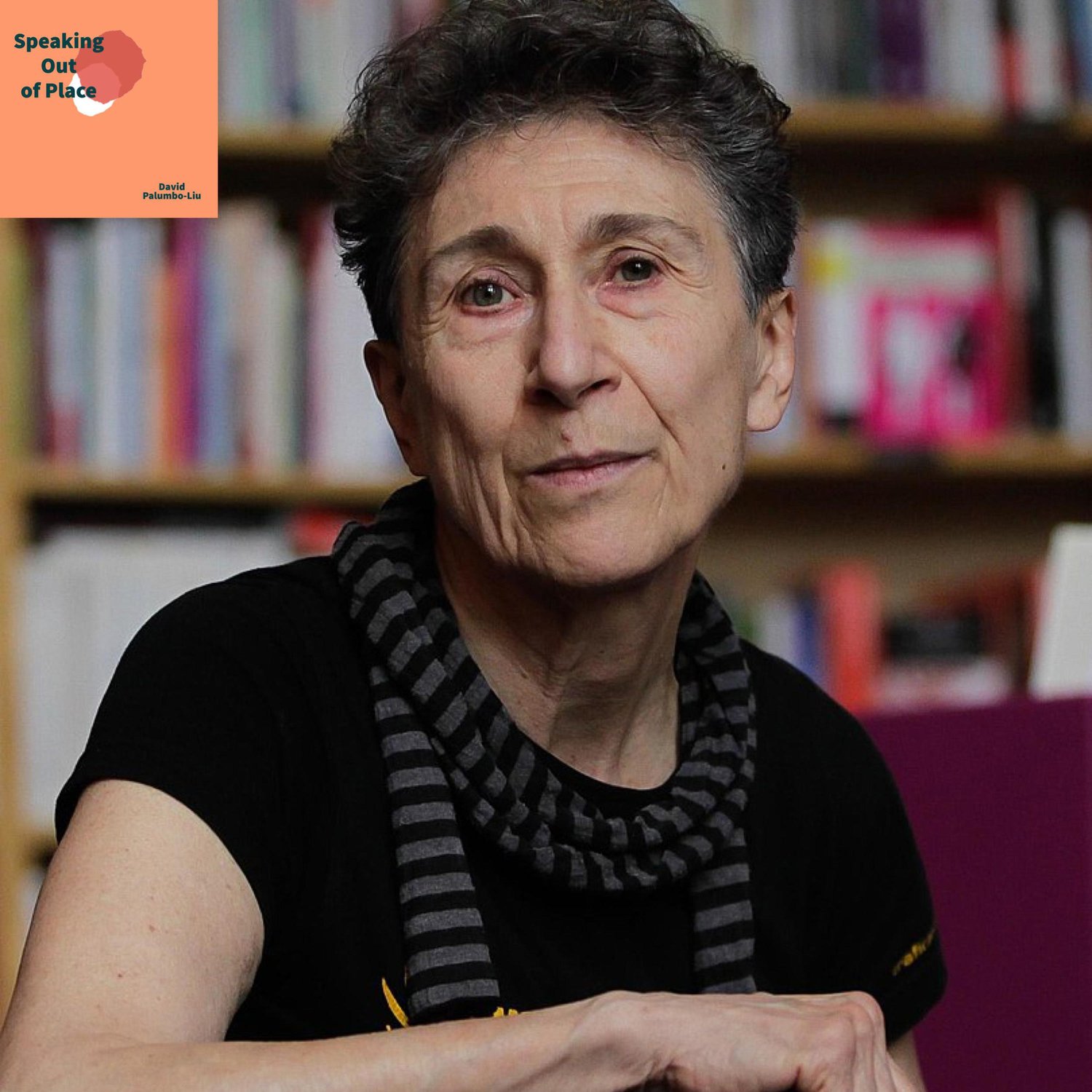
Speaking Out of Place: SILVIA FEDERICI discusses Re-enchanting the World: Feminism and the Politics of the Commons
"Children are, in many ways, the slave of our age. Because they have so few rights, they can be violated in so many ways, and the elderly are leaving them the Earth that is poison, that is doomed. And there is a Capitalist undervaluation of children who are treated as not having any rights. Because they live with the terror every day of going to school and being shot at. And they know that this society's government is not protecting them."In this episode of the Speaking Out of Place podcast, Professor David Palumbo-Liu and Azeezah Kanji interview renown scholar, activist, and writer Silvia Federici about her powerful and inspiring collection of essays, Re-enchanting the World: Feminism and the Politics of the Commons. These essays, written over the span of several decades, display her abilities to diagnose and indeed predict the most important issues facing us today.Silvia Federici is a scholar, teacher, and feminist activist based in New York. She is a professor emerita and teaching fellow at Hofstra University in New York State, where she was a social science professor. She also taught at the University of Port Harcourt in Nigeria. In 1972, she co-founded the International Feminist Collective. In 1995, in the course of the campaign to demand the liberation of Mumia Abu-Jamal, she cofounded the Radical Philosophy Association (RPA) anti-death penalty project, an organization intended to help educators become a driving force towards its abolition. For several decades, Federici has been working in a variety of projects with feminist organizations across the world like Women in Nigeria (WIN), Ni Una Menos, the Argentinian feminist organization; she alsohas been organizing a project with feminist collectives in Spain to reconstruct the history of the women who were persecuted as witches in early modern Europe, and raise consciousness about the contemporary witch-hunts that are taking place across the world.Federici is considered one of the leading feminist theoreticians in Marxist feminist theory, women’s history, political philosophy, and the history and theory of the commons. Her most famous book, Caliban and the Witch, has been translated in more than 20 foreign languages, and adopted in courses across the U.S. and many other countries. Often described as a counterpoint to Marx’s and Foucault’s account of “primitive accumulation,” Caliban reconstructs the history of capitalism, highlighting the continuity between the capitalist subjugation of women, the slave trade, and the colonization of the Americas. It has been described as the first history of capitalism with women at the center.www.pmpress.org/index.php?l=product_detail&p=961www.palumbo-liu.com https://speakingoutofplace.comhttps://twitter.com/palumboliu?s=20
Highlights - Nobel Peace Prize-winning Climate Scientist MARK HOWDEN - Director, Climate Change Institute at ANU - Vice Chair of IPCC
"In terms of government policies, industry action, and individual action to reduce emissions that would actually keep us within 1.5 degrees, it's not impossible, but it's becoming increasingly difficult day by day and year by year. We haven't got a lot of time.”Our window to adapt to a warming world is narrowing quickly. What it will take to avert the climate crises? Mark Howden is Director of the Climate Change Institute at The Australian National University and a Vice Chair of the Intergovernmental Panel on Climate Change (IPCC) and a member of the Australian National Climate Science Advisory Committee. He has been a major contributor to the IPCC since 1991, with roles in the Second, Third, Fourth, Fifth and now Sixth Assessment Reports, sharing the 2007 Nobel Peace Prize with other IPCC participants and Al Gore. He was on the US Federal Advisory Committee for the 3rd National Climate Assessment and contributes to several major national and international science and policy advisory bodies. Mark has worked on climate variability, climate change, innovation and adoption issues for over 30 years in partnership with many industry, community and policy groups via both research and science-policy roles. https://iceds.anu.edu.au/people/academics/professor-mark-howdenhttps://iceds.anu.edu.au/www.ipcc.chwww.creativeprocess.infowww.oneplanetpodcast.orgIG www.instagram.com/creativeprocesspodcast
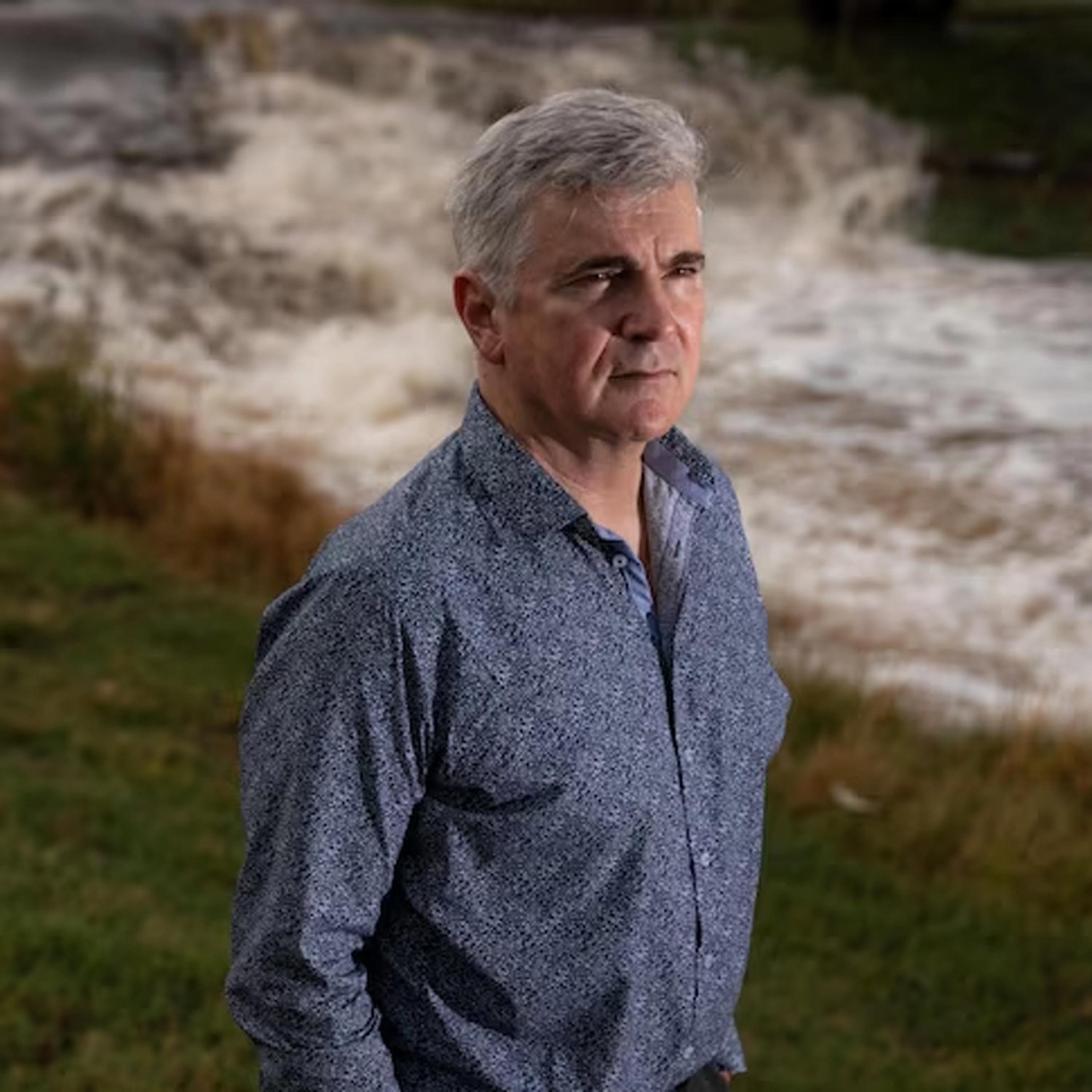
MARK HOWDEN - Vice Chair, Intergovernmental Panel on Climate Change - Director, Climate Change Institute at The Australian National University
Our window to adapt to a warming world is narrowing quickly. What it will take to avert the climate crises? Mark Howden is Director of the Climate Change Institute at The Australian National University and a Vice Chair of the Intergovernmental Panel on Climate Change (IPCC) and a member of the Australian National Climate Science Advisory Committee. He has been a major contributor to the IPCC since 1991, with roles in the Second, Third, Fourth, Fifth and now Sixth Assessment Reports, sharing the 2007 Nobel Peace Prize with other IPCC participants and Al Gore. He was on the US Federal Advisory Committee for the 3rd National Climate Assessment and contributes to several major national and international science and policy advisory bodies. Mark has worked on climate variability, climate change, innovation and adoption issues for over 30 years in partnership with many industry, community and policy groups via both research and science-policy roles. "In terms of government policies, industry action, and individual action to reduce emissions that would actually keep us within 1.5 degrees, it's not impossible, but it's becoming increasingly difficult day by day and year by year. We haven't got a lot of time.”https://iceds.anu.edu.au/people/academics/professor-mark-howdenhttps://iceds.anu.edu.au/www.ipcc.chwww.creativeprocess.infowww.oneplanetpodcast.orgIG www.instagram.com/creativeprocesspodcastPhoto credit: Lannon Harley/ANU
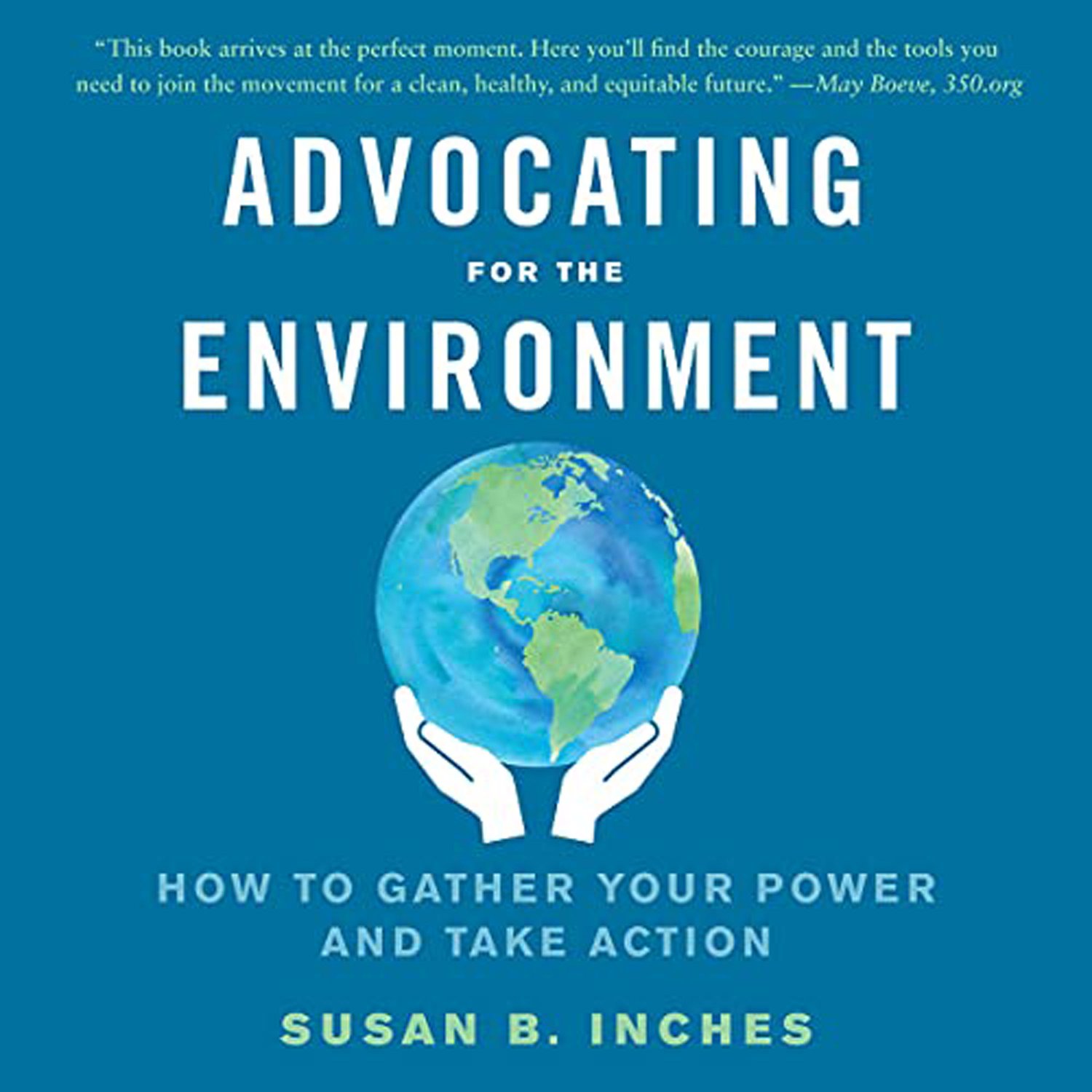
Highlights - SUE INCHES - Fmr. Director, Maine Department of Marine Resources - Fmr. Deputy Director, State Planning Office
"So to me, the connection is just being outdoors. It really brings energy, to my life and it brings energy to my work. And I think for a lot of people, this is true, that nature is kind of the place where they can regenerate their energy. And if people haven't experienced that, I encourage them to try it, because nature can be very restorative. So, absolutely there's a connection between health, the outdoors, and between environmental issues and creating a healthy, clean environment for future generations."How do we connect our personal stories to the big story about the environment? How can we motivate corporations and government to not just aim for profit, but include reporting on their environmental risks and impacts in their balance sheets?Sue Inches is an advocate, author, and teacher. She has worked in public policy for over 25 years, serving as the Deputy Director of the State Planning Office, and as a Director at the Maine Department of Marine Resources. She is author of Advocating for the Environment: How to Gather Your Power and Take Action, and teaches college and high school workshops on same. Her consulting work focuses on strategic planning, program development, and environmental campaigns.https://sueinches.comwww.penguinrandomhouse.com/books/670609/advocating-for-the-environment-by-susan-b-incheswww.creativeprocess.infowww.oneplanetpodcast.orgIG www.instagram.com/creativeprocesspodcast
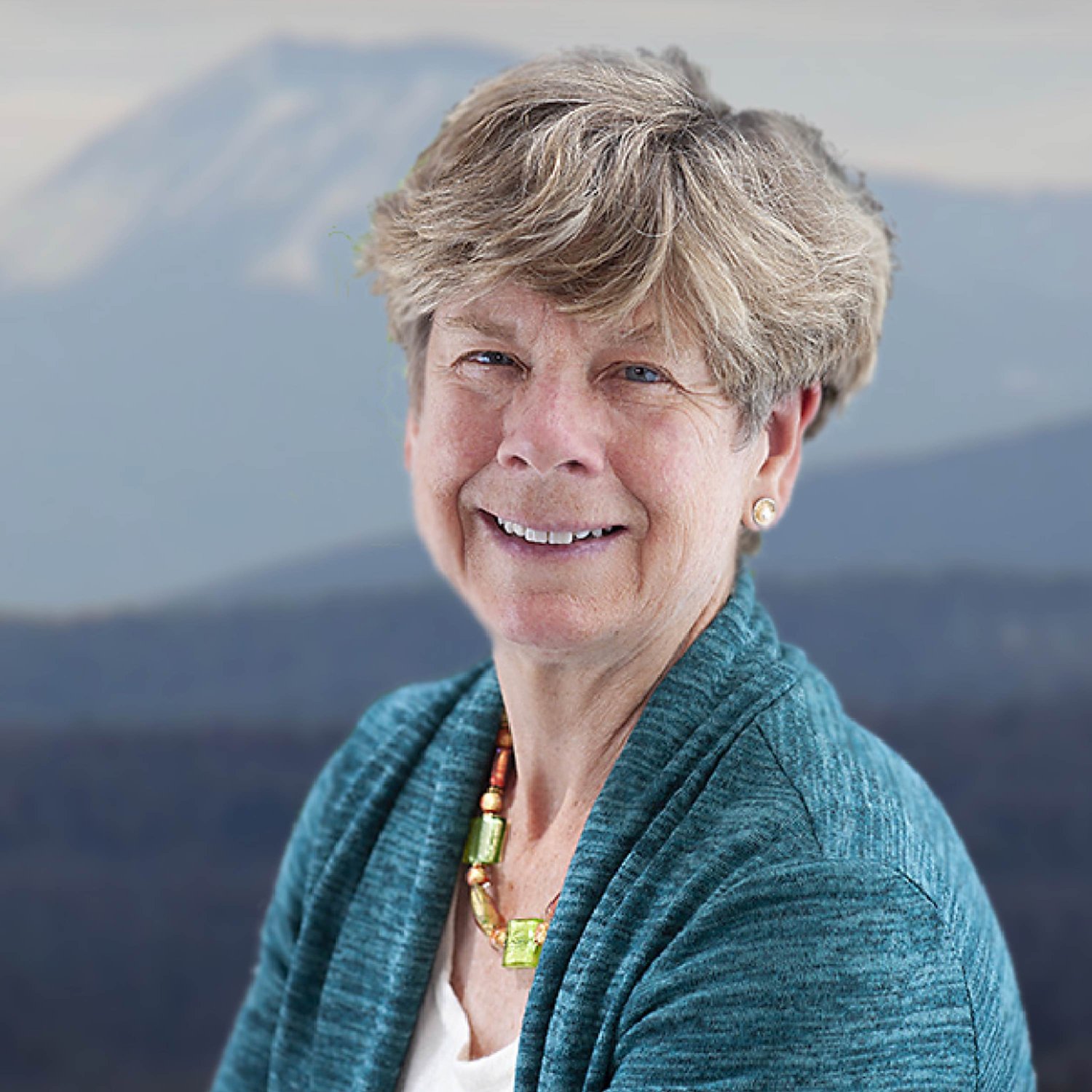
SUE INCHES - Author of Advocating for the Environment: How to Gather Your Power and Take Action
How do we connect our personal stories to the big story about the environment? How can we motivate corporations and government to not just aim for profit, but include reporting on their environmental risks and impacts in their balance sheets?Sue Inches is an advocate, author, and teacher. She has worked in public policy for over 25 years, serving as the Deputy Director of the State Planning Office, and as a Director at the Maine Department of Marine Resources. She is author of Advocating for the Environment: How to Gather Your Power and Take Action, and teaches college and high school workshops on same. Her consulting work focuses on strategic planning, program development, and environmental campaigns."So to me, the connection is just being outdoors. It really brings energy, to my life and it brings energy to my work. And I think for a lot of people, this is true, that nature is kind of the place where they can regenerate their energy. And if people haven't experienced that, I encourage them to try it, because nature can be very restorative. So, absolutely there's a connection between health, the outdoors, and between environmental issues and creating a healthy, clean environment for future generations."https://sueinches.comwww.penguinrandomhouse.com/books/670609/advocating-for-the-environment-by-susan-b-incheswww.creativeprocess.infowww.oneplanetpodcast.orgIG www.instagram.com/creativeprocesspodcast
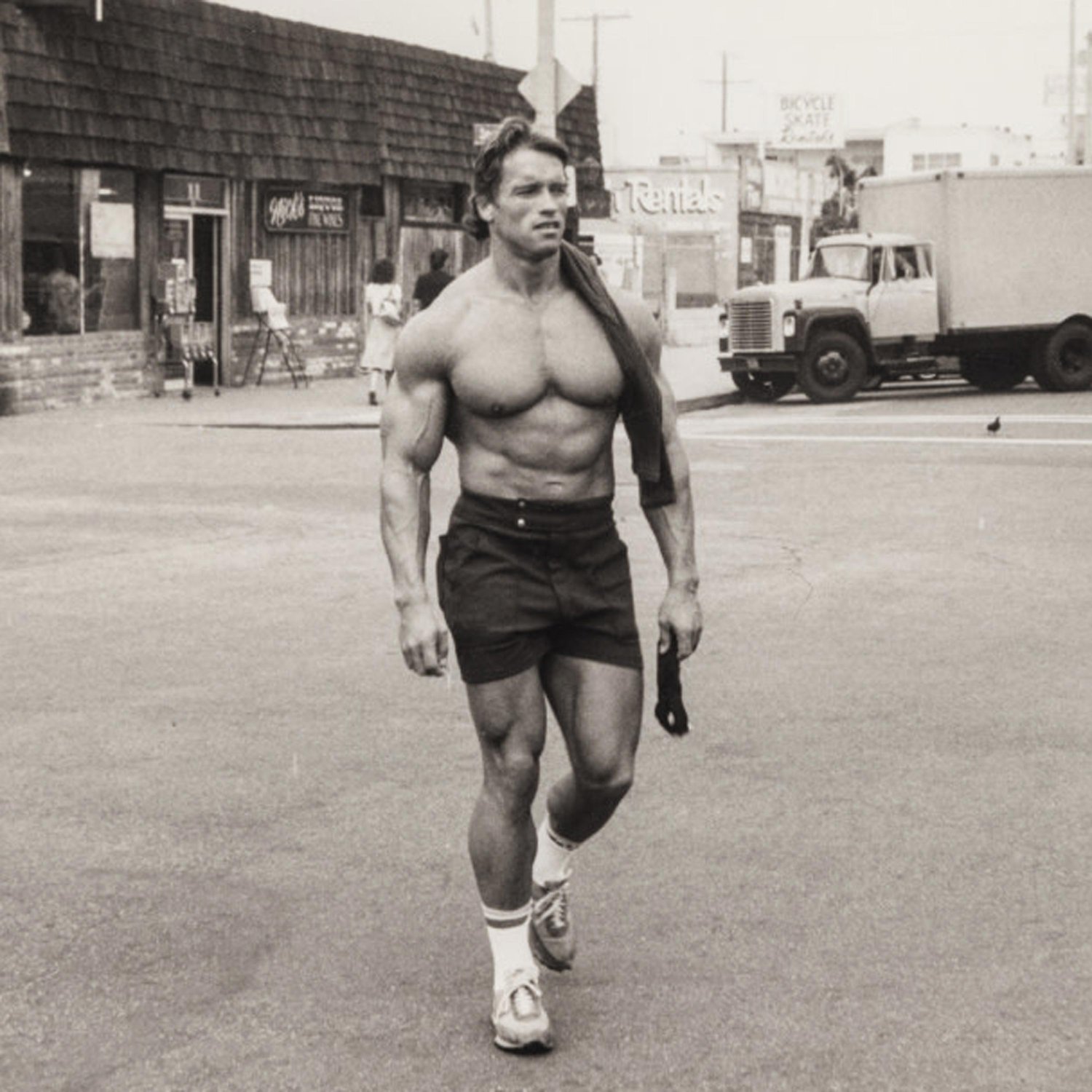
Highlights - ARNOLD SCHWARZENEGGER: Athlete, Actor, American, Activist - Conversation with Editor DIAN HANSON
"The really important thing that he did here had to do with climate change. He told me that he had always been interested in the environment. He grew up being very cautious about everything. You don't waste water, you don't waste power, all these things as a poor child. But he said he didn't really understand what pollution was doing until he became governor. And he got all the memos, he got all the information that is fed to politicians, that is fed to every politician. That everyone in office knows about, and many choose to ignore, but for him, it really opened his eyes. And he said, 'We can't let this go on.' So he initiated a greenhouse gas cap in California, and people fought against it. Are you kidding? It has continued to this day. People have gotten behind him for it, that we will reduce emissions, and we will have cleaner air in California, and we will have cleaner water, and we will have cleaner beaches.He blocked offshore drilling and he said, because when he first came here, there had been an oil spill, and he went on the beach, and he got tar on his feet. No one should have to have tar on their feet when they go to the beach. And that was his real contribution that has now led to his activism for climate change and ending pollution all over the world."“Why I was different from all the other boys in my town I cannot tell you. I was simply born with the gift of vision.” – ARNOLD SCHWARZENEGGERIs there any better example of the American Dream than Arnold Schwarzenegger? What does it take to make your vision a reality? How do you cultivate iron focus to overcome any obstacle and realize your dreams?On the publication of Arnold Schwarzenegger’s limited edition two-volume book published by TASCHEN, we sat down with Senior Editor and Writer Dian Hansen to discuss Schwarzenegger’s life, accomplishments, and history of unforgettable performances. The book has been a decade-long collaborative process and along with portraits by leading photographers Richard Avedon, Annie Leibovitz, Robert Mapplethorpe, Herb Ritts, Francesco Scavullo, and Andy Warhol, it is also filled with photos from Arnold’s private archive and exclusive interviews. Dian’s other works include The Art of Pin-up, Masterpieces of Fantasy Art, and The Fantastic Worlds of Frank Frazetta.www.taschen.com/en/limited-editions/film/03105/arnold-collector-s-editionwww.schwarzenegger.comwww.creativeprocess.infowww.oneplanetpodcast.orgIG www.instagram.com/creativeprocesspodcastImage courtesy of Taschen. Photo credit: ARNOLD SCHWARZENEGGER IN VENICE, CALIFORNIA. PHOTO BY ALBERT BUSEK, 1980
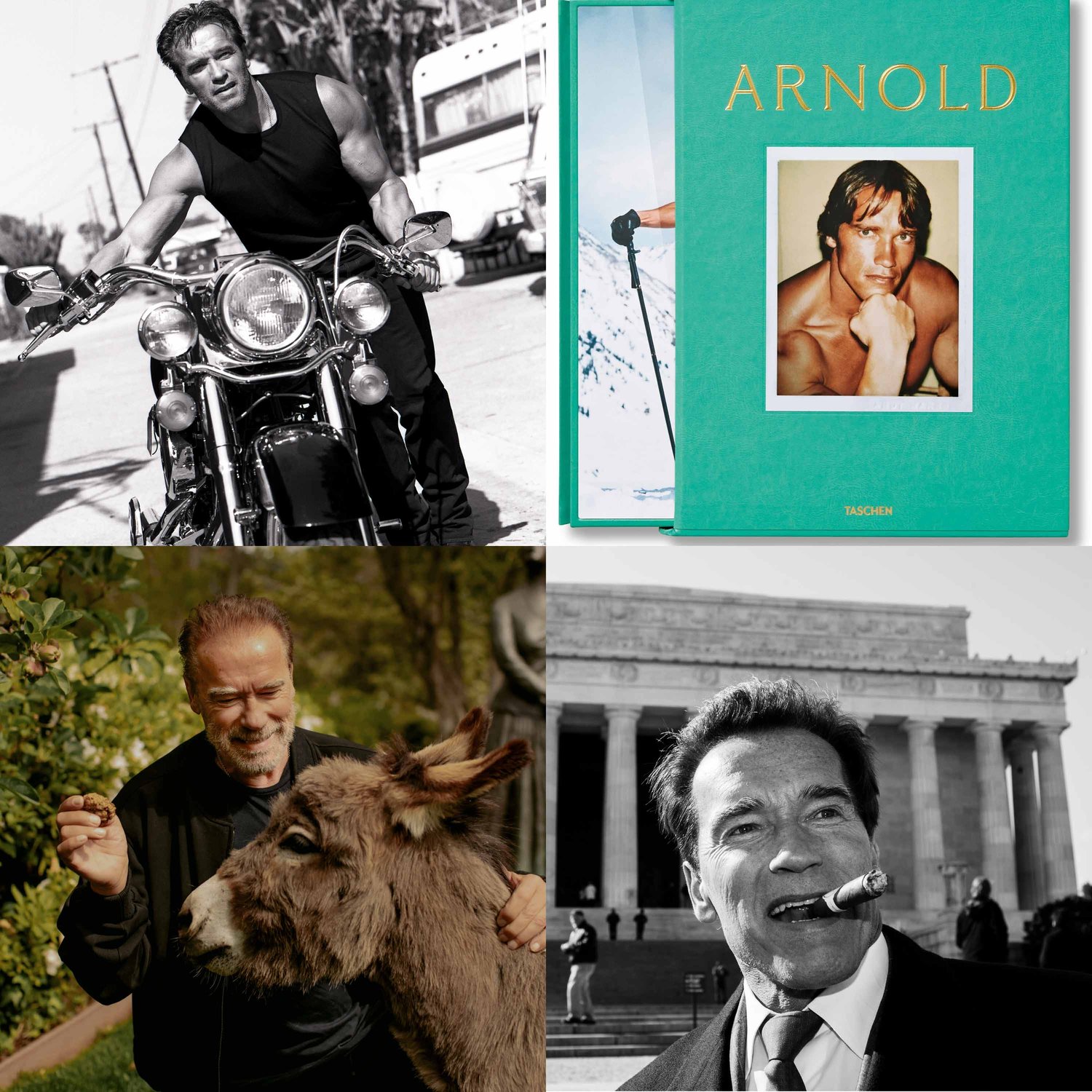
ARNOLD SCHWARZENEGGER: Athlete, Actor, American, Activist - Conversation with Editor DIAN HANSON
“Why I was different from all the other boys in my town I cannot tell you. I was simply born with the gift of vision.” – ARNOLD SCHWARZENEGGERIs there any better example of the American Dream than Arnold Schwarzenegger? What does it take to make your vision a reality? How do you cultivate iron focus to overcome any obstacle and realize your dreams?On the publication of Arnold Schwarzenegger’s limited edition two-volume book published by TASCHEN, we sat down with Senior Editor and Writer Dian Hansen to discuss Schwarzenegger’s life, accomplishments, and history of unforgettable performances. The book has been a decade-long collaborative process and along with portraits by leading photographers Richard Avedon, Annie Leibovitz, Robert Mapplethorpe, Herb Ritts, Francesco Scavullo, and Andy Warhol, it is also filled with photos from Arnold’s private archive and exclusive interviews. Dian’s other works include The Art of Pin-up, Masterpieces of Fantasy Art, and The Fantastic Worlds of Frank Frazetta."The really important thing that he did here had to do with climate change. He told me that he had always been interested in the environment. He grew up being very cautious about everything. You don't waste water, you don't waste power, all these things as a poor child. But he said he didn't really understand what pollution was doing until he became governor. And he got all the memos, he got all the information that is fed to politicians, that is fed to every politician. That everyone in office knows about, and many choose to ignore, but for him, it really opened his eyes. And he said, 'We can't let this go on.' So he initiated a greenhouse gas cap in California, and people fought against it. Are you kidding? It has continued to this day. People have gotten behind him for it, that we will reduce emissions, and we will have cleaner air in California, and we will have cleaner water, and we will have cleaner beaches.He blocked offshore drilling and he said, because when he first came here, there had been an oil spill, and he went on the beach, and he got tar on his feet. No one should have to have tar on their feet when they go to the beach. And that was his real contribution that has now led to his activism for climate change and ending pollution all over the world."www.taschen.com/en/limited-editions/film/03105/arnold-collector-s-editionwww.schwarzenegger.comwww.creativeprocess.infowww.oneplanetpodcast.orgIG www.instagram.com/creativeprocesspodcastImages courtesy of Taschen. Photo credits: CoverArnold Schwarzenegger for the film End of Days. Sante D'Orazio, 1999Governor Schwarzenegger with the Lincoln Memorial · Photo by Peter Grigsby, 2009 Arnold Schwarzenegger and Lulu at his Los Angeles home · Photo by Tracy Nguyen, 2021
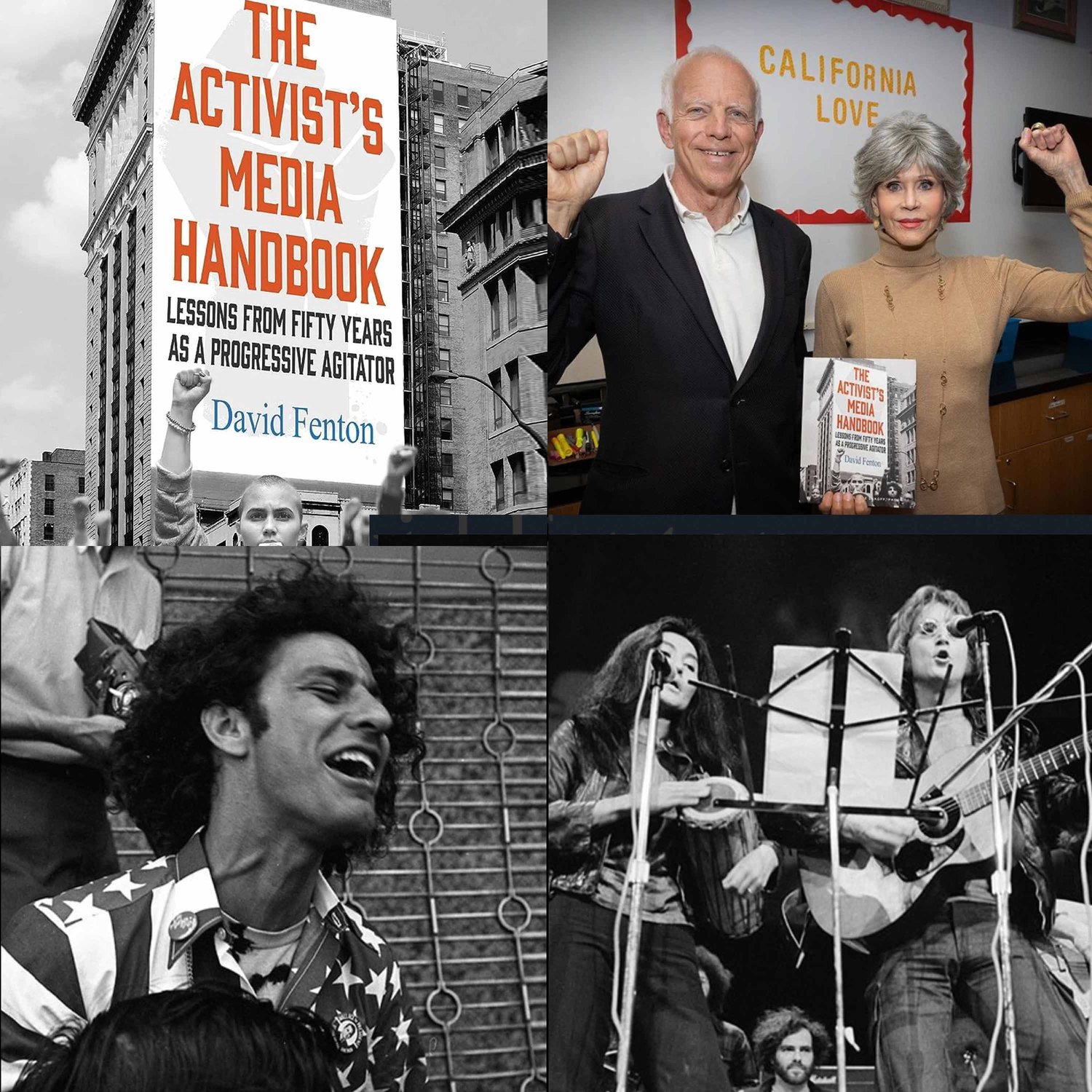
Highlights - DAVID FENTON - Author of The Activist’s Media Handbook: Lessons From 50 Years as a Progressive Agitator
"So a lot has been corporatized. That is certainly true, but not everything. And it sounds like a cliche, but it really is true that history moves in pendulums and waves. And whatever is happening today is not going to last. It will change. So you have periods of concentrations of wealth and power, and then you have periods of rebellion. And I'm quite sure we're headed for another period of rebellion. You can see it a little bit now in the labor strife in the United States and the strikes. You can certainly see it in the massive demonstrations in France and Israel. Excessive concentrations of power breeds rebellion, and that's just inevitable. And the climate crisis is going to cause a lot of rebellion as people figure this out. And I think it's coming very soon, actually, because as you've noticed, the weather is getting very bad. It's become a non-linear accelerating phenomenon. And people will wake up to that. I just hope they wake up in time."How can we effectively communicate that we're moving beyond climate change to a state of climate crisis? The trapped heat energy on Earth is equal to a million Atomic bombs going off every single day. Today we talk to someone who's been mobilizing the public mind for over 50 years. David Fenton, named “one of the 100 most influential PR people” by PR Week and “the Robin Hood of public relations” by The National Journal, founded Fenton in 1982 to create communications campaigns for the environment, public health, and human rights. For more than five decades he has pioneered the use of PR, social media, and advertising techniques for social change. Fenton started his career as a photojournalist in the late 1960s – his book Shots: An American Photographer’s Journal was published in 2005. He was formerly director of public relations at Rolling Stone magazine and co-producer of the No-Nukes concerts in 1979 at Madison Square Garden with Bruce Springsteen, Bonnie Raitt, James Taylor, Jackson Browne, and other artists. He has also helped create JStreet, Climate Nexus, the Death Penalty Information Center, and Families for a Future. He sold Fenton a few years ago to work on climate change full time. He is the author of The Activist’s Media Handbook: Lessons From 50 Years as a Progressive Agitator.https://davidfentonactivist.comwww.simonandschuster.com/books/The-Activists-Media-Handbook/David-Fenton/9781647228668https://fenton.comX / twitter @dfentonIG @dfenton1 facebook.com/davidfentonactivistwww.creativeprocess.info www.oneplanetpodcast.orgIG www.instagram.com/creativeprocesspodcastAll photographs © 1968-2022 David Fenton
DAVID FENTON - Founder of Fenton Communications, Author of The Activist’s Media Handbook: Lessons From 50 Years as a Progressive Agitator
How can we effectively communicate that we're moving beyond climate change to a state of climate crisis? The trapped heat energy on Earth is equal to a million Atomic bombs going off every single day. Today we talk to someone who's been mobilizing the public mind for over 50 years. David Fenton, named “one of the 100 most influential PR people” by PR Week and “the Robin Hood of public relations” by The National Journal, founded Fenton in 1982 to create communications campaigns for the environment, public health, and human rights. For more than five decades he has pioneered the use of PR, social media, and advertising techniques for social change. Fenton started his career as a photojournalist in the late 1960s – his book Shots: An American Photographer’s Journal was published in 2005. He was formerly director of public relations at Rolling Stone magazine and co-producer of the No-Nukes concerts in 1979 at Madison Square Garden with Bruce Springsteen, Bonnie Raitt, James Taylor, Jackson Browne, and other artists. He has also helped create JStreet, Climate Nexus, the Death Penalty Information Center, and Families for a Future. He sold Fenton a few years ago to work on climate change full time. He is the author of The Activist’s Media Handbook: Lessons From 50 Years as a Progressive Agitator."So a lot has been corporatized. That is certainly true, but not everything. And it sounds like a cliche, but it really is true that history moves in pendulums and waves. And whatever is happening today is not going to last. It will change. So you have periods of concentrations of wealth and power, and then you have periods of rebellion. And I'm quite sure we're headed for another period of rebellion. You can see it a little bit now in the labor strife in the United States and the strikes. You can certainly see it in the massive demonstrations in France and Israel. Excessive concentrations of power breeds rebellion, and that's just inevitable. And the climate crisis is going to cause a lot of rebellion as people figure this out. And I think it's coming very soon, actually, because as you've noticed, the weather is getting very bad. It's become a non-linear accelerating phenomenon. And people will wake up to that. I just hope they wake up in time."https://davidfentonactivist.comwww.simonandschuster.com/books/The-Activists-Media-Handbook/David-Fenton/9781647228668https://fenton.comX / twitter @dfentonIG @dfenton1 facebook.com/davidfentonactivistwww.creativeprocess.info www.oneplanetpodcast.orgIG www.instagram.com/creativeprocesspodcastAll photographs © 1968-2022 David Fenton
SIMON DALBY - Author of Pyromania: Fire and Geopolitics in a Climate-Disrupted World
Wildfire season is starting earlier and lasting longer due to global warming across the world. What will we do to save the world on fire? How can we cure our addiction to fossil fuels which is verging on pyromania?Simon Dalby is author of Pyromania: Fire and Geopolitics in a Climate-Disrupted World and Professor Emeritus at Wilfrid Laurier University. His other books are Rethinking Environmental Security, Anthropocene Geopolitics: Globalization, Security, Sustainability, and Security and Environmental Change. He’s co-editor of Achieving the Sustainable Development Goals, and Reframing Climate Change: Constructing Ecological Geopolitics."We also need to note most people move locally rather than globally. In the discussions about climate refugees, people are going to be dislocated. There are obviously going to be places that are going to become quite literally uninhabitable because they're too hot and too dry, or they've been flooded so frequently that they're just not sustainable. That said it is also worth pointing out that this climate change process is playing out in a global economy, which is also changing where people live and how people live very rapidly. the migration from rural areas to urban systems has been massive over the last couple of generations. We became an urban species."https://experts.wlu.ca/simon-dalby-1www.agendapub.com/page/detail/pyromania/?k=9781788216500www.creativeprocess.infowww.oneplanetpodcast.orgIG www.instagram.com/creativeprocesspodcast
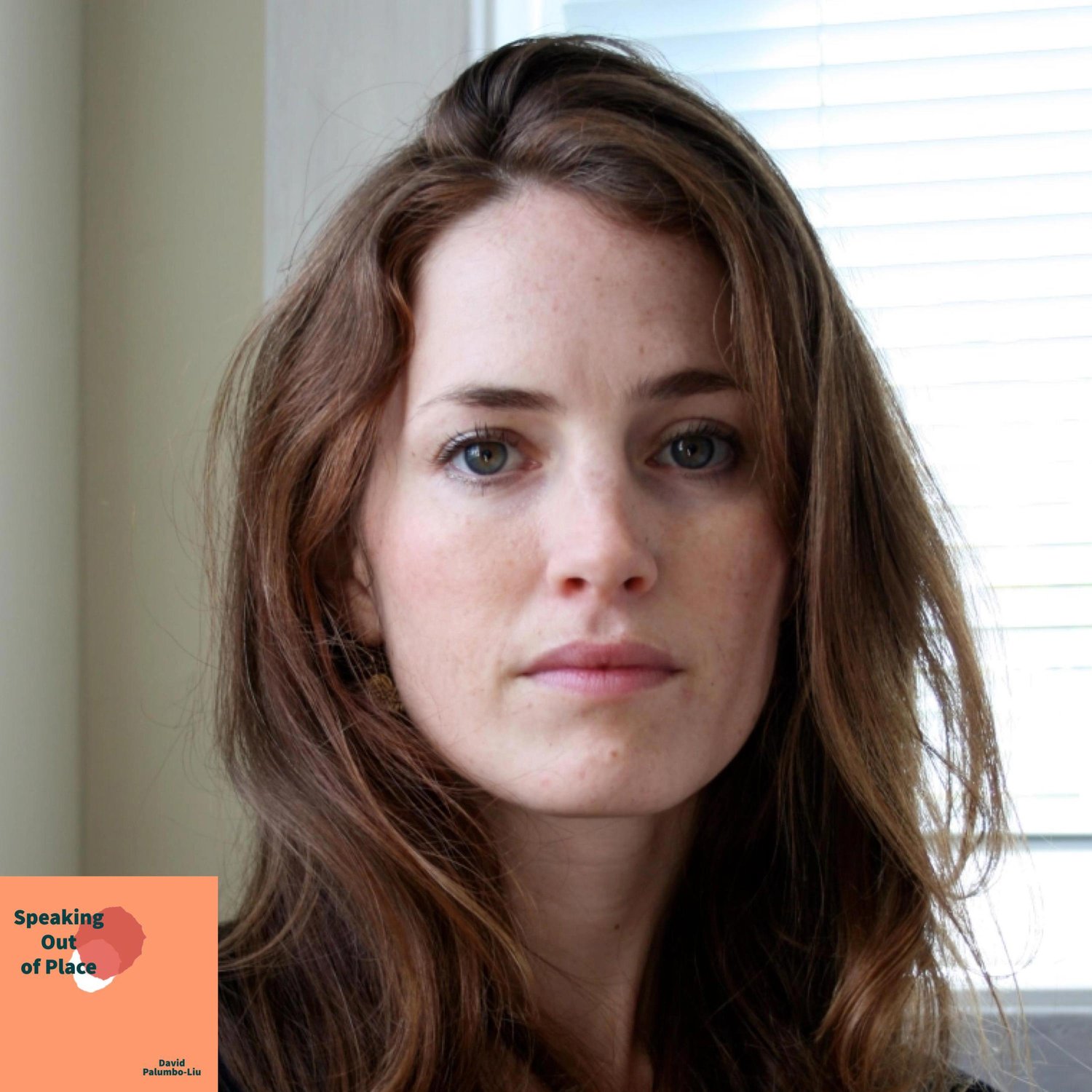
Speaking Out of Place: JENNIFER JACQUET discusses The Playbook: How to Deny Science, Sell Lies, and Make a Killing in the Corporate World
In this episode of the Speaking Out of Place podcast, Professor David Palumbo-Liu interviews Jennifer Jacquet, who is an Associate Professor in the Department of Environmental Studies and Director of XE: Experimental Humanities and Social Engagement at NYU. She is also deputy director of NYU's Center for Environmental and Animal Protection. Her research focuses on animals and the environment, Agnotology, and attribution and responsibility in the Anthropocene. She is author of The Playbook: How to Deny Science, Sell Lies, and Make a Killing in the Corporate World-- a work of 'epistolary non-fiction' that makes the business case for scientific denial. Among other things, we learn how corporations create an arsenal of experts and pseudo-experts at prestigious universities to create misinformation and disinformation for corporate profit, and at great cost to the public. At the end, we make the case for a partnership between the sciences and the humanities to fight such lies and violence.Jennifer Jacquet’s research focuses on animals and the environment, Agnotology, and attribution and responsibility in the Anthropocene. She is author of The: How to Deny Science, Sell Lies, and Make a Killing in the Corporate World (Pantheon/Penguin, 2022)-- a work of 'epistolary non-fiction' that makes the business case for scientific denial. She also wrote Is Shame Necessary? (Pantheon/Penguin, 2015) about the evolution, function, and future of the use of social disapproval in a globalized, digitized world. She is the recipient of a 2015 Alfred P. Sloan research fellowship and a 2016 Pew Fellowship in Marine Conservation.https://jenniferjacquet.com https://as.nyu.edu/faculty/jennifer-jacquet.htmlwww.palumbo-liu.com https://speakingoutofplace.com https://twitter.com/palumboliu?s=20

Highlights - ERICA BERRY - Author of Wolfish: Wolf, Self, and the Stories We Tell About Fear
"And I think for so long I thought I'm only going to write about the real wolf. That's the most important thing. We've had too many stories. And yet I've gotten to a point where I just think we are living in a world where any story that comes out of my mouth is shaped by these other stories I've heard which are rooted in ecology, just like stories about biology, stories about how we name wolves are rooted in human choices. Science is tied to colonialism. Stories about how people interact in the landscape are very tied to who those people are and how they feel. Are they meant to feel that they belong there?"The lone wolf is actually alone because it's looking for connection. They leave in order to find a mate and form their own pack. If loneliness is an epidemic, what can wolves teach us about loneliness, courage, and connection?Erica Berry is the author of Wolfish: Wolf, Self, and the Stories We Tell About Fear. Her essays in journalism appear in Outside, Wired, The Yale Review, The Guardian, Literary Hub, The New York Times Magazine, The Atlantic, and Guernica, among other publications. Berry has taught workshops for teenagers and adults at Literary Arts, the Sitka Center for Art and Ecology, the New York Times Student Journeys in Oxford Academia.www.ericaberry.comhttps://us.macmillan.com/books/9781250882264/wolfishwww.creativeprocess.info www.oneplanetpodcast.orgIG www.instagram.com/creativeprocesspodcast
ERICA BERRY - Author of Wolfish: Wolf, Self, and the Stories We Tell About Fear
The lone wolf is actually alone because it's looking for connection. They leave in order to find a mate and form their own pack. If loneliness is an epidemic, what can wolves teach us about loneliness, courage, and connection?Erica Berry is the author of Wolfish: Wolf, Self, and the Stories We Tell About Fear. Her essays in journalism appear in Outside, Wired, The Yale Review, The Guardian, Literary Hub, The New York Times Magazine, The Atlantic, and Guernica, among other publications. Berry has taught workshops for teenagers and adults at Literary Arts, the Sitka Center for Art and Ecology, the New York Times Student Journeys in Oxford Academia."And I think for so long I thought I'm only going to write about the real wolf. That's the most important thing. We've had too many stories. And yet I've gotten to a point where I just think we are living in a world where any story that comes out of my mouth is shaped by these other stories I've heard which are rooted in ecology, just like stories about biology, stories about how we name wolves are rooted in human choices. Science is tied to colonialism. Stories about how people interact in the landscape are very tied to who those people are and how they feel. Are they meant to feel that they belong there?"www.ericaberry.com https://us.macmillan.com/books/9781250882264/wolfishwww.creativeprocess.info www.oneplanetpodcast.org IG www.instagram.com/creativeprocesspodcastPhoto by Andrea Lonas
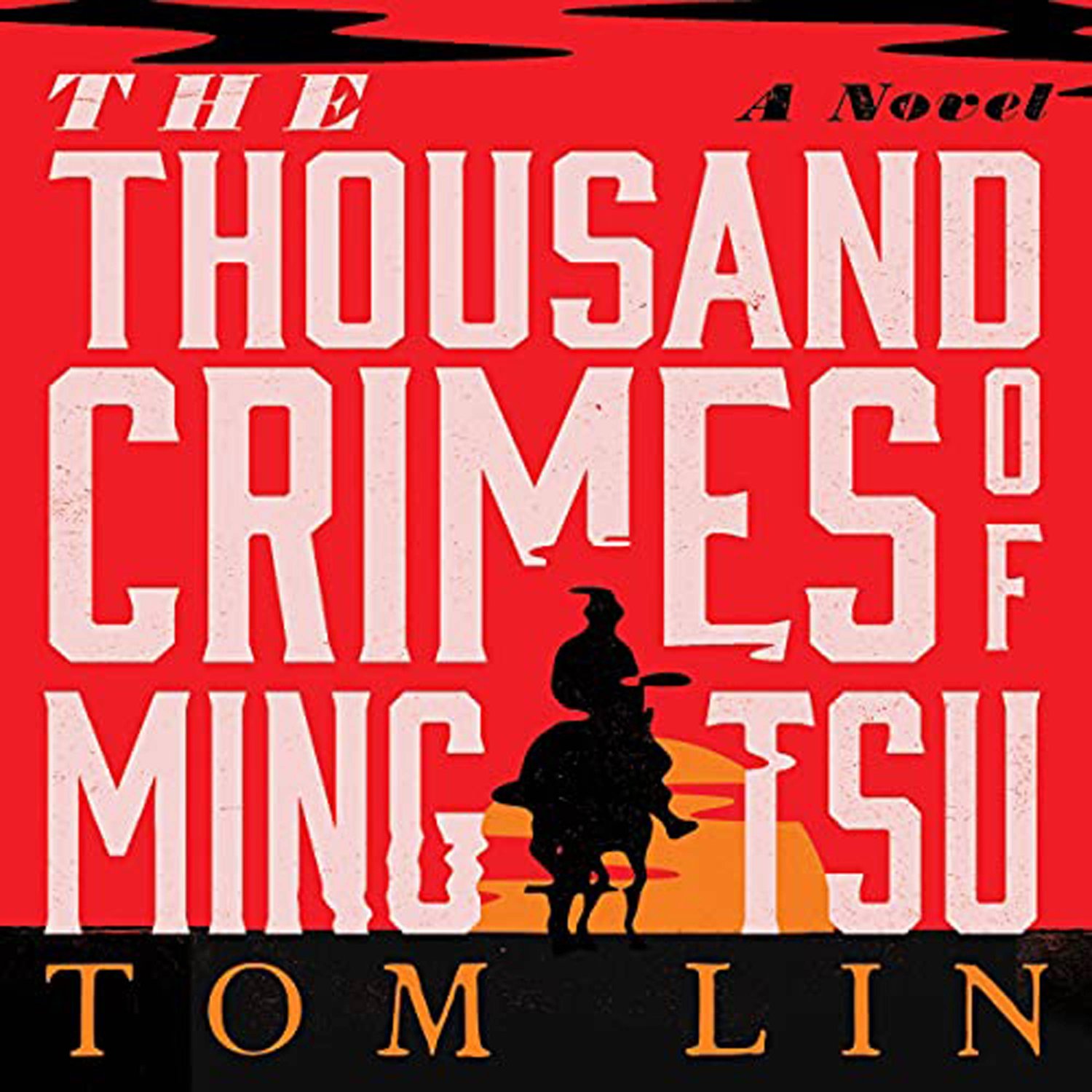
Highlights - TOM LIN - Author of The Thousand Crimes of Ming Tsu - Andrew Carnegie Medal for Excellence in Fiction 2022
"And for instance, something like climate change and this anthropogenic mass extinction that we're seeing going on, and we're losing enormous fractions of our biodiversity with every passing year. That's bleak. And it does feel like the end of the world is upon us. And we're entering into an unsurvivable planet. And it's okay to know that and to think that and to still strive for something because I think at its extremes, hope becomes insane. And you have to do something to fight it because otherwise, we are going into the apocalypse, I think there's no question. And to preserve hope against that possibility, I think that's difficult. And so that's what I strive to do."How can we retell the story of America? In the United States of Amnesia, why does the Western celebrate cowboys but not all people who built this country? What does a Chinese-American hero look like in the 21st Century?Tom Lin is an American writer whose 2021 debut novel The Thousand Crimes of Ming Tsu chronicles the story of a Chinese American outlaw seeking revenge during America's railroad boom. The book won the 2022 Andrew Carnegie Medal for Excellence in Fiction, making Lin the youngest Carnegie winner in the prize’s history. Tom Lin is currently pursuing an English doctorate at the University of California Davis.https://twotreeforest.comwww.hachettebookgroup.com/titles/tom-lin/the-thousand-crimes-of-ming-tsu/9780316542173/?lens=little-brownwww.creativeprocess.info www.oneplanetpodcast.org IG www.instagram.com/creativeprocesspodcastImage courtesy of Little, Brown and Company & Tom Lin
TOM LIN - Author of The Thousand Crimes of Ming Tsu - Andrew Carnegie Medal for Excellence in Fiction 2022
How can we retell the story of America? In the United States of Amnesia, why does the Western celebrate cowboys but not all people who built this country? What does a Chinese-American hero look like in the 21st Century?Tom Lin is an American writer whose 2021 debut novel The Thousand Crimes of Ming Tsu chronicles the story of a Chinese American outlaw seeking revenge during America's railroad boom. The book won the 2022 Andrew Carnegie Medal for Excellence in Fiction, making Lin the youngest Carnegie winner in the prize’s history. Tom Lin is currently pursuing an English doctorate at the University of California Davis."And for instance, something like climate change and this anthropogenic mass extinction that we're seeing going on, and we're losing enormous fractions of our biodiversity with every passing year. That's bleak. And it does feel like the end of the world is upon us. And we're entering into an unsurvivable planet. And it's okay to know that and to think that and to still strive for something because I think at its extremes, hope becomes insane. And you have to do something to fight it because otherwise, we are going into the apocalypse, I think there's no question. And to preserve hope against that possibility, I think that's difficult. And so that's what I strive to do."https://twotreeforest.comwww.hachettebookgroup.com/titles/tom-lin/the-thousand-crimes-of-ming-tsu/9780316542173/?lens=little-brownwww.creativeprocess.info www.oneplanetpodcast.org IG www.instagram.com/creativeprocesspodcastImage courtesy of Little, Brown and Company & Tom Lin
Highlights - MARK MASLIN - Author of How To Save Our Planet: The Facts - Professor, Earth System Science, UCLondon
"I think the most important thing is realizing how much impact humans have had on the planet. For example, did you know that we move more rock and sediment than all the natural processes put together? We also have created enough concrete already to cover the whole world in a layer that's two millimeters thick, and that includes the oceans. We have also created and make something like 300 million tons of plastic every single year, which we know ends up in our rivers. It ends up in our oceans. And we've also found that microplastics have been found in human blood. So this is the impact we're having all around the world. We've also cut down 3 trillion trees, that's half the trees on the planet. We have doubled carbon dioxide in the atmosphere. We've increased methane by about 150%, which has led to a warming of the planet of about 1.2 degrees Celsius. And If you weigh the land mammals, 30% of that weight is us humans. There are 8 billion of us, and I have to say a few of us could lose a few pounds, but 67% of that weight is our livestock. And just 3% is those wild animals. So in less than 5,000 years, we've gone from 99% being wild animals to less than 3%. That's how much impact we humans have had on the planet."Can we imagine a world where we leave half the earth to the natural environment and use the other half for ourselves? Can we change history and protect the Indigenous, the vulnerable, and the very poorest in society?Mark Maslin is a Professor of Earth System Science at University College London. Maslin is a leading expert in understanding the anthropocene and how it relates to the major challenges facing humanity in the 21st century. He has written a number of books on the issue of climate change, his most book is How to Save Our Planet: The Facts.www.geog.ucl.ac.uk/people/academic-staff/mark-maslinwww.penguin.co.uk/books/320155/how-to-save-our-planet-by-maslin-mark/9780241472521www.creativeprocess.info www.oneplanetpodcast.org IG www.instagram.com/creativeprocesspodcastImage courtesy of Mark Maslin
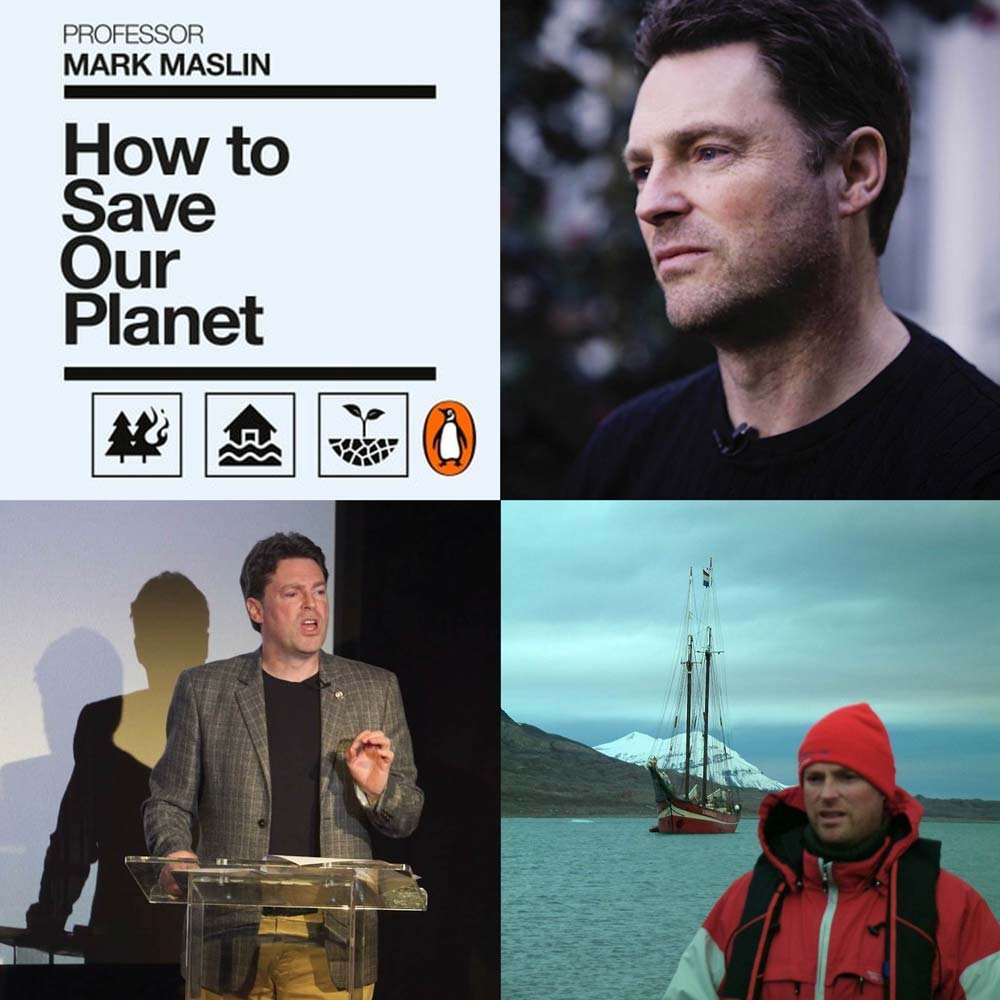
MARK MASLIN - Author of How To Save Our Planet: The Facts - Professor, Earth System Science, University College London
Can we imagine a world where we leave half the earth to the natural environment and use the other half for ourselves? Can we change history and protect the Indigenous, the vulnerable, and the very poorest in society?Mark Maslin is a Professor of Earth System Science at University College London. Maslin is a leading expert in understanding the anthropocene and how it relates to the major challenges facing humanity in the 21st century. He has written a number of books on the issue of climate change, his most book is How to Save Our Planet: The Facts."I think the most important thing is realizing how much impact humans have had on the planet. For example, did you know that we move more rock and sediment than all the natural processes put together? We also have created enough concrete already to cover the whole world in a layer that's two millimeters thick, and that includes the oceans. We have also created and make something like 300 million tons of plastic every single year, which we know ends up in our rivers. It ends up in our oceans. And we've also found that microplastics have been found in human blood. So this is the impact we're having all around the world. We've also cut down 3 trillion trees, that's half the trees on the planet. We have doubled carbon dioxide in the atmosphere. We've increased methane by about 150%, which has led to a warming of the planet of about 1.2 degrees Celsius. And If you weigh the land mammals, 30% of that weight is us humans. There are 8 billion of us, and I have to say a few of us could lose a few pounds, but 67% of that weight is our livestock. And just 3% is those wild animals. So in less than 5,000 years, we've gone from 99% being wild animals to less than 3%. That's how much impact we humans have had on the planet."www.geog.ucl.ac.uk/people/academic-staff/mark-maslinwww.penguin.co.uk/books/320155/how-to-save-our-planet-by-maslin-mark/9780241472521www.creativeprocess.info www.oneplanetpodcast.org IG www.instagram.com/creativeprocesspodcastAll images courtesy of Mark Maslin
SCOTT TEW - VP of Sustainability, Trane Technologies & Managing Director, Center for Energy Efficiency & Sustainability
The time to start looking into tomorrow is now.Scott Tew is the leader of the Center for Energy Efficiency & Sustainability at Trane Technologies (CEES) and is responsible for forward-looking sustainability initiatives aimed at transitioning to more efficient and climate-friendly solutions and minimizing resource use within company facilities. Trane’s smart solutions support many of the challenges businesses, buildings, and the transport sector face in the fight to decarbonize our future, which we will continue to face in the decades ahead. Scott serves as a thought leader in linking public policy, economic impacts and a value-stream approach to sustainability. His efforts have led to the development of world-class initiatives, including introduction of the company’s comprehensive 2030 Sustainability Commitments with the largest customer-facing corporate commitment to combat climate change with the Gigaton Challenge; and as a pioneer in integrated reporting.Scott holds graduate and undergraduate degrees in environmental science and ecology from Livingston University. He serves on the Advisory Council of the Corporate Eco Forum; as the board chair of the World Environment Center; and as the chair of the US Business Council for Sustainable Development (USBCSD). www.tranetechnologies.com https://blog.tranetechnologies.com/en/home/author/scott-tew.htmlSeason 2 of Business & Society focuses on Leaders, Sustainability & Environmental Solutions Business & Society is a limited series co-hosted by Bruce Piasecki & Mia Funk www.oneplanetpodcast.org
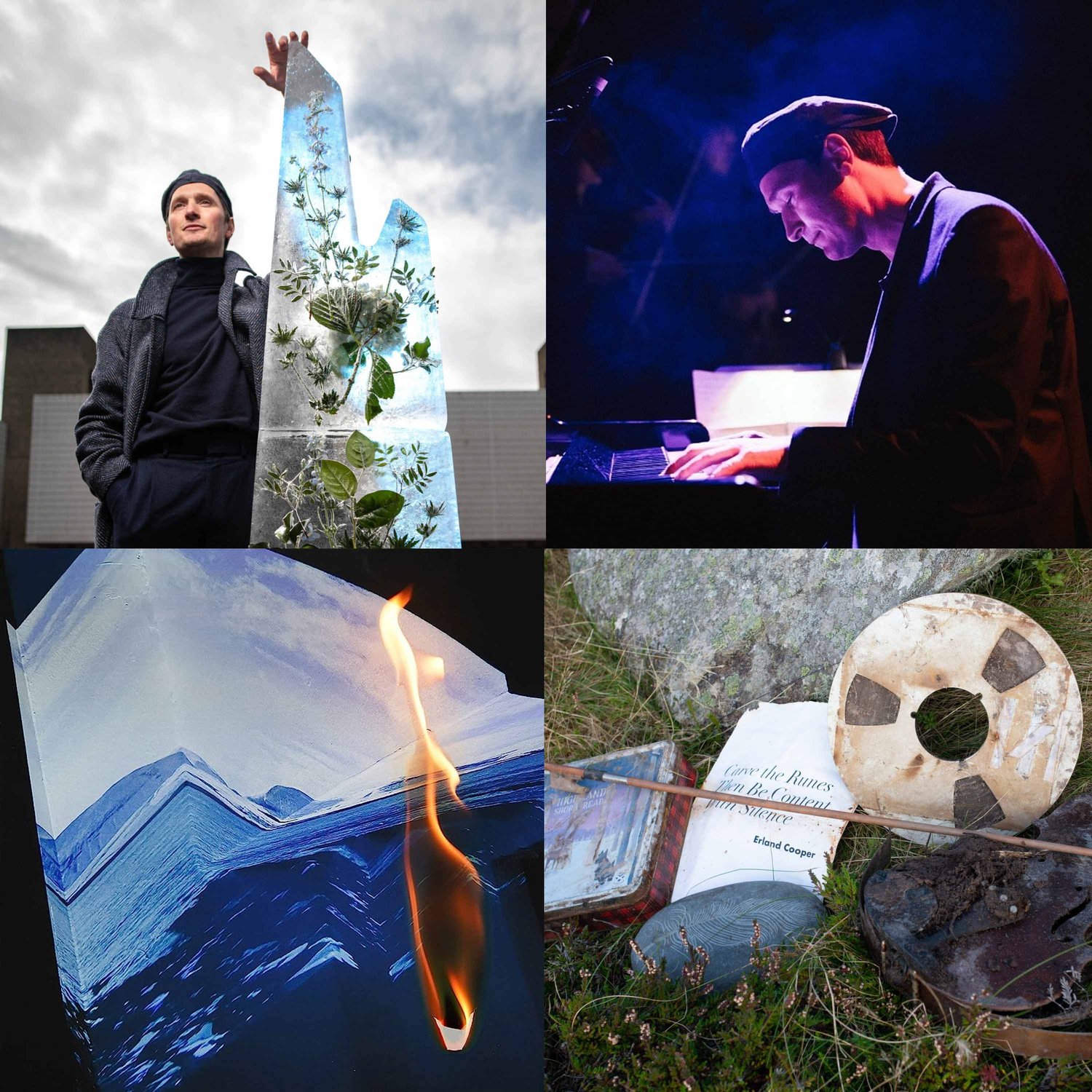
Highlights - Erland Cooper - Scottish Composer, Producer, Multi-instrumentalist
"I often feel that a lot of facts surrounding the science of climate change and how arguments are presented can be very overwhelming to most people. And people tend to often switch off after a point. But I think what the arts and music can do in particular is they can make humans feel something for a moment. And it's when you feel something that you tend to make instinctive decisions about how you might change, how you might go about the rest of your day, how you might make decisions that might affect other people. And the arts in particular. This is a very potent method of doing that."How has music transported you? Where do you find inspiration from the natural world? Where do you find moments of every day magic? Erland Cooper is a Scottish composer, producer, and multi-instrumentalist from Stromness, Orkney. He has released three acclaimed studio albums, four additional companion albums, and multiple EPs, including a trilogy of work inspired by his childhood home. His work combines field recordings with traditional orchestration and contemporary electronic elements. Through music words and cinematography, he explores landscape, memory, and identity. Cooper also works across mixed media projects, including installation, art, theater, and film. He is widely known for burying the only existing copy of the master tape of his first classical album in Scotland, deleting all digital files, and leaving only a treasure hunt of clues for fans and his record label alike to search for it. The tape has recently been found.www.erlandcooper.comwww.creativeprocess.info www.oneplanetpodcast.orgIG www.instagram.com/creativeprocesspodcast