Sustainability, Climate Change, Renewable Energy, Politics, Activism, Biodiversity, Carbon Footprint, Wildlife, Regenerative Agriculture, Circular Economy, Extinction, Net-Zero · One Planet Podcast
571 episodes — Page 10 of 12
KYLE HARPER
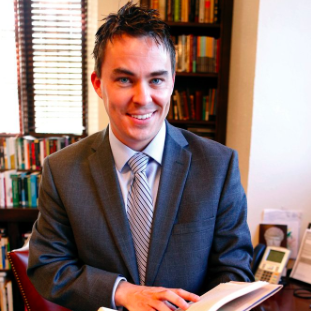
Kyle Harper is the G.T. and Libby Blankenship Chair in the History of Liberty, Professor of Classics and Letters, Senior Advisor to the President, and Provost Emeritus at the University of Oklahoma. Harper’s fourth book, Plagues upon the Earth: Disease and the Course of Human History, is a global history of infectious disease spanning from human origins to COVID-19. It tells the story of humanity’s long and distinctive struggle with pathogenic microbes. His scholarly works use natural sciences, social sciences, and humanities to deepen our understanding of human expansion as a planetary force. · www.kyleharper.net · https://www.amazon.com/Plagues-upon-Earth-Princeton-Economic/dp/069119212X/ref=tmm_hrd_swatch_0?_encoding=UTF8&qid=1629378421&sr=8-1 · www.oneplanetpodcast.org · www.creativeprocess.info
(Highlights) CLAUDIA BUENO
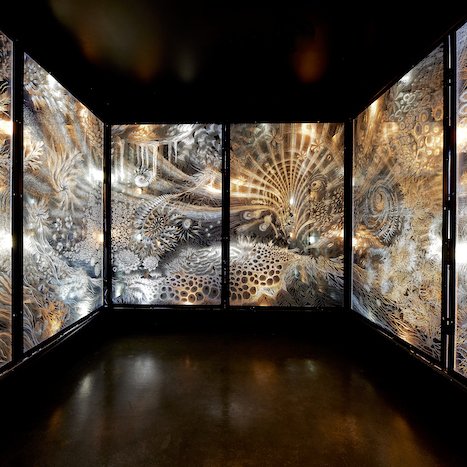
“Nature is my home because. It doesn't matter where I am. It’s available and it's there and it's always giving me the same sort of nourishment. All of us have had to develop a sense of home elsewhere. With me in particular, I've been traveling and living in different countries for the last 20 years since I was 22, so it's not even that I've had a geographical place that is my new home because I've moved around every four years. I'm in a new place a new community and new friends, so nature is my home.”Claudia Bueno is an internationally recognized Venezuela born artist renowned for creating immersive technological wonders using light, sculpture, painting and sound. Claudia creates large scale, multi-sensory experiences that communicate a profound sense of wonderment and awe. Lights, motors, wind, and video power her creations with pulsations and movements. Detailed drawings, meticulous cutouts and elaborate structures leave evidence of the intimate dedication the artist has with her work. Claudia fills her art with a quality of mystical curiosity that mirrors her personal fascination with Energy, Consciousness and Nature - ultimately transforming her art into a celebration of Life and Creation.· www.claudiabueno.com · www.creativeprocess.info· www.oneplanetpodcast.orgPhoto credit: Laurent Velazquez, "Pulse" Meow Wolf Las VegasInstagram @ClaudiaBuenoArt
CLAUDIA BUENO
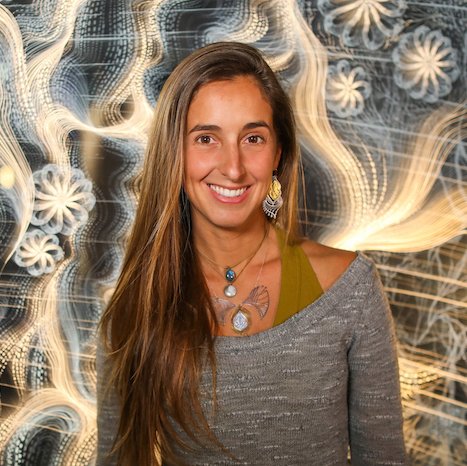
Claudia Bueno is an internationally recognized Venezuela born artist renowned for creating immersive technological wonders using light, sculpture, painting and sound. Claudia creates large scale, multi-sensory experiences that communicate a profound sense of wonderment and awe. Lights, motors, wind, and video power her creations with pulsations and movements. Detailed drawings, meticulous cutouts and elaborate structures leave evidence of the intimate dedication the artist has with her work. Claudia fills her art with a quality of mystical curiosity that mirrors her personal fascination with Energy, Consciousness and Nature - ultimately transforming her art into a celebration of Life and Creation.· www.claudiabueno.com · www.creativeprocess.info· www.oneplanetpodcast.orgPhoto credit: Morris Weintraub
(Highlights) GAURAV GUPTA
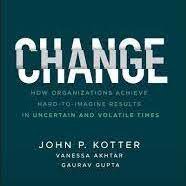
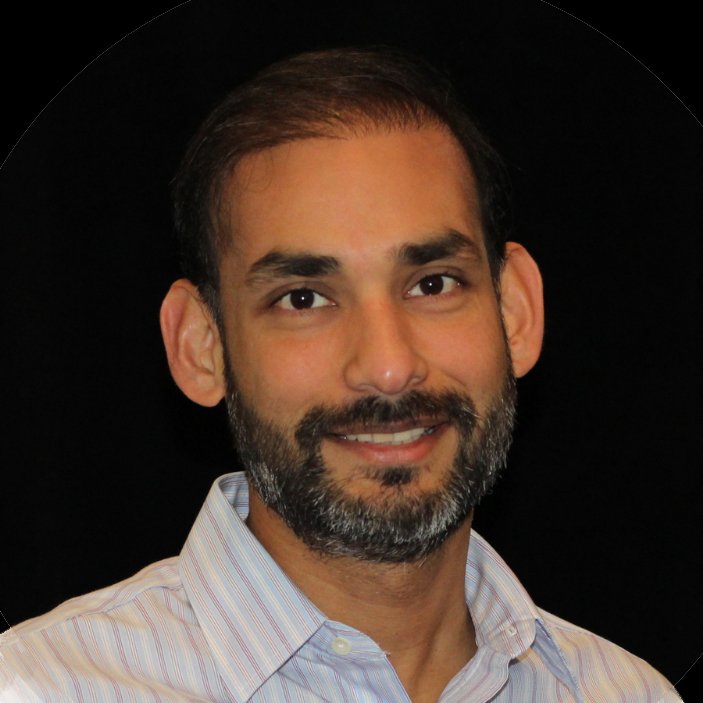
“How do you get people to have a sense of urgency to actually take action and do something different? What we're finding is the learnings from business very much do apply to other spheres and also more generally to challenges like climate change. We’re facing the question of how do you get more people to actually be willing to take real meaningful action.”Gaurav Gupta is Director of Kotter International · Change Management & Strategy Execution and co-author of Change: How Organizations Achieve Hard to Imagine Results in Uncertain & Volatile Times. He translates strategy into implementation and develops learning-focused teams. Gaurav has worked with clients in industries as diverse as food and beverage, oil and energy, healthcare, chemicals, and finance. Gaurav draws on his extensive global (having worked in over 10 countries) and diverse functional experience in collaborating with business leaders to develop and implement effective transformation efforts. Gaurav lead the operations for the European office of Stroud International, a management and operations consulting firm. He combines his passion for international development and education in serving as an executive board member for a non-profit, Medic to Medic, that sponsors medical students in Uganda and Malawi. Gaurav holds a Bachelor of Arts in Physics from Middlebury College and a Master of Science in Aerospace Engineering from Cornell University.· https://www.kotterinc.com/team/gaurav-gupta/· www.kotterinc.com· www.creativeprocess.info· www.oneplanetpodcast.org
GAURAV GUPTA
Gaurav Gupta is Director of Kotter International · Change Management & Strategy Execution and co-author of Change: How Organizations Achieve Hard to Imagine Results in Uncertain & Volatile Times. He translates strategy into implementation and develops learning-focused teams. Gaurav has worked with clients in industries as diverse as food and beverage, oil and energy, healthcare, chemicals, and finance. Gaurav draws on his extensive global (having worked in over 10 countries) and diverse functional experience in collaborating with business leaders to develop and implement effective transformation efforts. Gaurav lead the operations for the European office of Stroud International, a management and operations consulting firm. He combines his passion for international development and education in serving as an executive board member for a non-profit, Medic to Medic, that sponsors medical students in Uganda and Malawi. Gaurav holds a Bachelor of Arts in Physics from Middlebury College and a Master of Science in Aerospace Engineering from Cornell University.· https://www.kotterinc.com/team/gaurav-gupta/· www.kotterinc.com· www.creativeprocess.info· www.oneplanetpodcast.org
(Highlights) RICHARD D. WOLFF
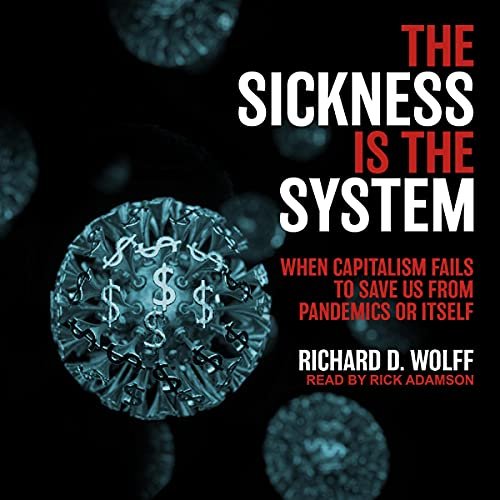
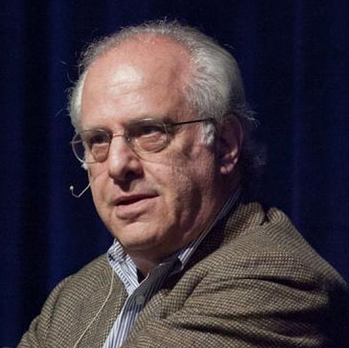
“You can criticize many things in the United States, but there are taboos and the number one taboo is that you cannot criticize Capitalism. That is equated with disloyalty…This story about Capitalism being wonderful. This story is fading. You can’t do that anymore. The Right Wing cannot rally its troops around Capitalism. That’s why it doesn’t do it anymore. It rallies the troops around being hateful towards immigrants. It rallies the troops around “fake elections”, around the right to buy a gun, around White Supremacists. Those issues can get some support, but “Let’s get together for Capitalism!” That is bad. They can’t do anything with that. They have to sneak the Capitalism in behind those other issues because otherwise, they have no mass political support.”Richard D. Wolff is Founder of Democracy at Work and host of the show Economic Update. Professor of Economics Emeritus, University of Massachusetts, Amherst where he taught economics from 1973 to 2008. He is currently a Visiting Professor in the Graduate Program in International Affairs of the New School University, New York City. Earlier he taught economics at Yale University (1967-1969) and at the City College of the City University of New York (1969-1973). In 1994, he was a Visiting Professor of Economics at the University of Paris (France), I (Sorbonne). Wolff was also regular lecturer at the Brecht Forum in New York City. He is the author of The Sickness is the System: When Capitalism Fails to Save Us from Pandemics or Itself.· www.rdwolff.com· www.democracyatwork.info· www.creativeprocess.info· www.oneplanetpodcast.org
RICHARD D. WOLFF
Richard D. Wolff is Founder of Democracy at Work and host of the show Economic Update. Professor of Economics Emeritus, University of Massachusetts, Amherst where he taught economics from 1973 to 2008. He is currently a Visiting Professor in the Graduate Program in International Affairs of the New School University, New York City. Earlier he taught economics at Yale University (1967-1969) and at the City College of the City University of New York (1969-1973). In 1994, he was a Visiting Professor of Economics at the University of Paris (France), I (Sorbonne). Wolff was also regular lecturer at the Brecht Forum in New York City. He is the author of The Sickness is the System: When Capitalism Fails to Save Us from Pandemics or Itself.· www.rdwolff.com· www.democracyatwork.info · www.creativeprocess.info· www.oneplanetpodcast.org
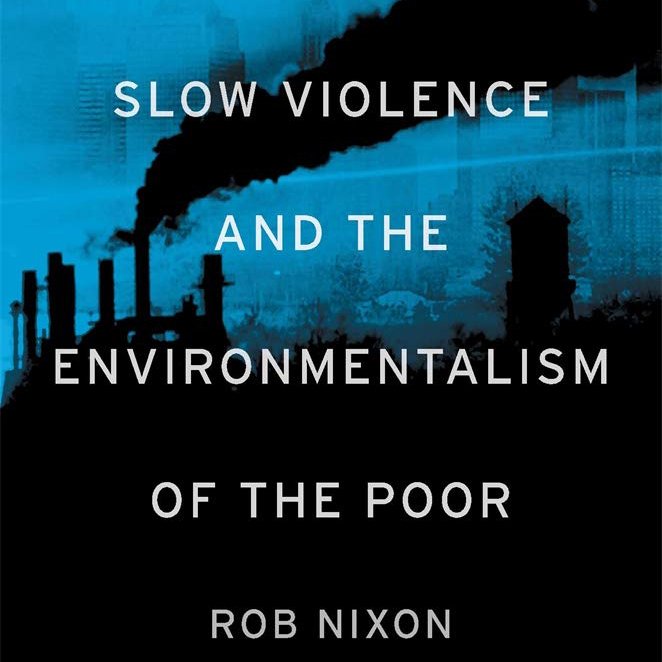
(Highlights) ROB NIXON
“There are some recurrent threads in indigenous cultures across the world. One of those is–We don’t own the land. The land owns us. It’s not seen as property first. It’s seen as inalienable in that sense because you don’t own it in the first place. What we’re seeing now is a kind of movement where more and more indigenous people are living kind of amphibious lives. On the one hand, they have their indigenous cosmologies. And the other hand, in order to increase the likelihood that they can keep out big corporations, mining, logging, and so forth, their presence on the land needs to be bureaucratically recognised is to have recognition that “this is your property.” So in one sense many of these communities I find are both inside and outside private property regimes.”Rob Nixon is a nonfiction writer and the Barron Family Professor in Environmental Humanities at Princeton University. He is the author of four books, most recently Slow Violence and the Environmentalism of the Poor. Nixon is currently writing a book on environmental martyrs and the defense of the great tropical forests.He writes frequently for the New York Times. His writing has also appeared in The New Yorker, Atlantic Monthly, The Guardian, The Nation, London Review of Books, The Village Voice, Aeon and elsewhere. Much of his writing engages environmental justice struggles in the global South. He has a particular interest in understanding the roles that artists can play in effecting change at the interface with social movements.· english.princeton.edu/people/rob-nixon· www.oneplanetpodcast.org · www.creativeprocess.info
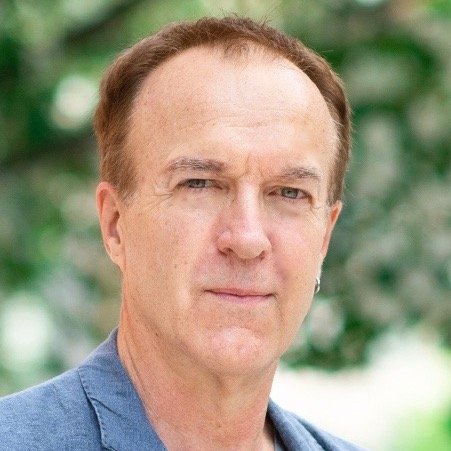
ROB NIXON
Rob Nixon is a nonfiction writer and the Barron Family Professor in Environmental Humanities at Princeton University. He is the author of four books, most recently Slow Violence and the Environmentalism of the Poor. Nixon is currently writing a book on environmental martyrs and the defense of the great tropical forests.He writes frequently for the New York Times. His writing has also appeared in The New Yorker, Atlantic Monthly, The Guardian, The Nation, London Review of Books, The Village Voice, Aeon and elsewhere. Much of his writing engages environmental justice struggles in the global South. He has a particular interest in understanding the roles that artists can play in effecting change at the interface with social movements.· english.princeton.edu/people/rob-nixon· www.oneplanetpodcast.org · www.creativeprocess.info
(Highlights) ROB PRINGLE
“For nature and natural beauty to survive, people have to want it. If they don’t ever experience it, why should they want it? What could you see of value in it, something that you not only have never experienced but don’t ever expect to. We intellectually know that the Amazon is an important thing because it stores carbon and it’s home to many species, but I’ve been there. That’s a different thing entirely to be able to appreciate it on that level and care about it for the sheer beauty and magic and joy of being in a place that’s still so big and so wild. So that I think is the most important thing for the next generation.”Rob Pringle is a professor of ecology, biodiversity, and conservation at Princeton University. He’s fascinated by nearly all facets of ecology and conservation and his research in his lab addresses a correspondingly broad sweep of questions. His work on these questions is motivated by curiosity. The questions are united by a single goal: to understand how wild ecosystems work by studying their modular components and emergent properties.· https://pringle.princeton.edu· www.oneplanetpodcast.org · www.creativeprocess.info
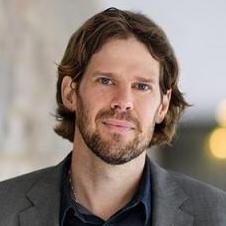
ROB PRINGLE
Rob Pringle is a professor of ecology, biodiversity, and conservation at Princeton University. He’s fascinated by nearly all facets of ecology and conservation and his research in his lab addresses a correspondingly broad sweep of questions. His work on these questions is motivated by curiosity. The questions are united by a single goal: to understand how wild ecosystems work by studying their modular components and emergent properties.· https://pringle.princeton.edu· www.oneplanetpodcast.org · www.creativeprocess.info
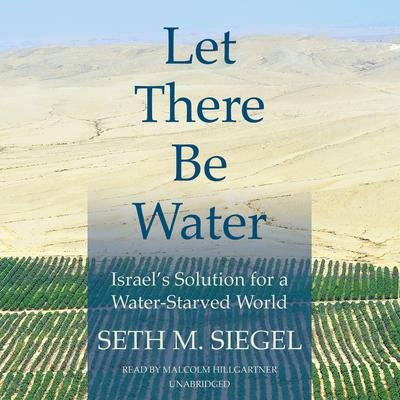
(Highlights) SETH M. SIEGEL
“On average in advanced societies, about 70% of freshwater that’s consumed is consumed by agriculture. In less developed countries, sometimes as high as 95% of the freshwater goes to agriculture, which means that you’re depleting the amount of water available for the environment. You’re depleting amount of groundwater to preserve for the future, especially in dry times, and it creates a stress for the future…What are you going to do when you have hundreds of millions of water refugees coming from places where there used to be enough water where there’s now just not enough water? What is the world going to do then?”Seth is a lawyer, activist, entrepreneur, public speaker and New York Times Bestselling Author. He is an expert in water management and conservation. His first book Let There Be Water: Israel’s Solution for a Water-Starved World talks about how a government in one of the driest regions in the world revolutionised water managed. His second book Troubled Water: What's Wrong with What We Drink, presented an ambitious agenda for a fundamental rethinking of America’s drinking water system. Seth’s most recent book, Other People's Words: Wisdom for an Inspired and Productive Life.His essays have appeared in The New York Times, The Wall Street Journal, the Los Angeles Times, the Washington Post, and in leading publications in Europe and Asia. Seth is a Senior Fellow at the University of Wisconsin’s Center for Water Policy, and is also a member of the Council on Foreign Relations. Seth is a widely sought-after speaker, having spoken hundreds of times on water and other issues throughout the US and around the world. Among the places he has spoken include the US Congress, the United Nations, the World Bank, Davos and at Google’s headquarters, and on more than 40 college campuses, including Harvard, MIT, Princeton, Yale, and Stanford. Seth is the co-founder of several companies, including Beanstalk, the world’s leading trademark brand extension company, which he sold to Ford Motor Company. He was also a Producer of the Tony Award-nominated Broadway revival of Man of La Mancha. Seth sits on the board of several not-for-profit organizations. All of the royalties from sales of Seth’s books are donated to charity.· http://sethmsiegel.com· www.oneplanetpodcast.org · www.creativeprocess.info
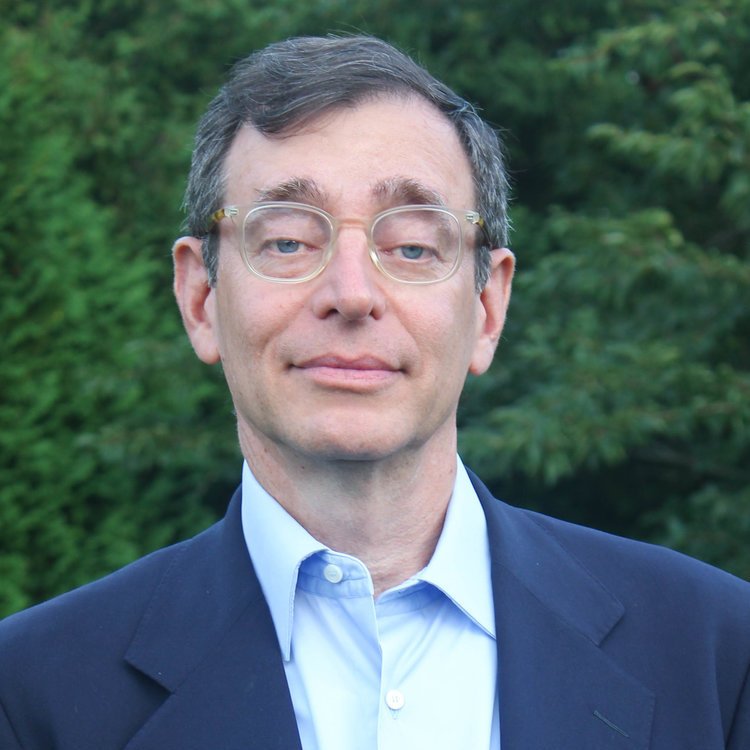
SETH M. SIEGEL
Seth is a lawyer, activist, entrepreneur, public speaker and New York Times Bestselling Author. He is an expert in water management and conservation. His first book Let There Be Water: Israel’s Solution for a Water-Starved World talks about how a government in one of the driest regions in the world revolutionised water managed. His second book Troubled Water: What's Wrong with What We Drink, presented an ambitious agenda for a fundamental rethinking of America’s drinking water system. Seth’s most recent book, Other People's Words: Wisdom for an Inspired and Productive Life.His essays have appeared in The New York Times, The Wall Street Journal, the Los Angeles Times, the Washington Post, and in leading publications in Europe and Asia. Seth is a Senior Fellow at the University of Wisconsin’s Center for Water Policy, and is also a member of the Council on Foreign Relations. Seth is a widely sought-after speaker, having spoken hundreds of times on water and other issues throughout the US and around the world. Among the places he has spoken include the US Congress, the United Nations, the World Bank, Davos and at Google’s headquarters, and on more than 40 college campuses, including Harvard, MIT, Princeton, Yale, and Stanford. Seth is the co-founder of several companies, including Beanstalk, the world’s leading trademark brand extension company, which he sold to Ford Motor Company. He was also a Producer of the Tony Award-nominated Broadway revival of Man of La Mancha. Seth sits on the board of several not-for-profit organizations. All of the royalties from sales of Seth’s books are donated to charity.· http://sethmsiegel.com · www.creativeprocess.info· www.oneplanetpodcast.org
(Highlights) BRIAN WILCOX
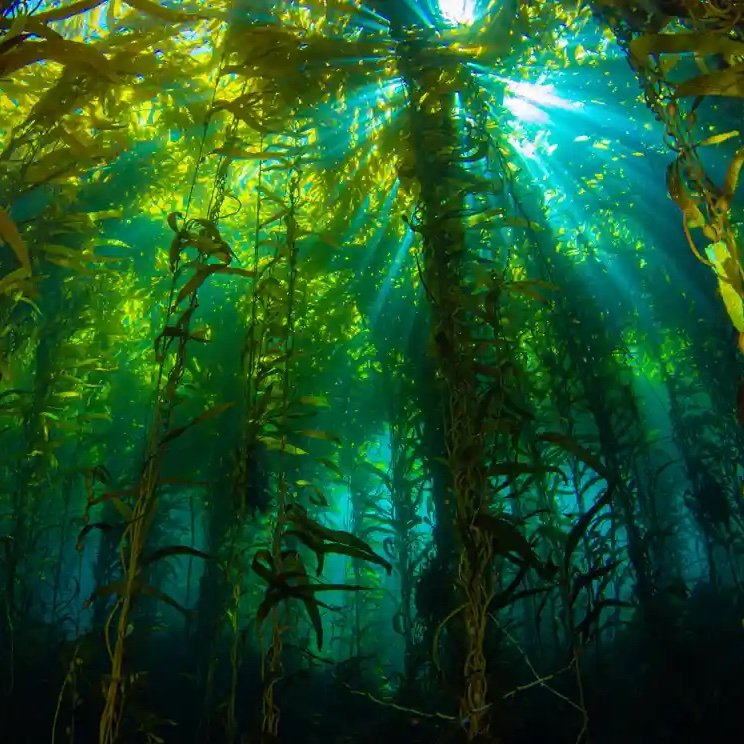
“The kelp plant itself can grow to 30 meters easily, and sometimes 40 meters, so it’s a huge plant…When people look around the world today, seeing the news, making the world a better place is getting increasingly important. People have to pay attention to what they can do as individuals to make the world a better place. The world is not going to become a good place on its own. If there weren’t for thousands and millions of people, phenomenal sacrifices that people make. When you see what some people do and the risks they take. I have basically found my job for the remaining years that I have on the earth to try to make the world a better place.”Brian Wilcox is the chief engineer and co-founder of Marine BioEnergy, Inc. Marine BioEnergy was founded to grow plants in the open ocean to provide carbon-neutral fuels so that eventually fossil fuel use can be eliminated. Previously, Brian spent 38 years at the Jet Propulsion Laboratory working on robots for planetary exploration and other extreme environments. At NASA, he was the Supervisor of the Robotic Vehicles Group for over 20 years, and Manager of the Space Robotics Technology Program for another nearly 15 years.· www.marinebiomass.com· www.oneplanetpodcast.org · www.creativeprocess.info
BRIAN WILCOX
Brian Wilcox is the chief engineer and co-founder of Marine BioEnergy, Inc. Marine BioEnergy was founded to grow plants in the open ocean to provide carbon-neutral fuels so that eventually fossil fuel use can be eliminated. Previously, Brian spent 38 years at the Jet Propulsion Laboratory working on robots for planetary exploration and other extreme environments. At NASA, he was the Supervisor of the Robotic Vehicles Group for over 20 years, and Manager of the Space Robotics Technology Program for another nearly 15 years.· www.marinebiomass.com· www.oneplanetpodcast.org · www.creativeprocess.info
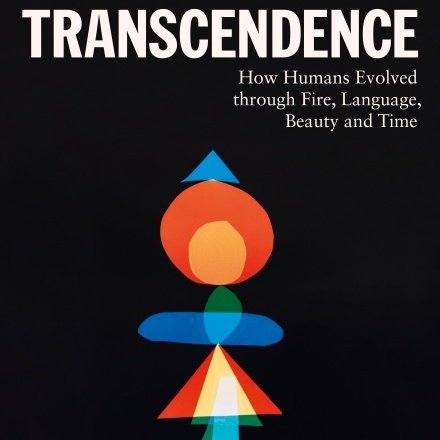
(Highlights) GAIA VINCE
“The good thing about our species is that we create our own environment. What we’ve been doing so far is creating an environment where we’re much more successful. We live a lot longer, we’re much healthier than we have been in the past. There are many, many more of us, so we’re very successful as a species and that’s been at the expense of other ecosystems, but what’s happened is we are now dominating the planet to a dangerous degree, but we are also self-aware. We’re capable of understanding that.”Gaia Vince is a science writer and broadcaster interested in the interplay between humans and the planetary environment. She has held senior editorial posts at Nature and New Scientist, and her writing has featured in newspapers and magazines including the Guardian, The Times and Scientific American. She also writes and presents science programmes for radio and television. Her research takes her across the world: she has visited more than 60 countries, lived in three and is currently based in London. In 2015, she became the first woman to win the Royal Society Science Book of the Year Prize solo for her debut, Adventures in the Anthropocene: A Journey to the Heart of the Planet We Made. She is author of Transcendence: How Humans Evolved Through Fire, Language, Beauty & Time.· www.oneplanetpodcast.org · www.creativeprocess.info
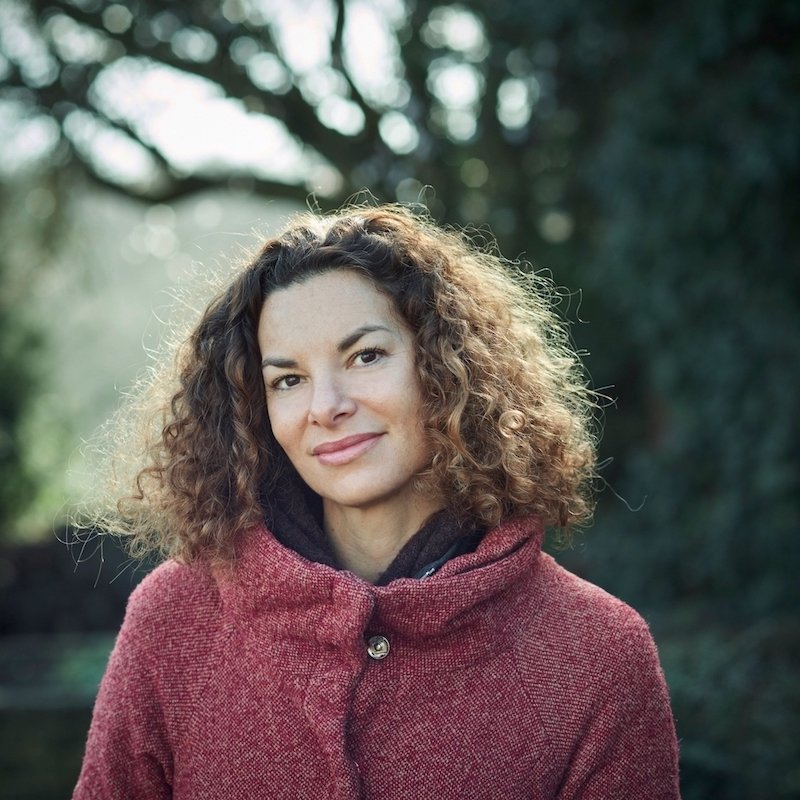
GAIA VINCE
Gaia Vince is a science writer and broadcaster interested in the interplay between humans and the planetary environment. She has held senior editorial posts at Nature and New Scientist, and her writing has featured in newspapers and magazines including the Guardian, The Times and Scientific American. She also writes and presents science programmes for radio and television. Her research takes her across the world: she has visited more than 60 countries, lived in three and is currently based in London. In 2015, she became the first woman to win the Royal Society Science Book of the Year Prize solo for her debut, Adventures in the Anthropocene: A Journey to the Heart of the Planet We Made. She is author of Transcendence: How Humans Evolved Through Fire, Language, Beauty & Time. · www.wanderinggaia.com· www.oneplanetpodcast.org · www.creativeprocess.info
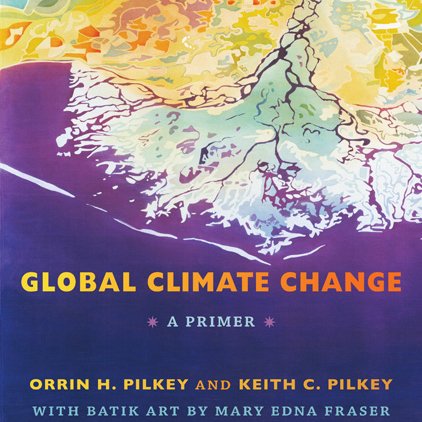
(Highlights) MARY EDNA FRASER & ORRIN H. PILKEY
"I think any time we are closer to the earth, we can feel the struggles of other human beings as well. I encourage young women to find whatever it is they are passionate about and invest their entire soul in it and go for it! Because you’ll be happy if you’re passionate about your work." –Mary Edna Fraser"Southern Africa, south of the Sahara, they’re expecting within this century 200 million climate refugees. Where are they going to go? Who wants those refugees. We have the same thing happening in Central America. Where are they going to go? All over the world, we’re seeing because of climate change we’re seeing vast changes affecting all aspects of society. It’s very worrisome and that’s something that we’ve not been able to face politically. We need to do that.” – Orrin H. PilkeyDuke University Professor Emeritus Orrin H. Pilkey is one of the rare academics who engages in public advocacy about science-related issues. His collaborator, Mary Edna Fraser, is an artist who highlights environmental concerns in large silk batiks and oils. They are the co-authors of A Celebration of the World’s Barrier Islands and Global Climate Change: A Primer. Their traveling exhibits, “Our Expanding Oceans” and “Shifting East Coast Barrier Islands” creatively merge science and art.· www.maryedna.com· www.deleteapathy.com· https://sites.nicholas.duke.edu/orrinpilkey · www.creativeprocess.info· www.oneplanetpodcast.org
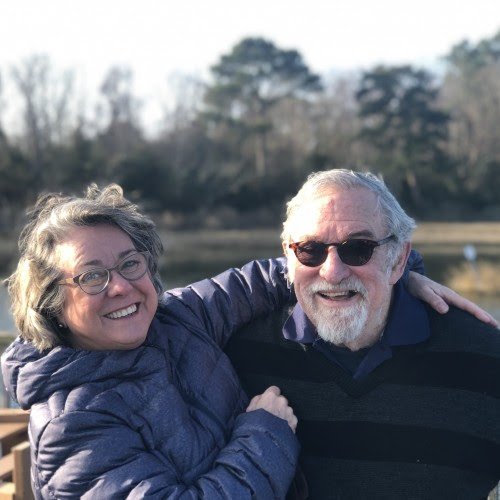
MARY EDNA FRASER & ORRIN H. PILKEY
Duke University Professor Emeritus Orrin H. Pilkey is one of the rare academics who engages in public advocacy about science-related issues. His collaborator, Mary Edna Fraser, is an artist who highlights environmental concerns in large silk batiks and oils. They are the co-authors of A Celebration of the World’s Barrier Islands and Global Climate Change: A Primer. Their traveling exhibits, “Our Expanding Oceans” and “Shifting East Coast Barrier Islands” creatively merge science and art.· www.maryedna.com· www.deleteapathy.com· https://sites.nicholas.duke.edu/orrinpilkey · www.creativeprocess.info· www.oneplanetpodcast.org
(Highlights) JANE MADGWICK
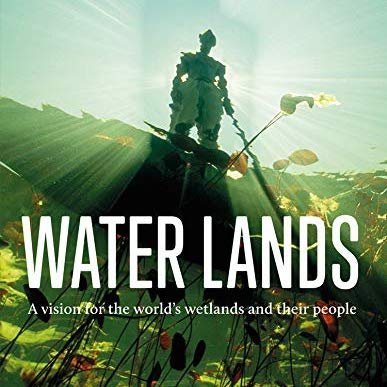
Wetlands naturally absorb twice the amount of carbon than all the world’s forests combined.“I think everybody at school learns about the water cycle. That rings a bell with everybody. Maybe this is a good hook to show the place of wetlands in capturing and purifying and the story of water. And then in turn how this links to what we’re seeing every year: droughts, floods, fires, heat waves which are devastating and life-threatening. I think this may be one of the easiest routes in educating people, connecting wetlands with water and the direct impact of that.”Jane Madgwick is an ecologist and author with 30 years of experience of working internationally on the science, policy and practice of wetlands and water management. Since 2004, she has been CEO of Wetlands International, leading a network of 20 offices operating in over 100 countries. Wetlands International works to mobilise the conservation and restoration of wetlands, connecting science, policies and practices for biodiversity, resilient communities and reduced climate risks.· www.wetlands.org · www.oneplanetpodcast.org · www.creativeprocess.info
JANE MADGWICK
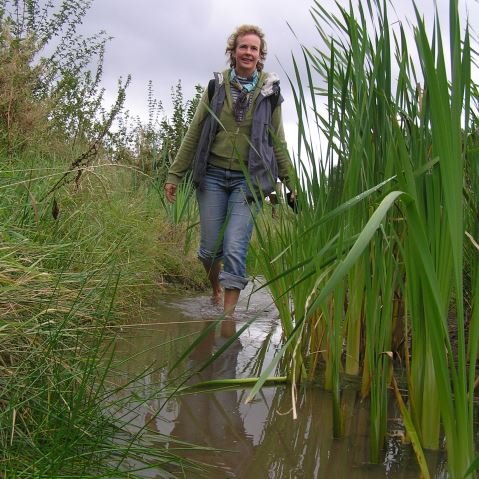
Jane Madgwick is an ecologist and author with 30 years of experience of working internationally on the science, policy and practice of wetlands and water management. Since 2004, she has been CEO of Wetlands International, leading a network of 20 offices operating in over 100 countries. Wetlands International works to mobilise the conservation and restoration of wetlands, connecting science, policies and practices for biodiversity, resilient communities and reduced climate risks.· www.wetlands.org · www.oneplanetpodcast.org · www.creativeprocess.infoPhoto by Pieter van Eijk
(Highlights) DR. JOERI ROGELJ
“A key part of how I go about doing my research is being involved in policy discussions, policy conversations, and also by following the international climate negotiations very closely. Actually, I started my research career as a part of the Presidency of the International Climate Negotiations in 2009. After that I remained an advisor to country delegations in the international negotiations, particularly small island development states or least developed countries. That really helped me to get a sense of what the real questions are that they are struggling with.”Dr. Joeri Rogelj is Director of Research at the Grantham Institute at Imperial College and also at the International Institute for Applied Systems Analysis. He studies how societies transform towards more sustainable futures, connecting Earth sciences to policy. He publishes on 1.5°C pathways, UN climate agreements, carbon budgets and net zero targets. He is a long-serving author on authoritative science assessment reports of the UN Environment Programme and Intergovernmental Panel on Climate Change.· www.imperial.ac.uk/people/j.rogelj· www.oneplanetpodcast.org · www.creativeprocess.info
DR. JOERI ROGELJ
Dr. Joeri Rogelj is Director of Research at the Grantham Institute at Imperial College and also at the International Institute for Applied Systems Analysis. He studies how societies transform towards more sustainable futures, connecting Earth sciences to policy. He publishes on 1.5°C pathways, UN climate agreements, carbon budgets and net zero targets. He is a long-serving author on authoritative science assessment reports of the UN Environment Programme and Intergovernmental Panel on Climate Change.· www.imperial.ac.uk/people/j.rogelj· www.oneplanetpodcast.org · www.creativeprocess.info
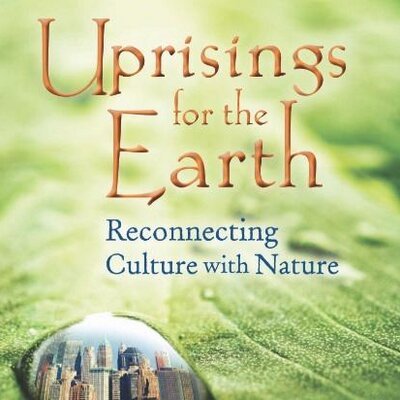
(Highlights) OSPREY ORIELLE LAKE
“There’s a wide range of reasons that we really need to understand the root causes of a lot of our social ills and environmental ills. I think we need to continue to come back to this question of how we heal this imposed divide between the natural world and human social constructs. And that healing is key to how we’re going to really unwind the perilous moment that we face right now. How do we reconnect with the natural world? Not just intellectually, but in a very embodied way.”Osprey Orielle Lake is the Founder and Executive Director of the Women's Earth and Climate Action Network (WECAN) International dedicated to accelerating a global women’s climate justice movement. She works nationally and internationally with grassroots and Indigenous leaders, policy-makers and scientists to promote climate justice, resilient communities, and a just transition to a decentralized, democratized energy future. She serves on the Executive Committee for the Global Alliance for the Rights of Nature and Osprey is the Co-Director of the Indigenous Women's Divestment Delegations, and actively leads WECAN’s advocacy, policy and campaign work in areas such as Women for Forests, Divestment and Just Transition, Indigenous Rights, a Feminist Agenda for a Green New Deal, and UN Forums. Osprey is the author of the award-winning book,"Uprisings for the Earth: Reconnecting Culture with Nature."· Global Women's Assembly for Climate Justice: Solutions from the Frontlines and the Protection and Defense of Human Rights and Nature https://www.wecaninternational.org/womens-assembly· WECAN COP26 Analysis Blog: Despite Government Failures at COP26, Peoples' Movements Continue Rising to Transform our World - https://www.wecaninternational.org/post/despite-government-failures-at-cop26-peoples-movements-continue-rising-to-transform-our-world· WECAN Programs: https://www.wecaninternational.org/our-work- WECAN Women Speak Storytelling Database: https://womenspeak.wecaninternational.org/ · Join the WECAN Network: https://www.wecaninternational.org/join-the-network· WECAN Social Media Handles:Facebook:https://www.facebook.com/WECAN.Intl/Twitter: https://twitter.com/WECAN_INTLInstagram: https://www.instagram.com/wecan_intl/· www.oneplanetpodcast.org· www.creativeprocess.info
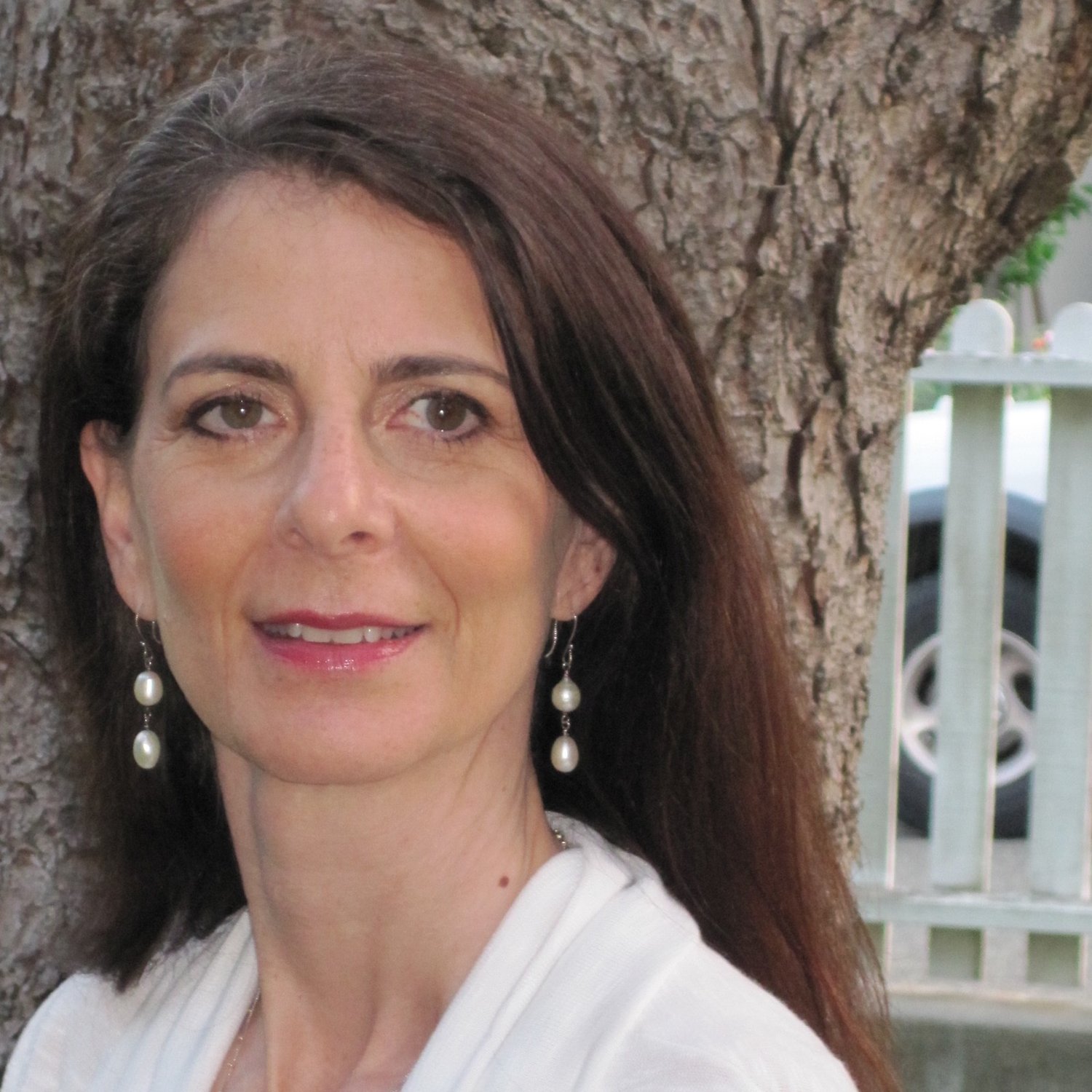
OSPREY ORIELLE LAKE
Osprey Orielle Lake is the Founder and Executive Director of the Women's Earth and Climate Action Network (WECAN) International dedicated to accelerating a global women’s climate justice movement. She works nationally and internationally with grassroots and Indigenous leaders, policy-makers and scientists to promote climate justice, resilient communities, and a just transition to a decentralized, democratized energy future. She serves on the Executive Committee for the Global Alliance for the Rights of Nature and Osprey is the Co-Director of the Indigenous Women's Divestment Delegations, and actively leads WECAN’s advocacy, policy and campaign work in areas such as Women for Forests, Divestment and Just Transition, Indigenous Rights, a Feminist Agenda for a Green New Deal, and UN Forums. Osprey is the author of the award-winning book,"Uprisings for the Earth: Reconnecting Culture with Nature."· Global Women's Assembly for Climate Justice: Solutions from the Frontlines and the Protection and Defense of Human Rights and Nature https://www.wecaninternational.org/womens-assembly· WECAN COP26 Analysis Blog: Despite Government Failures at COP26, Peoples' Movements Continue Rising to Transform our World - https://www.wecaninternational.org/post/despite-government-failures-at-cop26-peoples-movements-continue-rising-to-transform-our-world· WECAN Programs: https://www.wecaninternational.org/our-work- WECAN Women Speak Storytelling Database: https://womenspeak.wecaninternational.org/ · Join the WECAN Network: https://www.wecaninternational.org/join-the-network· WECAN Social Media Handles:Facebook:https://www.facebook.com/WECAN.Intl/Twitter: https://twitter.com/WECAN_INTLInstagram: https://www.instagram.com/wecan_intl/· www.oneplanetpodcast.org· www.creativeprocess.info
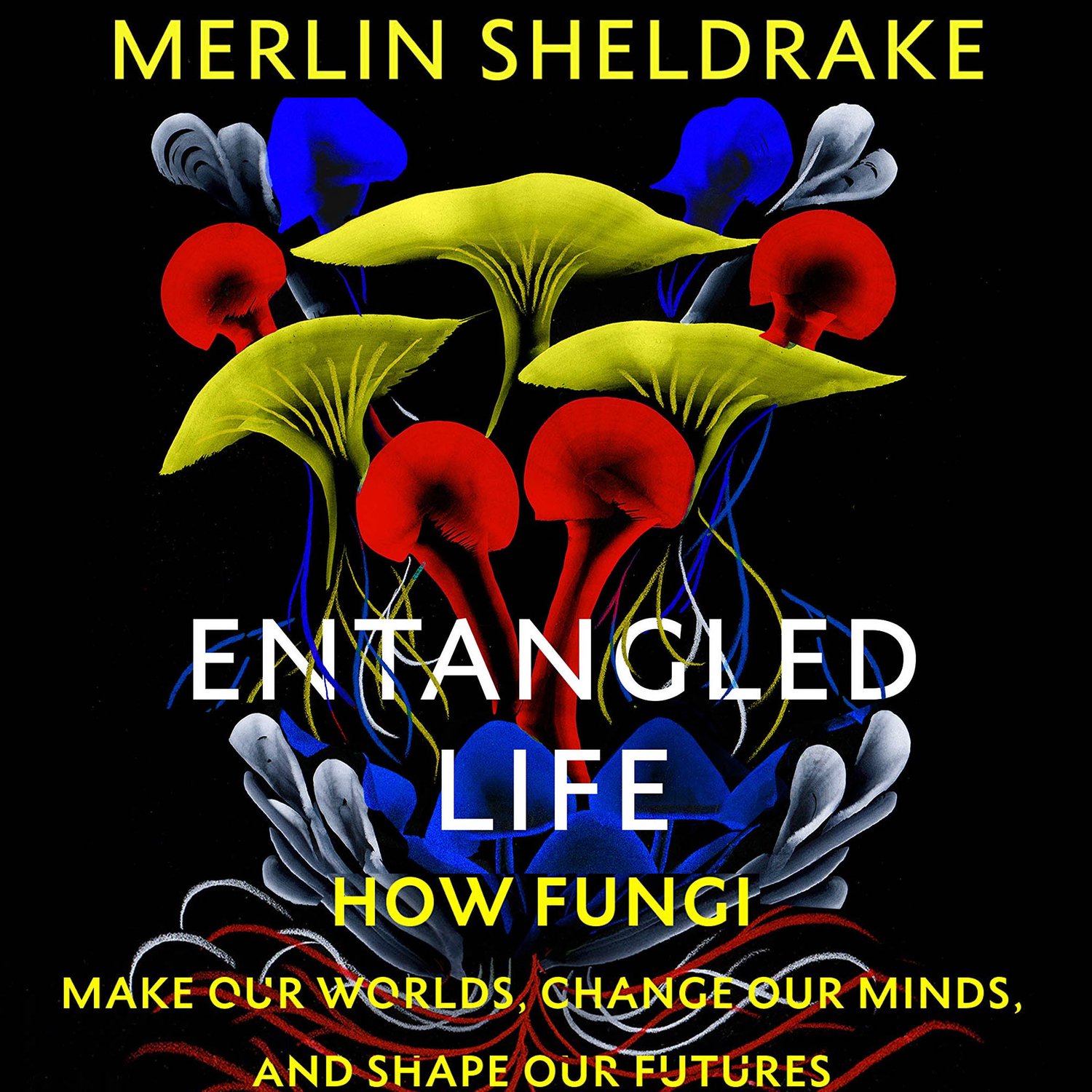
(Highlights) MERLIN SHELDRAKE
"Humans have been partnering with fungi for an unknowably long time, no doubt for longer than we’ve been humans. Whether as foods, eating mushrooms, as medicines, dosing ourselves with moulds and other mushrooms that might help, parasites or others helpers with infection, mushrooms as tinder or ways to carry a spark, this very important thing that humans needed to do for a very long time, and as agents of fermentation, as in yeasts creating alcohol. So humans have partnered with fungi to solve all sorts of problems and so fungi have found themselves enveloped within human societies and cultures for a long time."Merlin Sheldrake is a biologist and bestselling author of Entangled Life: How Fungi Make Our Worlds, Change Our Minds, and Shape Our Futures. Merlin received a Ph.D. in tropical ecology from Cambridge University for his work on underground fungal networks in tropical forests in Panama, where he was a predoctoral research fellow of the Smithsonian Tropical Research Institute. Entangled Life won the Wainwright Prize 2021, and has been nominated for a number of other prizes. Merlin is a research associate of the Vrije University Amsterdam, Head of Science and Communications Strategy for the Society for the Protection of Underground Networks, and sits on the advisory board of the Fungi Foundation. · www.merlinsheldrake.com · www.oneplanetpodcast.org · www.creativeprocess.info
MERLIN SHELDRAKE
Merlin Sheldrake is a biologist and bestselling author of Entangled Life: How Fungi Make Our Worlds, Change Our Minds, and Shape Our Futures. Merlin received a Ph.D. in tropical ecology from Cambridge University for his work on underground fungal networks in tropical forests in Panama, where he was a predoctoral research fellow of the Smithsonian Tropical Research Institute. Entangled Life won the Wainwright Prize 2021, and has been nominated for a number of other prizes. Merlin is a research associate of the Vrije University Amsterdam, Head of Science and Communications Strategy for the Society for the Protection of Underground Networks, and sits on the advisory board of the Fungi Foundation. · www.merlinsheldrake.com · www.oneplanetpodcast.org · www.creativeprocess.info
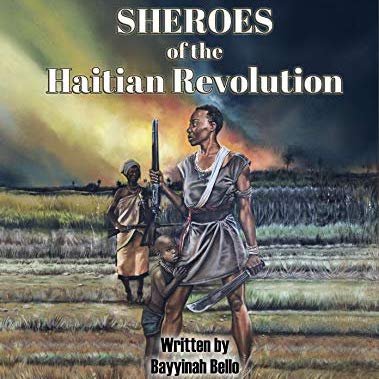
(Highlights) PROF. BAYYINAH BELLO
Professor Bayyinah Bello is a Afrodescendant Ourstorian, Educator, Writer and Humanitarian. With over 50 years of wisdom and extensive research, Professor Bello specializes in Ayitian Ourstory and linguistics. She has taught in many parts of Africa, Ayiti, and America from the primary to the university level, including the State University of Haiti. She is the founder of Fondation Marie-Claire Heureuse Félicité Bonheur Dessalines, popularly known as FONDASYON FELICITEE (FF), named after the Empress consort of Ayiti and wife of the revolutionary leader and founder of Ayiti (Hayti, Empire of Freedom), Jean-Jacques Dessalines, Emperor 1st of Hayti. As an author she publishes in Ayitian, English and French. Her latest work, Sheroes of the Haitian Revolution, highlights the lives of ten women in the Ayitian Ourstory who played a significant role in the nation’s journey to freedom. Professor Bello is based in Ayiti and serves as advisor to key eldership councils. · www.marugekundi.org/SHEROES · www.oneplanetpodcast.org · www.creativeprocess.infoSong credit: Jean Amédé Caze
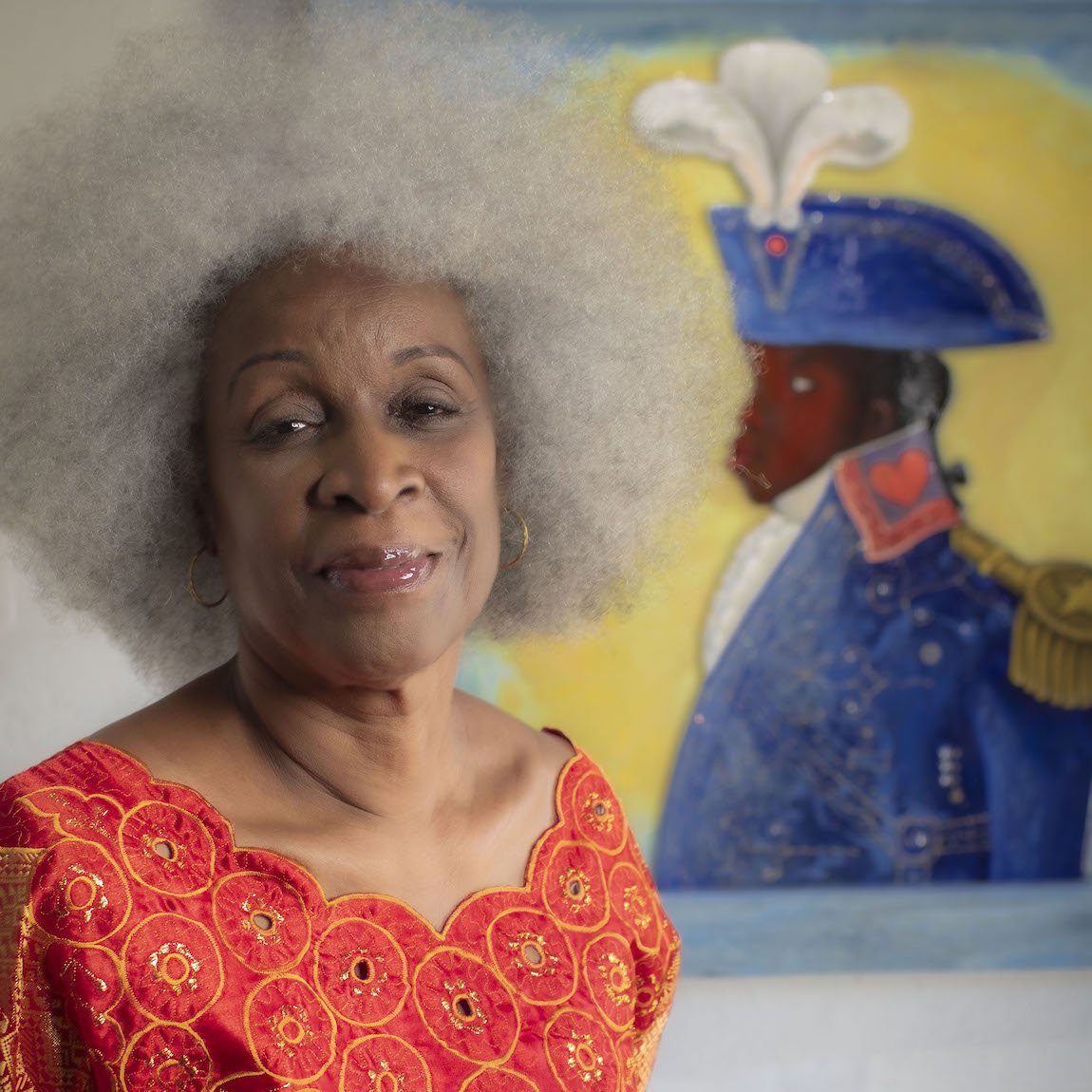
PROF. BAYYINAH BELLO
Professor Bayyinah Bello is a Afrodescendant Ourstorian, Educator, Writer and Humanitarian. With over 50 years of wisdom and extensive research, Professor Bello specializes in Ayitian Ourstory and linguistics. She has taught in many parts of Africa, Ayiti, and America from the primary to the university level, including the State University of Haiti. She is the founder of Fondation Marie-Claire Heureuse Félicité Bonheur Dessalines, popularly known as FONDASYON FELICITEE (FF), named after the Empress consort of Ayiti and wife of the revolutionary leader and founder of Ayiti (Hayti, Empire of Freedom), Jean-Jacques Dessalines, Emperor 1st of Hayti. As an author she publishes in Ayitian, English and French. Her latest work, Sheroes of the Haitian Revolution, highlights the lives of ten women in the Ayitian Ourstory who played a significant role in the nation’s journey to freedom. Professor Bello is based in Ayiti and serves as advisor to key eldership councils. · www.marugekundi.org/SHEROES · www.oneplanetpodcast.org · www.creativeprocess.infoSong credit: Jean Amédé Caze
(Highlights) DR. FARHANA SULTANA
“We are always students. We are students of the earth. We need to do better and we can do better because the capacity of the human spirit is quite expansive and we owe it to future generations to do the best we can do while we can…It’s about who is at the table or rather what is the table, meaning what are the terms of the debate. Setting the terms of the debate, but how do we even know what the terms of the debate are, who is being included, who is being heeded, and part of that is, therefore, a decolonizing of knowledge and power structures because it’s centrally or fundamentally a justice issue.”Dr. Farhana Sultana is an Associate Professor in the Department of Geography and the Environment at the Maxwell School of Citizenship and Public Affairs of Syracuse University, where she is also the Research Director for Environmental Collaboration and Conflicts at the Program for the Advancement of Research on Conflicts and Collaboration (PARCC).Dr. Sultana is an internationally recognized interdisciplinary scholar of political ecology, water governance, post‐colonial development, social and environmental justice, climate change, and feminism. Her research and scholar-activism draw from her experiences of having lived and worked on three continents as well as from her backgrounds in the natural sciences, social sciences, and policy experience.Prior to joining Syracuse, she taught at King’s College London and worked at United Nations Development Programme (UNDP). Author of several dozen publications, her recent books are “The Right to Water: Politics, Governance and Social Struggles” (2012), “Eating, Drinking: Surviving” (2016) and “Water Politics: Governance, Justice, and the Right to Water” (2020). Dr. Sultana graduated Cum Laude from Princeton University (in Geosciences and Environmental Studies) and obtained her Masters and PhD (in Geography) from the University of Minnesota, where she was a John D. and Catherine T. MacArthur Foundation Fellow.She was awarded the Glenda Laws Award from the American Association of Geographers for “outstanding contributions to geographic research on social issues” in 2019. · www.farhanasultana.com· www.oneplanetpodcast.org · www.creativeprocess.info
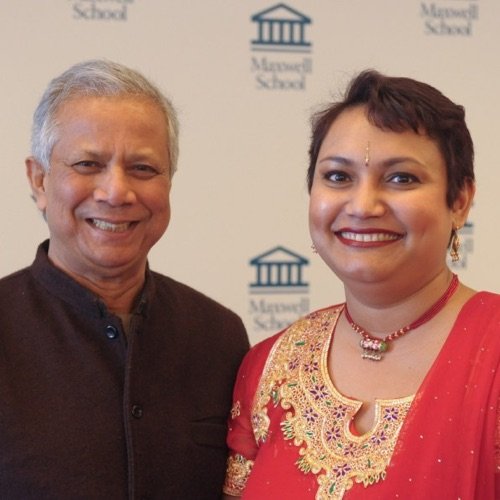
DR. FARHANA SULTANA
Dr. Farhana Sultana is an Associate Professor in the Department of Geography and the Environment at the Maxwell School of Citizenship and Public Affairs of Syracuse University, where she is also the Research Director for Environmental Collaboration and Conflicts at the Program for the Advancement of Research on Conflicts and Collaboration (PARCC).Dr. Sultana is an internationally recognized interdisciplinary scholar of political ecology, water governance, post‐colonial development, social and environmental justice, climate change, and feminism. Her research and scholar-activism draw from her experiences of having lived and worked on three continents as well as from her backgrounds in the natural sciences, social sciences, and policy experience.Prior to joining Syracuse, she taught at King’s College London and worked at United Nations Development Programme (UNDP). Author of several dozen publications, her recent books are “The Right to Water: Politics, Governance and Social Struggles” (2012), “Eating, Drinking: Surviving” (2016) and “Water Politics: Governance, Justice, and the Right to Water” (2020). Dr. Sultana graduated Cum Laude from Princeton University (in Geosciences and Environmental Studies) and obtained her Masters and PhD (in Geography) from the University of Minnesota, where she was a John D. and Catherine T. MacArthur Foundation Fellow.· www.farhanasultana.com· www.oneplanetpodcast.org · www.creativeprocess.info
(Highlights) JEAN WEINER
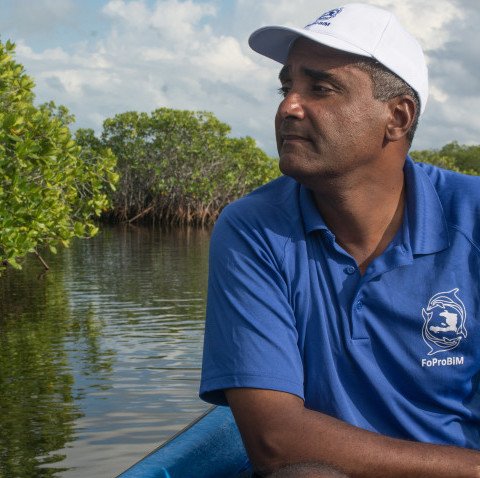
“We’re coming out of one of the worst times for resource exploitation, waste and everything related to that waste of resources, so trying to set the example, especially for my kids, recycling, trying to be reasonable about purchasing things, about where things end up after you’re done using them, just in general being careful about what you do, what impacts there are down the line. Even for them already, they’re 18 and 20 now–What are you going to do to try to protect the planet for your kids? Already trying to put that mindset for them because it’s very difficult for our generation to change the way it has done things for so long, but trying to at least bring that change. Be responsible, be reasonable, think about the impacts.”Born and raised in Haiti, Jean Weiner has worked on coastal and marine since 1991. In 1992, Jean founded Haiti’s first coastal and marine environmental non-profit the Foundation for the Protection of Marine Biodiversity. He is the head of the organization today and he specializes in coastal and marine sciences, environmental monitoring and management, and community development, and has executed a wide range of projects including resource assessments, association building, environmental rehabilitation, community needs evaluations, as well as pure scientific research for institutions as diverse as the Ministry of Environment of Haiti, the UN. He is Haiti’s most awarded environmentalist and has received the Goldman Environmental Prize.· www.foprobim.org · www.oneplanetpodcast.org · www.creativeprocess.info
JEAN WEINER
Born and raised in Haiti, Jean Weiner has worked on coastal and marine since 1991. In 1992, Jean founded Haiti’s first coastal and marine environmental non-profit the Foundation for the Protection of Marine Biodiversity. He is the head of the organization today and he specializes in coastal and marine sciences, environmental monitoring and management, and community development, and has executed a wide range of projects including resource assessments, association building, environmental rehabilitation, community needs evaluations, as well as pure scientific research for institutions as diverse as the Ministry of Environment of Haiti, the UN. He is Haiti’s most awarded environmentalist and has received the Goldman Environmental Prize.· www.foprobim.org · www.oneplanetpodcast.org · www.creativeprocess.info
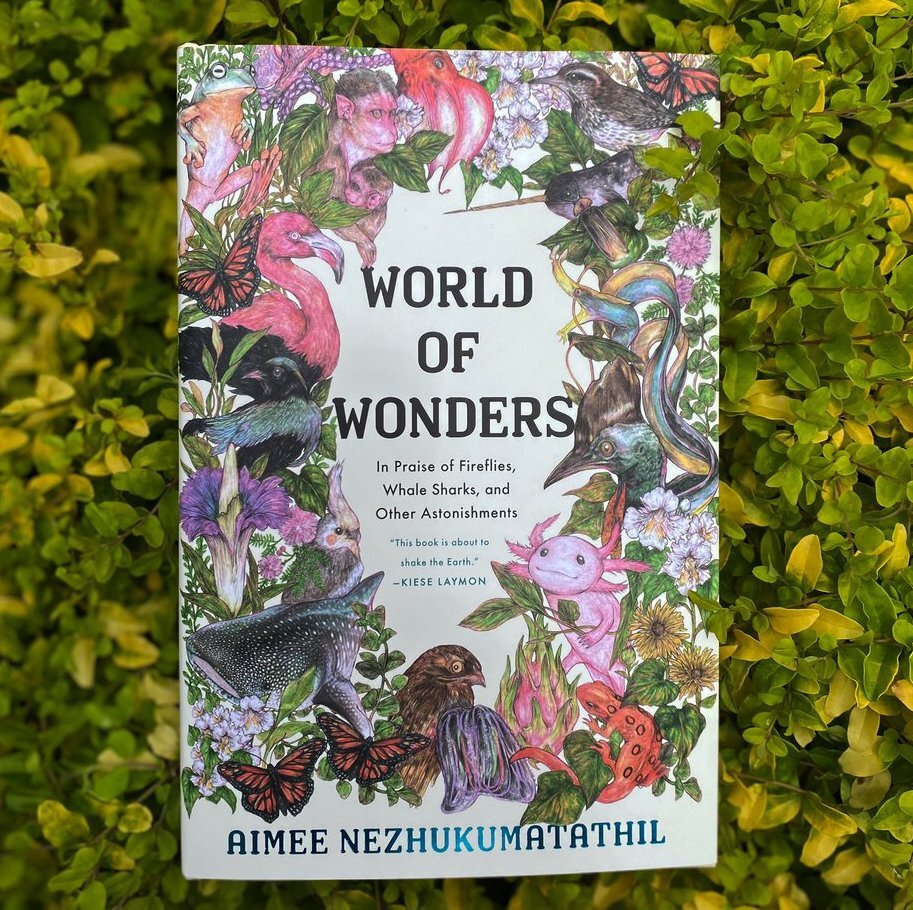
(Highlights) AIMEE NEZHUKUMATATHIL
“I think something happened in 2016, where I just snapped. There was a lot of a hateful news going around with American politics, and I didn’t know how to answer a lot of my kids questions then. Something I know I can do is to tell them things that I loved about this planet or things that I loved in other people because all they saw or heard about was just this weird ugliness, school shootings, leaders who were saying ‘build that wall’ to anybody who looked different than them, and so I remember the night I shut myself up in my office after the kids went to bed and just started writing about plants and animals that I loved from my childhood.”Aimee Nezhukumatathil is the author of the NYTimes best-selling illustrated collection of nature essays and Kirkus Prize finalist, World of Wonders: In Praise of Fireflies, Whale Sharks & Other Astonishments, which was chosen as Barnes and Noble’s and has sold 5 million copies. She has four previous poetry collections: Oceanic, Lucky Fish, At the Drive-in Volcano, and Miracle Fruit. Her most recent chapbook is Lace & Pyrite, a collaboration of epistolary garden poems with the poet Ross Gay. Her writing appears twice in the Best American Poetry Series, The New York Times Magazine, ESPN, Ploughshares, American Poetry Review, and Tin House.Honors include a poetry fellowship from the National Endowment for the Arts, Pushcart Prize, Mississippi Arts Council grant, and being named a Guggenheim Fellow in poetry. She’s the first-ever poetry editor for Sierra magazine, the story-telling arm of The Sierra Club. She is professor of English and Creative Writing in the University of Mississippi’s MFA program.· aimeenez.net · www.creativeprocess.info· www.oneplanetpodcast.org
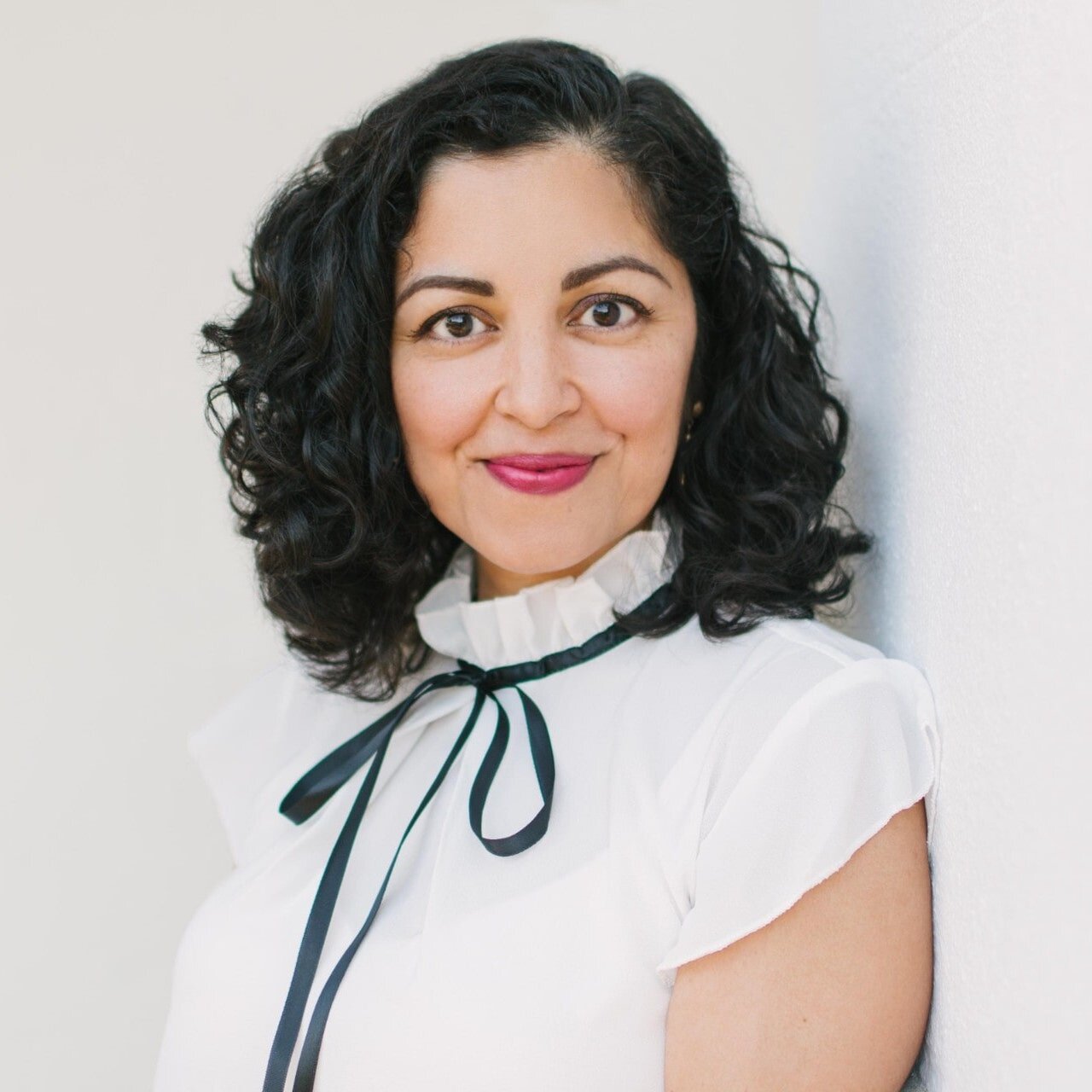
AIMEE NEZHUKUMATATHIL
Aimee Nezhukumatathil is the author of the NYTimes best-selling illustrated collection of nature essays and Kirkus Prize finalist, World of Wonders: In Praise of Fireflies, Whale Sharks & Other Astonishments, which was chosen as Barnes and Noble’s and has sold 5 million copies. She has four previous poetry collections: Oceanic, Lucky Fish, At the Drive-in Volcano, and Miracle Fruit. Her most recent chapbook is Lace & Pyrite, a collaboration of epistolary garden poems with the poet Ross Gay. Her writing appears twice in the Best American Poetry Series, The New York Times Magazine, ESPN, Ploughshares, American Poetry Review, and Tin House.Honors include a poetry fellowship from the National Endowment for the Arts, Pushcart Prize, Mississippi Arts Council grant, and being named a Guggenheim Fellow in poetry. She’s the first-ever poetry editor for Sierra magazine, the story-telling arm of The Sierra Club. She is professor of English and Creative Writing in the University of Mississippi’s MFA program.· aimeenez.net · www.creativeprocess.info· www.oneplanetpodcast.org
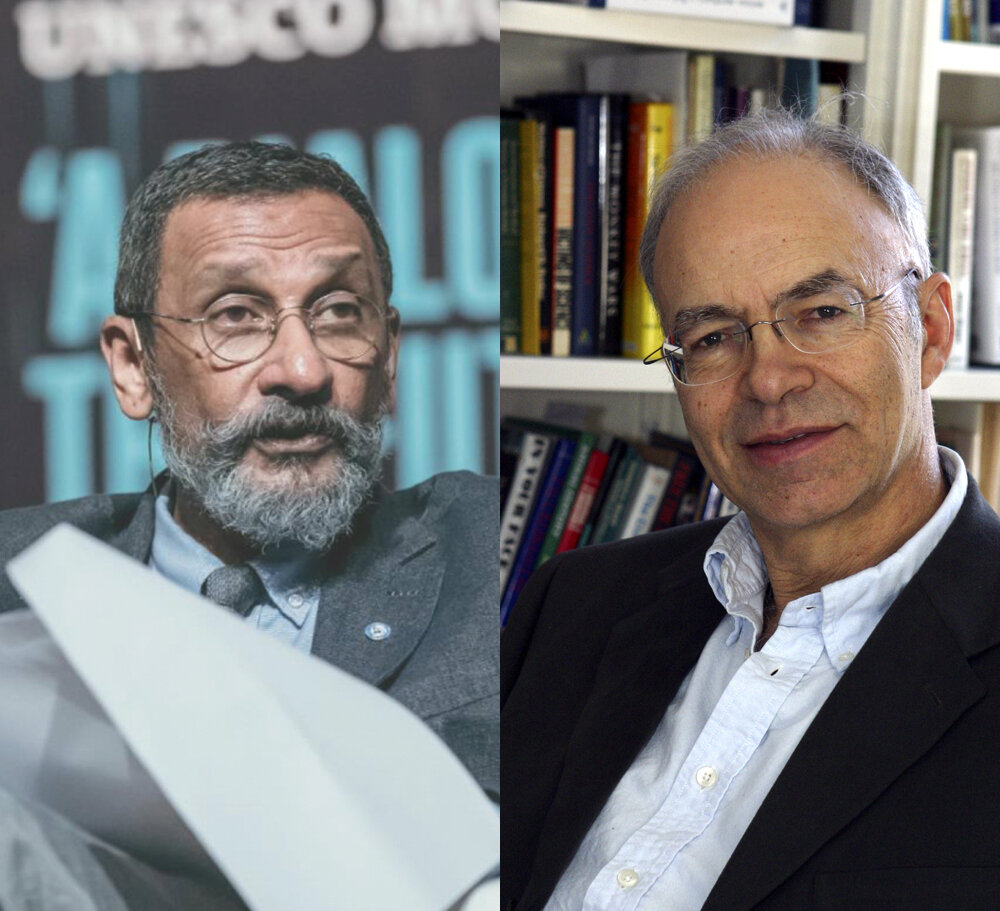
(Highlights) PETER SINGER & ANANTHA DURAIAPPAH
"“74 billion animals, according to the United National Food & Agriculture Organization, that we raise and kill each year on this planet. If we can’t make inroads into that and change attitudes to that, then I still have fears for where we are going.” – Peter SingerPeter Singer, author of seminal books Animal Liberation, Practical Ethics and The Life You Can Save, helped launch the animal rights and effective altruism movements, while contributing to the development of bioethics. Now, in his book Ethics in the Real World, Singer shows that he is also a master of dissecting important current events in a few hundred words.Anantha Duraiappah has served as inaugural director of the UNESCO Mahatma Gandhi Institute of Education for Peace and Sustainable Development in New Delhi, India since 2014. He now works to advance UNESCO MGIEP as a leading science and evidence-based research institute on education for peace, sustainable development and global citizenship. · mgiep.unesco.org· petersinger.info· www.thelifeyoucansave.org/the-book/· www.oneplanetpodcast.org· www.creativeprocess.info
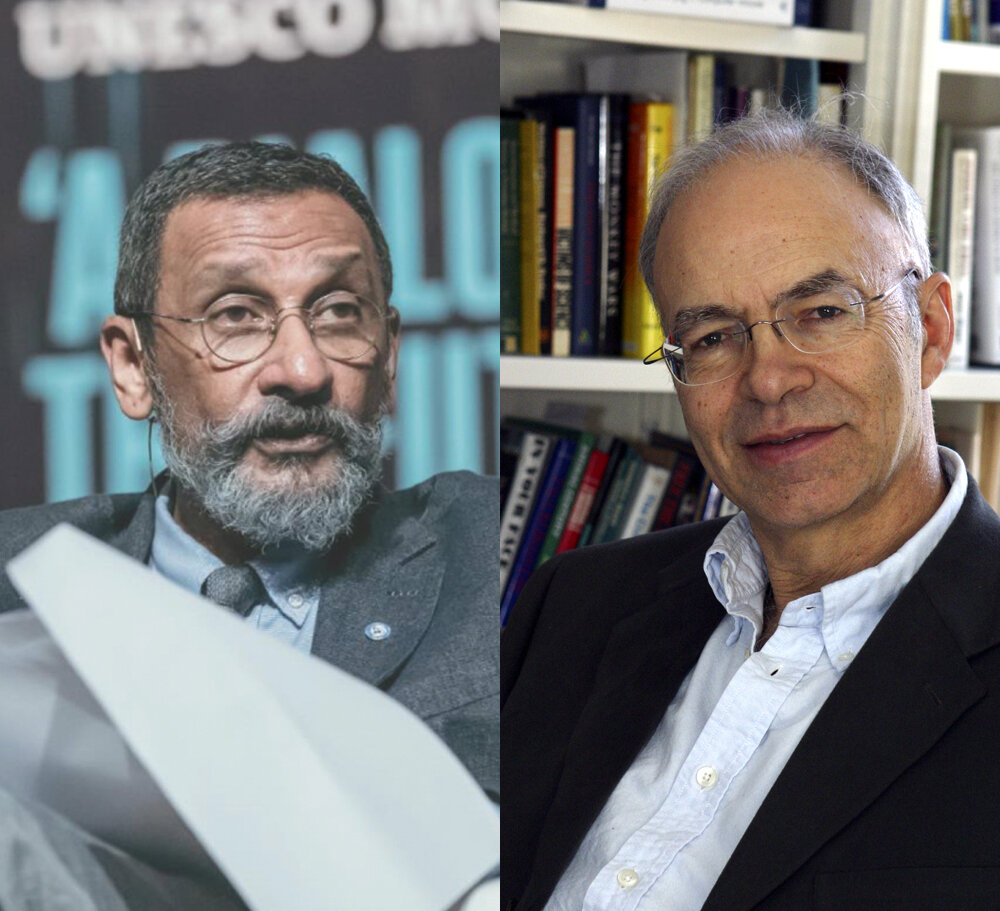
PETER SINGER & ANANTHA DURAIAPPAH
Peter Singer, author of seminal books Animal Liberation, Practical Ethics and The Life You Can Save, helped launch the animal rights and effective altruism movements, while contributing to the development of bioethics. Now, in his book Ethics in the Real World, Singer shows that he is also a master of dissecting important current events in a few hundred words.Anantha Duraiappah has served as inaugural director of the UNESCO Mahatma Gandhi Institute of Education for Peace and Sustainable Development in New Delhi, India since 2014. He now works to advance UNESCO MGIEP as a leading science and evidence-based research institute on education for peace, sustainable development and global citizenship. · mgiep.unesco.org· petersinger.info· www.thelifeyoucansave.org· www.oneplanetpodcast.org· www.creativeprocess.info
(Highlights) SAMUEL MYERS MD, MPH
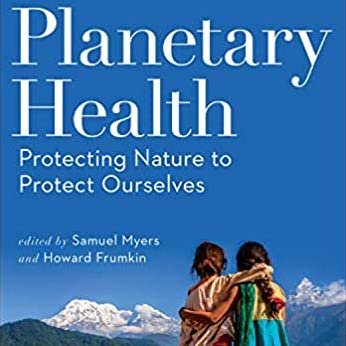
“I think the environmental community has been guilty of a lot of catastrophism, a lot of statements like ‘Game Over for the Planet’, and we’ve painted a lot of very dark pictures about where we’re going, but when you look across these different sectors and all the solutions that are out there, there’s no reason to believe that our grandchildren couldn’t live in an incredibly exciting world.”Samuel Myers, MD, MPH studies the human health impacts of accelerating disruptions to Earth’s natural systems. He is a Principal Research Scientist at the Harvard T.H. Chan School of Public Health and is the founding Director of the Planetary Health Alliance. Sam’s current work spans several areas of planetary health including global nutritional impacts of CO2, health impacts of land management, or impact of animal pollinator declines on human nutrition. He is the lead editor of the book: Planetary Health: Protecting Nature to Protect Ourselves. · www.planetaryhealthalliance.org· www.youtube.com/watch?v=9cZ0zBSJz_g· environment.harvard.edu/about/faculty/samuel-myersPlanetary Health: Protecting Nature to Protect Ourselves· www.islandpress.org/books/planetary-health· www.oneplanetpodcast.org · www.creativeprocess.info

SAMUEL MYERS MD, MPH
Samuel Myers, MD, MPH studies the human health impacts of accelerating disruptions to Earth’s natural systems. He is a Principal Research Scientist at the Harvard T.H. Chan School of Public Health and is the founding Director of the Planetary Health Alliance. Sam’s current work spans several areas of planetary health including global nutritional impacts of CO2, health impacts of land management, or impact of animal pollinator declines on human nutrition. He is the lead editor of the book: Planetary Health: Protecting Nature to Protect Ourselves. · www.planetaryhealthalliance.org· www.youtube.com/watch?v=9cZ0zBSJz_g· environment.harvard.edu/about/faculty/samuel-myersPlanetary Health: Protecting Nature to Protect Ourselves· www.islandpress.org/books/planetary-health· www.oneplanetpodcast.org· www.creativeprocess.info

(Highlights) TIEMEN TER HOEVEN
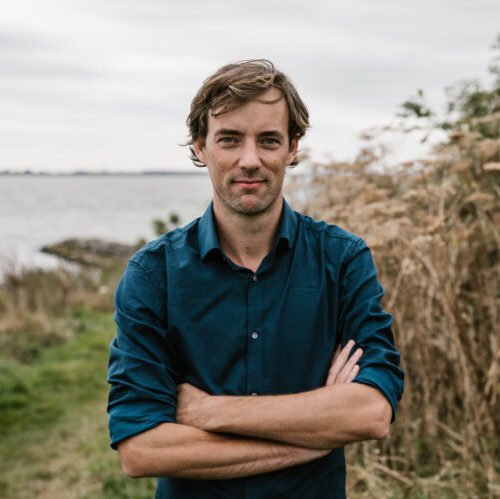
“I think the next crisis is going to be a materials crisis. The whole point of moving from a zero-sum game–like who makes the best cheapest product at the lowest price and can find lowest labor somewhere around the world so someone can be happy with a new laundry machine and buy another one in five years–that’s not going to work for us.”Tiemen ter Hoeven is founder and CEO of Roetz, a manufacturer of circular bicycles and e-bikes. In the Netherlands alone, about 1 million bicycles are discarded every year - whilst many parts can still be used perfectly well. In the Roetz Fair Factory, the parts are cleaned, repaired, and reassembled into new bicycles by people with poor job prospects. Roetz’ mission is to bring circular design and innovation to the bike industry and beyond. · roetz-bikes.com· www.oneplanetpodcast.org· www.creativeprocess.info
TIEMEN TER HOEVEN
Tiemen ter Hoeven is founder and CEO of Roetz, a manufacturer of circular bicycles and e-bikes. In the Netherlands alone, about 1 million bicycles are discarded every year - whilst many parts can still be used perfectly well. In the Roetz Fair Factory, the parts are cleaned, repaired, and reassembled into new bicycles by people with poor job prospects. Roetz’ mission is to bring circular design and innovation to the bike industry and beyond. · roetz-bikes.com· www.oneplanetpodcast.org· www.creativeprocess.info
(Highlights) MASTER SHI HENG YI
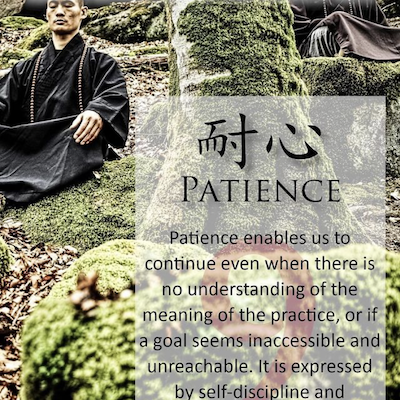
“You and me talking right now, the people who are listening right now, in a hundred years none of us will be here on this earth anymore. When it comes to the individual, it’s always just a question of time until you will be forgotten and this is why it is so important that there is something in our tradition we call “because it’s not the individual, it cannot be lost”. This is when you are investing a part of your lifetime in trying to add something to the spirit, what exists in this world. Sometimes you call it the zeitgeist. Sometimes you call it the consciousness of our earth. It means always ask yourself how can you, with the way you think, with the work that you do, with the way you behave, with the actions that you do–how can you add a piece of spirit? How can you contribute to the spirit that is going to remain even after after your individual death?”For more than 30 years, Master Shi Heng Yi has been studying and practicing the interaction between mind and body. His strength is the ability to smoothly combine this knowledge with physical exercises and to practice Martial art –Kung Fu and Qi Gong. He has an academic background but he prefers to live at the Shaolin Temple Europe, Monastery located in Otterberg, Germany. Since 2010 he has been taking care of the settlement and he personifies sustainable development and spreading Shaolin culture and philosophy.· www.shihengyi.online · www.shaolintemple.eu · www.creativeprocess.info · www.oneplanetpodcast.org

MASTER SHI HENG YI
For more than 30 years, Master Shi Heng Yi has been studying and practicing the interaction between mind and body. His strength is the ability to smoothly combine this knowledge with physical exercises and to practice Martial art –Kung Fu and Qi Gong. He has an academic background but he prefers to live at the Shaolin Temple Europe, Monastery located in Otterberg, Germany. Since 2010 he has been taking care of the settlement and he personifies sustainable development and spreading Shaolin culture and philosophy.· www.shihengyi.online · www.shaolintemple.eu · www.creativeprocess.info · www.oneplanetpodcast.org
(Highlights) GARY GRIGGS
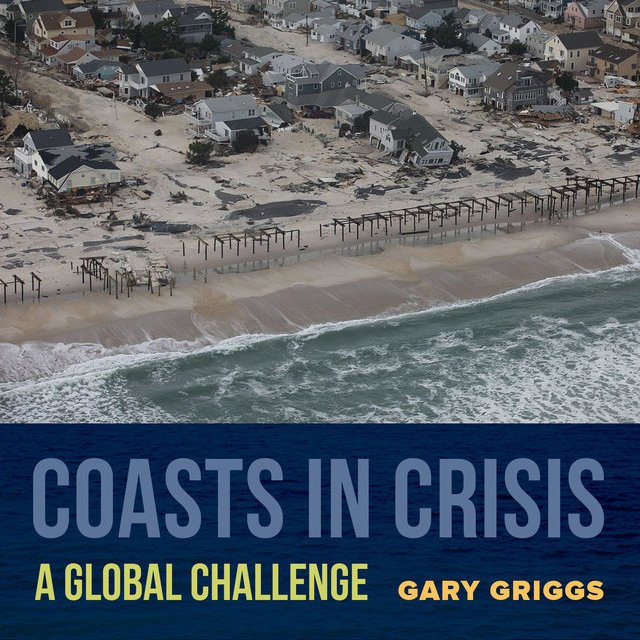
Gary Griggs received his B.A. in Geological Sciences from the University of California Santa Barbara and a Ph.D. in Oceanography from Oregon State University. He has been a Professor of Earth Sciences at the University of California Santa Cruz since 1968 and was Director of the Institute of Marine Sciences from 1991 to 2017. His research and teaching have been focused on the coast of California and include coastal processes, hazards and engineering, and sea-level rise. Dr. Griggs has written over 185 articles for professional journals as well as authored or co-authored eleven books.In 1998 he was given the Outstanding Faculty Award at UC Santa Cruz and the Alumni Association honored him with a Distinguished Teaching Award in 2006. The California Coastal Commission and Sunset Magazine named him one of California’s Coastal Heroes in 2009. He has served on three National Academy of Sciences Committees. He has served on the Science Advisory Team to the Governor’s Ocean Protection Council since 2008 and in 2015 was appointed to the California Ocean Sciences Trust.· eps.ucsc.edu/faculty/Profiles/fac-only.php?uid=griggs· www.oneplanetpodcast.org · www.creativeprocess.info
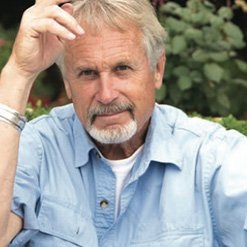
GARY GRIGGS
Gary Griggs received his B.A. in Geological Sciences from the University of California Santa Barbara and a Ph.D. in Oceanography from Oregon State University. He has been a Professor of Earth Sciences at the University of California Santa Cruz since 1968 and was Director of the Institute of Marine Sciences from 1991 to 2017. His research and teaching have been focused on the coast of California and include coastal processes, hazards and engineering, and sea-level rise. Dr. Griggs has written over 185 articles for professional journals as well as authored or co-authored eleven books.In 1998 he was given the Outstanding Faculty Award at UC Santa Cruz and the Alumni Association honored him with a Distinguished Teaching Award in 2006. The California Coastal Commission and Sunset Magazine named him one of California’s Coastal Heroes in 2009. He has served on three National Academy of Sciences Committees. He has served on the Science Advisory Team to the Governor’s Ocean Protection Council since 2008 and in 2015 was appointed to the California Ocean Sciences Trust.· eps.ucsc.edu/faculty/Profiles/fac-only.php?uid=griggs· www.oneplanetpodcast.org · www.creativeprocess.info
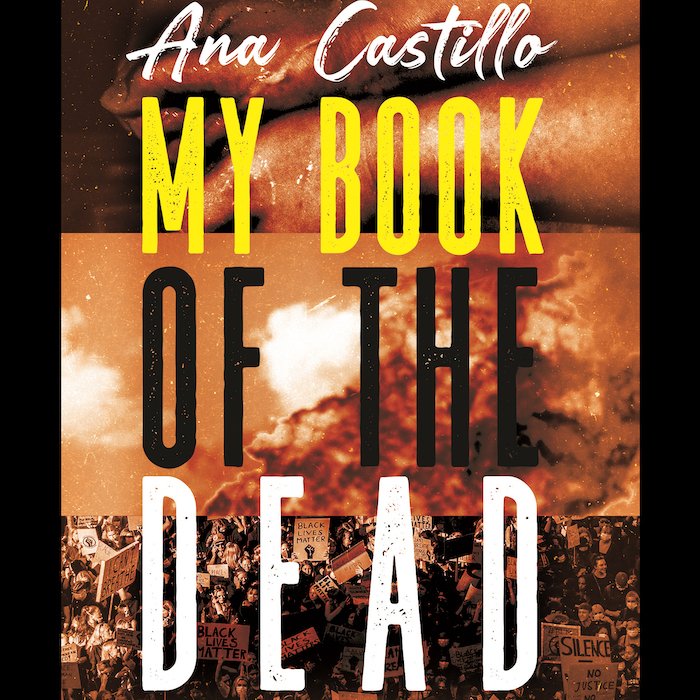
(Highlights) ANA CASTILLO
“One of the things that is dying is our planet. We hear these sirens every single day. We’re being warned daily by experts and concerned people how vast that squandering is going. It’s a case of urgency and it’s astounding and a very sad, a very pathetic comment on modern life that most people are ignoring those signs. As a poet, it seems to me that one of the tasks that the poet takes on, it’s a vocation that’s born with it, it’s this consciousness, this serving as witness.”Xicana activist, editor, poet, novelist, and artist Ana Castillo, was born and raised in Chicago. She is known for coining the term “xicanisma” which is defined in her book the Massacre of the Dreamers as, “a sociopolitical movement in the United States that analyzes the historical, cultural, spiritual, educational, and economic intersection of Mexican American women that identify as Chicana.” The term cross bred Chicana feminism, which came to include the indigenous ancestry of Mexican Americans, unifying us with our sisters on the other side of the border.· www.anacastillo.net · www.creativeprocess.info · www.oneplanetpodcast.org
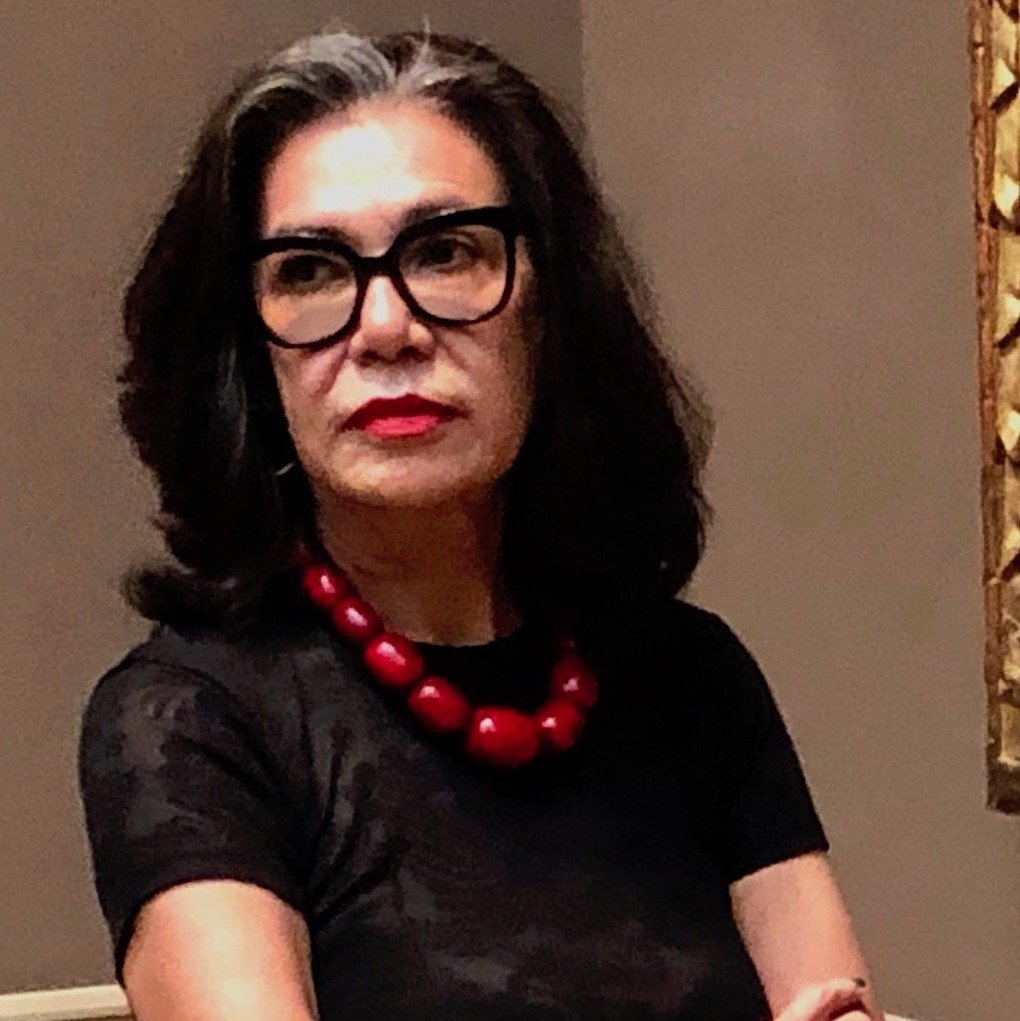
ANA CASTILLO
Xicana activist, editor, poet, novelist, and artist Ana Castillo, was born and raised in Chicago. She is known for coining the term “xicanisma” which is defined in her book the Massacre of the Dreamers as, “a sociopolitical movement in the United States that analyzes the historical, cultural, spiritual, educational, and economic intersection of Mexican American women that identify as Chicana.” The term cross bred Chicana feminism, which came to include the indigenous ancestry of Mexican Americans, unifying us with our sisters on the other side of the border.· www.anacastillo.net · www.creativeprocess.info · www.oneplanetpodcast.org
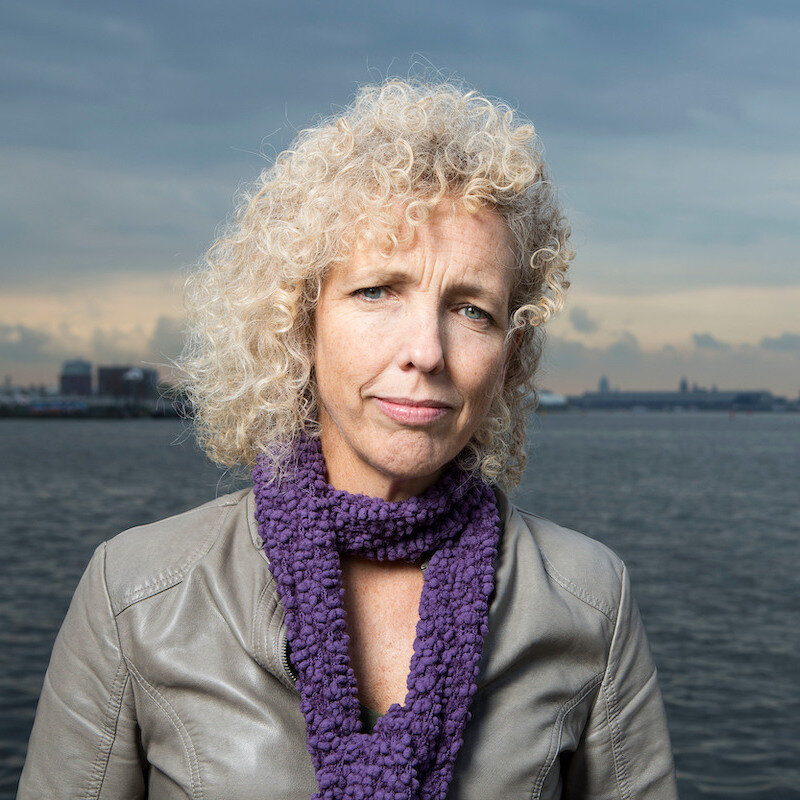
JENNIFER MORGAN
Jennifer Morgan took the helm of Greenpeace International in April 2016. She was formerly the Global Director of the Climate Program at the World Resources Institute. A climate activist, she has been a leader of large teams at major organisations, and her other ports of call have included the Worldwide Fund for Nature, Climate Action Network, and E3G. · www.greenpeace.org ·www.oneplanetpodcast.org · www.creativeprocess.info

(Highlights) JENNIFER MORGAN
Jennifer Morgan took the helm of Greenpeace International in April 2016. She was formerly the Global Director of the Climate Program at the World Resources Institute. A climate activist, she has been a leader of large teams at major organisations, and her other ports of call have included the Worldwide Fund for Nature, Climate Action Network, and E3G. · www.greenpeace.org ·www.oneplanetpodcast.org · www.creativeprocess.info
(Highlights) INGRID NEWKIRK
"They’re not human traits. They’re all shared traits because, of course, we all love. We all love our families, or not. We all grieve if somebody we love disappears or dies. A family dog, perhaps. A grandfather. We all feel loneliness, we all feel joy. We all really value our freedom. And so I think, if anything, looking into the eyes of the animal, even online, you see a person in there. There’s a someone in whatever the shape or the physical properties of that individual are. And that lesson is that I am you. You are me, only different. We are all the same in all the ways that count…Any living being teaches you– Look into my eyes. And there you are, the reflection of yourself."Ingrid Newkirk is the founder and president of People for the Ethical Treatment of Animals (PETA)—the largest animal rights organization in the world, with more than 6.5 million members and supporters worldwide. She is the author of more than a dozen books that have been translated into several languages, including her latest, Animalkind: Remarkable Discoveries About Animals and Revolutionary New Ways to Show Them Compassion.Newkirk, a former Washingtonian of the Year, has been featured for her work for animals in The New Yorker, Time magazine, People magazine, Forbes, the Financial Times, and numerous other publications. She has appeared on TV shows and podcasts all over the world, including on Real Time With Bill Maher, The Rich Roll Podcast, and Here's the Thing With Alec Baldwin. She is the subject of a BBC special and the HBO documentary I Am an Animal.· www.www.peta.org · www.ingridnewkirk.com· www.oneplanetpodcast.org· www.creativeprocess.info··· "Rebirth" by Juan Sánchez is licensed under a Creative Commons License.