Sustainability, Climate Change, Renewable Energy, Politics, Activism, Biodiversity, Carbon Footprint, Wildlife, Regenerative Agriculture, Circular Economy, Extinction, Net-Zero · One Planet Podcast
571 episodes — Page 12 of 12
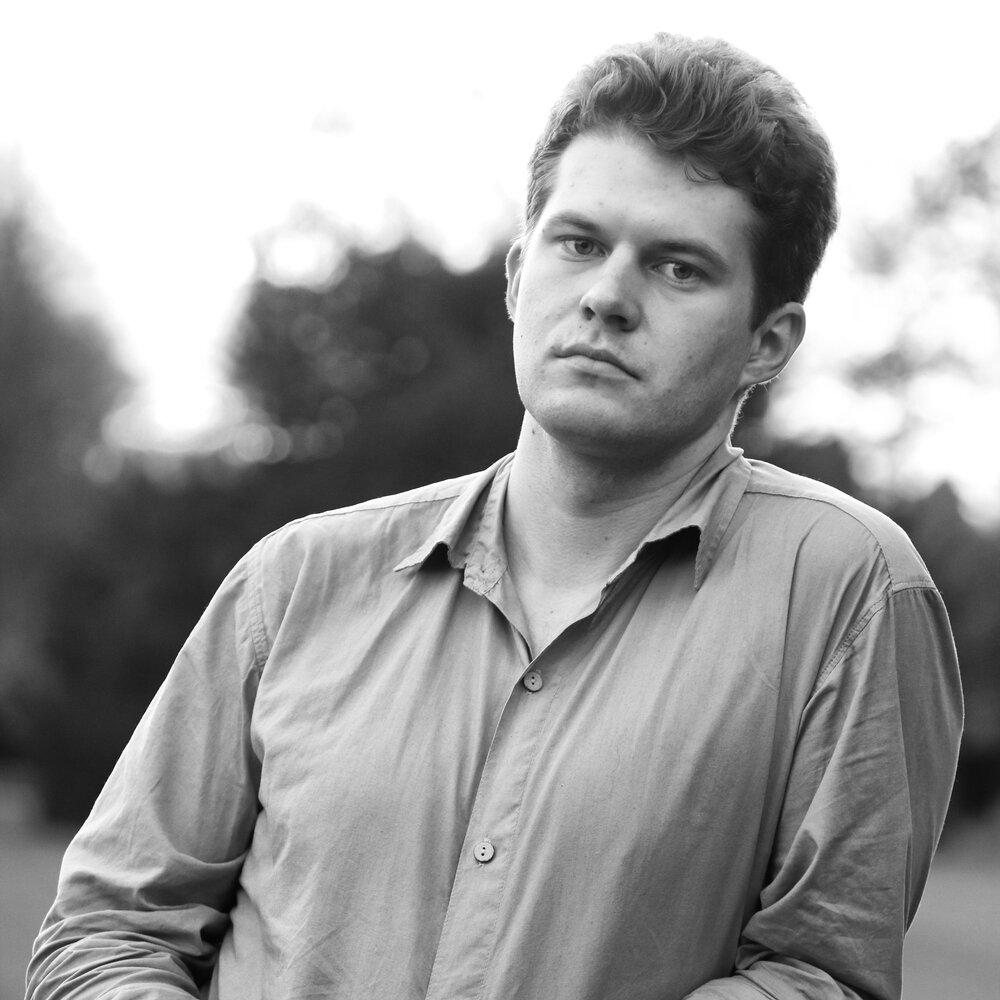
PETER SUTORIS
Peter Sutoris, PhD is an anthropologist, educator, writer, filmmaker and development professional whose research examines the ways various societies imagine the future differently. He is a Research Affiliate at the Department of Sociology and Anthropology at SOAS, University of London as well as visiting lecturer at the University of Bath and supervises at the University of Cambridge. He is the author of monographs Visions of Development, published in 2016, and Educating for the Anthropocene, coming in 2022, as well as the Director and Producer of the 2012 documentary film The Undiscovered Country. He's a graduate of the United World College of the Atlantic, Dartmouth College and Cambridge University where he was a Gates Cambridge Scholar. Peter is the Founder and Director of Scale Research Group, a London-based consulting start-up focusing on research that supports scaling up ethical and sustainable international development programs. Sutoris’s work has been featured on The Guardian, The BBC and University World News. · www.petersutoris.com· www.oneplanetpodcast.org· www.creativeprocess.info
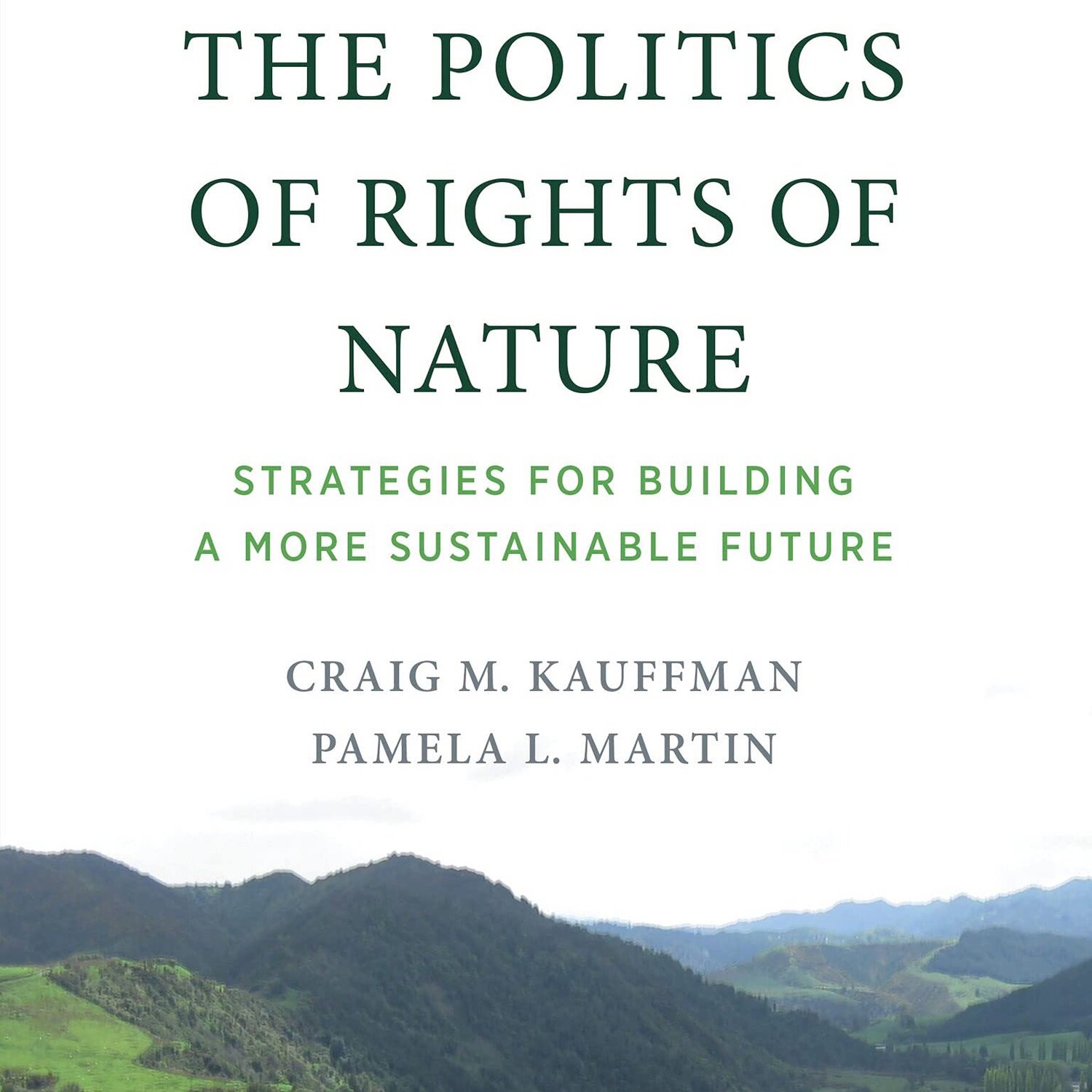
The Politics of Rights of Nature: Strategies for Building a More Sustainable Future w/ CRAIG KAUFFMAN - Highlights
"The term Rights of Nature tends to be applied to two different things. One is this underlying legal philosophy that is actually broader than just Rights of Nature, that’s probably better understood as ecological jurisprudence that may or may not be expressed in terms of rights, but because Rights of Nature is getting a lot of attention that term tends to be applied to represent this broader underlying philosophy. Of course, the other way it’s used it to refer to the legal provisions that explicitly recognize Rights for ecosystems."Craig Kauffman is Associate Professor of Political Science at the University of Oregon and a member of the United Nations Knowledge Network on Harmony with Nature. He has authored numerous works on environmental politics, ecological law, and sustainable development, including The Politics of Rights of Nature: Strategies for Building a More Sustainable Future, MIT Press, 2021 (with Pamela Martin). He is currently developing the EcoJurisprudence Monitor, which tracks ecological law initiatives worldwide. · polisci.uoregon.edu/profile/ckauffma/· mitpress.mit.edu/books/politics-rights-nature· www.oneplanetpodcast.org· www.creativeprocess.info
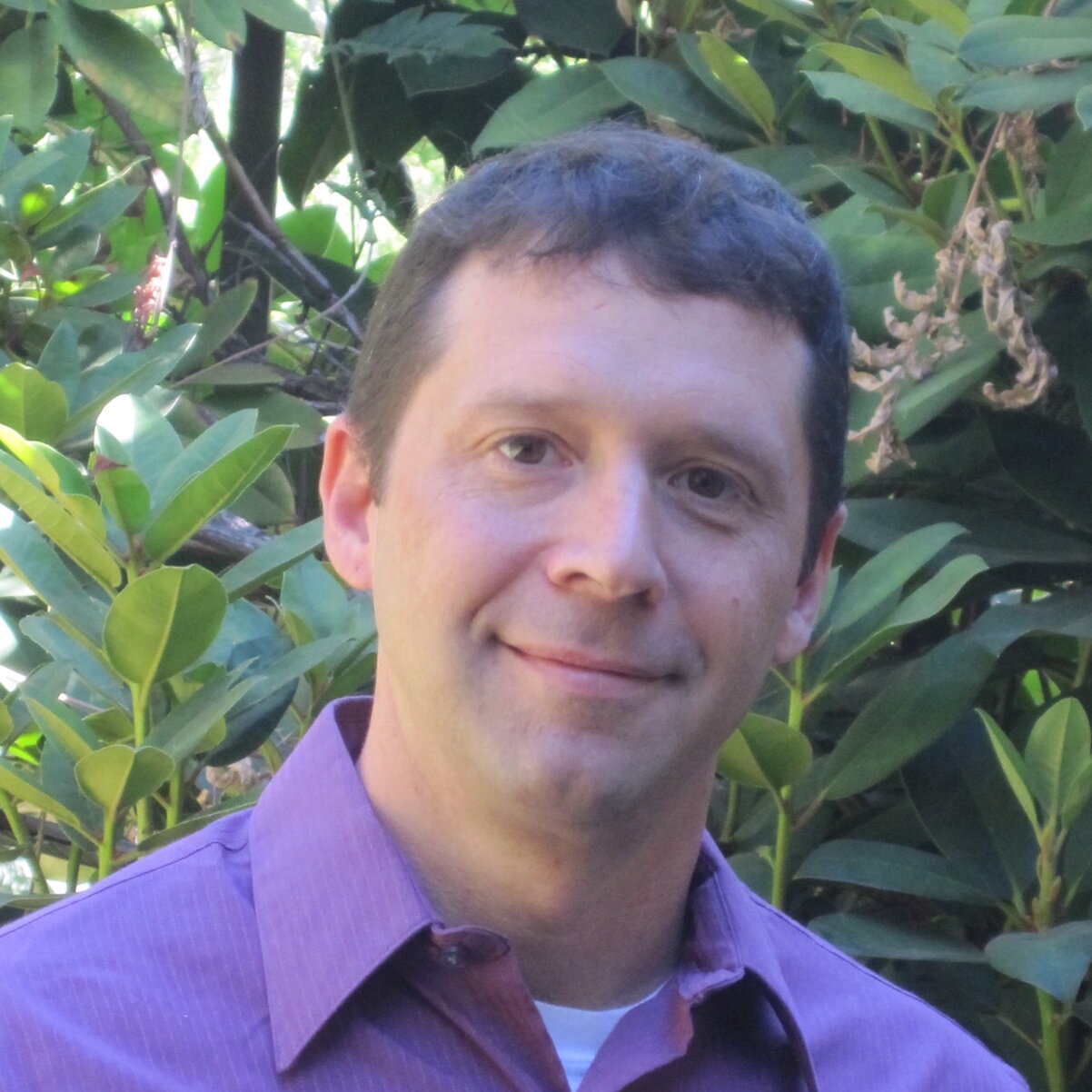
CRAIG KAUFFMAN
Craig Kauffman is Associate Professor of Political Science at the University of Oregon and a member of the United Nations Knowledge Network on Harmony with Nature. He has authored numerous works on environmental politics, ecological law, and sustainable development, including The Politics of Rights of Nature: Strategies for Building a More Sustainable Future, MIT Press, 2021 (with Pamela Martin). He is currently developing the EcoJurisprudence Monitor, which tracks ecological law initiatives worldwide. · polisci.uoregon.edu/profile/ckauffma/· mitpress.mit.edu/books/politics-rights-nature· www.oneplanetpodcast.org· www.creativeprocess.info

EARTHLIFE AFRICA w/ Thabo Sibeko, Ulrich Steenkamp & Bongiwe Matsoha - Highlights
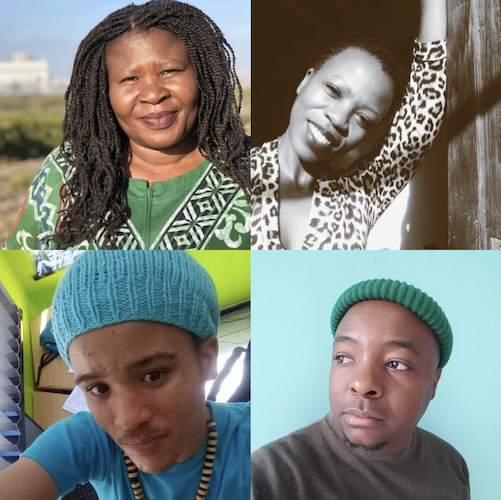
“Earthlife Africa was formed in the late 80s by a group of student activists who formed the organization in response to environmental injustice issues and part of those issues were more related to radioactive waste as well as energy-related issues which they were encountering, particularly in local communities, but for the past fifteen, the organization evolved. There are a lot of changes. Generation to generation and they leave and pass it on to others; activists passing a baton to other activists to move on with the organization.”Earthlife Africa is a non-profit organisation, founded in Johannesburg, South Africa, in 1988, that seeks a better life for all people without exploiting other people or degrading their environment. Earthlife Africa works to encourage and support individuals, businesses and industries to reduce pollution, minimise waste and protect our natural resources.· earthlife.org.zaThabo Sibeko is an Activist with 20 years of experience working with various communities using art and re-usable material towards the realisation of clean, affordable and sustainable energy in South Africa. Thabo is credited with partnering with women organisations in setting up a Sustainable Energy and Livelihood Project that gave women skills to install solar panels and build biodigesters in their communities, showcasing the benefit of renewable energy (RE) technologies. This project is now run by grassroots women aimed at supporting climate resiliency through socially-owned RE projects. As a coal campaigner, he works with coal affected communities in Limpopo discouraging the further development of new coal projects.Ulrich Steenkamp is a vocal and dynamic environmental, youth and cultural activist. He has always cared about social justice matters especially growing up in a rich cultural and biologically diverse region. For the past fifteen years, he has been actively involved in civil society spaces and movements. He was the inaugural President of the Karoo Environmental Justice Movement, a community-based organisation in the Eastern and Western Cape that opposed and continues to challenge hydraulic fracturing and uranium mining in the Karoo. He joined Earthlife Africa – Johannesburg in 2016 and is currently an Outreach and Education officer focusing on Anti-Nuclear Advocacy as well as Youth and Climate Change campaigns and mobilisation.Bongiwe Matsoha currently works at Earthlife Africa as a Researcher/Energy Policy Officer. She is passionate and driven by research that makes a difference. Her current work focuses on implementing a ‘just transition in South Africa. Bongiwe has more than 5 years of experience in the Sustainability Sector and holds an MPhil degree in Environmental Management. She has gained broad experience in sustainable development, climate change and energy policy. Previously, she worked as a Sustainability (Carbon) Analyst, where she gained experience in carbon footprints, carbon tax and the Carbon and Water Disclosure Projects (CDP/WDP). · www.oneplanetpodcast.org· www.creativeprocess.info
EARTHLIFE AFRICA
Earthlife Africa is a non-profit organisation, founded in Johannesburg, South Africa, in 1988, that seeks a better life for all people without exploiting other people or degrading their environment. Earthlife Africa works to encourage and support individuals, businesses and industries to reduce pollution, minimise waste and protect our natural resources. · earthlife.org.za Thabo Sibeko is an Activist with 20 years of experience working with various communities using art and re-usable material towards the realisation of clean, affordable and sustainable energy in South Africa. Thabo is credited with partnering with women organisations in setting up a Sustainable Energy and Livelihood Project that gave women skills to install solar panels and build biodigesters in their communities, showcasing the benefit of renewable energy (RE) technologies. This project is now run by grassroots women aimed at supporting climate resiliency through socially-owned RE projects. As a coal campaigner, he works with coal affected communities in Limpopo discouraging the further development of new coal projects. Ulrich Steenkamp is a vocal and dynamic environmental, youth and cultural activist. He has always cared about social justice matters especially growing up in a rich cultural and biologically diverse region. For the past fifteen years, he has been actively involved in civil society spaces and movements. He was the inaugural President of the Karoo Environmental Justice Movement, a community-based organisation in the Eastern and Western Cape that opposed and continues to challenge hydraulic fracturing and uranium mining in the Karoo. He joined Earthlife Africa – Johannesburg in 2016 and is currently an Outreach and Education officer focusing on Anti-Nuclear Advocacy as well as Youth and Climate Change campaigns and mobilisation. Bongiwe Matsoha currently works at Earthlife Africa as a Researcher/Energy Policy Officer. She is passionate and driven by research that makes a difference. Her current work focuses on implementing a ‘just transition in South Africa. Bongiwe has more than 5 years of experience in the Sustainability Sector and holds an MPhil degree in Environmental Management. She has gained broad experience in sustainable development, climate change and energy policy. Previously, she worked as a Sustainability (Carbon) Analyst, where she gained experience in carbon footprints, carbon tax and the Carbon and Water Disclosure Projects (CDP/WDP). · www.oneplanetpodcast.org · www.creativeprocess.info
What is a Worm Hotel? ROWIN SNIJDER on Community Composting - Highlights
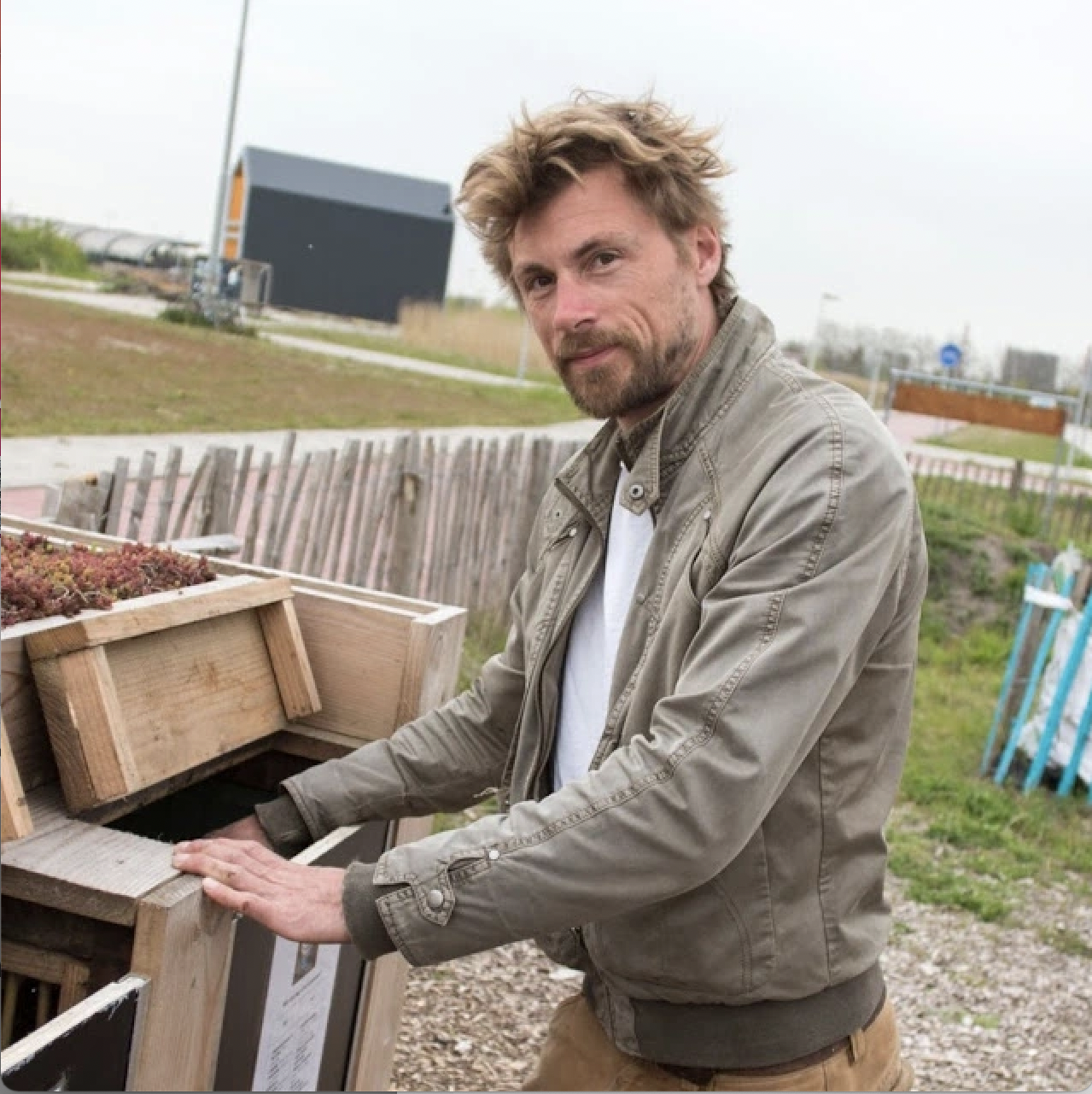
“Know first of all that we are not separate from nature, but that we are part of it. To not even think of what is the benefit for me from it. I find it a very beautiful the concept of the food forest. Like you're actually building soil, and then the surplus is that you get some food back. To focus more on giving than on taking, especially for children. What I like to teach my children–really look at what is your talent, what drives you and how you think you can use that to improve and to create more harmony. I think is very important. Do not think so much about what others expect from you, but what is really driving you? I think that's very important to find out and go for it.” Since 2014, Rowin Snijder has been designing and building with his company Le Compostier “worm hotels” for community composting projects. A worm hotel is a structure in which an ecosystem of compost organisms work together to transform organic waste into beautiful worm compost. With a garden on top of each worm hotel, they give space to nature in neighborhoods and show us we can use organic waste to create a circular city.· www.compostier.nl · www.oneplanetpodcast.org · www.creativeprocess.info
ROWIN SNIJDER
Since 2014, Rowin Snijder has been designing and building with his company Le Compostier “worm hotels” for community composting projects. A worm hotel is a structure in which an ecosystem of compost organisms work together to transform organic waste into beautiful worm compost. With a garden on top of each worm hotel, they give space to nature in neighborhoods and show us we can use organic waste to create a circular city.· www.compostier.nl · www.oneplanetpodcast.org · www.creativeprocess.info
Filming Action Underwater - Award-winning DP IAN SEABROOK on Batman v Superman, Jungle Cruise, Deadpool 2
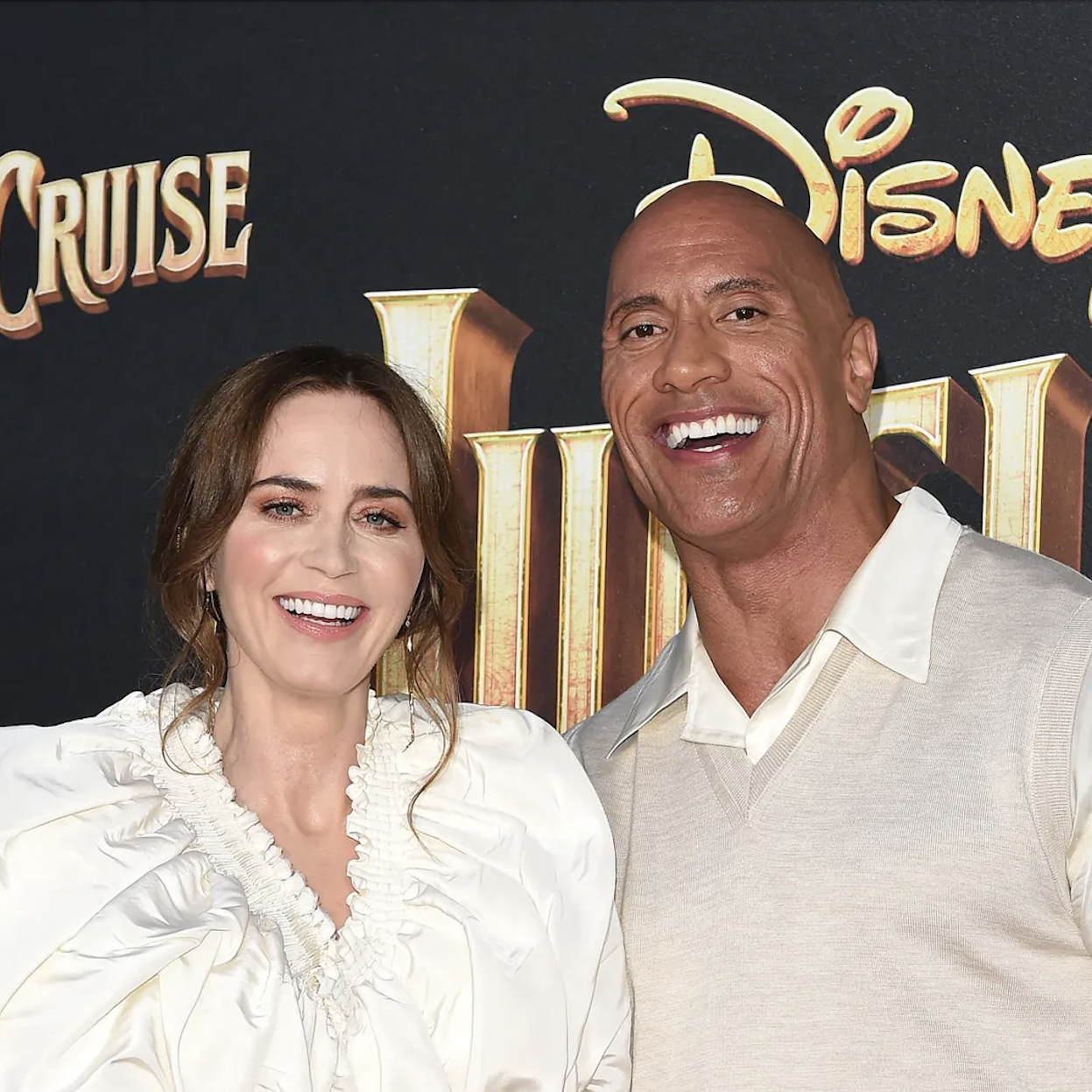
“It’s about leaving the planet in a better condition than it is currently. What you’re witnessing is years of neglect. It’s the humans who have screwed it all up, and the warming of the earth is no different. The oceans are changing. The topography is changing. Mussels are being fried when the tides recede. This is all unnatural. Or maybe it’s natural. I think it’s Mother Nature just being pissed off and saying, “This is what you get.” And so it’s up to everyone to change their ways. Their shopping habits, their eating habits, how much gas they use. All that stuff which people think “that can’t affect anything.” Well, you’re seeing the result of it now.”Ian Seabrook is an Underwater Director of Photography in the Motion Picture and Television Industry, working on a number of feature productions, such as Batman v Superman, Deadpool 2 and Jungle Cruise, along with documentary films such as The Rescue. Seabrook is also the winner of Double Gold & Silver Medals for Cinematography at the 2019 Telly Awards. A full member of the Society of Camera Operators, and the CSC, Seabrook holds both commercial and recreational dive certifications.· www.ianseabrook.net · www.creativeprocess.info · www.oneplanetpodcast.org
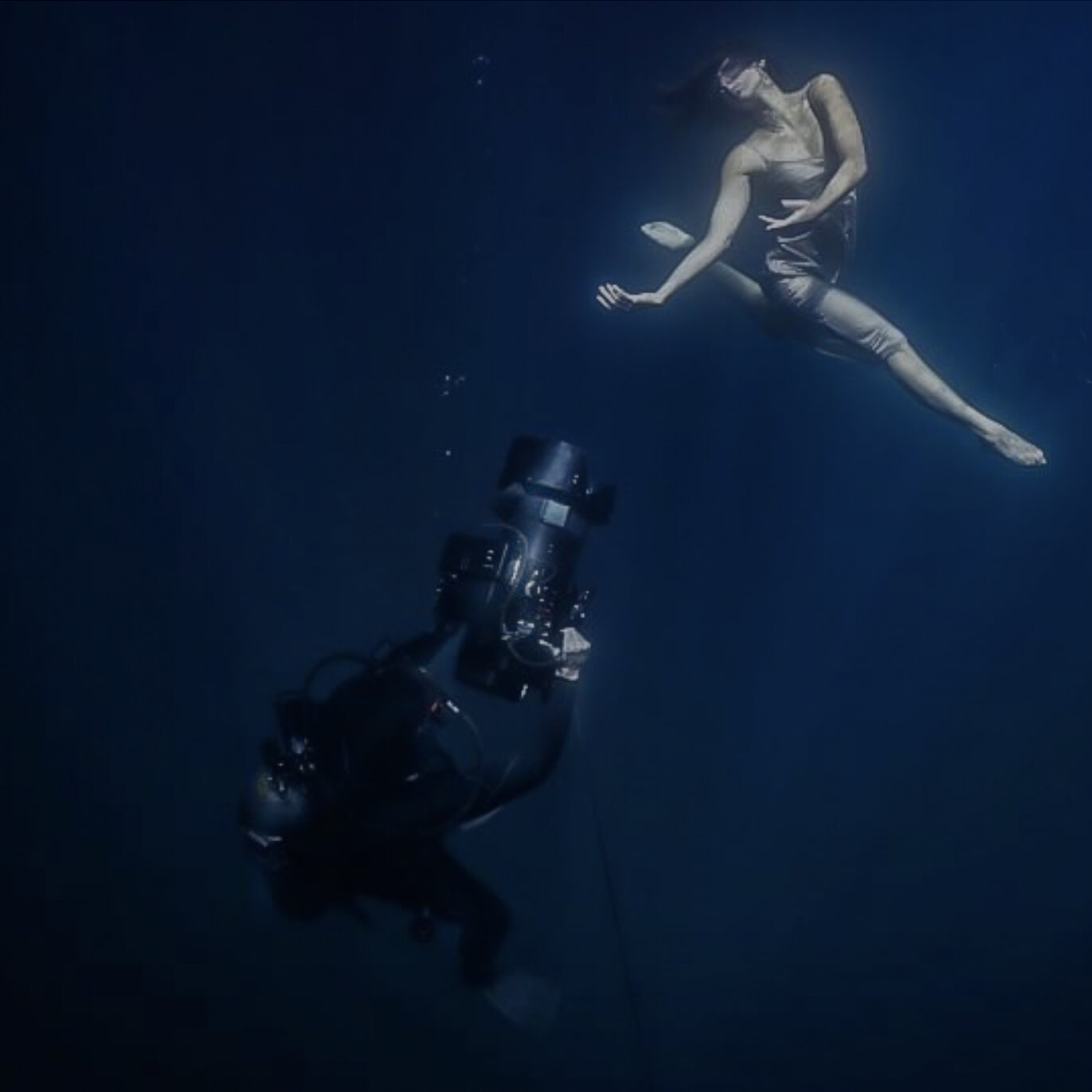
IAN SEABROOK
Ian Seabrook is an Underwater Director of Photography in the Motion Picture and Television Industry, working on a number of feature productions, such as Batman v Superman, Deadpool 2 and Jungle Cruise, along with documentary films such as The Rescue. Seabrook is also the winner of Double Gold & Silver Medals for Cinematography at the 2019 Telly Awards. A full member of the Society of Camera Operators, and the CSC, Seabrook holds both commercial and recreational dive certifications.· www.ianseabrook.net · www.creativeprocess.info · www.oneplanetpodcast.org
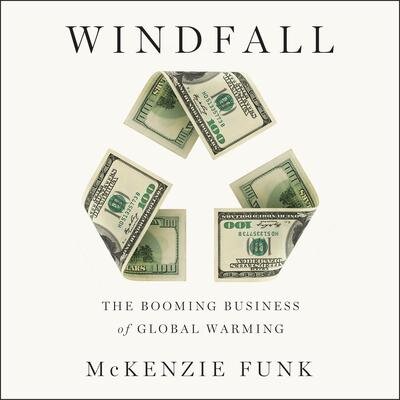
Windfall: The Booming Business of Global Warming w/ McKENZIE FUNK - Highlights
"As a parent and especially through all this reporting, what I’ve tried to do is think through these solutions and these fixes we have for everything and make sure that we’re not forgetting…that we’re thinking about other people. Capitalism won’t do it. Self-interest isn’t going to do this for us. As silly as it is to think that empathy will do or caring about your fellow humans will do it, I don’t know what else there is to hope for. I don’t believe that people do stuff purely out of rational self-interest, this libertarian idea that I was quietly pushing against the entire time in Windfall. That we do things just for ourselves or just to make money–that’s not been the reality of my lifetime."National Magazine Award finalist McKenzie Funk writes for Harper’s, National Geographic, Rolling Stone, Outside, The New York Times Magazine, and the London Review of Books. His first book, Windfall, won a PEN Literary Award and was named a book of the year by The New Yorker, Mother Jones, Salon, and Amazon.com. A former Knight-Wallace Fellow and Open Society Fellow, he’s a cofounder of the journalism cooperative Deca and a board member at Amplifier.· www.mckenziefunk.com · www.oneplanetpodcast.org · www.creativeprocess.info
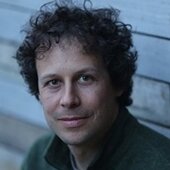
McKENZIE FUNK
National Magazine Award finalist McKenzie Funk writes for Harper’s, National Geographic, Rolling Stone, Outside, The New York Times Magazine, and the London Review of Books. His first book, Windfall, won a PEN Literary Award and was named a book of the year by The New Yorker, Mother Jones, Salon, and Amazon.com. A former Knight-Wallace Fellow and Open Society Fellow, he’s a cofounder of the journalism cooperative Deca and a board member at Amplifier.· www.mckenziefunk.com · www.oneplanetpodcast.org · www.creativeprocess.info
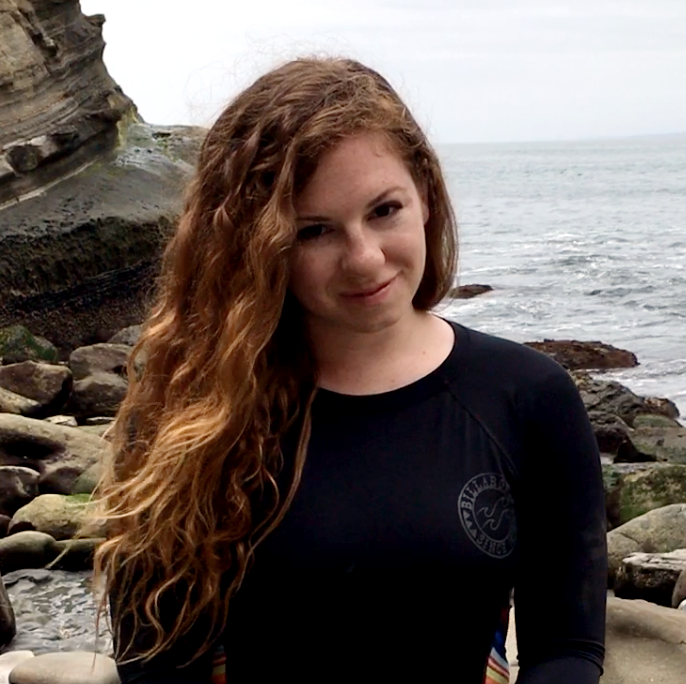
National Geographic Explorer ANTONELLA WILBY on Ocean Exploration with Robotics - Highlights
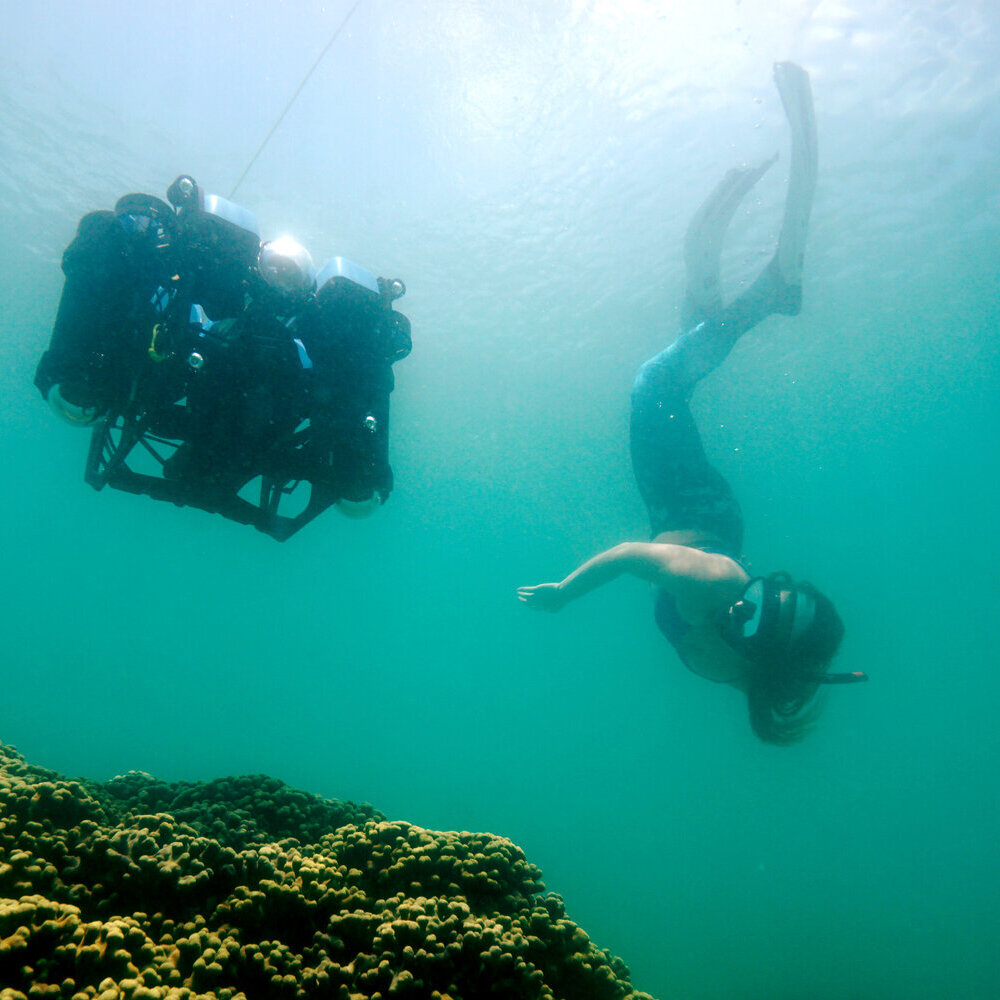
“I’m grateful for the fact that through my work I’ve had a lot of opportunities to go to places that a lot of people just simply won’t ever get a chance to go. I like having those opportunities to try to share with people what that’s like. I honestly had no idea I would ever be here. I’m from a working-class background, didn’t have a huge amount of opportunities but now I can and that’s one thing that I particularly enjoy.”Antonella Wilby is a PhD Candidate and National Science Foundation Graduate Research Fellow at the Contextual Robotics Institute, UC San Diego, and a National Geographic Explorer. Her current research focuses on the development of autonomous underwater robots and vision-based algorithms for mapping and exploration of ocean environments, with the ultimate goal of better understanding and protecting our blue planet. She holds Master of Science and Bachelor of Science degrees in Computer Science from the University of California, San Diego.· antonellawilby.com· www.oneplanetpodcast.org
ANTONELLA WILBY
Antonella Wilby is a PhD Candidate and National Science Foundation Graduate Research Fellow at the Contextual Robotics Institute, UC San Diego, and a National Geographic Explorer. Her current research focuses on the development of autonomous underwater robots and vision-based algorithms for mapping and exploration of ocean environments, with the ultimate goal of better understanding and protecting our blue planet. She holds Master of Science and Bachelor of Science degrees in Computer Science from the University of California, San Diego.· antonellawilby.com· www.oneplanetpodcast.org· www.creativeprocess.info

Climate Change: Build Bridges, Not Walls w/ TODD MILLER - Highlights
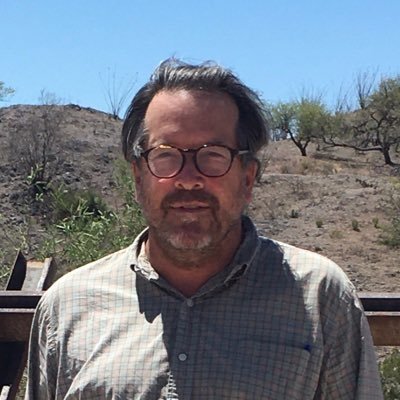
“In 2003, the Pentagon commissioned a report titled something like An Abrupt Climate Scenario. They asked some independent researchers to look at what would happen in a worse case scenario. They found that the United States and Australia. They said that they would have to put up defensive fortresses ‘to stop unwanted starving immigrants’…”Todd Miller is an author and independent journalist. He has researched and written about border issues for more than 15 years, the last eight as an independent journalist and writer. He resides in Tucson, Arizona, but also has spent many years living and working in Oaxaca, Mexico. His work has appeared in the New York Times, TomDispatch, The Nation, San Francisco Chronicle, In These Times, Guernica, and Al Jazeera English, among other places. Miller has authored four books: Build Bridges, Not Walls: A Journey to a World Without Borders (City Lights, 2021), Empire of Borders: The Expansion of the U.S. Border Around the World (Verso, 2019), Storming the Wall: Climate Change, Migration, and Homeland Security (City Lights, 2017), and Border Patrol Nation: Dispatches from the Front Lines of Homeland Security (City Lights, 2014). He’s a contributing editor on border and immigration issues for NACLA Report on the Americas and its column “Border Wars”.· www.toddmillerwriter.com · www.oneplanetpodcast.org · www.creativeprocess.info
TODD MILLER
Todd Miller is an author and independent journalist. He has researched and written about border issues for more than 15 years, the last eight as an independent journalist and writer. He resides in Tucson, Arizona, but also has spent many years living and working in Oaxaca, Mexico. His work has appeared in the New York Times, TomDispatch, The Nation, San Francisco Chronicle, In These Times, Guernica, and Al Jazeera English, among other places. Miller has authored four books: Build Bridges, Not Walls: A Journey to a World Without Borders (City Lights, 2021), Empire of Borders: The Expansion of the U.S. Border Around the World (Verso, 2019), Storming the Wall: Climate Change, Migration, and Homeland Security (City Lights, 2017), and Border Patrol Nation: Dispatches from the Front Lines of Homeland Security (City Lights, 2014). He’s a contributing editor on border and immigration issues for NACLA Report on the Americas and its column “Border Wars”.· www.toddmillerwriter.com · www.oneplanetpodcast.org · www.creativeprocess.info
Clean Meat: How Growing Meat Without Animals Will Revolutionize Dinner & the World w/ PAUL SHAPIRO - Highlights
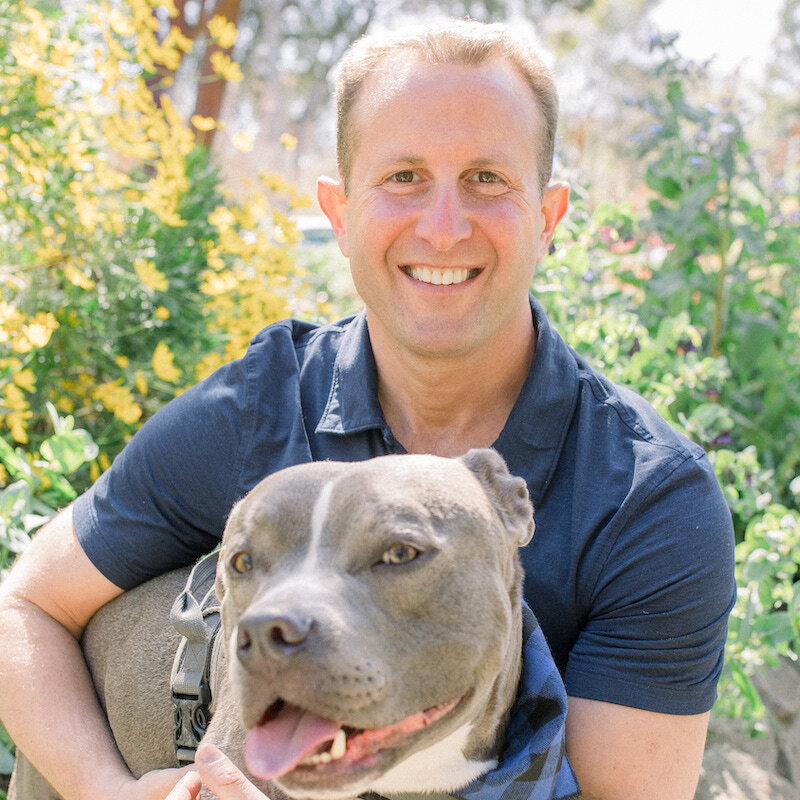
“If you go fill up your car with gas in the United States, chances are high that probably about 10% of your gas is not actually coming from fossil fuels. It's coming from ethanol.You don't even contemplate the fact that there's ethanol in your gas. And I think that meat maybe come like that, where people will obtain meat. But the norm will be for that meat not to be totally animal in its nature. And I think that people will just have a different view of what meat is, and it will be far more diverse than what it is today.”Paul Shapiro is the author of the national bestseller Clean Meat: How Growing Meat Without Animals Will Revolutionize Dinner and the World, the CEO of The Better Meat Co., a four-time TEDx speaker, and the host of the Business for Good Podcast.· www.bettermeat.co · www.oneplanetpodcast.org · www.creativeprocess.info
PAUL SHAPIRO
Paul Shapiro is the author of the national bestseller Clean Meat: How Growing Meat Without Animals Will Revolutionize Dinner and the World, the CEO of The Better Meat Co., a four-time TEDx speaker, and the host of the Business for Good Podcast.· www.bettermeat.co · www.oneplanetpodcast.org · www.creativeprocess.info
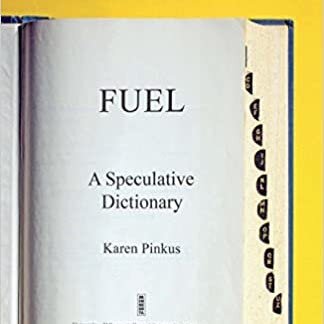
Fuel: A Speculative Dictionary with KAREN PINKUS - Highlights
“For many years I wrote, taught, and published about climate change from a more philosophical, existential point of view, especially thinking about deep time, but I did come back to fuels with my Fuel book in part for the fact that so much of the press and so much of public discourse confuses fuel and energy, and it’s still happening today. I thought about this so long and the same themes, the same tropes are still being recycled.”Karen Pinkus is Professor of Italian and Comparative Literature at Cornell University. She is a minor graduate field member in Studio Art and a Faculty Fellow of the Atkinson Center for a Sustainable Future.For more than a decade, Karen has been working between Italian studies and environmental humanities with a focus on climate change. She is Editor of Diacritics. Her books include Fuel: A Speculative Dictionary, Clocking Out: The Machinery of Life in 60s Italian Cinema, exploring issues around labor, automation and repetition in Italian art, literature, design and film of the 60s, and the forthcoming Subsurface, Narrative, Climate Change.· romancestudies.cornell.edu/karen-pinkus · www.creativeprocess.info· www.oneplanetpodcast.org
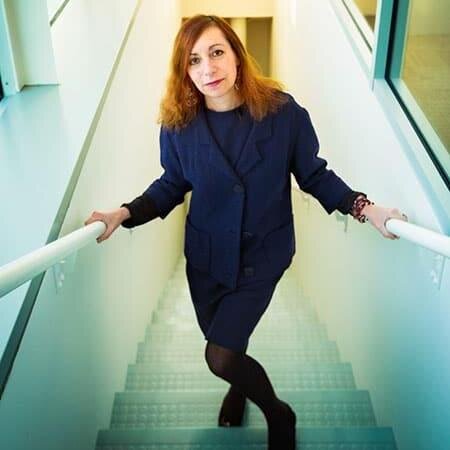
KAREN PINKUS
Karen Pinkus is Professor of Italian and Comparative Literature at Cornell University. She is a minor graduate field member in Studio Art and a Faculty Fellow of the Atkinson Center for a Sustainable Future.For more than a decade, Karen has been working between Italian studies and environmental humanities with a focus on climate change. She is Editor of Diacritics. Her books include Fuel: A Speculative Dictionary, Clocking Out: The Machinery of Life in 60s Italian Cinema, exploring issues around labor, automation and repetition in Italian art, literature, design and film of the 60s, and the forthcoming Subsurface, Narrative, Climate Change.· romancestudies.cornell.edu/karen-pinkus · www.creativeprocess.info· www.oneplanetpodcast.org
Johannes Stripple & Harriet Bulkeley · Climaginaries · Earth Systems Governance - Highlights
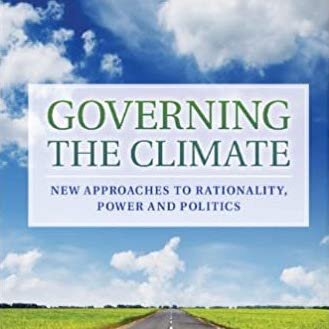
"Our starting point was that a lot of the stories we tell about futures world are quite poor. It’s not stories that are meeting the world as it is now. It’s difficult for people to inhabit the kinds of worlds that we imagine through scenarios or modelling, so there is a kind of distance between where we are now and the life worlds of a decarbonized or a post-fossil world."Harriet Bulkeley is Professor at Durham University, UK and Utrecht University, the Netherlands. Her research is concerned with the politics and governance of environmental issues, with a particular interest in climate change, energy, nature and urban sustainability. She is currently working on how nature-based solutions are coming to occupy a place in the political landscape of environmental governance. Johannes Stripple is an Associate Professor in Political Science at Lund University, Sweden. His research has traced the governance of climate change through a range of sites, from the UN to the everyday, from the economy, the urban, and the low carbon self. Currently Johannes' work focus on how we imagine and engage an increasingly carbon constrained and warming world.Harriet and Johannes share a wide interest in the cultural politics of climate change. They have jointly edited Governing the Climate: New Approaches to Rationality, Power and Politics (Cambridge University Press, 2014), Towards a Cultural Politics of Climate Change (Cambridge University Press, 2016), and Decarbonising Economies (Forthcoming with Cambridge University Press, 2021).Harriet and Johannes have in the last years worked on a set of initiatives that through experimentation, narratives and speculative design portray the possibilities of life in a fossil-free future. Examples of these are the low carbon mobile laboratory, a tourist guide to a fictional decarbonized European city, the Carbon Ruins exhibition, soundwalks in changed climate, and a climate fiction writing contest.· www.climaginaries.org/carbon-ruins· www.reinvent-project.eu/roughplanetguide· www.climatefutures.lu.se/futurewalks· www.climaginaries.org/anthroposcenes· www.youtube.com/watch?v=cE7wgwcmyMA· grist.org/article/in-a-future-without-climate-change-how-will-we-be-remembered/· www.transformingsociety.co.uk/2021/02/16/concretise-situate-democratise-the-museum-of-carbon-ruins/· www.rapidtransition.org/commentaries/tour-tomorrow-today-why-we-made-a-travel-guide-to-an-imaginary-future-city/· www.oneplanetpodcast.org· www.creativeprocess.info
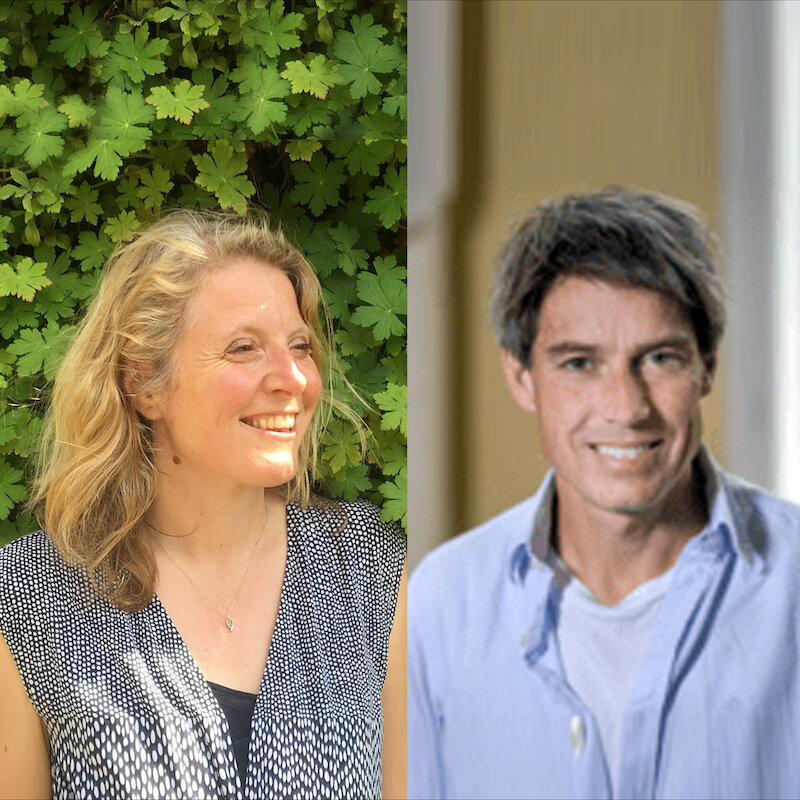
JOHANNES STRIPPLE & HARRIET BULKELEY
Harriet Bulkeley is Professor at Durham University, UK and Utrecht University, the Netherlands. Her research is concerned with the politics and governance of environmental issues, with a particular interest in climate change, energy, nature and urban sustainability. She is currently working on how nature-based solutions are coming to occupy a place in the political landscape of environmental governance. Johannes Stripple is an Associate Professor in Political Science at Lund University, Sweden. His research has traced the governance of climate change through a range of sites, from the UN to the everyday, from the economy, the urban, and the low carbon self. Currently Johannes' work focus on how we imagine and engage an increasingly carbon constrained and warming world.Harriet and Johannes share a wide interest in the cultural politics of climate change. They have jointly edited Governing the Climate: New Approaches to Rationality, Power and Politics (Cambridge University Press, 2014), Towards a Cultural Politics of Climate Change (Cambridge University Press, 2016), and Decarbonising Economies (Forthcoming with Cambridge University Press, 2021).Harriet and Johannes have in the last years worked on a set of initiatives that through experimentation, narratives and speculative design portray the possibilities of life in a fossil-free future. Examples of these are the low carbon mobile laboratory, a tourist guide to a fictional decarbonized European city, the Carbon Ruins exhibition, soundwalks in changed climate, and a climate fiction writing contest.· www.climaginaries.org/carbon-ruins· www.reinvent-project.eu/roughplanetguide· www.climatefutures.lu.se/futurewalks· www.climaginaries.org/anthroposcenes· www.youtube.com/watch?v=cE7wgwcmyMA· grist.org/article/in-a-future-without-climate-change-how-will-we-be-remembered/· www.transformingsociety.co.uk/2021/02/16/concretise-situate-democratise-the-museum-of-carbon-ruins/· www.rapidtransition.org/commentaries/tour-tomorrow-today-why-we-made-a-travel-guide-to-an-imaginary-future-city/· www.oneplanetpodcast.org· www.creativeprocess.info