Sustainability, Climate Change, Renewable Energy, Politics, Activism, Biodiversity, Carbon Footprint, Wildlife, Regenerative Agriculture, Circular Economy, Extinction, Net-Zero · One Planet Podcast
571 episodes — Page 11 of 12
INGRID NEWKIRK
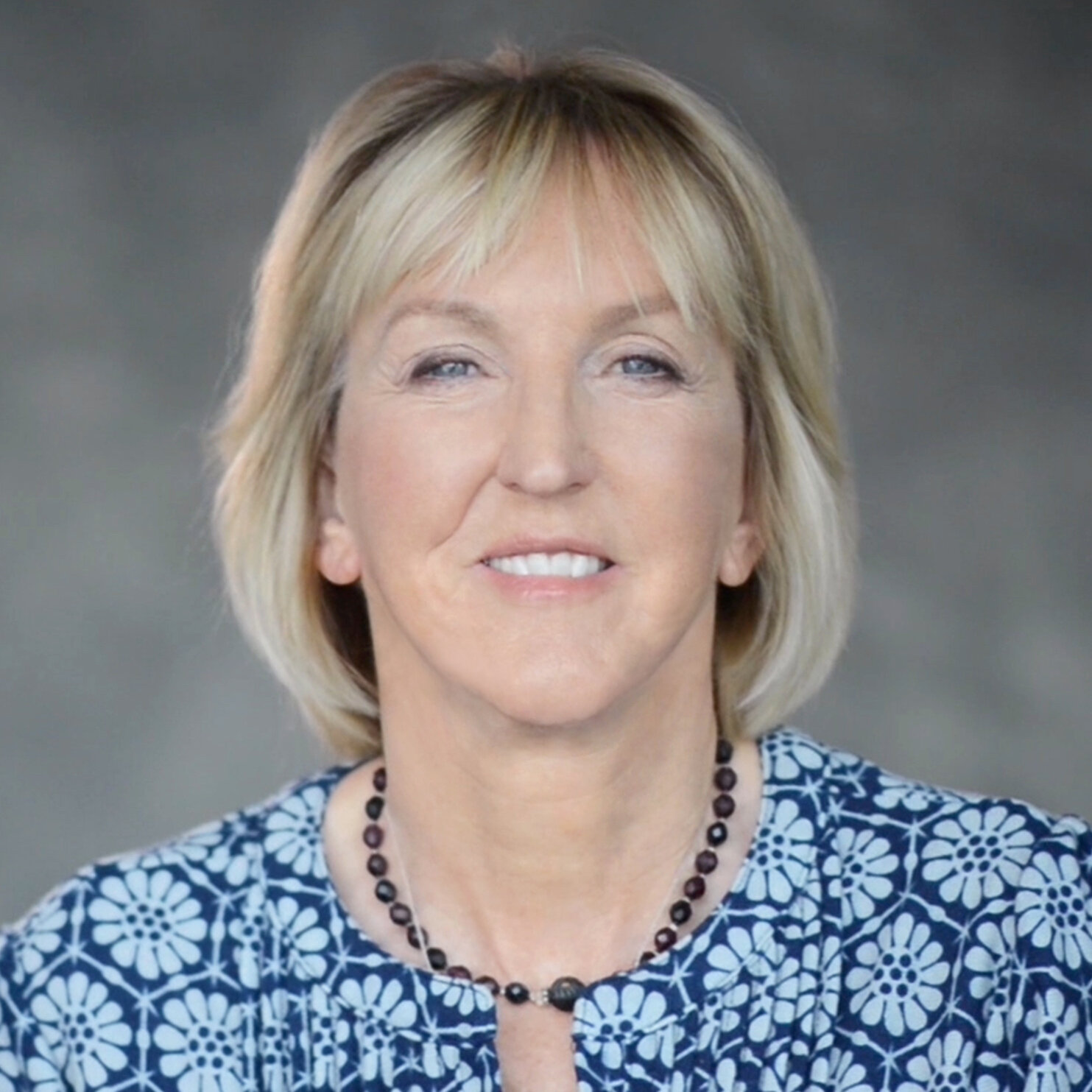
Ingrid Newkirk is the founder and president of People for the Ethical Treatment of Animals (PETA)—the largest animal rights organization in the world, with more than 6.5 million members and supporters worldwide. She is the author of more than a dozen books that have been translated into several languages, including her latest, Animalkind: Remarkable Discoveries About Animals and Revolutionary New Ways to Show Them Compassion.Newkirk, a former Washingtonian of the Year, has been featured for her work for animals in The New Yorker, Time magazine, People magazine, Forbes, the Financial Times, and numerous other publications. She has appeared on TV shows and podcasts all over the world, including on Real Time With Bill Maher, The Rich Roll Podcast, and Here's the Thing With Alec Baldwin. She is the subject of a BBC special and the HBO documentary I Am an Animal.· www.peta.org· www.ingridnewkirk.com· www.oneplanetpodcast.org· www.creativeprocess.info··· "Rebirth" by Juan Sánchez is licensed under a Creative Commons License.
(Highlights) MARTIN VON HILDEBRAND
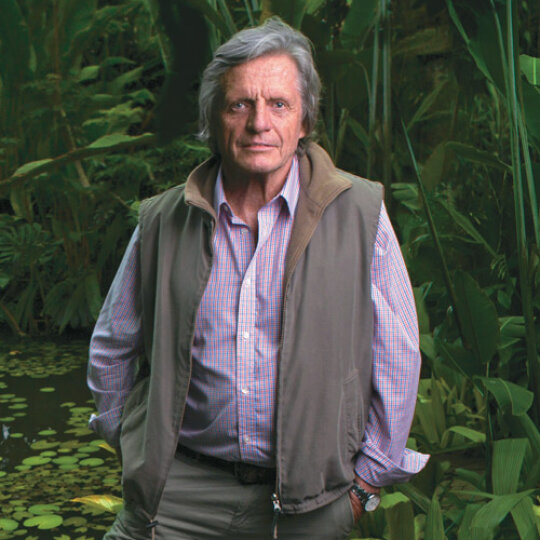
“I went to the Amazon and I got a canoe and I started rowing into the forest. It was absolutely like going back into the 17th century! I went around for six months on my own and that was fantastic because in this part of the Colombian rainforest there were absolutely no roads, no towns, no electricity, no flowing water. You are with the indigenous group. They are all still in their loincloths. They speak different languages. I went through about eight different ethnic groups. They all spoke different languages. I couldn’t understand what they said. They couldn’t understand what I said, but we got along well.”Martin Von Hildebrand has dedicated the last five decades strengthening indigenous communities in the Colombian Amazon. During this time he obtained the recognition of their rights in the National Constitution, including the collective ownership of their land and the development of their governments. They now own 26 million hectares of continuous rain forest, their rights have been recognized, and they have set up many of their governments.Currently, Martin, along with NGOs, indigenous organizations, civil society, governments, and private enterprises, is coordinating the protection of the largest stretch of rainforests on the planet (the northern part of the Amazon between the Andes and the Atlantic, 260 million hectares).He is an ethnologist, with a doctorate from the University of Paris VII, founder, and the current president of the Gaia Amazonas Foundation. He has been awarded a dozen international awards, such as The Right Livelihood Award, the Talberg Award, The Golden Arc award, the Special Irish presidential Award for Irish Abroad, and the Colombian National Environmental Award.Gaia Amazonas Foundation · gaiaamazonas.orgAlianza Noramazónica website· alianzanoramazonica.orgRAISG website· amazoniasocioambiental.org/es/Why is the Amazonia important?/¿Porque la Amazonia es tan importante?· youtube.com/watch?v=_mO1bf8iTMINetflix: "El Sendero de la Anaconda"Flying rivers/Los rios voladores en la Amazonia. El Corredor Andes Amazonas Atlanticobbc.com/mundo/noticias-41038097#:~:text=Son%20%22r%C3%ADos%20voladores%22.,m%C3%A1s%20agua%20que%20el%20Amazonas· www.oneplanetpodcast.org· www.creativeprocess.info
MARTIN VON HILDEBRAND
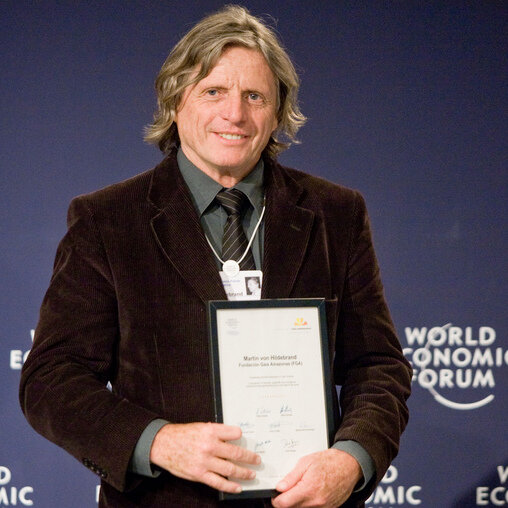
Martin Von Hildebrand has dedicated the last five decades strengthening indigenous communities in the Colombian Amazon. During this time he obtained the recognition of their rights in the National Constitution, including the collective ownership of their land and the development of their governments. They now own 26 million hectares of continuous rain forest, their rights have been recognized, and they have set up many of their governments.Currently, Martin, along with NGOs, indigenous organizations, civil society, governments, and private enterprises, is coordinating the protection of the largest stretch of rainforests on the planet (the northern part of the Amazon between the Andes and the Atlantic, 260 million hectares).He is an ethnologist, with a doctorate from the University of Paris VII, founder, and the current president of the Gaia Amazonas Foundation. He has been awarded a dozen international awards, such as The Right Livelihood Award, the Talberg Award, The Golden Arc award, the Special Irish presidential Award for Irish Abroad, and the Colombian National Environmental Award.Gaia Amazonas Foundation · gaiaamazonas.orgAlianza Noramazónica website.· alianzanoramazonica.orgRAISG website· amazoniasocioambiental.org/es/Why is the Amazonia important?/¿Porque la Amazonia es tan importante?· youtube.com/watch?v=_mO1bf8iTMINetflix: "El Sendero de la Anaconda"Flying rivers/Los rios voladores en la Amazonia. El Corredor Andes Amazonas Atlantico· bbc.com/mundo/noticias-41038097#:~:text=Son%20%22r%C3%ADos%20voladores%22.,m%C3%A1s%20agua%20que%20el%20Amazonas· www.oneplanetpodcast.org · www.creativeprocess.info

Highlights - Kathleen Rogers · President of EARTHDAY.ORG
“The history of Earth Day is pretty remarkable. The net result is 20 million people came out on the streets. It remains the largest civic day of action in human history. There’s no other country, no other world that ever had 20 million people coming out on the streets around a single issue. That was on April 22, 1970, and right after that, it became apparent with that many people that Congress and State legislators had to do something about it because, frankly, they were afraid of that many people all speaking in one voice.The philosophy of Earth Day is very much about building a big movement, making sure it’s diverse, constantly improving the ways that people access information, and have access to mechanisms for legal relief.Over the course of the next couple of decades it became year-round, it went international. This organization now works 365 days a year. At this point, we’re in 192 countries with about a billion people participating, so we take advantage of that bully pulpit to really educate people about critical issues.”Kathleen Rogers is the President of EARTHDAY.ORG. Under her leadership, it has grown into a global year-round policy and activist organization with an international staff. She has been at the vanguard of developing campaigns and programs focused on diversifying the environmental movement, highlighted by Campaign for Communities and Billion Acts of Green. Prior to her work at EARTHDAY.ORG, Kathleen held senior positions with the National Audubon Society, the Environmental Law Institute, and two U.S. Olympic Organizing Committees. She’s a graduate of the University of California at Davis School of Law, where she served as editor-in-chief of the law review and clerked in the United States District Court for the District of Columbia.· www.oneplanetpodcast.org "Rebirth" by Juan Sánchez is licensed under a Creative Commons License.
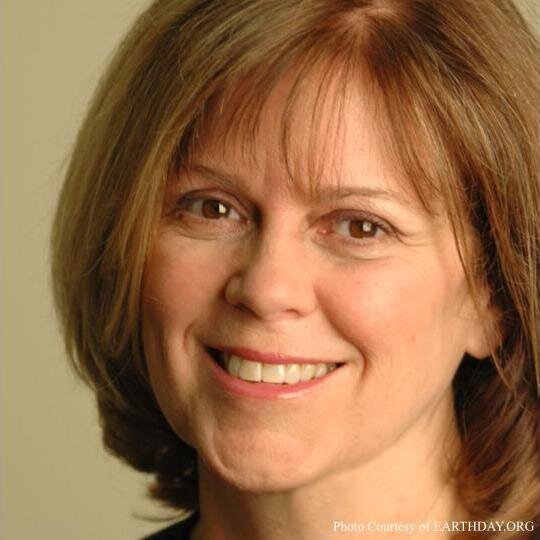
Kathleen Rogers - President of EARTHDAY.ORG
Kathleen Rogers is the President of EARTHDAY.ORG. Under her leadership, it has grown into a global year-round policy and activist organization with an international staff. She has been at the vanguard of developing campaigns and programs focused on diversifying the environmental movement, highlighted by Campaign for Communities and Billion Acts of Green. Prior to her work at EARTHDAY.ORG, Kathleen held senior positions with the National Audubon Society, the Environmental Law Institute, and two U.S. Olympic Organizing Committees. She’s a graduate of the University of California at Davis School of Law, where she served as editor-in-chief of the law review and clerked in the United States District Court for the District of Columbia.· www.oneplanetpodcast.org This interview is the first in our new One Planet Podcast series, which is available both on The Creative Process and on its own channel from the end of March. The podcast features environmental groups and notable changemakers from around the world, including European Environment Agency, Citizens’ Climate Lobby, EarthLife Africa, One Tree Planted, Global Witness, Earth System Governance Project, Marine Stewardship Council, National Council for Climate Change, Sustainable Development and Public Leadership, Association des Amis de la Nature, Forest Stewardship Council, Polar Bears International, and many others.Episodes feature a host of ways you can take action and get involved in local or international environmental movements so that we can work together for a better tomorrow.· "Rebirth" by Juan Sánchez is licensed under a Creative Commons License.

(Highlights) PETER SINGER
“This generation really does hold the future of the planet in its hands.”Peter Singer is often described as the world's most influential philosopher. The author of important books such as Animal Liberation, Practical Ethics, Rethinking Life and Death, and The Life You Can Save, he helped launch the animal rights and effective altruism movements and contributed to the development of bioethics. Now, in Ethics in the Real World, Singer shows that he is also a master at dissecting important current events in a few hundred words.· petersinger.info· www.thelifeyoucansave.org· www.oneplanetpodcast.org· www.creativeprocess.info
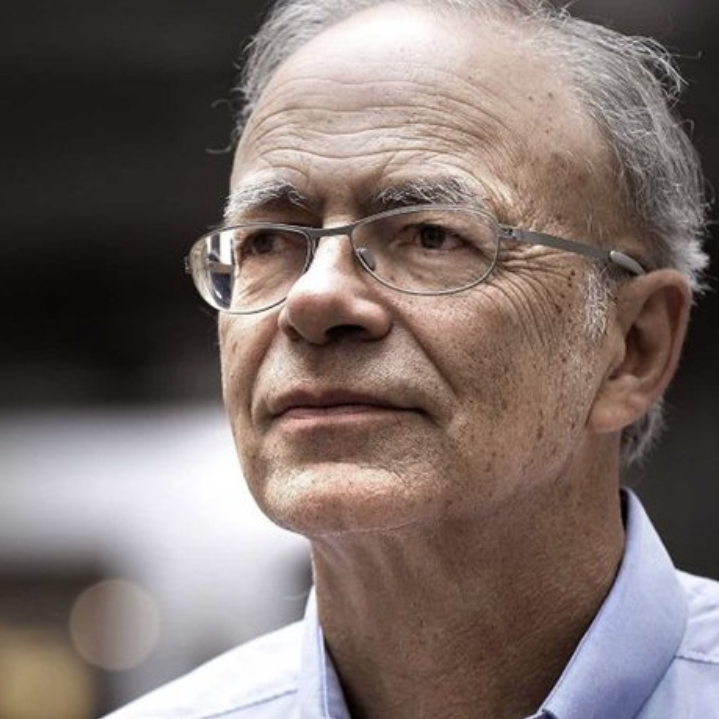
PETER SINGER
Peter Singer is often described as the world's most influential philosopher. The author of important books such as Animal Liberation, Practical Ethics, Rethinking Life and Death, and The Life You Can Save, he helped launch the animal rights and effective altruism movements and contributed to the development of bioethics. Now, in Ethics in the Real World, Singer shows that he is also a master at dissecting important current events in a few hundred words.· petersinger.info· www.thelifeyoucansave.org· www.oneplanetpodcast.org· www.creativeprocess.infoPhoto courtesy of Leif Tuxen
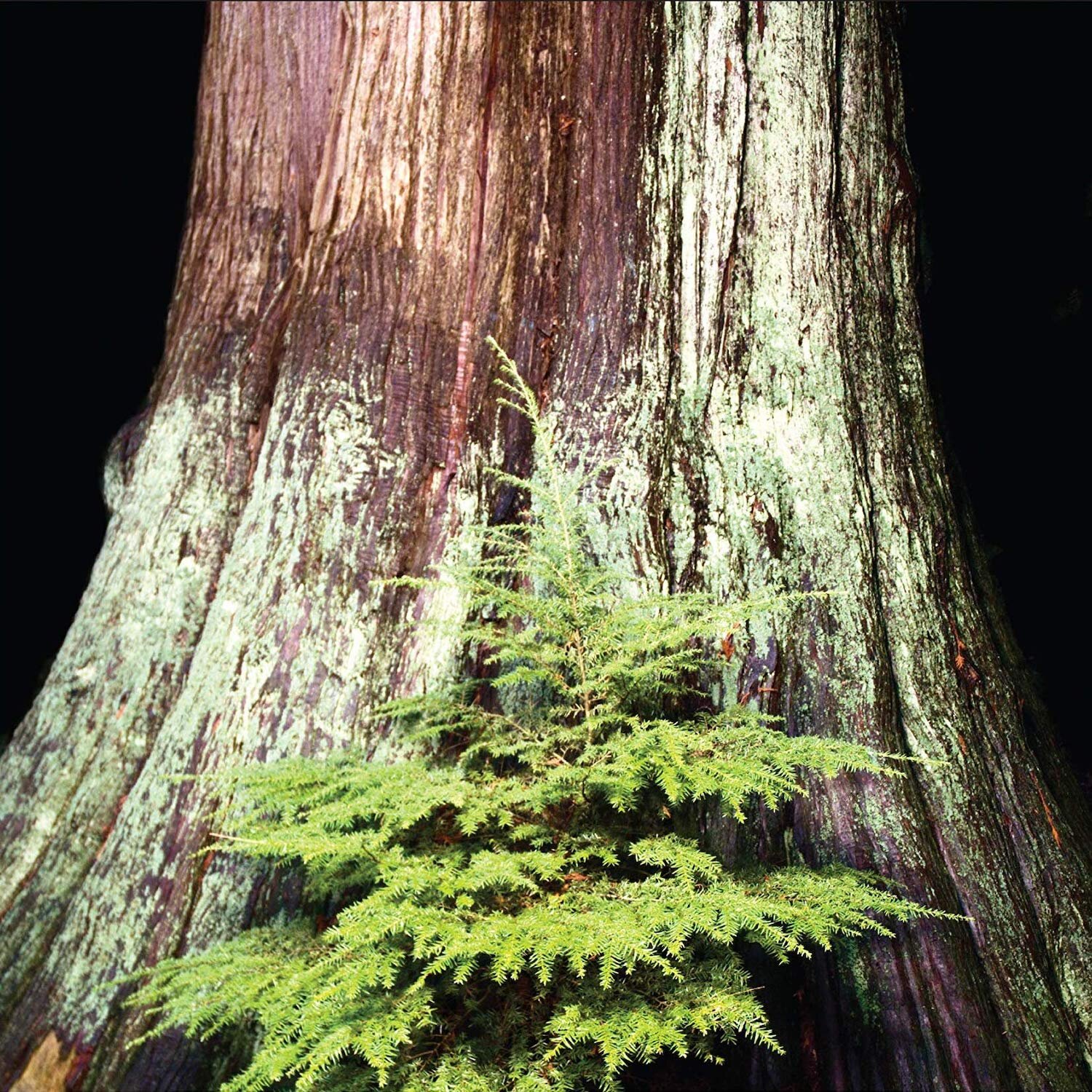
(Highlights) DR. SUZANNE SIMARD
“Think of yourself as a tree. You’ve got neighbours that you live beside for hundreds if not thousands of years, and none of you can move around, so you just have to communicate in other ways. And so trees have evolved to have these ways of communicating with each other, and they’re sophisticated, they’re nuanced. They include things like transmitting information through these root networks that link them together. They transmit information to each other through the air, so they perceive each other, they communicate and then they respond to each other. And that language is complex.”Dr. Suzanne Simard is a professor of Forest Ecology at the University of British Columbia. In 2016, she gave a TED talk about her groundbreaking discovery of how trees communicate with each other. Most recently, Dr. Simard has published a book called Finding the Mother Tree. Her work has influenced filmmakers (the Tree of Souls in James Cameron’s Avatar) and her TED talks have been viewed by more than 10 million people worldwide.· suzannesimard.com· mothertreeproject.org · www.oneplanetpodcast.org· www.creativeprocess.info
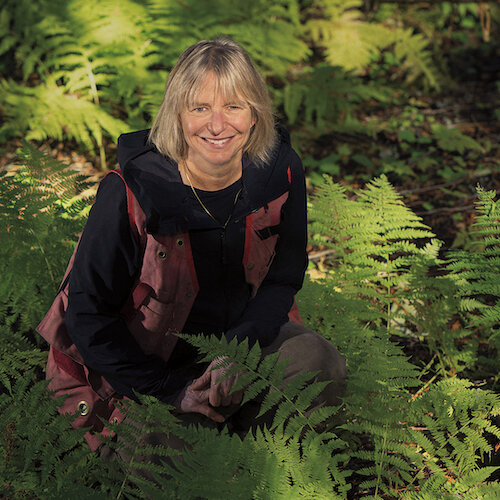
DR. SUZANNE SIMARD
Dr. Suzanne Simard is a professor of Forest Ecology at the University of British Columbia. In 2016, she gave a TED talk about her groundbreaking discovery of how trees communicate with each other. Most recently, Dr. Simard has published a book called Finding the Mother Tree. Her work has influenced filmmakers (the Tree of Souls in James Cameron’s Avatar) and her TED talks have been viewed by more than 10 million people worldwide.· suzannesimard.com· mothertreeproject.org · www.oneplanetpodcast.org· www.creativeprocess.infoPhoto by Brendan Ko
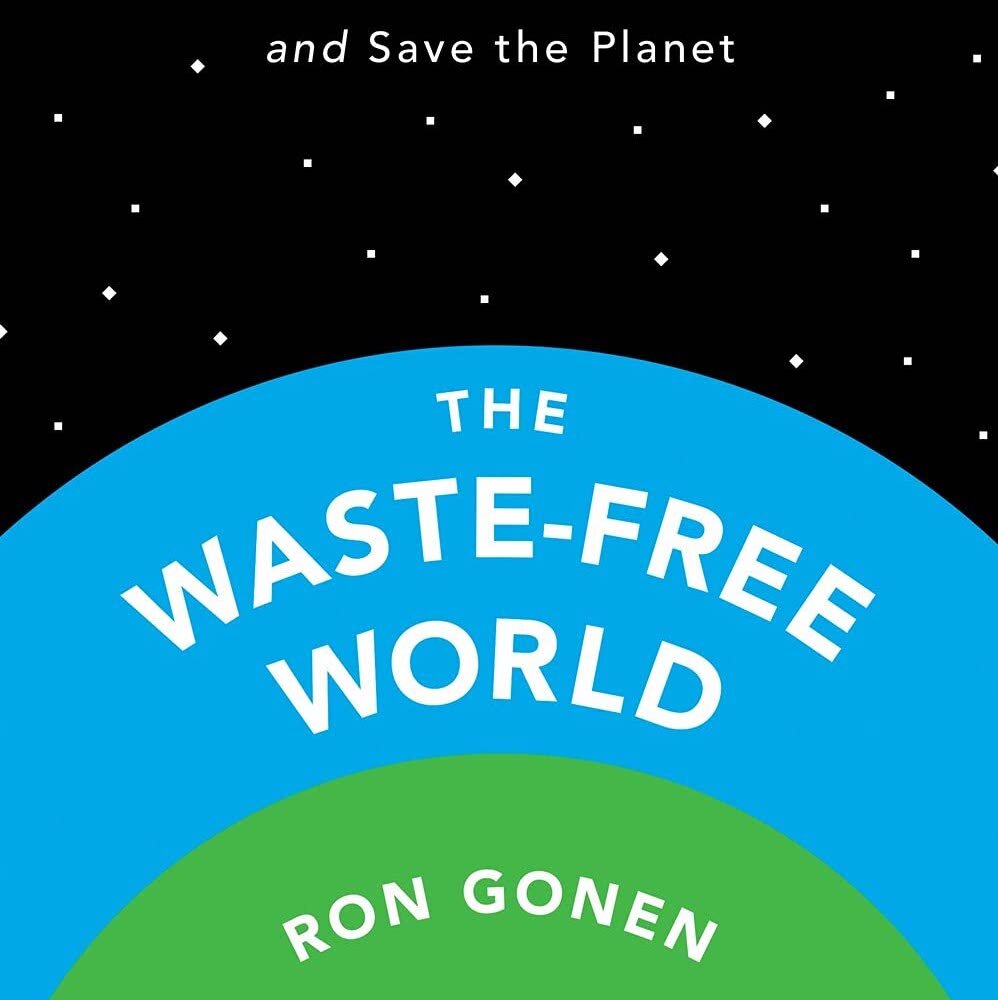
(Highlights) RON GONEN
“We live in buildings and cities because that’s what generates a living for a lot of people, but where we’re most comfortable as humans is when we’re in nature. Your generation owns this. Don’t let anybody take it from you or damage it because you own it. The next generation is the one that owns it and view it with a sense of ownership and a sense of pride and a sense of protection because there are a lot of benefits you get from nature.”Ron Gonen is the Founder and CEO of Closed Loop Partners, a New York Based investment firm that focuses on building the circular economy. In his fulfilling career, Ron has been recognized as the “Champion of Earth” by the United Nations Environment Program. Serving as the Deputy Commissioner of Sanitation, Recycling and Sustainability in New York City under the Bloomberg Administration, Ron Gonen is a visionary and his idea of the circular economy is certainly the way of the future.In 2021, he released his first book with Penguin Random House, The Waste Free World: How the Circular Economy Will Take Less, Make More, and Save the Planet, highlighting how companies that utilize circular economy business models will generate the most value and lead their industries. Earlier in his career, Ron was the Co-Founder and CEO of RecycleBank from 2003-2010. He started his career at Deloitte Consulting. Ron was a Henry Catto Fellow at the Aspen Institute and past term member of the Council on Foreign Relations. He holds a number of technology and business method patents in the recycling industry.· www.closedlooppartners.com · www.oneplanetpodcast.org · www.creativeprocess.info
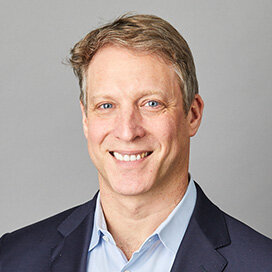
RON GONEN
Ron Gonen is the Founder and CEO of Closed Loop Partners, a New York Based investment firm that focuses on building the circular economy. In his fulfilling career, Ron has been recognized as the “Champion of Earth” by the United Nations Environment Program. Serving as the Deputy Commissioner of Sanitation, Recycling and Sustainability in New York City under the Bloomberg Administration, Ron Gonen is a visionary and his idea of the circular economy is certainly the way of the future.In 2021, he released his first book with Penguin Random House, The Waste Free World: How the Circular Economy Will Take Less, Make More, and Save the Planet, highlighting how companies that utilize circular economy business models will generate the most value and lead their industries. Earlier in his career, Ron was the Co-Founder and CEO of RecycleBank from 2003-2010. He started his career at Deloitte Consulting. Ron was a Henry Catto Fellow at the Aspen Institute and past term member of the Council on Foreign Relations. He holds a number of technology and business method patents in the recycling industry.· www.closedlooppartners.com · www.oneplanetpodcast.org · www.creativeprocess.info
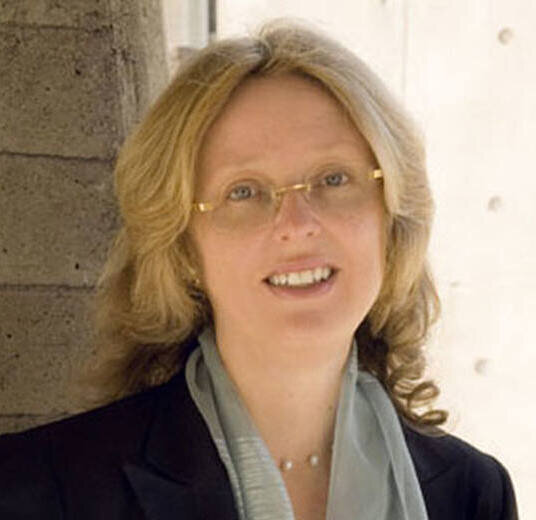
(Highlights) MECHTILD RÖSSLER
"The idea of this convention is really unique because it is about heritage of outstanding universal value, which is to be preserved not for us, but for the generations to come. And that idea came together in 1972 when we had the first International Conference on the Human Environment. The first UN Conference on this. And it was quite interesting. It was a time when you had many NGOs. It was after the publication of a book which was called Silent Spring by Rachel Carson. And it was the idea that there are so many threats to this amazing heritage that the whole of the international community has to do something."Mechtild Rössler is the Director of the UNESCO World Heritage Centre and has worked at the organization for almost 30 years holding different positions, including overseeing the Cultural Heritage Treaty Section, Programme Specialist for Natural Heritage and cultural landscapes, Chief of Europe and North America, and Chief of the Policy and Statutory Meeting Section. She also managed the team of the History, Memory and Dialogue Section (HMD) dealing with the Slave Route, Silk Road Platform and the UNESCO Sharjah Prize for Arab Culture. She has published and co-authored 13 books and more than 100 articles, including, together with Christina Cameron, “Many voices, one vision: the early history of the World Heritage Convention”.· https://whc.unesco.org· www.oneplanetpodcast.org· www.creativeprocess.info
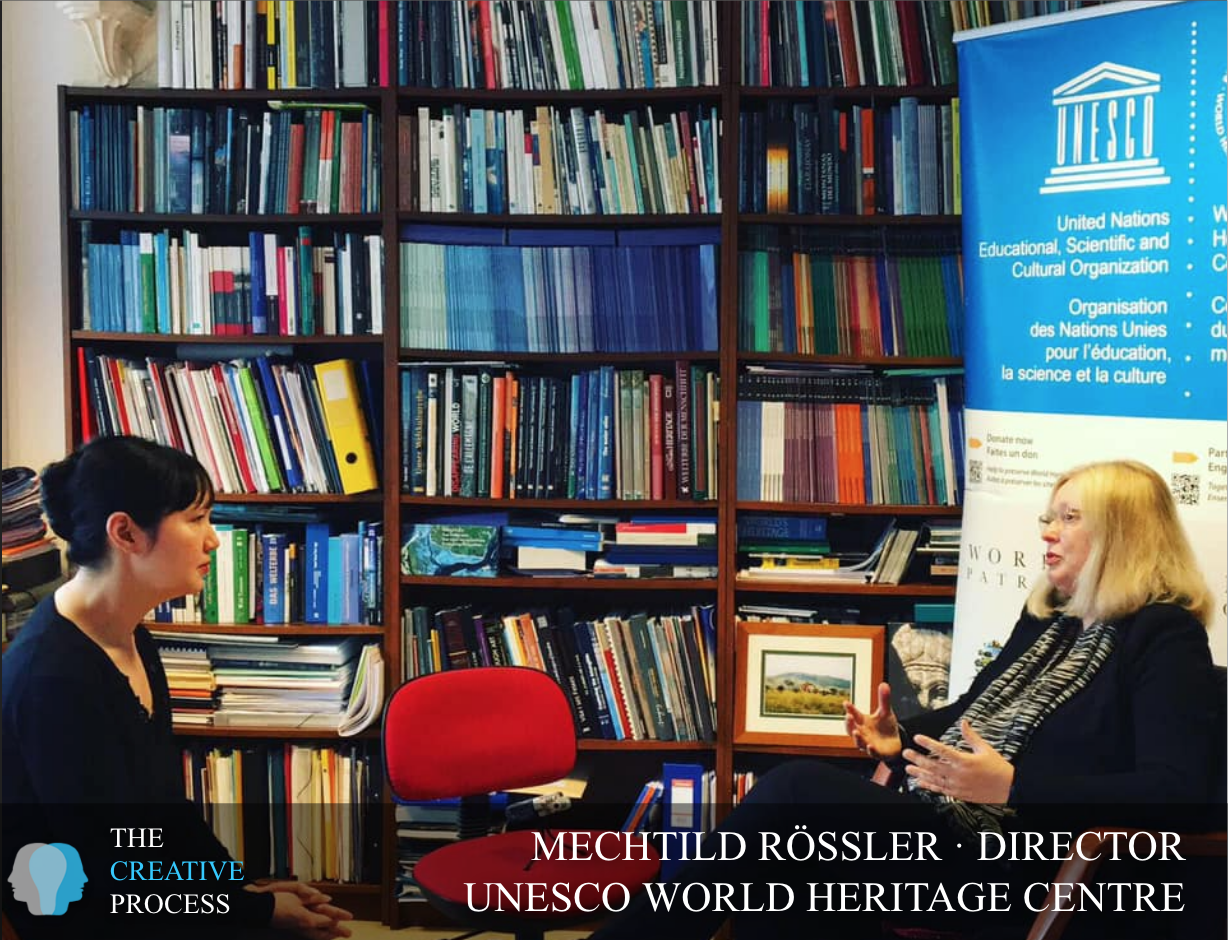
MECHTILD RÖSSLER
Mechtild Rössler is the Director of the UNESCO World Heritage Centre and has worked at the organization for almost 30 years holding different positions, including overseeing the Cultural Heritage Treaty Section, Programme Specialist for Natural Heritage and cultural landscapes, Chief of Europe and North America, and Chief of the Policy and Statutory Meeting Section. She also managed the team of the History, Memory and Dialogue Section (HMD) dealing with the Slave Route, Silk Road Platform and the UNESCO Sharjah Prize for Arab Culture. She has published and co-authored 13 books and more than 100 articles, including, together with Christina Cameron, “Many voices, one vision: the early history of the World Heritage Convention”.· https://whc.unesco.org· www.oneplanetpodcast.org· www.creativeprocess.info
(Highlights) GIULIO BOCCALETTI
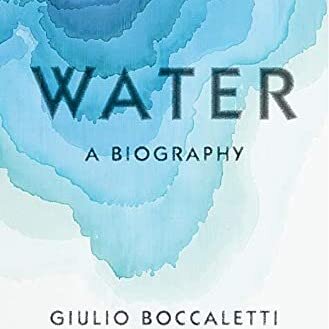
“The problem doesn’t really reside there. The problem is that people have gotten used to thinking about water as a technical issue that can be solved by somebody sitting in a room somewhere with a white coat. The reality is that the history of water shows that this is probably the most political and salient issue of society–How we share the resources that make it possible for us to live is a fundamentally political problem. And in nations that live together under a social contract is fundamentally a constitutional problem. So my hope is that we elevate water to a much higher level of political discourse.”Giulio Boccaletti, Ph.D., is a globally recognized expert on natural resource security and environmental sustainability. Trained as a physicist and climate scientist, he holds a doctorate from Princeton University, where he was a NASA Earth Systems Science Fellow. He has been a research scientist at the Massachusetts Institute of Technology, a partner of McKinsey & Company, and the chief strategy officer of The Nature Conservancy, one of the largest environmental organizations in the world. He is an Honorary Research Associate in the Smith School of Enterprise and the Environment at Oxford University. He writes on environmental issues for news media, and is an expert contributor to the World Economic Forum, which elected him as one of its Young Global Leaders. His work on water has been featured in the PBS documentary series H2O: The Molecule that Made Us. His new book, "Water, A Biography" is published by Pantheon Books, a division of Penguin Random House. He lives in London.· www.giulioboccaletti.com · www.penguinrandomhouse.com/books/602733/water-by-giulio-boccaletti/· www.oneplanetpodcast.org · www.creativeprocess.info
GIULIO BOCCALETTI
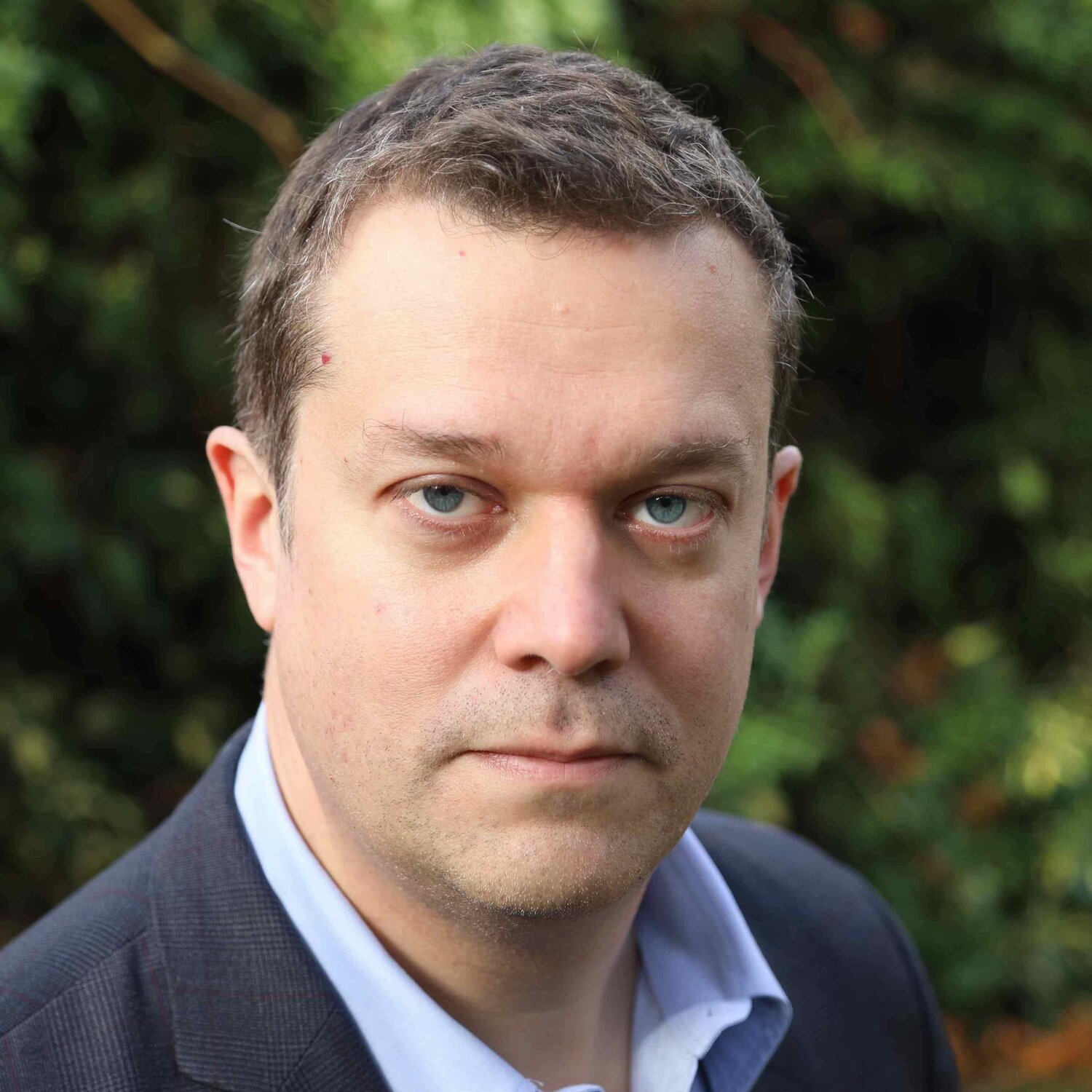
Giulio Boccaletti, Ph.D., is a globally recognized expert on natural resource security and environmental sustainability. Trained as a physicist and climate scientist, he holds a doctorate from Princeton University, where he was a NASA Earth Systems Science Fellow. He has been a research scientist at the Massachusetts Institute of Technology, a partner of McKinsey & Company, and the chief strategy officer of The Nature Conservancy, one of the largest environmental organizations in the world. He is an Honorary Research Associate in the Smith School of Enterprise and the Environment at Oxford University. He writes on environmental issues for news media, and is an expert contributor to the World Economic Forum, which elected him as one of its Young Global Leaders. His work on water has been featured in the PBS documentary series H2O: The Molecule that Made Us. His new book, "Water, A Biography" is published by Pantheon Books, a division of Penguin Random House. He lives in London.· www.giulioboccaletti.com · www.penguinrandomhouse.com/books/602733/water-by-giulio-boccaletti/· www.oneplanetpodcast.org · www.creativeprocess.info
(Highlights) MIKE DAVIS
Mike Davis has been the CEO of Global Witness since 2020, having previously served as Director of Campaigns, Planning and Evaluation for three years. During this time Mike has overseen the development of a new Global Witness strategy with a strong emphasis on abuses of power driving climate crisis. Mike first joined Global Witness in 2003, holding numerous roles, including exposing corruption in the Myanmar jade business and writing two ground-breaking exposes on corruption in Cambodia, both of which were banned by the Cambodian Government.· www.globalwitness.org· www.oneplanetpodcast.org· www.creativeprocess.info
MIKE DAVIS
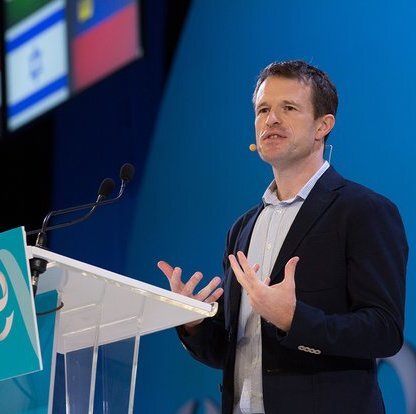
Mike Davis has been the CEO of Global Witness since 2020, having previously served as Director of Campaigns, Planning and Evaluation for three years. During this time Mike has overseen the development of a new Global Witness strategy with a strong emphasis on abuses of power driving climate crisis. Mike first joined Global Witness in 2003, holding numerous roles, including exposing corruption in the Myanmar jade business and writing two ground-breaking exposes on corruption in Cambodia, both of which were banned by the Cambodian Government.· www.globalwitness.org· www.oneplanetpodcast.org· www.creativeprocess.info· "Rebirth" by Juan Sánchez is licensed under a Creative Commons License.

(Highlights) HANS-JOSEF FELL
“Climate scientists forecast that we will see more pandemics, more sickness in people. We have about 8 million people from air pollution every year around the world. So if we want to save their lives so that they do not become ill, we have to stop air pollution. Climate protection is the best contribution to healthcare for humankind.”Hans-Josef Fell was a member of German Parliament from 1998 to 2013 where he drafted the 2000 Renewable Energy Sources Act. This law has since been replicated over 100 times and can be seen as the legal prototype for the rollout of renewables. In 2006, with a group of other parliamentarians and scientists, Fell created the Energy Watch Group, wherein as president, he utilizes his vast expertise in energy and climate politics to foster political dialogue and public discourse. Fell has received many accolades for his work including the Lui Che Woo Prize for his lifetime achievement in environmental and climate policy, the order of merit of the Federal Republic of Germany, and the Nuclear-Free Future Award. · www.energywatchgroup.org · hans-josef-fell.de/en/ · www.creativeprocess.info· www.oneplanetpodcast.org
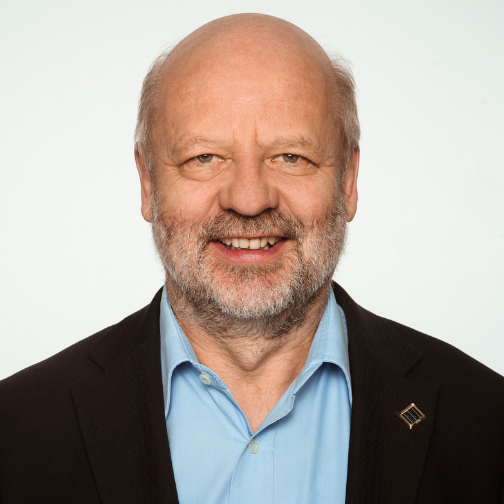
HANS-JOSEF FELL
Hans-Josef Fell was a member of German Parliament from 1998 to 2013 where he drafted the 2000 Renewable Energy Sources Act. This law has since been replicated over 100 times and can be seen as the legal prototype for the rollout of renewables. In 2006, with a group of other parliamentarians and scientists, Fell created the Energy Watch Group, wherein as president, he utilizes his vast expertise in energy and climate politics to foster political dialogue and public discourse. Fell has received many accolades for his work including the Lui Che Woo Prize for his lifetime achievement in environmental and climate policy, the order of merit of the Federal Republic of Germany, and the Nuclear-Free Future Award. · www.energywatchgroup.org · hans-josef-fell.de/en/ · www.creativeprocess.info · www.oneplanetpodcast.org
(Highlights) HANS BRUYNINCKX
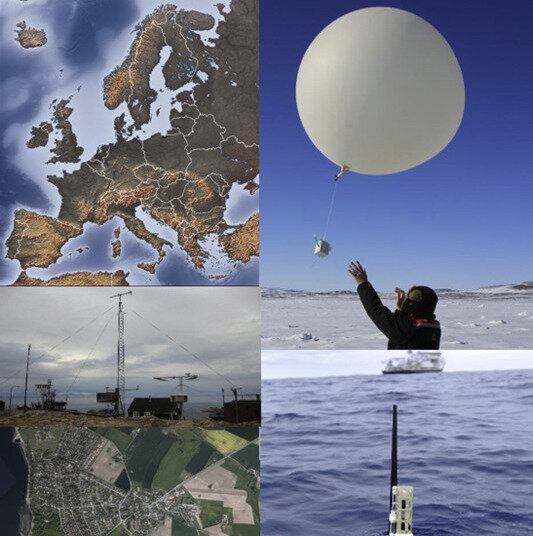
"I'm a deep believer in the values of democracy, human rights, and the system where civil society and people play a key role in the discussions about society and also assuming responsibility, whether it's through labor unions, youth organizations…I think one key solution at the level of society is more equality. More equal societies bring a lot of advantages. I think that is a critical component to building a sustainable society. We cannot pretend that the current distribution of wealth on this planet between countries and within countries is a fertile ground for longterm sustainability. It isn’t."Hans Bruyninckx is the Executive Director of the European Environment Agency. He is a political scientist and international relations scholar specializing in global environmental governance, climate change, and sustainable development. Previous to his work at EEA, he was head of the HIVA Research Institute and of the Political Science department at KU Leuven, senior member of the interdisciplinary Leuven Centre for Global Governance Studies and promoter-coordinator of the Flemish Policy Research Centre on Transitions for Sustainable Development.· https://www.eea.europa.eu/about-us/governance/executive-director · https://www.eea.europa.eu/ · www.oneplanetpodcast.org This interview is the first in our new One Planet Podcast series, which is available both on The Creative Process and on its own channel from the end of March. The podcast features environmental groups and notable changemakers from around the world, including European Environment Agency, Citizens’ Climate Lobby, EarthLife Africa, One Tree Planted, Global Witness, Earth System Governance Project, Marine Stewardship Council, National Council for Climate Change, Sustainable Development and Public Leadership, Association des Amis de la Nature, Forest Stewardship Council, Polar Bears International, and many others.
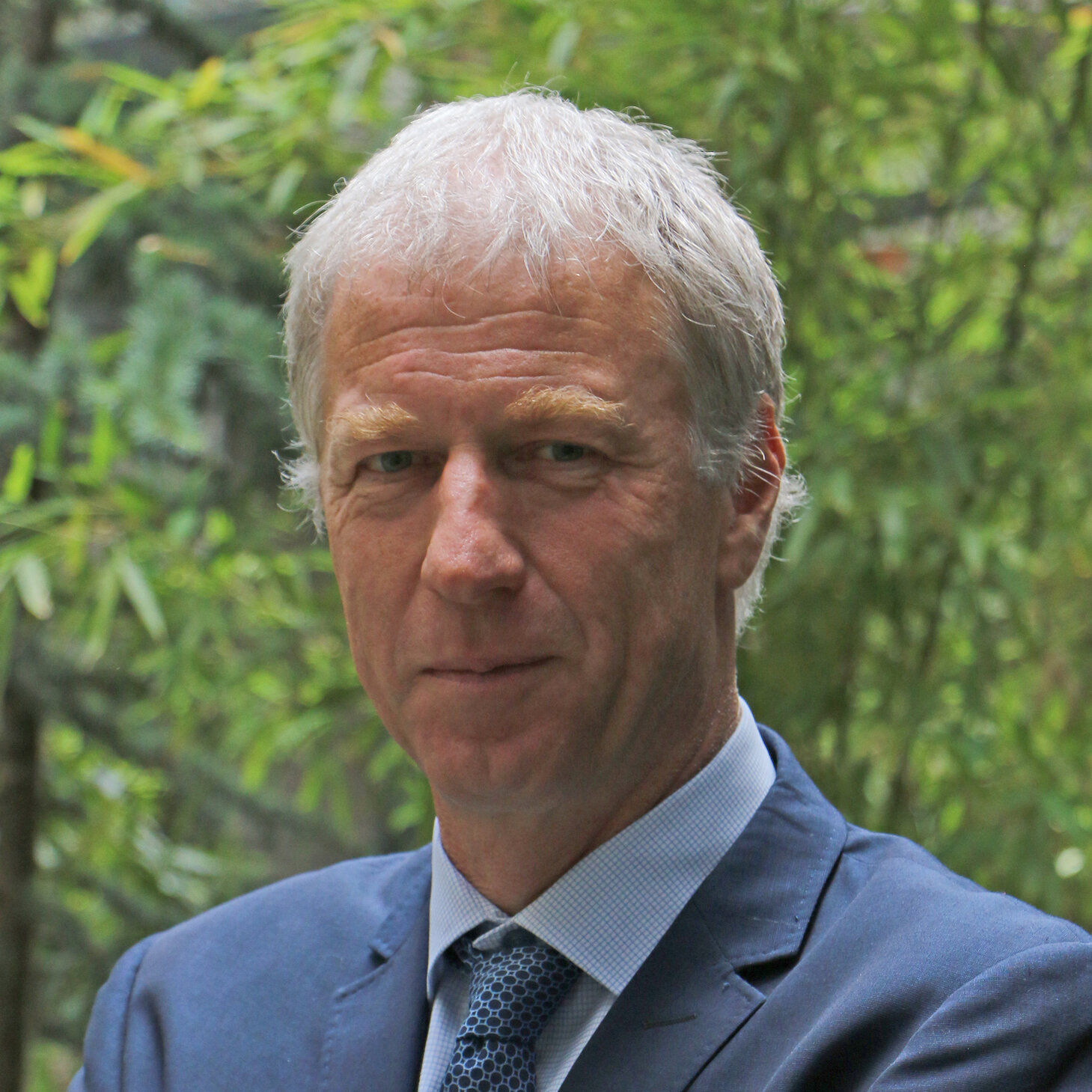
HANS BRUYNINCKX
Hans Bruyninckx is the Executive Director of the European Environment Agency. He is a political scientist and international relations scholar specializing in global environmental governance, climate change, and sustainable development. Previous to his work at EEA, he was head of the HIVA Research Institute and of the Political Science department at KU Leuven, senior member of the interdisciplinary Leuven Centre for Global Governance Studies and promoter-coordinator of the Flemish Policy Research Centre on Transitions for Sustainable Development.· https://www.eea.europa.eu/about-us/governance/executive-director · https://www.eea.europa.eu/ · www.oneplanetpodcast.org "Rebirth" by Juan Sánchez is licensed under a Creative Commons License.

(Highlights) IBRAHIM ALHUSSEINI
“Is it okay that you benefit at the expense of everyone and everything else? Is that a way that you really feel like you are winning at life? If not, then reconsider what you’re doing and just realize that we all live in this inextricably connected closed sphere in the middle of space. Anything that harms one area harms every area. There is nobody who can escape dirty air, dirty water, dirty food, economic political disruptions, etc. We’re all in this together. So don’t fool yourself by thinking somehow you’re going to come out this unscathed and having ‘won’ while everybody else loses.”Ibrahim AlHusseini was born in Jordan and raised in Saudi Arabia by parents who are Palestinian refugees. He emigrated to the United States in the 1990s to attend college at the University of Washington and he currently resides in Los Angeles. AlHusseini is a venture capitalist, sustainability-focused entrepreneur, and environmentalist. He is the founder and CEO of FullCycle, an investment company accelerating the deployment of climate-restoring technologies. AlHusseini is also the founder and managing partner of The Husseini Group.· fullcycle.com· www.oneplanetpodcast.org· www.creativeprocess.info
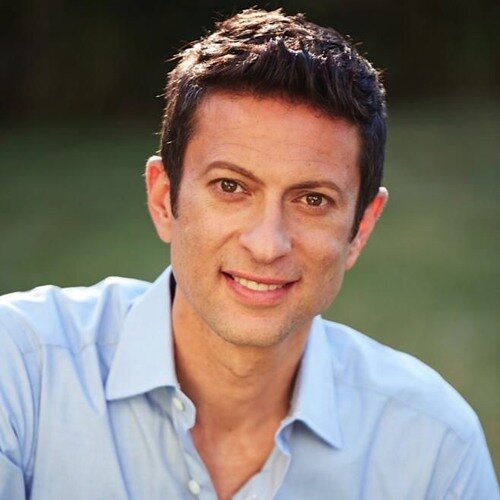
IBRAHIM ALHUSSEINI
Ibrahim AlHusseini was born in Jordan and raised in Saudi Arabia by parents who are Palestinian refugees. He emigrated to the United States in the 1990s to attend college at the University of Washington and he currently resides in Los Angeles. AlHusseini is a venture capitalist, sustainability-focused entrepreneur, and environmentalist. He is the founder and CEO of FullCycle, an investment company accelerating the deployment of climate-restoring technologies. AlHusseini is also the founder and managing partner of The Husseini Group.· fullcycle.com· www.oneplanetpodcast.org· www.creativeprocess.info
(Highlights) ANDERS LEVERMANN
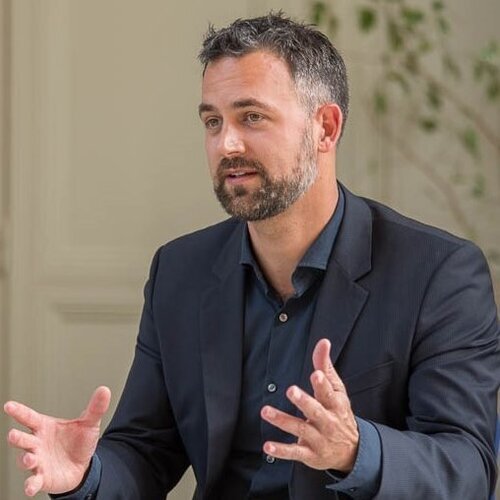
“A lot of people think climate change is about avoiding the extinction of mankind. In my opinion, climate change is about putting pressure on society and disrupting society to an extent that it can't function properly anymore. So my greatest fear is that if we don't combat climate change, the weather extremes will hit us with a frequency and intensity that we will not be able to recover after each impact. And then we will start to fight with each other.” Anders Levermann is a professor at the Physics Institute of Postdam University, Germany, as well as an adjunct senior research scientist of Lamont-Doherty Earth Observatory of Earth Institute at Columbia University, New York. Levermann’s research focuses on climate dynamics and its social-economic impact. His work is used to advise political and economic stakeholders on the issue of climate change. Levermann has been involved in the assessment report of the Intergovernmental Panel on Climate Change since 2004. He is a member of the scientific advisory body of UNEP Finance Initiative’s Net-Zero Asset Owner Alliance. He is also the head of global economic stability project Zeean. · www.pik-potsdam.de/~anders/ · www.pik-potsdam.de/en/output/transfer/projects/zeean· www.oneplanetpodcast.org· www.creativeprocess.info
ANDERS LEVERMANN
“A lot of people think climate change is about avoiding the extinction of mankind. In my opinion, climate change is about putting pressure on society and disrupting society to an extent that it can't function properly anymore. So my greatest fear is that if we don't combat climate change, the weather extremes will hit us with a frequency and intensity that we will not be able to recover after each impact. And then we will start to fight with each other.” Anders Levermann is a professor at the Physics Institute of Potsdam University, Germany, as well as an adjunct senior research scientist of Lamont-Doherty Earth Observatory of Earth Institute at Columbia University, New York. Levermann’s research focuses on climate dynamics and its social-economic impact. His work is used to advise political and economic stakeholders on the issue of climate change. Levermann has been involved in the assessment report of the Intergovernmental Panel on Climate Change since 2004. He is a member of the scientific advisory body of UNEP Finance Initiative’s Net-Zero Asset Owner Alliance. He is also the head of global economic stability project Zeean. · www.pik-potsdam.de/~anders/ · www.pik-potsdam.de/en/output/transfer/projects/zeean· www.oneplanetpodcast.org· www.creativeprocess.info
(Highlights) JASON W. MOORE
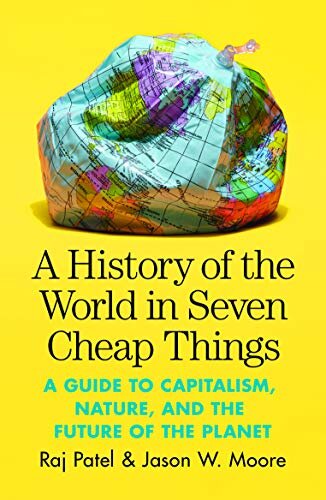
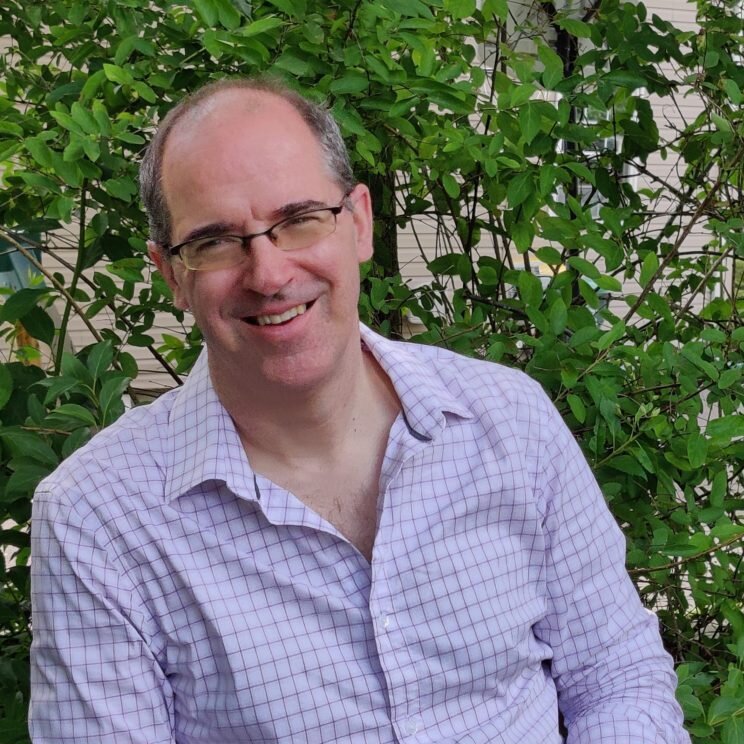
“We’re not waiting for the disasters to happen. They have happened. They are happening, and the disasters aren’t natural. They involve climate, but the disasters are very much made by the conditions of capitalist accumulation. We are not going to be able to grapple with the challenges of planetary crisis with the thinking that created planetary crisis.”Jason W. Moore is an environmental historian, historical geographer, and professor of sociology at Binghamton University. He is author or editor, most recently, of Capitalism in the Web of Life, Anthropocene or Capitalocene? Nature, History, and the Crisis of Capitalism, and, with Raj Patel, A History of the World in Seven Cheap Things. His books and essays on environmental history, capitalism, and social theory have been widely recognized. He also coordinates the World-Ecology Research Network.· jasonwmoore.com· www.oneplanetpodcast.org· www.creativeprocess.info
JASON W. MOORE
Jason W. Moore is an environmental historian, historical geographer, and professor of sociology at Binghamton University. He is author or editor, most recently, of Capitalism in the Web of Life, Anthropocene or Capitalocene? Nature, History, and the Crisis of Capitalism, and, with Raj Patel, A History of the World in Seven Cheap Things. His books and essays on environmental history, capitalism, and social theory have been widely recognized. He also coordinates the World-Ecology Research Network.· jasonwmoore.com· www.oneplanetpodcast.org· www.creativeprocess.info
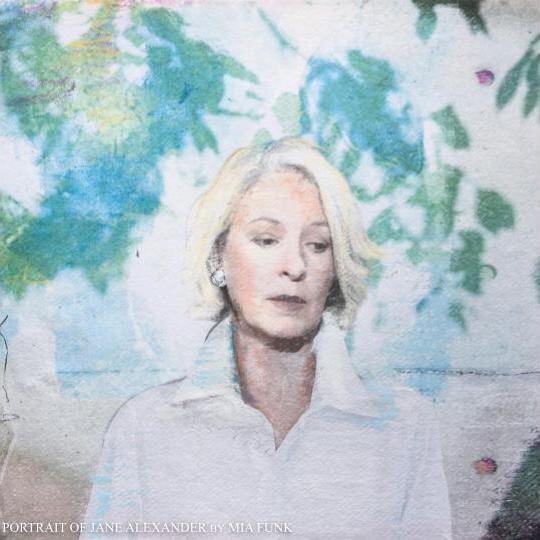
(Highlights) JANE ALEXANDER
"I came to conservation as a lover of nature, as a young girl growing up outside of Boston, Massachusetts. We just had a tiny backyard. But I was enthralled by whatever lived there from a very early age. So I kept up with my love of nature all through life by the same path that I was also going on in theater for the most part. And later film. And conservation came out of my love for animals because it became clear in the 70s, about fifty years ago, that there were many species that were beginning their decline and continue to do so today."Jane Alexander is an actress, writer, and conservationist. She chaired the National Endowment for the Art from 1993-1997. A Tony Award winner and member of the Theatre Hall of Fame, Alexander has performed in more than a hundred plays. Her long film career includes four Academy Award nominations, for The Great White Hope, All The President’s Men, Kramer vs. Kramer, and Testament. She has been honored with two Emmys, for Playing for Time and Warm Springs. Alexander was a Trustee of the Wildlife Conservation Society, a board member of the American Bird Conservancy, the American Birding Association, and a Commissioner of New York State Parks. She sits on the board of the National Audubon Society, the Global Advisory Group of Bird Life International, and the Conservation Council of Panthera. In 2012 the Indianapolis Prize inaugurated the Jane Alexander Global Wildlife Ambassador Award, with Alexander as its first recipient.· www.creativeprocess.info
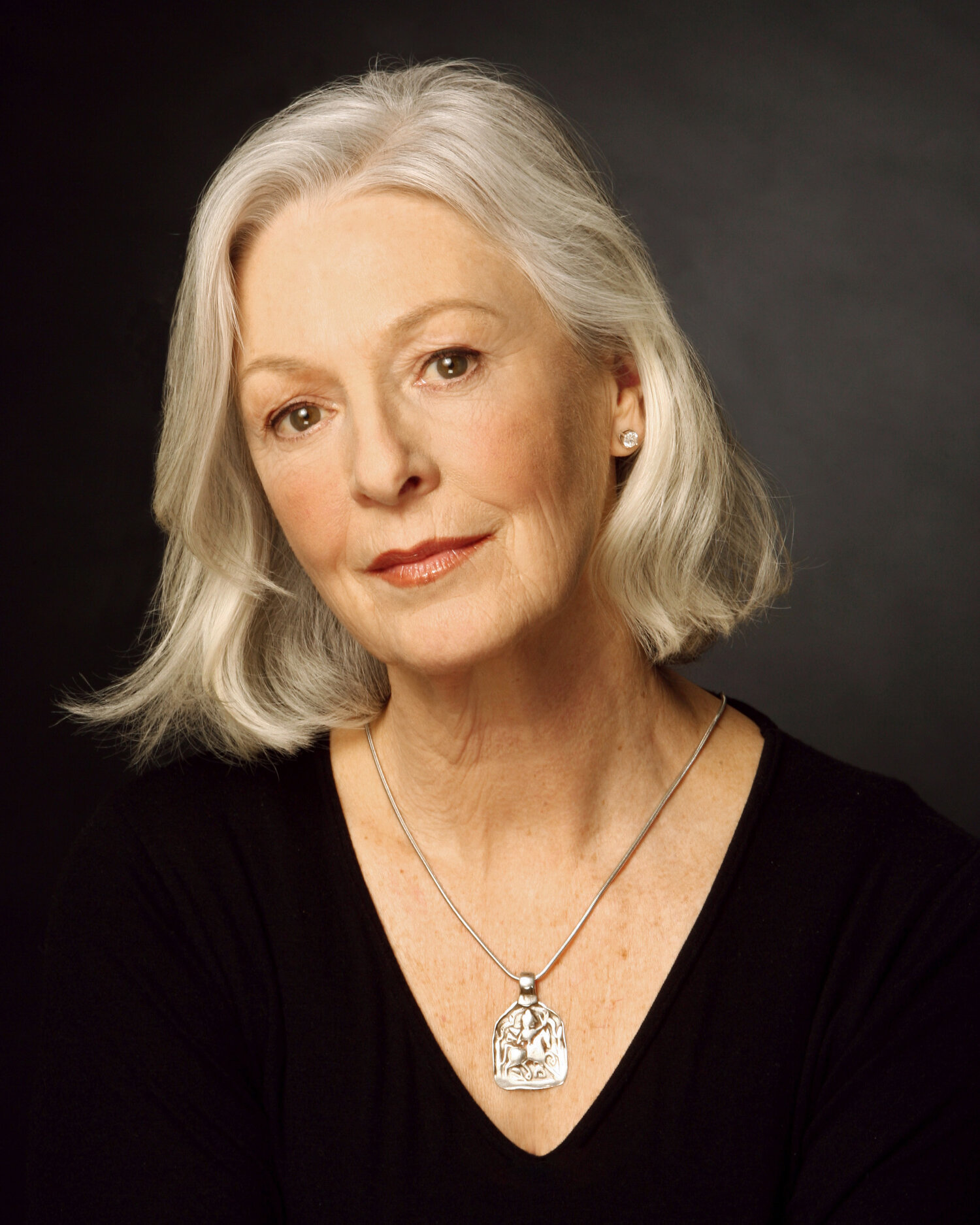
JANE ALEXANDER
Jane Alexander is an actress, writer, and conservationist. She chaired the National Endowment for the Art from 1993-1997. A Tony Award winner and member of the Theatre Hall of Fame, Alexander has performed in more than a hundred plays. Her long film career includes four Academy Award nominations, for The Great White Hope, All The President’s Men, Kramer vs. Kramer, and Testament. She has been honored with two Emmys, for Playing for Time and Warm Springs. Alexander was a Trustee of the Wildlife Conservation Society, a board member of the American Bird Conservancy, the American Birding Association, and a Commissioner of New York State Parks. She sits on the board of the National Audubon Society, the Global Advisory Group of Bird Life International, and the Conservation Council of Panthera. In 2012 the Indianapolis Prize inaugurated the Jane Alexander Global Wildlife Ambassador Award, with Alexander as its first recipient.· www.creativeprocess.info
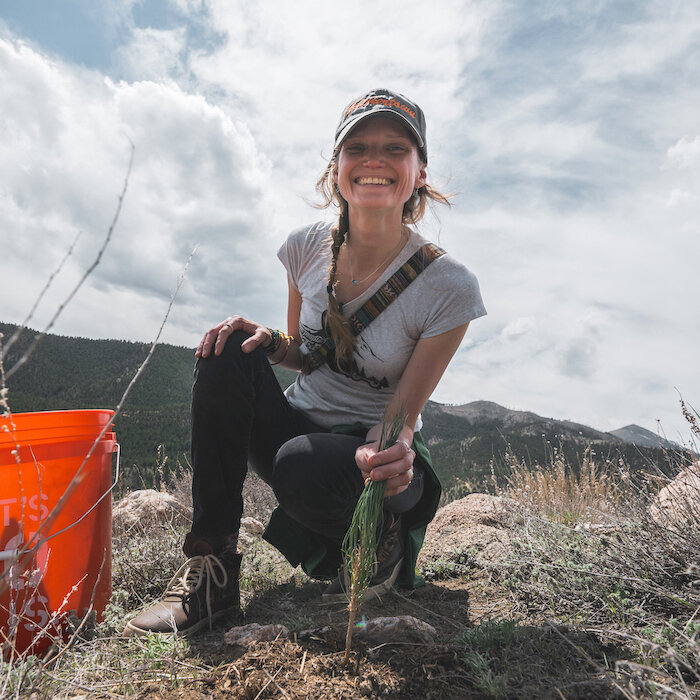
(Highlights) DIANA CHAPLIN
“We planted over 10 million trees in 2020 alone. And it’s one tree planted for every dollar donated, so we make it as simple as possible, but when you add it all up together the impact is just tremendous and growing every day.”Diana Chaplin is the Canopy Director of One Tree Planted, a 501(c)(3) nonprofit on a mission to make it simple for anyone to help the environment by planting trees. Her role is focused on managing communications, marketing, and storytelling around the many reforestation projects that the organization conducts. She's a holistic thinker who applies the wisdom of nature's systems towards creating connectivity through content that ultimately helps scale the impact of One Tree Planted's work. · onetreeplanted.org· www.oneplanetpodcast.org· www.creativeprocess.info
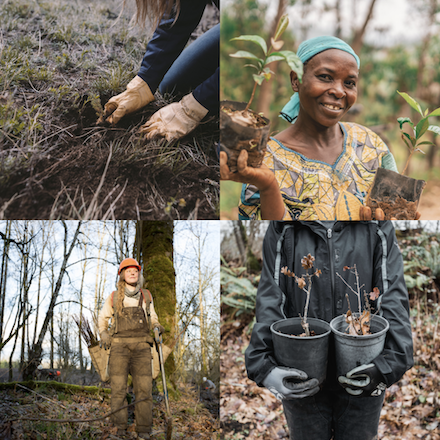
DIANA CHAPLIN
Diana Chaplin is the Canopy Director of One Tree Planted, a 501(c)(3) nonprofit on a mission to make it simple for anyone to help the environment by planting trees. Her role is focused on managing communications, marketing, and storytelling around the many reforestation projects that the organization conducts. She's a holistic thinker who applies the wisdom of nature's systems towards creating connectivity through content that ultimately helps scale the impact of One Tree Planted's work. · onetreeplanted.org· www.oneplanetpodcast.org· www.creativeprocess.info
(Highlights) JESS WILBER
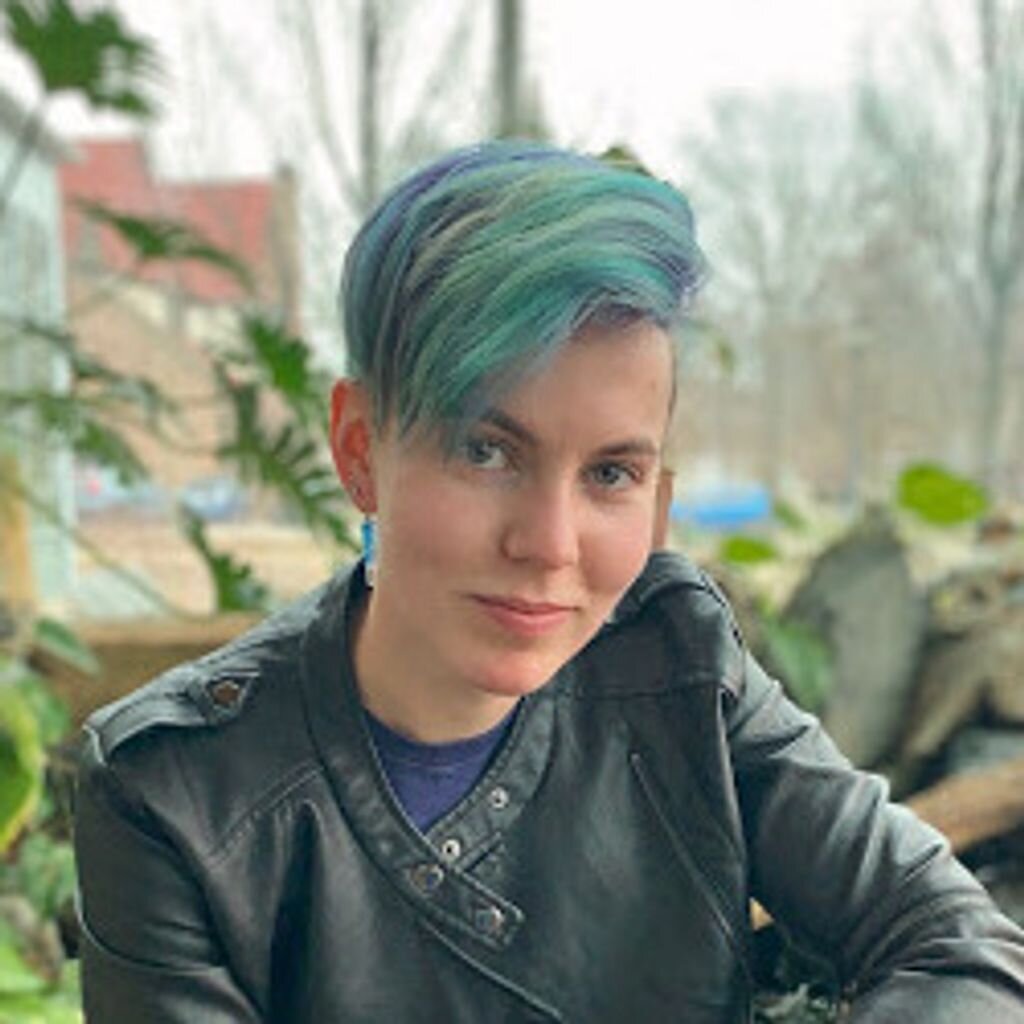
"When I was in highschool, I recognized that climate change was going to be the largest problem facing my generation and future generations, and I couldn’t help but feel like there was nothing I could do in the face of such an impending problem. So I was actively looking at different organizations that I could become involved with that would help me develop the skills and knowledge I needed to be an effective climate advocate."Jess Wilber is a graduate of Oberlin, where she double-majored in Environmental Studies & East Asian Studies. She’s been working with Citizens’ Climate Lobby since freshman year, helping to pioneer programs for students in Higher Education. Among the first members of the Campus Leaders Program, empowering students to become climate advocates and organizers, she founded Oberlin’s CCL Chapter, helping create a climate movement on campus. As the first Great Lakes Regional Fellow, she managed students and educators engaged in climate advocacy, coordinating research and projects with education, diversity, and international teams. A Coordinator for Senior Stewards Acting for the Environment, she’s also a musician, poet, certified mediator, and world-ranked equestrian.· www.citizensclimatelobby.org · www.citizensclimatehighered.org· www.oneplanetpodcast.org· www.creativeprocess.info
JESS WILBER
Jess Wilber is a graduate of Oberlin, where she double-majored in Environmental Studies & East Asian Studies. She’s been working with Citizens’ Climate Lobby since freshman year, helping to pioneer programs for students in Higher Education. Among the first members of the Campus Leaders Program, empowering students to become climate advocates and organizers, she founded Oberlin’s CCL Chapter, helping create a climate movement on campus. As the first Great Lakes Regional Fellow, she managed students and educators engaged in climate advocacy, coordinating research and projects with education, diversity, and international teams. A Coordinator for Senior Stewards Acting for the Environment, she’s also a musician, poet, certified mediator, and world-ranked equestrian.· www.citizensclimatelobby.org· www.citizensclimatehighered.org· www.oneplanetpodcast.org· www.creativeprocess.info
(Highlights) CARLOS SOUZA, JR.
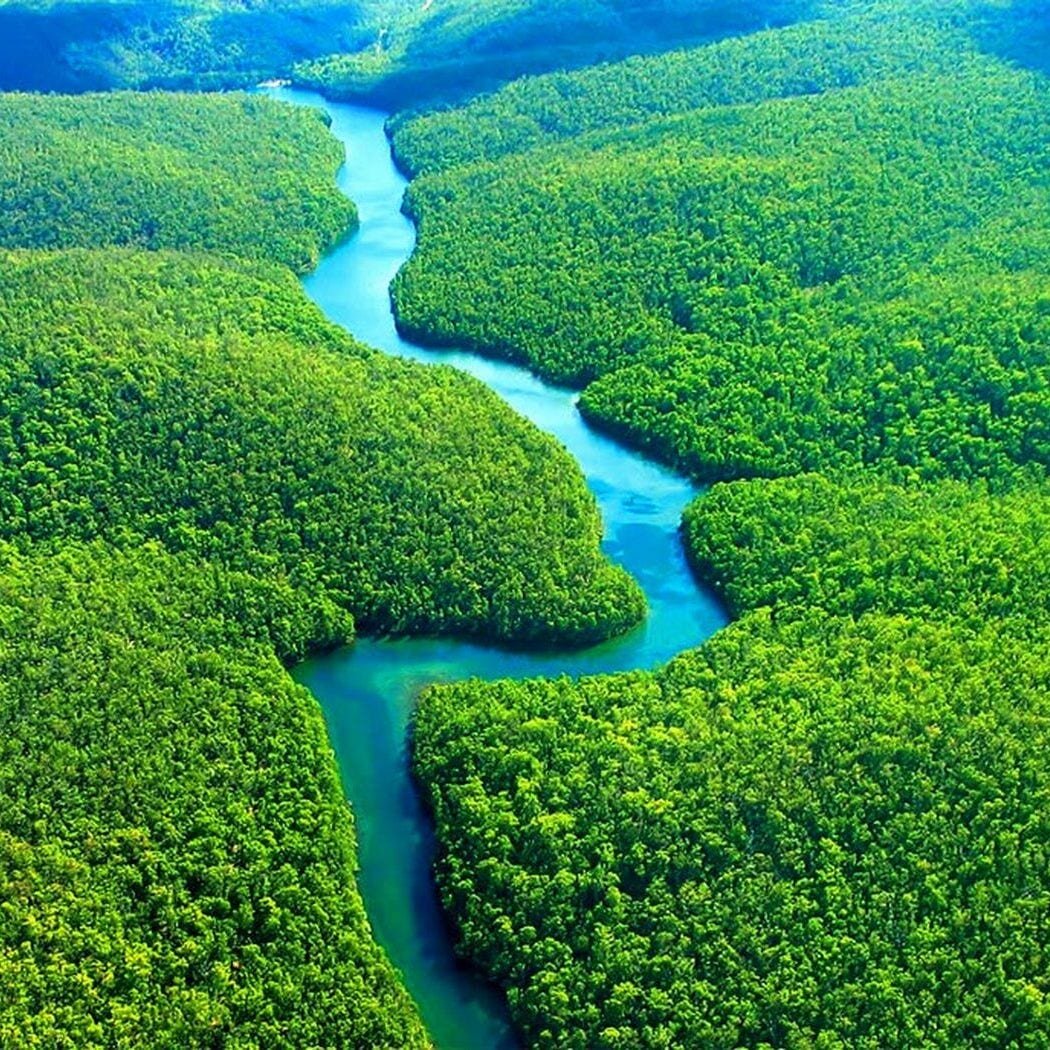
“Find a balance. Use technology. And connect with nature. I think that’s really critical. There is big hope for your generation because you have better environmental education. I can see this. You are more aware of these issues. In terms of the environmental issues that we face now, we need to connect more with nature, to open up your heart for that. You have this amazing opportunity to reach out information to explore technologies through the Internet. What you choose now what we’re going to focus on, it’s really critical.”Spatial analyst specialist Carlos Souza Jr. is a senior research associate at the Institute of People and the Environment of the Amazon, otherwise known as Imazon. He’s also a technical and scientific coordinator for MapBiomas, a collaborative network of co-creators, NGOs, universities, and technology companies, among others. He received his Ph.D. in Geography at University of California in Santa Barbara, and his work is focused on using current data and technology to increase understanding and awareness of the impact of human activity in the Brazilian Amazon.· imazon.org.br/en/· mapbiomas.org/en· www.oneplanetpodcast.org · www.creativeprocess.info
CARLOS SOUZA, JR.
Spatial analyst specialist Carlos Souza Jr. is a senior research associate at the Institute of People and the Environment of the Amazon, otherwise known as Imazon. He’s also a technical and scientific coordinator for MapBiomas, a collaborative network of co-creators, NGOs, universities, and technology companies, among others. He received his Ph.D. in Geography at University of California in Santa Barbara, and his work is focused on using current data and technology to increase understanding and awareness of the impact of human activity in the Brazilian Amazon.· imazon.org.br/en/· mapbiomas.org/en· www.oneplanetpodcast.org · www.creativeprocess.info
(Highlights) TIES VAN DER HOEVEN
“The story behind The Weather Makers and the whole intention is that five years by accident, I was working in a dredging company and one of the commercial people from Egypt approached me on a question about a lagoon where the fish were disappearing. So we started with this very small thing and set up a whole flow modelling approach, so really from the hydraulics, we could determine what would happen with the fish. And that really was the regretting the Sinai could have a very big impact on the world.” Ties van der Hoeven is Creative Director and Co-founder of The Weather Makers, a company which uses holistic engineering to create Watershed Wide Ecosystem Regeneration at the broken continental divide regions to restore hydrological cycles. They influence the vegetation to increase fresh water availability through land-atmospheric processes.As a hydraulic engineer and entrepreneur, Ties has worked on international projects in Europe, Africa, Asia and Australia. His main focus is innovation, sustainability, visualization, virtual reality and 3D gaming After working on several big construction projects, his interest shifted to working with nature and implementing a pro-active adaptive engineering approach. · theweathermakers.nl· www.oneplanetpodcast.org · www.creativeprocess.info
TIES VAN DER HOEVEN
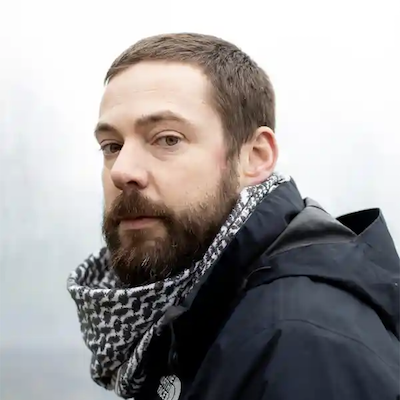
Ties van der Hoeven is Creative Director and Co-founder of The Weather Makers, a company which uses holistic engineering to create Watershed Wide Ecosystem Regeneration at the broken continental divide regions to restore hydrological cycles. They influence the vegetation to increase fresh water availability through land-atmospheric processes.As a hydraulic engineer and entrepreneur, Ties has worked on international projects in Europe, Africa, Asia and Australia. His main focus is innovation, sustainability, visualization, virtual reality and 3D gaming After working on several big construction projects, his interest shifted to working with nature and implementing a pro-active adaptive engineering approach. · theweathermakers.nl· www.oneplanetpodcast.org · www.creativeprocess.info
(Highlights) PATON MILLER
“When we moved back to Hawaii and lived on Molokai. I was teaching at the Kalaupapa Leprosy Colony, we had no money. And I was spearfishing, not for sport, but to get food for my family. And it was a beautiful time of our lives. We were so poor, but we were not poor. Poor is a state of mind. We were without money, but we were having so much fun… You find out that art is really good for…whatever is inside comes out. And if you don’t have a way out, that’s not good. You need to have the air go from the inside to the outside, otherwise it becomes dead air.”After leaving his home in Hawaii to journey through Asia in 1974, Paton Miller arrived on the East End of Long Island with a collection of travel inspired artworks that won him an art scholarship from Southampton College. Graduating with honors, Paton launched his career in over twenty solo and numerous group exhibitions in New York City and throughout the United States. Today, his works are exhibited internationally, in cities such as Florence and Shanghai. Paton’s paintings are now among the most widely collected works between the East End of Long Island and New York City.· www.patonmiller.com · www.creativeprocess.info
PATON MILLER
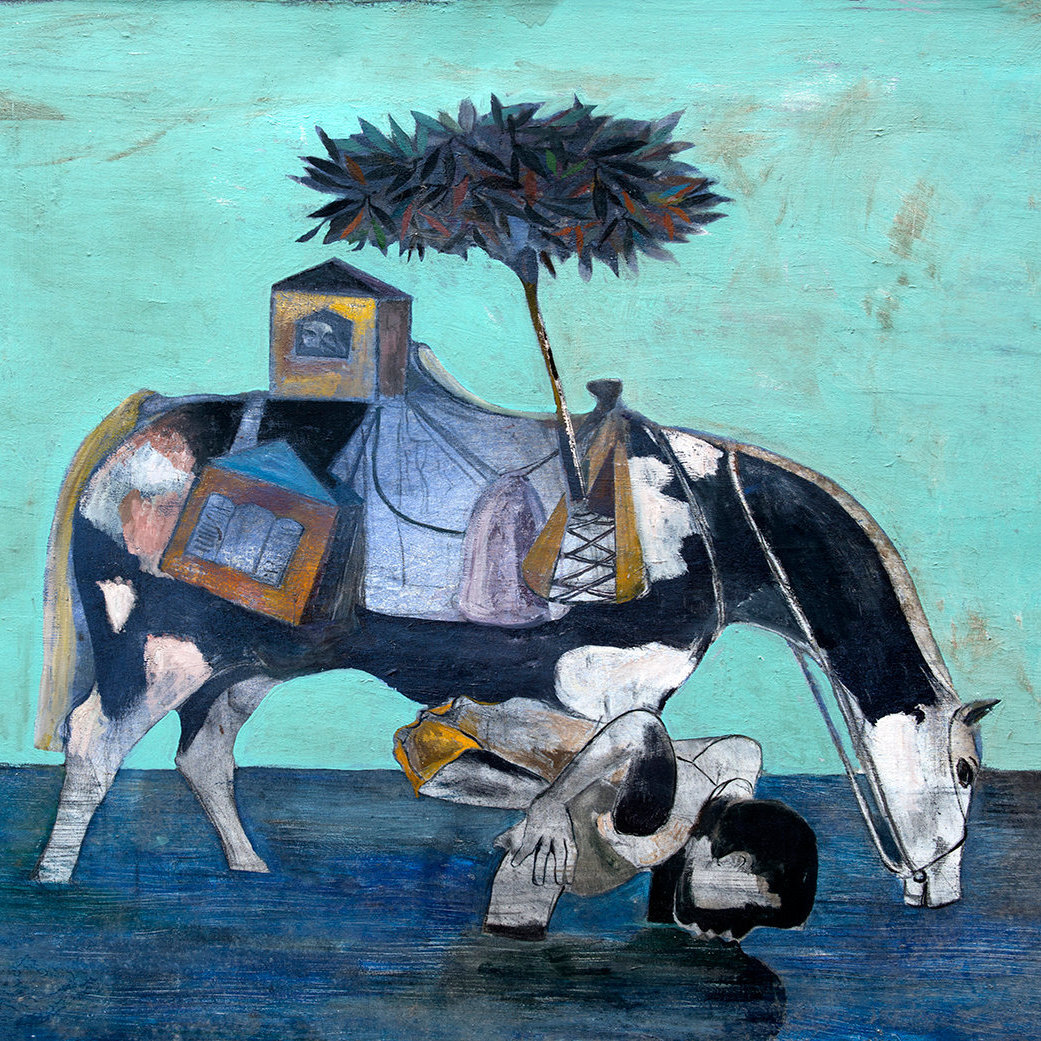
After leaving his home in Hawaii to journey through Asia in 1974, Paton Miller arrived on the East End of Long Island with a collection of travel inspired artworks that won him an art scholarship from Southampton College. Graduating with honors, Paton launched his career in over twenty solo and numerous group exhibitions in New York City and throughout the United States. Today, his works are exhibited internationally, in cities such as Florence and Shanghai. Paton’s paintings are now among the most widely collected works between the East End of Long Island and New York City.· www.patonmiller.com · www.creativeprocess.info
(Highlights) NICK MEYNEN
“Now with this crisis even the IMF, even the economists are saying we’re not going to go back to the neoliberal era. And they were defending this era for decades. So, I have hope that maybe we can now transition to something like a Wellbeing Era, where countries are already saying “we want to be a wellbeing economy. New Zealand is telling every ministry: Tell us how you are improving the wellbeing of the New Zealand people. So that means wellbeing has become the cop who rules over the others. There are countries like Bhutan who have thirty years of experience of doing that. They call it Gross National Happiness.”Through his work as the Senior Policy Officer Economic Transition at the European Environmental Bureau (the largest network of environmental citizens’ organisations in Europe) Meynen exposes what causes the burning out of people and planet and works on wellbeing for all. He is also the author of four books, including his most recent Turning Point: The pandemic as an opportunity for change, publishes essays and opinions, gives lectures and takes direct action. · eeb.org · https://eeb.org/library/turning-point/ · eeb.org/library/escaping-the-growth-and-jobs-treadmill/ · eeb.org/library/towards-a-wellbeing-economy-that-serves-people-and-nature/· goodreads.com/author/show/6442056.Nick_Meynen· www.oneplanetpodcast.org · www.creativeprocess.infoPoem read in the podcast is by Nick Meynen, Bastiaan Lochs & Marie-Amelie Brun
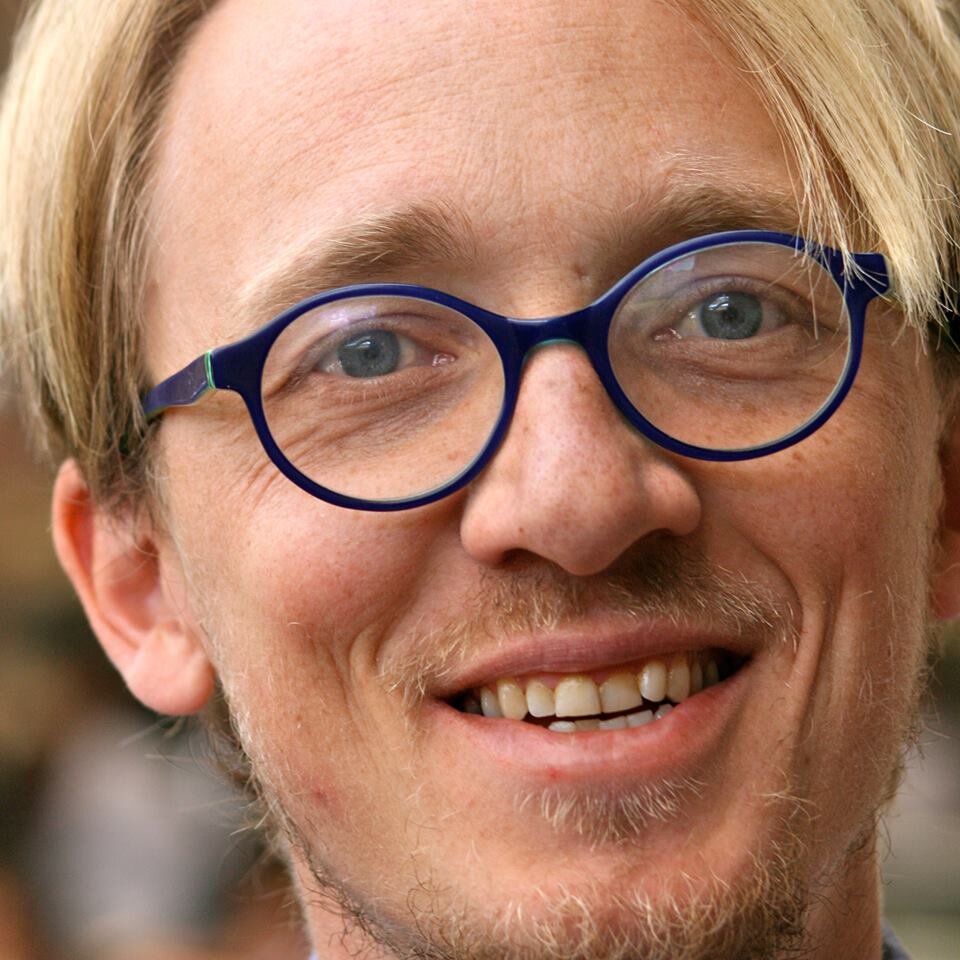
NICK MEYNEN
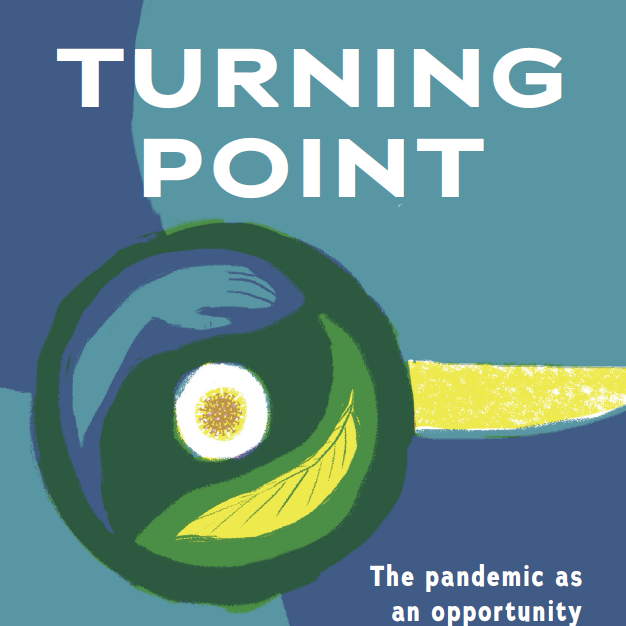
Through his work as the Senior Policy Officer Economic Transition at the European Environmental Bureau (the largest network of environmental citizens’ organisations in Europe) Meynen exposes what causes the burning out of people and planet and works on wellbeing for all. He is also the author of four books, including his most recent Turning Point: The pandemic as an opportunity for change, publishes essays and opinions, gives lectures and takes direct action. · eeb.org · https://eeb.org/library/turning-point/ · eeb.org/library/escaping-the-growth-and-jobs-treadmill/ · eeb.org/library/towards-a-wellbeing-economy-that-serves-people-and-nature/· goodreads.com/author/show/6442056.Nick_Meynen· www.oneplanetpodcast.org · www.creativeprocess.infoPoem read in the podcast is by Nick Meynen, Bastiaan Lochs & Marie-Amelie Brun
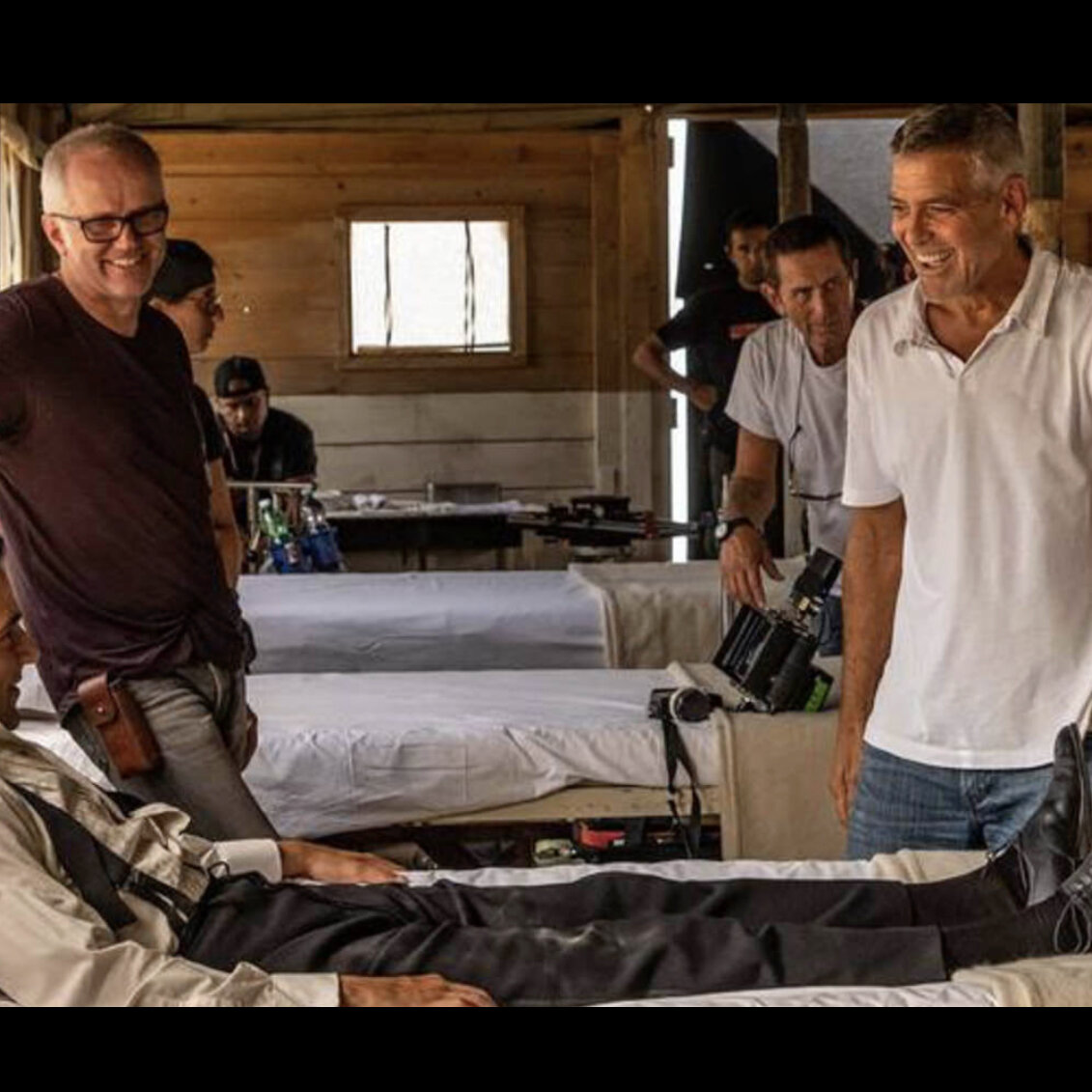
The Midnight Sky & Collaborating with GEORGE CLOONEY - MARTIN RUHE on The Art of Cinematography - Highlights
“The Midnight Sky is a film with big scopes. We have big vistas, we’re in space, we are on the moon, in the Arctic. Also, it’s a very intimate film because it’s a lot about connection, so we when we see people we get close to them and we feel intimate with them because we are literally with the camera quite close to them and looking into their faces. In this film, it helped that we went on 65mm. We shot on a large format. First of all we started that for the big landscapes, but I think it’s great also for faces because the face also becomes like a landscape.”Martin Ruhe is the internationally-acclaimed German cinematographer behind the Netflix film The Midnight Sky directed by and starring George Clooney. Previously, Ruhe worked on Catch-22, also directed by Clooney, as well as the critically acclaimed Counterpart, Run All Night with Liam Neeson, and the British Independent film award winner Control. Ruhe photographed the dark spy thriller Page Eight for BBC Films, directed by David Hare. The film earned him an American Society of Cinematographers Outstanding Achievement in Cinematography in Motion Picture/Miniseries Television Award for his work on the film.Working closely with director Anton Corbijn, Ruhe photographed The American. Starring Clooney as an aging assassin on an assignment to create a specialized weapon, Ruhe’s meticulously arranged shots helped to build the tone of The American, while reviews applauded the film’s beauty. Ruhe lensed Harry Brown, a Michael Caine-starring vigilante thriller which premiered at 2009’s Toronto International Film Festival. His photography on Harry Brown received critical acclaim; Joe Leydon of Variety saying, “The moody lensing by Martin Ruhe vividly conveys the no-hope squalor of a contemporary urban wasteland.” Combining the best cultural influences from the U.S. and Europe, Ruhe is fluent in English, German and Spanish. He loves stills photography and travel. · www.ruhe.net· www.creativeprocess.info
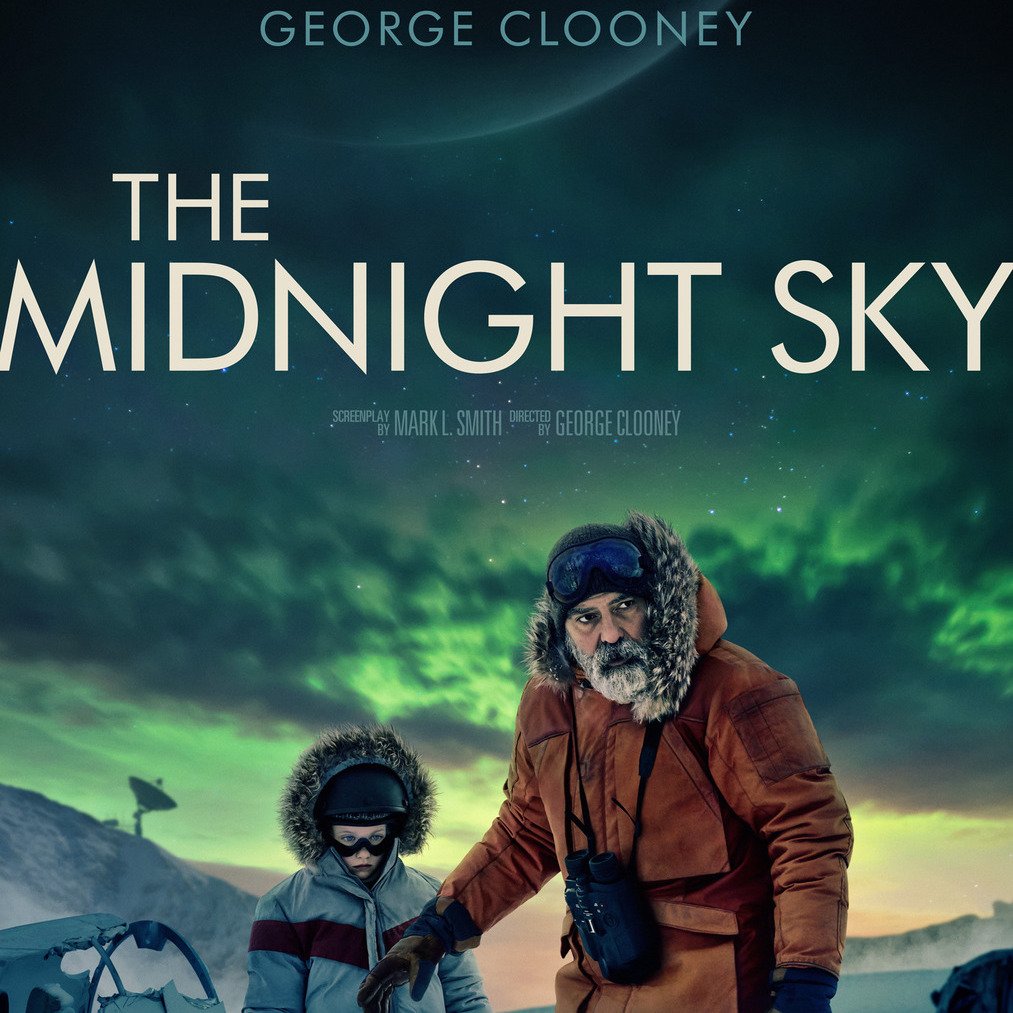
MARTIN RUHE
Martin Ruhe is the internationally-acclaimed German cinematographer behind the Netflix film The Midnight Sky directed by and starring George Clooney. Previously, Ruhe worked on Catch-22, also directed by Clooney, as well as the critically acclaimed Counterpart, Run All Night with Liam Neeson, and the British Independent film award winner Control. Ruhe photographed the dark spy thriller Page Eight for BBC Films, directed by David Hare. The film earned him an American Society of Cinematographers Outstanding Achievement in Cinematography in Motion Picture/Miniseries Television Award for his work on the film.Working closely with director Anton Corbijn, Ruhe photographed The American. Starring Clooney as an aging assassin on an assignment to create a specialized weapon, Ruhe’s meticulously arranged shots helped to build the tone of The American, while reviews applauded the film’s beauty. Ruhe lensed Harry Brown, a Michael Caine-starring vigilante thriller which premiered at 2009’s Toronto International Film Festival. His photography on Harry Brown received critical acclaim; Joe Leydon of Variety saying, “The moody lensing by Martin Ruhe vividly conveys the no-hope squalor of a contemporary urban wasteland.” Combining the best cultural influences from the U.S. and Europe, Ruhe is fluent in English, German and Spanish. He loves stills photography and travel.· www.ruhe.net· www.creativeprocess.info
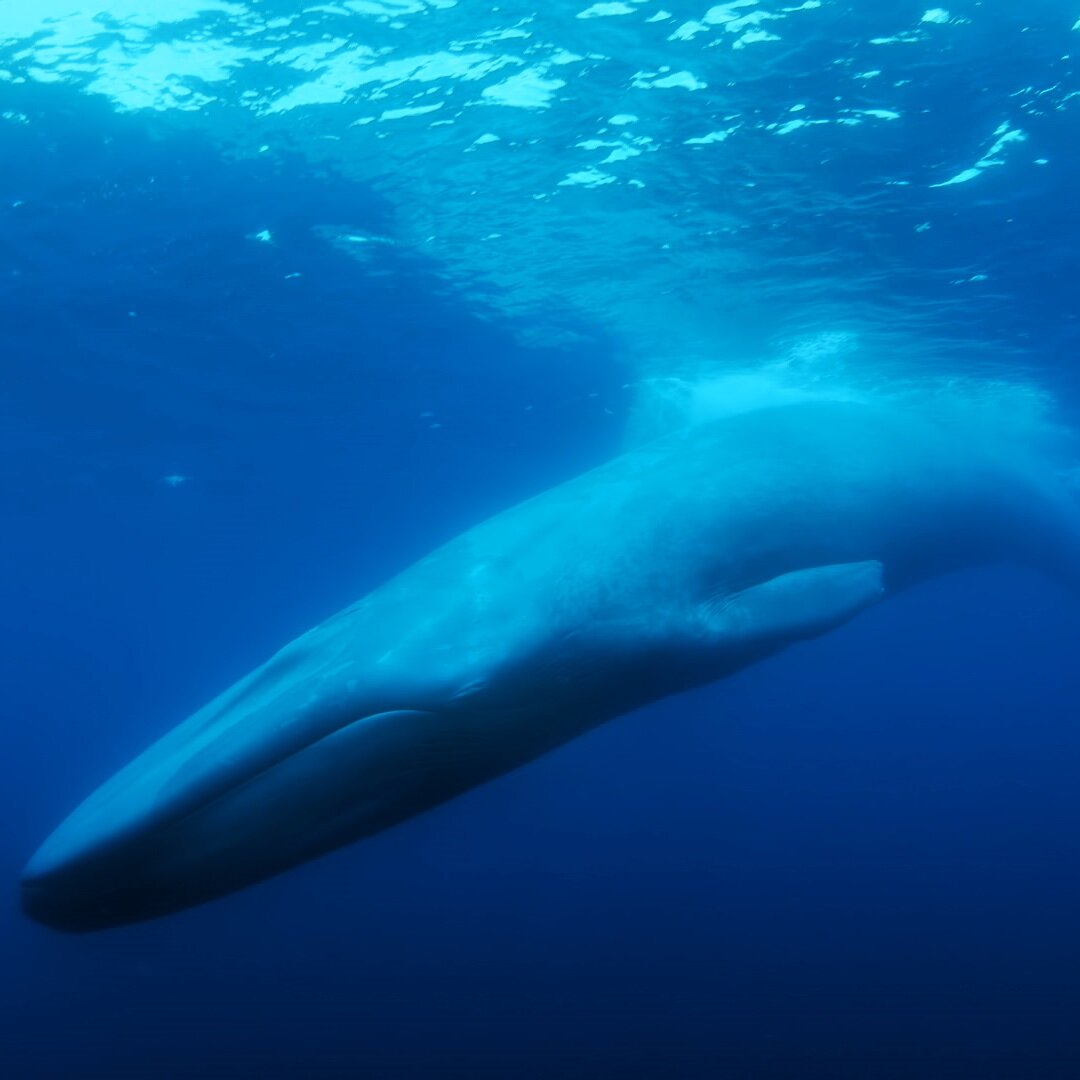
The Lonliest Whale with Cinematographer ALAN JACOBSEN - Highlights
“I hope that film and the story can help people get their heads around these huge ideas that are pretty terrifying and almost hopeless to think about. What can we do? Are we on this track? What have we done to the earth? I think scientists are very much starting to agree that it’s getting to the point where it’s almost too late. So can humans see that far ahead? Can we understand the track we’re on in time? I don’t know, but I’m willing to use whatever tools possible to try to help that conversation happen.”Director of photography Alan Jacobsen photographs narrative and documentary projects with an authentic, natural eye and sensitive curiosity. His camerawork is masterful, intuitive and intimate, capturing the sensory story in each powerful frame.Most recently, he wrapped the upcoming The Loneliest Whale: The Search for 52, a feature length documentary about the loneliest whale in the world, with director Joshua Zeman. Other films lensed by Jacobsen have earned film festival honors: two-time Oscar-nominated director Marshall Curry’s Racing Dreams and Point and Shoot, both of which received the Grand Jury Prize for Best Documentary at the Tribeca Film Festival; Toe to Toe with director Emily Abt, which won him the Best Cinematography Award nomination at Sundance Film Festival; and The Trials of Darryl Hunt, nominated for the Sundance Grand Jury, Independent Spirit, International Documentary Association and Emmy awards.· www.alanjax.com · www.creativeprocess.info· www.oneplanetpodcast.orgImage Courtesy of Bleecker Street
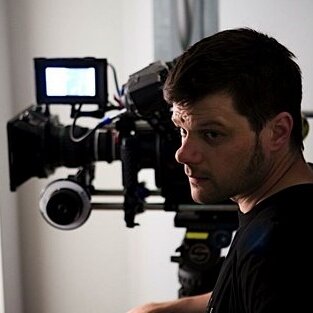
ALAN JACOBSEN
Director of photography Alan Jacobsen photographs narrative and documentary projects with an authentic, natural eye and sensitive curiosity. His camerawork is masterful, intuitive and intimate, capturing the sensory story in each powerful frame.Most recently, he wrapped the upcoming The Loneliest Whale: The Search for 52, a feature length documentary about the loneliest whale in the world, with director Joshua Zeman. Other films lensed by Jacobsen have earned film festival honors: two-time Oscar-nominated director Marshall Curry’s Racing Dreams and Point and Shoot, both of which received the Grand Jury Prize for Best Documentary at the Tribeca Film Festival; Toe to Toe with director Emily Abt, which won him the Best Cinematography Award nomination at Sundance Film Festival; and The Trials of Darryl Hunt, nominated for the Sundance Grand Jury, Independent Spirit, International Documentary Association and Emmy awards.· www.alanjax.com · www.creativeprocess.info· www.oneplanetpodcast.org
The Ice at the End of the World with JON GERTNER - Highlights
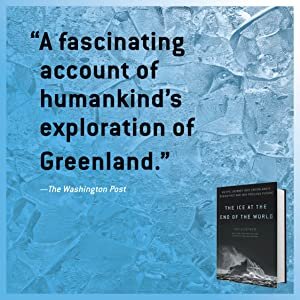
“I don’t think there is anything in our history that prepares us for what we have to do next. I think we have a lot of promising signs. It seems like the real work is still ahead of us. To me it feels that we’re making this up as we go along, we’ve made a couple good steps, we know the problem really well. We know what to do or at least what is needed, but those questions of policy and politics and how to mobilise governments and align people, at least to me it seems like the world has gotten more contentious, maybe because of the pandemic, rather than more willing to align.”Jon Gertner is a journalist and historian whose stories on science, technology, and nature have appeared in a host of national magazines. Since 2003 he has worked mainly as a feature writer for The New York Times Magazine. He is the author of The Idea Factory: Bell Labs and the Great Age of American Innovation and The Ice at the End of the World. A frequent lecturer on technology and science history, Gertner lives with his family in New Jersey.· jongertner.net· www.oneplanetpodcast.org · www.creativeprocess.info
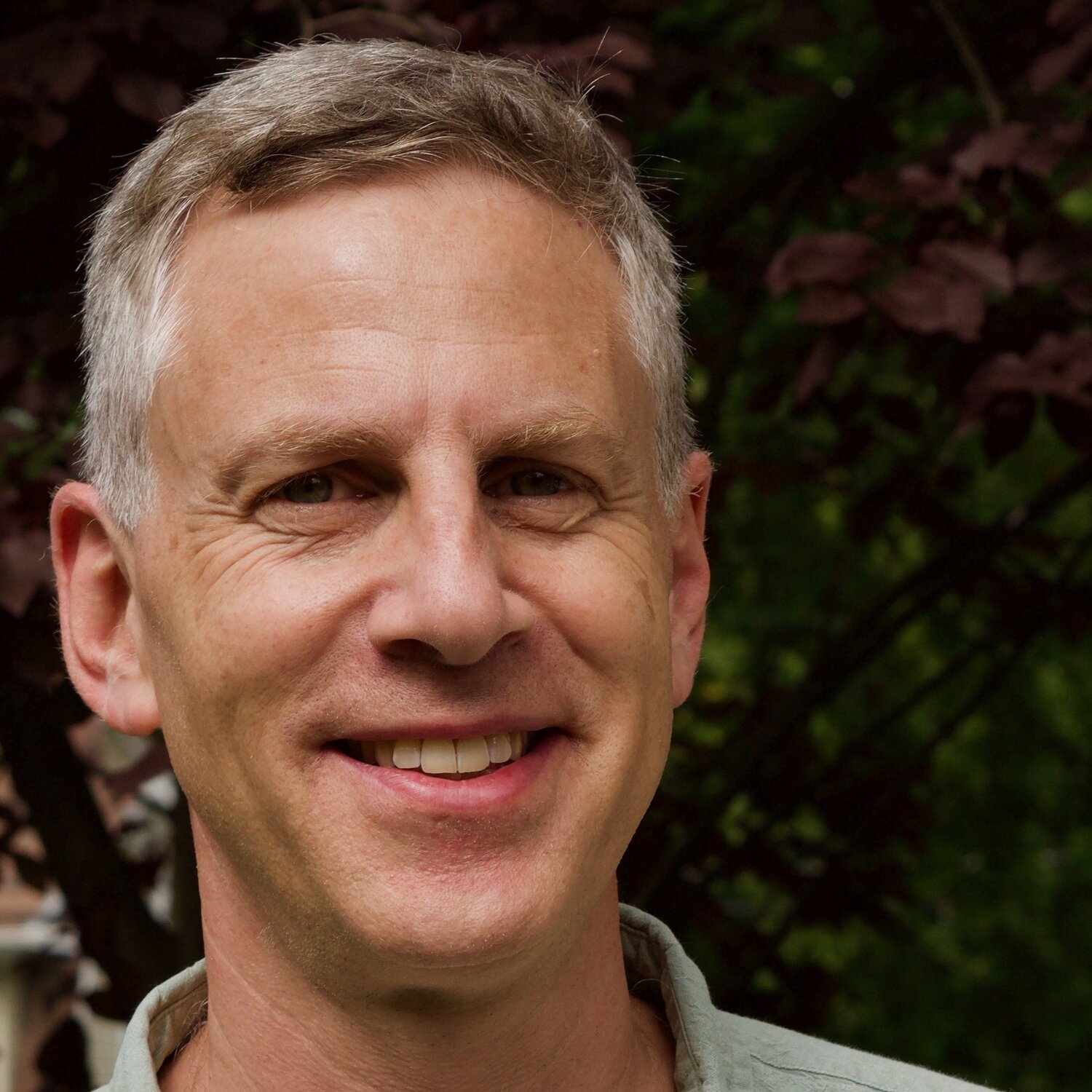
JON GERTNER
Jon Gertner is a journalist and historian whose stories on science, technology, and nature have appeared in a host of national magazines. Since 2003 he has worked mainly as a feature writer for The New York Times Magazine. He is the author of The Idea Factory: Bell Labs and the Great Age of American Innovation and The Ice at the End of the World. A frequent lecturer on technology and science history, Gertner lives with his family in New Jersey.· jongertner.net· www.oneplanetpodcast.org · www.creativeprocess.info
Why Are We Fascinated by Sharks? w/ Scientist, TV Presenter MELISSA CRISTINA MÁRQUEZ
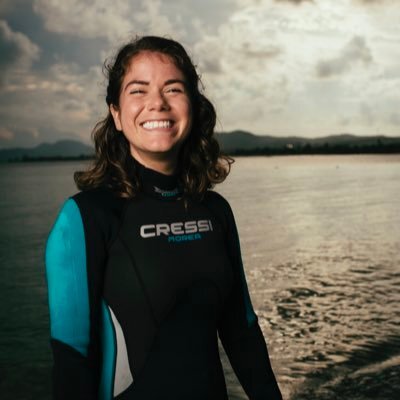
“A lot of people when you think of sharks, you think of hammerheads, great white sharks, tiger sharks, but there’s so much more diversity than just that. There’s over 500 different species and on average we’re discovering new species every two weeks, not just of sharks, but also their cousins, the stingrays, skates and sometimes the chimeras as well. And so knowing that diversity exists, for me it’s really important to get that message out there.”Melissa Cristina Márquez is a multi-hyphenate Latina in STEM. Currently a PhD candidate at Curtin University, Márquez is interested in what environmental factors influence the composition and distribution of elasmobranchs using a variety of marine technology. She has become a household name via her Scholastic books (the "Wild Survival" series), freelance environmental issue articles, and TV presenter roles (BBC, Discovery Channel, National Geographic, and OceanX). Host of the "ConCiencia Azul" Spanish podcast, Melissa is passionate about making the scientific industry more diverse and inclusive, including making all of her educational content bilingual. With over 40,000 followers on social media, her platforms are filled with fun games (e.g. "Name That Shark," "ID That Ocean Critter," "Marine Tech Mondays," etc) that make learning about wildlife exciting! Featured in numerous media articles (GQ, People Chica, USA Today, etc), a Forbes "30 Under 30" honoree, and listed as one of InStyle's "BadAss Women for 2021," Melissa is currently aboard the OceanXplorer in the Atlantic Ocean as a scientific advisor/natural history show presenter.· www.melissacristinamarquez.com· www.oneplanetpodcast.org · www.creativeprocess.info
MELISSA CRISTINA MARQUEZ
Melissa Cristina Márquez is a multi-hyphenate Latina in STEM. Currently a PhD candidate at Curtin University, Márquez is interested in what environmental factors influence the composition and distribution of elasmobranchs using a variety of marine technology. She has become a household name via her Scholastic books (the "Wild Survival" series), freelance environmental issue articles, and TV presenter roles (BBC, Discovery Channel, National Geographic, and OceanX). Host of the "ConCiencia Azul" Spanish podcast, Melissa is passionate about making the scientific industry more diverse and inclusive, including making all of her educational content bilingual. With over 40,000 followers on social media, her platforms are filled with fun games (e.g. "Name That Shark," "ID That Ocean Critter," "Marine Tech Mondays," etc) that make learning about wildlife exciting! Featured in numerous media articles (GQ, People Chica, USA Today, etc), a Forbes "30 Under 30" honoree, and listed as one of InStyle's "BadAss Women for 2021," Melissa is currently aboard the OceanXplorer in the Atlantic Ocean as a scientific advisor/natural history show presenter.· www.melissacristinamarquez.com· www.oneplanetpodcast.org · www.creativeprocess.info
Visions of Development with Anthropologist PETER SUTORIS - Highlights
“As a culture, how do we approach the environment? How do we approach the planet? Within our education systems are we emphasizing our arrogance? Or are we emphasizing our humility in the face of planetary-scale challenges? I think at the moment, from what I’ve seen in a number of countries, this huge focus on the natural sciences, hard science as a way of mastering nature. And perhaps less of a focus on social sciences, humanities that allow us to reflect a bit more deeply on our relationship more fundamentally with the planet.”Peter Sutoris, PhD is an anthropologist, educator, writer, filmmaker and development professional whose research examines the ways various societies imagine the future differently. He is a Research Affiliate at the Department of Sociology and Anthropology at SOAS, University of London as well as visiting lecturer at the University of Bath and supervises at the University of Cambridge. He is the author of monographs Visions of Development, published in 2016, and Educating for the Anthropocene, coming in 2022, as well as the Director and Producer of the 2012 documentary film The Undiscovered Country. He's a graduate of the United World College of the Atlantic, Dartmouth College and Cambridge University where he was a Gates Cambridge Scholar. Peter is the Founder and Director of Scale Research Group, a London-based consulting start-up focusing on research that supports scaling up ethical and sustainable international development programs. Sutoris’s work has been featured on The Guardian, The BBC and University World News. · www.petersutoris.com· www.oneplanetpodcast.org· www.creativeprocess.info