
OncLive® On Air
609 episodes — Page 7 of 13

S13 Ep 9S13 Ep9: Multidisciplinary Collaboration and Mentorship Lay the Foundation for a New Chapter of ASCO Leadership: With Elizabeth Mittendorf, MD, PhD, MHCM
In today’s episode, we had the pleasure of speaking with Elizabeth Mittendorf, MD, PhD, MHCM, the 2026 president-elect of ASCO. Dr Mittendorf is the Robert and Karen Hale Distinguished Chair in Surgical Oncology and the vice chair for research in the Department of Surgery at the Brigham and Women's Hospital; co-leader of the Breast Program and director of the Breast Immuno-Oncology Program at the Dana-Farber Brigham Cancer Center; co-leader of the Parker Institute for Cancer Immunotherapy at the Dana-Farber Cancer Institute; and a professor of surgery at Harvard Medical School, all in Boston, Massachusetts. In our exclusive interview, Dr Mittendorf discussed her priorities for advancing oncology practice and improving patient outcomes during her presidency. These include multidisciplinary cancer care, workforce well-being, leveraging artificial intelligence to enhance efficiency, and addressing global cancer care. She also emphasized the importance of mentorship and sponsorship for early career professionals, highlighting her personal experience with multiple mentors and her commitment to supporting the next generation of oncology professionals.

S13 Ep 8S13 Ep8: Oncology PER® Spectives: Empowering Interventional Radiologists in the Emerging Era of Oncolytic Immunotherapies for Melanoma
This Oncology PER®Spectives™ podcast examines the recent advancements in the treatment landscape for advanced melanoma. In this activity, experts Yana Najjar, MD; Rahul A. Sheth, MD, FSIR; and Douglas Johnson, MD, MSCI, discuss the challenges of immune checkpoint inhibitor resistance and the practical strategies for overcoming this by using direct intratumoral injections of oncolytic viral immunotherapies, which rely on close interdisciplinary collaboration between medical oncologists and interventional radiologists.

S13 Ep 7S13 Ep7: Evolving Molecular Profiling and Liquid Biopsy Practices Guide First-Line CRC Therapy Decisions: With Chandler Park, MD; and Midhun Malla, MD
Drs Park and Malla began by talking through the clinical utility of ctDNA in patients with stage II and III colon cancer. Dr Malla referenced the DYNAMIC (ACTRN12615000381583) and observational BESPOKE CRC (NCT04264702) trials, noting that ctDNA serves as a prognostic biomarker for recurrence and is increasingly used to guide post-surgical surveillance.
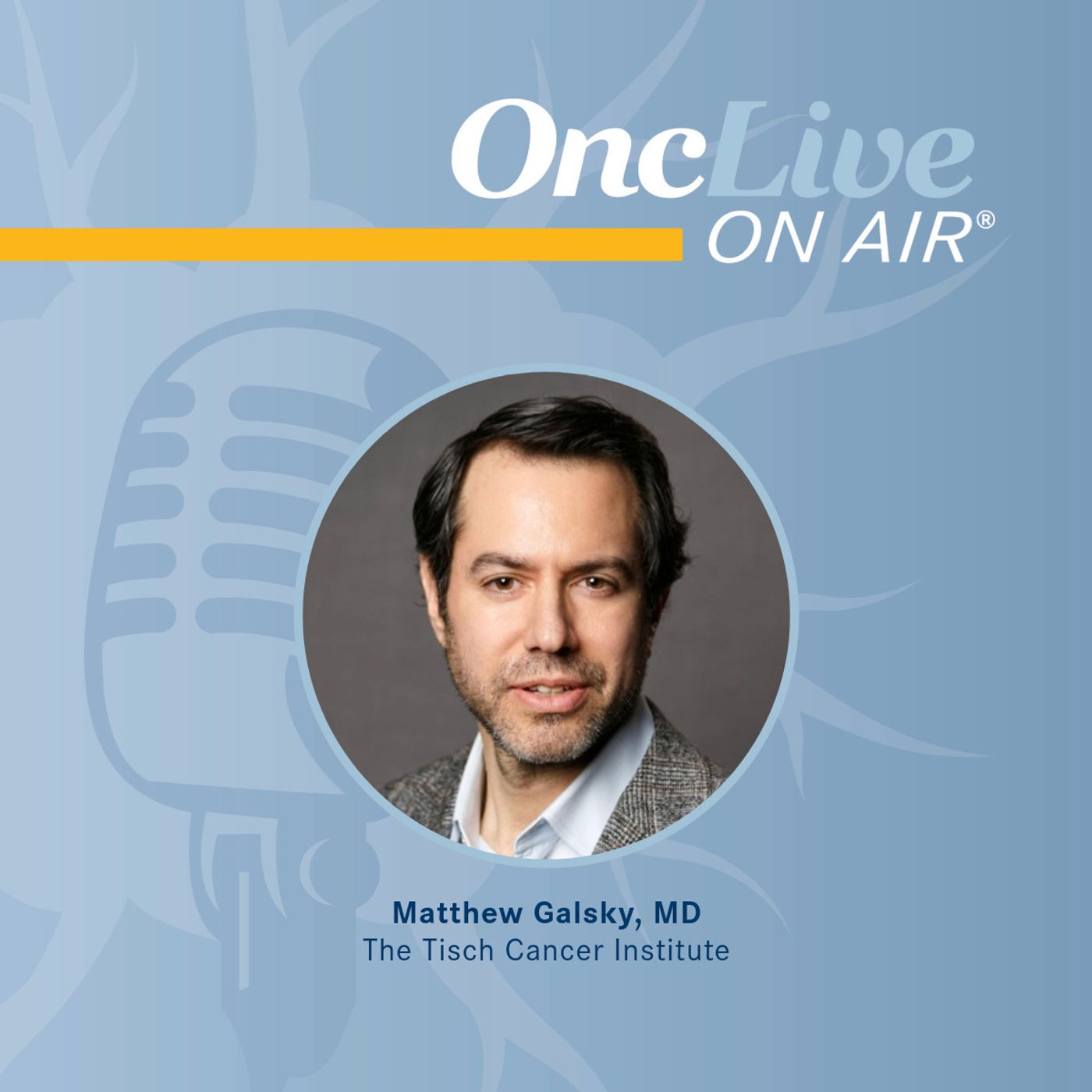
S13 Ep 6S13 Ep6: FDA Approval Insights: Perioperative Durvalumab Plus Chemo in MIBC: With Matthew Galsky, MD
In today’s episode, we spoke with Matthew Galsky, MD, about the FDA approval of neoadjuvant durvalumab (Imfinzi) plus gemcitabine and cisplatin followed by adjuvant durvalumab monotherapy after radical cystectomy for the treatment of adult patients with muscle-invasive bladder cancer (MIBC). Dr Galsky is a professor of medicine (hematology and medical oncology), a professor of urology, director of Genitourinary Medical Oncology, co-director of the Center of Excellence for Bladder Cancer, and director for Translational Research at The Tisch Cancer Institute in New York, New York.In our exclusive interview, Dr Galsky discussed the significance of this approval, key efficacy and safety data from the pivotal phase 3 NIAGARA trial (NCT03732677), and the role of this regimen in the MIBC treatment paradigm, including for cisplatin-eligible patients with mild renal impairment.
S13 Ep 5S13 Ep5: Social Media Expands Access to Practical Public Health Education: With Chandler Park, MD; and Paul Hanona, MD
In this week’s episode of MedNews Week’s Oncology Unplugged, host Chandler Park, MD, a medical oncologist at Norton Cancer Institute in Louisville, Kentucky, was rejoined by Paul Hanona, MD, to give advice to up-and-coming oncology content creators. Dr Hanona is a content creator under the handle @doctordiscover.In the final part of this 3-part series, Drs Park and Hanona discussed the ways that public health content creation offers practical advice about a variety of topics but may also spark debate. The conversation shifted to the potential of artificial intelligence in medical education, emphasizing its role in providing quick, reliable information. Drs Park and Hanona also touched on the importance of oncologists using social media to share their experiences and inspire hope, highlighting the transformative power of new technologies and treatments in the field.
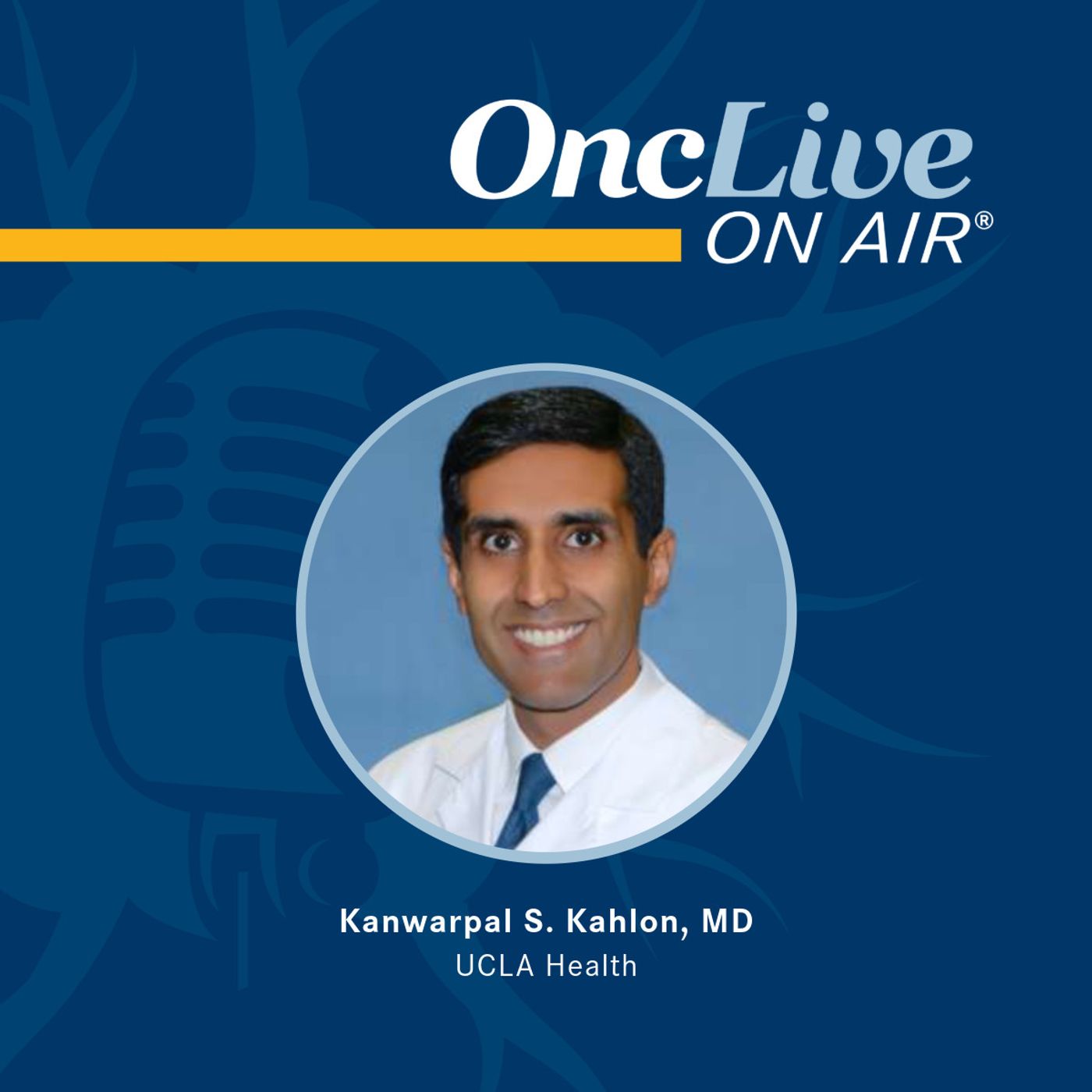
S13 Ep 4S13 Ep4: Eltrombopag Biosimilar Improves Accessibility for Immune Thrombocytopenia & Aplastic Anemia: With Kanwarpal S. Kahlon, MD
In today’s episode, supported by Camber Pharmaceuticals, we spoke with Kanwarpal S. Kahlon, MD, an associate clinical professor of medicine at the UCLA School of Medicine. In our exclusive interview, Dr Kahlon discussed the significance of the commercial availability of the generic, AB-rated formulations of eltrombopag (Promacta), a bioequivalent medication for the treatment of select patients with severe aplastic anemia and immune thrombocytopenia. He noted how the biosimilar is expected to reduce costs and improve the accessibility of this treatment, potentially enhancing patient adherence. He also explained how it is available in both oral suspension and tablet formulations and that it is well tolerated, with a safety profile similar to that of the original drug.
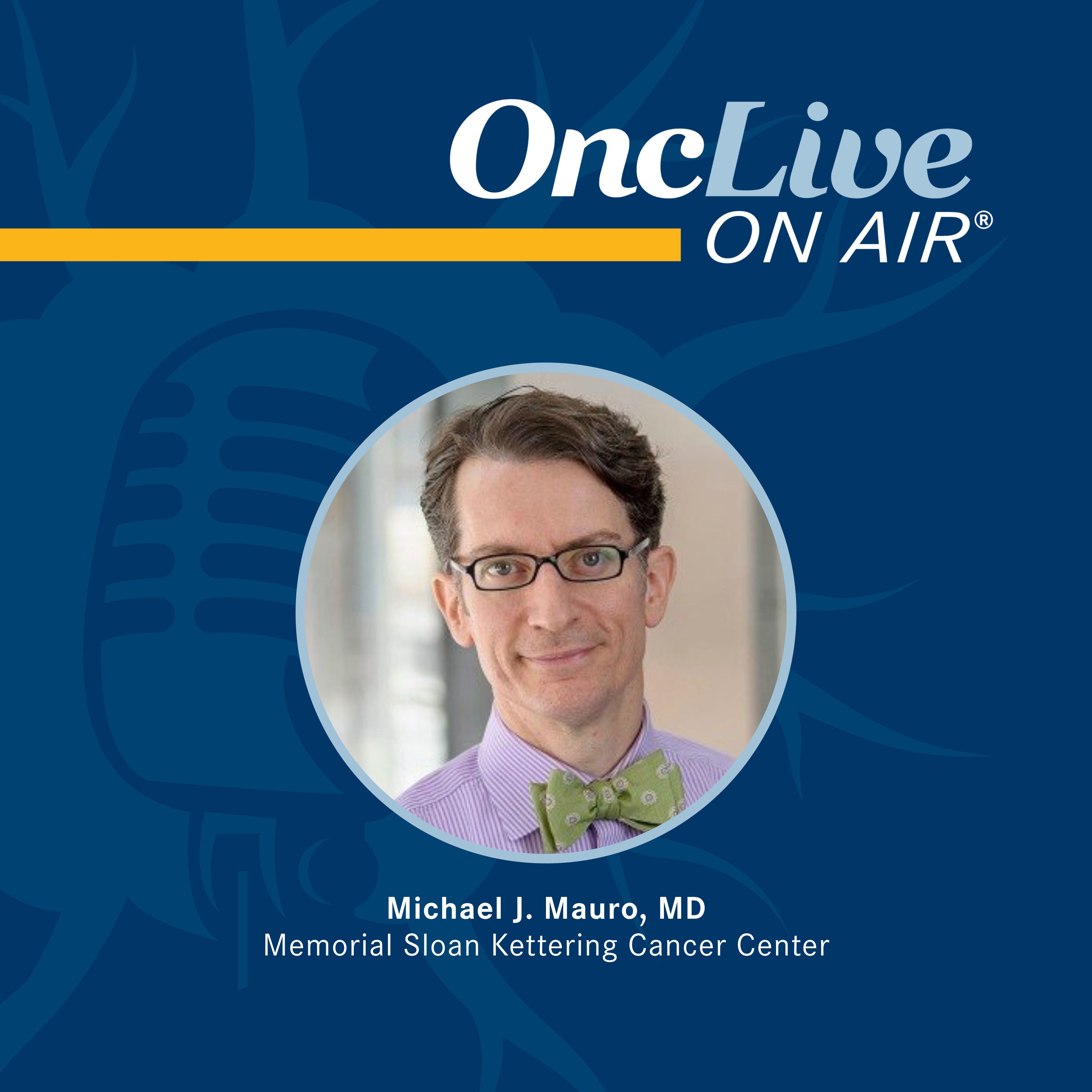
S13 Ep 3S13 Ep3: Updated Nilotinib Formulation Improves Treatment Adherence in Ph+ CML: With Michael J. Mauro, MD
In today’s episode, supported by Azurity Pharmaceuticals, we spoke with Michael J. Mauro, MD, about treatment adherence with nilotinib (Tasigna/Danziten) in patients with Philadelphia chromosome (Ph)–positive chronic myeloid leukemia (CML). Dr Mauro is an attending physician at Memorial Sloan Kettering Cancer Center in New York, New York.In our exclusive interview, Dr Mauro discussed barriers to nilotinib treatment adherence in patients with Ph-positive CML, ways that nonadherence can diminish quality of life and clinical response to treatment, ways that the new formulation of nilotinib addresses adherence issues by reducing the need for fasting, and ongoing research into alternative formulations of other agents that may further improve CML treatment efficacy and tolerability.

S13 Ep 2S13 Ep2: Tailored Treatment Approaches for Older Patients With Advanced HR+/HER2– Breast Cancer
This featured podcast includes a discussion with 3 experts on managing patients with hormone receptor–positive/HER2-negative (HR+/HER2–) metastatic breast cancer (mBC) from a satellite symposium held in conjunction with the 42nd Annual Miami Breast Cancer Conference® in March 2025. In observational studies of treatment patterns in older women with mBC, approximately half of the patients were undertreated, and only half received a CDK4/6 inhibitor (CDK4/6i)-based regimen in the first-line setting. Reasons for undertreatment include concerns about the patient’s age, perceived frailty, and underlying health issues. Aging is a heterogeneous process; older patients must receive individualized treatment that is not based solely on their age but on a comprehensive assessment that objectively assesses their overall health and ability to tolerate treatment. This program is designed to help clinicians assess the fitness of older patients with HR+/HER2– mBC, review the efficacy and safety of CDK4/6i in this patient population, and individualize treatment decision-making appropriately. Acknowledgment of Educational Grant Support This activity is supported by an educational grant from Pfizer Inc. Today’s faculty are: Hope S. Rugo, MD Director, Women's Cancers Program Division Chief, Breast Medical Oncology Professor, Department of Medical Oncology & Therapeutics Research City of Hope Comprehensive Cancer Center Duarte, CA Professor Emeritus, UCSF Disclosures: Grant/Research Support: Ambrx; AstraZeneca; Daiichi Sankyo, Inc; F. Hoffmann-La Roche AG/Genentech, Inc; Gilead Sciences, Inc; Lilly; Merck & Co., Inc; Novartis Pharmaceuticals Corporation; OBI Pharma; Pfizer; Stemline Therapeutics. Consultant: Napo Therapeutics; Puma Biotechnology; Sanofi. Honoraria: Chugai; Mylan/Viatris. Neil M. Iyengar, MD Associate Attending, Breast Medicine Service Program Lead, MSK Healthy Living Department of Medicine Memorial Sloan Kettering Cancer Center Associate Professor of Medicine Weill Cornell Medical College New York, NY Disclosures: Consultant/Adviser: Arvinas, AstraZeneca, BD Life Sciences, Daiichi Sankyo, Genentech/Roche, Gilead, Menarini-Stemline, Novartis, Pfizer, Puma, Seagen, TerSera Therapeutics. Speaker: Cardinal Health, Curio Sciences, DAVA Oncology, IntrinsiQ Health. Editorial Position: npj Breast Cancer, Oncology®. Equity/Ownership: Complement Theory, Bettering Company. Research Support (to institution): American Cancer Society, Breast Cancer Research Foundation, Conquer Cancer Foundation, Kat’s Ribbon of Hope, National Cancer Institute/National Institutes of Health. Contracted Research: Novartis, SynDevRx. Komal Jhaveri, MD, FACP Patricia and James Cayne Chair for Junior Faculty Associate Attending Physician, Breast Medicine Service and Early Drug Development Service Section Head, Endocrine Therapy Research Program Clinical Director, Early Drug Development Service Memorial Sloan Kettering Cancer Center Associate Professor of Clinical Medicine Weill Cornell Medical College New York, NY Disclosures: Consultant/Advisory Board: AbbVie Inc, AstraZeneca Pharmaceuticals LP, Blueprint Medicines, Bristol Myers Squibb, Daiichi Sankyo Inc, Eisai Inc, Genentech, a member of the Roche Group, Gilead Sciences Inc, Jounce Therapeutics, Loxo Oncology Inc, a wholly owned subsidiary of Eli Lilly & Company, Menarini Group, Novartis, Olema Oncology, Pfizer Inc, Scorpion Therapeutics, Seagen Inc, Stemline Therapeutics Inc, Sun Pharma Advanced Research Company Ltd, Taiho Oncology Inc. Research Funding: AstraZeneca Pharmaceuticals LP, Debiopharm, Genentech, a member of the Roche Group, Gilead Sciences Inc, Loxo Oncology Inc, a wholly owned subsidiary of Eli Lilly & Company, Merck, Novartis, Pfizer Inc, Puma Biotechnology Inc, Scorpion Therapeutics, Zymeworks Inc. The staff of Physicians’ Education Resource®, LLC, have no relevant financial relationships with ineligible companies. PER® mitigated all COI for faculty, staff, and planners prior to the start of this activity by using a multistep process. Off-Label Disclosure and Disclaimer This activity may or may not discuss investigational, unapproved, or off-label use of drugs. Learners are advised to consult prescribing information for any products discussed. The information provided in this accredited activity is for continuing education purposes only and is not meant to substitute for the independent clinical judgment of a health care professional relative to diagnostic, treatment, or management options for a specific patient’s medical condition. The opinions expressed in the content are solely those of the individual faculty members and do not reflect those of PER® or any company that provided commercial support for this activity.
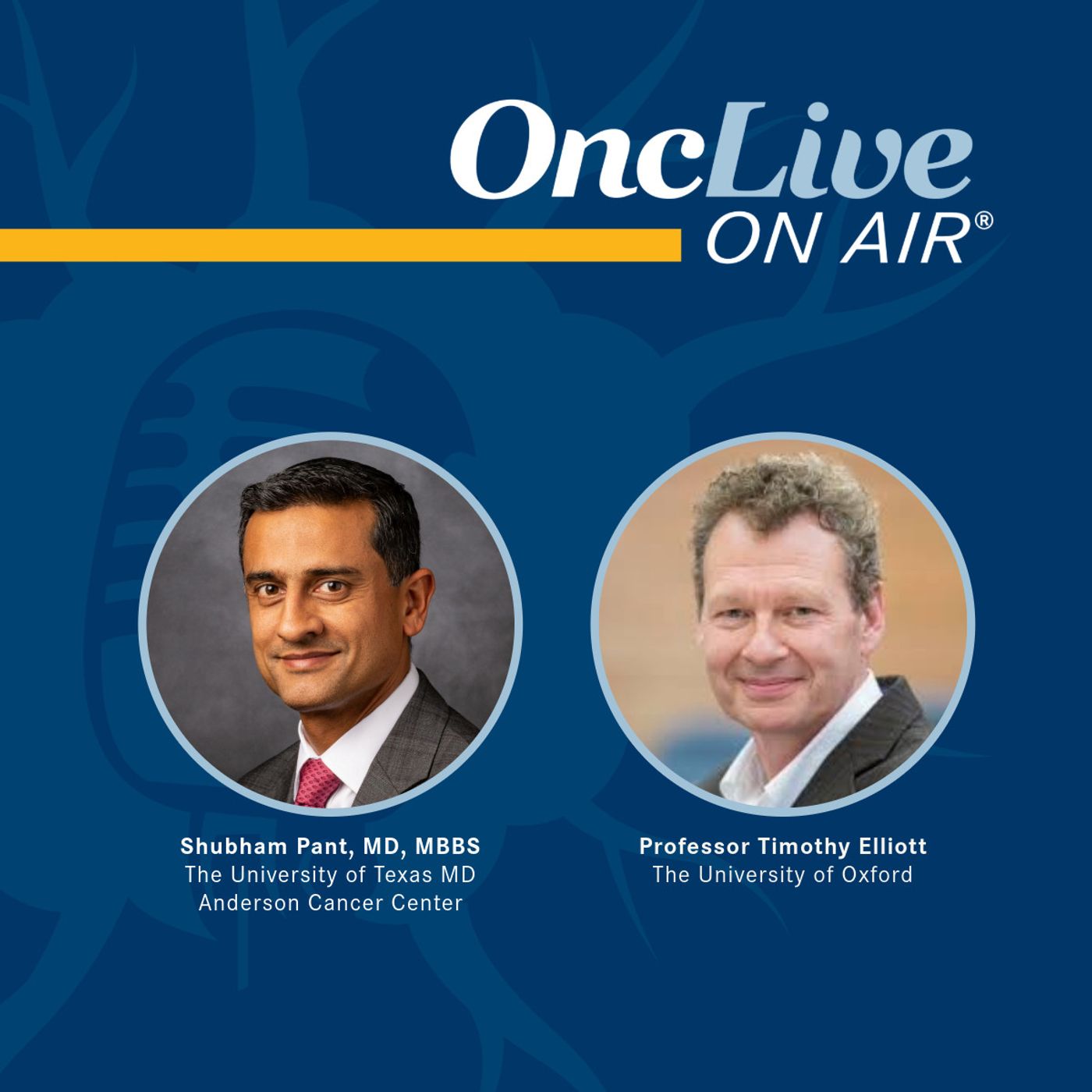
S13 Ep 1S13 Ep1: Cancer Vaccines Shake Up Disease Management and Prevention Strategies: With Shubham Pant, MD, MBBS; and Professor Timothy Elliott
In today’s episode, we spoke with Shubham Pant, MD, MBBS, and Professor Timothy Elliott, about ongoing research with cancer vaccines. Dr Pant is a professor in the Department of Gastrointestinal Medical Oncology in the Division of Cancer Medicine at The University of Texas MD Anderson Cancer Center in Houston. Dr Elliott is the Kidani Professor of Immuno-oncology in the Nuffield Department of Medicine at the University of Oxford in the United Kingdom.In our exclusive interview, Pant and Elliott discussed the current landscape of vaccines for cancer treatment, ongoing research seeking to extend the benefits of vaccines as cancer management and prevention strategies, and what the future may hold.

S12 Ep 50S12 Ep50: Optimizing Today and Looking to Tomorrow in Metastatic CRPC - Homing in on EZH2
This Oncology PER®Spectives™ podcast explores the role of EZH2 in metastatic castration-resistant prostate cancer (mCRPC) progression and its synergy with androgen receptor inhibitors. In this podcast, experts Neeraj Agarwal, MD, FASCO; Himisha Beltran, MD; and Maha Hussain, MD, FACP, FASCO, discuss the management of mCRPC. Acknowledgment of Educational Grant Support This activity is supported by an educational grant from Pfizer Inc. Accreditation/Credit Designation Physicians’ Education Resource®, LLC, is accredited by the Accreditation Council for Continuing Medical Education (ACCME) to provide continuing medical education for physicians. Physicians’ Education Resource®, LLC, designates this enduring material for a maximum of 1.5 AMA PRA Category 1 Credits™. Physicians should claim only the credit commensurate with the extent of their participation in the activity. Physicians’ Education Resource®, LLC is approved by the California Board of Registered Nursing, Provider #16669, for 1.5 Contact Hours. Instructions on How to Receive Credit Listen to this podcast in its entirety. Go to gotoper.com/credit and enter code: 6947 Answer the evaluation questions. Request credit using the drop-down menu. You may immediately download your certificate. Today’s faculty are: Neeraj Agarwal, MD, FASCO Professor of Medicine Senior Director for Clinical Research HCI Presidential Endowed Chair of Cancer Research Director, Center of Investigational Therapeutics Director, Genitourinary Oncology Program Huntsman Cancer Institute, University of Utah (NCI-CCC) Salt Lake City, UT Disclosures: Grant/Research Support (paid to institution): Arvinas, Astellas, AstraZeneca, Bayer, Bristol Myers Squibb, Calithera, Celldex, Clovis, Crispr, Eisai, Eli Lilly, EMD Serono, Exelixis, Genentech, Gilead, GlaxoSmithKline, Immunomedics, Janssen, Lava, Merck, Nektar, Neoleukin, Novartis, Oric, Pfizer, Roche, Sanofi, Seagen, Takeda, Tra-con Himisha Beltran, MD Associate Professor of Medicine Director of Translational Research Within Medical Oncology Harvard Medical School Lank Center for Genitourinary Oncology and the Division of Molecular and Cellular Oncology Dana Farber Cancer Institute Boston, MA Disclosures: Grant/Research Support: Circle Pharma, Daiichi Sankyo, Novartis; Adviser: Amgen, AstraZeneca, Daiichi Sankyo, Novartis Maha Hussain, MD, FACP, FASCO Genevieve E. Teuton Professor of Medicine Professor, Medicine (Hematology/Oncology) Deputy Director Robert H. Lurie Comprehensive Cancer Center Northwestern University Feinberg School of Medicine Chicago, IL Disclosures: Advisory Board: AstraZeneca, Bayer, Convergent Therapeutics, Honoraria: AstraZeneca, Bayer The staff of Physicians’ Education Resource®, LLC, have no relevant financial relationships with ineligible companies. PER® mitigated all COI for faculty, staff, and planners prior to the start of this activity by using a multistep process. Off-Label Disclosure and Disclaimer This activity may or may not discuss investigational, unapproved, or off-label use of drugs. Learners are advised to consult prescribing information for any products discussed. The information provided in this accredited activity is for continuing education purposes only and is not meant to substitute for the independent clinical judgment of a health care professional relative to diagnostic, treatment, or management options for a specific patient’s medical condition. The opinions expressed in the content are solely those of the individual faculty members and do not reflect those of PER® or any company that provided commercial support for this activity. Release Date May 14, 2025 Expiration Date May 14, 2026
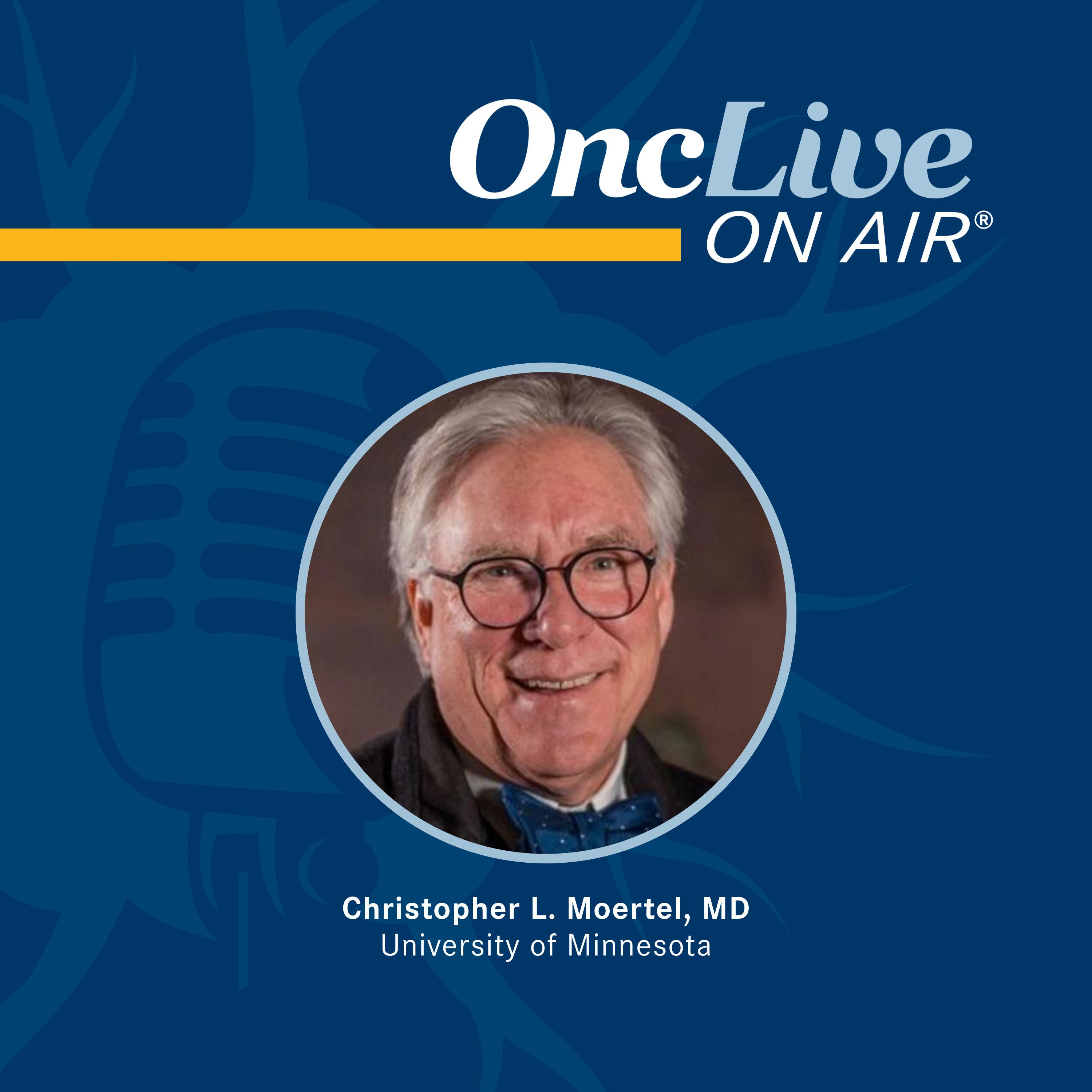
S12 Ep 49S12 Ep49: MEK Inhibitors Expand the NF1-Associated PN Treatment Paradigm: With Christopher L. Moertel, MD
In today’s episode, supported by SpringWorks Therapeutics, we spoke with Christopher L. Moertel, MD, about the evolution of treatments for neurofibromatosis type 1 (NF1)–associated plexiform neurofibromas (PN). Dr Moertel is a professor and the Pediatric Neuro-Oncology Fellowship Program director in the Division of Pediatric Hematology/Oncology, a faculty member in the Department of Pediatrics, medical director of the Pediatric Neuro-Oncology and Neurofibromatosis Programs, co-medical director of the Katie Hageboeck Children’s Cancer Research Fund Clinic, clinical neuro-oncology leader of the Brain Tumor Program, and the Kenneth and Betty Jayne Dahlberg Professor at the University of Minnesota School of Medicine in Minneapolis.In our exclusive interview, Dr Moertel discussed the expansion of the NF1-associated PN treatment paradigm to include the MEK inhibitors mirdametinib (Gomekli) and selumetinib (Koselugo); the benefits of offering treatment options in oral formulations; the toxicities associated with MEK inhibitors; the importance of managing these adverse effects to ensure long-term treatment adherence; and the need for continued oncology education to optimize treatment outcomes for this population.

S12 Ep 48S12 Ep48: Innovations in HR+/HER2– Metastatic Breast Cancer: Advancing Care Through PROTAC ER Degradation
This featured podcast includes a data review and candid conversation with 4 experts on challenges in the current treatment paradigm for hormone receptor–positive/HER2-negative (HR+/HER2–) metastatic breast cancer (mBC) due to endocrine resistance. This session occurred during a satellite symposium held in conjunction with the 42nd Annual Miami Breast Cancer Conference® in March 2025. ESR1 mutations are a critical mechanism of resistance, spurring the development of next-generation endocrine agents targeting these mutations. These agents including oral selective estrogen receptor degraders (SERDs) and agents with novel mechanisms, including proteolysis-targeting chimeras (PROTACs), which may offer potential improvements over current treatments. This program will review mechanisms of resistance to current endocrine regimens, strategies to overcome this resistance including comparative mechanisms of novel endocrine agents, emerging data from ongoing clinical trials, and expert perspectives on where these new agents may fit into current algorithms.
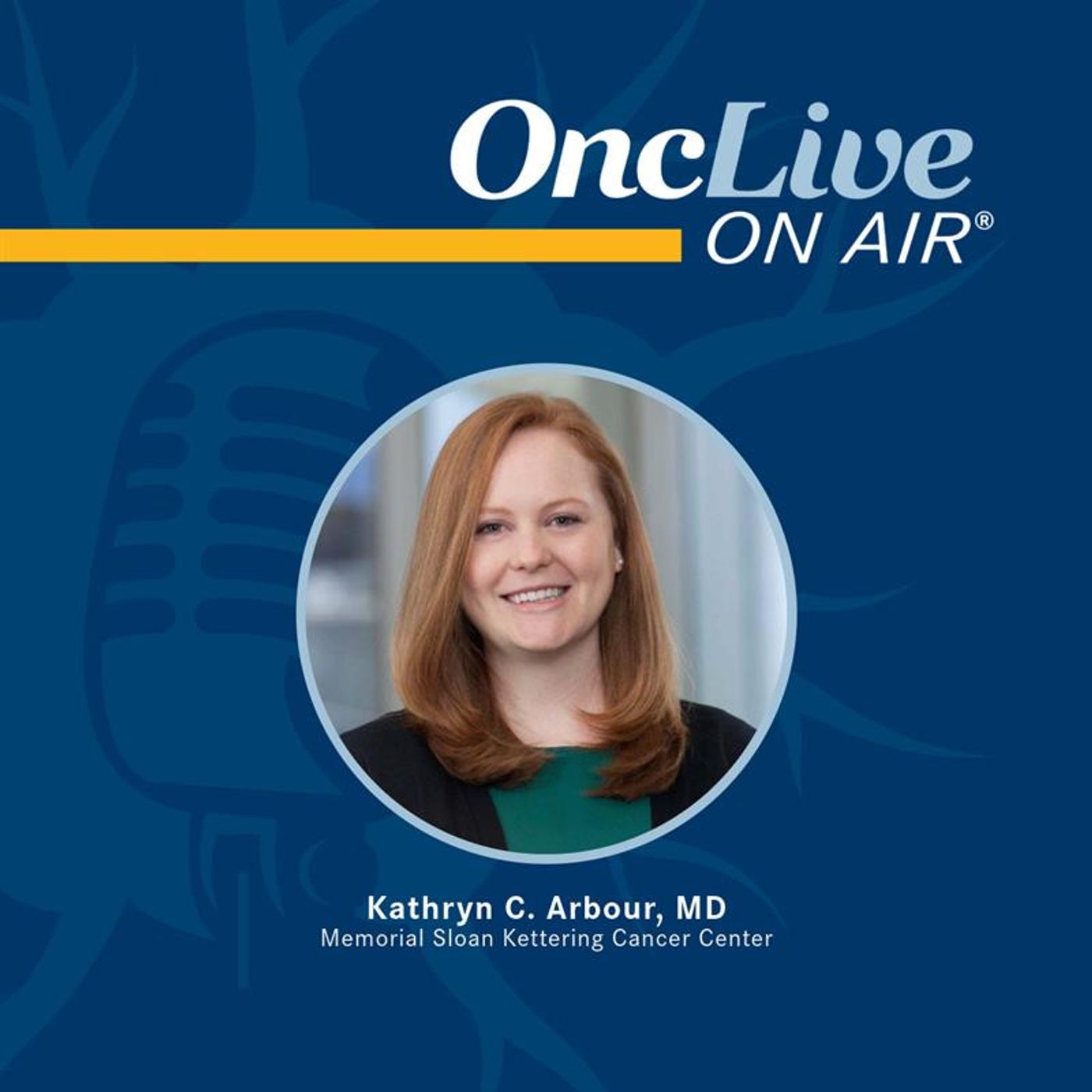
S12 Ep 47S12 Ep47: Early-Phase RAS Inhibitor Research Sparks Interest in NSCLC: With Kathryn C. Arbour, MD
In today’s episode, supported by Revolution Medicines, we spoke with Kathryn C. Arbour, MD, a thoracic medical oncologist at Memorial Sloan Kettering Cancer Center in New York, New York, about 2 important abstracts presented at the 2024 AACR Annual Meeting that explore novel RAS-targeted approaches in non–small cell lung cancer (NSCLC).Our discussion focused on early clinical findings with zoldonrasib (RMC-9805) and daraxonrasib (RMC-6236), both of which are RAS(ON) inhibitors under investigation for the treatment of patients with RAS-mutant NSCLC. Zoldonrasib, a KRAS G12D-selective tri-complex inhibitor, was evaluated in a phase 1 trial (NCT06040541) in patients with previously treated, advanced KRAS G12D–mutated solid tumors, including NSCLC. Daraxonrasib, a multi-selective RAS(ON) inhibitor, was highlighted in another phase 1 trial (NCT05379985) in patients with advanced RAS-mutant tumors, including previously treated NSCLC; notably, this AACR presentation focused on the association between early on-treatment circulating tumor DNA level reduction and clinical response with the agent.In this episode, Dr Arbour shared insights into the mechanisms of action behind these therapies, their respective clinical trial designs, and the potential implications that early data with the agents may have for the evolving RAS-mutant NSCLC treatment paradigm.
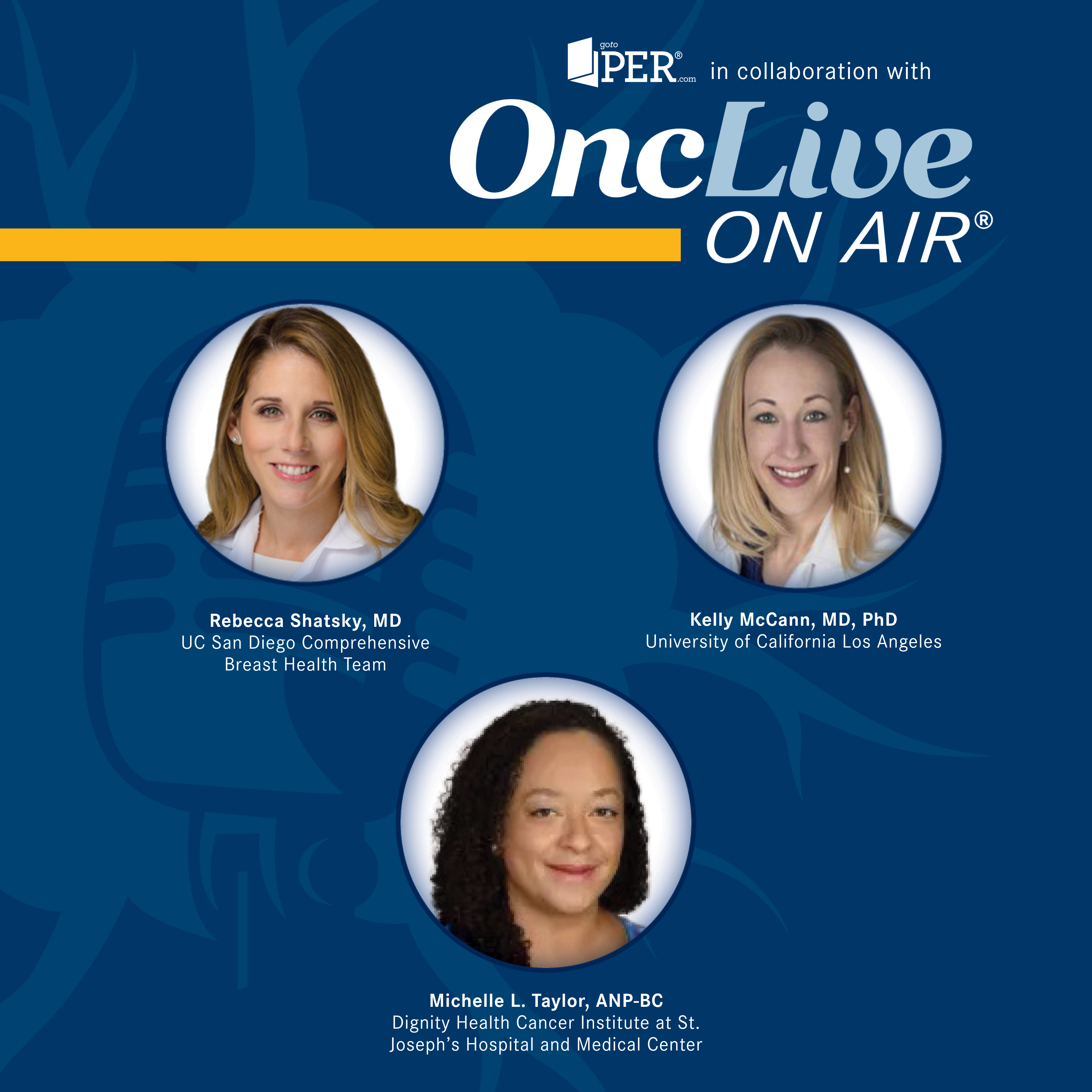
S12 Ep 46S12 Ep46: Managing Side Effects and Fertility for Premenopausal Patients with Advanced HR+ Breast Cancer
This expert podcast includes an engaging discussion among 3 experts on fertility care of patients with breast cancer. This program is designed to help clinicians better recognize and take steps to discuss fertility options in premenopausal patients with hormone receptor-positive (HR+) breast cancer to facilitate care for those women who wish to preserve their reproductive potential without impacting outcomes.
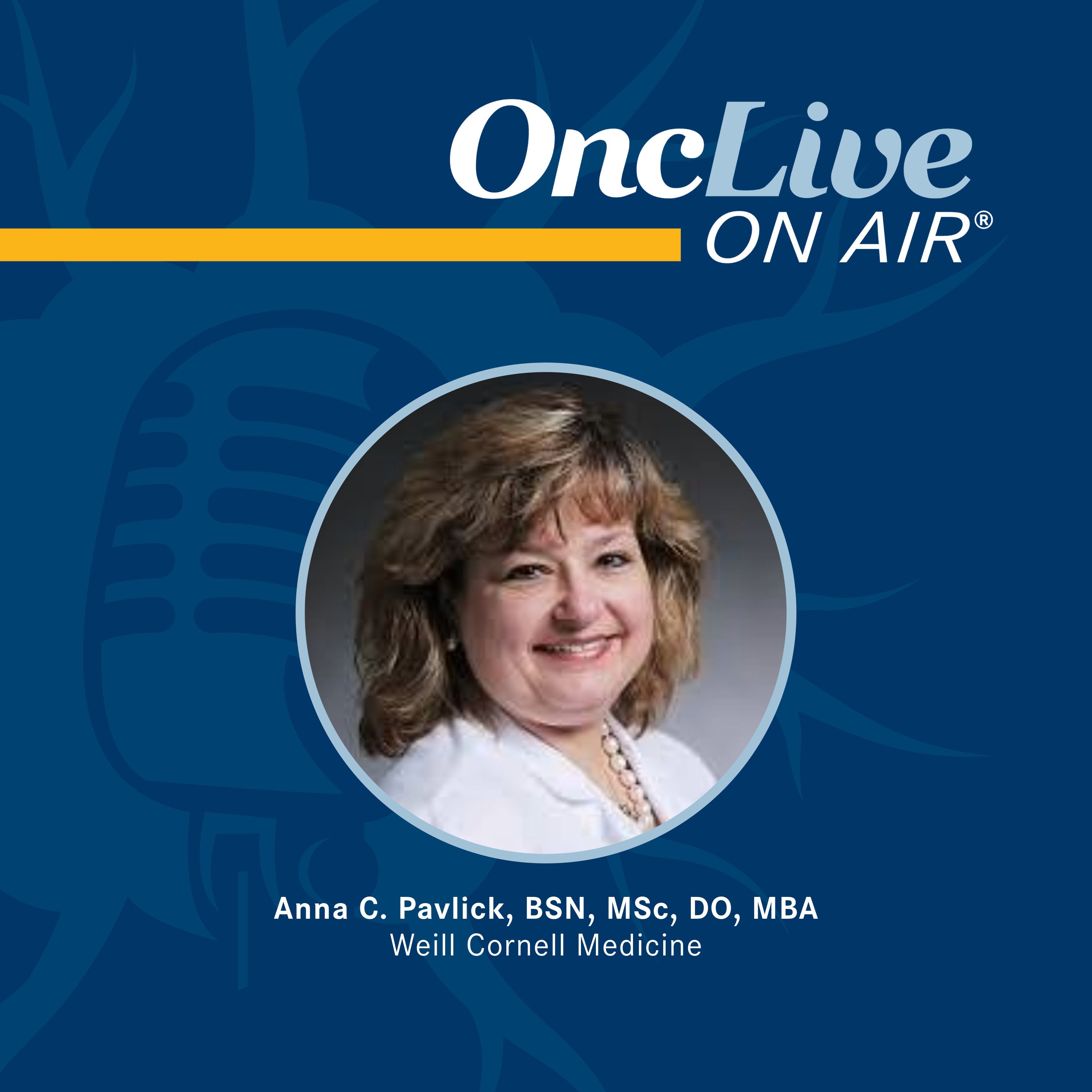
S12 Ep 45S12 Ep45: RP1 Plus Nivolumab Delivers Durable Responses in PD-1–Exposed Melanoma: With Anna C. Pavlick, BSN, MSc, DO, MBA
In today’s episode, supported by Replimune, we had the pleasure of speaking with Anna C. Pavlick, BSN, MSc, DO, MBA, about the use of RP1 plus nivolumab (Opdivo) for the treatment of patients with advanced melanoma. Dr Pavlick is a professor of medicine in the Division of Hematology & Medical Oncology at Weill Cornell Medicine in New York, New York; as well as the founding director of the Cutaneous Oncology Program at Weill Cornell Medicine and NewYork-Presbyterian. In our exclusive interview, Dr Pavlick discussed the rationale for investigating this combination in patients with advanced melanoma who have received prior immune checkpoint inhibition, key efficacy and safety findings from the phase 1/2 IGNYTE trial (NCT03767348), and where the future may be headed regarding the use of oncolytic viruses in melanoma.
S12 Ep 44S12 Ep44: Real-World Data Support Nadofaragene Firadenovec Use in BCG-Unresponsive NMIBC: With Jacob Moyer, BS; and Mark D. Tyson, II, MD, MPH
In today’s episode, we had the pleasure of speaking with Jacob Moyer, BS, and Mark Tyson II, MD, MPH, about a real-world study investigating nadofaragene firadenovec in patients with BCG-unresponsive NMIBC. Moyer is a graduate researcher at Mayo Clinic in Scottsdale, Arizona. Tyson is a urologic oncologist and an associate professor of urology at the Mayo Clinic Alix School of Medicine in Arizona. In our exclusive interview, Moyer and Tyson discussed the durable responses achieved with nadofaragene firadenovec in this patient population, the safety profile of this agent, the importance of pretreatment with antispasmodic medication, and the optimal patient population to receive nadofaragene firadenovec.
S12 Ep 43S12 Ep43: Disease Features and Treatment Intolerance Inform Pirtobrutinib Use in Pretreated CLL: With Nicole Lamanna, MD
In today’s episode, we had the pleasure of speaking with Nicole Lamanna, MD, about patient selection considerations for the use of pirtobrutinib (Jaypirca) in the management of chronic lymphocytic leukemia (CLL). Dr Lamanna is a hematologic oncologist at the Herbert Irving Comprehensive Cancer Center at NewYork-Presbyterian/Columbia University Irving Medical Center in New York, New York. In our exclusive interview, Dr Lamanna discussed how disease progression, treatment intolerance, and prior therapy exposure inform the decision to initiate pirtobrutinib in patients with CLL. She also highlighted important clinical features that guide the use of noncovalent BTK inhibitors—including sequencing strategies following covalent BTK and BCL-2 inhibitors, and emphasized the importance of balancing treatment efficacy with tolerability to optimize long-term disease management in CLL.
S12 Ep 42S12 Ep42: Radioligand Therapy Advances Represent the Future of mCRPC Treatment: With Daniel P. Petrylak, MD
In today’s episode, we had the pleasure of speaking with Daniel P. Petrylak, MD, about Lutetium Lu 177 vipivotide tetraxetan (Pluvicto) in metastatic castration-resistant prostate cancer (mCRPC). Dr Petrylak is a professor of medicine (medical oncology) and urology, as well as the chief of Genitourinary Oncology, at Yale School of Medicine and Smilow Cancer Hospital in New Haven, Connecticut.In our exclusive interview, Dr Petrylak discussed the current role for Pluvicto in patients with mCRPC, the safety profile of this radiotherapeutic, the importance of multidisciplinary collaboration when delivering this therapy, and future directions for investigating radioligand therapies in combination with other classes of agents.
S12 Ep 41S12 Ep41: Oncodetect MRD Detection Aids Treatment Decision-Making in CRC and Other Solid Tumors: With Eric Christenson, MD
In today’s episode, supported by Exact Sciences, we had the pleasure of speaking with Eric Christenson, MD, about the Oncodetect test, which is available for use in molecular residual disease detection in patients with solid tumors. Dr Christenson is an assistant professor of oncology at the Johns Hopkins School of Medicine in Baltimore, Maryland.In our exclusive interview, Dr Christenson discussed the capabilities of Oncodetect, its clinical applications, key findings from the Alpha-CORRECT study, and the prognostic value of this test.
S12 Ep 40S12 Ep40: Motivation and Consistency Are Key to Building a Successful Oncology Educational Platform: With Chandler Park, MD; and Paul Hanona, MD
In this week’s episode of MedNews Week’s Oncology Unplugged, host Chandler Park, MD, a medical oncologist at Norton Cancer Institute in Louisville, Kentucky, was rejoined by Paul Hanona, MD, to give advice to up-and-coming oncology content creators. Dr Hanona is the chief Hematology Oncology Fellow at Beaumont Health in Royal Oak, Michigan. He is also is content creator under the handle @doctordiscover.In part 2 of a 3-part series, Drs Park and Hanona discussed effective social media strategies for sharing oncology information. Dr Hanona emphasized the importance of watch time, using a strong hook, captions, and consistent posting. He also talked through the simple recording equipment he uses and noted that different social media platforms favor different content styles. The conversation focused on the importance of finding one's voice and defining the brand's focus, as well as the need to tailor content to the specific audience of each platform.
S12 Ep 39S12 Ep39: Social Media Unlocks New Avenues for Expanding Access to Oncology Education: With Chandler Park, MD; and Paul Hanona, MD
In this week’s episode of MedNews Week’s Oncology Unplugged, host Chandler Park, MD, a medical oncologist at Norton Cancer Institute in Louisville, Kentucky, sat down with Paul Hanona, MD, to talk about their shared passion for using social media to share accessible information with oncologists and patients alike. Dr Hanona is the chief Hematology Oncology Fellow at Beaumont Health in Royal Oak, Michigan. He is also is content creator under the handle @doctordiscover.Drs Park and Hanona discussed the broad influence of Dr Hanona's social media posts and videos, which have reached millions of viewers. They also emphasized the role of social media in educating patients and health care professionals about new oncology treatments and screening methods. Additionally, they explained how Dr Hanona's social media content affects patient care and the challenges of predicting patient outcomes due to rapid advancements in oncology treatments.
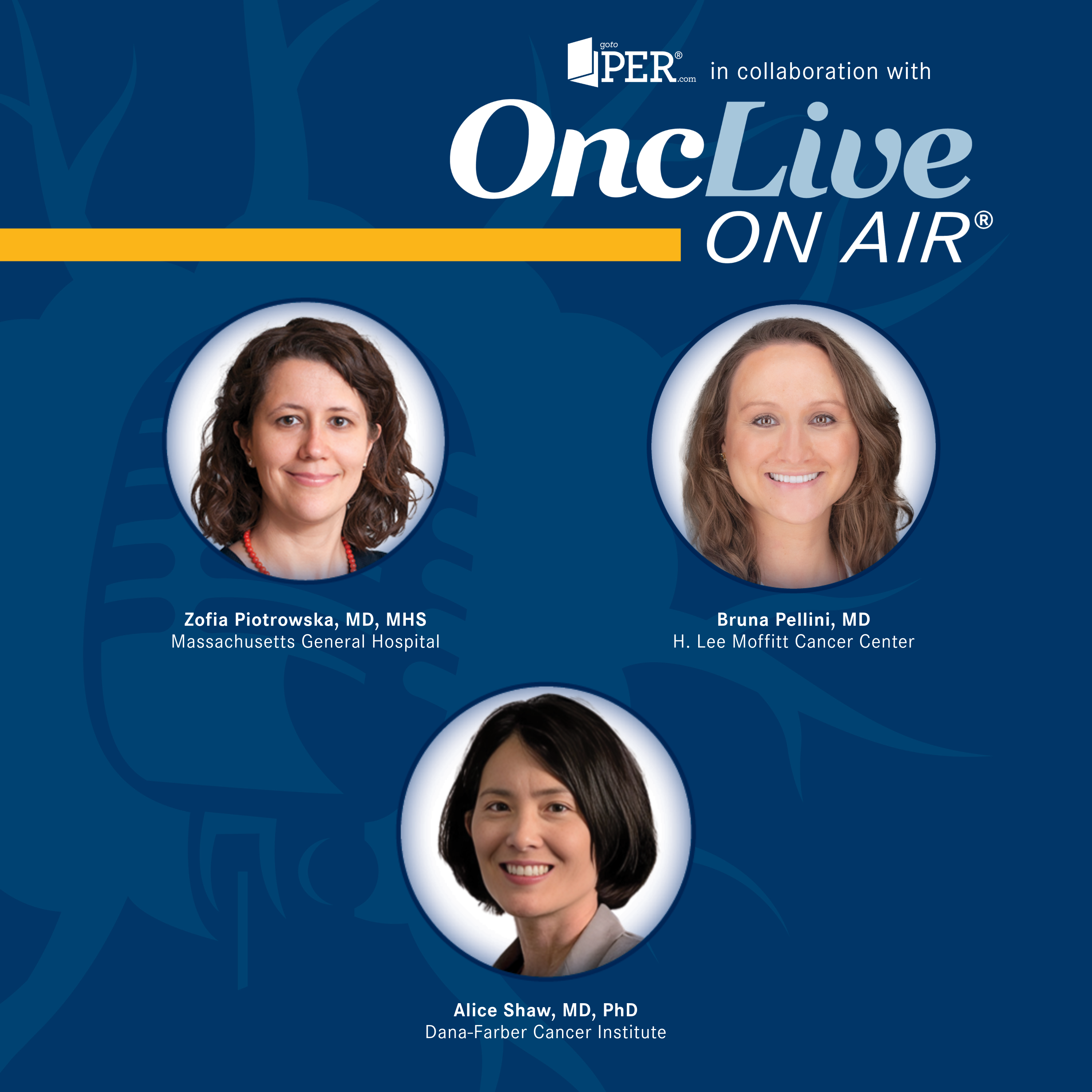
S12 Ep 38S12 Ep38: Incorporating Recent Updates in the Treatment of Metastatic ALK-Positive NSCLC
This PER® Spectives™ featured podcast reviews the 22nd Annual Winter Lung Cancer Conference® held in January/February 2025. Multiple successive generations of ALK inhibitors have provided increasing benefits as first-line treatment for the thousands of patients with non-small cell lung cancer (NSCLC) that harbors rearrangements or mutations in the ALK gene. This program focuses on the practical aspects of managing patients with ALK-positive advanced or metastatic NSCLC, putting recent clinical trial data into clinical context. The program is designed for those who did not attend the live meeting and to help reinforce learnings for those who did.
S12 Ep 37S12 Ep37: Bladder-Sparing Strategies and ctDNA-Guided Strategies Take Center Stage in MIBC: With Chandler Park, MD; and Vadim Koshkin, MD
In this week’s episode of MedNews Week’s Oncology Unplugged, host Chandler Park, MD, a medical oncologist at Norton Cancer Institute in Louisville, Kentucky, concluded a 3-part series with Vadim Koshkin, MD, an associate professor of medicine in the Division of Hematology and Oncology in the Department of Medicine at the University of California, San Francisco (UCSF) School of Medicine, as well as a genitourinary medical oncologist at the UCSF Helen Diller Comprehensive Cancer Center.In part 3 of this 3-part episode series, Drs Park and Koshkin explored the clinical implications of practice-changing data from the phase 3 NIAGARA trial (NCT03732677) of perioperative durvalumab plus neoadjuvant chemotherapy in patients with resectable bladder cancer and discussed how the evolving perioperative treatment paradigm may affect future treatment sequencing decisions for this population. Additional topics included ongoing research efforts focused on bladder-sparing strategies, the utility of circulating tumor DNA and advanced imaging to guide treatment intensity, and the role of biomarker-driven approaches to personalize therapy for patients with muscle-invasive disease.
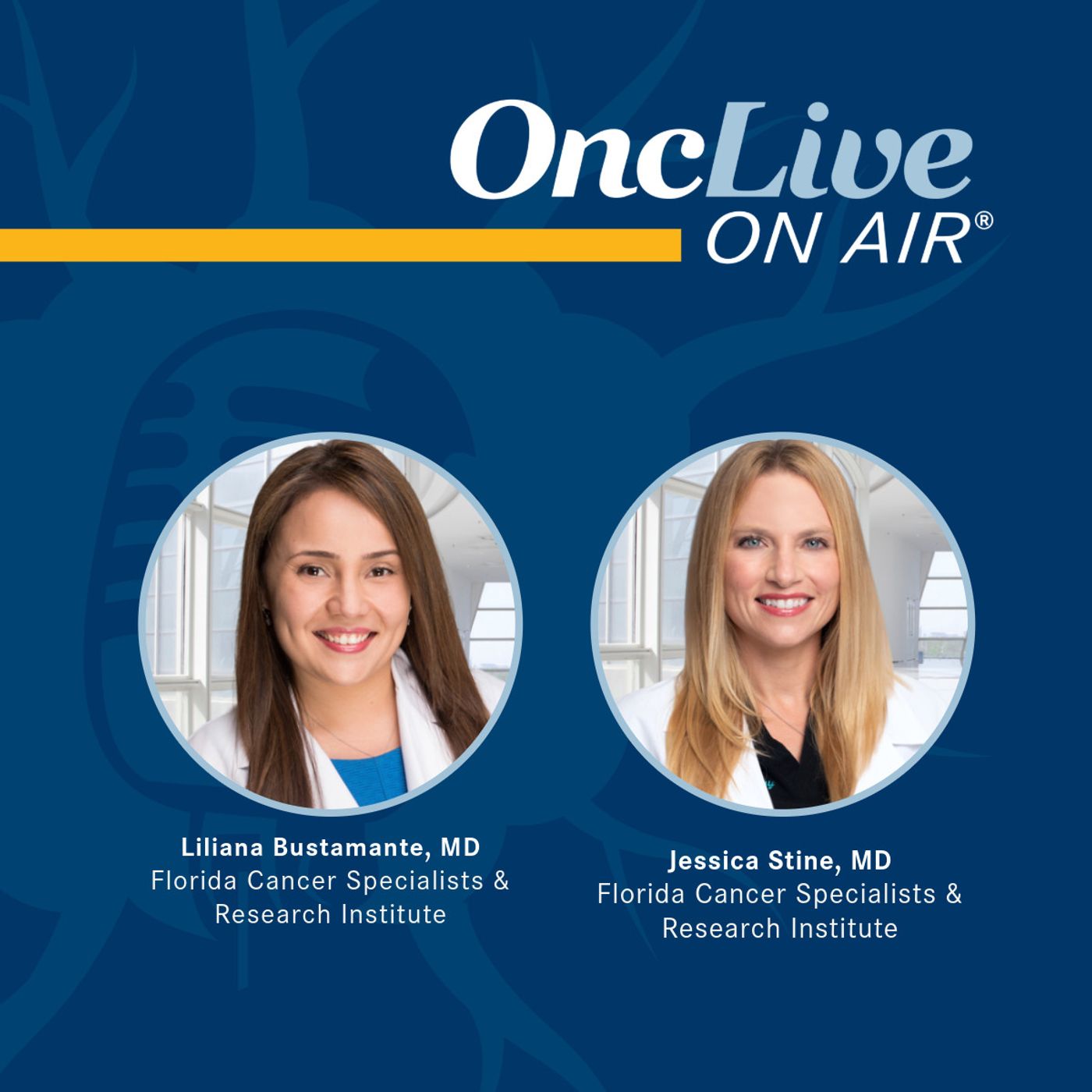
S12 Ep 36S12 Ep36: Peer Support, Adaptability, and Self-Confidence Are Hallmarks of Successful Oncology Careers: With Liliana Bustamante, MD; and Jessica Stine, MD
In today’s episode, we sat down with Liliana Bustamante, MD, and Jessica Stine, MD, to discuss their experiences as women in oncology. Dr Bustamante is a medical oncologist and hematologist at Florida Cancer Specialists & Research Institute in Tampa. Dr Stine is the medical director of Gynecologic Oncology at Florida Cancer Specialists & Research Institute.In our exclusive interview, Drs Bustamante and Stine discussed their unique journeys toward choosing careers in oncology, the emotional fulfillment of treating patients with cancer, the importance of mentorship between colleagues, and the evolving nature of work-life balance. They also emphasize the importance of honesty, peer support, and self-grace in navigating oncology careers.
S12 Ep 35S12 Ep35: Innovative Research Raises Questions About the Role of ADCs in Bladder Cancer: With Chandler Park, MD; and Vadim Koshkin, MD
In this week's episode of MedNews Week's Oncology Unplugged, host Chandler Park, MD, a medical oncologist at Norton Cancer Institute in Louisville, Kentucky, sat down with Vadim Koshkin, MD, an associate professor of medicine in the Division of Hematology and Oncology in the Department of Medicine at the University of California, San Francisco (UCSF) School of Medicine, as well as a genitourinary medical oncologist at the UCSF Helen Diller Comprehensive Cancer Center. In part 2 of this 3-part episode series, Drs Park and Koshkin discussed considerations for sequencing and combining antibody-drug conjugates for patients with bladder cancer, the potential future role of sacituzimab govitecan-hziy (Trodelvy) in this disease following the withdrawal of this agent's United States indication for use in patients with metastatic bladder cancer, and the evolution of treatment options for patients who progress on enfortumab vedotin-ejfv (Padcev) plus pembrolizumab (Keytruda).
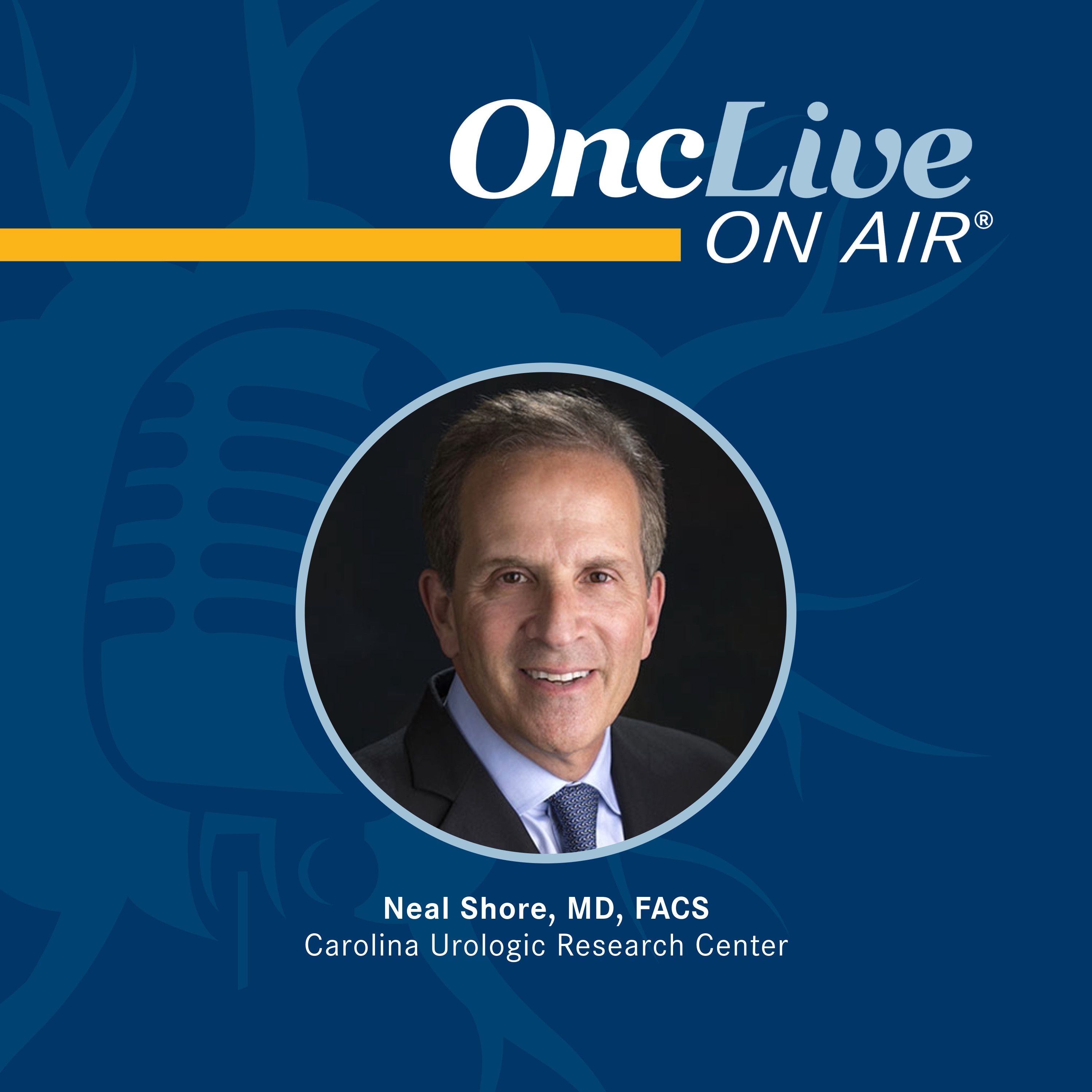
S12 Ep 34S12 Ep34: AR Pathway Inhibition Refines Prostate Cancer Treatment Strategies: With Neal Shore, MD, FACS
In today’s episode, we had the pleasure of speaking with Neal Shore, MD, FACS, about prostate cancer management and the use of androgen receptor (AR)–directed therapies. Dr Shore is the medical director for the Carolina Urologic Research Center in Myrtle Beach, South Carolina. In our exclusive interview, we sat down with Dr Shore during the 2025 Bridging the Gaps in Prostate Cancer meeting to discuss the importance of multidisciplinary meetings to address unmet needs for patients with prostate cancer, the need for treatment strategies that improve upon the activity of current standards of care in this disease, the evolving roles of neoadjuvant and adjuvant therapies, and the significance of biomarkers and imaging. He also highlighted treatment advances that have been achieved with AR-directed agents, such as apalutamide (Erleada) and darolutamide (Nubeqa), along with considerations for the optimal intensification and de-intensification of these agents to balance efficacy and quality of life.
S12 Ep 33S12 Ep33: Comprehensive First-Line Bladder Cancer Treatment Begins With Careful Patient Selection: With Chandler Park, MD
In today’s episode, supported by EMD Serono, we had the pleasure of speaking with Chandler Park, MD, about the first-line treatment of patients with bladder cancer. Dr Park is a medical oncologist at the Norton Cancer Institute in Louisville, Kentucky. In our exclusive interview, Dr Park discussed the core regimens in the current frontline bladder cancer treatment paradigm, ways that this paradigm is expected to evolve in the coming months and years, and how the choice of frontline therapy influences treatment decision-making regarding subsequent lines of therapy.
S12 Ep 32S12 Ep32: ADC-Based Combinations Gain Momentum in Bladder Cancer Management: With Chandler Park, MD; and Vadim Koshkin, MD
In this week's episode of MedNews Week's Oncology Unplugged, host Chandler Park, MD, a medical oncologist at Norton Cancer Institute in Louisville, Kentucky, sat down with Vadim Koshkin, MD, an associate professor of medicine in the Division of Hematology and Oncology in the Department of Medicine at the University of California, San Francisco (UCSF) School of Medicine, as well as a genitourinary medical oncologist at the UCSF Helen Diller Comprehensive Cancer Center. Drs Park and Koshkin discussed recent developments in bladder cancer management, including the significant benefits of enfortumab vedotin-ejfv (Padcev) plus pembrolizumab (Keytruda) compared with platinum-based chemotherapy in the metastatic setting, key outcomes from the phase 3 NIAGARA trial (NCT03732677) of perioperative durvalumab (Imfinzi) plus chemotherapy in muscle-invasive bladder cancer, the potential for disitamab vedotin (RC48-ADC) to join the advanced urothelial cancer treatment paradigm, and what the future may look like for HER2-targeted therapies in this disease.

S12 Ep 31S12 Ep31: Oncology Experts Discuss the Long-Term Effects of the COVID-19 Pandemic: With Ramez N. Eskander, MD; Rachel N. Grisham, MD; Benjamin Herzberg, MD; Kelly McCann, MD, PhD; and Gregory Roloff, MD
In today’s episode, we invited experts from across oncology specialties to discuss the long-term effects of the COVID-19 pandemic—the onset of which occurred 5 years ago. Our guests shared how the pandemic's lingering effects continue to shape patient care. We heard from: Ramez N. Eskander, MD, a gynecologic oncologist and assistant professor of obstetrics, gynecology, and reproductive sciences at the University of California San Diego Health Rachel N. Grisham, MD, an associate attending physician at Memorial Sloan Kettering Cancer Center in New York, New York Benjamin Herzberg, MD, an assistant professor of medicine at Columbia University Medical Center and an oncologist at Herbert Irving Comprehensive Cancer Center in New York, New York Kelly McCann, MD, PhD, an assistant professor and breast medical oncologist at UCLA Health’s David Geffen School of Medicine in Los Angeles, California Gregory Roloff, MD, a hematologist/oncologist at the University of Chicago Medicine in Illinois

S12 Ep 30S12 Ep30: Study Reveals Subgroups of Patients With RCC Who May Have Durable Responses to Immunotherapy: With David A. Braun, MD, PhD
In today’s episode, OncLive teamed up with CURE to present a discussion with David A. Braun, MD, PhD, about his research on determinants of response to immune checkpoint inhibition (ICI) in patients with renal cell carcinoma (RCC). Dr Braun is an assistant professor of medicine (medical oncology), the Louis Goodman and Alfred Gilman Yale Scholar, and a member of the Center of Molecular and Cellular Oncology at Yale Cancer Center in New Haven, Connecticut.In this exclusive interview, Dr Braun discussed the rationale for investigating molecular factors that contribute to exceptional ICI responses among patients with RCC, as well as the key findings from this study. He also shared how these findings may affect cancer care and influence shared decision-making strategies for patients receiving immunotherapy.
S12 Ep 29S12 Ep29: Strong Mentorship Opportunities Support the Next Generations of Women in Lymphoma: With Chandler Park, MD; and Ann S. LaCasce, MD, MMSc
In this week's episode of MedNews Week's Oncology Unplugged, host Chandler Park, MD, a medical oncologist at Norton Cancer Institute in Louisville, Kentucky, spoke with Ann S. LaCasce, MD, MMSc, an associate professor of medicine and a lymphoma specialist at Dana-Farber Cancer Institute in Boston, Massachusetts and Director of the Dana-Farber/Mass General Brigham Fellowship in Hematology/Oncology. LaCasce shares her journey into hematologic oncology, shaped by early mentors—including her father—and how a passion for art history sparked her interest in pattern recognition and morphology, which are skills central to lymphoma diagnosis.Their discussion explores key advancements in Hodgkin and non-Hodgkin lymphoma management, including efforts to reduce long-term toxicity by minimizing radiation in early-stage Hodgkin lymphoma. LaCasce also highlights the incorporation of novel agents, such as brentuximab vedotin (Adcetris) and checkpoint inhibitors, into frontline regimens aimed at improving outcomes without increasing treatment burden.Park and LaCasce also discuss the importance of education and mentorship. She describes her work directing one of the country’s largest hematology/oncology fellowship programs and her leadership in founding the international Women in Lymphoma network to foster collaboration and gender equity in the field. From clinical innovation to workforce development, LaCasce provides a comprehensive look into the role of multidisciplinary research, mentorship, and global engagement in advancing the future of lymphoma management.
S12 Ep 28S12 Ep28: Ivonescimab Improves PFS vs Pembrolizumab in Advanced PD-L1+ NSCLC: With Xiuning Le, MD, PhD
In today’s episode, supported by Summit Therapeutics, we had the pleasure of speaking with Xiuning Le, MD, PhD, about the use of ivonescimab (SMT112) in patients with PD-L1–positive non–small cell lung cancer (NSCLC). Dr Le is an associate professor in the Department of Thoracic/Head and Neck Medical Oncology in the Division of Internal Medicine at The University of Texas MD Anderson Cancer Center in Houston. The phase 3 HARMONi-2 trial (NCT05499390) investigated ivonescimab vs pembrolizumab (Keytruda) in patients with locally advanced or metastatic, PD-L1–positive NSCLC without sensitizing EGFR mutations or ALK translocations. At the preplanned interim analysis, at a median follow-up of 8.7 months (IQR, 7.1-10.3), the median progression-free survival was significantly longer in the ivonescimab arm (n = 198) vs the pembrolizumab arm (n = 200), at 11.1 months (95% CI, 7.3-not estimable) vs 5.8 months (95% CI, 5.0-8.2), respectively (stratified HR, 0.51; 95% CI, 0.38-0.69; 1-sided P < .0001). The objective response rates were 50% (95% CI, 43%-57%) and 39% (95% CI, 32%-46%) in these respective arms. In our exclusive interview, Dr Le discussed the rationale for the HARMONi-2 trial, key findings from the study, and where these findings position the potential role of ivonescimab in the PD-L1–positive NSCLC treatment paradigm.
S12 Ep 28S12 Ep28: Ponatinib Monotherapy Maintains MRD Negativity Following TKI/Chemotherapy Treatment in Ph+ ALL: With Ibrahim T. Aldoss, MD; and Elias Jabbour, MD
In today’s episode, supported by Takeda, we had the pleasure of speaking with Ibrahim T. Aldoss, MD, and Elias Jabbour, MD, about the use of ponatinib (Iclusig) monotherapy after combination chemotherapy in patients with newly diagnosed Philadelphia chromosome–positive (Ph)–positive acute lymphoblastic leukemia (ALL). Dr Aldoss is an associate professor in the Division of Leukemia in the Department of Hematology & Hematopoietic Cell Transplantation at City of Hope in Duarte, California. Jabbour is a professor in the Department of Leukemia in the Division of Cancer Medicine at The University of Texas MD Anderson Cancer Center in Houston.In our exclusive interview, Drs Aldoss and Jabbour discussed findings from a post hoc subgroup analysis of the phase 3 PhALLCON trial (NCT03589326) that support the use of ponatinib monotherapy following combination treatment with a TKI plus chemotherapy in patients with newly diagnosed Ph-positive ALL, safety considerations when using ponatinib in this patient population, and how findings from this subgroup analysis may affect transplantation rates in this disease.
S12 Ep 27S12 Ep27: Venetoclax Plus Pegcrisantaspase Induces Remissions in R/R AML: With Ashkan Emadi, MD, PhD
Dr Emadi discussed how the combination of venetoclax (Venclexta) plus pegcrisantaspase induced complete remissions in heavily pretreated patients with relapsed/refractory acute myeloid leukemia, including in those with prior exposure to venetoclax. He detailed data on the combination from a phase 1 study published in Blood, the significance of the findings, and more.
S12 Ep 26S12 Ep26: FDA Approval Insights: Tislelizumab Plus Chemo in Unresectable Metastatic ESCC: With Nataliya Uboha, MD, PhD
In our exclusive interview, Dr Uboha discussed the significance of this approval, key efficacy and safety data from the pivotal phase 3 RATIONALE-306 trial (NCT03783442), and considerations for integrating this agent into the ESCC treatment paradigm.
S12 Ep 25S12 Ep25: Perioperative Durvalumab Improves Survival in MIBC: Navigating the NIAGARA Trial Findings With: Chandler Park, MD; and Petros Grivas, MD, PhD
In this episode of MedNews Week's Oncology Unplugged, host Chandler Park, MD, a medical oncologist at Norton Cancer Institute in Louisville, Kentucky, spoke with Petros Grivas, MD, PhD, clinical director of the Genitourinary Cancers Program at Fred Hutchinson Cancer Center and a professor of medicine at the University of Washington School of Medicine, about key updates from the 2025 Genitourinary Cancers Symposium and the evolving treatment paradigm for muscle-invasive bladder cancer (MIBC).
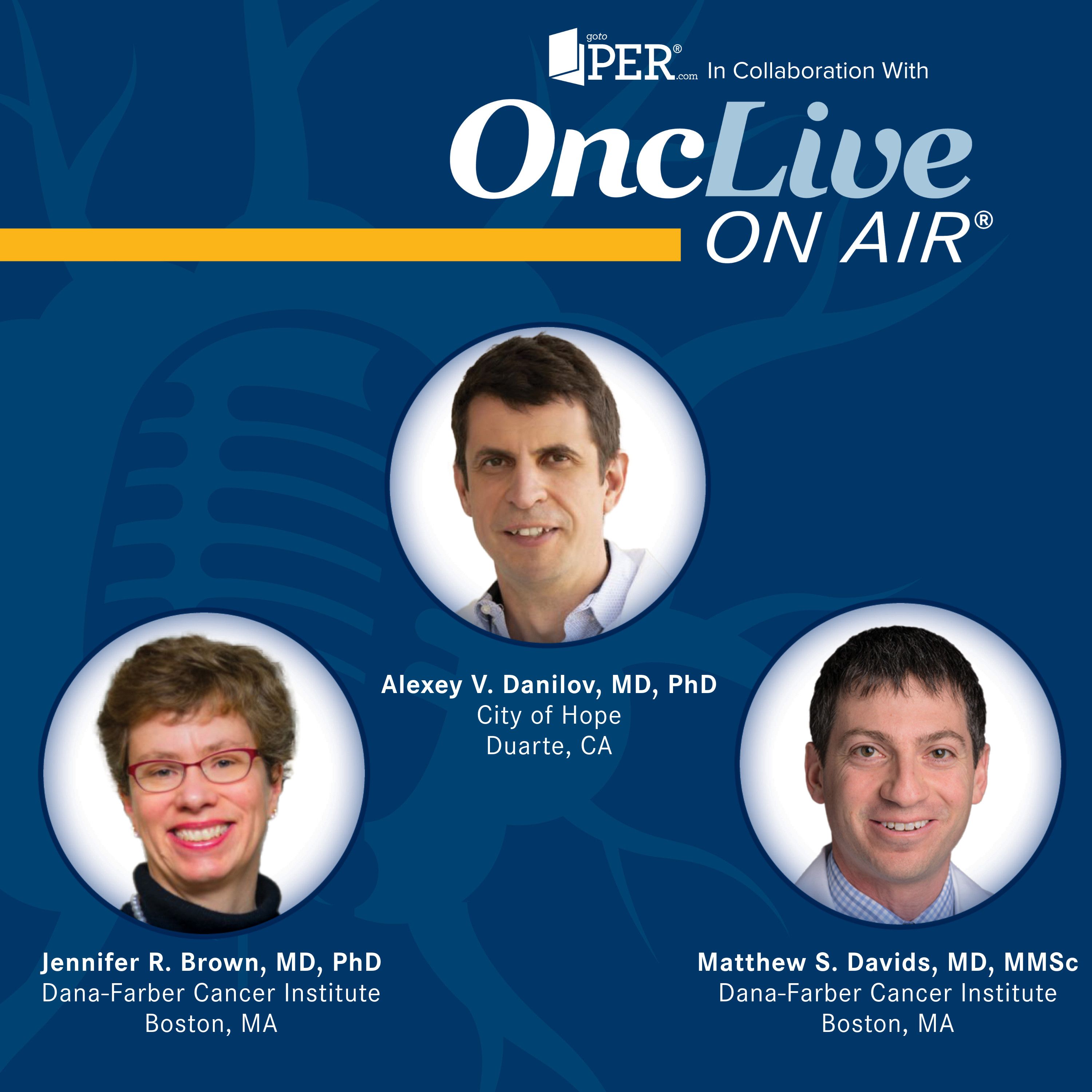
S12 Ep 24S12 Ep24: Expert Interpretations of the Latest Data in CLL Management – Understanding the Impact of Optimal Treatment Selection on Patient Outcomes
This featured podcast includes a discussion with 3 experts on best practices in the care of patients with chronic lymphocytic leukemia (CLL), the most common hematologic leukemia diagnosed among adults worldwide. Treatment for CLL continues to evolve rapidly. Expert Interpretations of the Latest Data in CLL Management – Understanding the Impact of Optimal Treatment Selection on Patient Outcomes is designed to share new clinically relevant data with appropriate context so clinicians can better care for patients with CLL.
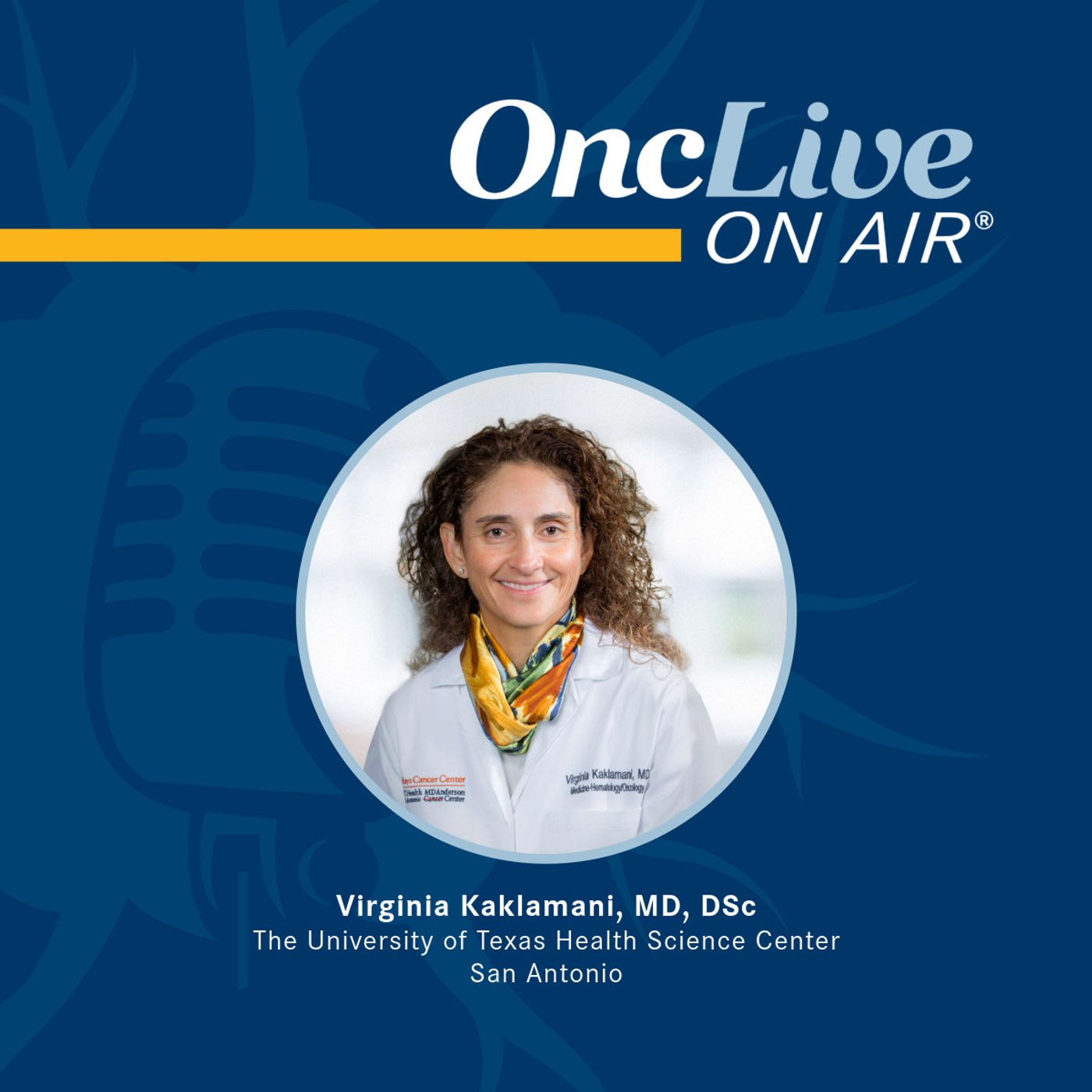
S12 Ep 23S12 Ep23: Inavolisib Expands the PIK3CA-Mutated Metastatic HR+ Breast Cancer Treatment Paradigm: With Virginia Kaklamani, MD, DSc
Dr Kaklamani discusses the mechanism of action of inavolisib, the importance of the addition of this agent to the HR-positive metastatic breast cancer treatment paradigm, and considerations for early biomarker testing in patients with breast cancer.
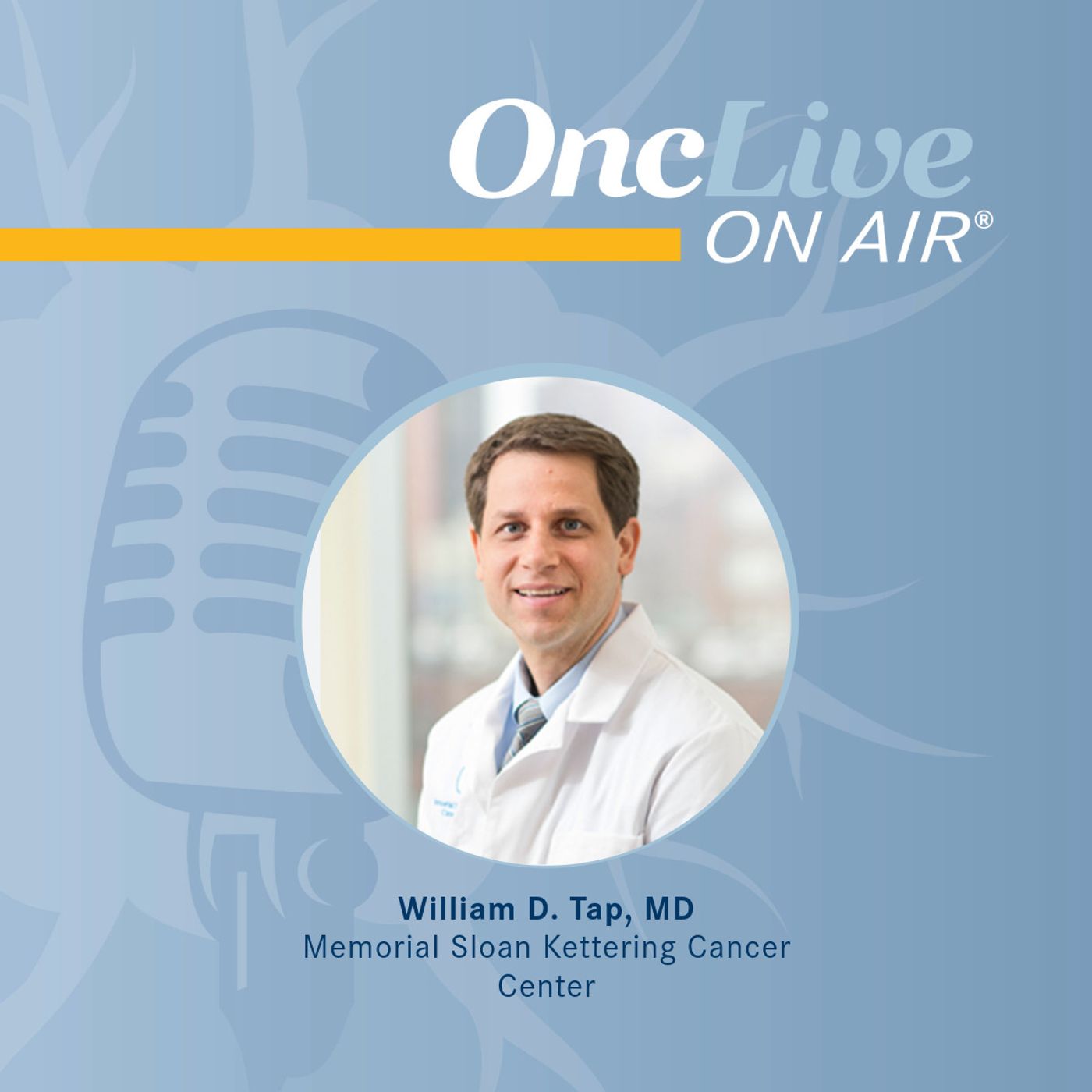
S12 Ep 22S12 Ep22: FDA Approval Insights: Vimseltinib for Symptomatic TGCT: With William D. Tap, MD
Dr Tap discusses the significance of the FDA approval of vimseltinib for symptomatic TGCT, in which surgical resection may worsen functional limitation or cause severe morbidity. He also discussed key efficacy and safety data from the pivotal phase 3 MOTION trial and the increasingly important role that multidisciplinary collaboration will play as this targeted therapy is further integrated into clinical practice.
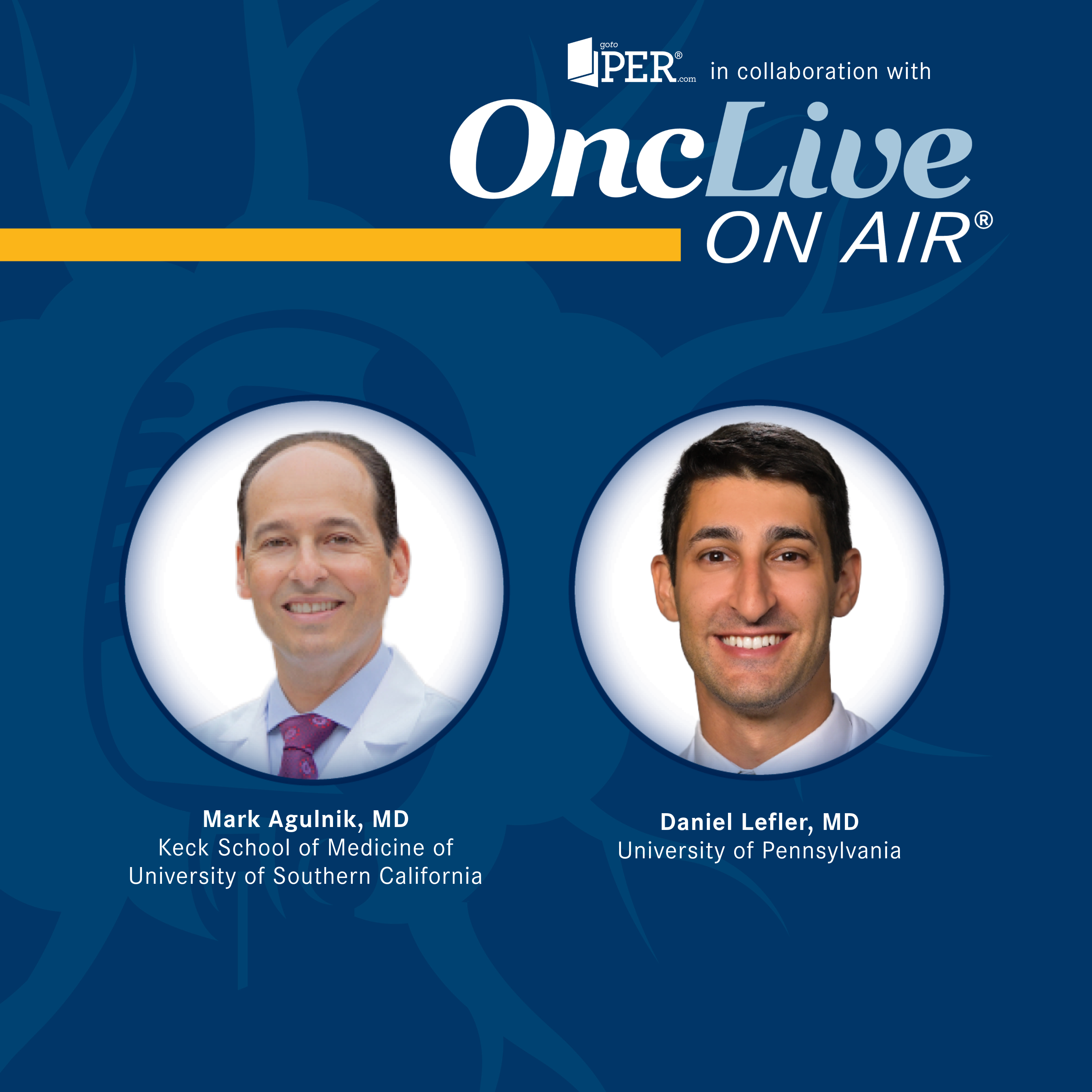
S12 Ep 21S12 Ep21: Clinical Showcase™: Selecting the Best Next Steps for a Patient with Epithelioid Sarcoma
This featured podcast brings together 2 experts to discuss the care of patients with epithelioid sarcoma.
S12 Ep 20S12 Ep20: FDA Approval Insights: Sotorasib Plus Panitumumab for KRAS G12C–Mutated mCRC: With Marwan Fakih, MD
Dr Fakih discusses the significance of this approval, key findings from the pivotal CodeBreaK 300 trial (NCT05198934), and how this combination fits into the current KRAS G12C–mutated mCRC treatment paradigm.

S12 Ep 19S12 Ep19: FDA Approval Insights: T-DXd in HER2-Low/-Ultralow Metastatic Breast Cancer: With Aditya Bardia, MD, MPH, FASCO
In today’s episode, we had the pleasure of speaking with Aditya Bardia, MD, MPH, FASCO, about the FDA approval of fam-trastuzumab deruxtecan-nxki (T-DXd; Enhertu) for the treatment of adult patients with unresectable or metastatic, hormone receptor–positive, HER2-low or -ultralow breast cancer, as determined by an FDA-approved test, that has progressed on at least 1 endocrine therapy in the metastatic setting. Dr Bardia serves as a professor in the Department of Medicine in the Division of Hematology/Oncology and is the director of Translational Research Integration at the UCLA Health Jonsson Comprehensive Cancer Center. In our exclusive interview, Dr Bardia discussed the significance of this approval, findings from the pivotal DESTINY-Breast06 trial (NCT04494425), and what this new indication for T-DXd means for the future of HER2 testing in breast cancer.
S12 Ep 18S12 Ep18: Neoadjuvant MVAC/Pembrolizumab Generates Unprecedented pCR Rates in Non-Urothelial MIBC: With Chandler Park, MD; Petros Grivas, MD, PhD; and Ruben Raychaudhuri, MD
In this episode of Oncology Unplugged, a podcast series from OncLive and MedNews Week, podcast host Chandler Park, MD, a medical oncologist at Norton Cancer Institute in Louisville, Kentucky, was joined by Petros Grivas, MD, PhD; and Ruben Raychaudhuri, MD, to talk about a pilot trial investigating neoadjuvant accelerated methotrexate, vinblastine,doxorubicin, and cisplatin (aMVAC) plus pembrolizumab (Keytruda) in patients with non-urothelial muscle-invasive bladder cancer, findings from which were presented at the 2025 Genitourinary Cancers Symposium. Dr Grivas is clinical director of the Genitourinary Cancers Program and a professor in the Clinical Research Division at Fred Hutchinson Cancer Center, as well as a professor in the Division of Hematology and Oncology at the University of Washington School of Medicine in Seattle. Dr Raychaudhuri is an assistant professor in the Clinical Research Division at Fred Hutchinson Cancer Center, as well as an assistant professor in the Division of Hematology and Oncology at the University of Washington School of Medicine. In their exclusive conversation, Drs Park, Grivas, and Raychaudhuri discussed key efficacy and safety findings from this study; the need for conducting dedicated research in bladder cancer patient populations with variant histologies; and the potential of biomarkers, such as HER2 expression, to improve the bladder cancer treatment paradigm in the future.

S12 Ep 17S12 Ep17: Triplet Chemo Trial Raises Importance of Accurately Defined Subgroups in Biliary Tract Cancer Research: With Rachna Shroff, MD, MS, FASCO
In today’s episode, we had the pleasure of speaking with Rachna Shroff, MD, MS, FASCO, about the phase 3 SWOG S1815 trial (NCT03768414) evaluating the addition of nab-paclitaxel (Abraxane) to gemcitabine and cisplatin in patients with newly diagnosed, advanced biliary tract cancer. Dr Shroff of the interim clinical affairs director, the associate director of Clinical Investigations, and co-lead of the Gastrointestinal Clinical Research Team, at The University of Arizona Cancer Center. She is also a professor in the Department of Medicine, chief of the Division of Hematology/Oncology, medical director for the Oncology Service Line, and associate dean for Clinical and Translational Research at The University of Arizona College of Medicine in Tucson. In our exclusive interview, Dr Shroff discussed the rationale for this research, key efficacy and safety data from the trial, and the potentially wide-reaching future implications of these findings.
S12 Ep 16S12 Ep16: DA Approval Insights: Mirdametinib for NF1-Associated Plexiform Neurofibromas: With Christopher L. Moertel, MD
Dr Moertel discussed the significance of this approval, key efficacy and safety data from the phase 2 ReNeu trial (NCT03962543), and considerations for integrating mirdametinib into clinical practice for patients with NF1-associated PN.

S12 Ep 15S12 Ep15: Inavolisib Has a Favorable Risk-Benefit Profile for PIK3CA-Mutant, HR+ Metastatic Breast Cancer: With Komal Jhaveri, MD, FACP
In today’s episode, supported by Genentech, we had the pleasure of speaking with Komal Jhaveri, MD, FACP, about the clinical use of inavolisib (Itovebi) for patients with hormone receptor (HR)–positive, PIK3CA-mutated, locally advanced or metastatic breast cancer. Dr Jhaveri is section head of the Endocrine Therapy Research Program, clinical director of the Early Drug Development Service, and the Patricia and James Cayne Chair for Junior Faculty at Memorial Sloan Kettering Cancer Center in New York, New York.In our exclusive interview, Dr Jhaveri discussed the importance of having a PI3K inhibitor available for the treatment of patients with HR-positive metastatic breast cancer, advice for managing inavolisib-related adverse effects, and best practices for early biomarker testing in patients with breast cancer.
S12 Ep 14S12 Ep14: FDA Approval Insights: Dato-DXd for HR+/HER2-Negative Metastatic Breast Cancer: With Aditya Bardia, MD, MPH, FASCO
In our exclusive interview, Dr Bardia discussed the significance of this approval, pivotal findings from the phase 3 TROPION-Breast01 trial (NCT05104866), the clinical relevance of being able to improve progression-free survival and quality of life with Dato-DXd compared with standard chemotherapy, and key considerations for sequencing antibody-drug conjugates.

S12 Ep 13S12 Ep13: Ponatinib-Based Regimens Strengthen the Ph+ ALL Treatment Paradigm: With Mark B. Geyer, MD, and Elias Jabbour, MD
In today’s episode, supported by Takeda, we had the pleasure of speaking with Mark B. Geyer, MD, and Elias Jabbour, MD, about updates in the management of Philadelphia chromosome (Ph)–positive acute lymphoblastic leukemia (ALL). Dr Geyer is the Adolescent and Young Adult Program leader and the Adult Lymphoblastic Leukemia Program leader in the Leukemia Service, as well as the chair of Quality Assessment in the Cellular Therapy Service at Memorial Sloan Kettering Cancer Center in New York, New York. Dr Jabbour is a professor in the Department of Leukemia in the Division of Cancer Medicine at The University of Texas MD Anderson Cancer Center in Houston.In our exclusive interview, Drs Geyer and Jabbour discussed the use of ponatinib (Iclusig) in patients with Ph-positive ALL as evidenced by key findings from research such as the pivotal phase 3 PhALLCON trial (NCT03589326). They also highlighted the potential efficacy of this agent in combination with blinatumomab (Blincyto) and shared insights on how the safety profile of this agent affects its clinical use.
S12 Ep 12S12 Ep12: Advances in RAS-Mutant PDAC Management Emphasize the Importance of Biomarker Testing: With Heinz-Josef Lenz, MD
In today’s episode, supported by Revolution Medicines, we had the pleasure of speaking with Heinz-Josef Lenz, MD, about RAS mutations in pancreatic ductal adenocarcinoma (PDAC). Dr Lenz is a professor of medicine at the Keck School of Medicine of the University of Southern California (USC), as well as the J. Terrence Lanni Chair in Gastrointestinal Cancer Research, co-director of the USC Center for Molecular Pathway and Drug Discovery, and co-director of the USC Norris Center for Cancer Drug Development in Los Angeles. In our exclusive interview, Dr Lenz discussed the prevalence of RAS mutations in PDAC, the importance of biomarker testing, current treatment strategies for patients with RAS-mutant PDAC, and potential future treatment advances for patients with this disease.
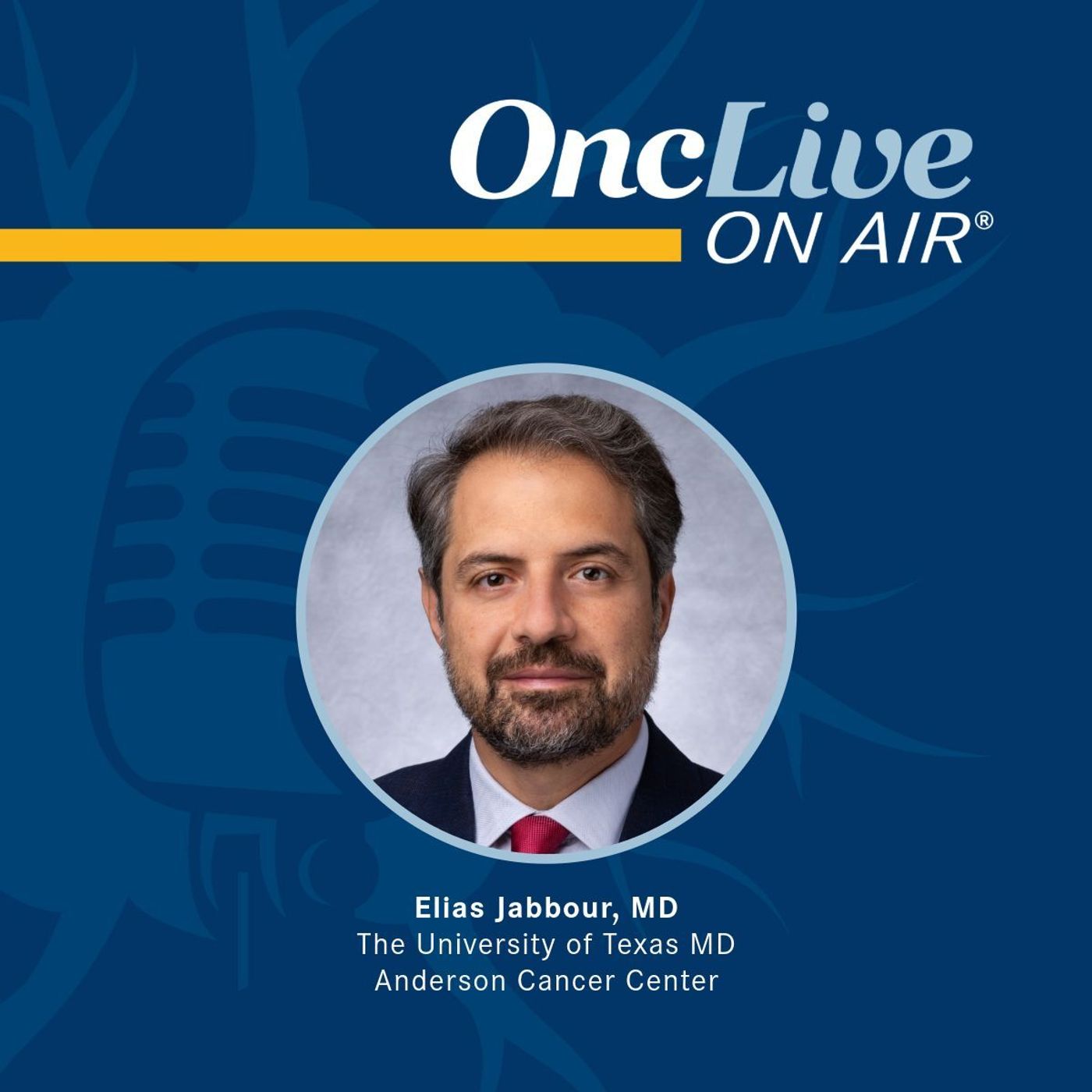
S12 Ep 10S12 Ep10: Olverembatinib Research Signals a New Era of CP-CML Management: With Elias Jabbour, MD
In today’s episode, supported by Ascentage Pharma, we had the pleasure of speaking with Elias Jabbour, MD, a professor in the Department of Leukemia in the Division of Cancer Medicine at The University of Texas MD Anderson Cancer Center in Houston. In our exclusive interview, Dr Jabbour discussed the 1.5-year follow-up data from a phase 1b trial (NCT04260022) investigating olverembatinib (HQP1351) in patients with heavily pretreated chronic-phase chronic myeloid leukemia (CML), enrollment considerations for the registrational phase 3 POLARIS-2 trial (NCT06423911) that is further evaluating the agent in this population, and potential future research directions in CML.