
OncLive® On Air
609 episodes — Page 9 of 13

S11 Ep 14S11 Ep14: Park and Patil Explore Advances in EGFR + NSCLC From ASCO 2024
In Oncology Unplugged, a podcast series from MedNews Week, host Chandler Park, MD, a genitourinary medical oncologist at the Norton Cancer Institute in Louisville, Kentucky, sits down with Tejas Patil, MD, an assistant professor of medicine-medical oncology at the University of Colorado School of Medicine - Anschutz Medical Campus in Aurora.In this episode, Drs Park and Patil discuss key updates from the 2024 ASCO Annual Meeting, including the significance of data from the phase 3 LAURA trial (NCT03521154), where treatment with osimertinib (Tagrisso) following definitive chemoradiotherapy led to an improvement in progression-free survival vs placebo in patients with stage III, EGFR-mutated non–small cell lung cancer (NSCLC).Drs Park and Patil also explore the implications of minimal residual disease (MRD) monitoring in the phase 3 ADAURA trial (NCT02511106) and how liquid biopsy data may influence future treatment timelines. Additionally, they delve into the evolving role of osimertinib in advanced EGFR-mutated NSCLC, based on results from the phase 3 FLAURA2 trial (NCT04035486) and its potential impact on the treatment of patients with brain metastases.

S11 Ep 13S11 Ep13: FDA Approval Insights: Epcoritamab in Relapsed/Refractory Follicular Lymphoma
Welcome to OncLive On Air®! I’m your host today, Ashling Wahner. OncLive On Air is a podcast from OncLive®, which provides oncology professionals with the resources and information they need to provide the best patient care. In both digital and print formats, OncLive covers every angle of oncology practice, from new technology to treatment advances to important regulatory decisions. In today’s episode, supported by AbbVie, we had the pleasure of speaking with Jennifer Crombie, MD, about the FDA approval of epcoritamab-bysp (Epkinly) for patients with relapsed/refractory follicular lymphoma. Dr Crombie is a physician at Dana-Farber Cancer Institute and an assistant professor of medicine at Harvard Medical School in Boston, Massachusetts.On June 26, 2024, the FDA granted accelerated approval to epcoritamab for the treatment of adult patients with relapsed/refractory follicular lymphoma who have received at least 2 prior lines of systemic therapy. This regulatory decision was supported by findings form the phase 1/2 EPCORE NHL-1 trial (NCT03625037), in which the agent yielded an overall response rate of 82% (95% CI, 74.1%-88.2%) in the primary efficacy cohort (n = 127), including a complete response rate of 60% (95% CI, 50.8%-68.4%). In our exclusive interview, Dr Crombie discussed the significance of this approval, key findings from the pivotal EPCORE NHL-1 trial, and where the future of the FL treatment paradigm is headed. ___That’s all we have for today! Thank you for listening to this episode of OncLive On Air, supported by AbbVie. Check back on Mondays and Thursdays for exclusive interviews with leading experts in the oncology field. For more updates in oncology, be sure to visit www.OncLive.com and sign up for our e-newsletters. OncLive is also on social media. On X, follow us at @OncLive. On Facebook, like us at OncLive, and follow our OncLive page on LinkedIn. If you liked today’s episode of OncLive On Air, please consider subscribing to our podcast on Apple Podcasts, Spotify, Amazon Music, and many of your other favorite podcast platforms,* so you get a notification every time a new episode is posted. While you are there, please take a moment to rate us! Thanks again for listening to OncLive On Air. *OncLive On Air is available on: Apple Podcasts, Google Podcasts, Spotify, Amazon Music, Audacy, CastBox, Deezer, iHeart, JioSaavn, Listen Notes, Player FM, Podcast Addict, Podchaser, RadioPublic, and TuneIn.
S11 Ep 12S11 Ep12: Oncology Experts Preview Top Abstracts From the 2024 ESMO Congress
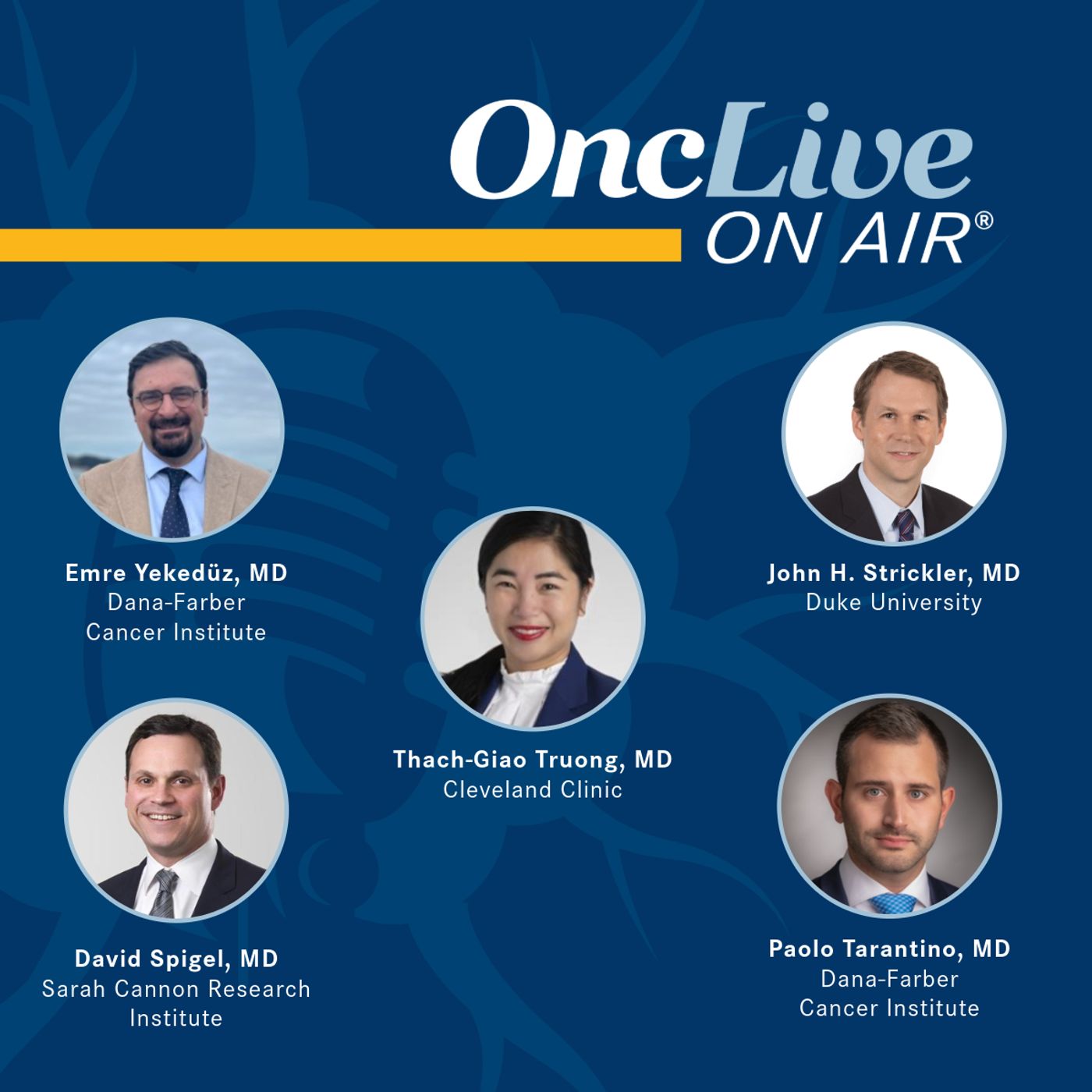
In today’s episode, we invited experts from across oncology specialties to discuss the abstracts and presentations they are most looking forward to seeing at the 2024 ESMO Congress. Emre Yekedüz, MD, an associate professor of medical oncology at Ankara University in Turkey and a research fellow at Dana-Farber Cancer Institute in Boston, Massachusetts, shared insights on his latest work in gastrointestinal malignancies, particularly in pancreatic and colorectal cancer. Thach-Giao Truong, MD, a hematologist and medical oncologist at the Cleveland Clinic in Ohio who specializes in skin cancers including basal cell carcinoma, melanoma, and Merkel cell carcinoma, highlighted her recent findings in targeted therapies for advanced skin cancers. John H. Strickler, MD, an associate professor of medicine in the Division of Medical Oncology at Duke University in Durham, North Carolina, emphasized key updates in the treatment of gastroesophageal malignancies, where he sees significant progress on the horizon. David Spigel, MD, chief scientific officer and medical oncologist at Sarah Cannon Research Institute in Nashville, Tennessee, discussed the expanding clinical trial program he oversees, ensuring patients have access to cutting-edge therapies. Finally, Paolo Tarantino, MD, a researcher at the European Institute of Oncology and clinical research fellow at Dana-Farber Cancer Institute, focused on advancements in breast cancer research, particularly in HER2-targeted therapies and antibody-drug conjugates.
S11 Ep 11S11 Ep11: Heme & Onc Fellow Board Review Tips 2024
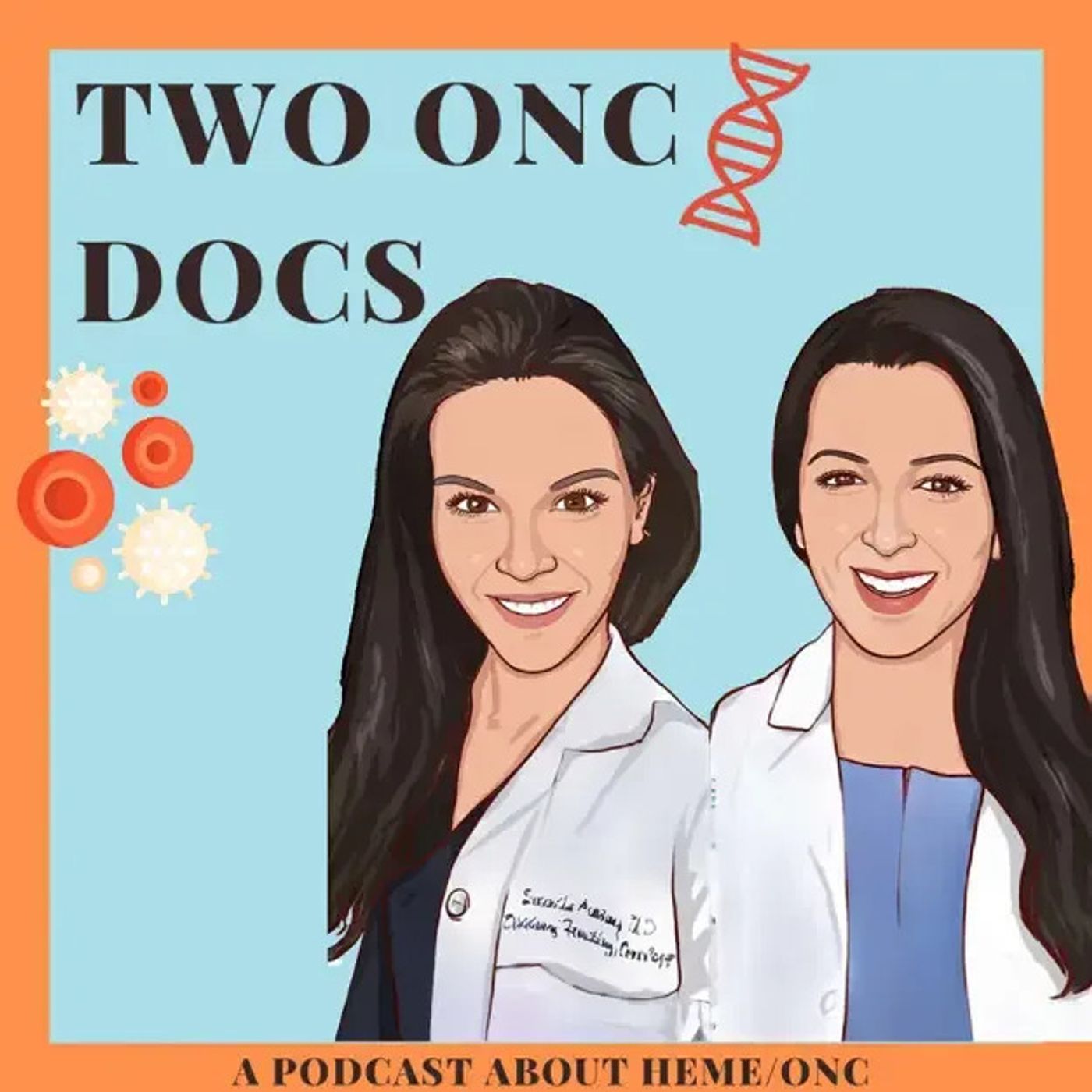
Two Onc Docs, hosted by Samantha A. Armstrong, MD, and Karine Tawagi, MD, is a podcast dedicated to providing current and future oncologists and hematologists with the knowledge they need to ace their boards and deliver quality patient care. Dr Armstrong is a hematologist/oncologist and assistant professor of clinical medicine at Indiana University Health in Indianapolis. Dr Tawagi is a hematologist/oncologist and assistant professor of clinical medicine at the University of Illinois in Chicago.In this episode, OncLive On Air® partnered with Two Onc Docs to bring you a review session for the oncology board exams. Drs Armstrong and Tawagi discussed high-yield oncology and hematology topics to focus on during study sessions, memorization tricks they used for their own boards, and other tips for exam preparation.
S11 Ep 10S11 Ep10: Florez Focuses on Patient-Centered NSCLC Biomarker Testing Discussions
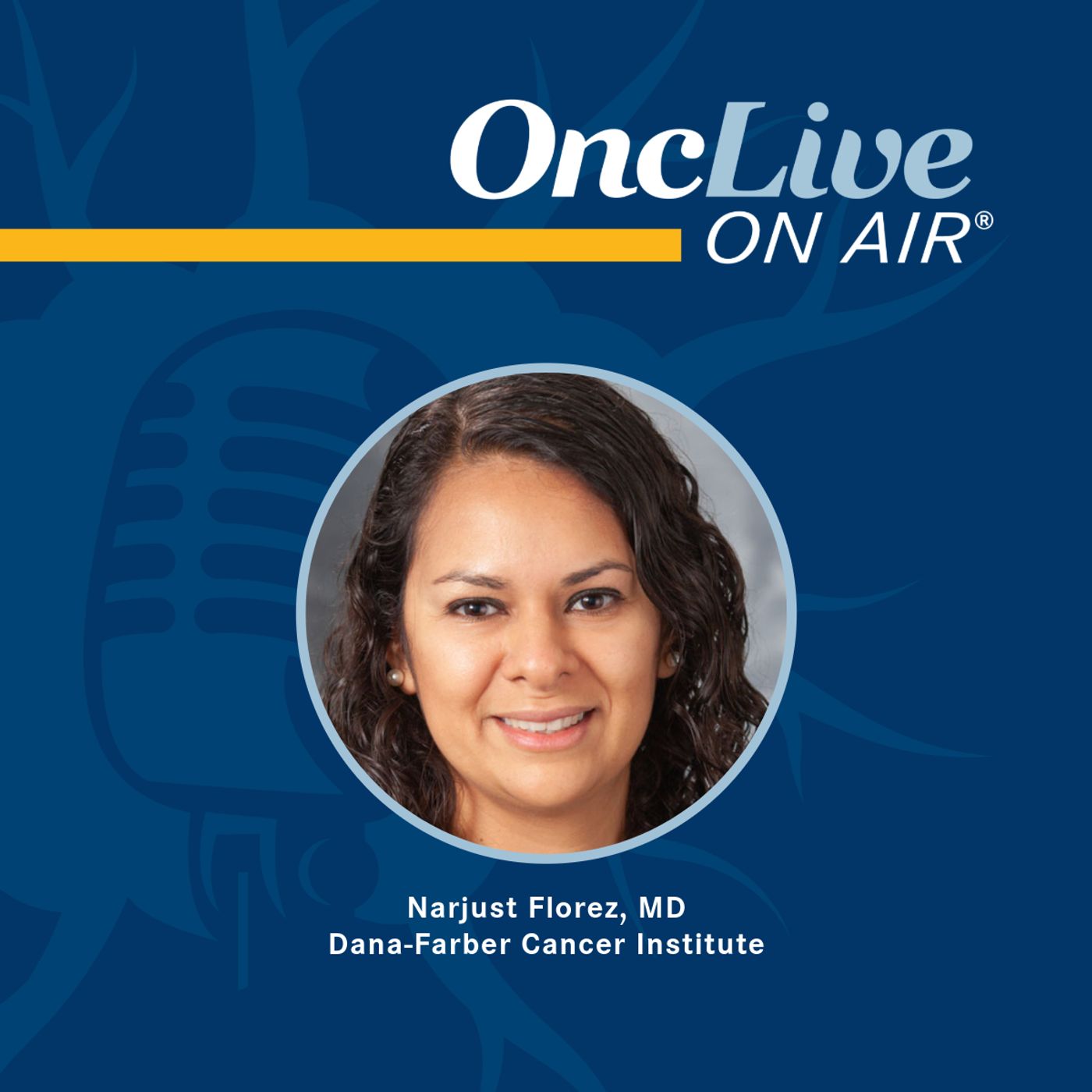
In today’s episode, we had the pleasure of speaking with Narjust Florez, MD, about patient-focused lung cancer biomarker testing discussions.
S11 Ep 9S11 Ep9: Park and Graff Explore the Evolving Role of CDK4/6 Inhibitors in Metastatic Breast Cancer
Drs Park and Graff discuss the evolution of treatment for patients with metastatic HR-positive breast cancer, including the role of CDK4/6 inhibitors.
S11 Ep 8S11 Ep8: Salgia Summarizes the Benefits of Tepotinib in MET Exon 14–Mutated NSCLC
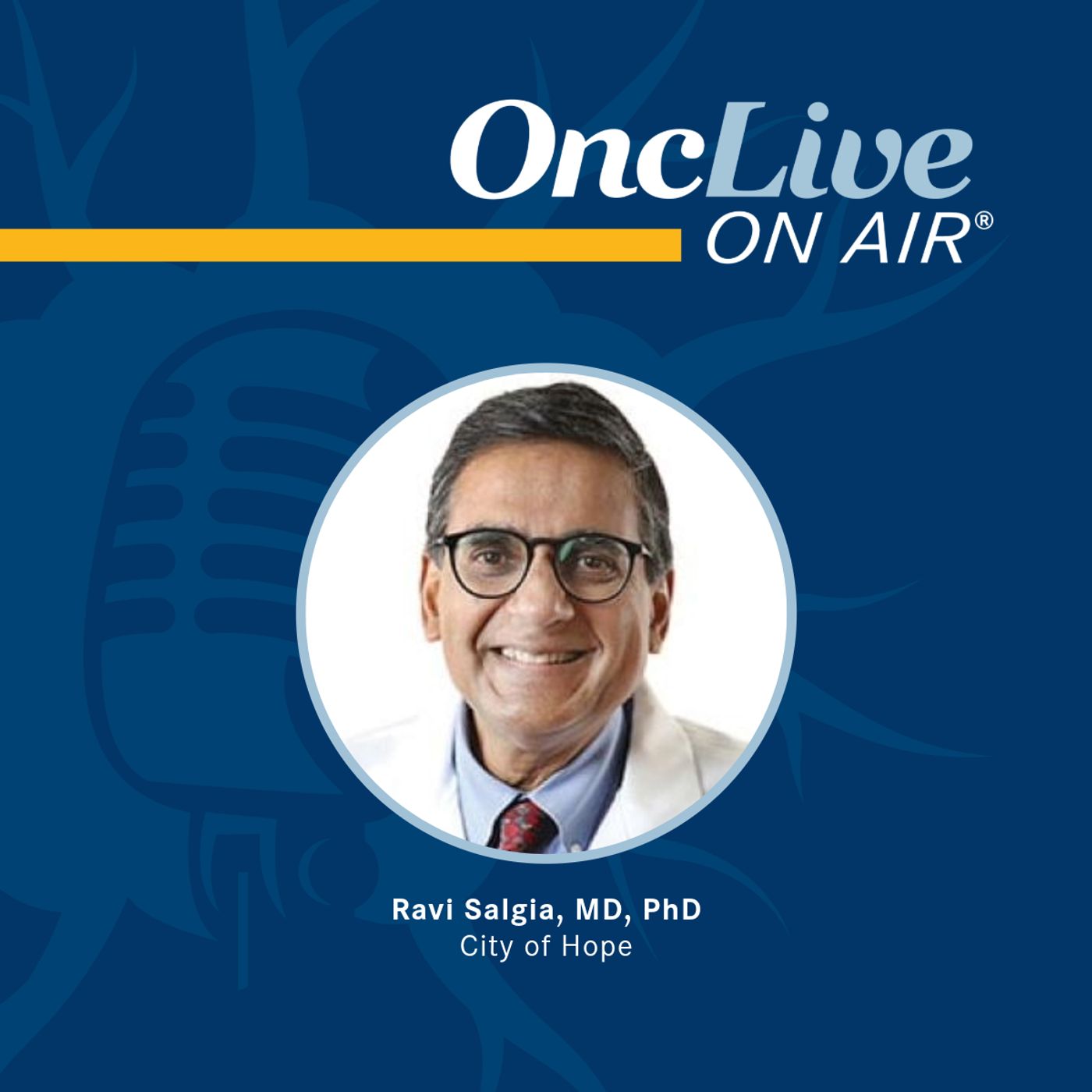
Dr Salgia discusses how he chooses between tepotinib and capmatinib in patients with stage IV NSCLC harboring MET exon 14 skipping mutations.
S11 Ep 7S11 Ep7: Chiang Contextualizes the Optimal Use of Lurbinectedin in SCLC Management
Dr Chiang discusses the use of lurbinectedin in small cell lung cancer and tips for managing toxicities associated with this agent.
S11 Ep 6S11 Ep6: FDA Approval Insights: Dostarlimab Plus Chemotherapy in Advanced/Recurrent Endometrial Cancer
Dr Tewari discusses the FDA approval of dostarlimab plus chemotherapy for patients with primary advanced or recurrent endometrial cancer.
S11 Ep 5S11 Ep5: Jhaveri on the INAVO120 Trial of Inavolisib/Palbociclib/Fulvestrant in PIK3CA -Mutant, HR+ Breast Cancer
Dr Jhaveri discusses the INAVO120 trial of inavolisib plus palbociclib and fulvestrant in PIK3CA-mutant, HR-positive metastatic breast cancer.
S11 Ep 4S11 Ep4: Park and Kasi Expand on Perioperative Immunotherapy Updates in CRC
Drs Park and Kasi delve into the shift toward neoadjuvant immunotherapy and the use of ctDNA as a prognostic tool in colorectal cancer.
S11 Ep 3S11 Ep3: Garcia-Manero on MDS Treatment Updates With Luspatercept and Beyond
Dr Garcia-Manero discusses findings from research in myelodysplastic syndromes that were presented at the 2024 EHA Congress.
S11 Ep 3S11 Ep3: FDA Approval Insights: Durvalumab/Chemotherapy in dMMR Advanced Endometrial Cancer
Dr Westin discusses the FDA approval of durvalumab plus chemotherapy for patients with dMMR advanced or recurrent endometrial cancer.

S11 Ep 2S11 Ep2: ASCO 2024 Plenary: NADINA Trial Neoadjuvant Ipi/Nivo vs Adjuvant Nivo for Resectable Stage III Melanoma
Drs Armstrong and Tawagi discuss the NADINA trial of neoadjuvant nivolumab/ipilimumab vs adjuvant nivolumab in resectable, macroscopic, stage III melanoma.
S11 Ep 1S11 Ep1: Rotow Reviews Key Updates on the Management of CNS Metastases in NSCLC
Dr Rotow discusses data that demonstrated the central nervous system activity of datopotamab deruxtecan and osimertinib in patients with NSCLC.
S10 Ep 50S10 Ep50: Park and Grivas Expand on Treatment Updates in Bladder Cancer
Drs Park and Grivas discuss bladder cancer treatment updates, including results from the SunRISe-1 trial of TAR-200 plus cetrelimab in NMIBC.
S10 Ep 49S10 Ep49: Halmos on the AE Profiles of Dato-DXd and Other ADCs in NSCLC
Dr Halmos discusses common AEs associated with the ADCs that are used in NSCLC and ways to manage and mitigate these toxicities.

S10 Ep 48S10 Ep48: Lisberg Lends Insight About the TROPION-Lung01 Trial of Dato-DXd in NSCLC
Dr Lisberg discusses key findings from the TROPION-Lung01 trial of Dato-DXd in patients with previously treated advanced or metastatic NSCLC.
S10 Ep 47S10 Ep47: Pegram Details the Use of Oral SERDs in ESR1+ Metastatic Breast Cancer
S10 Ep 47S10 Ep47: Miller Discusses the Use of Selinexor in TP53 Wild-Type Advanced Endometrial Cancer
Dr Miller discusses findings from the SIENDO trial of selinexor maintenance therapy in patients with TP53 wild-type advanced endometrial cancer.
S10 Ep 46S10 Ep46: Park and Sonpavde on Sacituzumab Govitecan Plus Enfortumab Vedotin in Metastatic Urothelial Cancer
Drs Park and Sonpavde discuss findings from the phase 1 DAD trial, as well as a schema for the frontline management of metastatic urothelial carcinoma.
S10 Ep 45S10 Ep45: Bui and Kelly Discuss the Utility of Nab-Sirolimus in Advanced Malignant PEComa
Drs Bui and Kelly discuss key long-term findings from the AMPECT trial investigating nab-sirolimus in patients with advanced malignant PEComa.

S10 Ep 44S10 Ep44: Curigliano on the DESTINY-Breast06 Trial in HER2-Low and -Ultralow Metastatic Breast Cancer
Dr Curigliano discusses the DESTINY-Breast06 trial of trastuzumab deruxtecan in patients with HER2-low or HER2-ultralow metastatic breast cancer.

S10 Ep 43S10 Ep43: Orlowski on Isa-VRd in Transplant-Ineligible Multiple Myeloma
Dr Orlowski discusses key efficacy data from the IMROZ trial of Isa-VRd in newly diagnosed, transplant-ineligible multiple myeloma.
S10 Ep 42S10 Ep42: Park and Sonpavde on Nivolumab Plus Gemcitabine/Cisplatin in Cisplatin-Eligible Urothelial Cancer
Drs Park and Sonpavde discuss the CheckMate901 trial, which showed survival improvements with nivolumab plus chemotherapy in metastatic urothelial cancer.
S10 Ep 41S10 Ep41: ASCO 2024 Plenary: ADRIATIC Trial in Limited-Stage Small Cell Lung Cancer
OncLive On Air partners with Two Onc Docs to bring insights on the ADRIATIC trial, data from which were presented at the 2024 ASCO Annual Meeting.
S10 Ep 40S10 Ep40: FDA Approval Insights: Imetelstat in Lower-Risk MDS and Transfusion-Dependent Anemia
Dr Sekeres discusses the significance of the FDA approval of imetelstat for patients with lower-risk MDS and transfusion-dependent anemia.
S10 Ep 39S10 Ep39: Dietrich and Shiller Dive Into the Importance of Oncology Reflex Testing
Drs Dietrich and Shiller detail the importance of collaboration between medical oncologists and pathologists to ensure beneficial oncology reflex testing.
S10 Ep 38S10 Ep38: Agulnik Highlights Key Updates in GIST Research and Management
Dr Agulnik spotlights key updates from across the GIST landscape ahead of GIST Awareness Day on July 13.
S10 Ep 37S10 Ep37: Reckamp Discusses the Integration of Pragmatic Elements Into Oncology Clinical Trial Designs
Dr Reckamp discusses the definition of pragmatic clinical trials and ways that clinical trial investigators can make their research more pragmatic.
S10 Ep 36S10 Ep36: Rosenberg Reviews the Evolving Role of Toripalimab in Nasopharyngeal Carcinoma
Dr Rosenberg discusses current standard strategies for treating patients with nasopharyngeal cancer, the evolving role of toripalimab in this treatment paradigm, and how future advances in nasopharyngeal cancer management may impact the head and neck cancer treatment paradigm more broadly.

S10 Ep 35S10 Ep35: ASCO 2024 Plenary: LAURA Trial in Unresectable Stage III EGFRm NSCLC
OncLive On Air partners with Two Onc Docs to bring insights on primary data from the LAURA trial, which were presented at the 2024 ASCO Annual Meeting.
S10 Ep 35S10 Ep35: Paik Provides Insights Into Tepotinib Treatment in NSCLC Harboring MET Exon 14 Skipping Alterations
Dr Paik discusses key findings from the phase 2 VISION trial investigating frontline tepotinib in patients with NSCLC harboring MET exon 14 skipping alterations, real-world data from the TOGETHER pooled analysis of tepotinib vs other frontline treatment options in this patient population, and insights regarding treatment sequencing with tepotinib in pretreated patients in this population.
S10 Ep 34S10 Ep34: Lenz Discusses the Prognostic and Predictive Value of HER2 Gene Expression in KRAS Wild-Type mCRC
Lenz discusses the link between HER2 expression and responses with mCRC treatment regimens and how HER2 expression can guide treatment decision-making.
S10 Ep 33S10 Ep33: Levy Lends Insights Into the Current and Future Use of ADCs in NSCLC
Dr Levy discusses the indication for trastuzumab deruxtecan in HER2+ NSCLC, other ADCs in development, and where the future of ADCs in NSCLC is headed.
S10 Ep 33S10 Ep33: Park and Sonpavde on Considerations for Enfortumab Vedotin Plus Pembrolizumab in Bladder Cancer
Drs Park and Sonpavde emphasize their insights on the topline data from the EV-302 trial, considerations for community oncologists when deciding whether to prescribe enfortumab vedotin plus pembrolizumab to patients with urothelial carcinoma, their advice for monitoring and managing treatment-related toxicities with this combination, and more.
S10 Ep 32S10 Ep32: Oncology Experts Preview Top Abstracts From the 2024 ASCO Annual Meeting
Experts from across oncology specialties discuss the abstracts and presentations they are most looking forward to seeing at the 2024 ASCO Annual Meeting.
S10 Ep 31S10 Ep31: Ganjoo Discusses Treatment Plans, Patient Conversations, and the Role of Nab-Sirolimus in Malignant PEComa
Dr Ganjoo discusses unmet needs for patients with malignant PEComa, treatment plan considerations, and the use of nab-sirolimus in this disease.
S10 Ep 30S10 Ep30: Brown Highlights the Rationale for the RAMP-301 Trial in Low-Grade Serous Ovarian Cancer
Dr Brown discusses the rationale for the RAMP-301 trial of avutometinib plus defactinib in low-grade serous ovarian cancer.
S10 Ep 30S10 Ep30: Kummar on the Investigation of Rezatapopt in TP53 Y220C–Mutated Advanced Solid Tumors
Dr Kummar discusses the significance of targeting TP53 Y220C in solid tumors and early data reported with rezatapopt in TP53 Y220C–mutant solid tumors.
S10 Ep 30S10 Ep30: Goy Gives Insights Into the Future Management of Lymphoma and Multiple Myeloma
Dr Goy discusses the impact of CAR T-cell therapy on the lymphoma and multiple myeloma treatment paradigms and his anticipations for the future of hematologic oncology.
S10 Ep 29S10 Ep29: Merkow and Connell Highlight Considerations for HAI Pump Use in CRC
Drs Merkow and Connell discuss reasons why they adopted HAI therapy as a treatment offering for patients with CRC, characteristics of patients who are good candidates for this treatment, and more.
S10 Ep 28S10 Ep28: Bou Farhat and Nassar on the Use of NGS Mutation Signature vs IHC for Identifying dMMR Tumors
Drs Nassar and Bou Farhat explain how tumor-only NGS could address the limitations of IHC testing for MMR mutation signatures across several tumor types.
S10 Ep 27S10 Ep27: FDA Approval Insights: Cilta-Cel in R/R Myeloma After at Least 1 Prior Line of Therapy
Dr Usmani details the FDA approval of cilta-cel for patients with relapsed/refractory multiple myeloma who have received at least 1 prior line of therapy.
S10 Ep 26S10 Ep26: Lunning and Rutherford Detail Considerations for BV-AVD Use in Older Patients With Hodgkin Lymphoma
Drs Lunning and Rutherford discuss findings from the ECHELON-1 trial of BV-AVD in the cohort of patients with Hodgkin lymphoma over 60 years of age.
S10 Ep 25S10 Ep25: Breast Cancer Experts Share Obstacles and Successes as Women in Oncology
Drs Graff, Mahtani, McCann, and Rugo shared moments throughout their lives and careers that sparked their interest in oncology, setbacks they overcame when building their careers, obstacles they encounter as women in the field, and ways that gender bias can be confronted at both the individual and institutional levels.
S1 Ep 18S1 Ep18: FDA Approval Insights: Ponatinib in Ph+ ALL
Dr Jabbour expands on the multiple milestones achieved through ponatinib’s FDA approval for patients with Ph-positive ALL; the agent’s potency and unique mechanism of action; and key efficacy and safety data from the PhALLCON trial supporting this regulatory decision.
S10 Ep 24S10 Ep24: Schmid Summarizes Updates in HER2-Positive Breast Cancer Management
Dr Schmid discusses considerations for applying recent data updates in HER2-positive breast cancer management to clinical practice.
S10 Ep 23S10 Ep23: Wagner on the Investigation of Nab-Sirolimus in Advanced Malignant PEComa
Dr Wagner discusses current unmet needs for patients with PEComa, how ongoing research aims to address some of these gaps, and how findings from the AMPECT trial in particular support the use of nab-sirolimus in patients with advanced malignant disease.
S10 Ep 22S10 Ep22: CRC Experts Highlight AE Management and Prevention Strategies for TAS-102/Bevacizumab, Regorafenib, and Fruquintinib
Strickler, Leung, Dasari, and O'Neill discuss adverse effect monitoring and management with standard agents for patients with colorectal cancer.