OncLive® On Air
609 episodes — Page 6 of 13
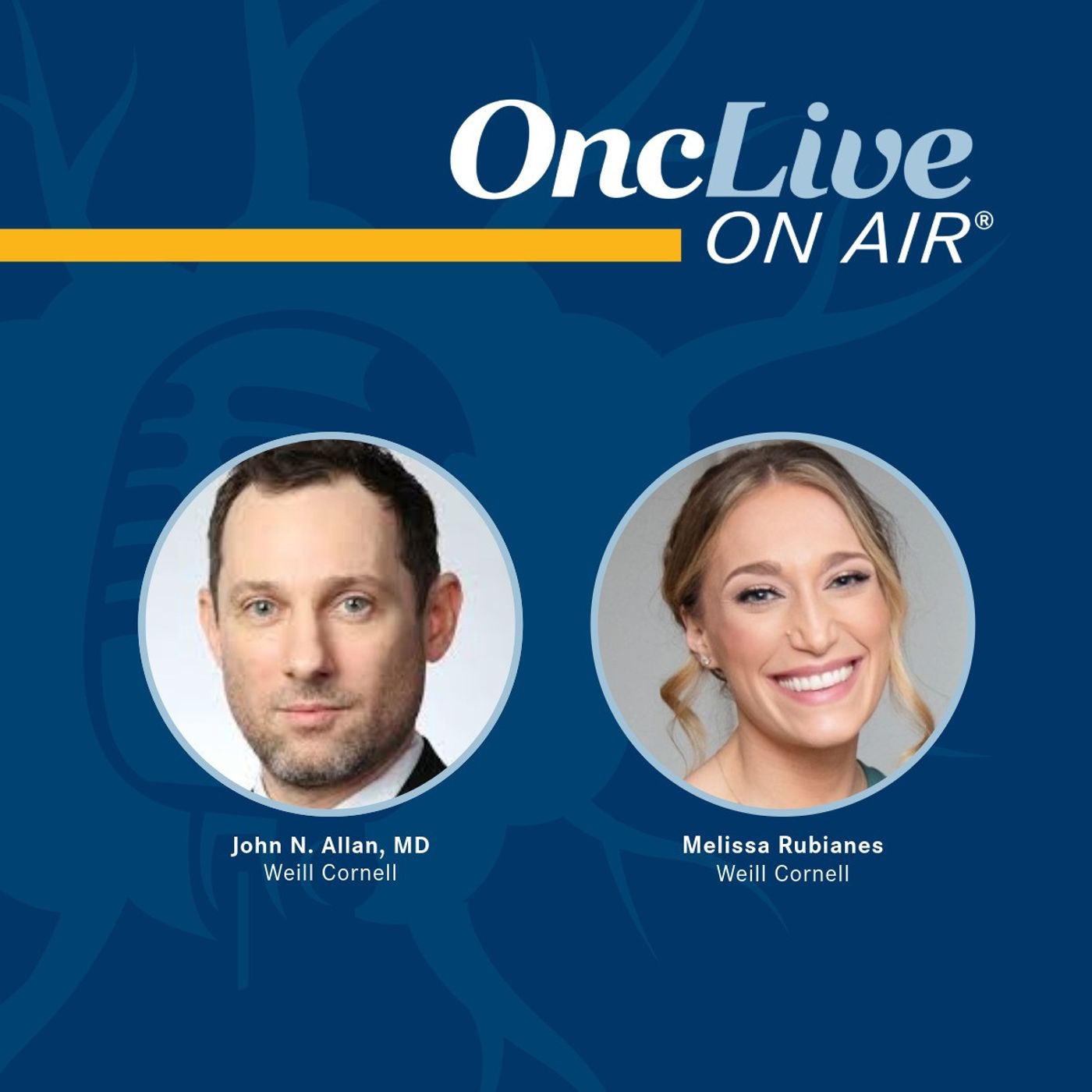
S14 Ep 10S14 Ep10: Patient Characteristics and Care Team Collaboration Influence Treatment Decision-Making in CLL: With John N. Allan, MD; and Melissa Rubianes
In today’s episode, we had the pleasure of speaking with John N. Allan, MD, and Melissa Rubianes about factors that influence treatment decision-making in chronic lymphocytic leukemia (CLL). Allan is an associate professor of clinical medicine and a member of the lymphoma faculty in the Division of Hematology and Medical Oncology, as well as a member of the CLL Research Center at Weill Cornell Medicine in New York, New York. Rubianes is a hematology/oncology physician assistant (PA) at Weill Cornell. In our exclusive interview, Allan and Rubianes discussed best practices for oncologists and PAs when it comes to collaborating with each other to make treatment decisions for patients with CLL, disease factors and patient characteristics that affect their treatment sequencing decisions, ongoing studies and emerging therapies for CLL that they're excited to see, and more.
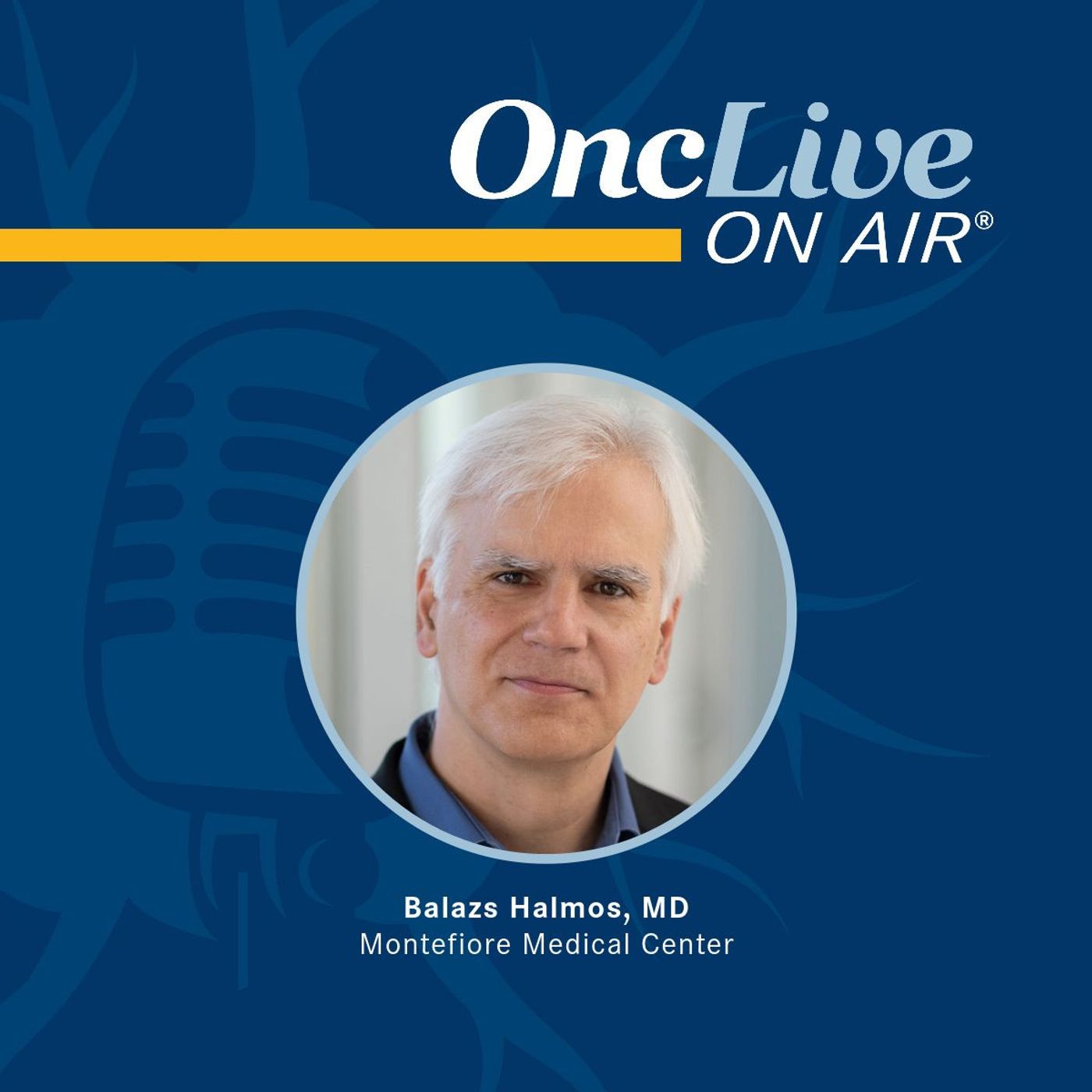
S14 Ep 9S14 Ep9: Tepotinib Efficacy and Safety Profiles Underscore the Importance of Biomarker-Directed Decision-Making in NSCLC: With Balazs Halmos, MD, MS
In today’s episode, we had the pleasure of speaking with Balazs Halmos, MD, MS, about the phase 2 VISION trial (NCT02864992) evaluating tepotinib (Tepmetko) in patients with MET exon 14 skipping mutation–positive non–small cell lung cancer (NSCLC). Dr Halmos is a professor in the Department of Oncology (Medical Oncology) and the Department of Medicine (Oncology and Hematology), director of Thoracic Oncology, and associate director of Clinical Science at Montefiore Einstein Comprehensive Cancer Center in Bronx, New York. In our exclusive interview, Halmos discussed the rationale and design of the VISION trial, the significance of MET exon 14 skipping mutations as a distinct oncogenic driver, and the clinical utility of tepotinib, which is a selective MET TKI. He reviewed the trial’s efficacy results, which demonstrated consistent response rates across lines of therapy and diagnostic methods, as well as tolerability findings that highlighted the importance of monitoring and managing MET-related adverse effects. Dr Halmos also reflected on subgroup analyses from the trial, noting the agent’s activity across treatment settings, particularly in older patients and those with central nervous system involvement. Additionally, Halmos underscored the critical role of comprehensive biomarker testing in NSCLC, highlighting how parallel tissue- and circulating tumor DNA–based testing can optimize timely identification of actionable alterations and ensure patients receive the most effective frontline therapy. He also discussed practical considerations for dose selection and modifications with tepotinib, offering insights into strategies for maximizing treatment benefit and maintaining patient quality of life.

S14 Ep 8S14 Ep8: Recent FDA Approvals and Ongoing Research Expand Treatment Options for Soft Tissue Sarcoma: With Samantha A. Armstrong, MD; and Karine Tawagi, MD
Two Onc Docs, hosted by Samantha A. Armstrong, MD, and Karine Tawagi, MD, is a podcast dedicated to providing current and future oncologists and hematologists with the knowledge they need to ace their boards and deliver quality patient care. Dr Armstrong is a hematologist/oncologist and assistant professor of clinical medicine at Indiana University Health in Indianapolis. Dr Tawagi is a hematologist/oncologist and assistant professor of clinical medicine at the University of Illinois in Chicago.In this episode, OncLive On Air® partnered with Two Onc Docs to feature a conversation about soft tissue sarcoma management. Drs Armstrong and Tawagi discussed that soft tissue sarcomas represent a rare and heterogeneous group of malignancies that arise from mesenchymal cells rather than epithelial cells and encompass several distinct histologic subtypes. They explained that although uncommon, these sarcomas are frequently emphasized in board examinations, partly because their management has historically been stable, though recent FDA approvals and ongoing research have expanded therapeutic options.They noted that risk factors may include prior radiation exposure, environmental agents, and viral infections. Additionally, they shared that chronic lymphedema is associated with angiosarcoma, whereas rare hereditary syndromes may predispose individuals to specific sarcoma subtypes. Clinically, they explained that sarcomas may arise anywhere in the body, though many occur in the thigh, buttocks, or groin, typically presenting as painless, enlarging masses often mistaken for benign lesions. They emphasized that diagnosis requires core needle biopsy to preserve tissue architecture and that staging relies on MRI of the primary site and CT of the chest, given the strong predilection for pulmonary metastases. They also summarized the five subtypes of soft tissue sarcoma—synovial, clear cell, angiosarcoma, rhabdomyosarcoma, and epithelioid.They reported that the cornerstone of localized disease management is surgical resection, preferably limb-sparing when feasible, combined with radiation for larger or high-risk tumors. They also highlighted novel strategies like immunotherapy. For metastatic disease, they stated that surgical resection of pulmonary metastases can achieve durable remissions in select patients.

S14 Ep 7S14 Ep7: Clinical Trial and Real-World Data With NALIRIFOX Shape the Future of Pancreatic Cancer Care: With Tara E. Seery, MD; Paul E. Oberstein, MD; and Priyadarshini Pathak, MBBS
In today’s episode, we passed the mic to Tara E. Seery, MD, who moderated an OncLive Insights discussion on the future of the pancreatic cancer treatment paradigm. Rounding out the discussion with additional expert perspectives were Paul E. Oberstein, MD, and Priyadarshini Pathak, MBBS. Seery is a medical oncologist at the Hoag Family Cancer Institute in Newport Beach, California. Oberstein is an associate professor in the Department of Medicine at the New York University (NYU) Grossman School of Medicine; as well as the director of the Gastrointestinal Medical Oncology Program, the assistant director of the Pancreatic Cancer Center, and the service chief of the Gastrointestinal Medical Oncology Program at NYU Langone's Perlmutter Cancer Center. Pathak is an assistant in medicine at Massachusetts General Hospital and an instructor in medicine at Harvard Medical School in Boston. In this exclusive conversation, Drs Seery, Oberstein, and Pathak highlighted key data from the phase 3 NAPOLI 3 trial (NCT04083235) of NALIRIFOX (liposomal irinotecan, 5-fluorouracil [5-FU], leucovorin, and oxaliplatin) vs nab-paclitaxel (Abraxane) and gemcitabine in treatment-naive patients with metastatic pancreatic ductal adenocarcinoma; the toxicity profiles of NALIRIFOX and FOLFIRINOX (leucovorin, 5-FU, irinotecan, and oxaliplatin); real-world data with these regimens, and more.
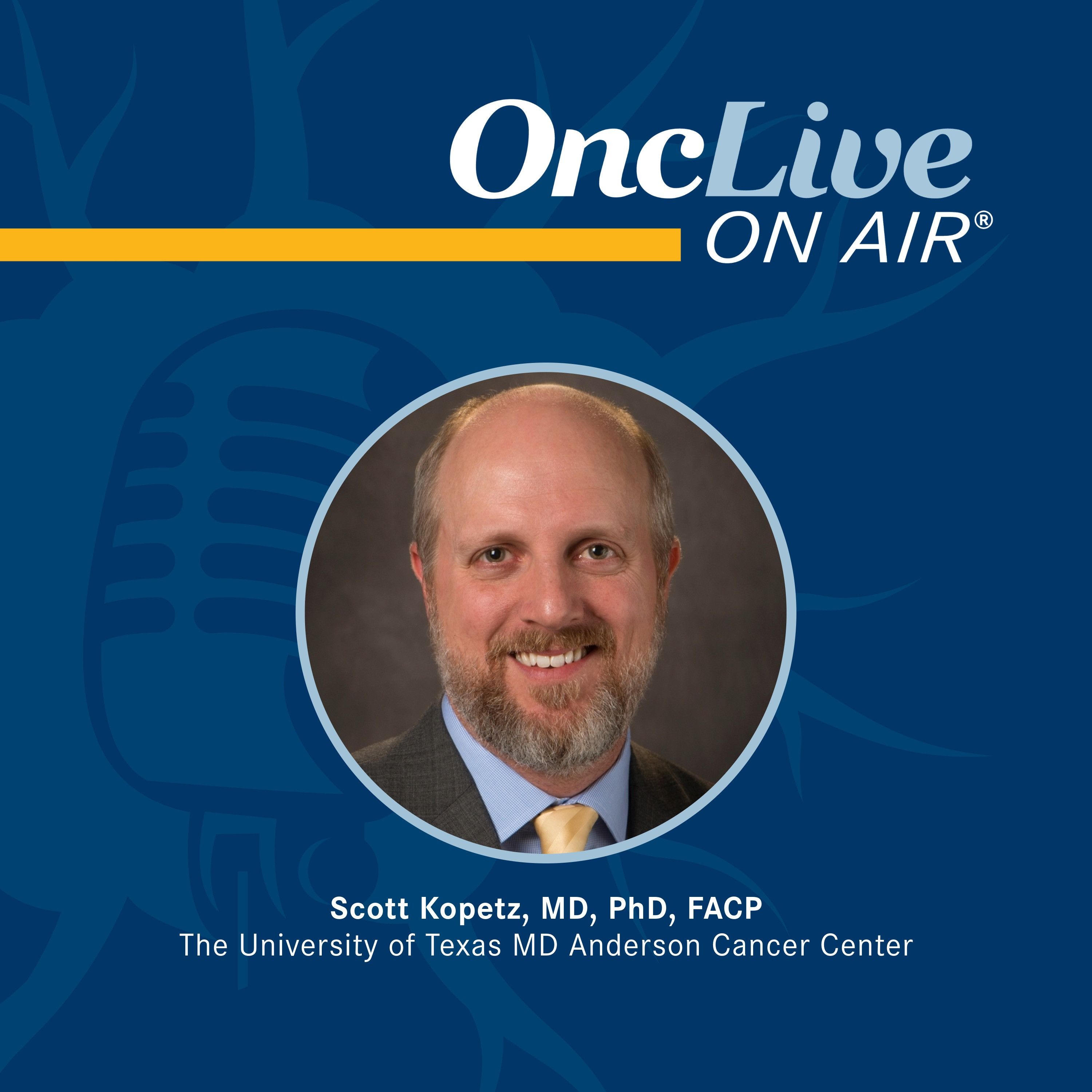
S14 Ep 6S14 Ep6: Advances in ctDNA Testing Guide Clinical Decision-Making in GI Cancer Management: With Scott Kopetz, MD, PhD, FACP
In today’s episode, we spoke with Scott Kopetz, MD, PhD, FACP, about the use of circulating tumor DNA (ctDNA) in patients with colorectal cancer (CRC). Dr Kopetz is the deputy chair for Translational Research and a professor in the Department of Gastrointestinal (GI) Medical Oncology in the Division of Cancer Medicine, as well as the leader of the Department of Cancer Center Support Grant in the GI Program, the TRACTION medical director in the Division of Therapeutics Discovery, and the associate vice president for Translational Integration at The University of Texas MD Anderson Cancer Center in Houston, Texas.In our conversation, Dr Kopetz discussed the high positive predictive value of ctDNA assays, which indicate disease presence when positive. He emphasized clinical trials that have shown strong prognostic implications with this type of assay, as well as study findings that demonstrated that ctDNA results could reduce chemotherapy use without compromising efficacy. Additionally, he noted the potential significance of ongoing trials that are exploring the use of ctDNA to guide therapy. Overall, he explained that ctDNA testing is becoming a standard in clinical practice for colorectal cancer.
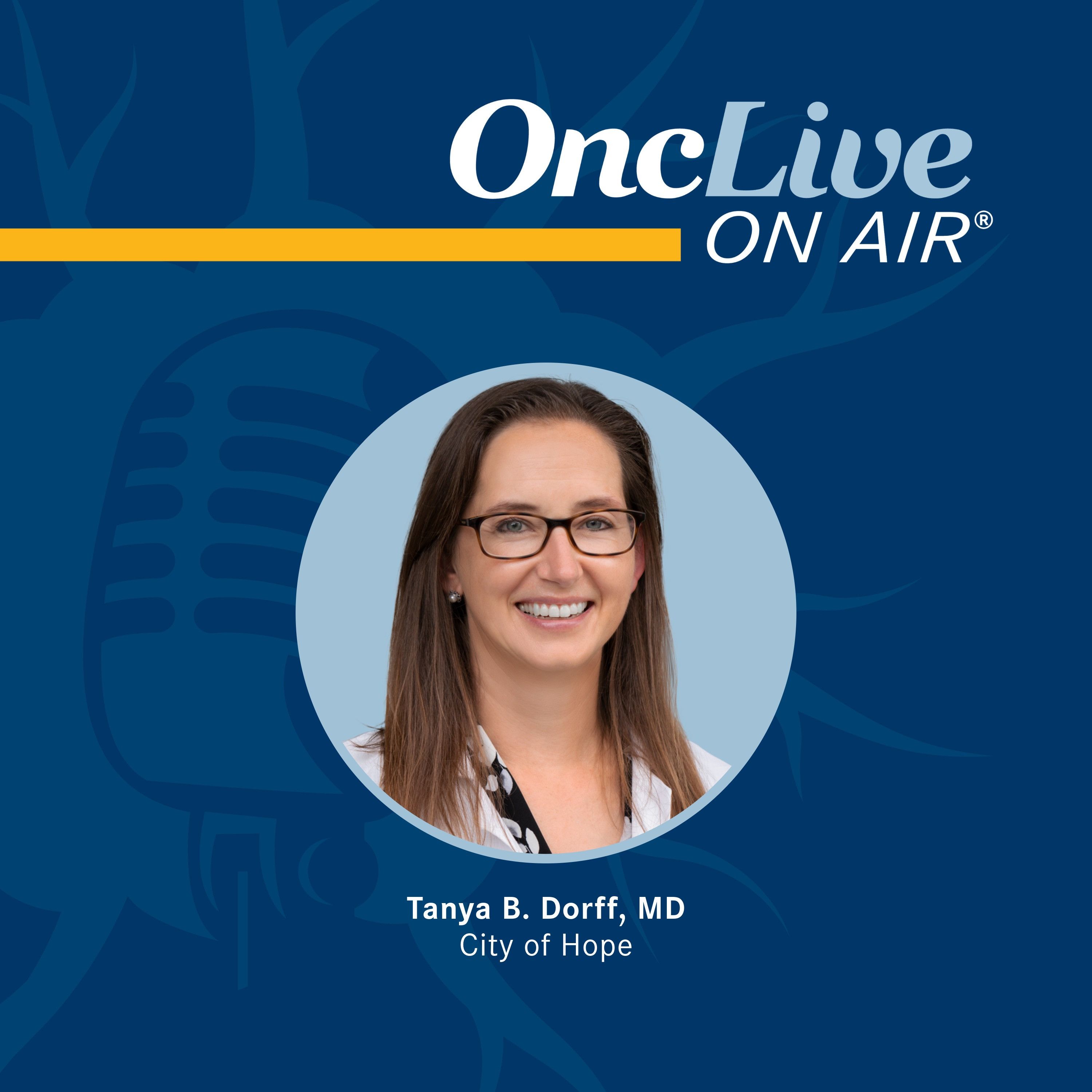
S14 Ep 5S14 Ep5: Safety and Quality-of-Life Considerations Shape ADT Use in Prostate Cancer: With Tanya B. Dorff, MD
In today’s episode, supported by Sumitomo, we spoke with Tanya B. Dorff, MD, about the use of androgen deprivation therapy (ADT) in patients with prostate cancer. Dr Dorff is section chief of the Genitourinary Disease Program, as well as a professor in the Department of Medical Oncology & Therapeutics Research at City of Hope in Duarte, California. In our conversation, Dr Dorff discussed the role of ADT in prostate cancer management, highlighting where this class of agents fits into National Comprehensive Cancer Network guidelines and how this class has evolved with the development of LHRH antagonists and agonists. She explained how the observational OPTYX study (NCT05467176), a registry of relugolix (Orgovyx) use, aims to address safety and efficacy in combination with androgen receptor pathway inhibitors in patients with advanced prostate cancer. She also noted how early data from OPTYX presented at the 2025 ASCO Annual Meeting showed relugolix's use in localized and metastatic settings. Dorff also talked through relugolix's safety profile, particularly regarding cardiovascular risk, as well as the quality-of-life effects associated with ADT. She also addressed strategies to mitigate financial toxicity, along with the potential for future ADT-sparing treatments.

S14 Ep 4S14 Ep4: FDA Approval Insights: Dordaviprone in H3K27M-Mutated Diffuse Midline Glioma: With Patrick Y. Wen, MD
In today’s episode, supported by Chimerix, we spoke with Patrick Y. Wen, MD, about the FDA approval of dordaviprone (Modeyso) for the treatment of adult and pediatric patients at least 1 year of age with H3K27M-mutated diffuse midline glioma who have progressive disease following prior therapy. Dr Wen is the director of the Center for Neuro-Oncology at Dana-Farber Cancer Institute; as well as a professor of neurology at Harvard Medical School in Boston, Massachusetts.In our conversation, Dr Wen discussed the significance of this accelerated approval across patient age groups, key efficacy and safety data that supported this approval, and the importance of biomarker testing in patients with glioma. He also highlighted potential next steps for expanding the investigation of dordaviprone in patients with glioma and emphasized the ways that multidisciplinary collaboration can provide patients with personalized, optimized care.
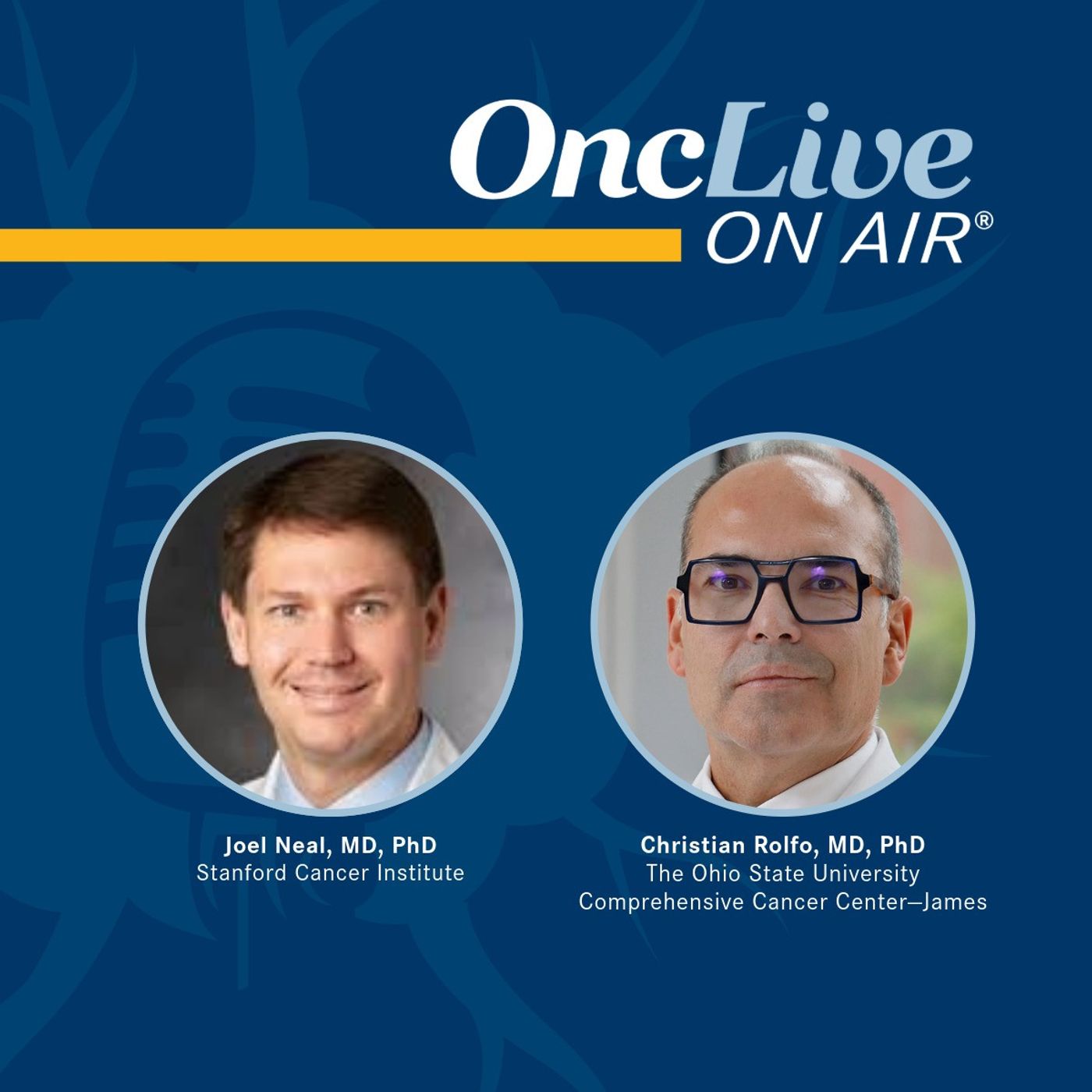
S14 Ep 3S14 Ep3: FDA Approval Insights: Taletrectinib in ROS1+ Advanced/Metastatic NSCLC: With Joel Neal, MD, PhD; and Christian Rolfo, MD, PhD
In today’s episode, supported by Nuvation Bio, we spoke with Joel Neal, MD, PhD, and Christian Rolfo, MD, PhD, about the FDA approval of taletrectinib (Ibtrozi) for the treatment of patients with locally advanced or metastatic, ROS1-positive non–small cell lung cancer (NSCLC). Dr Neal is a professor of medicine in the Division of Oncology at the Stanford Cancer Institute at Stanford University in Palo Alto, California. Dr Rolfo is the director of the Division of Medical Oncology at The Ohio State University Comprehensive Cancer Center—James and a professor in the College of Medicine at The Ohio State University in Columbus.In our conversation, Drs Neal and Rolfo discussed the significance of this approval, key data from the pivotal phase 2 TRUST-I (NCT04395677) and TRUST-II (NCT04919811) trials, and taletrectinib's current role in the NSCLC treatment paradigm.
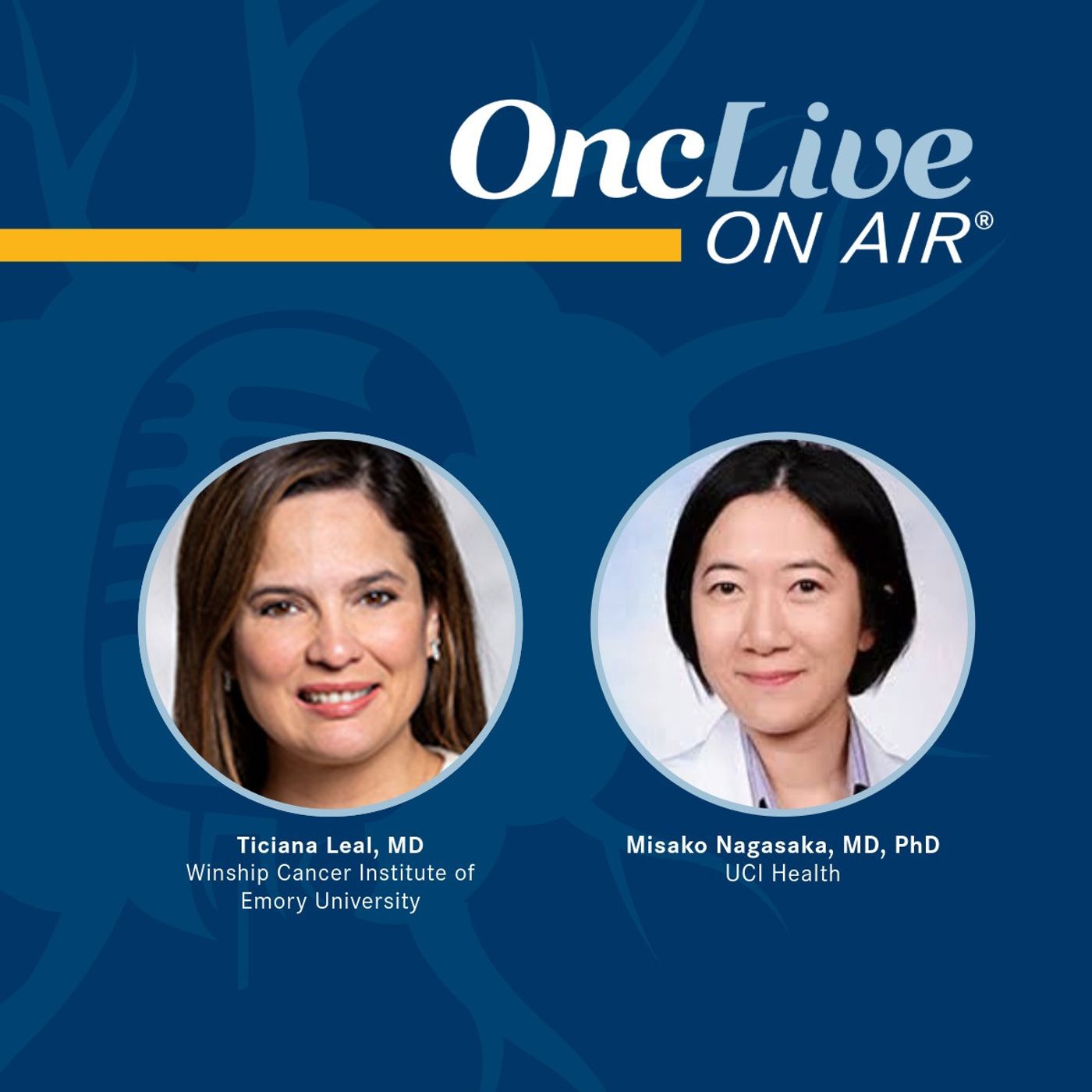
S14 Ep 2S14 Ep2: FDA Approval Insights: Zongertinib in HER2-Mutated NSCLC: With Ticiana Leal, MD, and Misako Nagasaka, MD, PhD
In today’s episode, supported by Boehringer Ingelheim, we spoke with Ticiana Leal, MD, and Misako Nagasaka, MD, PhD, about the FDA approval of zongertinib (Hernexeos) for previously treated patients with HER2 TKD–mutant advanced non–small cell lung cancer (NSCLC). Dr Leal is an associate professor and director of the Thoracic Medical Oncology Program in the Department of Hematology and Medical Oncology at Emory University School of Medicine in Atlanta, Georgia; as well as medical director of the Clinical Trials Office and leader of the Lung Cancer Disease Team at the Winship Cancer Institute of Emory University. Dr Nagasaka is an associate professor of medicine in the Division of Hematology and Oncology at the University of California, Irvine (UCI) School of Medicine; as well as a medical oncologist at UCI Health.In our conversation, Drs Leal and Nagasaka discussed the significance of this approval, key efficacy and safety findings from the pivotal phase 1 Beamion LUNG-1 trial (NCT04886804), and where zongertinib currently fits into the NSCLC treatment paradigm.
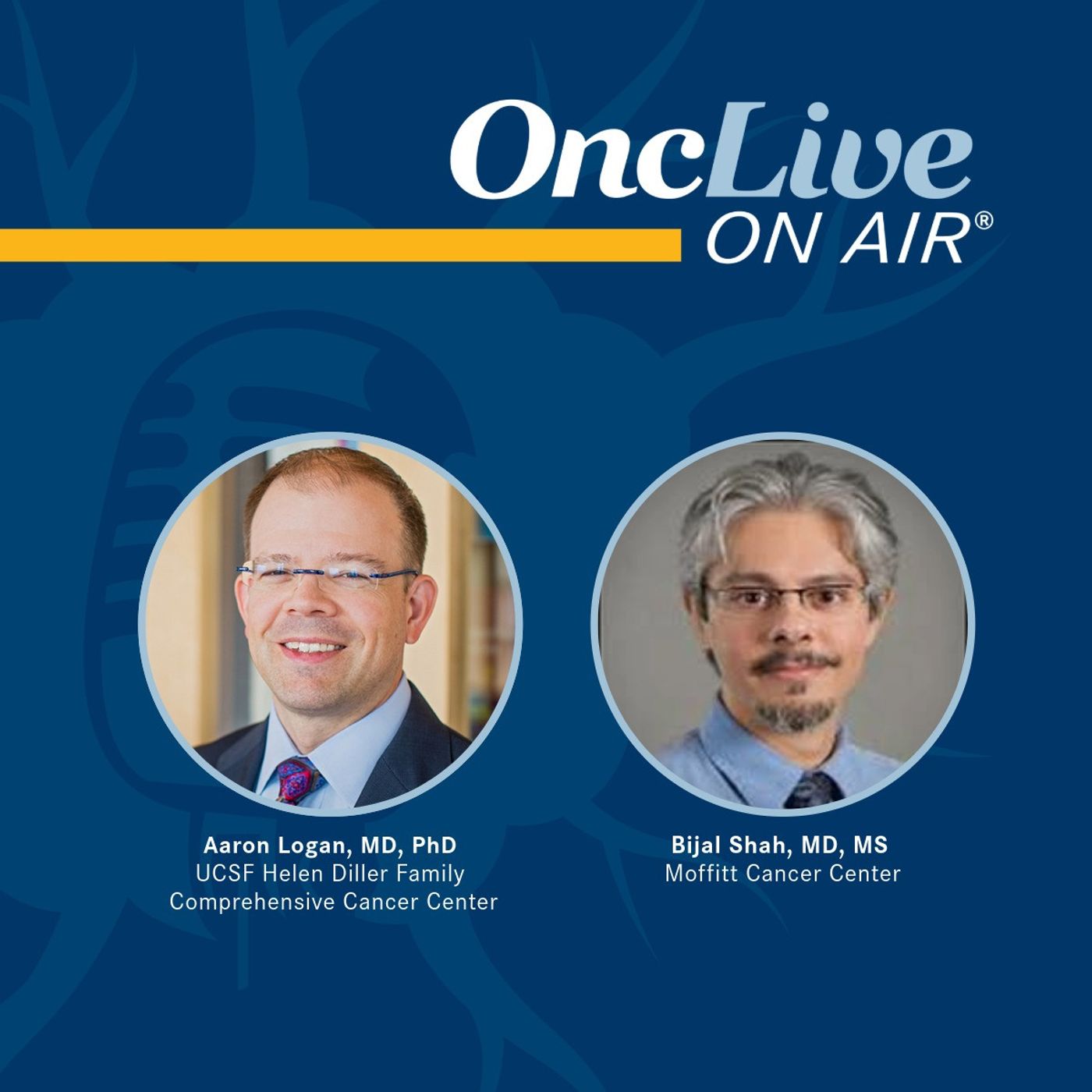
S14 Ep 1S14 Ep1: Obe-Cel Data Are Poised to Refine and Expand the ALL Treatment Paradigm: With Aaron Logan, MD, PhD; and Bijal Shah, MD, MS
In today’s episode, supported by Autolus, we spoke with Aaron Logan, MD, PhD, and Bijal Shah, MD, MS, about the evolving use of obecabtagene autoleucel (obe-cel; Aucatzyl) in the relapsed/refractory B-cell acute lymphoblastic leukemia (B-ALL) treatment paradigm. Dr Logan is an associate professor of clinical medicine in the Division of Hematology/Oncology at the University of California, San Francisco (UCSF) School of Medicine, as well as a member of the UCSF Helen Diller Family Comprehensive Cancer Center. Dr Shah is an associate member in the Department of Malignant Hematology at Moffitt Cancer Center in Tampa, Florida. In our conversation, Drs Logan and Shah discussed where obe-cel currently fits into the B-ALL treatment paradigm, how the use of this agent might expand going forward, and what the future looks like for the broader CAR T-cell therapy development field in ALL.
S13 Ep 50S13 Ep50: SUPRAME Trial Propels the Development of TCR-Based Therapy in Cutaneous Melanoma: With Jason Luke, MD
In today’s episode, supported by Immatics, we spoke with Jason Luke, MD, about the development of the PRAME-directed T-cell receptor (TCR) T-cell therapy IMA203 in the ongoing phase 3 SUPRAME trial (NCT06743126) in patients with previously treated, unresectable or metastatic cutaneous melanoma.In our conversation, Dr Luke discussed the rationale for evaluating IMA203 in patients with cutaneous melanoma, the mechanism of action of this novel drug, the design of this study, earlier data that support the continued investigation of this agent in this population, and what these findings may mean for the future of TCR therapy in melanoma.
S13 Ep 49S13 Ep49: Distinguishing Pathway to Precision for c-Met and MET Alterations in NSCLC
In this podcast, experts Erminia Massarelli, MD, PhD, MS; Jorge J. Nieva, MD; Sandip Patel, MD; and Ignacio I. Wistuba, MD, discuss new therapies for patients with c-Met–overexpressing non–small cell lung cancer.
S13 Ep 48S13 Ep48: Refining First-Line Immunotherapy Strategies in Hepatocellular Carcinoma: With Masatoshi Kudo, MD, PhD
In today’s episode, we spoke with Masatoshi Kudo, MD, about the evolving treatment landscape in hepatocellular carcinoma (HCC) and how recent comparative analyses are helping refine the use of first-line immunotherapy-based regimens. Dr Kudo is a professor and chairman in the Department of Gastroenterology and Hepatology at Kindai University Faculty of Medicine in Osaka, Japan.
S13 Ep 47S13 Ep47: Multidisciplinary Collaboration Gives Forward Momentum to HER2 IHC Testing in NSCLC: With Ronan J. Kelly, MD, MBA, FASCO; and Michelle Shiller, DO, AP/CP, MGP
In today’s episode, supported by Daiichi-Sankyo, we spoke with Ronan J. Kelly, MD, MBA, FASCO; and Michelle Shiller, DO, AP/CP, MGP, about HER2 immunohistochemistry (IHC) testing in non–small cell lung cancer (NSCLC). Kelly is director of the Charles A. Sammons Cancer Center and chief science officer at Baylor University Medical Center in Dallas, Texas; the W.W. Caruth Jr. Endowed Chair of Immunology at Baylor University Medical Center; chief of Oncology at Baylor Scott & White Health System; founder and medical director of the Texas Cancer Interception Institute; a clinical professor at the Texas A&M University College of Medicine; an adjunct associate professor of oncology at the Sidney Kimmel Comprehensive Cancer Center at Johns Hopkins in Baltimore, Maryland; and a professor in the Clinical Sciences Division at the Translational Genomics Research Institute in Phoenix, Arizona. Shiller is a molecular genetic pathologist at Baylor University Medical Center. In our conversation, Drs Kelly and Shiller discussed the importance of performing IHC testing for HER2 in NSCLC, how IHC results may influence treatment decision-making beyond the scope of next-generation sequencing results, and recommendations for more efficient and collaborative IHC testing implementation in clinical practice.
S13 Ep 46S13 Ep46: FDA Approval Insights: Linvoseltamab in Relapsed/Refractory Multiple Myeloma: With Nisha Joseph, MD; and Hans Lee, MD
In today’s episode, we spoke with Nisha Joseph, MD, and Hans Lee, MD, about the FDA's accelerated approval of linvoseltamab-gcpt (Lynozyfic) for the treatment of adult patients with relapsed or refractory multiple myeloma who have received 4 or more prior lines of therapy, including a proteasome inhibitor, an immunomodulatory agent, and an anti-CD38 monoclonal antibody. Joseph is an associate professor in the Department of Hematology and Medical Oncology at Emory University School of Medicine in Atlanta, Georgia. Lee is the director of Myeloma Research at the Sarah Cannon Research Institute in Nashville, Tennessee. In our conversation, Drs Lee and Joseph discussed the significance of this approval, key data from the pivotal phase 1/2 LINKER-MM1 trial (NCT03761108), and where linvoseltamab fits into the relapsed/refractory myeloma treatment paradigm alongside other approved agents.
S13 Ep 45S13 Ep45: Exploring NCCN Guideline Updates and Advancing Immunotherapy Strategies in Nasopharyngeal Carcinoma: With Neal S. Akhave, MD
In our conversation, Dr Akhave discussed the addition of toripalimab (Loqtorzi), a PD-1 inhibitor, to the NCCN Guidelines following its launch in the United States. Supported by data from the phase 3 JUPITER-02 trial (NCT03581786), toripalimab is now incorporated into frontline therapy for patients with recurrent metastatic or de novo metastatic Epstein–Barr virus (EBV)–positive NPC, in combination with gemcitabine and cisplatin. He explained how this regimen has produced substantial improvements in progression-free survival (PFS), nearly tripling median PFS compared with chemotherapy alone, while maintaining a manageable safety profile.
S13 Ep 44S13 Ep44: Frank’s Path to Advancing Hematology Through Innovation and Discovery: With Girindra Raval, MD; and David A. Frank, MD, PhD, FACP
In this episode, Raval welcomed David A. Frank, MD, PhD, FACP, who is director of the Division of Hematology and a professor in the Department of Hematology and Medical Oncology at Emory University School of Medicine. He also serves as director of the Winship Innovation Initiative and as an advisor to the Morningside Center for Innovative and Affordable Medicine within the Woodruff Health Sciences Center.
S13 Ep 43S13 Ep43: Real-World Perspectives on mCRC and GI Neuroendocrine Neoplasms; With Rocío García-Carbonero, MD, PhD
In our conversation, Dr García-Carbonero discussed a subgroup analysis from the phase 3 FRESCO-2 trial (NCT04322539), which evaluated fruquintinib (Fruzaqla) in previously treated metastatic CRC (mCRC). She reviewed efficacy outcomes by metastatic site, including liver-only, lung-only, bone, and peritoneal disease. Fruquintinib demonstrated improvements in overall survival and progression-free survival across all subgroups, underscoring its feasibility in later-line settings for patients with mCRC. She also addressed prognostic differences between metastatic sites, noting that all patient groups derived benefit from treatment. Dr García-Carbonero also shared findings from PROMETCO, the first international, prospective, real-world study in mCRC, which is examining real-world outcomes for this patient population.
S13 Ep 42S13 Ep42: Endometrial (Uterine) Cancer 2025 UPDATE
In this episode, OncLive On Air® partnered with Two Onc Docs, Tawagi and Armstrong reviewed key principles in the diagnosis and management of uterine and endometrial cancers, incorporating updates in surgical approaches, adjuvant therapy selection, molecular testing, and the management of rare uterine sarcomas. The discussion outlined the epidemiology, risk factors, clinical presentation, diagnostic evaluation, staging, histologic classification, and treatment algorithms relevant to board preparation and clinical practice.
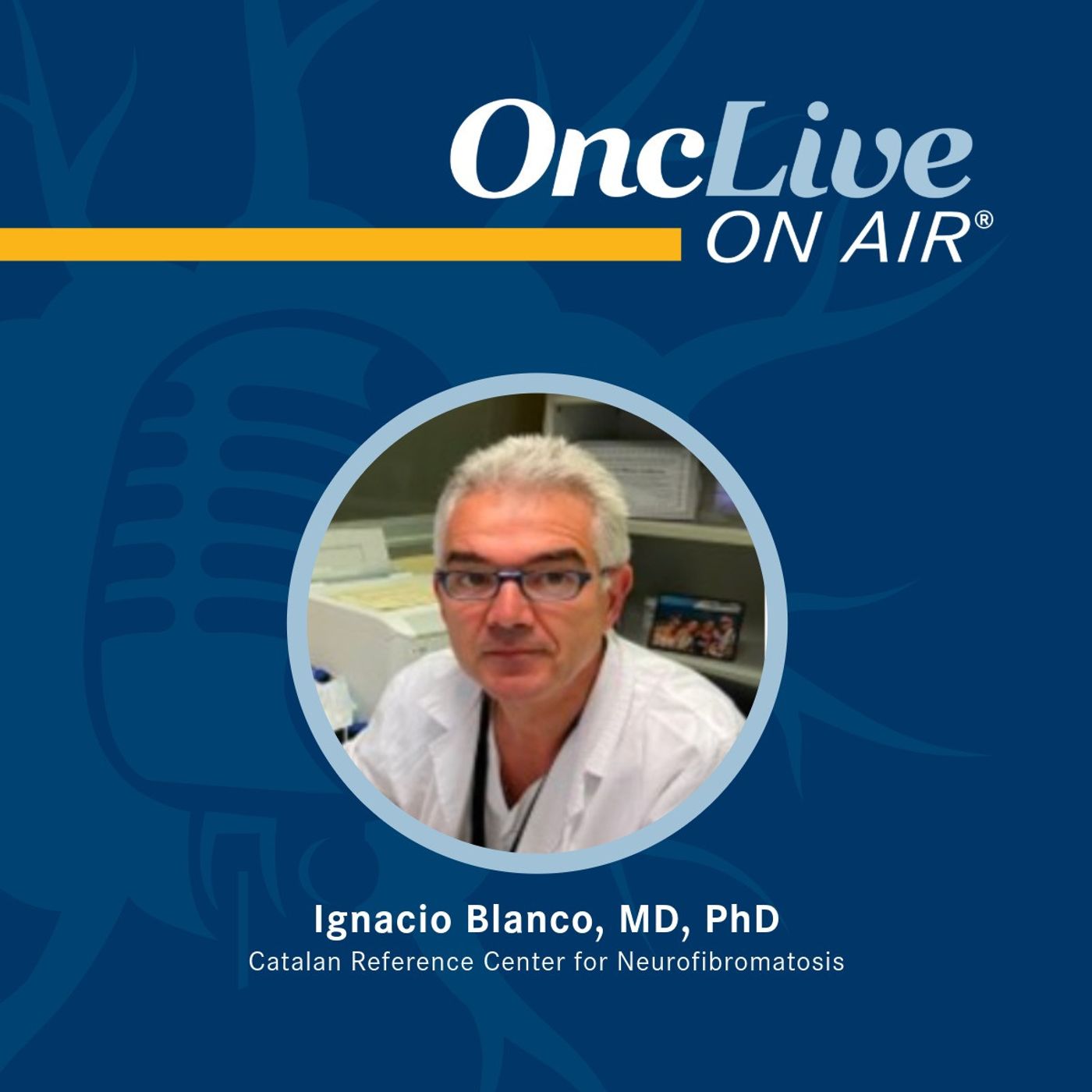
S13 Ep 41S13 Ep41: The European Approval of Mirdametinib Expands the Treatment Paradigm for NF1-Associated Plexiform Neurofibromas: With Ignacio Blanco, MD, PhD
In our exclusive interview, Dr Blanco discussed the significance of this regulatory milestone for a population that has historically lacked effective medical options. He reviewed the pivotal phase 2b ReNeu clinial trial (NCT03962543)that supported this decision, which enrolled both adult and pediatric patients with nonresectable PNs and evaluated clinical and radiologic response rates. Dr Blanco detailed the study’s findings, including overall response rates of 41% and 52% in the adult and pediatric populations, respectively; meaningful reductions in tumor volume; improvements in patient-reported pain and quality of life; and the favorable safety profile characterized primarily by dermatologic and gastrointestinal adverse effects.
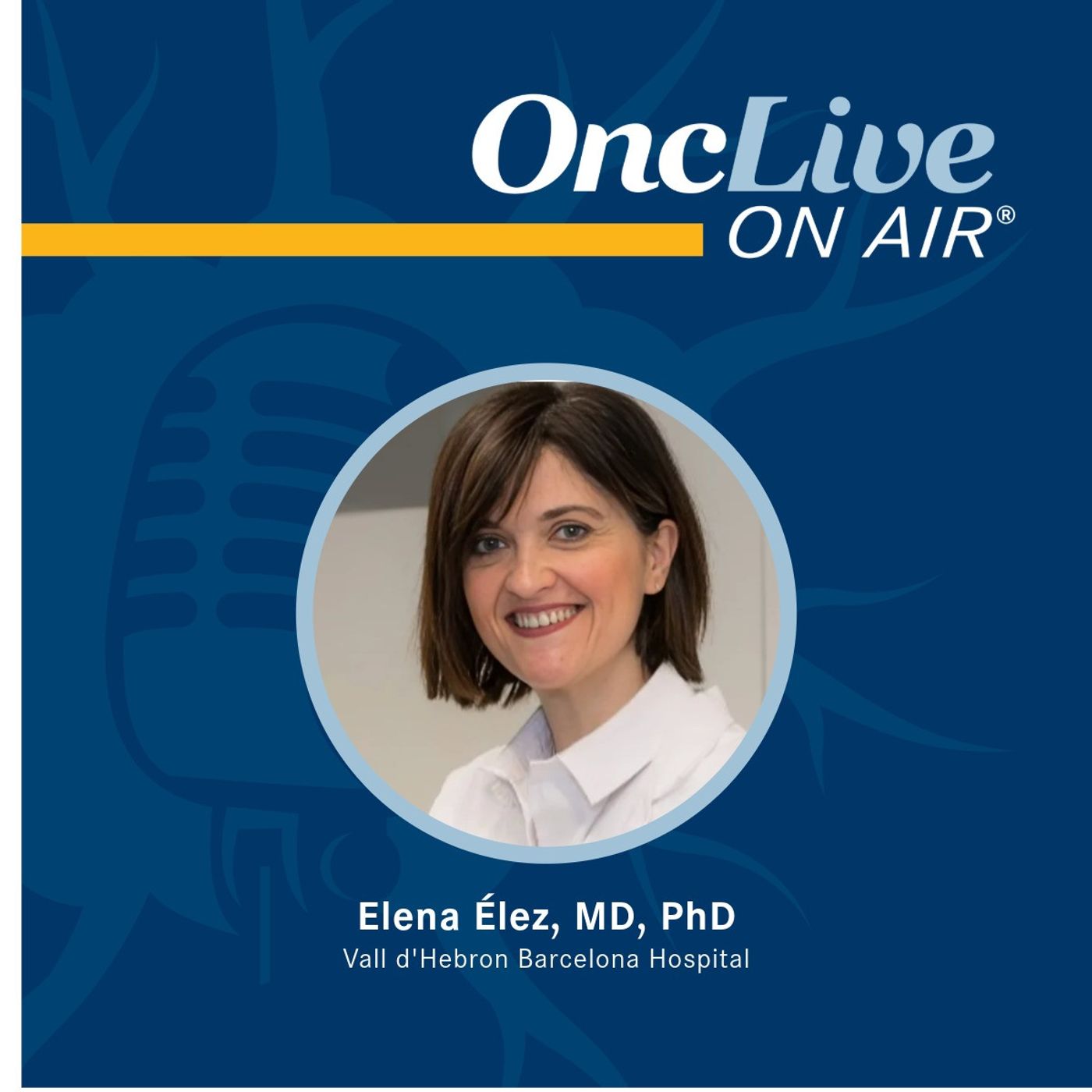
S13 Ep 40S13 Ep40: The Role of Combination Checkpoint Blockade Is Evolving in MSI-H mCRC: With Elena Élez, MD, PhD
In our exclusive interview, Dr Élez discussed recent data comparing nivolumab (Opdivo) monotherapy with nivolumab plus ipilimumab (Yervoy) across multiple lines of therapy in patients with MSI-H mCRC. She detailed efficacy and quality‑of‑life outcomes, noting that the combination appeared to offer enhanced clinical benefit without a negative effect on tolerability. Dr Élez also highlighted the importance of tailoring immunotherapy strategies based on patient characteristics and treatment goals and reflected on the nuances of sequencing single‑agent vs combination checkpoint blockade.
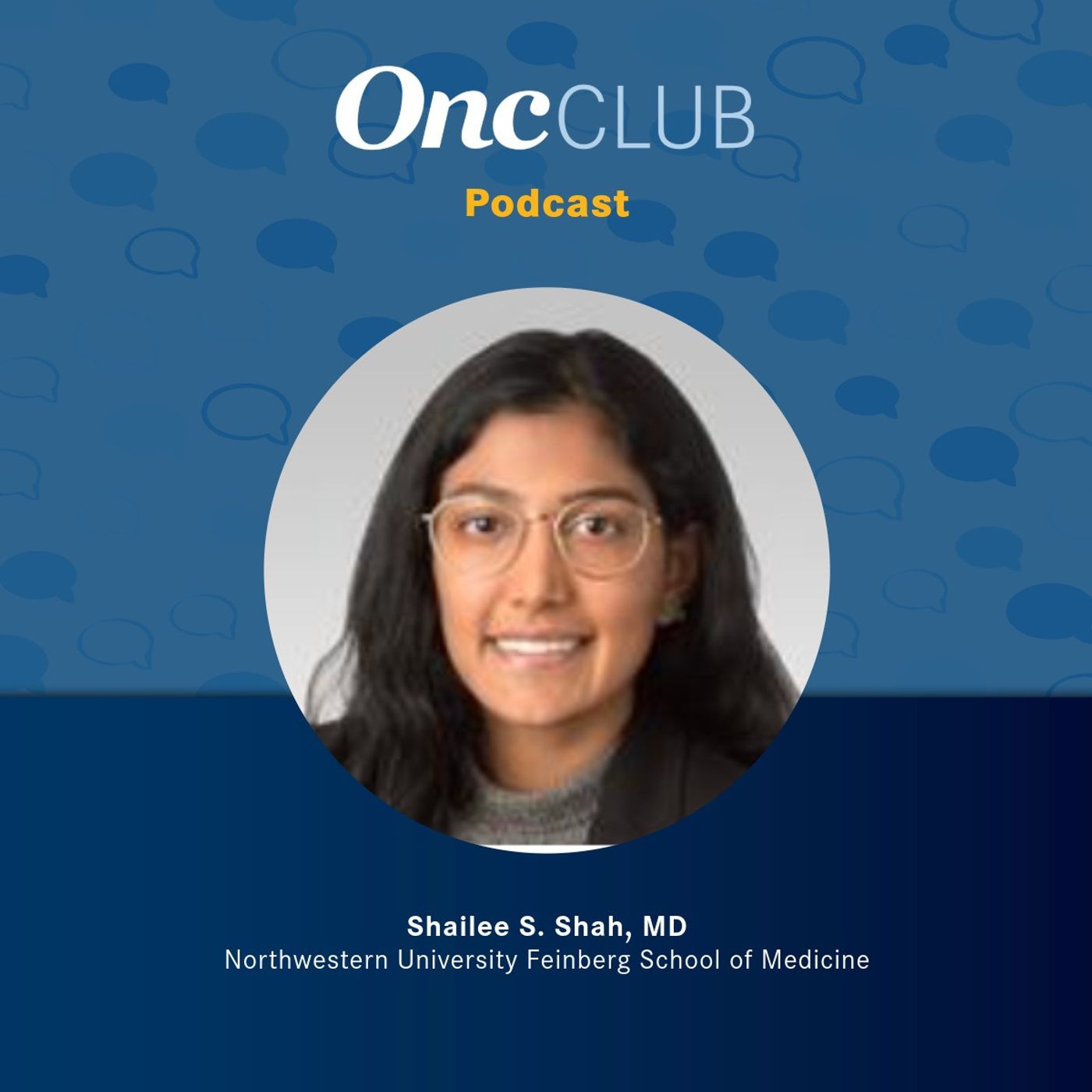
S13 Ep 39S13 Ep39: Efficacy of Immune Checkpoint Inhibition in Oncology May Translate to Neurologic Disorders: With Shailee S. Shah, MD
In today’s OncClub episode, we had the pleasure of speaking with Shailee S. Shah, MD, about a retrospective study she and colleagues conducted to understand the effect of immune checkpoint inhibitors on patients with cancer and pre-existing neurologic autoimmune diseases, including multiple sclerosis, myasthenia gravis, Guillain-Barre syndrome, and Parkinson's disease. Dr Shah is a clinical assistant professor of neurology (MS/neuroimmunology) at the Northwestern University Feinberg School of Medicine in Chicago, Illinois. In our exclusive interview, Dr Shah discussed the design of this study, key findings, and how these results emphasize the need for multidisciplinary care and risk stratification for more effective and comprehensive patient care. Check out the full OncClub subseries to see additional findings and insights from this research!
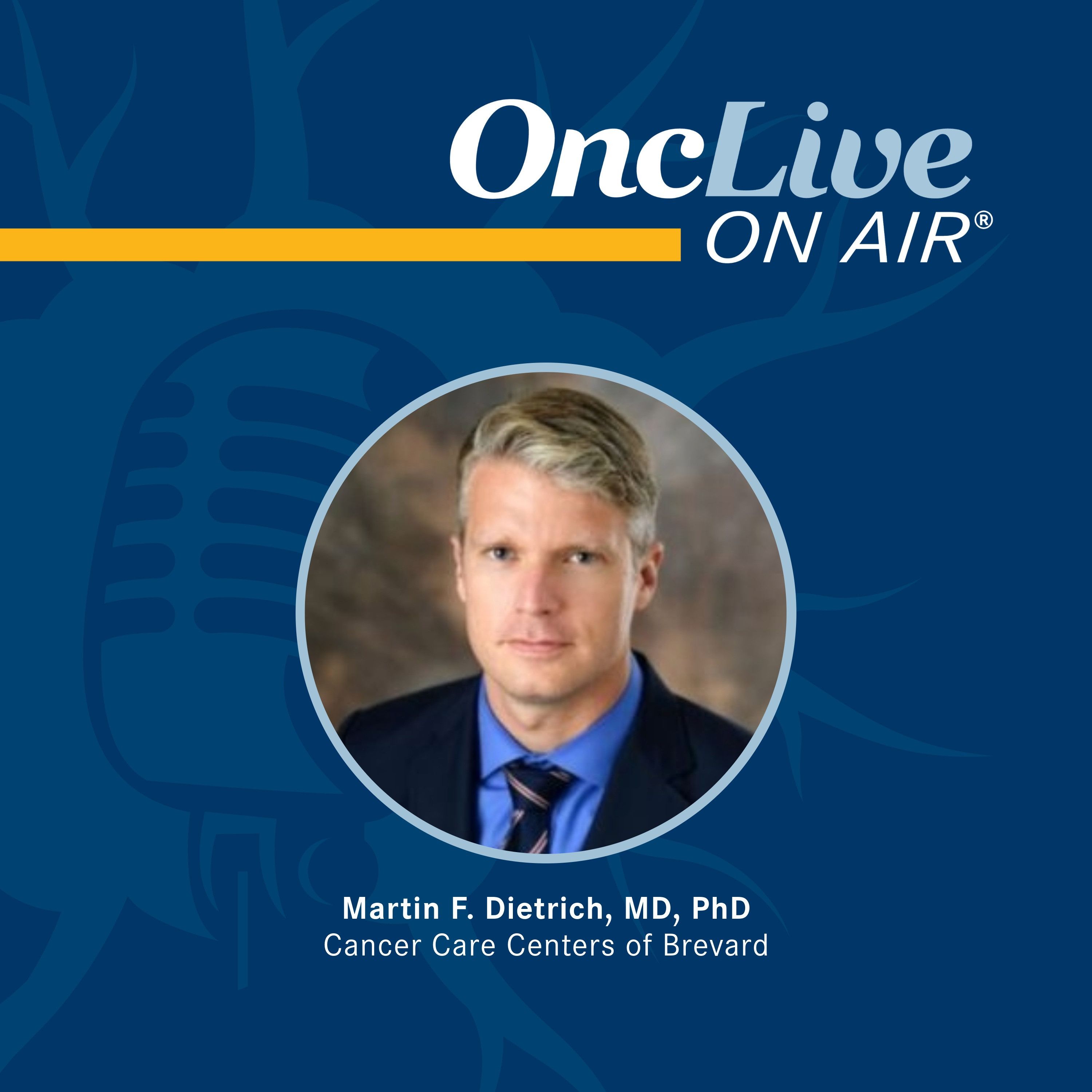
S13 Ep 38S13 Ep38: Guideline Updates and Trial Data Solidify the Role of HER2/MET IHC Testing in NSCLC: With Martin F. Dietrich, MD, PhD
In today’s episode, we had the pleasure of speaking with Martin F. Dietrich, MD, PhD, about updates and best practices for HER2 and MET immunohistochemistry (IHC) testing for patients with non–small cell lung cancer (NSCLC). Dr Dietrich is a medical oncologist at Cancer Care Centers of Brevard in Rockledge, Florida; as well as an assistant professor of internal medicine at the University of Central Florida in Orlando. In our exclusive interview, Dr Dietrich discussed the rationale for testing for these mutations in patients with NSCLC, standard practices for implementing these tests in the clinic, and when testing may be appropriate at disease progression.
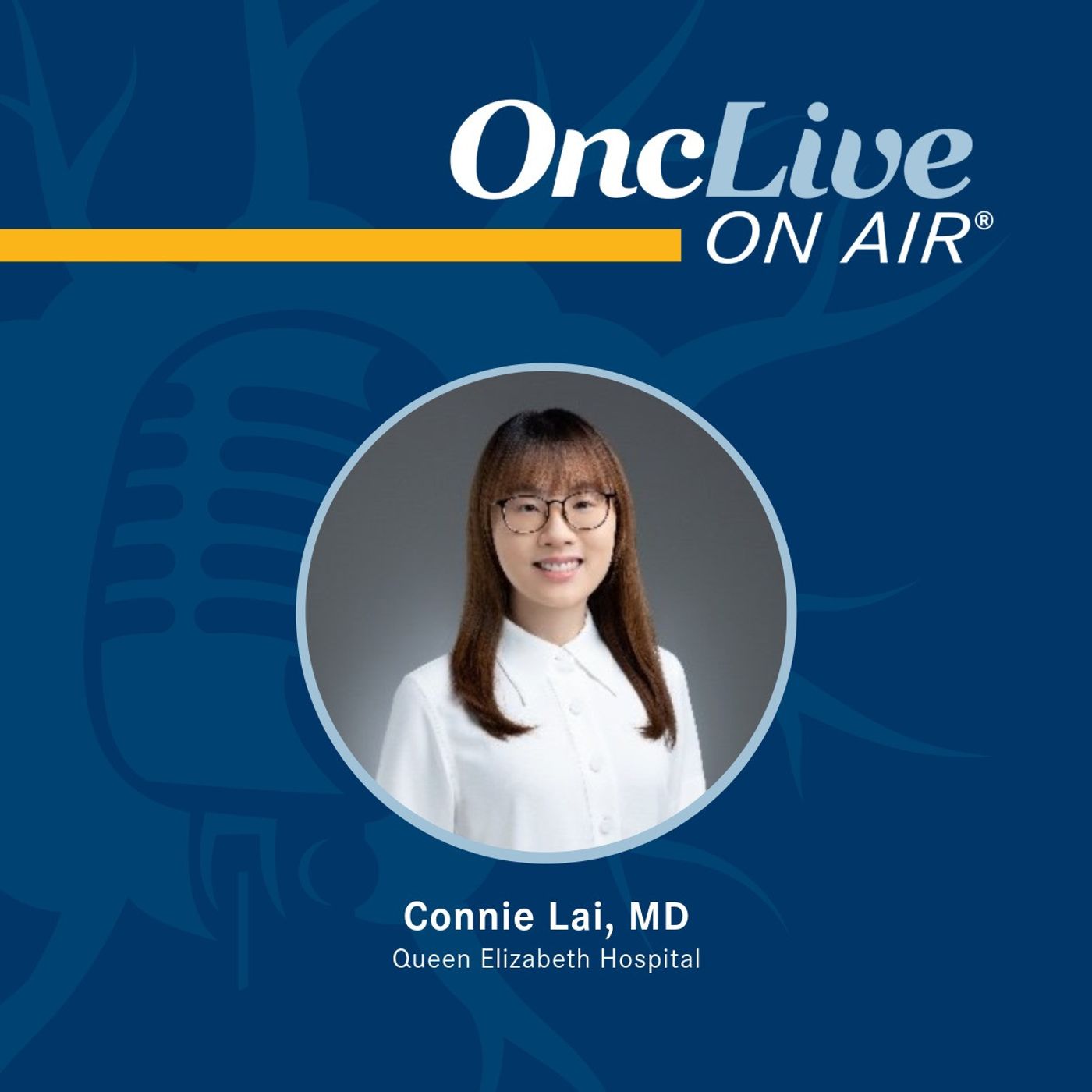
S13 Ep 37S13 Ep37: Retrospective Data Highlight Improved Efficacy With Maintenance Therapy vs Treatment Breaks in mCRC: With Connie Lai, MD
In today’s episode, we had the pleasure of speaking with Connie Lai, MD, a medical oncology resident at Queen Elizabeth Hospital in Hong Kong, about a retrospective, dual-center study examining post-induction treatment strategies in metastatic colorectal cancer (mCRC).
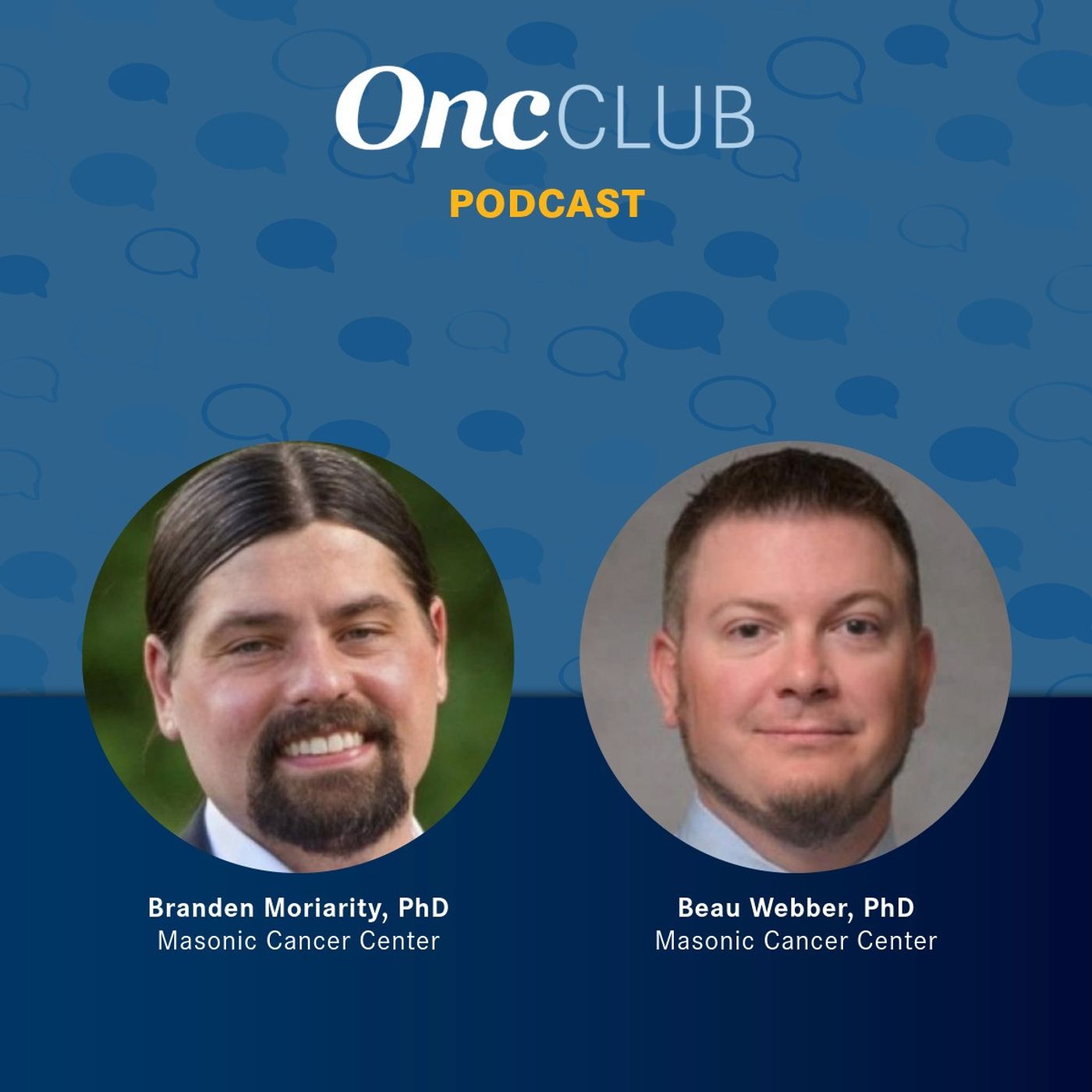
S13 Ep 36S13 Ep36: CRISPR-Edited CISH Knockout TIL Therapy Paves Novel Treatment Paths in CRC: With Branden Moriarity, PhD; and Beau Webber, PhD
In today’s OncClub episode, we had the pleasure of speaking with Branden Moriarity, PhD; and Beau Webber, PhD, about a study evaluating neoantigen-reactive CISH knockout tumor-infiltrating lymphocyte (TIL) therapy in patients with metastatic gastrointestinal cancers. Dr Moriarity is an associate professor in the Division of Pediatric Hematology/Oncology, co-director of the Center for Genome Engineering and the Genome Engineering Shared Resource (GESR), and a member of the Center for Genome Engineering at the University of Minnesota in Minneapolis, where he is also a faculty member in the Department of Pediatrics; the Microbiology, Immunology and Cancer Biology (MICaB) PhD Graduate Program; the PhD Program in Molecular, Cellular, Developmental Biology and Genetics; the Cellular and Molecular Biology (CMB) Graduate Program, and the Masters Program in Stem Cell Biology. He is also a member of the Stem Cell Institute at the Masonic Cancer Center. Dr Webber is an associate professor in the Division of Pediatric Hematology/Oncology, co-director of the GESR, and a member of the Stem Cell Institute at the University of Minnesota Medical School, where he is also a faculty member in the Department of Pediatrics, the Molecular Pharmacology & Therapeutics Graduate Program, and the Masters Program in Stem Cell Biology. He is also a member of the Masonic Cancer Center. In our exclusive interview, Drs Moriarity and Webber discussed how targeting the CISH gene using CRISPR enhances T-cell function, key safety and efficacy findings from this study in 12 patients, and future research efforts that may focus on reducing manufacturing time and cost, as well as enhancing T-cell resilience. Check out the full OncClub subseries to see additional findings and insights from this research!
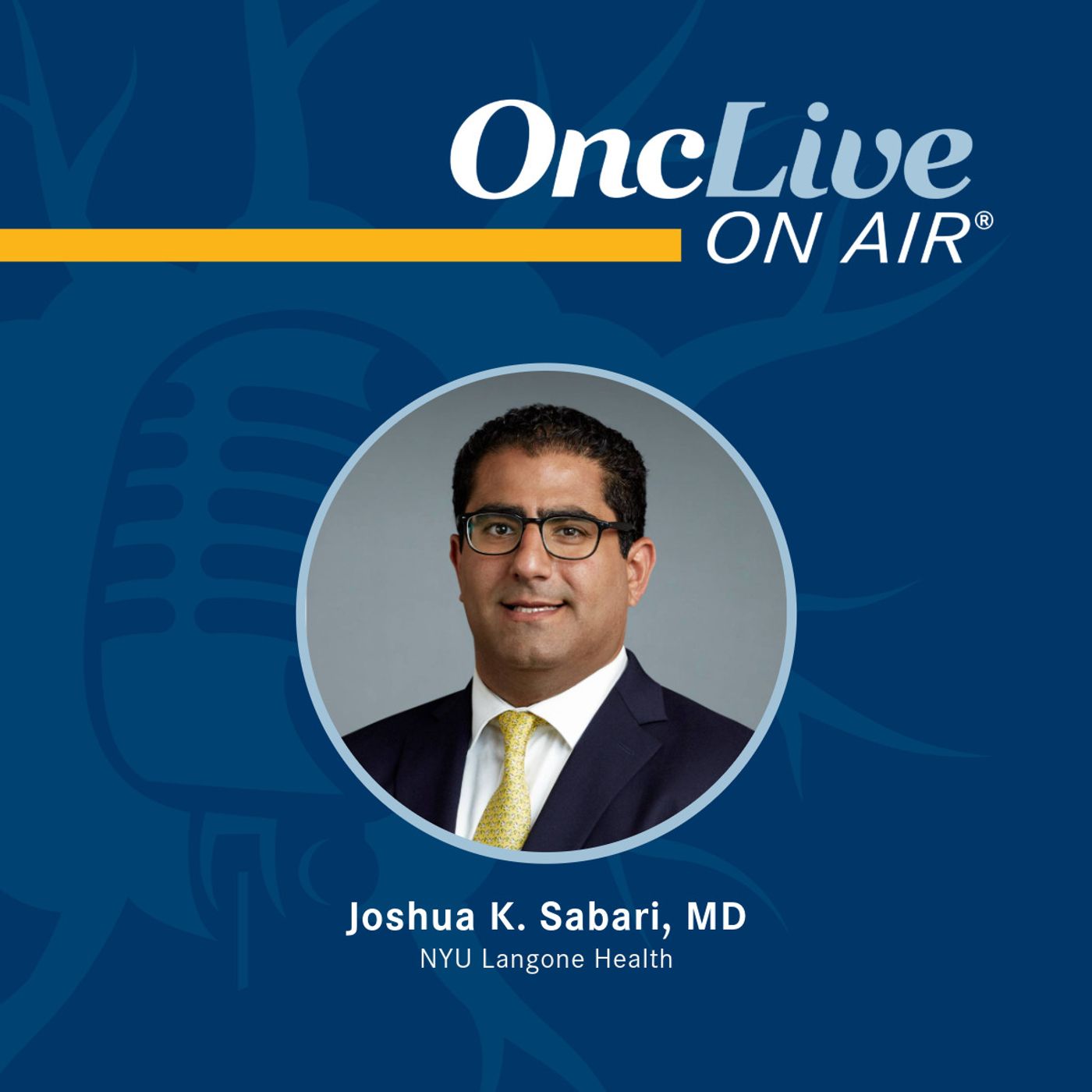
S13 Ep 35S13 Ep35: Telisotuzumab Vedotin Represents a New Treatment Development for c-Met–Overexpressing NSCLC: With Joshua K. Sabari, MD
In today’s episode, we spoke with Joshua K. Sabari, MD, about the use of telisotuzumab vedotin-tllv (Emrelis) in patients with c-MET–overexpressing, nonsquamous, EGFR wild-type advanced non–small cell lung cancer (NSCLC). Dr Sabari is an assistant professor in the Department of Medicine at the New York University Grossman School of Medicine; as well as the director of High Reliability Organization Initiatives at the Perlmutter Cancer Center in New York. In our exclusive interview, Dr Sabari highlighted key data from the phase 2 LUMINOSITY study (NCT03539536) investigating telisotuzumab vedotin in this patient population, the significance of targeting c-Met overexpression, and how findings from the ongoing phase 2 TeliMET NSCLC-04 trial (NCT06568939) of telisotuzumab vedotin in patients with c-Met–overexpressing, locally advanced or metastatic nonsquamous NSCLC may further influence the NSCLC treatment paradigm.
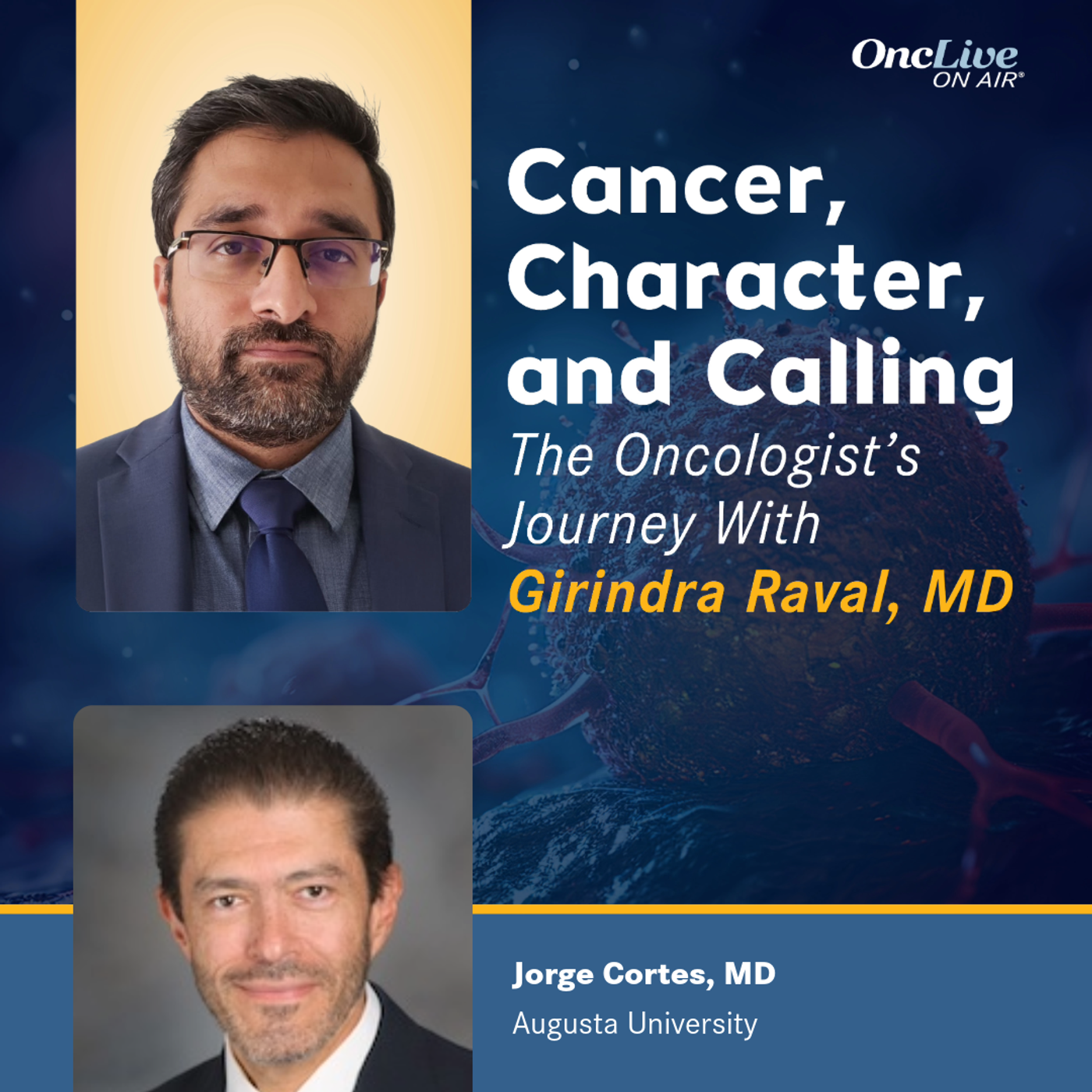
S13 Ep 34S13 Ep34: Cortes’ Journey Helps Reshape Hematologic Cancer Care: With Girindra Raval, MD; and Jorge Cortes, MD
Cancer, Character, and Calling: The Oncologist's Journey, hosted by Girindra Raval, MD, is a podcast highlighting how top oncologists have navigated the field over the course of their careers, the passion that drove them to enter the oncology space, and the ongoing work that will continue to transform cancer care. Each episode, Raval will welcome a top oncologist to dive into their background, highlight their career achievements, discuss key issues still being addressed in their fields, and explore their interests outside of the clinic and lab. In this episode, Raval welcomed Jorge Cortes, MD, who is director of the Georgia Cancer Center and a professor in the Department of Medicine at Augusta University. Raval is an associate professor in the Department of Medicine: Hematology and Oncology at the Medical College of Georgia of Augusta University. In their conversation, Raval and Cortes dived into Cortes’ upbringing in Mexico, his family life, and his experience earning his medical degree from the Universidad Nacional Autonoma de Mexico in Mexico City. They also spoke about Cortes’ work during his 27-year tenure at The University of Texas MD Anderson Cancer Center in Houston, where he served as a professor of medicine, deputy department chair, chair of the acute myeloid leukemia and chronic myeloid leukemia sections, and deputy division chair, among other roles. Cortes detailed how that experience facilitated long-lasting collaborations and friendships. He then touched on his goals as director of the Georgia Cancer Center since taking over the role in 2019 and explained how it felt to leave MD Anderson after nearly 3 decades. Raval and Cortes also discussed how the hematologic oncology field has evolved during Cortes’ career and how he expects the management of these malignancies as ongoing research continues. Cortes also highlighted his goals as director of the Georgia Cancer Center.
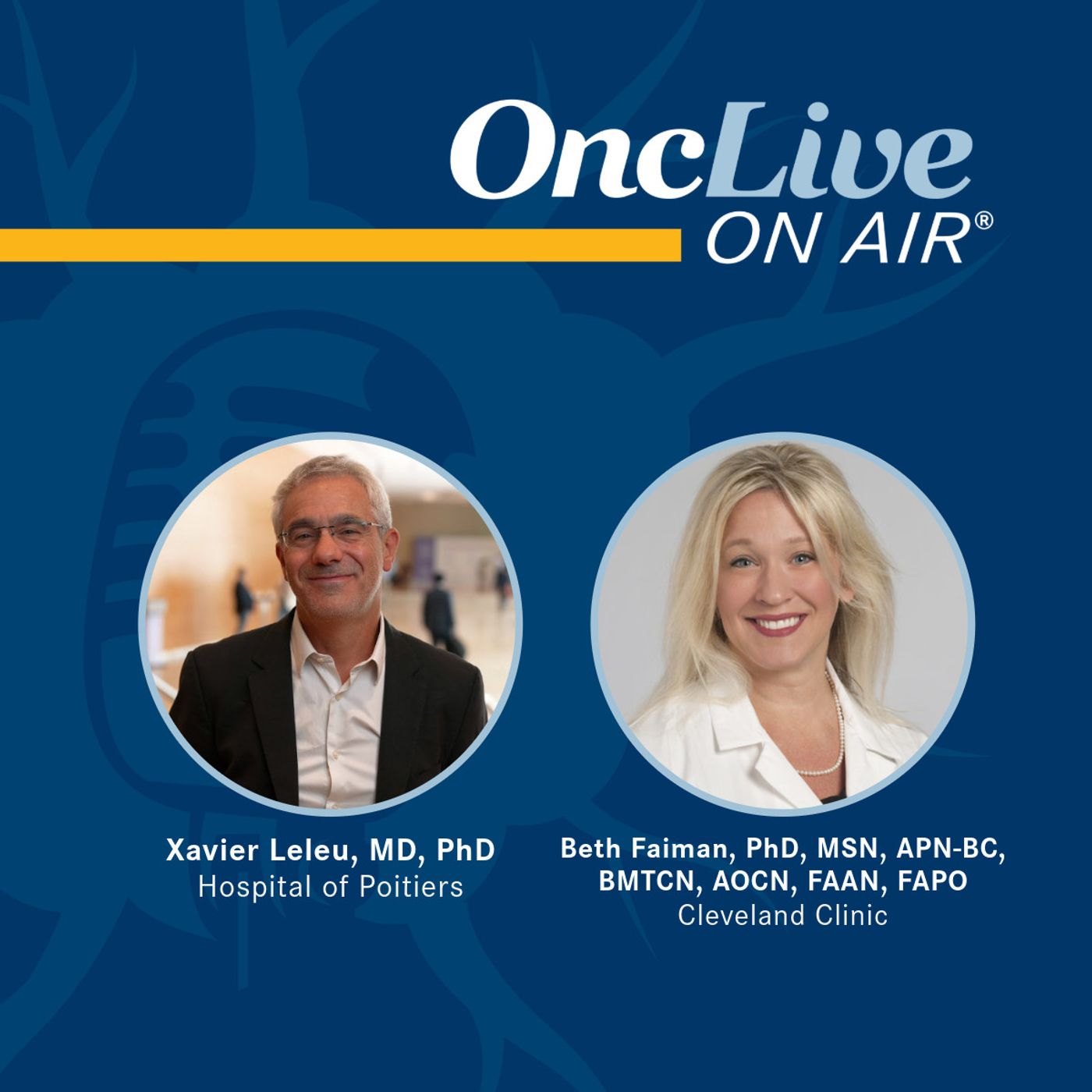
S13 Ep 33S13 Ep33: Isatuximab-Based Triplet Delivered via On-Body System Shows Promise in RRMM: With Xavier Leleu, MD, PhD; and Beth Faiman, PhD, MSN, APN-BC
In our exclusive interview, Drs Leleu and Faiman discussed the unique methods and design of IRAKLIA, key efficacy and safety findings from this trial, and the benefits of using on-body delivery systems to deliver effective therapies to patients in more convenient and patient-centered ways.
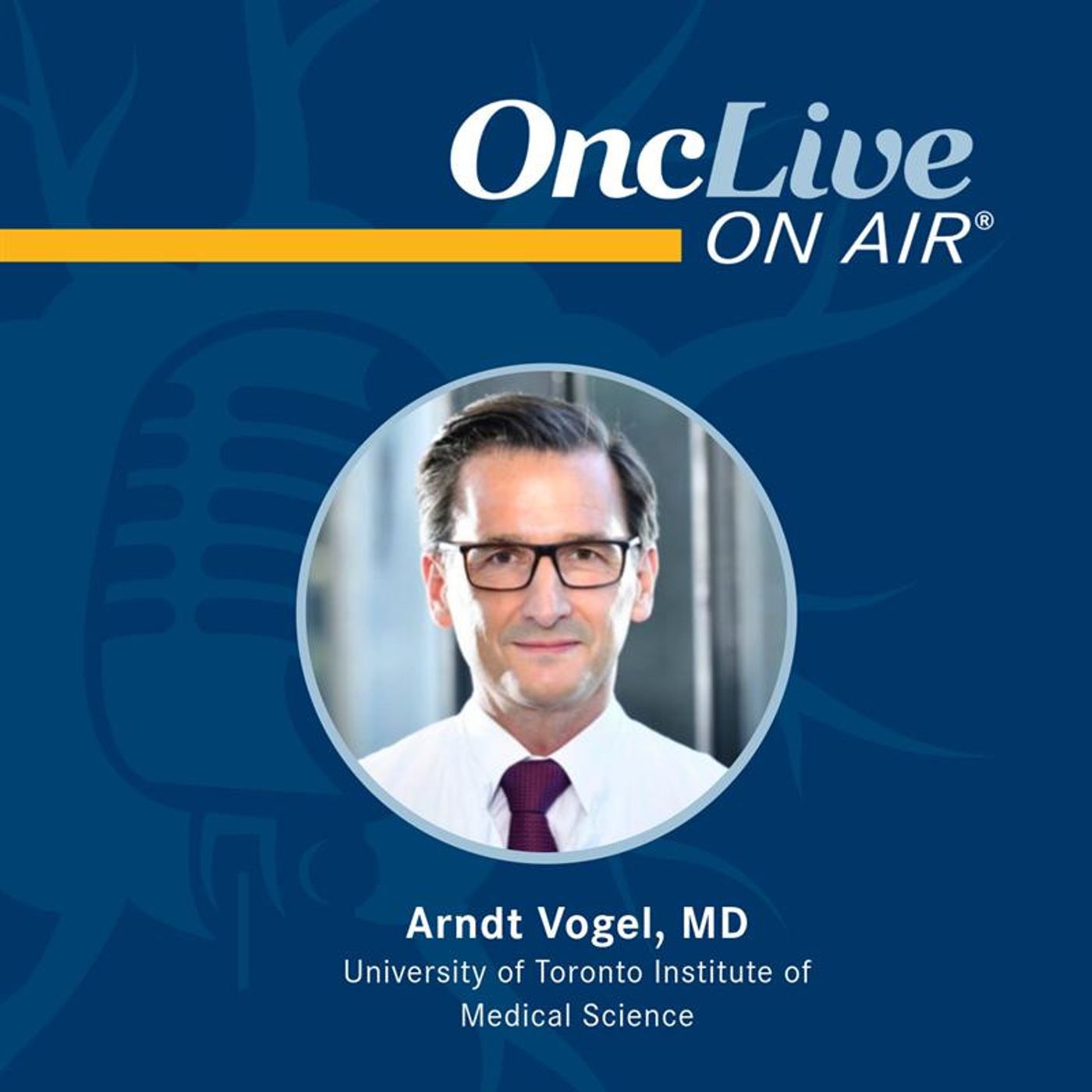
S13 Ep 32S13 Ep32: European Approval of Zanidatamab Expands Treatment Options for HER2+ Biliary Tract Cancer: With Arndt Vogel, MD
In today’s episode, we had the opportunity to speak with Arndt Vogel, MD, about the European Commission’s (EC's) July 2025 marketing authorization of zanidatamab-hrii (Ziihera) for the treatment of adult patients with previously treated, unresectable, locally advanced or metastatic HER2-positive biliary tract cancer. Dr Vogel is a faculty member at the University of Toronto Institute of Medical Science, a scientist at the Toronto General Hospital Research Institute, and a medical oncologist at the UHN–Princess Margaret Cancer Centre in Canada. In our exclusive interview, Dr Vogel highlighted the clinical importance of this decision, emphasizing that it represents a significant advancement for a molecularly defined subgroup of patients with limited treatment options and historically poor outcomes. He explained that biliary tract cancers, including cholangiocarcinoma, are associated with high recurrence rates and poor survival, even in patients who undergo curative-intent surgery. For patients in the advanced setting, second-line chemotherapy offers modest clinical benefit, with objective response rates of approximately 6%, a median progression-free survival of approximately 3 months, and a median overall survival of approximately 12 months. Vogel discussed the data supporting the EC’s approval, which was based on findings from the phase 2b HERIZON-BTC-01 trial (NCT04466891)—the largest study conducted to date evaluating HER2-directed therapy in this patient population. In the trial, at a median follow-up of 21.9 months, patients with centrally confirmed HER2-positive tumors (n = 80) who received zanidatamab achieved a confirmed objective response rate (cORR) of 41.3% (95% CI, 30.4-52.8). The median duration of response was 14.9 months (95% CI, 7.4-not reached), and the median overall survival reached 15.5 months (95% CI, 10.4-18.5).

S13 Ep 31S13 Ep31: IHC Testing Leads to Early Detection of TP53-Mutant AML and MDS: With Jonathan M. Gerber, MD; and Shyam A. Patel, MD, PhD
In today’s episode, we had the pleasure of speaking with Jonathan M. Gerber, MD; and Shyam A. Patel, MD, PhD, about a study they conducted investigating the use of immunohistochemistry (IHC) as a biomarker for early TP53 mutation identification in patients with myelodysplastic syndromes (MDS) and acute myeloid leukemia (AML). Dr Gerber is a member of the faculty in the Department of Medicine at New York University (NYU) Grossman School of Medicine; as well as the chief clinical officer of the NYU Perlmutter Cancer Center. Dr Patel is an associate professor at the University of Massachusetts Chan Medical School; as well as a hematologist and oncologist at the UMass Memorial Medical Center in Worcester. In our exclusive interview, Drs Gerber and Patel discussed the evaluation of p53 IHC as a surrogate biomarker for TP53-mutant MDS and AML. They shared how the presence of TP53 mutations in these diseases significantly worsens prognosis, necessitating urgent treatment. They also highlighted how IHC results are available within 48 to 72 hours. Gerber and Patel explained this study's design and patient population, as well as how IHC's inverse correlation with overall survival highlights its potential as an early biomarker, though it has lower sensitivity for certain mutations.
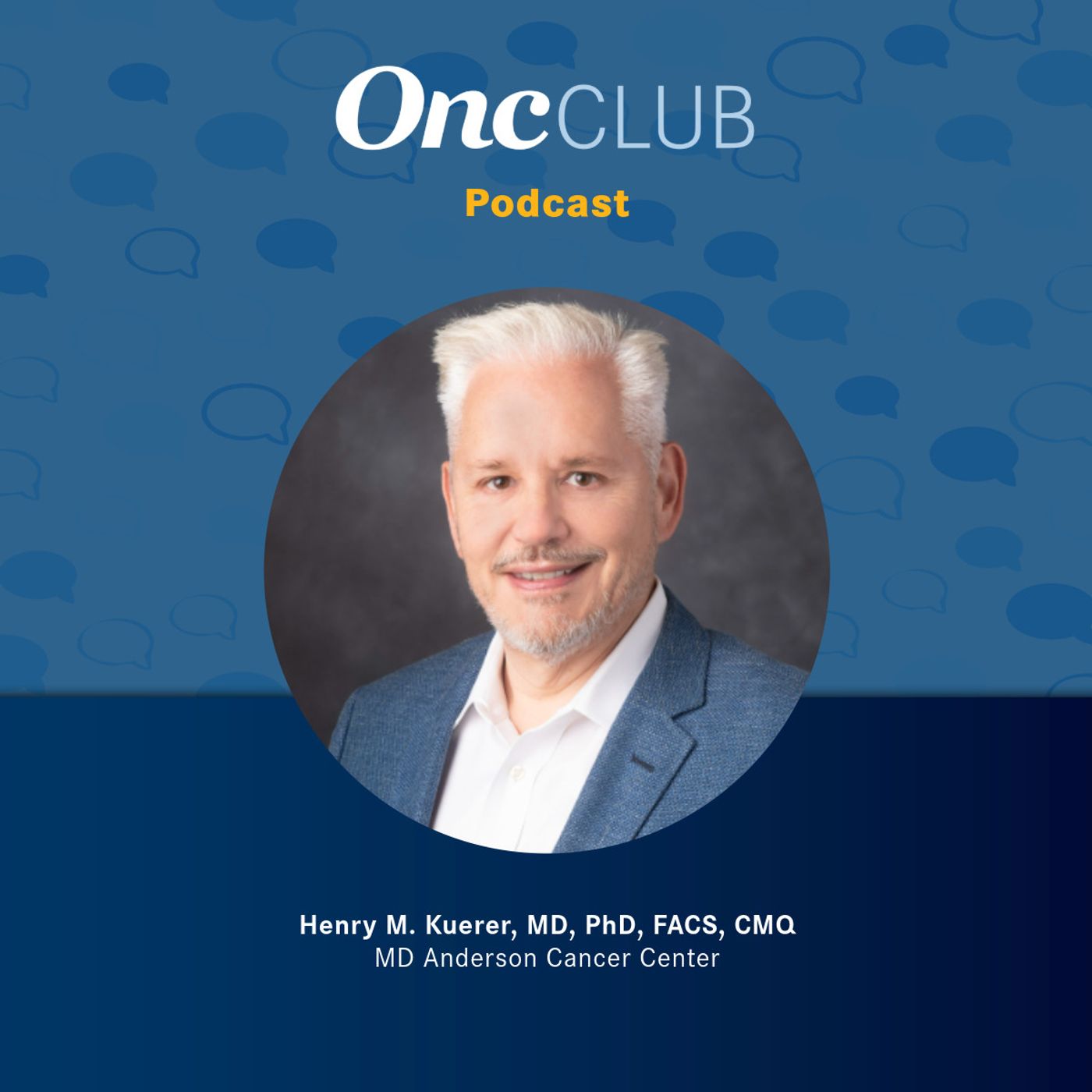
S13 Ep 30S13 Ep30: Biopsy-Guided Approach Enables Surgery Omission After pCR in HER2+ and Triple-Negative Breast Cancer: With Henry M. Kuerer, MD, PhD, FACS, CMQ
In today’s episode, we had the opportunity to speak with Henry M. Kuerer, MD, PhD, FACS, CMQ, about the potential to safely omit surgery in a subset of patients with early-stage HER2-positive or triple-negative breast cancer who achieve a pathologic complete response (pCR) following neoadjuvant systemic therapy. Dr Kuerer is a professor of breast surgical oncology at The University of Texas MD Anderson Cancer Center in Houston, Texas.In our conversation, Dr Kuerer reviewed the rationale behind a prospective phase 2 clinical trial (NCT02945579) testing image-guided vacuum-assisted core biopsy to identify patients with no residual disease after neoadjuvant therapy. He outlined the strict technical and eligibility criteria that enabled accurate detection of pCR—including tumors downsizing to less than 2 cm and biopsy of at least 12 cores from the tumor bed—and discussed why this biopsy-based approach may be more reliable than standard surgery in detecting residual disease. He also highlighted the broader clinical implications of the findings, noting that patients with biopsy-confirmed pCR may proceed directly to radiotherapy and avoid breast surgery altogether.

S13 Ep 29S13 Ep29: FDA Approval Insights: Oncomine DX Express Test Companion Diagnostic for Sunvozertinib in Non–Small Cell Lung Cancer: With Apar Kishor Ganti, MD; and Allison Cushman-Vokoun, MD, PhD, FCAP
In today’s episode, supported by Thermo Fisher Scientific, we had the pleasure of speaking with Apar Kishor Ganti, MD; and Allison Cushman-Vokoun, MD, PhD, FCAP, about the FDA approval of the Oncomine DX Express Test for use as a companion diagnostic for sunvozertinib (Zegfrovy) in EGFR exon 20 insertion mutation–positive non–small cell lung cancer and for use in tumor profiling. Dr Ganti is a professor in the University of Nebraska Medical Center (UNMC) Division of Oncology & Hematology, the Dr. and Mrs. D. Leon UMNC Research Fund Chair in Internal Medicine, and the associate director for Clinical Research at the Fred & Pamela Buffett Cancer Center in Omaha. Dr Cushman is the Henry F. Krous Professor of Pathology, a professor in the UNMC Department of Pathology, Microbiology and Immunology, director of the Division of Diagnostic Molecular Pathology and Human Genetics, medical director of the Molecular Diagnostics and Personalized Medicine Laboratory at Nebraska Medicine, director of the Molecular Genetic Pathology Fellowship Program, and associate director of the UMNC MD-PhD Scholars Program. In our exclusive interview, Drs Ganti and Cushman discussed the significance of the launch of the Oncomine DX Express Test, the benefits and limitations of rapid next-generation sequencing, and features that set Oncomine DX apart from other available tests.
S13 Ep 28S13 Ep28: Toripalimab Plus De-Intensified Chemo Represents the Potential Future of Nasopharyngeal Cancer Management: With Justine Bruce, MD
In today’s episode, supported by Coherus BioSciences, we had the pleasure of speaking with Justine Bruce, MD, about the ongoing evolution of nasopharyngeal carcinoma management. Dr Bruce is a faculty member in the Division of Hematology, Medical Oncology and Palliative Care within the Department of Medicine at the University of Wisconsin, as well as the director of the VA Medical Oncology Clinical Research Program and chair of the Protocol Review and Monitoring Committee at the University of Wisconsin Carbone Cancer Center in Madison.In our exclusive interview, Dr Bruce discussed evolving treatment strategies for nasopharyngeal cancer, emphasizing the shift from chemoradiation followed by adjuvant chemotherapy to induction chemotherapy with gemcitabine and cisplatin. She also noted how toripalimab-tpzi (Loqtorzi) combined with gemcitabine and cisplatin showed improved overall survival (OS) in the first-line setting in the phase 3 JUPITER-02 trial (NCT03581786). Bruce also expressed her preference for OS as the gold standard for determining the efficacy of nasopharyngeal cancer treatments and noted the need for more US-based trials to reflect the local patient population.
S13 Ep 26S13 Ep26: ASCO 2025 Plenary — MATTERHORN
Two Onc Docs, hosted by Samantha A. Armstrong, MD, and Karine Tawagi, MD, is a podcast dedicated to providing current and future oncologists and hematologists with the knowledge they need to ace their boards and deliver quality patient care. Dr Armstrong is a hematologist/oncologist and assistant professor of clinical medicine at Indiana University Health in Indianapolis. Dr Tawagi is a hematologist/oncologist and assistant professor of clinical medicine at the University of Illinois in Chicago. In this episode, OncLive On Air® partnered with Two Onc Docs to bring a discussion of key data from the phase 3 MATTERHORN trial (NCT04592913), which were presented at the 2025 ASCO Annual Meeting. MATTERHORN was a randomized, double-blind, multinational study evaluating the addition of durvalumab (Imfinzi) to FLOT (5-fluorouracil, leucovorin, oxaliplatin, and docetaxel) in patients with previously untreated, resectable gastric or gastroesophageal junction adenocarcinoma. In the MATTERHORN trial, 948 patients were randomly assigned 1:1 to receive either durvalumab or placebo in combination with perioperative FLOT, followed by 10 cycles of durvalumab or placebo as adjuvant therapy. The primary end point was event-free survival (EFS); secondary end points included overall survival (OS) and pathological complete response (pCR). The trial met its primary end point. Durvalumab plus FLOT (n = 474) significantly improved EFS vs placebo plus FLOT (n = 474; HR, 0.71; 95% CI, 0.58-0.86; P < .001), representing a 29% reduction in risk of progression, recurrence, or death. The interim OS analysis showed a nonsignificant trend favoring durvalumab (HR, 0.78; 95% CI, 0.62-0.97; P = .025). The pCR rate was 19% (95% CI, 15.75%-23.04%) with durvalumab vs 7.2% (95% CI, 5.02%-9.88%) with placebo. Toxicity profiles were comparable between the 2 groups, though immune-related adverse effects were more frequent with durvalumab. Importantly, the addition of durvalumab did not delay surgery or initiation of adjuvant therapy. Although the MATTERHORN regimen is not yet FDA approved or included in the National Comprehensive Cancer Network guidelines, this trial demonstrates a promising EFS benefit and potential practice-changing implications, pending mature OS data and further molecular subgroup analyses, according to Armstrong and Tawagi.

S13 Ep 25S13 Ep25: FDA Approval Insights: Darolutamide for Metastatic Castration-Sensitive Prostate Cancer: With Alicia Morgans, MD, MPH; and Neal Shore, MD, FACS
In today’s episode, supported by Bayer, we had the pleasure of speaking with Alicia Morgans, MD, MPH, and Neal Shore, MD, FACS, about the FDA approval of darolutamide (Nubeqa) plus androgen deprivation therapy for patients with metastatic castration-sensitive prostate cancer (mCSPC). Morgans is the medical director of the survivorship program at Dana-Farber Cancer Institute; as well as an associate professor of medicine at Harvard Medical School, both in Boston, Massachusetts. Shore is the medical director of the Carolina Urologic Research Center.In our exclusive interview, Drs Morgans and Shore discussed the significance of this approval; key efficacy, safety, and quality of life data from the pivotal phase 3 ARANOTE trial (NCT04736199); and how this regulatory decision both opens doors for the treatment of more patients and raises questions about the optimal role of darolutamide in the management of mCSPC.

S13 Ep 24S13 Ep24: Biomarker-Directed Therapies Improve Outlooks for the mCRC Treatment Arsenal: With Chandler Park, MD; and Midhun Malla, MD
In this episode of MedNews Week's Oncology Unplugged, host Chandler Park, MD, a medical oncologist at Norton Cancer Institute in Louisville, Kentucky, was rejoined by Midhun Malla, MD, of the University of Alabama at Birmingham, to discuss therapeutic options for patients with metastatic colorectal cancer (mCRC), particularly in the third-line setting and beyond. In the final part of this 3-part episode miniseries, Drs Park and Malla explored the challenges faced by community oncologists, especially in rural or underserved areas, in accessing clinical trials, which remain a preferred disease management approach due to their role in advancing novel therapies. However, in the absence of trial availability or when patients are ineligible, they emphasized the importance of evidence-based, FDA-approved agents for later lines of therapy. Three primary agents were discussed for patients who have progressed on first-line FOLFOX (folinic acid, fluorouracil, and oxaliplatin) and second-line FOLFIRI (folinic acid, fluorouracil, and irinotecan) regimens: trifluridine/tipiracil (TAS-102; Lonsurf) plus bevacizumab (Avastin); fruquintinib (Fruzaqla); and regorafenib (Stivarga). These agents offer viable treatment pathways in biomarker-unselected patient populations. However, direct comparisons between these agents are lacking, as most were tested against placebo controls. The choice among them is often individualized based on patient performance status, prior exposure to biologics, and toxicity profiles. TAS-102 plus bevacizumab has generated promising results, though real-world data may show diminished efficacy due to frequent prior exposure to 5-fluorouracil and bevacizumab in US patients. Fruquintinib offers a VEGF-targeted approach with a more favorable hematologic toxicity profile, whereas regorafenib is associated with notable adverse effects, including hypertension, gastrointestinal toxicity, and mucositis. Park and Malla emphasized the importance of treatment sequencing, toxicity management, and individualized patient-centered care, including consideration of dose modifications to preserve quality of life in later-line settings. In addition to later-line options, the conversation also touched on emerging frontline therapies. Notable investigational agents include zanidatimab-hrii (Ziihera) and KRAS G12C–directed therapies. Additionally, a novel integrin-targeted cytotoxin is currently under evaluation at the University of Alabama at Birmingham in patients with treatment-naive mCRC. This agent induces apoptosis via caspase-8 activation and has demonstrated encouraging preclinical activity. Overall, the discussion highlighted a nuanced, biomarker-informed, and patient-tailored approach to mCRC management, emphasizing both the value of clinical trials and the importance of optimizing currently available therapies.
S13 Ep 23S13 Ep23: IMA203 emerges as a Novel Investigational Agent in Cutaneous Melanoma: With Justin Moser, MD
In today’s episode, supported by Immatics, we had the pleasure of speaking with Justin Moser, MD, about the ongoing phase 3 SUPRAME trial investigating the PRAME-directed T-cell receptor T-cell therapy IMA203 vs treatment of physician's choice in patients with previously treated, unresectable or metastatic cutaneous melanoma. Dr Moser is an associate clinical investigator, a melanoma and cutaneous oncology specialist, and a phase 1 trialist at HonorHealth Research Institute in Scottsdale, Arizona; as well as a research associate professor at the Arizona State University School of Medicine and Advanced Medical Engineering.In our exclusive interview, Dr Moser discussed the unique mechanism of action of IMA203, previously reported phase 1 data with this agent in patients with melanoma, and the design and potential future implications of SUPRAME.
S13 Ep 22S13 Ep22: BRAF-Mutant and HER2+ mCRC Management Strategies Are Becoming Increasingly Tailored: With Chandler Park, MD, and Midhun Malla, MD
In this episode of MedNews Week's Oncology Unplugged, host Chandler Park, MD, a medical oncologist at Norton Cancer Institute in Louisville, Kentucky, was rejoined by Midhun Malla, MD, a gastrointestinal oncologist at Allegheny Health Network in Pittsburgh, Pennsylvania, to discuss treatment personalization in metastatic colorectal cancer (mCRC), with a focus on BRAF V600E–mutant tumors, HER2-altered disease, and the clinical implications of tumor sidedness.
S13 Ep 21S13 Ep21: T-DXd's Efficacy Stands Strong and Supports IHC Testing in HER2-Mutated NSCLC: With Misako Nagasaka, MD, PhD
In today’s episode, supported by Daiichi Sankyo, we had the pleasure of speaking with Misako Nagasaka, MD, PhD, about the use of fam-trastuzumab deruxtecan-nxki (T-DXd; Enhertu) in pretreated patients with HER2-mutated non–small cell lung cancer (NSCLC). Dr Nagasaka is an associate professor in the Division of Hematology and Oncology and the Division of Medicine at the University of California Irvine School of Medicine. In our exclusive interview, Dr Nagasaka discussed current second-line treatment standards for patients with HER2-mutated NSCLC, how the use of T-DXd in this setting may evolve with the emergence of investigational agents, and the importance of integrating HER2 immunohistochemistry testing into clinical practice.
S13 Ep 20S13 Ep20: ASCO 2025 Plenary: SERENA-6
In this episode, OncLive On Air® partnered with Two Onc Docs to bring discussion of data from the phase 3 SERENA-6 trial (NCT04964934), which were presented at the 2025 ASCO Annual Meeting. SERENA-6 evaluated switching to camizestrant plus a CDK4/6 inhibitor vs continuing with a standard-of-care aromatase inhibitor plus a CDK4/6 inhibitor in the frontline setting in patients with hormone receptor–positive, HER2-negative advanced breast cancer whose tumors harbor an emergent ESR1 mutation. Drs Armstrong and Tawagi highlighted key efficacy, safety, and patient-reported outcomes from the study. They also noted the clinical implications of these findings, including how they might be currently applicable to clinical practice, as well as limitations of the research that warrant further investigation.
S13 Ep 19S13 Ep19: Long-Term Data Underscore the Enduring Efficacy of PD-1 Inhibition in Nasopharyngeal Carcinoma: With Michael Dennis, MD
In today’s episode, supported by Coherus BioSciences, we had the pleasure of speaking with Michael Dennis, MD, about recent updates to the nasopharyngeal carcinoma treatment paradigm. Dr Dennis is a physician at Dana-Farber Cancer Institute; as well as an instructor in medicine at Harvard Medical School, both in Boston, Massachusetts. In our exclusive interview, Dr Dennis discussed the latest National Comprehensive Cancer Center guideline updates for the treatment of patients with nasopharyngeal carcinoma; practice-informing data from the phase 3 JUPITER-02 trial (NCT03581786), which investigated first-line toripalimab-tpzi (Loqtorzi) plus chemotherapy in patients with recurrent or metastatic nasopharyngeal carcinoma; and ongoing developments in the locally advanced treatment setting.
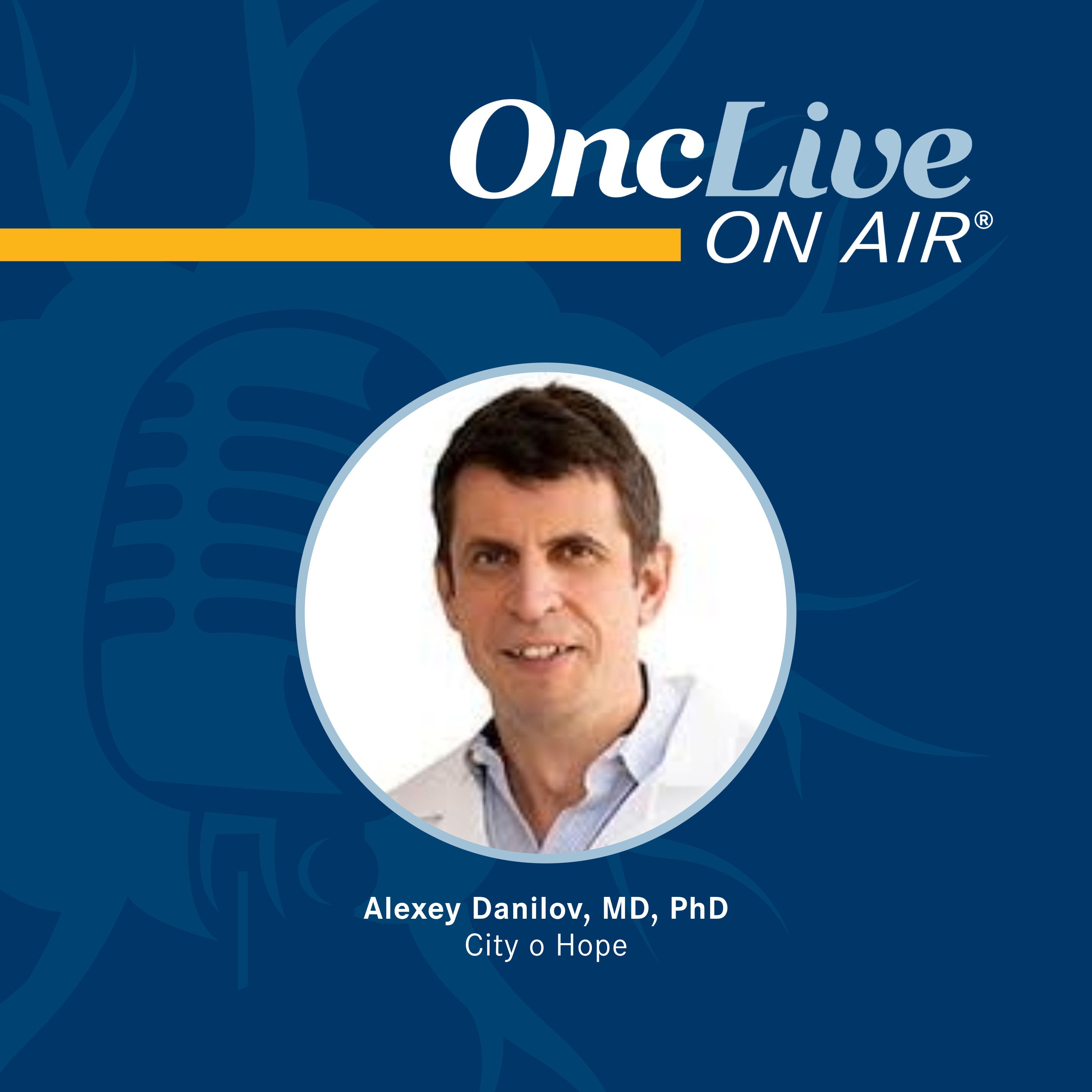
S13 Ep 18S13 Ep18: Conversations About BTK Inhibitors and CAR T-Cell Therapies Bridge Gaps in Leukemia and Lymphoma: With Alexey Danilov, MD, PhD
In today’s episode, we had the pleasure of speaking with Alexey Danilov, MD, PhD, about current challenges and emerging treatment approaches for the management of leukemia and lymphoma that were published in a manuscript based on proceedings from the inaugural Bridging the Gaps in Leukemia, Lymphoma, and Multiple Myeloma Conference. Dr Danilov is the Marianne and Gerhard Pinkus Professor of Early Clinical Therapeutics, medical director of the Early Phase Therapeutics Program for the Systems Clinical Trials Office, co-director of the Toni Stephenson Lymphoma Center, and a professor in the Division of Lymphoma in the Department of Hematology & Hematopoietic Cell Transplantation at City of Hope in Duarte, California.In our exclusive interview, Dr Danilov highlighted recent advances and controversies in the treatment of select patients with hematologic malignancies. He noted chemotherapy-free regimens that are shifting treatment paradigms in mantle cell lymphoma, preferred and emerging BTK inhibitors for the management of chronic lymphocytic leukemia, and the evolution of CD19-directed CAR T-cell therapies for diffuse large B-cell lymphoma. Dr Danilov concluded by taking a forward glance at future developments like BTK degraders and novel CAR T-cell therapy targets.

S13 Ep 17S13 Ep17: 42nd Annual Miami Breast Cancer Conference® Podcast: OncLive On Air CE, Powered by PER
Episode Description In this podcast, expert Hope Rugo, MD, discusses her approach to treating patients with hormone receptor–positive/HER2-negative breast cancer from the early-stage to metastatic disease. Consideration of these complex clinical scenarios taken from tumor board discussions at the 42nd Annual Miami Breast Cancer Conference® highlight evolving strategies in breast cancer care and clinical decision-making. Acknowledgment of Educational Grant Support This activity is supported by educational grants from Exact Sciences Corporation; Lilly; Merck & Co, Inc; Novartis; PreludeDx; Puma Biotechnology, Inc; and Varian Medical Systems, Inc. Today’s faculty is: Hope S. Rugo, MD, FASCO Director, Women’s Cancers Program Division Chief, Breast Medical Oncology Professor, Department of Medical Oncology & Therapeutics Research City of Hope Comprehensive Cancer Center Duarte, CA Professor Emeritus, UCSF Disclosures: Grant/Research Support: Ambrx; AstraZeneca; Daiichi Sankyo, Inc; F. Hoffmann-La Roche AG/Genentech, Inc; Gilead Sciences, Inc; Lilly; Merck & Co, Inc; Novartis Pharmaceuticals Corporation; OBI Pharma; Pfizer; Stemline Therapeutics. Consultant: Napo Therapeutics; Puma Biotechnology; Sanofi. Honoraria: Chugai; Mylan/Viatris. The staff of Physicians’ Education Resource®, LLC, have no relevant financial relationships with ineligible companies. PER® mitigated all COI for faculty, staff, and planners prior to the start of this activity by using a multistep process. Off-Label Disclosure and Disclaimer This activity may or may not discuss investigational, unapproved, or off-label use of drugs. Learners are advised to consult prescribing information for any products discussed. The information provided in this accredited activity is for continuing education purposes only and is not meant to substitute for the independent clinical judgment of a health care professional relative to diagnostic, treatment, or management options for a specific patient’s medical condition. The opinions expressed in the content are solely those of the individual faculty members and do not reflect those of PER® or any company that provided commercial support for this activity. Release Date June 20, 2025 Expiration Date June 20, 2026

S13 Ep 16S13 Ep16: Liquid Imatinib Formulation Expands Leukemia Treatment Options and Improves Treatment Adherence: With Kate Gasparini, PharmD, BCOP, BCPPS
In today’s episode, supported by Shorla Oncology, we had the pleasure of speaking with Kate Gasparini, PharmD, BCOP, BCPPS, about the use of the oral formulation of imatinib (Imkeldi) for pediatric and adult patients with select leukemias and other malignancies. Gasparini is a pediatric oncology clinical pharmacy specialist at Memorial Sloan Kettering Cancer Center in New York, New York.In our exclusive interview, Gasparini discussed her role as a clinical pharmacy specialist in pediatric oncology, emphasizing her work in patient care, medication reviews, and supportive care. She also noted challenges in administering treatments to patients with dysphagia and emphasized the need for liquid formulations of common therapies. She explained the significance of the availability of the liquid formulation of imatinib, sharing its benefits for patients who struggle with swallowing. Gasparini also addressed potential barriers to accessing this medication, such as insurance coverage limitations, as well as the importance of considering the volume and palatability of liquid formulations to avoid adverse effects and ensure treatment adherence.

S13 Ep 15S13 Ep15: The Expanding Role of AR Inhibition in mHSPC Management: With Alicia Morgans, MD, MPH
In our exclusive interview, Dr Morgans detailed the evolving role of AR inhibitors in the mHSPC setting, including the recent expanded approval for darolutamide (Nubeqa) for this population. She discussed treatment considerations for determining whether to give docetaxel along with darolutamide; other factors to remember with AR inhibition; and the need to continue driving consensus across practices in the management of prostate cancer.
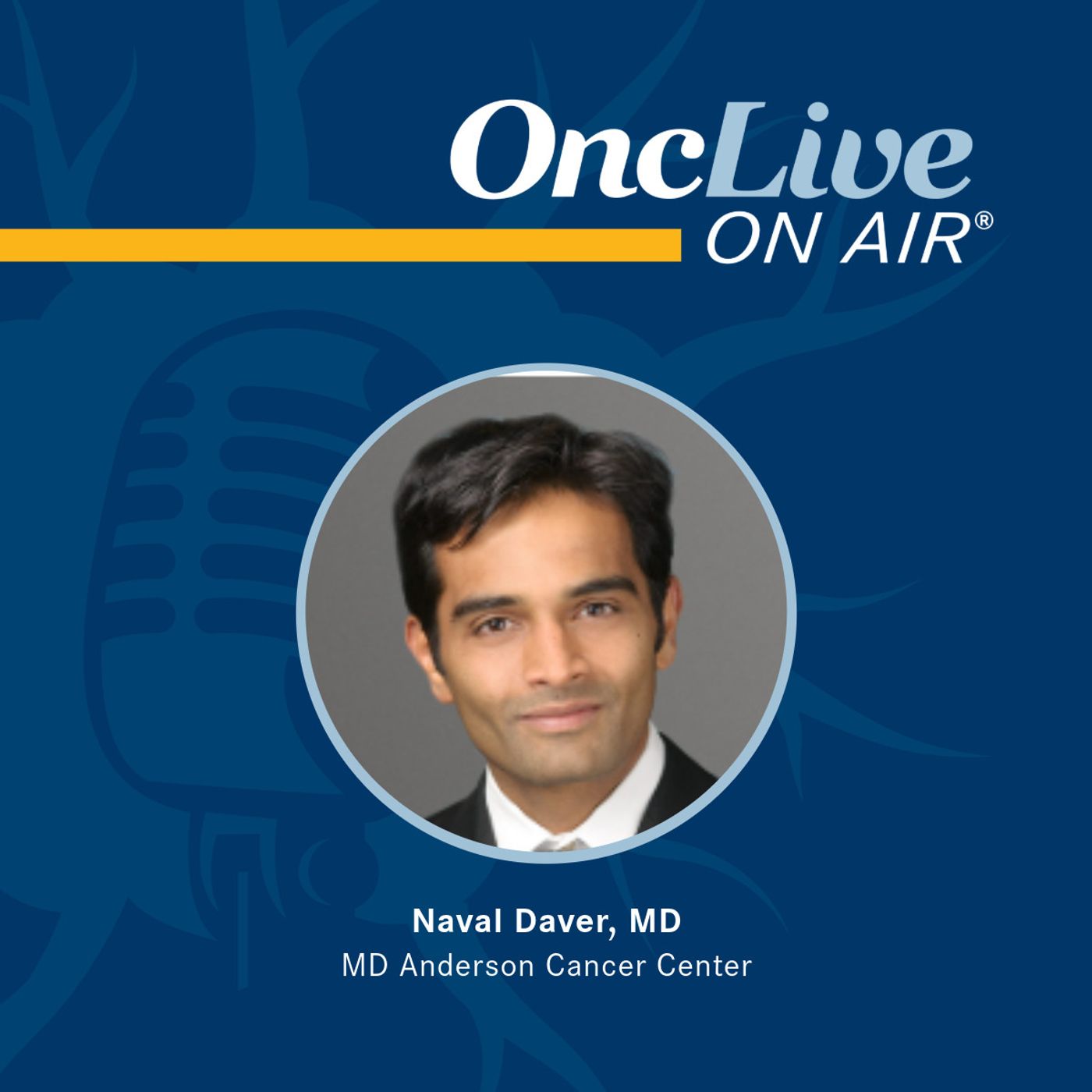
S13 Ep 14S13 Ep14: Revumenib Shows Promise Across Menin-Sensitive AML Subtypes and Could Shift Treatment Paradigms: With Naval Daver, MD
In today’s episode, we spoke with Naval Daver, MD, about the evolving role of menin inhibition in acute myeloid leukemia (AML) and emerging data with revumenib (Revuforj) presented across ongoing clinical trials. Dr Daver is a professor in the Department of Leukemia and director of the Leukemia Research Alliance Program at The University of Texas MD Anderson Cancer Center in Houston, Texas.
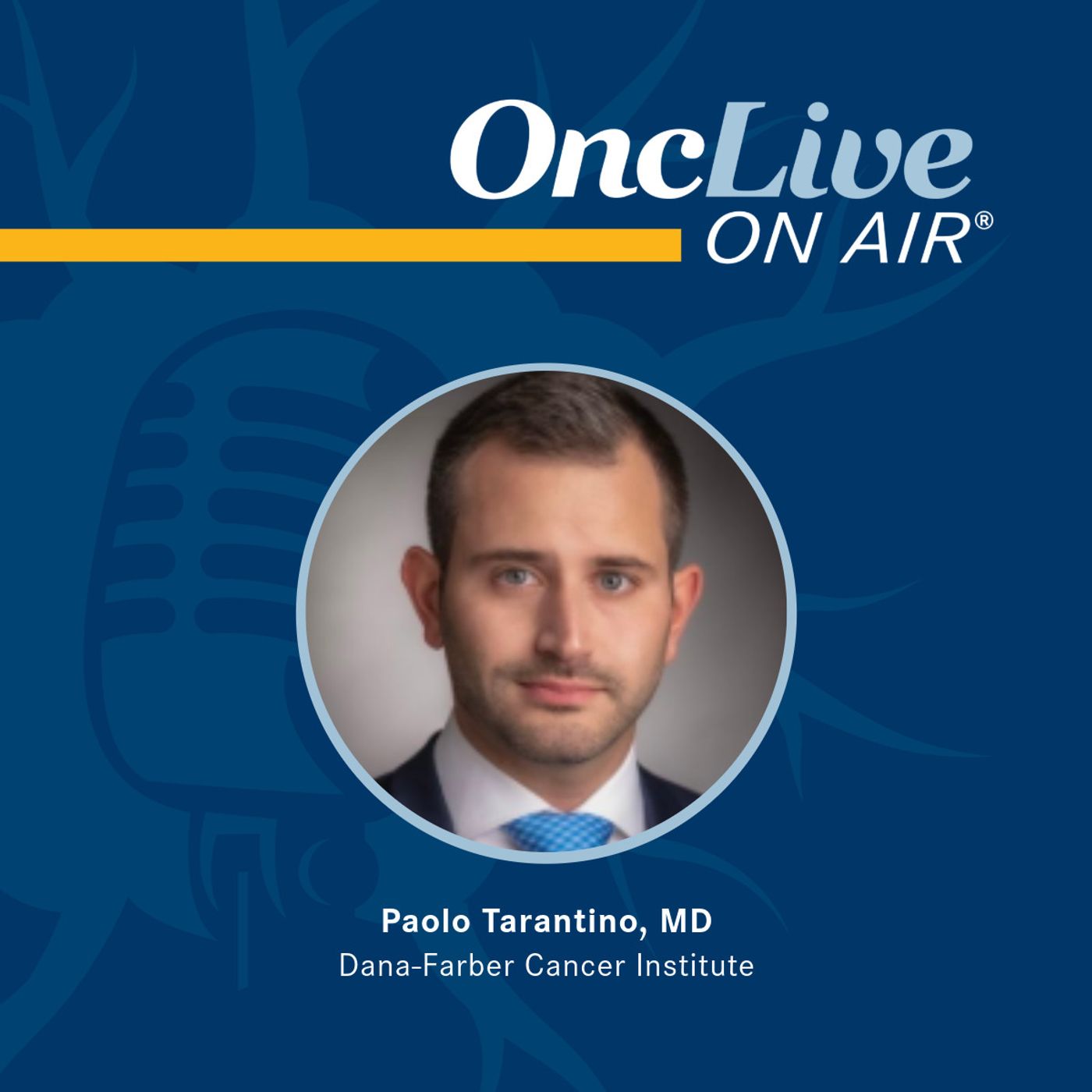
S13 Ep 13S13 Ep13: T-DXd Plus Pertuzumab Could Redefine First-Line HER2+ Breast Cancer Management: With Paolo Tarantino, MD
In today’s episode, we spoke with Paolo Tarantino, MD, about key updates in HER2-positive breast cancer presented at the 2025 ASCO Annual Meeting
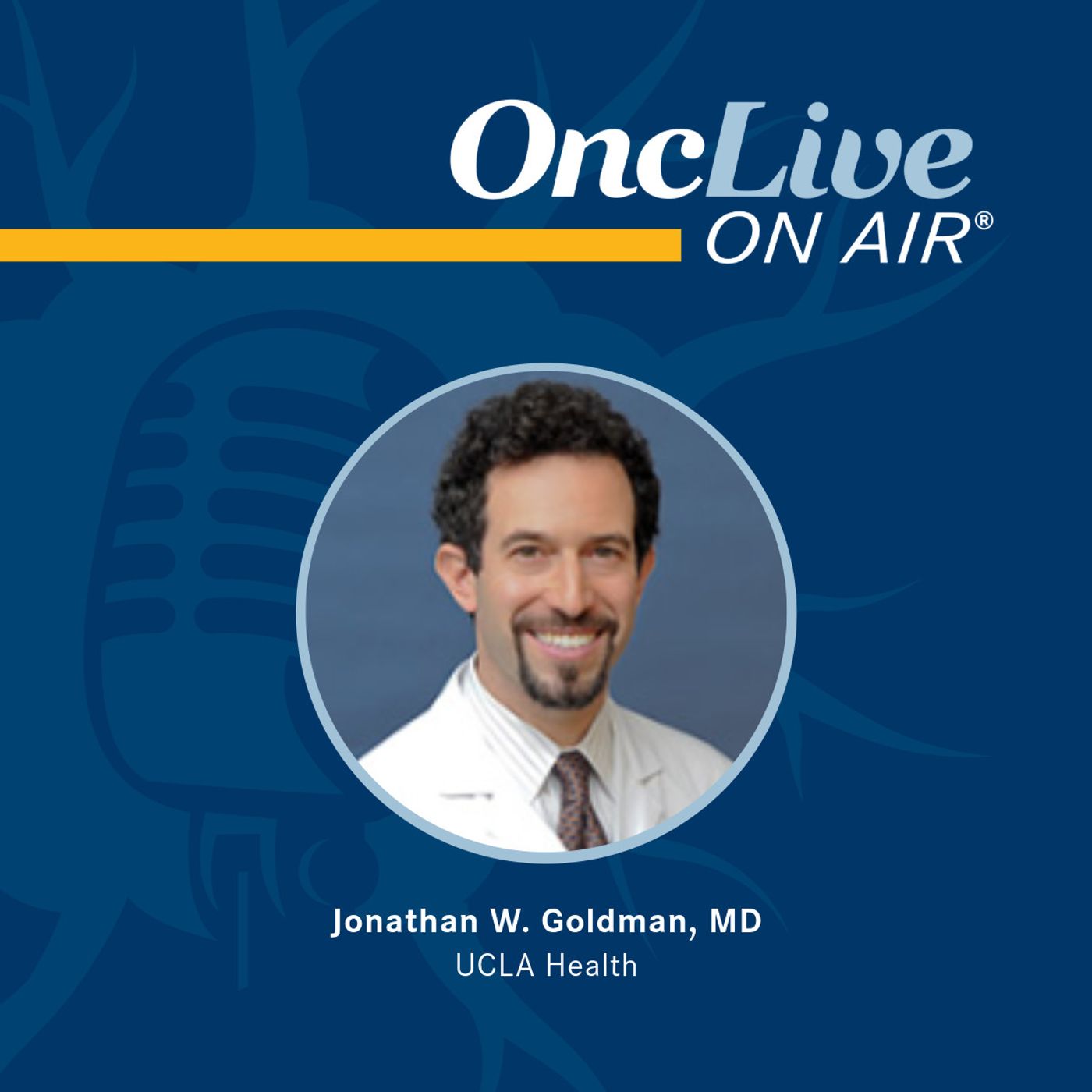
S13 Ep 12S13 Ep12: Telisotuzumab Vedotin Shakes Up Management of Pretreated, c-MET–Overexpressing NSCLC: With Jonathan W. Goldman, MD
In today's episode, we spoke with Jonathan W. Goldman, MD, about the phase 2 LUMINOSITY study (NCT03539536) evaluating telisotuzumab vedotin-tllv (Teliso-V; Emrelis) in patients with c-MET protein–overexpressing, nonsquamous, EGFR wild-type advanced non–small cell lung cancer (NSCLC). Dr Goldman is a professor of medicine in the Division of Hematology/Oncology at UCLA, as well as director of Clinical Trials in Thoracic Oncology, associate director of Early Drug Development, and chair of the University of California Lung Cancer Consortium.

S13 Ep 11S13 Ep11: Collaborative Structural Reforms Represent a Way Forward for Oncology Innovations: With Elizabeth Mittendorf, MD, PhD, MHCM
In today’s episode, we sat down for part 2 of our discussion with Elizabeth Mittendorf, MD, PhD, MHCM, the 2026-2027 president-elect of the American Society of Clinical Oncology (ASCO). Dr Mittendorf holds numerous leadership roles, including the Robert and Karen Hale Distinguished Chair in Surgical Oncology and vice chair for research in the Department of Surgery at Brigham and Women's Hospital; co-leader of the Breast Program and director of the Breast Immuno-Oncology Program at the Dana-Farber Brigham Cancer Center; co-leader of the Parker Institute for Cancer Immunotherapy at the Dana-Farber Cancer Institute; and a professor of surgery at Harvard Medical School, all in Boston, Massachusetts.In this discussion, Dr Mittendorf shared how ASCO is strategically preparing to address the long-term implications of proposed federal research funding cuts. She emphasized the significant return on investment generated by sustained NIH support, underscoring its role in fostering scientific innovation and stimulating the broader economy. She also advocated for structural reforms to be developed collaboratively with researchers, institutions, and policymakers to ensure continued progress in oncology is maintained, particularly in underfunded areas, such as prevention research.Dr Mittendorf also previewed her broader vision for ASCO, including expanding global collaboration and advancing equitable access to cancer care. She noted that these efforts will be complemented by continued emphasis on multidisciplinary care delivery and mentorship, which she discussed in more detail in part one of our conversation.
S13 Ep 10S13 Ep10: Updates and Innovations in Non-Opioid Pain Management Strategies for Breast Cancer Patients Post-Surgical Intervention
This PER® featured podcast includes a discussion with 3 experts on best practices for integrating opioid-sparing strategies into the treatment paradigm along with updates including the 2025 NOPAIN Act. The panel includes members of the care team including the surgical oncologist and anesthesiologist. This program is designed to help clinicians recognize the impact and potential harm of widespread opioid use for pain management following breast cancer surgeries and identify and understand strategies that can be implemented to mitigate the use of opioids to improve patient outcomes.