
OncLive® On Air
609 episodes — Page 4 of 13
S16 Ep 10S16 Ep10: Optimizing TKI Sequencing and Ponatinib Dosing Strategies in CML: With Quinto Gesiotto, MD
In today’s episode, we welcomed Quinto Gesiotto, MD, a malignant hematologist at Tampa General Hospital in Florida.In the exclusive interview, Dr Gesiotto explored the evolving role of TKIs in the treatment of patients with chronic myeloid leukemia (CML), including dosing patterns for ponatinib (Iclusig) in those with CML and other TKI data to emerge in the CML space at the 2025 ASH Annual Meeting and Exposition. Dr Gesiotto also provided detail on emerging data on novel strategies and agents, along with genetic mutations beyond BCR-ABL1 T315I the could drive more personalized treatment sequencing and improved risk stratification in CML in the future.
S16 Ep 9S16 Ep9: A Thoracic Oncologist’s Journey from Iran to Innovation: With Girindra Raval, MD; and Hossein Borghaei, DO, MS
Cancer, Character, and Calling: The Oncologist’s Journey, hosted by Girindra Raval, MD, is a podcast highlighting how top oncologists have navigated the field over the course of their careers, the passion that drove them to enter the oncology space, and the ongoing work that will continue to transform cancer care. Each episode, Raval will sit down with a top oncologist to dive into their background, highlight their career achievements, discuss key issues still being addressed in their field, and explore their interests outside of the clinic and lab.In this episode, Raval welcomed Hossein Borghaei, DO, MS, who is the chief of the Division of Thoracic Medical Oncology, the codirector of the Immune Monitoring Facility, the Gloria and Edmund M. Dunn Chair in Thoracic Oncology, and a professor in the Department of Hematology/Oncology at Fox Chase Cancer Center in Philadelphia, Pennsylvania. Their conversation focused on Borghaei’s personal journey into medicine and oncology, highlighting how immigration, mentorship, and scientific curiosity shaped his career and philosophy of patient care.Reflecting on his career, Borghaei described major advances in the field of lung cancer treatment, including targeted therapies and immunotherapy, which he witnessed firsthand. He emphasized that clinical observation and collaboration have driven progress in this area of oncology and will continue to do so. He believes immunotherapy still holds untapped potential and that future breakthroughs will come through continued scientific cooperation.Borghaei advised trainees to persist throughout their careers despite rejection, seek mentorship, and remain committed to improvement. He views artificial intelligence as a powerful tool for research and diagnostics but not a replacement for physicians, emphasizing the irreplaceable value of human connection in patient care. Throughout the interview, he stressed optimism, compassion, and lifelong learning as essential qualities for oncologists, highlighting the profound relationships formed with patients even in the most difficult moments.
S16 Ep 8S16 Ep8: ASCO GU 2026 Preview
Two Onc Docs, hosted by Samantha A. Armstrong, MD, and Karine Tawagi, MD, is a podcast dedicated to providing current and future oncologists and hematologists with the knowledge they need to ace their boards and deliver quality patient care. Dr Armstrong is a hematologist/oncologist and assistant professor of clinical medicine at Indiana University Health in Indianapolis. Dr Tawagi is a hematologist/oncologist and assistant professor of clinical medicine at the University of Illinois in Chicago.In this episode, OncLive On Air® partnered with Two Onc Docs to highlight anticipated data from the upcoming 2026 Genitourinary Cancers Symposium, noting presentations to watch at sessions on prostate cancer, bladder cancer, and renal cell carcinoma (RCC).For prostate cancer, the experts revealed that they're looking forward to seeing updated results from the phase 3 PEACE-3 trial (NCT02194842) of enzalutamide (Xtandi) plus radium-223 in patients with metastatic castration-resistant prostate cancer (mCRPC), noting that bone-protecting agents are mandatory for patients receiving radium-223. They also pointed to overall survival data from the phase 2 BRCAAway trial (NCT03012321) of abiraterone (Zytiga) plus prednisone and olaparib (Lynparza) for patients with mCRPC harboring BRCA or ATM alterations. Additionally, they spotlighted the phase 3 PEACE 2 trial (NCT01952223), which explores moving chemotherapy into the localized prostate cancer setting.Regarding bladder cancer, they identified the phase 3 KEYNOTE-B15 trial (NCT04700124) as a potentially practice-changing trial evaluating perioperative enfortumab vedotin-ejfv (Padcev) plus pembrolizumab (Keytruda) in cisplatin-eligible patients with muscle-invasive bladder cancer. They also noted that circulating tumor DNA data are a significant trend, appearing in several clinical trials to guide response-adapted management.For RCC, the hosts highlighted the phase 3 LITESPARK-011 (NCT04586231) and LITESPARK-022 (NCT05239728) trials, which are evaluating the HIF-2α inhibitor belzutifan (Welireg) in different RCC populations. They also emphasized the importance of the CLIMATE study (ACTRN12622000247774) for detecting residual disease in patients with testicular cancer.
S16 Ep 7S16 Ep7: Answering Common Questions About Chondrosarcoma Diagnosis and Management: With Hari Desphande, MD, and Philippos Costa, MD
Welcome to OncLive On Air®! I’m your host today, Courtney Flaherty.OncLive On Air is a podcast from OncLive®, which provides oncology professionals with the resources and information they need to provide the best patient care. In both digital and print formats, OncLive covers every angle of oncology practice, from new technology to treatment advances to important regulatory decisions.In today’s episode, Philippos Costa, MD, and Hari Deshpande, MD sat down to discuss and answer frequently asked questions about chondrosarcoma in honor of International Chondrosarcoma Awareness Day. This included common pitfalls in the diagnostic process for this rare, heterogenous bone malignancy; the central role of surgery as the primary treatment for localized chondrosarcoma; and the potential application of IDH1-targeted therapy, DR5 agonists, and other emerging targeted therapies in this sarcoma subtype.Dr Deshpande is an associate professor of medicine, clinical research team leader in sarcoma, and the director of Medical Oncology Inpatient Consult Service in the Section of Medical Oncology at Yale School of Medicine. Dr Costa is an oncologist and assistant professor of medicine (Medical Oncology and Hematology) at Yale School of Medicine._____That’s all we have for today! Thank you for listening to this episode of OncLive On Air. Check back throughout the week for exclusive interviews with leading experts in the oncology field.For more updates in oncology, be sure to visit www.OncLive.com and sign up for our e-newsletters.OncLive is also on social media. On X and BlueSky, follow us at @OncLive. On Facebook, like us at OncLive, and follow our OncLive page on LinkedIn.If you liked today’s episode of OncLive On Air, please consider subscribing to our podcast on Apple Podcasts, Spotify, and many of your other favorite podcast platforms,* so you get a notification every time a new episode is posted. While you are there, please take a moment to rate us!Thanks again for listening to OncLive On Air.*OncLive On Air is available on: Apple Podcasts, Spotify, CastBox, Podcast Addict, Podchaser, RadioPublic, and TuneIn.This content is a production of OncLive. The current episode was filmed in advance of Chondrosarcoma Day, observed on February 6, 2026
S16 Ep 6S16 Ep6: FDA Approval Insights: Subcutaneous Amivantamab for EGFR-Mutated NSCLC: With Alexander I. Spira, MD, PhD, FACP, FASCO
In today’s episode, we spoke with Alexander I. Spira, MD, PhD, FACP, FASCO. Dr Spira is co-director of the Virginia Cancer Specialists (VCS) Research Institute in Fairfax, director of the VCS Thoracic and Phase I Program, chief scientific officer of NEXT Oncology, and a clinical assistant professor at Johns Hopkins University in Baltimore, Maryland.In our exclusive interview, Dr Spira discussed the significance of the December 2025 FDA approval of amivantamab and hyaluronidase-lpuj (Rybrevant Faspro), also known as subcutaneous amivantamab, for the treatment of patients with EGFR-mutated non–small cell lung cancer (NSCLC) across all approved indications for amivantamab-vmjw (Rybrevant). He noted key data from the pivotal phase 3 PALOMA-3 trial (NCT05388669), which showed that subcutaneous amivantamab combined with lazertinib (Lazcluze) had a more favorable safety profile compared with intravenous (IV) amivantamab plus lazertinib and was noninferior to the IV formulation in terms of efficacy. Dr Spira contextualized these trial findings within the larger EGFR-mutated NSCLC treatment paradigm and explained how this formulation of amivantamab addresses a previously unmet patient need.
S16 Ep 5S16 Ep5: Cases & Conversations™: Unmasking Epithelioid Sarcoma – Enhancing Early Diagnosis and Multidisciplinary Care
In this podcast, experts Mark Agulnik, MD; Sandra D’Angelo, MD; Mrinal M. Gounder, MD; and Sujana Movva, MD; discuss the complexities of diagnosing epithelioid sarcoma (ES) in a timely manner and the importance of multidisciplinary care in treating this disease at all stages.
S16 Ep 4S16 Ep4: Comprehensive Ph+ ALL Paradigm Knowledge Informs Frontline Ponatinib Use: With Nicholas Short, MD
In today’s episode, we spoke with Nicholas Short, MD. Dr Short is an associate professor in the Department of Leukemia of the Division of Cancer Medicine at the University of Texas MD Anderson Cancer Center in Houston.In our exclusive interview, Dr Short discussed evolving factors at play for the treatment of patients with Philadelphia chromosome (Ph)–positive acute lymphoblastic leukemia (ALL). He also noted how the TKI ponatinib (Iclusig) stacks up against other TKIs for Ph-positive ALL, in addition to evolving approaches that incorporate treatments like blinatumomab (Blincyto).
S16 Ep 3S16 Ep3: Third-Line Treatment Selection in mCRC Is Shaped By Recalibration of Patient Priorities and Molecular Retesting: With Christopher Lieu, MD
Christopher Lieu, MD, expands on current treatment strategies and factors informing third-line sequencing decisions in mCRC.
S16 Ep 2S16 Ep2: “D” is for Diagnosis: Decoding a Difficult Thoracic Malignancy—Piecing Together a Rare Diagnosis, Preparing for Tomorrow’s Treatments
In this podcast, experts Aakash Desai, MBBS, MPH; Ibiayi Dagogo-Jack, MD; and Patrick Forde, MBBCh, PhD, discuss how to decode the diagnosis of malignant pleural mesothelioma and review data to optimize frontline and subsequent treatment of this rare malignancy.
S16 Ep 1S16 Ep1: Targeted Therapies Take Center Stage for Estrogen Receptor–Positive Breast Cancer: With Aditya Bardia, MD, MPH, FASCO
In today’s episode, our discussion features Aditya Bardia, MD, MPH, FASCO. Dr Bardia is a professor in the Department of Medicine in the Division of Hematology/Oncology, the director of Translational Research Integration, and a member of Signal Transduction and Therapeutics at the UCLA Health Jonsson Comprehensive Cancer Center in Los Angeles, California.In our exclusive interview, Dr Bardia discussed key findings from the phase 3 lidERA Breast Cancer study (NCT04961996) showing the invasive disease–free survival superiority of giredestrant (GDC-9545) over standard endocrine therapy in patients with estrogen receptor–positive, HER2-negative early breast cancer. Our discussion also covered the ongoing phase 3 INAVO123 trial (NCT06790693), which is investigating inavolisib (Itovebi) plus CDK4/6 inhibitors and letrozole in patients with endocrine-sensitive, PIK3CA-mutated breast cancer. Dr Bardia also emphasized the importance of testing for ESR1 and PIK3CA mutations in order to better personalize treatment.
S15 Ep 50S15 Ep50: Bladder Cancer Experts Note Implications of Upfront Enfortumab Vedotin Dose Reduction in Advanced Urothelial Carcinoma: With Ramy Sedhom, MD; Ryan Chow, MD; and Ronac Mamtani, MD, MSCE
In today’s OncClub episode, we spoke with Ramy Sedhom, MD; Ryan Chow, MD; and Ronac Mamtani, MD, MSCE, about a pragmatic real-world question in advanced urothelial carcinoma: Can upfront dose reduction of enfortumab vedotin-ejfv (Padcev) improve tolerability, particularly neuropathy and treatment interruption, without compromising clinical outcomes in patients with bladder cancer? Dr Sedhom is co-lead of Geriatric Oncology at the Penn Cancer Service Line; associate director of the Penn Center for Cancer Care Innovation; and clinical director of Medical Oncology, co-lead of Psychosocial Oncology Services, division chief of the Palliative Care Division, and a clinical assistant professor of medicine (hematology-oncology) at Penn Medicine Princeton Health in Plainsboro, New Jersey. Dr Chow is an internal medicine resident at Penn Medicine in Philadelphia, Pennsylvania. Dr Mamtani is section chief of Genitourinary Cancers at Penn Medicine and an associate professor of medicine (hematology-oncology) at the Hospital of the University of Pennsylvania.
S15 Ep 49S15 Ep49: Innovation, Equity, and the Future of Oncology: World Cancer Day Spotlight With Deb Schrag, MD, MPH
In today’s episode, recorded in recognition of World Cancer Day, we spoke with Deb Schrag, MD, MPH. Dr Schrag is a medical oncologist at Memorial Sloan Kettering Cancer Center and a nationally recognized leader in cancer outcomes research, health equity, and evidence-based care delivery.In our exclusive interview, Dr Schrag discussed the importance of standardizing high-quality cancer care, addressing inequities in access and outcomes, and how the oncology community can work together to ensure that advances in cancer treatment translate into meaningful benefits for all patients.
S15 Ep 48S15 Ep48: Multidisciplinary Teams Optimize Surgical and Therapeutic Roles in Advanced CSCC Care: With Eric Whitman, MD; and Vishal Patel, MD, FAAD, FACMS
In today’s episode, our discussion features Eric Whitman, MD; and Vishal Patel, MD, FAAD, FACMS. Dr Whitman is medical director of the oncology service line with Atlantic Health System in Morristown, New Jersey. Dr Patel is an associate professor of dermatology and medicine at the GW School of Medicine & Health Sciences, as well as the director of the Cutaneous Oncology Program at the GW Cancer Center in Washington, DC. In our exclusive interview, Drs Whitman and Patel discussed the evolving treatment paradigm for patients with cutaneous squamous cell carcinoma (CSCC), emphasizing the role of neoadjuvant and adjuvant immunotherapies like cemiplimab and pembrolizumab. They noted that key factors for surgical candidacy include tumor size, location, and patient factors like age and comorbidities. They also emphasized that multidisciplinary collaboration is crucial for optimal outcomes. Furthermore, they highlighted future directions for CSCC management, including personalized medicine, genetic testing for recurrence risk, and expanding immunotherapy use to immunosuppressed patients. They also noted that ongoing trials aim to optimize treatment doses and explore new immunotherapy combinations.

S15 Ep 47S15 Ep47: ASCENT-07 Trial Propels Further Questions About the Role of Earlier-Line ADCs in HR+ Metastatic Breast Cancer: With Komal Jhaveri, MD, FACP
In today’s episode, the discussion features Komal Jhaveri, MD, FACP, a breast medical oncologist at Memorial Sloan Kettering Cancer Center, who reviewed the evolving role of TROP2-directed antibody–drug conjugates (ADCs) in the management of hormone receptor (HR)–positive, HER2-negative metastatic breast cancer. She drew on findings from the phase 3 ASCENT-07 trial (NCT05840211), which evaluated sacituzumab govitecan-hziy (Trodelvy) in the first-line setting following endocrine therapy for patients with HR-positive, HER2-negative metastatic breast cancer.In this exclusive interview, Dr Jhaveri discussed the rationale for evaluating sacituzumab govitecan earlier in the treatment paradigm, summarized key efficacy outcomes from ASCENT-07, and contextualized why the trial did not meet its primary progression-free survival end point. She also highlighted how disease biology and patient selection may influence outcomes when ADCs are moved into earlier lines of therapy, and outlined practical considerations for toxicity management and future trial design as the TROP2 ADC landscape continues to evolve.asts, Spotify, and many of your other favorite podcast platforms,* so you get a notification every time a new episode is posted. While you are there, please take a moment to rate us!
S15 Ep 46S15 Ep46: Expanded BTK Inhibitor Research Directs the Evolution of Pirtobrutinib Use in CLL: With Andrew Lipsky, MD
In today’s episode, Andrew Lipsky, MD, reviewed recent updates with BTK inhibitors in the chronic lymphocytic leukemia (CLL) treatment paradigm, including the clinical significance of the December 2025 FDA approval of pirtobrutinib (Jaypirca) in relapsed/refractory CLL and its effect on sequencing decisions for this disease. Dr Lipsky is an assistant professor of medicine at the Columbia University Medical Center in New York, New York.In the exclusive interview, Dr Lipsky expanded on the positioning of this agent within the evolving CLL treatment paradigm and patient characteristics that may inform its use in practice; key efficacy and safety findings from a pooled analysis of the phase 3 BRUIN CLL-321 (NCT04666038) and phase 1/2 BRUIN LOXO-BTK-18001 (NCT03740529) studies presented during the 2025 ASH Annual Meeting; and the evolving role of BTK inhibitors as a whole in CLL management.
S15 Ep 45S15 Ep45: Early, Reflex Biomarker Testing Is Critical to Optimizing NSCLC Treatment Decisions Across Disease Stages: With Adam Fox, MD, and Cynthia A. Schandl, MD, PhD
In today’s episode, the discussion features Adam Fox, MD, an assistant professor in the Department of Medicine at the College of Medicine at the Medical University of South Carolina in Charleston, and Cynthia A. Schandl, MD, PhD, medical director of clinical laboratories and director of the Division of Clinical Pathology in the College of Medicine at the Medical University of South Carolina, who examined the expanding role of biomarker testing and genomic profiling in non–small cell lung cancer (NSCLC) across disease stages
S15 Ep 44S15 Ep44: Subcutaneous Isatuximab via On-Body Injector Has Noninferior Efficacy vs IV Delivery in Myeloma: With Sikander Ailawadhi, MD; and Beth Faiman, CNP, PhD
In today’s episode, the discussion features Sikander Ailawadhi, MD, and Beth Faiman, CNP, PhD, who provided clinical perspectives on the ongoing development of subcutaneous isatuximab-irfc (Sarclisa) administration via an on-body injector for patients with multiple myeloma. Dr Ailawadhi is a professor of medicine, a consultant in the Division of Hematology/Oncology in the Department of Internal Medicine, and a consultant in the Department of Cancer Biology at the Mayo Clinic Comprehensive Cancer Center in Jacksonville, Florida. Dr Faiman is a nurse practitioner in the Department of Hematology/Oncology at Cleveland Clinic and a member of the Cancer Prevention, Control and Population Research Program at the Case Comprehensive Cancer Center, both in Cleveland, Ohio.
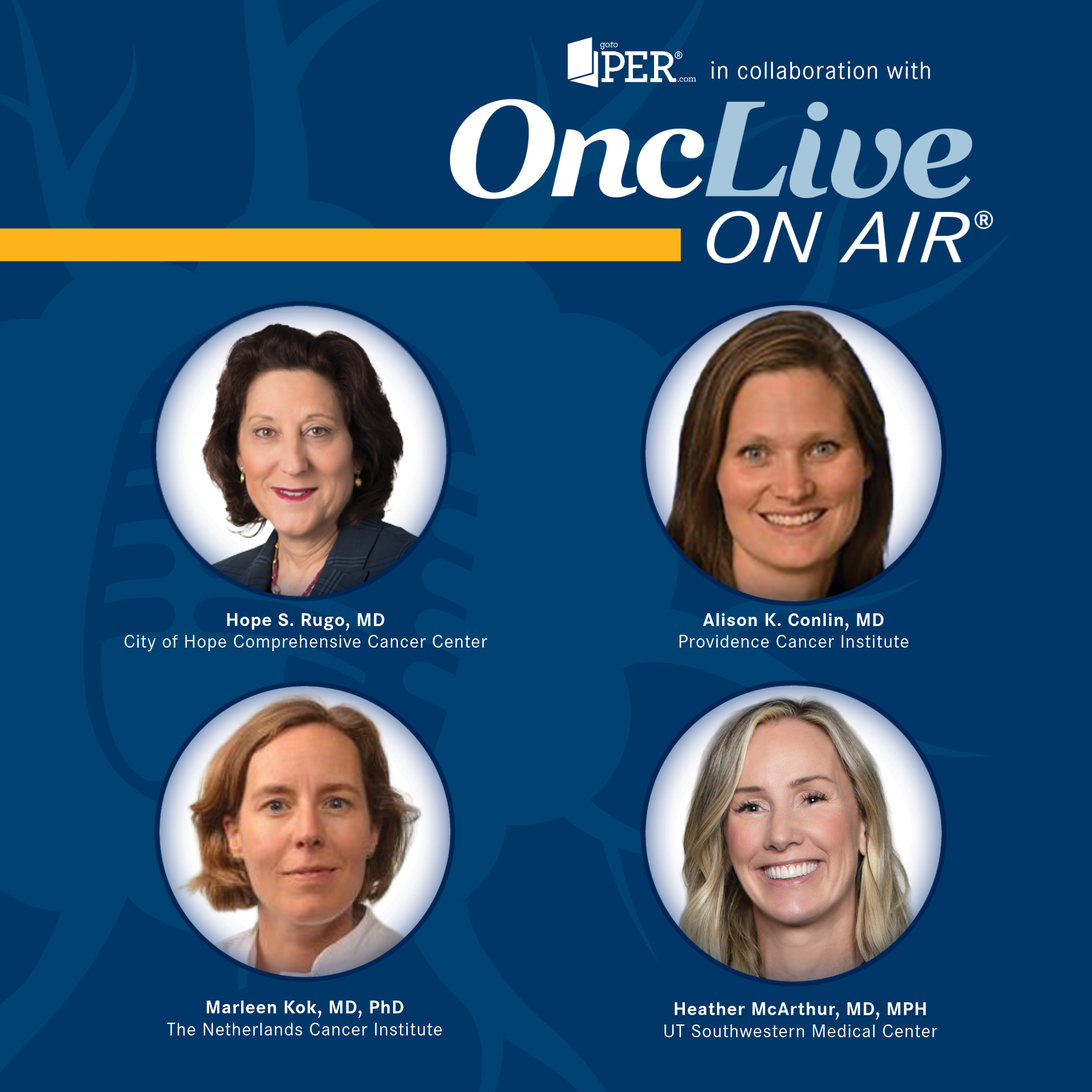
S15 Ep 43S15 Ep43: Medical Crossfire®: The Who, When, and How of TROP2-Targeting ADCs, ICIs, and PARP Inhibition in Triple-Negative Breast Cancer
In this podcast, experts Drs. Hope Rugo, Alison Conlin, Marleen Kok and Heather McArthur discuss results of recent pivotal clinical trials and their impact on current and evolving treatment paradigms for patients with metastatic triple-negative breast cancer.
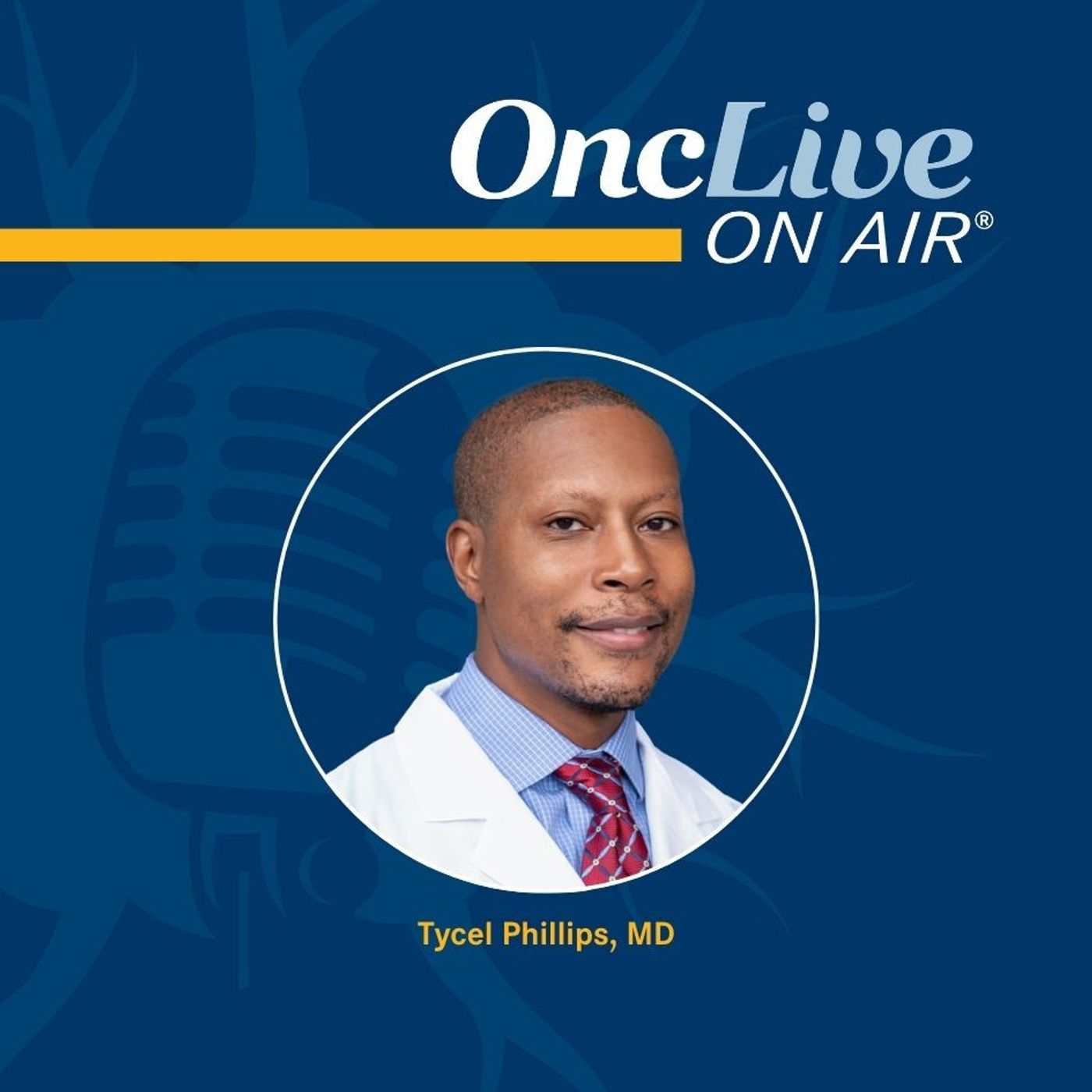
S15 Ep 42S15 Ep42: Long-Term Epcoritamab Data Show Durable Responses and Confirmed Safety in LBCL: With Tycel Phillips, MD
In today’s episode, our discussion features Tycel Phillips, MD. Dr Phillips is an associate professor in the Department of Hematology and Hematopoietic Cell Transplantation in the Division of Lymphoma at City of Hope in Duarte, California.In our exclusive interview, Dr Phillips discussed updated efficacy and safety data from the phase 2 EPCORE NHL-1 trial (NCT03625037) investigating epcoritamab-bysp (Epkinly) monotherapy in patients with relapsed/refractory large B-cell lymphoma (LBCL). He noted that the data, which were presented at the 2025 ASH Annual Meeting, showed that several patients remained in response beyond 4 years, and that no new major safety signals were reported. Overall, he highlighted that the trial findings continue to support the use of epcoritamab as a third-line, potentially curative option for patients with LBCL. He also spotlighted the promise of synergistic polatuzumab vedotin-piiq (Polivy)–based combinations in the management of non-Hodgkin lymphoma.
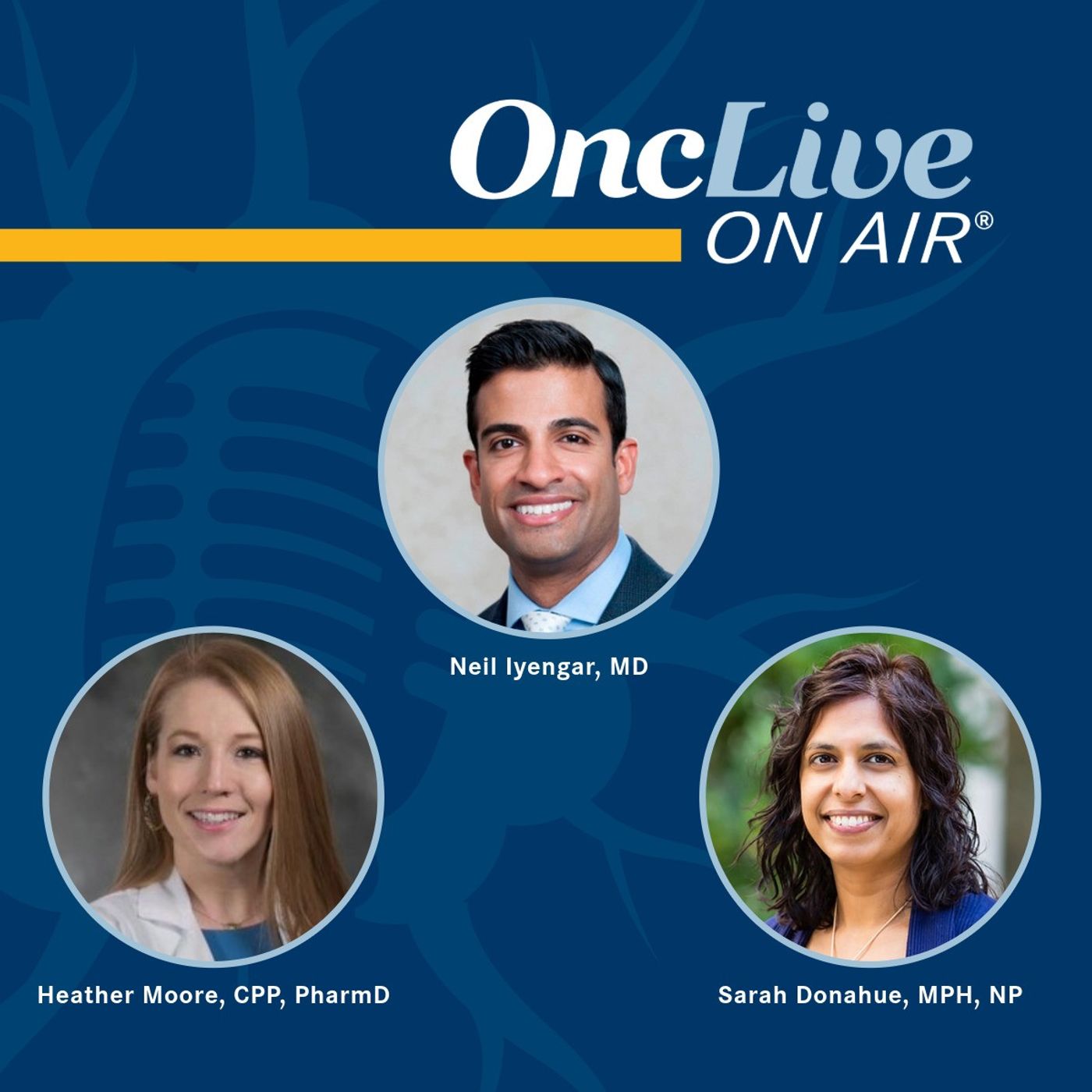
S15 Ep 41S15 Ep41: Multidisciplinary Breast Cancer Experts Outline Proactive Strategies for Managing Treatment-Related Toxicities: With Neil Iyengar, MD; Heather Moore, CPP, PharmD; and Sarah Donahue, MPH, NP
In today’s episode, Neil Iyengar, MD, moderated an OncLive Insights discussion about adverse effect management when using breast cancer therapies targeting the PI3K, AKT, and mTOR pathways. Dr Iyengar is an associate professor in the Department of Hematology and Medical Oncology and co-director of Breast Medical Oncology in the Department of Hematology and Medical Oncology at Emory University School of Medicine; as well as director of Survivorship Services at the Winship Cancer Institute of Emory University in Atlanta, Georgia. He was joined by Heather Moore, CPP, PharmD, a clinical pharmacist practitioner at the Duke Cancer Center Breast Clinic in Durham, North Carolina; and Sarah Donahue, MPH, NP, a nurse practitioner at the University of California San Francisco Health. In our exclusive discussion, the experts highlighted the importance of early and comprehensive testing (using both tissue and liquid biopsies) for genetic alterations to guide treatment decisions. They also noted strategies for managing diarrhea, including patient education on diet, proactive use of loperamide, and regular monitoring. They also explained that hyperglycemia management should hinge on prophylactic use of metformin or SGLT2 inhibitors, dietary restrictions, and frequent glucose monitoring. Their conversation on rash management included insights about prophylactic antihistamines, patient education on skin care, and involving dermatology for severe cases. Overall, the experts spotlighted the importance of multidisciplinary collaboration and proactive patient education when treating patients with breast cancer.
S15 Ep 40S15 Ep40: ELEGANT Trial Seeks to Expand Treatment Options for ER+, HER2-Negative Early Breast Cancer: With Aditya Bardia, MD, MPH, FASCO
In today’s episode, the discussion features Aditya Bardia, MD, MPH, FASCO. Dr Bardia is a professor in the Department of Medicine in the Division of Hematology/Oncology, the director of Translational Research Integration, and a member of Signal Transduction and Therapeutics at the UCLA Health Jonsson Comprehensive Cancer Center in Los Angeles, California.In the exclusive interview, Dr Bardia discussed the rationale and design of the phase 3 ELEGANT study (NCT06492616), which is evaluating elacestrant (Orserdu) compared with standard endocrine therapy in patients with estrogen receptor–positive, HER2-negative early breast cancer at high risk of disease recurrence.
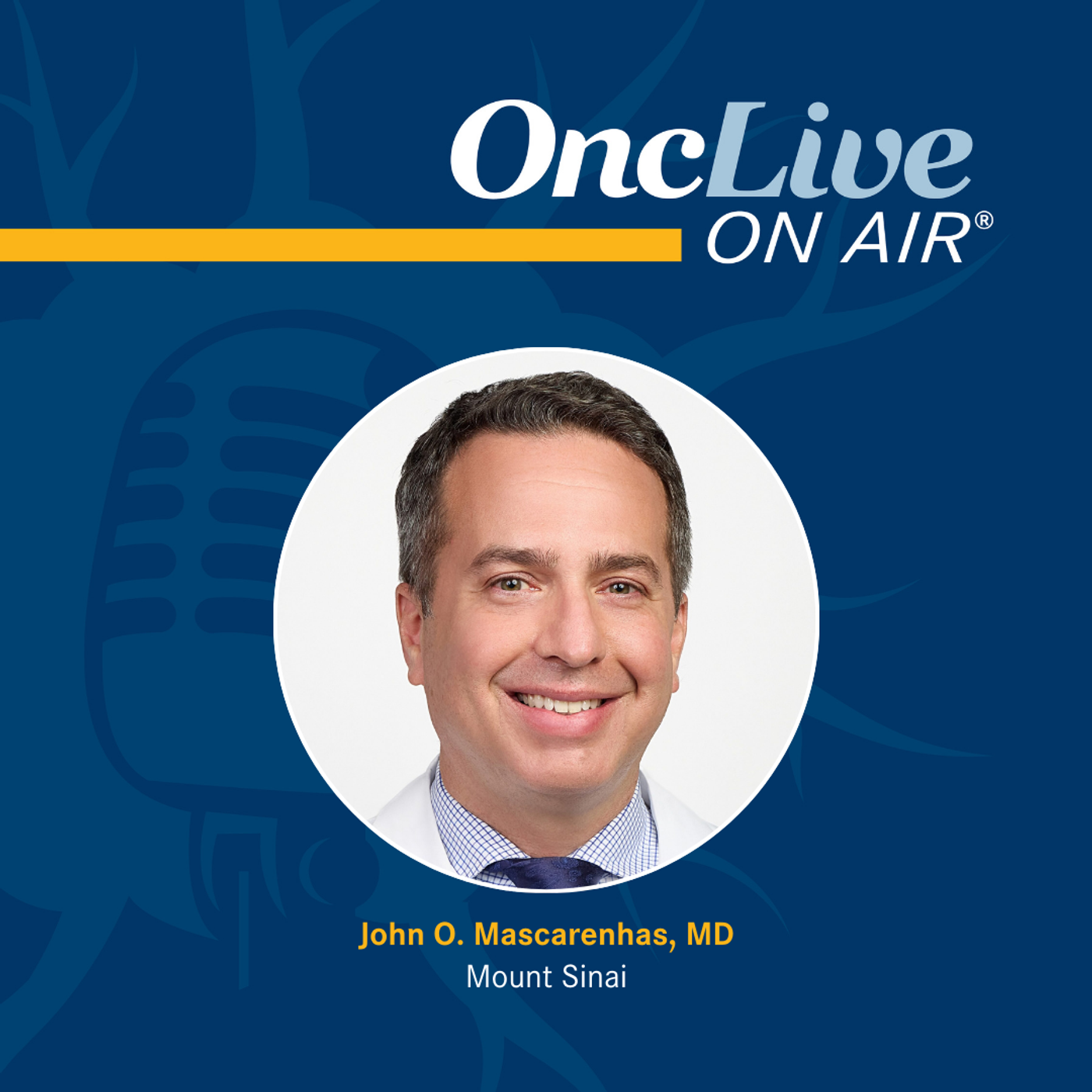
S15 Ep 39S15 Ep39: Novel Targeted Agents Are Poised to Influence MPN Treatment Paradigm: With John O. Mascarenhas, MD
Welcome to OncLive On Air®! OncLive On Air is a podcast from OncLive®, which provides oncology professionals with the resources and information they need to provide the best patient care. In both digital and print formats, OncLive covers every angle of oncology practice, from new technology to treatment advances to important regulatory decisions.In today’s episode, we welcomed John O. Mascarenhas, MD, a member of The Tisch Cancer Institute, a professor of medicine at the Icahn School of Medicine, and director of the Center of Excellence for Blood Cancers and Myeloid Disorders at Mount Sinai in New York, New York.In the exclusive interview, Dr Mascarenhas explored novel targeted therapeutic approaches being evaluated in patients with myeloproliferative neoplasms, including myelofibrosis and polycythemia vera. He outlined key reasons for investigating non–JAK inhibitor agents within this treatment paradigm; outlined data from a pair of phase 1 trials (NCT05936359; NCT06034002) evaluating the INCA033989 as monotherapy or in combination with ruxolitinib (Jakafi) in patients with CALR exon 9–mutated myelofibrosis; detailed another ongoing phase 1 study (NCT06313593) looking at INCB160058 in patients with MPNs; and explained how investigational targeted therapies could ultimately impact the MPN treatment paradigm.
S15 Ep 38S15 Ep38: Tackling Oncologic Emergencies in Patients Treated With High-Dose Methotrexate
In this podcast, experts Shazia Nakhoda, MD; Shruti Gupta, MD, MPH; and Anitha Varghese, MSN, APRN, AGPCNP-C, discuss prevention and treatment of acute kidney injury in patients receiving high-dose methotrexate.
S15 Ep 37S15 Ep37: Immuno-Oncology and Novel Cell Therapies Set Transformation in Motion for Gynecologic Oncology: With Ursula A. Matulonis, MD; and Rebecca Porter, MD, PhD
From Discovery to Delivery: Charting Progress in Gynecologic Oncology, hosted by Ursula A. Matulonis, MD, brings expert insights into the most recent breakthroughs, evolving standards, and emerging therapies across gynecologic cancers. Dr Matulonis is chief of the Division of Gynecologic Oncology and the Brock-Wilcon Family Chair at the Dana-Farber Cancer Institute, as well as a professor of medicine at Harvard Medical School, both in Boston, Massachusetts.In this episode, Dr Matulonis sat down with guest Rebecca Porter, MD, PhD. Dr Porter is a physician at Dana-Farber Cancer Institute and an assistant professor of medicine at Harvard Medical School.Drs Matulonis and Porter discussed the evolving role of immunotherapy in gynecologic cancer management, focusing on recent clinical breakthroughs and future directions. They noted that although high-grade serous ovarian cancer has historically been refractory to immunotherapy, the phase 3 KEYNOTE-B96 trial (NCT05116189) demonstrated an efficacy benefit with the addition of pembrolizumab to weekly paclitaxel for patients with platinum-resistant disease. In particular, improvements in overall survival were noted in the PD-L1–positive patient population. Dr Porter attributed this success to the metronomic weekly dosing of paclitaxel, which may increase neoantigen levels and favorably alter the tumor microenvironment (TME).Moreover, the experts highlighted how immunotherapy has already become the standard of care for patients with mismatch repair–deficient advanced or recurrent endometrial cancer. However, they explained that for the mismatch repair–proficient population, this benefit is less clear and appears most significant in patients with measurable disease or specific molecular subtypes. They added that although circulating tumor DNA (ctDNA) assay results correlate with treatment outcomes, ctDNA is currently not an actionable biomarker for determining treatment duration or selection.Lastly, Drs Matulonis and Porter reported that the field of gynecologic oncology is shifting toward combination therapies and novel platforms beyond standard checkpoint inhibitors. Treatment advances include bispecific and trispecific antibodies that engage multiple cell types or signals; as well as adoptive cellular therapies, such as CAR T-cell and CAR natural killer–cell therapies. Ultimately, the experts concluded that the goal of managing challenging-to-treat diseases like ovarian cancer is to use combinatorial approaches—incorporating vaccines, anti-angiogenic therapies, and chemotherapy—to overcome the immunosuppressive nature of the TME.
S15 Ep 36S15 Ep36: Hot Seat: How Experts Are Integrating the Latest Practice-Changing Data Into Their Breast Cancer Clinics
In this podcast, experts Tiffany A. Traina, MD, FASCO; Nour Abuhadra, MD; Joshua Z. Drago, MD, MS; Ruth O’Regan, MD; Vered Stearns, MD, FASCO; Neil Vasan, MD, PhD; and Anna Weiss, MD, discuss the evolving treatment landscape across breast cancer subtypes and lines of care. Gamified case-based discussion will focus on integrating the latest practice-changing data into clinical practice to optimize care for patients with breast cancer.
S15 Ep 35S15 Ep35: Medical Crossfire™: Navigating the Expanding Arsenal of Endocrine Therapies for HR+/HER2– Metastatic Breast Cancer – How Can PROTAC ER Degradation Shift the Standard?
In this podcast, experts William J. Gradishar, MD, FASCO, FACP; Stephanie L. Graff, MD, FACP, FASCO; and Cynthia X. Ma, MD, PhD; discuss current and emerging therapeutic options, including next-generation endocrine therapies, to target the estrogen receptor signaling pathway for the treatment of hormone receptor–positive/HER2-negative (HR+/HER2–) metastatic breast cancer (MBC).
S15 Ep 34S15 Ep34: Cases and Conversations™: Transforming Small Cell Lung Cancer Treatment Through Emerging Evidence and Expert Insights
In this podcast, experts Charles M. Rudin, MD, PhD; Anne Chiang, MD, PhD, FASCO; and Jacob M. Sands, MD; discuss immune checkpoint inhibitor–based strategies in limited-stage (LS) and extensive-stage (ES) small cell lung cancer (SCLC), practical considerations for integrating novel agents such as tarlatamab and lurbinectedin, and the emerging role of antibody-drug conjugates in the treatment of ES-SCLC.
S15 Ep 33S15 Ep33: Hot Seat: Converging Lines in the Management of RAS-Altered Cancers
In this podcast, experts Shubham Pant, MD, MBBS; Alison Schram, MD; and Helena Yu, MD, discuss the role of RAS alterations in solid tumors, including gastrointestinal, gynecologic, and thoracic malignancies.
S15 Ep 32S15 Ep32: Lisaftoclax Plus Azacitidine May Make New Inroads in Higher-Risk MDS Management: With Guillermo Garcia-Manero, MD
In today’s episode, the discussion features Guillermo Garcia-Manero, MD, who reviewed the clinical rationale for targeting BCL-2 in higher-risk myelodysplastic syndrome (MDS) and outlined the phase 3 GLORA-4 trial (NCT06641414) evaluating lisaftoclax (APG-2575) plus azacitidine (Vidaza) in this population. Dr Garcia-Manero is the chair ad interim in the Department of Leukemia in the Division of Cancer Medicine, as well as leader of the MDS/AML Moon Shot Program, at The University of Texas MD Anderson Cancer Center in Houston.In the exclusive interview, Dr Garcia-Manero contextualized lisaftoclax as a next-generation BCL-2 inhibitor being advanced as a hypomethylating agent (HMA) partner strategy intended to improve on outcomes historically achieved with azacitidine alone in higher-risk MDS. He emphasized that GLORA-4 is designed as a registrational, randomized trial to rigorously assess whether adding BCL-2 inhibition to standard HMAs can meaningfully deepen responses and translate into clinically relevant benefit. He also characterized the regimen’s tolerability profile in a population that often requires careful supportive care and dose management.
S15 Ep 31S15 Ep31: Medical Crossfire® From Frontline to Heavily Pretreated HR+/HER2- Metastatic Breast Cancer: Expert Perspectives on Optimizing the Expanding Treatment Armamentarium
In this podcast, experts Erika P. Hamilton, MD; Giuseppe Curigliano, MD, PhD; VK Gadi, MD, PhD; Jason Aboudi Mouabbi, MD, discuss frontline, second-line, and antibody-drug conjugate therapies for the treatment of HR-positive, HER2-negative metastatic breast cancer.
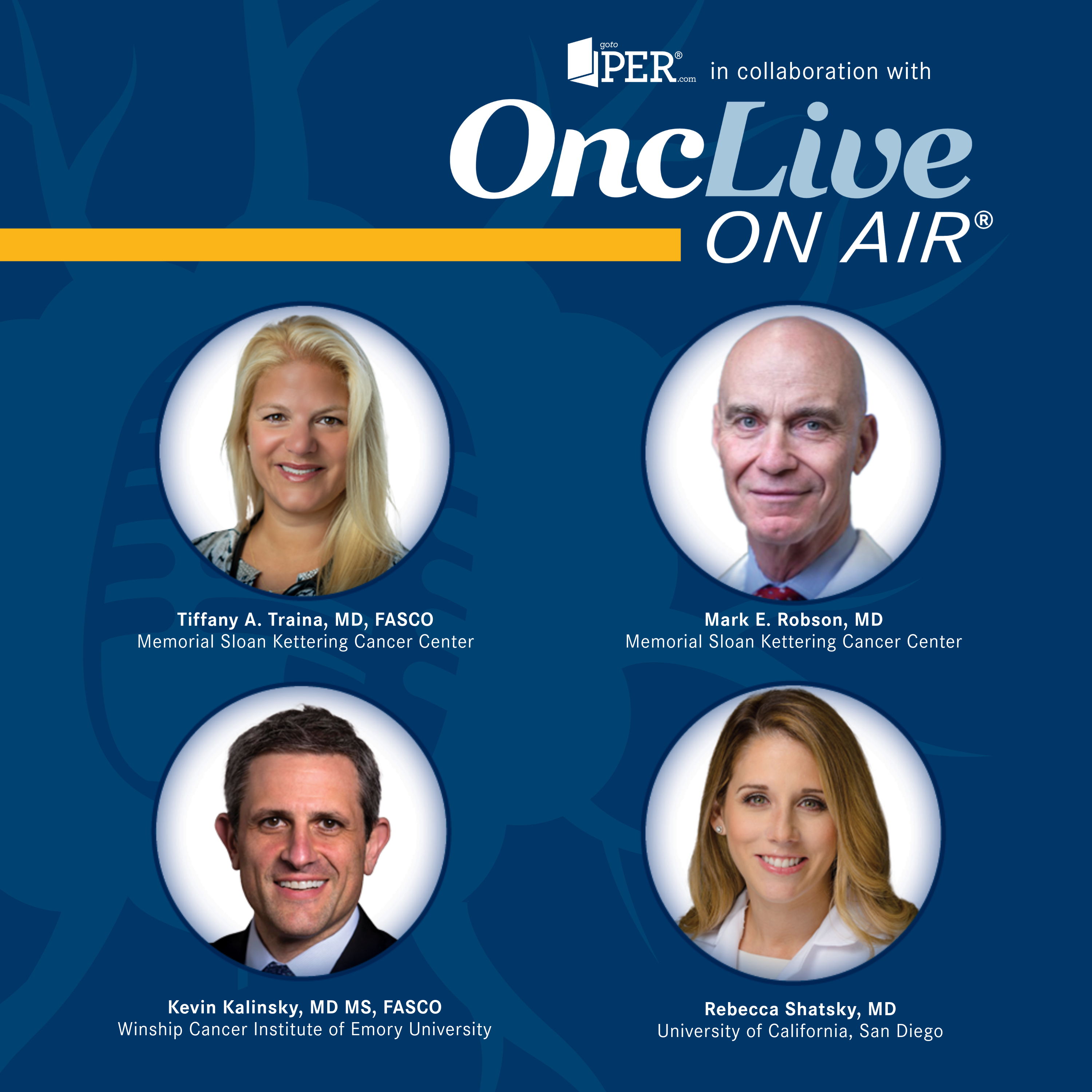
S15 Ep 30S15 Ep30: Medical Crossfire®: Mastering the Nuances of Early-Stage HR+/HER2- Breast Cancer—Expert Perspectives on Applying Modern Treatment Paradigms
In this podcast, experts Tiffany A. Traina, MD, FASCO, Kevin Kalinsky, MD, MS, FASCO, Mark E. Robson, MD, FASCO, and Rebecca Shatsky, MD discuss data for CDK4-6 inhibitors, PARP inhibitors, and immune checkpoint inhibitors in the management of early-stage hormone receptor-positive, HER-2-negative breast cancer.
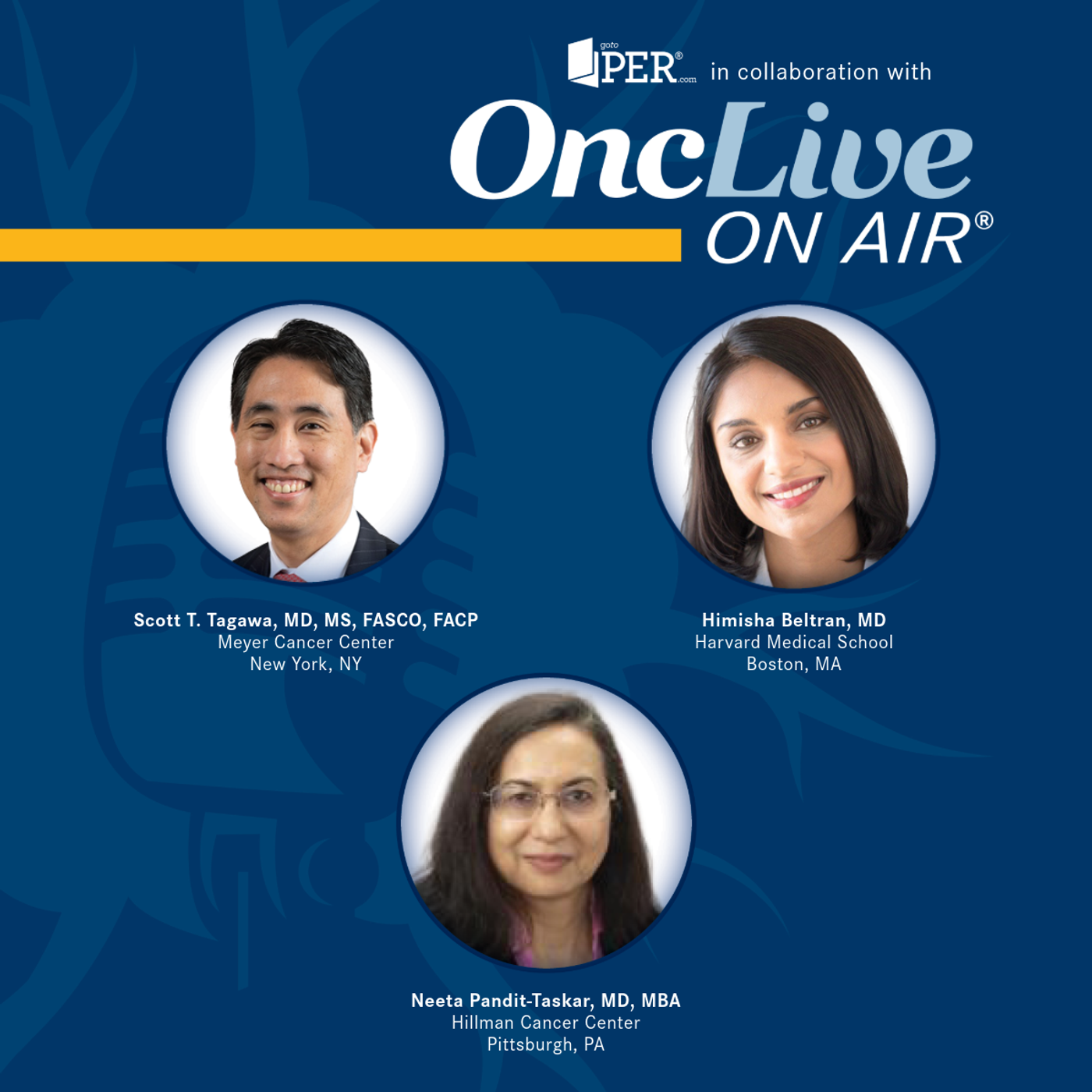
S15 Ep 29S15 Ep29: Precision in Practice: Advancing Prostate Cancer Care With PSMA-Directed Radioligand Therapy
In this podcast, experts Scott T. Tagawa, MD, MS, FASCO, FACP; Himisha Beltran, MD; and Neeta Pandit-Taskar, MD, MBA, discuss the latest evidence on PSMA PET and RLT, including combination strategies, selection, sequencing, toxicity monitoring, and operations, with careful attention to access and equity.
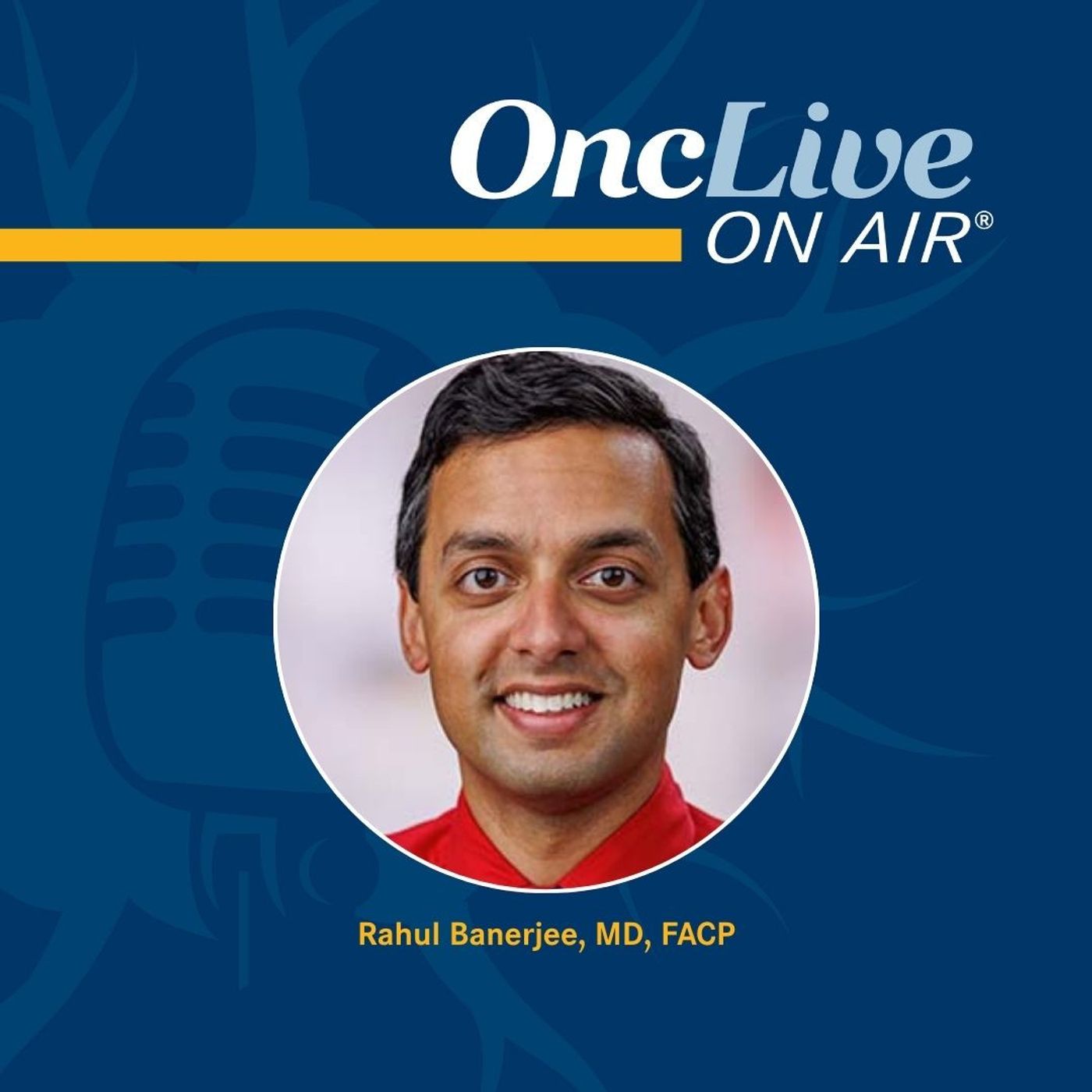
S15 Ep 28S15 Ep28: Emerging CELMoDs Set New Standards for Efficacy and Tolerability in Myeloma: With Rahul Banerjee, MD, FACP
In today’s episode, we had the pleasure of speaking with Rahul Banerjee, MD, FACP, about the ongoing investigation of CELMoDs for multiple myeloma. Dr Banerjee is an assistant professor in the Clinical Research Division of Fred Hutchinson Cancer Center, as well as an assistant professor in the Division of Hematology and Oncology at the University of Washington in Seattle. In our exclusive interview, Dr Banerjee discussed the potential of CELMoDs for multiple myeloma management, highlighting their superior efficacy and safety compared with traditional immunomodulatory drugs (IMiDs) like lenalidomide (Revlimid) and pomalidomide (Pomalyst). He also noted strong preclinical and clinical data with CELMoDs, as well as their favorable safety profiles that include fewer immune and hematopoietic effects. Additionally, he explained that early data suggest that CELMoDs could replace traditional IMiDs, offering better long-term outcomes and fewer adverse effects.
S15 Ep 27S15 Ep27: Show Me the Data™: Personalizing First-Line and Maintenance Therapy in HER2+ Metastatic Breast Cancer to Extend Survival and Elevate Quality of Life
In this podcast, experts Sara A. Hurvitz, MD, FACP, Michelle Melisko, MD, and Paolo Tarantino, MD, PhD, discuss approaches to maintenance and subsequent lines of therapy for patients with HER2+ advanced breast cancer, including those with CNS metastases.
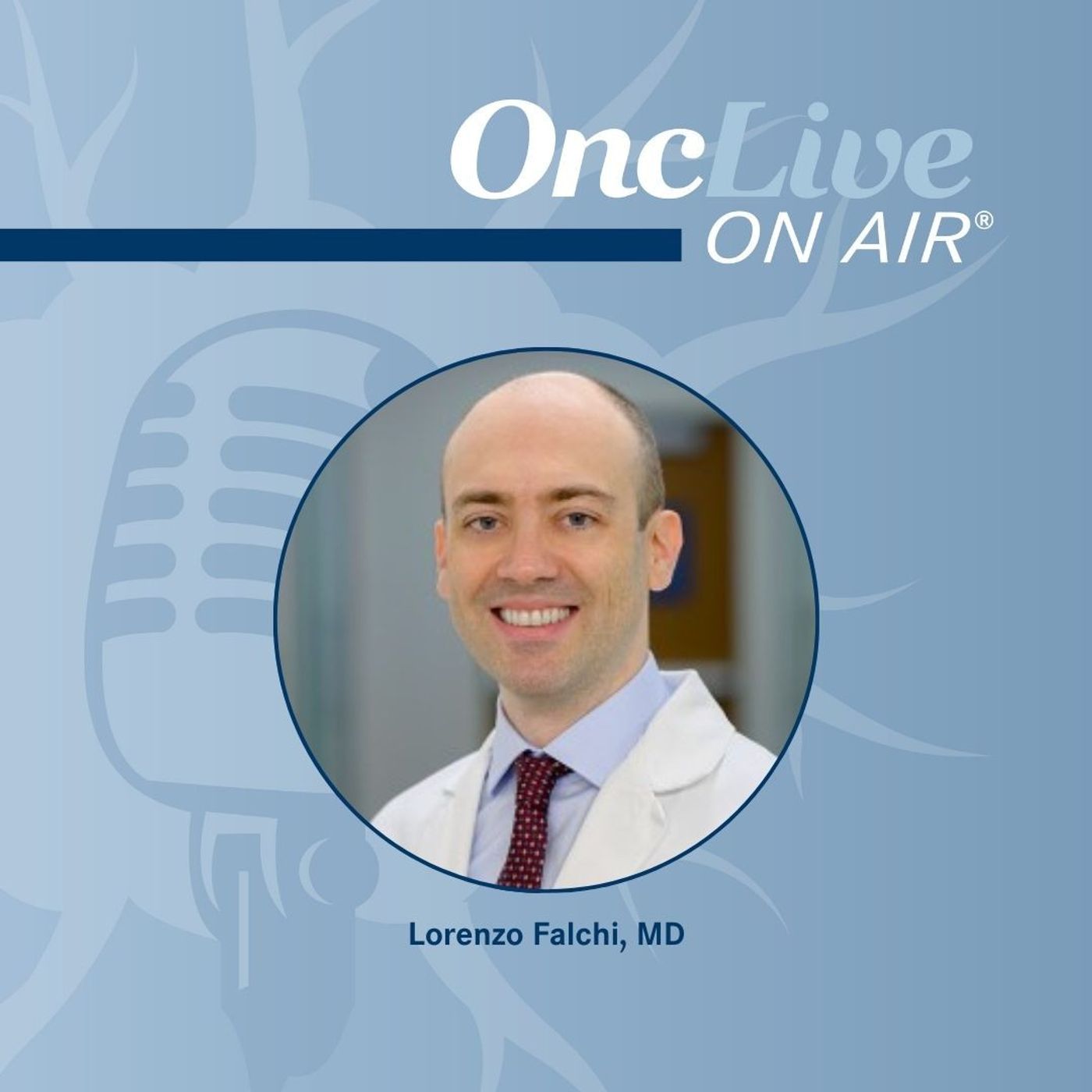
S15 Ep 26S15 Ep26: FDA Approval Insights: Epcoritamab Plus Rituximab/Lenalidomide for Relapsed/Refractory Follicular Lymphoma: With Lorenzo Falchi, MD
In today’s episode, the discussion features Lorenzo Falchi, MD, a medical oncologist/hematologist and assistant attending physician in the Lymphoma Service at Memorial Sloan Kettering Cancer Center in New York, New York, who provided clinical and regulatory perspectives on the FDA approval of epcoritamab-bysp (Epkinly) in combination with rituximab (Rituxan) and lenalidomide (Revlimid) for relapsed/refractory follicular lymphoma after at least 2 prior lines of therapy. The approval was supported by primary results from the randomized phase 3 EPCORE FL-1 trial (NCT05409066).In this exclusive interview, Dr Falchi discussed why this approval is clinically meaningful—establishing a chemotherapy-free triplet that significantly improves outcomes over the long-standing rituximab/lenalidomide backbone in the second-line setting and beyond—and reviewed practical considerations that inform real-world uptake of the regimen, including outpatient administration feasibility and mitigation of bispecific antibody–associated toxicities, such as cytokine release syndrome. He also placed EPCORE FL-1 in the broader epcoritamab development program, referencing supportive experience with the phase 1/2 EPCORE NHL-2 trial (NCT04663347) and ongoing efforts to move bispecific antibody–based regimens earlier in the treatment paradigm through the phase 3 EPCORE FL-2 trial (NCT06191744).any of your other favorite podcast platforms,* so you get a notification every time a new episode is posted. While you are there, please take a moment to rate us!
S15 Ep 25S15 Ep25: FDA Approval Insights: BVd for Relapsed/Refractory Multiple Myeloma: With Surbhi Sidana, MD
In today’s episode, the discussion features Surbhi Sidana, MD, an associate professor of medicine (blood and marrow transplantation and cellular therapy) and leader of the Myeloma CAR-T/Immunotherapy Program at Stanford University/Stanford Medicine, as well as a member of the Stanford Cancer Institute, who provided clinical and regulatory perspectives on the FDA approval of belantamab mafodotin-blmf (Blenrep) in combination with bortezomib (Velcade) and dexamethasone (BVd) for adult patients with relapsed or refractory multiple myeloma who have received at least 2 prior lines of therapy, including a proteasome inhibitor and an immunomodulatory agent. The approval was supported by findings from the phase 3 DREAMM-7 trial (NCT04246047).
S15 Ep 24S15 Ep24: PRRT With 177Lu-Edotreotide Improves Outcomes vs Everolimus in Metastatic GEP-NETs: With Jonathan R. Strosberg, MD
In today’s episode, the discussion features Jonathan R. Strosberg, MD, a professor and leader in the Neuroendocrine Tumor Division and the Department of Gastrointestinal Oncology Research Program at Moffitt Cancer Center in Tampa, Florida, who reviewed the clinical implications of peptide receptor radionuclide therapy (PRRT) with 177Lu-edotreotide (ITM-11) for patients with metastatic gastroenteropancreatic neuroendocrine tumors (GEP-NETs), drawing on efficacy and safety findings from the phase 3 COMPETE trial (NCT03049189).
S15 Ep 23S15 Ep23: Experts Explore Intersections Between Breast Surgery and Radiation for Comprehensive Care: With Hirsch Matani, MD; Elizabeth Zhang-Velten, MD; and Valentina Bonev, MD, DABS, FACS, FSSO
In this episode of Precision and Progress: Radiotherapy in Oncology, Hirsch Matani, MD, and Elizabeth Zhang-Velten, MD, co-hosted a discussion with Valentina Bonev, MD, DABS, FACS, FSSO, about the interplay between surgery and radiation in breast cancer care.
S15 Ep 22S15 Ep22: CLL Treatment Paradigm Shifts With Evolving Treatment Sequencing and BTK Inhibition: With Joanna M. Rhodes, MD, MSCE; and Krish Patel, MD
In today’s episode, the discussion features Joanna M. Rhodes, MD, MSCE, director of Lymphoma and systems head for Lymphoma at Rutgers Cancer Institute of New Jersey and RWJBarnabas Health, alongside Krish Patel, MD, director of Lymphoma Research and executive chair of the Lymphoma Research Executive Committee at the Sarah Cannon Research Institute. Together, they discussed how the chronic lymphocytic leukemia (CLL) treatment paradigm continues to evolve with advances in targeted therapy.In this exclusive interview, Drs Rhodes and Patel highlighted key disease- and patient-related factors that guide first-line treatment selection, considerations that influence sequencing decisions in later lines of therapy, and how hematologists determine the optimal timing to transition between treatments. They also discussed the clinical distinctions between covalent and noncovalent BTK inhibitors, the current role of pirtobrutinib (Jaypirca) in CLL management, and how its safety profile and emerging data may inform future use earlier in the treatment course. The conversation concluded with reflections on the CLL data presented at the 2025 ASH Annual Meeting that were most relevant to clinical practice.nd many of your other favorite podcast platforms,* so you get a notification every time a new episode is posted. While you are there, please take a moment to rate us!
S15 Ep 21S15 Ep21: FDA Approval of Enfortumab Vedotin/Pembrolizumab Redefines Perioperative Care for Cisplatin-Ineligible MIBC: With Christof Vulsteke, MD, PhD
In today’s episode, the discussion features Christof Vulsteke, MD, PhD, head of the Integrated Cancer Center Ghent in Belgium, who provided clinical and regulatory insight into the KEYNOTE-905 study (NCT03924895) and the November 2025 FDA approval of enfortumab vedotin-ejfv (Padcev) plus pembrolizumab (Keytruda) for patients with cisplatin-ineligible muscle-invasive bladder cancer (MIBC).In this exclusive interview, Dr Vulsteke outlined the scientific rationale and study design of KEYNOTE-905, reviewed the key efficacy and safety findings observed with the enfortumab vedotin/pembrolizumab combination, and discussed how the safety profile of this combination aligns with prior experience in bladder cancer. He also contextualized the significance of this FDA approval in addressing a longstanding unmet need for cisplatin-ineligible patients and highlighted remaining gaps in care, including global access, patient selection, and future research directions aimed at improving outcomes in this challenging-to-treat population.
S15 Ep 20S15 Ep20: Osimertinib Carves a Continuing Role in Perioperative NSCLC Management: With Julia Rotow, MD; and Gavitt Woodard, MD
In today’s episode, we sat down with Julia Rotow, MD, and Gavitt Woodard, MD, to talk through recent updates to the perioperative non–small cell lung cancer treatment paradigm.
S15 Ep 19S15 Ep19: MRI Techniques Evolve for Glioma Diagnosis, Response Assessment, and Surveillance: With Kathryn S. Nevel, MD; and Michael Veronesi, MD, PhD
In today’s episode, we passed the mic to Kathryn S. Nevel, MD; and Michael Veronesi, MD, PhD, who led an OncLive Ask the Expert discussion on evolving imaging strategies in glioma.
S15 Ep 18S15 Ep18: ctDNA Testing Opens Avenues for the Future of Breast Oncology: With Jason Mouabbi, MD
In today’s episode, we had the pleasure of speaking with Jason Mouabbi, MD, about the role of circulating tumor DNA (ctDNA) testing in early-stage breast cancer management. Dr Mouabbi is an assistant professor in the Department of Breast Medical Oncology in the Division of Cancer Medicine at The University of Texas MD Anderson Cancer Center in Houston.In our exclusive interview, Dr Mouabbi highlighted the ways that ctDNA has evolved from a research tool to a potential clinical decision-making aid in breast cancer, data suggesting that ctDNA negativity after neoadjuvant therapy can be more predictive of long-term outcomes than pathologic complete response, and the importance of offering ctDNA testing to patients and discussing the benefits of this emerging approach.
S15 Ep 17S15 Ep17: Microbiome Profiling Highlights Impact of Butyrate Loss on Post-Transplant Outcomes in Multiple Myeloma: With Pooja M. Phull, MD
In today’s episode, we had the pleasure of speaking with Pooja M. Phull, MD, a hematologist/oncologist at the John Theurer Cancer Center at Hackensack University Medical Center in New Jersey, about emerging insights into the gut microbiome and its clinical relevance in multiple myeloma. Dr Phull discussed how microbial composition—particularly the presence of butyrate-producing bacteria—may influence therapeutic responsiveness, sustained minimal residual disease negativity, and long-term outcomes for patients undergoing autologous stem cell transplantation.In our exclusive interview, Dr Phull reviewed findings from a translational study that longitudinally profiled the fecal microbiome of patients with newly diagnosed myeloma, highlighting the significant post-transplant depletion of beneficial short-chain, fatty acid–producing organisms and its association with inferior progression-free survival. She also outlined supportive laboratory and in vivo data demonstrating the antitumor effects of butyrate and discussed how microbiome profiling may serve as both a predictive biomarker and a potential therapeutic target.Additionally, Dr Phull explored how dietary patterns, lifestyle factors, and antibiotic stewardship may contribute to preserving gut microbial health, and she emphasized the growing need for prospective studies to clarify how these interventions could enhance treatment outcomes for patients with active myeloma and precursor conditions such as monoclonal gammopathy of undetermined significance and smoldering myeloma.
S15 Ep 16S15 Ep16: Ongoing Sigvotatug Vedotin Exploration Highlights Potential for Biomarker Advancement in NSCLC: With Edward S. Kim, MD, MBA; and Jyoti Malhotra, MD, MPH
In today’s episode, we had the pleasure of speaking with Edward S. Kim, MD, MBA; and Jyoti Malhotra, MD, MPH, about the promise of IB6 as a therapeutic target in non–small cell lung cancer (NSCLC) management. Dr Kim is physician-in-chief of City of Hope Orange County, vice physician-in-chief of the City of Hope National Medical Center, and a professor in the Department of Medical Oncology & Therapeutics Research at City of Hope in Irvine, California. Dr Malhotra is interim division chief of Thoracic Medical Oncology, an associate professor in the Department of Medical Oncology & Therapeutics Research, and the director of Thoracic Medical Oncology at City of Hope.In our exclusive interview, Drs Kim and Malhotra discussed factors that make IB6 unique compared with other NSCLC biomarkers, the prevalence of IB6 expression among patients with lung cancer, and the rationale for investigating sigvotatug vedotin (formerly SGN-B6A) vs docetaxel in patients with previously treated NSCLC in the phase 3 Be6A Lung-01 trial (NCT06012435).

S15 Ep 15S15 Ep15: ASH 2025 LBA BRUIN-CLL 313 Update: Pirtobrutinib vs Bendamustine/Rituximab in 1L CLL
Two Onc Docs, hosted by Samantha A. Armstrong, MD, and Karine Tawagi, MD, is a podcast dedicated to providing current and future oncologists and hematologists with the knowledge they need to ace their boards and deliver quality patient care. Dr Armstrong is a hematologist/oncologist and assistant professor of clinical medicine at Indiana University Health in Indianapolis. Dr Tawagi is a hematologist/oncologist and assistant professor of clinical medicine at the University of Illinois in Chicago.In this episode, OncLive On Air® partnered with Two Onc Docs to highlight chronic lymphocytic leukemia (CLL) updates from the 2025 ASH Annual Meeting. Drs Armstrong and Tawagi noted that CLL is typically diagnosed in asymptomatic, elderly individuals presenting with lymphocytosis. A definitive diagnosis is established by confirming the clonality of circulating B lymphocytes via immunoglobulin light chain restriction on flow cytometry, they explained. Treatment initiation is reserved for active disease, which is indicated by B symptoms, progressive cytopenias, threatened organ function, or bulky disease such as splenomegaly, they said.They continued by reporting several prognostic features that denote poor outcomes. Current standard frontline regimens use covalent BTK inhibitors or time-limited targeted regimens that include venetoclax (Venclexta), often combined with an anti-CD20 monoclonal antibody, according to the experts. They added that TKI-based therapy is preferred for patients with high-risk features.The phase 3 BRUIN CLL-313 trial (NCT05023980) investigated pirtobrutinib (Jaypirca), a highly selective noncovalent BTK inhibitor, compared with bendamustine and rituximab (BR) in patients with treatment-naive CLL. The trial showed a significant improvement in progression-free survival with pirtobrutinib vs BR. Pirtobrutinib was also associated with a favorable safety profile, with modest rates of class-associated toxicities, including all-grade bleeding, arthralgia, and atrial fibrillation.Although pirtobrutinib showed superior efficacy in BRUIN CLL-313, the clinical interpretation of these data is complicated because BR is an outdated control arm compared with contemporary frontline standards, Armstrong and Tawagi emphasized. Furthermore, the requirement for indefinite therapy with BTK inhibitors is a sequencing challenge, particularly as pirtobrutinib is currently approved in the post-covalent BTK inhibitor setting, they continued. However, its favorable toxicity profile suggests potential utility in elderly patients with pre-existing cardiovascular comorbidities, they noted. Future studies are focused on comparing pirtobrutinib vs time-limited venetoclax and evaluating various triplet regimens, they concluded.
S15 Ep 14S15 Ep14: Optimized Immunotherapy Use and Novel Therapeutic Targets Move the Needle for Endometrial Cancer Management: With Ursula A. Matulonis, MD; and Panagiotis (Panos) A. Konstantinopoulos, MD, PhD
From Discovery to Delivery: Charting Progress in Gynecologic Oncology, hosted by Ursula A. Matulonis, MD, brings expert insights into the most recent breakthroughs, evolving standards, and emerging therapies across gynecologic cancers. Dr Matulonis is chief of the Division of Gynecologic Oncology and the Brock-Wilcon Family Chair at the Dana-Farber Cancer Institute and a professor of medicine at Harvard Medical School, both in Boston, Massachusetts.In this episode, Dr Matulonis sat down with guest Panagiotis (Panos) A. Konstantinopoulos, MD, PhD, to discuss the different subtypes of endometrial cancer and treatment developments for this disease. Dr Konstantinopoulos is the director of Translational Research in the Division of Gynecologic Oncology, the director of the Mellen and Eisenson Family Center for BRCA and Related Genes, and the Velma Eisenson Chair for Clinical and Translational Research at Dana-Farber Cancer Institute; as well as a professor of medicine at Harvard Medical School.Drs Matulonis and Konstantinopoulos explained that patients with mismatch repair–deficient (dMMR) tumors substantially benefit from a decreased risk of progression or death when immunotherapy is added to standard therapy. They noted that immunotherapy appears important for the management of dMMR tumors, even those in earlier stages or in patients who have no measurable disease remaining after surgery.For MMR-proficient (pMMR) tumors, Drs Matulonis and Konstantinopoulos highlighted that PD-1 blockade combined with chemotherapy improves survival vs chemotherapy alone, but that this benefit is not as substantial as that seen in dMMR disease. Crucially, they reported that if a pMMR tumor has no measurable disease after surgery, adding immune checkpoint blockade does not appear beneficial. They stated that tailored treatment approaches are key for managing pMMR disease subtypes. They added that hormonal therapy may be used upfront for slow-growing, estrogen receptor–positive metastatic disease.They continued by saying that DNA damage and replication stress are critical targets, particularly in p53-mutated tumors, like uterine serous cancers. Furthermore, they stressed that although the antibody-drug conjugate fam-trastuzumab deruxtecan-nxki (Enhertu) is highly effective in HER2-positive tumors, treatment with this agent requires monitoring for toxicities, including interstitial lung disease and decreased ejection fraction.
S15 Ep 13S15 Ep13: Hepatic Artery Infusion Refines Liver-Directed Care for GI Cancers: With Gregory J. Tiesi, MD, FACS, FSSO; Anthony Scholer, MD, FACS, FSSO; Benjamin Jon Golas, MD, FACS; and Eric Pletcher, MD
In this episode, Gregory J. Tiesi, MD, FACS, FSSO, hosted a discussion about the use of hepatic artery infusion (HAI) in colon cancer and liver cancer management. Dr Tiesi is the medical director of Hepatobiliary Surgery at the Hackensack Meridian Jersey Shore University Medical Center in Neptune, New Jersey. He was joined by: Anthony Scholer, MD, FACS, FSSO, a surgical oncologist specializing in hepatobiliary surgery, at Hackensack Meridian Medical Group and Jersey Shore University Medical Center in Neptune, New Jersey Benjamin Jon Golas, MD, FACS, regional chief of Surgical Oncology for Hackensack Meridian Health’s Central Region, surgical director of Oncology Services at Jersey Shore University Medical Center, vice chair of Surgery at Jersey Shore University Medical Center Cancer Surgery, and an associate professor of surgery at the Hackensack Meridian School of Medicine in Nutley, New Jersey Eric Pletcher, MD, a surgeon specializing in Complex General Surgical Oncology at Hackensack Meridian JFK University Medical Center in Edison Drs Tiesi, Scholer, Golas, and Pletcher explained that HAI is a longstanding regional therapy used for treating primary and metastatic tumors to the liver, notably unresectable colorectal liver metastases and intrahepatic cholangiocarcinoma. The physiologic mechanism of this treatment leverages the dual blood supply of the liver, capitalizing on the fact that these malignancies primarily derive their perfusion from the hepatic artery, the experts noted. They emphasized that by delivering chemotherapeutic agents, such as floxuridine, directly via the gastroduodenal artery, HAI concentrates drug exposure at the tumor site, maximizing antitumor effect and minimizing extrahepatic toxicity. They explained that patient selection requires fitness for surgery and good liver function, excluding those with cirrhosis or portal hypertension. They also noted that the procedure involves implanting a subcutaneous pump, followed by rigorous intraoperative and postoperative nuclear medicine studies to confirm the absence of extrahepatic perfusion. Evidence supports that HAI combined with systemic therapy achieves higher intrahepatic objective responses, improves local disease control, and enhances conversion to resectability, correlating with improved long-term survival, the experts reported. However, potential complications include pump pocket infections, biliary sclerosis, and gastric ulcers, they added. The experts concluded by highlighting that establishing an HAI program necessitates a robust, multidisciplinary approach involving surgical oncology, medical oncology, and interventional radiology.
S15 Ep 12S15 Ep12: VISION Data Show Promise of Tepotinib in Treatment-Naive NSCLC Harboring MET Exon 14 Skipping Mutations: With Catherine Shu, MD
In today’s episode, we had the pleasure of speaking with Catherine Shu, MD, about the use of tepotinib (Tepmetko) in patients with non–small cell lung cancer harboring MET exon 14 skipping mutations. Dr Shu is the Price Family Associate Professor of Medicine and the clinical director of the Thoracic Medical Oncology Service at the Columbia University Herbert Irving Comprehensive Cancer Center in New York, New York. In our exclusive interview, Dr Shu discussed updated data from the phase 2 VISION trial (NCT02864992) that investigated tepotinib in this population, the notable efficacy of this agent in treatment-naive patients, and considerations for managing and mitigating the adverse effects associated with this therapy.
S15 Ep 11S15 Ep11: PIPAC Reshapes Peritoneal Cancer Surgery Workflows and Outcomes: With Gregory J. Tiesi, MD, FACS, FSSO; Anthony Scholer, MD, FACS, FSSO; Benjamin Jon Golas, MD, FACS; and Eric Pletcher, MD
In this episode, Gregory J. Tiesi, MD, FACS, FSSO, hosted a discussion about innovations in regional cancer therapies. Dr Tiesi is the medical director of Hepatobiliary Surgery at the Hackensack Meridian Jersey Shore University Medical Center in Neptune, New Jersey. He was joined by: Anthony Scholer, MD, FACS, FSSO, a surgical oncologist specializing in hepatobiliary surgery, at Hackensack Meridian Medical Group and Jersey Shore University Medical Center in Neptune, New Jersey Benjamin Jon Golas, MD, FACS, regional chief of Surgical Oncology for Hackensack Meridian Health’s Central Region, surgical director of Oncology Services at Jersey Shore University Medical Center, vice chair of Surgery at Jersey Shore University Medical Center Cancer Surgery, and an associate professor of surgery at the Hackensack Meridian School of Medicine in Nutley, New Jersey Eric Pletcher, MD, a surgeon specializing in Complex General Surgical Oncology at Hackensack Meridian JFK University Medical Center in Edison Drs Tiesi, Scholer, Golas, and Pletcher chatted about the use of pressurized intraperitoneal aerosolized chemotherapy (PIPAC), a minimally invasive regional cancer therapy designed for patients with peritoneal metastases or primary peritoneal cancers. The experts explained that this laparoscopic approach overcomes several limitations of traditional systemic treatments by delivering aerosolized chemotherapy in fine droplets under high pressure into the peritoneal cavity. This process ensures uniform drug distribution and enhanced tissue penetration, allowing for efficacy with lower systemic drug concentrations, they noted. PIPAC candidates typically present with unresectable or recurrent disease, or symptomatic malignant ascites, and should have an ECOG performance status between 0 and 2, they elaborated. The procedure, which is repeatable every 4 to 6 weeks, includes diagnostic laparoscopy, quantification of the peritoneal carcinomatosis index, and serial biopsies to assess treatment response. They emphasized that PIPAC has a favorable safety profile, with low 30-day mortality rates and minimal grade 3/4 adverse effects reported in clinical trials. Additionally, they stated that clinical data indicate high pathologic response rates and the potential for disease downstaging, enabling some patients who were initially deemed unresectable to become eligible for subsequent cytoreductive surgery and hyperthermic intraperitoneal chemotherapy. Of note, the experts reported that PIPAC is designed to be integrated seamlessly with concurrent systemic therapy.