Season 14 · Episode 6
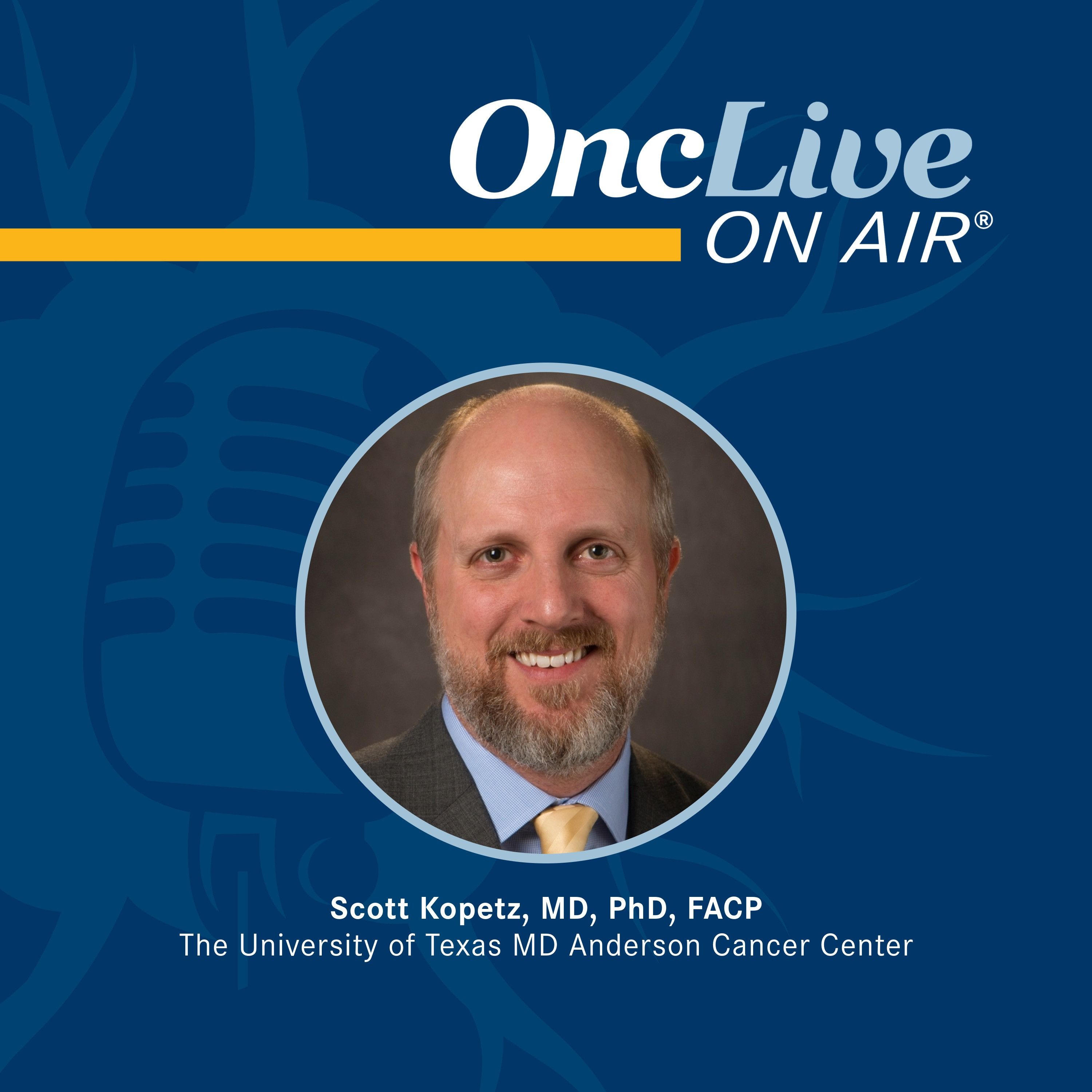
S14 Ep6: Advances in ctDNA Testing Guide Clinical Decision-Making in GI Cancer Management: With Scott Kopetz, MD, PhD, FACP
OncLive® On Air · OncLive® On Air
September 3, 202521m 38s
Audio is streamed directly from the publisher (audioboom.com) as published in their RSS feed. Play Podcasts does not host this file. Rights-holders can request removal through the copyright & takedown page.
Show Notes
In today’s episode, we spoke with Scott Kopetz, MD, PhD, FACP, about the use of circulating tumor DNA (ctDNA) in patients with colorectal cancer (CRC). Dr Kopetz is the deputy chair for Translational Research and a professor in the Department of Gastrointestinal (GI) Medical Oncology in the Division of Cancer Medicine, as well as the leader of the Department of Cancer Center Support Grant in the GI Program, the TRACTION medical director in the Division of Therapeutics Discovery, and the associate vice president for Translational Integration at The University of Texas MD Anderson Cancer Center in Houston, Texas.
In our conversation, Dr Kopetz discussed the high positive predictive value of ctDNA assays, which indicate disease presence when positive. He emphasized clinical trials that have shown strong prognostic implications with this type of assay, as well as study findings that demonstrated that ctDNA results could reduce chemotherapy use without compromising efficacy. Additionally, he noted the potential significance of ongoing trials that are exploring the use of ctDNA to guide therapy. Overall, he explained that ctDNA testing is becoming a standard in clinical practice for colorectal cancer.
In our conversation, Dr Kopetz discussed the high positive predictive value of ctDNA assays, which indicate disease presence when positive. He emphasized clinical trials that have shown strong prognostic implications with this type of assay, as well as study findings that demonstrated that ctDNA results could reduce chemotherapy use without compromising efficacy. Additionally, he noted the potential significance of ongoing trials that are exploring the use of ctDNA to guide therapy. Overall, he explained that ctDNA testing is becoming a standard in clinical practice for colorectal cancer.