OncLive® On Air
609 episodes — Page 8 of 13
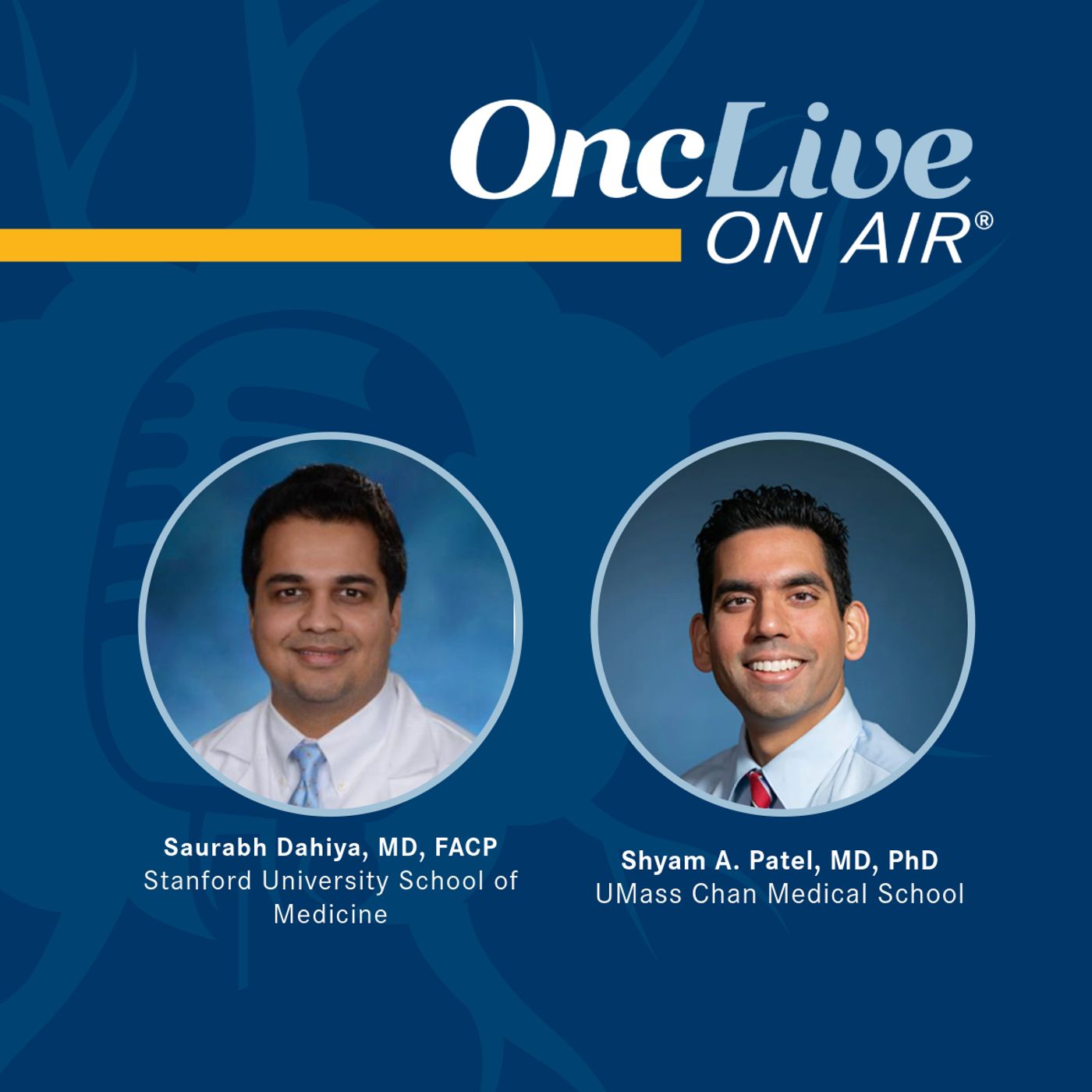
S12 Ep 9S12 Ep9: How Second Primary Cancer Risk Factors Into CAR T-Cell Therapy Considerations: With Saurabh Dahiya, MD, FACP; and Shyam A. Patel, MD, PhD
Drs Dahiya and Patel discussed the pathobiology of SPCs that develop after CAR T-cell therapy, potential SPC prevention strategies, and how SPC research may help optimize CAR T-cell product development in the future.
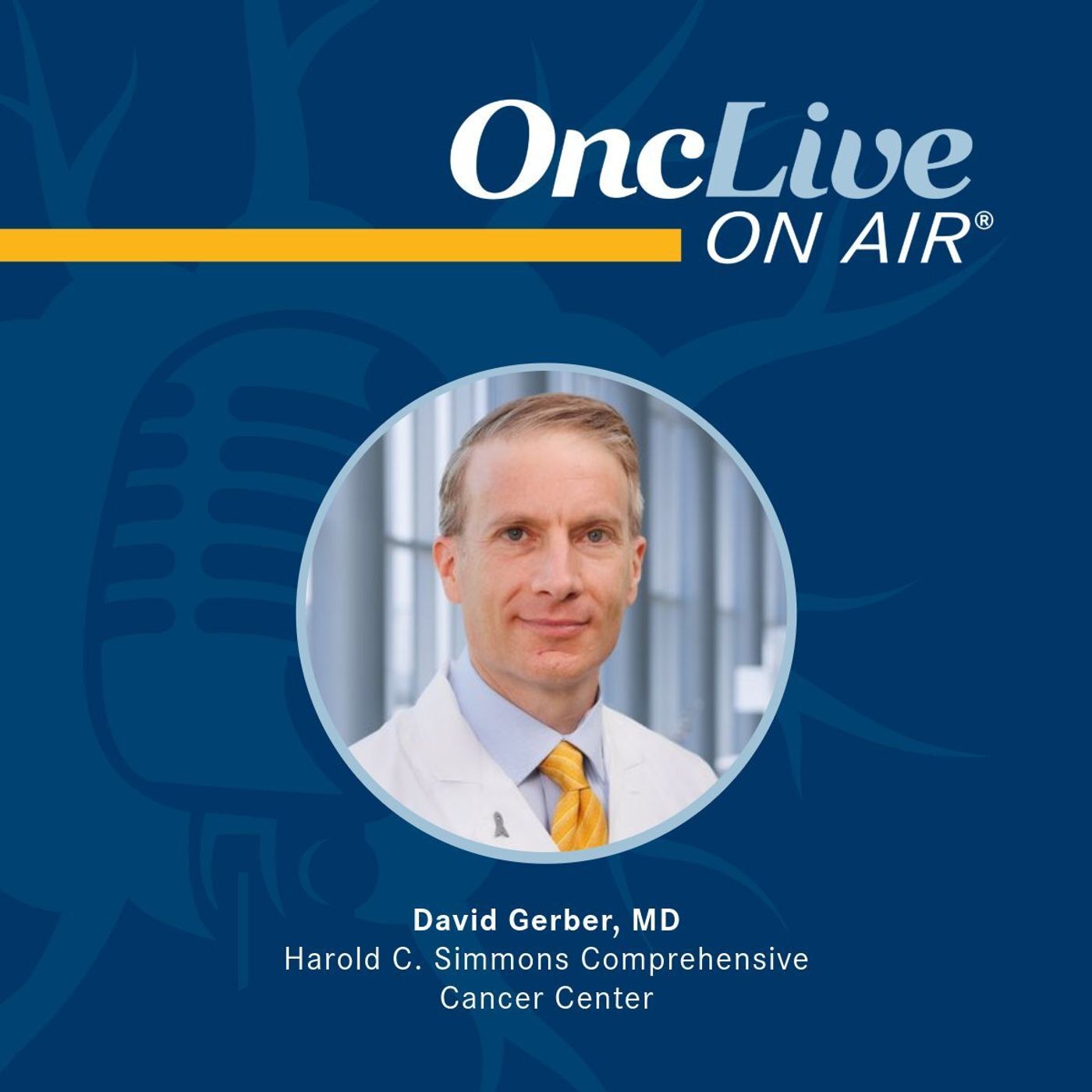
S12 Ep 8S12 Ep8: How are Antibody-Drug Conjugates Shaping the NSCLC Treatment Paradigm? With David Gerber, MD
In today’s episode, we had the pleasure of speaking with David Gerber, MD, a professor in the Department of Internal Medicine at the University of Texas Southwestern Medical Center, a member of its Division of Hematology/Oncology, and co-director of Education and Training for the Harold C. Simmons Comprehensive Cancer Center in Dallas.In our exclusive interview, Dr Gerber discussed the evolving role of antibody-drug conjugates (ADCs) in non–small cell lung cancer (NSCLC), focusing on findings from key clinical trials. He highlighted results from the phase 3 TROPION-Lung01 trial (NCT04656652), which demonstrated a modest improvement in progression-free survival with datopotamab deruxtecan-dlnk (Datroway), a TROP2-directed ADC, compared with docetaxel in patients with previously treated advanced NSCLC. He also emphasized the toxicity profile of TROP2-directed ADCs, particularly gastrointestinal toxicities and myelosuppression.Dr Gerber also reviewed the phase 2 HERTHENA-Lung01 trial (NCT04619004) evaluating patritumab deruxtecan in patients with EGFR-mutant NSCLC and the phase 2 DESTINY-Lung02 trial (NCT04644237) assessing fam-trastuzumab deruxtecan-nxki (Enhertu) in those with HER2-mutant NSCLC. Dr Gerber reflected on the shared DXd payload of these ADCs, highlighting its implications for toxicity and efficacy, as well as open questions regarding treatment sequencing and resistance mechanisms.
S12 Ep 7S12 Ep7: Blinatumomab-Based Regimens Enhance and Refine the B-ALL Treatment Paradigm: With Ryan Cassaday, MD
In today’s episode, supported by Amgen, we had the pleasure of speaking with Ryan Cassaday, MD, an associate professor in the Clinical Research Division at the Fred Hutchinson Cancer Center and an associate professor in the Division of Hematology and Oncology at the University of Washington School of Medicine in Seattle, Washington. In our exclusive interview, Dr Cassaday discussed insights from several trials investigating blinatumomab (Blincyto) in patients with B-cell acute lymphoblastic leukemia (B-ALL) that were reported at the 2024 ASH Annual Meeting, including subgroup analyses of the phase 3 ECOG-ACRIN E1910 trial (NCT02003222). He also shared how findings from the phase 3 AALL1731 trial (NCT03914625) of blinatumomab plus chemotherapy in children with newly diagnosed B-ALL may be extrapolated to the adult B-ALL patient population.

S12 Ep 6S12 Ep6: FDA Approval Insights: Subcutaneous Nivolumab for Advanced Solid Tumors: With Roxana S. Dronca, MD
In today’s episode, supported by Bristol Myers Squibb, we had the pleasure of speaking with Roxana S. Dronca, MD, about the FDA approval of subcutaneous nivolumab and hyaluronidase-nvhy (Opdivo Qvantig; subcutaneous nivolumab) for advanced or metastatic solid tumors. Dr Dronca is a professor of oncology, a consultant in the Division of Hematology/Oncology in the Department of Internal Medicine, and director of the Mayo Clinic Comprehensive Cancer Center in Jacksonville, Florida.On December 27, 2024, the FDA approved subcutaneous nivolumab across approved adult, solid tumor nivolumab indications, including as monotherapy, monotherapy maintenance after completion of nivolumab in combination with ipilimumab (Yervoy), or in combination with cabozantinib (Cabometyx) or chemotherapy. This regulatory decision was backed by findings from the phase 3 CheckMate-67T trial (NCT04810078) and includes indications for melanoma, renal cell carcinoma, non–small cell lung cancer, urothelial carcinoma, head and neck squamous cell carcinoma, colorectal cancer, esophageal carcinoma, esophageal adenocarcinoma, hepatocellular carcinoma, gastric cancer, and gastroesophageal junction cancer.In our exclusive interview, Dr Dronca discussed the significance of this FDA approval across multiple solid tumor indications, pivotal findings from the CheckMate-67T trial, and how this approval represents a paradigm shift in modern cancer care delivery.

S12 Ep 5S12 Ep5: MedNews Week Advances Global Oncology Education and Combats Misinformation: With Chandler Park, MD; and Yan Leyfman, MD
In this episode of Oncology Unplugged, a podcast series from OncLive and MedNews Week, podcast host Chandler Park, MD, a medical oncologist at Norton Cancer Institute in Louisville, Kentucky, and Yan Leyfman, MD, a resident physician at Mount Sinai in New York, New York, discussed the origins and mission of MedNews Week, a global platform designed to combat health care misinformation and advance medical education. Conceived during the COVID-19 pandemic, MedNews Week was created in response to widespread misinformation and a need for accessible, evidence-based information. Over the past 2 and a half years, the platform has expanded to reach over 100 countries, focusing on underserved regions and amplifying the voices of both established oncology leaders and early-career researchers.
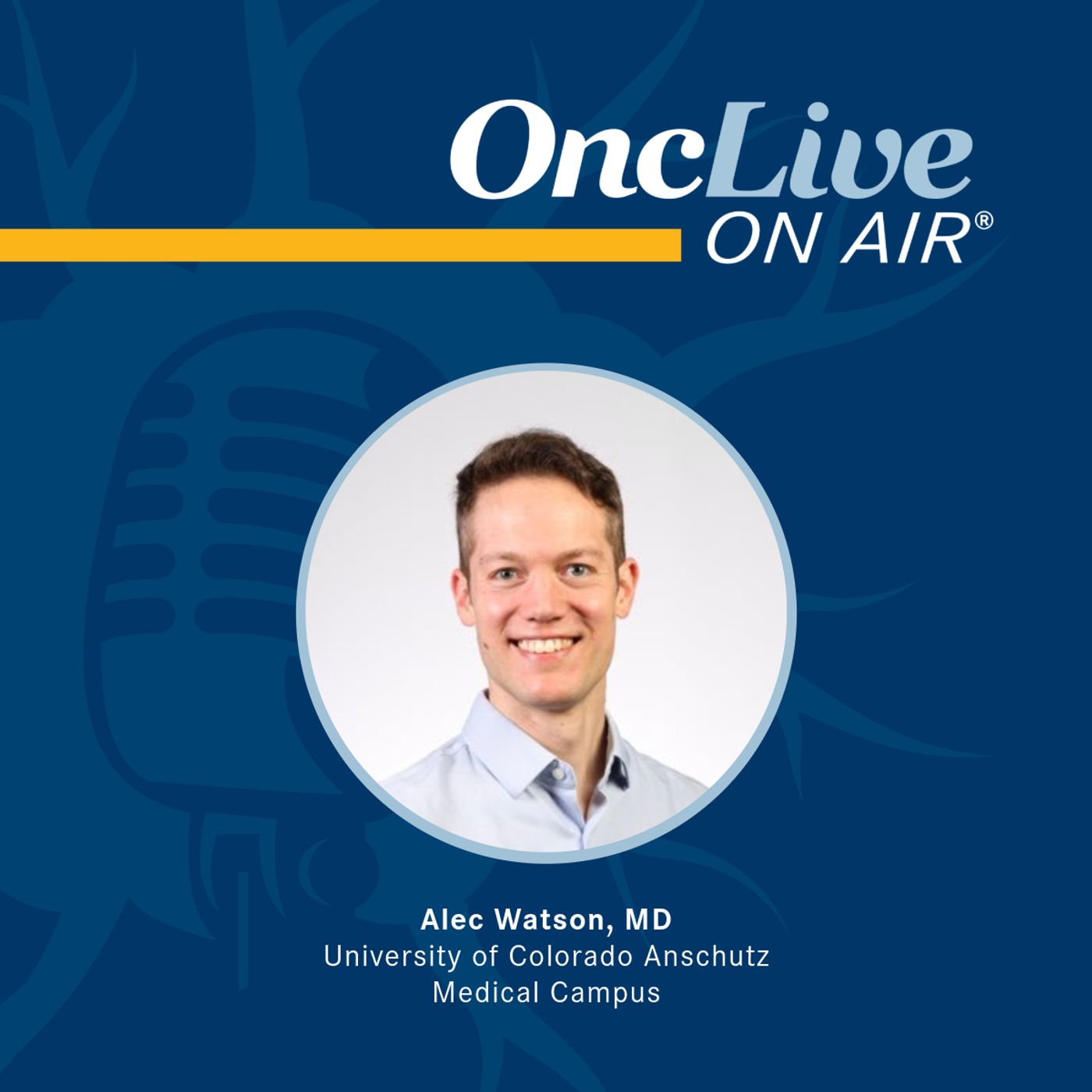
S12 Ep 4S12 Ep4: Oncogene Analysis Identifies Clinically Relevant Gene Copy Number Gain Thresholds in NSCLC: With Alec Watson, MD
In today’s episode, we had the pleasure of speaking with Alec Watson, MD, a thoracic oncology fellow in the School of Medicine in the Division of Medical Oncology at the University of Colorado Anschutz Medical Campus in Aurora. In our exclusive interview, Dr Watson discussed the rationale for and key findings from a retrospective analysis examining the ways that oncogene overlap could identify clinically relevant thresholds for MET, KRAS, and HER2 gene copy number gain in non–small cell lung cancer; next steps for this research; and the future implications of these findings.

S12 Ep 3S12 Ep3: Clinical Practice Insights Reveal the Complexity of Lymphoma Subtypes and Advances in First-Line Treatments: With Chandler Park, MD; and Joshua Brody, MD
In this Oncology Unplugged discussion, Chandler Park, MD, a medical oncologist at Norton Cancer Institute in Louisville, Kentucky, and Joshua Brody, MD, director of the Lymphoma Immunotherapy Program at The Tisch Cancer Institute at Mount Sinai in New York, New York, explored the heterogeneity of lymphoma subtypes and the evolution of treatment paradigms across B-cell malignancies. They discussed the treatment challenges posed by the diverse spectrum of lymphomas, ranging from indolent subtypes, such as follicular lymphoma, to aggressive diseases like Burkitt lymphoma.
S12 Ep 2S12 Ep2: Pembrolizumab Plus Preoperative Radiotherapy and Surgery Improves DFS in Soft-Tissue Sarcoma: With Yvonne Mowery, MD, PhD
In today’s episode, we had the pleasure of speaking with Yvonne Mowery, MD, PhD, about the phase 2 SU2C-SARC032 trial (NCT03092323) investigating the addition of pembrolizumab to preoperative radiotherapy and surgery in patients with soft-tissue sarcoma. Dr Mowey is a physician scientist and an associate professor of radiation oncology at the University of Pittsburgh Medical Center Hillman Cancer Center in Pennsylvania. In our exclusive interview, Dr Mowery discussed unmet needs for patients with soft-tissue sarcoma that prompted the initiation of this research, key efficacy and safety findings from the trial, and potential next steps for investigating the treatment regimen in this patient population.

S12 Ep 1S12 Ep1: FDA Approval Insights: Zenocutuzumab for NRG1+ Pancreatic Adenocarcinoma and NSCLC: With Alison Schram, MD
In today’s episode, supported by Merus, we had the pleasure of speaking with Alison Schram, MD, about the FDA approval of zenocutuzumab-zbco (Bizengri) for patients with previously treated advanced pancreatic adenocarcinoma or non–small cell lung cancer (NSCLC) harboring NRG1 gene fusions. Dr Schram is an assistant attending physician at Memorial Sloan Kettering Cancer Center in New York, New York. On December 4, 2024, the FDA granted accelerated approval to zenocutuzumab for the treatment of adult patients with advanced, unresectable, or metastatic pancreatic adenocarcinoma harboring an NRG1 gene fusion who have disease progression on or after prior systemic therapy; and adult patients with advanced, unresectable, or metastatic NSCLC harboring an NRG1 gene fusion who have disease progression on or after prior systemic therapy. This regulatory decision was based on findings from the phase 2 eNRGy trial (NCT02912949), in which patients with pancreatic adenocarcinoma (n = 30) achieved an overall response rate (ORR) of 40% (95% CI, 23%-59%), and a duration of response (DOR) that ranged from 3.7 months to 16.6 months. In the NSCLC cohort (n = 64), the (ORR) of 33% (95% CI, 22%-46%), and the median DOR was 7.4 months (95% CI, 4.0-16.6). In our exclusive interview, Dr Schram discussed the significance of this approval, key efficacy data from the pancreatic cancer and NSCLC cohorts of eNRGy, and the importance of using RNA-based testing to identify patients with NRG1 fusions.

S11 Ep 50S11 Ep50: DESTINY-Breast06 Data Demonstrate the Role of T-DXd in HER2-Low and -Ultralow Breast Cancer: With Chandler Park, MD; and Guiseppe Curigliano, MD, PhD
In this episode of Oncology Unplugged, a podcast series from MedNews Week, host Chandler Park, MD, a medical oncologist at the Norton Cancer Institute in Louisville, Kentucky, was joined by Guiseppe Curigliano, MD, PhD, a full professor of medical oncology at the University of Milan, as well as the director of the Early Drug Development Division and co-chair for the Experimental Therapeutics Program at the European Institute of Oncology in Italy. In this exclusive interview, Drs Park and Curigliano discussed the potential future role of artificial intelligence across oncology disciplines; how advances in precision medicine will help improve patient care; the significance of seeing early research with fam-trastuzumab deruxtecan-nxki (T-DXd; Enhertu) evolve into the present era, where the agent is FDA approved for the treatment of patients with HER2-positive solid tumors. They also discussed their insights on data from the phase 3 DESTINY-Breast06 trial (NCT04494425) investigating T-DXd in patients with HER2-low or -ultralow, hormone receptor–positive, metastatic breast cancer.
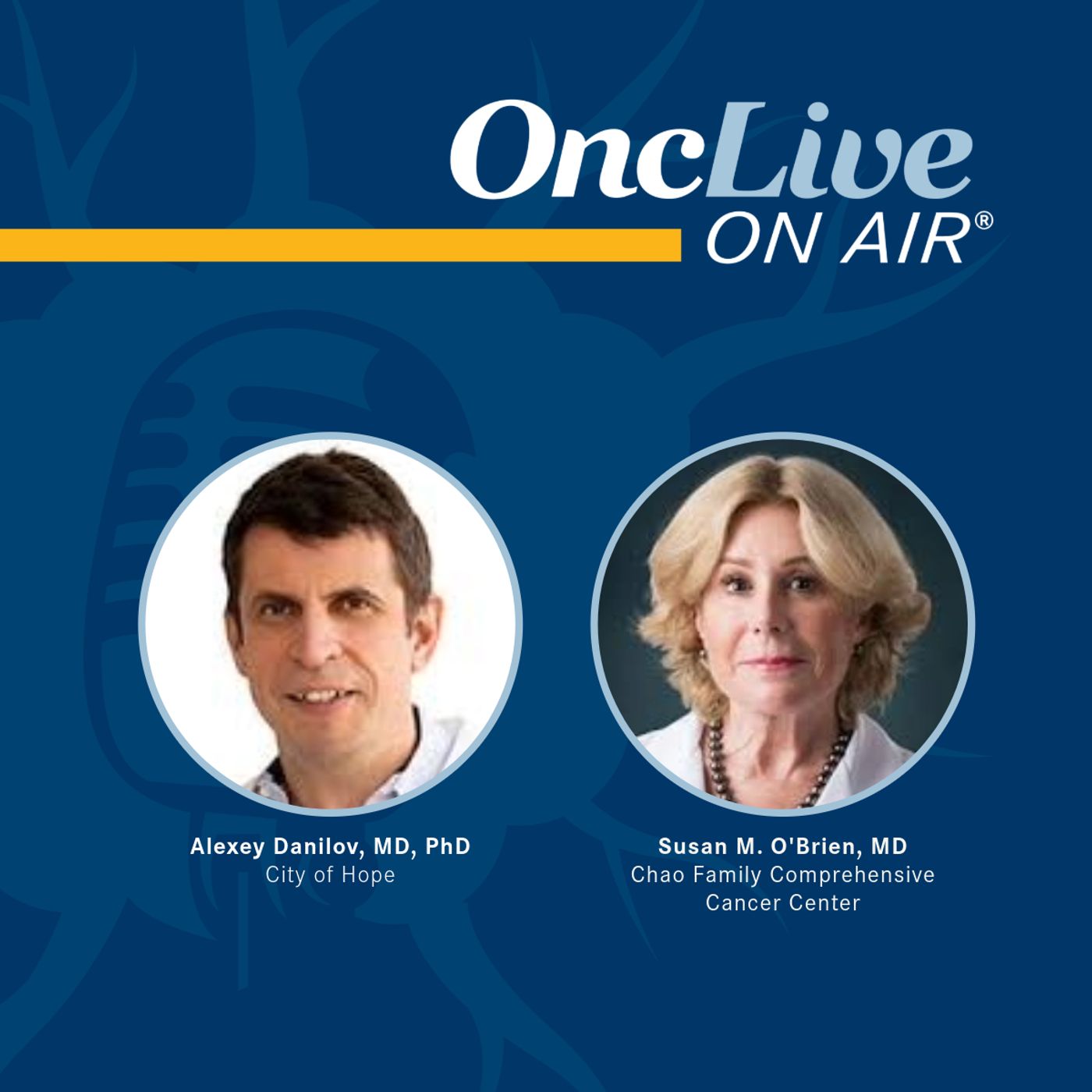
S11 Ep 49S11 Ep49: Explore the Evolving Role of BTK Inhibitors in CLL: With Alexey Danilov, MD, PhD; and Susan M. O'Brien, MD
In today’s episode, supported by BeiGene, Alexey Danilov, MD, PhD, hosted a discussion with Susan M. O'Brien, MD, about key data updates with BTK inhibitors in patients with chronic lymphocytic leukemia (CLL) that were presented at the 2024 ASH Annual Meeting. Dr Danilov is the Marianne and Gerhard Pinkus Professor of Early Clinical Therapeutics, the medical director of the Early Phase Therapeutics Program for the Systems Clinical Trials Office, co-director of the Toni Stephenson Lymphoma Center, and a professor in the Division of Lymphoma at the Department of Hematology & Hematopoietic Cell Transplantation at City of Hope in Duarte, California. Dr O'Brien is the associate director for Clinical Science at the Chao Family Comprehensive Cancer Center, the medical director of the Sue & Ralph Stern Center for Clinical Trials & Research, and a professor of medicine in the Division of Hematology/Oncology in the University of California Irvine School of Medicine.In our exclusive interview, Drs Danilov and O'Brien discussed potentially practice-changing data with acalabrutinib (Calquence)–based regimens from the phase 3 AMPLIFY trial (NCT03836261) in CLL, key updates with zanubrutinib (Brukinsa) as monotherapy and in combination with sonrotoclax (BGB-11417) in patients with this disease, and practice-confirming findings with pirtobrutinib (Jaypirca) from the phase 3 BRUIN CLL-321 trial (NCT04666038) in patients with previously treated CLL.
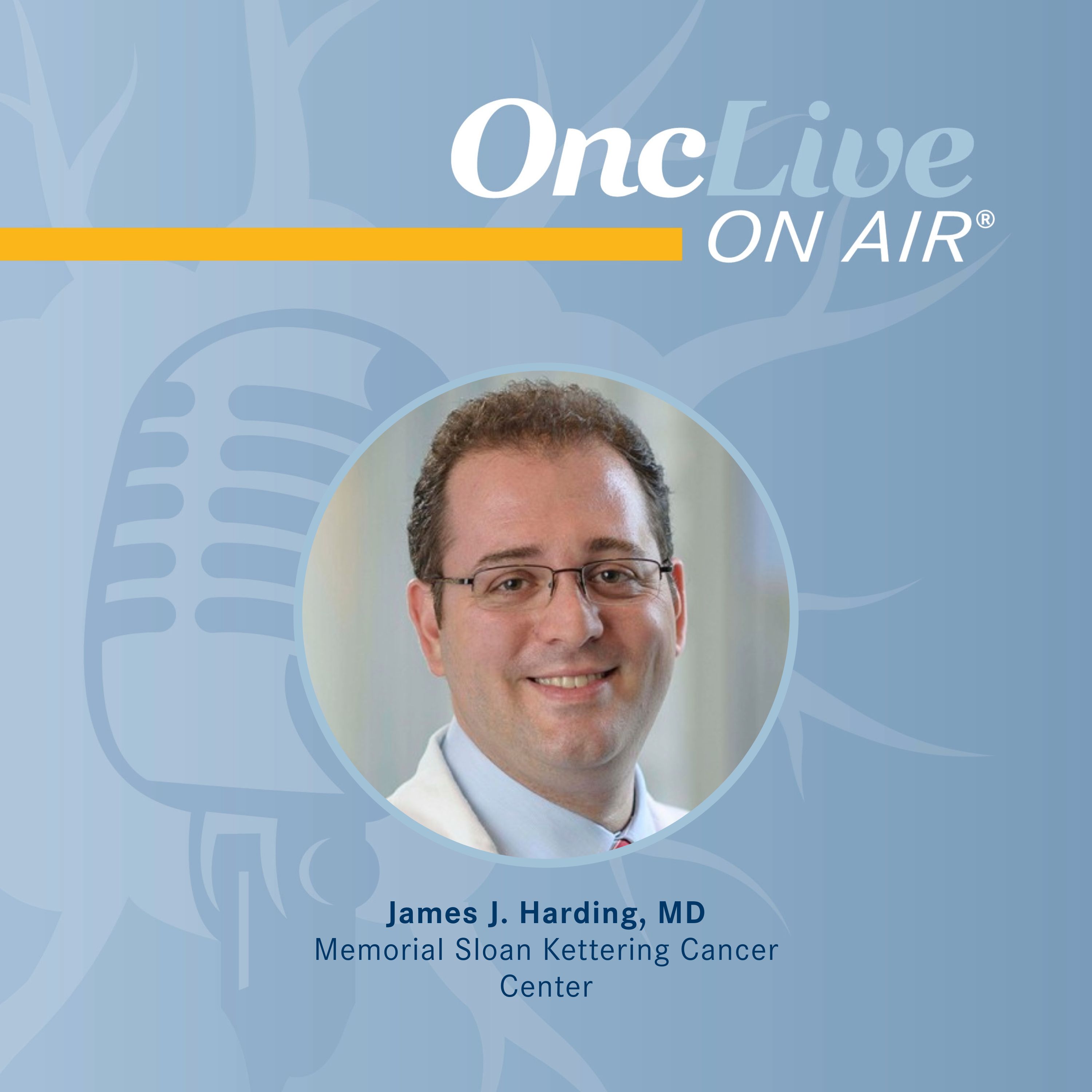
S11 Ep 48S11 Ep48: FDA Approval Insights: Zanidatamab in Pretreated, HER2+ Biliary Tract Cancer
In today’s episode, supported by Jazz Pharmaceuticals, we had the pleasure of speaking with James J. Harding, MD, director of Early Drug Development at Memorial Sloan Kettering Cancer Center, about the FDA approval of zanidatamab-hrii (Ziihera) for patients with HER2-positive metastatic biliary tract cancer.In our exclusive interview, Dr Harding discussed the significance of this approval, marking the first HER2-targeted therapy specifically for biliary tract cancer. He highlighted findings from the pivotal HORIZON BTC-01 trial (NCT04466891), explored how zanidatamab fits into the treatment paradigm, and addressed the role of HER2 profiling in guiding patient selection. Dr Harding also detailed ongoing research into zanidatamab in earlier treatment settings and emphasized its potential to transform care for patients with this challenging disease.
S11 Ep 47S11 Ep47: Exploring Luspatercept's Role in Anemia Management for Lower-Risk MDS: Insights From Dr. Jorge Cortes
S11 Ep 46S11 Ep46: The Evolving Role of ctDNA in Guiding Adjuvant Chemotherapy Decisions in CRC: Insights from Stacey A. Cohen, MD
In our exclusive interview, Dr Cohen provided insights into the evolving role of circulating tumor DNA (ctDNA) in clinical decision-making for patients with colorectal cancer (CRC), particularly through findings from the CIRCULATE-Japan GALAXY trial (UMIN000039205). She highlighted how ctDNA has emerged as a strong prognostic factor for recurrence risk in CRC and explored its potential to guide therapy escalation or de-escalation. She also discussed the heterogeneity in the patient population included in the CIRCULATE-Japan GALAXY study and how ctDNA negativity correlates with improved disease-free and overall survival. Additionally, Dr Cohen outlined what data are still needed to integrate ctDNA testing into routine clinical practice and how sustained vs transient ctDNA clearance may influence treatment and surveillance strategies moving forward.
S11 Ep 45S11 Ep45: Asciminib and Ponatinib Sit at the Forefront of Advances in CML Management: Insights From Onyee Chan, MD; and Bradley D. Hunter, MD
In our exclusive interview, Drs Chan and Hunter discussed the integration of asciminib (Scemblix) as a first-line therapy for patients with CML, optimal treatment sequencing in CML management, and how findings from the phase 2 OPTIC trial (NCT02467270) have influenced ponatinib (Iclusig) dosing strategies in patients with chronic-phase disease. They also addressed the role of mutational testing in guiding treatment selection, strategies to mitigate adverse effects, and the evolving role of stem cell transplantation in the treatment paradigm.
S11 Ep 44S11 Ep44: Explore MRD Dynamics With Isa-VRd in Newly Diagnosed Multiple Myeloma: Insights From Philippe Moreau, MD
In our exclusive interview, Dr Moreau discussed key findings from an analysis of minimal residual disease negativity dynamics from IMROZ and the potential future implications of these findings for patients with newly diagnosed multiple myeloma who receive treatment with Isa-VRd.
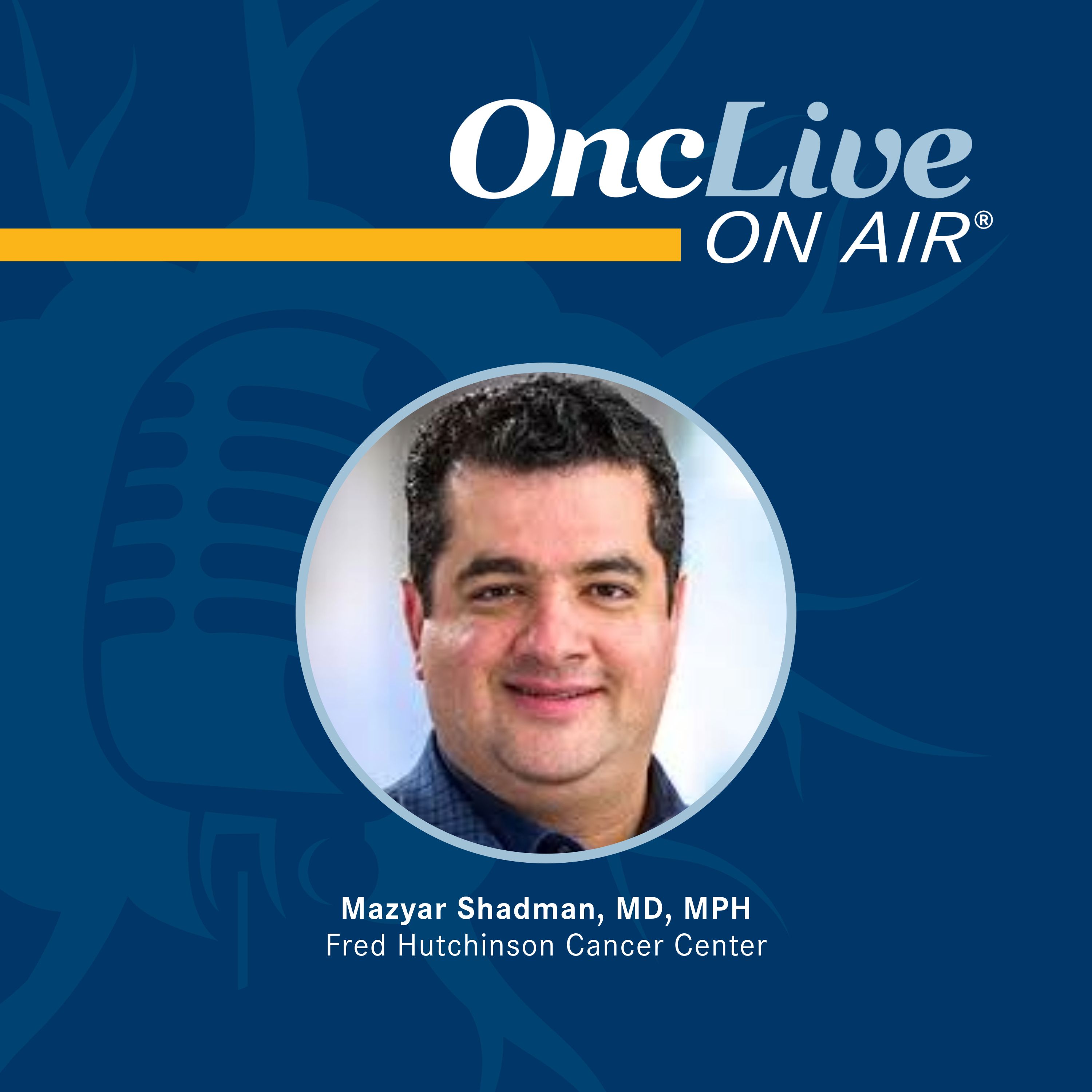
S11 Ep 43S11 Ep43: Zanubrutinib Leads the Way for Advancements in CLL Management: With Mazyar Shadman, MD, MPH
In today’s episode, supported by BeiGene, we had the pleasure of speaking with Mazyar Shadman, MD, MPH, about updates in zanubrutinib (Brukinsa)–focused research in chronic lymphocytic leukemia (CLL) that were presented at the 2024 ASH Annual Meeting. Dr Shadman is an associate professor in the Clinical Research Division and the medical director of Cellular Immunotherapy at the Fred Hutchinson Cancer Center in Seattle, Washington.In our exclusive interview, Dr Shadman discussed key findings and implications from several clinical trials investigating zanubrutinib as monotherapy and in combination with agents such as obinutuzumab (Gazyva), sonrotoclax (BGB-11417), and venetoclax (Venclexta) in patients with CLL and other B-cell malignancies.
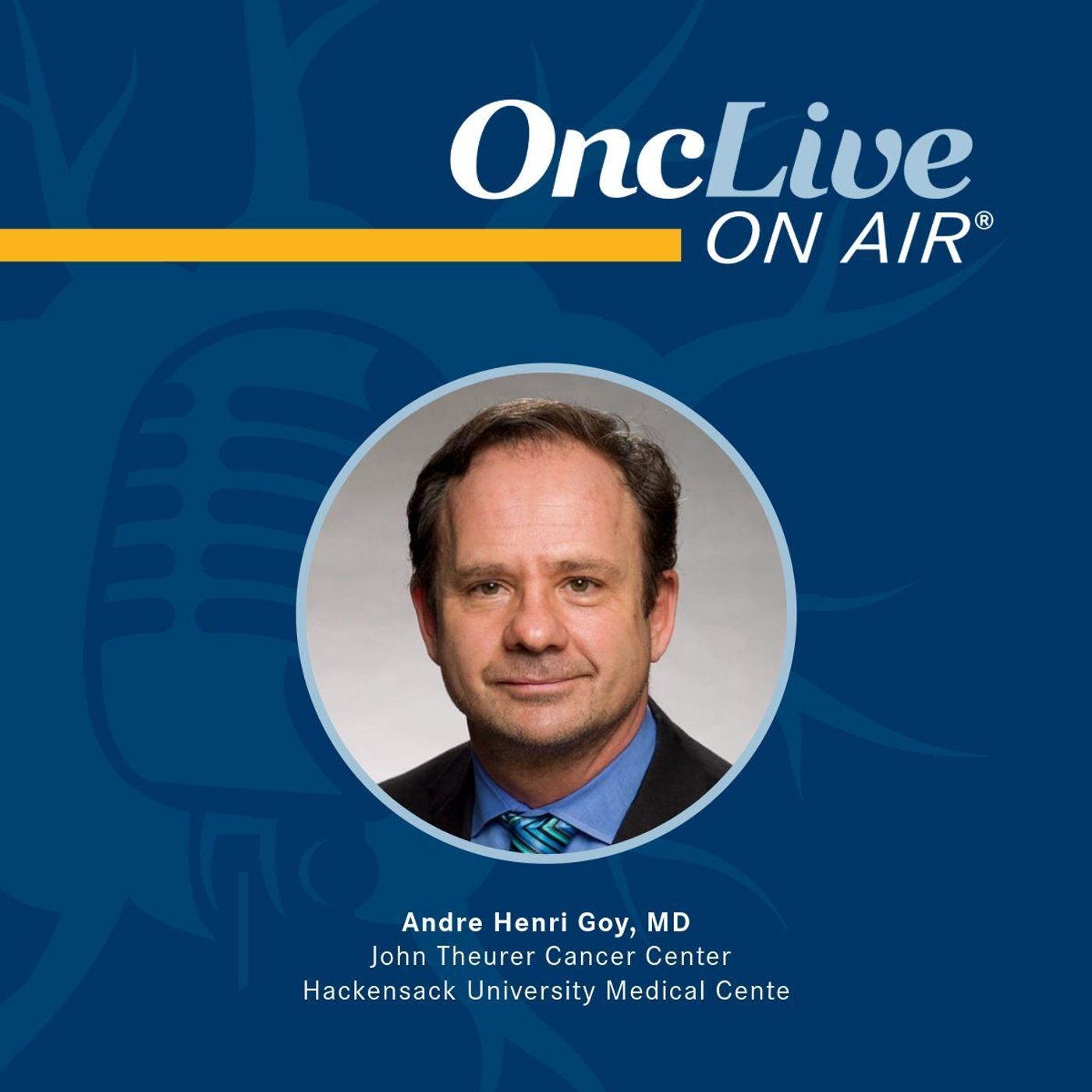
S11 Ep 41S11 Ep41: Unpacking Key Data From the 2024 ASH Annual Meeting: With Andre Goy, MD
In today’s episode, we had the pleasure of speaking with Andre Goy, MD, about key updates from the 2024 ASH Annual Meeting. Dr Goy is physician in chief of Hackensack Meridian Health Oncology Care Transformation Services, as well as the chairman, chief physician officer, and chief of the Lymphoma Division at the John Theurer Cancer Center at Hackensack University Medical Center in New Jersey.In our exclusive interview, Dr Goy discussed top hematologic oncology research conducted by his colleagues at the John Theurer Cancer Center and his predictions for the future of the field in 2025 and beyond.
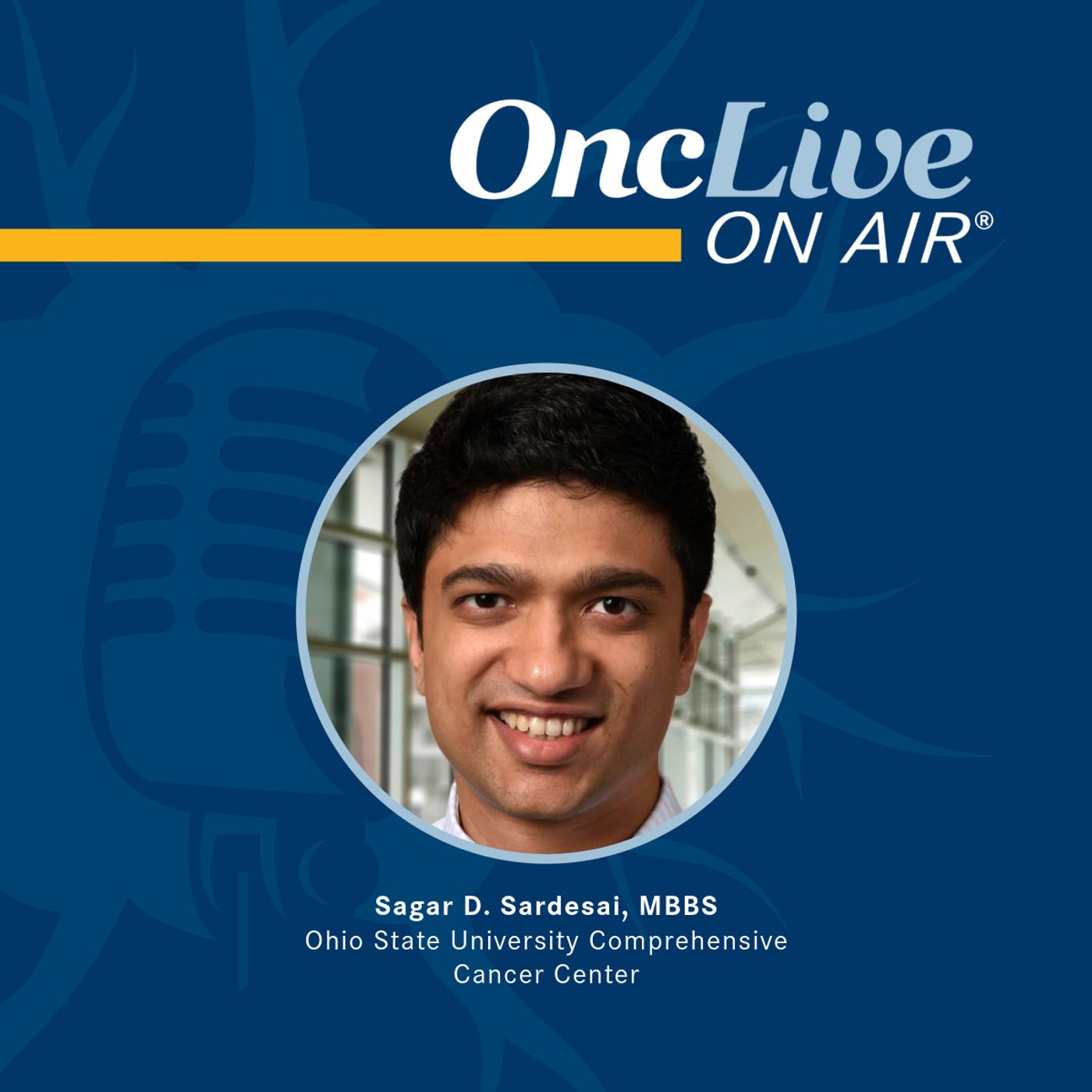
S11 Ep 42S11 Ep42: Exploring Lasofoxifene Plus Abemaciclib in ESR1+ Breast Cancer: Insights from ELAINE-3 With Sagar D. Sardesai, MBBS
Sagar D. Sardesai, MBBS, discusses the phase 3 ELAINE-3 trial evaluating lasofoxifene plus abemaciclib in ESR1-mutant, ER+/HER2- metastatic breast cancer.

S11 Ep 41S11 Ep41: Explore Findings With Nivolumab Plus AVD in Advanced-Stage Classic Hodgkin Lymphoma: With Alex F. Herrera, MD
In today’s episode, we had the pleasure of speaking with Alex F. Herrera, MD, about key safety and efficacy findings from the phase 3 SWOG S1826 trial (NCT03907488) evaluating nivolumab (Opdivo) plus doxorubicin, vinblastine, and dacarbazine (N+AVD) vs brentuximab vedotin (BV) plus AVD (BV+AVD) in adolescent and adult patients with stage III or IV advanced-stage classic Hodgkin lymphoma. Herrera is chief of the Division of Lymphoma in the Department of Hematology & Hematopoietic Cell Transplantation, as well as the associate medical director of the Briskin Center for Clinical Research and an associate professor in the Division of Lymphoma in the Department of Hematology & Hematopoietic Cell Transplantation at City of Hope in Duarte, California.After 2.1 years of follow-up (range, 0-4.2), N+AVD prolonged median progression-free survival (PFS) and had a more tolerable safety profile compared with BV+AVD. The 2-year PFS rate with N+AVD was 92% (95% CI, 89%-94%) vs 83% (95% CI, 79%-86%) with BV+AVD (HR, 0.45; 95% CI, 0.30-0.65). Notably, the benefit with N+AVD was consistent across diverse patient subgroups enrolled in the study.In our exclusive interview, Dr Herrera expanded on the rationale for conducting SWOG S1826, detailed key data showing sustained benefit and safety with N+AVD, and explained how these results support the use of N+AVD as a strong candidate for primary treatment in adolescent and adult patients with stage III or IV Hodgkin lymphoma.

S11 Ep 41S11 Ep41: Delve Into Data With Amivantamab Plus Lazertinib in EGFR-Mutated NSCLC: With Chandler Park, MD; and Stephen Liu, MD
In this episode of Oncology Unplugged, a podcast series from MedNews Week, host Chandler Park, MD, a medical oncologist at the Norton Cancer Institute in Louisville, Kentucky, was rejoined by Stephen Liu, MD, a thoracic oncologist and the Head of Developmental Therapeutics at Georgetown University’s Lombardi Comprehensive Cancer Center in Washington, DC. Their conversation encompassed findings from the phase 3 MARIPOSA trial (NCT04487080) investigating amivantamab-vmjw (Rybrevant) plus lazertinib (lacluze) in patients with EGFR-mutated advanced non–small cell lung cancer (NSCLC); toxicities associated with amivantamab and lazertinib to be aware of; the potential future implications of findings from the phase 3 PALOMA-3 trial (NCT05388669) of lazertinib plus subcutaneous amivantamab in patients with EGFR-mutated advanced or metastatic NSCLC; and how all these agents may fit into the NSCLC treatment armamentarium going forward.
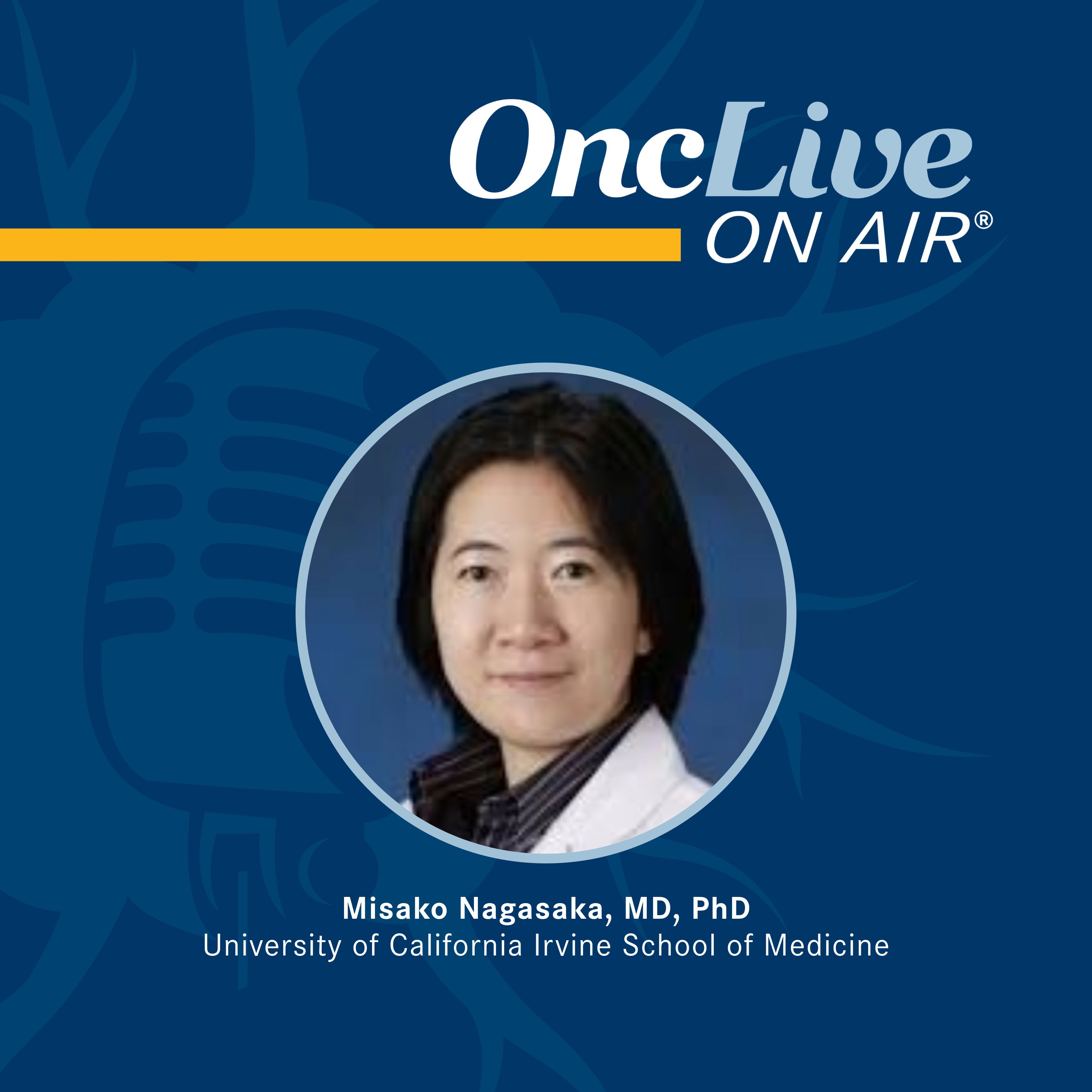
S11 Ep 40S11 Ep40: T-DXd Steadily Transforms the NSCLC Treatment Paradigm: With Misako Nagasaka, MD, PhD
In today’s episode, supported by Daiichi Sankyo, we had the pleasure of speaking with Misako Nagasaka, MD, PhD, about the use of fam-trastuzumab deruxtecan-nxki (T-DXd; Enhertu) in patients with non–small cell lung cancer (NSCLC). Dr Nagasaka is an associate professor in the Division of Hematology and Oncology and the Division of Medicine at the University of California Irvine School of Medicine. In our exclusive interview, Dr Nagasaka discussed key findings from the phase 2 DESTINY-PanTumor02 (NCT04482309) and DESTINY-Lung01 (NCT03505710) trials that led to the FDA approval of T-DXd for patients with unresectable or metastatic HER2-positive solid tumors, including those with NSCLC; where next-generation sequencing fits into her clinical practice; and the current role of T-DXd in lung cancer management.

S11 Ep 40S11 Ep40: How to Optimize Patient Selection for Multiple Myeloma Therapies: With Binod Dhakal, MD; and Muhamed Baljevic, MD
In today’s episode, we had the pleasure of speaking with Binod Dhakal, MD, and Muhamed Baljevic, MD, about updates regarding patient identification for optimal multiple myeloma treatment. Dr Dhakal is an associate professor of medicine in the Division of Hematology at the Medical College of Wisconsin in Milwaukee. Dr Baljevic is an associate professor of medicine in the Division of Hematology Oncology, director of Plasma Cell Disorders Research, director of the Vanderbilt Amyloidosis Multidisciplinary Program, co-chair of the Protocol Review and Monitoring System, and disease team lead for plasma cell dyscrasias and lymphomas at the Vanderbilt-Ingram Cancer Center, part of the Vanderbilt University Medical Center in Nashville, Tennessee. In our exclusive interview, Drs Dhakal and Baljevic discussed first- and subsequent-line treatment options for patients with multiple myeloma, treatment options beyond CAR T-cell therapy for unfit patients, and ongoing research that may expand the myeloma treatment paradigm in the future.
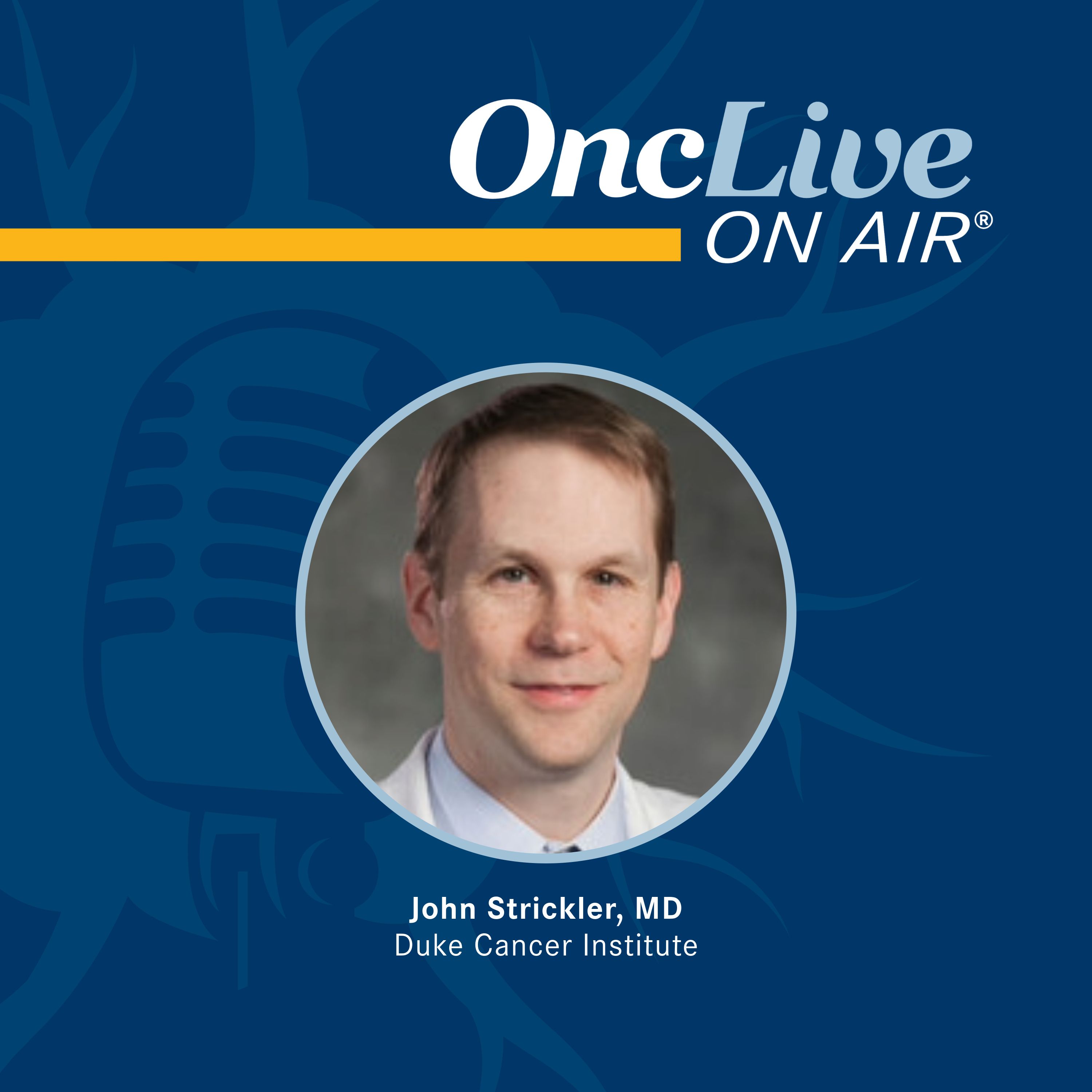
S11 Ep 38S11 Ep38: Pancreatic Cancer Research Surfaces Treatment Developments and Challenges: With John Strickler, MD
In today’s episode, supported by Revolution Medicines, we had the pleasure of speaking with John Strickler, MD, about key considerations for pancreatic cancer management in honor of Pancreatic Cancer Awareness Month, which is observed every November. Dr Strickler is a professor of medicine in the Division of Medical Oncology, associate director of Clinical Research – GI Oncology, and co-leader for the Precision Cancer Medicine and Investigational Therapeutics Program at the Duke Cancer Institute in Durham, North Carolina. In our exclusive interview, Dr Strickler discussed the challenges of targeting RAS alterations in pancreatic cancer, the importance of biomarker testing in this disease, and efforts to improve pancreatic cancer screening methodologies and rates.
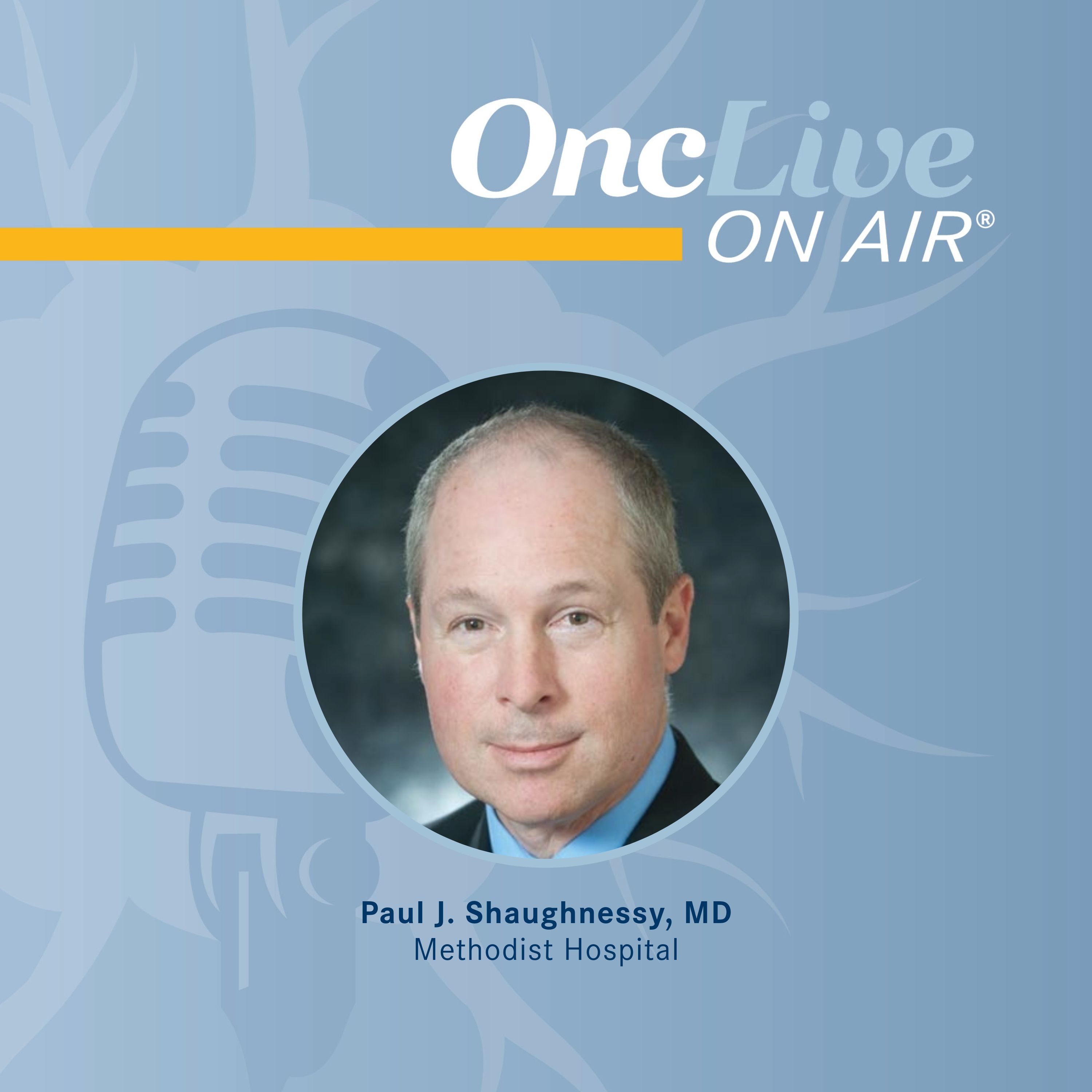
S11 Ep 38S11 Ep38: FDA Approval Insights: Obe-Cel in B-Cell Precursor ALL
In today’s episode, we had the pleasure of speaking with Paul J. Shaughnessy, MD, about the FDA approval of obecabtagene autoleucel (obe-cel; Aucatzyl) for patients with relapsed or refractory B-cell precursor acute lymphoblastic leukemia (ALL). Dr Shaughnessy is the medical director of the Adult Blood and Marrow Stem Cell Transplant Program at Methodist Hospital in San Antonio, Texas. On November 8, 2024, the FDA approved obe-cel for the treatment of adult patients with relapsed or refractory B-cell precursor ALL. This regulatory decision was supported by findings from the phase 1/2 FELIX trial (NCT04404660), in which 42% (95% CI, 29%-54%) of efficacy-evaluable patients with relapsed or refractory CD19-positive B-cell ALL who received the CAR T-cell product achieved a complete response (CR) within 3 months. The median duration of CR achieved within 3 months was 14.1 months (95% CI, 6.1-not reached). In our exclusive interview, Dr Shaughnessy discussed the significance of this approval, key efficacy and safety findings from the pivotal FELIX trial, and where obe-cel currently fits into the ALL treatment paradigm.
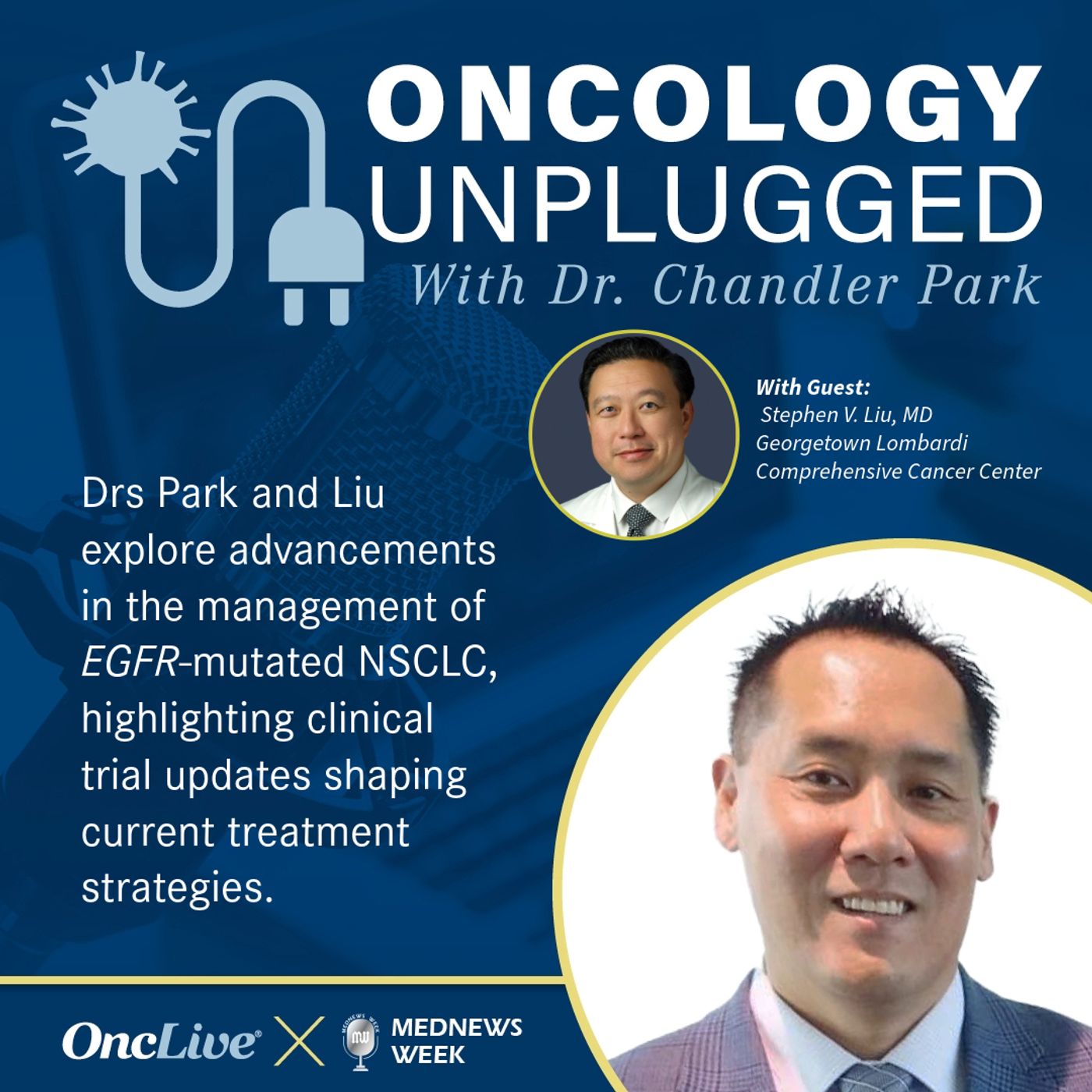
S11 Ep 39S11 Ep39: Explore the Latest Treatment Updates in EGFR-Mutated NSCLC: With Chandler Park, MD; and Stephen V. Liu, MD
Drs Park and Liu explore advancements in the management of EGFR-mutated NSCLC, highlighting clinical trial updates shaping current treatment strategies.
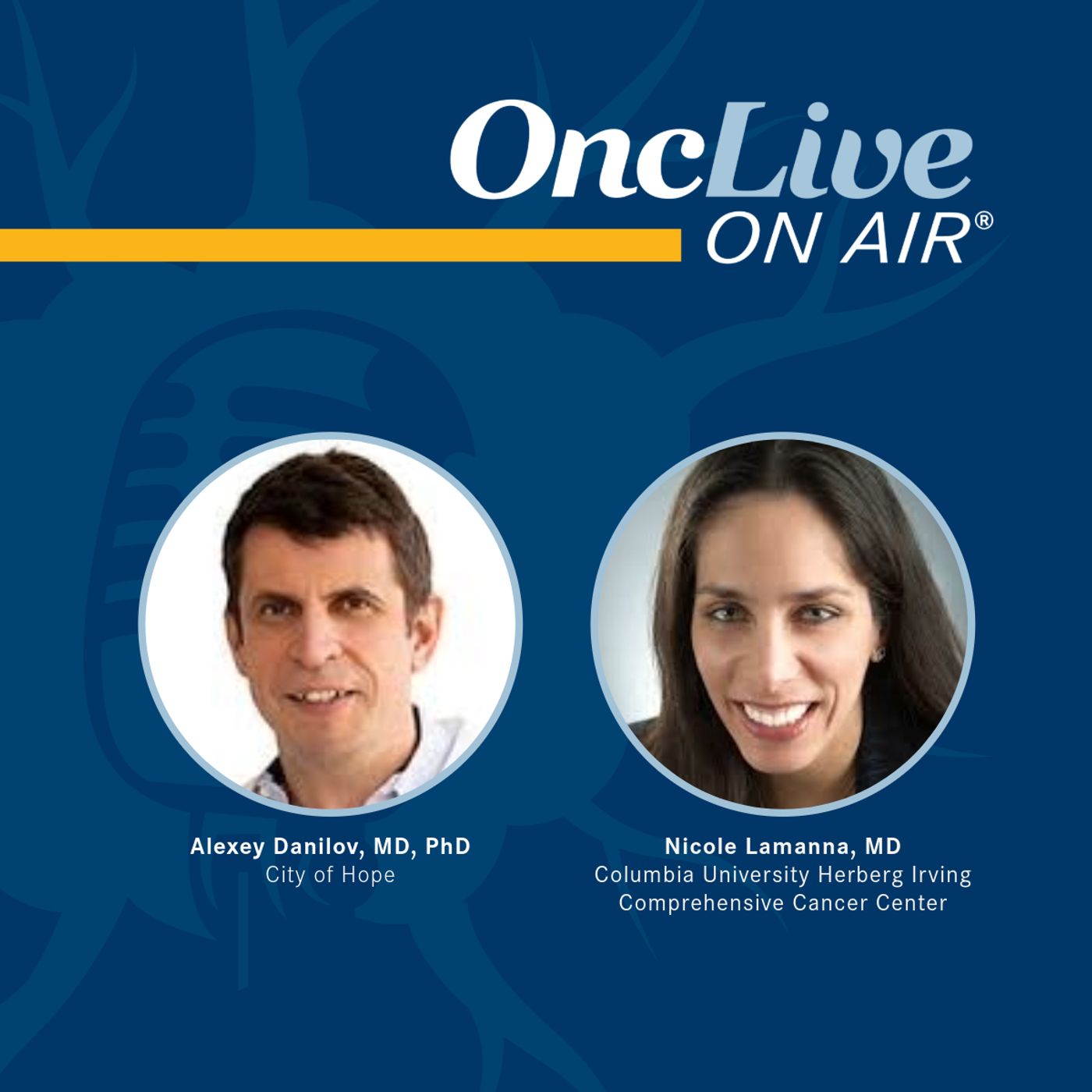
S11 Ep 38S11 Ep38: Long-Term Data Solidify the Role of Zanubrutinib in R/R CLL: With Alexey Danilov, MD, PhD; and Nicole Lamanna, MD
In today’s episode, supported by BeiGene, Alexey Danilov, MD, PhD, hosted a discussion with Nicole Lamanna, MD, about the use of zanubrutinib (Brukinsa) in patients with chronic lymphocytic leukemia (CLL). Dr Danilov is the Marianne and Gerhard Pinkus Professor of Early Clinical Therapeutics, the medical director of the Early Phase Therapeutics Program for the Systems Clinical Trials Office, co-director of the Toni Stephenson Lymphoma Center, and a professor in the Division of Lymphoma at the Department of Hematology & Hematopoietic Cell Transplantation at City of Hope in Duarte, California. Dr Lamanna is an associate clinical professor of medicine in the Hematologic Malignancies Section of the Hematology/Oncology Division at the Columbia University Herberg Irving Comprehensive Cancer Center in New York, New York. In our exclusive interview, Drs Danilov and Lamanna discussed key efficacy data from the final comparative analysis of the phase 3 ALPINE trial (NCT03734016) in patients with relapsed/refractory CLL, zanubrutinib-associated toxicities to consider when using this agent, and what the future looks like for BTK inhibitor–based therapy in CLL.

S11 Ep 37S11 Ep37: Trastuzumab Deruxtecan Advances HER2+ Gynecologic Cancer Care: With Susana M. Campos, MD, MPH
OncLive On Air is a podcast from OncLive®, which provides oncology professionals with the resources and information they need to provide the best patient care. In both digital and print formats, OncLive covers every angle of oncology practice, from new technology to treatment advances to important regulatory decisions. In today’s episode, we had the pleasure of speaking with Susana M. Campos, MD, MPH, about the role of fam-trastuzumab deruxtecan-nxki (T-DXd; Enhertu) in patients with HER2-positive gynecologic cancers. Dr Campos is the clinical director and the director of Educational Initiatives in the Division of Gynecologic Oncology at Dana-Farber Cancer Institute, as well as an assistant professor of medicine at Harvard Medical School in Boston, Massachusetts. In our exclusive interview, Dr Campos discussed the clinical implications of findings from the gynecologic cancer cohorts of the phase 2 DESTINY-PanTumor02 trial (NCT04482309).
S11 Ep 36S11 Ep36: HPV16-Targeted Immunotherapy Is Set to Personalize HNSCC Management: With Kevin Harrington, MD, PhD, FRCP, FRCR, FRSB
In today’s episode, supported by PDS Biotech, we had the pleasure of speaking with Kevin Harrington, MD, PhD, FRCP, FRCR, FRSB, about the role of PDS0101 (Versamune HPV) in patients with human papillomavirus type 16 (HPV16)–positive head and neck squamous cell carcinoma (HNSCC). Dr Harrington is head of the Division of Radiotherapy and Imaging at The Institute of Cancer Research in London, United Kingdom, as well as a fellow of the Royal College of Physicians and the Royal College of Radiologists.In our exclusive interview, Dr Harrington discussed current unmet needs for patients with recurrent/metastatic HNSCC, the rationale for the continued investigation of PDS0101 plus pembrolizumab (Keytruda) in patients with HPV16-positive HNSCC, and how the ongoing phase 3 VERSATILE-003 trial may change the treatment paradigm for patients with this disease.
S11 Ep 35S11 Ep35: FDA Approval Insights: Zolbetuximab for CLDN18.2+ HER2-Negative Gastric and GEJ Adenocarcinoma
On October 18, 2024, the FDA approved zolbetuximab plus fluoropyrimidine- and platinum-containing chemotherapy for the frontline treatment of adult patients with locally advanced unresectable or metastatic, HER2-negative, CLDN18.2-positive gastric or GEJ adenocarcinoma. This regulatory decision was backed by findings from the phase 3 SPOTLIGHT (NCT03504397) and GLOW (NCT03653507) trials. In SPOTLIGHT, In SPOTLIGHT, patients who received zolbetuximab plus mFOLFOX6 (5-fluorouracil, leucovorin, and oxaliplatin) achieved a median progression-free survival (PFS) of 10.6 months (95% CI, 8.9-12.5) vs 8.7 months (95% CI, 8.2-10.3) in those who received placebo plus chemotherapy (HR, 0.750; 95% CI, 0.601-0.936; 1-sided P = .0053). In GLOW, zolbetuximab plus CAPOX (capecitabine and oxaliplatin) generated a median PFS of 8.2 months (95% CI, 7.5-8.8) vs 6.8 months (95% CI, 6.1-8.1) with placebo plus CAPOX (HR, 0.771; 95% CI, 0.615-0.965; 1-sided P = .0118). In our exclusive interview, Dr Ajani discussed key considerations for the clinical use of zolbetuximab, including its anticipated adverse effect profile and the introduction of CLDN18.2 as a biomarker for assessment prior to treatment initiation.
S11 Ep 34S11 Ep34: Relacorilant Plus Nab-Paclitaxel Carves New Avenues of Platinum-Resistant Ovarian Cancer Care: With Premal Thaker, MD, MS
In today’s episode, supported by Corcept Therapeutics, we had the pleasure of speaking with Premal Thaker, MD, MS, about the use of the selective glucocorticoid receptor modulator relacorilant (CORT125134) in patients with ovarian cancer. Dr Thaker is the David G. and Lynn Mutch Distinguished Professor of Obstetrics and Gynecology, as well as the director of Gynecologic Oncology Clinical Research and the interim chief of the Division of Gynecologic Oncology at the School of Medicine at the Washington University in St. Louis and the Siteman Cancer Center in Missouri. In our exclusive interview, Dr Thaker discussed the rationale for combining relacorilant with nab-paclitaxel (Abraxane) in patients with platinum-resistant ovarian cancer, striking phase 2 data (NCT03776812) with this combination in this population, and what the future has in store regarding the phase 3 ROSELLA trial (NCT05257408).
S11 Ep 33S11 Ep33: Explore Emerging Breast Cancer Treatment Trends With Kevin Kalinsky, MD, MS
In our exclusive interview, Dr Kalinsky discussed his top takeaways from the 2024 ASCO Annual Meeting and 2024 ESMO Congress, as well as where he sees the field of breast cancer headed in the future.
S11 Ep 32S11 Ep32: Review Key Genitourinary Cancer Data From the 2024 ESMO Congress With Chandler Park, MD
In Oncology Unplugged, a podcast series from MedNews Week, host Chandler Park, MD, a medical oncologist at the Norton Cancer Institute in Louisville, Kentucky, talks through key updates in genitourinary cancer research from the 2024 ESMO Congress.In this episode, Dr Park highlights potentially practice-changing data in prostate, kidney, and bladder cancer; spotlights the potential clinical implications of findings with the intravesical therapy TAR-200 in patients with muscle-invasive bladder cancer (MIBC); and zooms in on data from the phase 3 NIAGARA trial (NCT03732677) of durvalumab (Imfinzi) plus gemcitabine and cisplatin in patients with MIBC.
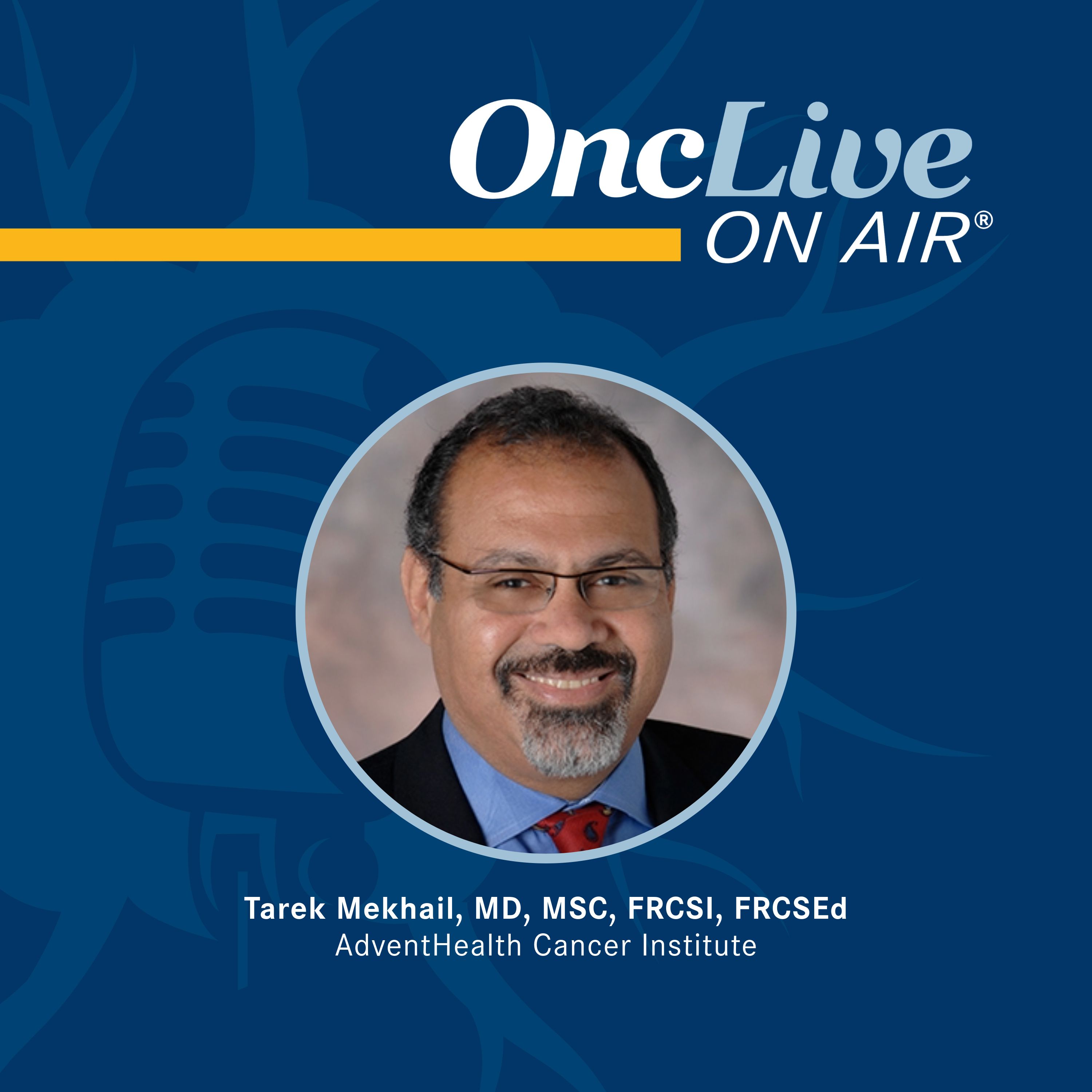
S11 Ep 31S11 Ep31: How to Use Toripalimab Plus Chemotherapy in Nasophryngeal Carcinoma: With Tarek Mekhail, MD, MSC, FRCSI, FRCSEd
In today’s episode, supported by Coherus Biosciences, we had the pleasure of speaking with Tarek Mekhail, MD, MSC, FRCSI, FRCSEd, about the use of toripalimab-tpzi (Loqtorz) in patients with nasopharyngeal carcinoma. Dr Mekhail is the medical director of the Thoracic Cancer Program and the Associate Executive Director at the AdventHealth Cancer Institute in Orlando, Florida. In our exclusive interview, Dr Mekhail discussed the rationale for combining chemotherapy with the PD-1 inhibitor toripalimab in patients with nasopharyngeal carcinoma, clinical successes with toripalimab in the first- and second-line nasopharyngeal carcinoma settings, and what the future looks like regarding immunotherapy in this disease.
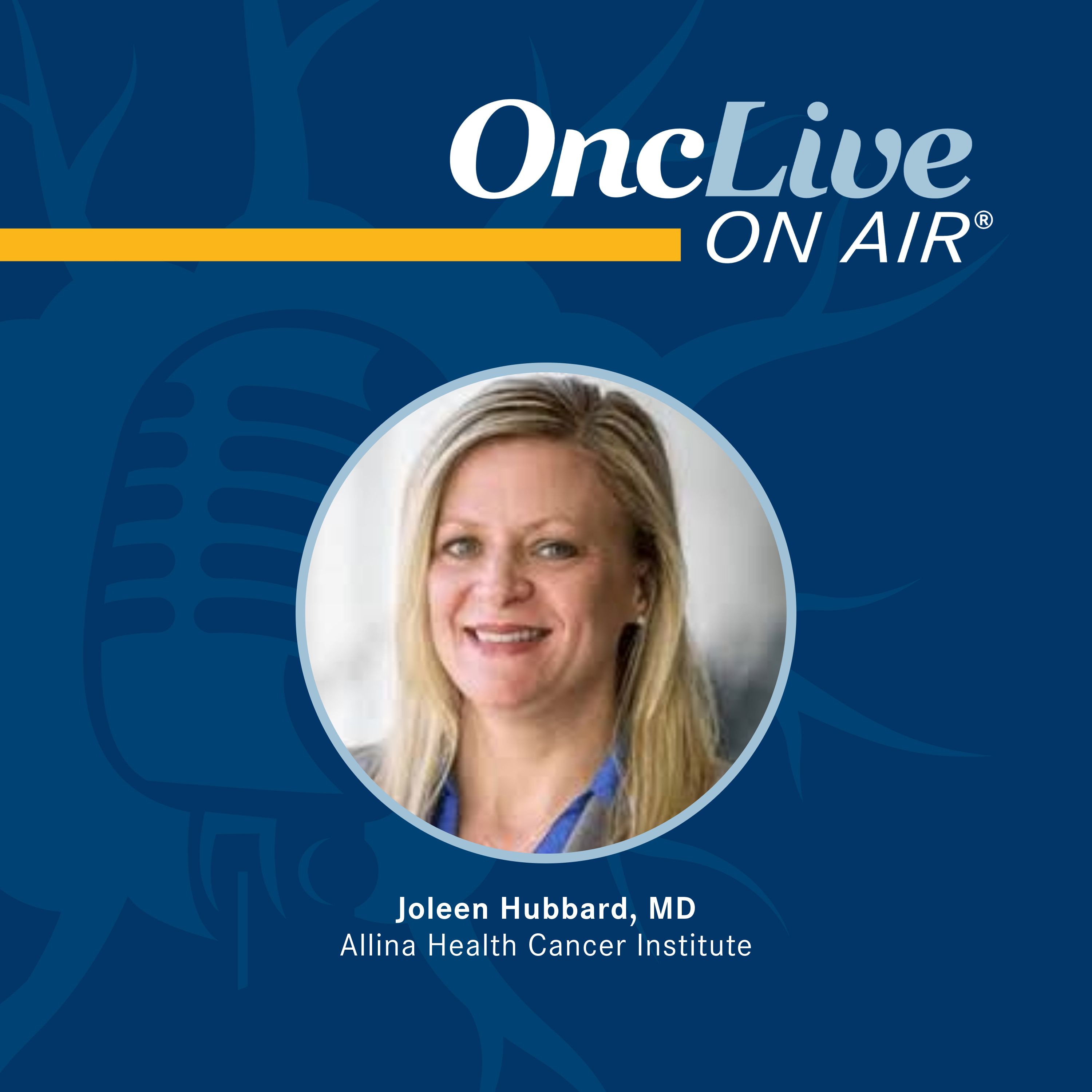
S11 Ep 30S11 Ep30: SUNLIGHT QOL Data Show Positive Outcomes With T rifluridine-Tipiracil Plus Bevacizumab in CRC : With Joleen Hubbard, MD
In today’s episode, supported by Taiho Pharmaceutical, we had the pleasure of speaking with Joleen Hubbard, MD, about practice-changing updates to the colorectal cancer (CRC) treatment paradigm. Dr Hubbard is a medical oncologist at Allina Health Cancer Institute in Minneapolis, Minnesota.In our exclusive interview, Dr Hubbard discussed key efficacy and safety findings from the phase 3 SUNLIGHT trial (NCT04737187) of trifluridine-tipiracil (Lonsurf) plus bevacizumab (Avastin) in patients with refractory metastatic CRC; quality of life outcomes from this trial; and the most practice-changing updates to the National Comprehensive Cancer Network guidelines for CRC.
S11 Ep 29S11 Ep29: Ongoing Research Advances Equity and Precision Oncology Through Tissue-Agnostic Therapies: With Chandler Park, MD, and Vivek Subbiah, MD
In this episode of the Oncology Unplugged series, Chandler Park, MD, a genitourinary medical oncologist at Norton Cancer Institute in Louisville, Kentucky, hosted a conversation with Vivek Subbiah, MD, a medical oncologist and chief of Early-Phase Drug Development at Sarah Cannon Research Institute in Nashville, Tennessee. Dr Subbiah, an internationally recognized expert, discussed advancements in precision oncology, emphasizing the effects of next-generation sequencing and tissue-agnostic therapies on personalized cancer treatment. Dr Subbiah highlighted the transformation in genome sequencing that has taken place since the Human Genome Project, noting the reduction in sequencing costs from $3.3 billion to potentially $1 per genome. He explained how this evolution supports the expansion of precision oncology by making genomic testing accessible across diverse health care settings.
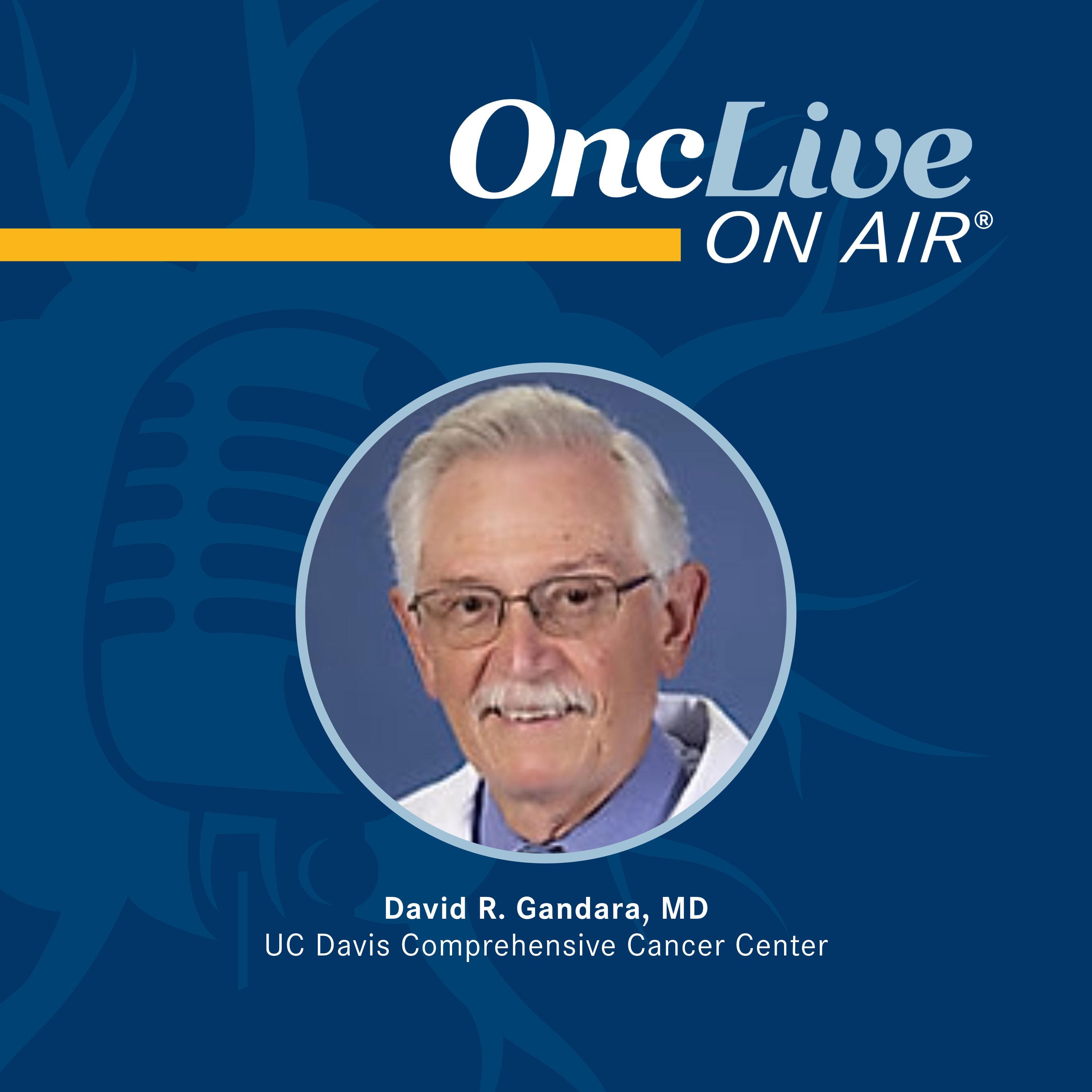
S11 Ep 28S11 Ep28: Liquid Biopsy Ushers in a New Era of NSCLC Biomarker Testing: With David R. Gandara, MD
In today’s episode, we had the pleasure of speaking with David R. Gandara, MD, about biomarker testing in lung cancer. Dr Gandara is the chief medical officer of the International Society of Liquid Biopsy, the co-director of the Center for Experimental Therapeutics in Cancer, and the senior advisor to the director at the University of California Davis Comprehensive Cancer Center in Sacramento, and an adjunct clinical professor in the Translational and Clinical Research Program at the University of Hawaii Cancer Center in Honolulu. In our exclusive interview, Dr Gandara discussed the optimal use of liquid biopsy for patients with non–small cell lung cancer (NSCLC), the ins and outs of testing for KRAS mutations, and available treatment options for patients with KRAS-mutant NSCLC.
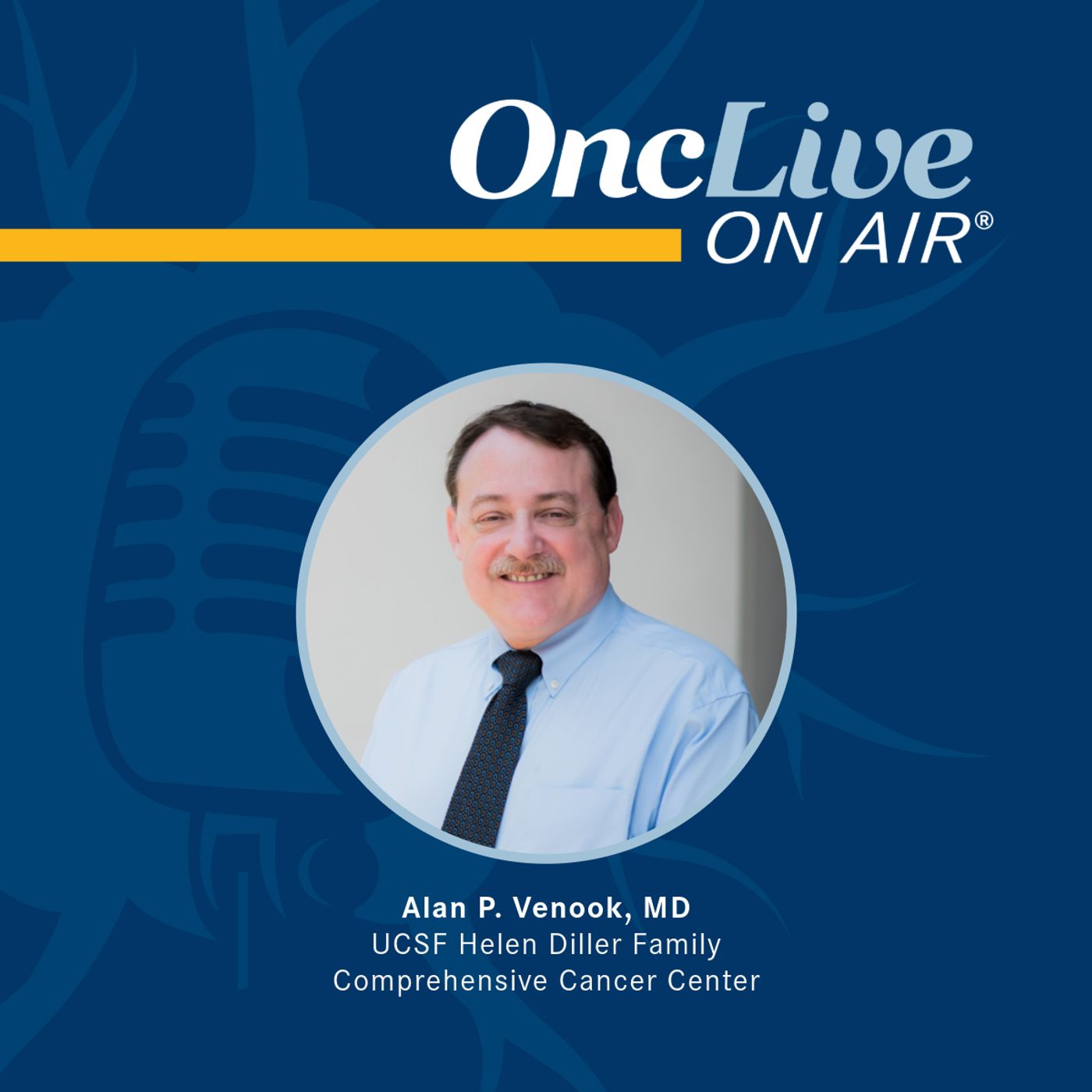
S11 Ep 27S11 Ep27: Delve into Recent NCCN Guideline Updates for Hepatobiliary and CRC Management: With Alan P. Venook, MD
In today’s episode, we had the pleasure of speaking with Alan P. Venook, MD, about recent updates to the National Comprehensive Cancer Network (NCCN) Clinical Practice Guidelines for gastrointestinal (GI) cancers. Dr Venook holds the Madden Family Distinguished Professorship in Medical Oncology and Translational Research and is a professor in the Department of Medicine (Hematology/Oncology) at the University of California San Francisco (UCSF). He is also the Shorenstein Associate Director for Program Development at the UCSF Helen Diller Family Comprehensive Cancer Center.
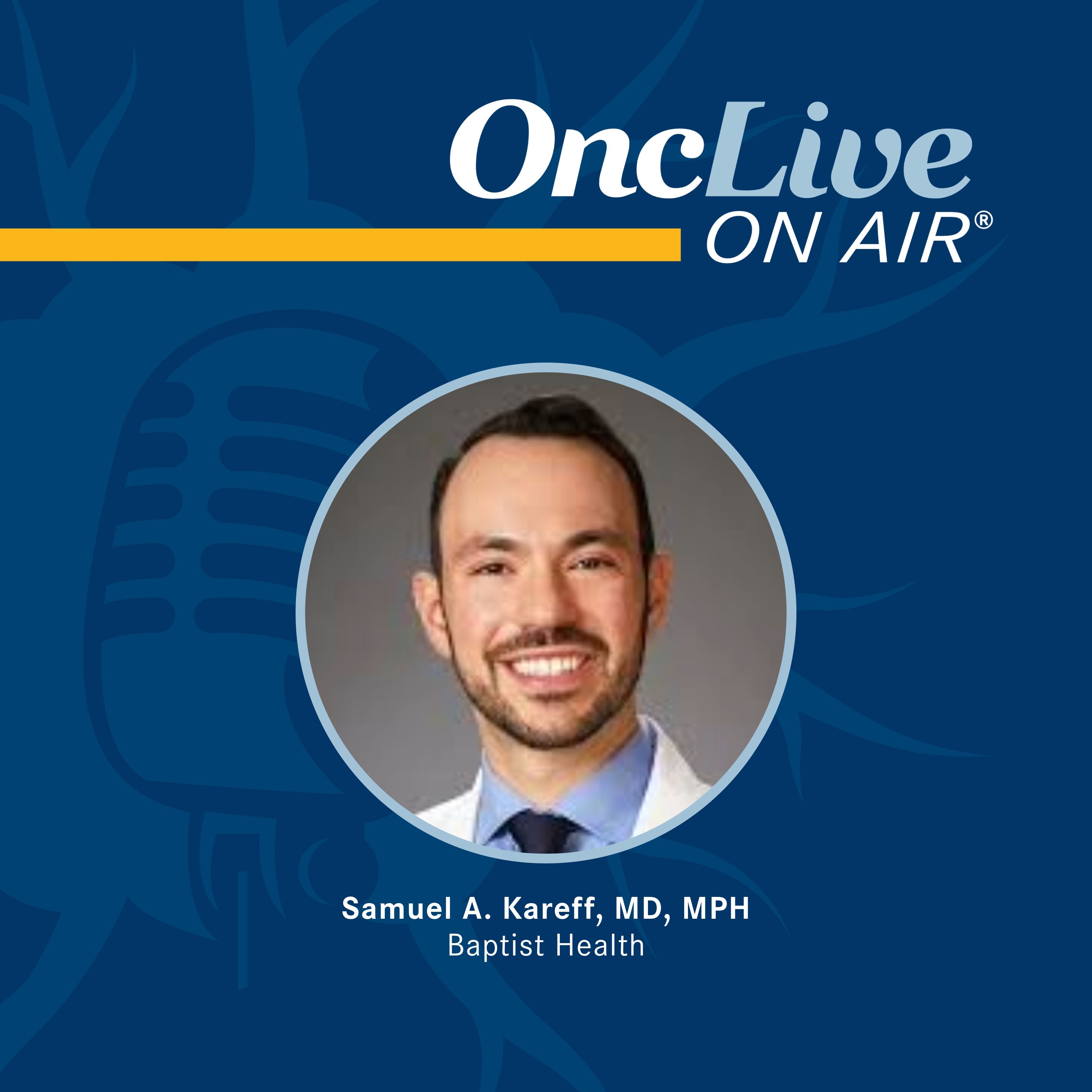
S11 Ep 26S11 Ep26: Phase 1 Trials Provide Oncology Fellows With Valuable Clinical Research Experience: With Samuel A. Kareff, MD, MPH
In today’s episode, we had the pleasure of speaking with Samuel A. Kareff, MD, MPH, about the intersections between early-phase clinical research and meaningful mentorship experiences during oncology/hematology fellowship. Dr Kareff is a medical oncologist and hematologist at the Eugene M. and Christine E. Lynn Cancer Institute, part of Baptist Health, in Boca Raton, Florida. He formerly served as chief fellow during his hematology/medical oncology fellowship at the University of Miami Sylvester Comprehensive Cancer Center in Florida.In our exclusive interview, Dr Kareff discussed the rationale for and design of a proposed phase 1 clinical trial investigating the oncolytic virus SVV-001 in combination with nivolumab (Opdivo) and ipilimumab (Yervoy) in patients with neuroendocrine carcinoma or neuroendocrine tumors. He also shared advice from his fellowship experience and emphasized how seeking out effective mentors can prepare fellows for the next steps in their careers.
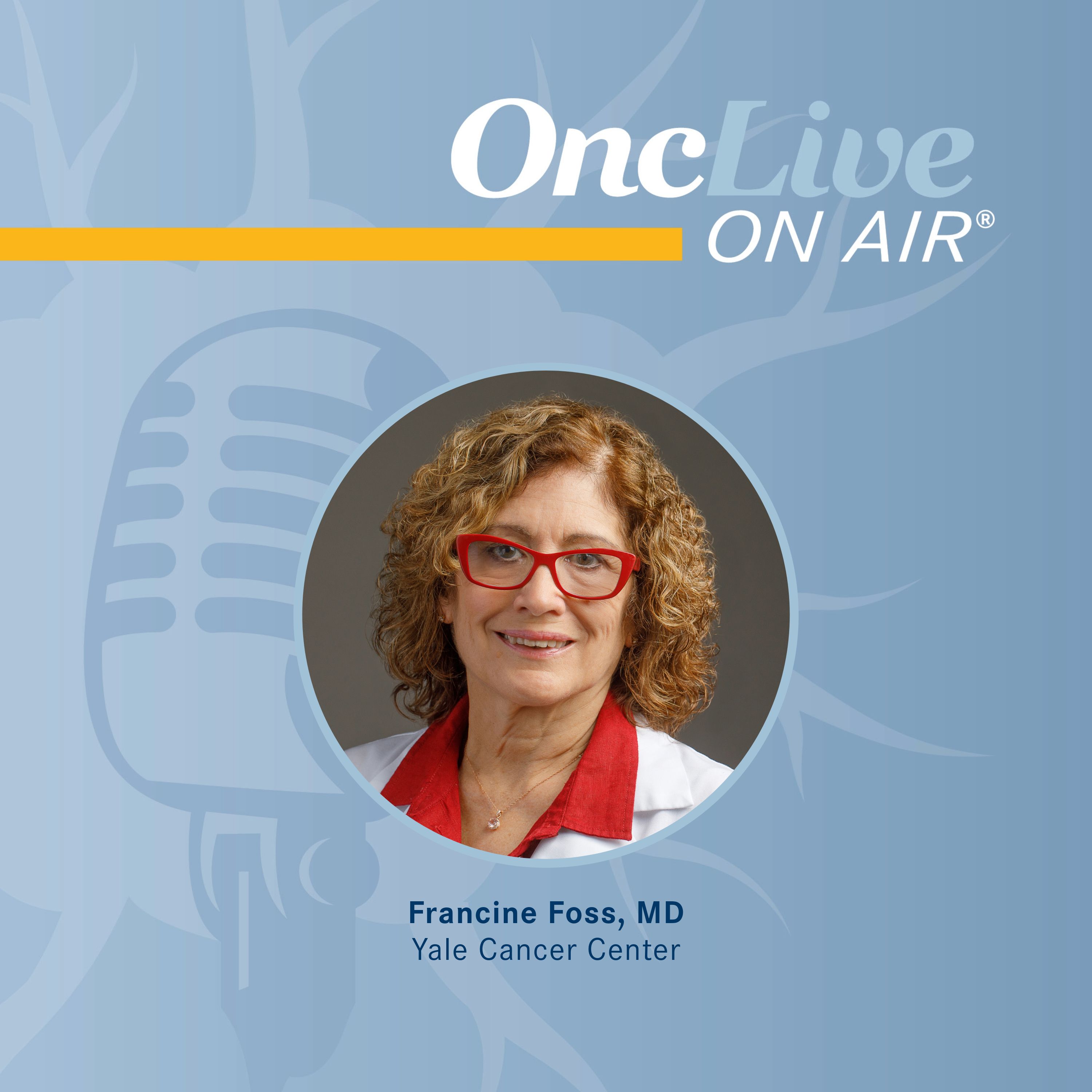
S11 Ep 25S11 Ep25: FDA Approval Insights: Denileukin Diftitox in Relapsed/Refractory CTCL
In today’s episode, supported by Citius Pharmaceuticals, we had the pleasure of speaking with Francine Foss, MD, to discuss the FDA approval of denileukin diftitox-cxdl (Lymphir) for the treatment of patients with relapsed/refractory cutaneous T-cell lymphoma (CTCL) who have received 1 or more prior systemic therapies. Dr Foss is a professor of medicine (hematology) and dermatology and the director of the Multidisciplinary T Cell Lymphoma Program at the Yale School of Medicine, as well as the scientific leader of Lymphoma CRT at Yale Cancer Center in New Haven, Connecticut. On August 8, 2024, the FDA approved denileukin diftitox for the treatment of patients with relapsed/refractory CTCL who have received at least 1 prior systemic therapy. This regulatory decision was supported by findings from the phase 3 Study 302 (NCT01871727), in which patients who received the agent (n = 69) achieved an objective response rate of 36.2% (95% CI, 25.0%-48.7%) per independent review committee assessment, including a complete response rate of 8.7%. In our exclusive interview, Dr Foss discussed the significance of this approval, key efficacy and safety data from Study 302, and her excitement about reintroducing an agent to the CTCL treatment paradigm that can induce particularly robust responses.
S11 Ep 24S11 Ep24: How to Apply Research Developments in ALK-Positive NSCLC: With Chandler Park, MD, and Tejas Patil, MD
Dr Patil emphasized the significance of the phase 3 CROWN trial (NCT03052608), which compared lorlatinib (Lorbrena) with crizotinib (Xalkori) in patients with ALK-positive metastatic NSCLC. With a hazard ratio of 0.19 (95% CI, 0.13-0.27) for progression-free survival, the trial demonstrated lorlatinib’s superior intracranial control and long-term efficacy compared with crizotinib, especially in patients with brain metastases. Drs Park and Patil also discussed challenges associated with managing lorlatinib-related toxicities, including mood changes, weight gain, and hyperlipidemia. Dr Patil suggested that starting at a lower dose and gradually escalating to the recommended dose could help mitigate some of these adverse effects and simultaneously maintain treatment efficacy. The conversation concluded with a shift towards the broader application of targeted therapies in earlier disease stages, drawing parallels between the phase 3 ALINA study (NCT03456076) in patients with ALK-positive
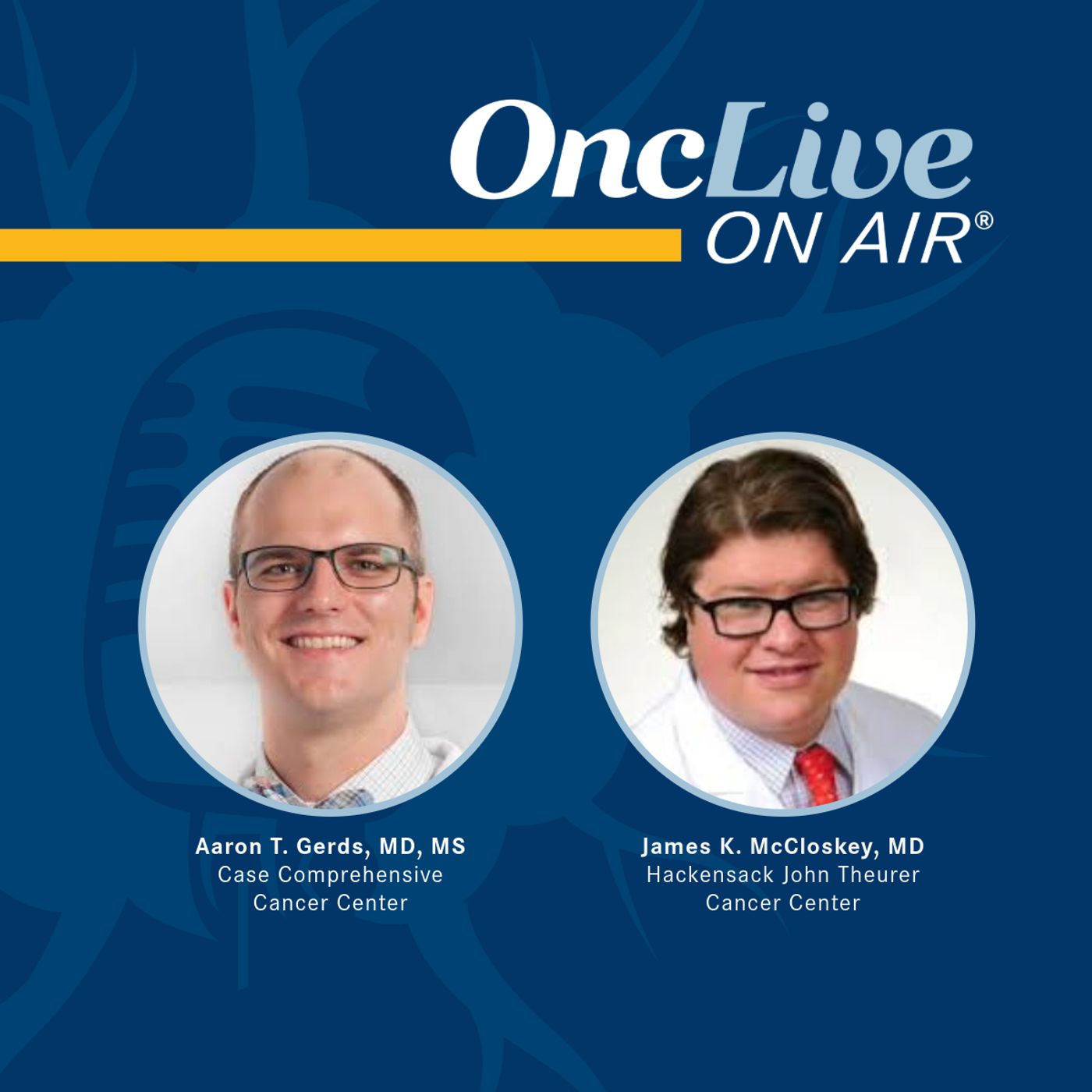
S11 Ep 23S11 Ep23: Navigating Myelofibrosis: Updates for Community Hematologist Oncologists
In today’s episode, supported by Sobi, we had the pleasure of speaking with Aaron T. Gerds, MD, MS, and James K. McCloskey, MD, about myelofibrosis treatment advances. Dr Gerds is an assistant professor in the Department of Medicine in the School of Medicine, as well as a member of the Developmental Therapeutics Program at the Case Comprehensive Cancer Center in Cleveland, Ohio. He is also a physician in the Department of Hematology and Medical Oncology at Cleveland Clinic. Dr McCloskey is the interim chief of the Division of Leukemia at Hackensack John Theurer Cancer Center in New Jersey. In our exclusive interview, Drs Gerds and McCloskey discussed factors that influence their choice between the variety of JAK inhibitors that are FDA approved for patients with myelofibrosis, tips for symptom management in this disease, and emerging myelofibrosis research to look out for.
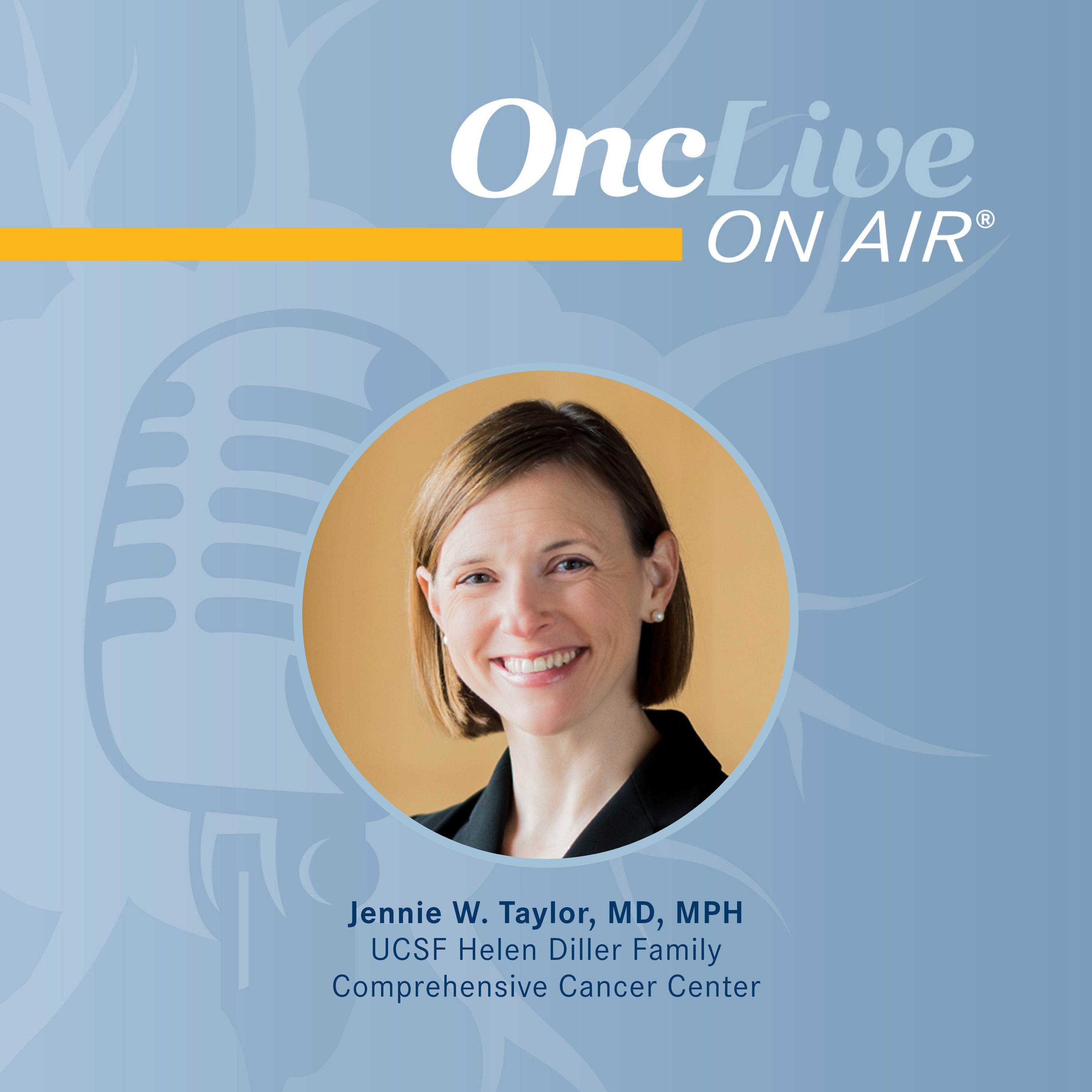
S11 Ep 22S11 Ep22: FDA Approval Insights: Vorasidenib in IDH1/2+ Grade 2 Astrocytoma and Oligodendroglioma
In today’s episode, supported by Servier Pharmaceuticals, we had the pleasure of speaking with Jennie W. Taylor, MD, MPH, about the FDA approval of vorasidenib (Voranigo) for patients with IDH-positive grade 2 astrocytoma or oligodendroglioma. Dr Taylor is an associate professor of clinical neurology at the University of California, San Francisco (UCSF), as well as the community engagement liaison in the Neurologic Oncology Program at the UCSF Helen Diller Family Comprehensive Cancer Center.On August 6, 2024, the FDA approved vorasidenib for the treatment of adult and pediatric patients at least 12 years of age with grade 2 astrocytoma or oligodendroglioma harboring susceptible IDH1 or IDH2 mutations who have previously undergone surgery including biopsy, sub-total resection, or gross total resection. This regulatory decision was backed by findings from the phase 3 INDIGO trial (NCY04164901), in which, at a median follow-up of 14.0 months (interquartile range [IQR], 10.1-17.9), vorasidenib (n = 168) produced a median progression-free survival of 27.7 months (95% CI, 17.0-not estimated) vs 11.1 months (95% CI, 11.0-13.7) in the placebo arm (n = 163) at a median follow-up of 14.3 months (IQR, 10.0-18.1; HR, 0.39; 95% CI, 0.27-0.56; P < .001).In our exclusive interview, Dr Taylor discussed the significance of this approval, key data from INDIGO, and where vorasidenib fits into the astrocytoma or oligodendroglioma treatment paradigms.
S11 Ep 21S11 Ep21: Updated VISION Trial Data Showcase the Efficacy of Tepotinib in MET + NSCLC: With Martin Dietrich, MD
In our exclusive interview, Dr Dietrich discussed key efficacy findings from the 18-month follow-up of the phase 2 VISION trial (NCT02864992), which evaluated the efficacy of tepotinib (Tepmetko) in patients with non–small cell lung cancer harboring MET exon 14 skipping mutations. Additionally, Dr Dietrich emphasized important safety considerations with tepotinib, particularly the management of on-target adverse effects (AEs) like edema. He also discussed strategies for addressing treatment-related AEs, such as hyperalbuminemia, hyponatremia, and kidney function abnormalities, and highlighted the importance of careful monitoring to make dose adjustments as necessary.
S11 Ep 20S11 Ep20: FDA Approval Insights: Perioperative Durvalumab for Resectable NSCLC
In today’s episode, supported by AstraZeneca, we had the pleasure of speaking with Sandip P. Patel, MD, and Brendon M. Stiles, MD, about the FDA approval of perioperative durvalumab (Imfinzi) for patients with resectable non–small cell lung cancer (NSCLC). Dr Patel is a professor of medicine in the Department of Medicine at the University of California, San Diego. Dr Stiles is a professor of cardiothoracic surgery and chief of the Divisions of Thoracic Surgery and Surgical Oncology in the Department of Cardiothoracic & Vascular Surgery, as well as the associate director of Surgical Oncology at the Montefiore Einstein Comprehensive Cancer Center in Bronx, New York.On August 15, 2024, the FDA approved durvalumab plus platinum-containing chemotherapy in the neoadjuvant setting, followed by durvalumab monotherapy in the adjuvant setting, for the treatment of adult patients with resectable NSCLC with no known EGFR mutations or ALK rearrangements. This regulatory decision was backed by findings from the phase 3 AEGEAN trial (NCT03800134), in which the median event-free survival was not reached (95% CI, 31.9 months-not estimable [NE]) in patients who received the durvalumab regimen vs 25.9 months (95% CI, 18.9-NE) in those who received placebo plus chemotherapy (stratified HR, 0.68; 95% CI, 0.53-0.88; P = .0039).In our exclusive interview, Drs Patel and Stiles discussed the significance of this approval, key efficacy and safety findings from AEGEAN, and how the clinical use of perioperative treatment regimens reinforces the importance of involving multidisciplinary teams in every step of a patient’s treatment plan.
S11 Ep 19S11 Ep19: Immunotherapy Advances Expand the SCLC Treatment Paradigm: With Chandler Park, MD, and Tejas Patil, MD
In part 2 of this 3-part Oncology Unplugged series, Chandler Park, MD, a genitourinary medical oncologist at Norton Cancer Institute in Louisville, Kentucky, and Tejas Patil, MD, an assistant professor of medical oncology at the University of Colorado School of Medicine in Aurora, discussed the evolving small cell lung cancer (SCLC) treatment paradigm. They examined critical data from recent studies, focusing on the role of prophylactic cranial irradiation (PCI) and the effects of immune checkpoint inhibitors in both limited-stage SCLC (LS-SCLC) and extensive-stage SCLC (ES-SCLC).

S11 Ep 18S11 Ep18: Board Review Resources 2024
Two Onc Docs, hosted by Samantha A. Armstrong, MD, and Karine Tawagi, MD, is a podcast dedicated to providing current and future oncologists and hematologists with the knowledge they need to ace their boards and deliver quality patient care. Dr Armstrong is a hematologist/oncologist and assistant professor of clinical medicine at Indiana University Health in Indianapolis. Dr Tawagi is a hematologist/oncologist and assistant professor of clinical medicine at the University of Illinois in Chicago. In this episode, OncLive On Air® partnered with Two Onc Docs to bring you a curated list of resources to use as you study for the hematology and oncology board exams. Drs Armstrong and Tawagi discussed their personal board review plans they followed in the months leading up to boards, including the books, sections of the National Comprehensive Cancer Network Guidelines, videos, question banks, and podcasts; where you can find the “cheat sheets” they made to help them study; and the importance of personalizing your study plan based on your own knowledge and strengths.
S11 Ep 17S11 Ep17: How Luspatercept Could Shake Up MDS Management—With Rory Shallis, MD
In today’s episode, we had the pleasure of speaking with Rory Shallis, MD, an assistant professor of medicine and hematology at Yale School of Medicine, part of Yale New Haven Health in Connecticut.Shallis sat down with us to share some of the research that has been generated in myelodysplastic syndrome (MDS) over the past year or so, touching on the evolution of clinical trial end points and where the field is headed in terms of therapeutic classes. He also spoke to the investigation of the late-stage erythroid maturation agent luspatercept-aamt (Reblozyl) in this population in the phase 3 ELEMENT-MDS (NCT05949684) and MAXILUS (NCT06045689) trials.In our exclusive interview, Shallis discussed the research basis for the ELEMENT-MDS trial in MDS, the potential of intervening with luspatercept before patients become red blood cell transfusion dependent, and aspects of the trial to be aware of for patient enrollment.
S11 Ep 16S11 Ep16: FDA Approval Insights: Afami-Cel for Pretreated, Unresectable or Metastatic Synovial Sarcoma
Dr Warner discusses the FDA approval of afami-cel for patients with advanced synovial sarcoma and key findings from the pivotal SPEARHEAD-1 trial.

S11 Ep 15S11 Ep15: Thomas and Lukas Highlight Updates in Brain Cancer from the 2024 ASCO Annual Meeting
Welcome to OncLive On Air®! I’m your host today, Ashling Wahner. OncLive On Air is a podcast from OncLive®, which provides oncology professionals with the resources and information they need to provide the best patient care. In both digital and print formats, OncLive covers every angle of oncology practice, from new technology to treatment advances to important regulatory decisions. In today’s episode, we had the pleasure of speaking with Tarita Thomas, MD, PhD, MBA, and Rimas Lukas, MD, about abstracts presented during a brain cancer–focused clinical science symposium at the 2024 ASCO Annual Meeting. Dr Thomas is an associate professor of radiation oncology and Dr Lukas is an associate professor of neurology (neuro-oncology; hospital neurology) at the Northwestern University Feinberg School of Medicine in Chicago, Illinois. In our exclusive interview, Drs Thomas and Lukas discussed the results of 4 abstracts presented during the symposium. In particular, their discussion highlighted findings with ST101 in window-of-opportunity cohorts of patients with recurrent glioblastoma (GBM), the prognostic utility of cerebrospinal fluid circulating tumor DNA in recurrent high-grade glioma, the genomic drivers of GBM, and preclinical data with navtemadlin (KRT-232) in IDH wild-type GBM. ___That’s all we have for today! Thank you for listening to this episode of OncLive On Air. Check back on Mondays and Thursdays for exclusive interviews with leading experts in the oncology field. For more updates in oncology, be sure to visit www.OncLive.com and sign up for our e-newsletters. OncLive is also on social media. On X, follow us at @OncLive. On Facebook, like us at OncLive, and follow our OncLive page on LinkedIn. If you liked today’s episode of OncLive On Air, please consider subscribing to our podcast on Apple Podcasts, Spotify, Amazon Music, and many of your other favorite podcast platforms,* so you get a notification every time a new episode is posted. While you are there, please take a moment to rate us! Thanks again for listening to OncLive On Air.