Season 11 · Episode 22
S11 Ep22: FDA Approval Insights: Vorasidenib in IDH1/2+ Grade 2 Astrocytoma and Oligodendroglioma
OncLive® On Air · OncLive® On Air
October 10, 202412m 28s
Audio is streamed directly from the publisher (audioboom.com) as published in their RSS feed. Play Podcasts does not host this file. Rights-holders can request removal through the copyright & takedown page.
Show Notes
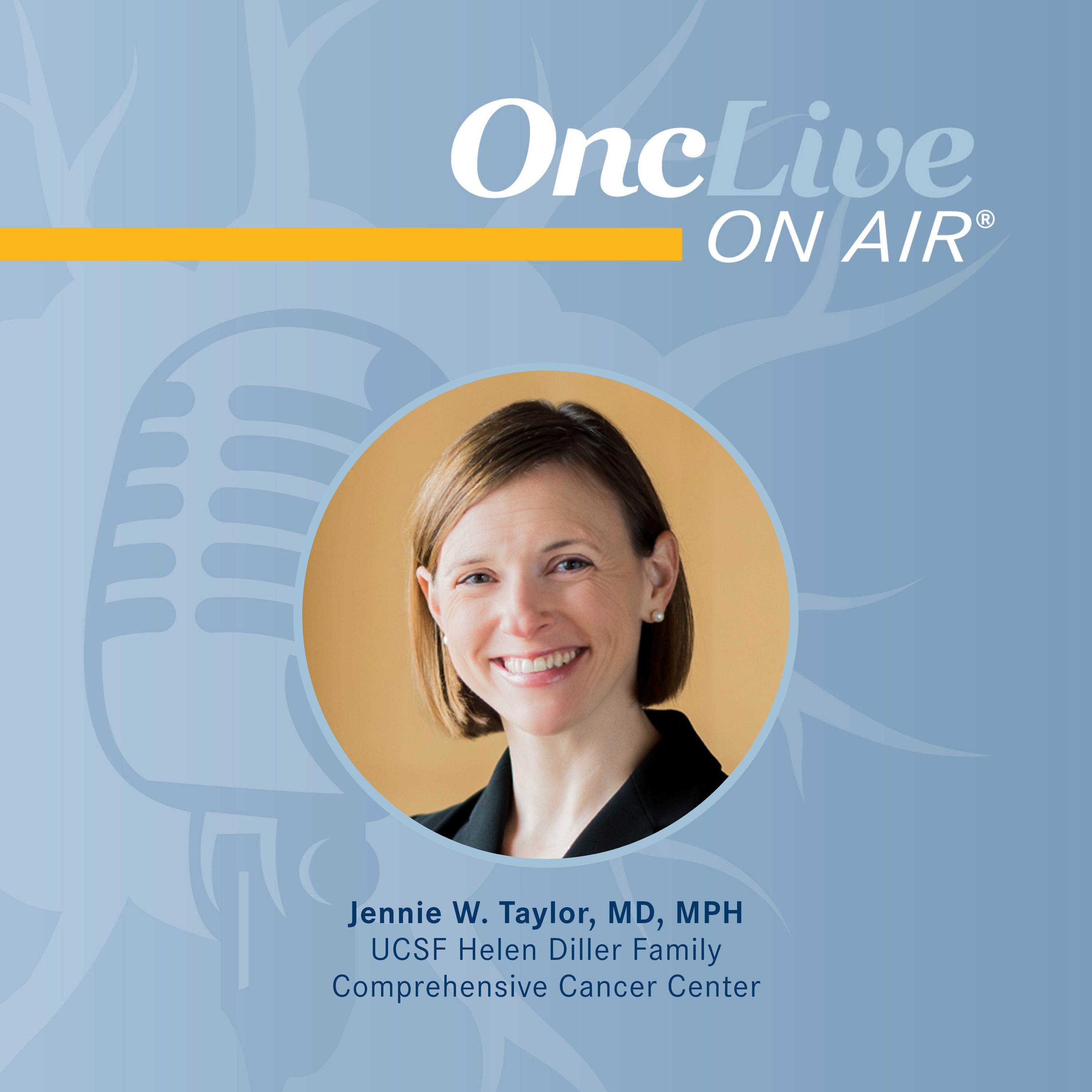
In today’s episode, supported by Servier Pharmaceuticals, we had the pleasure of speaking with Jennie W. Taylor, MD, MPH, about the FDA approval of vorasidenib (Voranigo) for patients with IDH-positive grade 2 astrocytoma or oligodendroglioma. Dr Taylor is an associate professor of clinical neurology at the University of California, San Francisco (UCSF), as well as the community engagement liaison in the Neurologic Oncology Program at the UCSF Helen Diller Family Comprehensive Cancer Center.
On August 6, 2024, the FDA approved vorasidenib for the treatment of adult and pediatric patients at least 12 years of age with grade 2 astrocytoma or oligodendroglioma harboring susceptible IDH1 or IDH2 mutations who have previously undergone surgery including biopsy, sub-total resection, or gross total resection. This regulatory decision was backed by findings from the phase 3 INDIGO trial (NCY04164901), in which, at a median follow-up of 14.0 months (interquartile range [IQR], 10.1-17.9), vorasidenib (n = 168) produced a median progression-free survival of 27.7 months (95% CI, 17.0-not estimated) vs 11.1 months (95% CI, 11.0-13.7) in the placebo arm (n = 163) at a median follow-up of 14.3 months (IQR, 10.0-18.1; HR, 0.39; 95% CI, 0.27-0.56; P < .001).
In our exclusive interview, Dr Taylor discussed the significance of this approval, key data from INDIGO, and where vorasidenib fits into the astrocytoma or oligodendroglioma treatment paradigms.
On August 6, 2024, the FDA approved vorasidenib for the treatment of adult and pediatric patients at least 12 years of age with grade 2 astrocytoma or oligodendroglioma harboring susceptible IDH1 or IDH2 mutations who have previously undergone surgery including biopsy, sub-total resection, or gross total resection. This regulatory decision was backed by findings from the phase 3 INDIGO trial (NCY04164901), in which, at a median follow-up of 14.0 months (interquartile range [IQR], 10.1-17.9), vorasidenib (n = 168) produced a median progression-free survival of 27.7 months (95% CI, 17.0-not estimated) vs 11.1 months (95% CI, 11.0-13.7) in the placebo arm (n = 163) at a median follow-up of 14.3 months (IQR, 10.0-18.1; HR, 0.39; 95% CI, 0.27-0.56; P < .001).
In our exclusive interview, Dr Taylor discussed the significance of this approval, key data from INDIGO, and where vorasidenib fits into the astrocytoma or oligodendroglioma treatment paradigms.