
IMF Podcasts
703 episodes — Page 8 of 15
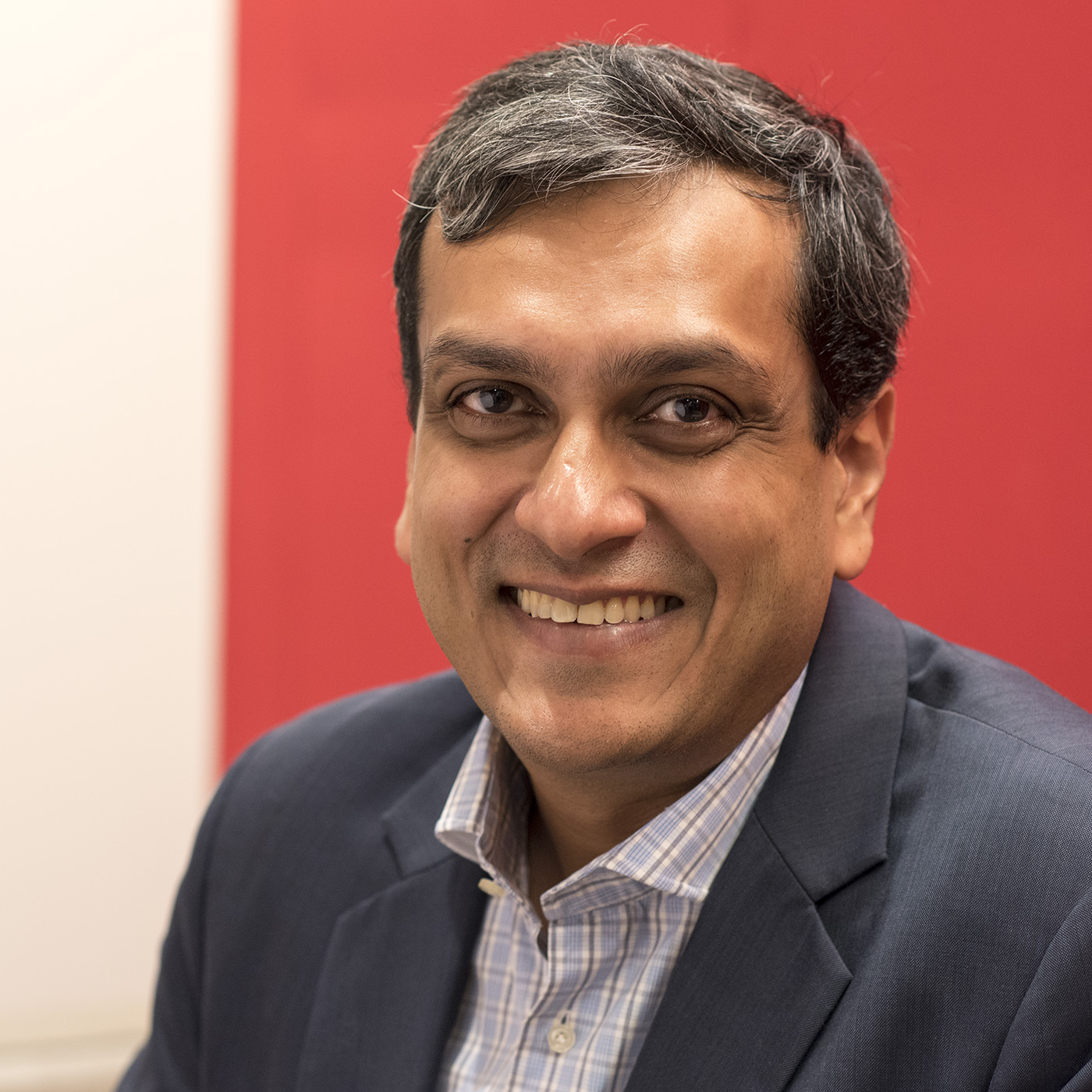
Madhur Deora on India's Digital Payment Boom
When the government of India last year declared that much of its currency in circulation would cease to be legal tender, digital transactions surged. Mobile payment platforms like PayTM stepped in to fill the void, and in the process are providing financial services to millions of people unable to open a traditional bank account. In this podcast, PayTM's Madhur Deora, says financial technology is having an impact on India's development. Deora joined a seminar about Fintech, during the IMF World-Bank Annual Meetings. Contributors: Madhur Deora, PayTM Chief Financial Officer
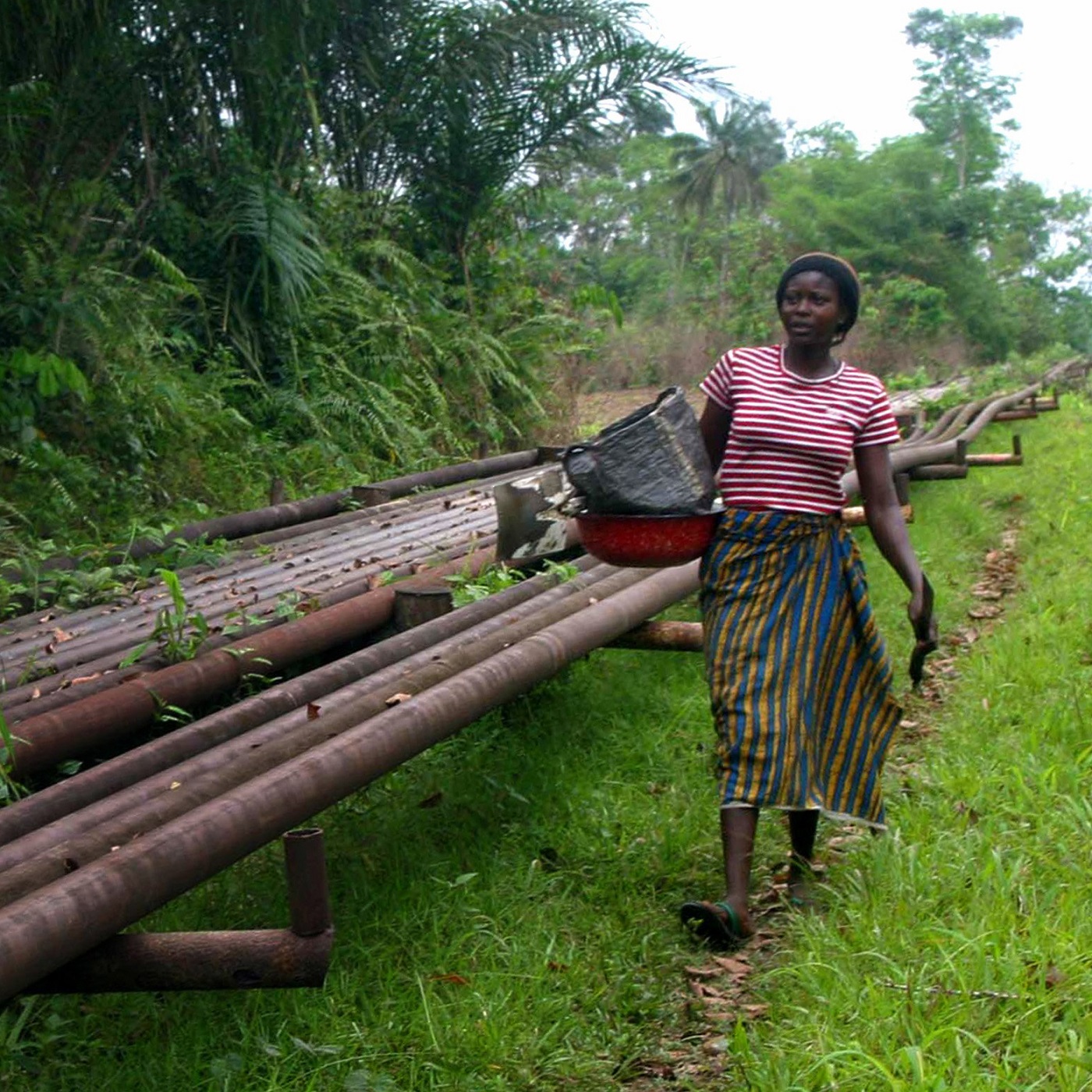
Afrique subsaharienne : la voie de la reprise
Les dernières perspectives de l'Afrique subsaharienne portent à croire que le ralentissement généralisé s'atténue. Dans ce podcast, coauteur Jarek Wieczorek, explique la croissance s'accélère, mais la dette publique augmente aussi. « Si la tendance actuelle persiste, la dette deviendra insoutenable dans plusieurs de pays ». Jarek Wieczorek, chef de la division des études régionales au Département Afrique du FMI

Sub-Saharan Africa: The Path to Recovery
The IMF's latest regional economic outlook for Sub-Saharan Africa suggests the broad-based slowdown in sub-Saharan Africa is easing. In this podcast, co-author Jarek Wieczorek, says growth is up slightly from last year, but so is public debt. "If we maintain the trend we saw in the last 3 years, the debt will become unsustainable in many sub-Saharan African countries." Contributors: Jarek Wieczorek, Head of the Regional Studies Division in the IMF's African Department
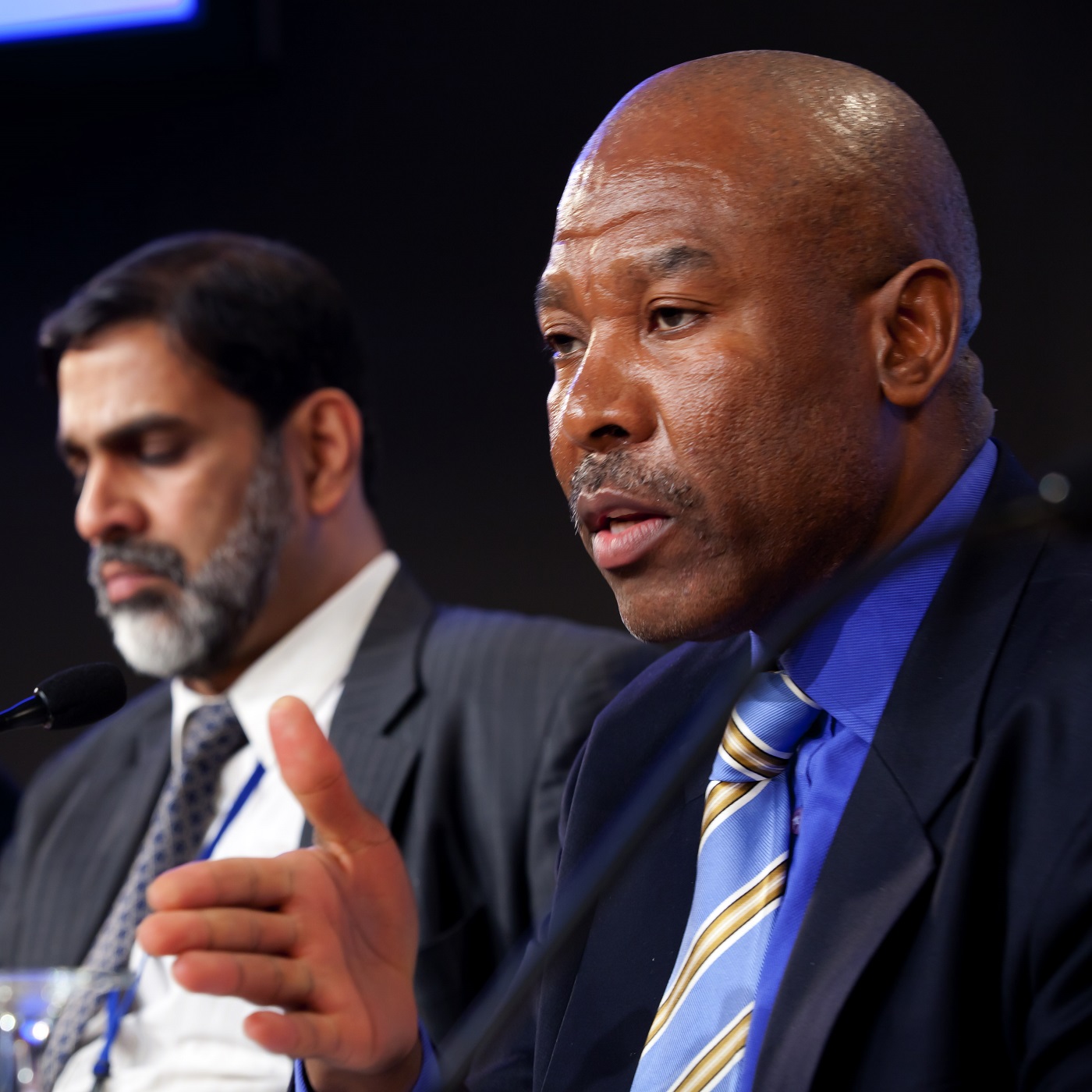
Lesetja Kganyago: South African Reserve Bank's Contract with Society
As new technology rapidly transforms the financial services sector, central bankers are faced with mitigating risks without stifling innovation. But In this podcast, South Africa's Central Bank Governor, Lesetja Kganyago, says inflation, currency depreciation, and political uncertainty remain his biggest challenges. Kganyago joined a panel discussion on what Fintech means for central banking during the 2017 IMF World-Bank Annual Meetings in Washington. Contributors: Lesetja Kganyago, Governor of the South African Reserve Bank @KganyagoLesetja

Maurice Obstfeld: What Lies Behind the Global Recovery
The latest forecasts from the International Monetary Fund show global growth is on the rise. A very different picture from early last year, when the world economy faced faltering growth and financial market turbulence. In this podcast, IMF Chief Economist Maurice Obstfeld, delves into the current trends behind this recent upswing. Contributors: Maurice Obstfeld, IMF Director of Research, and Economic Counsellor.

IMF iLab: New Space for Innovation
The technological revolution has far reaching implications and is rapidly changing the way the world does business. But technology also offers the potential for finding solutions to some of the challenges facing the global economy. To encourage creative thinking among its economists, the IMF recently opened an innovation lab. In this podcast, Tristan Walker, first iLab Chief, says innovation will help make the institution more agile. Contributors: Tristan Walker, Innovation Lab Unit Chief
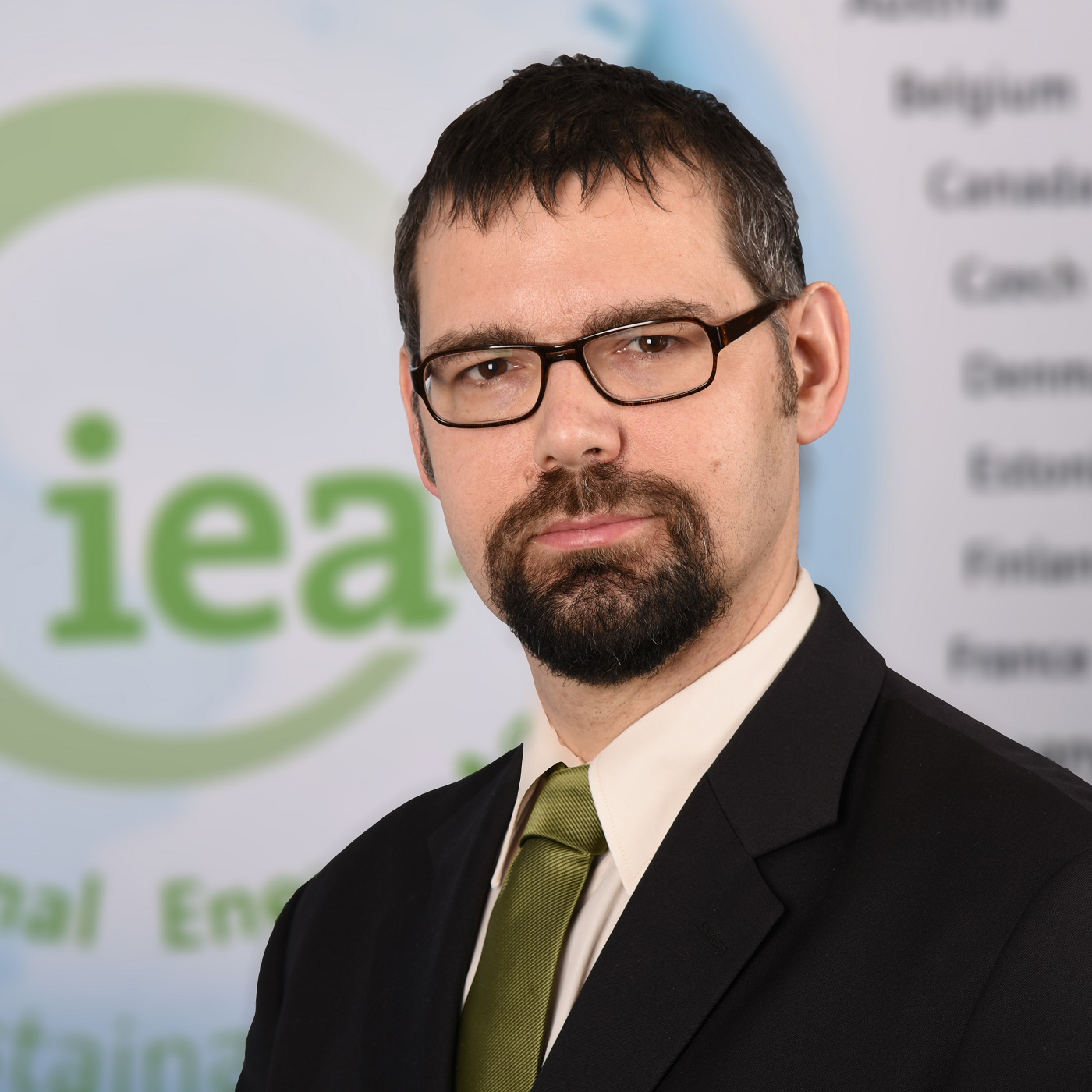
Laszlo Varro: Climate Change Shaping Energy Policy
80 percent of the world's energy consumption is based on fossil fuels which account for most of the greenhouse gas emissions that are warming the planet. Climate change is affecting the global economy and has become a defining feature in energy policy making. In this podcast, International Energy Agency Chief Economist, Laszlo Varro, says while efforts to reduce carbon emissions are generally off track, technological progress and investment momentum in the clean energy sector are reasons for optimism. Contributors: Laszlo Varro, Chief Economist for the International Energy Agency

Gaining an Edge with Big Data
Good data and statistics can help drive economies and are the basis for sound policy decisions in both private and public sectors. The advent of 'big data' poses opportunities for private companies and public institutions to better understand today`s economic and social trends. A new study by the IMF shows how big data can also provide valuable insight for economic and financial analysis. In this podcast, coauthor Diane Kostroch discusses the benefits and the challenges that come with big data. Contributors: Diane Kostroch, IMF economist, Statistics Department.

Randa Filfili : Être une femme entrepreneur n'est pas du tout facile
Dans ce podcast, Randa Filfili, directrice générale de l'entreprise sénégalaise Zena Exotic Fruits raconte pourquoi les petites et moyennes entreprises africaines ont souvent du mal à survivre, et les défis auxquels font face les femmes entrepreneurs. Filfili était de passage à Washington pour participer dans le séminaire intitule, Comment renouer avec une croissance vigoureuse en Afrique subsaharienne dans le cadre des Réunions de Printemps du FMI et du groupe Banque Mondiale. Randa Filfili, directrice générale de l'entreprise sénégalaise Zena Exotic Fruits.

Benno Ndulu: Champion of Inclusion
Only a third of adults in sub-Saharan Africa have a bank account, and in this podcast, Tanzania Bank Governor, Benno Ndulu, says the lack of access to financial services is a key constraint on the region's economic growth. Ndulu is a champion for bringing financial services to the poorest segments of society and as the current Chair of the Board of the Alliance for Financial Inclusion, he has helped pioneer some of the most innovative policy approaches to extending the financial system to the unbanked. This conversation with Benno Ndulu is featured in the September 2017 issue of Finance and Development Magazine. Contributors: Benno Ndulu, Bank of Tanzania Governor, and Chair of the Board of the Alliance for Financial Inclusion.
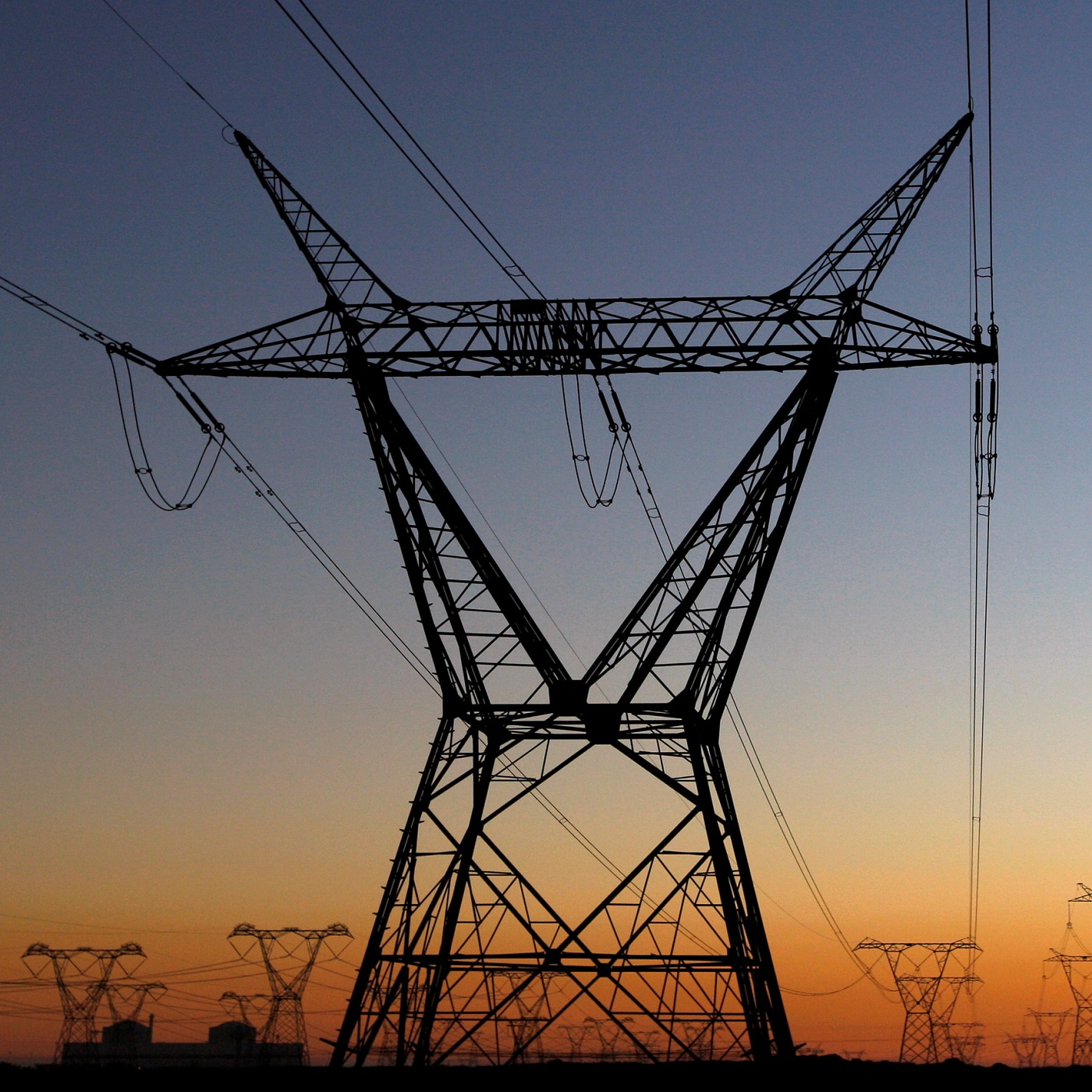
Mthuli Ncube: Building Blocks for Africa's Growth
While Africa's workforce expands, the lack of modern and efficient infrastructure is inhibiting economic growth. The prospect of building power plants and transportation networks is daunting for many countries with limited resources, but in this podcast, former Chief Economist of the African Development Bank, Mthuli Ncube, says reducing risks for private sector investors could help Africa build the infrastructure it so desperately needs. Contributors: Mthuli Ncube, Managing Director of Quantum Global Research Lab, visiting professor at Oxford University, and co-editor of Infrastructure in Africa: Lessons for Future Development.

Growing Pains: Malawi's Struggle with Hunger, Climate Change
Extreme weather has hit Malawi's economy hard over the last two years. Severe flooding followed by a drought—the worst in its history—caused widespread crop failure and placed 6.7 million people at risk of starvation. But a remarkable humanitarian effort helped reduce the impact of the drought on the most vulnerable segment of the population. An increase by the IMF to the amount of resources it provides to Malawi, as well as sizable contributions from Malawi's development partners like the World Food Program and the World Bank, enabled the country to address the worst humanitarian crisis in its history. In this feature podcast, we hear from the small-scale farmers beset by the effects of climate change, beneficiaries of food aid including school children, and key players within the various agencies who were faced with making tough decisions in the throes of a major food crisis. Contributors: Oral Williams: IMF Mission Chief for Malawi Jack Ree: IMF Resident Representative in Malawi Goodall Gondwe: Malawi's Finance Minister Ben Botolo: Malawi's Secretary to the Treasury Coco Ushiyama: World Food Program Representative for Malawi Roisin DeBurca: Unicef's Deputy Director for Malawi Laura Kullenberg: Country Manager for the World Bank in Malawi Richard Record: Senior Country Economist for the World Bank in Malawi
Eswar Prasad on the Curious Rise of the Renminbi
As China's economy catches up in size with that of the United States, some predict the renminbi will soon challenge the dollar's dominance in international finance. But in this podcast, Cornell University's Eswar Prasad says there are limits to how far China's currency can go without undertaking significant domestic reforms. Prasad, a former IMF economist himself, was invited to IMF headquarters in Washington to talk about his latest book Gaining Currency: The Rise of the Renminbi Contributors: Eswar Prasad, Professor of Trade Policy and Economics at Cornell University, Senior Fellow at the Brookings institution, and author.

Uganda: Rising Debt and the Promise of Oil
Drought, regional conflict, and slow credit growth are taking their toll on Uganda's economy. While per-capita growth has hovered around 5 percent for the last 20 years, the IMFs latest economic assessment shows it has fallen to 1/2 percent. In this podcast, the report's coauthor Axel Schimmelpfennig, says some strategic infrastructure investment and Uganda's untapped oil reserves could help turn things around. Contributors: Axel Schimmelpfennig, IMF Mission Chief for Uganda

Growth in the Shadows: Sub-Saharan Africa's Informal Economy
By 2035 sub-Saharan Africa will have more working-age people than the rest of the world's regions combined. This growing workforce bulge will have to be met with jobs, but the region remains one of the toughest places to do business. Meanwhile, small-unregistered household businesses provide up to 90 percent of jobs outside of agriculture. The IMF's latest Regional Economic Outlook for sub-Saharan Africa devotes an entire chapter on the informal economy, and in this podcast we speak with economist Ali Mansoor, coauthor of the study. Contributors: Ali Mansoor, IMF Division Chief for West Africa, and coauthor of the report.

Tayo Oviosu: Technology Draws More Nigerians Into Banking Fold
More than two billion people worldwide are without bank accounts, and only one in three adults in sub-Saharan Africa have access to any type of financial services. But Tayo Oviosu, Founder of Nigeria's leading mobile payment platform says financial technology—or fintech, is making access to finance possible for millions of un-banked Nigerians. Tayo Oviosu, Founder and CEO of Paga, Nigeria's mobile payment platform. Watch webcast of IMF World-Bank Spring meetings panel on Digital Financial Inclusion

Ian Goldin: Disruptive Changes That Will Transform the World
While science and technology propel us into the future at what some would describe as breakneck speed, Oxford University's Ian Goldin says we should draw from the past because we've been here before. In this podcast, Goldin compares the social division, political extremism and insecurity of the first Age of Discovery in the 15th Century, with what is happening today. Contributors: Ian Goldin, founding director of the Oxford Martin School, and Professor of Globalization and Development at Oxford University.

Christine Lagarde: Millennials and the Future of Work
While millions of young people enter the labor market every year, the chance of landing a traditional full-time job with benefits are getting slim. Global youth unemployment is on the rise and many young people are opting to work in what's known as the sharing economy. In this podcast, IMF Managing Director Christine Lagarde shares her thoughts about policies that might help today's youth better adapt to the changing nature of work. Read Christine Lagarde's Straight Talk about millennials and the future of work, in the June 2017 edition of Finance and Development magazine. Contributors: Christine Lagarde, IMF Managing Director

Mohamed El-Erian: New Life for the SDR?
The IMF's Special Drawing Rights have failed to gain real traction in the international monetary system, but Mohamed El-Erian, Chief Economic Advisor at Allianz and former IMF Deputy Director, believes a greater role for the SDR in global markets could help strengthen the world economy. Contibutors: Mohamed El-Erian, Chief Economic Advisor at Allianz and former IMF Deputy Director.

Patrick Murck: The Changing Face of Financial Services
FinTech—or financial technology—is poised to revolutionize how the world does business. It could open new kinds of markets to many more people, but it could also threaten our financial privacy or make illicit financial transactions easier. In this podcast, Fintech expert Patrick Murck describes the coming transformation and its pitfalls. Contributors: Patrick Murck, fellow at the Harvard Berkman Klein Center for Internet and Society, and a Special Counsel at Cooley LLP.

Afrique subsaharienne : faire redémarrer la croissance
La dernière édition des Perspectives économiques régionales, indique que la croissance en Afrique subsaharienne est tombée à son plus bas niveau depuis plus de 20 ans. Dans ce podcast, coauteur Céline Allard, explique si certains pays continuent d'enregistrer une croissance supérieure à 6 %, l'expansion a ralenti dans deux tiers des pays de la région, ce qui a réduit la croissance moyenne à 1,4 % en 2016. Contributors: Céline Allard, chef de la division des études régionales au Département Afrique du FMI

Sub-Saharan Africa: Restarting the Growth Engine
The IMF's latest regional economic outlook for Sub-Saharan Africa shows growth has fallen to its lowest level in twenty years. In this podcast, co-author Céline Allard, says while some countries like Senegal and Kenya continue to experience growth rates higher than 6 percent, growth has slowed for two thirds of countries in the region bringing down average growth in 2016 to 1.4 percent. Contributors: Céline Allard, Head of the Regional Studies Division in the IMF's African Department
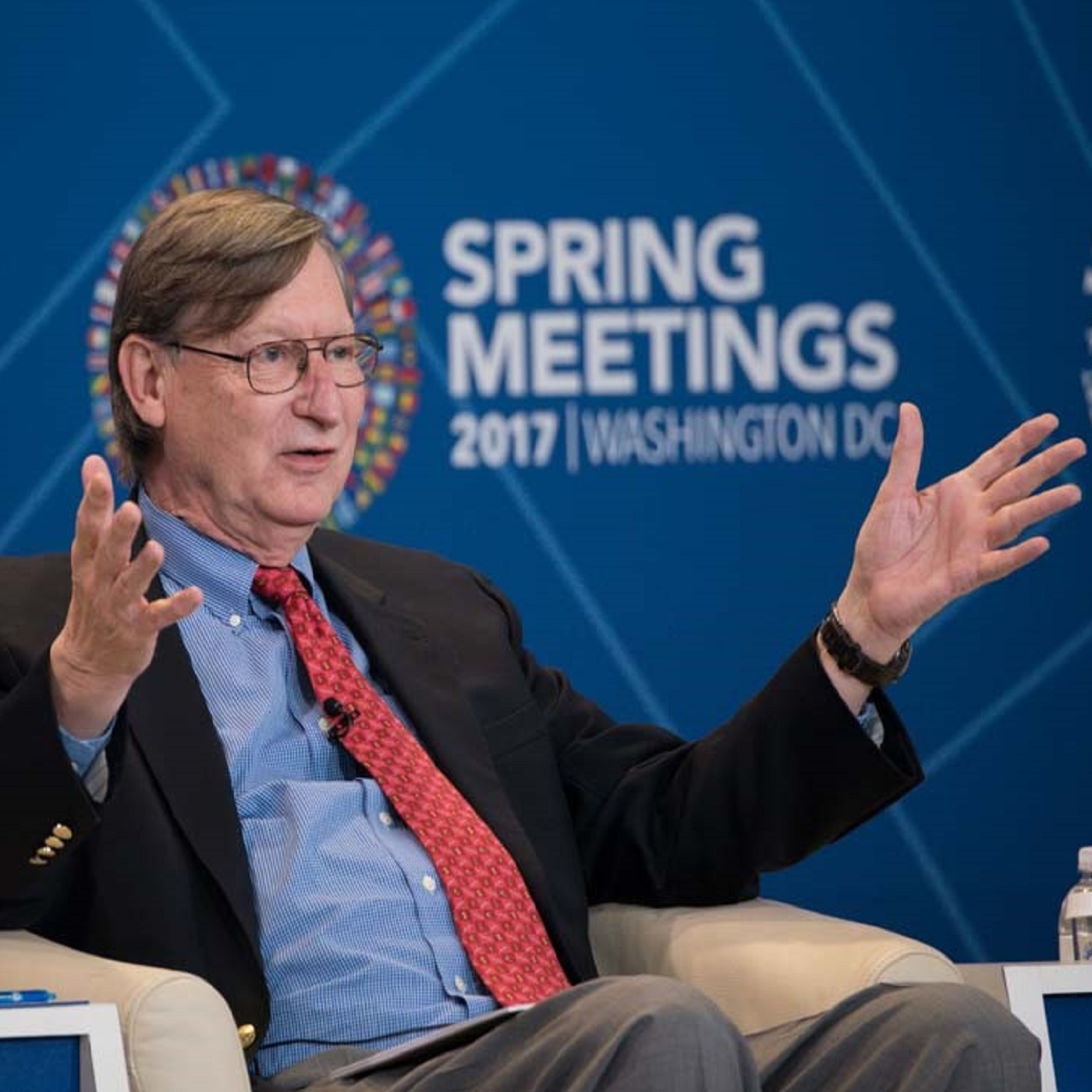
Hal Varian: The Productivity Paradox
The labor force 30 years from now will look very different as working-age populations in advanced economies start to shrink. While some today worry they'll lose their jobs to robots, economists like Google's Hal Varian, wonder if technology will boost productivity enough to compensate for the shifting demographics. Varian, and Harvard's David Canning, discussed the topic during an IMF World-Bank Spring Meetings seminar earlier this month. Hal Varian, Google's Chief Economist and an Emeritus Professor at UC Berkeley. David Canning, Professor of Population Sciences, Economics and Intl Health, Harvard University, Department of Global Health and Population.

IMF World Economic Outlook
The IMF's latest World Economic Outlook projects global growth at 3.5 percent in 2017 and 3.6 percent in 2018. In this podcast, IMF Chief Economist Maurice Obstfeld says global growth is gaining momentum. Contributors: Maurice Obstfeld, IMF Economic Counselor
Bank Capital: How Much is Enough?
The 2008 global financial crisis exposed the vulnerability of banks that do not hold enough capital. The Basel Committee on Banking Supervision has since revised capital requirements for banks. In this podcast, we ask IMF economist Lev Ratnovski, how much capital banks need to hold to avert another crisis. Contributors: Lev Ratnovski, Senior Economist in the IMF's Research Department.

Muna AbuSulayman: Gender Equity in Saudi Arabia
Muna AbuSulayman, is founder and co-host of the most popular social issues program on Arab television. Kalam Nawaem tackles controversial topics and has been pushing social boundaries in the region for 15 years. In this podcast, AbuSulayman says Arab women should be free to achieve their goals without cultural or economic barriers. Contributors: Muna AbuSulayman, Co-founder of Meedan.com, a news hub for Arab youth and women.

John Evans: Navigating Today's Labor Market
Labor unions around the world are having to adapt to a fast changing labor market. John Evans heads the Trade Union Advisory Committee to the OECD, and represents some 65 million organized workers worldwide. In this podcast, Evans says workers are caught in the middle of rapid technological change and slow global growth. Contributors: John Evans, General Secretary of the Trade Union Advisory Committee to the OECD.

Jamie Drummond: Invest in Africa or Else
As the Group of Twenty finance ministers and central bank governors meet in Germany this week, policymakers are looking at ways to increase investment in Africa. ONE Campaign's Jamie Drummond says investing into the education, employment and empowerment of this generation of Africans will help create jobs and curb migration into Europe. Contributors: Jamie Drummond, Co-Founder and Executive Director of The ONE Campaign

Hilma Mote: Africa Must Make Women a Priority
Global trade union leaders gathered at the IMF in February to discuss how workers are being impacted by the changing global economy. In this podcast, Hilma Mote, of the African Region's International Trade Union Confederation talks about the challenges African youth, especially women are facing with the continent's rapidly growing labor force. Contributors: Hilma Mote, Executive Director of the Africa Labor research and education Institute, ITUC-Africa.
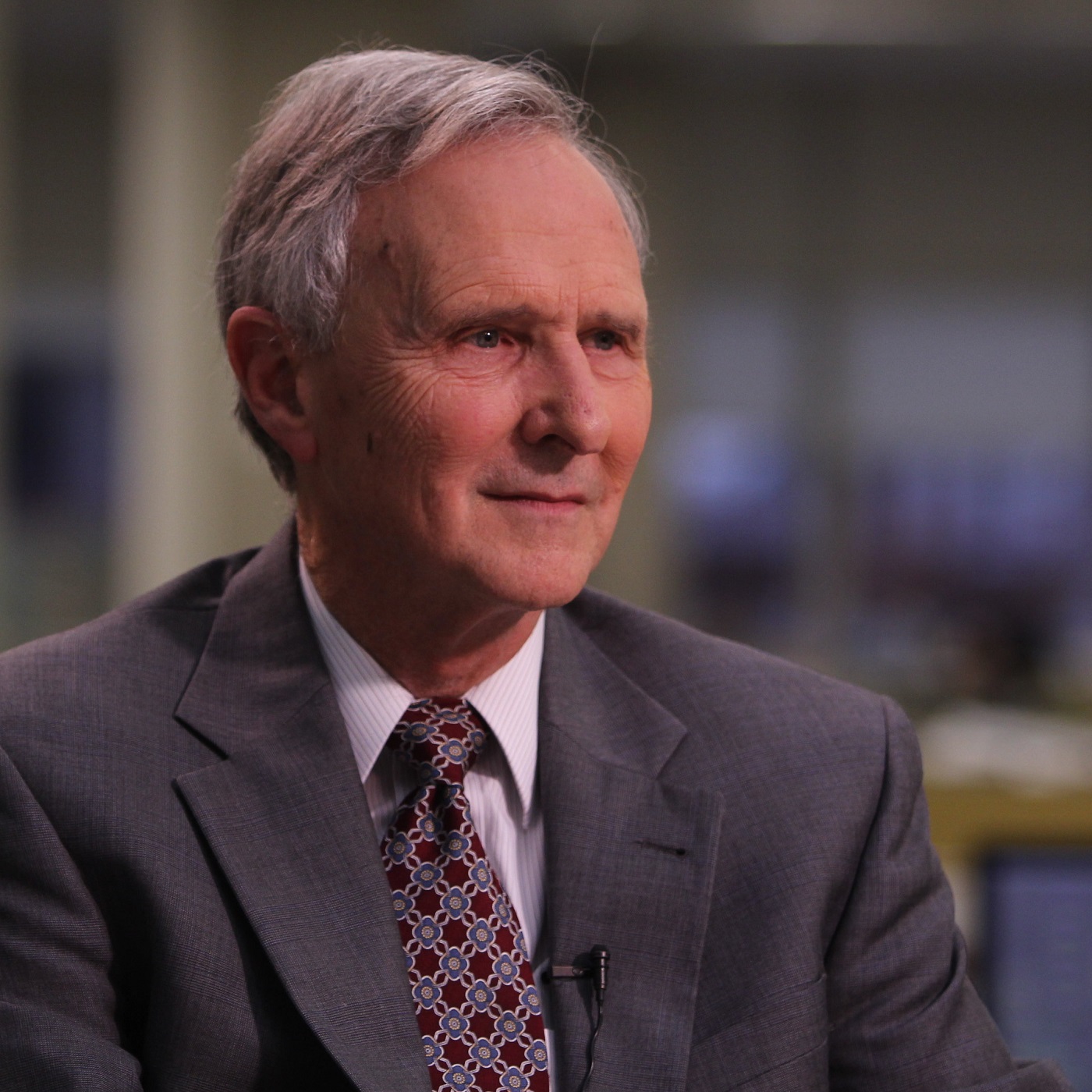
Eric Hanushek: More One Knows, Faster One Grows
There is a strong connection between human capital and economic growth, and in this podcast, Eric Hanushek says societies that invest a lot in the cognitive skills of their people grow significantly faster. Hanushek studies the relationship between education policy and economic outcomes at Stanford University. Contributors: Eric Hanushek, Paul and Jean Hanna Senior Fellow at the Hoover Institution of Stanford University. http://hanushek.stanford.edu/

Alec Ross on The Industries of the Future
In this podcast we speak with author Alec Ross about his new book The Industries of the Future. Ross says 90 percent of the world's data has been produced in the last two years, so those businesses that own or harvest a meaning from all this data will be leading the pack. Ross has served as Senior Advisor for Innovation to the US Secretary of State. Contributors: Alec Ross, Distinguished Senior Fellow at Johns Hopkins University.
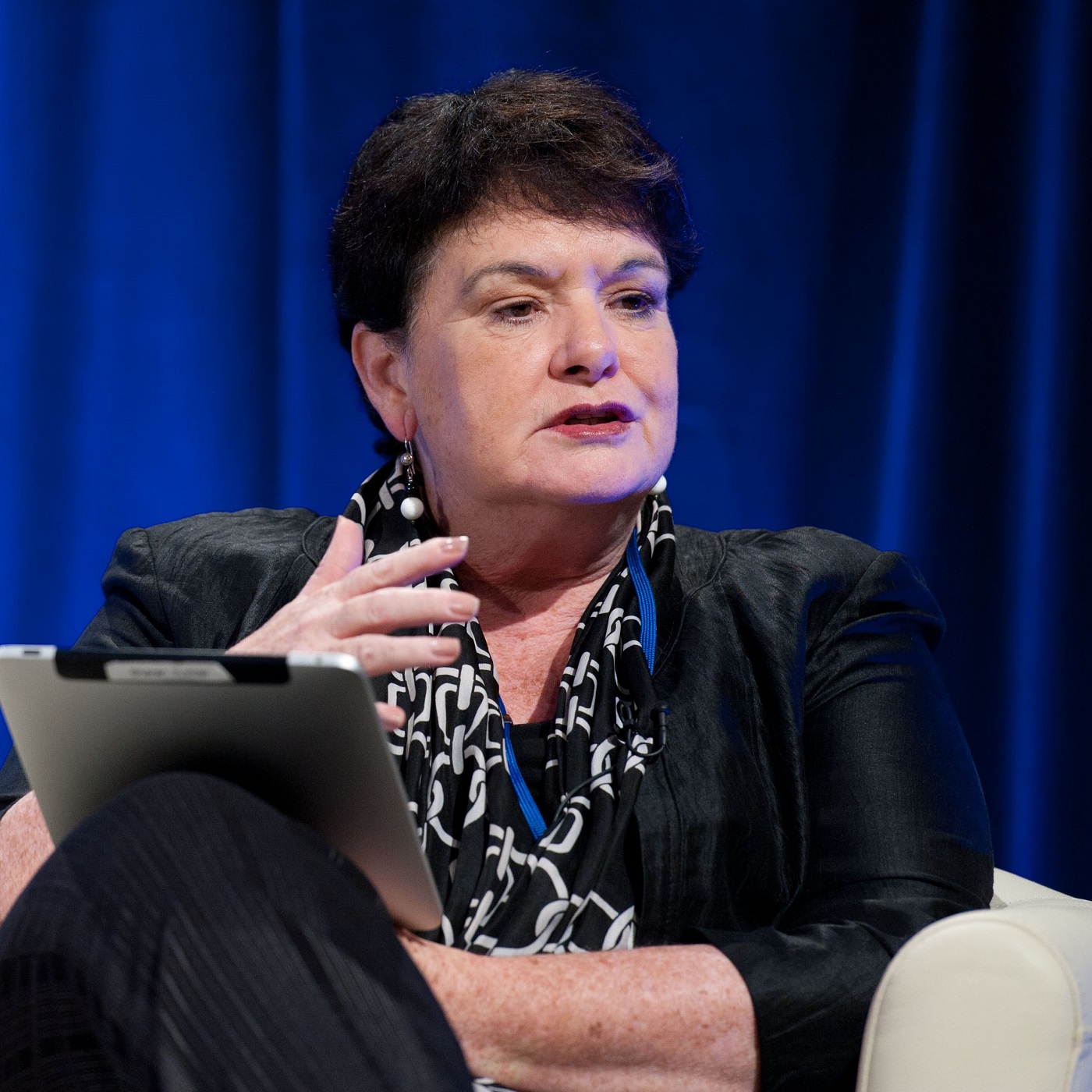
Sharan Burrow, on Regaining Trust
Every two years, the IMF and World-Bank invites global labor union leaders to discuss the global economy and the implications for the labor force. In this podcast, Sharan Burrow, head of the world's largest trade union federation, says collective action is needed to help better distribute the benefits of growth, if institutions are to regain trust from working people. Contributors: Sharan Burrow, General Secretary of the International Trade Union Confederation.

Barry Eichengreen: Asia's Ascent and the Global Monetary System
With Asia's recent growth comes a growing responsibility within the global economy. In this podcast, Barry Eichengreen, Professor of Political Science at the University of California, Berkeley, breaks down the weight of that responsibility and how Asia can rise to fulfill it. Contributors: Barry Eichengreen, George C. Pardee and Helen N. Pardee Professor of Economics and Professor of Political Science at the University of California, Berkeley.
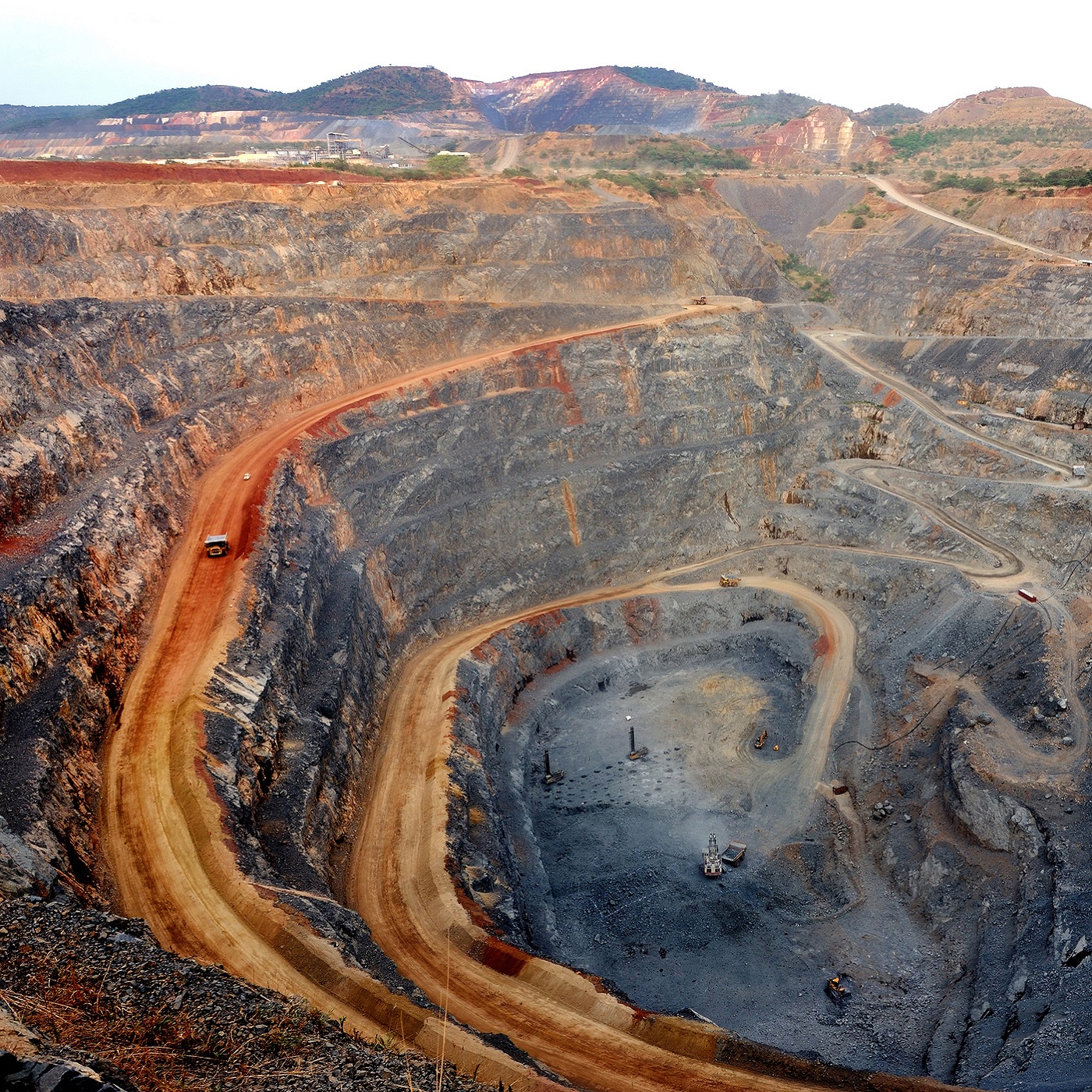
Mining for Revenues: Alexandra Readhead on Transfer Pricing
While many African countries have enjoyed significant revenues from the mining industry in recent years, a new study published by the Natural Resource Governance Institute suggests tax revenues from mining could be much higher if transfer pricing rules were enforced. In this podcast, we speak with the report's author Alexandra Readhead. Contributors: Alexandra Readhead, author of Preventing Tax Base Erosion in Africa
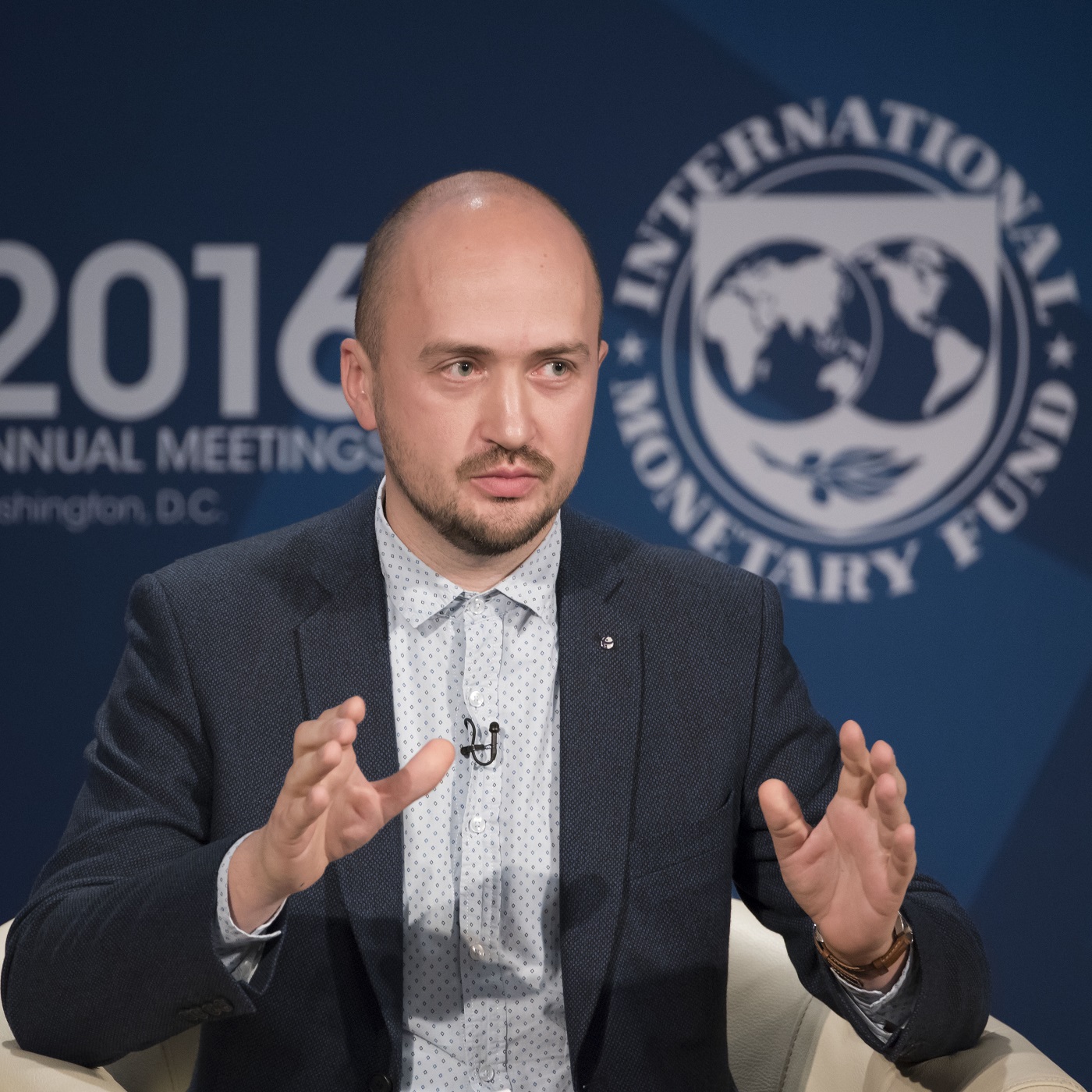
The Cost of Corruption for the Young
Corruption, in its many forms, affects people from every walk of life, in every country. While it does not discriminate based on age, young people are affected by corruption in ways that can follow them throughout their careers. In this podcast, anti-corruption leader Sergejus Muravjovas, talks about the ways in which youth are fighting back. Contributors: Sergejus Muravjovas, Executive Director at Transparency International Lithuania and founder of TransparencySchool.org
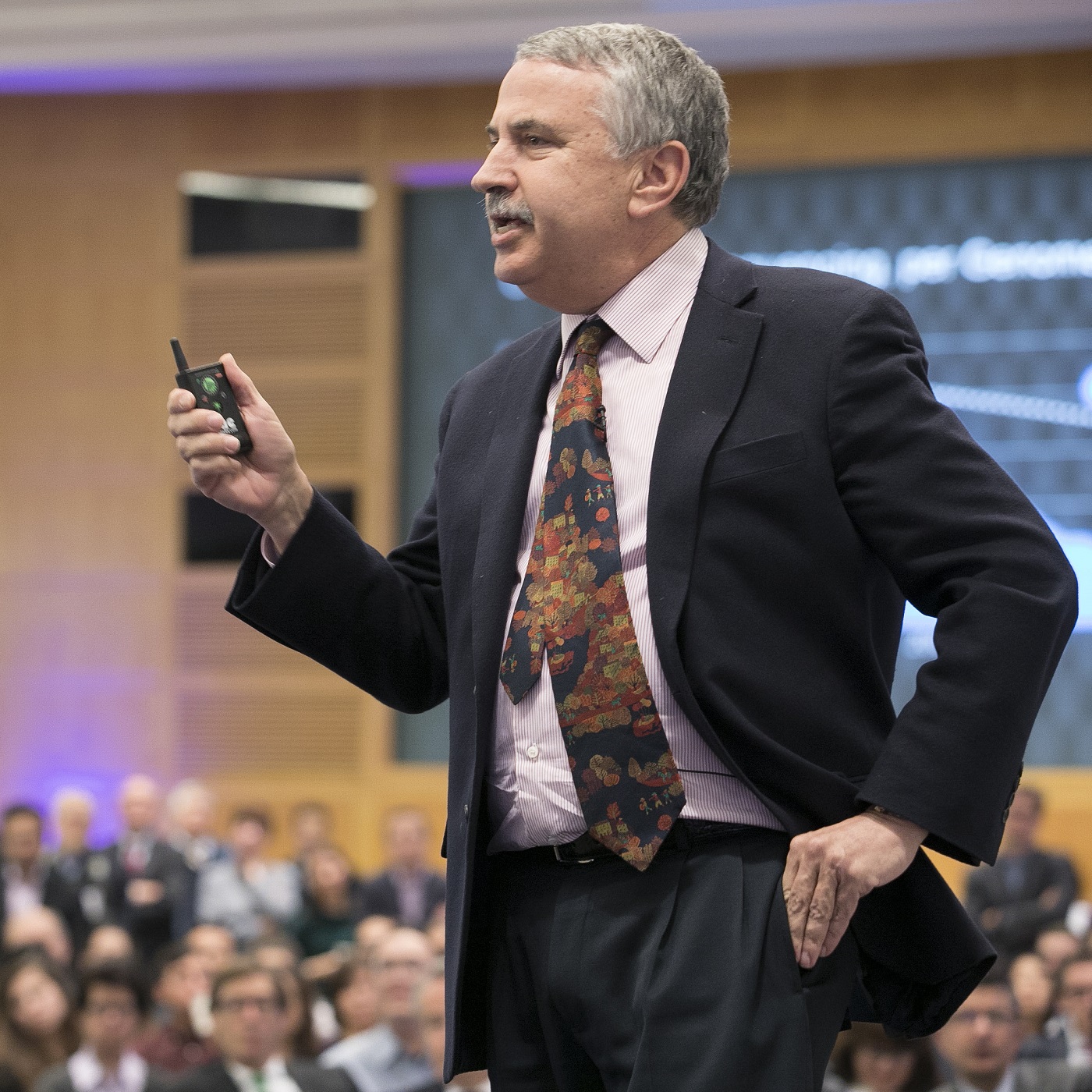
Thomas Friedman on Warp Speed Digital Globalization
New York Times columnist and best-selling author Thomas Friedman, says our lives are being transformed in so many realms at once- it's dizzying. In this podcast, Friedman talks about his new book, Thank You for Being Late, An Optimist's Guide to Thriving in the Age of Accelerations. Contributors: Thomas Friedman, New York Times columnist and best-selling author.
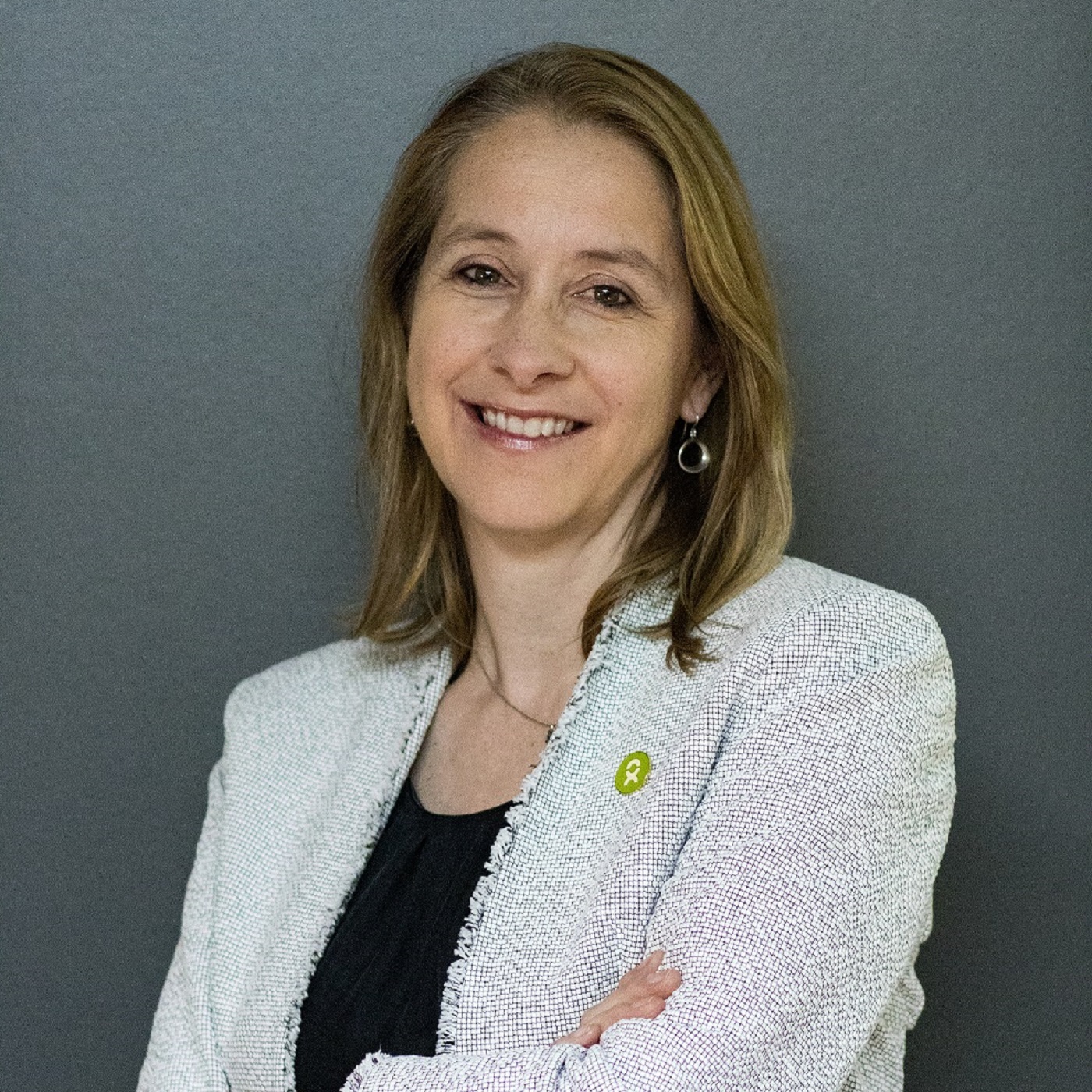
Julie Delahanty on Gender-Conscious Budgets
Julie Delahanty has done extensive work on the disenfranchisement of women due to the lack of equal opportunity. Delahanty is the Executive Director of Oxfam Canada, and joined a panel discussion during the IMF conference on Reducing the Gender Gap. In this podcast, Delahanty says vulnerable women are the most negatively affected by rising inequality. Contributors: Julie Delahanty, Executive Director of Oxfam Canada
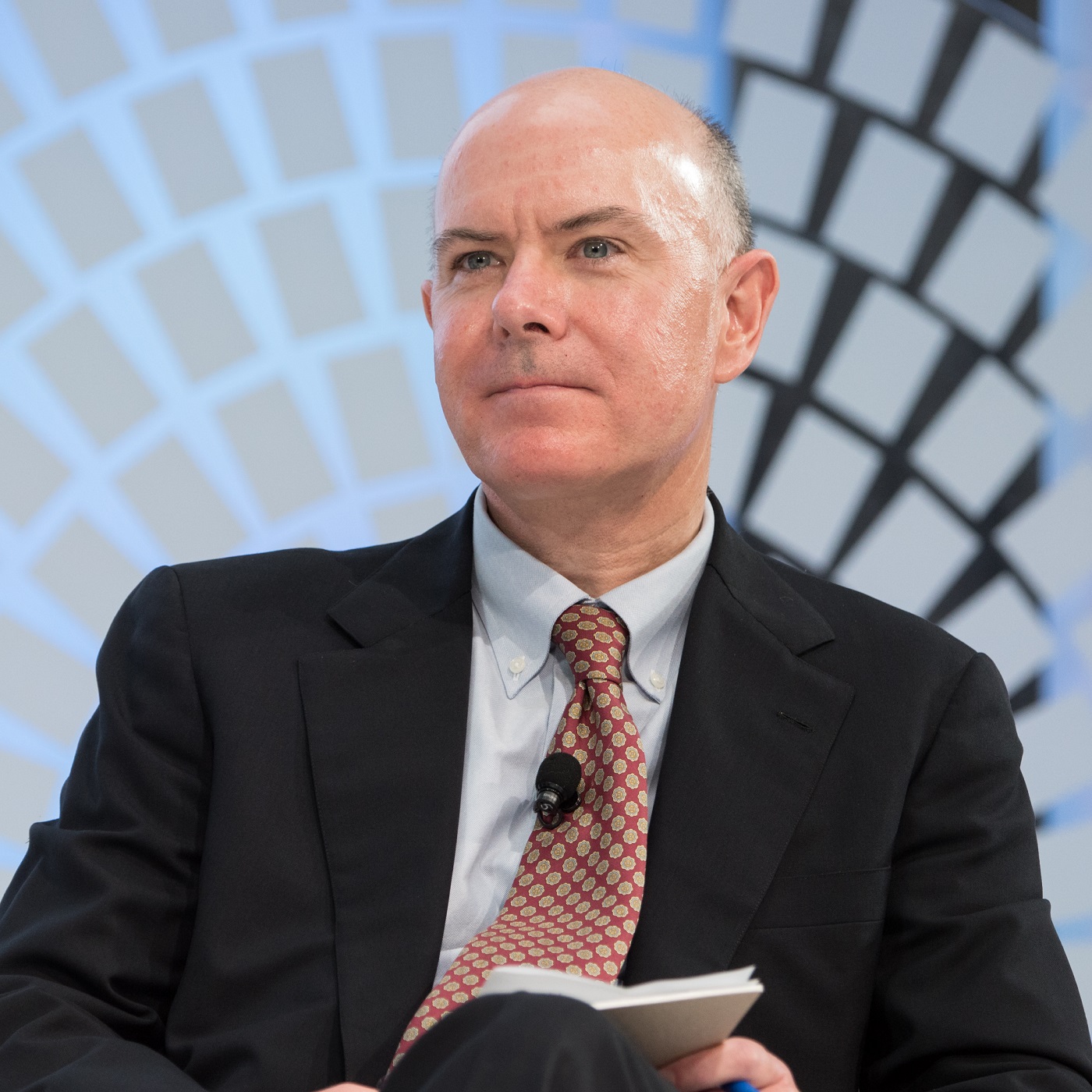
Douglas Irwin on Trade: Reality vs Perception
Who benefits from free trade and who doesn't? The realities don't always match people's perceptions. In this podcast, economist and free trade expert Douglas Irwin addresses some of the controversies. Irwin participated in a seminar entitled Making Trade an Engine of Growth for All at this year's IMF/World Bank Annual Meetings. Contributors: Douglas Irwin, John Sloan Dickey Third Century Professor in Social Sciences in the Department of Economics at Dartmouth College
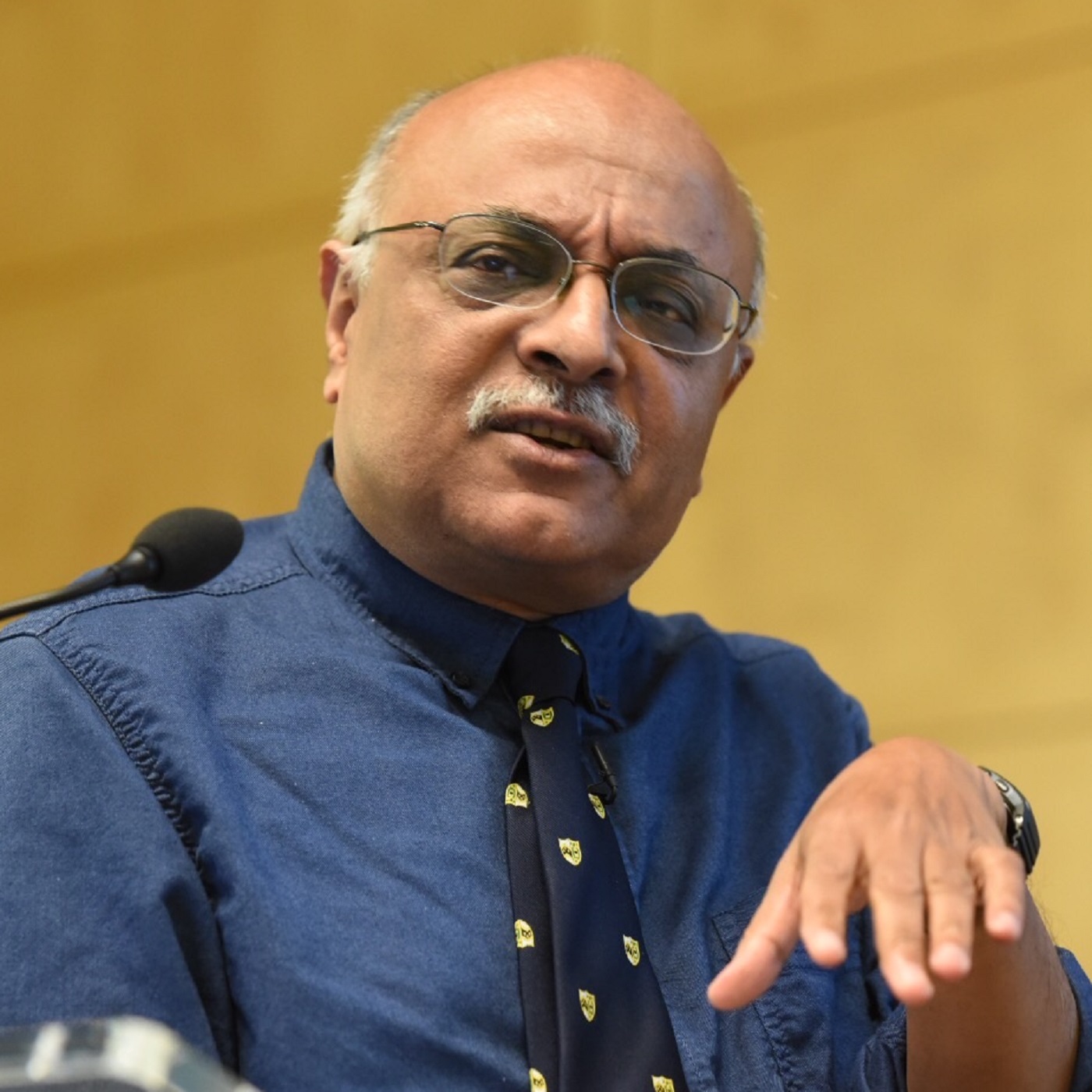
Ravi Kanbur: Political Dimensions of Data and Statistics
Ravi Kanbur says statistics are fundamentally political in nature and in import. Kanbur is Professor of Economics at Cornell University and gave the keynote speech at the Fourth IMF Statistical forum on Statistics for Inclusive Growth, held in November 2016. In this podcast, Kanbur says data doesn't always reflect reality when it comes to poverty and inequality. Contributors: Ravi Kanbur: T. H. Lee Professor of World Affairs and Professor of Economics at Cornell University.

Harold James on Globalization: New Concept Old Reality
Globalization is a recent term, but the internationalization of markets, people, ideas, and cultures is nothing new. In this podcast, IMF historian Harold James, talks about how the past might help guide us into the future. James is Professor of History and International Affairs at Princeton University, and author of New Concept Old Reality published in the December 2016 edition of Finance and Development magazine. Contributors: Harold James, Professor of History and International Affairs at Princeton University and IMF Historian

Esther Duflo: Poverty Not Only Lack of Money
Esther Duflo, Professor of Development Economics at MIT, co-founded The Poverty Lab to find innovative approaches to poverty alleviation. In this podcast, Duflo says all economic and social dimensions of poverty must be considered in order to effectively address the problem. Duflo presented the 2016 Richard Goode lecture at the IMF earlier this month. Contributors: Esther Duflo: Abdul Latif Jameel Professor of Poverty Alleviation and Development Economics at the Massachusetts Institute of Technology.

The Economics of Natural Disasters in Sub-Saharan Africa
The IMF's latest Regional Economic Outlook for Sub-Saharan Africa dedicates an entire chapter on what a drought, an earthquake or a pandemic can do to a country's economy. In this podcast, lead authors Marshall Mills and Vimal Thakoor say natural disasters have a much bigger impact in sub-Saharan Africa than any other region. Contributors: Marshall Mills: Economist and Mission Chief for Madagascar, IMF African Department. Vimal Thakoor: Economist, IMF African Department.

Nyaradzayi Gumbonzvanda: Make Economies Work for Women
While the benefits of expanding women's participation in the economy are clear, women around the globe continue to face barriers. In this podcast, Action Aid's Nyaradzayi Gumbonzvanda says women bear a disproportionate responsibility for unpaid care work, and ill-thought-out policies often add to that burden. Gumbonzvanda joined a panel on Making Macroeconomics Work for Women at the IMF World-Bank Annual Meetings. Contributors: Nyaradzayi Gumbonzvanda, International Board Chair for Action Aid

One-on-One with Christine Lagarde, Featuring Michael Lewis
In this podcast, IMF Managing Director, Christine Lagarde, and best-selling author Michael Lewis (The Big Short), reflect on lessons learned from the financial crisis and other issues facing the world economy. The discussion took place before a live audience during the IMF World-Bank Annual meetings last month. Contributors: Christine Lagarde: IMF Managing Director. Michael Lewis: Author, columnist and financial journalist.

Ray Kurzweil: Intelligent Machines Are Your Friend
In this podcast, inventor and futurist Ray Kurzweil talks about how artificial intelligence is helping overcome human limitations and creating better-paying jobs. Kurzweil participated in a panel discussion entitled Technology, Innovation, and Inclusive Growth, during the 2016 IMF World-Bank Annual Meetings. Contributors: Ray Kurzweil: Inventor, futurist, and author.

Abebe Aemro Selassie: Sub-Saharan Africa Growth Lowest in 20 Years
The IMF's latest regional economic outlook for Sub-Saharan Africa shows growth at its lowest level in more than 20 years. But in this podcast, the African Department's new Director, Abebe Aemro Selassie, says it's a mixed story of struggling oil-exporters and strong performers. Contributors: Abebe Aemro Selassie, Director of the IMF's African Department

Afrique subsaharienne: taux de croissance à son plus bas niveau depuis vingt ans
Le dernier rapport du FMI sur les Perspectives économiques régionales prévoit que le taux de croissance économique de l'Afrique subsaharienne devrait descendre à son plus bas niveau depuis plus de deux décennies. Mais Céline Allard, chef de la division des études régionales au Département Afrique, dit que plusieurs pays continuent de croitre de manière très robuste Contributeurs: Céline Allard, chef de la division des études régionales au Département Afrique du FMI

IMF World Economic Outlook
The IMF's latest World Economic Outlook projects global growth at 3.1 percent in 2016 and 3.4 percent in 2017. In this podcast, IMF Chief Economist Maurice Obstfeld says growth has been too slow for too long. Contributors: Maurice Obstfeld, IMF Chief Economic Counselor

Ghana: IMF Approves Third $116.2m Disbursement
Ghana's economy—once a model for growth in West Africa, took a turn for the worse in 2012. It's been getting help from the IMF under a 3-year program known as the Extended Credit Facility. The IMF board has approved another US$116m, and under the arrangement Ghana could receive more than US$900m if all targets are met. In this podcast, Joël Toujas-Bernaté, IMF mission chief for Ghana, says the country is making good progress. Contributors: Joël Toujas-Bernaté, IMF Mission Chief for Ghana

Ethiopia: Drought, Low Commodities Dampen Growth
While Ethiopia has been experiencing strong growth since the early 2000s, the IMF's latest review of the country's economy says low commodity prices and a drought have put growth levels well below 10 percent for the first time in a decade. In this podcast, we speak with Julio Escolano, IMF Mission Chief for Ethiopia, who oversaw the writing of the report. Contributors: Julio Escolano, IMF Mission Chief for Ethiopia.