
Show overview
IMF Podcasts has been publishing since 2013, and across the 13 years since has built a catalogue of 703 episodes. That works out to roughly 160 hours of audio in total. Releases follow a weekly cadence.
Episodes typically run ten to twenty minutes — most land between 8 min and 18 min — though episode length varies meaningfully from one episode to the next. None of the episodes are flagged explicit by the publisher. It is catalogued as a EN-language Business show.
The show is actively publishing — the most recent episode landed 3 weeks ago, with 18 episodes already out so far this year. The busiest year was 2013, with 177 episodes published.
From the publisher
Listen to the World's top economists discuss their research and deconstruct global economic trends.
Latest Episodes
View all 703 episodesMehran Gul on the Innovation Blindspot
Dani Rodrik on Rethinking Development
Ha-Joon Chang on Infant Industry Protection
Krishna Srinivasan on Asia's Next Chapter
Pierre-Olivier Gourinchas on the Story Behind the Number
Pierre-Olivier Gourinchas on the Story Behind the Number
Jeffry Frieden: The Cost of Geoeconomic Coercion
Trade among Geopolitical Rivals: Michele Ruta
Nationalizations Get Another Look: Nicholas Mulder
Gracelin Baskaran on the Race for Minerals
Geoeconomics Revisited: Josh Lipsky and Matteo Maggiori
Barry Eichengreen and Chima Simpson-Bell on Currencies that Shine
Eswar Prasad on Escaping the Doom Loop
Taxing Bad Habits: Christoph Rosenberg

Amadou Sy on Why Africa is Keeping its Debt Closer to Home
African economies began tapping into overseas markets for funding in the early 2000s, after debt burdens had been alleviated by the Highly Indebted Poor Countries (HIPC) Initiative. However, surging interest rates on dollar- and euro-denominated loans in recent years have prompted countries to turn to domestic markets for their borrowing needs. Amadou Sy heads the IMF Regional Studies division. In this podcast, he says there are benefits to issuing debt in local markets and in local currency. Transcript: https://traffic.libsyn.com/imfpodcast/Amadou_Sy-transcript-IMF_Podcast.pdf Read the article at IMF.org/FandD

The Debt Reckoning: Rodrigo Valdés and Era Dabla-Norris
Unprecedented debt levels are pressing governments to make tough choices. While aging populations demand more public spending, resources are stretched thin, and the days of cheap borrowing that allowed the debt burden to be kicked down the road are behind us. Rodrigo Valdés and Era Dabla-Norris head the IMF Fiscal Affairs department and write about high debt and hard choices in the March edition of Finance & Development magazine. In this podcast, they say the erosion of public trust is a factor in reconciling competing fiscal priorities. Transcript: https://traffic.libsyn.com/imfpodcast/Valdes-Dabla-Norris-AUDIO-transcript-IMF_Podcast.pdf Read the article at IMF.org/fadd

Johan Norberg on What Makes and Breaks Golden Eras
The most prosperous of civilizations were the most open. The Romans, for example, expanded their empire by integrating the populations they conquered, creating a melting pot of new ideas. Johan Norberg's latest book, Peak Human, examines the rise and fall of seven golden age civilizations. In this podcast, he says that if openness to learning and trade are what great societies make, building walls to protect their dominance often sparks their demise. Norberg is a historian and senior fellow at the Cato Institute. Transcript: https://traffic.libsyn.com/imfpodcast/Johan_Norberg-transcript-IMF_Podcast.pdf Read the article Finance & Development: IMF.org/fandd
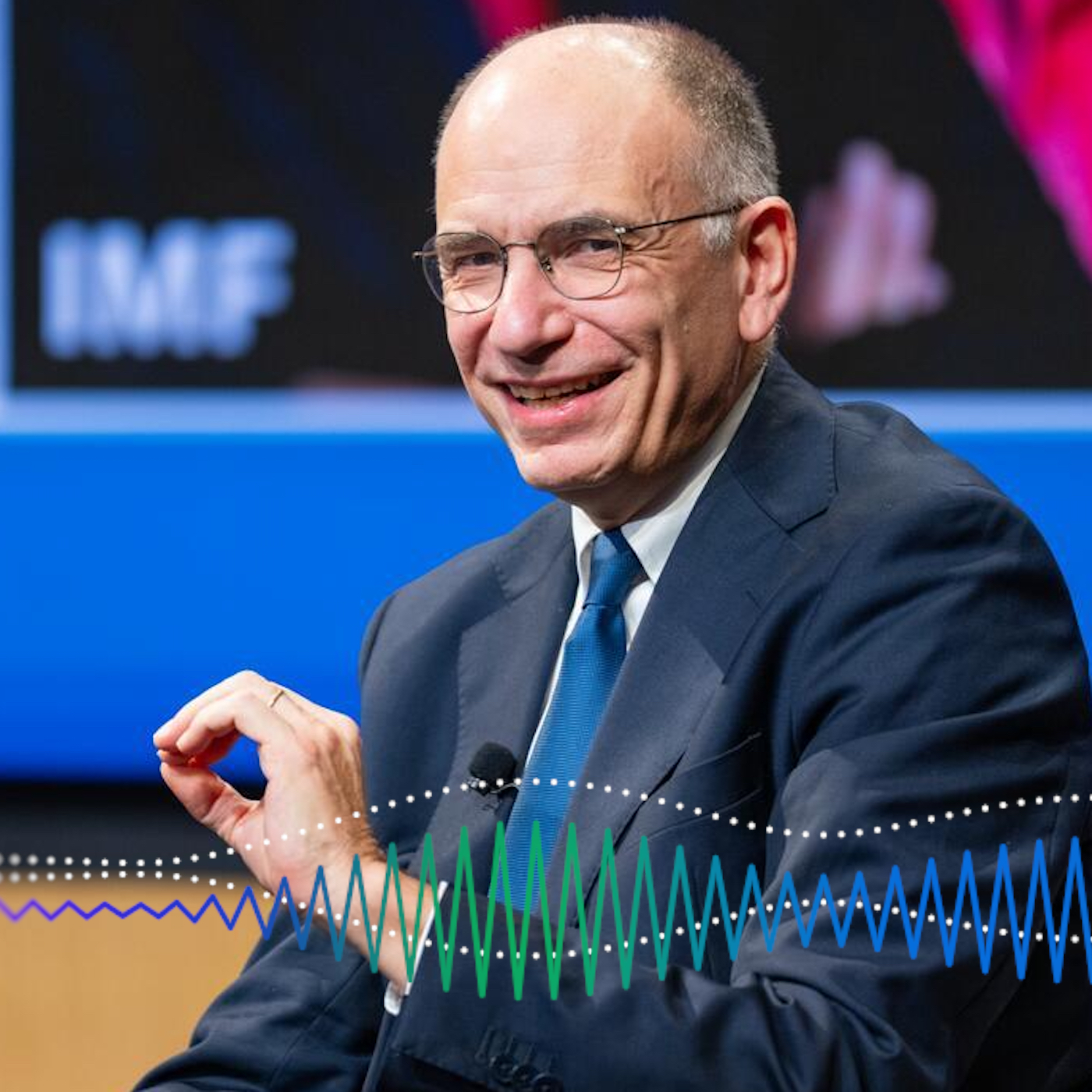
Enrico Letta: Harnessing Europe's Single Market
There is strength in numbers, and the idea of European integration through a single market was to capitalize on the EU as a whole. However, the single market is a product of the early 90s, and EU member states now appear reticent to pool sovereignty to the degree required to counter the geopolitical challenges of today's world. Enrico Letta is President of the Jacques Delors Institute and a champion of Delors' vision of creating a fully integrated European economic space. Letta's 2024 report, Much More than a Market, argues that adaptation of the single market should include all sectors rather than a select few and that fragmentation is holding Europe back. Transcript: https://traffic.libsyn.com/imfpodcast/Enrico_Letta-transcript-IMF_Podcast.pdf

Claudia Sahm on how Private Data can Augment Official Statistics
While official statistics compiled by government agencies are still considered the most reliable, policymakers are increasingly using private data to get around their limitations. Claudia Sahm is a former principal economist at the Federal Reserve Board of Governors and has studied the growing role of alternative data in monetary policy. In this podcast, Sahm says the immediacy and granularity of private company data should serve as a complement to traditional data, not as a substitute. Transcript: https://bit.ly/3MH31X6 Read the article at IMF.org/fandd
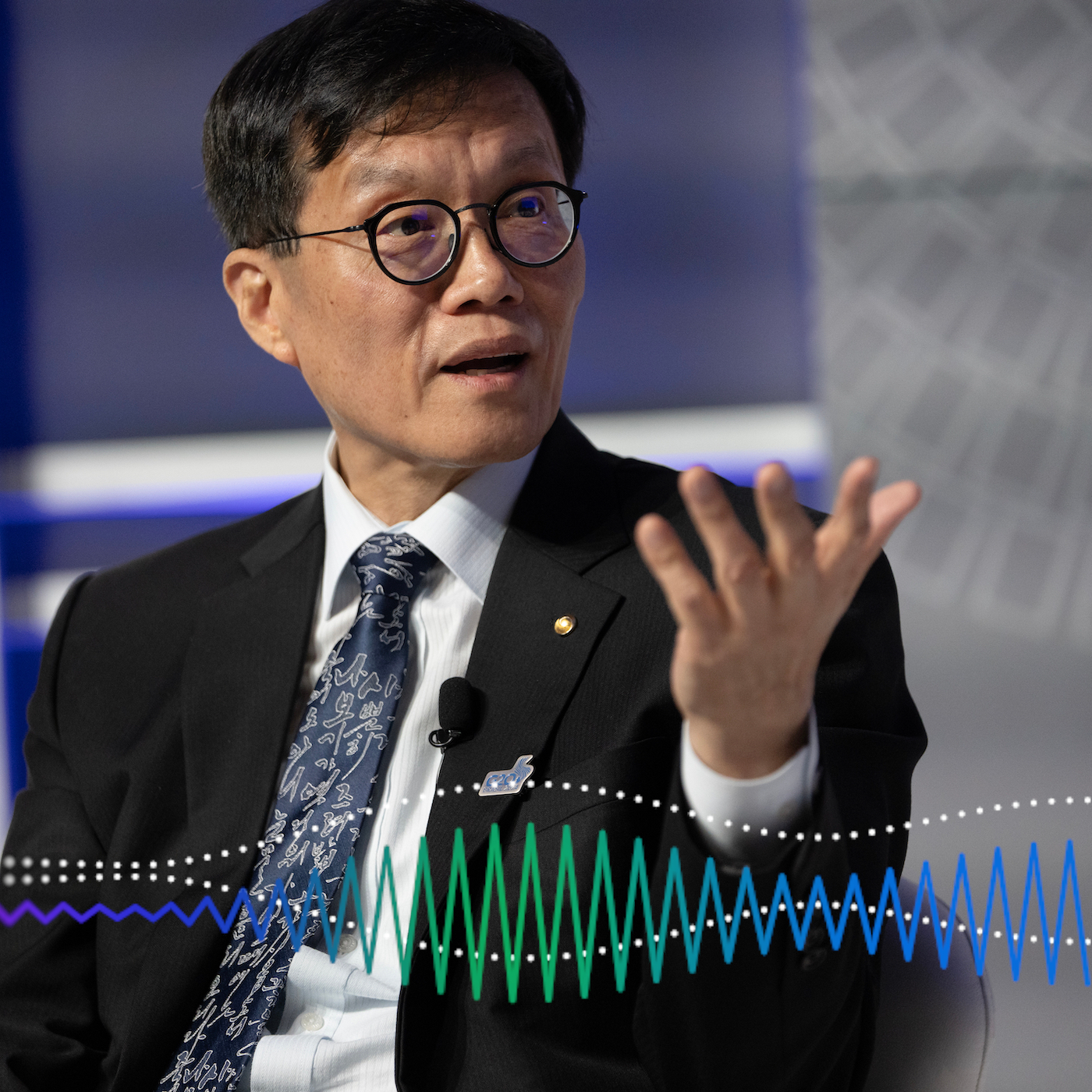
Governor Chang Yong Rhee on Bank of Korea's Innovative Approach
Price stability is the main goal for central banks, and monetary policy is how they achieve it. However, societies are always in flux, and central bankers who pay close attention to emerging trends are more likely to make better policy decisions. Bank of Korea Governor Chang Yong Rhee has expanded the scope of research to include structural issues like population aging to better understand the changing dynamics of Korea's economy. Before becoming Governor in 2022, Mr. Rhee held several senior roles in global financial institutions, including the IMF, where he led the Asia and Pacific Department.