
IMF Podcasts
703 episodes — Page 7 of 15
Petra Moser on Italian Opera, World Fairs and Innovation
The effects of copyright and patent laws on artistic creativity and technological innovation are gaining more and more significance in today's economy driven to a large part by content. Economic historian Petra Moser uses data from 19th century Italian operas and world fairs to examine the economic implications of basic copyright and patent protection for innovators. In this podcast, Moser describes how Napoleon's military victories in Italy in the late 1700s changed the copyright landscape and created an excellent model to study the effects on Italian opera composers. Petra Moser is an associate professor of Economics at New York University, and was invited by the IMF's Institute for Capacity Development to present her research on the economic impact of creativity and innovation. Petra Moser is an economic historian at the Stern School of Business, New York University. You can find all of her research papers at PetraMoser.net.

Amadou Sy: Fintech Breaking Down Barriers in Africa
While sub-Saharan Africa has lagged behind the rest of the world in access to finance, some countries in the region are bucking the trend thanks to advancements in financial technology known as Fintech. Mobile technology has made sub-Saharan Africa the global leader in mobile money transfer services, helping provide financial services to millions previously off the formal financial grid. A new IMF study shows Fintech is emerging as a technological enabler, improving financial inclusion and serving as a catalyst for innovations in other sectors. In this podcast, economist Amadou Sy, says Fintech could be a real game changer for the region. Sy is an Advisor in the African Department at the IMF, and headed this new research on the impact of Fintech in Sub-Saharan African Countries. Amadou Sy, is an Advisor in the IMF's African Department.

David Coady: Strong Safety Nets Strong Growth
For many countries, broadening access to basic services like education and healthcare is fiscally daunting. Economies in developing countries are often informal for the most part, making it difficult for governments to collect the taxes that ultimately fund these programs. In this podcast, IMF economist David Coady says good policy decisions will help countries find the resources they need to strengthen their social safety nets. Coady is a social spending expert in the IMF's Fiscal Affairs Department, and author of Creating Fiscal Space featured in the December 2018 edition of Finance and Development Magazine. David Coady heads the Expenditure Policy division in the IMF's Fiscal Affairs Department.

Maryam Farboodi on Big Data and Bigger Firms
There's been a huge surge in data usage across all sectors of the economy of late. And in the financial sector, recent research by MIT's Maryam Farboodi shows that while data resolves some risk for investors, it also creates risk. In this podcast, Farboodi talks about how big data is disproportionally benefiting the larger firms and how the distributional aspects of data may be exacerbating inequality. Maryam Farboodi is an Assistant Professor of Finance at the MIT Sloan School of Management, her research on Data in Finance has been published in the National Bureau of Economic Research. Farboodi was invited to speak at the IMF's Institute for capacity Development.
Michal Rutkowski: Industrial-Era Welfare Policies are Falling Short
The changing nature of work is turning traditional employment on its head. More and more people are working in the gig economy or in jobs without formal employment contracts, and the payroll-based industrial-era social insurance policies are no longer providing the safety net for which they were designed. Michal Rutkowski oversees the World Bank's work in developing systems that protect the most vulnerable sectors of society, and helped produce the 2019 World Development Report on the Future of Work. In this podcast, Rutkowski says 70 percent of the world's population is now in the informal labor market without the means to contribute to health care insurance or pension plans. Rutkowski is author of Reimagining Social Protection featured in the December 2018 edition of Finance and Development Magazine. Michal Rutkowski is Senior Director for Social Protection and Jobs at the World Bank Group.

Sharan Burrow: Social Protections in the Age of Technology
Technology is quickly changing the nature of work. Full-time employment with health care and a pension is being replaced with short-term contracts with no benefits, leaving workers exposed. Sharan Burrow has been General Secretary of the International Trade Union Confederation since 2010, and a champion of workers rights in the age of technology. Burrow joined a panel on social protection and the future of work during the 2018 IMF-World Bank Annual meetings. The IMF's David Pedroza sat down with Sharan Burrow in Bali, Indonesia, where the meetings took place.

The Future of Work in Sub-Saharan Africa
Advances in technology are already shaking up the landscape for jobs in many regions around the world. But with its rapidly growing population, sub-Saharan Africa stands to be particularly impacted by the wave of technological innovation known as the Fourth Industrial Revolution. The latest Regional Economic Outlook for sub-Saharan Africa looks at how technology and other factors like climate change and trade might affect the region's job market. Economist Axel Schimmelpfennig led the study on the future of work, and in this podcast he says one of the challenges for the region is to support those workers who are being dislocated by technological change. This new research will be discussed at the Future of Work in Sub-Saharan Africa conference in Ghana, Dec. 17, 2018. Axel Schimmelpfennig is a Division Chief, and heads the Uganda team in the IMF's Africa department.

Archaeologist Sir Barry Cunliffe on the Origins of Trade
The human instinct to trade goes back thousands of years, and Sir Barry Cunliffe has been digging up evidence of those first steps toward today's globalized world throughout his long career as one of Europe's most highly respected archaeologists. Sir Cunliffe is an Emeritus professor at Oxford University and a Commissioner of English Heritage. He was invited to speak to economists as part of the IMF Futurist Series, designed to bring outside views to the Fund and spark new ideas. In this podcast, Sir Barry Cunliffe says cultural and economic values should be one and the same. His latest book By Steppe, Desert, and Ocean is published by Oxford University Press. Sir Barry Cunliffe served as President of the Society of Antiquaries, Governor of the Museum of London, and a trustee of the British Museum. He received a knighthood in 2006. (photo: B540/Guillem Lopez/Photoshot/Newscom)
Martin Wolf on Global Cooperation and Why Truth Matters
As the world becomes more interconnected and economies more integrated, the role of communications and journalism is increasingly important. But cutting through all the noise is not always easy. In this podcast, legendary Financial Times journalist, Martin Wolf, sits down with the head of IMF communications, Gerry Rice, to talk about the state of global cooperation and the corrosion of trust. Wolf has been reporting on the global economy for over three decades, and his writing influenced policymakers during the global financial crisis. Their conversation was recorded during the IMF-World Bank Annual Meetings in Bali, Indonesia. Martin Wolf's book The Shifts and the Shocks is published by Penguin books.

Sub-Saharan Africa: Managing the Remarkable Jump in Capital Flows
In the wake of the global financial crisis and with low interest rates lingering in most advanced economies, investors have increasingly been looking at Africa for investment opportunities. The IMF's latest Regional Economic Outlook for sub-Saharan Africa examines what this spectacular increase in capital flows means for the region. In this podcast, economist Mahvash Saeed Qureshi says the recent rise in investment capital offers a lot of opportunities but also carries risks. Qureshi led the research team that wrote the report. Mahvash Saeed Qureshi is a Deputy Division Chief in the IMF's African department. Photo: Global factors such as U.S. interest rates and commodity prices have a direct impact on capital flows to sub-Saharan Africa. (iStock by Getty Images/fotopoly)

Vera Songwe: Closing the Tech Gender Gap
There is a growing body of research that shows that more women in the labor force means higher economic growth, and for longer periods. And while some sectors have made progress in breaking down gender barriers, the rise of technology in others presents new challenges for women. Vera Songwe is the first woman to head the U.N.'s Economic Commission for Africa, and in this podcast, Songwe says African women are especially disadvantaged in the technology sector because they often don't have access to the internet. Songwe talked to IMF's Angela Gaviria while attending the IMF-World Bank Annual meetings in Bali, Indonesia. Read the IMF blog

Dag Detter: Unlocking Public Wealth
While countries around the world scramble to find new revenue streams, it turns out most are sitting on wealth they don't even know they own. The IMF's Fiscal Monitor launched in October, analyses public wealth in 31 countries to find their assets worth $101 trillion or 219 percent of GDP. Dag Detter is a specialist in public commercial assets, and works as an adviser to local and national governments to help make their public assets work for the benefit of their citizens. In this podcast, Detter says countries could easily double the amount of money available for infrastructure if assets were properly managed. Detter is co-author of Unlocking Public Wealth, featured in the March 2018 edition of Finance and Development Magazine. Dag Detter and Stefan Folster's book The Public Wealth of Nations is published by Palgrave Macmillan. PHOTO: The city of Boston is one of many cities worldwide to underestimated the value of its public assets. (iStock by Getty images)

Jonathan Ostry: Growth for Some vs Growth for All
Not everyone benefits equally from strong economic growth. And while most economists focus on optimizing policies to produce higher growth, economist Jonathan Ostry argues that it is how the benefits from that growth are distributed that will ultimately determine whether the growth will last. Ostry is deputy director of the IMF's Research Department, and says the supply-side policies commonly prescribed by economists to increase growth often benefit disproportionately the wealthier segments of society and result in economies that are less resilient. Jonathan Ostry is author of several books and articles on inequality, including Growth or Inclusion? featured in the June 2018 edition of Finance and Development Magazine. Ostry's latest book Confronting Inequality, which he coauthored with IMF colleagues Prakash Loungani and Andrew Berg, is published by Columbia University Press.

Roberto Azevêdo: Trade is not the Problem
The IMF-World Bank Annual meetings bring together people from around the world to discuss issues that affect the global economy. This year's meetings were held in Bali, Indonesia, and one issue at the top of the agenda was the rising backlash to globalization by workers who feel they're losing jobs to trade and immigration. Roberto Azevêdo, Director General of the World Trade Organization dispels those claims, and in this podcast, the IMF's Camilla Andersen asks Azevêdo why he thinks international trade has been under fire of late. PHOTO: Roberto Azevêdo, World Trade Organization's Director General, says trade and immigration should not be blamed for employment woes. (IMF photo)

Sub-Saharan Africa's Economic Outlook: Recovery and Rising Risks
Oil prices have bounced back somewhat but the IMF's latest Regional Economic Outlook for Sub-Saharan Africa shows why energy exporters shouldn't get too comfortable. "The level of oil prices that we see currently don't imply growth rates in the future that are high enough, and that are anywhere near what we had seen before the oil slump." Papa N'Diaye is head of research in the IMF's African Department, and in this podcast, he says while the macroeconomic outlook for sub-Saharan Africa continues to strengthen–thanks to ongoing reforms and stronger global growth, growth rates still fall short of what the region really needs. N'Diaye oversaw the writing of this latest regional economic outlook. Photo: Now What? Growth rates in sub-Saharan Africa are too low to create enough jobs for its growing labor force. (iStock by Getty Images/peopleimages).

Afrique subsaharienne : Une reprise teintée de risques
Le dernier rapport du FMI sur les perspectives économiques régionales indique que la croissance s'accélère, grâce en partie, à la hausse du cours des produits de base. »En fin, la raison pour laquelle la croissance augmente c'est par ce que les pays exportateurs de pétrole se remettent peu à peu de ce choc avec le bénéfice des prix plus élevés du pétrole.» Papa N'Diaye, dirige la division des études régionales au département Afrique du FMI, et il dit que tandis que la perspective macroéconomique pour l'Afrique subsaharienne continue à se renforcer–merci aux réformes en cours et la croissance mondiale plus forte, les taux de croissance ne répondent toujours pas au besoin réel de la région. N'Diaye a supervisé la rédaction de cette nouvelle perspective économique régionale. Photo: Et maintenant? La croissance en Afrique subsaharienne reste trop faible pour créer suffisamment d'emplois pour absorber l'augmentation rapide de sa population active. (iStock by Getty Images/peopleimages)
Global Financial Stability Report: Trade Matters
The IMF's Global Financial Stability Report is a weather vane of sorts. It's main objective is to spot shifting trends that could pose risks to the global financial system. Ten years ago, a volatile market and the subsequent collapse of a Wall Street investment firm led to a financial crisis that affected economies around the world. In this podcast, Fabio Natalucci says while that crisis is now well behind us, some dark clouds are gathering on the horizon. Natalucci heads the team of economists who write the overview chapter of the GFSR. Fabio Natalucci, is Deputy Director in the IMF's Monetary and Capital Markets Department.

Japan: Land of the Rising Robots
In Japan, deaths outnumber births by 1,000 people per day on average. The population in some regions is now smaller than what it was in the 1950's. The combination of its rapidly declining labor force—expected to fall even faster than the overall population, and the limited influx of immigrants, creates a powerful incentive for robots and artificial intelligence. In this podcast, IMF economists Todd Schneider and Gee Hee Hong say Japan has no choice but to embrace robots and automation to help the shrinking workforce become more productive. Schneider and Hong coauthored Land of the Rising Robots, an article featured in the June 2018 edition of Finance and Development Magazine. Todd Schneider, is a Deputy Division Chief, and Gee Hee Hong, is an economist, both in the IMF's Asia and Pacific Department.
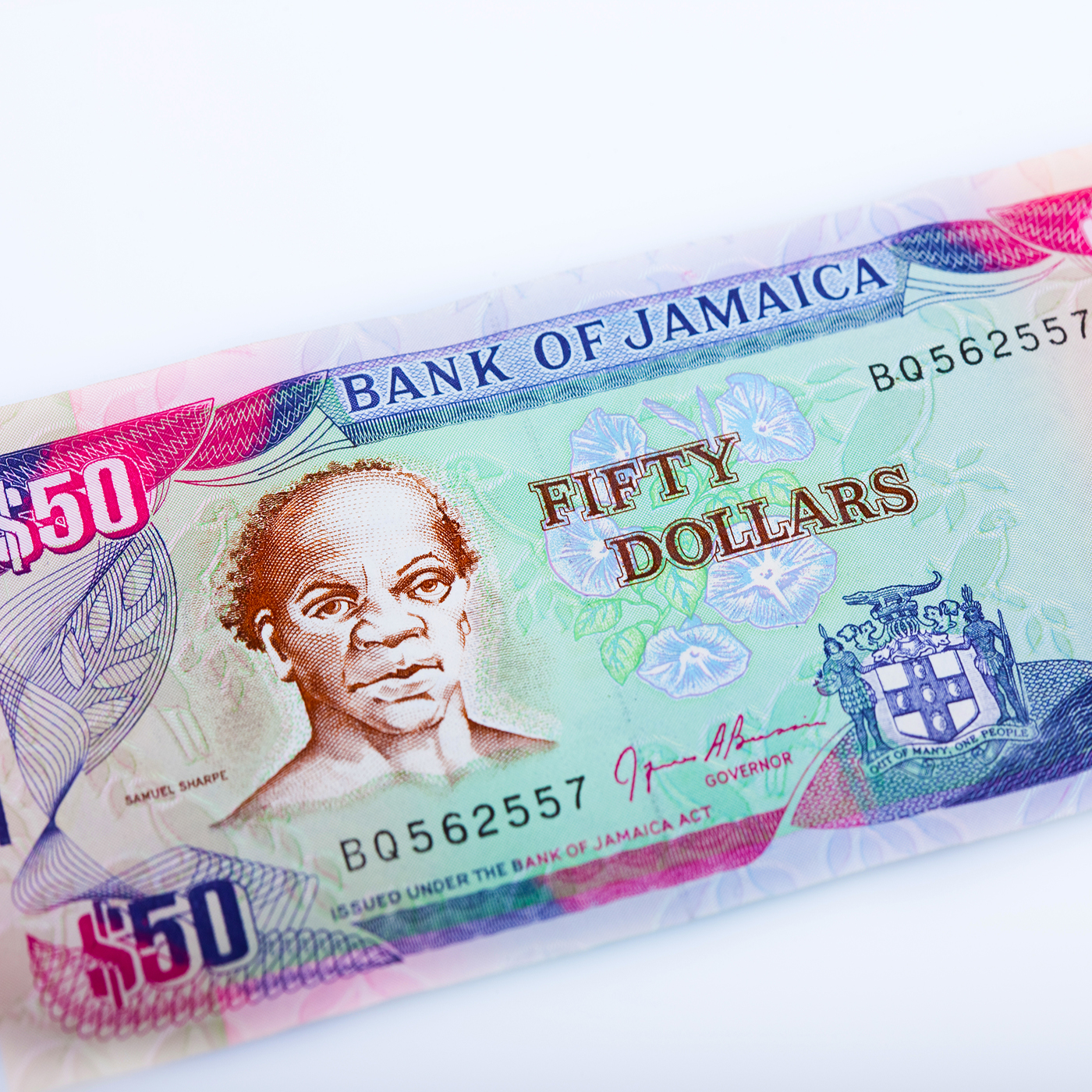
Unpacking Jamaica's Currency Depreciation
Jamaica's economic reform plan launched back in 2013, has shown promise. Employment is at historic highs and external borrowing costs are lower than they've ever been. But economic growth is still slow, and the recent depreciation of the Jamaican dollar has turned attention to a shift in the Bank of Jamaica's foreign exchange policy. In this podcast, economist Uma Ramakrishnan, says the central bank's renewed commitment to its flexible exchange rate regime will help stabilize prices and spark growth. Ramakrishnan heads the IMF team for Jamaica. Uma Ramakrishnan is a Division Chief in the IMF's Western Hemisphere Department and heads the team for Jamaica.

Christine Lagarde on The Crisis That Prompted a Rethink
It's been ten years since Lehman Brothers—one of the largest firms on Wall street, was wiped out and closed its doors. Only two weeks before it filed for bankruptcy it held more than 600 billion dollars in assets. The fall of Lehman's turned a volatile financial market into a full-blown panic and is widely seen to be what triggered the global financial crisis in 2008. In this podcast, IMF Managing Director, Christine Lagarde looks back at one of the most disruptive events in history for the global financial system.

Ralph Chami: Avoiding the Remittance Trap
Few would argue that workers' remittances—the money migrants send to family in their home country—improve the lives of millions of people. Remittances amounted to over $400 billion last year. That's somewhere between official development assistance and foreign direct investment in terms of size. These massive financial flows have important consequences for the economies that receive them. But in this podcast, IMF economist Ralph Chami says remittances can also have a negative impact on growth. Chami is coauthor, with Ekkehard Ernst, Connel Fullenkamp, and Anne Oeking, of Is There a Remittance Trap featured in the September 2018 edition of Finance and Development Magazine. Ralph Chami, is an assistant director in the IMF's Institute for Capacity Development.

Pour l'entrepreneur africain, ce qui semble être des difficultés constitue des opportunités
Chaque pays en Afrique subsaharienne a son propre ensemble de défis et de possibilités, La communauté internationale a beaucoup investi ces dernières années à savoir comment augmenter la croissance économique de la région, mais la majorité des Africains diraient que le développement de l'Afrique reste entre les mains de ses jeunes entrepreneurs. Mame Khary Diène est une de ces entrepreneurs du Sénégal, où elle transforme les graines de l'énorme arbre de Baobab en huiles exotiques pour la peau. L'huile de Baobab fabriqué par son entreprise est recherchée dans le monde entier. Mame Khary Dienne a été invité à parler de l'investissement privé en Afrique au cours des réunions de Printemps du FMI et de la Banque Mondiale. Mame Khary Diène, fondatrice et directrice générale de Bio essence.
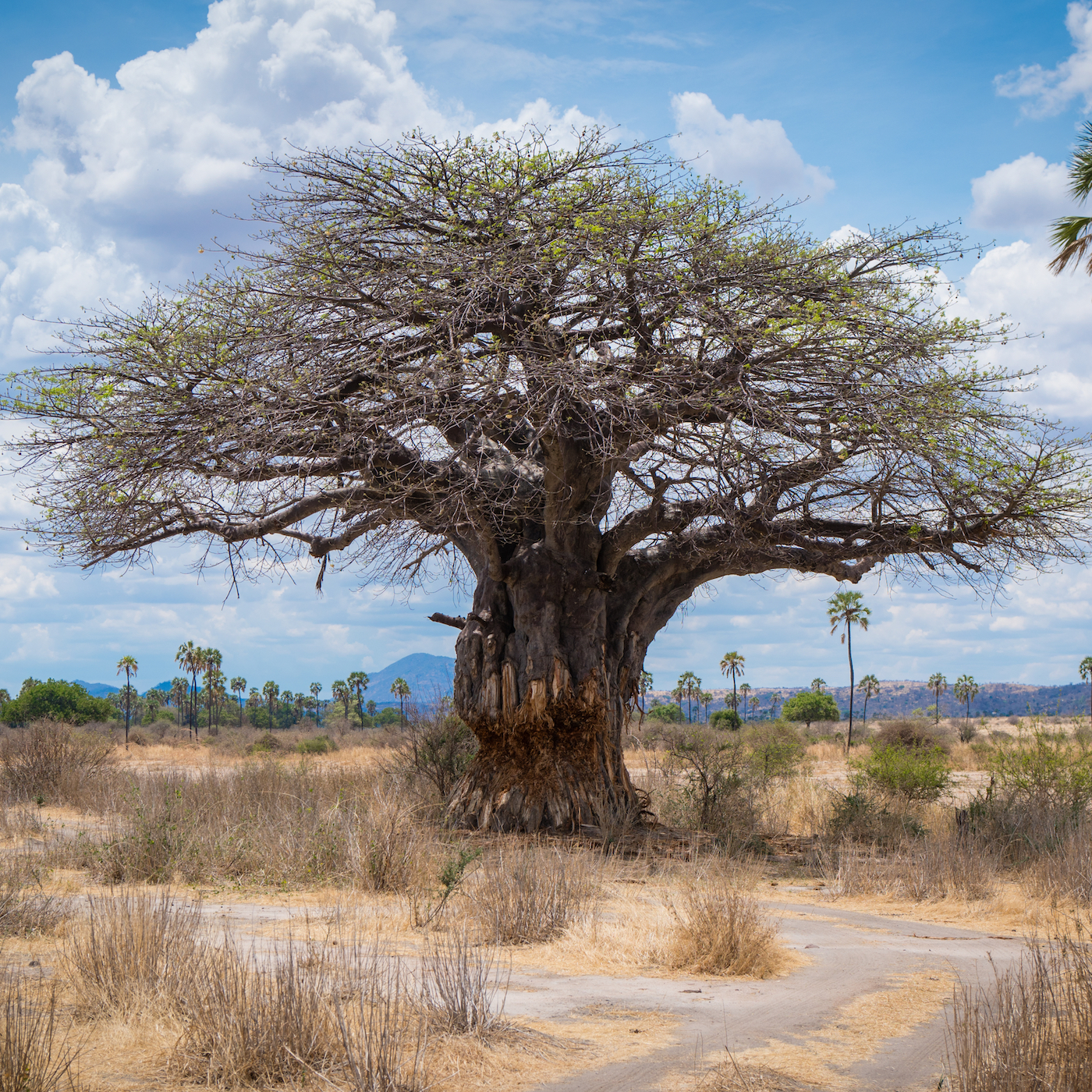
Difficulties Present Opportunities for the African Entrepreneur
Each country in sub-Saharan Africa has its own set of challenges and opportunities. And while the international community puts a lot of resources toward trying to figure out how best to keep the region's economies growing, most Africans would say that Africa's development lies in the hands of its own young entrepreneurs. Mame Khary Diène, is one such entrepreneur from Senegal, where she found her first business opportunity in the form of seeds from the enormous Baobab tree–Senegal's national symbol. Diène was invited to join a panel discussion about private investment in Africa during the 2018 IMF World-Bank Spring meetings, and in this podcast she says small businesses are key to creating jobs for Africa's expanding workforce. Mame Khary Diène is Founder and CEO of Bio essence. The IMF's latest Regional Economic Outlook for sub-Saharan Africa devotes an entire chapter on private investment.

South Africa: Restoring Confidence to Oil the Wheels for Growth
It's been almost 25 years since the end of apartheid, the system of institutionalized racial segregation that left most South Africans with limited access to basic services. The post-apartheid years saw remarkable progress in poverty reduction, access to education and healthcare and reducing unemployment. But some of those early achievements have unwound recently amid slow growth and political uncertainty. The IMF's latest assessment of South Africa's economy projects real GDP growth will stay slightly below 2 percent in the medium term, not enough to increase living standards or make a dent in unemployment. Ana Lucia Coronel heads the IMF team for South Africa, and in this podcast Coronel says fighting corruption and improving education will help revive economic growth. Ana Lucia Coronel is IMF Division Chief for the Southern Africa region and heads the team for South Africa.
Maya Forstater: The Truth About Illicit Financial Flows
Illicit financial flows have been under the spotlight recently. Both the Panama and subsequent Paradise papers exposed large amounts of money held in tax havens—some under questionable circumstances, and the United Nations has included tackling illicit financial flows as a target within its Sustainable Development Goals. In this podcast, the Center for Global Development's Maya Forstater talks about how much or how little we really know about illicit financial flows. Forstater was invited to speak at the IMF as part of the Developing Economies Seminar Series. Maya Forstater is a Visiting Fellow at the Center for Global Development.

Alex Segura sur les revenus inexploités de l'Afrique
Le dernier rapport du FMI sur les perspectives économiques régionales de l'Afrique subsaharienne indique qu'avec l'adoption des bonnes politiques, la région pourrait globalement accroître ses recettes publiques de jusqu'à 5 % du PIB. Alex Segura est chef de mission pour le Gabon et il a dirigé l'équipe qui a écrit le chapitre sur la mobilisation des recettes fiscales en Afrique subsaharienne. Dans ce podcast, Segura explique que les gens sont plus susceptibles de se conformer à leurs obligations s'ils sont convaincus que le fisc est équitable. Alex Segura est conseiller au département Afrique du FMI.

Africa's Untapped Revenues with Alex Segura
The latest Regional Economic Outlook for sub-Saharan Africa suggests better policy design could help countries increase tax revenues by as much as 5 percent of GDP. Alex Segura heads the IMF team for Gabon, and led the team of economists who wrote the chapter on raising revenues in the report. In this podcast, Segura says when people perceive that the tax system is fair, they're much more likely to accept their tax obligations. Alex Segura is an Advisor in the IMF's African department.
David Donaldson: Sherlock of Trade
Studying the market for salt in 19th century India and the effects on trade of a railroad built 150 years ago led economist Dave Donaldson to important new findings that are relevant today. Donaldson was the 2017 John Bates Clark Medalist, awarded for the most significant contributions by an economist under the age of 40. In this podcast, Donaldson talks about his work on trade and how it benefits economic welfare. A profile of Dave Donaldson, Sherlock of Trade is featured in the June 2018 edition of Finance and Development Magazine. Dave Donaldson is professor of economics at the Massachusetts Institute of Technology.

Arvind Subramanian: India's New Tax Breaks Down Old Barriers
As economic advisor to the government of India, Arvind Subramanian helped design the country's goods and services tax. In July of last year, the national GST replaced the patchwork of value-added, sales, and excise taxes levied by 29 states and the federal government. In this podcast, Subramanian discusses the benefits of the new tax with the IMF's Chris Wellisz. He says the tax helped create a single internal market for the first time since independence. Their conversation is also featured in the June 2018 edition of Finance and Development Magazine. Arvind Subramanian, Chief Economic Advisor to the government of India

Siim Sikkut on The Making of E-Estonia
Estonians rarely stand in line for anything anymore. Estonia ranks among the most digitally advanced countries in the world and virtually all government services are now offered online. Estonia is also where Skype was born. In this podcast, Estonia's Chief Information Officer, Siim Sikkut talks about how technology has transformed Estonia's economy, and an e-residency program that is wooing more start-ups. Read more about Estonia's remarkable digitalization process in the March 2018 issue of Finance and Development Magazine. Siim Sikkut is Estonia's Chief Information Officer.
Zhi Yong Heng: Investment in Africa is About to Explode
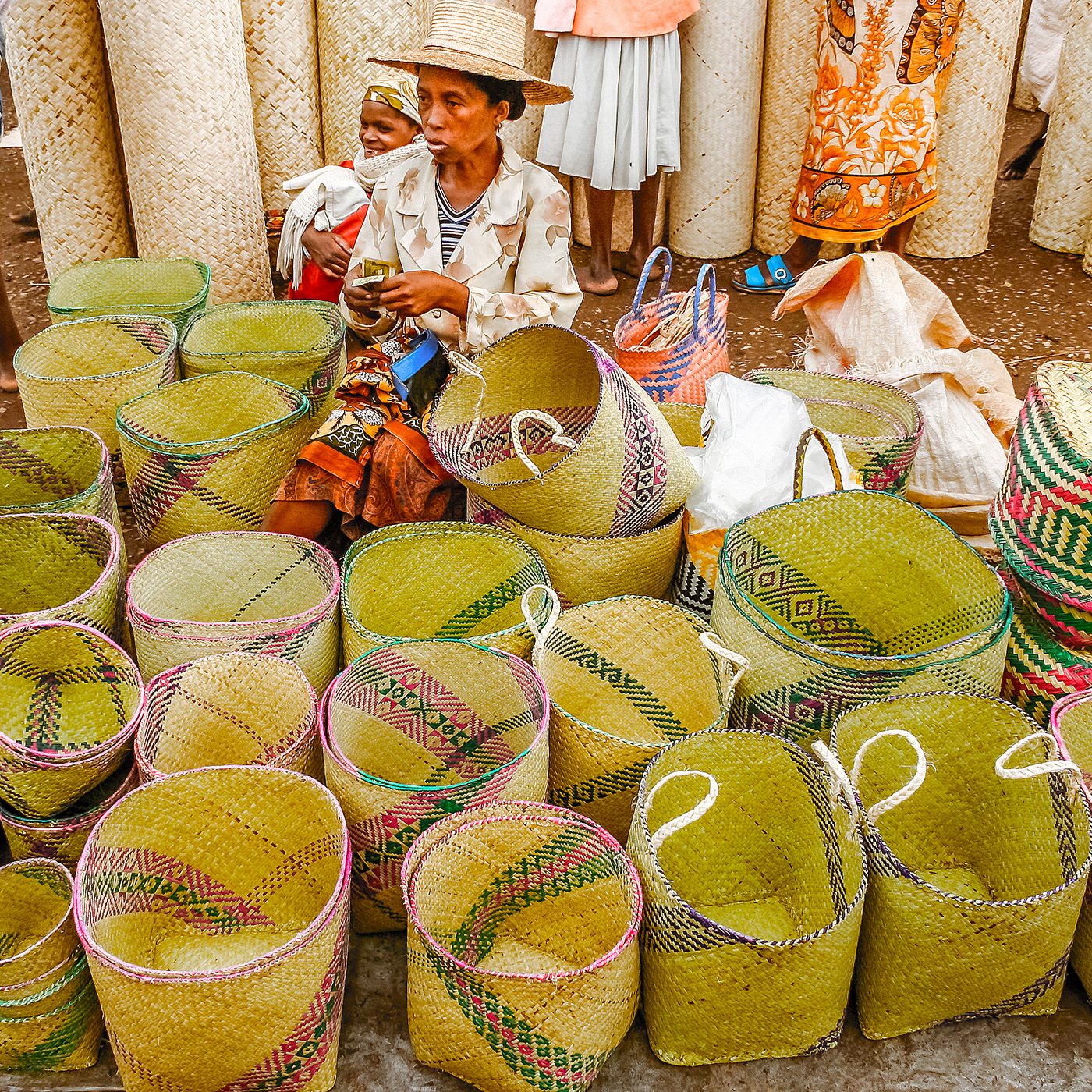
With public debt on the rise in sub-Saharan Africa, boosting the private sector has become more important than ever. Zhi Yong Heng is a private investor for TLG Capital, an investment firm that focusses on equity opportunities in Africa. In this podcast, Heng says investors are missing out on great investment opportunities because of misperceptions of the risks and the business environment in the region. The latest Regional Economic Outlook for sub-Saharan Africa devotes an entire chapter on private investment. Zhi Yong Heng is Head of Special Situations at TLG Capital

Sub-Saharan Africa's Economic Outlook: Growth on the Rise
The latest Regional Economic Outlook for Sub-Saharan Africa shows a modest uptick in growth largely driven by stronger global growth and higher commodity prices. In this podcast the IMF's Papa N'Diaye, says it's time to implement reforms that will firm up the recovery. The study shows growth picking up from 2⅔ percent in 2017 to 3½ percent in 2018. N'Diaye heads the team of IMF economists who write the report and he says the uptick is good news for the region which has been experiencing a slowdown in economic growth over the last few years.
Paraguay's Lea Giménez Duarte: Transparency Pays Off
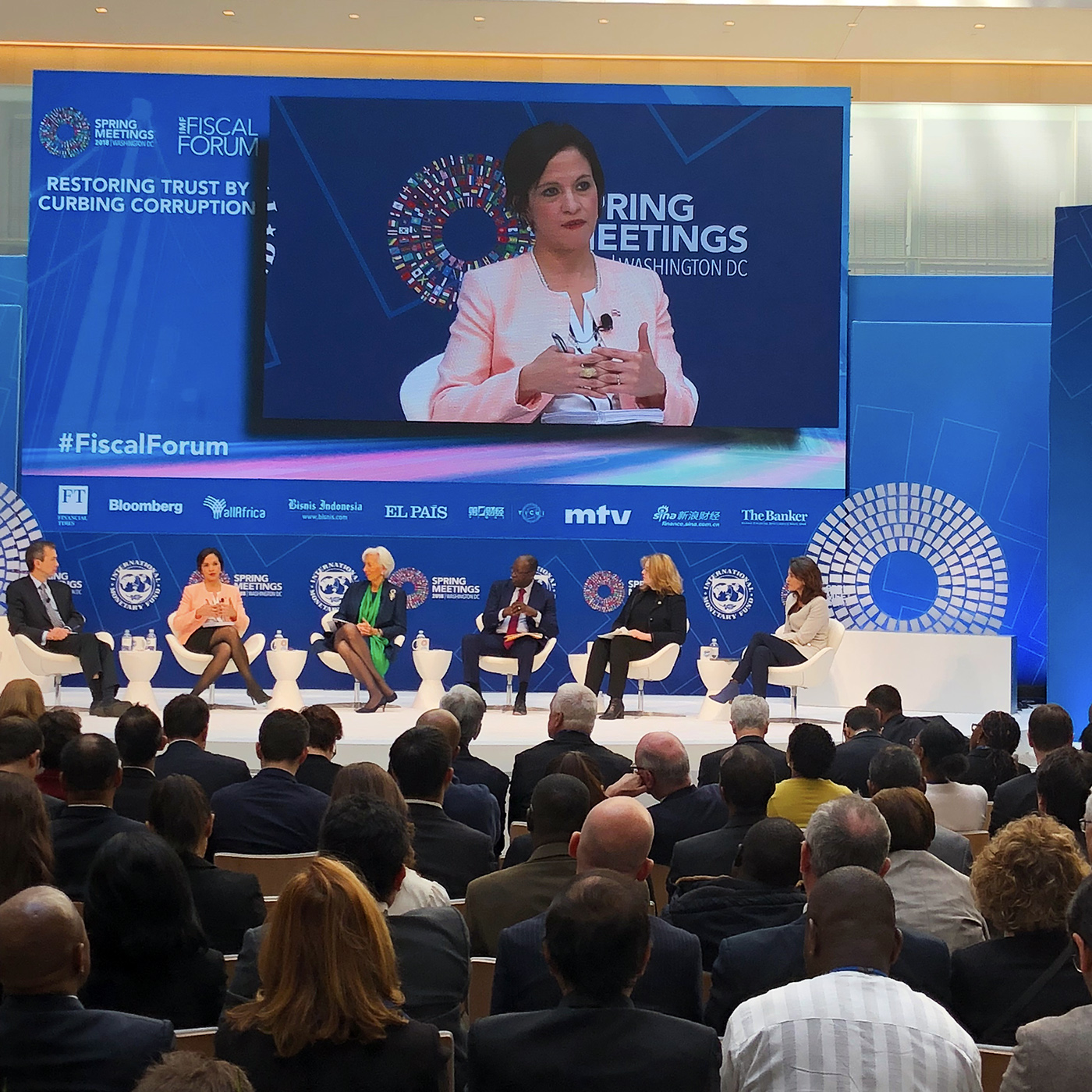
When people trust their government, good things happen. They're much more likely to pay their taxes and support those large infrastructure investment projects that help economic growth. A new IMF paper on the institution's role in governance issues shows that high corruption means less growth and more inequality. In this podcast, Lea Giménez Duarte talks about how Paraguay has benefited from a transparency law introduced in 2015. Giménez Duarte is Paraguay's first ever woman finance minister, and joined a panel about transparency and corruption during the IMF World-Bank Spring Meetings. Lea Giménez Duarte is Paraguay's Finance Minister

Global Financial Stability Report: Volatility, Protectionism Raising Risks
The Global Financial Stability Report, or GFSR, is published twice a year and looks at the risks facing the global financial system. The objective is to prevent future crises by highlighting policies that might help mitigate some of those risks. In this podcast, the IMF's Fabio Natalucci suggests investors stay attuned to risks associated with rising interest rates and protectionism. Natalucci heads the team of economists who write the overview chapter of the GFSR. The report also looks at crypto-assets for the first time. Fabio Natalucci, is a Deputy Director in the IMF's Monetary and Capital Markets Department.

Hackathons: New Technologies Can Help Raise Tax Revenue in Africa
While the word hack sounds nefarious there's nothing sinister about a hackathon. It is a creative brainstorming event that brings together people from the private sector, government, academia, civil society and technical experts to devise solutions to help governments raise revenues. In this podcast, economist Katherine Baer talks about her recent experience in hackathons in Senegal, Uganda and Ivory Coast, and how new technologies can help those governments collect more taxes. Katherine Baer, Division Chief, IMF Fiscal Affairs department.
Rachel Glennerster: The Cost of Conflict
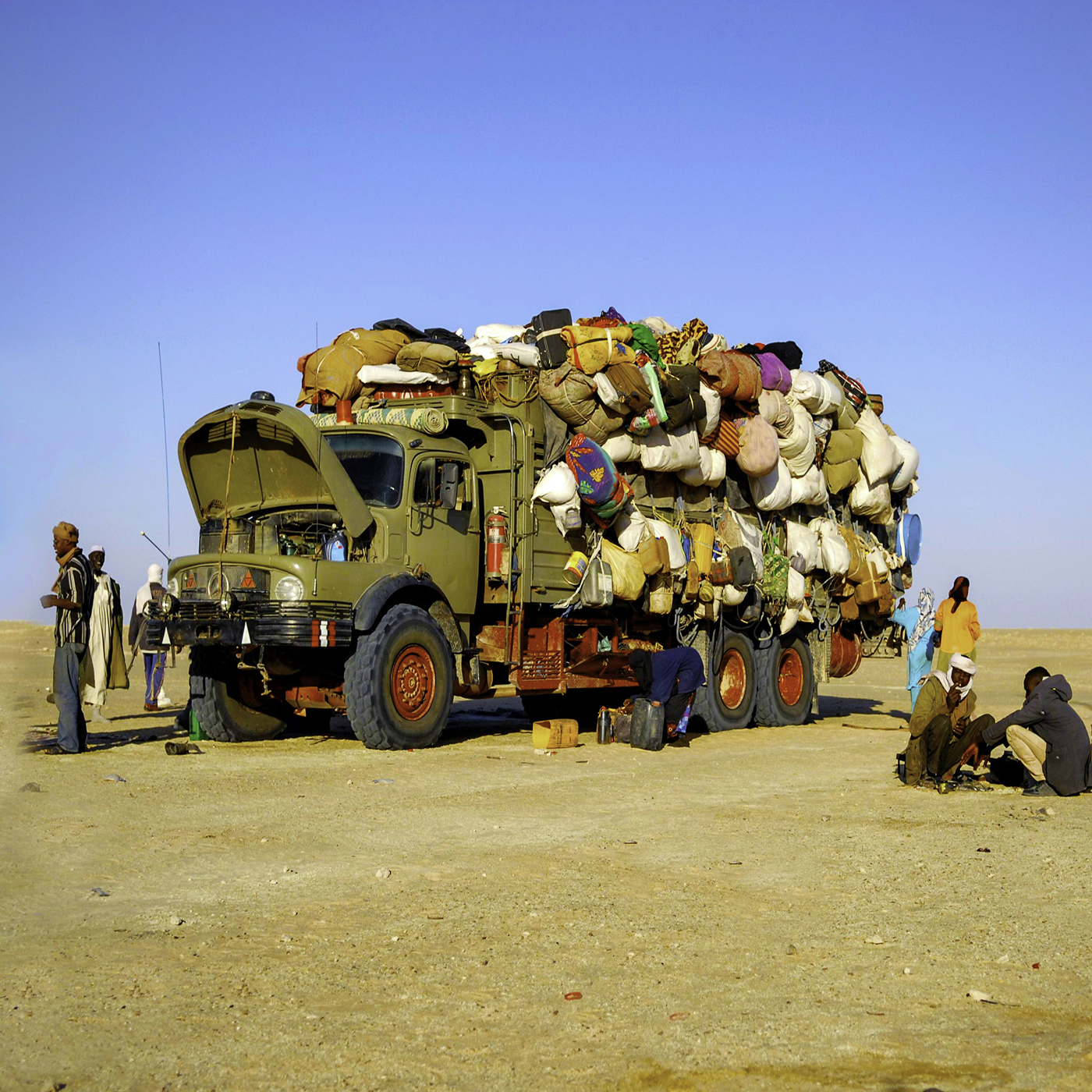
Economic shocks and climate change increase the risk of conflict. If current trends continue, 80 percent of the world's poorest people will live in fragile states by the year 2030. This means the work of development will increasingly be about how to prevent conflict and how to achieve positive change in post-conflict and fragile states. In this podcast, DfID's chief economist Rachel Glennerster, says economists need to get better at understanding these risks and predicting conflict. Before joining the UK's Department for International Development, Glennerster was Executive Director of the Abdul Latif Jameel Poverty Action Lab. She was invited to speak at the IMF where she once worked as an economist. Rachel Glennerster, Chief Economist of the United Kingdom's Department for International Development- DfID.

Losing Your Cool: How Hotter Days Can Increase Crime and Disrupt Economies
Some economists would argue that extreme weather can increase criminal behavior by reducing incomes—especially in the agriculture sector. But in this podcast, economist Gordon McCord says the psychological effect of higher temperatures on violent behavior plays a prominent role. McCord is coauthor of a study that uses data from homicides in Mexico spanning 15 years, and considers the impact of a cash transfer program on reducing interpersonal violence on hot days. He presented his research at the 2018 American Economic Association's Annual Meeting in Philadelphia. Gordon McCord, is assistant Professor at the School of Global Policy and Strategy at the University of California in San Diego. https://twitter.com/gcmccord

Good for Women Good for Growth: Closing Nigeria's Gender Gap
Promoting gender equality can be an economic game changer. The IMF's latest economic review of Nigeria's economy says closing the gender gap would mean higher growth and productivity, and greater economic stability. In this podcast, IMF economist and coauthor, Monique Newiak, says Nigerian women could help transform the economy given the chance. The report says Nigeria suffers from wide-spread gender inequality and is therefore missing out on a key ingredient to economic success. Newiak says reducing gender inequality could boost growth by one and one-quarter percent on average. Monique Newiak, is an economist in the IMF's Africa department and coauthor of Nigeria's latest economic review, that includes a study on The Macroeconomic Costs of Gender Inequality in Nigeria.

Nigeria Exits Recession and Looks Beyond Oil
Nigeria's economy is picking up according to the IMF's latest economic review. Growth hit 0.8 percent in 2017 after contracting by 1.6 percent in 2016. The report attributes the increase—in part—to the recent recovery in oil prices. But as the country emerges from recession, the IMF's Amine Mati says following through on planned reforms regardless of oil price swings and upcoming elections, is key to lifting Nigeria's growth rates to where they should be. Mati heads the IMF team for Nigeria and oversaw this latest economic assessment. Amine Mati, International Monetary Fund's mission chief and senior resident representative in Nigeria.

James Cust on Oil Discoveries: Managing Expectations
Major discoveries of oil and gas deposits have always been cause for celebration in developing countries, in anticipation of the potential financial windfall. But research has shown that countries with abundant revenues from natural resources often tend to have less economic growth and more social problems than do non-resource-rich countries. And in this podcast, World Bank economist James Cust says in many cases, economic growth begins to underperform long before the first drop of oil is ever produced. Cust and David Mihalyi of the Natural Resource Governance Institute, coauthored The Presource Curse, published in the December 2017 edition of the IMF's Finance and Development magazine. James Cust is an economist in the Office of the Chief Economist for Africa at the World Bank and an external research associate at the University of Oxford.
A Dream Deferred: Inequality Across Generations in Europe
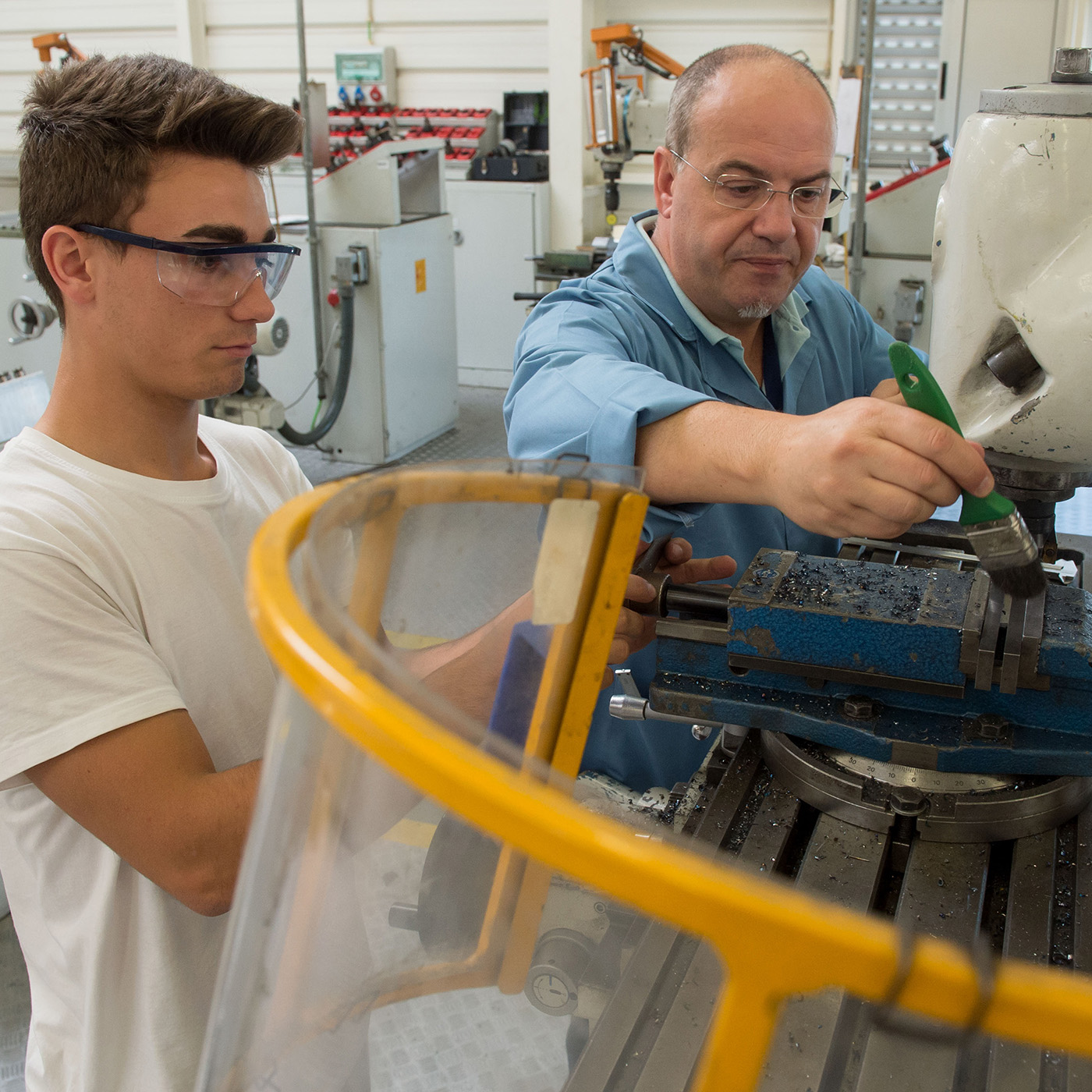
Incomes for Europe's youth declined after the 2007 global financial crisis—largely due to unemployment. And while things have recovered somewhat, the trend toward short-term work and less stable jobs has meant incomes have not grown and young people are now more likely to fall into poverty. Meanwhile, Europeans 65 and older have seen incomes increase by 10 percent. New research by IMF staff looks at this Growing Inequality and Poverty Across Generations in Europe, and how it could have long term effects on Europe's economy. In this podcast, coauthor Alexander Pitt says when the young are better off, we're all better off. Alexander Pitt, Senior Economist in the IMF's European department, and co-author of A Dream Deferred: Inequality and Poverty Across Generations in Europe.

Sub-Saharan Africa's Push to Diversify
In the new world of lower commodity prices, many sub-Saharan African countries are having to diversify their economies. And while sub-Saharan Africa has had periods of rapid growth, the process by which workers move from low-productivity jobs to better paying higher productivity jobs has been slower than in other regions. The IMF's latest Regional Economic Outlook for sub-Saharan Africa devotes an entire chapter to studying the potential benefits of a stepped-up diversification agenda. In this podcast, co-author Axel Schimmelpfennig says Africa's young entrepreneurs should be at the heart of the diversification process. Axel Schimmelpfennig, IMF Mission Chief for Uganda
The Economics of Populism: Cristóbal Rovira Kaltwasser
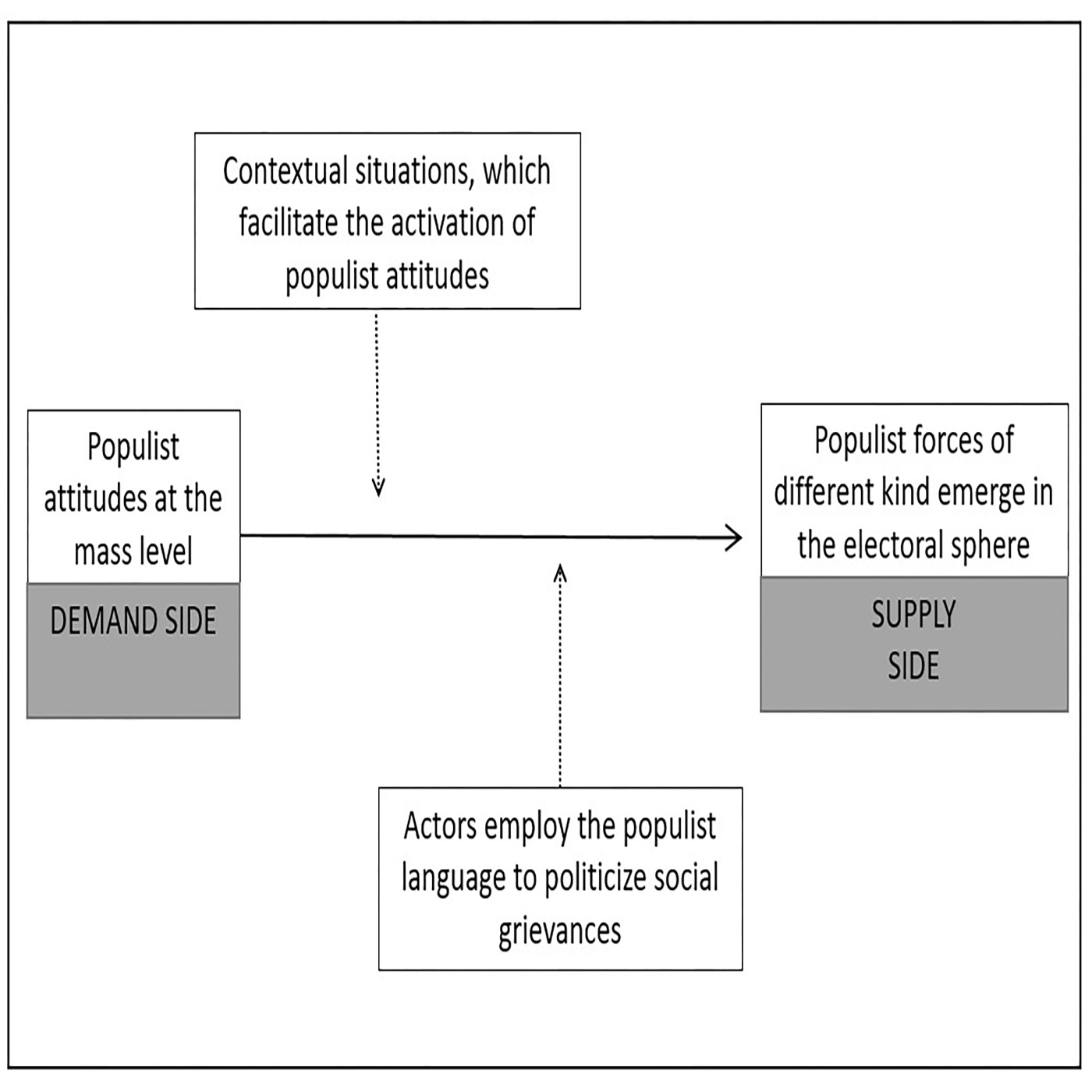
Populism has become a bit of a buzz word of late. It's often at the very center of debates about politics and elections. But what about the economic implications of populism? That was the subject of a seminar at this year's American Economic Association's Annual Meeting. The panel was organized by the IMF's Antonio Spilimbergo, and included economic heavyweights Dani Rodrik, Raghuram Rajan, and political scientist Cristóbal Rovira Kaltwasser. In this Podcast, Kaltwasser says populism is creeping into economic policy. Cristóbal Rovira Kaltwasser is an Associate Professor in Political Science at Diego Portales University in Chile, and co-author of Populism: A Very Short Introduction.

William Maloney: The Innovation Paradox
While technology is reshaping economies around the world, a recent book published by the World Bank suggests developing countries are missing out on a huge opportunity. In this podcast, economist William Maloney, says the potential returns on investment into Research and Development by developing countries are astounding, and could dwarf international aid flows. Yet, developing country firms and governments invest very little toward realizing this potential. Maloney is Chief Economist for Equitable Growth, Finance and Institutions in the World Bank Group, and co-author of The Innovation Paradox. He was a guest lecturer at the IMF's Developing Economies Seminar Series. William F. Maloney is Chief Economist for Equitable Growth, Finance and Institutions in the World Bank Group

Drones Proving a Lifeline in Rwanda
There are many layers to development. Sometimes there's a need where the solution is not at all obvious. But other times it's simply about connecting the dots- when the solution is available but out of reach due to the lack of infrastructure like roads, power lines or telephone wires. Technology is helping connect those dots more than ever before, and the phenomenon has come to be known as leapfrogging. In this podcast, we hear from the people behind Zipline, a start-up that uses drones to make emergency blood deliveries to remote clinics in Rwanda. Keller Rinaudo, Founder and CEO of Zipline, and Matthew Steckman, Chief Revenue Officer.
Diane Coyle on the Shortcomings of GDP
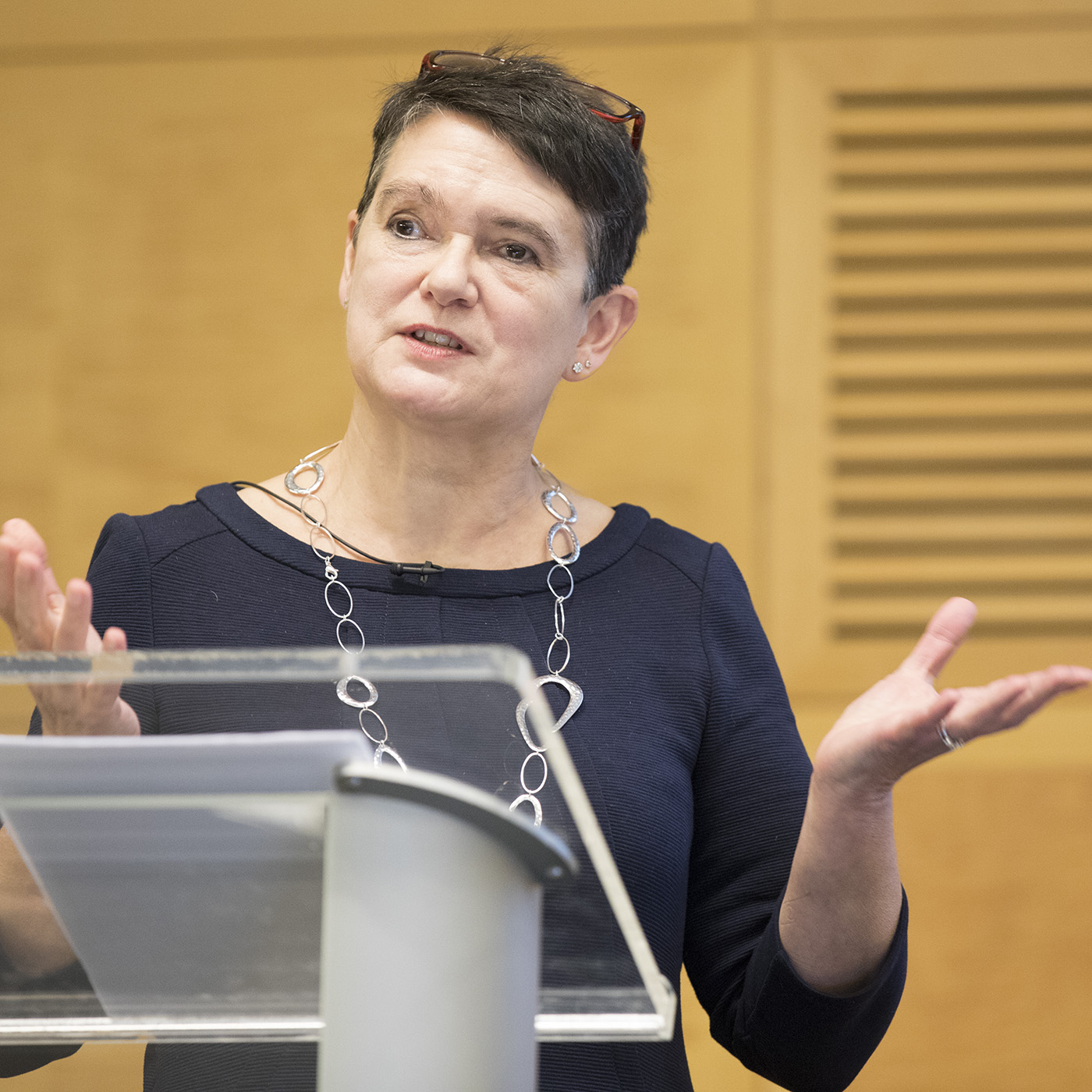
Gross domestic product, or GDP, is the one statistic that almost everyone knows is used to measure economic growth. But in this podcast, economist Diane Coyle suggests GDP may be a poor measure of prosperity. With all the technological advances in recent years one would expect that economies have become more productive. But when measured in GDP the numbers show the opposite is true. Coyle refers to this phenomenon as the productivity puzzle, and says the mismeasurement of digital activities within the economy has a lot to do with it. Coyle is Professor of Economics at the University of Manchester, and spoke at the IMF Statistical forum on Measuring the Digital Economy. Diane Coyle, Professor of Economics at the University of Manchester, and author of GDP: A Brief but Affectionate History Read her blog The Enlightened Economist

Nicholas Stern on Reducing Carbon Emissions: Let's Get On With It
2 years after 195 countries came together under the Paris Agreement to combat the effects of climate change, leading climate economist Nicholas Stern remains cautiously optimistic. In his landmark report on the impact of climate change published in 2006, Stern warned that the cost of inaction would be far greater for future generations than the costs of actions taken to reduce carbon emissions. In this podcast, Stern says while the world "passed the test" when signing the Paris Agreement, he worries that policy makers will not act quickly enough. Stern joined a panel discussion on the economic and financial issues related to climate change at the IMF World-Bank Annual meetings. Nicholas Stern, Professor of Economics and Government at the London School of Economics, and Chairman of its Grantham Research Institute on Climate Change and the Environment.

Blockchain's Peter Smith: The Promise of Virtual Currency Systems
Blockchain technology is a shared, public ledger of transactions that's open to inspection but not subject to any form of central control. And while it offers potential for a variety of applications, its most famous is providing the platform for virtual currencies like bitcoin. Peter Smith is co-founder and CEO of Blockchain, and in this podcast, he talks about the evolution of crypto currency financial systems and what it could mean for big data analytics. Smith was the keynote speaker at the IMF's Fifth Statistical forum on Measuring the Digital Economy. Peter Smith, co-founder and CEO of Blockchain.

Freelancers Union's Sara Horowitz on Changing Nature of Work
For much of the past century the 9 to 5 job with benefits at a firm was what most people associated with financial stability. But as technology reshapes the labor market, more people are branching out on their own. A new report by Freelancers Union says freelancers will be the majority of the US workforce within 10 years if the current trend continues. In this podcast, Sara Horowitz, Executive Director of Freelancers Union, says freelancers are adapting to the changing nature of work. Sara Horowitz, founder and Executive Director of Freelancers Union

Keith Mitchell on Catastrophe Risk Insurance: Time is Not on Our Hands
In September 2017, the Caribbean was hit by the most powerful Atlantic hurricane in recorded history. Irma's 185 mile per hour winds left several countries devastated. During a seminar on sovereign debt at the IMF World-Bank Annual meetings, Grenada's Prime Minister and chair of CARICOM, Keith Mitchell, said catastrophe risk insurance could help vulnerable countries mitigate some of the risk from increasingly severe weather patterns. Keith Mitchell, Prime Minister of Grenada and chair of the Caribbean Community CARICOM