
IMF Podcasts
703 episodes — Page 5 of 15

Nikita Aggarwal: The New Morality of Debt
Society has long debated the morality of debt. In ancient times, debt was viewed in many cultures as sinful, with lending at interest especially repugnant. These concerns continue to influence perceptions of lending and the regulation of credit markets today. Nikita Aggarwal is a research associate at the Digital Ethics Lab at Oxford University's Internet Institute. In this podcast, Aggarwal says our increasingly online lives prove a valuable source of data for lenders and add new dimensions to debt's morality. Her article, The New Morality of Debt, is published in the March 2021 issue of Finance and Development Magazine. Transcript Transcript: http://traffic.libsyn.com/imfpodcast/Nikita_Aggarwal-transcript-IMF_Podcast.pdf

Chrystia Freeland and Kristalina Georgieva: Budgeting for Gender Equity
New IMF research shows that women with young children, mothers, particularly less educated ones, have been the most adversely affected group during the pandemic. Chrystia Freeland is Canada's Deputy Prime Minister and its first-ever female Finance Minister. In this podcast, Freeland and IMF Managing Director, Kristalina Georgieva, discuss policies to help prevent the covid-19 pandemic from rolling back gains in women's economic opportunities, and how Canada has aligned its gender strategy with the budget process. Watch the webcast at IMF.org

Rana Foroohar on the Economic and Social Force of Big Tech
Before the pandemic hit, 80 percent of corporate wealth was held by the top 10 percent of large companies richest in intangible assets like data, software, and intellectual property. In this podcast, Rana Foroohar says the concentration of wealth and power among Big Tech firms has grown exponentially over the course of the pandemic. Foroohar is Global Business Columnist and Associate Editor at the Financial Times. She was invited to speak at the Institute for Capacity Development about her book Don't be evil, which examines the implications for society of the growing influence of Silicon Valley tech giants in all aspects of the economy. Transcript Read more about building a better data economy in the March issue of Finance and Development Magazine: IMF.org/FandD Transcript: http://traffic.libsyn.com/imfpodcast/Rana_Foroohar-transcript-IMF_Podcast.pdf

Afrique subsaharienne: Faire face à une longue pandémie
S'il existe des signes de reprise dans les économies avancées, l'Afrique subsaharienne est toujours en proie à une crise sanitaire et économique sans précédent. La deuxième vague d'infections au COVID-19 était pire que la première et les pays se préparent à plus, alors que l'accès aux vaccins est au mieux limité. La plupart des pays africains auront du mal à vacciner les travailleurs de première ligne essentiels cette année, sans parler de la population en général. Les dernières Perspectives économiques régionales de l'Afrique subsaharienne présentent les défis auxquels la région est confrontée et formule des recommandations politiques pour faire face à des problèmes critiques tels que la gestion de la dette et le financement de l'achat de vaccins. Papa N'Diaye dirige l'équipe qui produit le rapport semestriel. Dans ce podcast, il dit que l'Afrique subsaharienne sera la région du monde qui affiche la plus faible croissance en 2021. Le papier intégral peut être consulté sur imf.org.

Sub-Saharan Africa Outlook: Navigating a Long Pandemic
While there are signs of a recovery in advanced economies, sub-Saharan Africa is still in the throes of an unprecedented health and economic crisis. The second wave of COVID-19 infections was worse than the first and countries are bracing for more, while access to vaccines is scant at best. Most African countries will be struggling to vaccinate essential frontline workers this year, let alone the broader population. The latest Regional Economic Outlook for sub-Saharan Africa lays out the challenges that the region is facing and comes up with some policy recommendations to deal with critical issues like debt management and the financing of vaccine procurement. Papa N'Diaye leads the team that produces the biannual report. In this podcast, he says sub-Saharan Africa will be the world's slowest growing region in 2021. Read the report at IMF.org

Averting a COVID-19 Debt Trap
Debt levels in many countries were high when the pandemic hit. But today, global public debt is reaching 100 percent of GDP. In this podcast, we hear a panel discussion about the very real danger for some countries of falling into a debt trap. The seminar was held during the 2021 IMF-World Bank Spring Meetings and featured IMF Managing Director, Kristalina Georgieva, Mohamed El-Erian, President of Queens' College, Cambridge, and Vera Songwe, Under-Secretary-General at the United Nations. The Panel was moderated by Martin Wolf, Chief Economics Commentator at the Financial Times. Go to IMF.org to watch the webcast.

World Economic Outlook: Divergent Recoveries
Global prospects are looking better one year into the pandemic, albeit highly uncertain. The latest World Economic Outlook (WEO) places growth at 6% for 2021, compared to 2020's unprecedented contraction of -3.3%. But recovery is by and large vaccine-dependent and the lack of access to vaccines is making recovery hard to imagine for some countries, while others are well on their way. Malhar Nabar is Division Chief in the IMF Research Department and heads the WEO. In this podcast, he says these divergent recoveries are a big concern. Transcript Read the WEO and the blog at IMF.org Transcript: http://traffic.libsyn.com/imfpodcast/WEO-April_2021-transcript-IMF_Podcast.pdf

Global Financial Stability and Interest Rates
While emerging markets suffered huge portfolio outflows at the beginning of the pandemic, the latest Global Financial Stability Report (GFSR) shows capital flows have returned and the outlook continues to improve, partly because of low interest rates in countries such as the United States. The new report takes a close look at the possibility of rising interest rates and what that would mean for emerging market economies trying to recover from the pandemic. Fabio Natalucci is Deputy Director of the Monetary and Capital Markets Department and heads the GFSR. In this podcast, he says a lagging recovery in emerging markets is a risk to global financial stability. Transcript Read the report: https://www.imf.org/en/Publications/GFSR Read the blog: https://blogs.imf.org/ Transcript: http://traffic.libsyn.com/imfpodcast/GFSR-April_2021-transcript-IMF_Podcast.pdf

Kristalina Georgieva: A Time of Promise and Danger
More than a year into the COVID-19 crisis, signs of a recovery for some countries are slowly beginning to emerge. But in her customary curtain-raiser speech ahead of next week's virtual IMF-World Bank Spring Meetings, IMF Managing Director Kristalina Georgieva said high uncertainty is one of the greatest dangers facing the global economy. Go to IMF.org to follow the Spring Meetings and find all the IMF flagship reports, including the World Economic Outlook, the Global Financial Stability Report, and the Fiscal Monitor.

Commercial Real Estate Under Pressure
2020 was a record-breaking year for housing markets in many countries- including the US, but for the commercial real estate sector, it was a completely different story. Lockdown and containment measures severely affected economic activity, pushing down commercial property transactions and prices in cities around the world. A new analytical chapter in the IMF Global Financial Stability Report looks at how continued downward pressure on prices could threaten financial stability and hamper the recovery. In this podcast, lead author Andrea Deghi and team lead Mahvash Qureshi say vacancy rates of office space in the US almost doubled in 2020 due to people having to work from home, a trend likely to continue well beyond the pandemic. Read the analytical chapter: https://www.imf.org/en/Publications/GFSR/Issues/2021/04/06/global-financial-stability-report-april-2021 Read the blog: https://blogs.imf.org/

Google's Ruth Porat with David Miliband and Kristalina Georgieva on What's Next
Public policy plays an important role in the recovery from the pandemic, but private sector innovation and agility can make a big difference on many counts. In this episode, Alphabet and Google CFO Ruth Porat talks with IMF Managing Director Kristalina Georgieva and David Miliband, Chief Executive Officer of the International Rescue Committee, on Google's Zeitgeist podcast, an exclusive series that brings together extraordinary leaders to focus on critical issues for the world. Transcript Transcript: http://traffic.libsyn.com/imfpodcast/Google_Zeitgeist-transcript-IMF_Podcast.pdf

Jason Braganza: Africa's Debt Further Complicates Recovery
Earlier this month, AFRODAD's Jason Braganza was invited to participate in the IMF and European Commission's annual African Fiscal Forum, where Finance Ministers, heads of international agencies, and development partners discussed ways to support African economies through the pandemic. In this podcast, Braganza says countries need more fiscal space to boost social protection systems, provide stimulus for businesses, and create resources for vaccination procurement and rollout programs. Transcript: http://traffic.libsyn.com/imfpodcast/Jason_Braganza-transcript-IMF_Podcast.pdf

Romain Duval on Rising Market Power
Corporate market power has been on the rise in recent decades, but a new IMF study shows the pandemic has strengthened price markups for dominant firms and increased the concentration of revenues among the biggest players in sectors such as technology and pharma. The Brookings Institution and Bruegel hosted a conversation with Kristalina Georgieva, IMF Managing Director, U.S. Senator Amy Klobuchar (D-Minn.), and Margrethe Vestager, Executive Vice President of the European Commission, to talk about the research and discuss policy responses. In this podcast, lead author Romain Duval says a further rise in corporate market power would stifle innovation, hold back wage growth, and be a drag on the economic recovery. Romain Duval is Assistant Director in the IMF Research Department. Transcript: http://traffic.libsyn.com/imfpodcast/Market_Power-transcript-IMF_Podcast.pdf Read the Blog at https://blogs.imf.org/ Watch the webcast at https://www.brookings.edu

Janet Yellen and Kristalina Georgieva talk Womenomics
IMF Managing Director Kristalina Georgieva and US Treasury Secretary Janet Yellen celebrate International Women's day with a conversation about the advancement of women in the field of economics. Transcript Watch the webcast HERE

Ruchir Agarwal on the Benefits of Nurturing Talent
There are talented people everywhere, with ideas that could make the world a better place to live in. But what does it take for a promising young innovator to reach their full potential? In this podcast, IMF economist Ruchir Agarwal says global scientific output could be more than 40 percent higher if talented youth around the world had equal opportunities to nurture their abilities. Look for Agarwal and coauthors Ina Ganguli and Patrick Gaule's article Embracing the Gift of Global Talent in the March 2021 issue of Finance and Development Magazine. Transcript

Where you Live = How You Live: Inequality of Opportunity in India
Economists have long studied economic migration between rich and poor countries, but India's large population and significant divergence in per capita incomes between its rich and poor states make it an interesting case study on the implications of economic migration within a fast-growing emerging economy. In this podcast, economists Prakash Loungani and Sriram Balasubramanian discuss how consumption levels in India's rural and urban areas may be driving the migration trends within its borders. Transcript Read the working paper HERE
Kristalina Georgieva: Resilience in a New Shock-Prone World
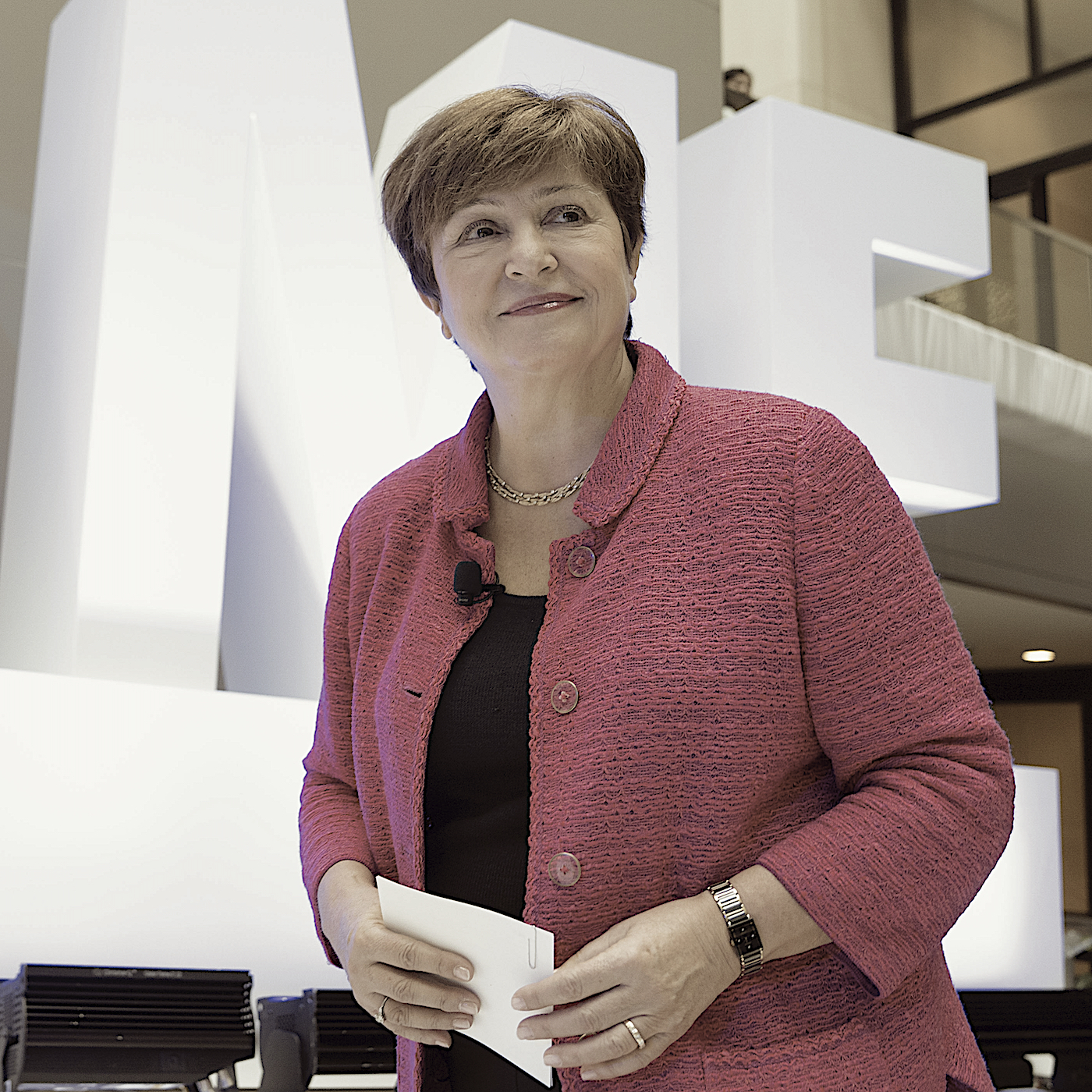
The pandemic has proven in no uncertain terms that people and institutions need to adapt to change. IMF Managing Director Kristalina Georgieva was invited by the Albright Institute of Global Affairs at Wellesley College to discuss how the Fund is adapting to the current needs of the global economy and the extent to which the institution has had to rethink its strategies since it was created in 1944 to support economies of the post-war world. The conversation was moderated by Prof. Joseph Joyce, Professor of Economics, Wellesley College. Transcript Watch the Wellesley College webcast HERE You may also be interested in Kristalina Georgieva's talk with Badr Jafar, Founding Patron of the Centre for Strategic Philanthropy. Watch HERE

Dr Alice Evans: Feminist Activism to Close the Gender Gap
Global disparities between women and men have narrowed over the twentieth century but despite the strong evidence of the benefits of closing the gender gap, progress has been slow in many parts of the world. Dr Alice Evans has studied women movements across the globe and written extensively on the topic. She was invited by the IMF Africa Department to talk about how feminist activism helps women overcome barriers to greater economic autonomy and is key to achieving gender equality. In this podcast, Evans says feminist activism thrives in societies with female mobility, economic development, and labor-intensive growth. Transcript Find her articles and podcast at DrAliceEvans.com.

Roxana Mihet on Financial Innovation and Rising Inequality
With the great strides in financial technology in recent years, the lower data processing costs and fees associated with investing in the stock market should have led to broader increases of household wealth. But in this podcast, economist Roxana Mihet says while fintech has reduced barriers to access and held out the promise of gains for all, it may have worsened capital income inequality. Mihet is Assistant Professor of Finance at HEC Lausanne, and her recent study suggests the most likely beneficiaries of financial innovation are those who have access to the valuable data that inform good investments. Mihet was recipient of the ECB's Young Economists Award in 2020 for her work on Financial Innovation and the Inequality Gap. She was invited by the IMF's Strategy, Policy and Review Department to present her research. Transcript
Equitable Vaccine Rollout, Policy Support Key to Financial Stability
Many things can happen within the global financial system to disrupt financial stability, and the pandemic is testing most of them. Fabio Natalucci heads the IMF's Global Financial Stability Report, which analyses trends in the world economy and looks for potential vulnerabilities. The latest update identifies the uneven distribution of vaccines across the globe as one of those vulnerabilities, especially for frontier market economies. In this podcast, Natalucci says while the vaccine rollout has boosted hopes of a recovery this year, there are still difficult times ahead. Fabio Natalucci is Deputy Director in the Monetary and Capital Markets Department. Transcript Read the full report Read the blog at blogs.imf.org

Impact of AI on Developing Economies
Artificial intelligence and robots are revolutionizing production processes across the globe, but what countries stand to gain most from these new technologies? Economists Andy Berg and Chris Papageorgiou are coauthors of a new study that suggests the so-called AI revolution may widen the gap between rich and poor countries. Transcript Read the blog
Binyamin Appelbaum: Distribution Matters
Since the Industrial Revolution began more than 250 years ago- the world has produced enough wealth for every one of its 8 billion people to live comfortably. Yet, over 40 percent live in poverty, with most of the wealth being held by an increasingly narrow slice of the population. Binyamin Appelbaum says rising inequality is weighing on growth and straining the fabric of liberal democracy. And he squarely places the blame on distribution. In this podcast, Appelbaum says while there has been a surge of interest among economists to study the inequities of distribution, some still question the importance of it. Transcript Appelbaum's article Distribution Matters is published in the December 2020 issue of Finance and Development Magazine.

Wenjie Chen: Real-Time Data Shows Widening Gender Gap
Tourism, hospitality, and other contact-intensive sectors with higher shares of female workers came to a dead stop shortly after Covid-19 infections started to spread. But as the labor market readjusts to the new work environment, a new study using real-time data on job listings reveals women–across all sectors, continue to drop out of the workforce at an alarming rate. While official labor market data can paint a confusing picture of the job market under the current conditions, economist Wenjie Chen says online job posting analysis from 22 countries shows the extent of the pandemic's damage, especially to women. Women have fared worse than men even in those jobs that are more conducive to working from home. Chen's article Disparities in Real Time is published in the December 2020 issue of Finance and Development Magazine. Transcript

Ekkehard Ernst and Sabina Dewan on the Growing Precarity of Work
The global pandemic has caused millions of people to lose their jobs and is widening the gap between white-collar workers who can work from home and those who don't have the skills or resources to participate in a digitally-driven economy. And with robots and automation on the rise, COVID-19 appears to have ushered in a new normal for the global workplace. But in this podcast, JustJobs Network President Sabina Dewan, and ILO economist Ekkehard Ernst, argue this "new normal" isn't really new at all, and that shifting demographics and technology were upending labor markets long before the Covid-induced lockdowns. Dewan and Ernst coauthored Rethinking the World of Work, published in the December 2020 issue of Finance and Development Magazine. Transcript

Ian Goldin on Data and Statistics: Signposts in the Fog
Covid-19 has shown the important role that data and statistics play in assessing the disruptions caused by the pandemic–economic and otherwise–and implementing measures to mitigate its impact. The IMF's Statistics Department brings together leading thinkers in the world of data in its annual Statistical Forum. This year, Ian Goldin was invited to give a keynote speech on Economics, Institutions, and Multilateralism in the context of Covid-19, and to discuss his book The Butterfly Defect with IMF Managing Director Kristalina Georgieva. Goldin is the Oxford University Professor of Globalization and Development, and Director of the Oxford Martin Program on Technological and Economic Change. In this podcast, Goldin says bouncing back should not imply resorting to pre-pandemic approaches but to set out on a new and more sustainable path. Transcript

Ulrich Volz: Pandemic is but a Prelude to Looming Climate Crisis
Despite long-standing warnings from scientists about the risks of a pandemic, the world was simply unprepared for this one. Ulrich Volz says the same is true for climate change. Volz is the director of the Center for Sustainable Finance at SOAS University of London and in this podcast, he says many countries will find themselves in a permanent crisis mode unless concerted efforts are made to strengthen investment to mitigate and adapt to climate change, Volz's article Investing in a Green Recovery is published in the June 2020 issue of Finance and Development Magazine. Transcript

جهاد أزعور: على السياسات أن تساعد منطقة الشرق الأوسط وشمال إفريقيا على الخروج من الأزمة أقوى من ذي قبل.
بلدان الشرق الأوسط وشمال إفريقيا استجابت لجائحة كوفيد-19 باتخاذ إجراءات سريعة وصارمة للتخفيف من انتشار الجائحة وحدة تأثيرها ولكنها لا تزال تواجه بيئة قاسية يشوبها عدم اليقين. فتشير آخر التوقعات لآفاق الاقتصاد في المنطقة إلى أن البلدان المصدرة للنفط تضررت على وجه الخصوص بدرجة بالغة من "صدمة مزدوجة" تمثلت في الأثر الاقتصادي لحالات الإغلاق العام وما ترتب عليها من هبوط حاد في الطلب على النفط وفي أسعاره. جهاز أزعور يلقي الضوء على توقعات صندوق النقد الدولي للآفاق الاقتصادية في المنطقة. ويقول أزعور في هذه الحلقة من البث الصوتي إن احتواء الأزمة الصحية لا يزال هو الأولوية، إلا أن الحكومات يجب أن تبدأ كذلك في إرساء ركائز التعافي الاقتصادي الذي سيسمح للبلدان بالخروج من الأزمة أقوى من ذي قبل. جهاد أزعور، مدير إدارة الشرق الأوسط وآسيا الوسطى

Jihad Azour: Policies to Help Middle East, North Africa Emerge Stronger
The Middle East and North Africa responded to the COVID-19 pandemic with swift and stringent measures to mitigate its spread and impact but continue to face an uncertain and difficult environment. The latest outlook for the region shows oil exporters, in particular, were hard hit by a "double-whammy" of the economic impact of lockdowns and a sharp decline in oil demand and prices. Jihad Azour heads the IMF's outlook for the region. In this podcast, he says while containing the health crisis is still the priority, governments must also start laying the groundwork for an economic recovery that will allow countries to emerge stronger. Jihad Azour is Director of the IMF Middle East and Central Asia Department.

L'Afrique subsaharienne face à la reconquête du terrain perdu
La pandémie mondiale a exercé une pression intense sur les économies de toute l'Afrique subsaharienne. De nombreux gouvernements luttent pour maintenir la stabilité macroéconomique tout en répondant aux besoins fondamentaux de leurs populations. Papa N'Diaye dirige les perspectives économiques du FMI pour la région. Dans ce podcast, il dit que l'économie de l'Afrique subsaharienne connaîtra sa pire contraction jamais enregistrée cette année, ramenant le PIB par habitant aux niveaux de 2013. Papa N'Diaye est chef de la division des études régionales au département Afrique du FMI.

Sub-Saharan Africa Faced with Regaining Lost Ground
The global pandemic has put intense pressure on economies across sub-Saharan Africa. Many governments are struggling to maintain macroeconomic stability while also meeting the basic needs of their populations. Papa N'Diaye heads the IMF's economic outlook for the region. In this podcast, he says sub-Saharan Africa's economy will see its worst contraction on record this year, bringing real per capita incomes back to 2013 levels. Papa N'Diaye heads the Regional Studies Division in the IMF's African Department.

Michael Kremer: Investing in Vaccines Now Would Buy Time, Save $Billions
In the early 2000s, Nobel Laureate, Michael Kremer helped develop the design of advance market commitment models (AMCs). They were used to incentivize the private sector to work on issues of relevance for the developing world by pledging that if they developed an appropriate vaccine, funds would be available for those countries to purchase it. The approach resulted in billions of dollars being devoted to pneumococcal vaccines for strains common in developing countries, saving hundreds of thousands of lives. Kremer's latest research focuses on how to expedite the production and distribution of the COVID-19 vaccines immediately following successful medical trials. In this podcast, Kremer says at-risk investment into vaccine manufacturing capacity before clinical approval would advance vaccine distribution by 6 months or more. Transcript Michael Kremer is Professor in Economics at the University of Chicago, and director of the Development Innovation Lab. He shared the Nobel Memorial Prize in Economics in 2019 for his work on experimental approaches to alleviating global poverty. He was invited by the Institute for Capacity Development to present this latest research to IMF economists. Check out the University of Chicago's podcast Pandemic Economics
Unprecedented Fiscal Response to an Unprecedented Crisis
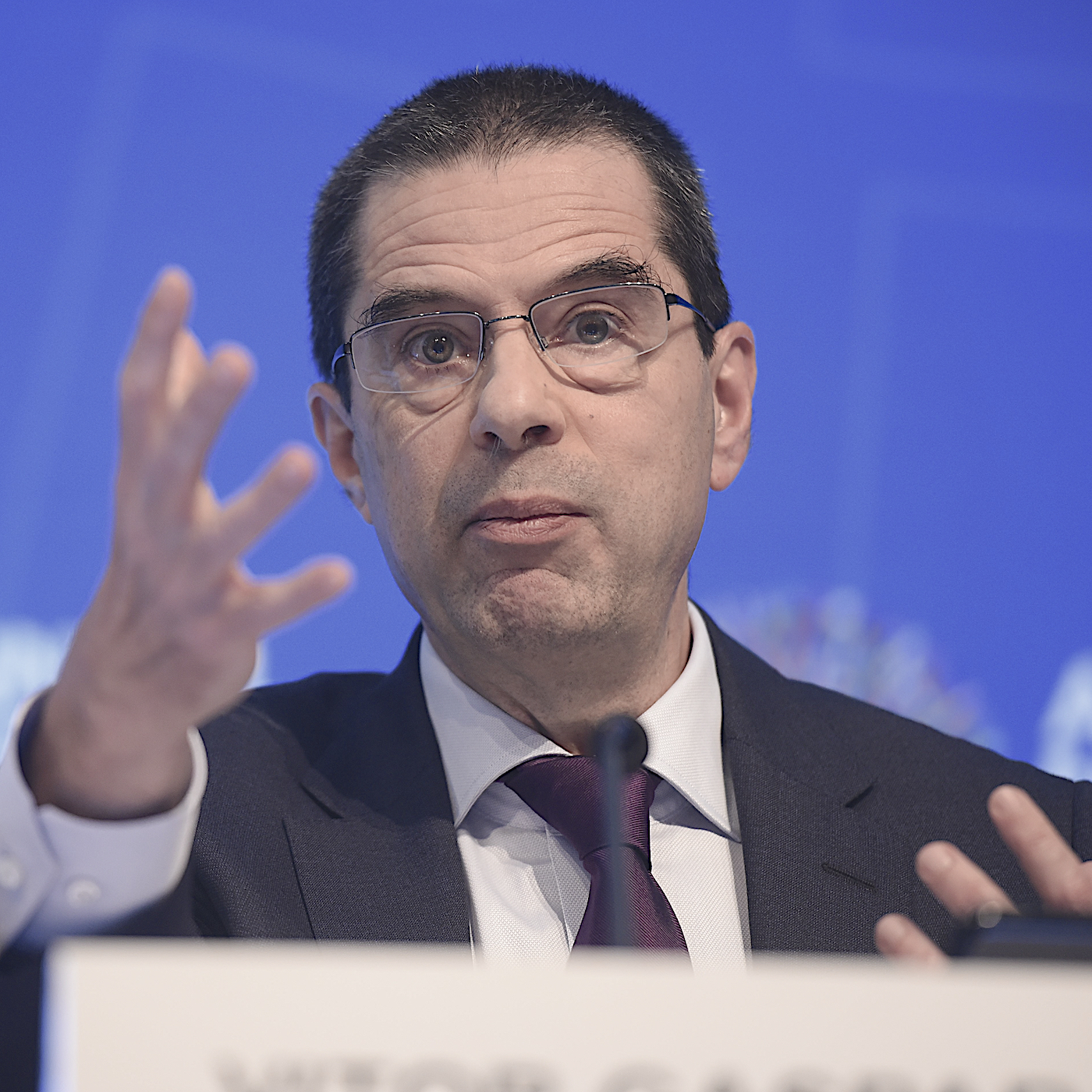
Seven months after the World Health Organization declared a global pandemic, more than 1 million people have died of the disease and trillions of dollars have been spent in an effort to contain its devastating impact on economies across the globe. The latest Fiscal Monitor looks at what governments can do in the different phases of the pandemic to reduce the impact of the recession. Vitor Gaspar heads the semiannual publication. In this podcast, he says the massive fiscal support provided since the start of the crisis has been effective at saving lives and livelihoods and needs to continue. Vitor Gaspar is the Director of the IMF Fiscal Affairs Department. Transcript Read the blog at blogs.imf.org
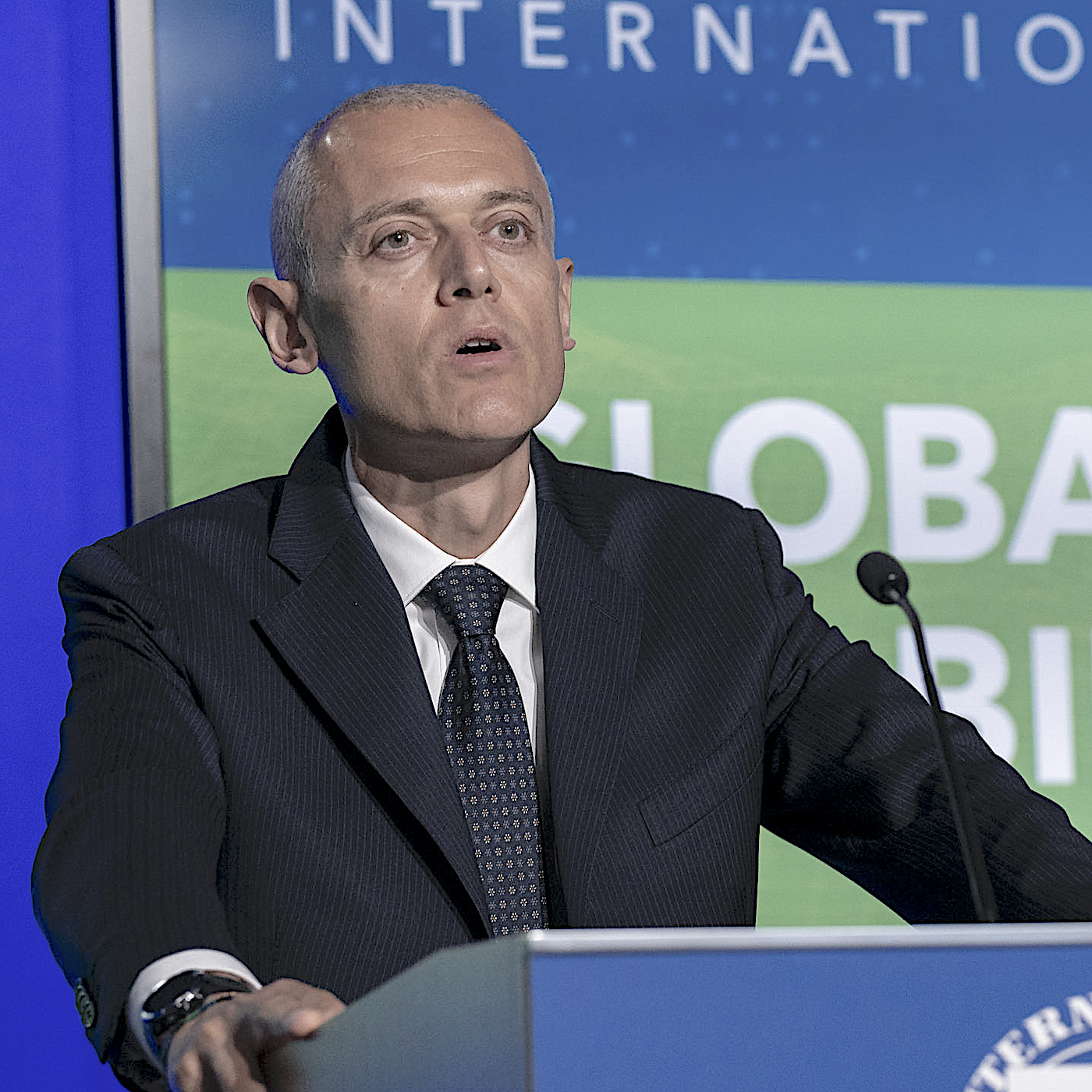
Global Financial Stability: Policy Support Builds Bridge to Recovery
While economies across the globe continue to feel the pressures from the pandemic, the latest Global Financial Stability Report shows the extraordinary fiscal and monetary policy measures taken by governments, Central Banks and International Financial Institutions have helped pull the global economy back from the brink. Fabio Natalucci leads the team of IMF economists who produce the report. In this podcast, he says policymakers should continue to carefully sequence their response based on the progression of the disease to maintain the stability of the global economy. Fabio Natalucci is Deputy Director in the Monetary and Capital Markets Department. Read the blog

Kristalina Georgieva: The Long Ascent from the Depths of the Crisis
As the pandemic continues to wreak havoc on people and economies across the globe, the IMF and World Bank prepare for their second round of virtual meetings since the start of the crisis. In her customary curtain raiser speech, IMF Managing Director, Kristalina Georgieva says while next week's outlook will show a small upward revision to the 2020 global forecast, countries are facing what she calls "The long ascent"—a difficult climb that will be uneven, uncertain and prone to setbacks. TRANSCRIPT

Kristalina Georgieva Talks Inequality with Oxfam
The pandemic is adding pressure on society's most vulnerable and could lead to a significant rise in income inequality. In this podcast, IMF Managing Director, Kristalina Georgieva, talks with Max Lawson and Nadia Daar on the Equals podcast. The podcast was created by Oxfam International and focuses on inequality. Georgieva shares her views on the direction of inequality, the IMF's role in stabilizing economies amid the pandemic, and offers a glimpse into her own life experiences growing up in the Eastern Bloc. Transcript Blog

Small Elephants Play Big Role in Fighting Climate Change
While the African elephant is the largest and the most famous land animal in the world, very few people know anything about the African forest elephant. Forest elephants are smaller and live in densely wooded rainforests. Their numbers are declining thanks to deforestation and poachers and likely face extinction if nothing is done to protect them. Other than local conservationists and the biologists who study them, forest elephants have few advocates. But what if people knew that African forest elephants provide carbon-capture services valued at over $150 billion? And what if those countries that host them could tap into that equity and benefit from their conservation efforts? In this podcast, economist Ralph Chami and ecologist Fabio Berzaghi say placing a monetary value on the services provided by forest elephants could help prevent their demise. Their article, The Secret Work of Elephants, is published in the online edition of Finance and Development Magazine. Transcript

Rethinking Work During and After Lockdown
While our work environments changed literally overnight, the impact of lockdowns on the nature of work is likely to last well beyond the pandemic. In a study published by the National Bureau of Economic Research, scholars from Harvard and Stern Business Schools look at the ongoing challenges for organizations and workers struggling to adapt and perform amid the global pandemic. Jeffrey Polzer is a Professor in the Organizational Behavior Department at Harvard Business School and a co-author of the study. In this podcast, Polzer says the pandemic, for many, has virtually obliterated the line between work and home life. Transcript
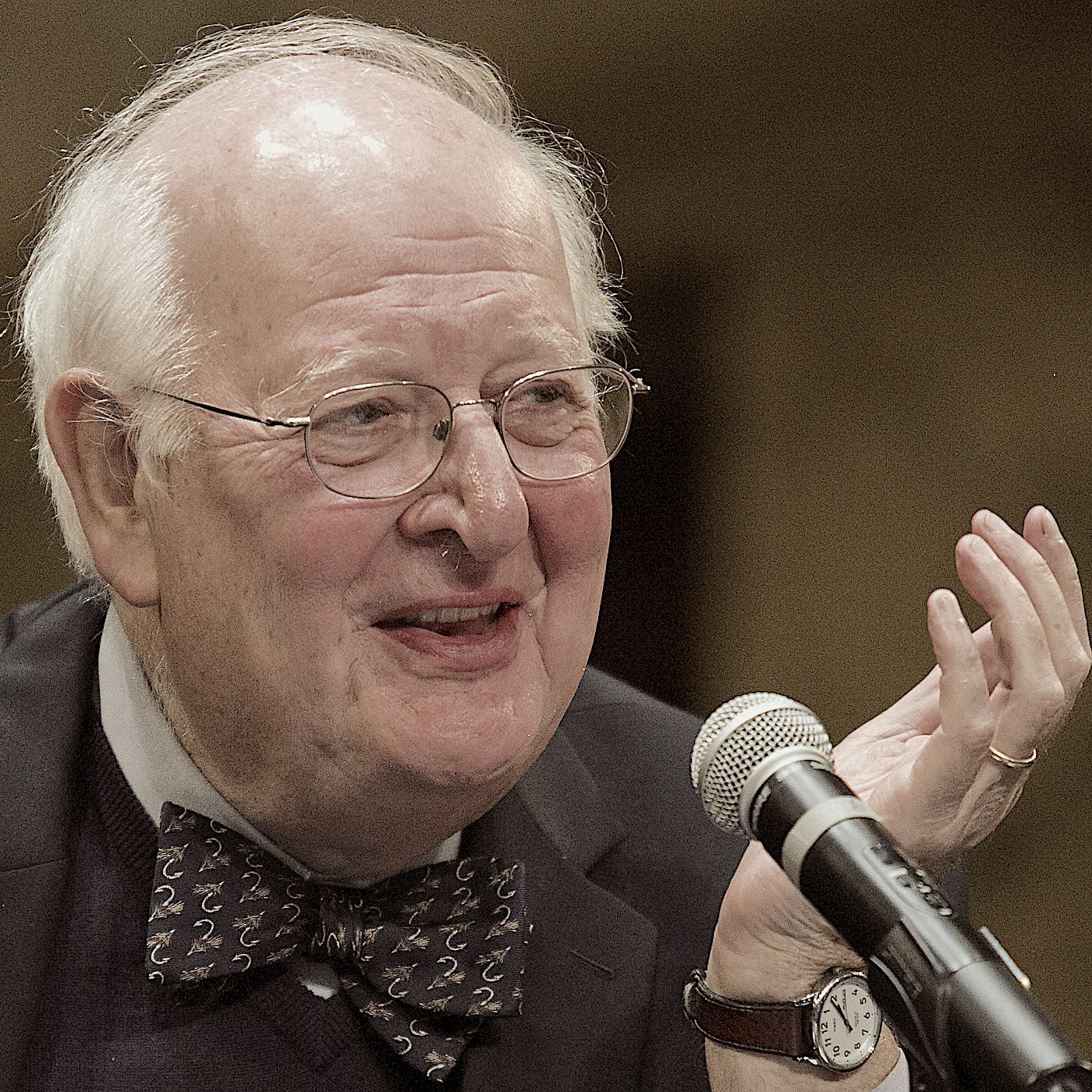
Divided by Degrees: Angus Deaton on how More Americans Without B.A.'s are Dying of Despair
After a century-long decline, mortality rates in the U.S. have flattened- even increased for non-Hispanic whites in middle age. In this podcast, Nobel laureate, Angus Deaton describes how people are dying at an alarming rate from suicides, drug overdoses and alcohol-related diseases, and how the largest increases in mortality are happening among those without a bachelor's degree. In their latest book titled Deaths of Despair, Deaton and Princeton economist Anne Case look at how approaches to healthcare and inequality relate to the rising mortality rates. Professor Deaton was invited by the Institute for Capacity Development to present their research to IMF economists. He joined me afterward to talk about the B.A./non-B.A. divide in the United States. Transcript Read the REVIEW of Deaths of Despair by Kenneth Rogoff. Angus Deaton is Professor Emeritus at Princeton and Presidential Professor of Economics at the University of Southern California. He was awarded the Nobel Prize in Economics in 2015 for his work on consumption, poverty, and welfare.

Paul Krugman on Zombie ideas and Economic Recovery
There are many facets of the IMF's work that people don't often hear about, one is capacity development; helping governments strengthen their ability to make good policy decisions and to implement them. Nobel Laureate, Paul Krugman was invited by the Institute for Capacity Development to share his insight into where the economy stands now in the context of the global pandemic; his thoughts on what an economic recovery might look like and what policies may help it along. Professor Krugman joined me after his IMF presentation to talk about the current crisis and how zombie ideas–the topic of his latest book, might hinder the economic recovery. Paul Krugman is Professor of Economics at the Graduate Center of the City University of New York and author of Arguing With Zombies Transcript

Kristalina Georgieva and David Pilling on Africa's Outlook
The IMF's latest Economic Outlook for sub-Saharan Africa is considerably worse than its April outlook and is subject to massive uncertainty. Economic activity this year is now projected to contract by some 3.2 percent, reflecting a weaker global economy and measures to contain the spread of the virus. In this podcast, Financial Times Africa Editor, David Pilling, and Kristalina Georgieva discuss the profound economic consequences of the pandemic for the continent and how the Fund is supporting countries through the crisis. The interview was produced by the Financial Times and can be found at FT.com/David-Pilling

Systemic Hazards and the Spheres of Well-Being
The 2008 global financial crisis and the current pandemic have put enormous pressure on societies and exposed cracks in the systems we all depend on to survive. These types of global crises are forcing a reckoning about the world's ability to manage systemic hazards. In this podcast, Ann Florini and Sunil Sharma say with increasing fragility in political, social, economic, and environmental systems, the 21st century is set to experience massive disruptions that pose serious, possibly existential threats to society. Their article Systemic Hazards is published in the June 2020 issue of Finance and Development Magazine. Transcript Ann Florini is a clinical professor at the Thunderbird School of Global Management at Arizona State University. Sunil Sharma is a distinguished visiting scholar at the Elliott School of International Affairs at George Washington University.

Vietnam: A Remarkable Response with Limited Means
"The storm is a good opportunity for the pine and the cypress to show their strength and stability," said Ho Chi Minh, the Father of the Vietnamese Nation. And it turns out Vietnam has shown its strength in weathering the COVID-19 storm. Era Dabla-Norris and Anne-Marie Gulde-Wolf are both economists in the IMF's Asia Pacific Department, and in this podcast, they say Vietnam's approach should allow for a quicker rebound. TRANSCRIPT You can read the Country Focus story at IMF

Digitalizing Sub-Saharan Africa
While connectivity in sub-Saharan Africa lags behind other regions, digitalization is advancing fast and being embraced by those who do have access. Some countries are now global leaders in mobile money transactions—with a share of GDP average close to 25 percent, compared to just 5 percent in the rest of the world. In a region where infrastructure is often lacking, digital technologies offer ways to break down or leap over barriers. IMF economists Preya Sharma and Martha Tesfaye Woldemichael are co-authors of the latest analytical chapter for the Economic Outlook for sub-Saharan Africa, which studies the impact of digitalization. In this podcast, Sharma and Woldemichael say expanding internet access in sub-Saharan Africa by an extra 10 percent of the population could increase real per capita GDP growth by 1 to 4 percentage points. TRANSCRIPT
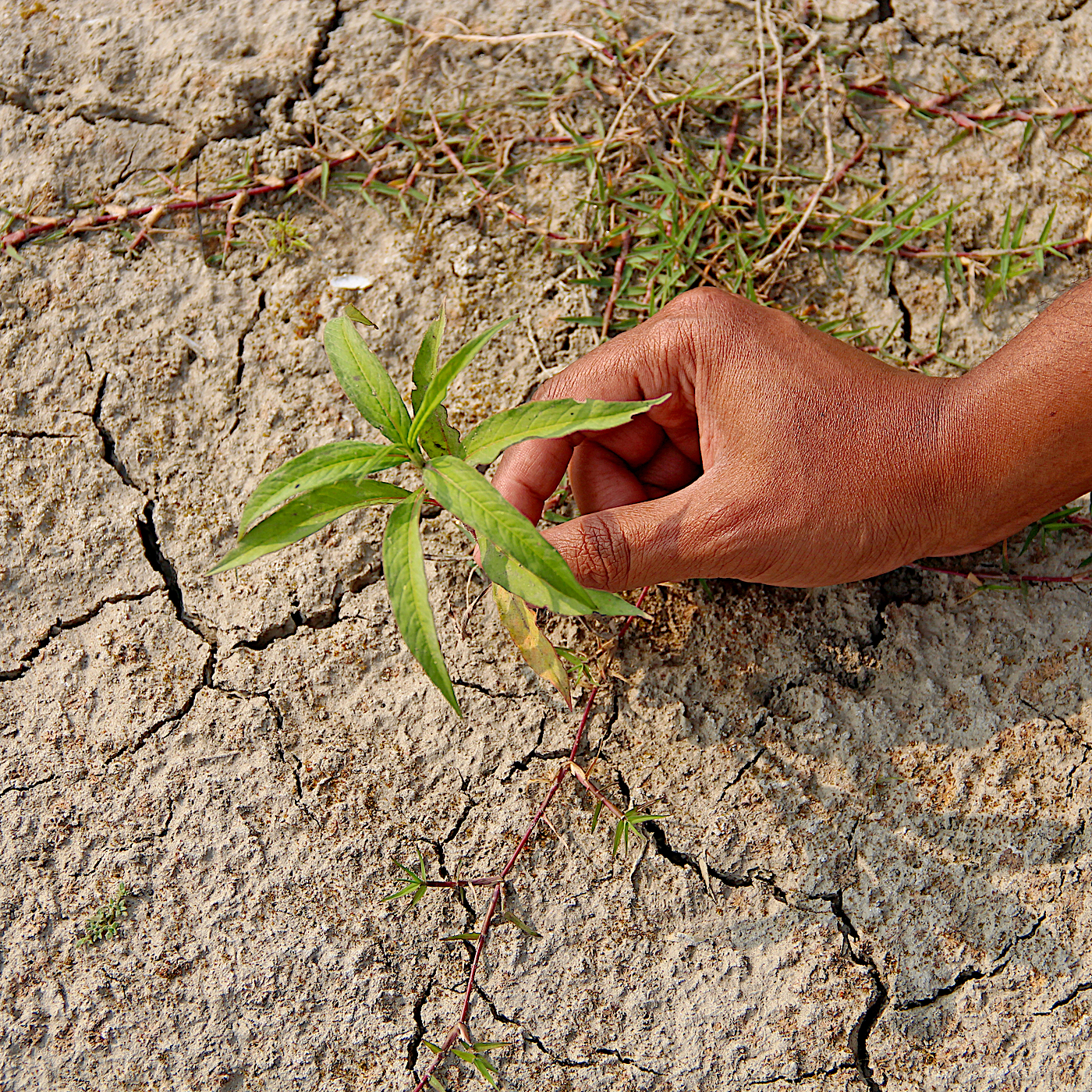
Préserver la sécurité alimentaire en Afrique subsaharienne
L'Afrique subsaharienne est en première ligne du changement climatique, avec des conditions météorologiques extrêmes qui font des ravages sur les infrastructures et la production agricole. Mais la crise sanitaire introduit un autre niveau de risque pour la chaîne alimentaire. Dans ce podcast, les économistes du FMI Genet Zinabou et Eric Pondi Endengle disent que l'augmentation de la fréquence et de l'intensité des catastrophes naturelles pèse sur la région, qui dépend fortement de l'agriculture pluviale. Les dernières Perspectives économiques examinent comment la région peut mieux gérer les types de chocs qui menacent son approvisionnement alimentaire.

Migration Part and Parcel of Healthy Global Economy
Migration has been the focus of heated political debate in recent years, surfacing misconceptions of its real economic impact. But a new study in The World Economic Outlook shows migration improves economic growth and productivity in host countries. In this podcast, IMF economist and co-author of the study, Margaux MacDonald, says supporting migrants now and ensuring migration trends continue beyond the pandemic will help the global economy recover. TRANSCRIPT Look for the BLOG at Blogs.IMF.org Margaux MacDonald is an economist in the IMF's Research Department.

Safeguarding Food Security in sub-Saharan Africa
Sub-Saharan Africa is on the front lines of climate change with extreme weather wreaking havoc on infrastructure and agricultural production. COVID-19 introduces yet another level of risk to the food chain. In this podcast, IMF economists Pritha Mitra and Seung Mo Choi say the increase in frequency and intensity of natural disasters is weighing down on the region, which relies heavily on rainfed agriculture. The latest Economic Outlook for sub-Saharan Africa looks at how the region can better manage the types of shocks that threaten its food supply. Transcript

Ralph Chami: Umbilical Cord of Remittances Under Threat
The pandemic is crippling economies across the globe but for many countries, the economic shock will be magnified by the loss of remittances—money sent home by migrant and guest workers employed in foreign countries. Ralph Chami is an Assistant Director for the Institute for Capacity Development at the IMF. In this podcast, he says remittances are a lifeline for low-income and fragile states and when migrants lose their jobs those remittance flows stop. Chami says it's in everyone's interest for host countries to help support migrant workers through the pandemic. Chami and IMF Deputy Managing Director Antoinette Sayeh co-authored Lifelines in Danger published in the June 2020 issue of Finance and Development Magazine. Trancript

Jonathan Ostry on How Pandemics Widen the Gap
While rich and poor are equally vulnerable to the debilitating physical effects of the coronavirus, economist Jonathan Ostry says the economic and social impact of the pandemic is much less equal. Ostry is Deputy Director of the Asia and Pacific Department at the IMF and in this podcast, he says the poor and the working class bear the brunt of pandemics and that policies need to pay specific attention to prevent long-term damage to the livelihoods of society's most vulnerable. Ostry's latest study on Inequality and pandemics is published by the Center for Economic Policy Research (CEPR) where he is a Research Fellow. You can read Jonathan Ostry's blog on how pandemics impact the poor at Blogs.imf.org TRANSCRIPT

Afrique subsaharienne: COVID-19, une menace pour le développement
L'Afrique subsaharienne fait face à une crise sanitaire et économique sans précédent qui menace d'inverser une grande partie des progrès de développement qu'elle a réalisés ces dernières années. Les dernières perspectives économiques régionales montrent une contraction de 1,6% cette année, le pire résultat jamais enregistré. Papa N'Diaye est chef de la recherche au Département Afrique du FMI qui publie les perspectives. Dans ce podcast, N'Diaye dit que d'ici la fin de 2020, la région fera face à des pertes de revenus d'environ 200 milliards de dollars par rapport à ce qu'elle attendait il y a 6 mois.

Sub-Saharan Africa: COVID-19 A Threat to Development
Sub-Saharan Africa is facing an unprecedented health and economic crisis that threatens to reverse much of the development progress it's made in recent years. The latest Regional Economic Outlook shows the economy will contract by 1.6 percent this year; the worst reading on record. Papa N'Diaye is Head of Research in the IMF's African Department that publishes the outlook. In this podcast, N'Diaye says by the end of 2020, the region will face income losses of about $200 billion relative to what they were expecting 6 months ago.