
IMF Podcasts
703 episodes — Page 6 of 15

الشرق الأوسط وآسيا الوسطى يواجهان عاصفة مكتملة في مواجهة جائحة كوفيد-19
لم تسلم أي منطقة من الآثار الاقتصادية الناجمة عن جائحة فيروس كورونا. ويقول جهاد أزعور إن جائحة كوفيد-19 كان لها تأثير بالغ على منطقة الشرق الأوسط وآسيا الوسطى، نظرا لارتفاع مستوى الاعتماد على النفط والانتشار الواسع للعمل في القطاع غير الرسمي في كثير من بلدان المنطقة. ويرأس السيد أزعور "إدارة الشرق الأوسط وآسيا الوسطى" بصندوق النقد الدولي، وهي الإدارة التي أصدرت مؤخرًا تقرير آفاق الاقتصاد الإقليمي والذي يوضح التحديات الهائلة التي يفرضها التصدي لهذه الجائحة. يمكنكم قراءة مدونات أخرى لجهاد أزعور حول التأثير العالمي لجائحة كوفيد-19.

Jihad Azour: Middle East, Central Asia Face Perfect Storm Amid COVID-19
No region has been spared the economic devastation of the coronavirus pandemic. And with the high level of oil-dependency and informality of many countries in the Middle East and Central Asia, Jihad Azour says the economic impact of COVID-19 has been dramatic. Azour heads the IMF's Middle East and Central Asia Department, which has just published the region's economic outlook that shows formidable challenges in the face of the pandemic. You can read Azour's's blog and others about the global impact of the pandemic at Blogs.imf.org TRANSCRIPT

Epidemiologists Help Steer Economy Through COVID-19
As COVID-19 continues to wreak havoc on economies across the globe, economists are trying to figure out what the best path forward is for countries at different stages of the pandemic. Neil Ferguson and Azra Ghani are both professors of infectious disease epidemiology at Imperial College, London, and renowned for their mathematical modelling of the spread of infectious diseases. In this podcast, IMF Managing Director Kristalina Georgieva says macroeconomists and epidemiologists need to work together to make the right decisions in this environment. Professors Ghani and Ferguson joined Georgieva in a virtual seminar during the IMF World-Bank Spring meetings.

Fiscal Policy Provides Lifelines to People, Economies
As the COVID-19 pandemic unfolds around the world, emergency government spending on things like health care and employment, as well as tax policy, are preserving lives and livelihoods. In this podcast, Vitor Gaspar, Director of the IMF's Fiscal Affairs Department, says governments should do whatever it takes, but to keep the receipts. Gaspar oversees the Fiscal Monitor, and the latest issue analyses the fiscal implications of the global pandemic. Countries have spent about $8 trillion so far and debt and deficits are on the rise. Gaspar says this is money well spent, but governments will need to be transparent and accountable for how they used taxpayer dollars to contain the pandemic and limit the economic damage. You can read Gaspar's blog and others about the global impact of the pandemic at Blogs.imf.org TRANSCRIPT
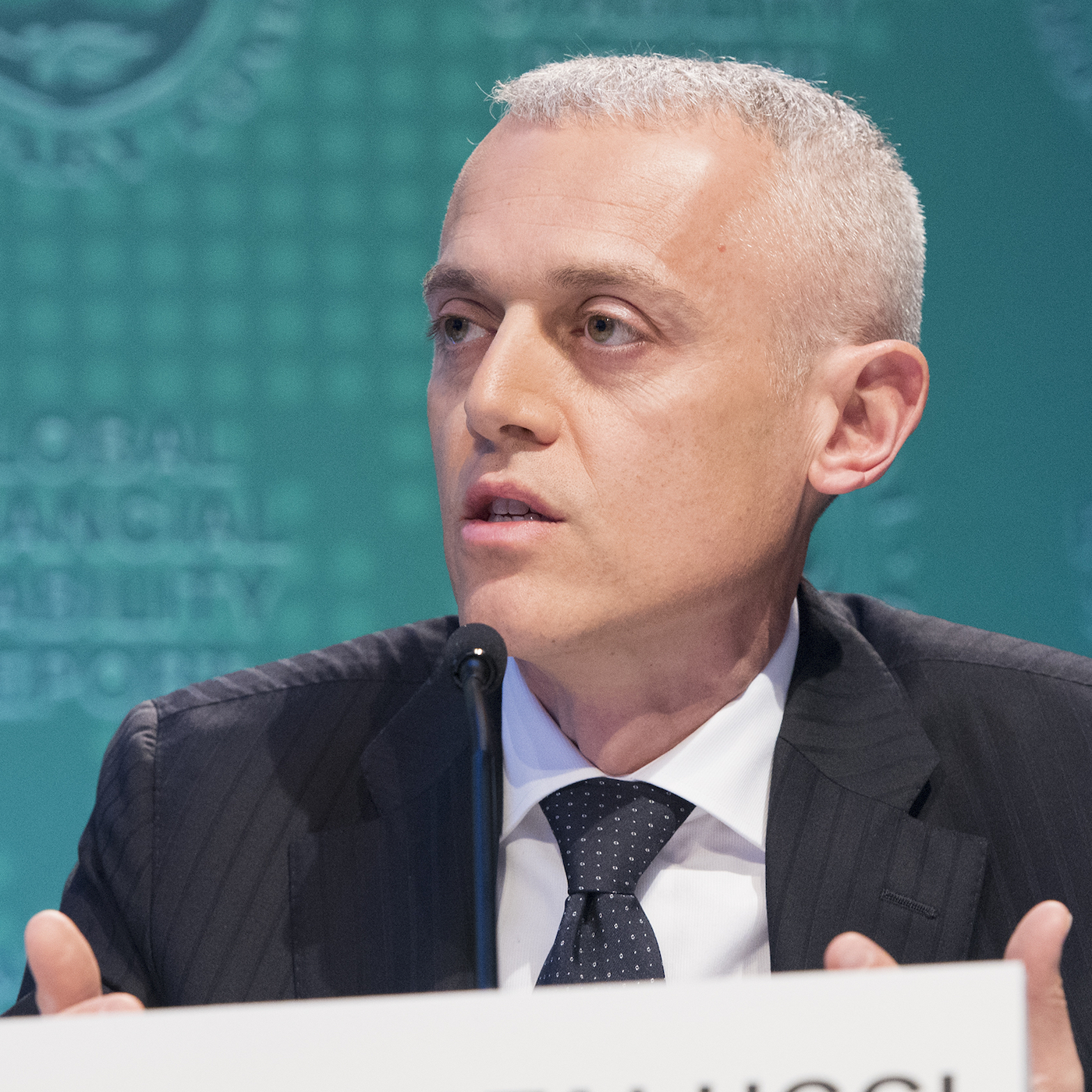
Global Financial Stability Amid Covid-19 Pandemic
Early in the year, financial markets were buoyed by a widespread sense of optimism on the back of supportive monetary policies, reduced trade tensions, and tentative signs of stabilization in the global economy. But COVID-19 changed all of that. Fabio Natalucci heads the team that produces the IMF's Global Financial Stability Report, the latest one published amid a historic drop in equity markets and volatility levels last seen during the 2008 global financial crisis. In this podcast, Natalucci says the virus pandemic requires a forceful policy response to address health concerns, preserve the stability of the financial system and protect the productive capacity of the economy. Fabio Natalucci is Deputy Director in the IMF's Monetary and Capital Markets Department.

Kristalina Georgieva: Confronting the Covid-19 Crisis
In this podcast, IMF Managing Director, Kristalina Georgieva gives a preview of the World Economic Outlook to be released next week during the IMF's first-ever "virtual" Spring Meetings. In normal times, the IMF-World Bank Spring Meetings are preceded by a curtain-raiser speech delivered by the Managing Director at a crowded public venue full of economists, academics and journalists. But these are not normal times. Kristalina Georgieva's speech for next week's Spring Meetings was to camera and solemn in tone. The outlook anticipates the worst economic fallout since the Great Depression. TRANSCRIPT

Abebe Aemro Selassie: What Covid-19 Means for sub-Saharan Africa
Countries in sub-Saharan Africa are taking sweeping measures to halt the advance of Covid-19, imposing limits on public gatherings and the like. But for the region's most vulnerable, social distancing is not realistic. In this podcast, IMF African Department head Abebe Aemro Selassie, says anything that will help contain the spread of the virus, like closing borders to people, will help minimize added strain on already fragile health systems. Selassie says what began as a health crisis is now a major global economic crisis, and he fears African countries will be swept up in that. Read Selassie's blog and others on the response to the coronavirus at Blogs.IMF.org TRANSCRIPT

Kristalina Georgieva on Human, Economic Costs of Covid-19
The coronavirus pandemic is having a profound impact on lives and economies around the world. In this podcast, we hear IMF Managing Director Kristalina Georgieva's statement following her call with G20 Finance Ministers and Central Bank Governors, where they discussed the extraordinary circumstances of the health crisis and the extraordinary measures it will take to mitigate its economic impact. Read the TRANSCRIPT

Martin Mühleisen: Mitigating Economic Fallout of Coronavirus
The coronavirus has wreaked havoc on just about every aspect of life around the world. The limited human contact required to contain the spread of the virus is hindering economic activity and in turn, putting enormous pressure on the global economy. Martin Mühleisen heads the IMF's Strategy, Policy, and Review Department, which looks at IMF policies and advises management on strategic issues. In this podcast, Mühleisen says even if an individual country is fortunate enough to escape widespread viral contagion of the coronavirus, it's likely it will still feel the economic fallout. Read the TRANSCRIPT Read Mühleisen's BLOG and others on the response to the coronavirus at Blogs.IMF.org

David Bloom: Demography is Destiny–Really?
It took more than 50,000 years for the world population to reach 1 billion people, but since 1960, we have added successive billions every one to two decades. The United Nations projects there will be 9 billion people on the planet by 2037. Demography is the study of life, death and everything we do in between. And throughout human history, we've seen plenty of population booms and busts. In this podcast, Harvard economist and demographer David Bloom, says public policy both shapes and responds to demographic trends. David Bloom's article, Population 2020, is published in the March issue of Finance & Development magazine. Read the TRANSCRIPT

Giovanni Peri: Immigration Answer to Demographic Dilemma
While the immigration debate tends to focus on culture, identity and potential economic benefits, Giovanni Peri says demographics are the Achilles' heel of the global North. Peri is Director of the Global Migration Center at the University of California, Davis, and in this podcast, he says immigration policies that allow larger numbers of immigrants will help stabilize population growth in the aging advanced economies of the North. Peri's article Immigrant Swan Song is published in the March 2020 issue of Finance and Development magazine. Read the TRANSCRIPT
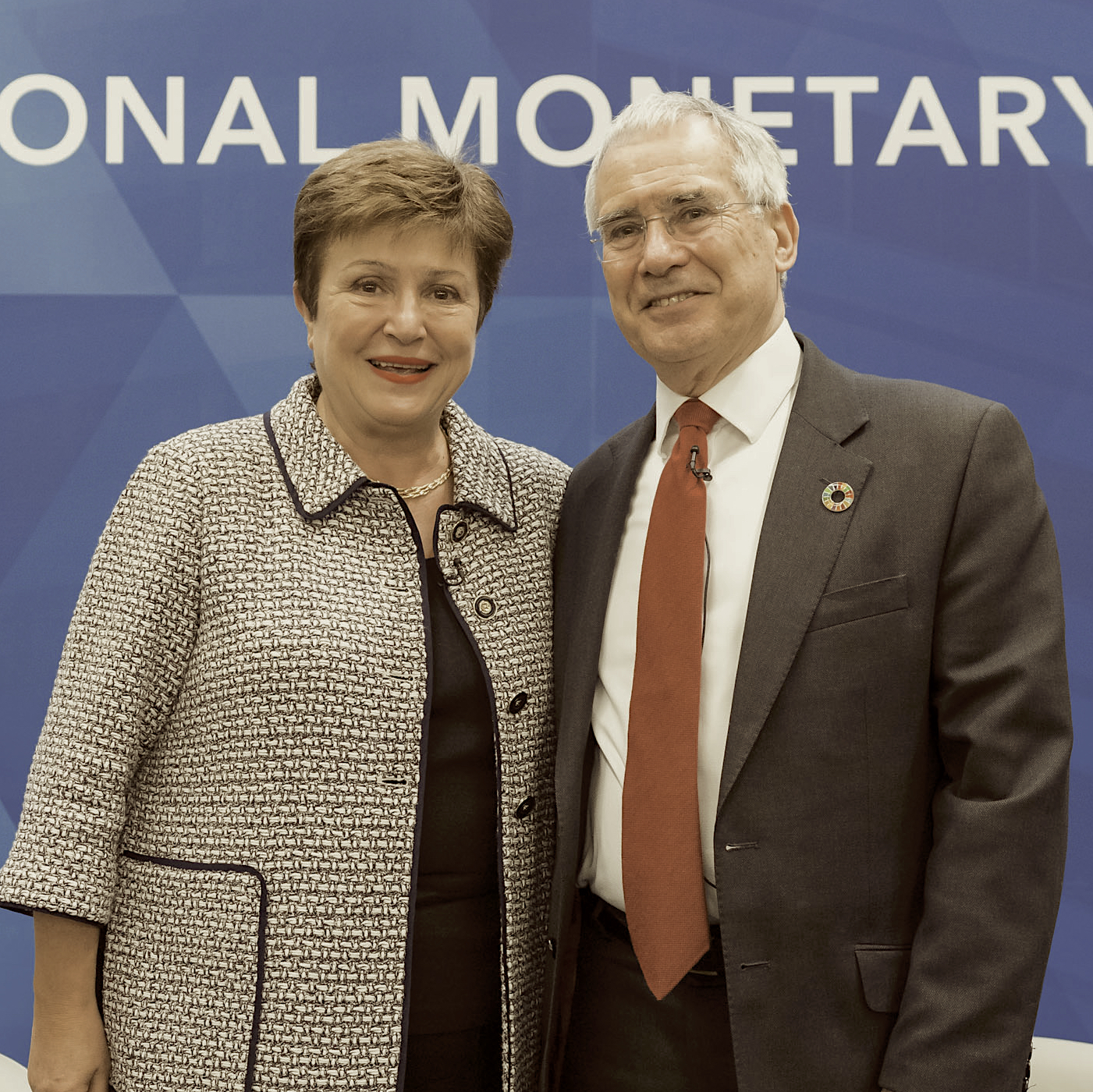
Kristalina Georgieva and Lord Nicholas Stern Talk Climate
Mitigating the effects of climate change takes a multifaceted approach with economic policy playing a pivotal role. In this podcast, we hear from two influential people at the very center of where economic and environmental policies meet. IMF Managing Director, Kristalina Georgieva and Lord Nicholas Stern, of the London School of Economics, discuss the significance of the Special Report on Climate Change published in 2018 by the Intergovernmental Panel on Climate Change (IPCC), and how financial institutions can help countries live up to their Paris accord pledges to reduce carbon emissions. Nicholas Stern is Chairman of LSE's Grantham Research Institute on Climate Change and author of the Stern Review on the Economics of Climate Change published in 2006.

Afsaneh Beschloss: Green Bonds for a Greener Future
Bonds have been helping corporations and governments finance infrastructure and large-scale projects for hundreds of years. But the last decade has seen the emergence of green bonds, driven by increasing environmental awareness within the business community. In this podcast, founder and CEO of Rock Creek, Afsaneh Beschloss, says global asset management firms like hers are seeing a growing demand for climate-related investments. In the first half of 2019 alone, new certified green bond issues topped $100 billion globally. Prior to Rock Creek, Beschloss was treasurer and chief investment officer of the World Bank. Her article A Greener Future for Finance, co-authored with Mina Mashayekhi, is published in the December 2019 edition of Finance and Development Magazine.
South Africa: Escaping the Growth Doldrums
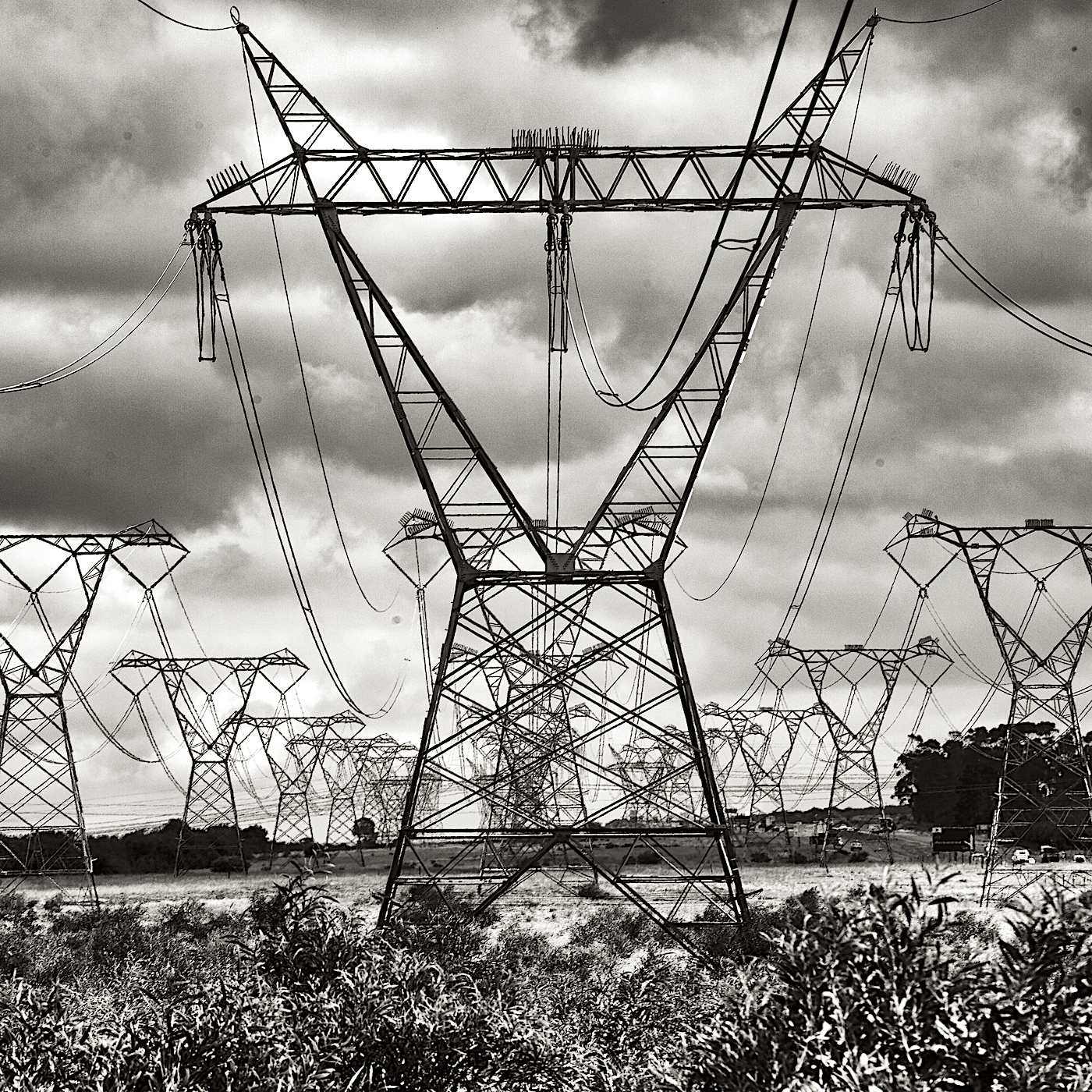
South Africa is an important economy in sub-Saharan Africa and when growth is high the entire region benefits. But the latest review of South Africa's economy shows real GDP growth is estimated at about 0.4 percent in 2019 and projected to moderately rise to 1½ percent in the medium term: a level insufficient to raise per-capita income and reduce unemployment. In this podcast, economist Ana Lucia Coronel says South Africa's growth slowdown in recent years stems in part from slow reform implementation to tackle structural impediments to growth. Coronel heads the South Africa team and oversees the writing of the IMF's annual assessment of South Africa's economy. Inefficiencies in South Africa's state-owned enterprises have triggered costly government bailouts of electricity provider Eskom and others. (iStock by Getty Images/brazzo)

Tackling Inequality and Climate Change: A Youth's Perspective
Inequality and climate change are two of the most pressing issues of our time, with repercussions likely to last long into the future. In this podcast, IMF Chief Economist Gita Gopinath sits down with two young leaders to talk about how best to tackle these issues. Lyndsay Walsh (Trinity College, Dublin) and Tarik Gooptu (University of Oxford) are both students and both of a generation that is highly motivated to bridge income gaps and stop global warming. Walsh and Gooptu are the winners of an essay competition launched by Finance and Development Magazine. Their essays are published in the December 2019 issue.

Ian Parry: A Carbon Tax for a Taxing Problem
Without major efforts to reduce the accumulation of carbon emissions in the atmosphere, future generations will inherit a much warmer planet with risks of dangerous climate events, higher sea levels, and destruction of the natural world. In this podcast, economist Ian Parry makes the case for carbon taxation as the most effective way to nudge people towards cleaner fuels and to encourage them to adopt more efficient appliances or lower emission vehicles. But while convincing people to buy electric cars and more efficient appliances is important, the largest CO2 emitting countries need to work together to make a real dent in global greenhouse gas emissions. That, Parry says, is proving to be difficult. Parry's latest article Putting a Price on Pollution is published in the December 2019 edition of Finance and Development Magazine.

Cybersecurity: A Global Threat Needs a Global Response
Over two-thirds of global financial institutions have seen an increase in cyberattacks in recent years. In the UK alone, the number of security breaches has increased by over 480%. Cybersecurity is no longer just about firewalls, data encryption, and strong passwords. While those are still necessary, they are not enough to fight a threat that knows no borders. One recent law enforcement operation that started in Spain busted a cyber gang operating in 15 countries and required coordinated efforts with the FBI, Europol and other private companies. In this podcast, three leading specialists in cybersecurity discuss how to create a safer digital world for financial institutions. Carnegie Endowment's Tim Maurer, IMF's Chris Wilson, and Central Bank of Spain's Silvia Senabre participated in a recent workshop on cybersecurity hosted by the IMF. Tim Maurer is co-director of the Cyber Policy Initiative at the Carnegie Endowment for International Peace and author of Cyber Mercenaries: The State, Hackers, and Power. Silvia Senabre is a mathematician and computer engineer who works on cybersecurity risk evaluation for the Central Bank of Spain. Chris Wilson is a Senior Financial Sector Expert in the IMF's Monetary and Capital Markets Department and co-author of Cybersecurity Risk Supervision.
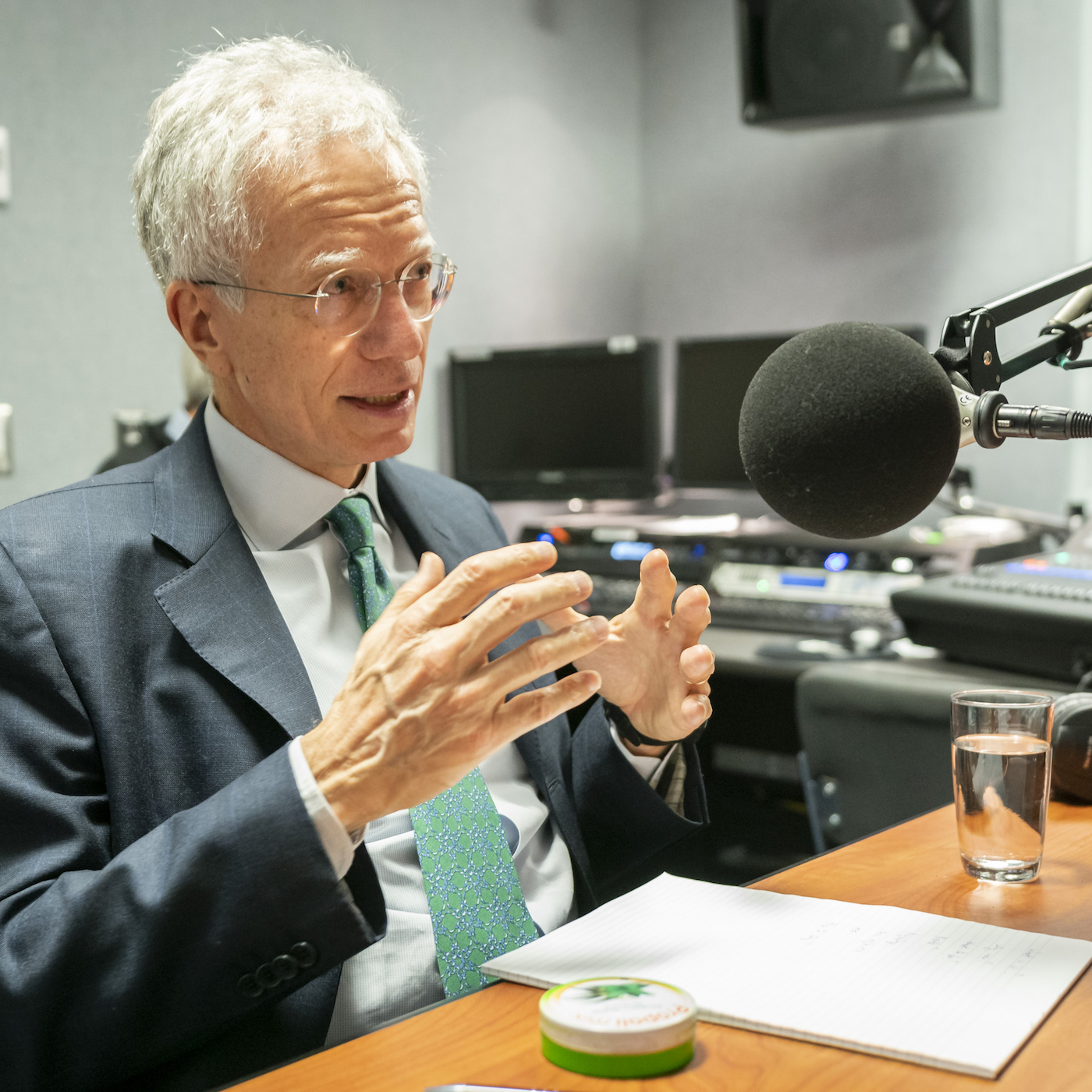
The Puzzle of Rising Populism with Guido Tabellini
Populist leaders and movements are on the rise across the world, but why now? Populism has been around since Ancient Rome. In this podcast, economist Guido Tabellini says the 2008 global financial crisis and technology are driving the recent resurgence. Tabellini says with growing inequality people disappointed by the policies of the past that have excluded them from the benefits of the global economy are voting more along cultural identity lines. It's the nationalists versus the cosmopolitans. Guido Tabellini is Professor of Political Economics at Bocconi University in Milan, Italy, and delivered the IMF's Annual Richard Goode Lecture on his research.

Reaping What We Sow: Fighting Climate Change with Food
While efforts to mitigate climate change have focused primarily on burning fewer fossil fuels, recent research by the UN's Panel on Climate Change shows that what we eat and how we produce it can have an even greater impact on the global environment and public health. The report says reforms in crop and livestock activities could potentially mitigate up to a third of all greenhouse-gas emissions. IMF economist, Nicoletta Batini studies the environmental impact of the agri-food sector. Her latest article titled Reaping What We Sow is published in the December 2019 issue of Finance and Development Magazine. Photo: Consuming fewer animal products can help reduce greenhouse-gas emissions. (Istock by Getty Images/ FrankvandenBergh)

Abebe Aemro Selassie on Africa's Infrastructure Gap and Debt
Sub-Saharan Africa has made significant inroads in reducing poverty and increasing access to education and health services, but the infrastructure deficit still looms large throughout the region. For many countries, the ability to finance their development needs has become more constrained as public debt has increased rapidly in recent years. In this podcast, Abebe Aemro Selassie says when governments invest in the right types of infrastructure, people are more willing to pay the taxes the government needs to service its debt. Selassie is Director of the IMF's African Department, which has helped organize a special conference in Dakar, Senegal, this week to discuss how countries can continue to address the infrastructure gap while maintaining manageable debt levels. Sustainable Development and Debt conference page

Mervyn King: Economic Policy in a World Turned Upside Down
Following the great economic crises of the 20th century, there were periods of intellectual and political upheaval that ultimately changed economic policy. Mervyn King, former Governor of the Bank of England, argues the 2008 financial crisis should have prompted the same reaction but didn't. King delivered this year's Per Jacobsson Lecture during the IMF-World Bank Annual Meetings and warned the failure to dramatically change our approach to economic policy risks another financial crisis. Lord Mervyn King is Professor of Economics at New York University and the London School of Economics. He is also author of The End of Alchemy and has a forthcoming book entitled Radical Uncertainty.

Deborah Greenfield: Social Protections in the New World
Investing in social programs can soften the blow of inequalities and foster more stable societies. In this podcast, we speak with Deborah Greenfield, Deputy Director General for Policy at the International Labour Organization, which was formed one hundred years ago out of the Paris Peace Conference at the end of World War 1. And while the work environment has changed dramatically in the past one hundred years, gaining access to basic social programs remains a struggle for far too many workers around the world today. A recent ILO study says more than half the global population lacks healthcare and social security. Greenfield says social protection floors provide important support to workers as they transition into the changing job market. Read the paper about IMF Engagement on Social Spending,

Somalia's Recovery and the Power of a Song
Somalia is one of the world's most conflict-affected states. Many countries around the world suffer from weak governing institutions, but Somalia was without a functional central government for 20 years. In this podcast, Somalia's Finance Minister, Abdirahman Duale Beileh, says while elections in 2012 have since helped reestablish some of the institutions that bind the country's disparate communities, the road to recovery remains a steep climb. Duale Beileh is also a distinguished artist and songwriter, and we hear his latest song about students struggling to get an education amid violence and social destruction. Abdirahman Duale Beileh was in Washington for the 2019 IMF-World Bank Annual Meetings. You'll find the webcast of Dr. Beileh's presentation about Effective Engagement in Fragile States at IMF.org. Link to his song Heestii Dalkani Gurmad Buu Raba

Kristalina Georgieva on Gender Parity: Inequalities Erode Society
In her first IMF-World Bank Annual Meetings as IMF Managing Director, Kristalina Georgieva talks with Foreign Policy Magazine's Ravi Agrawal about breaking down barriers to women's career growth. Georgieva is the first person from an emerging market economy, and only the second woman to lead the IMF since its inception in 1944. In this podcast, Georgieva and Agrawal discuss the economic benefits of gender equality and the societal transformation that is required to correct the injustices of the past. Read the IMFBlog on The Economic Cost of Devaluing "Women's Work"

Arrears in Sub-Saharan Africa: Paying Bills on Time Matters
The dramatic drop in commodity prices in 2014 has had lingering effects in sub-Saharan Africa. One such effect is a growing backlog of payments by governments to service providers, known as arrears. But despite the prevalence of arrears in the region, their causes and consequences are not well understood. The latest Regional Economic Outlook for sub-Saharan Africa looks at the economic and social impact of increasing arrears in recent years. In this podcast, IMF economists Samuel Delepierre and David Stenzel say domestic arrears can undermine private sector activity and citizens' trust in the government.

Sub-Saharan Africa: More Competition Less Inequality
Competition is considered to be an essential driving force of market economies. It's said to ensure a more efficient allocation of resources and can boost innovation and productivity. But what happens when there isn't enough competition? The latest Regional Economic Outlook for sub-Saharan Africa looks at how the lack of competition in the region is hurting the poor and undermining economic growth. In this podcast, IMF economists Reda Cherif and Jesus Gonzalez-Garcia say more competition could lower prices and increase welfare. Photo: Competition makes the economy work for people. (iStock by Getty images/ Stefan_Ganev)

Financial Stability: The Good and Bad of Lower Rates
The Global Financial Stability Report exposes weak spots in the global economy that could amplify the impact of a shock, such as an intensification of trade tensions or rising corporate debt. Fabio Natalucci heads the team of economists who write the GFSR. In this podcast, Natalucci says if current trends continue, debt owed by firms unable to cover interest expenses with earnings, or debt-at-risk, could rise to $19 trillion. Fabio Natalucci, is Deputy Director in the IMF's Monetary and Capital Markets Department. Read the IMF BLOG

More Women in Africa's Labor Force Means Less Conflict
While elections are one of the most important pillars of democracy, in many African countries they are characterized by uncertainties due to the high risk of electoral violence. Studies often look at ethnic tensions and political cleavages as drivers of electoral violence, but how might gender play into this? IMF economist Rasmane Ouedraogo investigates the impact of gender equality on electoral violence in Africa and finds yet another good reason to increase female labor force participation. Rasmane Ouedraogo and Idrissa Ouedraogo are coauthors of Gender Equality and Electoral Violence in Africa: Unlocking the Peacemaking Potential of Women

Climate and Output in Low-Income Countries
As the average annual global temperature is expected to rise by 4 degrees Celsius or more by 2100, economic output in countries with hot climates continues to fall. And given that most low-income countries are located in hot regions, low-income countries are bearing the brunt of the negative economic costs of climate change even though they contribute very little to the greenhouse gas emissions that cause it. In this podcast, IMF economists Sebastian Acevedo and Natalija Novta say the increasing frequency and severity of natural disasters is having a negative impact on growth. Acevedo and Novta are coauthors of Weather Shocks and Output in Low-Income Countries:Adaptation and the Role of Policies

Stranded: Inequality, House Prices leaving People Trapped
Migration is on the front burner these days. We hear a lot about people moving from one country to the next, fleeing conflict or seeking a better life. But what about the movement of people within a country? Economist Tamim Bayoumi says a well-functioning economy has people moving around to maximize their own welfare and in turn maximize the system; a basic tenant of market economics. Bayoumi is coauthor of Stranded! How Rising Inequality Suppressed US Migration and Hurt Those "Left Behind. In this podcast, Bayoumi says increasing house price and income inequality has reduced long distance migration, the type most linked to jobs. Tamim Bayoumi is Deputy Director in the IMF's Strategy, Policy and Review Department.

The Value of Whales and Every Other Breath
July was the hottest month on record according to the National Oceanic and Atmospheric Administration. Scientific research now indicates more clearly than ever that our growing carbon footprint is warming the planet at an alarming rate and threatening our ecosystems. In this podcast, economist Ralph Chami, and whale conservationist Michael Fishbach, explain the carbon capture potential of whales and how supporting international efforts to restore whale populations around the world is one of the simplest ways to fight climate change. Ralph Chami's article Whales Fight Climate Change in the online edition of Finance and Development Magazine.

Nicola Pierri: Good Hospitals Healthy Economy
Being diagnosed with a serious illness is a shock to the system, and treatment and recovery can mean major disruptions in a person's life. But illness also takes millions of people out of the labor force every year and the quality of the care they receive can determine the extent to which this is a shock to the economy. IMF economist Nicola Pierri, with coauthors Anne-Line Koch Helsø and Adelina Yanyue Wang have published a research paper on The Economic Impact of Healthcare Quality. In this podcast, Pierri says low quality hospitals can wind up being very costly to both people and the economy at large.

Raghuram Rajan: Markets and State Leave Community Behind
In his latest book, Raghuram Rajan takes a close look at the relationship between the state, markets and communities, and argues localism is the answer to globalization. Rajan is a distinguished professor of finance at the University of Chicago, former head of India's central bank and former Chief Economist at the IMF, where he was invited to talk about The Third Pillar: How Markets and the State Leave the Community Behind

Electronic Invoicing Reform in Peru Paying Off
The use of digital technologies is transforming how tax administrations operate, helping to improve efficiency and service delivery. A striking example has been Peru's adoption of electronic invoicing, which allows the automatic transfer of billing information between firms and the tax authority. Drawn by its potential to strengthen tax compliance and reduce costs, Peru is among more than 50 countries around the world to have implemented e-invoicing and many others are preparing to follow suit. IMF economists Salma Khalid and Matthieu Bellon have been studying the impact of Peru's mandatory e-invoicing reform that started back in 2014. Their research paper will be published this fall. Salma Khalid is an economist in the Western Hemisphere Department and Matthieu Bellon is an economist in the Fiscal Affairs Department at the IMF.
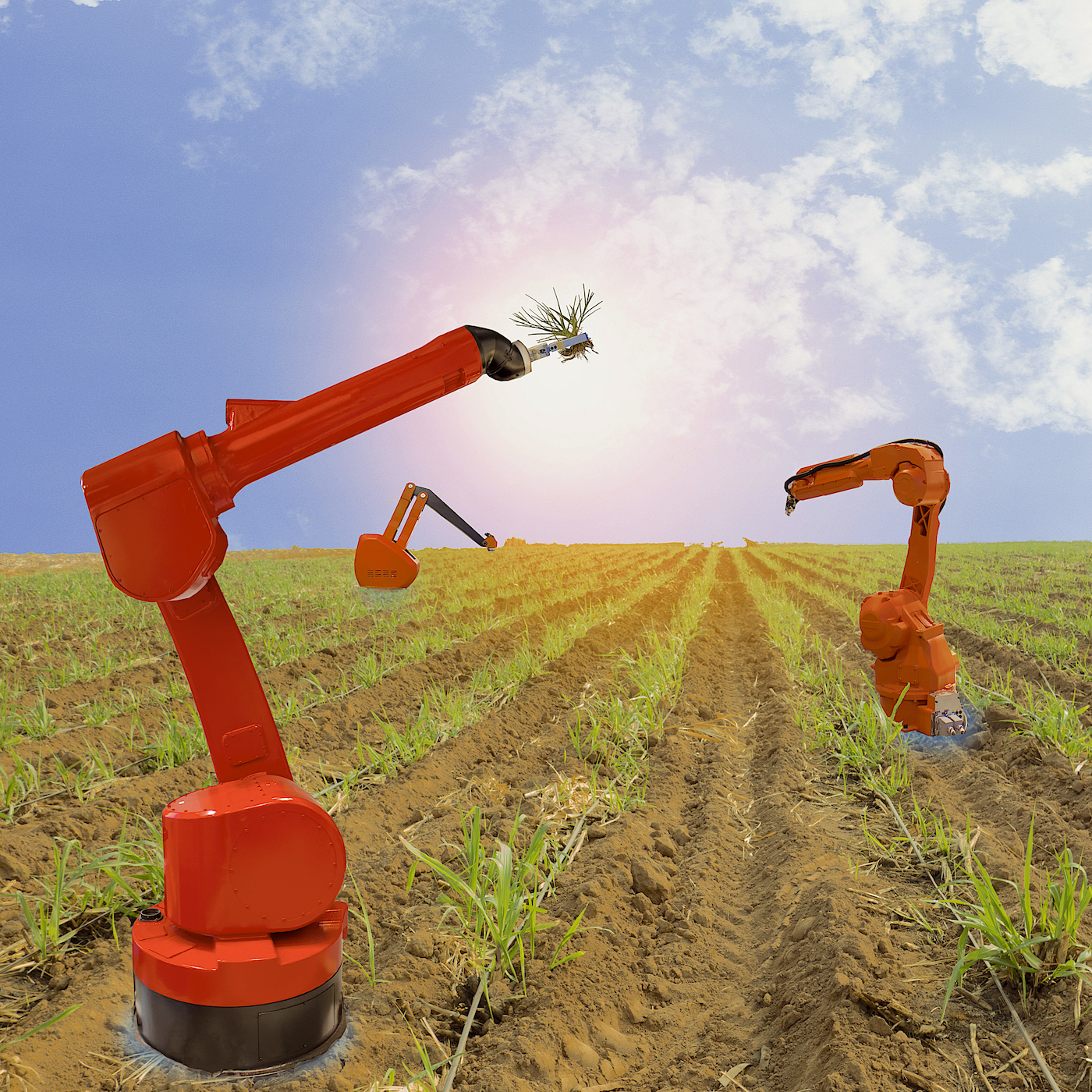
Arnaud Costinot: Taxing Robots to Level the Playing Field
Technological innovation like automation using robots to produce goods and provide services creates tremendous opportunities for businesses. But as the cost of producing robots goes down, is this technology widening the income gap? Economist Arnaud Costinot has been studying technological change and its impact on inequality, and in this podcast, he discusses how a robot tax might help better distribute the benefits of artificial intelligence, or AI technologies. Arnaud Costinot is a Professor of Economics at MIT, and coauthor of Robots, Trade, and Luddism: A Sufficient Statistic Approach to Optimal Technology Regulation. Costinot was invited to present his research at the IMF.

Michael Keen on Adapting Old Tax System to New Economy
International corporate tax avoidance is a growing concern for both advanced economies and low-income countries. The changing nature of the global economy–notably increasing digitalization, in some cases, is making it easier for firms to shift profits to low-tax countries. Michael Keen is a Deputy Director in the IMF's Fiscal Affairs Department, and in this podcast he says the international tax system is under unprecedented stress. Keen was a lead author of a recent IMF policy paper that sets out the current state of the international corporate tax system and explores ways to address some of its shortcomings.

Ian Parry: Why A Carbon Tax Makes Sense
When it comes to environmental policies, Ian Parry argues none are more effective than carbon taxes. Parry, an expert on fiscal policy and climate change at the IMF, says carbon taxes promote a full range of responses for reducing emissions–like switching from coal to clean generation fuels, reducing the demand for electricity, transportation fuels, and so on and can be administratively straightforward to implement. Parry is author of several research papers on carbon taxation and his recent article What Is Carbon Taxation? is published in the June 2019 edition of Finance and Development Magazine. Ian Parry is the principal environmental fiscal policy expert in the IMF's Fiscal Affairs Department.
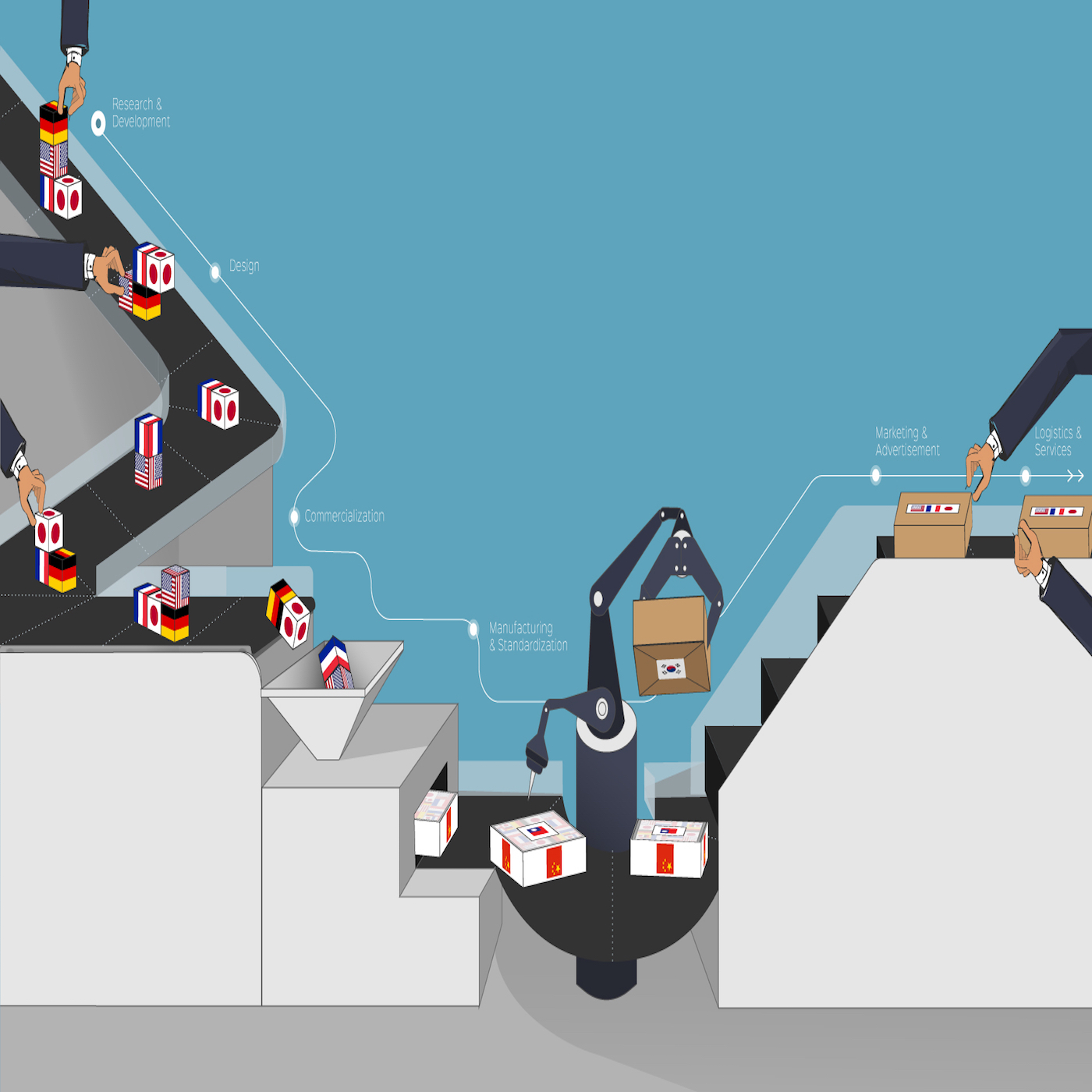
David Dollar on the Value of Value Chains
Global value chains break up the production process so that different steps can be carried out in different countries. In the past, a country had to master the production of a whole manufactured product to export it, which rarely happened. With value chains, a country can specialize in one or several activities in which it has a comparative advantage. In this podcast, David Dollar says he's seen Asia's economies transformed by value chains in recent years. Before joining Brookings as Senior Fellow at the China Center, Dollar was World Bank Country Director for China and represented the US Treasury in Beijing. Dollar's recent article on value chains Invisible Links is published in the June 2019 edition of Finance and Development Magazine. Check out the Dollar and Sense podcast at Brookings.edu
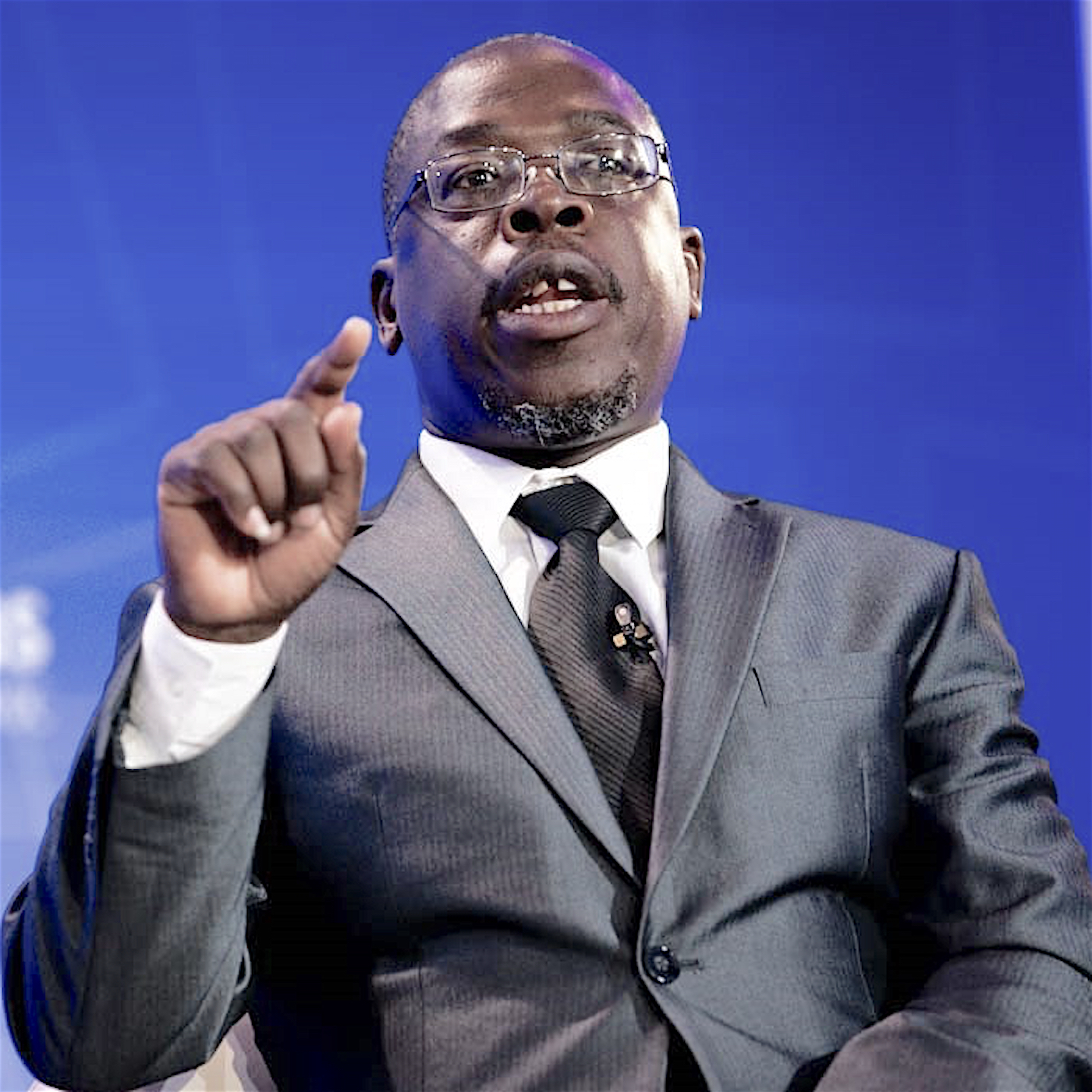
Fanwell Bokosi on Taming Africa's Debt Beast
Debt is at record levels around the world. 40 percent of low-income countries are wrestling with debt distress or high-risk debt levels and for a few countries in sub-Saharan Africa the debt crisis has already materialized. Fanwell Kenala Bokosi is the Executive Director for the African Forum and Network for Debt and Development, or AFRODAD. In this podcast, Bokosi says the nature of Africa's debt has changed in recent years, making it more difficult to find solutions for debt sustainability problems. Fanwell Bokosi joined a panel on Tackling Debt during the 2019 IMF-World Bank Spring Meetings

Andrew Steer on How Fiscal Policies Can Help Save the Planet
The main objective of the Paris agreement signed by 190 countries in 2015, is to reduce carbon emissions and ensure a transition to low emissions economies. A new IMF paper looks at the role of fiscal policies in helping countries implement their climate strategies. Andrew Steer, President and CEO of the World Resources Institute joined a panel to discuss the paper at the Center for Global Development. Before joining WRI, Steer held senior positions at the World Bank and was the Chief Author of the landmark 1992 World Development Report that placed environmental economics front and center. In this podcast, Steer says carbon emissions need to be dramatically cut from the global economy to avoid dangerous climate change, and carbon pricing can help do that. Read the paper: Fiscal Policies for Paris Climate Strategies
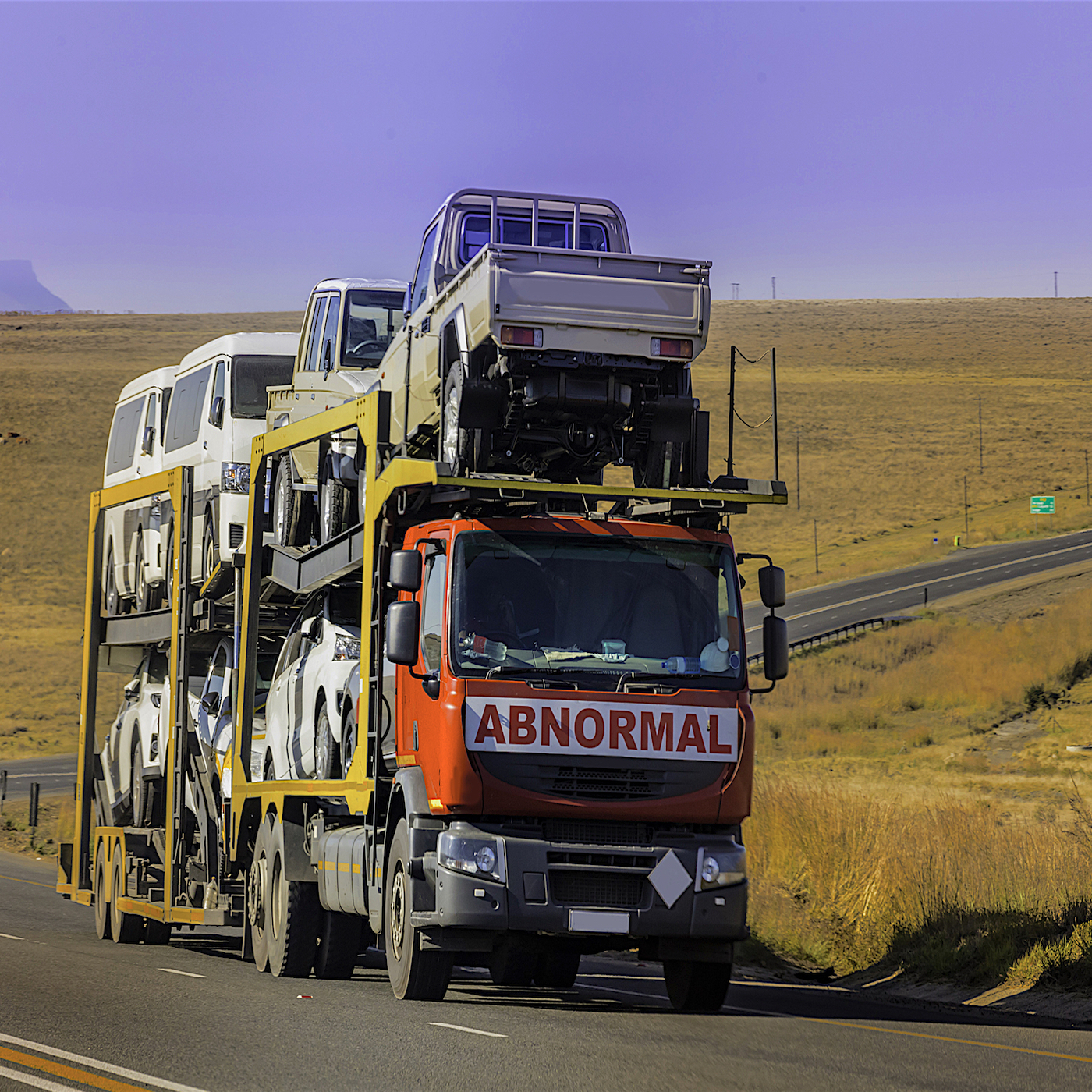
African Continental Free Trade Area a Potential Game Changer
In 2018, African Union members established the African Continental Free Trade Area in an effort to boost regional trade. They agreed to eliminate tariffs on most goods, liberalize the trade of services and address obstacles to trade between African countries. The African free trade agreement has since been ratified by 22 countries and is likely to take effect later this year. The IMF's latest Regional Economic Outlook for sub-Saharan Africa studies the potential impact of the agreement that will establish a market of 1.2 billion people with a combined GDP of US$2.5 trillion dollars. In this podcast, economists Reda Cherif and Geremia Palomba say this could be an economic game changer for the continent. Geremia Palomba is a Deputy Division Chief and Reda Cherif is a Senior Economist in IMF's African Department.

Nature Is Our Capital: Sir David Attenborough and Christine Lagarde
Nature and economic progress often have a conflicting relationship. In this podcast, lifelong champion of the natural world Sir David Attenborough joins IMF Managing Director Christine Lagarde for a tête à tête on how economic growth and the economies of nature can work together to preserve life on earth. While the world's natural resources make life and industry possible, the demands of a growing economy are putting unsustainable pressures on our climate and vital ecosystems. In his broadcasting career spanning over six decades, Sir David Attenborough has connected people to the wonders of the natural world through visually stunning documentaries like The Blue Planet, and more recently Our Planet; the quintessential guide to the economy of nature. David Attenborough and Christine Lagarde met before a live audience during the IMF World-Bank Spring Meetings.

House Prices and Global Financial Stability
There is a strong link between the ups and downs of home prices around the world and the global economy. The latest Global Financial Stability Report takes a deep look into what the latest trends in the housing sector might tell us about vulnerabilities within in the financial system. Claudio Raddatz leads the IMF's Global Financial Stability Analysis team, and in this podcast, he says a high share of financial crisis in recent decades have been preceded by boom-bust patterns in the housing sector. Read the IMF BLOG

Three Chief Economists on Why Income Inequality Matters
Achieving inclusive growth is one of the critical challenges of our time. In this podcast, IMF Managing Director Christine Lagarde opens a public discussion between IMF Chief Economist, Gita Gopinath, World Bank Chief Economist, Pinelopi Koujianou Goldberg and OECD Chief Economist, Laurence Boone, about how to ensure economic growth benefits the many and not only the few. In her introduction, Lagarde points out that it's a first for these three multilateral institutions to have women Chief Economists at the same time. The seminar entitled Income Inequality Matters took place during the IMF World-Bank Spring Meetings. Gita Gopinath is the Economic Counsellor and Director of the Research Department at the IMF. Pinelopi Koujianou Goldberg is the Chief Economist of the World Bank Group. Laurence Boone is the OECD Chief Economist, G-20 Finance Deputy and Head of the economics department.
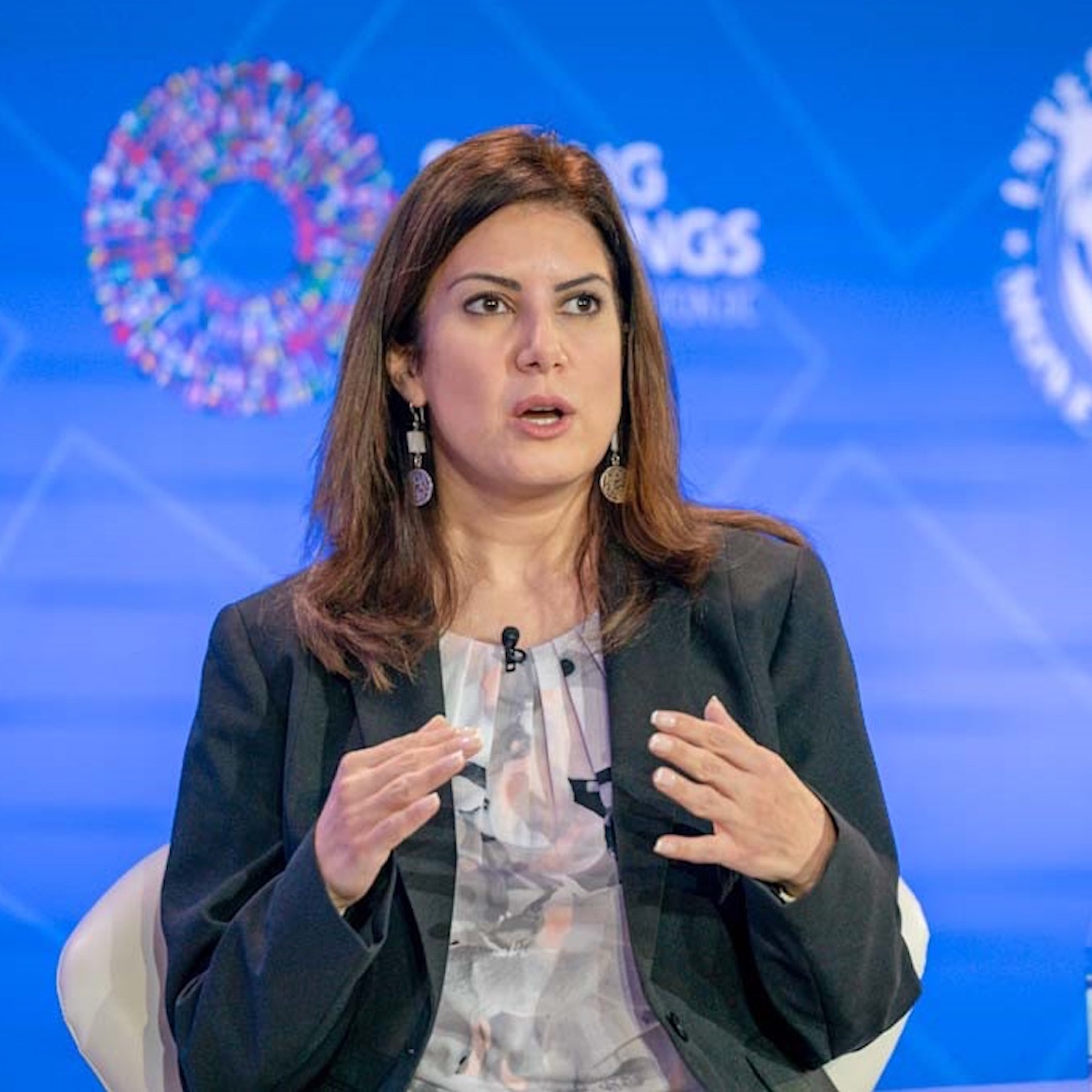
Sawsan Gharaibeh: Curbing Corruption at Heart of Development
Corruption leeches money from citizens and taxpayers and corrodes trust in government. In this podcast, Transparency International's Chairperson in Jordan, Sawsan Gharaibeh, talks about how governance weaknesses in some countries in the Middle East have undermined economic growth and kept the region on the lower end of the Corruption Perception Index. Gharaibeh was invited to join a panel on curbing corruption at the IMF World-Bank Spring meetings. Check out the latest Fiscal Monitor on Curbing Corruption

The Economics of Conflict in Sub-Saharan Africa
A third of countries in sub-Saharan Africa are currently involved in conflict or experiencing post-conflict tension, forcing an estimated 18 million people away from their homes and livelihoods. The IMF's latest Regional Economic Outlook for sub-Saharan Africa provides an in-depth analysis of conflict trends and the socio-economic challenges faced by countries in the region. Economists, Siddharth Kothari and Mahvash Saeed Qureshi spearheaded the study. In this podcast, they say conflicts strain public finances and shift scarce resources away from social and developmental spending, accentuating their debilitating consequences. Mahvash Saeed Qureshi is a Deputy Division Chief and Siddharth Kothari is an economist in the Regional Studies Division of the IMF's African department.

Vulnerabilities in a Maturing Credit Cycle
A key objective of the IMF is to pick up on trends that could potentially compromise economic stability, and the Global Financial Stability Report is designed to help do just that. Fabio Natalucci heads the team of economists who write the biannual publication known as the GFSR. In this podcast, Natalucci says the latest report shows financial stability risks are higher than they were six months ago, due in part to rising corporate debt. Read the IMF BLOG Fabio Natalucci, is Deputy Director in the IMF's Monetary and Capital Markets Department.

Patrick Imam on Citizenship and Growth
The notion of citizenship is relatively recent in our history. It was only in the 19th century with the birth of the nation-state that came the need to establish a legal distinction between those who belonged to the state and those who didn't. But being a national or a foreigner influences one's financial decisions, which can have a significant impact on a country's economic development. In this podcast, IMF economist Patrick Amir Imam says while some citizenship laws help boost growth others can create conflict and instability. Imam is the representative of the IMF in Zimbabwe, and co-author of Citizenship and Growth, published in the March 2019 edition of Finance and Development Magazine.

Spotting Global Risks Through Global Collaboration
Risk analysis is an important element in growth forecasting, and detecting vulnerabilities within the global financial system helps policymakers mitigate risks. In an effort to broaden the scope of its risk analysis, the IMF developed a new open-source tool that looks at the entire distribution of future GDP growth rather than the traditional point forecasts. The tool is now shared on GitHub, one of the world's biggest software development platforms. Prasad Ananthakrishnan heads the strategy and planning unit in the IMF's Monetary and Capital Markets department, and helped develop the Growth at Risk forecasting tool, as it is known. In this podcast, Ananthakrishnan says making the tool available to other economists on Github will make it better over time and help demystify the forecasting process Economists around the world can contribute to the development of the IMF's new open-source global financial risk analysis tool. (iStock by Getty images/akindo)

Charlotte Cavaille: Populism, Immigrants and the Welfare State
Immigration can put extra pressure on governments to fund social programs, especially in times of slow economic growth. In this podcast, Political Scientist Charlotte Cavaille, says rising populism in some countries is fueling a debate about who should have access to government funded programs. Cavaille studies immigration and public opinion toward the welfare state, and was invited by the IMF's Institute for Capacity Development to present her research on immigration, redistribution, and the electoral success of far-right populism.