
IMF Podcasts
703 episodes — Page 10 of 15

Russia Feeling The Pinch of Cheaper Oil, Sanctions
Russia is now likely in recession with GDP growth expected to decline 3.4 percent this year, says the IMF in its annual economic assessment. Mission Chief Ernesto Ramirez Rigo, explains how Russia's economic woes are largely due to the dramatic drop in oil prices, and sanctions in response to developments in Crimea and Ukraine.
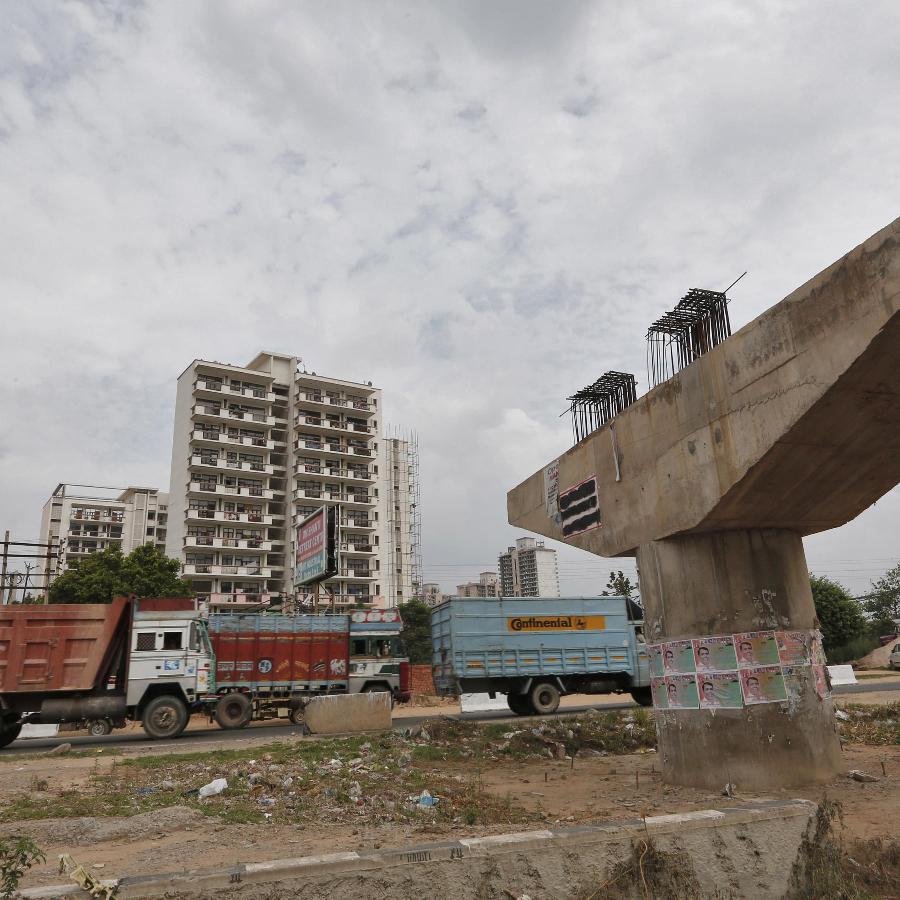
Building Up India's Infrastructure Capacity
India has invested nearly half a trillion dollars in its infrastructure over the last decade, but finding the funding for mega-projects is only half the challenge. The head of one of the country's leading infrastructure finance companies explains.
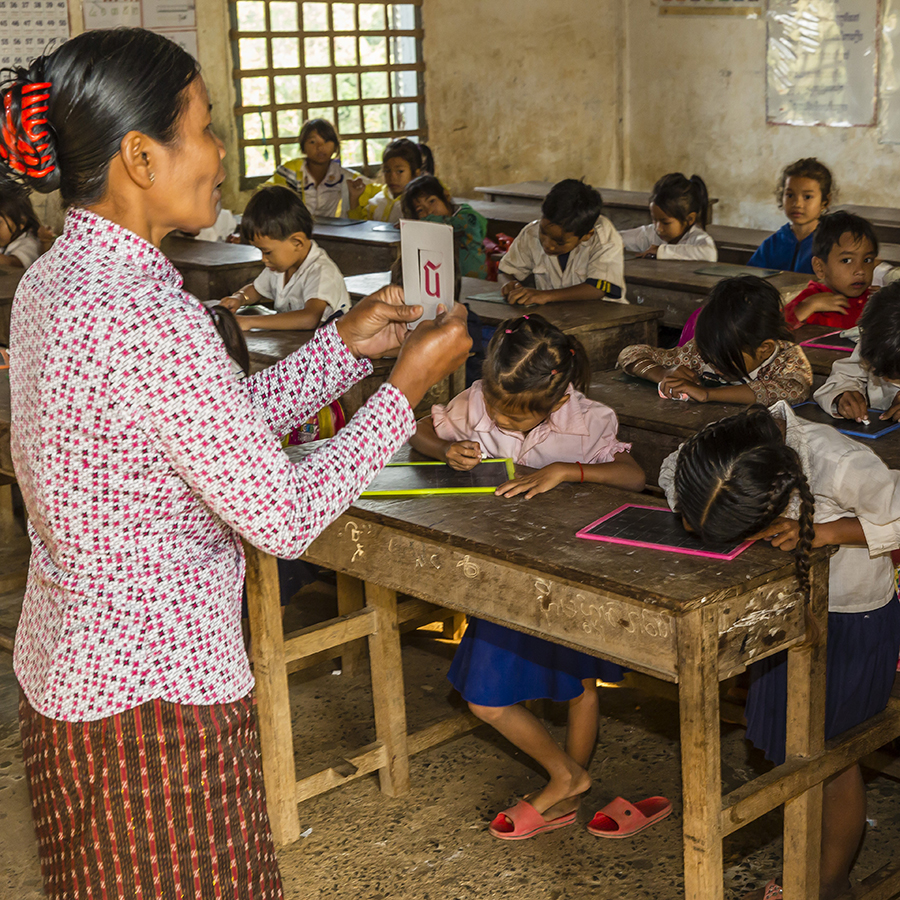
Paying For the New Development Agenda
IMF board of Directors approved a package of proposals to help developing countries finance the new Sustainable Development Goals. IMF's Sean Nolan says the package will enhance the financial safety net for low income countries and fragile states.

Global Trade Starts At Home
Increasing trade can spur growth says Mari Pangestu of Jakarta's center for Strategic and International Studies. In this podcast Pangestu talks about how efficient, open and fair regional trade agreements make for a healthier global trade environment.
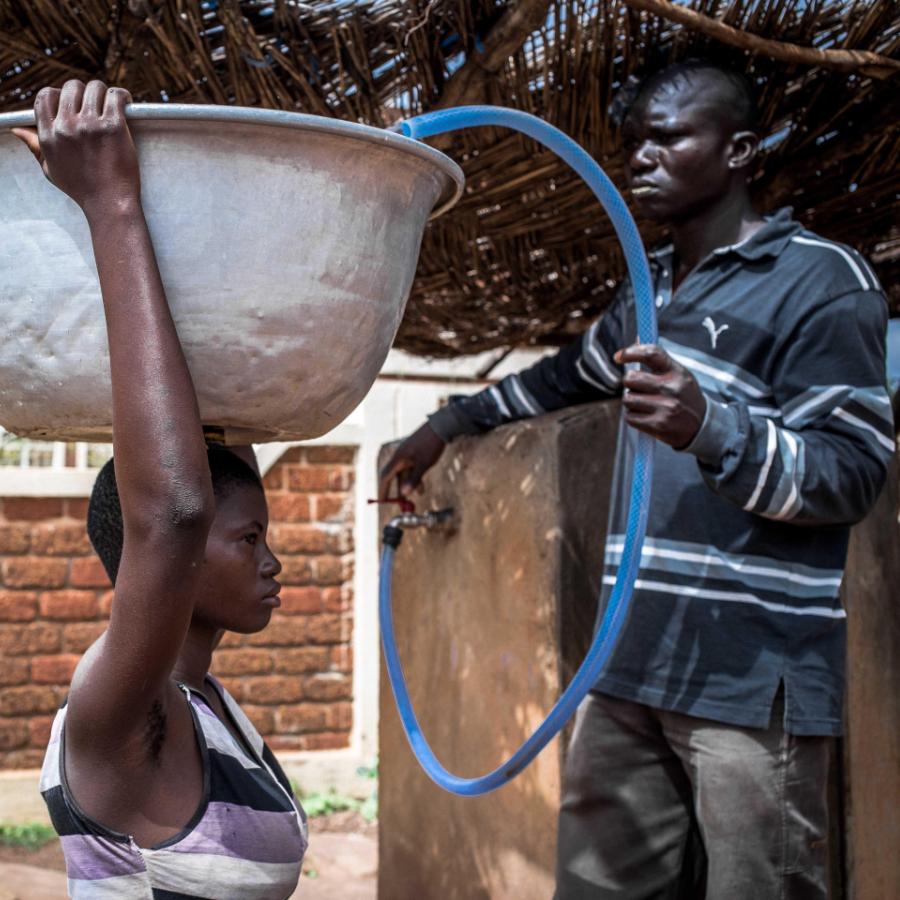
Keeping the Glass Full in Burkina Faso
The IMF recently published a study on the world's water resource management challenges. Co-author Laure Redifer says Burkina Faso is an example of how efficient water resource management can improve a country's economic prospects.

Inequality's Toll on Growth
Study by IMF Staff suggests raising income levels of the poor and middle boosts overall economic growth. Co-authors Kalpana Kochhar and Era Dabla-Norris say the wealth of the rich is not trickling down.
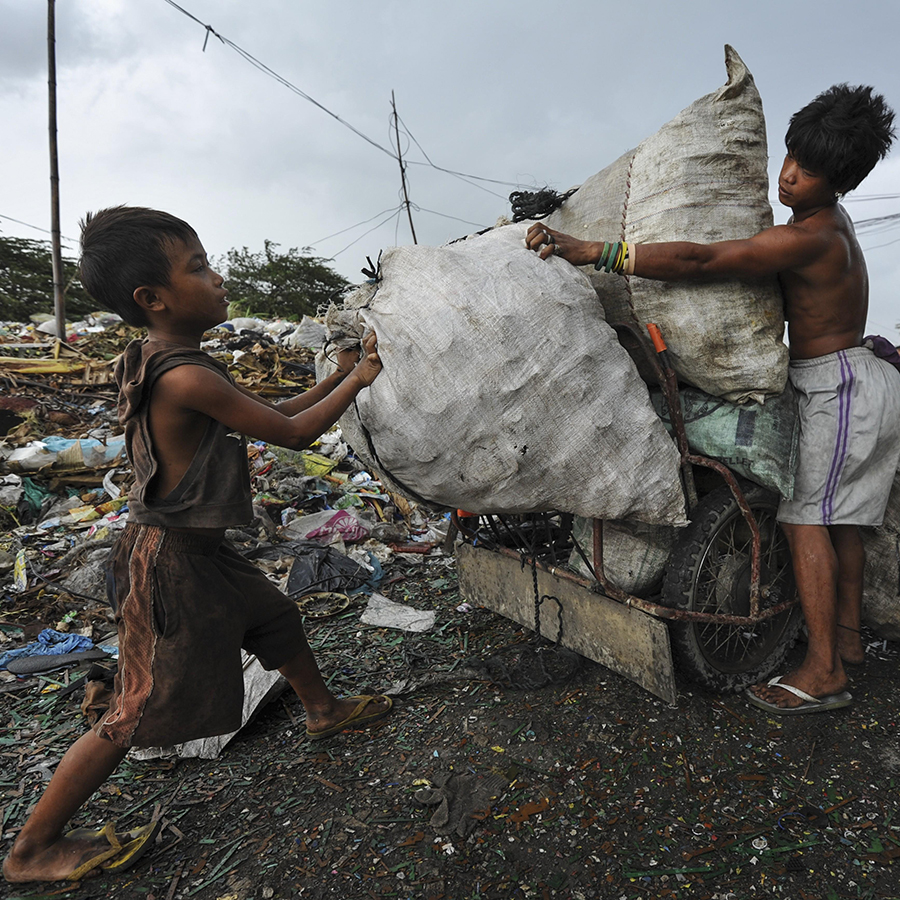
Financing the New Development Goals
As the United Nations prepares to adopt its 17 new Sustainable Development goals in September, Florencio Abad talks about how the Philippines and other countries might find the resources required to hit the targets.

Solvency or Bust?
Public debt is a normal part of a government's finances, but too much debt can have serious consequences for a country. During a seminar at the IMF-World Bank Meetings, one former head of state, who left office with public finances in good standing, explains how her administration succeeded where others have so often failed. More at: http://www.imf.org/external/POS_meetings/SeminarDetails.aspx?SeminarId=41? Helen Clark, Administrator of UNDP

Rwanda: Building from the Ashes
Two decades on from the genocide in which hundreds of thousands were slaughtered, the tiny east African state of Rwanda has been seeking a path to development and reconciliation. By Claver Gatete, Minister of Finance of Rwanda
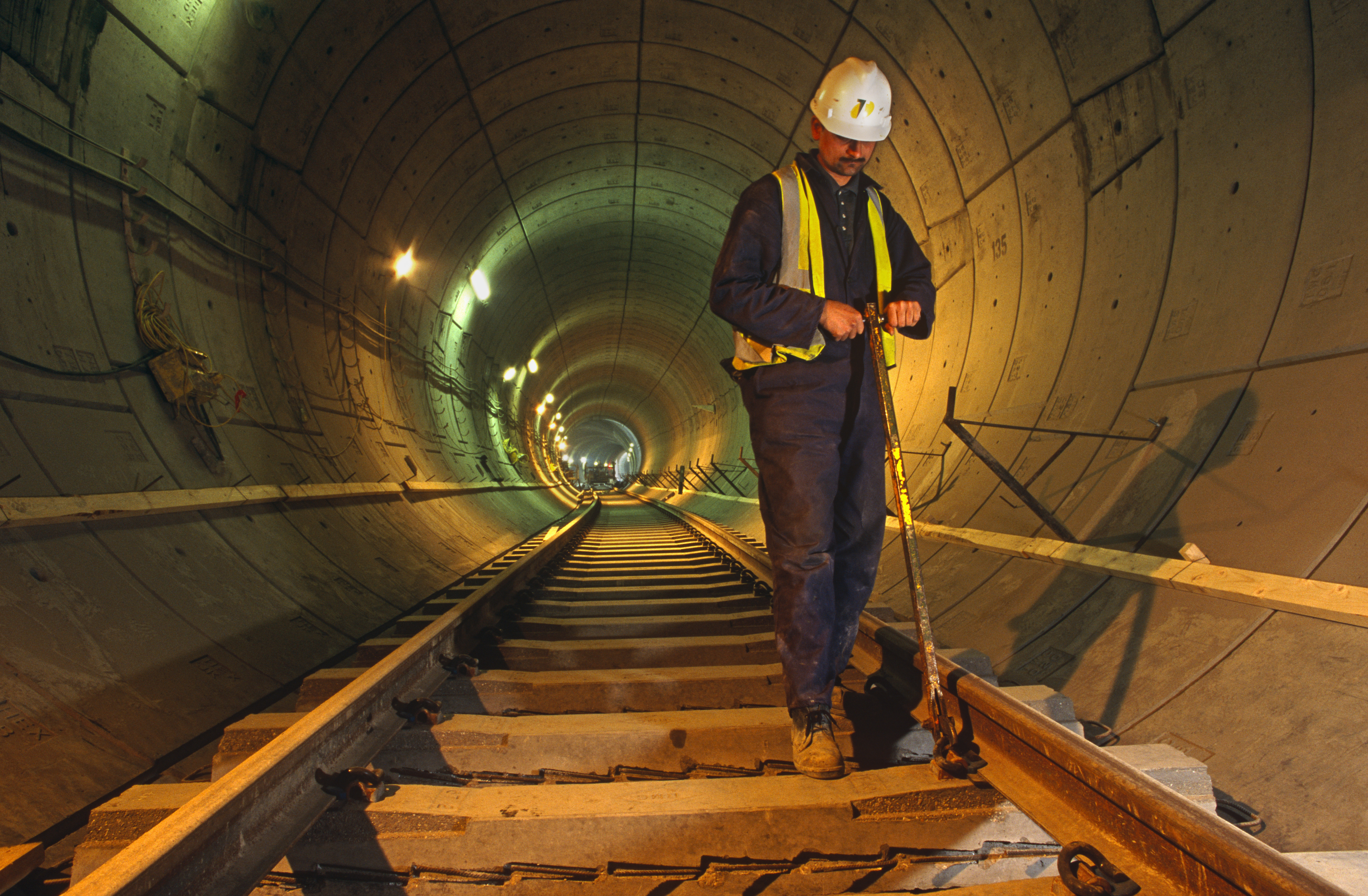
Infrastructure Investment: The Case of the U.K.
Over the next decade and a half , the United Kingdom will pour hundreds of billions of dollars into transport, and other infrastructure projects. One of the country's top experts in the field says good planning, and strong political are critical to success.

Allégement de la Dette de 1,1 Milliard de Dollars en Faveur du Tchad
Mauricio Villafuerte , Chef de mission pour le Tchad dit que le pays a mener à bien de remarquables réformes économiques, ce qui lui a permis d'avoir accès à un allègement de la dette dans le cadre de l'initiative en faveur des pays pauvres très endettés (PPTE). Contributors: Mauricio Villafuerte : Chef de mission pour le Tchad, Département Afrique du FMI
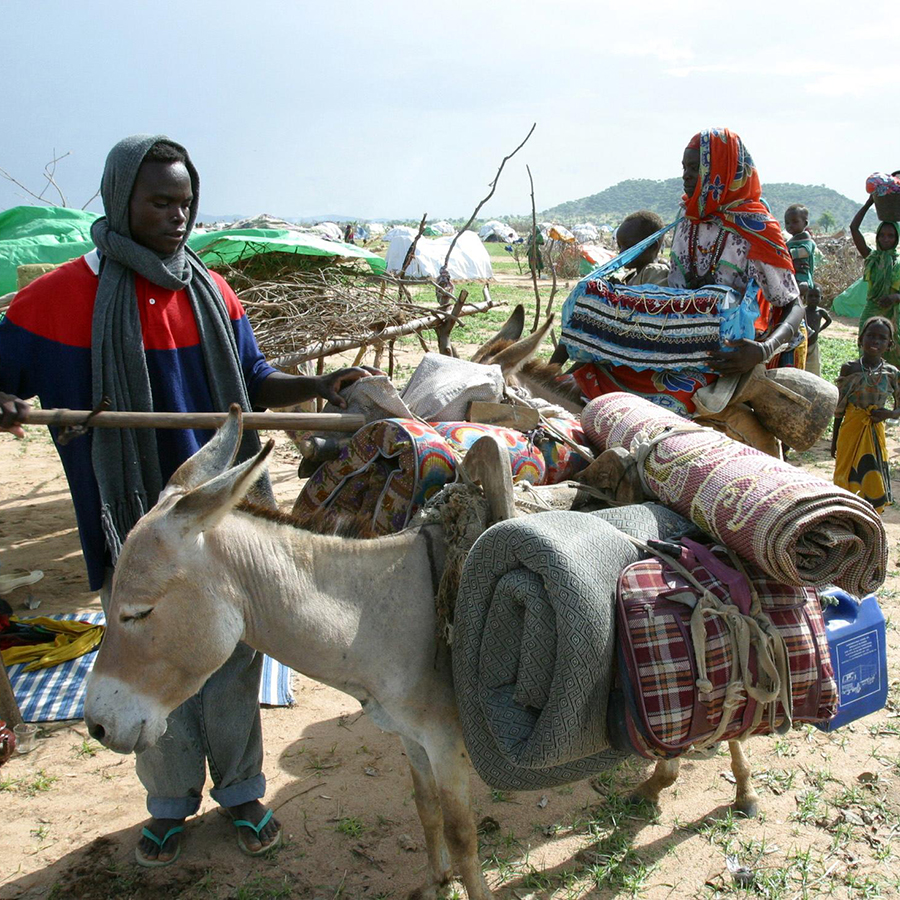
$1.1 Billion in Debt Relief for Chad
Mauricio Villafuerte, IMF Mission Chief for Chad says the country has made some remarkable economic reforms since 2010, paving the way for US$1.1 billion in debt relief under the Heavily Indebted Poor Countries Initiative. Contributors: Mauricio Villafuerte : Mission Chief for Chad in the IMF's African Department

Perspectives Economiques pour l'Afrique Subsaharienne
Selon Céline Allard, du FMI, l'Afrique subsaharienne devrait, cette année encore, enregistrer de solides résultats économiques malgré la baisse des cours des produits de base, les projections laissant entrevoir un taux ce croissance de 4,5 % pour 2015.
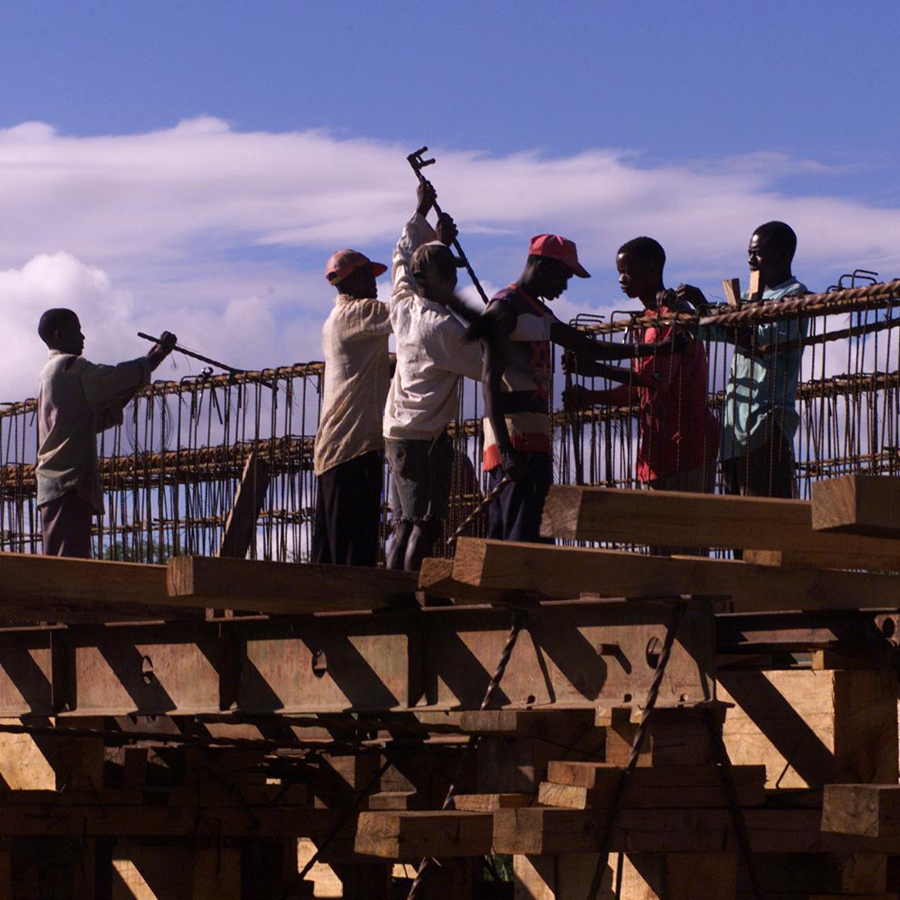
Sub-Saharan Africa's Latest Economic Outlook
IMF's Céline Allard says sub-Saharan Africa is set for another year of solid performance despite declining commodities, with a projected growth rate of 4.5 percent for 2015.

Jakkie Cilliers on Fragile States
More Than 1 billion people live in countries affected by fragility. Fragile states are often confronted with political instability or conflict, inadequate public services, and lack of economic opportunities. Jakkie Cilliers, Executive Director of the Institute for Security Studies in Pretoria, South Africa Claver Gatete, Minister of Finance of Rwanda Kaifala Marah, Minister of Finance and Economic Development in Sierra Leone

Uneven Global Economic Growth for 2015
The International Monetary Fund expects the world's economy to expand by 3.5 percent this year, but the economic picture differs across the world. The impact of the global financial crisis are still being felt.

Lagarde: Prevent "New Mediocre" From Becoming "New Reality"
IMF Managing Director Christine Lagarde said policymakers around the world need to work together to strengthen global economic growth.
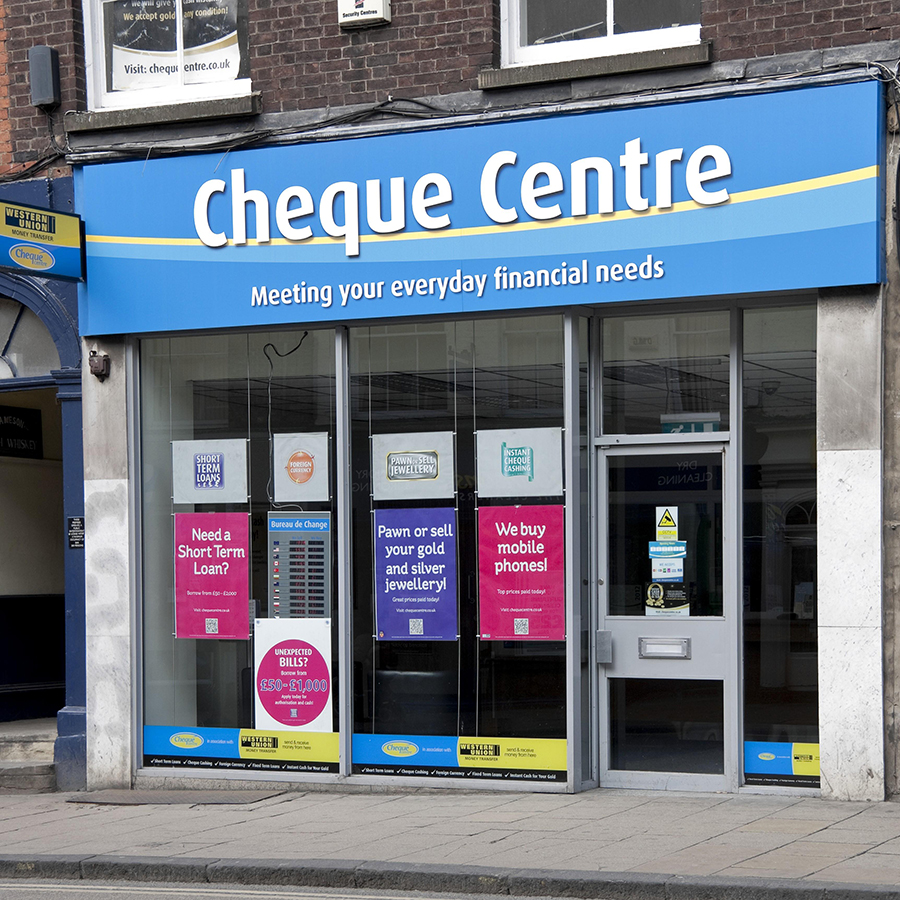
Delving into the World of Shadow Banks
A former chairman of the UK's Financial Services Industry, Adair Turner, says there's room for non-bank lending institutions, but thoughtful regulations need be put in place. By Lord Adair Turner: Senior Fellow at the Institute for New Economic Thinking.

Finance pour tous : Promouvoir l'Inclusion Financière en Afrique Centrale
Le FMI et la Banque des États de l'Afrique centrale (BEAC) organisent conjointement une conférence sur la croissance inclusive à Brazzaville, République du Congo, le 23 mars. le lien de la conférence: http://www.imf.org/external/french/np/seminars/2015/brazzaville/index.htm

Finance for All: Promoting Financial Inclusion in Central Africa
The IMF and the Central bank of Central African states are co-hosting a conference on Inclusive Growth, in Congo Brazzaville on March 23rd. Link to the conference: http://www.imf.org/external/np/seminars/eng/2015/brazzaville/index.htm
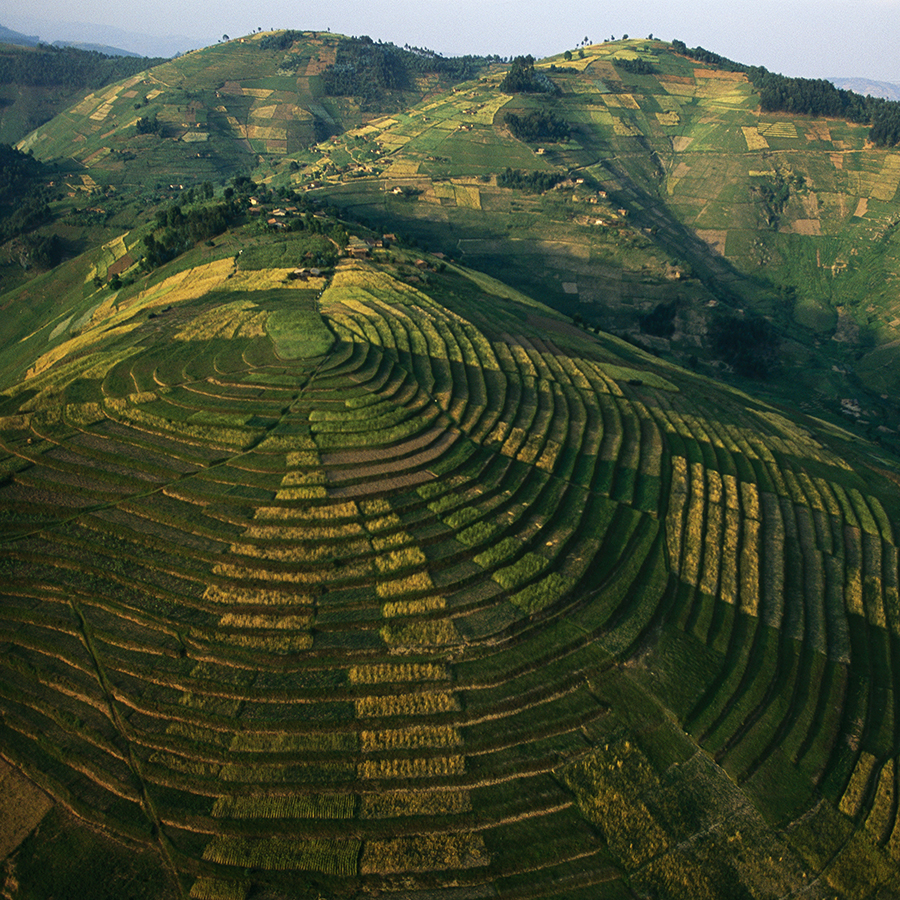
Alun Thomas on Rwanda's Changing Job Market
More Rwandans are leaving their work on the farm to start small household businesses. By Alun H. Thomas: Senior economist in the IMF's African Department

Ekkehard Ernst on The Shrinking Middle
The International Labour Organization says while the demand for highly skilled jobs is on the rise, middle-class jobs are in sharp decline.

Building a Monetary Union in East Africa
The Quest for Regional Integration in the East African Community lays out all aspects of the ongoing financial integration process for Uganda, Kenya, Tanzania, Rwanda and Burundi.

Boosting Women-Owned Businesses Key to Growth
Melanne Verveer, served as Ambassador-at-Large for global women's issues under President Obama. She says more women in small and medium sized enterprises is a catalyst for growth.
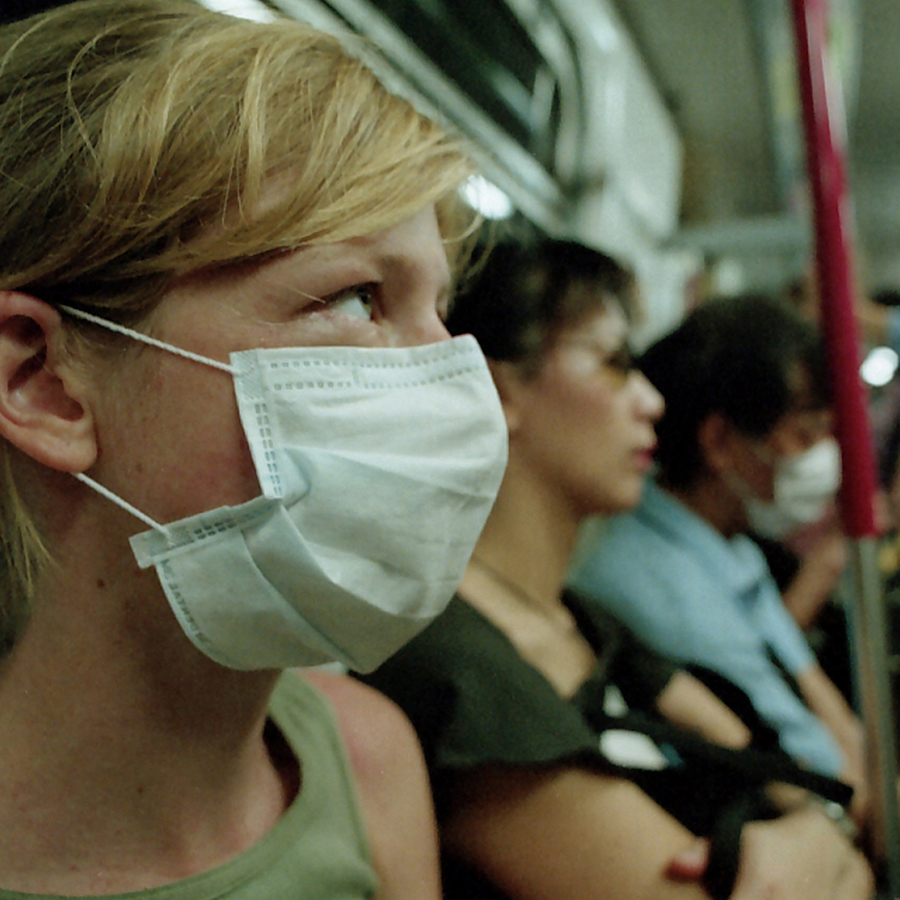
Preventing Another Plague
The World Bank has labeled global pandemic one of the greatest risks facing the world today, but according to one economist, preventing such a disaster is only a matter of political will.

IMF Grants Help Ebola-hit Countries Drive Down Debt
The IMF will provide grants totaling $100 million to the three countries worst hit by the Ebola epidemic. Guinea, Liberia, and Sierra Leone will use the funds to cover the cost of servicing their debt.
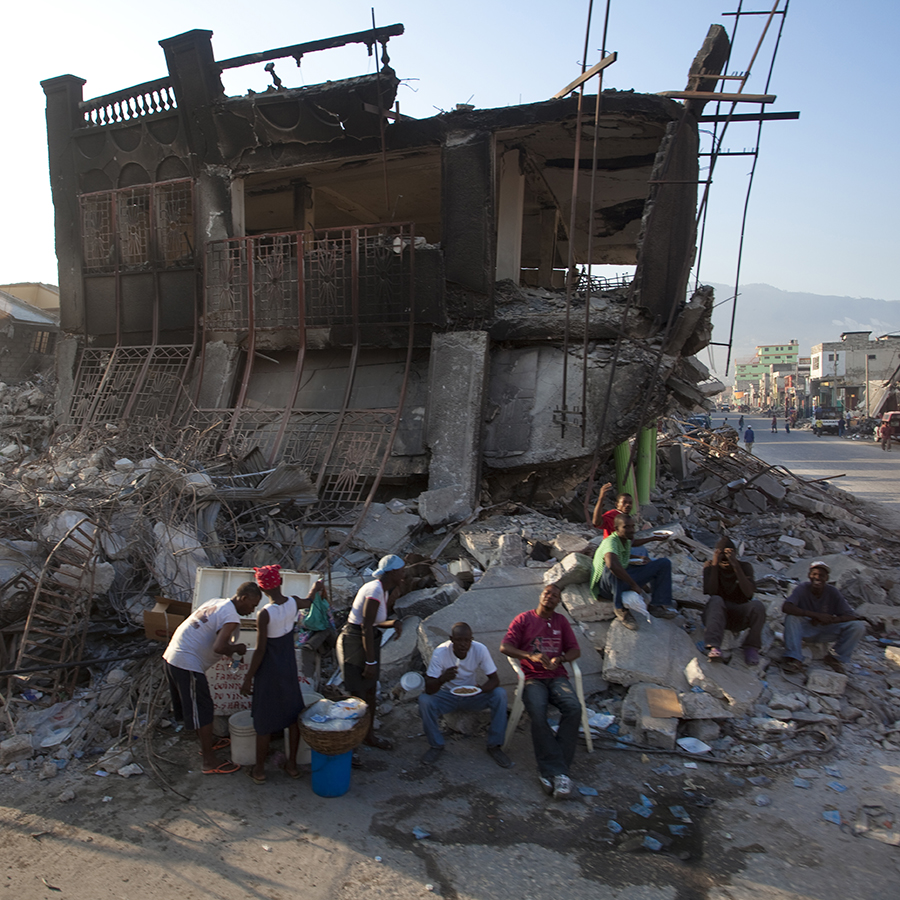
Economies of the Bottom Billion
New report on low income countries helps strengthen IMF's monitoring framework.
Olivier Blanchard, on the State Of The World Economy
A conversation with IMF chief economist Olivier Blanchard, where he talks about the latest downward revisions to the World Economic Outlook. Even with a boost from falling oil prices, the WEO update shows global growth for 2015-16 at 3.5 and 3.7 percent.
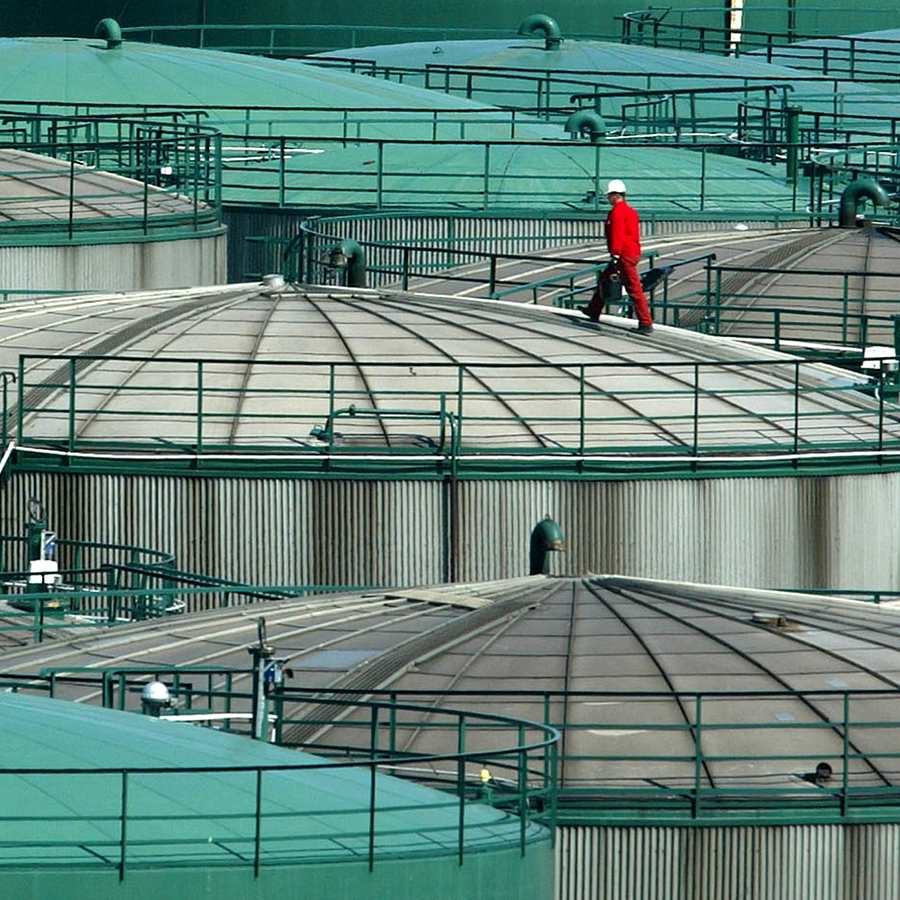
Olivier Blanchard, Perspectives de l'économie Mondiale
Entretien avec OLIVIER BLANCHARD, économiste en chef du FMI, où il parle des dernières révisions à la baisse de la Perspective Économique Mondiale. La mise à jour montre la croissance mondiale pour 2015-16 à 3,5 et 3,7 pour cent.
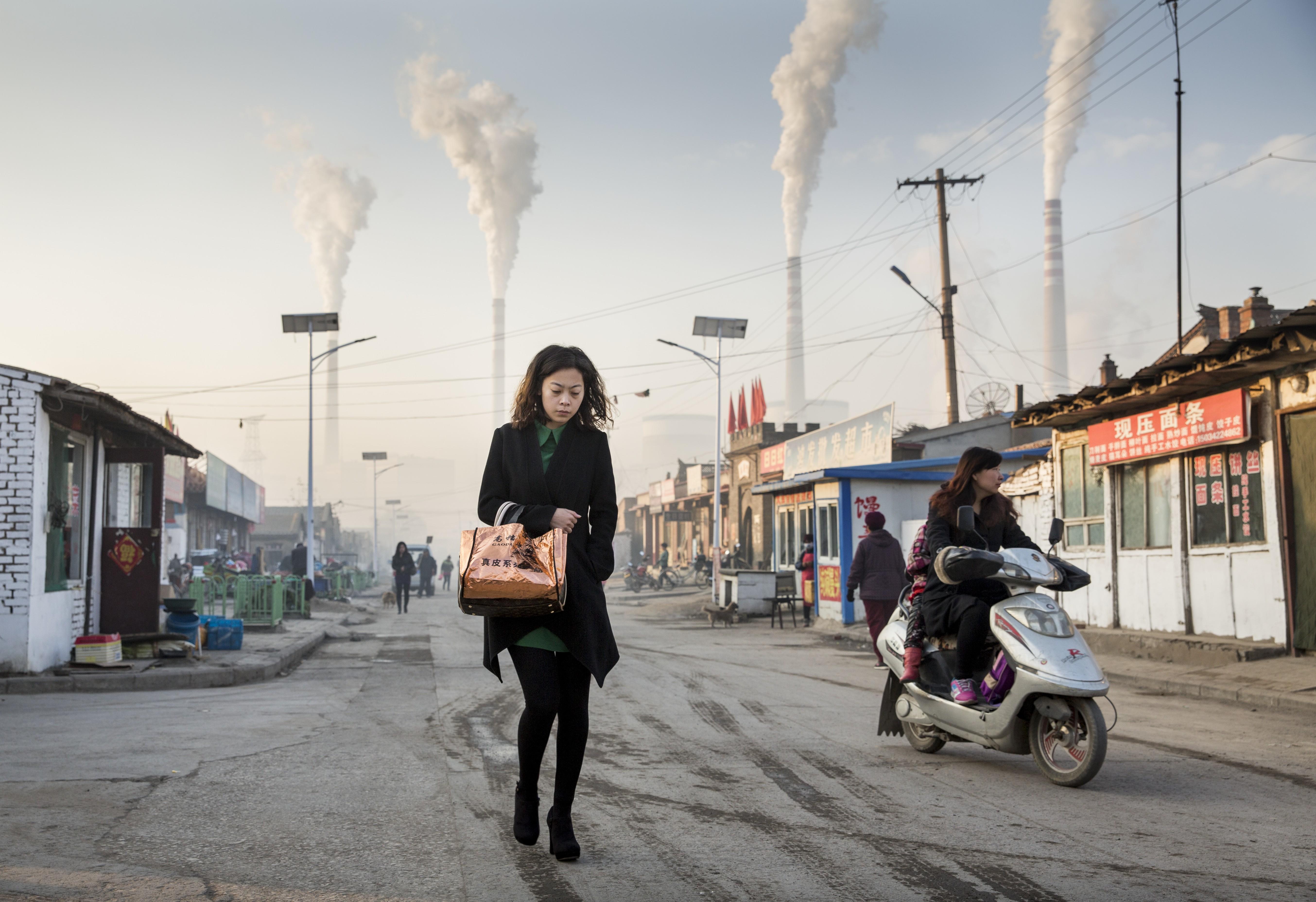
Dirty Energy's Human Toll
The burning of fossil fuels comes with many costs. Millions of people die each year from the pollution it emits. This follow up to an earlier interview with an IMF economist explores the health risks posed by air pollution and some proposed solutions.

Michael Spence: Inclusive Growth=Stability
Strong economic growth helps keep people employed and healthy, but there's a growing sense in many countries that only the wealthiest are reaping the benefits. Nobel laureate Michael Spence says inclusive growth is key to economic stability.

Women In The Workforce: Breaking The Barriers
More than half of all countries in the world have laws that restrict women from joining the workforce. The IMF says the global economy would benefit by Boosting Women's Participation in the Labor Force, and hosted a seminar on the topic last fall during the Fund's annual meetings. Sarah Iqbal participated in that forum and talks in this podcast about the hurdles women face when starting a business. Read as well the IMF Survey story on Unleashing the Economic Power of Women [http://www.imf.org/external/pubs/ft/survey/so/2014/car091514b.htm]
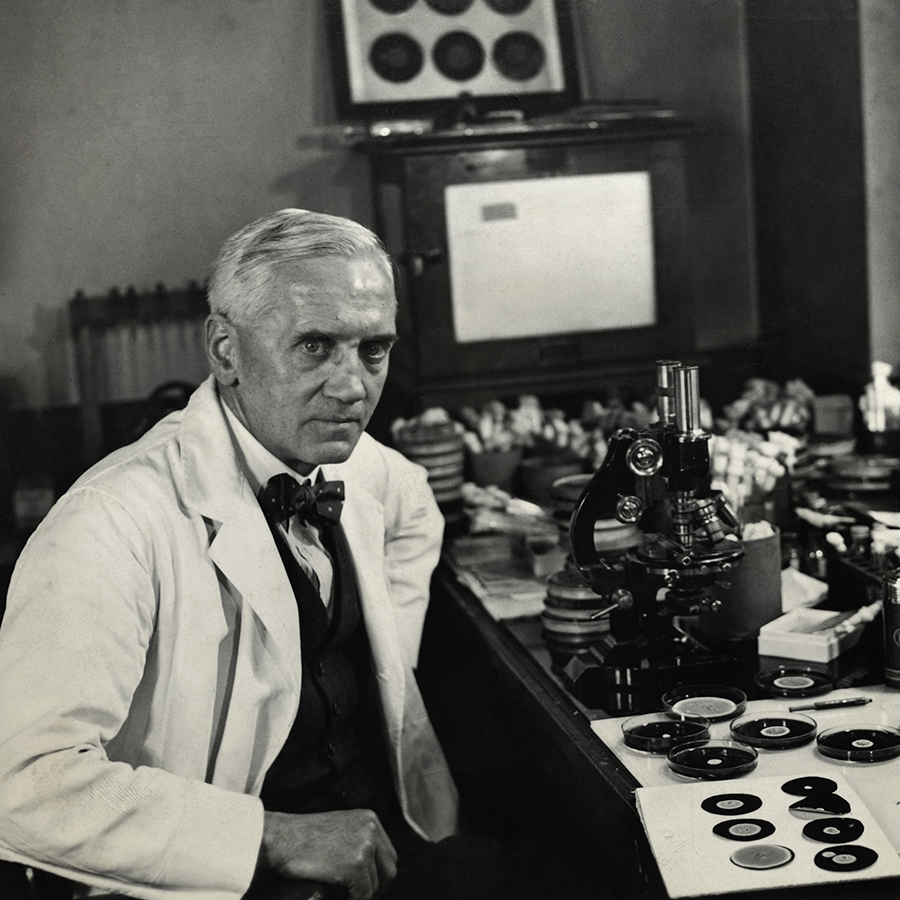
The Cost of Antibiotic Resistance
Antibiotics have transformed modern medicine, but their overuse has resulted in more drug–resistant strains of bacteria. As resistance increases, people in poorer countries often can't afford expensive second-line drugs. Ramanan Laxminarayan, Princeton University and director of the Center for Disease Dynamics, Economics & Policy.
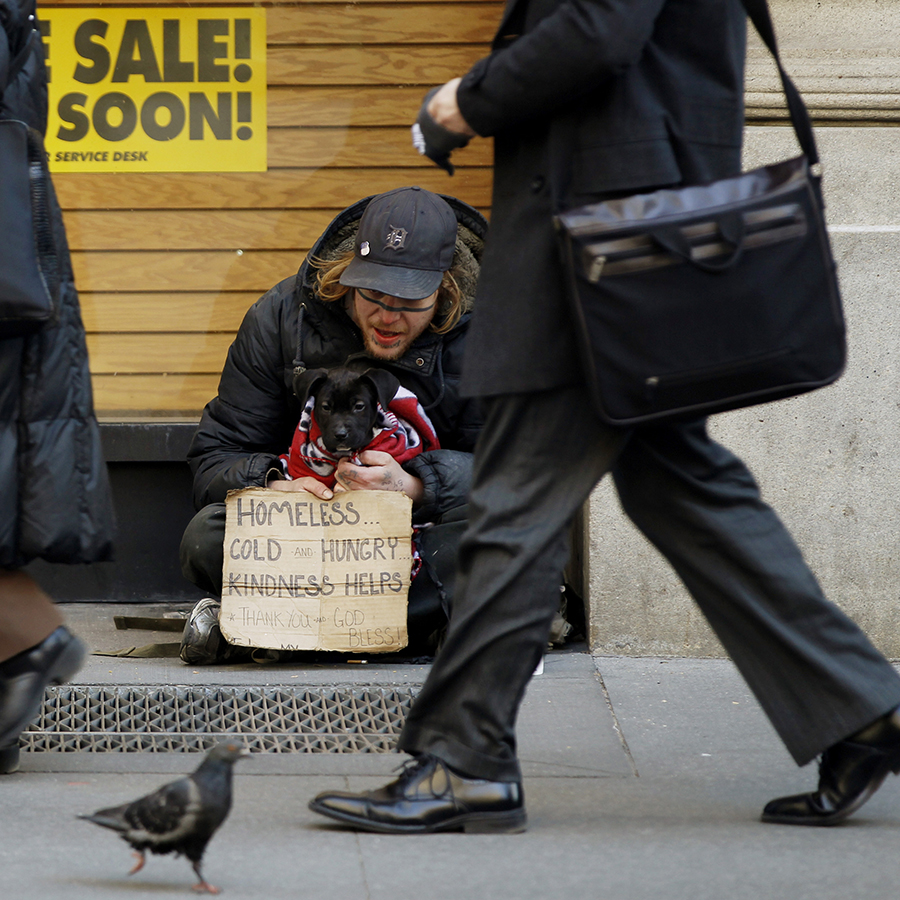
Justin Wolfers: Policies To Bridge The Income Gap
Economist Justin Wolfers explains why the continued challenge of tackling income inequality should be a global priority for countries around the world and across the economic spectrum.

South Africa's Economic Challenges
South Africa can celebrate significant progress in its first 20 years of democracy, but faces the challenge of reviving a weak economy. Addressing structural constraints such as electricity shortages are key to increasing growth.

The World According to Adam Smith
Despite his reputation as the father of greedy capitalism, Adam Smith did a great deal of thinking about the human condition and how to be a better, more generous person. One economist believes that Smith could change your life. Listen to Russ Roberts on economics as entertainment:

Hip-Hop Economics
Economic ideas can be a hard pill to swallow for non-academics, and yet virtually everyone can benefit from understanding them. Economist Russ Roberts discusses how he uses stories, rap music and the internet to help the medicine go down.

Data Drives Better Decisions
Data has gained prominence as a vital building block for making sound policy. IMF Director of Statistics, Louis Marc Ducharme talks about how the IMF is helping make data more widely available to policy makers.

Income Inequality can lead to Economic Instability
When the richest 85 people hold the combined wealth of 3.5 Billion poor people, economist Jose Antonio Ocampo explains that Income inequality can shift from a human rights issue to a marker of potentially dangerous economic instability.

Stop Squeezing Workers, and Step Up Investment, says ILO
Labor market flexibility is considered by many to be essential to an efficient market economy. But a top-level official of the ILO says there's been an excessive focus on worker flexibility. Off the back of an IMF/World Bank seminar, she explained how economic growth can be nurtured to benefit all.
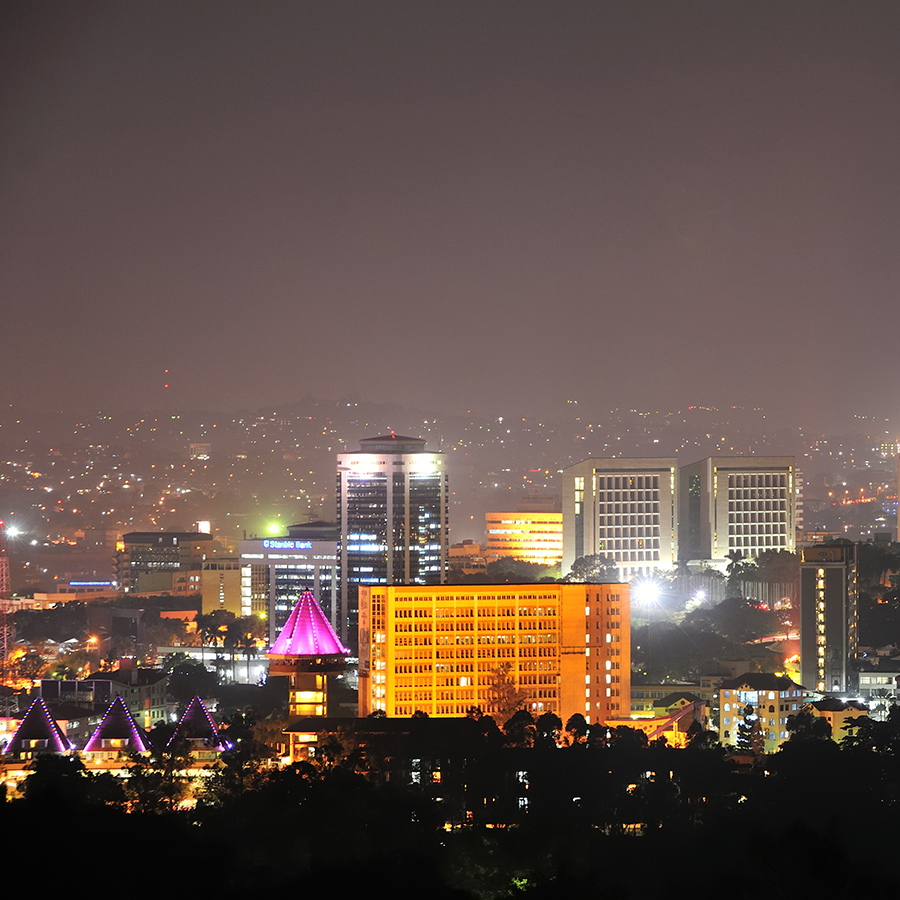
Uganda-Capacity Building for Growth
As Uganda's economy continues to grow, so does the need for more efficient ways of managing large development projects. The country's finance minister says the objectives of each program must be clear, for capacity building to be effective.
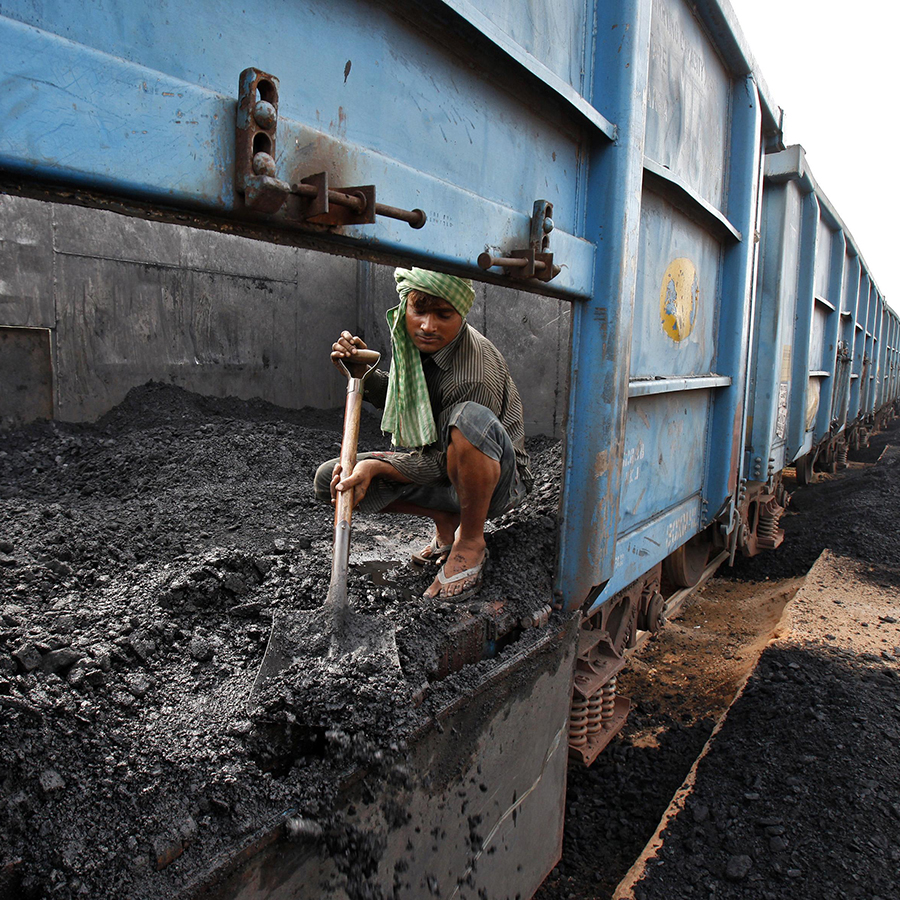
Arvind Subramanian, on Boosting India's Private Sector
Private investment is down in India, partly due to the lack of coal and electricity. India's new chief economic adviser Arvind Subramanian says removing those bottlenecks is key to increasing growth.
Unlocking Economic Growth in the Caribbean
Caribbean economies have been slow to recover from the global financial crisis. This week, the IMF and the government of Jamaica will host a high level forum that will discuss ways of boosting the economies of the region.

The Long Life of Keynesian Economics
The work of master economist John Maynard Keynes has been key in the resolution of successive crises from the Great Depression to the recent global financial crisis. An IMF economist gives an overview of the man, his ideas and their impact on economic policy.
Strong Growth in Sub-Saharan Africa Continues
The IMF's latest Regional Economic Outlook for sub-Saharan Africa says growth in the region is currently at 5% and will continue to rise to 5¾ in 2015. The good news is overshadowed however in countries worst affected by the Ebola pandemic.

IMF's Recipe to Escape Prolonged Slow Growth
The world needs more growth, and more jobs to escape the prospect of prolonged, mediocre economic future, says the head of the International Monetary Fund who laid out the prospects for the global economy, and the priorities for the international organization at the start of the IMF-World Bank Meetings.

Building Roads To Growth
In the current environment of slow economic growth, where conditions are right, there's a strong case for increasing public investment, says the IMF in its latest World Economic Outlook
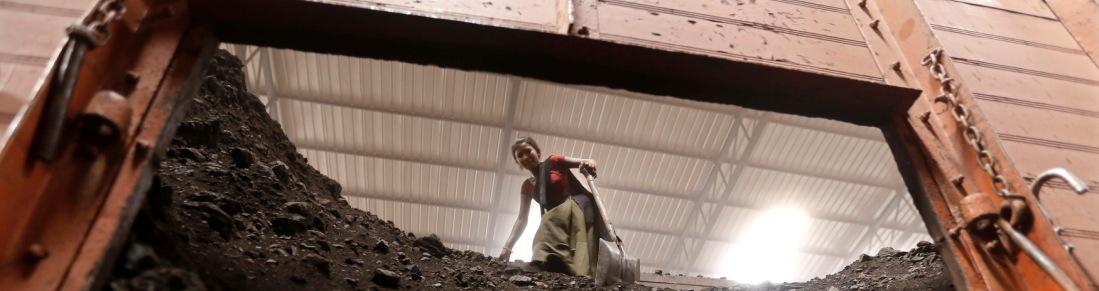
IMF Forecasts Disappointing Global Growth with Uneven Recovery
The global economy is suffering weak and uneven growth, with countries experiencing different rates of recovery from the global financial crisis of 2008. While the economies of some advanced countries continue to expand, the emerging markets are facing lower domestic demand and geopolitical tensions.

Le FMI accorde $130 millions aux pays touchés par l'Ebola
Le Fonds monétaire international accorde $130 millions d'aide financière aux trois pays d'Afrique de l'Ouest les plus touchés par la crise de l'Ébola. Le Libéria, la Guinée et la Sierra Leone se heurtent à un ralentissement de la croissance et la flambée du virus bouleverse l'agriculture, le secteur minier et les services. La Directrice générale du FMI, Christine Lagarde, a déclaré que la communauté internationale doit se mobiliser pour aider les pays frappés de plein fouet par la crise.

IMF Approves $130 Million for Countries Worst Hit by Ebola
The International Monetary Fund is to give $130 million dollars of financial assistance to the three countries in west Africa hardest hit by the ebola crisis. Liberia, Guinea and Sierra Leone are facing slowing growth and disruptions to agriculture, mining, and services because of the outbreak.